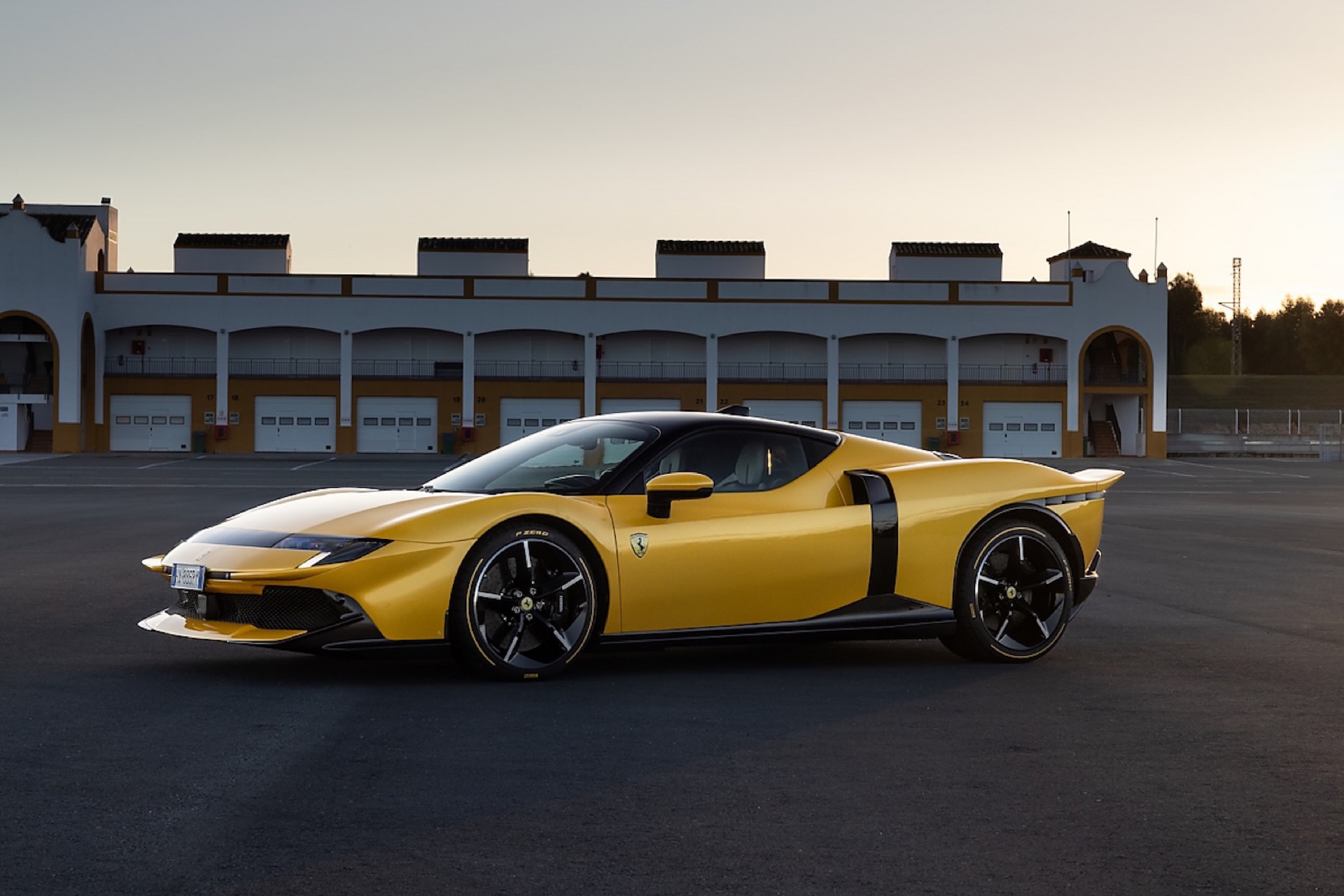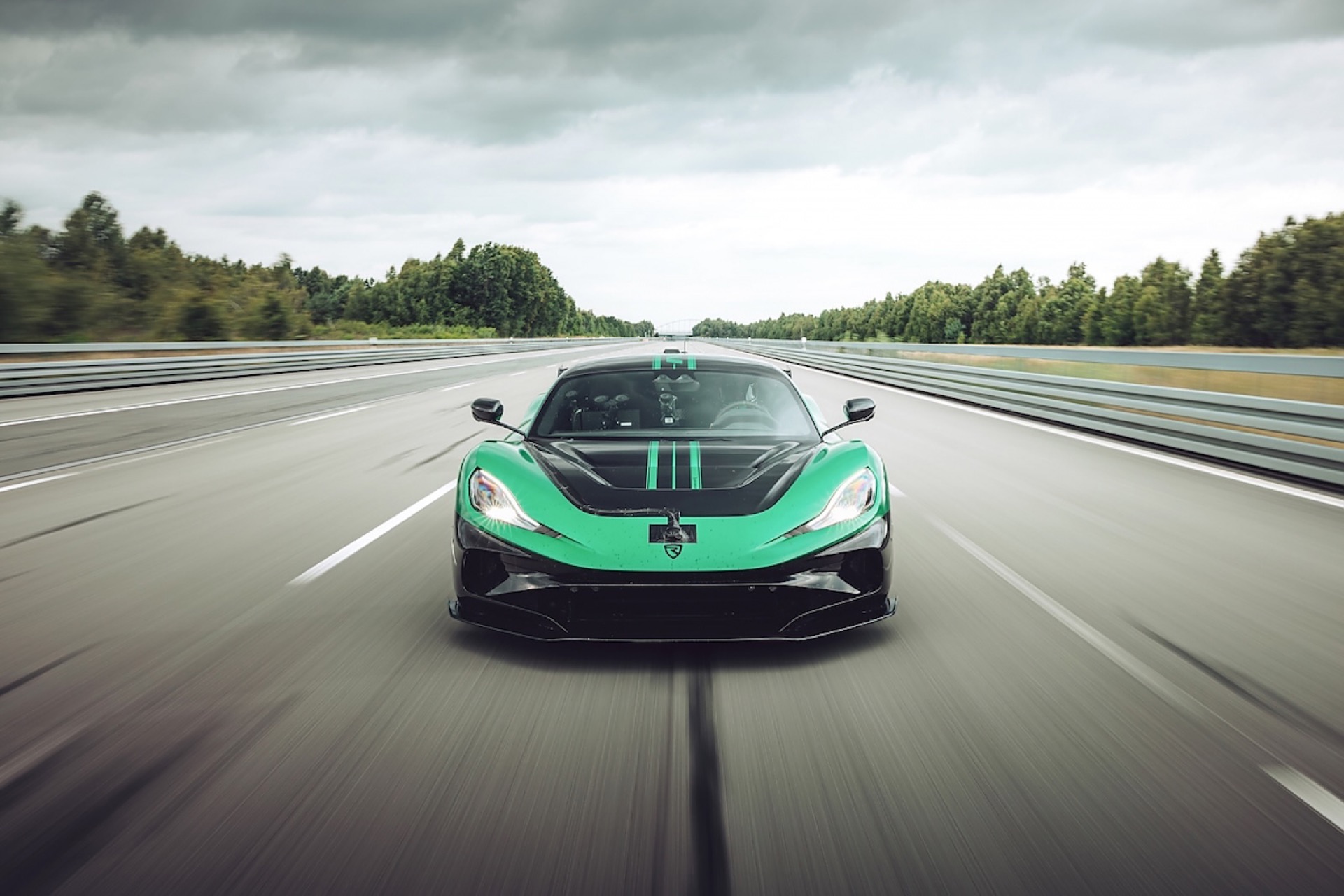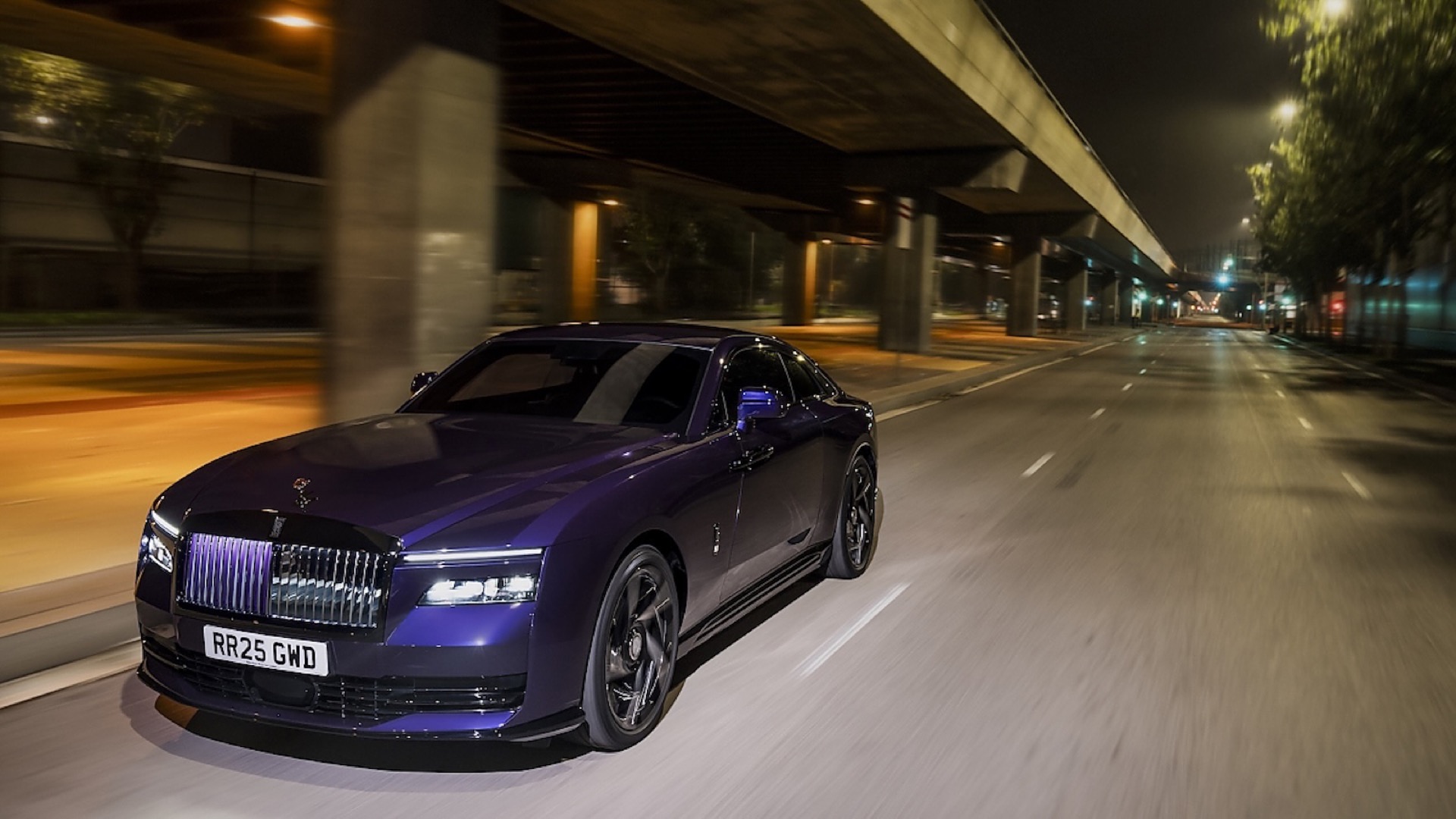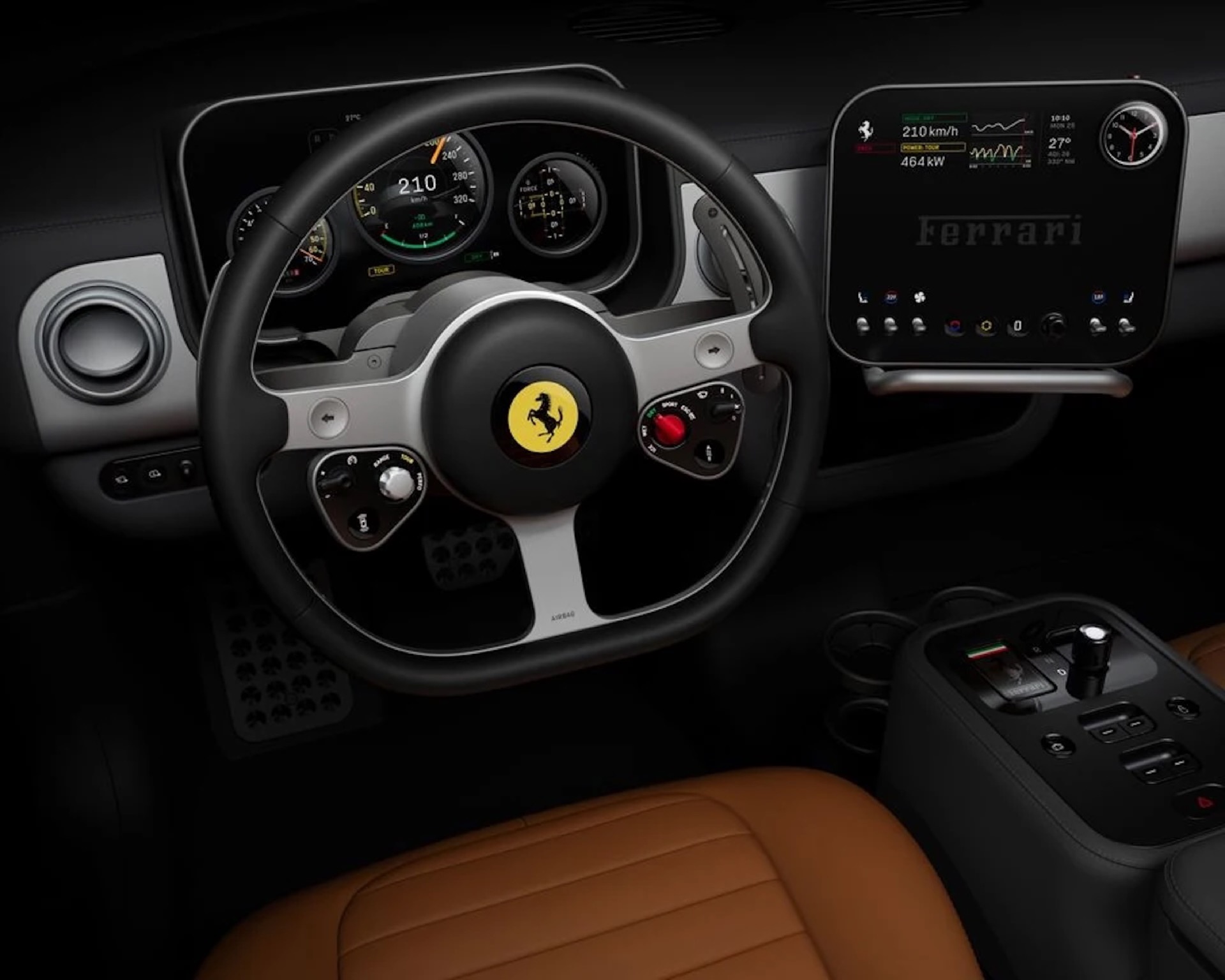
Home Blog

Spark of The Gods: Aston Martin Valhalla Review

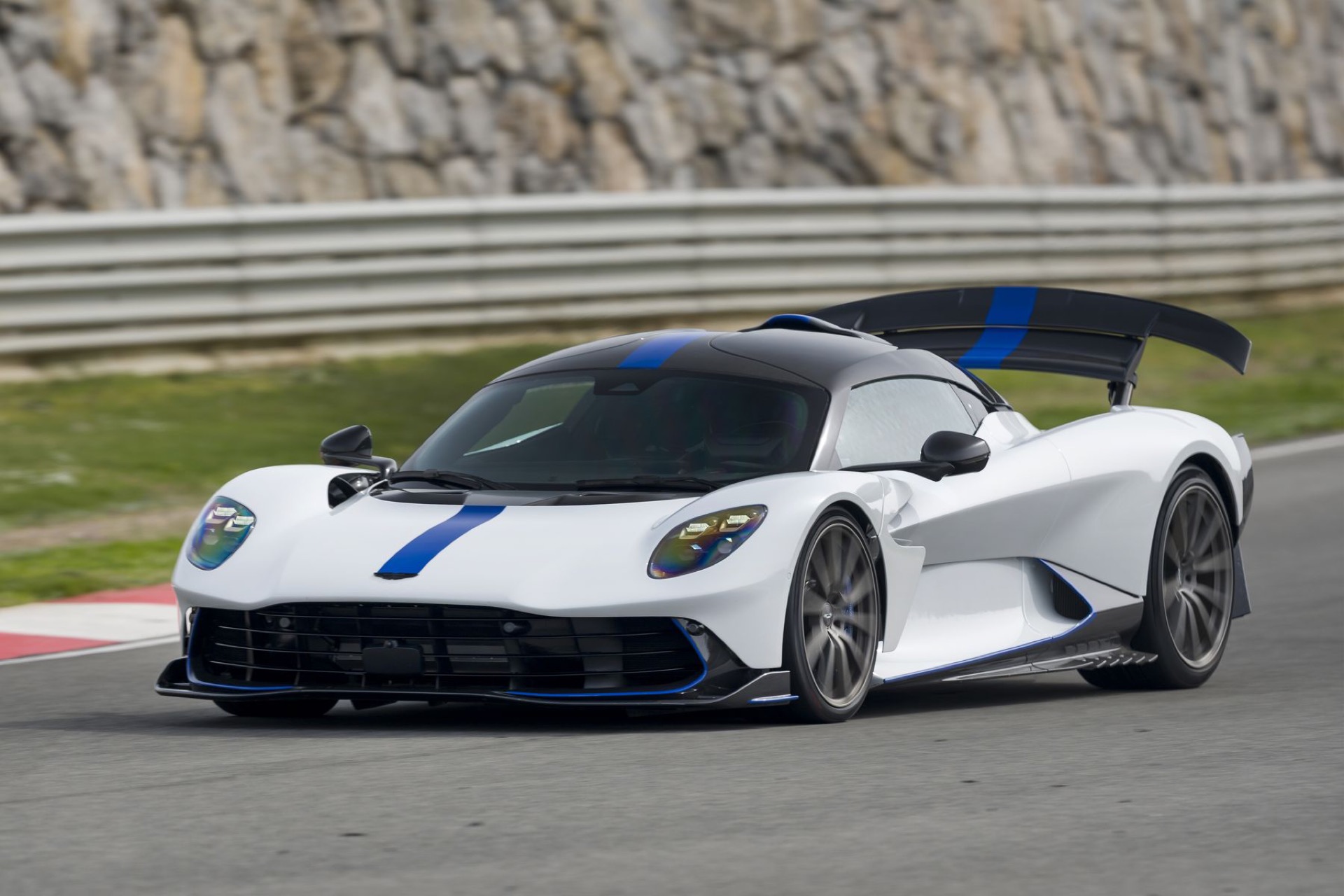
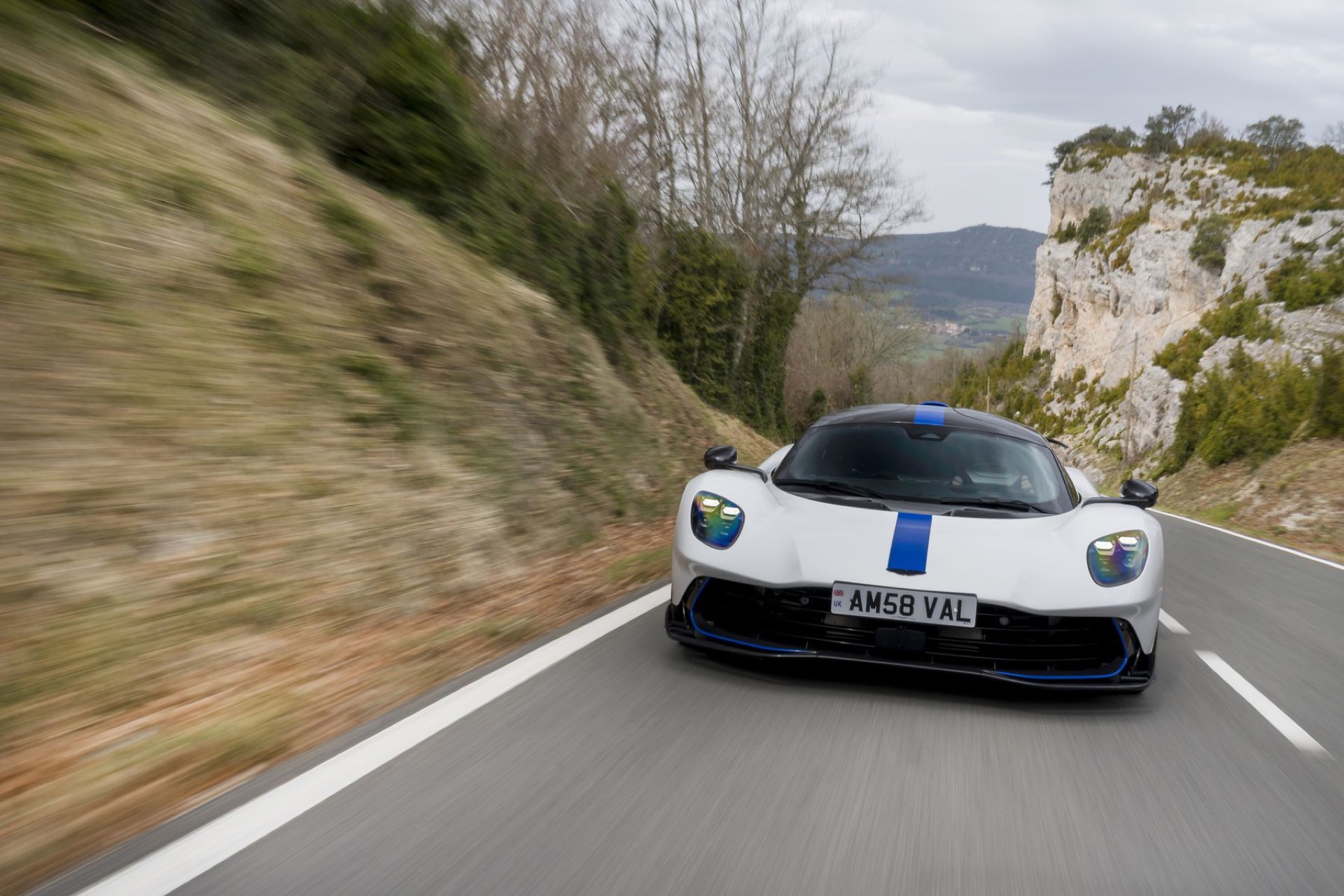
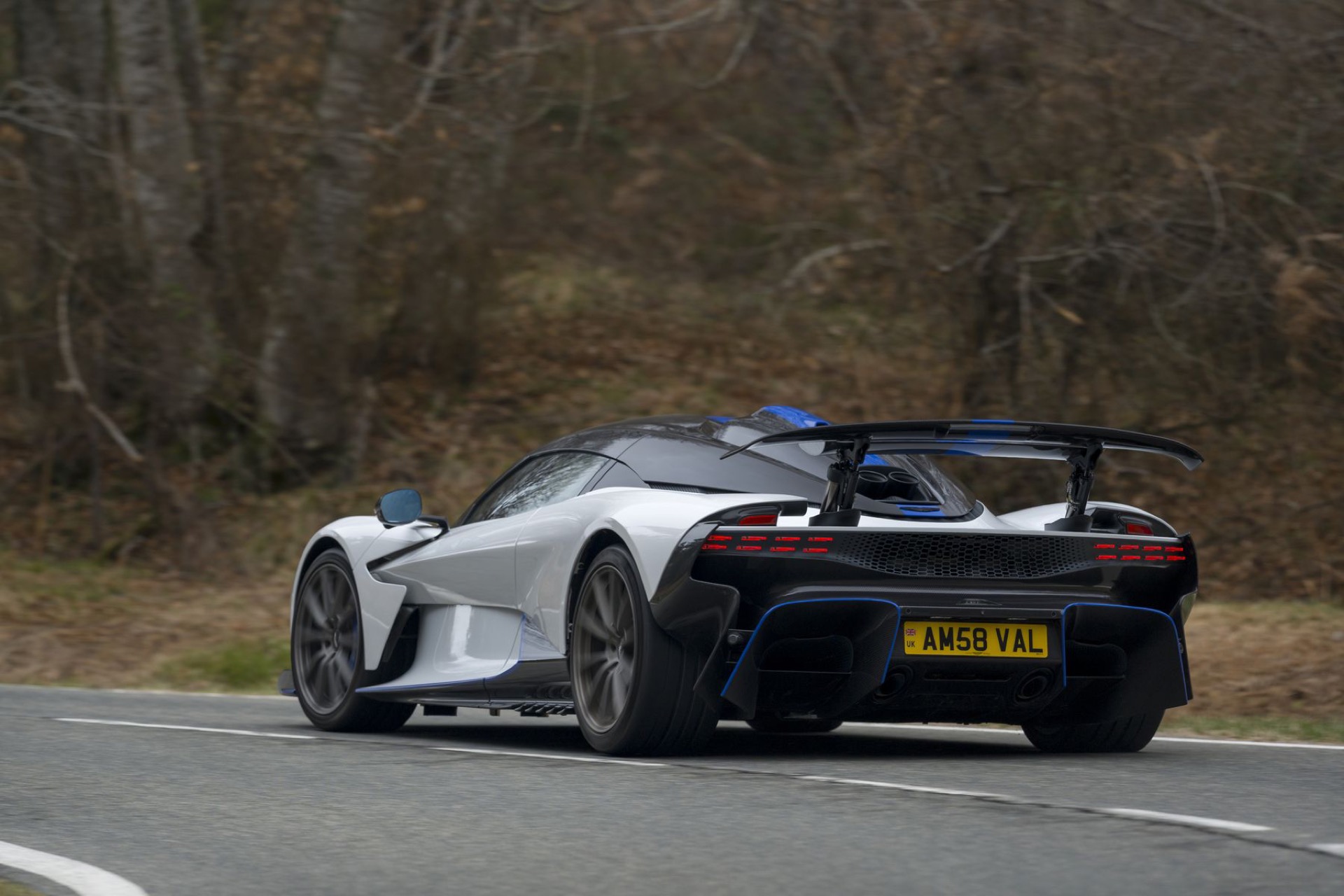
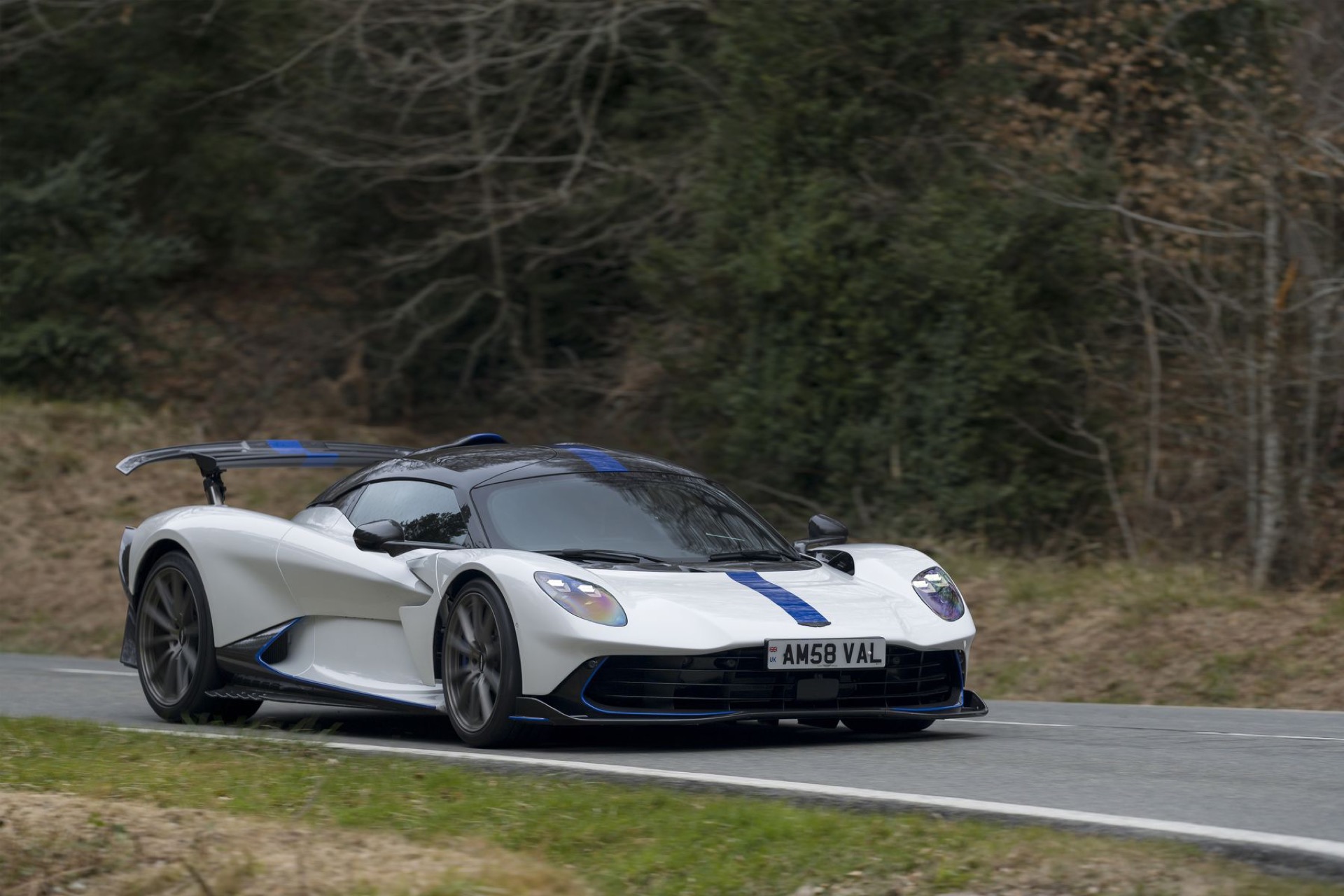
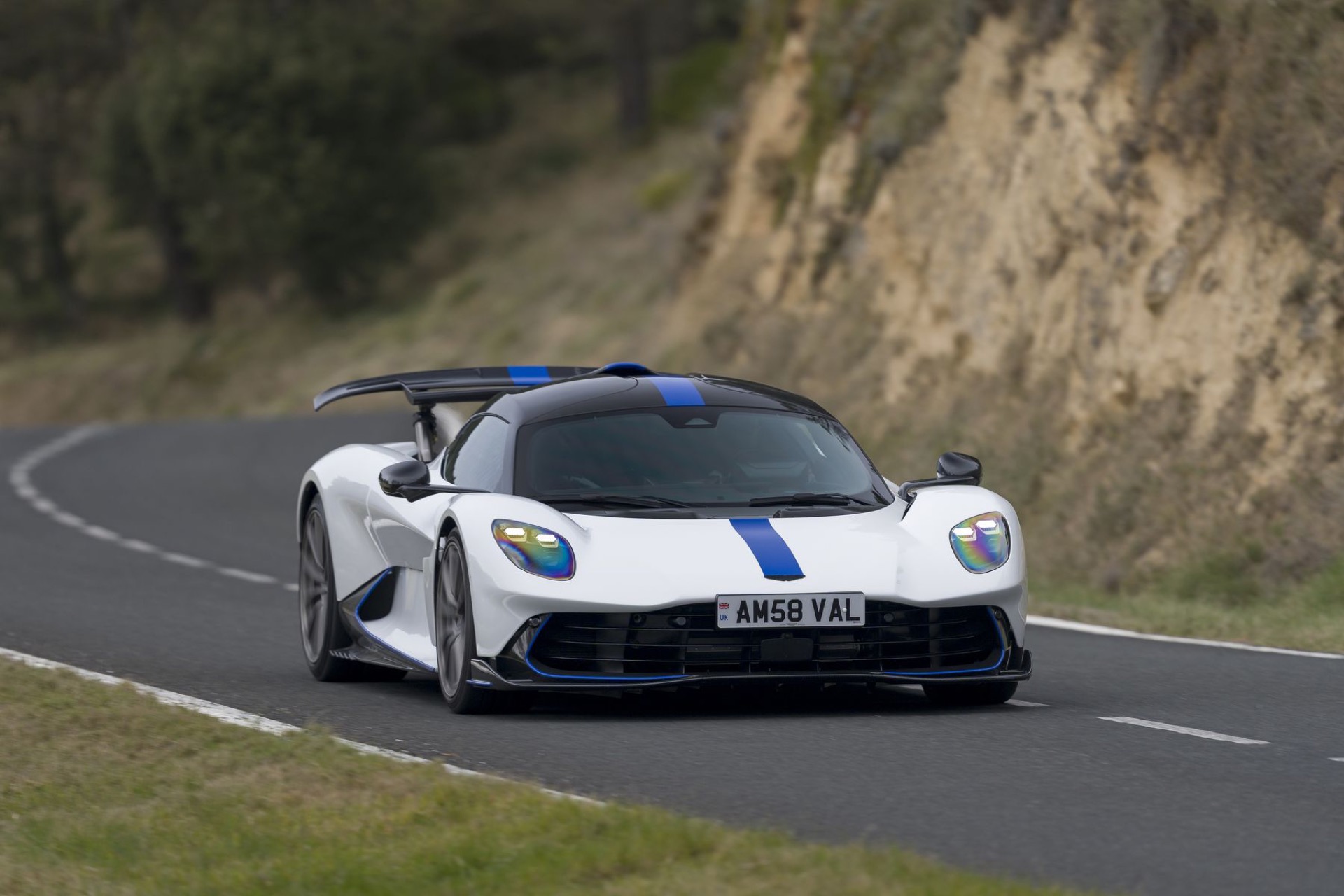
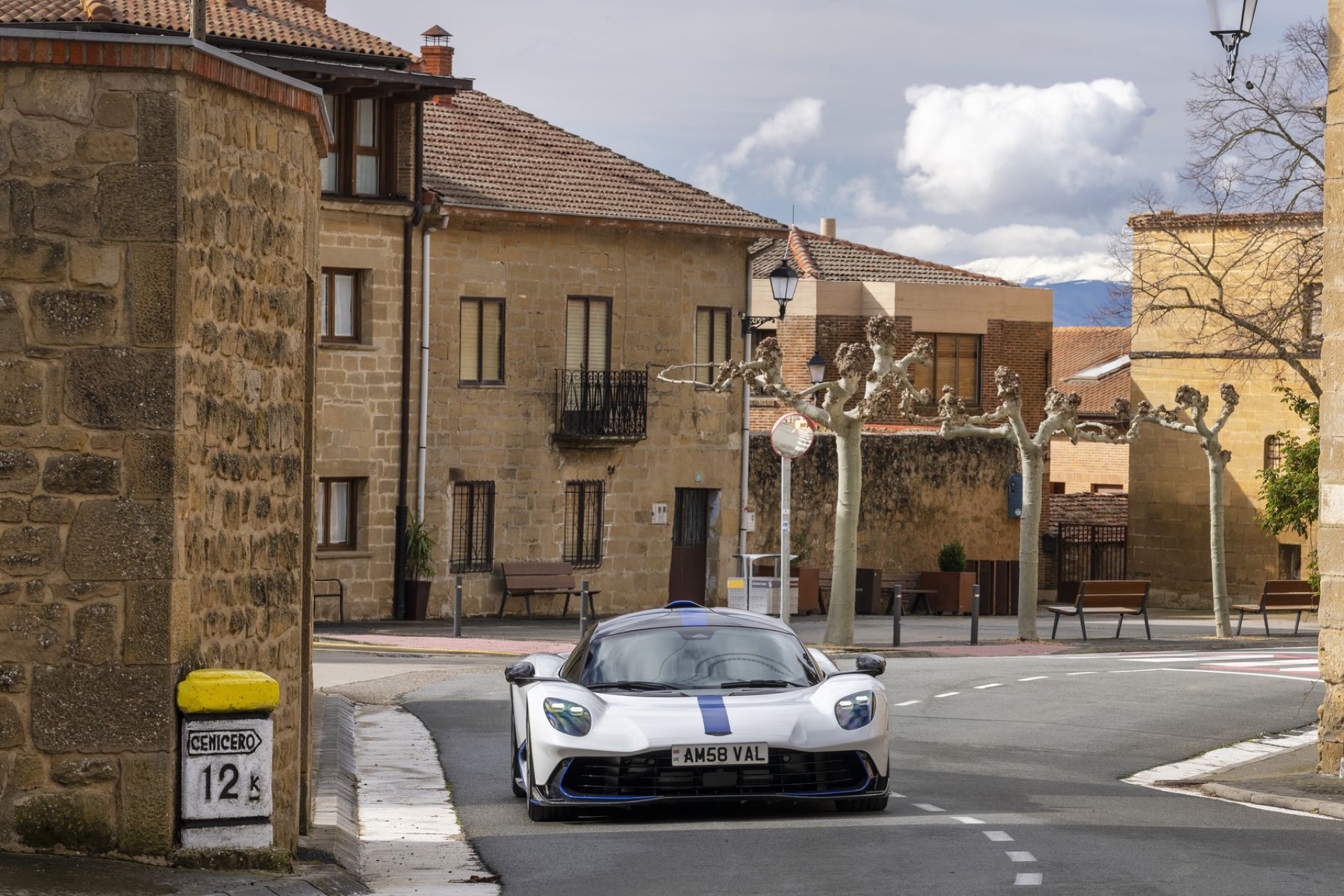
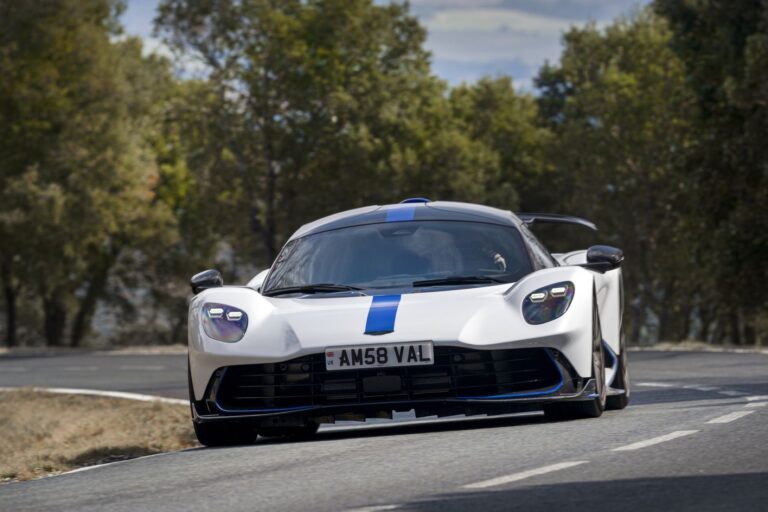
The Aston Martin Valhalla is the brand’s first production mid-engined supercar. And what a machine it is.

A word of warning. Do not get in. Do not press the start button. Not if you value your driving licence. With 1,079 PS on tap, this British hypercar demands discipline and a very well-calibrated right foot. Even the smallest throttle input translates instantly into forward motion. Brutal, relentless and utterly indifferent to its surroundings. Zero to 100 km/h takes just 2.5 seconds, 200 km/h arrives in roughly five, and only at 350 km/h does it relent. The sensation is less about smooth acceleration and more about the sheer force pinning you into the seat, compressing your lungs.
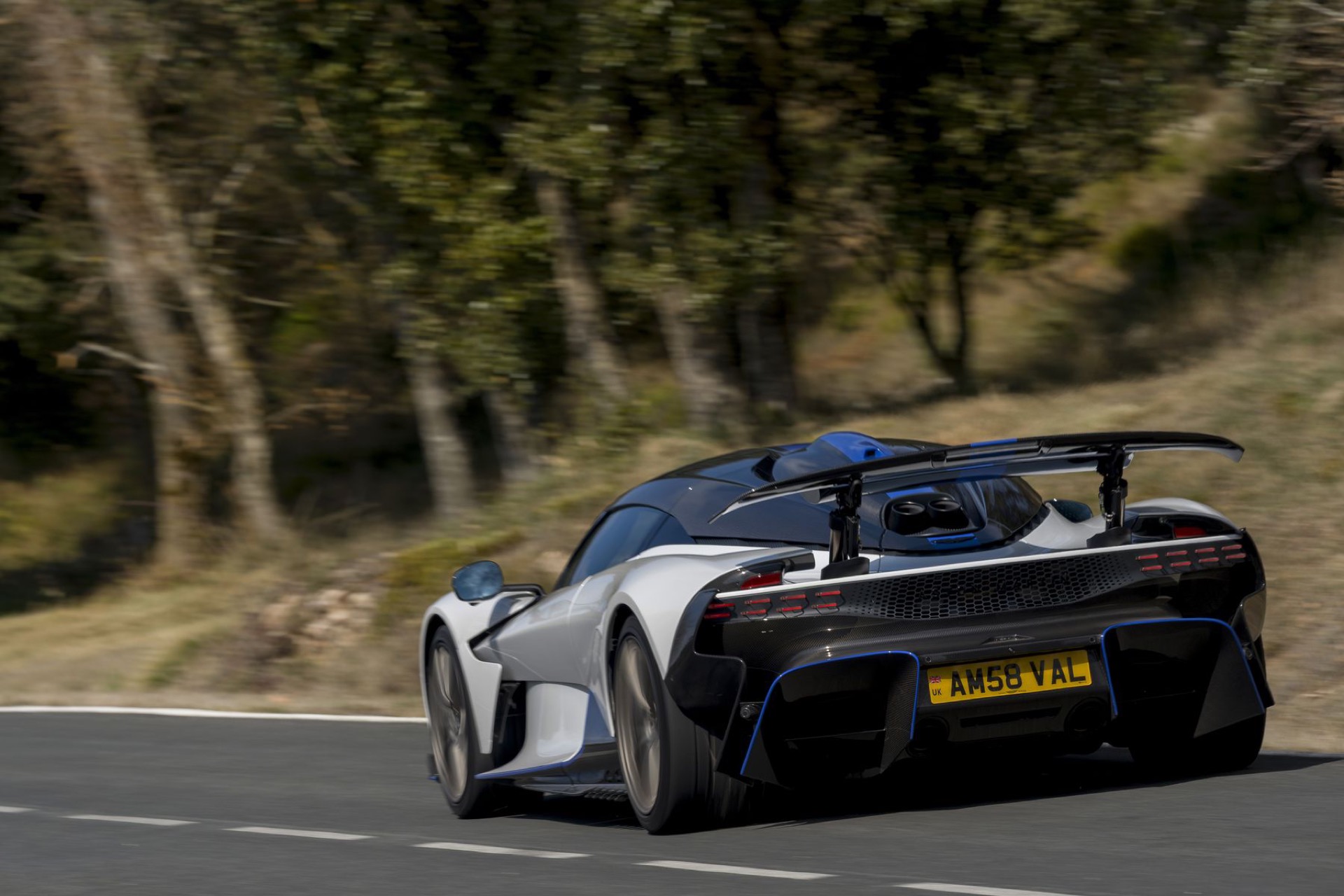
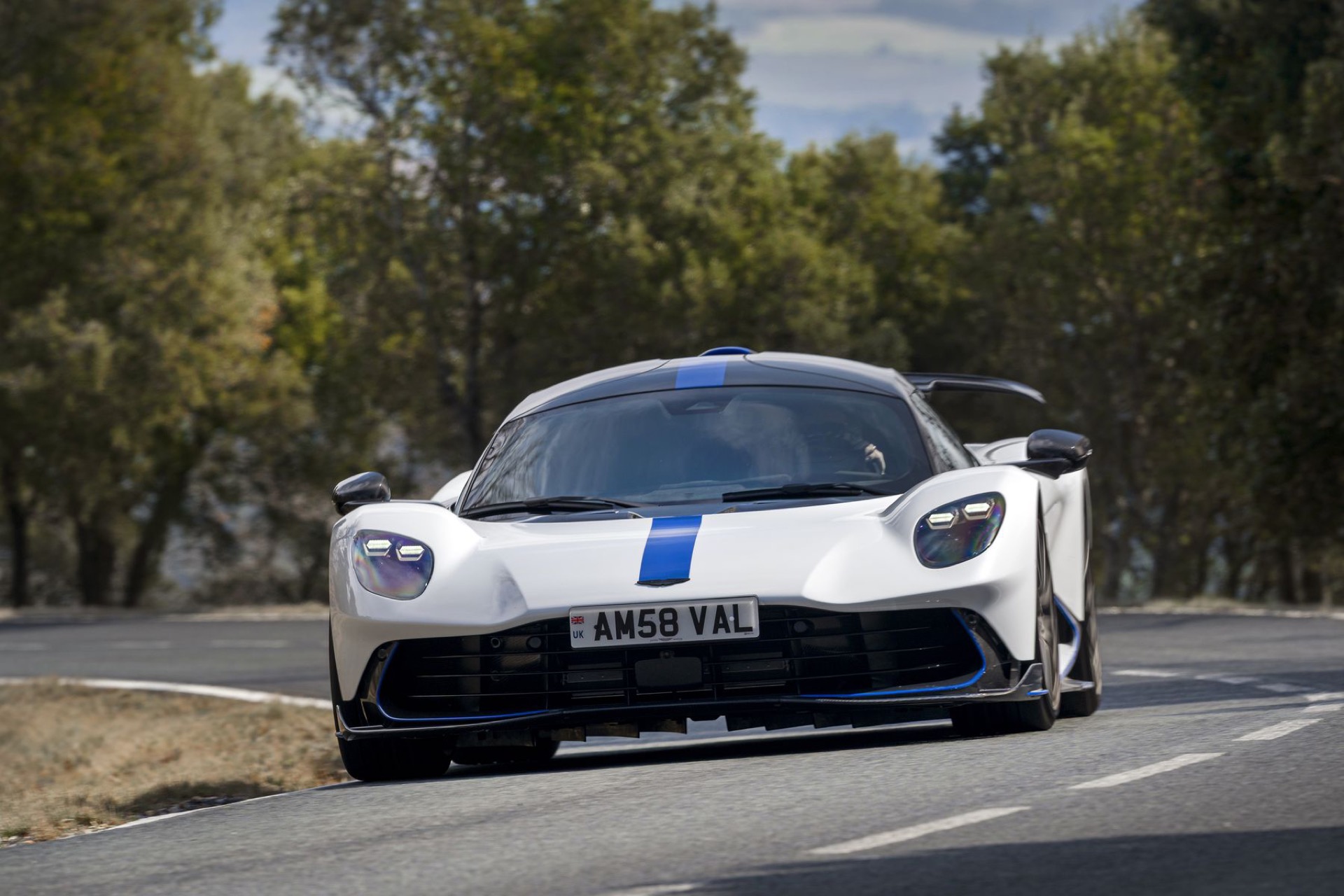
Numbers alone no longer define greatness. What truly sets the Valhalla apart is how it deploys its performance. Whether sweeping country roads or tight mountain passes, the car feels unshakably composed. Sport mode effectively serves as the default setting, yet even in Sport Plus the ride remains surprisingly usable on imperfect surfaces. The foundation is exceptional. A carbon monocoque forms the core, paired with aluminium subframes front and rear. Up front sits a pushrod suspension system derived from motorsport, while the rear uses a multi-link layout with adaptive Bilstein DTX dampers.
At 1,655 kilograms, the Valhalla feels astonishingly light on its feet. Turn-in is immediate, precise and confidence-inspiring. The eight-speed dual-clutch transmission shifts with razor sharpness, while the drivetrain always seems to have power in reserve. Even a slight flex of the right foot is enough to collapse the horizon. The delivery remains linear and controlled unless launch control is engaged, in which case the violence becomes unmistakable.

At the heart of the system is a 4.0-litre twin-turbo V8 with a flat-plane crankshaft, derived from the Mercedes-AMG GT Black Series but extensively reworked. Larger turbochargers, revised camshafts, a new intake system and dry sump lubrication elevate output to 828 PS. More importantly, drivability is exceptional. Around 90 per cent of the total 1,100 Nm torque is available from just 2,500 rpm.

Aston Martin Valhalla 14

The hybrid system completes the picture. Three electric motors are integrated into the drivetrain. Two sit on the front axle, forming a P4 unit that delivers 251 PS and enables precise torque vectoring. They also allow the Valhalla to run in pure electric mode at speeds of up to 140 km/h for around 14 kilometres. The third motor, mounted within the transmission, plays a more subtle but crucial role. It smooths gearshifts, fills torque gaps and manages energy flow. It is effectively the unseen conductor of the entire system.

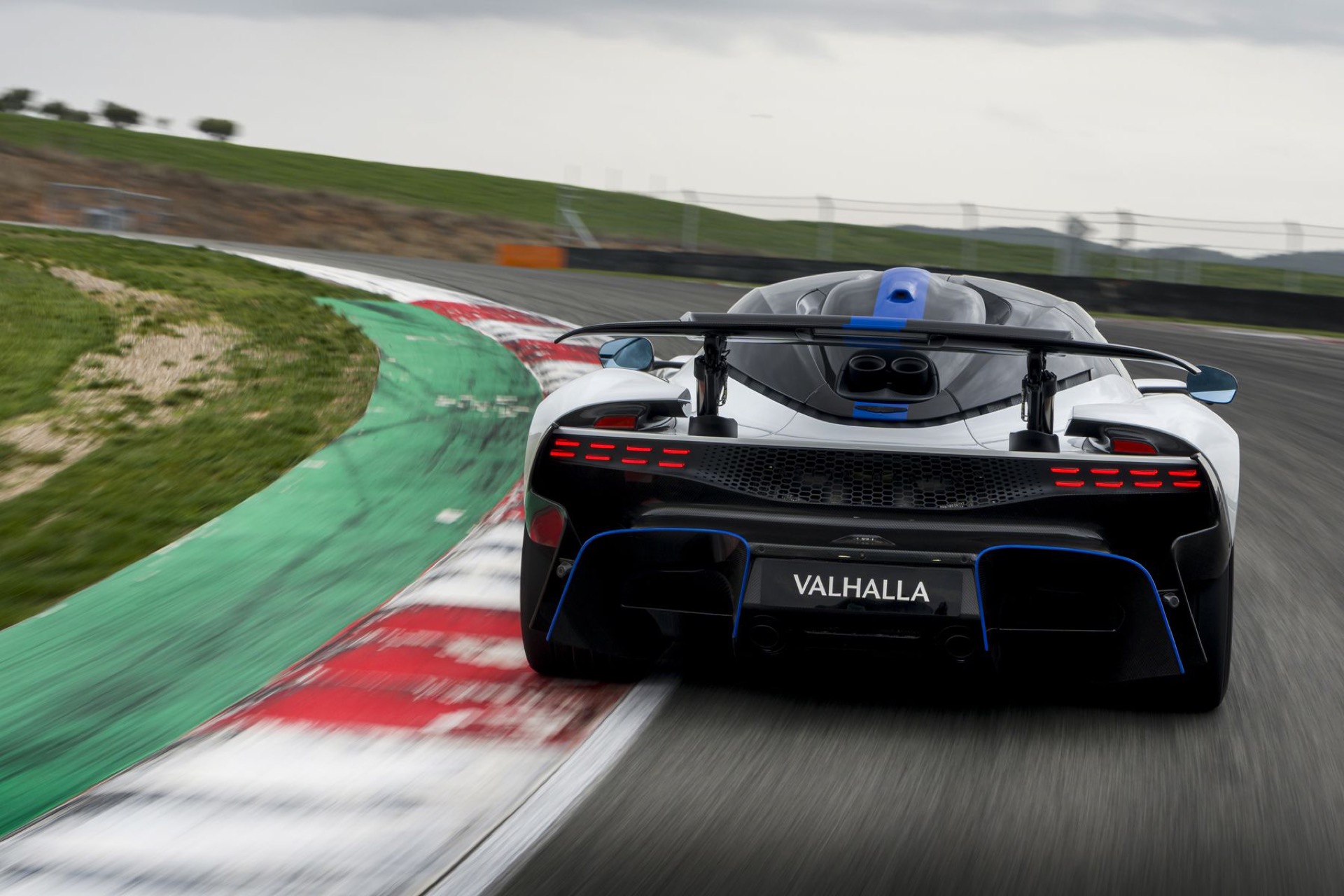
Control is matched by sophisticated aerodynamics. Active aero elements generate up to 610 kilograms of downforce at high speeds. The rear wing can extend by more than 25 centimetres, aiding both stability and braking. At the front, a multi-element active wing system adjusts airflow precisely, balancing downforce between the body and underfloor. Large Venturi tunnels accelerate airflow beneath the car, while the roof intake feeds cooling air to the mid-mounted V8.

Aston Martin Valhalla 19

On track, the Valhalla reveals its true depth. It is remarkably approachable for a car of this performance level. Push too hard into a corner and the chassis works with you rather than against you. The rear axle rotates progressively, helping to tighten the line. The stability systems intervene intelligently, preserving momentum rather than cutting it. It is possible to switch everything off, but even then the car remains predictable.

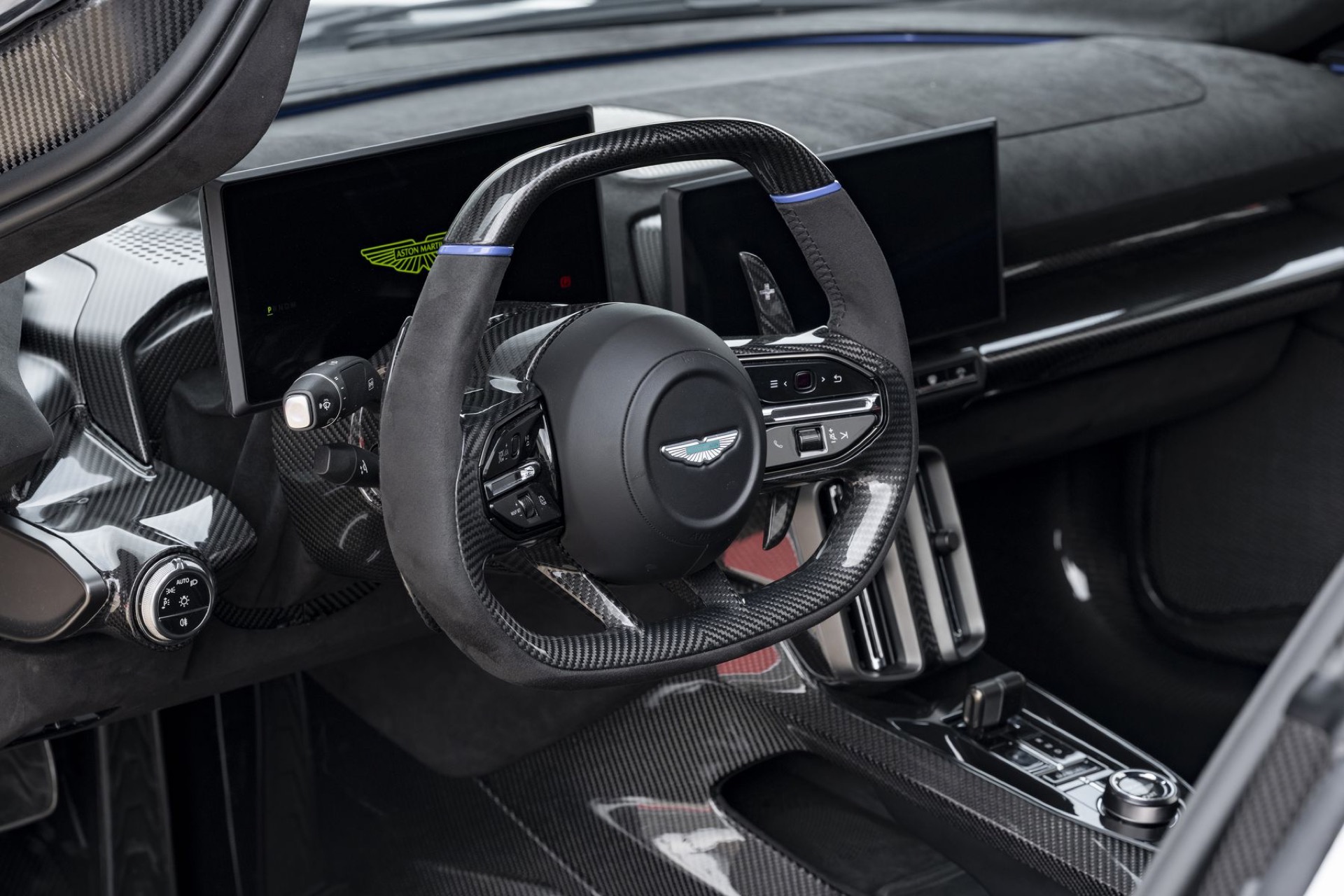
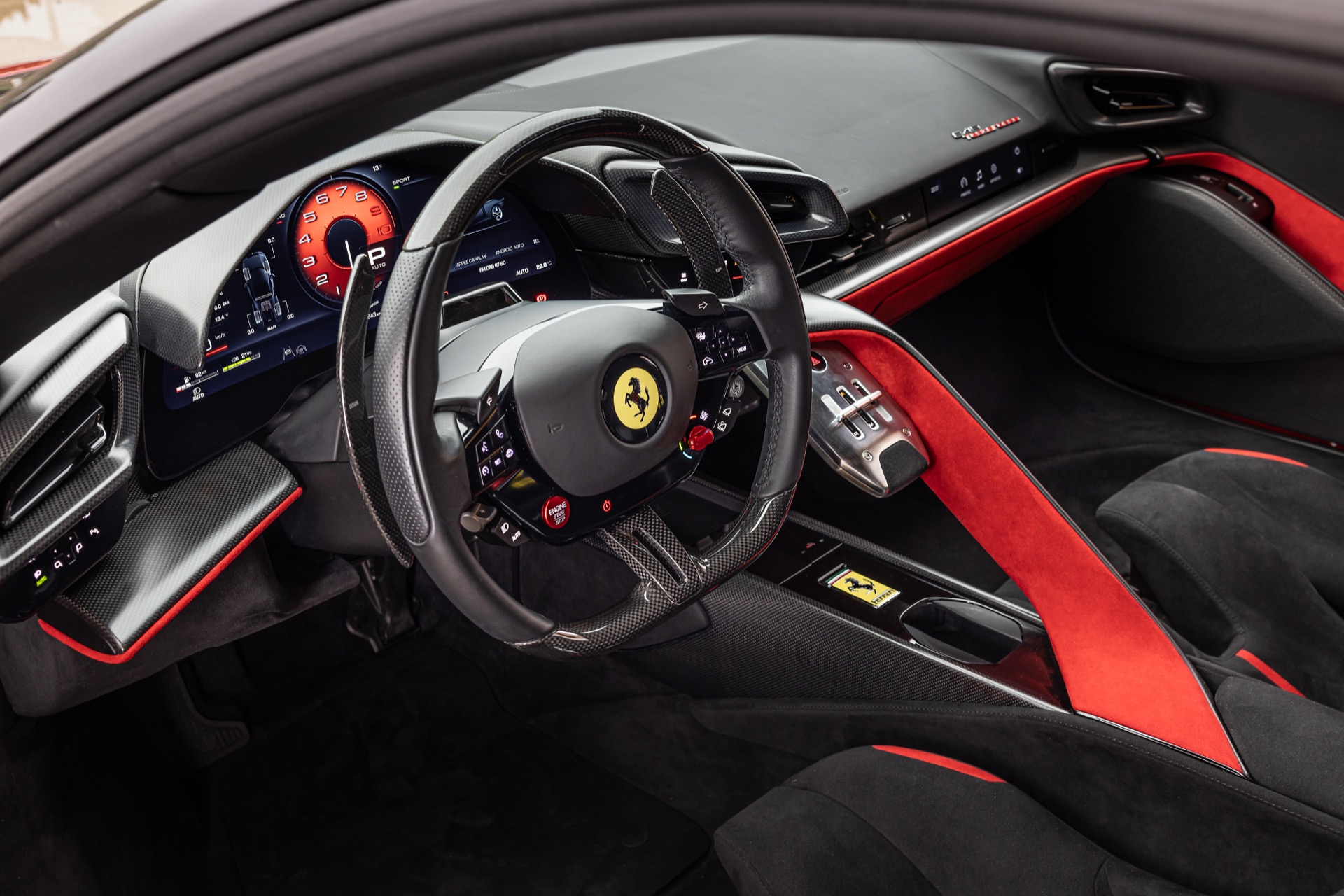
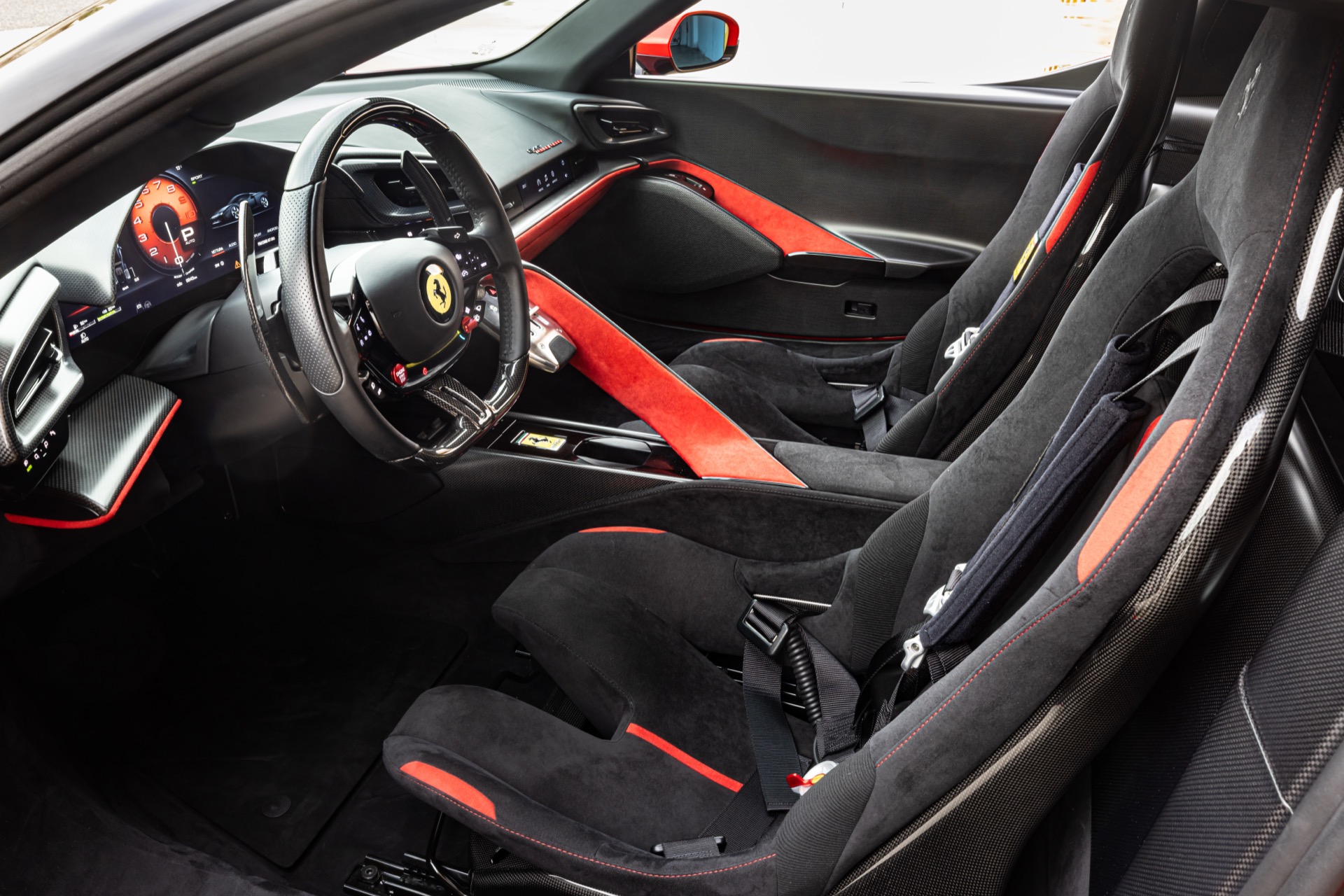
There are minor compromises. The V8, despite its pedigree, is surprisingly subdued in its acoustic character. At times, it is easy to brush the rev limiter without realising. A more prominent shift indicator would help. The interior, with its twin 10.25-inch displays and functional layout, feels relatively conventional given the car’s ambition. Systems such as Apple CarPlay Ultra work seamlessly, but the cabin lacks the drama of the exterior.

Aston Martin Valhalla 17

These are small criticisms. The Valhalla is a deeply impressive machine, blending hybrid complexity with genuine driver engagement. It is fast, but more importantly, it is usable and intuitive at the limit. A civilised supercar with extraordinary capability.

At just under €1 million, exclusivity is guaranteed. Of the 999 units planned, a handful remain available. For those who can access it, this is as close to automotive Valhalla as it gets.
Aston Martin Valhalla 6

Destined for Success: Porsche Cayenne Turbo Electric Review

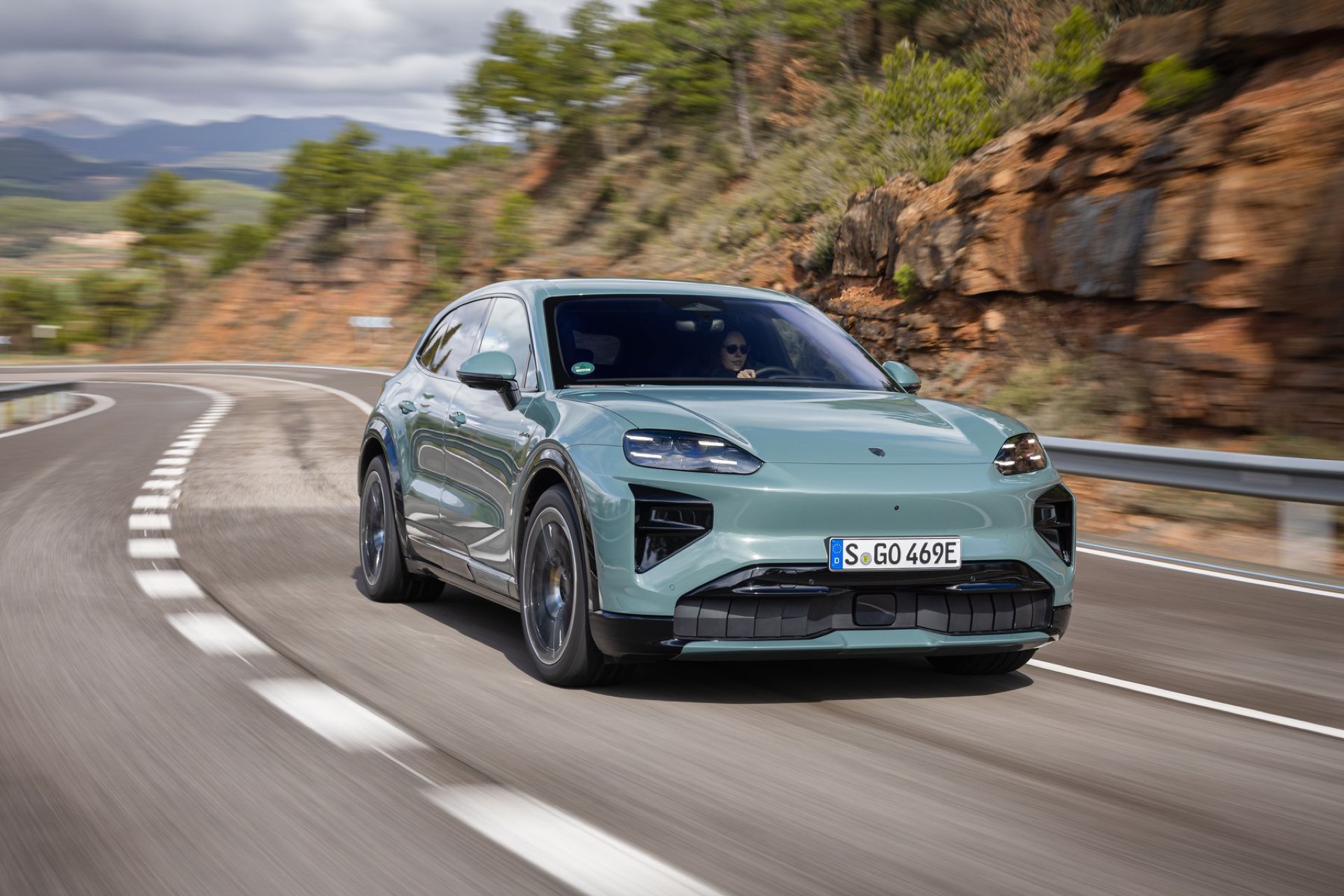
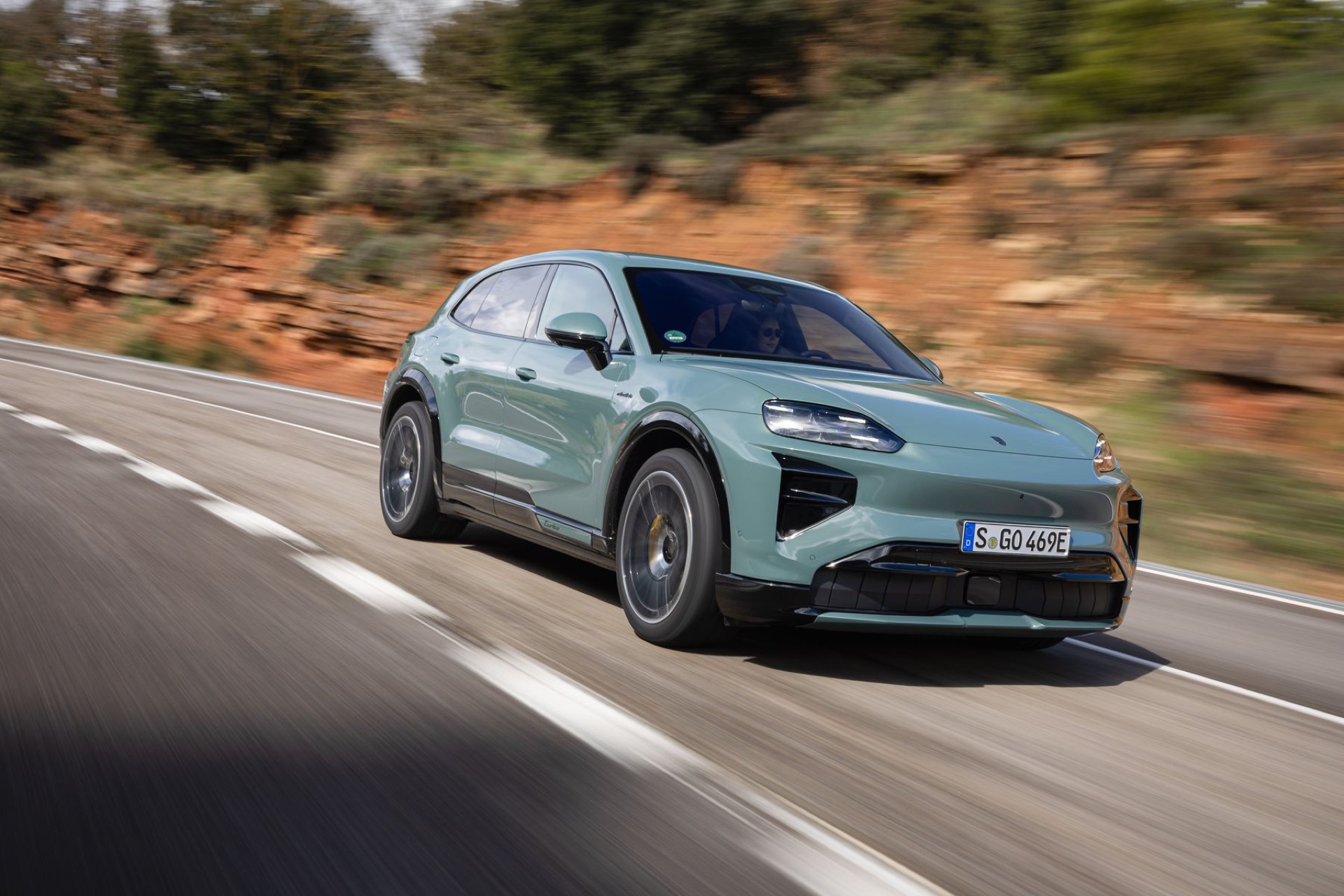
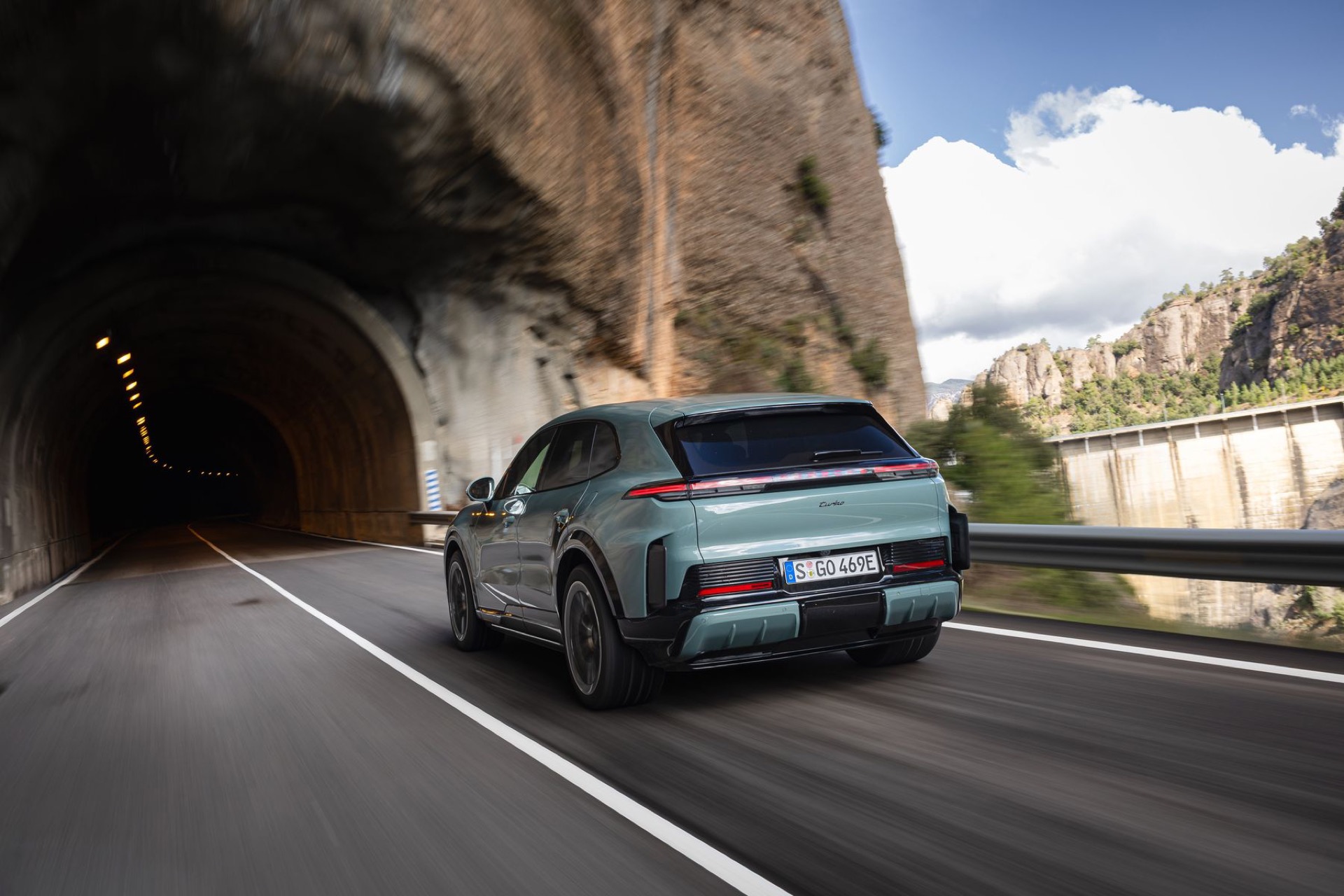
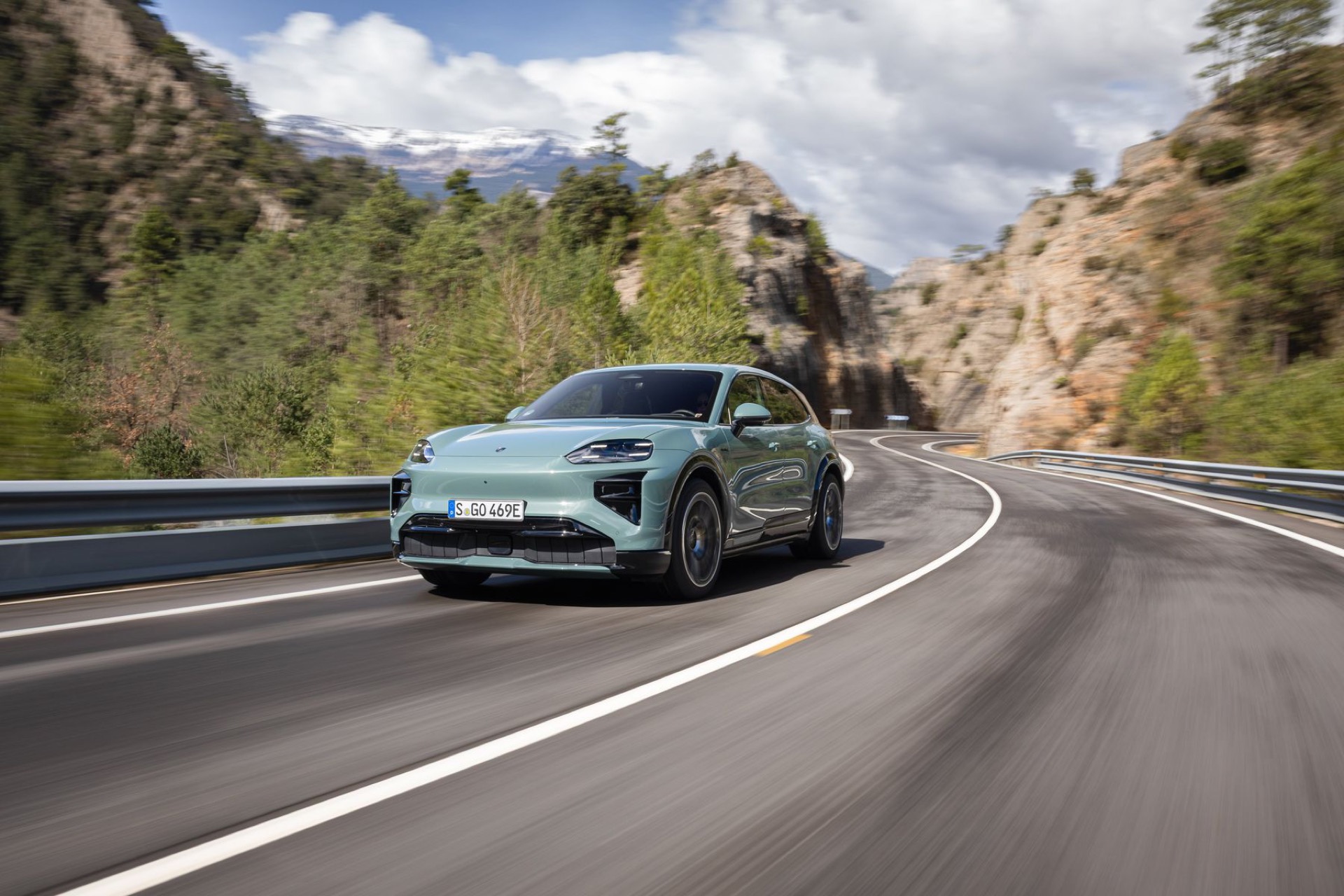
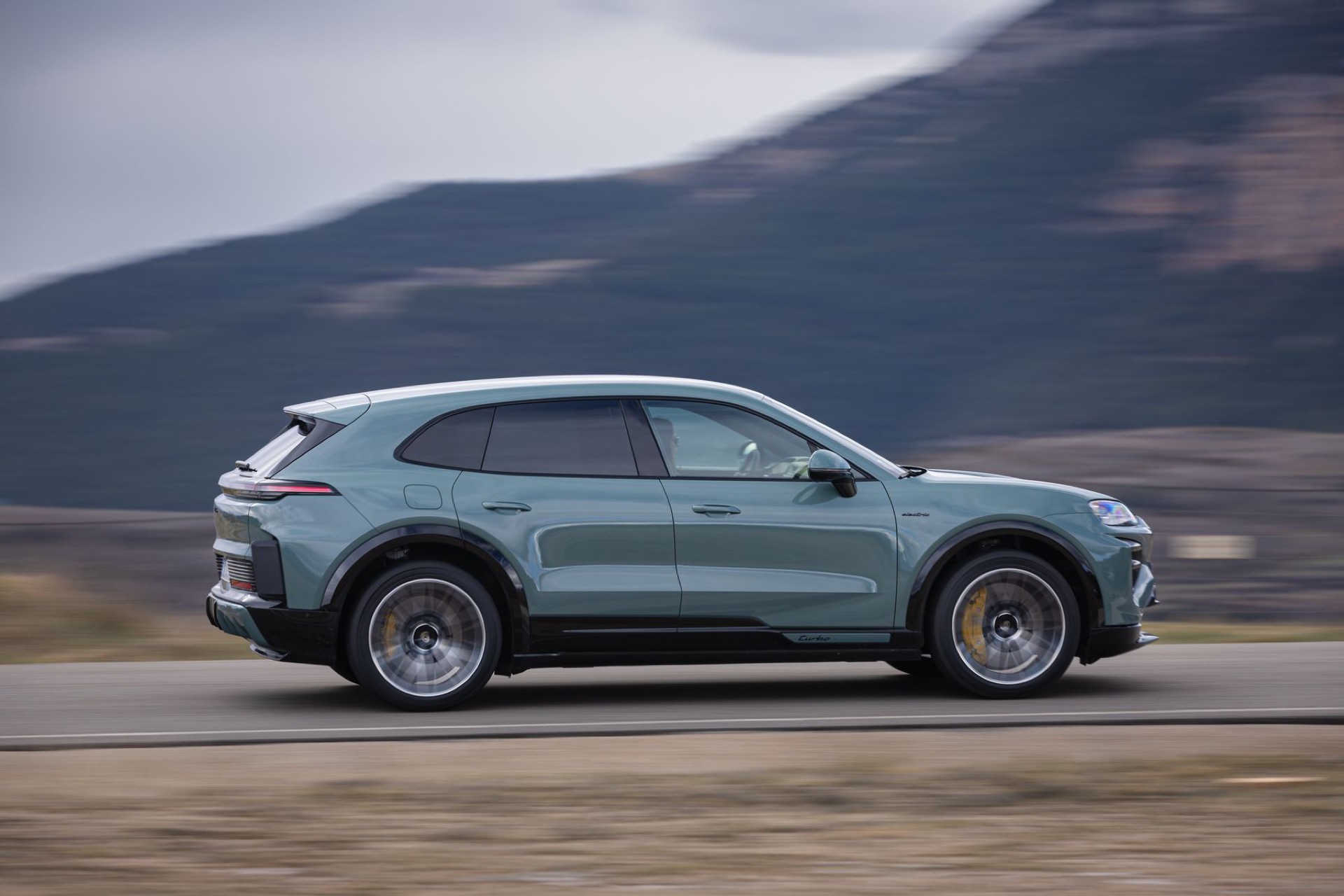
Not every Porsche enthusiast will welcome the electric Cayenne with open arms. Yet the Turbo version, delivering up to 850 kW (1,156 PS), is designed to shift sentiment. It succeeds, at least in part.

Launching a new product at a lower price than an established one is a classic market penetration strategy. Porsche is applying exactly that approach here. The Cayenne Turbo Electric starts at €165,500, undercutting the Cayenne Turbo E-Hybrid by more than €22,000. For a brand that typically scrutinises every euro, such pricing suggests urgency. Porsche has invested heavily in electrification. The Cayenne Electric cannot afford to fail.

The challenge is considerable. The Cayenne is no longer an automatic success, especially as a fully electric model. To compete with rivals such as the Lotus Eletre R, BMW iX M70 xDrive and Tesla Model X Plaid, Porsche equips the flagship version with extreme performance. In launch mode, the dual-motor system produces up to 850 kW, propelling the SUV from zero to 100 km/h in 2.5 seconds. The sprint to 200 km/h takes just 7.4 seconds, while top speed is limited to 260 km/h. Even in sustained operation, the system delivers 630 kW (857 PS). A push-to-pass function temporarily adds 130 kW for ten seconds.

Power alone is no longer enough. Porsche focuses on driving dynamics, its traditional strength. The optional hydraulic suspension system aims to inject agility into a vehicle weighing 2,645 kilograms. The Cayenne Turbo Electric becomes the first Porsche SUV with an active chassis system combining air suspension and hydraulically controlled dampers. Body movements are minimised, and responses are exceptionally fast. The electronic Porsche Traction Management system reacts within five milliseconds.

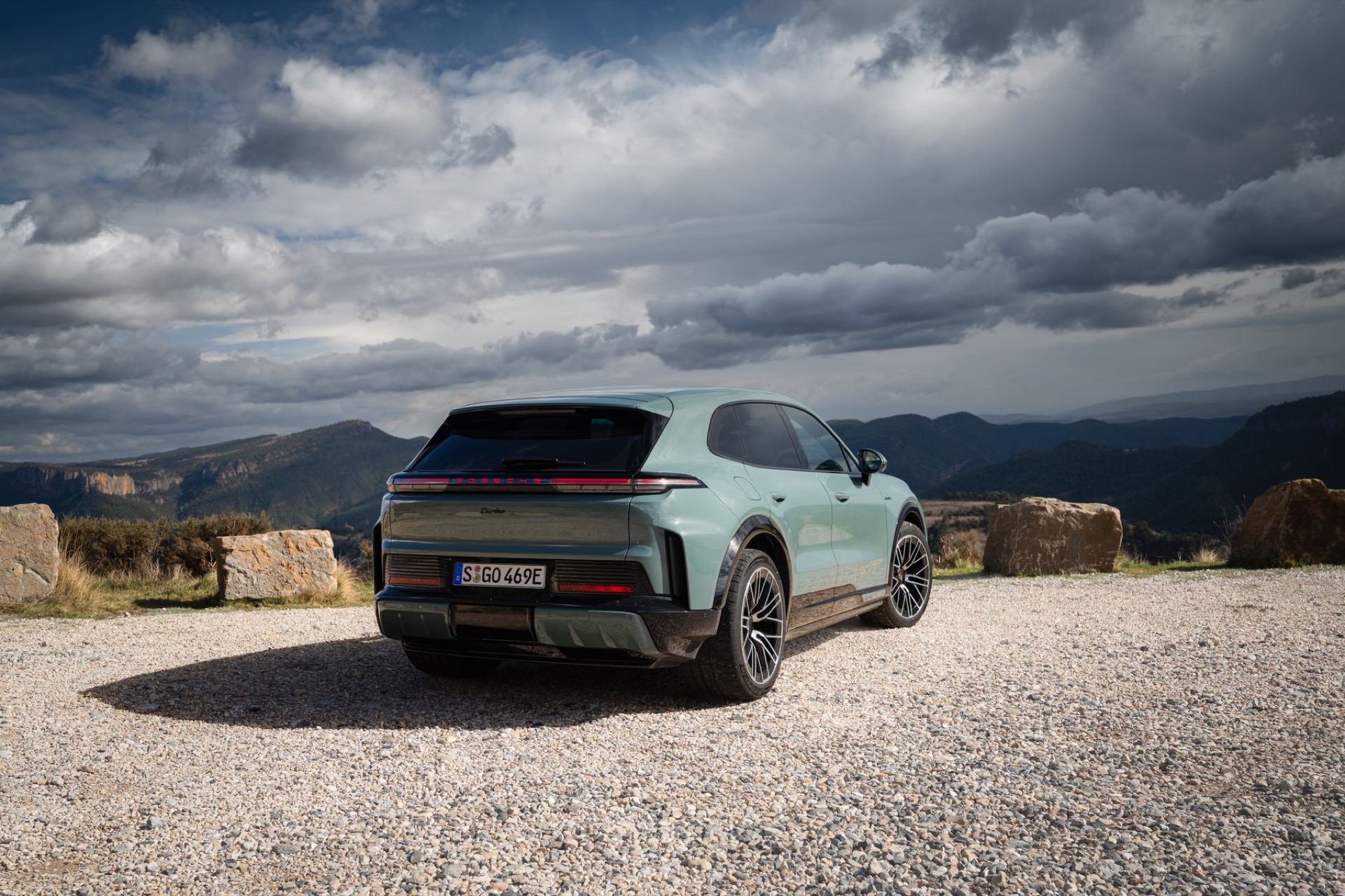
Porsche Cayenne Turbo Electric 12

The result is a broad spread between comfort and performance. The Cayenne remains composed in everyday driving yet becomes surprisingly agile when pushed. Rear-axle steering reduces the turning circle to 11.1 metres, while torque vectoring and optional ceramic brakes enhance control. With the off-road package, towing capacity rises to 3.5 tonnes.
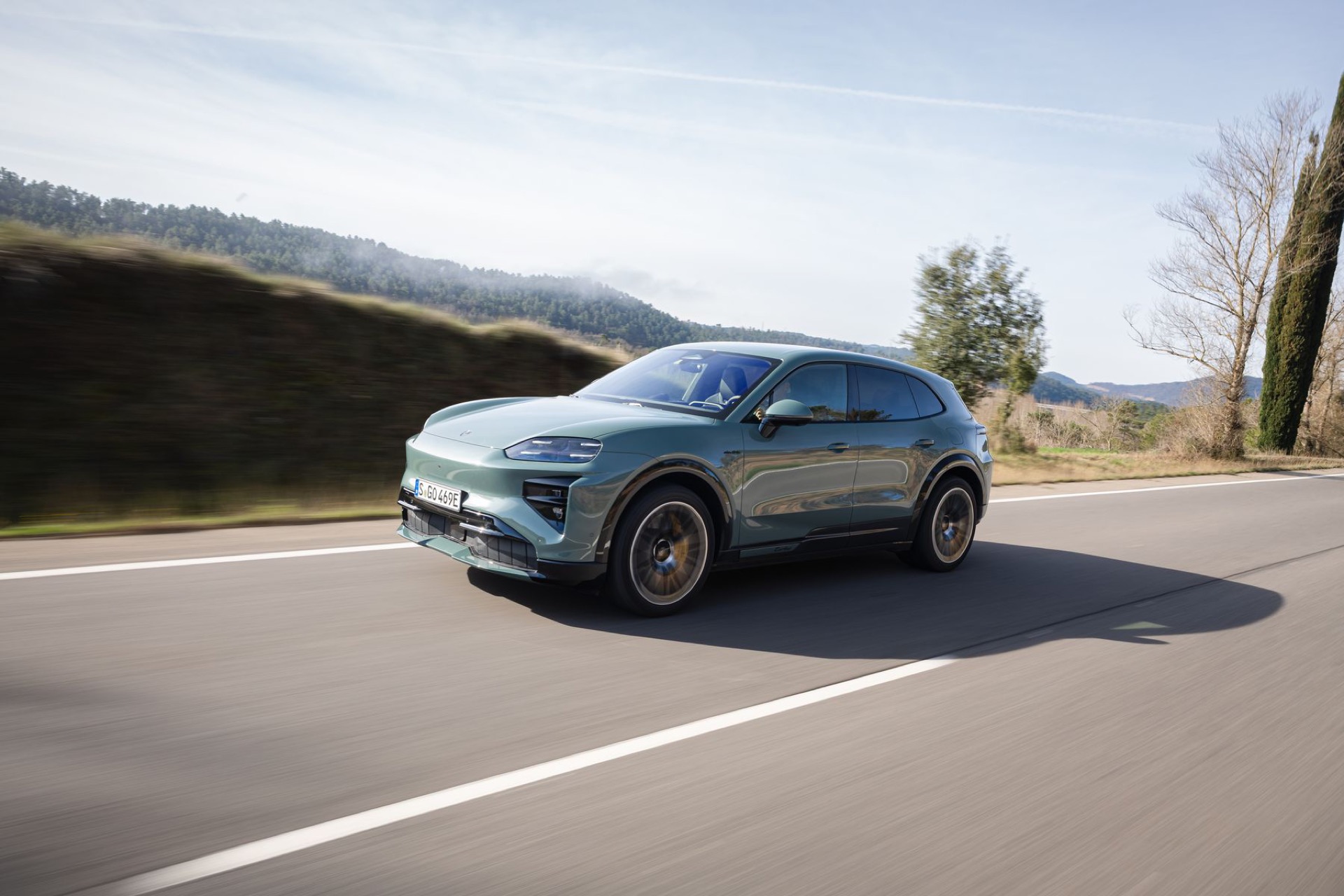
On the road, the technology delivers. Even in Sport Plus mode, the suspension remains firm but not harsh. The Cayenne feels remarkably composed for its size, turning eagerly into corners and maintaining stability through fast bends. Physics still applies. At the limit, the front axle begins to push wide, but the stability systems intervene smoothly without killing momentum.

The rear electric motor takes priority, delivering up to 750 kW (1,020 PS), while the front motor contributes when required. Under acceleration, the system can send up to half the torque to the front axle, with the rear receiving full output. In dynamic driving, the rear can even step out slightly, adding a playful element that is rare in an electric SUV.

Porsche Cayenne Turbo Electric 16

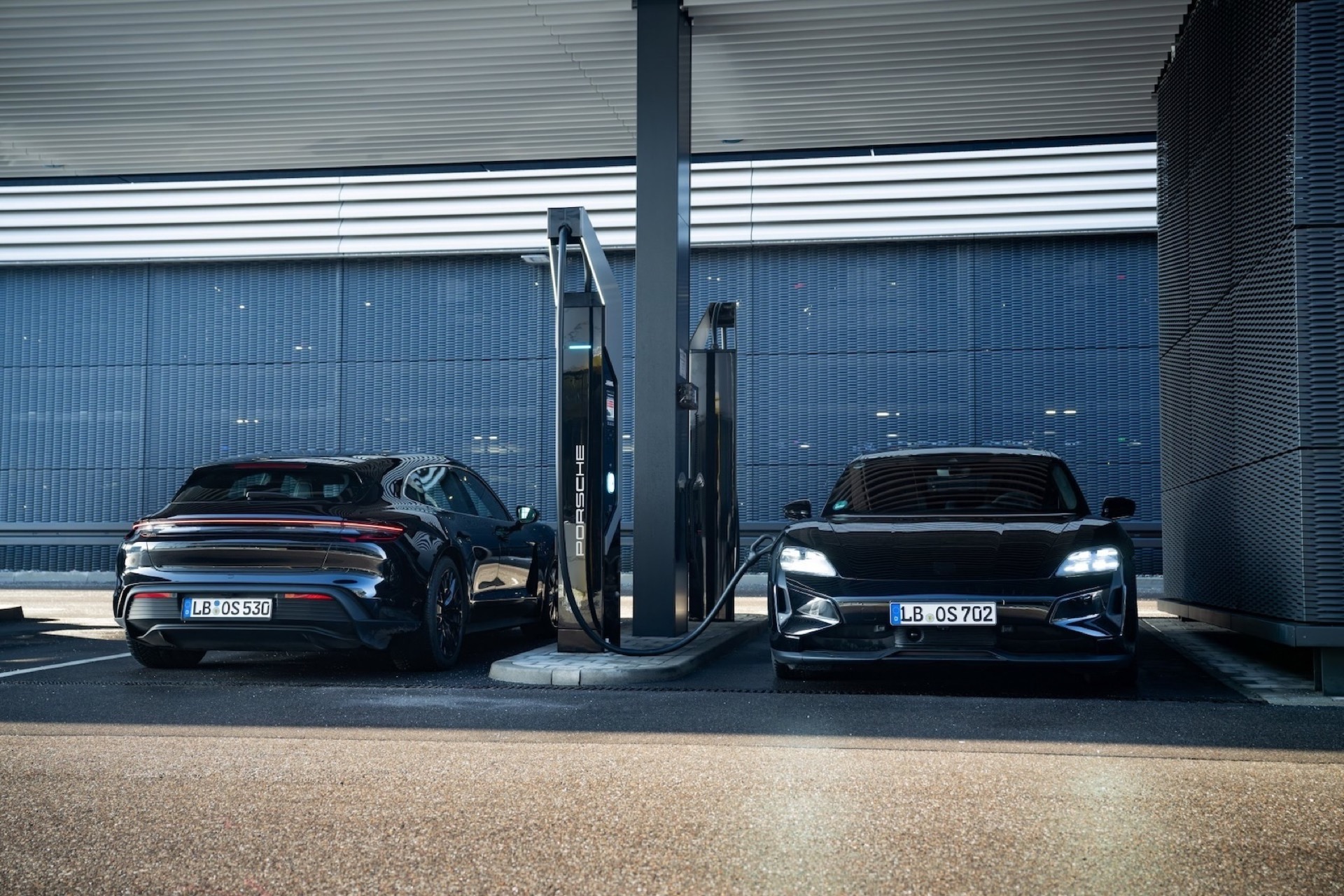
Energy consumption rises quickly under spirited driving. Even at a more relaxed pace, figures around 34.8 kWh per 100 kilometres are realistic, compared with Porsche’s official 22.4 kWh. The WLTP range is up to 623 kilometres, supported by a 113 kWh battery. Fast charging is a strength. At DC stations, the battery can charge from 10 to 80 per cent in under 16 minutes, with peak charging rates of up to 390 kW. Optional AC charging at 22 kW is available, though at extra cost.
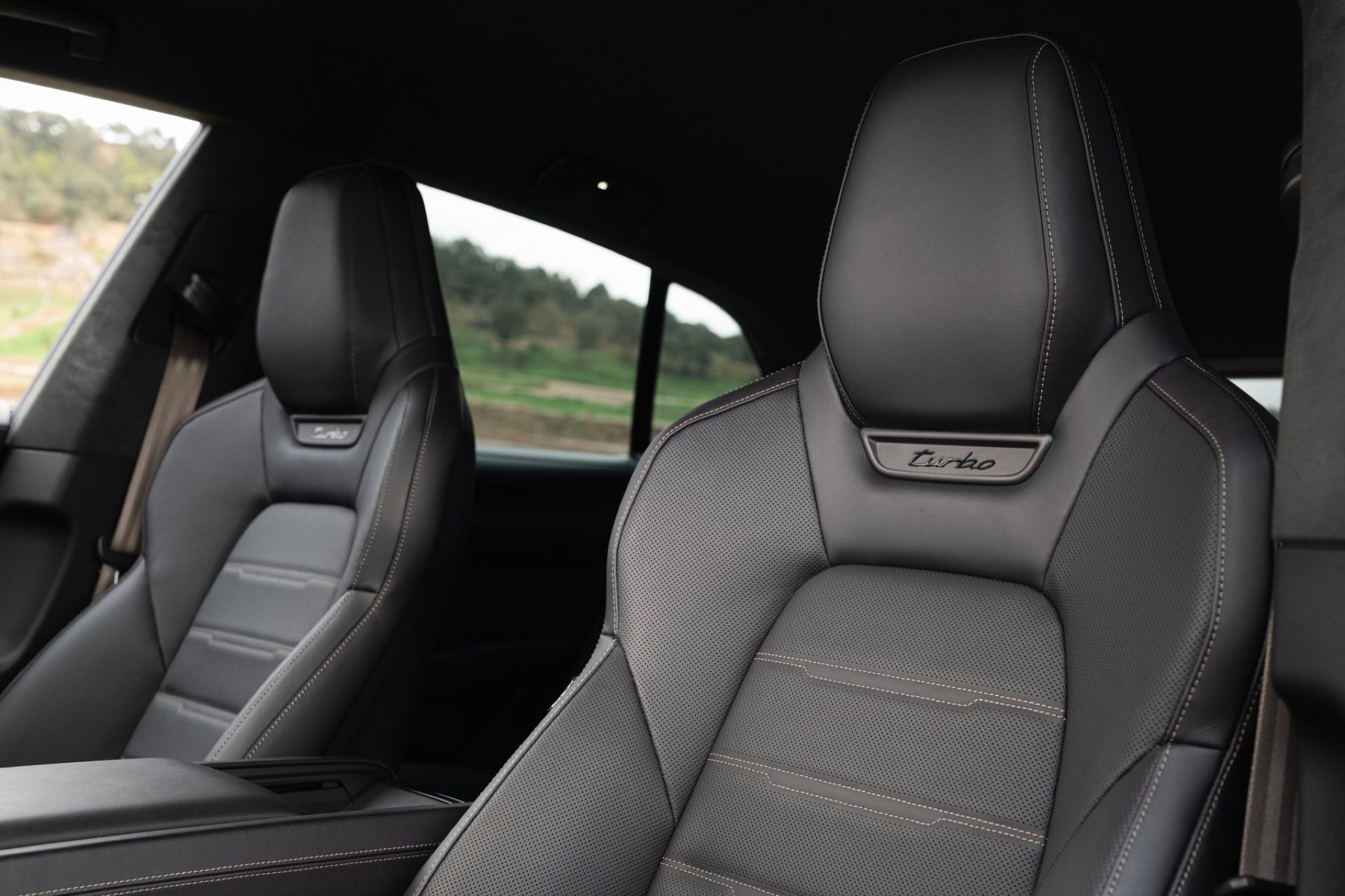
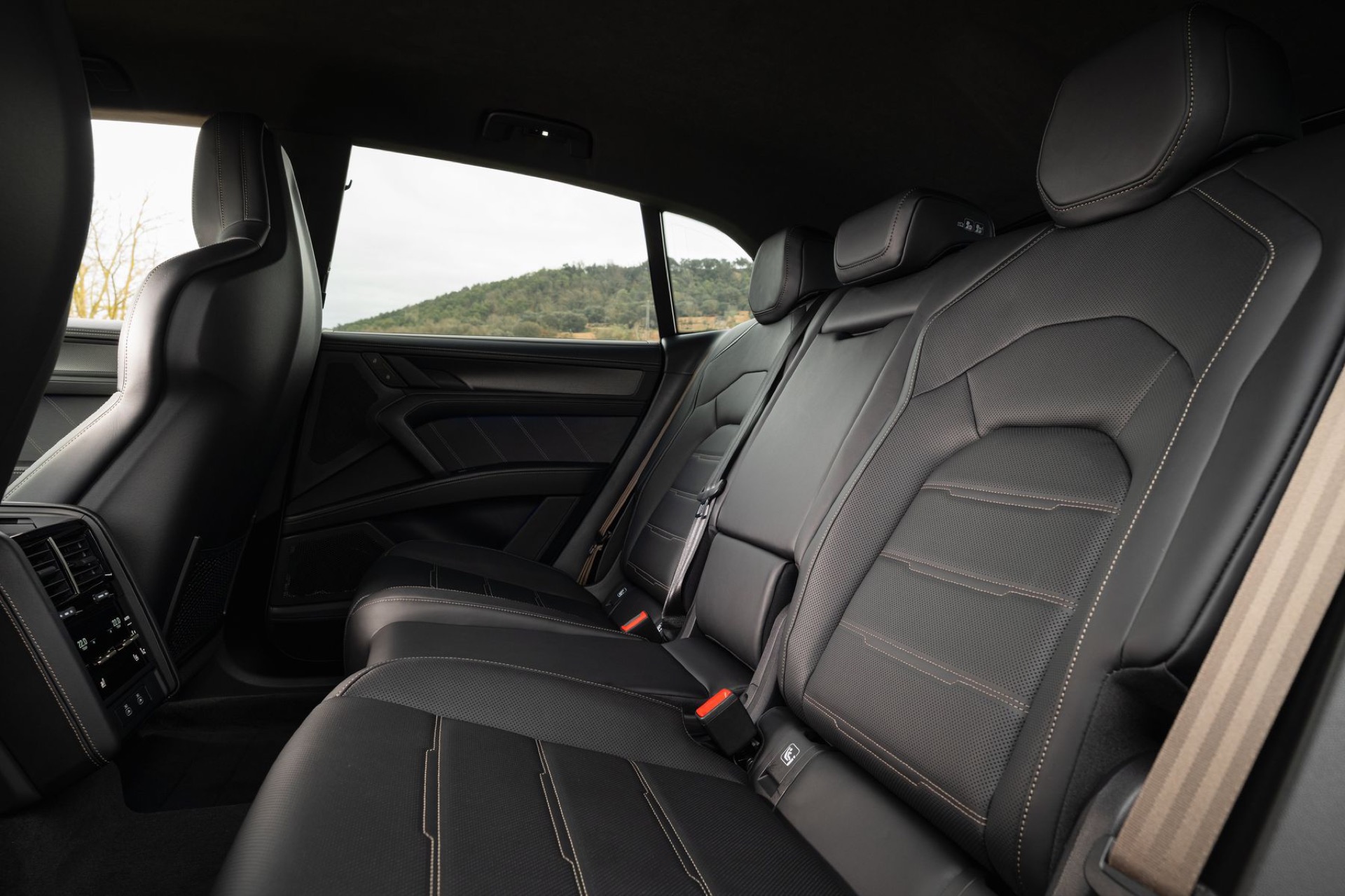
The interior reveals some compromises. Hard plastics are noticeable in several areas, and overall material quality does not quite match previous Porsche standards. The focus has clearly shifted towards cost control.

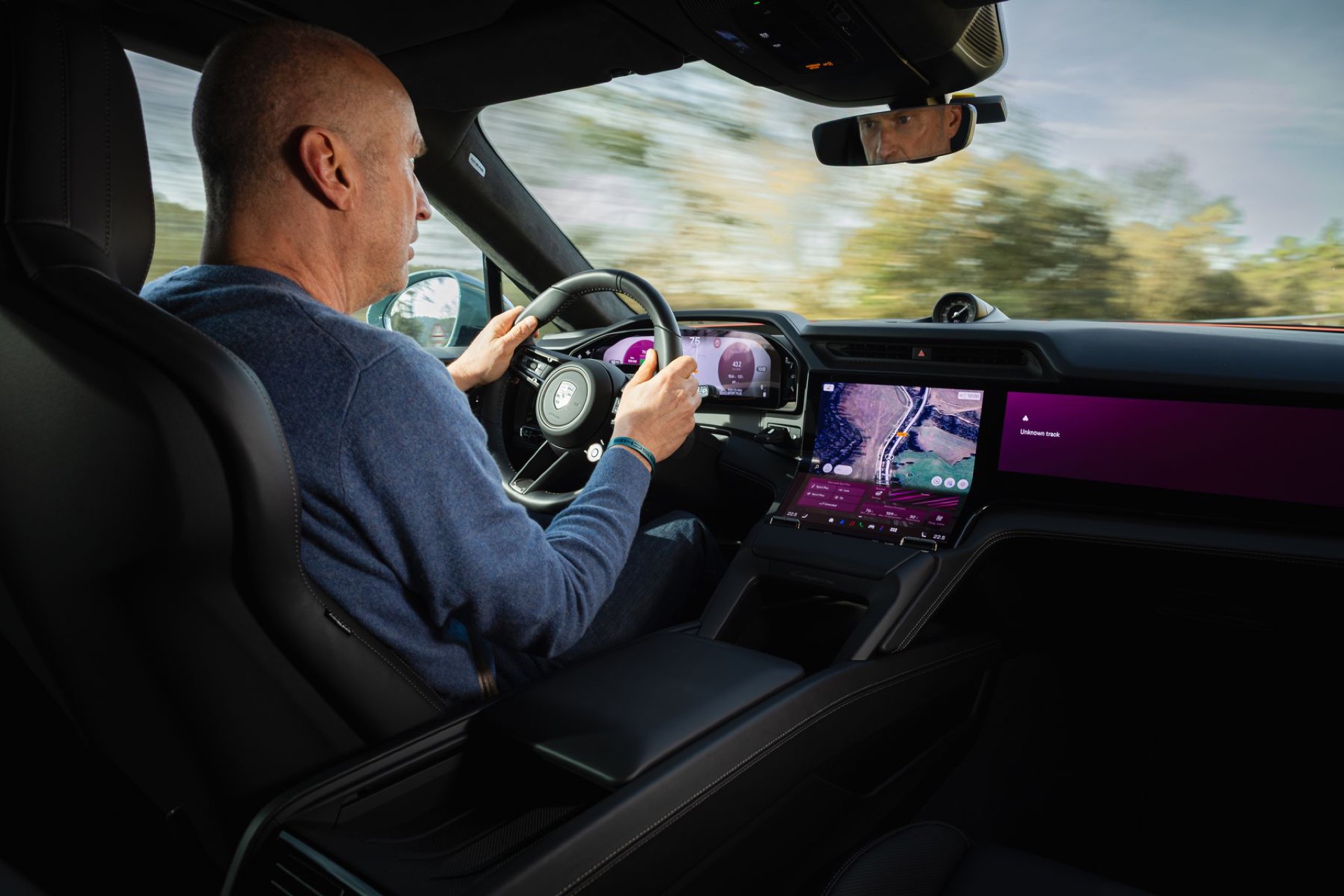
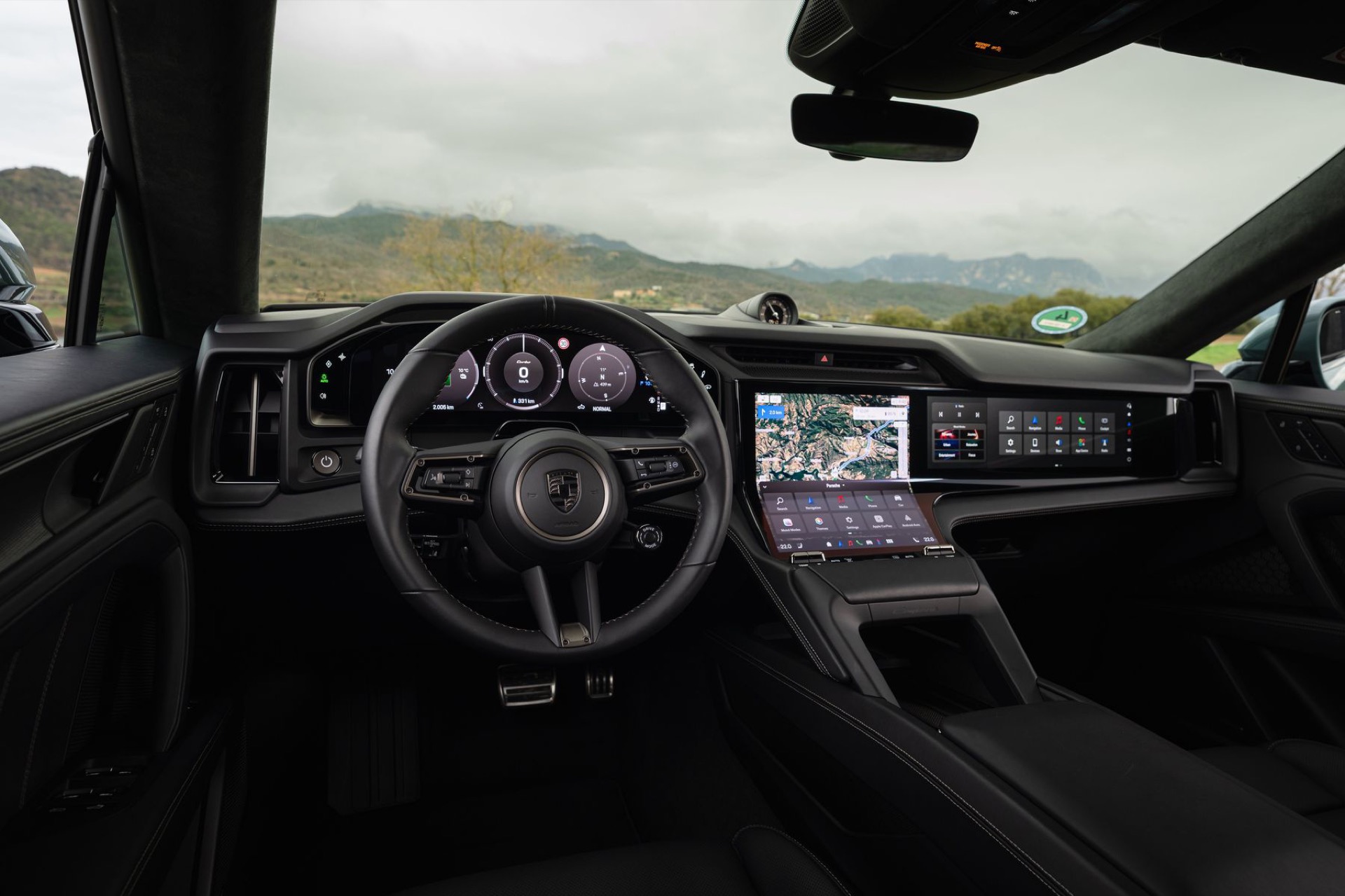
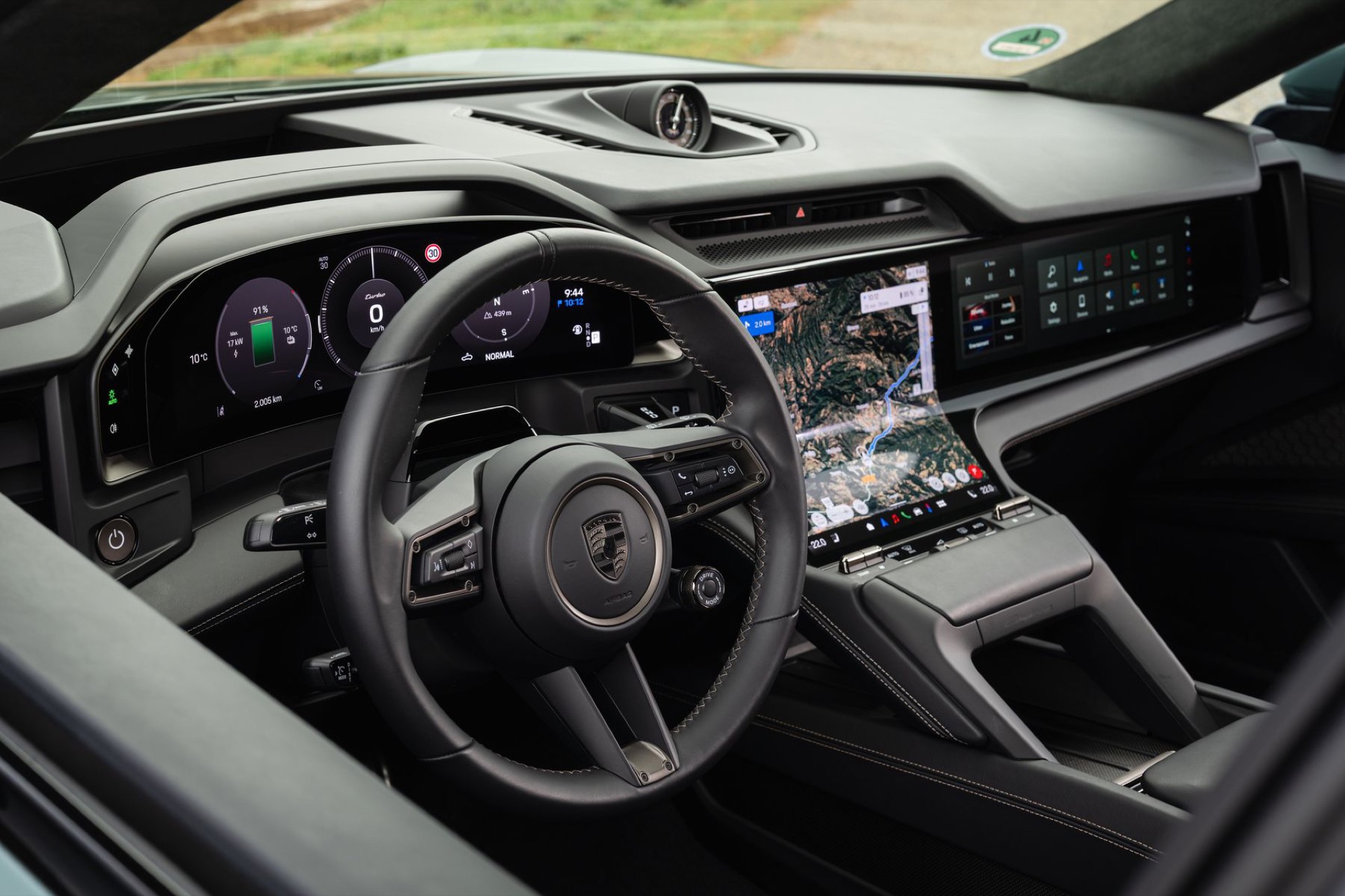
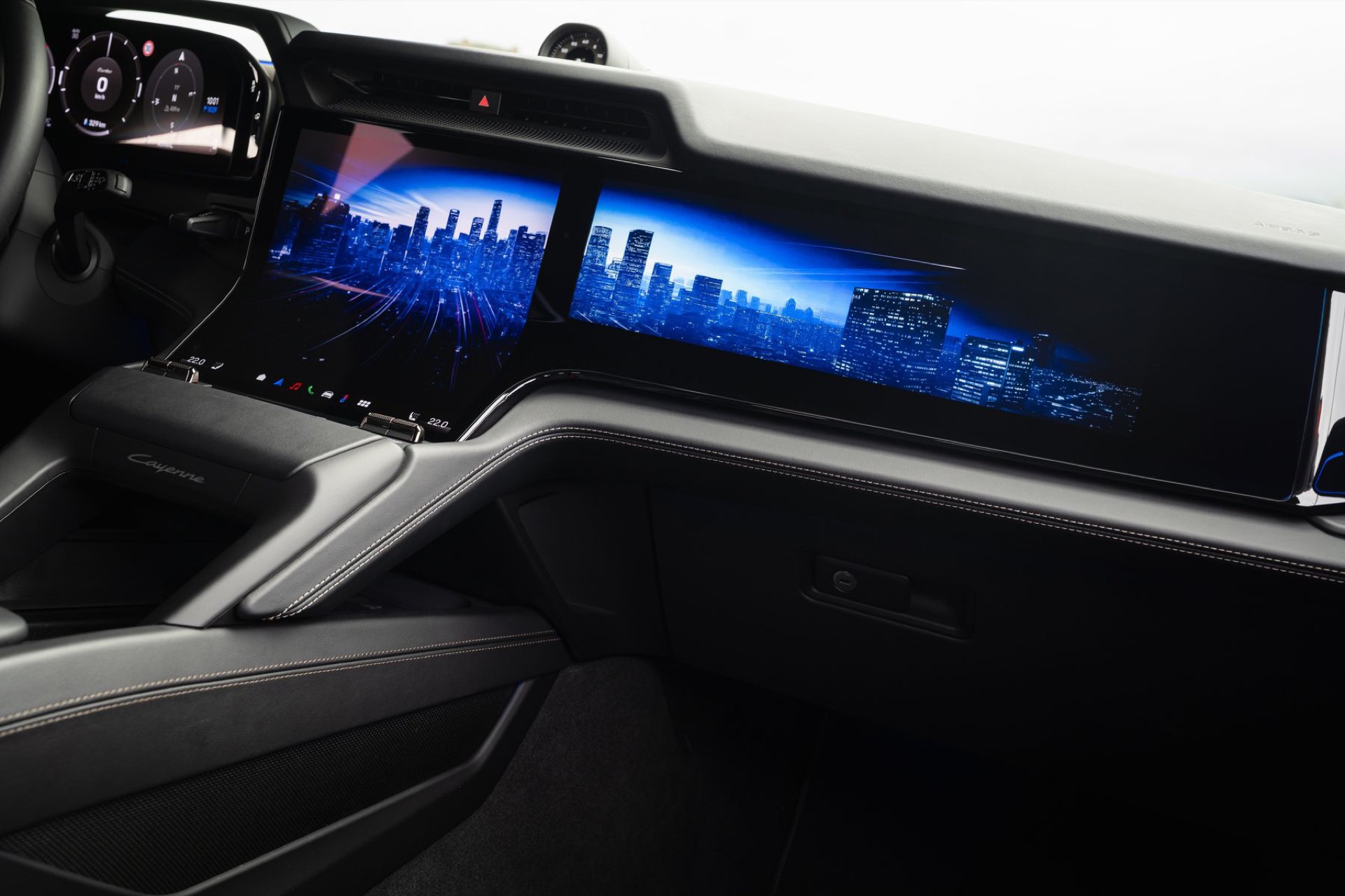
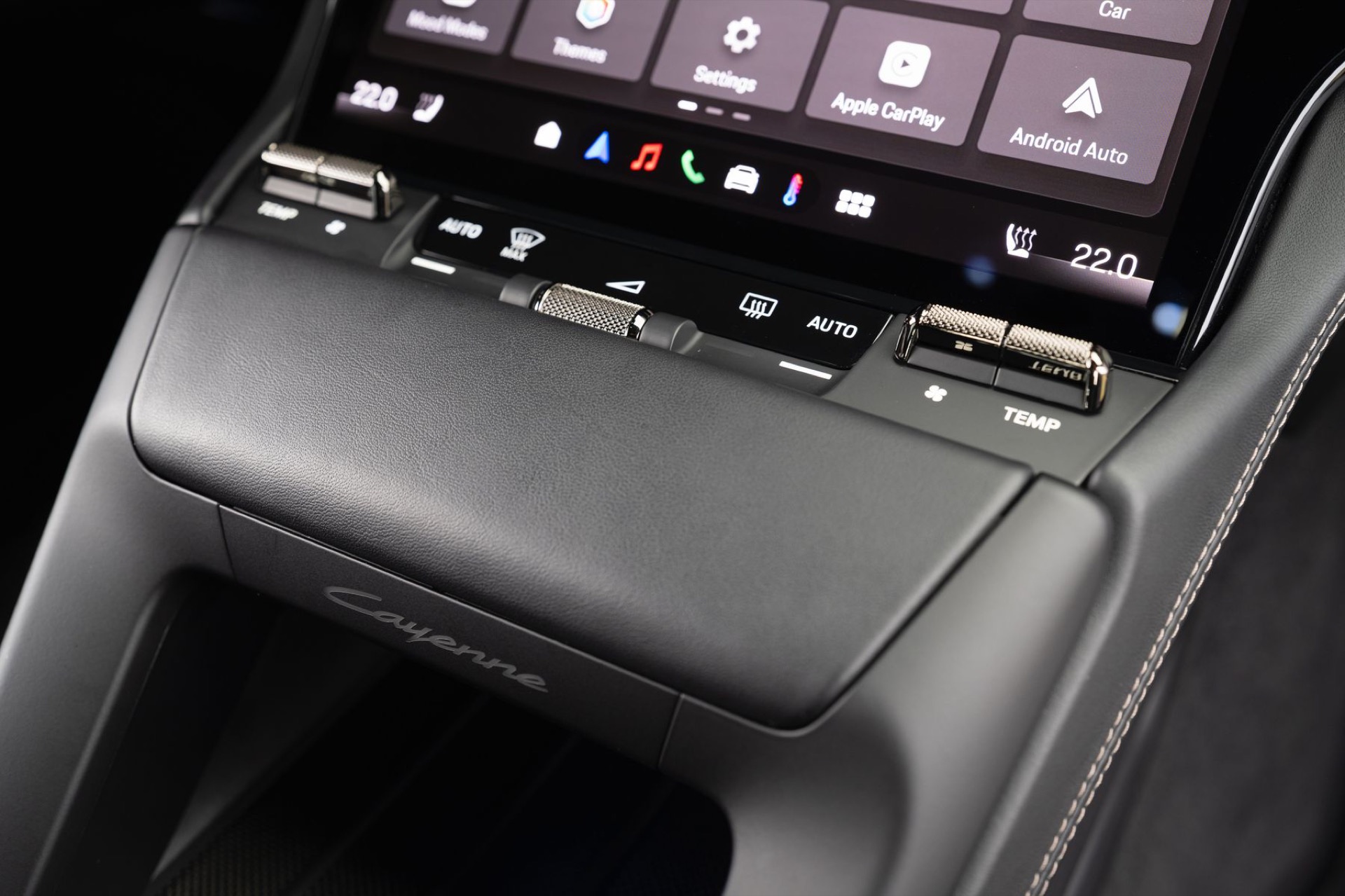
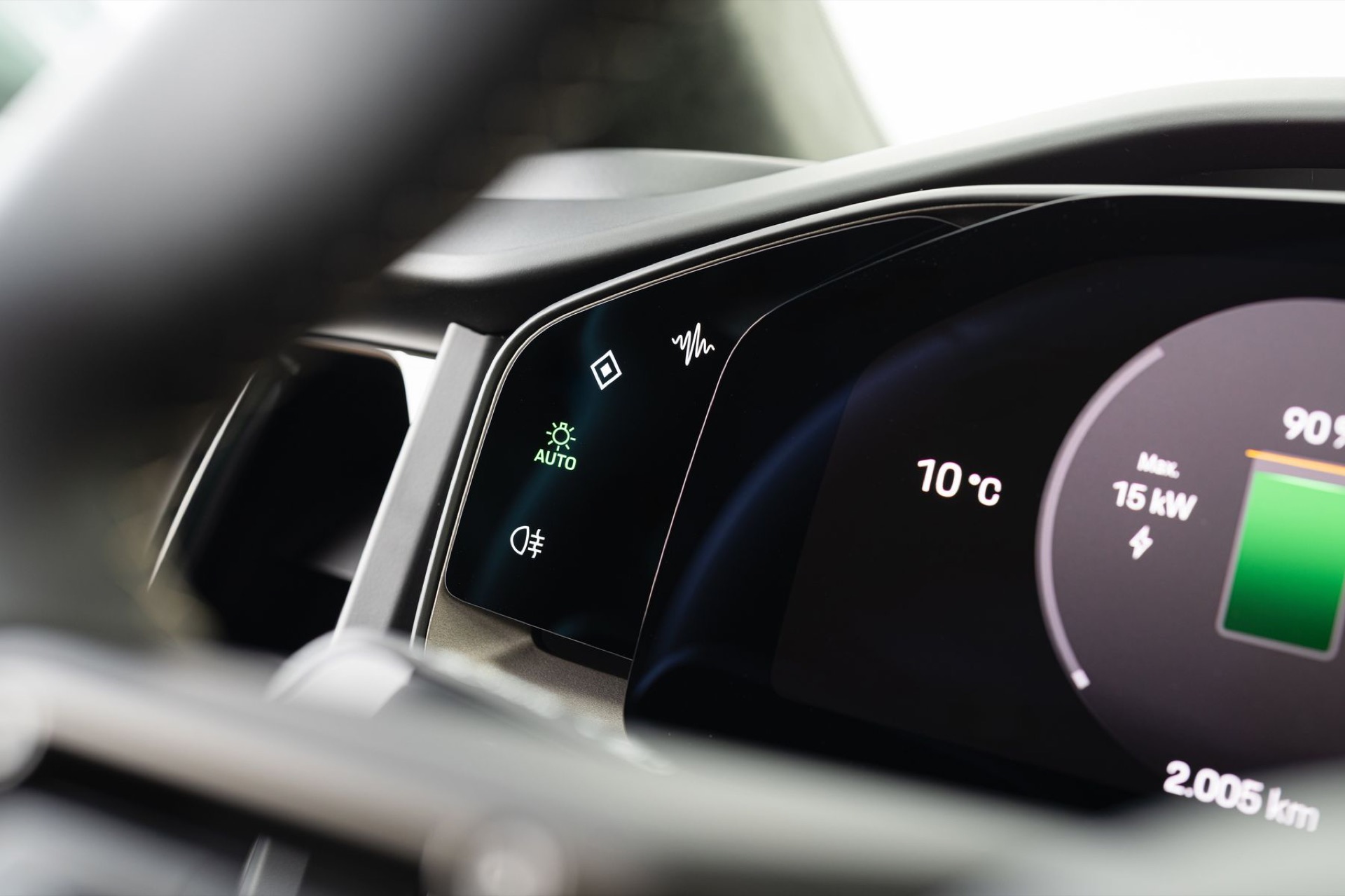
In contrast, the infotainment system points to Porsche’s future direction. The new curved central display, combined with a 14.25-inch instrument cluster, optional passenger screen and an augmented reality head-up display, creates a digital environment aimed at global markets. While the layout initially appears complex, it proves intuitive in use.
The Cayenne Turbo Electric will arrive at dealerships this summer. Whether it becomes the success Porsche needs remains to be seen, but from a technical standpoint, it makes a compelling case.

Porsche Cayenne Turbo Electric 19

Bentley Continental GTC Azure Hybrid: The Art of Effortless Motoring

0

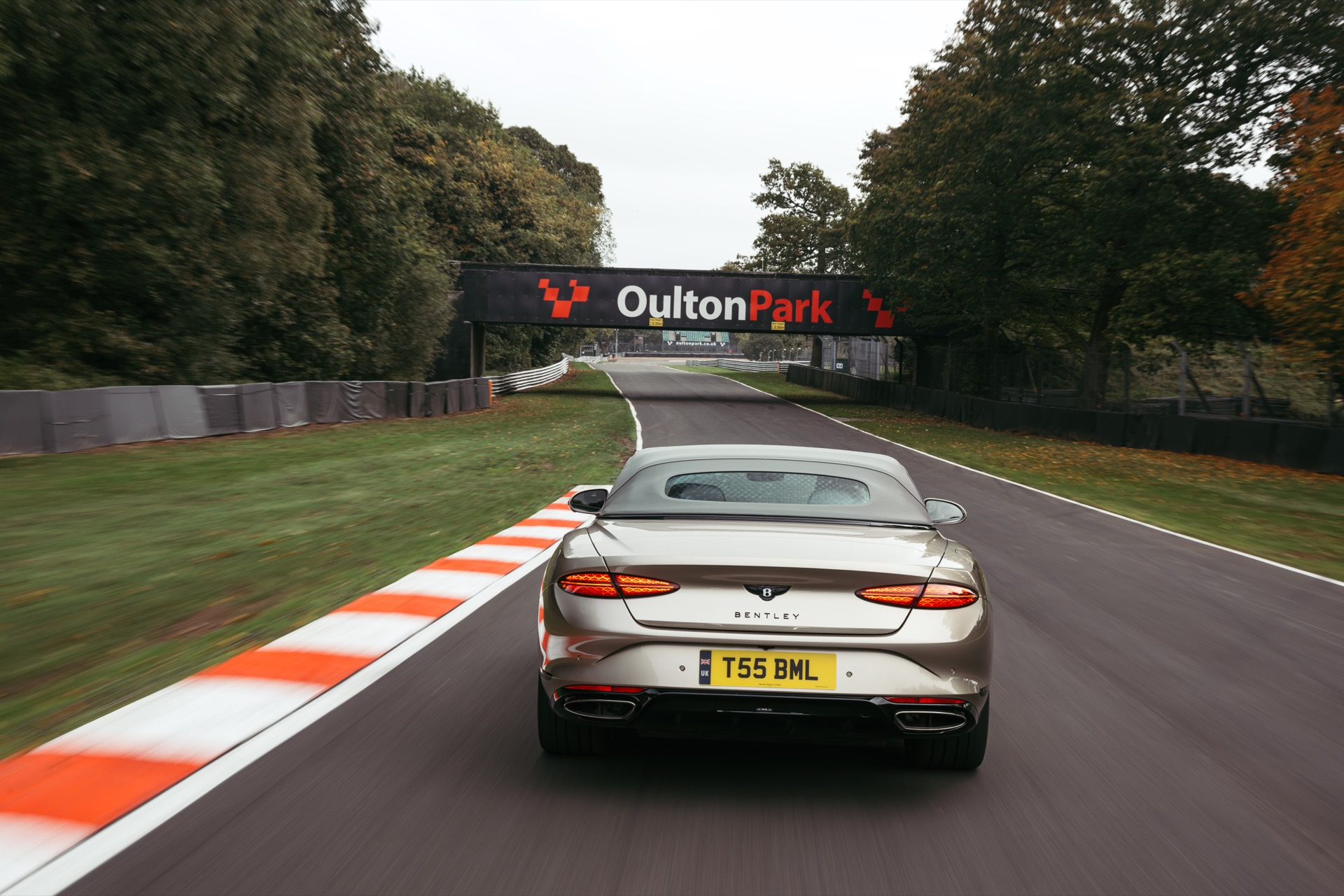
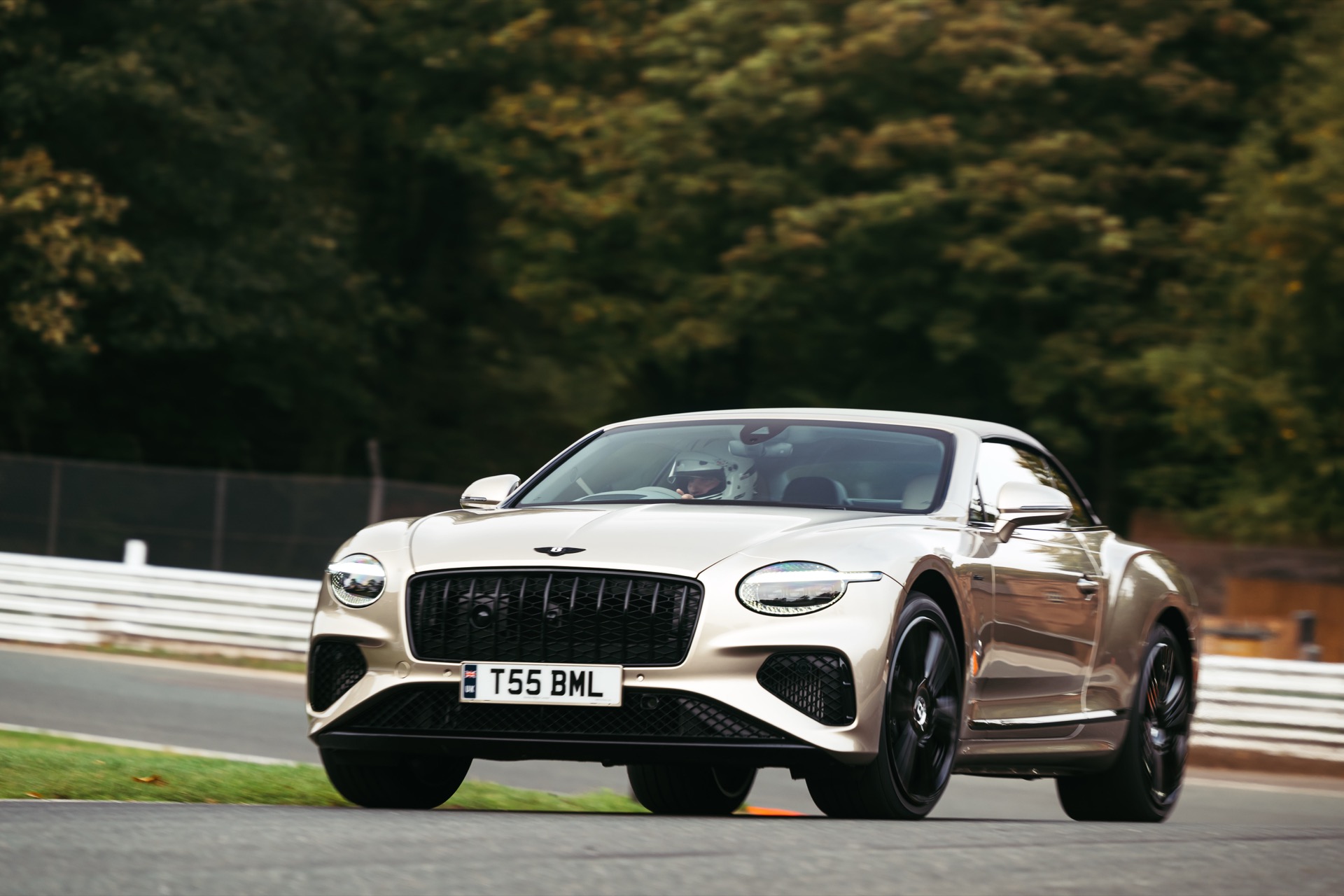
The Bentley Continental GTC Azure Hybrid is not the sort of car that begs to be wrung out by the scruff of its neck. It does not wake up every morning hoping to be treated like a 911 on a mountain pass, nor does it particularly care for that kind of expectation. And really, that is the point.

Because what Bentley has created here is something rarer than outright performance. The GTC Azure Hybrid is a luxury convertible that makes almost every journey feel like an occasion, whether you are crossing a continent, slipping through a city centre at dusk or simply taking the long way home because the evening feels too good to waste. It is a magnificent wafter in the truest sense, and one that exists in a class of one.

On paper, the numbers are still deeply impressive. The new High Performance Hybrid powertrain combines a 4.0-litre twin-turbo V8 with electric assistance for a combined 680 PS and 930 Nm, enough to send this near-2.7-tonne convertible to 62 mph in just 3.9 seconds. But quoting the figures rather misses the magic. What stands out in the Azure is not the violence of its acceleration, but the layered way it delivers everything. There is the serenity of silent electric running at low speeds, the cultured thrum of the V8 when it joins in, and the sense that the whole car has been engineered to isolate stress rather than encourage it.

That suits the Azure brief perfectly. Bentley’s focus here is comfort, wellbeing and effortlessness, and it shows. Roof down, the cabin remains beautifully hushed. The ride, despite large 22-inch wheels, has that expensive, slightly uncanny ability to round off poor surfaces without losing composure. The seats, the detailing, the craftsmanship, the way every touchpoint feels dense and deliberate, all reinforce the idea that this is less a convertible GT and more a moving luxury lounge.

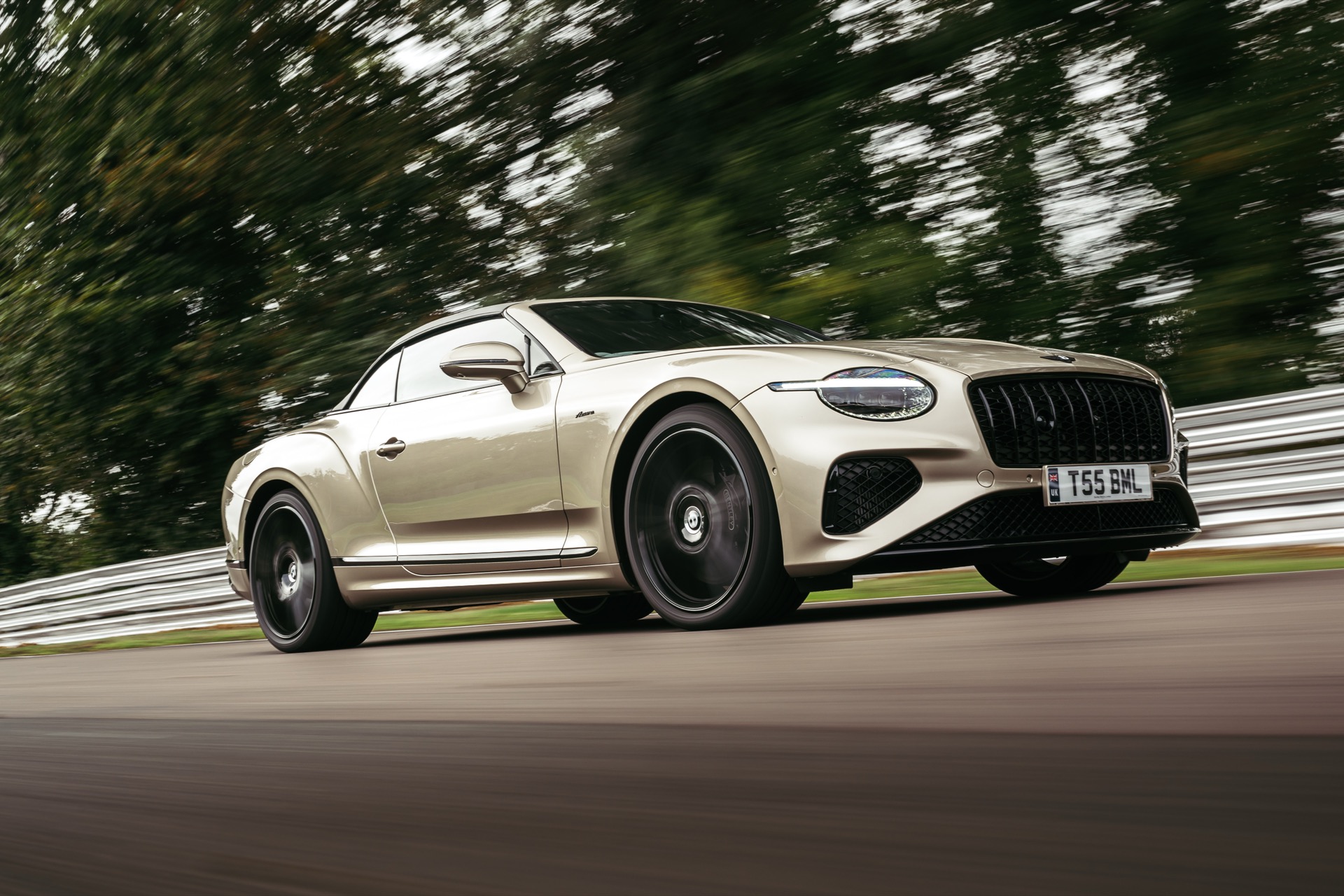
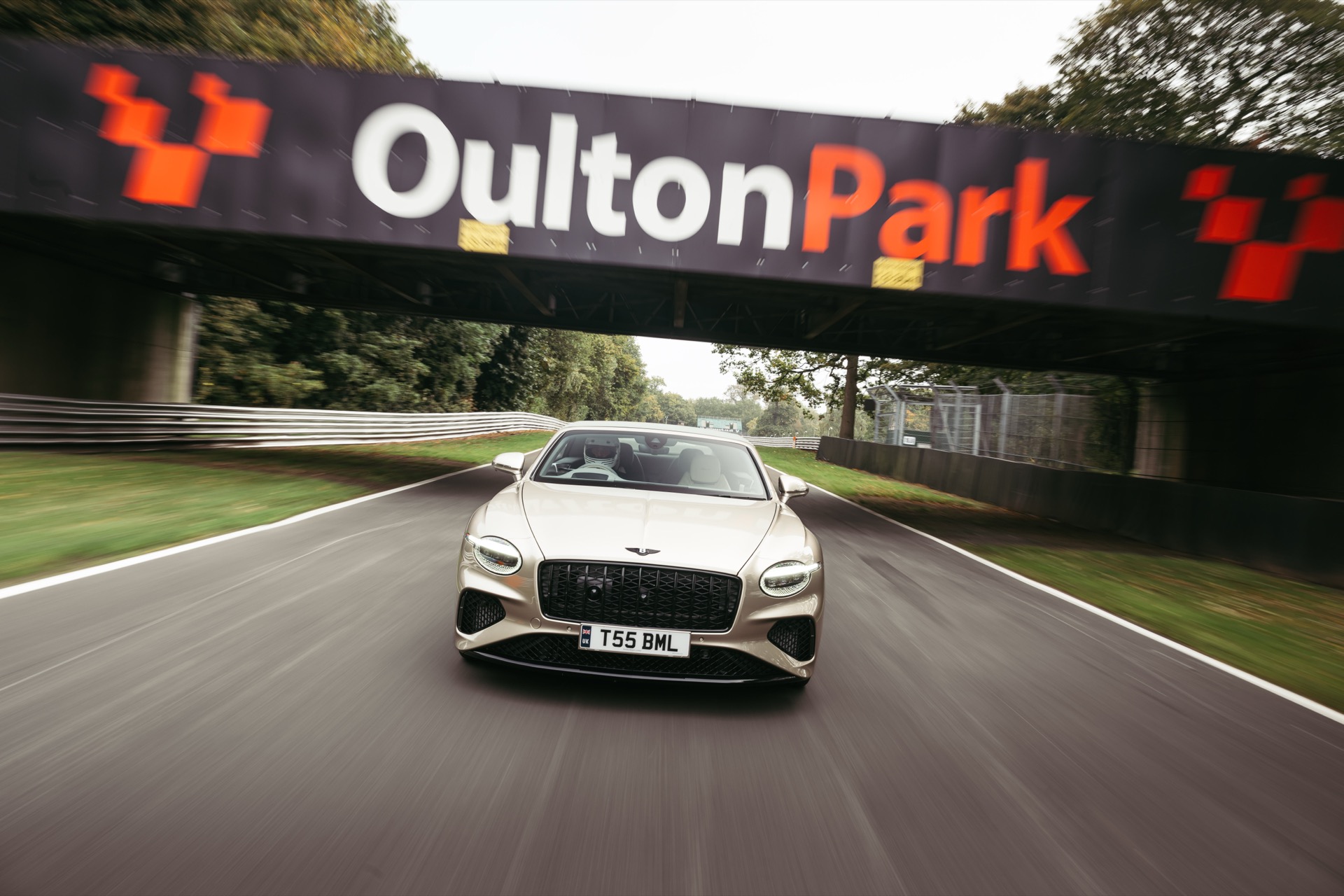
T55 BML 3

Try to drive it like something smaller, sharper and more singularly focused, however, and its limitations begin to show. Yes, the chassis is immensely capable. Yes, the active anti-roll system, rear-wheel steering and clever differentials do an admirable job of disguising the mass. But you are always aware that this Bentley’s true gift lies in flowing with the road, not attacking it. Push too hard and the illusion fades slightly. It is accomplished rather than playful, secure rather than intimate.

Even so, that feels less like a criticism and more like a reminder to enjoy the car on its own terms. Besides, nobody buys a Continental GTC Azure Hybrid because they need the last word in steering feel. They buy it because almost nothing else combines this level of luxury, craftsmanship, presence and open-air refinement.

The one genuine compromise is practicality. The hybrid battery has reduced boot space to a meagre 134 litres, which is laughably small for a car of this size and mission. But then the Continental GTC Azure Hybrid was never about travelling light in the literal sense. It is about making light work of travel itself.

T55 BML 4

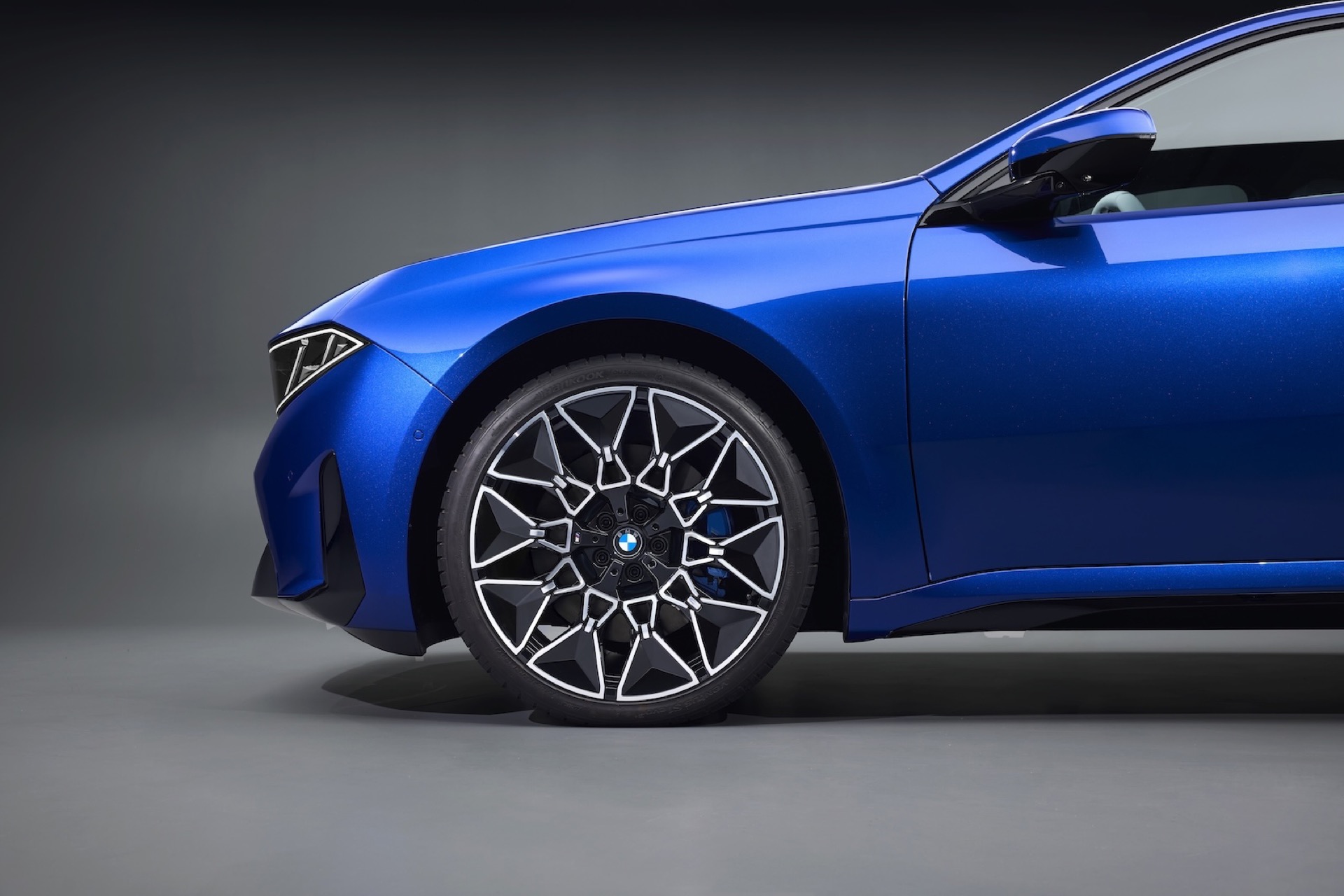
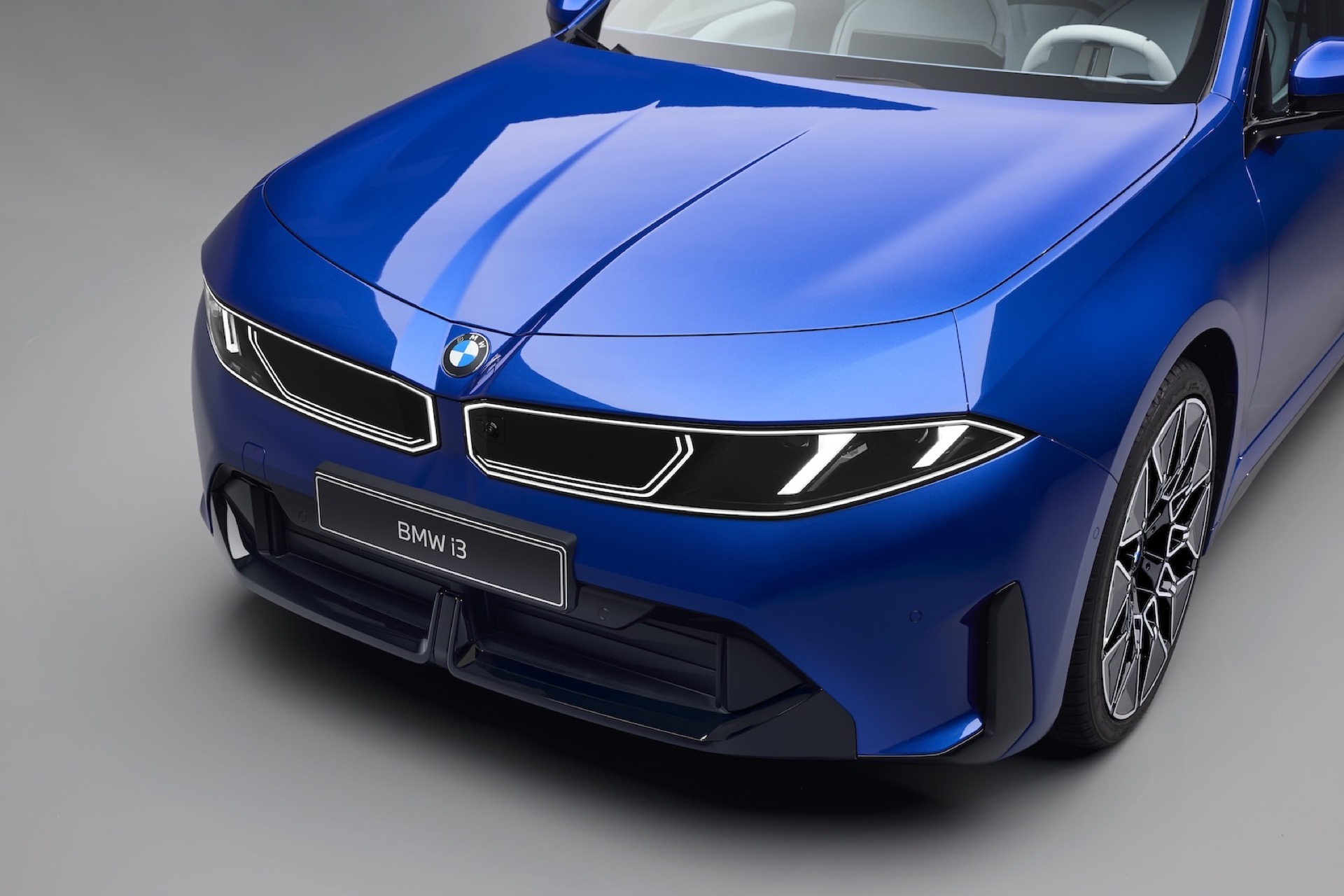
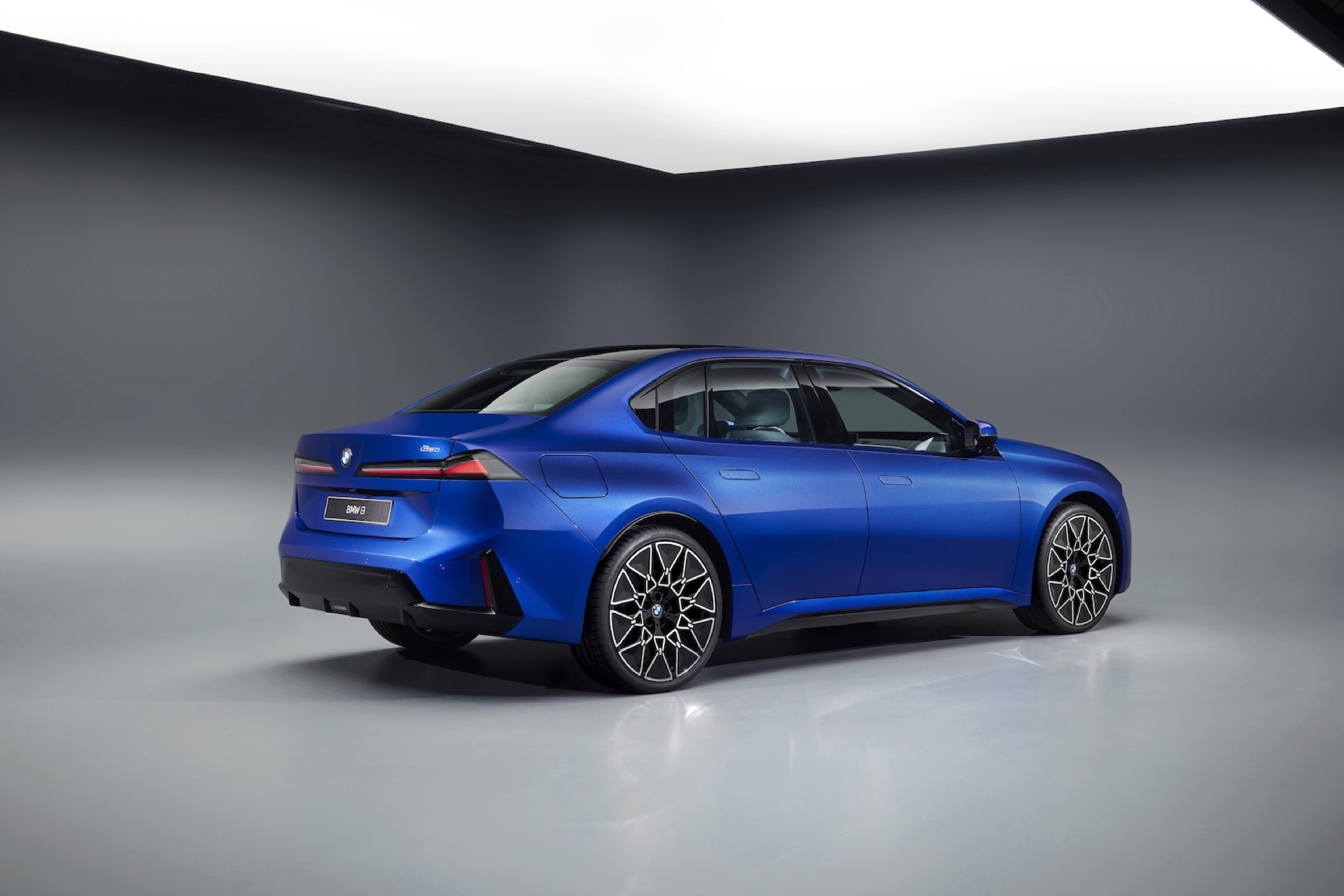
New BMW i3: An Electric Challenge to the Combustion Engine

0

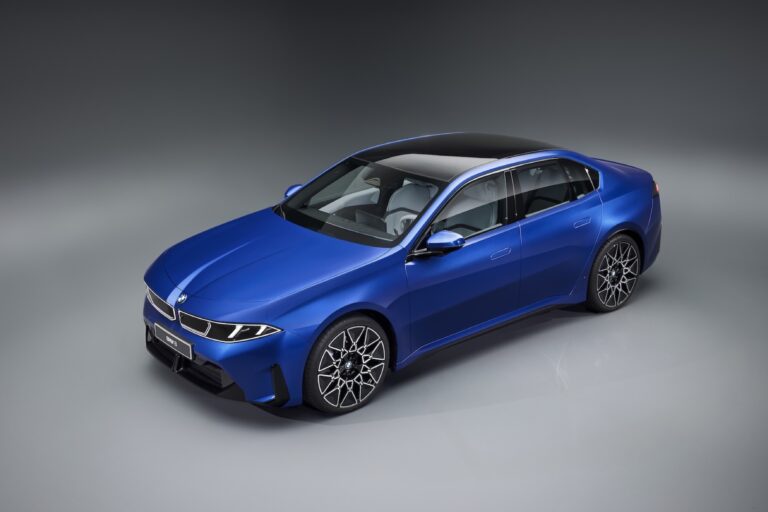
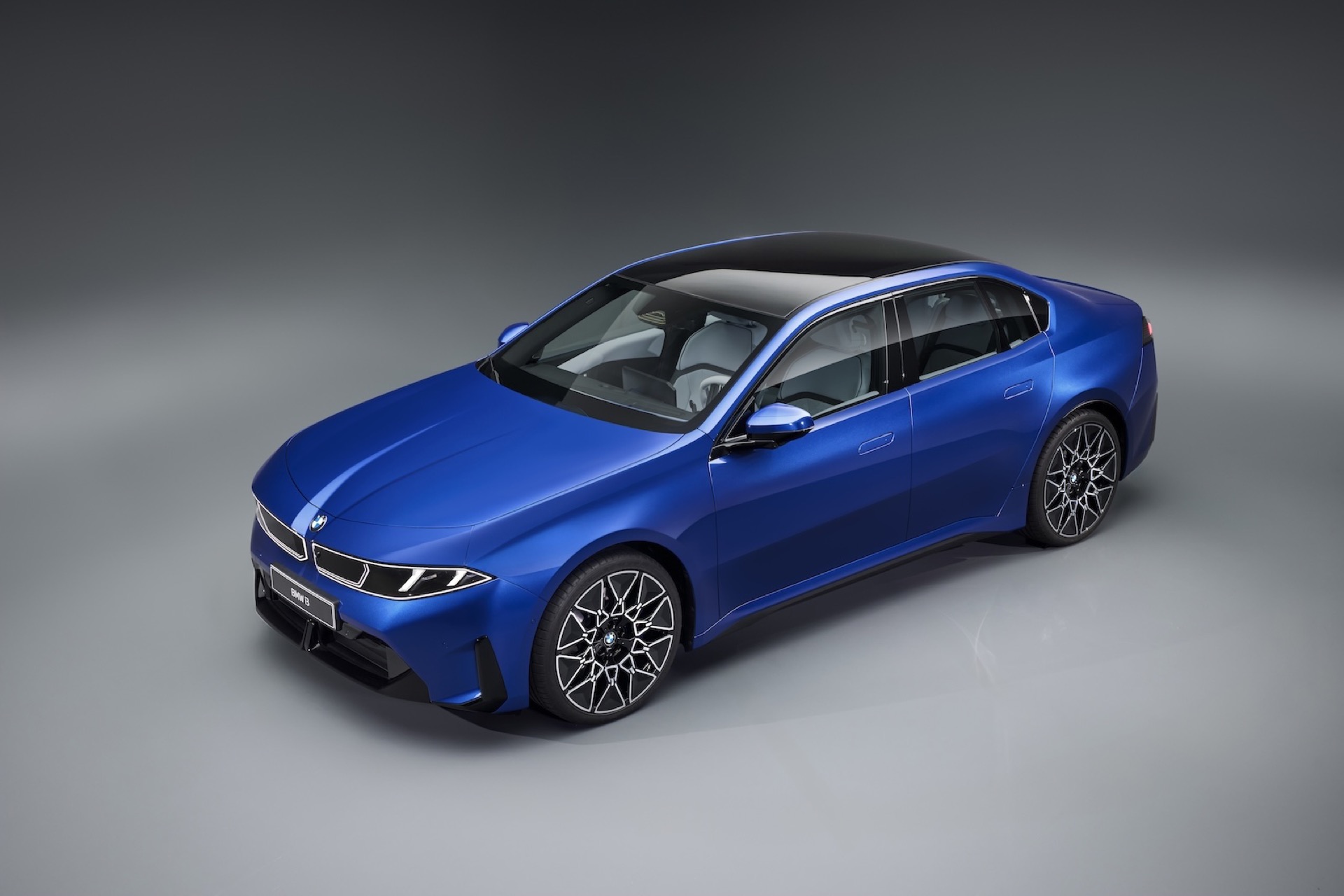
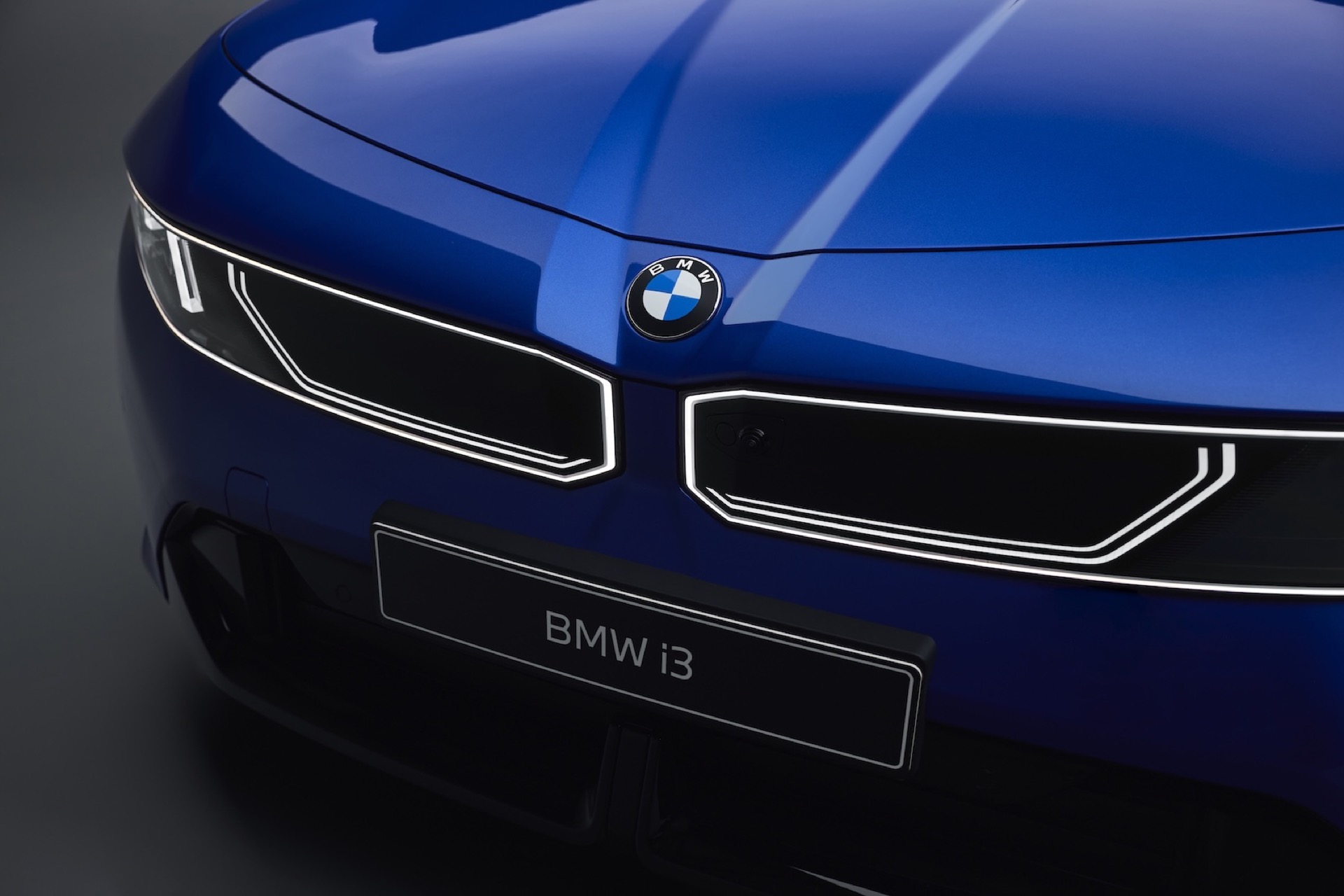
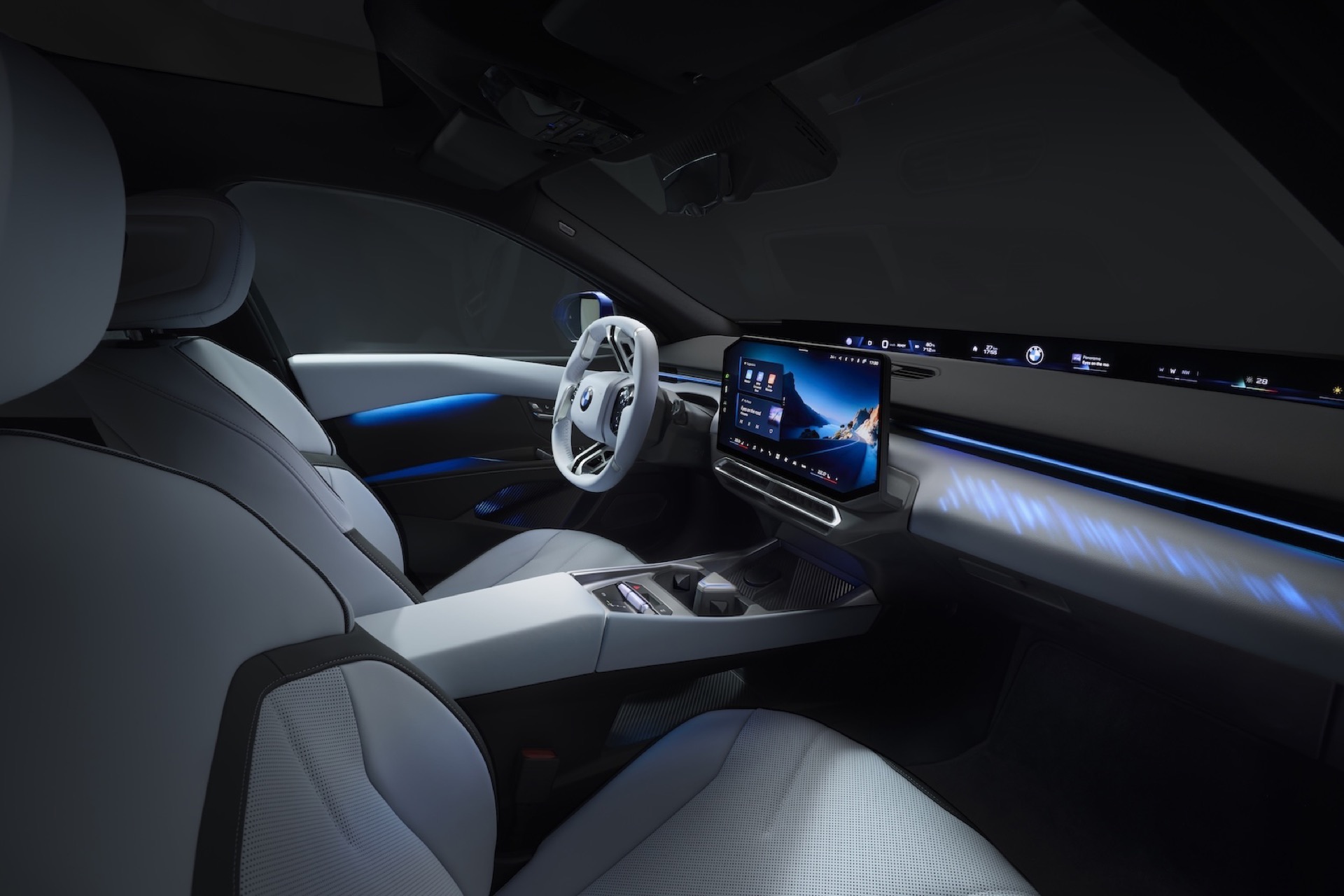
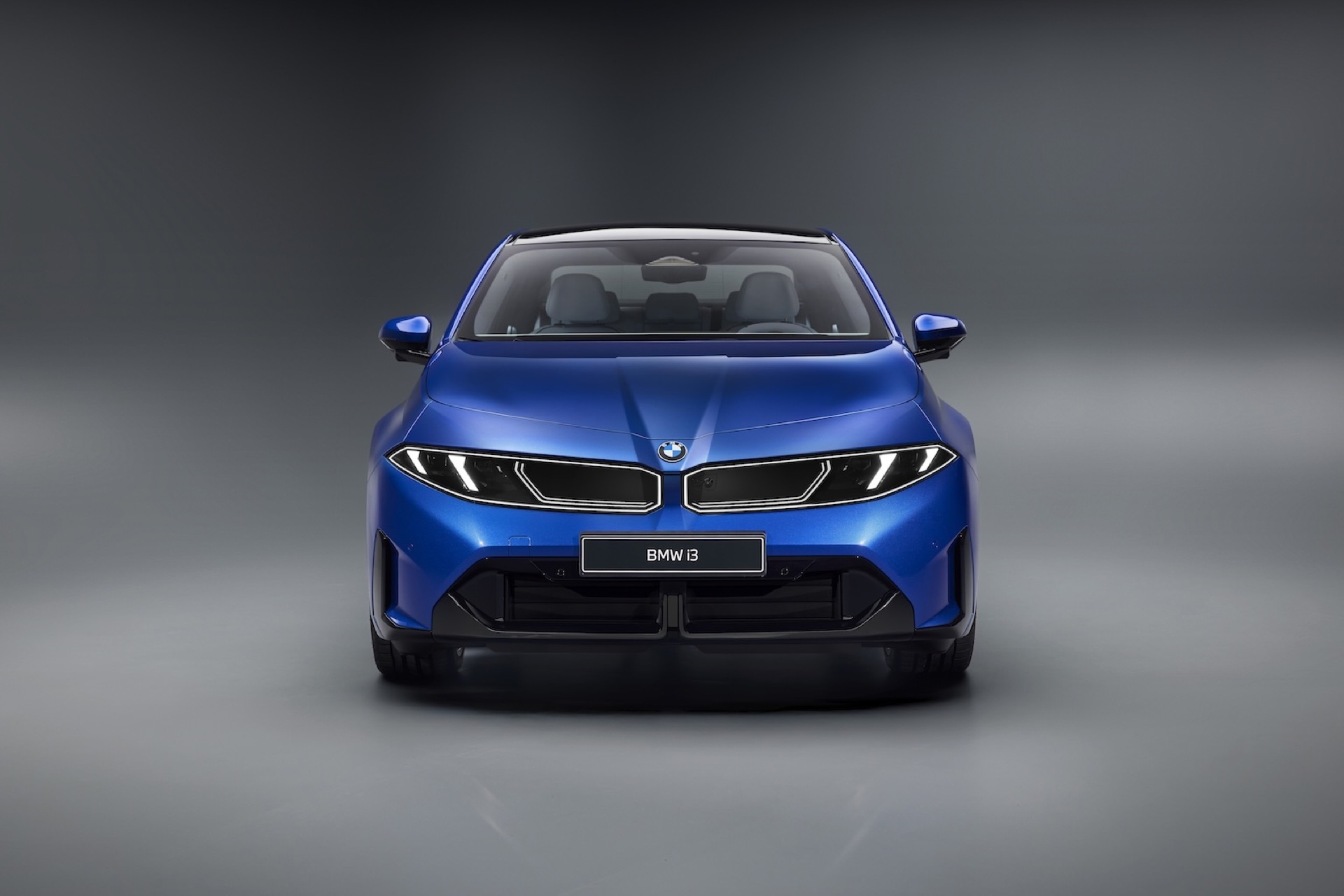
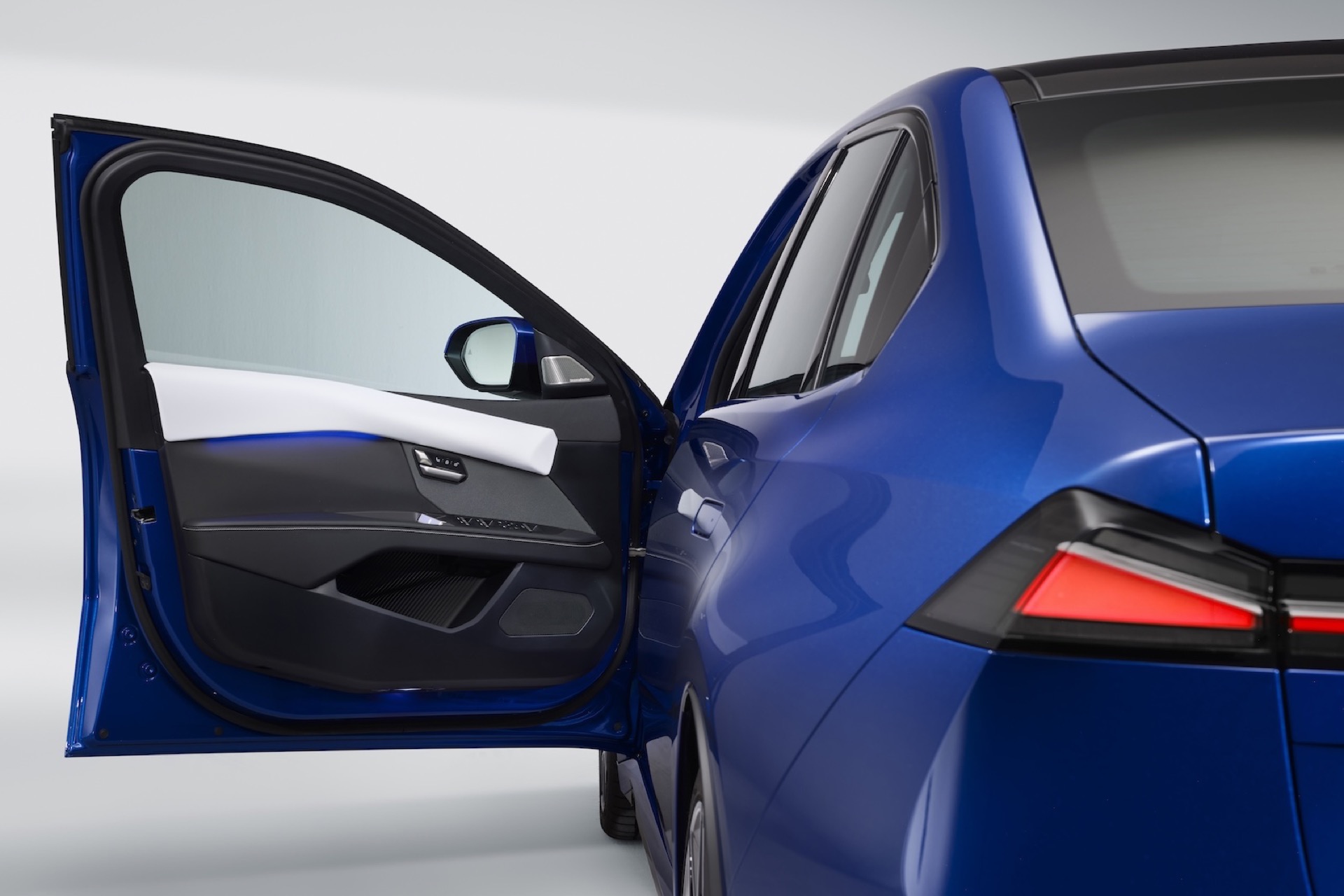
The BMW 3 Series has long been one of the most successful models in the premium mid-size segment. From autumn, it will face electric competition from within its own ranks in the form of the new BMW i3. This version has nothing in common with the carbon-bodied experiment from 2013.

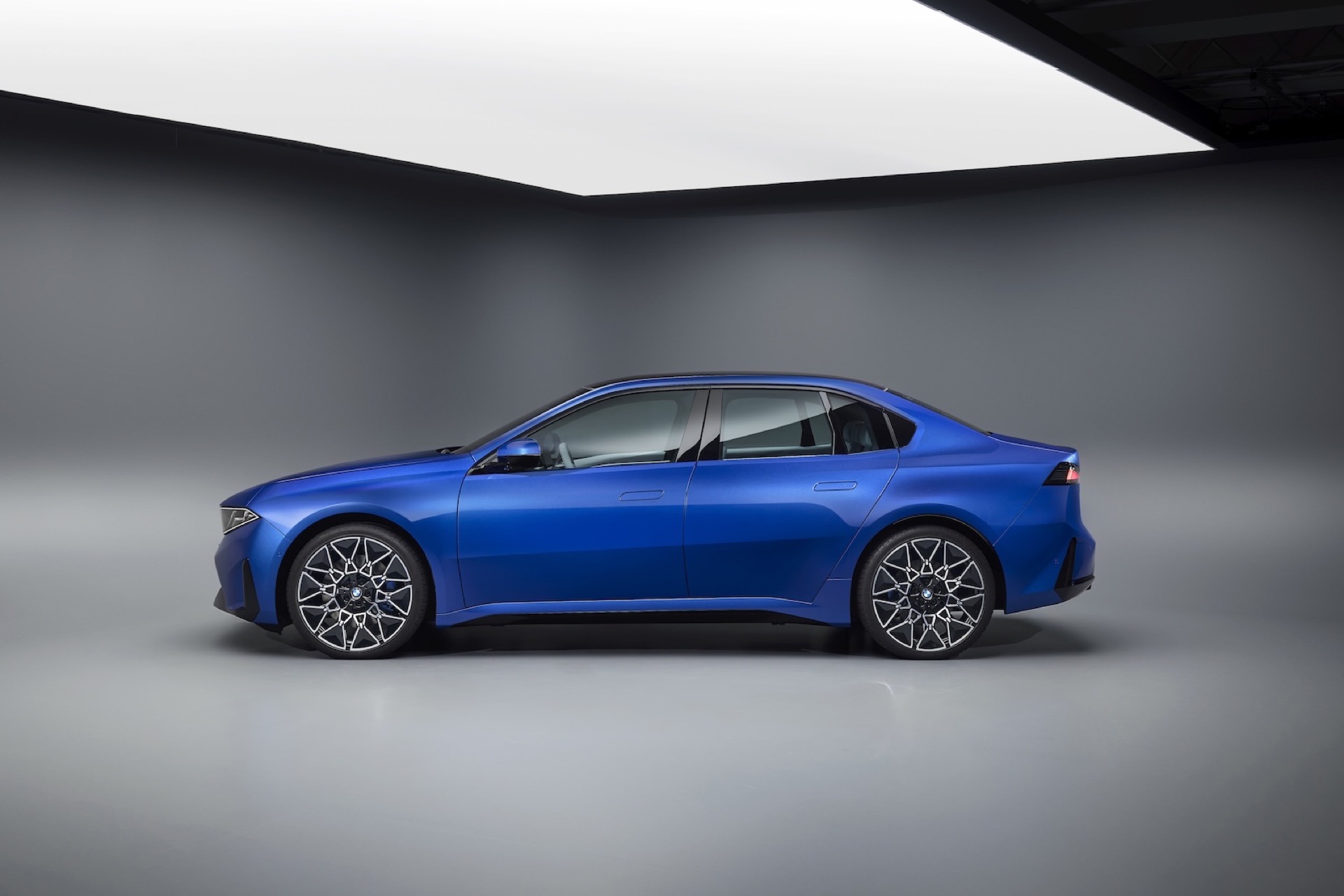
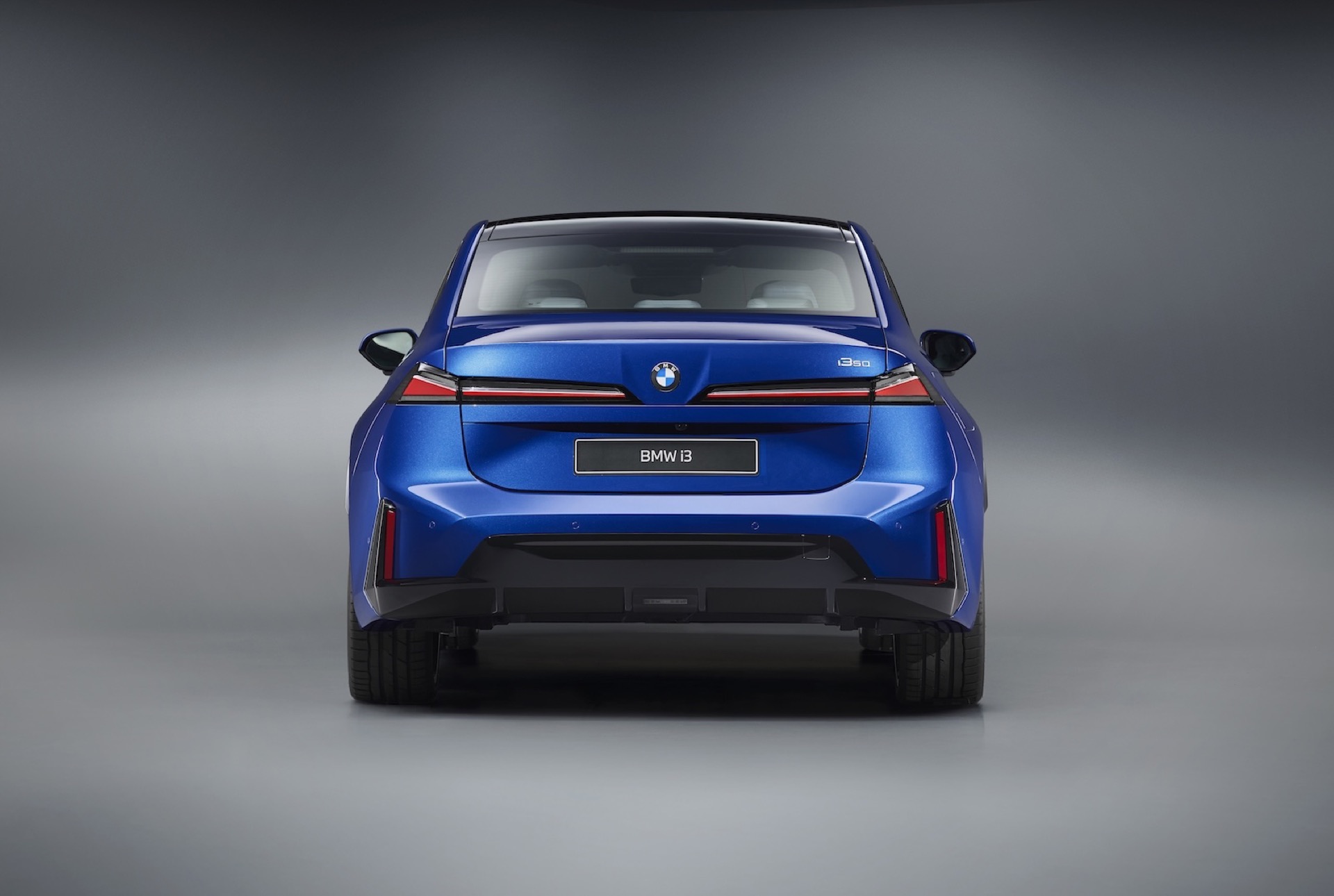
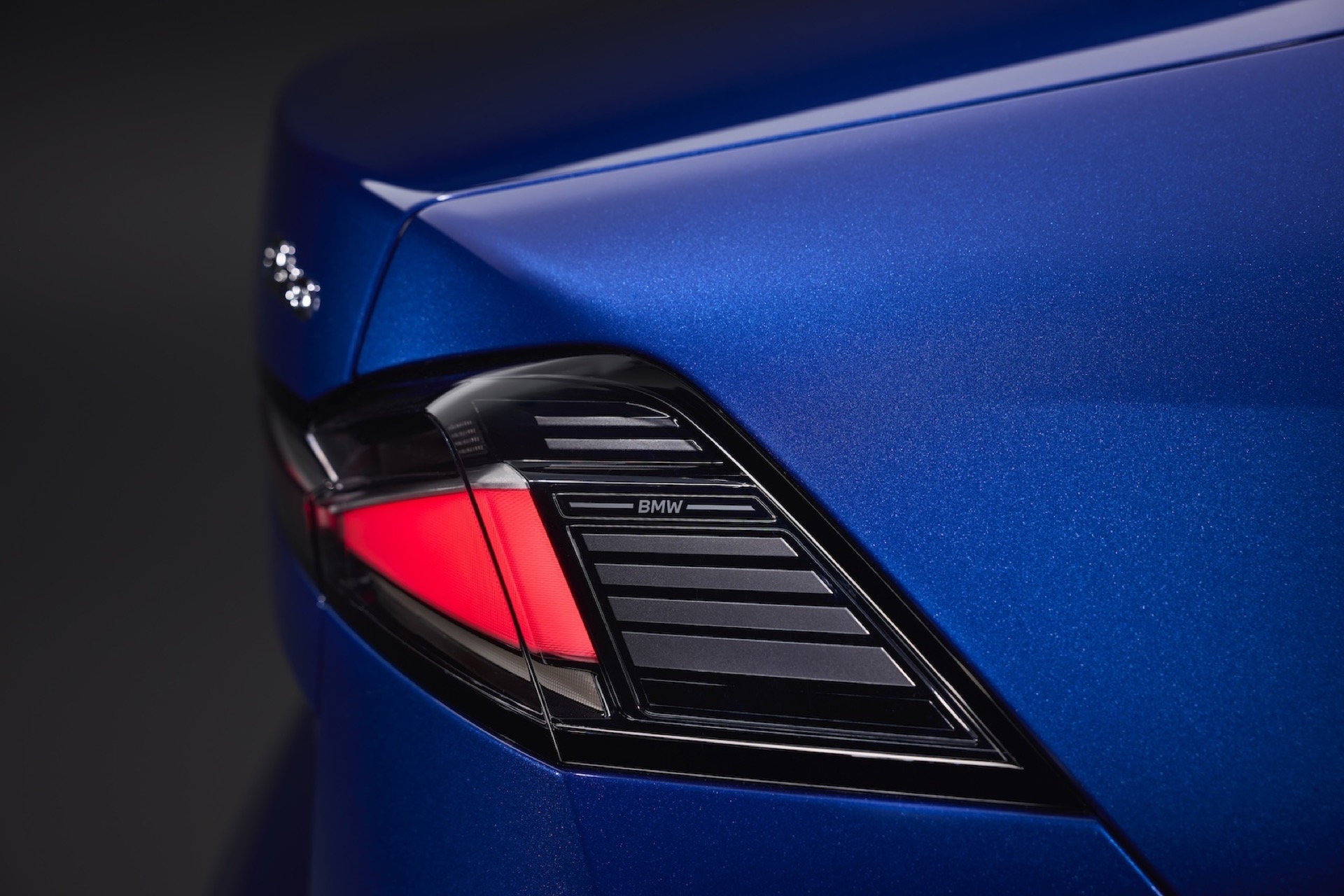
For many, the name BMW i3 still brings to mind an unconventional electric city car with a quirky window line, carbon structure and ultra-narrow tyres. That original model has long since disappeared. It was a bold technological experiment for BMW, but also an expensive one that ultimately failed to meet expectations. The new i3, however, takes a very different approach. It becomes the fully electric version of the 3 Series, a deliberately sporty four-door saloon based on BMW’s Neue Klasse platform and closely related to the iX3.

Sharing its architecture, technology and drivetrain with the electric crossover, the new i3 will reach customers in autumn. It will launch initially as the BMW i3 50 xDrive. Two sixth-generation electric motors drive both axles, delivering a combined output of 345 kW (469 PS) and up to 645 Nm of torque. At the rear, a separately excited synchronous motor provides propulsion, while the front axle uses an asynchronous motor that can be completely disengaged to reduce energy consumption.

A battery with a capacity of around 109 kWh enables a maximum range of up to 900 kilometres. Charging is equally impressive, with DC charging speeds of up to 400 kW and AC charging of up to 22 kW. In terms of range, only the most efficient diesel variants such as the BMW 320d can compete.

BMW i3 50 xDrive 5

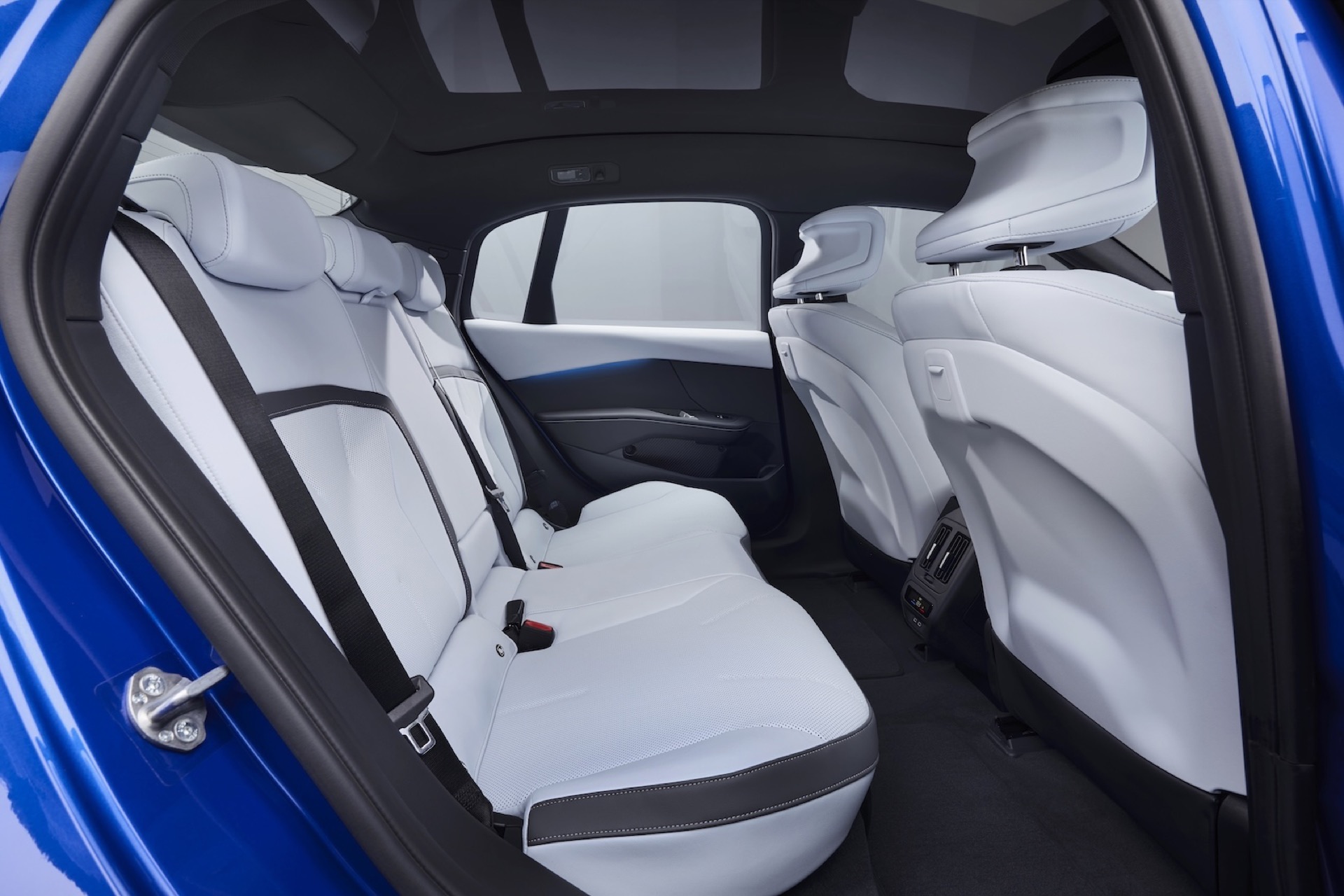
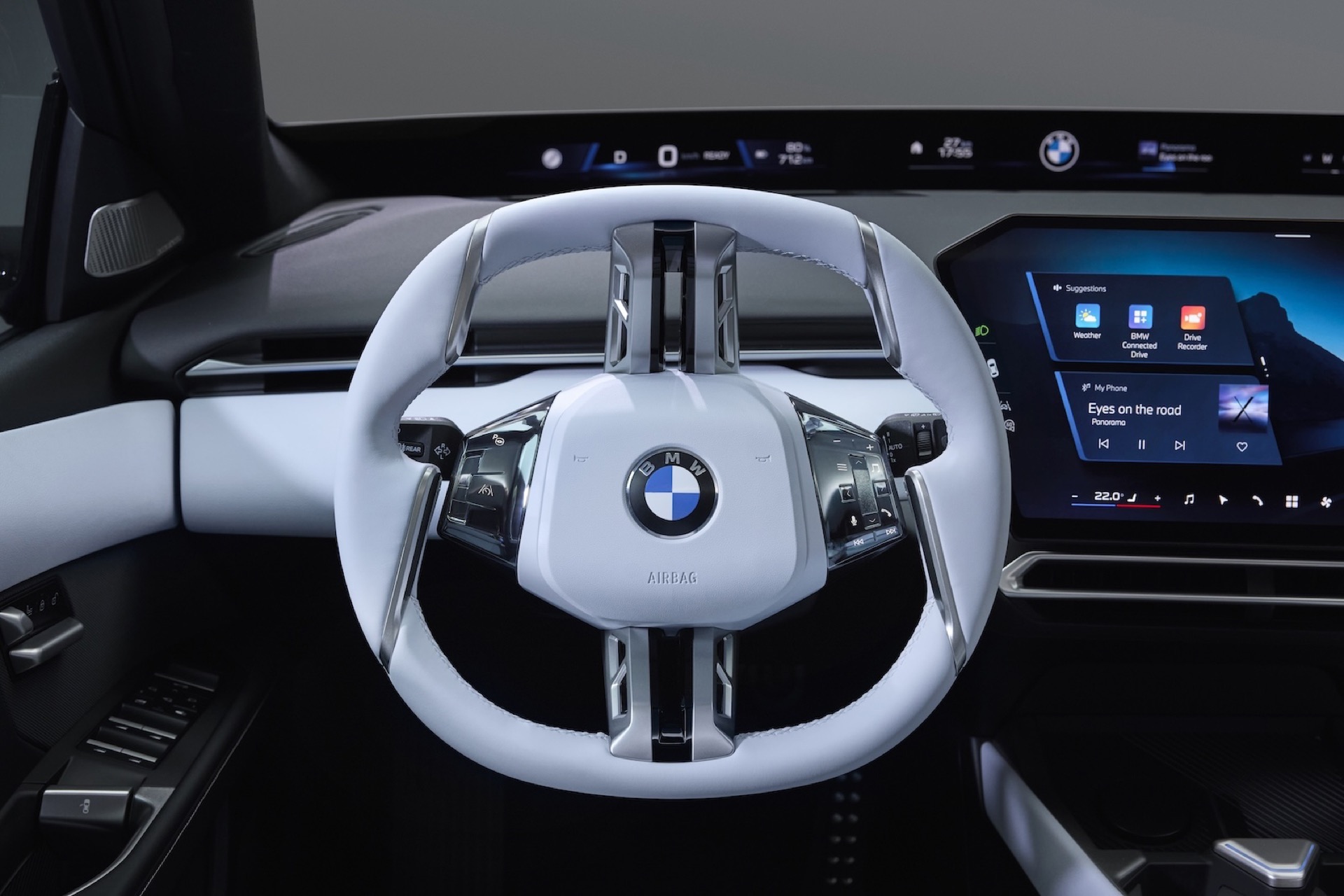
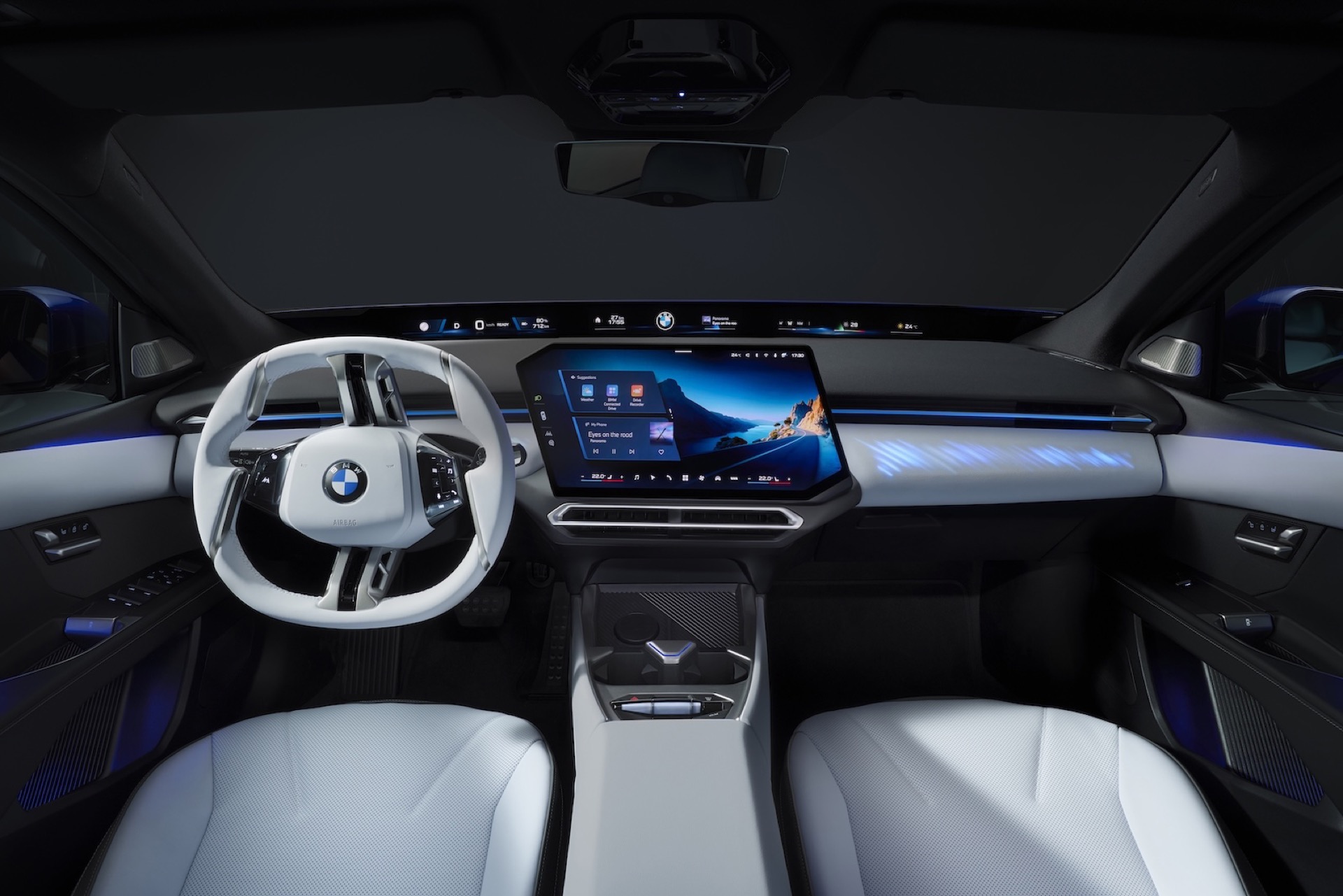
Inside, the i3 adopts the minimalist interior already seen in the iX3. A panoramic display replaces traditional instruments, complemented by a central 17.9-inch screen. With a wheelbase of 2.90 metres, space is generous. Notably, BMW has chosen not to include a passenger display, unlike some competitors. The steering wheel design remains a matter of taste.

The traditional key is no longer required. A smartphone serves as the digital key, which can also be shared with others if needed.

BMW i3 50 xDrive 18

While competitors such as the electric Mercedes C-Class rely on optional air suspension and rear-axle steering, the BMW i3 uses a double-joint strut front axle and a five-link rear setup, optionally with adaptive damping. Pricing is expected to start at around €65,000, with additional variants to follow. An entry-level rear-wheel-drive version is likely to bring the starting price closer to €60,000.

Test Drive: Mini Aceman SE

0

First date at the opera

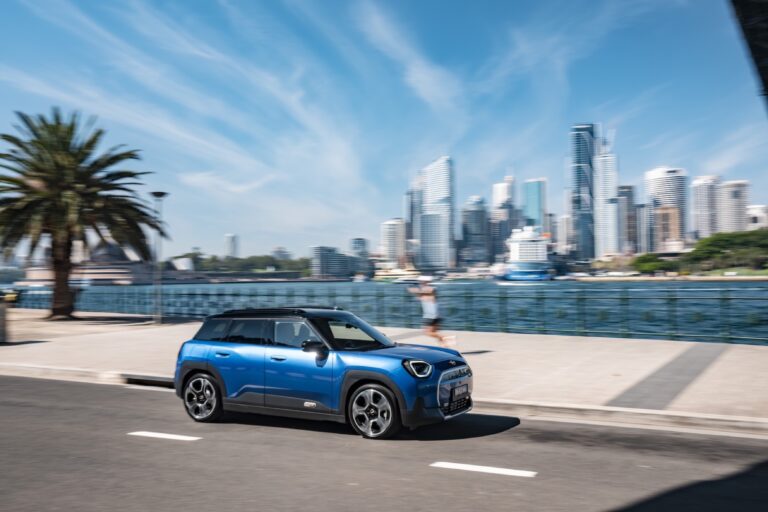
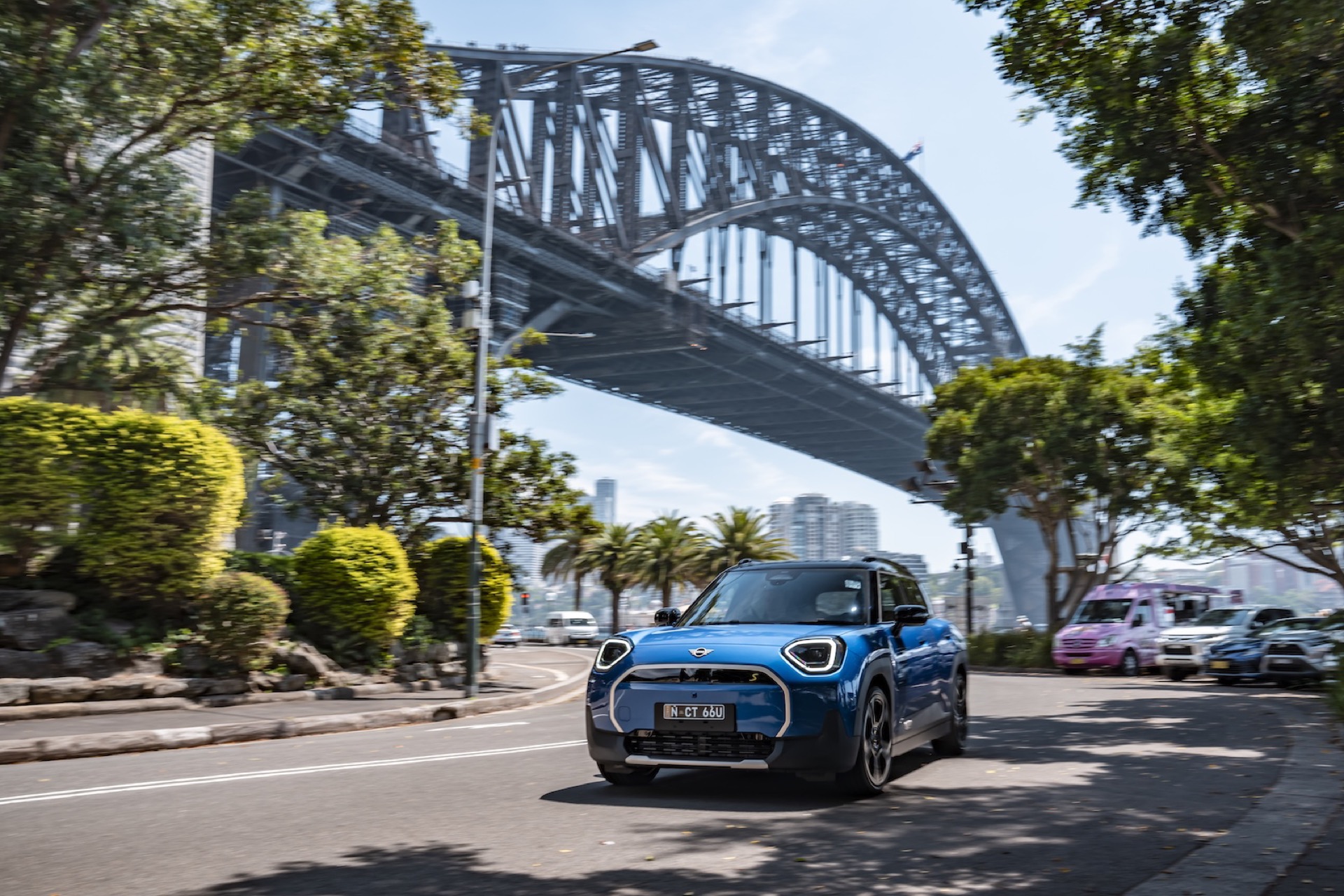
Mini has long stood for more than rally heritage, London city life and sporty John Cooper Works models. Alongside the iconic hatch, there is a five-door version and the family-friendly Countryman. Yet the name Aceman still draws a blank for many. We took the latest all-electric Mini for a drive through Sydney.

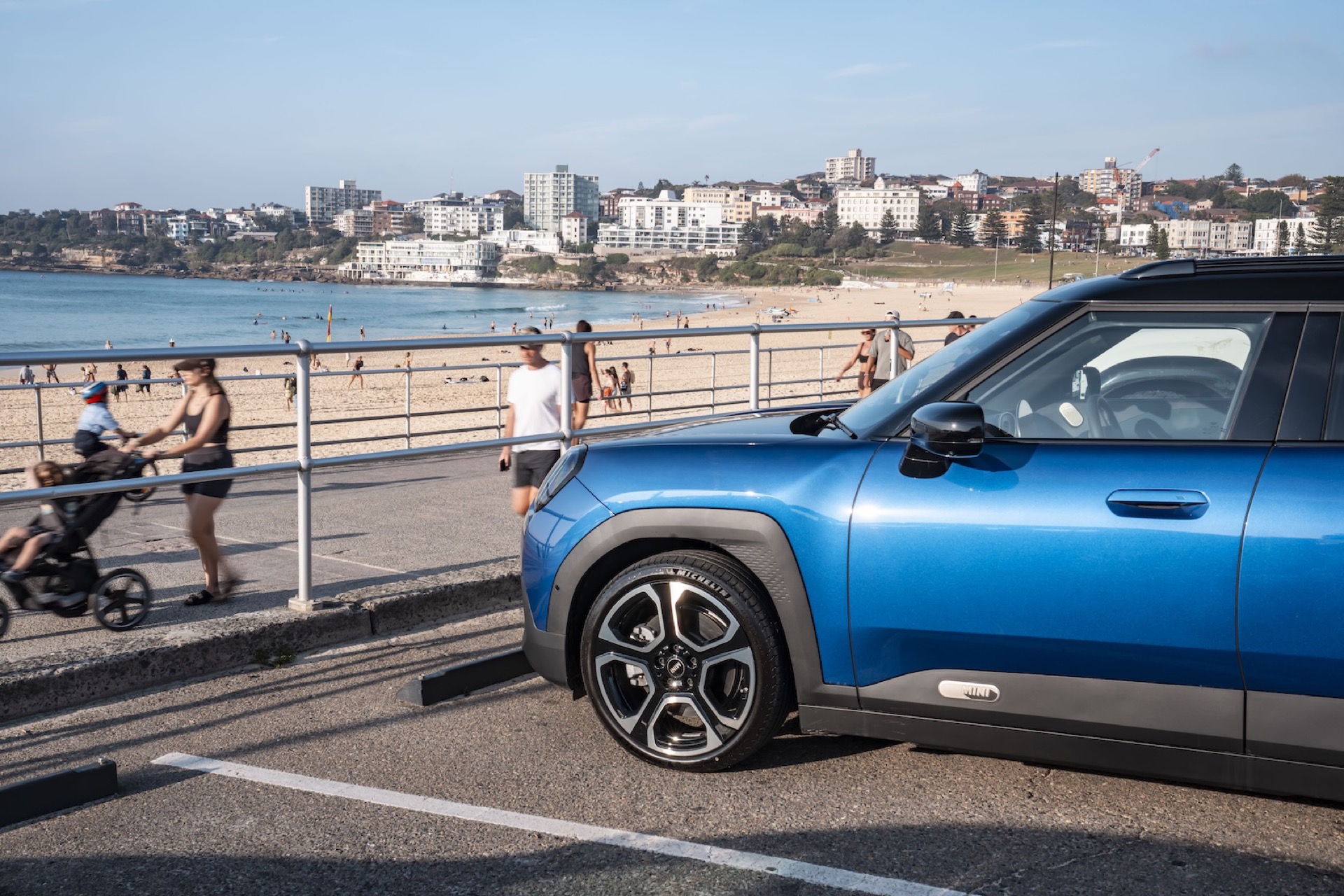
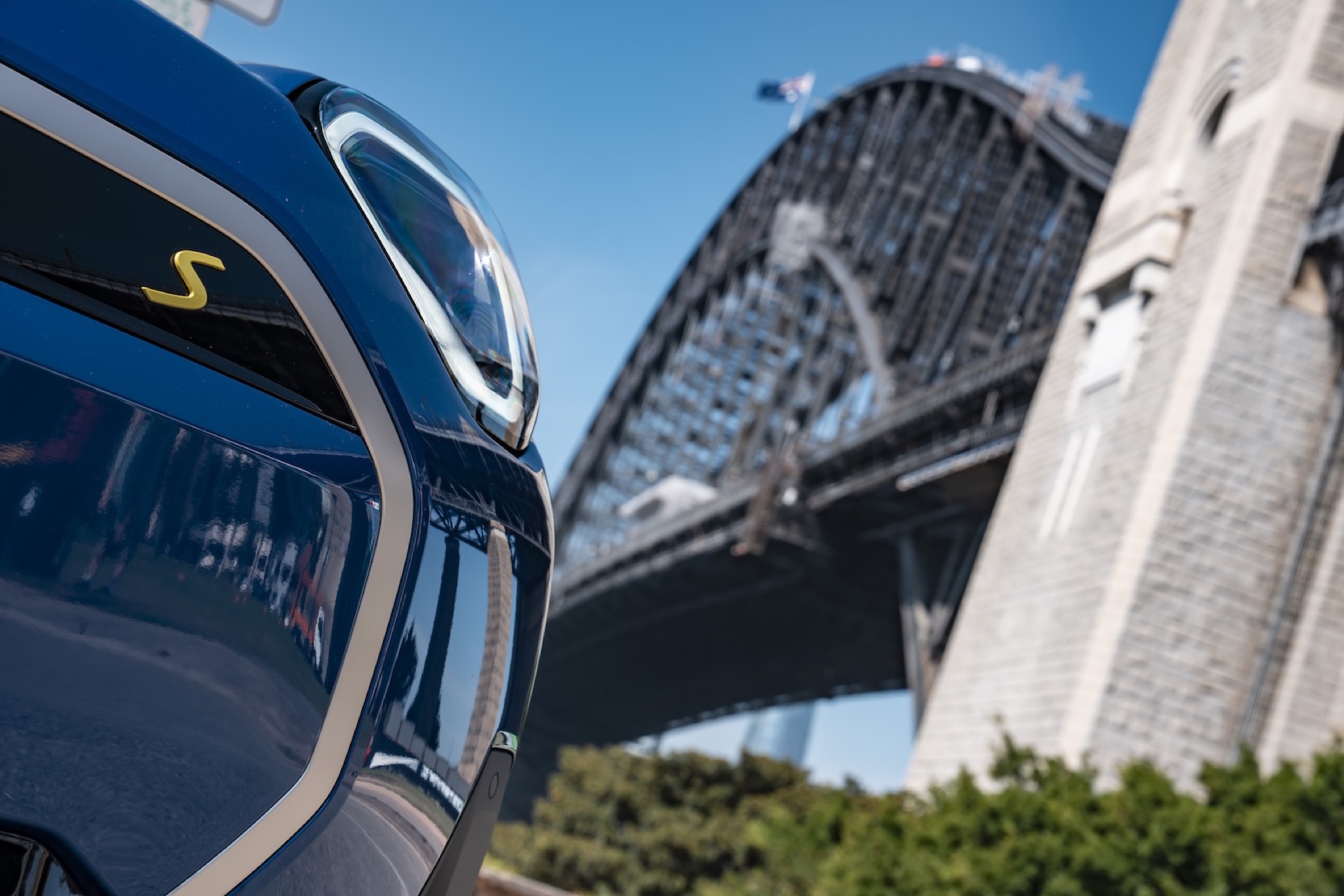
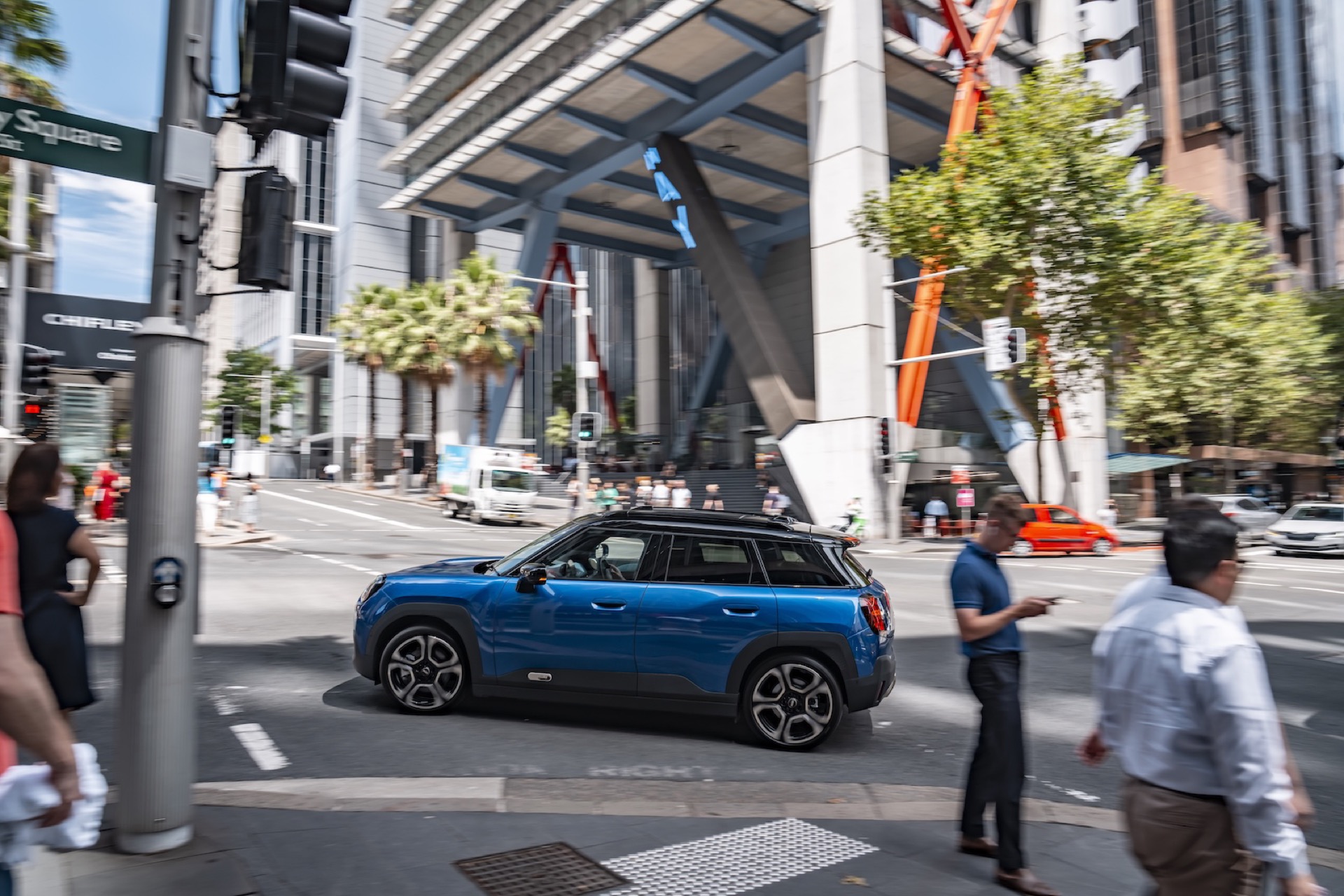
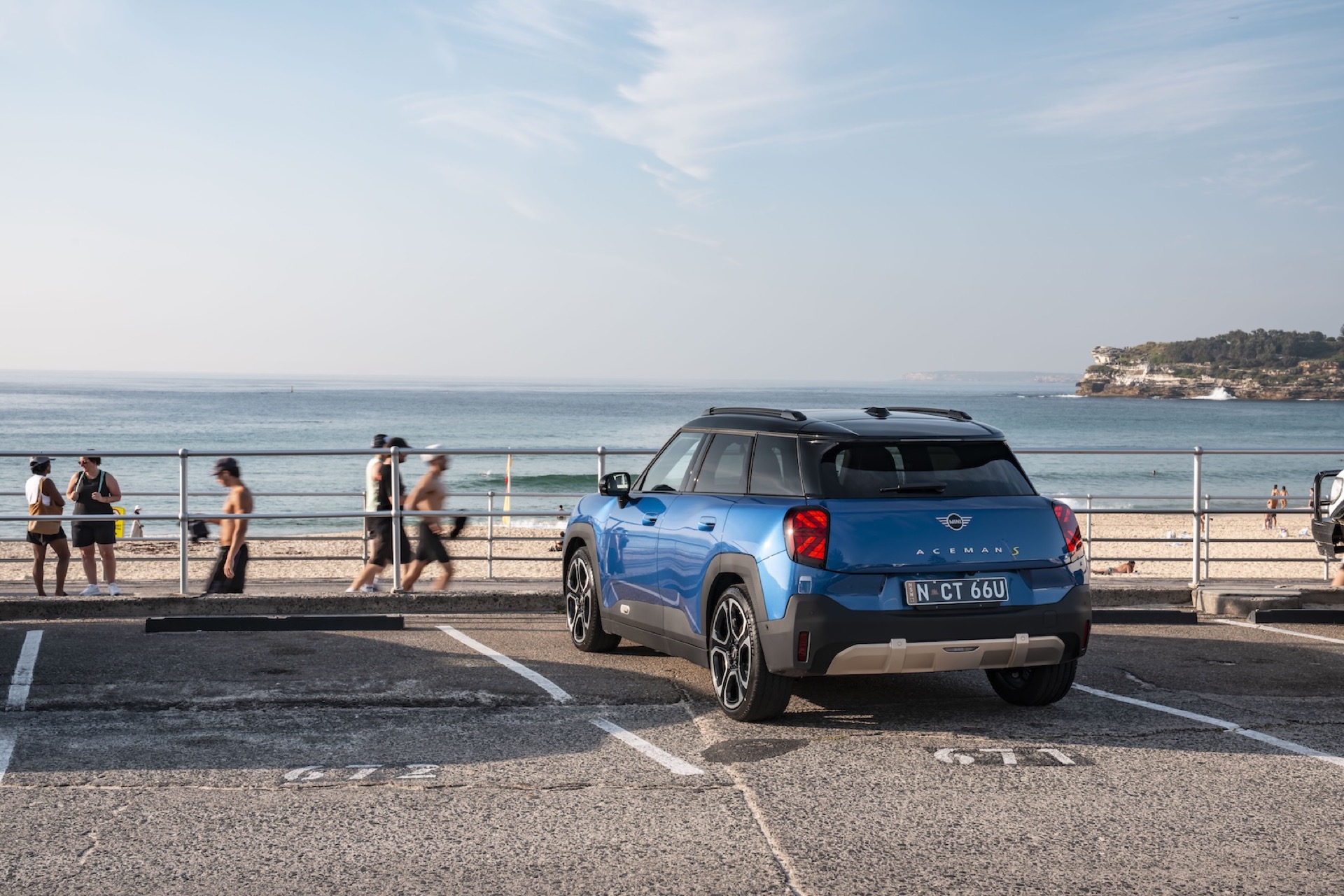
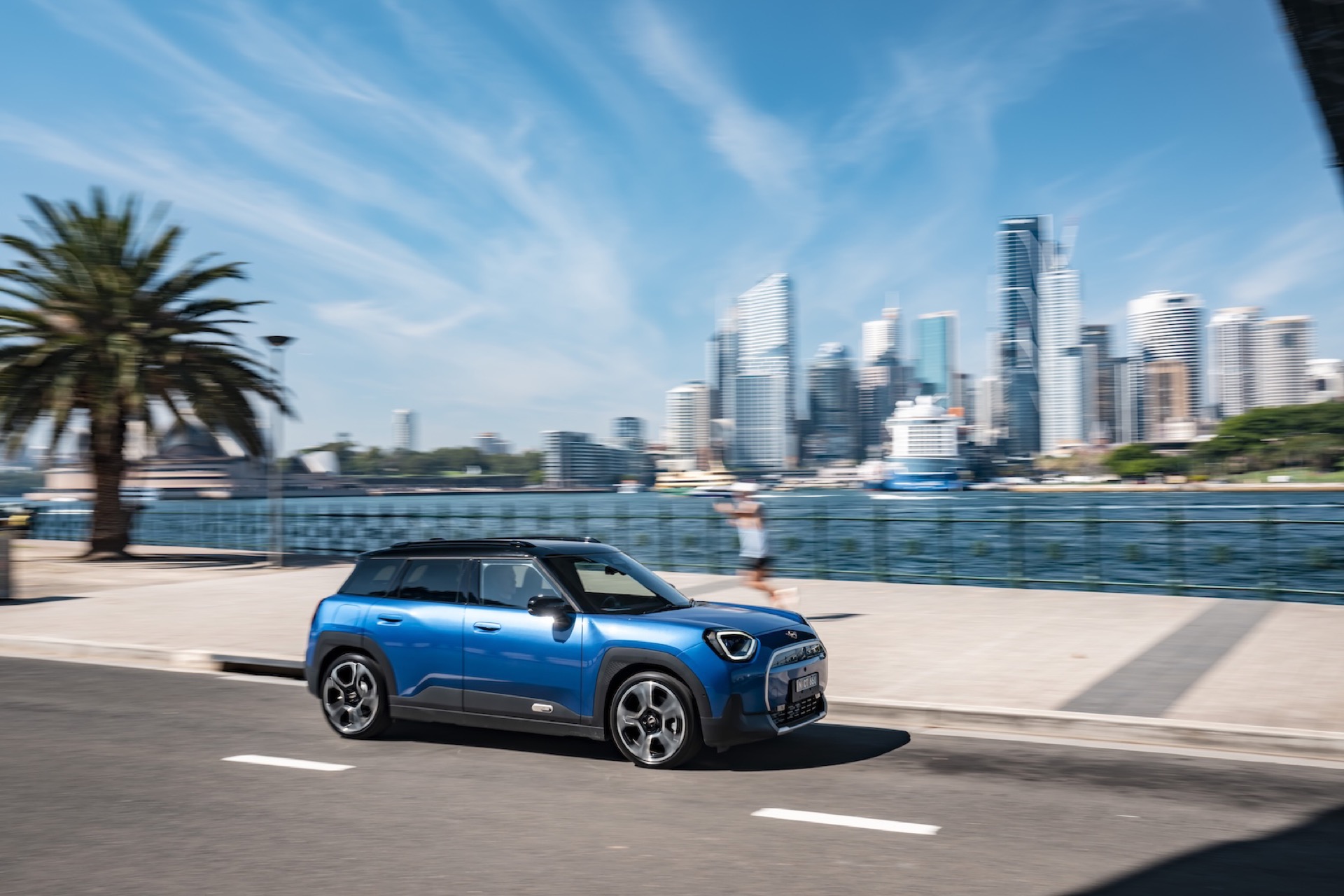
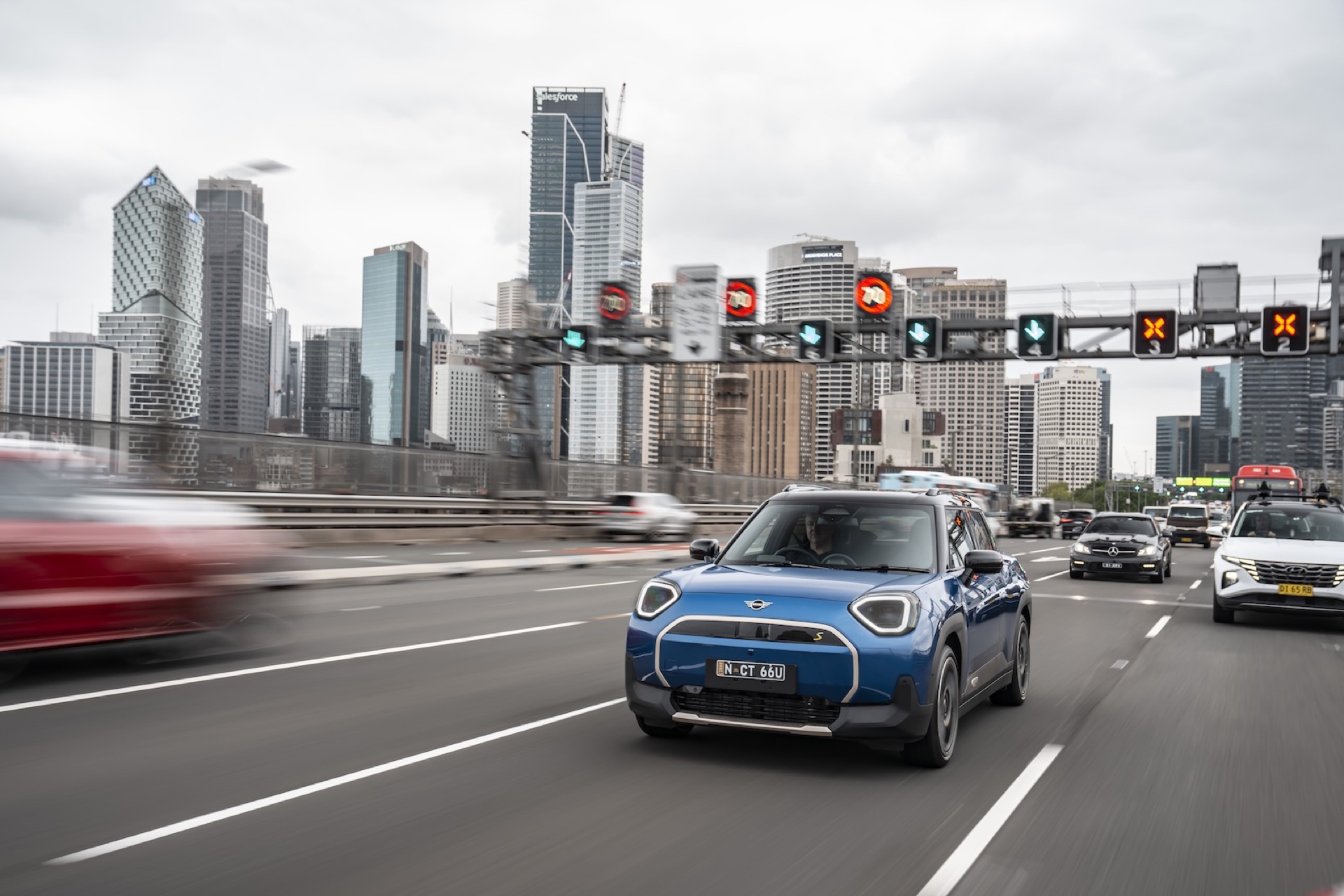
Mini typically offers its customers plenty of choice, from model range and size to levels of personalisation and drivetrain options. The Aceman is different. This five-door crossover is available exclusively as an electric vehicle. It is aimed at buyers who find the Cooper too small and the Countryman too large, making it an ideal fit for urban families in cities such as Sydney. With 5.5 million residents, the Australian metropolis is known for its quality of life, the Harbour Bridge, the Opera House and the bright sands of Bondi Beach. A perfect setting for the Mini Aceman SE.

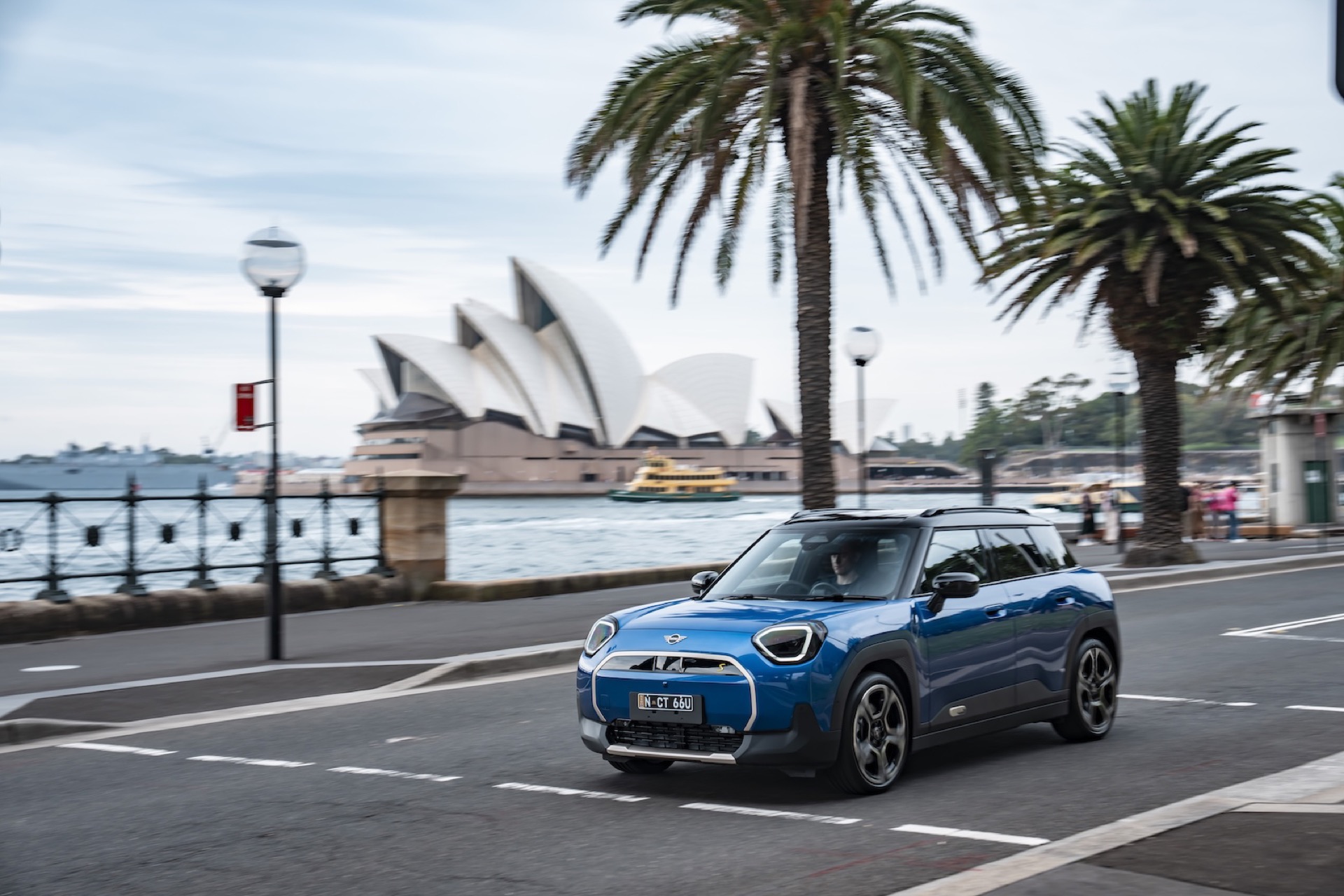
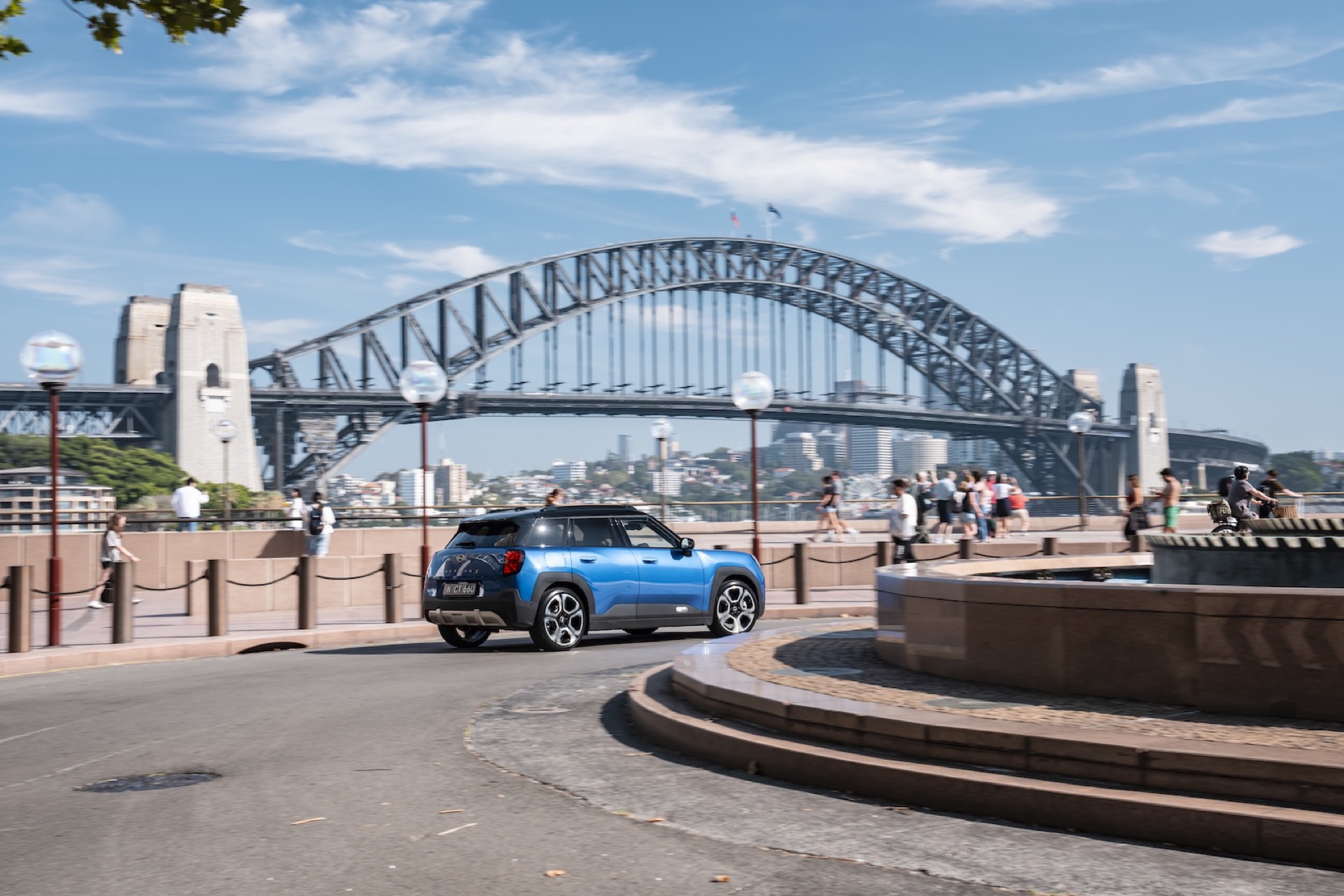
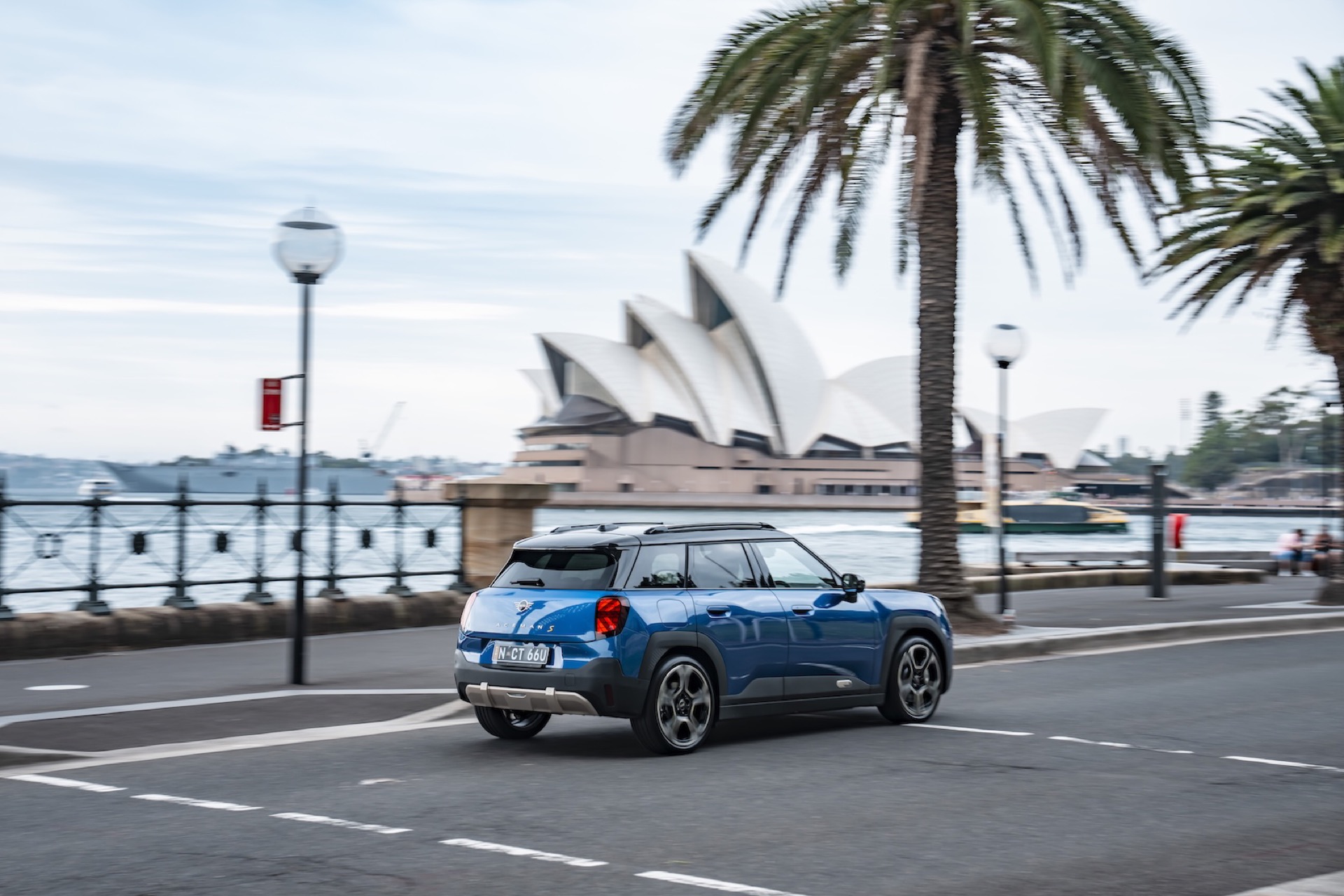
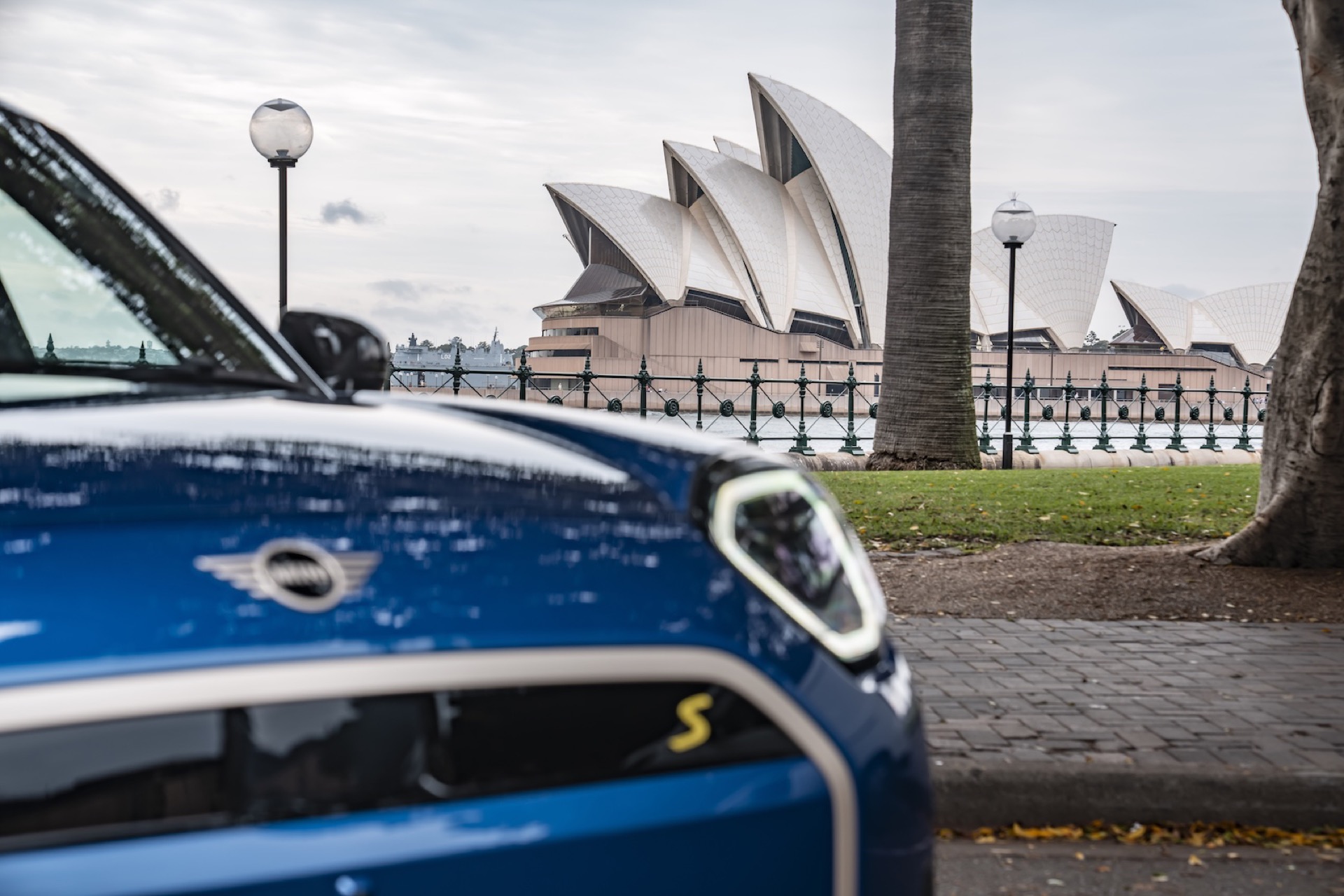
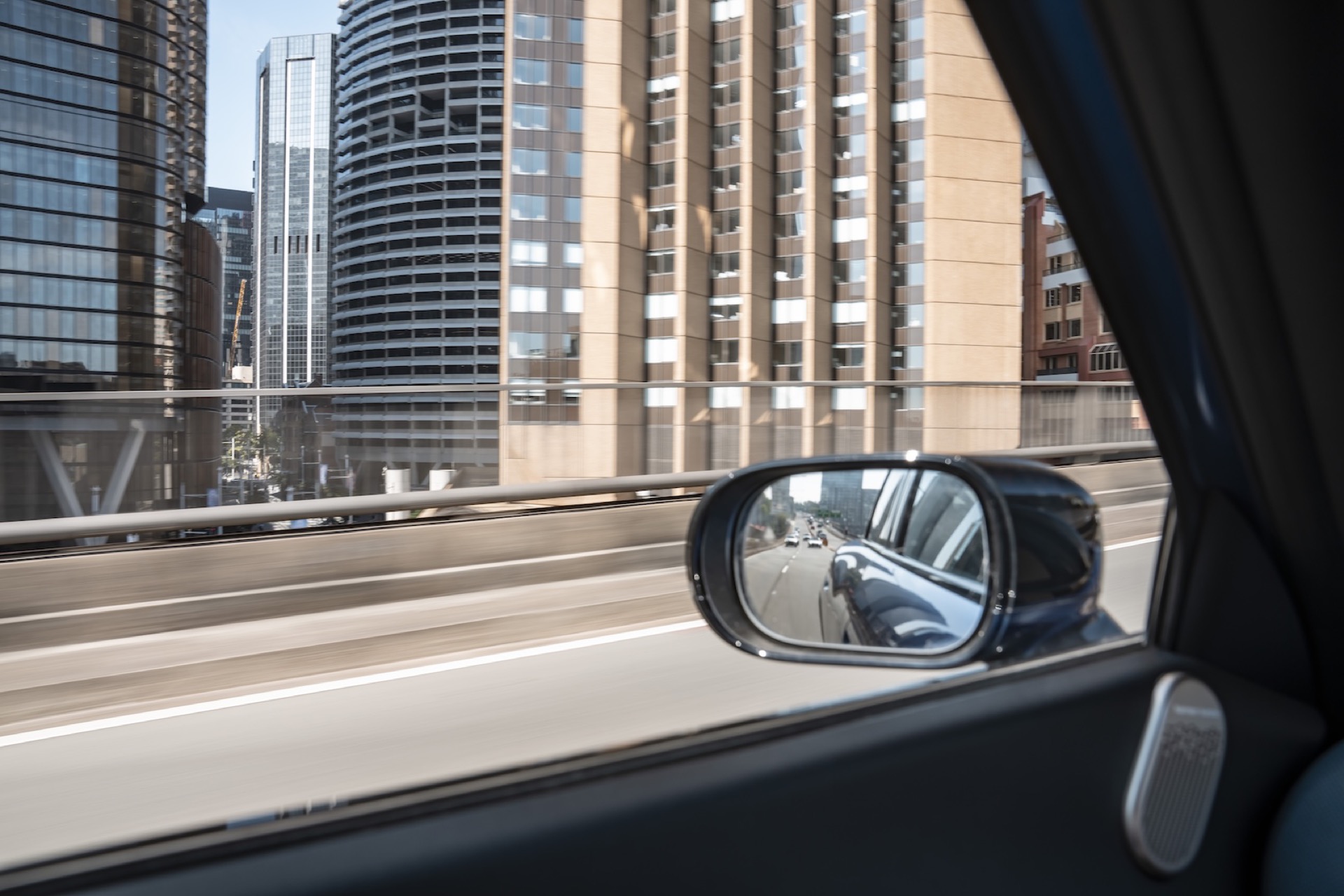
At just under 4.10 metres in length, the Aceman SE matches the size of the previous-generation Countryman. Its successor has grown significantly and now offers both combustion and electric powertrains, including all-wheel drive. The Aceman, by contrast, has quietly entered the market without much fanfare. Driving through Darlinghurst, past Hyde Park and towards The Rocks, the strong British influence becomes evident. The route continues past the Royal Botanic Garden to the Sydney Opera House, familiar to many from New Year’s Eve broadcasts around the world.

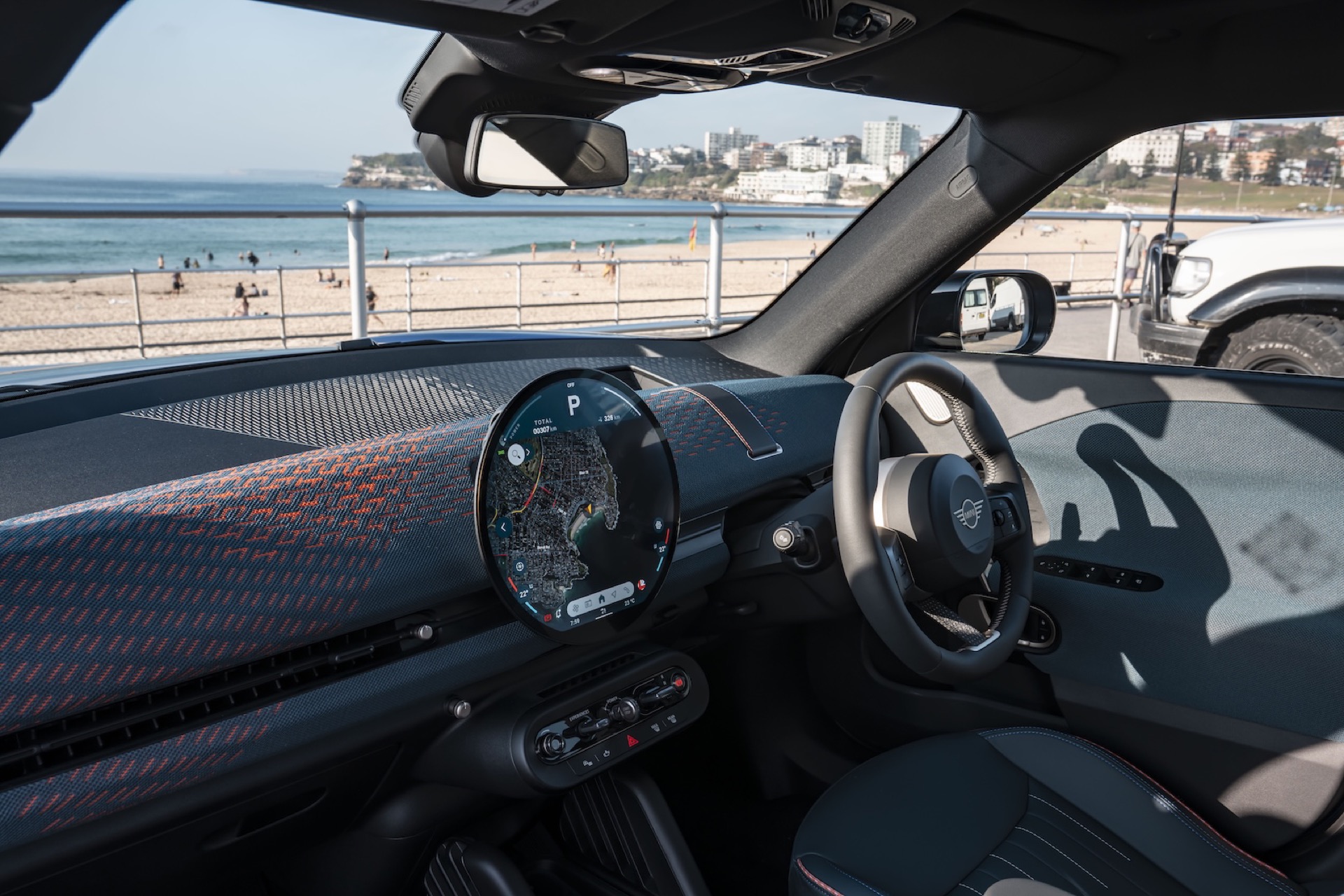
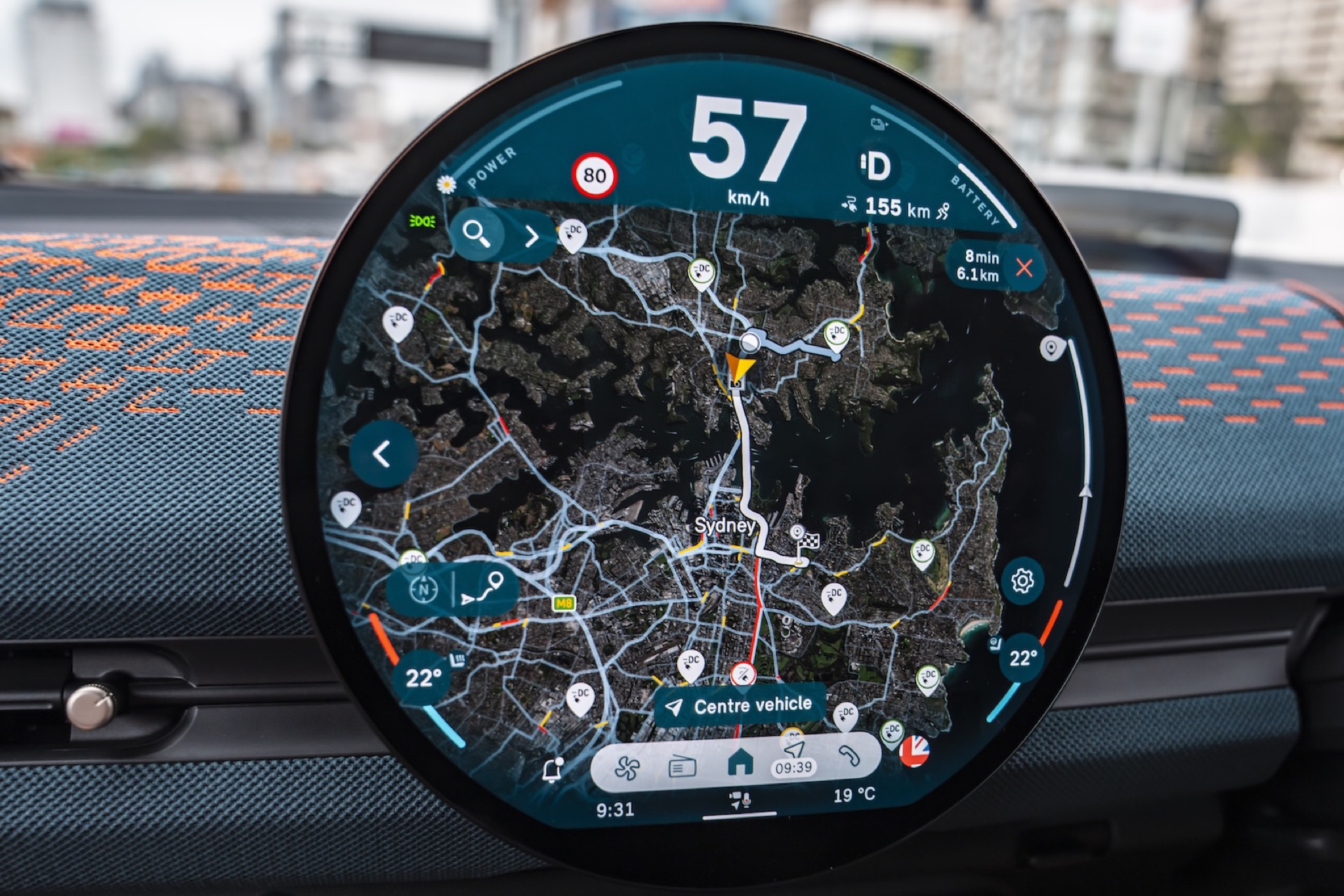
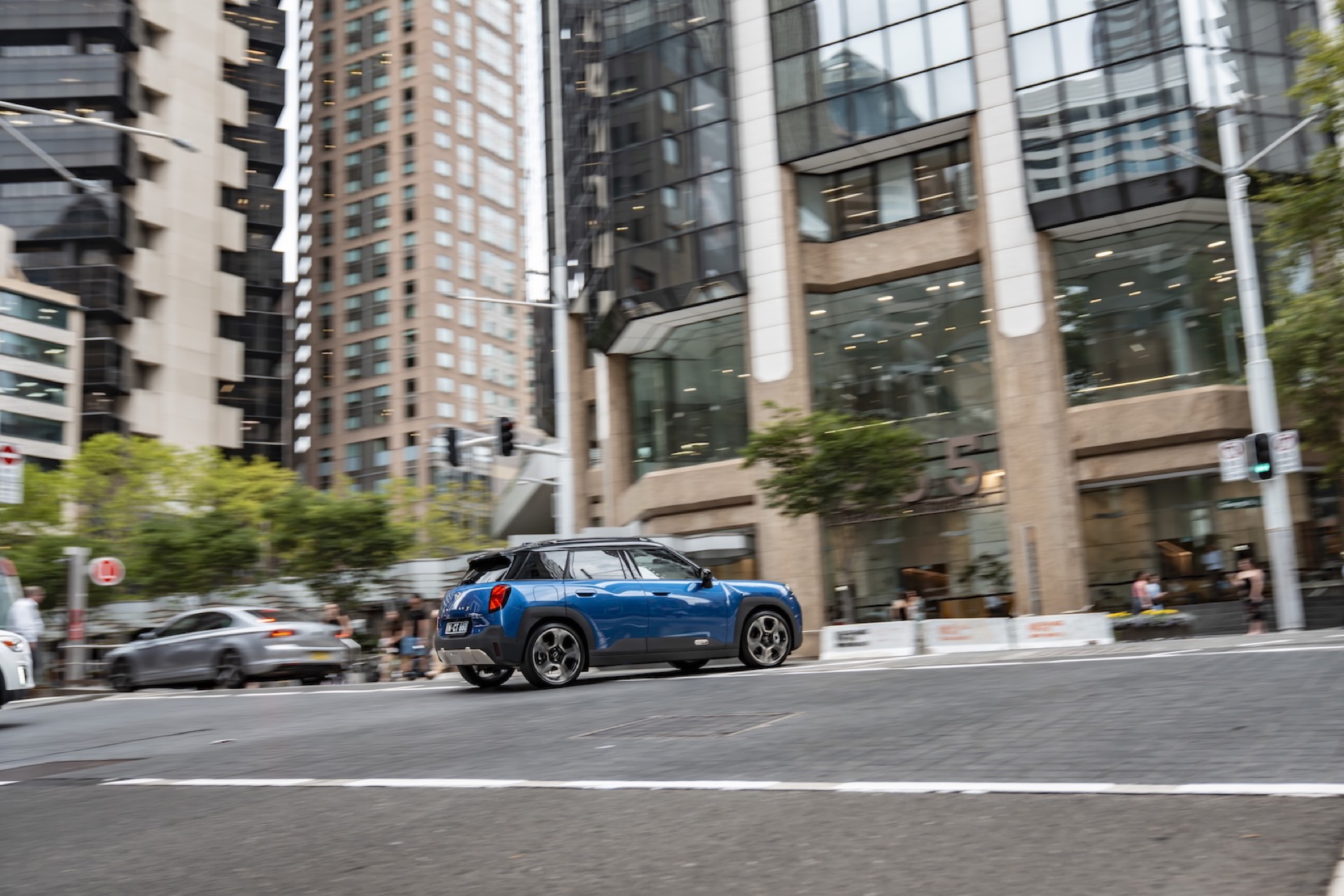
Sydney’s harbour is lively and more fragmented than in many other global cities. Ferries depart from Warrane Cove while large cruise ships dock at The Squire’s Landing, bringing hundreds of passengers ashore. The 160 kW (218 PS) Mini Aceman SE moves silently through Barangaroo and into the busy shopping districts around Market, Bathurst and Kent Street, passing landmarks such as the Queen Victoria Building and Town Hall. Many of these locations appear not only outside the car but also on the circular 24 cm central display, which could be more intuitive to operate.

Mini Aceman SE 15

The steering is light and direct, while the low centre of gravity makes the car feel agile during quick changes of direction. With 330 Nm of torque, the Aceman easily finds its way through city traffic. In Sydney, where large pick-ups and heavily modified off-road vehicles dominate, the compact electric Mini stands out with its quiet presence and distinctive design.

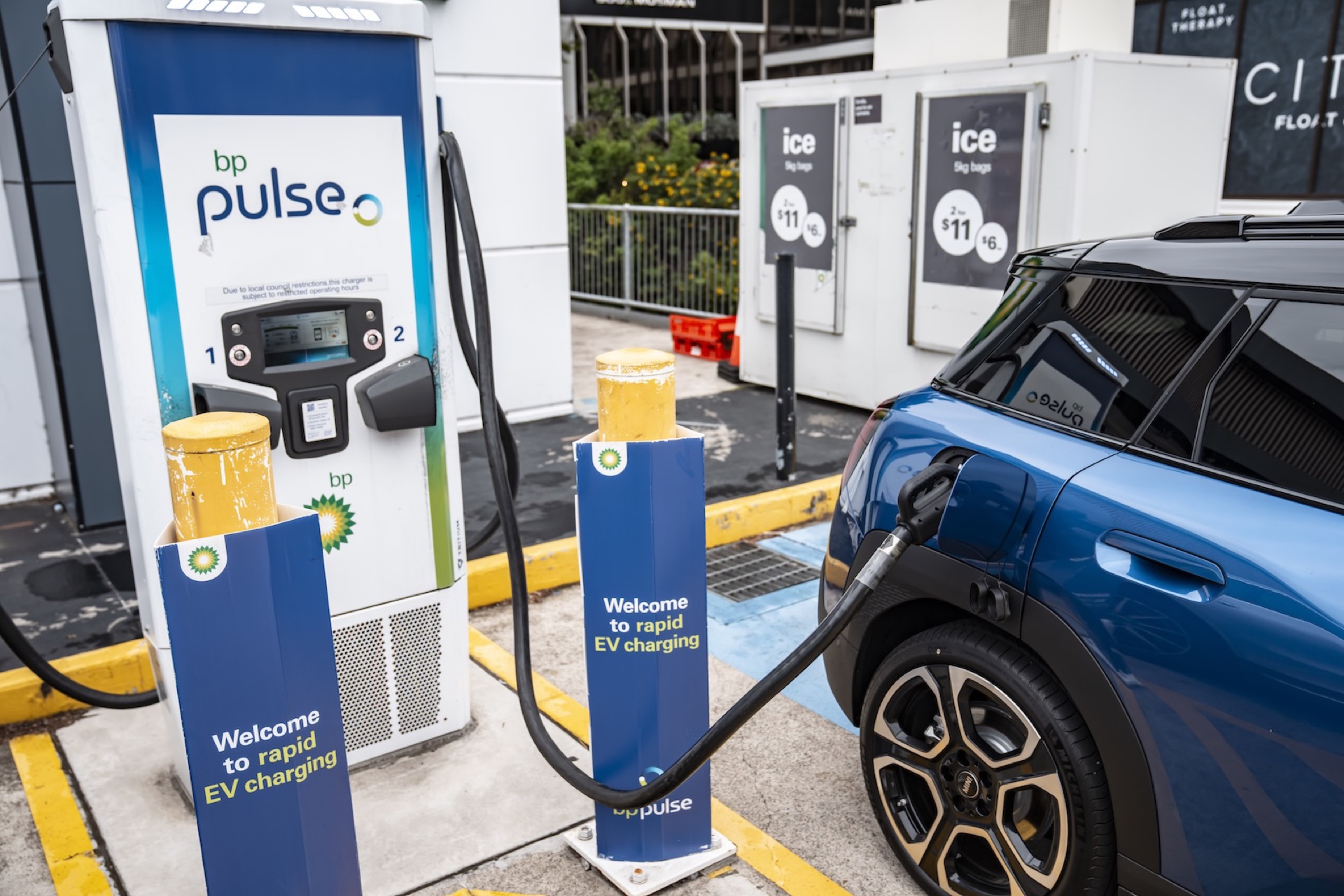
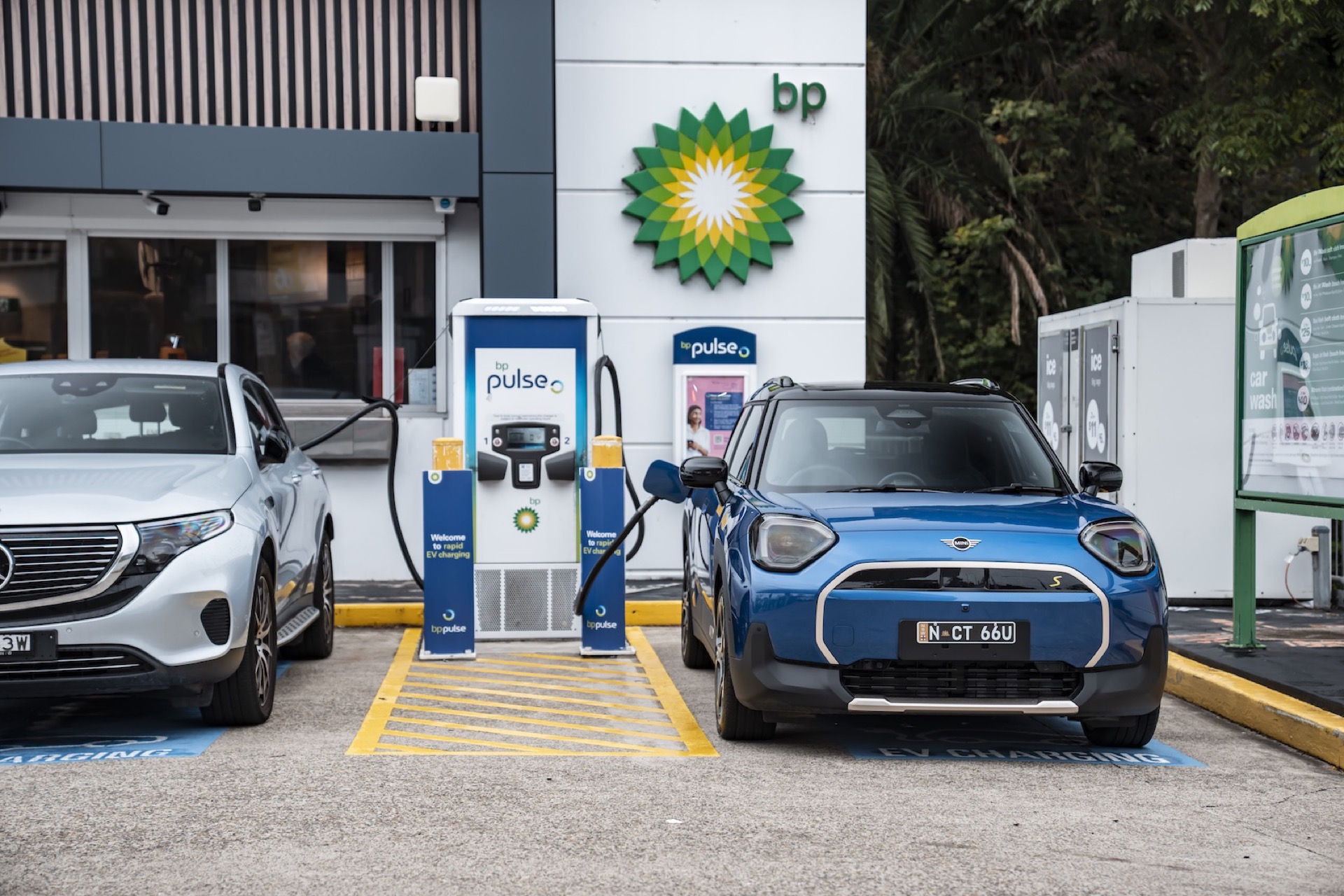
With 154 kilometres of range remaining, it is time to recharge before leaving the city the following day. Charging infrastructure in Australia is still limited, even in a major city like Sydney. Most electric vehicle owners charge at home, and public fast chargers are relatively scarce. A stop at a BP station in North Sydney provides electricity at 0.64 Australian dollars per kWh, less than 40 pence. The Aceman’s maximum charging speed of 95 kW is not a limitation here, as the charger delivers only 75 kW.

Mini Aceman SE 9

After a short break with coffee and a snack, the journey continues via the Warringah Freeway M1 towards the Harbour Bridge and on through Chinatown towards the eastern suburbs. Oxford Street leads to Bondi Junction and finally to Bondi Beach, one of the most famous beaches in the world. Urban driving proves efficient, allowing the Aceman to approach its claimed range of up to 400 kilometres despite a relatively small 54 kWh battery.

For longer journeys along Australia’s east coast, planning becomes essential due to limited charging infrastructure. Speed limits of 110 km/h also make the car’s modest top speed of 170 km/h largely irrelevant.

Mini Aceman SE 12

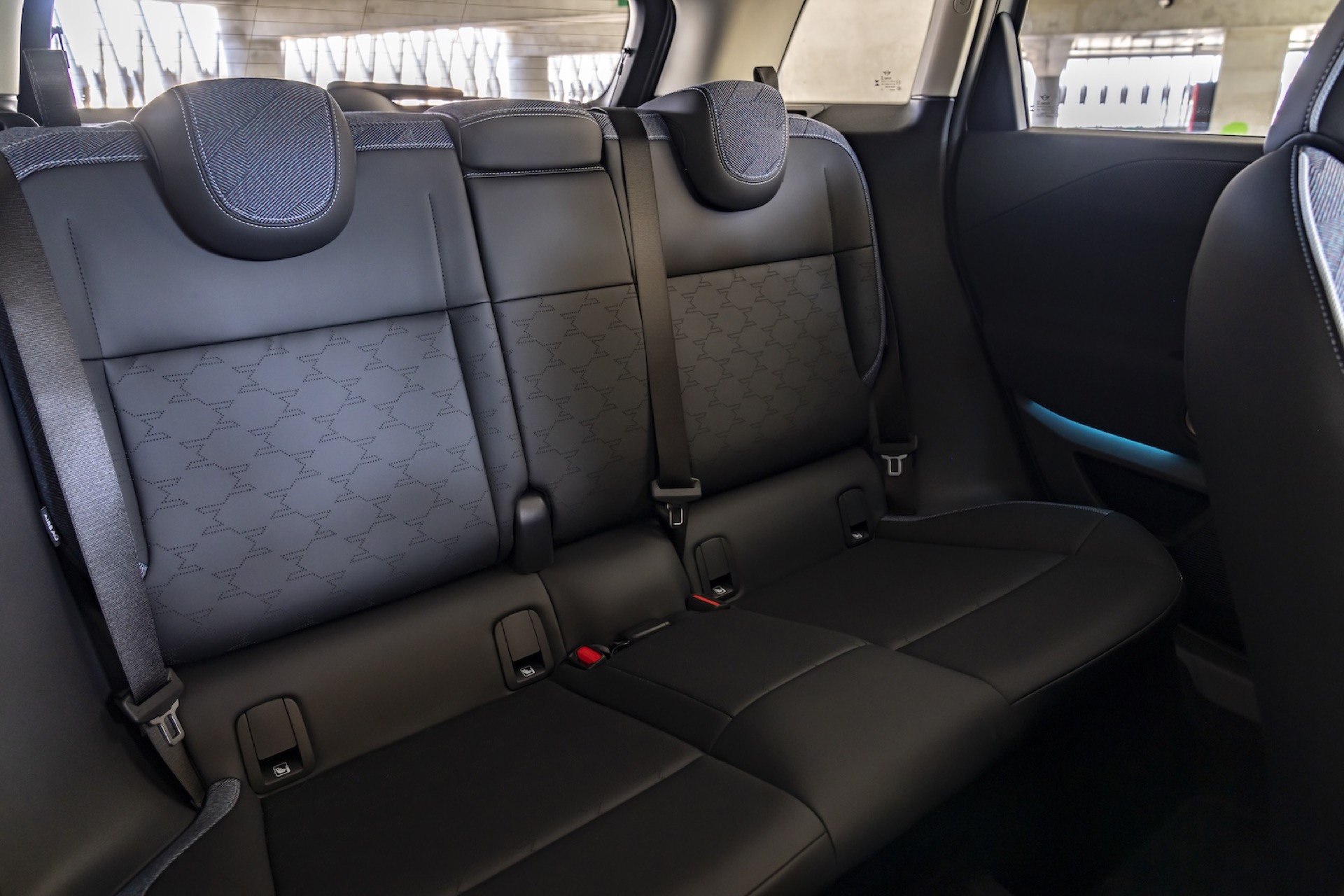
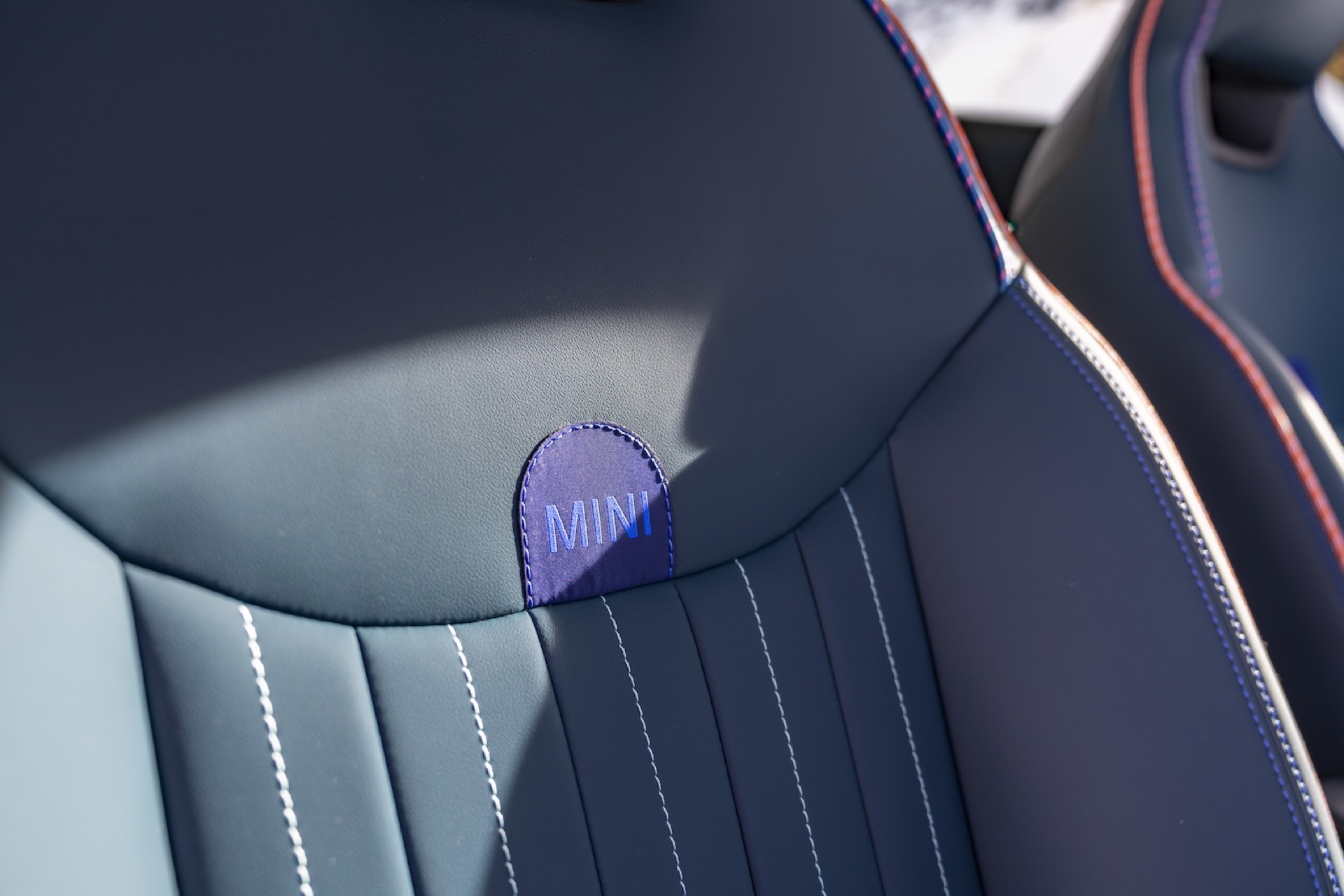
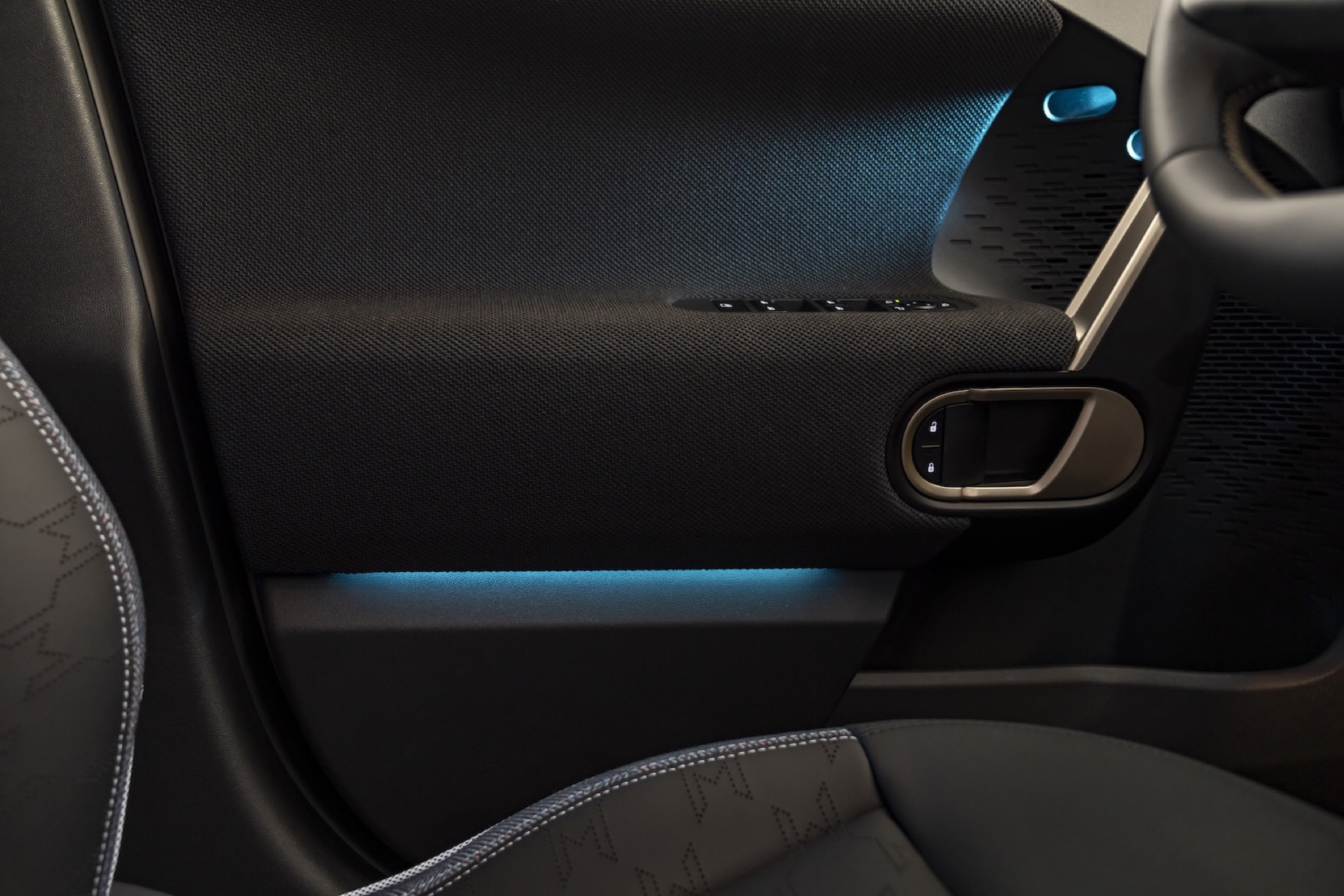
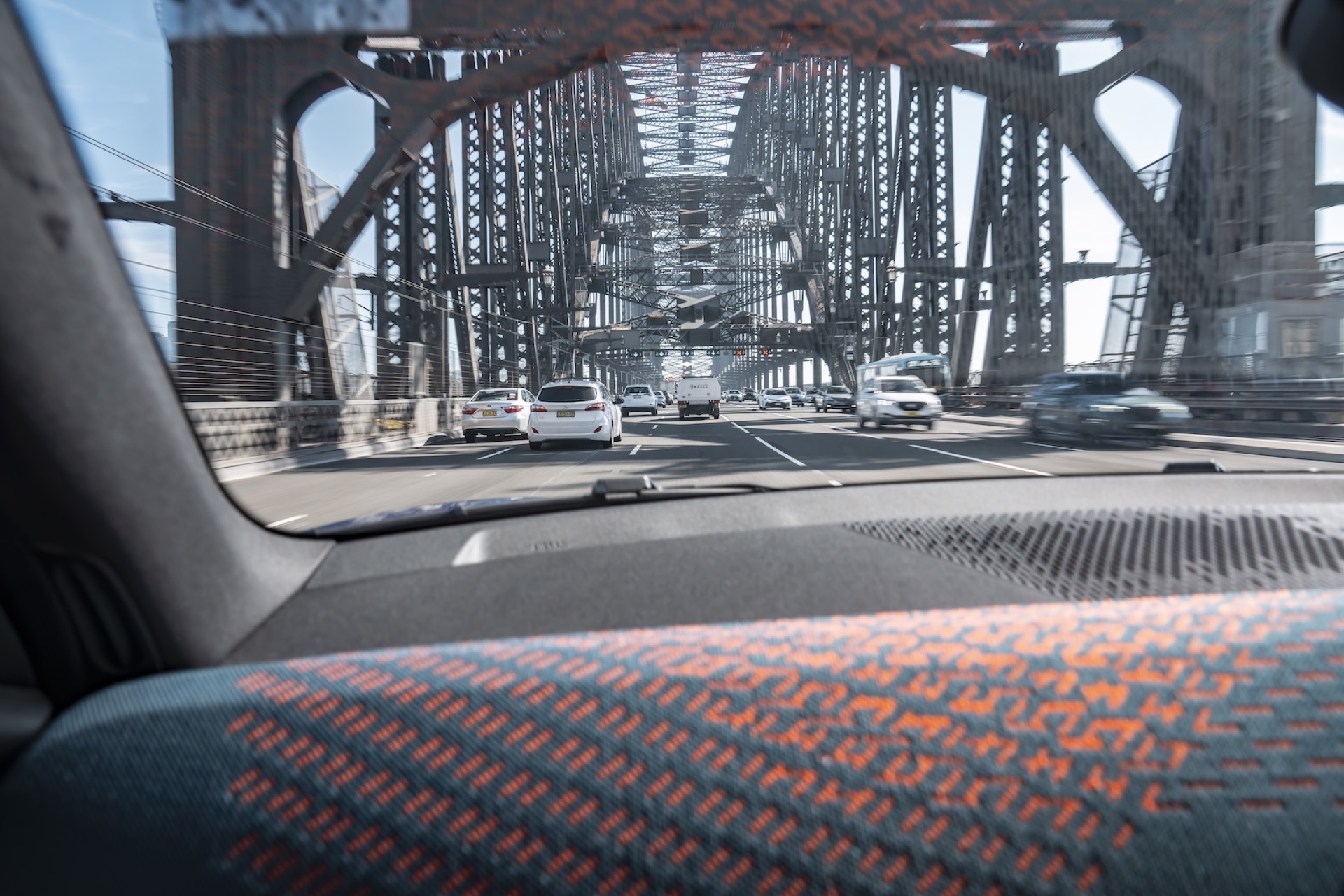
Customers in Australia are less concerned with outright performance and more interested in design, practicality and usability. The Aceman offers more space than the Cooper without reaching the size of the Countryman. However, some features are missing, including an electric tailgate, rear seat heating and more premium upholstery options. A head-up display is absent, and there are no traditional instruments behind the steering wheel. Instead, a fabric strap sits in the driver’s line of sight.

In typical Mini fashion, there is a playful touch. Projectors display coloured patterns across the textile dashboard, changing with the selected driving mode and ambient lighting. It is a small detail, but one that adds character to a distinctive new addition to the Mini range.

Mini Aceman SE 17

The Final Lap: New Audi RS3 Competition Limited

0

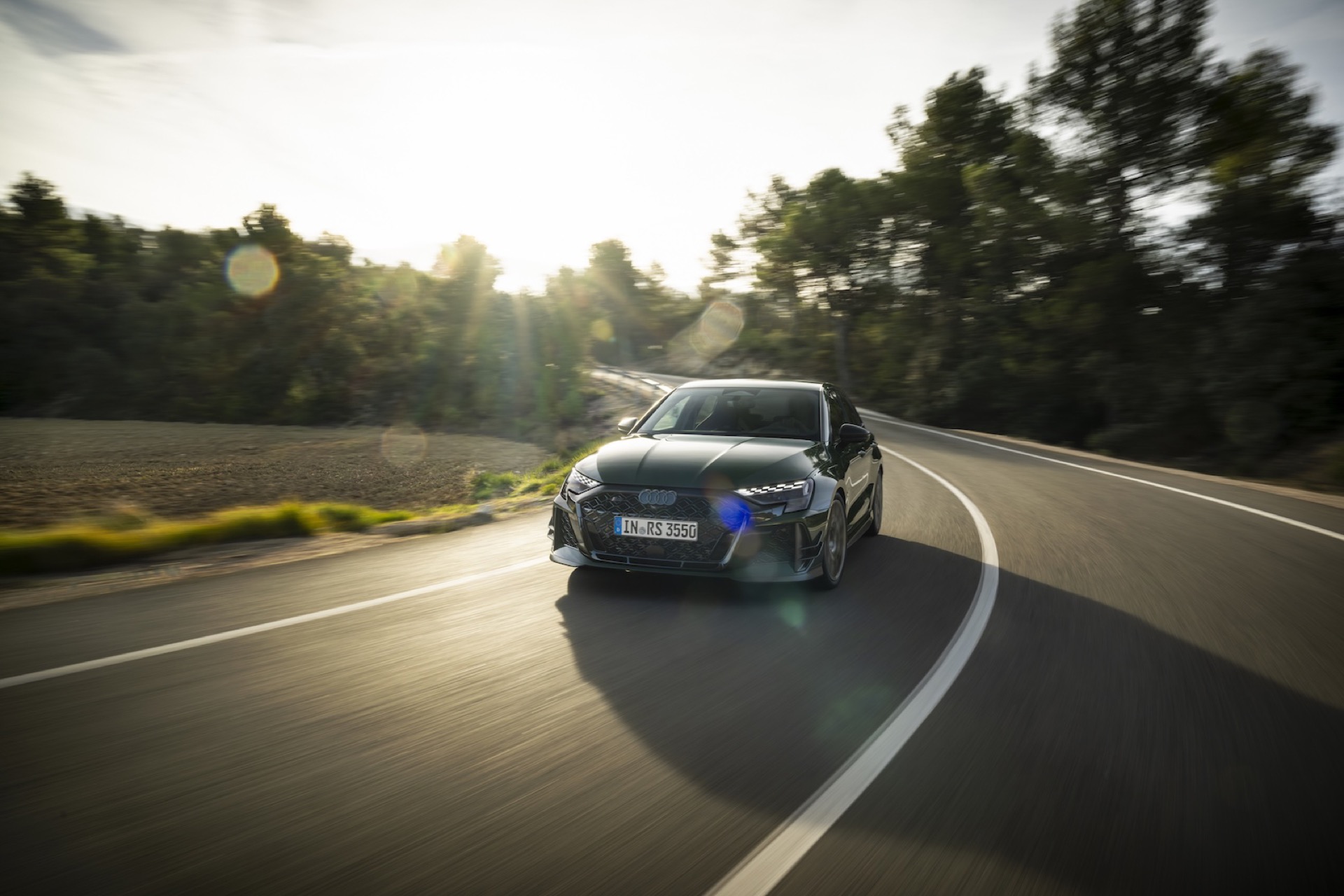
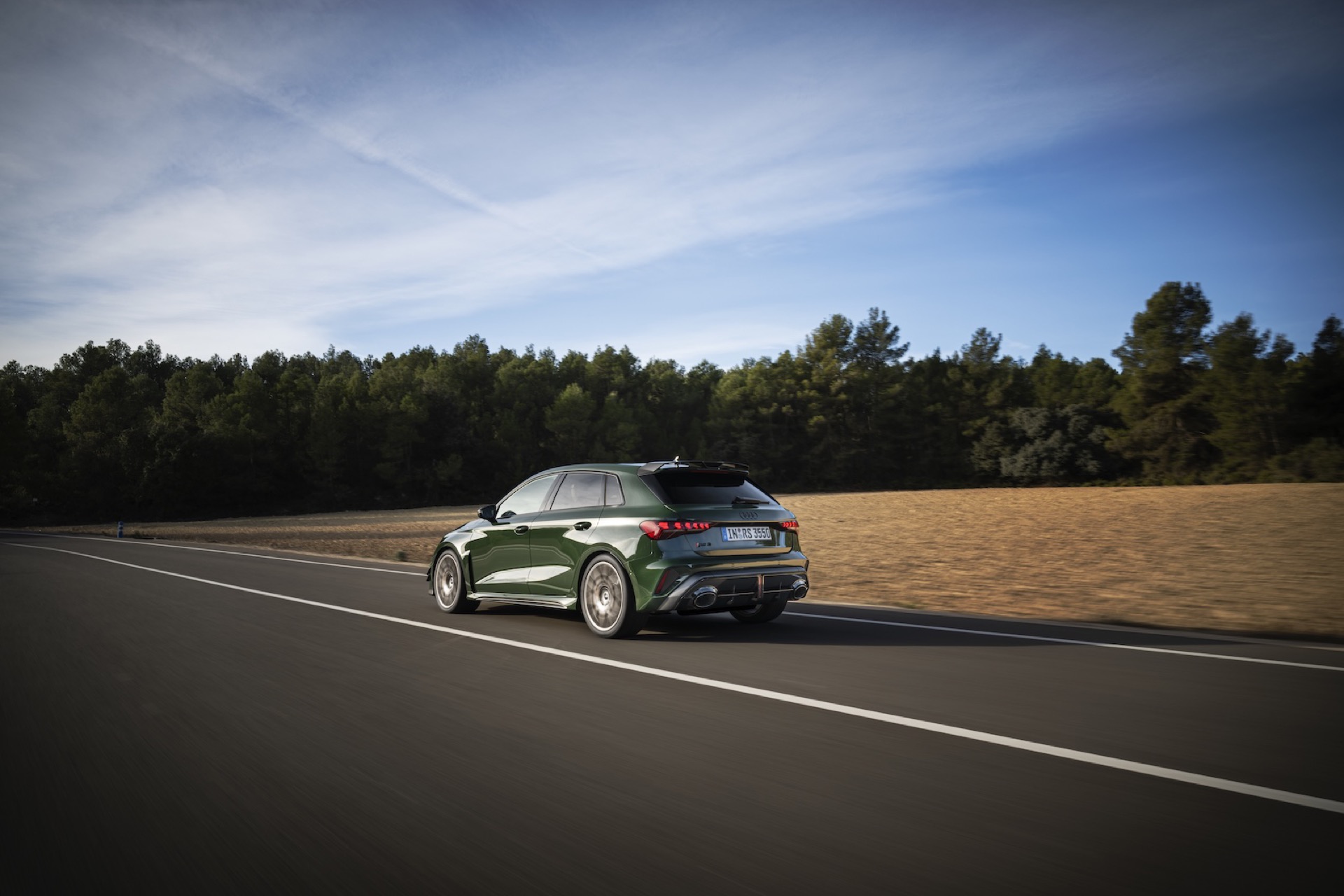
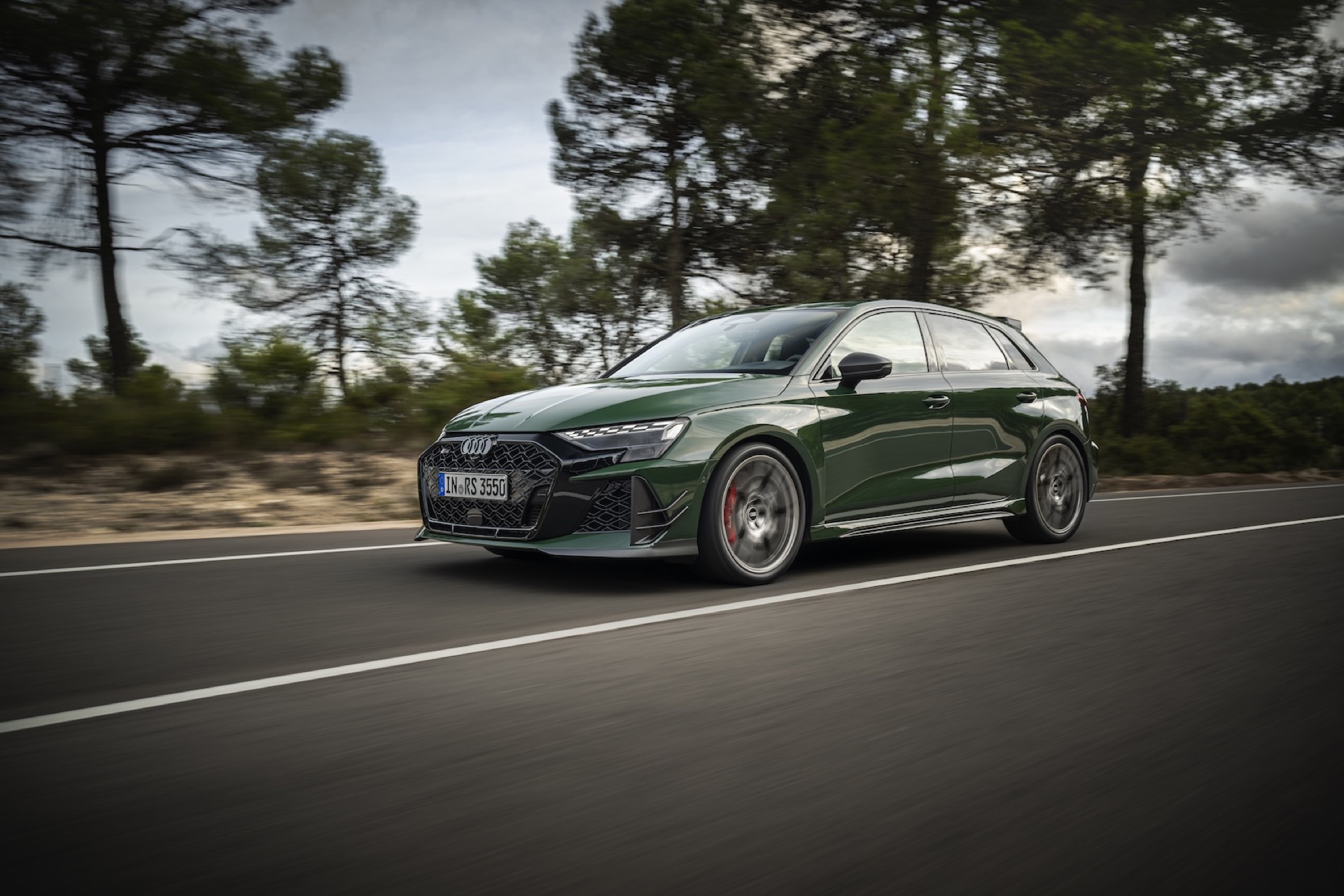
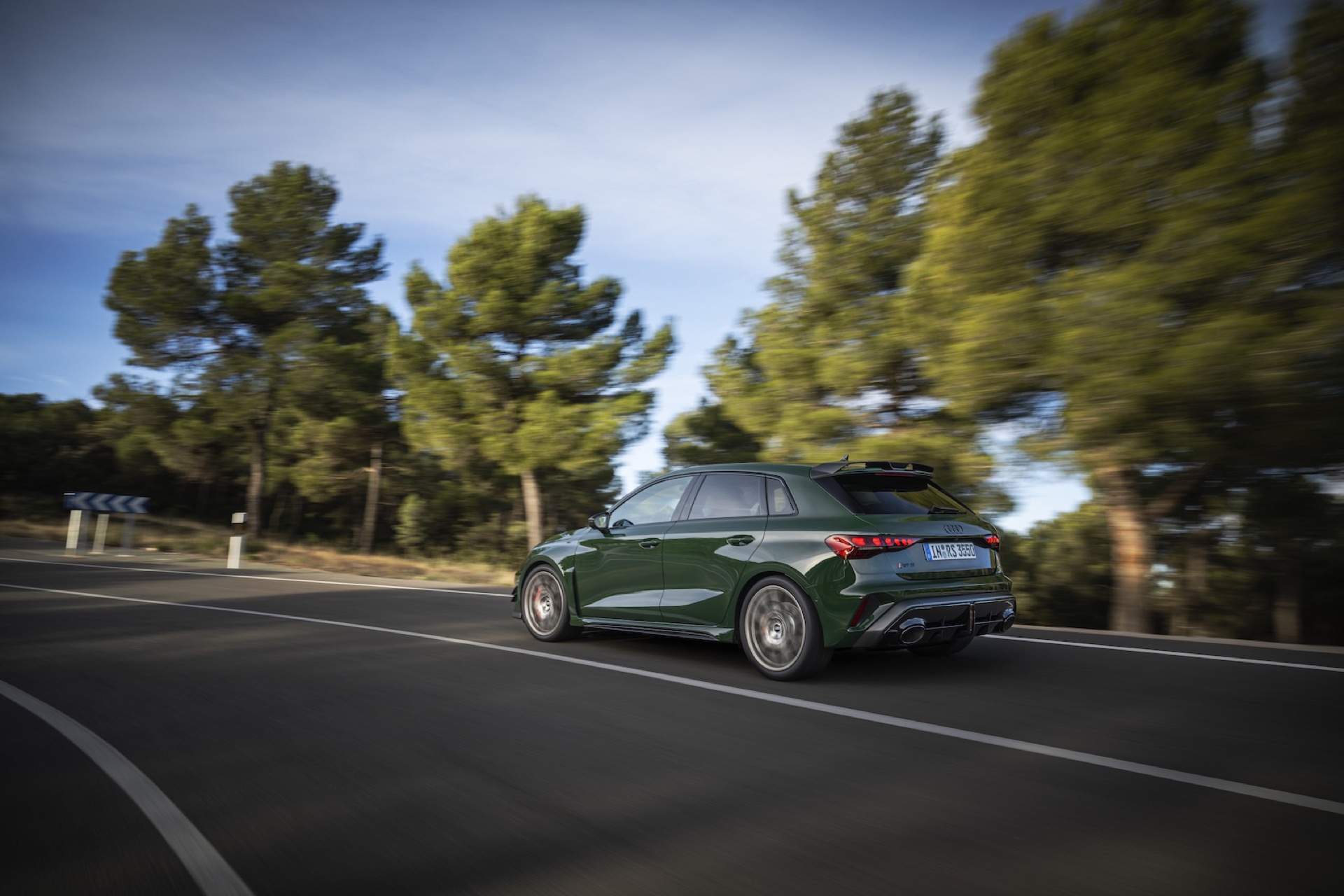
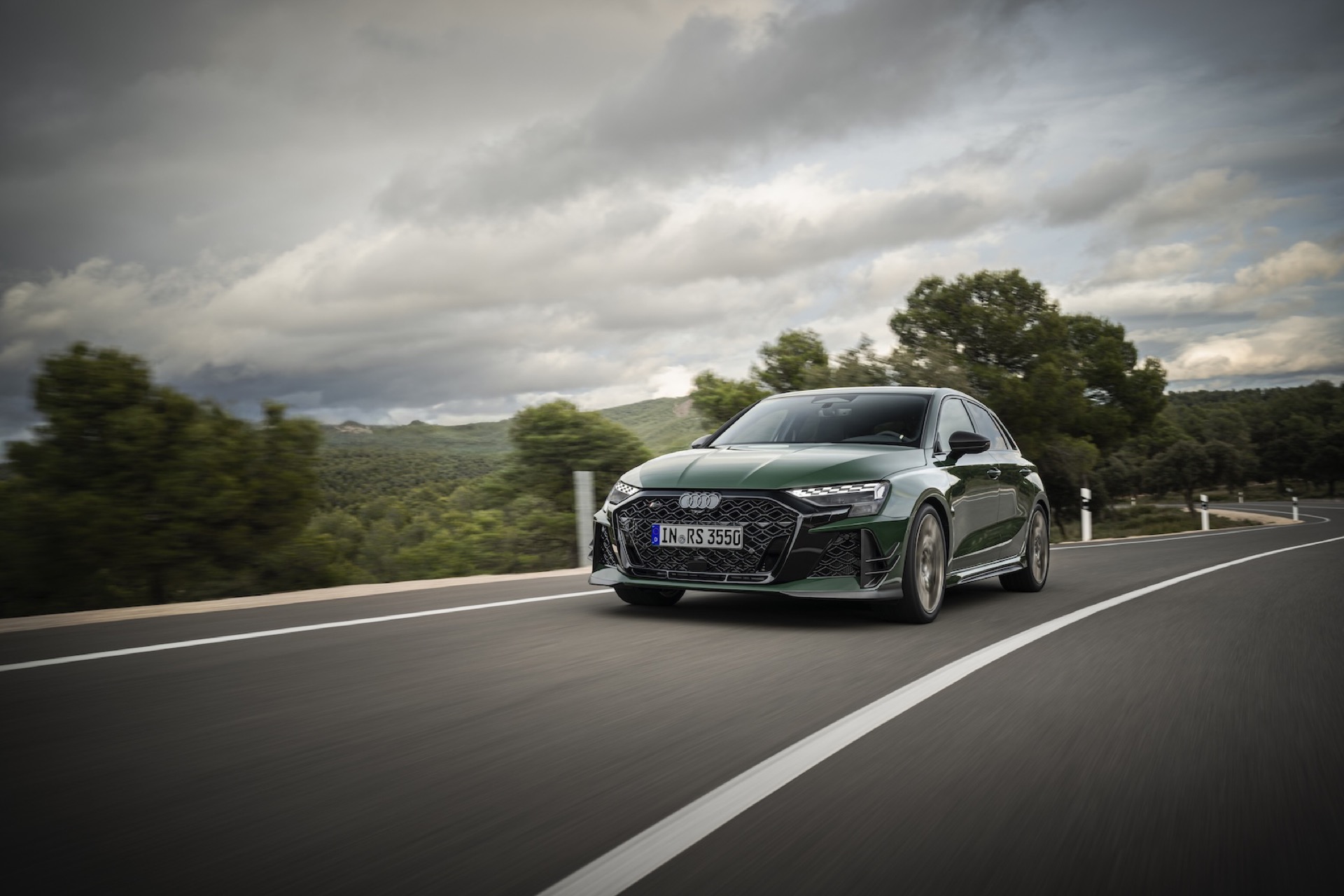
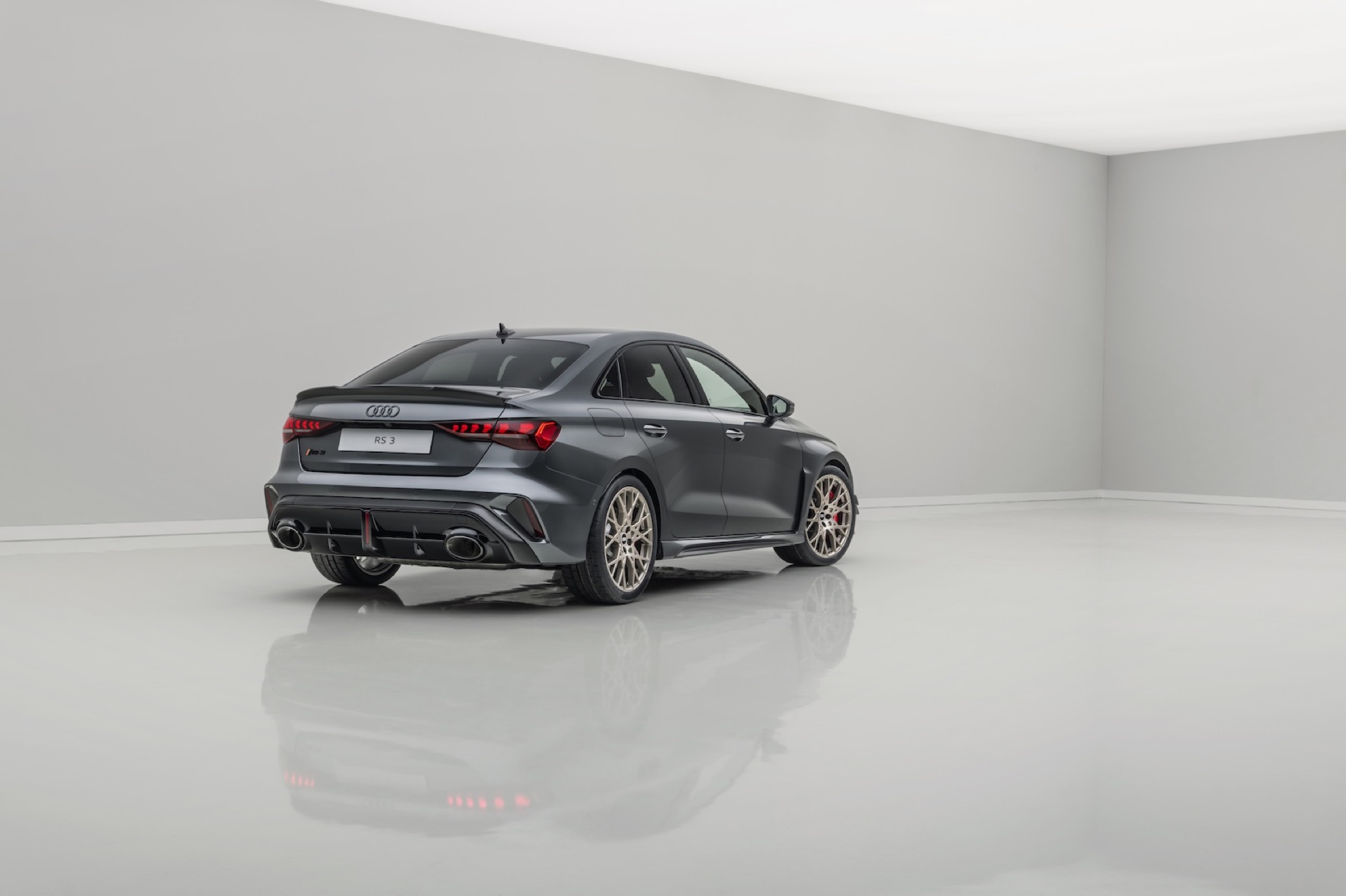
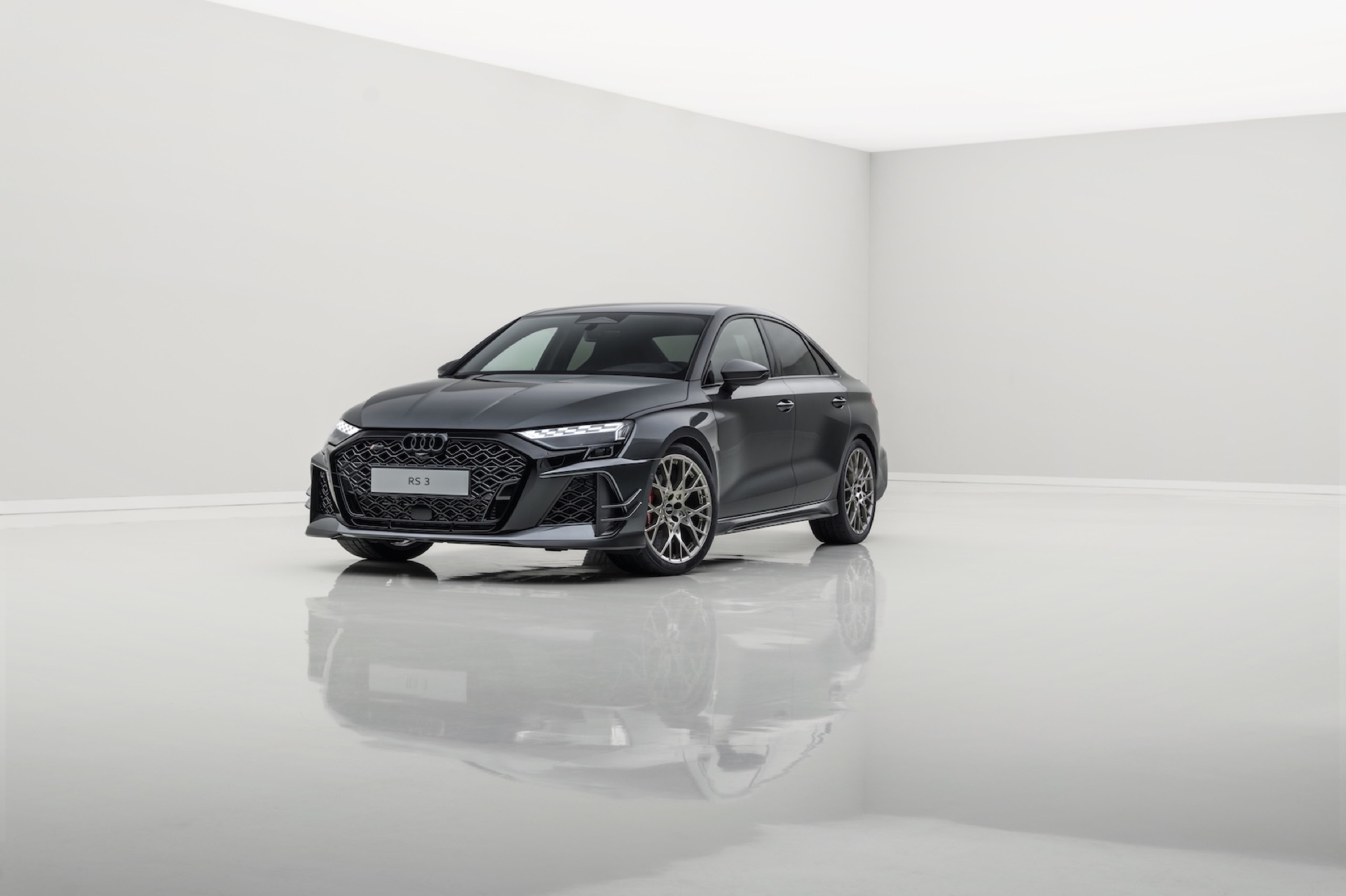
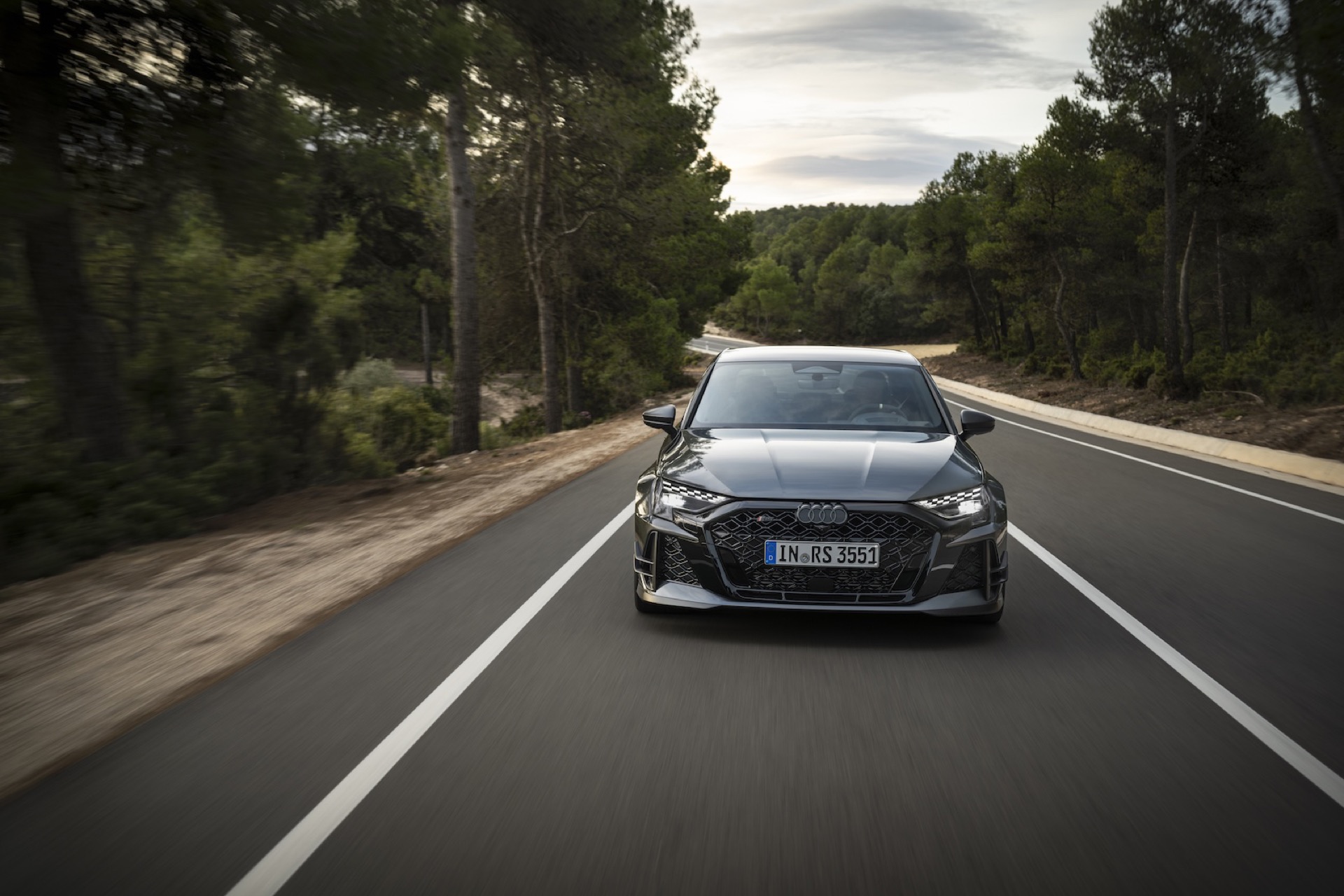
The Audi RS3 is approaching the end of its lifecycle. Fans of the charismatic five-cylinder engine, with its distinctive 1-2-4-5-3 firing order, should not wait too long. The compact performance icon will soon disappear from the line-up. One possible farewell choice is the RS3 Competition Limited, although the price premium is considerable.

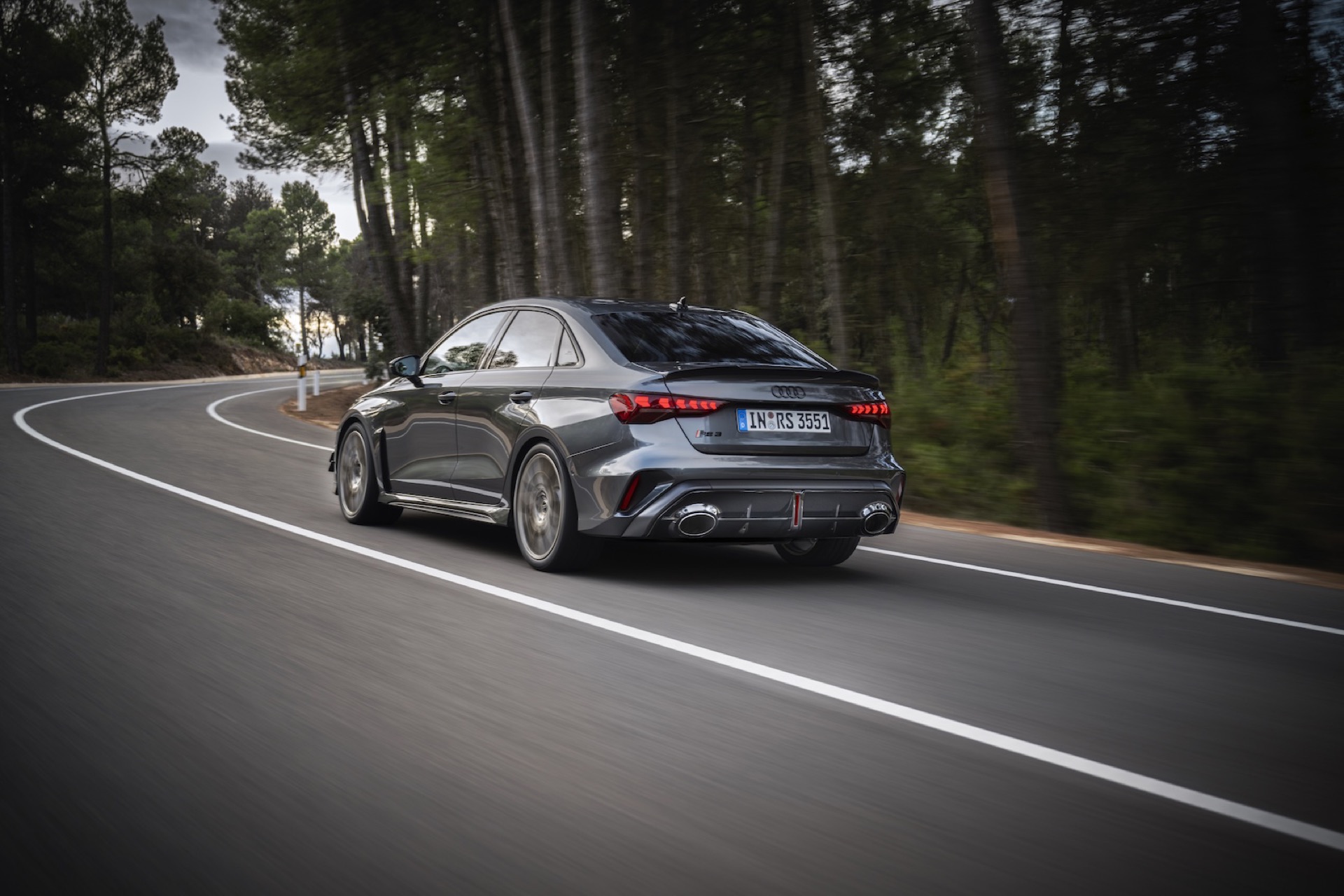
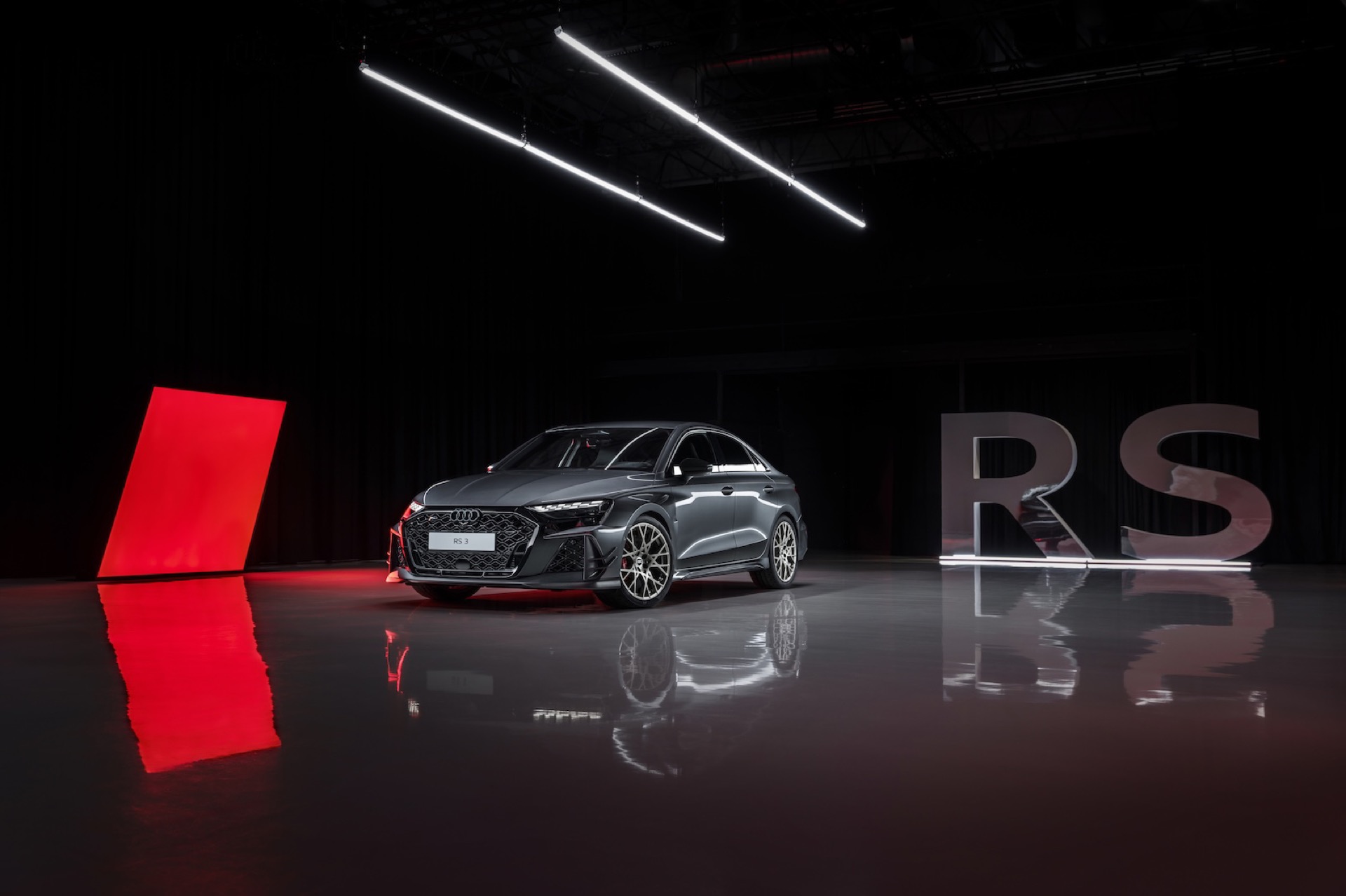
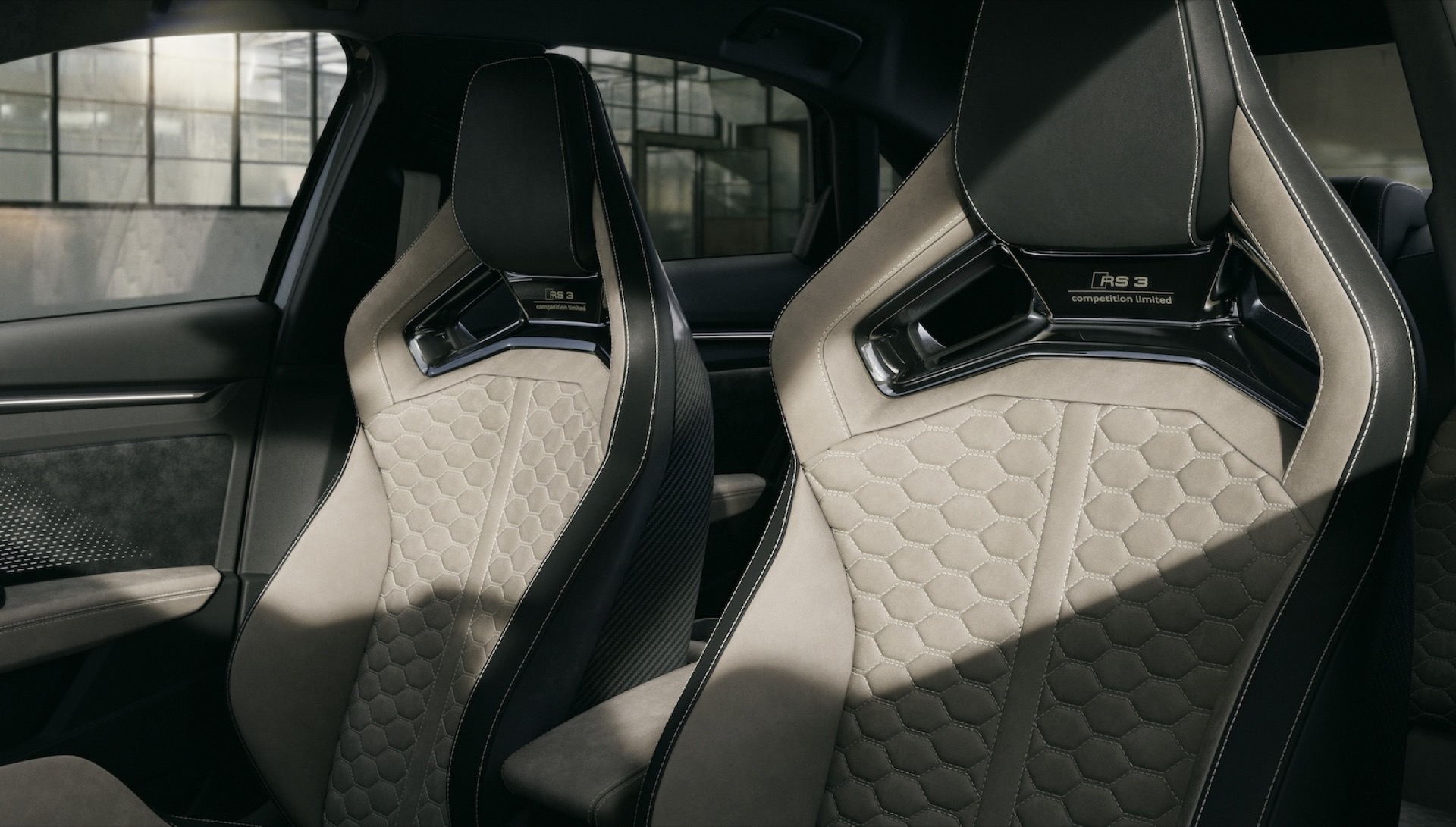
Time is running out for RS3 enthusiasts. Audi is offering the limited-edition RS3 Competition Limited, restricted to 750 units worldwide. While the special model does not deliver additional power, it still has everything required to capture the hearts of compact performance fans. The edition celebrates the 50th anniversary of Audi’s five-cylinder engine and focuses on exclusive equipment rather than extra output.
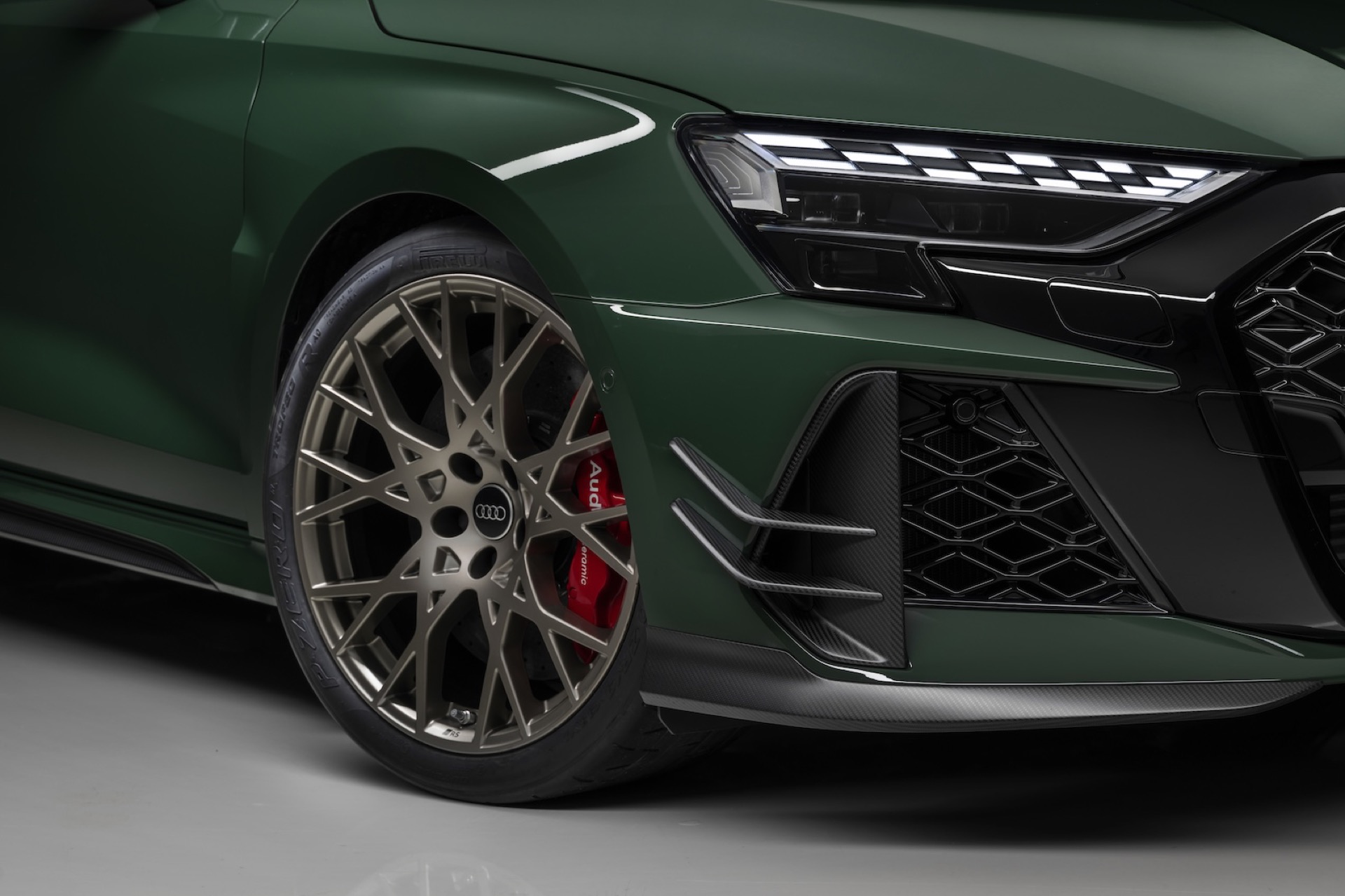
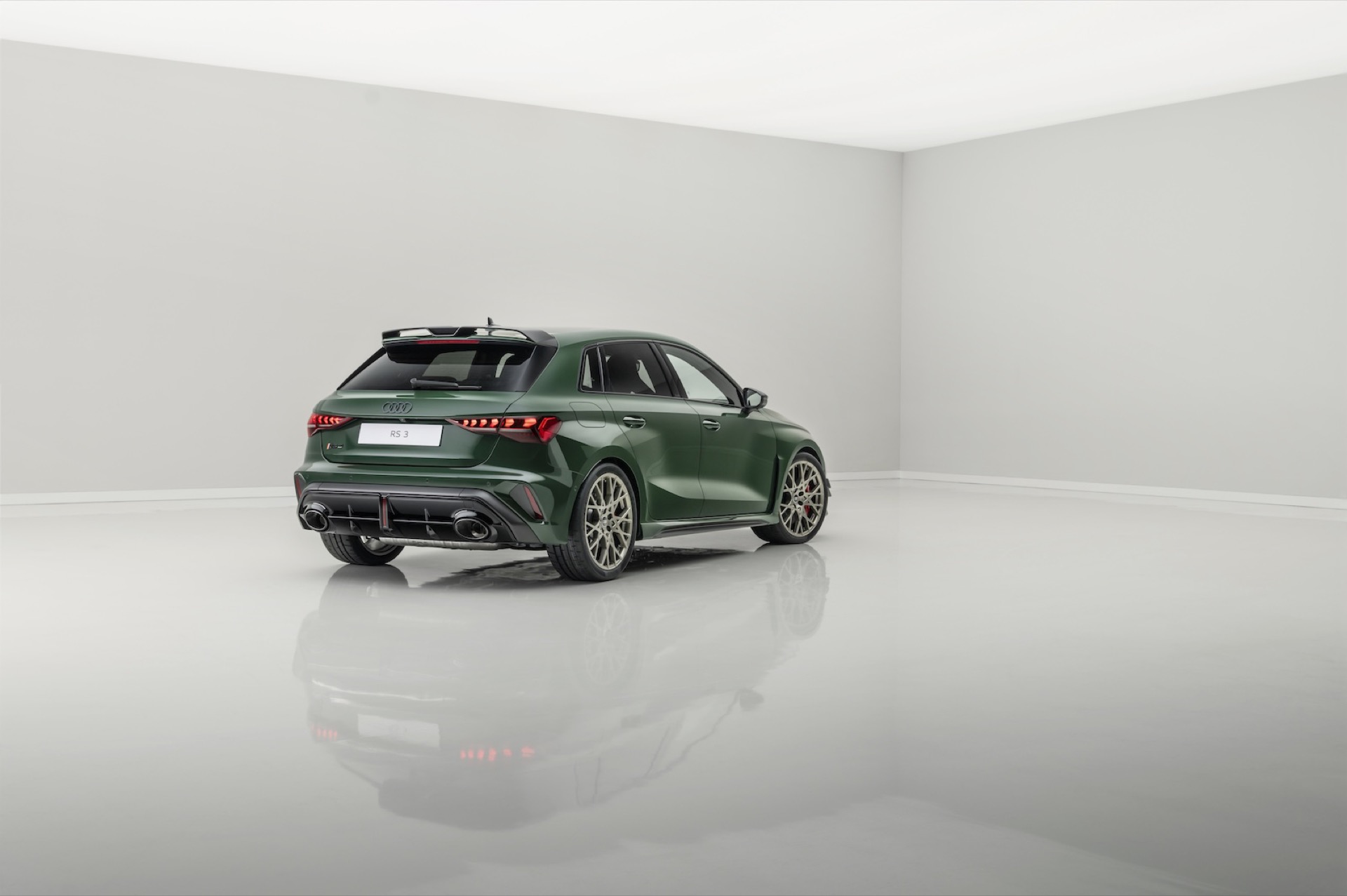
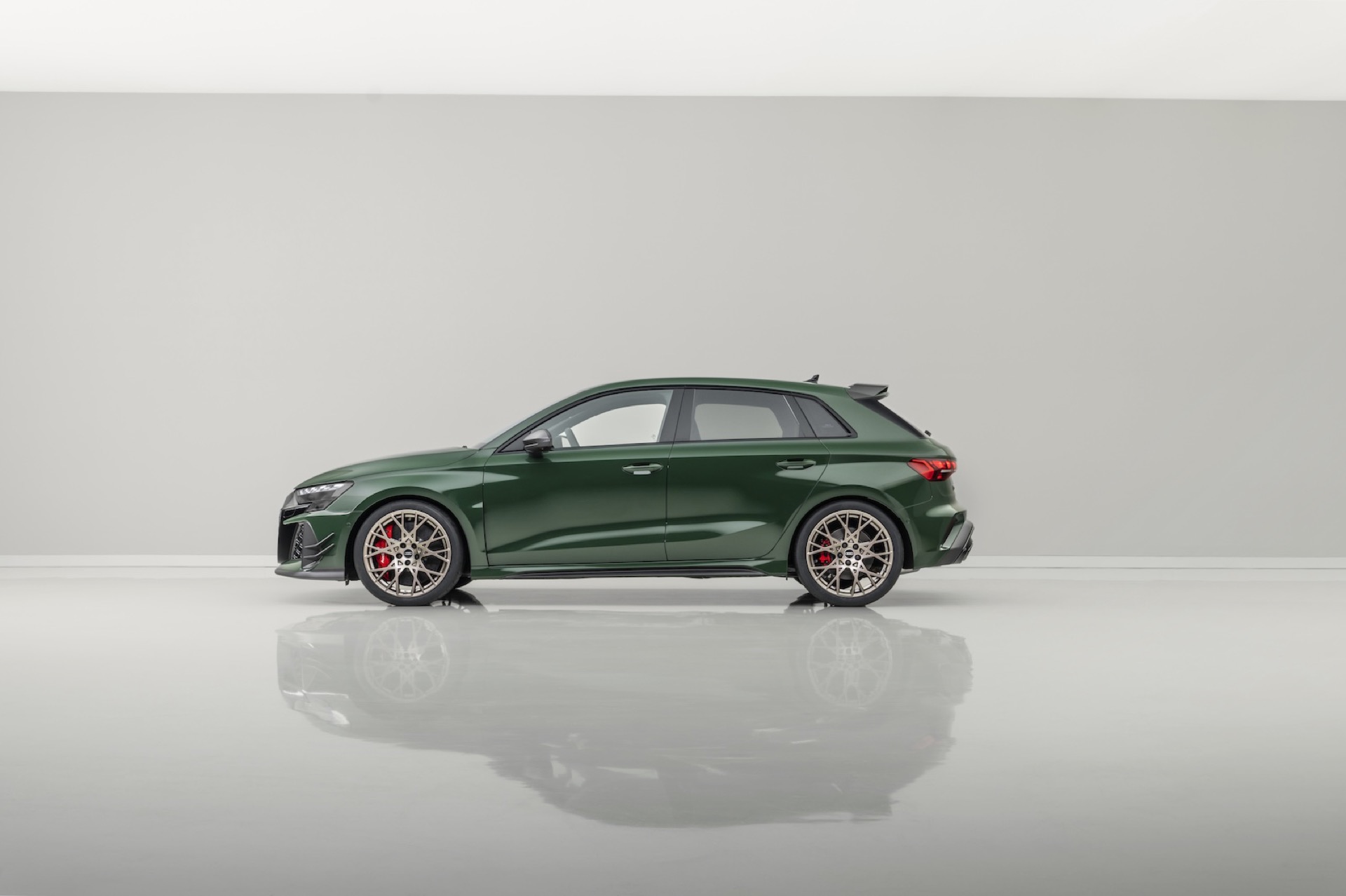
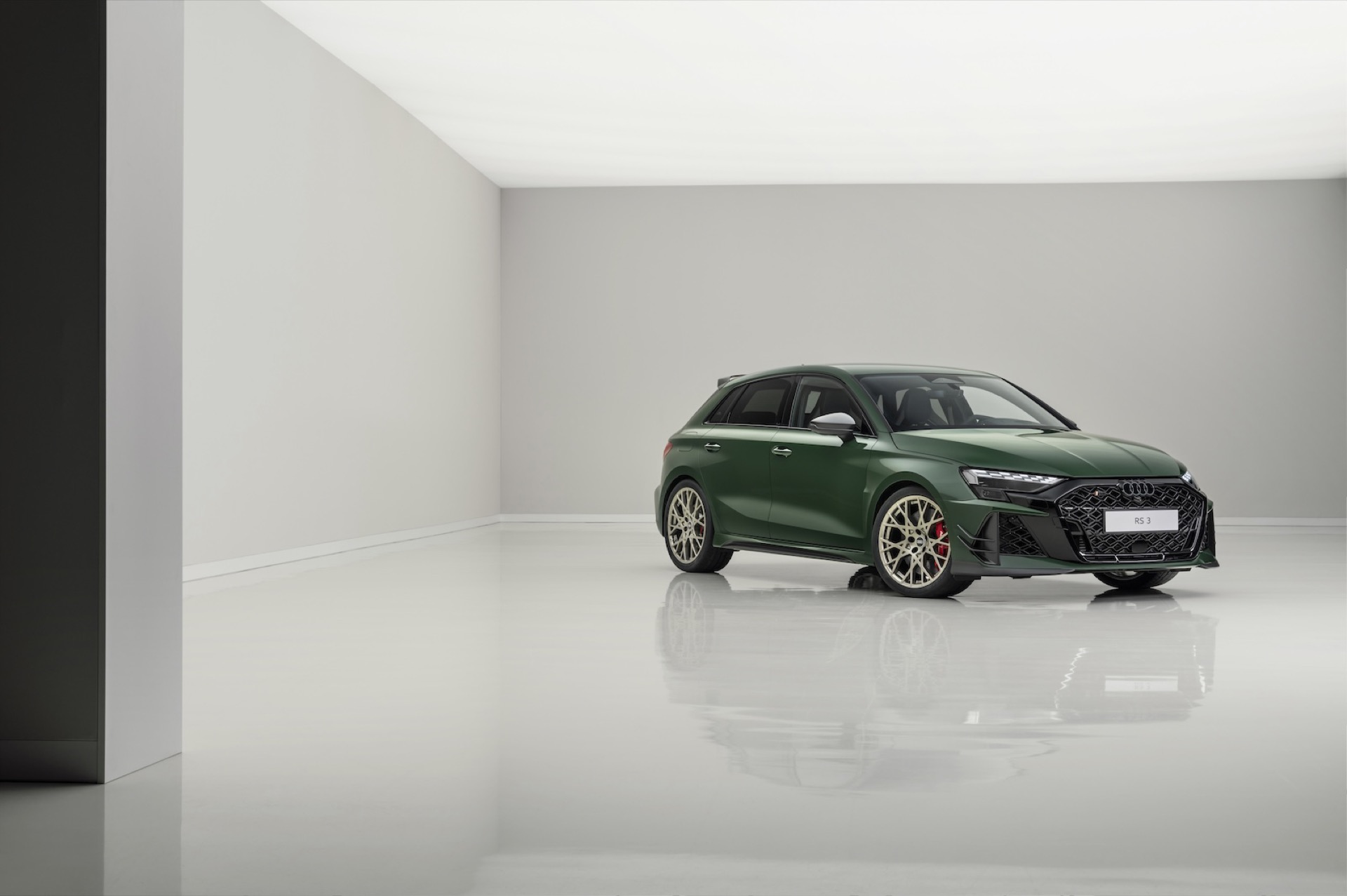
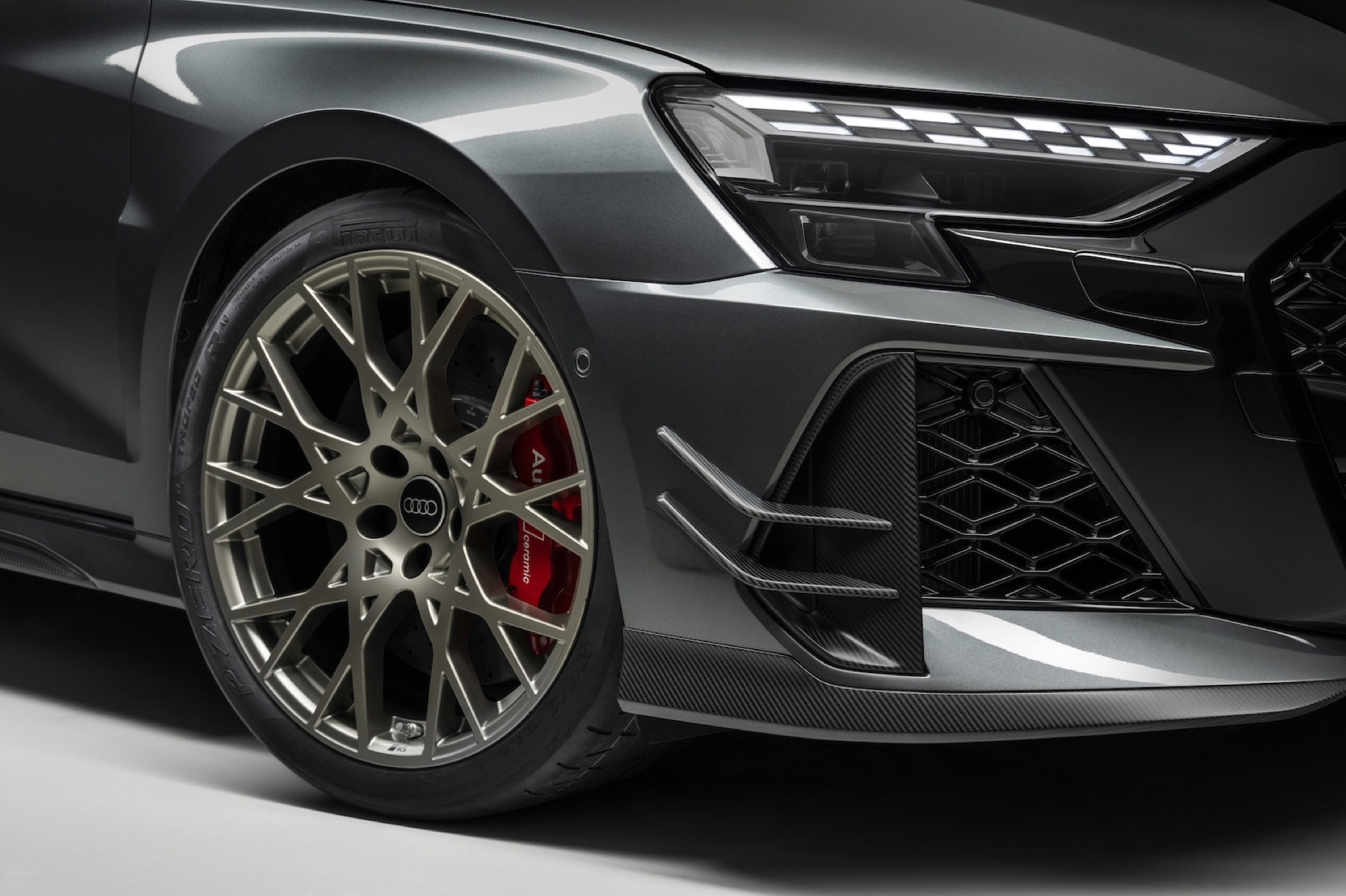
The familiar 2.5-litre five-cylinder engine produces 294 kW (400 PS) and is paired with a coilover suspension setup that includes a specifically tuned rear stabiliser bar. Carbon details emphasise the special paint finishes in dark green, white and grey. Inside, the RS3 Competition Limited features gold design accents and a sequential numbering plate.

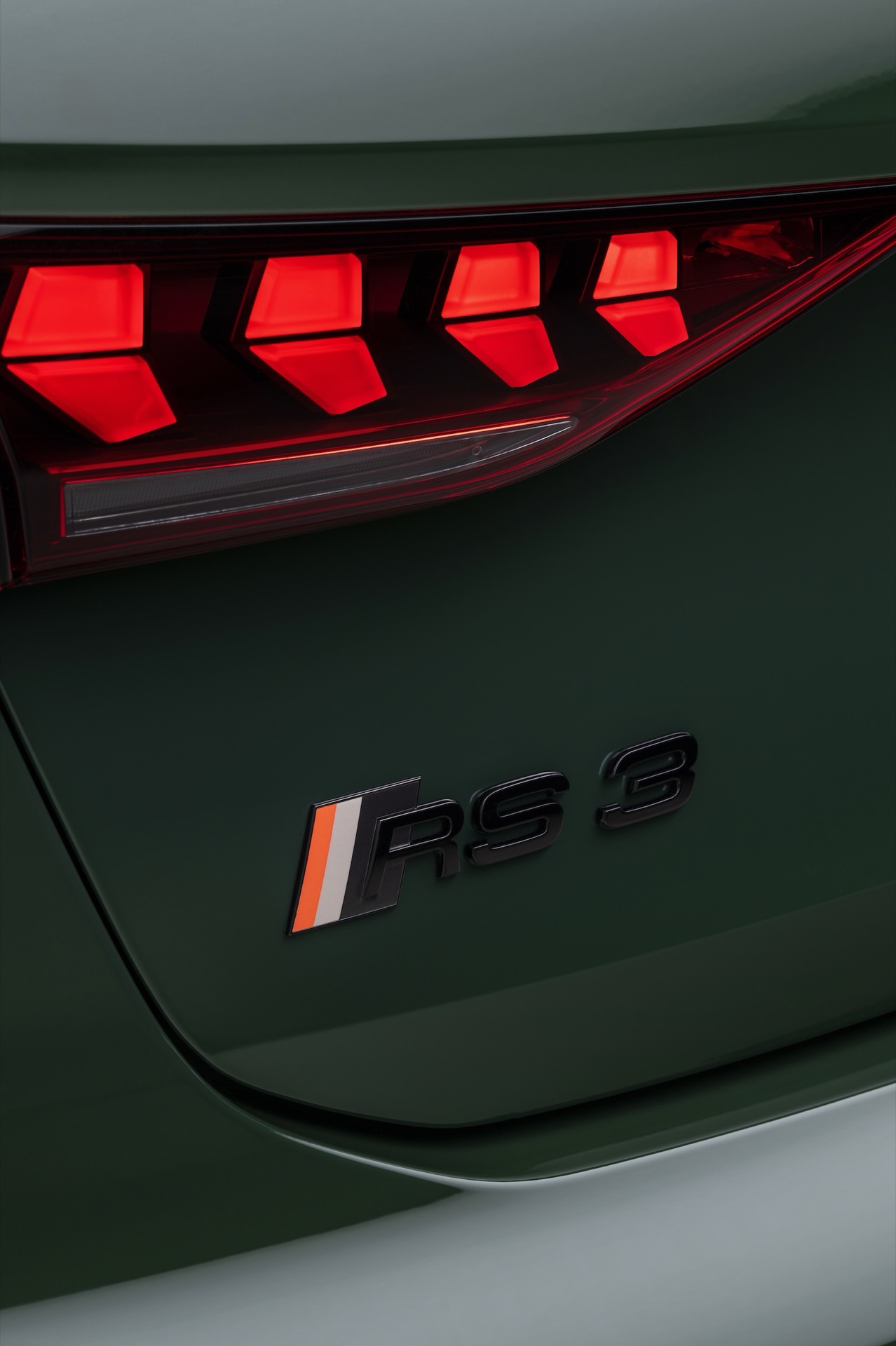
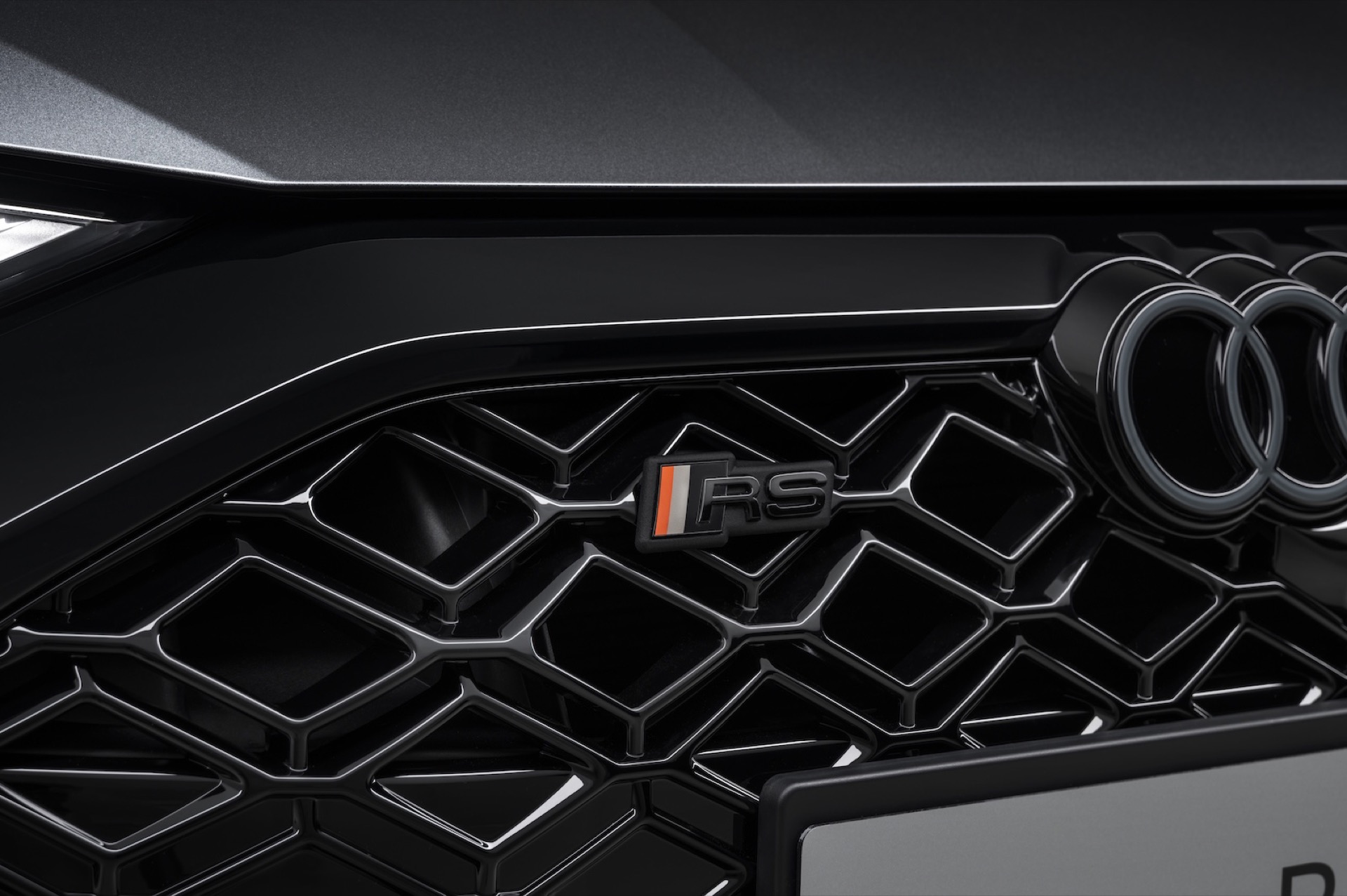
The gold theme continues on the 19-inch cross-spoke wheels. Exterior mirror housings, side sills, rear spoiler and diffuser appear in a matte carbon look. A subtle but distinctive detail is the RS badge finished in historic Audi Sport colours.

Audi RS3 Competition 13
Audi RS 3 Sportback competition limited

Most observers will only see these details flash past. With 500 Nm of torque and quattro all-wheel drive, the Audi RS3 accelerates from zero to 100 km/h in 3.8 seconds and reaches a top speed of 290 km/h.

Such exclusivity does not come cheap. The Audi RS3 Sportback Competition Limited costs €108,365, while the four-door saloon version is priced at €110,005. Buyers can choose between dark green, white and dark grey paint. That represents a substantial premium compared with the standard RS3, which offers the same engine and similar equipment but starts at €66,800 for the Sportback and €68,800 for the saloon.

Audi RS3 Competition 1
Indoor static photo, interior

Sunshine & Supercars: Amelia Island 2026

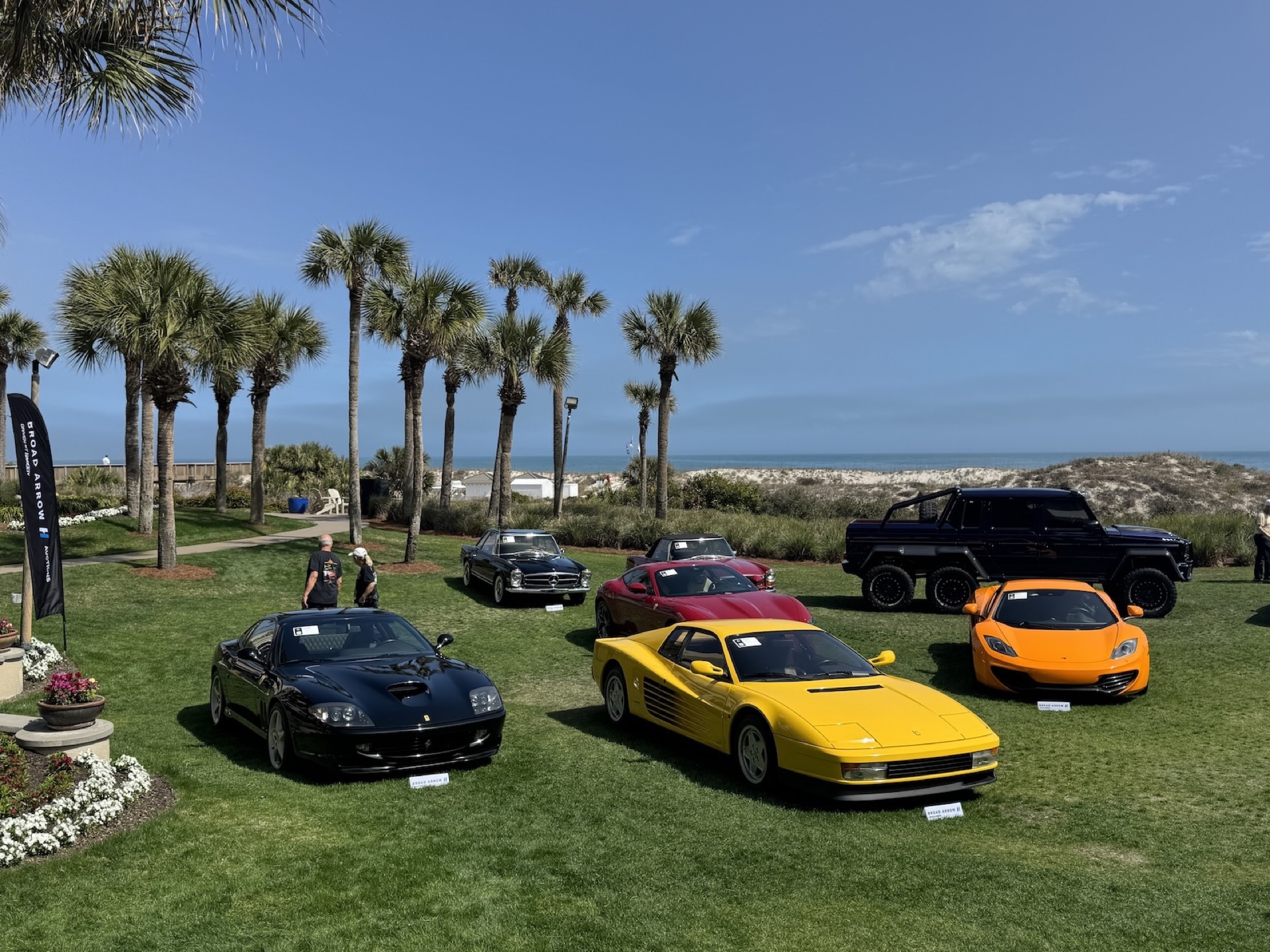
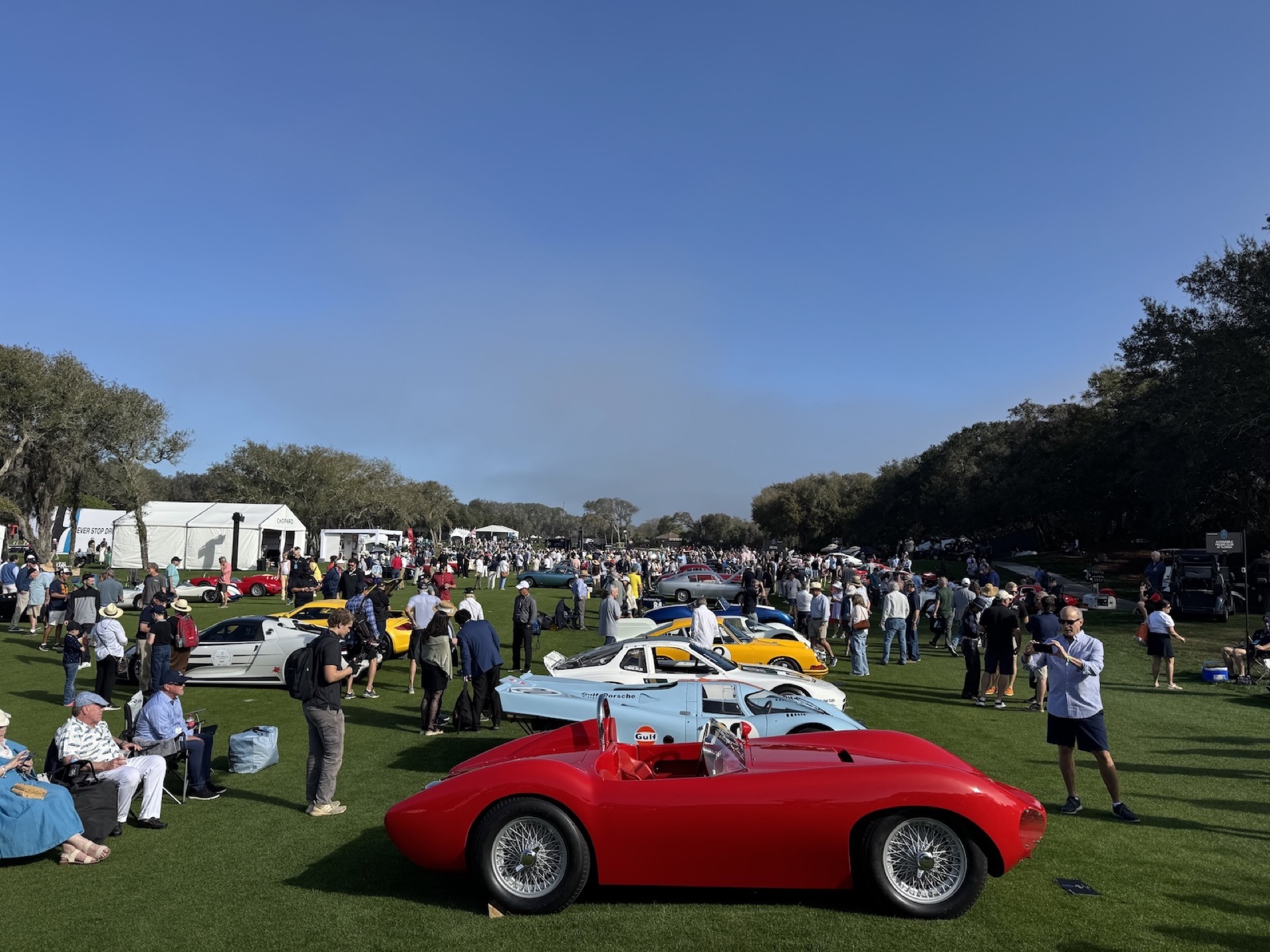
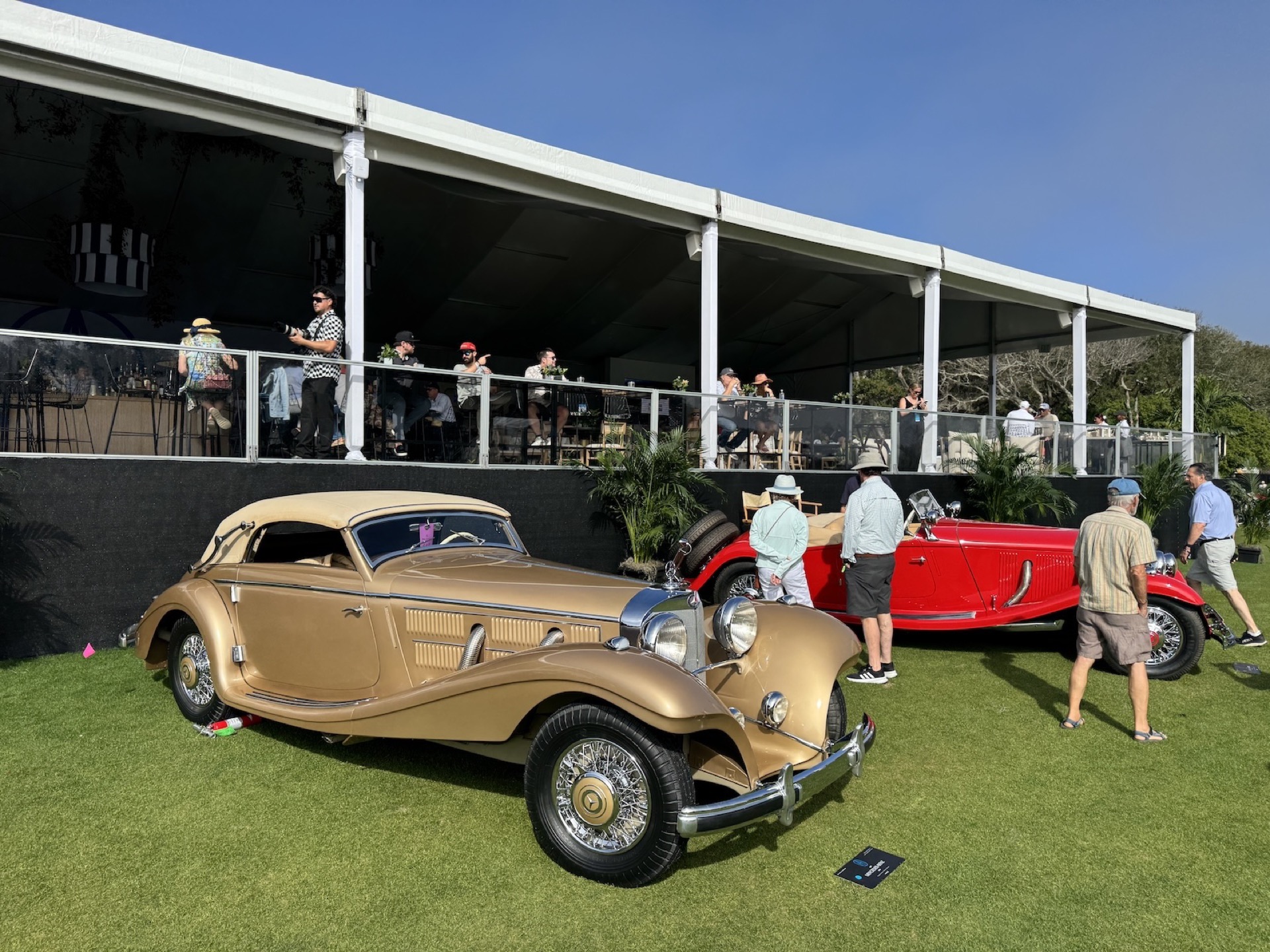
Alongside the grand spectacle of Pebble Beach in August, the Amelia Island Concours remains one of the most coveted automotive events in the United States. Multi-million-dollar auctions, relaxed fan gatherings and an exclusive concours competition all come together in the pleasant spring sunshine of Florida.

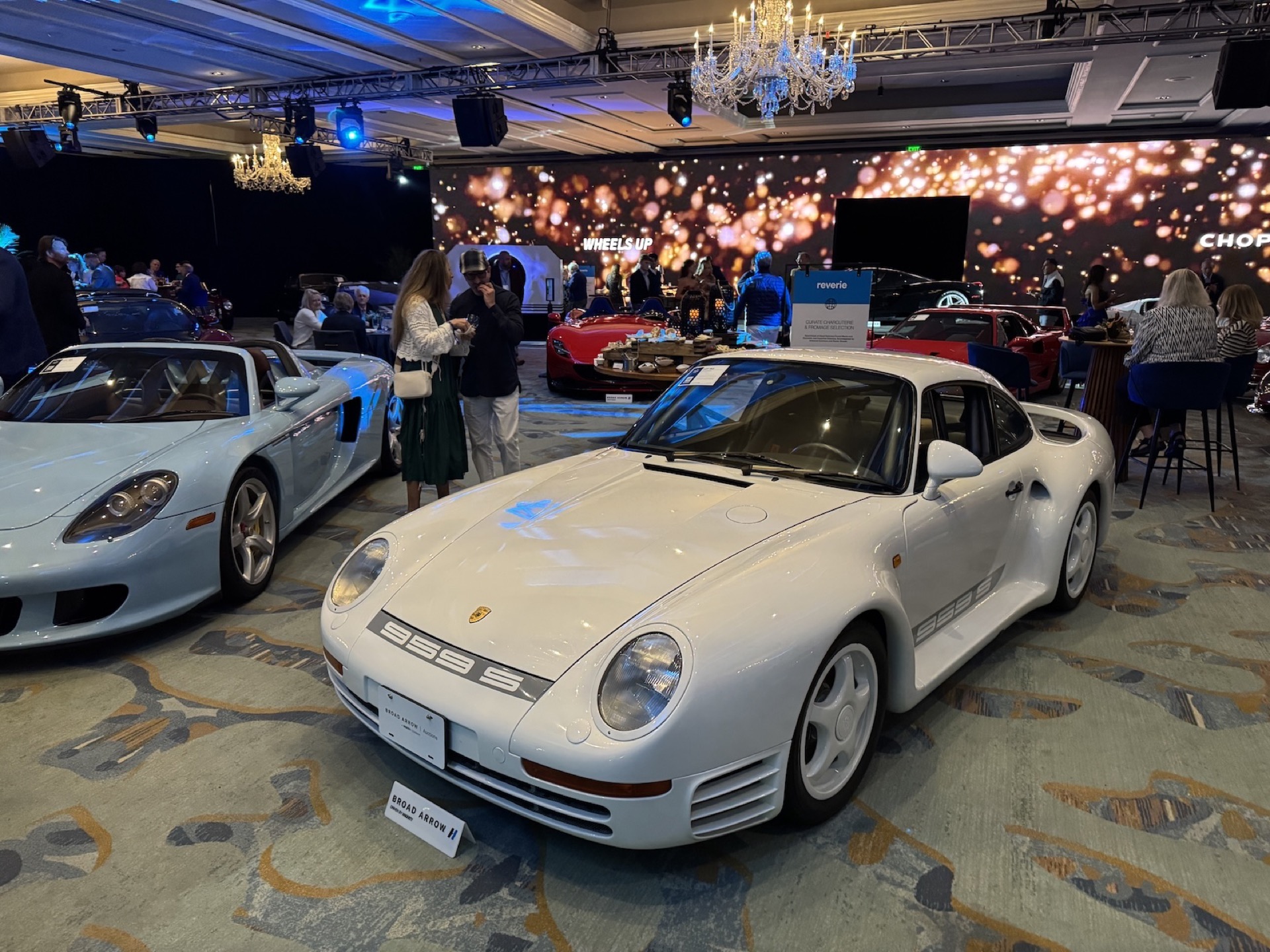
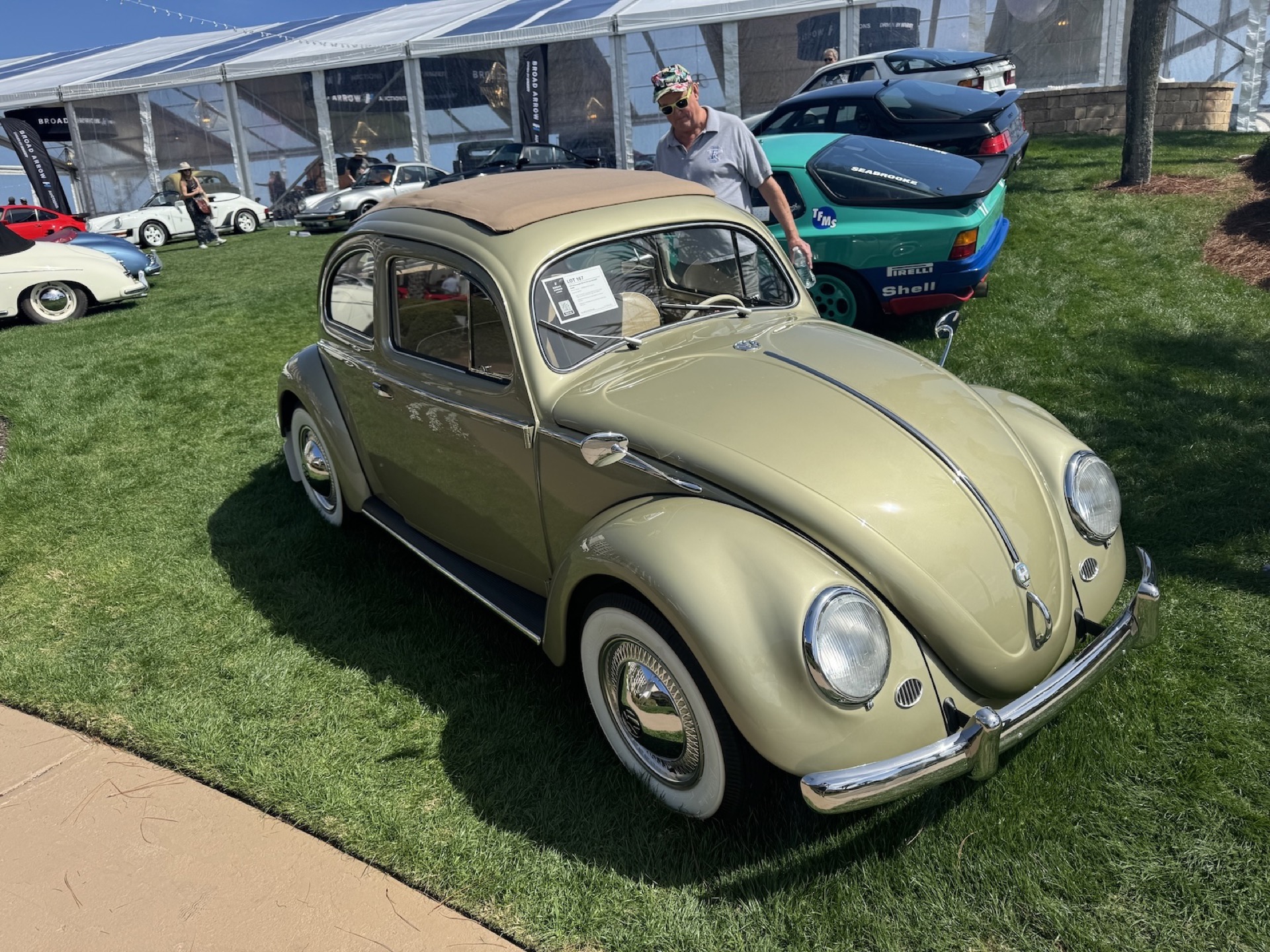
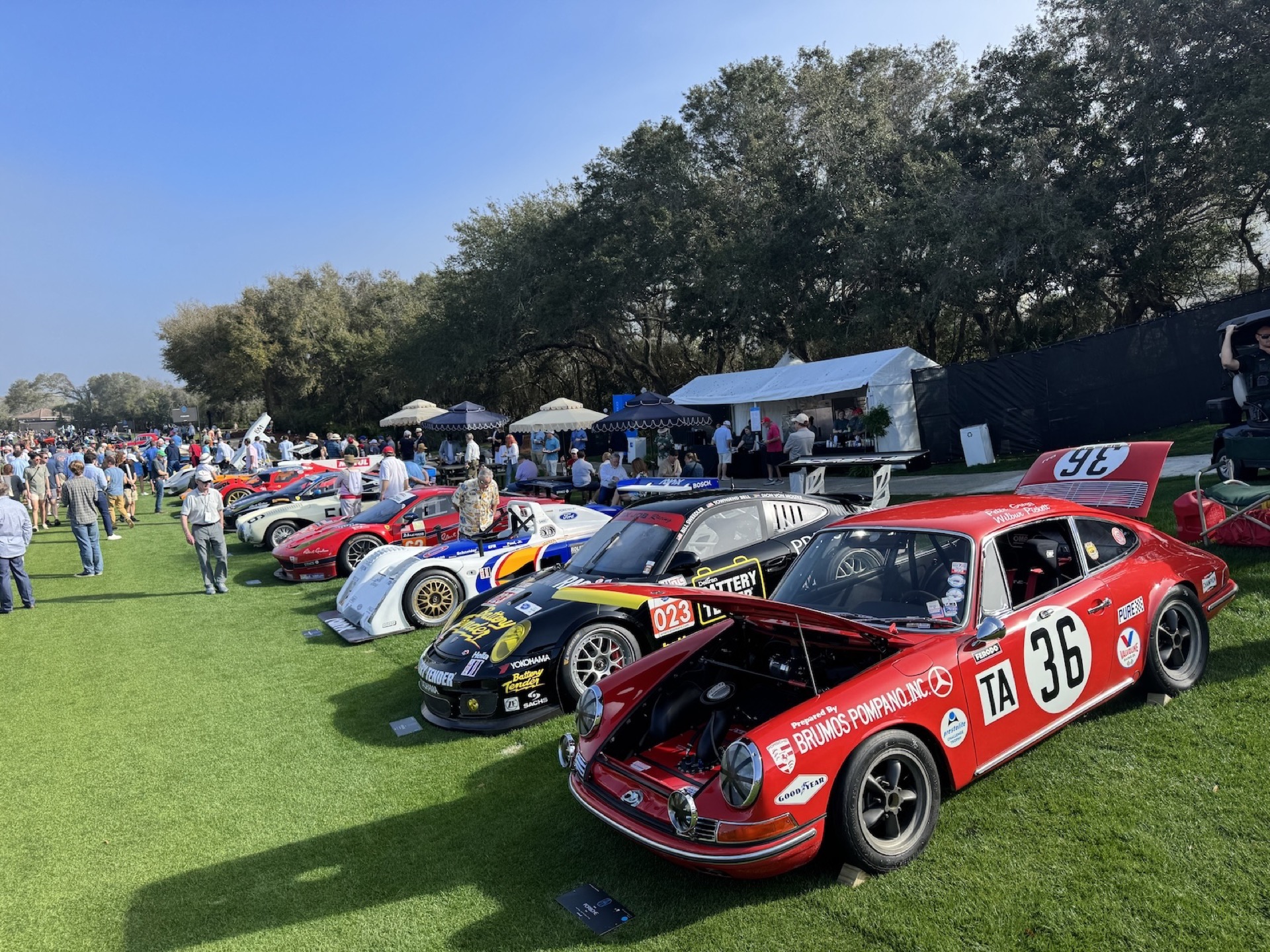
“And… sold,” murmurs auctioneer Lydia Fenet into the hall of the elegant Ritz-Carlton Hotel, her voice softer than many of her male colleagues. “This Porsche 959 S sells for 5.5 million dollars.” At the Broad Arrow auction, younger sports cars in particular changed hands almost as quickly as they appeared on stage. A white Porsche 959 Sport reached $5.5 million. A red Ferrari Monza SP2 fetched $4.7 million. A Lamborghini Miura SV climbed to $6.6 million, while a light blue Porsche Carrera GT achieved an astonishing $6.7 million. Broad Arrow alone generated more than $107 million in sales over the Amelia Island weekend. Alongside these prestigious classics, more ordinary cars are becoming increasingly popular. A white Volkswagen Golf Cabriolet appears, then a Porsche 968, and suddenly paddles rise for a dark Mercedes 560 SEL from the W126 generation.

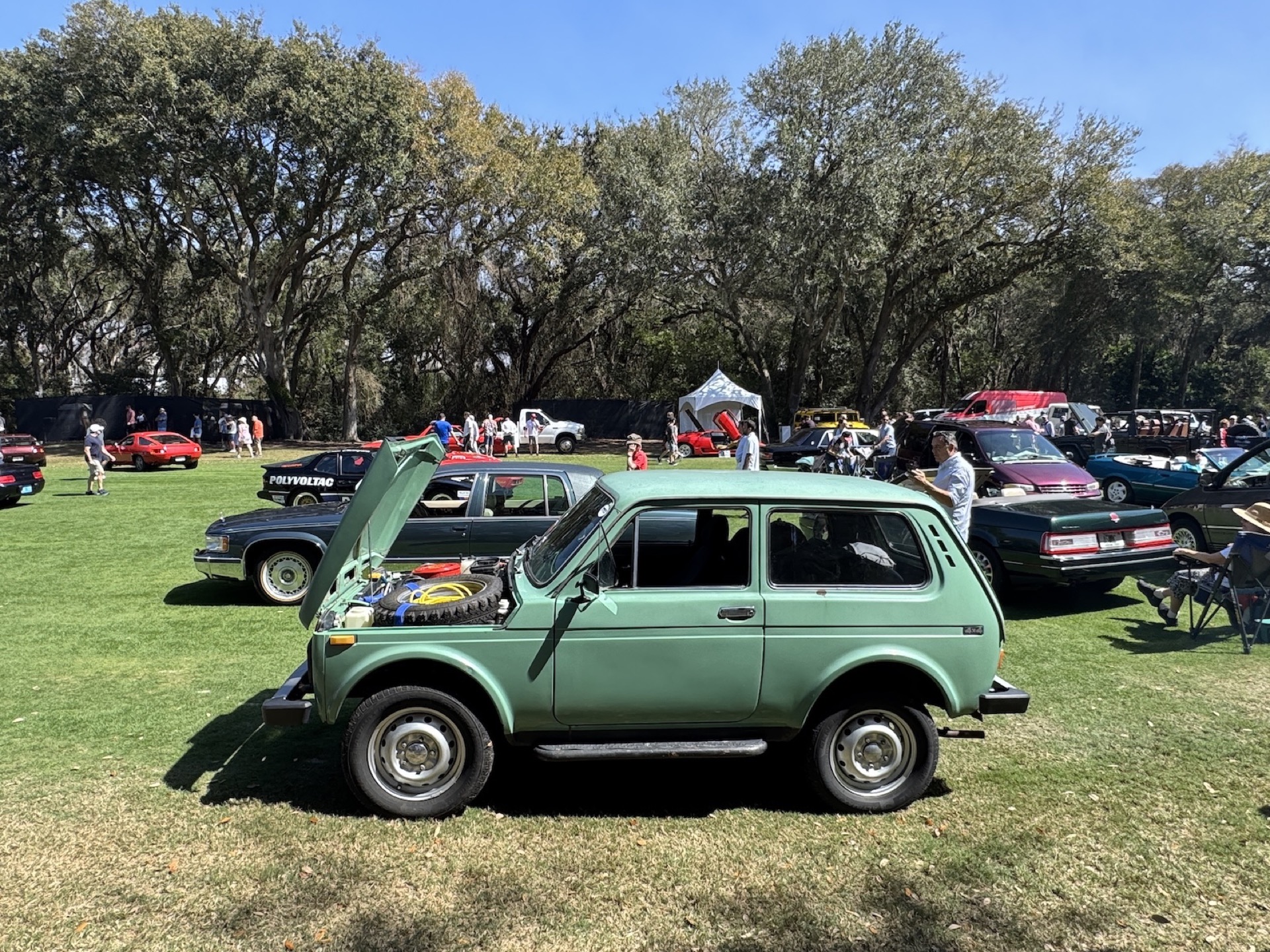
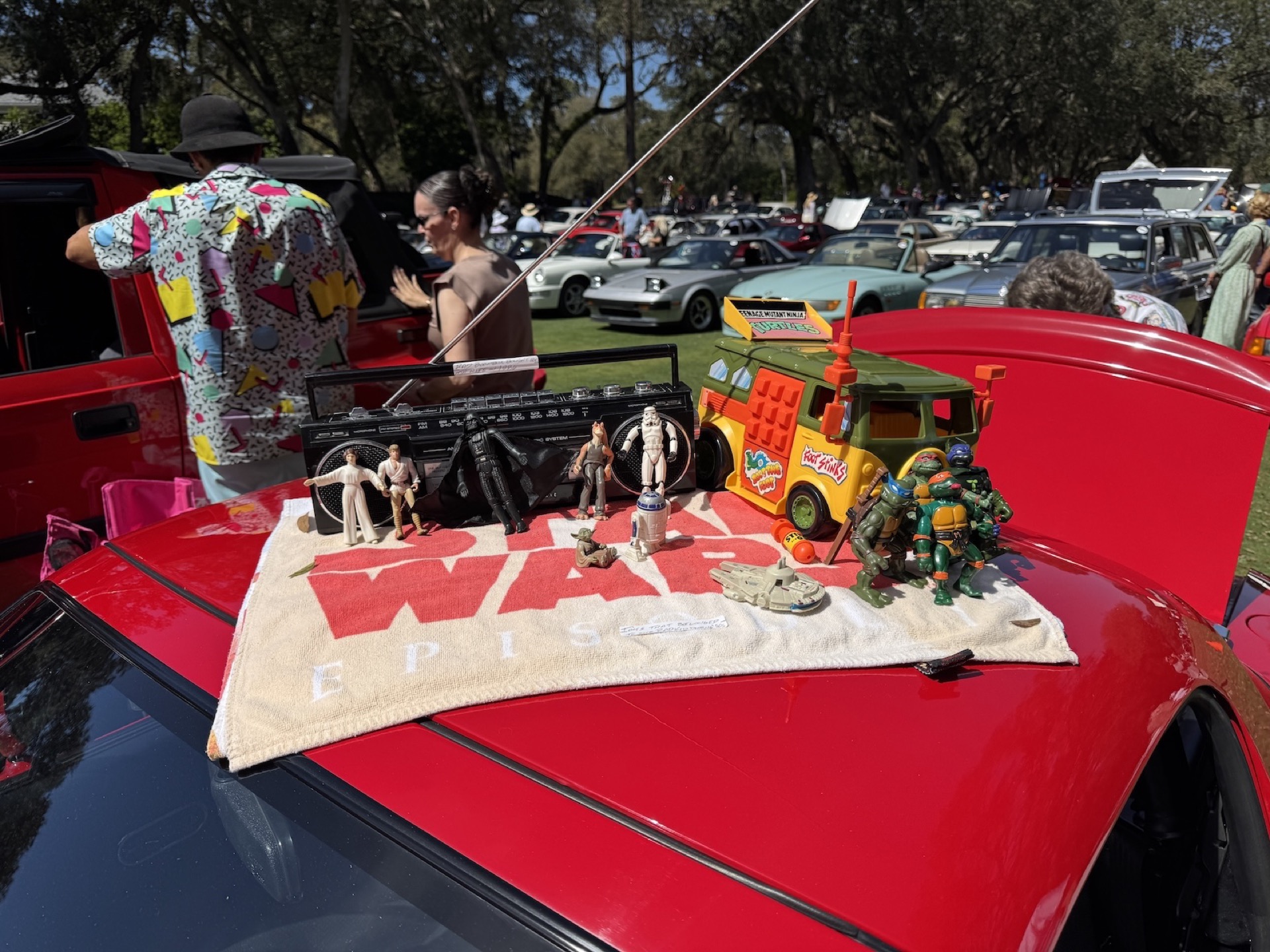
Less than 500 metres away, Adam stands beside his pale green 1990 Lada Niva, mirrored sunglasses reflecting the Florida sun. The Russian off-roader is covered in rust bubbles. It is one of the most unusual vehicles at the Radwood Festival, arguably the most visited event of the weekend alongside the auctions and the exclusive concours. “I bought the Niva 1600 four years ago from a guy in Illinois and I just love it,” says the enthusiast from New England with a broad smile. “Something is always broken and it barely reaches 50 miles per hour on the highway, but I wouldn’t swap it for anything else.”

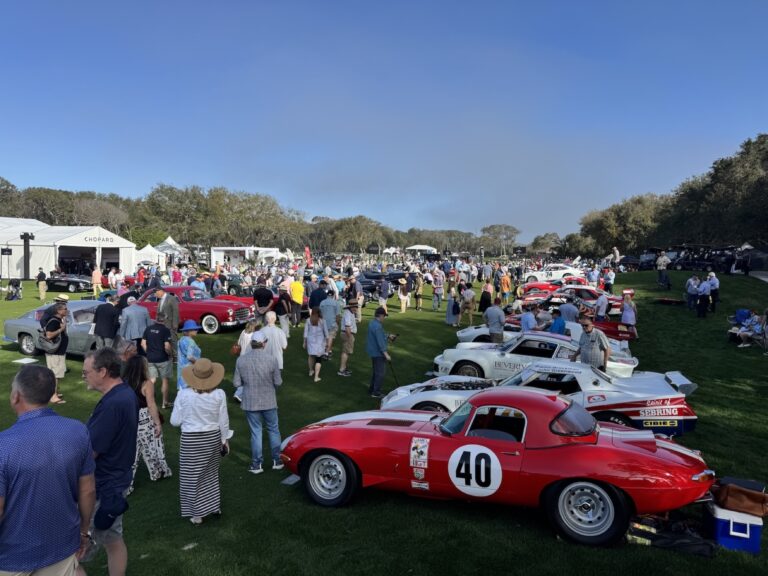
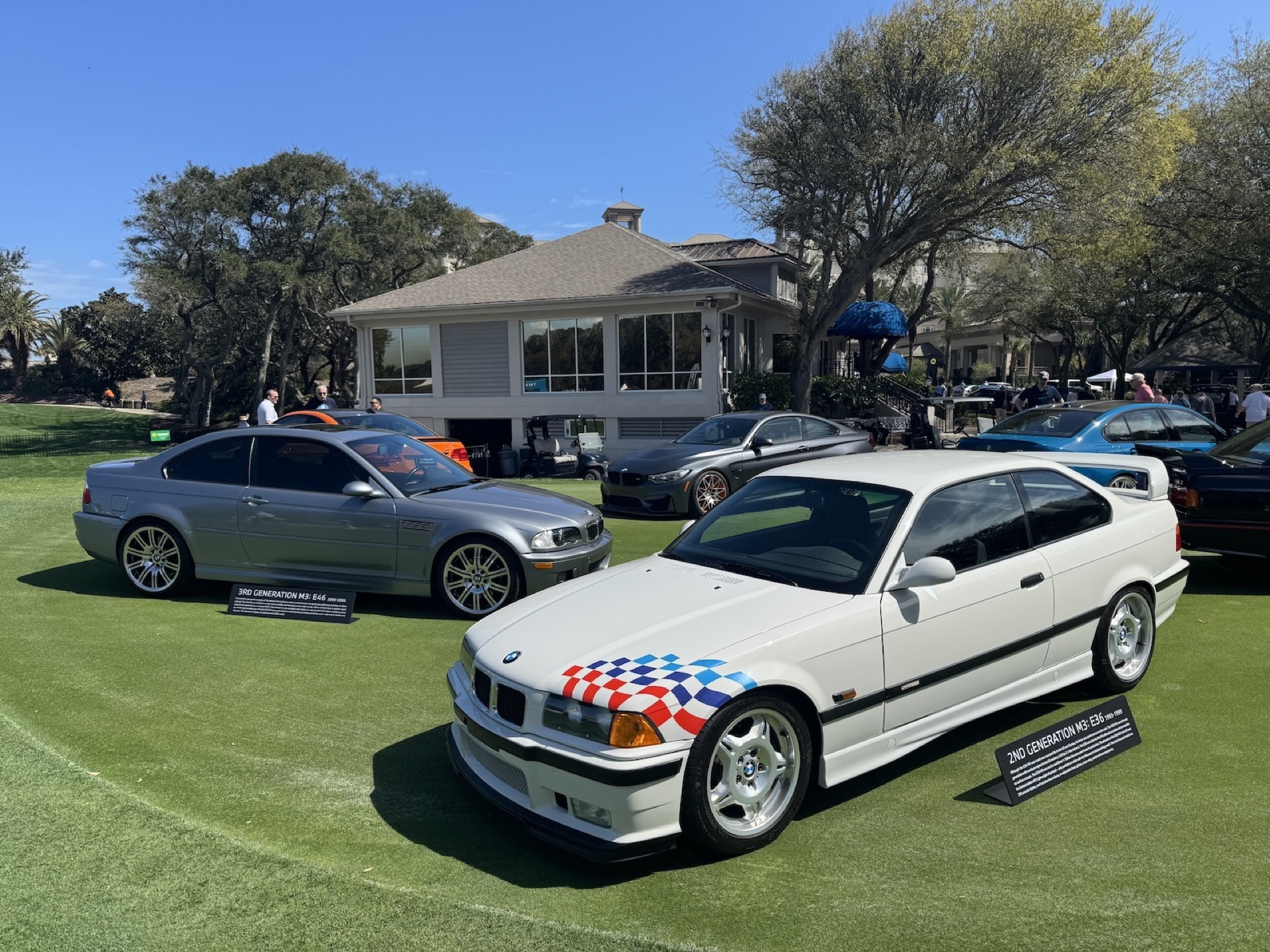
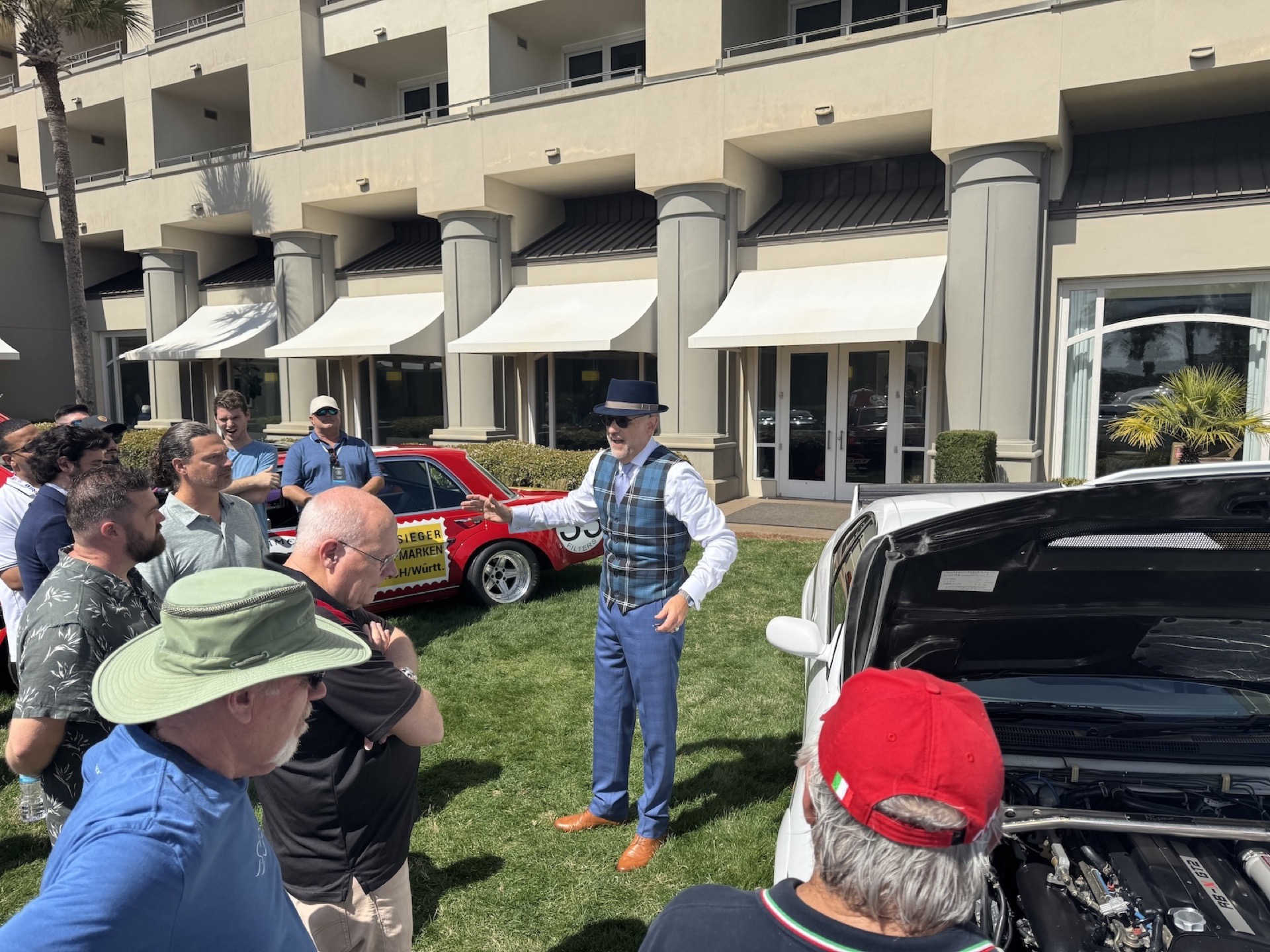
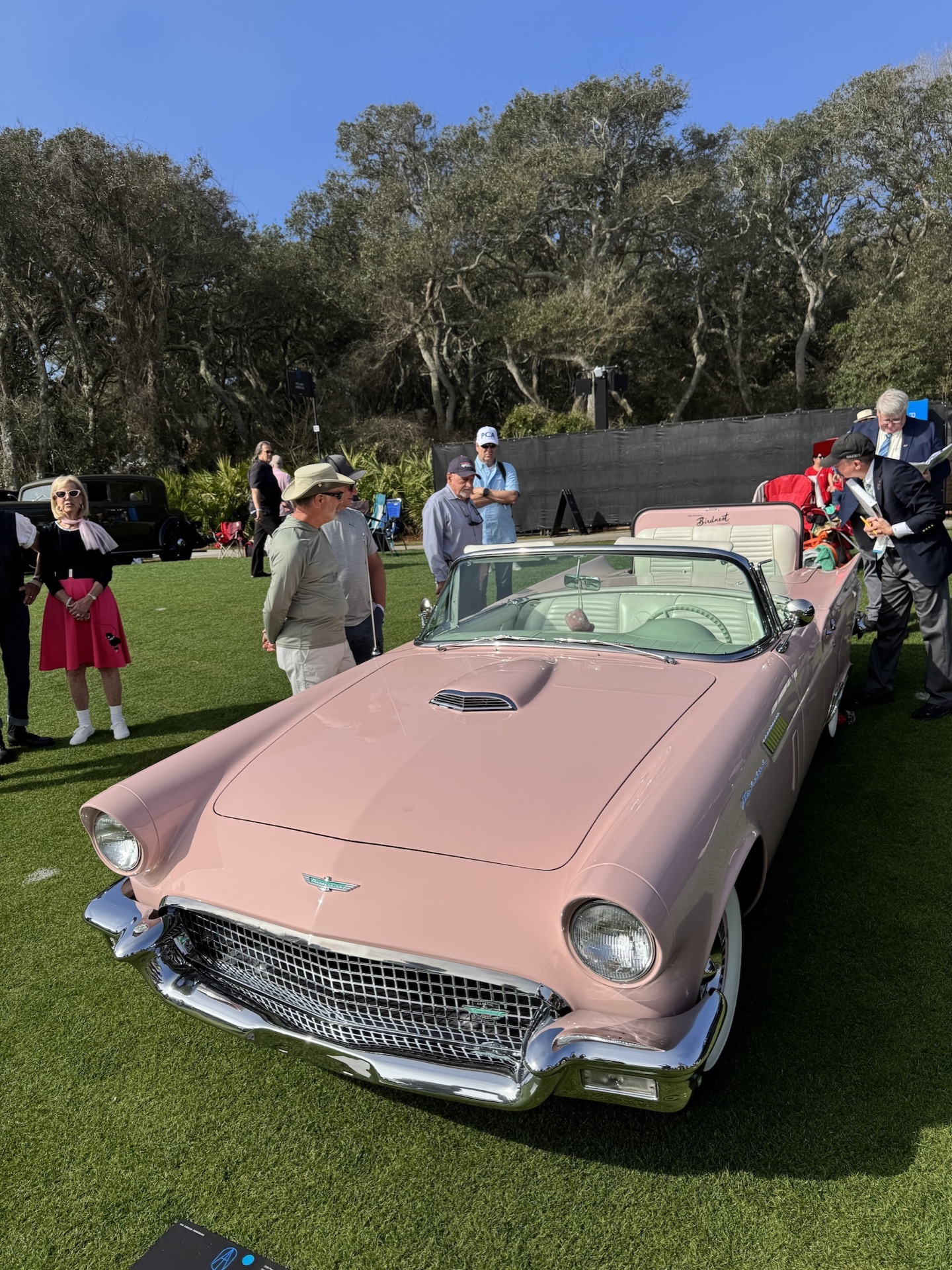
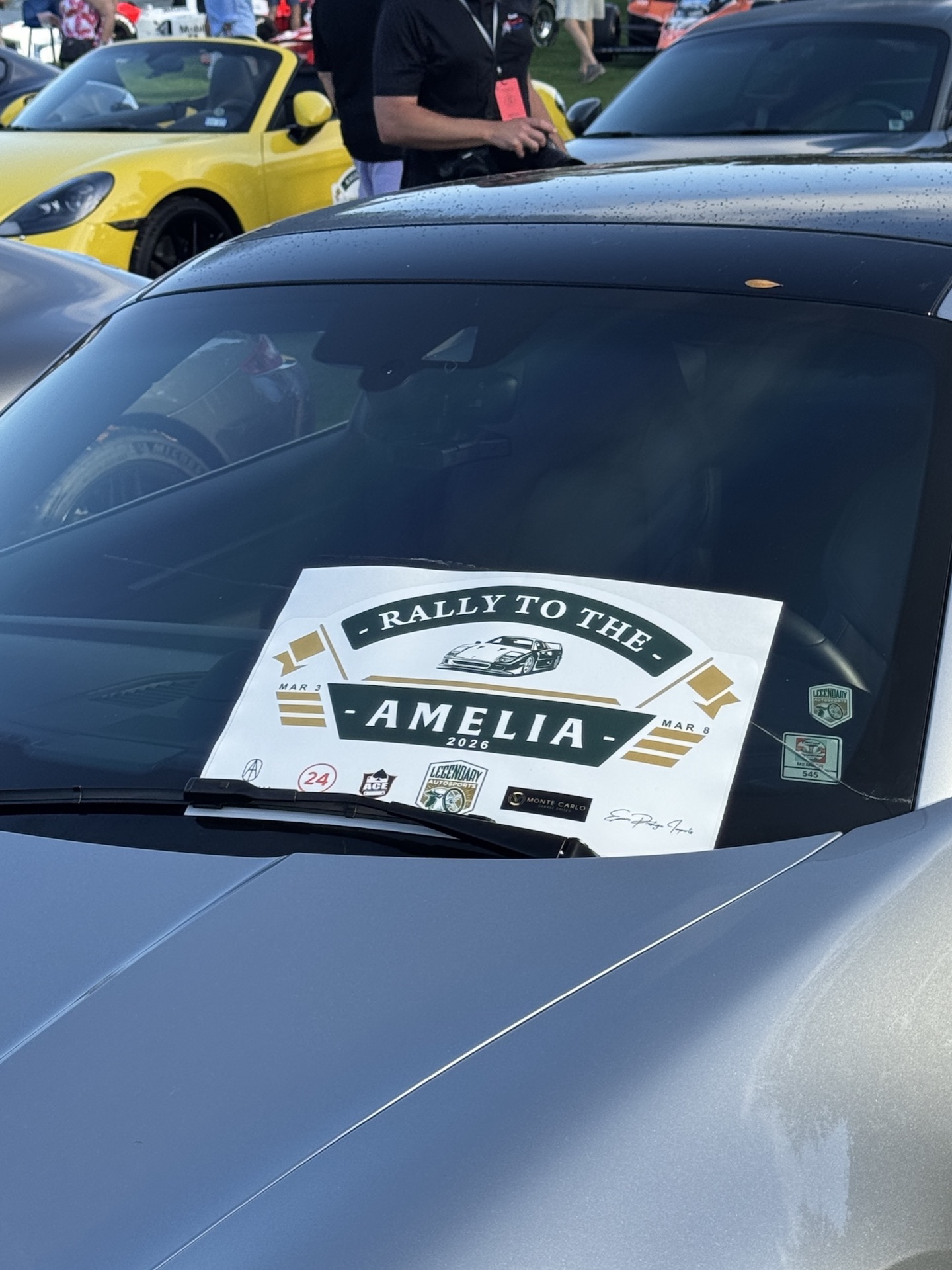
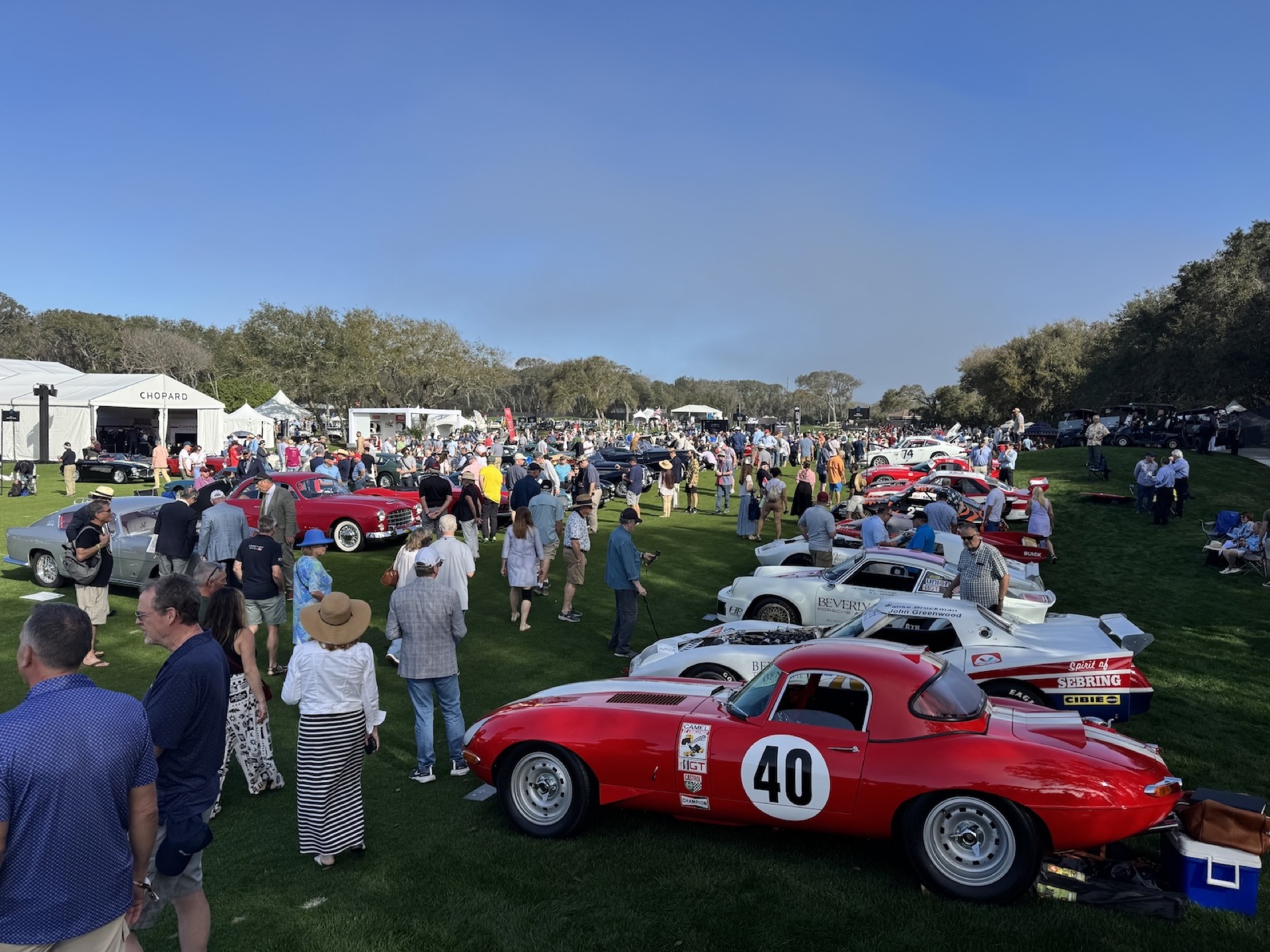
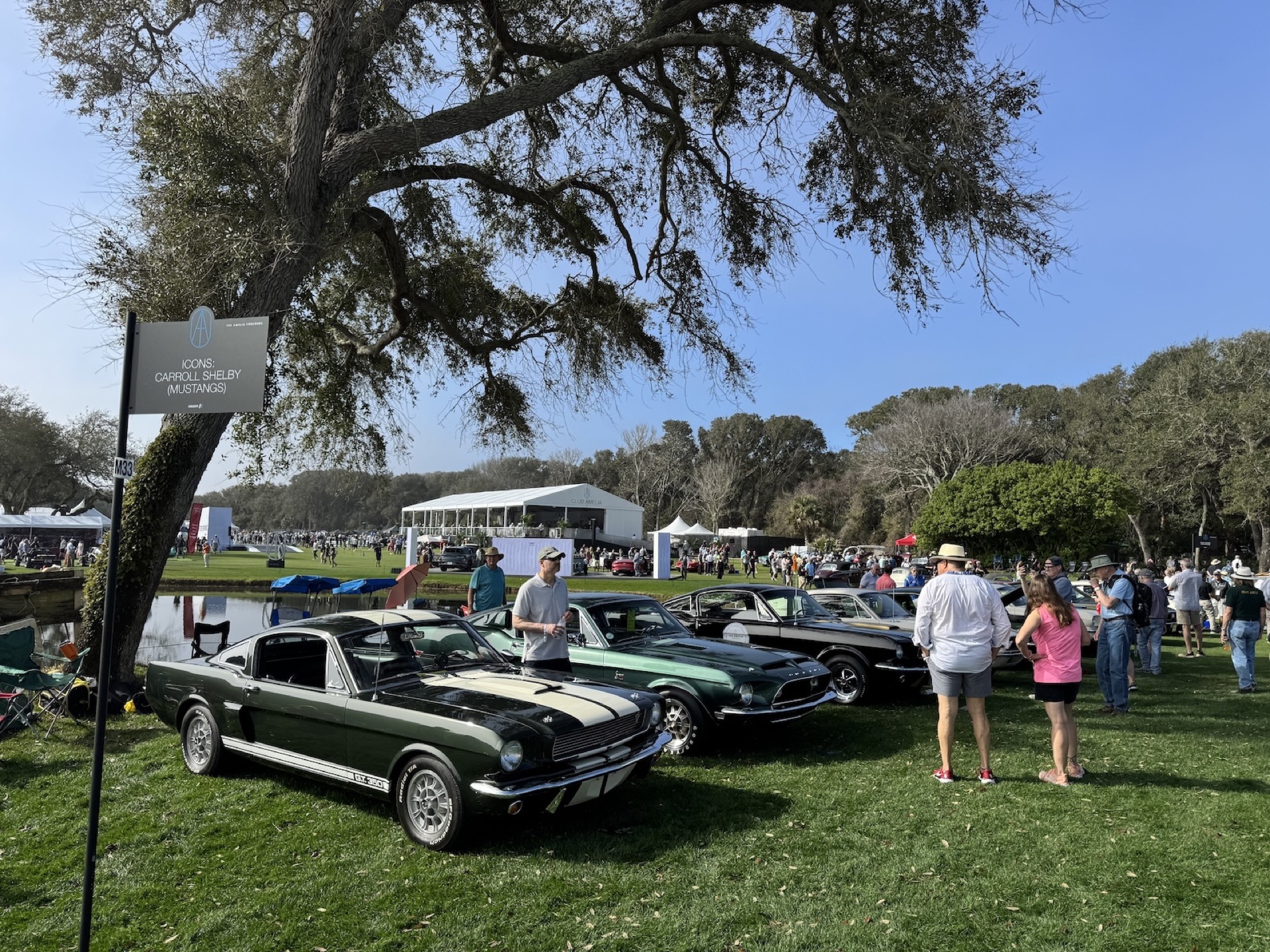
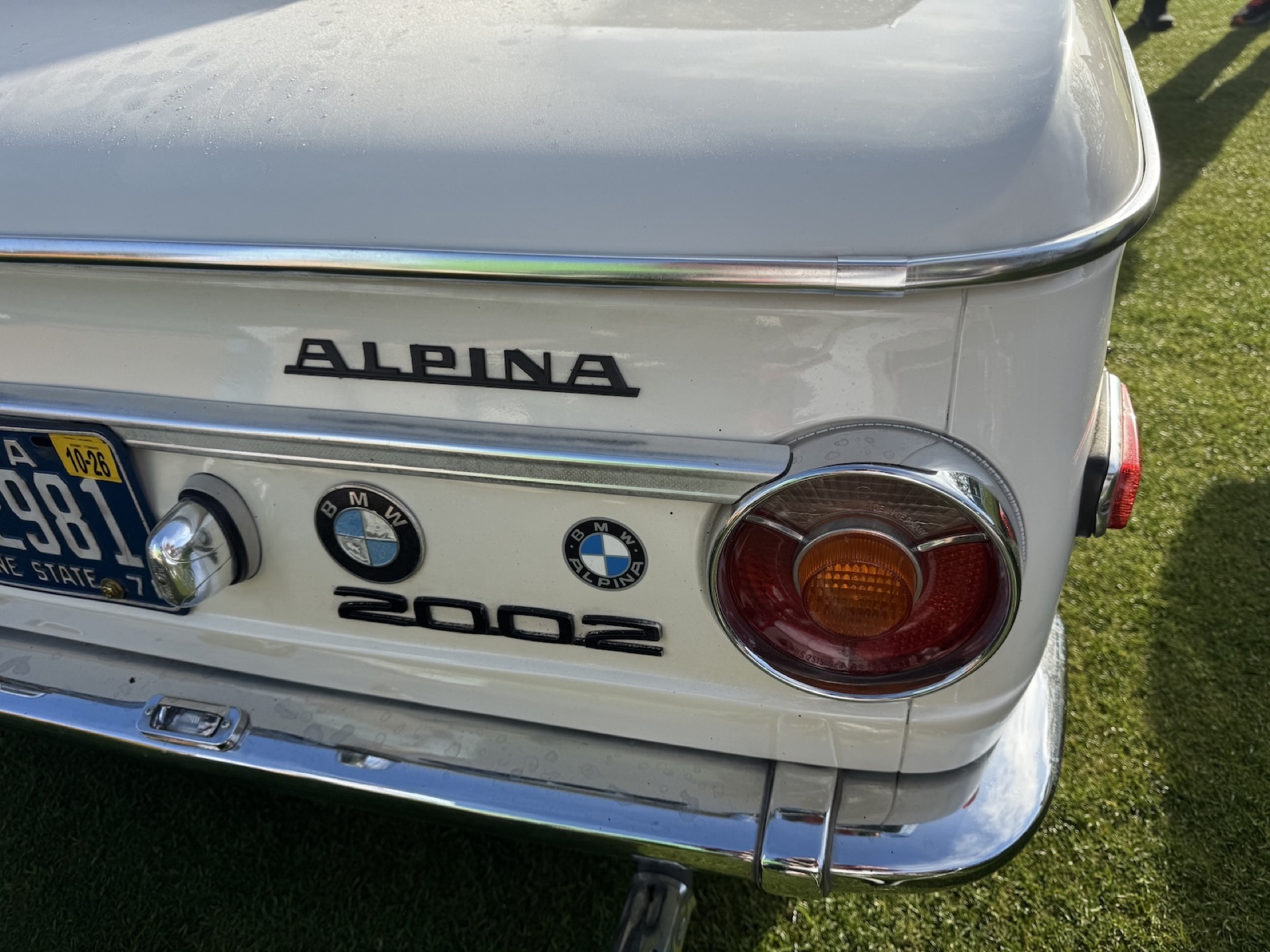
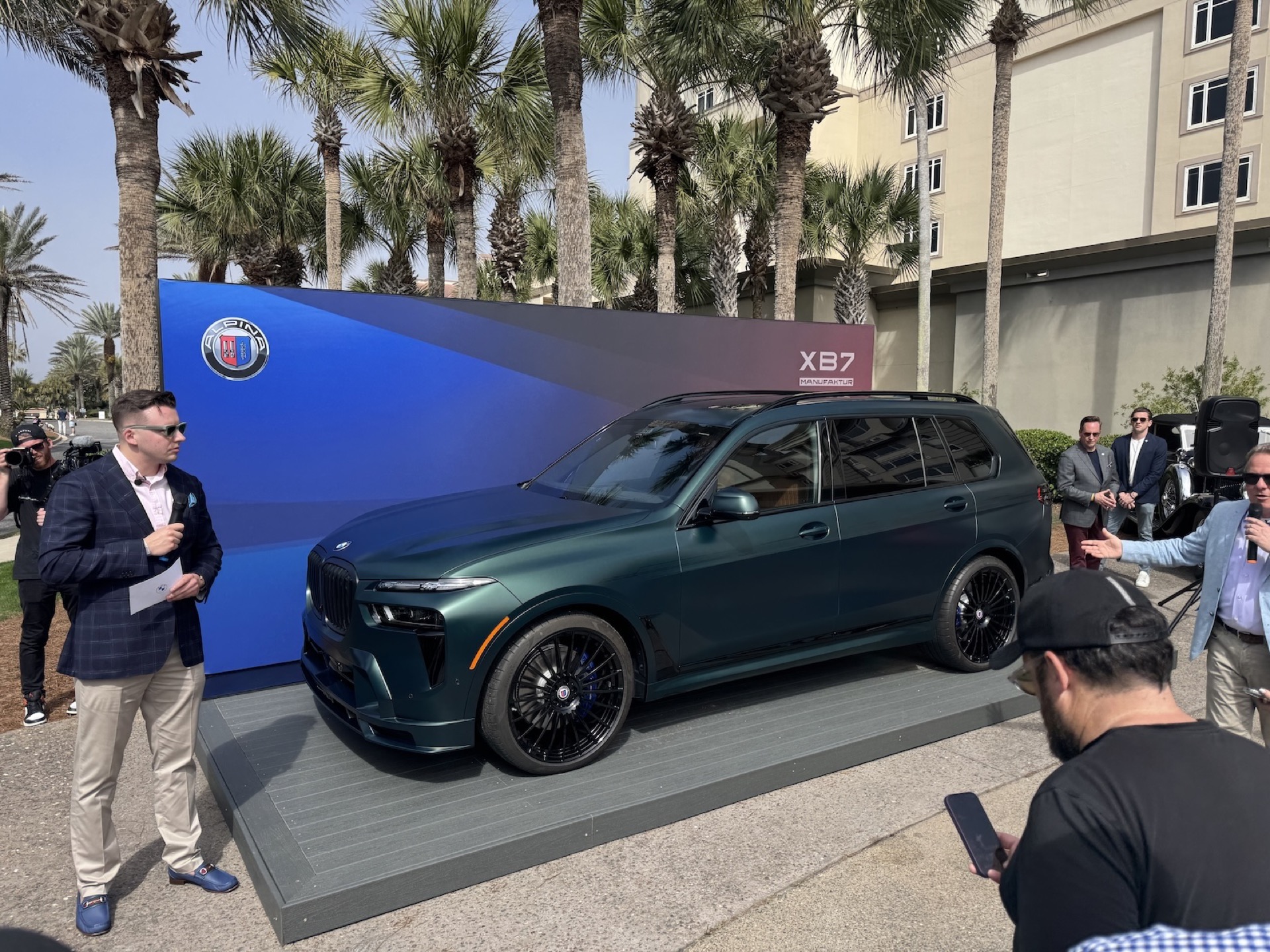
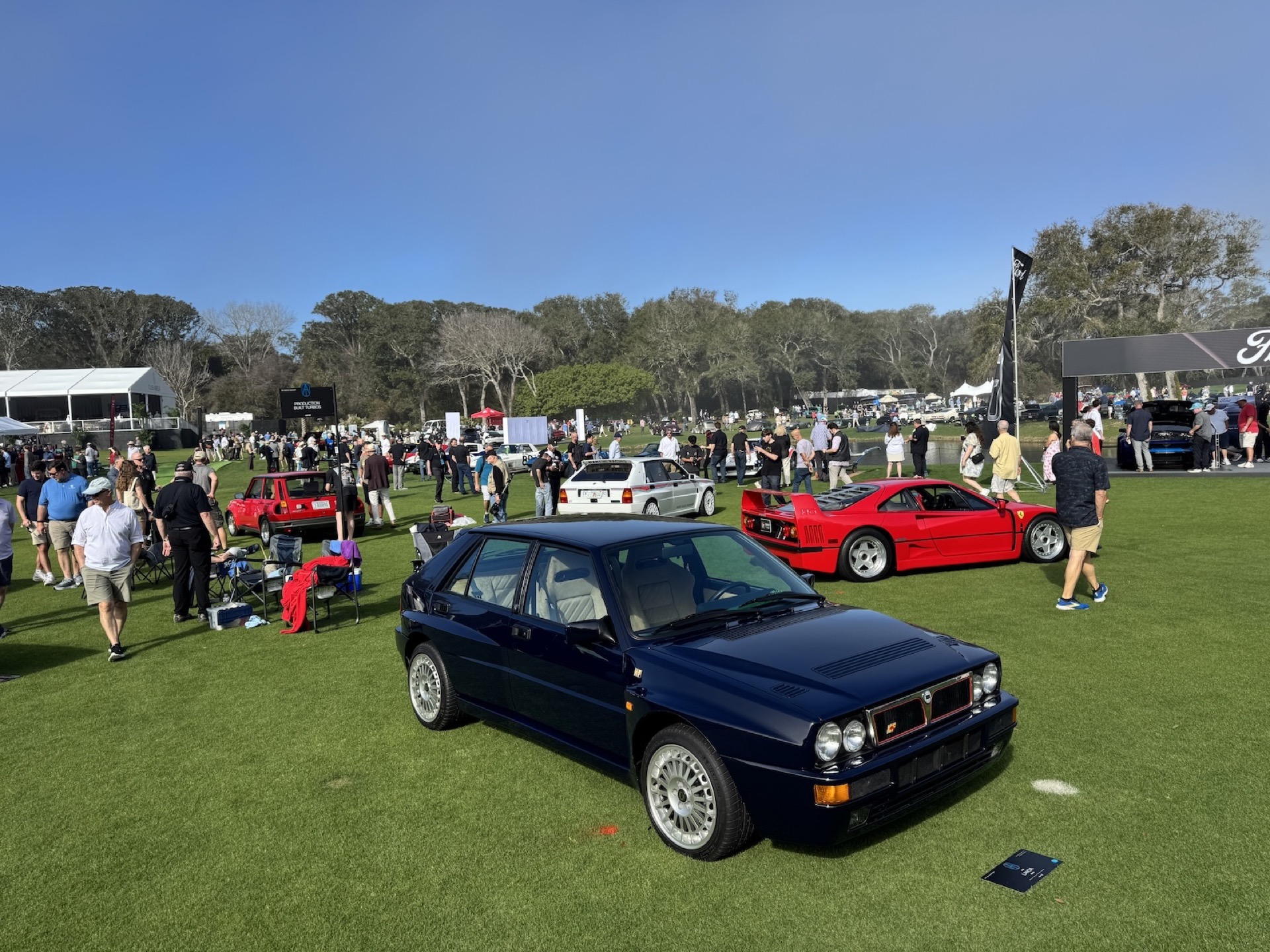
Amelia Island has been a cult gathering for more than three decades. Fans travel not only from Florida but from across the United States to the Atlantic coast for a long weekend devoted entirely to cars. The event is much more than the central concours on Saturday, where wealthy collectors gather on the lush golf course beside the dunes. BMW celebrates 40 years of the M3 and casually unveils the $180,000 Alpina XB7 before the brand enters a new chapter later this year. It is the kind of automotive celebration Europe often lacks. Brand clubs, enthusiastic owners, auction-hungry collectors and concours connoisseurs all converge on northern Florida each March. The atmosphere is relaxed and welcoming, partly because of the location and partly because cars of every conceivable price category stand side by side.

Amelia Island 2026 1

That the 1931 Duesenberg Model J Tapertail Speedster owned by William Lyon from Coto de Caza ultimately wins the prestigious concours comes as little surprise, even if tastes have shifted in recent years. “We are all still adjusting to the idea that a car like a Nissan Skyline can sell for a million dollars,” explains Ramsey Pott from the Broad Arrow auction house. “Many pre-war cars or models from the 1950s and 1960s are becoming harder to sell. They still have their fans, but the trend clearly favours cars people remember from their childhood. That means Porsche, Acura or Nissan rather than Duesenberg.”

These modern classics appear not only at the Cars & Caffeine gathering on Sunday but also at Radwood and at the many informal meet-ups in parking lots and petrol stations stretching towards Jacksonville. There is no $180 entrance fee there and the air does not carry the sweet scent of cigars that hangs over the concours grounds. Visitors wear shorts and colourful polo shirts, while judges and long-time concours enthusiasts often appear in dark double-breasted jackets, light pleated chinos and straw hats. It is the unofficial uniform of Amelia Island.

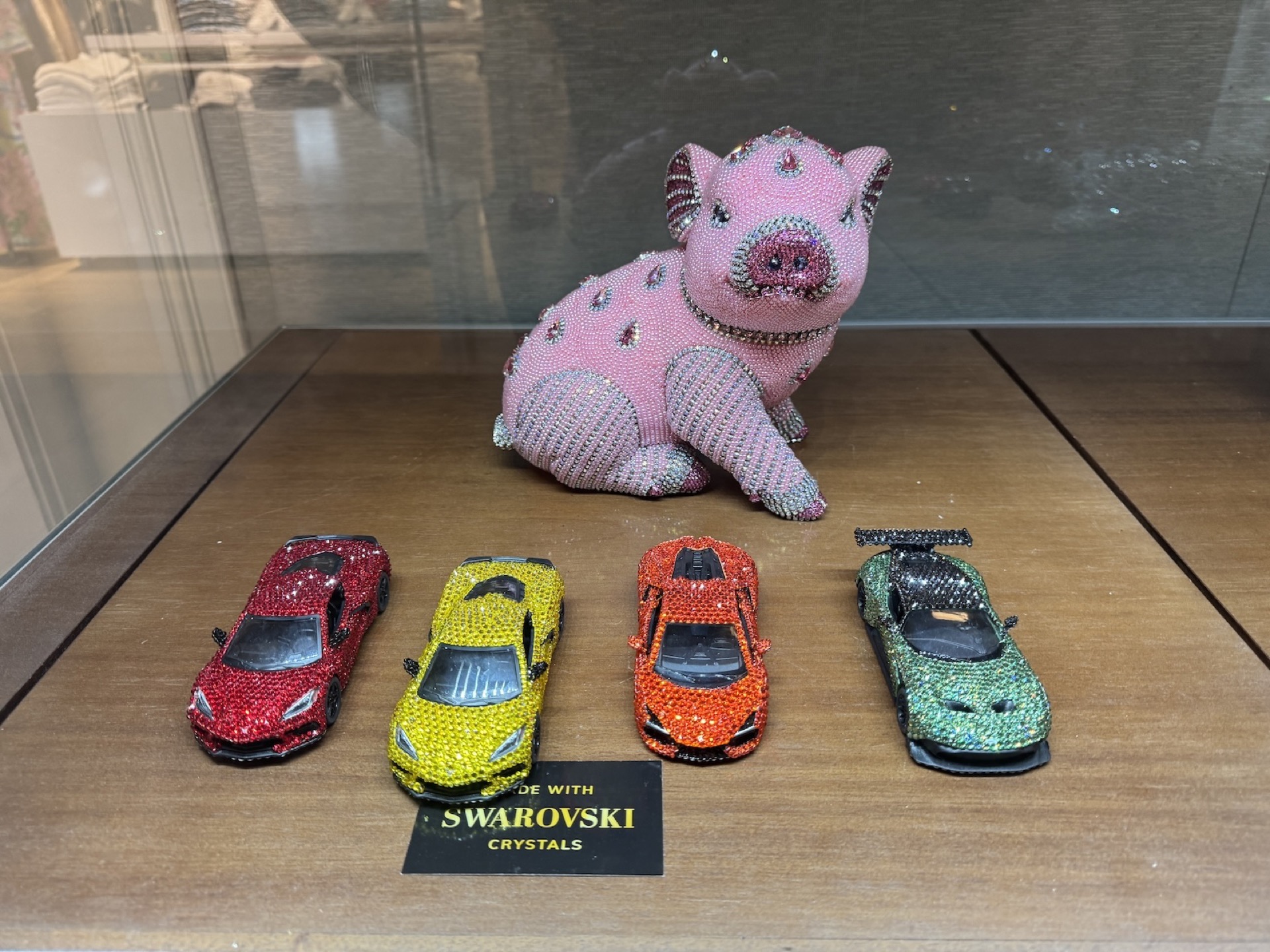
Later, there is always time for a glass of champagne by the hotel pool, perhaps after picking up some Amelia memorabilia or even a miniature Ferrari decorated in sparkling Swarovski crystals.

Amelia Island 2026 24

Special Report: Car Design Event 2026 Brings the Industry Back to Munich

0

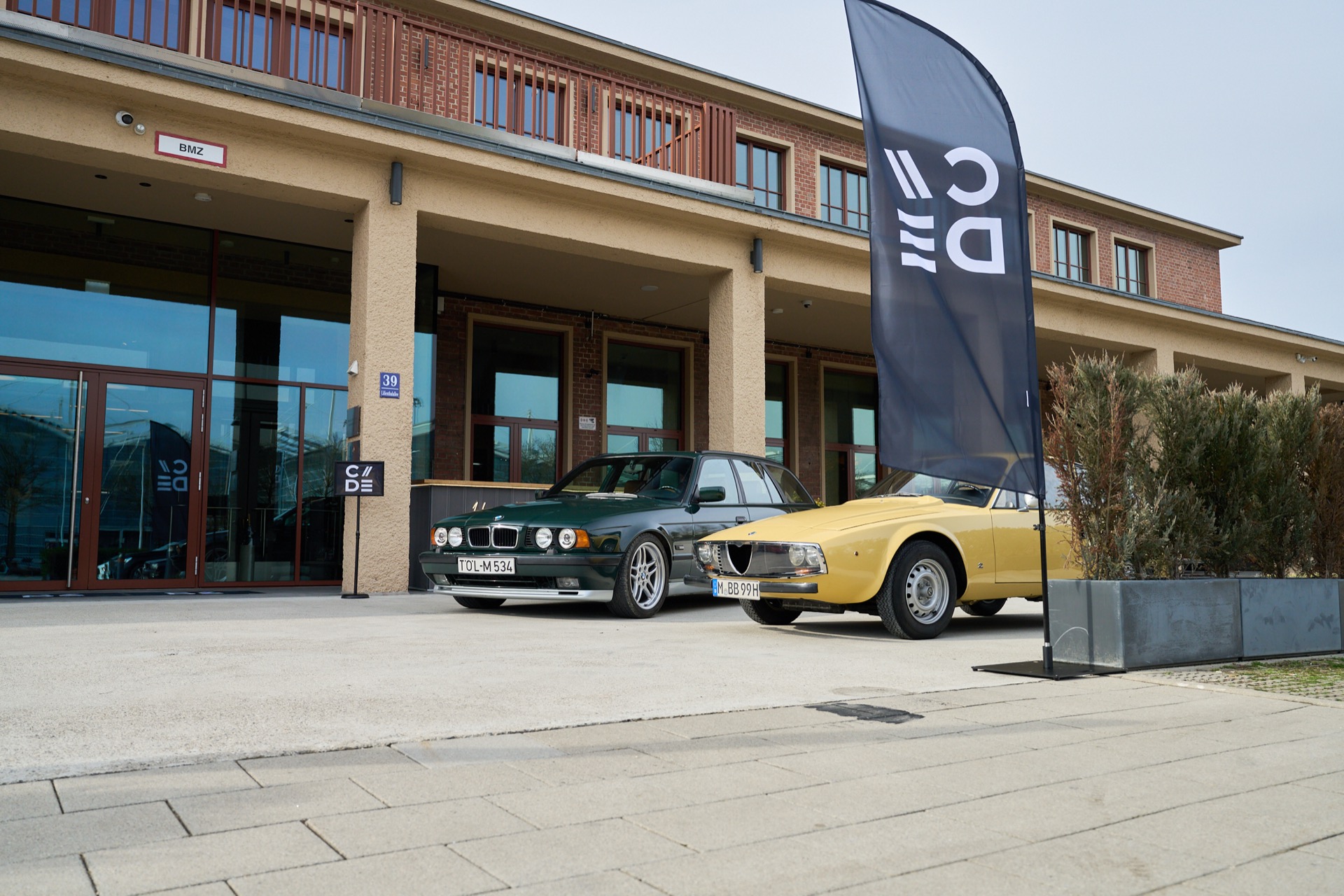
For a fourth consecutive year, the Car Design Event returned to Munich, once again turning the city’s Drivers & Business Club into one of the automotive industry’s most interesting rooms. What began as a niche, invitation-only gathering has quickly established itself as a valuable fixture for designers, journalists, suppliers, students and brand representatives who want something more focused than a conventional motor show.

Held from 2 to 4 March, this year’s event once again placed design, conversation and access at the centre of the programme. The formula remains one of its biggest strengths: rather than overwhelming attendees with scale, Car Design Event thrives on intimacy. The setting encourages the sort of exchange that is often lost elsewhere, whether that means a conversation with a chief designer, a closer look at a concept’s surfacing, or simply hearing how the people shaping future cars are thinking about creativity, storytelling and the role of AI in the design process.

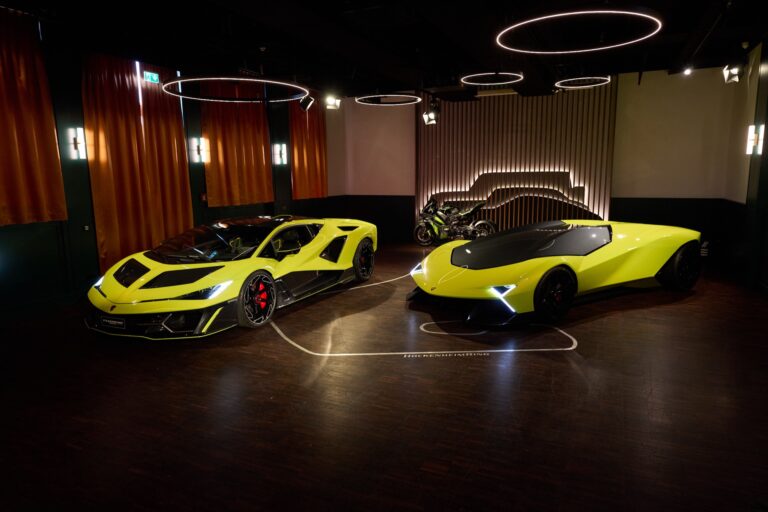
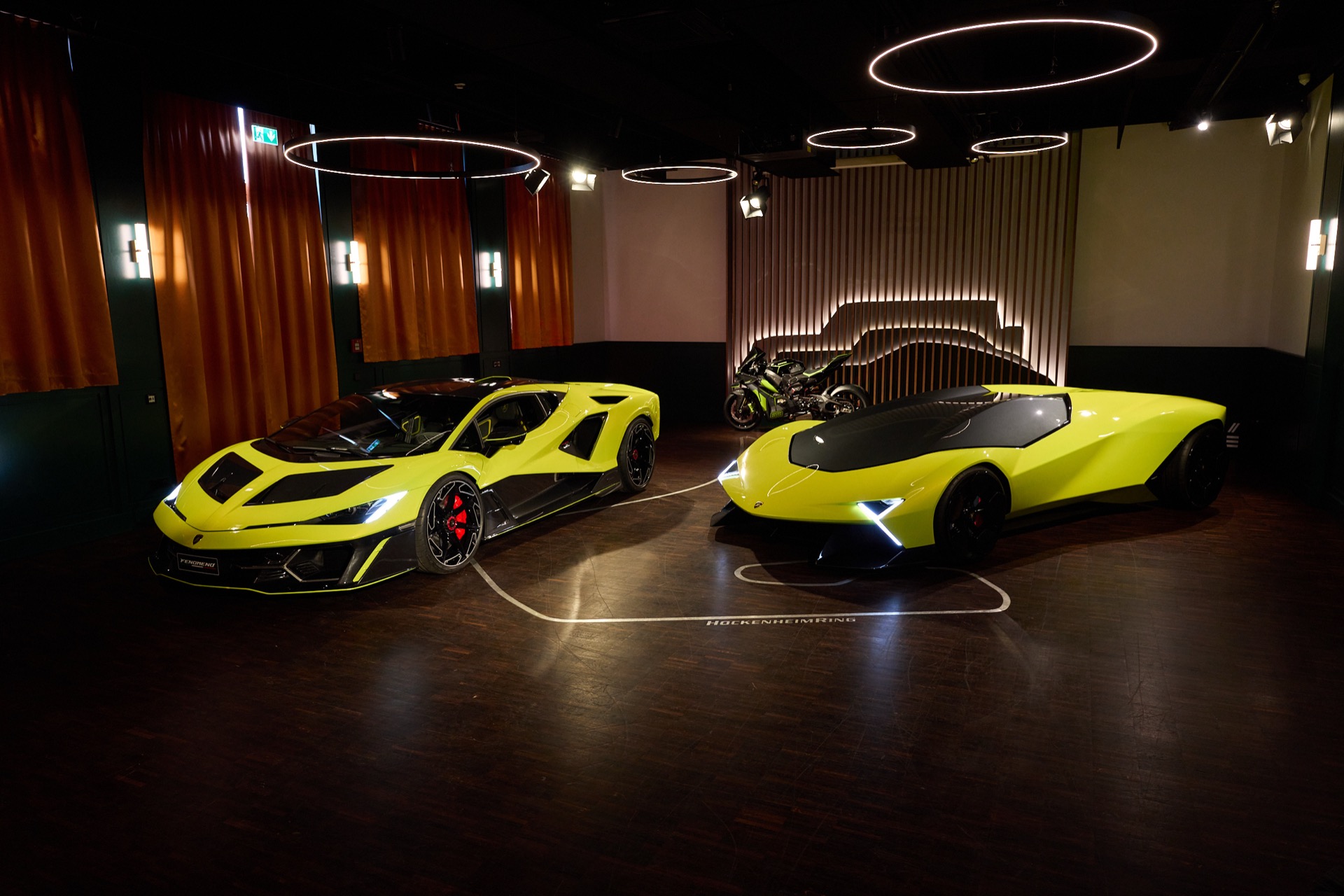
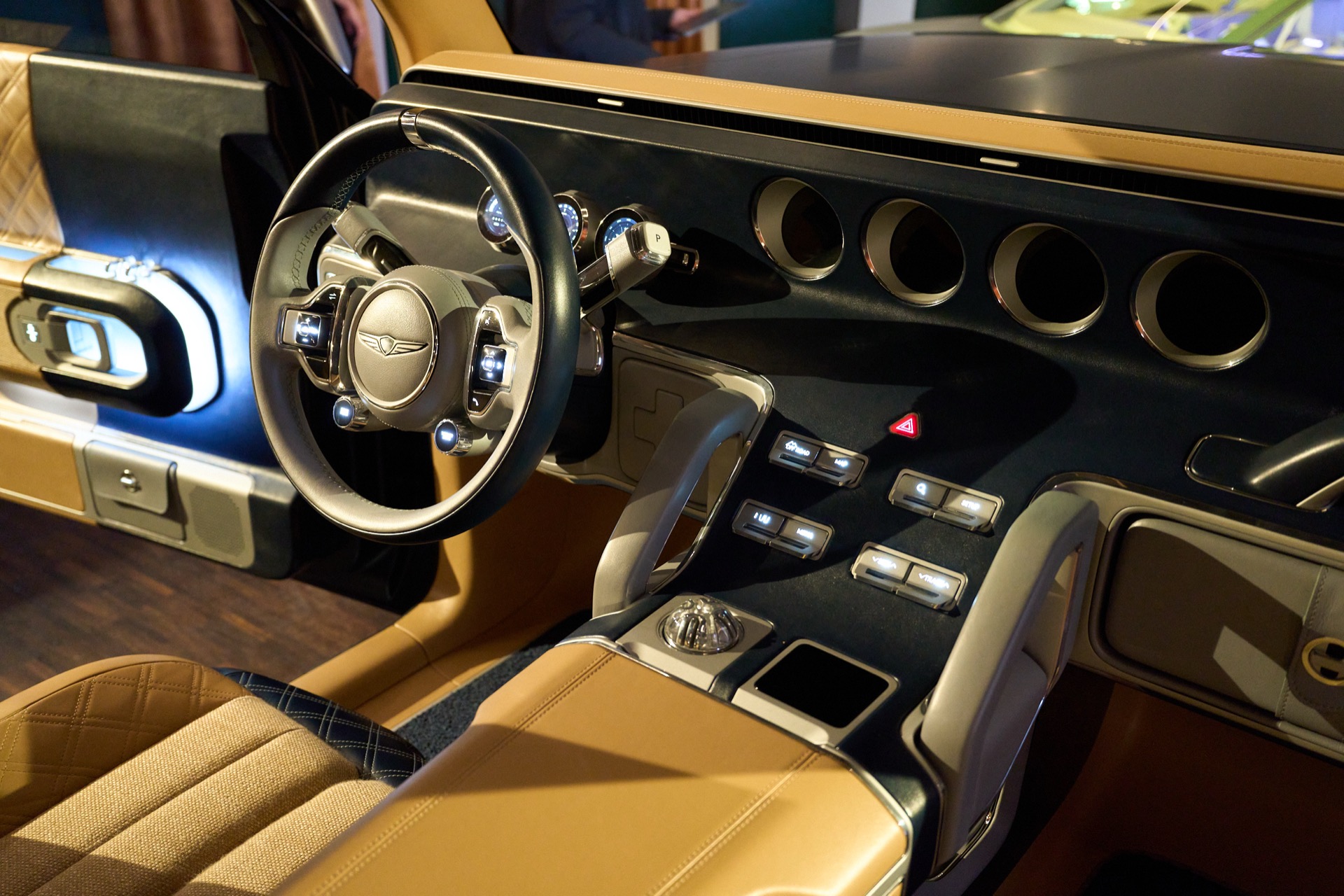
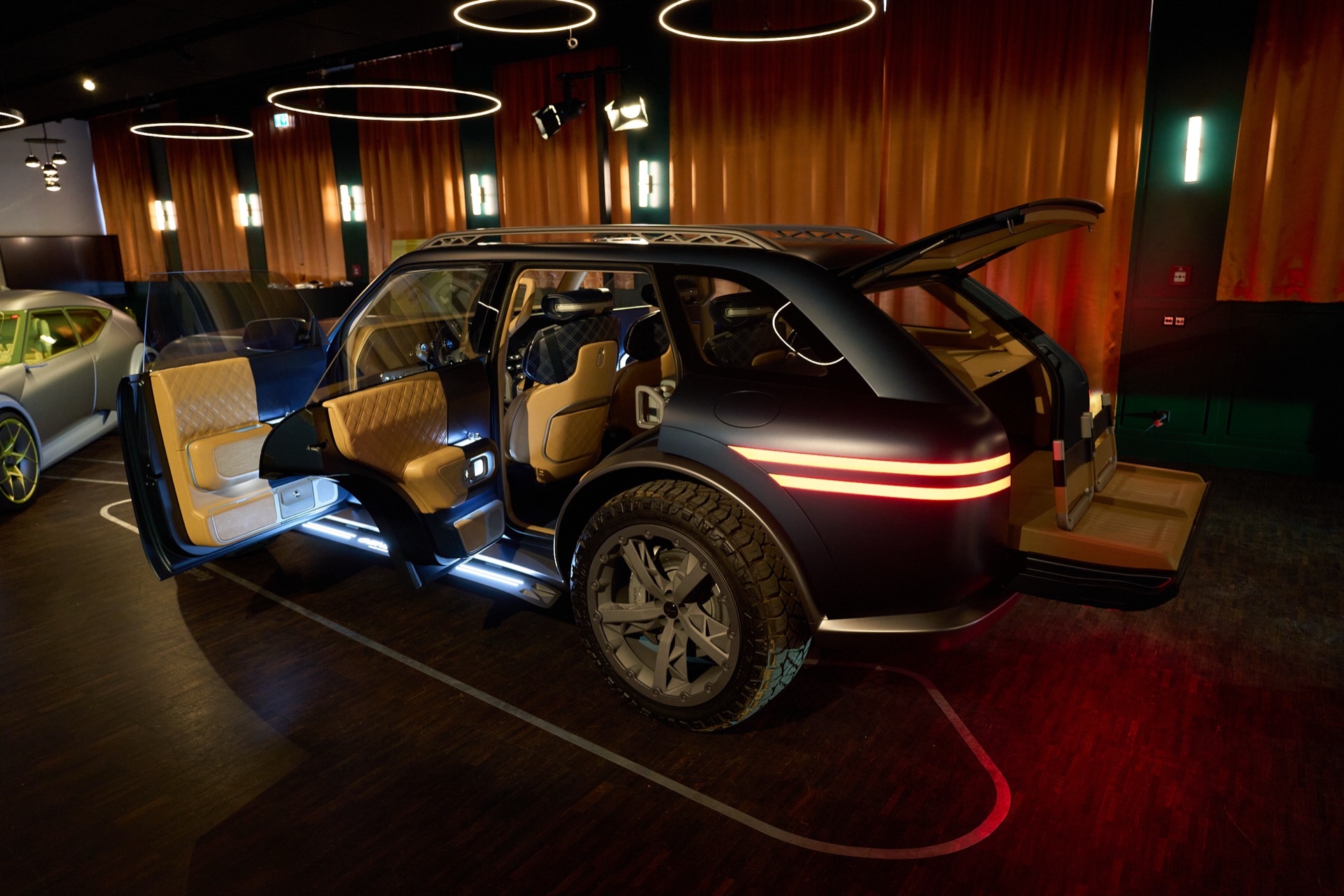
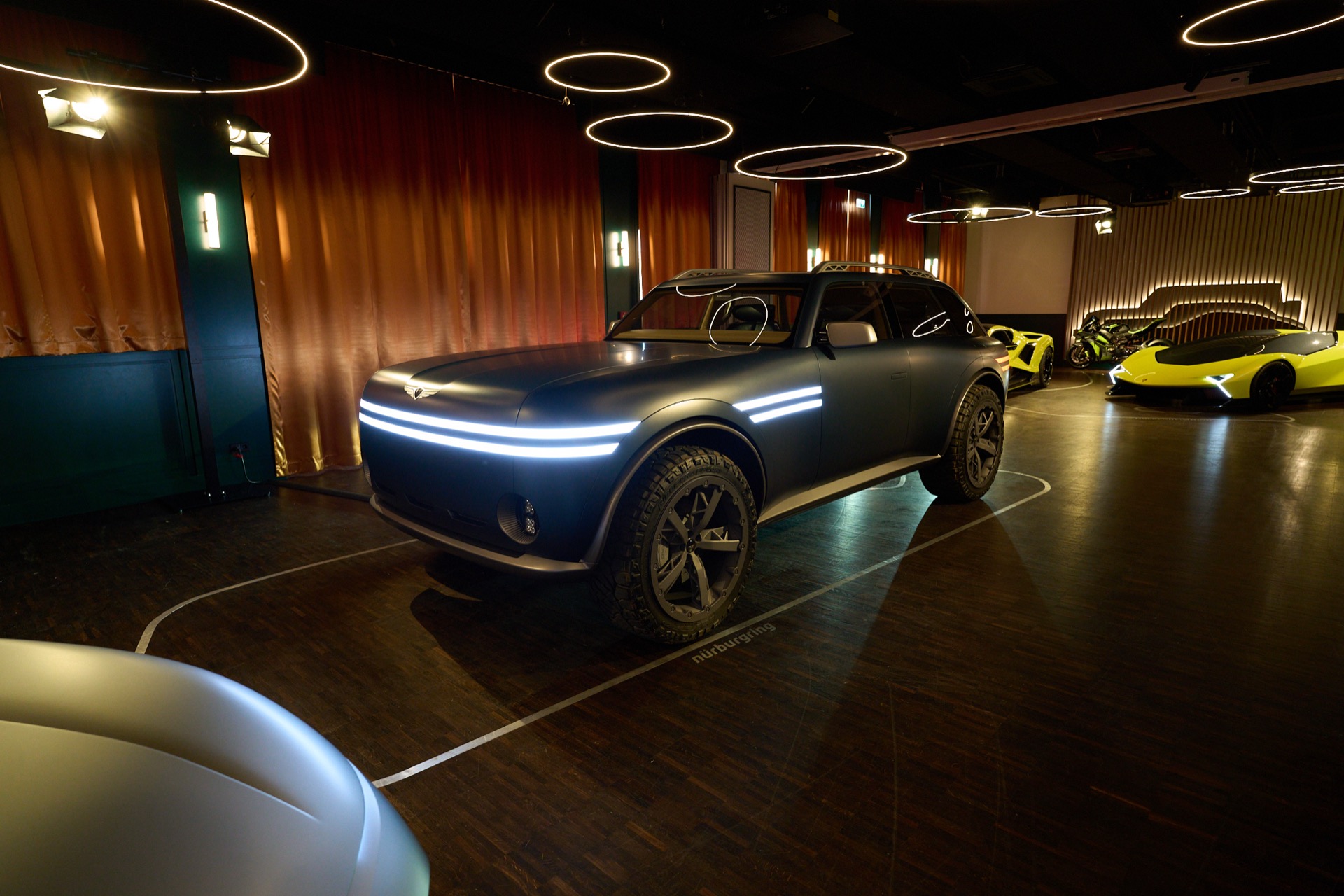
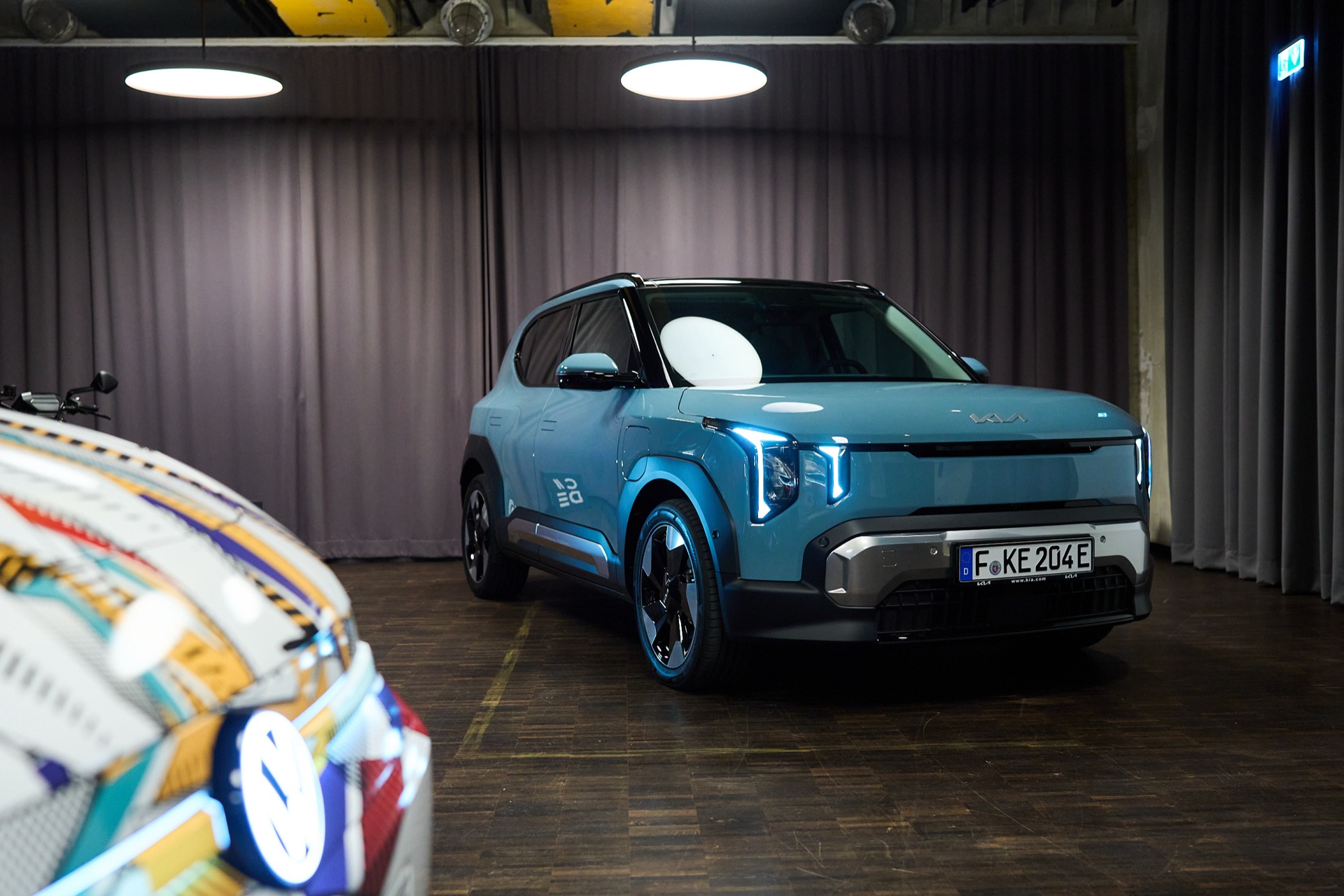
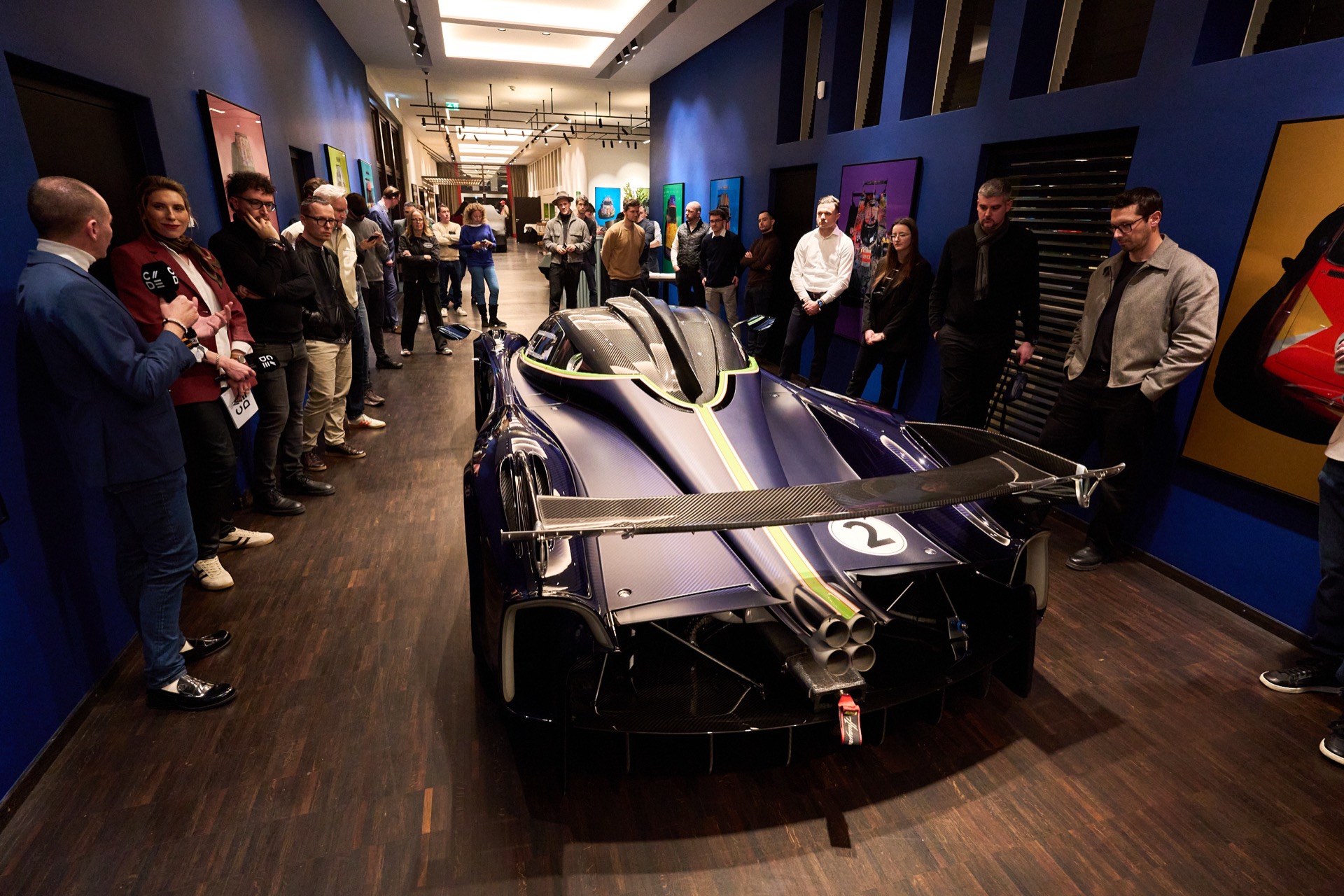
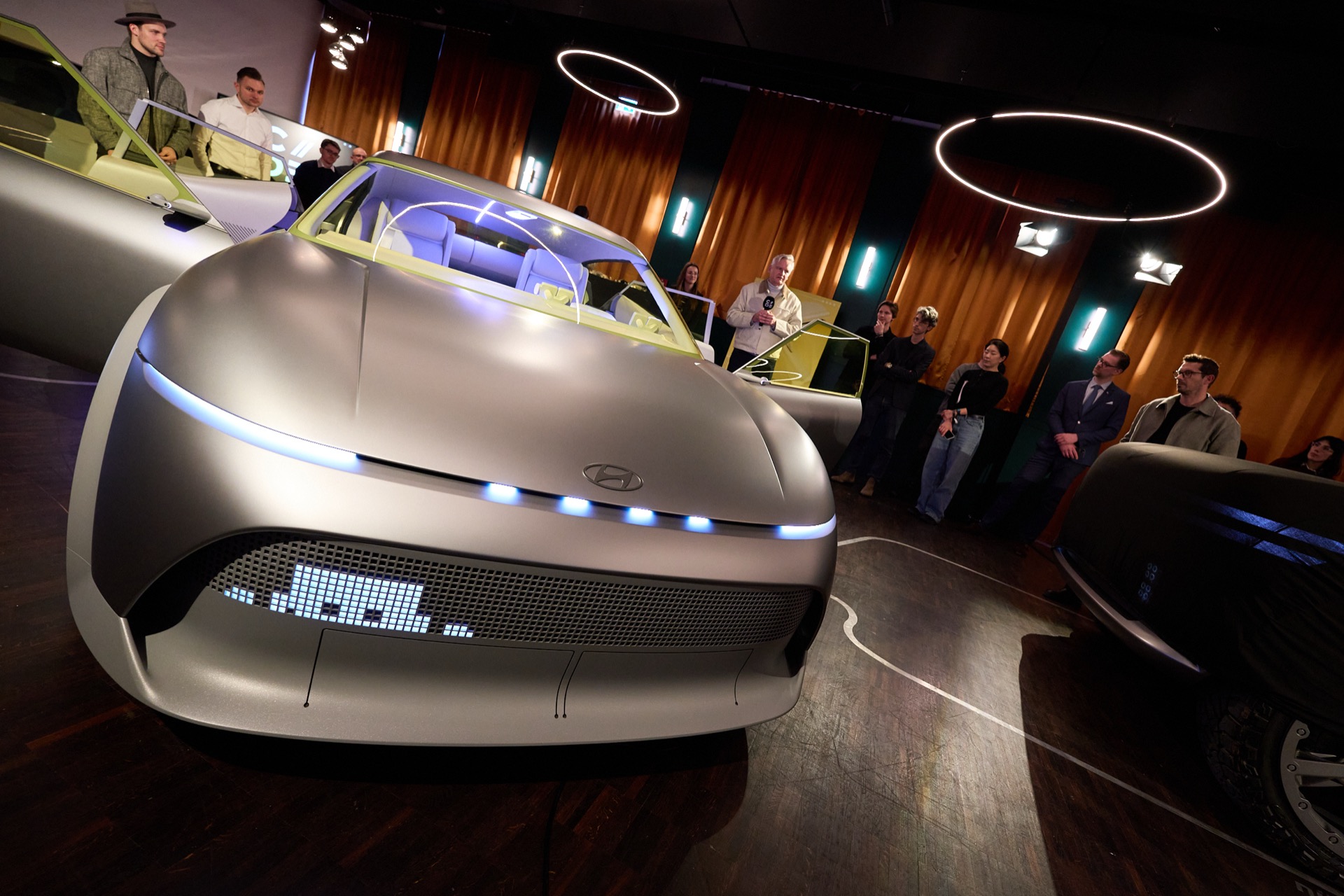
The 2026 edition arrived with no shortage of headline acts. Among the most significant were the European debuts of the Genesis X Gran Equator Concept and the Mercedes-Benz Vision Iconic, both of which helped underline just how important these boutique gatherings have become for manufacturers looking to place design in the foreground. Equally notable was the appearance of the Lamborghini Manifesto, shown outside Sant’Agata for the first time, giving visitors a rare opportunity to study one of the company’s more provocative design statements at close quarters.

Volkswagen also used the event to unveil the ID.Polo interior, while other highlights included the Škoda Vision O, the Niels van Roij Design Breadvan Hommage, the SUE Concept by UE Studios, and an EDAG lighting prototype that showed how much design attention is now being given to the details that once sat lower down the priority list. The bike world also had a meaningful presence, with Novus Bike and Norton Motorcycles bringing fresh ideas and reminding attendees that mobility design conversation no longer begins and ends with cars.

CDE 2026 BestOfCDE2026 54

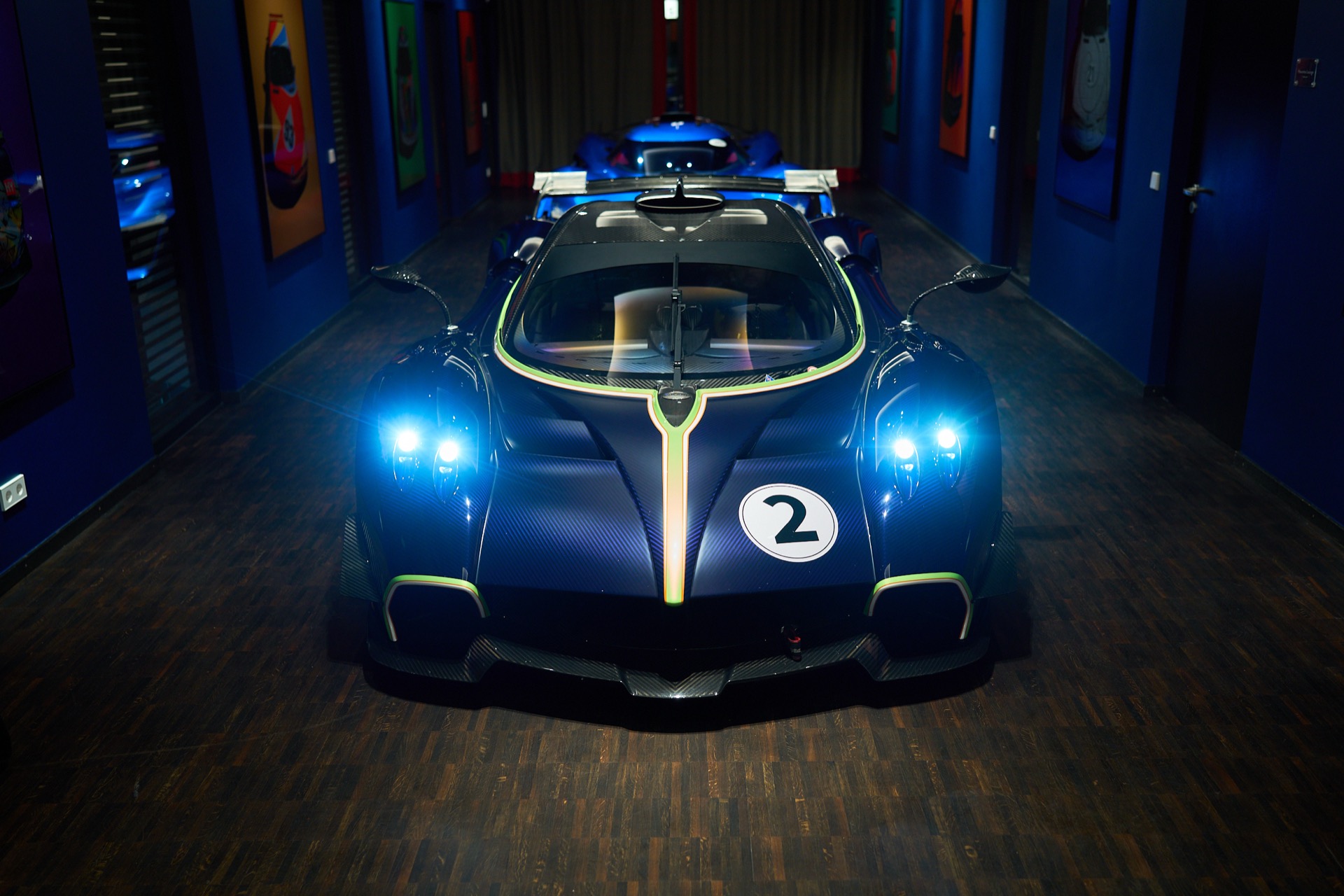
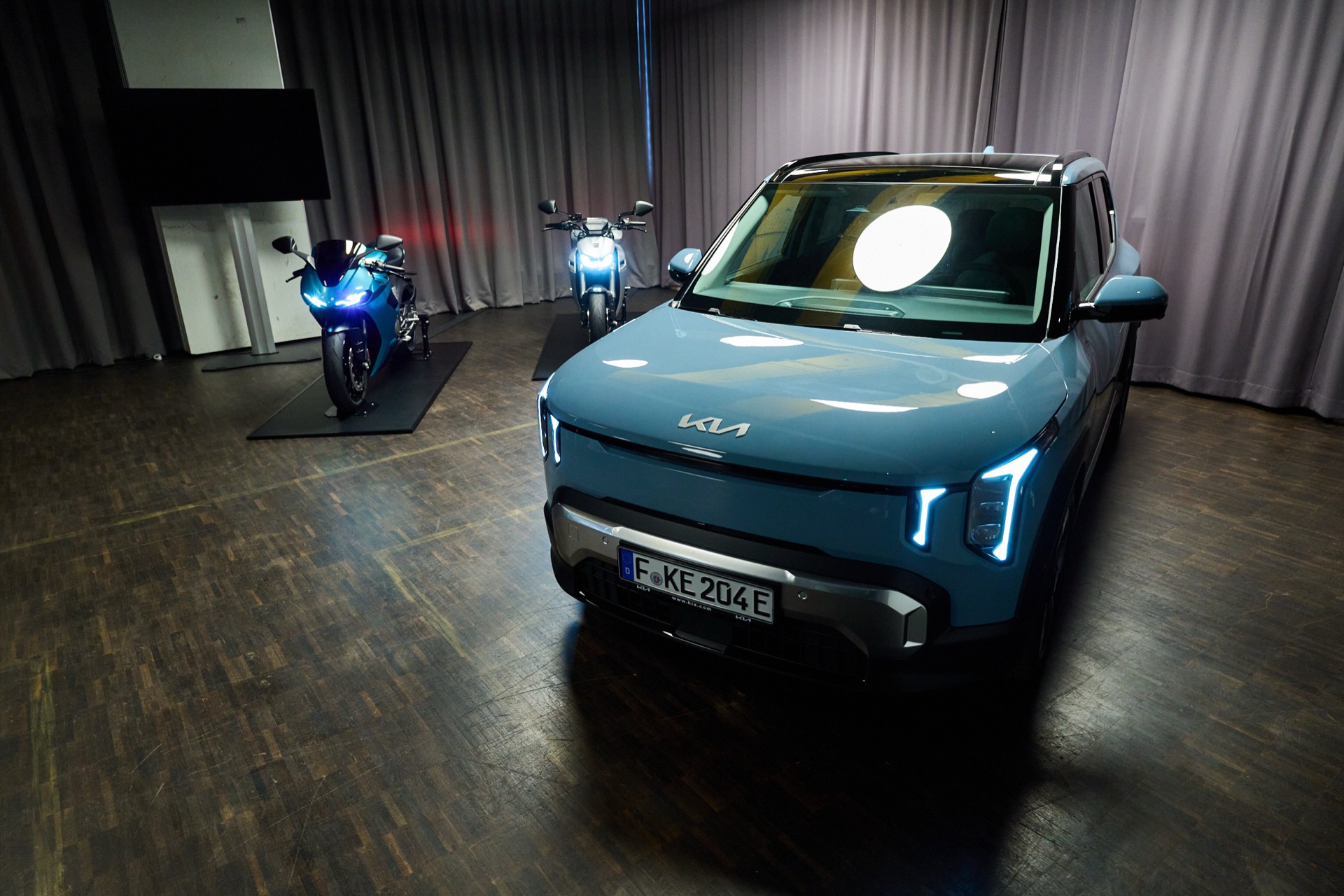
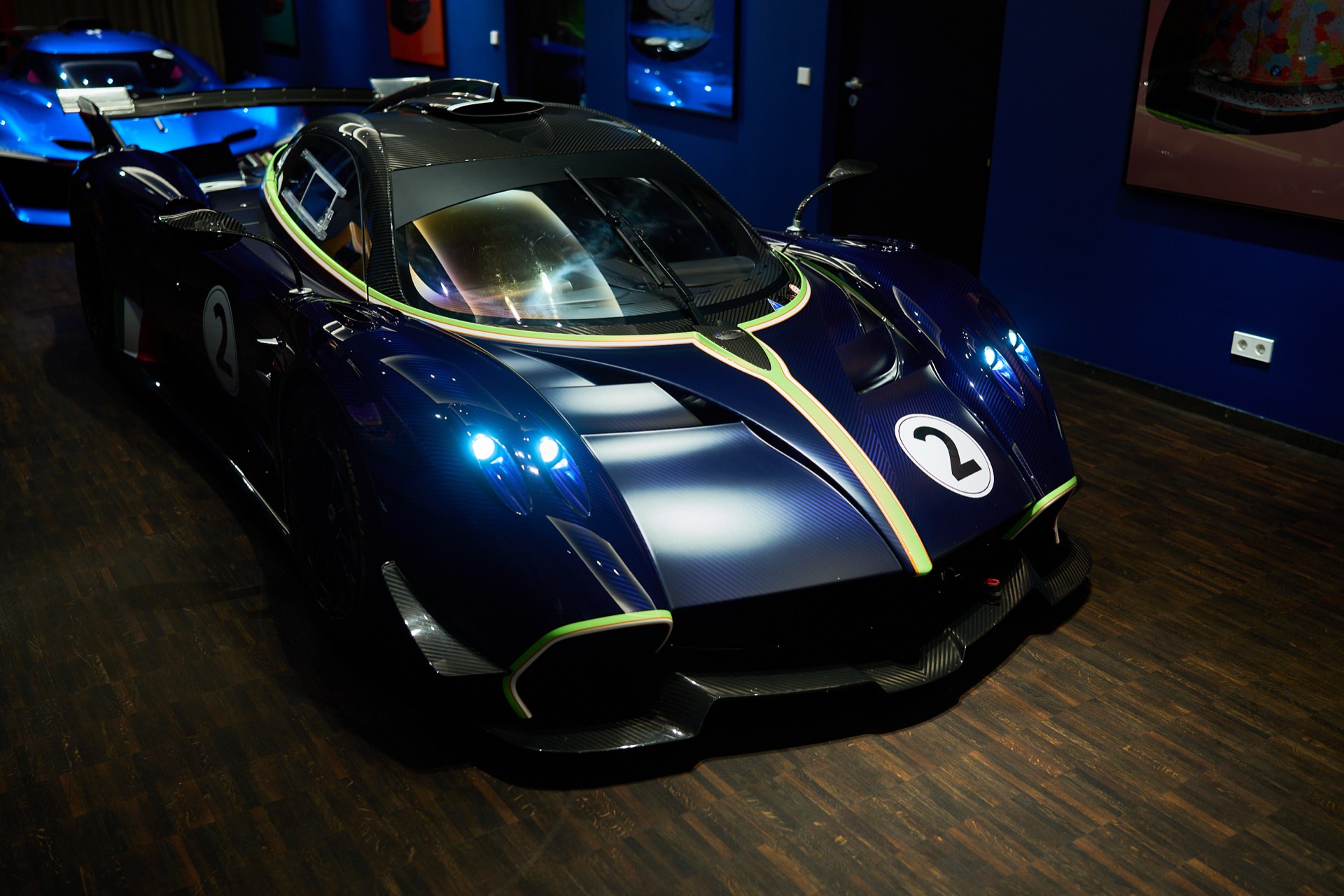
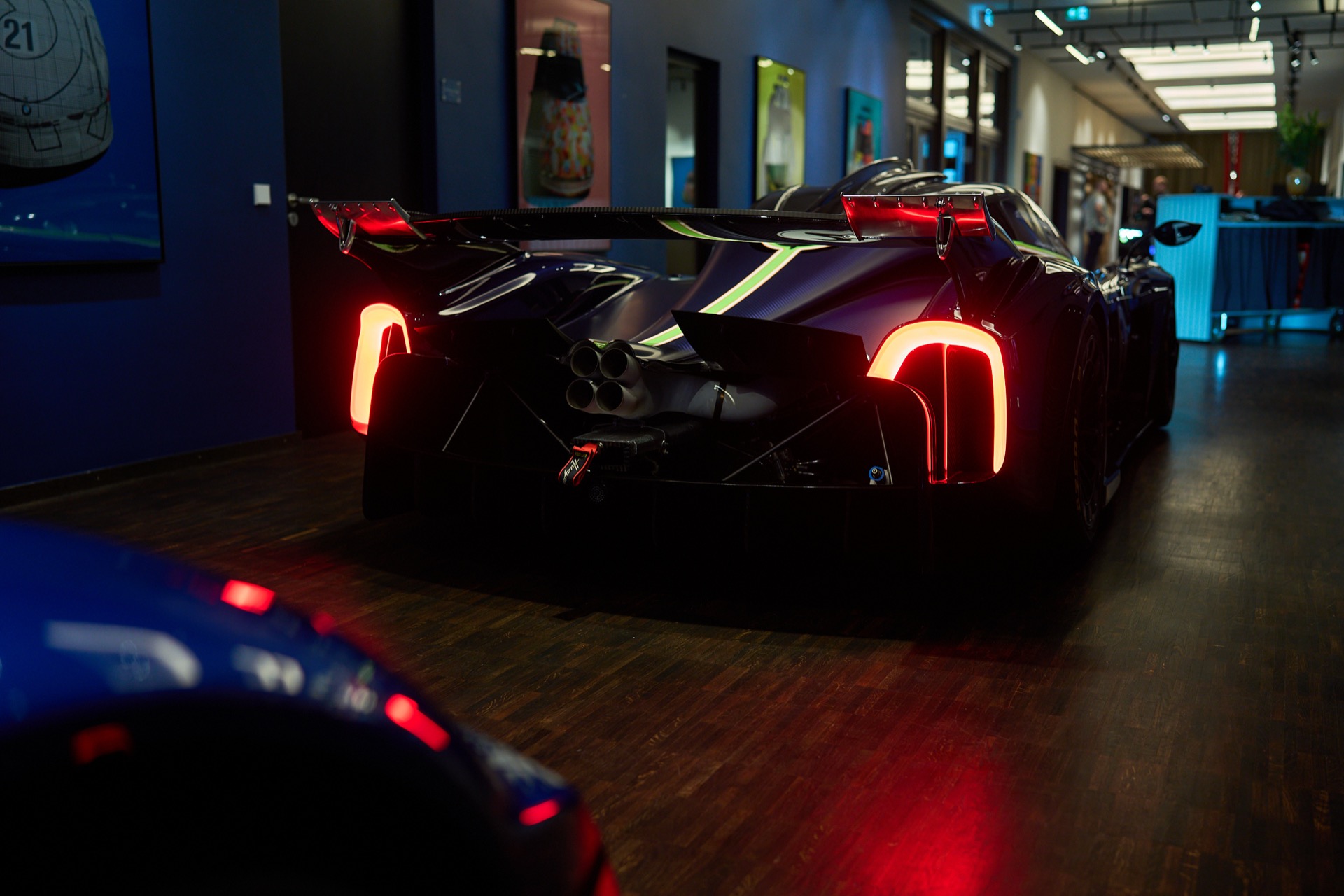
The exhibitor and presenter list was broad and eclectic, featuring names including Alpine, Ducati, EDAG, Feadship, Genesis, Hyundai, Kia, Lamborghini, Mercedes-Benz, Pagani, Škoda and Volkswagen. Several other carmakers were also present via their senior design figures, reinforcing what has become one of CDE’s defining qualities: this is less about static display and more about the people behind the work.

That has always been the real appeal of Car Design Event. When I first attended in 2023, the novelty was in seeing car design treated not as a supporting topic, but as the entire reason for being there. By 2024, the event had already begun to feel more assured, drawing a broader mix of international media, designers and students, while widening the conversation around creativity, AI and the future of mobility. In 2026, that same spirit remains intact, but the event now feels more mature, more confident, and more relevant than ever.

CDE 2026 BestOfCDE2026 30

Another important aspect of this year’s edition was its continued collaboration with design schools including Hochschule München, Hochschule Pforzheim and Hof University of Applied Sciences. That direct connection between students and industry leaders gives the event a welcome sense of purpose beyond product display. It is one thing to gather established names in a room; it is another to make sure the next generation is standing there with them, listening, asking questions, and building those early connections.

As the wider industry continues to wrestle with electrification, digitalisation and shifting consumer expectations, the value of design-led forums like this only grows. Cars may still be defined by performance figures, software and regulation, but events such as CDE serve as a useful reminder that emotion, proportion, materials and storytelling still matter enormously. In Munich, those subjects once again had a stage of their own.

For anyone with even a passing interest in how tomorrow’s cars, bikes and mobility objects are conceived, Car Design Event remains one of the most worthwhile invitations on the calendar.

CDE 2026 BestOfCDE2026 29

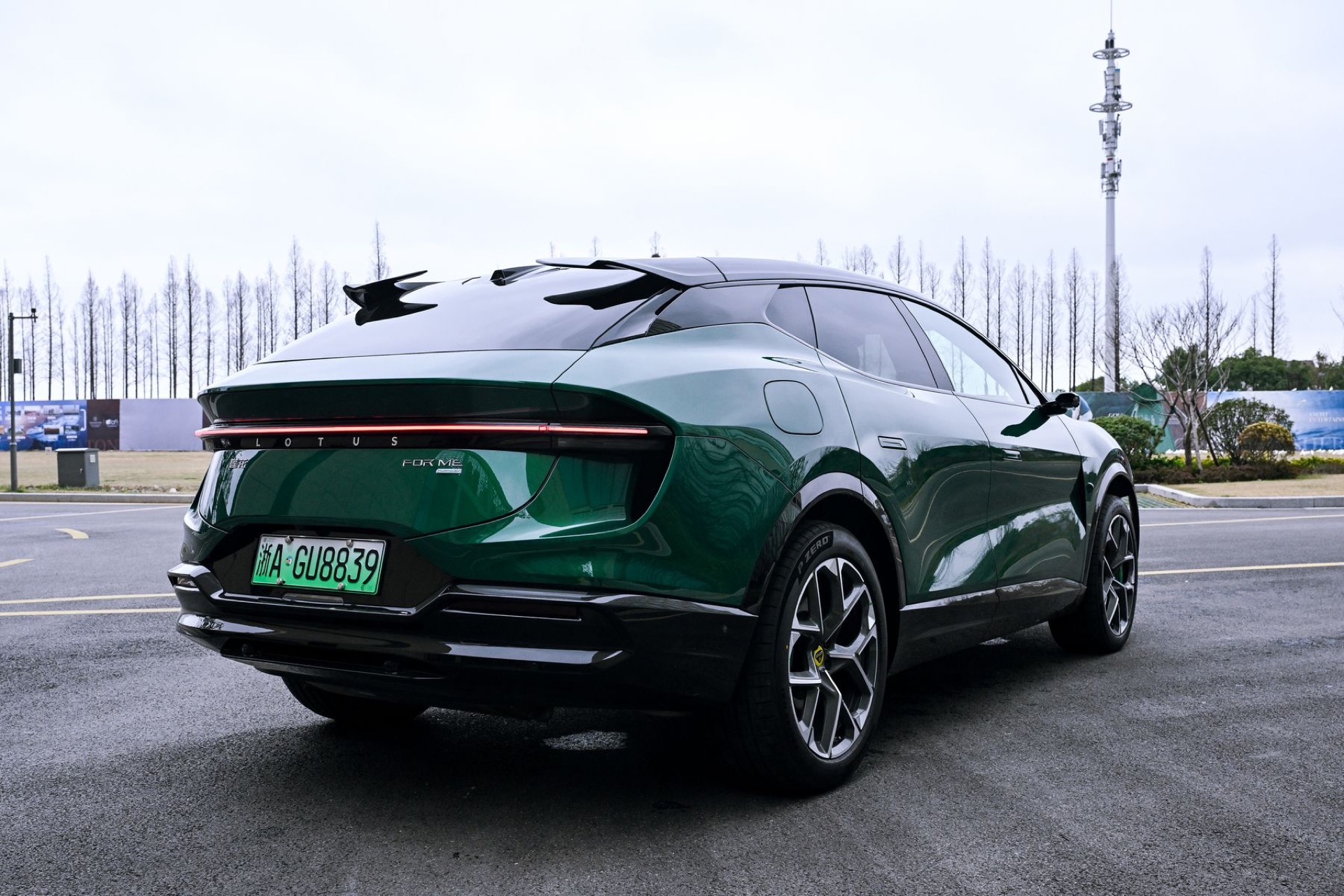
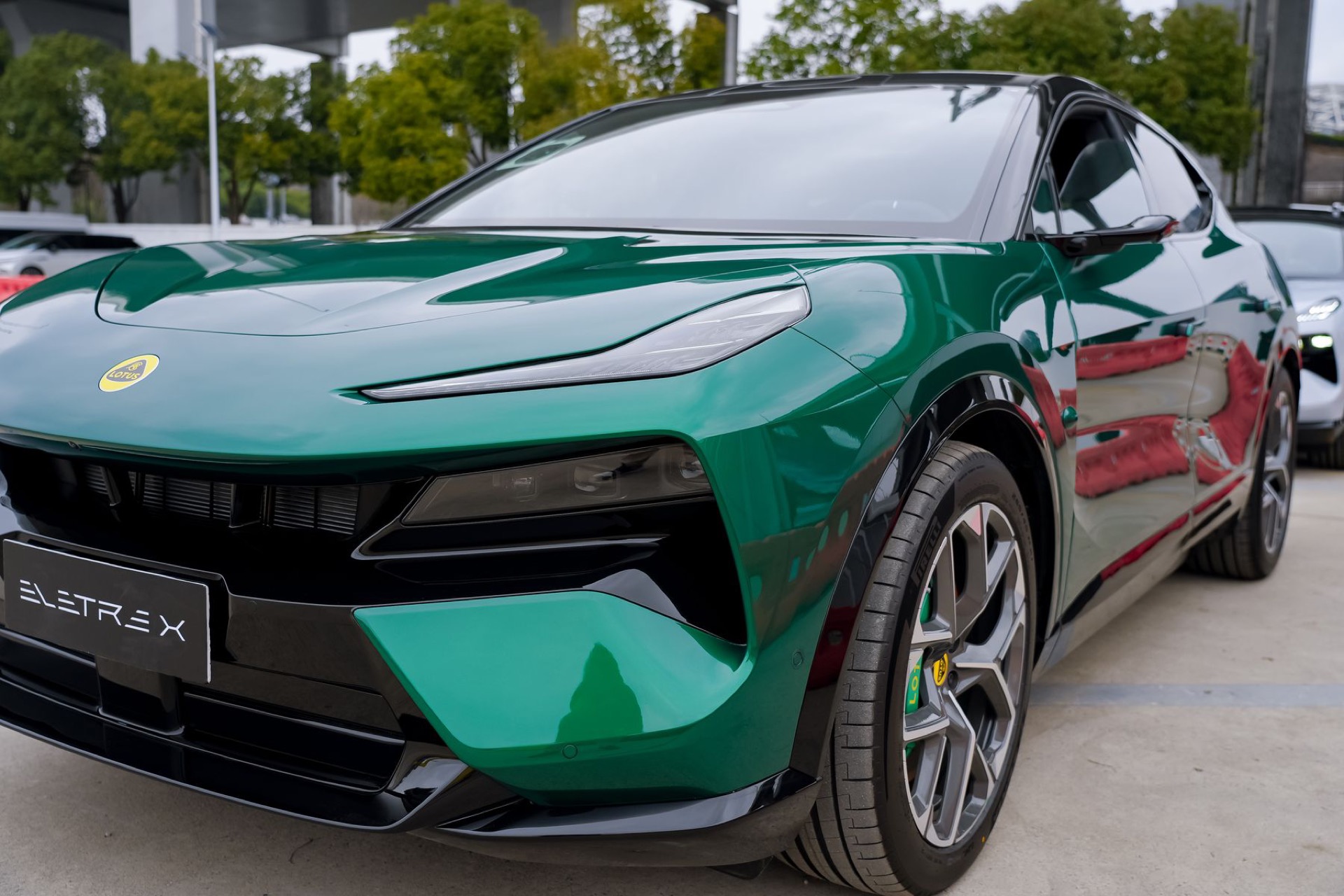
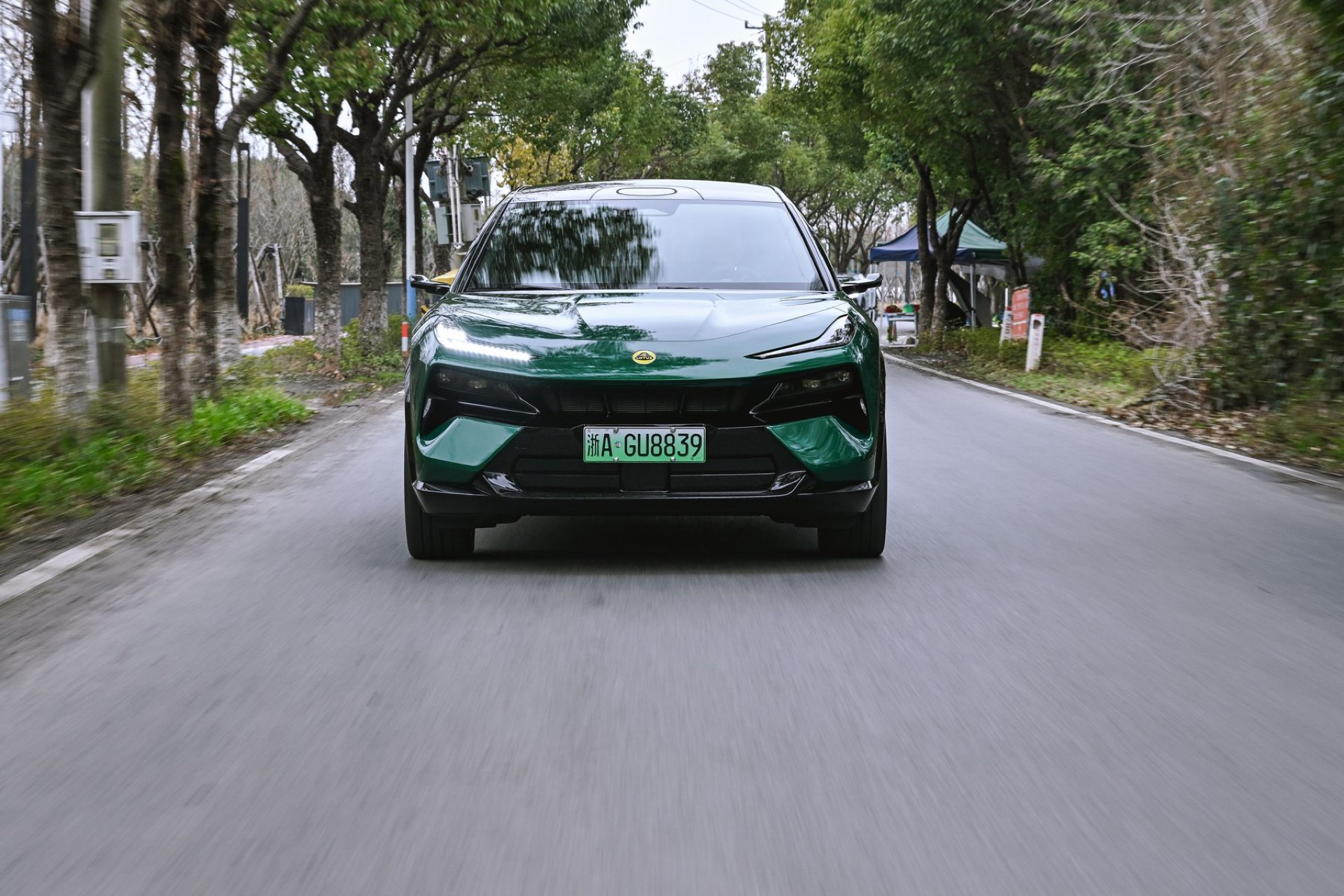
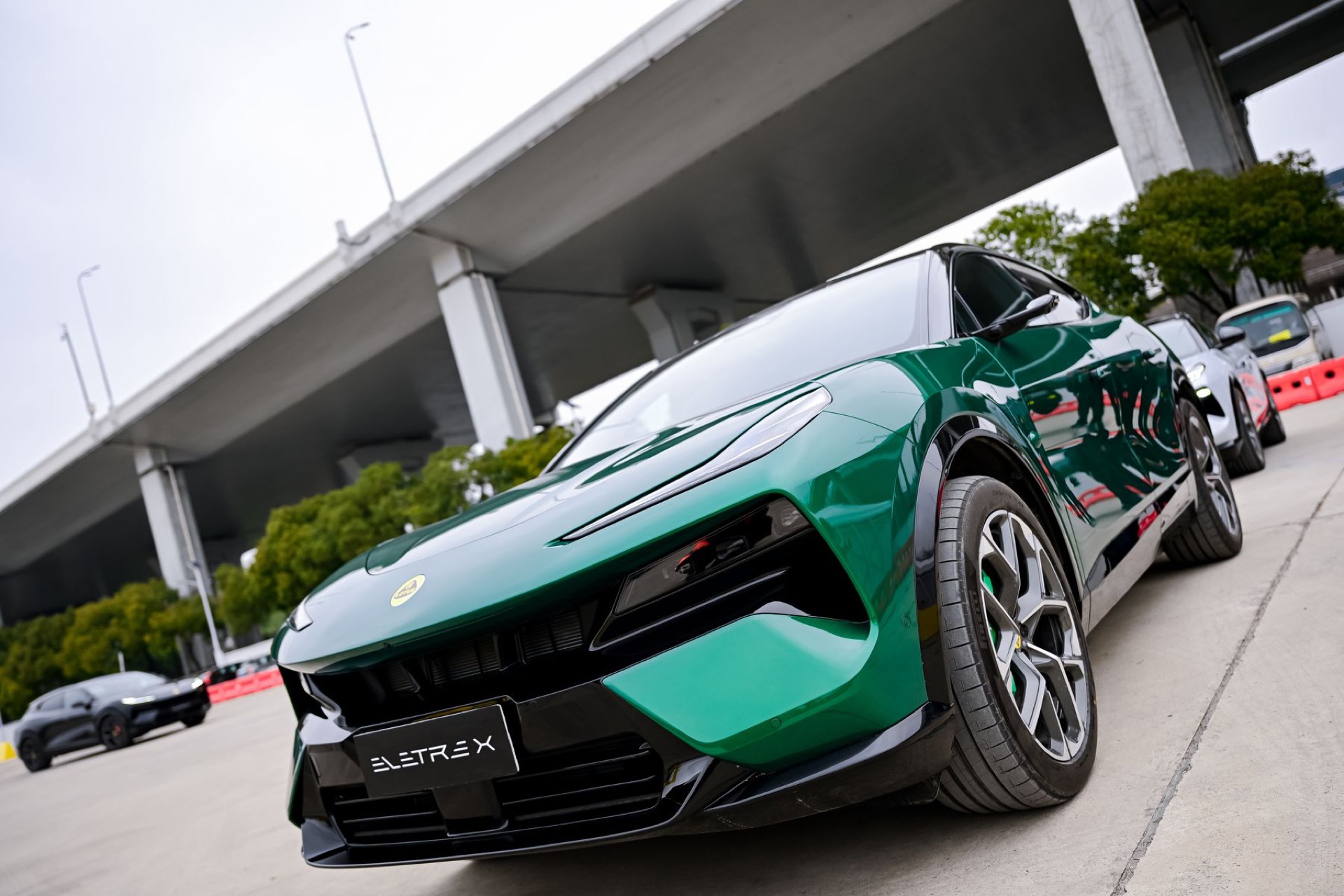
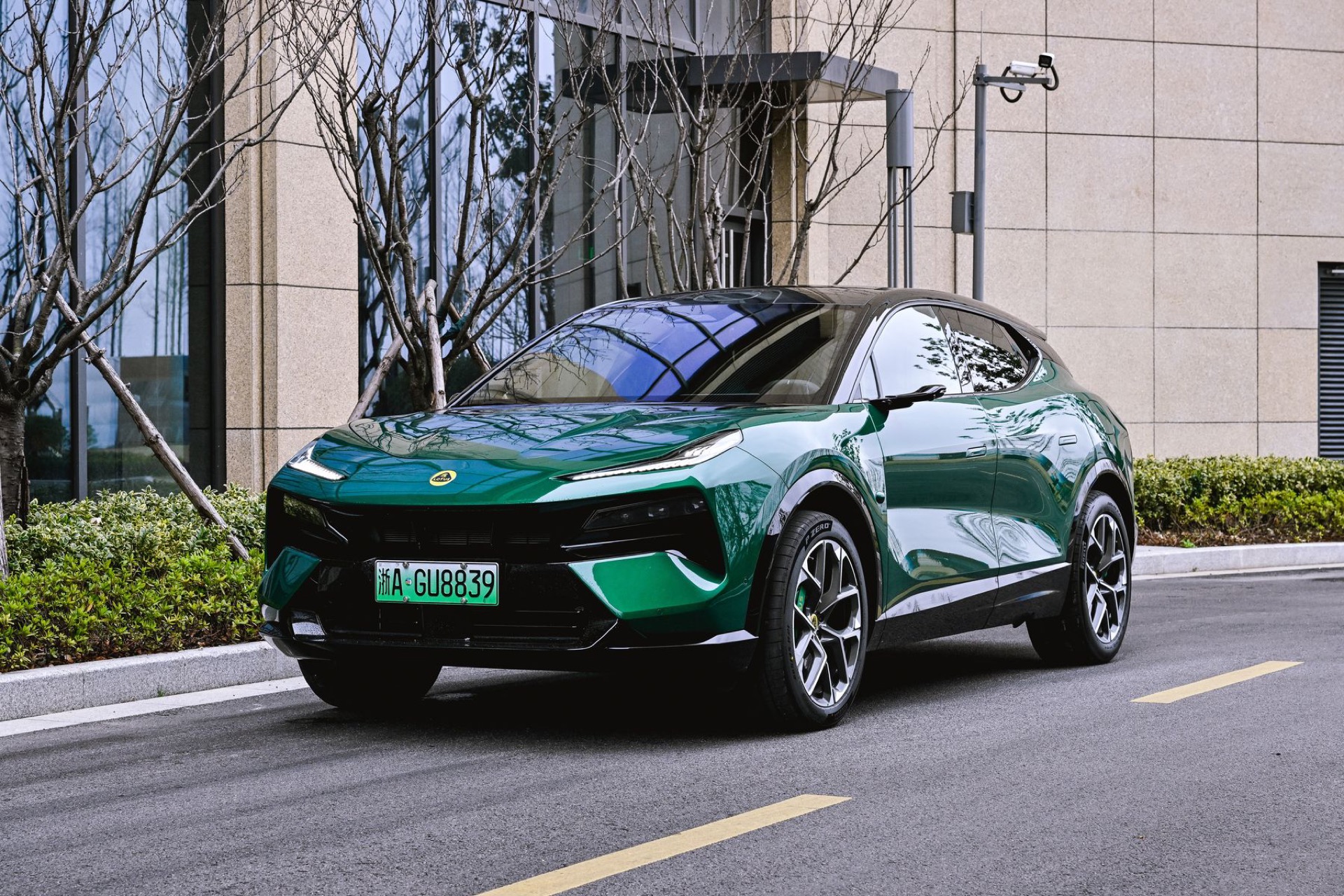
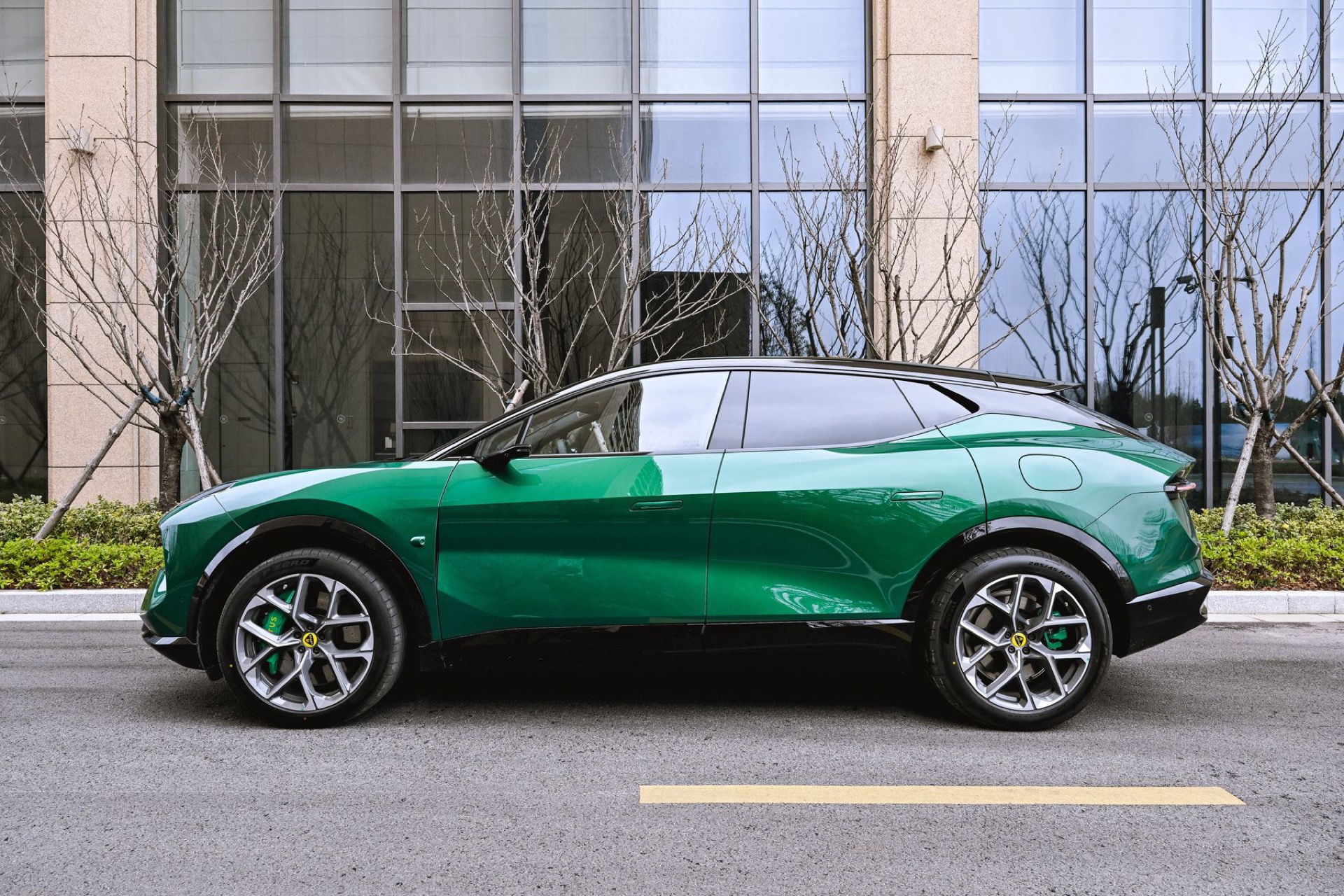
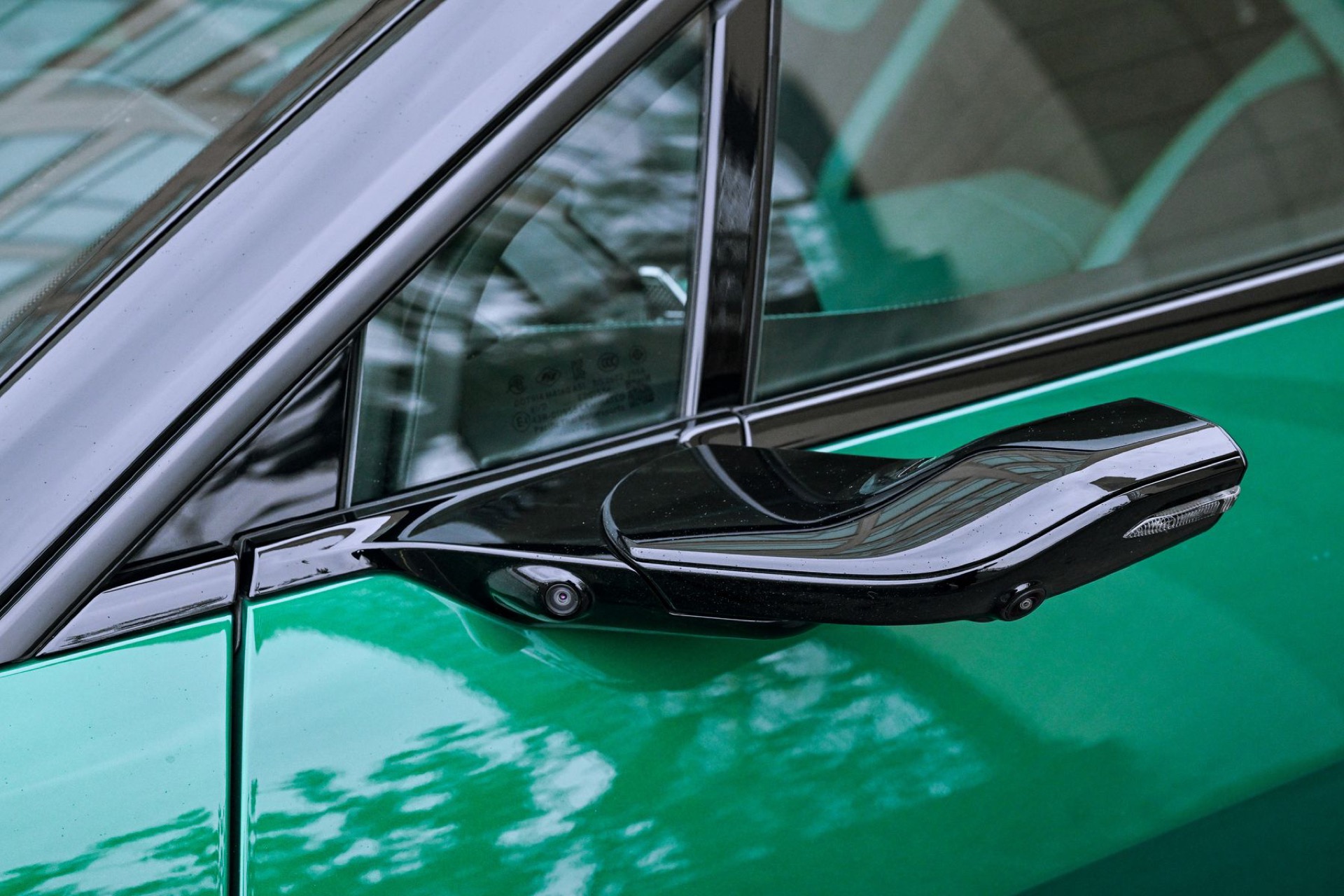
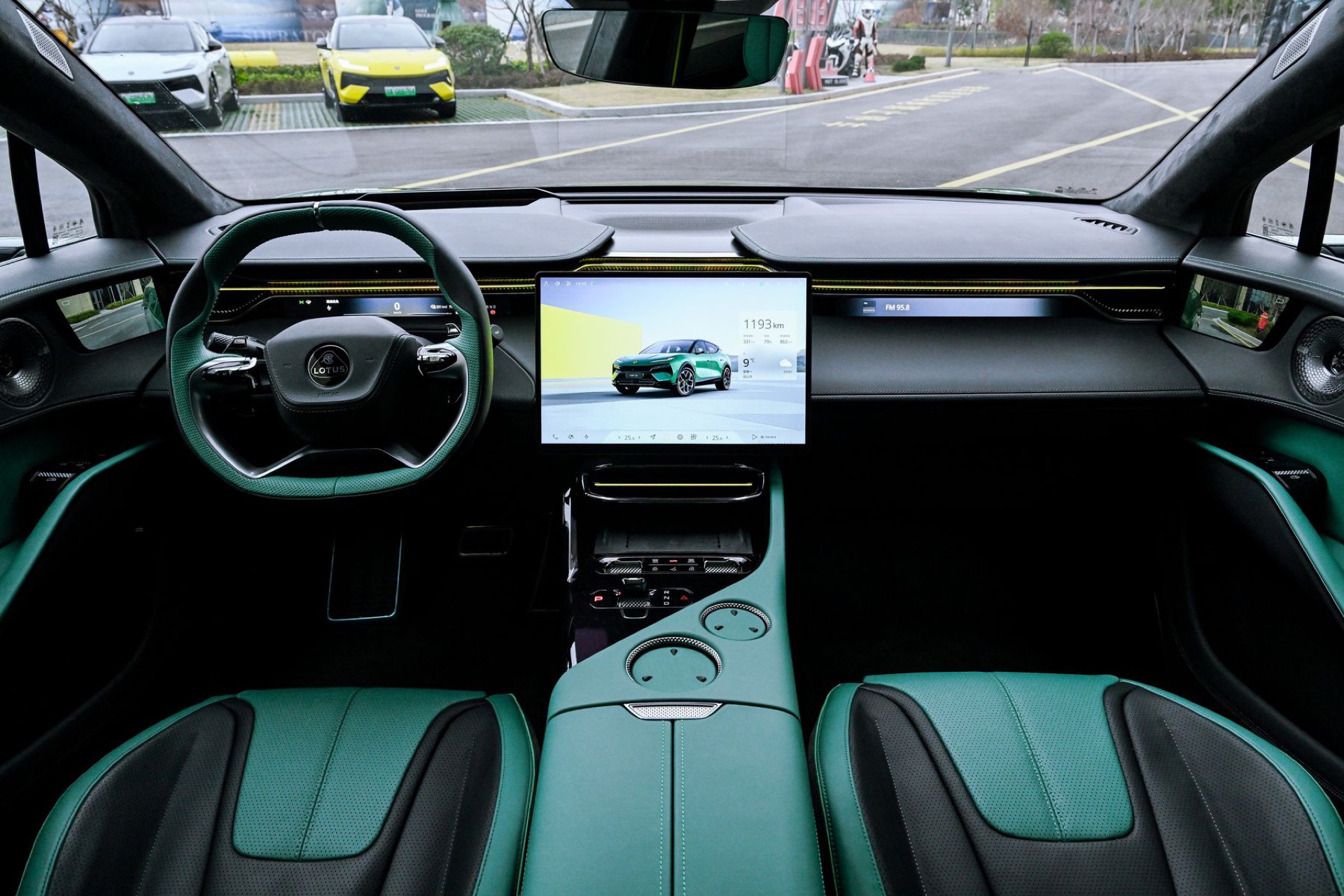
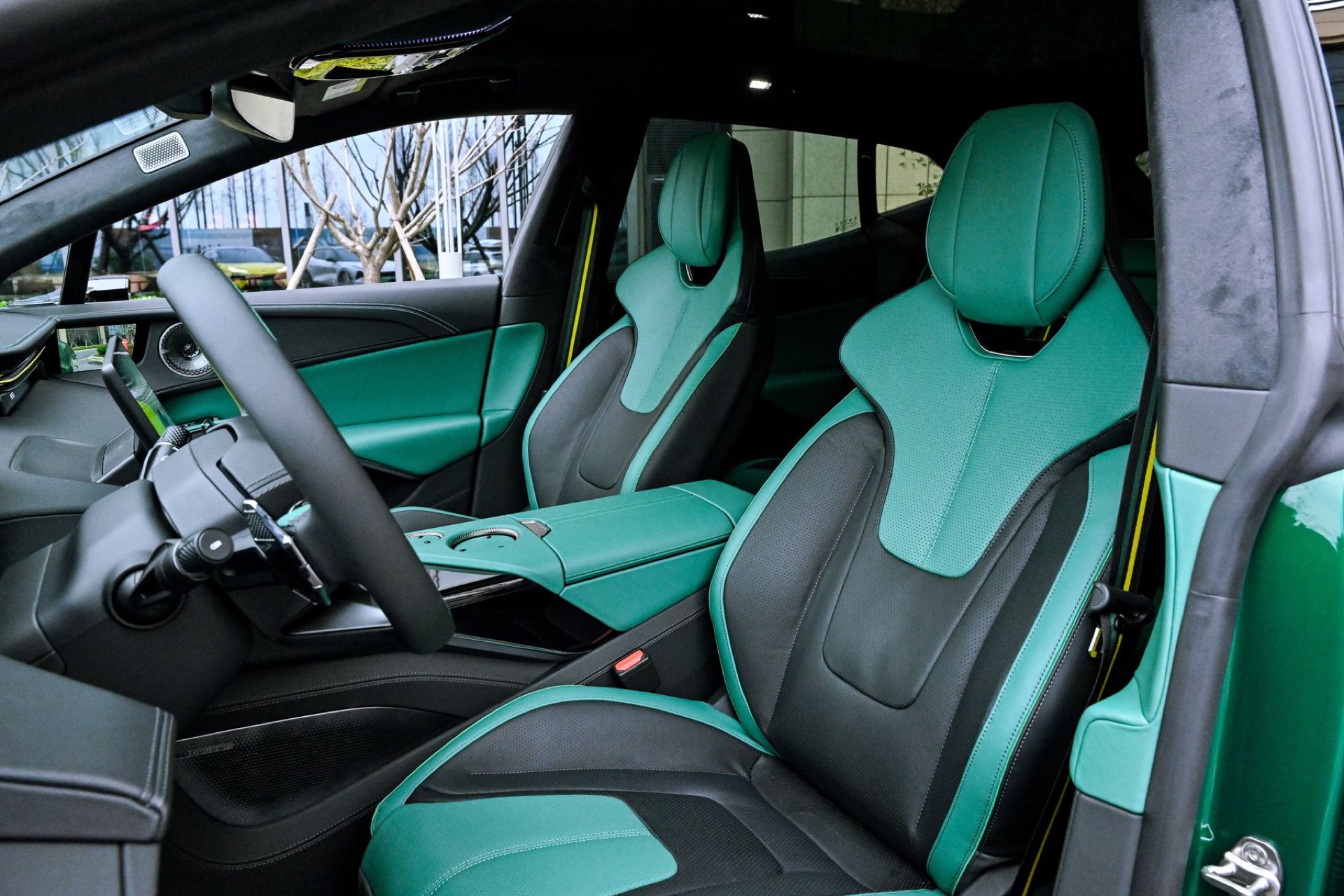
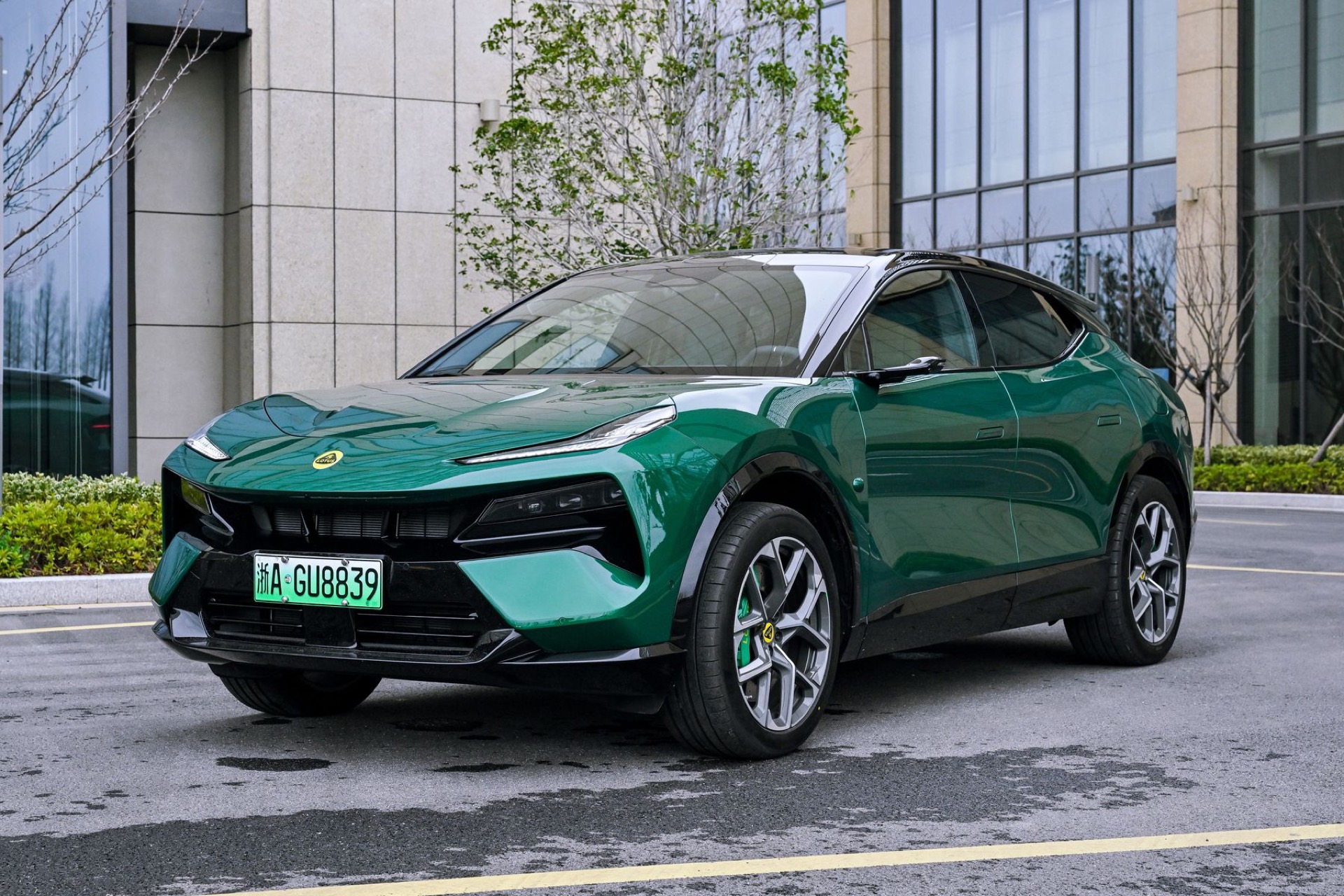
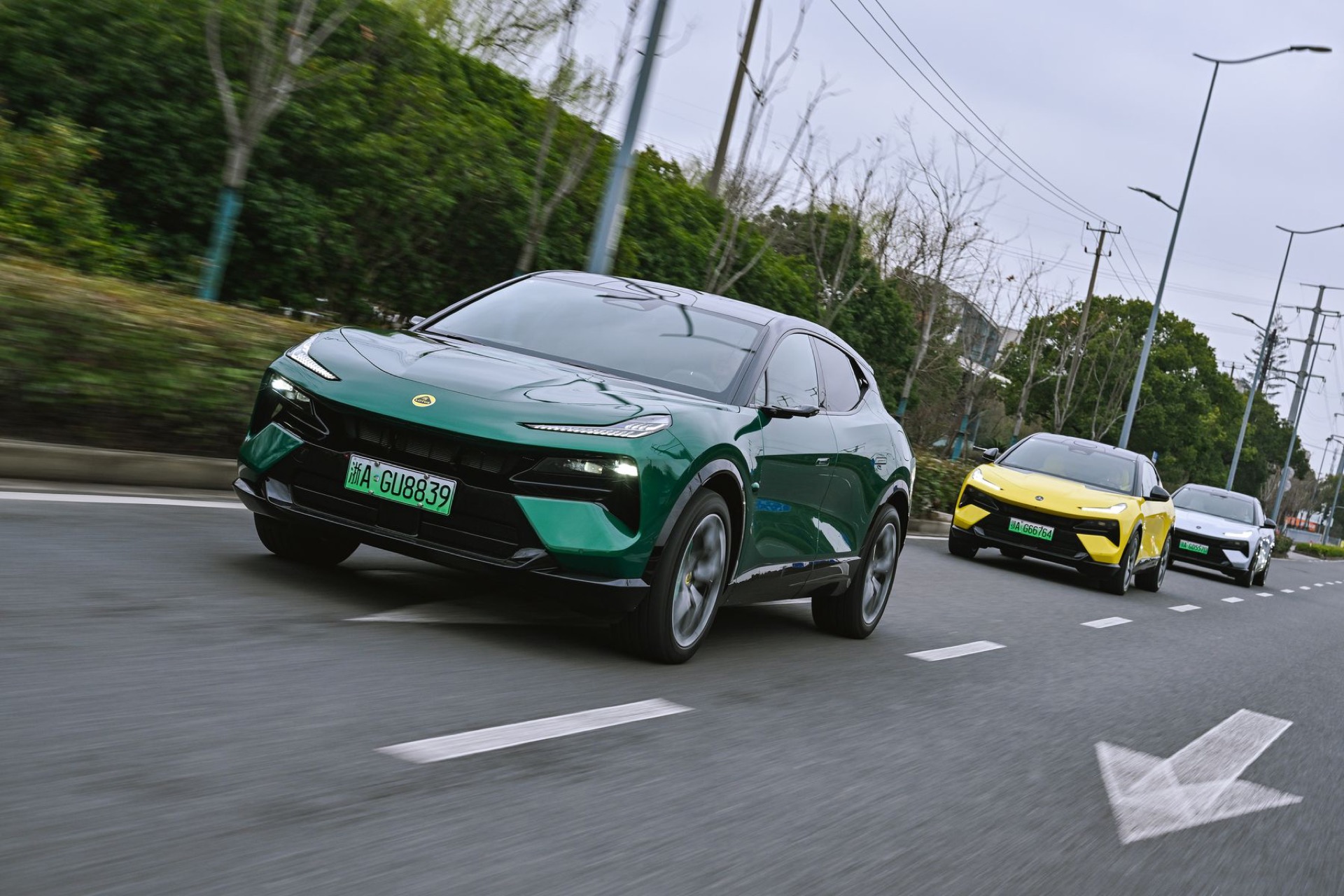
SUV on Steroids: Lotus Eletre X Hybrid

0

With the Eletre X, Lotus presents an unusual blend of plug-in hybrid, electric vehicle and range-extender concept. We drove the new rival to the Porsche Cayenne PHEV.

Lotus was once the brand that removed weight rather than disguising it. Company founder Colin Chapman famously preached lightweight engineering like a religion: “Simplify, then add lightness.” The electric SUV Eletre already stretched that philosophy considerably. Now the Eletre X plug-in hybrid transforms the former Lotus mantra into a technological statement. Instead of radical weight reduction, the focus shifts to aerodynamic solutions and sophisticated engineering. All packaged in a vehicle weighing a substantial 2,625 kilograms. Chapman might have raised an eyebrow at such numbers before taking a closer look.

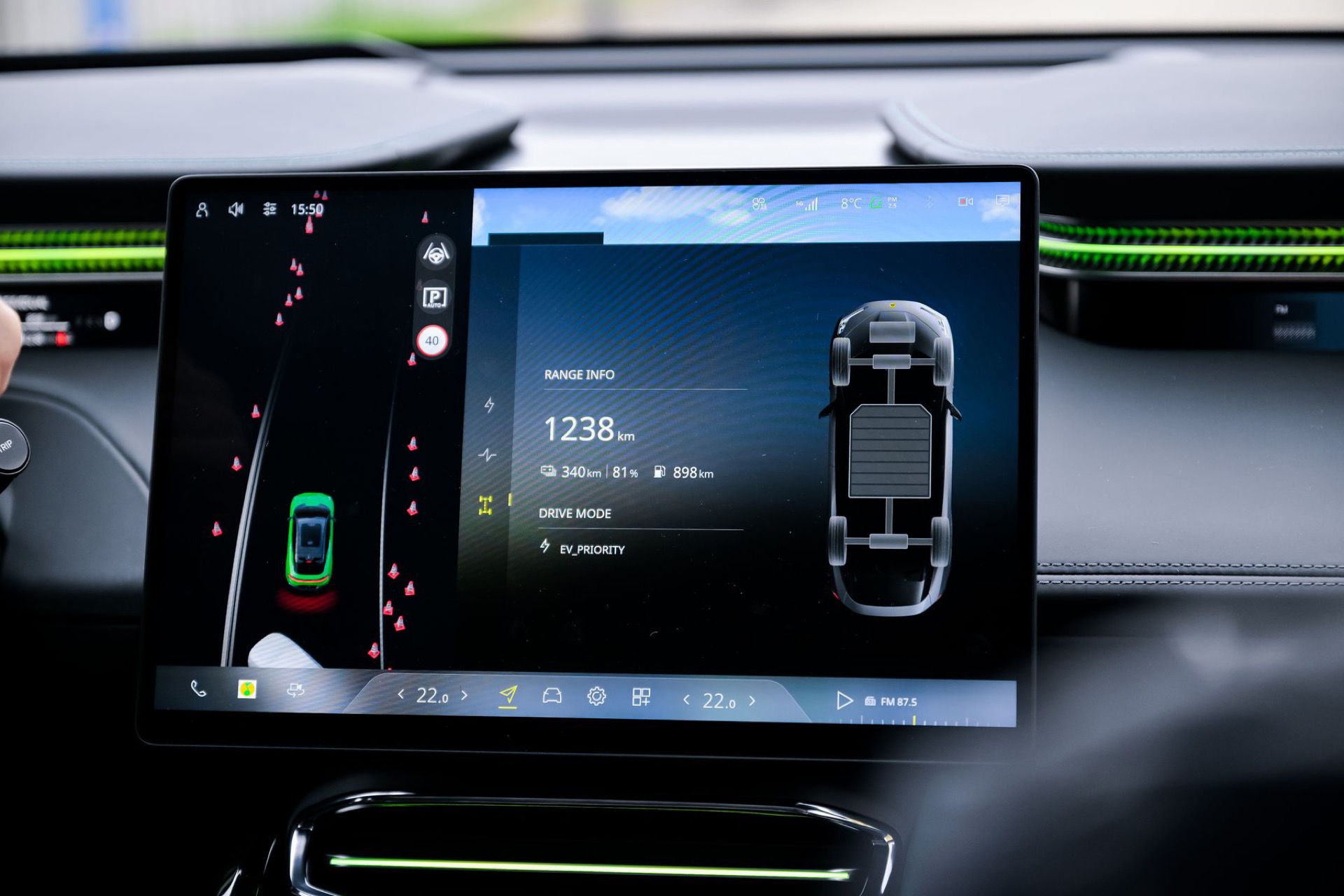
Once he did, the technology enthusiast might have been impressed. The Eletre X combines several drivetrain concepts into one system: an electric motor on the front axle producing 310 kW (421 PS), another on the rear axle delivering 390 kW (530 PS), a combustion engine at the front with 205 kW (279 PS) and a generator capable of charging the 70 kWh battery with up to 150 kW when needed. This ensures the Eletre X Hybrid retains strong performance even with a low battery charge. At just ten per cent state of charge, it still accelerates from zero to 100 km/h in 3.5 seconds.
The system is complex, but the results are impressive. Combined output reaches 700 kW (952 PS) with 935 Nm of torque. Total range is claimed at 1,258 kilometres, including up to 350 kilometres of electric driving according to the WLTC cycle. A 52-litre fuel tank ensures the electrified SUV can continue travelling when the battery runs low.

Range anxiety therefore becomes largely irrelevant. The 900-volt electrical architecture allows charging at up to 430 kW, enabling the battery to charge from 20 to 80 per cent in just nine minutes. That finally makes the often-promised quick charging stop a reality. Performance figures are equally striking. The plug-in hybrid reaches 100 km/h in 3.3 seconds and a top speed of 230 km/h.

“The Eletre X is designed for long-distance driving. It’s sporty, but not quite as focused as the fully electric version,” explains engineer Chong Yok Meng with a smile. “The Eletre X is an SUV on steroids.” Energy consumption is rated at 21.6 kWh per 100 kilometres alongside 6.1 litres of fuel.

Lotus Eletre X 16

The drivetrain shows how all components contribute to propulsion. The two-litre turbocharged petrol engine, supplied by Aurobay and Horse Powertrain, operates in the Atkinson cycle with a thermal efficiency of 46 per cent. Between 85 km/h and 230 km/h it can drive the front wheels directly when required. Engine speeds remain modest: around 2,000 rpm at 100 km/h and roughly 4,600 rpm at top speed. The engine is linked to a single-speed gearbox and primarily supports efficiency. In most situations the Eletre X behaves like a pure electric vehicle, with the combustion engine charging the battery or assisting during steady cruising.

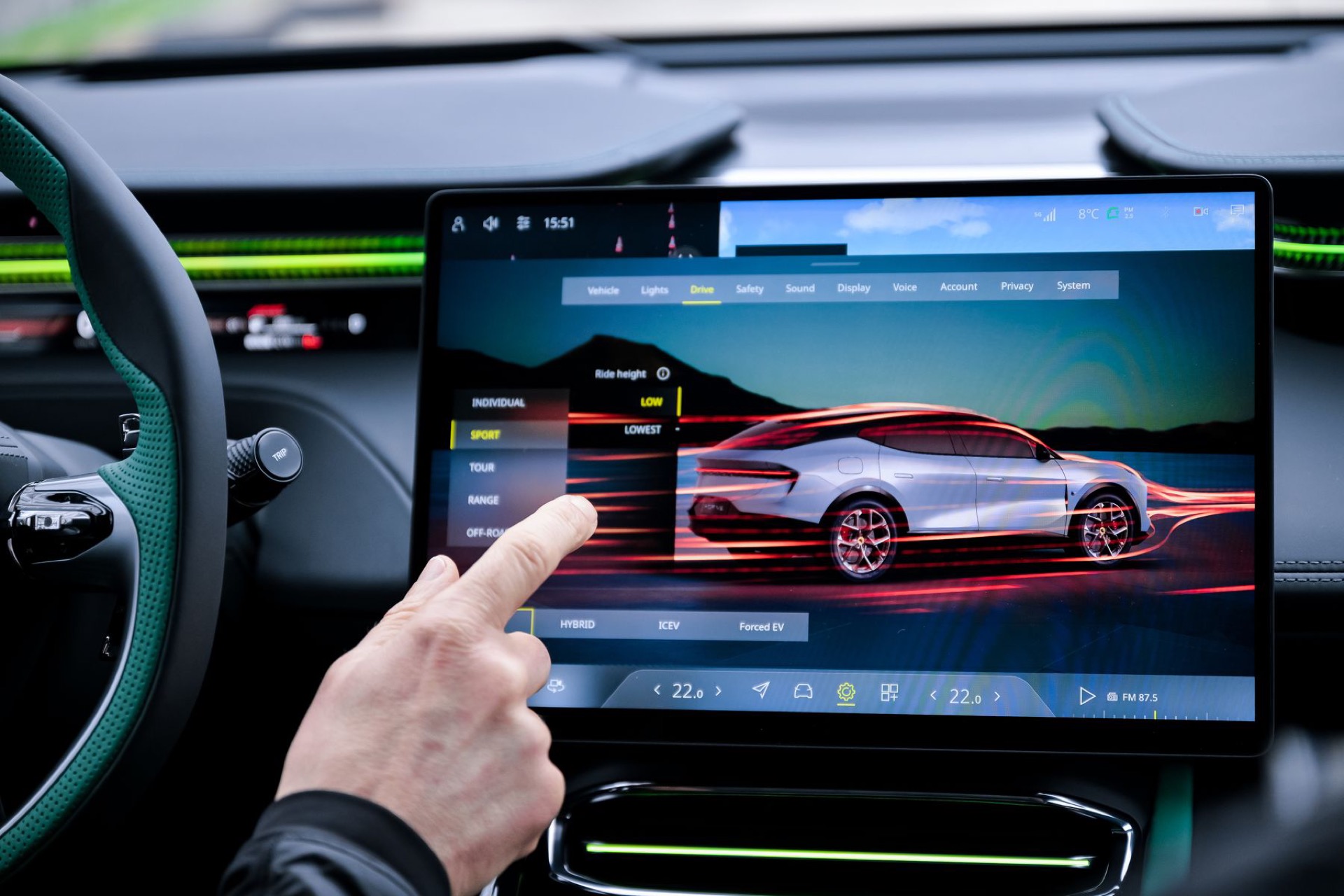
During acceleration, the all-wheel-drive system sends around 45 per cent of power to the front axle and 55 per cent to the rear. Under lighter throttle inputs the rear axle takes priority. Drivers can choose between three operating modes: pure electric, EV Pro, which prioritises electric driving, and Hybrid, where the system automatically selects the most efficient strategy. For most drivers, the latter will likely be the preferred “set it and forget it” option.

Lotus Eletre X 4

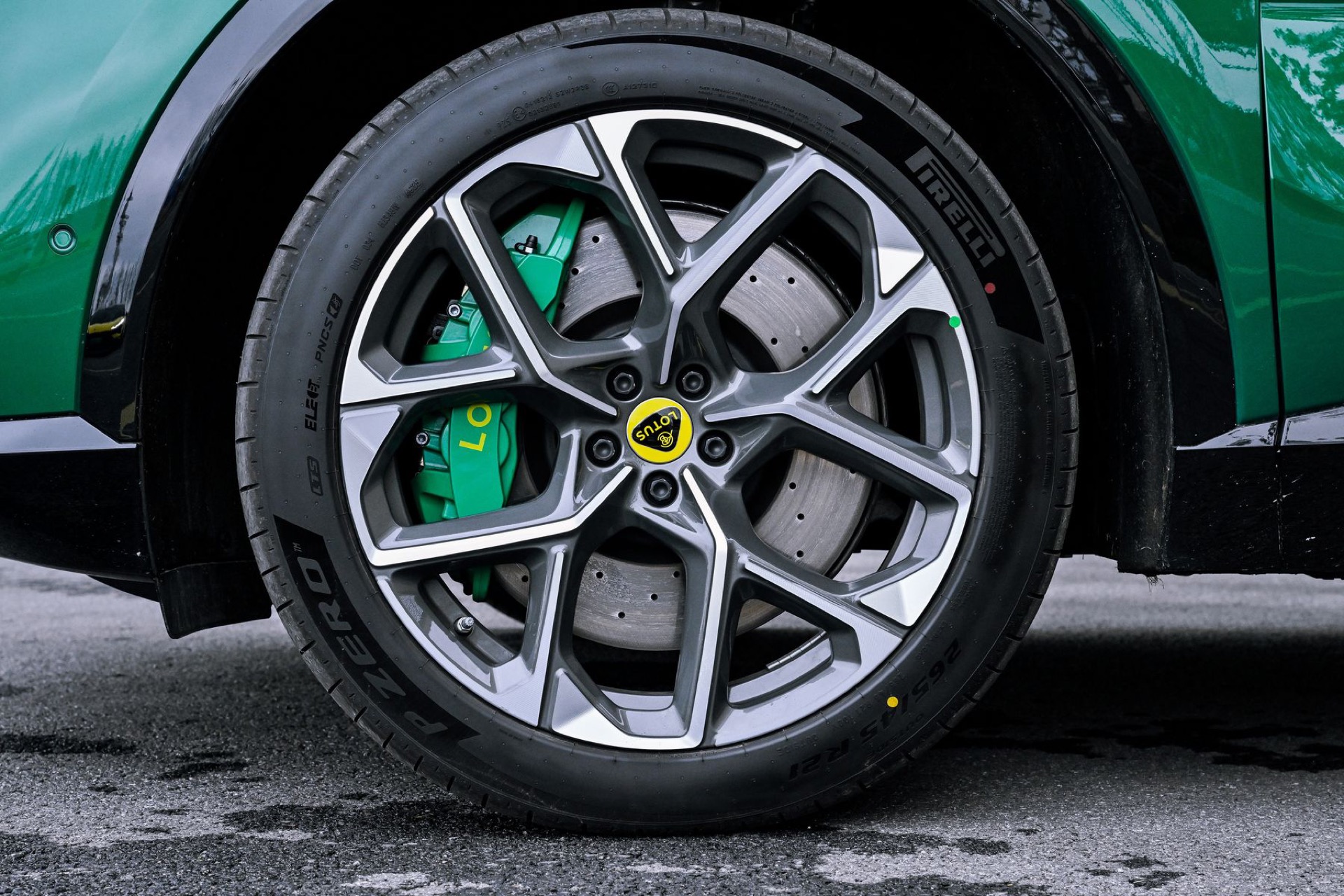
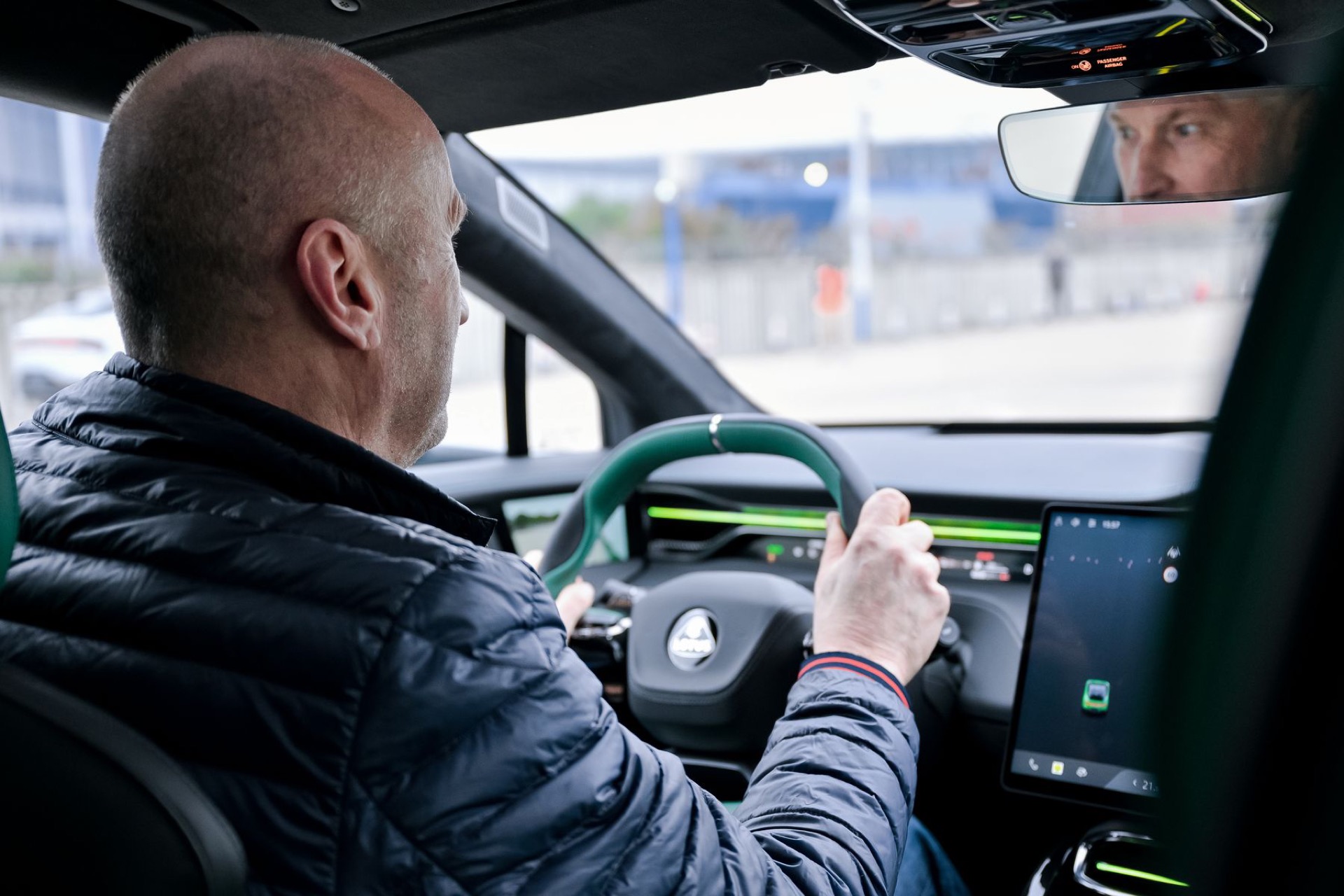
During our initial drives the Eletre X performed convincingly. Although the SUV tends towards understeer at the limit, it still moves through corners at impressive speed. Allowing the rear axle more freedom enables controlled drifts at the press of a button. The steering is precise, though additional feedback would be welcome. An electronically actuated anti-roll system operating on a 48-volt network keeps body roll to a minimum in fast corners. Adaptive dampers and two-chamber air suspension balance comfort and sportiness effectively, even absorbing rough surfaces on the test route. Five ride-height settings are available, ranging from plus 50 millimetres to minus 25 millimetres. Braking performance comes from a Brembo system.

However, the interaction between the combustion engine and electric motors could not be fully evaluated during the test drive, as our driving was conducted exclusively in electric mode.

Aerodynamic details ensure stability at higher speeds. The roof spoiler generates up to 120 kilograms of downforce, while air curtains at the C-pillar and channels behind the rear wheels reduce turbulence and smooth airflow. At this point, even Colin Chapman, pioneer of aerodynamic thinking, might have appreciated the engineering behind the SUV.

In China the Lotus Eletre X is priced slightly below the fully electric version. If Lotus follows the same strategy in Europe, pricing in Germany is expected to start at around €95,000.

Lotus Eletre X 14

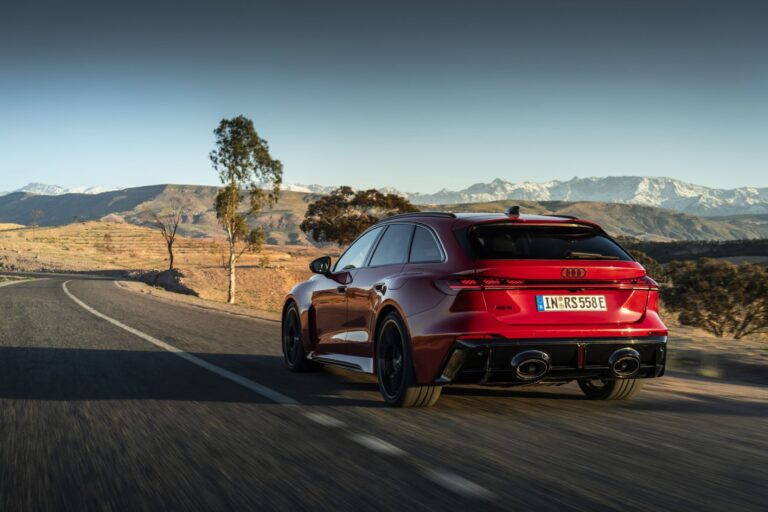
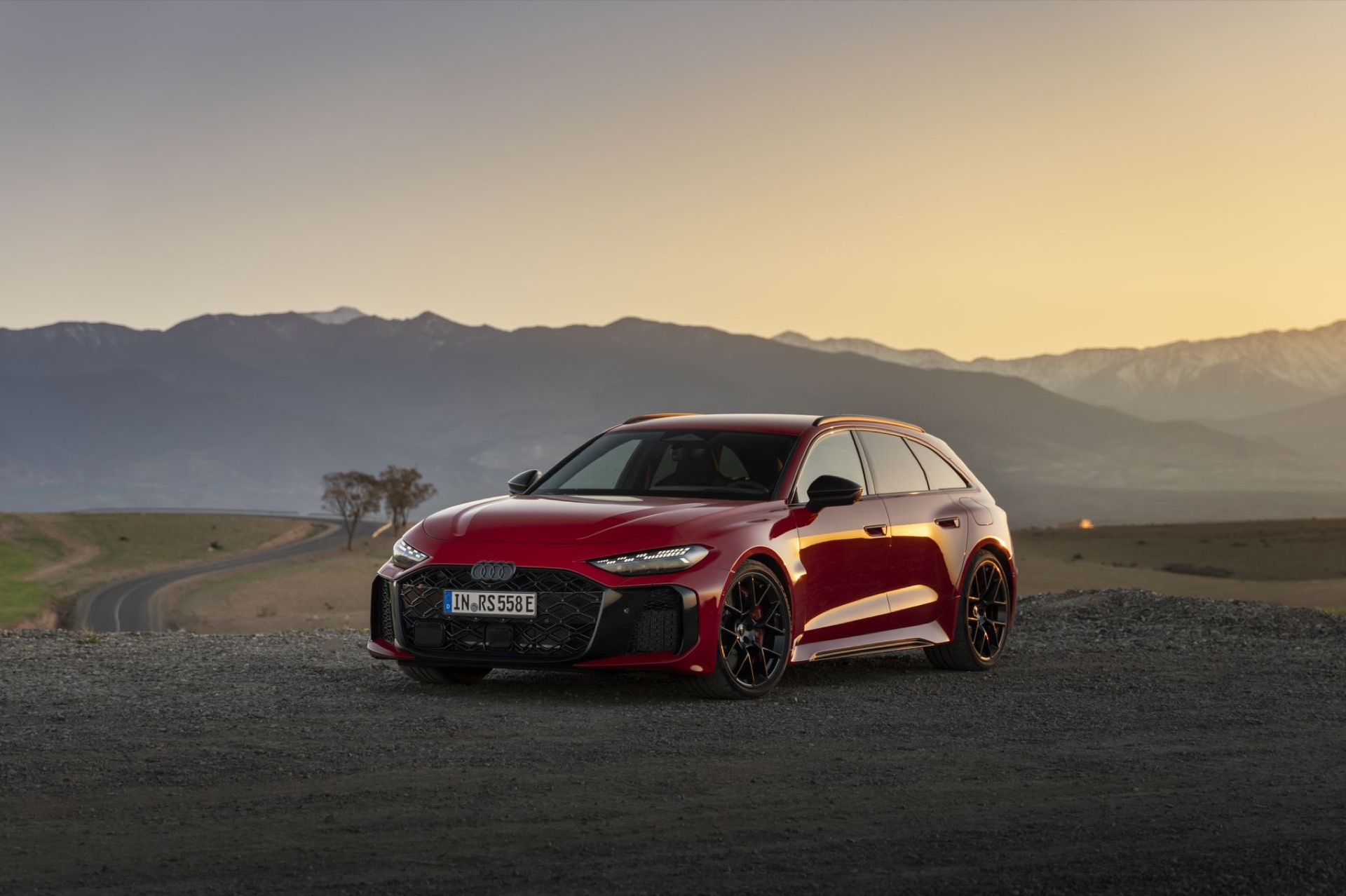
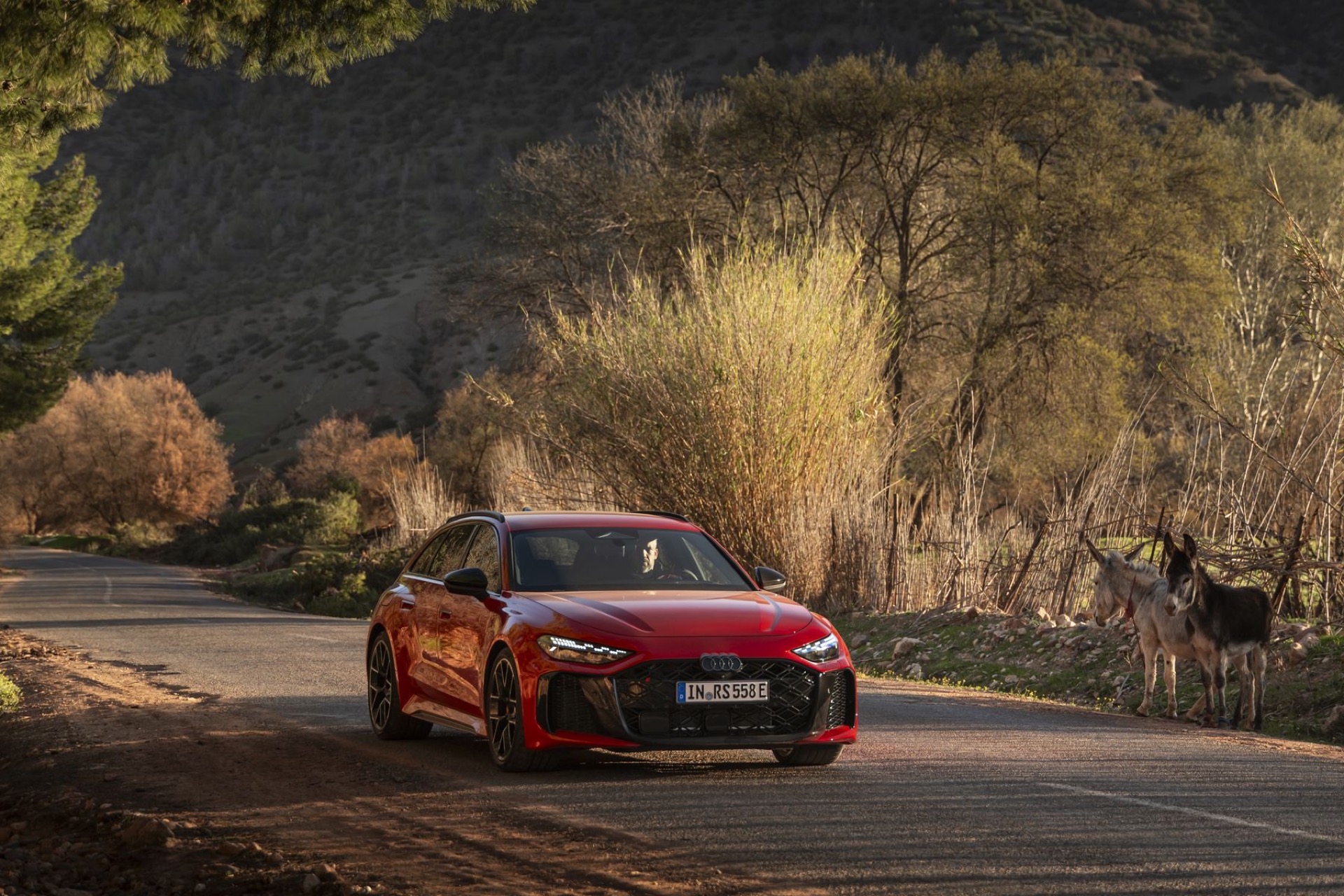
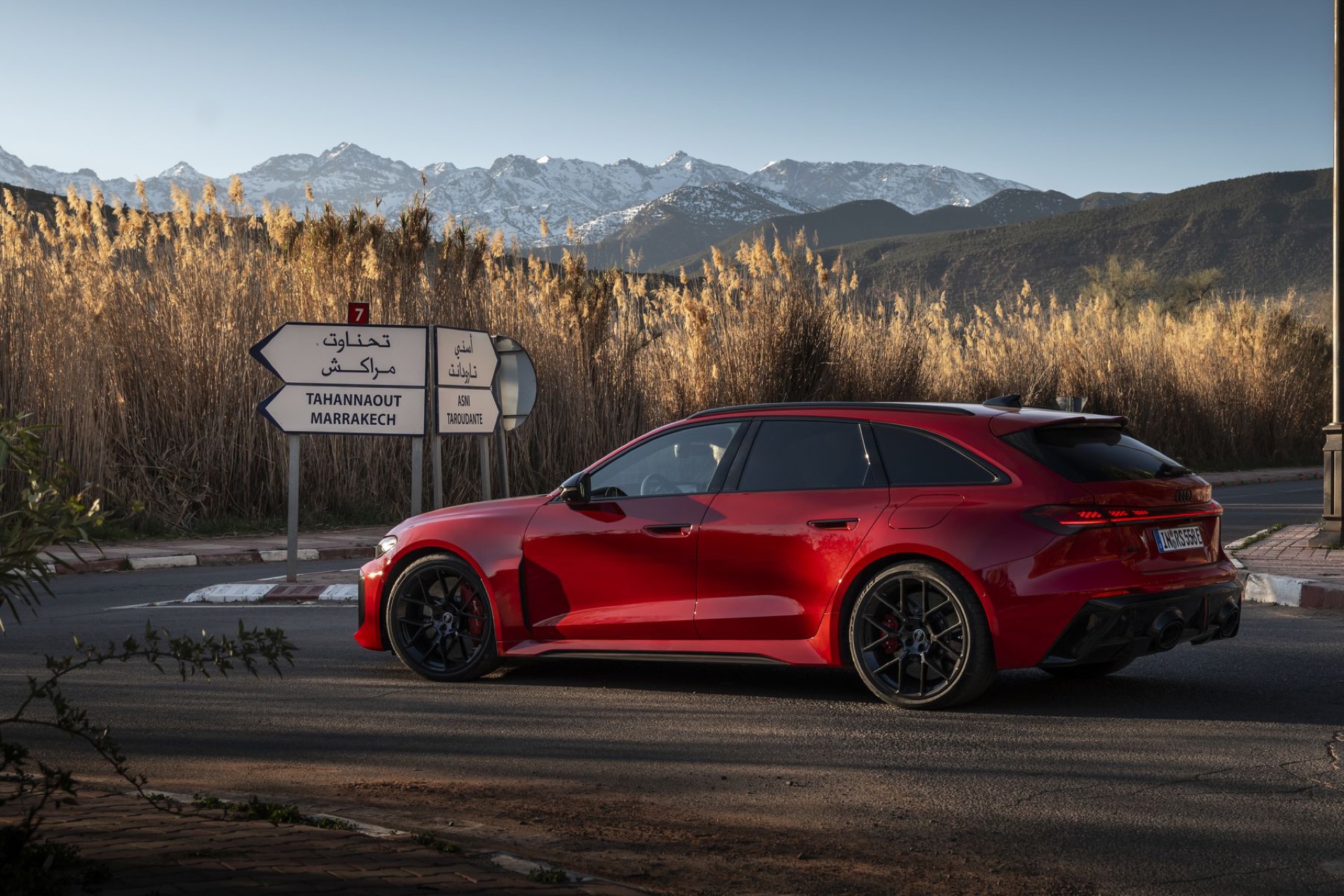
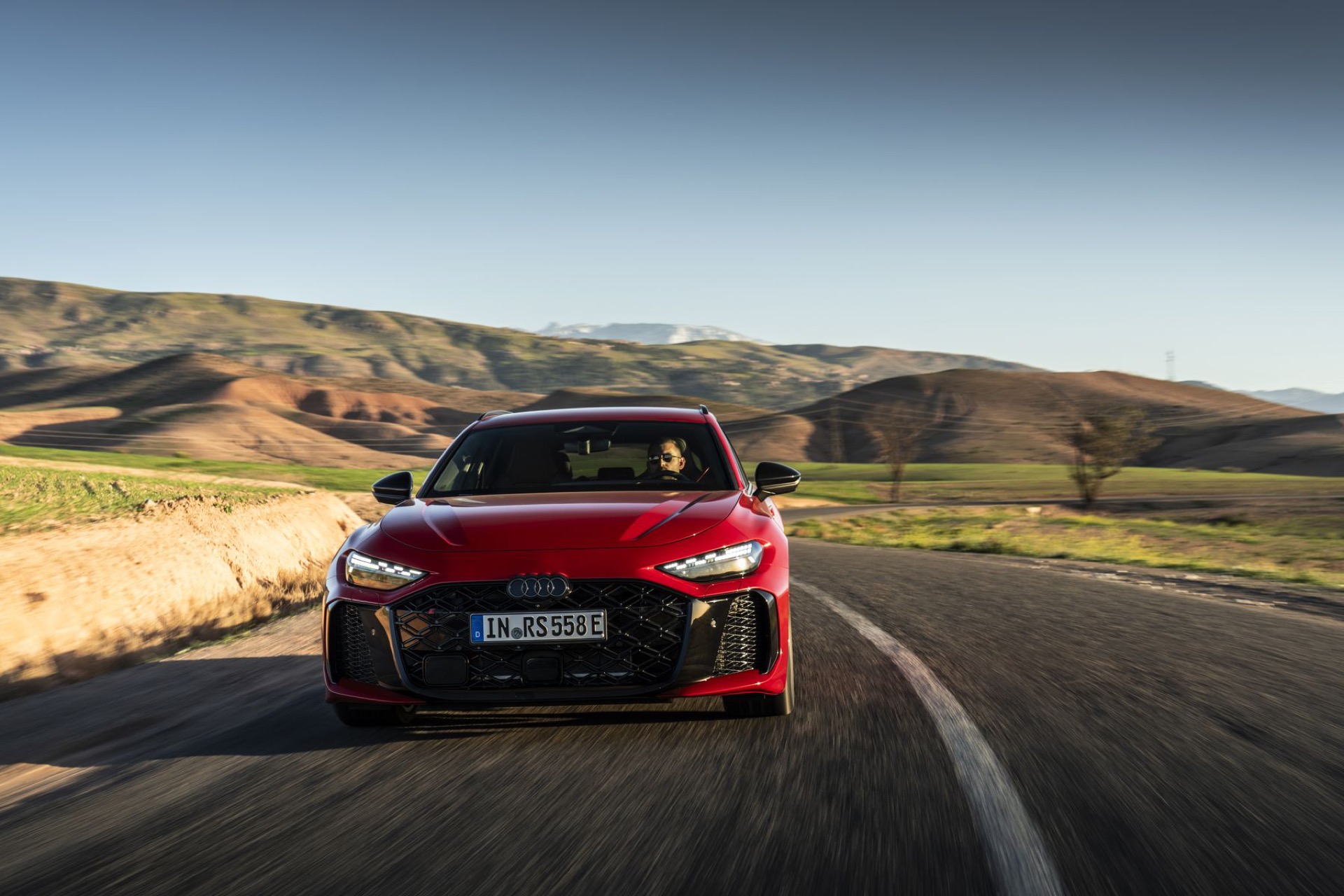
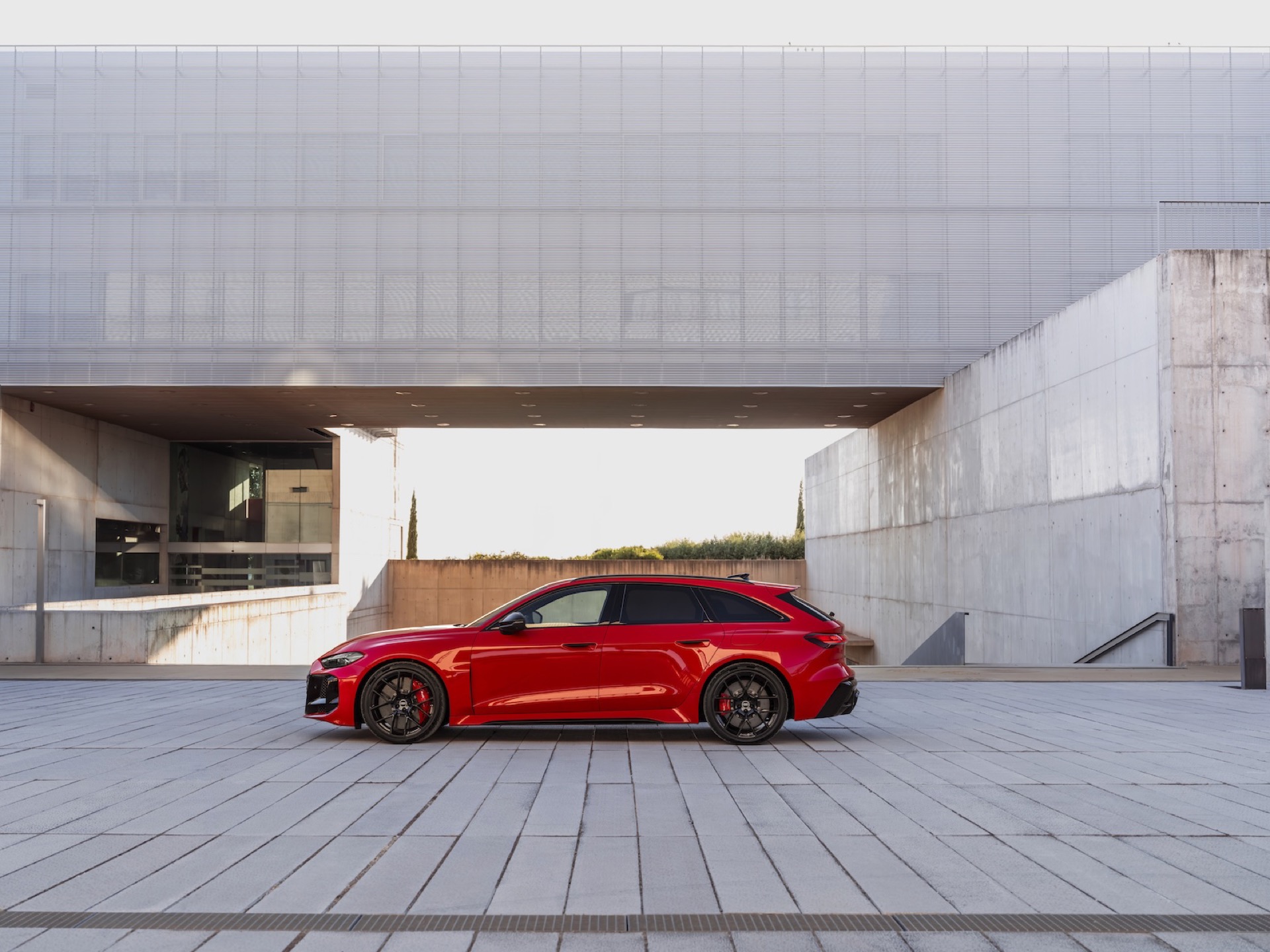
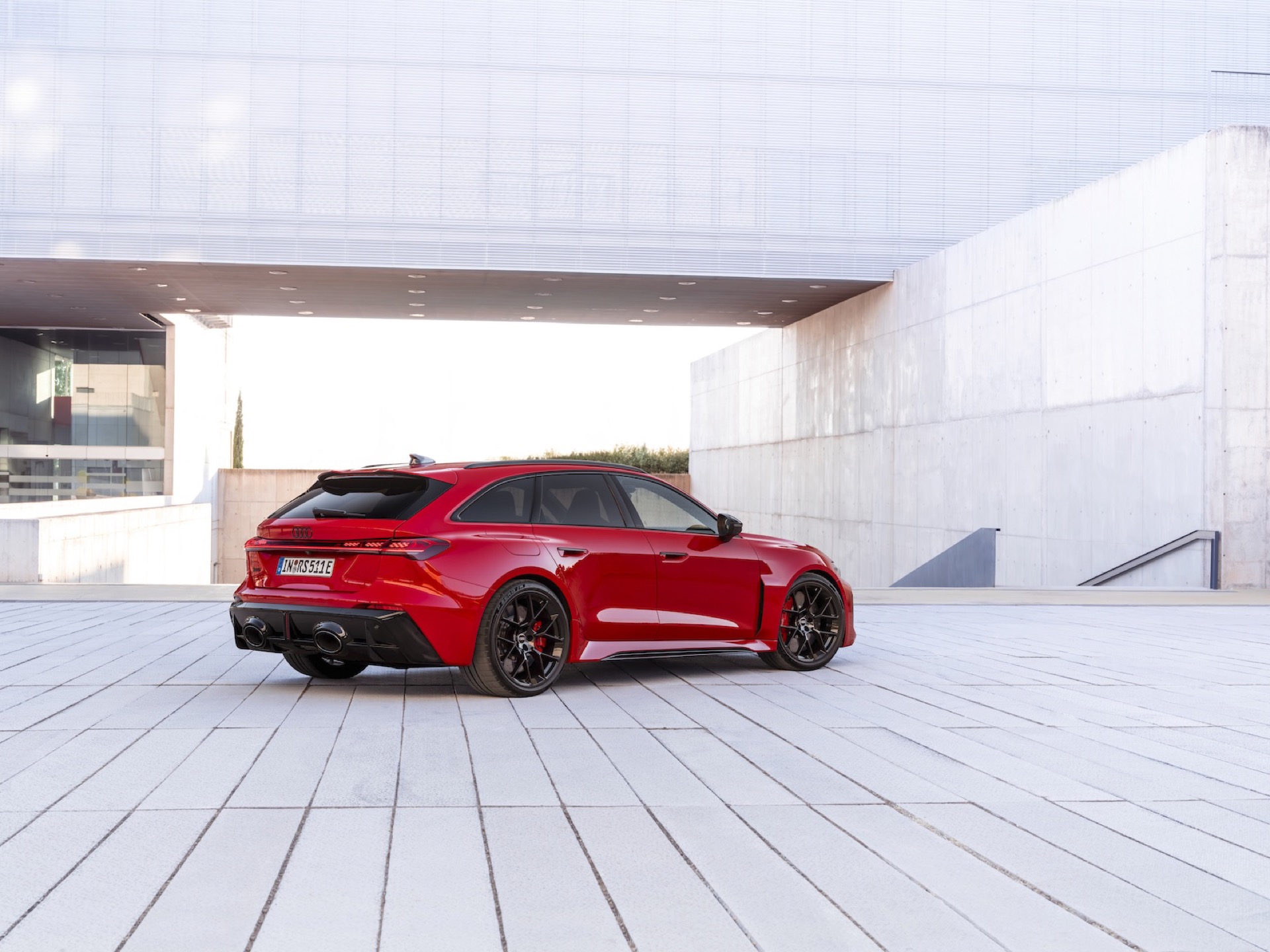
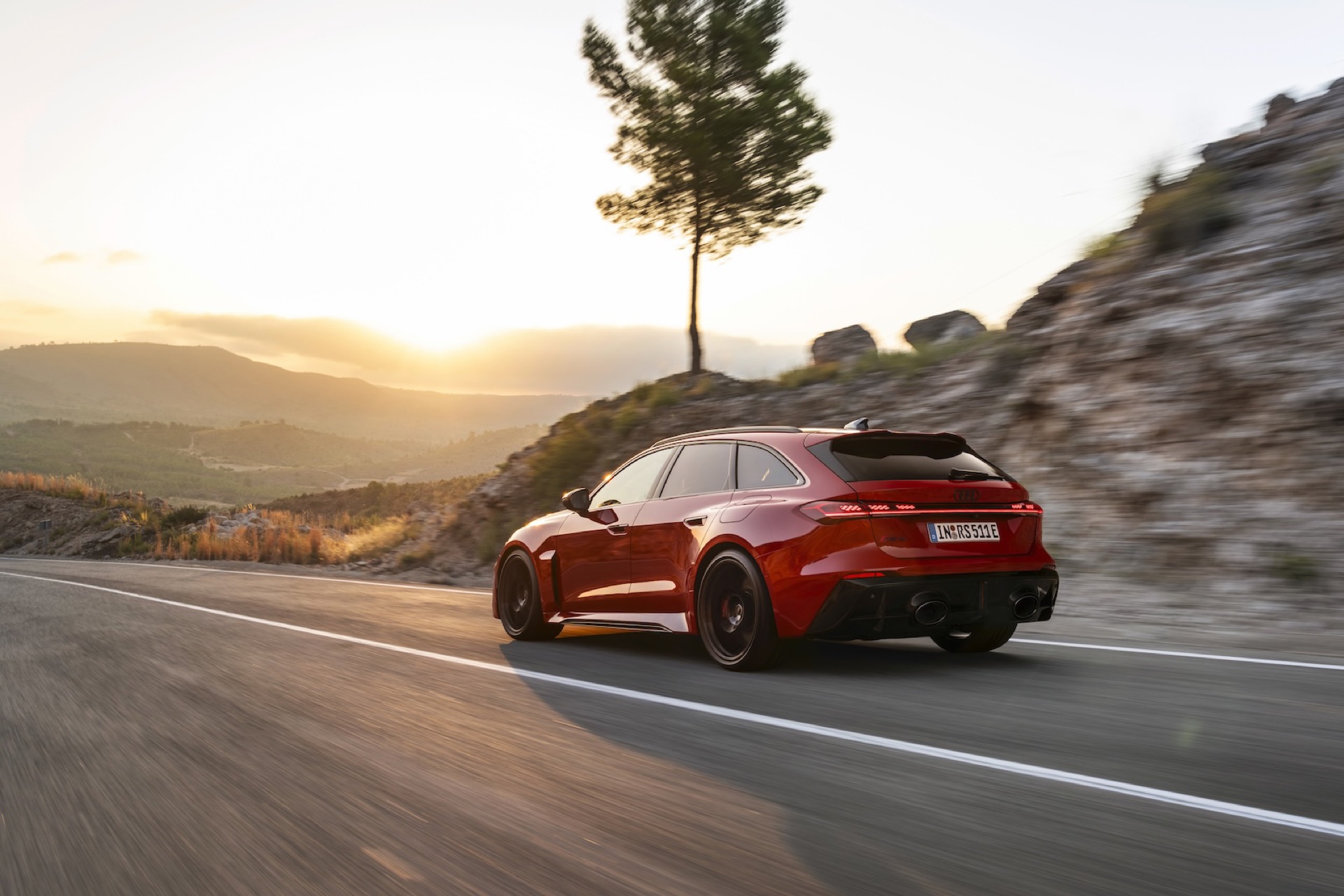
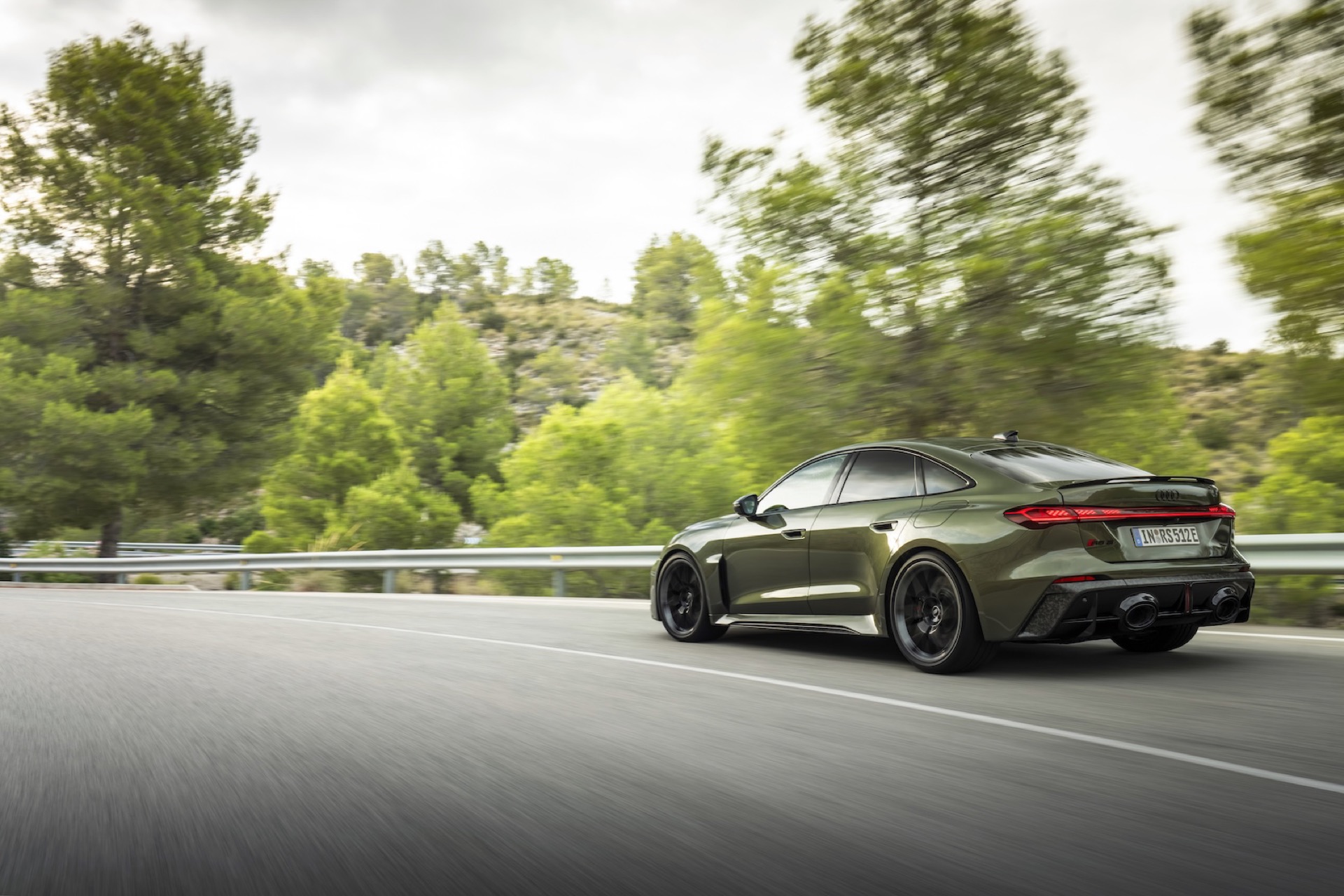
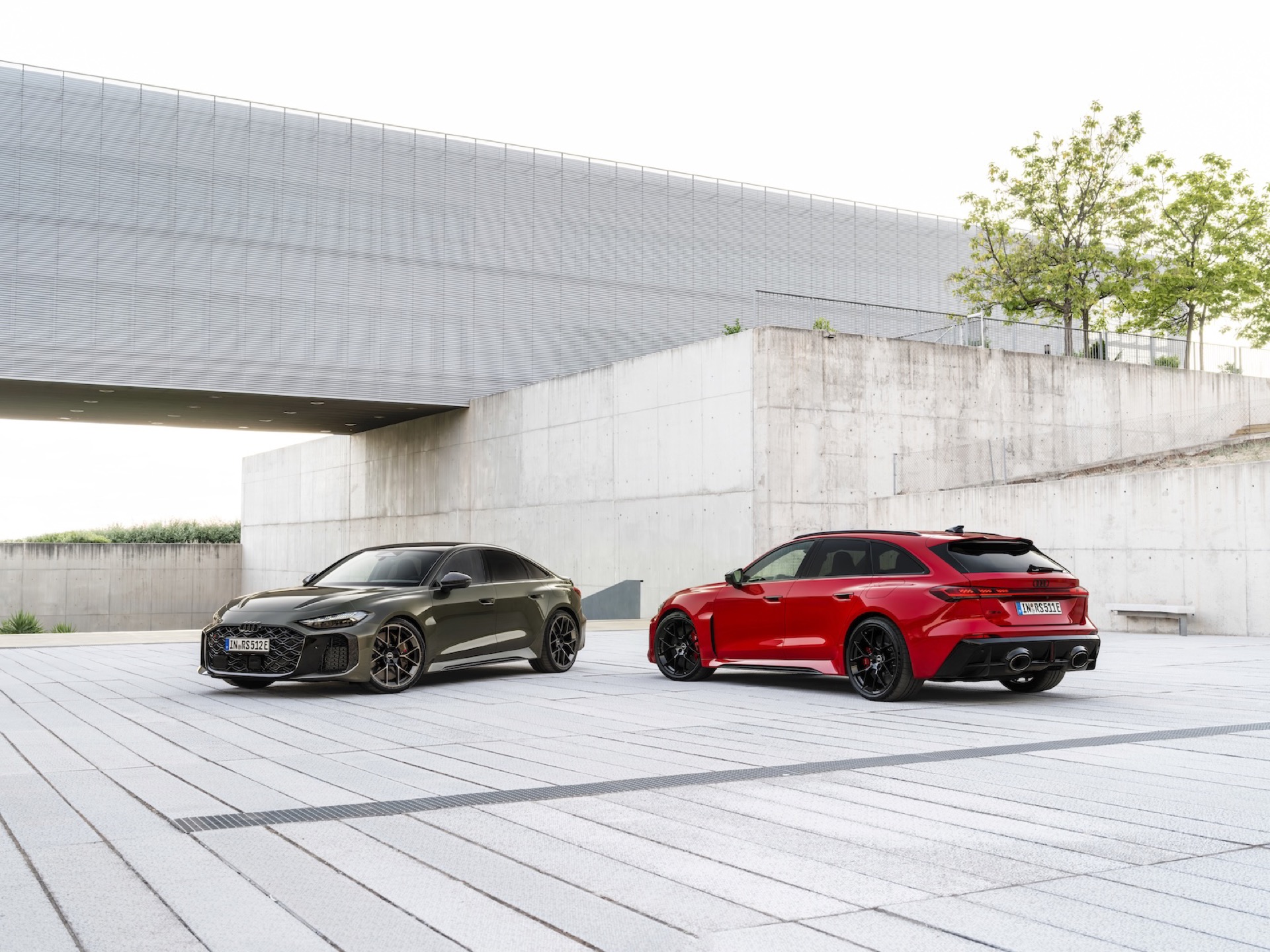
Heavyweight Hero: 2025 Audi RS5 Review

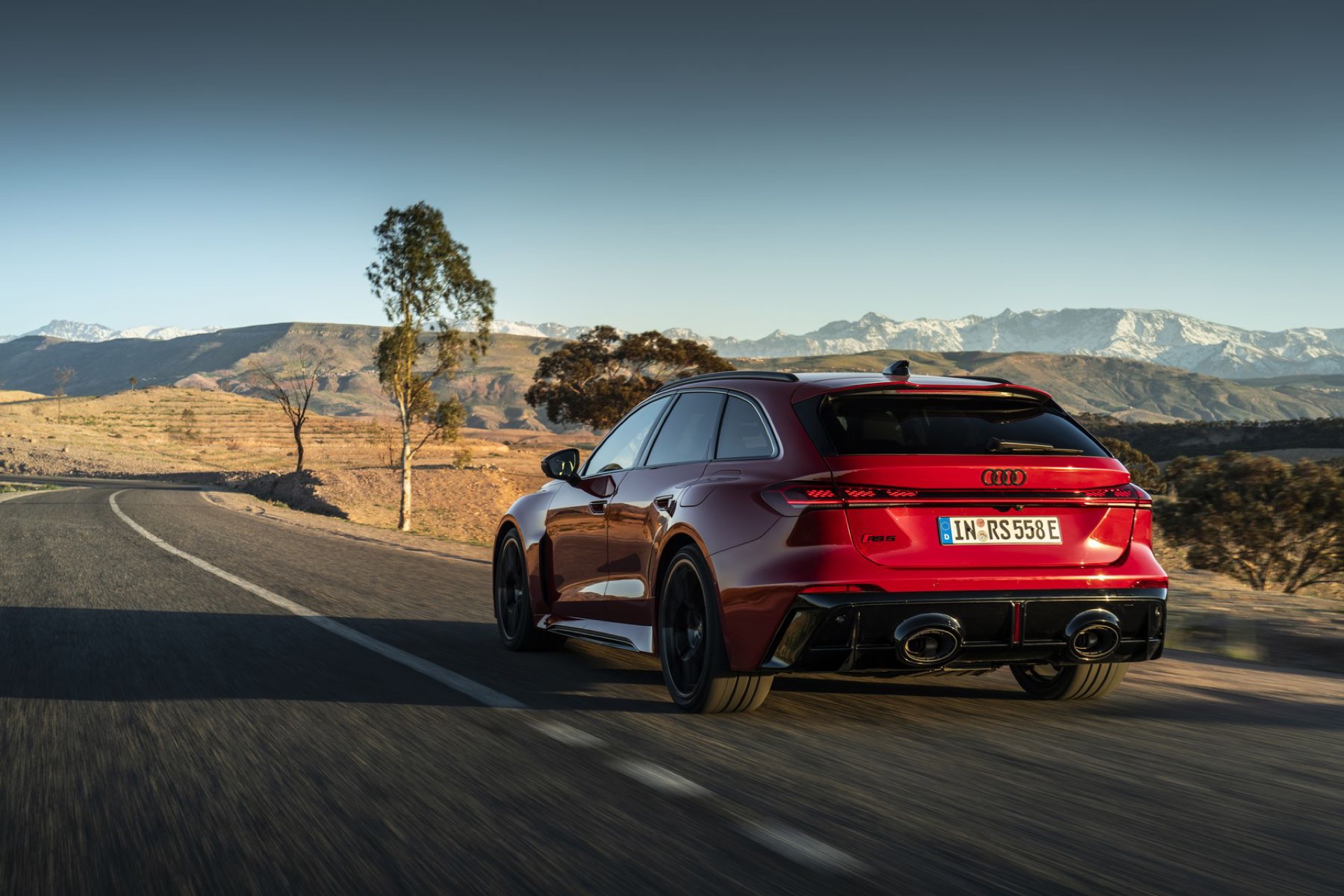
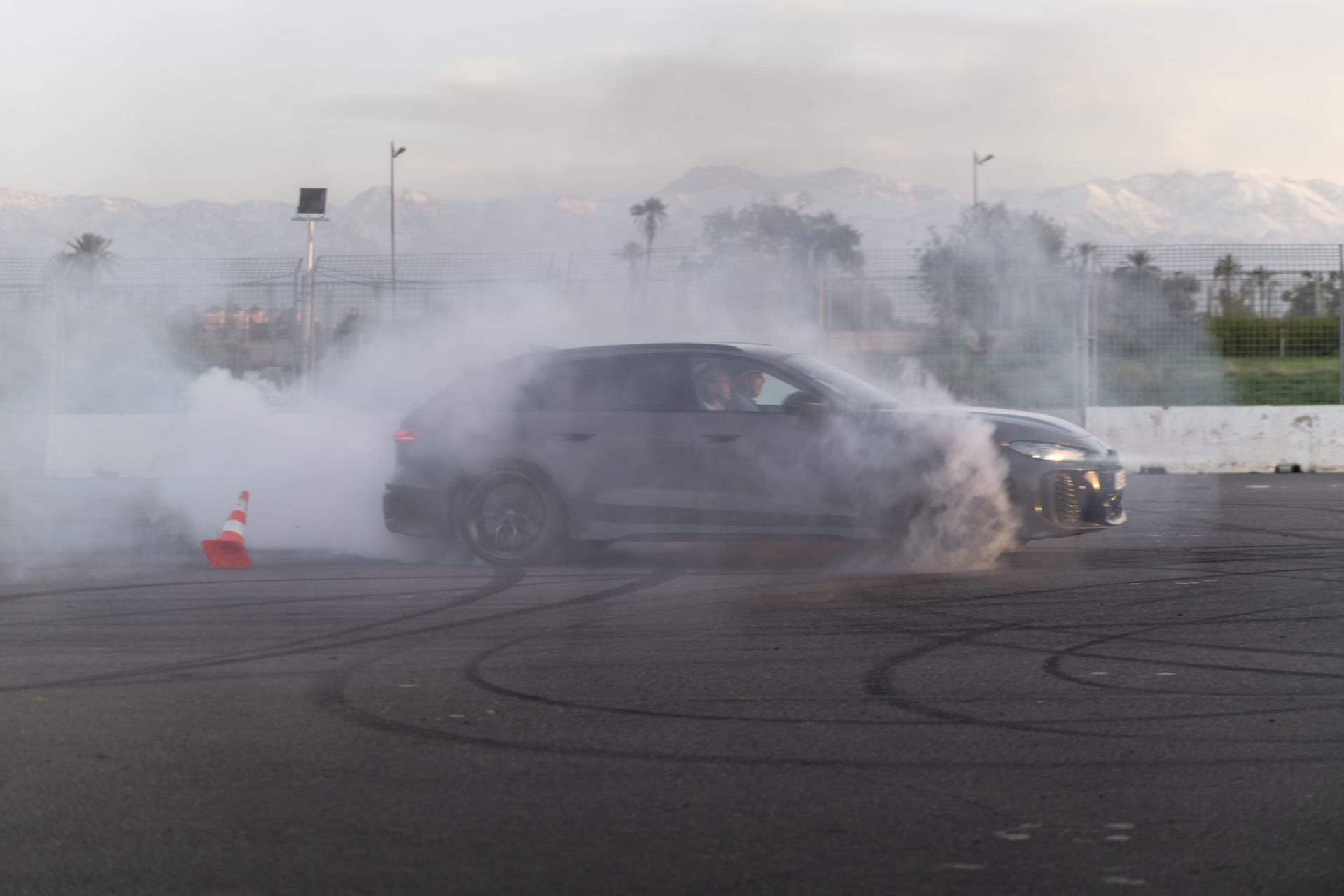
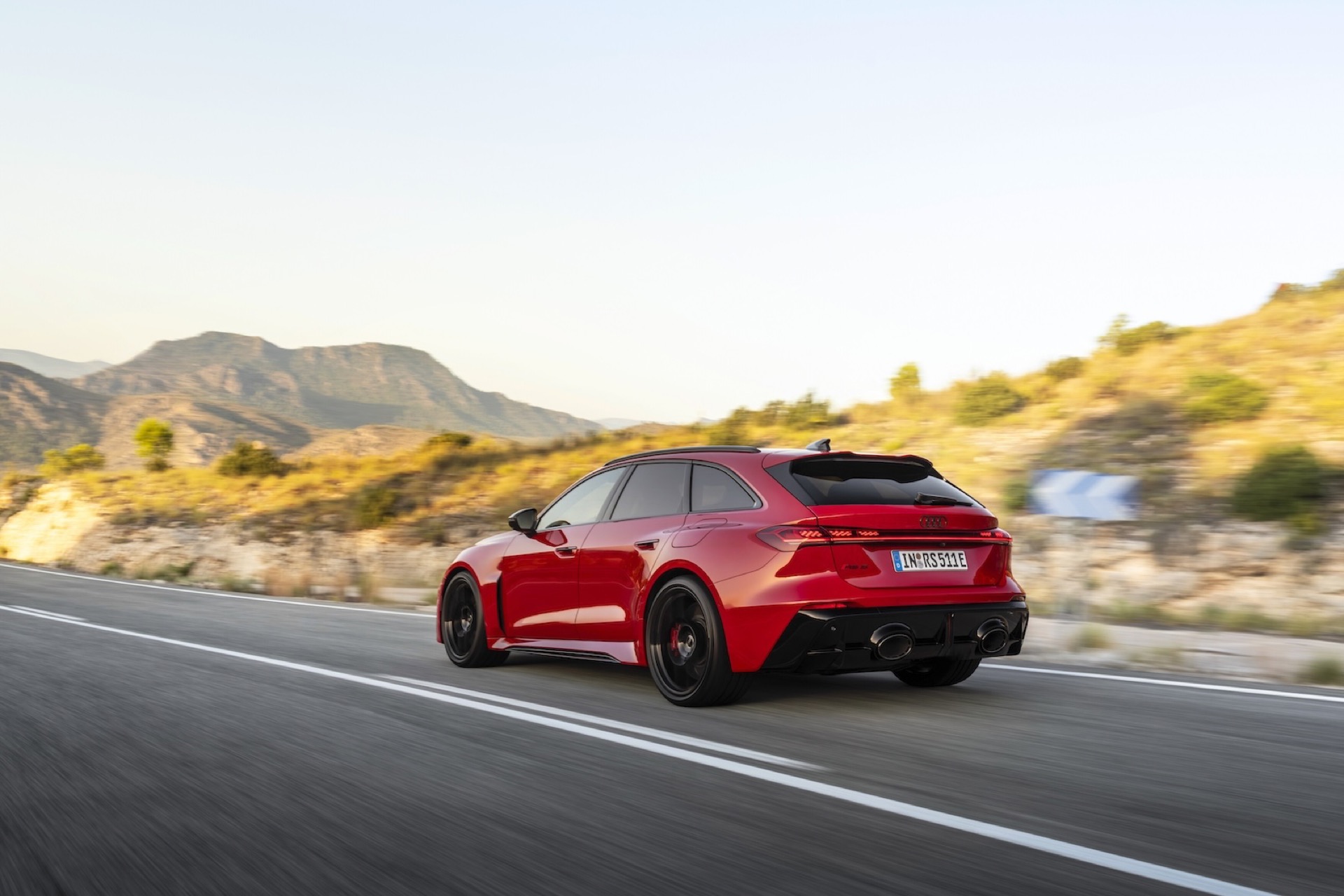
At 2,370 kilograms and with enormous exhaust outlets, the Audi RS5 Avant cuts an imposing figure both visually and on paper. Yet despite its considerable mass, the plug-in hybrid performance estate delivers impressive agility.

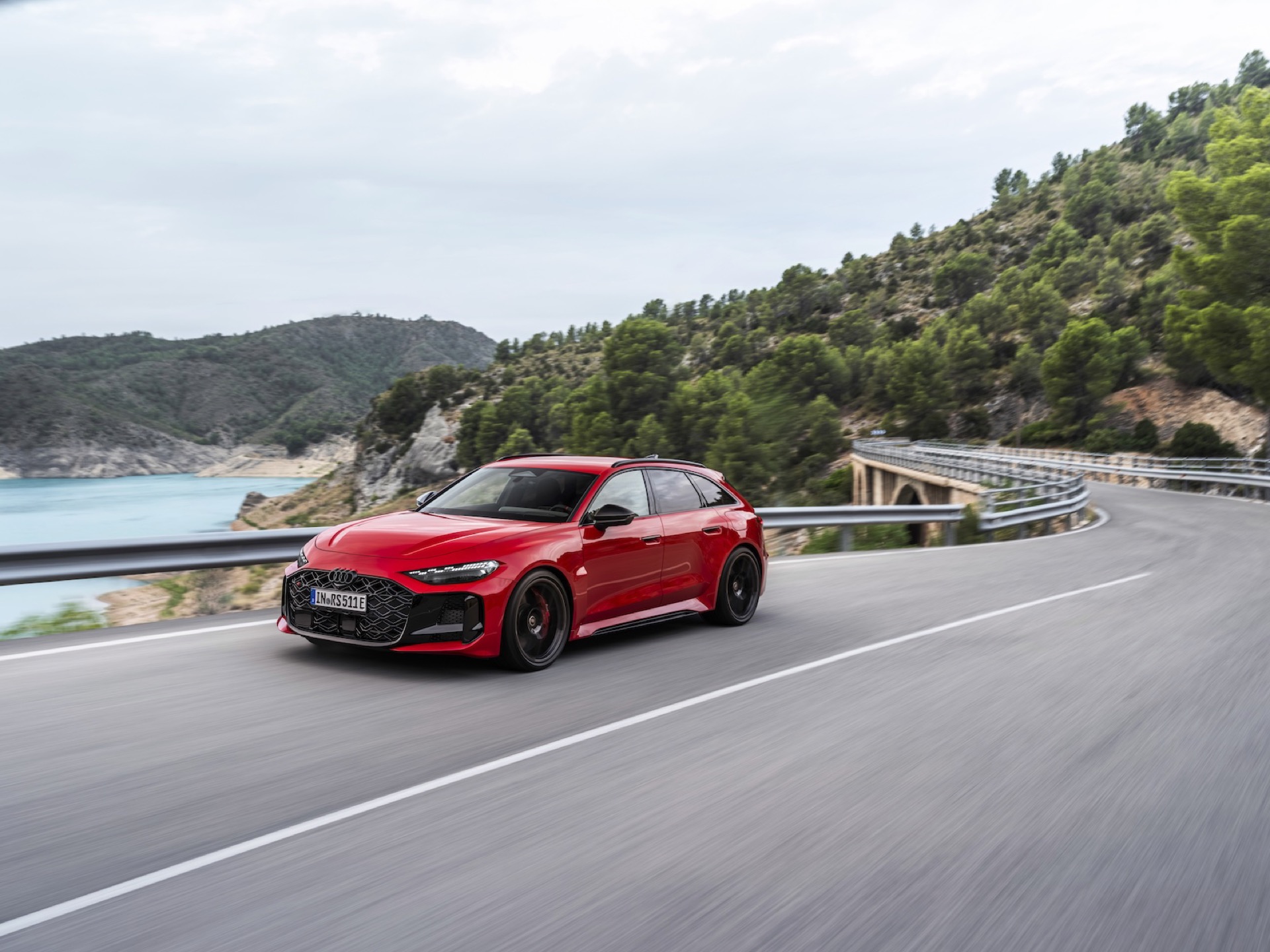
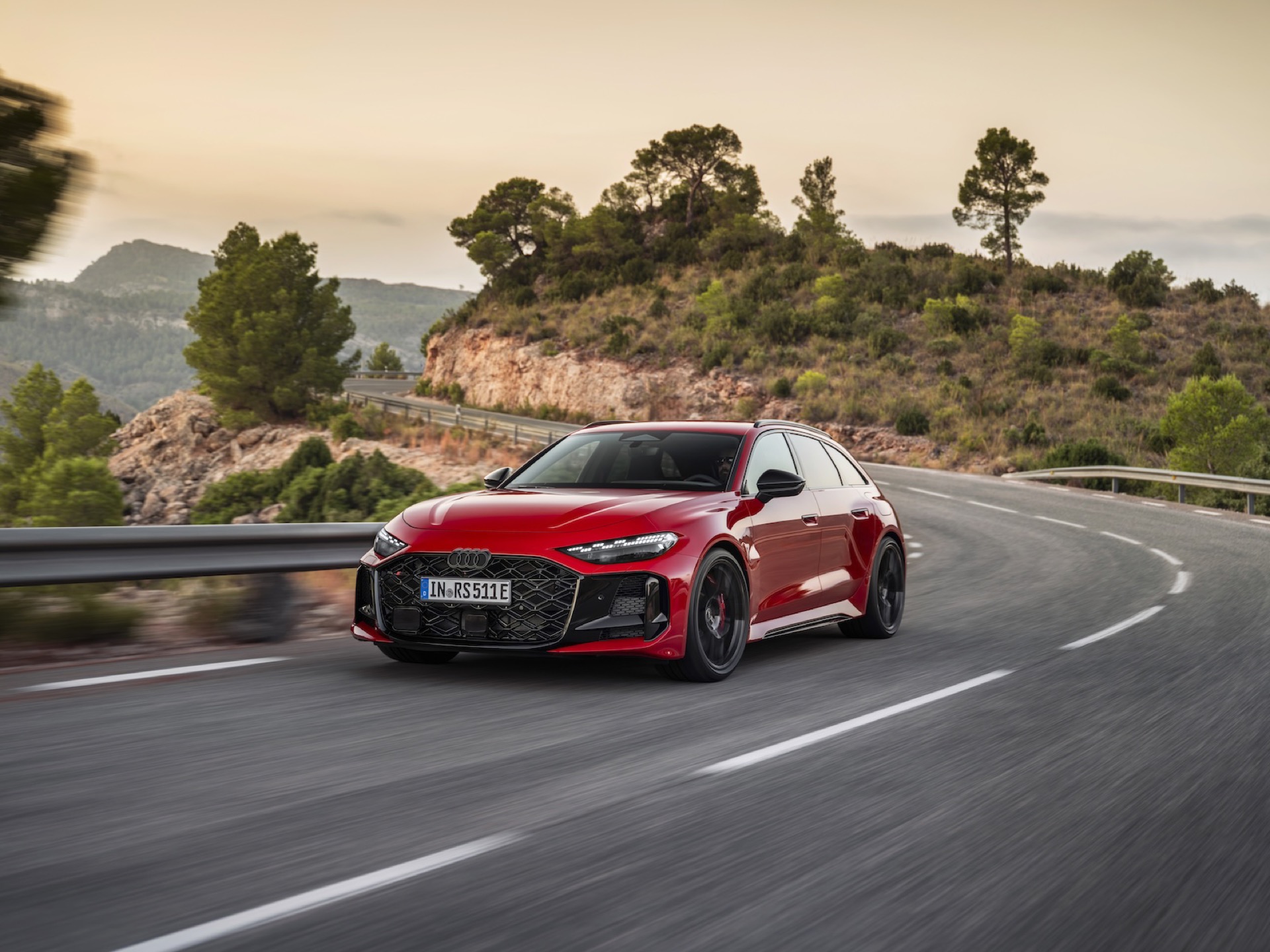
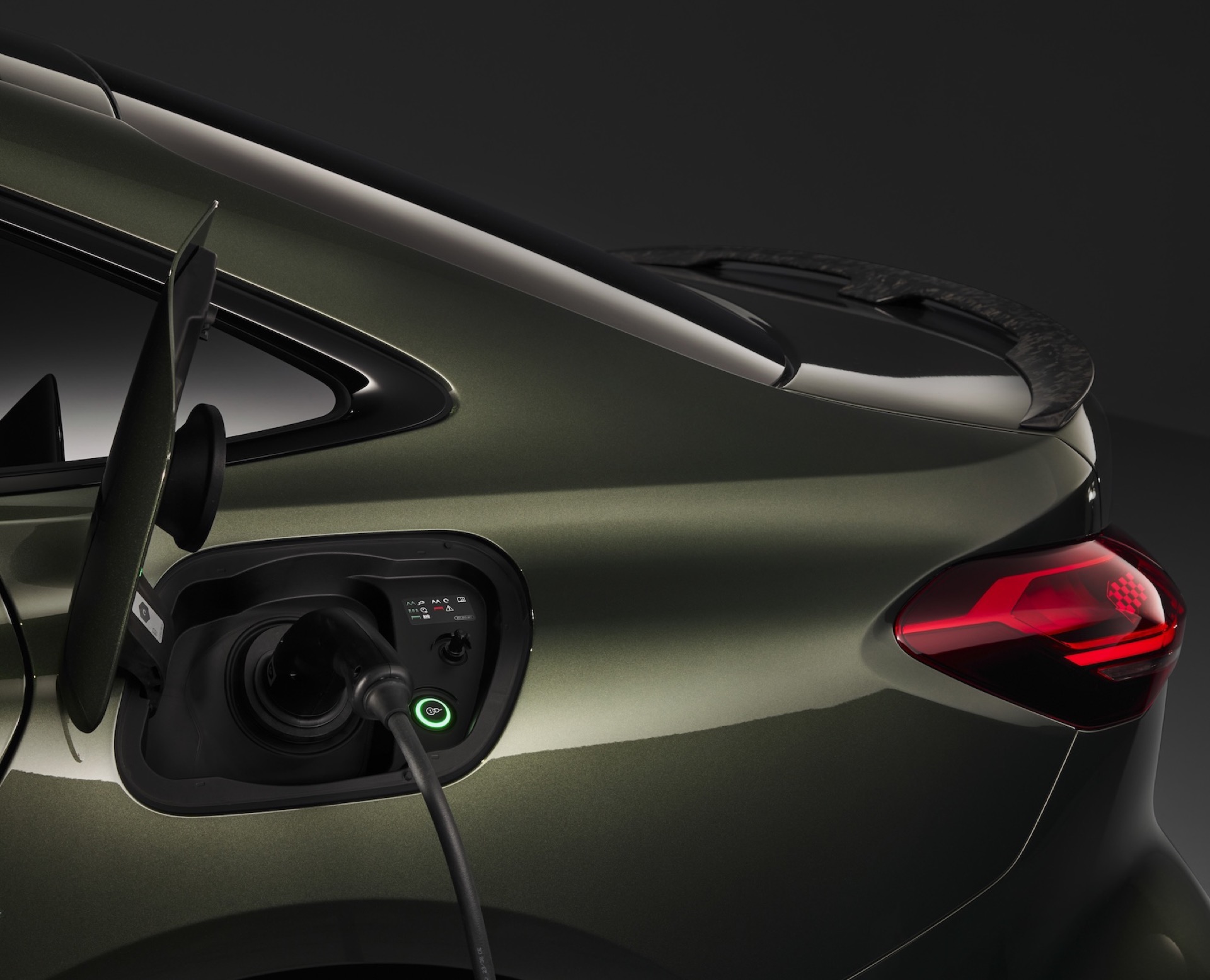
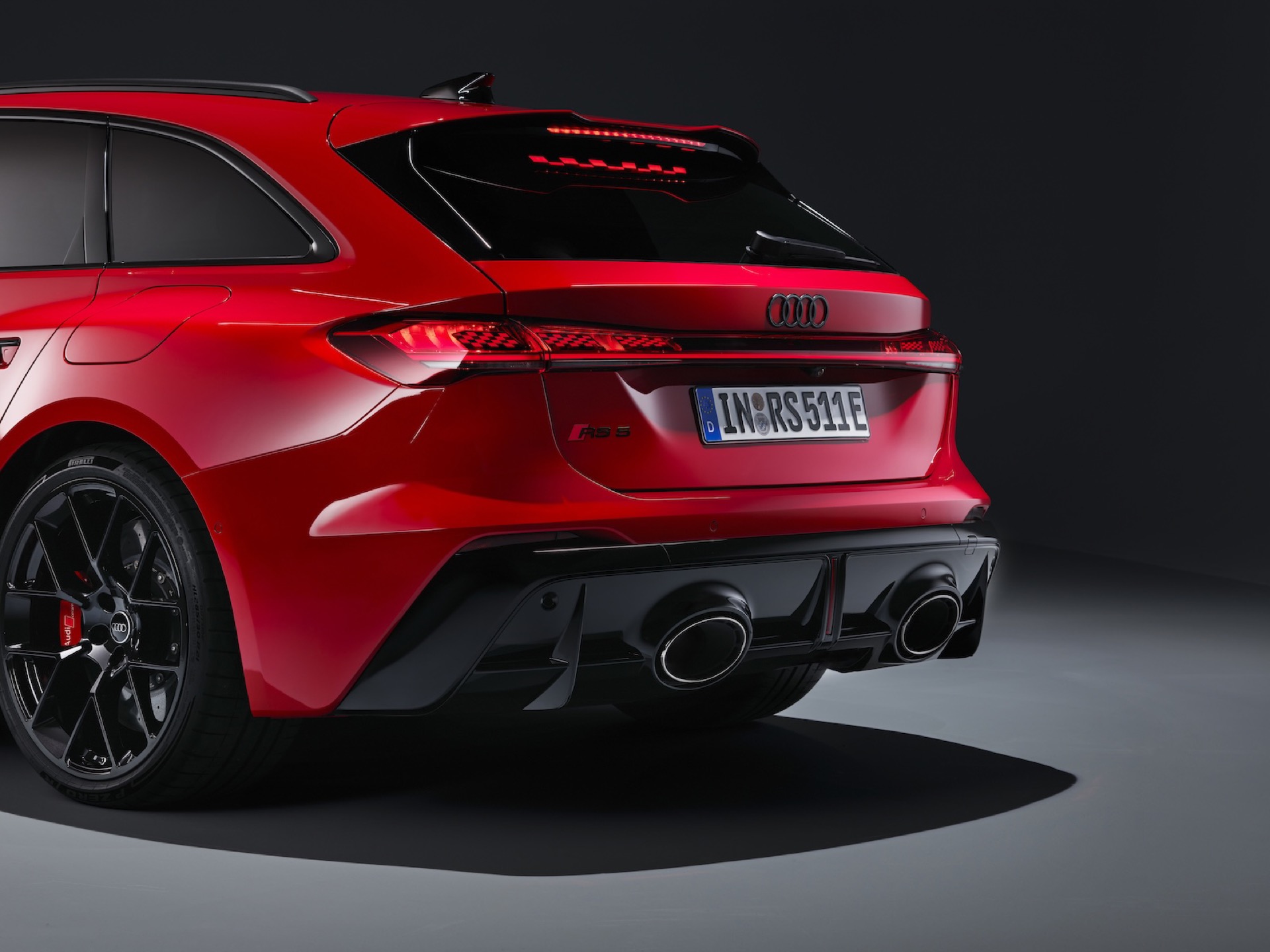
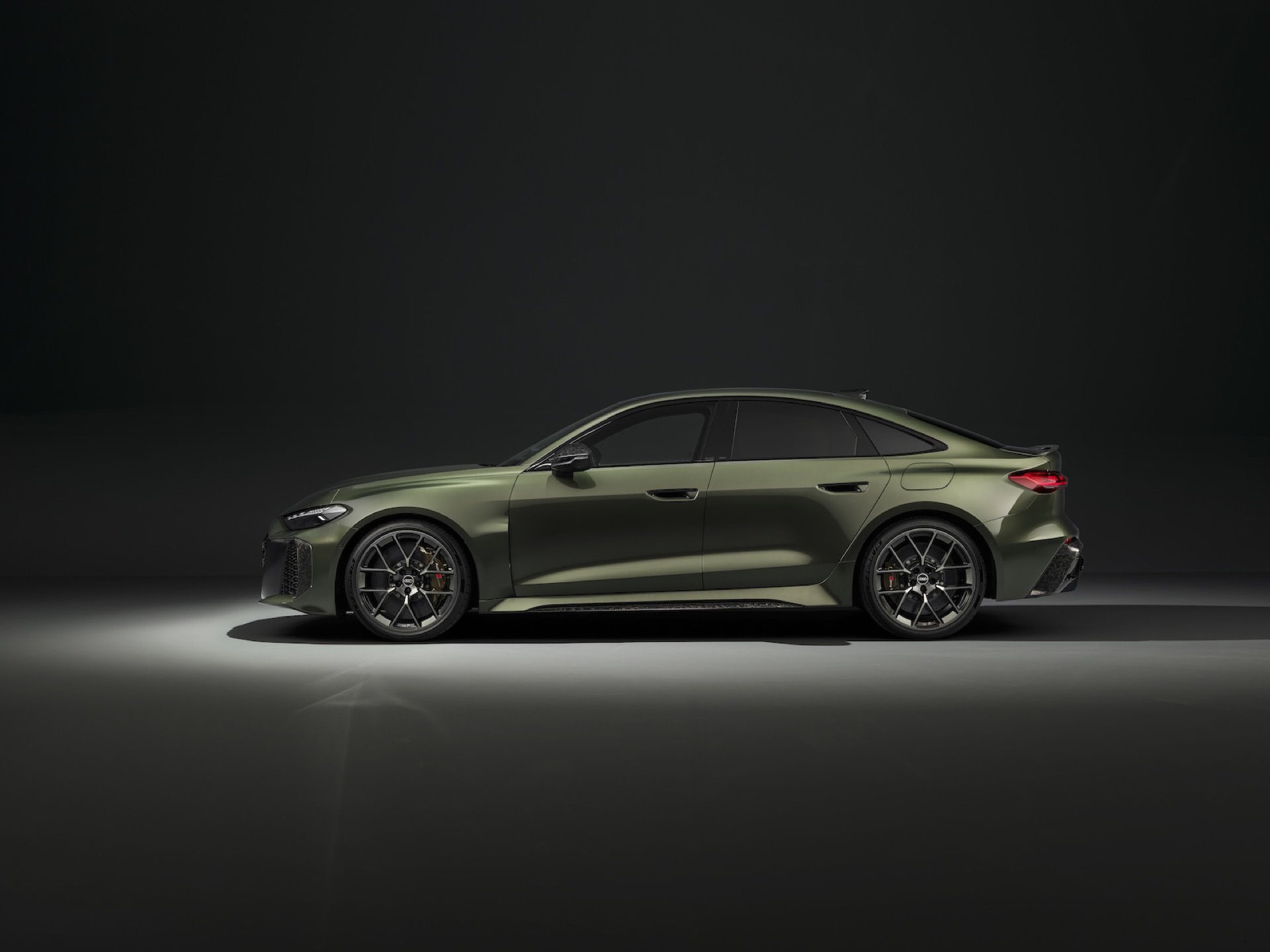
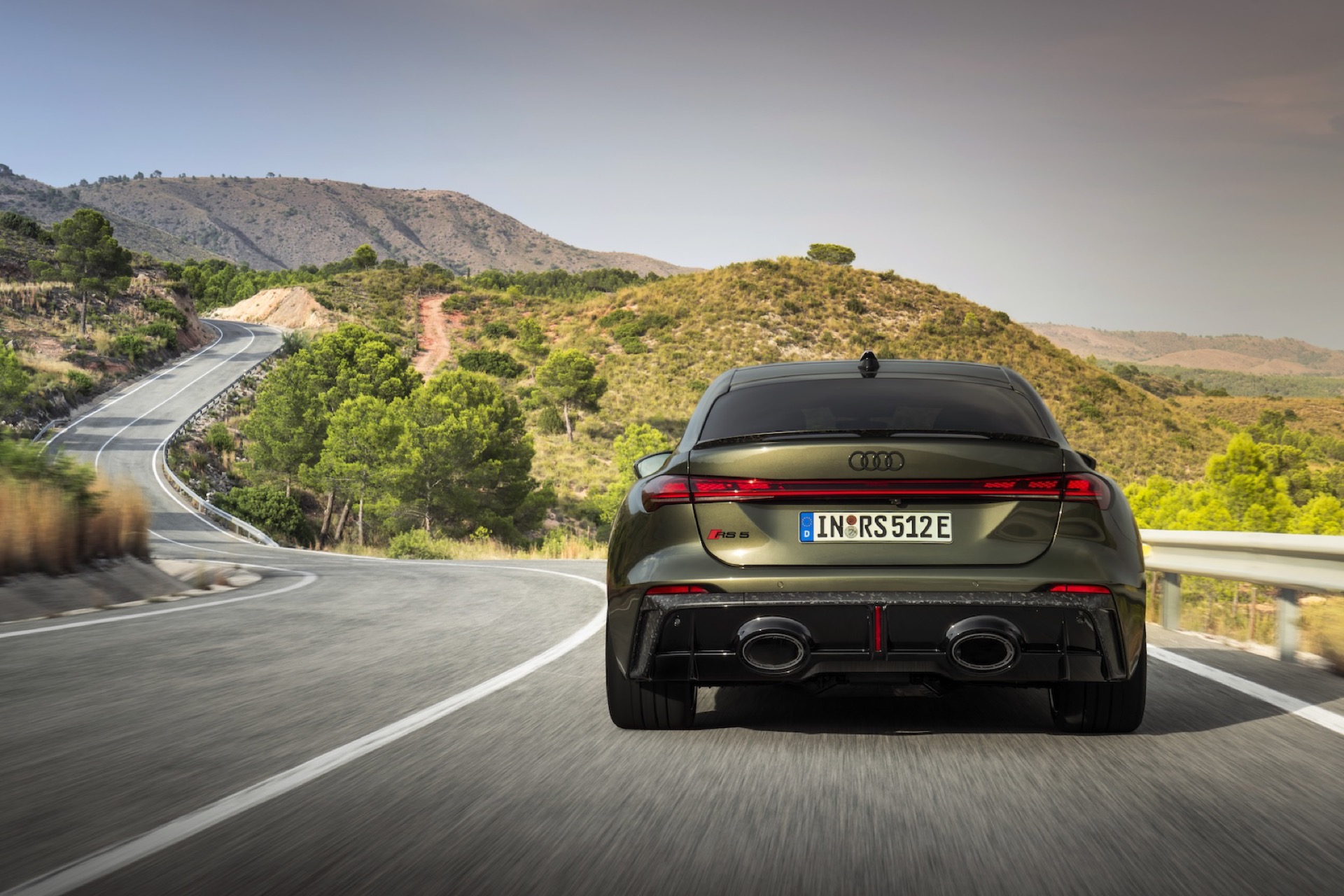
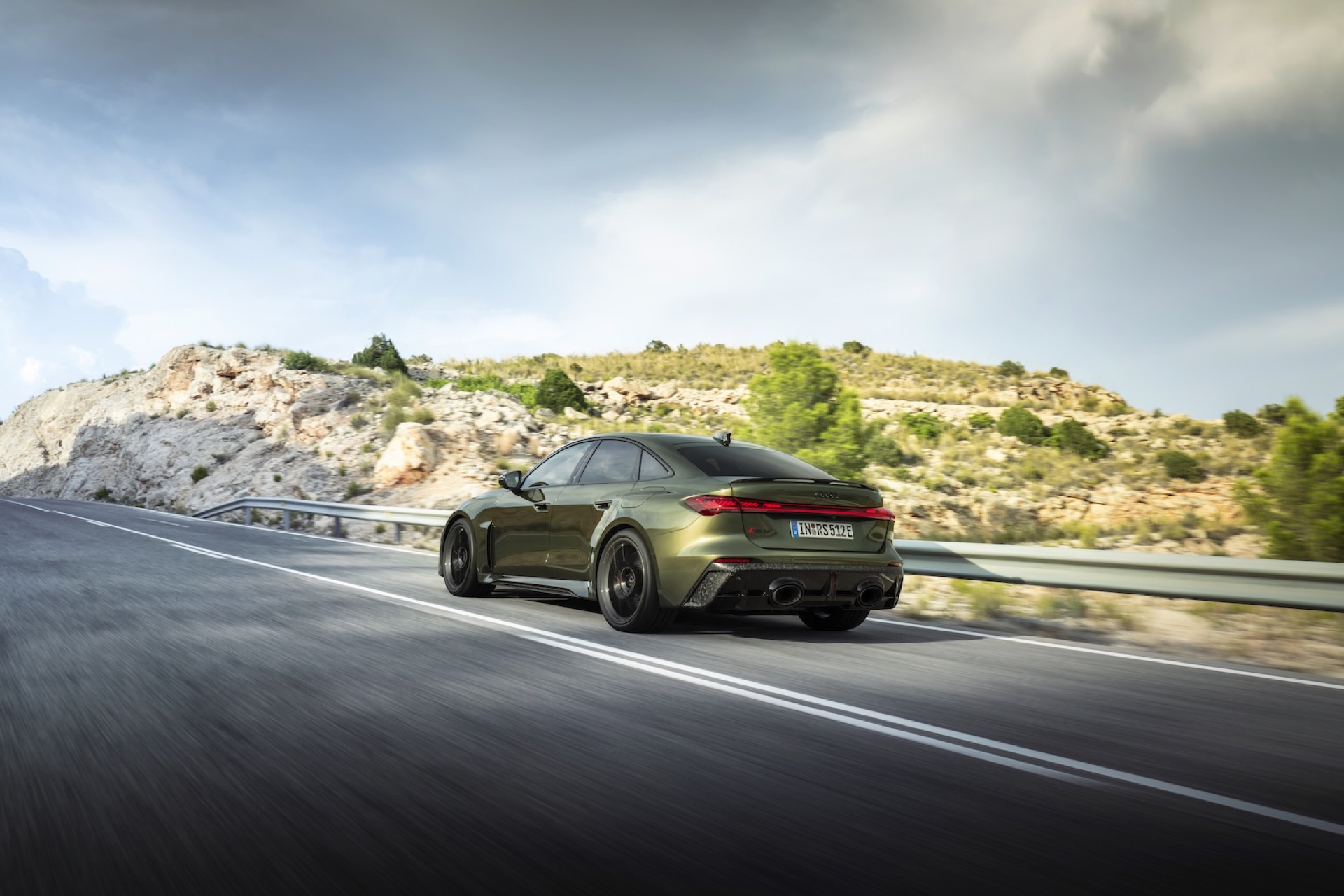
The Audi RS5 stands broad and muscular on the road. Even at a standstill it radiates overtaking authority pressed into sheet metal. Many buyers will naturally gravitate towards the Avant estate, though the saloon arguably looks even more elegant. That, of course, is a matter of taste. What cannot be debated is the sheer presence of this BMW M3 rival from Ingolstadt. Thanks to plug-in hybrid assistance, the RS5 delivers 470 kW (639 PS) of system output and 825 Nm of torque across both axles. A 25.9 kWh battery, with 22 kWh usable capacity, enables up to 84 kilometres of electric-only driving. The downside is weight. At 2,370 kilograms, the RS5 Avant is far from light. For comparison, a BMW M3 Competition Touring xDrive weighs 1,940 kilograms, the Porsche Cayenne Turbo GT 2,245 kilograms and even the larger Audi RS6 Avant comes in at just under 2.1 tonnes, though without any hybrid module.

BMW fans may mock the Audi as a “heavyweight”, yet a glance at the BMW M5 Touring shows a similar reality. It too is a plug-in hybrid and tips the scales at 2,425 kilograms. Anyone who wants electric assistance must accept extra mass. That is the reality regardless of which engineers developed the car. In fact, a new philosophy has emerged among engineers. Instead of chasing ultra-lightweight construction, the mantra now is simple: weight only matters if you can feel it.

That philosophy becomes clear once the RS5 is in motion. Engineers have pushed the interaction between hardware and software further than before. At the heart lies the drivetrain. The 2.9-litre twin-turbo V6 produces 375 kW (510 PS) and 600 Nm. It sits longitudinally at the front, followed by an eight-speed tiptronic transmission that houses the electric motor delivering 130 kW (177 PS) and 460 Nm. A Torsen centre differential distributes torque between the axles depending on driving mode, ranging from 70:30 to 15:85 front-to-rear.

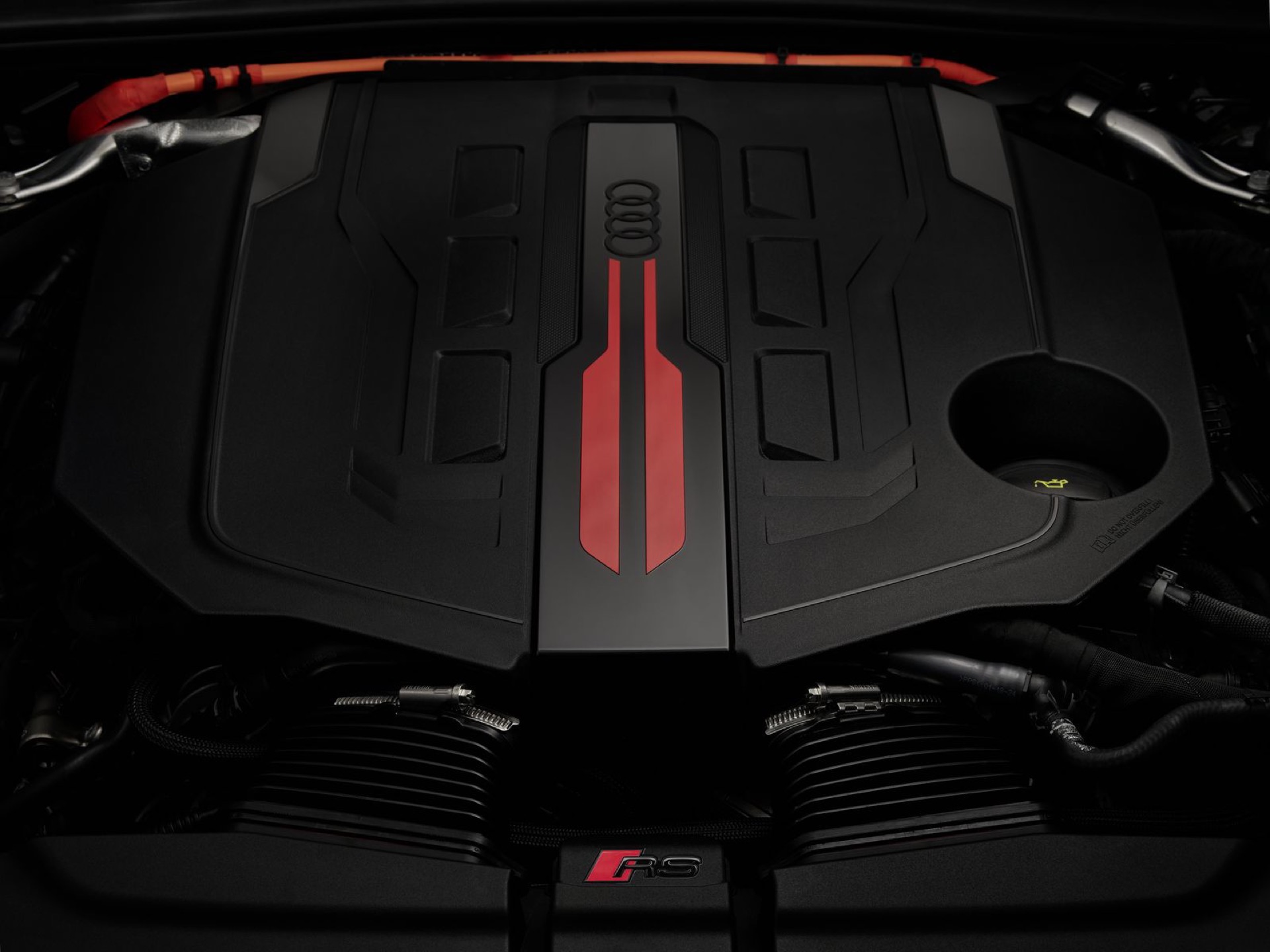
Audi RS 5 6

To ensure the system works as a cohesive unit, the engine operates in a modified Miller cycle, closing the intake valves earlier to improve efficiency under partial load. This matters in a plug-in hybrid, where the combustion engine frequently operates at partial load alongside the electric motor. Two variable-geometry turbochargers ensure rapid response and a broad torque curve. Boost pressure reaches up to 1.5 bar, injection pressure is higher, and the intake tract has been shortened. For the first time in this series, a water-to-air intercooler is used. Altogether, engineers extracted 44 kW (60 PS) more from the engine than in the previous RS4. Combined output rises to 470 kW (639 PS) and 825 Nm.

Performance is suitably dramatic. The RS5 Avant accelerates from zero to 100 km/h in 3.7 seconds, while electronics limit top speed to 250 km/h. Yet raw figures tell only part of the story. What matters is how the technology performs on the road.

Audi RS 5 Avant 3

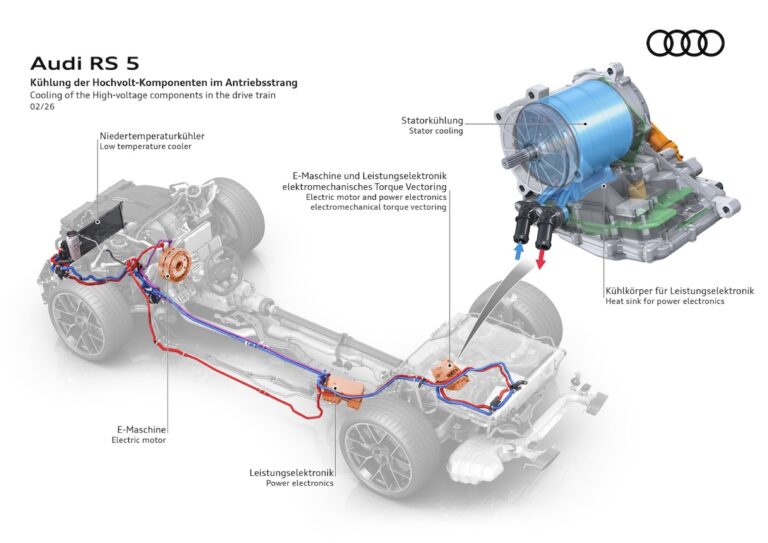
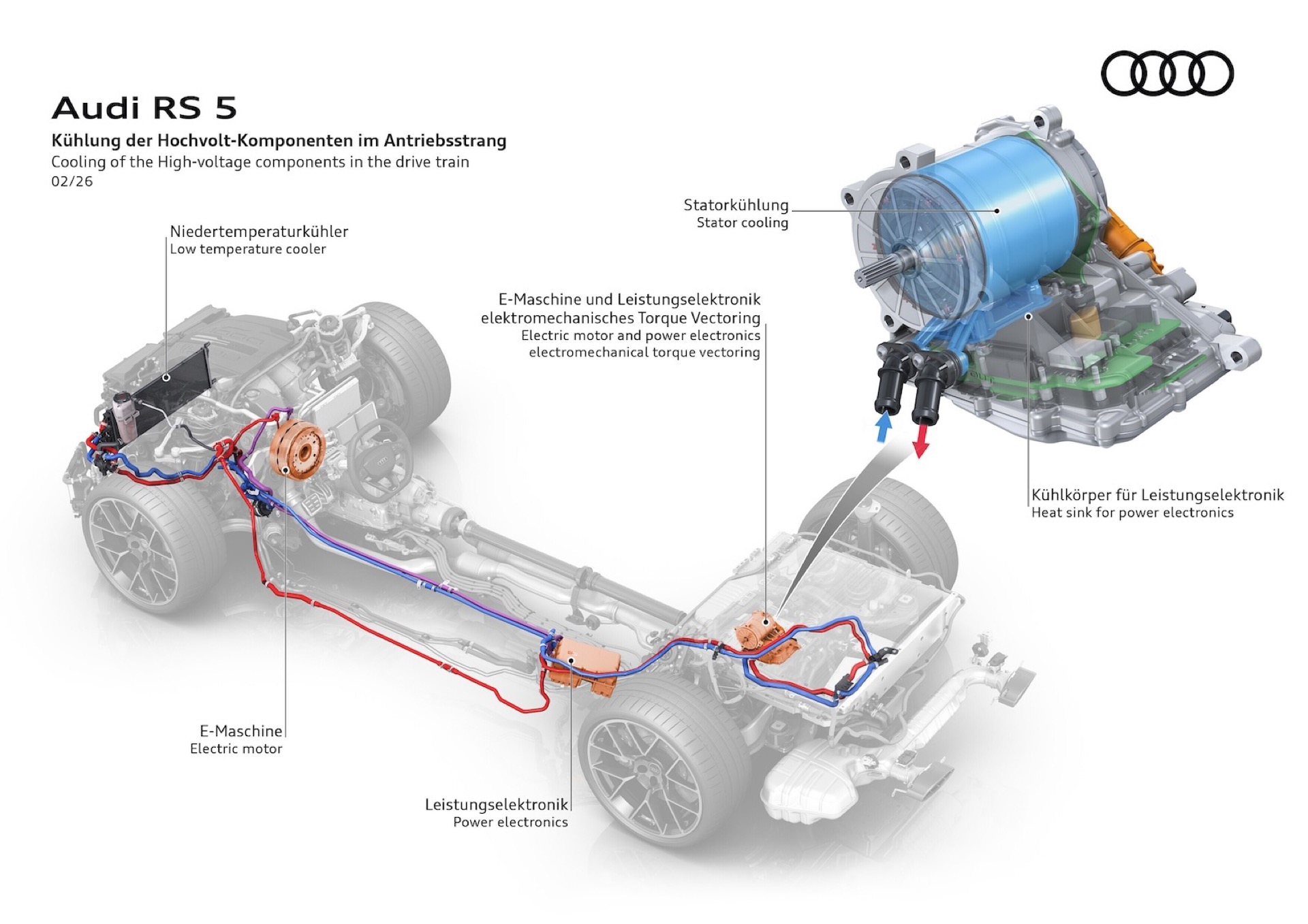
Here the rear axle plays a crucial role. A planetary gearset allows torque to be distributed electromechanically between the rear wheels. Unlike clutch-based systems, Audi Dynamic Torque Control actively shifts power without relying solely on traction differences. A water-cooled permanent-magnet motor producing 8 kW (11 PS) generates up to 40 Nm of torque for this purpose. Together with a mechanical superposition gearbox and a conventional differential, this setup can create a torque difference of up to 2,000 Nm between the rear wheels.

The system checks driving conditions every five milliseconds and can direct torque in either direction, under acceleration, deceleration or braking. It stabilises the car precisely when the mass of the hybrid system might otherwise reduce agility.

The engineering effort pays off. Whether on a racetrack, mountain road or sweeping country lane, the RS5 moves through corners with surprising lightness and makes high speeds feel effortless. The front axle responds eagerly to steering inputs, while the rear gently rotates into corners. Never aggressive, never nervous, but always supportive. Push hard enough and the mass inevitably becomes noticeable, yet the Audi remains controllable and composed. The optional ceramic brakes deliver powerful stopping performance when required.

Audi RS 5 Avant 1

Various driving modes allow the RS5 to be tailored to different preferences. Comfort, Balanced and Dynamic are joined by RS Sport, RS Torque Rear and RS Individual. In Balanced mode the RS5 behaves predictably, and electric driving is only available in this and Comfort mode. Dynamic allows the rear axle more influence. RS Sport focuses on maximum traction and lateral acceleration. RS Torque Rear unlocks the playful side, turning the Audi into a drift machine by directing more torque to the outer rear wheel.

RS Individual mode allows drivers to fine-tune steering, suspension, throttle response, sound, ESC and torque distribution. The boost function provides an extra burst of acceleration for ten seconds at the press of a steering wheel button. Adaptive dampers keep the ride balanced, never overly harsh and never too soft, even on rough mountain roads.

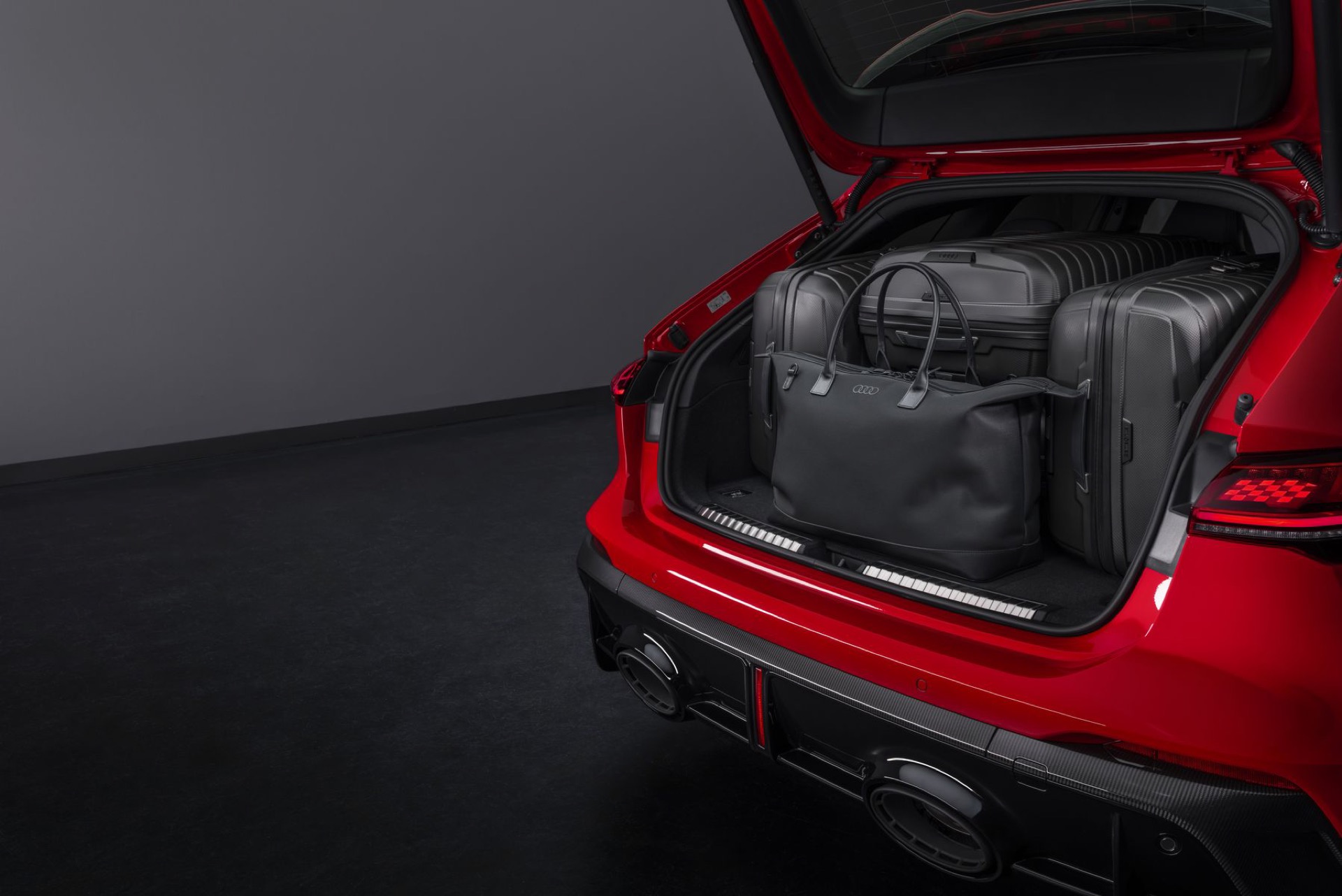
In everyday use, however, the RS5’s size becomes apparent. Including mirrors, it measures 2.10 metres wide, around nine centimetres more than the A5. Narrow streets or motorway construction zones demand careful judgement. The hybrid packaging also affects practicality. Boot capacity drops from 495 litres in the standard A5 Avant to 361 litres. That is even 20 litres less than in a VW Golf. Fold the rear seats and the volume increases to 1,302 litres. In the saloon version it ranges from 331 to 1,170 litres.

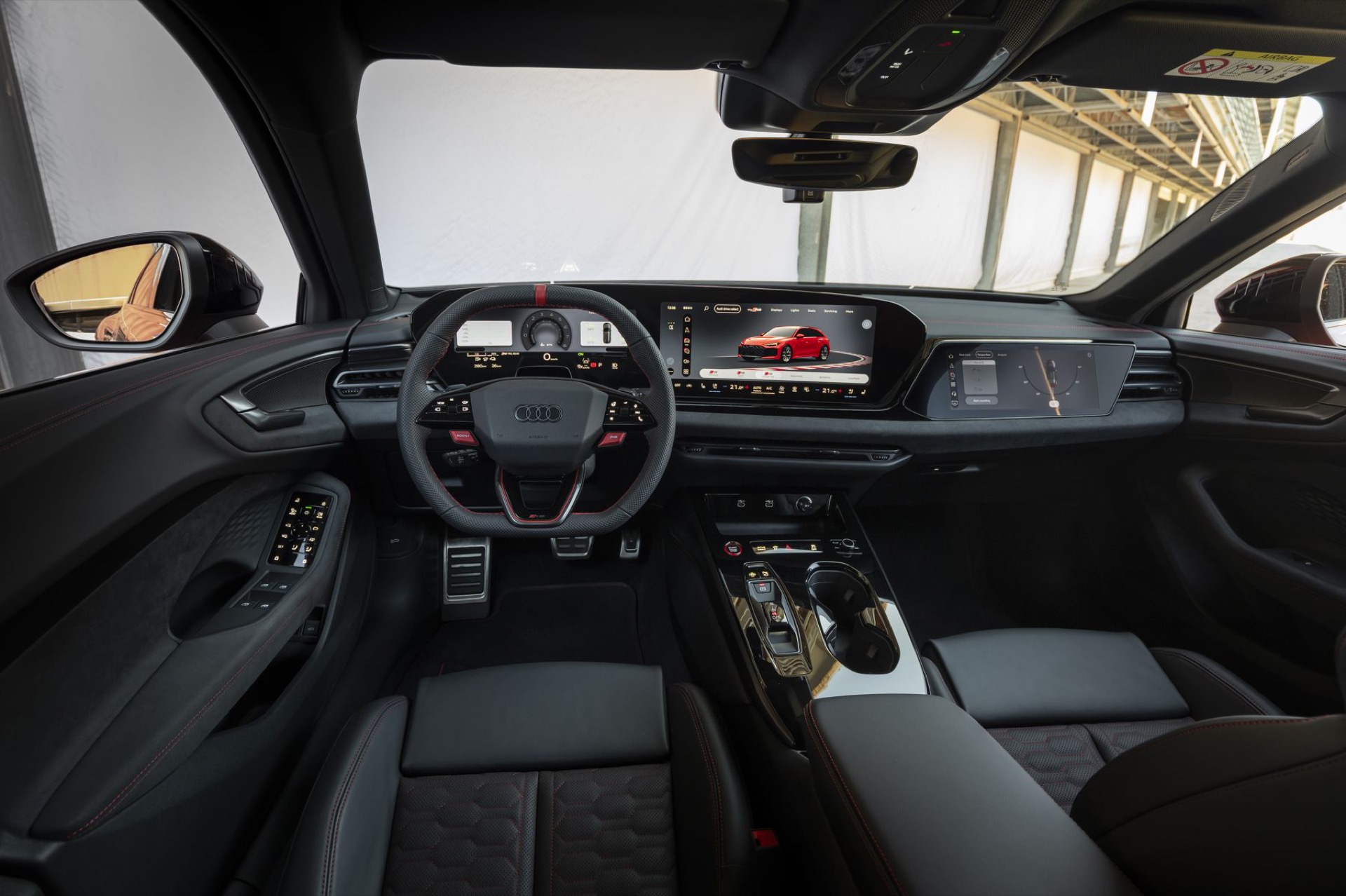
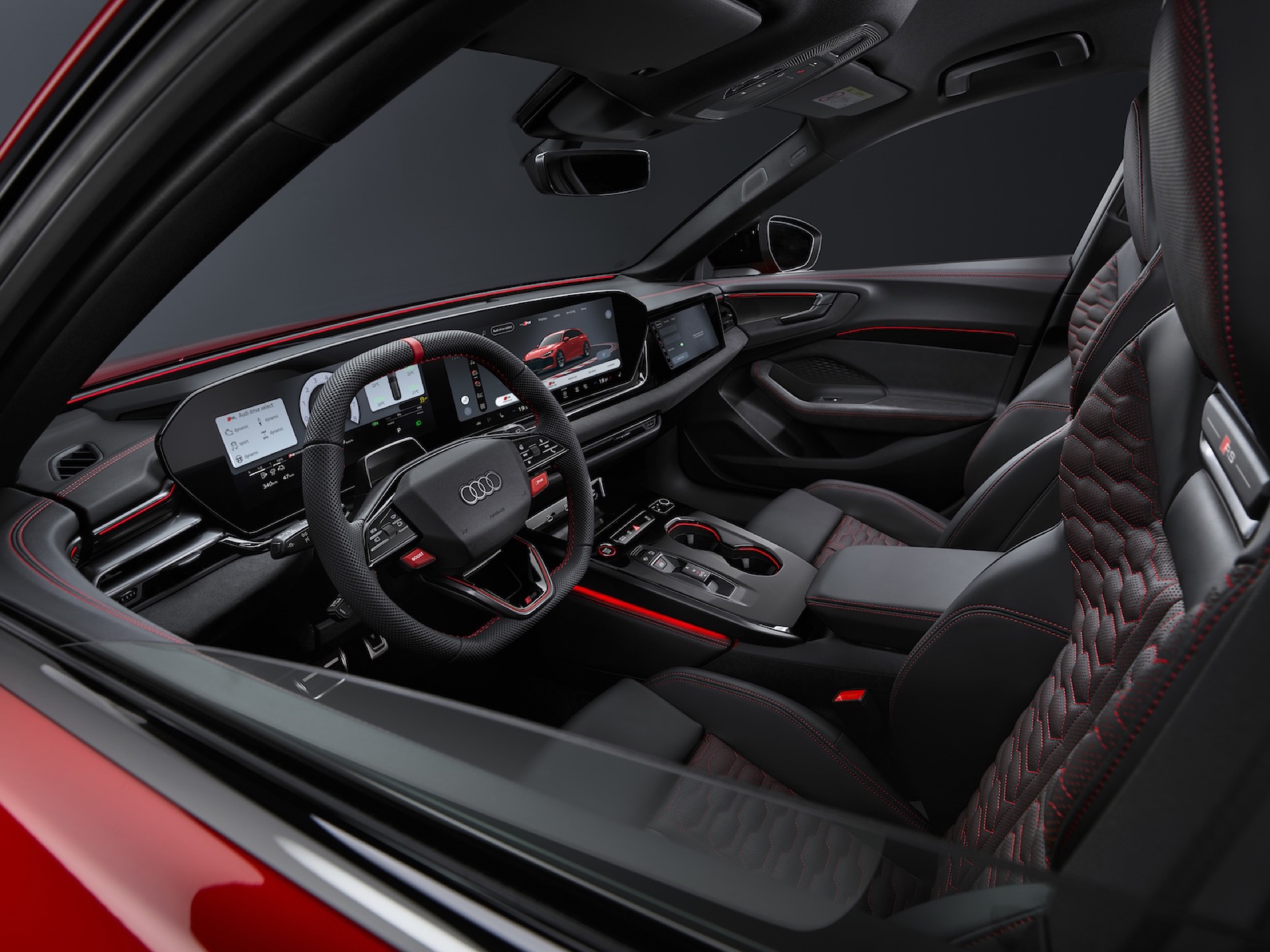
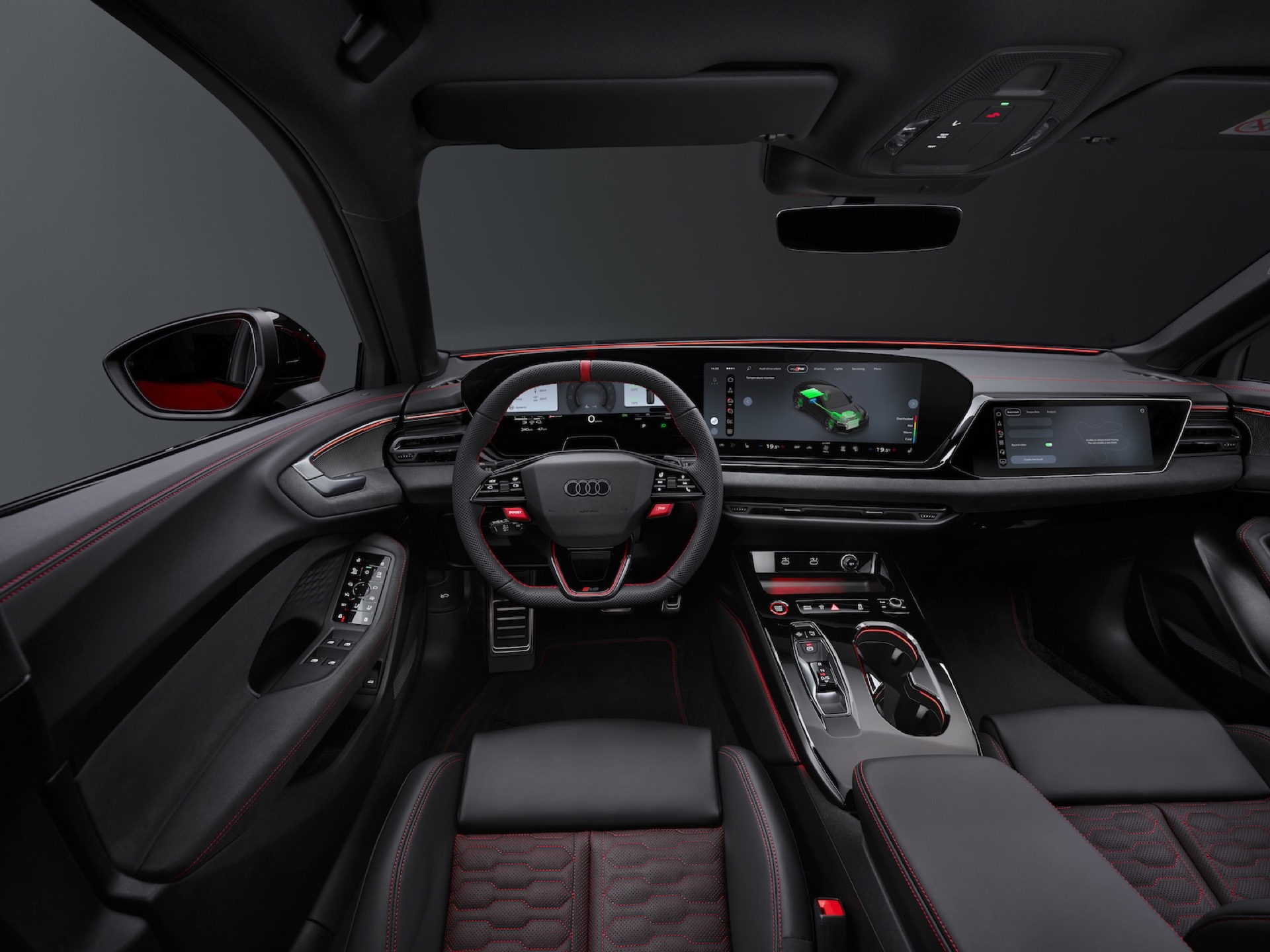
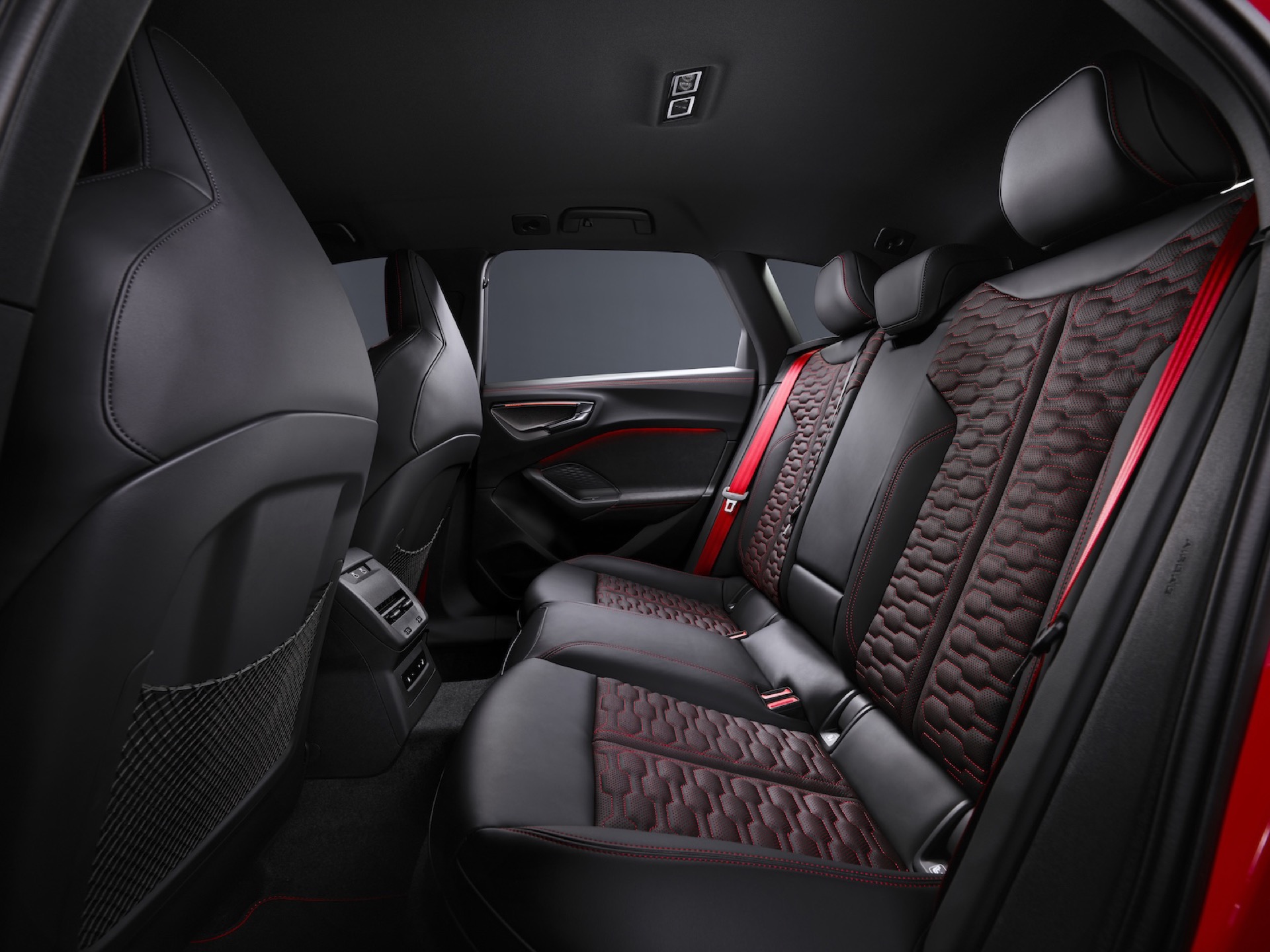
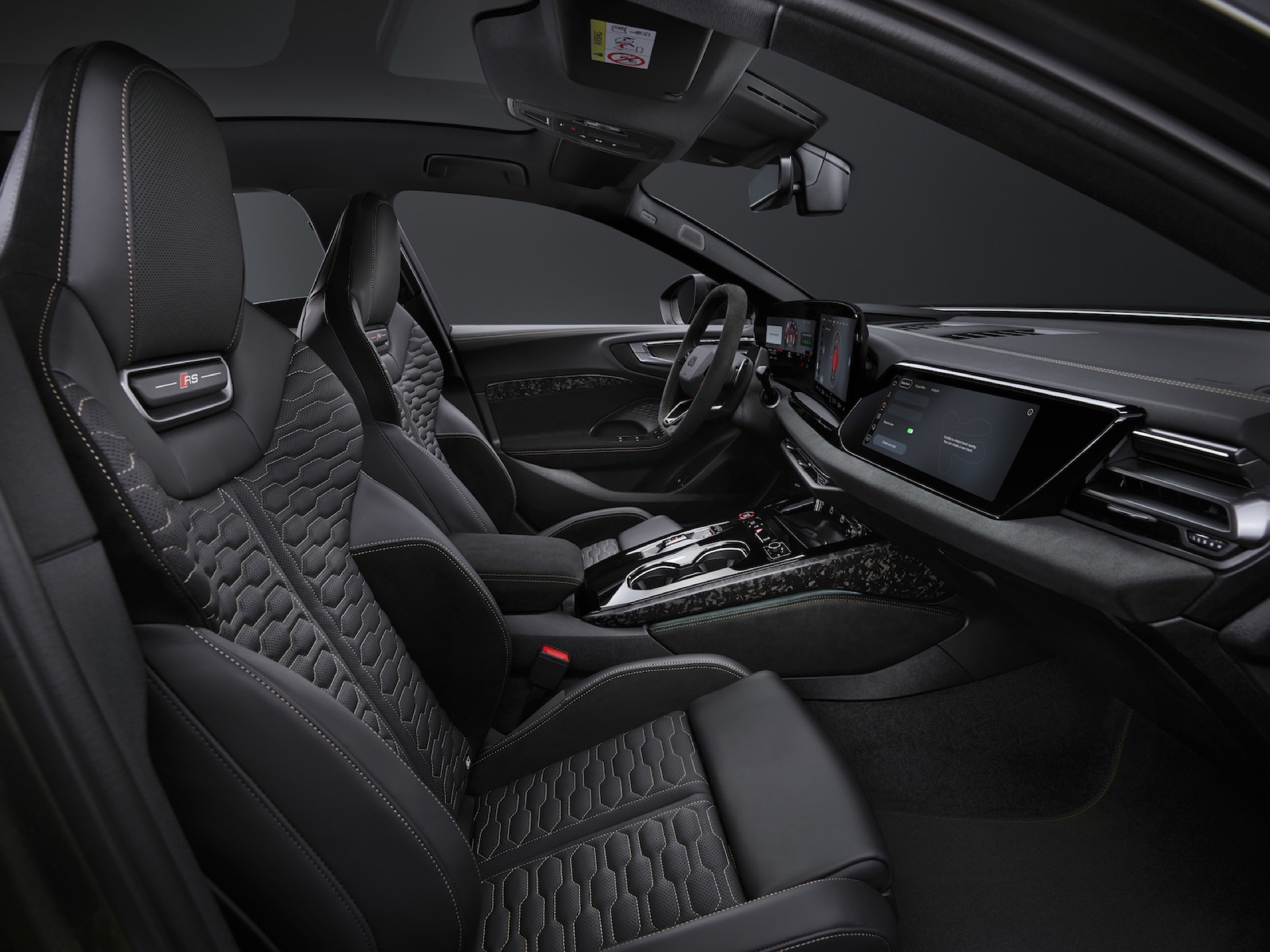
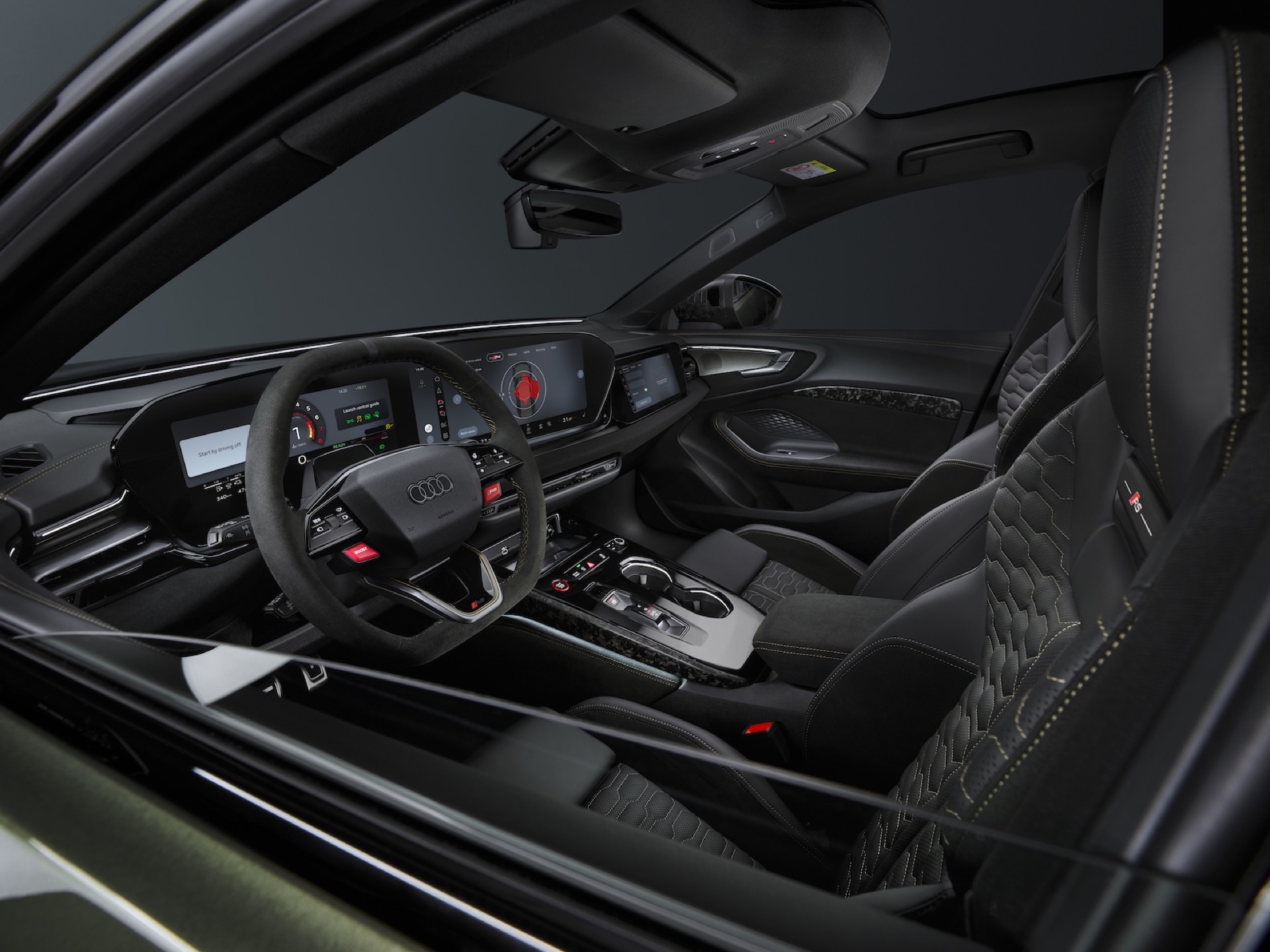
Audi interiors were once among the brand’s greatest strengths, known for exquisite materials and impeccable build quality. Today that reputation remains only partially intact. Details such as the four rings simply applied to the steering wheel hub or the plastic door handles feel less premium than expected. Pressing buttons on the door panel moves the entire module, far removed from the solid tactile quality Audi once delivered. Rear passengers face a centre console made of hard plastic. That is disappointing in a car starting at €106,200 for the saloon and €107,850 for the Avant.
The infotainment graphics also feel uninspired. While the digital instruments offer several display options, a classic layout with analogue-style speedometer and rev counter is missing.

Audi RS 5 7

Technology: Power hybrids push electric models into the background

0

Across volume segments, sales of electric vehicles are gaining momentum. Whether small cars, mid-size models or family vans, more new registrations now feature electric drivetrains. The situation is very different in the luxury and high-performance sports car segment. Here, manufacturers are increasingly turning back to combustion engines, often supported by hybrid systems.

The new Audi RS5 delivers impressive performance. Where the previous RS4 was once criticised for lacking power against ever stronger rivals, the new model takes a different approach. Its 2.9-litre V6 turbo is supported by a powerful electric motor, bringing total output to 639 PS. Audi currently offers no comparable all-electric sports variant in this class.

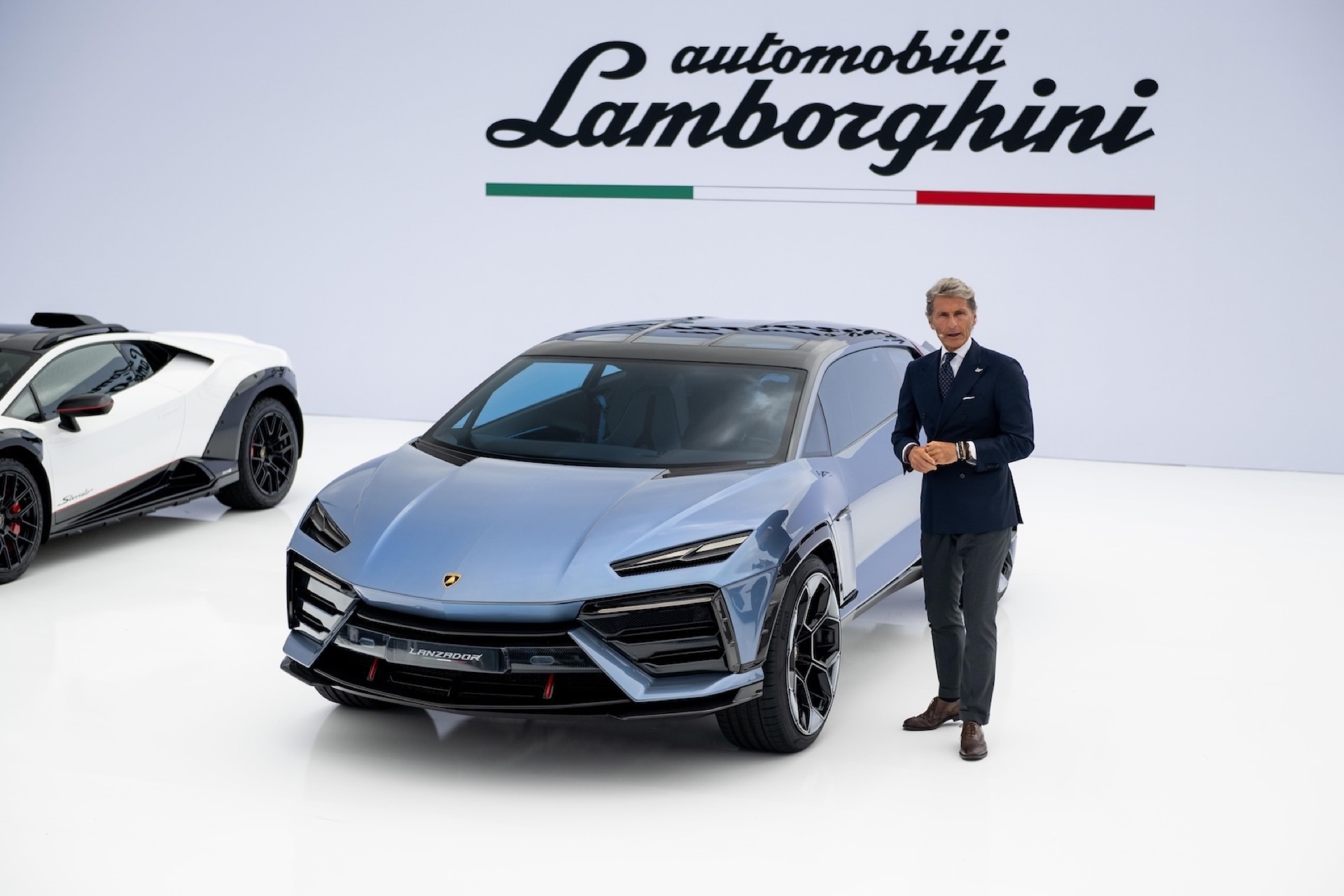
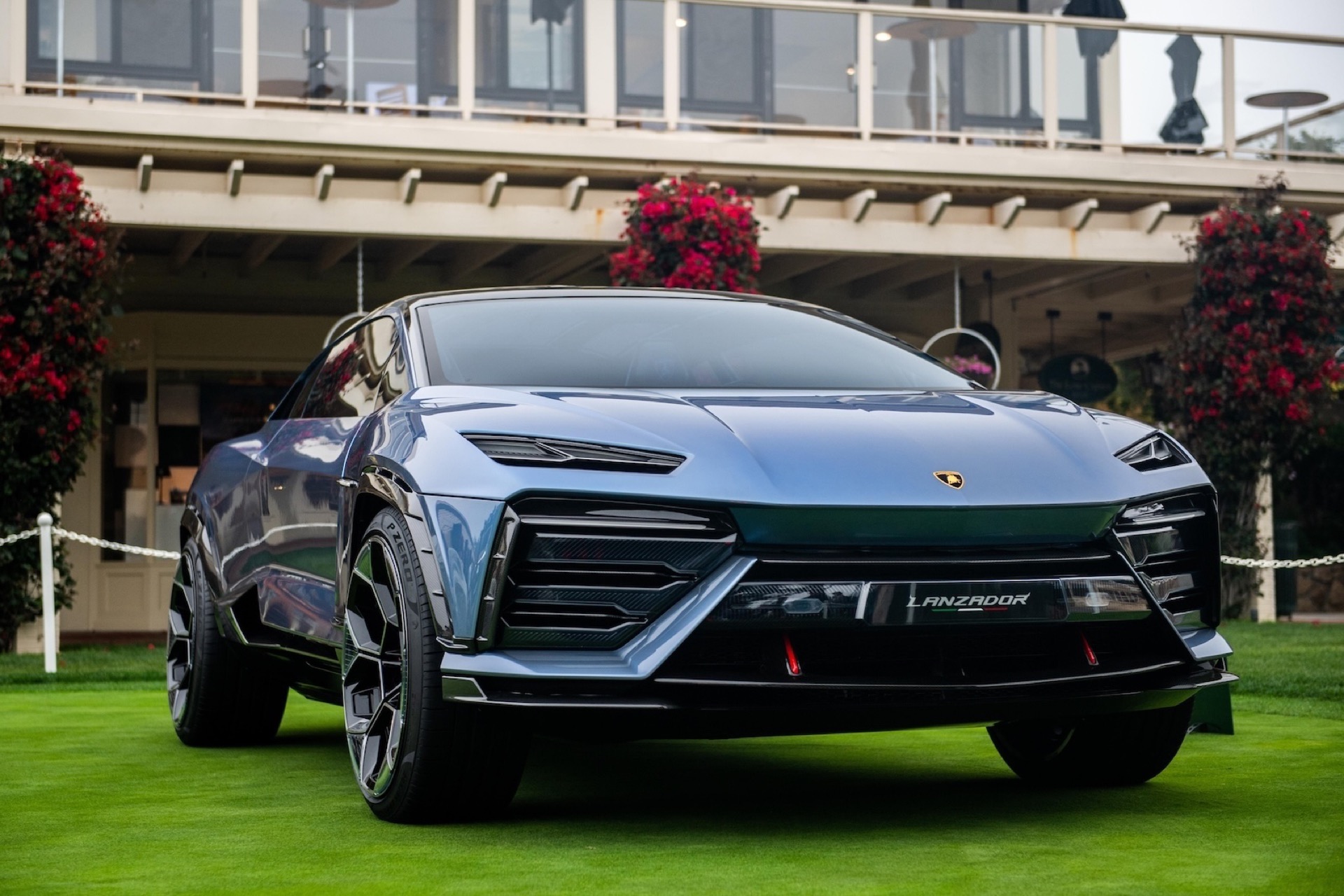
Lamborghini has also adjusted course. Its planned fourth model line, originally set to introduce the all-electric Lanzador crossover with 1,360 PS, will now include a newly developed hybrid version of the Urus successor as well as a 2+2 coupé with plug-in hybrid power. The decision reflects clear customer demand for a high-performance V8 combined with electrification rather than a fully electric alternative.

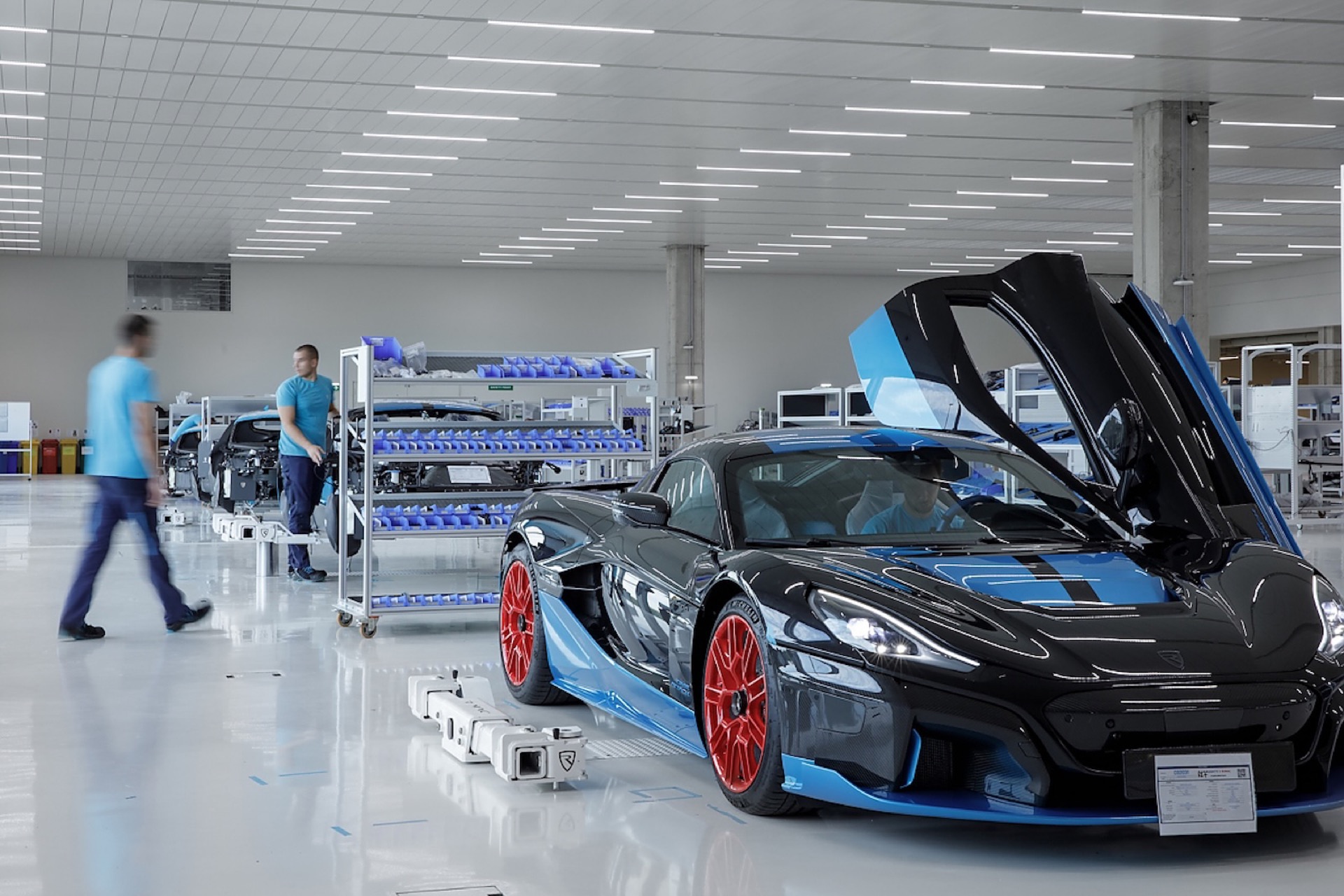
This shift is not entirely new. Mate Rimac, CEO of Bugatti Rimac and a pioneer of electric hypercars, found demand for the Rimac Nevera fell short of expectations. His team is now working on a new hypercar that will combine a 16-cylinder engine with electric assistance rather than rely solely on electric power.

Bentley Continental 1

Ferrari is moving in a different direction with its first fully electric crossover, the Luce, due to debut this summer. Yet enthusiasm among traditional fans remains limited. Internally, there were also debates about whether and when a Ferrari EV was necessary. At Rolls-Royce, the Spectre luxury coupé has struggled to gain traction, while Bentley has revised its electrification strategy under new leadership. For now, powerful hybrid models are expected to carry the brand forward. Among Maybach customers, demand for V8 and especially V12 engines continues to outweigh interest in silent electric drivetrains.

The reasons are varied. Pure performance is not the issue, as electric systems deliver extraordinary acceleration. Instead, it is emotion that plays the decisive role. The sound and character of combustion engines remain central to the appeal of many sports cars. From Lamborghini’s V8s and V12s to Ferrari’s high-revving engines, these elements define the experience. Even imagining an electric Porsche 911 remains difficult for many enthusiasts.

Rolls Royce Spectre 2

At a more accessible level, similar trends are visible among brands such as Alpine, Toyota, Maserati and Alfa Romeo, which have revived powerful combustion models alongside electrified offerings. For many buyers in this segment, these cars are not primary household vehicles. Practical factors such as range or charging speed matter less than character and emotional connection.

For that reason, combustion engines are unlikely to disappear from luxury and performance cars any time soon. In many cases, they are becoming more relevant than ever.

Porsche Taycan

Hellgeth Mercedes Unimog 4030 4×4: When the G-Class is no longer enough

By Wolfgang Hörner

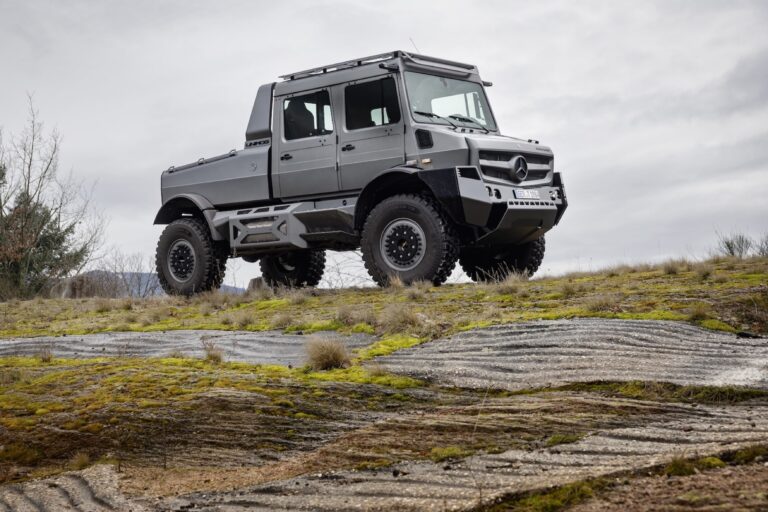
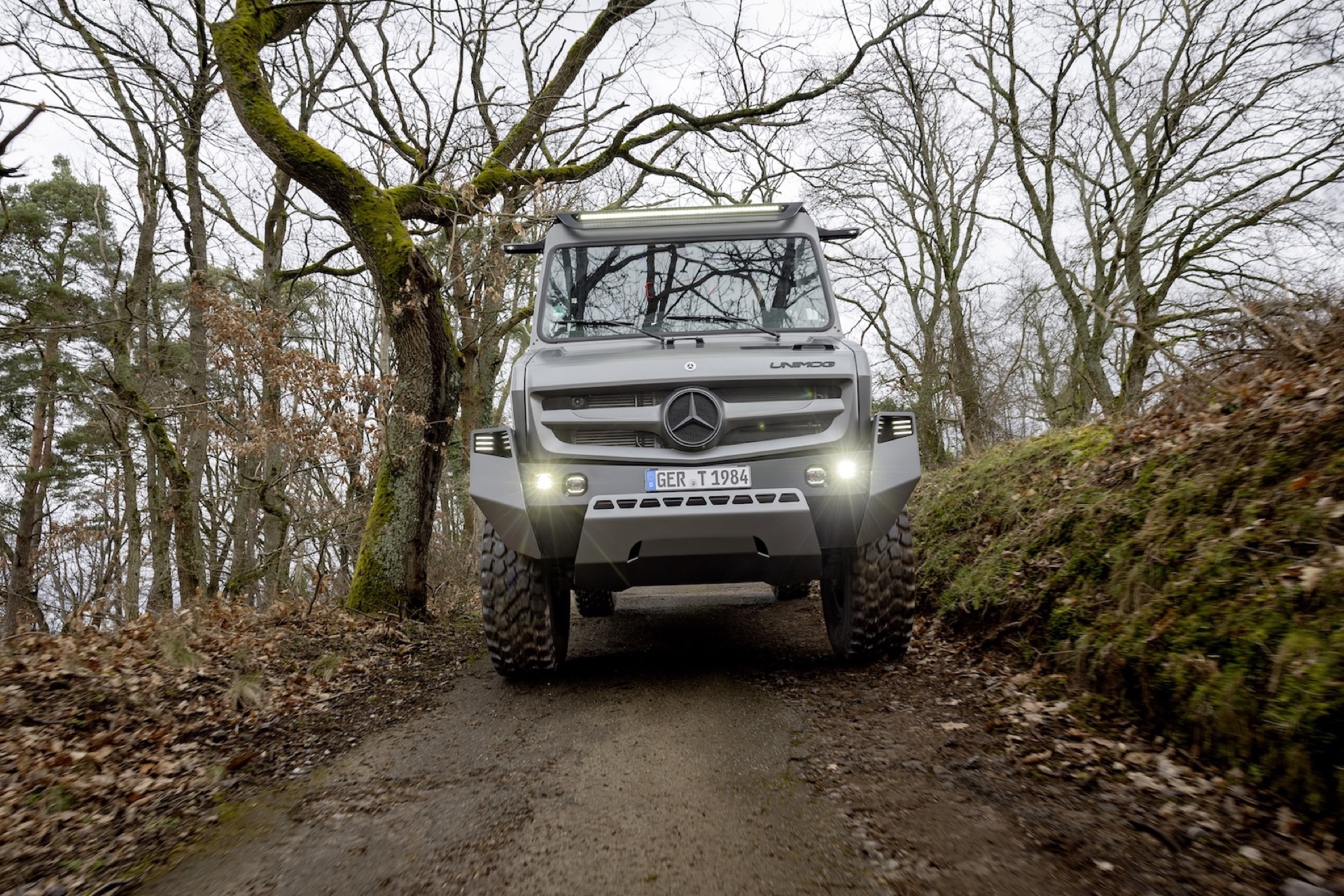
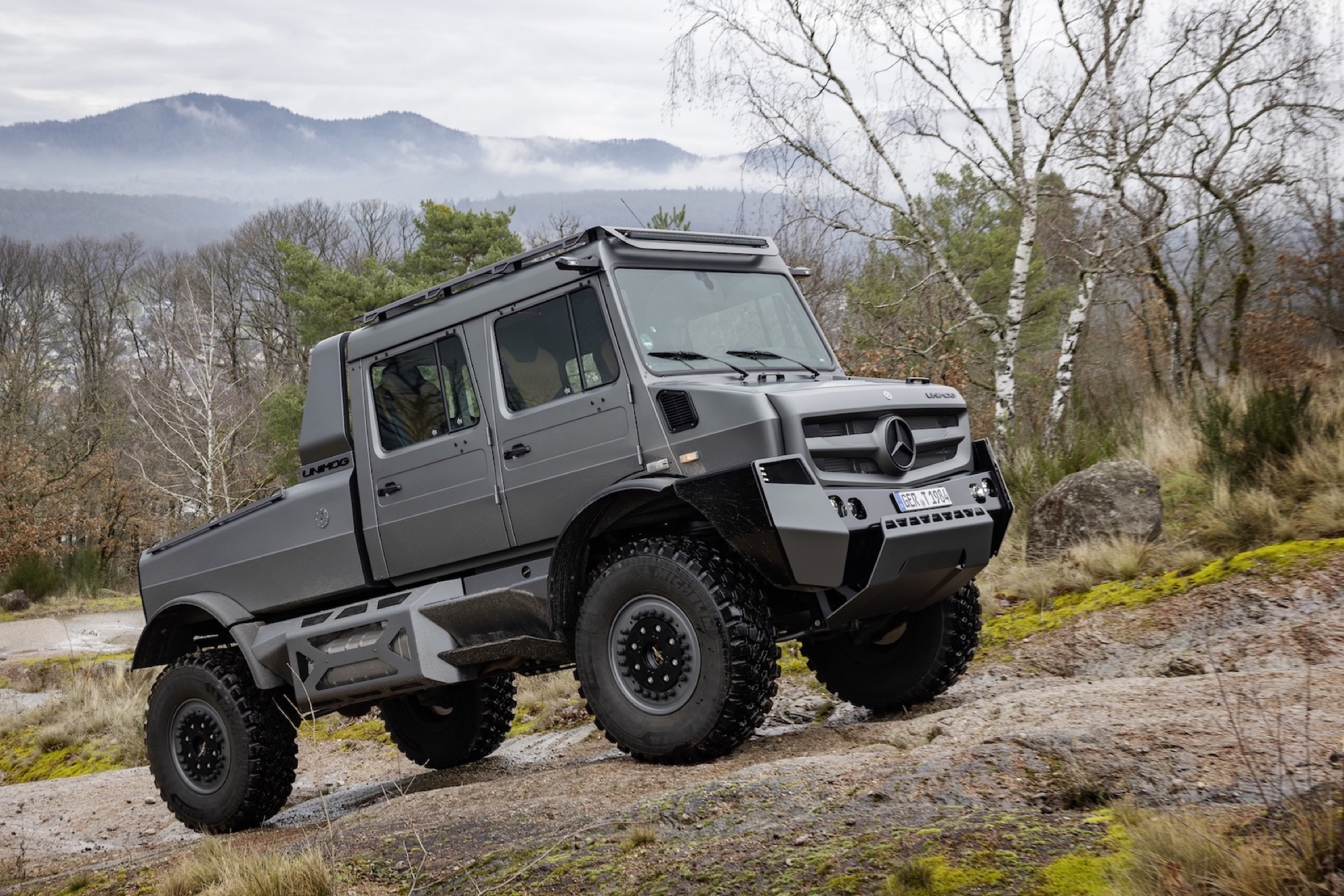
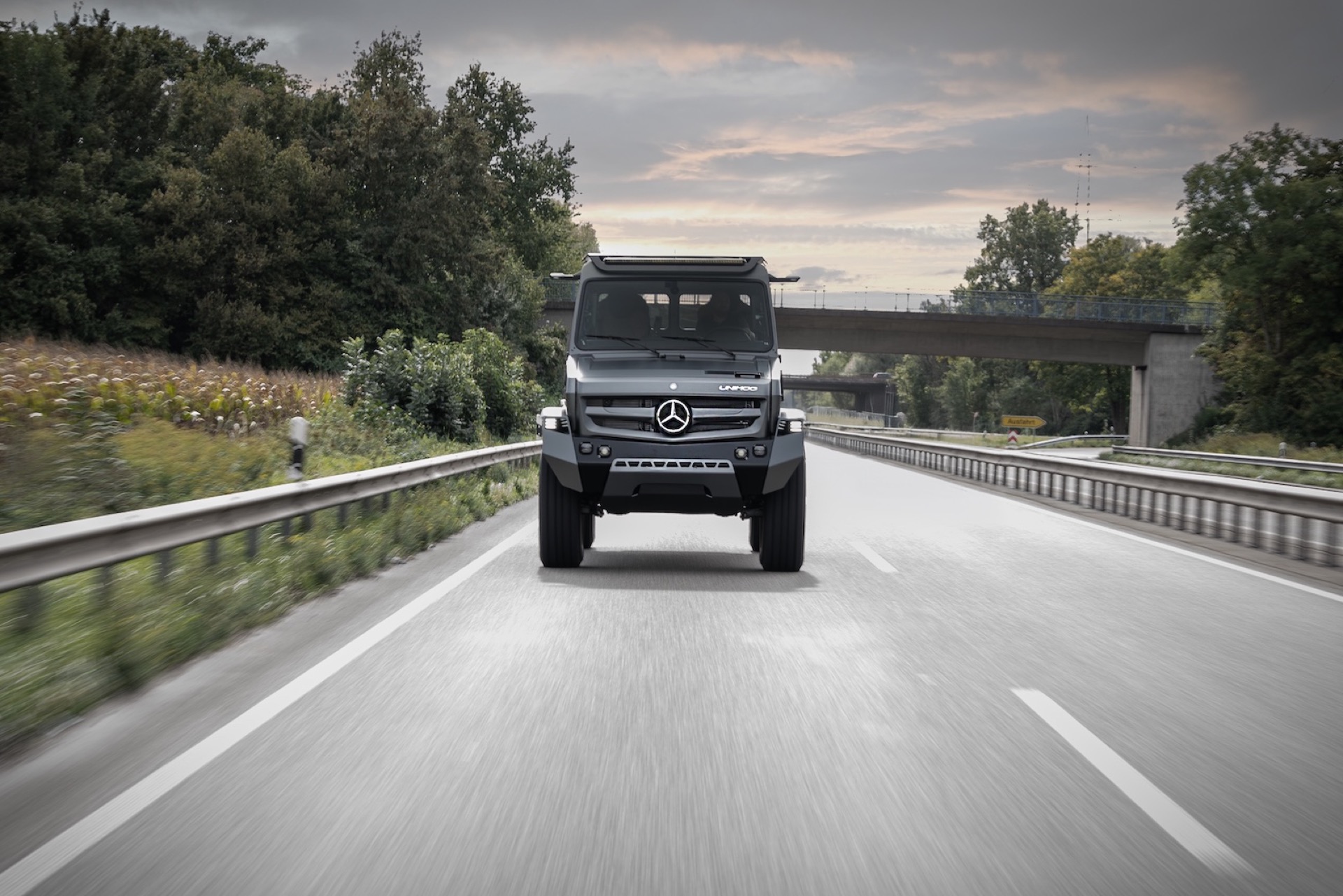
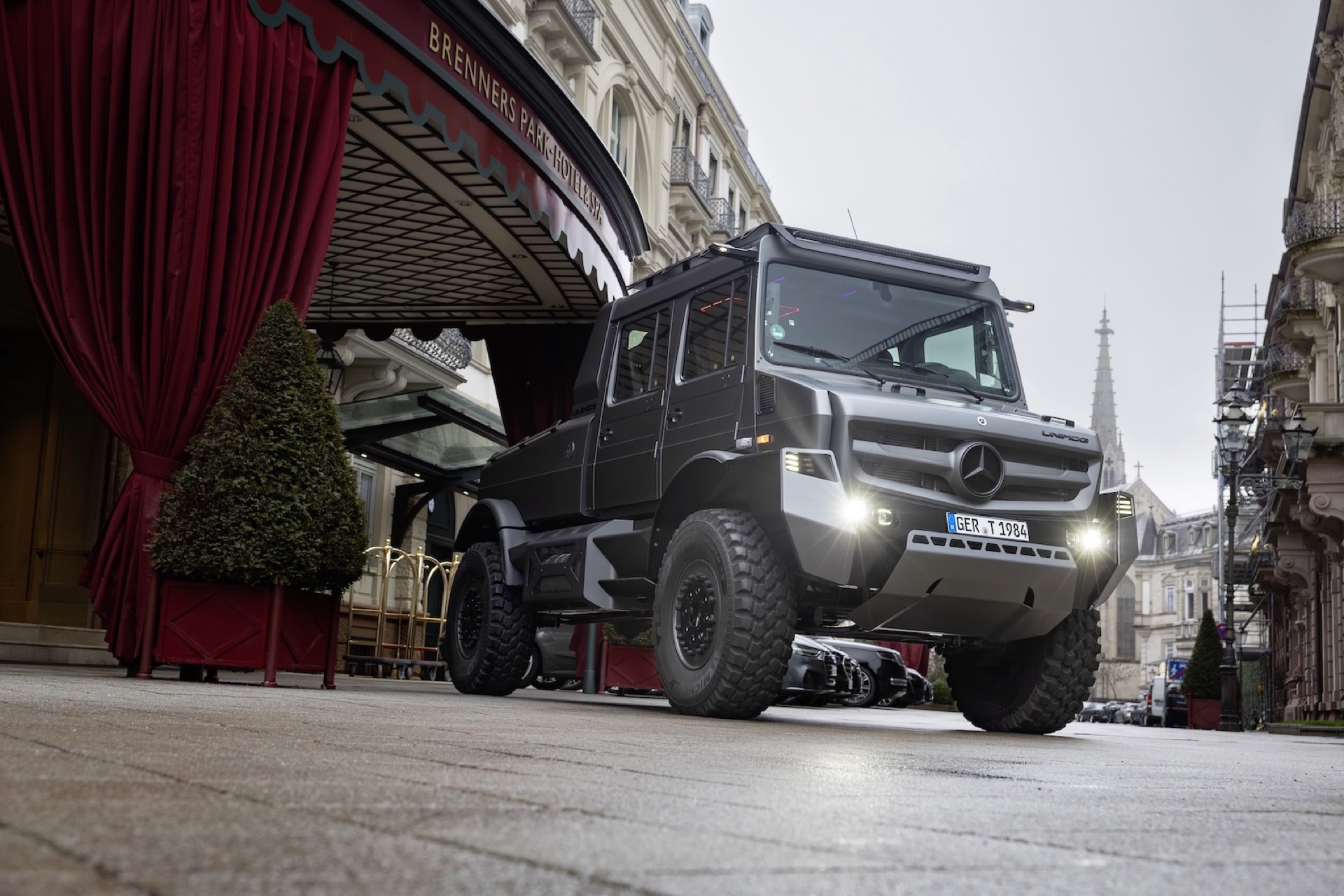
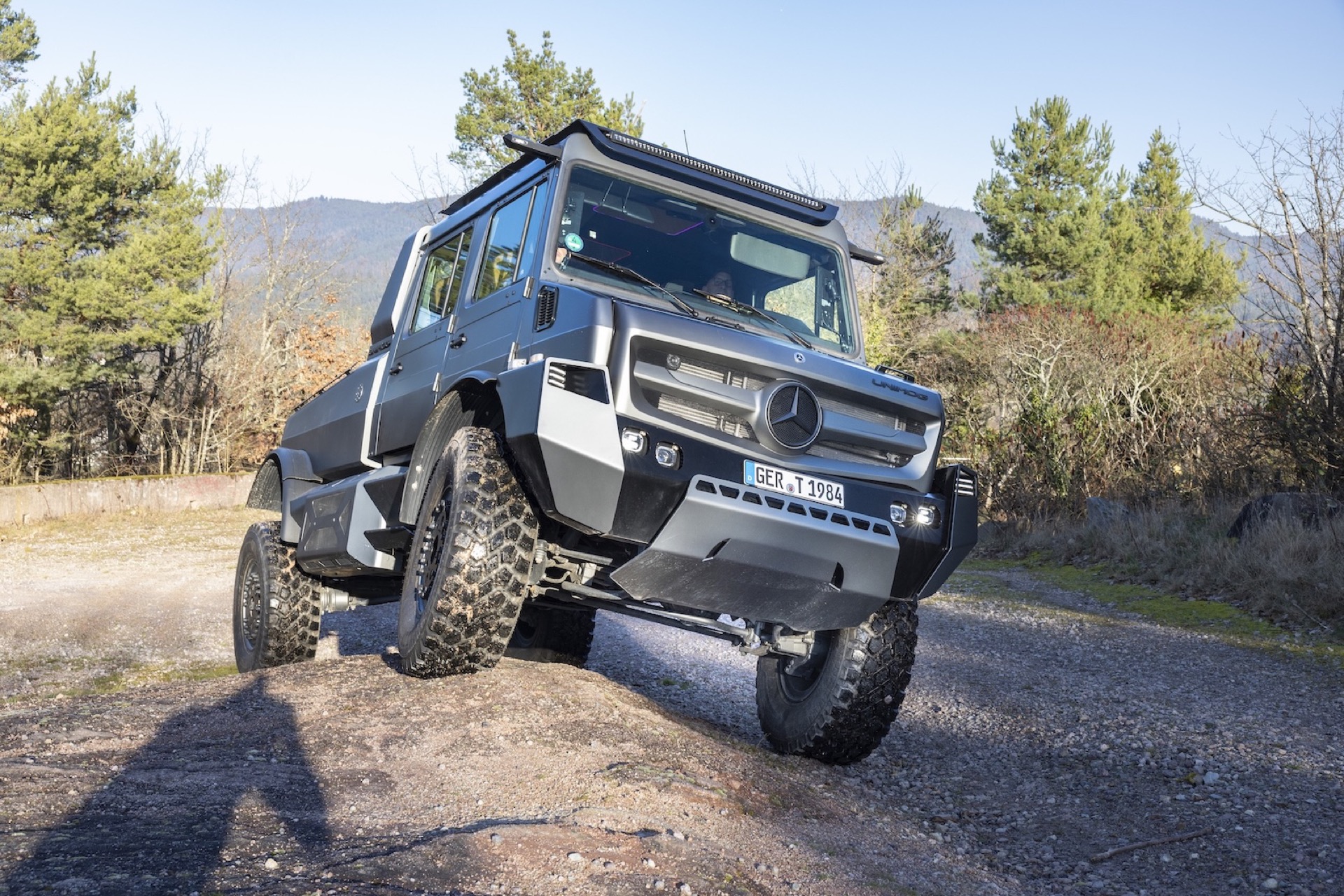
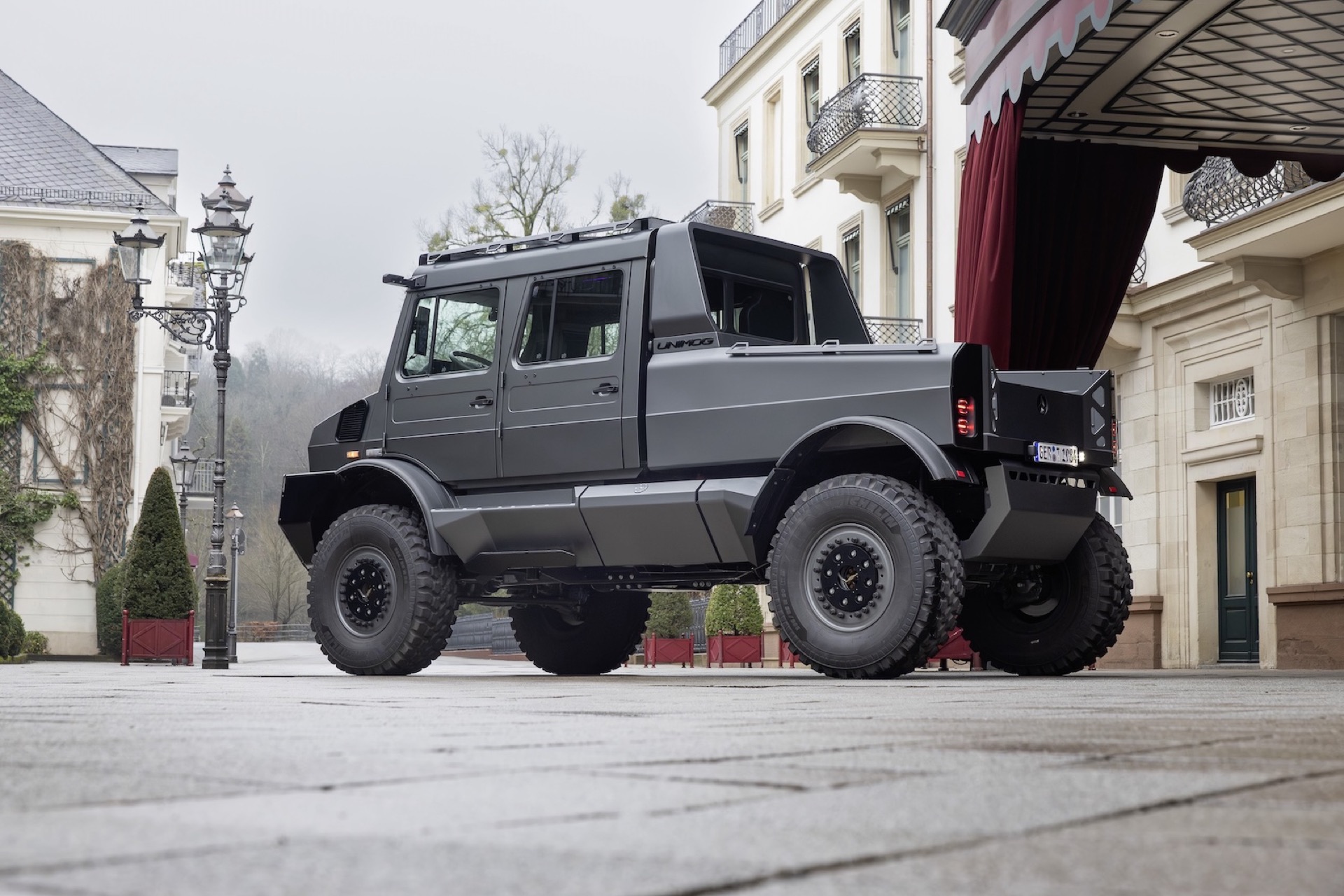
The Unimog has always been the ultimate all-round workhorse. Yet, to mark its 80th anniversary, the legendary utility machine shows a very different side. This one-off transforms the rugged icon into a luxury off-roader for those who already have everything for rough terrain.

Built for extremes. That is how Daimler Truck describes the Unimog. Whether serving with fire brigades, disaster relief units, winter services, mining operations or as an expedition vehicle in remote regions, it steps in when conventional transport fails and even serious off-roaders reach their limits. It has done so for eight decades.

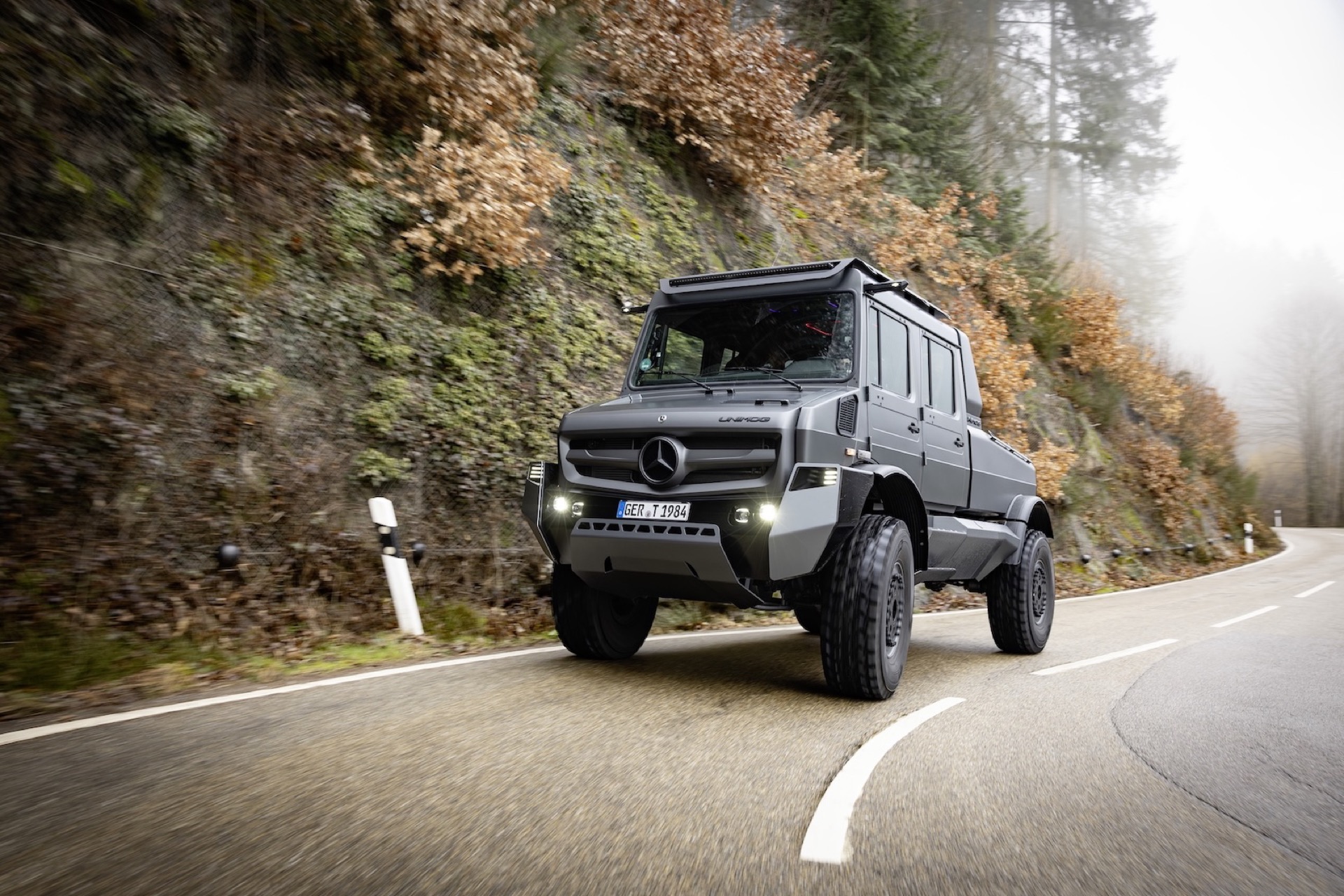
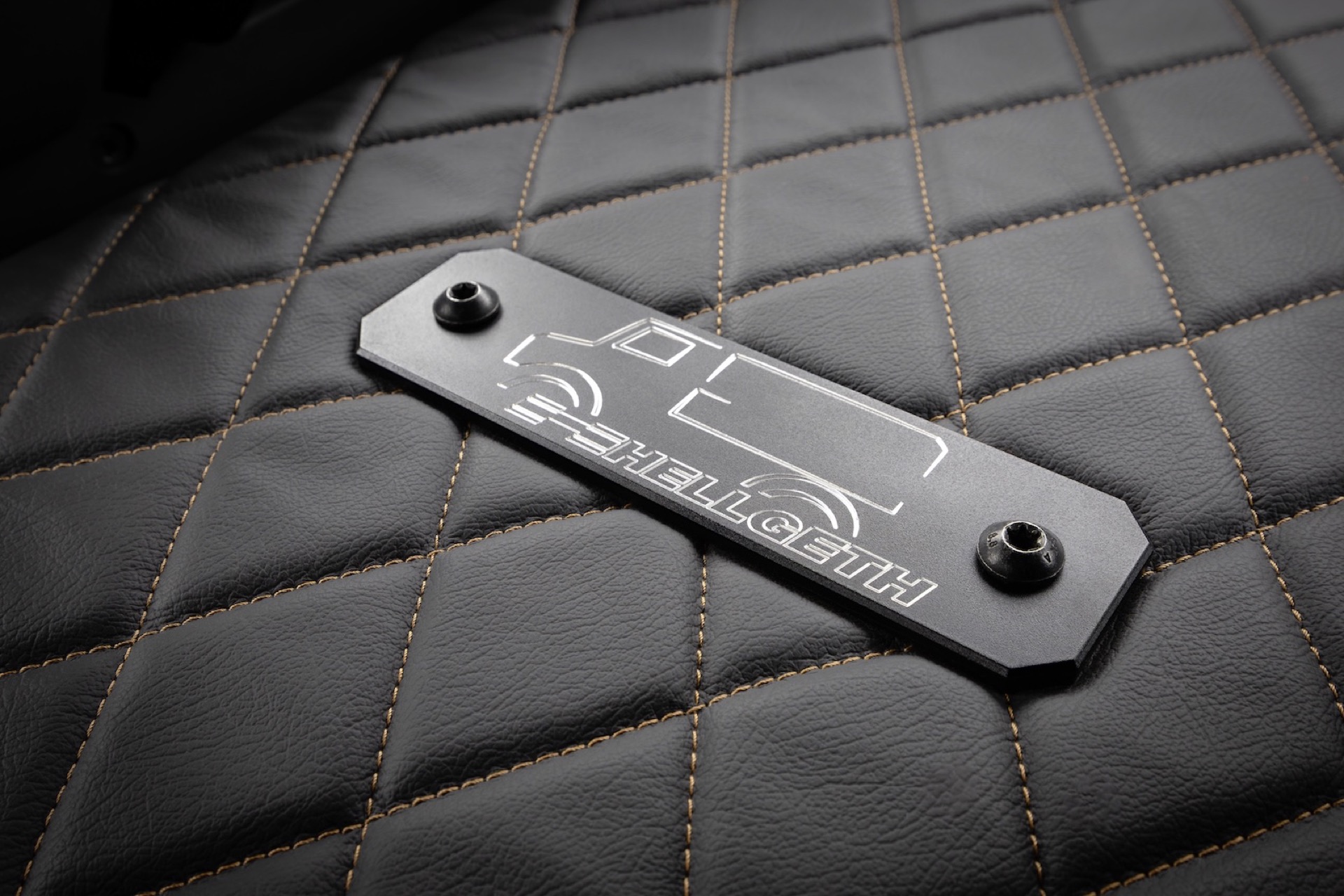
Now those extremes extend beyond harsh weather and challenging terrain. The universal motor device enters the world of luxury. This special vehicle is effectively a celebratory statement for the model’s 80th birthday. To realise it, Daimler Truck collaborated with German Unimog specialist Hellgeth in Wurzbach. For years, the company has created bespoke Unimog conversions ranging from expedition vehicles to specialist commercial solutions. Demand is global, and discussions are already underway about turning this one-off into a limited series for clients who want something truly different.

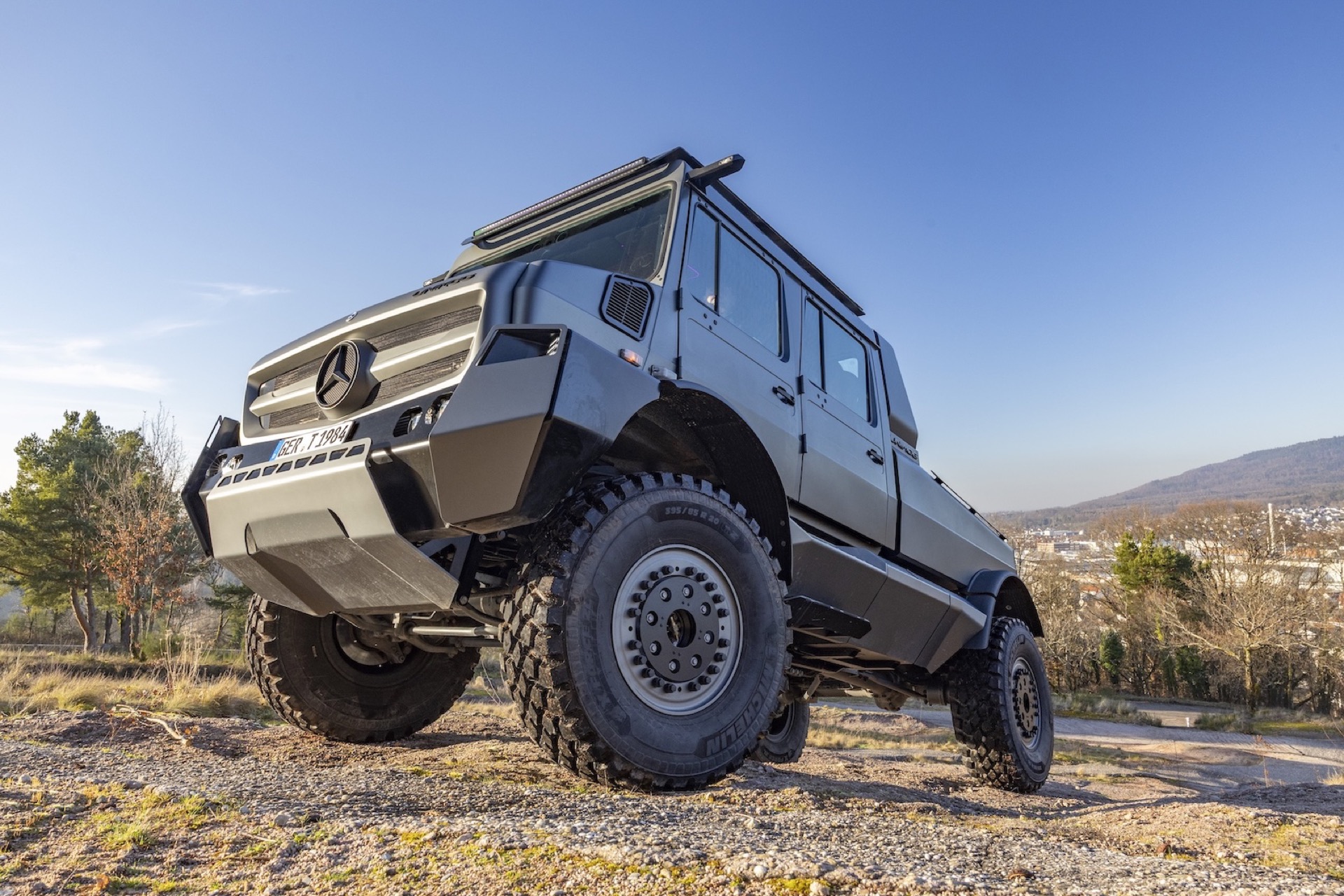
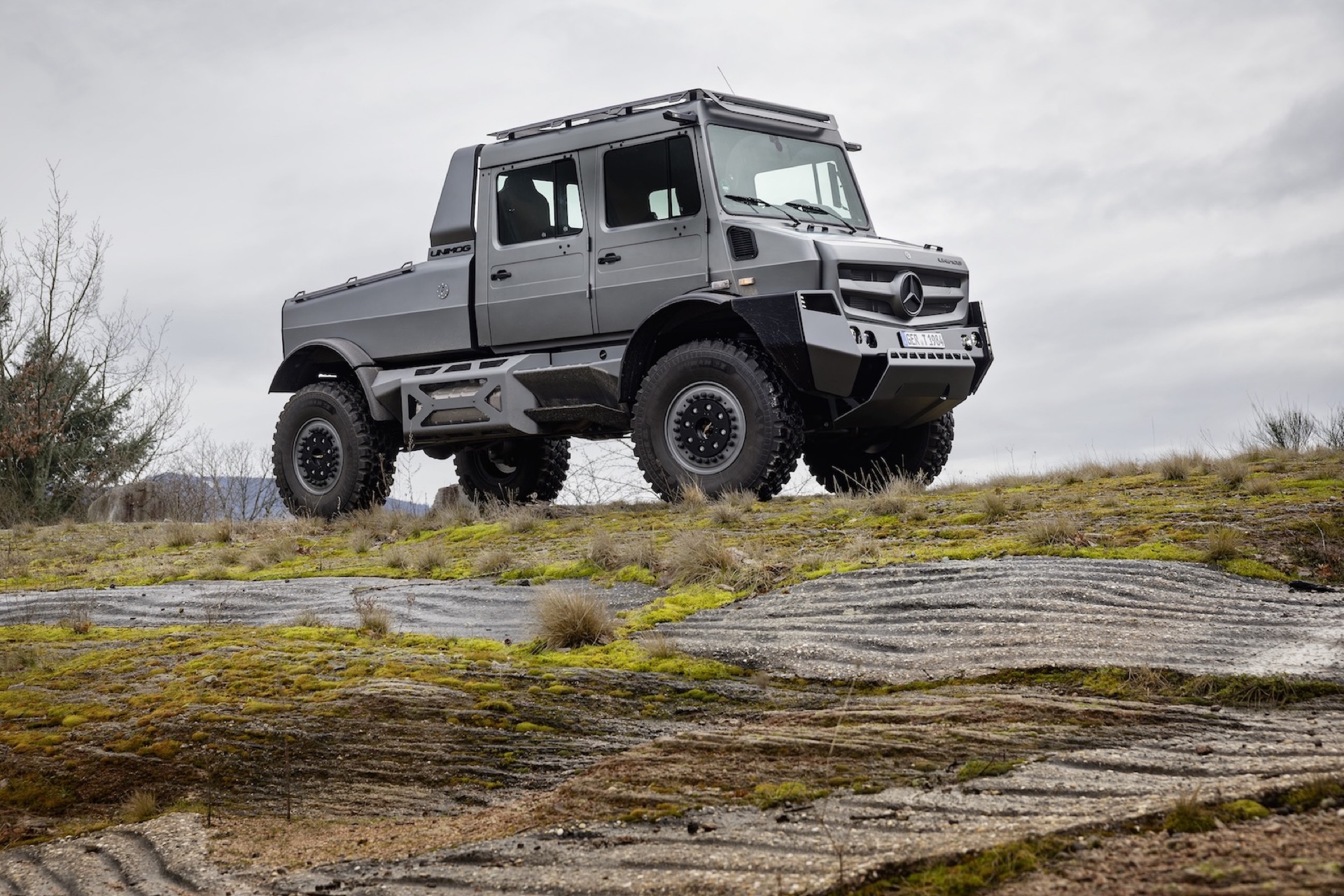
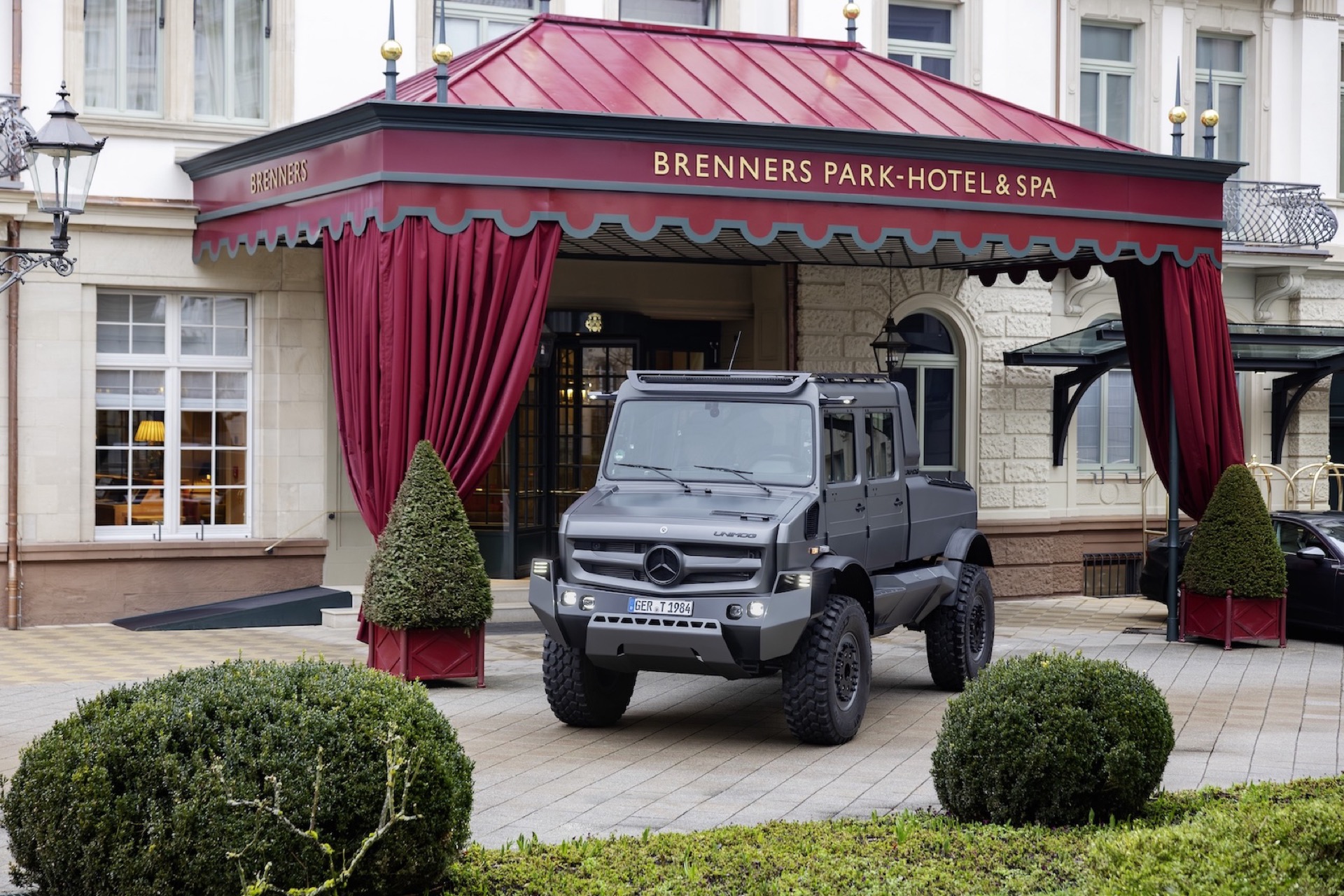
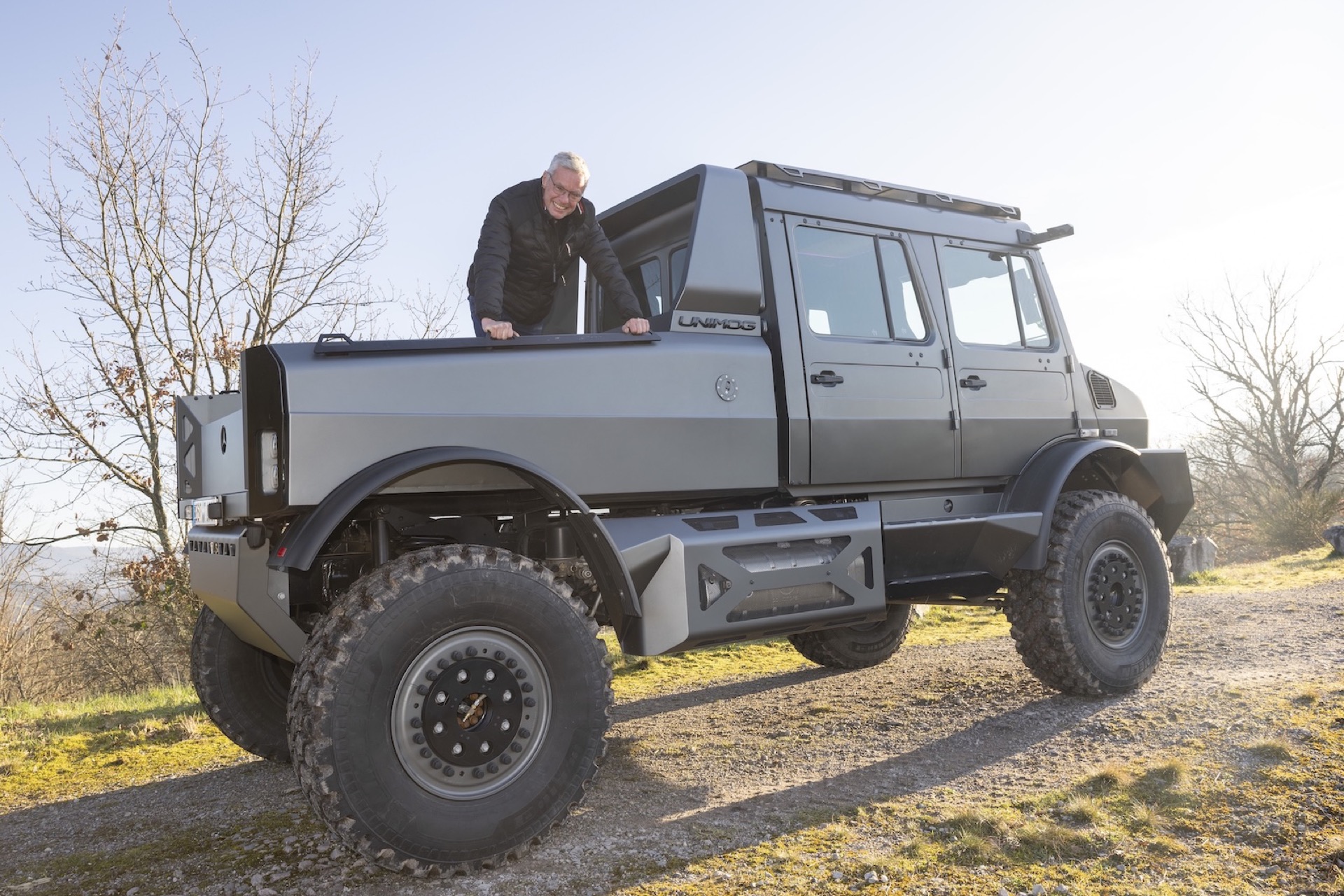
Picture the scene. Instead of a Bentley or an AMG G-Class, a silver Unimog arrives at a Monaco hotel or casino. If it is allowed in, that is. The Unimog remains a commercial vehicle with a gross weight of 7.5 tonnes and stands nearly 2.9 metres tall, ruling out many urban streets and car parks. Even stepping out requires effort. Climbing down is no less dramatic than exiting a low supercar, only in reverse. There are no retractable steps here, just traditional grab handles and high-mounted footholds.

Unimog 4030 Luxus 13
Mercedes-Benz Special Trucks Luxus Unimog
Mercedes-Benz Special Trucks luxury Unimog

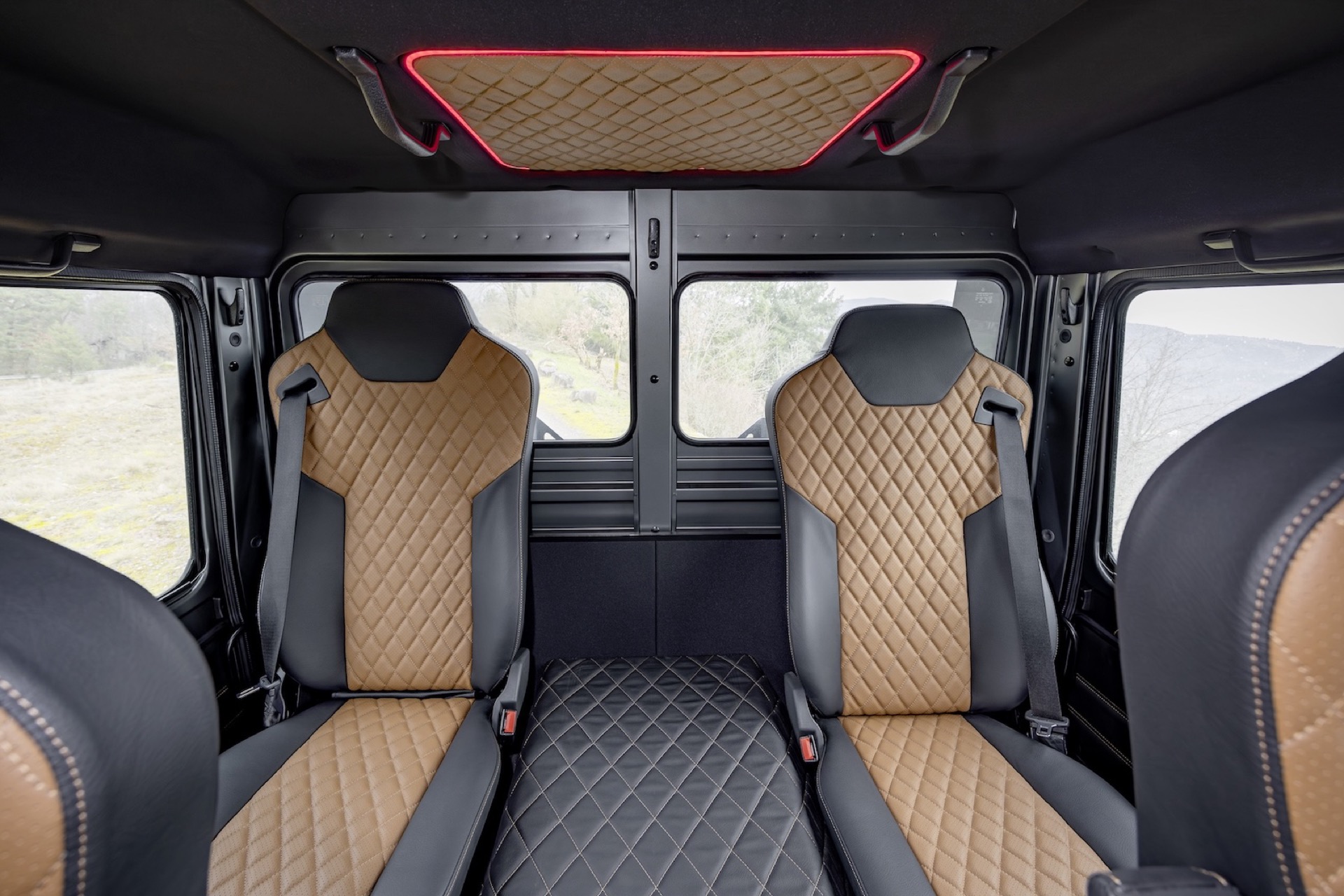
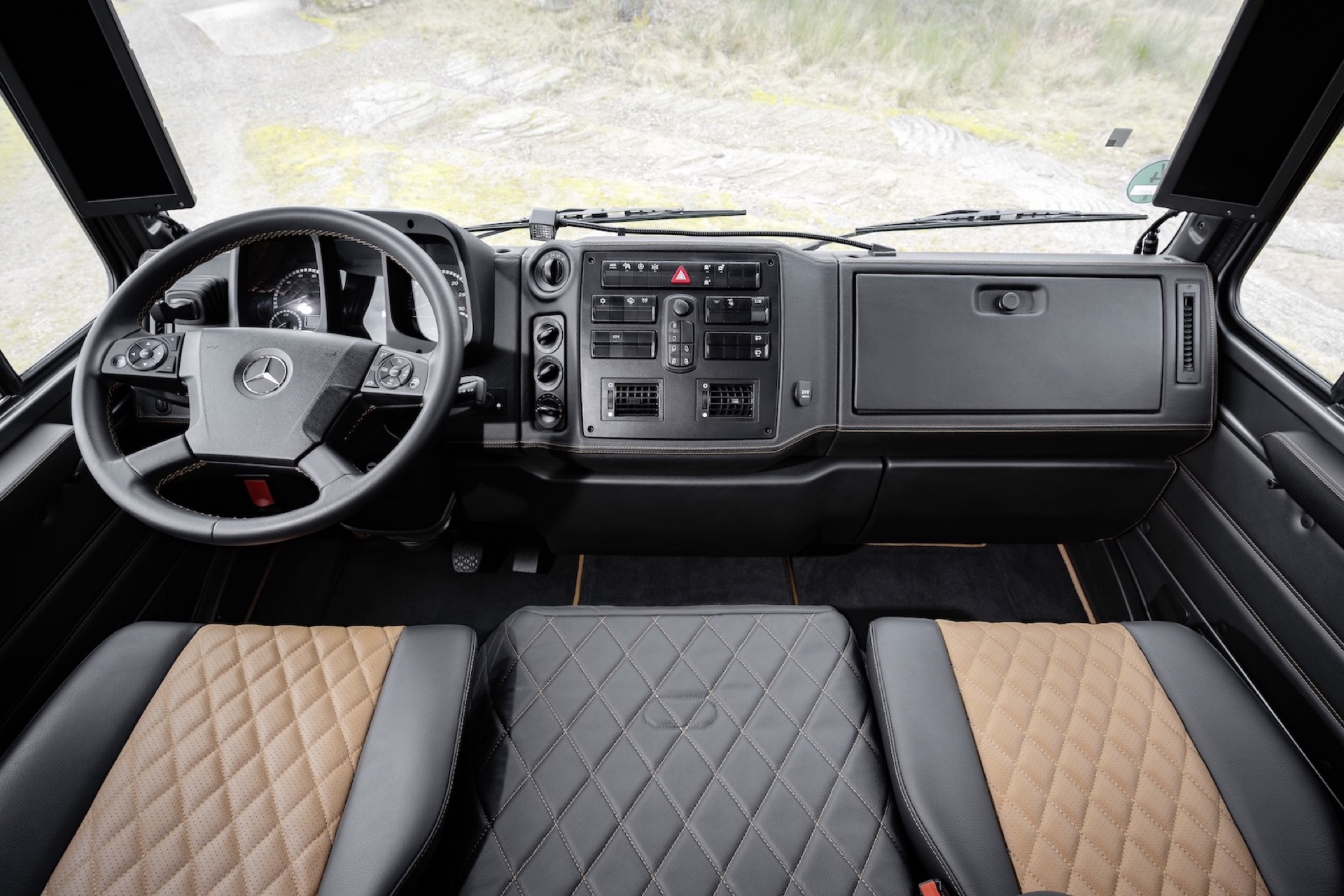
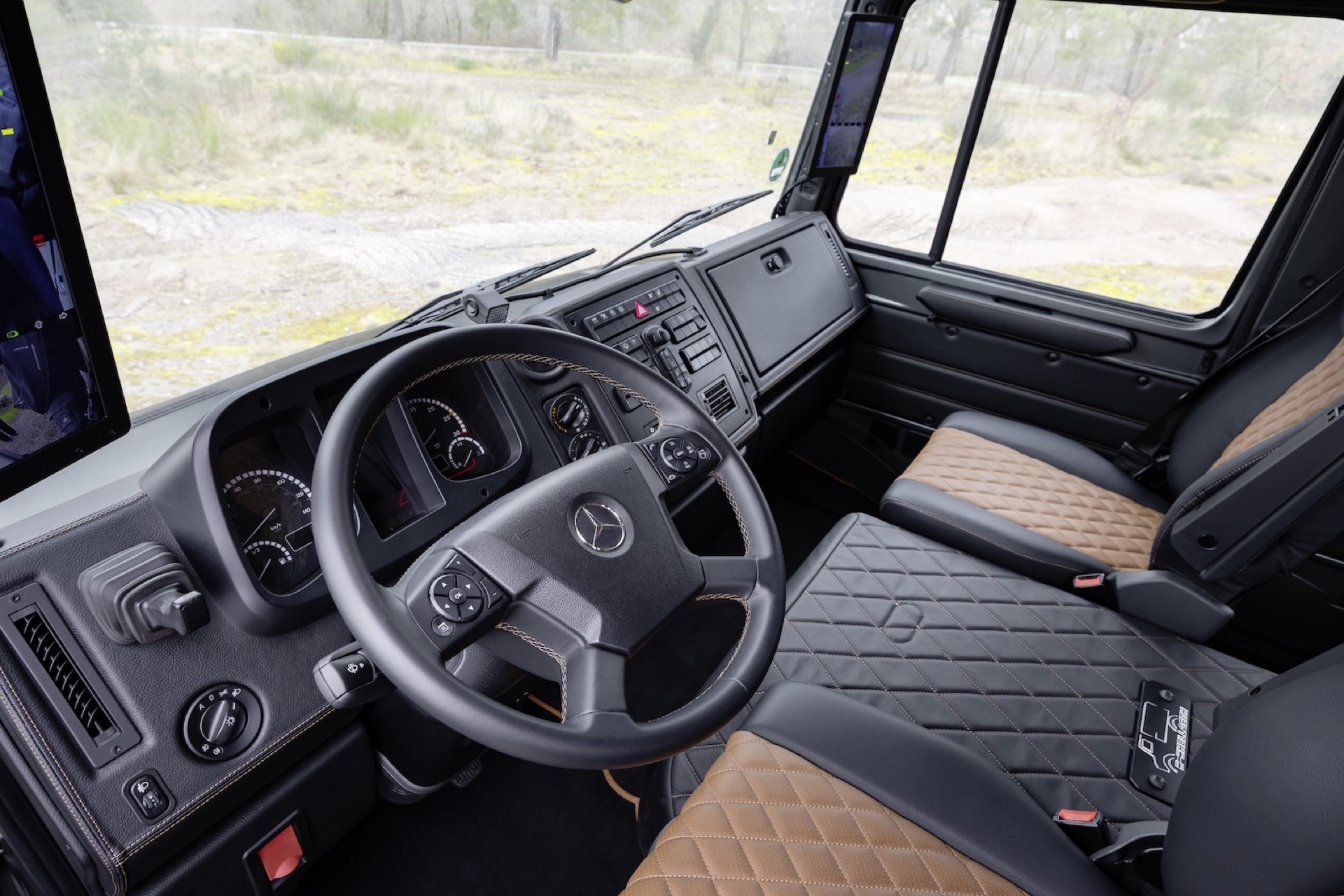
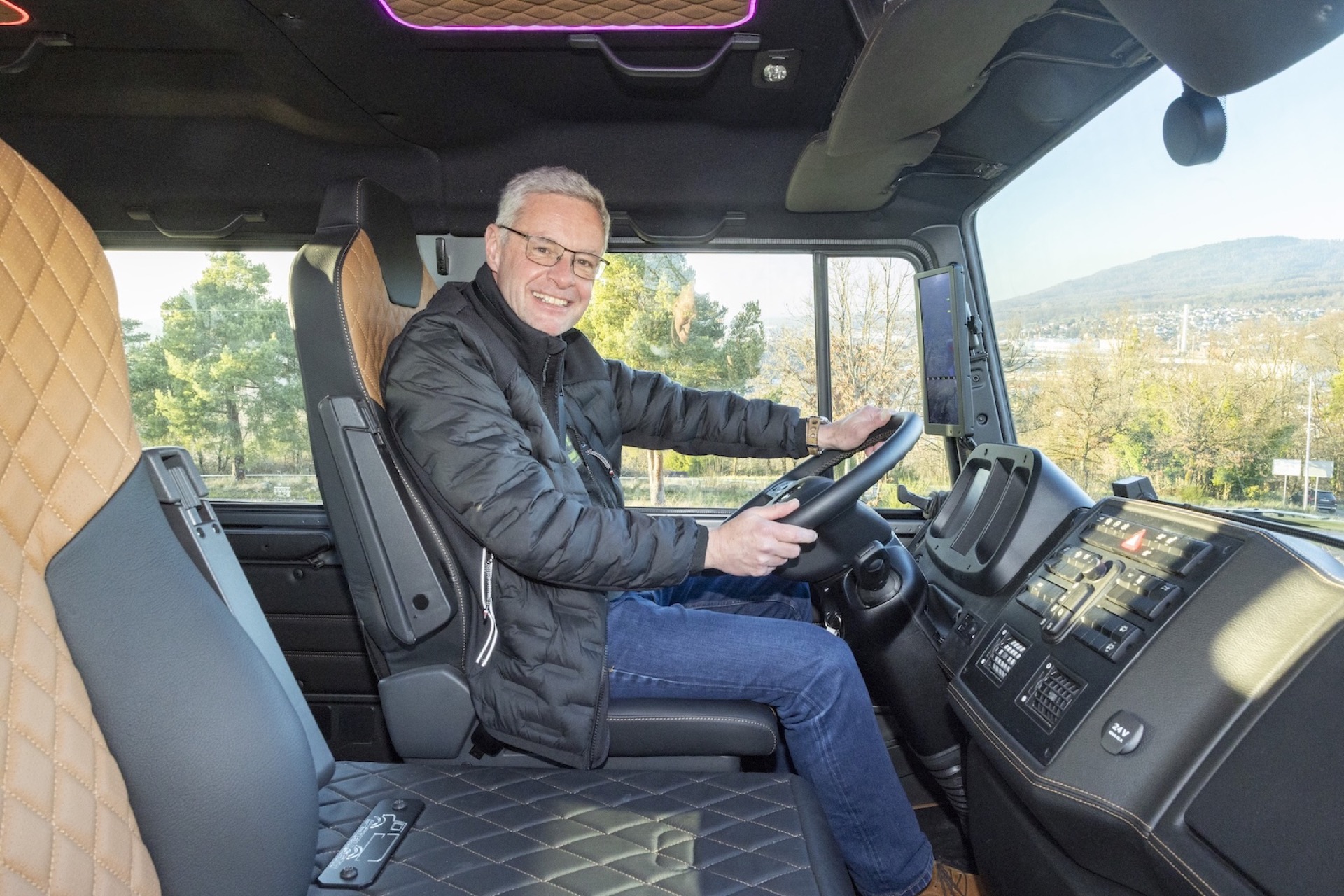
Inside, however, the experience is transformed. The double cab, normally seating seven, now features four air-suspended heated individual seats trimmed in quilted leather with decorative stitching. The wide centre console and split headliner match the same elegant finish, creating an ambience reminiscent of Maybach craftsmanship. Fully digital exterior mirrors enhance visibility, supported by mandatory blind spot cameras. The elevated seating position offers a commanding view over surrounding traffic.

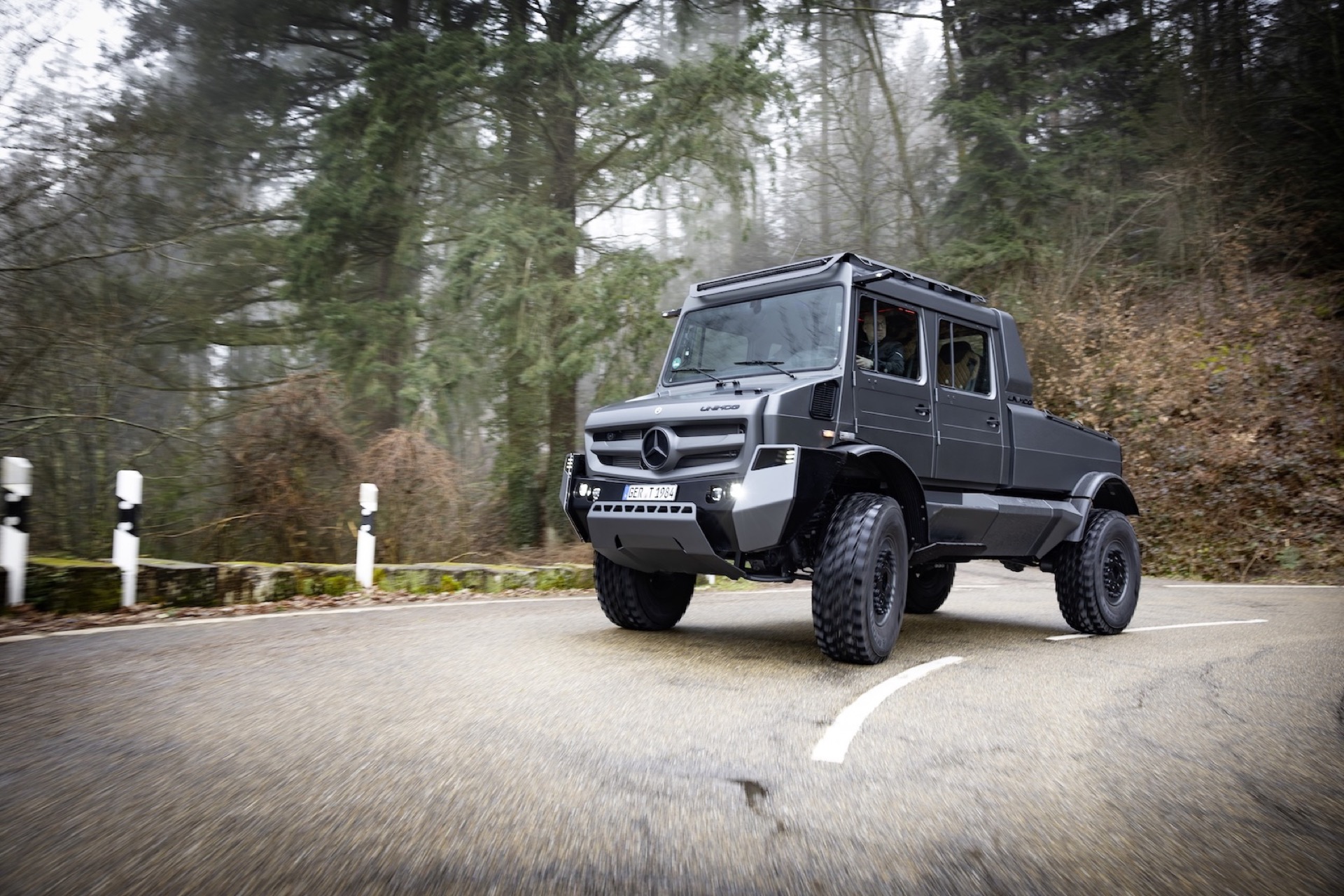
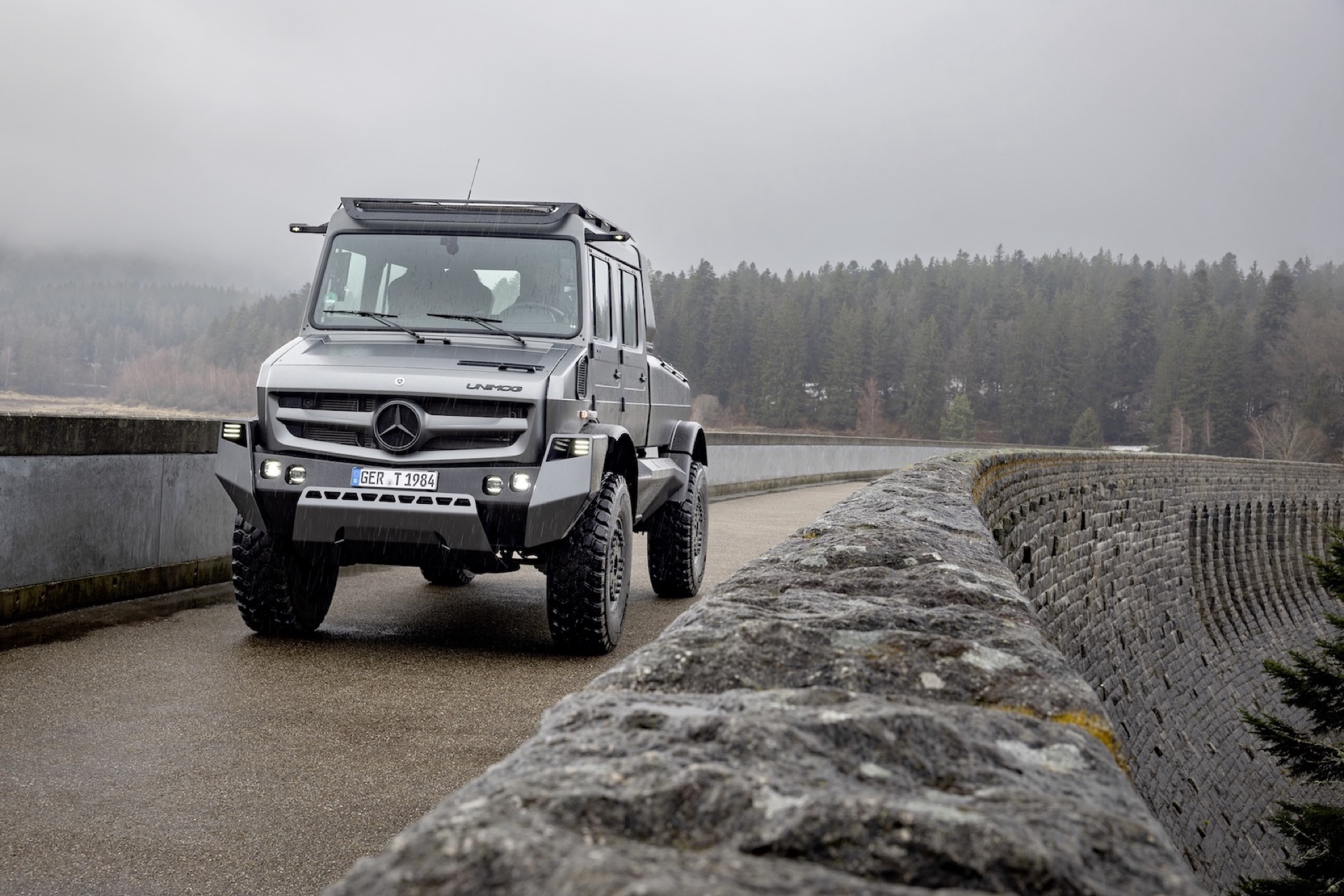
The exterior also receives a bespoke treatment. Revised bodywork, contemporary LED lighting and a matte metallic finish give the Unimog a distinctive presence, complemented by a sculpted rear bed. Practicality is not the priority here. This is about statement and capability.

Unimog 4030 Luxus 3
Mercedes-Benz Special Trucks Luxus Unimog
Mercedes-Benz Special Trucks luxury Unimog

And capability remains intact. Beneath the luxury lies authentic Unimog engineering. A new 7.7-litre inline six-cylinder engine produces 300 PS and 1,200 Nm of torque, more than typical for this highly capable series. The output prompted engineers to adopt permanent all-wheel drive rather than the usual selectable system. An automated hydraulic gearbox manages the eight forward gears, which can be split into 16 ratios with low range. Drivers can still intervene manually, even deploying a fold-out clutch pedal when terrain demands precise control.

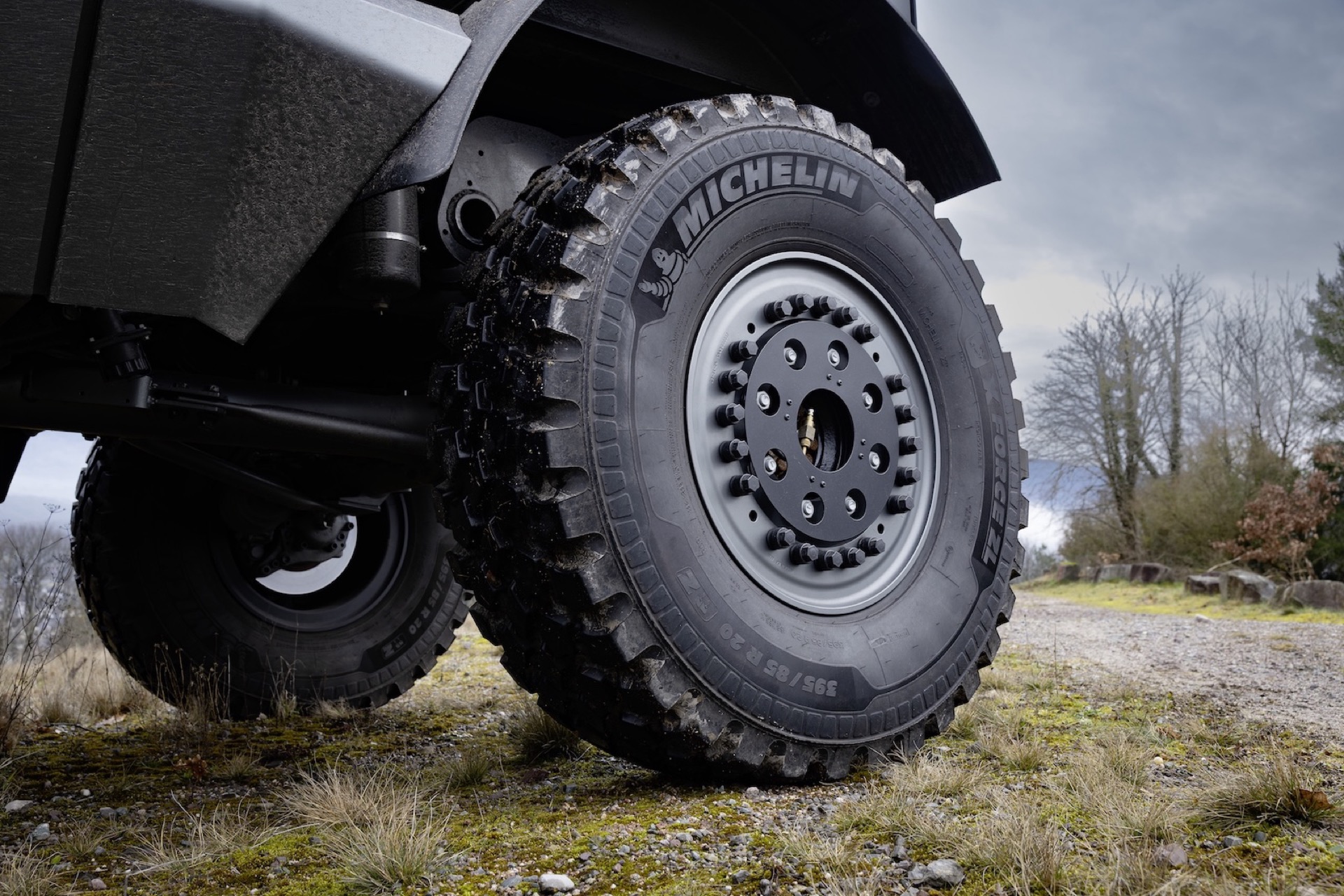
With adjustable tyre pressure systems, beadlock wheels and three differential locks, the Unimog continues to conquer sand, mud and rock with ease. Its limits are few. Perhaps only the price sets a boundary. The base vehicle alone starts well beyond €250,000.

Unimog 4030 Luxus 1

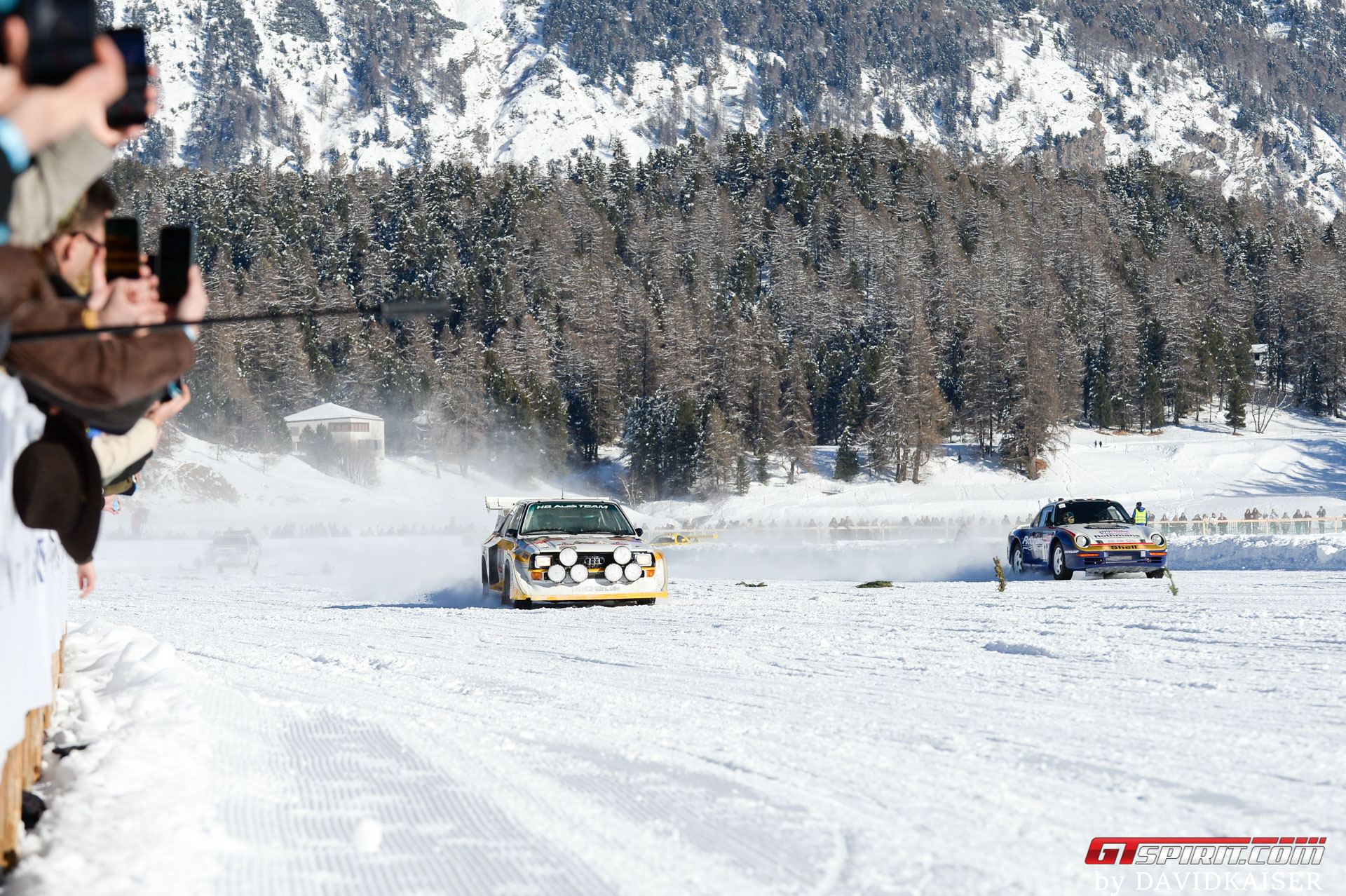
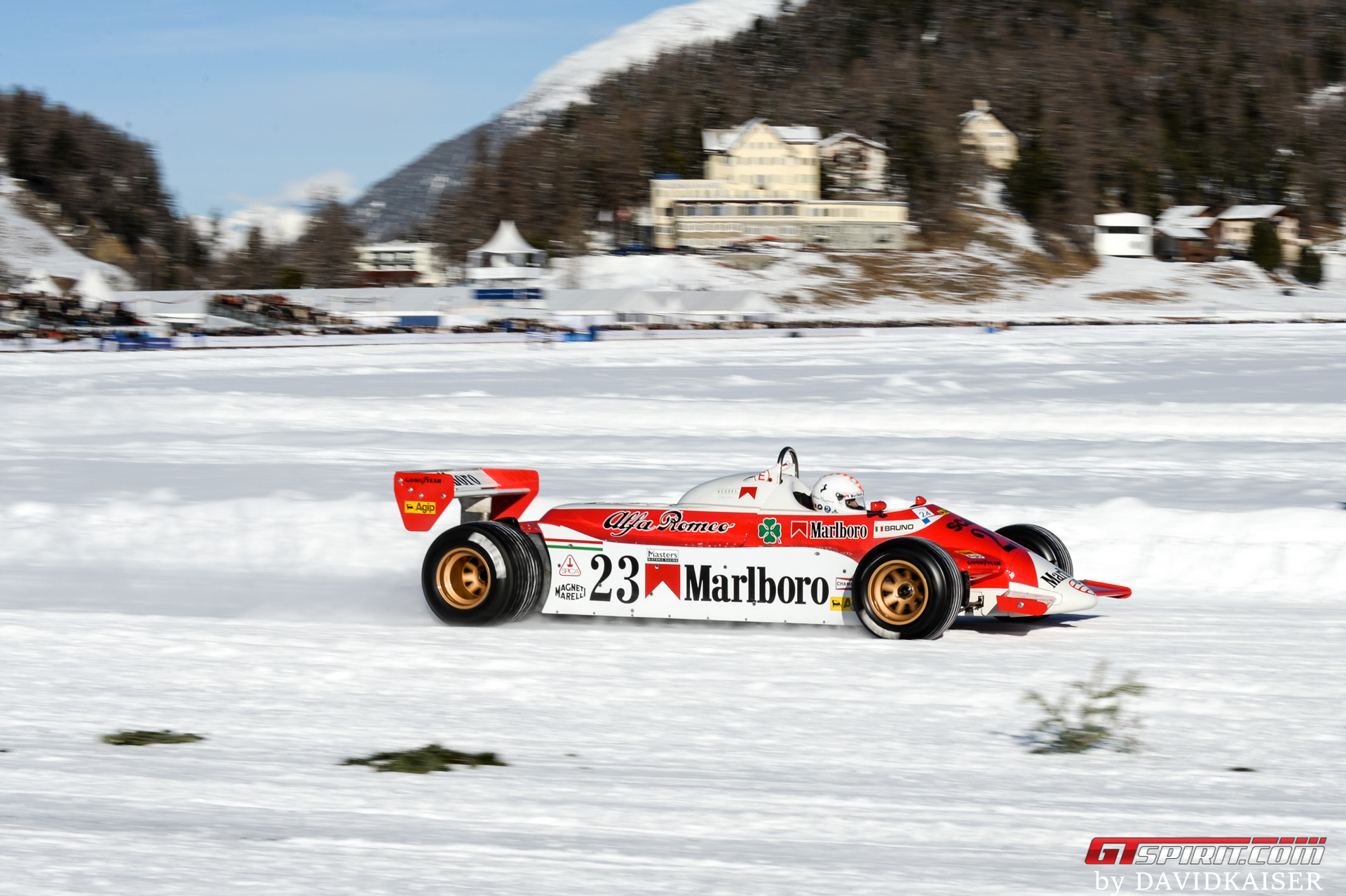
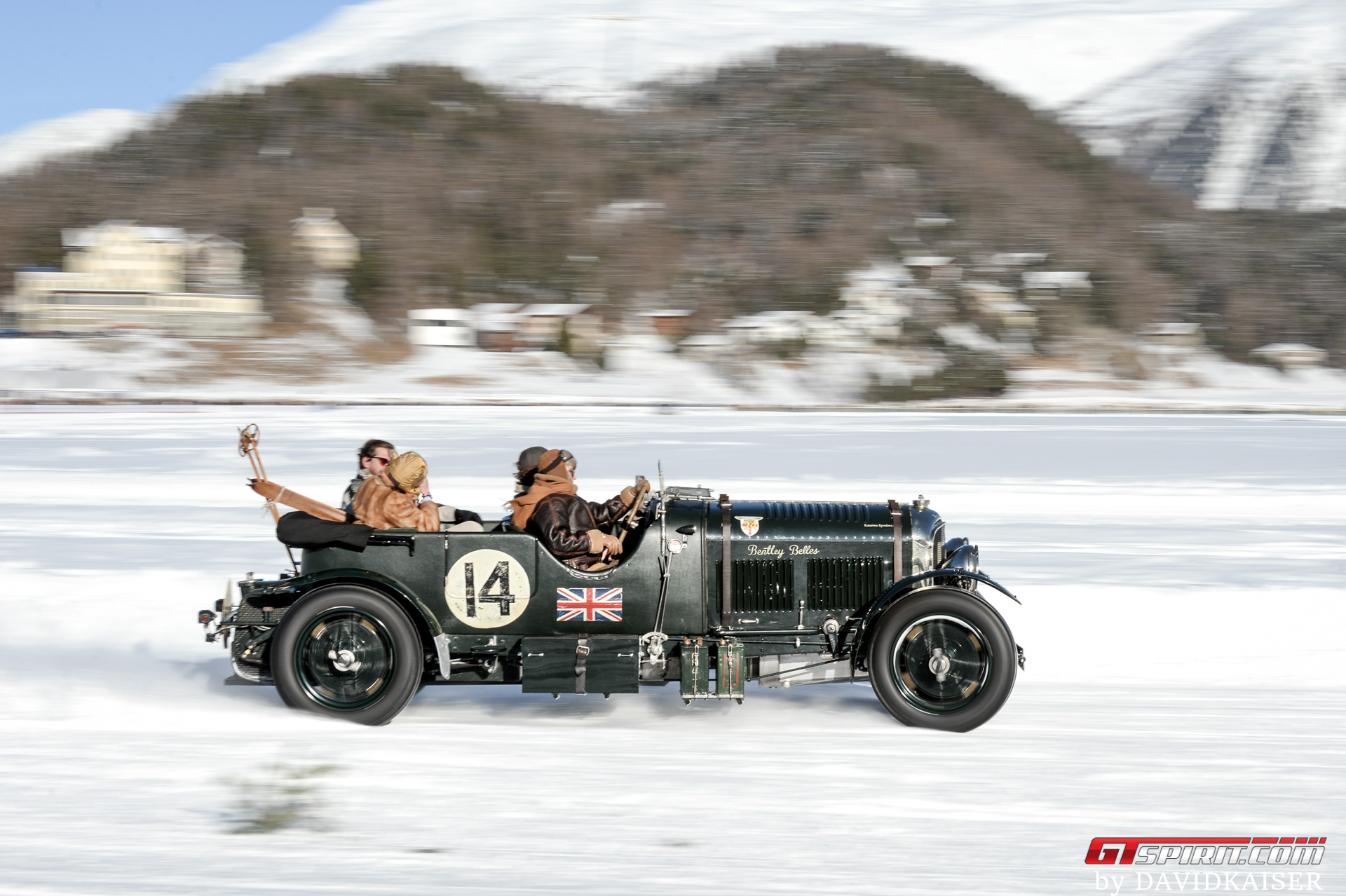
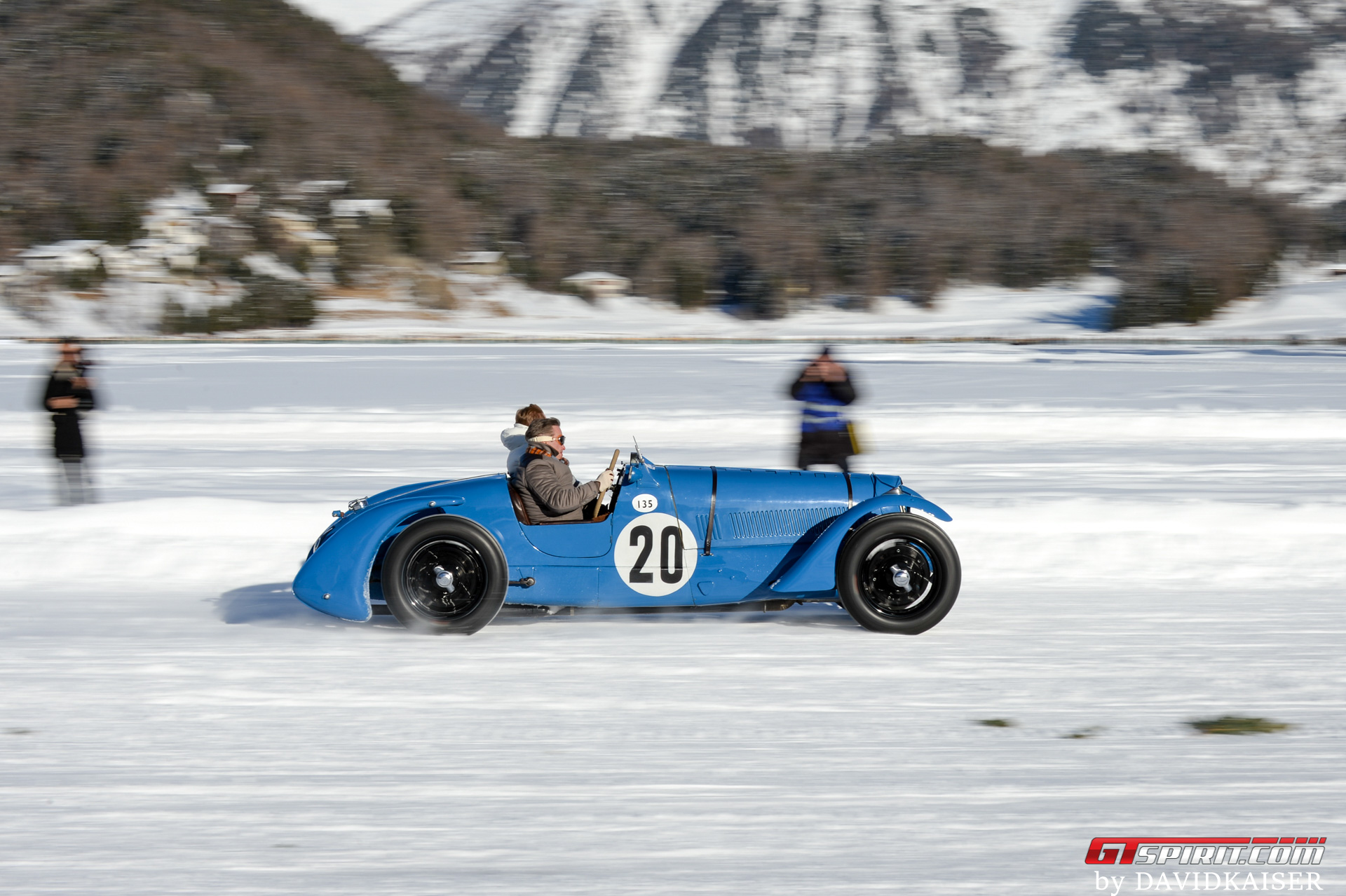
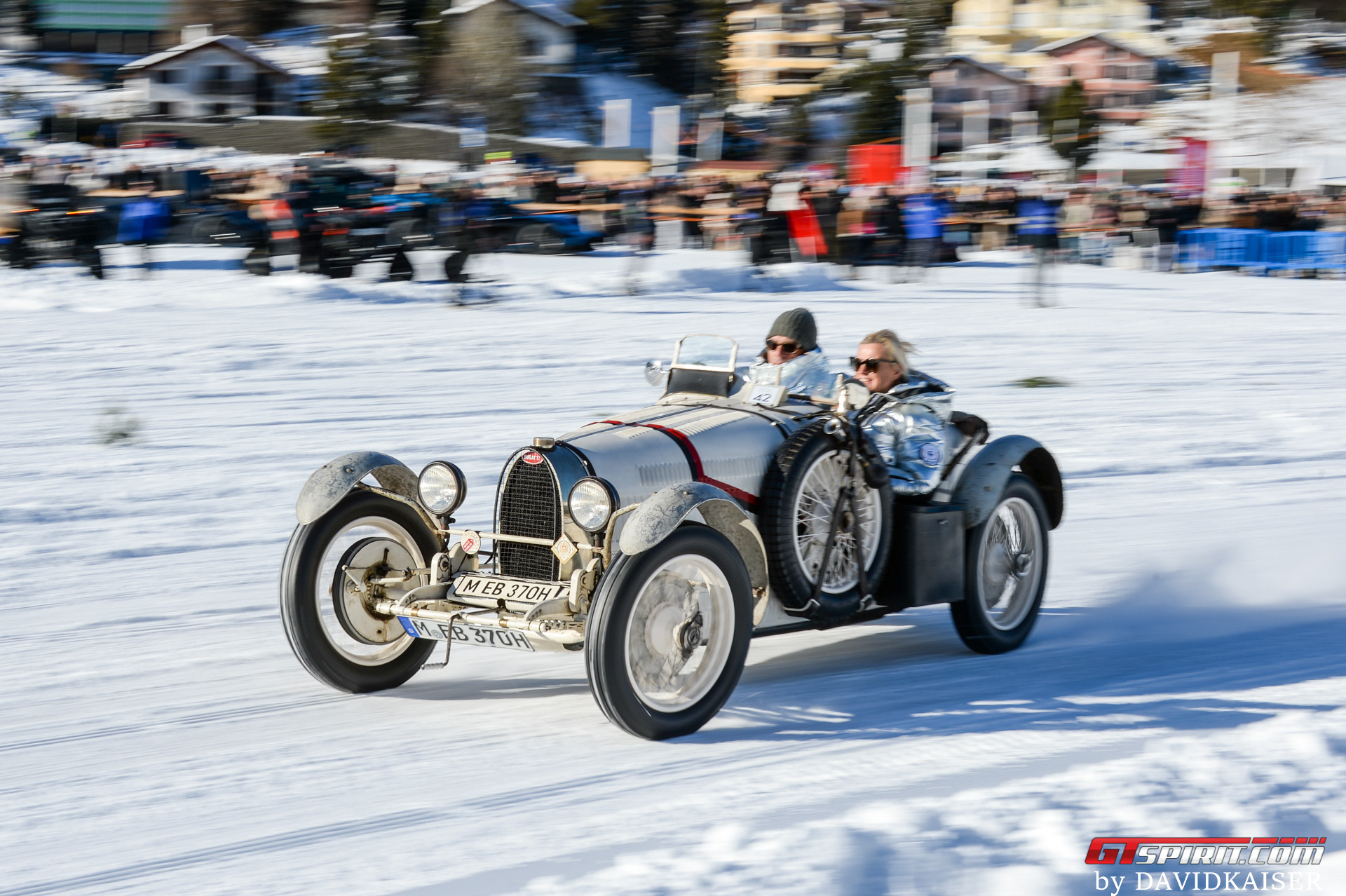
Gallery: The I.C.E. St.Moritz 2026

0

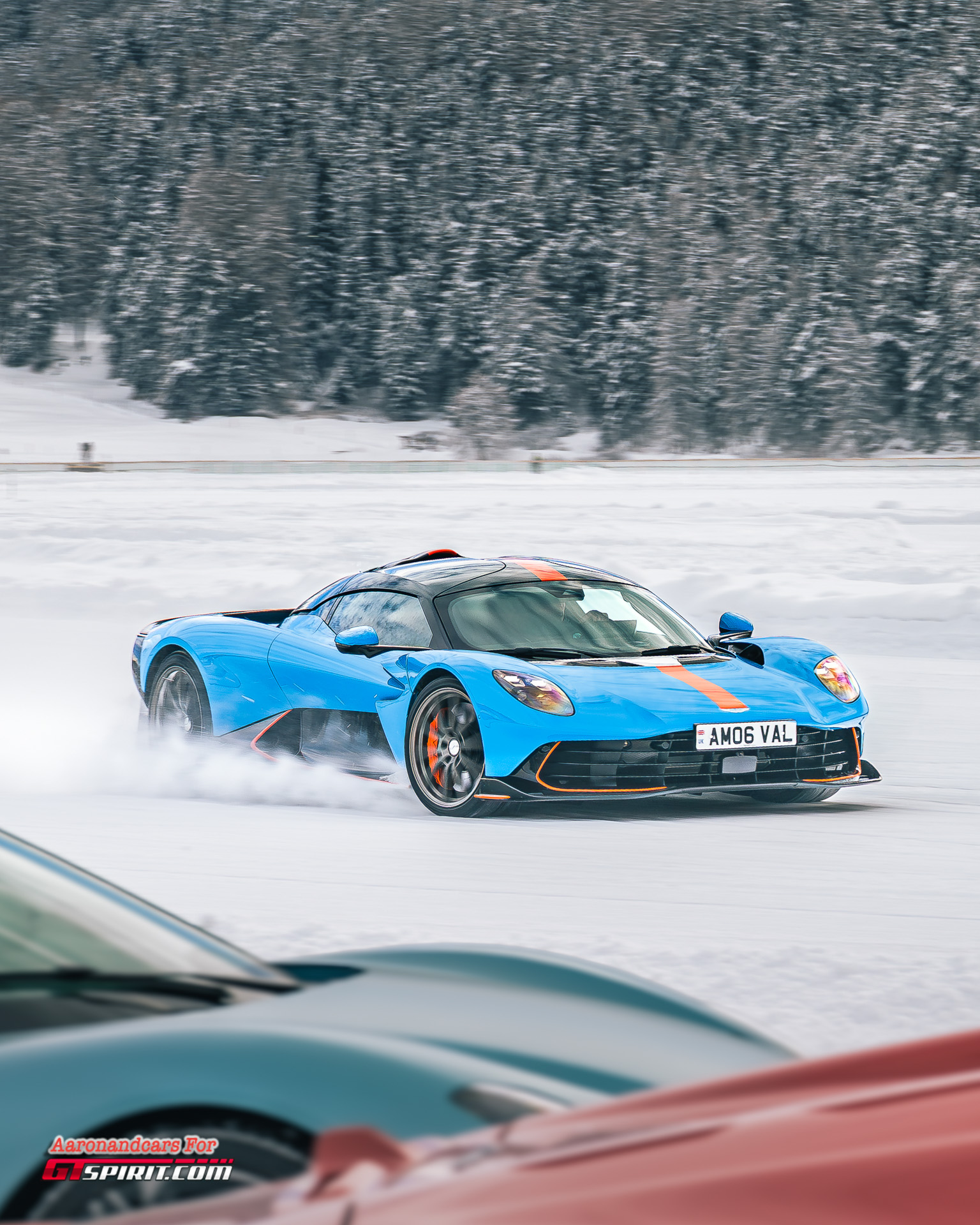
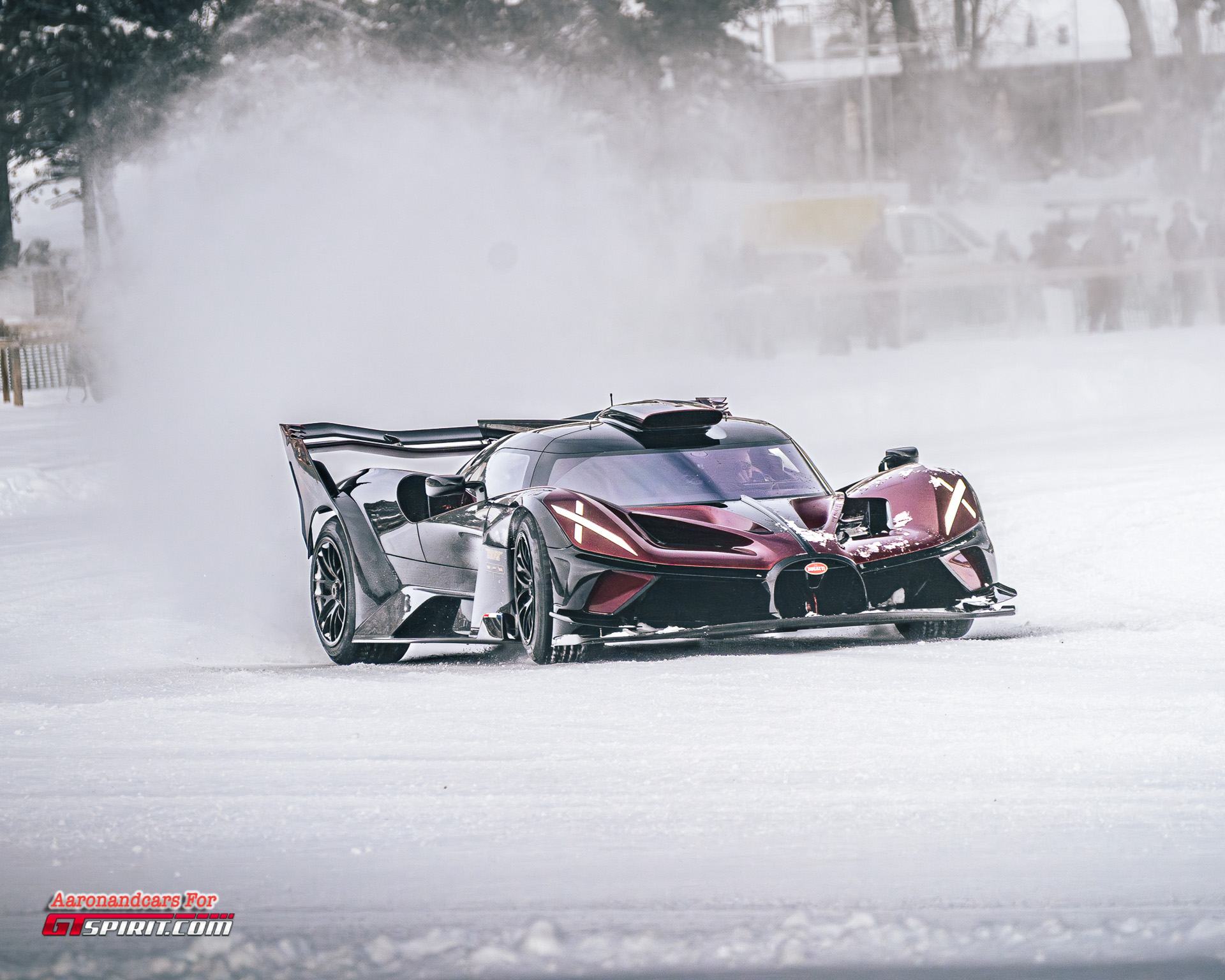
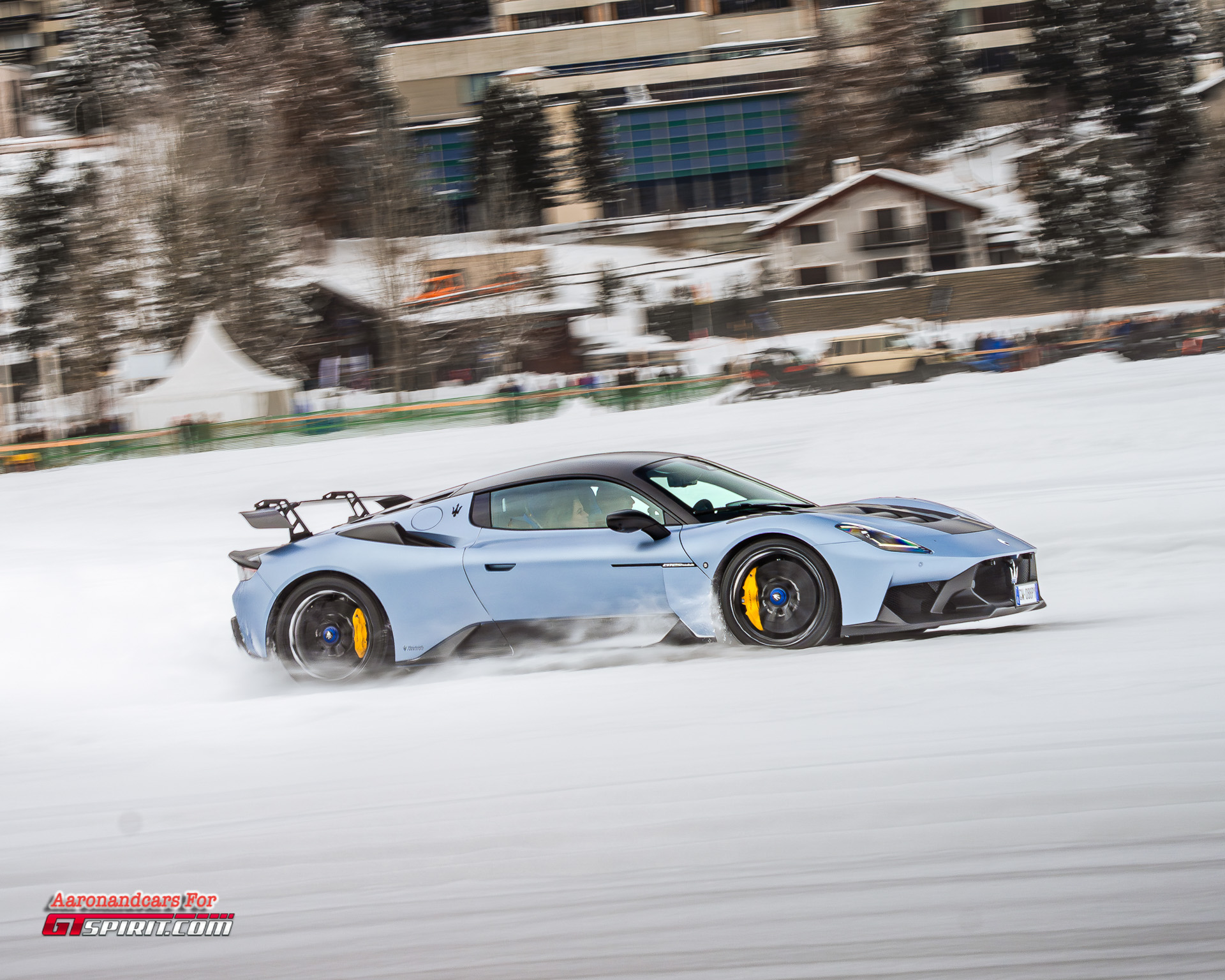
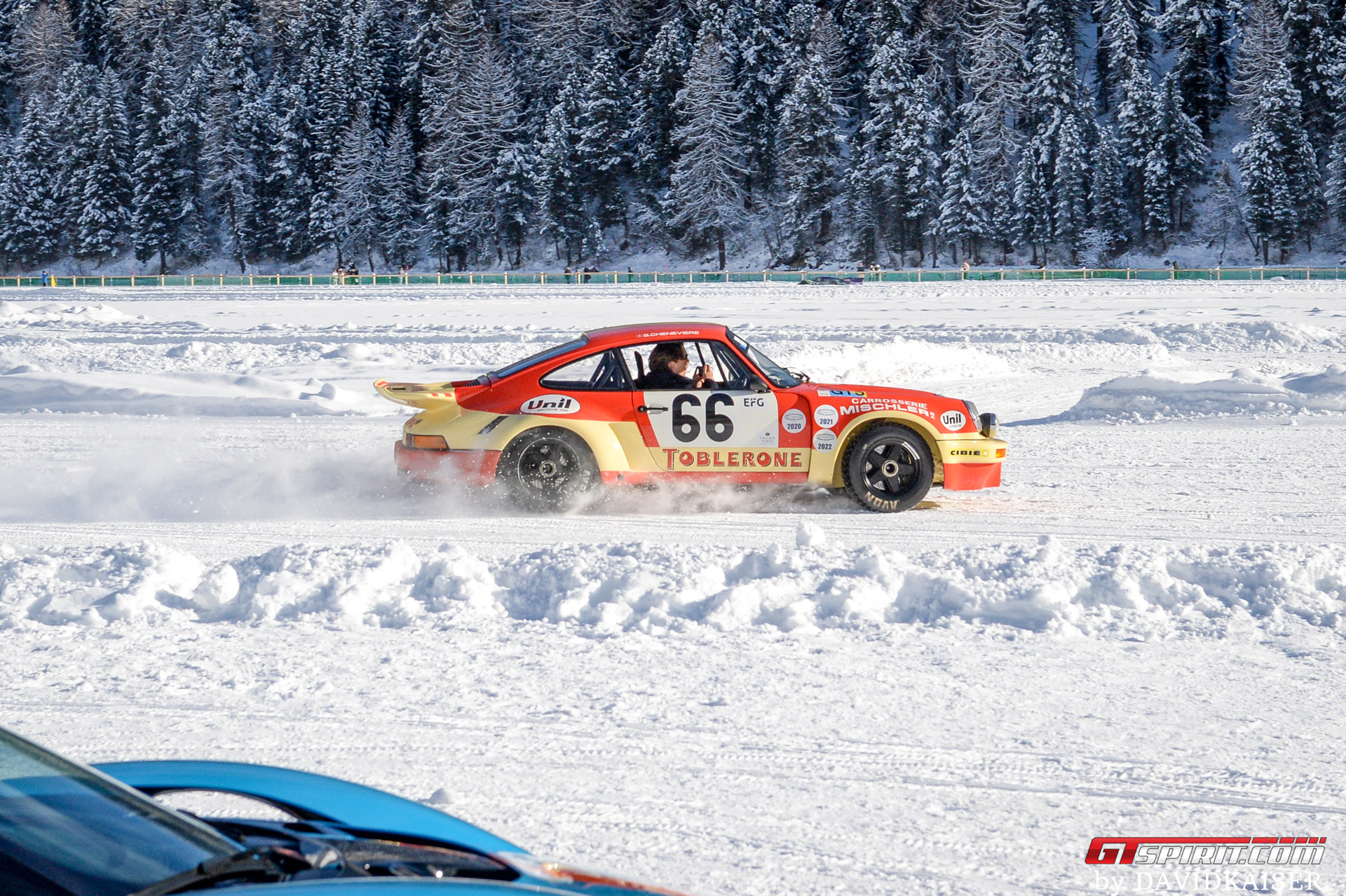
At the end of astrological winter, it’s time to reflect the first automotive highlight of the year held in the heart of the Swiss Alps. Since the cozy inaugural 2019 premiere days ahead of the Geneva carshow, GTspirit is part of the journey from Marco Makaus’s vision to a landmark on the international automotive calendar within a few years.
Enjoy the in-depth report with 100+ dynamic and static impressions from the icetrack, the parc-fermé and satellite locations all over the village.

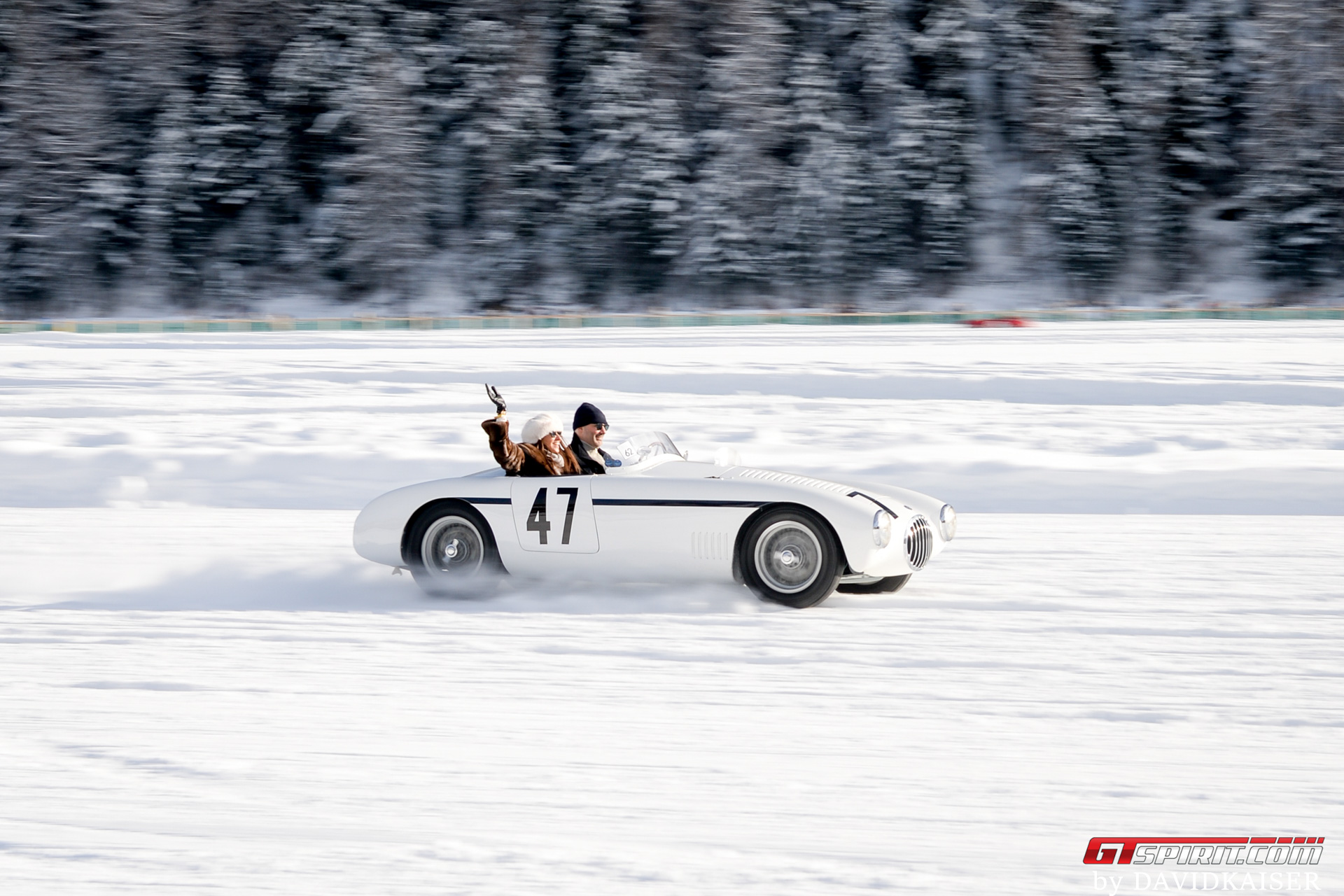
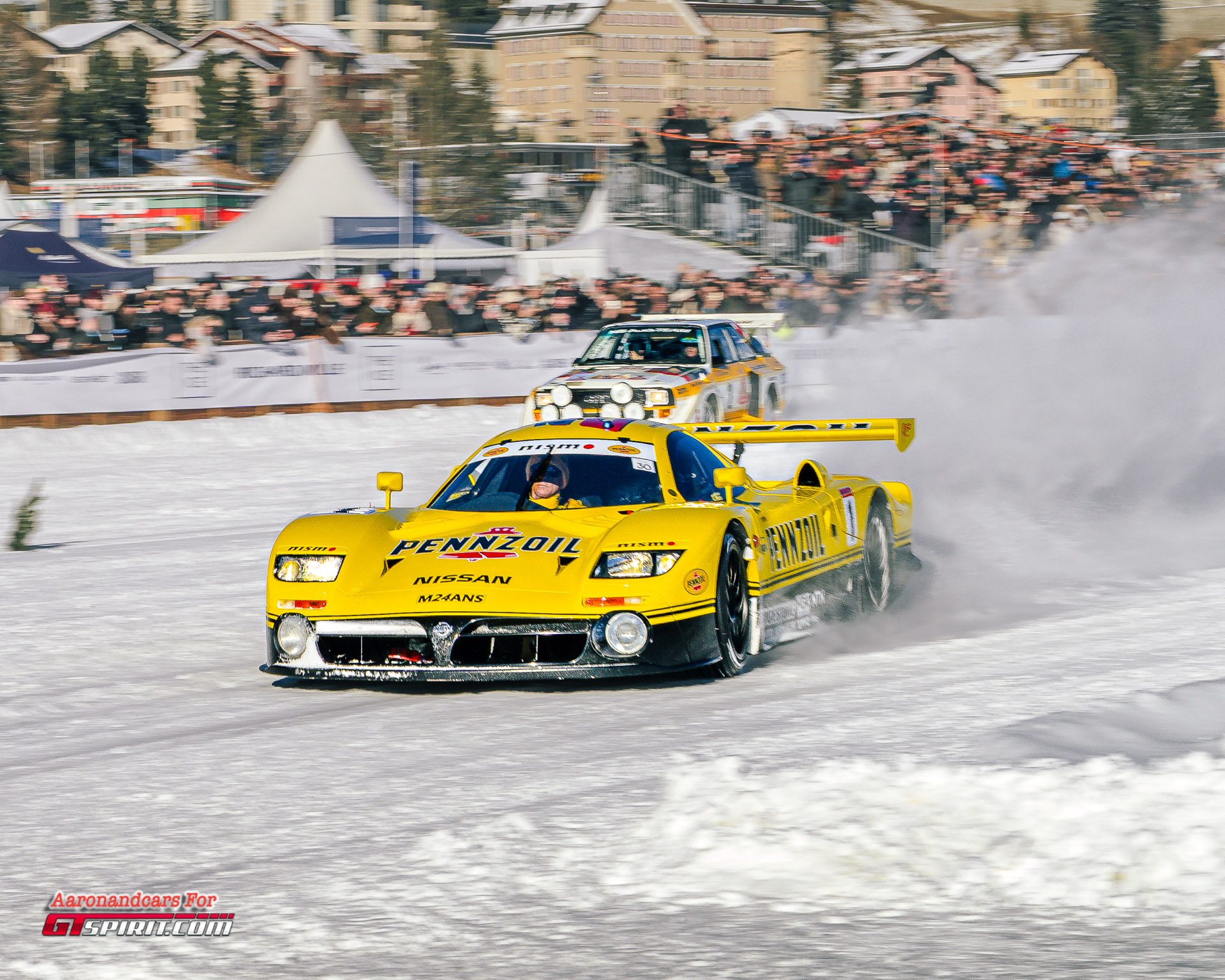
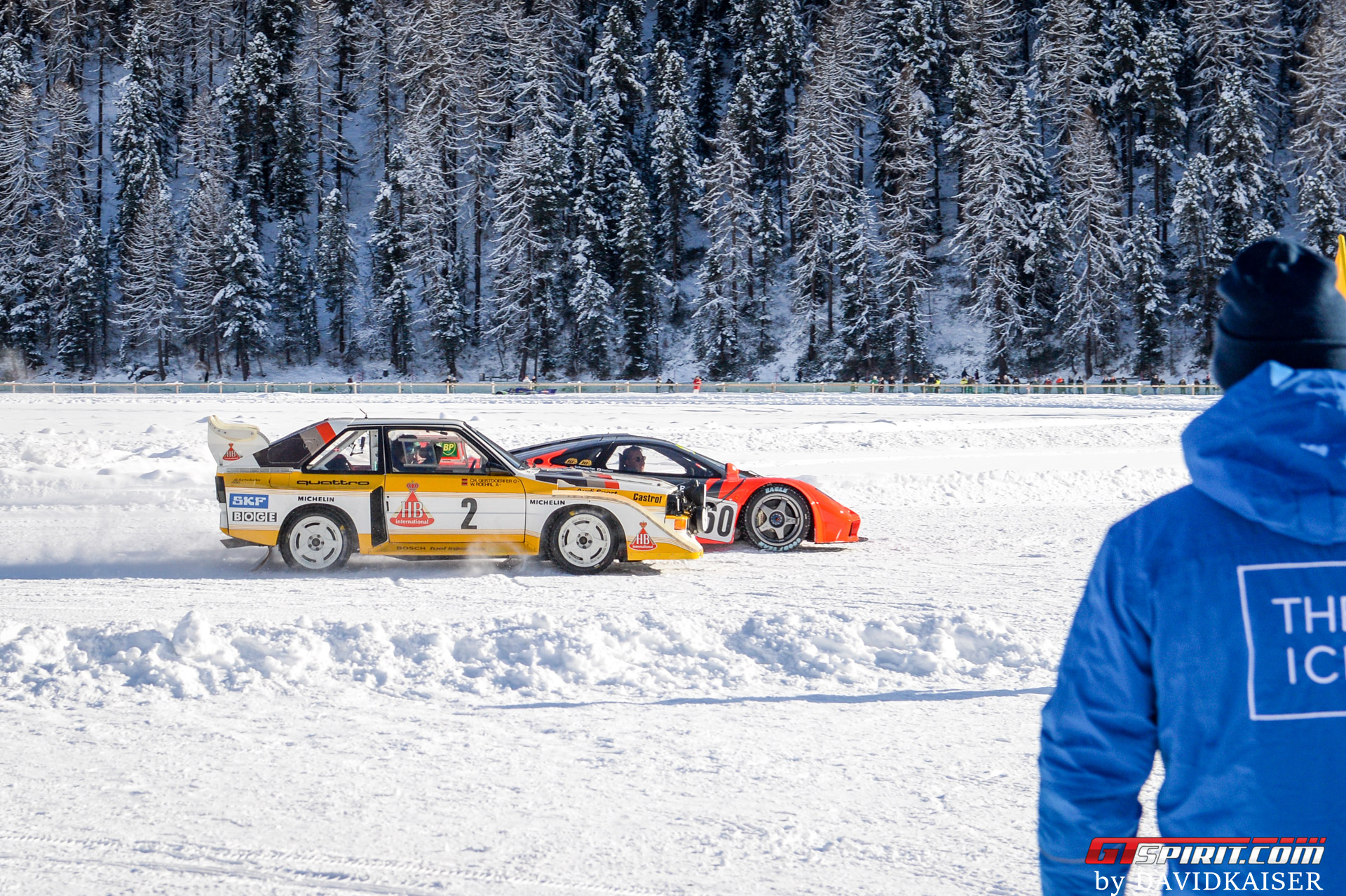
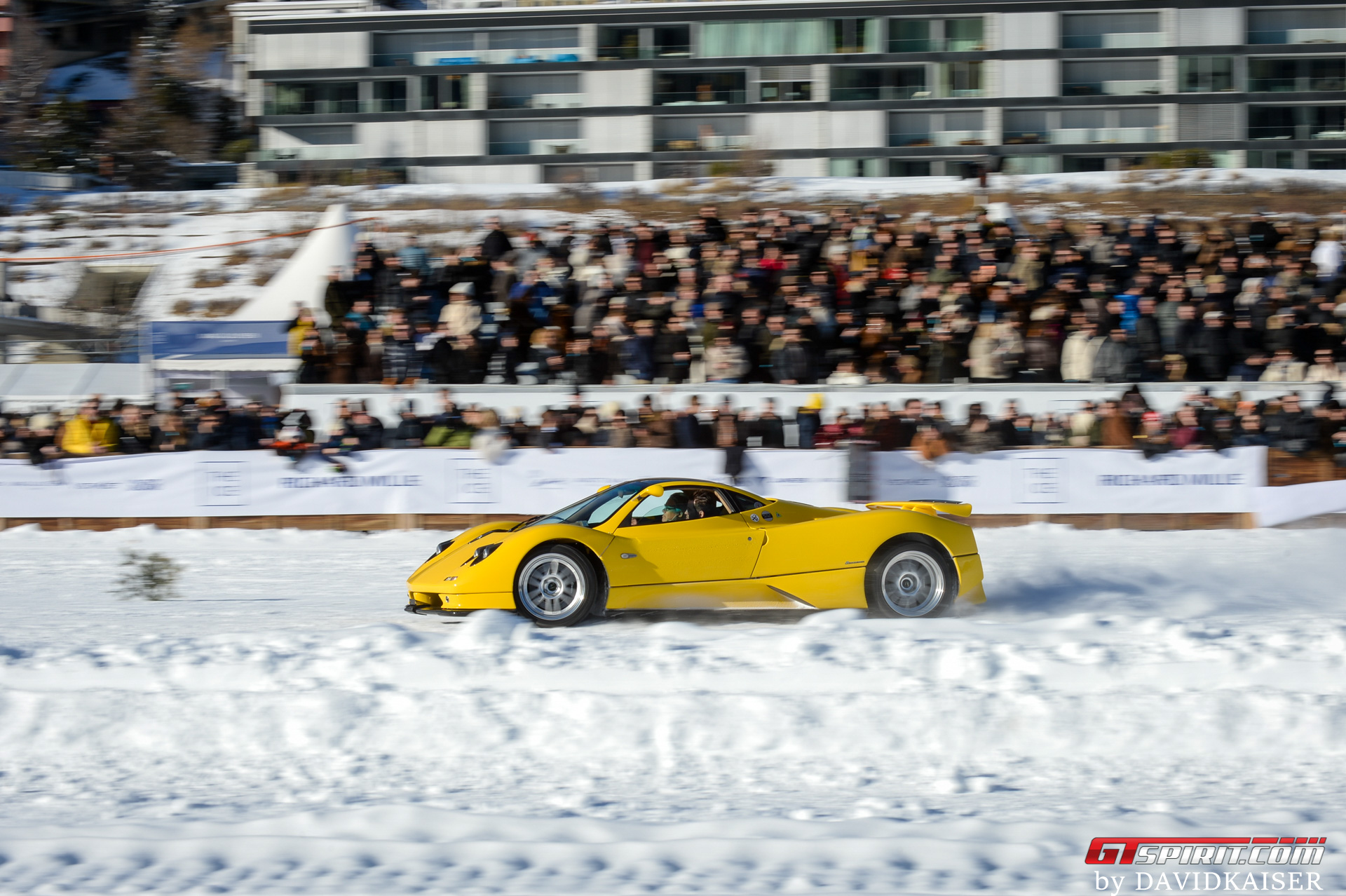
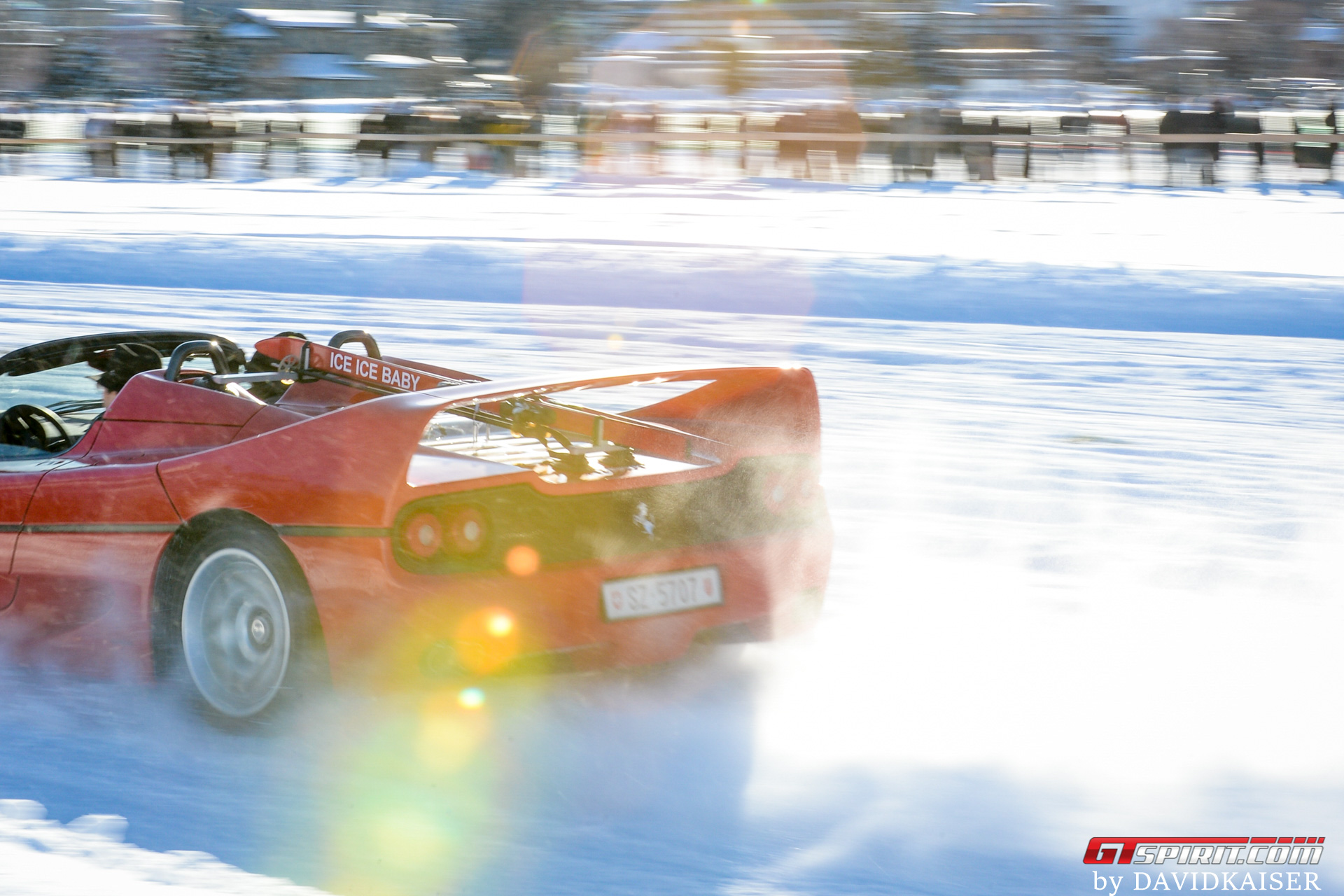
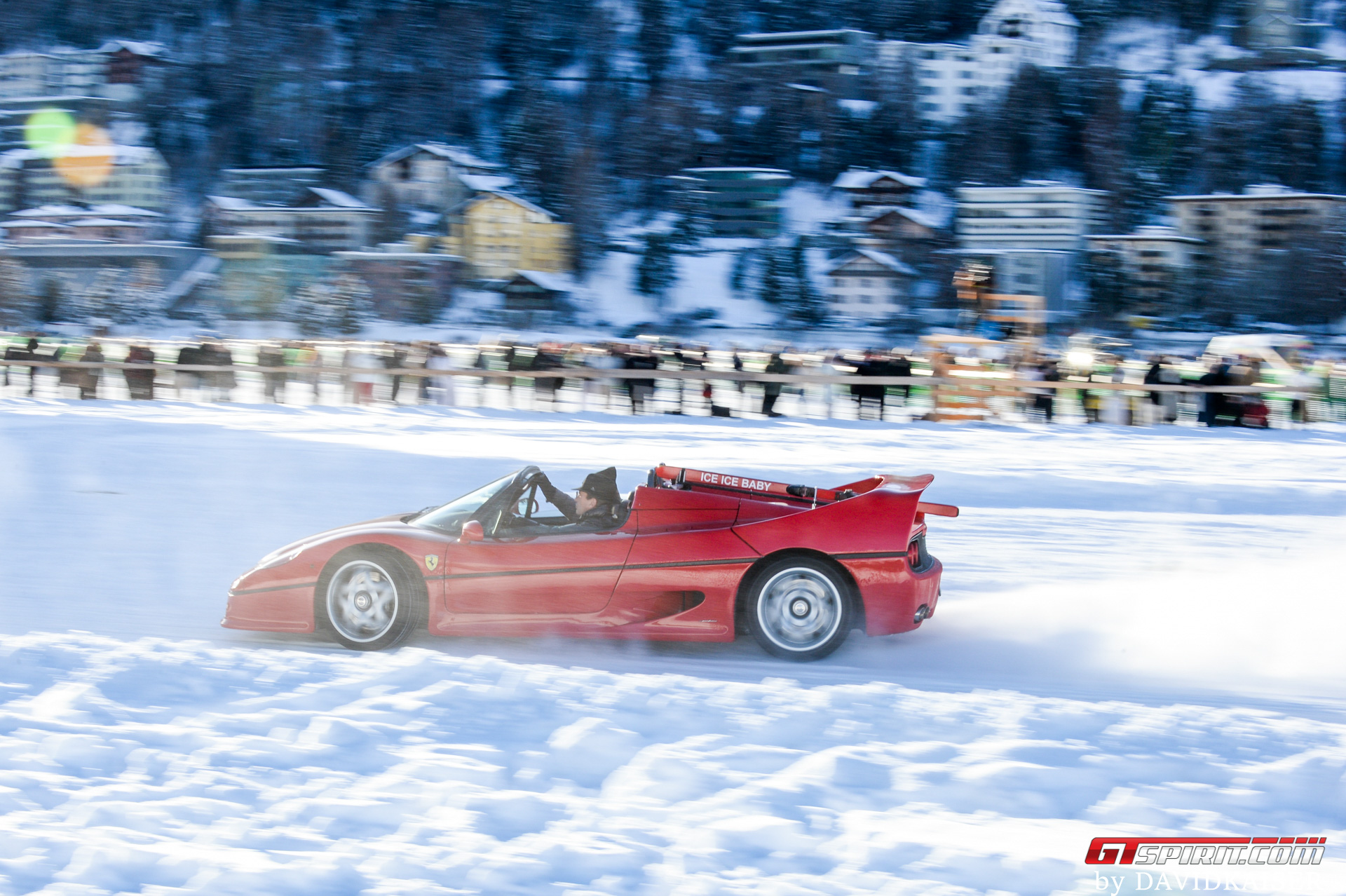
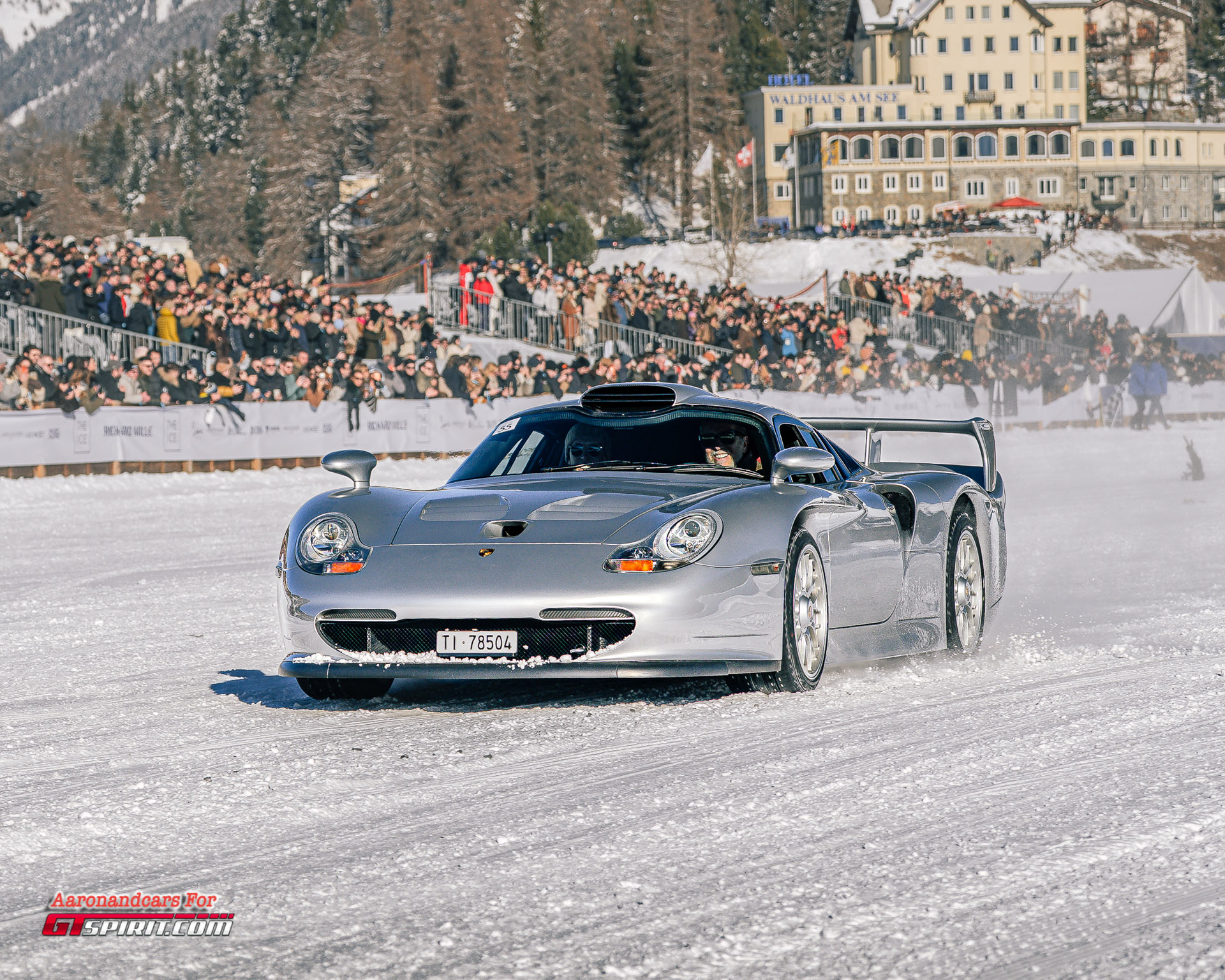
A perfect harmony of timeless elegance and pure automotive passion marked the success of The I.C.E. St. Moritz 2026, the International Concours of Elegance that serves as the benchmark of the winter season for the elite automotive world. The event transformed the crystalline frozen surface of Lake St. Moritz into an exceptional stage, hosting 53 masterpieces of classic and sports engineering. This selection of rare icons enchanted a multi-generational audience, celebrating the automobile not merely as a vehicle, but as an authentic work of art.

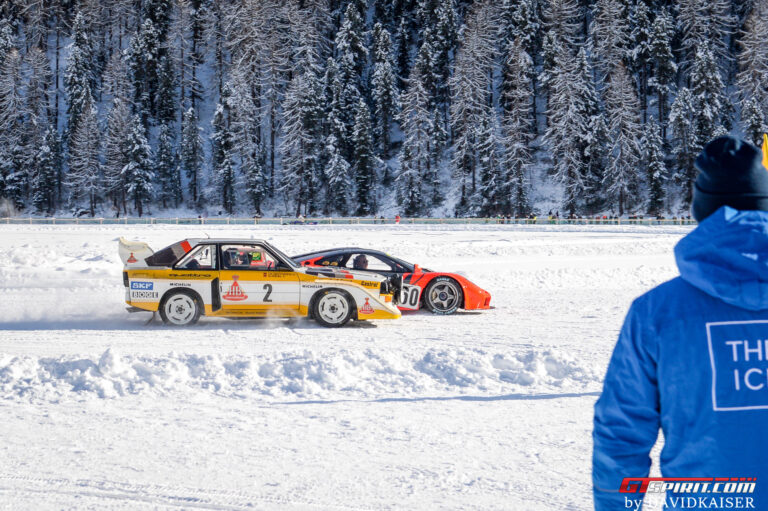
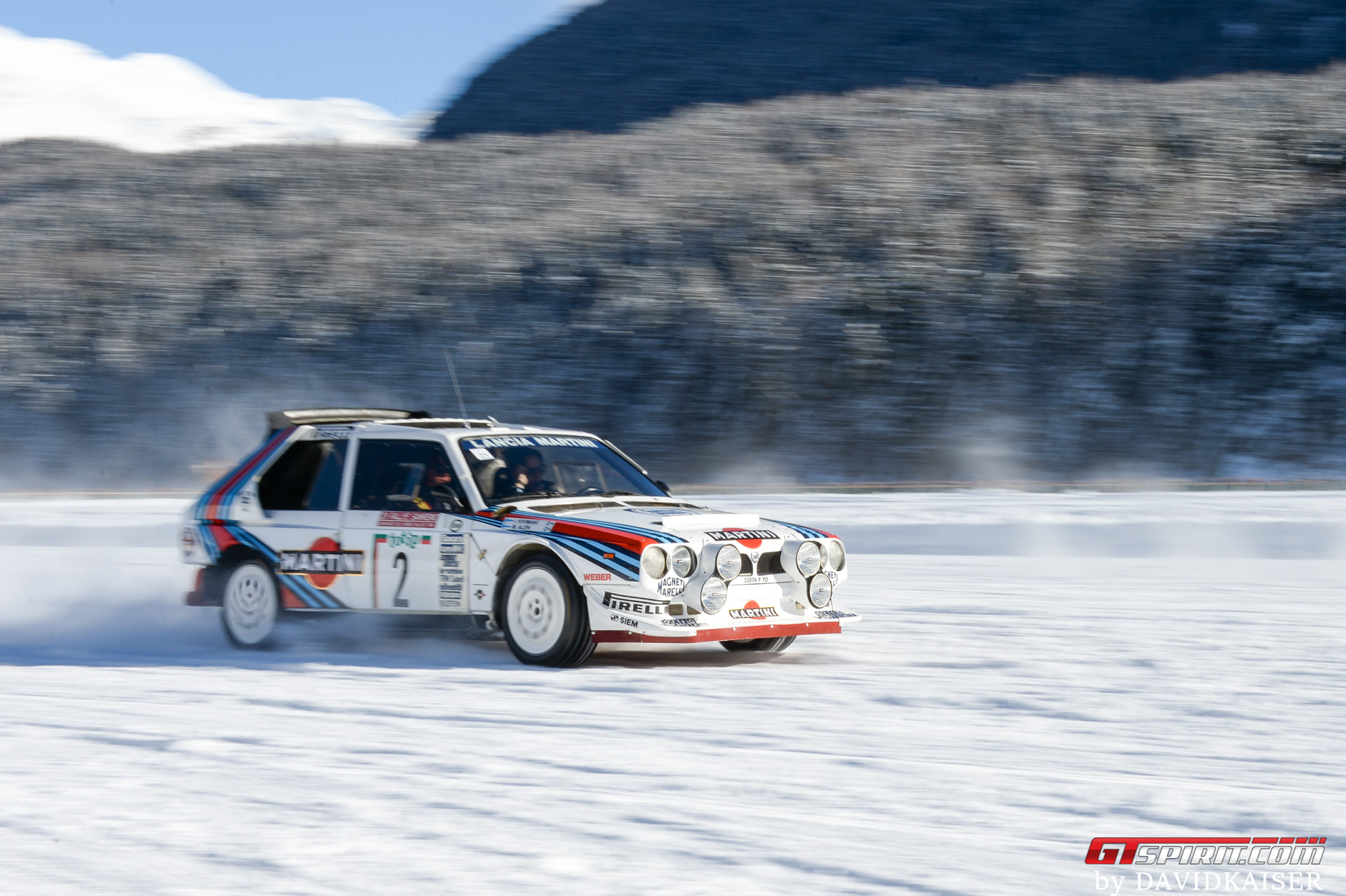
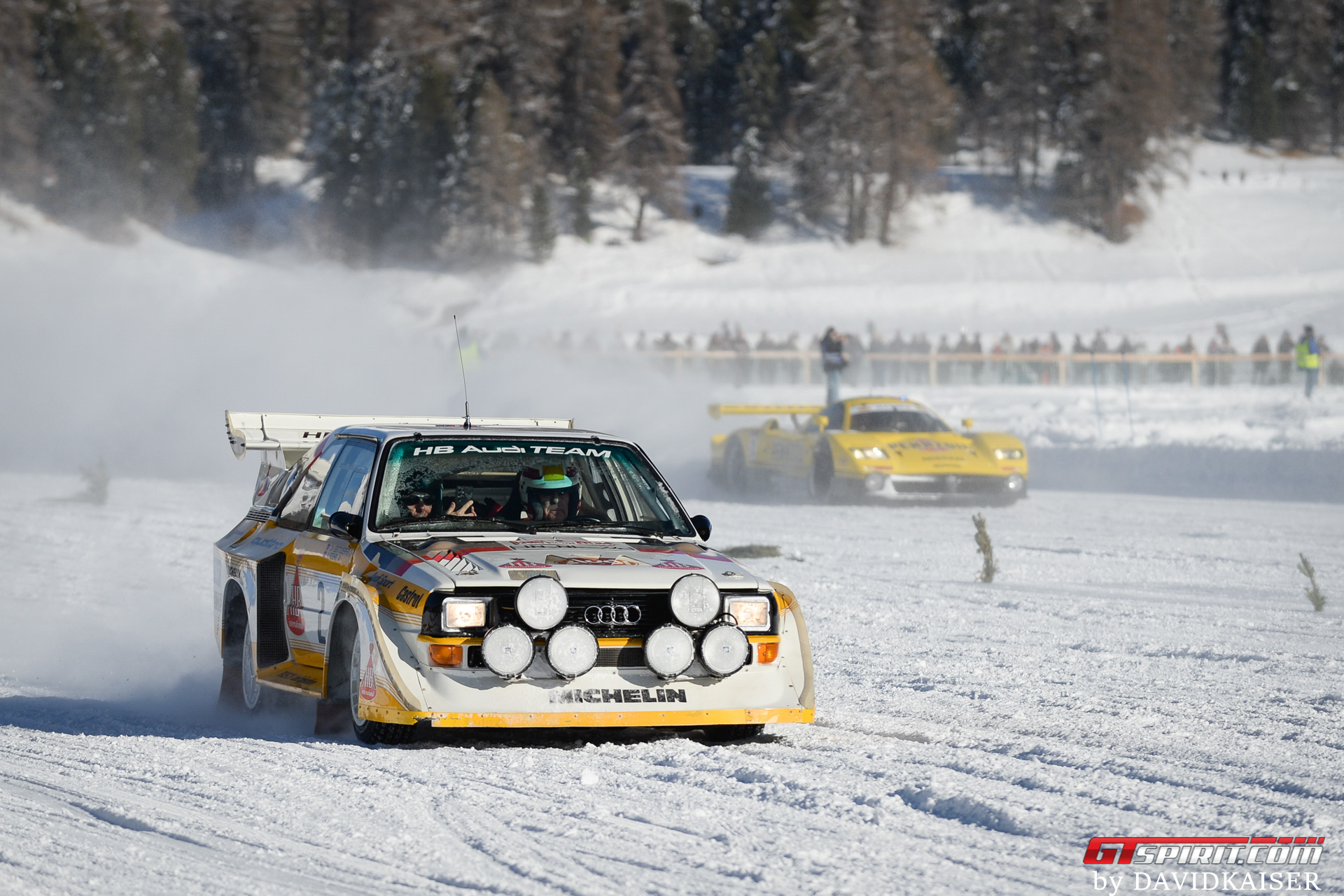
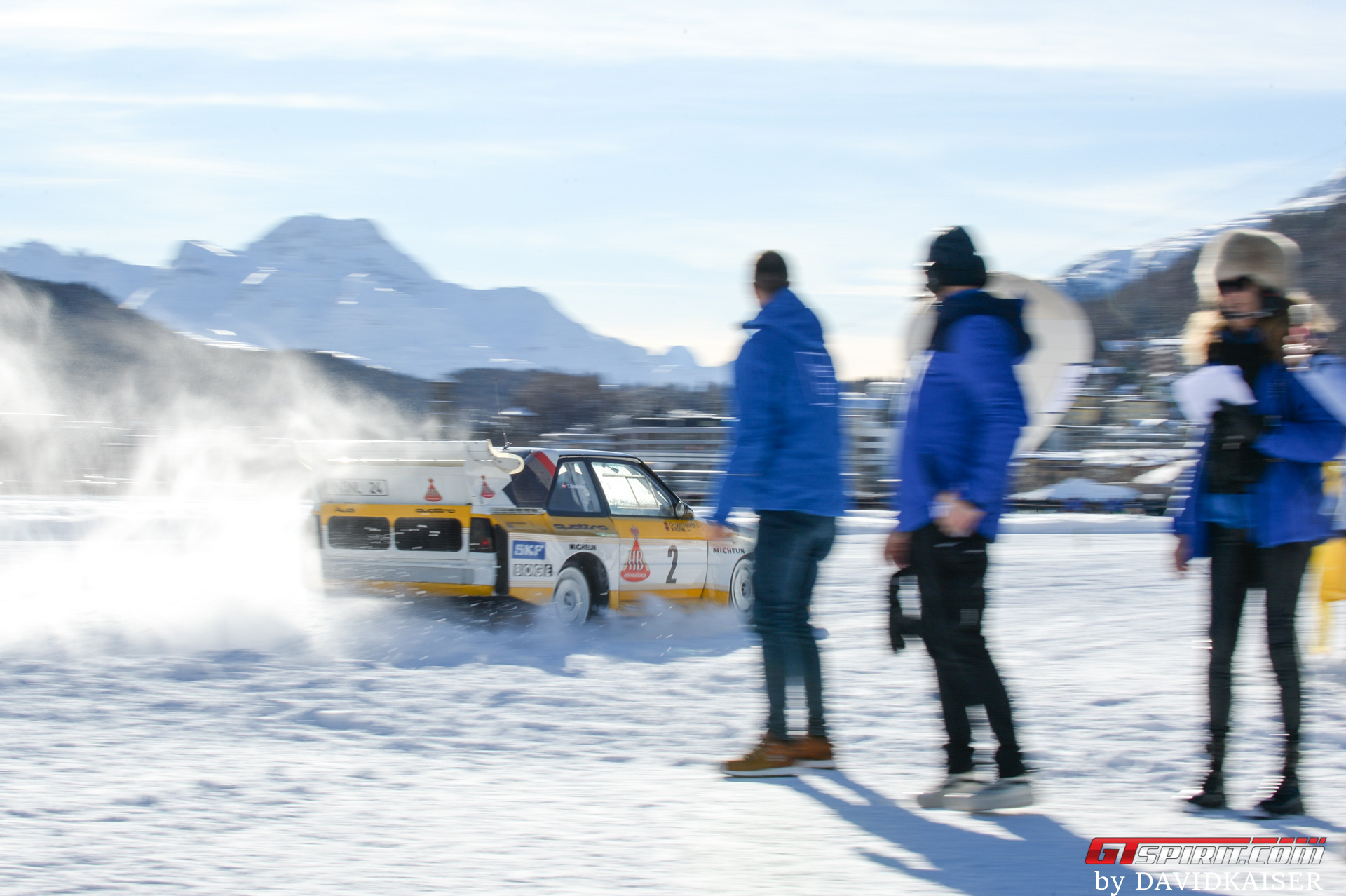
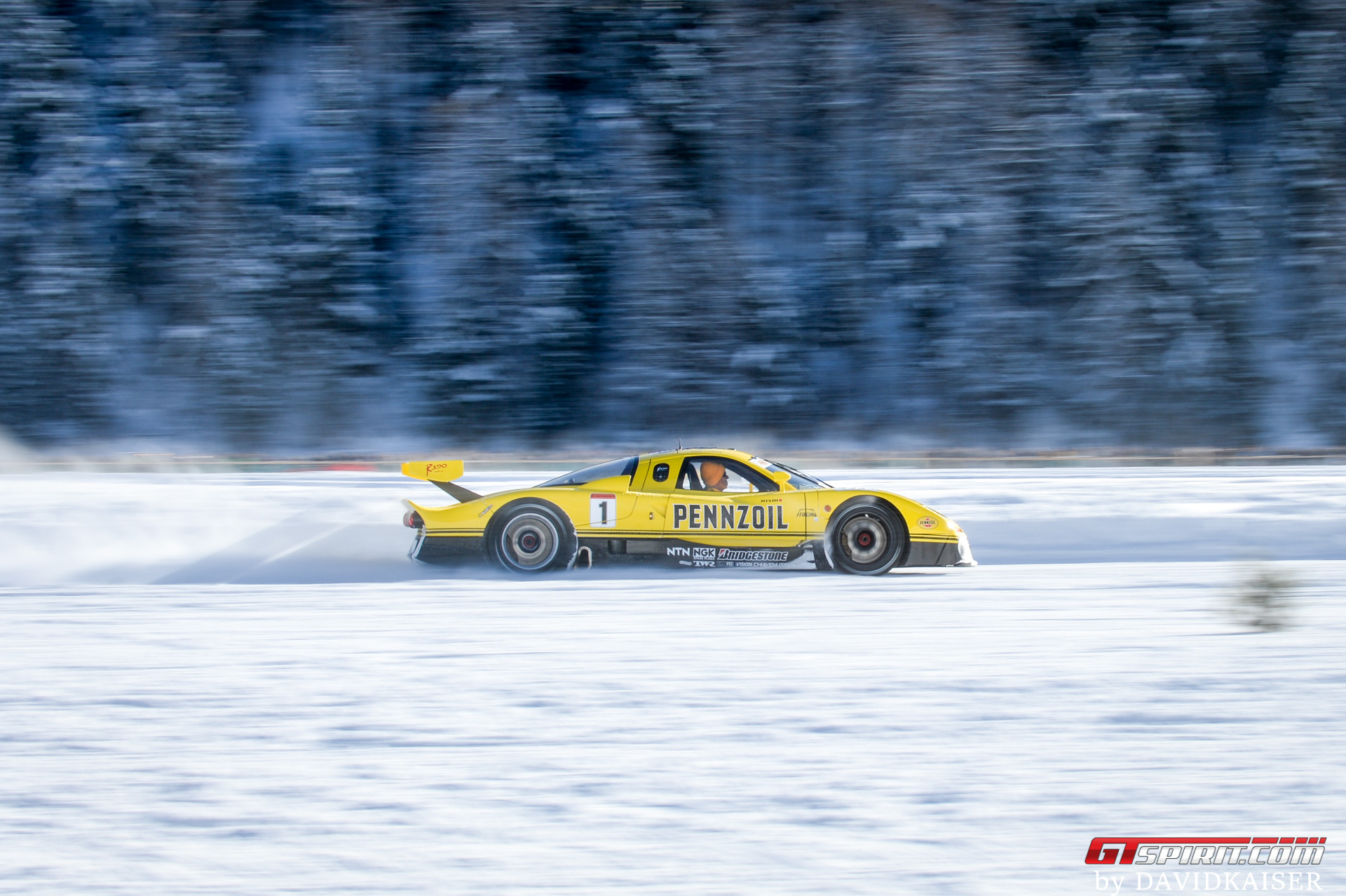
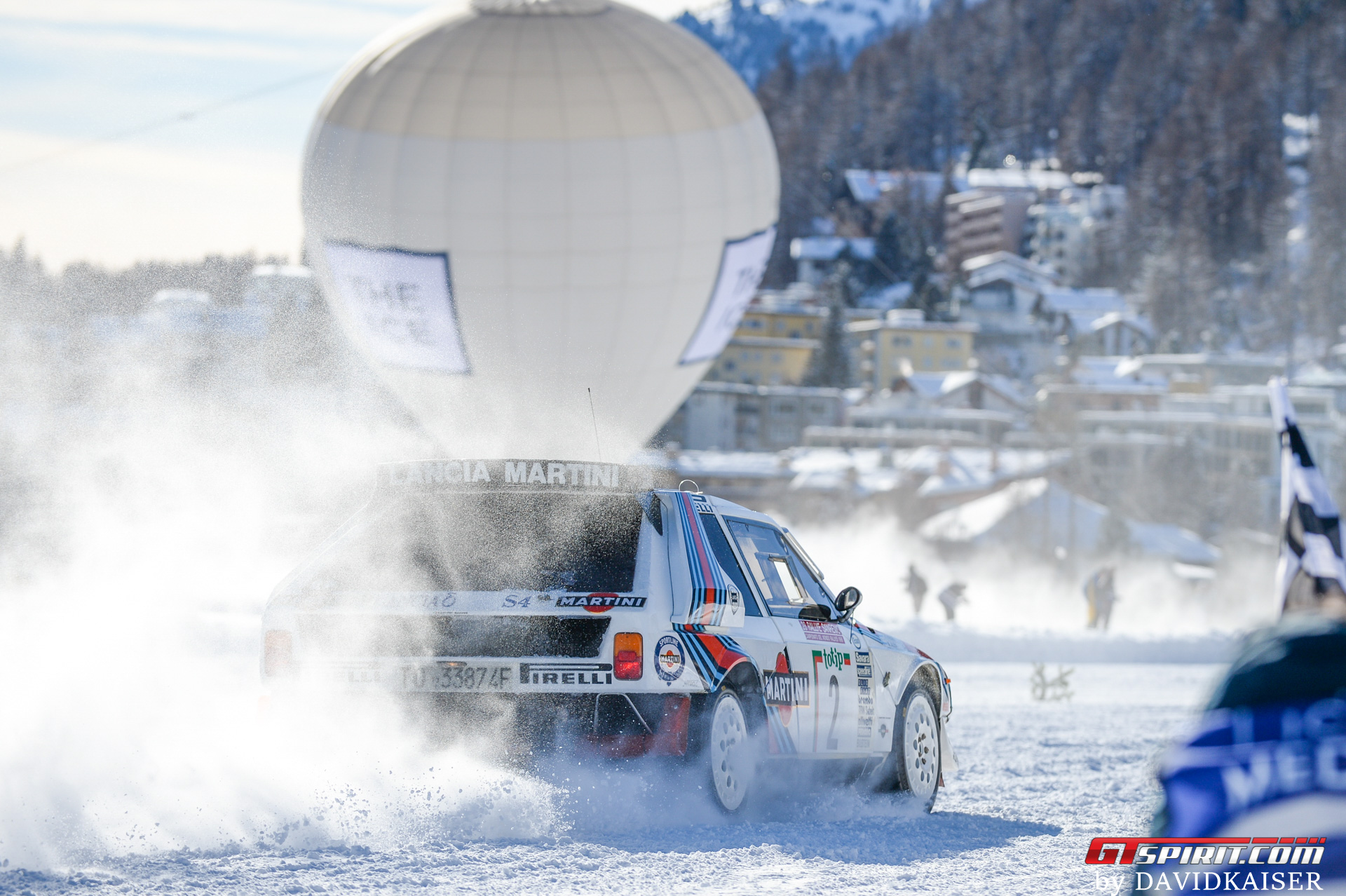
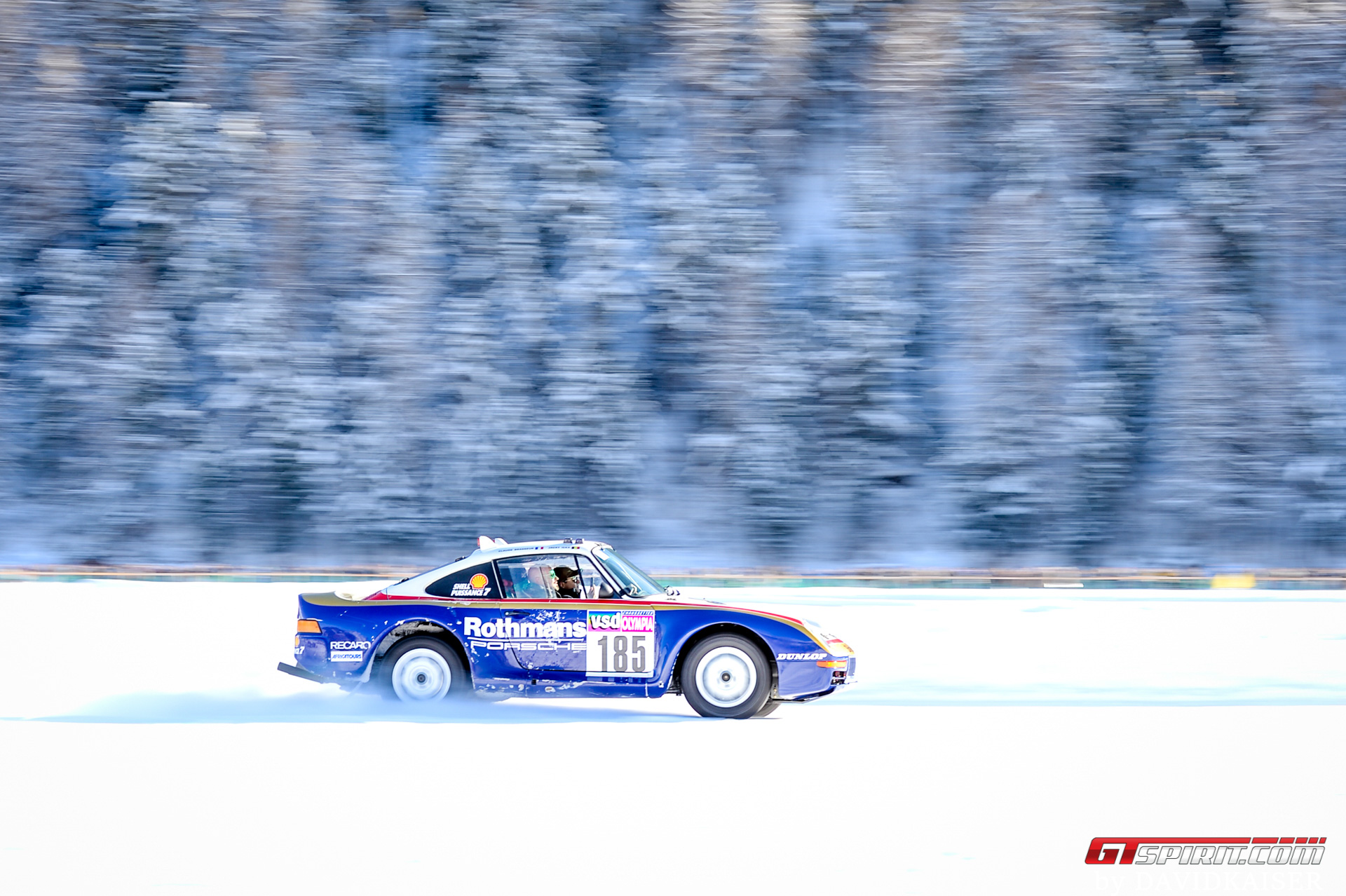
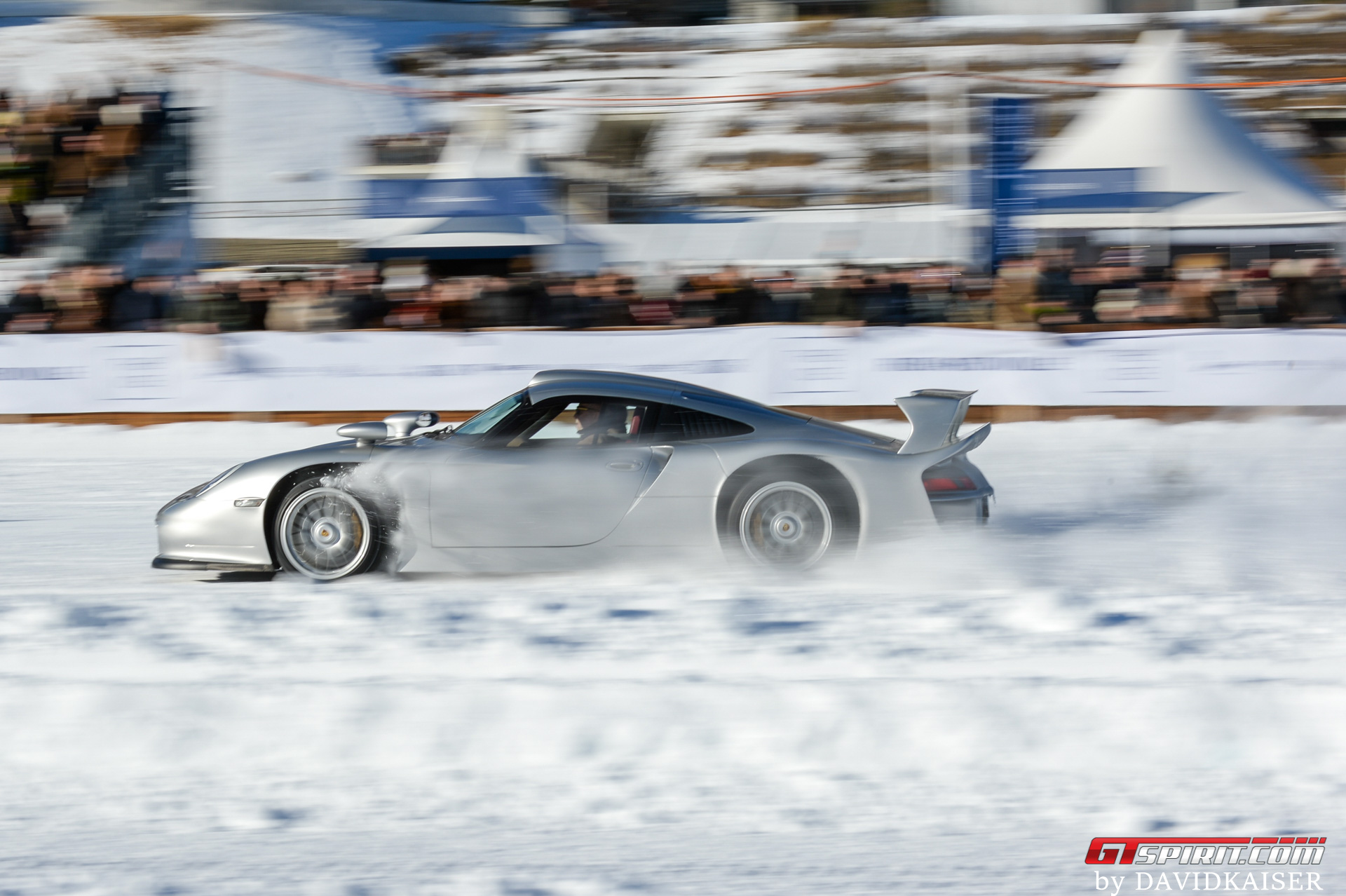
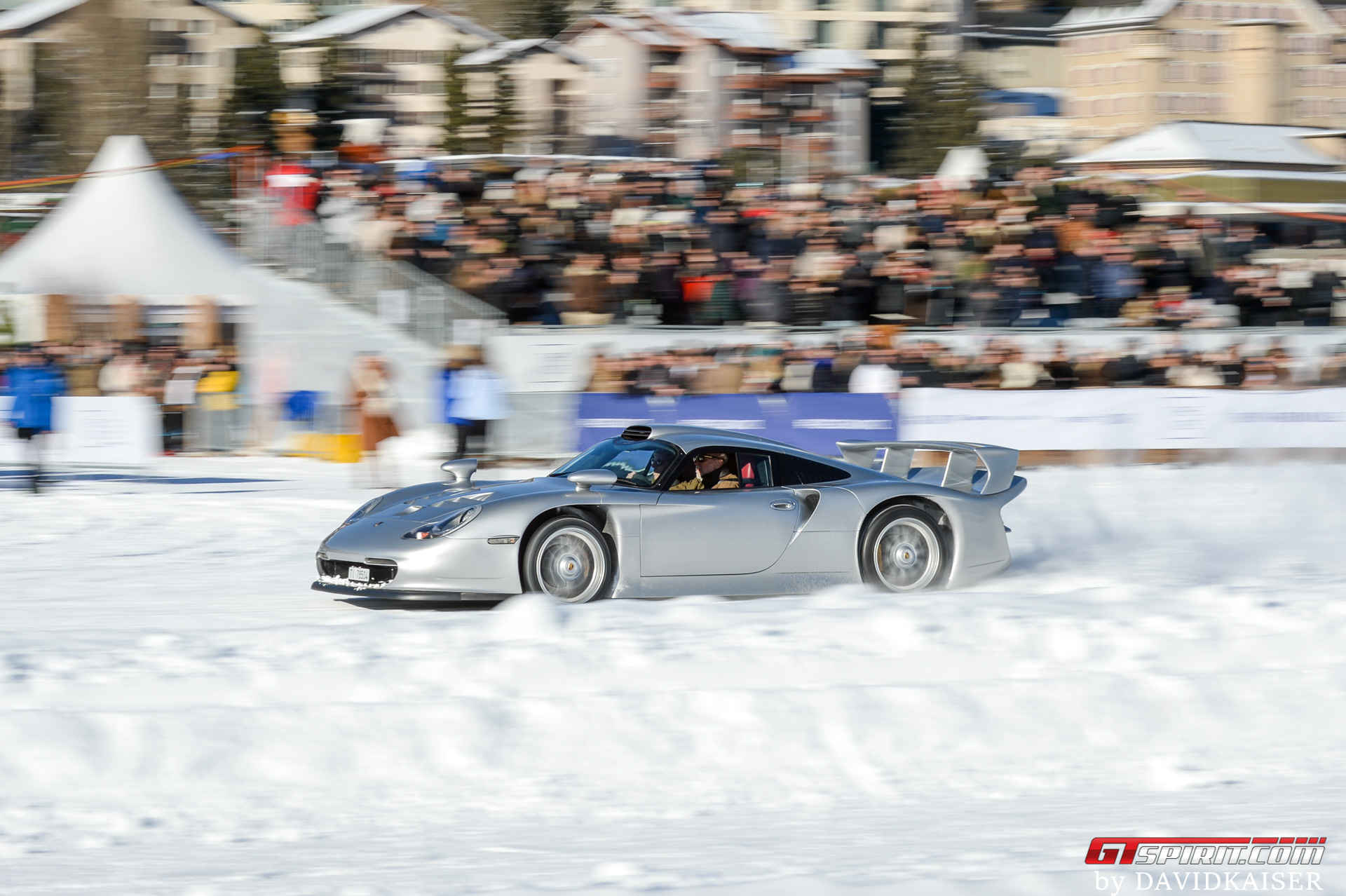
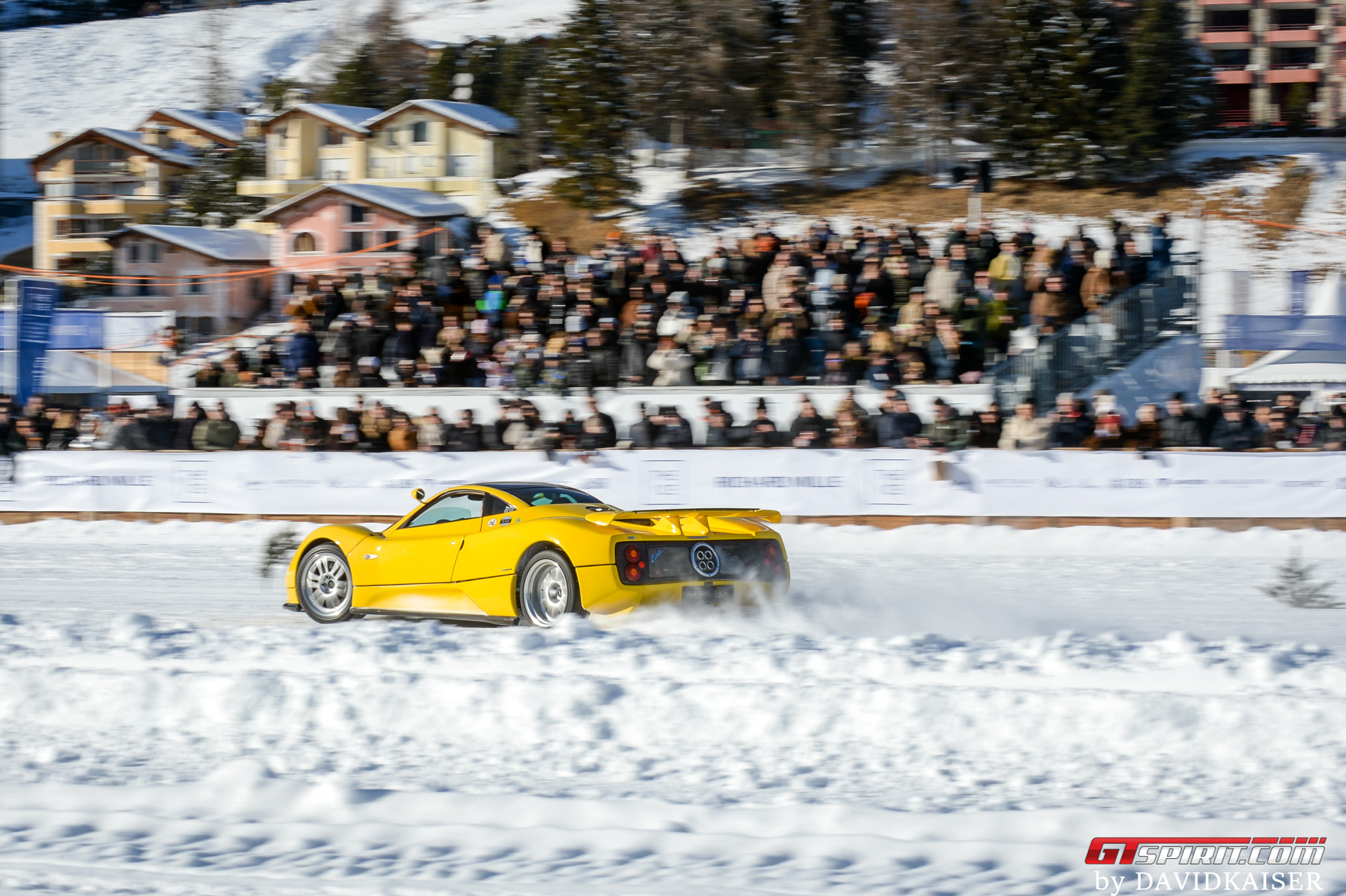
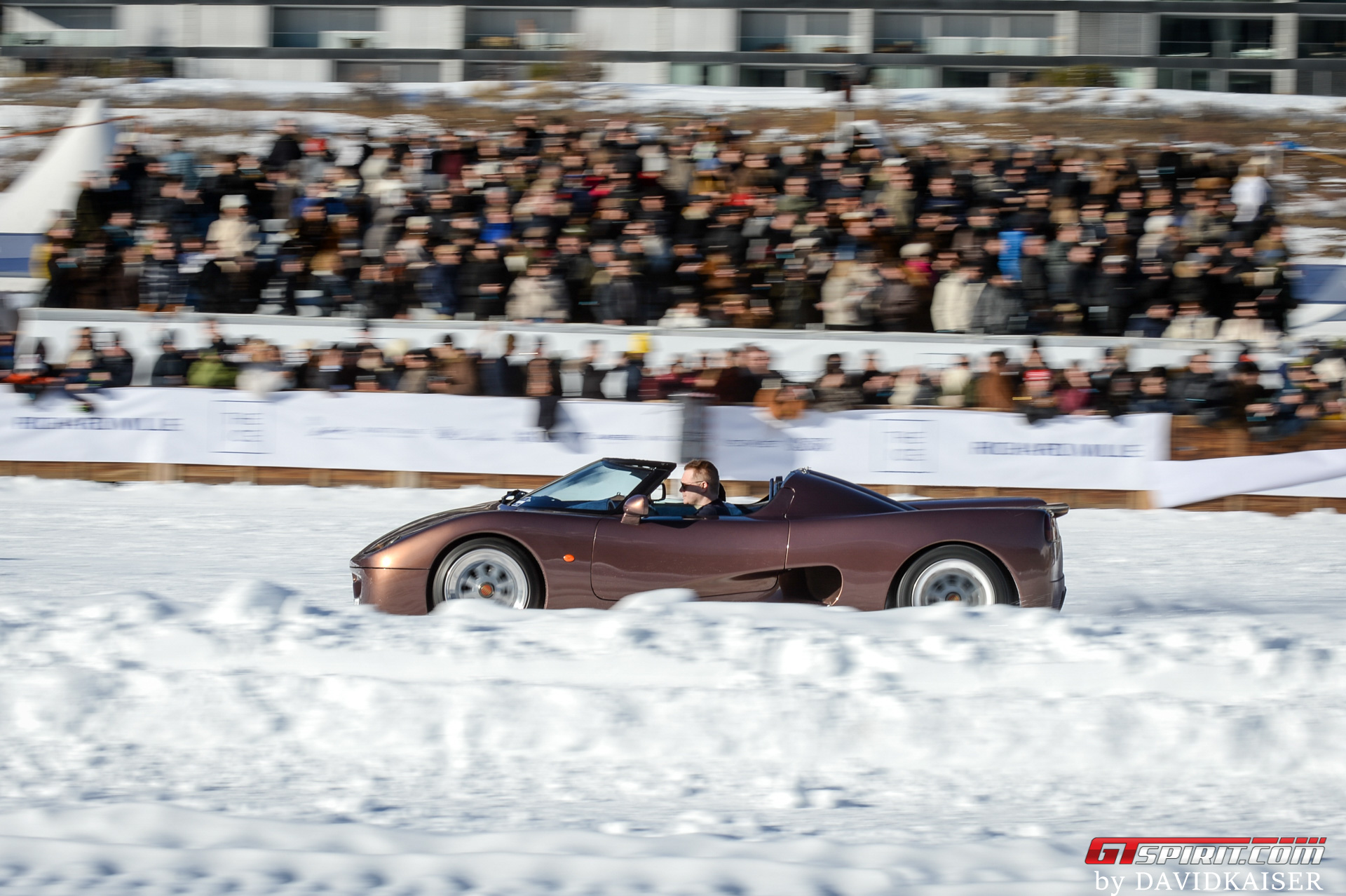
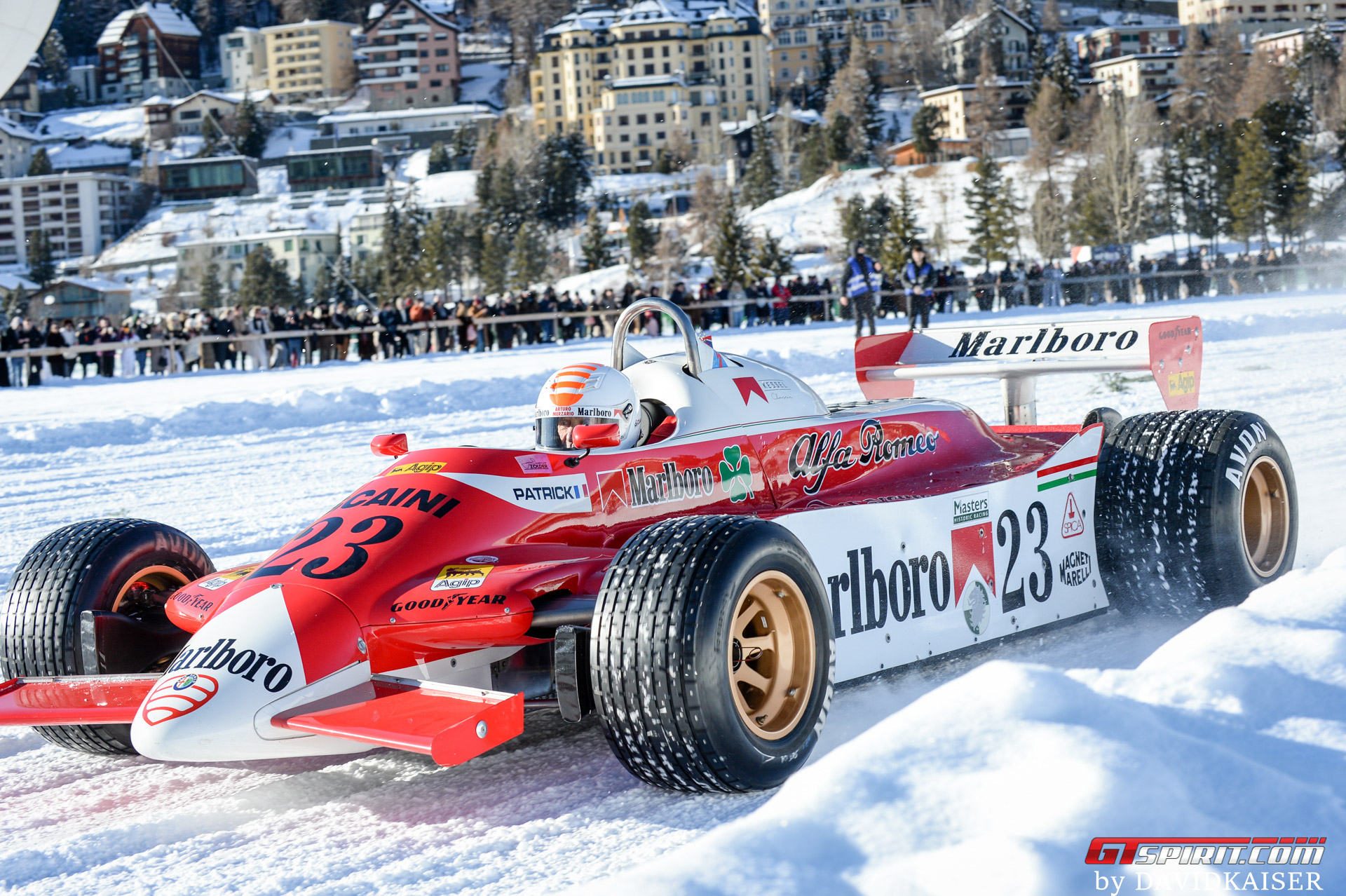
The 19’000 visitors witnessed a new category called Legendary Liveries, iconic cars with famous drivers like Felippe Massa in the Porsche 959 “racing” Tom Kristensen in the Audi Sport quattro S1 E2 or the unique roadlegal Nissan R390 GT1 by Erik Comas, pure excitement behind the wheel and along the circuit and in the grandstands.

The event starts on Friday with a static display of carefully selected participants; the class winners are chosen by the high-profile jury. The day ends with parade laps of the concours cars, but also partner brands showcased their cars on display – Pagani, Maserati, Ferrari Classiche, Koenigsegg and Bugatti/Rimac just to name a few.

The I.C.E event is not limited to the lake area, various partners from automotive, luxury lifestyle and art installations can be experienced over the weekend – all in walking distance from the lake.

The breathtaking shows of the “Patrouille Suisse”, was highly appreciated and shared on social media. The official aerobatic team of the Swiss Air Force flew over St. Moritz frozen lake and the Engadin mountains offering the public an air show of high intensity and spectacle. It was the final appearance of these legendary jets over the Engadin valley, with the end of the Patrouille Suisse scheduled for 2027 – it was a blast!

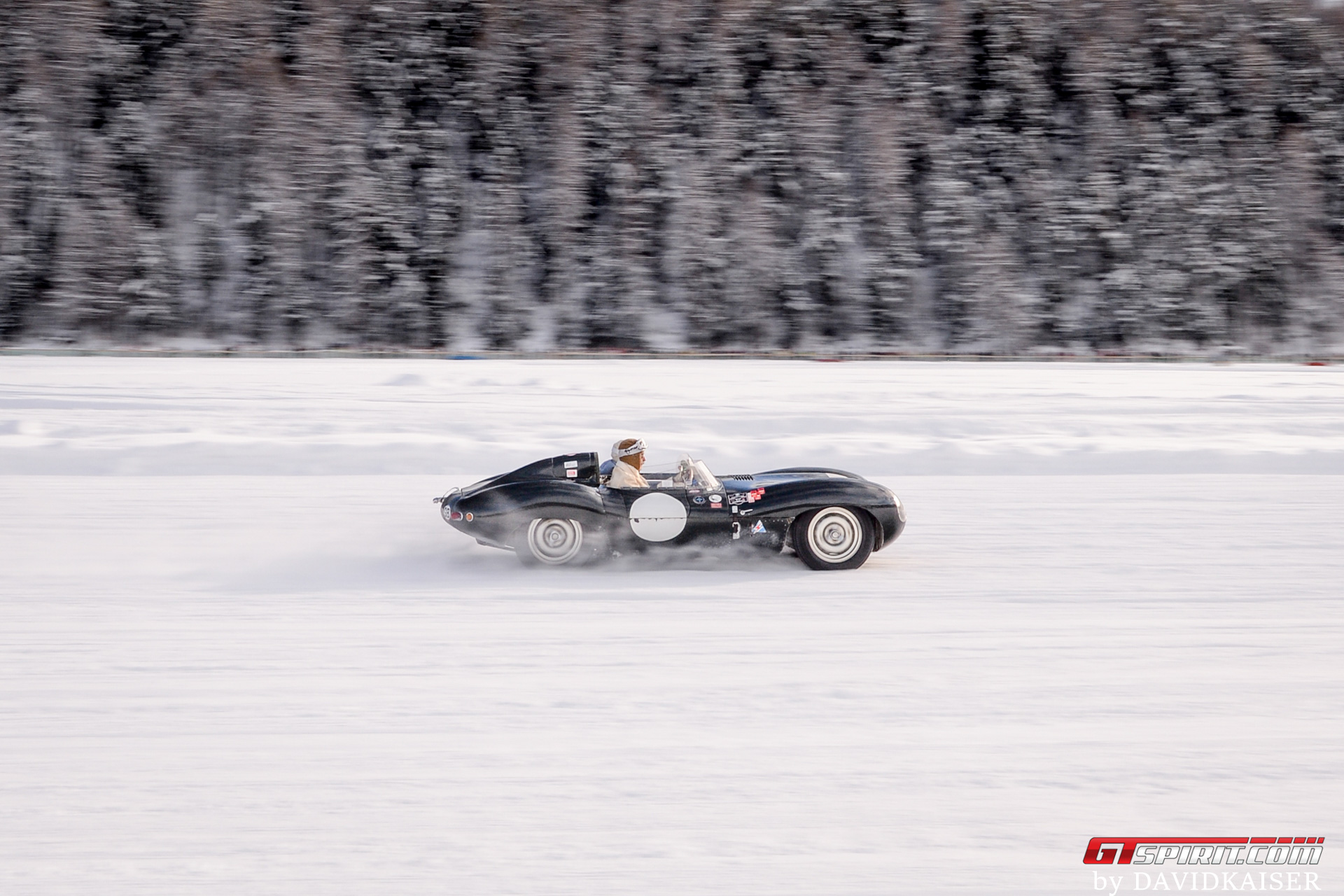
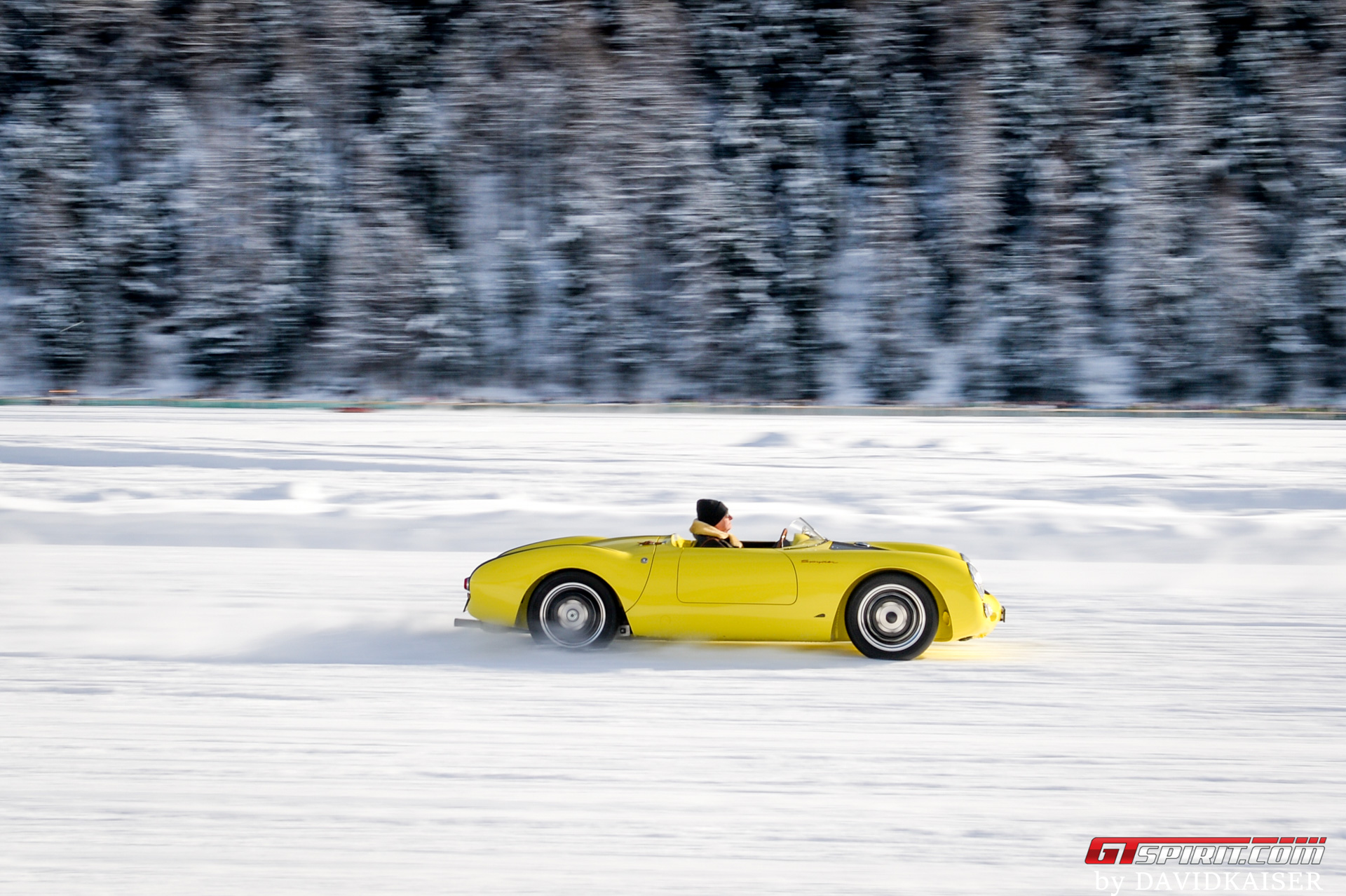
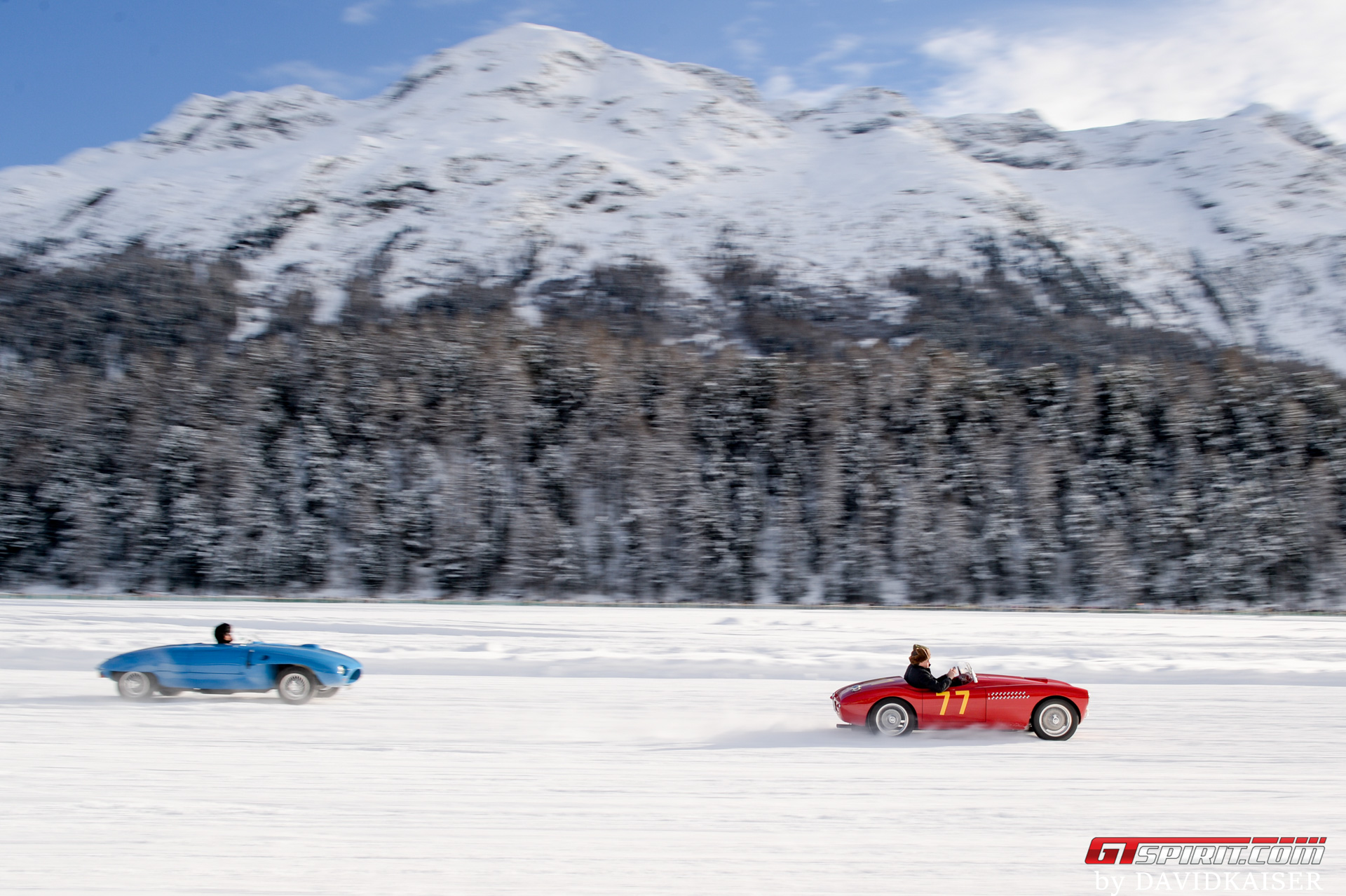
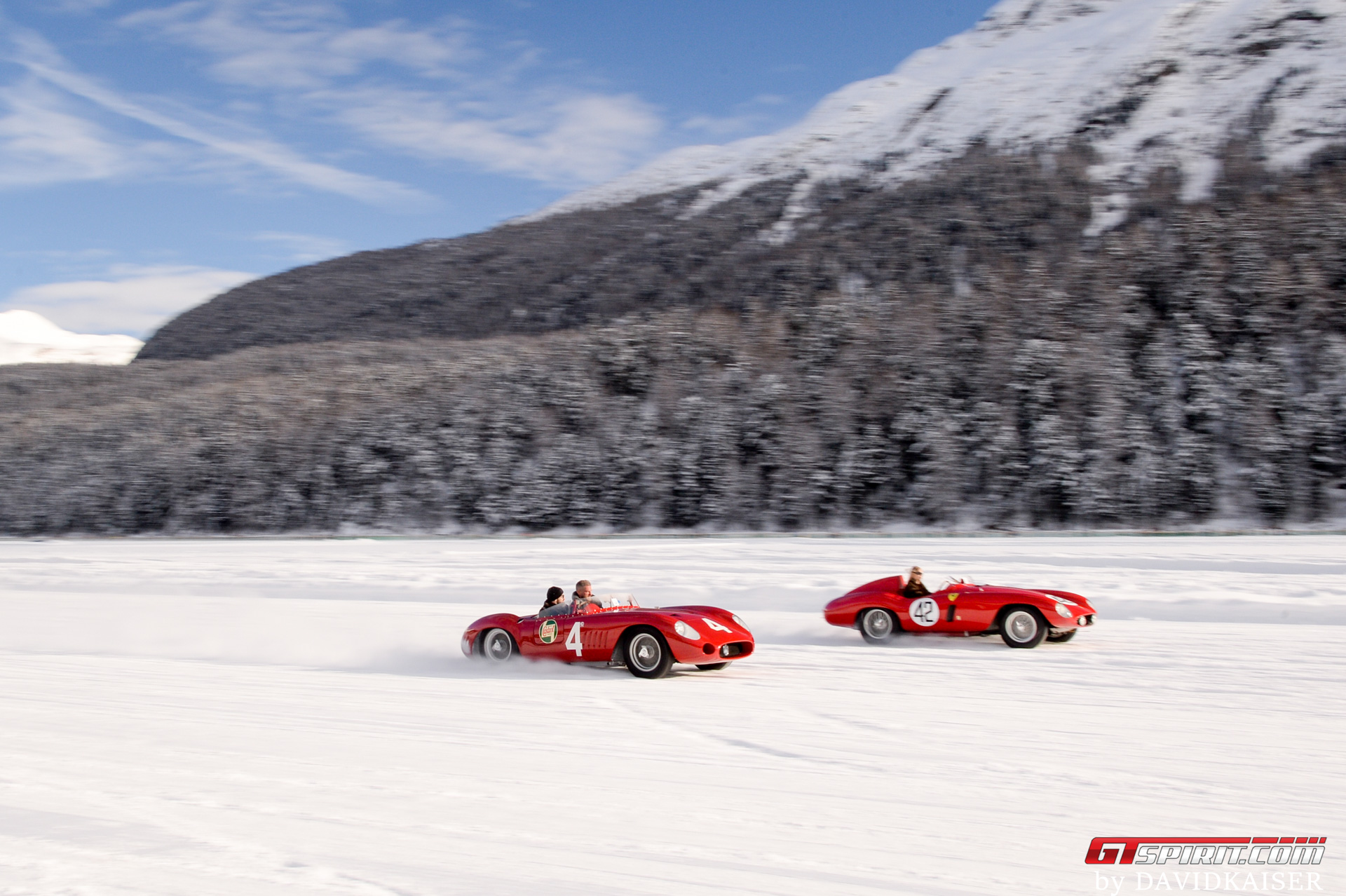
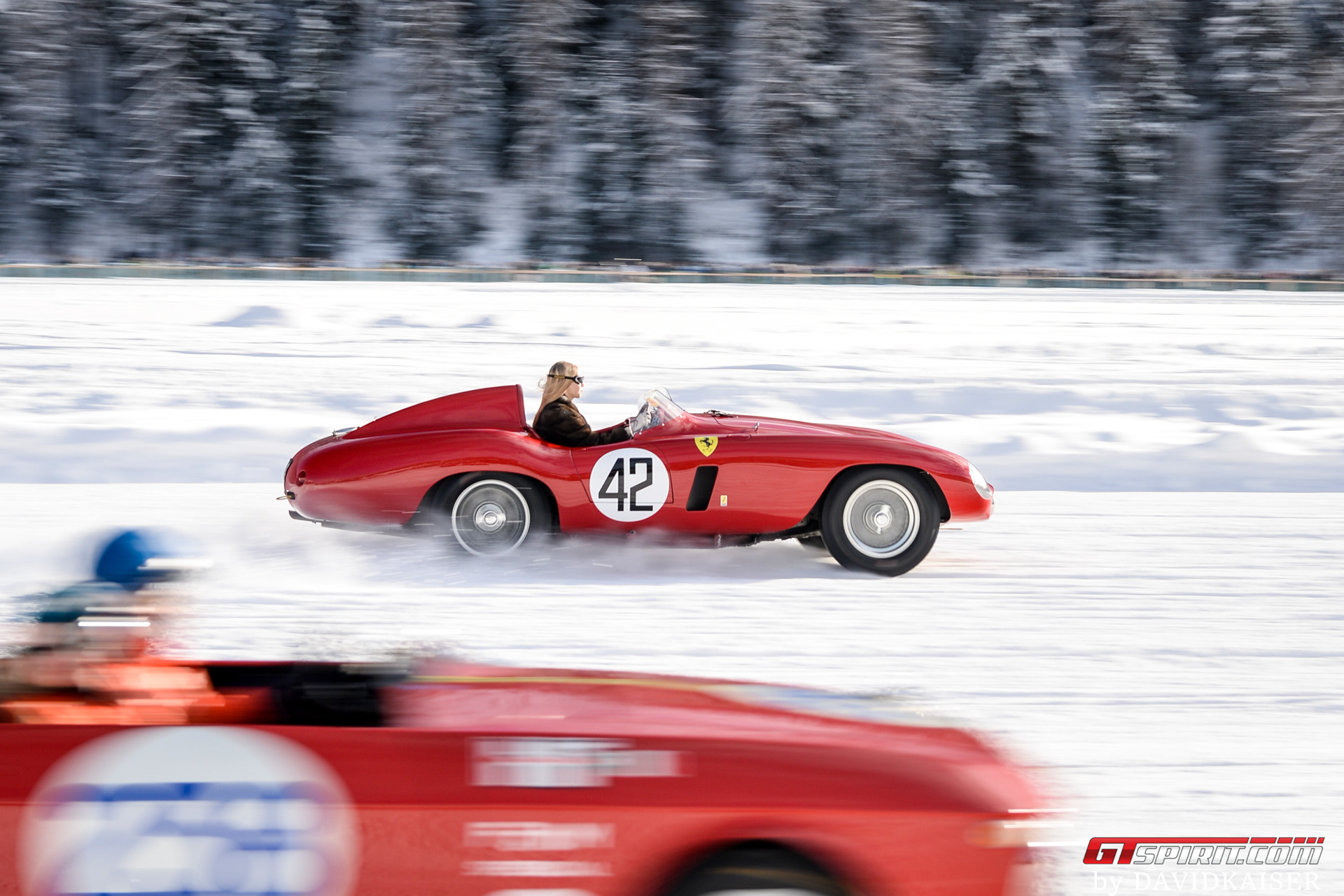
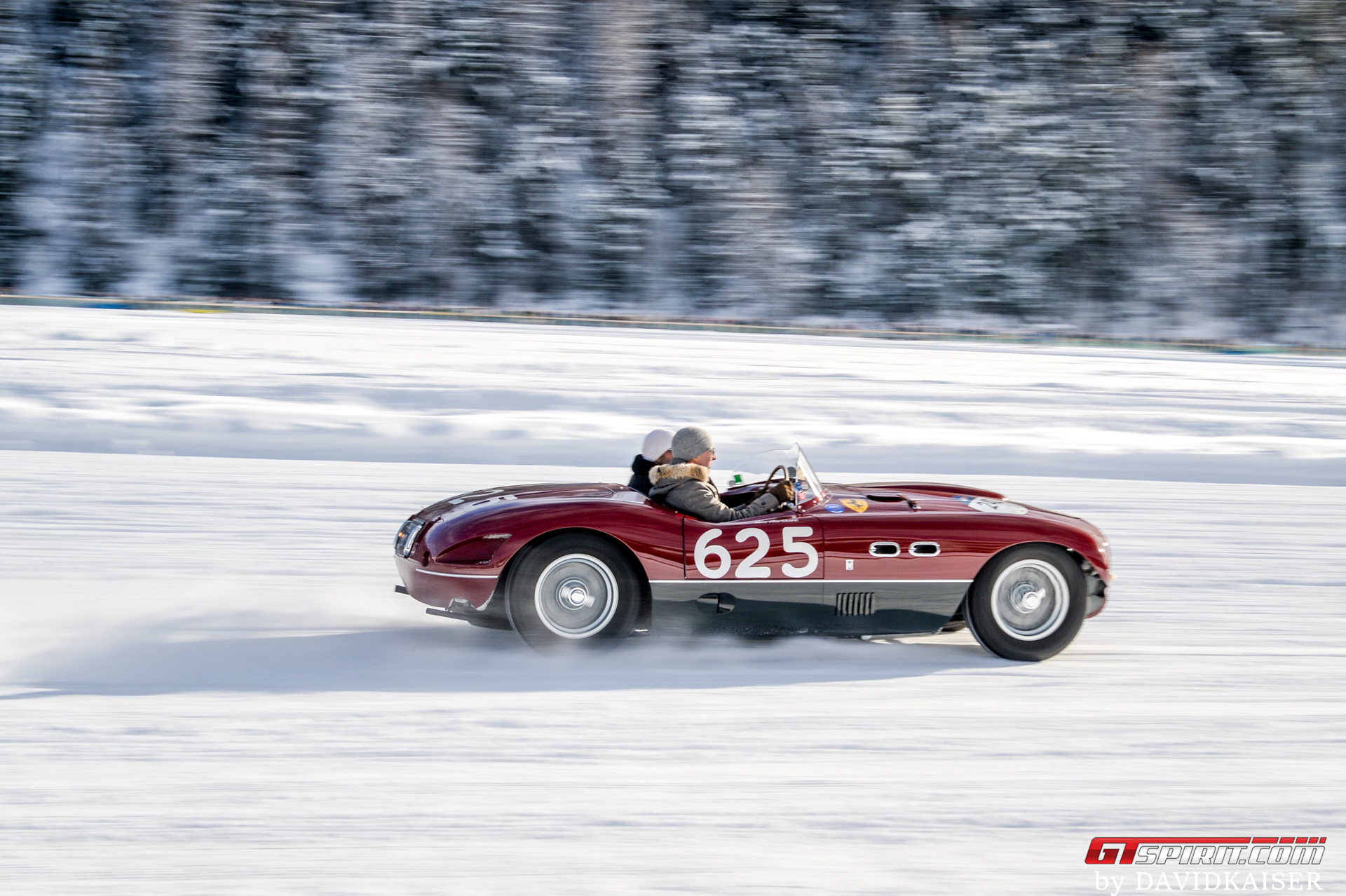
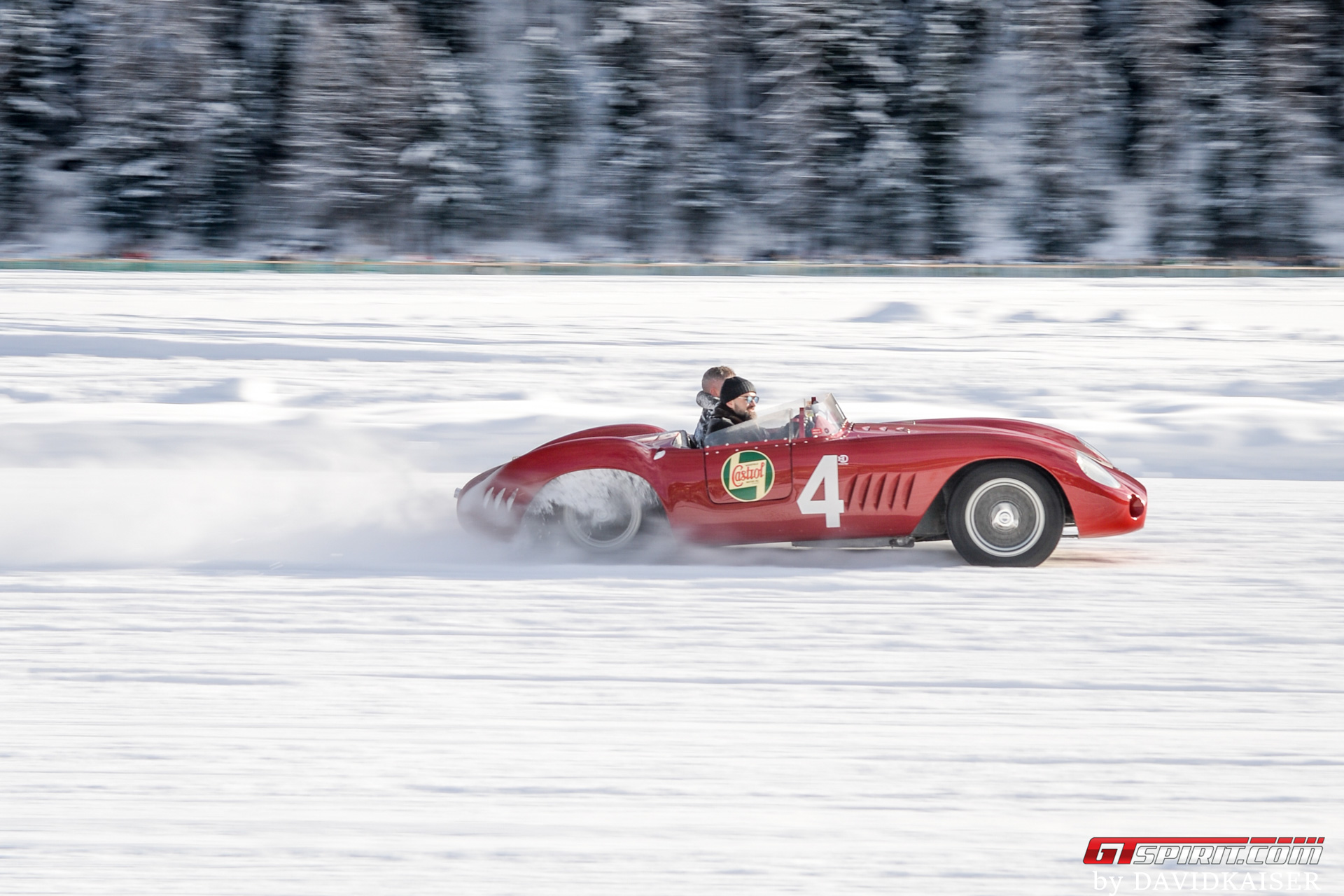
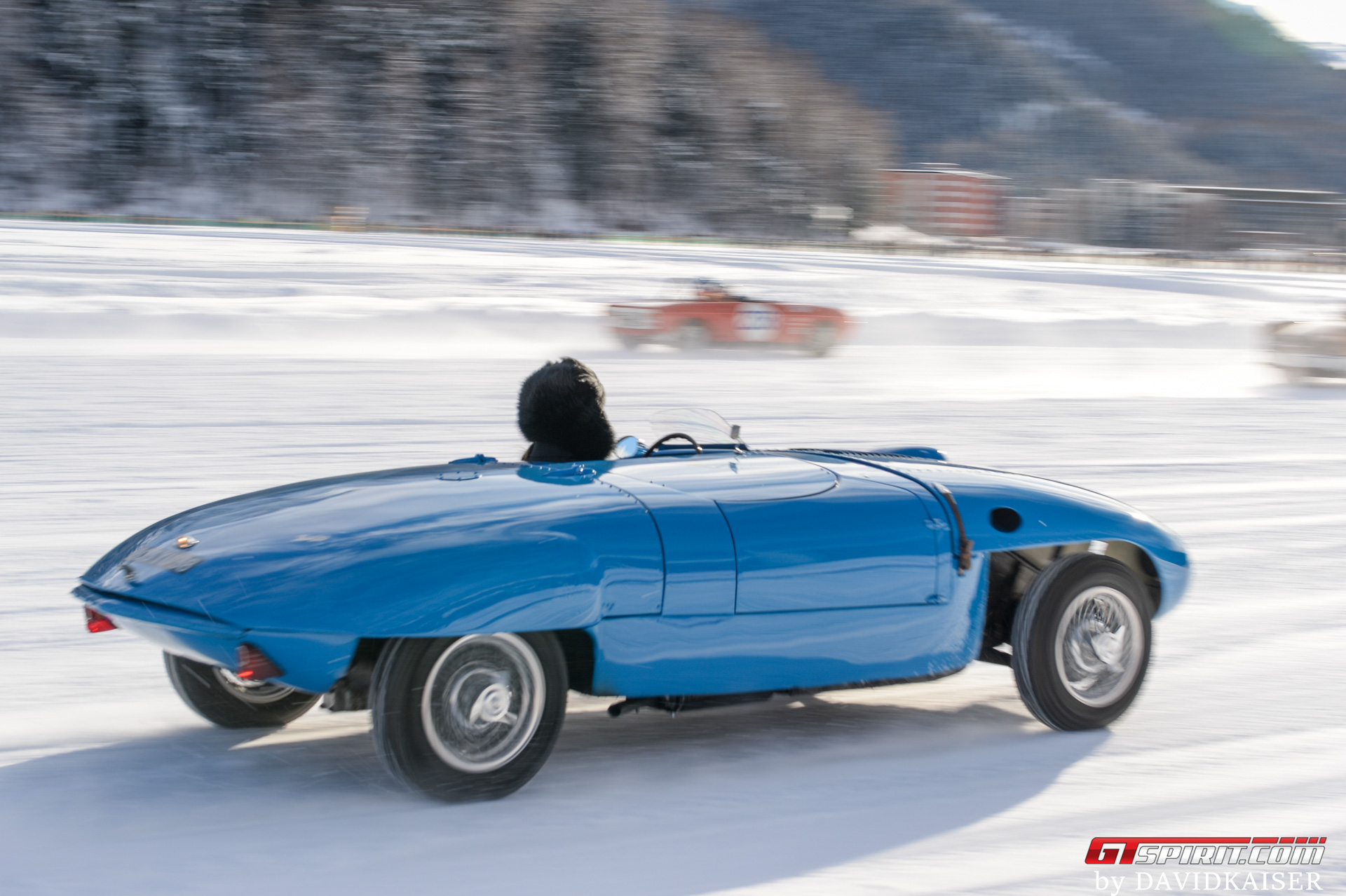
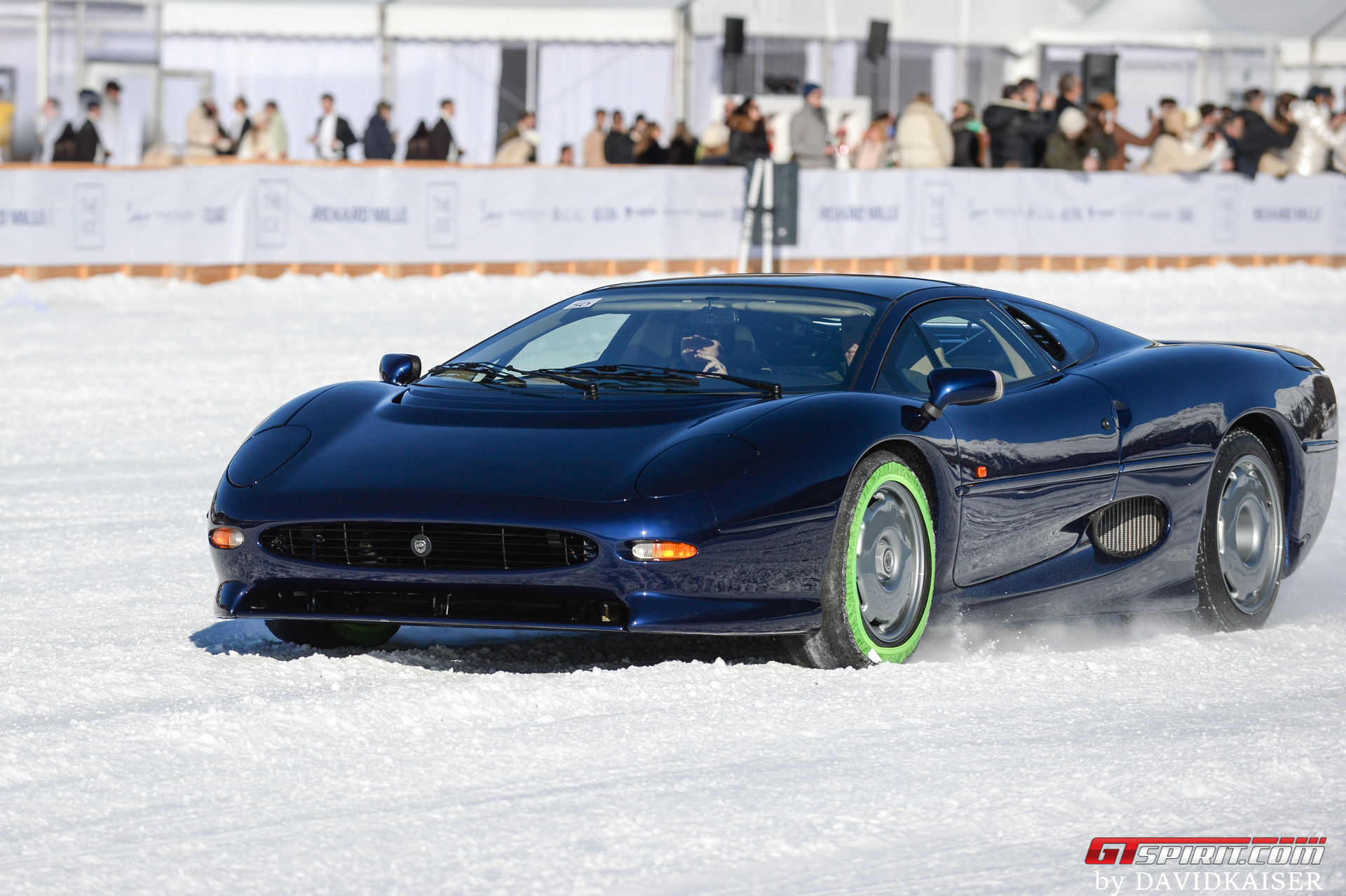
The second day was dedicated to free laps of the concours cars, always in groups of 7-10 cars. The most suitable sports cars for a car event with a maritime flair can, of course, be found in the “Barchettas on the Lake” category: The ICE St. Moritz was joined by a fleet of legendary racing cars, including a Maserati 300S, a Ferrari 250 MM Vignale Spyder Series II, a Ferrari 750 Monza driven by Yulia Houghtaling, and a Jaguar D-Type of Kurt Engelhorn, founder of the Bernina Grand Turismo. However, the most extravagant car was a 1965 Pontiac Vivant, a unique aerodynamic study.
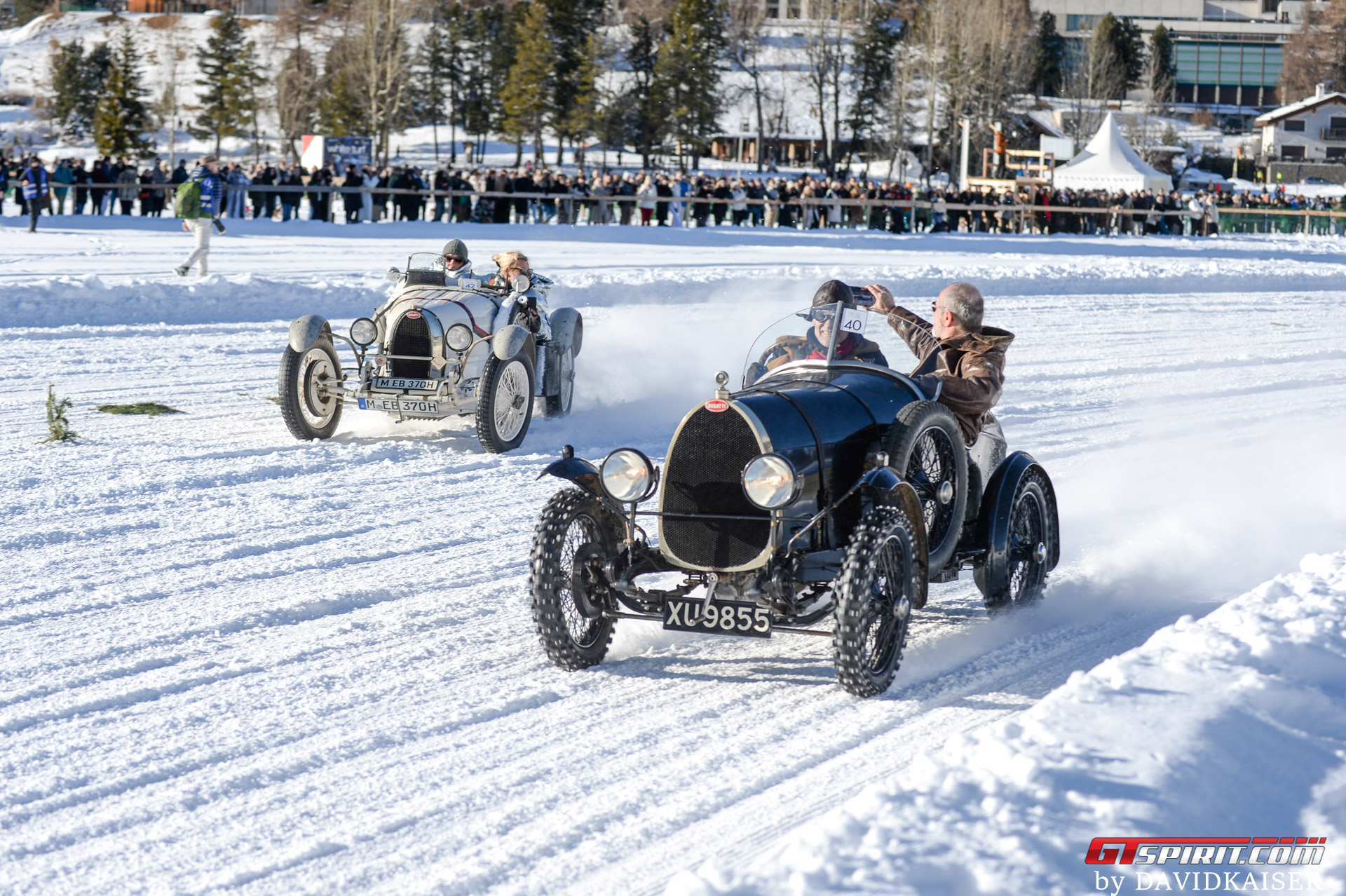
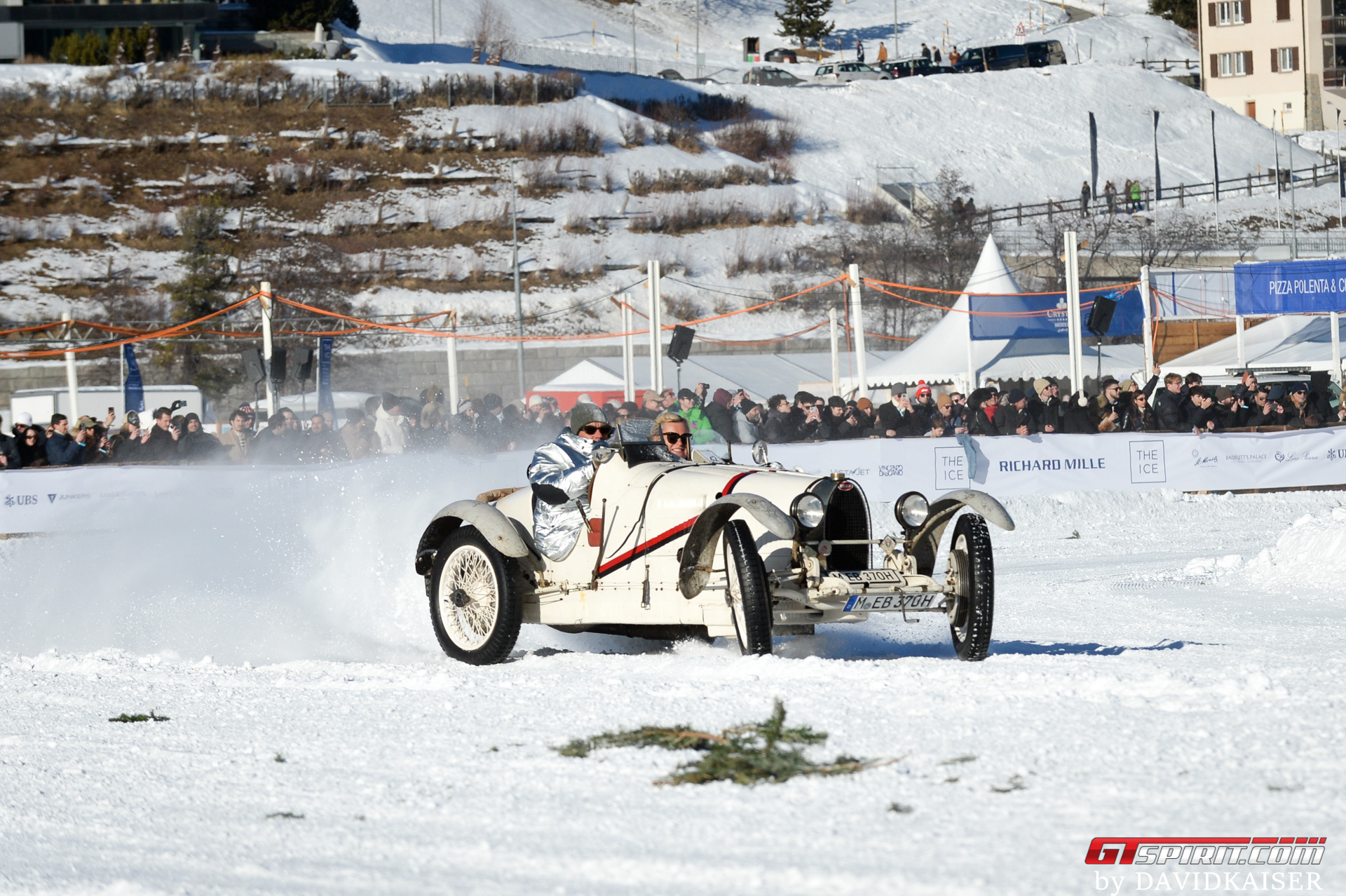
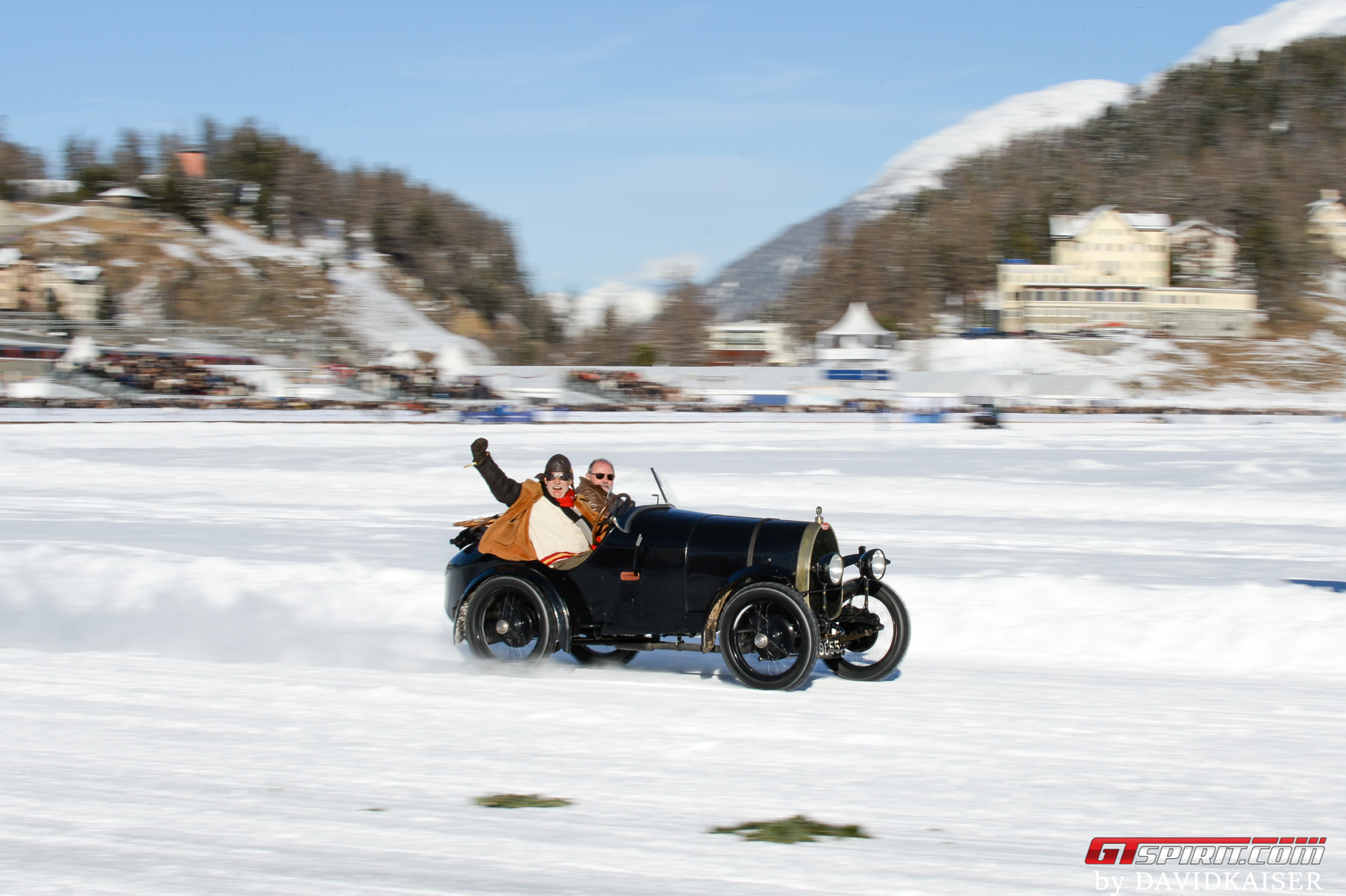
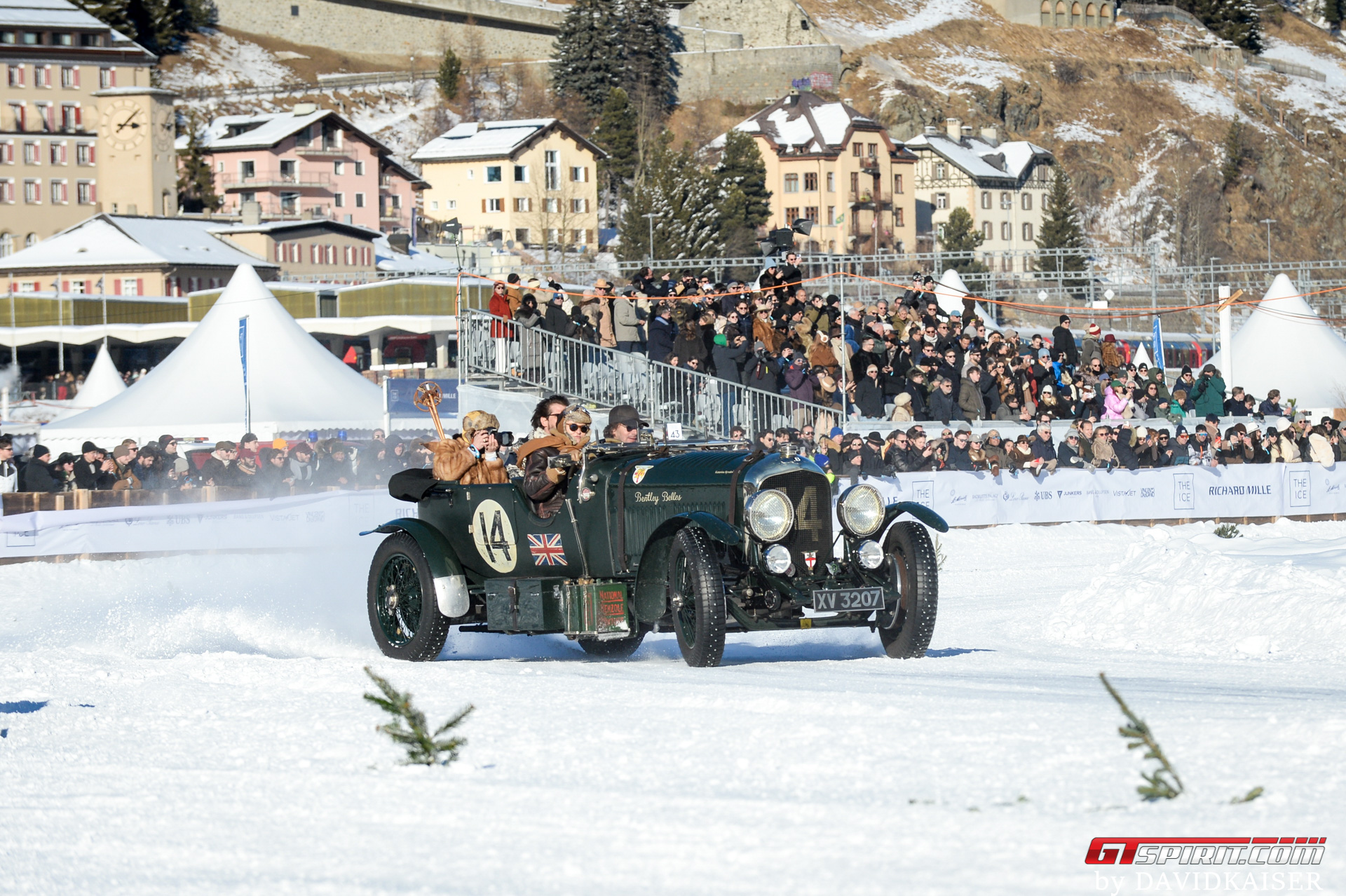
The most enjoyable rides across the lake are always offered by the open-top racing cars from the 1920s to the 1960s, the golden age of classic motorsport. Local collector Fritz Burkard brought his exceptionally beautiful Bugatti T13, which looked like a scale model next to the huge 1928 Bentley 4.5-liter Open Tourer driven by Kartharina Kyvalova.

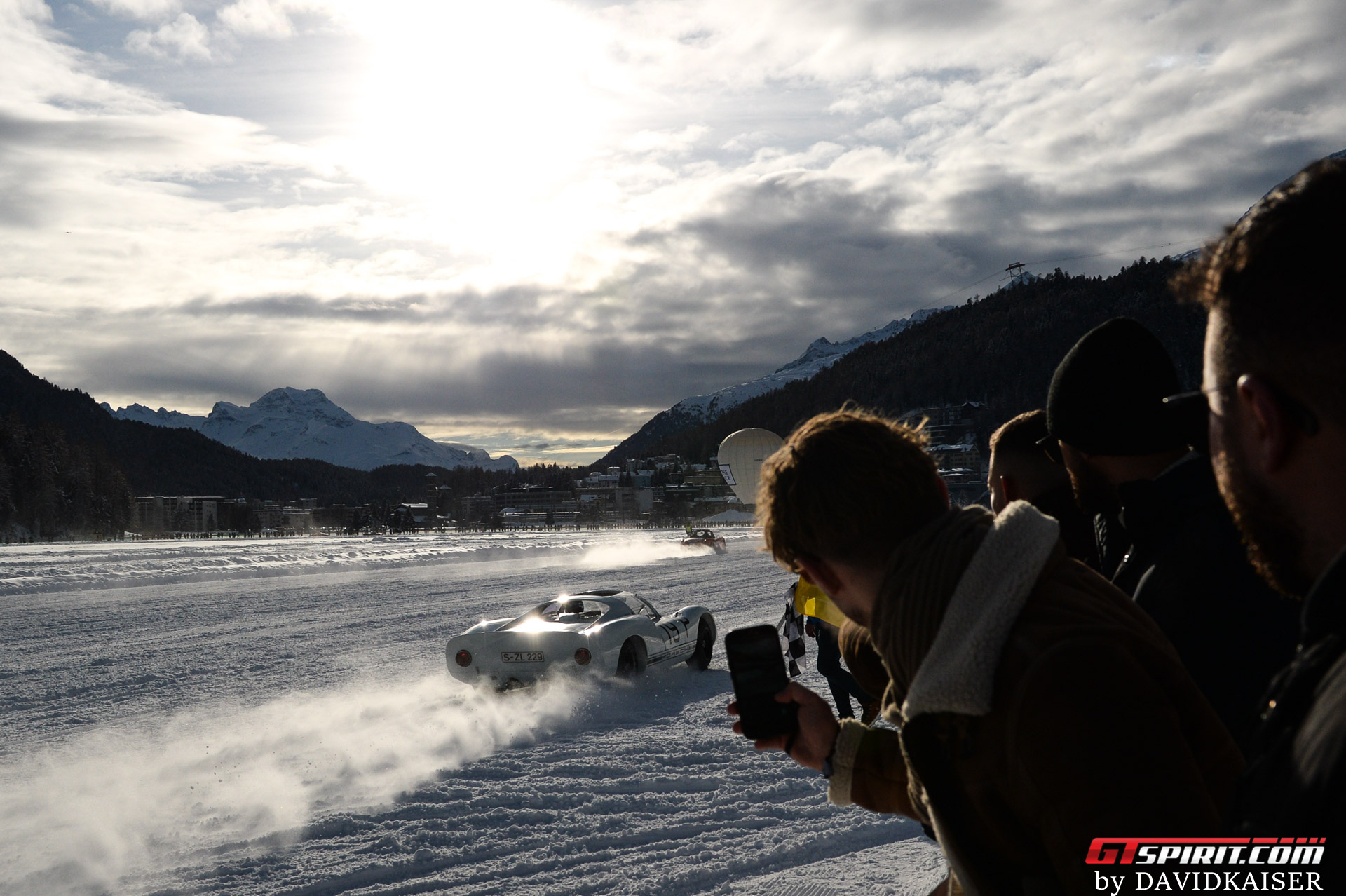
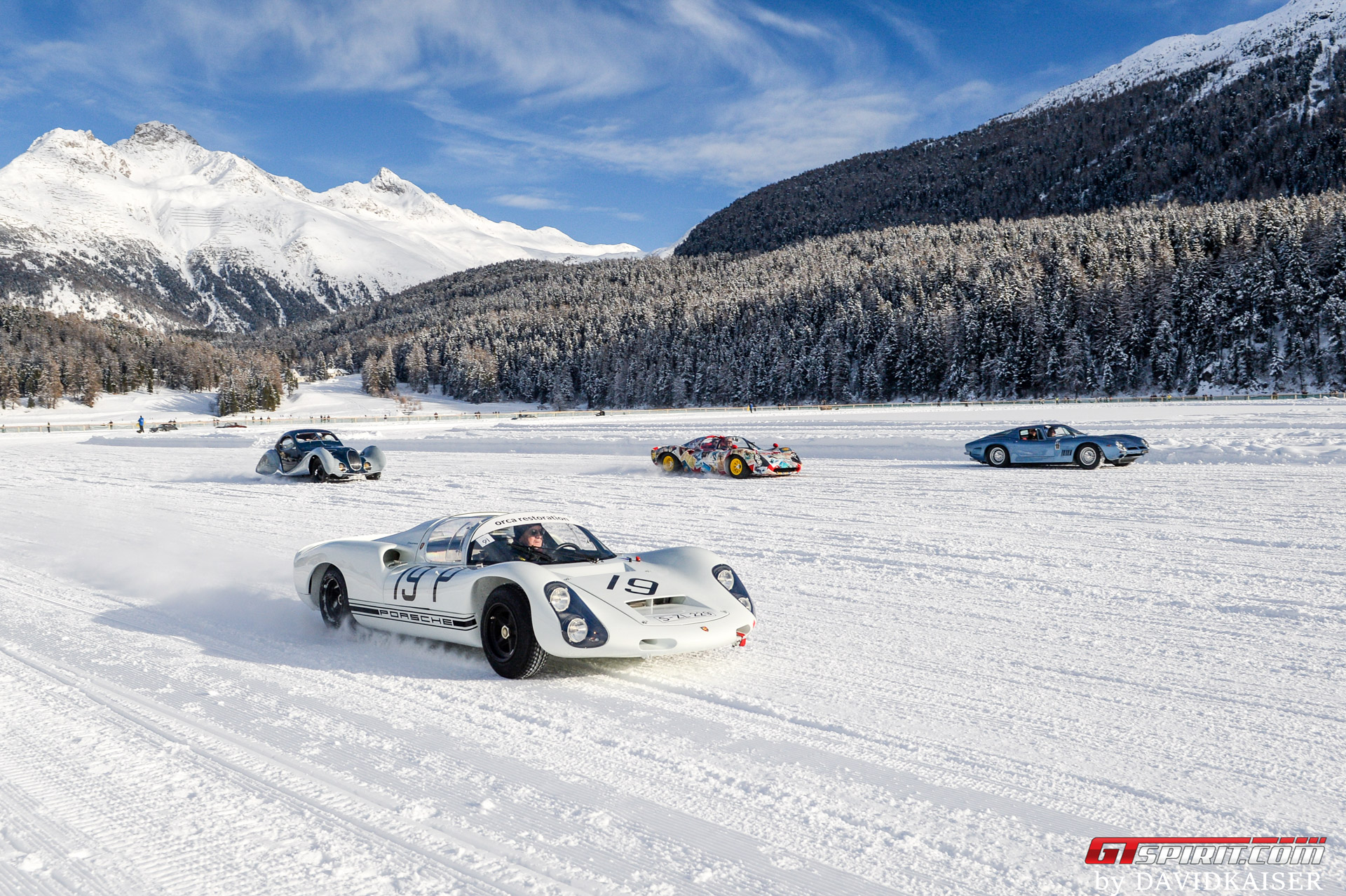
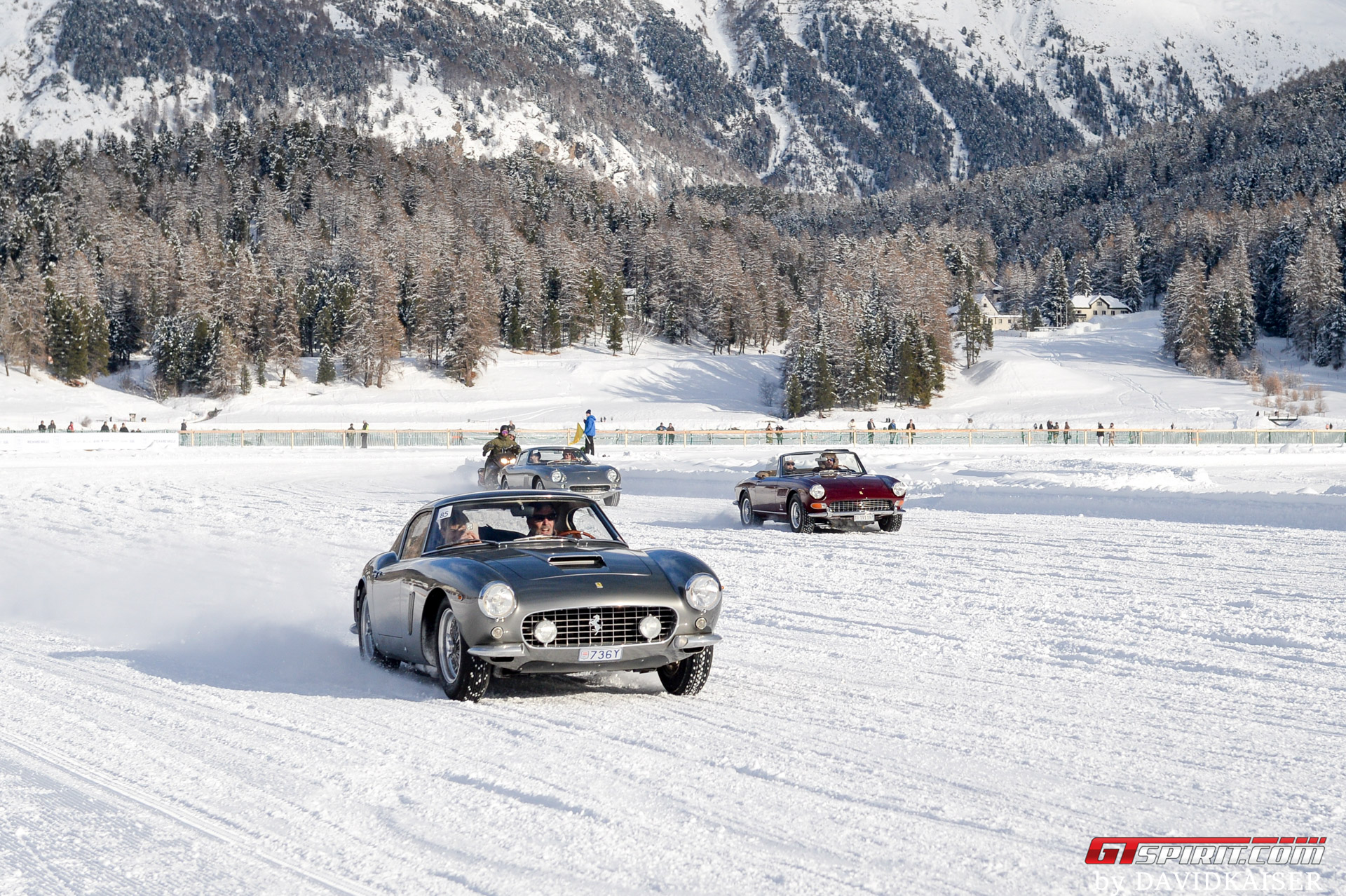
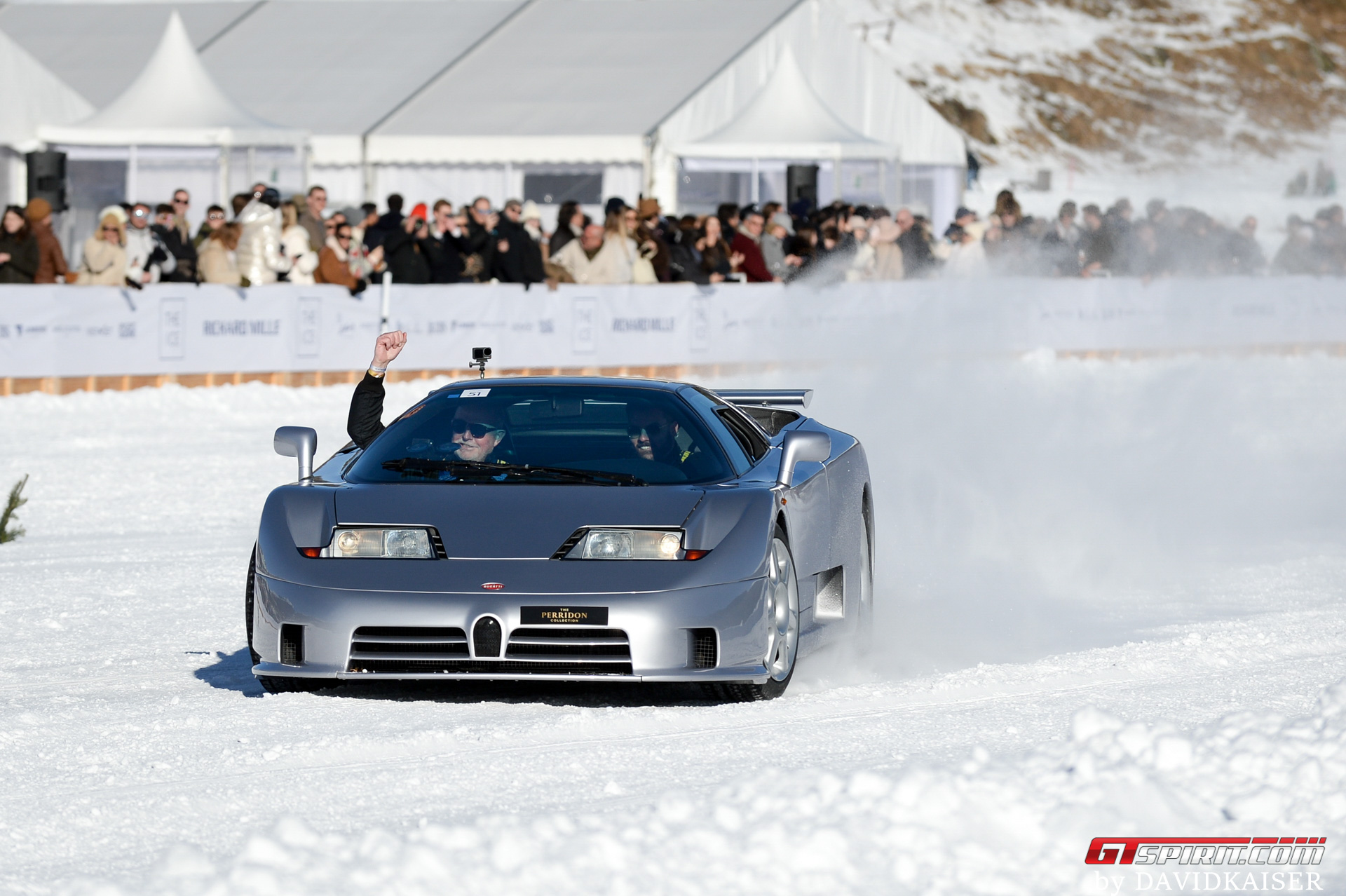
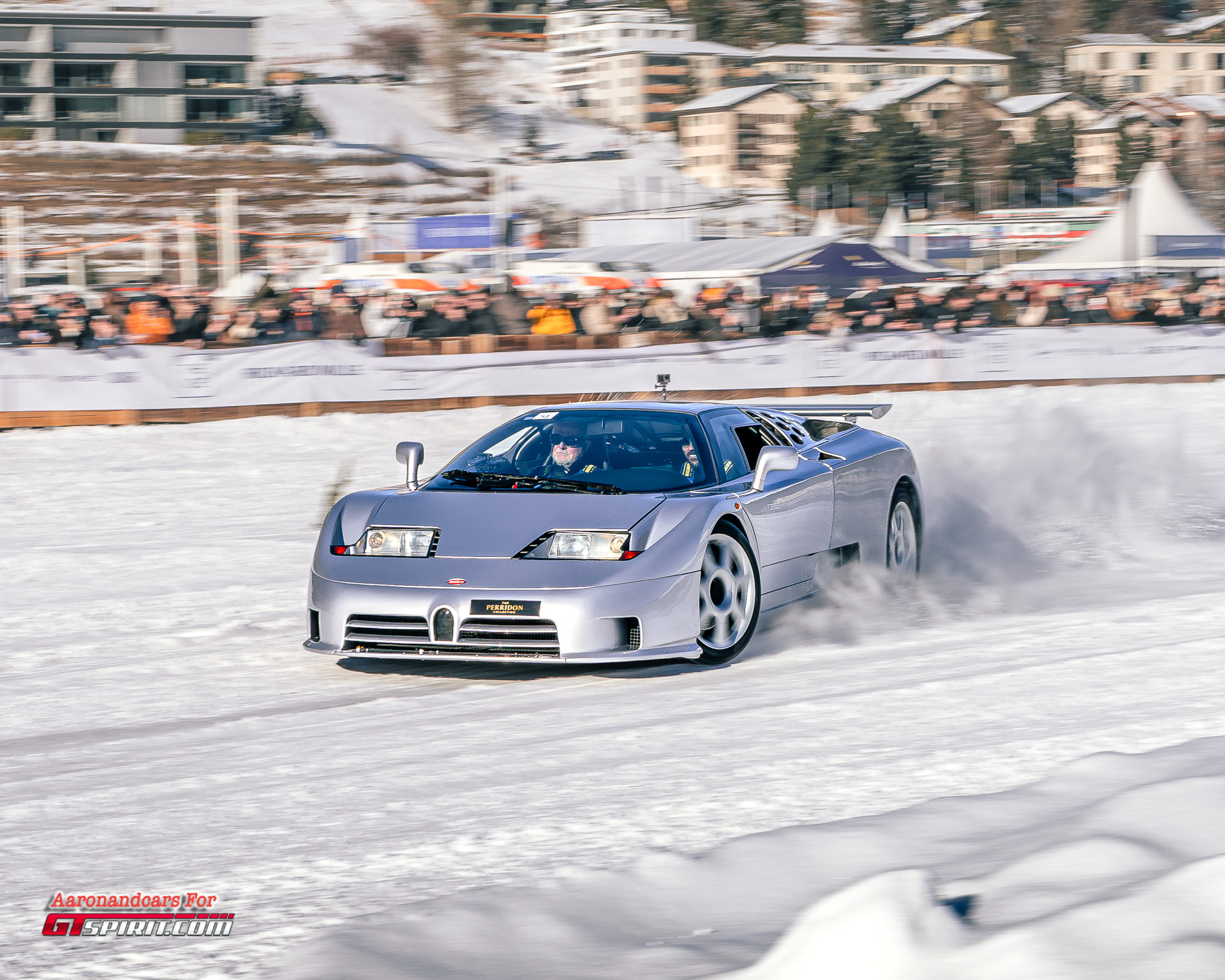
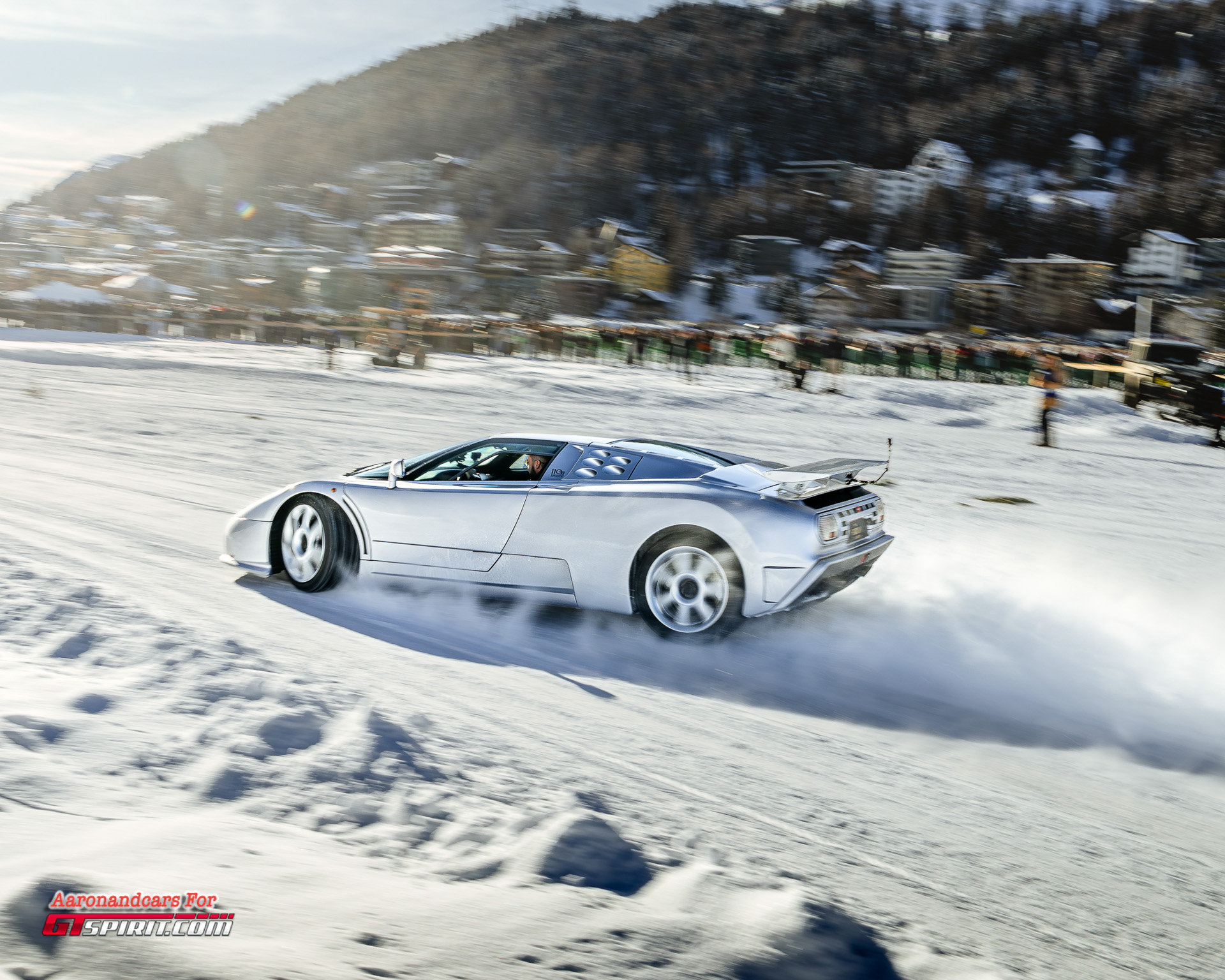
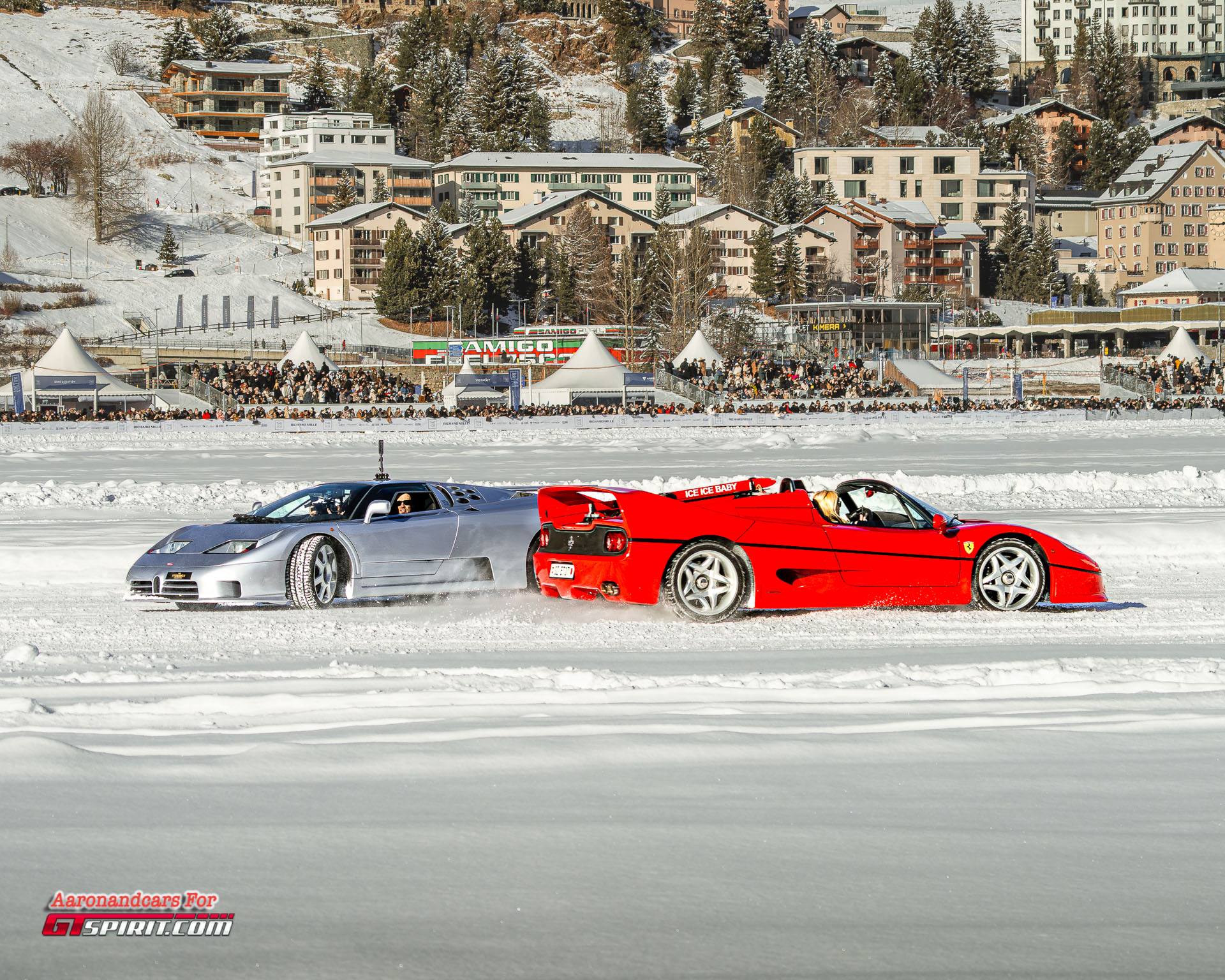
Collector Gaurav Dhar brought the very first Koenigsegg prototype onto the ice—and the car was not only reunited with Christian von Koenigsegg, but also received praise from Mate Rimac, the petrol-mad CEO of Bugatti Rimac, for its innovative design and creative craftsmanship. If you look closely, you can see the same man few minutes later in the Bugatti EB110 from ThePerridonCollection, drifting in the 42year old masterpiece with a huge smile. Finally the “Icons on Wheels” category. The orange Lamborghini Miura SV from the Distinctive Collection was the perfect car to celebrate the model’s 60th anniversary. Rally driver Christian Geistdörfer, Walter Röhrl’s famous co-driver, demonstrated his skills in a Porsche 910. Next, a Ferrari 250 SWB Competizione sped around the oval, followed by a metallic blue Bizzarrini 5300 GT Strada, whose tires didn’t have enough grip and spun in front of our camera.

The 2026 The Ice Concours Winners

On the first day, the international jury selected the Best in Class in the five concours’ categories, awarding the elegance, rarity, and history of each model:

Lancia Stratos, 1976 (Legendary Liveries);
Maserati 4CLT, 1949 (Open Wheels);
Jaguar XJ220, 1993 (Birth of Hypercar);
Ferrari 750 Monza, 1955 (Barchettas on the Lake);
Talbot-Lago T150C SS ‘Teardrop’, 1937 (Icons on Wheels).
A new award, for Best Sound, was presented to the Pontiac Vivant, 1965 (Barchettas on the Lake).
Closing the event Saturday afternoon, the prestigious Best in Show award went to the Talbot-Lago T150C SS ‘Teardrop’, 1937 (Icons on Wheels) owned by Fritz Burkhard from TheRealPearlCollection.
Furthermore, the Ferrari Dino 206 S, 1967 (Icons on Wheels) won the Spirit of St. Moritz award.
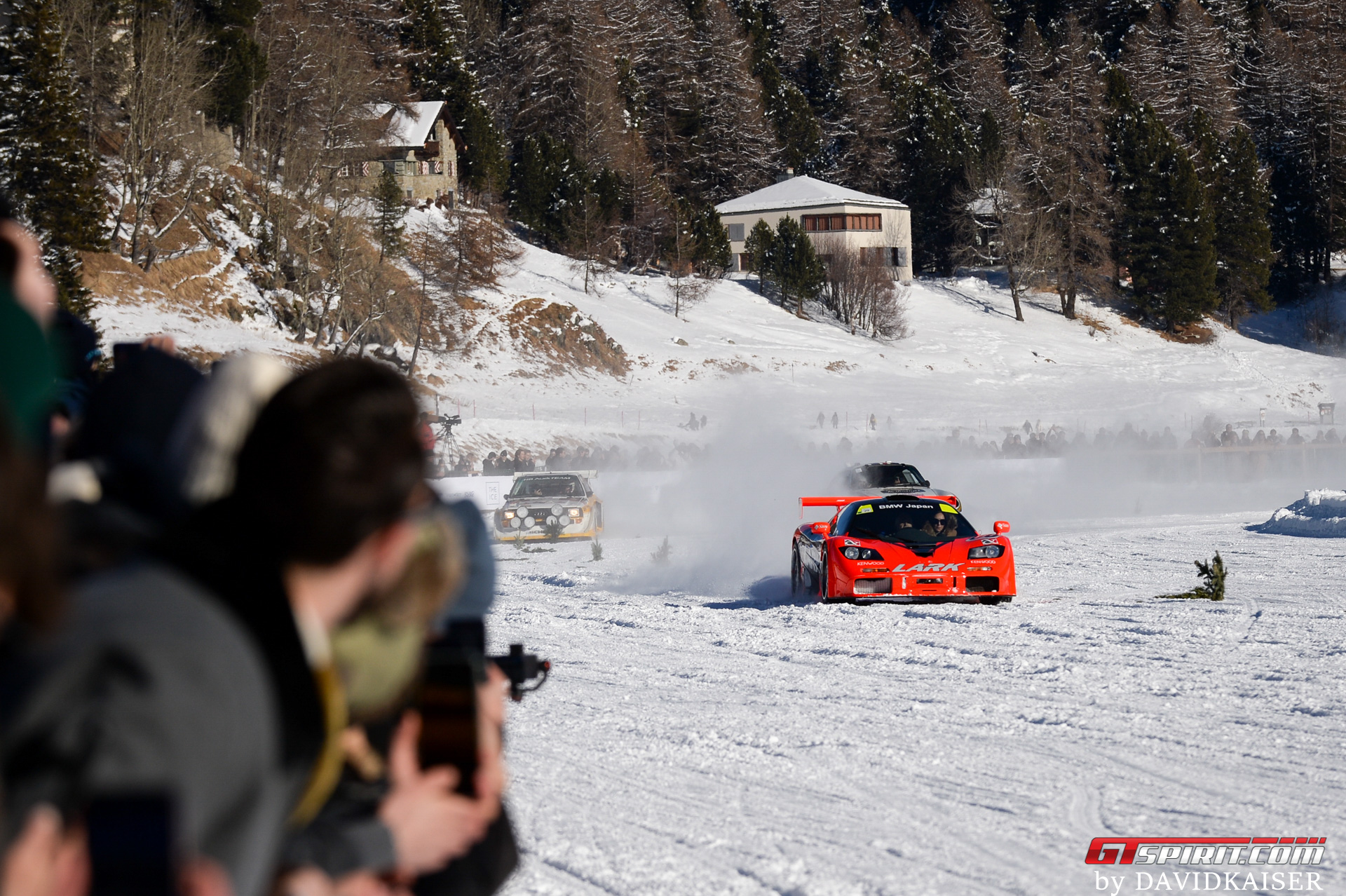
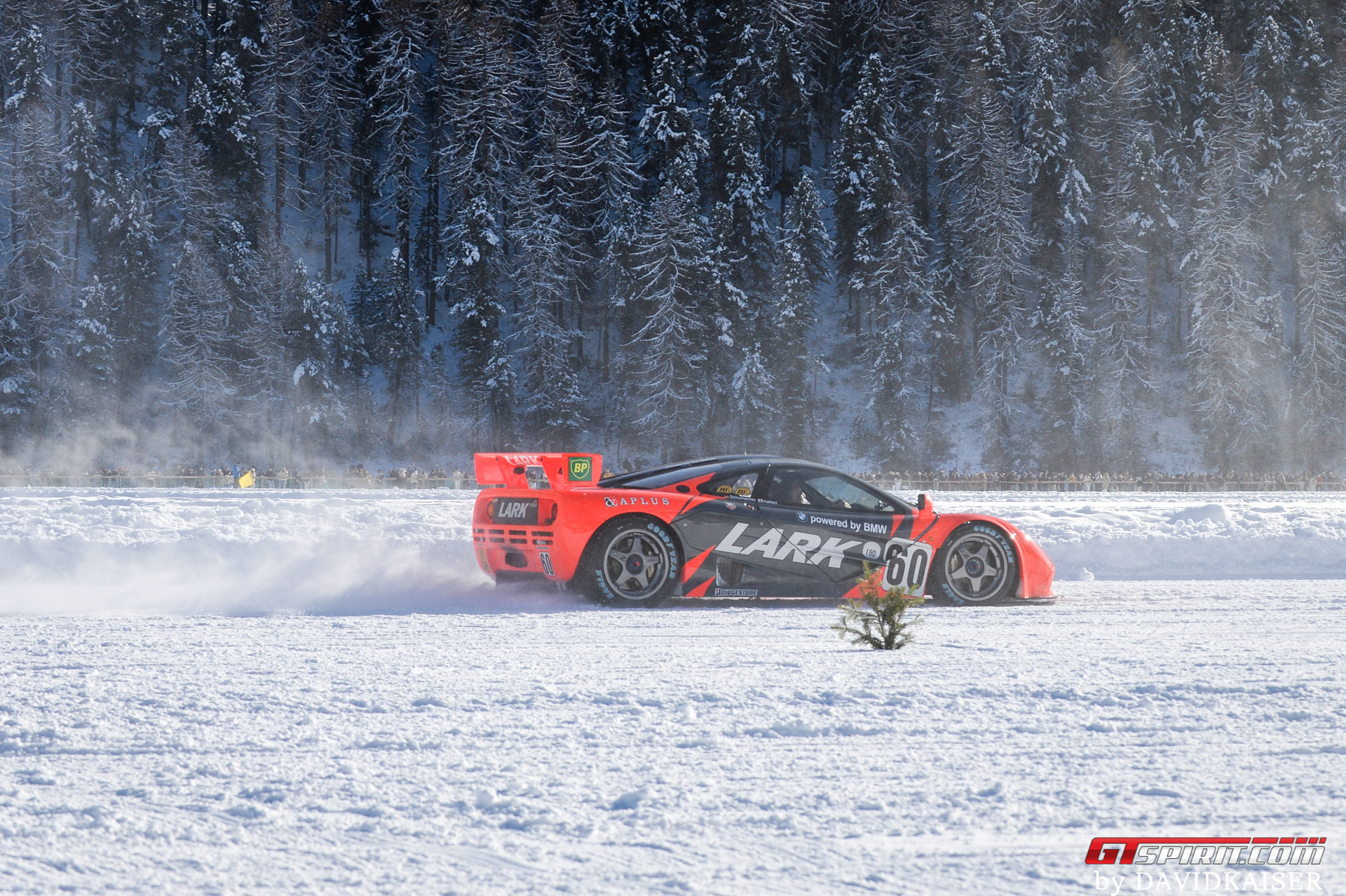
Finally, the McLaren F1 GTR Lark, 1996 (Birth of the Hypercar) was honored with the public award called Hero Below Zero.

2026 Audi RS5 PHEV: Broadened stance

0

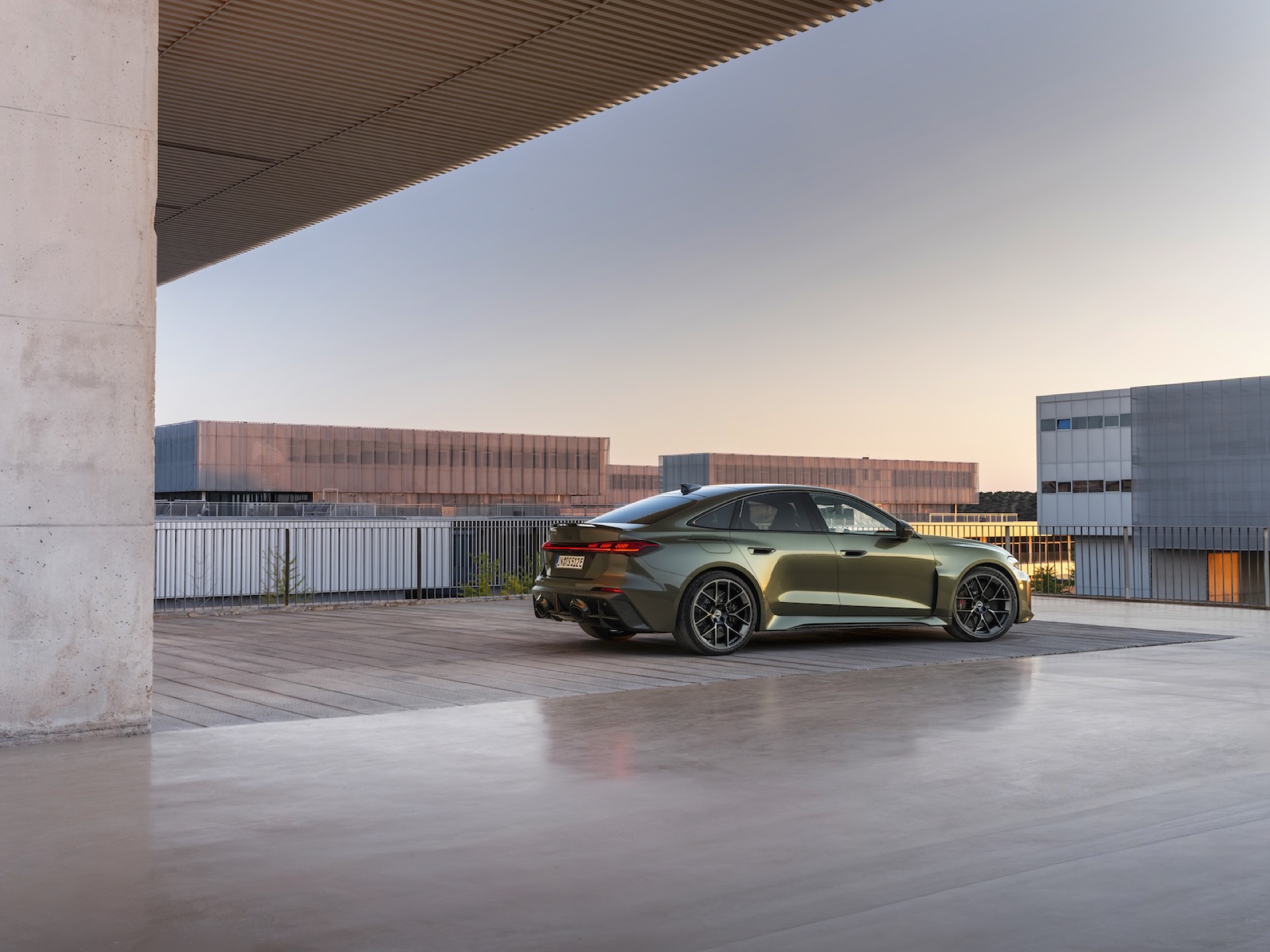
Audi is finally determined to present a credible rival to the BMW M3 and has significantly raised its game with the new RS5 generation. Alongside a far more muscular appearance, electrification boosts total output to almost 640 PS.

The current BMW M3 and M4 have left competitors scrambling. Mercedes misjudged the market with its hybrid four-cylinder C-Class AMG and is now paying a heavy price. Audi could only truly shine one class above with the formidable RS6 and RS7, as the previous RS4 and RS5 were simply too restrained to pose a serious threat to Munich’s finest. Painful for Audi Sport, especially given its long-standing dominance in the performance estate segment.

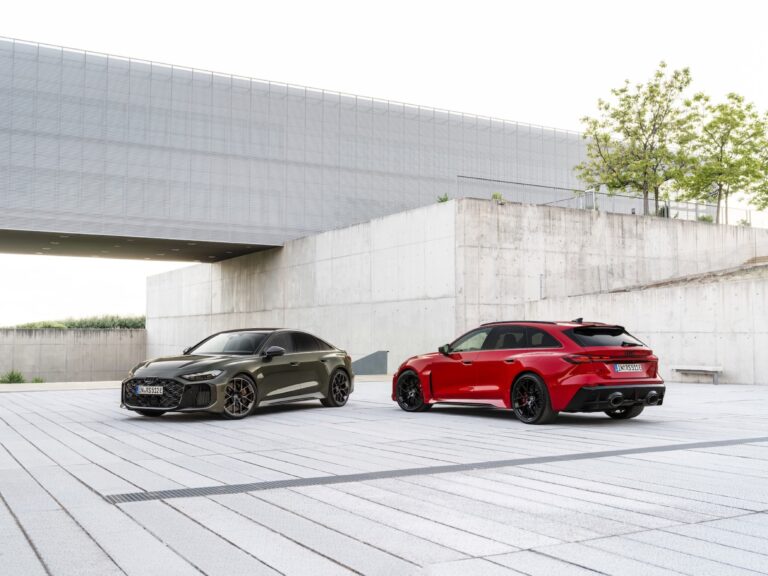
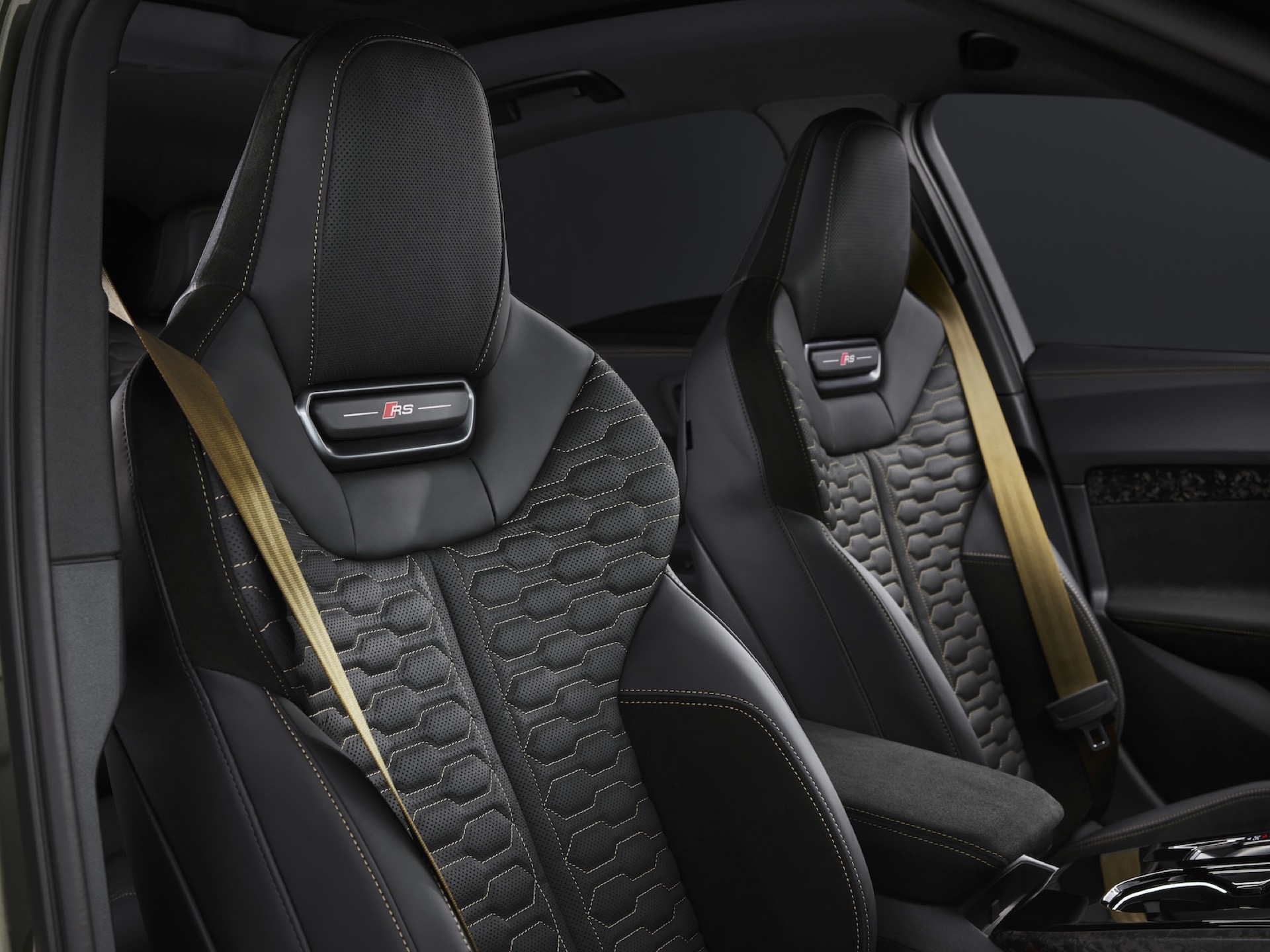
That is set to change. The new Audi RS5, available as a saloon and Avant, adopts a far more assertive design, with heavily flared wheel arches and a conspicuously bold rear apron complete with oval exhaust outlets. To avoid falling behind rivals offering up to 550 PS from BMW and 680 PS from the Mercedes-AMG C 63, Audi has not only retained its 2.9-litre V6 twin-turbo engine but added a 130 kW (177 PS) electric motor integrated into the transmission housing. The result is a combined system output of 470 kW (639 PS) and a substantial 825 Nm of torque, delivered to all four wheels.
There is one notable change. Unlike its competitors, the RS5 is now offered exclusively as a saloon or Avant. The coupé, once important for brand image and differentiation, has been discontinued, and there has been no RS convertible for several years. “The RS 5 with its innovative drivetrain concept marks the beginning of a new era for RS models,” says Rolf Michl, Managing Director of Audi Sport. “We combine the dynamic characteristics our customers value with new technologies to reach a higher level of performance, while also improving everyday usability through electric range.” Inside, the duo features RS-specific sports seats, distinctive trim details and the expected blend of performance and premium design.

Audi RS5 PHEV 21
Audi RS 5 Sedan

The performance figures are suitably dramatic. The sprint from zero to 100 km/h takes comfortably under four seconds, and despite a kerb weight exceeding 2.3 tonnes, the top speed reaches 285 km/h. The electronically controlled sports suspension features a wider track, 20- or 21-inch wheels and a newly developed rear differential with electromechanical torque vectoring, allowing highly variable power distribution at the rear axle. Buyers can choose between steel or ceramic brakes to rein in the considerable mass. Thanks to two-valve adaptive damping, both pitch and roll movements are reduced during spirited driving, while still offering a broad spectrum between comfort and sportiness.

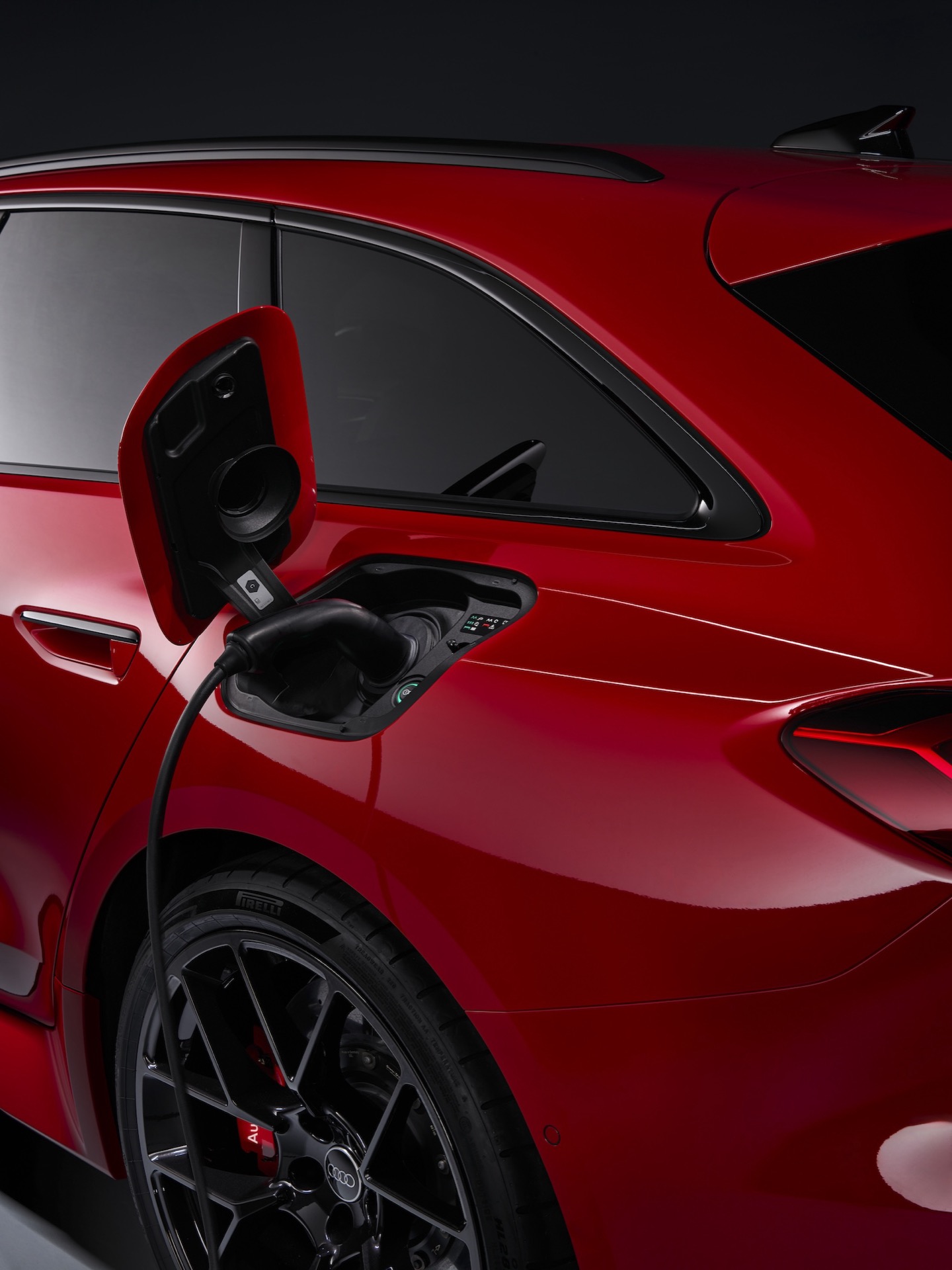
The 26 kWh battery pack mounted at the rear allows the RS5 to travel up to 80 kilometres on electric power alone. Charging from an 11 kW source takes around two and a half hours. Orders are open now, with deliveries of the RS5 Saloon starting at €106,200 and the RS5 Avant at €107,200 from this summer.

Audi RS5 PHEV 10
Audi RS 5 Sedan

Rétromobile 2026: From Automotive Heritage to Hypercar Theatre

0

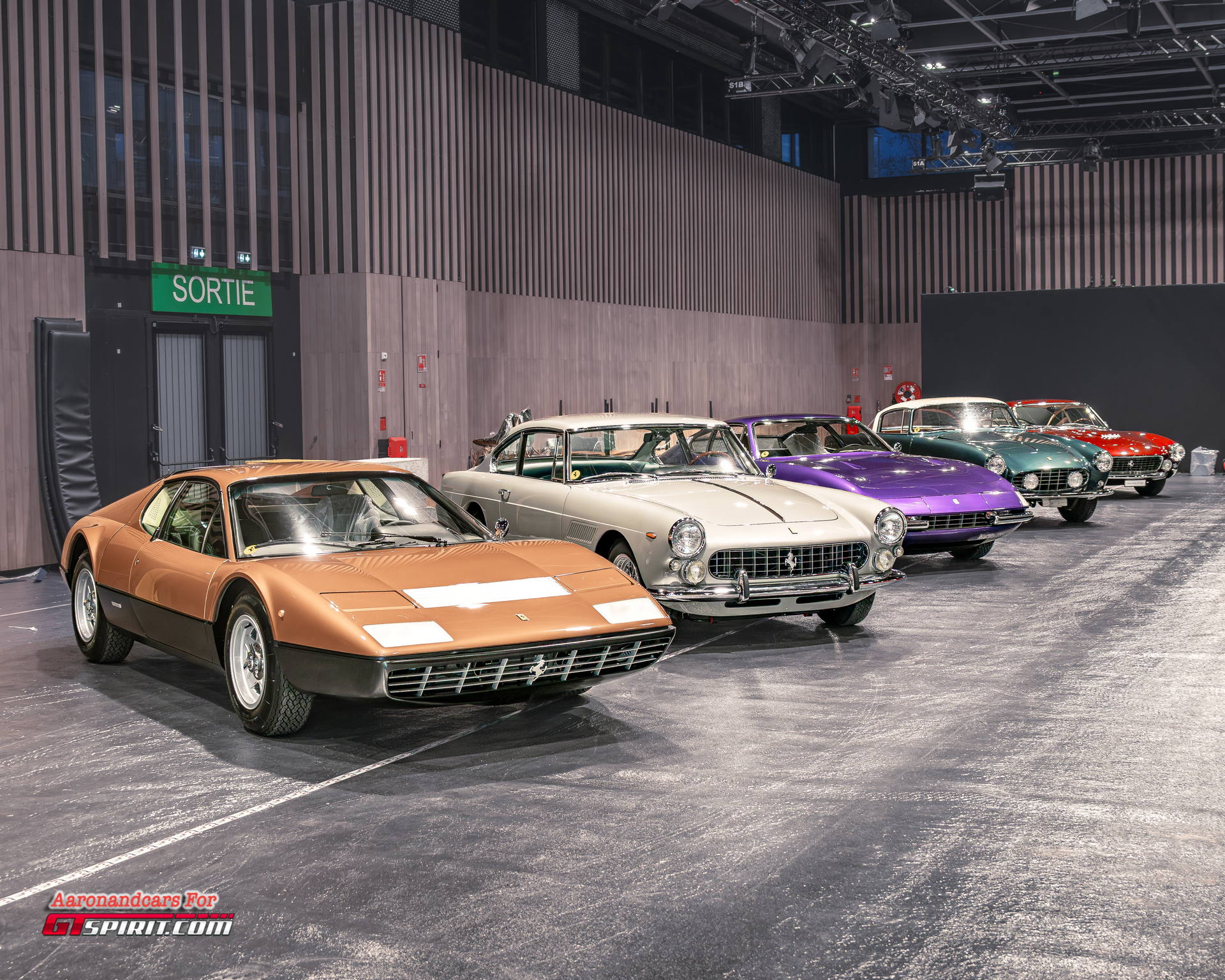
From January 28 to February 1, 2026, Paris Expo Porte de Versailles hosted a landmark moment in automotive culture. Rétromobile celebrated its 50th anniversary in record-breaking fashion, while the brand new Ultimate Supercar Garage made a striking debut alongside it. Rétromobile welcomed 181,500 visitors confirming its status as the world’s leading show dedicated to classic cars. Meanwhile, the first edition of Ultimate Supercar Garage attracted 63,450 visitors, immediately establishing itself as Europe’s new benchmark event for modern supercars.

Rétromobile at 50: A Celebration of Legacy
Placed for the first time under the patronage of the French Ministry of Culture, this anniversary edition carried a strong symbolic weight. Rétromobile was also awarded the FIA Heritage Cup 2025 by the FIA Founding Members Club, recognition of its pivotal role in preserving and promoting automotive heritage.

BMW Art Cars: Motorsport Meets Contemporary Art
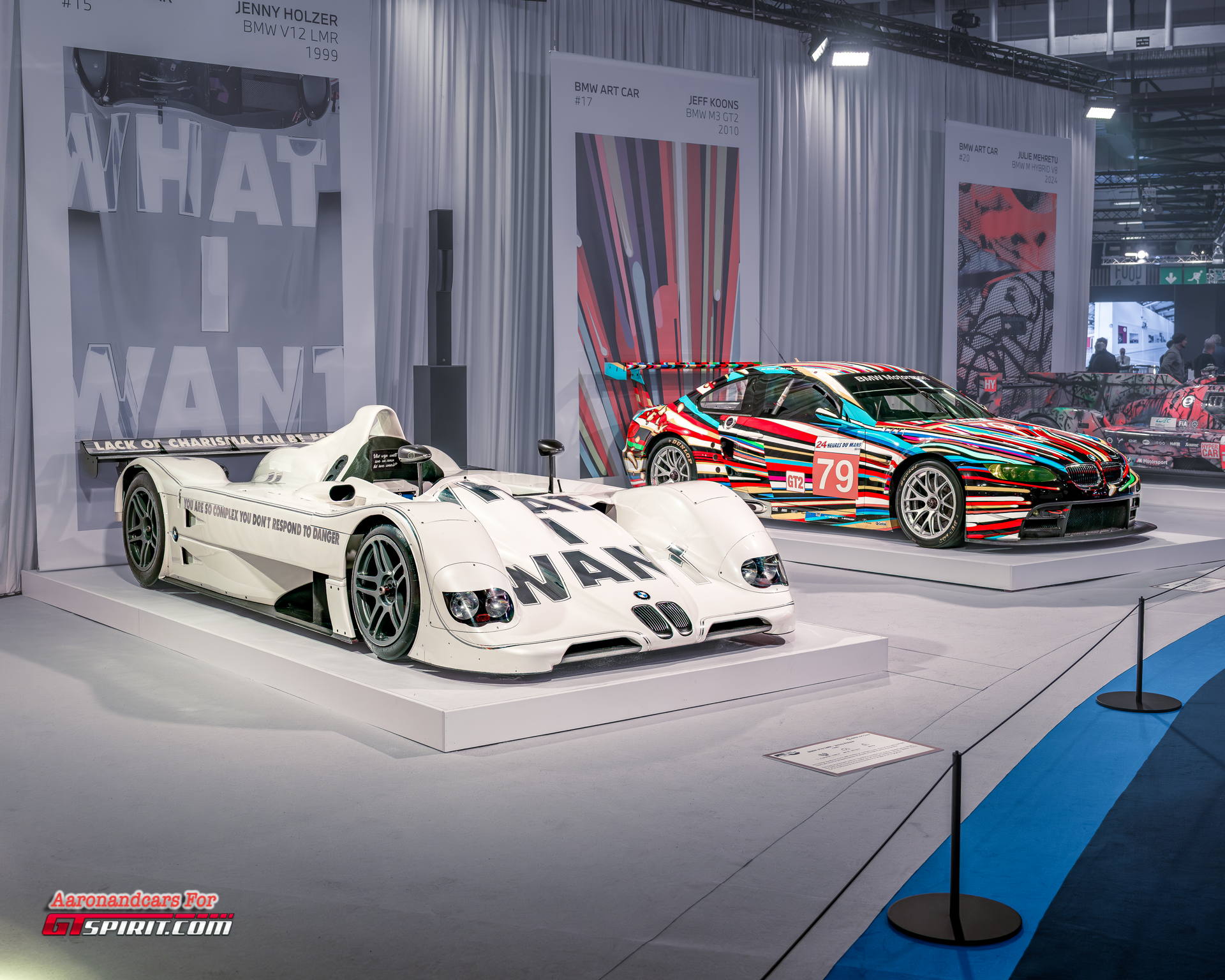
One of the standout attractions was the BMW Art Car World Tour exhibition, which brought together, for the first time in France, the seven BMW Art Cars that competed at the 24 Hours of Le Mans. The Alexander Calder Art Car became the visual icon of the anniversary edition, reinforcing the unique dialogue between contemporary art and endurance racing.

retromobile 26 gtspirit 3

Rally Legends and Industrial Icons
Emotion and nostalgia filled the halls during the retrospective “The Golden Age of Rally,” presented in partnership with the Gino Macaluso Foundation and Oreca. Appearances by François Chatriot, Bruno Saby, Didier Auriol and Ari Vatanen drew large crowds, celebrating a defining era of motorsport. Equally captivating was the Bugatti railcar from the Cité du Train – SNCF Heritage collection.

A fascinating blend of automotive engineering and rail innovation, the streamlined masterpiece stood as a tribute to French industrial ingenuity. Iconic manufacturers were also strongly represented, with 32 brands officially present,
showcasing retrospectives, anniversaries and world premieres.

Ultimate Supercar Garage: A Bold First Edition
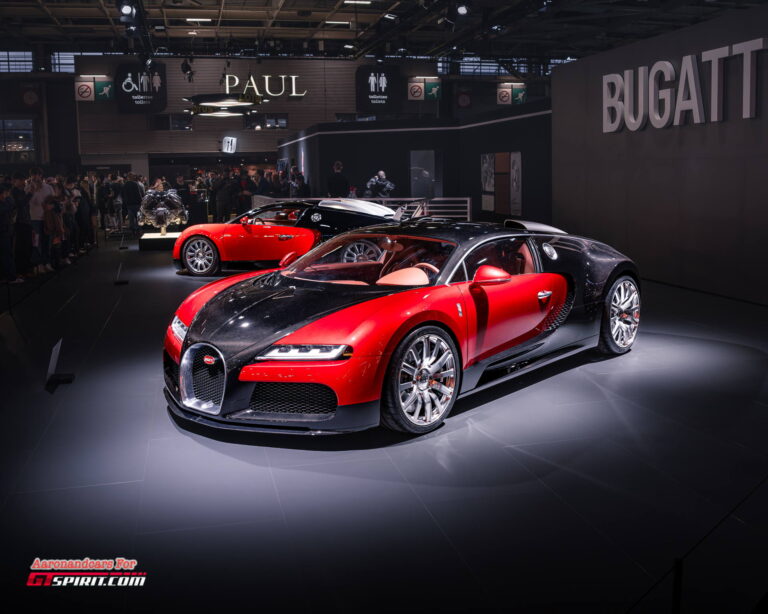
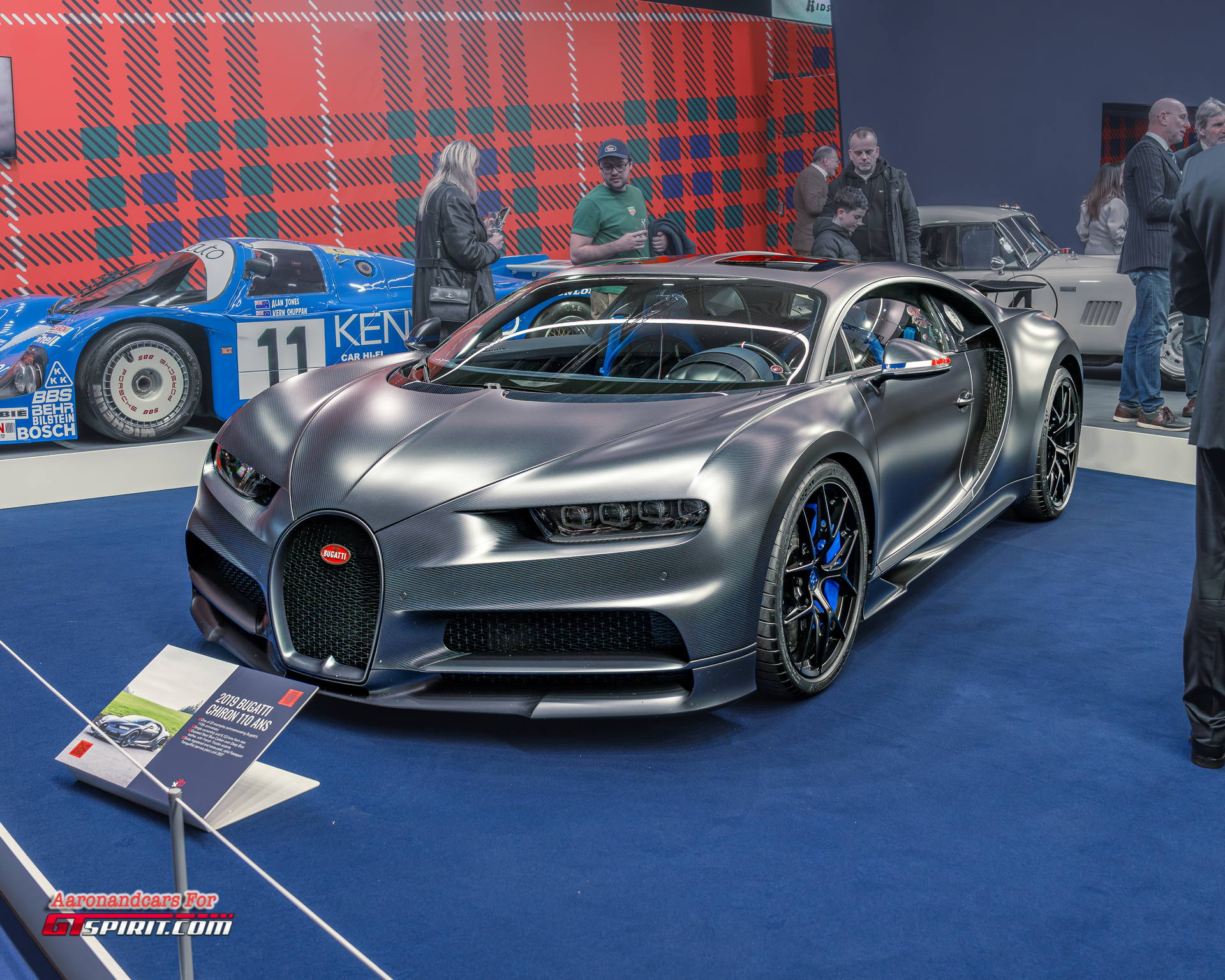
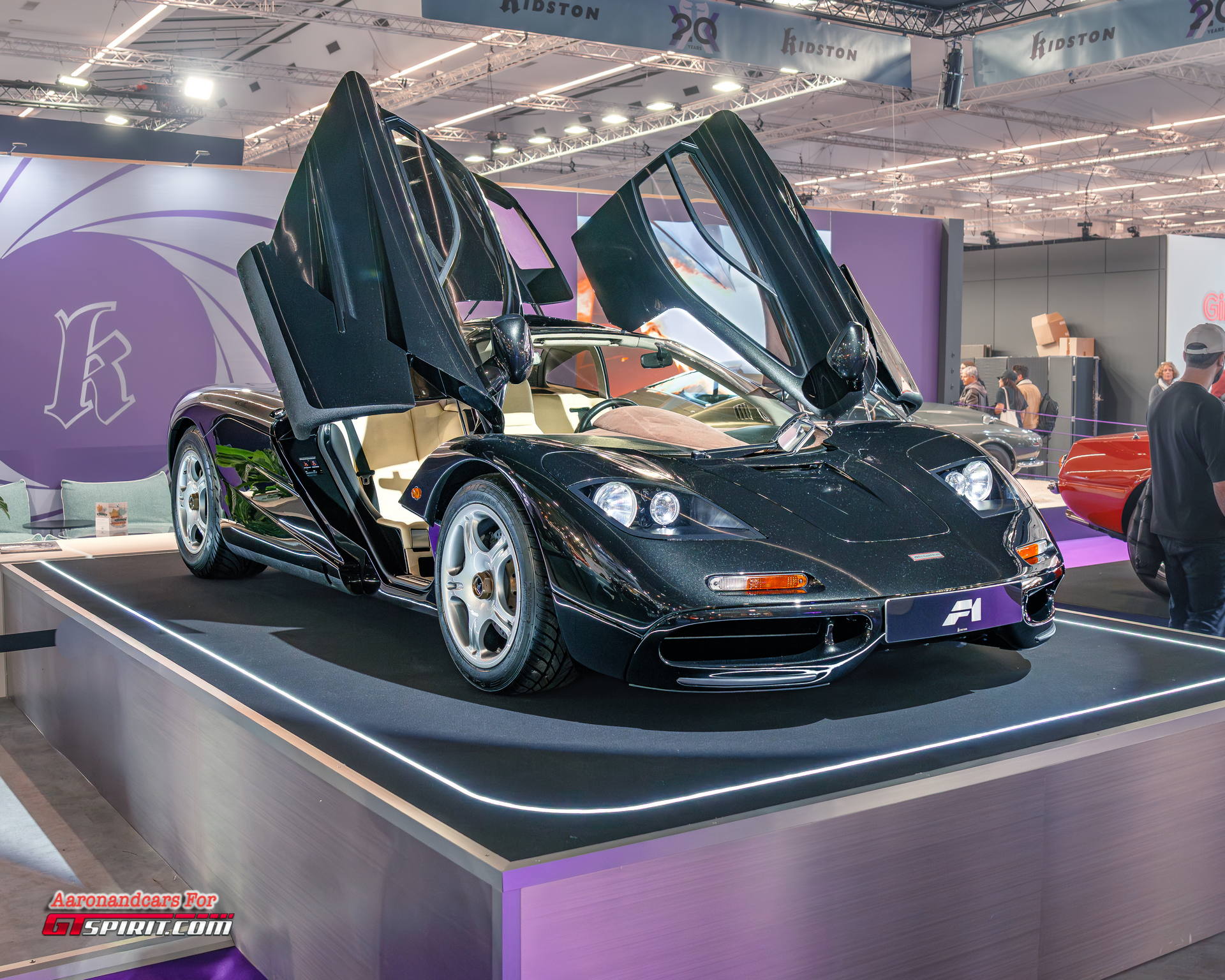
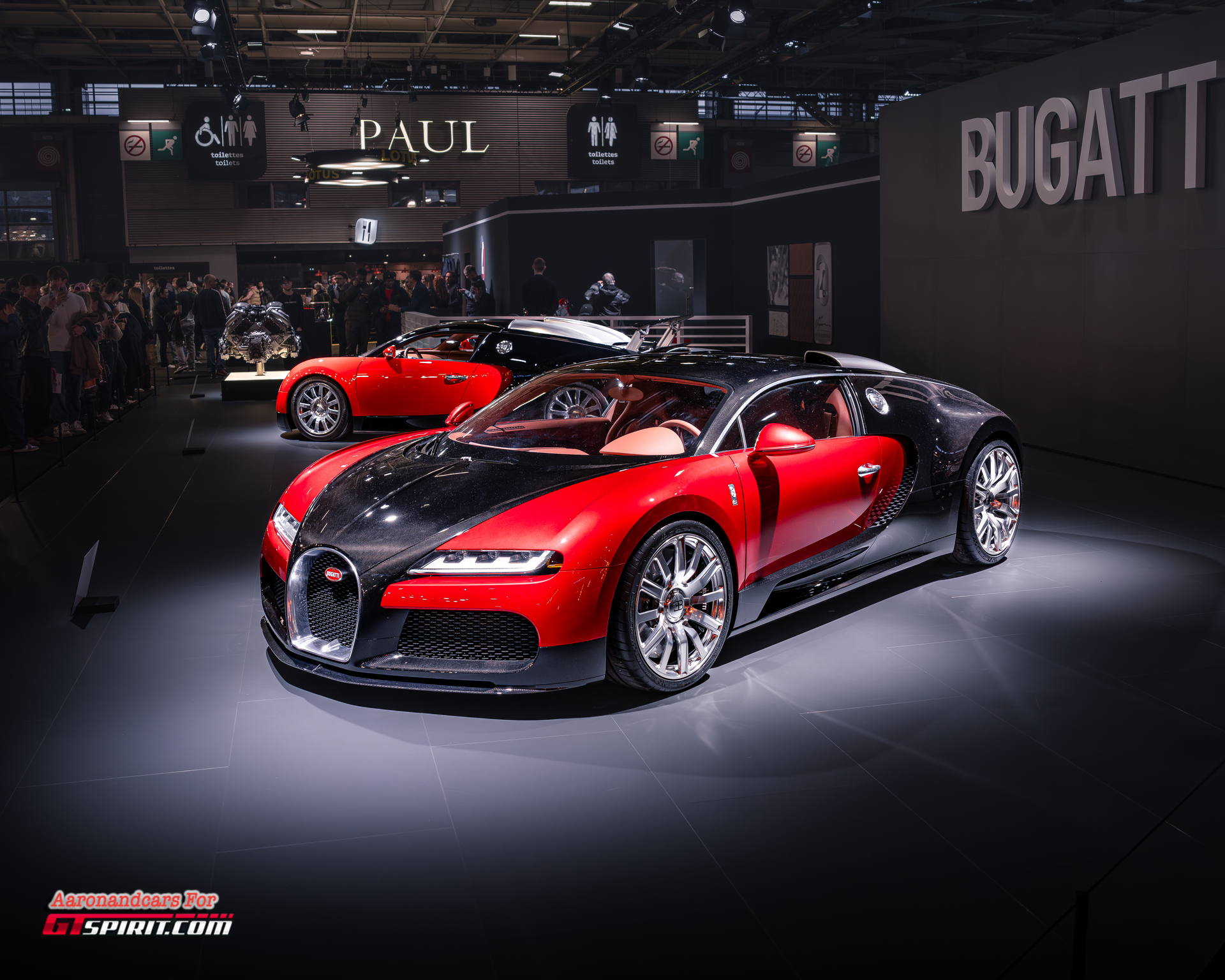
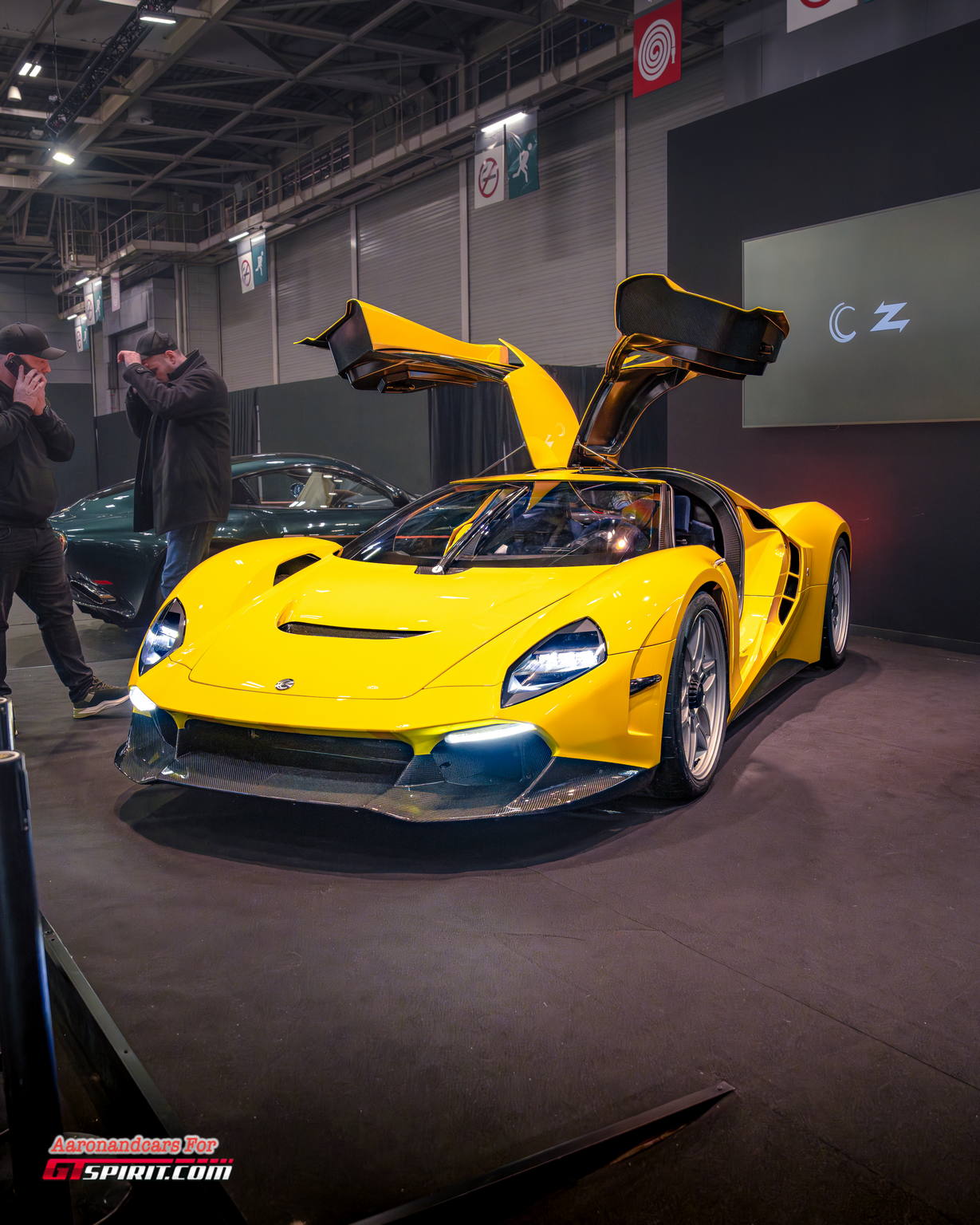
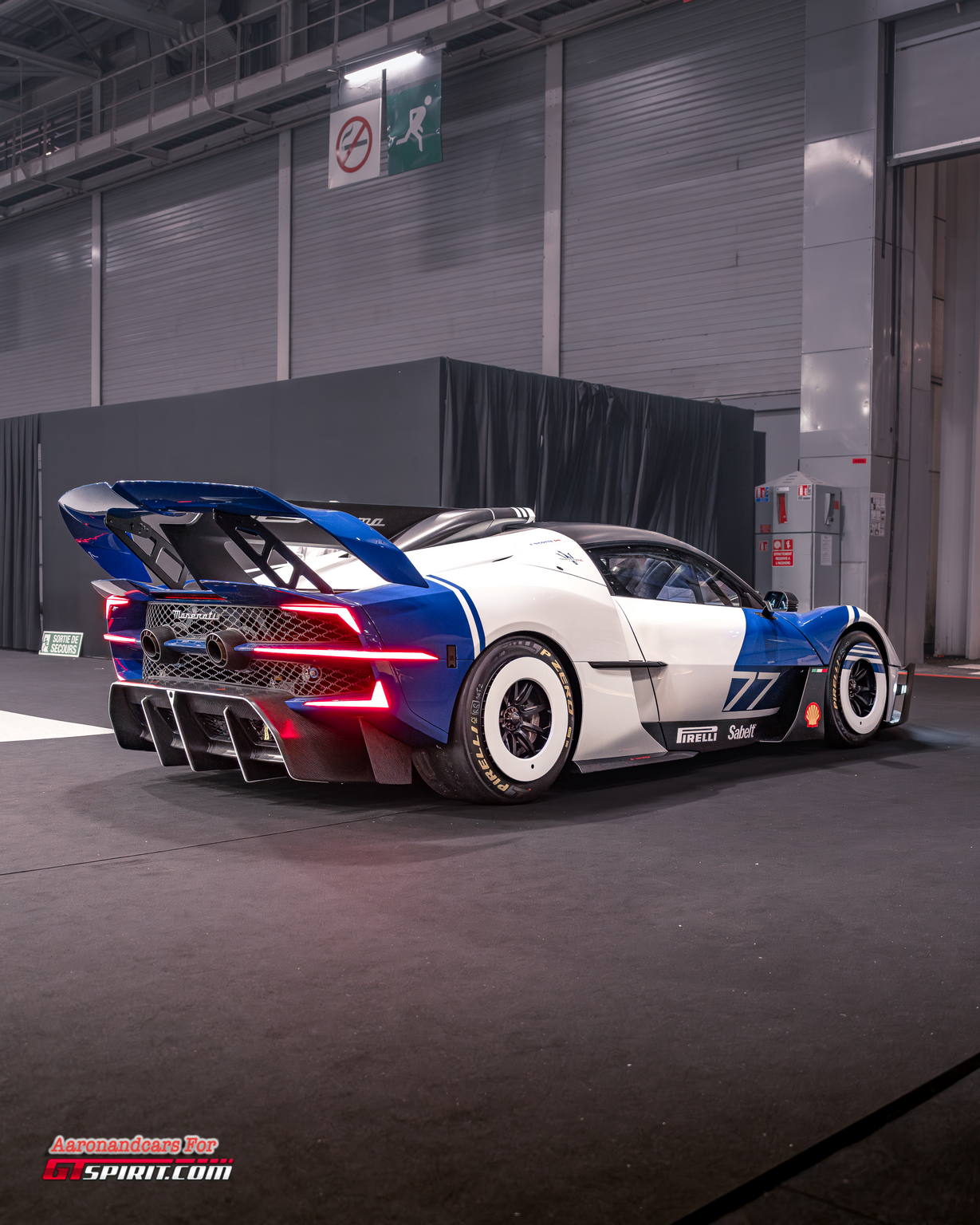
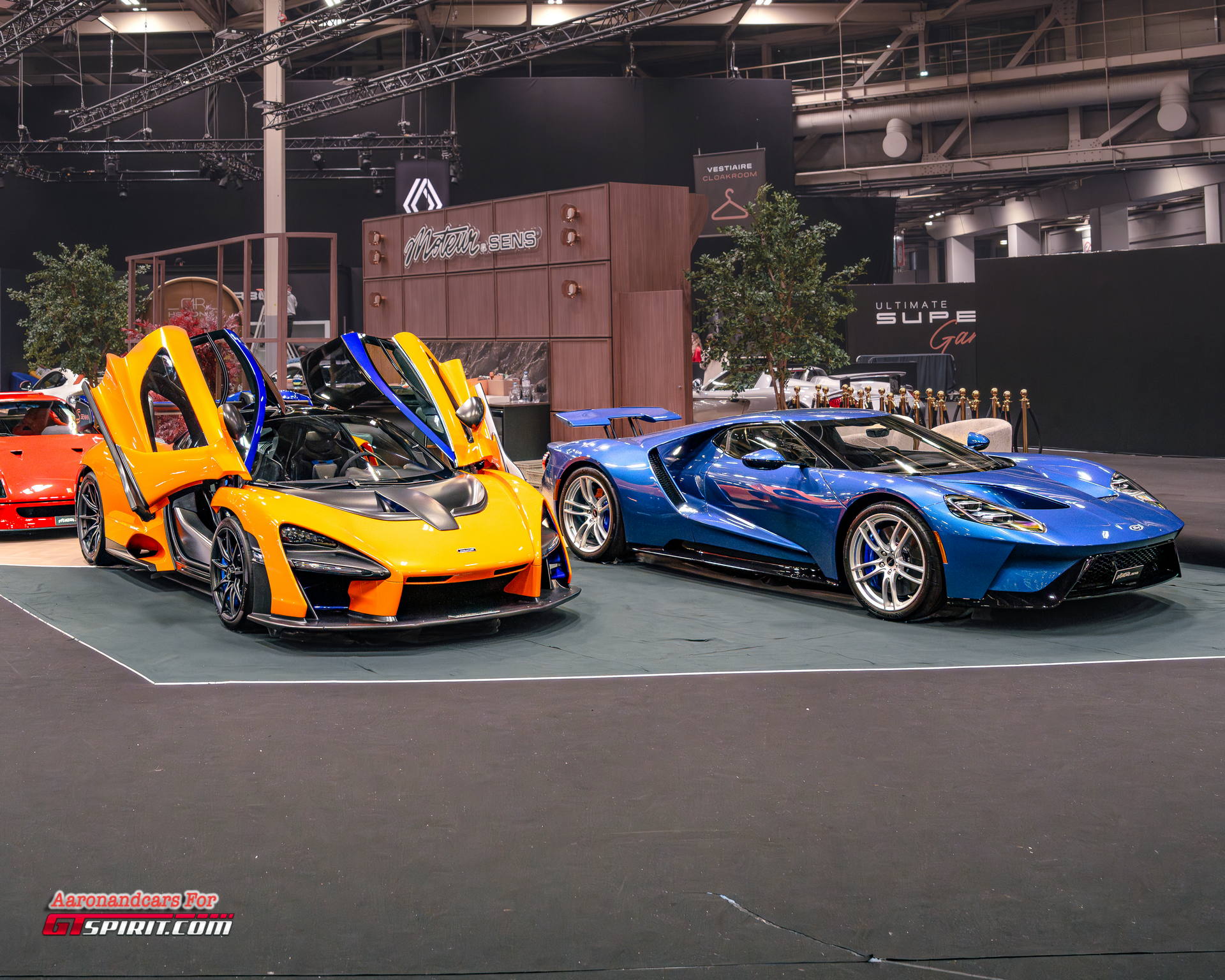
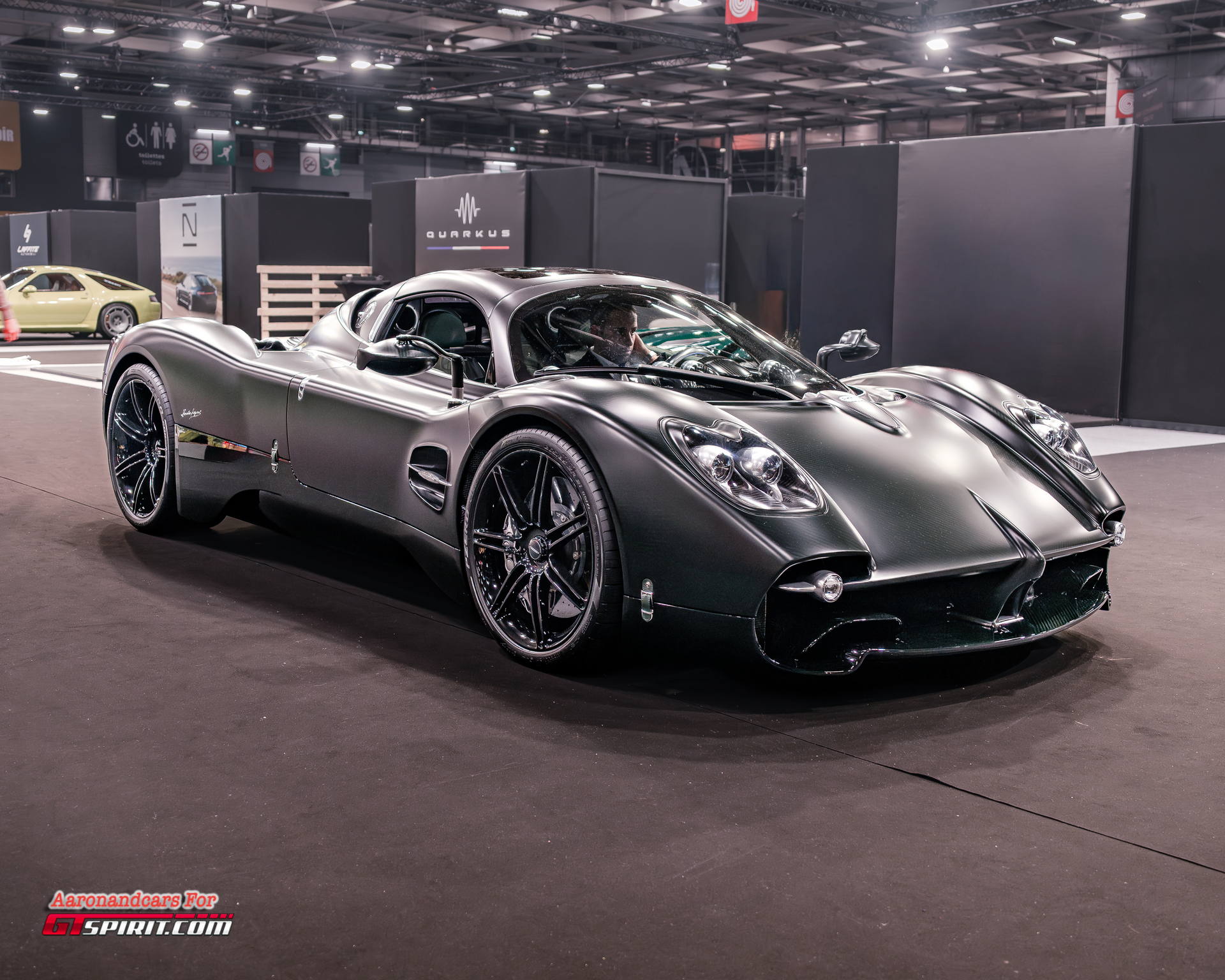
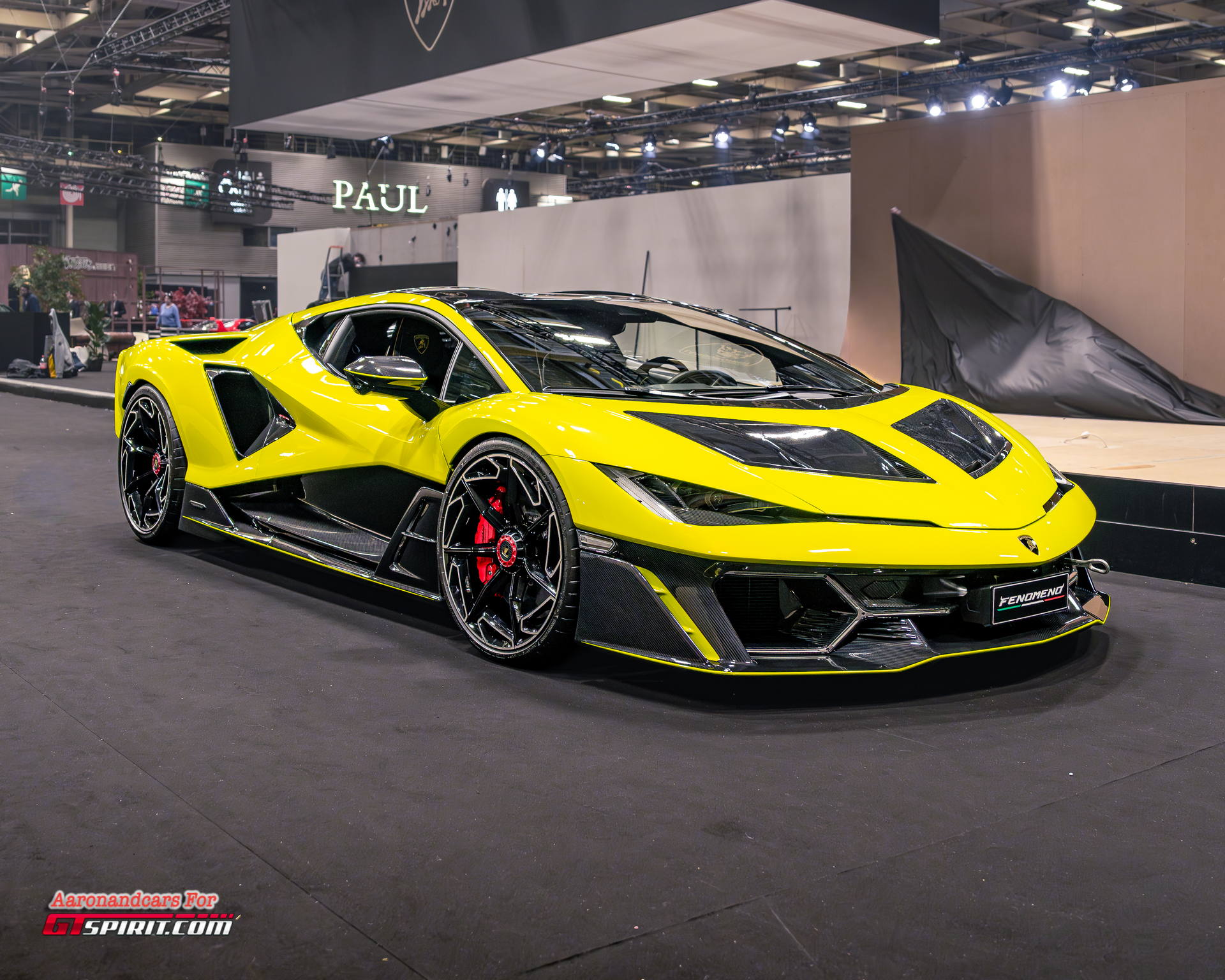
If Rétromobile celebrates history, Ultimate Supercar Garage celebrates the present and the future. The inaugural edition brought together an extraordinary lineup including Alfa Romeo, Aston Martin, Bentley, Bertone, Bugatti, Ferrari (represented by Charles Pozzi), HWA, Lamborghini Paris, Lotus, Maserati, Pagani, Praga, Renault Turbo 3E and many more. This was not simply an additional hall, it was a clear strategic expansion into the hypercar universe.

retromobile 26 gtspirit 4

Live Premieres at the Heart of the Action
The live stage became the beating heart of Ultimate Supercar Garage, hosting multiple high-profile unveilings. Bugatti exclusively revealed the second model in its Solitaire Programme, the Bugatti F.K.P Hommage. Bertone presented the new Runabout for the first time, while Donkervoort unveiled the P24 RS in a world premiere. Bentley impressed with the first presentation in France of the Continental GT Supersports, and Lotus introduced its latest electric hypercar. Alfa Romeo and Maserati also captured attention with the joint public presentation of their Bottega Fuoriserie ultra-customisation programme.

A New Generation Engaged
With the hypercar segment reportedly growing at 8.5% annually, Ultimate Supercar Garage clearly resonated with a younger, ultra-connected audience. These machines, embodying performance, exclusivity and technical innovation, attracted a demographic eager to experience modern automotive excellence up close.

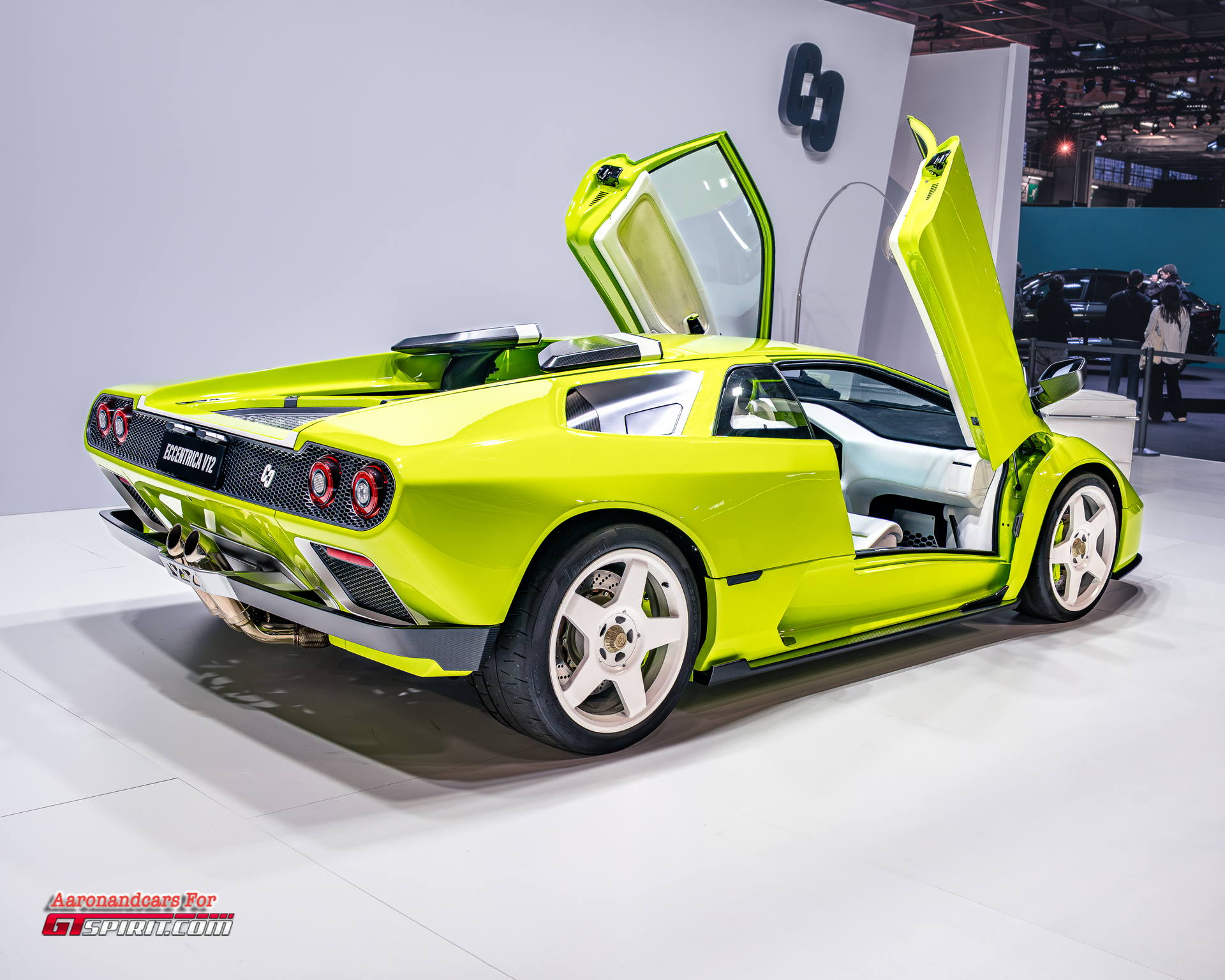
Pagani highlighted its artisanal philosophy, Automobili Mignatta showcased its barchetta vision, while Eccentrica and Pirelli closed the segment with a V12 hypercar and smart tyre technology.

Final Thoughts
Walking through Rétromobile and Ultimate Supercar Garage in the same day felt like traversing a living timeline of the automobile.

In one hall: pre-war legends, rally icons and blue-chip collector cars preserving mechanical
heritage.

In the next: cutting-edge hypercars unveiled under dramatic lighting, pushing performance and
design into the future.

Rétromobile 2026 proved that heritage and hypercars are not opposing forces, they are
successive chapters of the same story. And in Paris this winter, that story felt more alive than ever.

Photos and Words by Yaron Esposito

Bathurst 12 Hour 2026: The Dangerous Rollercoaster to Happiness

0

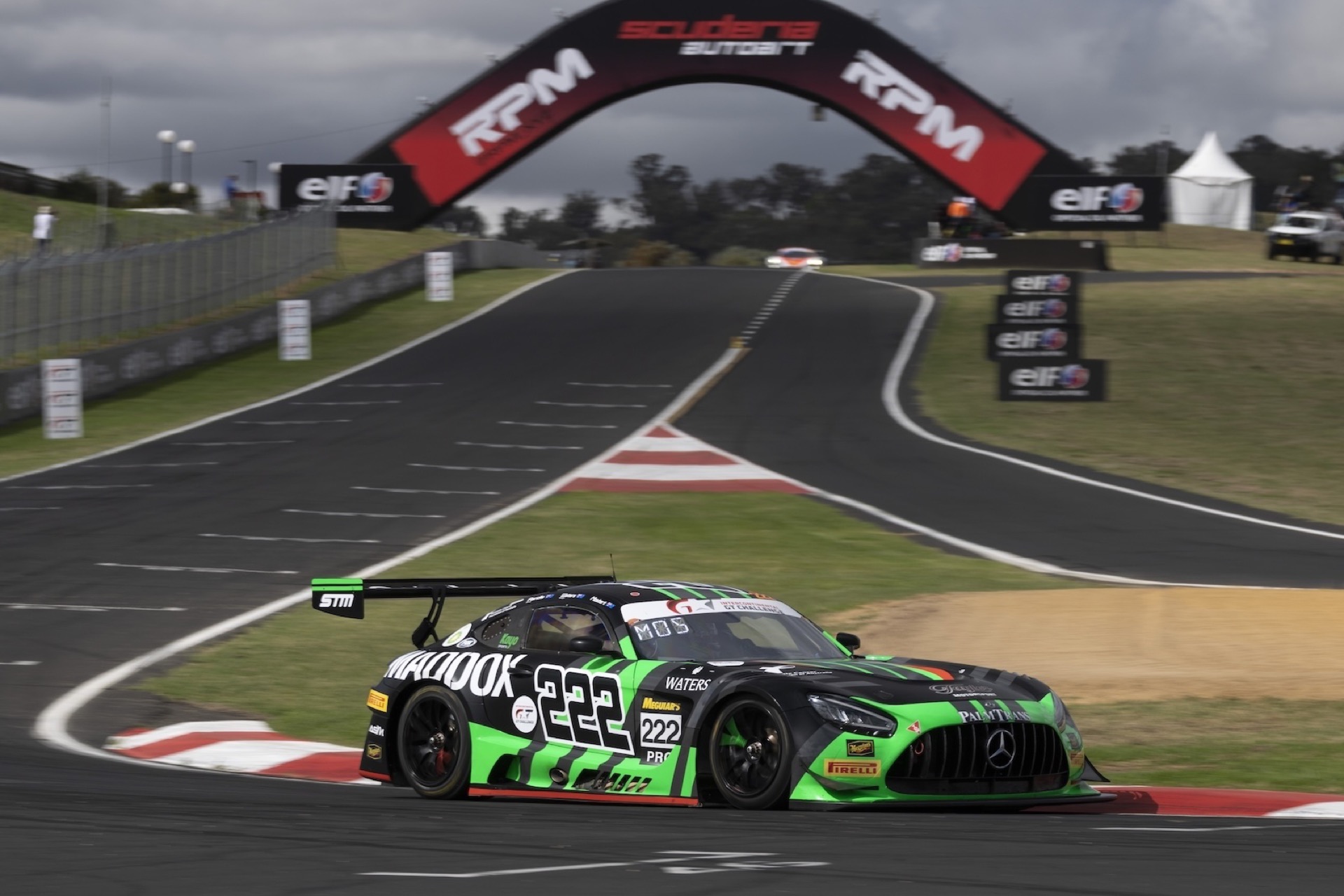
For Europeans, the Nürburgring Nordschleife is the ultimate benchmark. For Australians, that role is filled by the Bathurst circuit and its legendary 12-hour race. And Mount Panorama has no need to fear comparison with the dramatic rises and falls of Germany’s Green Hell. Quite the opposite.

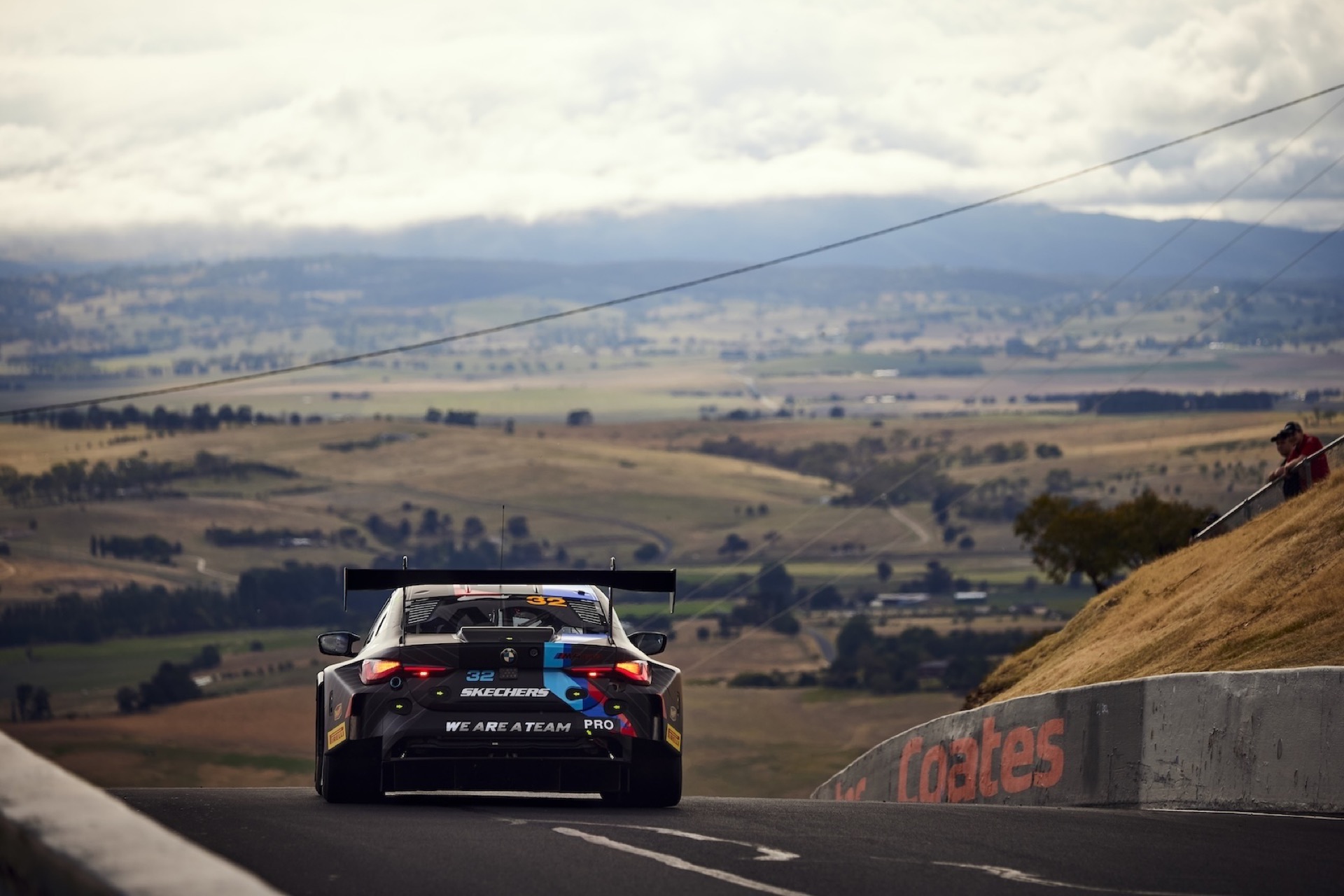
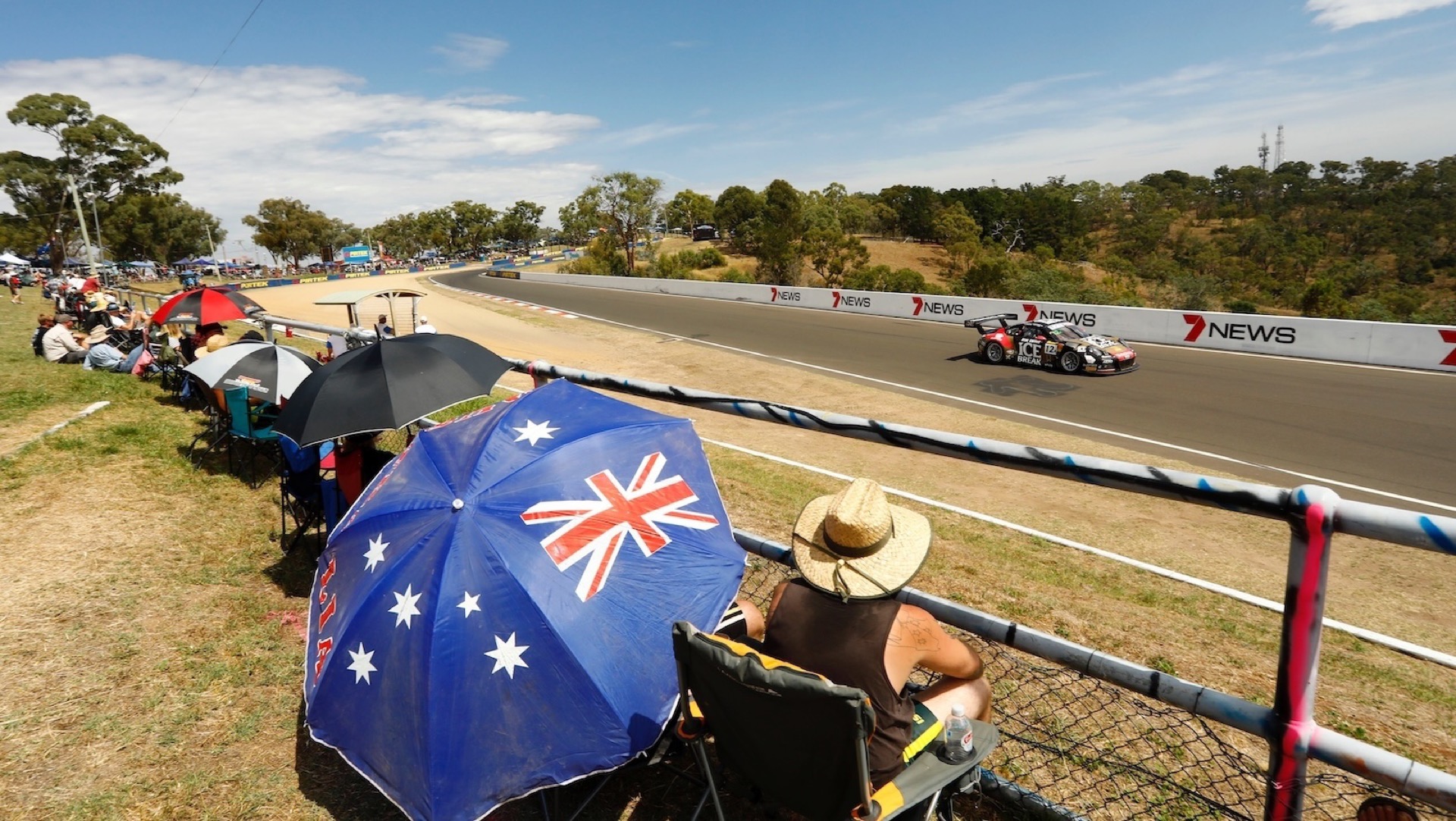
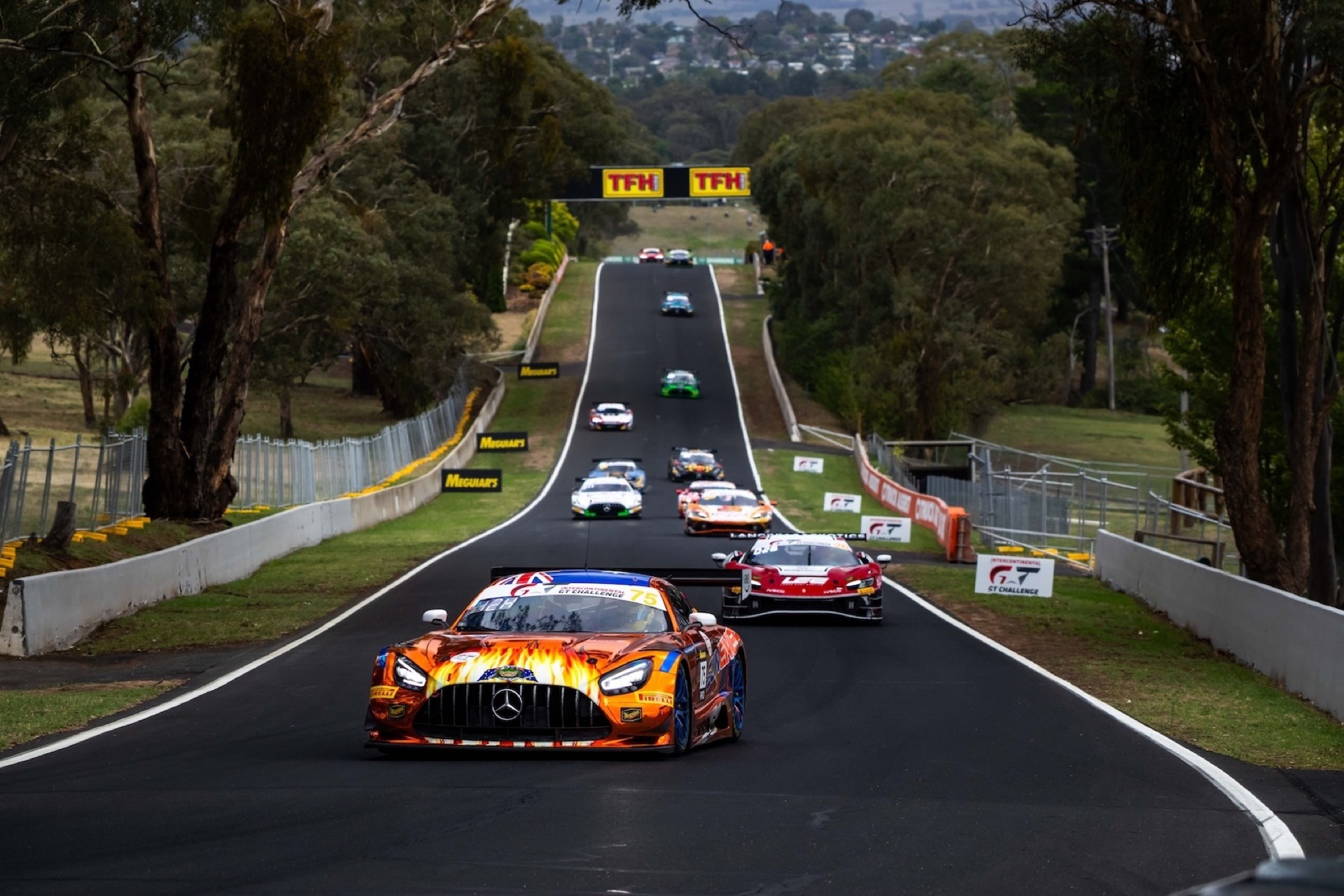
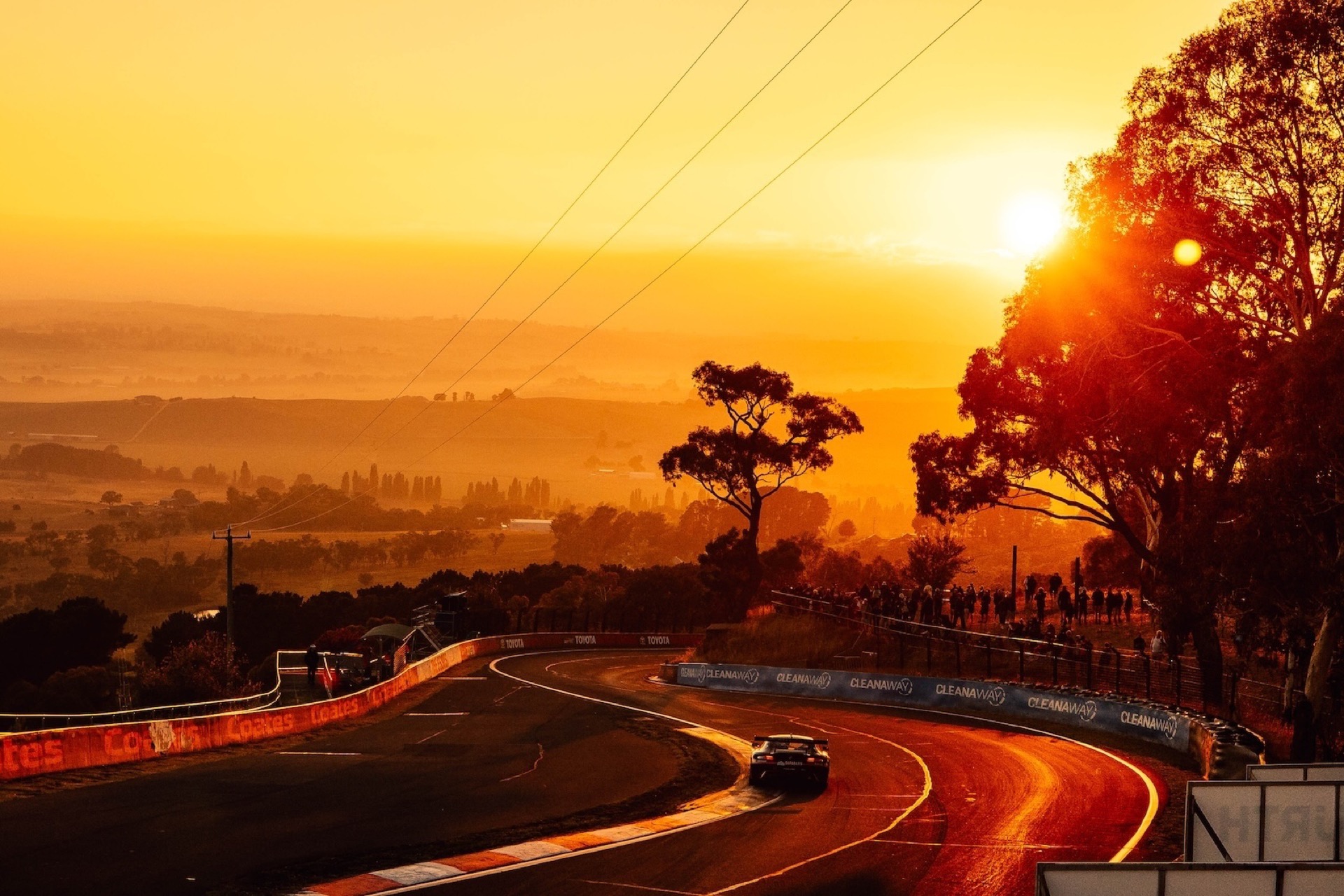
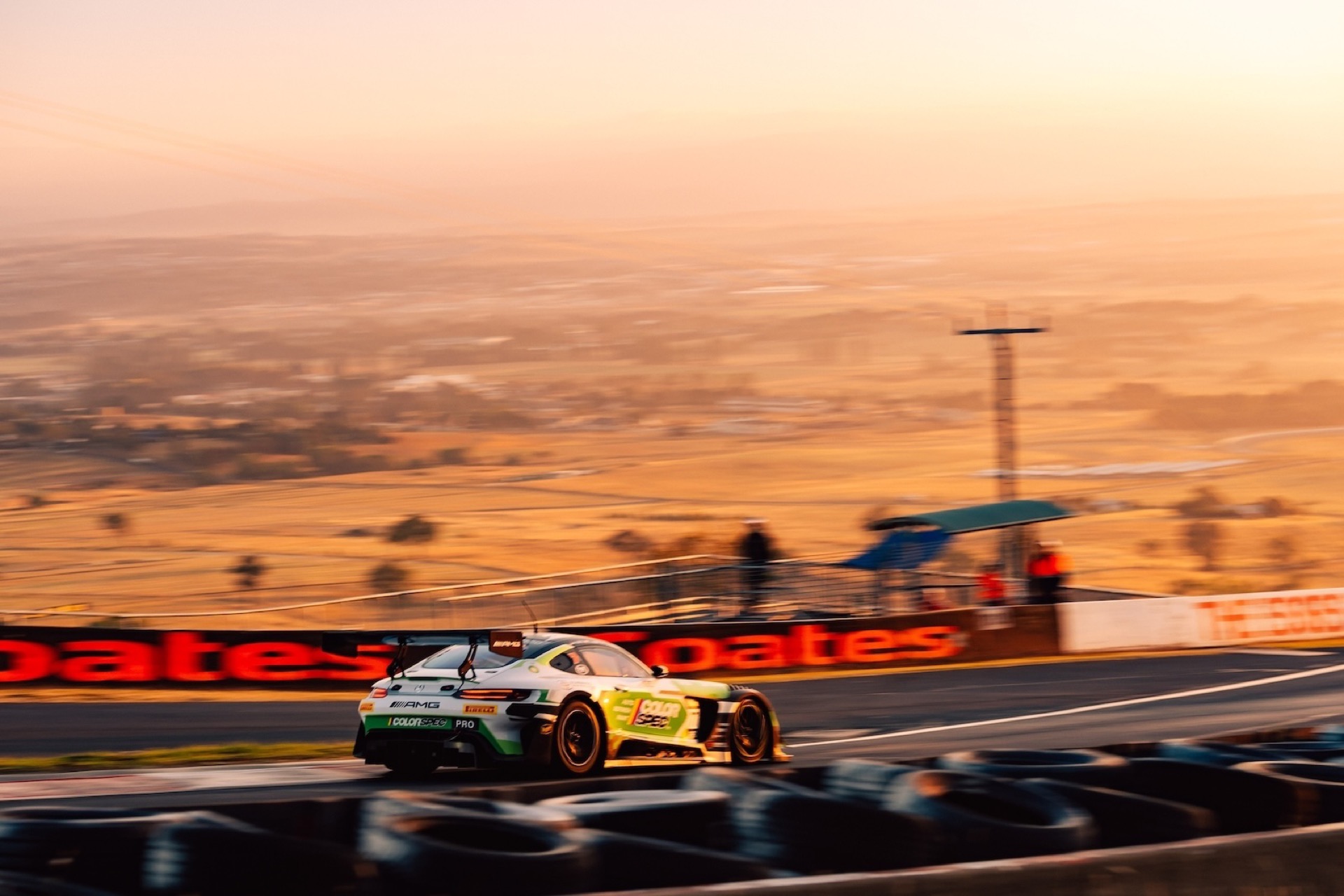
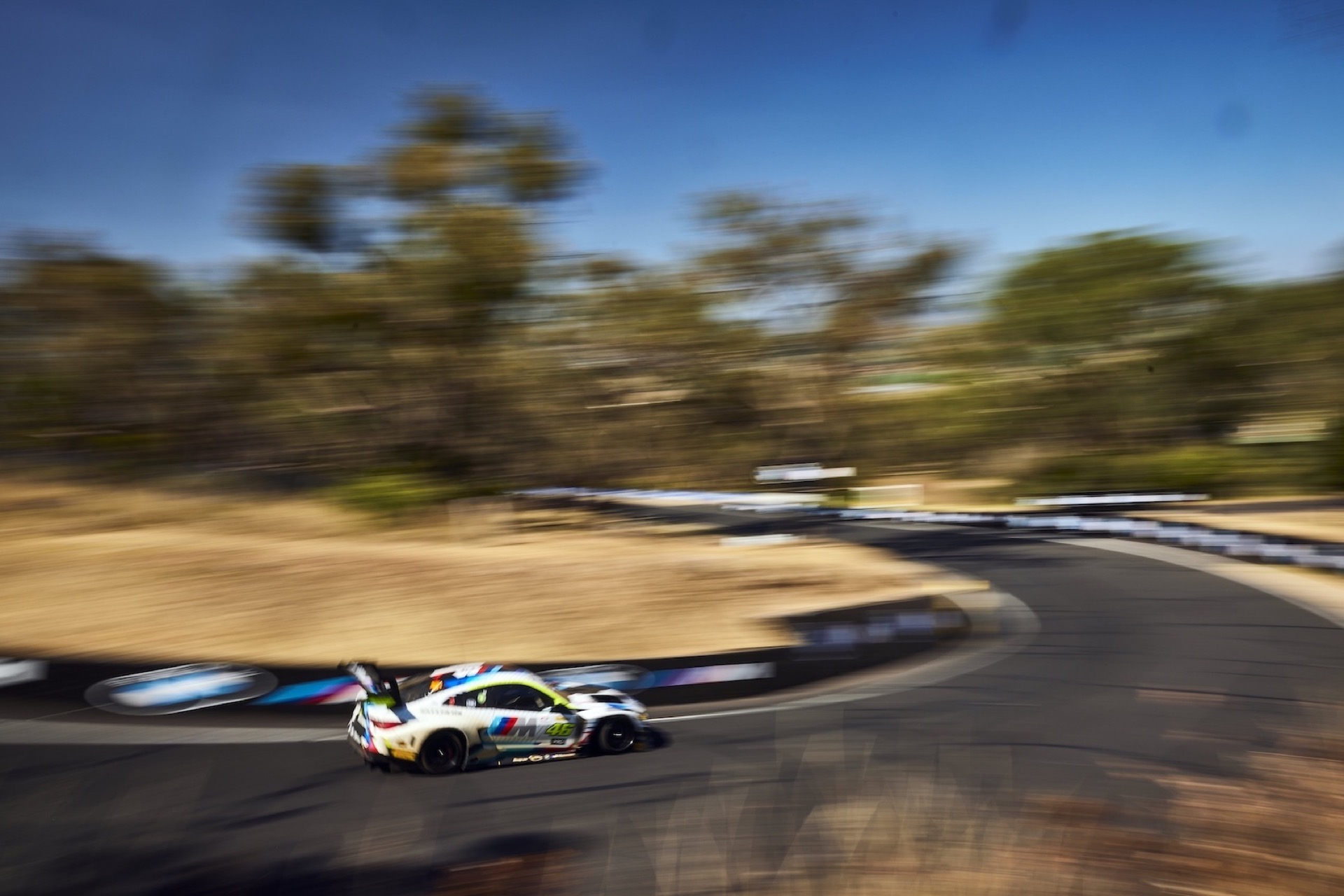
The Bathurst circuit is among the most famous racetracks in the world. Much like the high-speed Sarthe circuit at Le Mans and, in the past, the Nürburgring, the Mount Panorama Circuit, opened in 1938, is for most of the year a public road. It is also the only true landmark in the town of Bathurst, home to around 35,000 people in the Australian state of New South Wales. What makes this circuit particularly unusual is its extreme elevation change. With more than 170 metres of altitude difference and gradients of up to 16 per cent, it is spectacular even in a normal road car, and an outright thrill in a racing machine.

In the international touring car calendar, the opening round of the Intercontinental GT Challenge has long held a fixed place. In Australia, it is arguably even more widely recognised than the Formula 1 Grand Prix, which begins the season in just two weeks. “The Bathurst 12 Hour 2026 was a truly unforgettable event with a record number of visitors who wanted to experience the magic of Mount Panorama,” said event director Shane Rudzis. “We are incredibly proud of the way fans, teams and partners support this race with such passion and enthusiasm. This year’s attendance reflects the growing global importance of the 12-hour race and the commitment of everyone involved who makes this event possible.”

Thirty-five teams, with their GT cars producing up to 600 PS and representing ten different manufacturers, are only one part of the spectacle. The driver line-up is just as impressive year after year. Anyone with serious ambitions in GT racing makes the long journey Down Under, travelling from Asia, Europe or the United States to Australia’s east coast in pursuit of one of the sport’s most prestigious trophies.

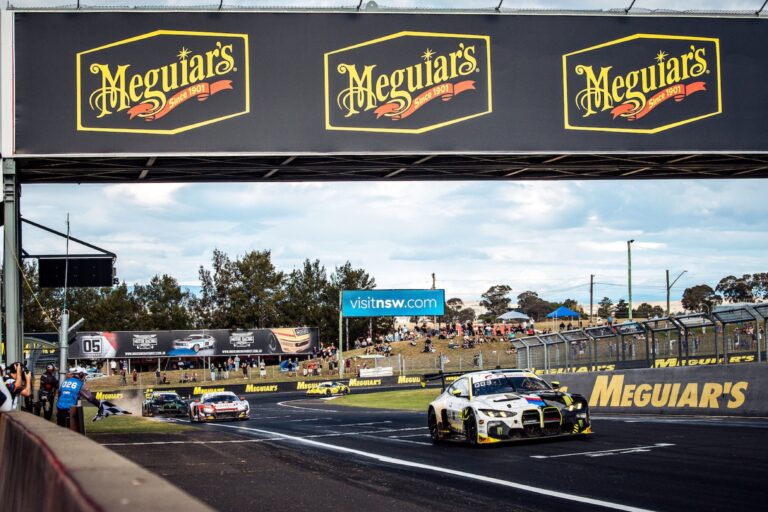
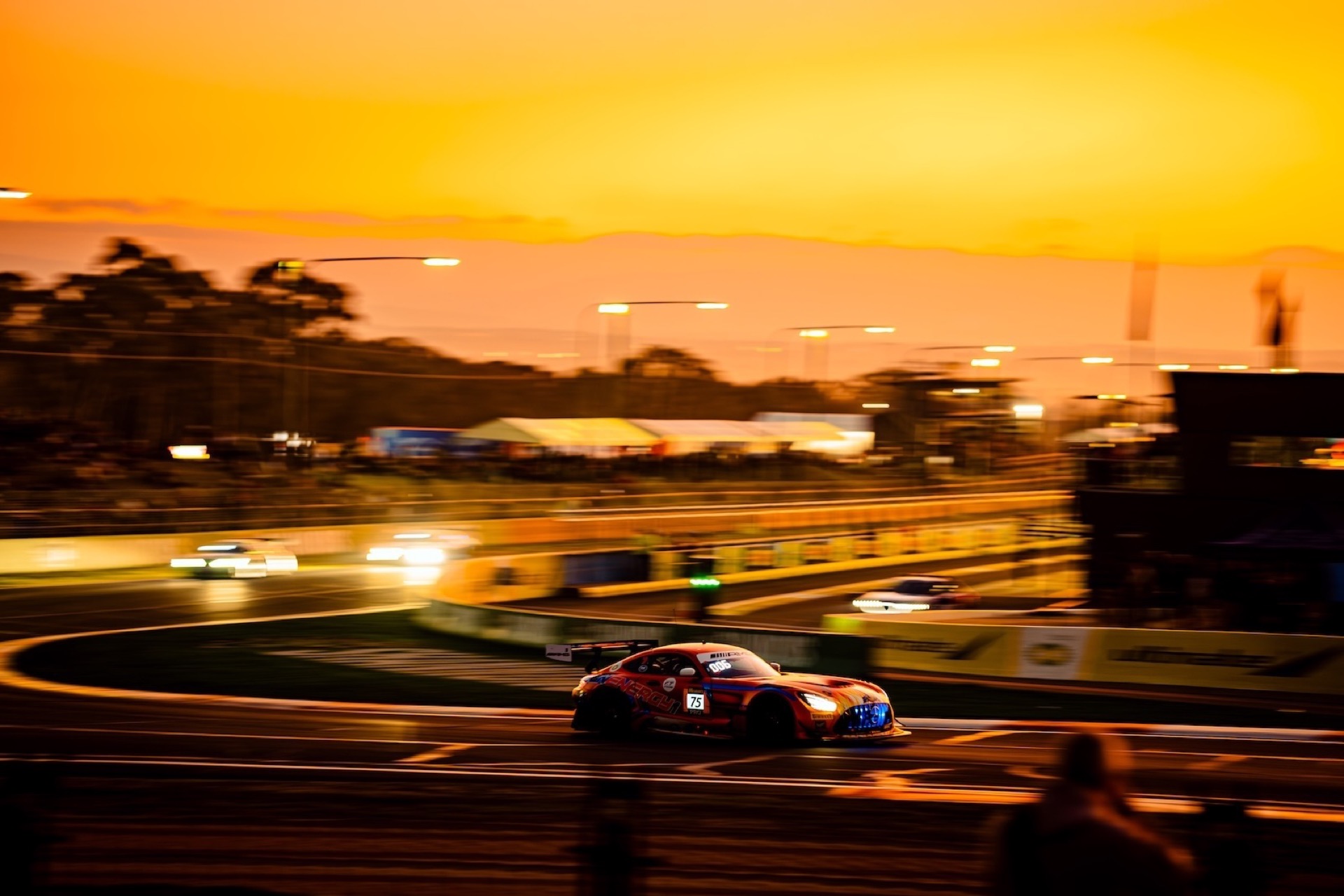
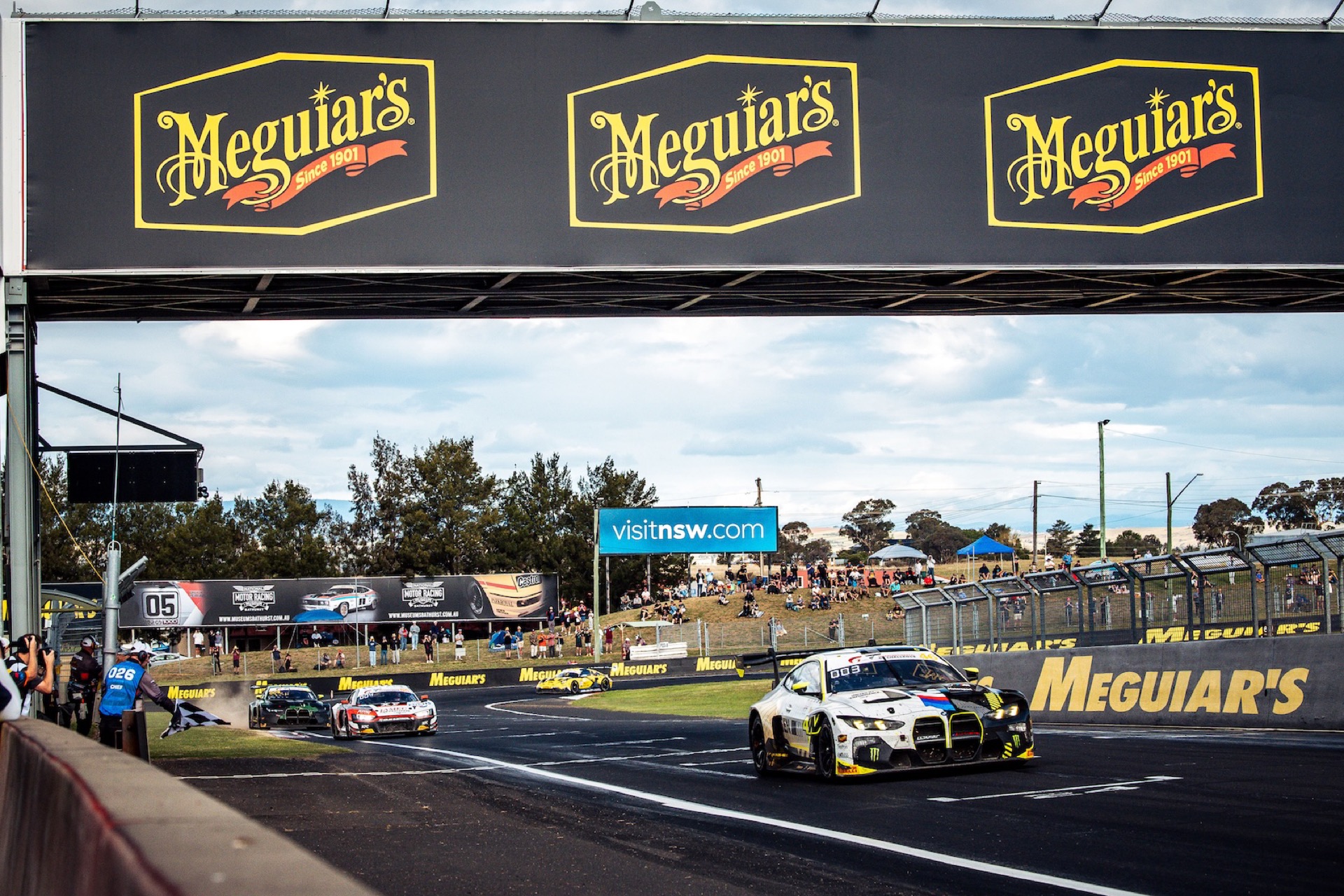
12 h Rennen Bathurst 12
12h Bathurst 2026 – Meguiar’s Bathurst 12 Hour – Intercontinental GT Challenge Round 1 – Foto: Gruppe C Photography

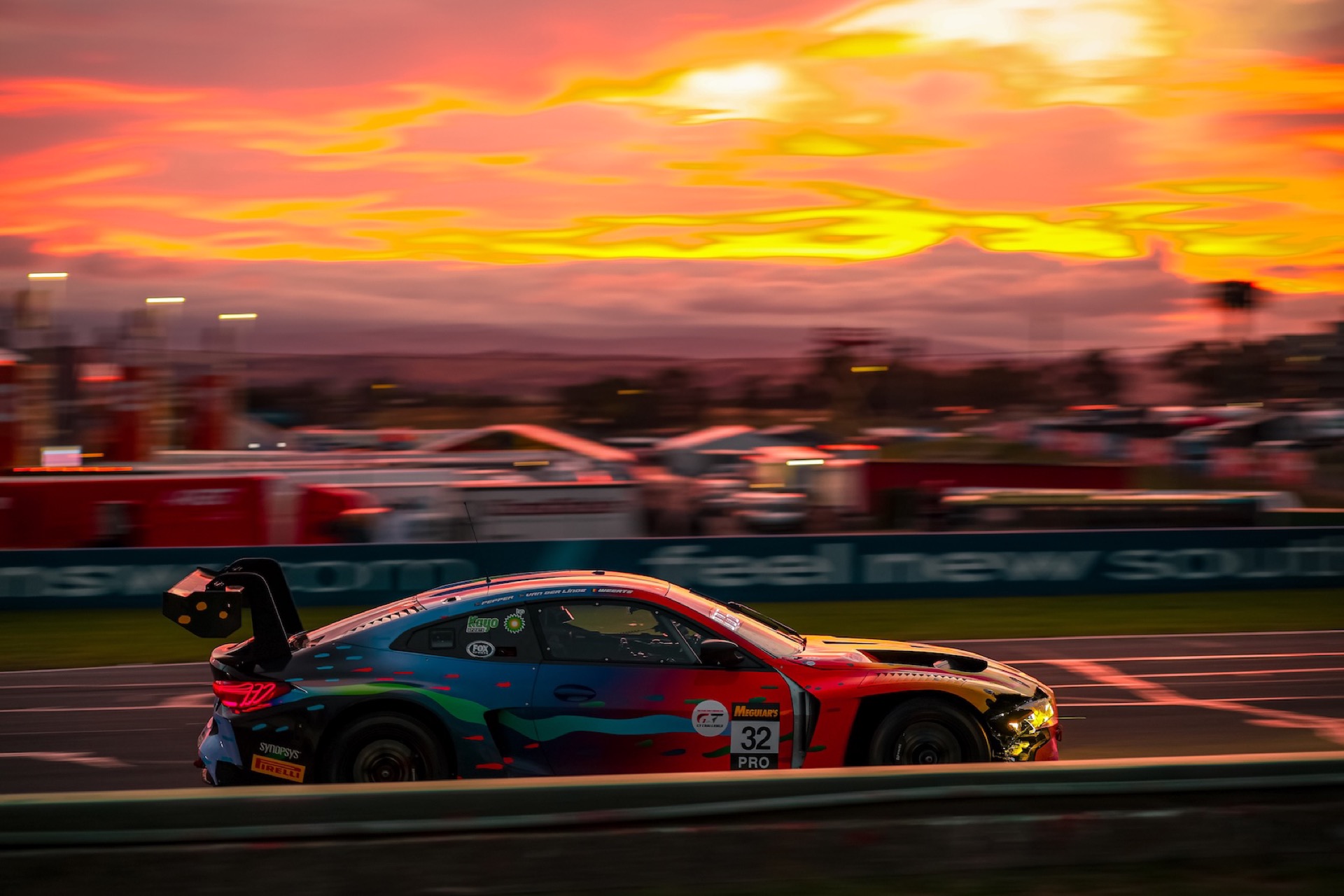
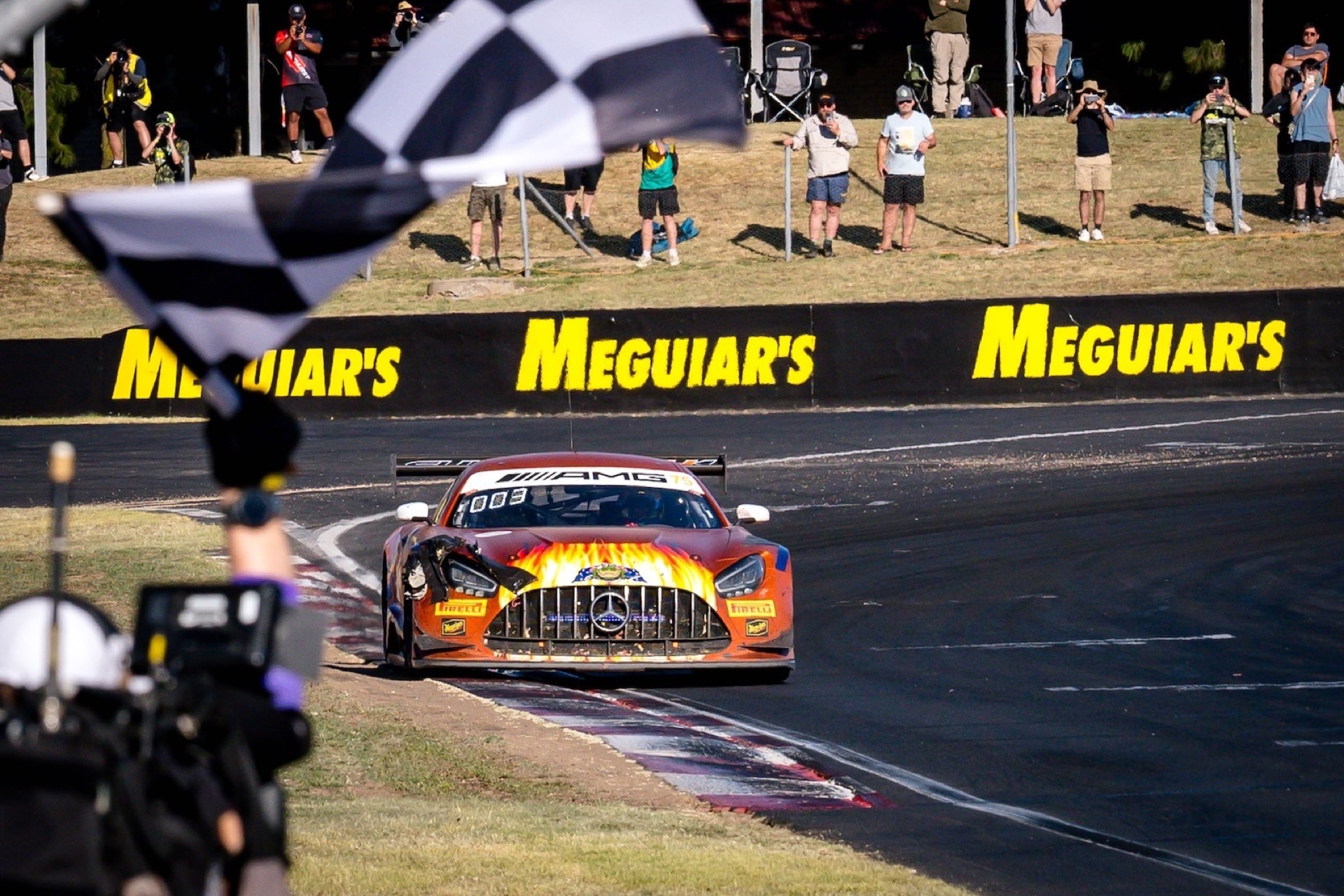
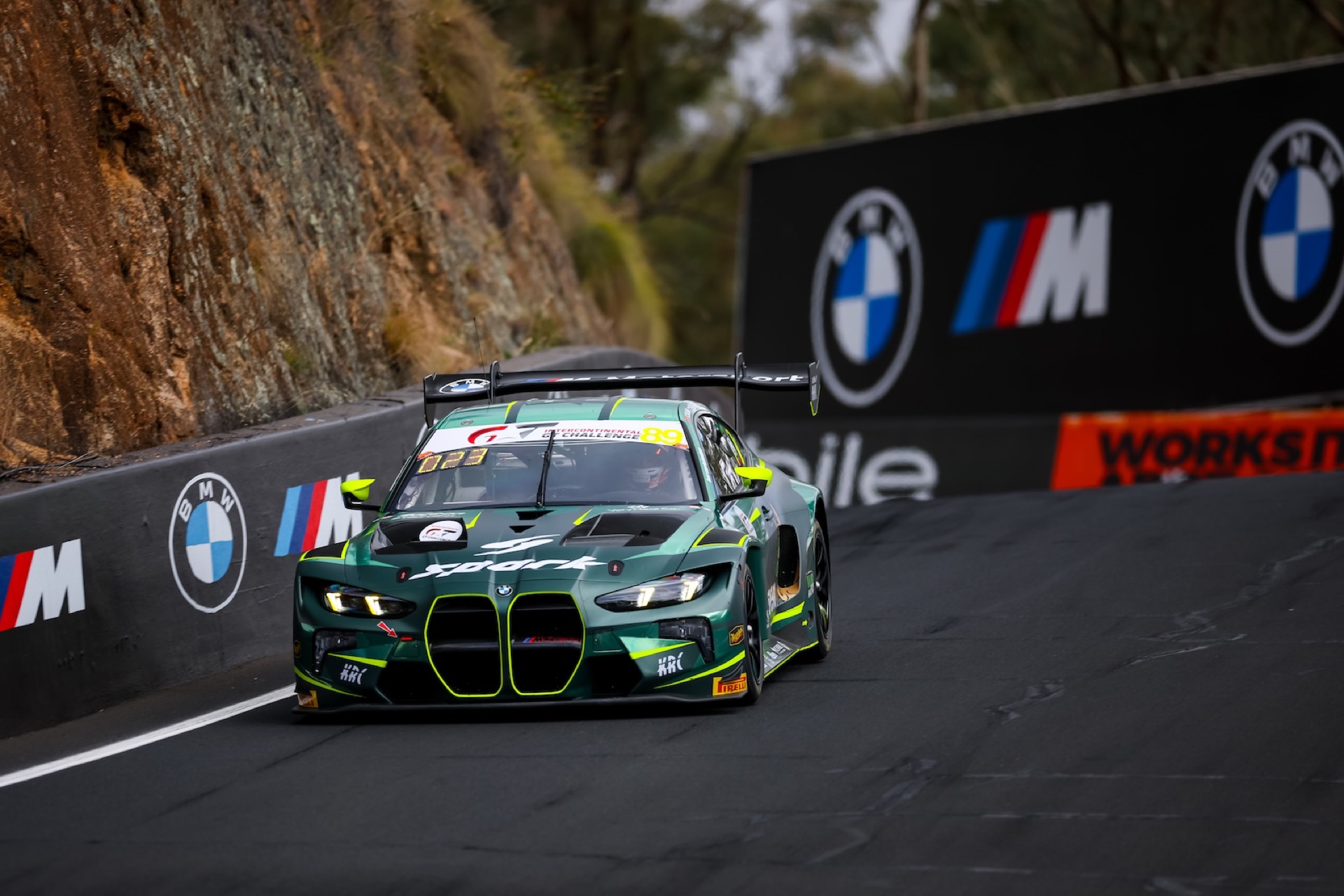
This year once again delivered something of a German celebration. After Porsche won in 2024 and BMW achieved a one-two finish in 2025, Mercedes claimed victory in 2026. At the chequered flag, the Mercedes-AMG GT3 number 888, driven by Engel, Martin and Grenier, finished after 262 laps just one second ahead of the Porsche 911 GT3 of Li, Fjordbach and Boccolacci. The best-placed BMW M4 GT3, driven by Rossi, Farfus and Marciello, followed another seven seconds behind.

Just how dangerous the circuit in the Australian outback remains was underlined not only by the numerous safety car periods and a red flag around three hours before the finish following a heavy crash in the mountain section. There was also a moment of sheer Bathurst madness early on, when German driver Christopher Mies, at around 250 km/h in the fading night, hit a kangaroo that had bounced onto the racing line. The impact destroyed the animal and caused damage to other cars as well.

12 h Rennen Bathurst 1

Mount Panorama is considered one of the most dangerous and spectacular racetracks in the world. Its constant climbs and drops, two long straights up and down the mountain, and the tight, twisting section at over 800 metres above sea level give it a character all of its own. Kangaroos, wallabies and even snakes repeatedly find their way onto the circuit. Sections such as Griffins Bend, The Cutting, Frog Hollow and The Dipper can be recited by almost every Australian boy like a prayer.

Safety provisions remain difficult to compare with European circuits. With hardly any significant fencing and minimal run-off zones, parts of Bathurst feel little different from 1966, when Mini achieved one of the most legendary victories in Australian motorsport history. The first nine positions in the Gallagher 500 were taken by Morris Cooper S models. The winners were rally icon Rauno Aaltonen and his co-driver Bob Holden. Their small Minis defeated far larger and more powerful touring cars with remarkable ease, while a Chrysler Valiant V8 only managed tenth place.
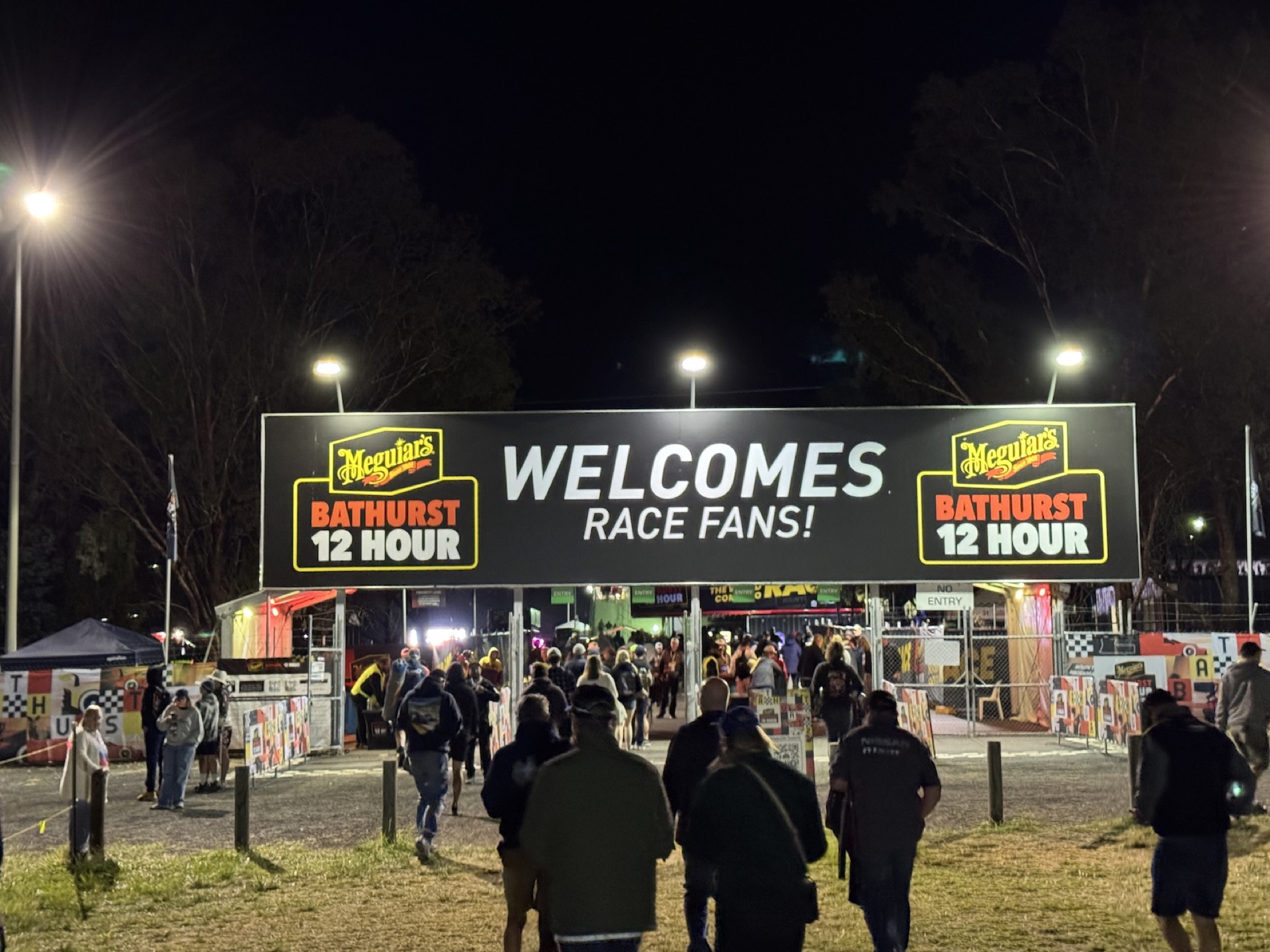
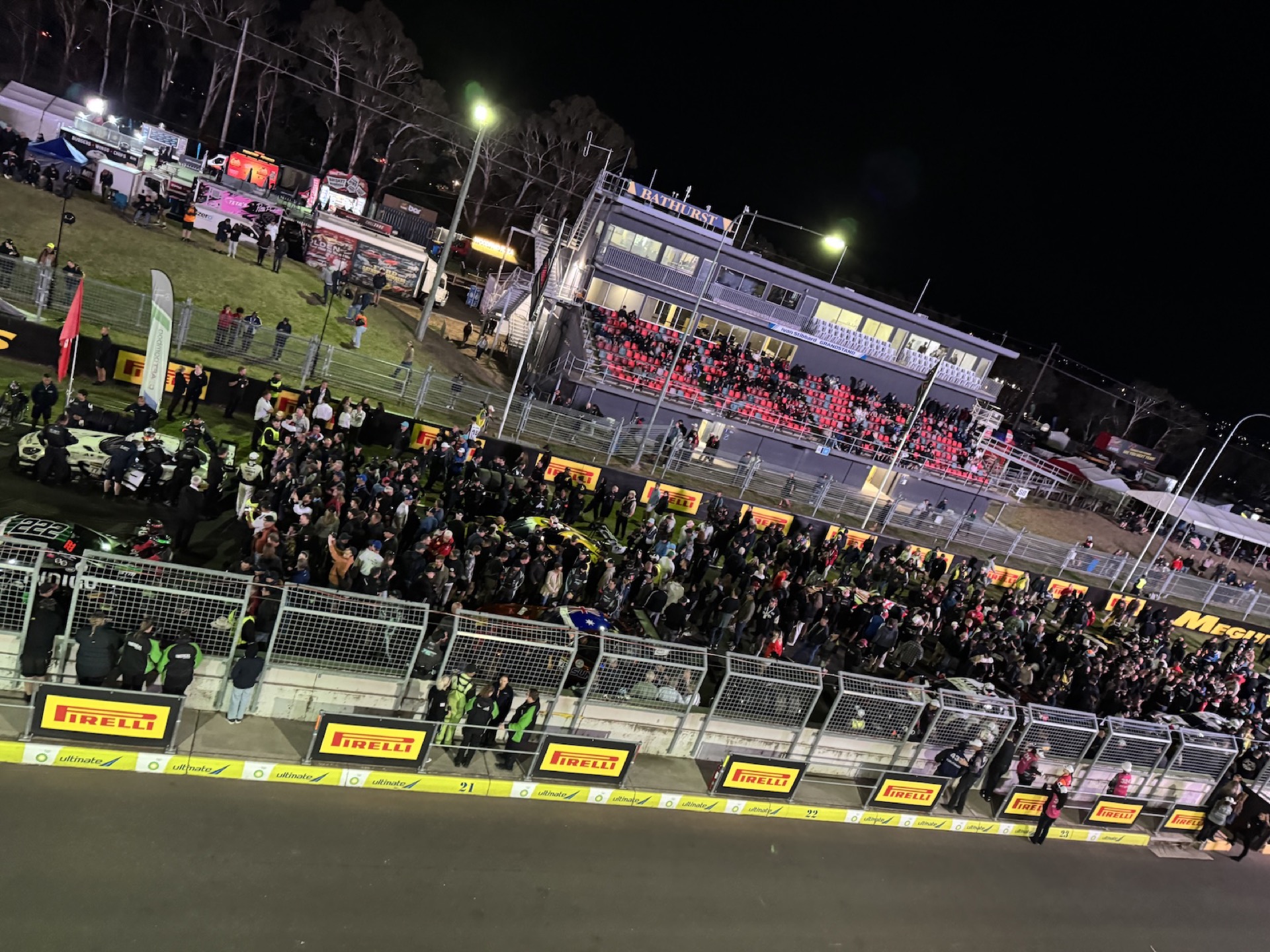
Today, the race is dominated by vastly more powerful GT3 machinery such as the BMW M4, Porsche 911, Corvette Z06, Audi R8 LMS, Mercedes-AMG, Aston Martin Vantage and Ford Mustang. Yet the uniqueness of the circuit has remained untouched. Every year, the Bathurst 12 Hour, with its start at 5:45 in the still pitch-black early morning, remains one of the great highlights of the motorsport calendar.

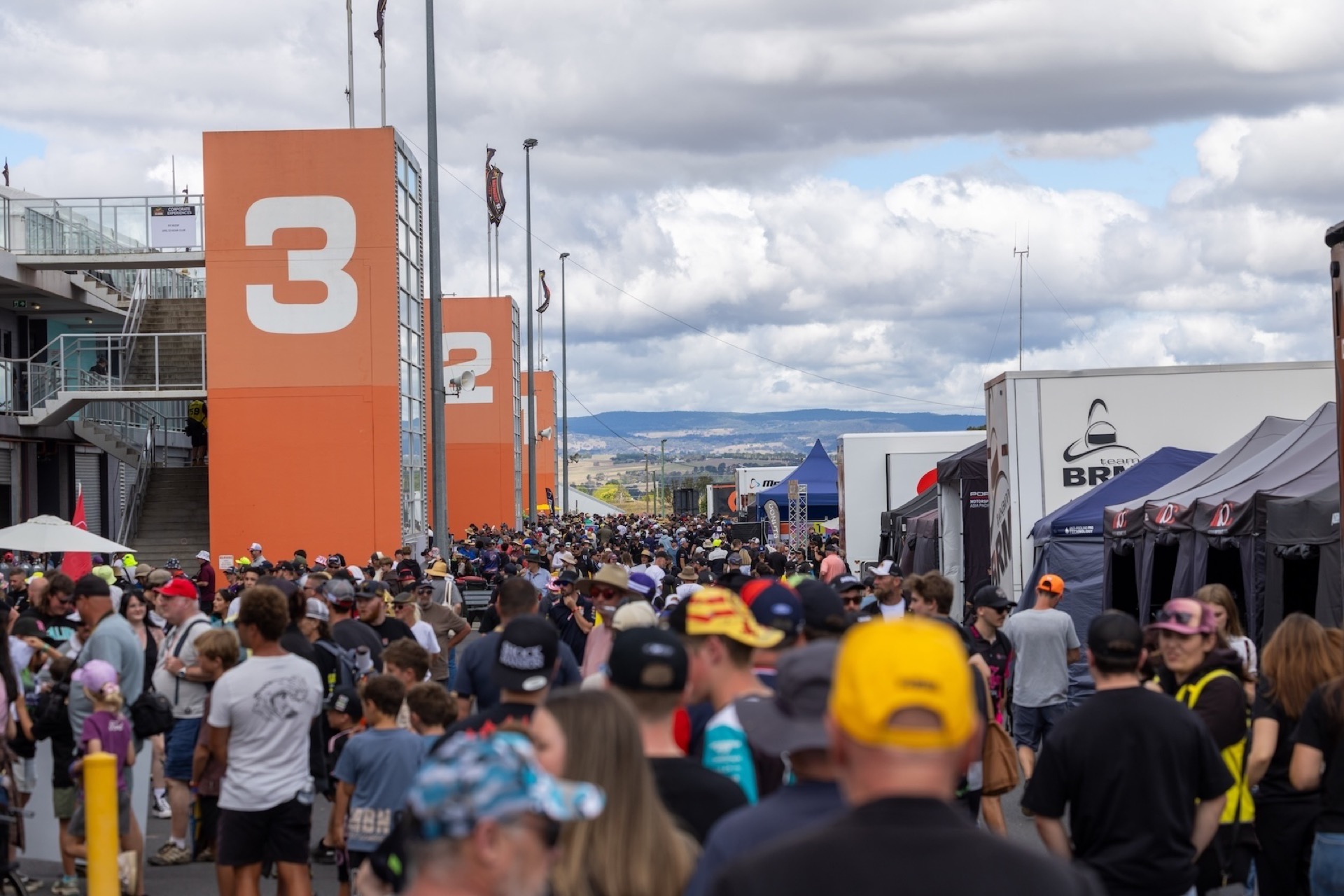
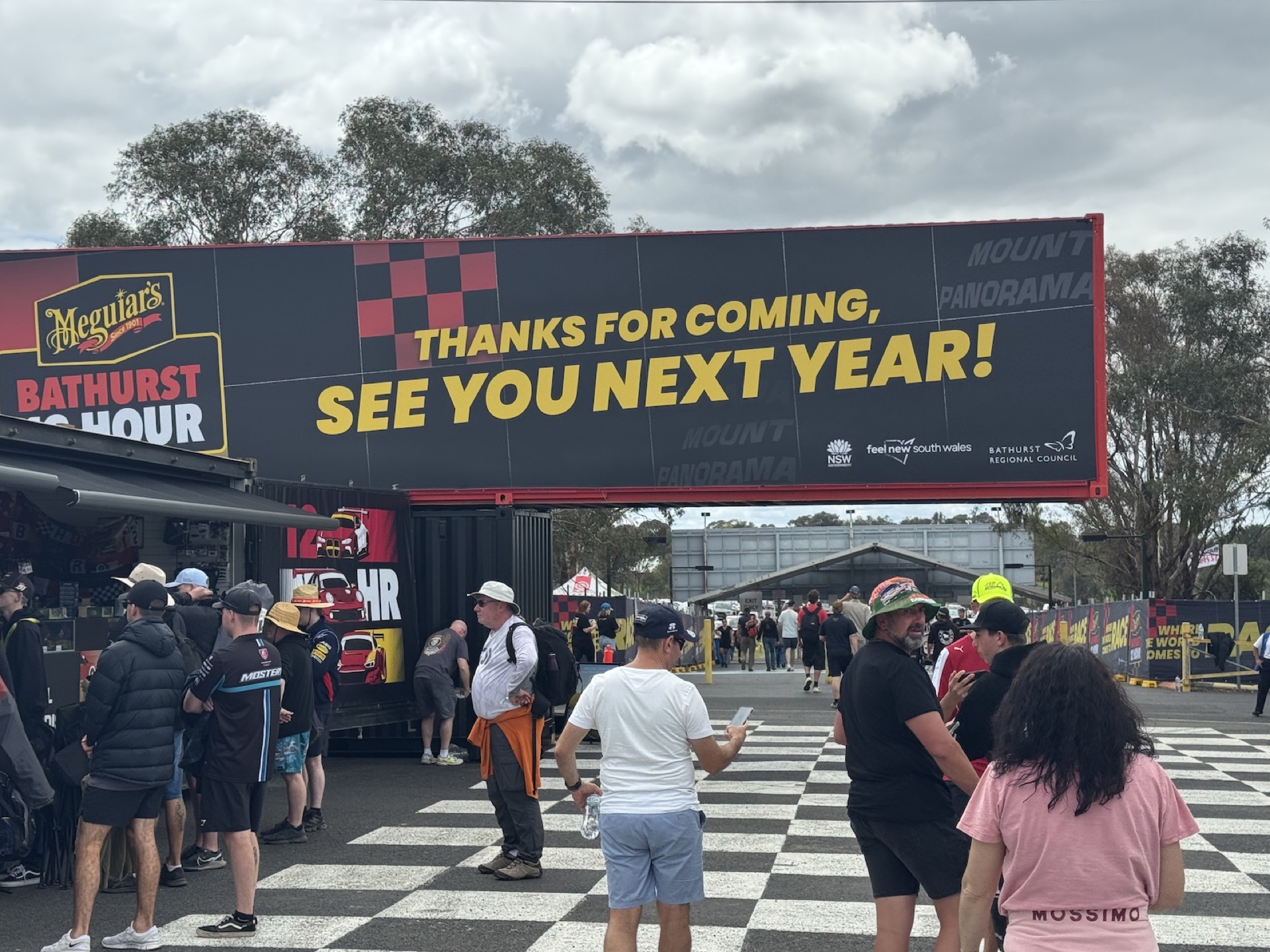
It is no surprise that the 2026 edition attracted a new record crowd of more than 55,000 spectators. And anyone who wants to be taken seriously in the GT world must compete here at least once, and ideally stand on the podium.

12 h Rennen Bathurst 2
2026 Meguiar’s Bathurst 12 Hour, Meguiar’s Bathurst 12 Hour, Mount Panorama, Bathurst, New South Wales, Australia. 14 Feb, 2026.

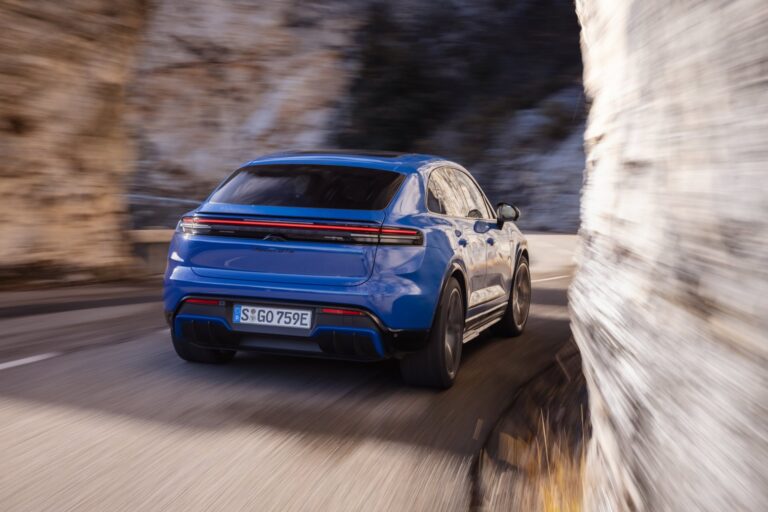
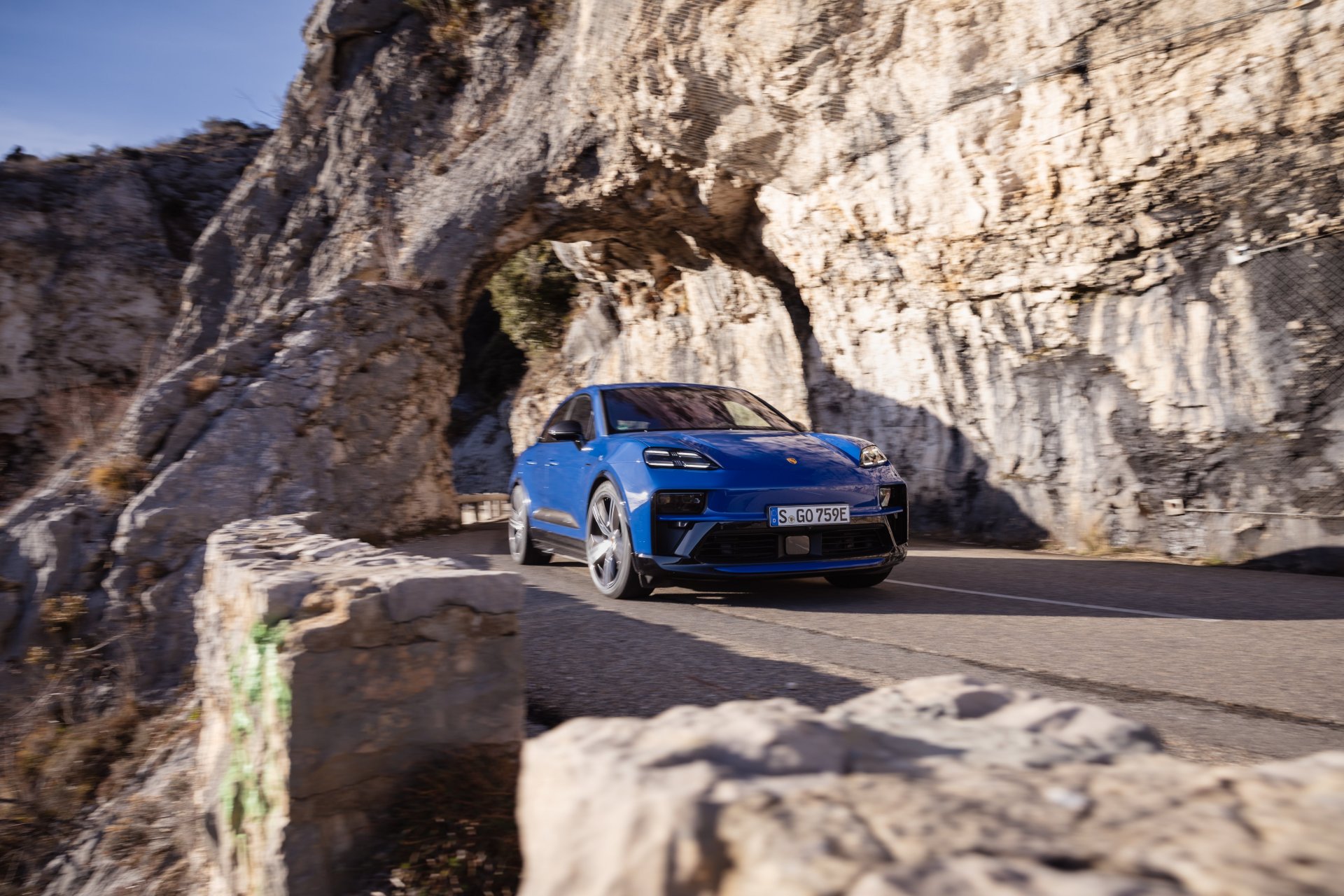
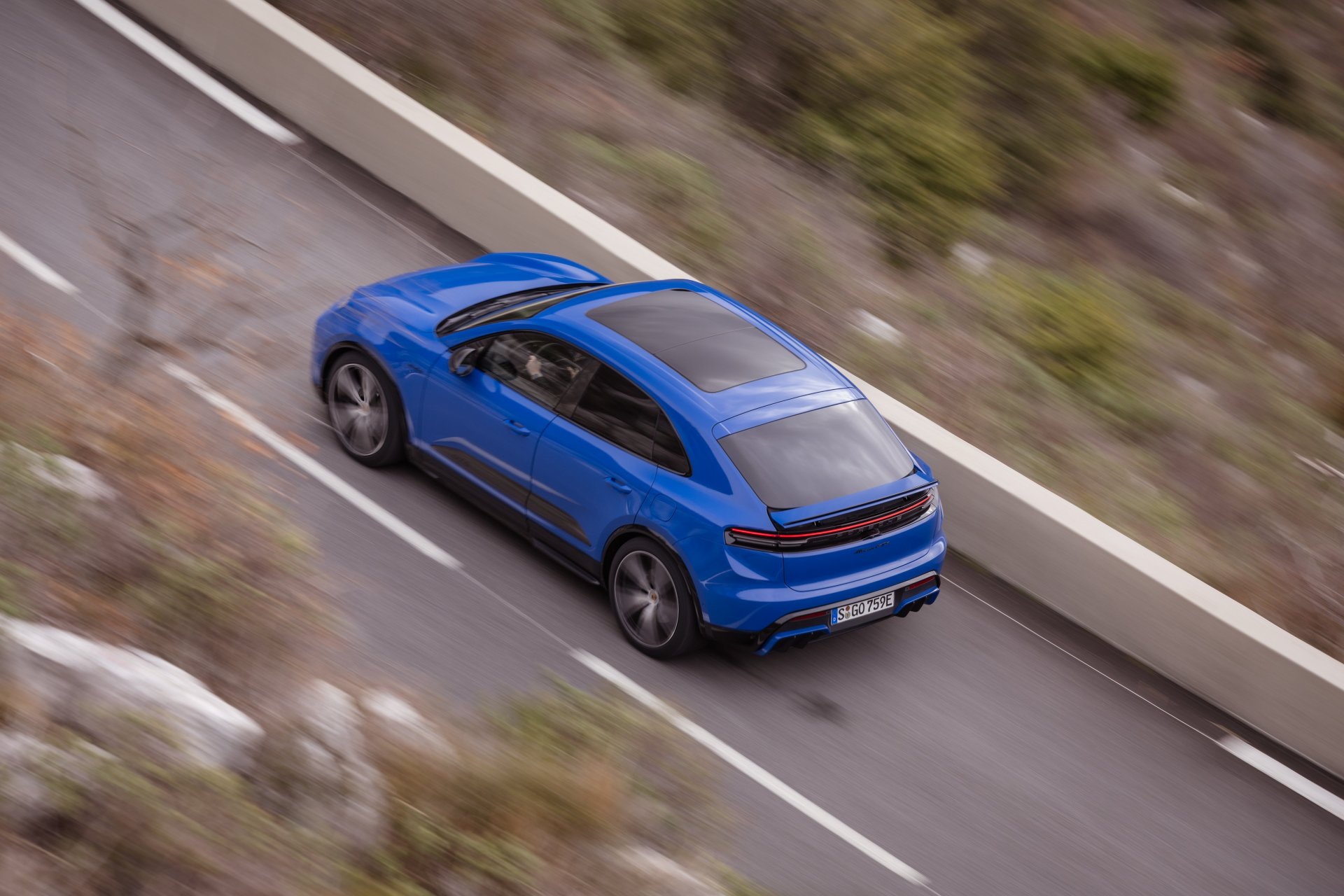
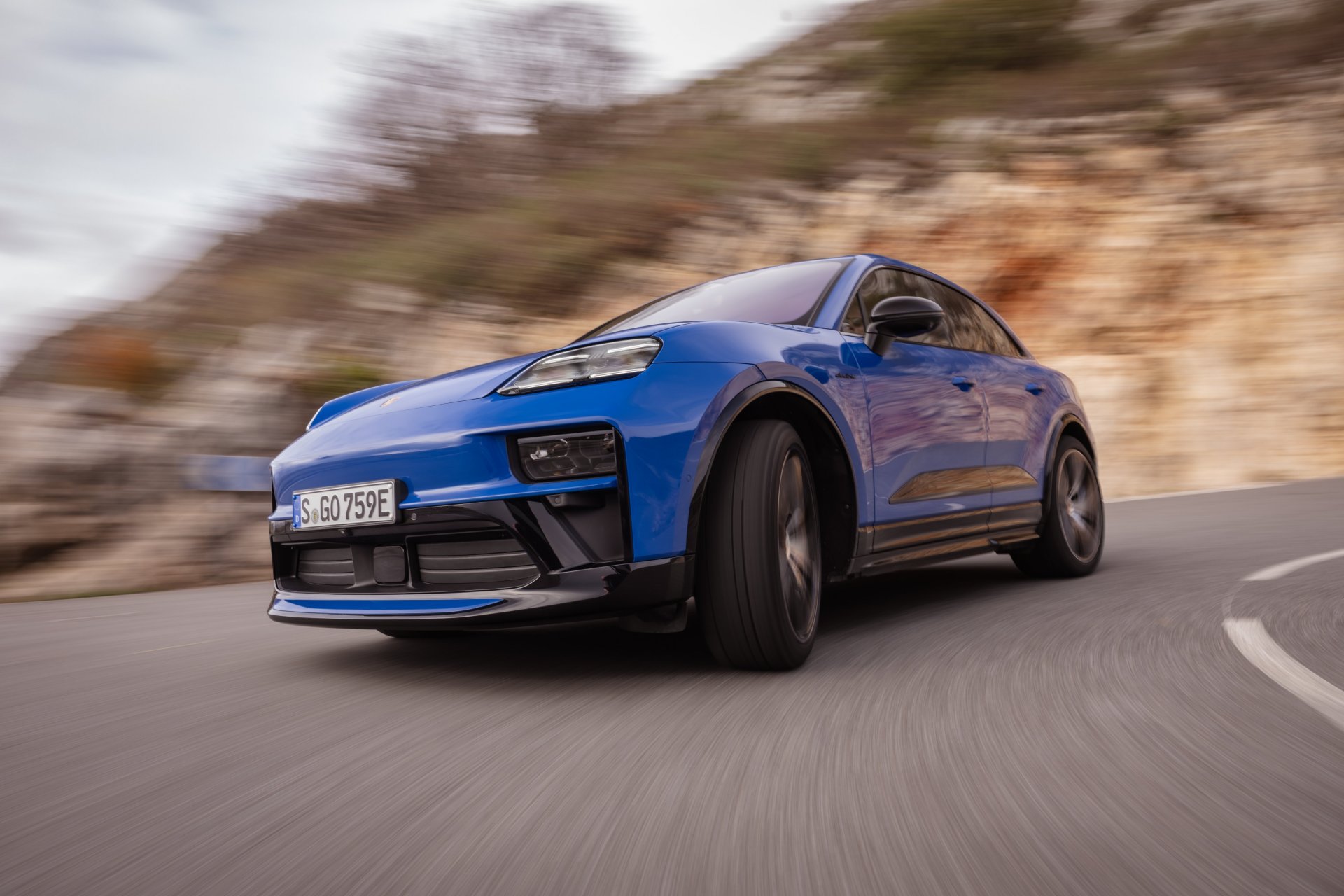
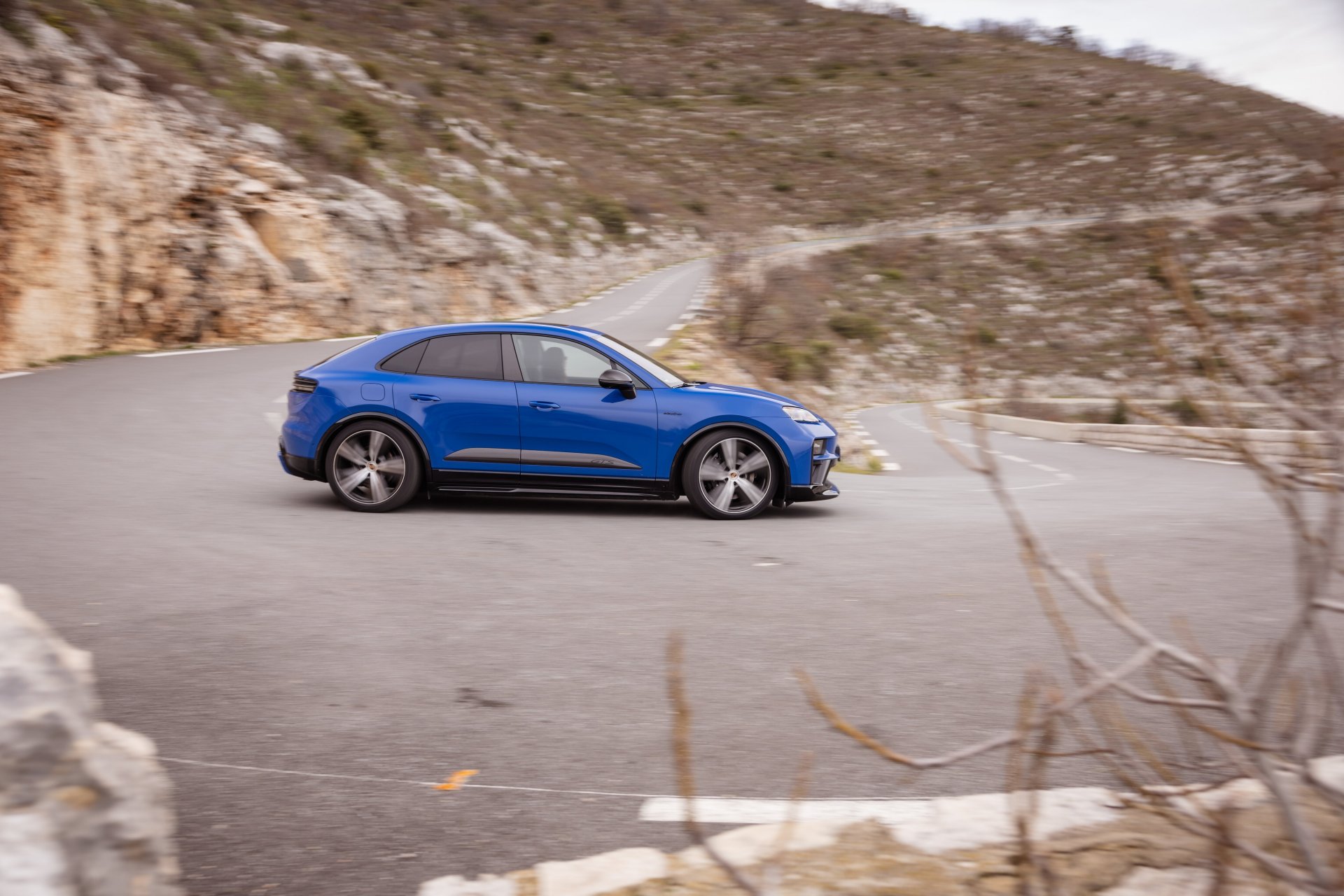
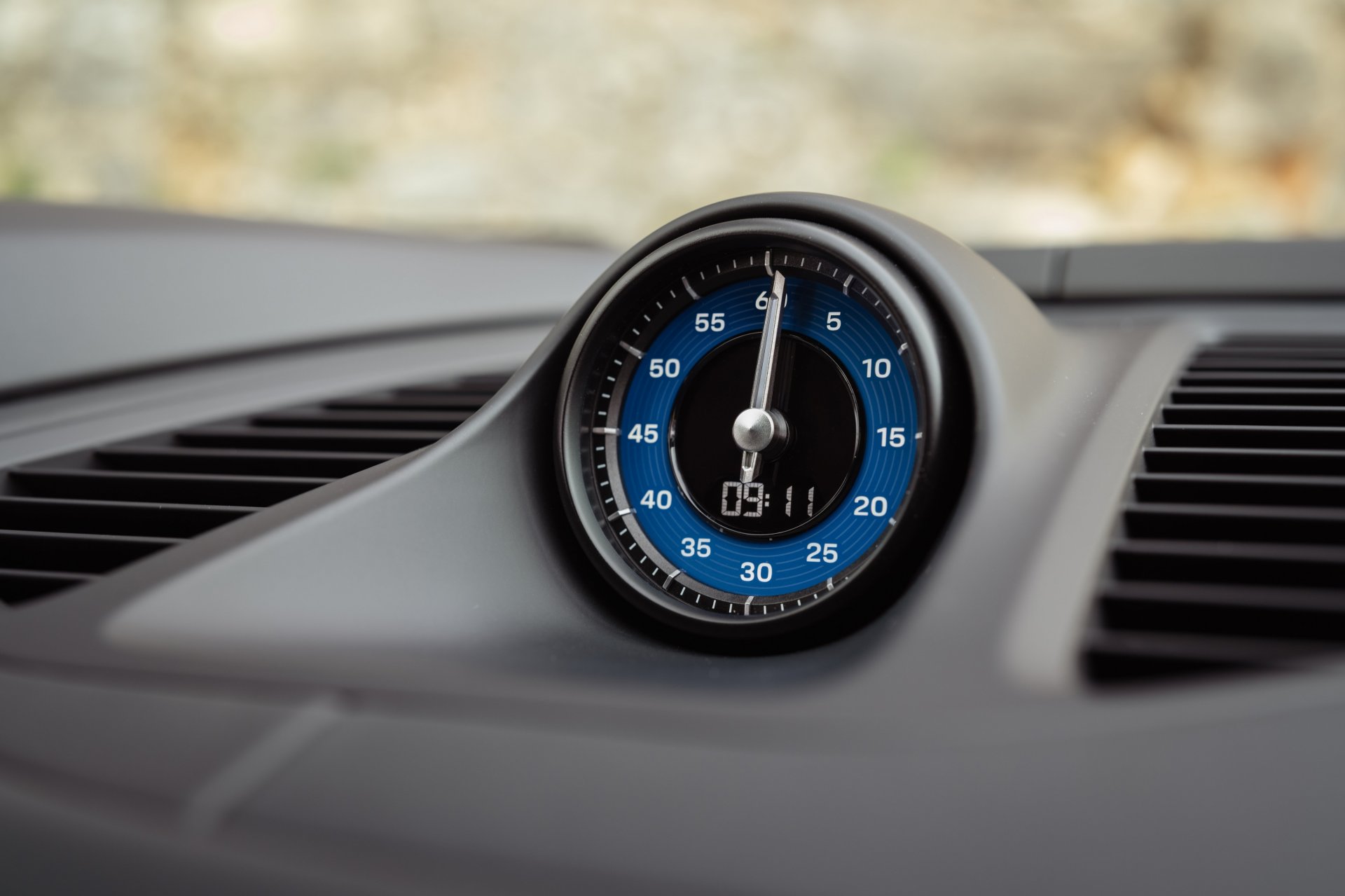
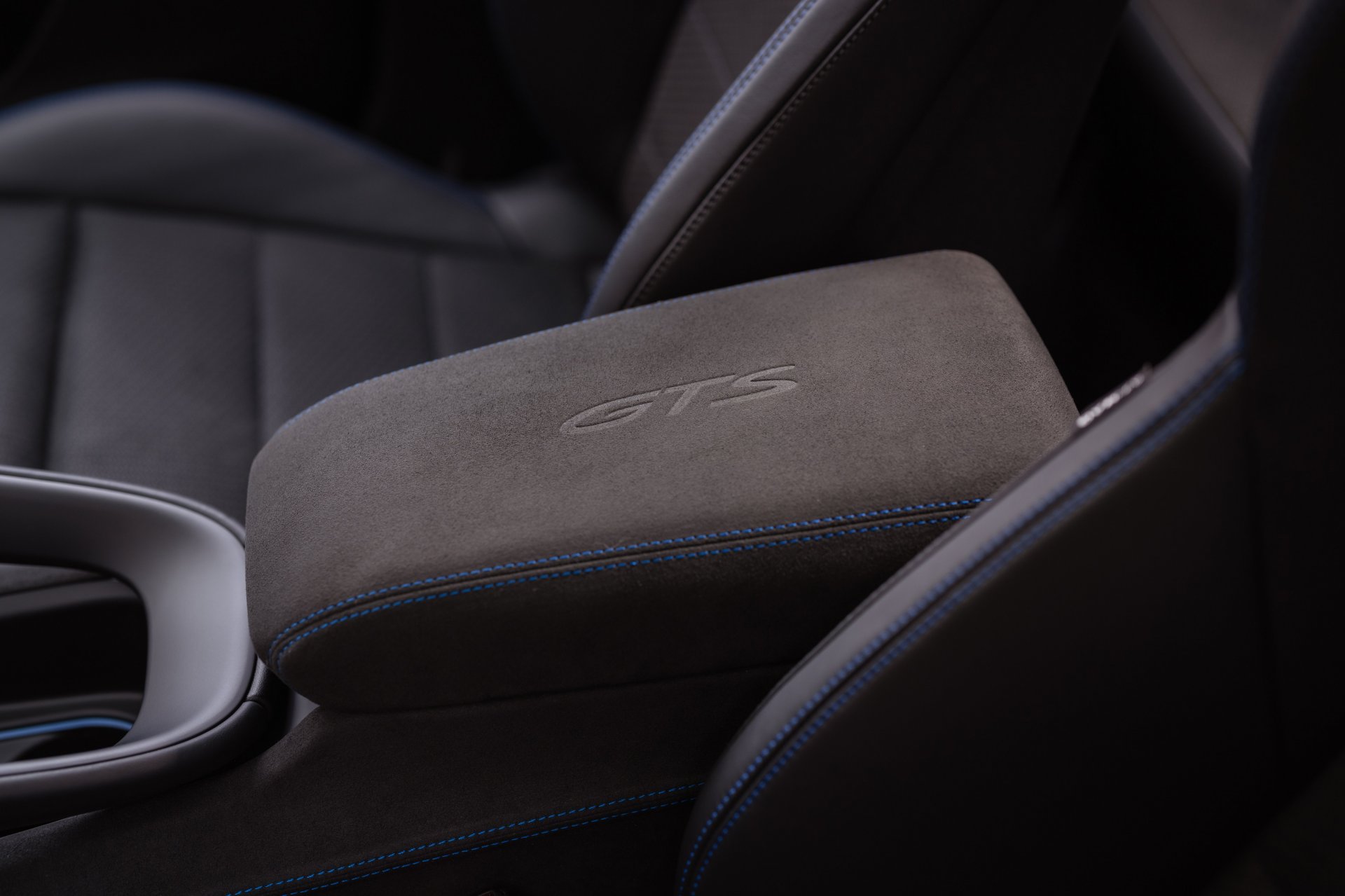
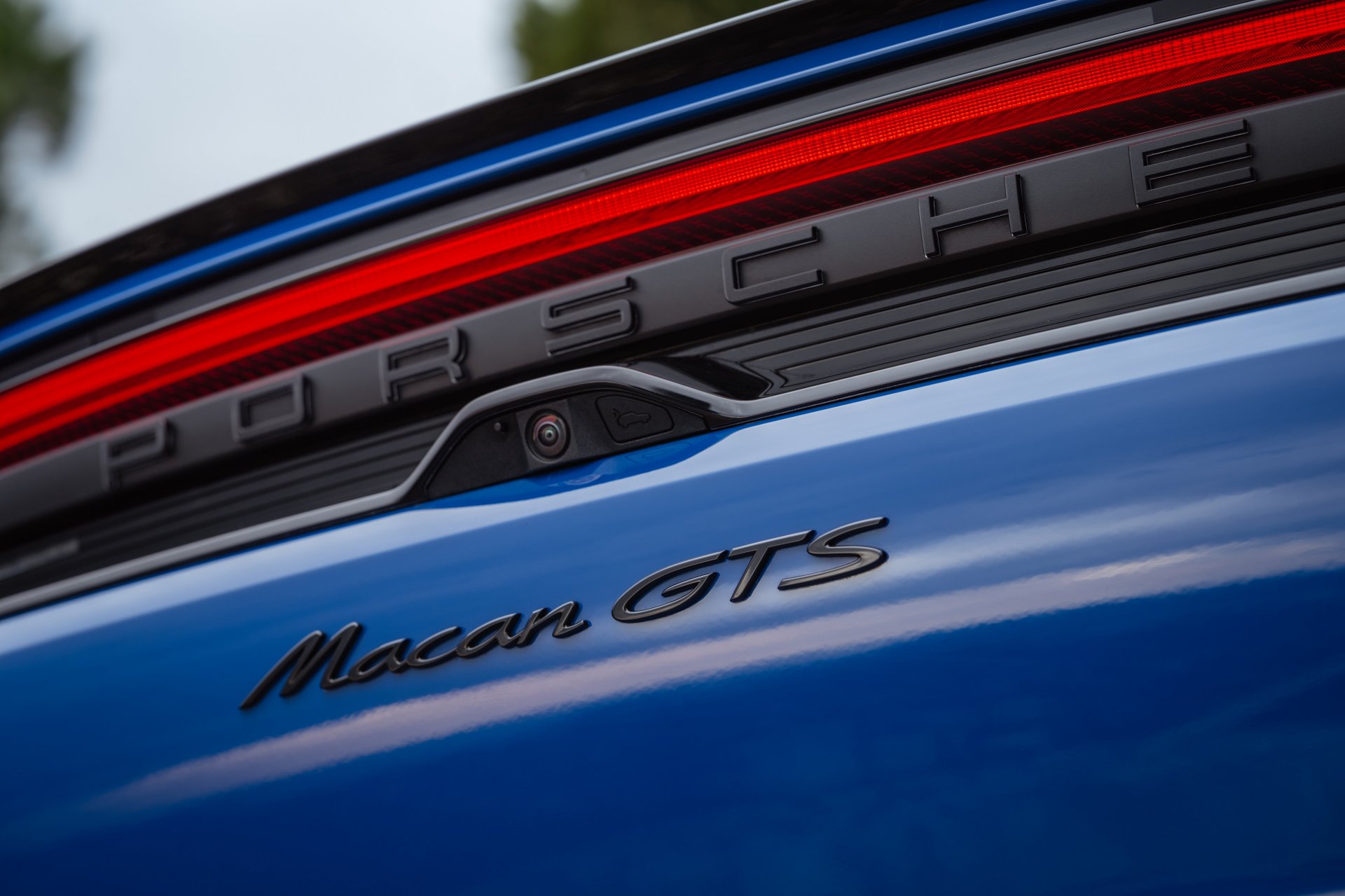
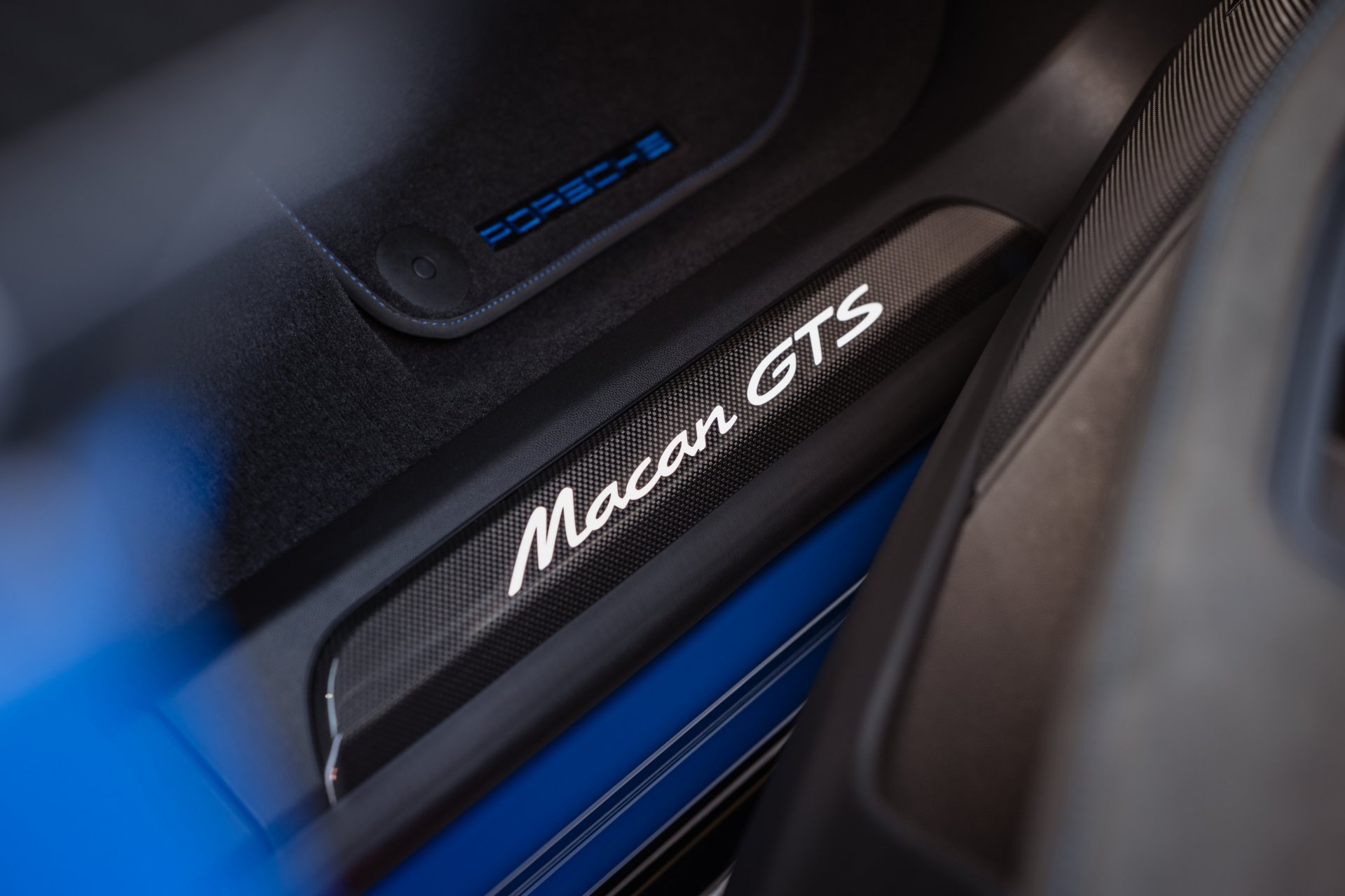
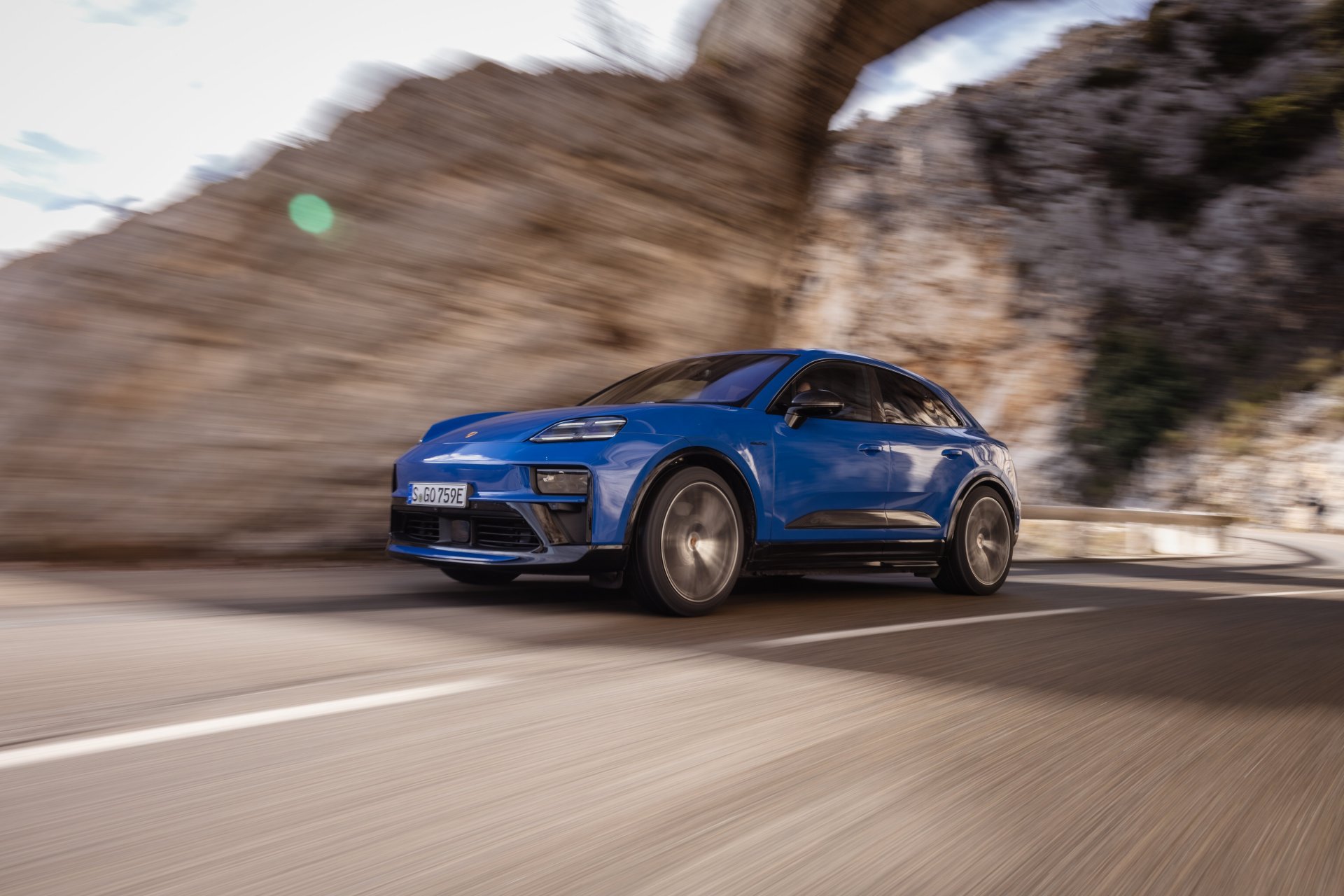
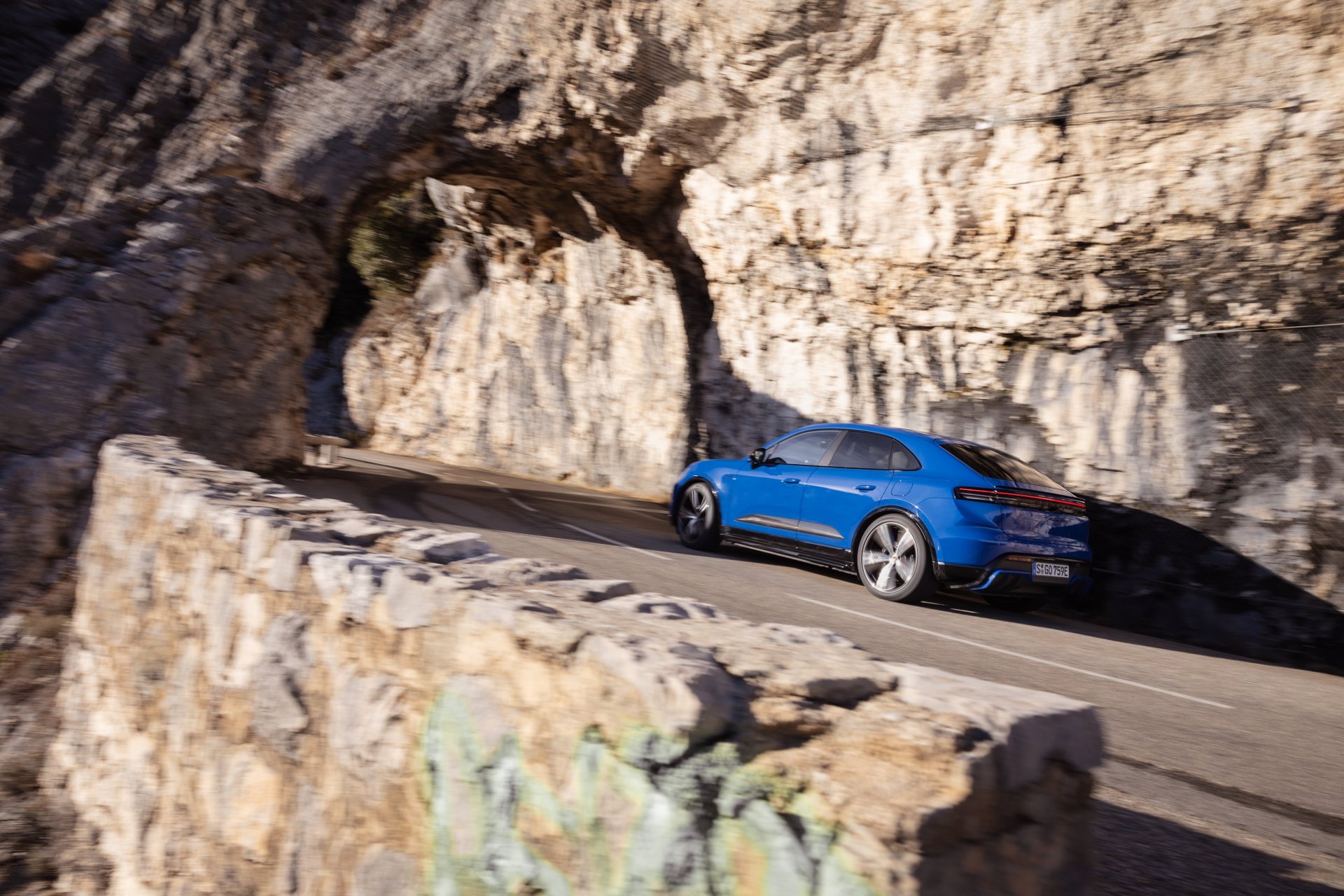
2026 Macan GTS Review: The GTS DNA Electrified

0

The Porsche Macan has become the subject of intense debate since the combustion-engined version was dropped. Yet the electric generation is an extremely competitive car with genuine sporting ambitions, one that has no reason to hide from new rivals such as the BMW iX3 and Mercedes GLC EQ. Especially not in GTS form. That, however, comes at a price.

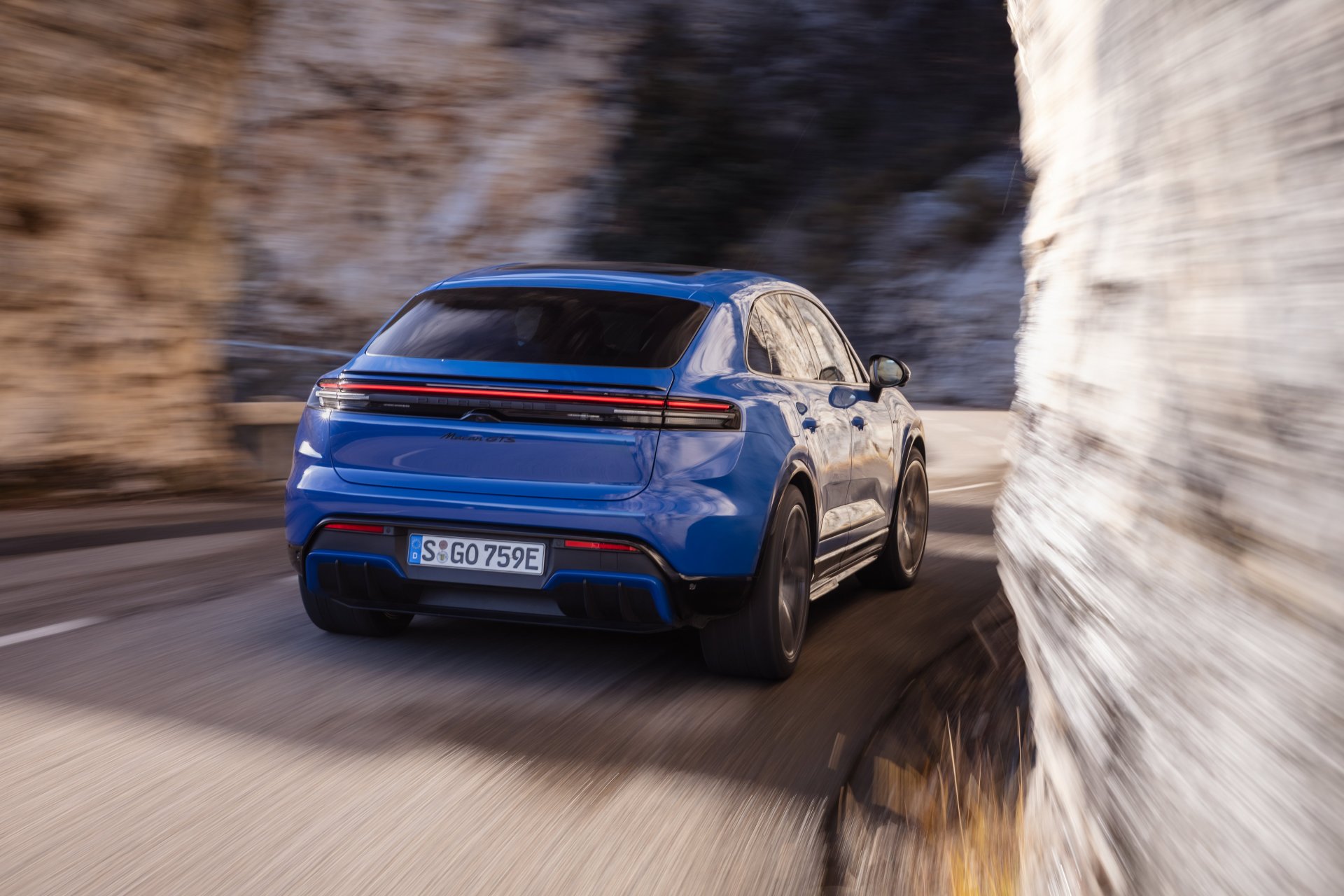
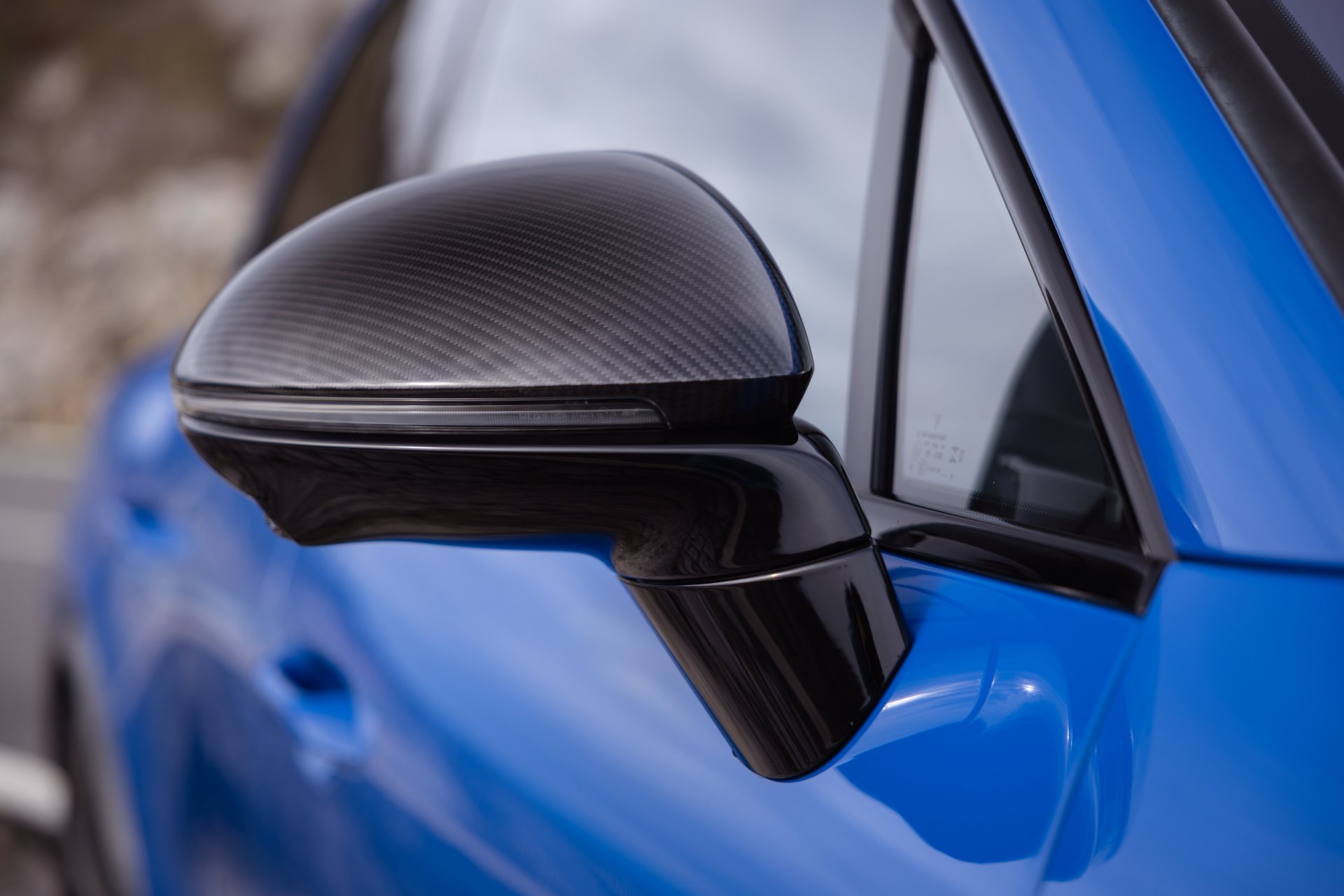
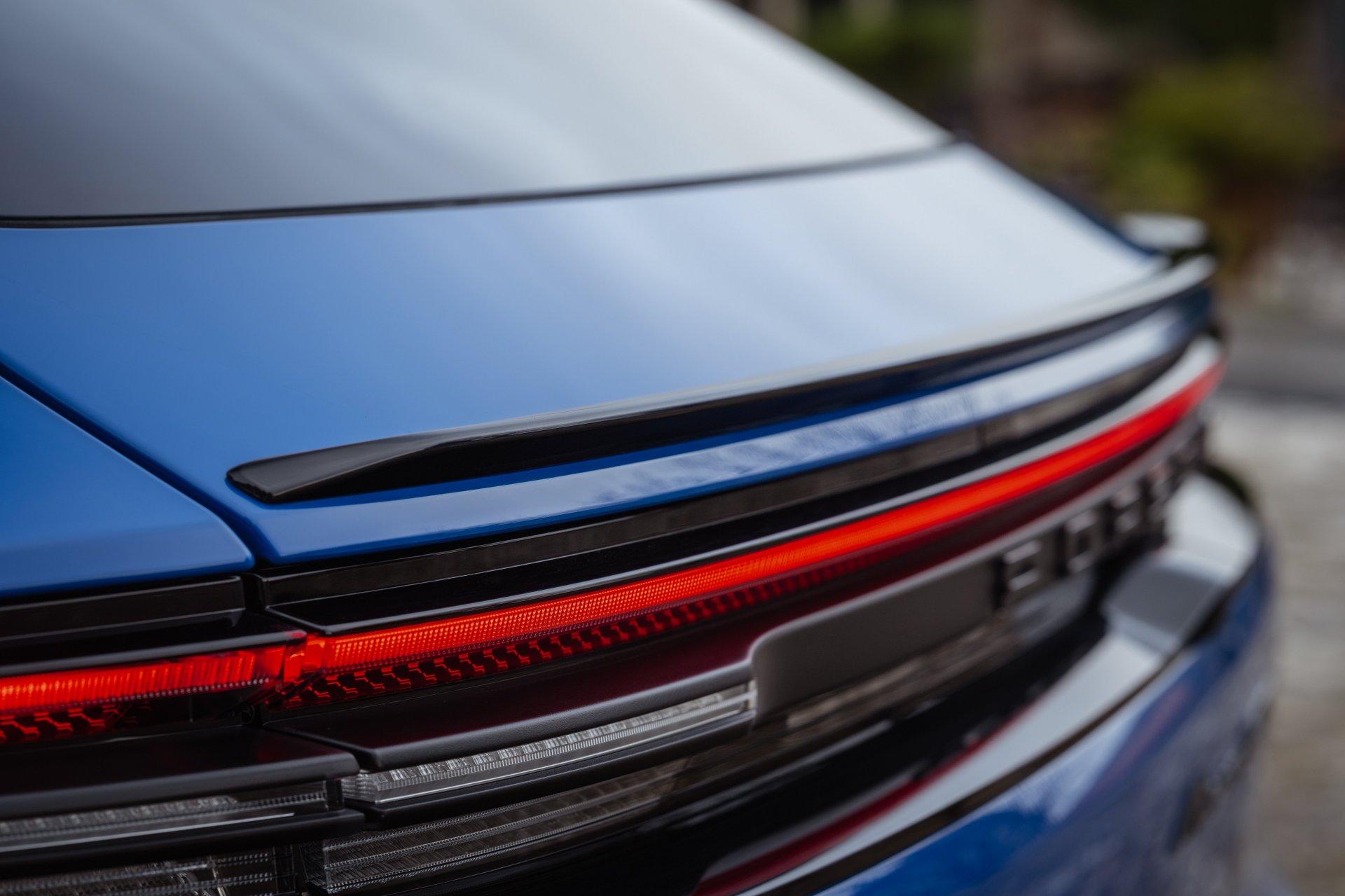
GTS models have now become key image carriers across Porsche’s range. That applies to the 911 just as much as to four-door models like the Cayenne and Taycan. Now the Macan is also available as a GTS, and it is safe to assume that this subtly sharpened performance version will become one of the best-selling variants. The styling has been mildly revised in typical GTS fashion, and it comes as standard with the highly sensible all-wheel drive system, using two electric motors and producing a total of 380 kW (516 PS). In short bursts of overboost, that figure rises to 420 kW (571 PS), alongside a massive 955 Nm of torque. If you are determined enough, the 2.4-tonne crossover will launch from rest to 100 km/h in 3.8 seconds and reach 200 km/h in an impressive 13.3 seconds. Its top speed of 250 km/h will be just as important to many potential customers as the maximum range of 580 kilometres.

As with the new Cayenne and the established Taycan, a modern 800-volt electrical architecture enables fast charging. Even so, the Porsche Macan GTS has lost a little ground in the top tier of electric performance. Its 270 kW charging speed is undeniably quick, but the latest competitors from BMW, Mercedes, Volvo or Xpeng replenish their underfloor battery packs at significantly higher rates. 320, 370 or even well over 400 kW is now possible, and in the premium and luxury SUV segment this is increasingly something buyers can reasonably expect.

Still, the overall package works. Particularly as a GTS, which starts at a substantial €104,200 and delivers the familiar visual upgrades, a properly sporty stance, and useful features such as air suspension, an off-road mode and optional rear-axle steering. Anyone who misses the soundtrack of a combustion engine can simply turn down the stereo and instead enjoy two GTS-specific sound profiles, designed to replace the absent exhaust note with a virtual, trumpet-like character.

Porsche Macan GTS 8

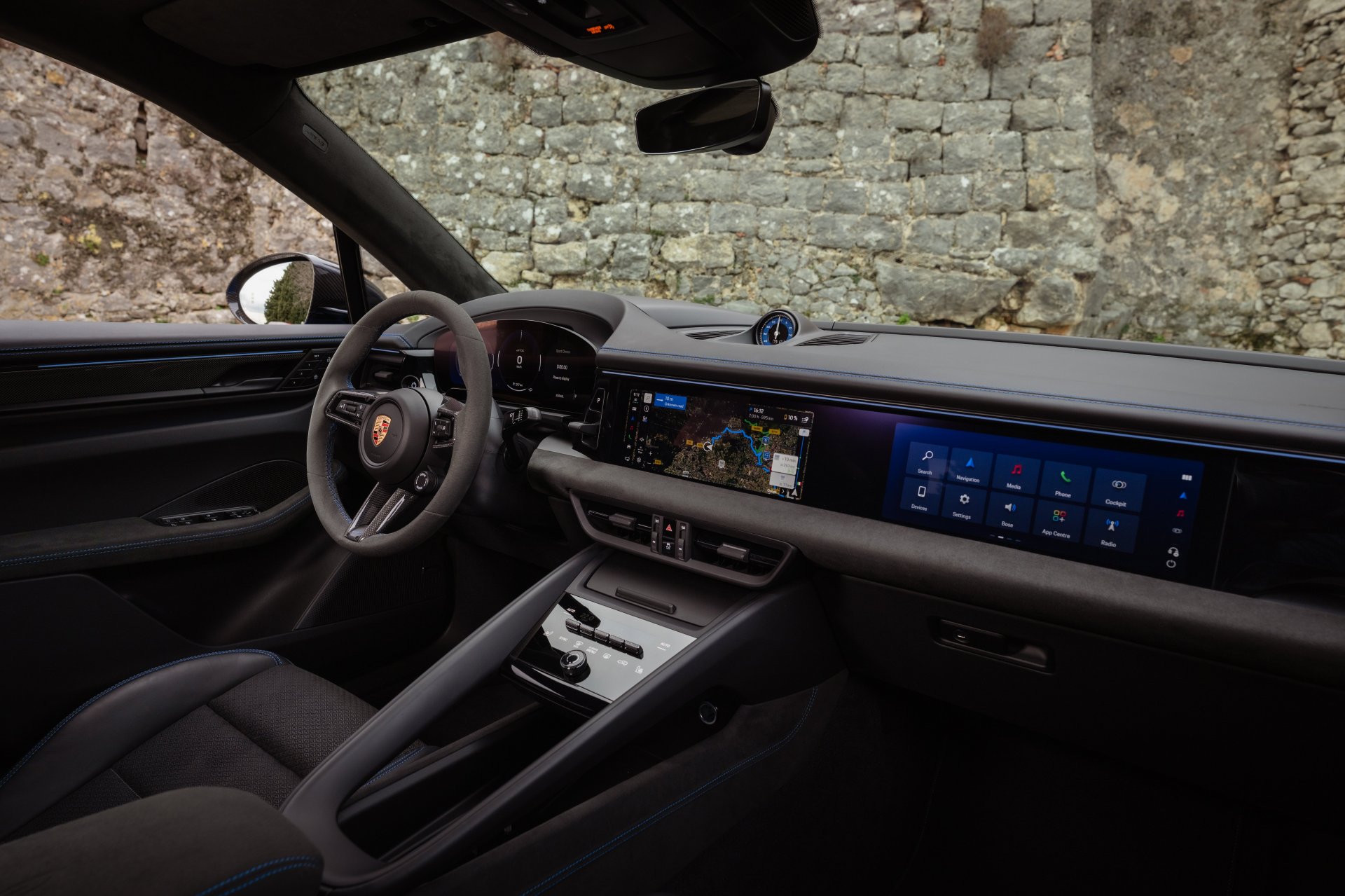
For a 4.81-metre mid-size crossover, performance is generous and the acceleration is correspondingly impressive. But buyers need not fear a pointless performance model. Yes, the GTS is firmly set up, yet this is largely down to the wheel and tyre combination and the torsionally stiff body structure, combined with the heavy 100 kWh battery pack in the floor. This makes the suspension feel noticeably firmer and more direct than in the former Macan GTS with a combustion engine. Those seeking an even sportier look can swap the standard 21-inch wheels for the optional 22-inch set. It looks good, but it is hardly essential. The steering, on the other hand, is excellent and sharp.

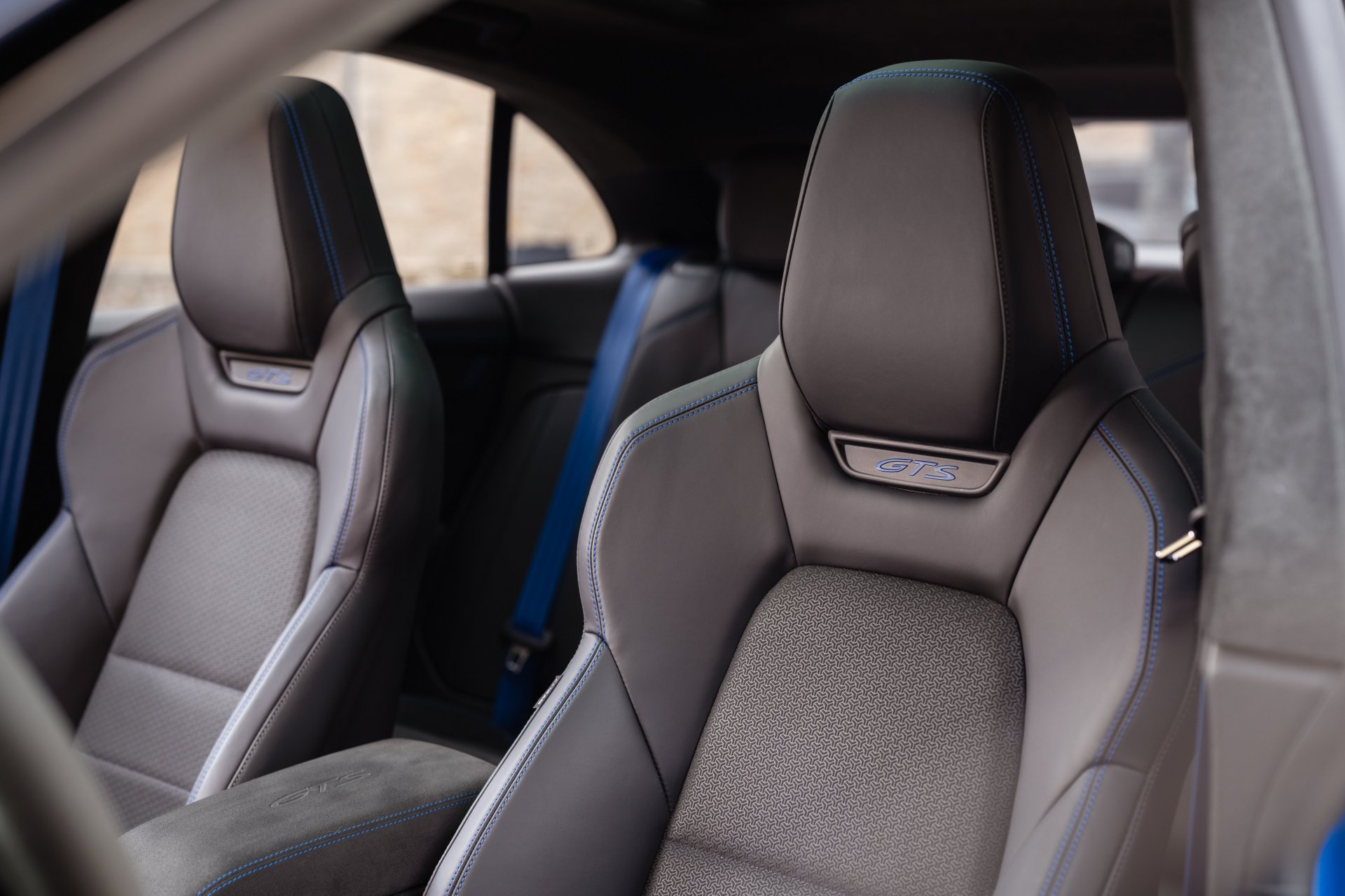
There is ample space inside for four people, though squeezing three into the rear bench is not something anyone should be subjected to. The electrically adjustable sports seats are close to perfect, and with leather upholstery they leave a better impression than the so-called Race-Tex material. The 476-litre boot behind the powered tailgate can be expanded to more than 1,300 litres by folding the rear seats. There is also an 84-litre front boot, and if that still is not enough, an optional tow bar allows trailers of up to 2,500 kilograms. Combined with all-wheel drive and the off-road package, it is a convincing setup for owners with adventurous leisure habits, who want to enjoy not only the Macan GTS’s impressive driving fun, but also its real-world usability.

Porsche Macan GTS 3

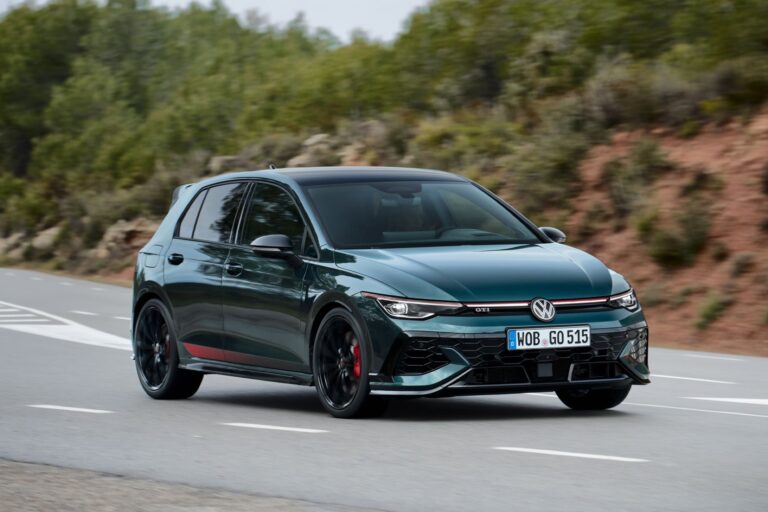
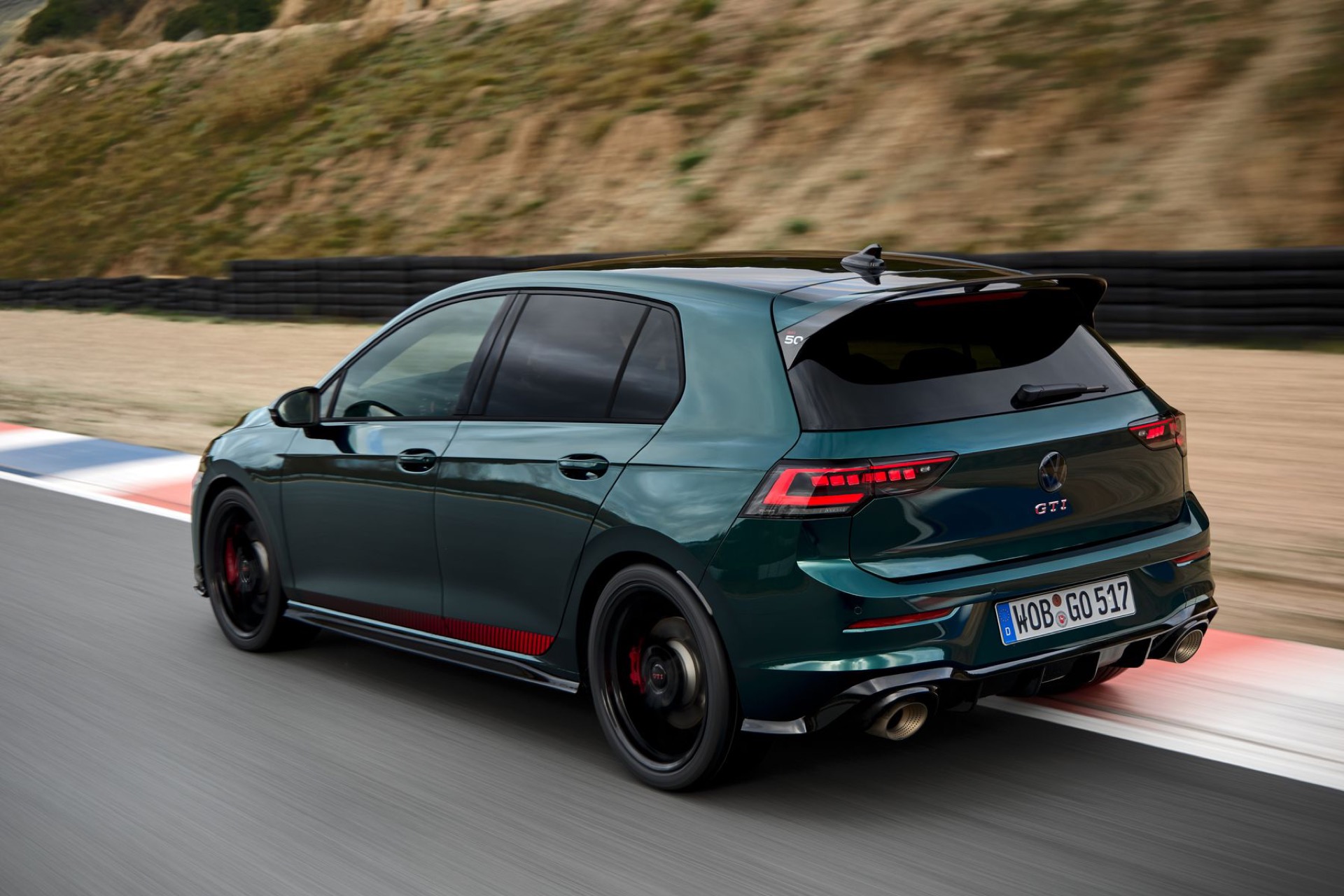
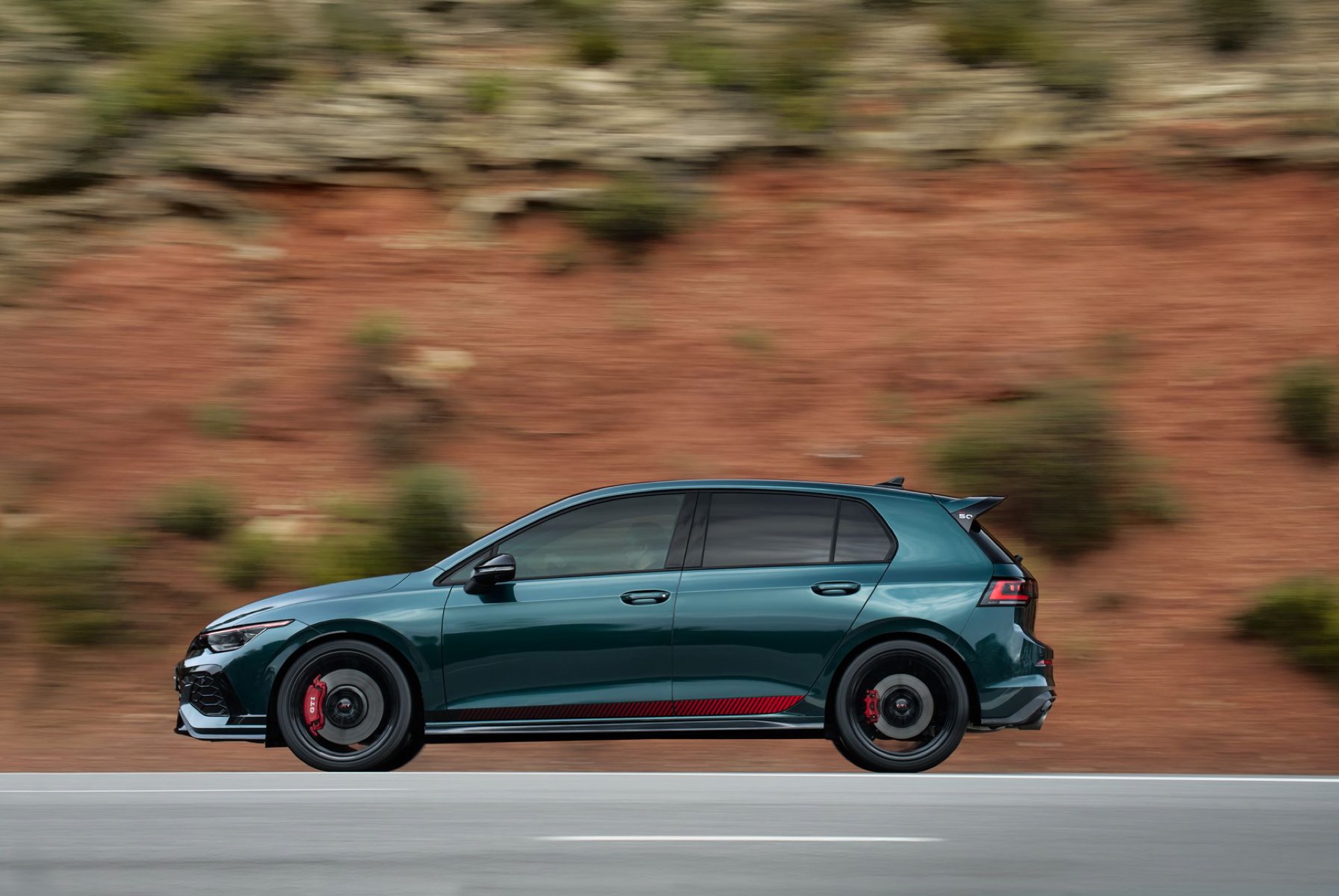
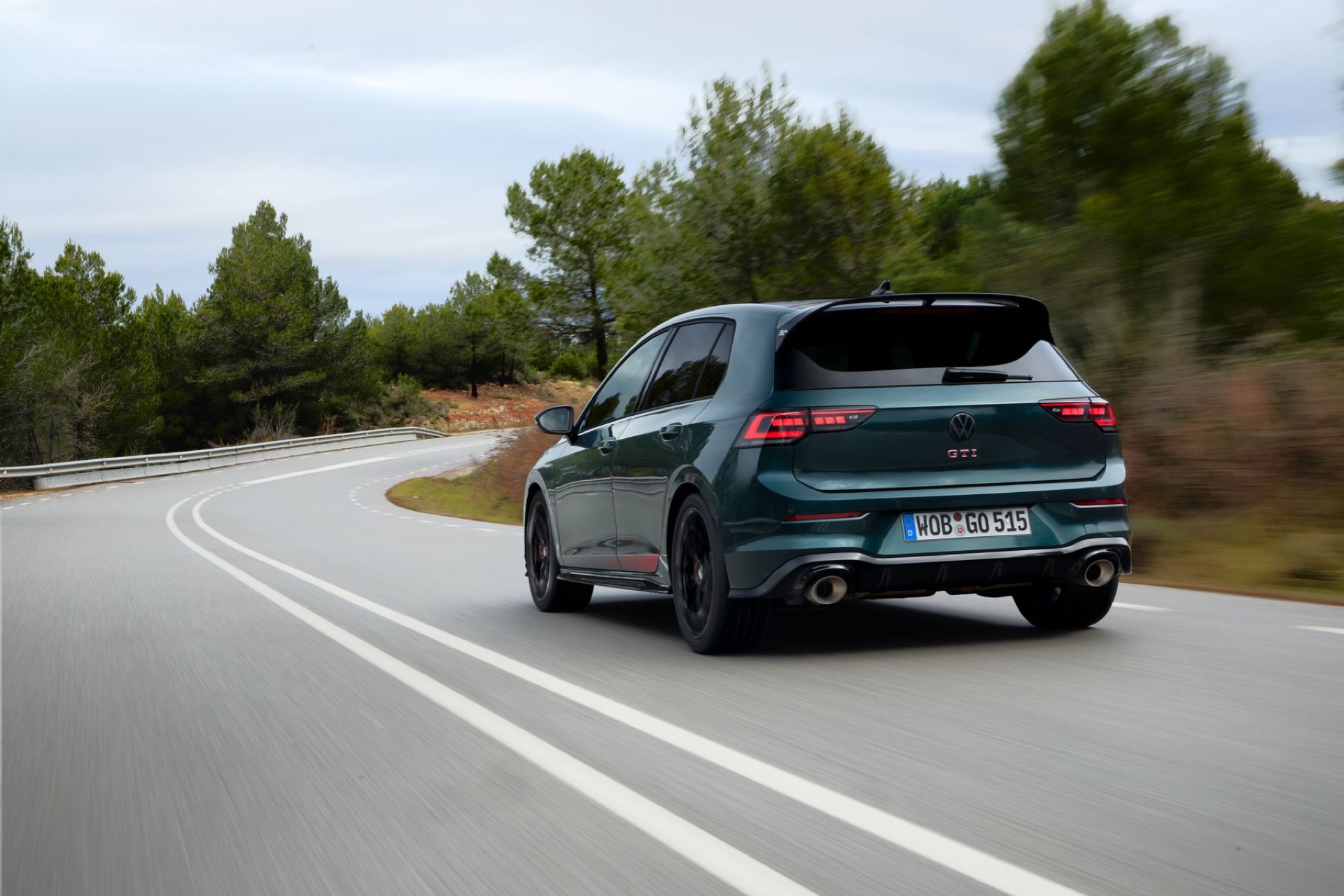
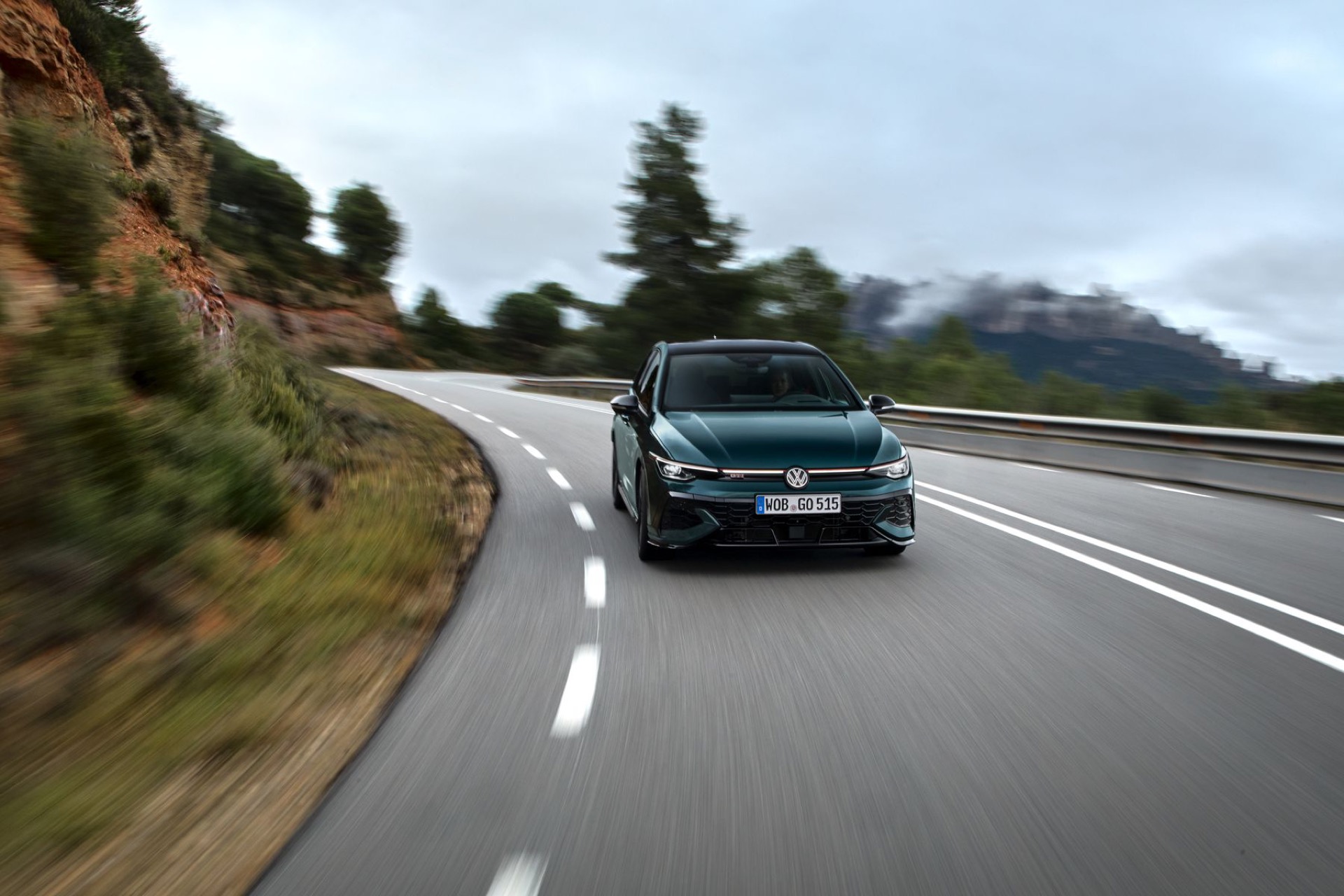
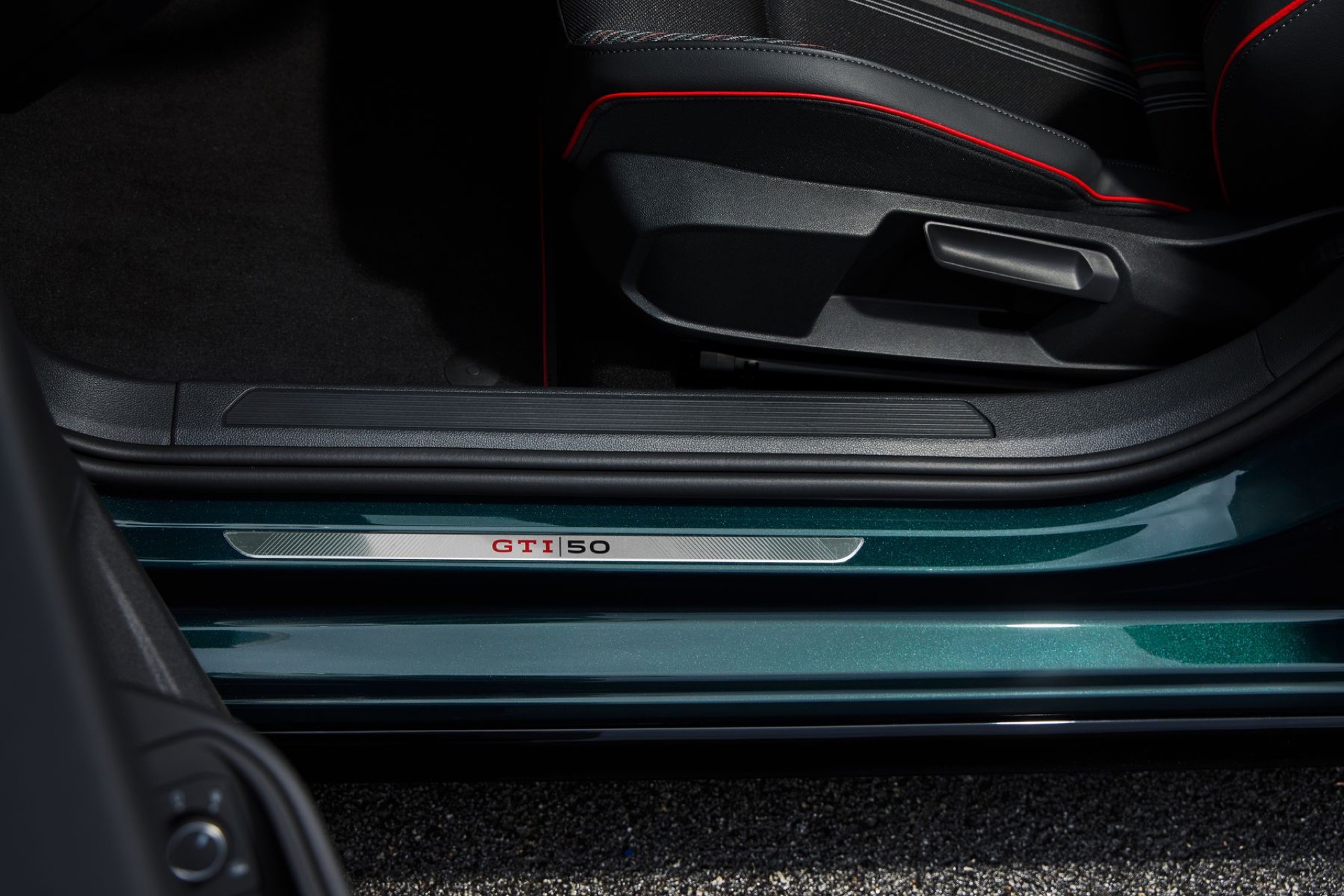
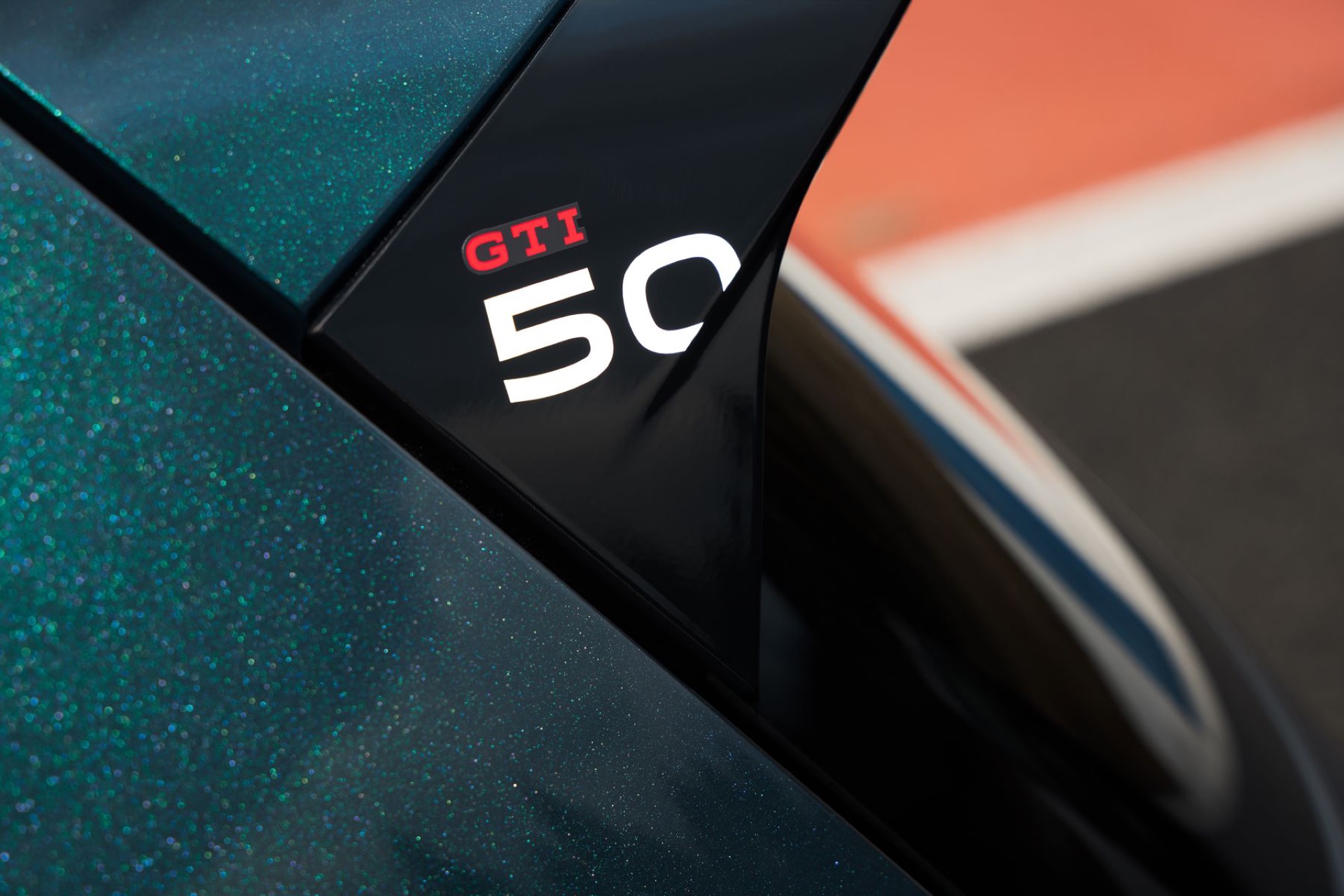
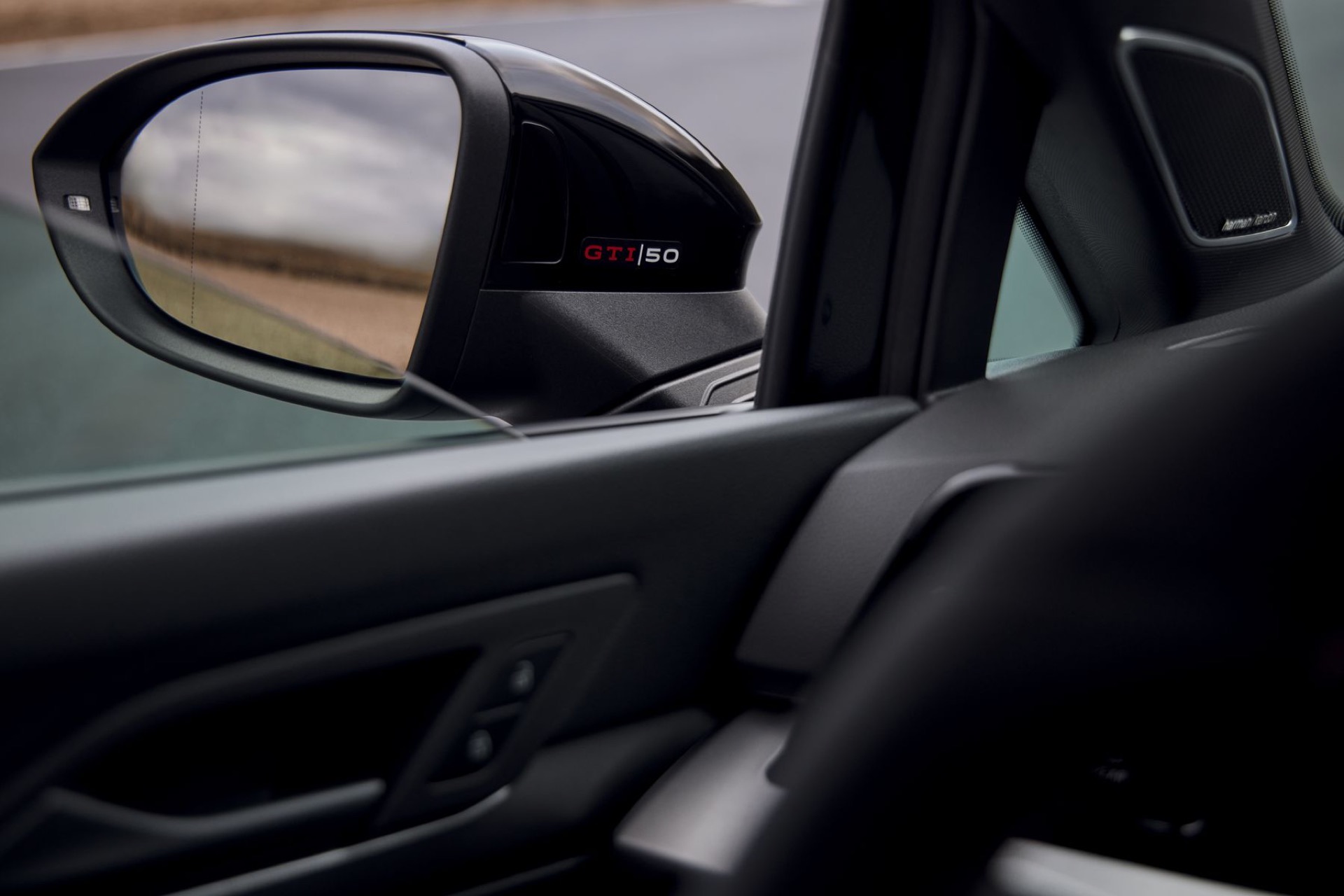
Top Draw: VW Golf GTI Edition 50 with Performance Package

0

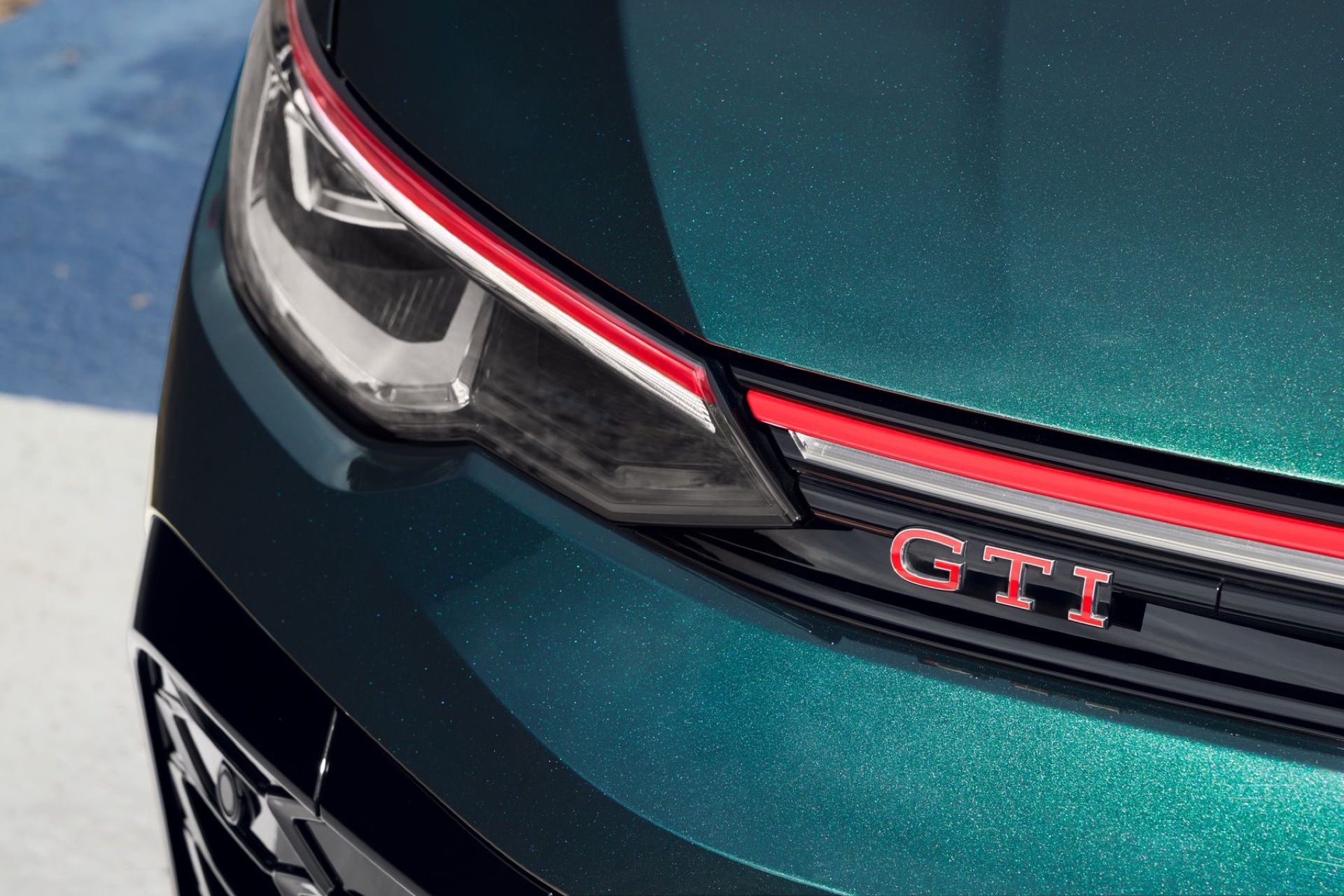
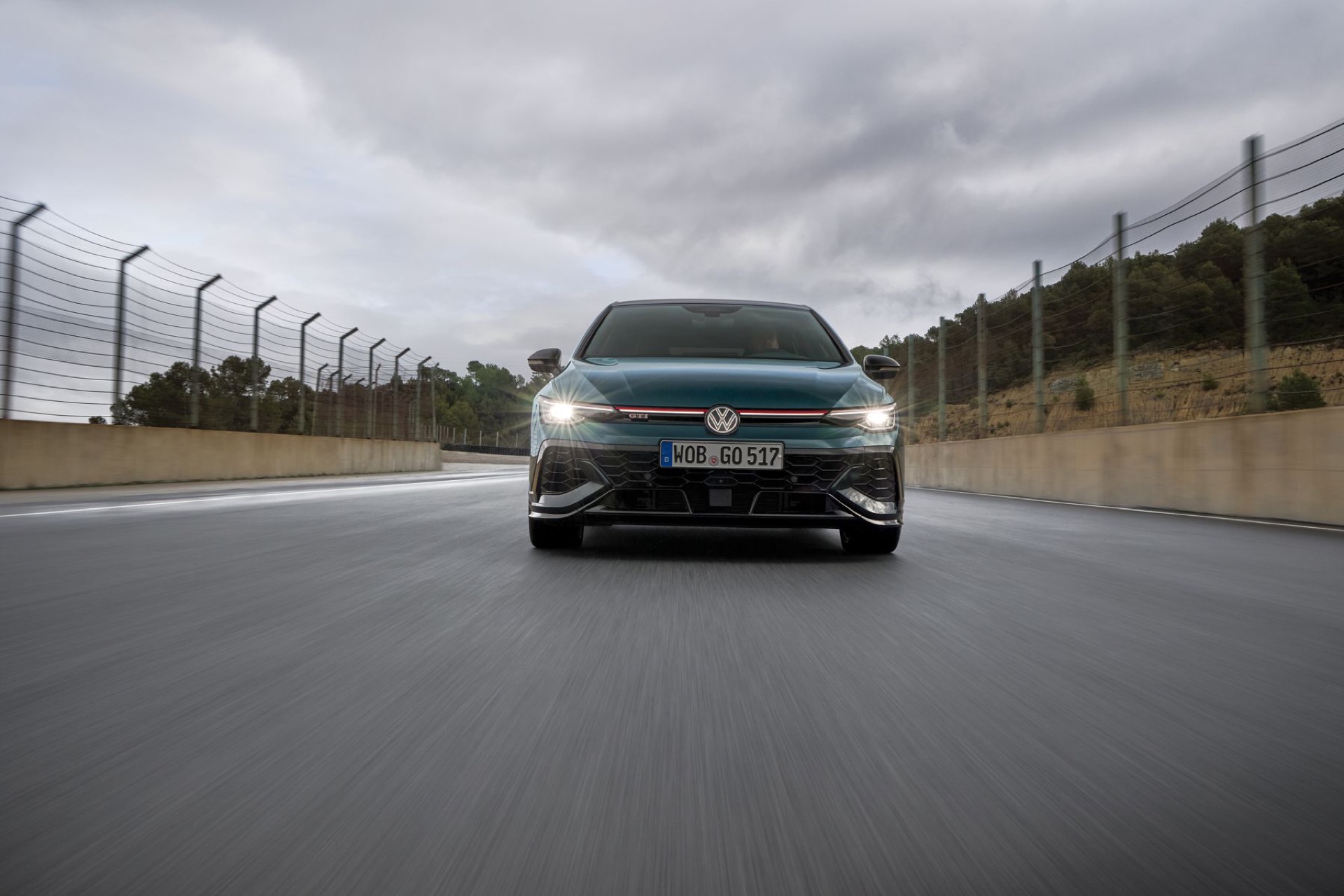
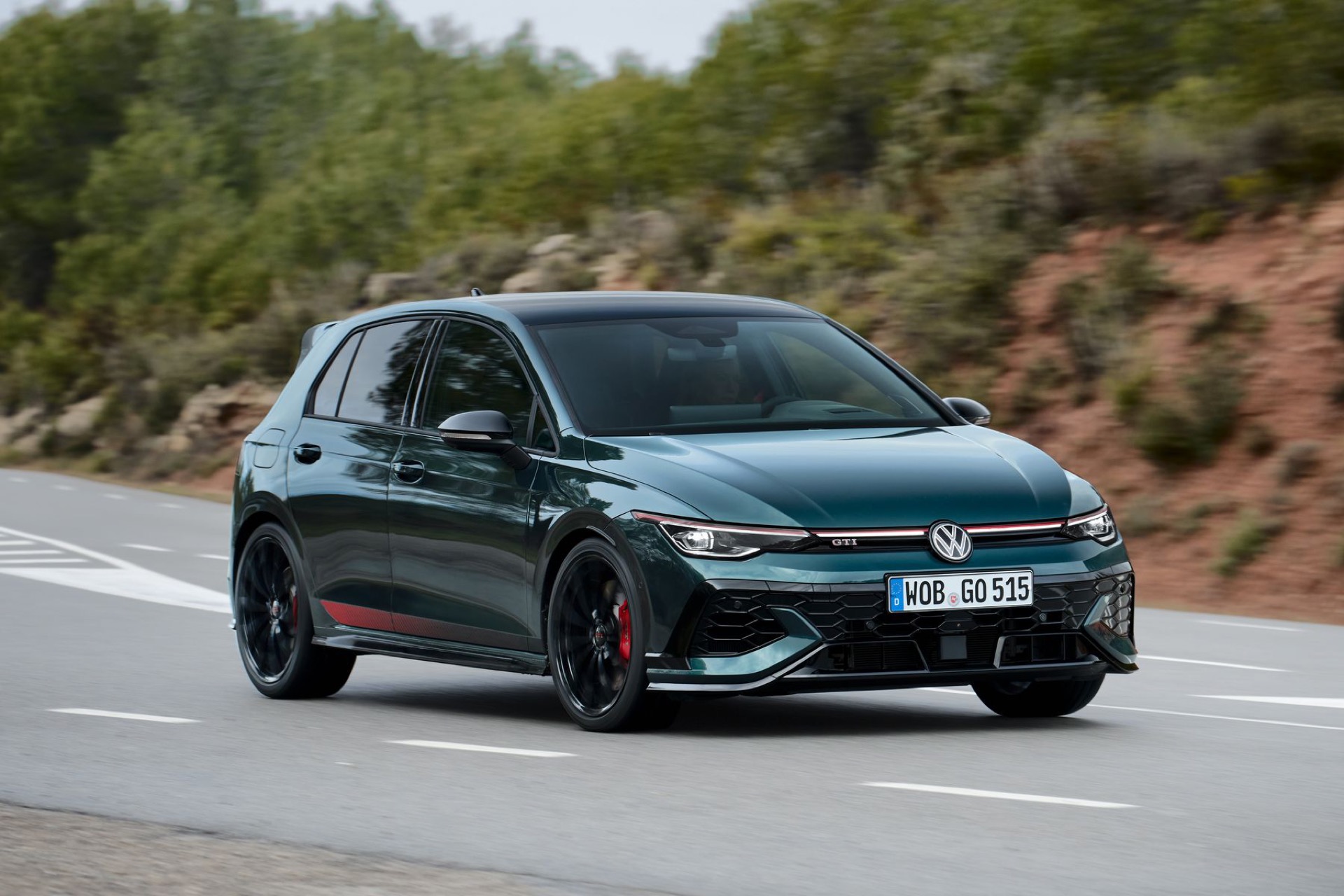
Volkswagen celebrates the Golf GTI with a potent Edition 50 model. The optional Performance Package lives up to its name and turns this GTI into a true agility monster. The price for this combination, however, is correspondingly steep.

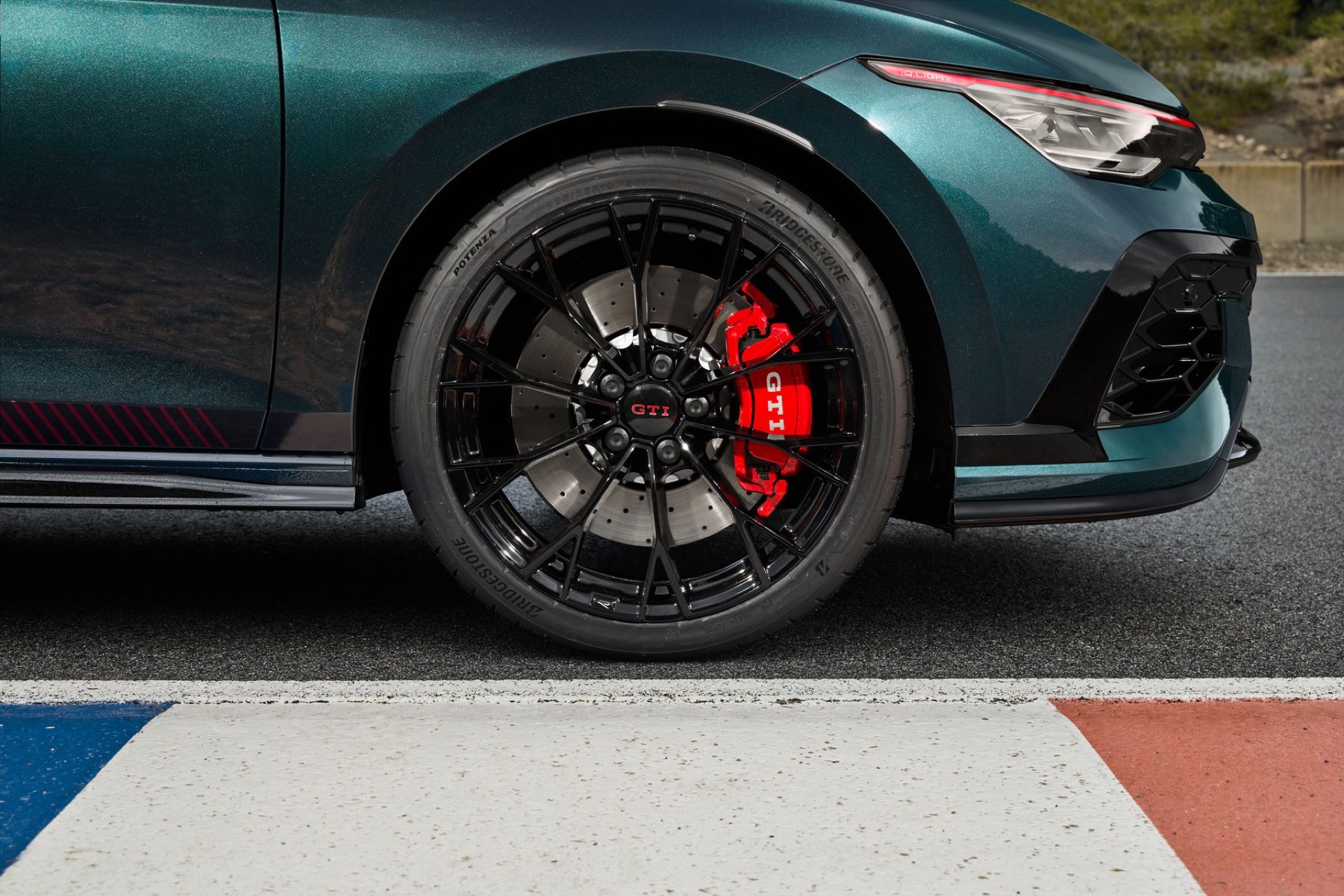
Corners, smooth tarmac and rain. For a front-wheel-drive car, this is the worst-case scenario. Add semi-slick tyres and straight-line understeer during direction changes seems inevitable. A corner is approaching fast. We are at the wheel of a Golf GTI Edition 50 with the Performance Package. “All well and good, but …” flashes through our minds. Then the circuit layout and survival instinct take over. Hard braking. The red-painted calipers and pads bite decisively. The seatbelt tightens across our chest as the car loads the front axle. Turn in. We brace for the classic fate of a front-wheel-drive car: running wide into the gravel beyond the left-hander. Yet our eyes remain fixed on the apex. And then it happens. As if drawn with a compass, the Golf follows the steering input precisely and heads straight for the middle of the corner.

The rear axle joins in. Not rebelliously, but supportively, the tail rotates gently. Full throttle. The top-spec GTI takes this in its stride too. No twitching, no scrabbling at the front wheels. “You ask, I deliver,” seems to be the car’s attitude. “Clean,” we note. There is no time for more. The light-footed way in which the Golf slices through corners is impressive. “With the Performance Package, we reached into the top shelf of the MQB toolbox,” explains Florian Umbach, Head of Vehicle Dynamics. That was necessary, because the chassis of the Golf GTI Edition 50 is identical to that of the Clubsport. With the Performance Package, VW’s engineers wanted to raise the bar once more. Mission accomplished. This GTI makes it easy to drive fast. Very fast.

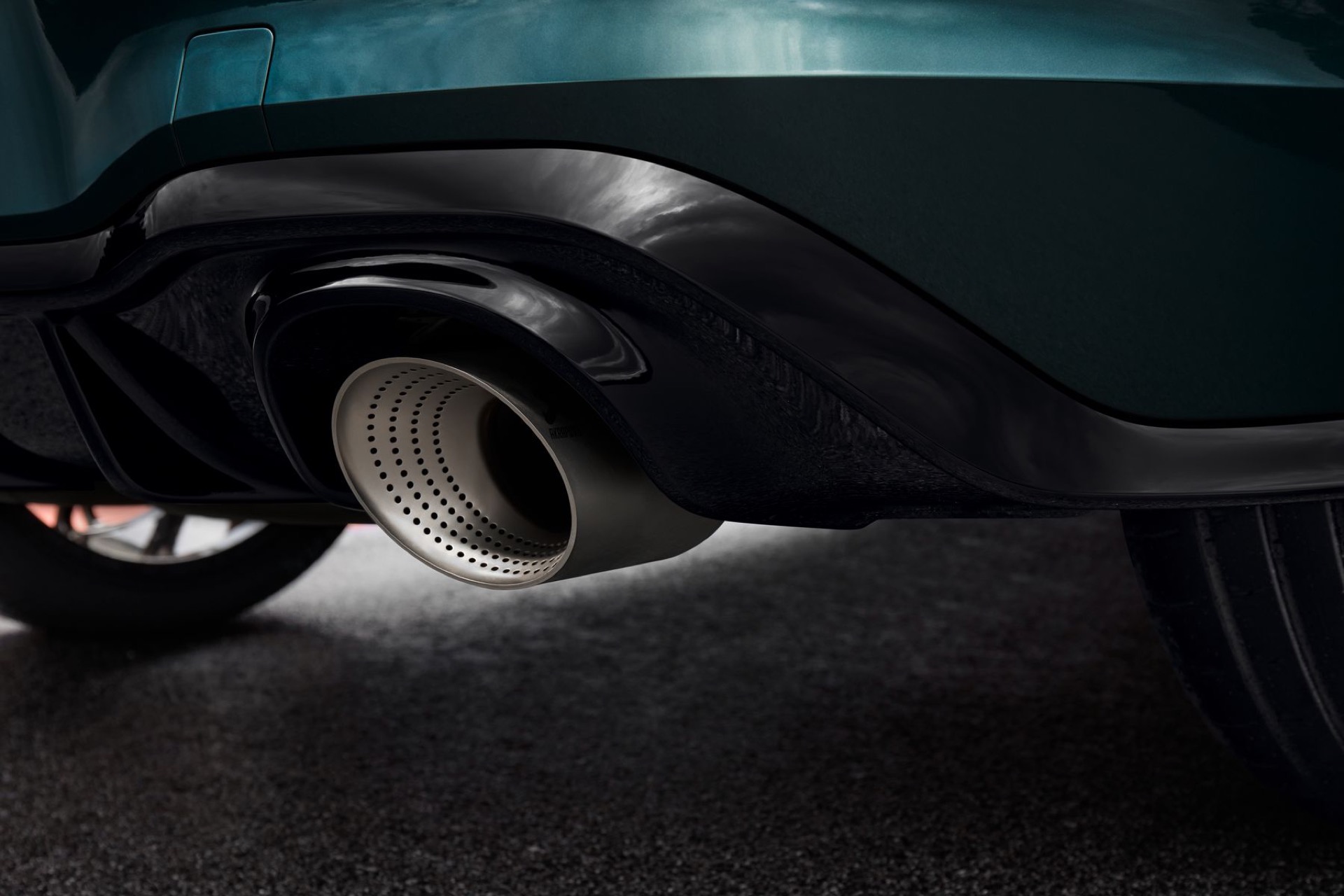
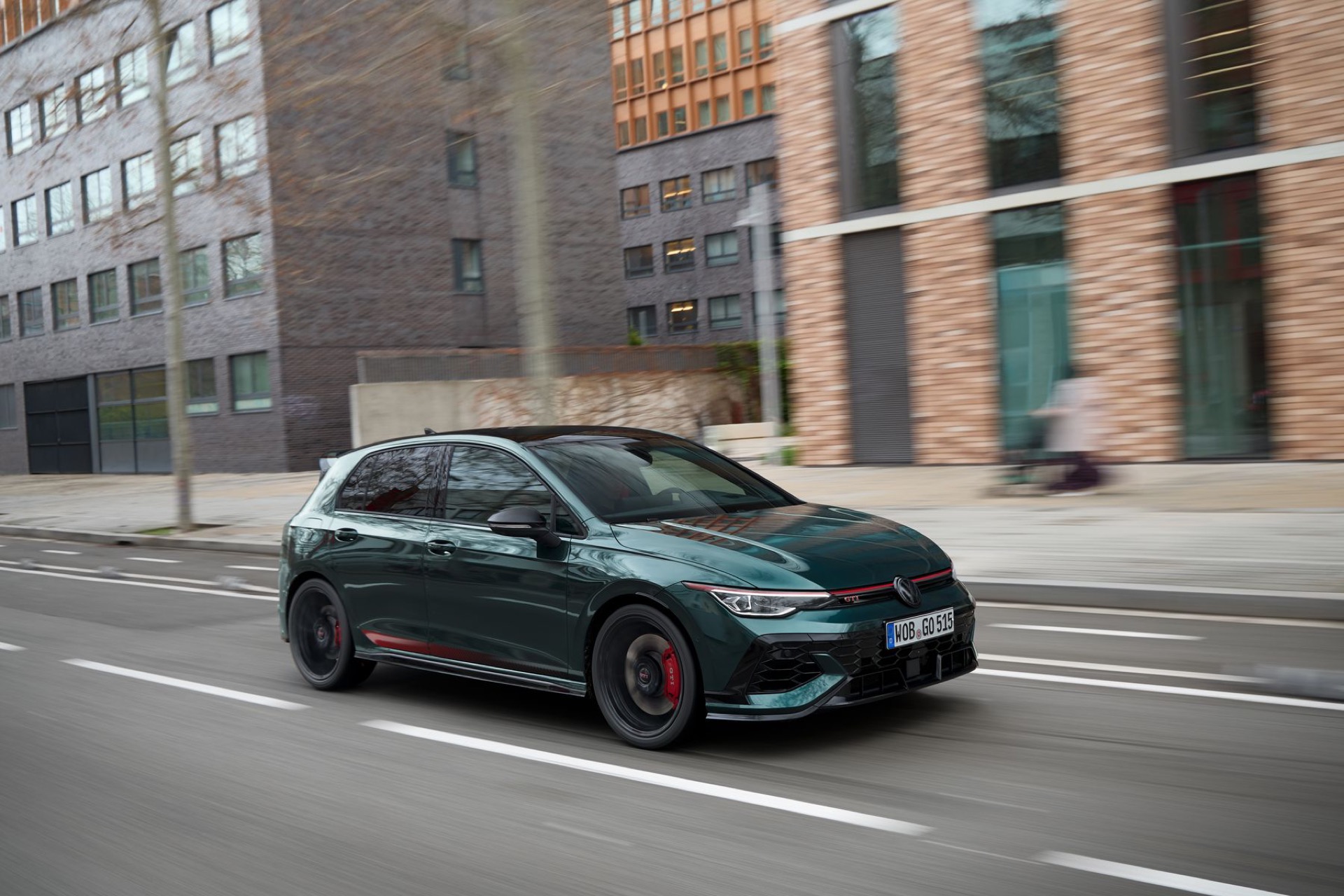
It starts with classic tuning measures. The 235-section tyres sit on 19-inch forged wheels, and the exhaust gases flow through the titanium performance exhaust system from the Golf R. The result is a weight saving of around 25 kilograms. At the press of a button, this GTI sounds like a predatory animal. At the MacPherson front axle, the increased negative camber of minus two degrees is immediately noticeable, compared with minus 1.33 degrees on the standard Edition 50. More negative camber increases the usable contact patch of the outside front wheel in corners. The tyre works more evenly across its tread, improving cornering speed and turn-in precision. “The additional front-end grip is the foundation for high cornering speeds, reduced understeer and neutral handling,” says Umbach. The key word is foundation. On its own, this measure would achieve little.

VW Golf GTI Editon 50 1

To make it effective, a full agility package comes into play. At the front, stiffer top mounts and a stiffer rear wishbone bushing are fitted. In combination with the electronically controlled mechanical limited-slip differential, this creates a subtle self-steering effect towards the inside of the corner under acceleration. The differential pulls the inner wheel more strongly, while the reduced compliance of the wishbone bushing keeps the geometry stable. The result is the opposite of classic front-wheel-drive push.

At the multi-link rear axle, the changes are less extensive but still meaningful. In the standard setup, the track rod is only mounted on one side. With the Performance Package, it gains a dual-sided mounting, significantly increasing lateral stiffness. This allows the rear axle to support the front axle’s steering inputs more precisely. Stiffer springs and damper mounts are also fitted, raising the natural frequency to match the front axle and reducing roll and pitch. “Manthey would charge several tens of thousands of euros for something like this,” Umbach smiles. Volkswagen asks €4,200 for the Performance Package, on top of the €54,540 base price of the Edition 50. That is serious money for a Golf GTI, and just €1,000 less than a Golf R. But the fun factor more than compensates. The comparison with the Nürburgring specialists is no coincidence: test driver Benjamin Leuchter set a time of 7:46.125 minutes on the Nordschleife, the fastest lap ever recorded by a road-legal Volkswagen.

VW Golf GTI Editon 50 3

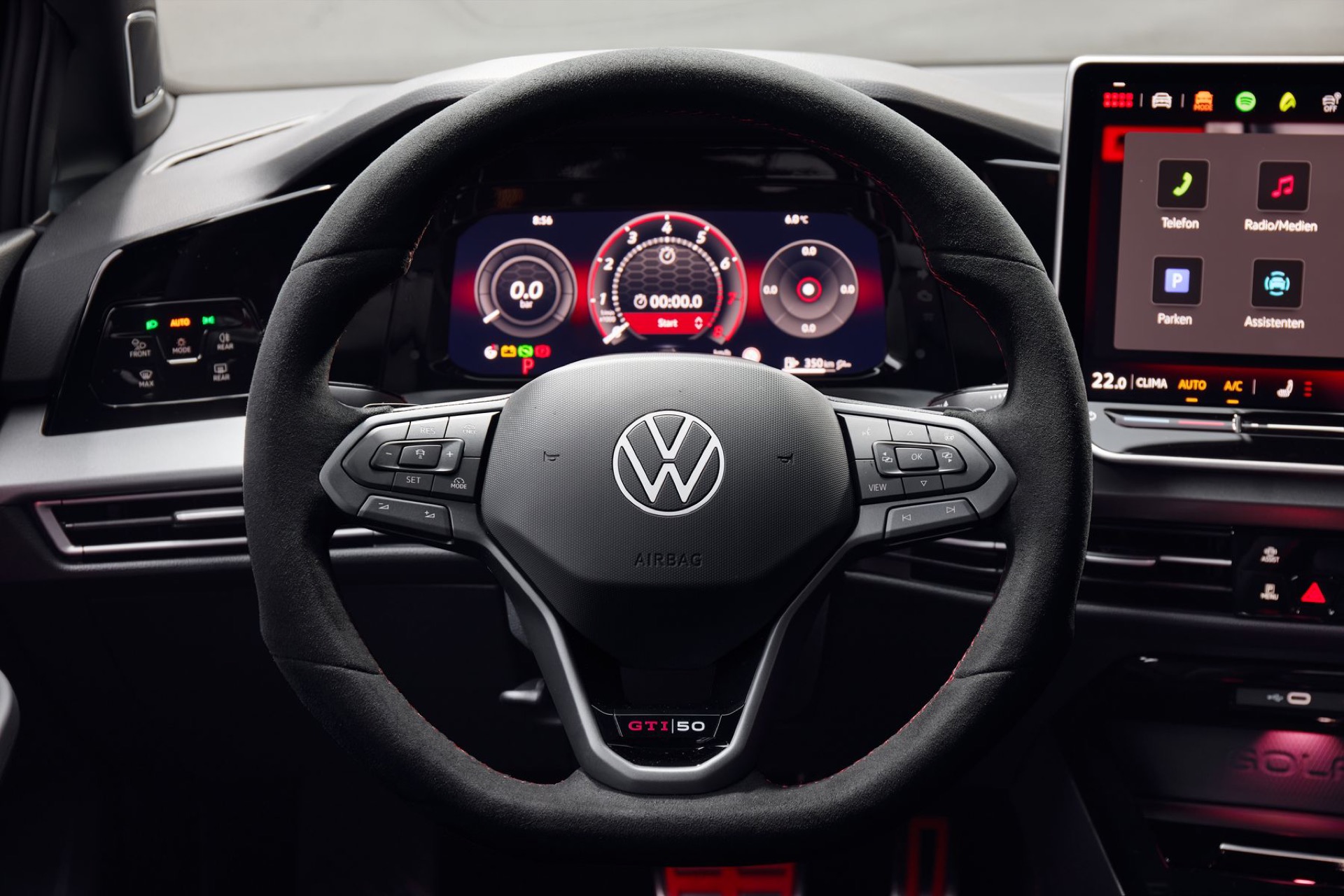
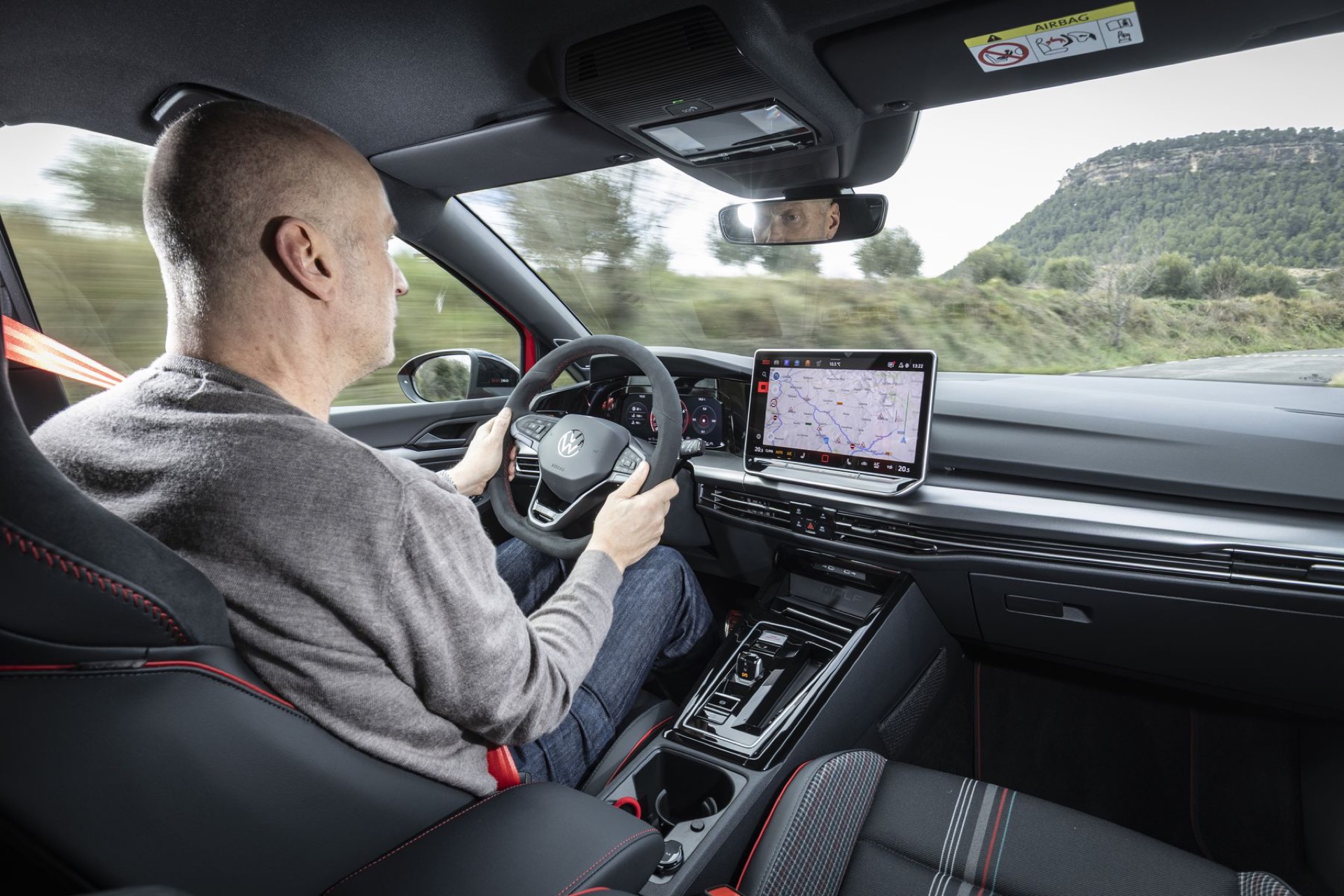
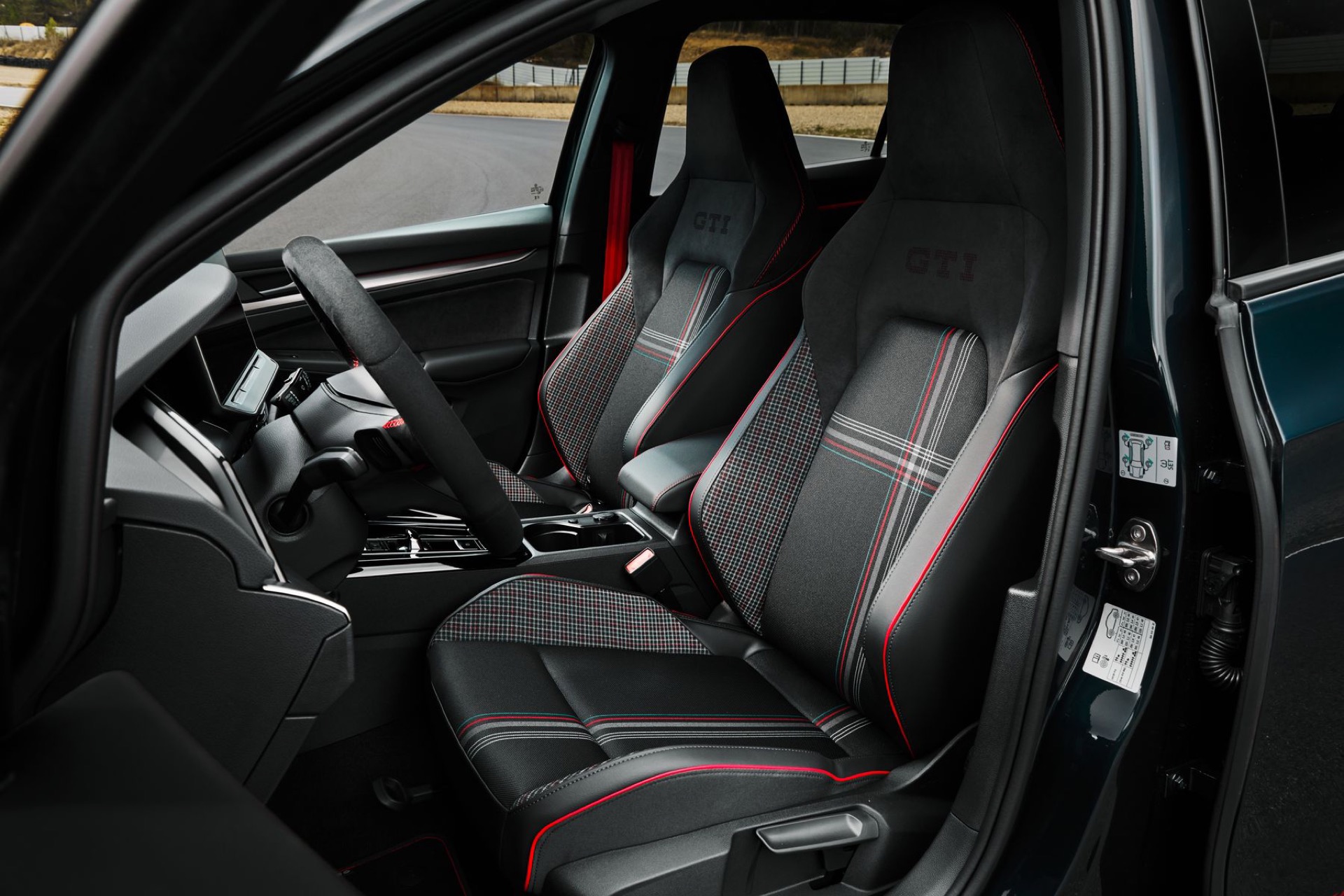
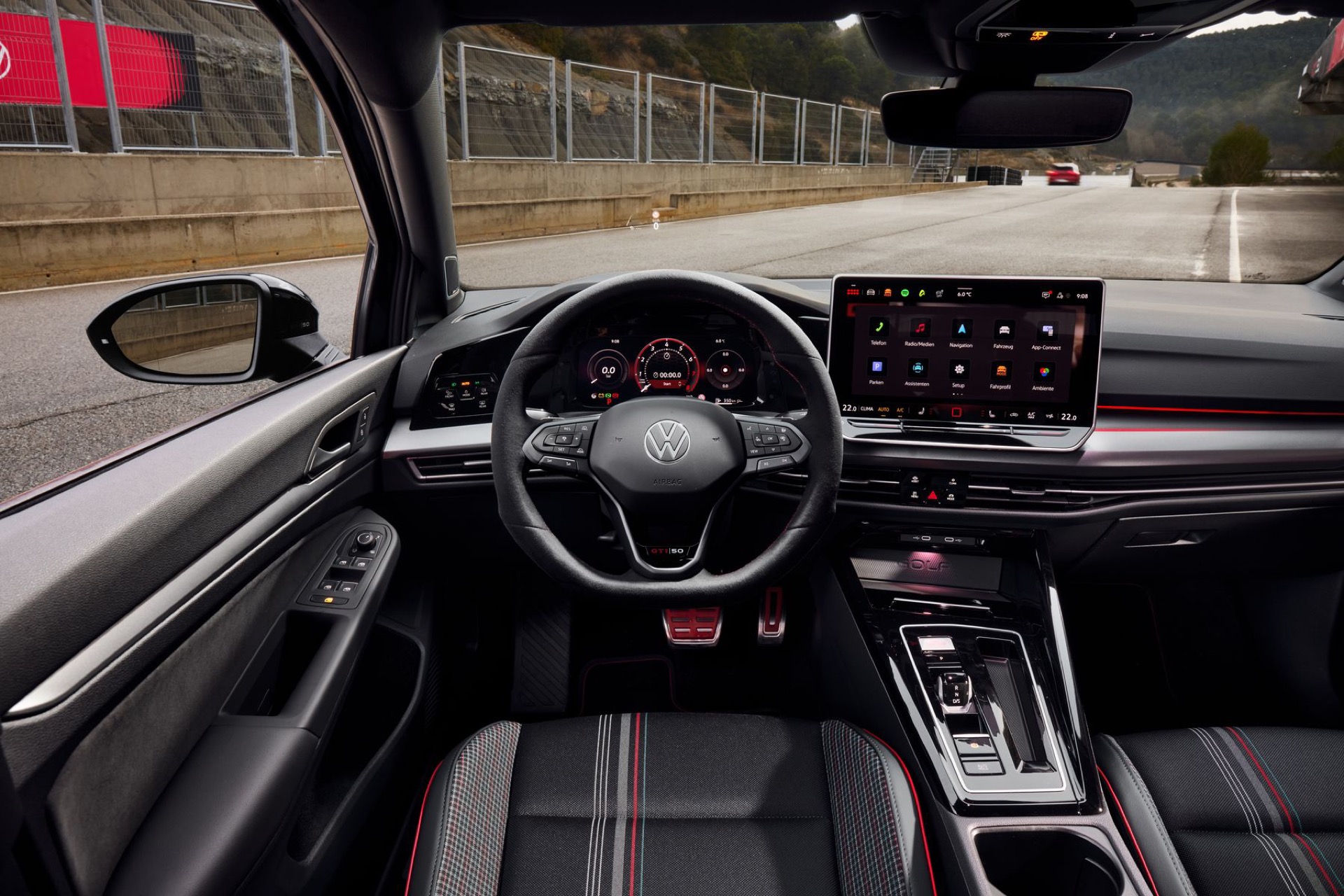
Back on public roads, the sports suspension lowers the body by five millimetres compared with the standard Edition 50. In total, that makes a 20-millimetre drop. That is significant. Thanks to the standard adaptive dampers, the sharpened GTI remains comfortable on country roads and in urban traffic. We mostly drove in Comfort mode, which proved genuinely relaxed. This GTI is no limousine, but long journeys are no problem, helped by the excellent sports seats with classic tartan upholstery. Inside, the GTI feels slightly old-school. The touchscreen has a thick bezel, the head-up display is modest in size, and the graphics still carry traces of VW’s troubled in-house infotainment era. But if any car is allowed to be a little anachronistic, it is a Golf GTI. This one in particular.

Especially since, in any driving mode, be it Eco, Comfort or Sport, it delivers serious driving pleasure. With 239 kW and 325 PS, plus 420 Nm of torque, it accelerates from zero to 100 km/h in 5.3 seconds and reaches up to 270 km/h. Exactly on par with a Golf R. VW quotes a combined consumption of 7.74 litres per 100 kilometres. We recorded 8.3 litres according to the onboard computer. One final treat awaits in Sport mode: press and hold the menu tile and the Nürburgring Nordschleife appears, allowing you to activate a dedicated setting. In this mode, the seven-speed dual-clutch gearbox holds gears longer through corners to maximise drive on exit. So if you are overtaken on a country road by a Golf GTI Edition 50 with Performance Package and hear the driver shout “Pflanzgarten”, you will know exactly which mode is engaged.

VW Golf GTI Editon 50 14

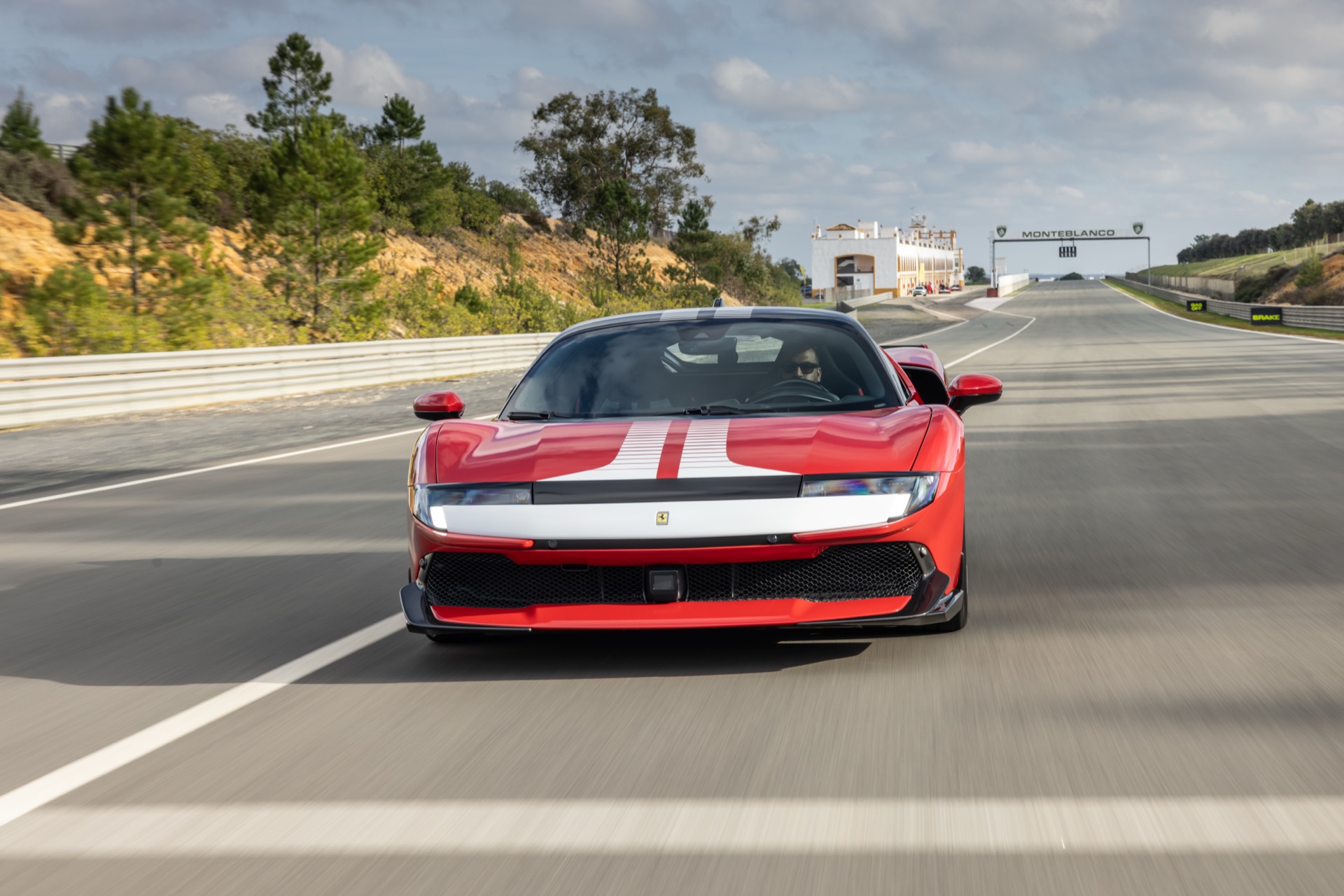
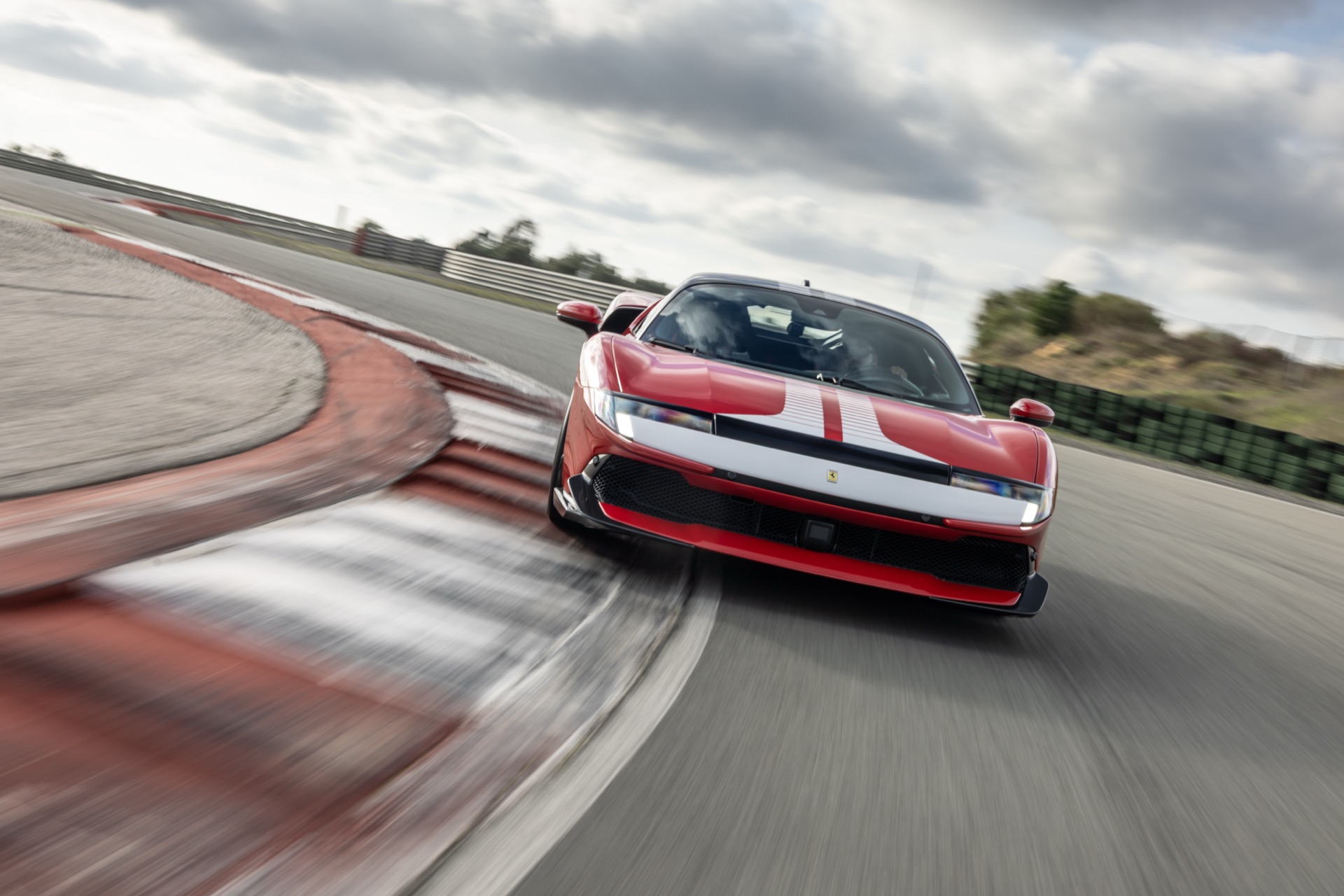
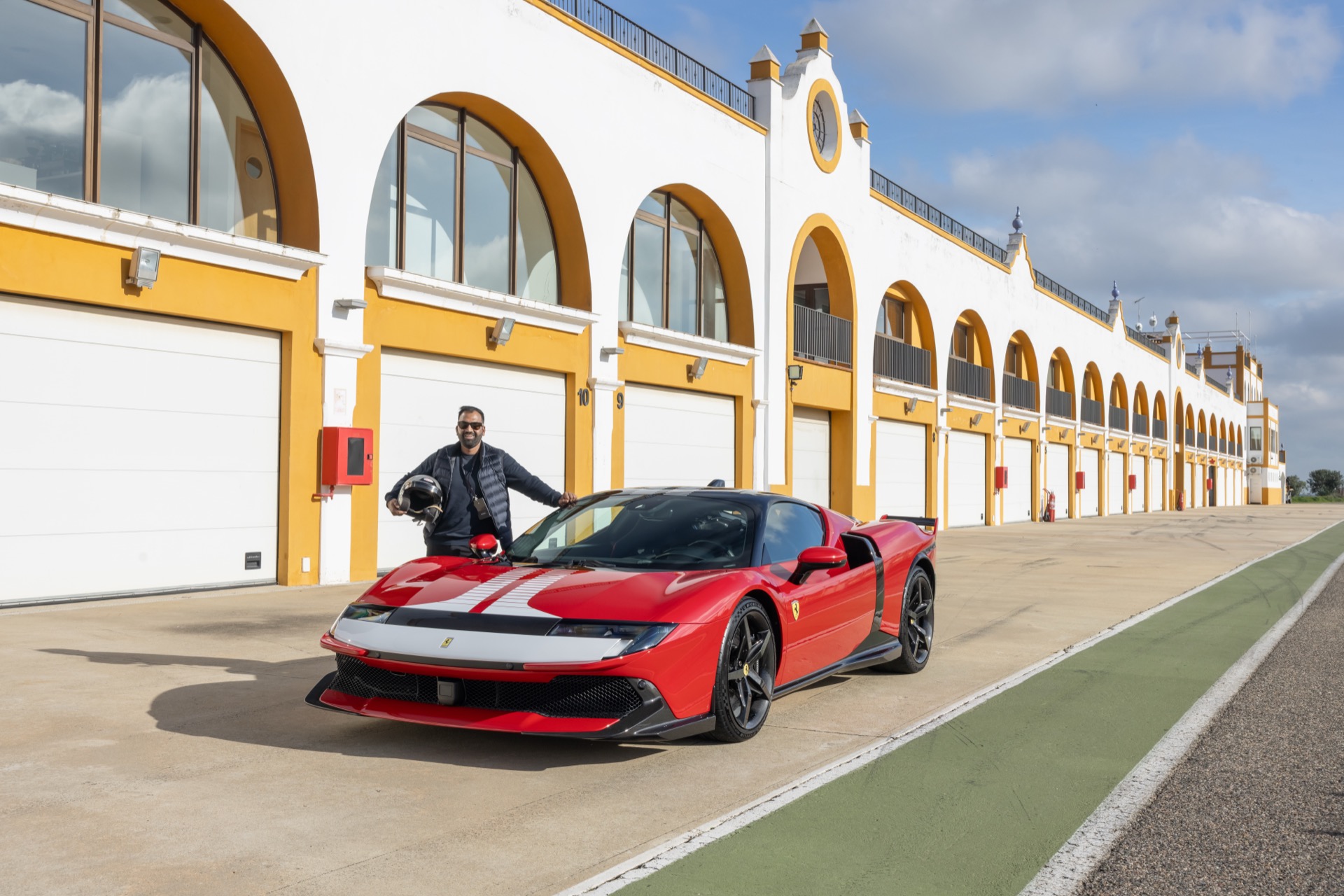
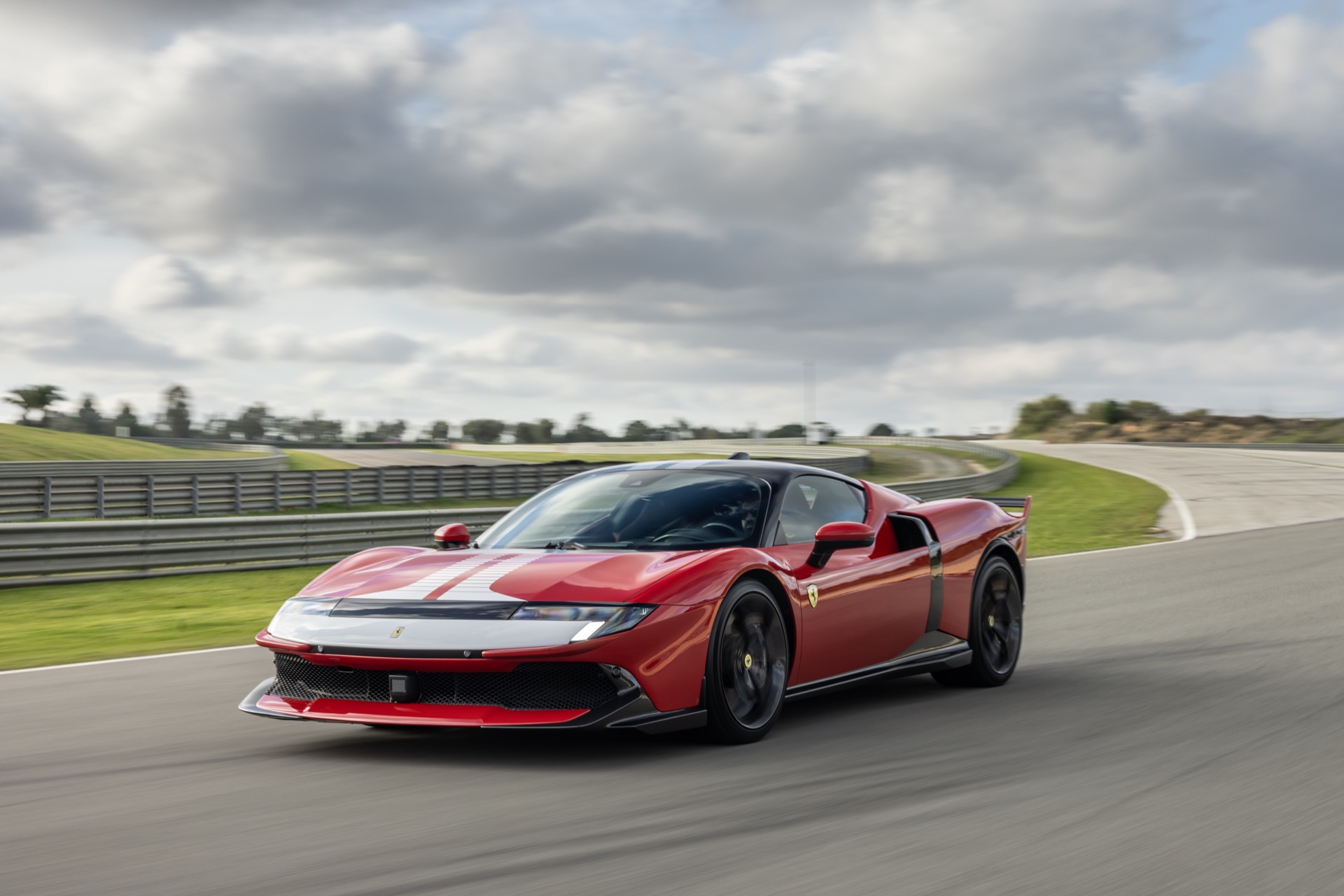
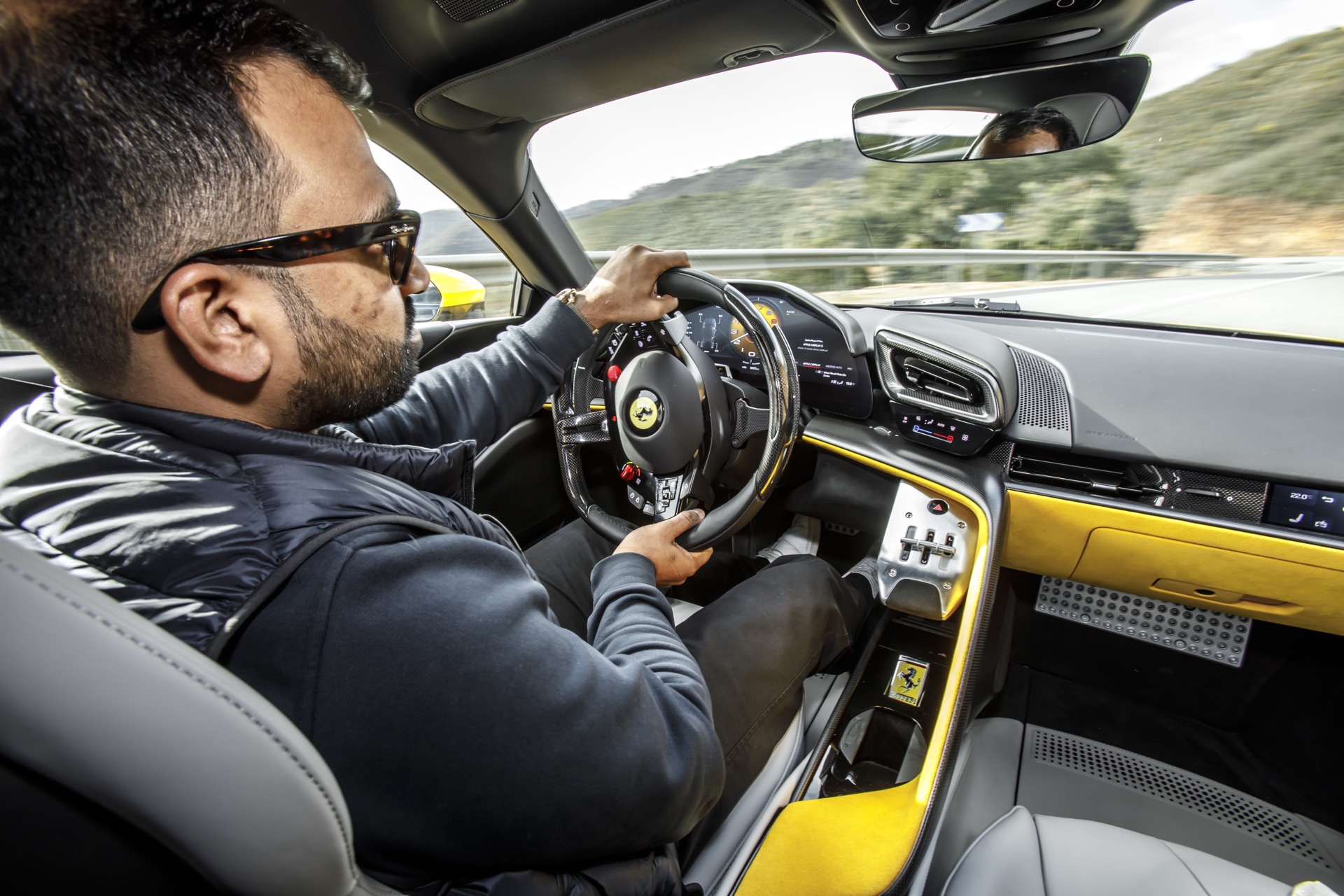
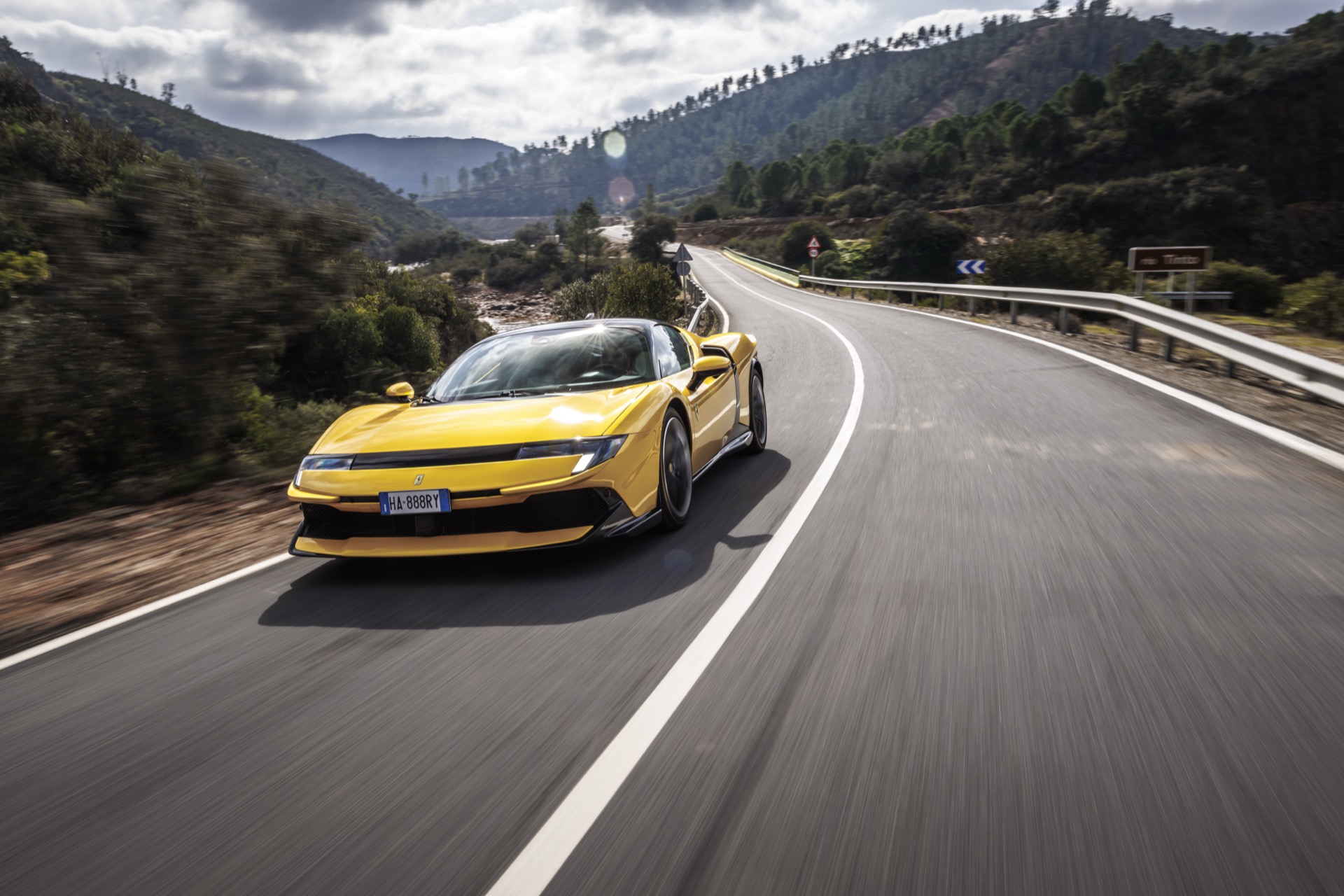
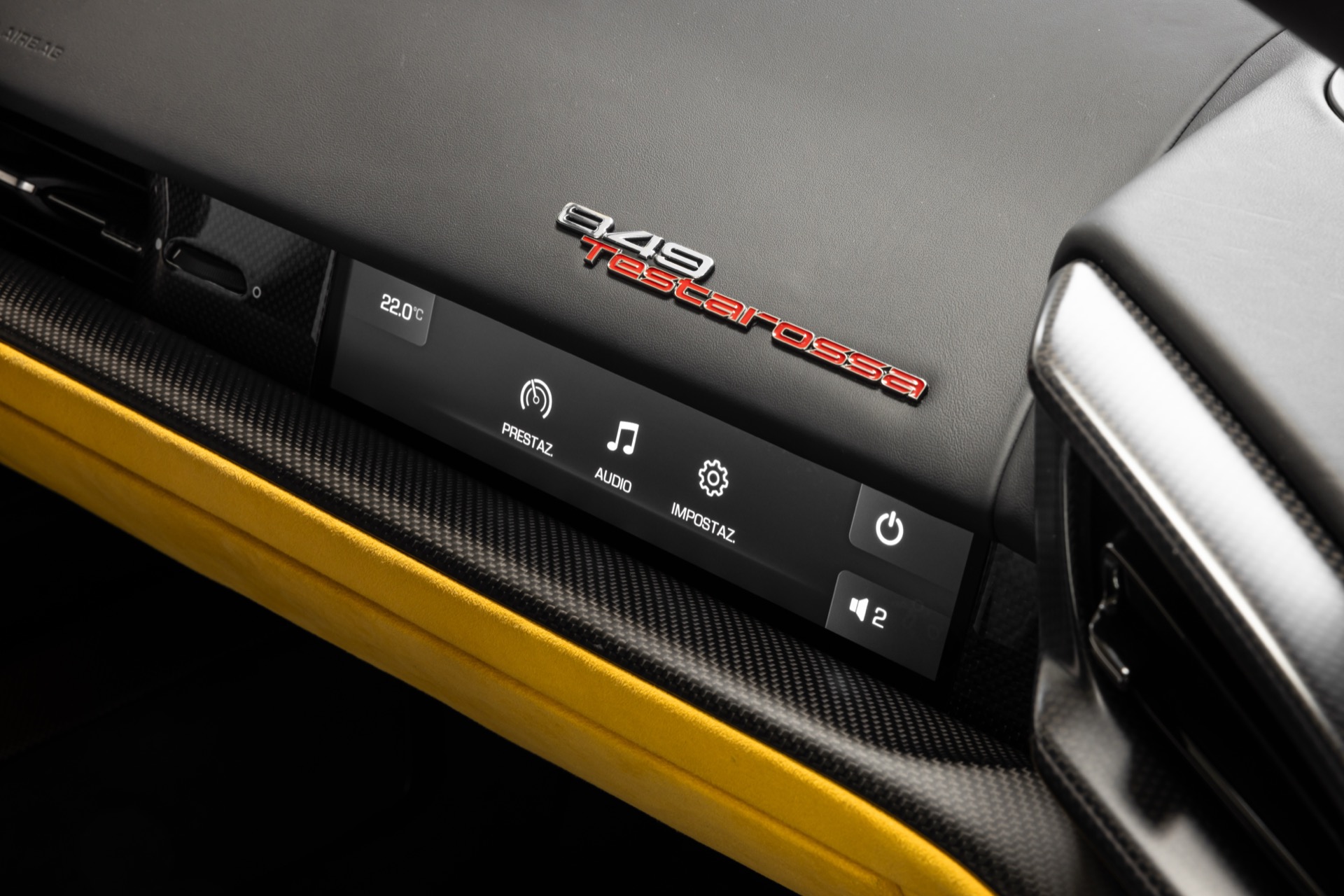
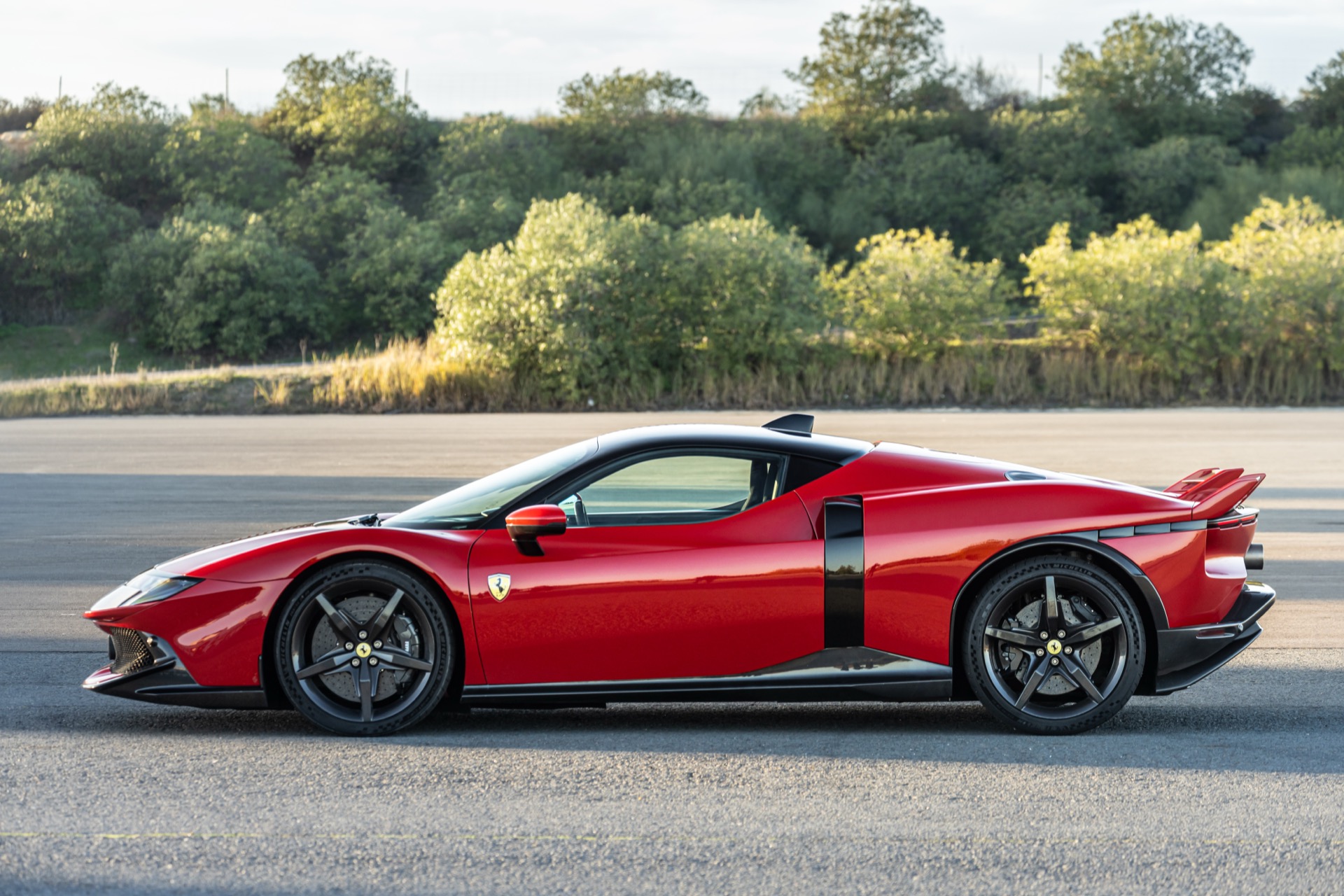
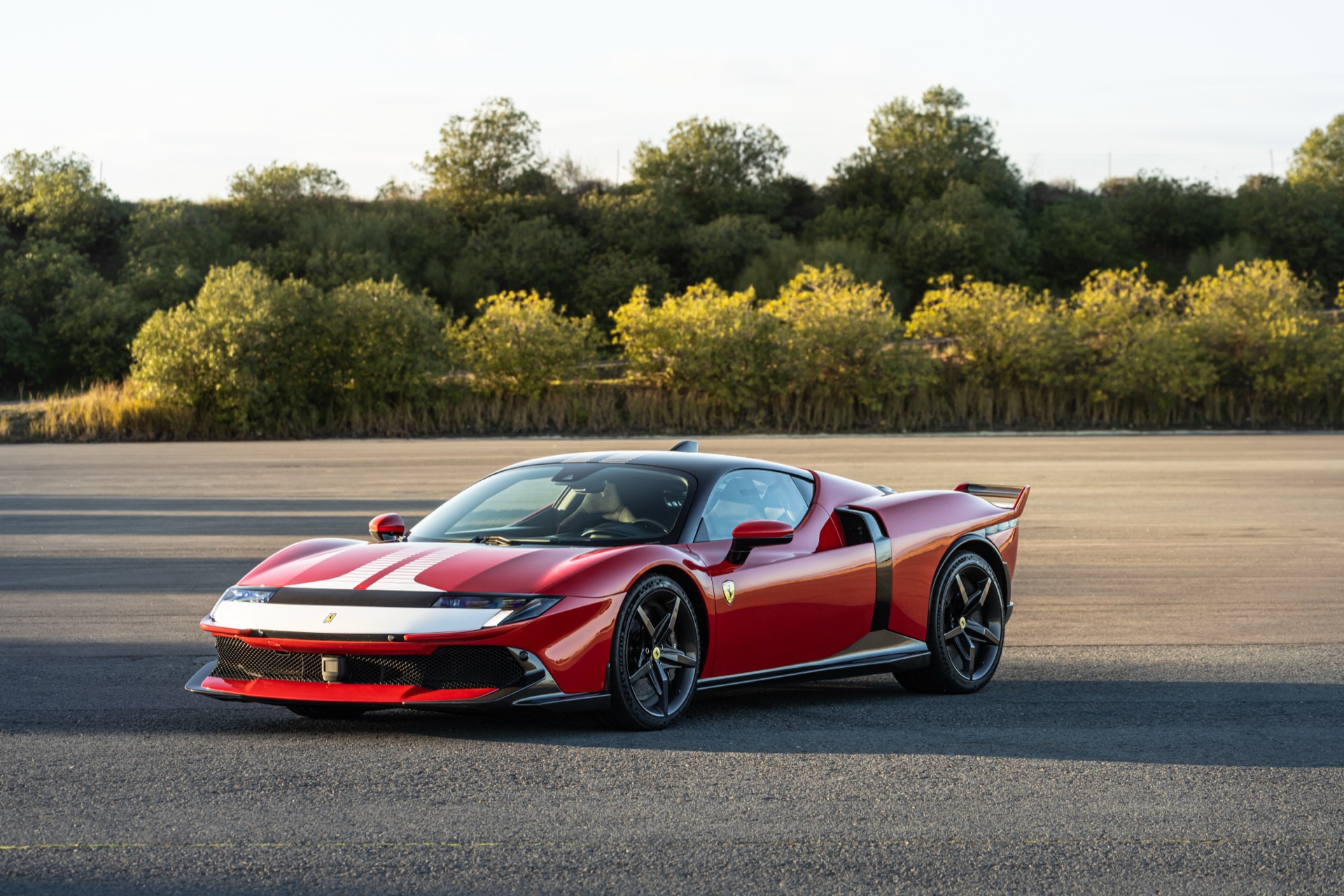
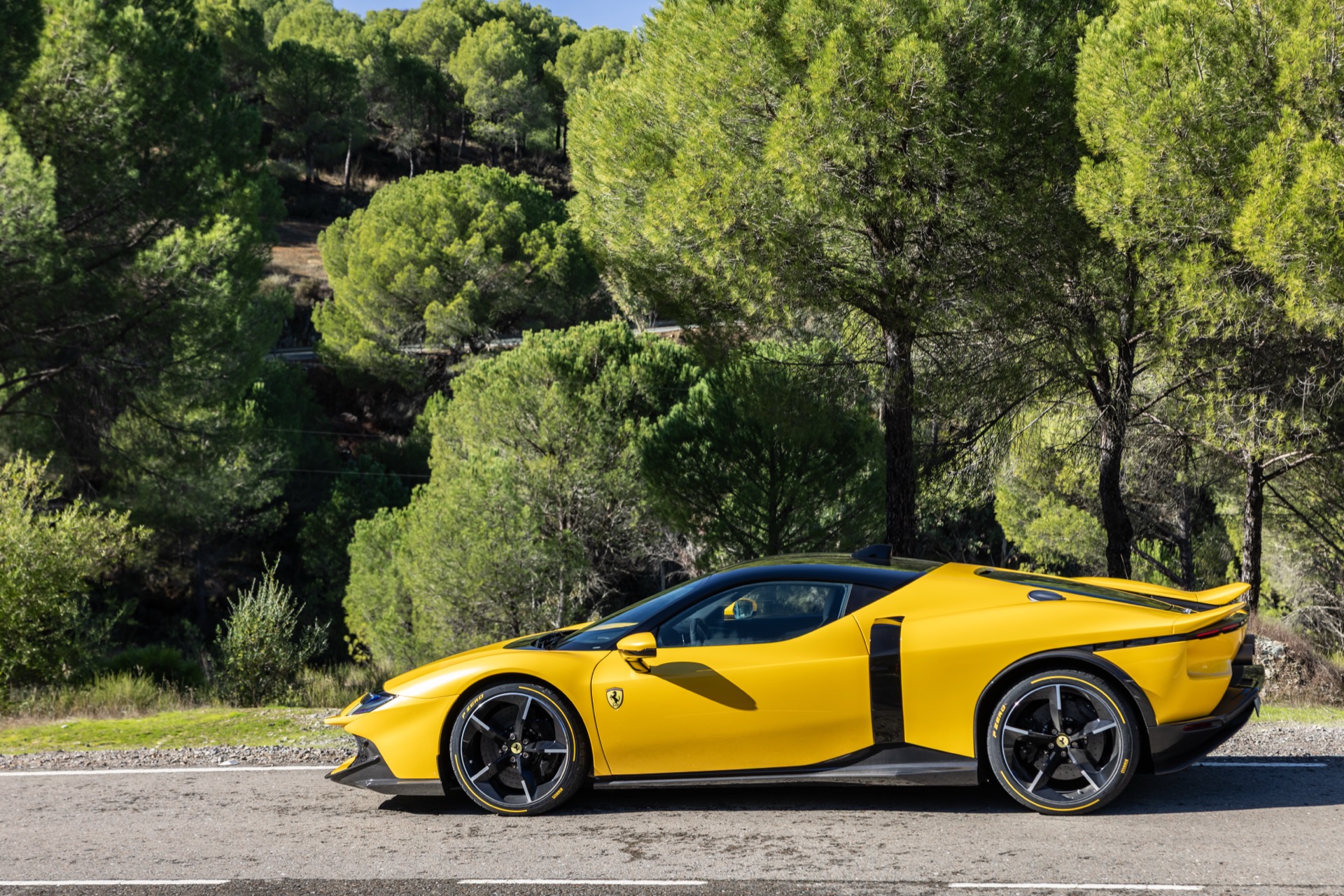
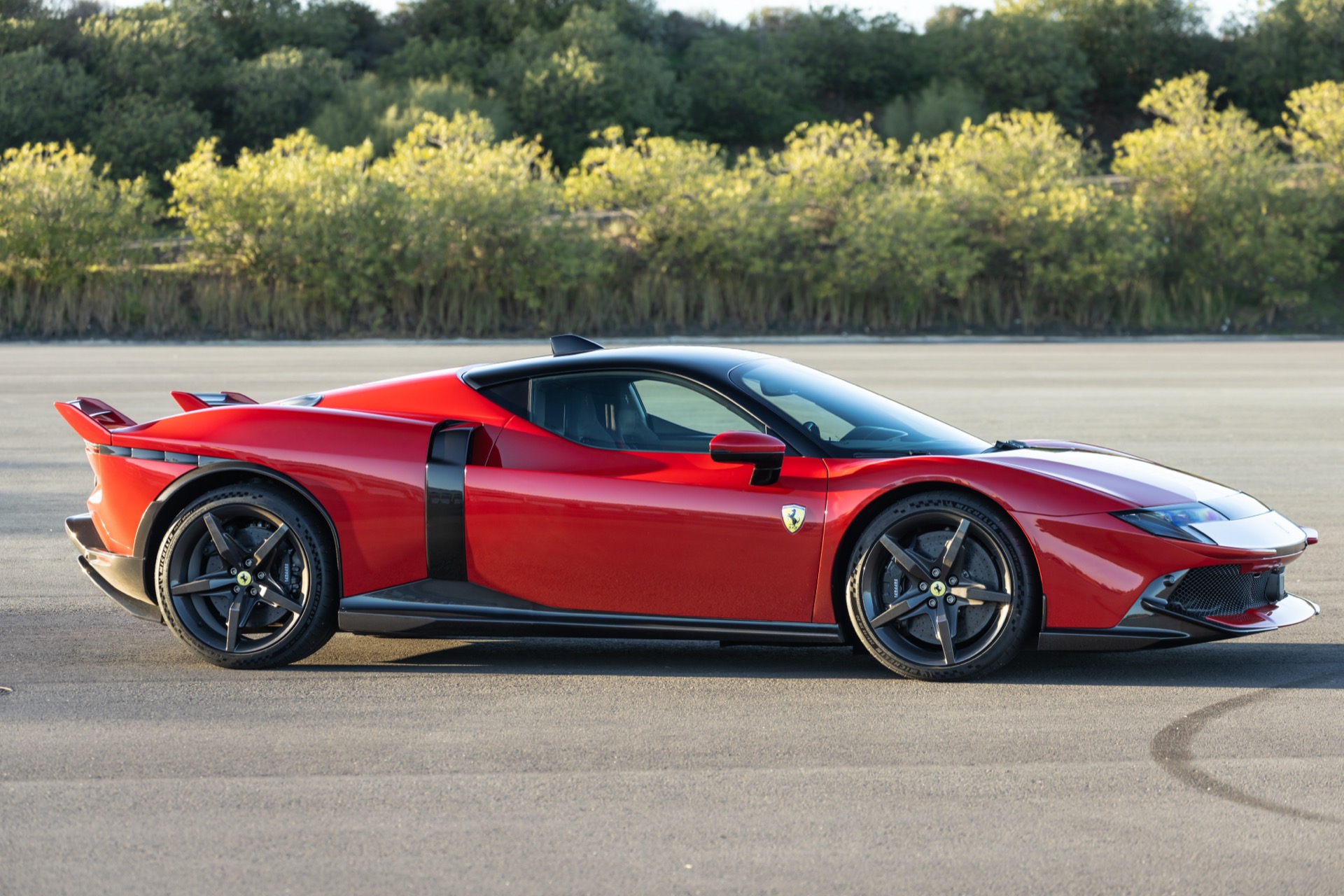
Ferrari 849 Testarossa: Ferociously Fast, Remarkably Calm

There was a time when 1,000 bhp felt like an abstract number. Something unreal, reserved for the most extreme exotica, the Bugattis and other bona fide hypercars that existed as much to prove a
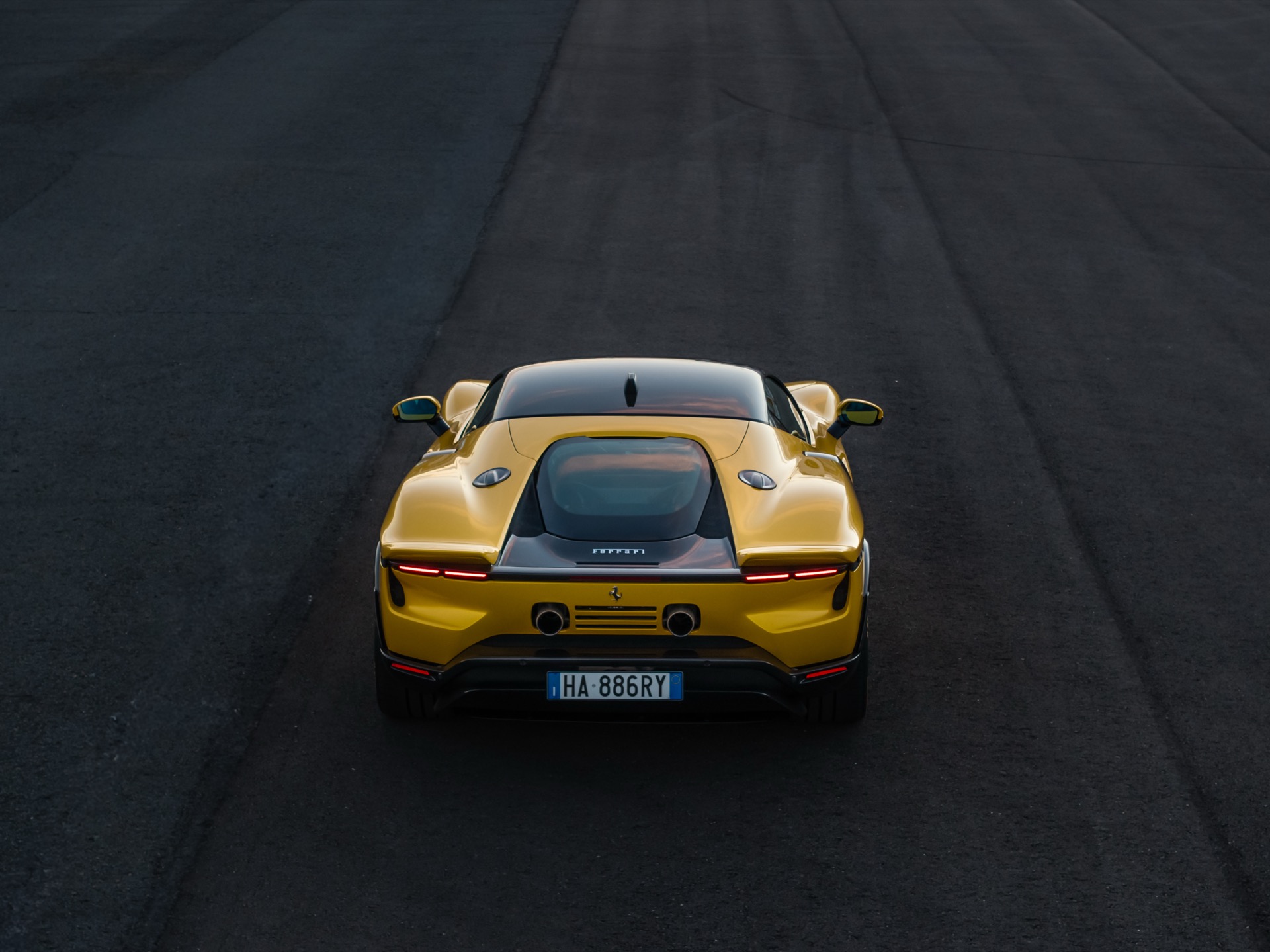
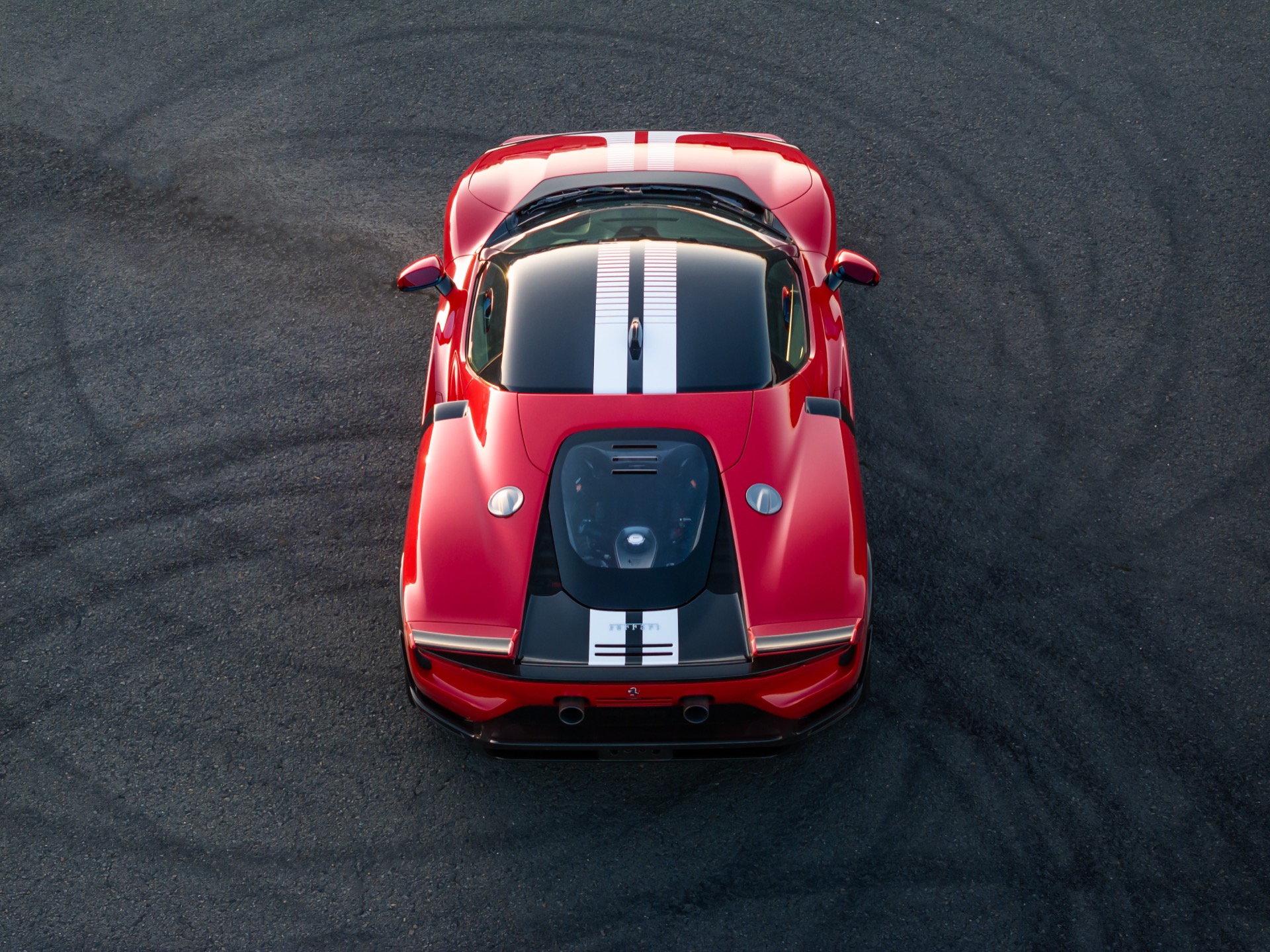
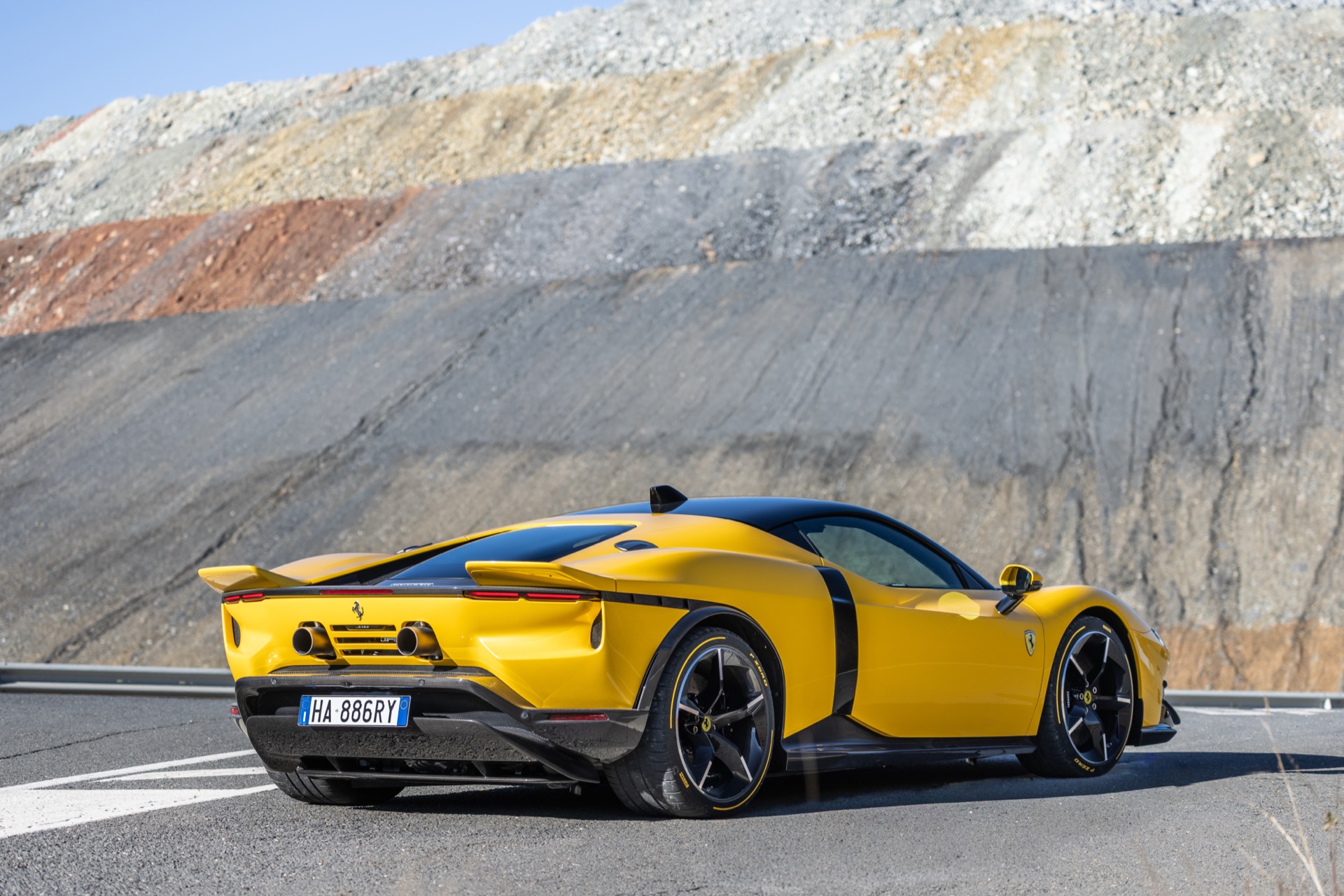
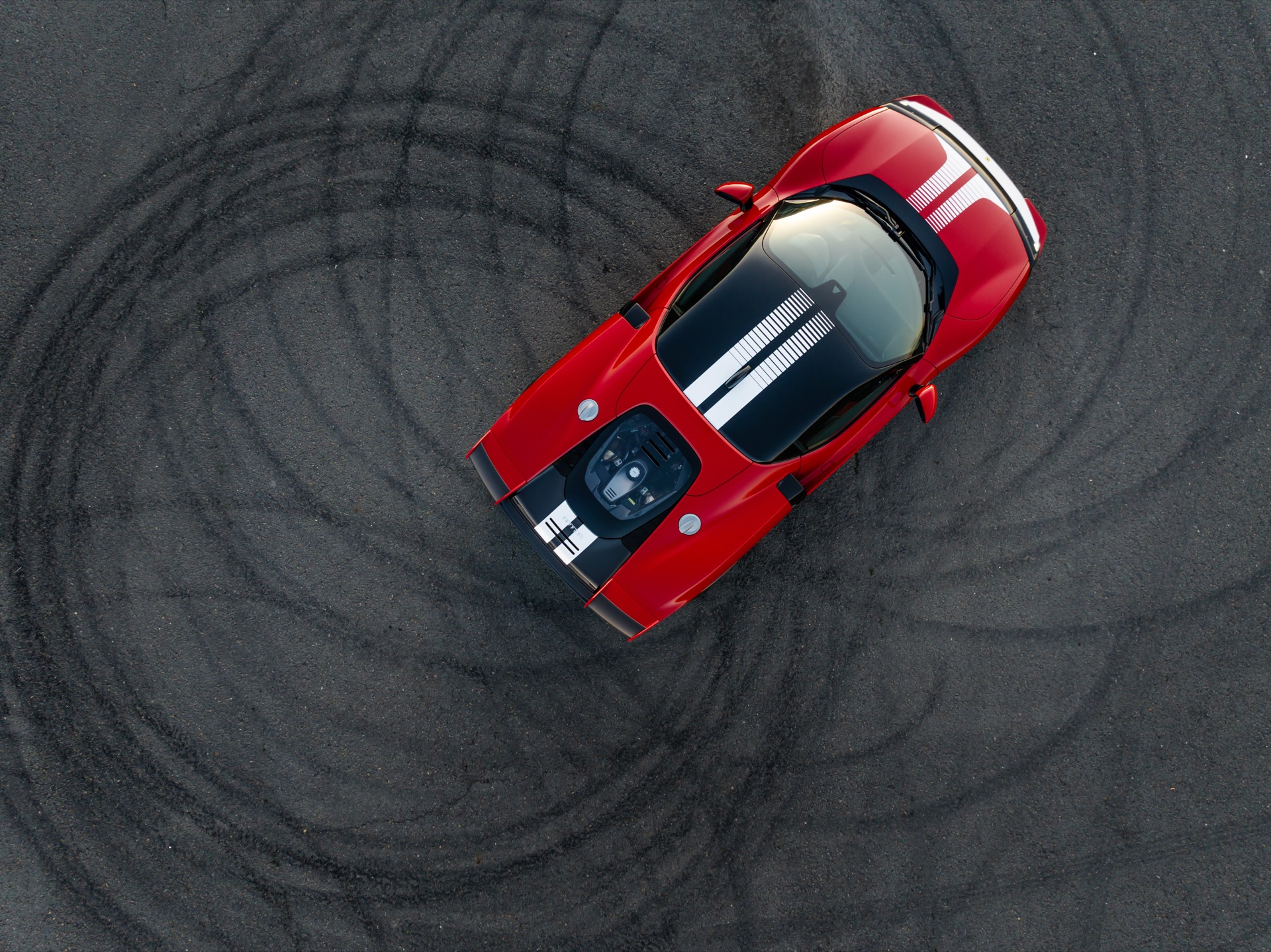
point as to be driven. The Ferrari 849 Testarossa quietly detonates that notion. This is a 1,036 bhp series-production Ferrari that accelerates from 0–100 km/h in under 2.3 seconds and reaches 200 km/h in 6.3 seconds, yet it starts at around €460,000 and is available from launch not only as a coupé, but as a Spider. Numbers like that still feel faintly ridiculous, but Ferrari now delivers them with a confidence that suggests this is simply the next logical step.

When Ferrari unveiled the car and its name for the first time, the internet duly combusted. “Testarossa” remains one of Maranello’s most emotionally loaded badges, and for many it immediately summoned images of flat-12 engines, side strakes and Miami Vice posters. But the history runs far deeper than that. Long before the 1984 icon, Testa Rossa referred to the redpainted cam covers on Ferrari’s racing engines of the 1950s, a designation reserved for the brand’s most extreme, competition-bred powerplants. Viewed through that lens, the name suddenly makes sense. This is Ferrari reclaiming Testarossa as a statement of engineering intent rather than a styling exercise.

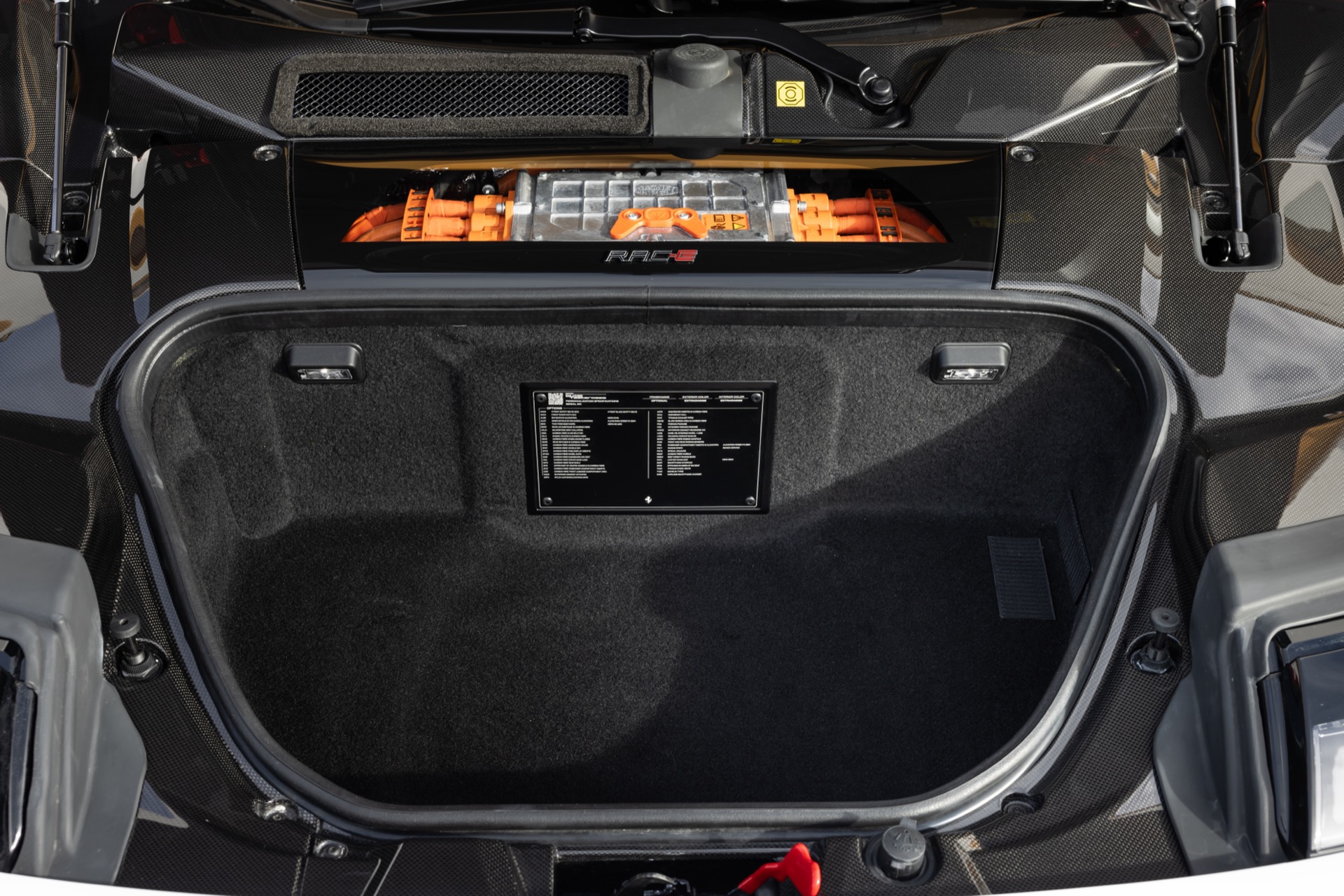
The 849 Testarossa replaces the SF90 at the top of Ferrari’s mid-engined V8 range, and crucially, it feels like the finished article rather than a brilliant prototype. Its thoroughly reworked twin-turbo V8 produces 819 bhp on its own, paired with a three-motor plug-in hybrid system for a combined 1,036 bhp. It is the most powerful production powertrain Ferrari has ever offered, but more importantly, it finally feels cohesive.

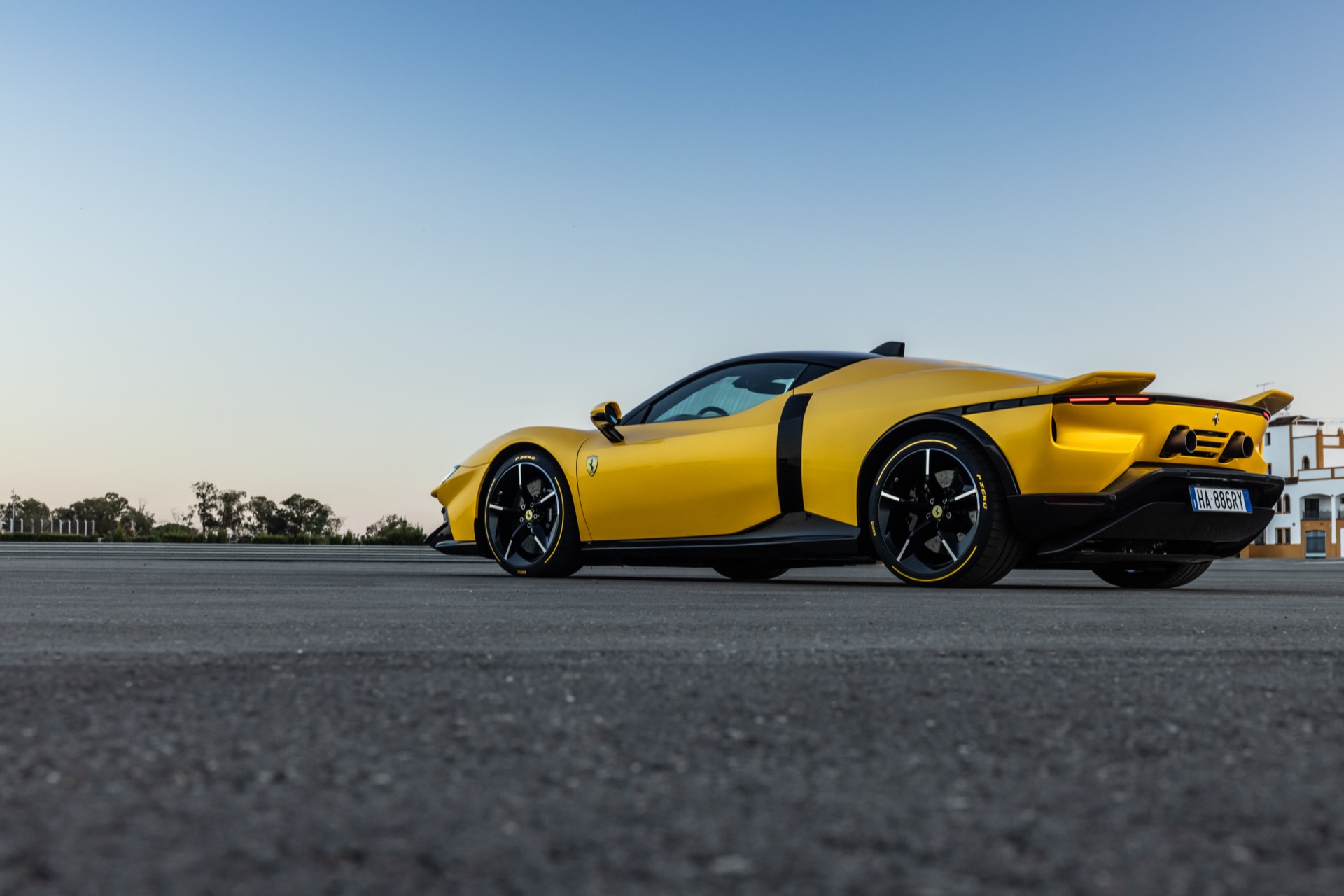
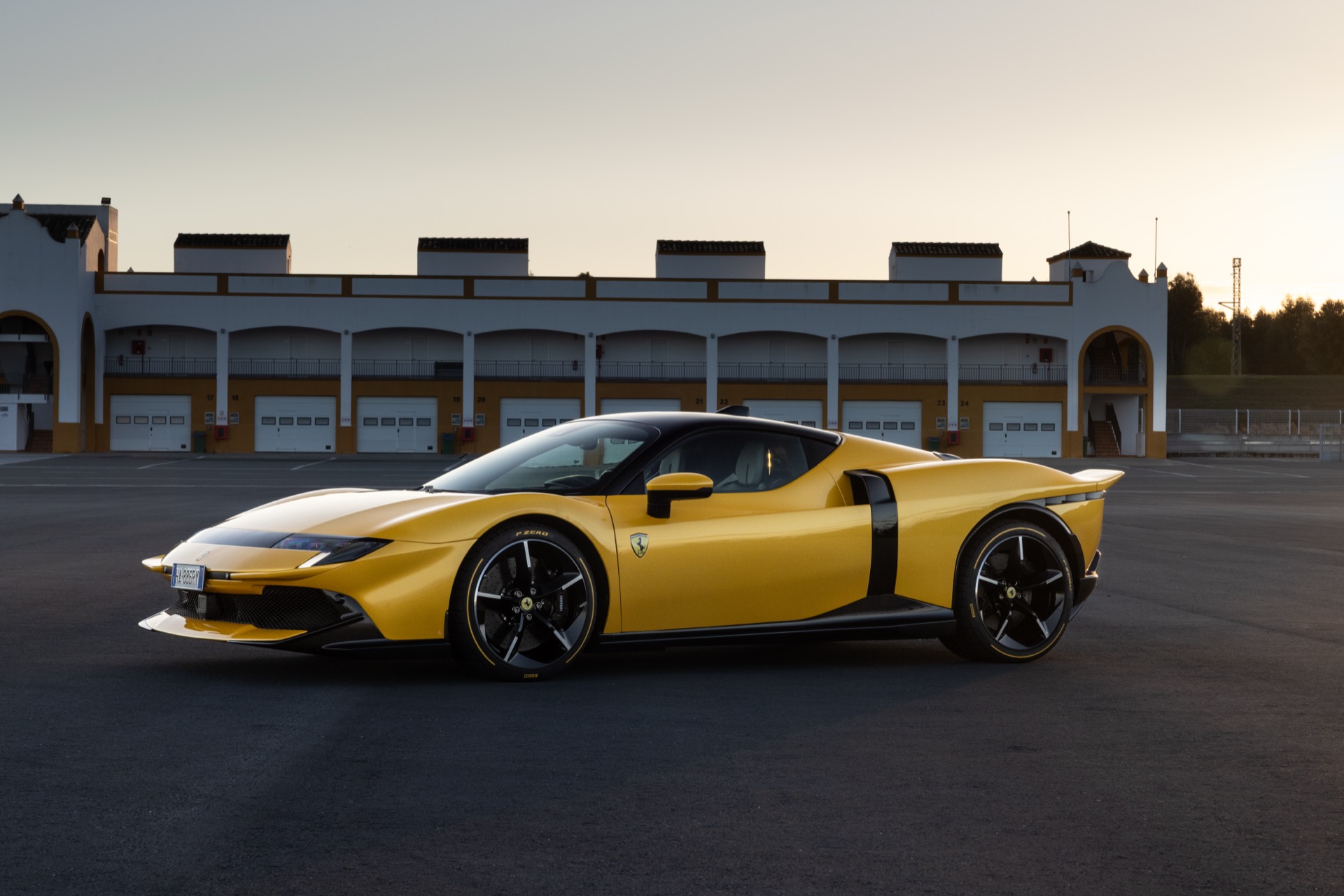
Visually, the car leans into Ferrari’s Sports Prototype heritage rather than road-car nostalgia. The sharp, geometric surfacing and squared-off volumes reference the 1970s, most clearly at the rear where the twin-tail architecture nods directly to the 512 S and 512 M. Those twin tails are not styling theatre. They integrate active rear aerodynamics and help generate 415 kg of downforce at 250 km/h, alongside a 15 per cent improvement in cooling performance over the SF90. Heritage here is functional, not decorative.

NOR1944

Inside, Ferrari has deliberately pulled things back. The cabin is more driver-centric, with a mechanical feel returning through physical steering-wheel buttons and the classic red start key. The gated-style selector motif reappears as a tactile anchor in an otherwise very modern cockpit. It feels contemporary, but unmistakably Ferrari. Front-trunk space remains less than adequate, but the space behind the seats can be used if you pack very lightly.

Within a few metres on the road, you know this is a modern Ferrari. The control weights are hyperalert yet measured, the steering needle-sharp and immediate. The seating position heightens that connection, placing you close to the front axle and its electric motors, which adds a distinct sense of precision to the way the nose responds.

Ferrari 849 Testarossa red details 8

There is theatre too. Under load, you get a playful flutter from the turbo wastegates, audible and engaging without ever becoming obnoxious. In EV running, the electric motor emits a gentle, futuristic whirr that feels considered rather than gimmicky. It is always present, but never irritating. Performance is outrageous without ever feeling ragged. In-gear acceleration borders on surreal as instant electric torque stacks seamlessly with the relentless muscle of the 819 bhp V8. You burn through the revs so quickly you would swear the gearing is short, but it is not. The powertrain simply builds speed with an almost unreal sense of momentum, the sort that recalibrates your internal sense of pace.

The eight-speed dual-clutch gearbox is exceptional. Pull the oversized left paddle and it delivers downshifts you do not think it will allow, slamming straight into the red line with a proper V8 howl. Upshifts have been given real character too. There is a hard-edged, almost brutal chuff on the change that makes each upshift feel like an event rather than a background process. The brakes are ferocious. Ferrari’s latest brake-by-wire system with ABS Evo clearly delivers astonishing stopping power and repeatability. I trusted them completely, but I needed more miles to feel fully at one with the pedal. I had the same experience recently in the Amalfi, which suggests this is more about acclimatisation to ABS Evo than any real flaw. Once you adjust, the confidence remains sky-high.

H5A2629

What also stands out on the road is the ride quality, which is nothing short of sensational. This car does not use Multimatic’s active dampers, those are reserved for the F80 and Purosangue, yet the passive set-up here is a quiet masterclass. In its softer settings, particularly in bumpy road mode, the adjustable spring and damper calibration delivers remarkable compliance without ever feeling loose. It breathes with broken tarmac, maintains body control, and somehow manages to feel both settled and alert at the same time. Crucially, Ferrari has now made this configuration available as part of the Assetto Fiorano package. Rather than the fixed Multimatic set-up that previously defined Fiorano cars, buyers can now specify this adaptive passive suspension alongside a front axle lift system, making the most focused version of the 849 Testarossa far more usable in the real world. It is a smart decision, and a very Ferrari one.

What truly defines the car on the road is transparency. Many felt the SF90’s calibration was slightly rushed, as though the systems never quite settled into harmony. In the 849 Testarossa, everything feels aligned. The car is calm, devastatingly quick, and remarkably readable. You can sense the electronics working, but they work with you rather than over you.

Monteblanco was new to me, and learning a circuit with 1,036 bhp is objectively absurd. Yet the 849 Testarossa never once felt intimidating. This Assetto Fiorano-equipped car delivered huge pace with astonishing composure. The way the power is metered out is masterful. You get everything you ask for, but never in a way that tips you into trouble.

Ferrari 849 Testarossa red static 1

The car allows you to feel fast, encourages you to push, and quietly looks after you in the background. Variable traction control and side-slip systems let you lean into the torque, ride the swell, and make small, clean corrections. On corner exit, with the Michelin Pilot Sport Cup 2s clearly past their best after a full day of punishment, you could feel the car carefully metering out its 1,036 bhp, the traction-control light flashing feverishly as it translated intent into forward motion rather than wheelspin. The chassis talks; the systems interpret. You can also feel the front electric motors at work on circuit. On turn-in and through tighter corners, there is a subtle pull from the front axle that helps draw the car into the apex, sharpening response and aiding rotation before the rear power takes over. It never feels artificial, just quietly effective. On those same well-used tyres there was a trace of understeer on entry, entirely understandable given the abuse. Yet traction off the apex remained mighty, and the balance stayed trustworthy throughout the lap.

The gearbox on track is borderline telepathic. There is no hesitation, no second-guessing. It gives you the gear you want, when you want it, even if that means snapping a downshift straight into the limiter. The sense of speed is immense, but the clarity through the steering and pedals keeps your head cool. You think you are the hero, and then you realise the calibration is quietly doing the heavy lifting while preserving the fun.

The flip side of all this control and confidence, and it is a genuine flip side rather than a criticism, is that the 849 Testarossa is not the spiciest or most intense Ferrari experience. It does not leave you climbing out drenched in sweat, ears ringing, booking an appointment with both your therapist and your chiropractor. If that is what you are after, Ferrari offers other answers. Cars like the 296 Speciale exist precisely to deliver that kind of raw, nerve-ending intensity. The fact that such different experiences sit side by side within the same range says everything about how broad Ferrari’s offering has become.

Ferrari 849 Testarossa yellow static 5

The design, too, divides opinion, and I include myself in that. I find the 849 Testarossa visually challenging, particularly with the AF package, complete with its stripes. That is entirely subjective, and there is no questioning the functional brilliance of the aero work, but it lacks the natural elegance of some other Ferraris. For those drawn to more classical proportions and more traditional powertrains, there are alternatives within Maranello’s own catalogue, such as the 12Cilindri, that prioritise form, atmosphere and theatre over outright technical aggression.

None of that detracts from what the 849 Testarossa achieves. It is ferociously fast, deeply confidence-inspiring, and astonishingly complete. It makes four-figure bhp feel usable, approachable and coherent in a way that would have seemed absurd not so long ago. It delivers on a name that set the internet alight, not by leaning on nostalgia, but by reminding us what

Testarossa was always meant to represent. Ferrari has not just revived a legendary badge. It has earned it, but only if you take the time to understand why.

H5A0143

2026 Mercedes-Benz S Class: Attention to detail

In truth, the current Mercedes-Benz S-Class has been on the market for almost six years, and only now has it received a facelift. Even so, when a new S-Class arrives, the industry still pauses for a moment.

With a mid-cycle update, the moment of anticipation from the public and competitors alike is understandably shorter than with a full model change. Yet an S-Class remains, above all else, an S-Class. Visually, little has changed in fundamental terms. Fully electric drivetrains remain exclusive to the EQS. Instead, the flagship of the Mercedes range gains new headlights front and rear, along with a revised radiator grille that looks noticeably more dignified. The visual updates are subtle, but the attention to detail clearly benefits the S-Class. The illuminated Mercedes star on the bonnet is a playful yet image-boosting feature and technically demanding, although it will not be available on the German home market for the time being. The same applies to Level 3 automated driving. In Germany, this was previously available up to 95 km/h on motorways at significant cost. With the facelift of the S223 and V223, many had expected an increase to at least 120 km/h, offering far greater real-world usefulness. Instead, Level 3 has now been dropped entirely. The updated S-Class steps back to Level 2 Plus, sharing technology with the smaller CLA. Given the already low take-up rates, the reasoning behind this decision is difficult to justify.

Beyond that, much remains familiar, while the engines have been revised. The traditionally broad powertrain line-up includes the six-cylinder S 350d 4Matic with 230 kW and 313 PS, the S 450d 4Matic with 270 kW and 367 PS, and the petrol S 450 4Matic with 280 kW, 381 PS and 640 Nm of torque. Plug-in hybrid options include the S 450e with 240 kW and 326 PS and the S 500 4Matic with 330 kW and 449 PS. At the top sits the V8-powered S 580 4Matic, delivering 395 kW, 537 PS and 750 Nm. Depending on the model, all are available in standard and long-wheelbase form. The plug-in hybrids achieve an electric-only range of around 100 kilometres. The powerful V12 remains reserved for the armoured S 680 Guard 4Matic. AMG and Maybach variants will follow at a later date. All models benefit from new vehicle electronics and are networked via the MB.OS operating system, previously seen only in the new CLA. Air suspension remains standard, while optional features include electronic roll stabilisation and rear-wheel steering with up to ten degrees of steering angle, regardless of wheelbase.

Inside, occupants enjoy the familiar S-Class luxury, with large displays front and rear, newly detachable remote controls and updated technology for video conferencing. In terms of safety, little is left to be desired, with up to 15 airbags, heated seatbelts and a wide array of driver assistance systems. Thanks to an expanded Manufaktur programme offering more than 150 exterior colours and over 400 interior finishes, each S-Class can be tailored almost without limit. Prices for the Mercedes-Benz S 350d 4Matic start at €121,356.

Mercedes S Klasse 2026 14
Die neue S-Klasse. Stuttgart, 2026.
Lackfarbe: Hightechsilber metallic
Exterieur: AMG Line; Night-Paket
Interieur: Exklusives Nappa-Leder macchiatobeige / magmagrau; Exklusiv-Paket
The new S-Class. Stuttgart, 2026.
Exterior colour: Hightech silver metallic
Exterior: AMG Line; Night Package
Interior: Exclusive Nappa leather macchiatobeige / magmagrey; Exclusive Package