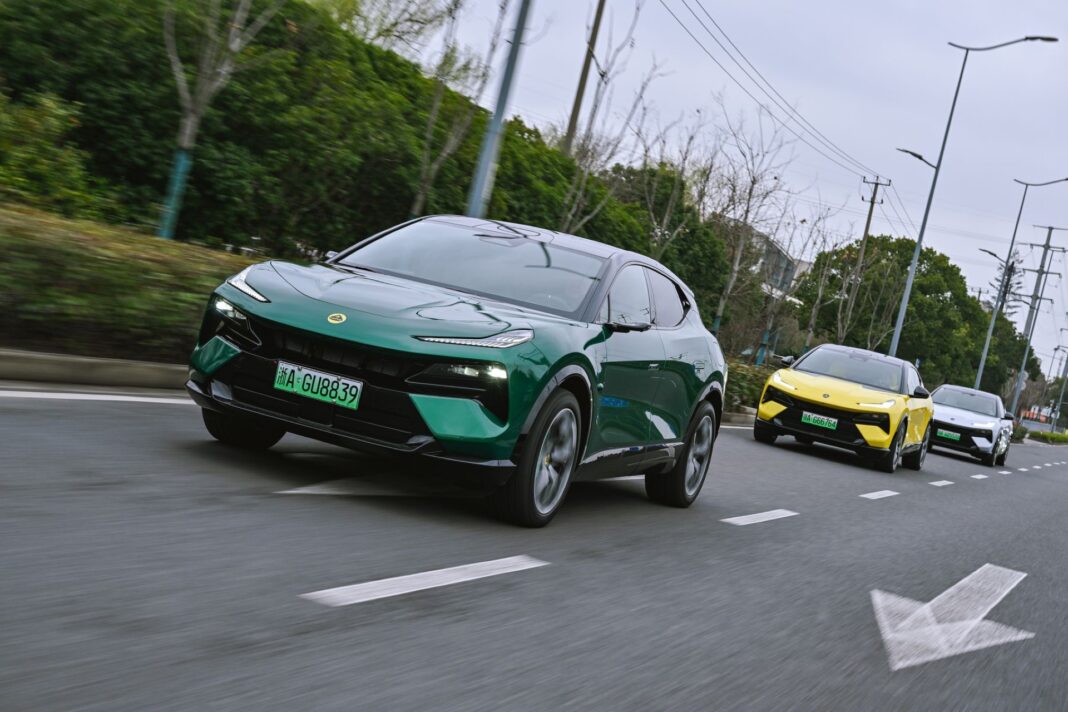
With the Eletre X, Lotus presents an unusual blend of plug-in hybrid, electric vehicle and range-extender concept. We drove the new rival to the Porsche Cayenne PHEV.
Lotus was once the brand that removed weight rather than disguising it. Company founder Colin Chapman famously preached lightweight engineering like a religion: “Simplify, then add lightness.” The electric SUV Eletre already stretched that philosophy considerably. Now the Eletre X plug-in hybrid transforms the former Lotus mantra into a technological statement. Instead of radical weight reduction, the focus shifts to aerodynamic solutions and sophisticated engineering. All packaged in a vehicle weighing a substantial 2,625 kilograms. Chapman might have raised an eyebrow at such numbers before taking a closer look.
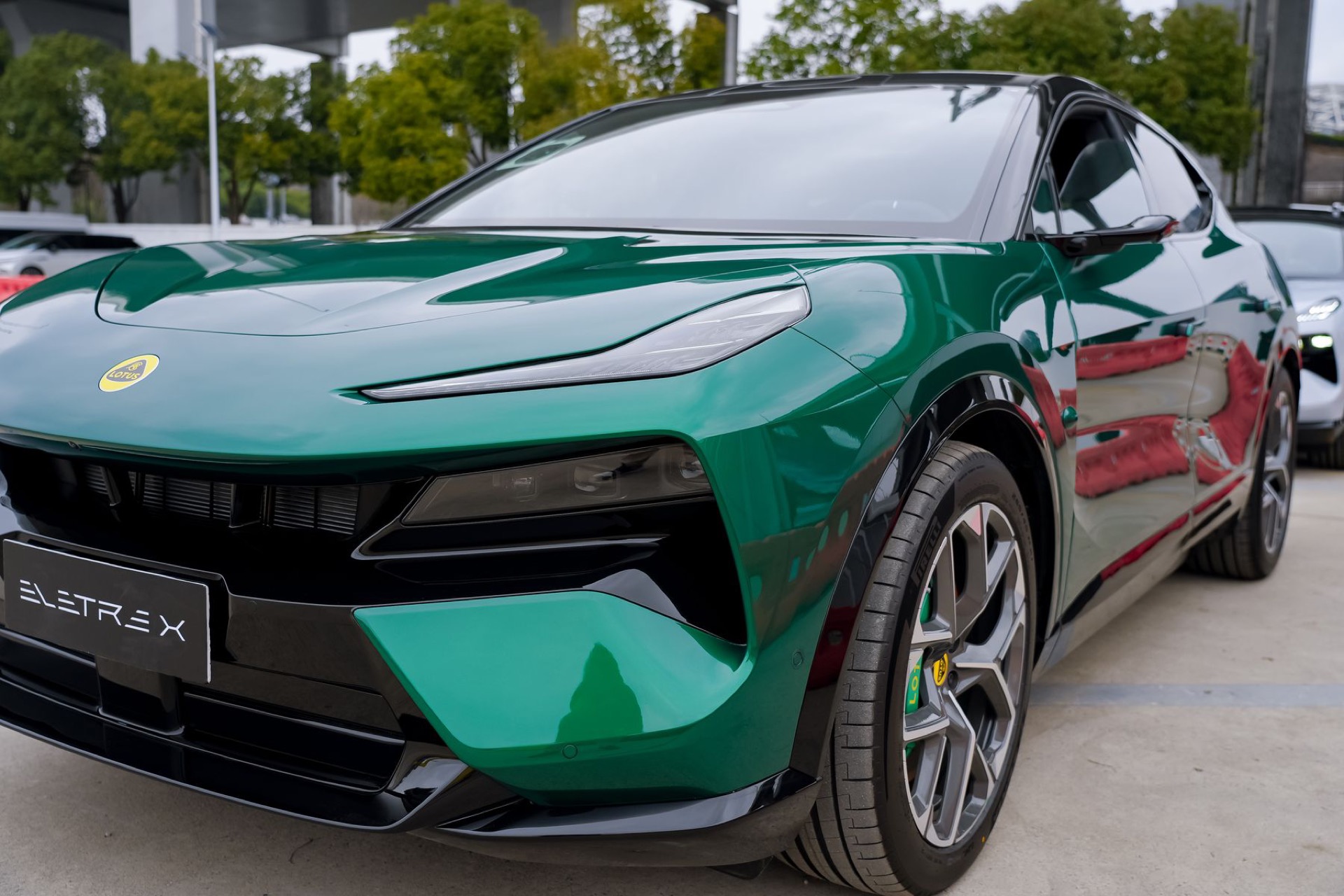
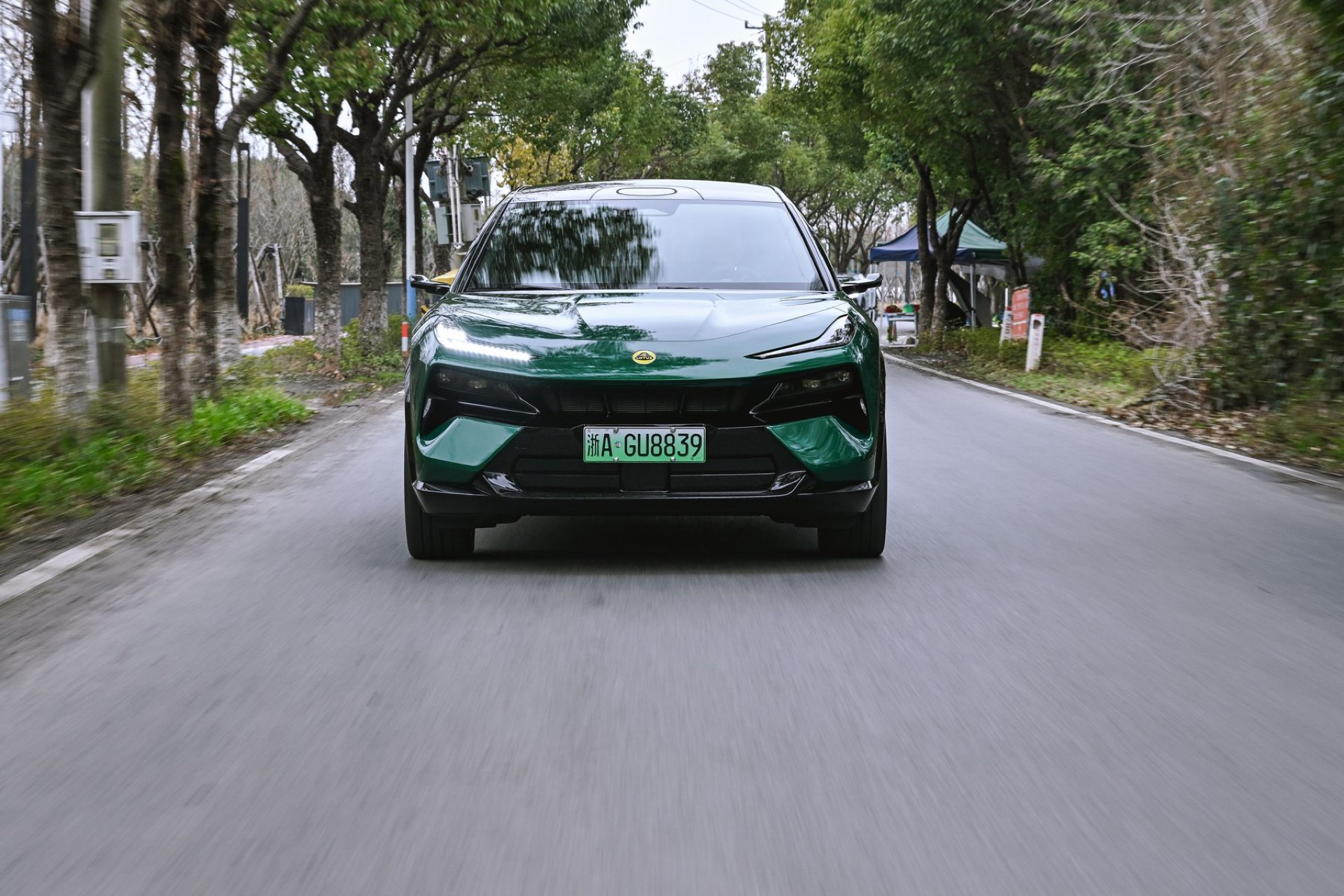
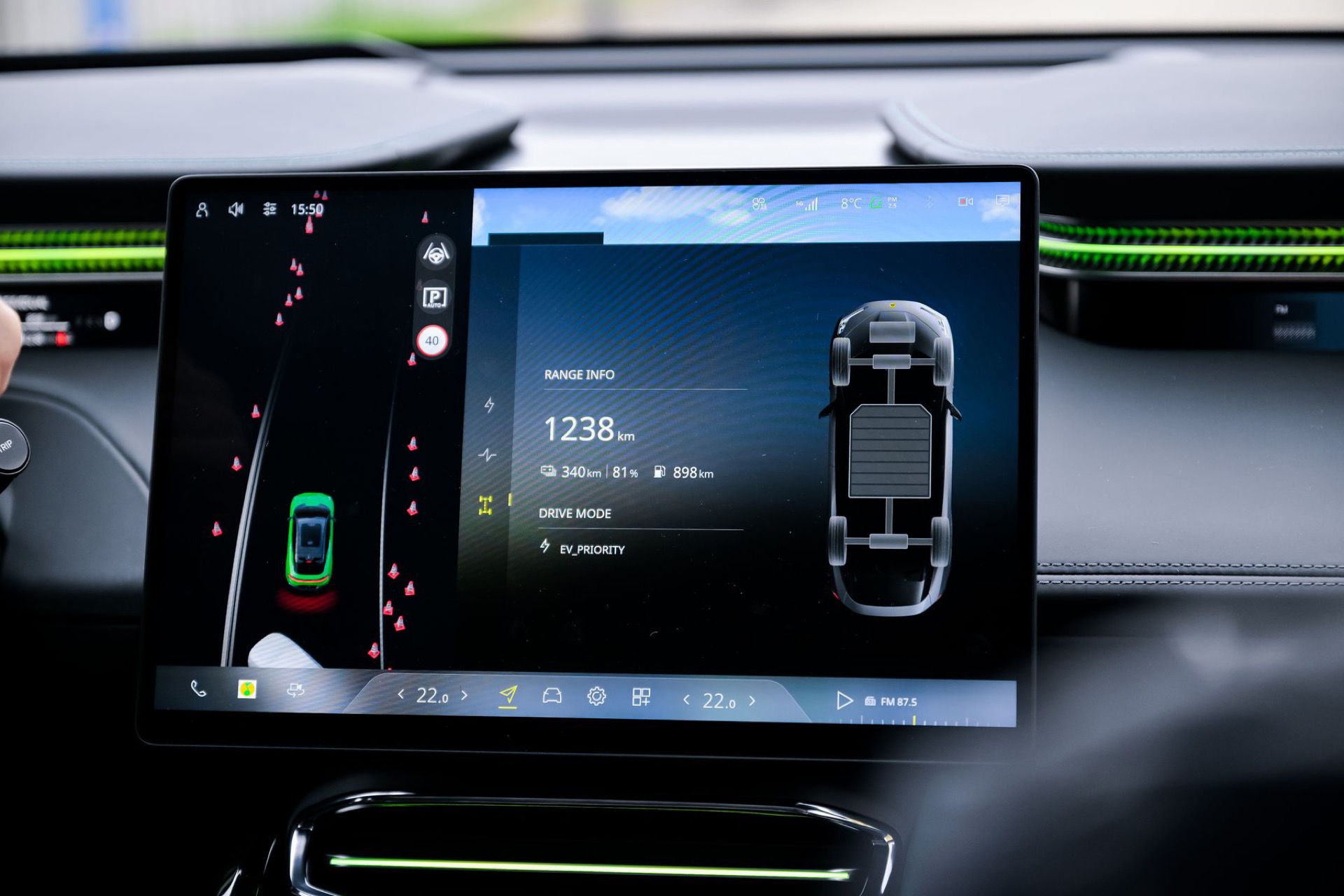
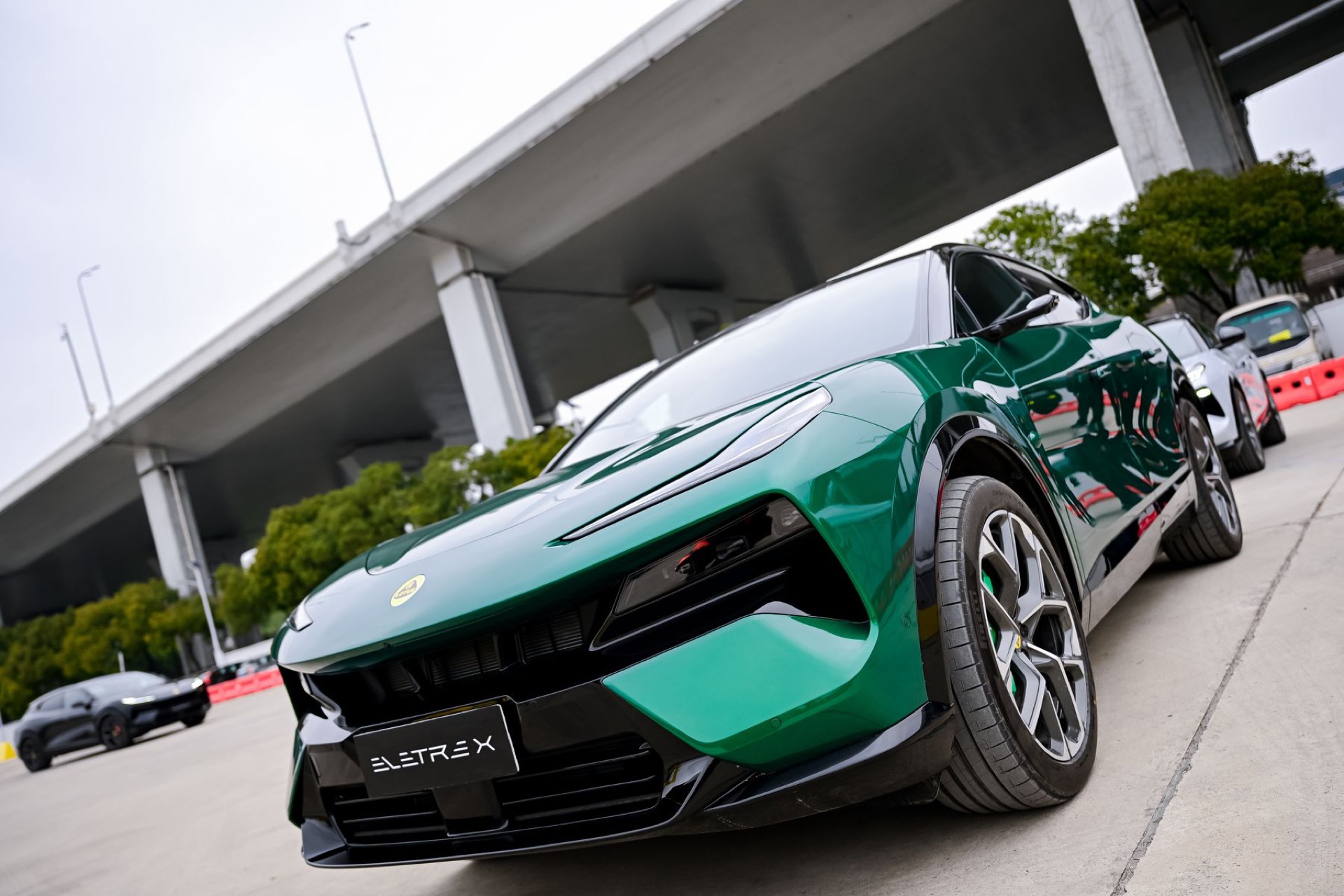
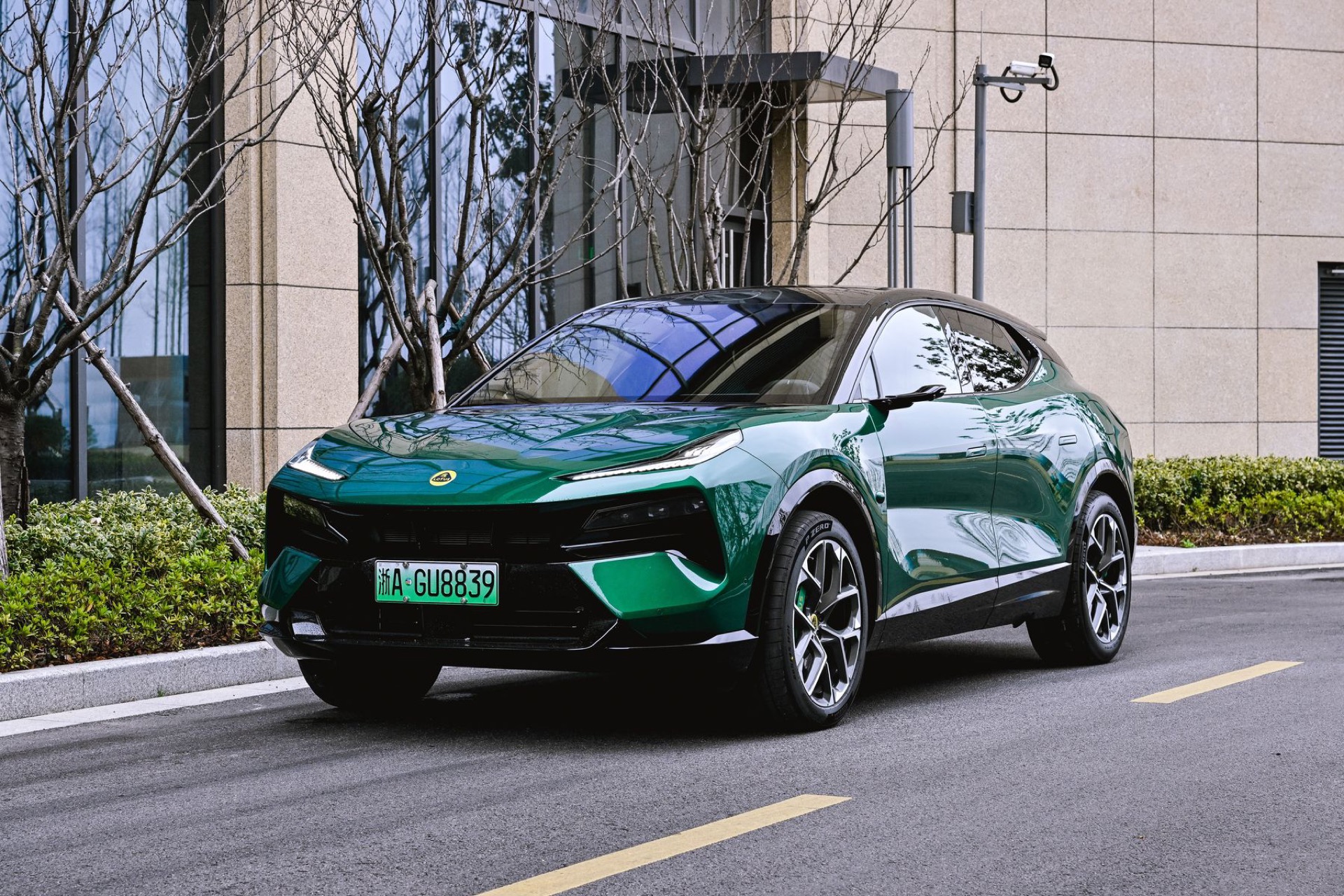
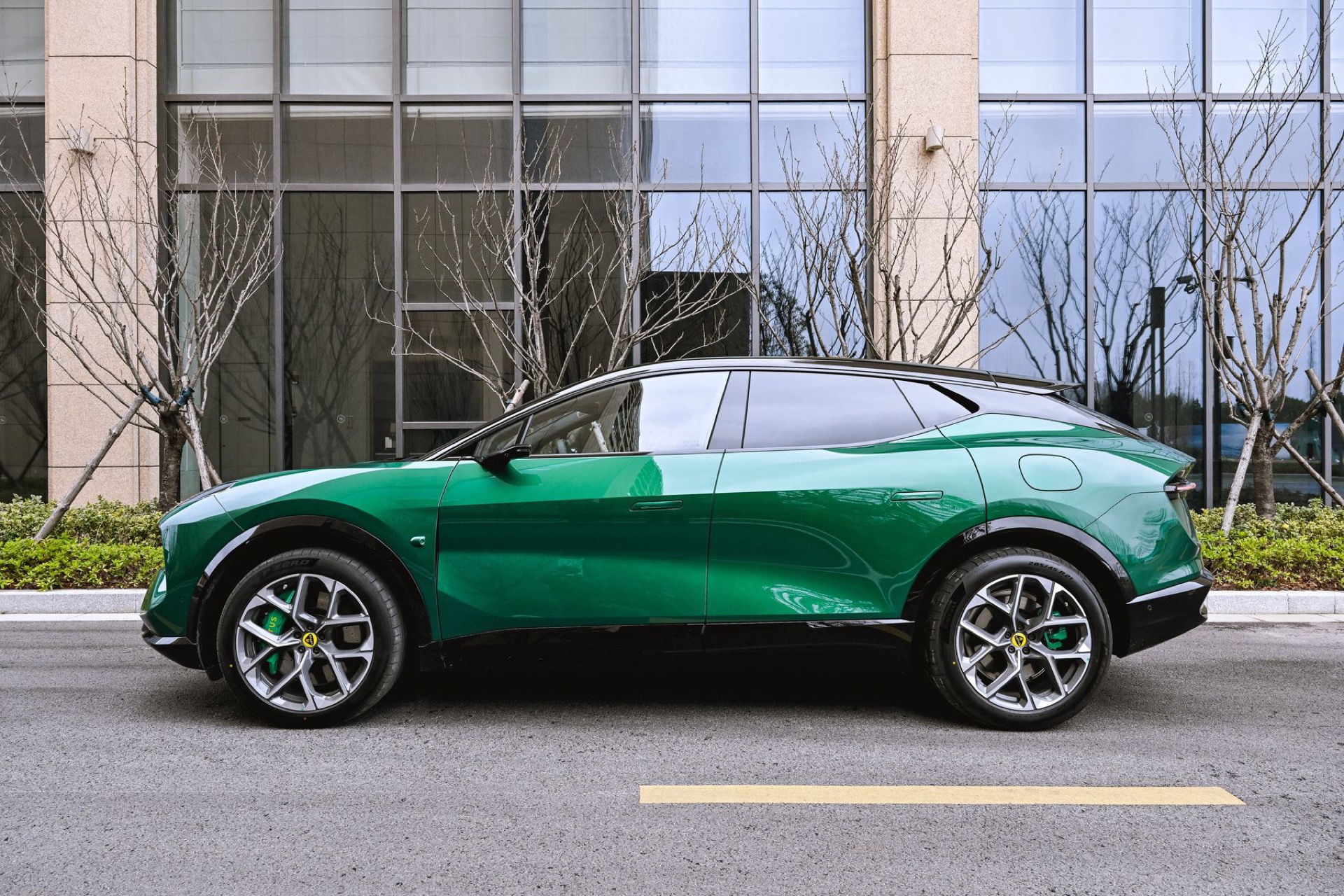
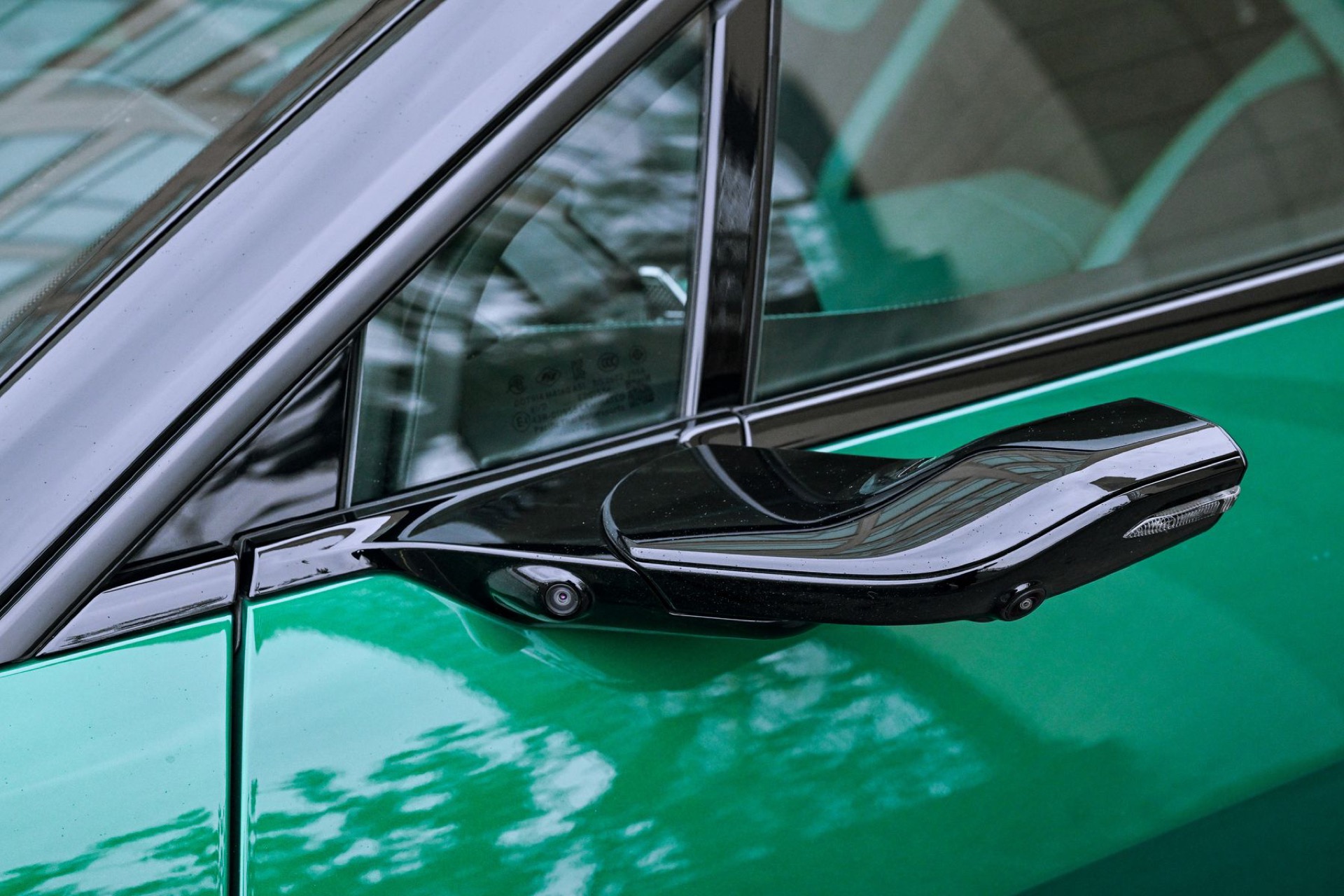
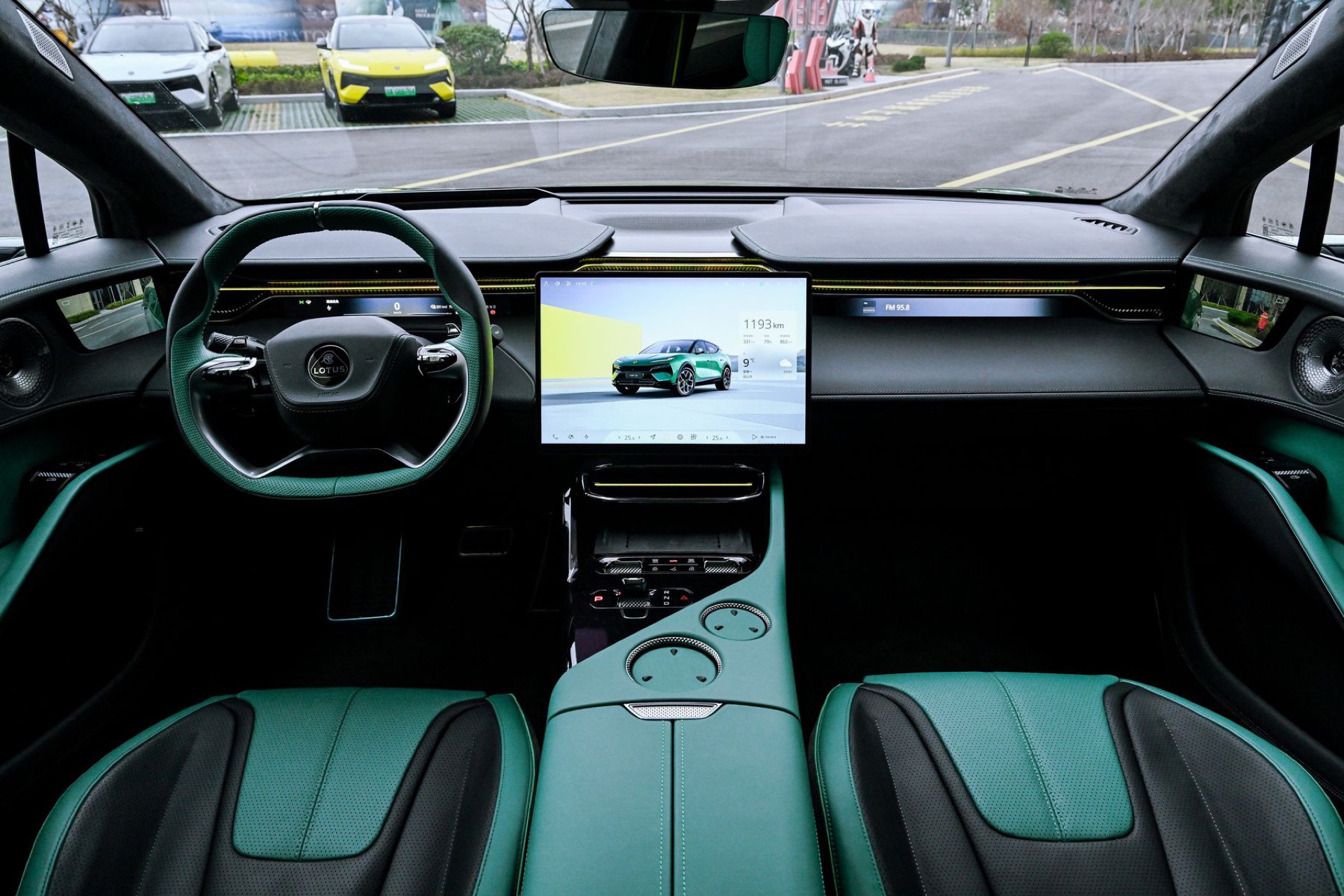
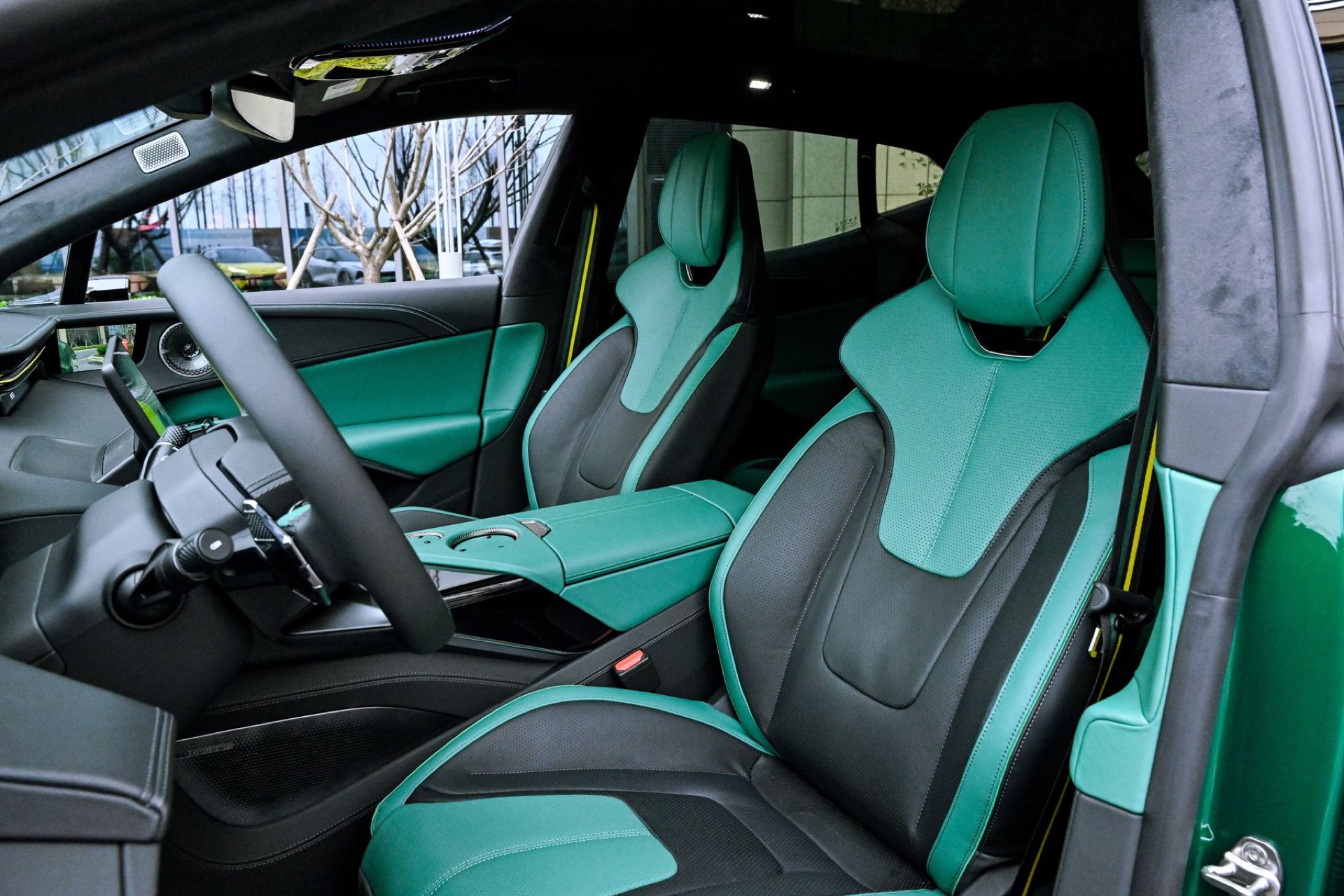
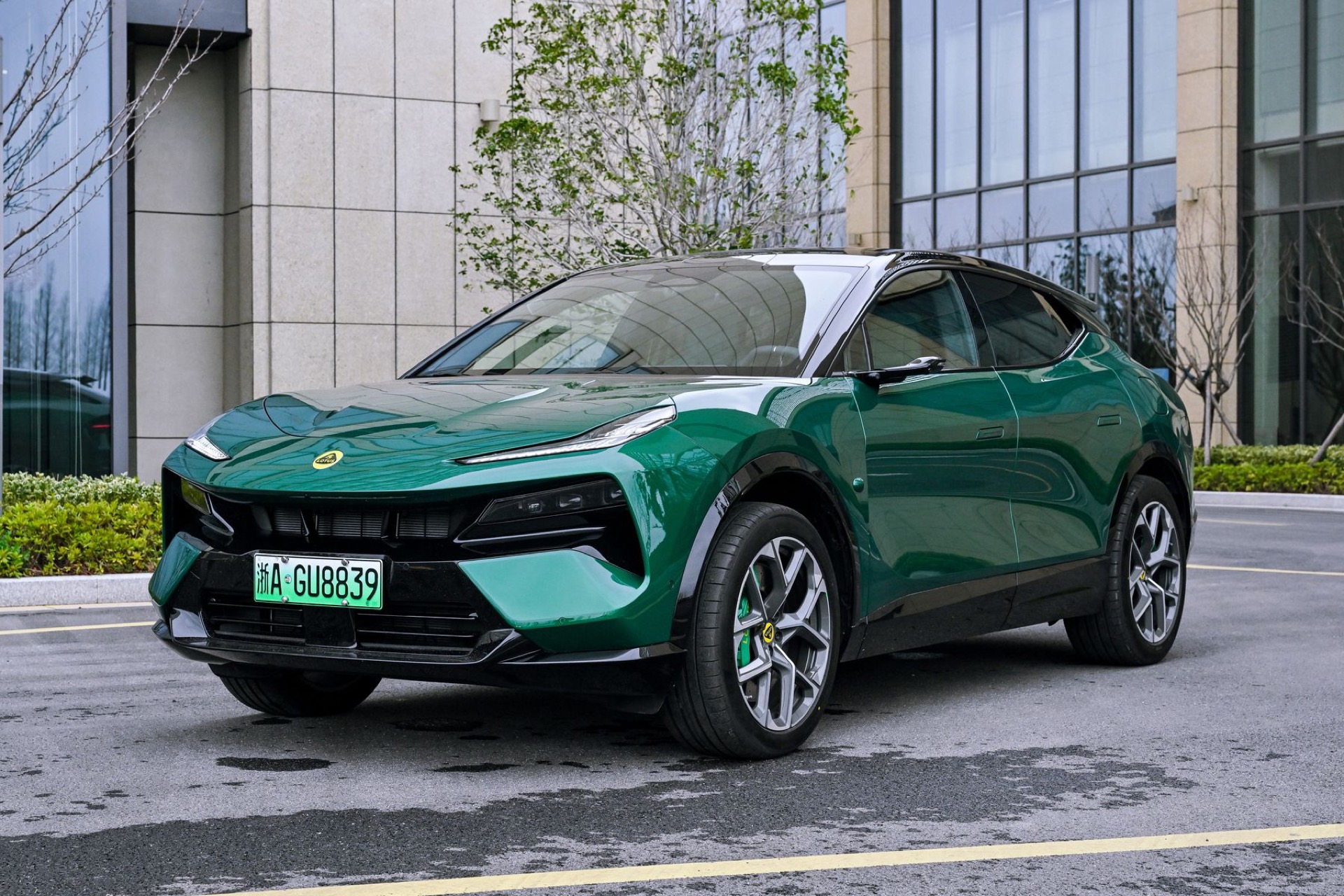
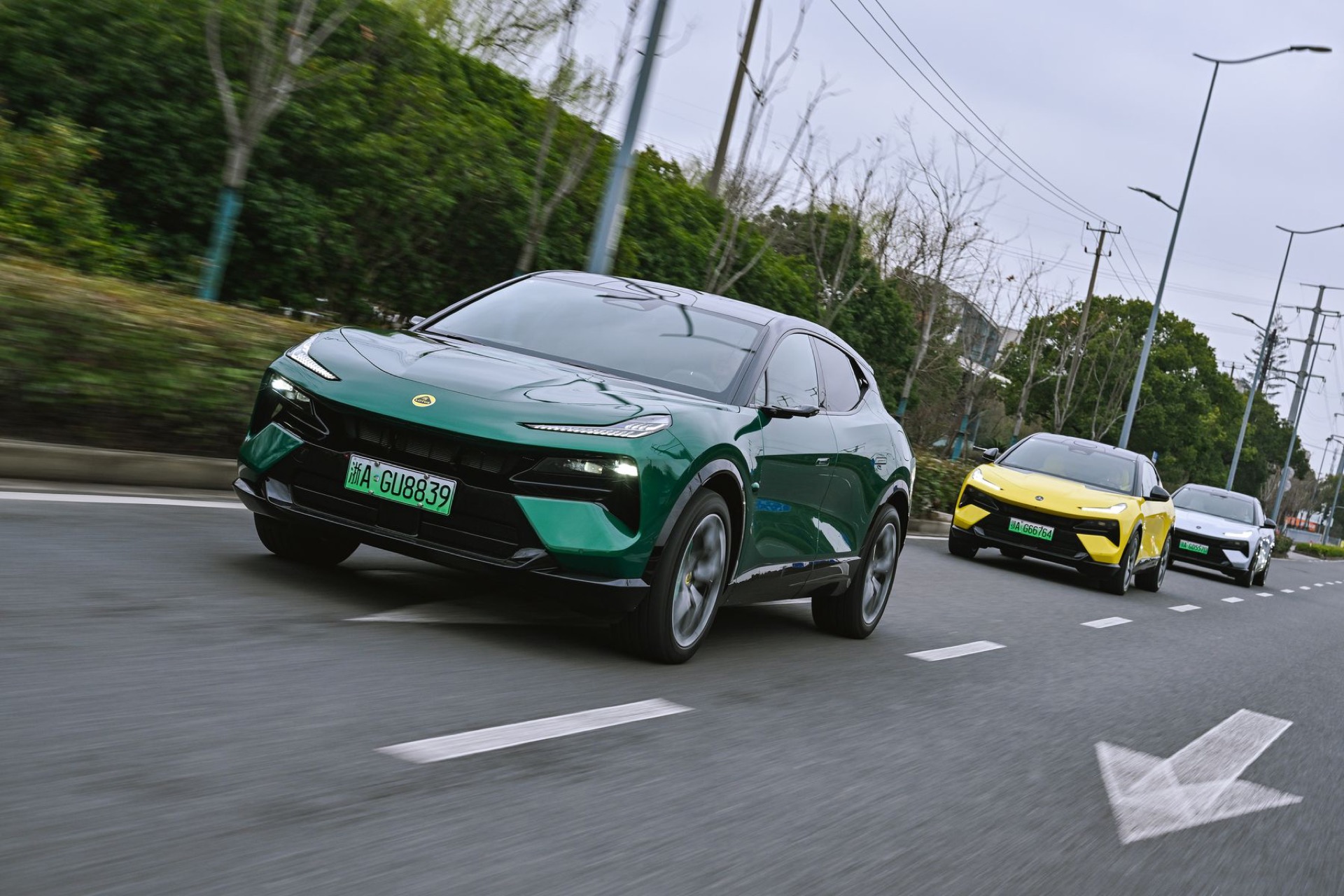
Once he did, the technology enthusiast might have been impressed. The Eletre X combines several drivetrain concepts into one system: an electric motor on the front axle producing 310 kW (421 PS), another on the rear axle delivering 390 kW (530 PS), a combustion engine at the front with 205 kW (279 PS) and a generator capable of charging the 70 kWh battery with up to 150 kW when needed. This ensures the Eletre X Hybrid retains strong performance even with a low battery charge. At just ten per cent state of charge, it still accelerates from zero to 100 km/h in 3.5 seconds.
The system is complex, but the results are impressive. Combined output reaches 700 kW (952 PS) with 935 Nm of torque. Total range is claimed at 1,258 kilometres, including up to 350 kilometres of electric driving according to the WLTC cycle. A 52-litre fuel tank ensures the electrified SUV can continue travelling when the battery runs low.
Range anxiety therefore becomes largely irrelevant. The 900-volt electrical architecture allows charging at up to 430 kW, enabling the battery to charge from 20 to 80 per cent in just nine minutes. That finally makes the often-promised quick charging stop a reality. Performance figures are equally striking. The plug-in hybrid reaches 100 km/h in 3.3 seconds and a top speed of 230 km/h.
“The Eletre X is designed for long-distance driving. It’s sporty, but not quite as focused as the fully electric version,” explains engineer Chong Yok Meng with a smile. “The Eletre X is an SUV on steroids.” Energy consumption is rated at 21.6 kWh per 100 kilometres alongside 6.1 litres of fuel.
The drivetrain shows how all components contribute to propulsion. The two-litre turbocharged petrol engine, supplied by Aurobay and Horse Powertrain, operates in the Atkinson cycle with a thermal efficiency of 46 per cent. Between 85 km/h and 230 km/h it can drive the front wheels directly when required. Engine speeds remain modest: around 2,000 rpm at 100 km/h and roughly 4,600 rpm at top speed. The engine is linked to a single-speed gearbox and primarily supports efficiency. In most situations the Eletre X behaves like a pure electric vehicle, with the combustion engine charging the battery or assisting during steady cruising.
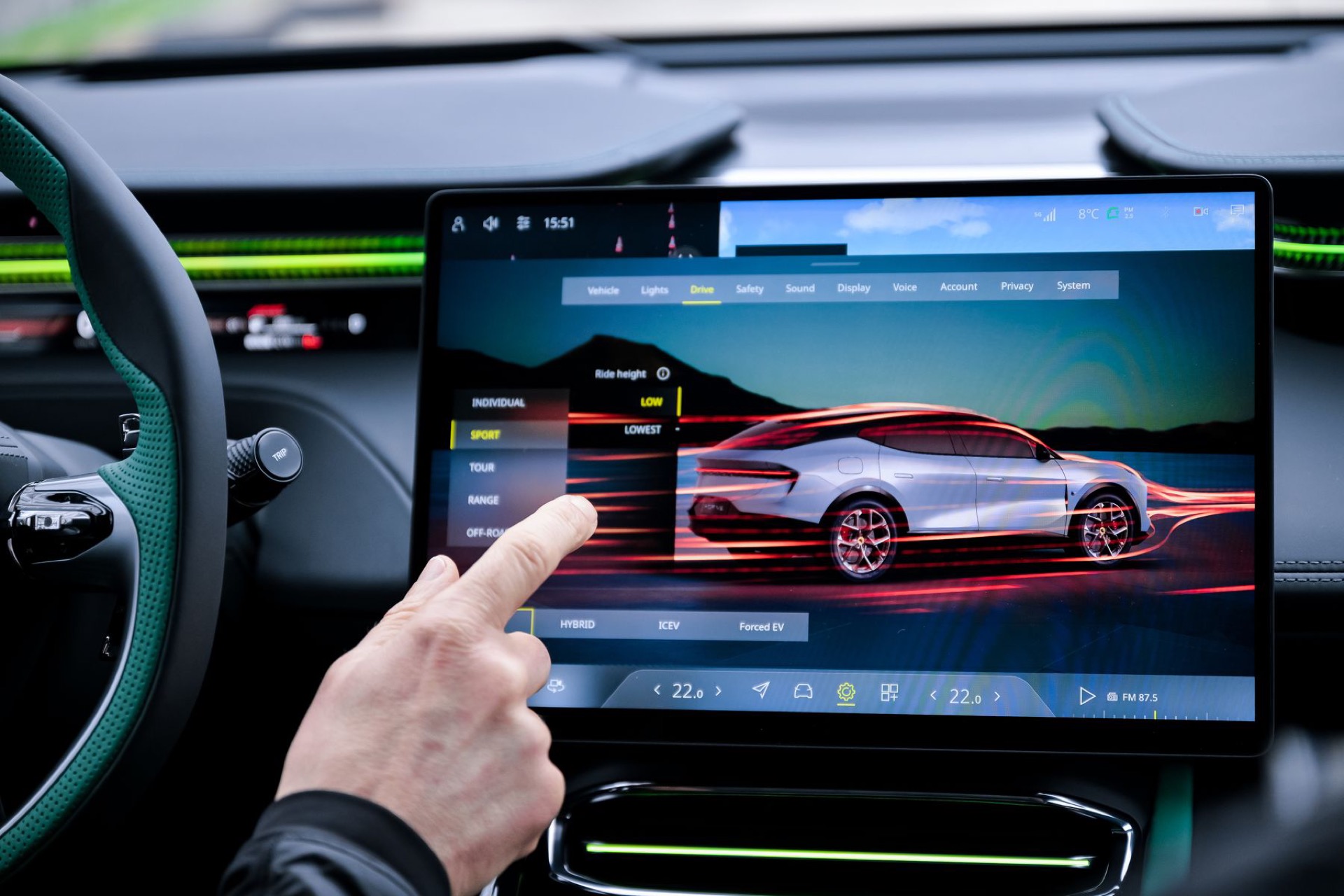
During acceleration, the all-wheel-drive system sends around 45 per cent of power to the front axle and 55 per cent to the rear. Under lighter throttle inputs the rear axle takes priority. Drivers can choose between three operating modes: pure electric, EV Pro, which prioritises electric driving, and Hybrid, where the system automatically selects the most efficient strategy. For most drivers, the latter will likely be the preferred “set it and forget it” option.
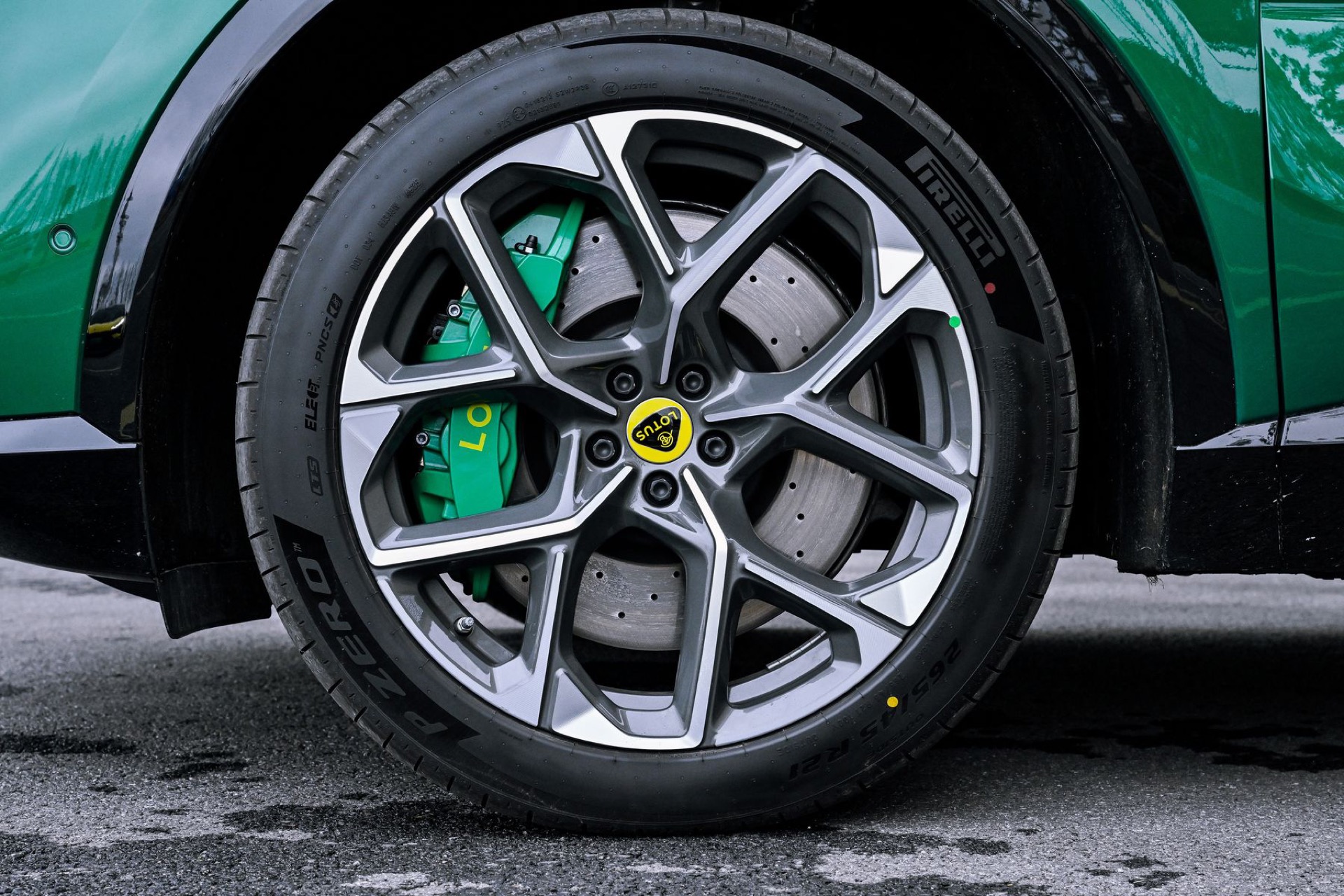
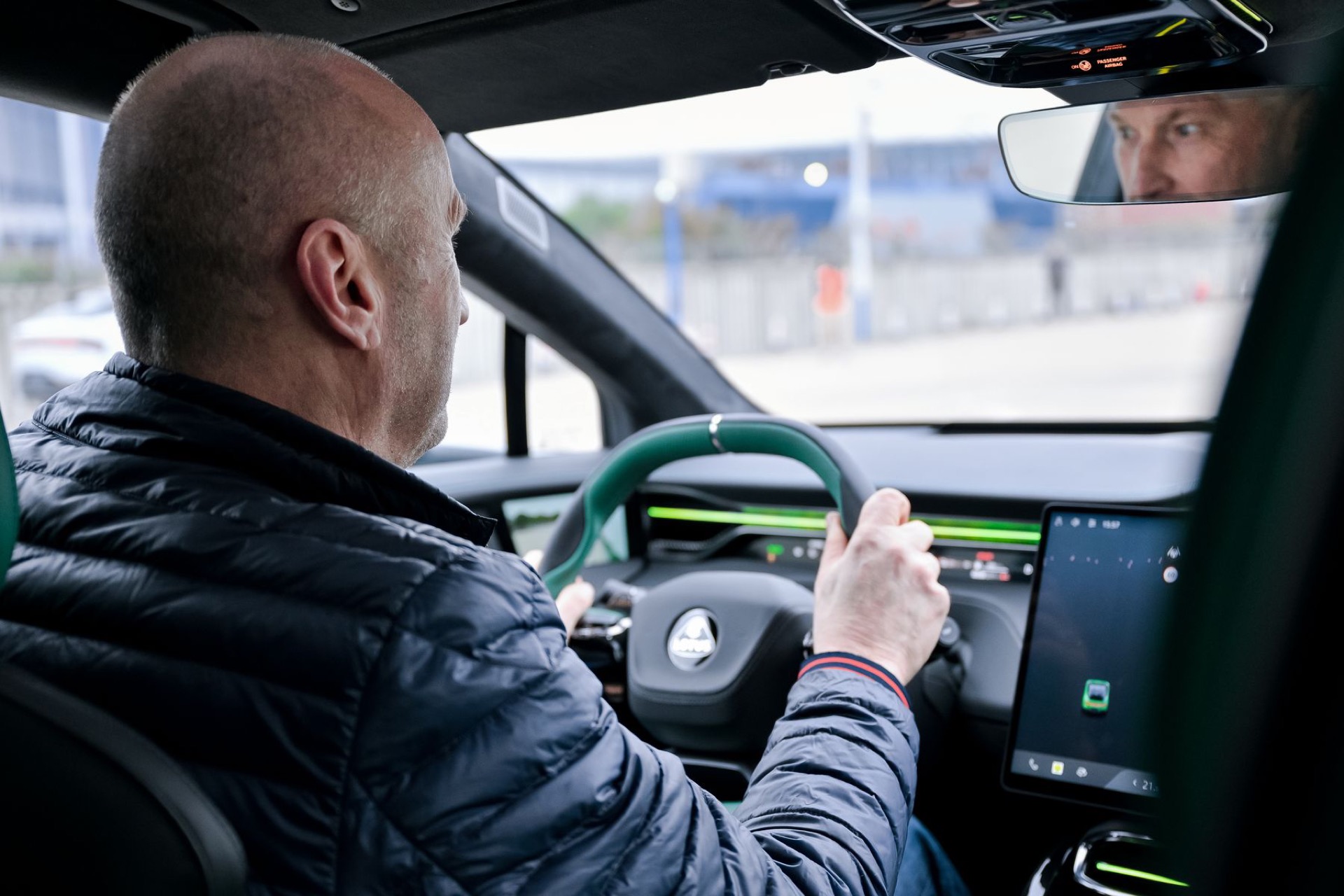
During our initial drives the Eletre X performed convincingly. Although the SUV tends towards understeer at the limit, it still moves through corners at impressive speed. Allowing the rear axle more freedom enables controlled drifts at the press of a button. The steering is precise, though additional feedback would be welcome. An electronically actuated anti-roll system operating on a 48-volt network keeps body roll to a minimum in fast corners. Adaptive dampers and two-chamber air suspension balance comfort and sportiness effectively, even absorbing rough surfaces on the test route. Five ride-height settings are available, ranging from plus 50 millimetres to minus 25 millimetres. Braking performance comes from a Brembo system.
However, the interaction between the combustion engine and electric motors could not be fully evaluated during the test drive, as our driving was conducted exclusively in electric mode.
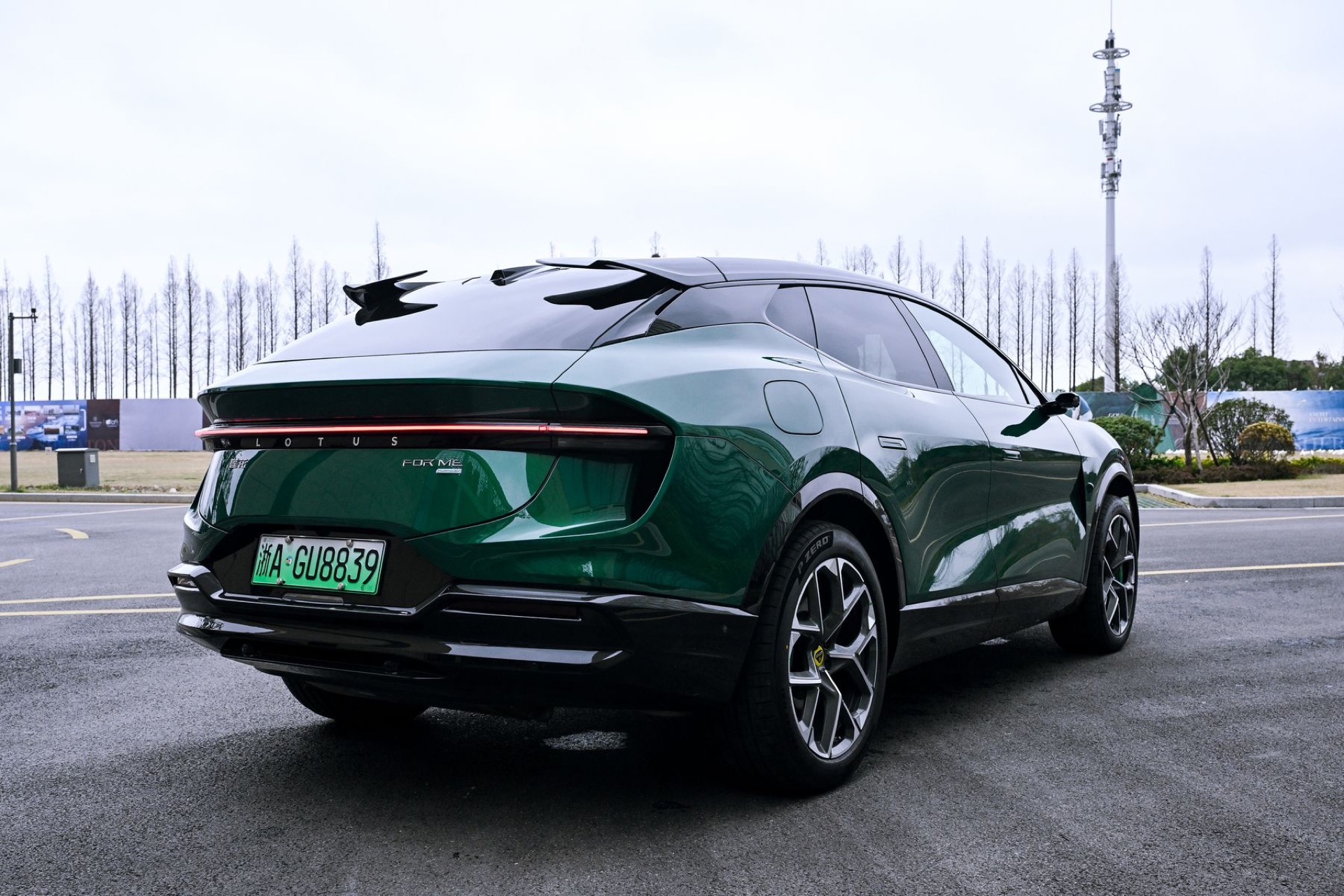
Aerodynamic details ensure stability at higher speeds. The roof spoiler generates up to 120 kilograms of downforce, while air curtains at the C-pillar and channels behind the rear wheels reduce turbulence and smooth airflow. At this point, even Colin Chapman, pioneer of aerodynamic thinking, might have appreciated the engineering behind the SUV.
In China the Lotus Eletre X is priced slightly below the fully electric version. If Lotus follows the same strategy in Europe, pricing in Germany is expected to start at around €95,000.