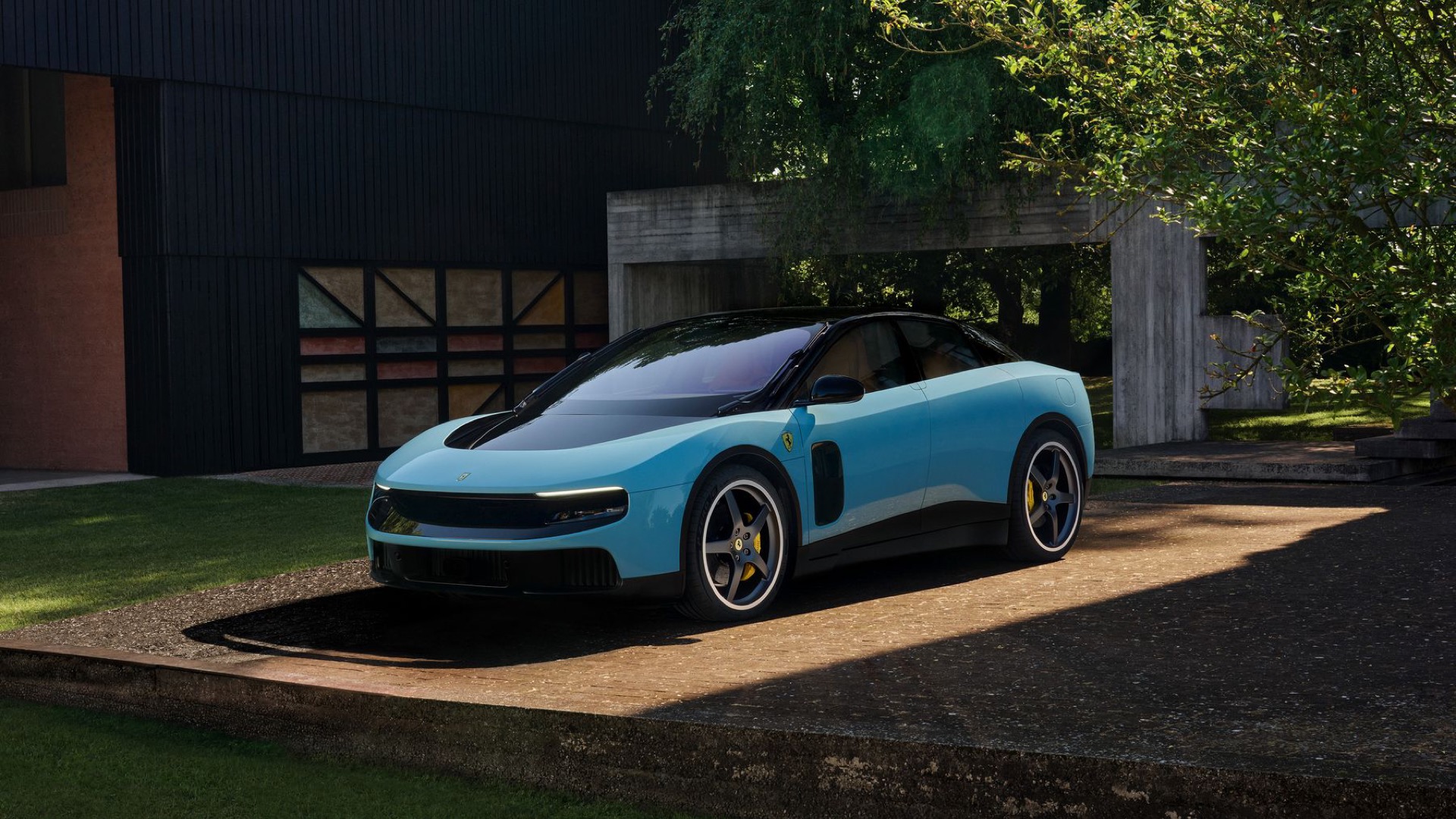
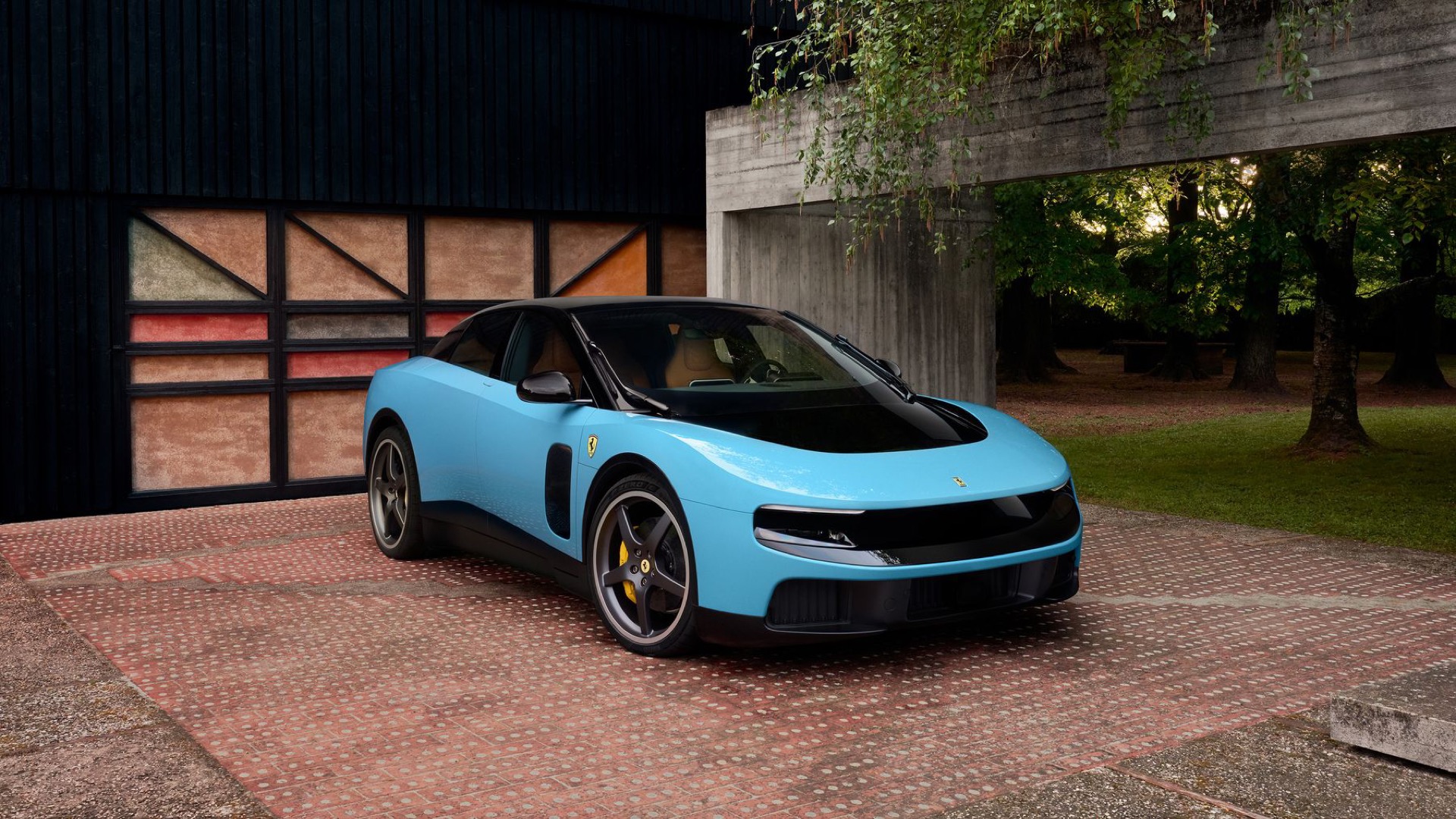
Ferrari is launching its first fully electric production model. Called the Luce, Italian for “light”, the new car is a spacious GT crossover with styling unlike anything previously seen from Maranello, enormous amounts of technology and a staggering purchase price of more than €500,000.
An electric Ferrari? For many enthusiasts, that sounds like an espresso without crema. Technically possible perhaps, but entirely at odds with everything the brand traditionally represents. One suspects Enzo Ferrari would have thrown anyone proposing such an idea straight out of his villa beside the Fiorano test track. But those days are long gone. Electric vehicles are now an unavoidable part of the automotive future, even in Maranello.
Still, Ferrari refuses to approach electrification conventionally.
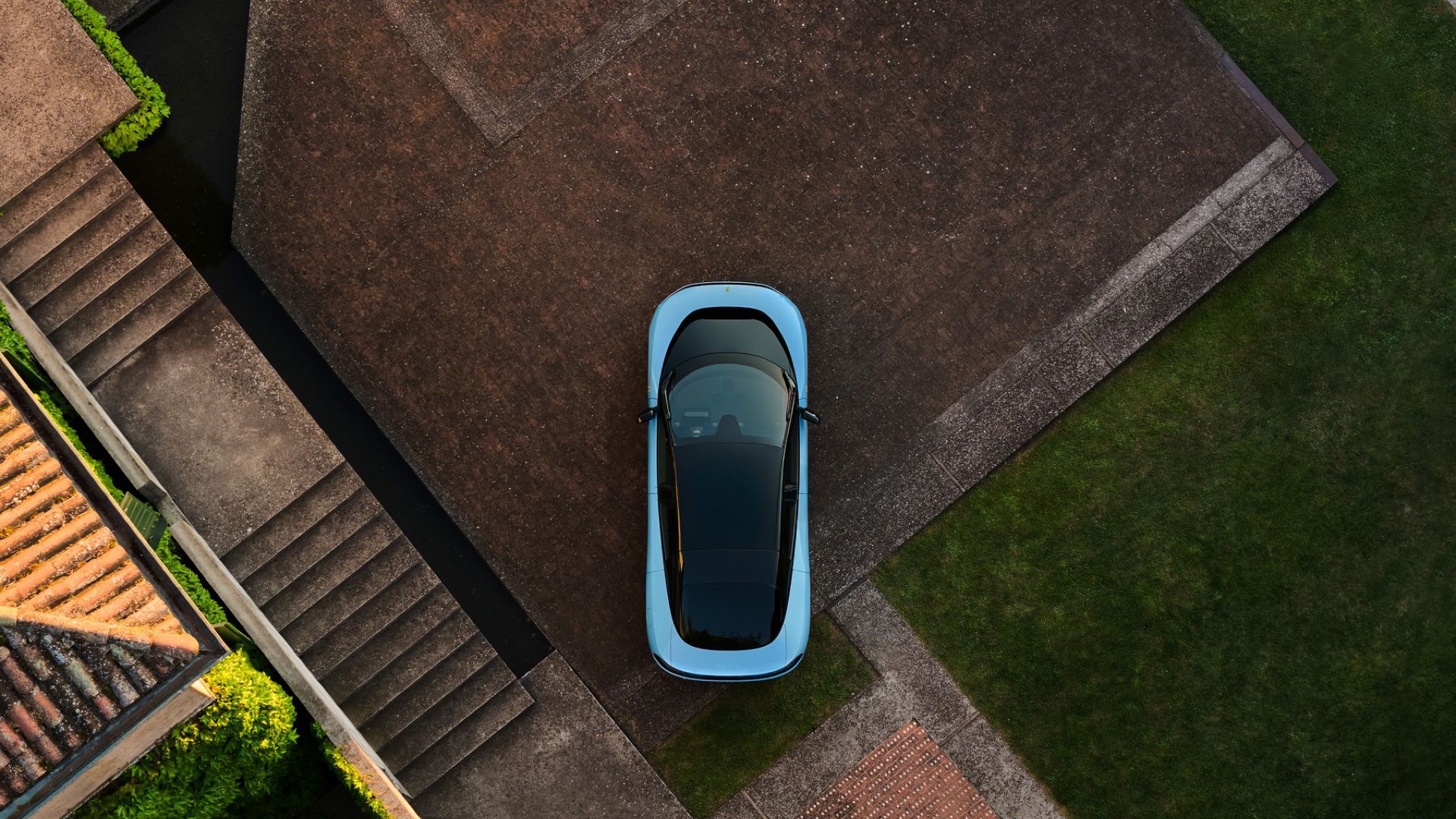
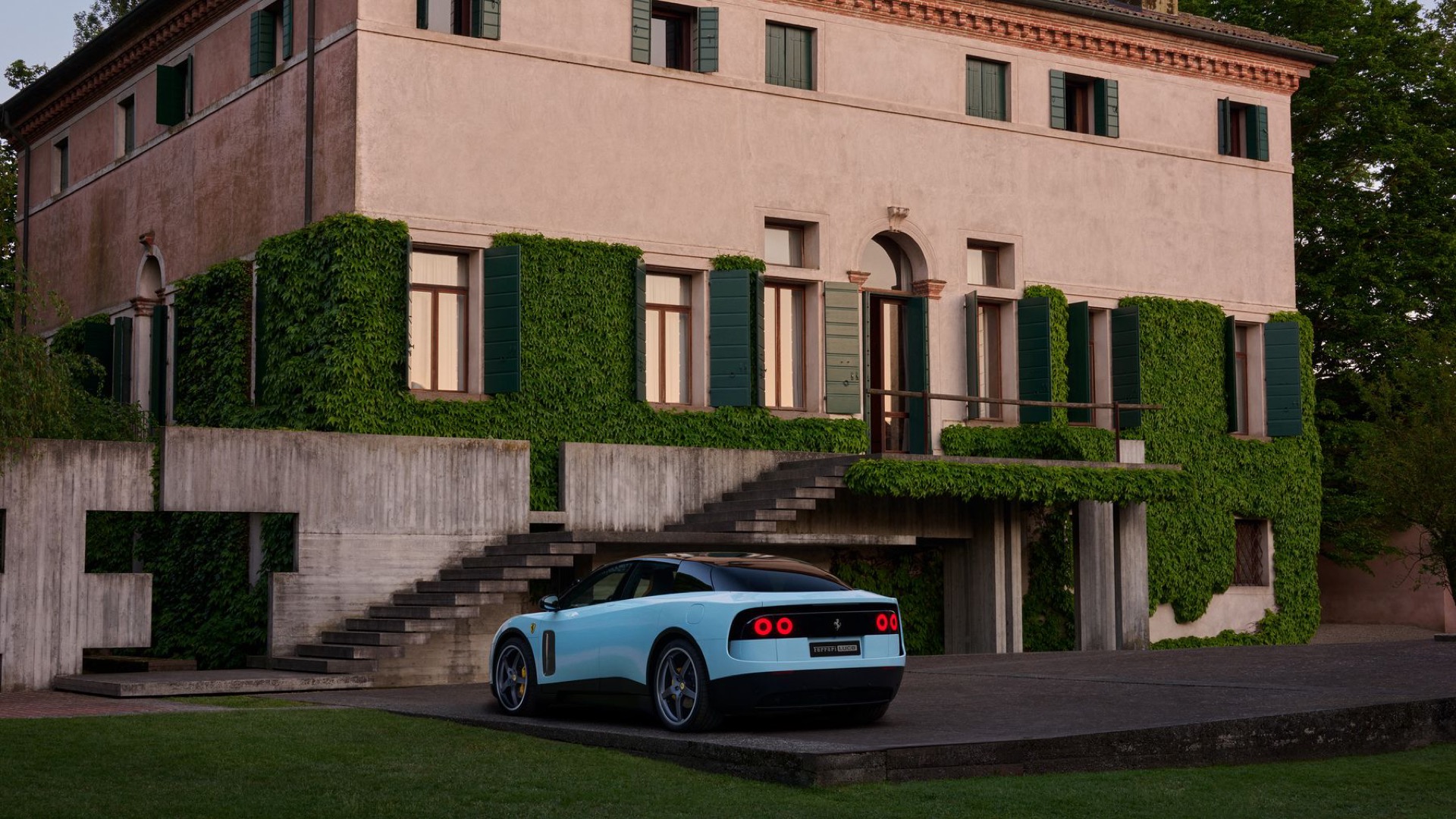
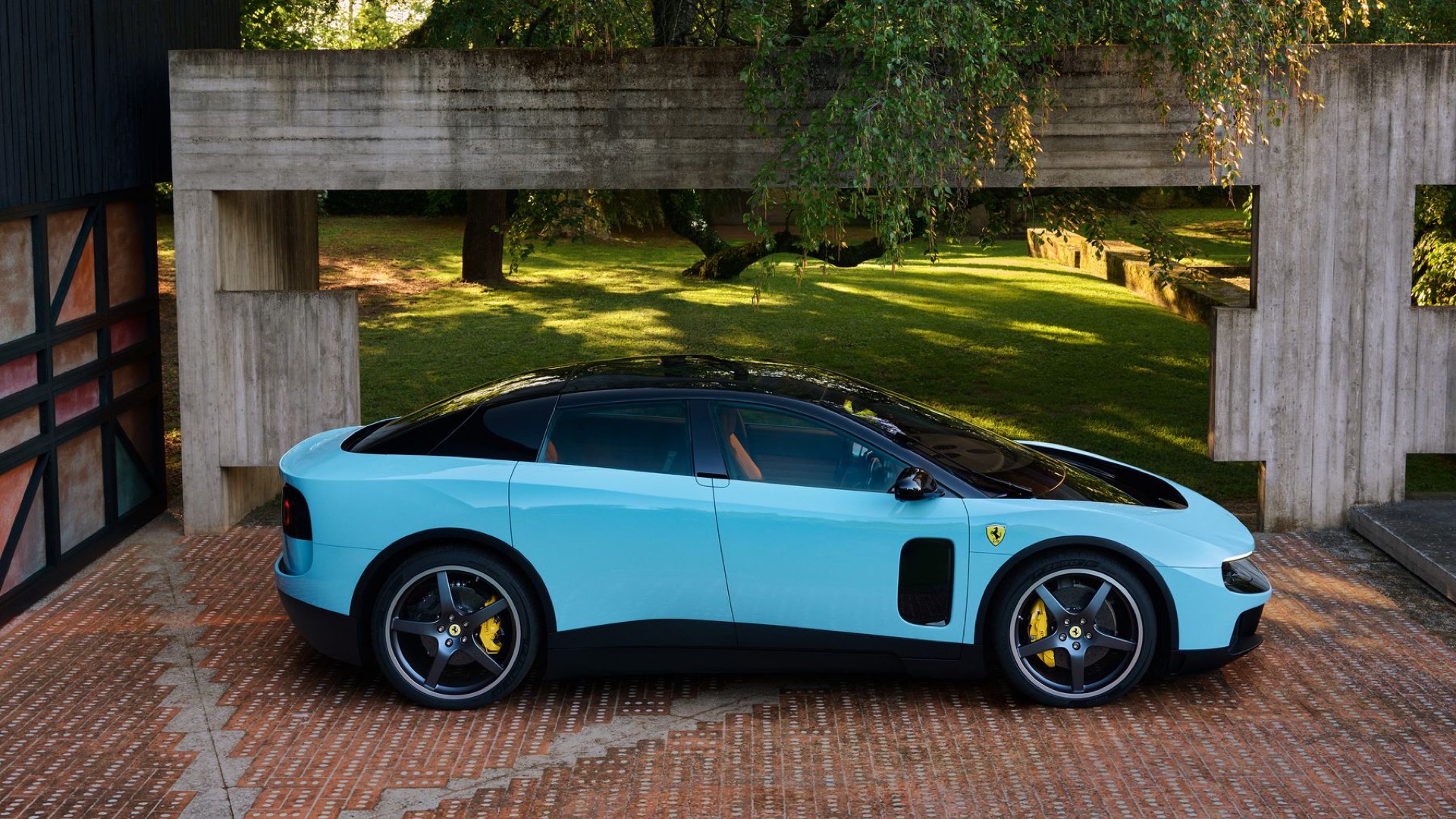
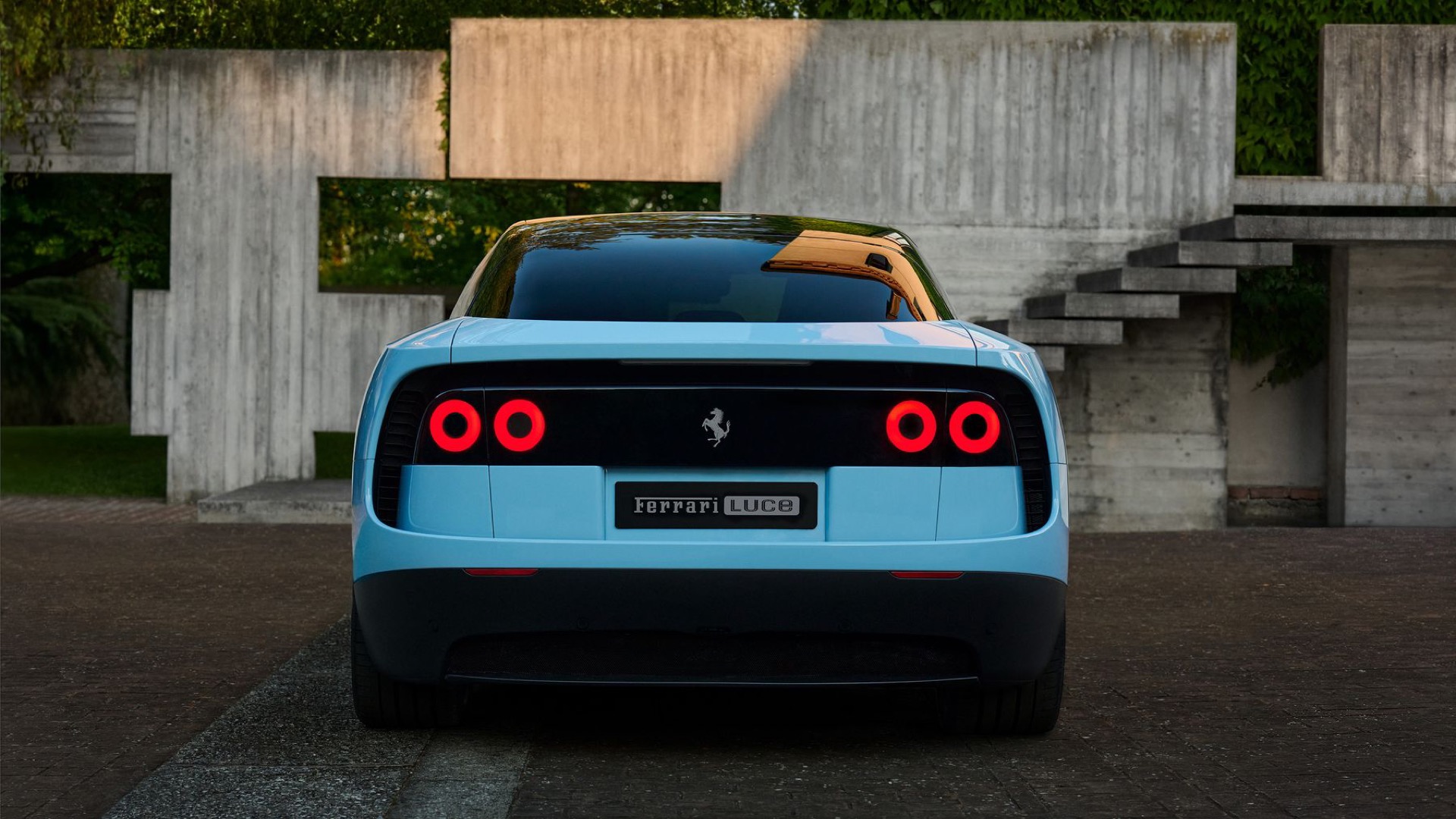
Simply building an electric version of the Ferrari Purosangue would never have been enough. “The Ferrari Luce combines what we are and what we want to become,” explains Ferrari chairman John Elkann.
The Luce is neither a low-slung two-seater, nor a traditional SUV, nor even a classic grand tourer. Instead, Ferrari has created a five-seat, four-door high-performance crossover powered by four electric motors producing 772 kW / 1,050 PS. The package includes a 122-kWh battery, 800-volt architecture, active suspension, rear-wheel steering and perhaps most controversially, a design language deliberately disconnected from Ferrari tradition.
For the styling, Ferrari stepped outside its usual creative structure. Rather than relying solely on chief designer Flavio Manzoni and Ferrari’s Centro Stile department, the company collaborated with LoveFrom, the design studio founded by former Apple designer Jony Ive and Marc Newson.
And yes, it shows.
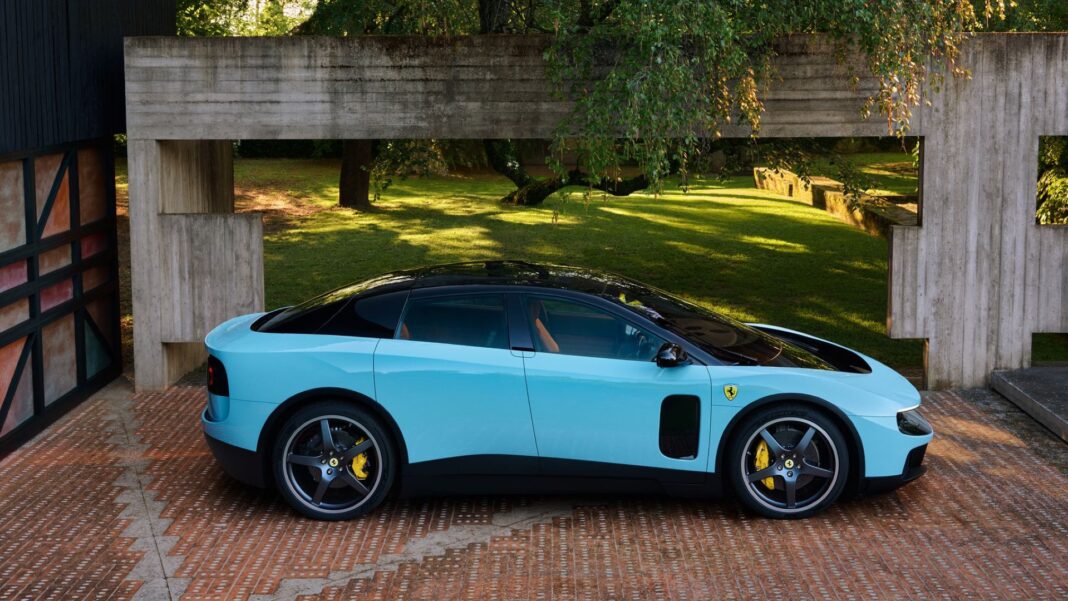
The Luce avoids aggressive supercar theatrics in favour of a softer, almost architectural silhouette centred around what Ferrari calls the “Glass House” — a glazed upper structure that stretches unusually low and wide across the body. The visual effect creates the impression of two distinct layers: the sculpted body beneath and the glass capsule above it. Remove the upper section mentally and a sleek coupe profile remains underneath.
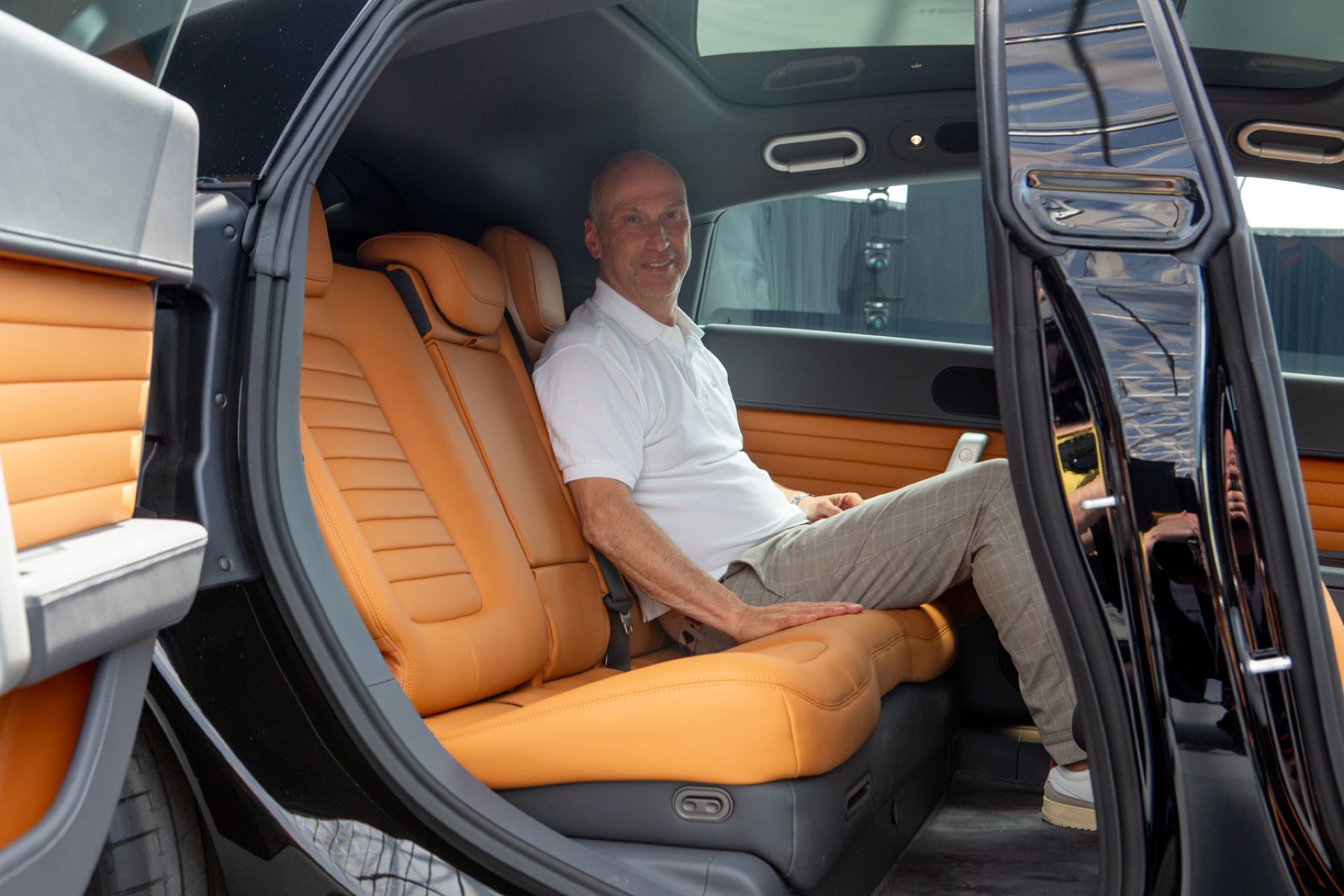
The unconventional shape also serves practical purposes. Rear-hinged doors improve access, while five adults can genuinely fit inside.
Aerodynamics remain central to the Ferrari philosophy. Despite its crossover proportions, the Luce achieves a drag coefficient of just 0.254 while generating meaningful downforce. Ferrari also claims the centre of gravity sits 9.5 centimetres lower than that of the Purosangue. At 5.026 metres long and almost two metres wide, the Luce is a substantial machine, yet its long wheelbase and low battery positioning should help disguise its mass.
The battery follows a “module-to-pack” structure allowing future cell replacement as battery technology evolves. Charging reaches up to 350 kW, while claimed range stands at around 530 kilometres. Respectable, though not class-leading against rivals such as the Lucid Air Sapphire, Porsche Taycan Turbo GT, Lotus Emeya R or the upcoming Mercedes-AMG GT 4-Door EV.
Performance, however, is not lacking.
Each wheel receives its own permanent-magnet synchronous motor. Rear motors produce 310 kW each, while the front pair contribute 105 kW apiece. Combined output reaches 1,050 PS. The Luce accelerates from 0-100 km/h in 2.5 seconds, reaches 200 km/h in 6.8 seconds and continues to 310 km/h. Remarkably, Ferrari has kept kerb weight to 2,260 kilograms, relatively restrained for a five-seat EV carrying a massive 122-kWh battery pack.
Ferrari’s real focus, however, lies in agility. Each motor can independently control torque delivery and regenerative braking at every wheel, while rear-wheel steering, active suspension and a new vehicle control unit process sensor data 500 times per second. Massive 23-inch front and 24-inch rear wheels complete the setup.
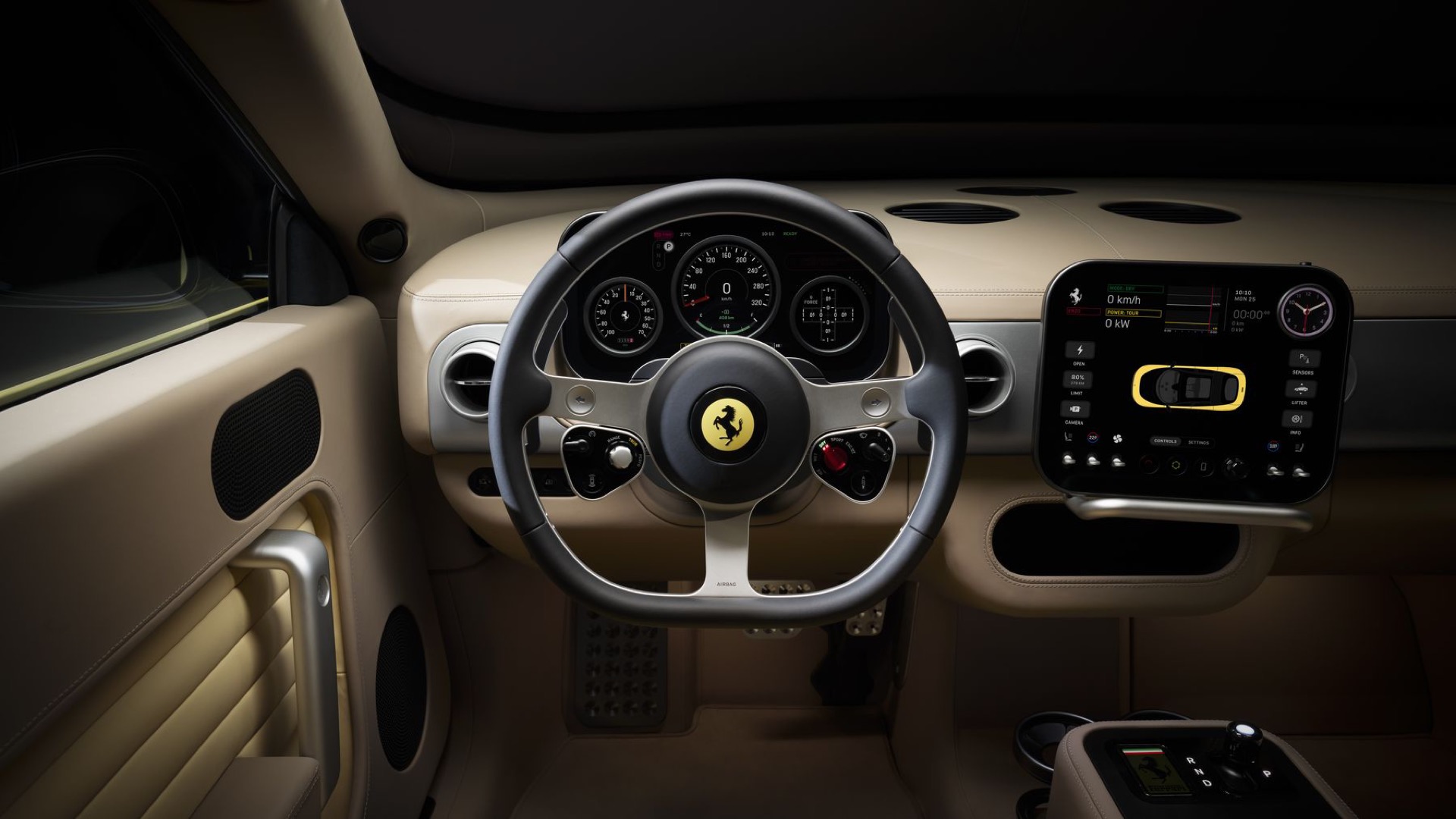
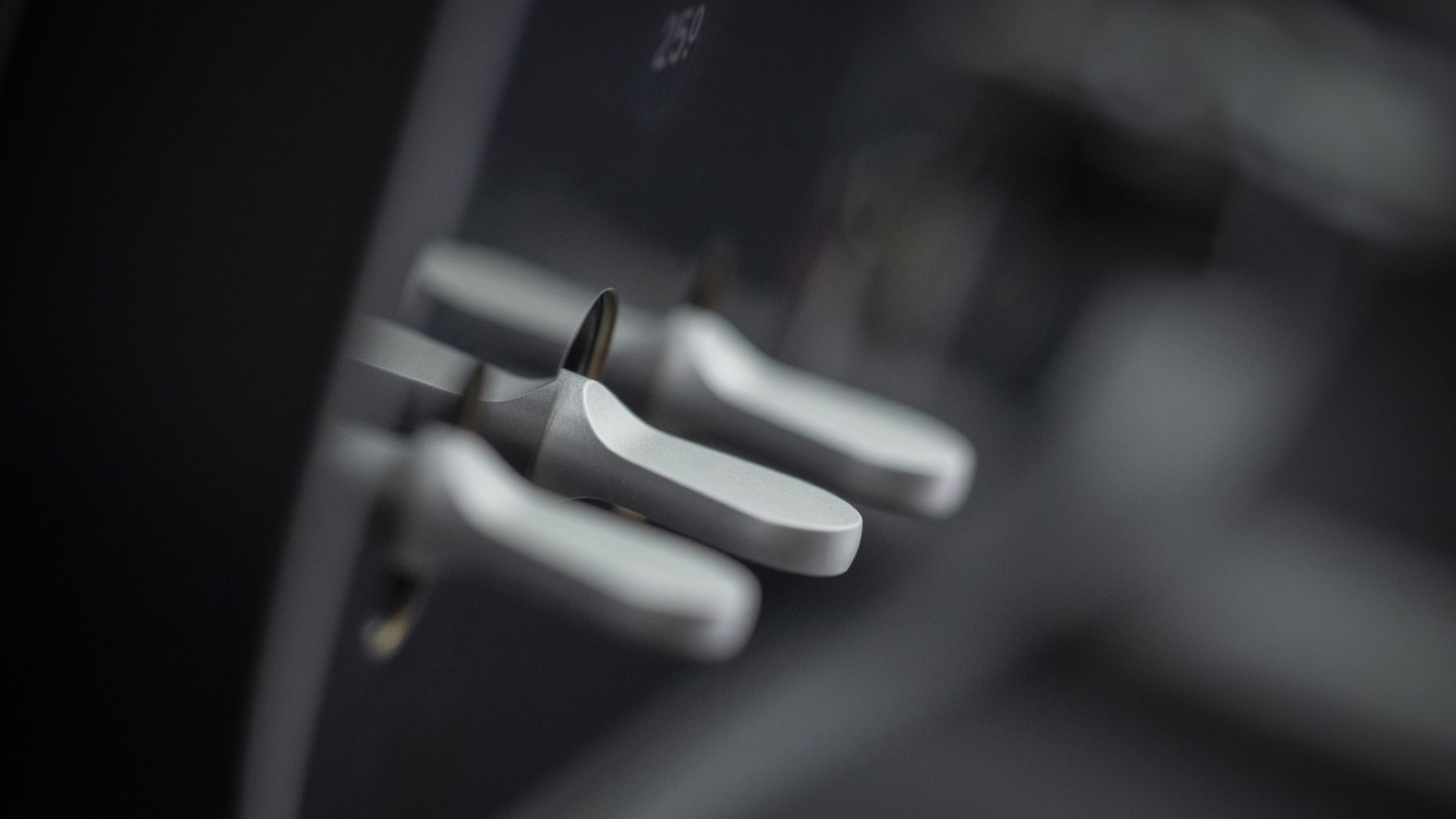
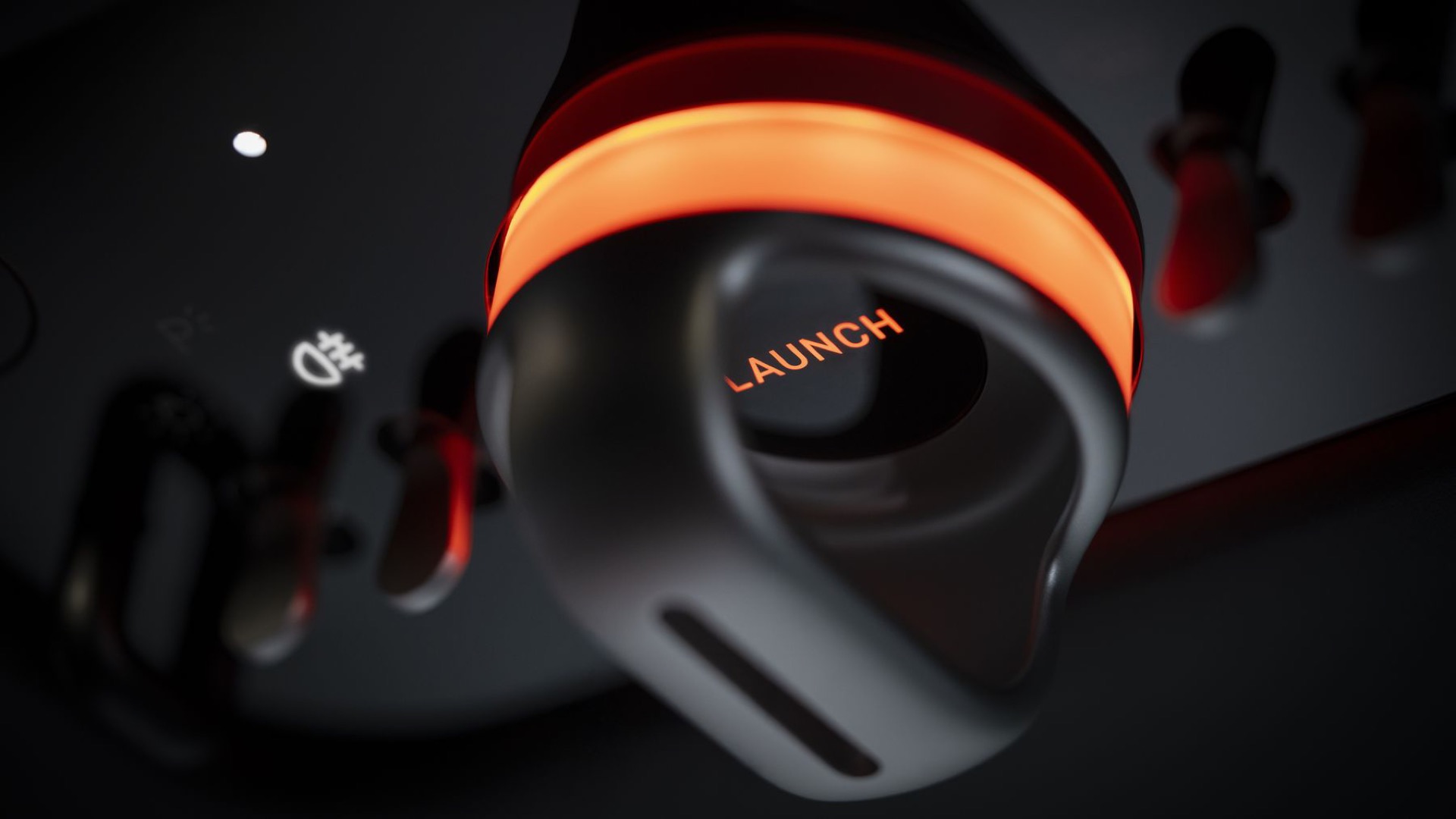
The driving experience itself remains intentionally theatrical. Steering wheel controls alter power output from a reduced “Range” mode through to full Performance mode. A dedicated launch setting unlocks additional temporary power. Even the steering wheel paddles serve dual purposes, controlling both regenerative braking and simulated “gearshifts” during acceleration.
Importantly, Ferrari has avoided fake V12 soundtrack gimmicks. Instead, the Luce amplifies natural vibrations generated by the electric drive units using accelerometers, almost like an electric guitar amplifier.
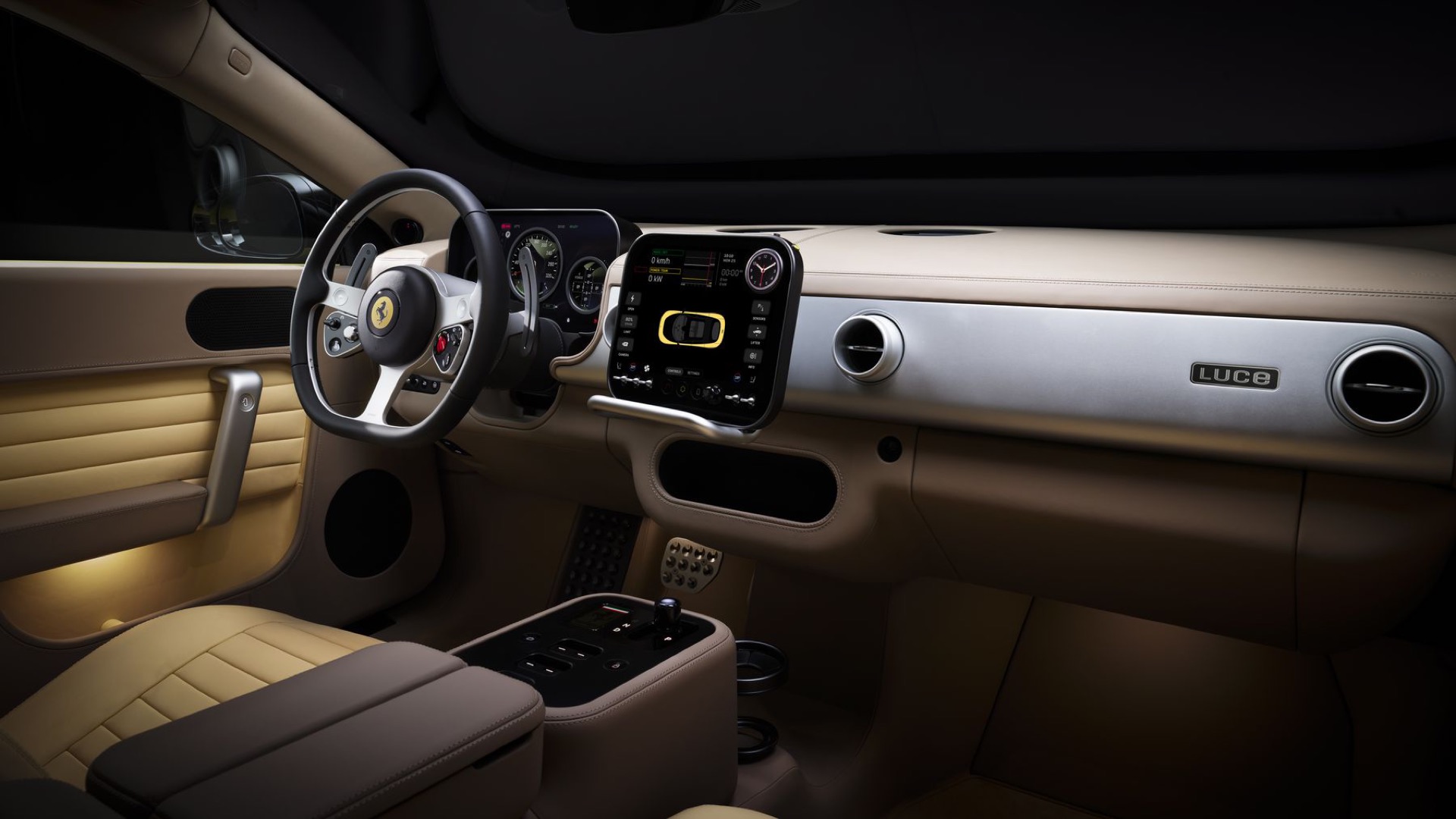
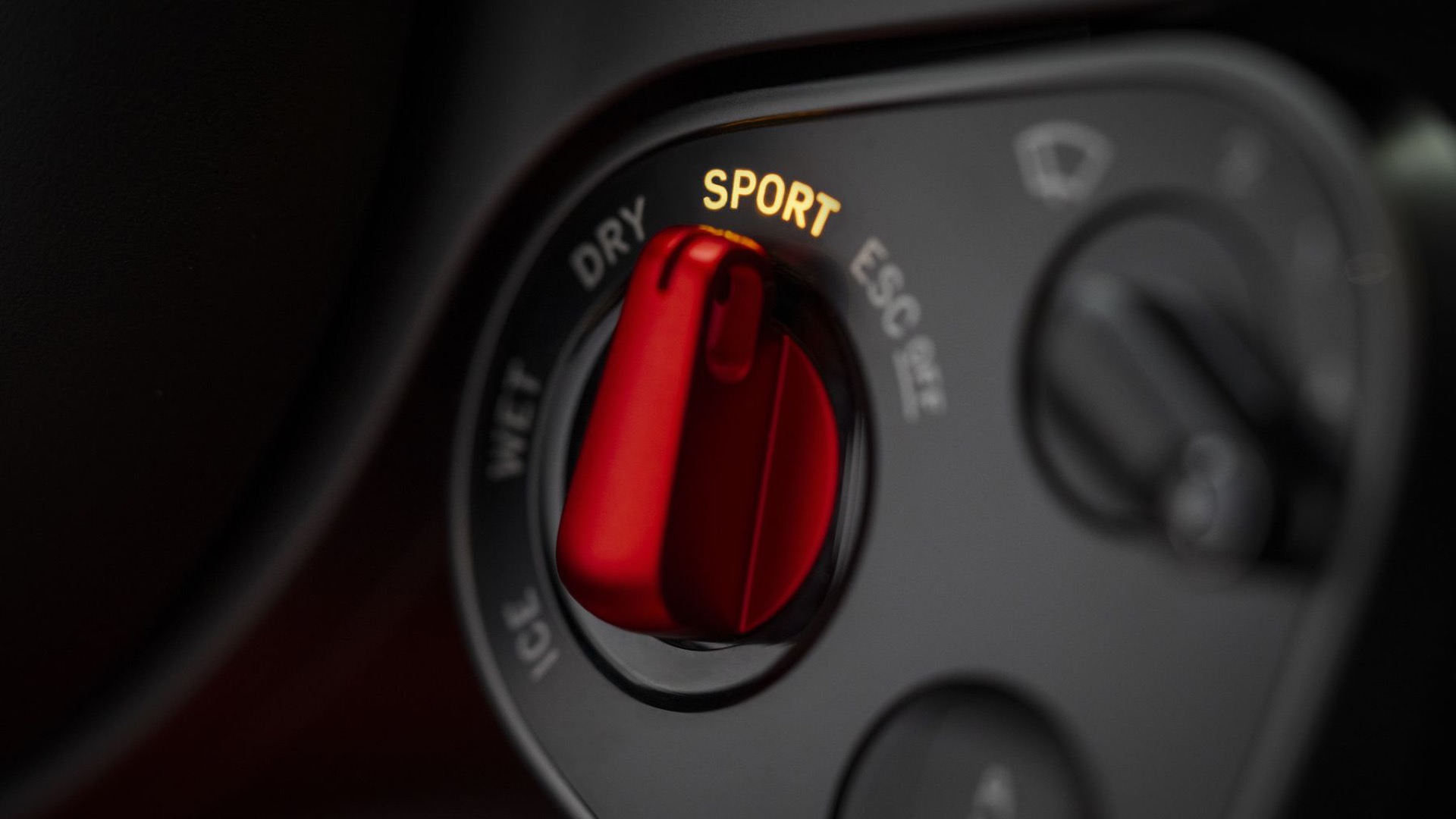
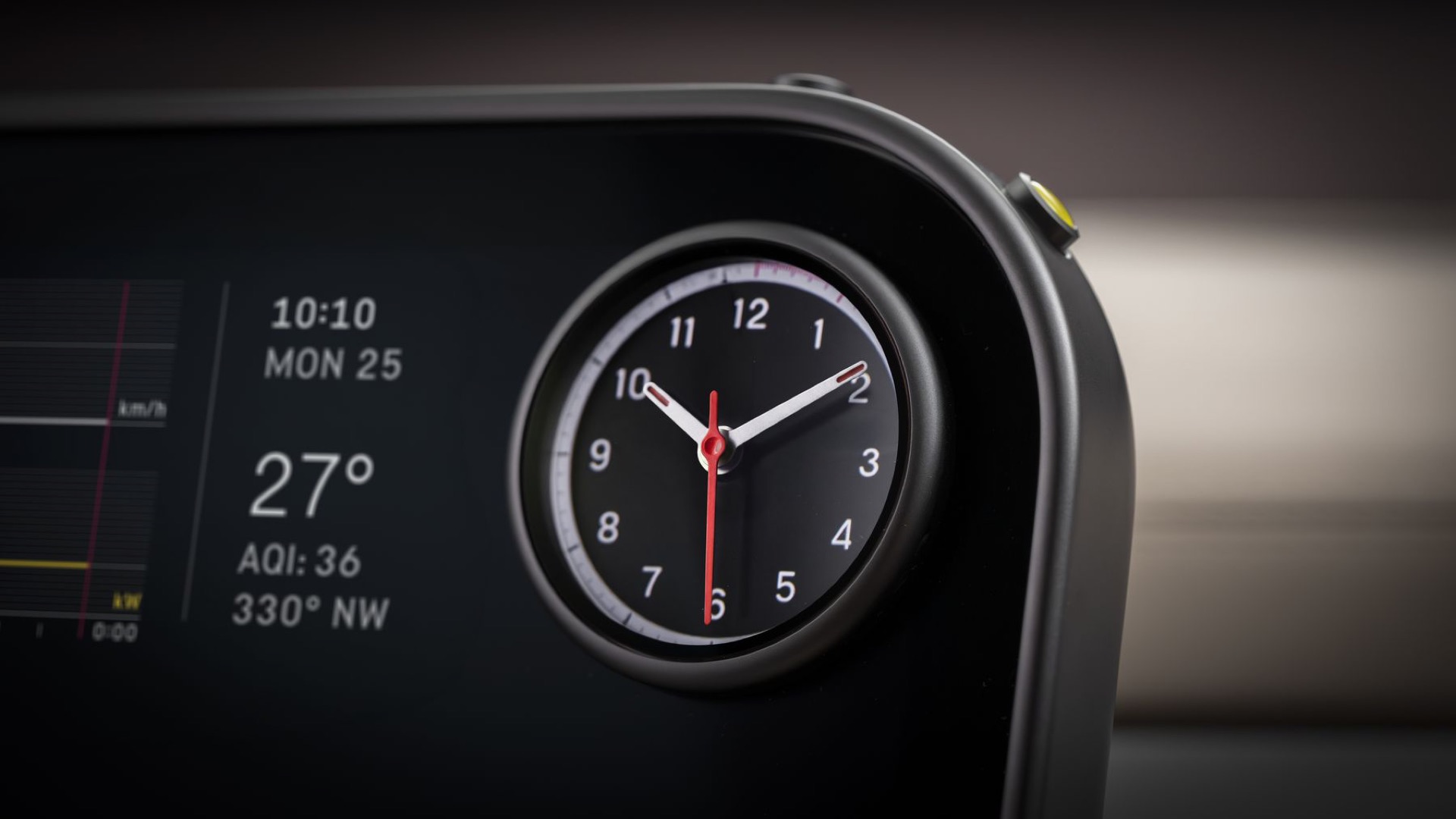
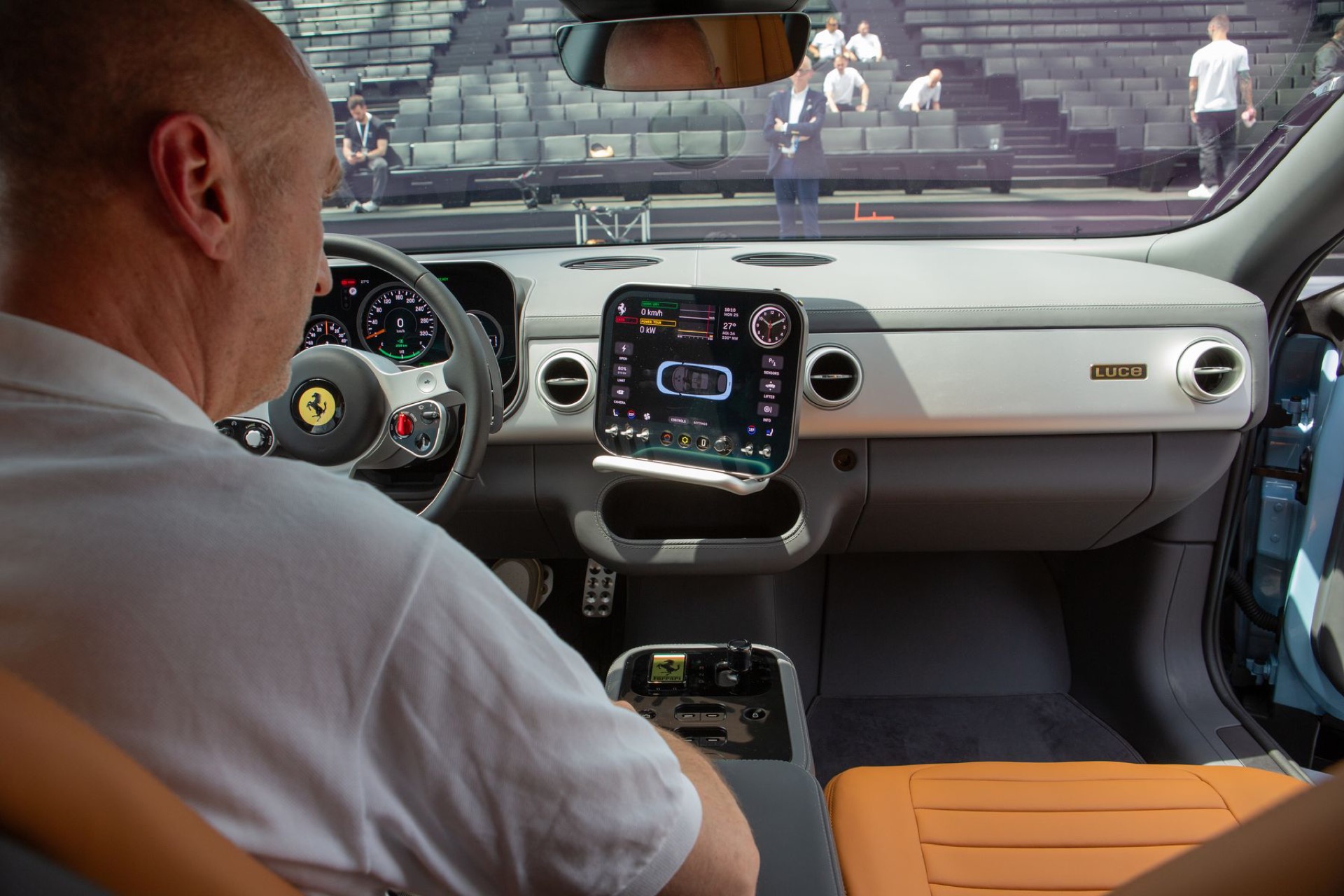
Inside, the Apple influence becomes unmistakable. Ferrari combines physical switches, rotary controls and OLED displays with beautifully machined aluminium surfaces and satisfying tactile feedback. The instrument cluster blends analogue and digital elements, while a rotating tablet-style display sits within the centre console. Amusingly, Ferrari has omitted built-in navigation entirely, relying instead on Apple CarPlay and Android Auto integration. Over-the-air updates are also absent.
Even the startup sequence has been turned into theatre. The key is placed into a dedicated slot within the centre console and pressed down, triggering a dramatic startup ritual complete with illuminated controls and digital animation. Very Ferrari. Very Italian.
Whether that experience is worth €550,000 is another question entirely.