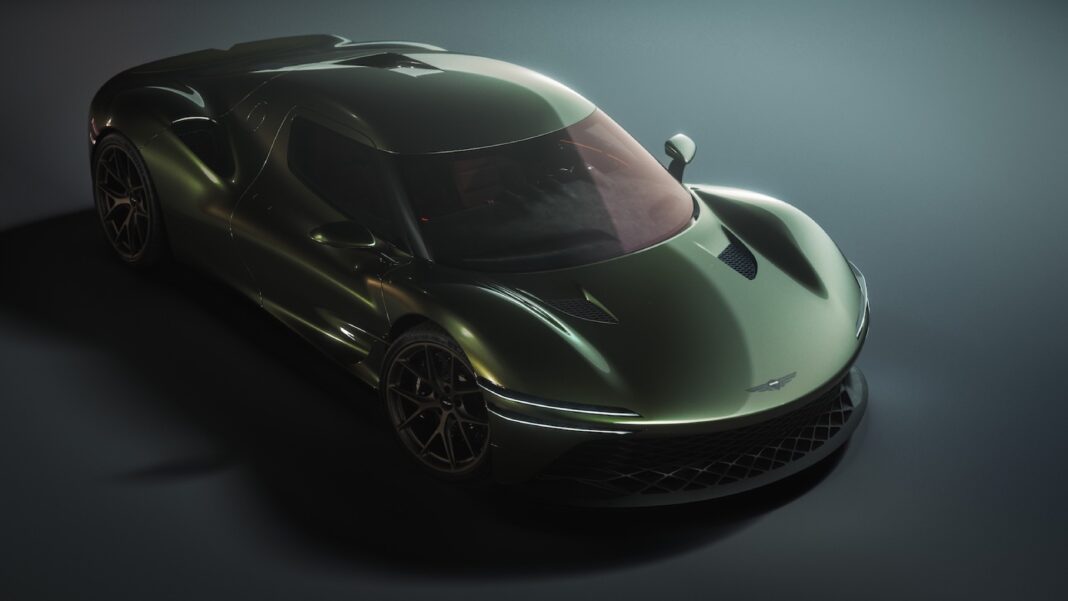
From luxury cruiser to supercar disruptor, Genesis is preparing to unsettle the established order with an 800 PS statement of intent. The Genesis Magma GT has cars such as the Porsche 911 Turbo S and Ferrari 296 firmly in its sights.
Le Mans / Offenbach – Genesis no longer wants to be merely the polished, well-equipped alternative to Mercedes-Benz, BMW and Audi. The Korean premium brand has been working for some time on a second identity, one capable of delivering image, volume and sporting credibility. An identity defined not only by leather, lighting signatures and generous warranties, but by performance and genuine emotion.
The Genesis Magma GT is the company’s most radical exclamation mark yet.
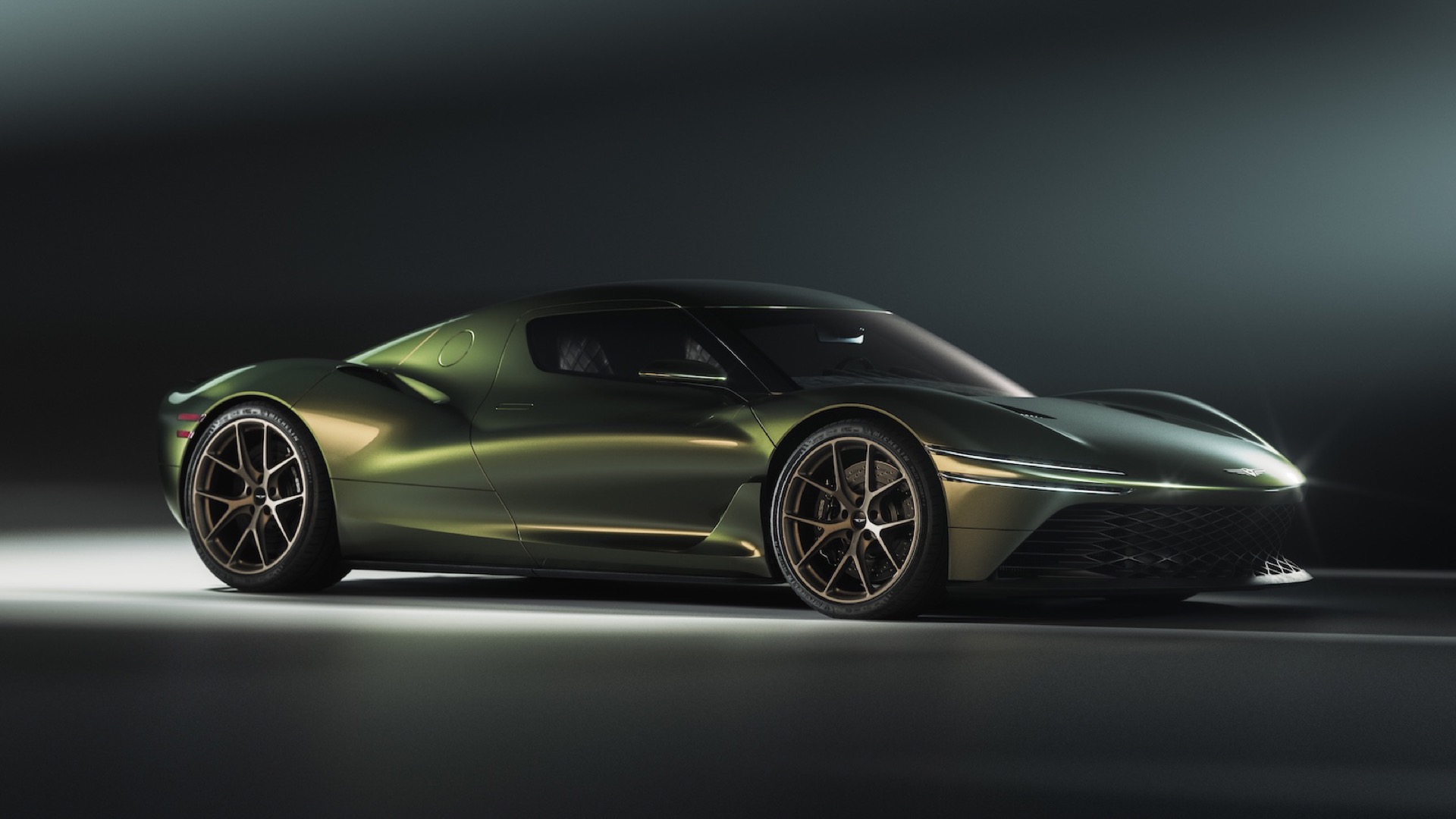
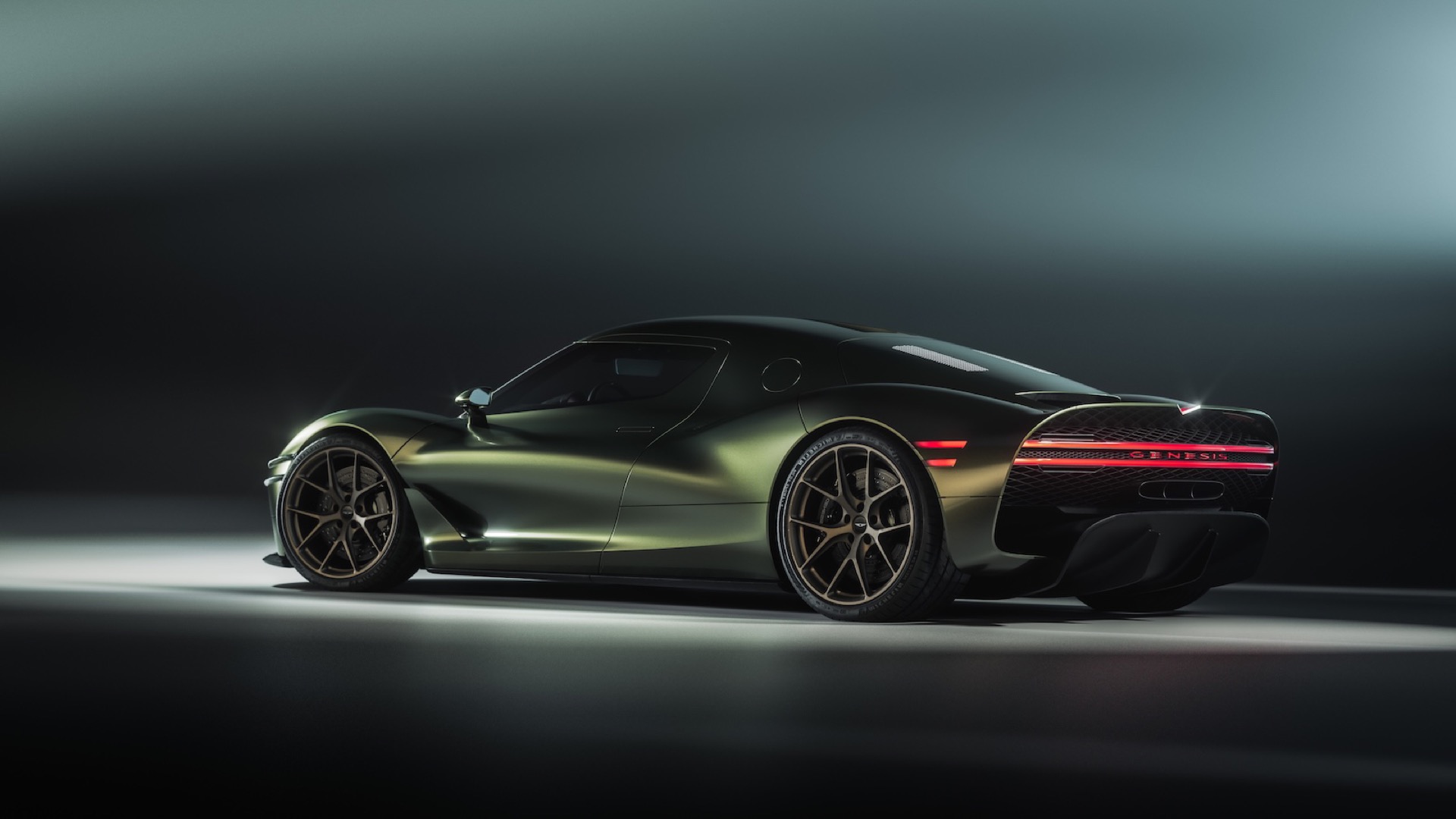
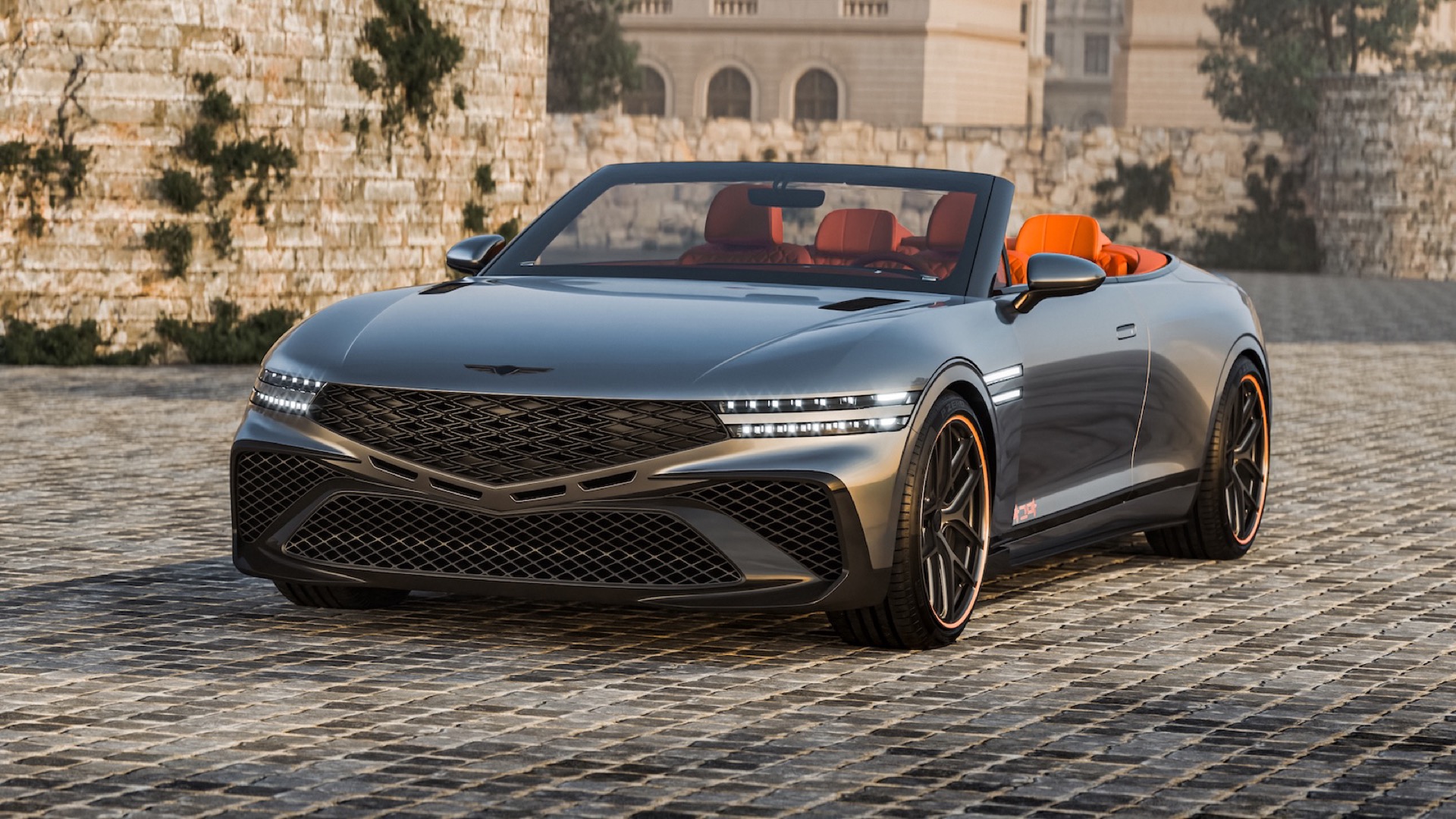
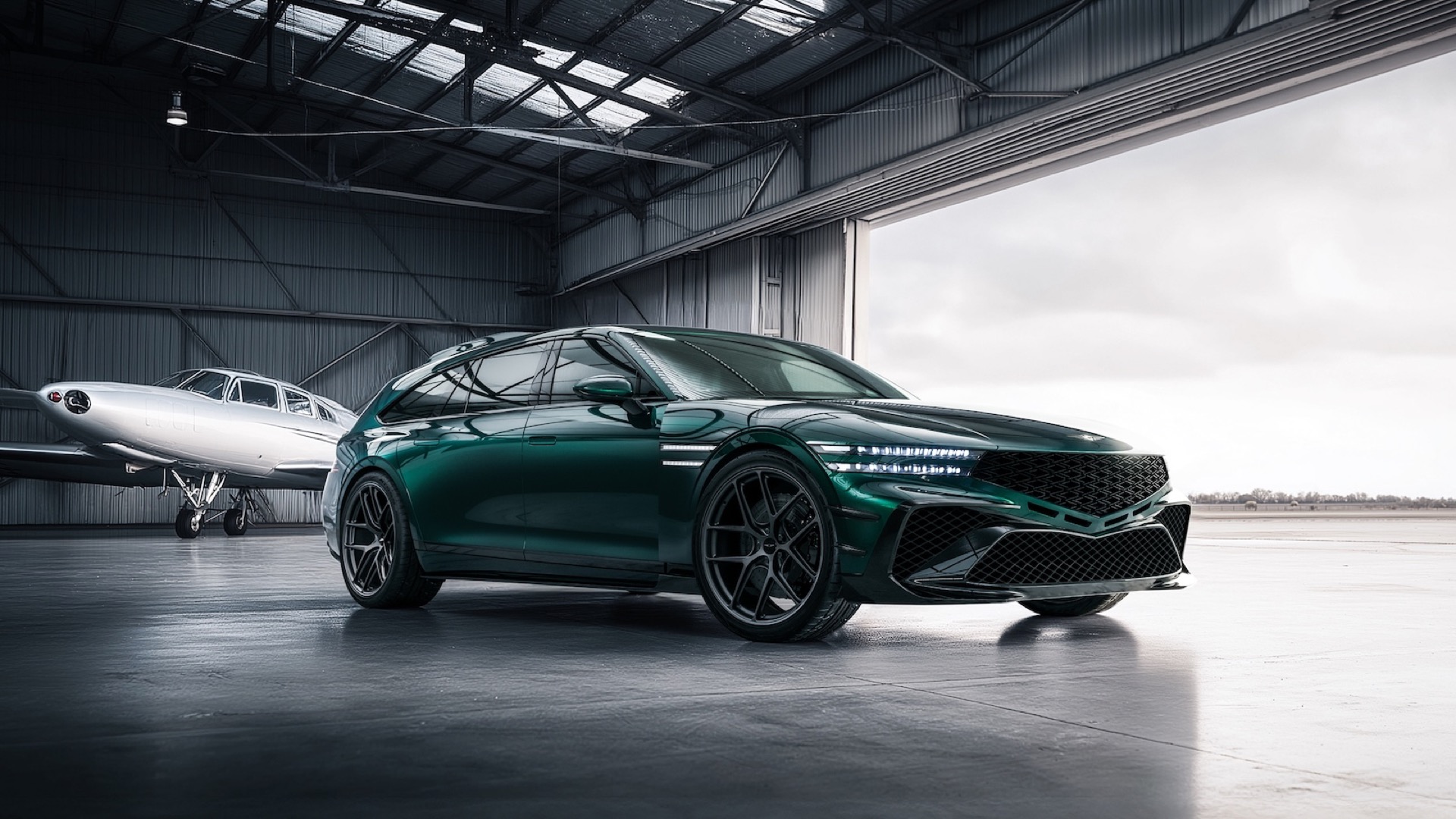
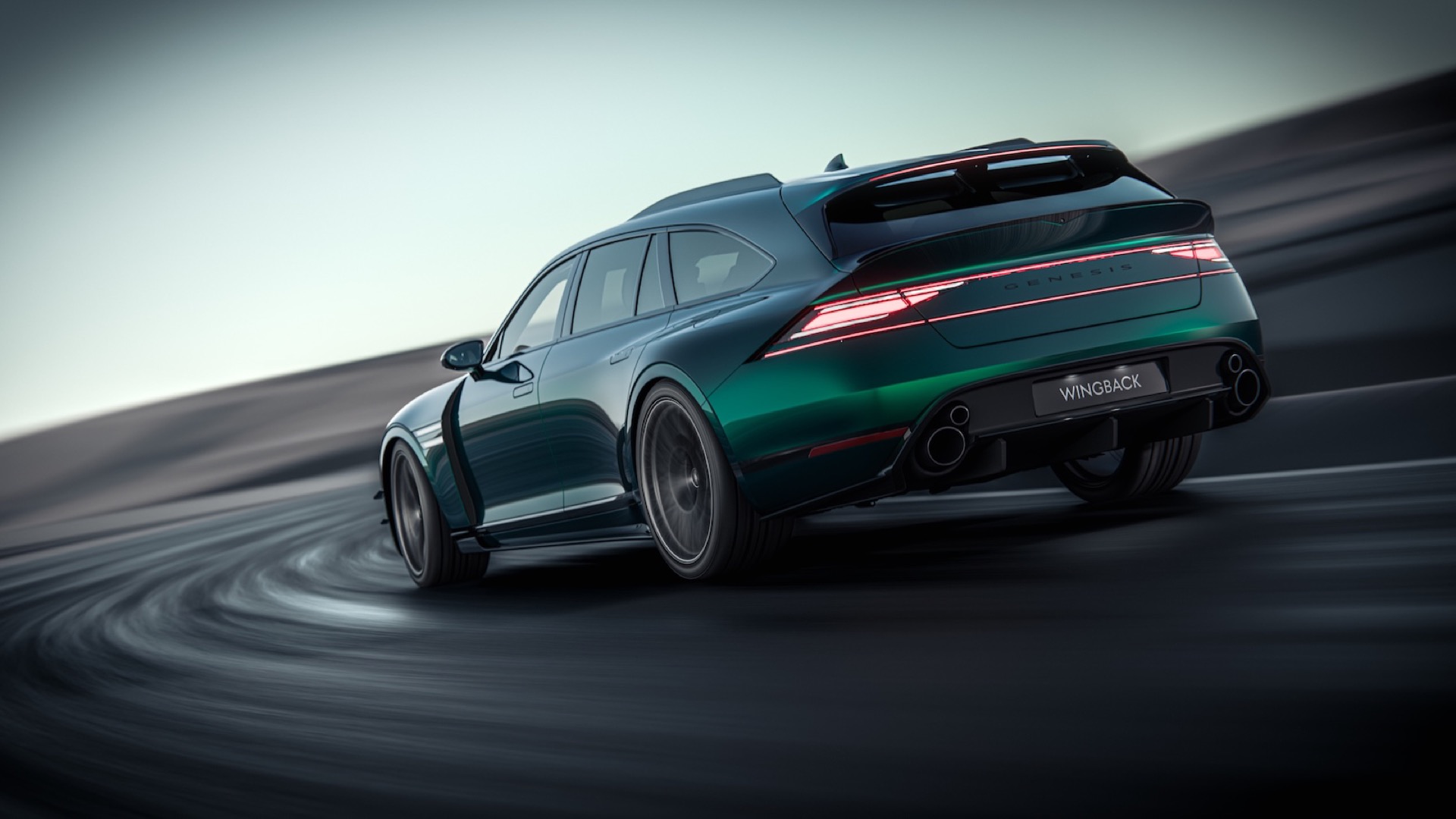
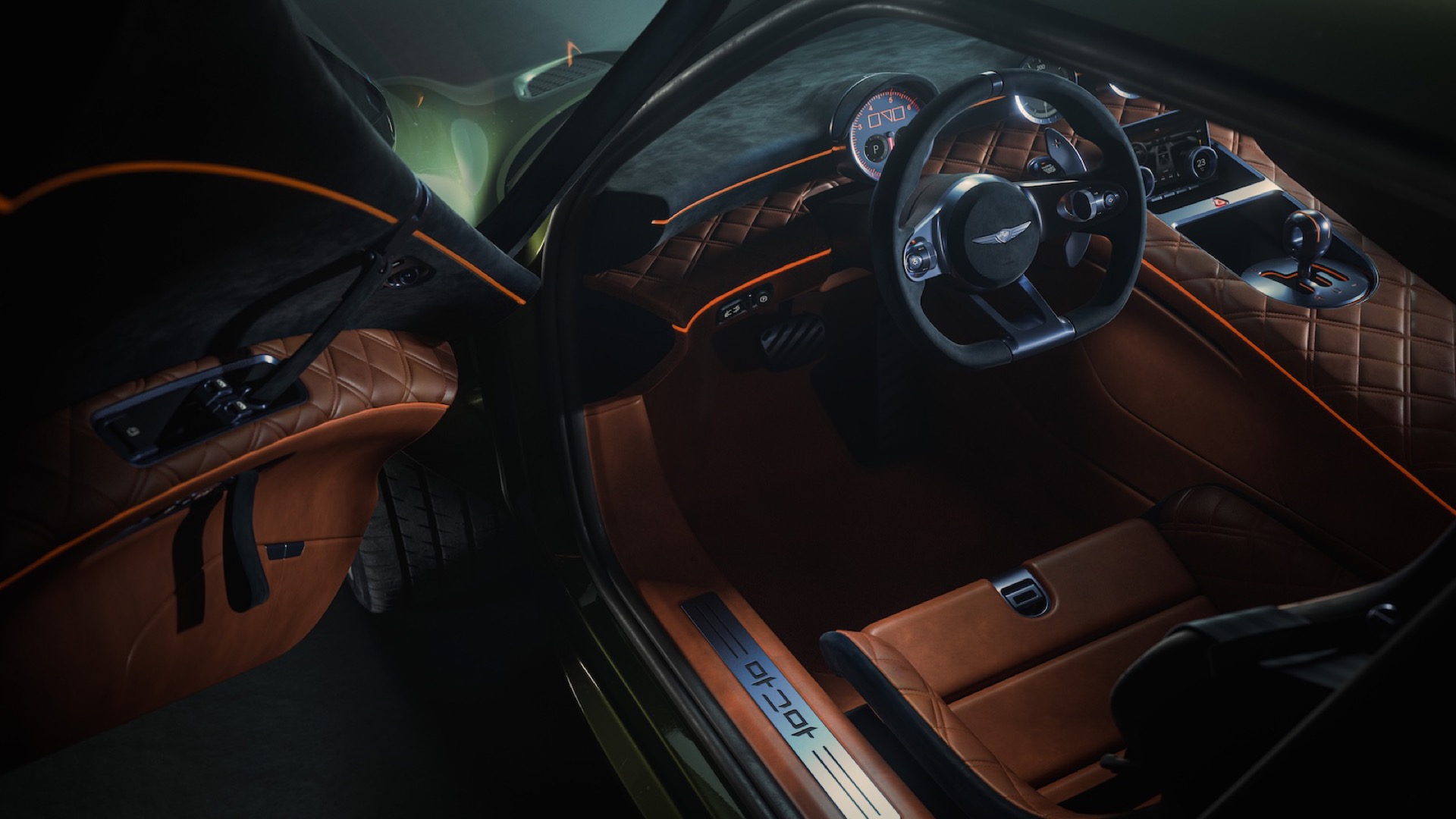
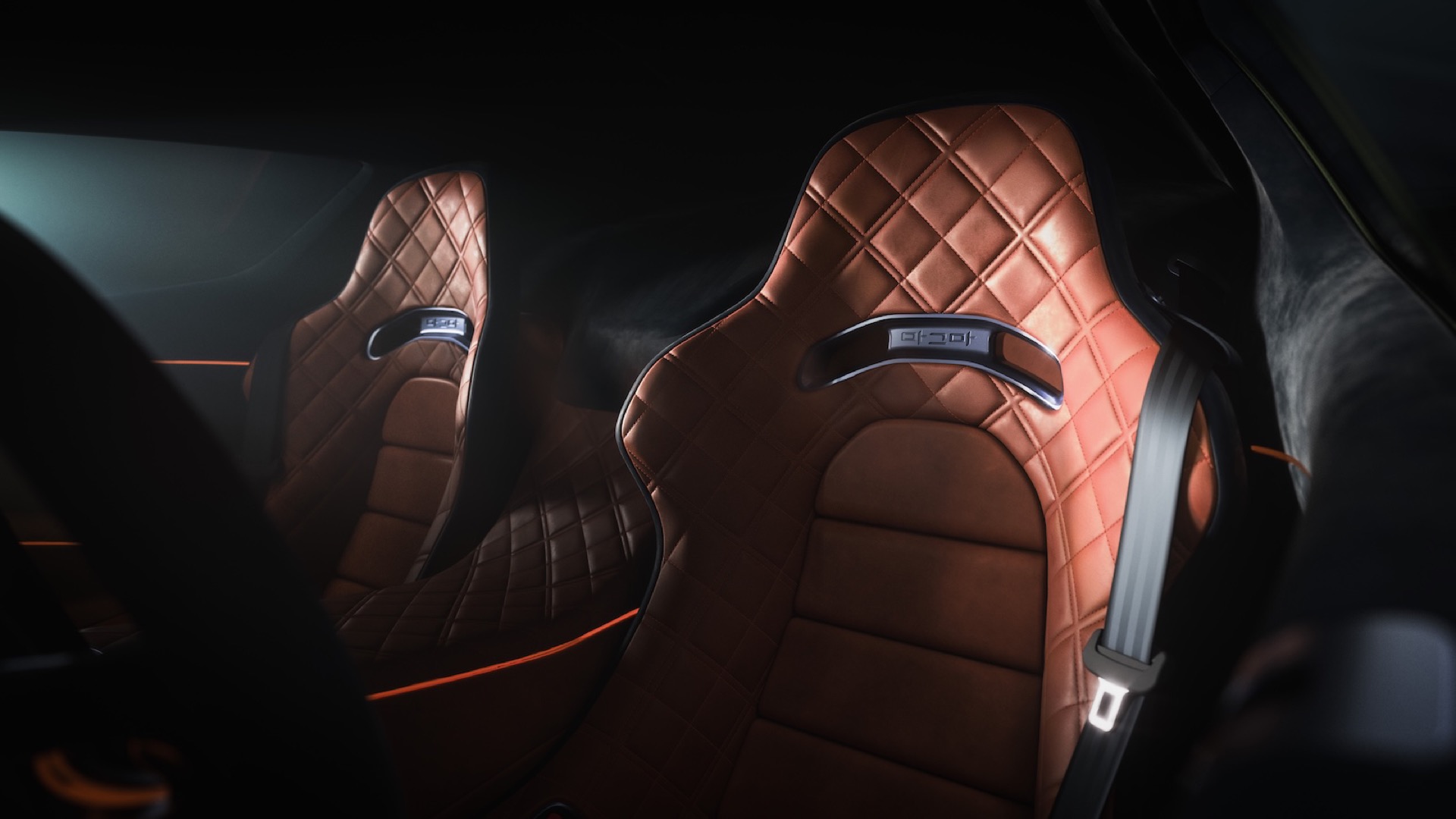
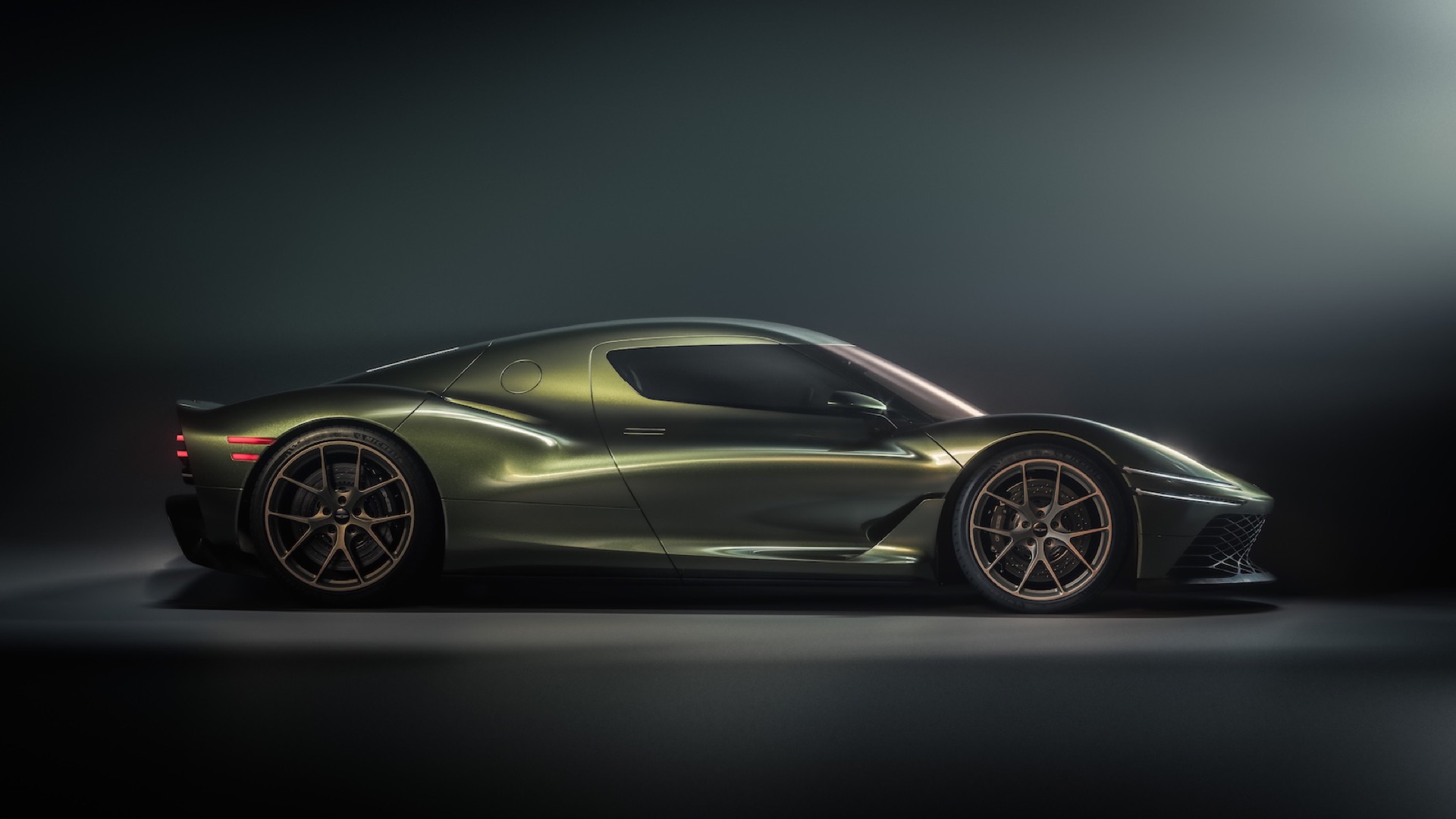
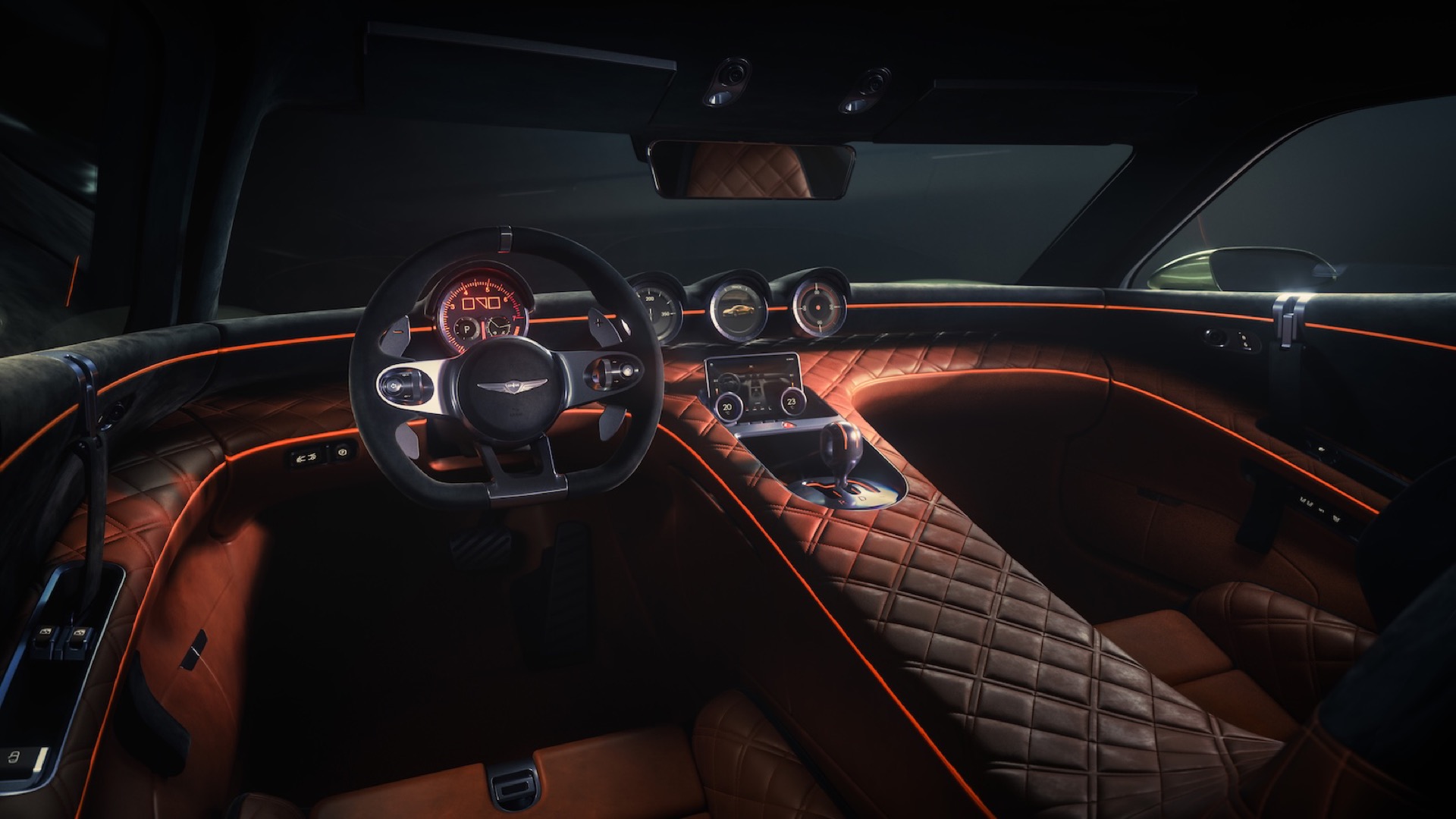
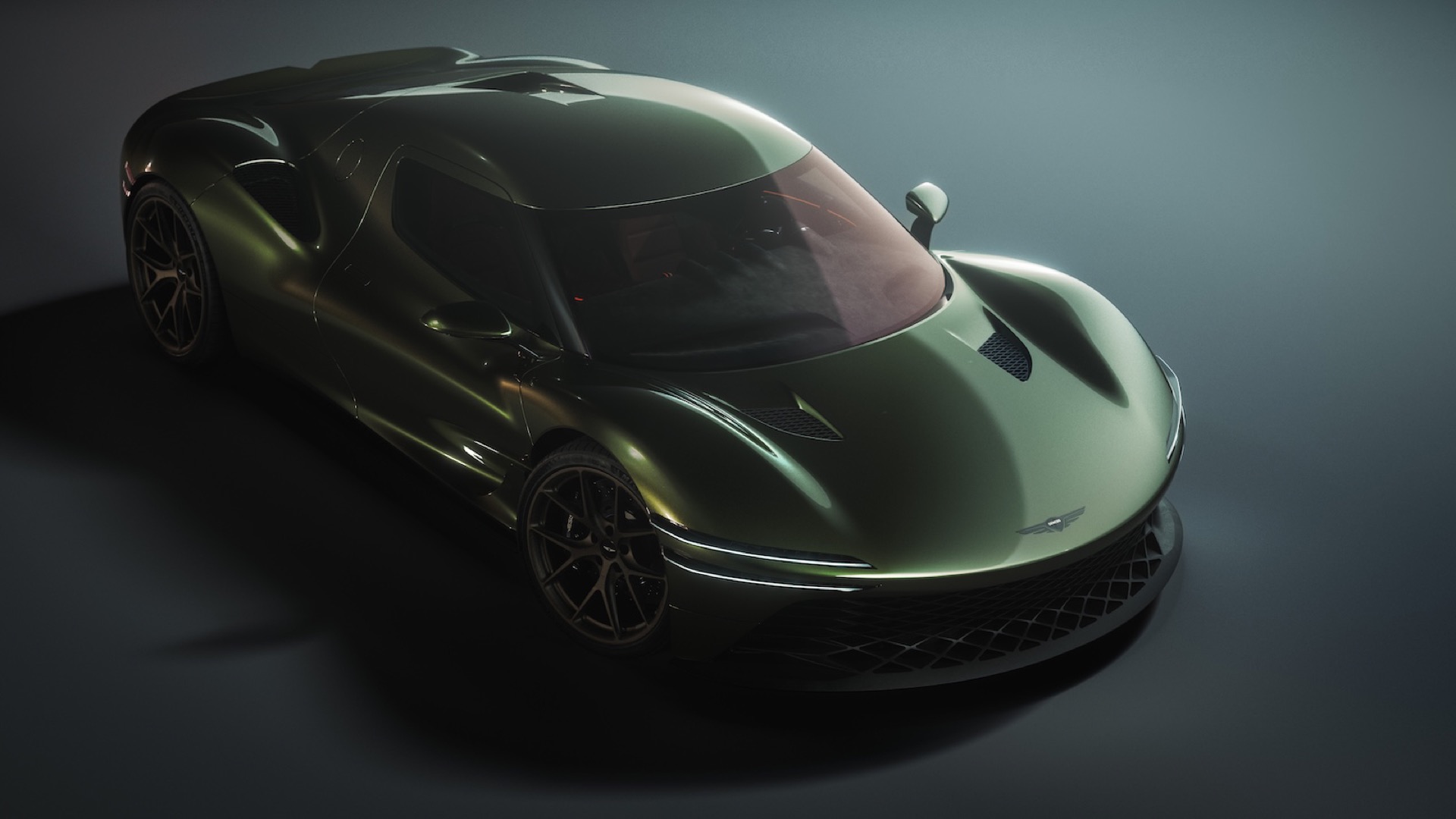
Officially, it remains a concept car. Unofficially, it already looks like a very serious declaration of intent on extremely wide wheels. Its low silhouette, broad shoulders, mid-engined proportions, dramatic doors and overall presence make it feel less like a conventional premium coupé and more like a future rival for the established supercar elite. The question is whether it can genuinely offer more than a Porsche 911 Turbo S, an Aston Martin Vantage or perhaps even a Ferrari 296.
Genesis first caused a stir with the Magma GT Concept at Le Castellet in southern France late last year. Now, during the 24 Hours of Le Mans, the company has provided a far clearer indication of where this ambitious project could be heading.
The link with the world’s most famous endurance race is no accident. Genesis intends to use its growing involvement in the World Endurance Championship to give its road cars greater authority and emotional pull. The Magma GT is intended to play the role that cars such as the Lexus LFA and Porsche 918 Spyder once played for their respective brands: a rolling manifesto of engineering capability.
Perhaps most strikingly, the Magma GT is expected to rely on a high-revving combustion engine, just like the great halo cars of the past. That sends a clear message. Genesis Magma is about more than marketing exercises and orange bodykits. It is about a genuine affection for the automobile.
And there is good reason to believe it.
Hyundai has already demonstrated what it is capable of with its N division. Under the guidance of former BMW executive Albert Biermann, Hyundai did more than simply produce competent hot hatches. It disrupted the entire GTI scene and persuaded plenty of previously loyal Volkswagen and Opel customers to look towards Korea instead.
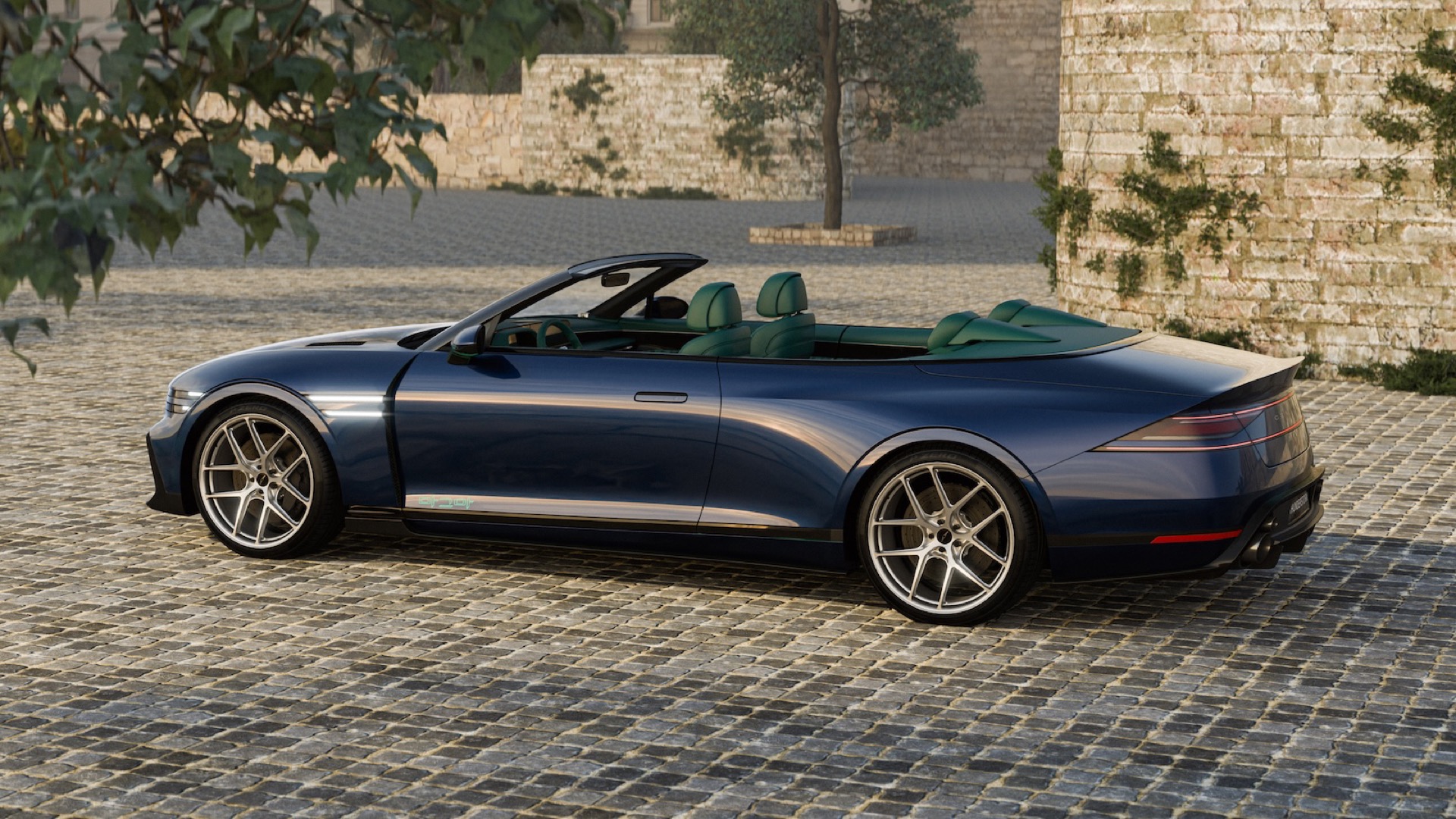
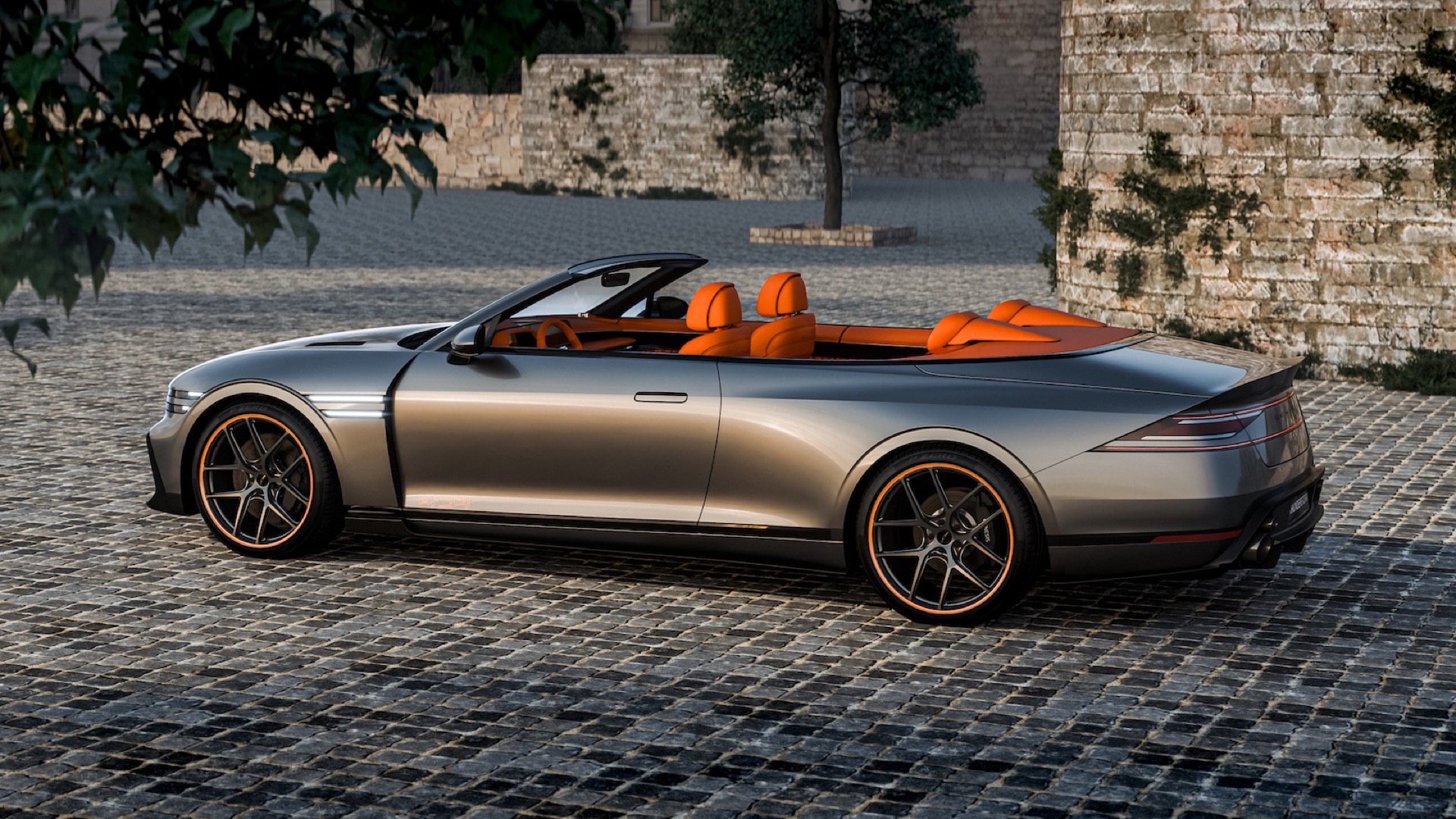
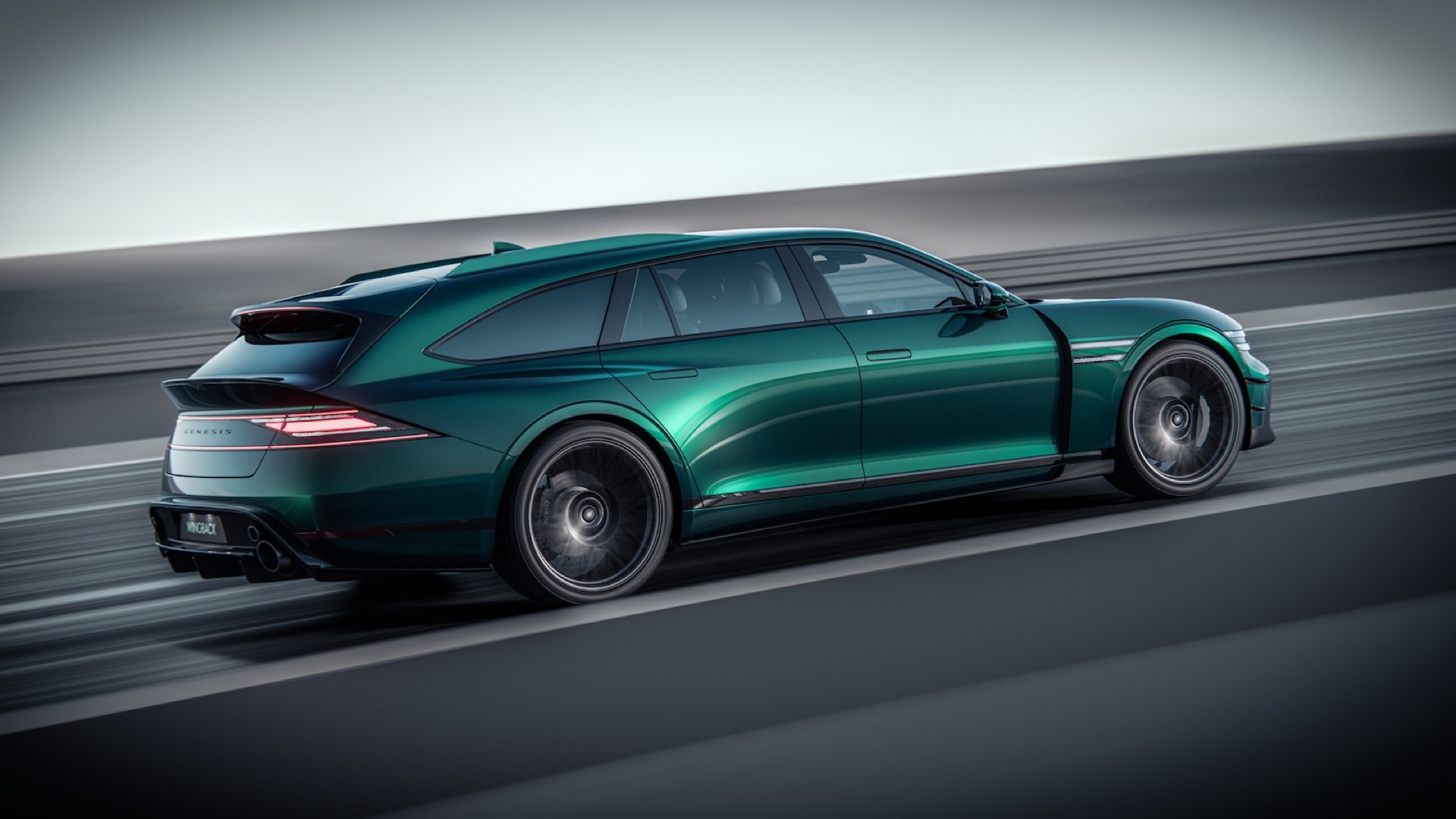
A similar story now appears to be unfolding at Genesis under Manfred Harrer, the former Porsche executive who leads global development for Hyundai Motor Group. What he presented at Paul Ricard last autumn had even hardline enthusiasts, increasingly frustrated by the industry’s shift towards electrification, paying close attention. Alongside the Magma GT were glamorous convertibles, elegant coupés and even a shooting brake, vehicles that surprised not merely the industry but the wider enthusiast community.
So when Harrer speaks about the Magma GT with a visible sparkle in his eye, it is easy to imagine that he has already experienced the car at full boost, delicately balancing it along the racing line.
There should be no shortage of performance. The Magma GT is expected to benefit from technology transfer from the Genesis Magma Racing Le Mans programme, using a 3.2-litre twin-turbocharged V8 hybrid powertrain. The engine itself is said to draw on Hyundai Motorsport’s rally experience. Put simply, two 1.6-litre WRC four-cylinder engines have been combined into a V8 and supplemented with hybrid assistance to produce around 800 PS.
Genesis’s understanding of driving pleasure is also evident inside.
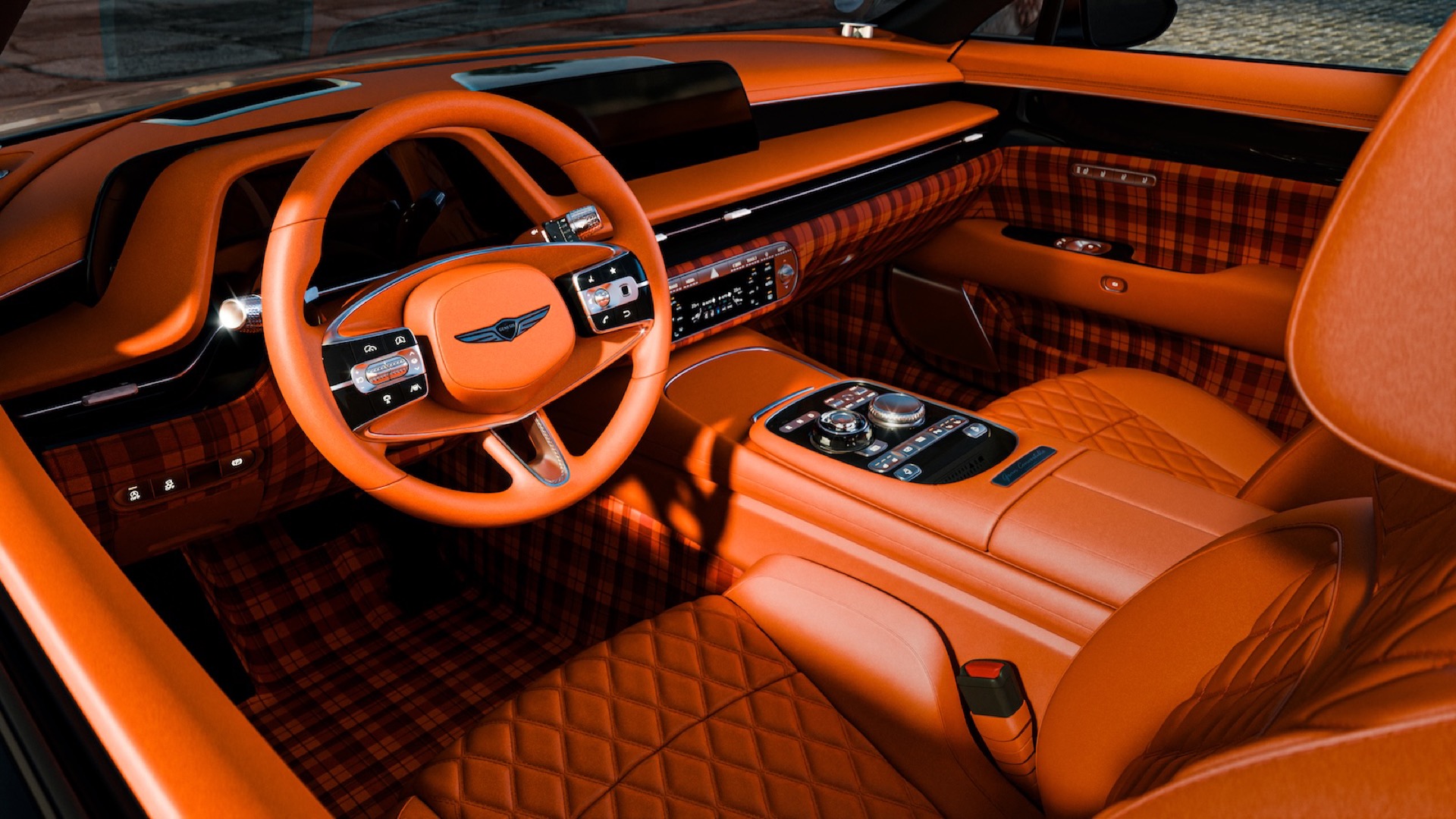
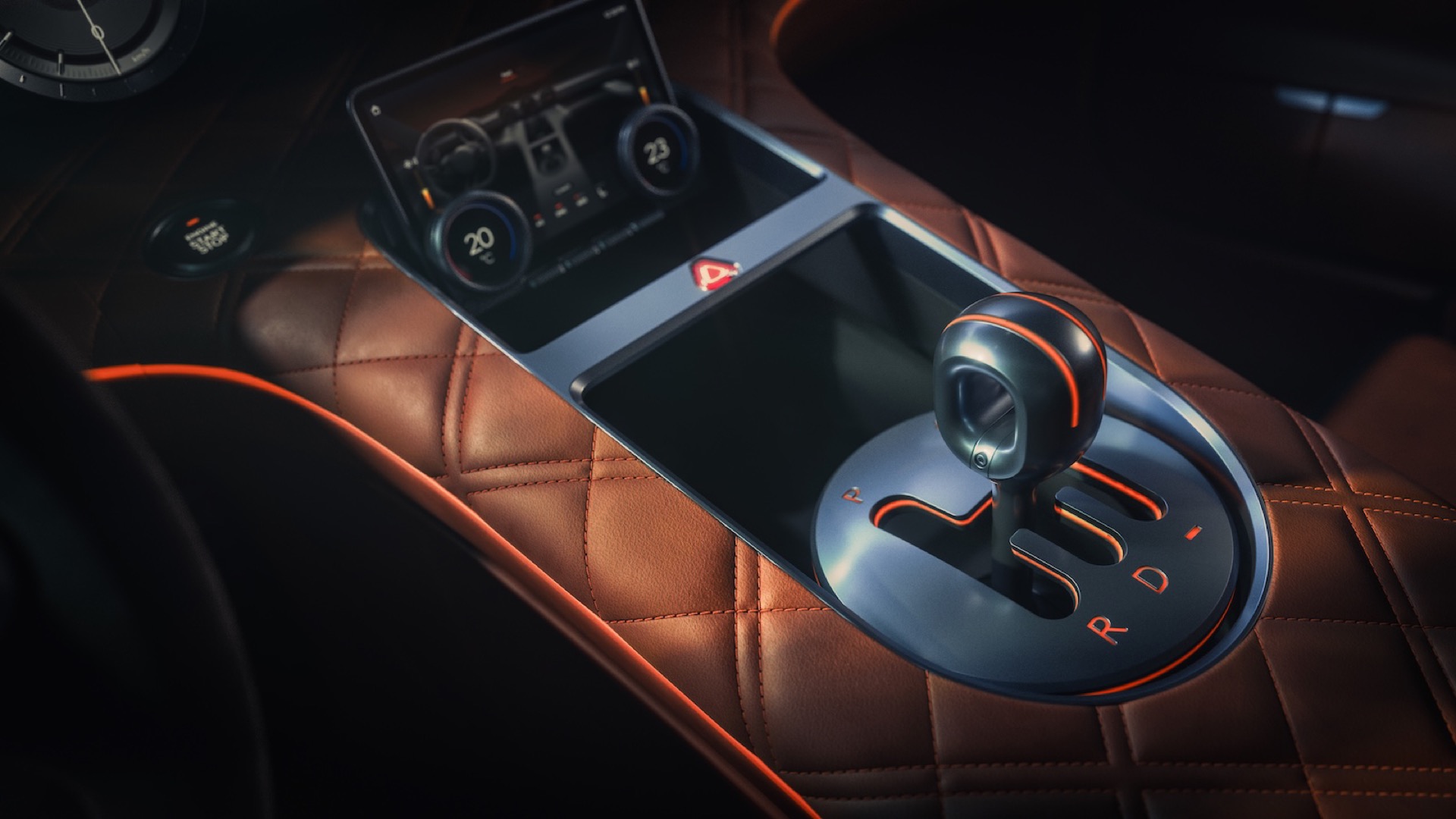
While many rivals continue to fill their cabins with ever-larger and increasingly anonymous hyperscreens, the Magma GT celebrates a return to tactile, analogue drama. The interior has a distinctly old-school feel. At its centre is an exposed shift gate, complete with a mechanical selector that moves through a precisely machined aluminium guide with a metallic click.
Never mind that it is simply an automatic selector. The gesture is what counts.
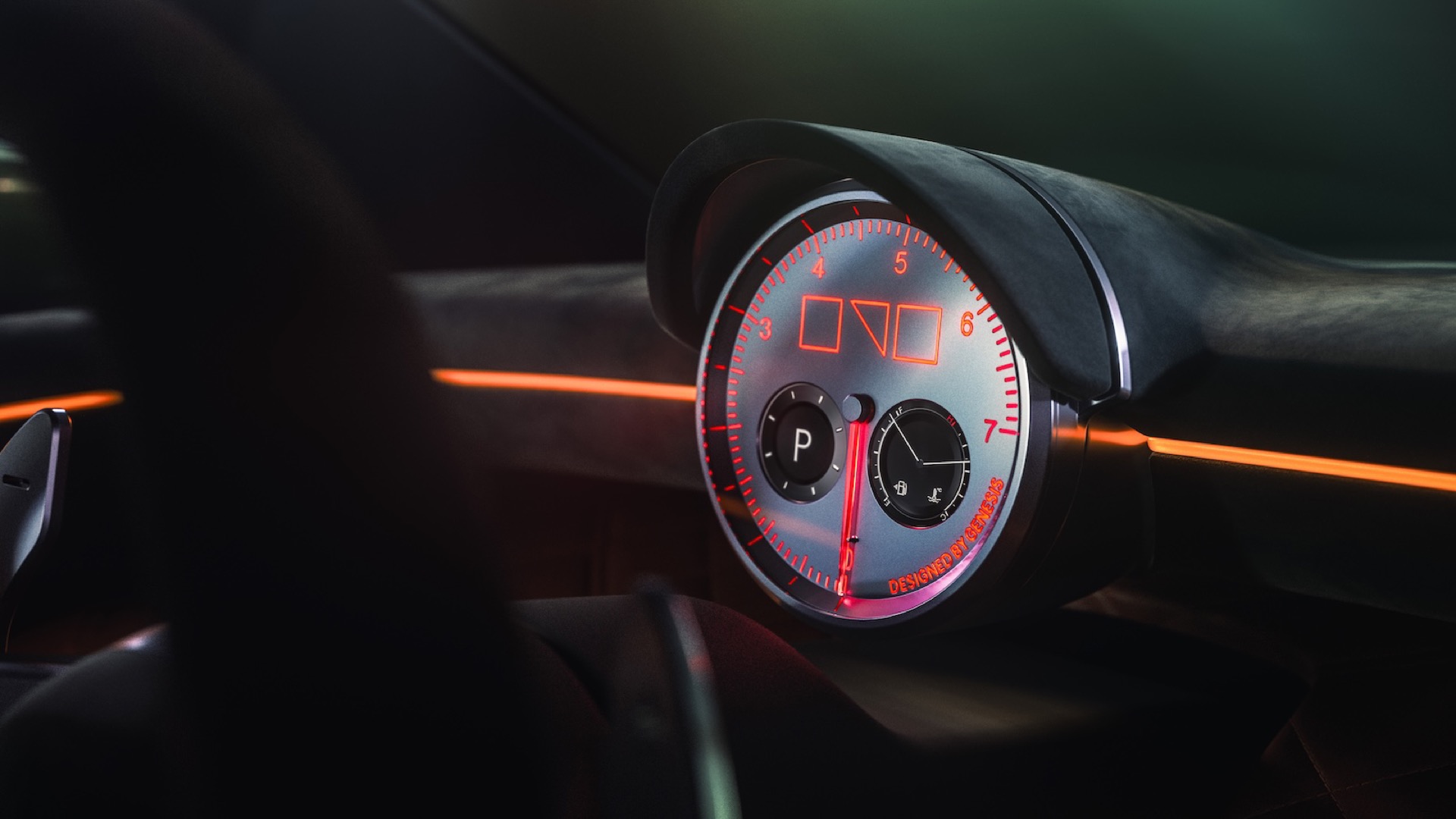
It is flanked by beautifully crafted analogue instruments that resemble expensive chronographs. At the same time, the quality of the upholstery and fine leather trim makes it clear that this flagship Genesis is not intended to be a stripped-out track-day tool in the mould of a Porsche 911 GT3 RS.
Instead, the Koreans are aiming for a fascinating niche: a luxurious high-performance machine capable of combining effortless long-distance comfort with uncompromising circuit capability. In effect, it would be an everyday entry-level hypercar.
The Magma GT also arrives at an interesting moment for the wider industry. Cost pressures are greater than ever, leaving little room for indulgent engineering exercises or expensive passion projects. Yet even Porsche could arguably use a successor to the 918 Spyder today, a car that sharpens the brand’s profile, inspires dreams and creates genuine desire.
That is precisely what the Genesis Magma GT promises to be.
There is, naturally, no discussion of price just yet. But even at €250,000, Genesis could have something genuinely unusual on its hands. Rivals may offer individual elements of the same formula, but few appear to combine supercar performance, hybrid V8 theatre, analogue charm and proper luxury in quite the same way.
The era in which Korean brands needed to rely on cut-price deals to attract customers is long gone. Quite the opposite may prove true here. Should Manfred Harrer and his team bring the cars shown so far into production, Genesis will not only shake up the Wörthersee crowd. It could make a serious impression on the grand boulevards of the world.