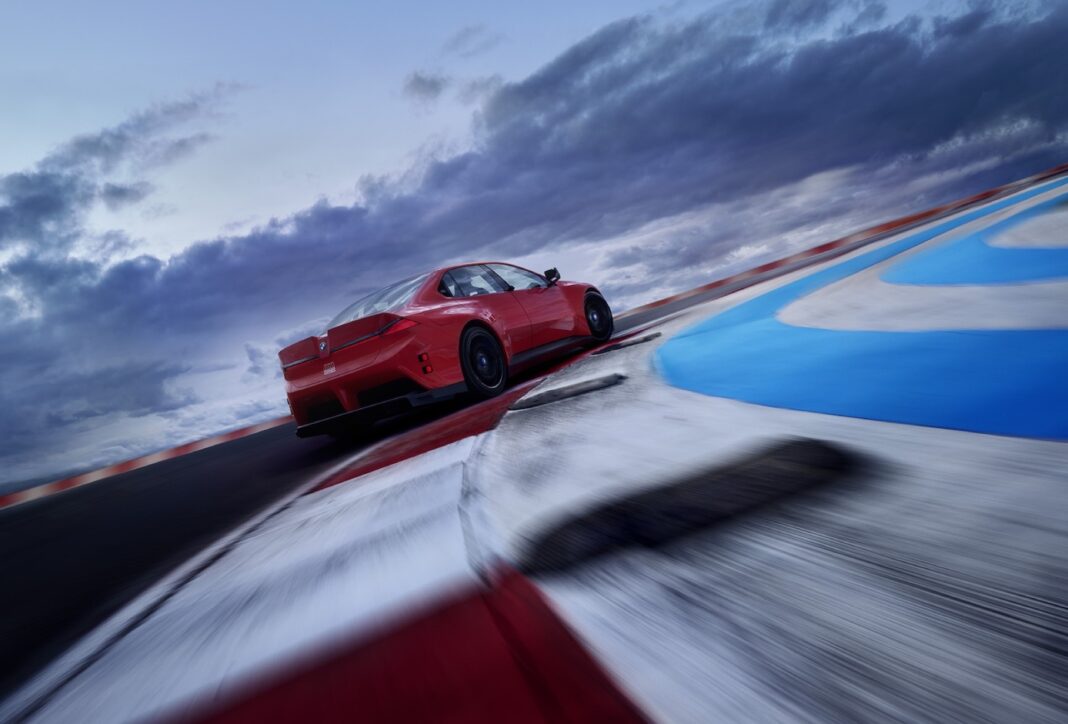
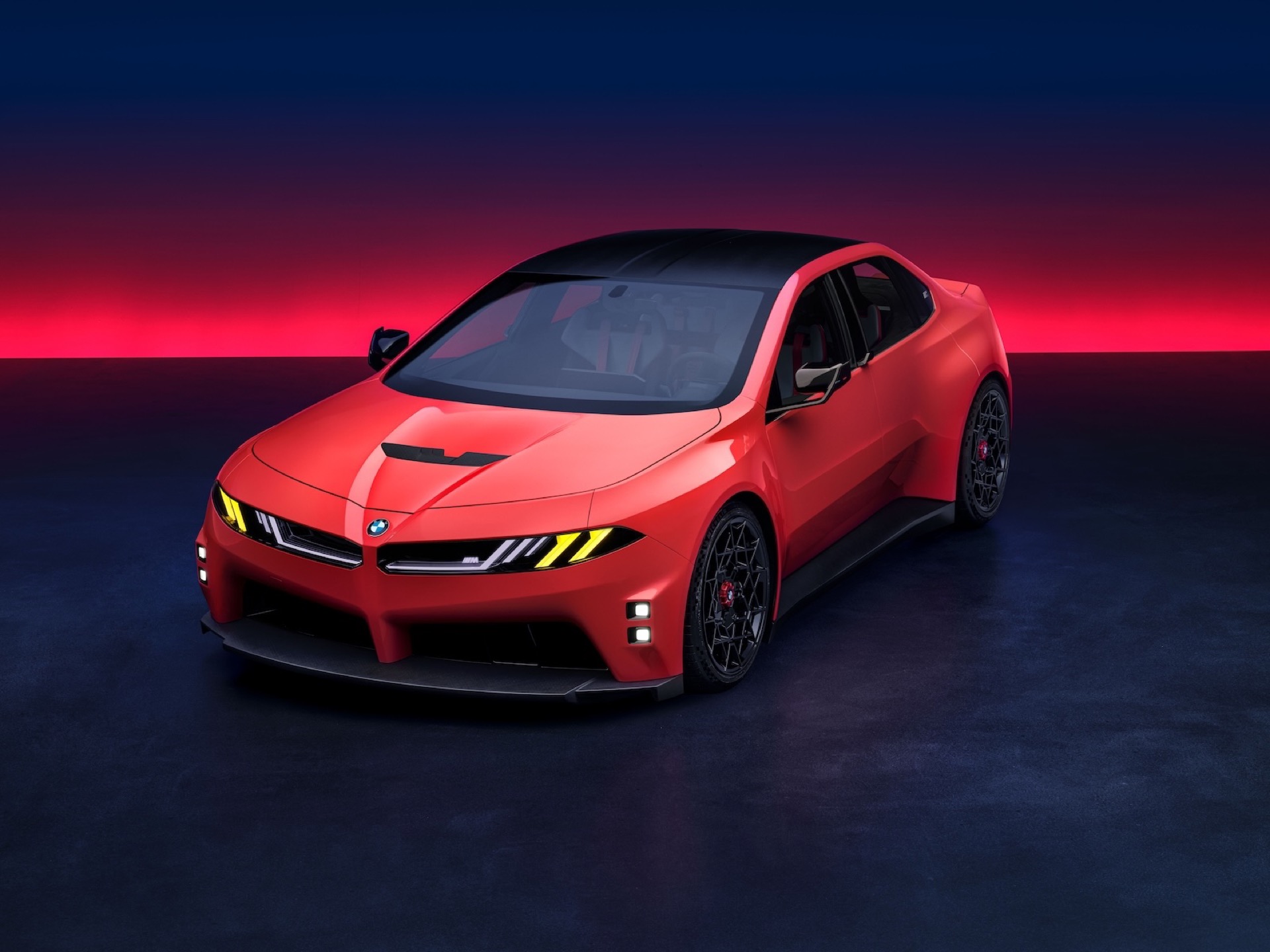
Whether BMW enjoys success at this year’s 24 Hours of Le Mans will only become clear when the chequered flag falls on Sunday afternoon. Yet the Bavarians have already made a statement at the world’s most important endurance race, unveiling the dramatic BMW M Concept Neue Klasse – a preview of the fully electric BMW i3 M due to arrive in 2027.
The fact that BMW M would eventually embrace electrification has never really been in doubt. The company offered an early glimpse of its intentions with last year’s M eDrive Concept, but the Le Mans debut of the new M Concept provides the clearest indication yet of where BMW’s performance division is heading.
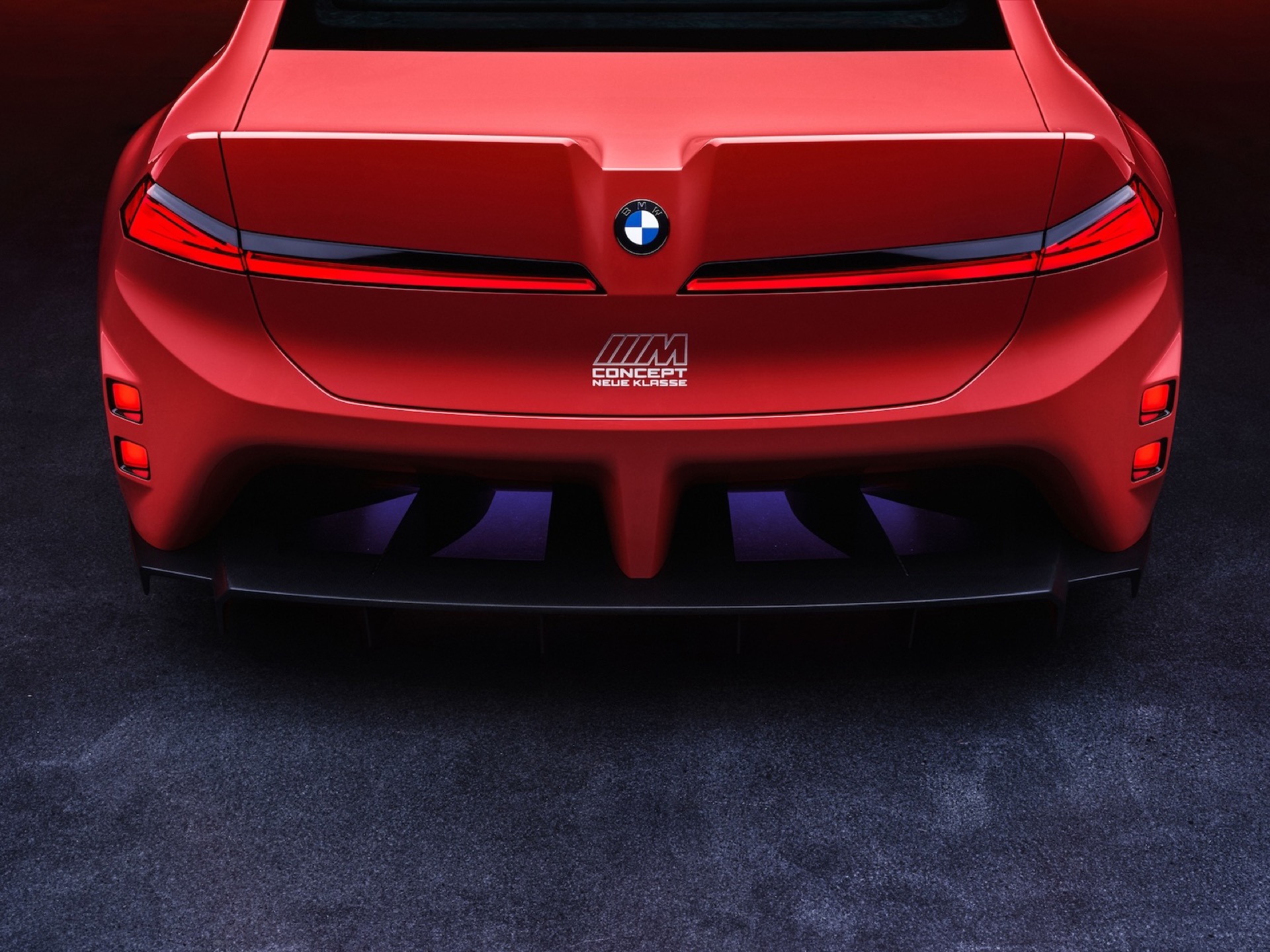
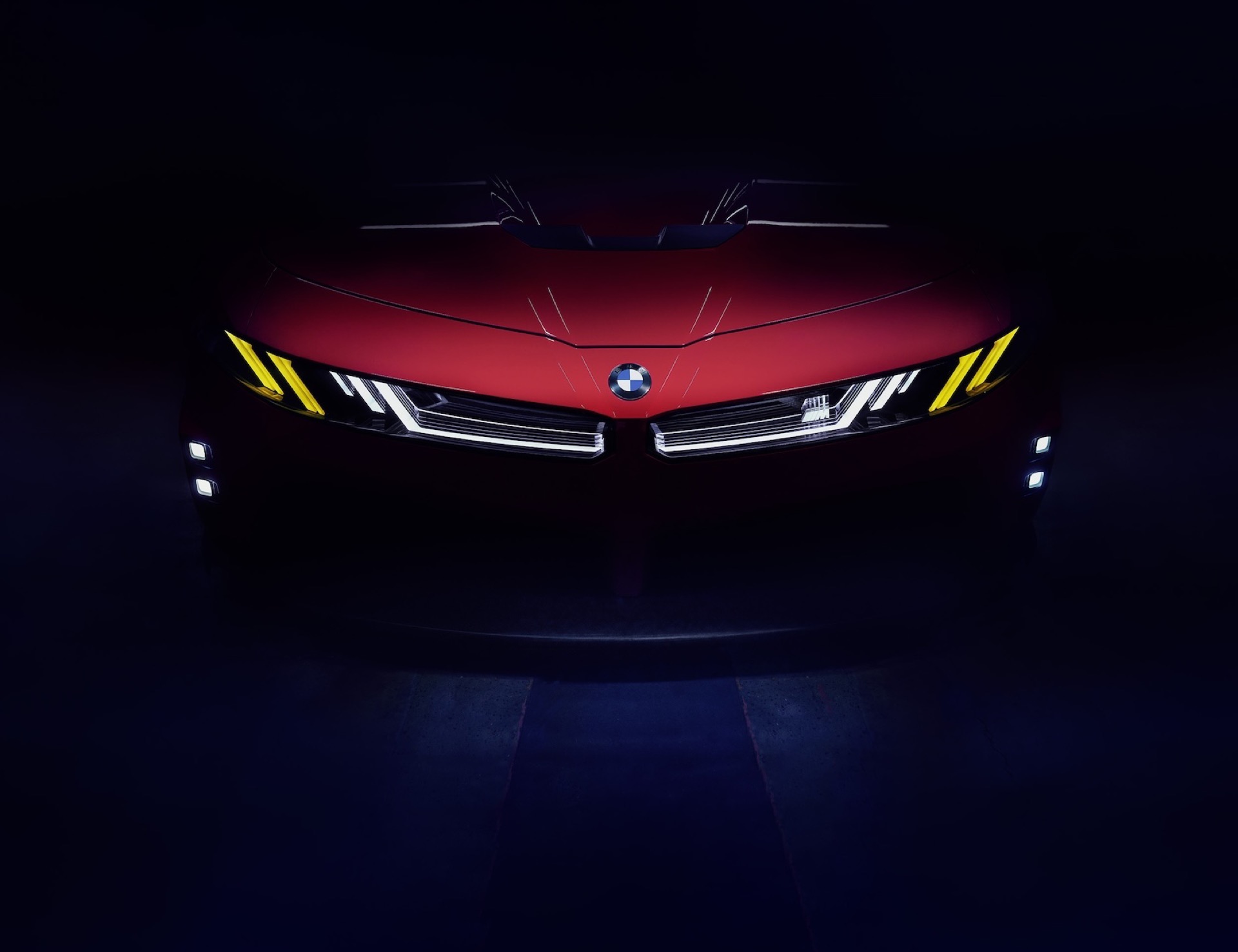
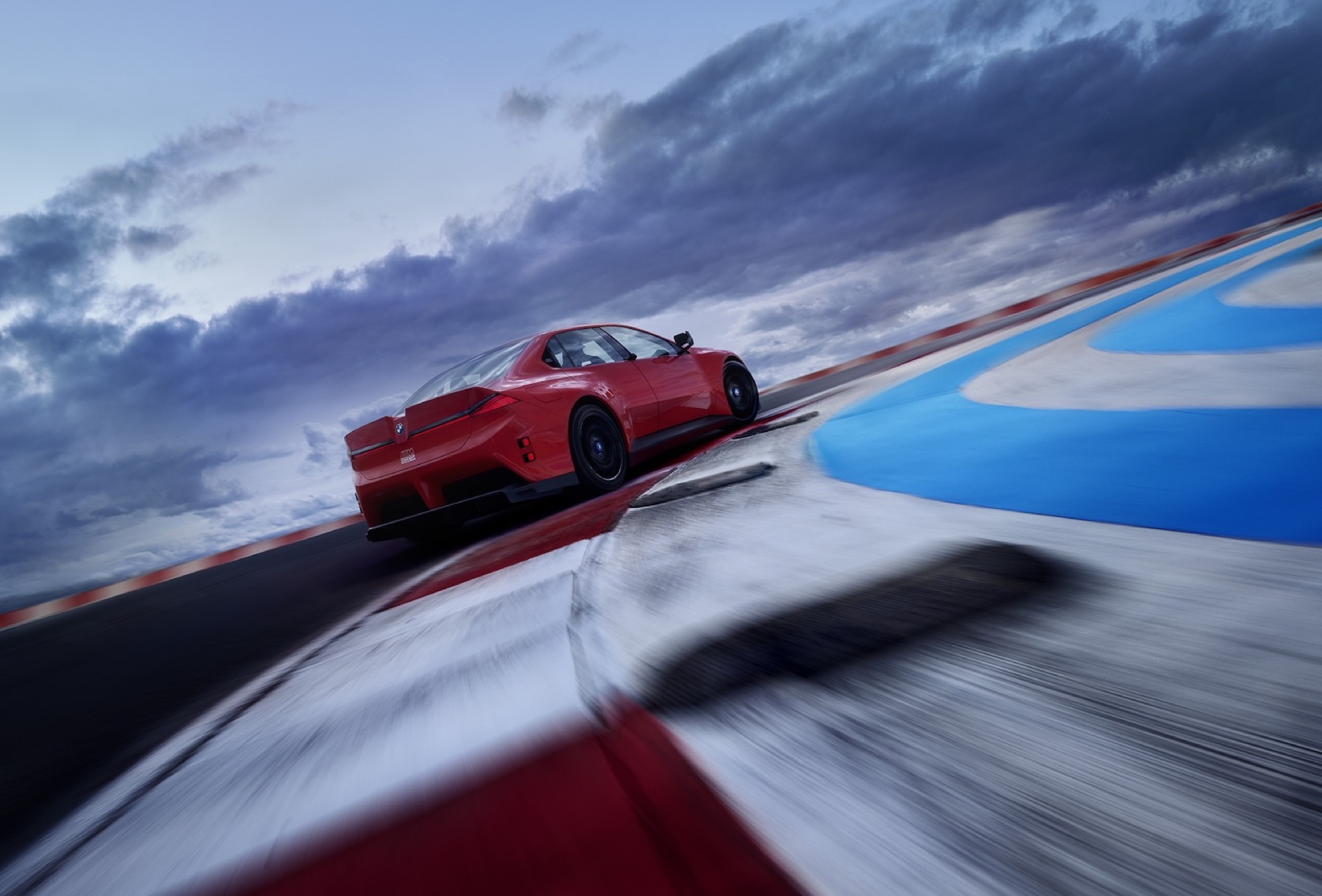
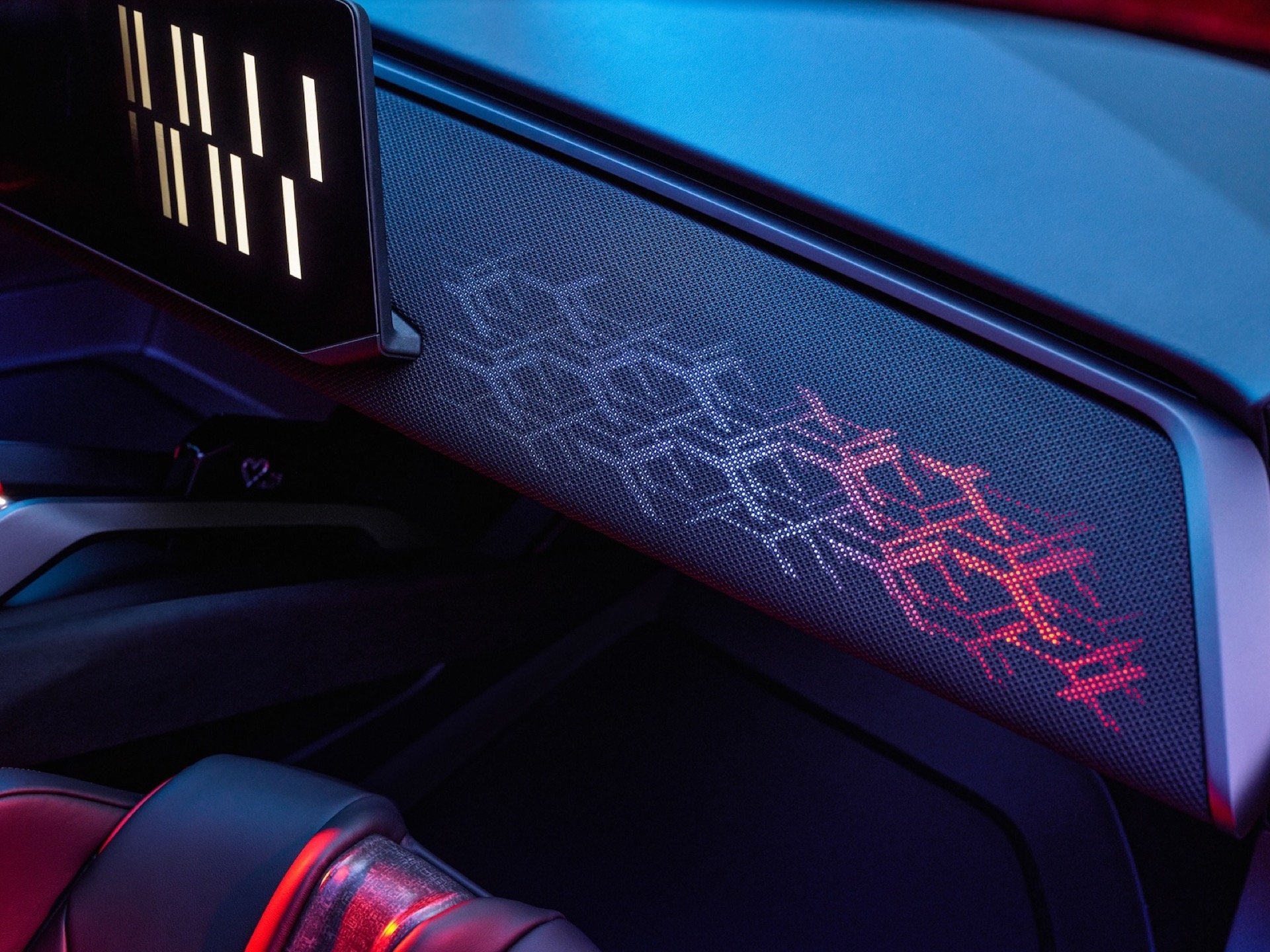
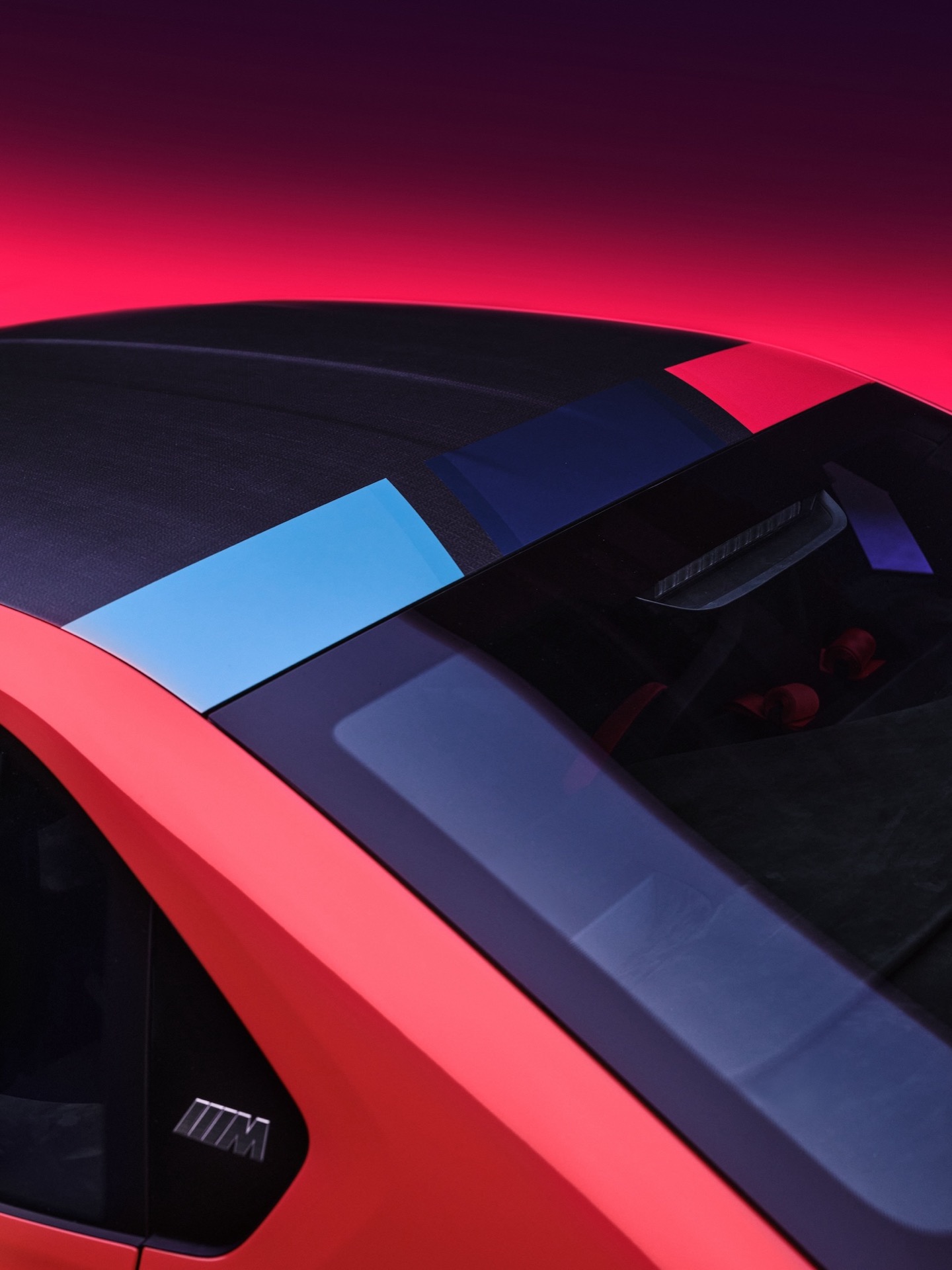
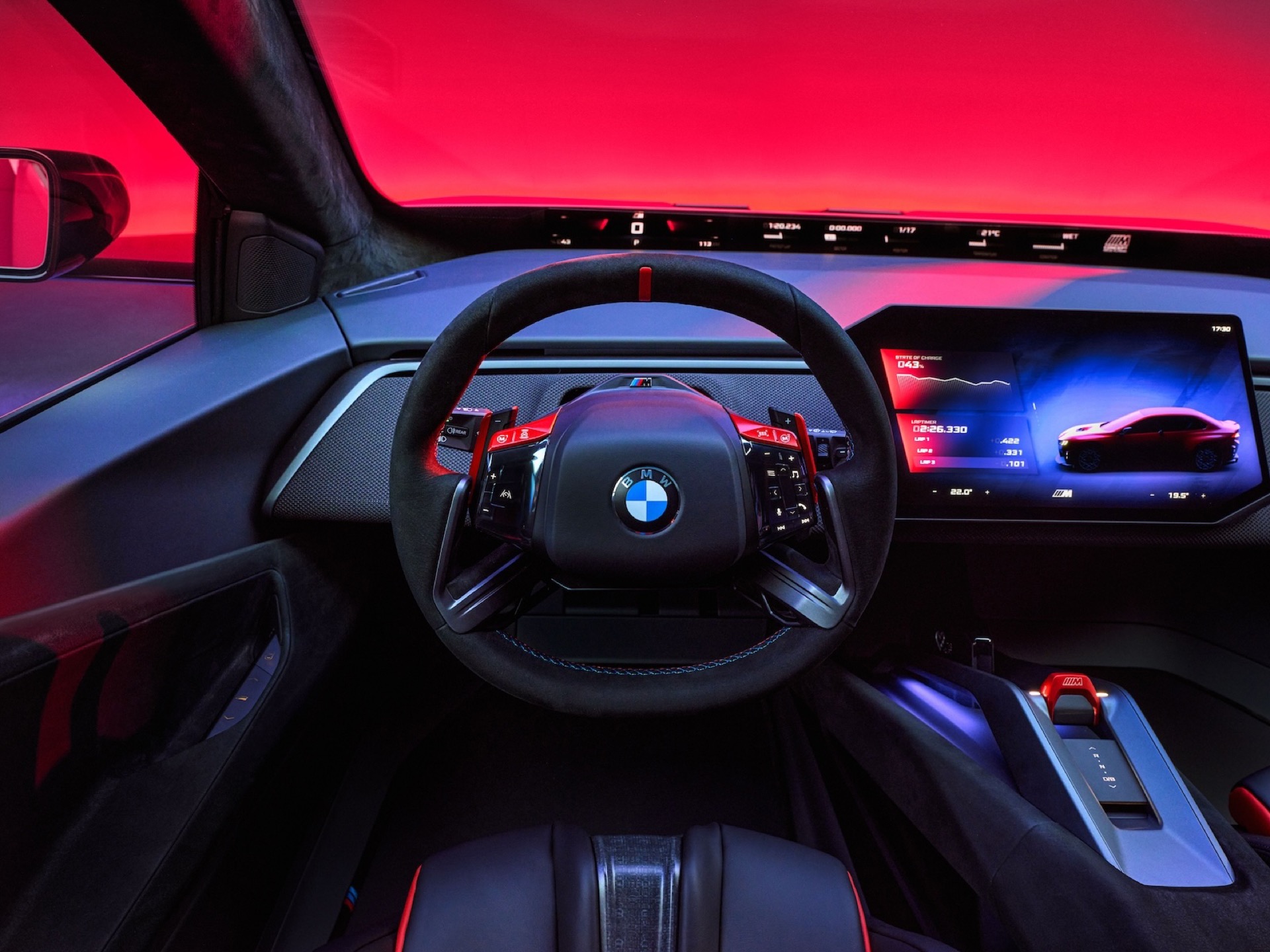
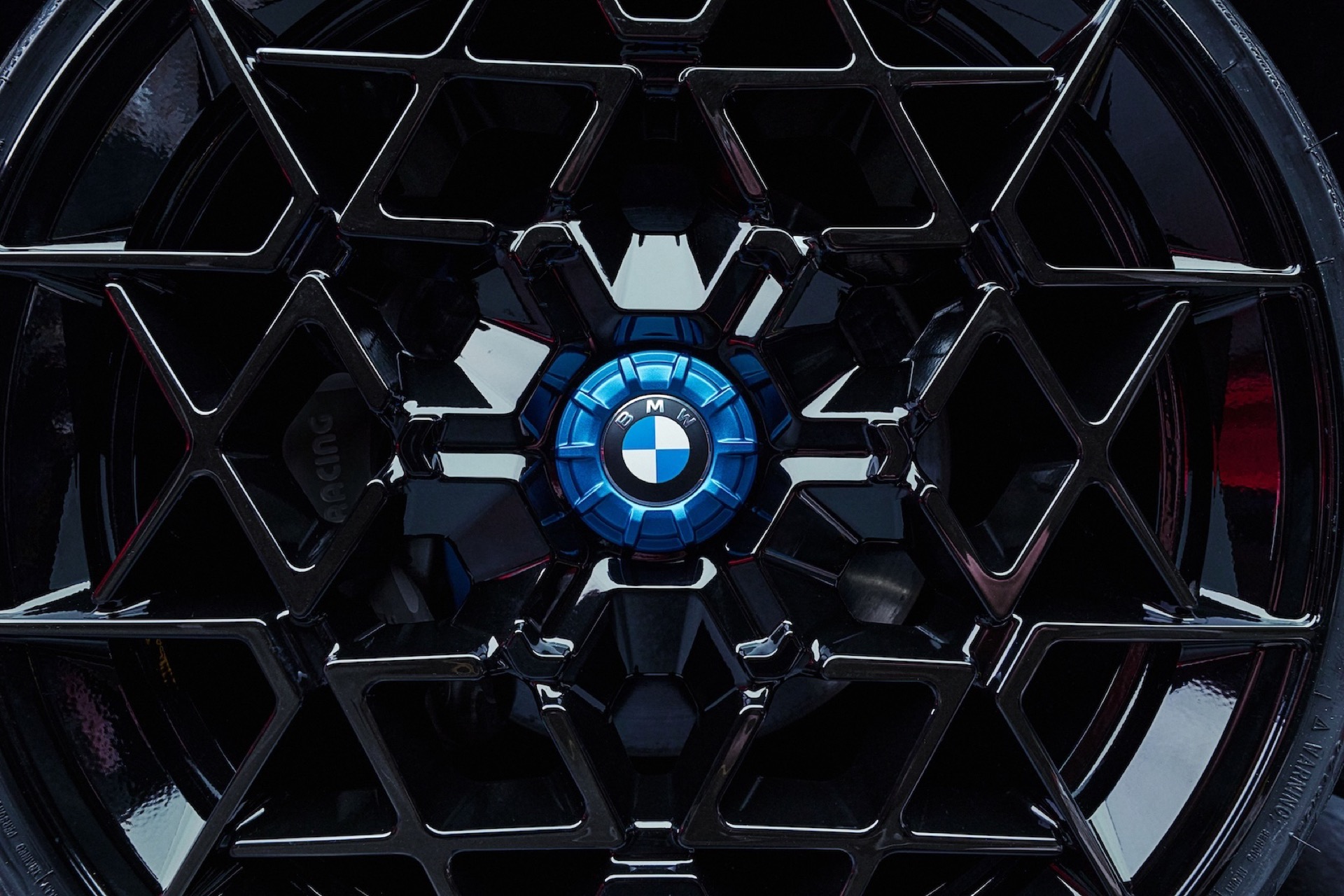
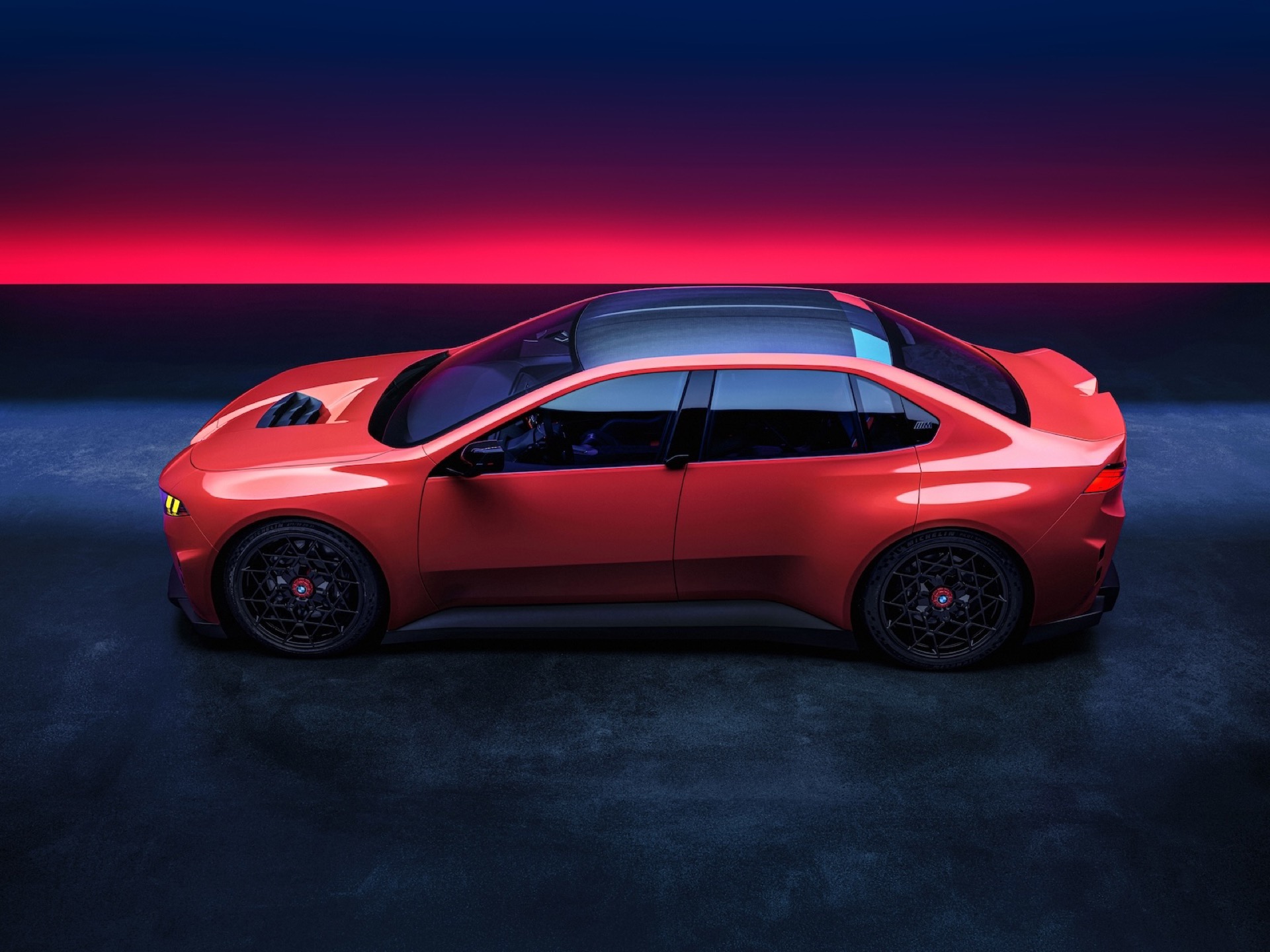
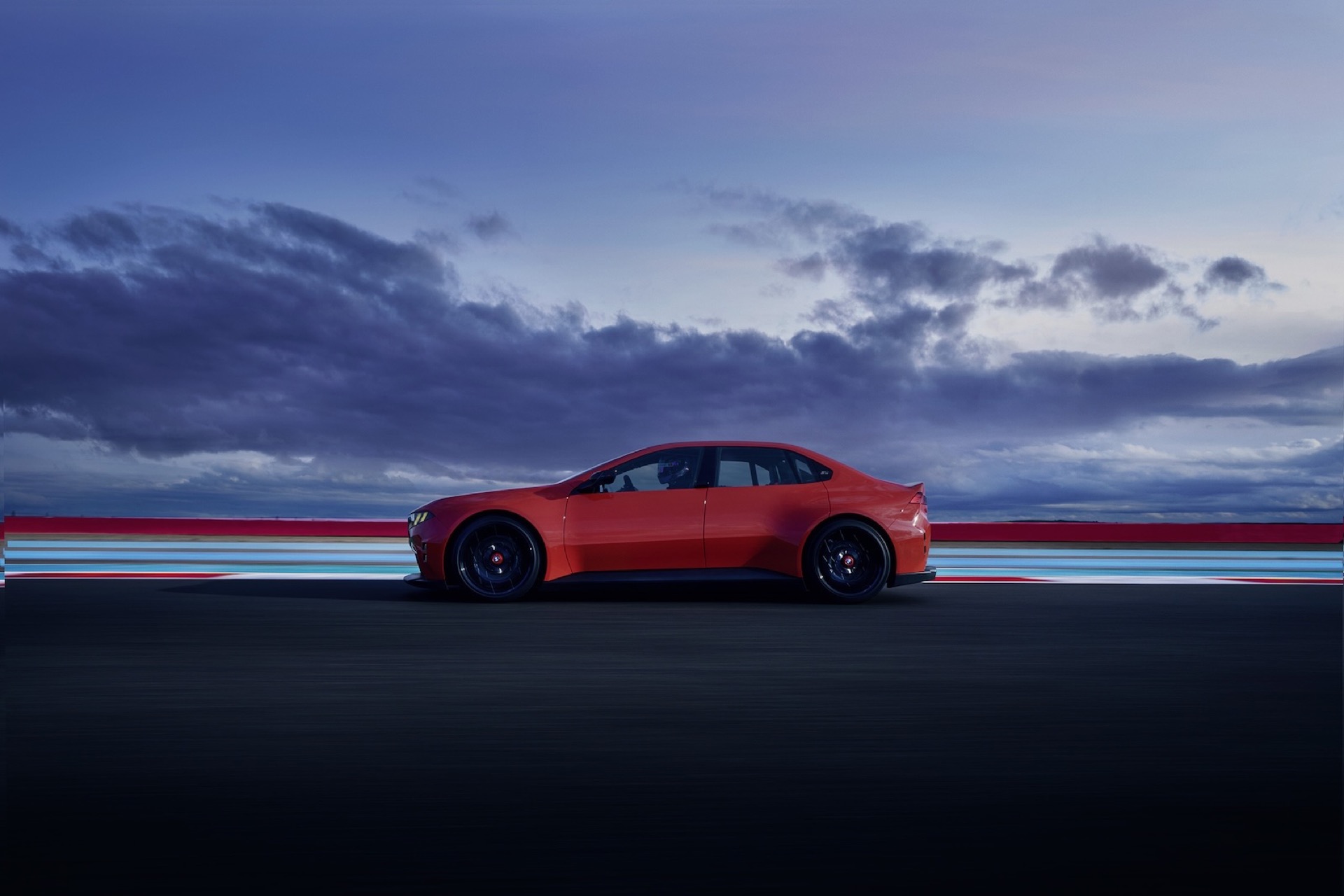
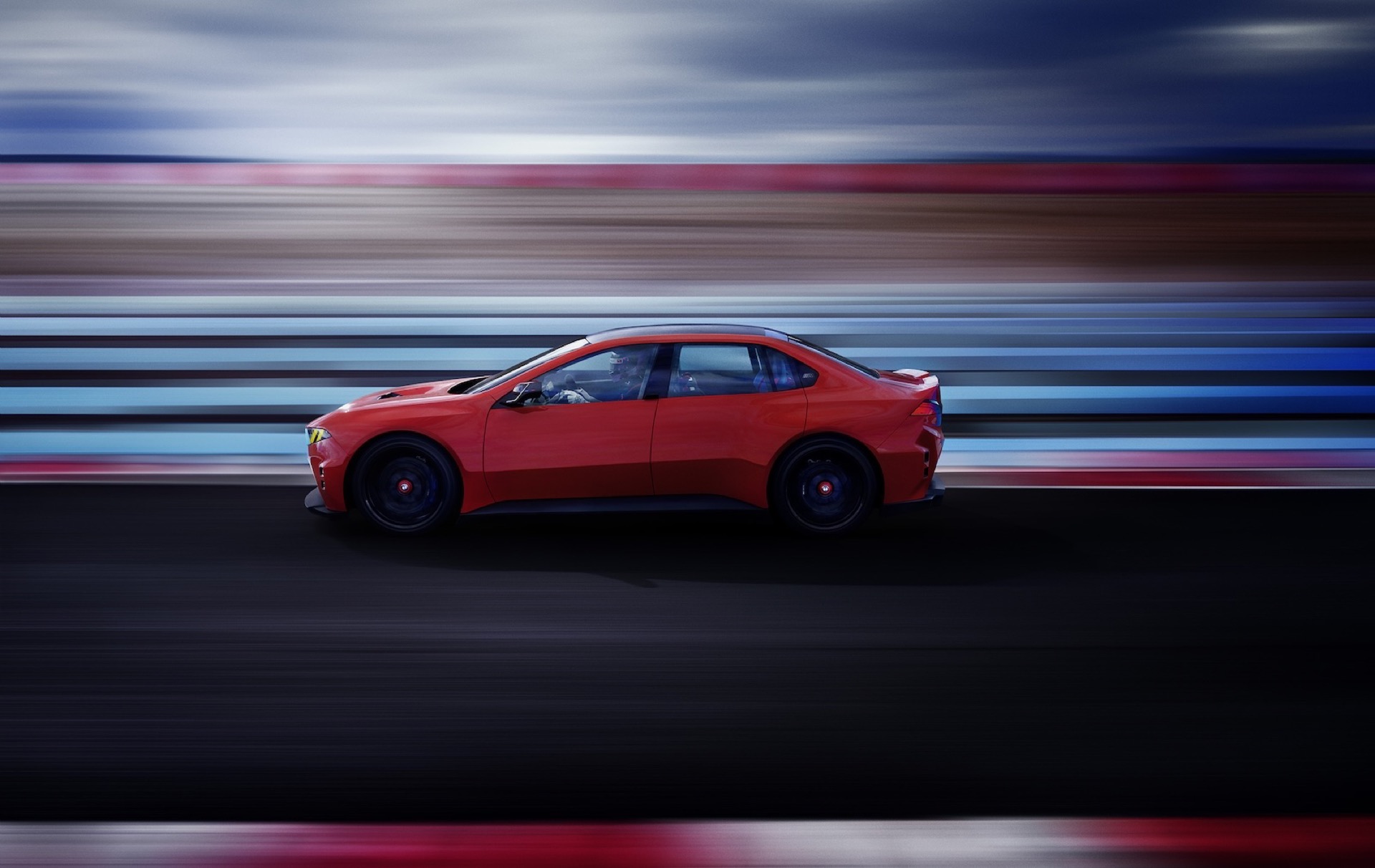
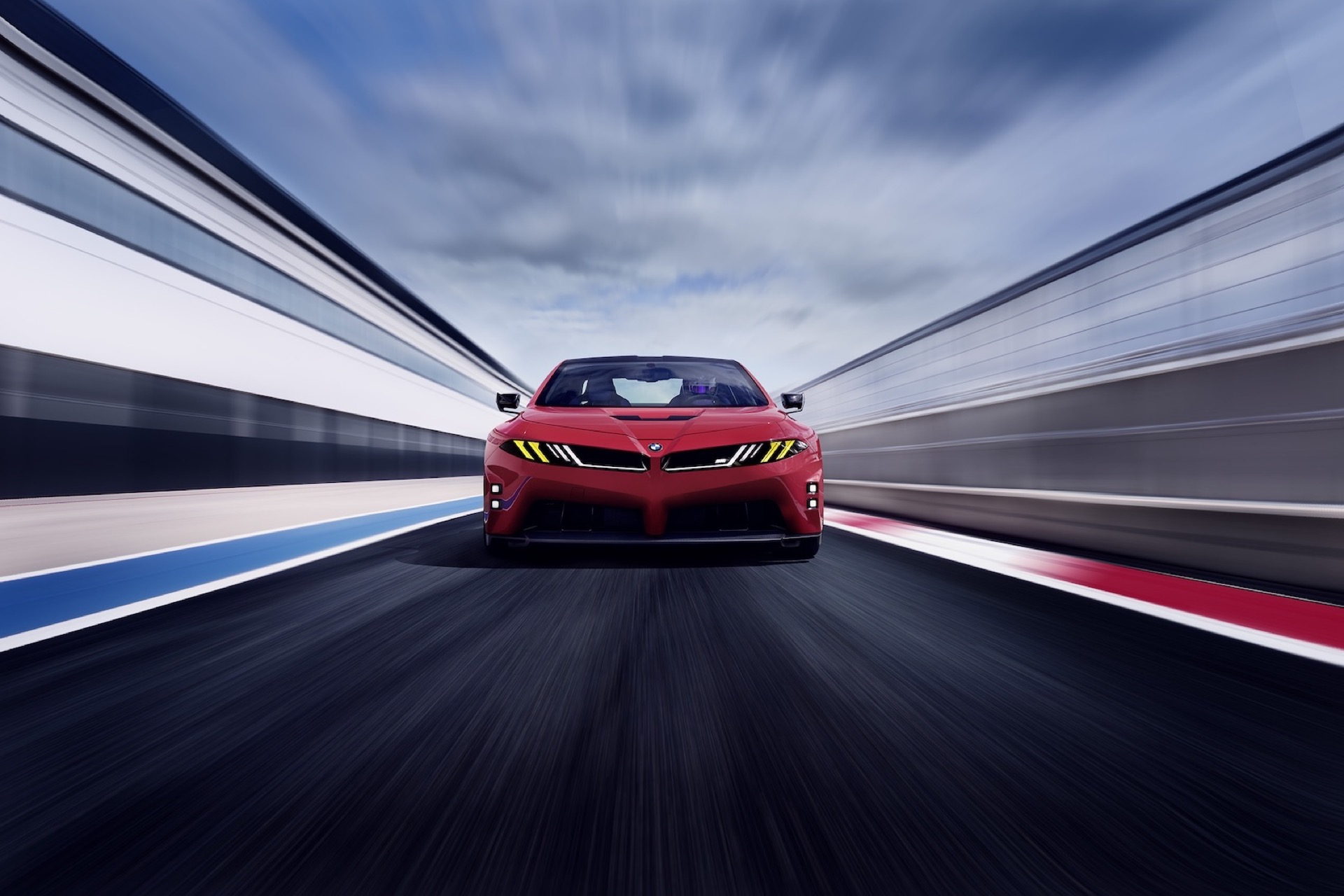
The standard BMW i3 will arrive later this year as the second model in BMW’s Neue Klasse family following the launch of the BMW iX3. Around two years later, the range is expected to gain its first dedicated M derivative: the all-electric BMW i3 M.
Until now, BMW’s electrified performance offerings have largely consisted of M Performance models such as the BMW i4 M50 or plug-in hybrids including the BMW M5 and BMW XM. The i3 M, however, represents something entirely different: a fully fledged M car developed from the outset around an electric architecture.
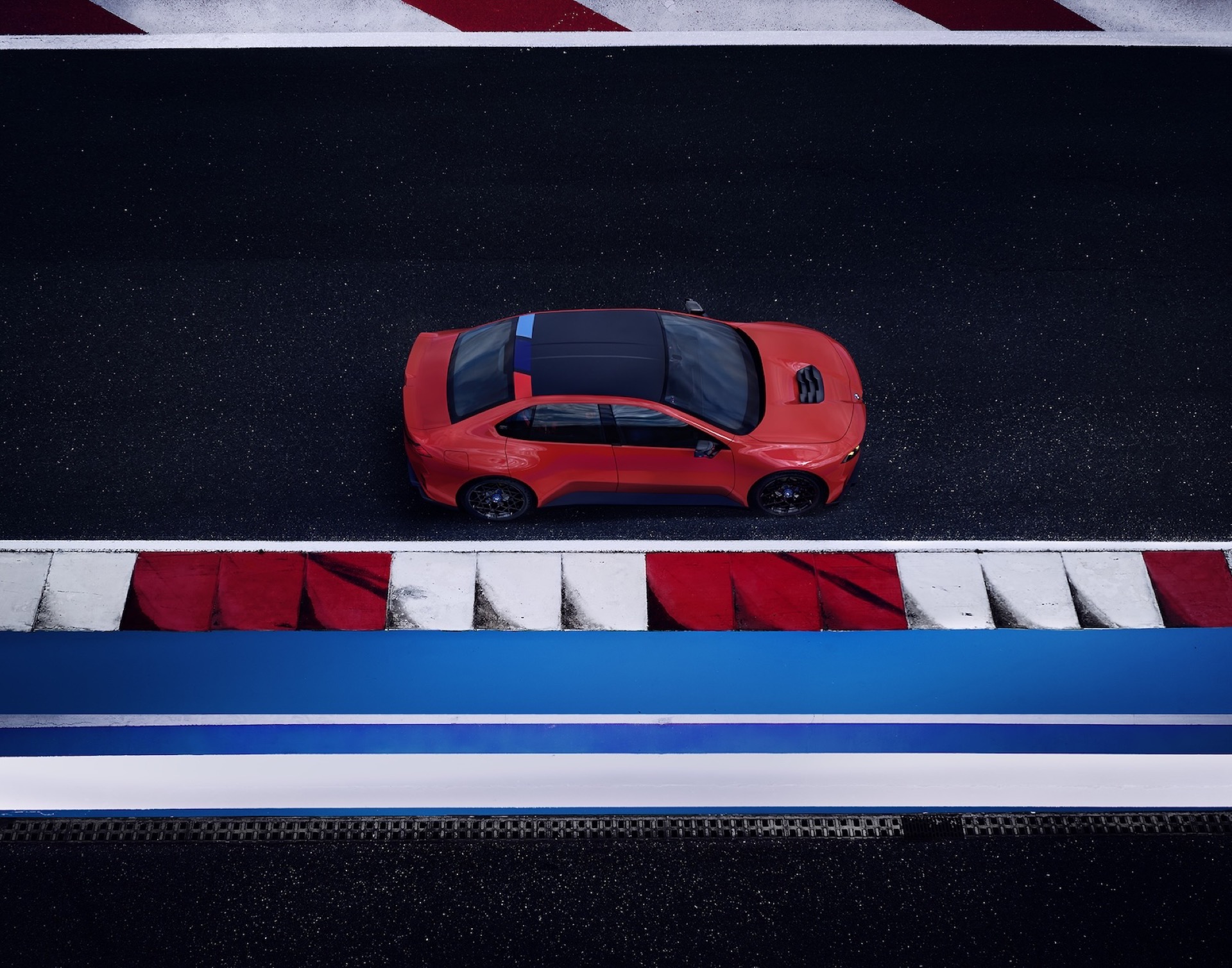
Visually, the concept leaves little doubt about its intentions. Massive wheelarches, aggressive aerodynamic detailing and an imposing stance suggest that BMW is aiming directly at future electric performance rivals rather than simply creating another fast executive saloon. Given the success of the M3 Touring, an electric high-performance estate version appears highly likely, although such a model is not expected before 2028.
Underneath, the i3 M will utilise the same 800-volt architecture as the Neue Klasse i3 and iX3. Power comes from a battery pack of around 108 kWh, allowing charging speeds approaching 400 kW and significantly reducing replenishment times on long journeys.
Performance figures are expected to be equally dramatic. Following the blueprint established by the M eDrive Concept, the production i3 M is likely to feature four electric motors producing in excess of 800 PS. Even more extreme derivatives are already being discussed internally, with outputs potentially exceeding 1,300 PS.
The key challenge is not generating the power, but deploying it effectively. BMW’s engineers have developed a highly integrated control system that links all four motors together, allowing torque to be distributed instantly and precisely to maximise traction, agility and stability. The goal is not simply brutal acceleration, but delivering the kind of dynamic character that customers expect from an M car.
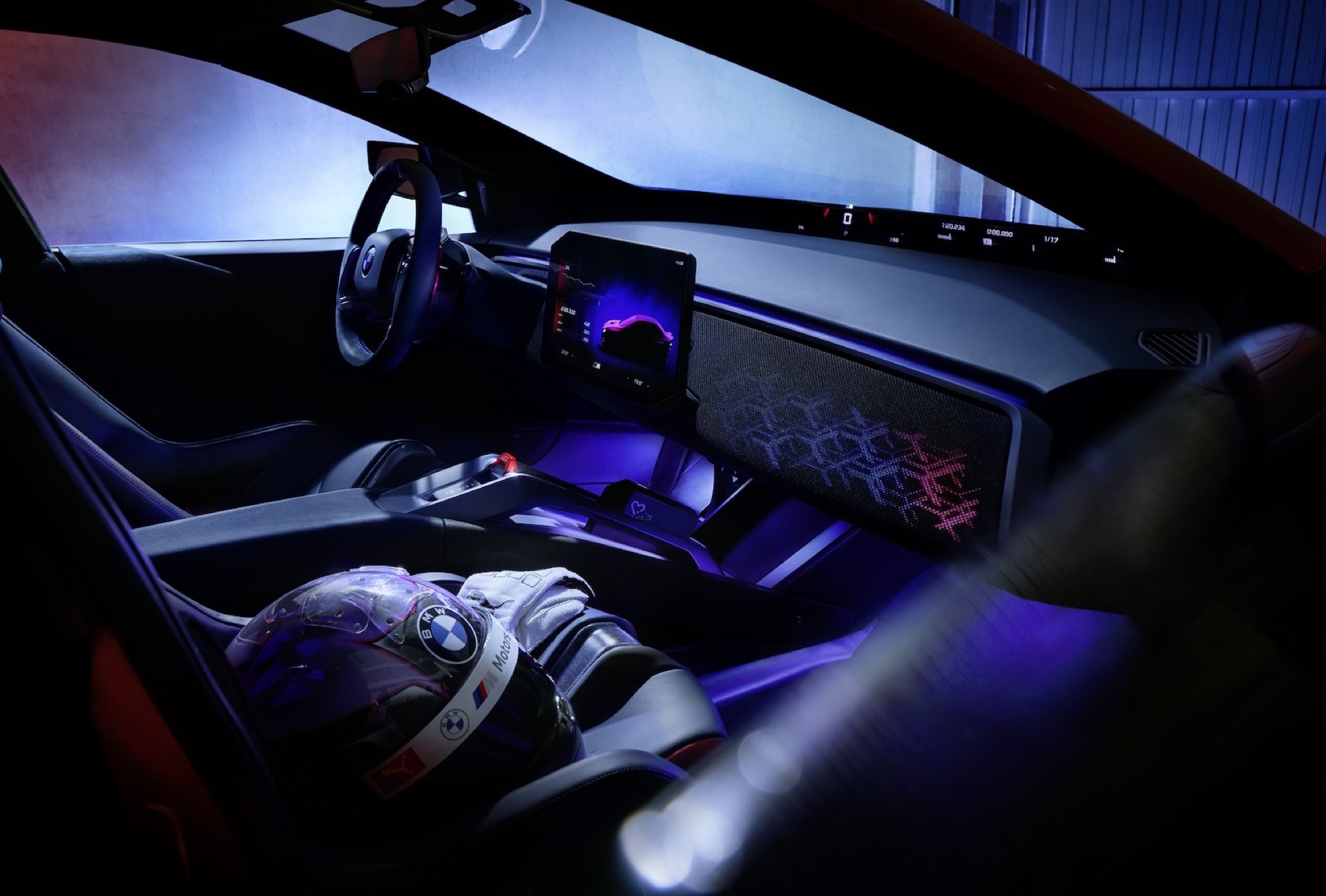
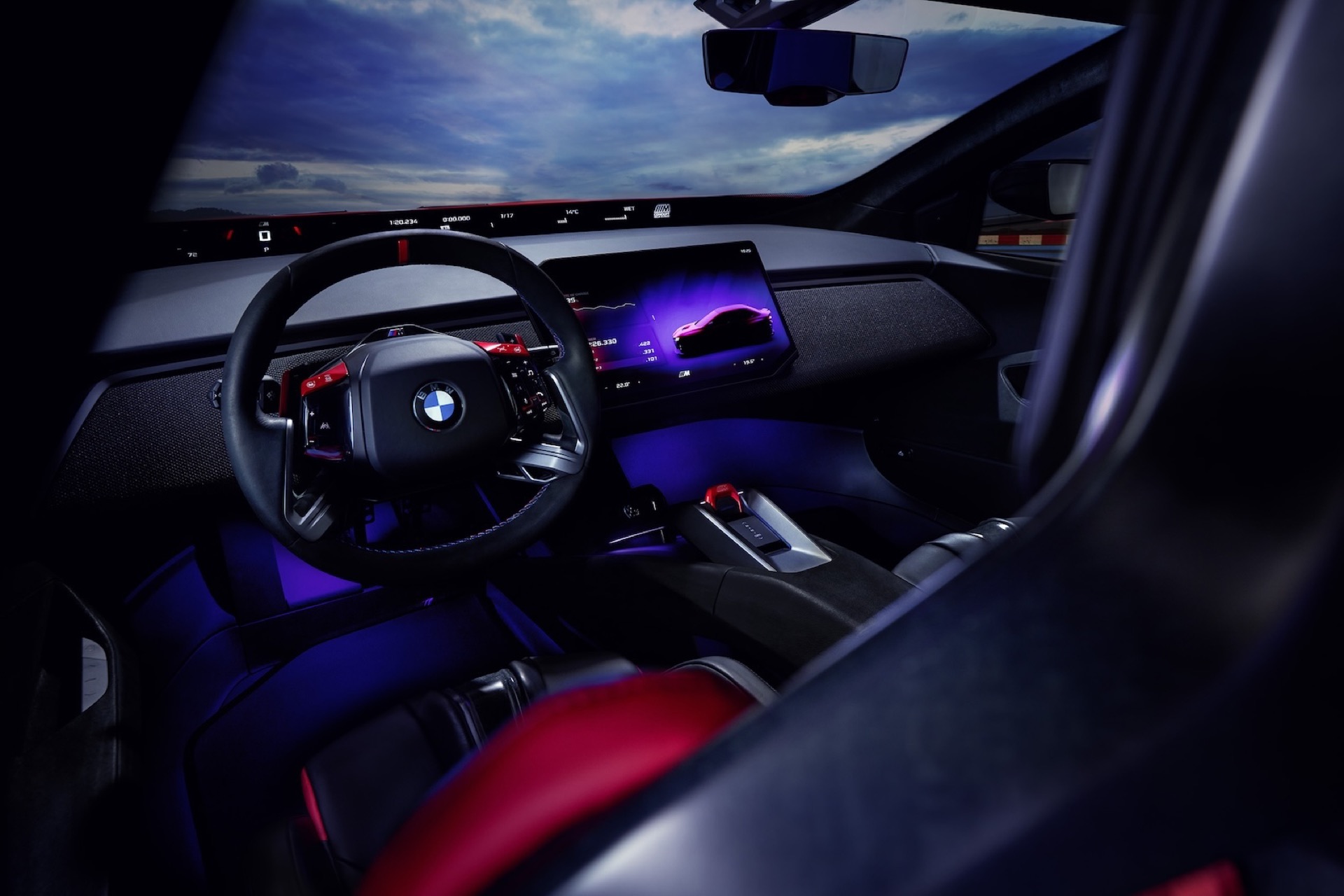
Inside, the M Concept largely previews the cabin that will reach production. Deeply sculpted sports seats, the now-familiar panoramic display and a central touchscreen define the interior. While clearly futuristic, the cockpit remains focused on the driver.
“As we enter the fully electric era, we continue the M tradition of transferring technological innovations and motorsport-derived design solutions directly into production vehicles,” explains Franciscus van Meel.
To reinforce its technical credentials, BMW has also incorporated natural-fibre composite materials throughout the car. Components including the front splitter, bonnet air outlets and rear diffuser utilise lightweight natural fibres. BMW is even introducing a decorative version featuring M branding integrated into the roof graphic.
Whether these materials significantly reduce weight remains open to debate. Given a likely kerb weight well above 2.2 tonnes, the i3 M will not be a lightweight in the traditional BMW M sense. However, the concept demonstrates that BMW is searching for new ways to combine sustainability, performance and visual drama in the electric age.
What is clear is that BMW is preparing its most ambitious electric M car yet. If the production model delivers the performance promised by this concept, the future battle between BMW M, Mercedes-AMG and Porsche could become more intense than ever.