Porsche continues to expand its electric Cayenne range. Alongside the recently introduced Coupé body style, the new Cayenne S Electric arrives as what is arguably the core model of the line-up — and one that no longer needs to fear comparisons with its combustion-engined siblings. Quite the opposite.
Thankfully, Porsche avoided repeating the mistake it arguably made with the Porsche Macan Electric, where customers were effectively forced into electrification. With the Cayenne, buyers still retain genuine choice between petrol, plug-in hybrid and fully electric drivetrains. That flexibility matters, particularly in a segment where customer expectations vary wildly between traditionalists and early adopters.
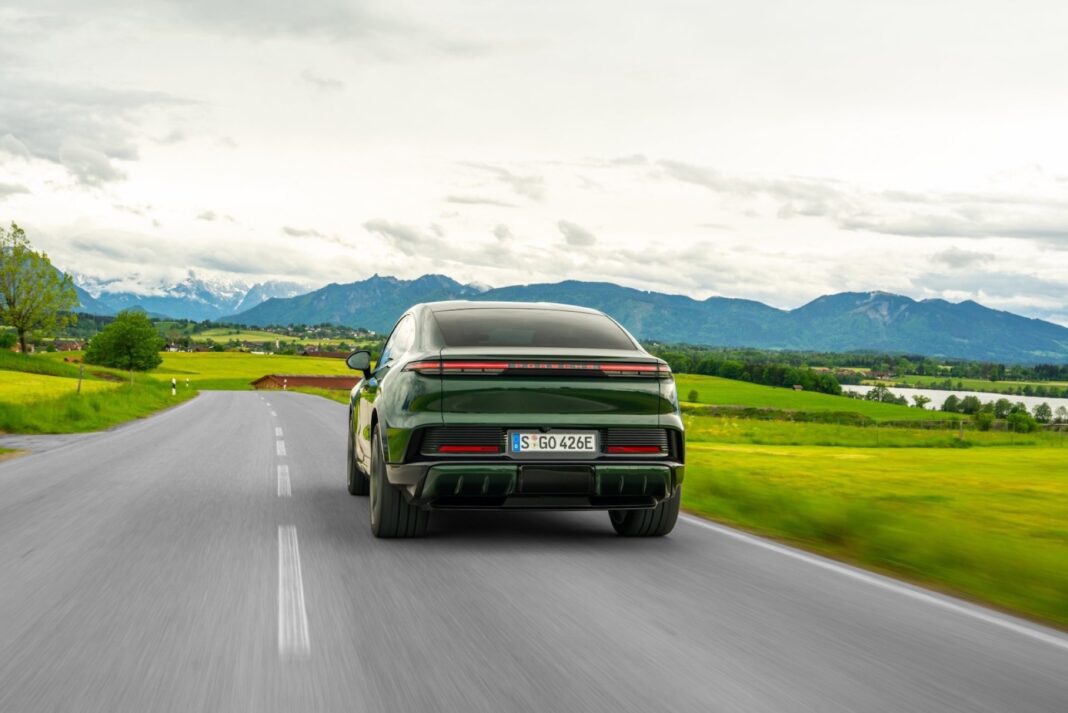
The electric Cayenne itself already stands apart visually from the established combustion models. The styling is sharper, more futuristic and considerably more divisive than the existing Cayenne range. While the entry-level 408 PS model and the flagship Turbo variant producing up to 857 PS — or briefly 1,156 PS in overboost — have already been available for some time, Porsche is now introducing the Cayenne S Electric as the sweet spot of the range.
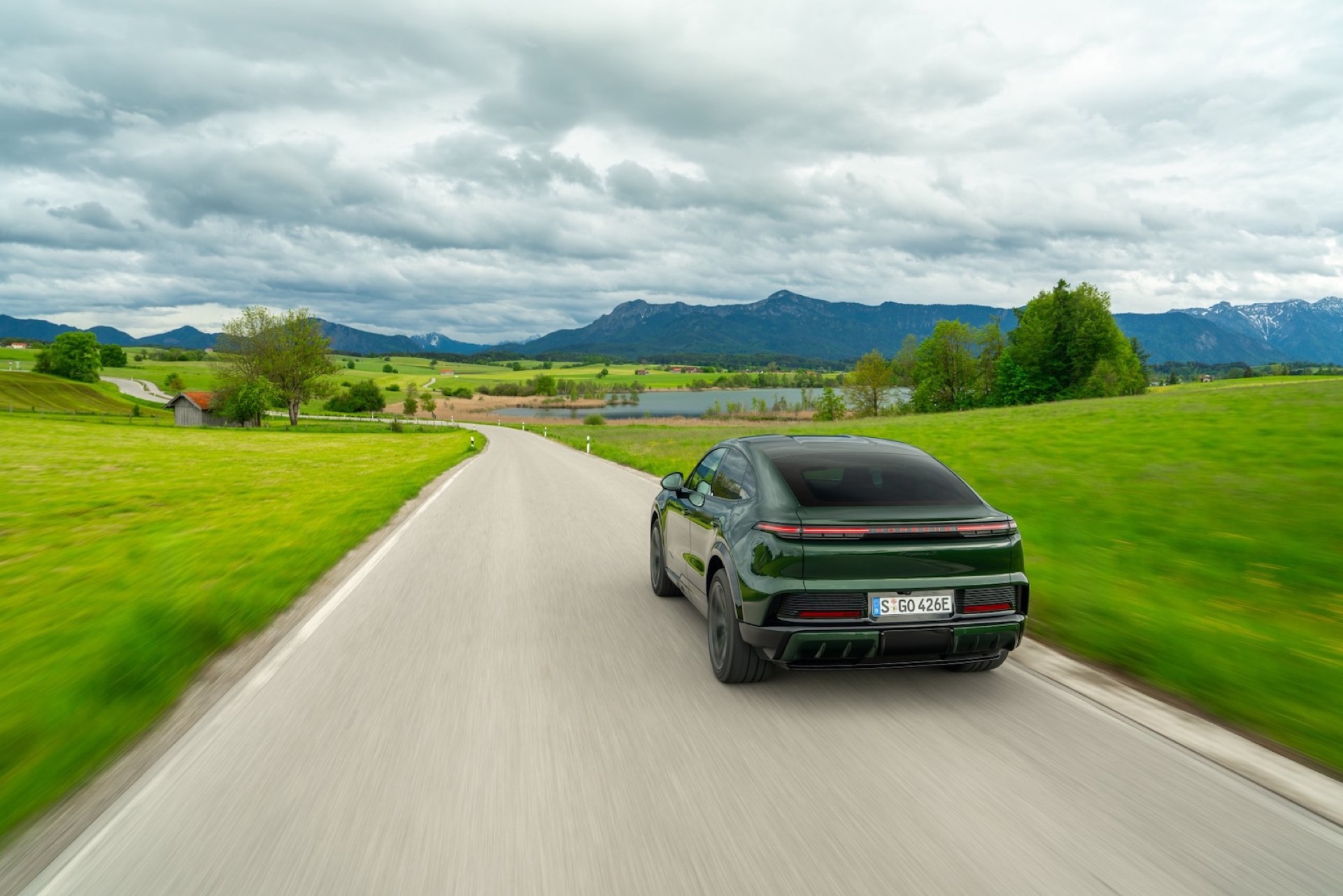
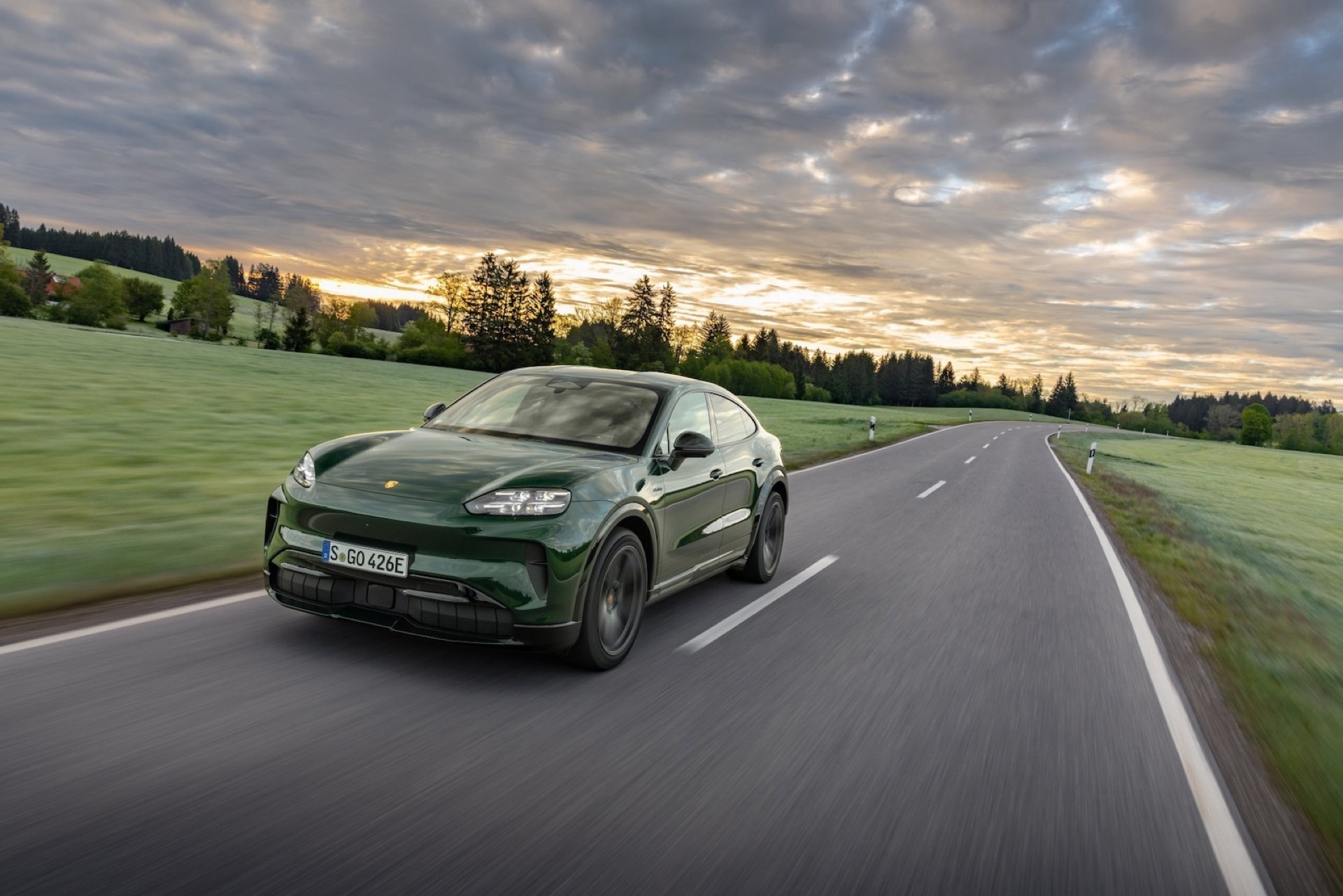
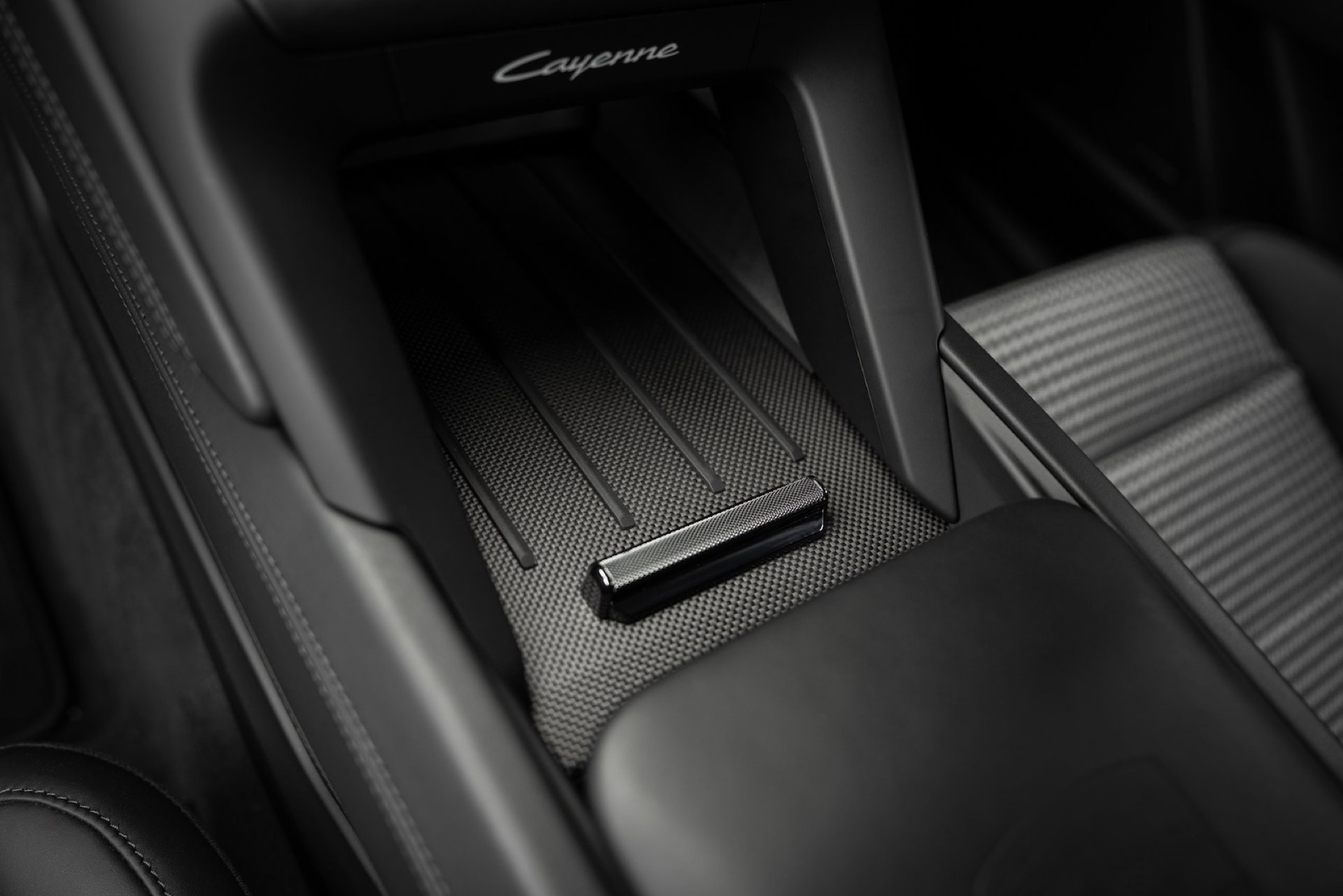
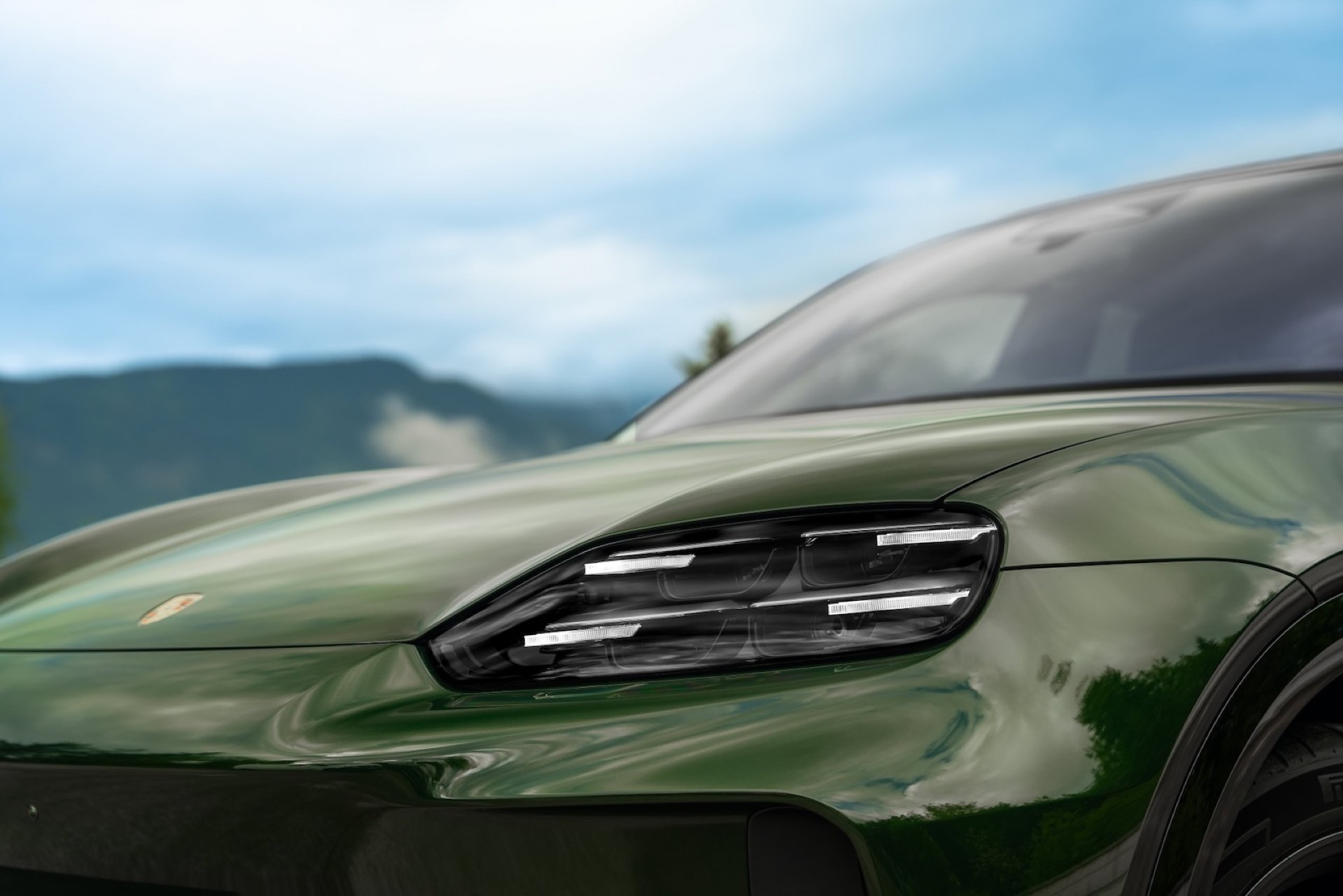
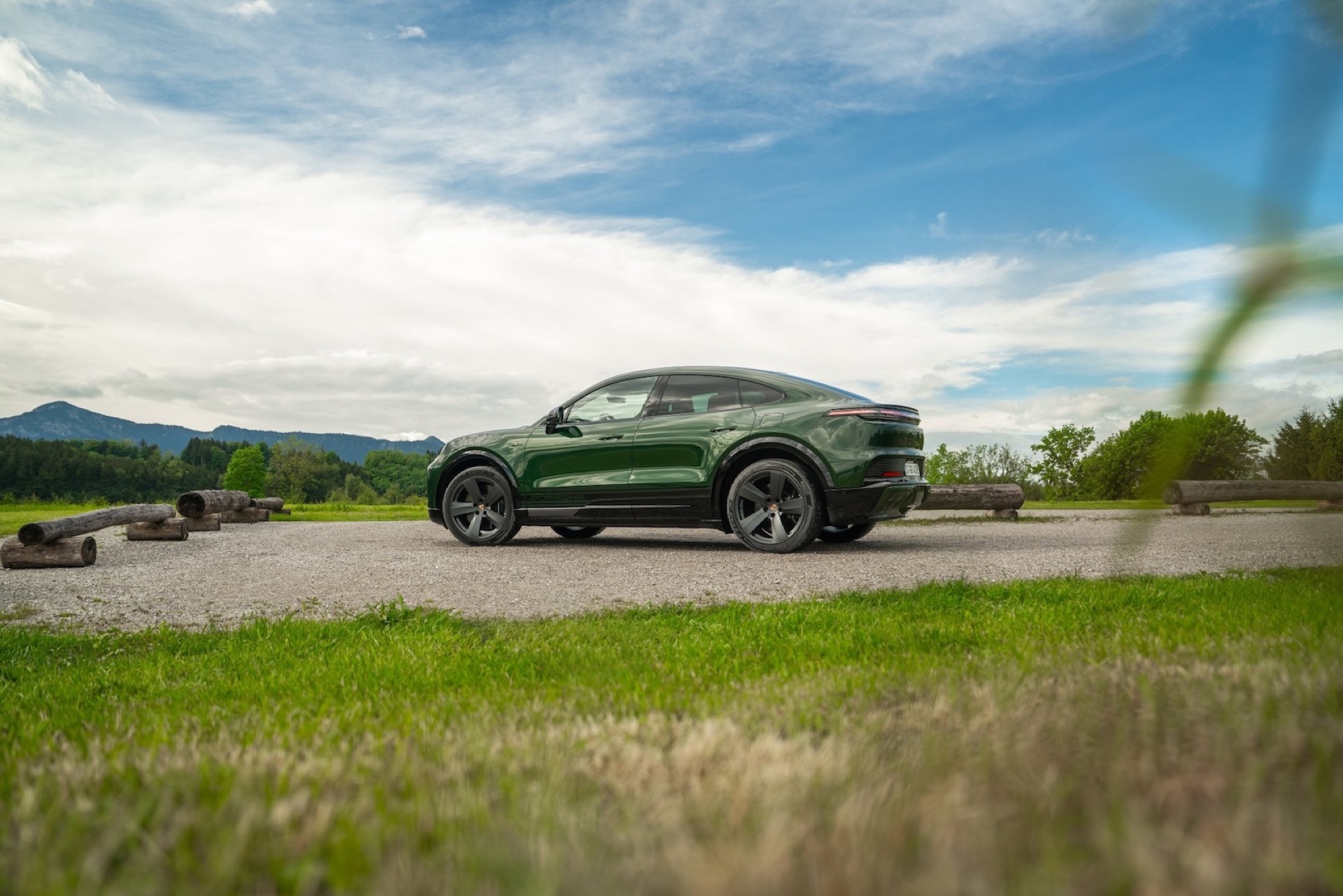
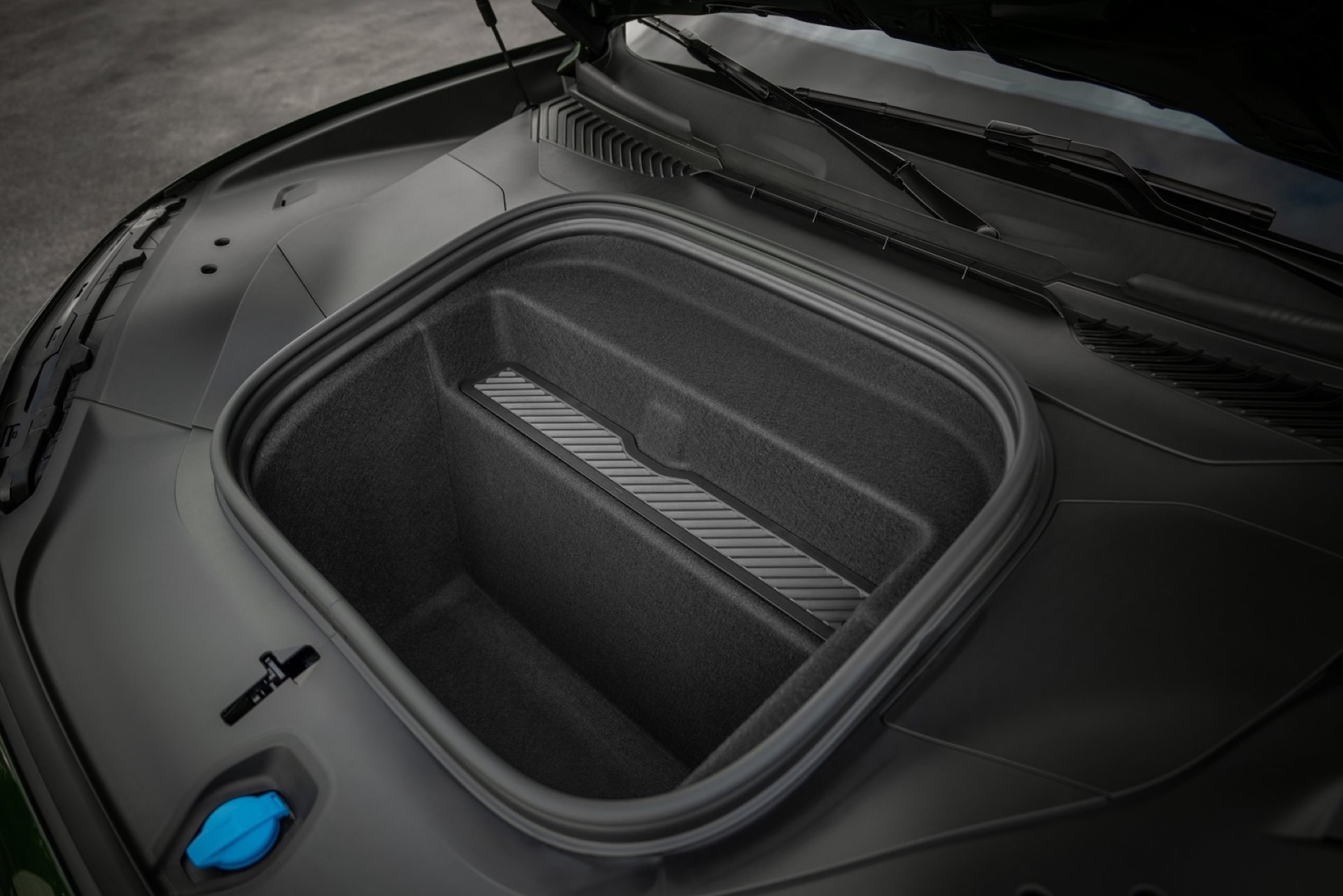
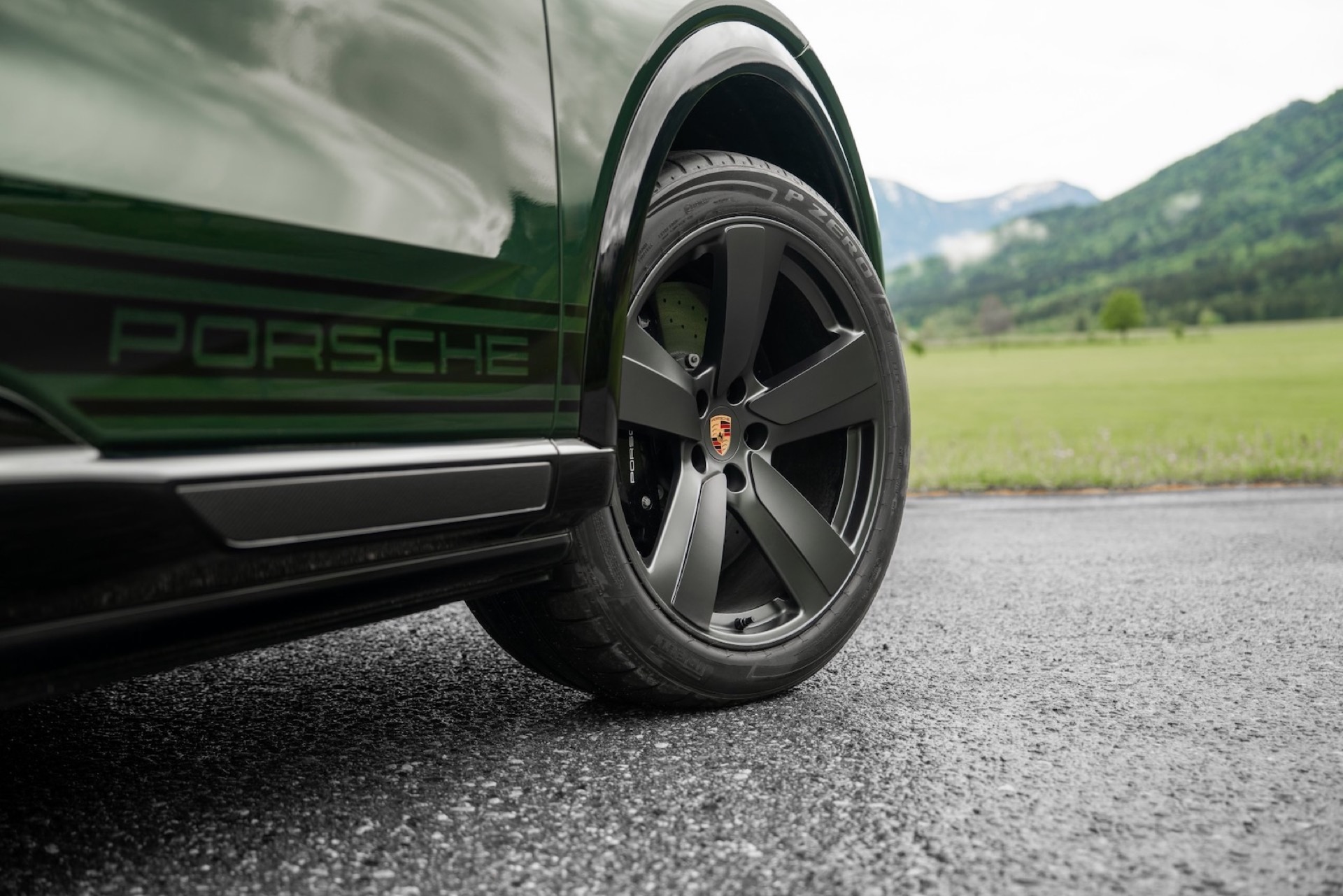
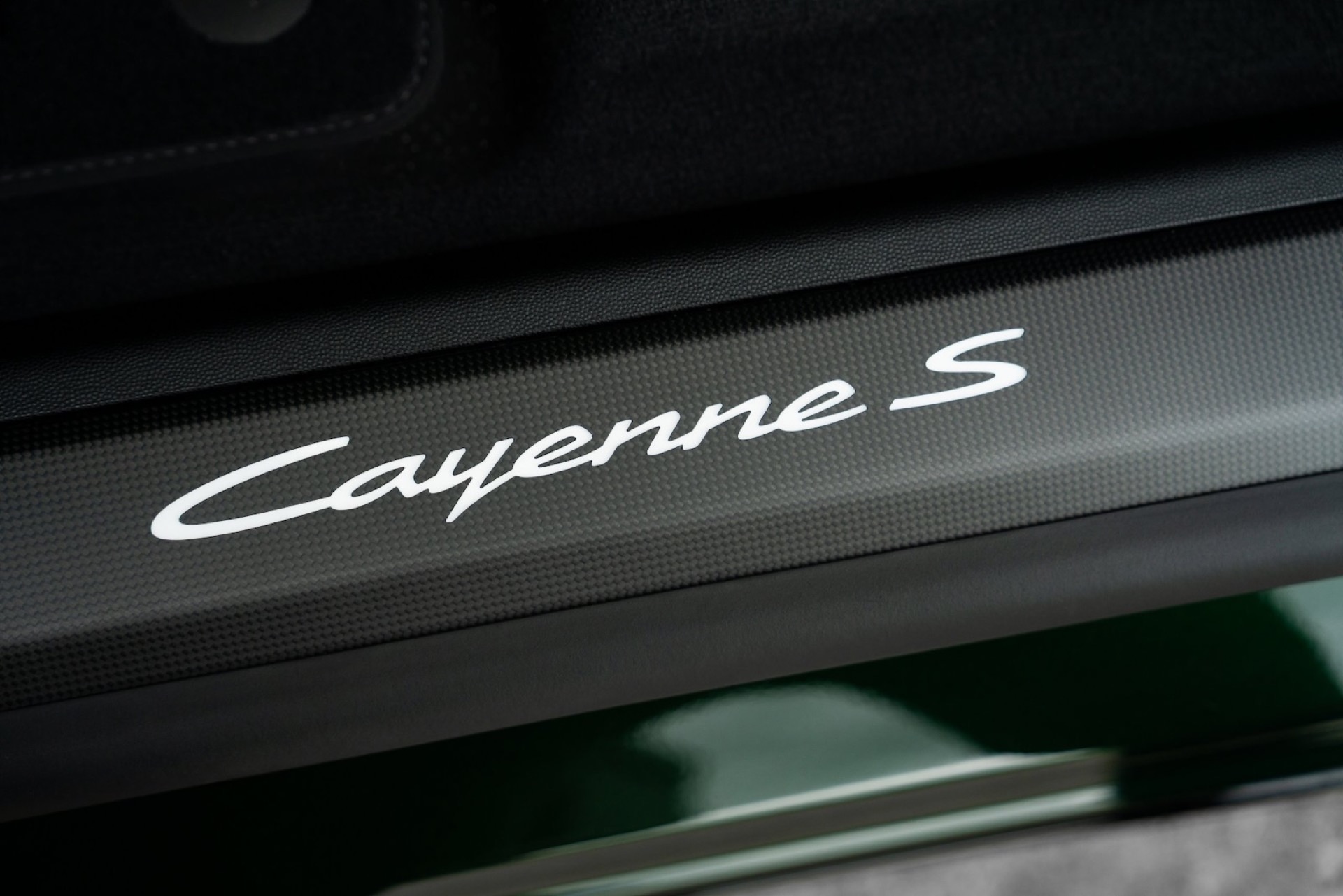
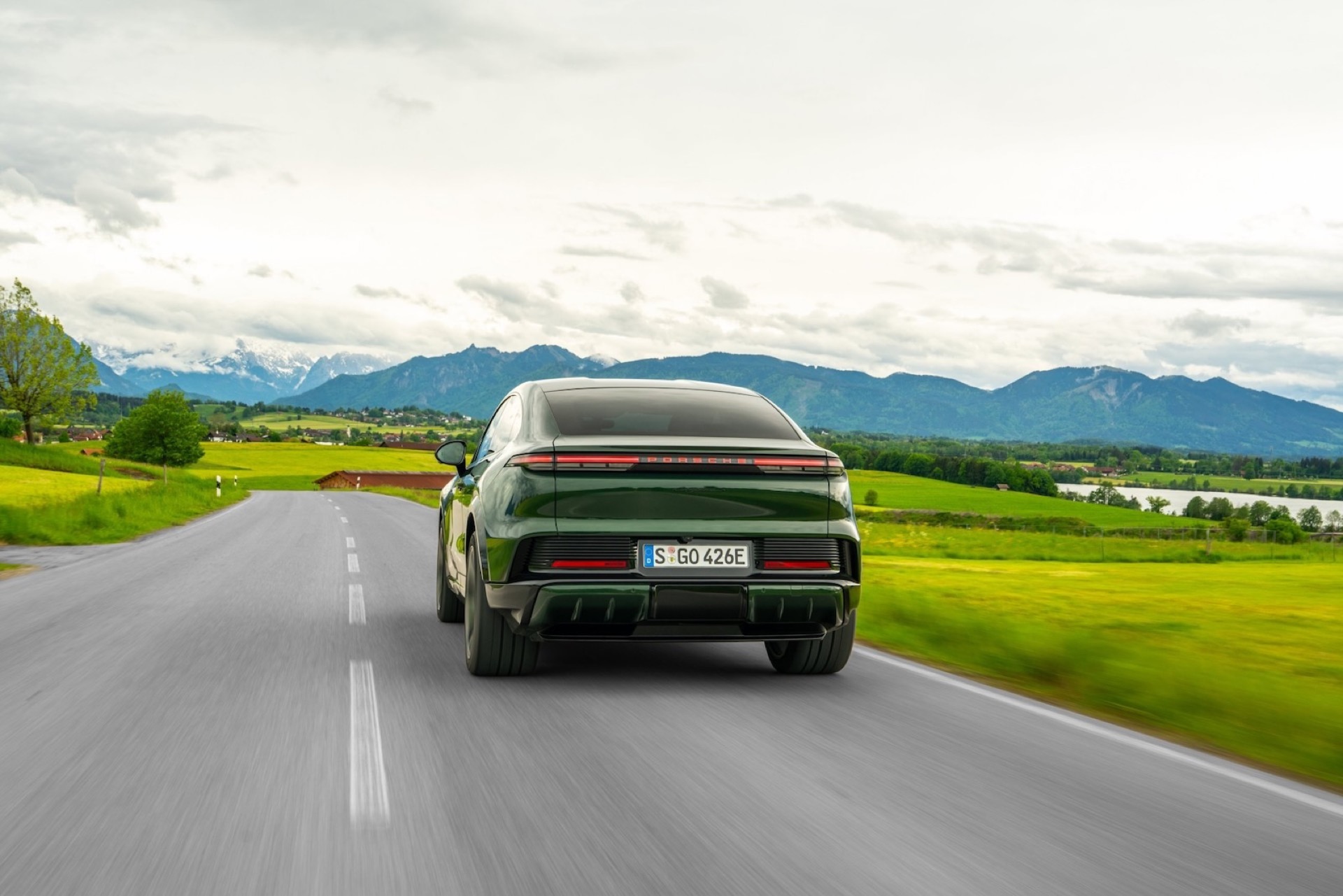
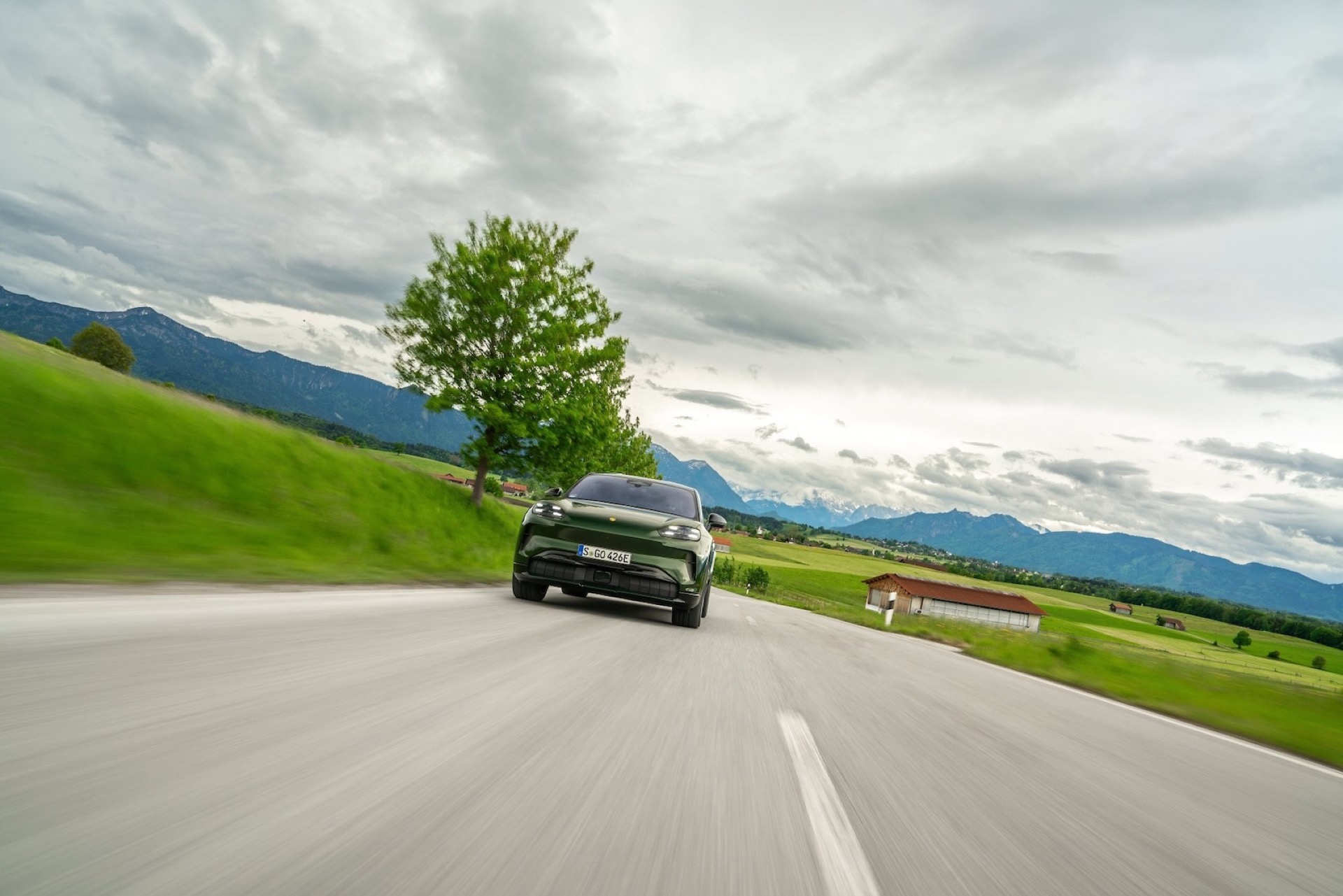
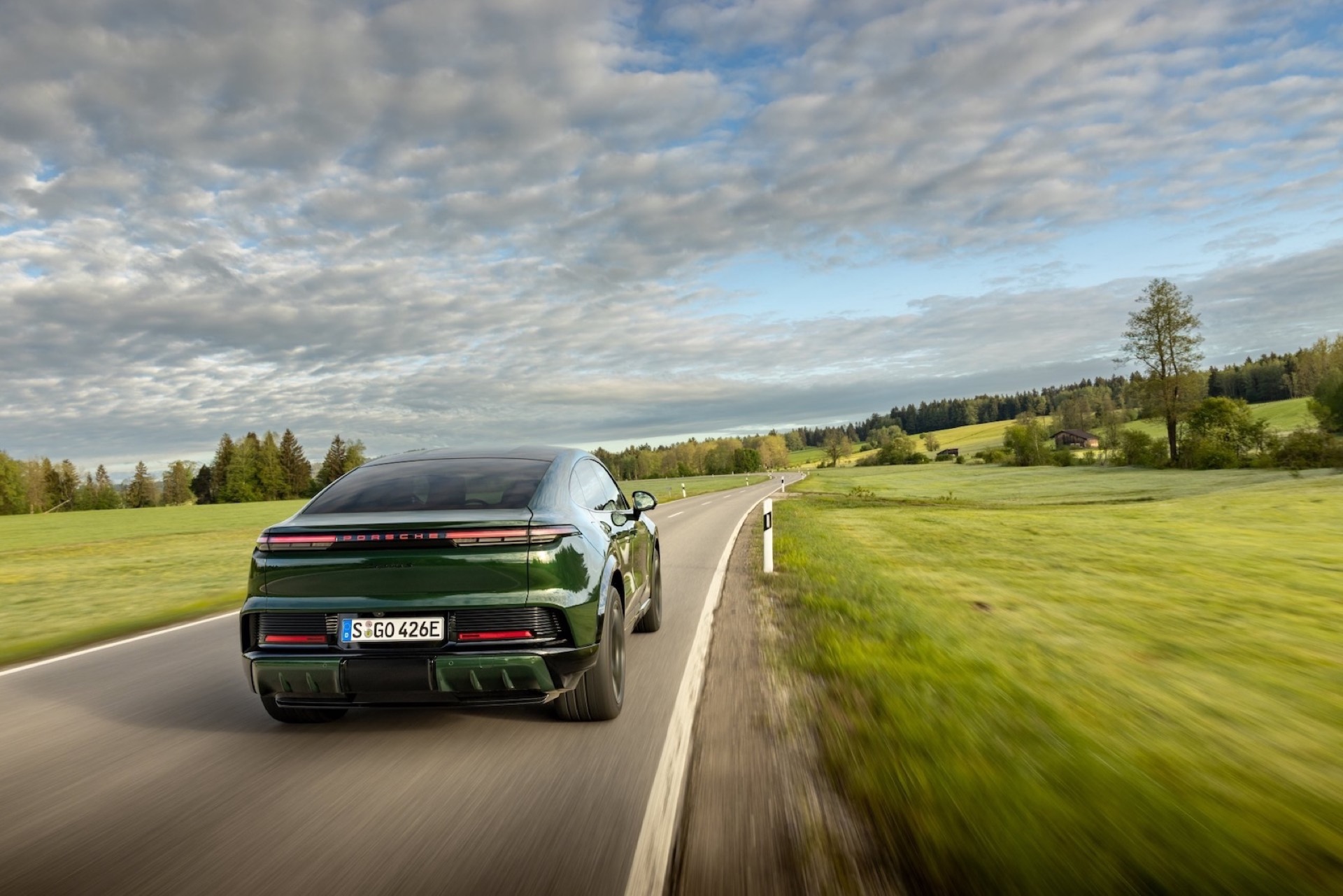
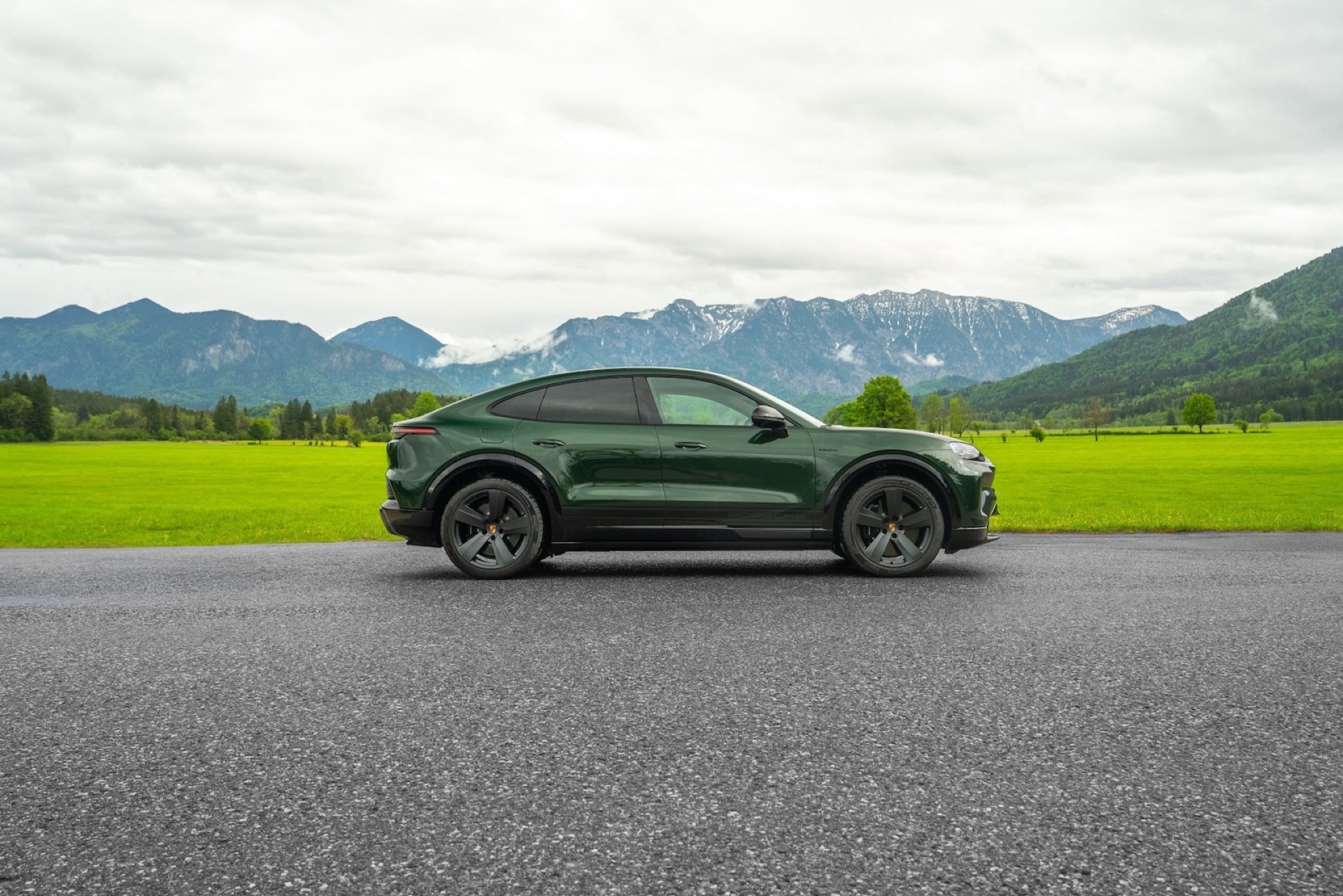
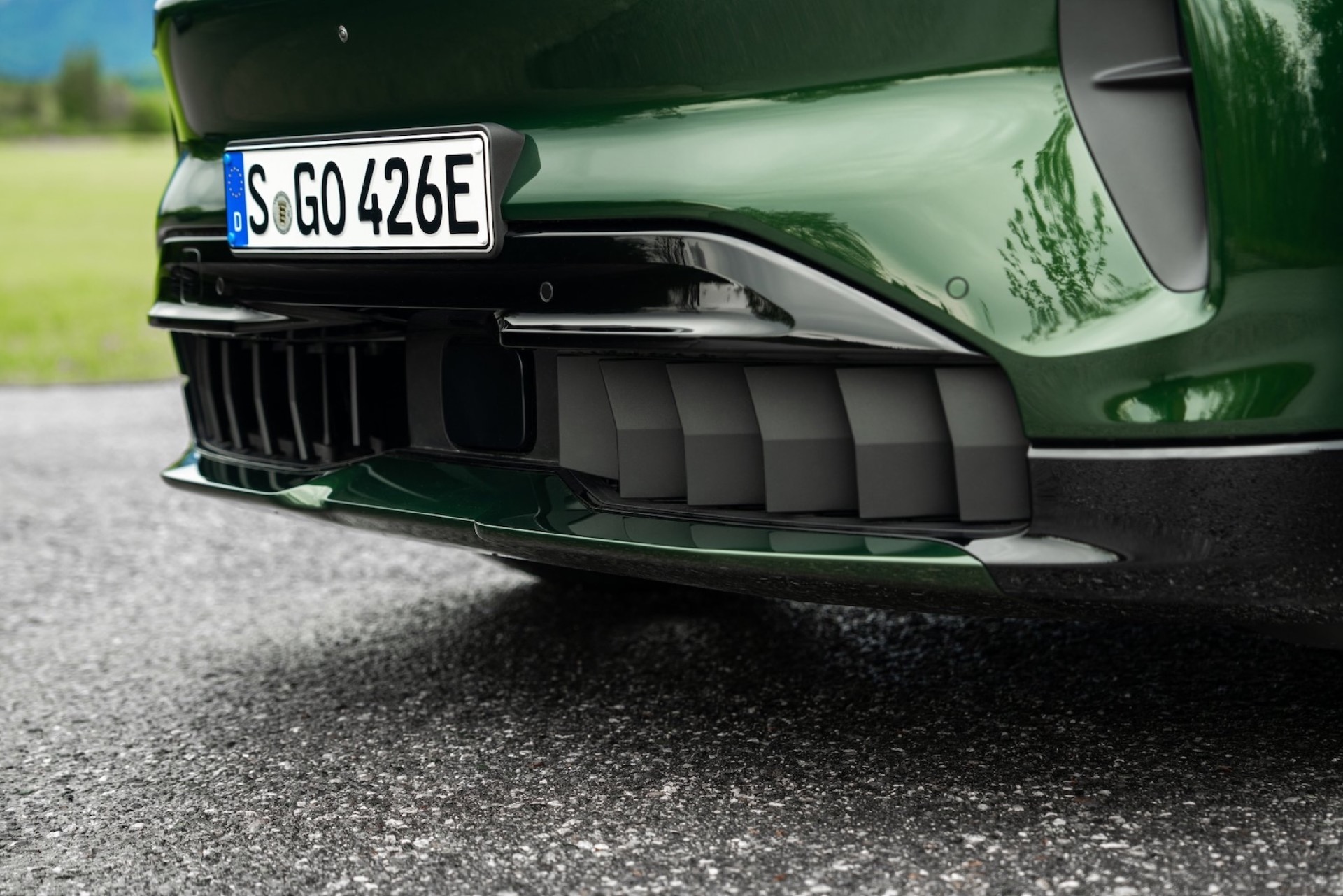
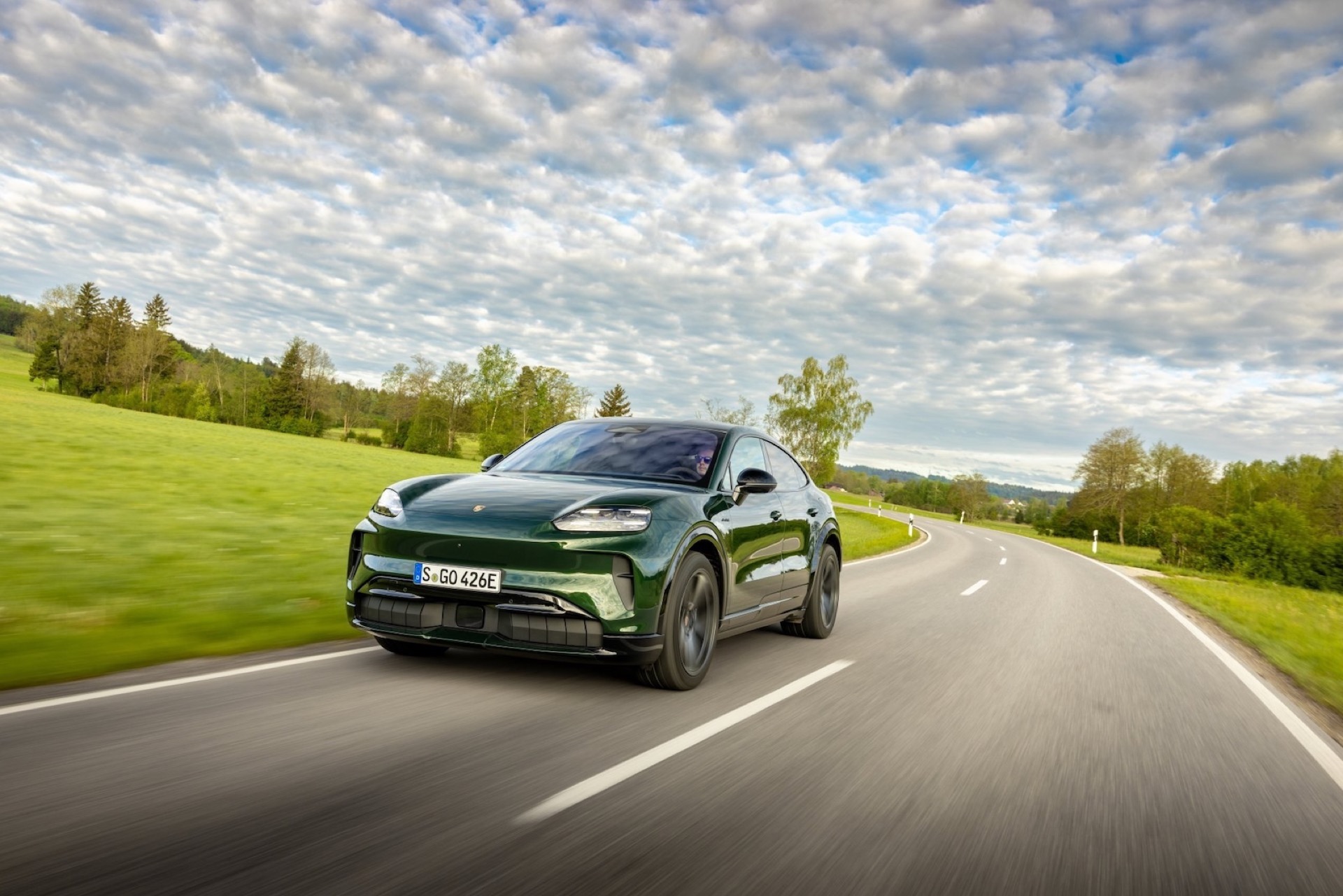
Like its combustion counterpart, the S Electric is offered either as a conventional SUV or as the more stylish Coupé variant with its sloping roofline. Visually, the Coupé arguably suits the Porsche DNA better, perhaps because the silhouette faintly recalls the roofline of a Porsche 911. There are compromises, naturally. Rear luggage space drops significantly compared with the standard Cayenne SUV, though rear headroom remains surprisingly generous even for passengers above 1.85 metres tall. The rear boot still offers 534 litres, while the 90-litre front trunk adds a useful extra storage compartment.
For many buyers, the Cayenne S Electric will likely prove to be the ideal balance within the line-up.
The Turbo’s extreme outputs feel excessive outside headline figures, while the base model can seem slightly restrained considering the Cayenne’s size and price point. The S sits neatly in the middle.
Its dual-motor all-wheel-drive setup produces 544 PS continuously and up to 666 PS in launch control overboost. Performance is predictably immense. The 4.99-metre-long SUV launches from 0-100 km/h in 3.8 seconds and reaches 200 km/h in just 12.3 seconds before continuing to a top speed of 250 km/h. Those numbers matter less in reality than the way the car delivers them. Despite weighing comfortably north of 2.5 tonnes, the Cayenne S Electric accelerates with astonishing effortlessness and immediacy.
More impressive still is how effectively it disguises its mass.
Porsche’s chassis engineers once again perform their familiar magic act. The steering is precise, body roll remains tightly controlled through rapid direction changes and the air suspension manages to combine suppleness with remarkable body control. Under hard braking or when driven aggressively at the limit, physics inevitably begins to reveal itself, and neither rear-wheel steering nor adaptive dampers can entirely conceal the Cayenne’s weight. Yet the overall composure remains hugely impressive. Even on uneven mountain roads, the Cayenne S stays calm and planted under braking before firing itself out of corners with startling force.
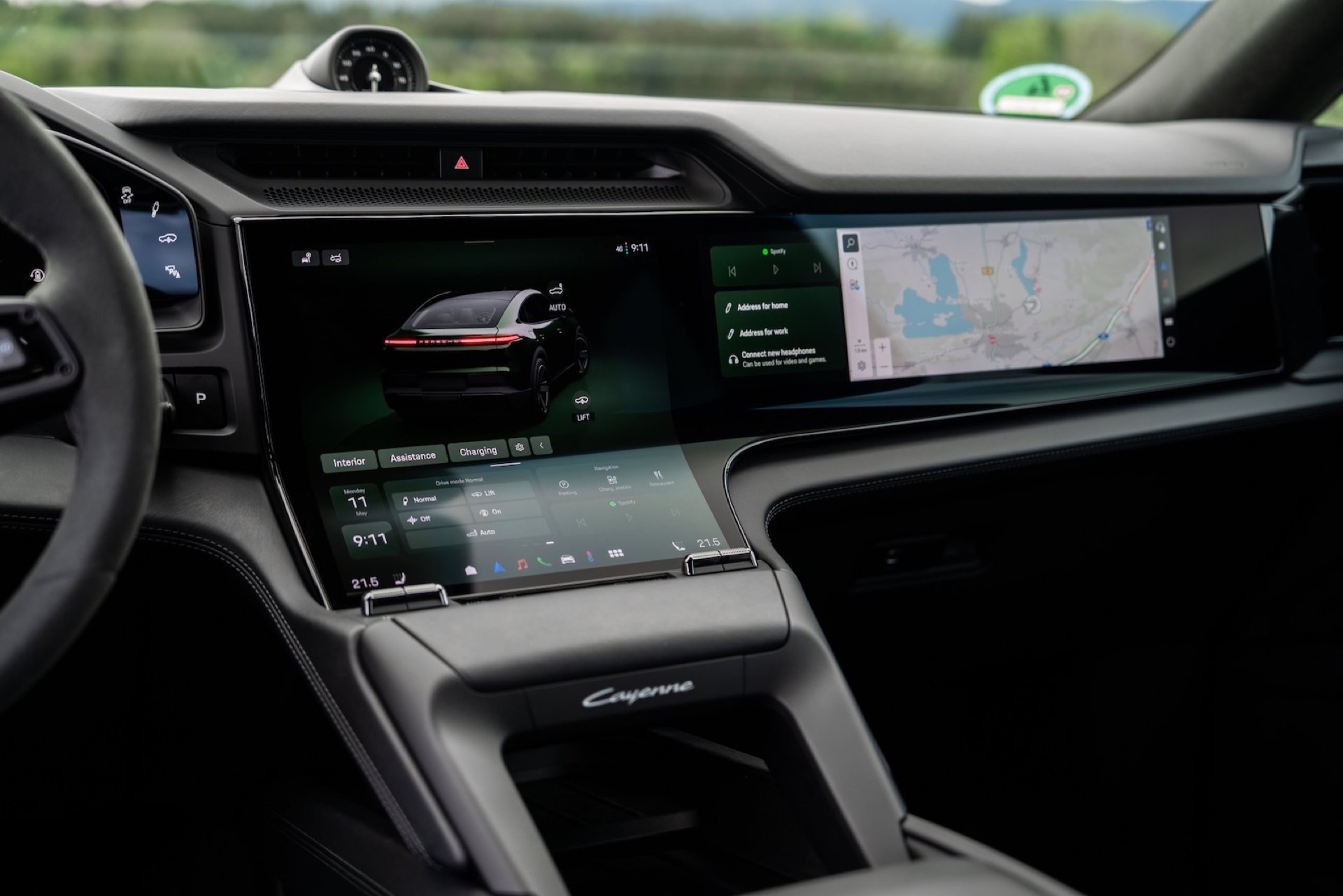
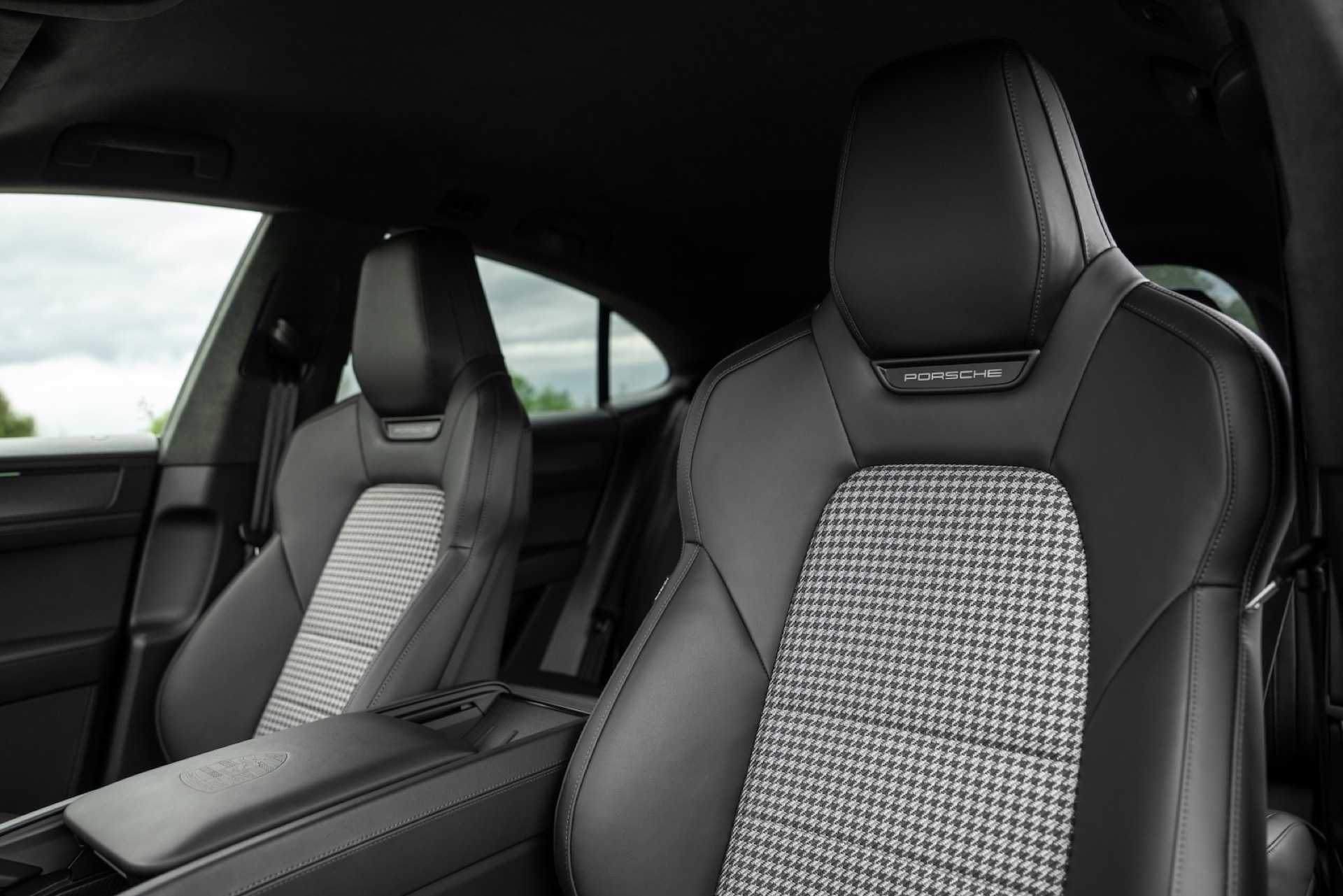
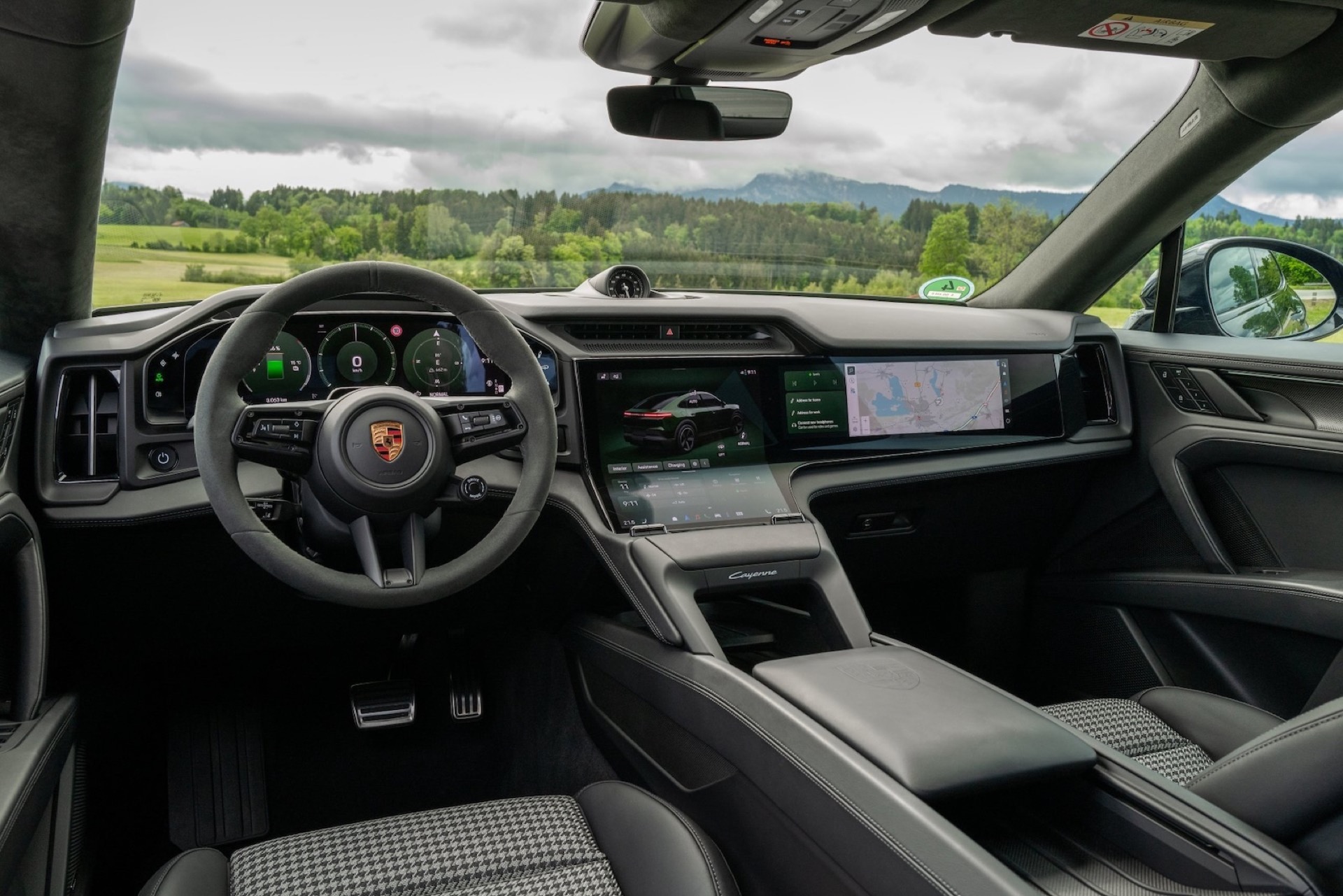
The driving position contributes heavily to the experience. The leather sports seats offer superb support, though Porsche’s increasingly invisible touch-sensitive seat controls are less intuitive than before. Thankfully, adapting to the new infotainment layout proves easier than expected, despite the angled central touchscreen dominating the cabin architecture.
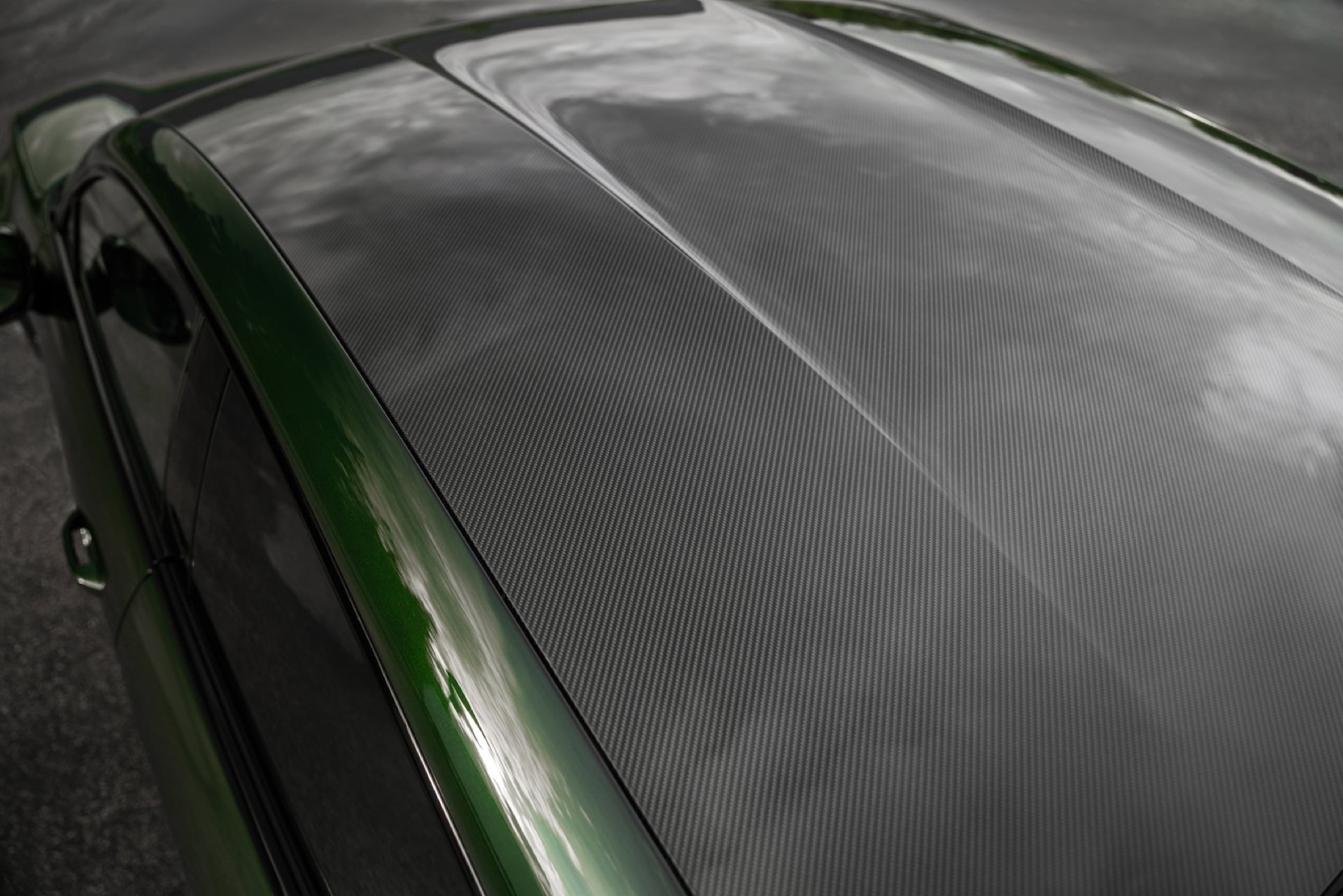
Not everything inside impresses equally, however. One particularly irritating cost-saving measure concerns the panoramic glass roof. Unlike the combustion-engined Cayenne models, the electric Cayenne S and Cayenne S Coupé omit a traditional physical sunblind. Instead, opacity is electronically adjusted at the touch of a button. Technically clever perhaps, but it cannot fully replicate the cosy atmosphere and heat protection provided by a proper blind during harsh sunlight, winter weather or rain. Buyers seeking maximum isolation may ultimately prefer the optional carbon-fibre roof instead.
Charging flexibility is broad. The Cayenne S Coupé Electric supports AC charging at up to 22 kW, optional inductive charging at home via a floor plate system and DC fast charging at up to 400 kW. Under ideal conditions, the large underfloor battery charges from 10 to 80 percent in around 15 minutes. Porsche claims up to 670 kilometres of range, meaning long-distance usability should prove excellent provided suitably powerful infrastructure is available.
At a starting price of €130,300, the Porsche Cayenne S Coupé Electric is anything but affordable. Yet as an everyday electric performance SUV that genuinely feels engineered rather than merely electrified, it is difficult not to admire what Porsche has achieved.