I came away from the Range Rover Electric thinking that few luxury cars were better suited to electrification. The silence, smoothness and effortless torque all enhance what a full-size Range Rover is supposed to be.
The Range Rover Sport Electric is a little more complicated. The product team was clear that this was not simply going to be a slightly smaller electric Range Rover. The Sport needed a sharper, more dynamic character, and considerable engineering effort has gone into achieving exactly that.
Two 260 kW electric motors produce approximately 542 hp and 850 Nm, while the 118.5 kWh battery provides up to 609 km of WLTP range. With Dynamic Launch Mode engaged, 0–100 km/h takes 4.5 seconds.
Its body structure is 61 per cent stiffer than the plug-in hybrid model and its centre of gravity sits 73 mm lower. Electronic Active Roll Control can apply up to 1,400 Nm across each axle, while Twin Valve Dampers, Adaptive Dynamics and all-wheel steering are all employed to make a very large electric SUV feel considerably smaller than it really is.
The torque calibration is different too, ramping up 50 per cent faster than in the full-size Range Rover Electric. It works.
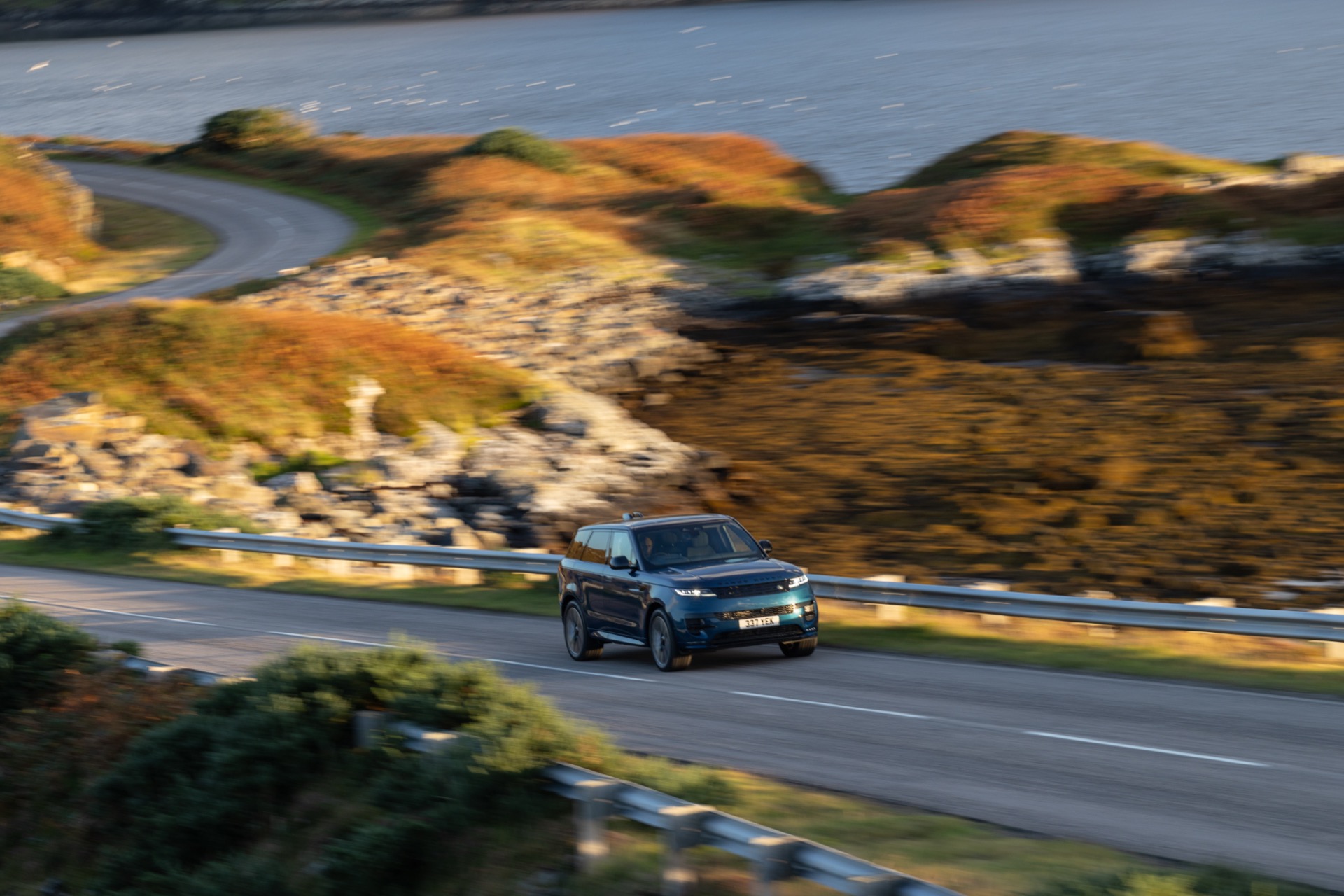
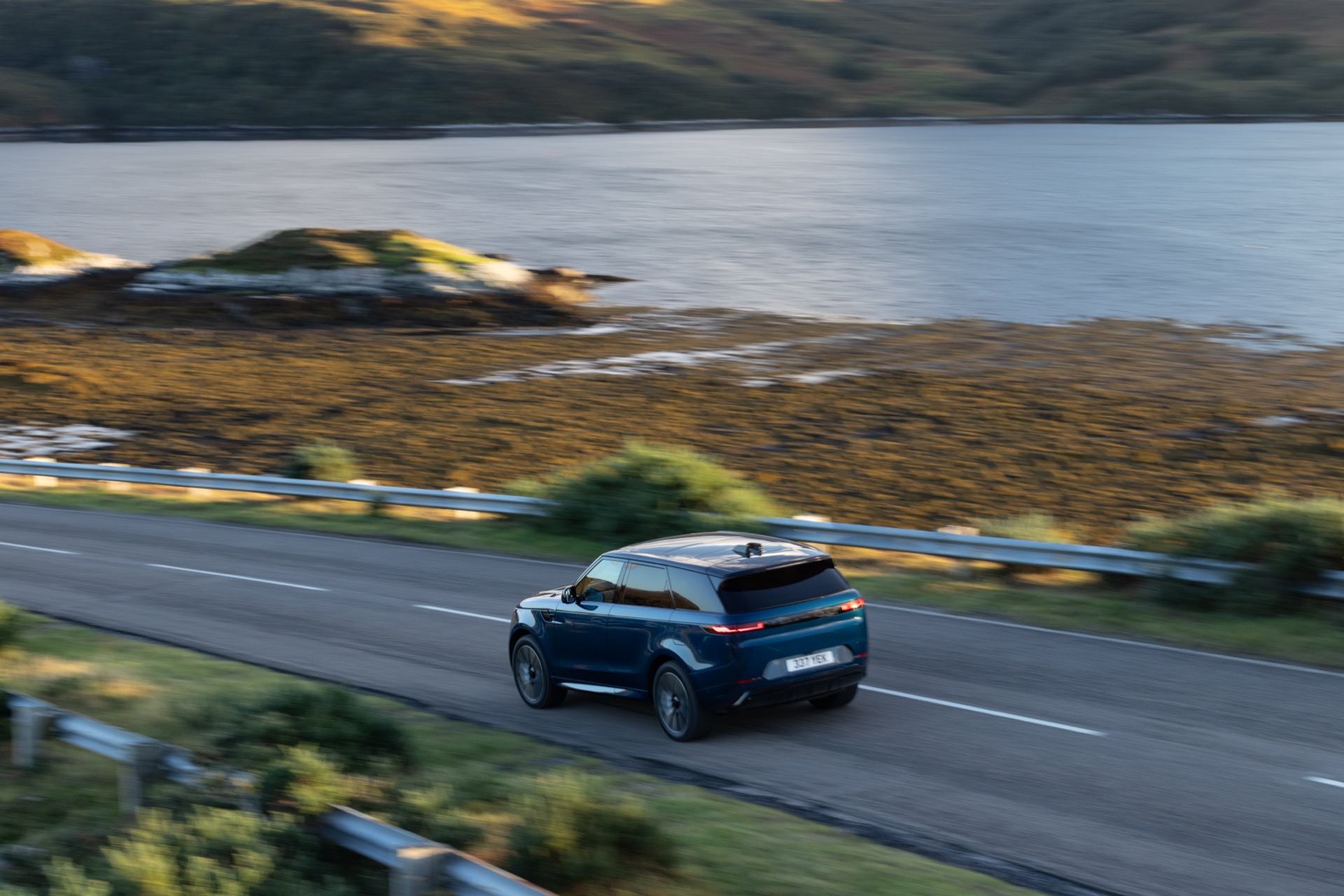
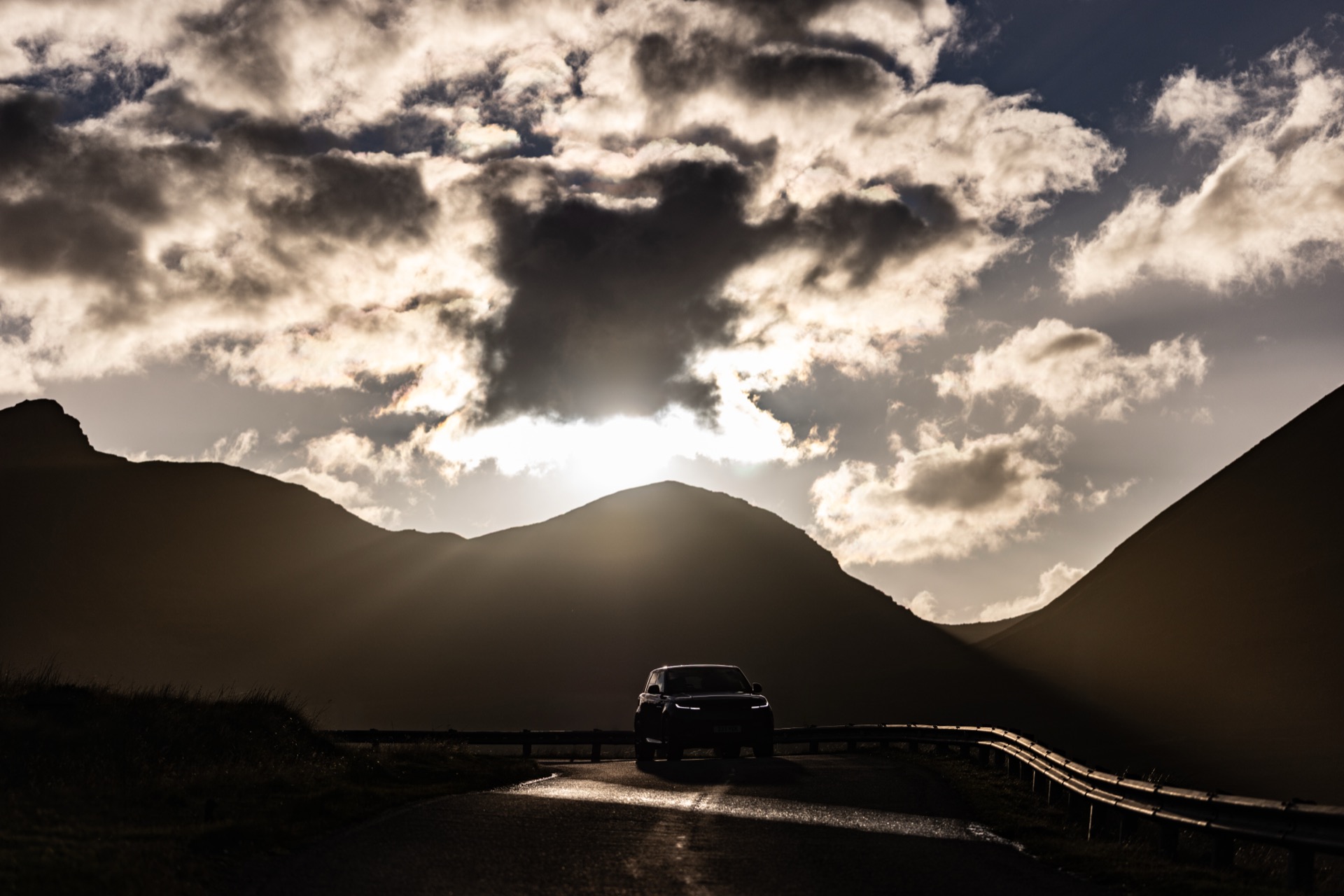
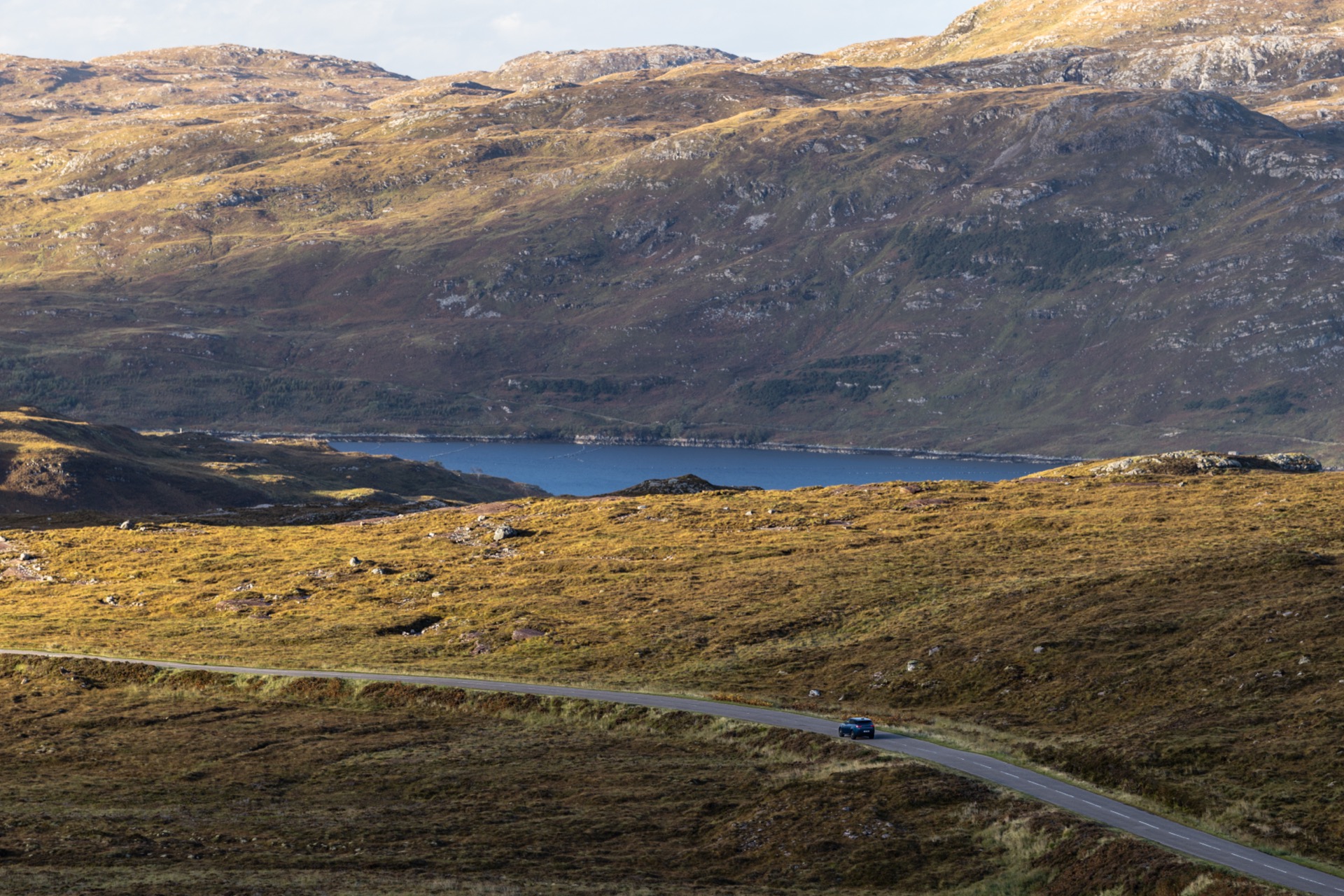
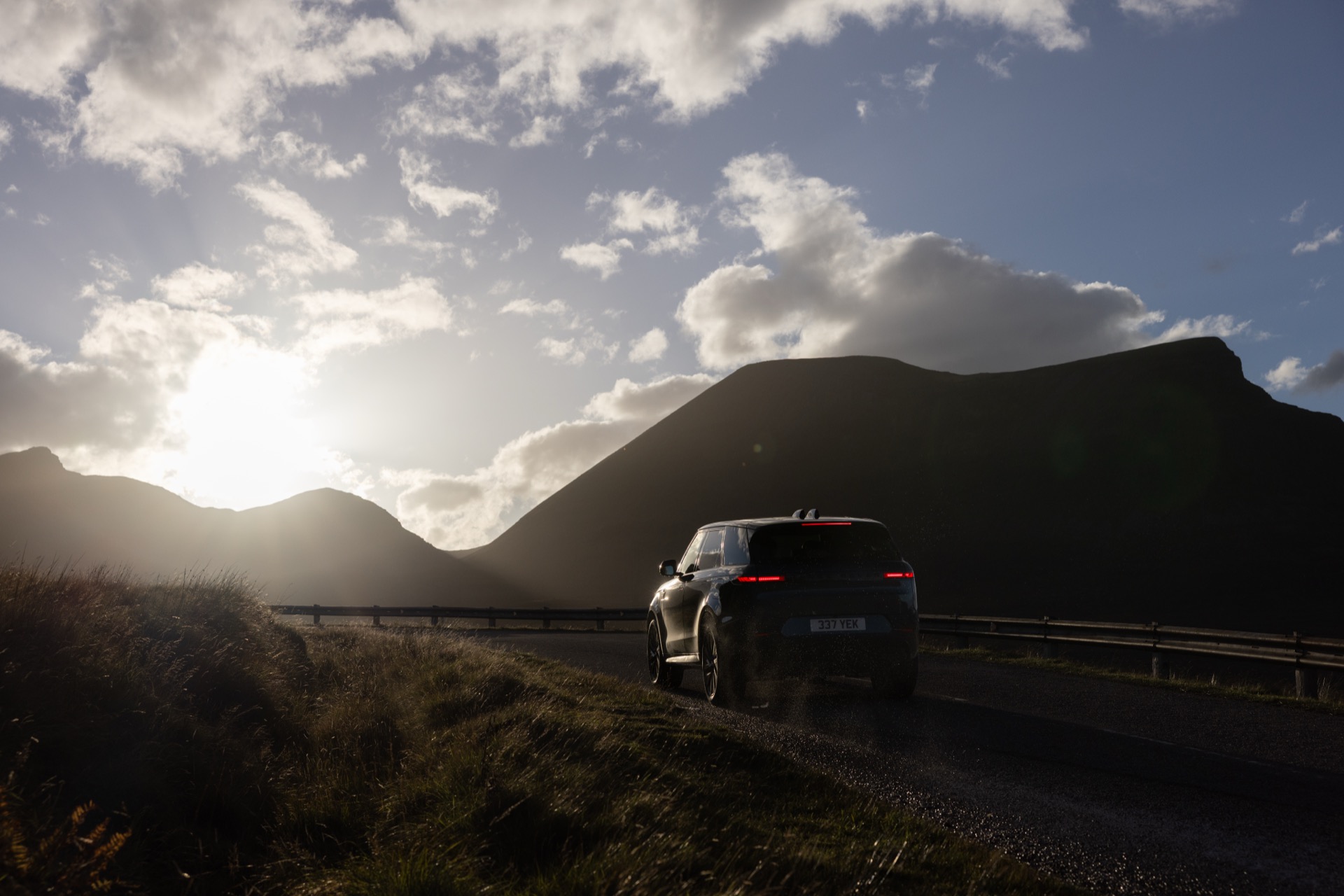
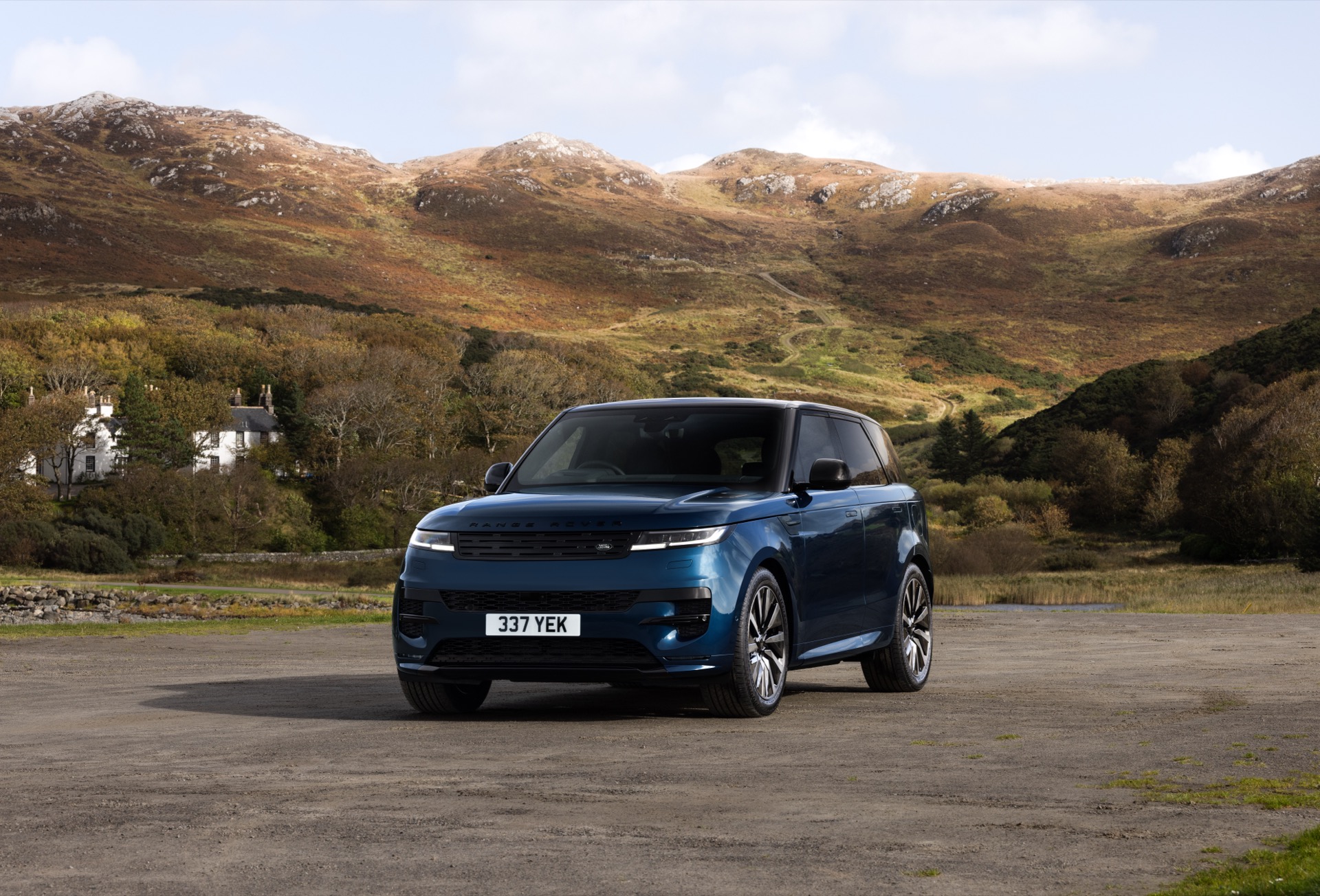
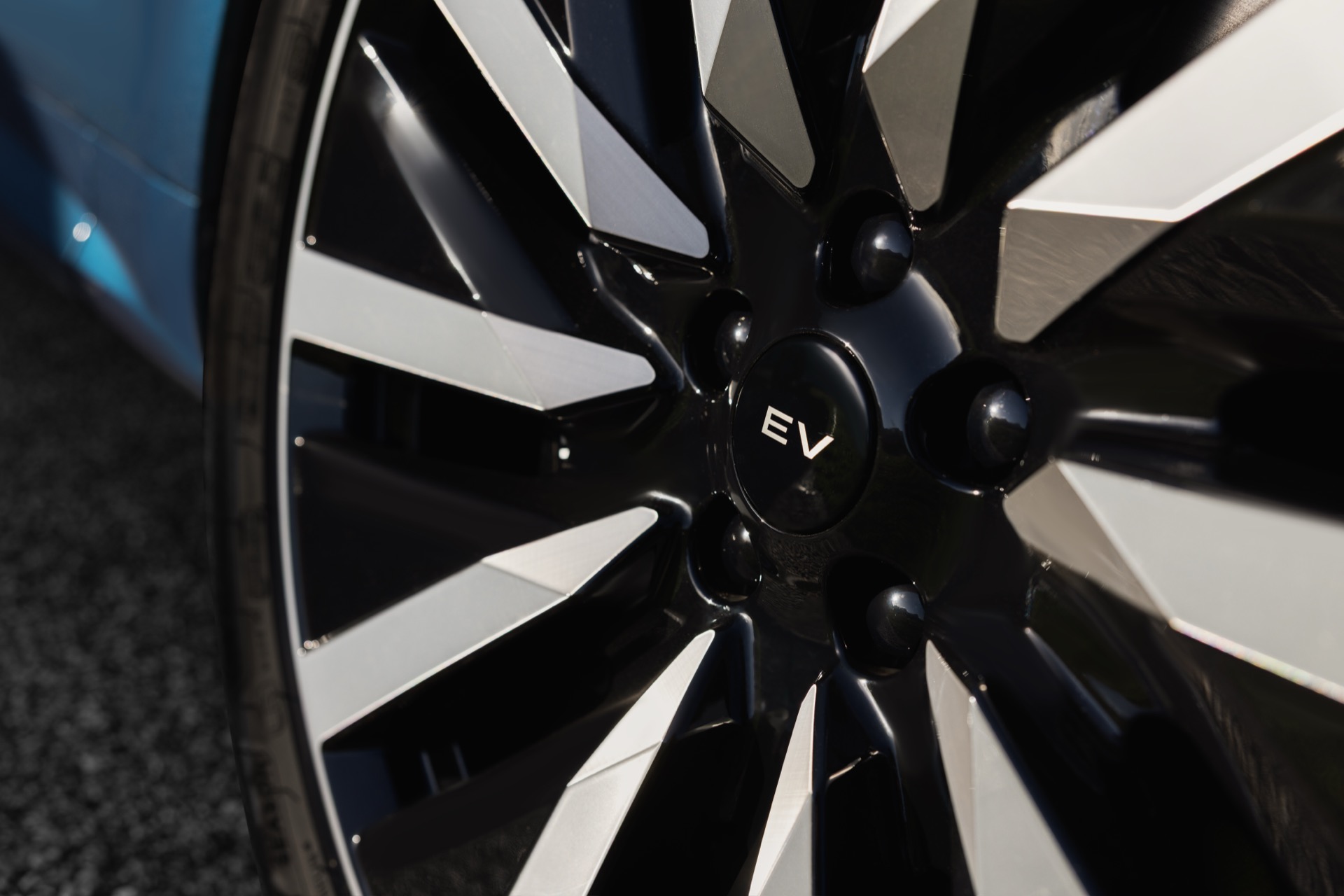
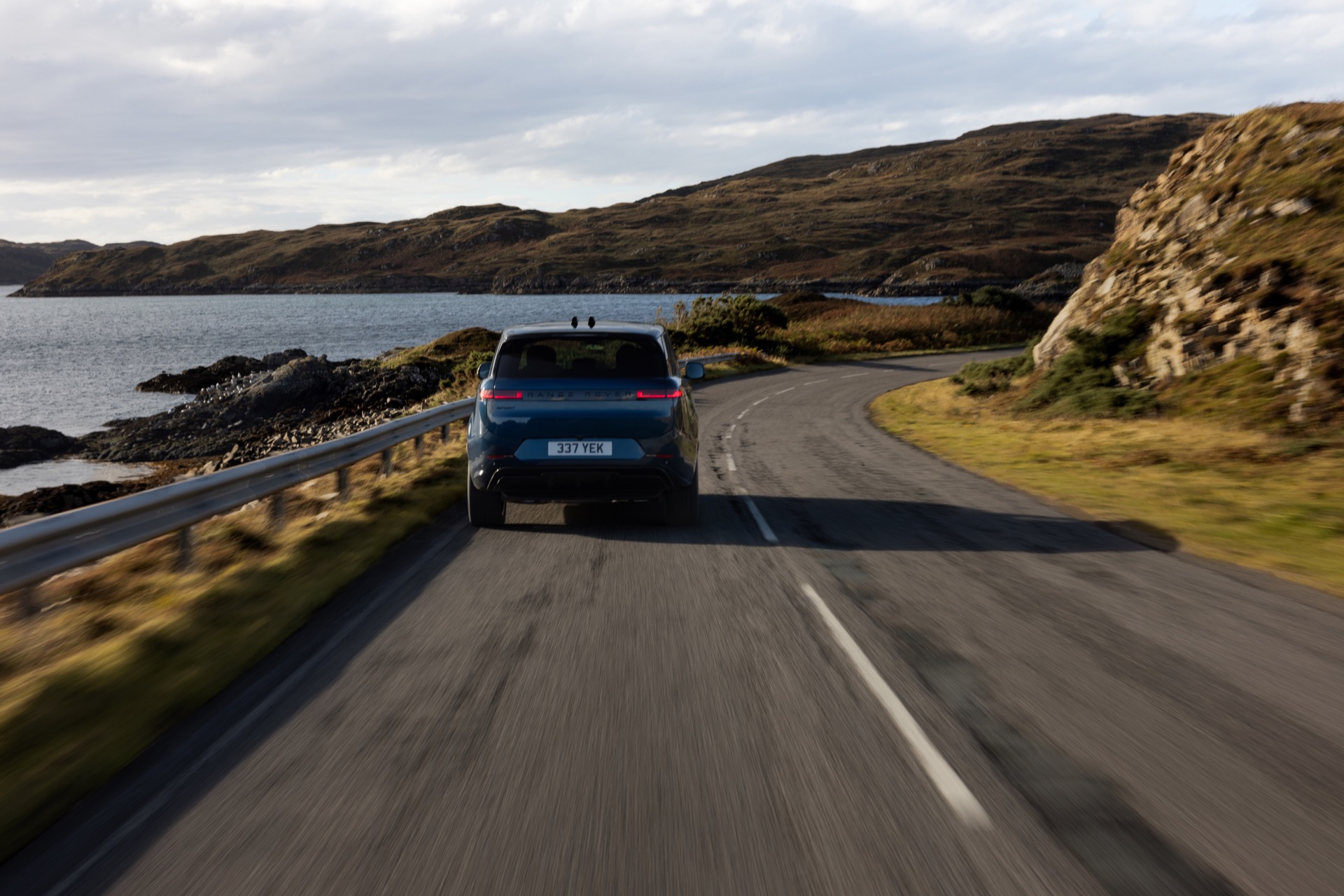
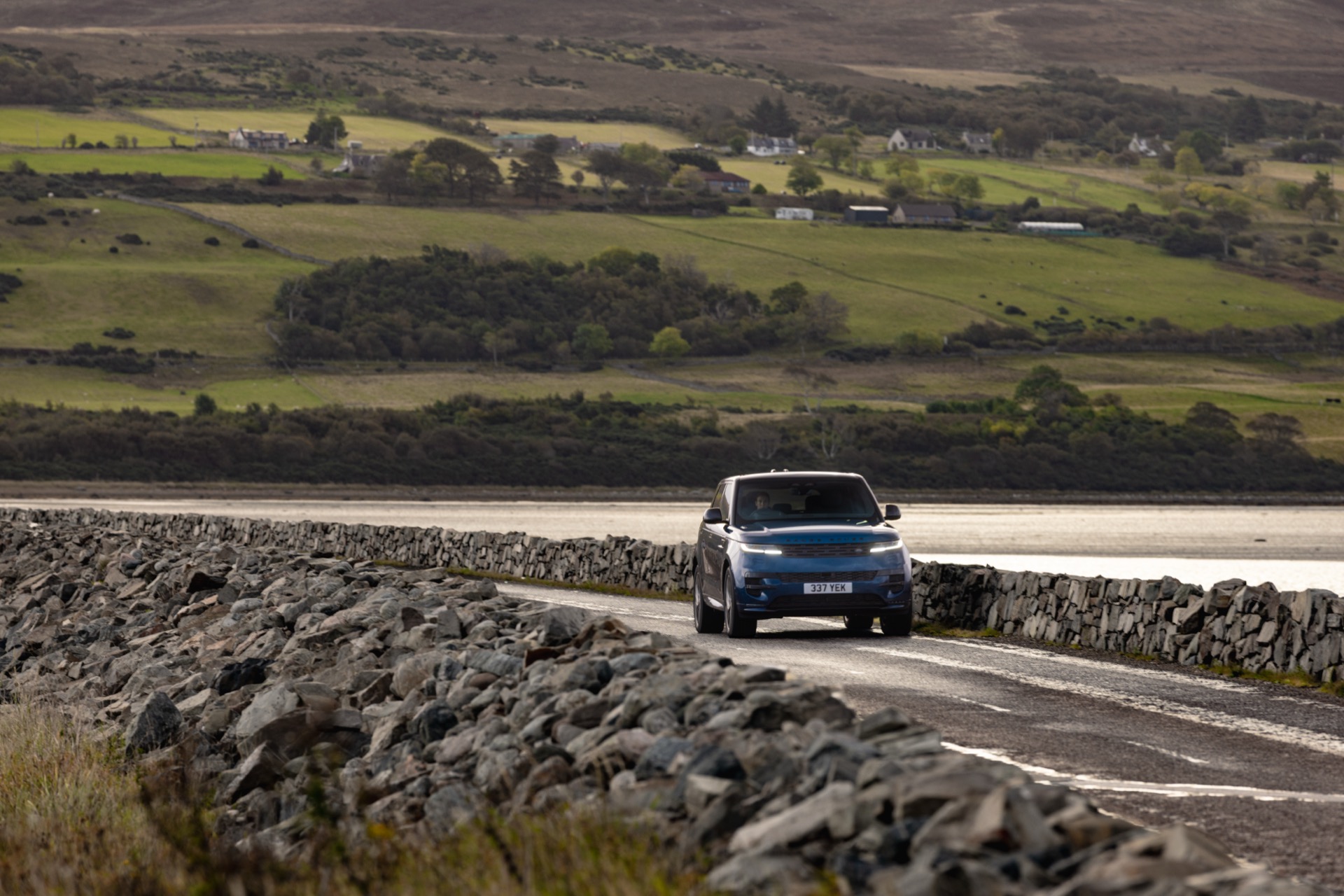
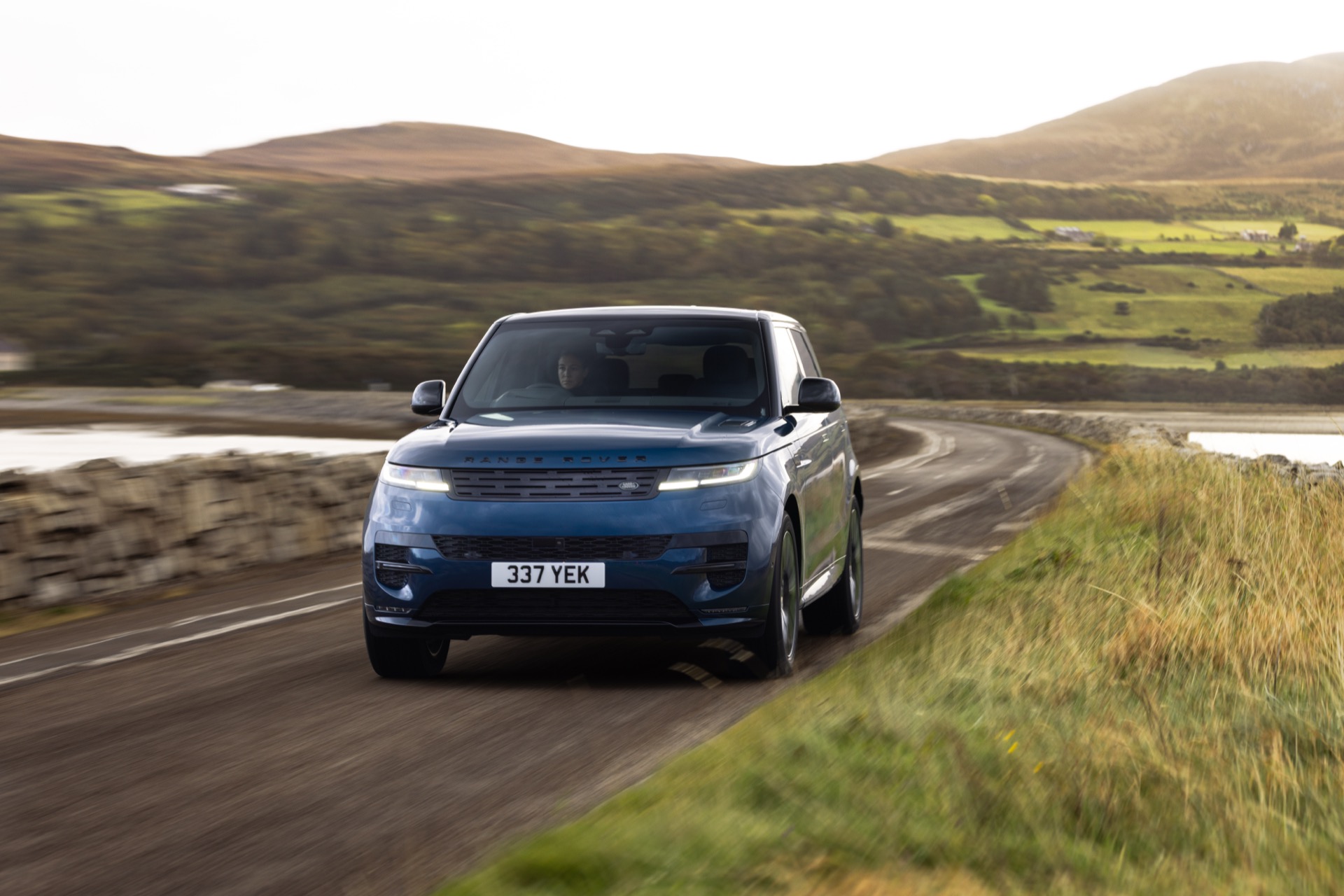
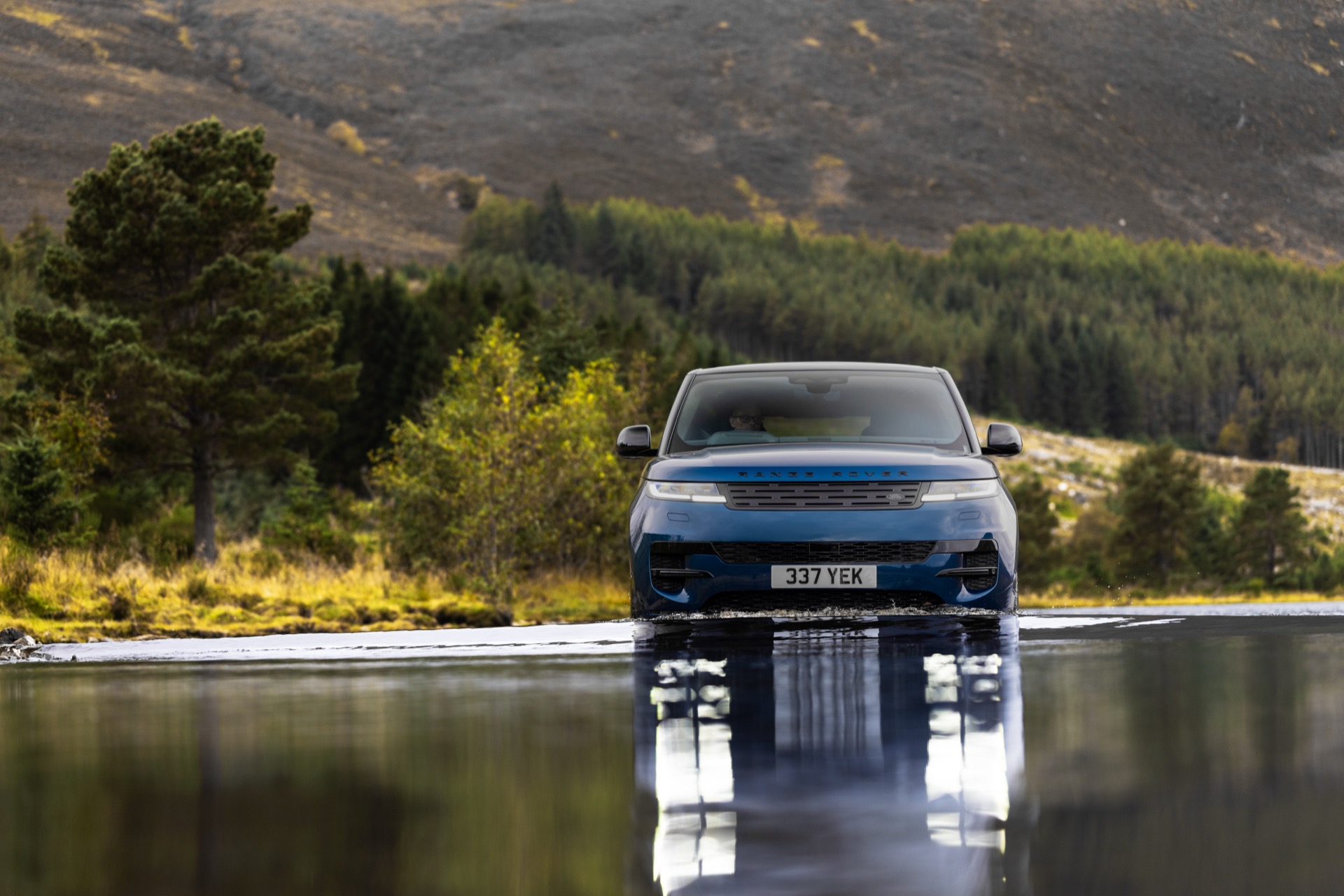
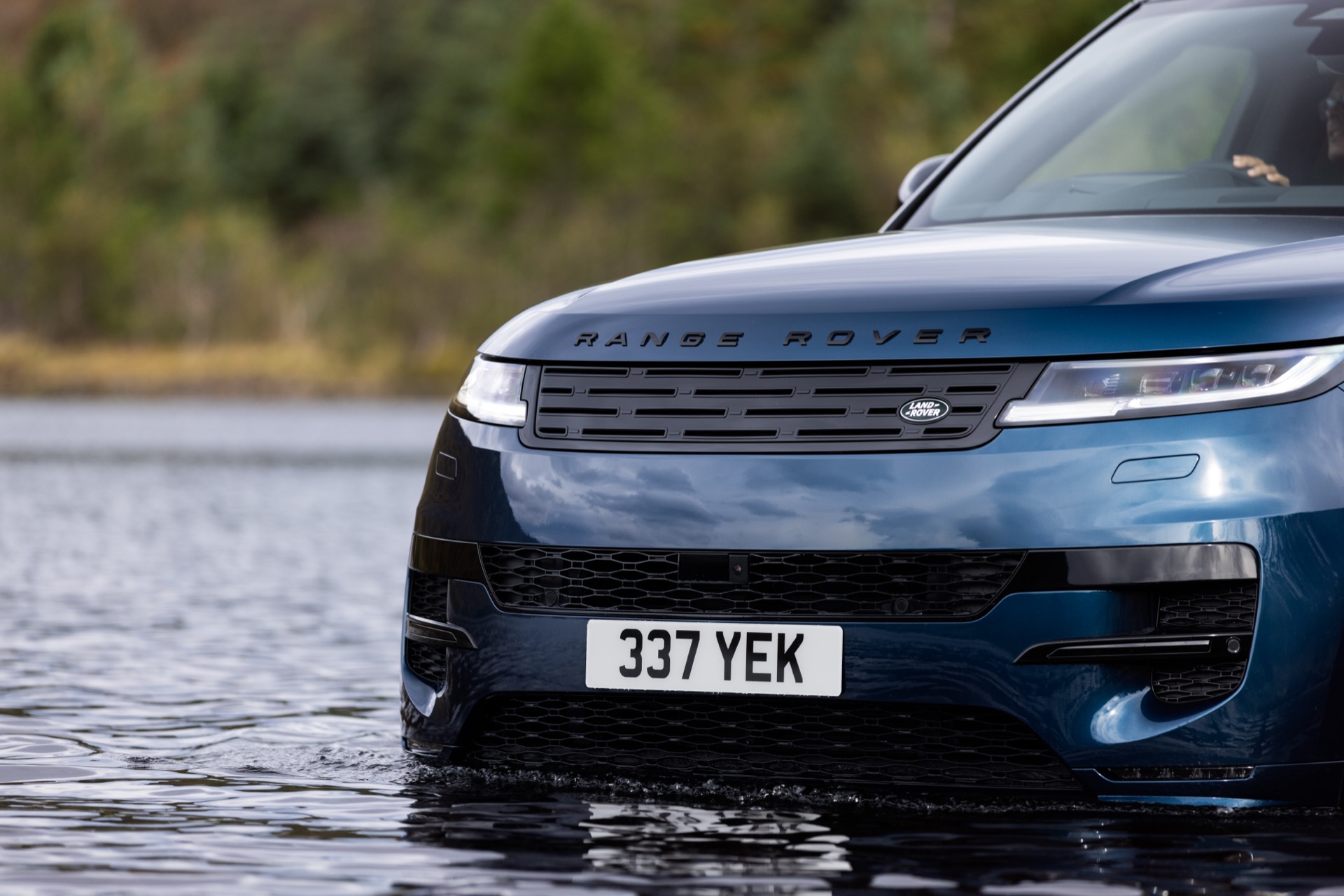
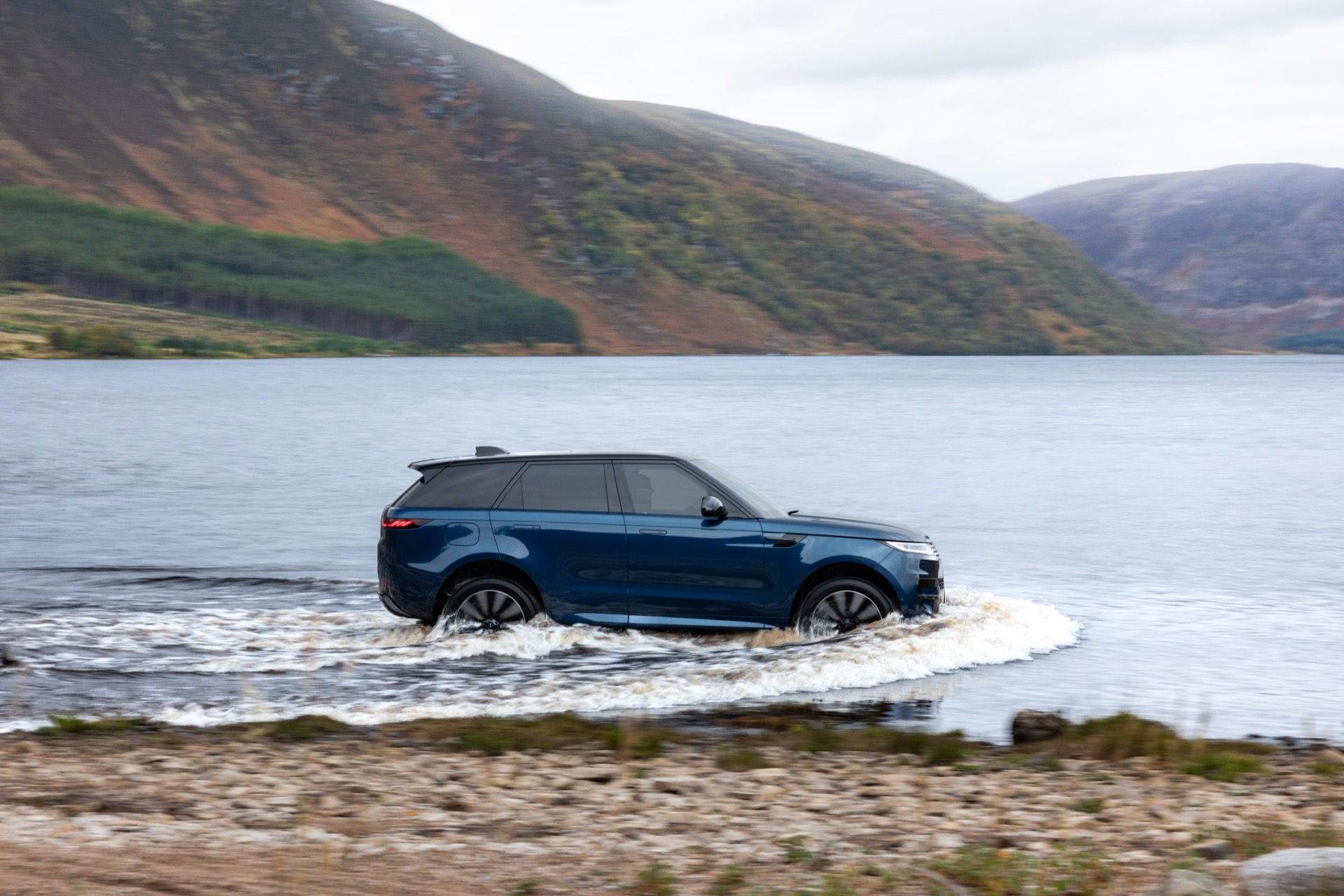
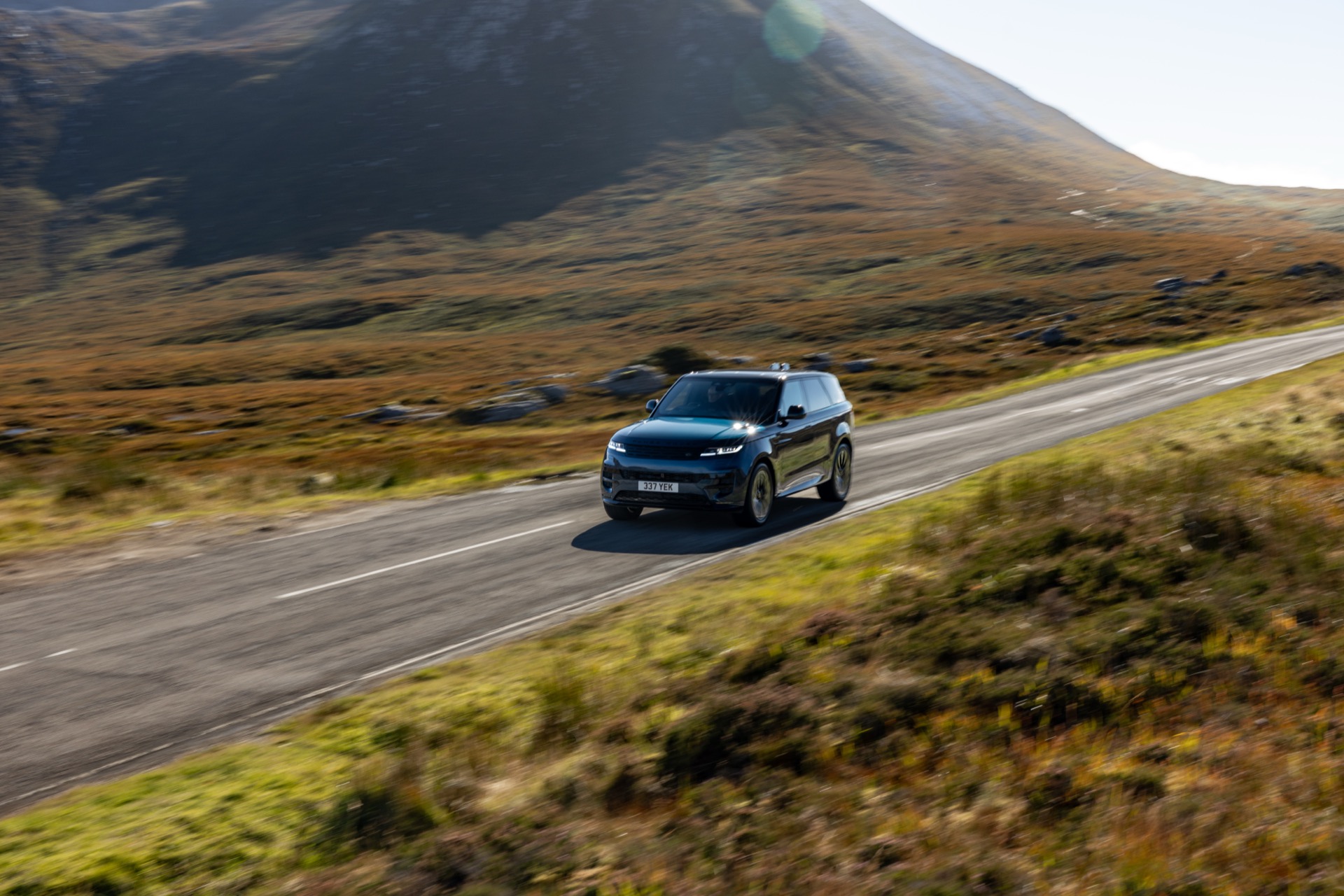
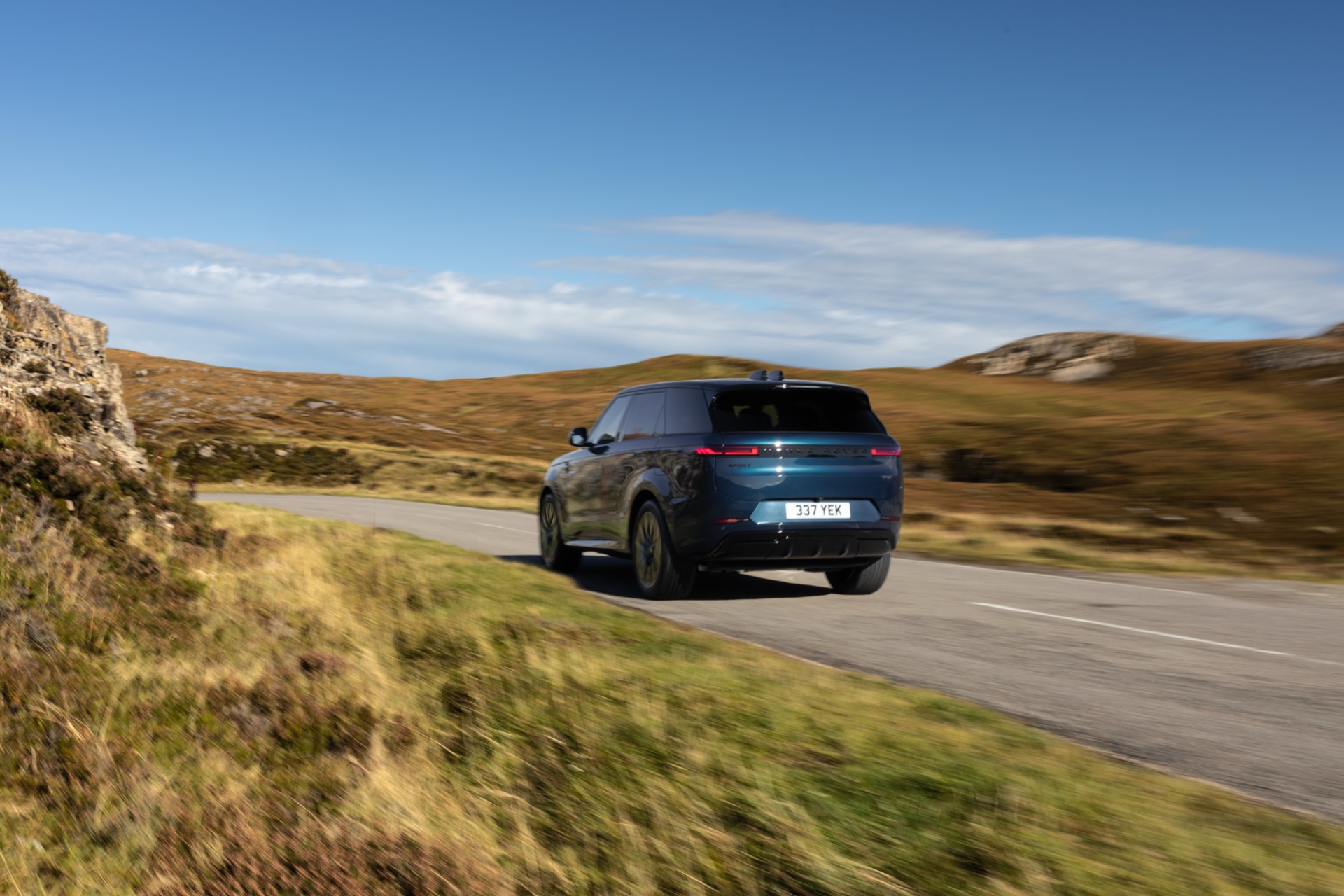
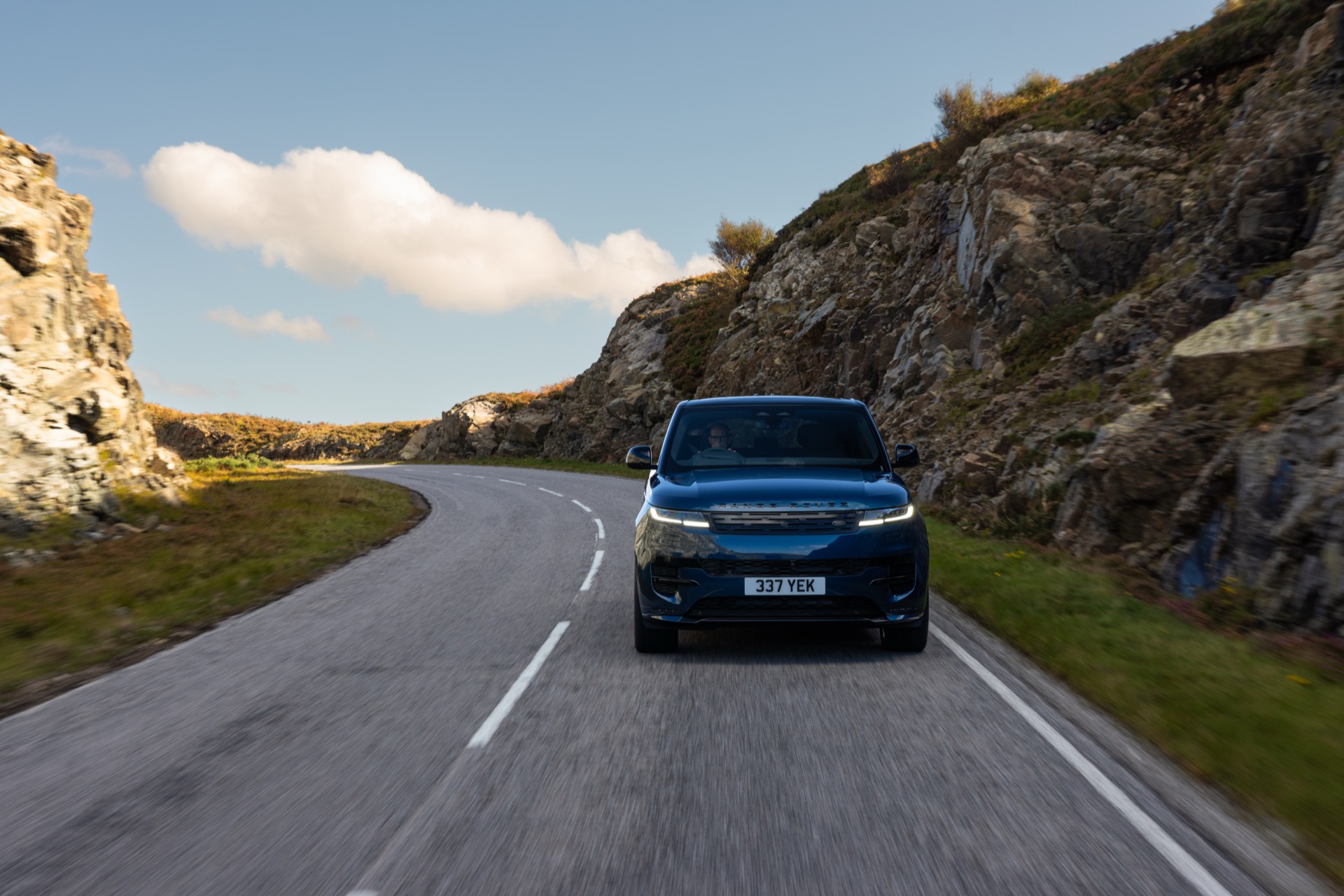
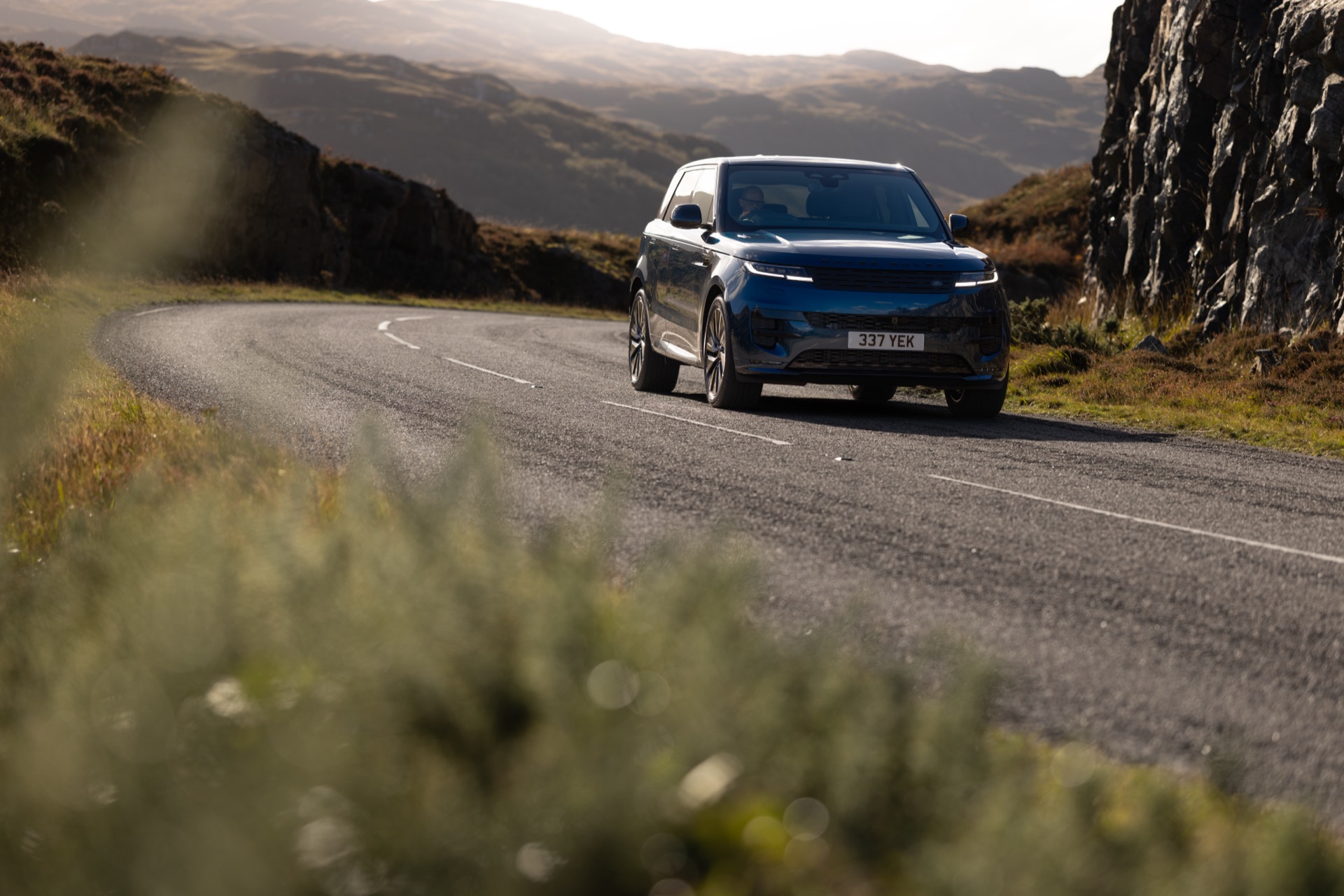
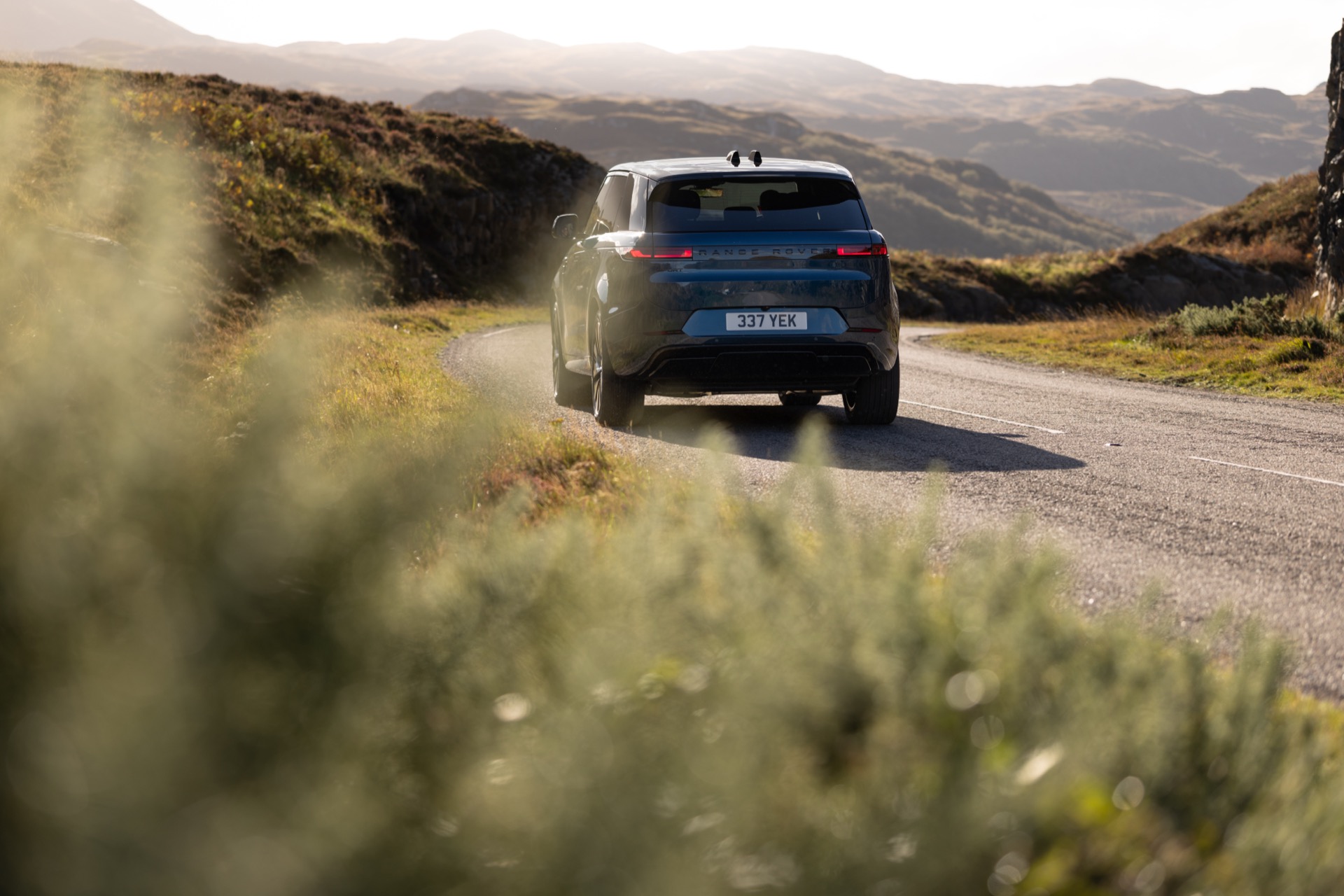
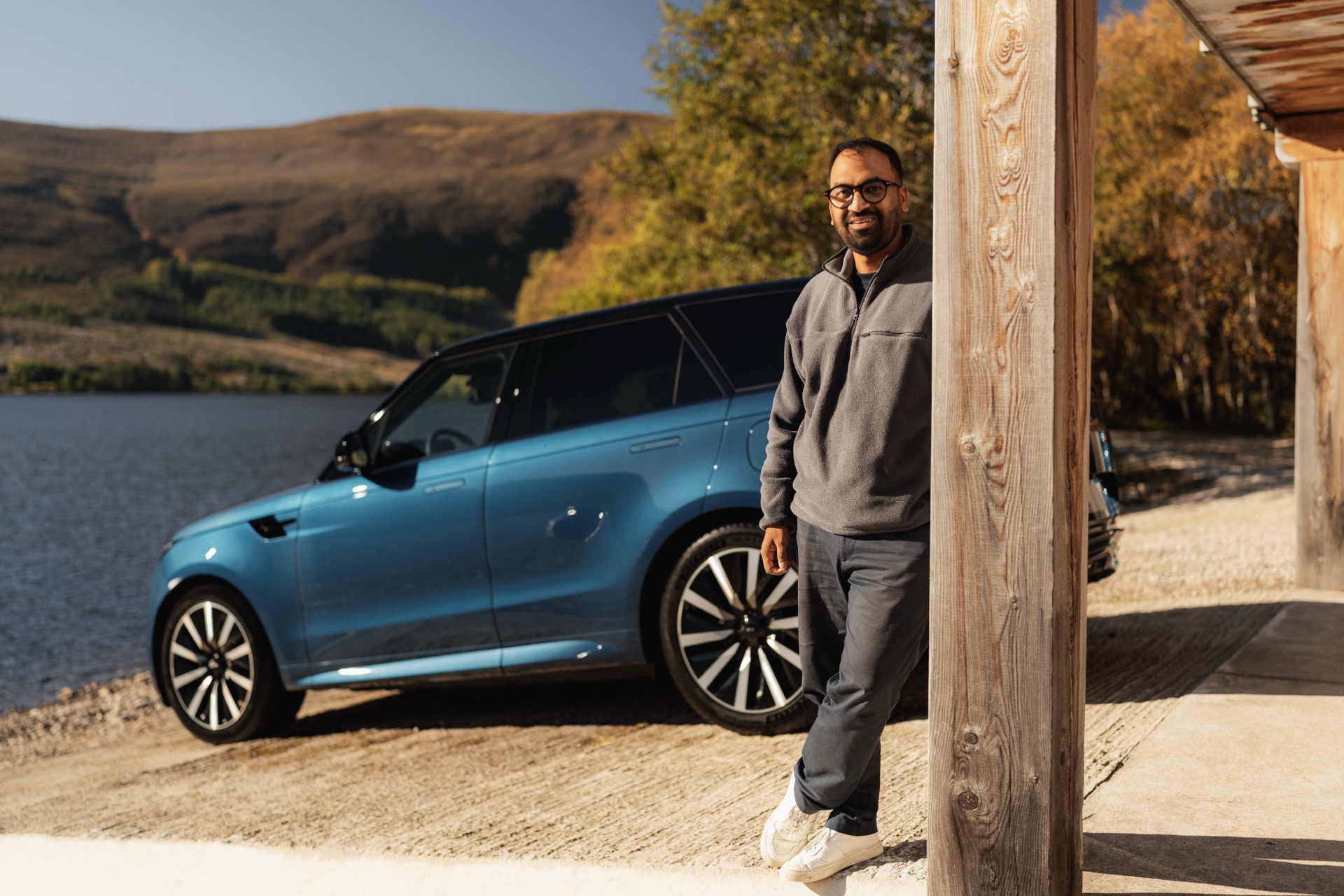
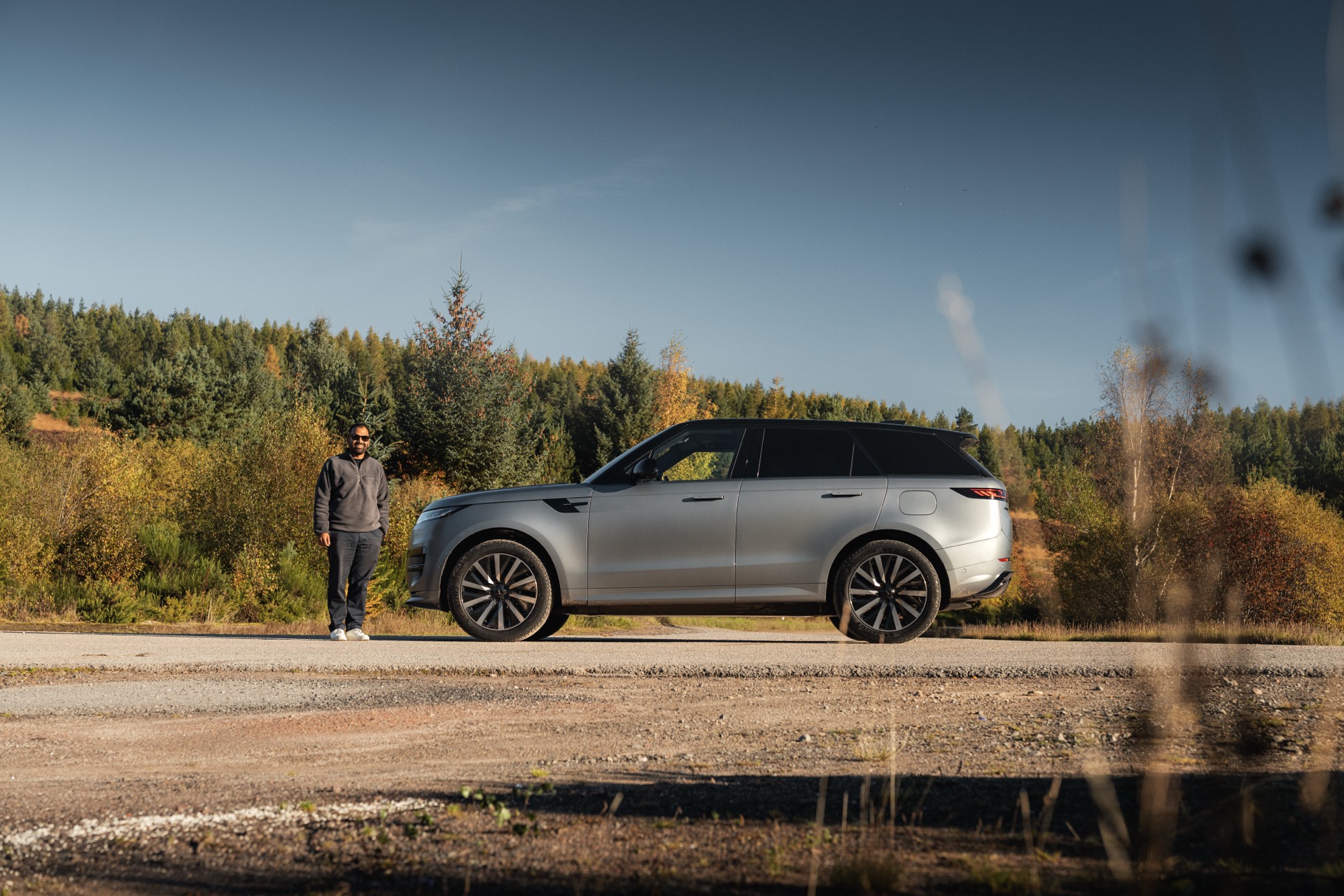
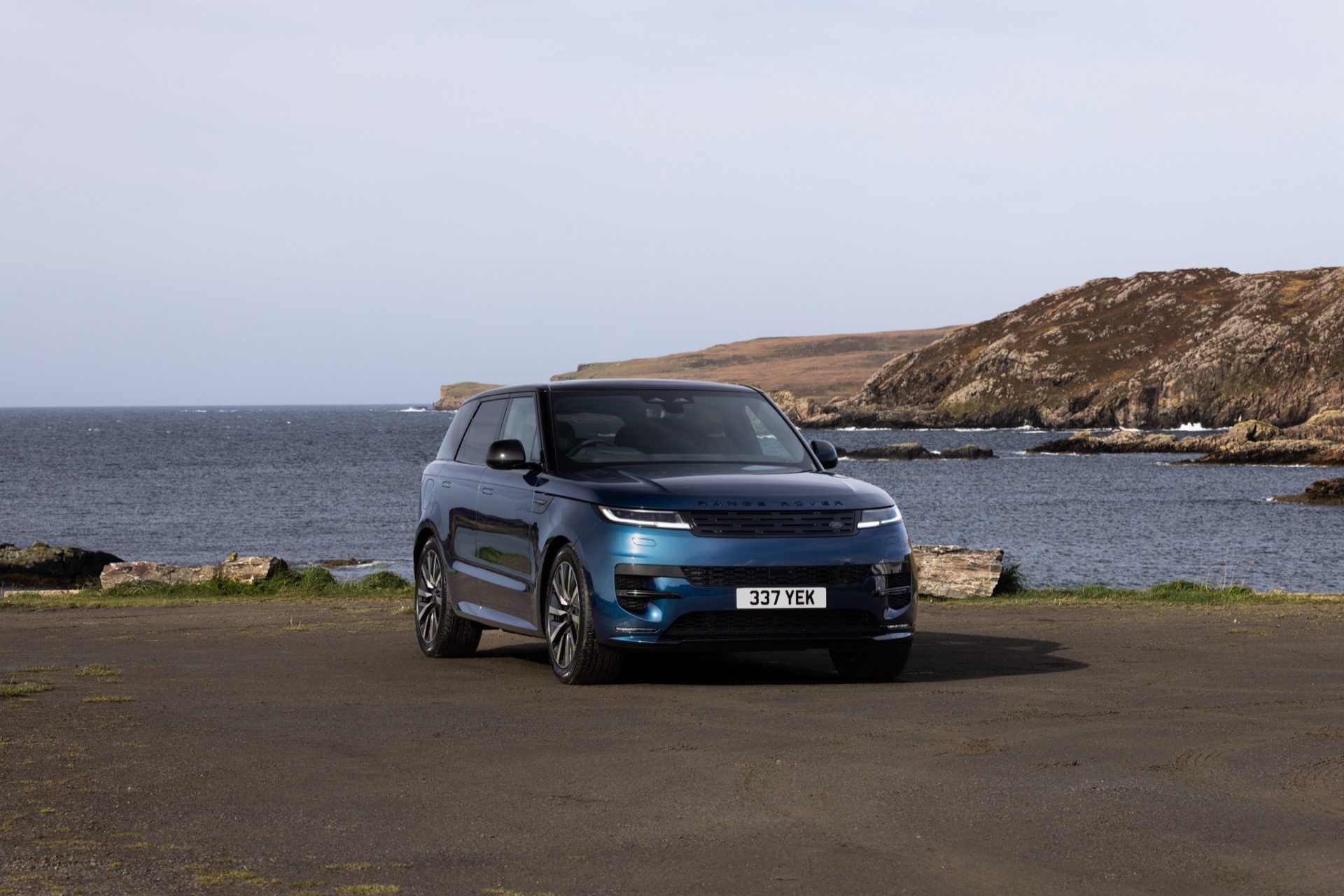
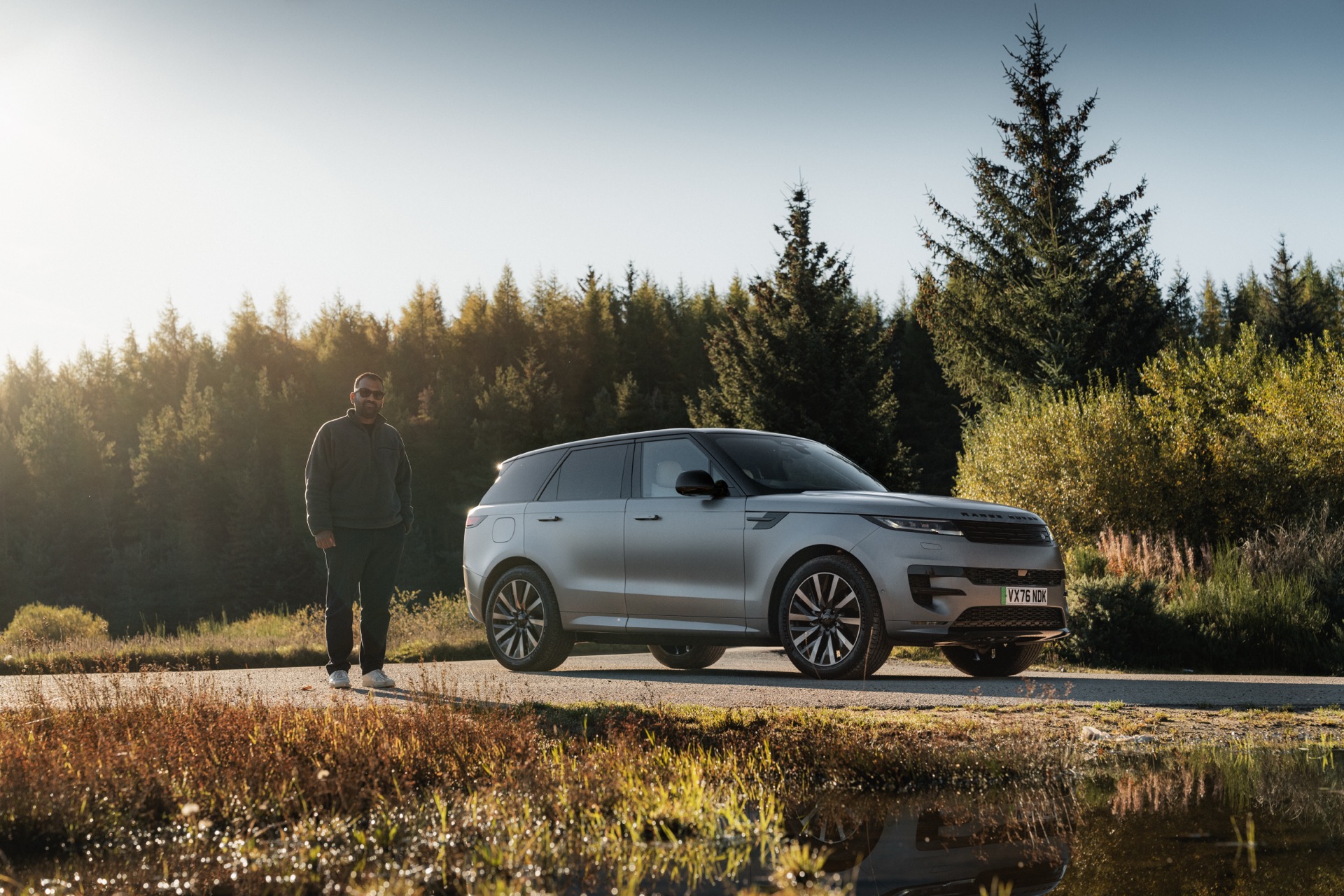
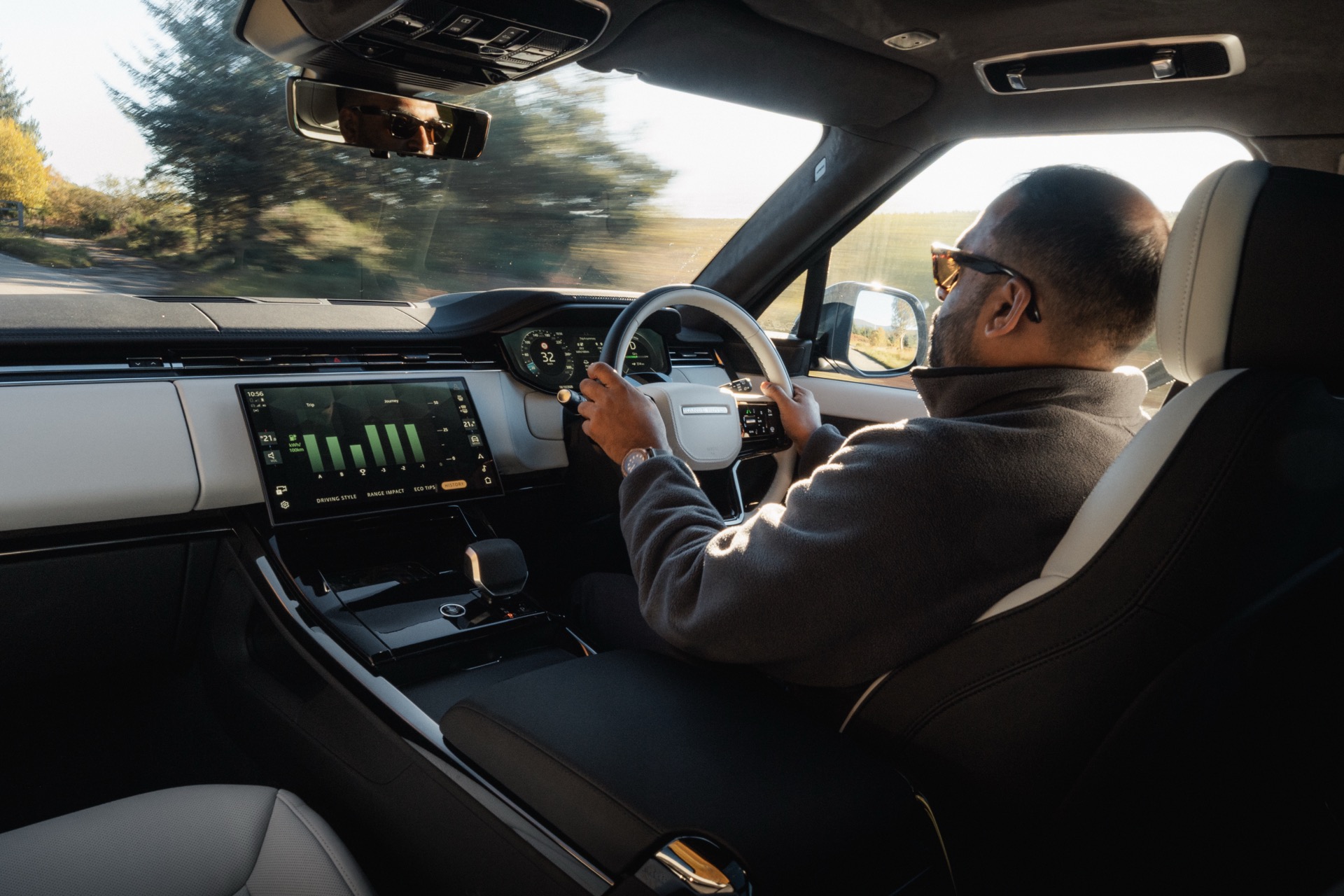
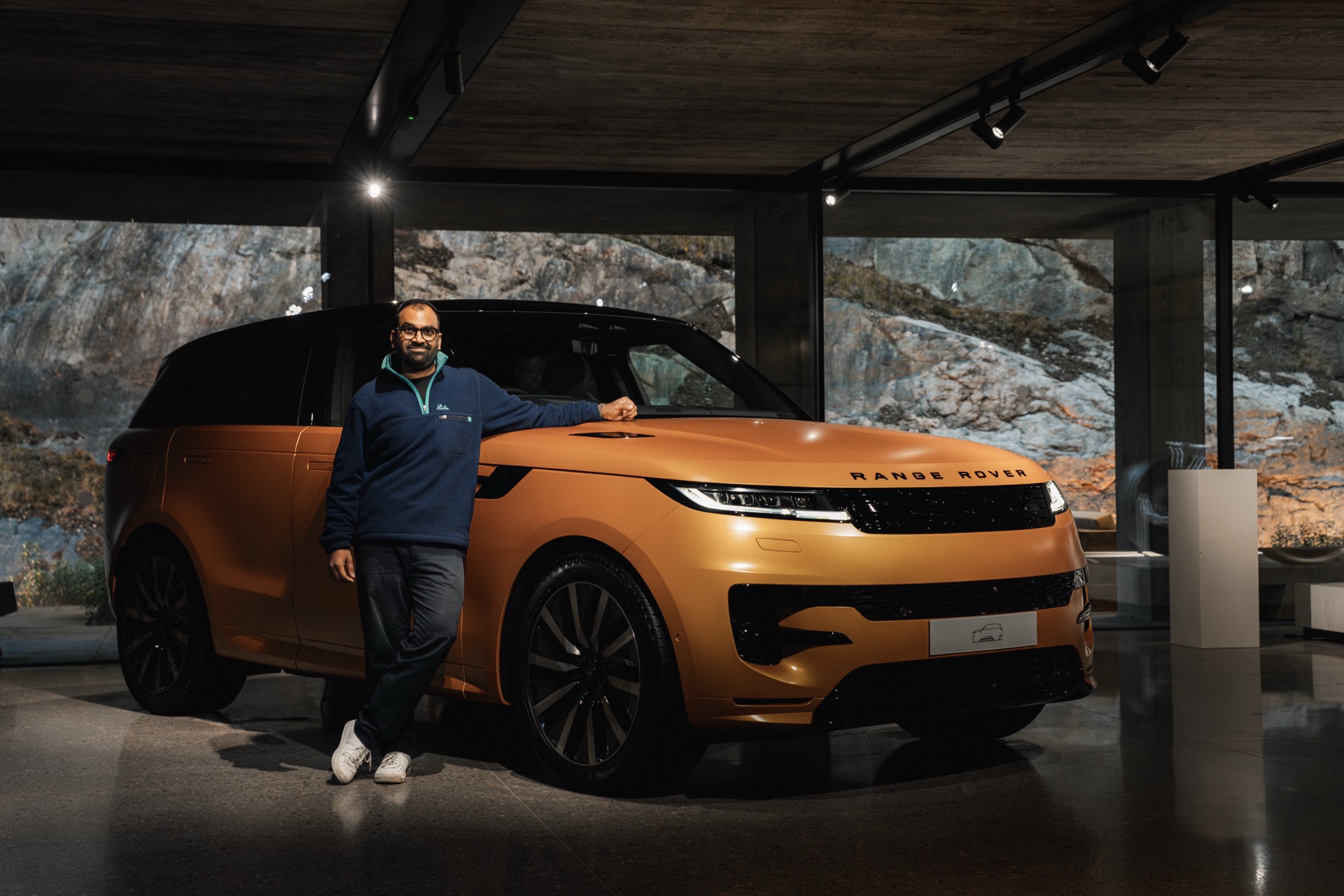
The Sport feels noticeably more alert, more tied down and more willing to change direction. There is greater immediacy to its responses and a much stronger sense that the chassis wants you to drive it rather than simply allow it to transport you somewhere.
That becomes particularly impressive when you remember that it weighs 2,770 kg. On a flowing road, its ability to contain that mass is genuinely surprising. Turn in with commitment and it settles quickly, controls its weight remarkably well and encourages you to carry considerably more pace than its dimensions would suggest.
It is also simply more fun to push than the full-size Range Rover Electric. How relevant that is in the real world is another question. Few owners are likely to spend much time exploring the outer limits of a near-three-tonne luxury SUV on a twisting road.
The ride remains good, but you are much more aware of the road beneath you. Smaller imperfections and changes in surface texture make themselves known in a way they simply do not in the full-size car.
That is not necessarily a criticism. It is exactly the character Range Rover set out to create. The Sport is more controlled, more responsive and ultimately more entertaining when you decide to lean on it. I just found myself wondering how often I actually would.
The larger Range Rover Electric works so naturally because electrification magnifies its traditional strengths. Silence, refinement, comfort and effortless progress are all qualities an electric powertrain delivers beautifully. The Sport takes essentially the same foundations and deliberately uses them to achieve something more energetic.
What it does not sacrifice is capability.
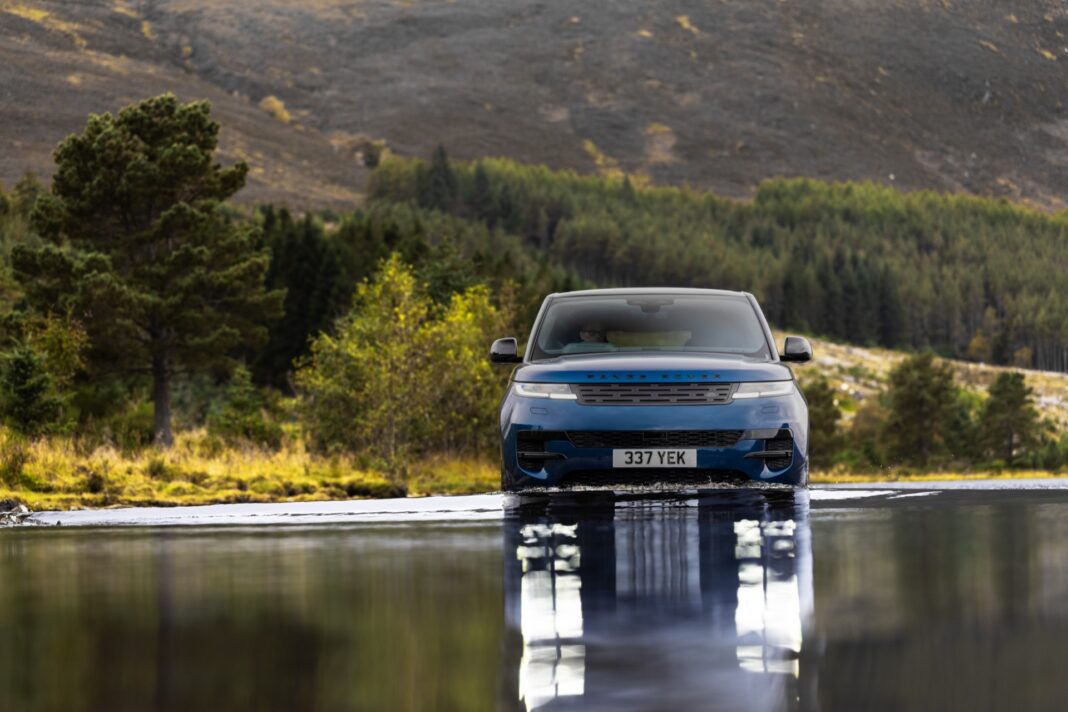
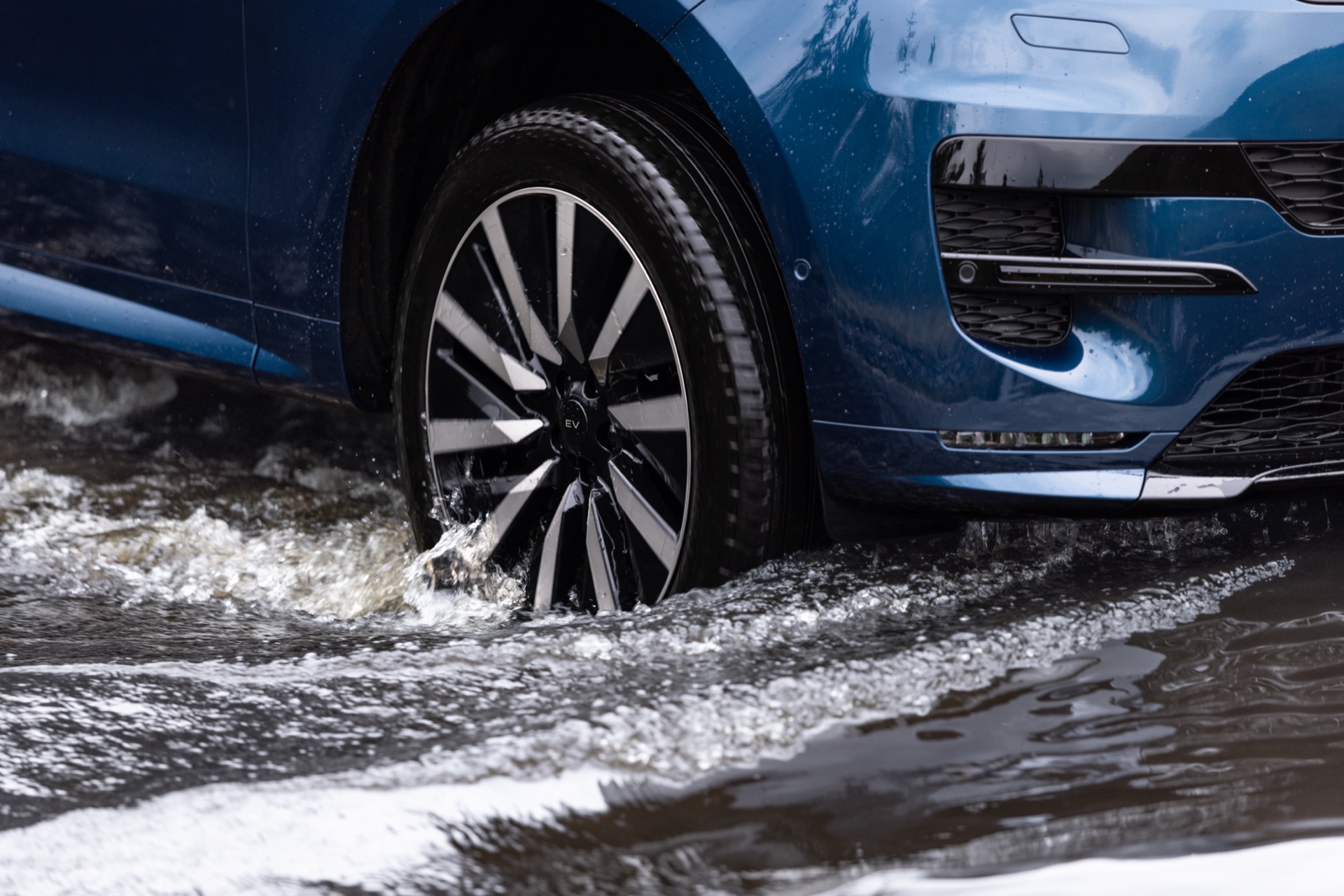
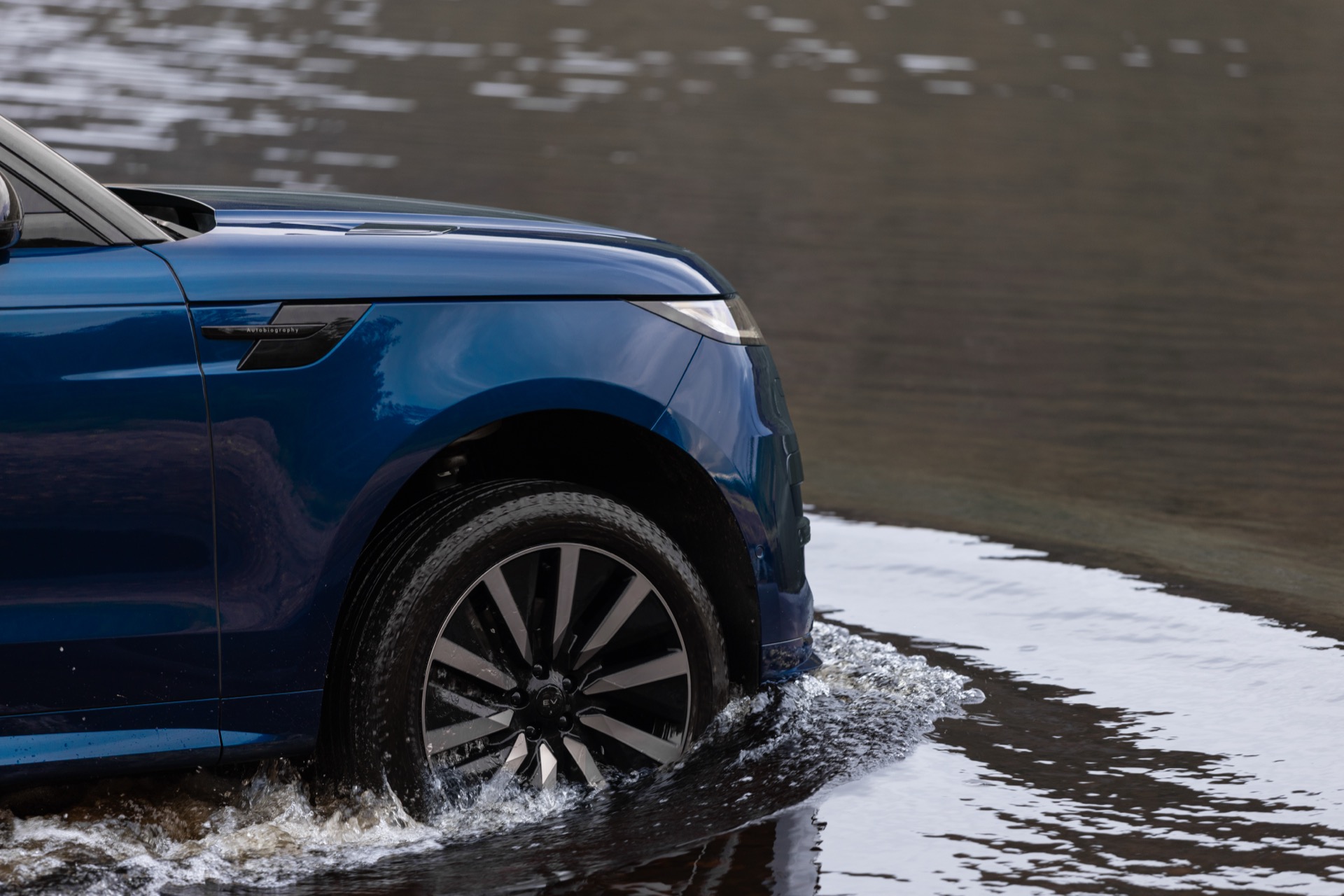
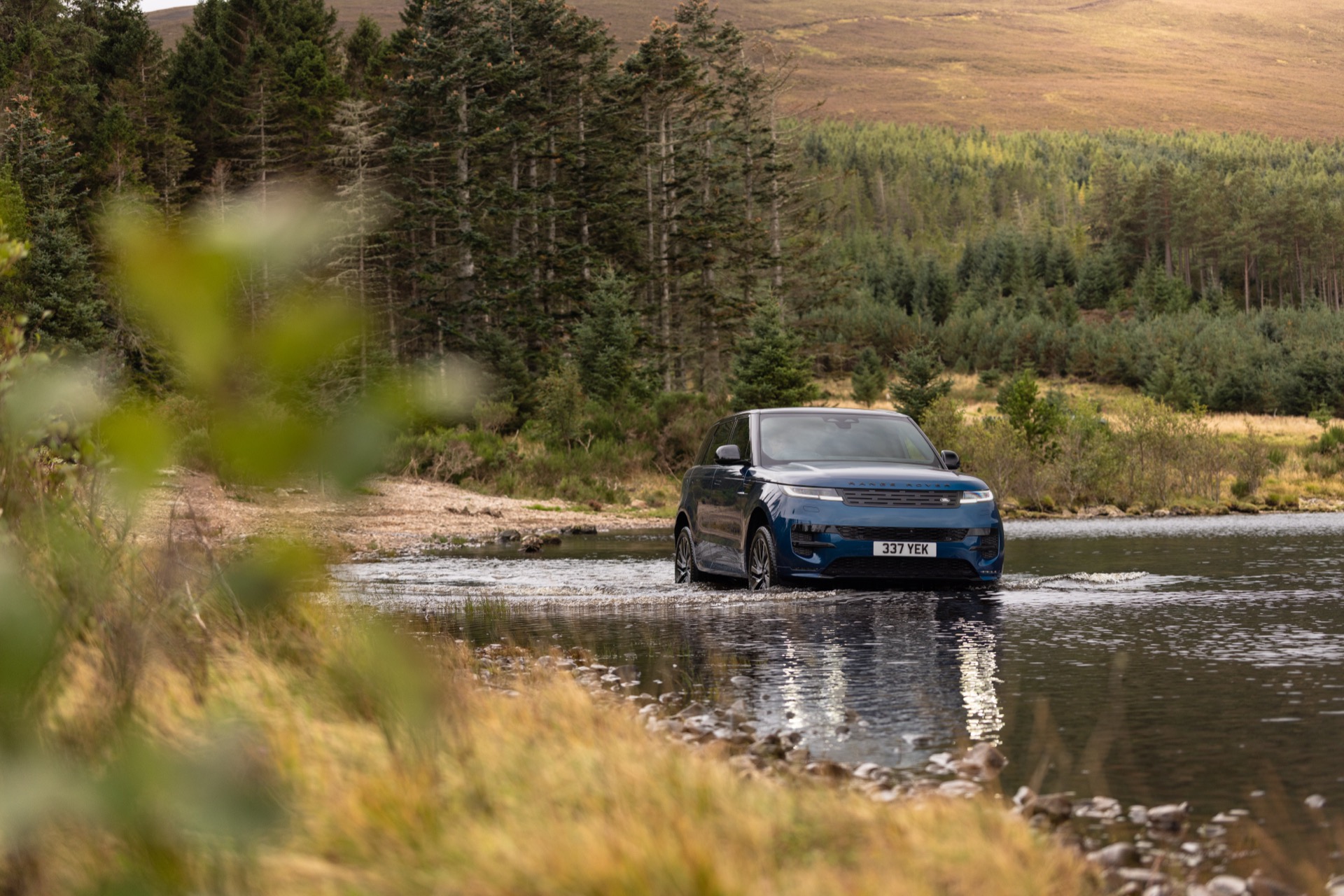
In fact, the off-road prowess is scarcely believable. There is something deeply counterintuitive about guiding 2.77 tonnes of luxury electric SUV over terrain that looks wholly inappropriate for it, only for the car to deal with it almost without drama.
Its virtual all-wheel drive and Intelligent Traction Management can adjust motor torque in milliseconds, while it retains a 900 mm wading depth and the ability to tackle inclines of up to 45 degrees.
The precision of electric torque delivery becomes particularly impressive here. Small throttle inputs translate into remarkably controlled progress, allowing the Sport to crawl across difficult terrain with a level of composure that feels entirely at odds with its size and weight.
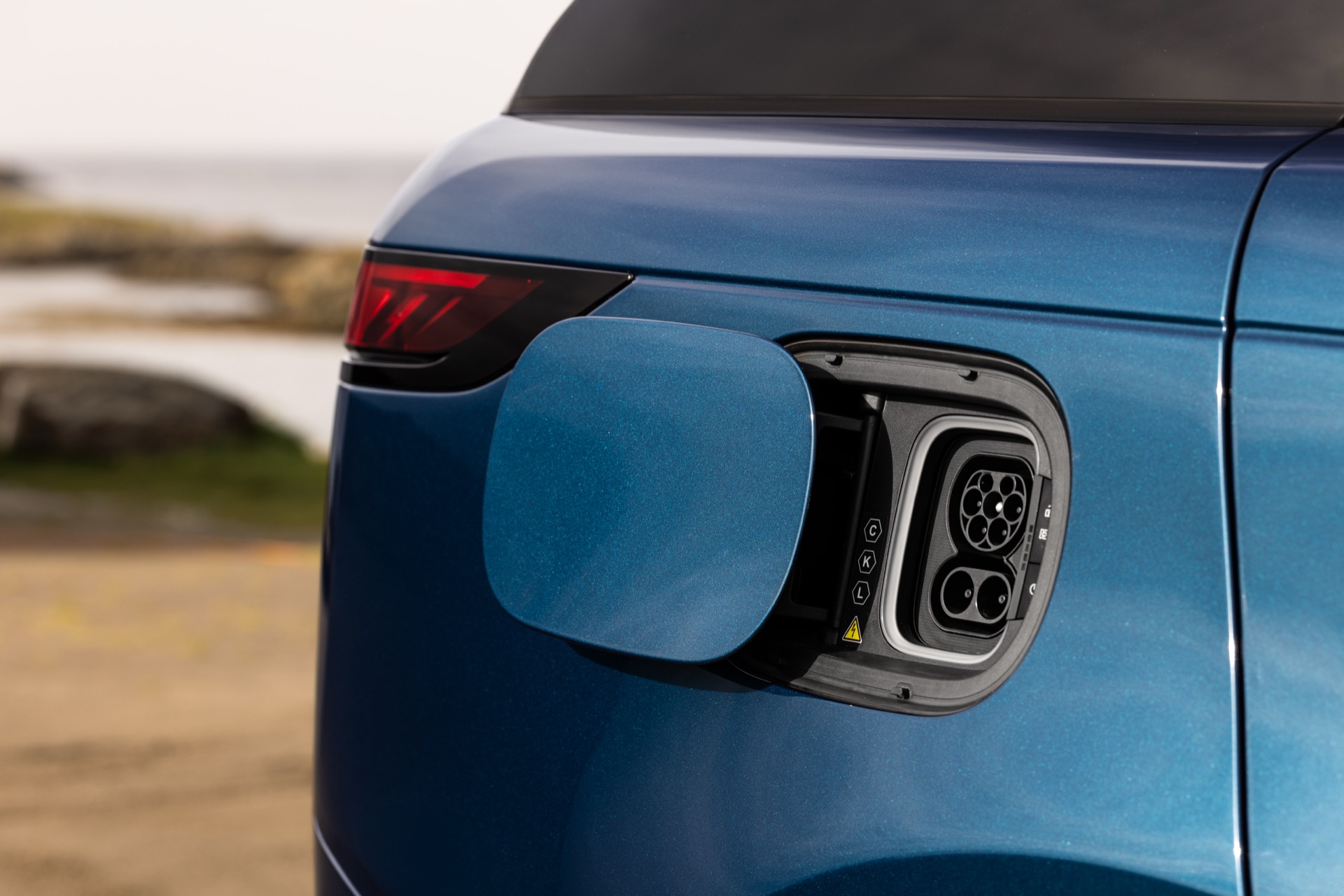
Its 800-volt architecture also enables a 10–80 per cent charge in around 22 minutes on a sufficiently powerful rapid charger.
My biggest gripe is inside. The full-size Range Rover already relies heavily on its central touchscreen, but at least the drive-mode selector and volume control remain reassuringly physical rotary knobs. In the Sport Electric, even those have migrated into the screen.
That feels like a step too far. These are controls you may want to adjust quickly and instinctively, particularly when moving between road and off-road environments, and burying them behind a touchscreen adds unnecessary interaction where a simple physical control worked perfectly well.
The Range Rover Sport has always occupied an unusual space. It needs to remain luxurious and capable enough to wear the badge, while offering enough additional aggression and agility to justify the word Sport. Electrification has not changed that brief. It has simply given the engineers a different set of tools with which to achieve it.
I still think the full-size Range Rover is the more natural fit for electric propulsion. Its character aligns almost perfectly with everything an EV does well. But the Sport proves that the same hardware does not have to result in the same experience. It is more responsive, more controlled and more fun when you decide to push it, even if that ability may matter less during everyday ownership than the engineering effort behind it would suggest.
Crucially, it remains comfortable, refined and almost absurdly capable everywhere else. The full-size Range Rover Electric makes electrification feel inevitable. The Sport makes it entertaining.