Of all the cars to electrify, the Range Rover might make more sense than most.
Its appeal has never rested on chasing lap times or delivering the most aggressive throttle response. A Range Rover is supposed to be quiet, effortless and supremely comfortable, while possessing the slightly absurd ability to cross terrain that most owners will never contemplate tackling. After eight hours behind the wheel of the new Range Rover Electric in the Scottish Highlands, I came away thinking electric propulsion actually enhances much of what makes a Range Rover special.
Two 260 kW electric motors produce approximately 542 hp and 850 Nm, while a usable 118.5 kWh battery provides up to 600 km of WLTP range and an estimated 535 km, or 333 miles, in real-world driving. It will reach 100 km/h in 4.5 seconds, despite weighing in at 2736kg.
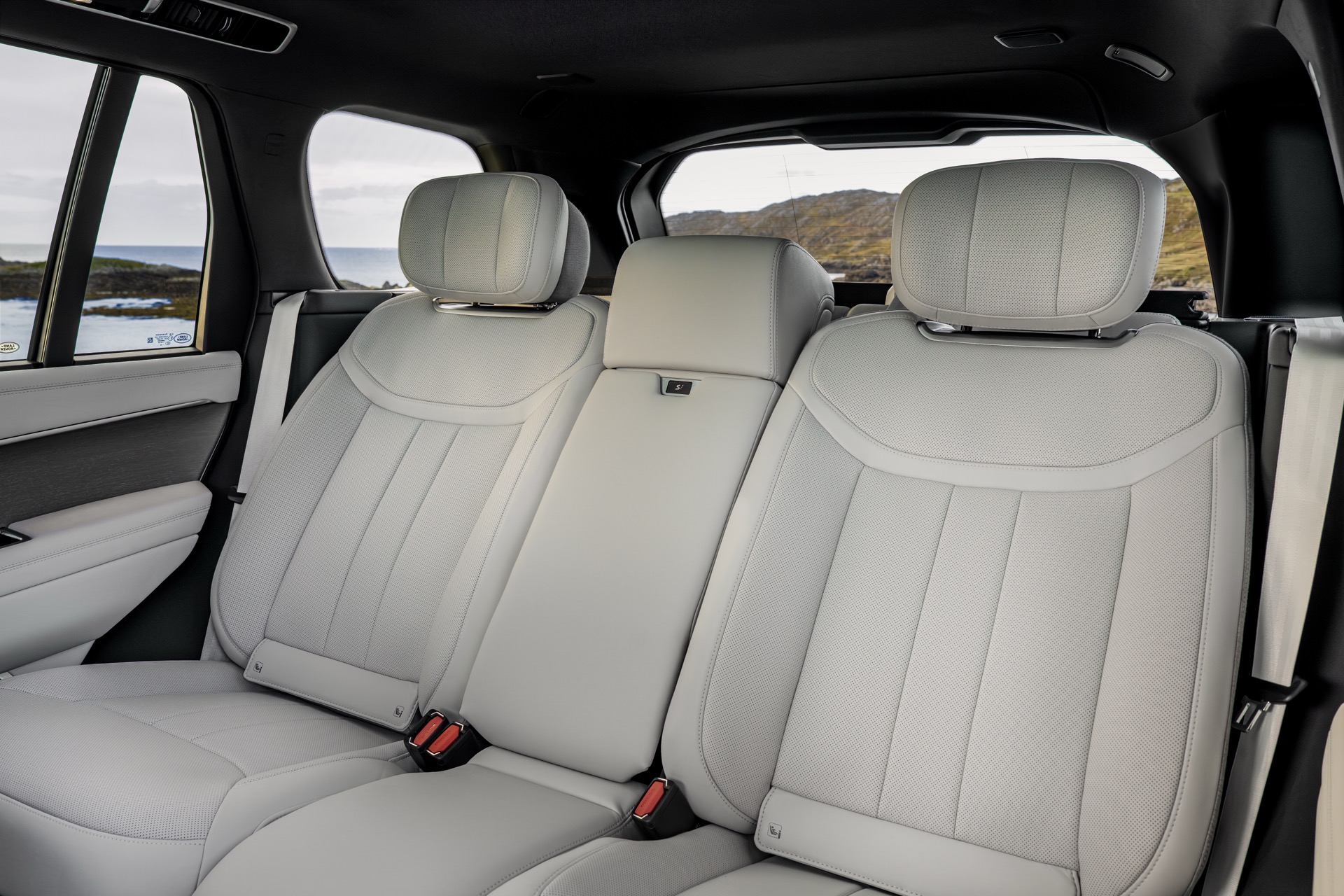
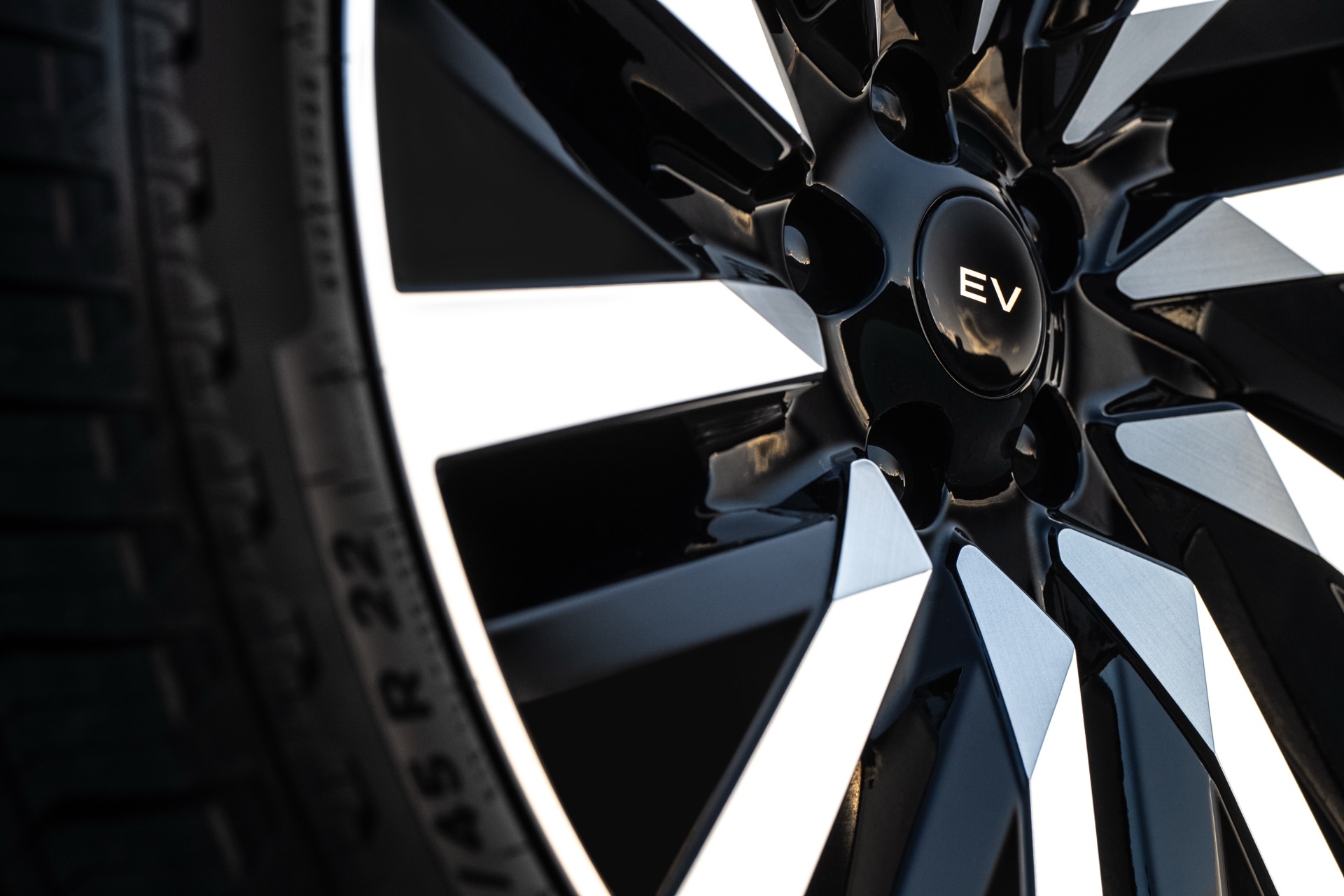
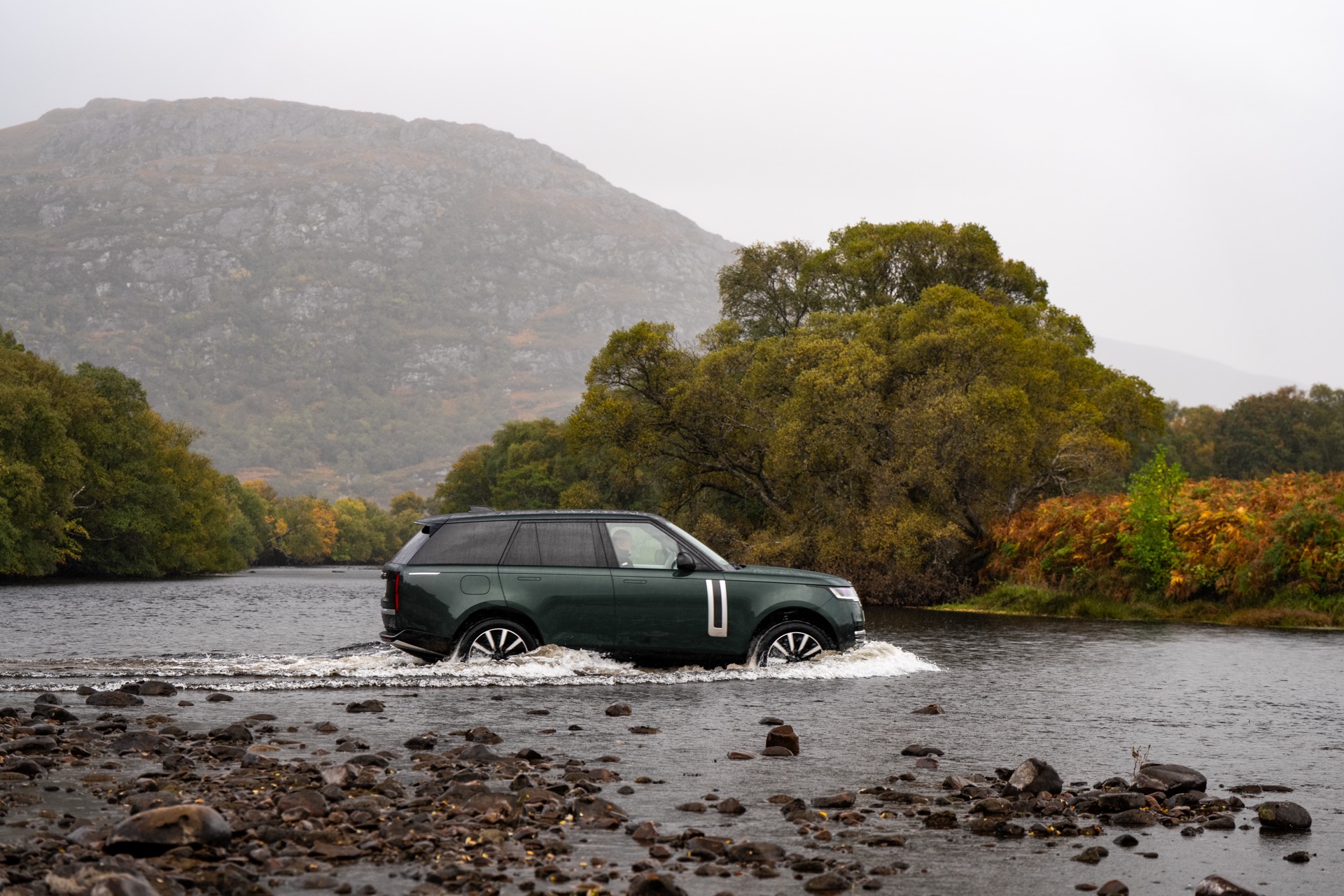
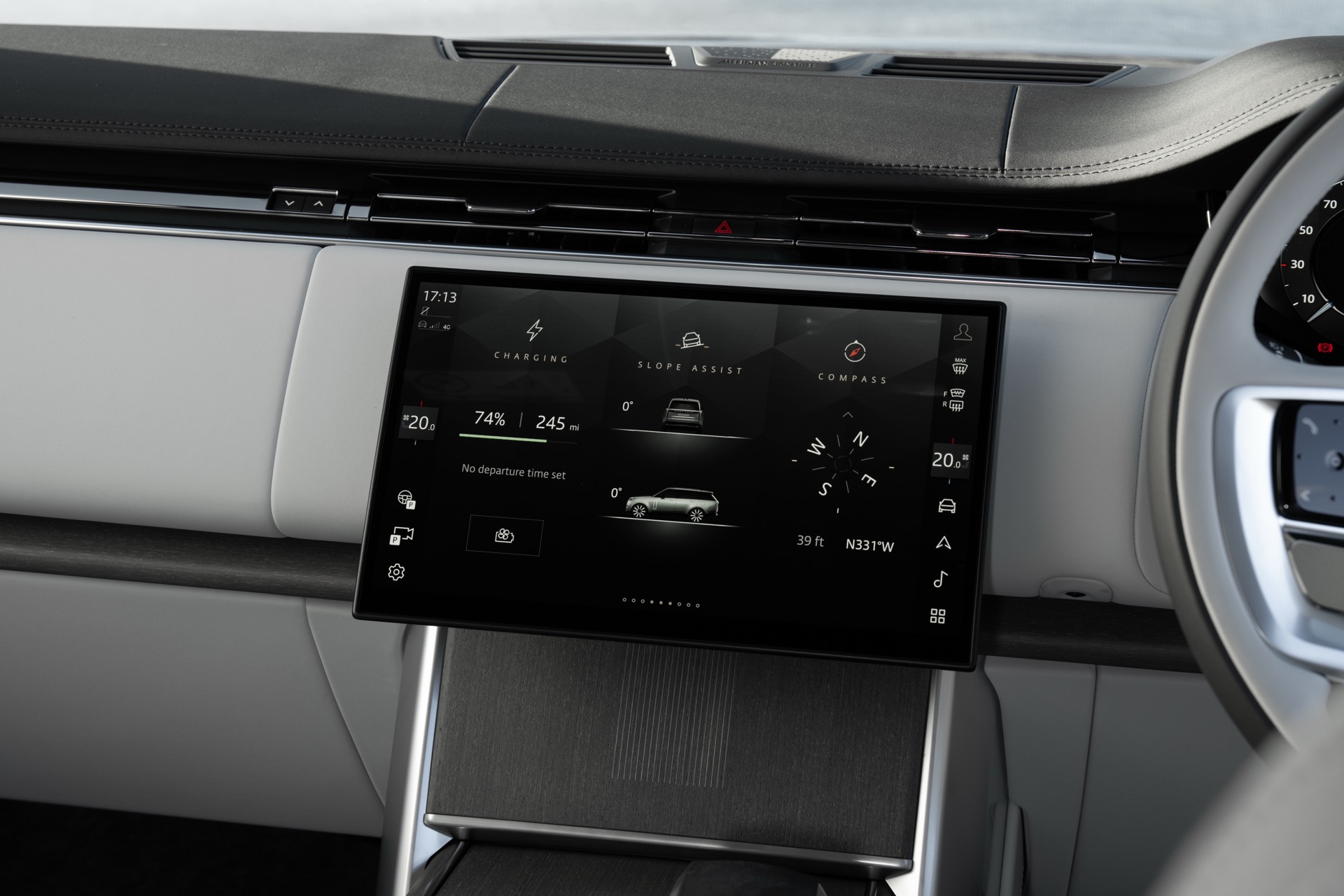
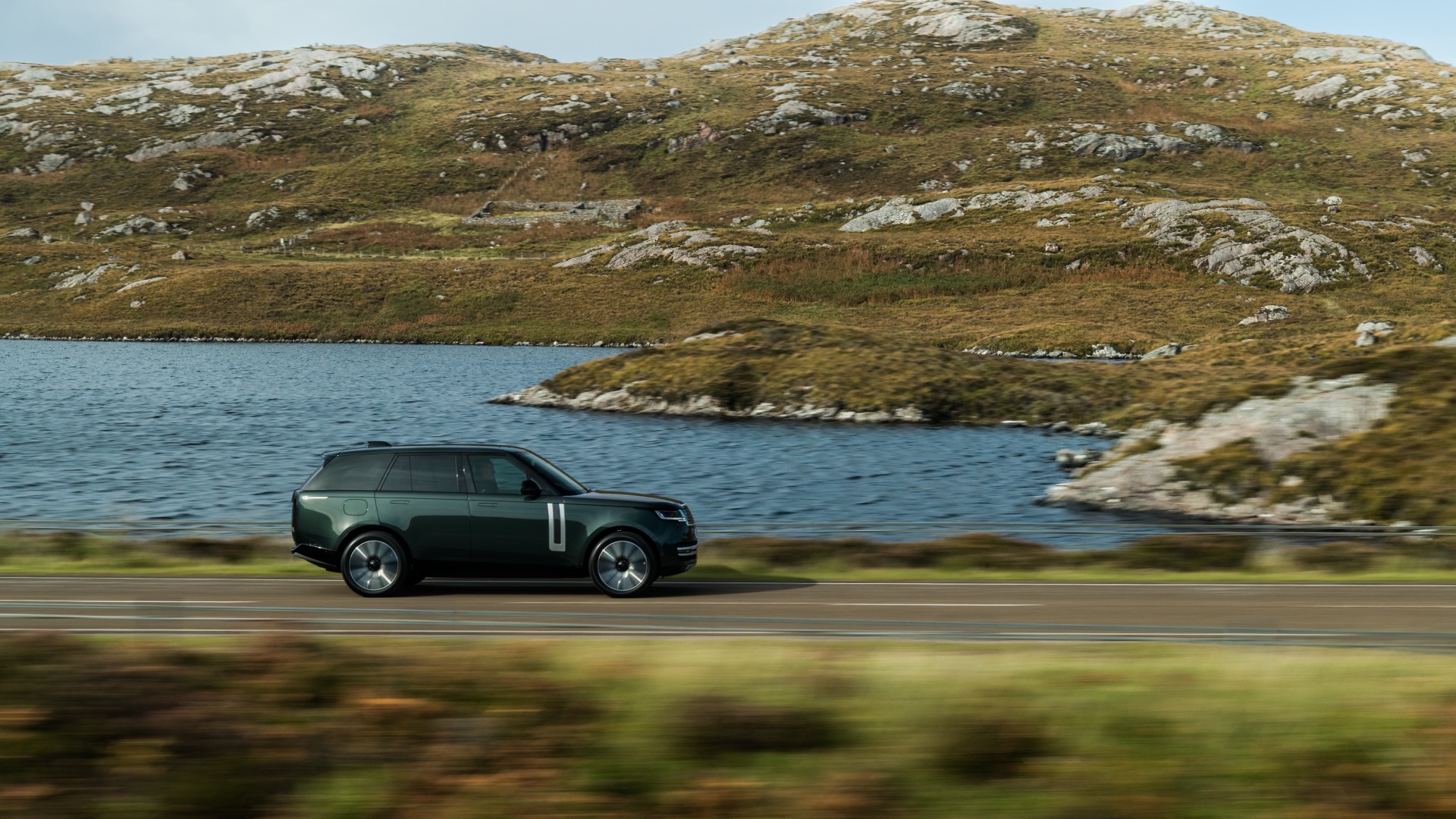
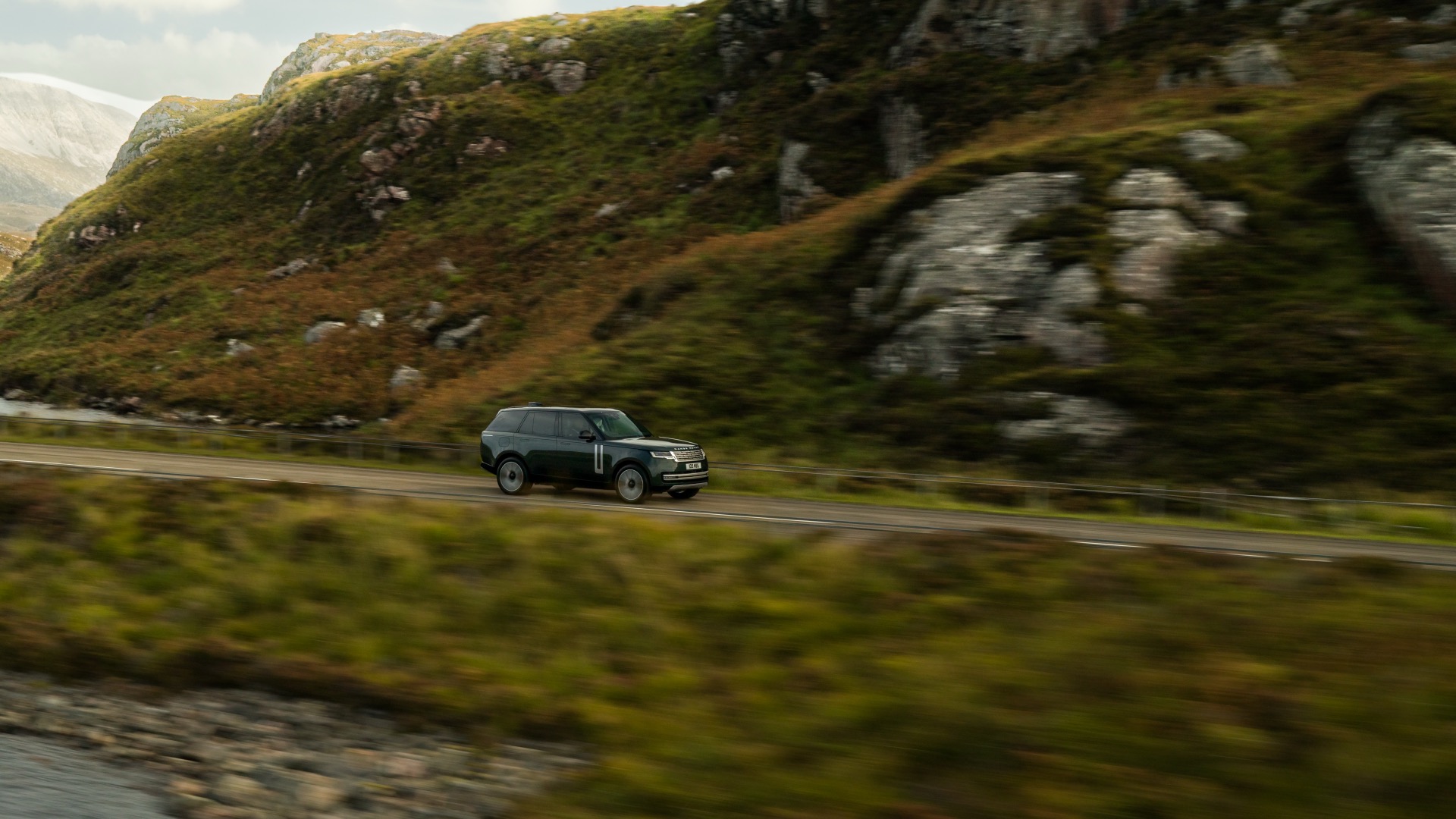
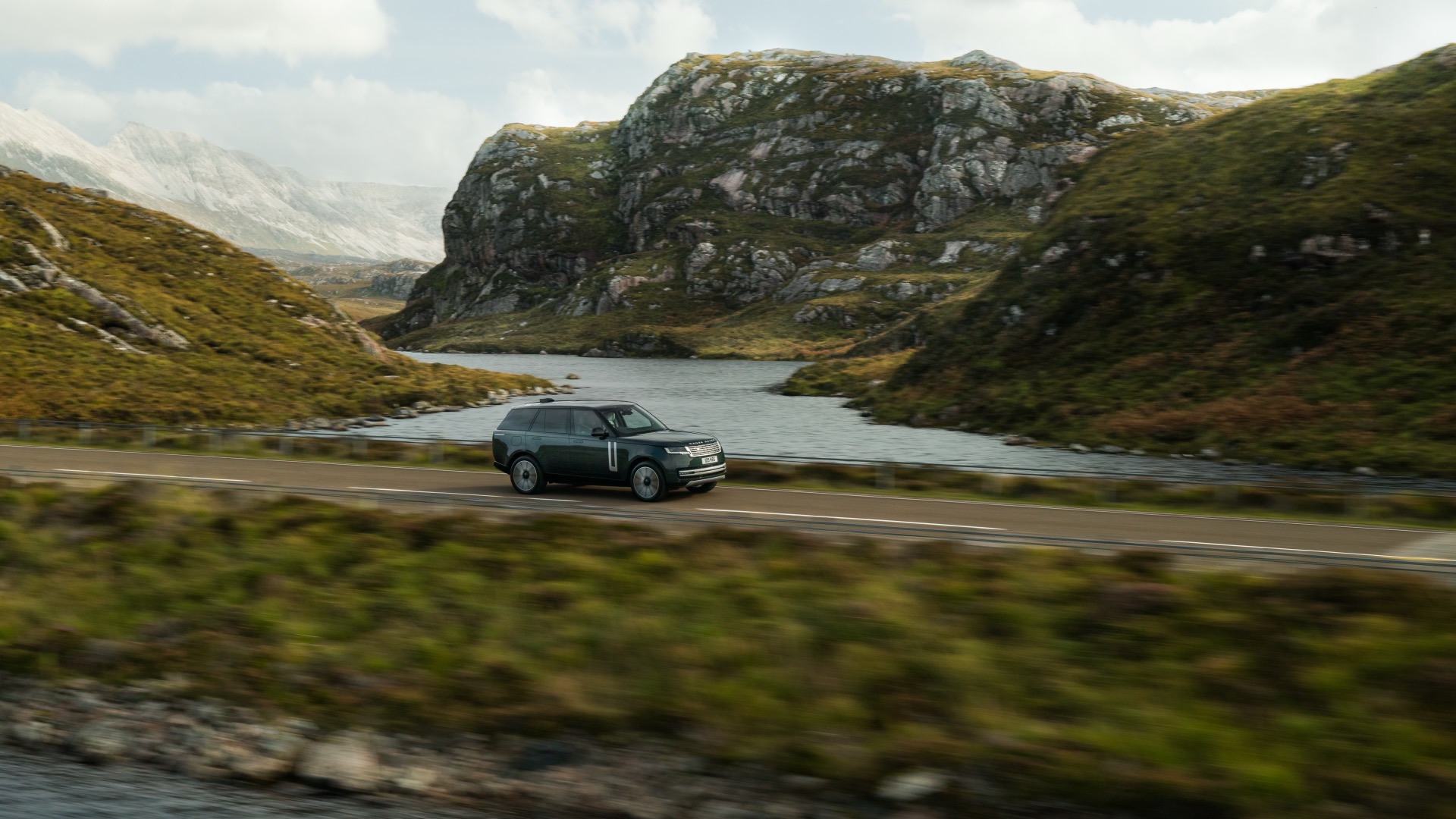
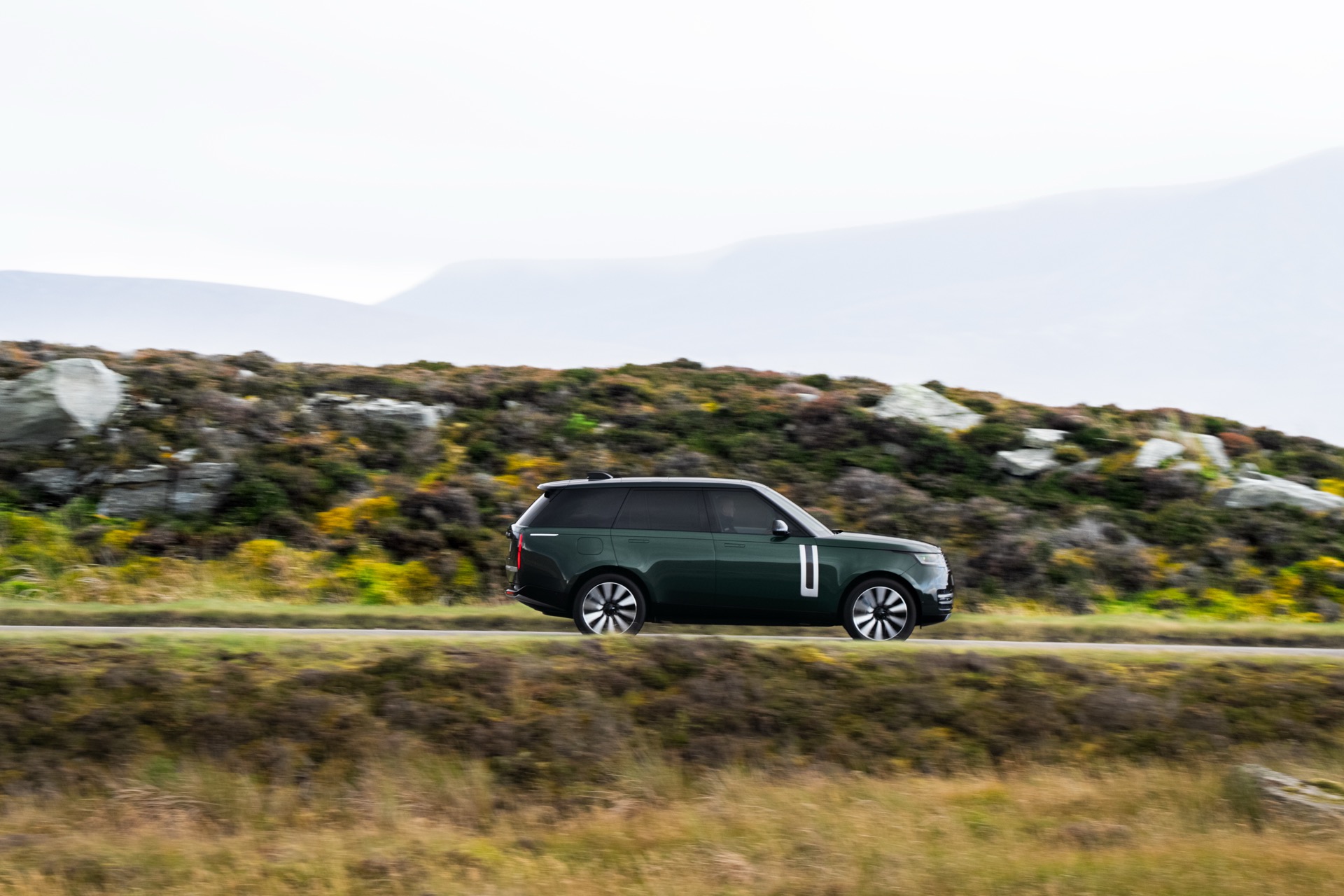
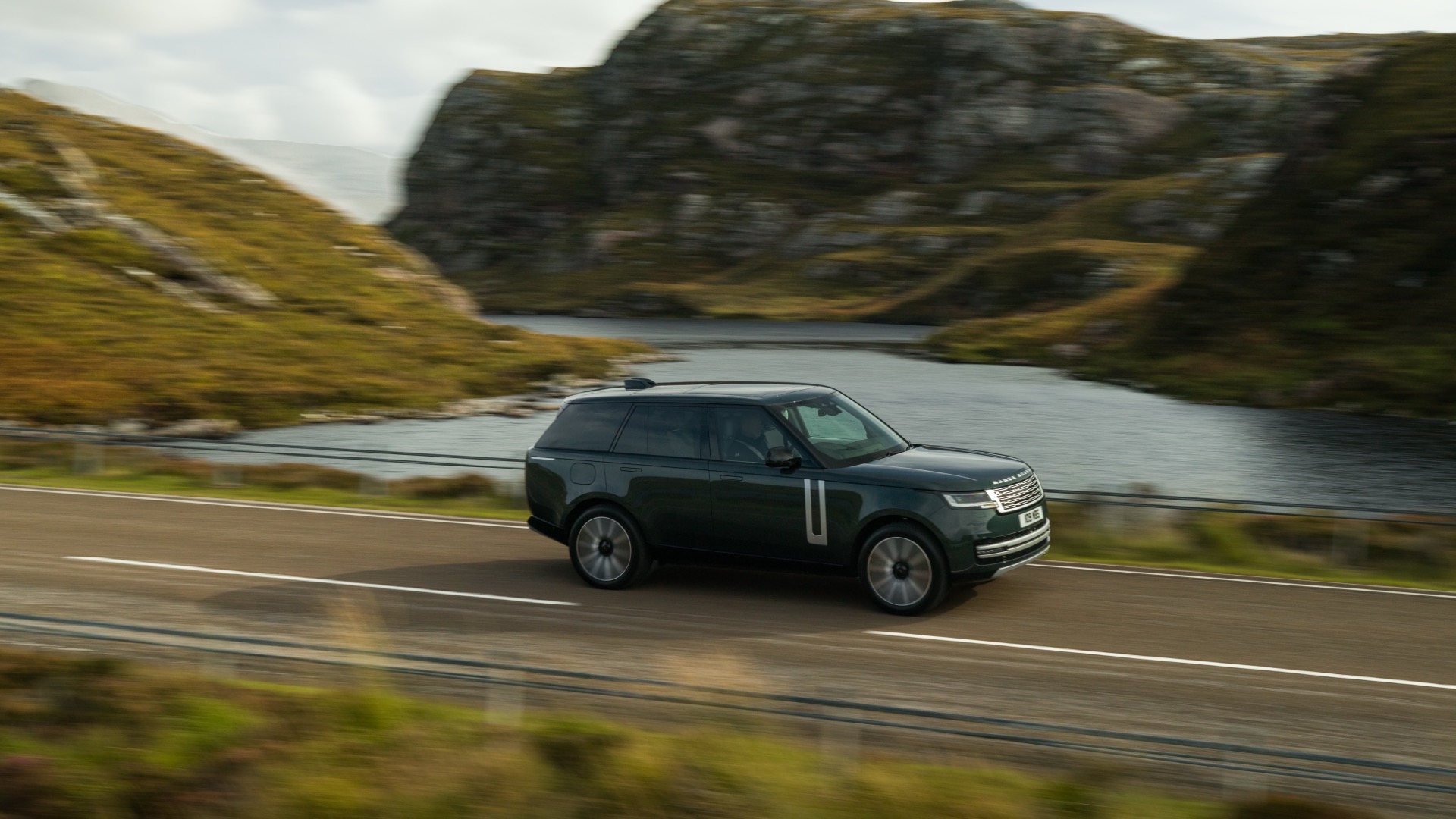
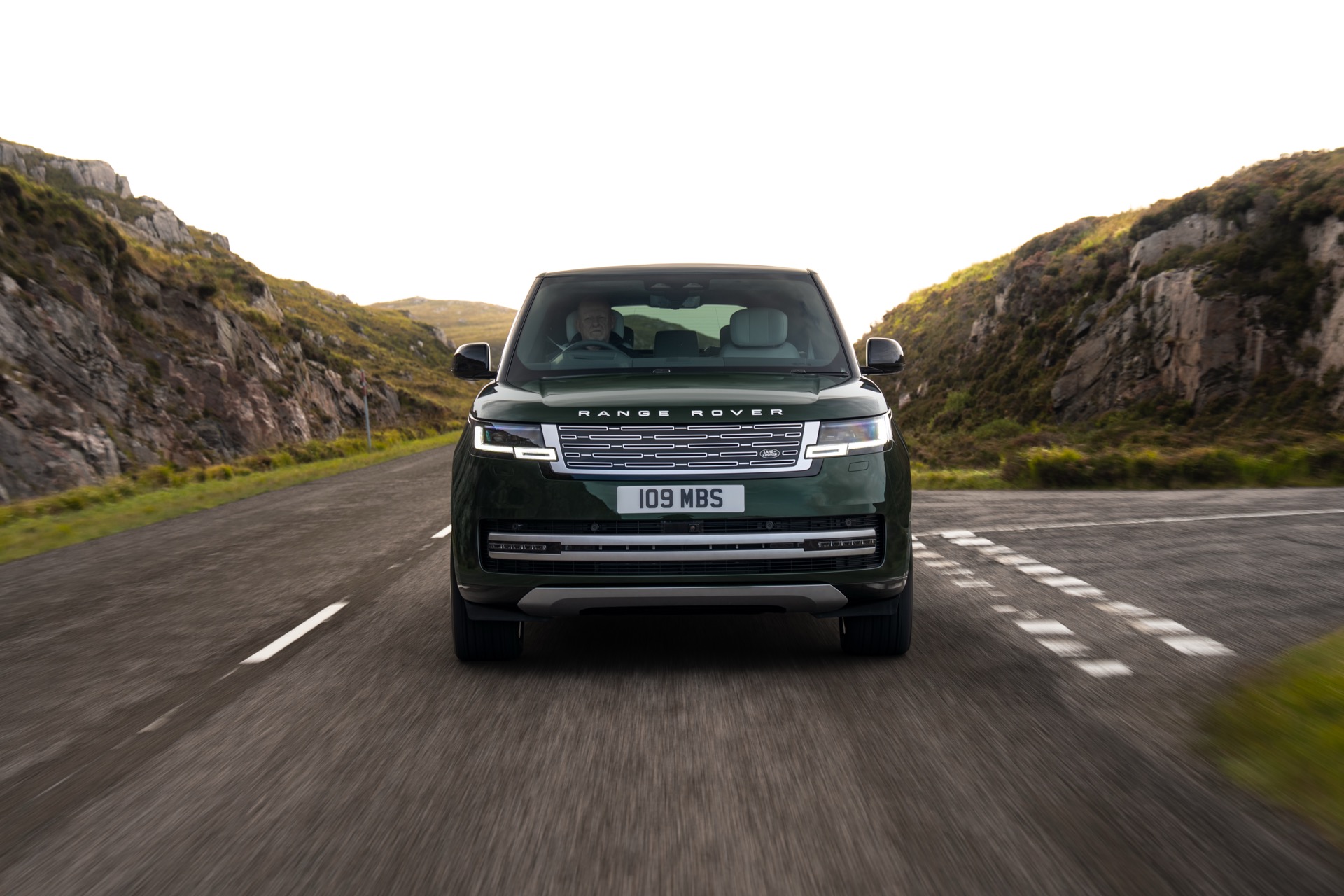
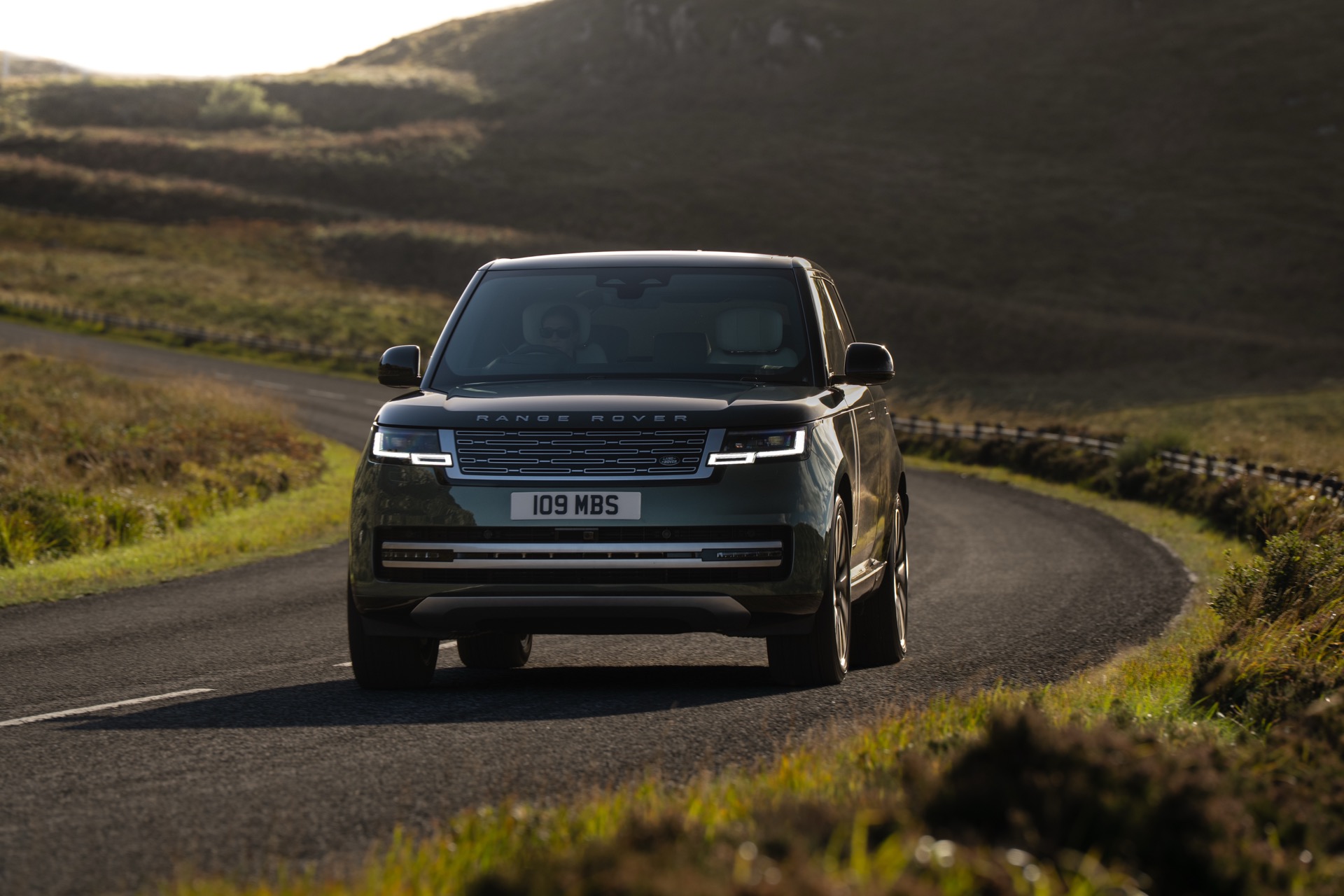
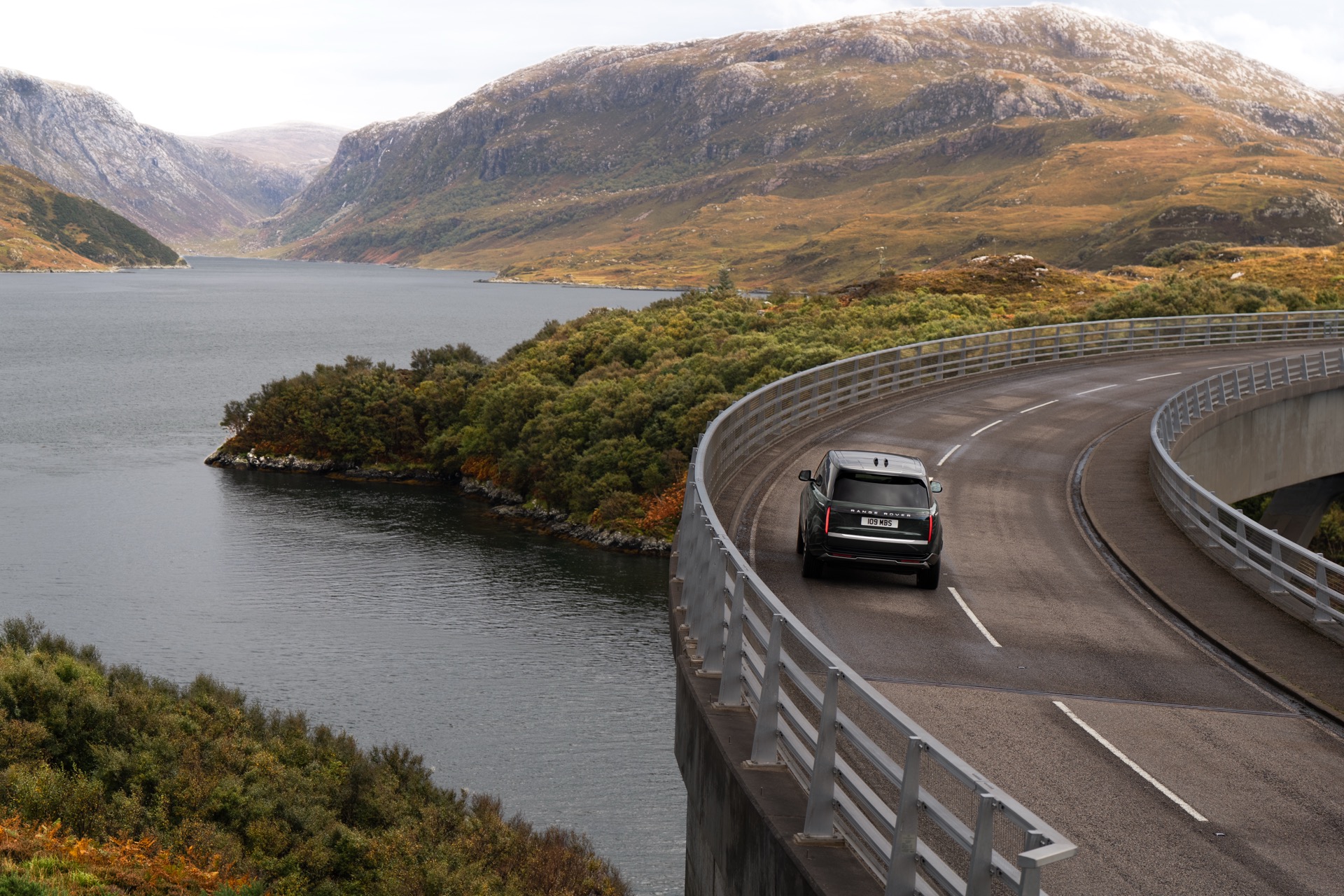
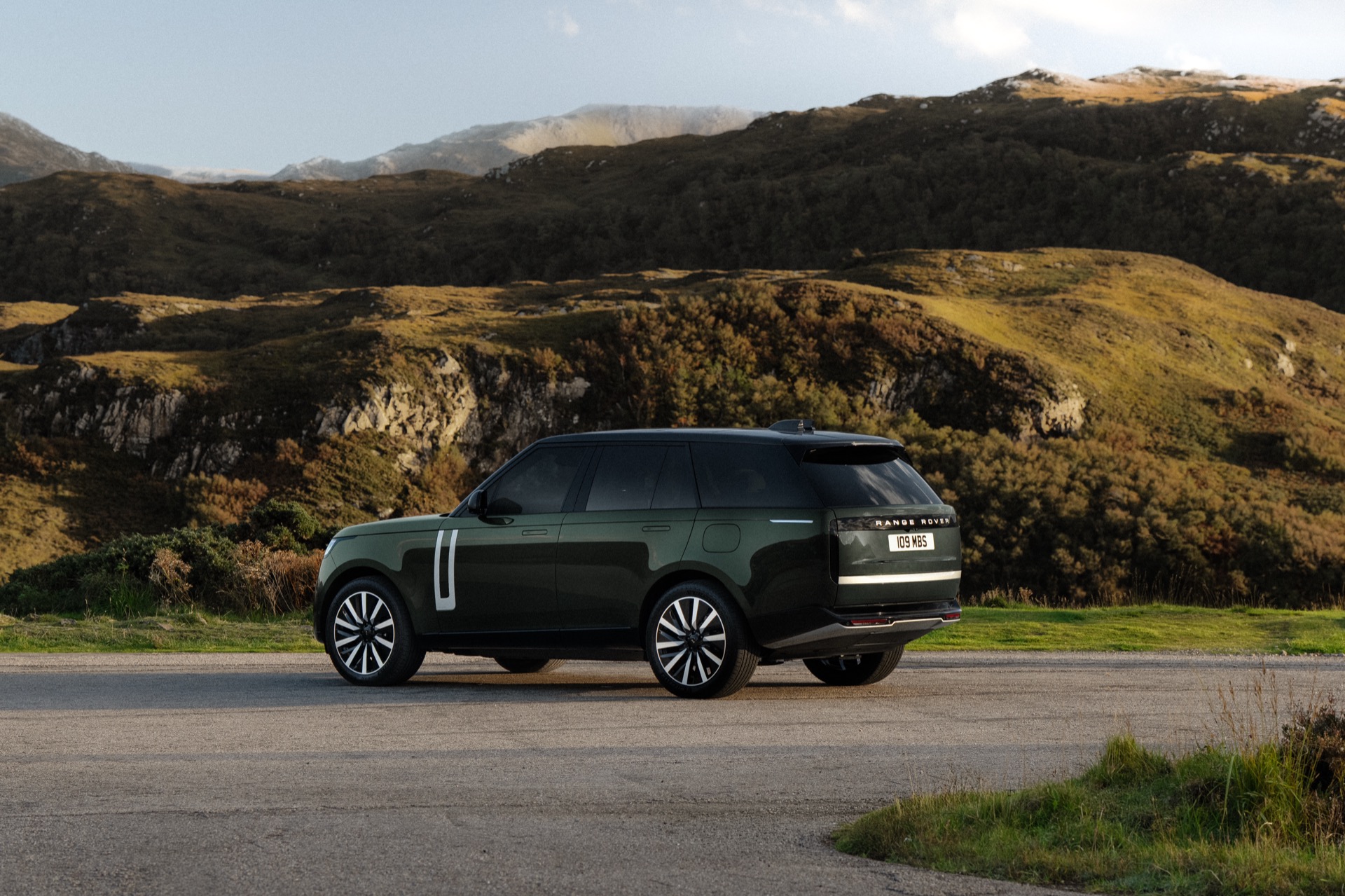
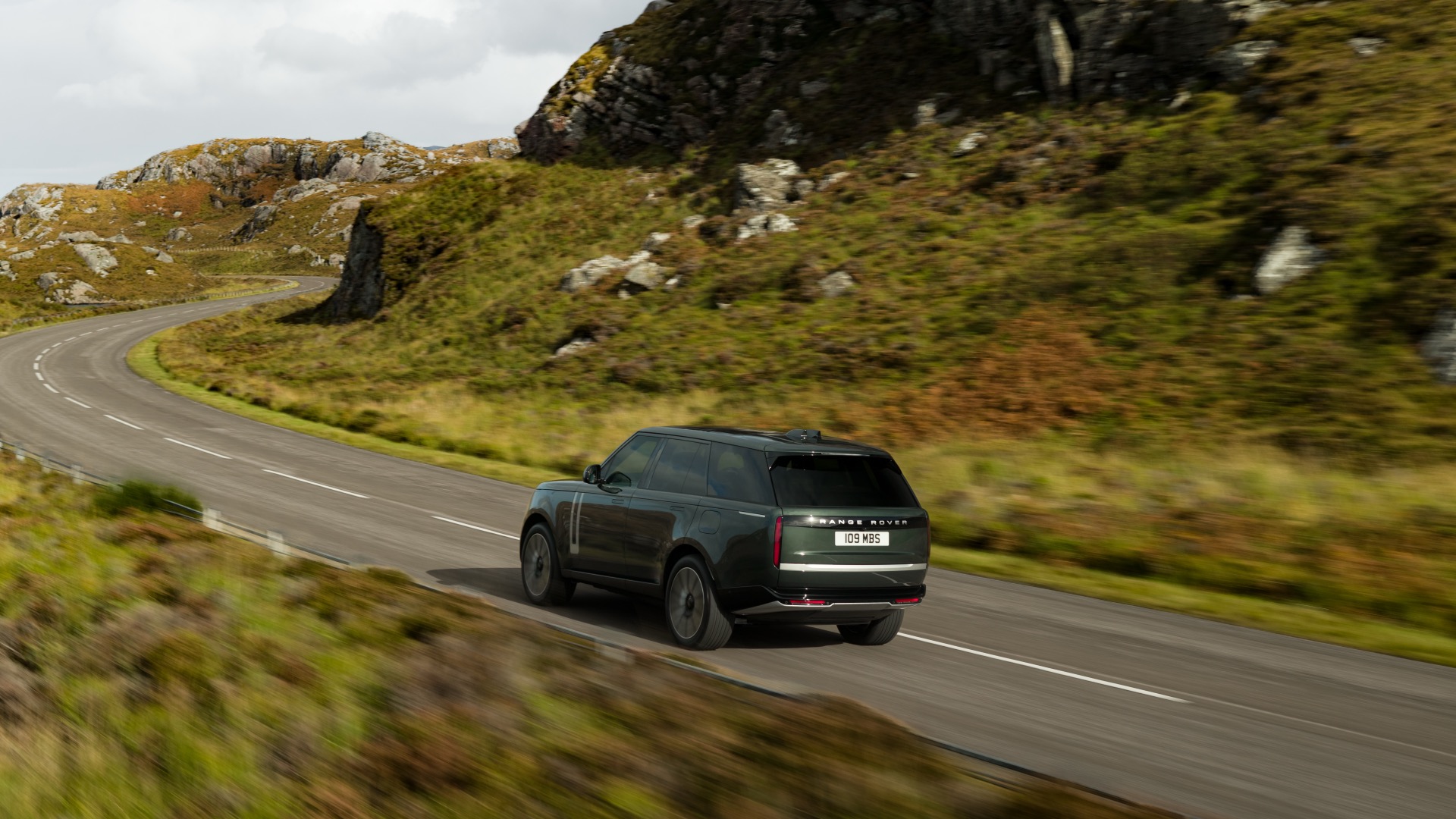
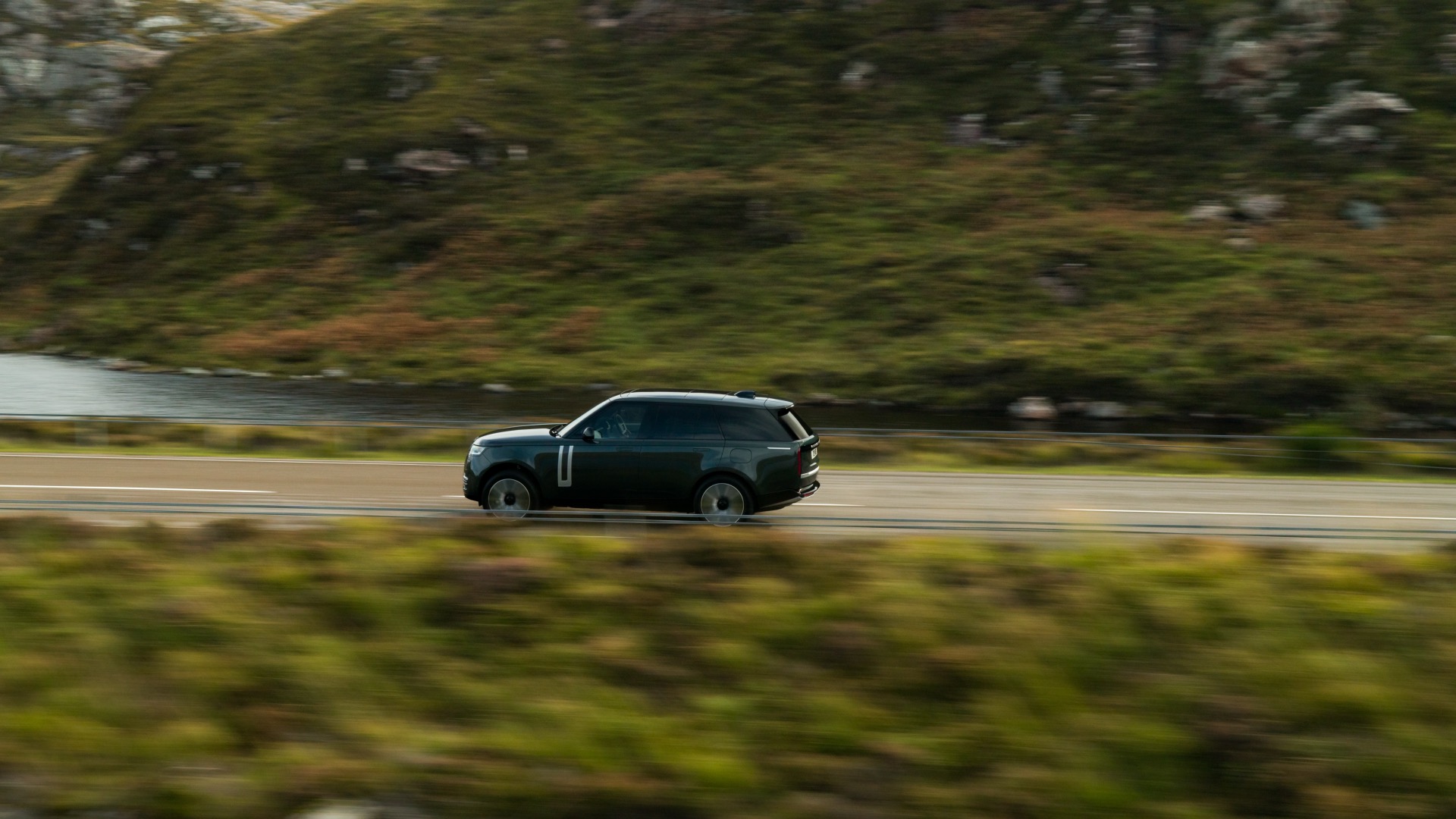
Yet the way it delivers that performance is far more important than the figures.
Rather than allowing all that torque to arrive in one enormous hit, Range Rover’s engineers have carefully shaped the delivery. The result feels muscular rather than violent. Roll onto the throttle and the Electric gathers speed with enormous authority, but without disturbing the calmness that defines the car.
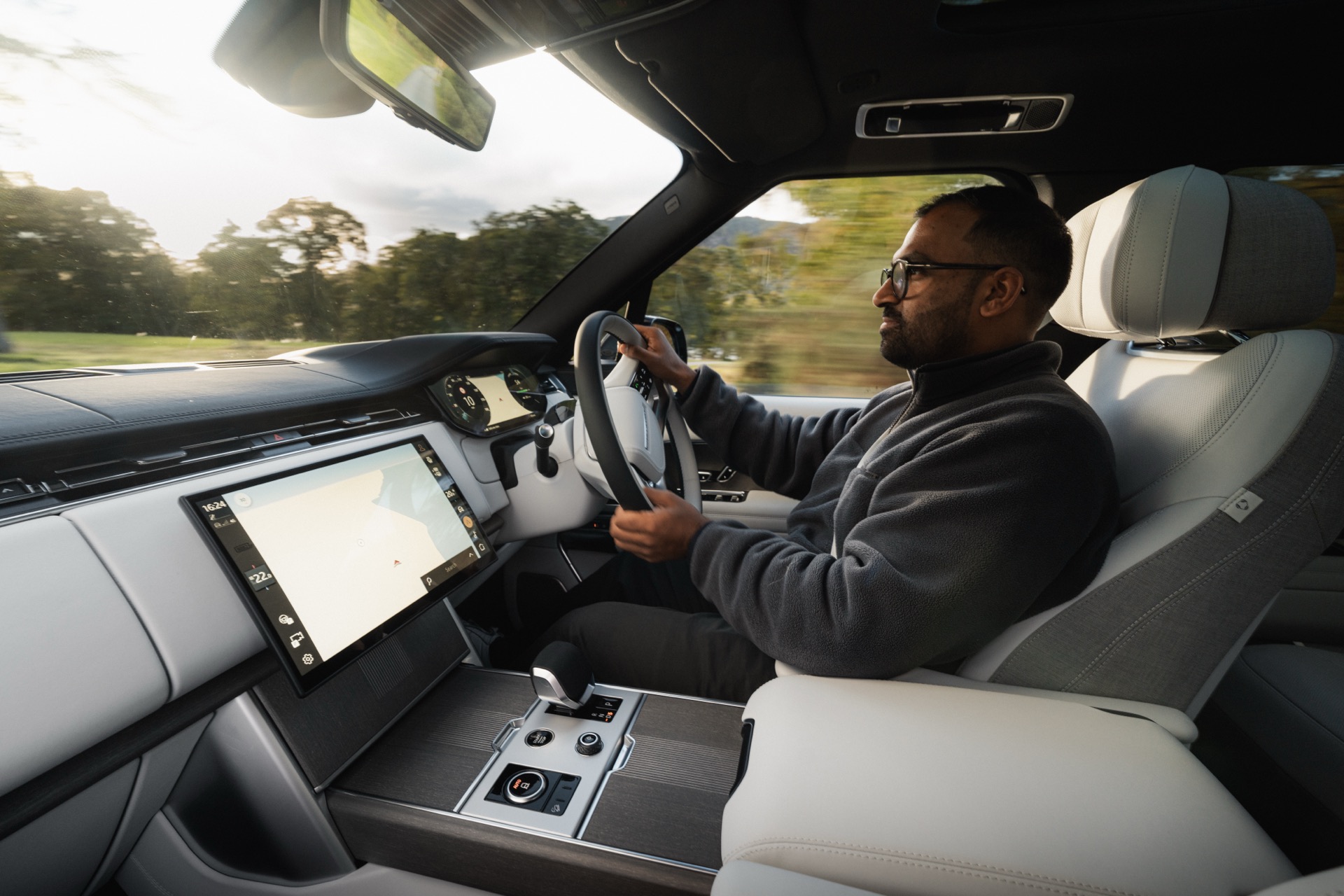
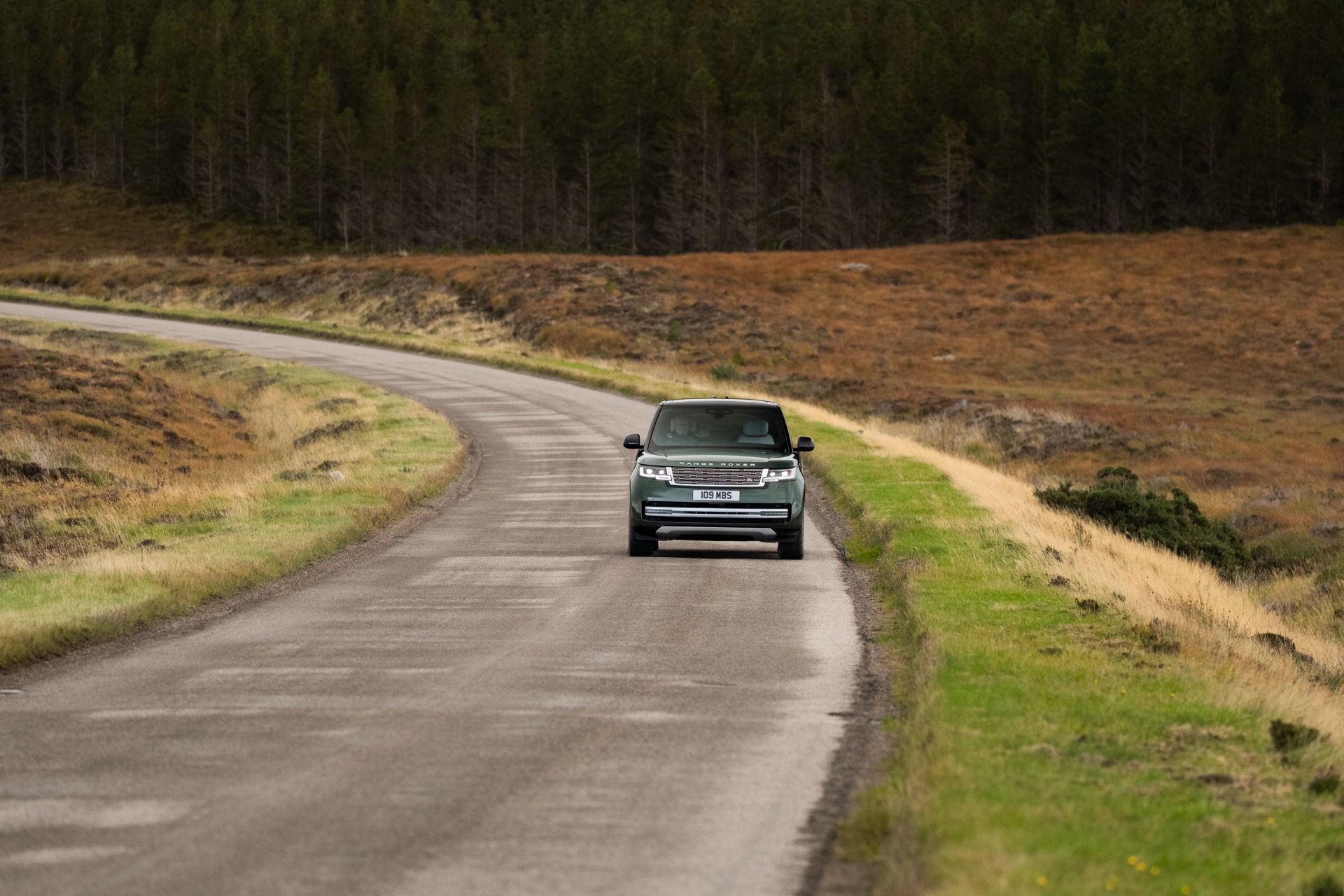
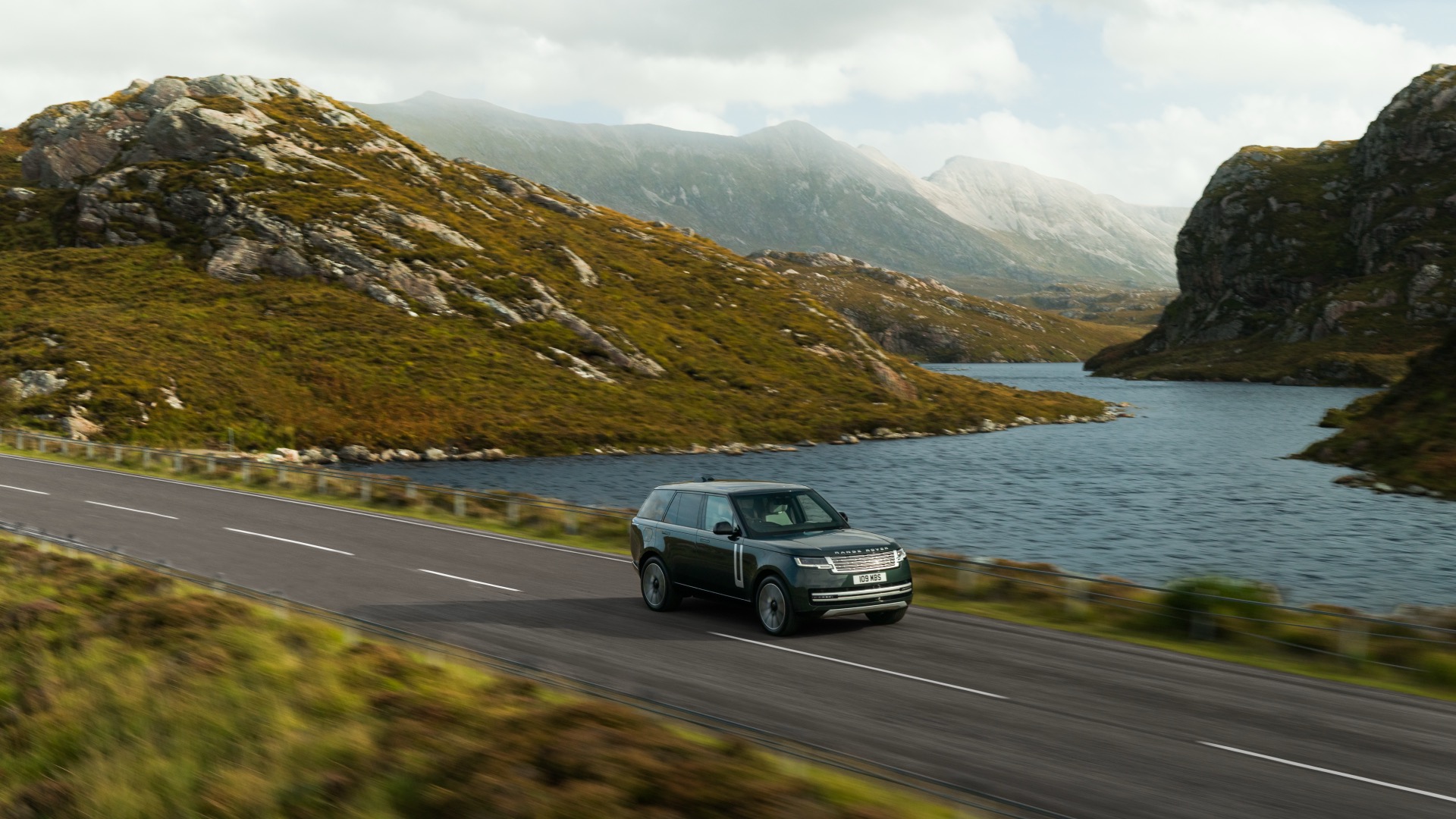
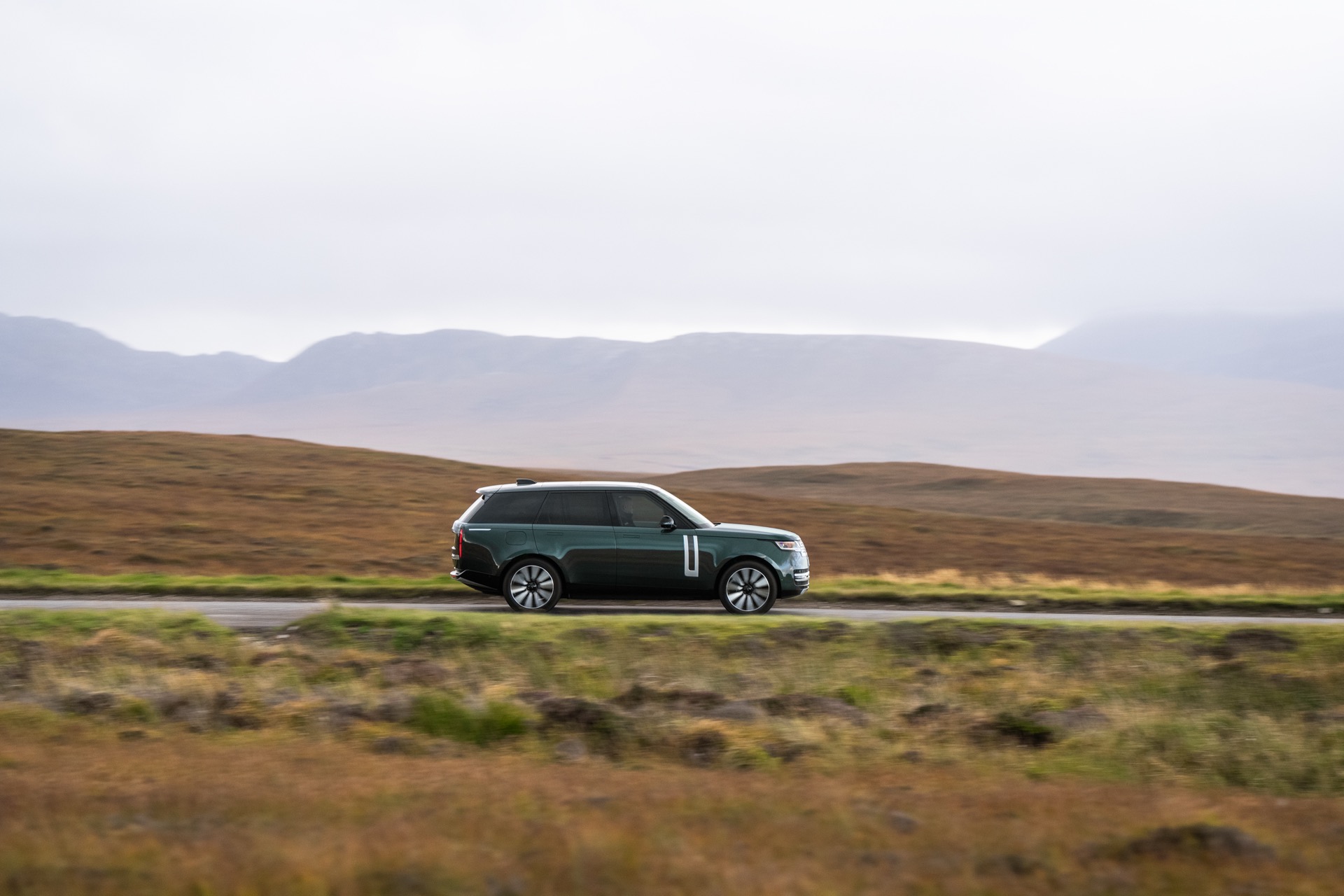
The ride is exceptional. There is a suppleness to the primary ride that feels entirely appropriate for a Range Rover, while the body control over compressions and undulations is remarkable for a near-three-tonne SUV. Even when hustled across fast Highland roads in Dynamic mode, it never feels clumsy. There is body movement, but in a pleasant, controlled way. You use momentum, roll into the power and allow the car to flow.
The steering is perhaps the one area where I wanted a little more. There is accuracy and enough weighting to place the car confidently, but not much genuine feedback through the rim. That is me being hypercritical, though. A car of this size and weight was never going to have the front-end transparency of a 911 GT3.
It is the gentleman’s express, just without an engine.
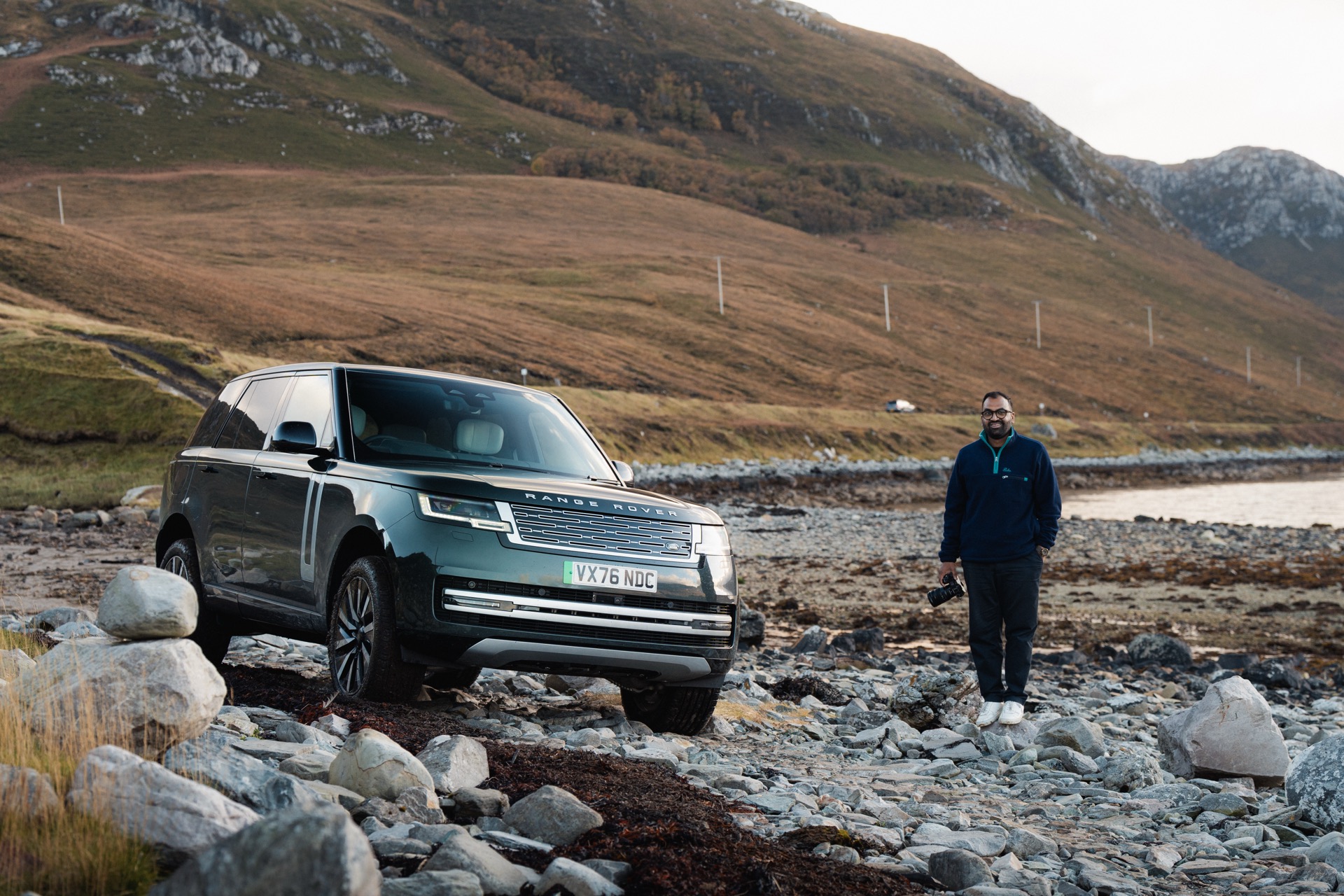
I was more sceptical off-road. A two-motor layout initially seemed an unusual choice for a vehicle whose reputation rests partly on supreme all-surface capability. Without individual motors controlling each wheel, I wondered whether something had been sacrificed.
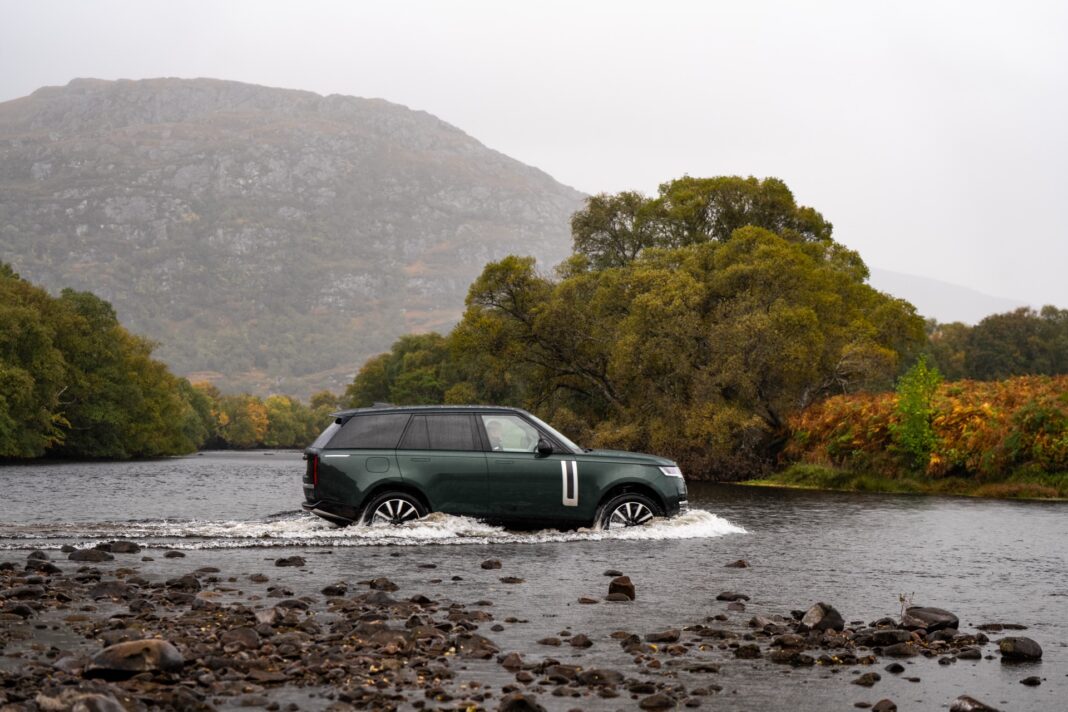
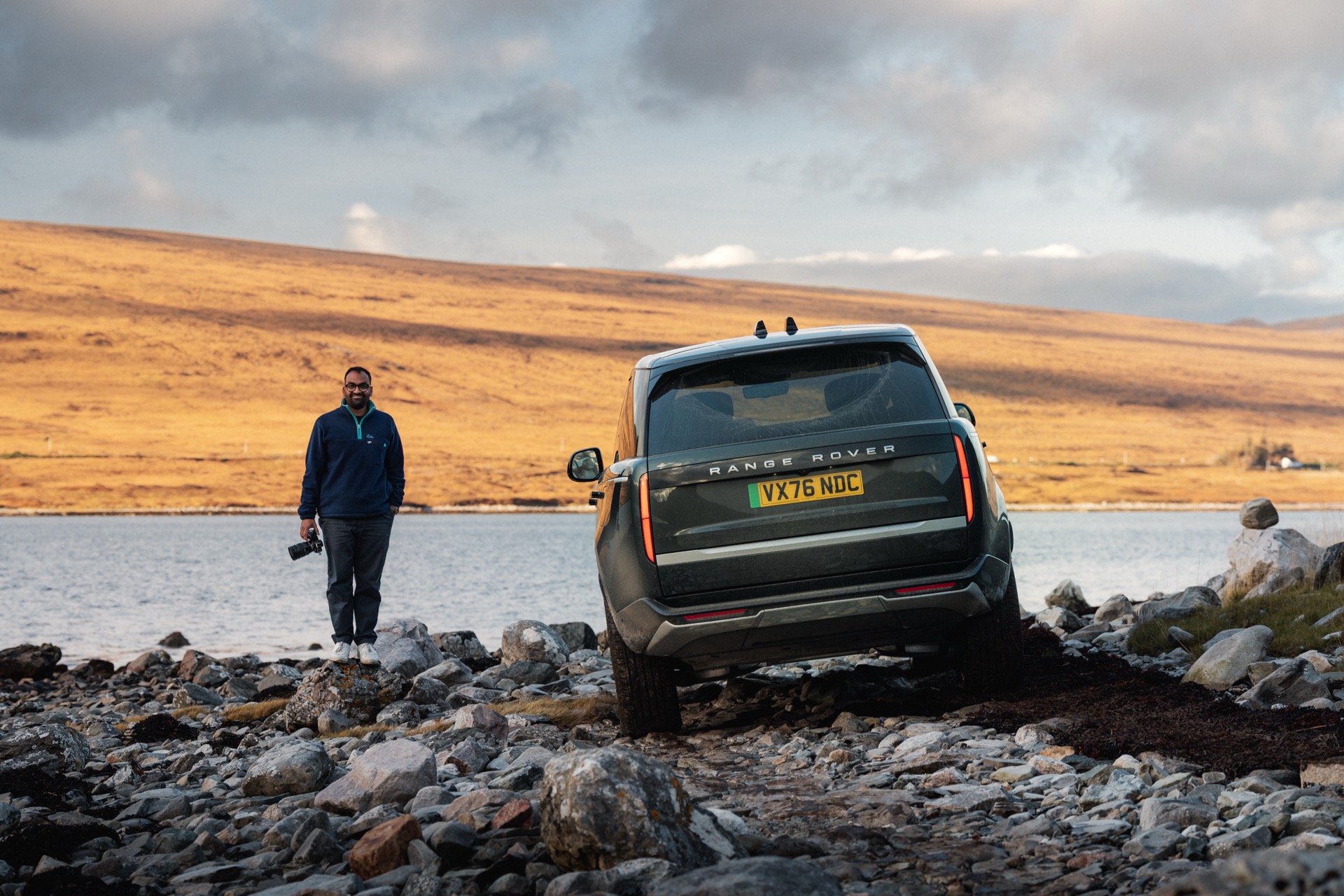
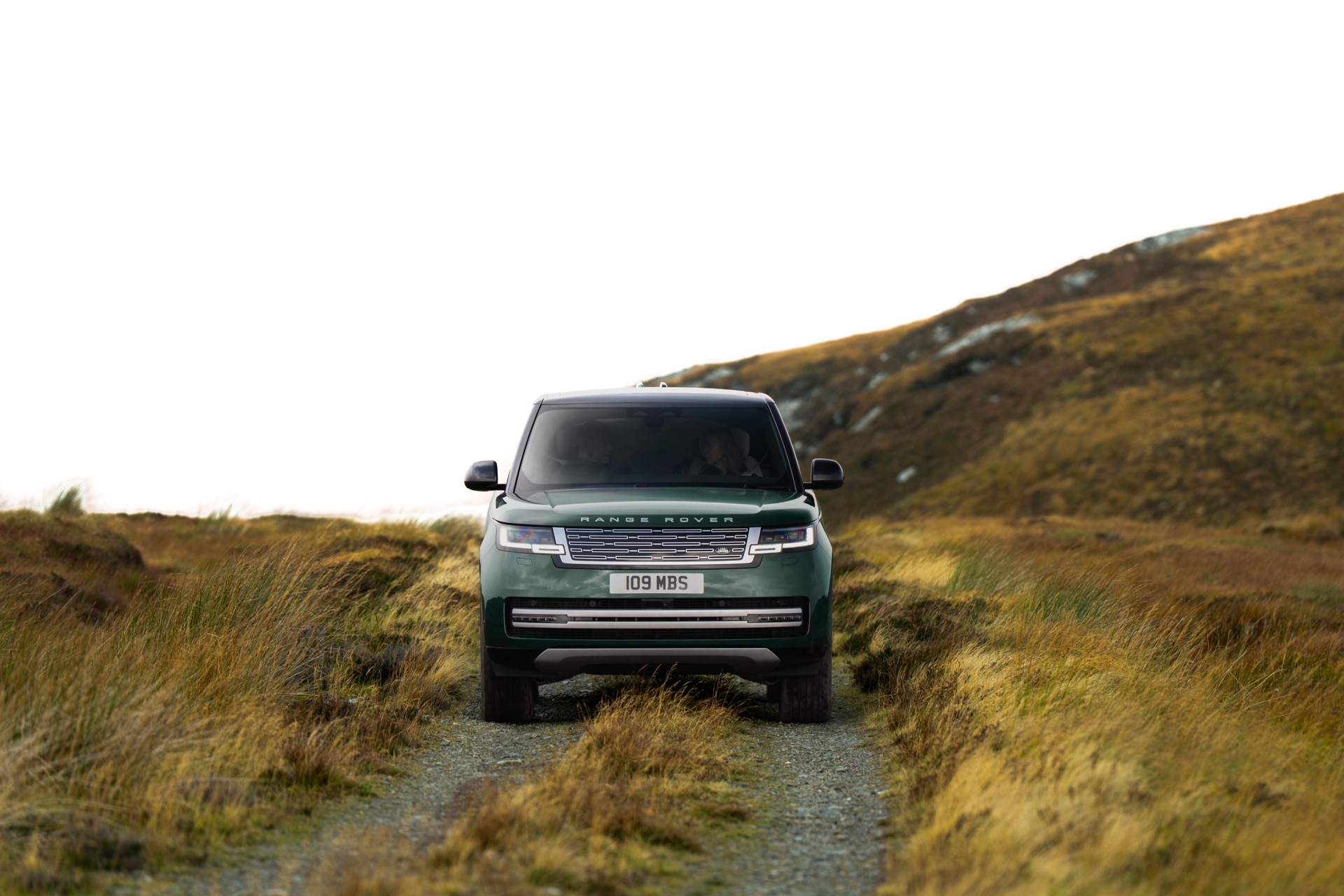
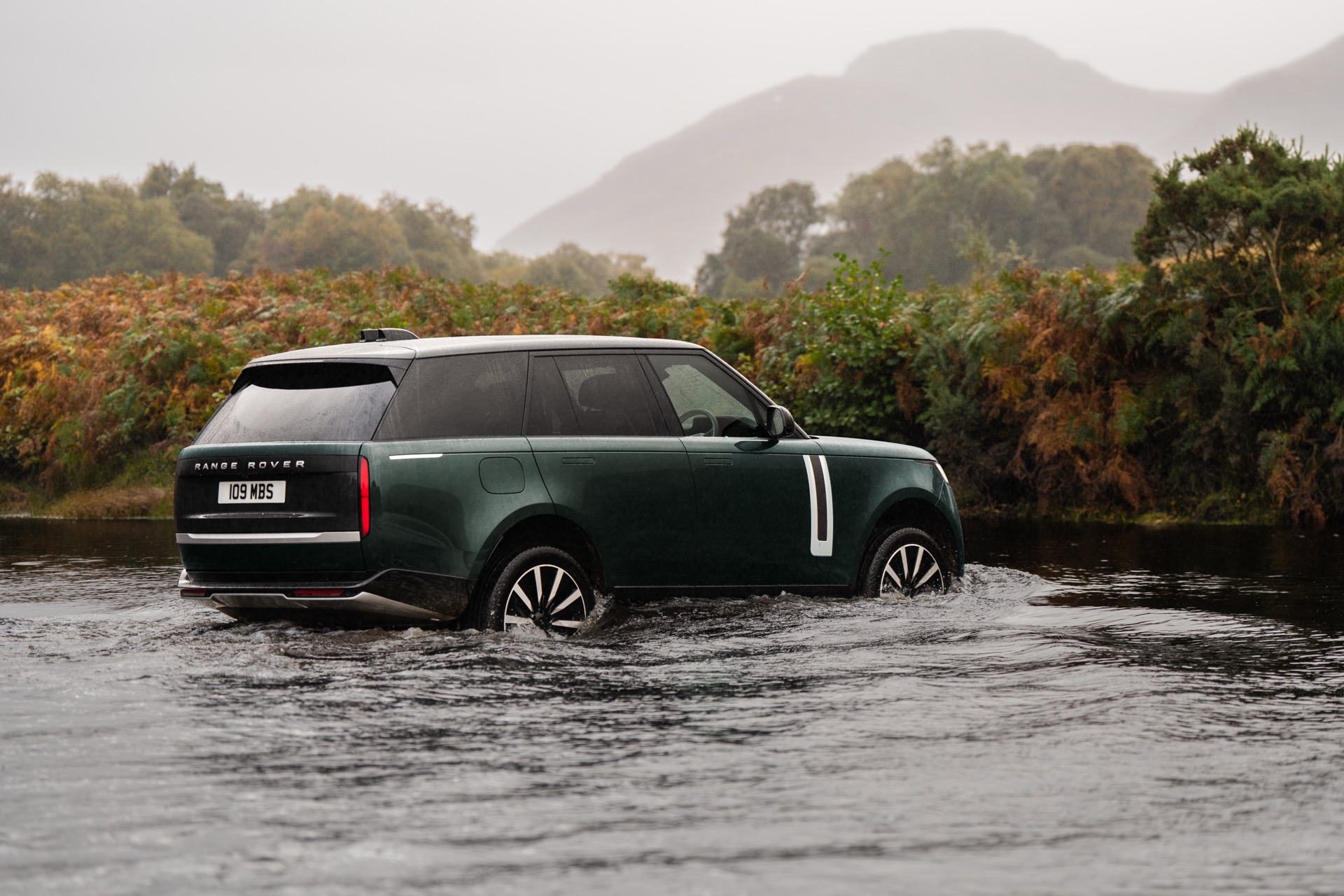
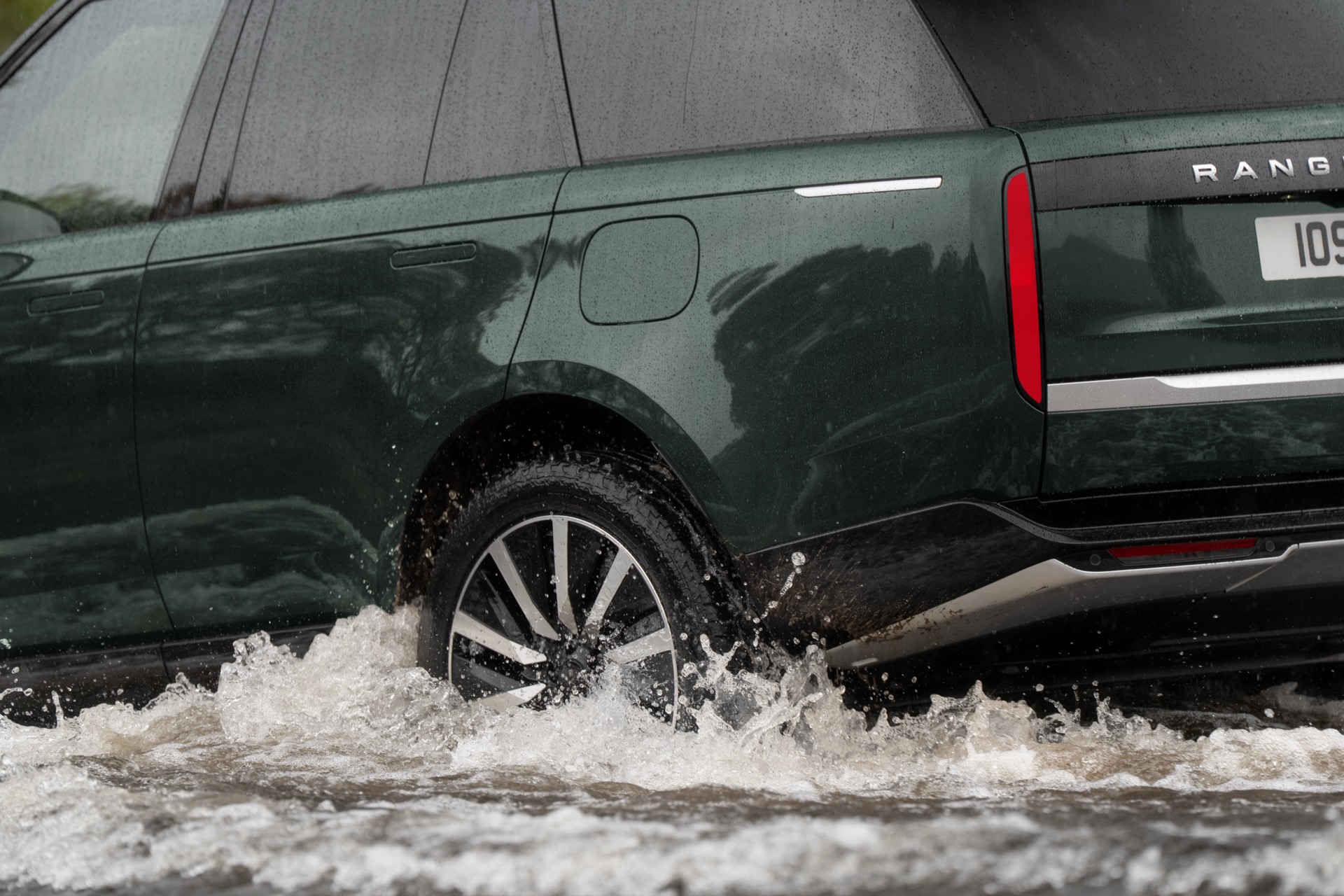
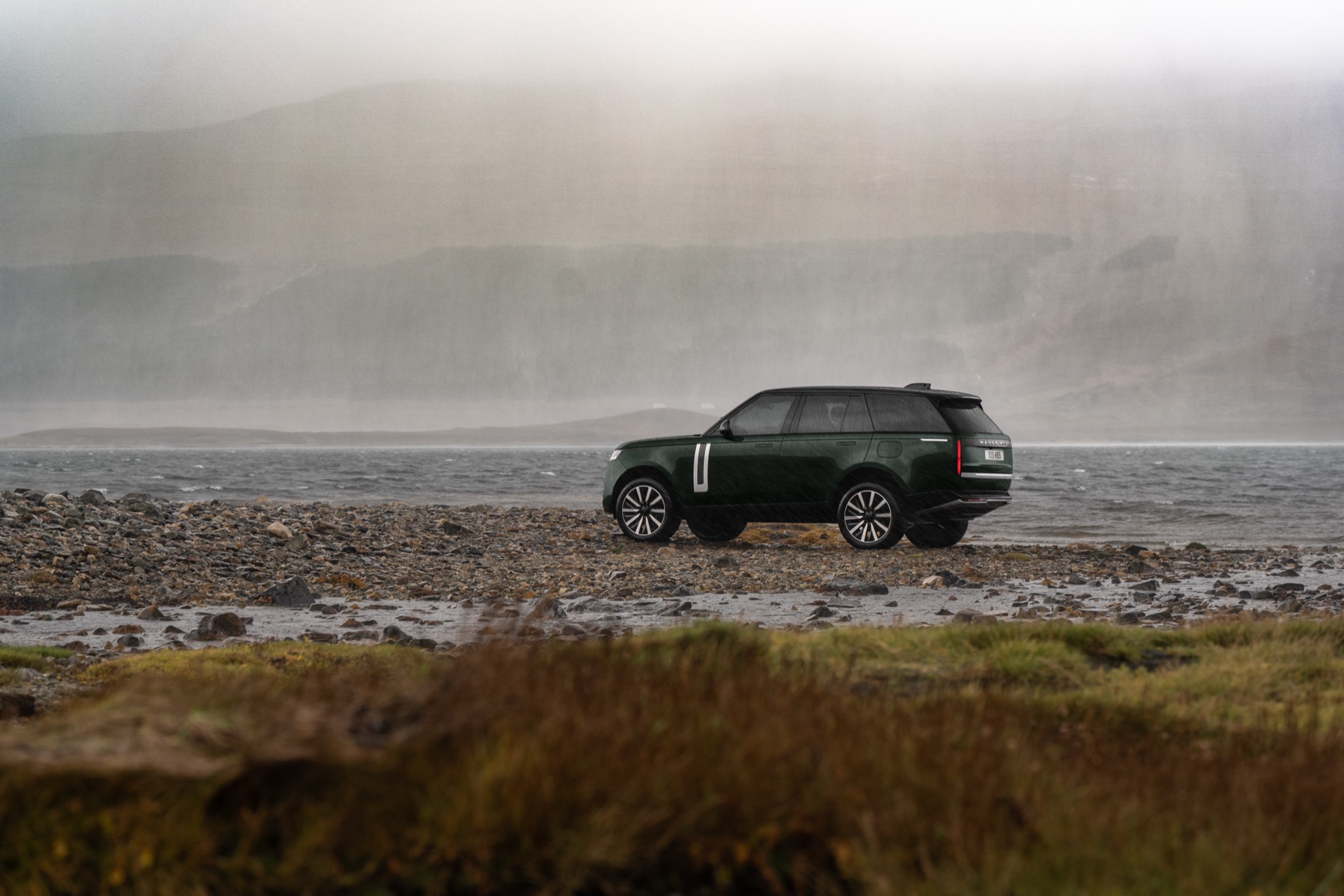
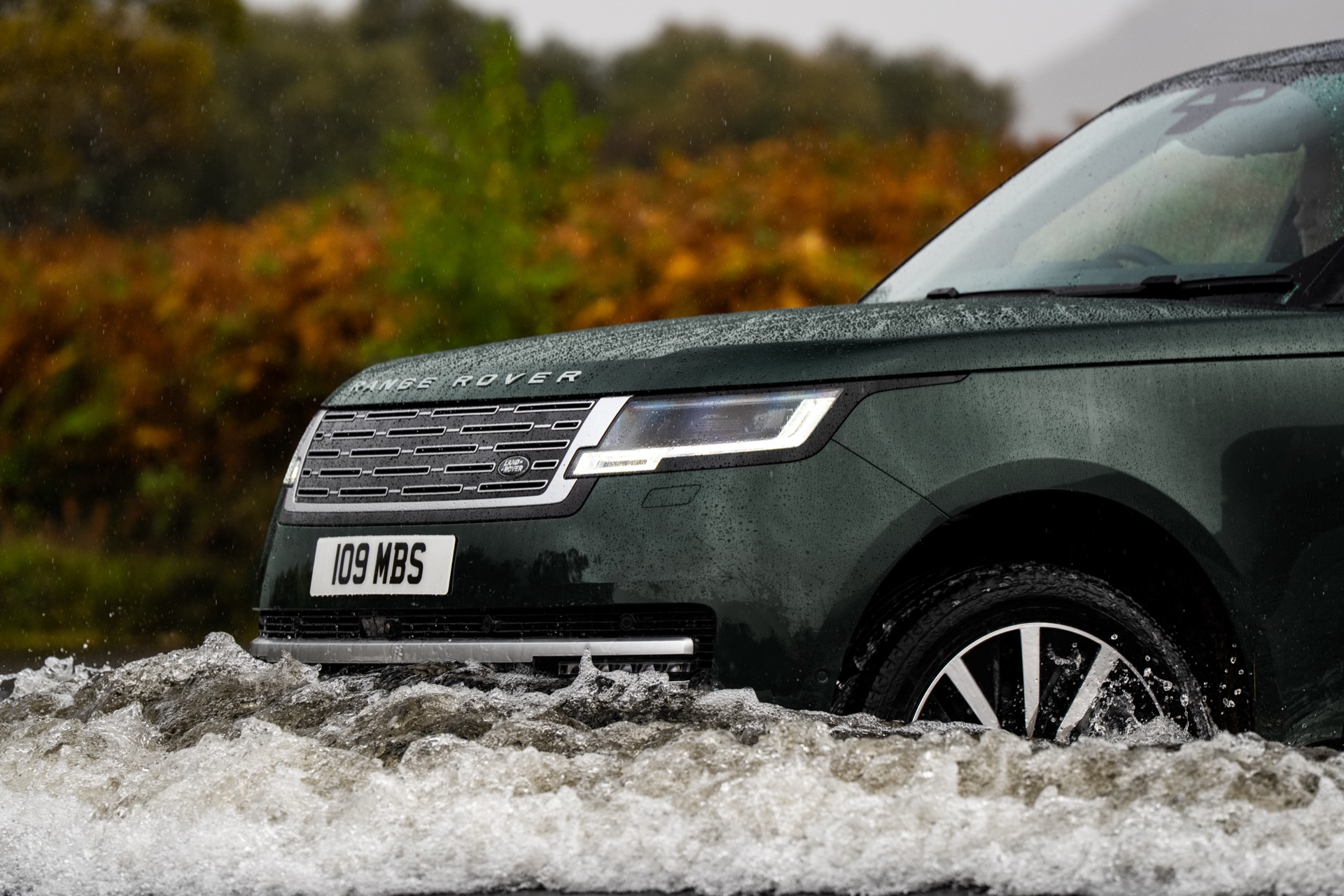
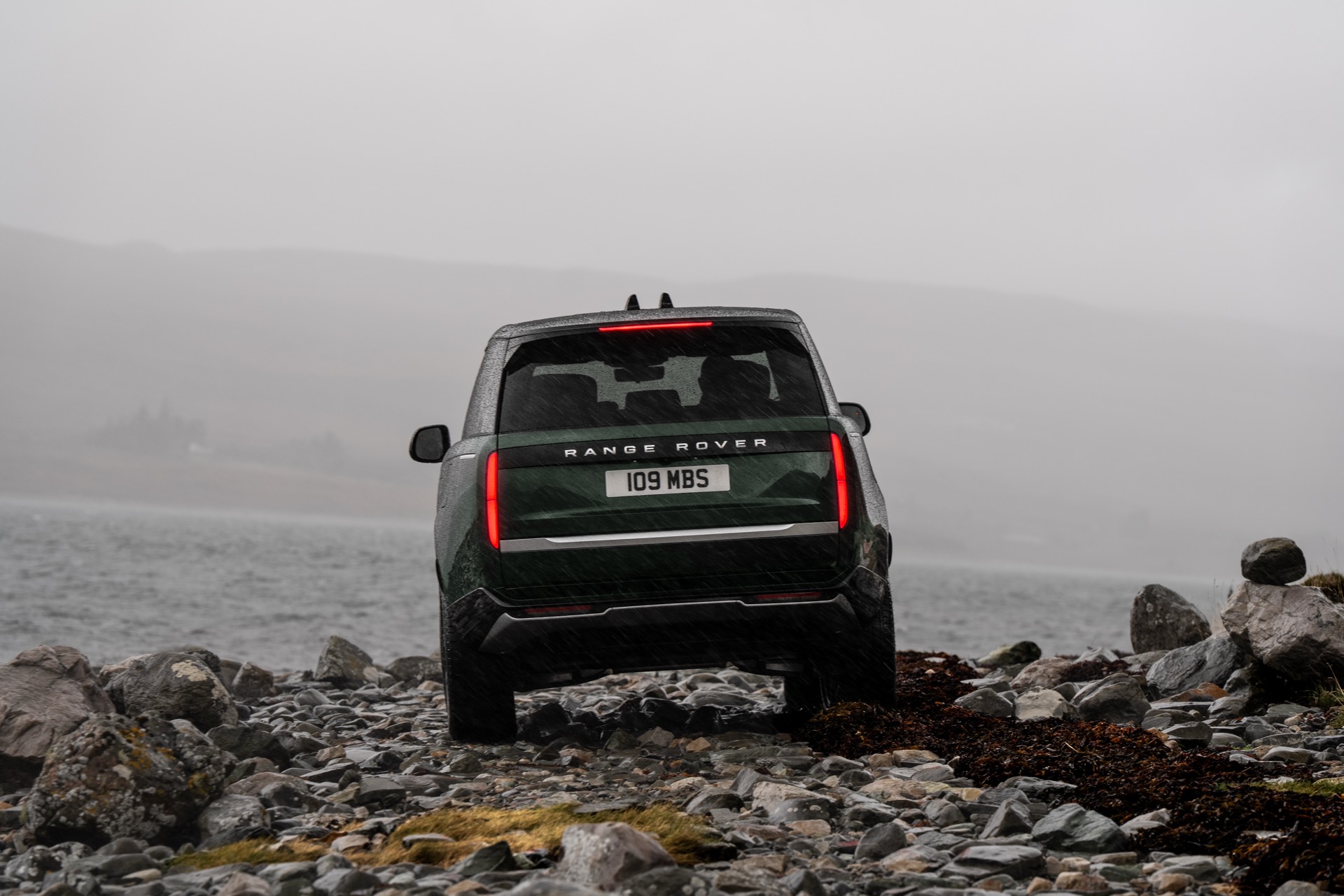
The Scottish landscape dismantled those concerns quickly. This was not a manicured off-road course. We climbed steep muddy inclines, crossed deeply rutted ground, traversed boggy sections, drove over an across beach and waded through a river. The Range Rover was astonishingly capable throughout. Its Integrated Traction Management can react to wheel slip in as little as 50 milliseconds, while it can tackle rolling gradients of up to 45 degrees and wade through 900 mm of water.
More impressive was how effortless it all felt. The same living-room-on-wheels calmness that makes it so relaxing on the road remained while crawling through mud or covering rough ground at scarcely believable speed.
Range anxiety became less concerning as the day progressed too. By lunch I had covered around 170 miles, much of it at considerable pace in Dynamic mode, and had roughly 80 miles remaining. A theoretical 250 miles is some way short of the claimed 333, but this was hardly representative of normal Range Rover use. Driven more gently in Comfort mode, 300 miles feels entirely realistic.
The 800-volt system helps considerably. Range Rover claims 10–80% charging in around 22 minutes at up to 350 kW. After our roughly 40-minute lunch stop, the battery was back to 80% with more than 225 miles showing on the display.
What struck me most was that at no point during those eight hours did I wish I were driving the combustion or plug-in hybrid version.
That seamlessness is no accident. The current Range Rover architecture was engineered from the outset to accommodate electric propulsion alongside combustion and plug-in hybrid powertrains. The battery and motors were therefore considered as part of the platform rather than squeezed into an architecture never intended to support them.
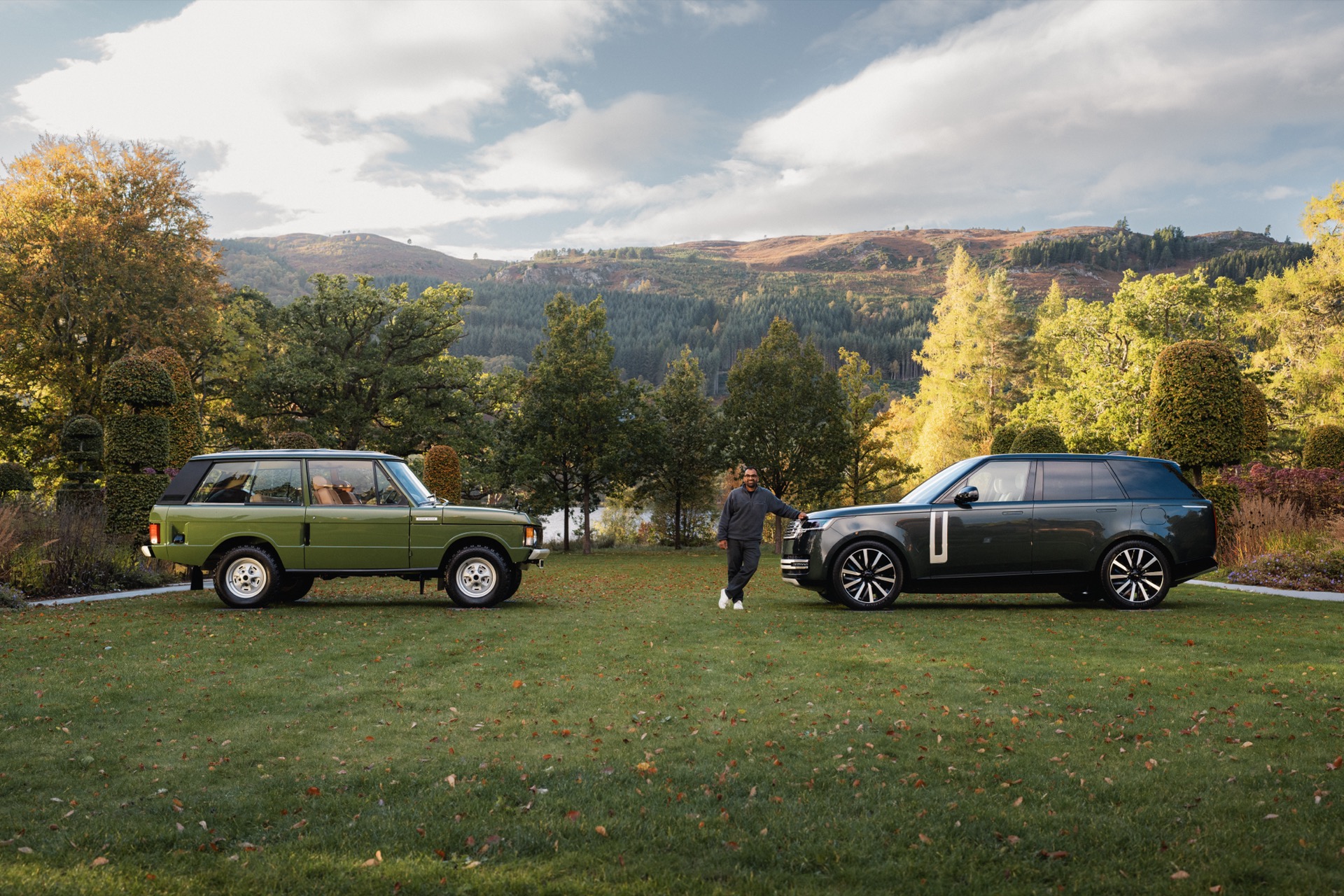
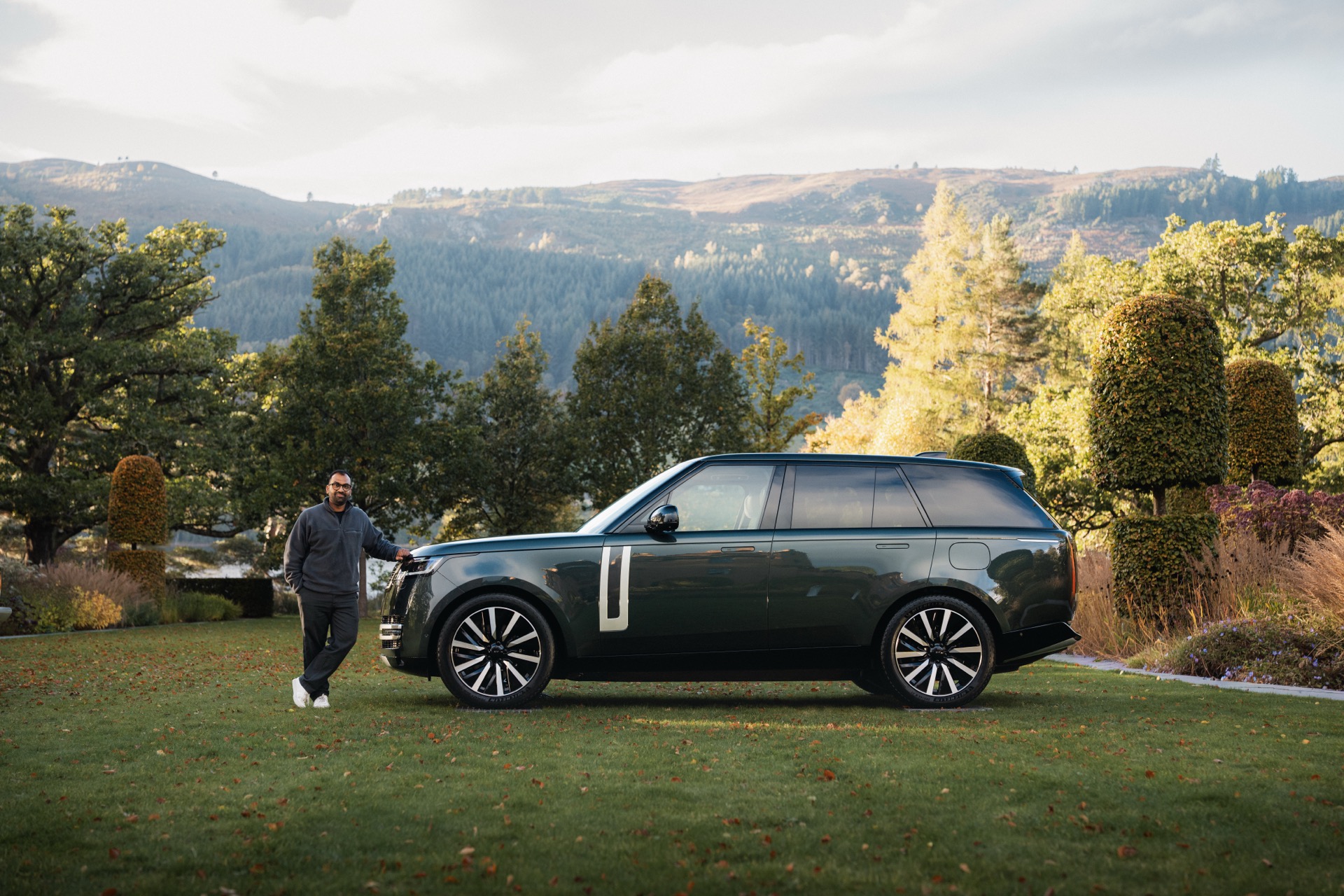
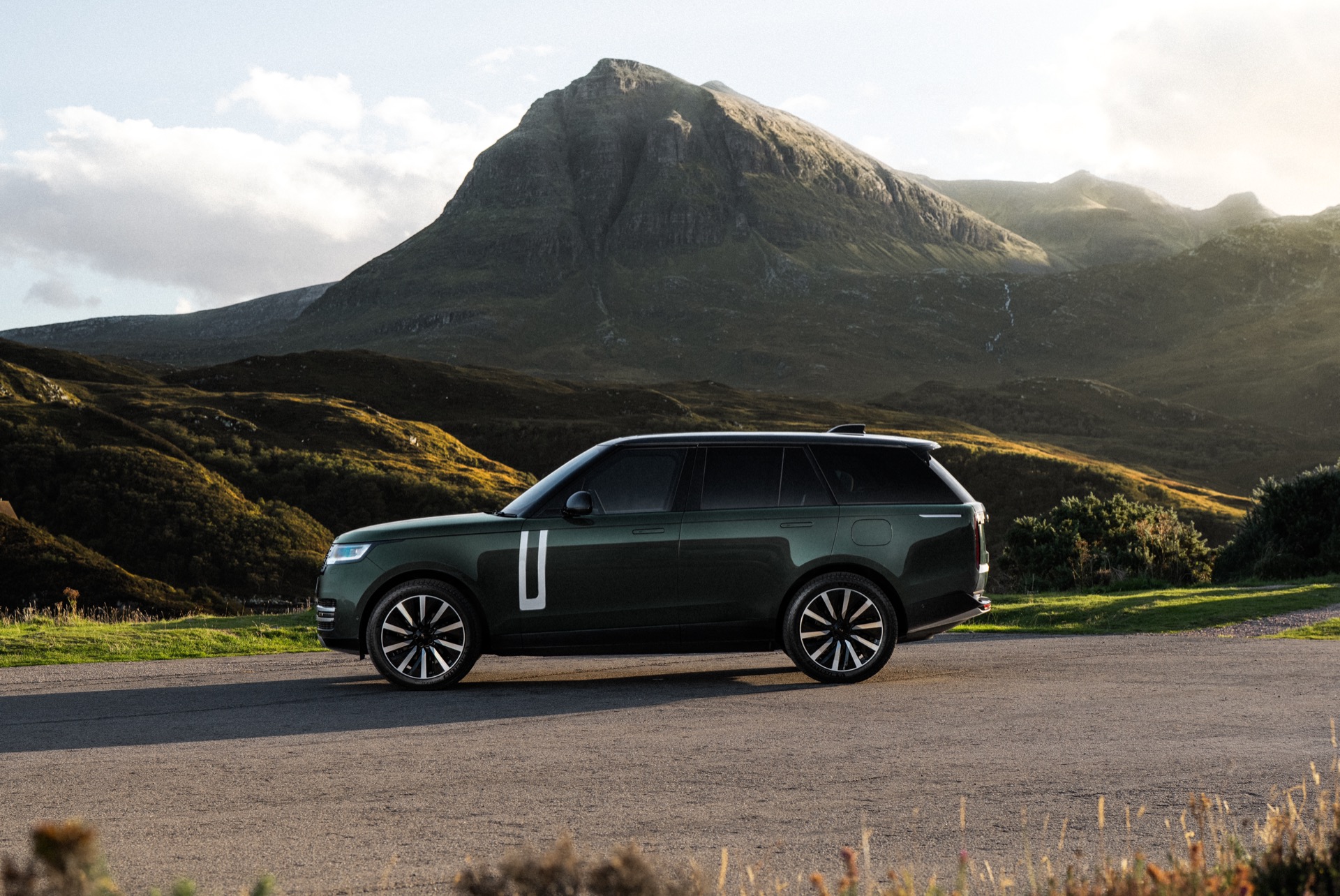
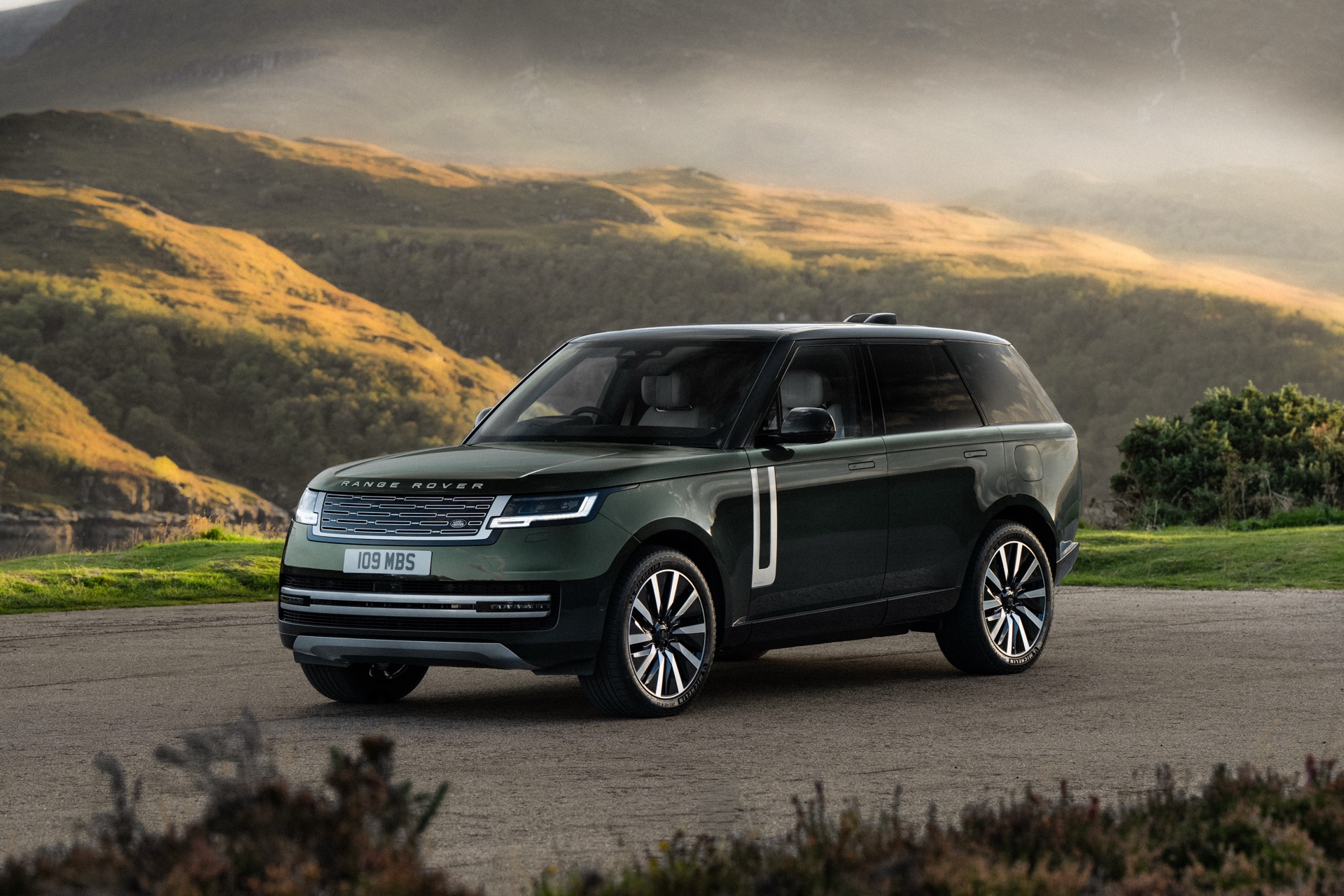
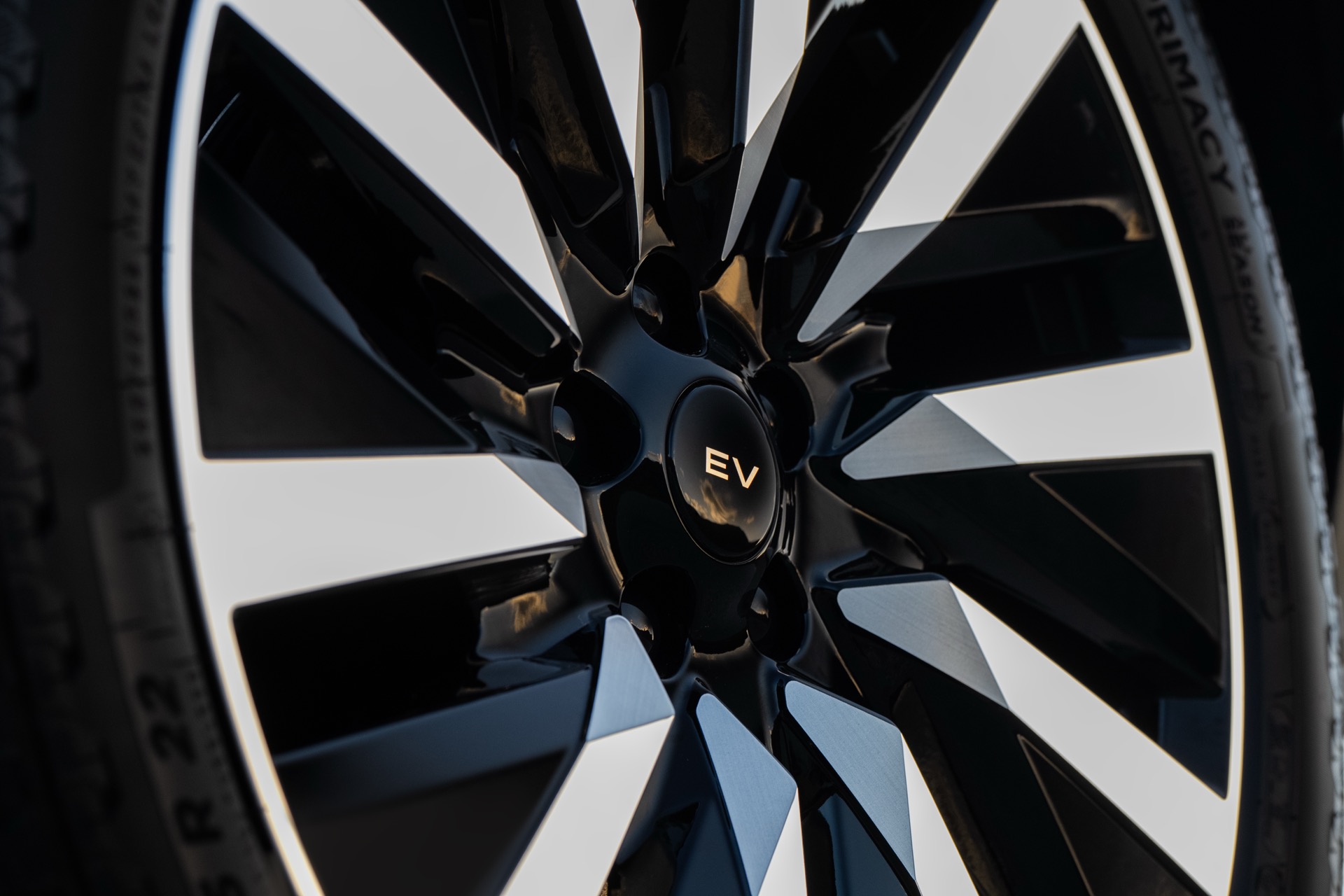
It helps explain why the Electric feels so naturally integrated. Where the Porsche Cayenne Electric makes a statement of its new technology, the Range Rover takes the opposite approach. Aside from its grille, wheels and subtle aerodynamic details, it is almost indistinguishable from the rest of the family. To me, that is a stroke of genius. The design, driving position, ride and entire character remain unmistakably Range Rover.
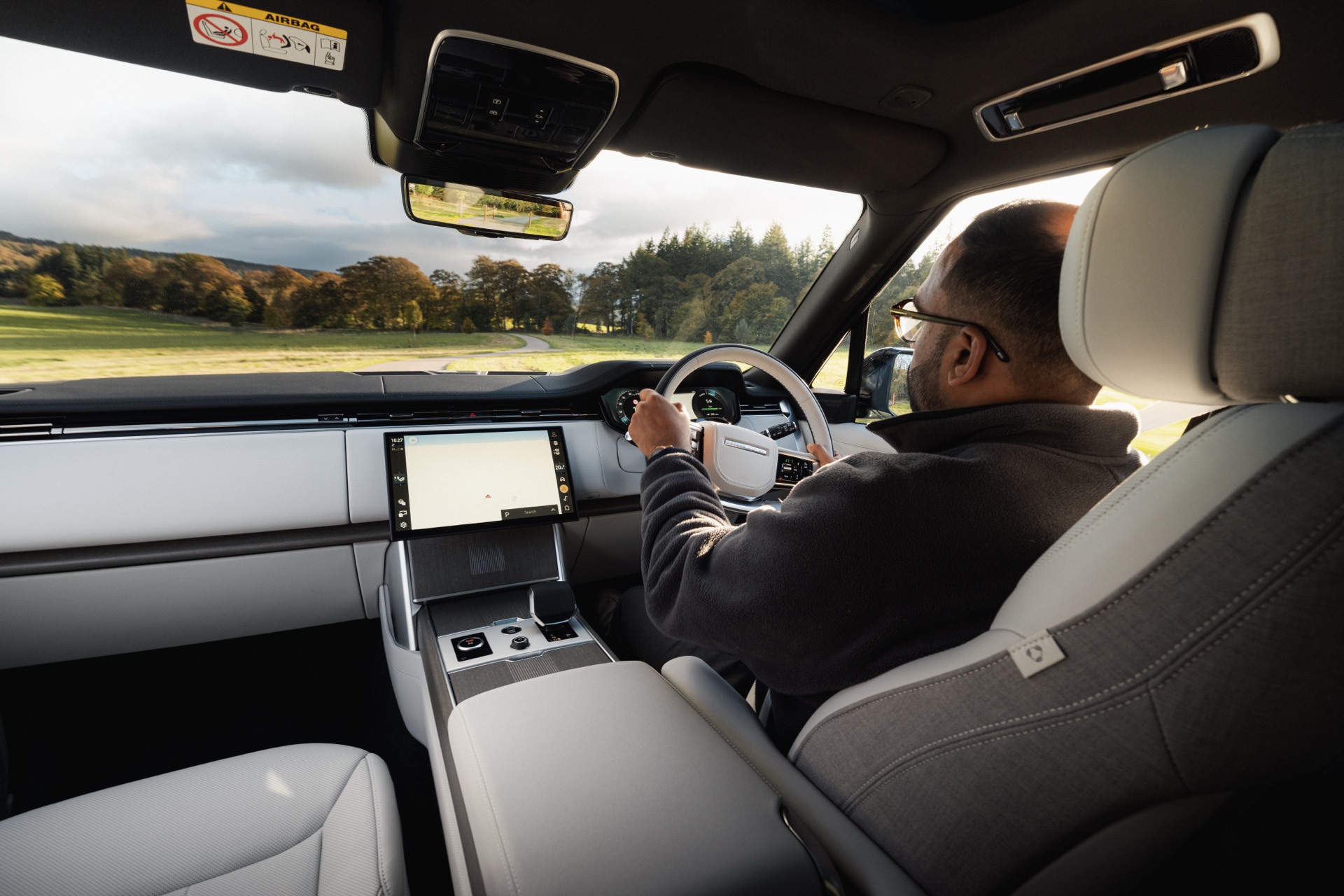
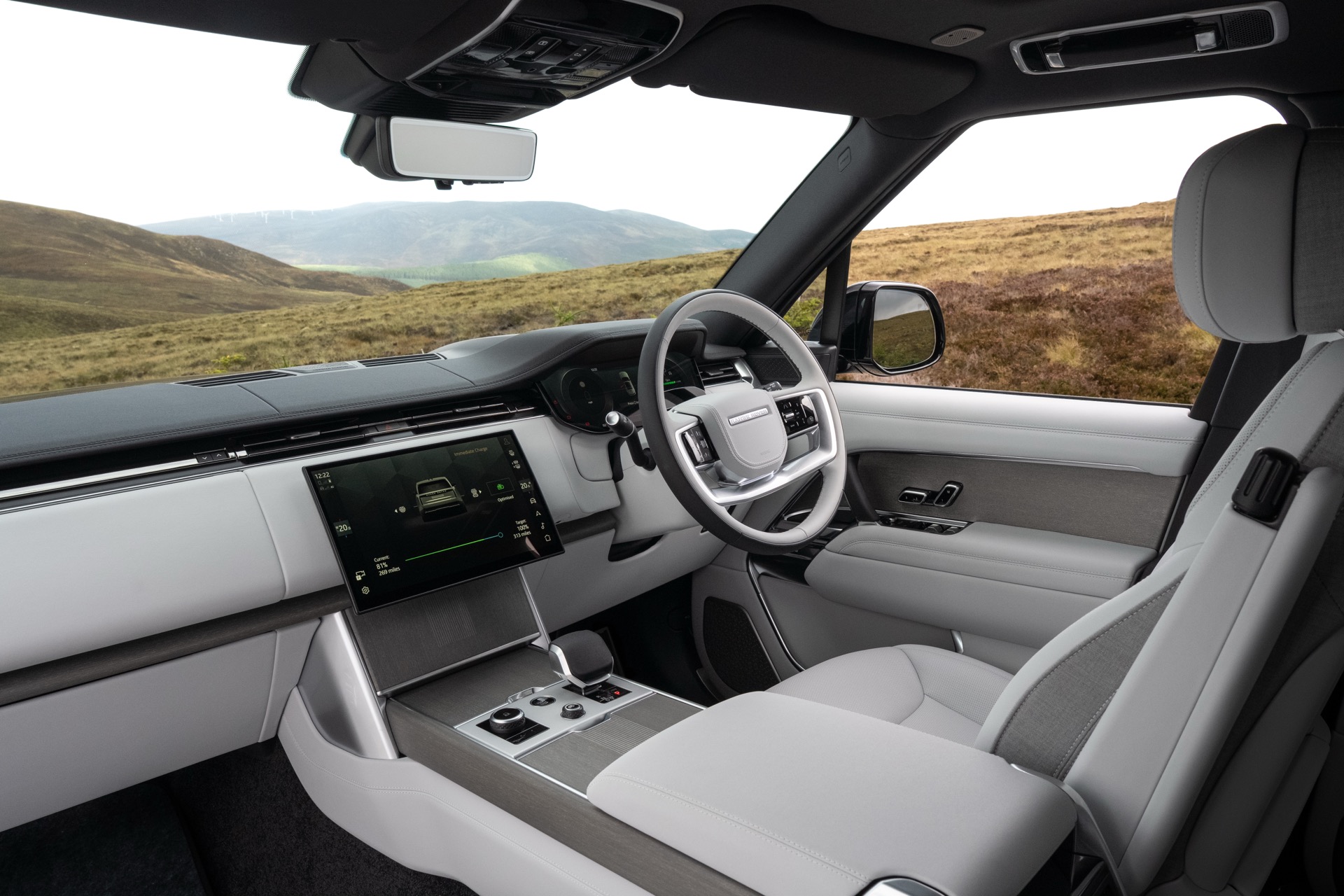
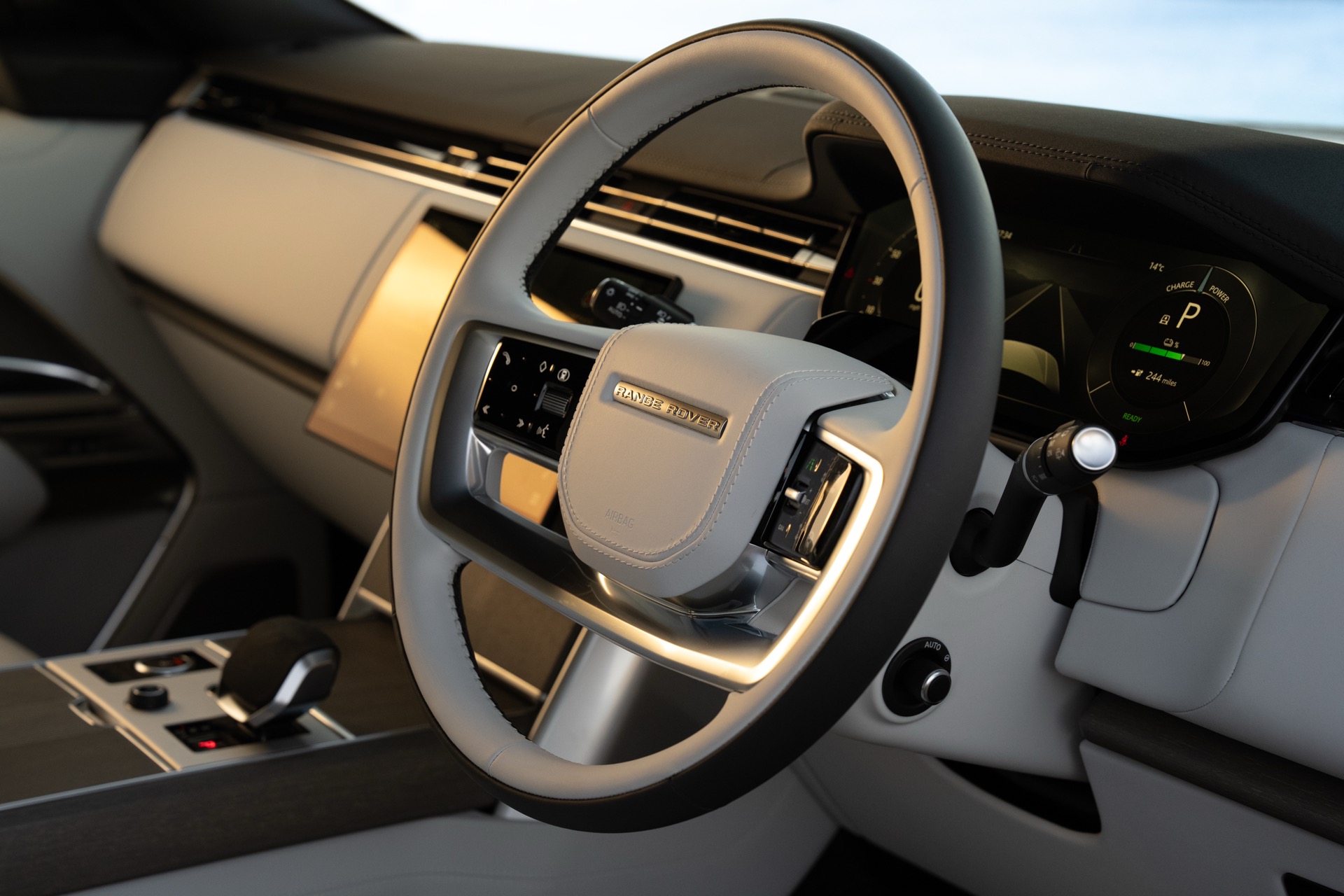
There are frustrations. Almost everything inside is controlled through the central touchscreen, with too few physical shortcuts for frequently adjusted functions. Some menus require unnecessary scrolling, and while voice control can bypass parts of the system, it is not infallible.
But those complaints feel secondary.
The best electric cars are not impressive simply because they are electric. They are impressive because electrification makes the underlying product better.
In the Range Rover Electric, the near-silent propulsion, beautifully controlled torque and extraordinary refinement feel less like compromises made for a new era and more like qualities the Range Rover was waiting for all along.