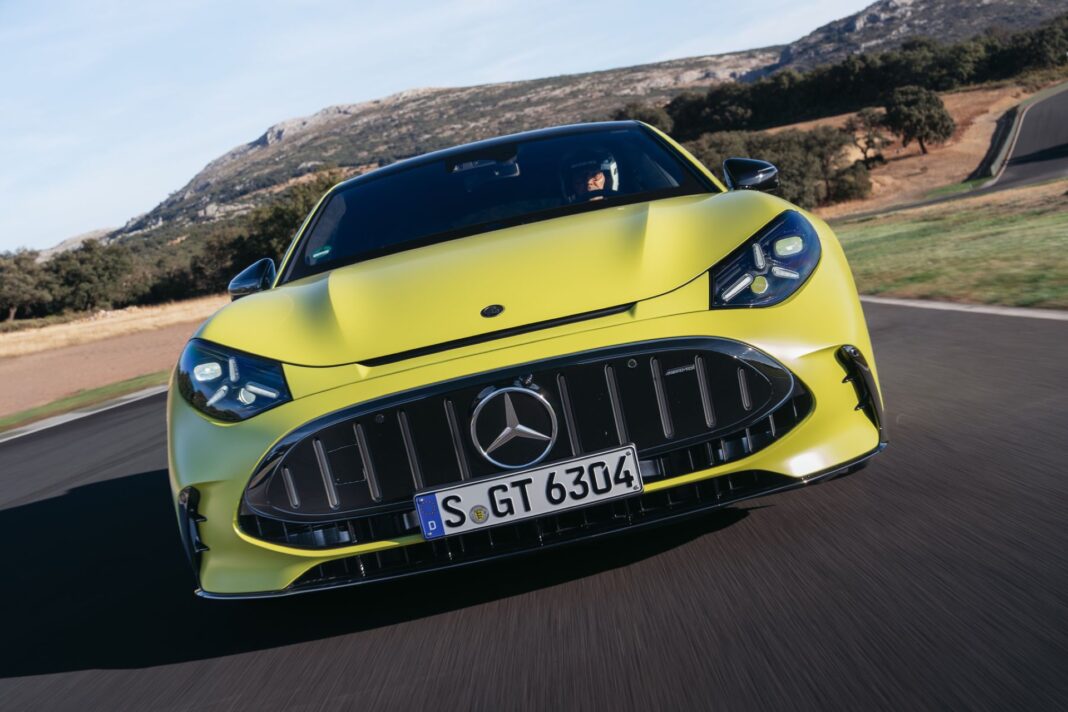
The wait has been worth it. The new Mercedes-AMG GT 4-Door Coupé manages the difficult balancing act between everyday usability and genuine racetrack performance with remarkable success. Porsche’s Taycan Turbo GT finally has a serious rival.
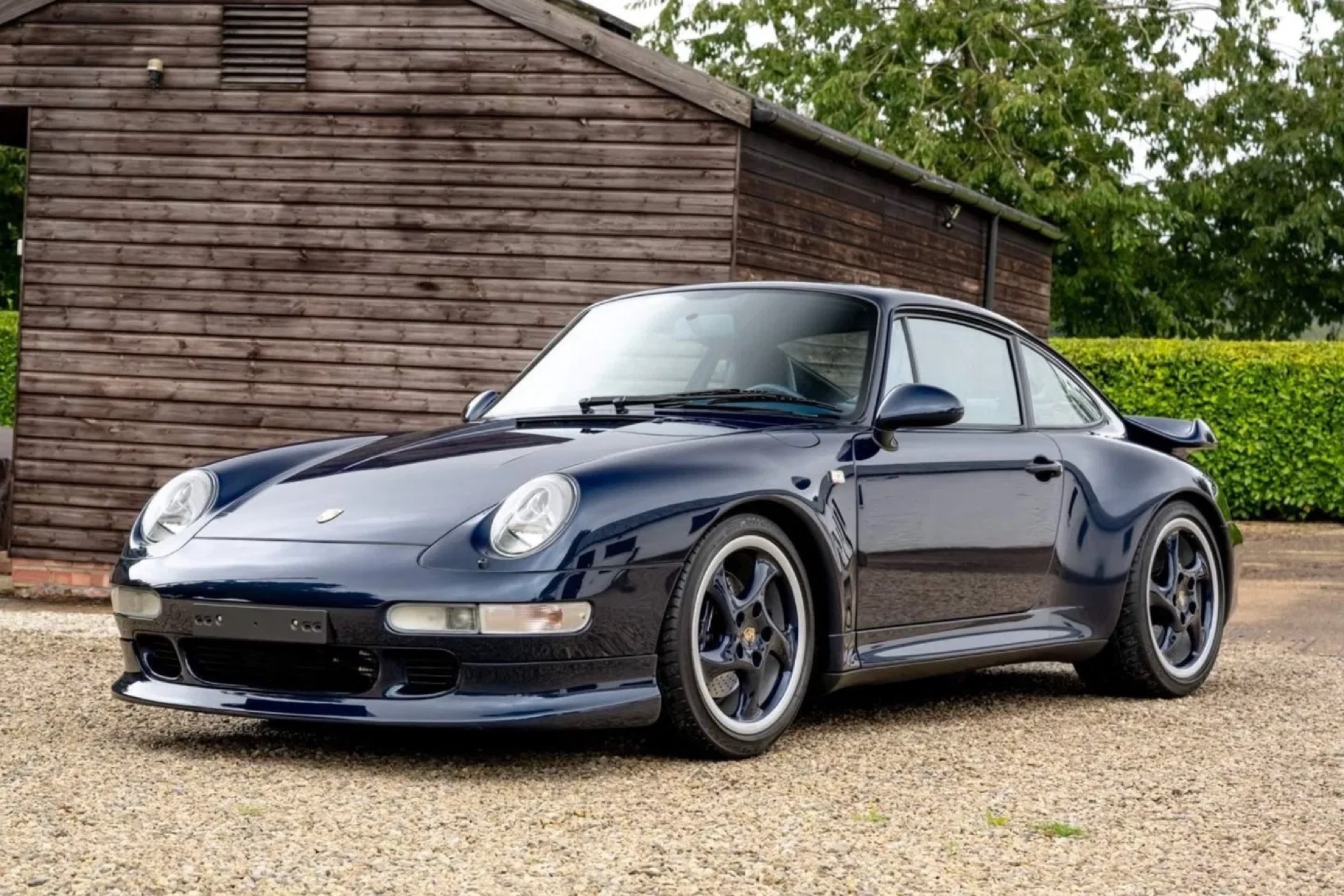
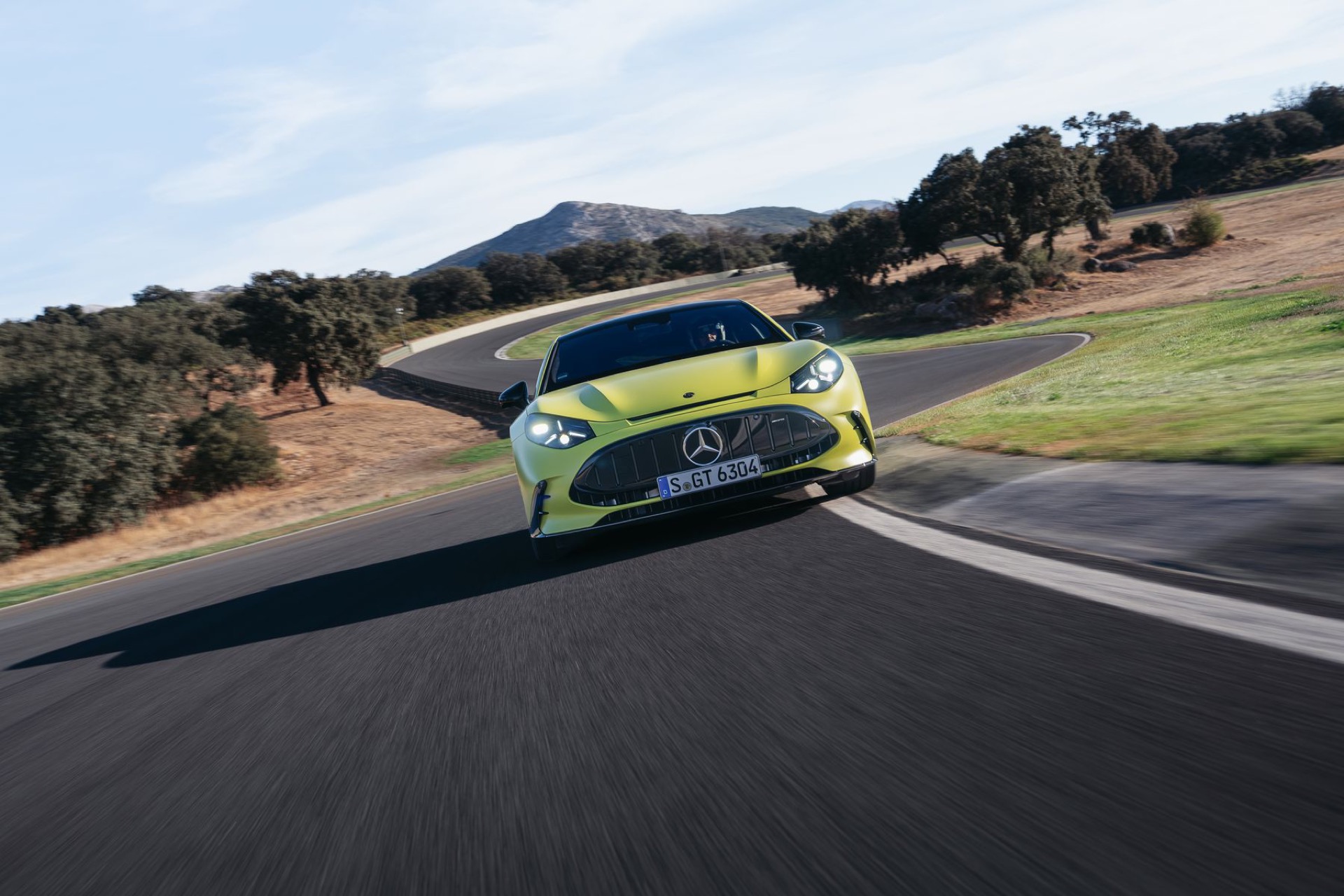
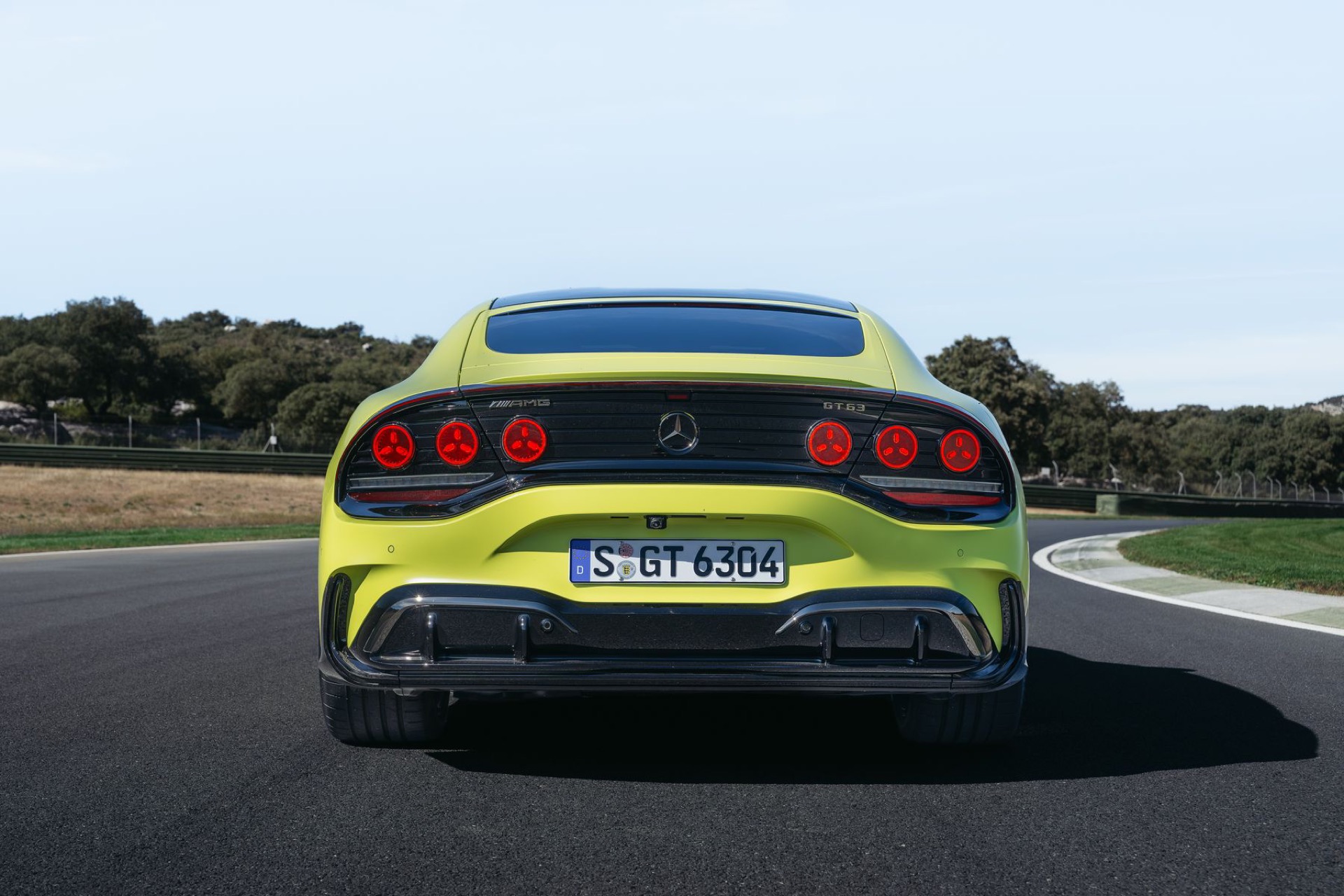
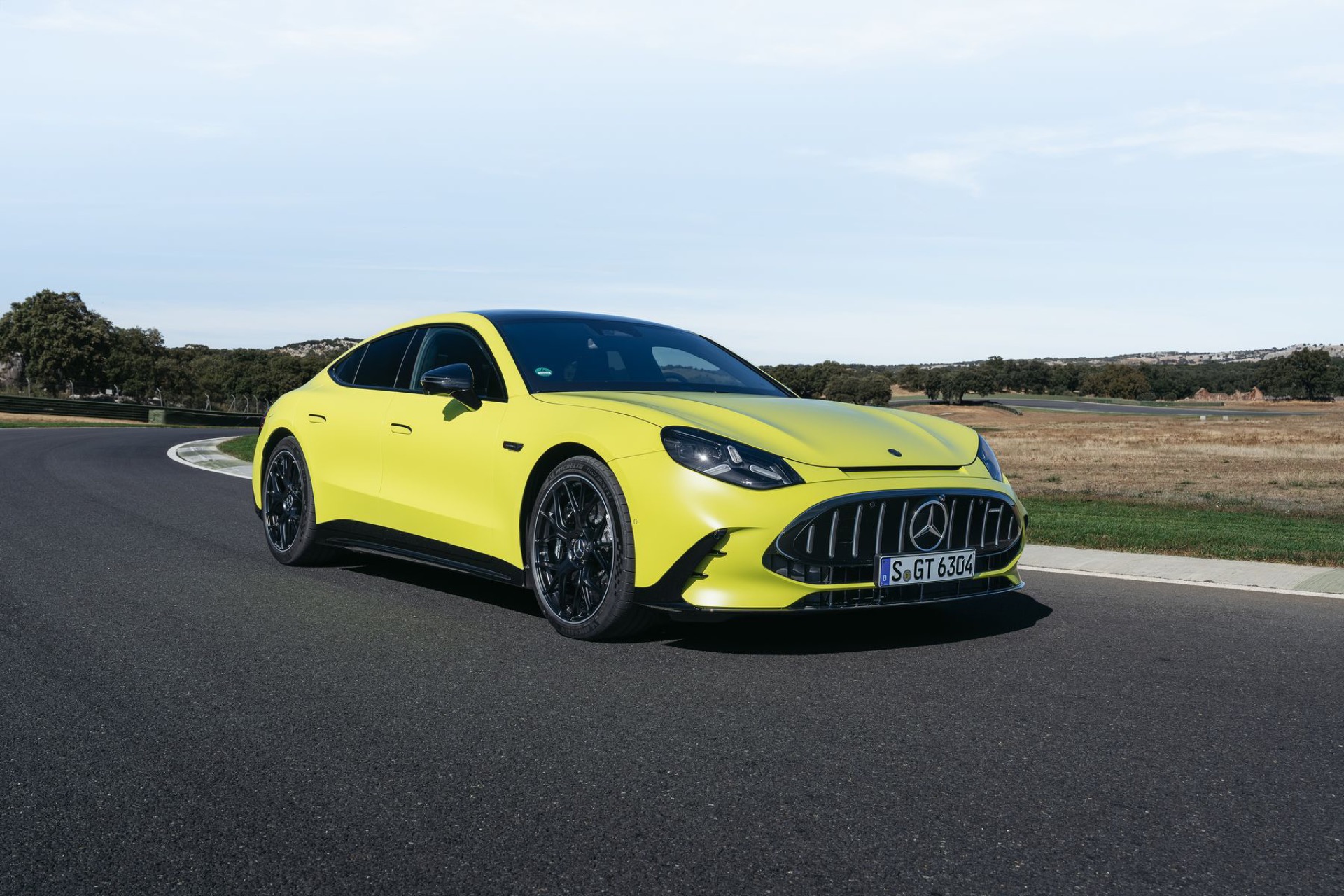
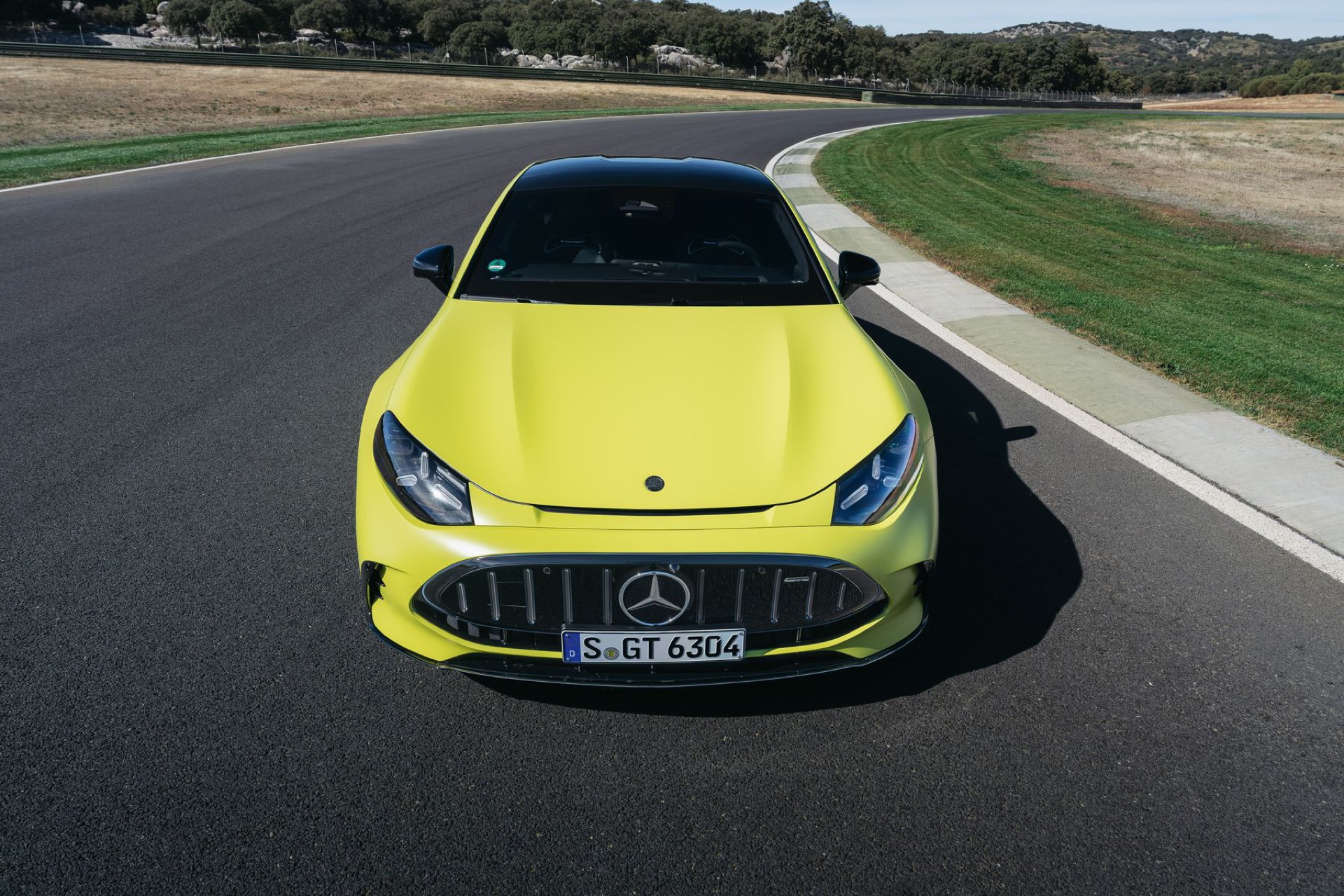
The Mercedes-AMG GT 4-Door Coupé is rolling proof that Germany’s automotive industry still has plenty of fight left in it. Its enormous front grille almost seems to be challenging competitors such as the Xiaomi SU7 Ultra and Porsche Taycan Turbo GT to bring their best.
Yet dramatic styling and the 860 kW (1,169 PS) delivered by the flagship AMG GT 63 4-Door Coupé are not enough on their own to make a statement. Electric cars producing more than 1,000 PS are becoming increasingly common. To stand out in this increasingly crowded horsepower race, a manufacturer needs to deliver something more convincing: a combination of agility, performance and everyday practicality.
This AMG is intended to make a statement and usher in a new era for the performance brand. It represents a departure from the traditional formula of powerful, turbocharged, multi-cylinder combustion engines towards an entirely new kind of electric driving experience.
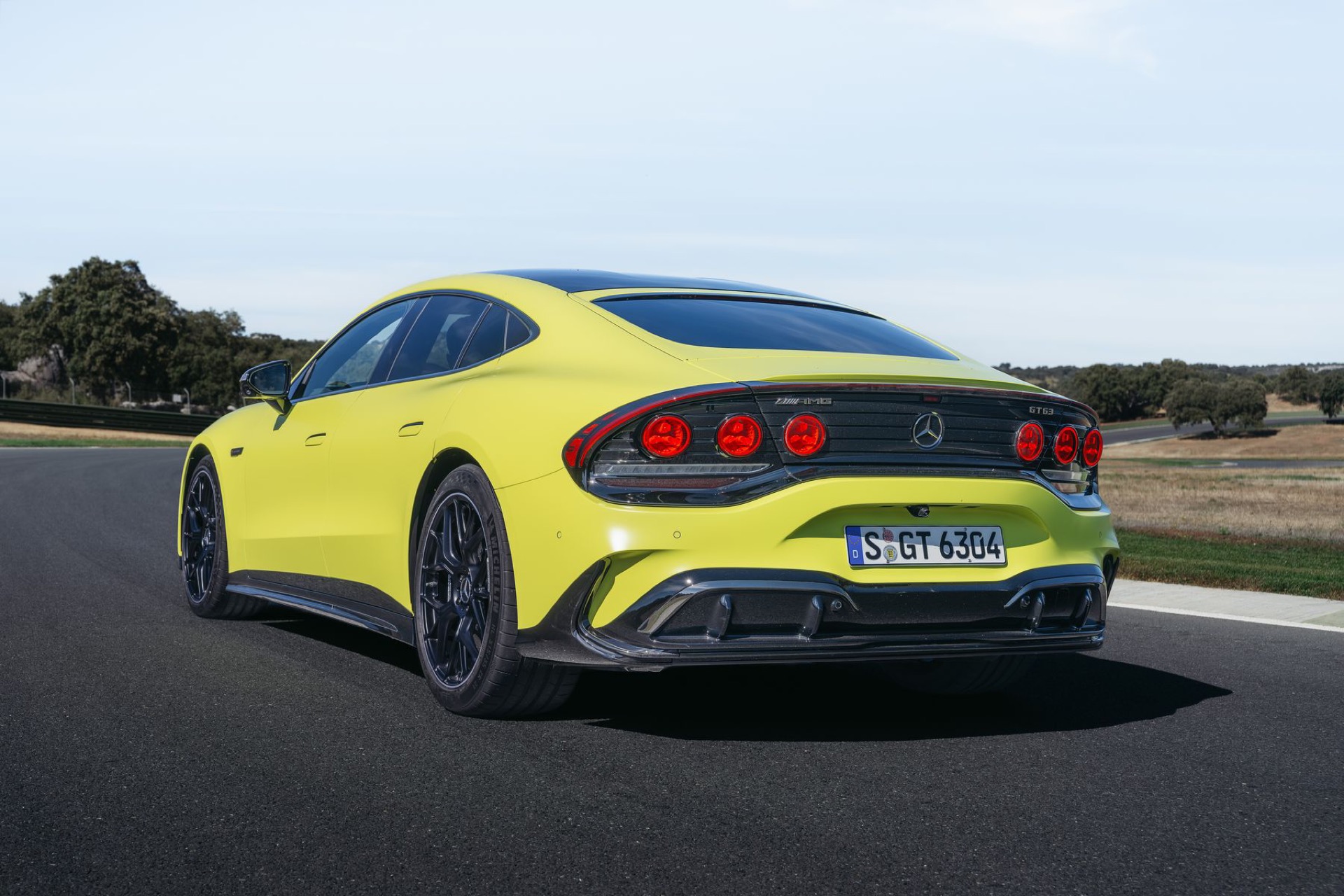
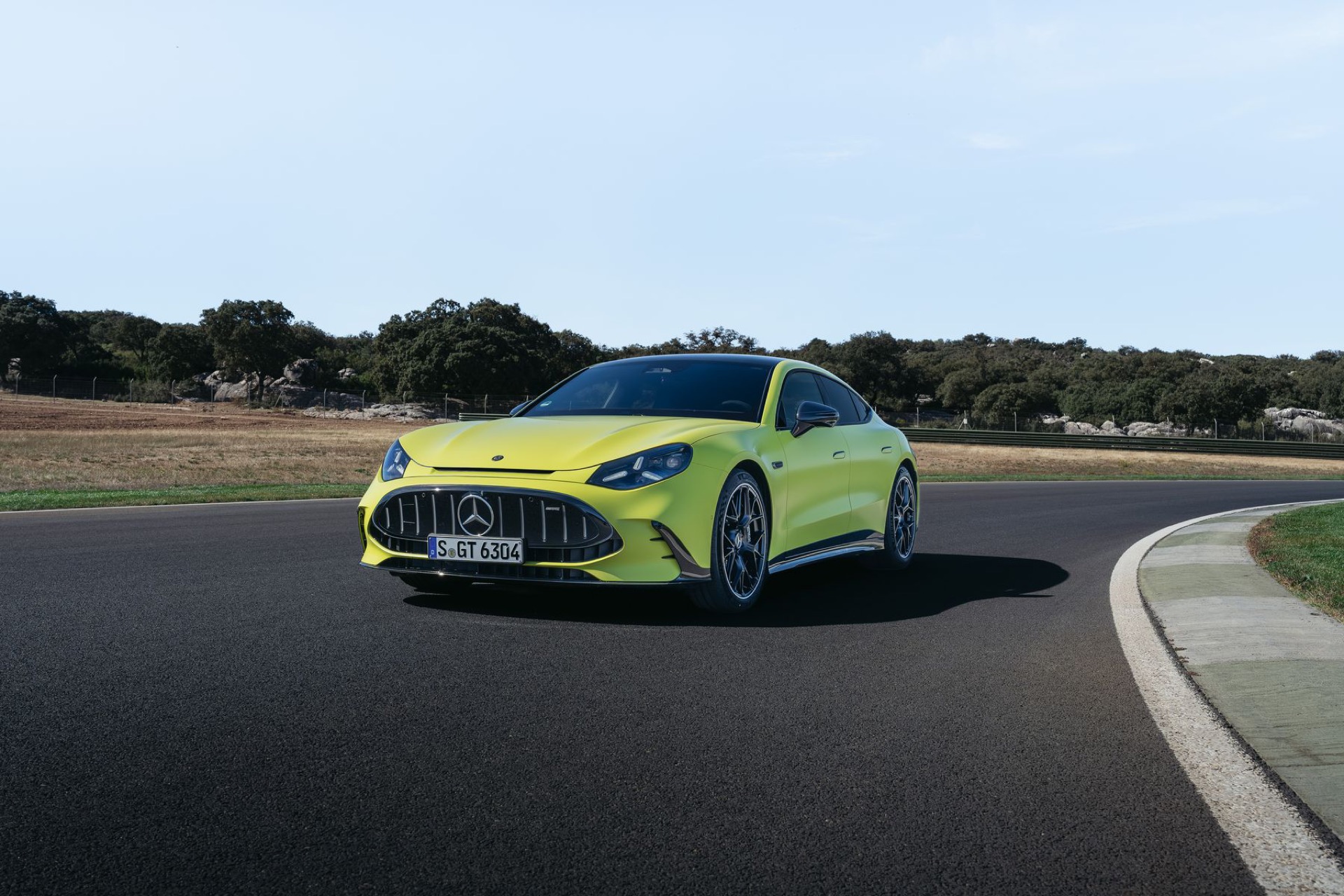
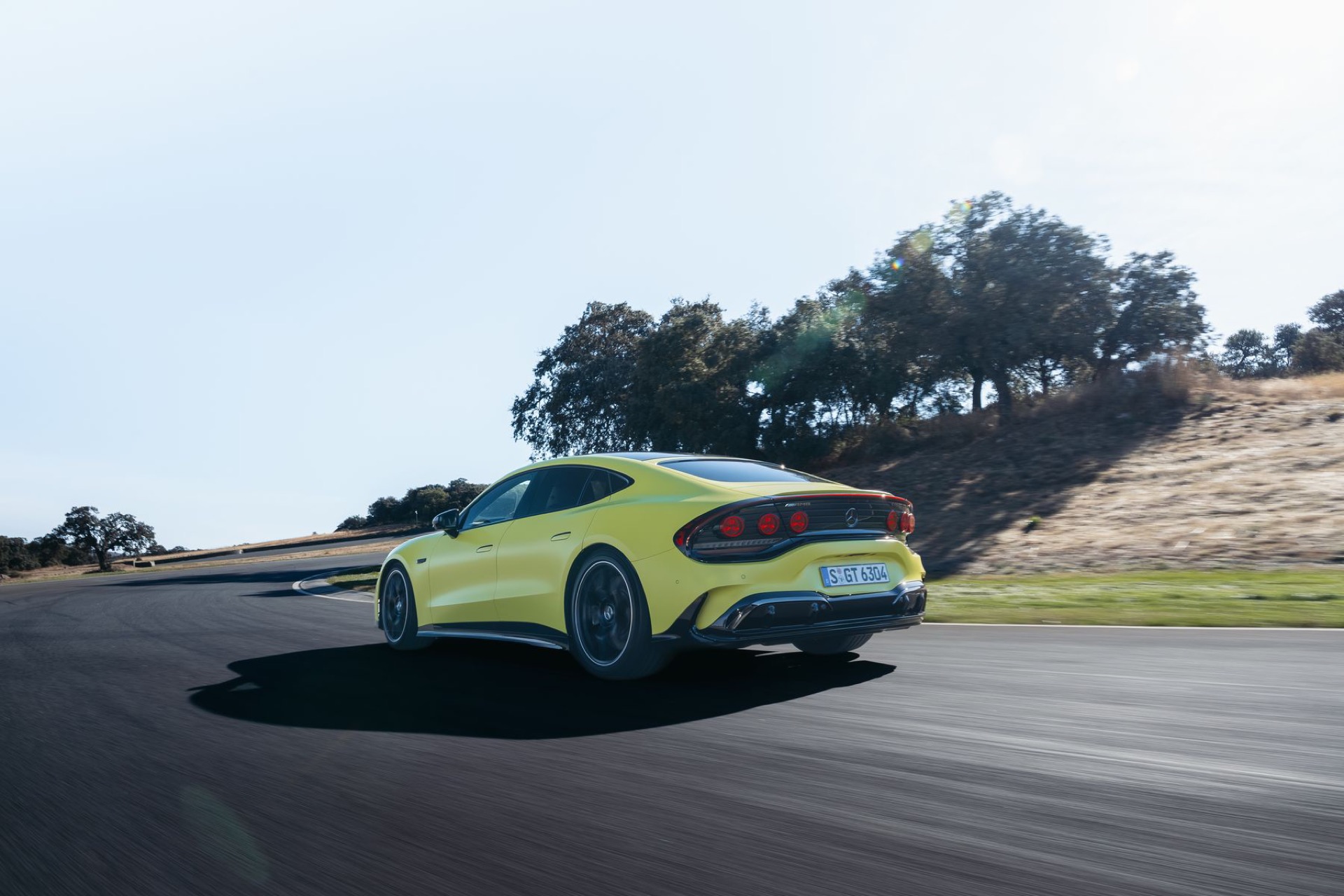
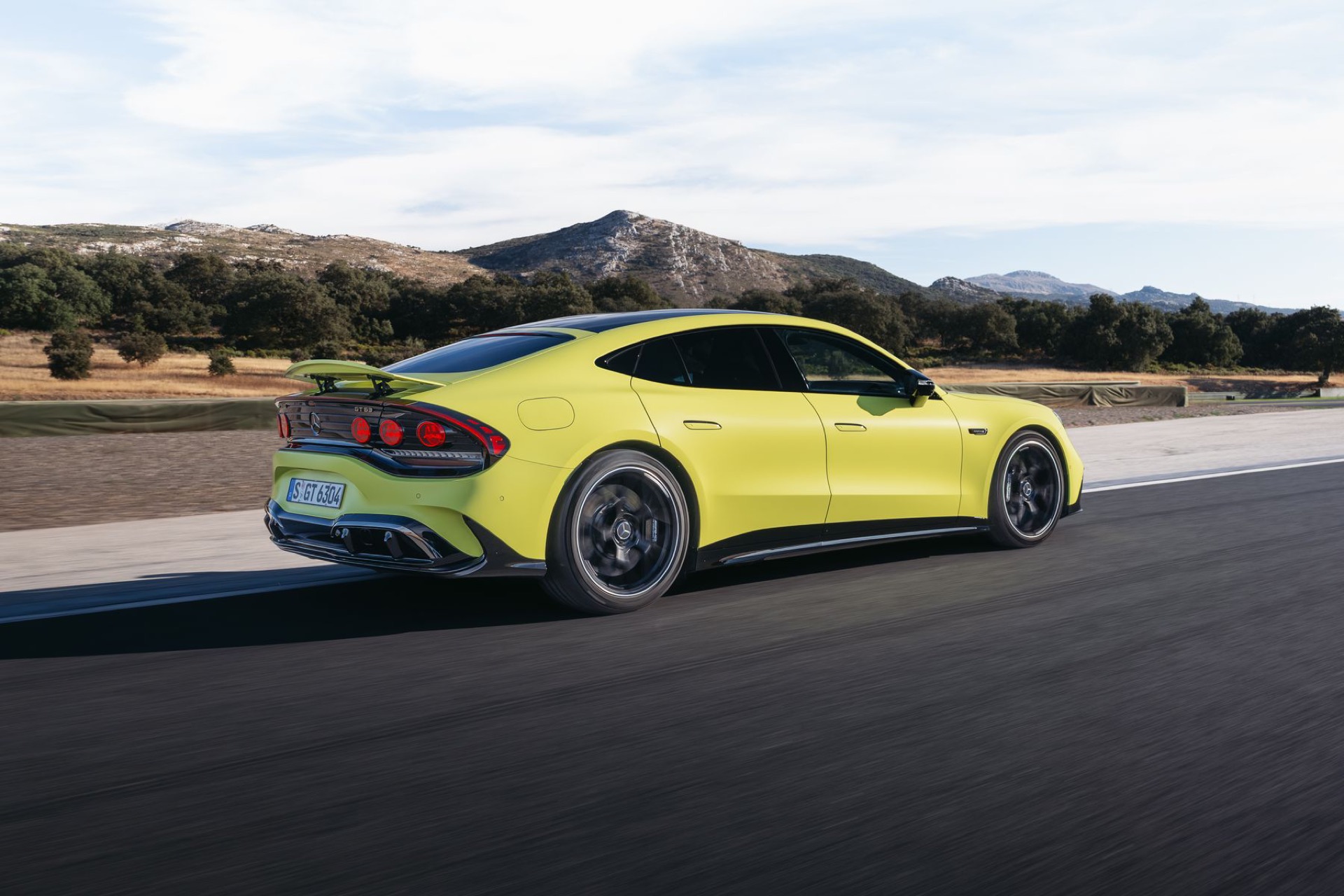
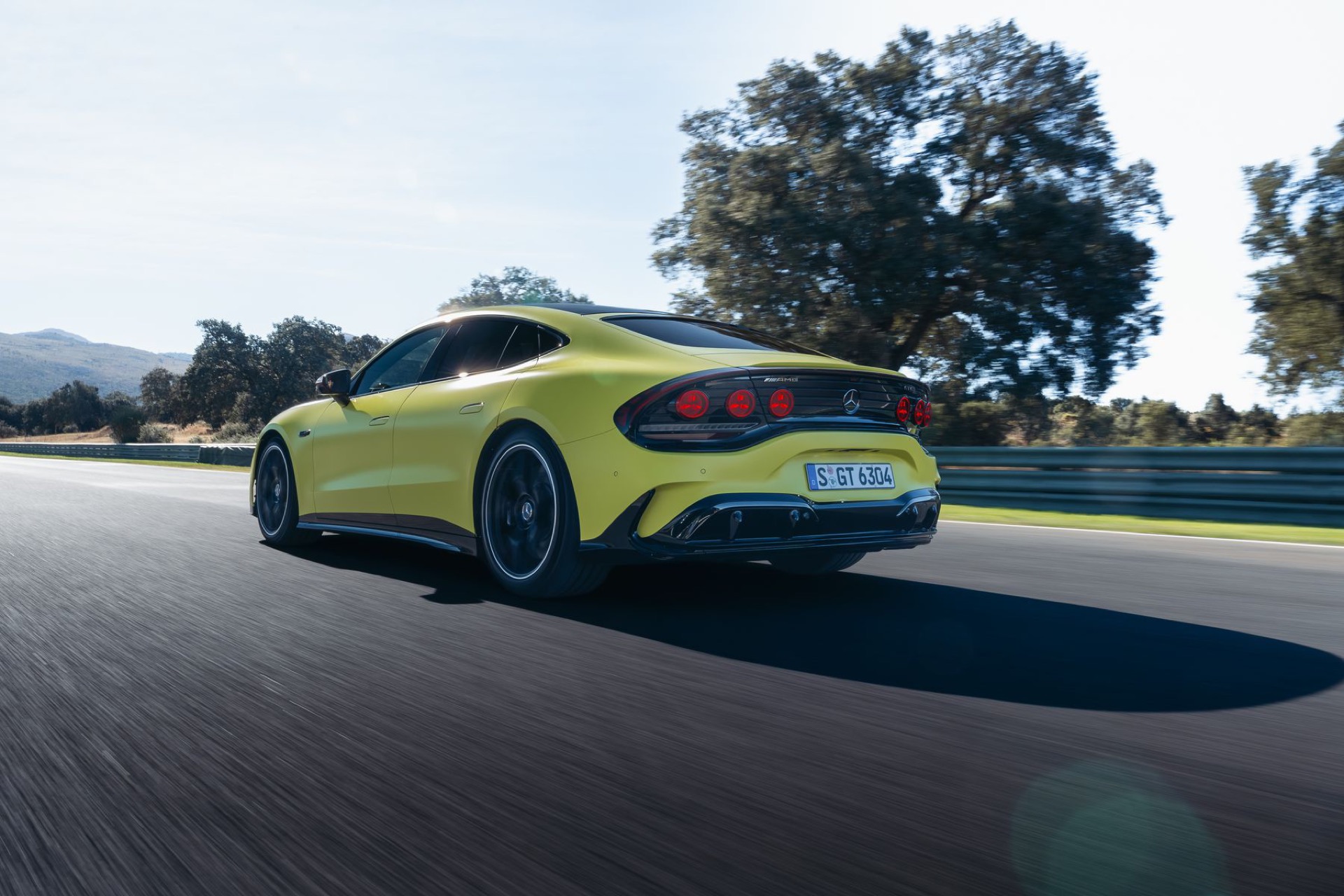
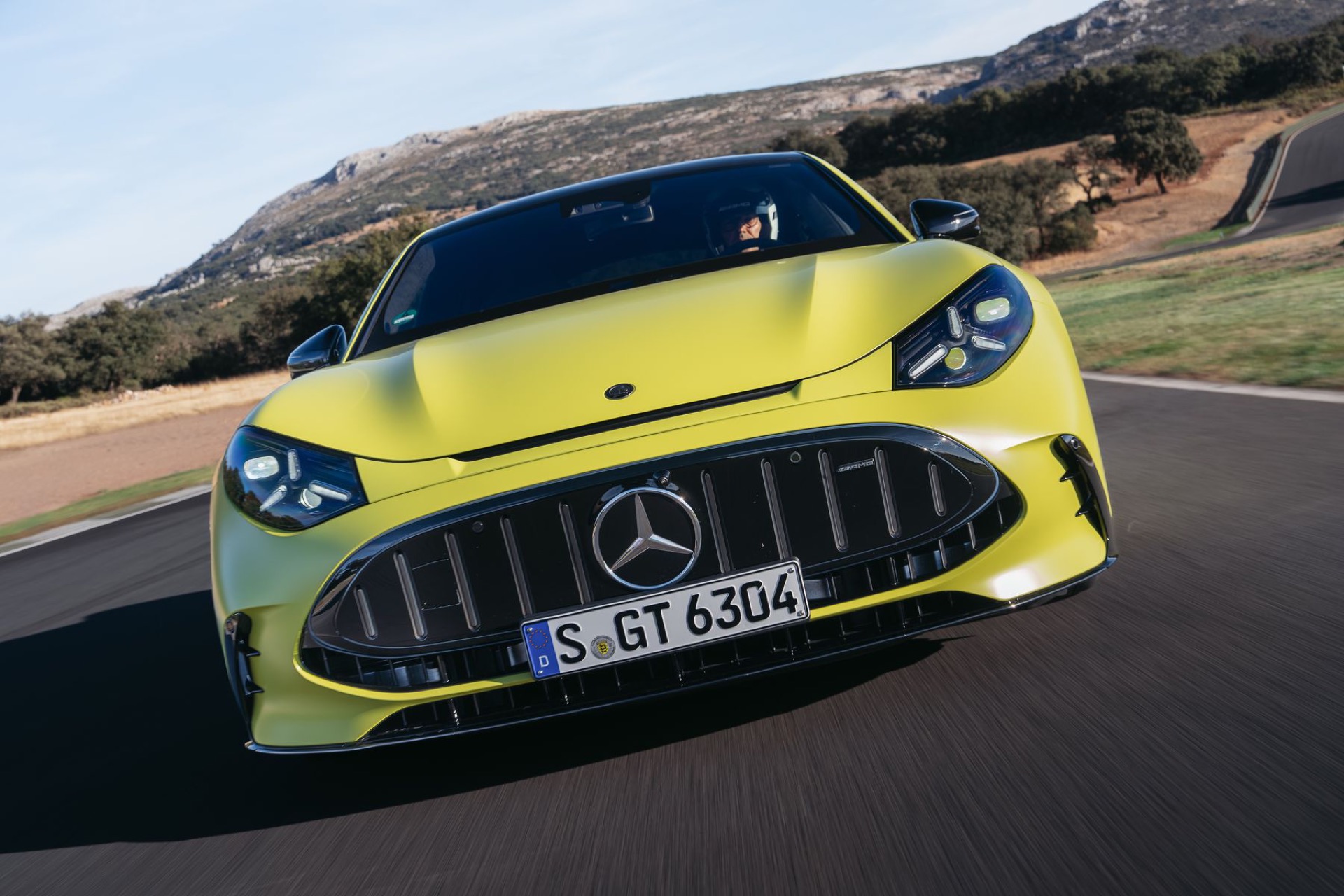
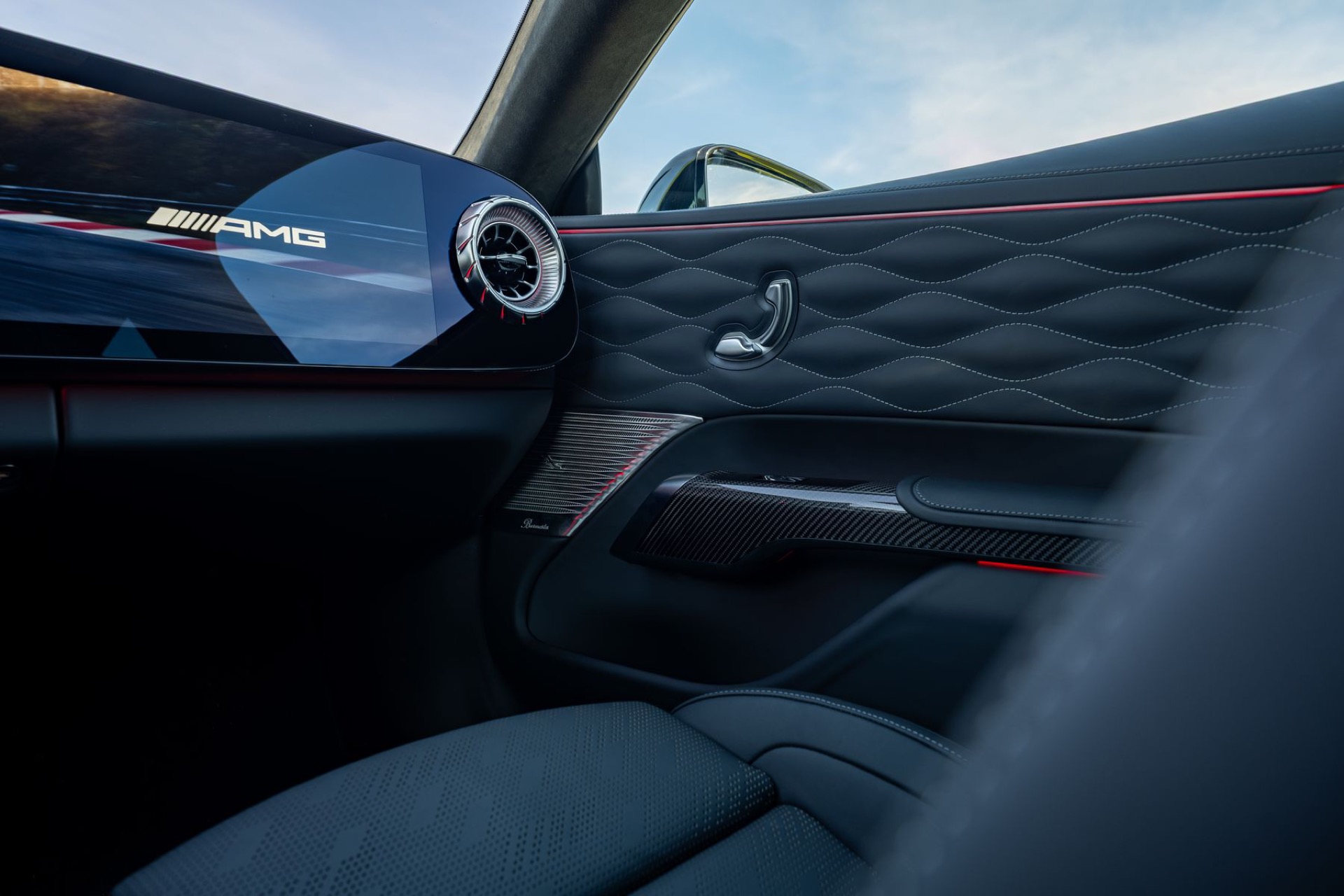
Achieving that ambition requires abandoning some familiar engineering conventions. Compromise is not an option, particularly when the competition, especially from Zuffenhausen, is already so formidable.
For that reason, AMG’s engineers in Affalterbach developed the AMG.EA architecture specifically for high-performance electric vehicles. The battery housing forms a structural element of the body, which combines aluminium, steel and fibre-reinforced composite materials. High-voltage cables run through a central tunnel alongside components of the cooling system.
The downside is that this arrangement significantly restricts space for the middle passenger in the rear. When it comes to the powertrain, AMG has certainly not held back. Three axial-flux electric motors provide propulsion, with two mounted at the rear and a third at the front.
Although these motors are more complicated and expensive to manufacture than conventional electric motors, they offer several advantages in terms of packaging and driving dynamics. They are also exceptionally compact. Each of the two rear motors measures approximately eight centimetres in width, while the front motor is just under nine centimetres wide.
// Test Drive of the all-new Mercedes-AMG GT 4-Door Coupé, Marbella, 2026.
Because the motors can be controlled independently, the electronics can precisely distribute torque between the rear wheels without the need for a mechanical limited-slip differential. The front motor only engages when required, helping to reduce energy consumption during normal driving.
There is no mechanical connection between the front and rear axles, making the all-wheel-drive system fundamentally different from that of a traditional AMG. Electronic torque distribution reacts more quickly and flexibly to changing driving conditions, improving both turn-in response and traction when accelerating out of corners.
Interestingly, the AMG GT 55 and GT 63 require only a single fixed gear ratio for each drive unit. This is made possible partly by the exceptionally broad operating range of the axial-flux motors. The rear motors can spin at more than 13,000 rpm, while the front motor exceeds 15,000 rpm.
That is sufficient to achieve a top speed of 300 km/h with the appropriate package. Although torque decreases at higher motor speeds, enough power remains available to maintain strong acceleration. Adding a second gear would introduce extra components, weight, complexity and cost.
The more affordable GT 53 takes a different approach, using more conventional synchronous electric motors and a two-speed transmission. AMG’s determination to maximise agility and efficiency is also evident in the car’s active aerodynamic elements and even the front luggage compartment.
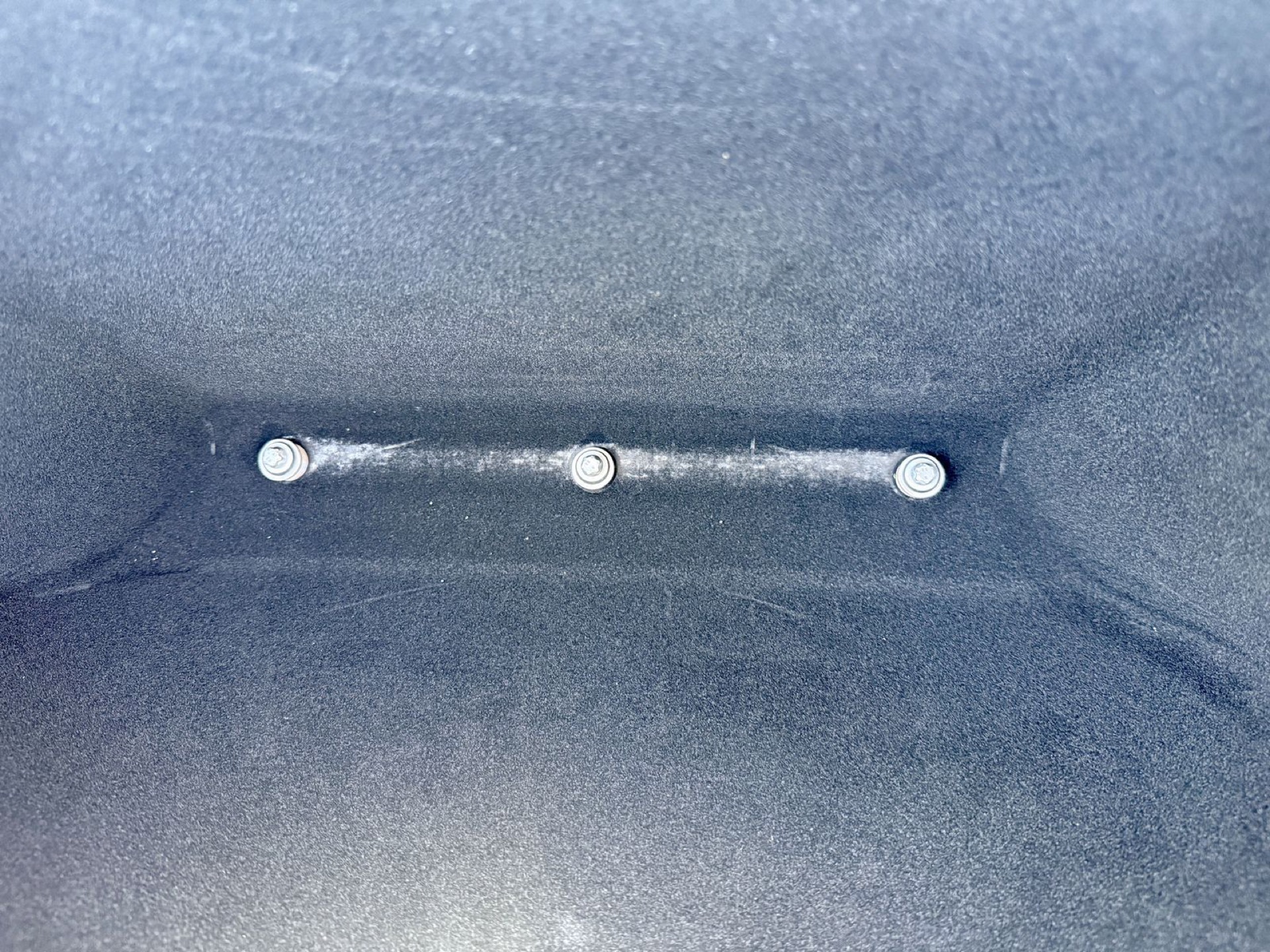
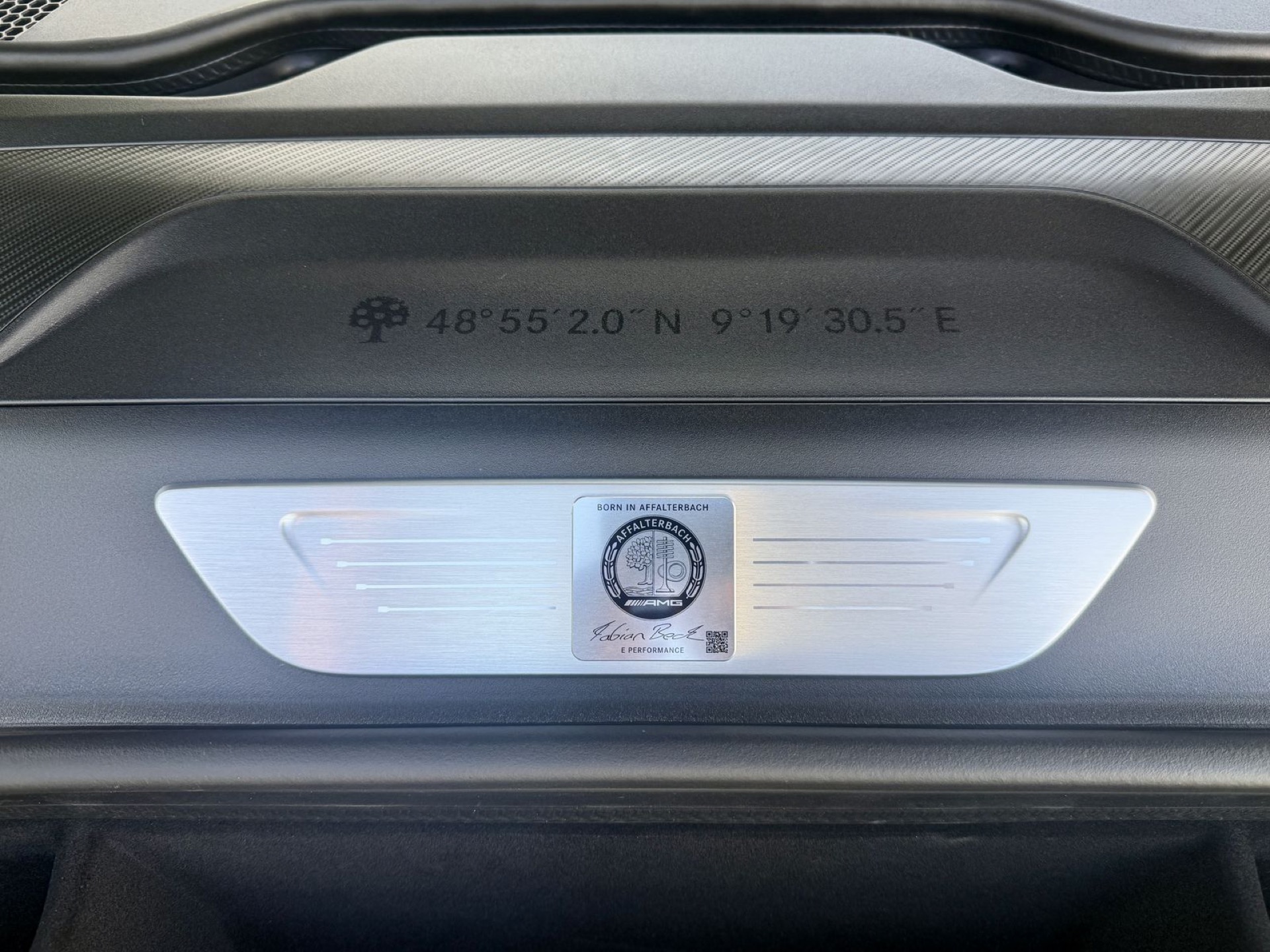
Rather than simply fitting a plastic storage box beneath the bonnet, engineers have developed a composite structure with an angled sidewall that directs cooling air towards the underbody. Its construction also increases the rigidity of the front section of the car by 30 per cent.
With the technical explanations out of the way, it is time to discover whether the engineering delivers on the road and track.
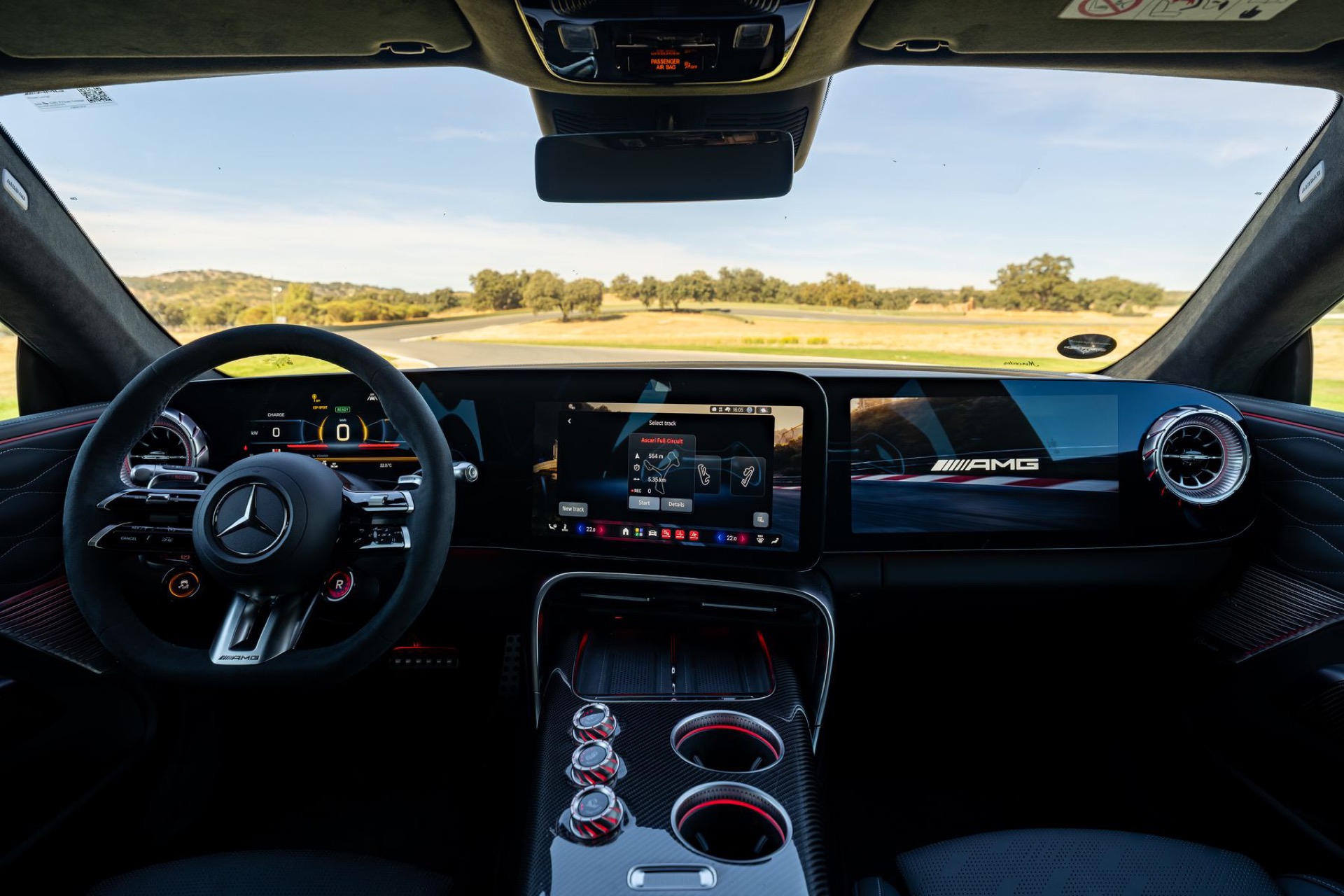
We settle into the driver’s seat of the AMG GT 63, internally designated C590, and head onto the demanding Ascari Race Resort circuit in Spain. Its challenging combinations of corners are particularly effective at exposing weaknesses in a car’s chassis.
// Test Drive of the all-new Mercedes-AMG GT 4-Door Coupé, Marbella, 2026.
Initially, the electronics keep the electric performance saloon firmly under control. Nevertheless, it takes only a few metres to establish that outright power is certainly not going to be an issue.
With 860 kW (1,169 PS) and an extraordinary 2,000 Nm of torque, the 2,460-kilogram GT 63 accelerates from 0 to 100 km/h in just 2.4 seconds, reaching 200 km/h after only 6.8 seconds. For comparison, Mercedes-AMG’s Formula 1-inspired ONE hypercar requires 2.9 seconds to reach 100 km/h and 7.0 seconds to hit 200 km/h. In the electric era, enormous weight is no longer necessarily an obstacle to extraordinary straight-line acceleration. Corners, however, are an entirely different matter.
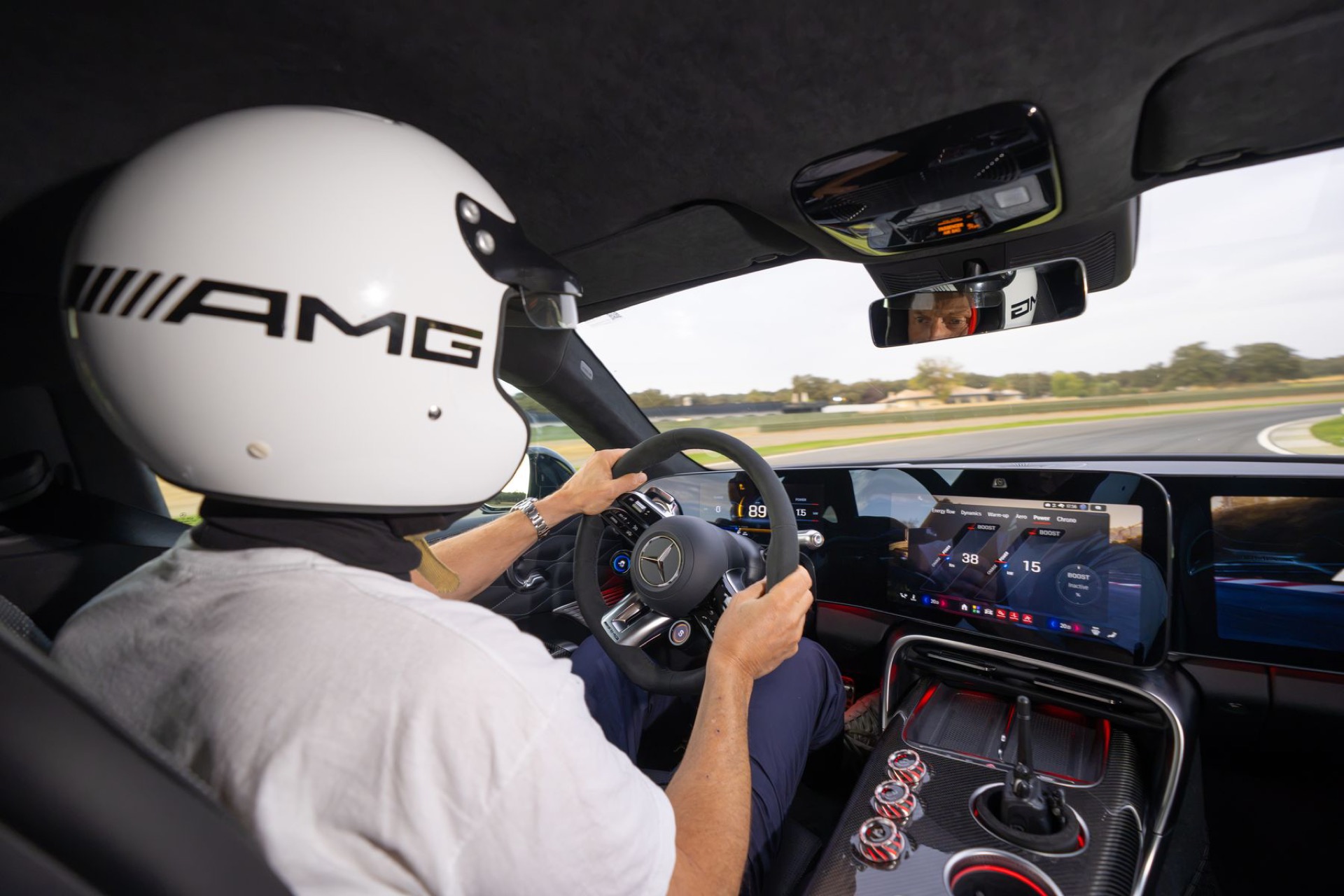
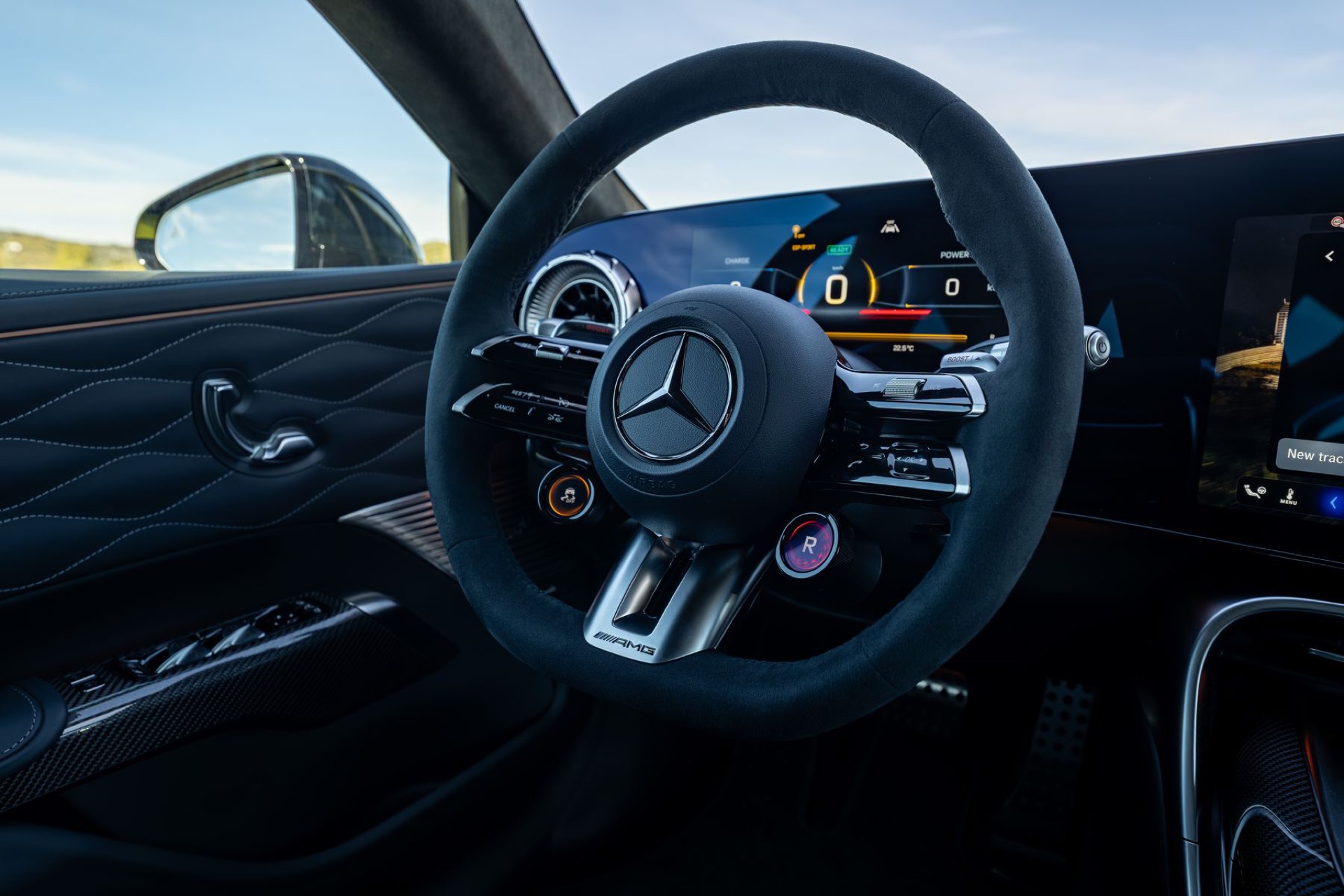
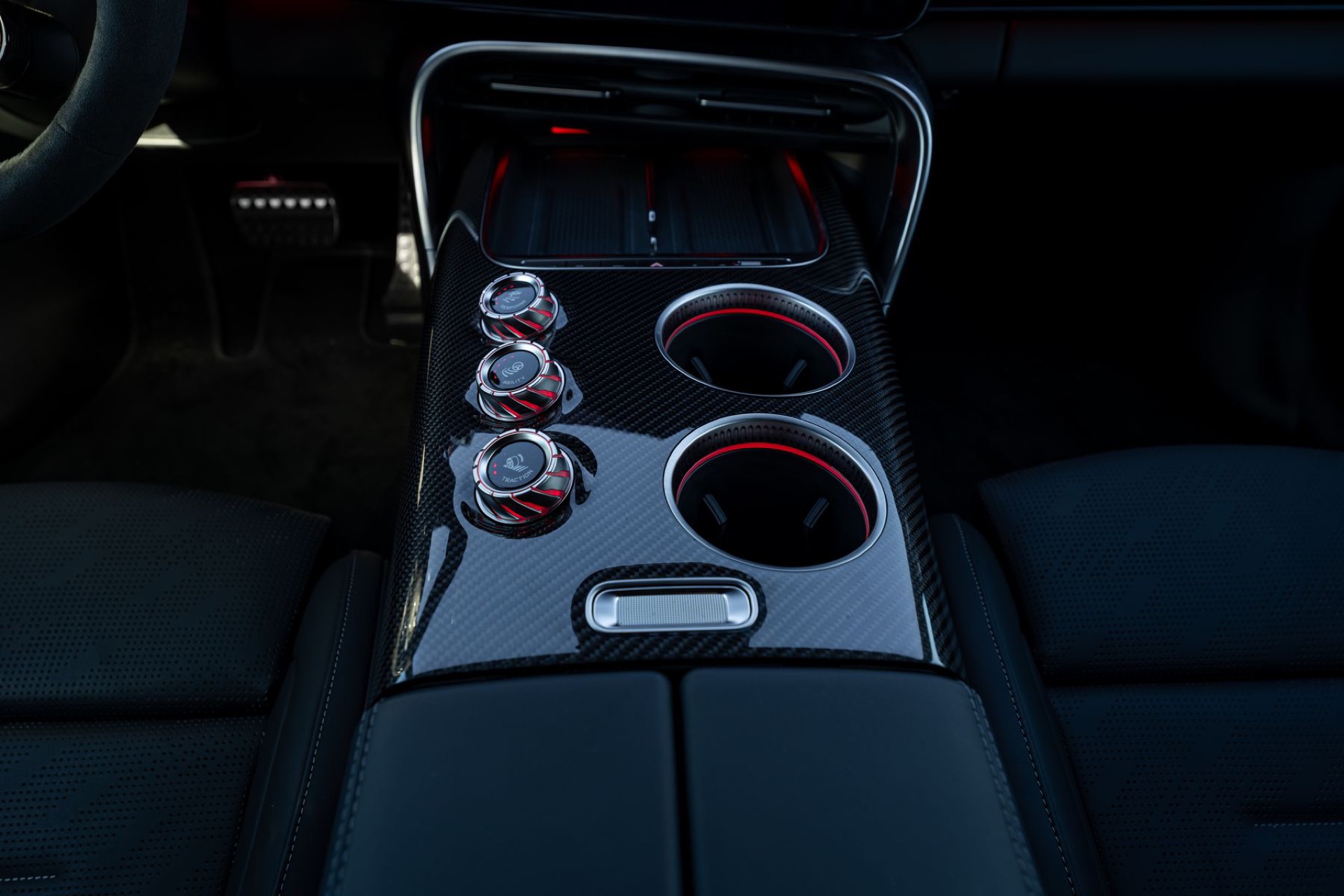
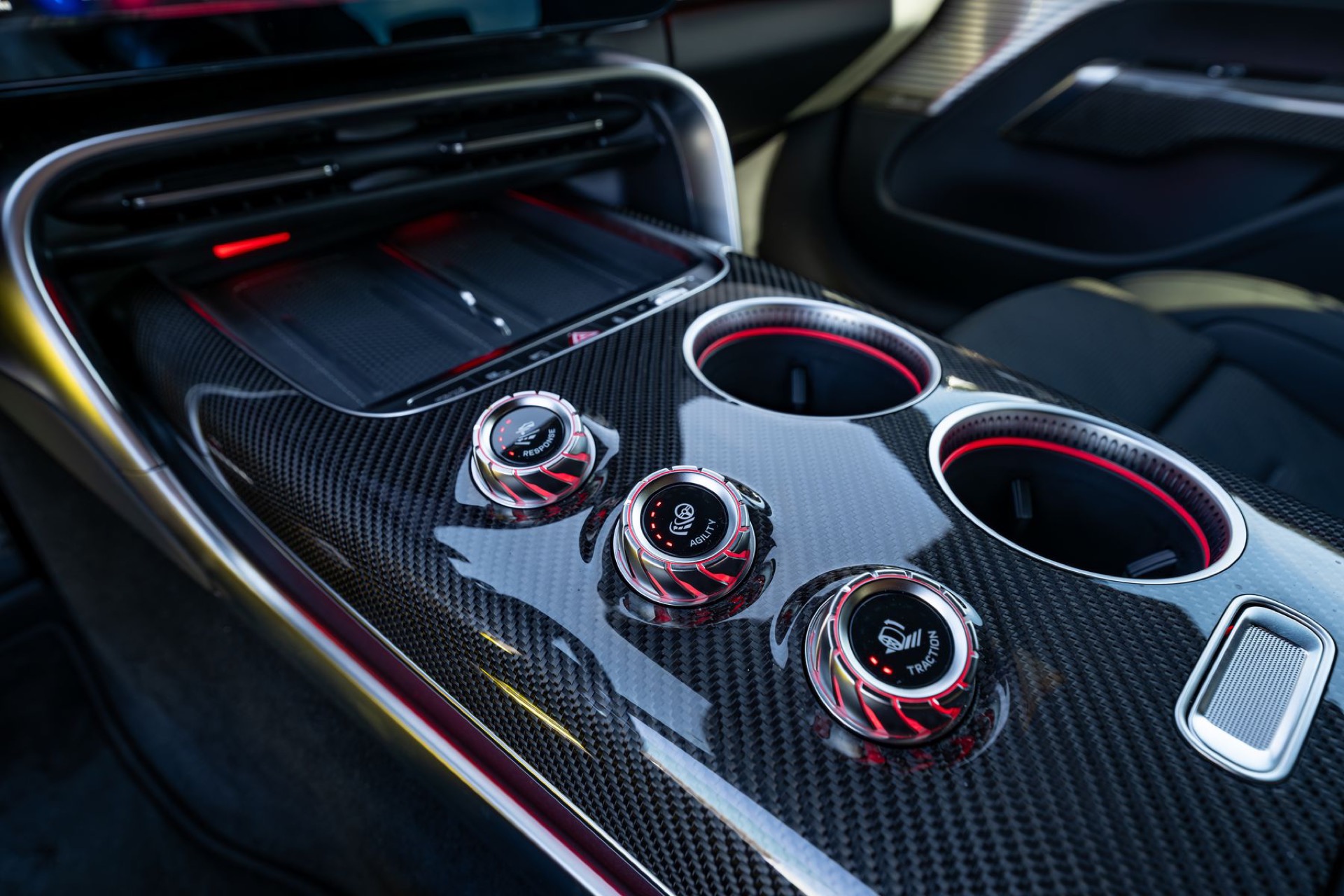
We select Race mode and switch the ESP completely off. Now, using rotary controls on the centre console, we can adjust the accelerator response, agility characteristics and traction control, with nine levels of adjustment available for the latter two systems.
// Test Drive of the all-new Mercedes-AMG GT 4-Door Coupé, Marbella, 2026.
We give the rear axle a little more freedom, and it doesn’t take long before the AMG begins to reveal its true character. The Porsche Taycan Turbo GT has finally met its match.
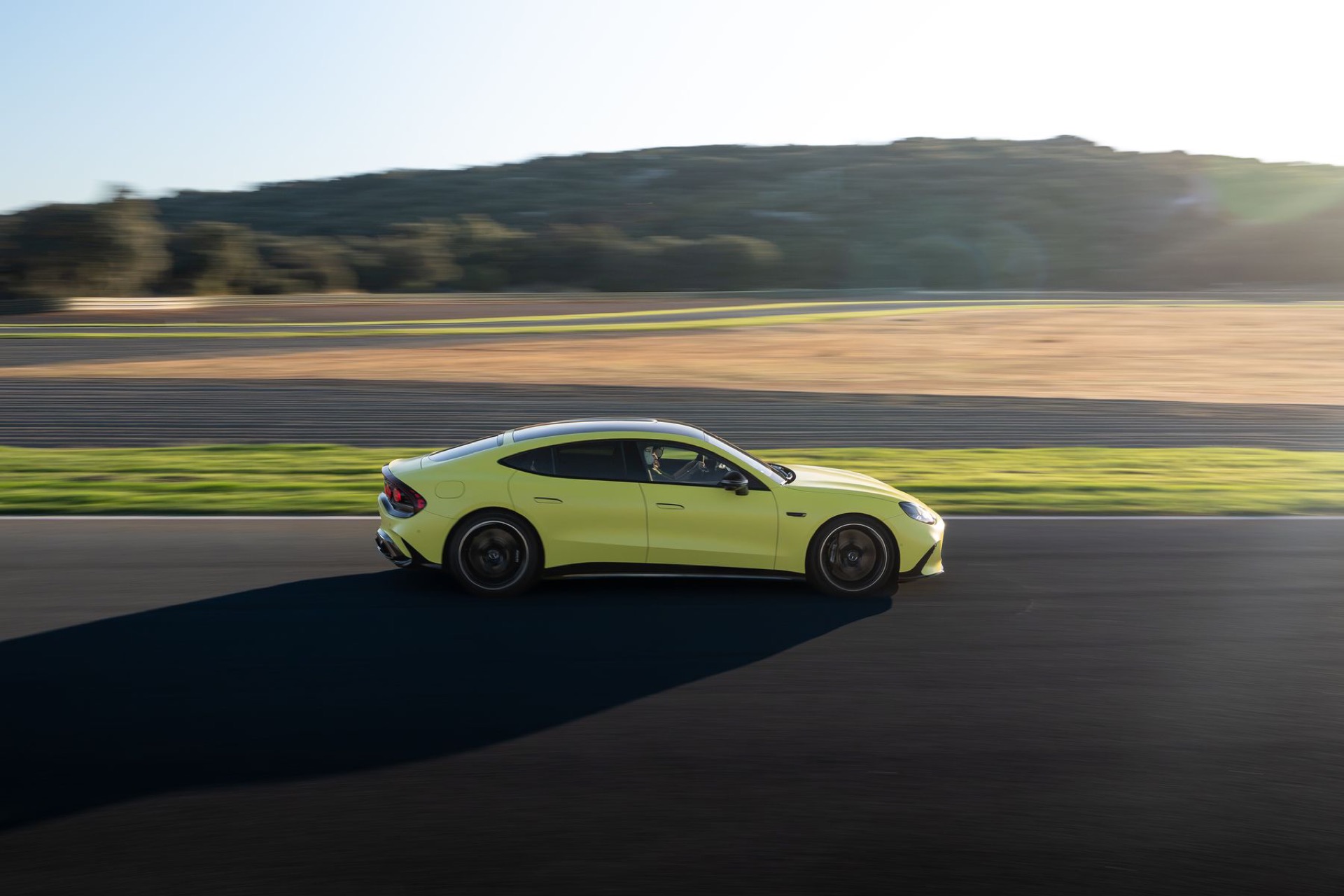
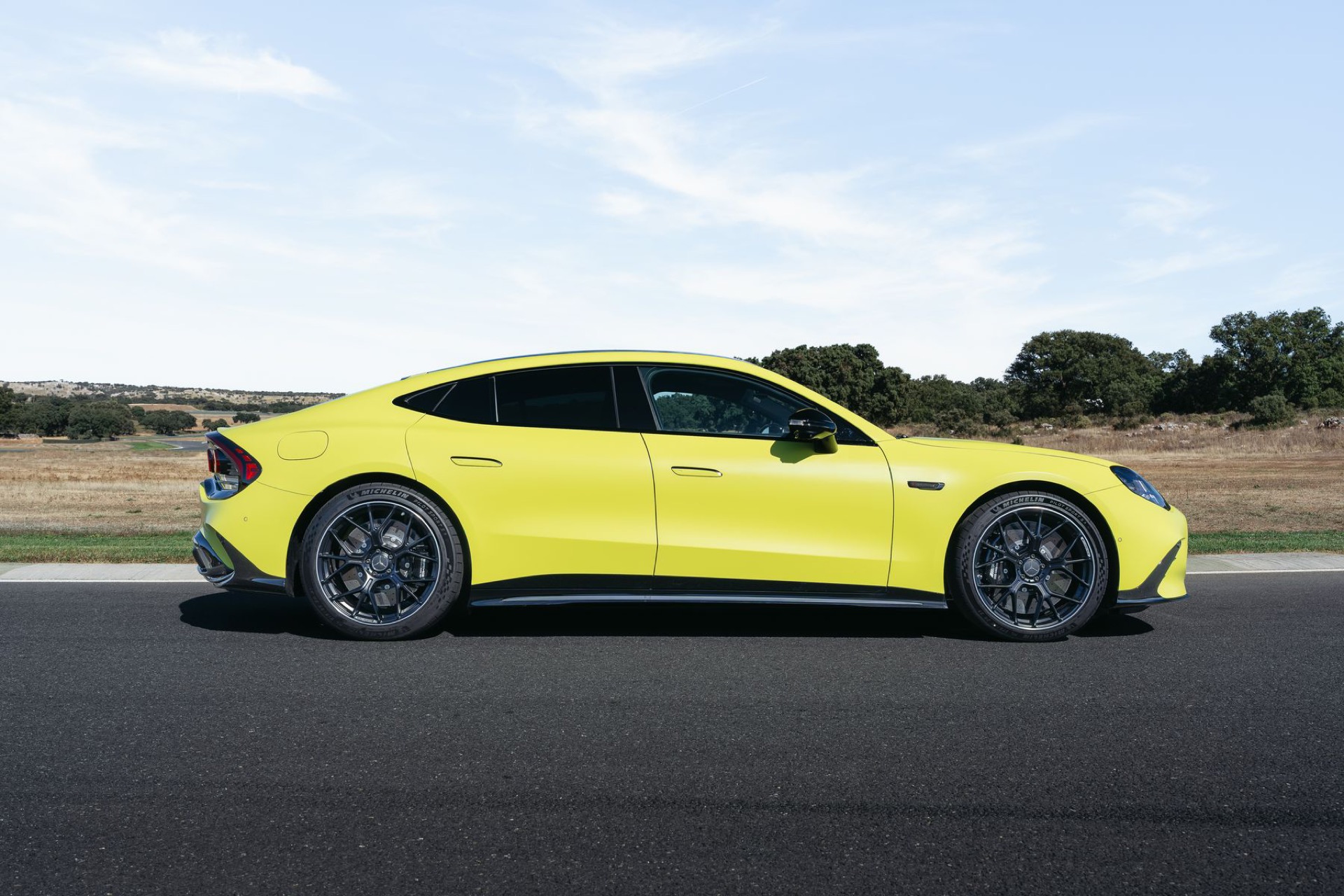
The AMG GT feels as precisely balanced as a finely crafted samurai sword, making it remarkably easy to exploit its performance. Even under heavy braking into a corner, the Mercedes remains exceptionally stable, turning in eagerly and tackling tight bends with an agility that seems almost impossible for a car measuring 5.09 metres in length.
When accelerating out of corners, the rear end gently moves outwards, but never in a way that feels threatening. Instead, it adds another layer of enjoyment to the driving experience.
AMG calls the adjustable system Race Engineer, allowing drivers to tailor the car’s behaviour to the conditions, tyres and road surface. Depending on the settings, the GT can be encouraged towards understeer, oversteer or a neutral balance.
// Test Drive of the all-new Mercedes-AMG GT 4-Door Coupé, Marbella, 2026.
It is rather like a PlayStation for grown-ups. On ice, for example, both the traction control and Agility Control systems should be set to level one. The latter limits the vehicle’s yaw acceleration and rotation rate, helping to maintain stability on extremely slippery surfaces. Elsewhere, drivers can experiment with the settings to find their ideal balance. Preferably on a racetrack.
The AMG GT is, quite simply, an entertaining car to drive. The only notable criticism concerns the carbon-ceramic brakes, whose pedal feel could offer a slightly more clearly defined bite point.
Even in the electric era, AMG’s engineers have not entirely abandoned the traditions of the combustion engine. Those who miss the soundtrack of a powerful petrol engine can activate an artificial sound designed to replicate the AMG GT R.
The experience even includes simulated gear changes, complete with interruptions in power delivery and vibrations through the driver’s seat. It certainly won’t appeal to everyone. Unfortunately, those who prefer to drive without the artificial soundtrack can only disable it completely through the Individual driving mode.
// Test Drive of the all-new Mercedes-AMG GT 4-Door Coupé, Marbella, 2026.
Of course, a perfectly smooth racetrack and a badly maintained country road present two very different challenges. Potholes, transverse ridges and broken surfaces can quickly undermine the appeal of a performance car, particularly one with a suspension setup developed primarily for enthusiastic driving. To find out how the AMG GT copes with everyday conditions, we switch to the GT 55, which produces a comparatively modest 600 kW (816 PS). More than enough for virtually any situation.
The question is how its AMG Active Ride Control suspension performs away from the smooth asphalt of Ascari. The system combines adaptive dampers, hydraulically interconnected across the car, with three-chamber air springs. Conventional anti-roll bars are unnecessary because hydraulic pressure is used to counteract body roll.
Each air spring also incorporates three chambers that can be connected or isolated to alter the spring rate. With all three chambers connected, the suspension delivers maximum comfort. As individual chambers are disconnected, the setup becomes progressively firmer. The system works remarkably well. Even poor road surfaces fail to unsettle the heavy AMG or its occupants. More impressively, the ride never becomes excessively harsh, even in the Sport+ and Race driving modes. Despite its extraordinary performance potential, the AMG GT 4-Door Coupé remains an entirely usable everyday car.
// Test Drive of the all-new Mercedes-AMG GT 4-Door Coupé, Marbella, 2026.
Rear-wheel steering also contributes to its surprisingly manageable character. The rear wheels can turn by up to six degrees, making the large saloon significantly easier to manoeuvre at lower speeds.
Energy consumption is another pleasant surprise. At the end of our test drive, the onboard computer displayed an average of 20.6 kWh/100km, actually 0.4 kWh/100km better than Mercedes-AMG’s official figure. The GT 55’s battery offers a usable capacity of 106 kWh, providing a claimed WLTP range of up to 700 kilometres. Charging performance is equally impressive. With DC charging capabilities of up to 600 kW, replenishing the battery becomes little more than a brief pit stop. Under ideal conditions, the state of charge can increase from 10 to 80 per cent in just eleven minutes.
The maximum AC charging capacity of only 11 kW is somewhat less impressive, however, and slightly undermines an otherwise convincing package. The infotainment system is another area where there is room for improvement. Its colourful graphics and cluttered interface can feel unnecessarily complicated, particularly when compared with the precision and sophistication of the car’s mechanical engineering.
Rear-seat accommodation also has its limitations. Passengers taller than approximately 1.85 metres may find headroom becoming rather tight, while the central tunnel further compromises space in the back. Practicality is otherwise reasonable, with a 415-litre boot providing useful luggage capacity for everyday journeys.
However, those shortcomings are unlikely to concern buyers prepared to spend at least €115,430 on the entry-level GT 53, €154,700 on the GT 55 or €196,350 on the flagship GT 63. After all, the person spending that kind of money is almost certainly more interested in occupying the driver’s seat than travelling in the back. Specify the GT 63 with the important driving dynamics and charging packages, and the price quickly climbs beyond €210,000. That is an enormous sum of money, although it remains considerably less than the Porsche Taycan Turbo GT, which starts at €241,100.
For that money, the Mercedes-AMG GT 4-Door Coupé delivers something genuinely impressive. It combines the acceleration expected of a four-figure horsepower electric performance car with remarkable agility, sophisticated suspension technology and enough comfort to make long-distance journeys a pleasure.
The transformation from traditional AMG muscle car to electric performance machine has clearly involved considerable engineering effort. Yet the character that defines the brand has not disappeared.
After a long wait, the Porsche Taycan Turbo GT finally has a rival capable of challenging it not just in a straight line, but through the corners as well.