Finding even a lukewarm hatchback with a manual gearbox is becoming difficult in 2026. With the rise of electric cars and fewer new drivers choosing three pedals, the manual transmission is edging ever closer to extinction. There are exceptions, of course. Porsche still offers manual 911s, BMW will sell you an M2 or M3 with a clutch pedal in certain markets, while Pagani and Gordon Murray Automotive cater to a rather different end of the financial spectrum.
So when Ferrari announced a car called the 12Cilindri Manuale, the internet understandably became rather excited.
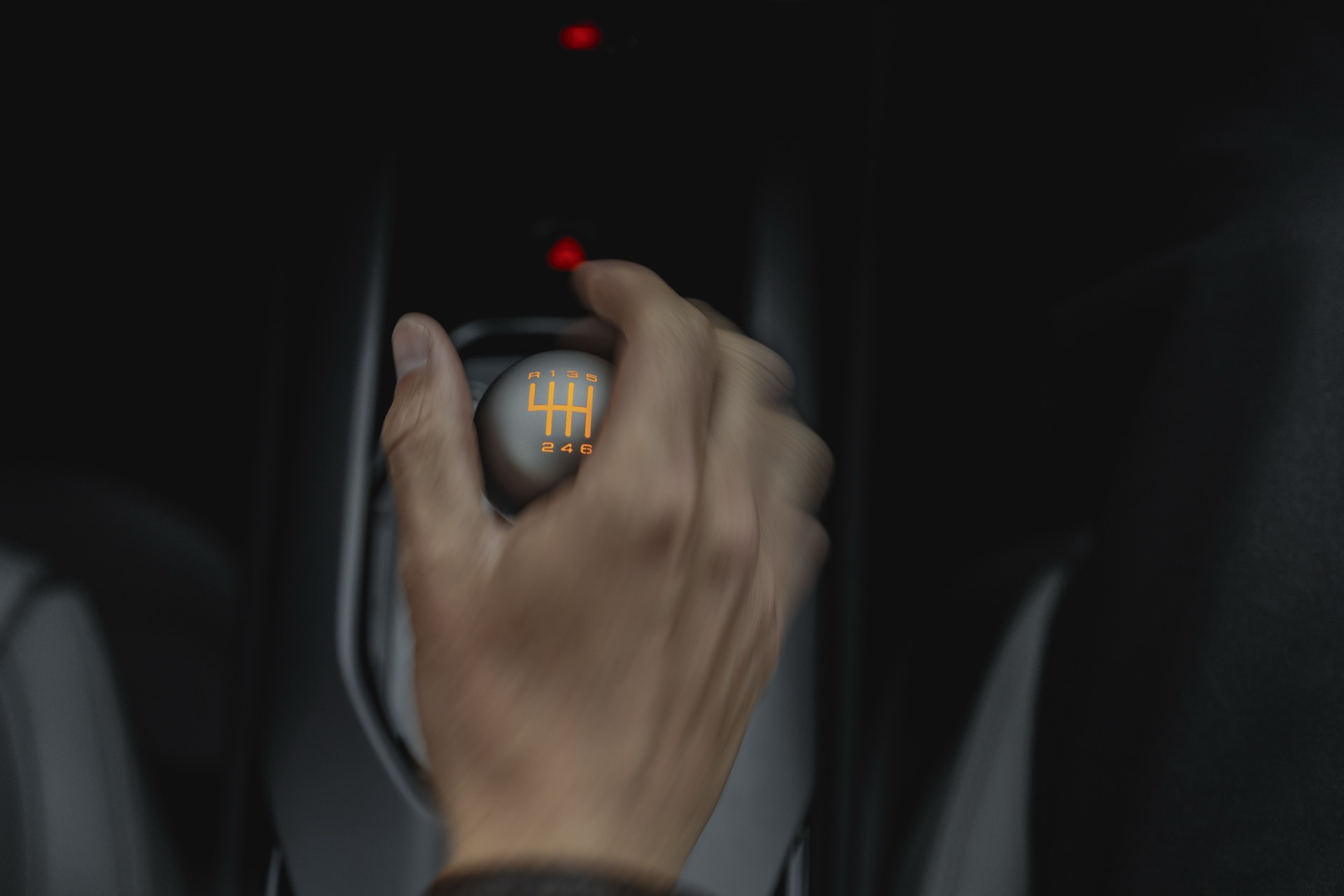
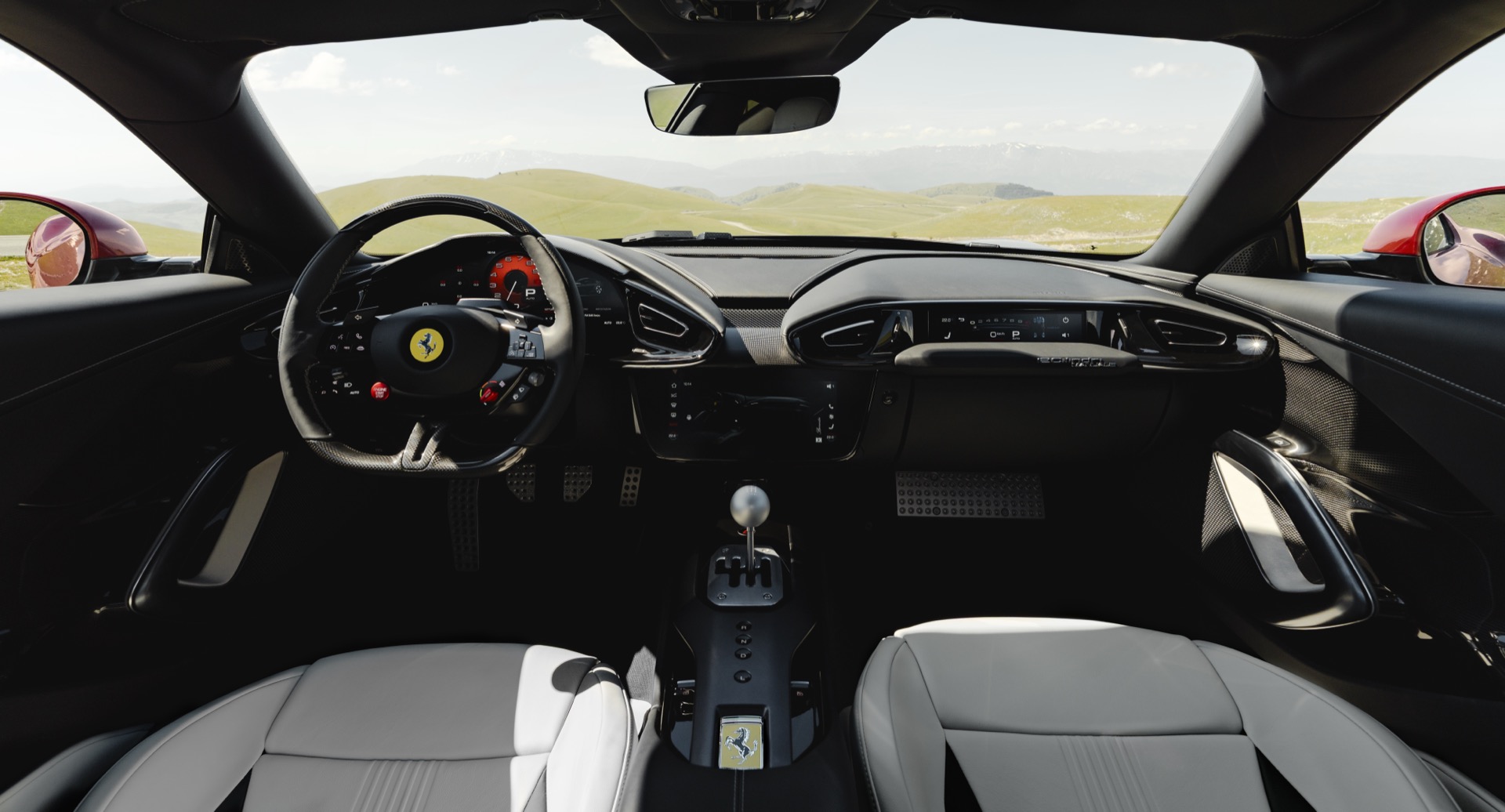
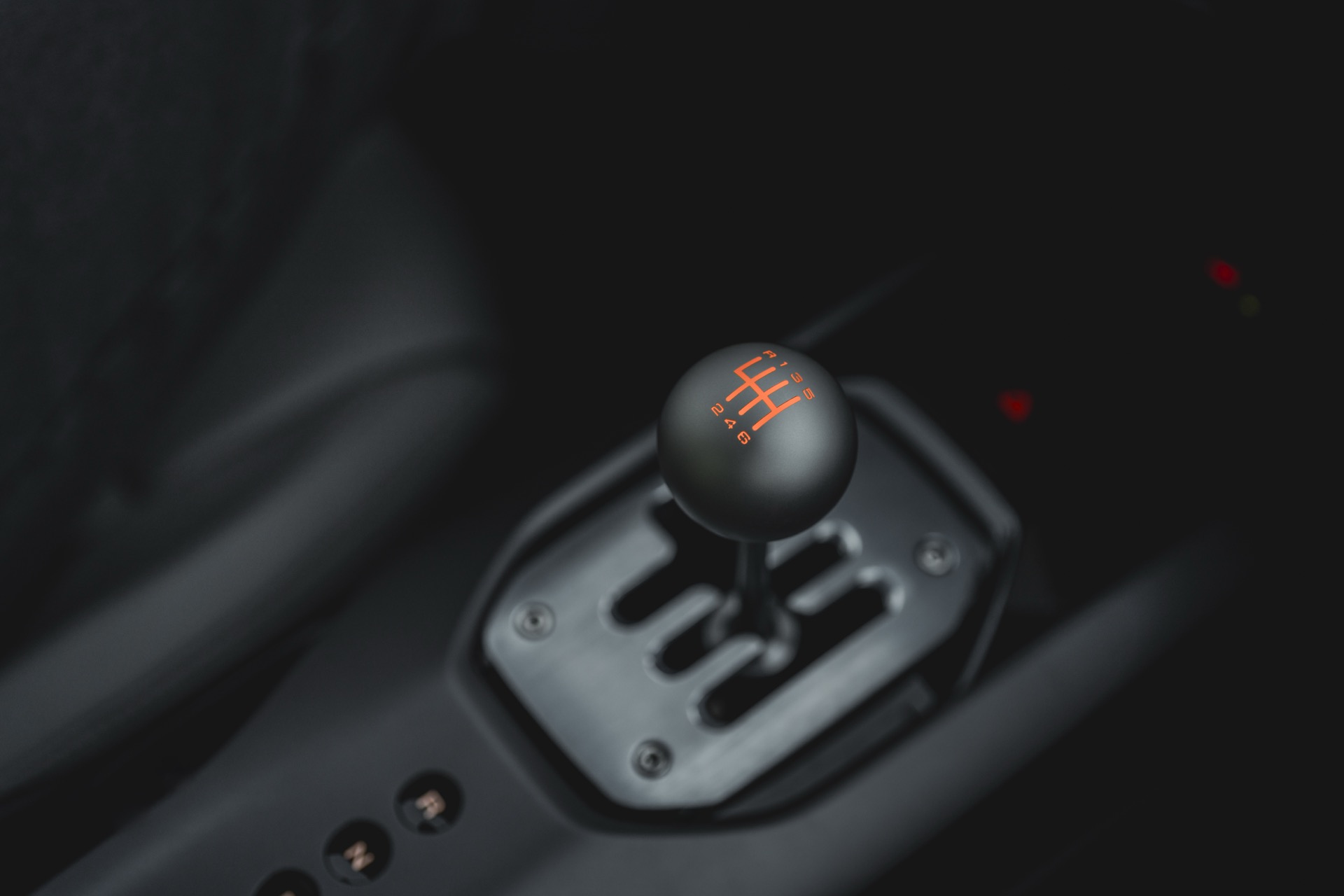
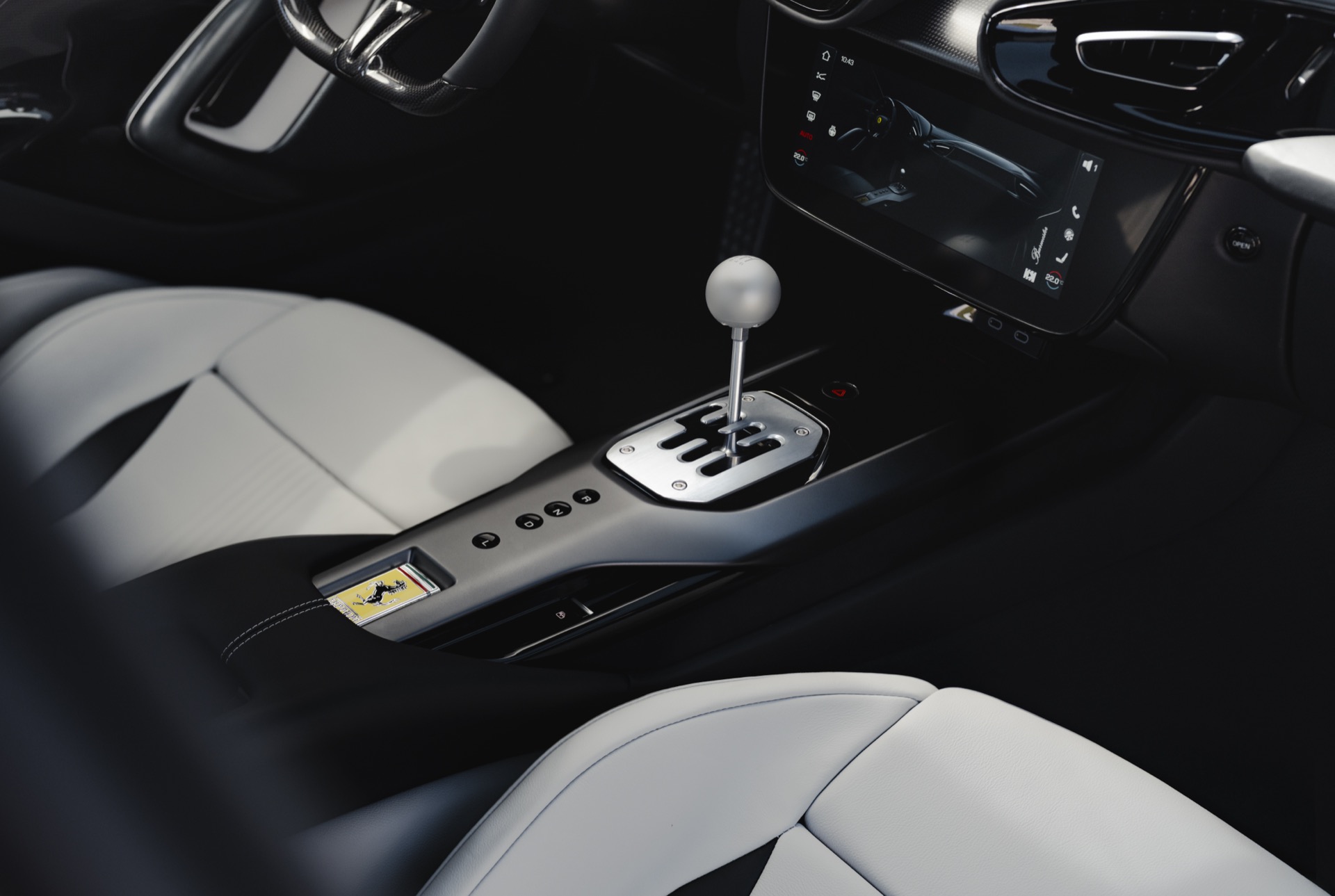
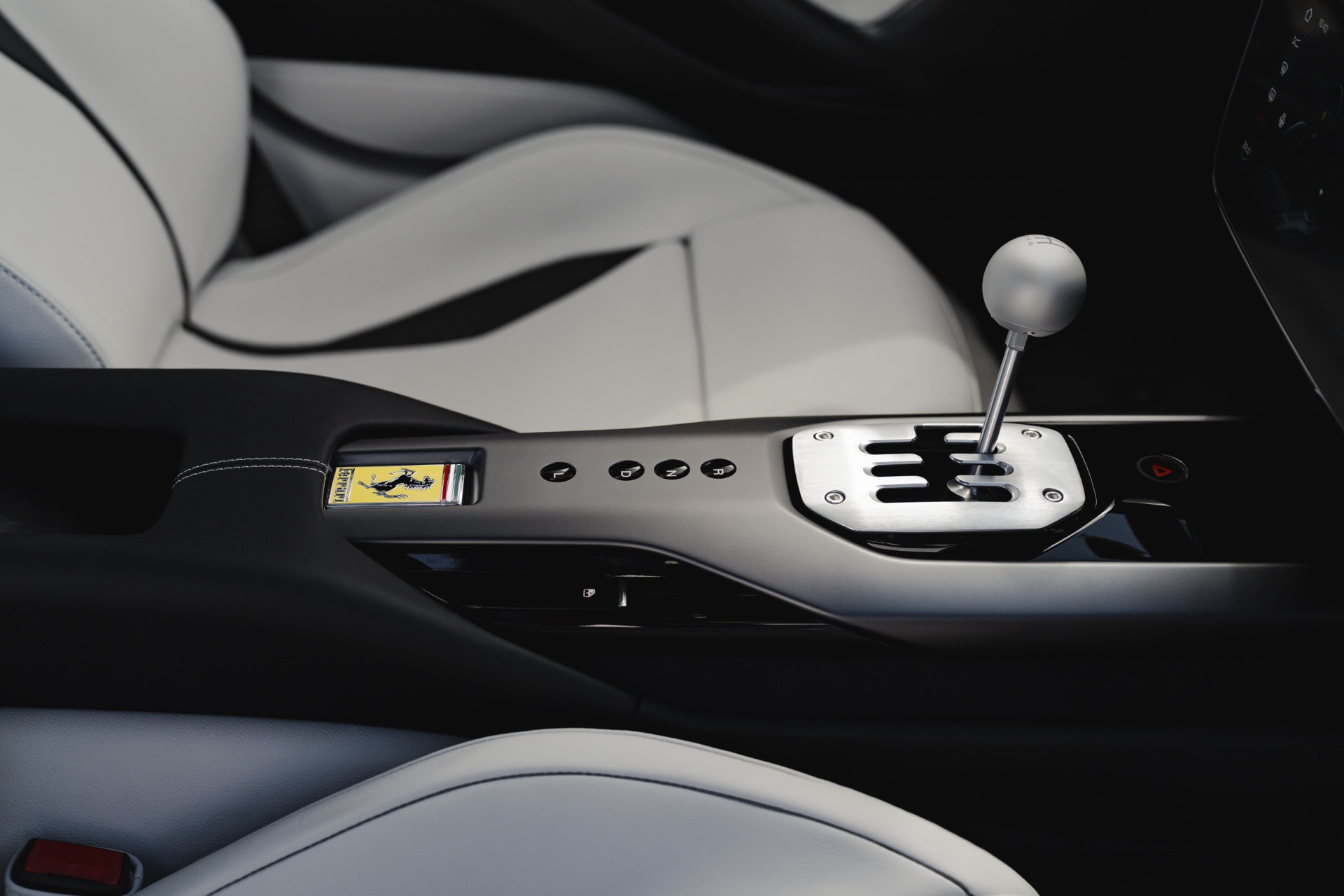
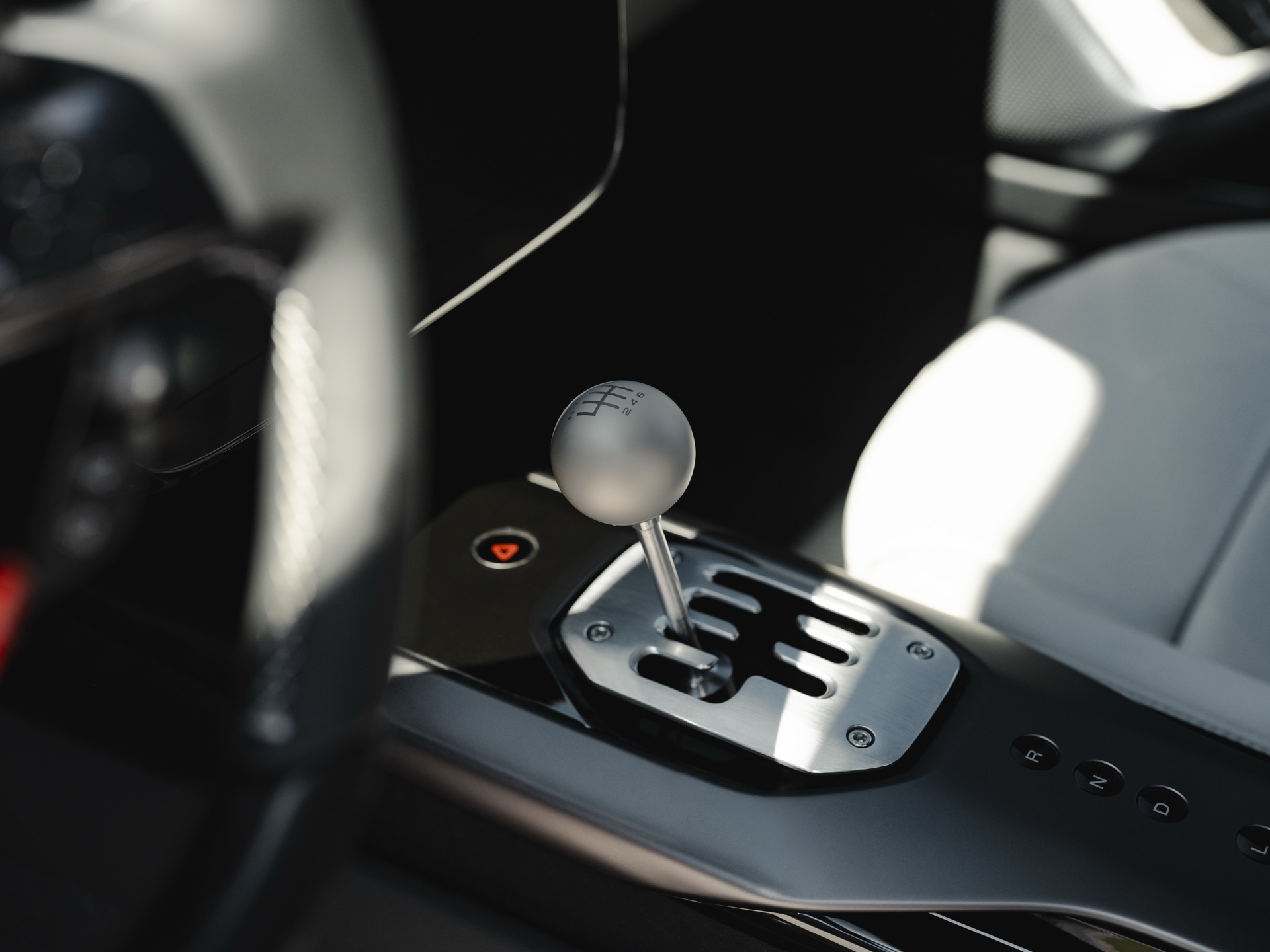
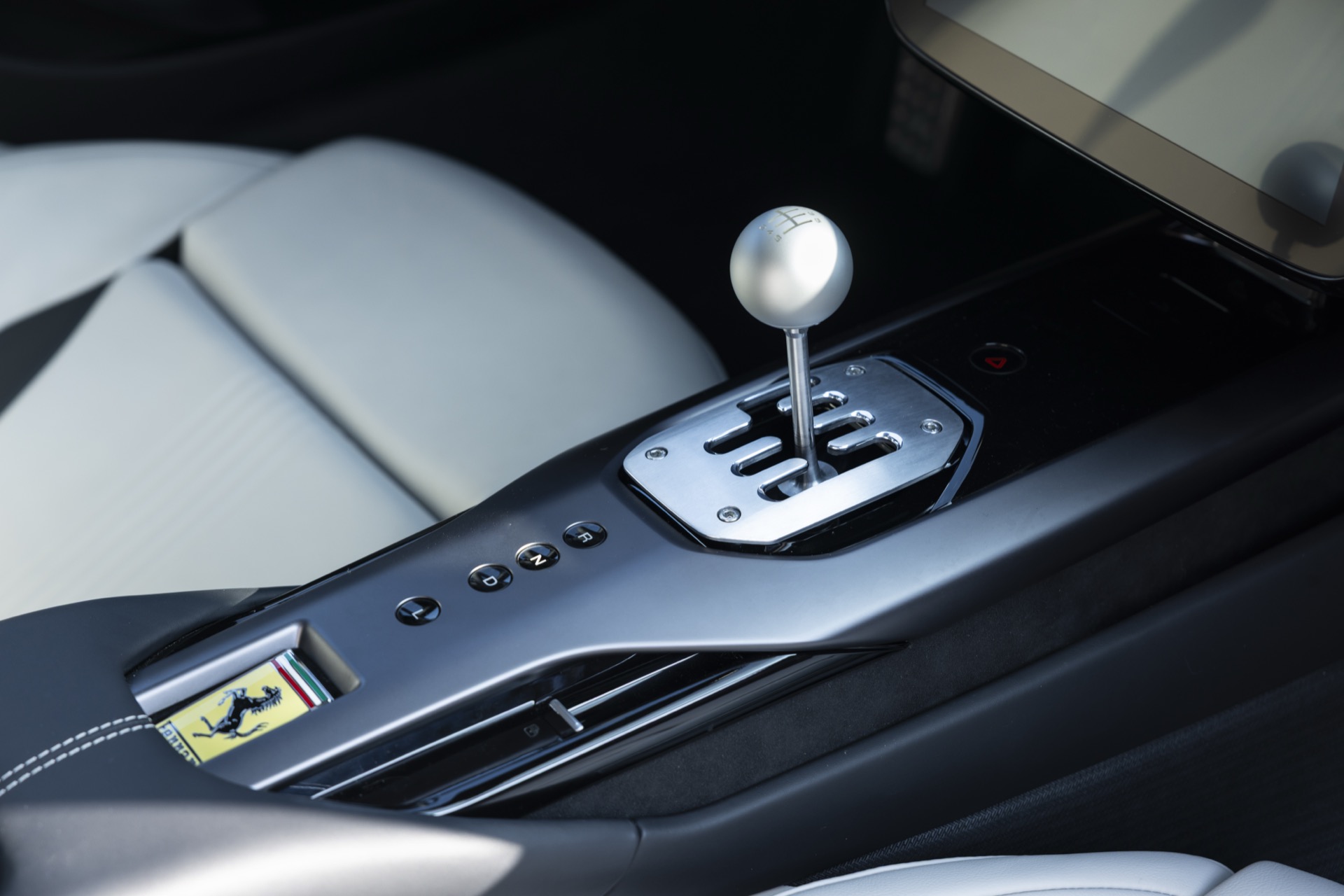
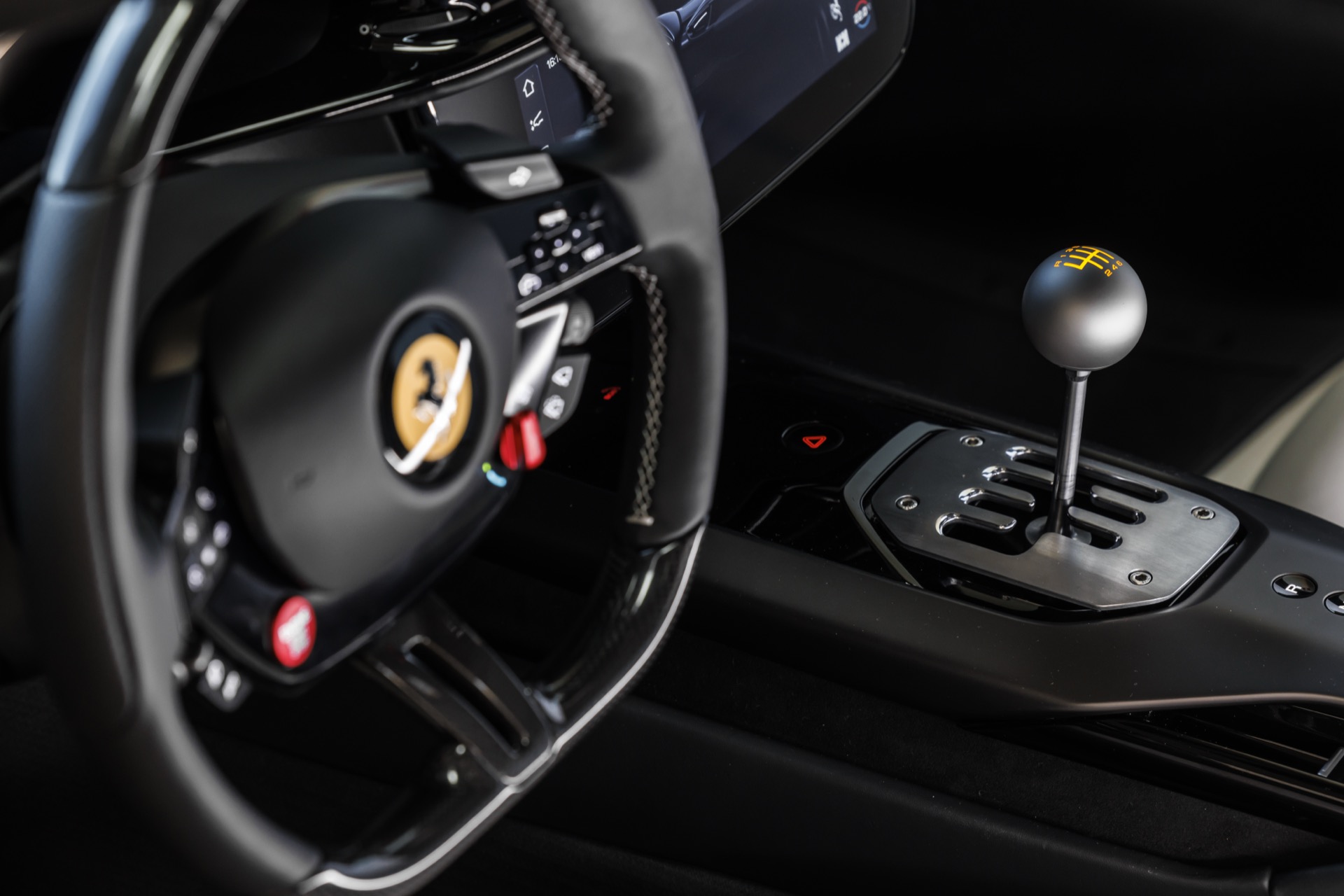
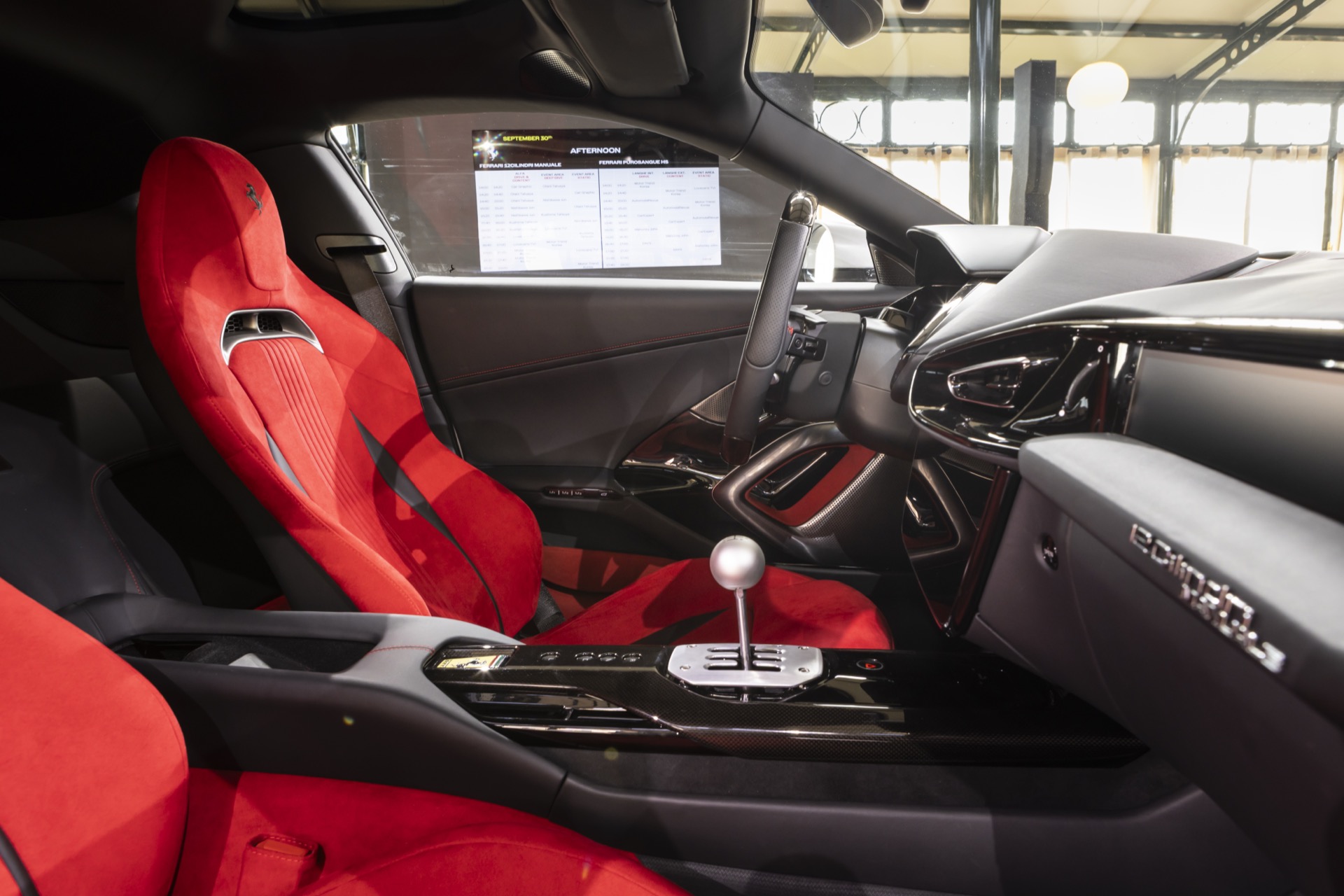
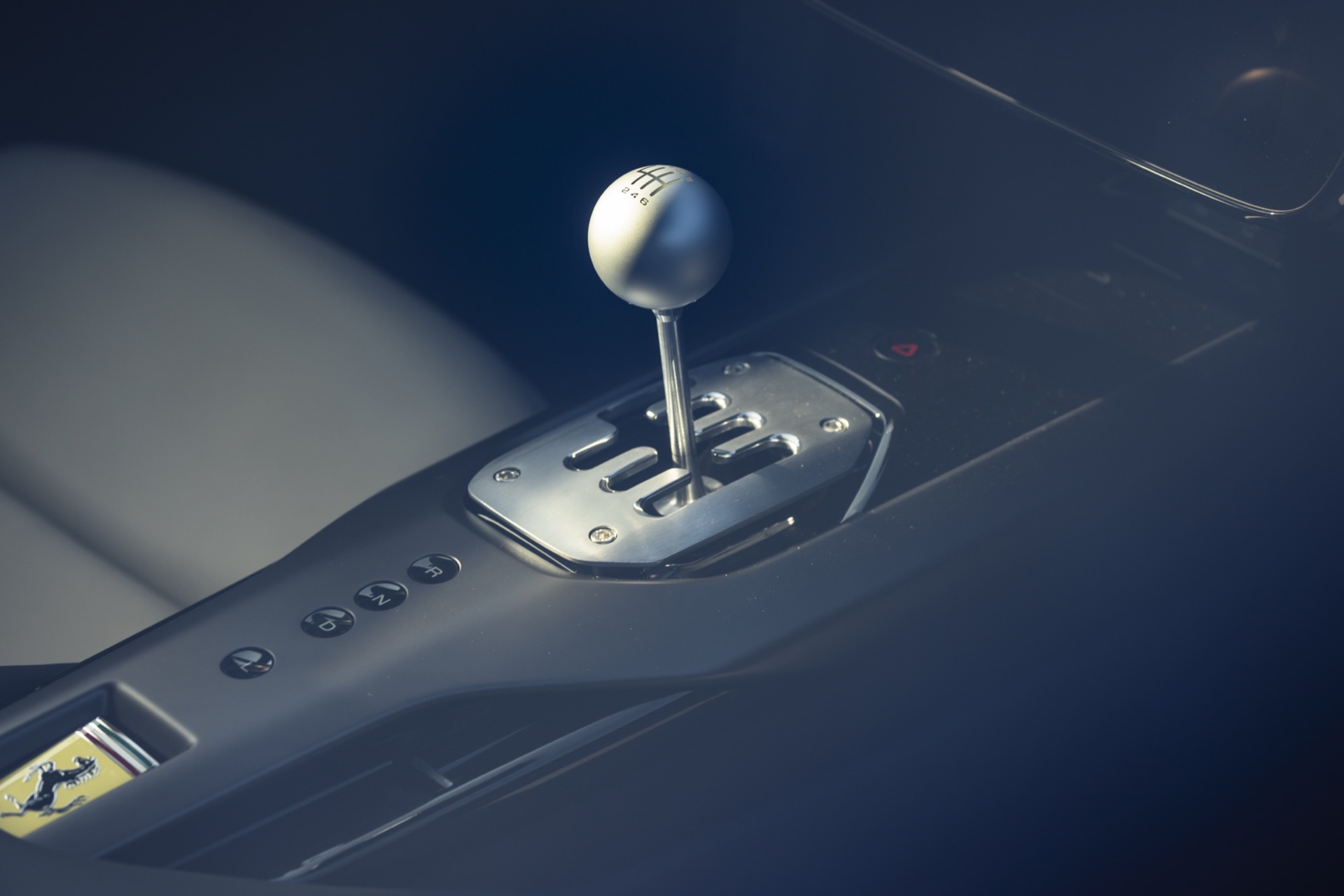
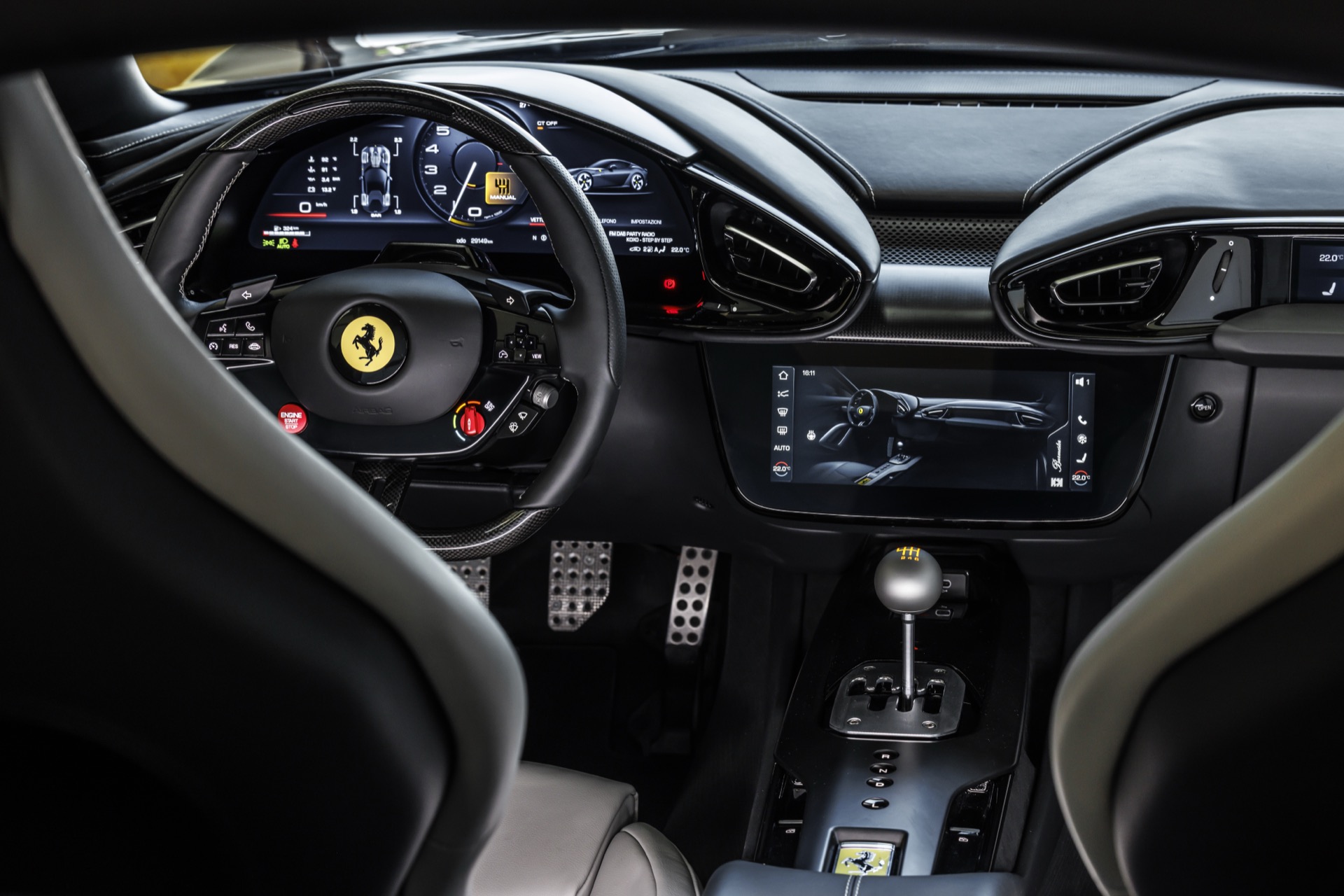
Then came the small print. This was not the return of the open-gated six-speed last seen in tiny numbers of 599 GTBs almost two decades ago. Instead, Ferrari had developed something altogether stranger: a car that retains the regular 12Cilindri’s eight-speed dual-clutch gearbox, but adds a physical H-pattern gearlever and a clutch pedal to allow the driver to control the first six forward ratios manually. At the touch of a button, it can still revert to being a conventional automatic.
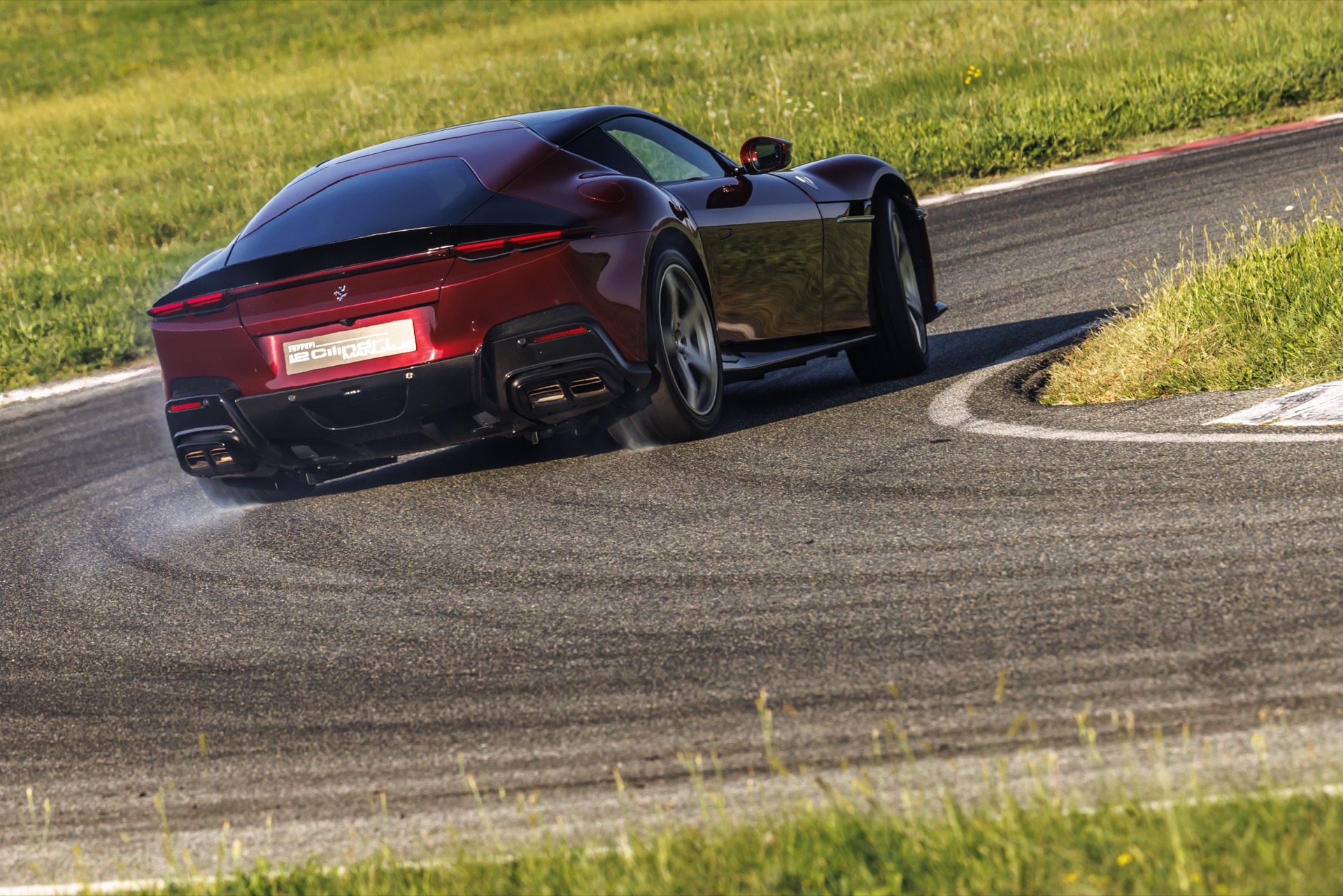
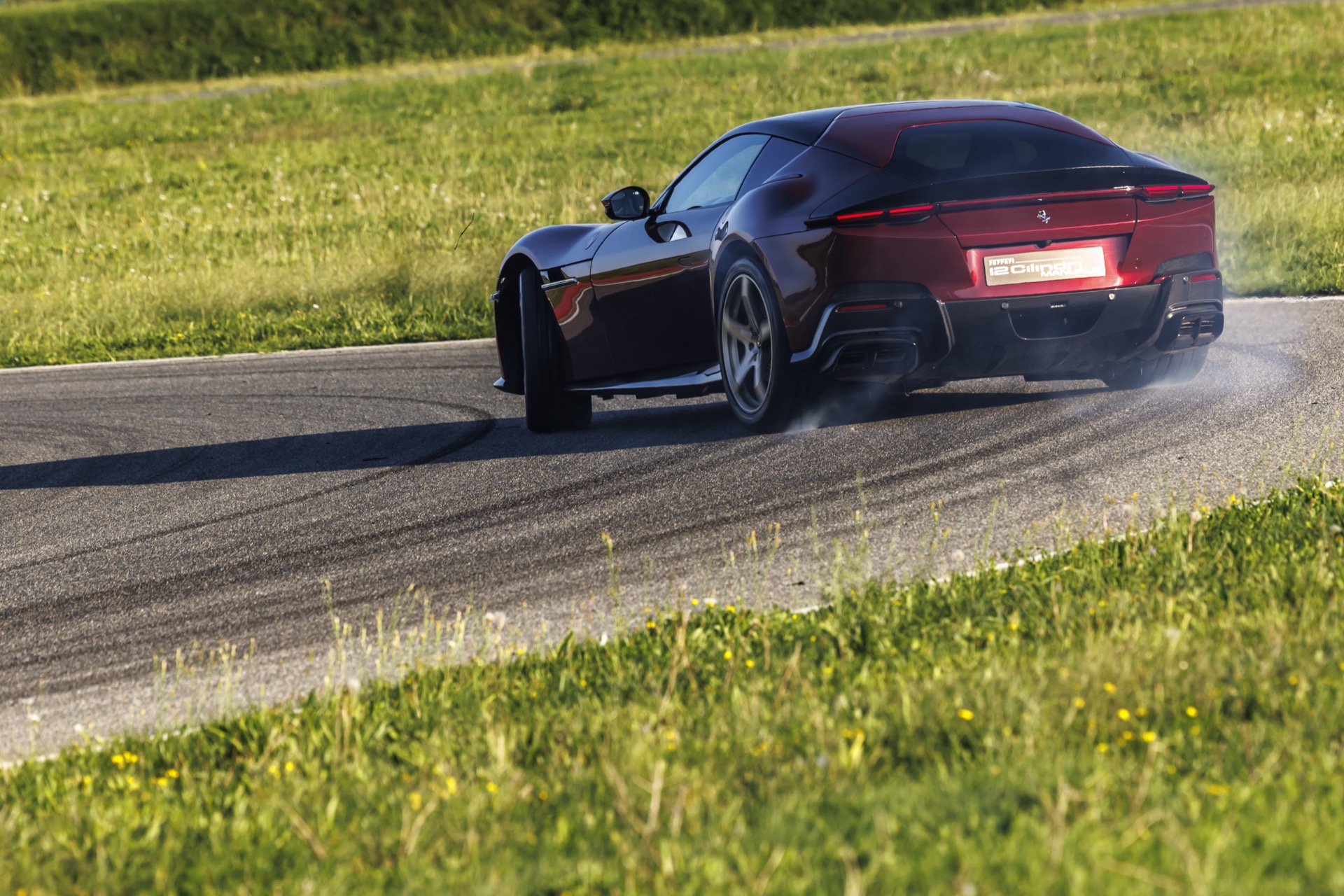
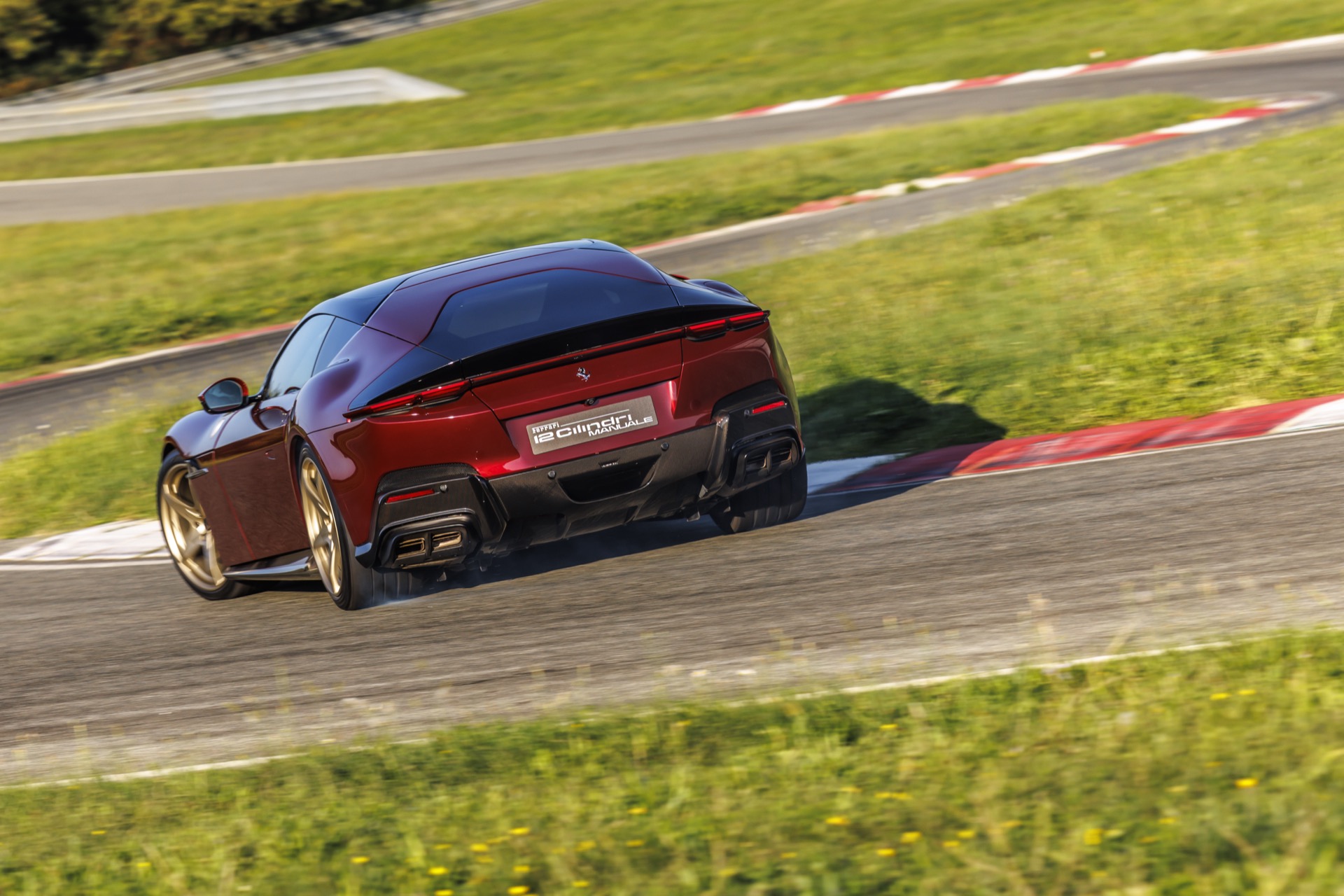
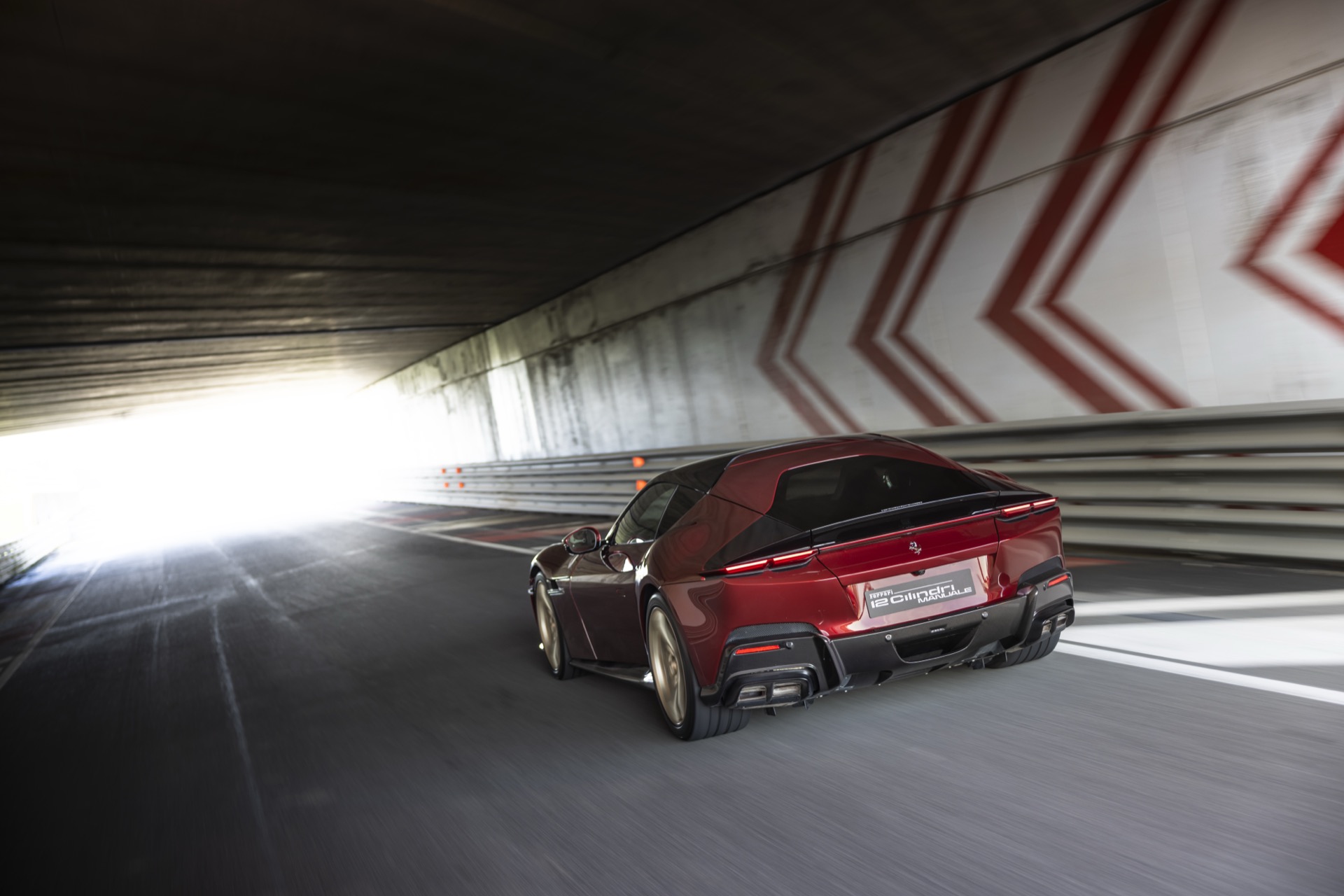
On paper, that sounds suspiciously like simulation. Ferrari is adamant that it is not.
Ferrari is not first through this particular door. Koenigsegg’s CC850 already pairs a gated six-speed manual and clutch pedal with a nine-speed automatic transmission, albeit using a very different technical solution.
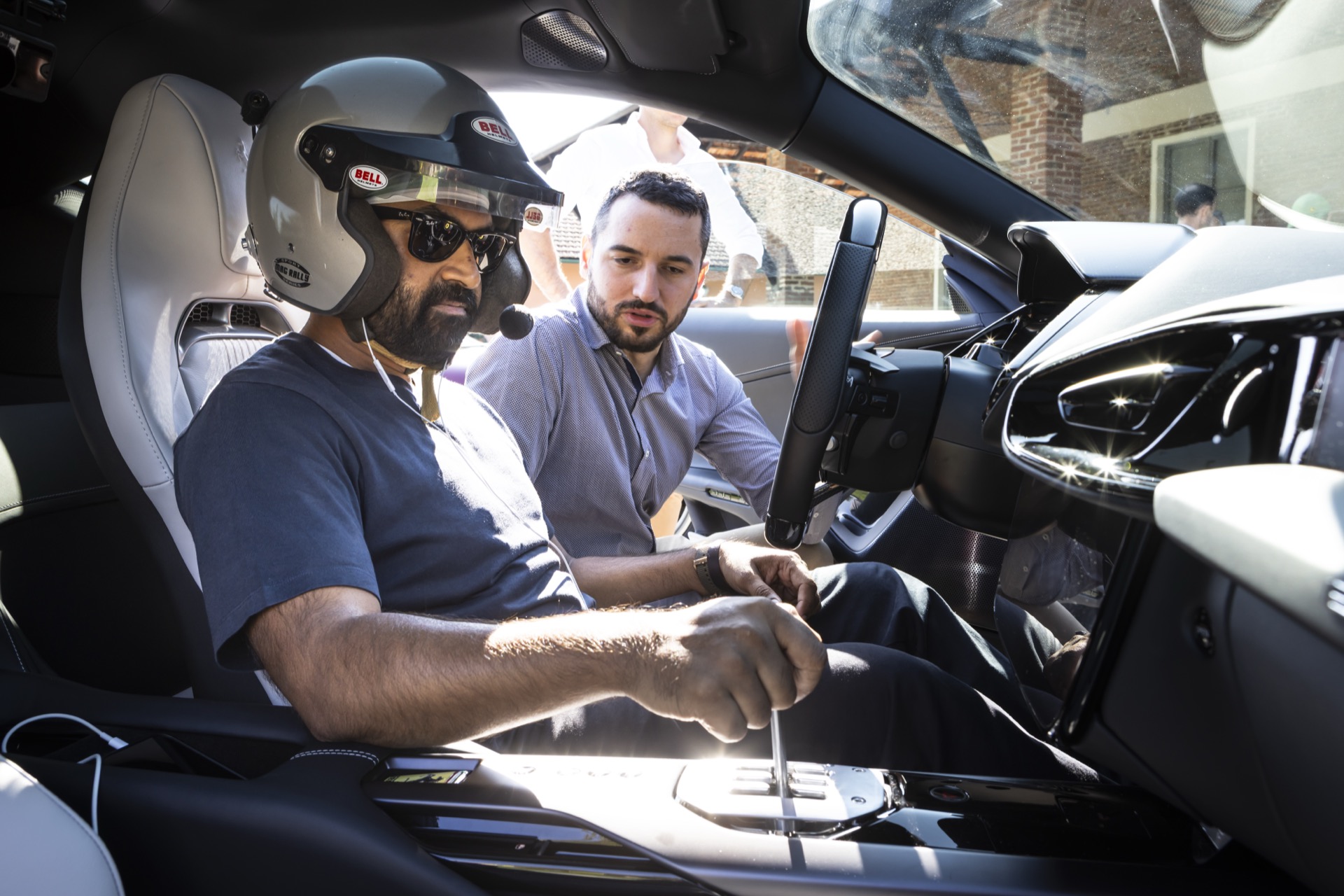
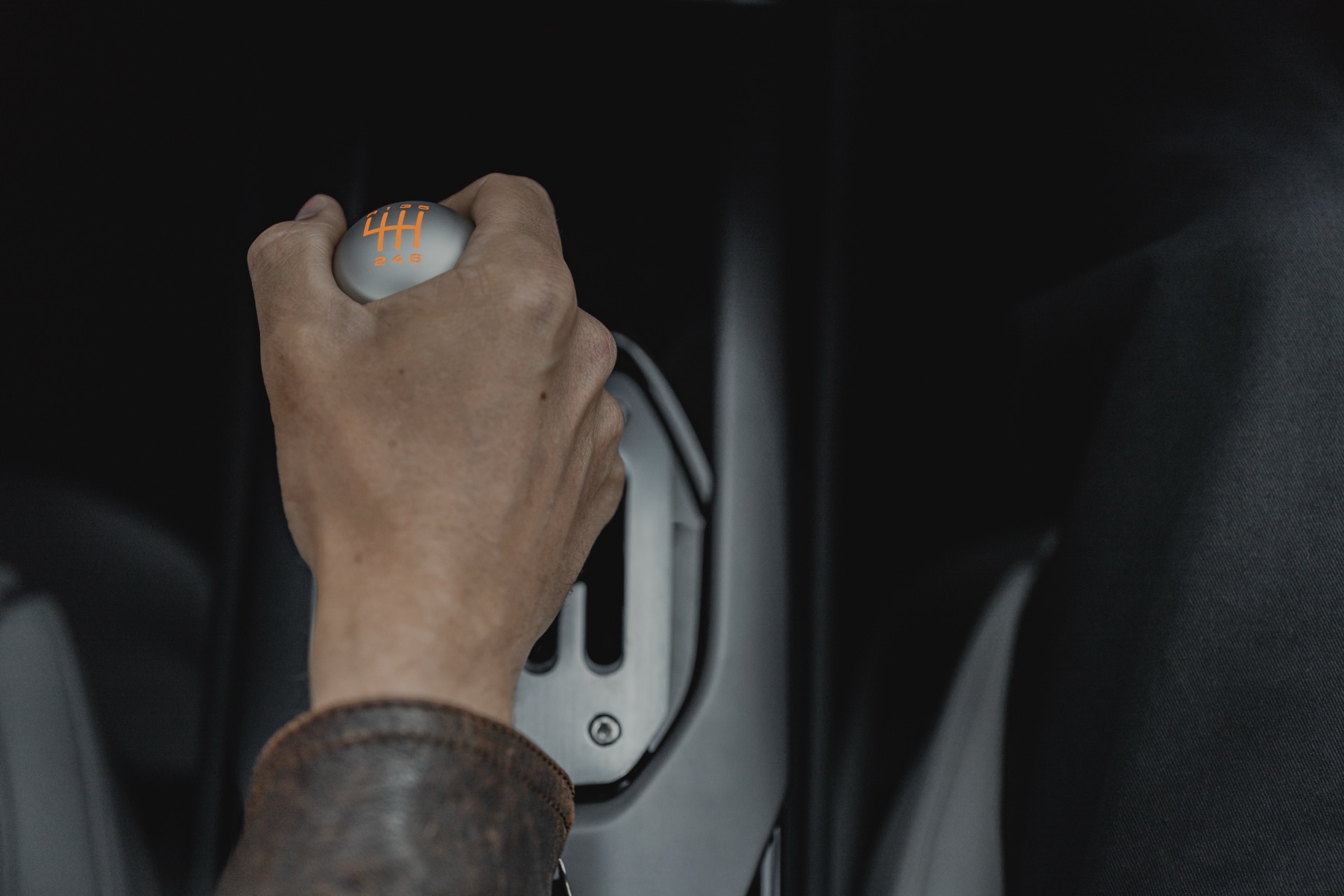
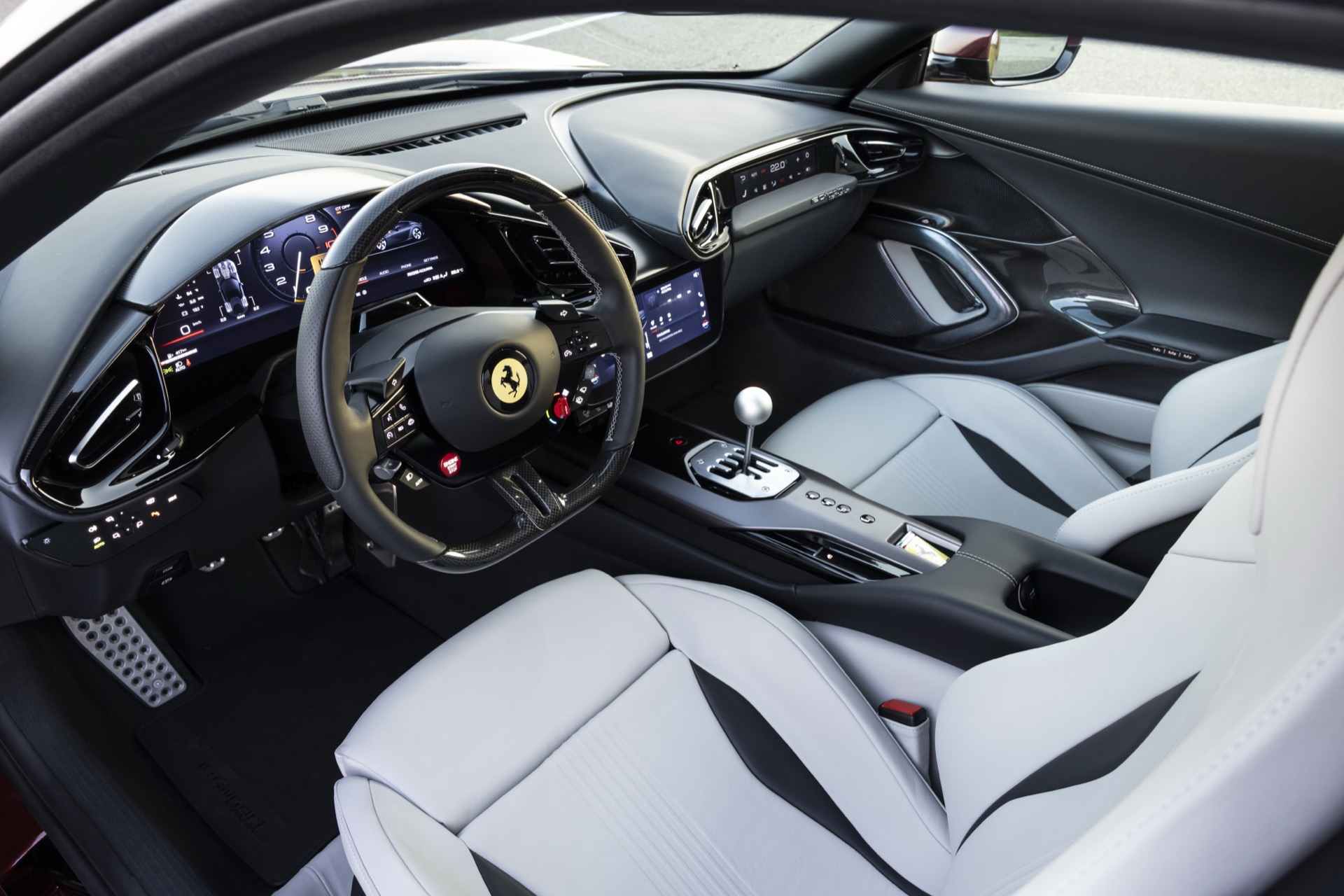
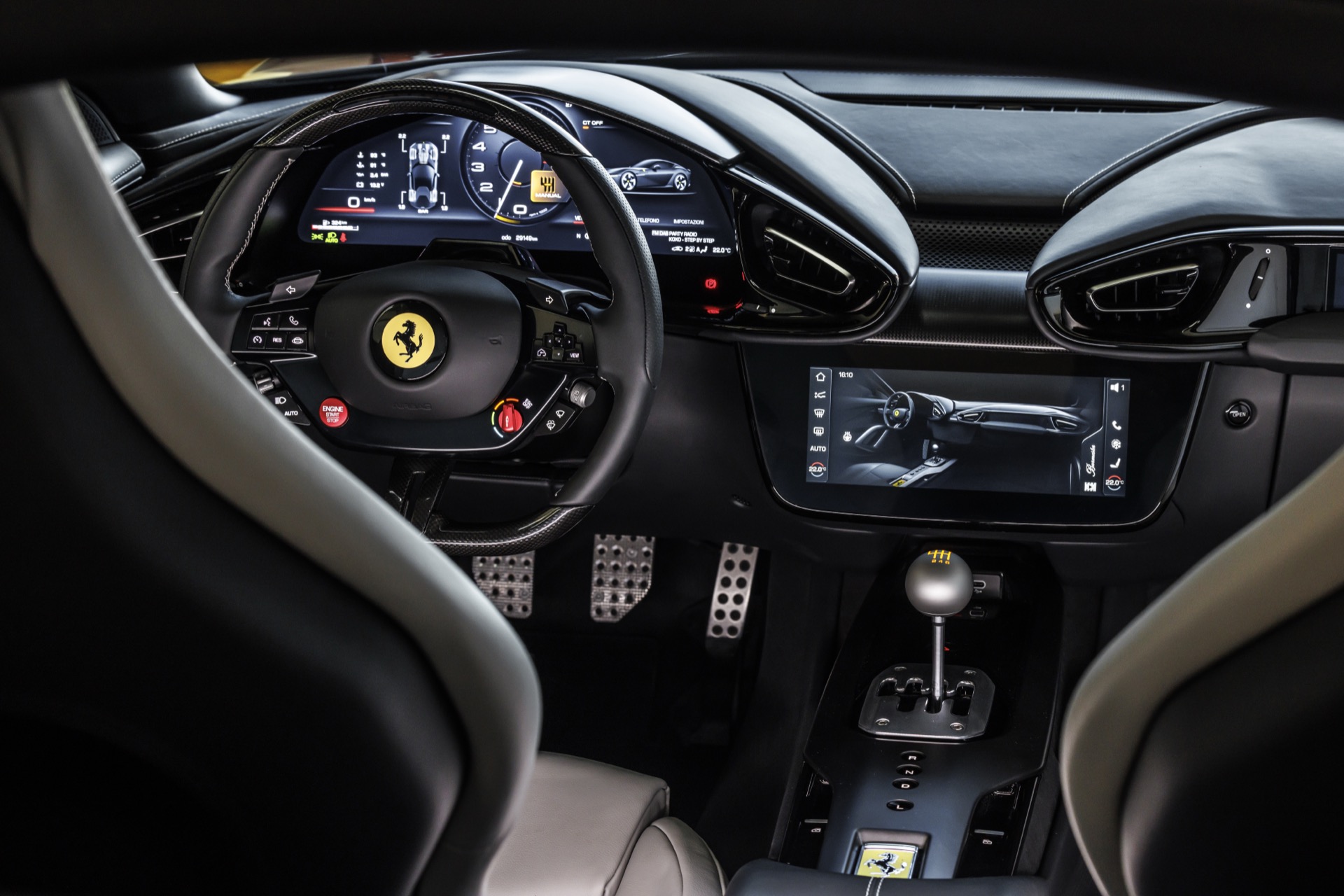
The “Manuale by-wire” system has been developed entirely in Maranello, with a mechanical gearlever module designed to reproduce the loads, clicks and resistance of Ferrari’s traditional manual gearboxes. The selector self-centres mechanically and can physically prevent an invalid gear selection. The clutch pedal is also by-wire, but uses a mechanical spring, cam and roller arrangement to recreate the changing resistance of a conventional clutch beneath your left foot. Get the timing wrong and the car can jerk. Get it badly wrong and it can stall.
That sounds tremendously complicated. On track, it takes about 30 seconds to stop caring how it works.
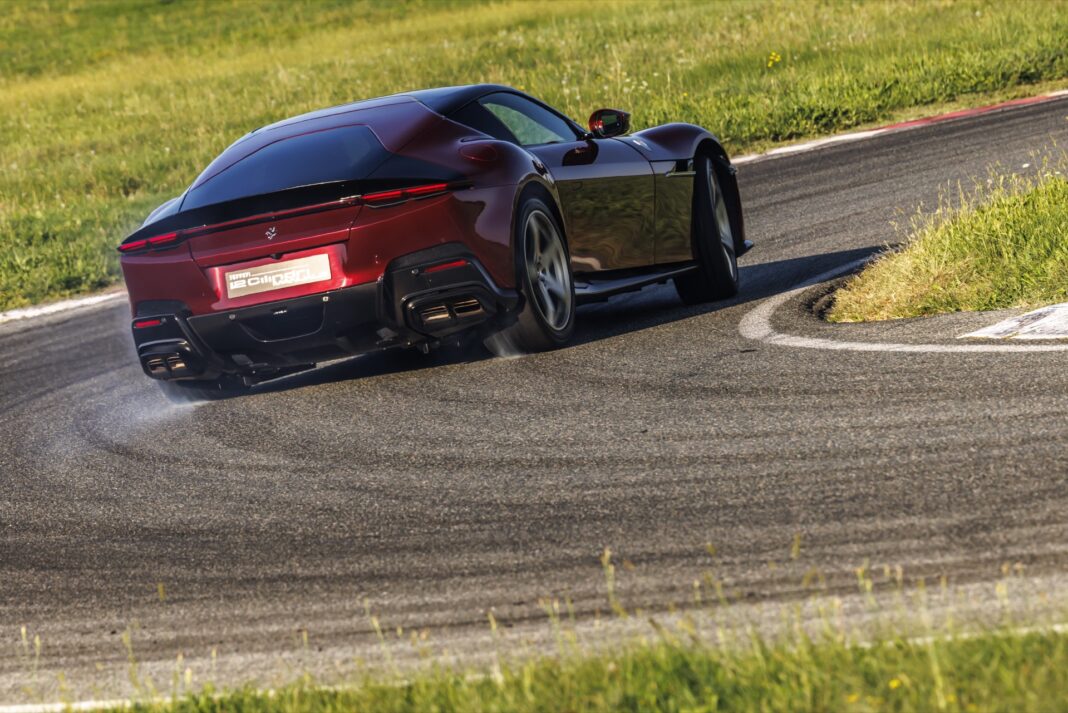
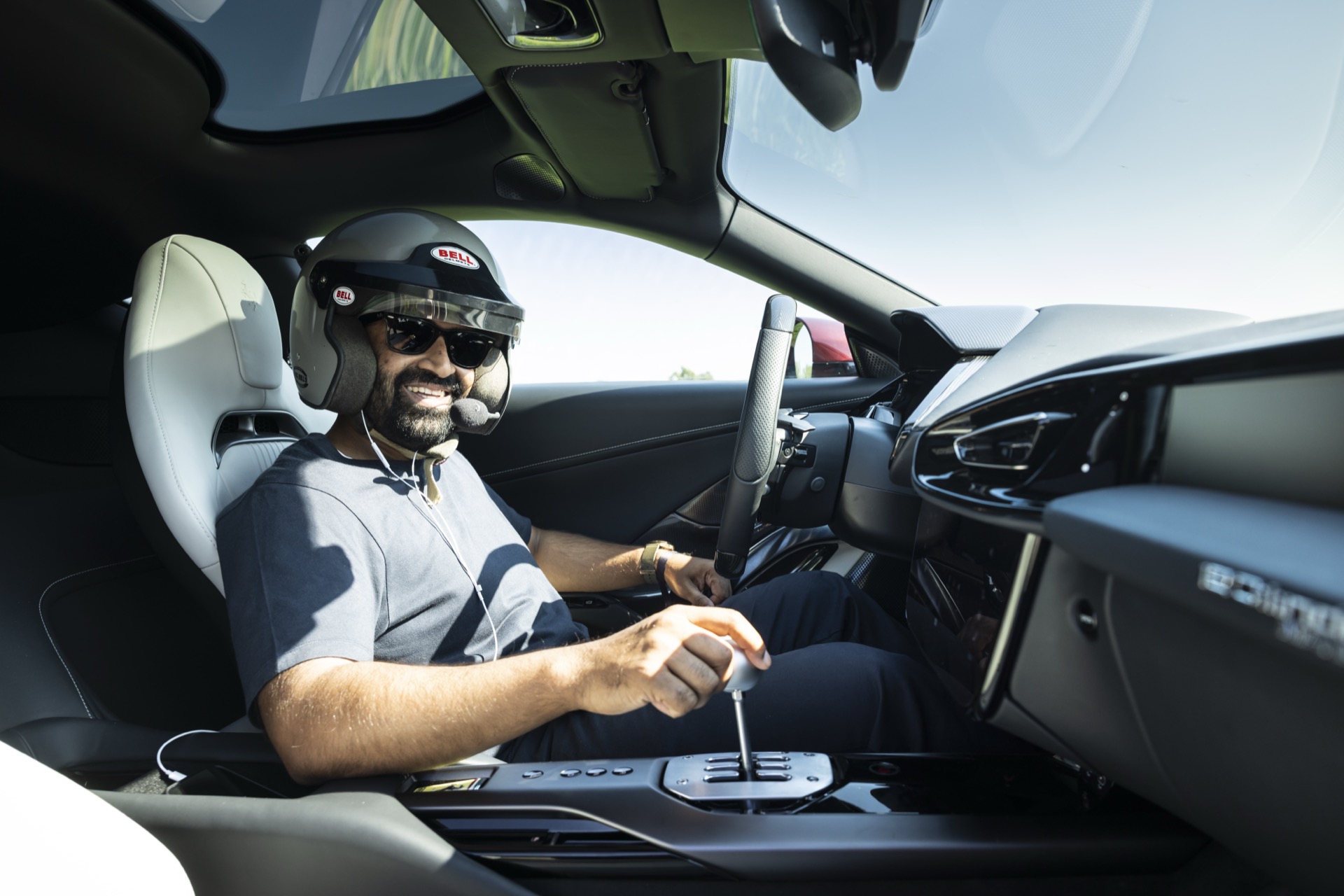
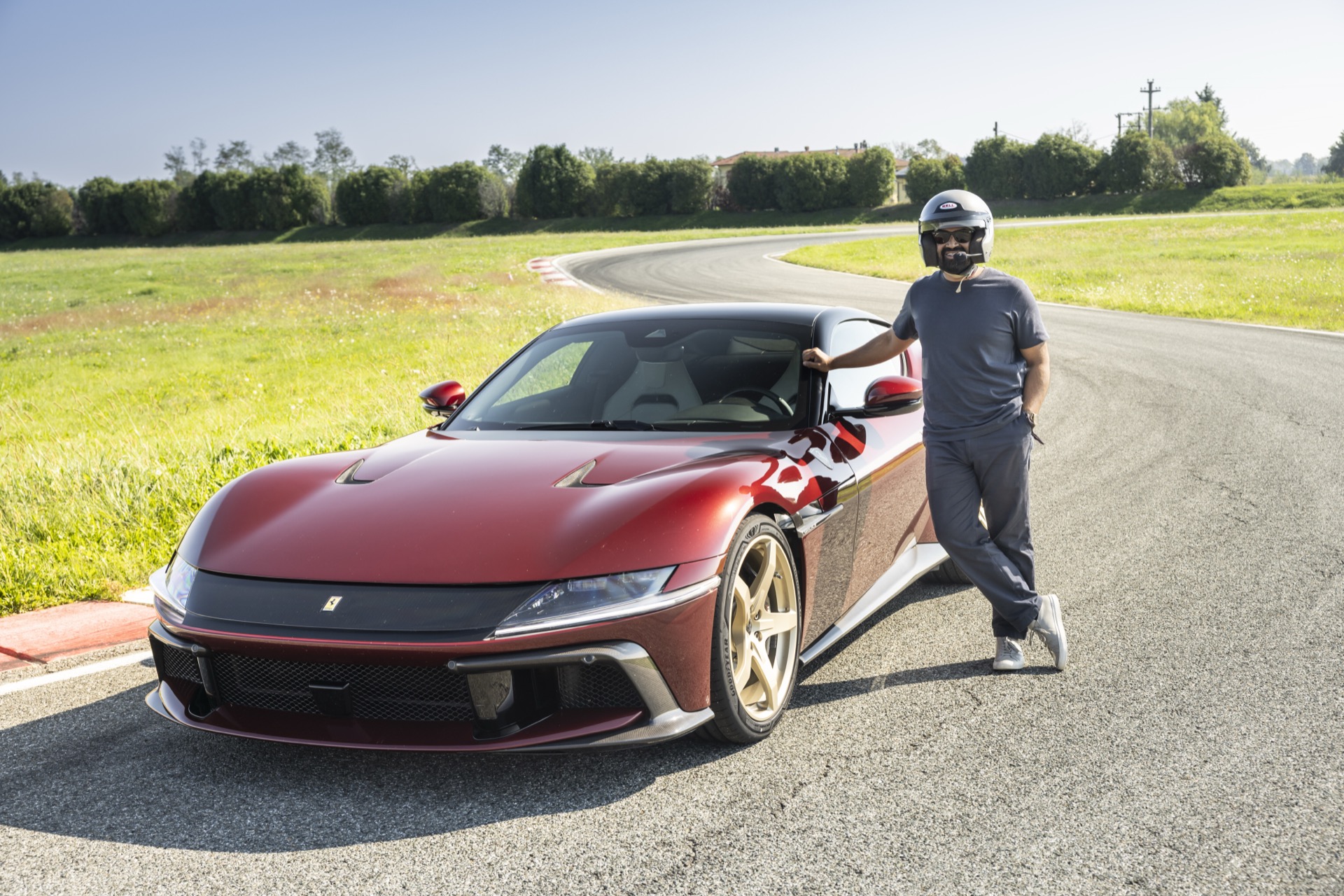
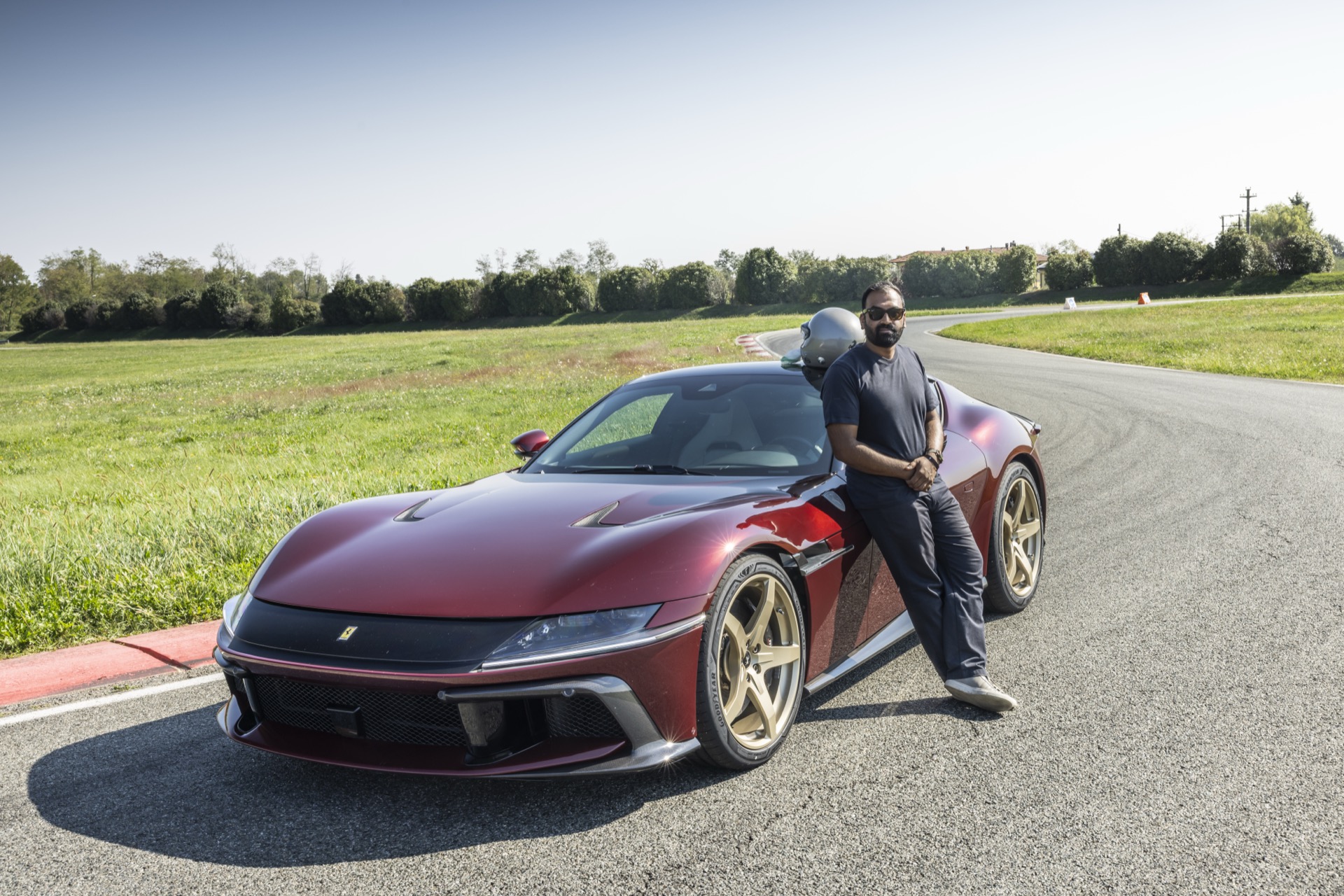
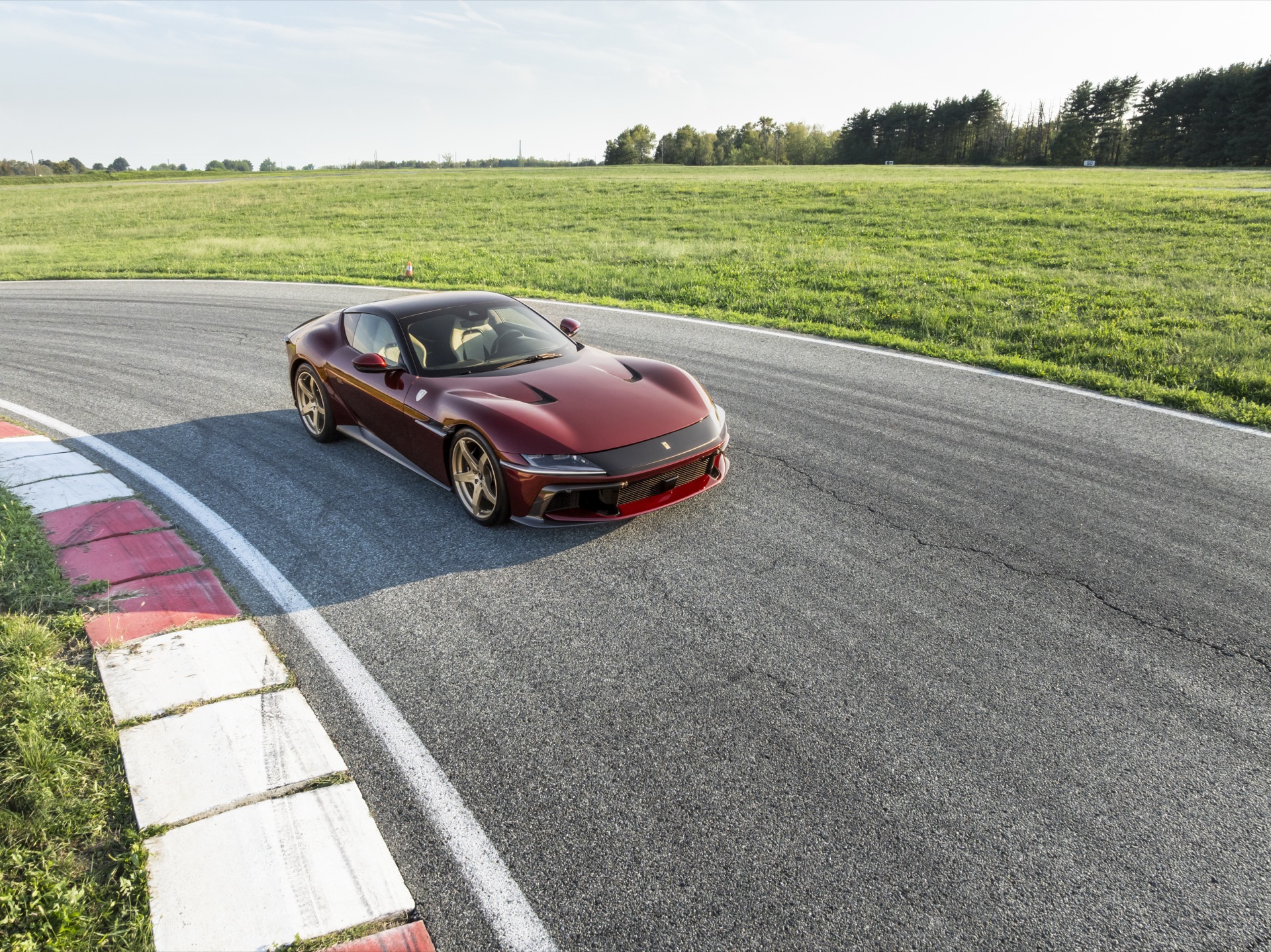
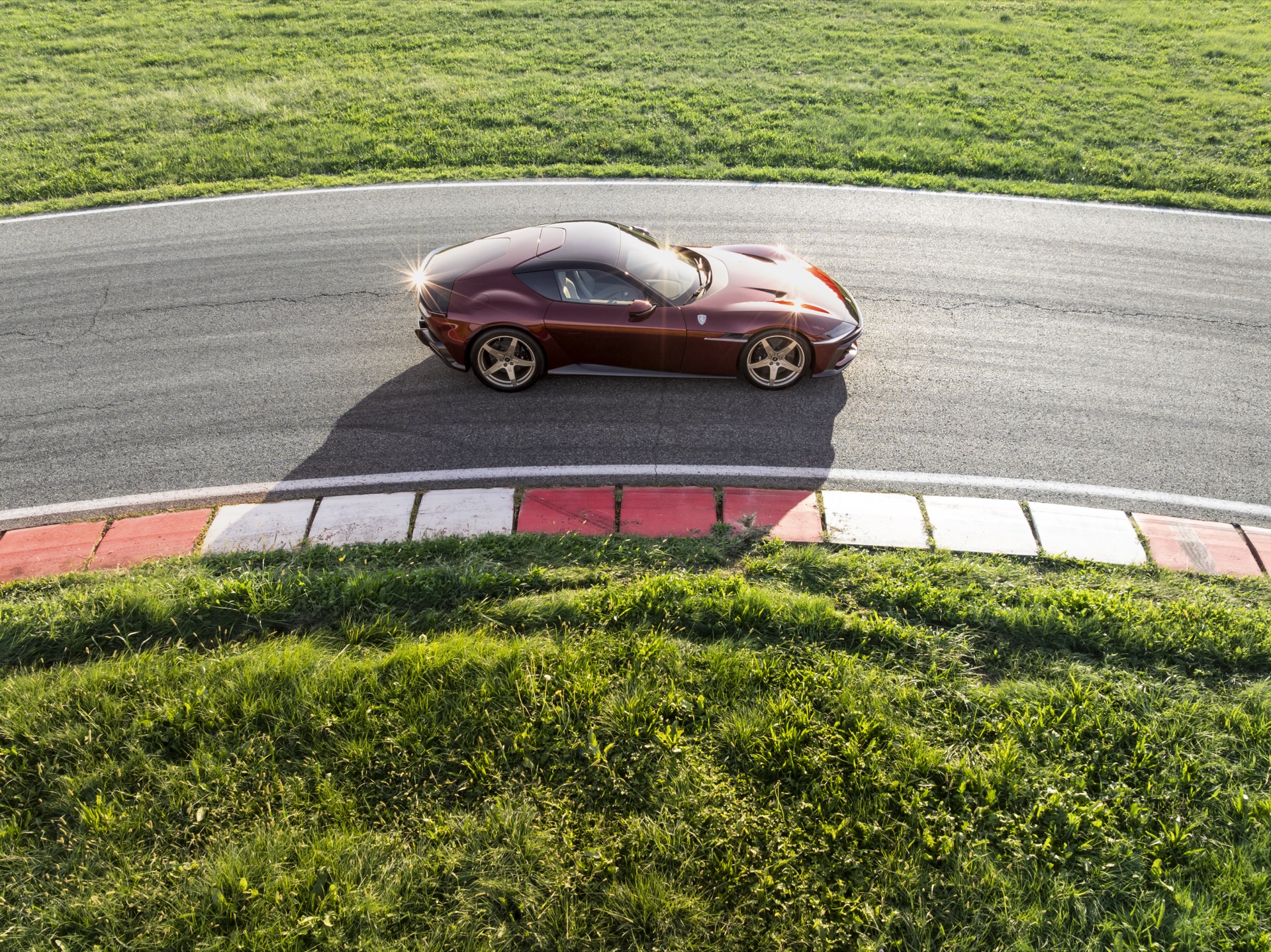
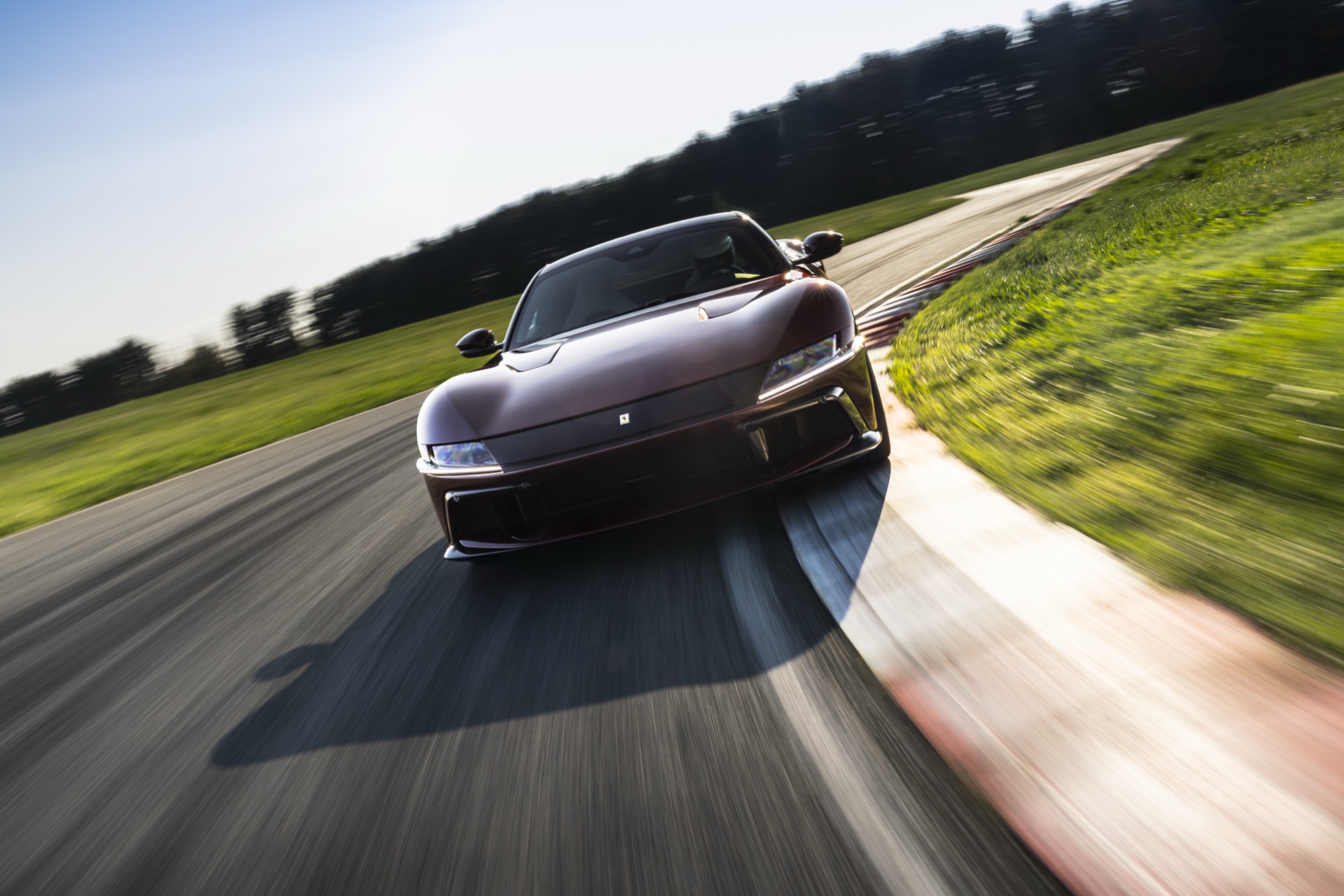
I had three laps of the Alfa Romeo test circuit at Balocco, but its long straights and heavy braking zones were more than enough to understand what Ferrari has created. Having spent the previous week in a manual 992.2 Porsche 911 GT3, muscle memory had me instinctively depressing the clutch as I fired up the Ferrari and selected manual mode.
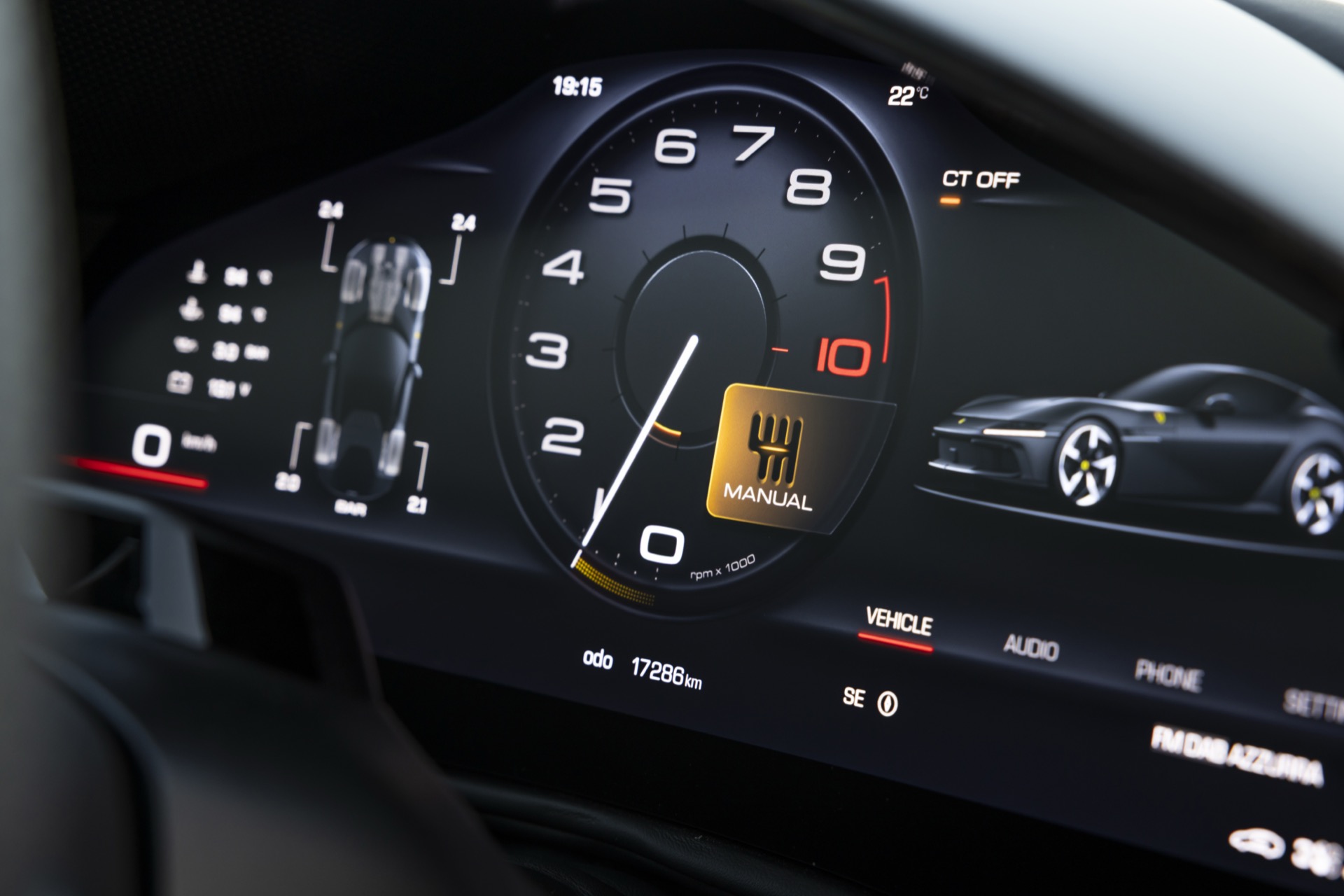
Pulling away is entirely natural. There is no awkward hesitation or computer-generated theatre, helped by the enormous swell of torque from the 6.5-litre naturally aspirated V12. The beautiful anodised aluminium gearknob glows amber in manual mode, changing to white when the car is operating automatically.
There was little time to admire it. The 12Cilindri pace car ahead was disappearing, so first became second almost immediately. The shift was butter-smooth. Clutch down again, lever out of second, and it naturally sprang towards the centre of the gate before I pushed it into third.
Clack.
Anyone who has driven, or even passengered in, an old open-gated Ferrari knows that sound. The throw is fairly long, but the metallic feedback leaves absolutely no doubt that another gear has been selected.
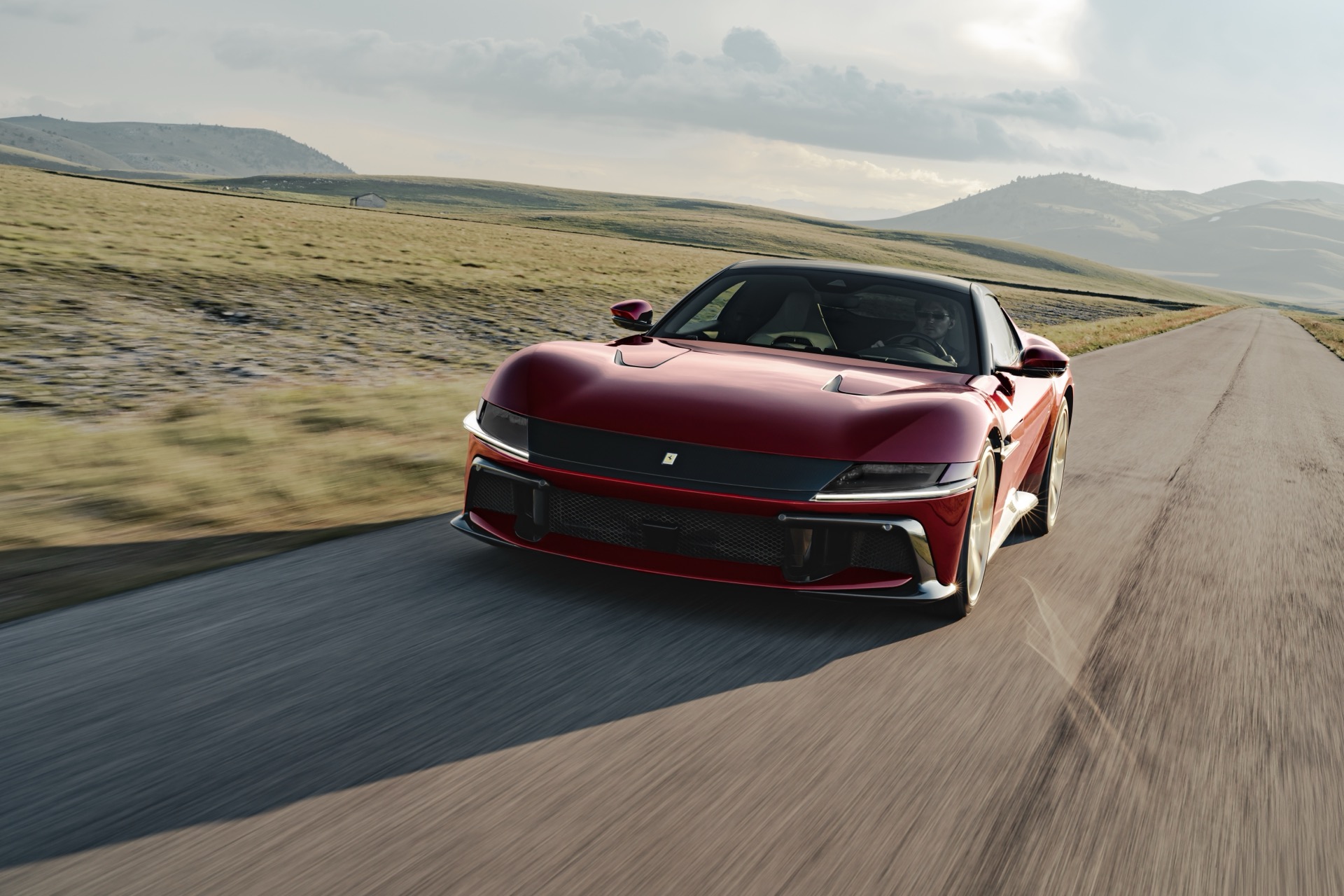
Being manual has done nothing to calm the ferocious acceleration of the 12Cilindri. The V12 still produces 830 hp and revs to 9,500 rpm, reaches 100 km/h in 2.9 seconds and can exceed 340 km/h.
Watching the red and final blue LEDs illuminate across the steering wheel as that V12 screams towards its limiter is already an intense experience. Knowing you then have to depress a clutch pedal and physically pull another gear makes it even more of an occasion.
The third-to-fourth shift made me audibly laugh with unfiltered joy.
By fourth, speeds were climbing well beyond 220 km/h. Ferrari had positioned a couple of chicanes along Balocco’s enormous straight, which meant working equally hard in the opposite direction. Hard on the brakes, clutch in, heel-and-toe: fifth, fourth, third, second, each accompanied by another flare from the V12. Then a flick of that wonderfully quick Ferrari steering rack and through the chicane.
For a few seconds, you feel like an Eighties Formula 1 driver. But is it too easy, or is it simply that well engineered? Ferrari tells me the V12’s considerable torque can mask a degree of clumsiness, although I cannot shake the feeling that some electronic assistance is working quietly in the background to prevent me making a spectacular mess of things. With this much performance on tap, perhaps that is no bad thing. Do not mistake this for criticism: the Manuale feels remarkably friendly and approachable, even if that means it presents less of a challenge than an old-school gated Ferrari might.
What surprised me most was how quickly it all became instinctive. Less than two minutes after leaving the pits, I was changing gears at full throttle, heel-and-toeing into braking zones and generally treating this hugely complicated piece of engineering as though I had been driving it for hours. There is effectively no learning curve imposed by the technology. If you can drive a conventional manual, the Manuale makes sense almost immediately.
The slower laps gave me a chance to investigate whether Ferrari had dialled out the less desirable characteristics of a conventional manual. Thankfully, it has not. Deliberately avoid matching the revs and the familiar lurch remains. Try to select a gear that would send the engine beyond its redline and the gate resists, accompanied by a warning on the display. It will stall too, although 6.5 litres of naturally aspirated V12 torque makes that harder than you might imagine.
Ferrari is also keen to point out that the car does not simply rev-match downshifts for you. During particularly aggressive downshifts it can give the throttle a protective blip to prevent the rear axle from locking, but the driver remains responsible for matching the engine speed properly. Heel-and-toe remains very much part of the experience.
You can even pre-select a ratio while the gearbox remains in automatic. Below 70 km/h, slot the lever into the desired gear and depress the clutch and the car drops seamlessly into manual mode. Manual control covers six forward gears, while the full eight-speed DCT remains available when automatic mode is selected. Ferrari has also removed the paddles entirely, leaving no halfway house between the two experiences.
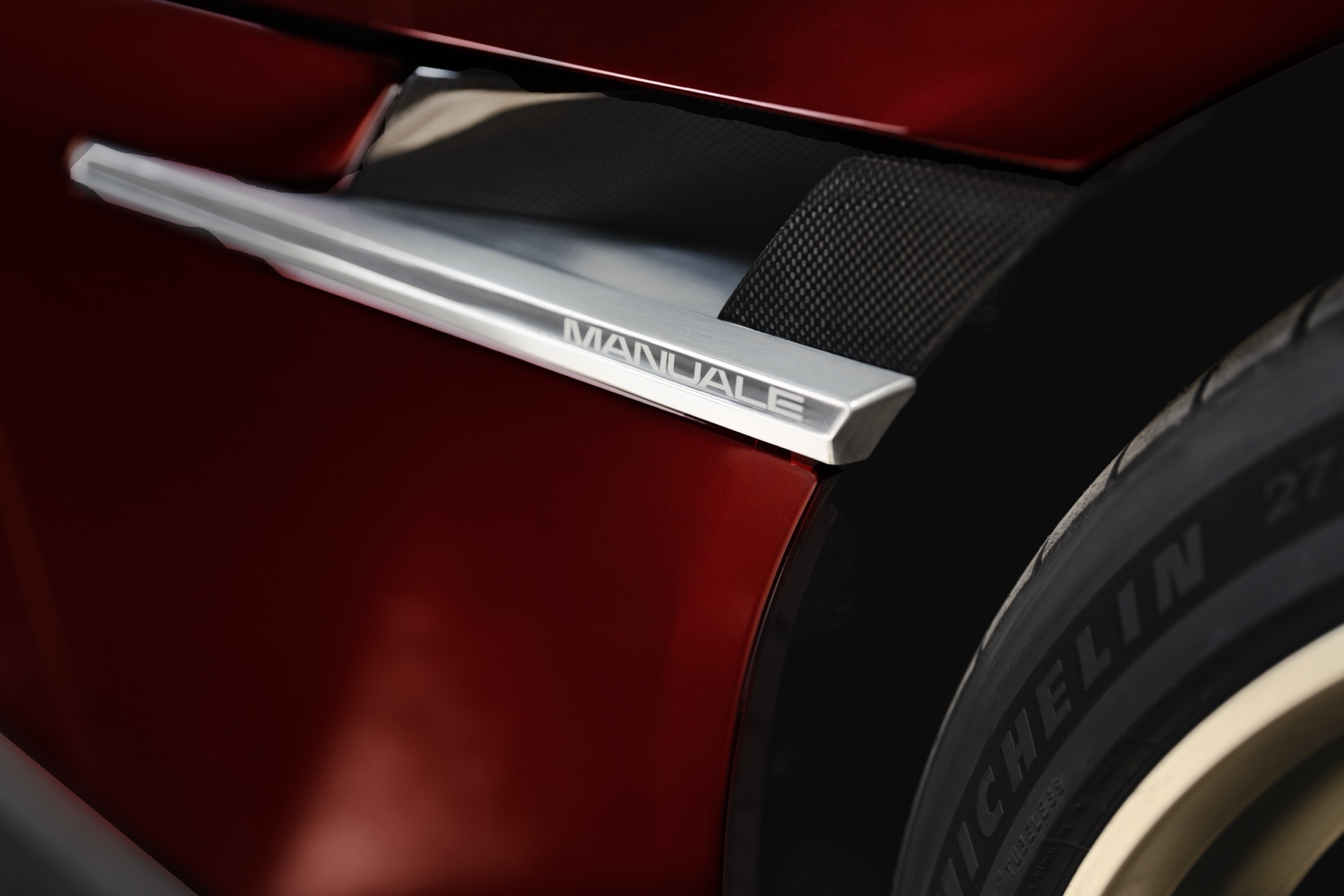
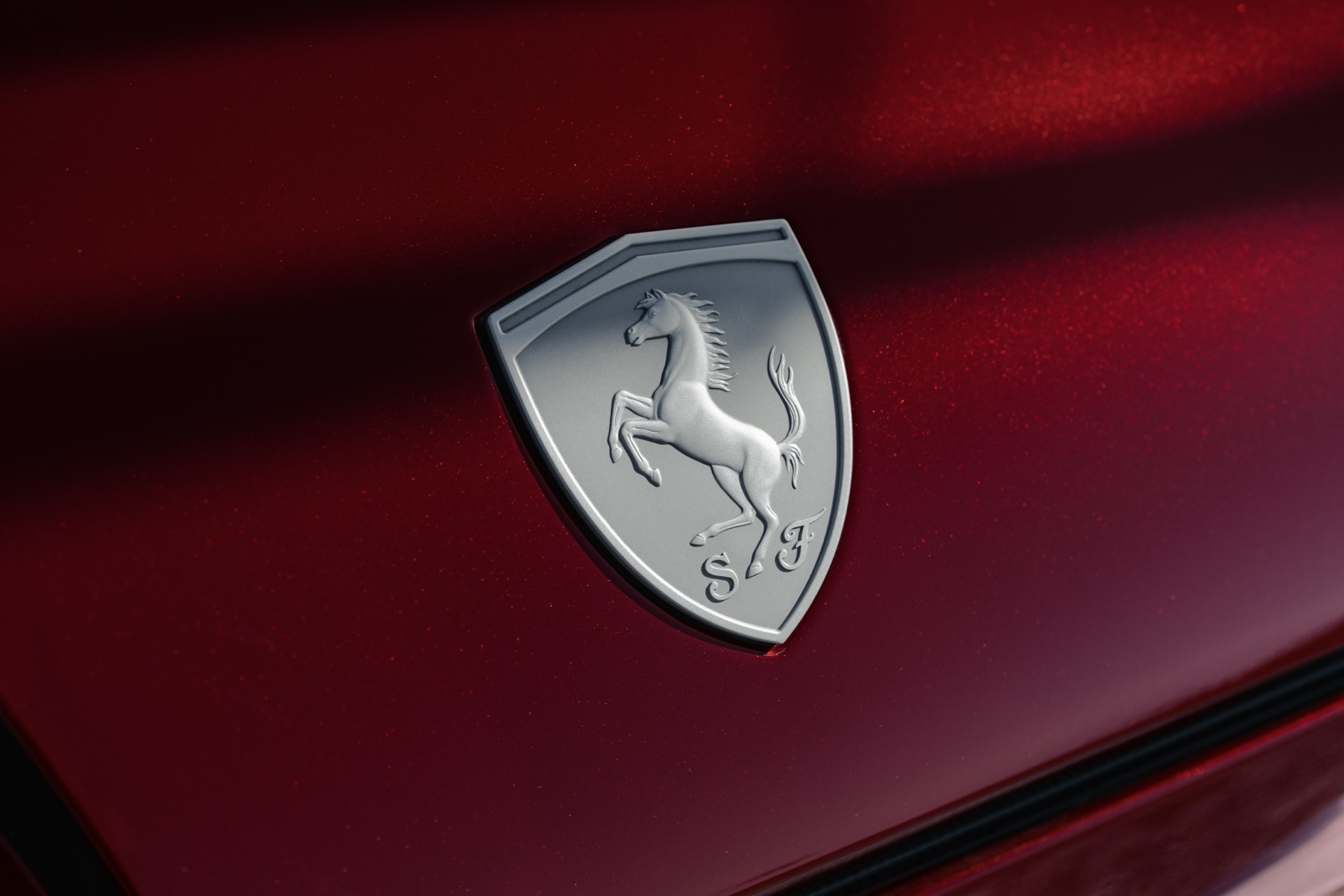
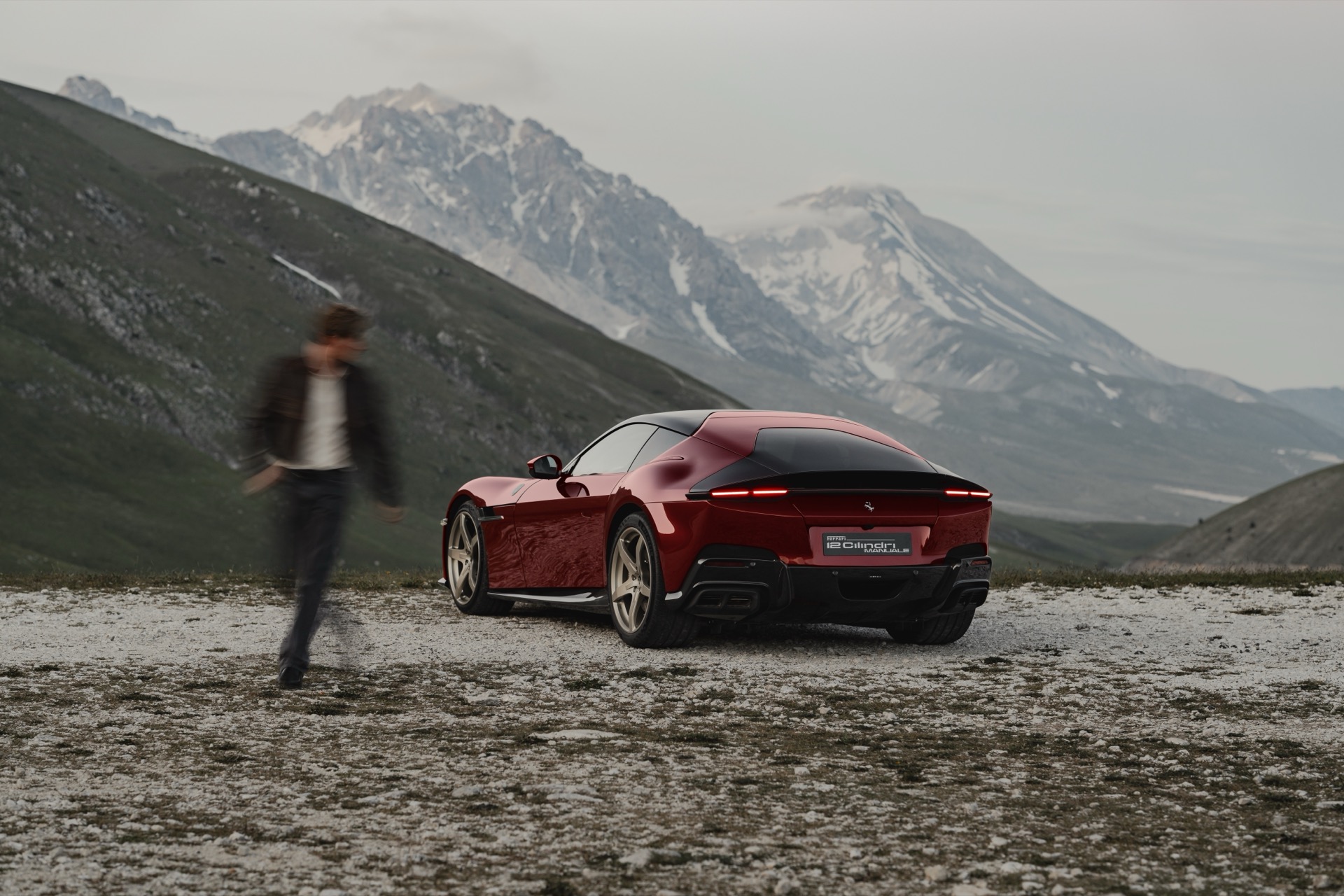
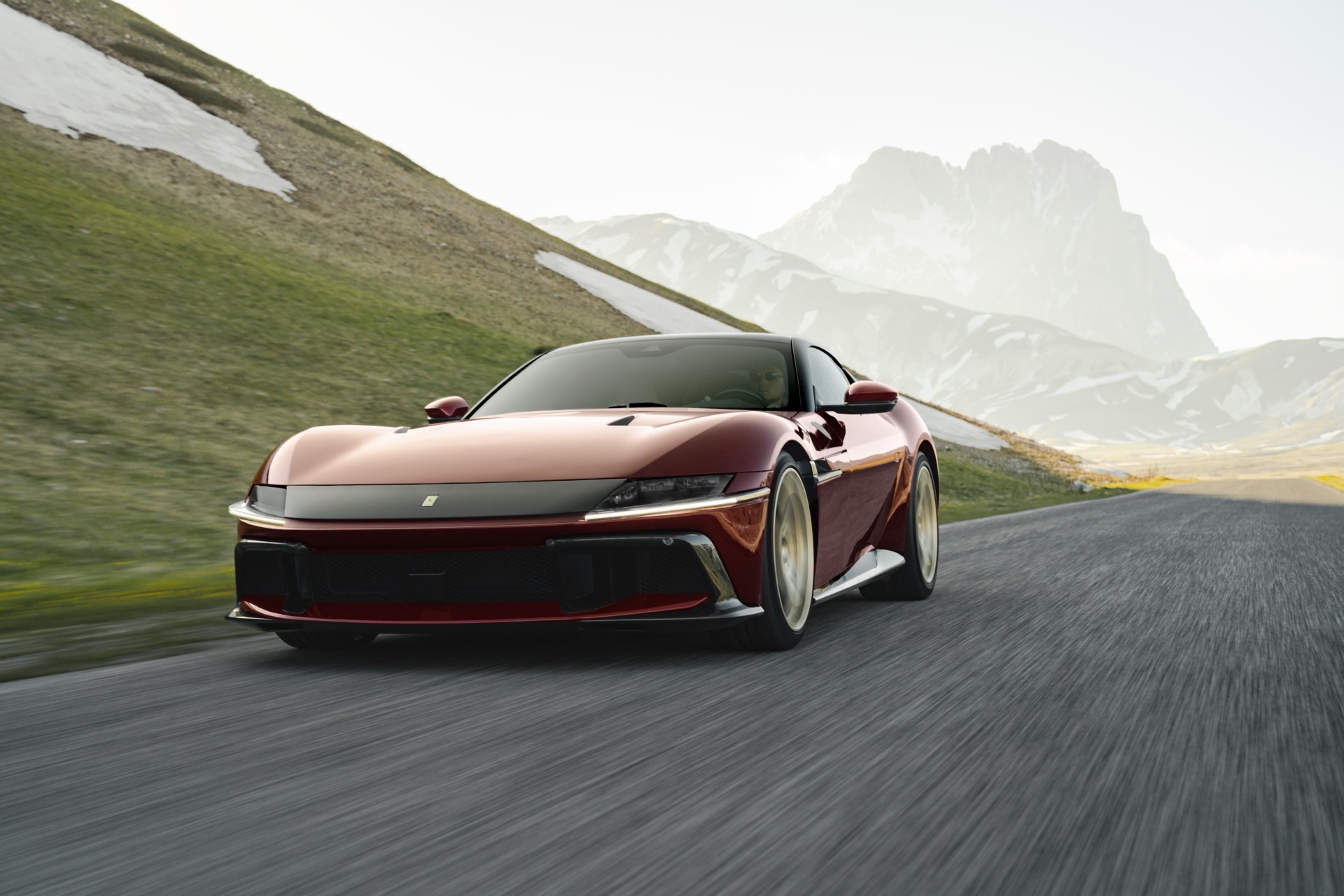
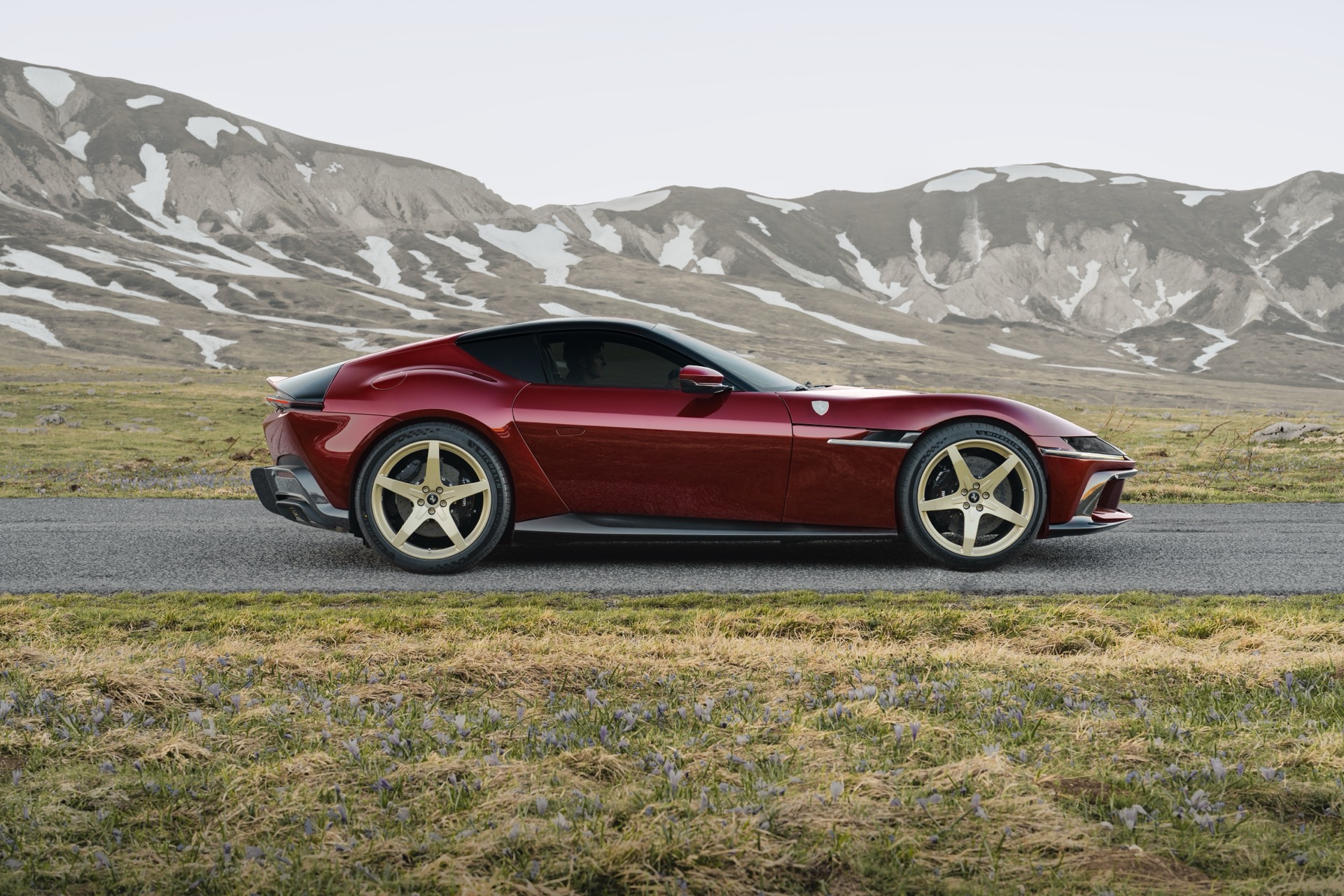
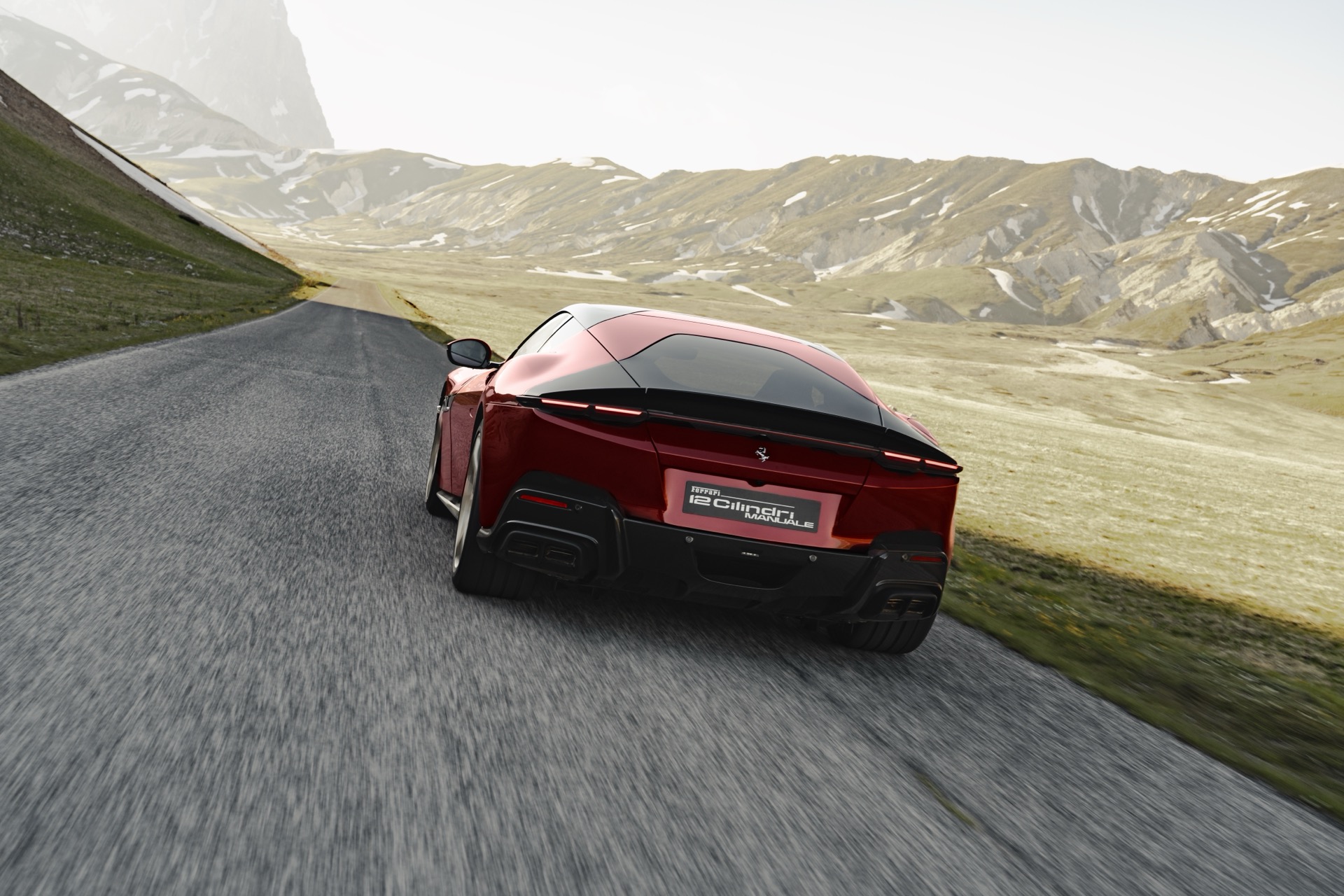
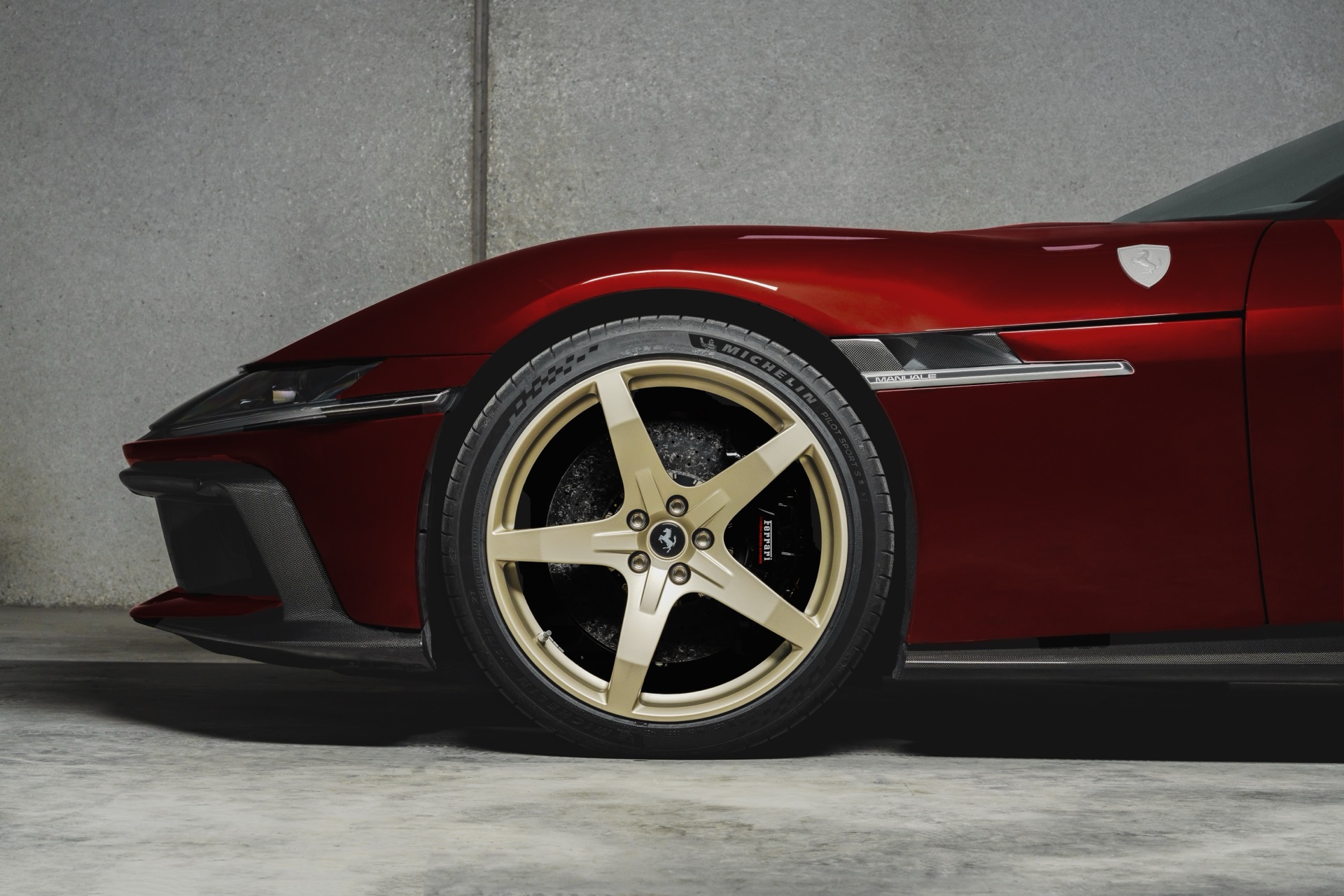
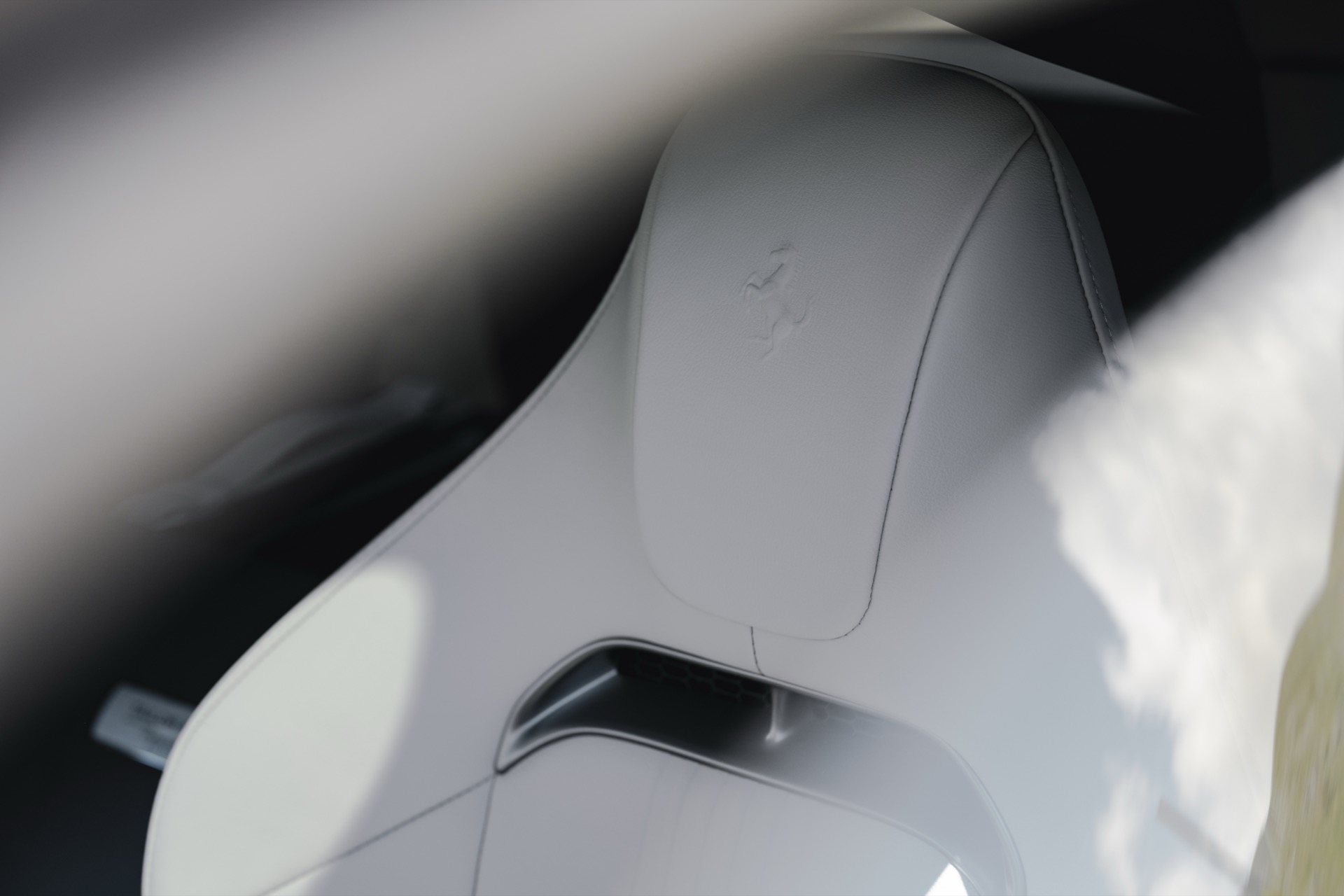
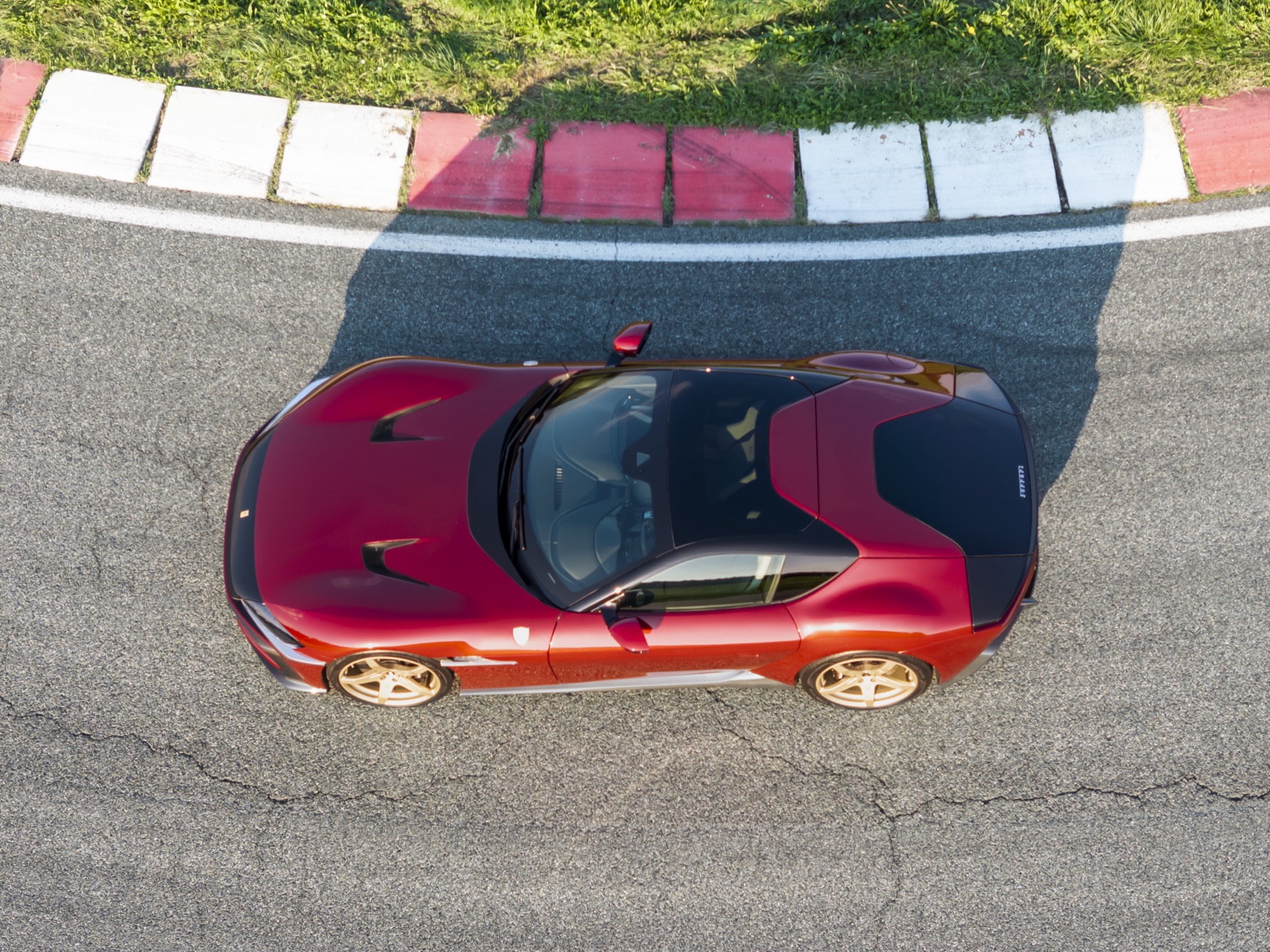
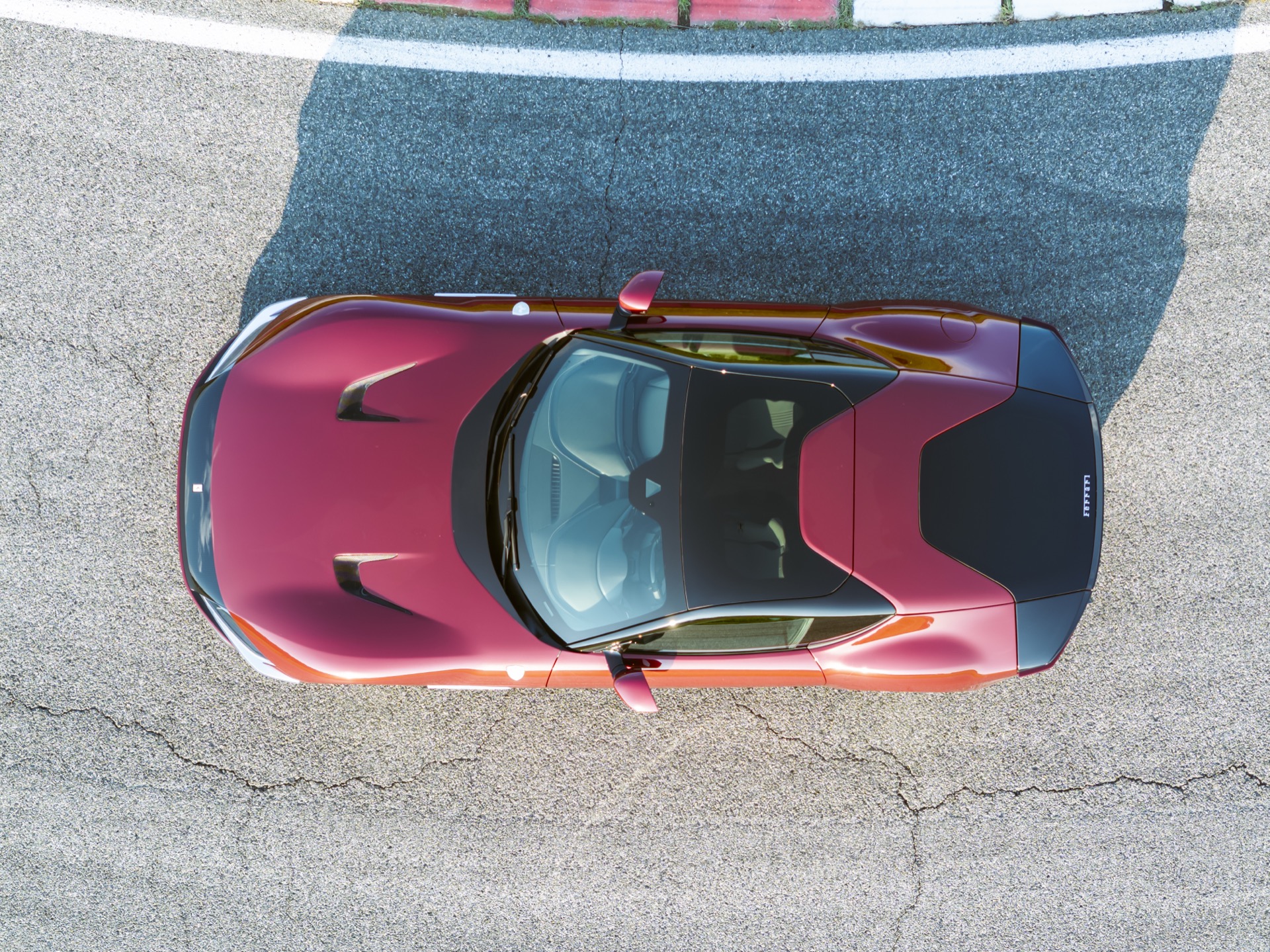
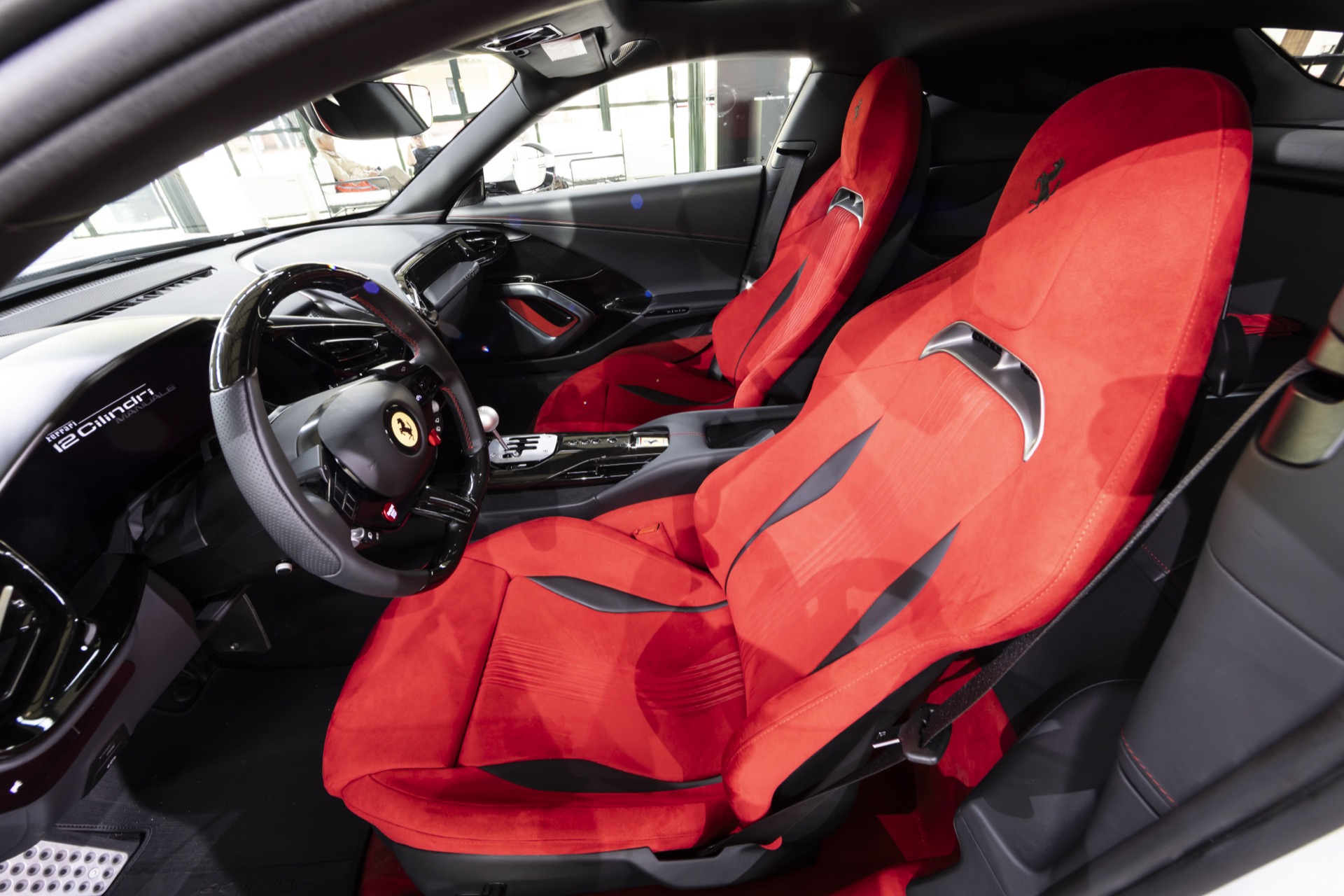
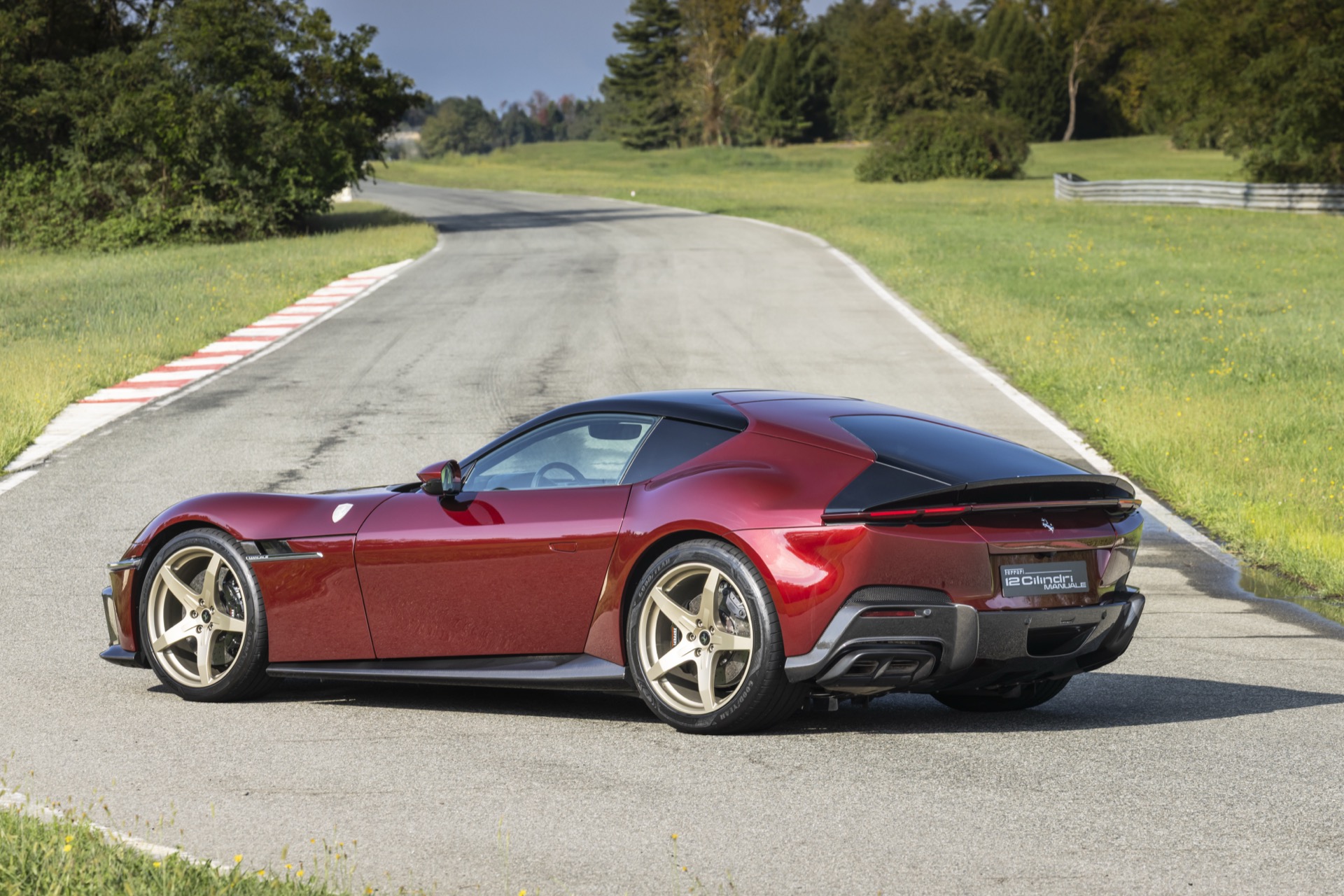
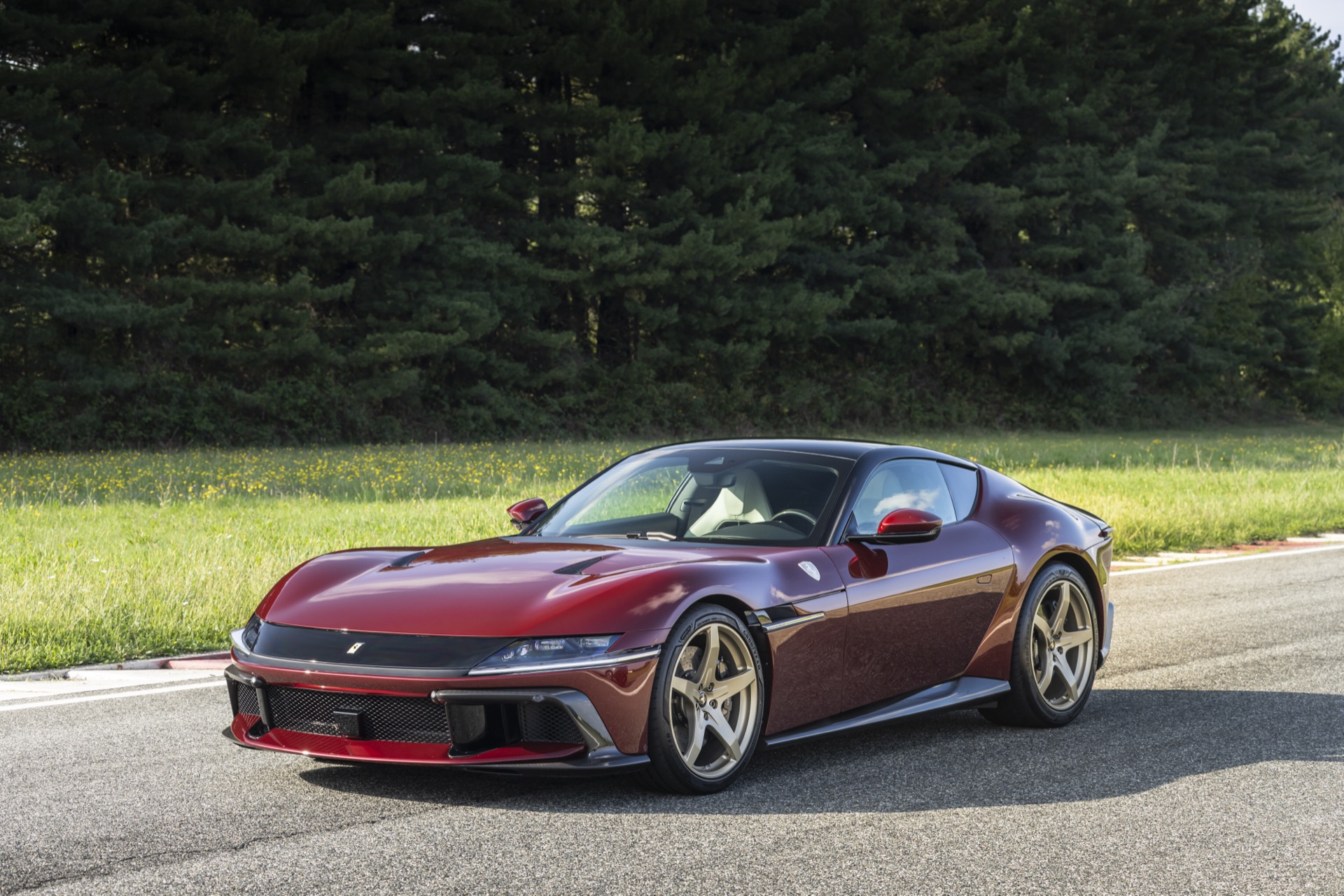
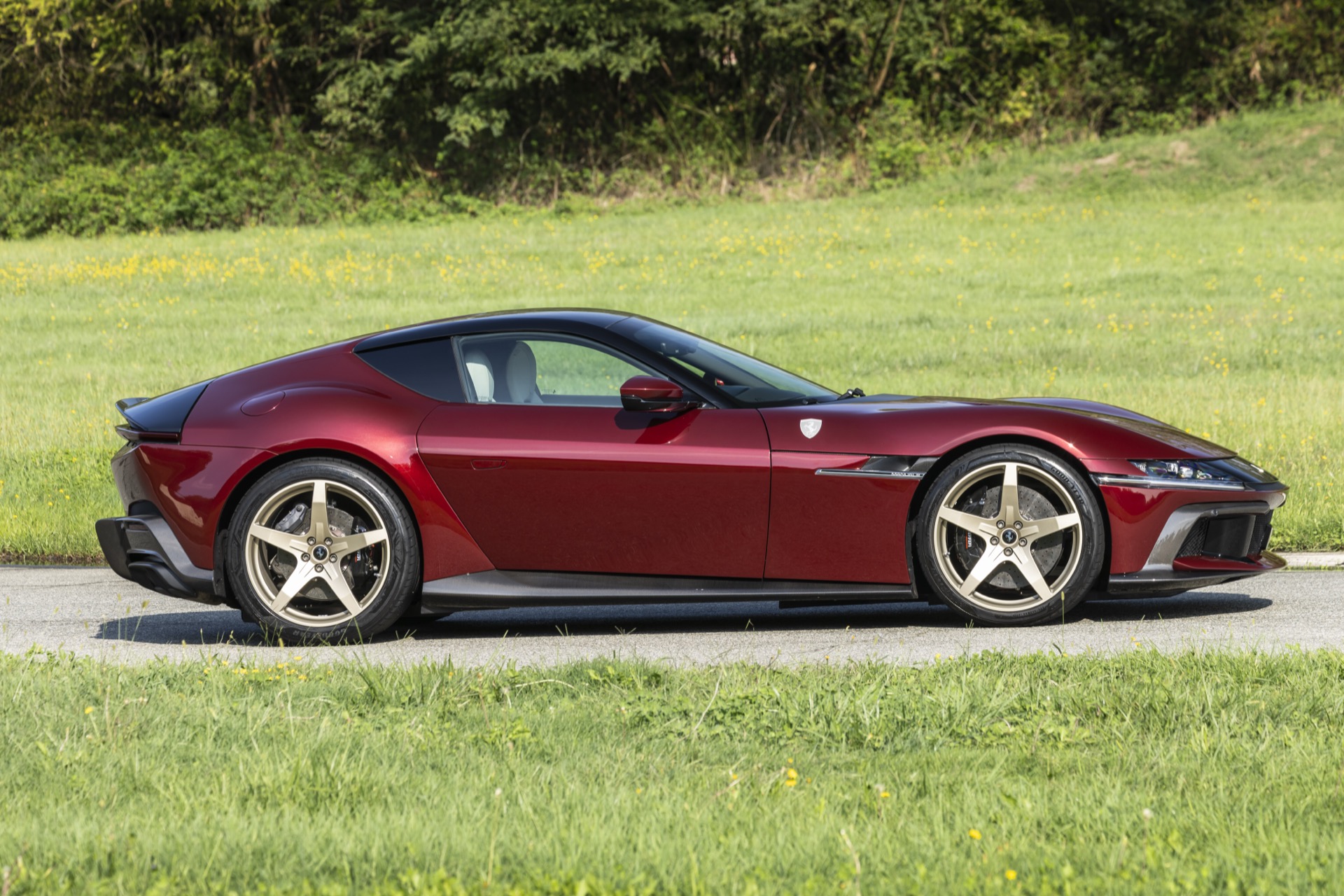
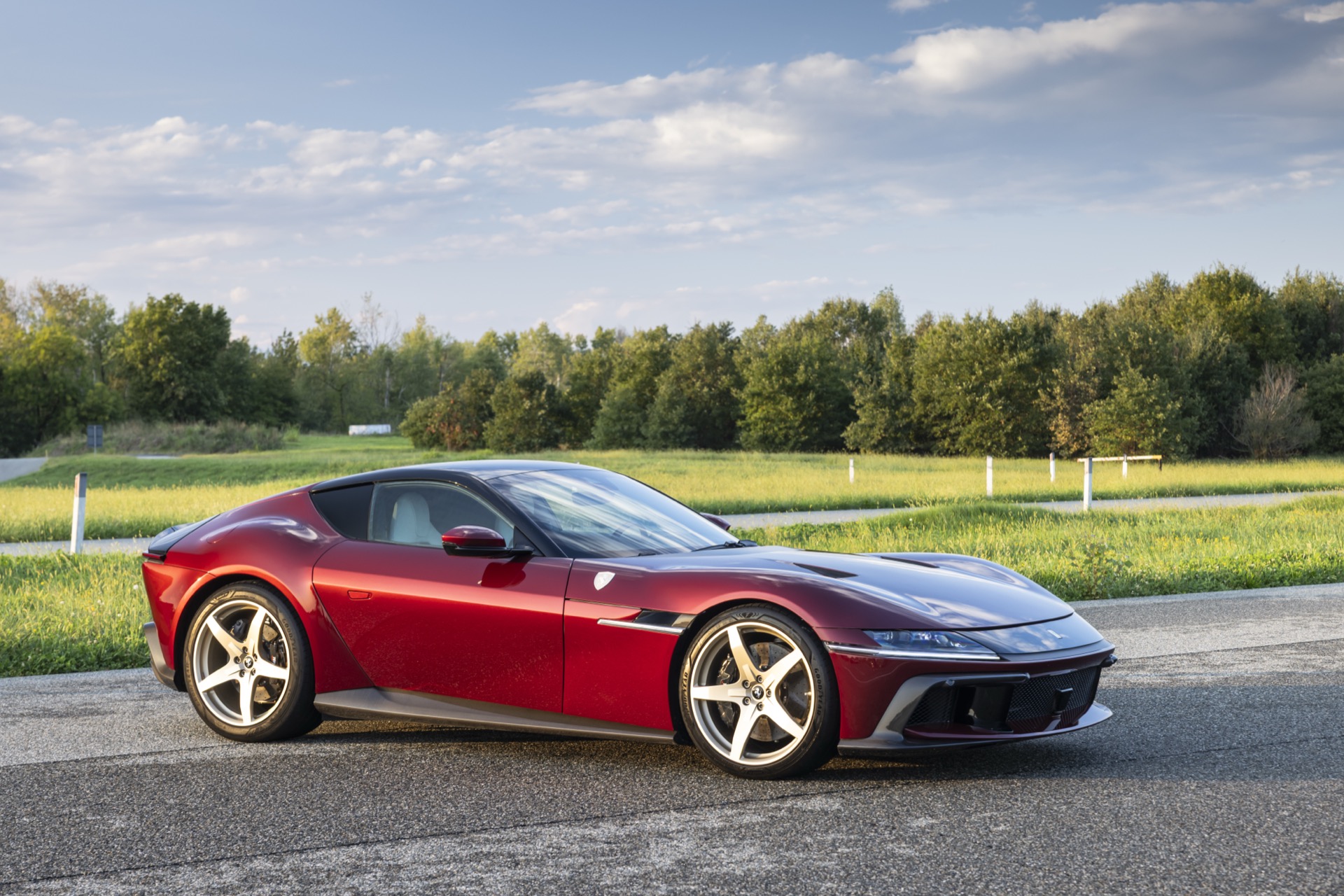
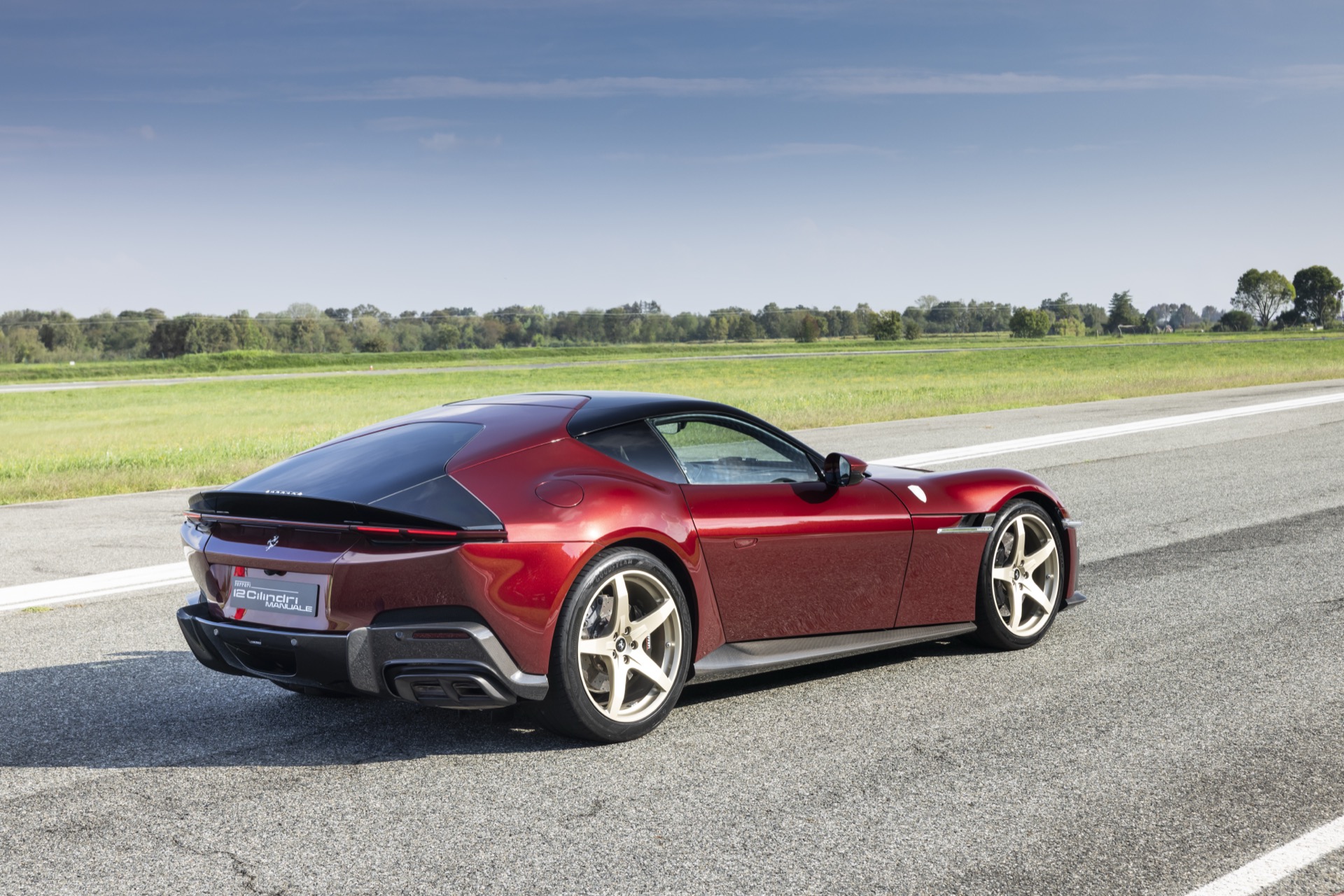
The rest of the car remains spectacular. The Manuale is limited to 1,499 examples, the number referencing the 1,499cc displacement of Ferrari’s first V12 engine from 1947. Every car receives a dedicated Tailor Made specification, including special forged wheels, unique badging, aluminium door sills, pinstriping inspired by the 365 GTB/4 on the nose and tail, and seats featuring six vertical grooves in reference to the six manual ratios.
But the decorative touches are almost beside the point.
What Ferrari’s engineers have created here is not an exercise in nostalgia. They have not dusted off an old gearbox and installed it in a modern supercar. Instead, they have taken the speed, performance and everyday convenience of a modern dual-clutch transmission and found a way to restore much of the physical interaction that disappeared when the manual gearbox did.
The Manuale is not cheap, as you might have predicted. At €575,000 in Germany, including taxes, it’s a significant uplift over the standard 12Cilindri, which starts at €385,000. Yet the price is already largely academic: all 1,499 examples are sold out. Given its rarity and what the 12Cilindri Manuale represents, it seems safe to assume that cars changing hands on the secondary market will command significant, likely seven figure, premiums.