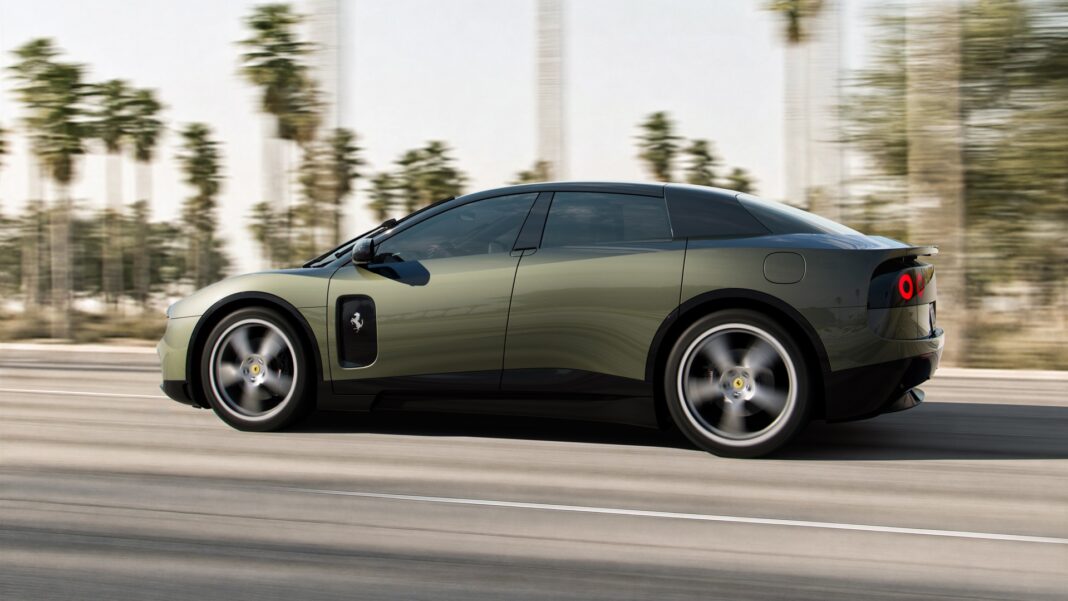
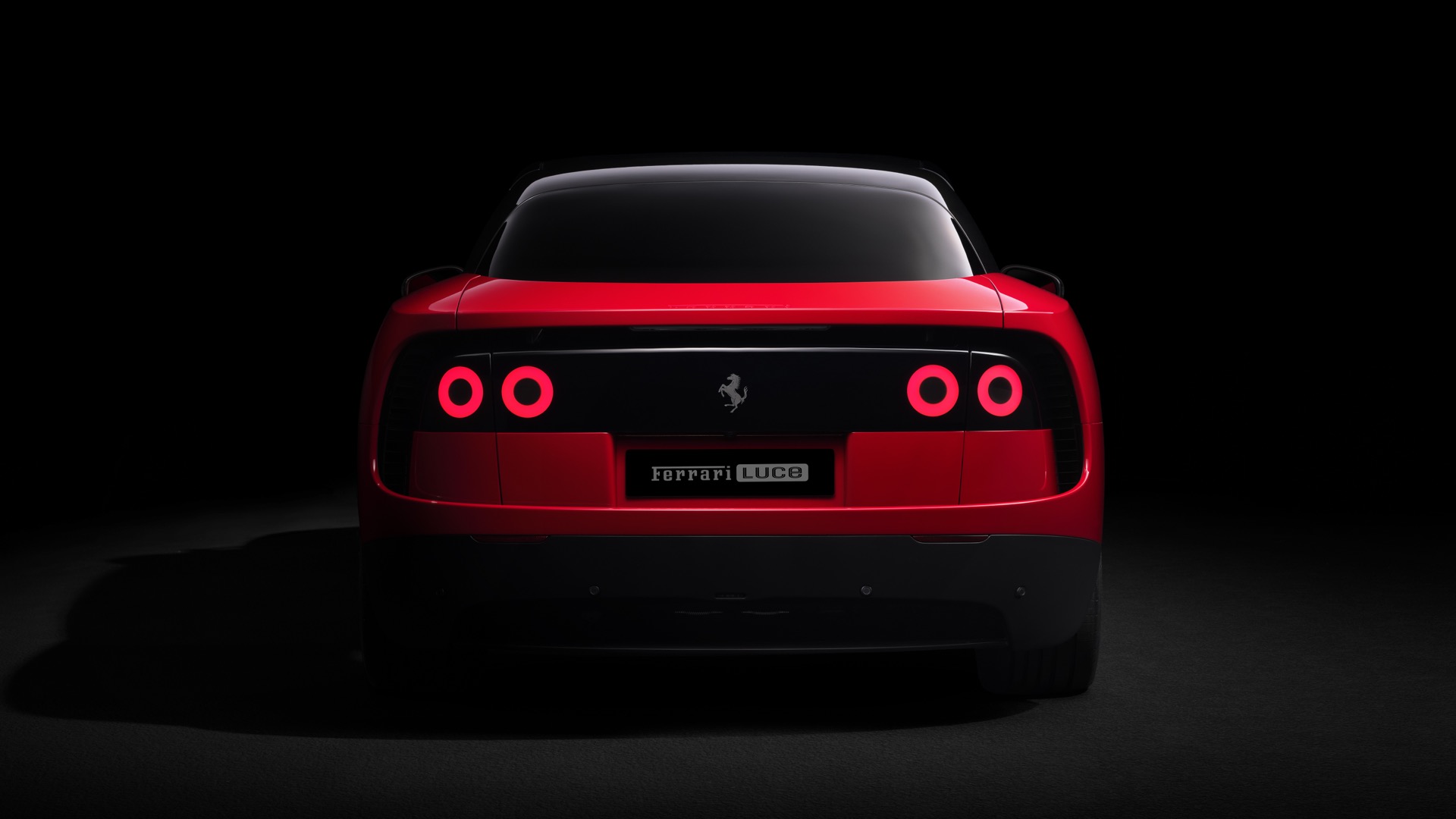
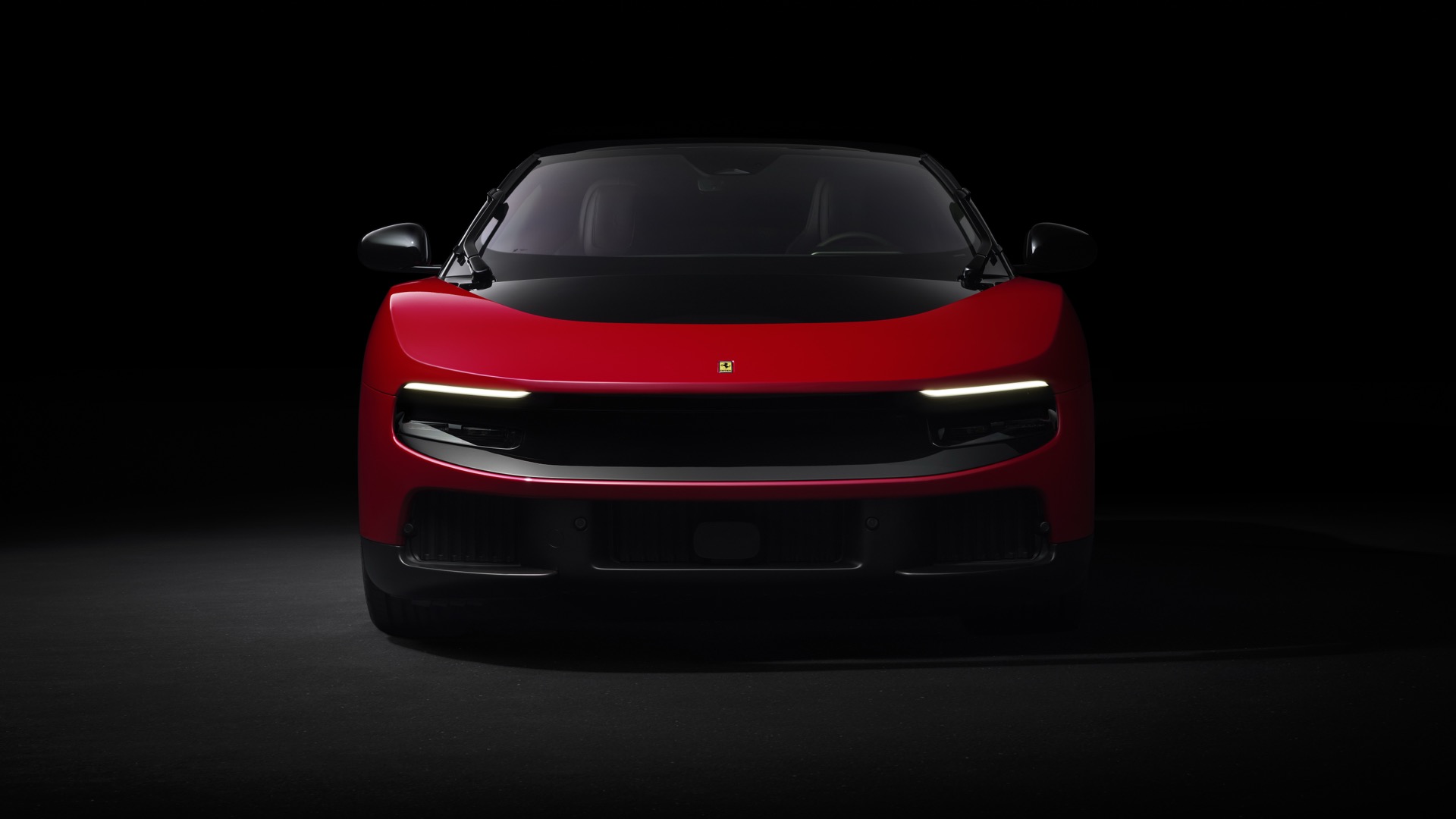
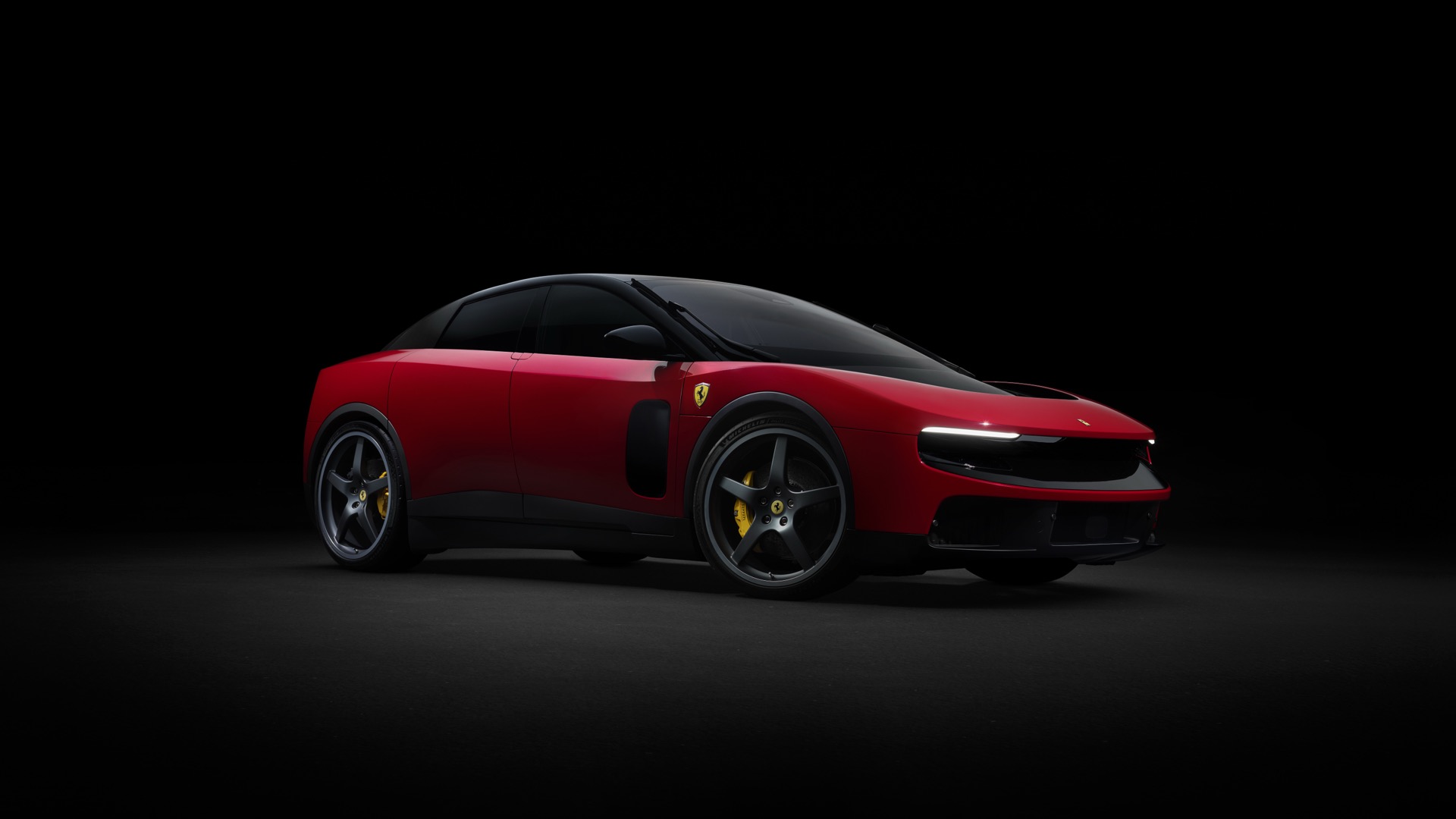
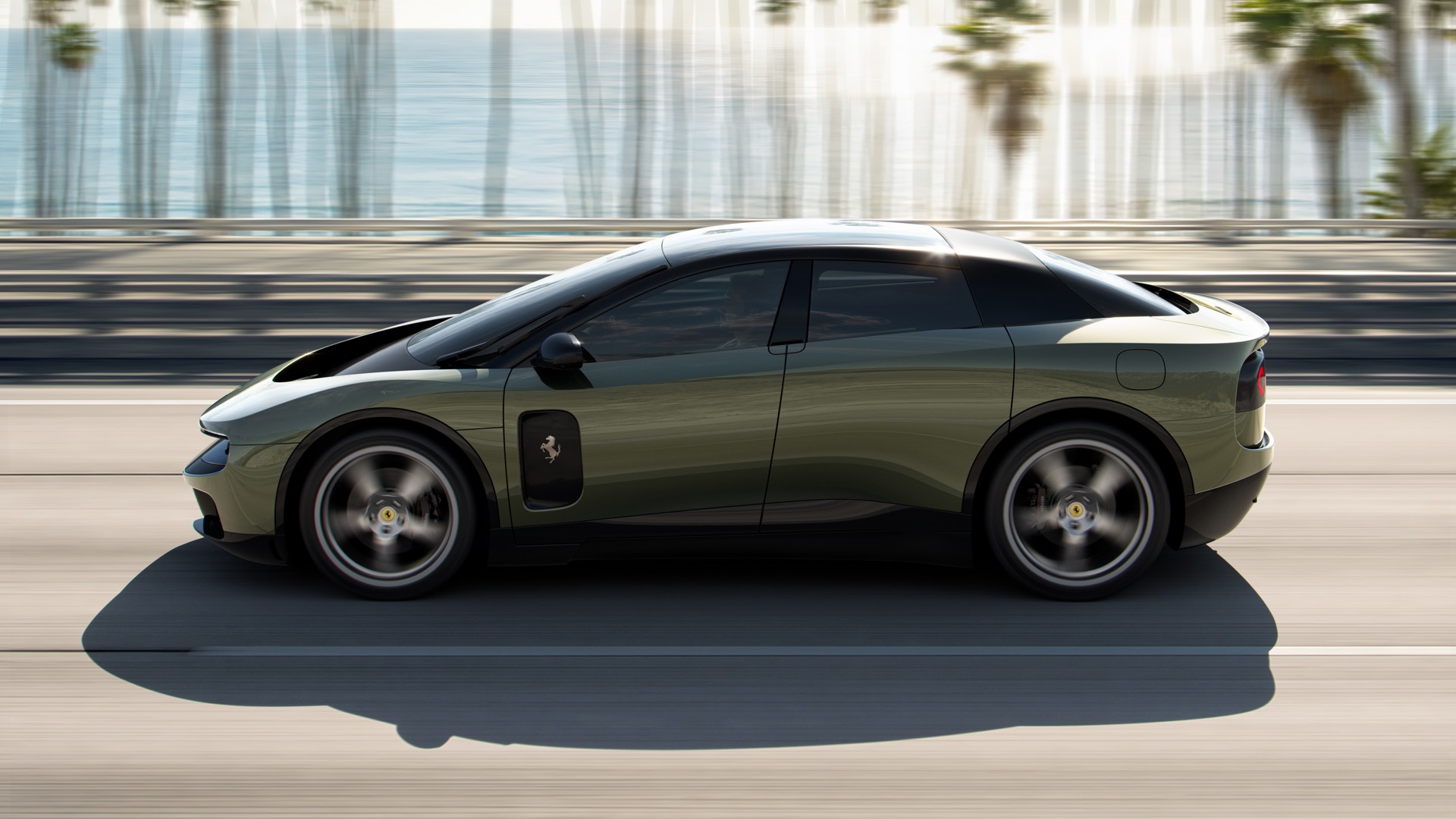
Ferrari’s first fully electric car represents a significant departure for Maranello, but the company has approached its production with a reassuringly familiar philosophy: retaining control of the engineering and manufacturing processes that define its cars. During a recent visit to Ferrari’s e-building, I had the opportunity to follow the Luce’s journey from individual battery cells to completed cars making their way along the assembly line.
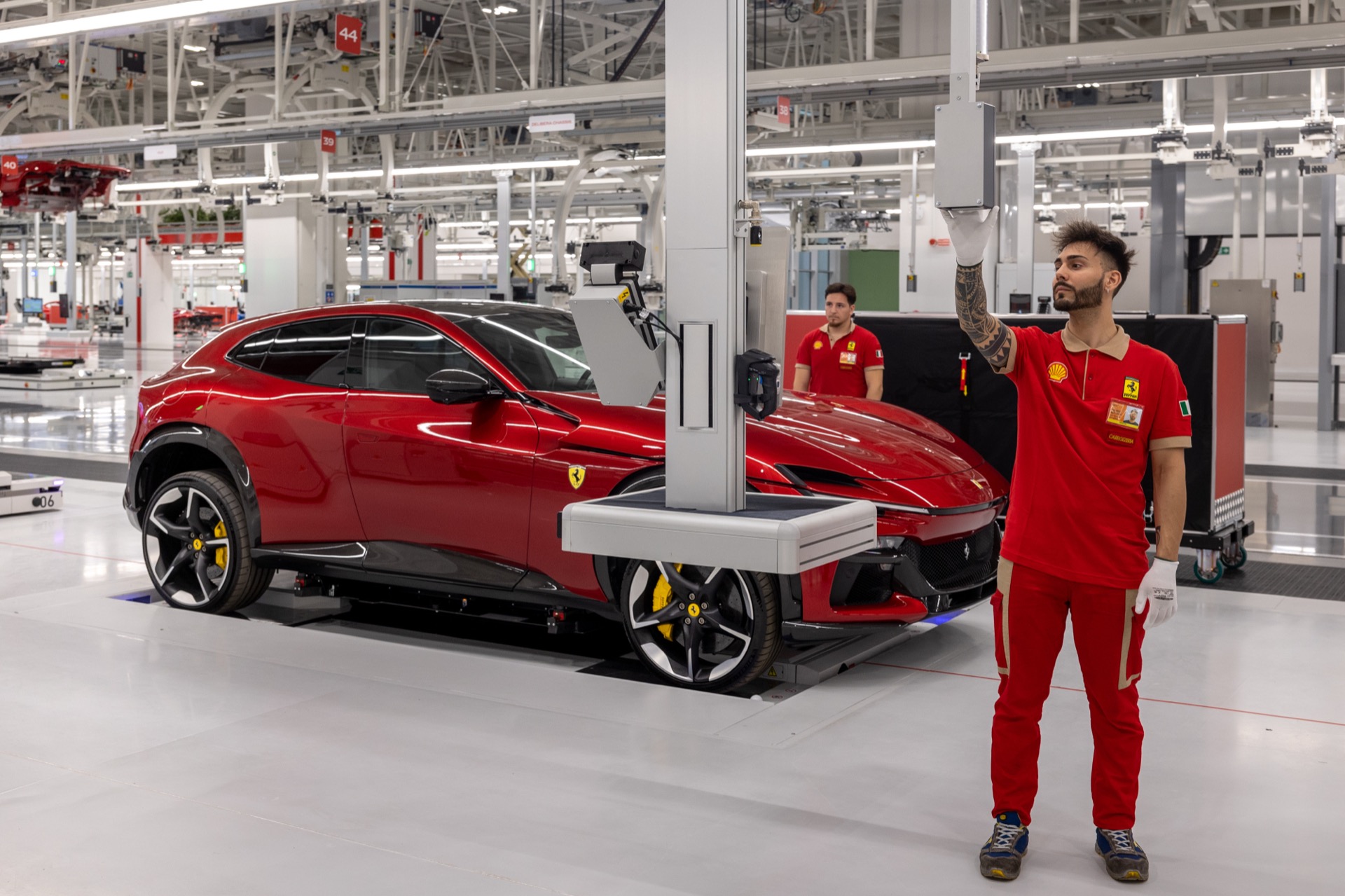
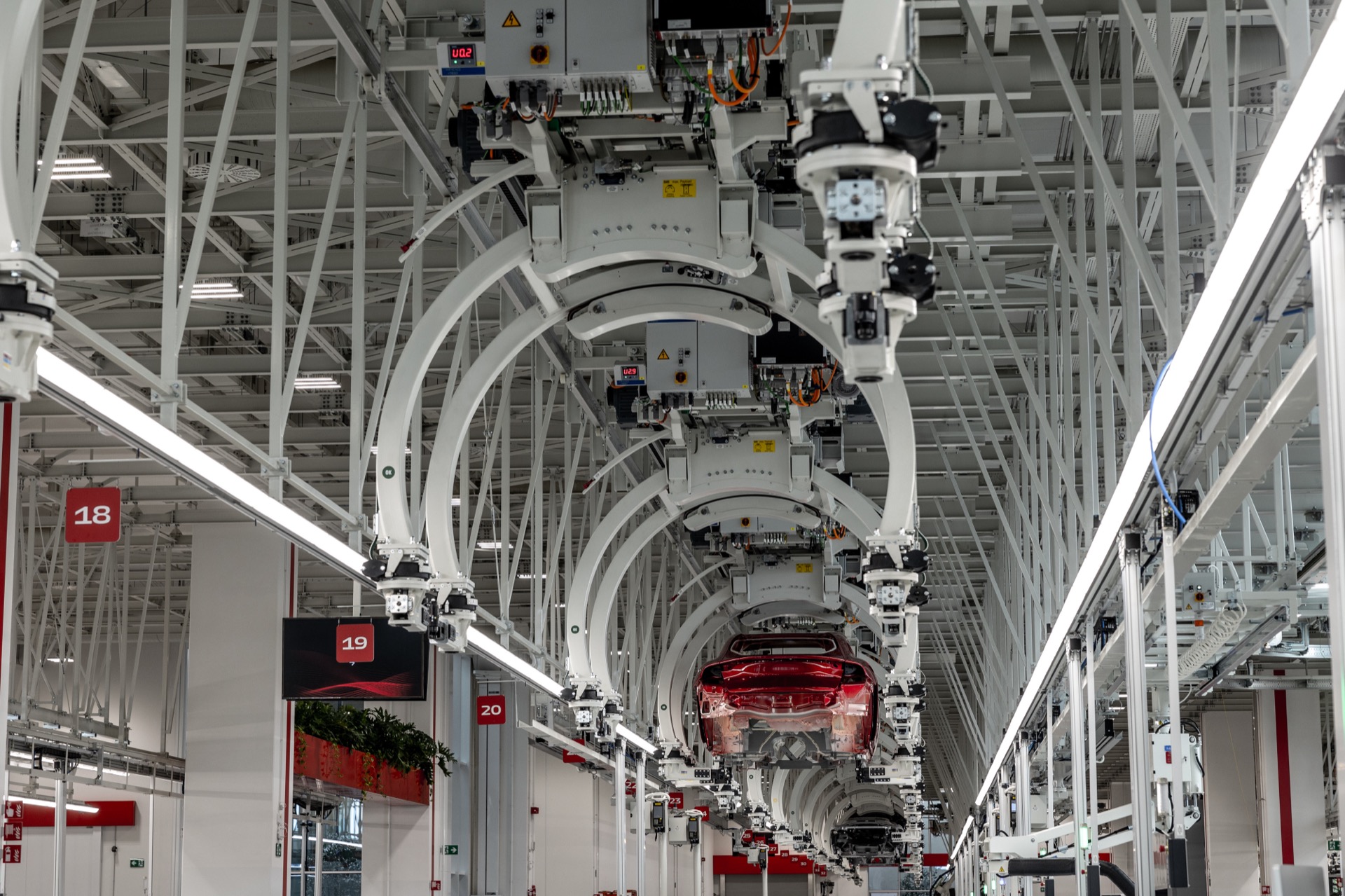
Opened in June 2024, the e-building is rather more than a dedicated electric car factory. The Luce shares its assembly line with the V8 hybrid 849 Testarossa, the V8-powered Amalfi and the naturally aspirated V12 Purosangue and 12Cilindri, all assembled by the same workforce. It is quite something to see such different powertrains accommodated within a single production facility, and a demonstration of the flexibility Ferrari has engineered into its manufacturing operations.
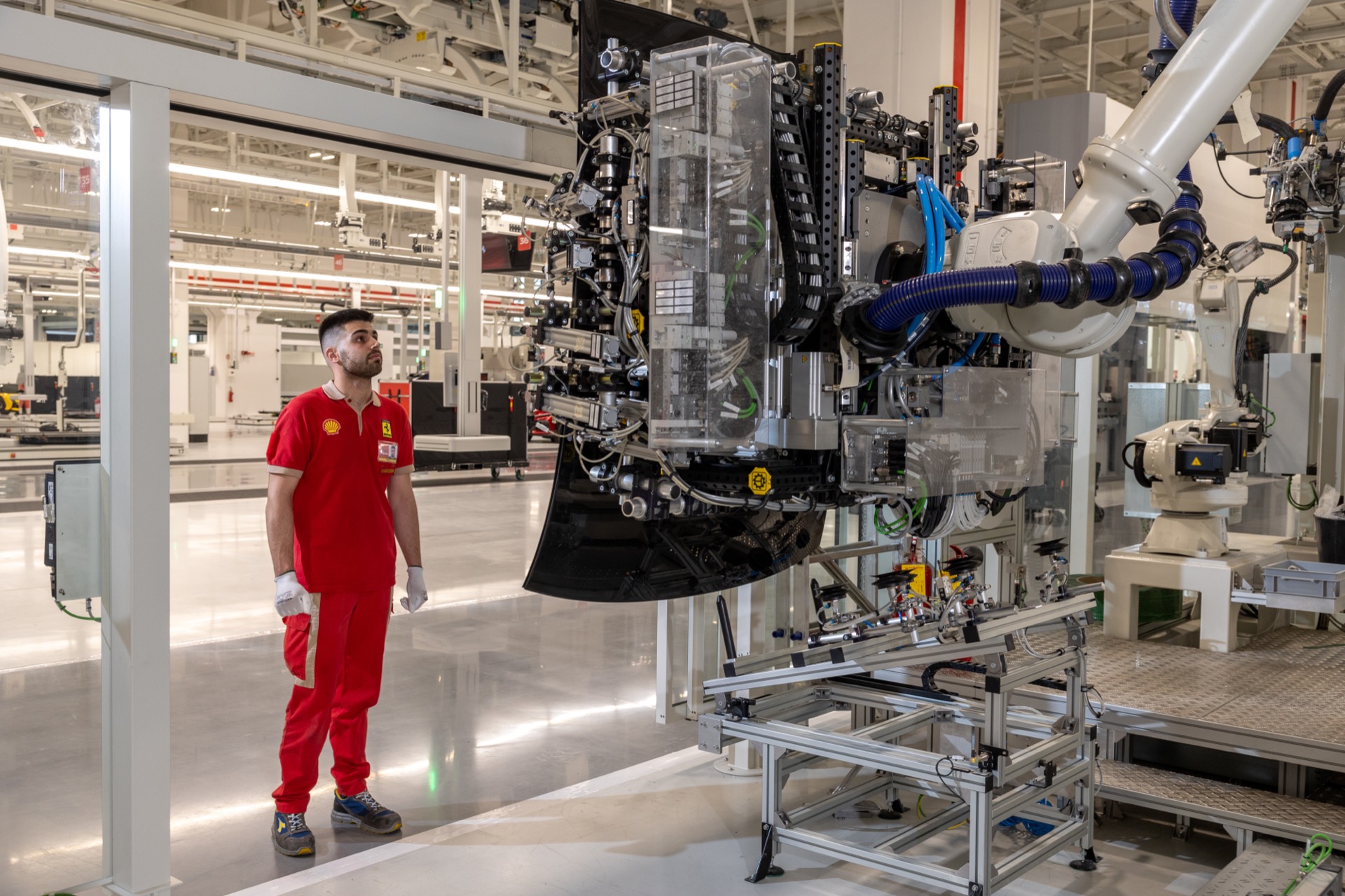
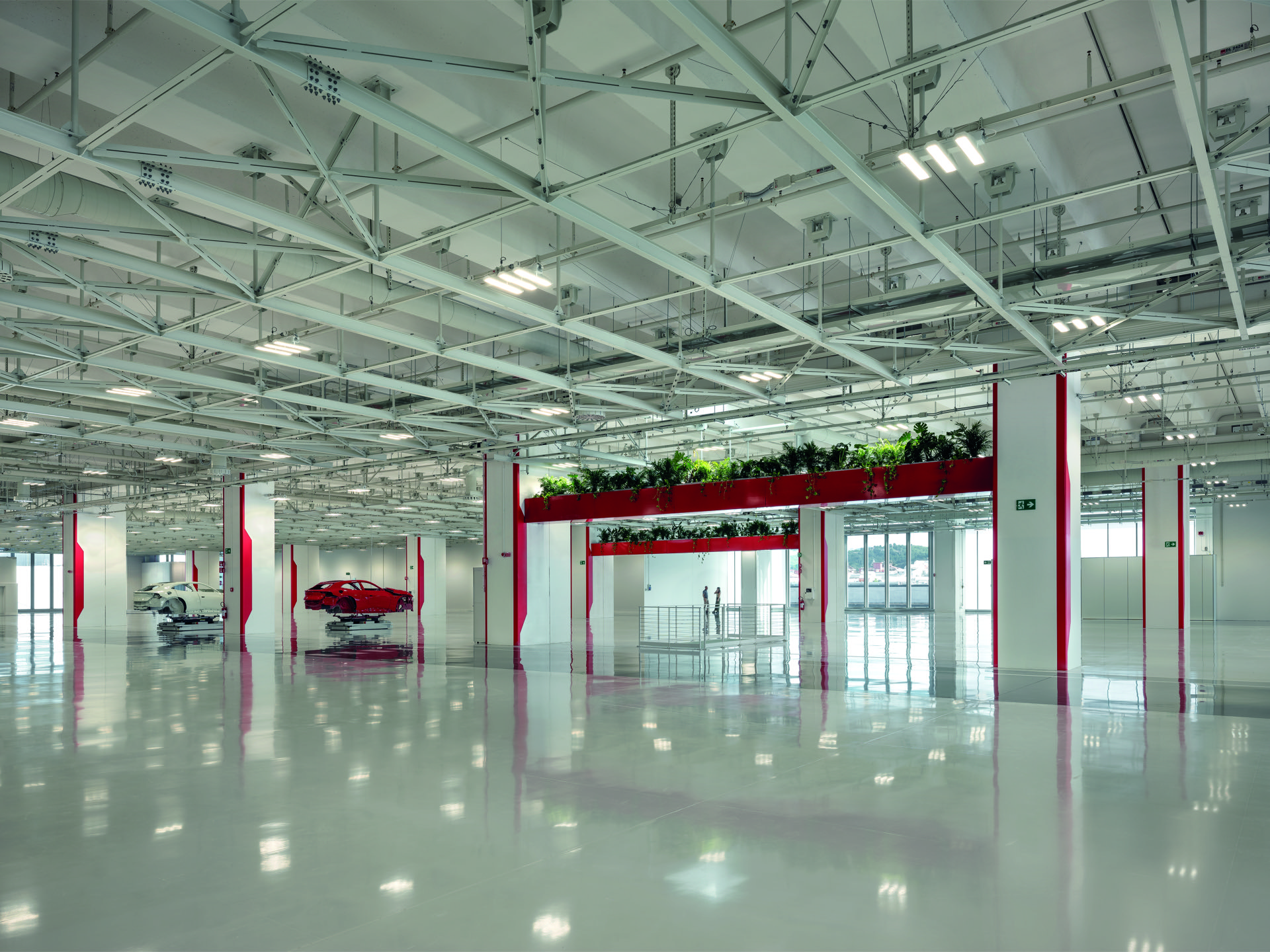
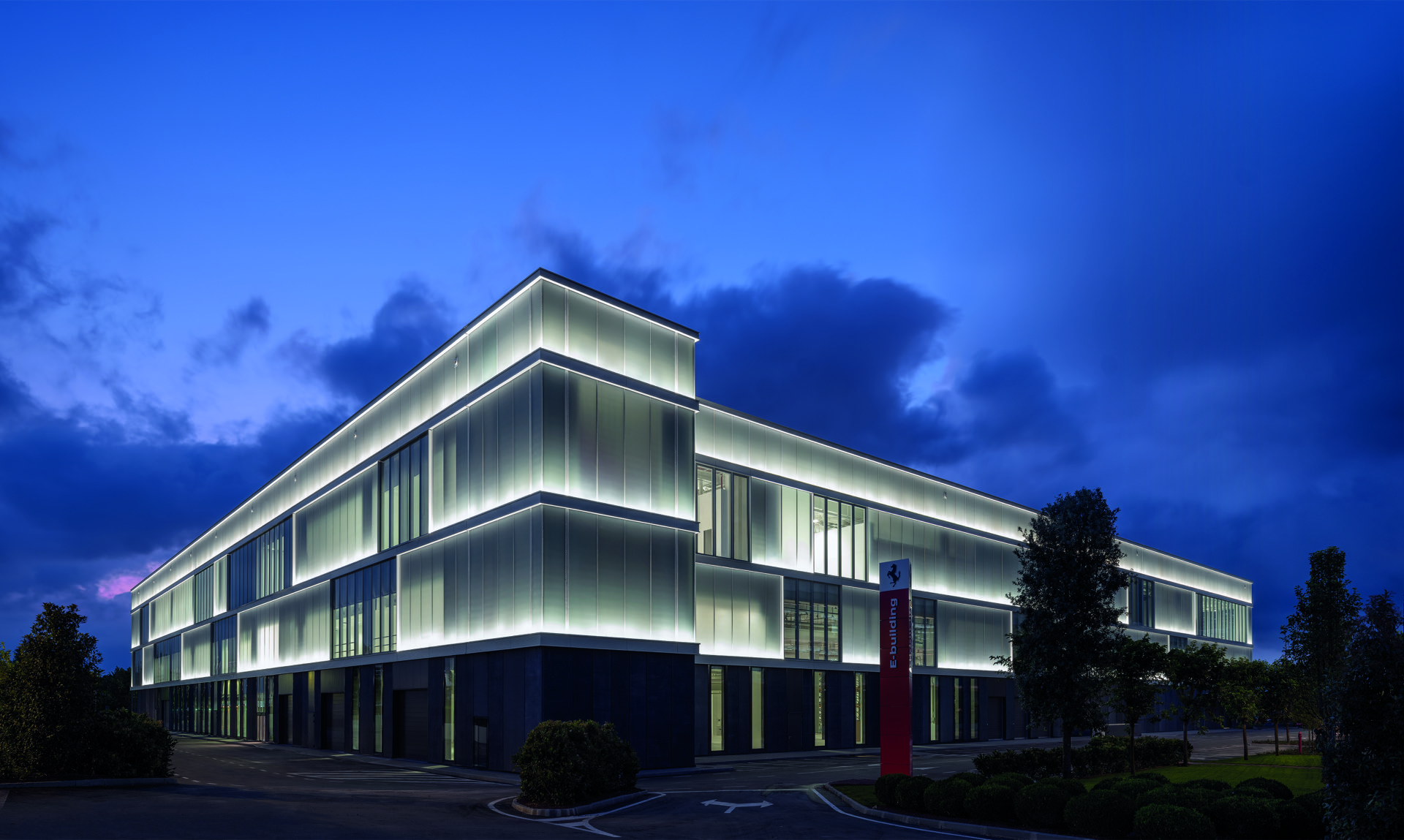
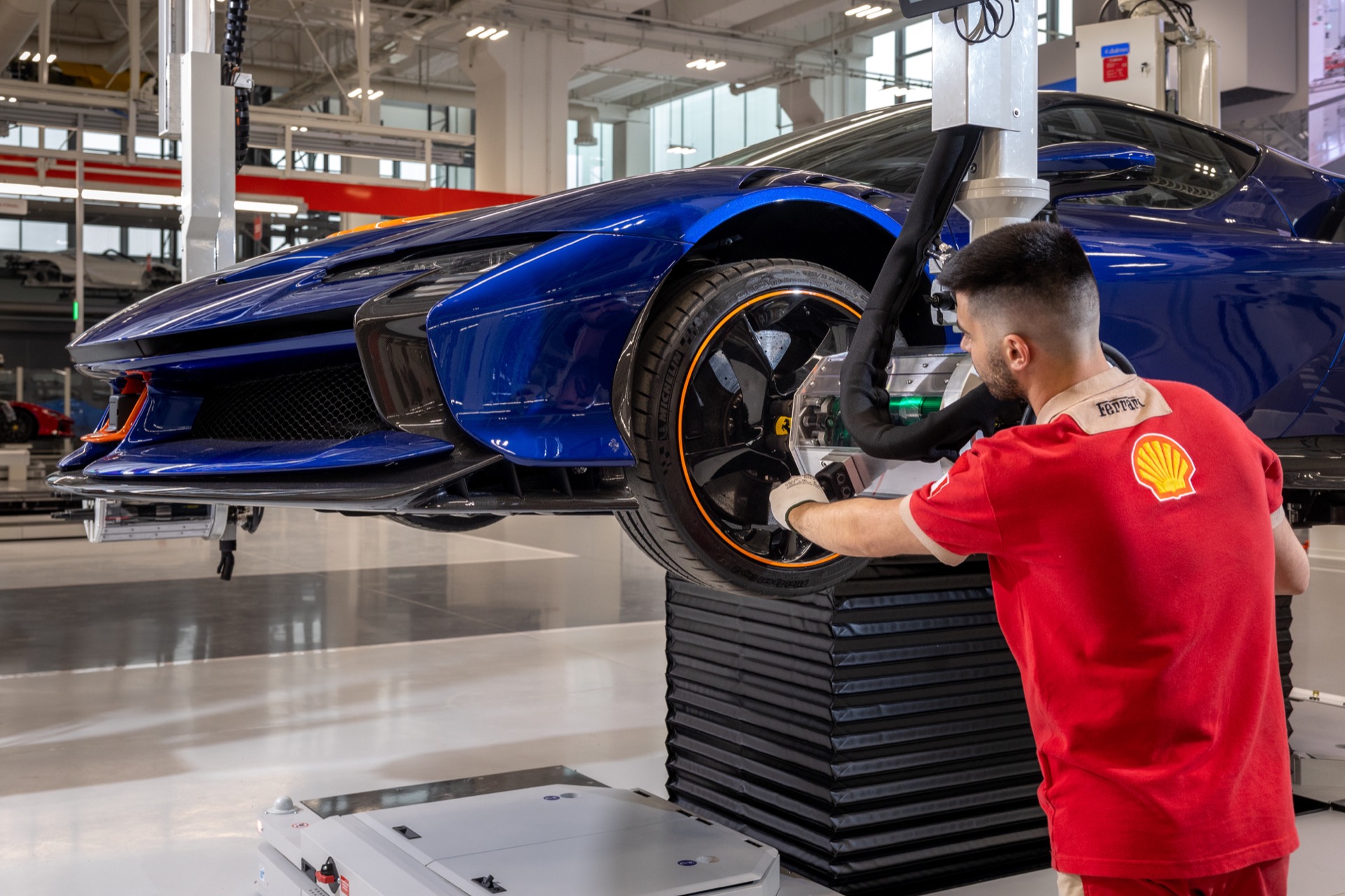
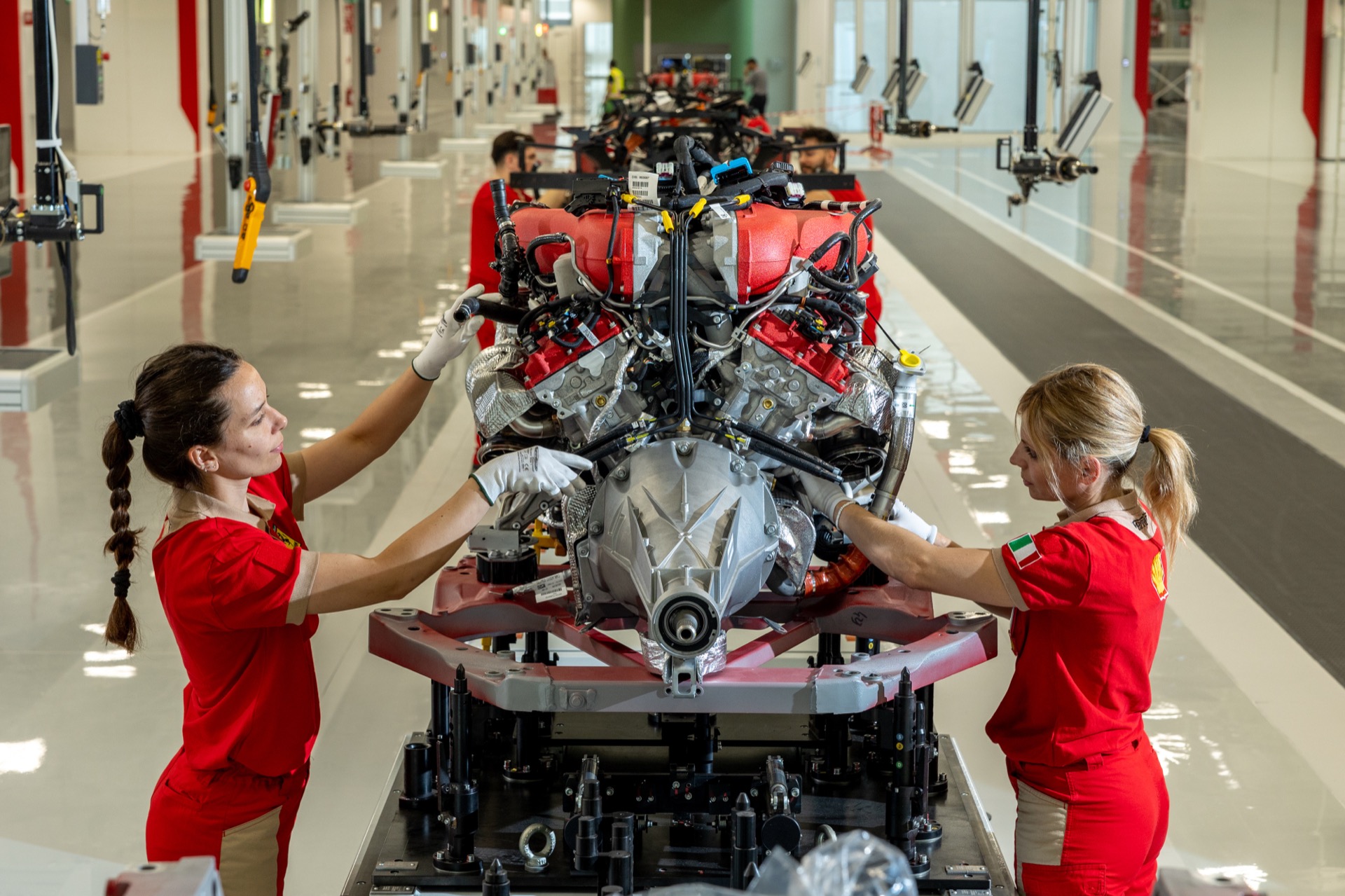
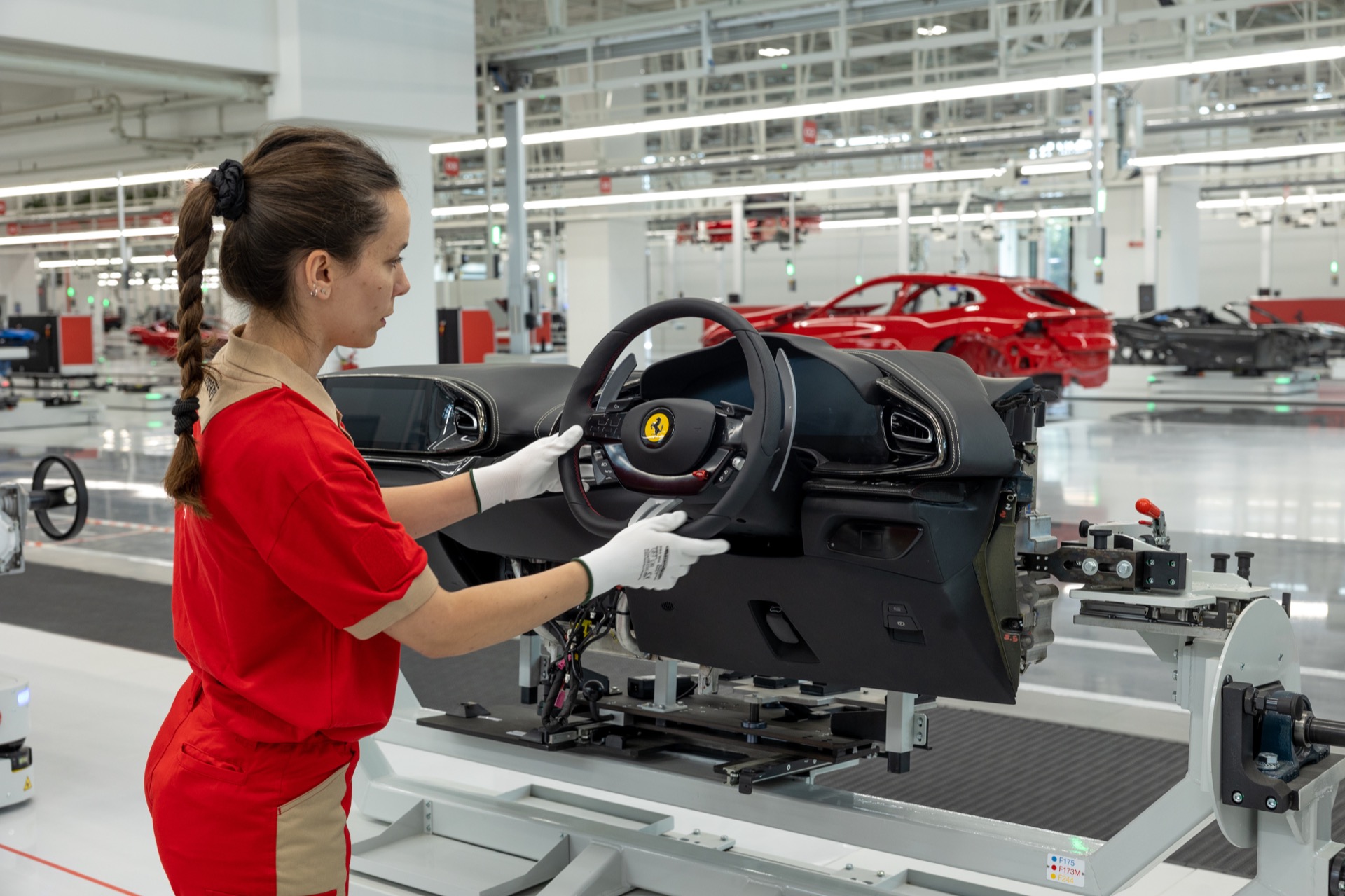
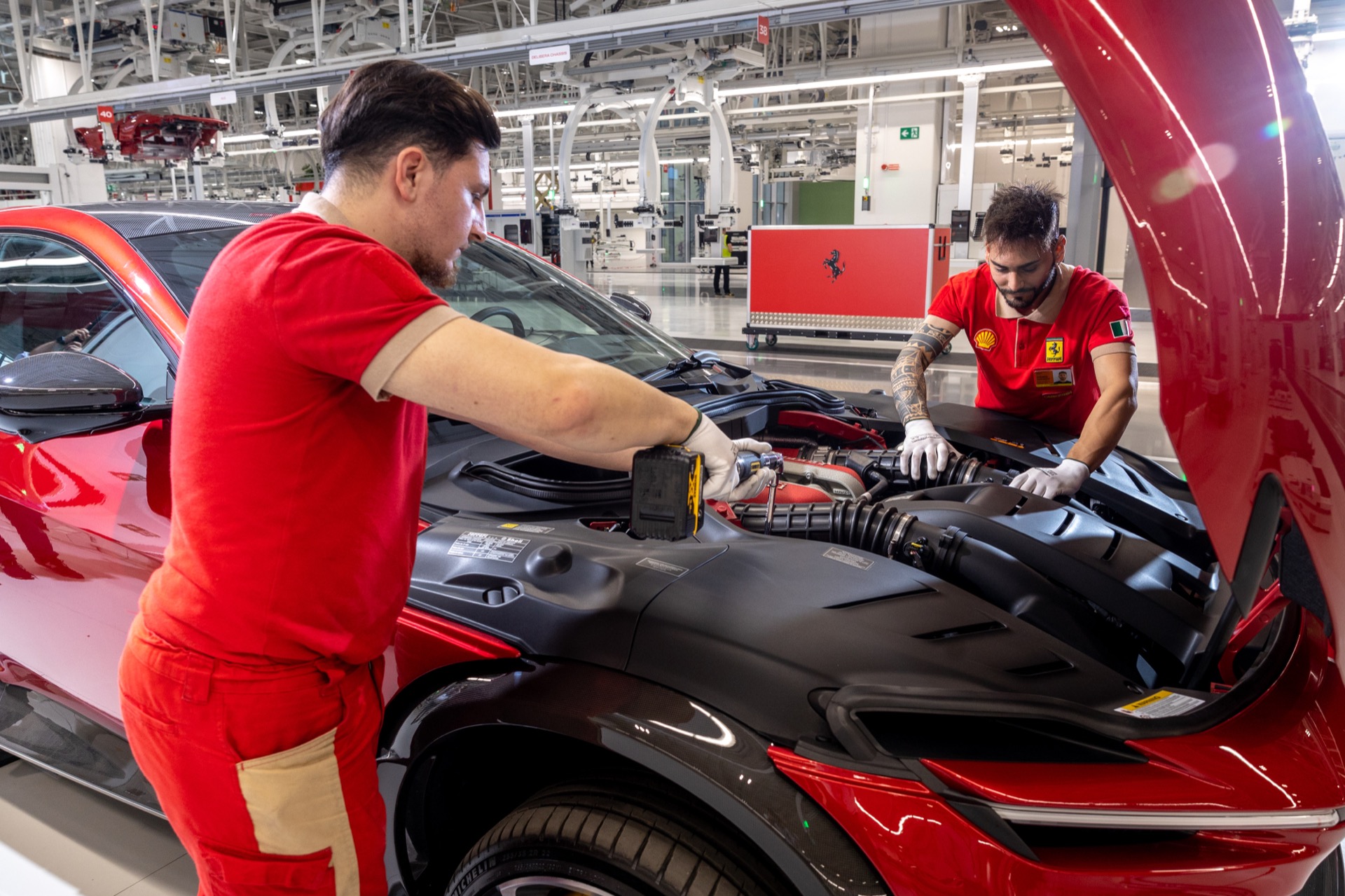
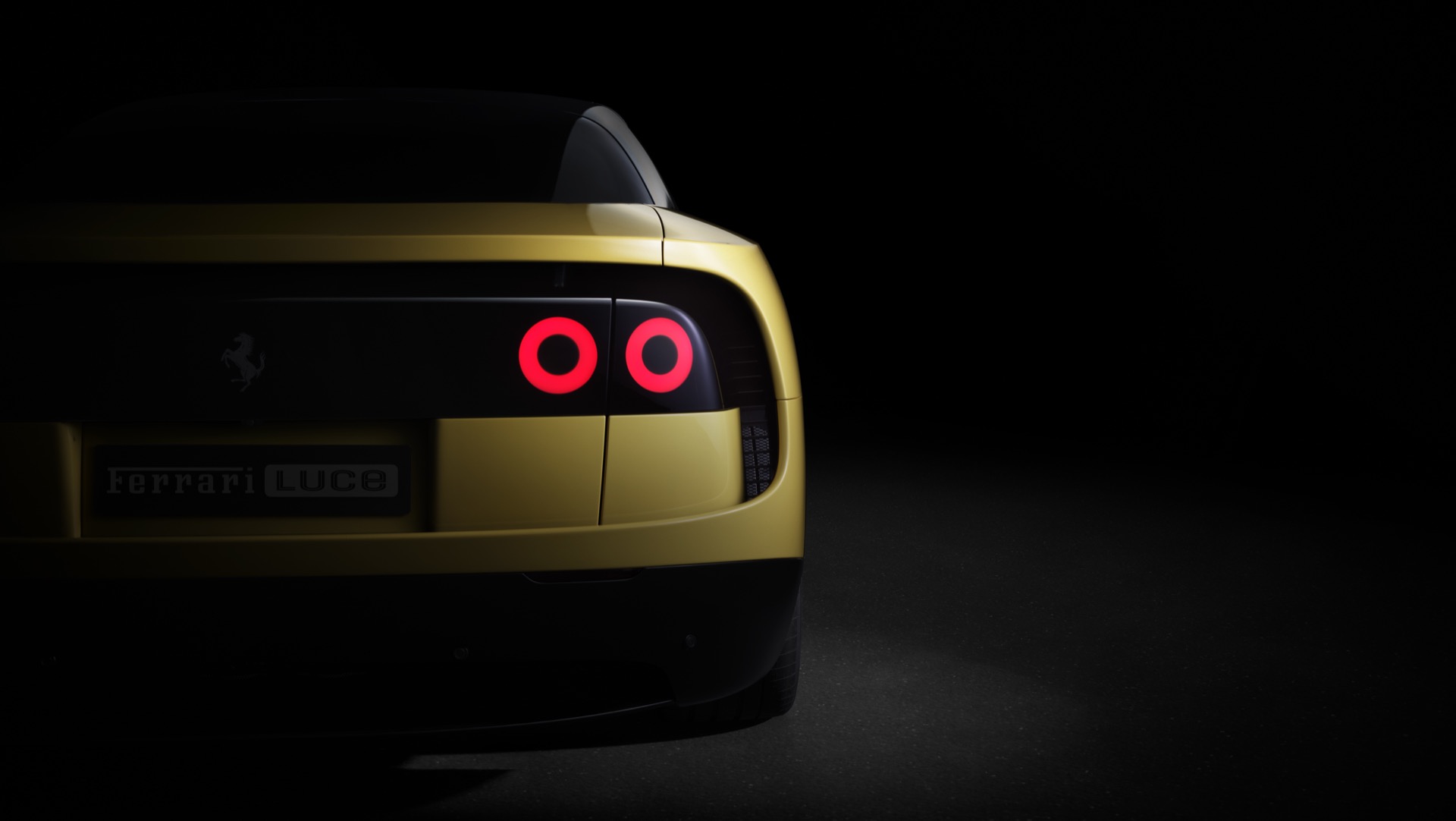
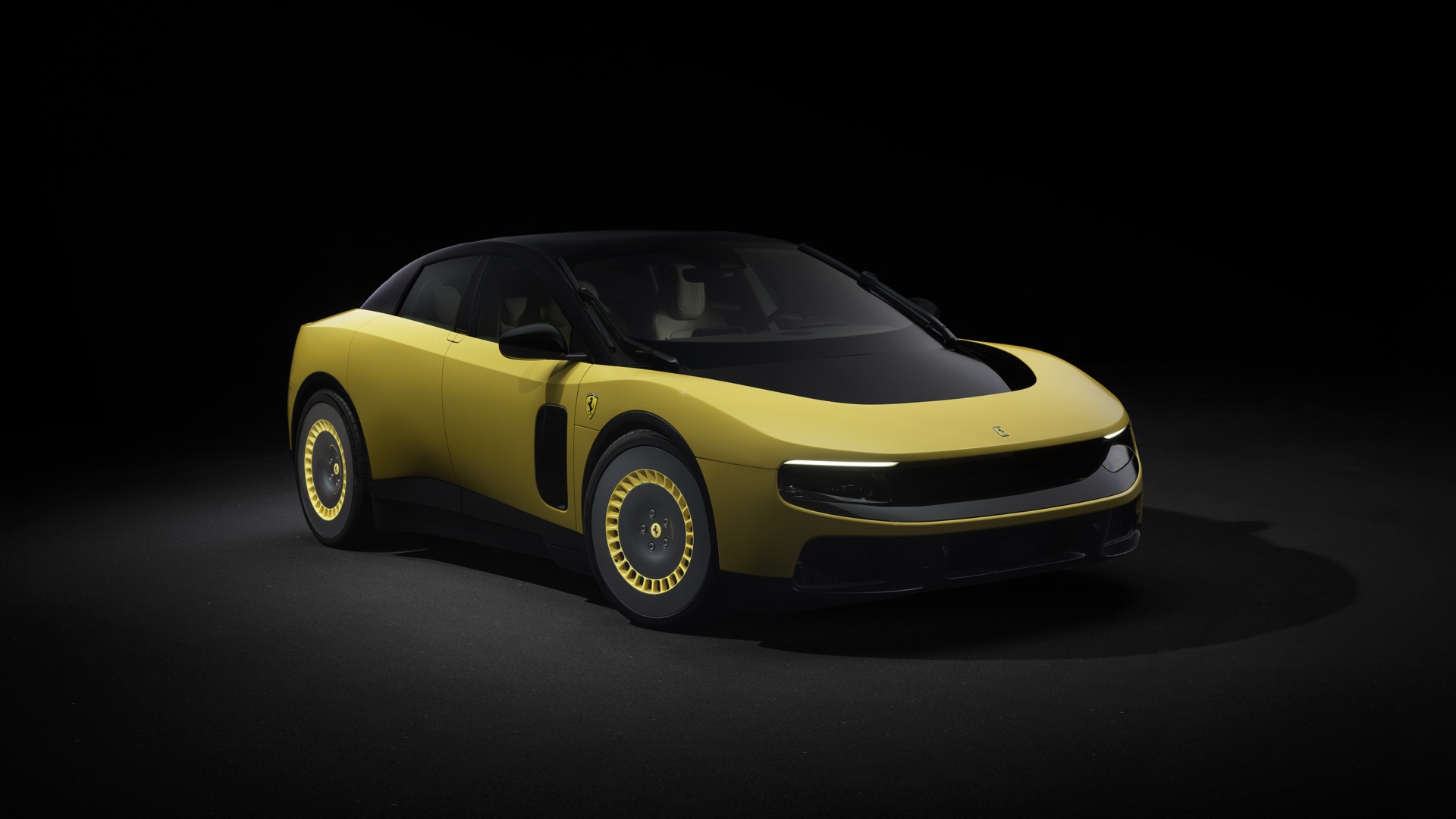
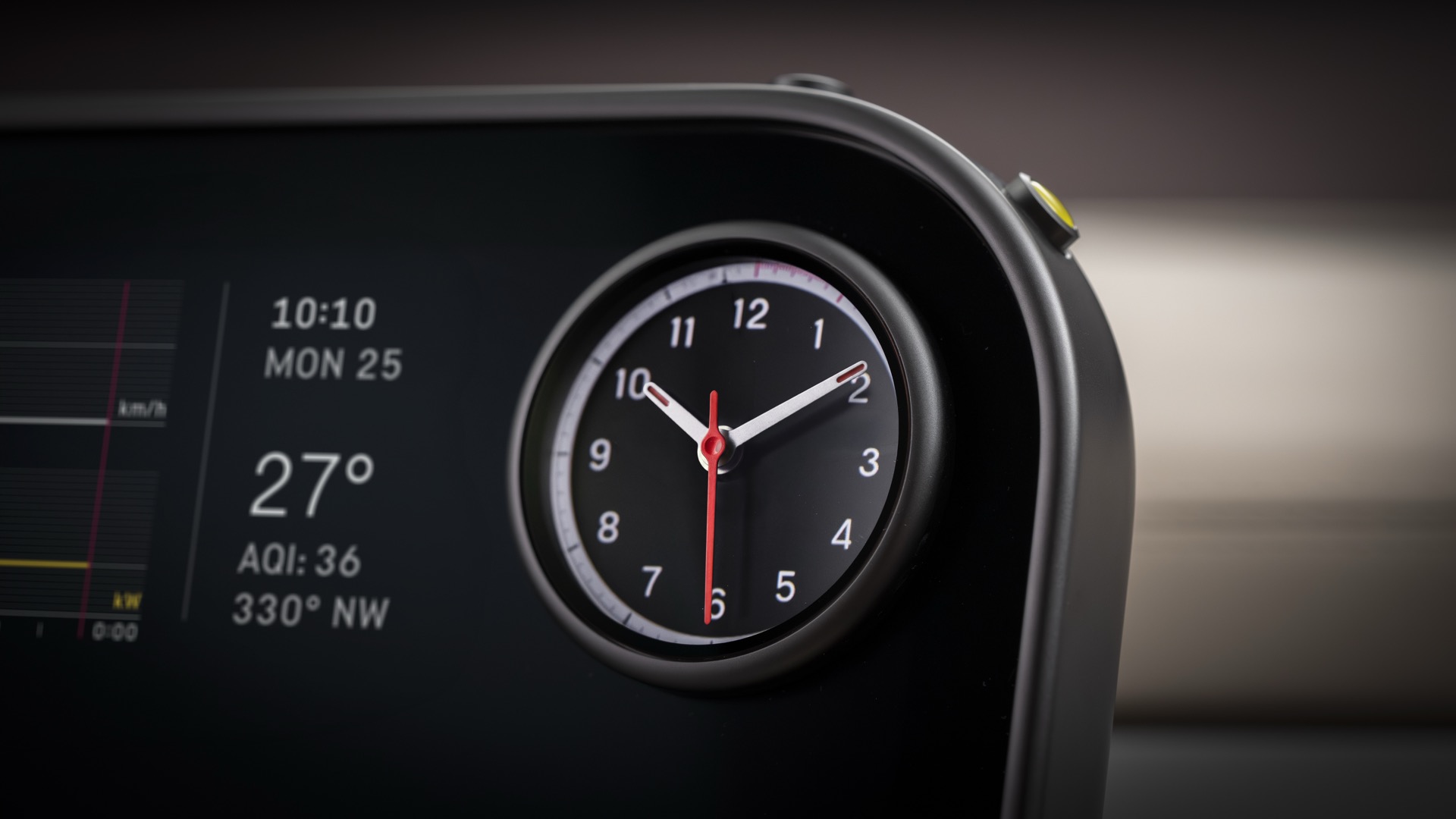
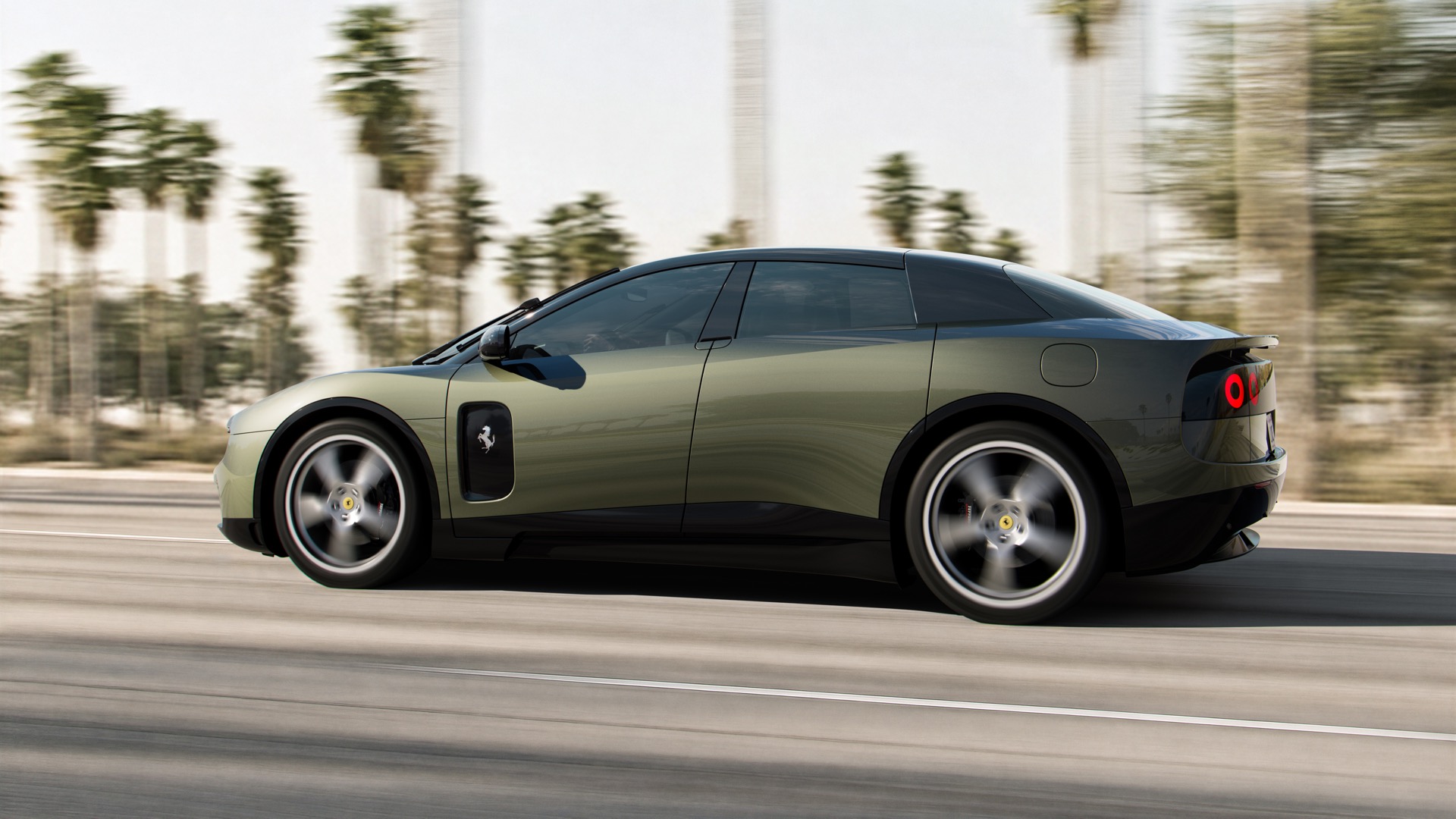
The facility also houses the production of key electrical components, including battery packs, electric motors and axles. Indeed, its contribution to Ferrari’s electrification story predates the Luce itself. The F80’s electric front axle and high-voltage battery were the first components to emerge from the building’s dedicated electric powertrain production lines.
One of the more interesting stages of our visit was the battery assembly area, where we saw individual cells before they were incorporated into the Luce’s battery modules. Ferrari sources the cells externally, but the development, assembly and integration of the battery are undertaken in Maranello. It is an important distinction for a manufacturer determined to retain control of the technology underpinning its first electric car.
The Luce’s 122 kWh battery comprises 210 cells arranged into 15 modules, with 13 positioned beneath the floor and two beneath the rear seats. Rather than simply accommodating a substantial battery pack within the chassis, Ferrari has made it an integral part of the car’s structure. Its aluminium housing contributes to torsional rigidity, while the cooling system and energy-absorbing structures have been engineered to protect the cells.
We also witnessed the marriage, the moment the body and its mechanical underpinnings finally come together, before moving further along the line to see completed examples of the Luce. There were no previously undisclosed technical revelations during our visit, but following the production process from its constituent components to the finished car offered an appreciation of the investment and engineering involved.
Long-term serviceability has also received considerable attention. Ferrari has designed the battery so that individual components can be replaced, rather than treating the entire assembly as a disposable unit. For a manufacturer whose cars frequently remain on the road for decades, it is an important consideration.
Perhaps the most striking aspect of the visit was how naturally the Luce appeared to fit into its surroundings. Watching Ferrari’s first electric car take shape alongside its V8 and V12 stablemates, assembled by the same people, provided a compelling illustration of Maranello’s approach to electrification.
The powertrain may be entirely new, but the philosophy behind its manufacture is unmistakably Ferrari.
The real question, however, is whether the Luce can deliver a driving experience worthy of the cars with which it shares its production line, retaining the responsiveness, precision and sense of occasion that define a Ferrari. With the first media drives scheduled to take place before the end of the year, we shouldn’t have to wait much longer to find out.