In Porsche circles, it is an eternal debate: Rear or mid engine? Sure, the 911 is the quintessential Porsche; as a successor to the Volkswagen-based 356, it’s sticking to its roots. But the mid engine layout has its advocates, too. The Cayman and Boxster, with their high-performance derivatives, are seen by some aficionados as more balanced and purist than the 911. The mid-engine Carrera GT is one of Porsche’s most iconic supercars. But the brand’s mid-engine tradition – if you discount the 550 Spyder, a pure race car – actually started with a very different car: The VW-Porsche 914.
The joint project between the two closely associated brands led to a low-slung two-seater with pop-up headlights and a targa roof (back in 1969, the pinnacle of modernity), with excellent roadholding, but somewhat tainted by the Volkswagen connection; its entry-level flat-four was closely related to the engine powering the VW 411/412. But there was a notable exception: The 914/6, powered by a flat-six taken from the 911T. It was so expensive that Porsche took it off the market after just two years and just over 3300 units, replacing it with a 914/4 powered by a 2.0-litre VW-based four.
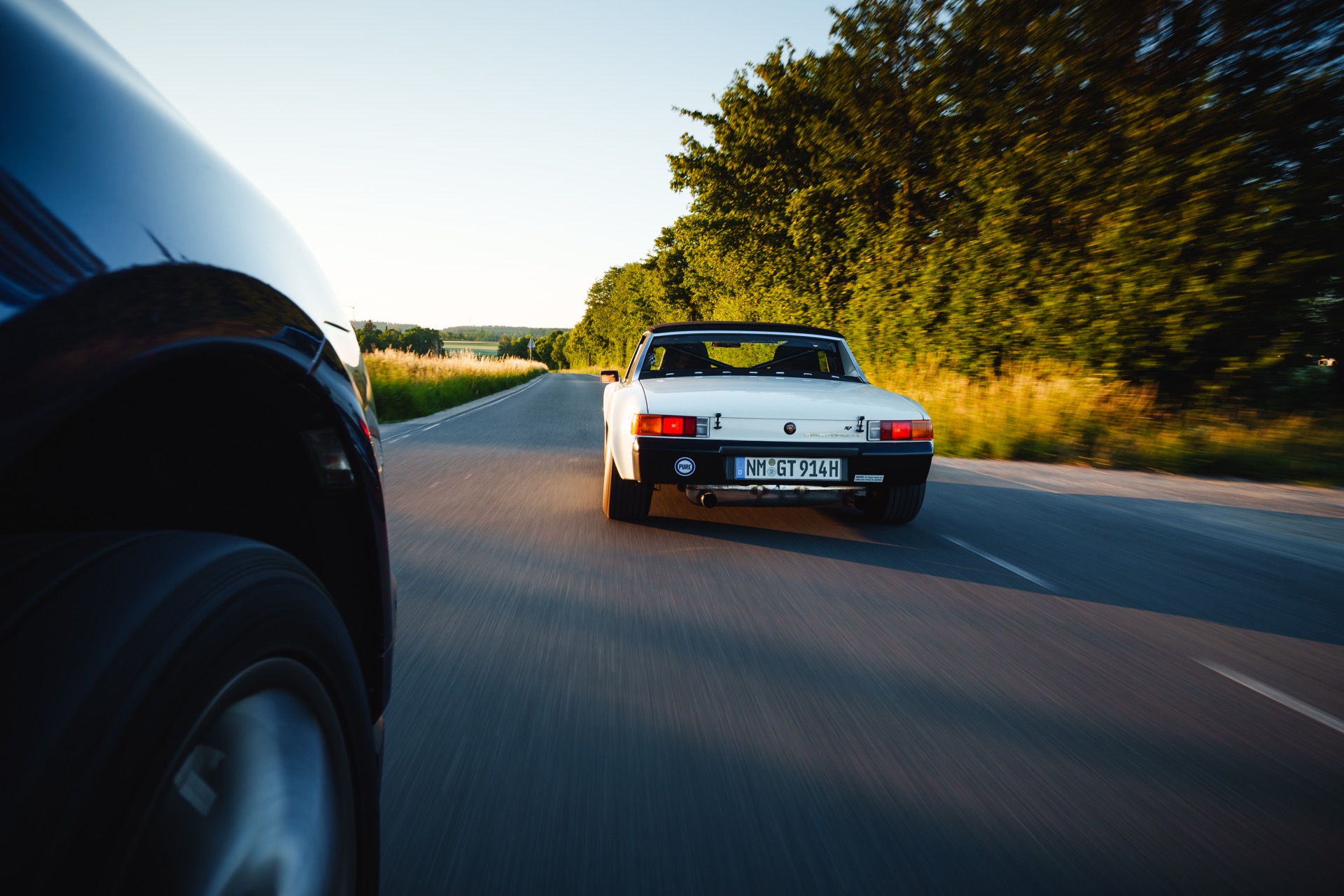
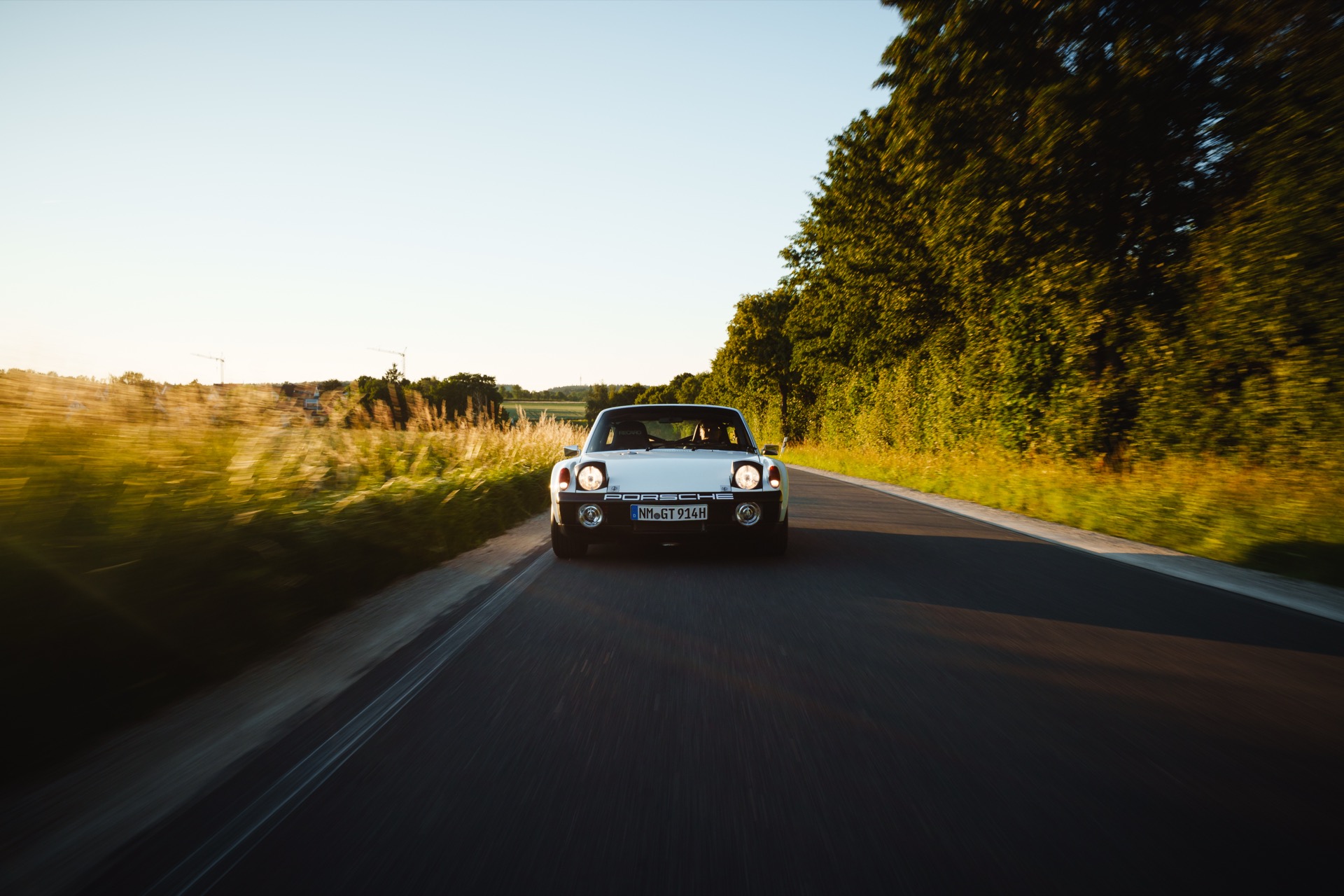
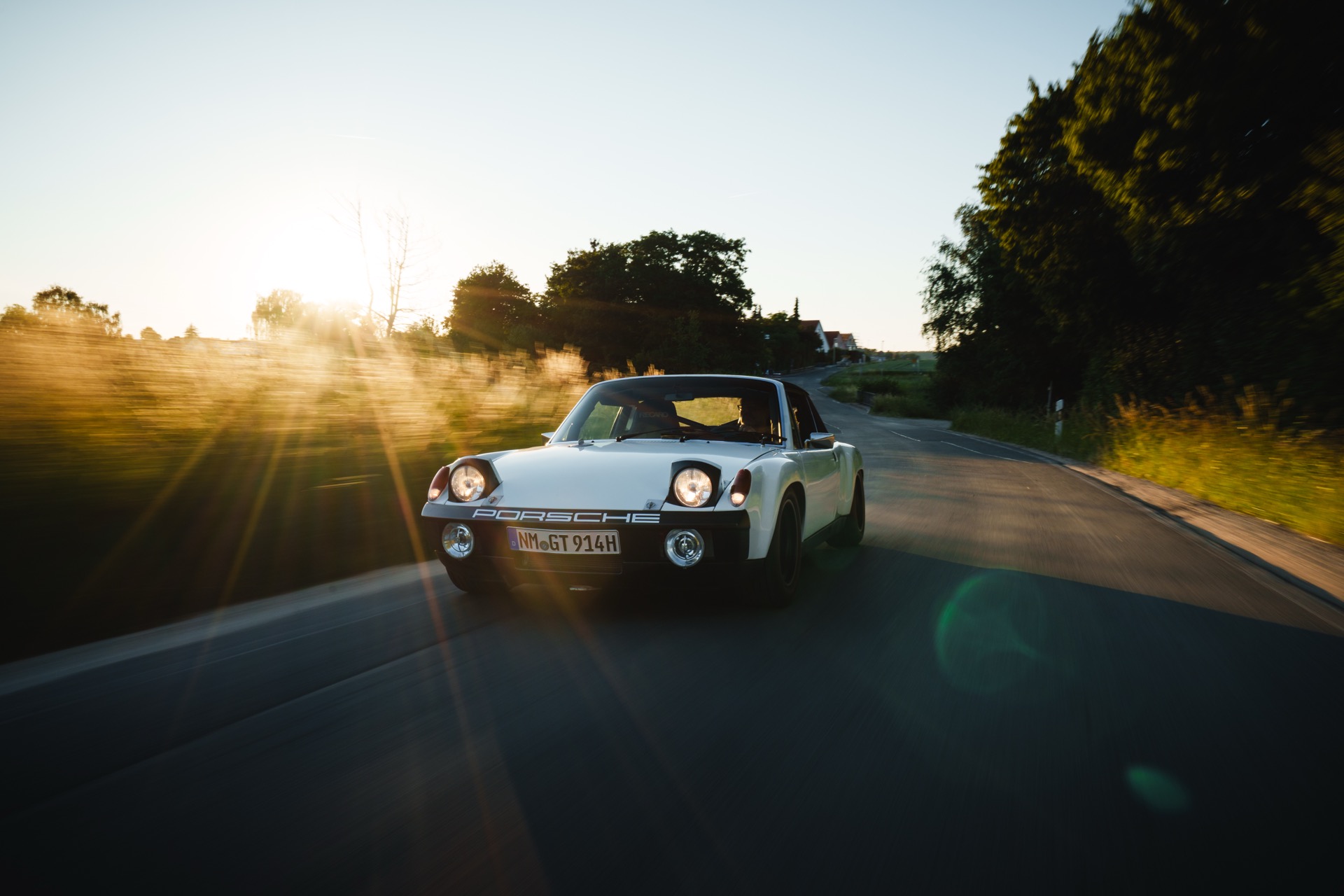
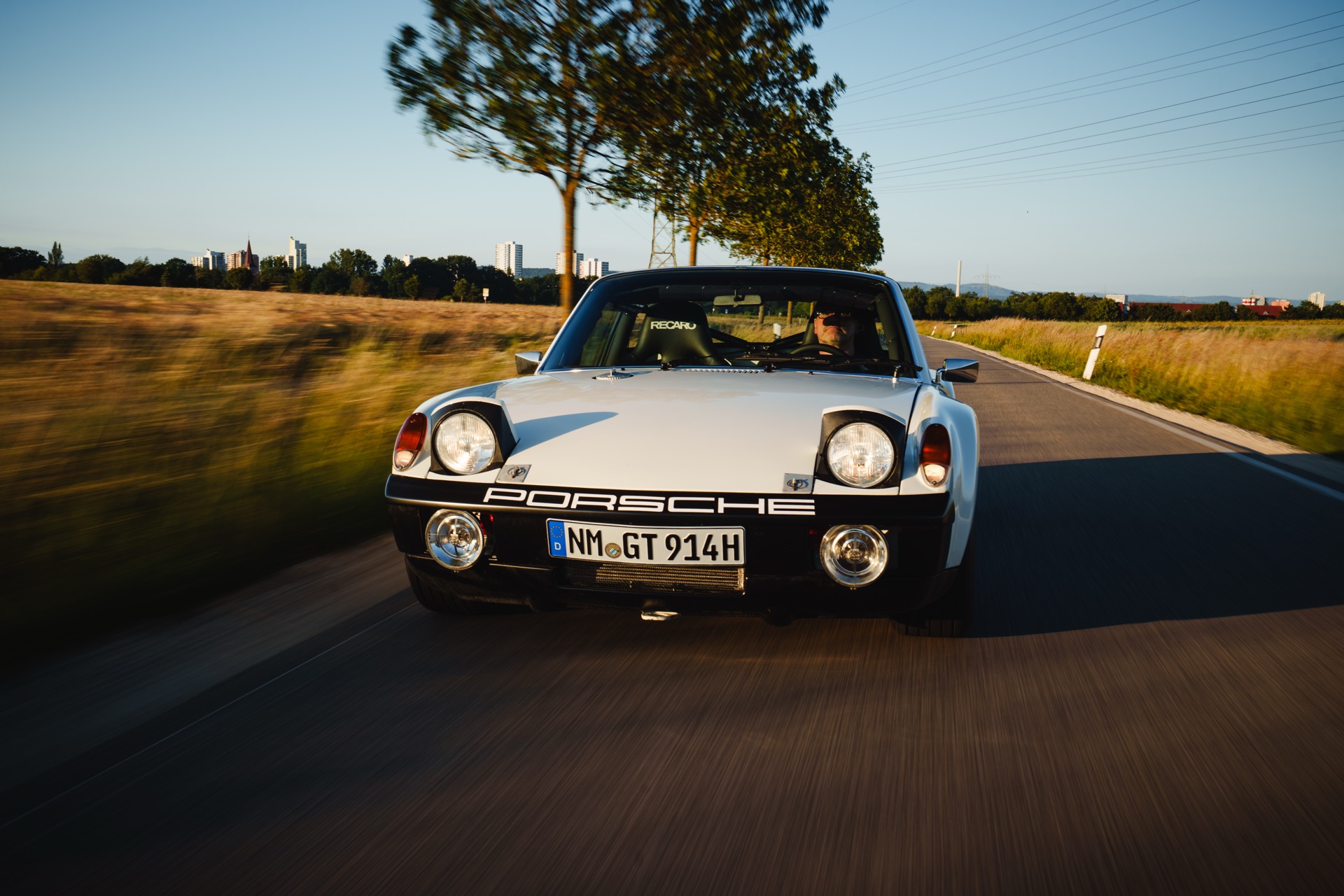
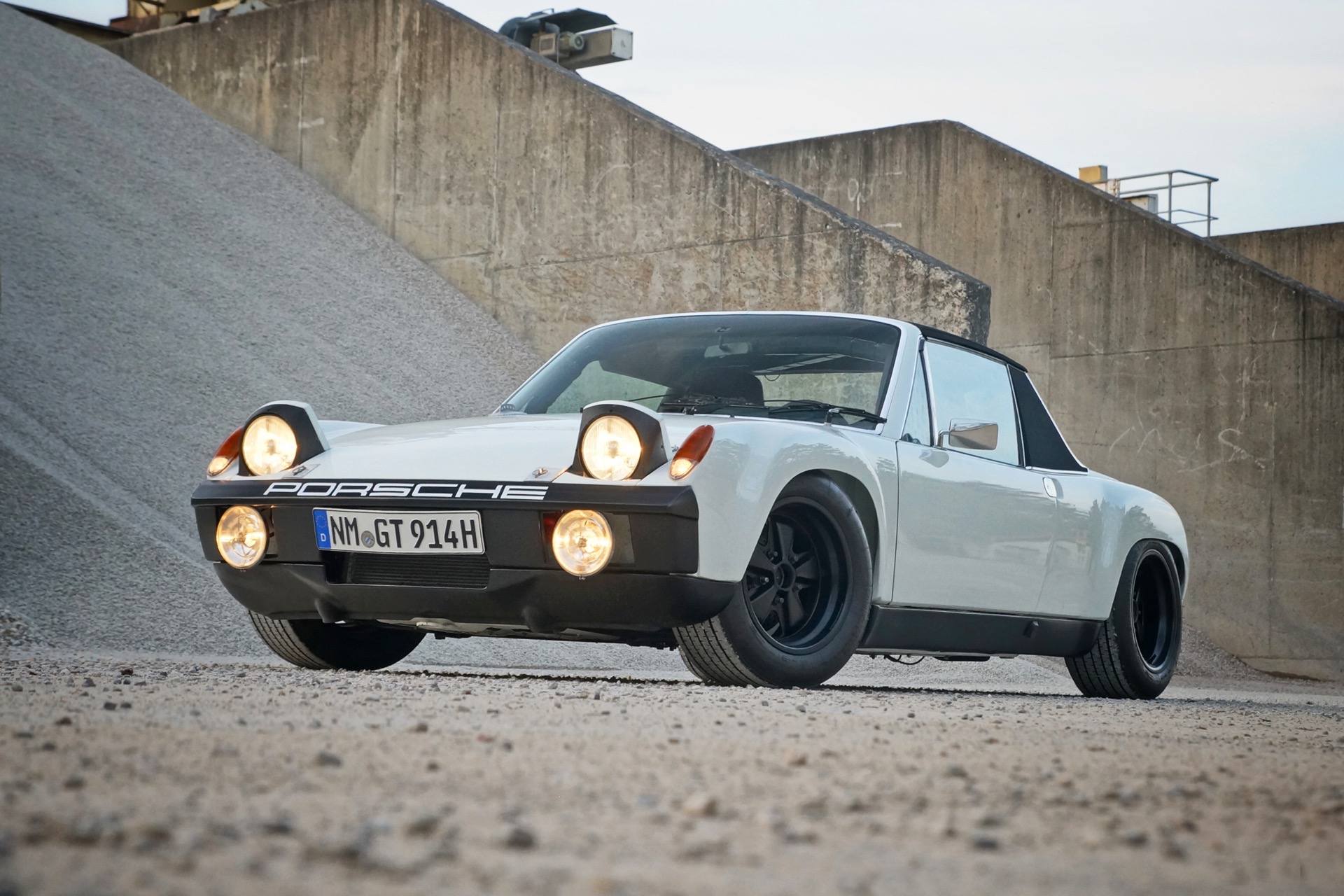
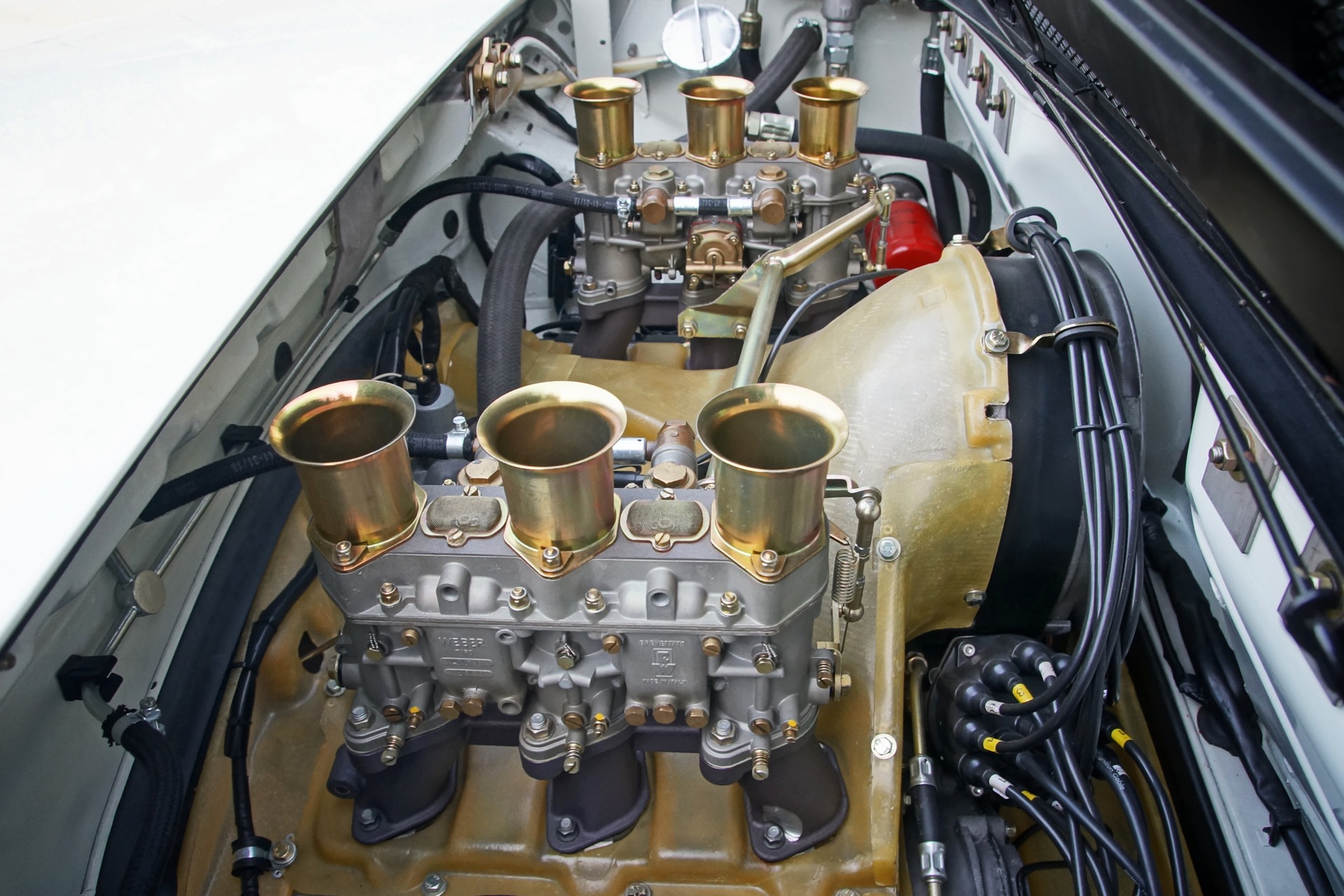
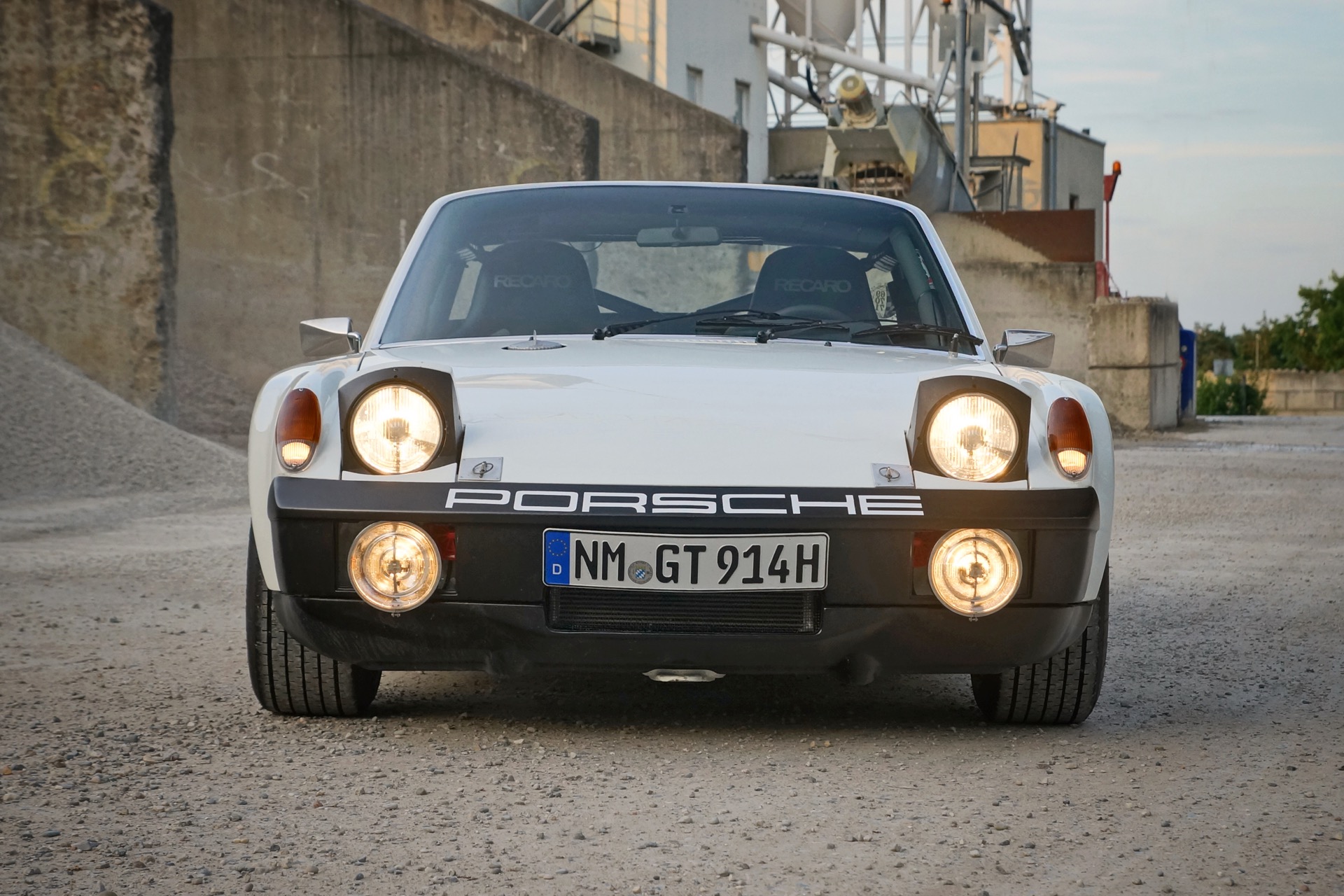
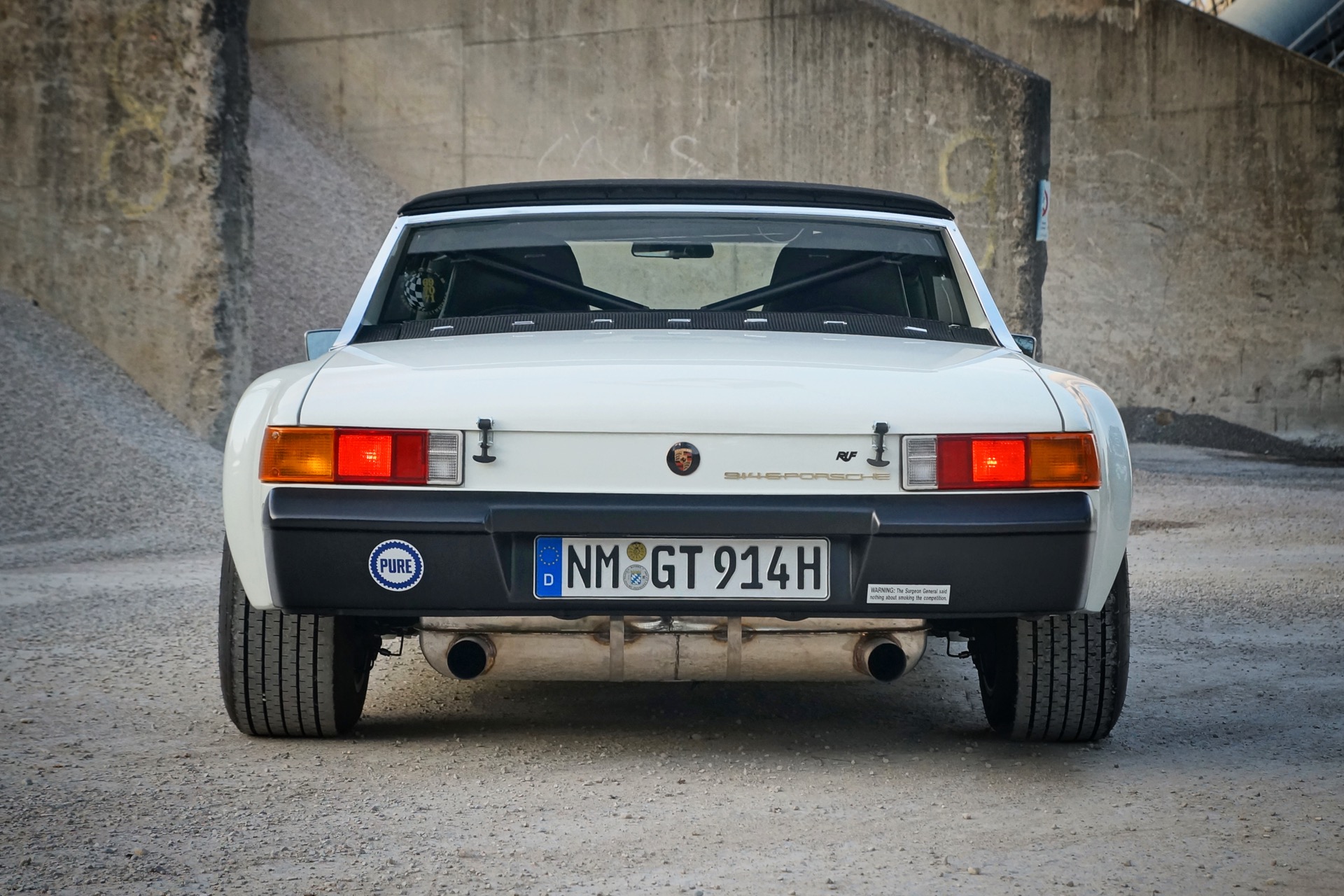
Which, of course, makes the 914/6 one of the most desirable Porsches ever built: Fully Porsche-engineered and -powered, it is the spiritual predecessor of the Boxster/Cayman; it handles incredibly well; and its quirky design sets it apart from the ubiquitous 911.
Of course, there are layers of desirability. There is the regular 914/6 (matching numbers, please; six-cylinder conversions of the 914/4 are worth significantly less); and there are the GT models, built in less than 50 units at the factory, or built with one of the official Sport Kits (factory code M471), sold about 400 times.
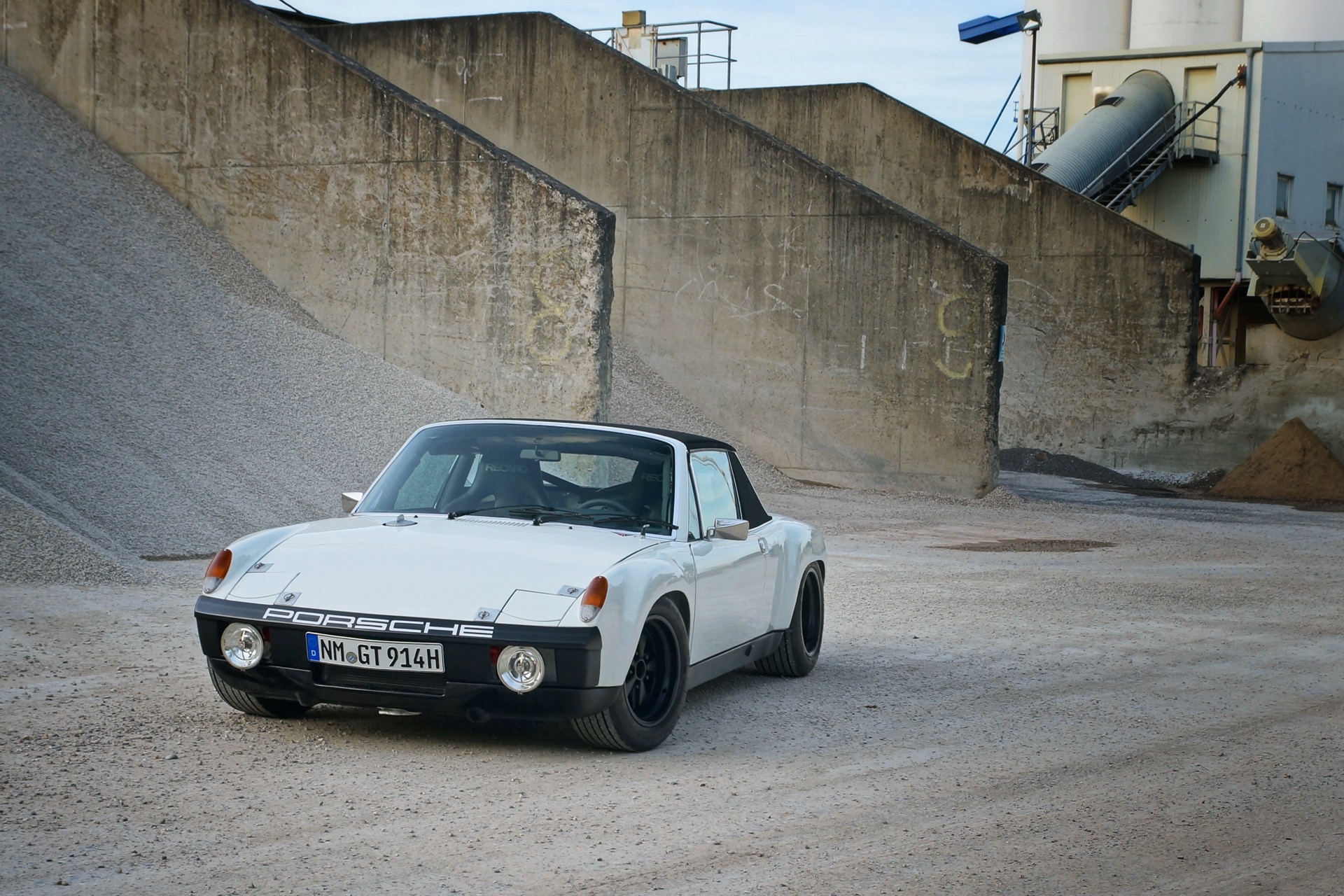
A few years ago, automotive star designer and Porsche collector Luc Donckerwolke set out to create the ultimate 914/6. His no-cost-spared effort to create this dream car started out with a matching-numbers Porsche 914/6, originally delivered in Antwerp/Belgium on December 24, 1970. Retaining its full original service booklet and documentation, an original Porsche invoice dated May 28, 1975 records the factory GT conversion. It included not only the iconic widened fenders but also reinforced bodywork and wider Fuchs alloy wheels.
After Donckerwolke acquired the car (with just 121,000 km, or 75.000 miles, on the clock), he went to none less than Ruf Automobile in Pfaffenhausen/Germany, to realize the project. At that time, Ruf was simultaneously restoring an original Porsche 914/6 Monte Carlo rally car. Having the factory competition car on hand allowed the team to study every detail firsthand while improving upon some of the original solutions, wherever modern craftsmanship permitted.
The transformation into a truly unique tribute to the 914/6 racing history was led by Stefan Roser – of global fame for his iconic Nürburgring Nordschleife drive in the Ruf “Yellowbird.” The matching-numbers engine was completely rebuilt by Helmut Pietsch, former head of engine engineering for Porsche’s Customer Motorsport Department (Werk 1). Enlarged to 2.4 liters and fitted with twin ignition and numerous internal upgrades, it now produces a (conservatively estimated) 190 hp, matching the output of the legendary Porsche 916. As on the original competition cars, a Bosch transistor ignition system from the NSU Ro 80 was installed to ensure reliable operation at sustained high engine speeds.
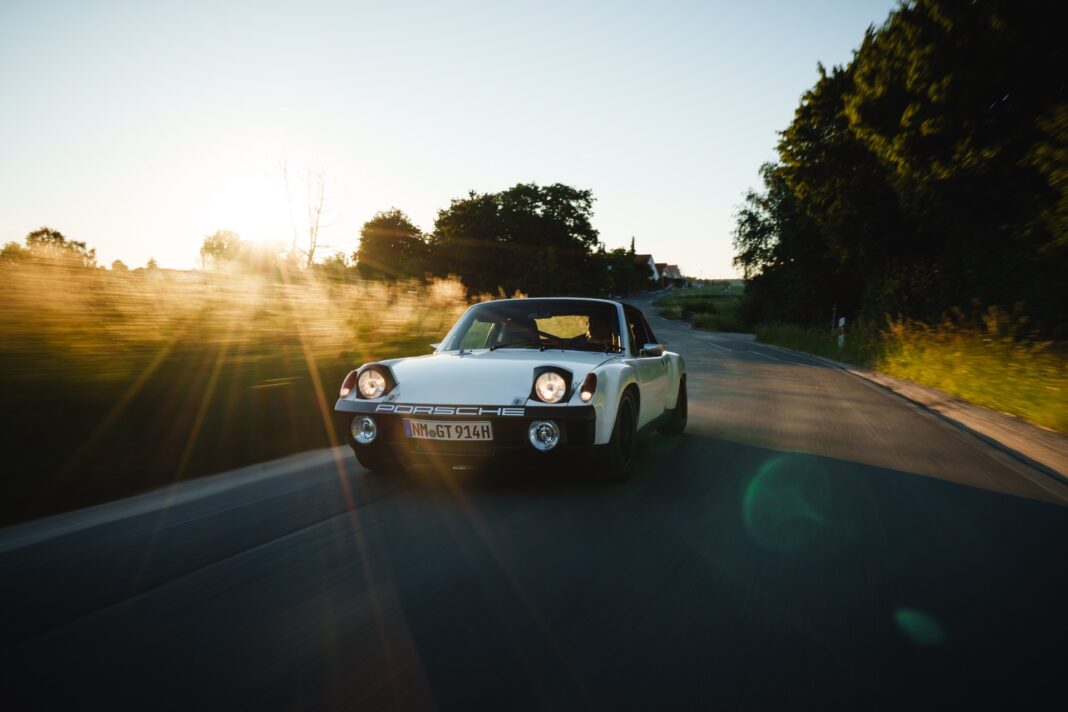
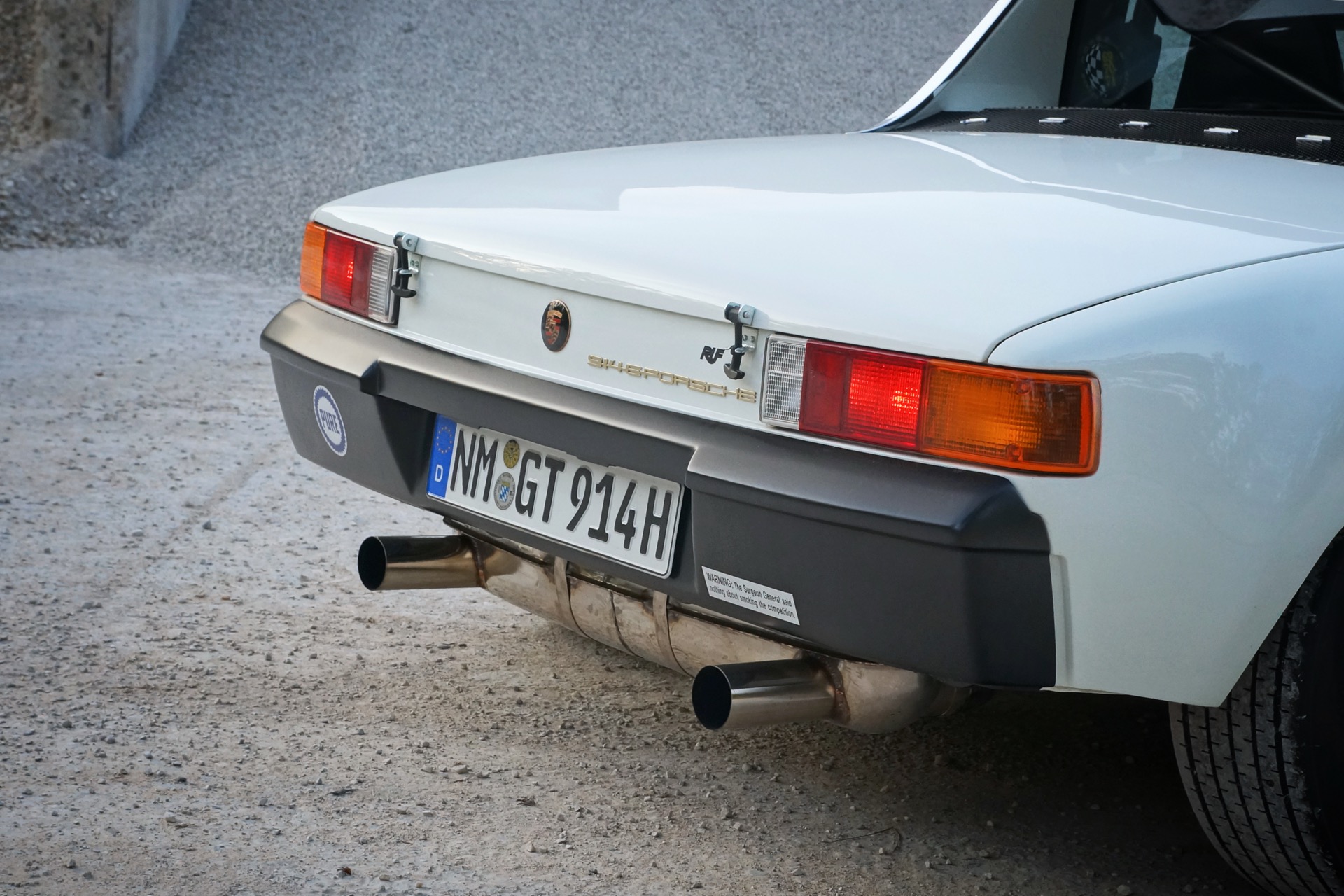
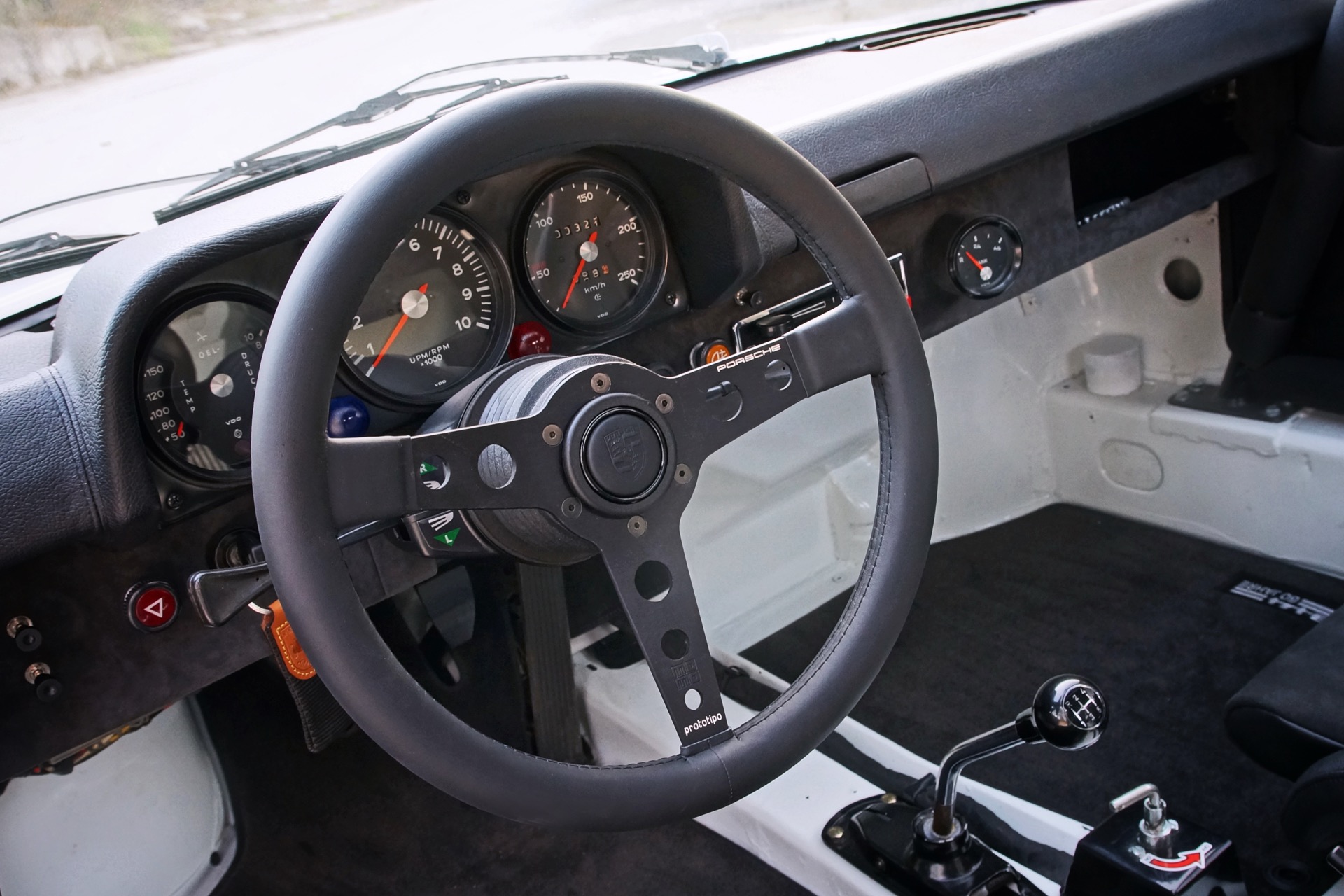
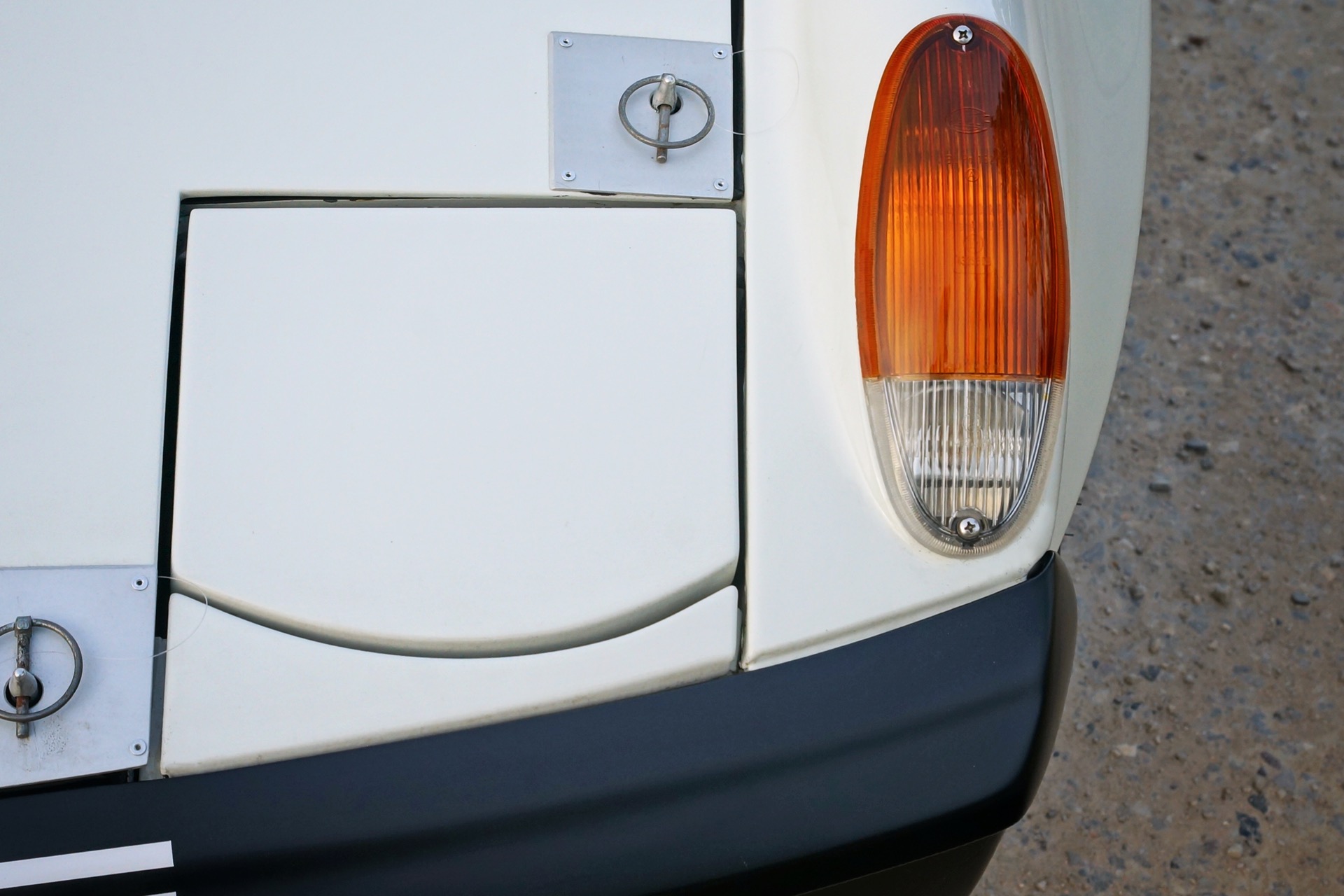
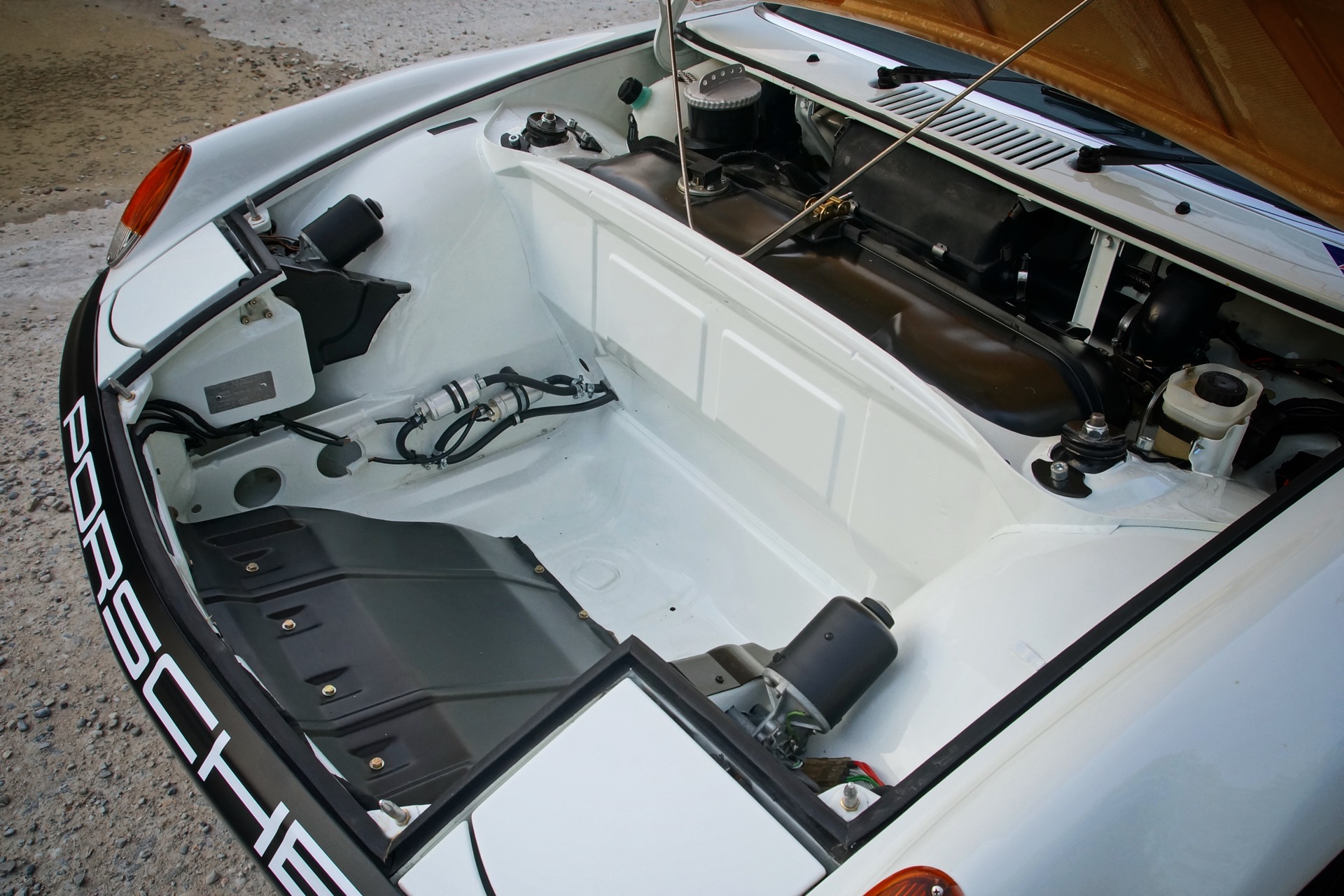
The specification is exceptional throughout. Finished in grand prix white (L908), the car features original 8Jx15 front and 9Jx15 rear Fuchs wheels fitted with new Michelin TB15 tires, Porsche 917/RSR brake calipers front and rear, a balance-bar braking system, a 40% limited-slip differential, a centrally mounted handbrake and an oil-cooling system identical to that of the works Monte Carlo 914/6. A period-correct Heigo roll cage, lightweight fiberglass front and rear lids reinforced with balsa wood as on the factory race cars, and fiberglass bumpers, valances, and engine covers complete the uncompromising lightweight construction. Refueling is carried out via a filler integrated into the front lid.
Despite its competition-focused specification, this remarkable Porsche remains fully road legal in Germany with regular registration documents and historic (“H”) registration. Having taken it for an extended drive, we can attest to its superb handling and driving characteristics. The unmistakable flat-six sound, the low seating position and the incredible precision of the controls make this one of the most rewarding Porsches this writer has ever driven.
And perhaps even more importantly, it is unique. Any 914 stands out visually next to the cluster of original and modded 911s at every car meet and competition. But this one humiliates them. Ready for the Autobahn, the racetrack or the canyons, it will go on sale this summer.