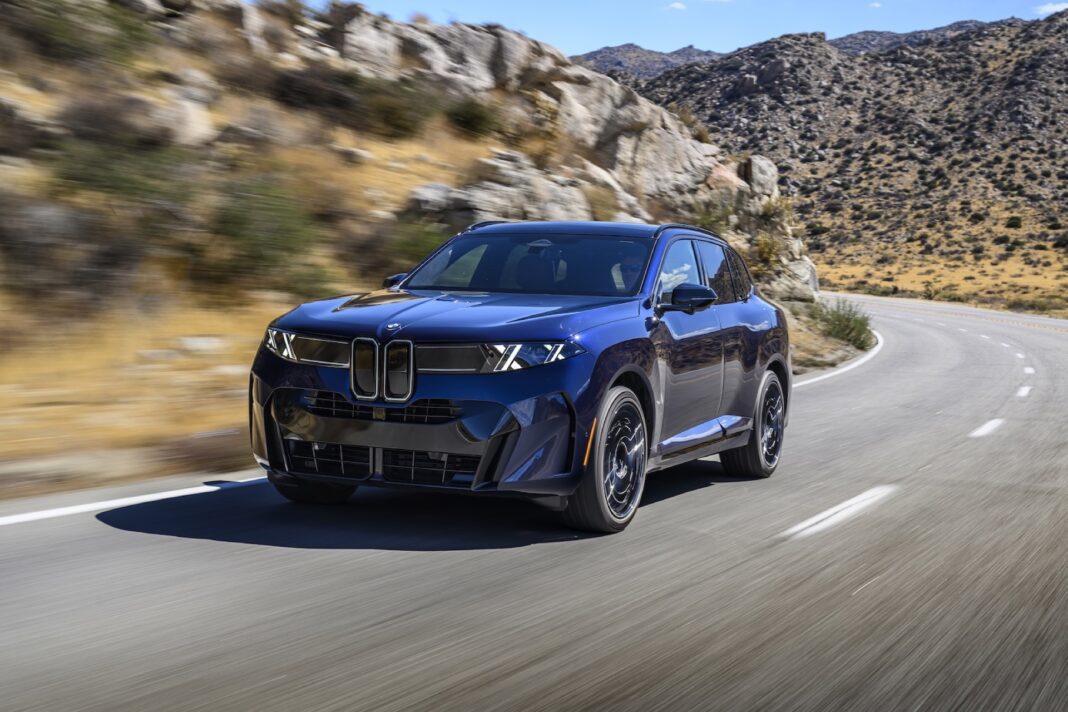
BMW is keen to position the all-electric iX5 as the star of its new X5 range. However, listen carefully to those working behind the scenes at the Bavarian manufacturer, and a rather different picture emerges. Many within BMW believe the entry-level petrol-powered X5 40 xDrive could be the perfect match.
Admittedly, the new BMW iX5 sets impressive standards in the luxury electric SUV segment. Excellent driving dynamics, an abundance of luxury, attractive styling and an enormous battery pack offering a potential range of more than 800 kilometres make it a compelling proposition. In Europe, the muscular diesel is also likely to remain a popular choice. But then there is the entry-level X5 40 xDrive, a model that has traditionally attracted most of its attention in the United States. With this latest generation, that could be about to change, because there is very little about the new petrol X5 that feels entry-level.
Its performance figures alone are enough to raise eyebrows. Over recent years, BMW has continued to develop its three-litre B58 straight-six petrol engine, extracting increasingly impressive outputs across several model ranges. Admittedly, with a starting price of €98,800, the BMW X5 40 xDrive is hardly inexpensive. It is also €4,000 more expensive than the 313 PS X5 40d diesel.
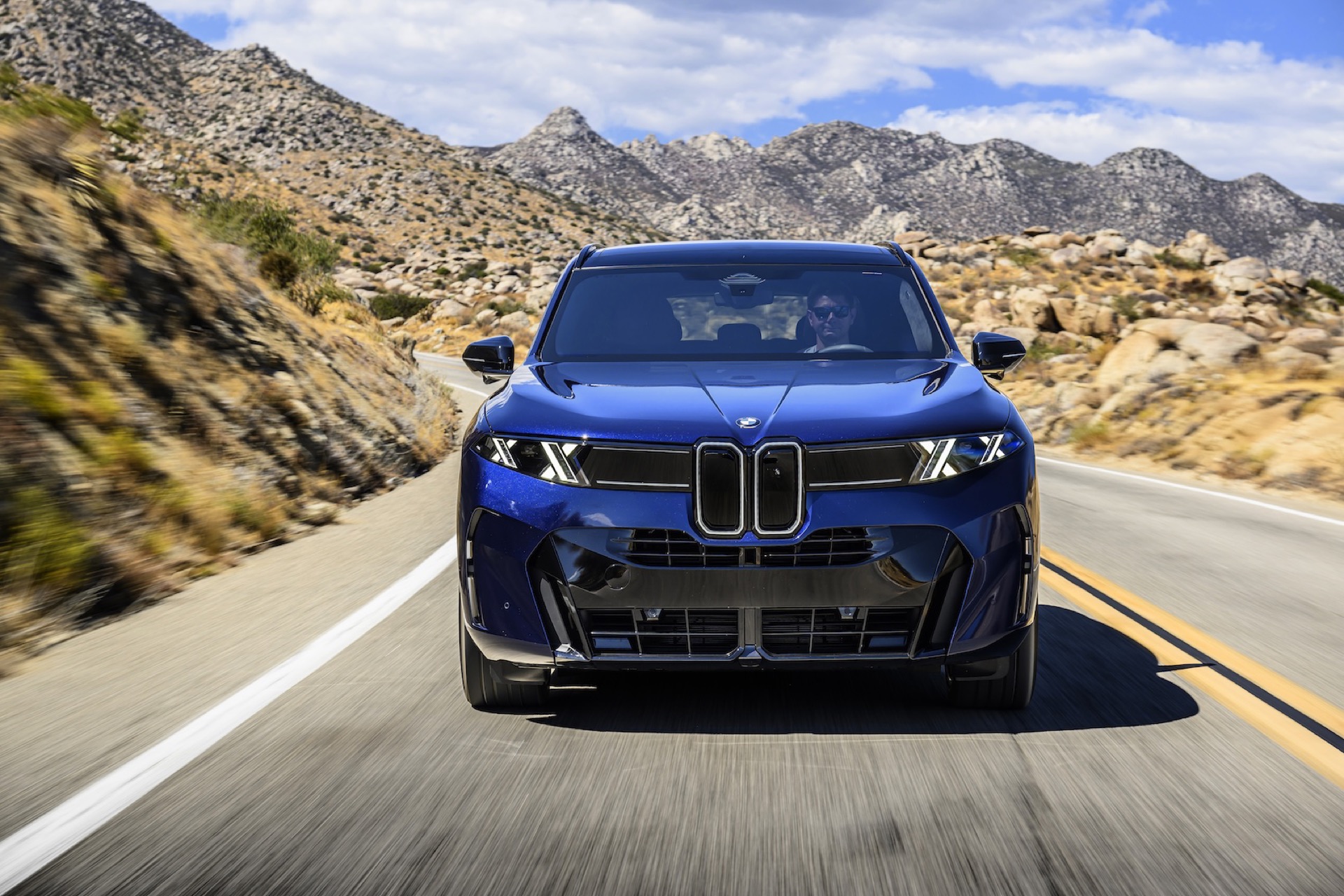
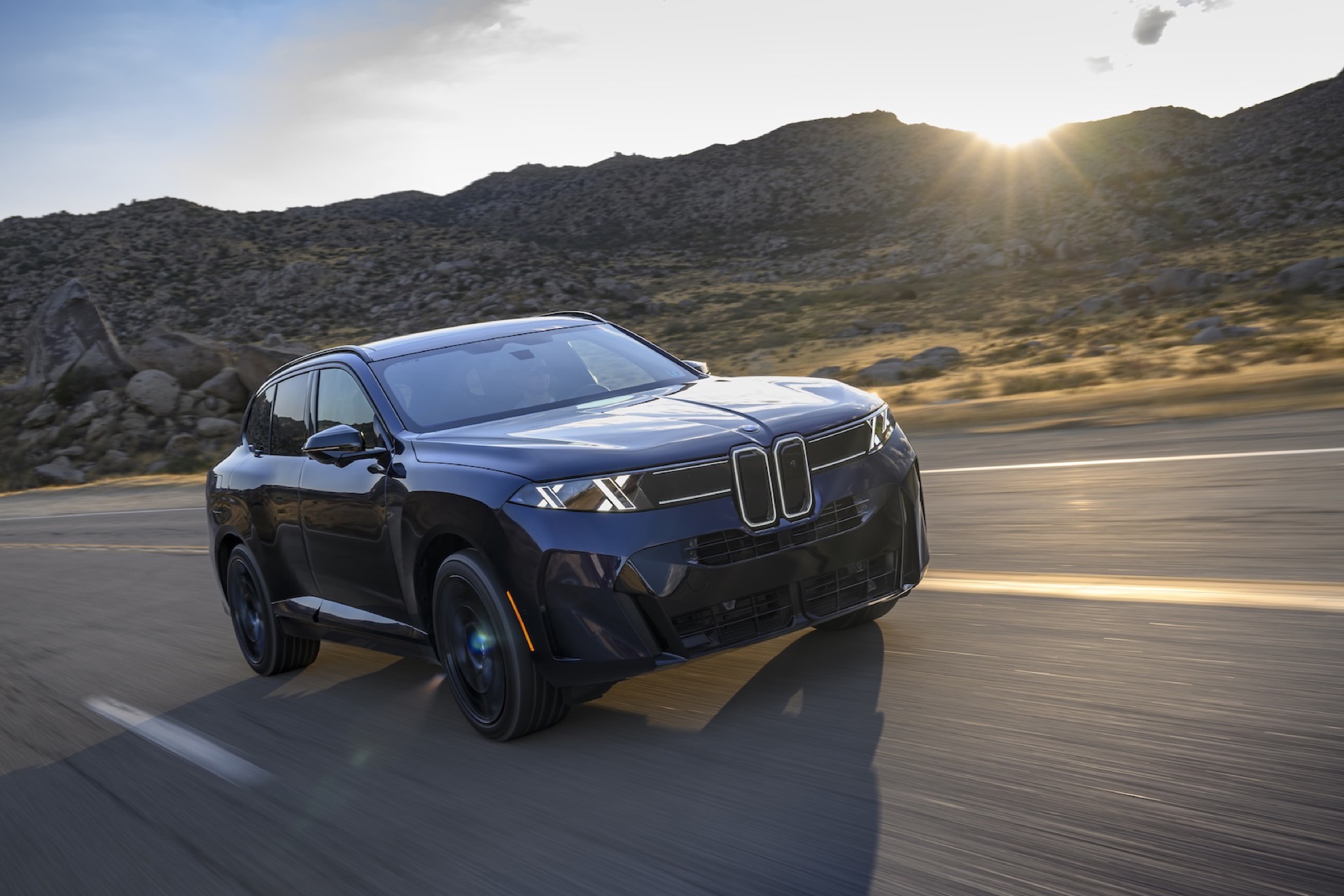
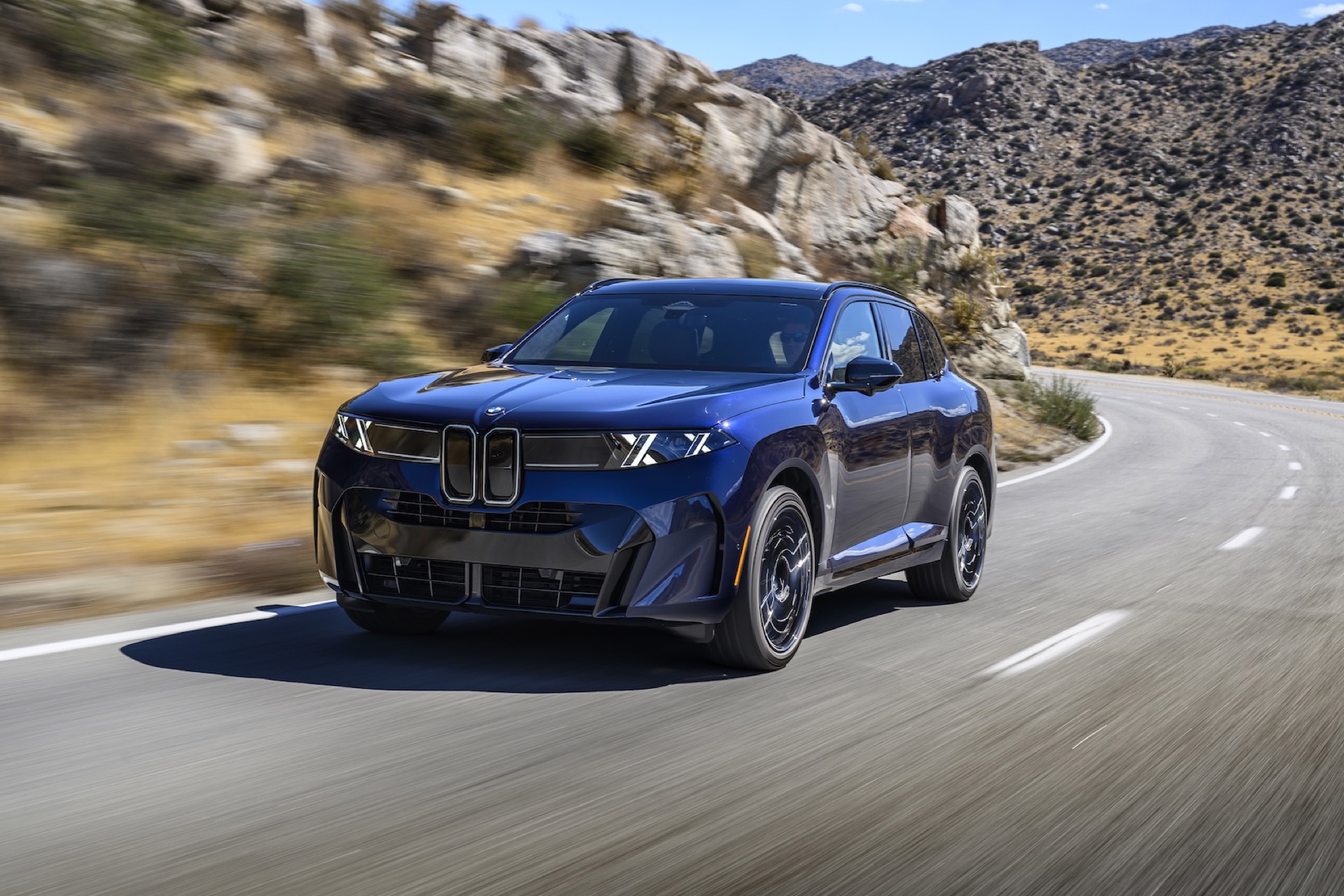
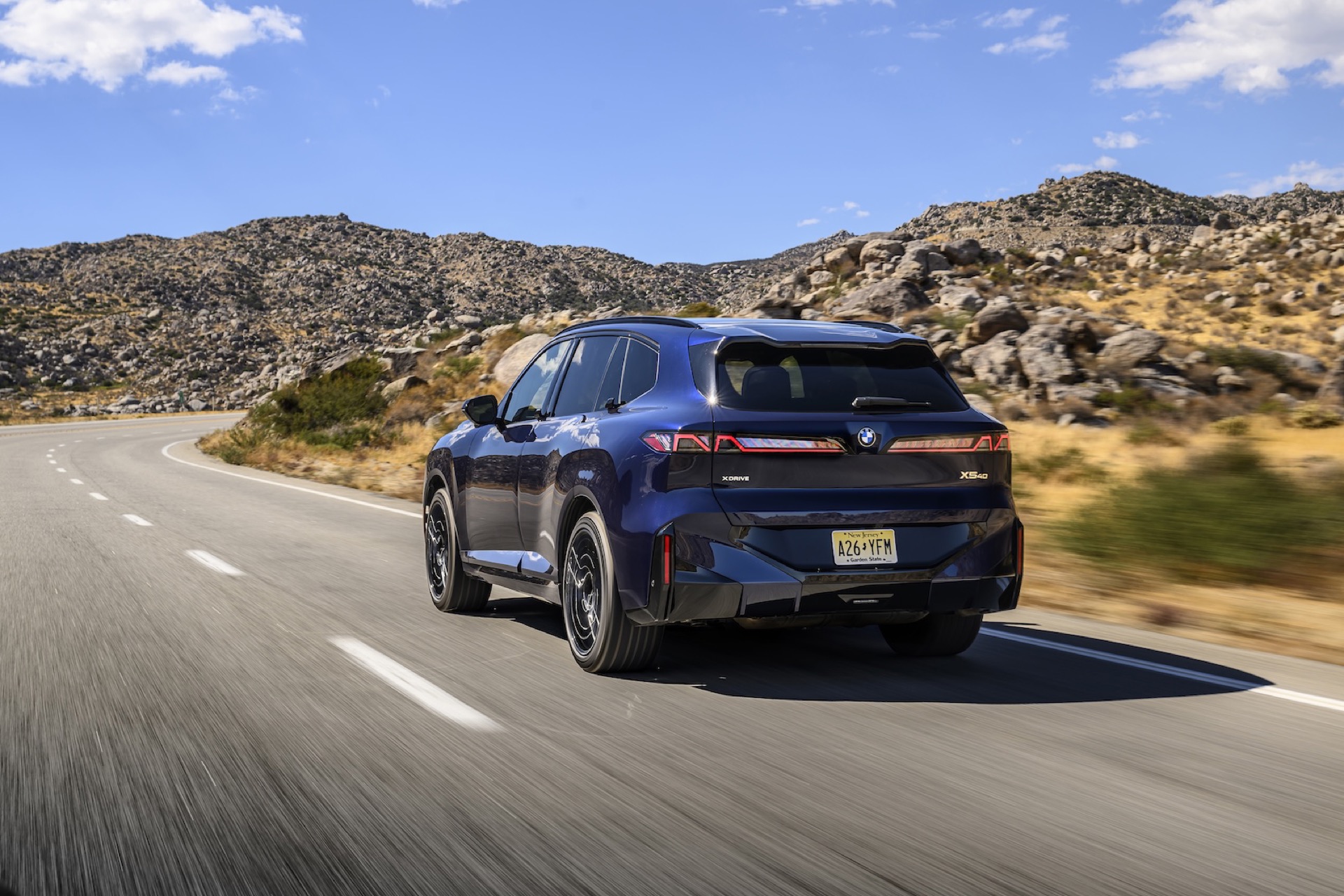
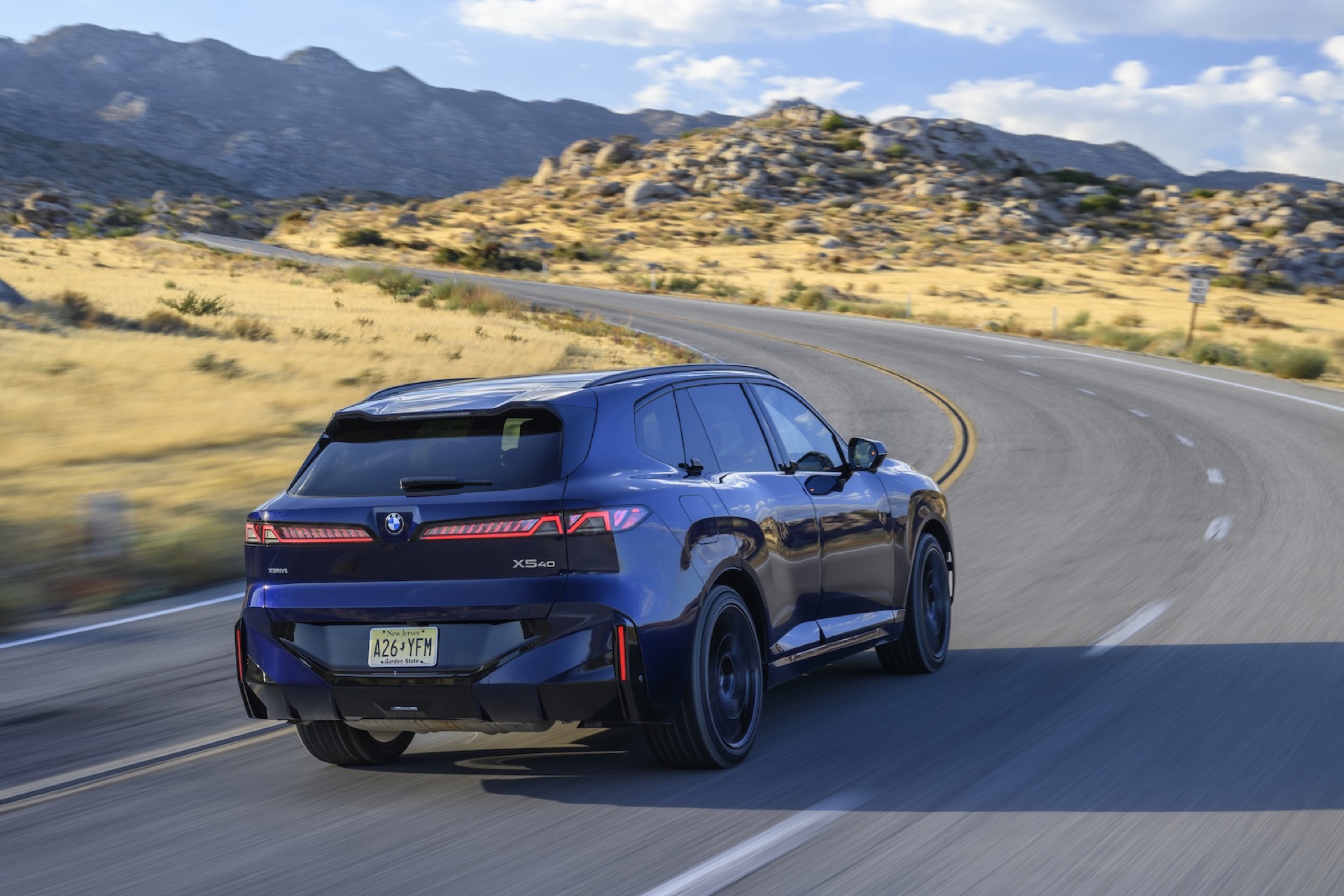
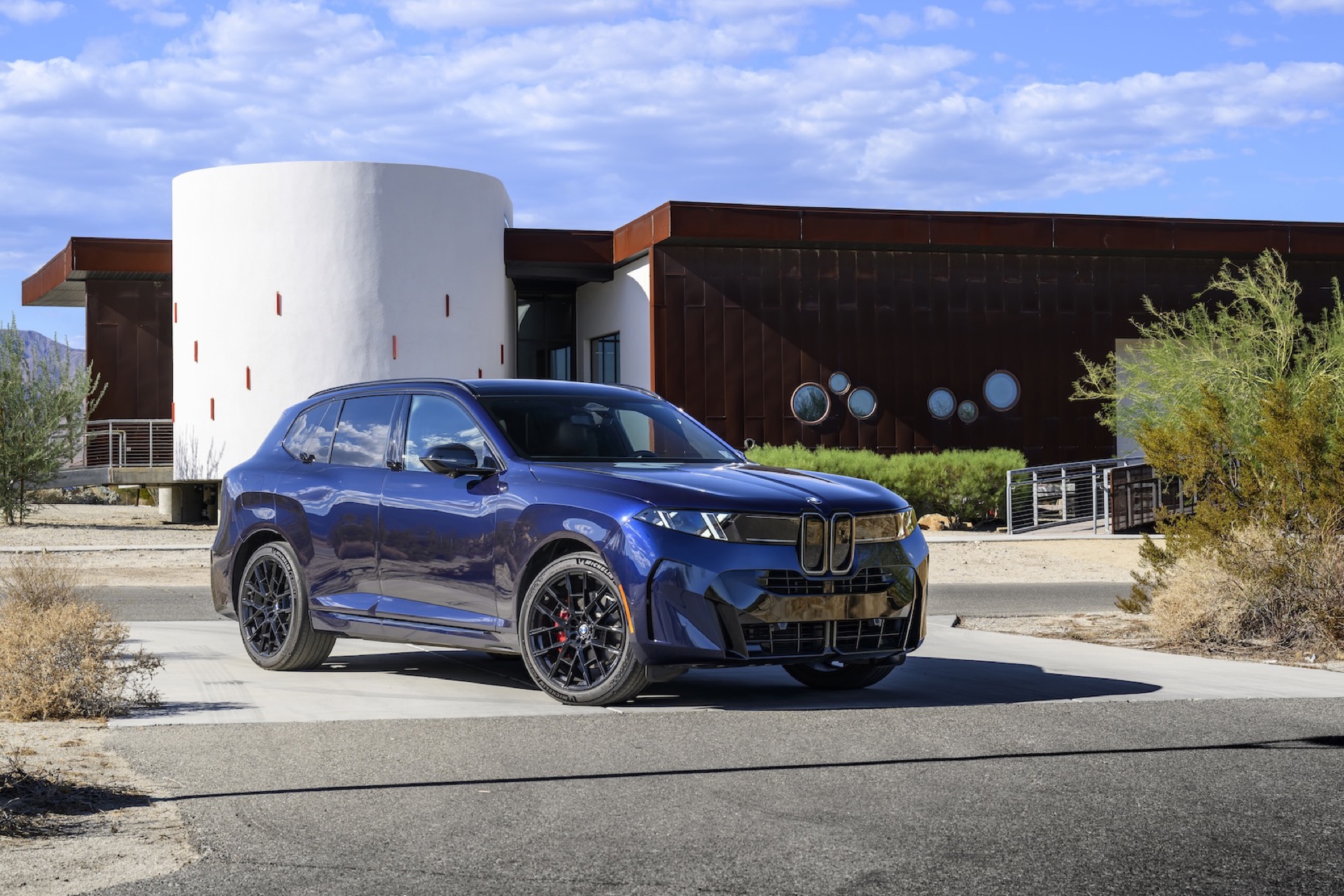
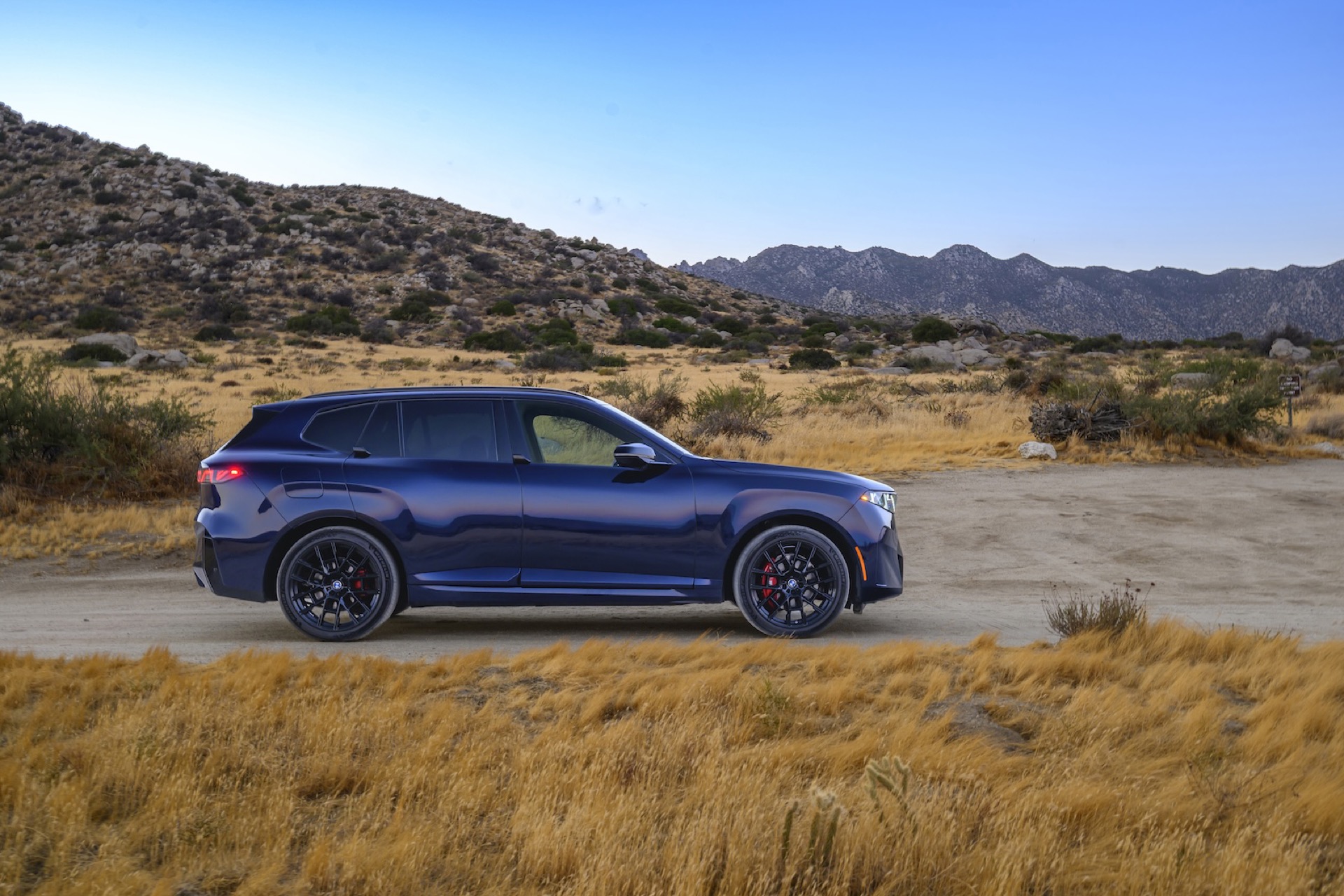
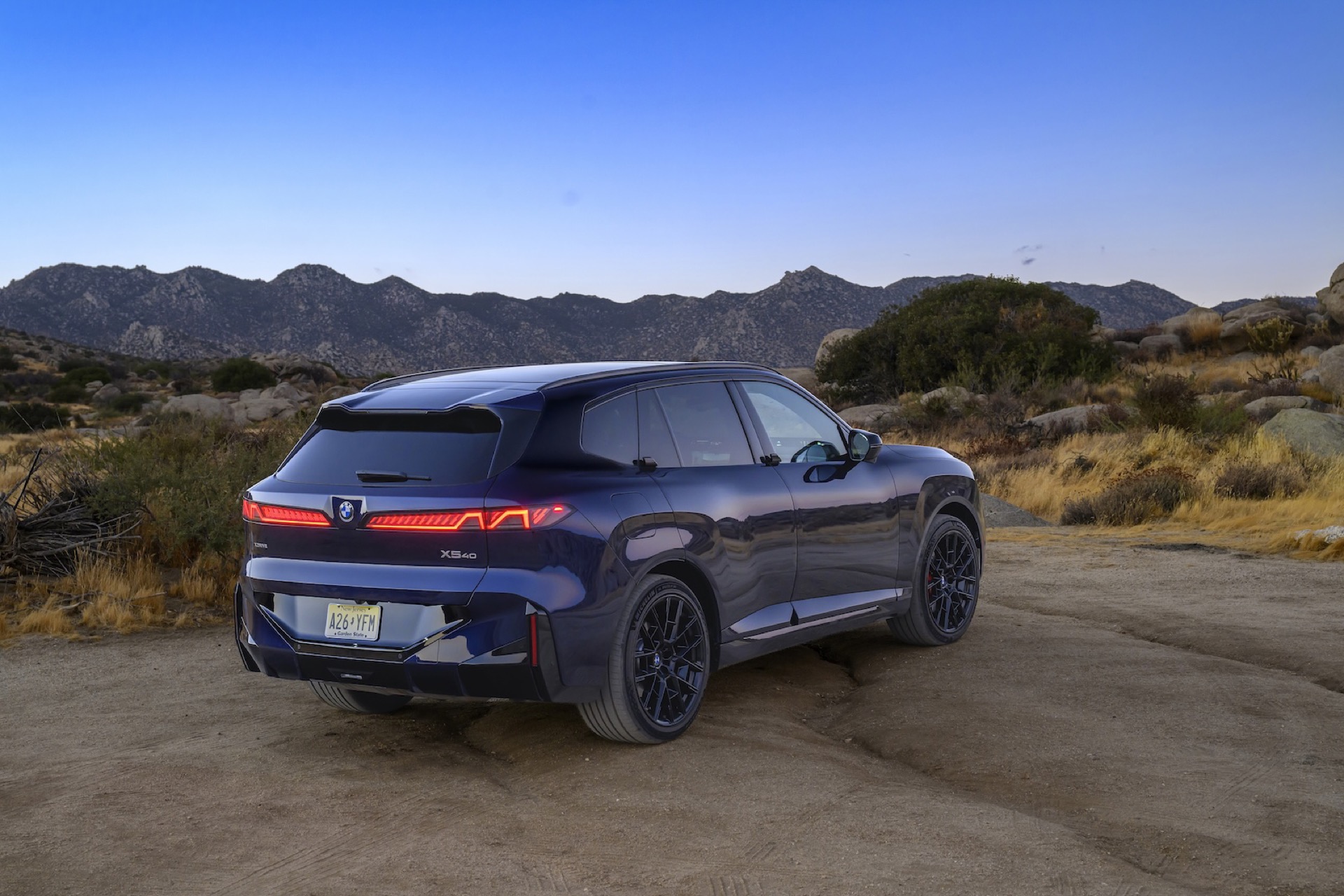
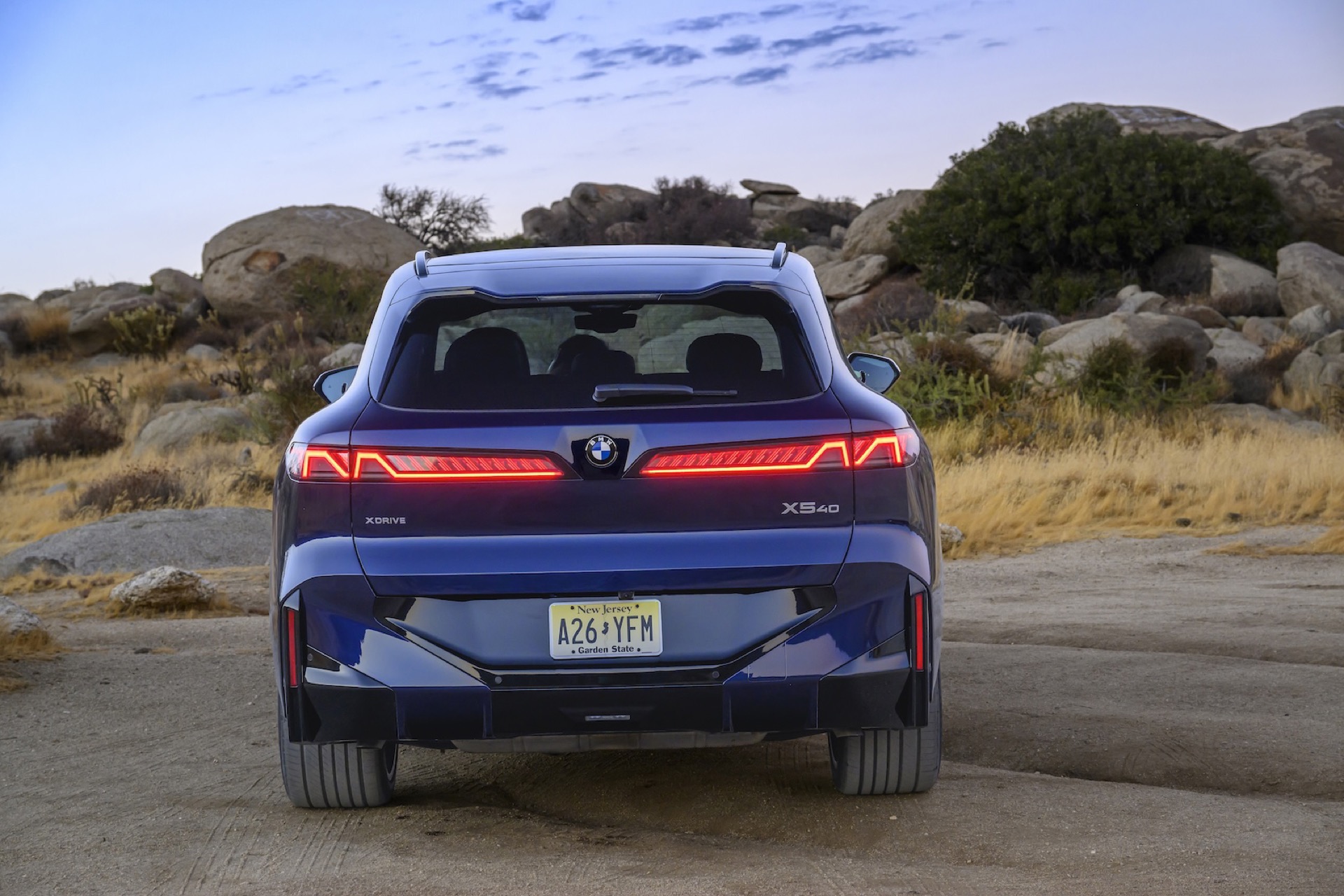
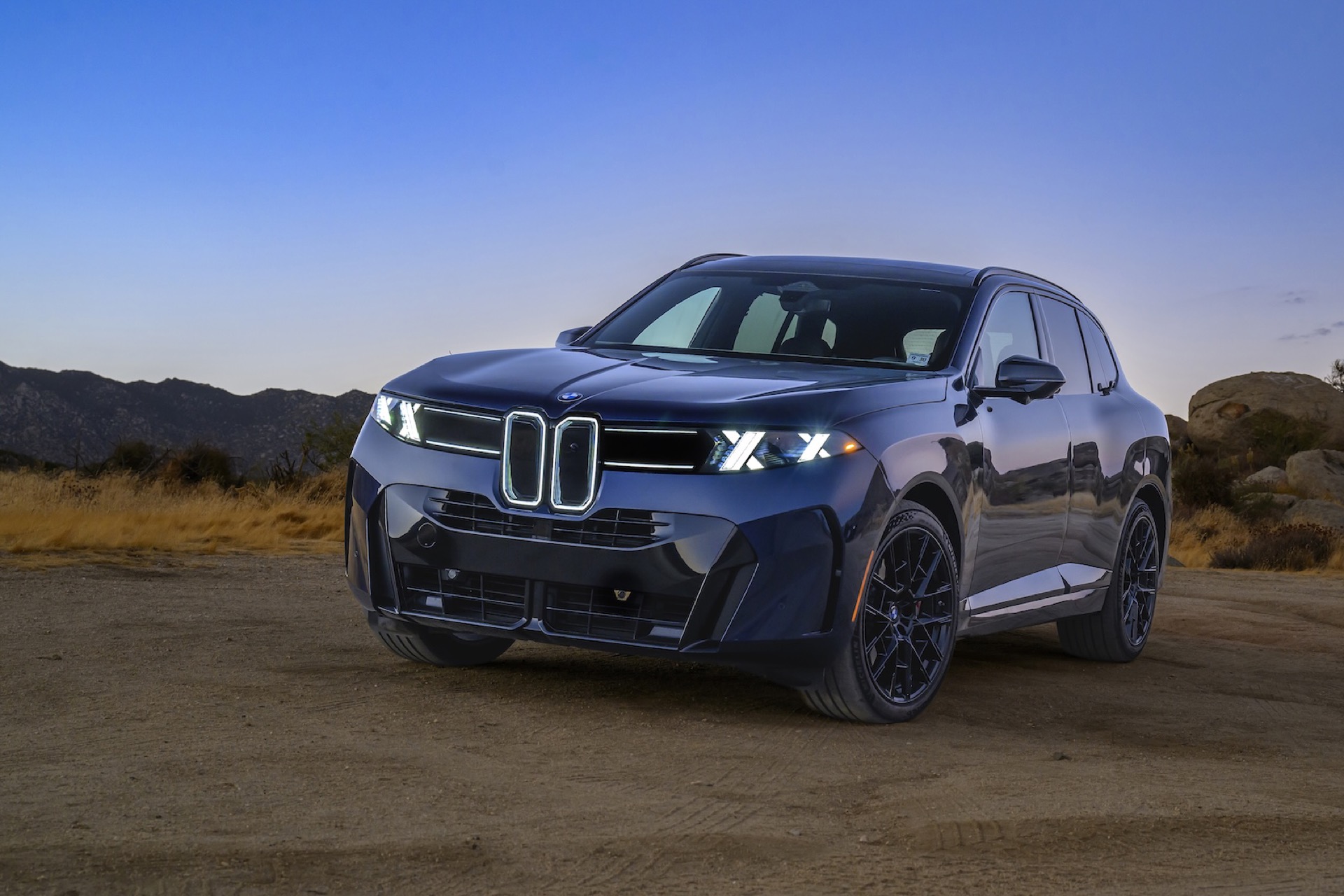
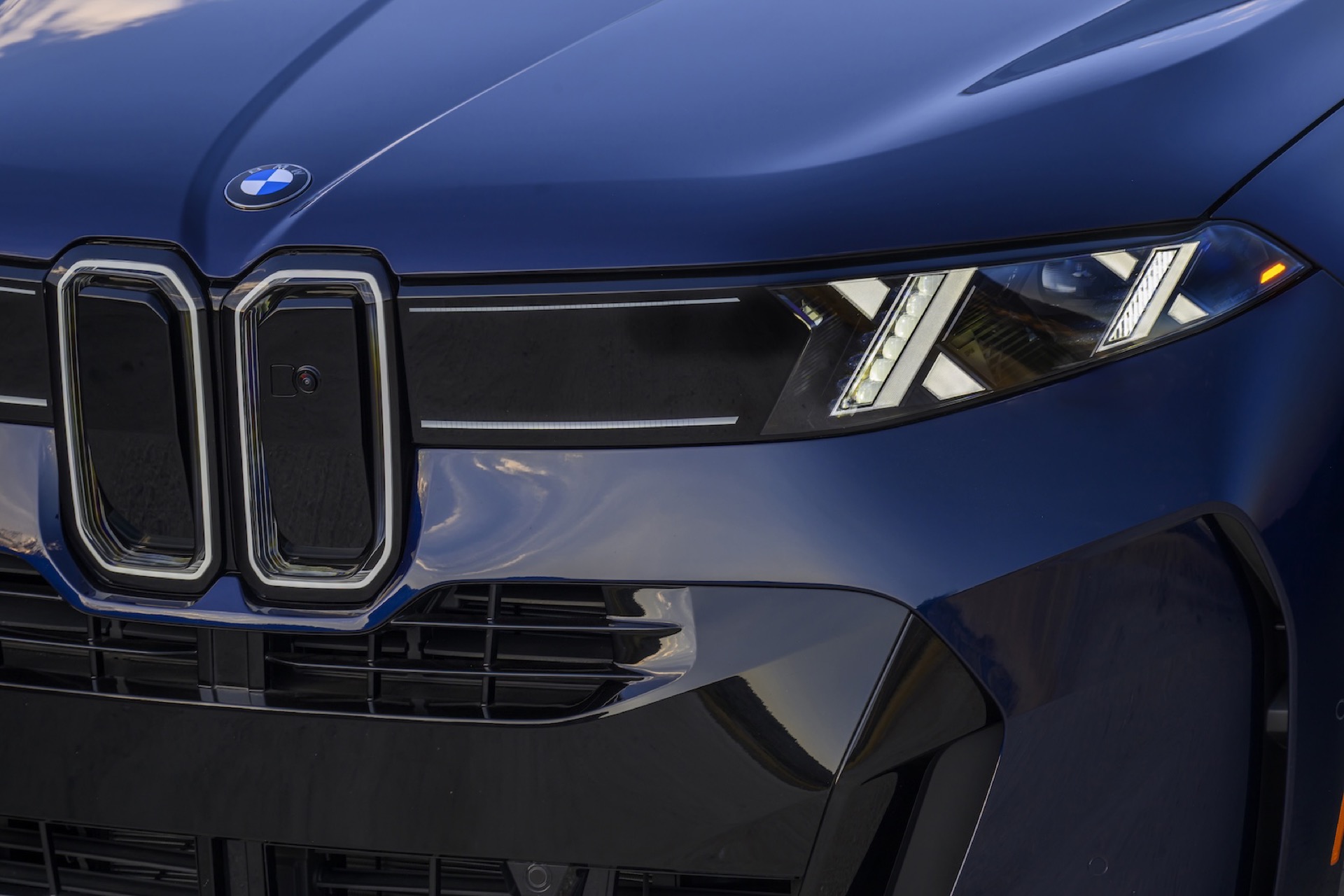
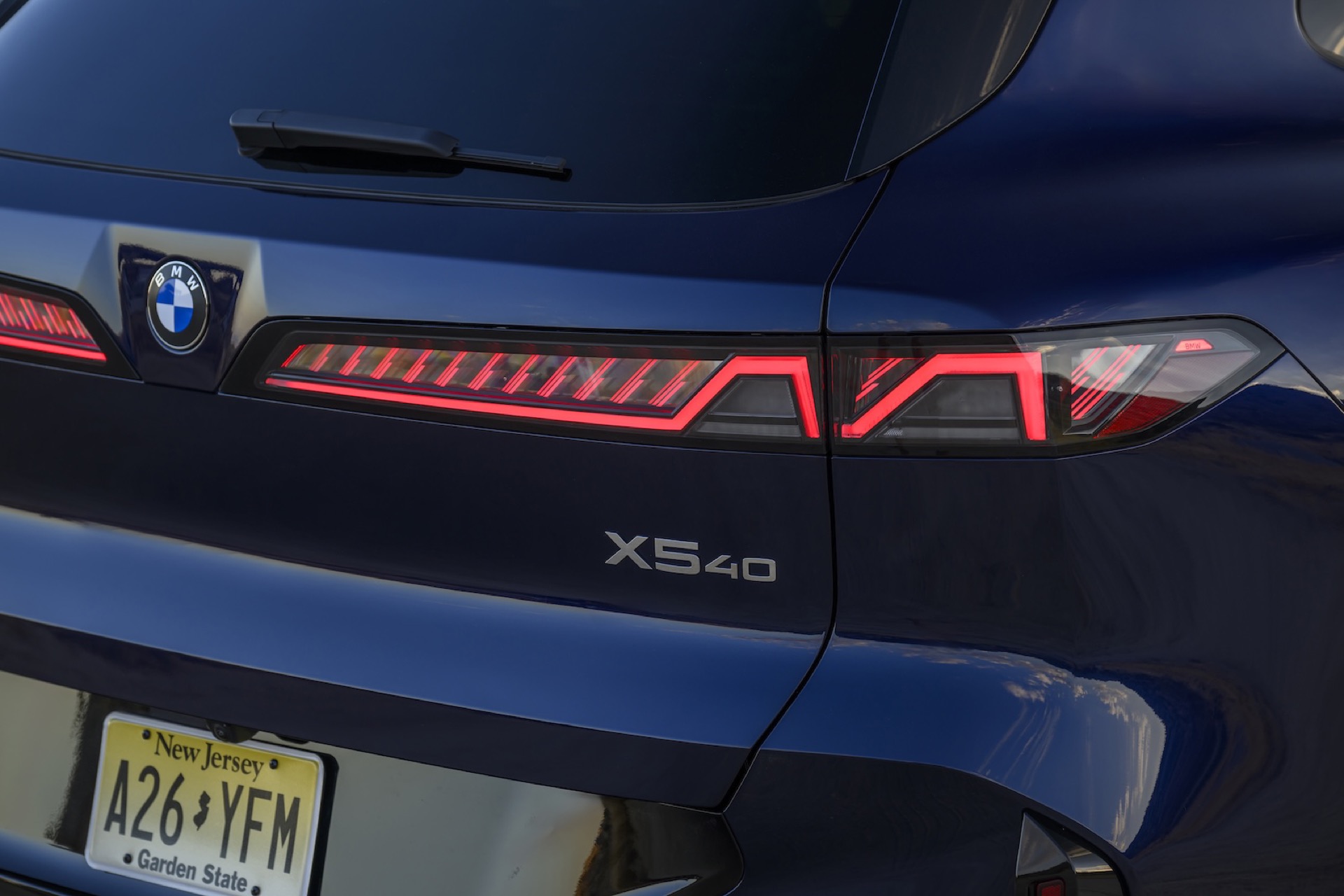
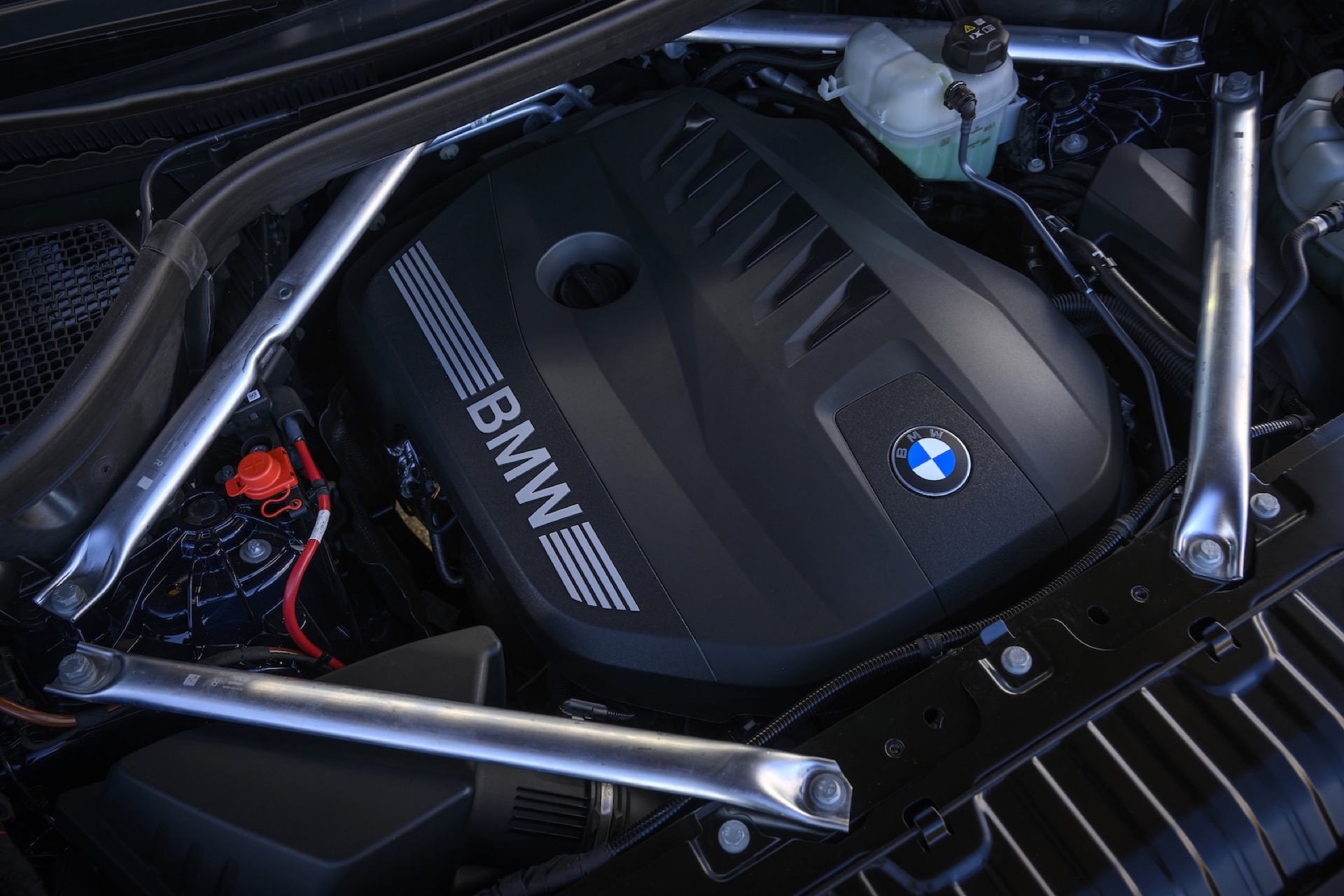
However, with diesel prices remaining high and demand for the once-beloved fuel gradually declining, even in the large SUV segment where it makes so much sense, the petrol alternative is becoming increasingly attractive. And with 294 kW (400 PS) and a maximum torque output of 580 Nm, these are hardly the figures of a conventional entry-level model.
That impression is reinforced the moment you get behind the wheel. The straight-six is exceptionally well insulated, and once on the move, the luxurious cabin is almost as quiet as that of the largely silent electric iX5. With 400 PS at your disposal, there is certainly no shortage of performance. And if we’re being realistic, there is little reason to miss a V8, particularly when it comes to filling the tank.
What makes this supposedly basic version of the X5 so appealing, however, is something that highlights a weakness of its electric sibling. Drive the two back to back, and the differences are immediately apparent.
The biggest factor is weight. The petrol-powered X5 is around 600 kilograms lighter than the iX5. Admittedly, at more than 2.3 tonnes, the X5 40 xDrive is hardly a lightweight itself, but by the standards of a large luxury SUV, it feels remarkably agile.
BMW’s three-litre B58 petrol engine remains an outstanding example of the straight-six configuration. Its throttle response, refinement, willingness to rev and overall performance are difficult to fault.
The only area where BMW’s engineers might have done a little more is the soundtrack. The six-cylinder sounds perfectly respectable, but hardly exciting. A little more bass would have given it some of the character of the larger V8 engines that will arrive later in the range.
On the other hand, a more prominent engine note might have alienated buyers in important markets such as Asia and the United States, where refinement is often valued more highly than an aggressive soundtrack. After all, this Spartanburg-built BMW is intended to excel as a long-distance cruiser rather than chase sporting accolades.
That doesn’t mean it lacks sporting ability. The X5 40 xDrive accelerates from 0 to 100 km/h in just 5.3 seconds and, unlike the electric versions with their relatively modest speed limiters, the five-metre-long SUV can continue accelerating all the way to 250 km/h.
The figures back up what you experience from behind the wheel. The mild-hybrid system incorporates a 13 kW (18 PS) electric motor producing 200 Nm of torque, providing additional assistance to the petrol engine. It ensures that the 2,365-kilogram SUV responds enthusiastically whenever the driver asks for more performance.
Whether accelerating from low speeds or gathering pace to join a fast country road or motorway, the combination of the straight-six, mild-hybrid assistance and eight-speed automatic transmission is superb.
The chassis is similarly impressive, feeling even more composed and finely tuned than that of the already excellent electric iX5. Pitch and body roll are almost entirely suppressed, while the steering provides plenty of feedback and enjoyment, even if the steering wheel’s controls are not particularly intuitive.
Perhaps just as surprisingly, the new petrol-powered BMW X5 is more efficient than many buyers might expect. Official fuel consumption is quoted at a relatively modest 9.0 litres of petrol per 100 kilometres.
Improvements in aerodynamics contribute to that figure, as does the mild-hybrid system and the eight-speed automatic gearbox, which shifts almost imperceptibly into higher ratios at the earliest opportunity.
With an 83-litre fuel tank, the X5 40 xDrive offers a driving range in a similar ballpark to that of the electric iX5 and its enormous 141 kWh battery pack. The difference, of course, is that refuelling the petrol model takes considerably less time, even when the electric version can make use of its impressive 460 kW maximum charging capability.
For anyone covering serious distances regularly, that remains a compelling advantage.
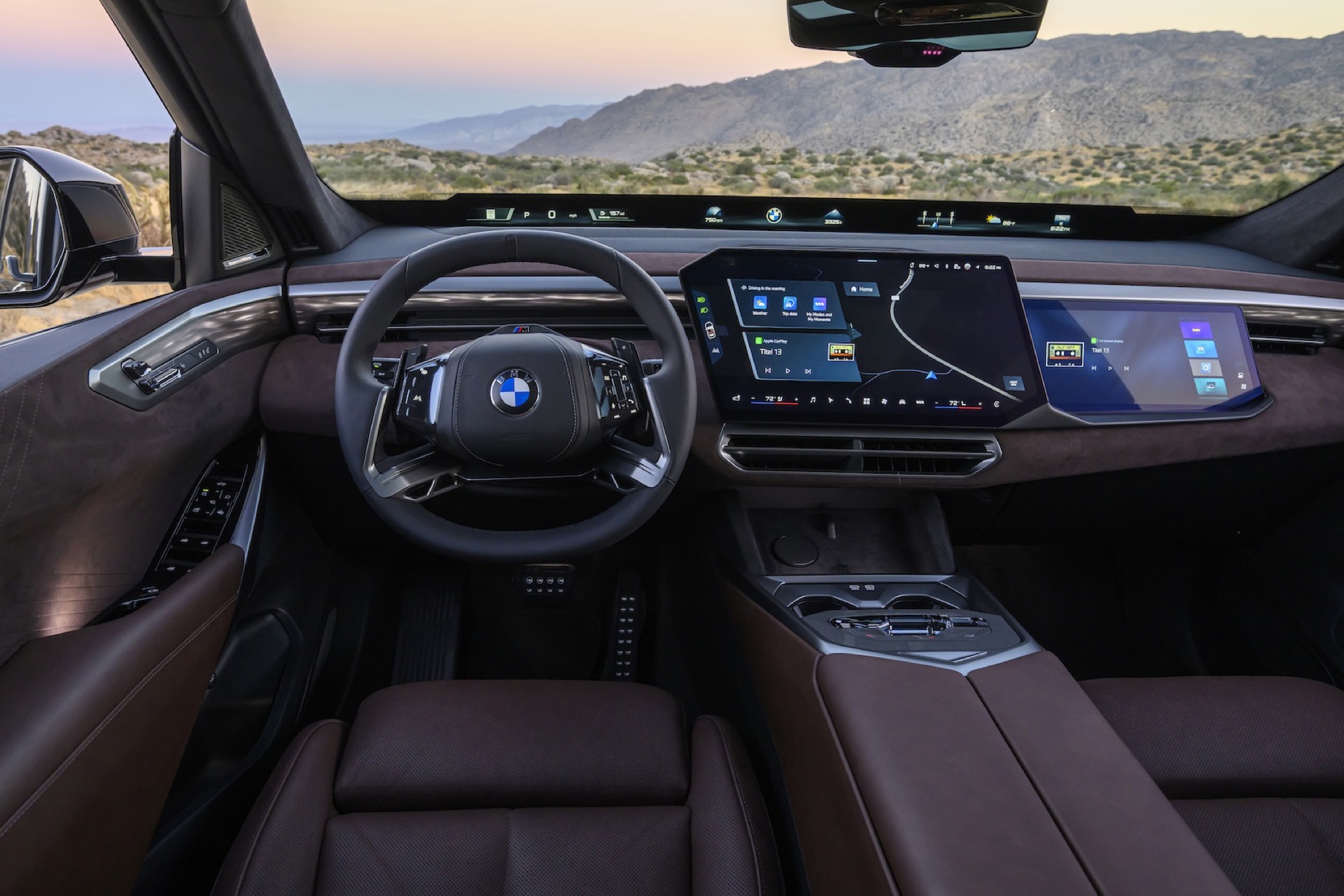
Inside, the petrol X5 offers the same luxurious surroundings as the electric model. Compared with its predecessor, the new generation has taken a noticeable step forward in both perceived quality and overall refinement.
Whether buyers will appreciate the panoramic display stretching across the base of the windscreen, rather than conventional instruments positioned behind the leather steering wheel, is another matter.
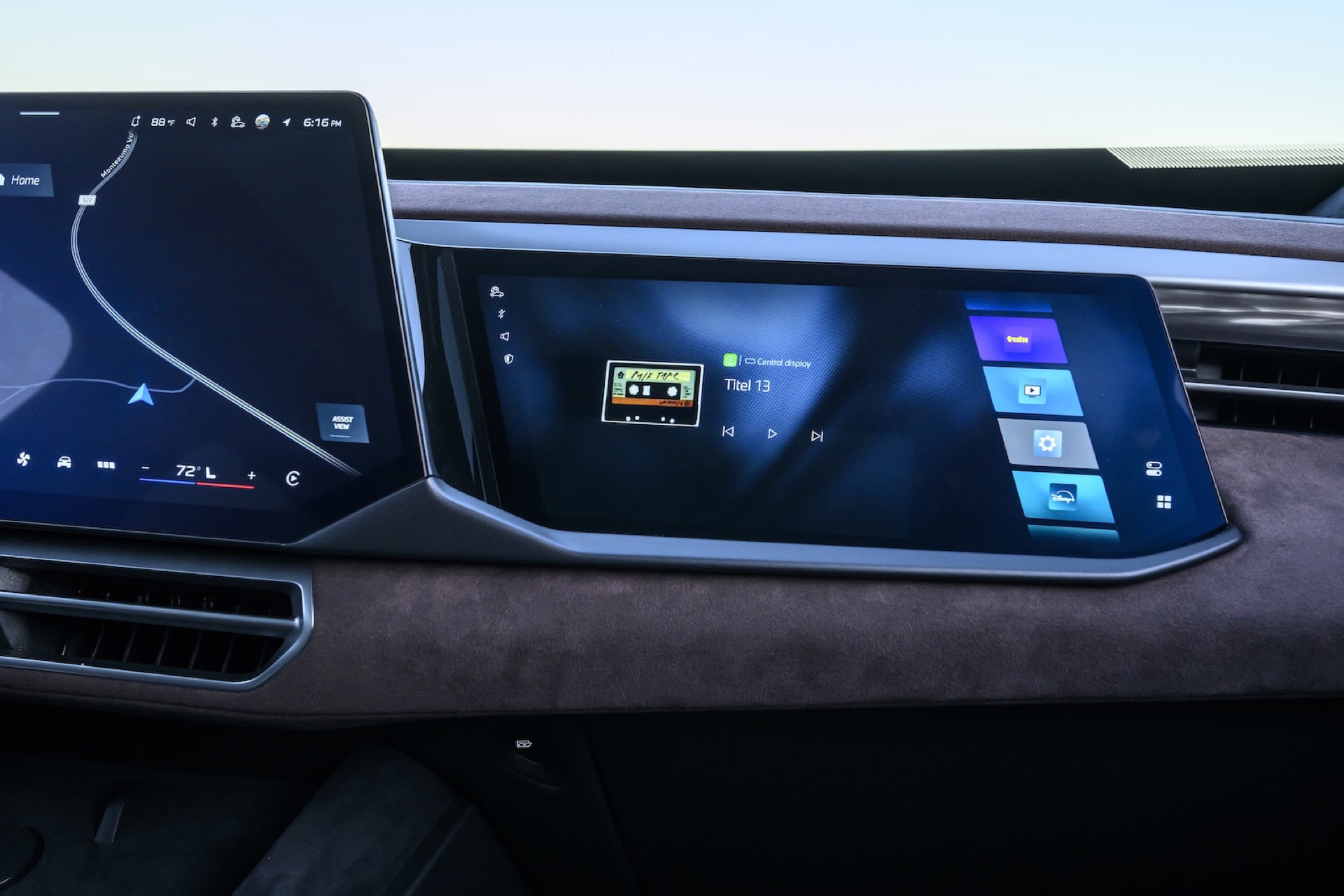
The arrangement of the central touchscreen and separate passenger display is similarly a question of personal taste. The latter at least allows front-seat passengers to watch films and enjoy other entertainment during longer journeys.
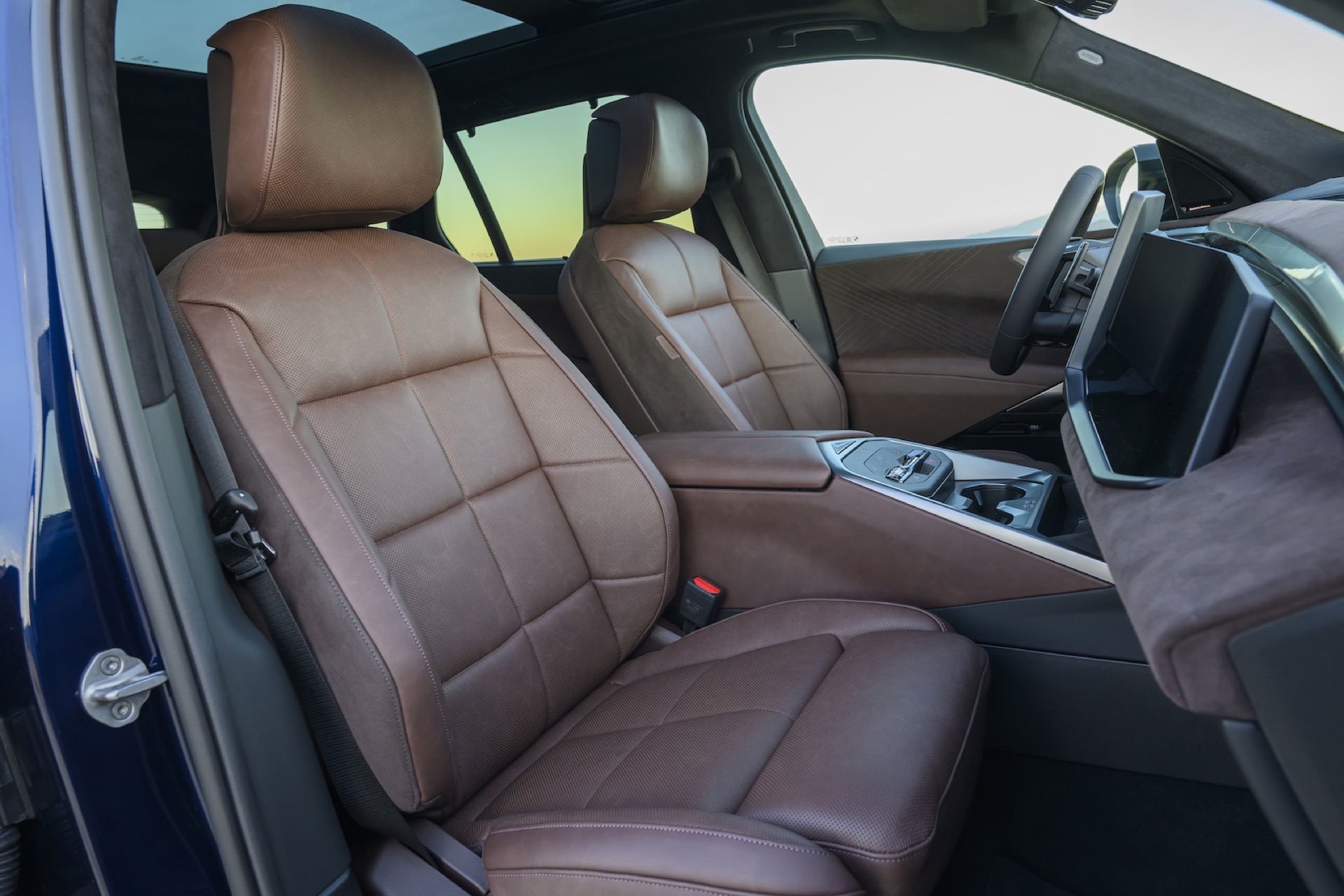
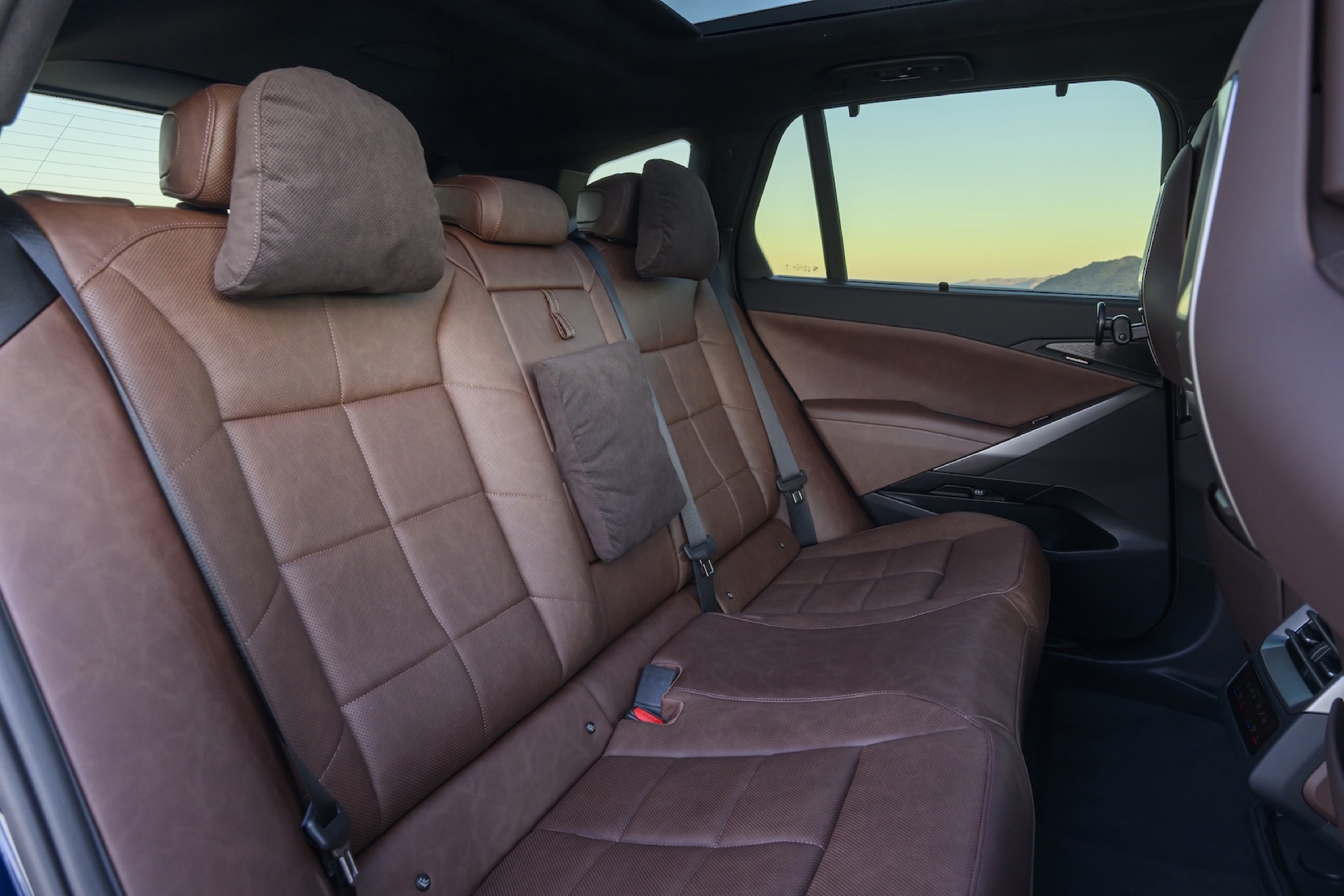
Passenger accommodation is excellent in both rows, while the seats offer an impressive range of adjustment and can be tailored almost perfectly to the occupants. Unfortunately, making those adjustments is no longer as straightforward or intuitive as it was in the previous generation.
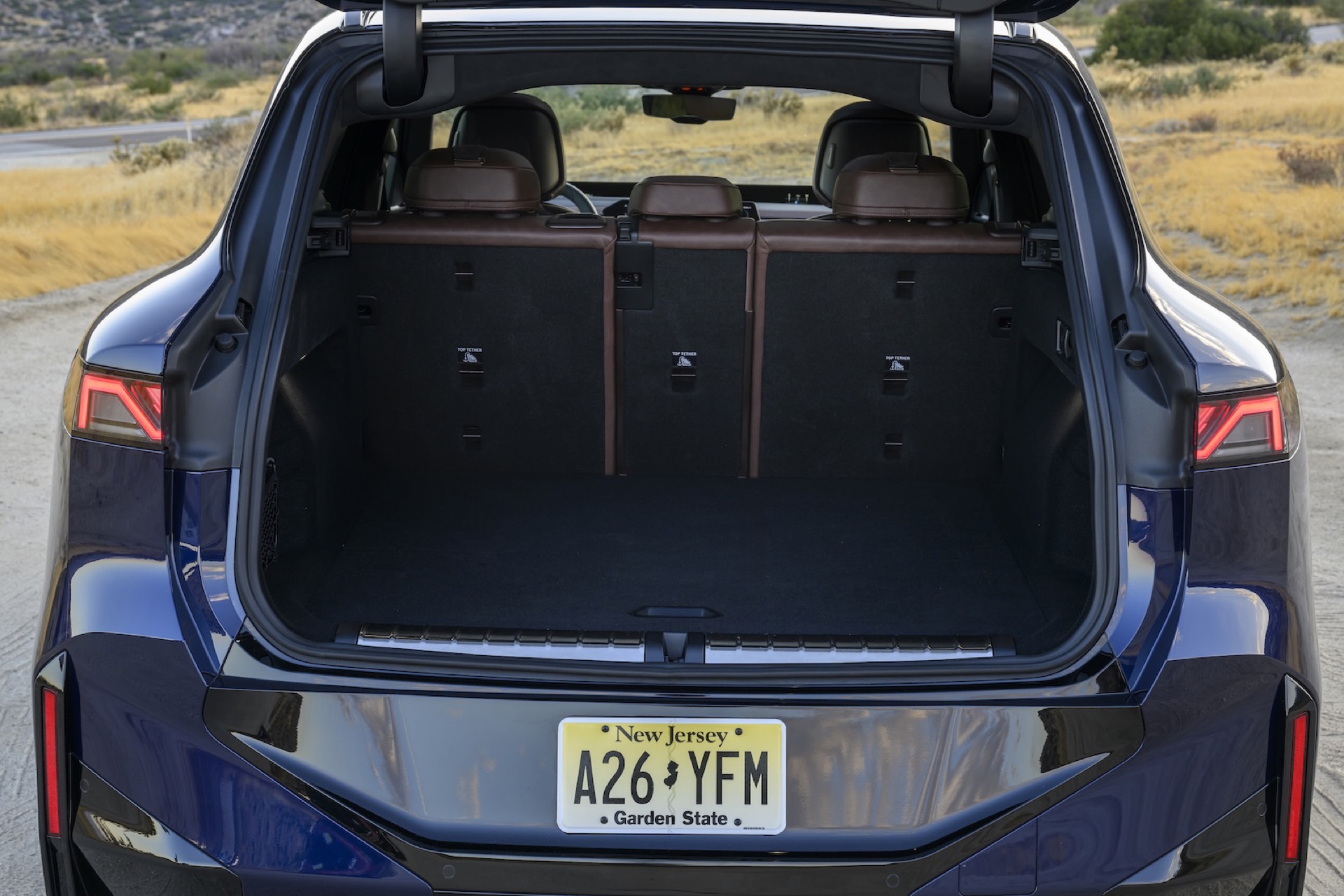
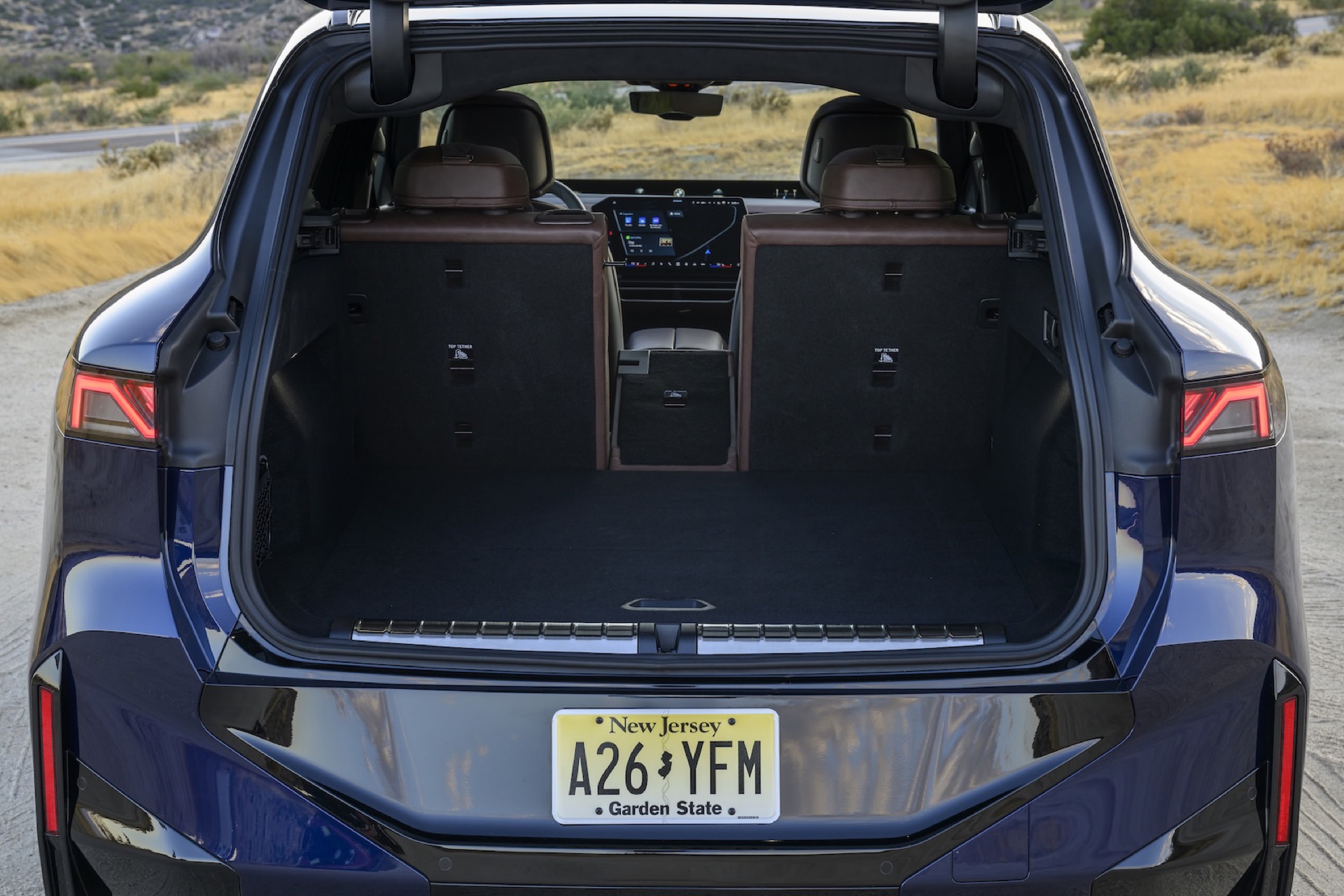
Practicality is another area where the X5 excels. Behind the electrically operated tailgate lies a generous 655-litre luggage compartment, which can be expanded to an enormous 1,850 litres by folding down the split rear seats.
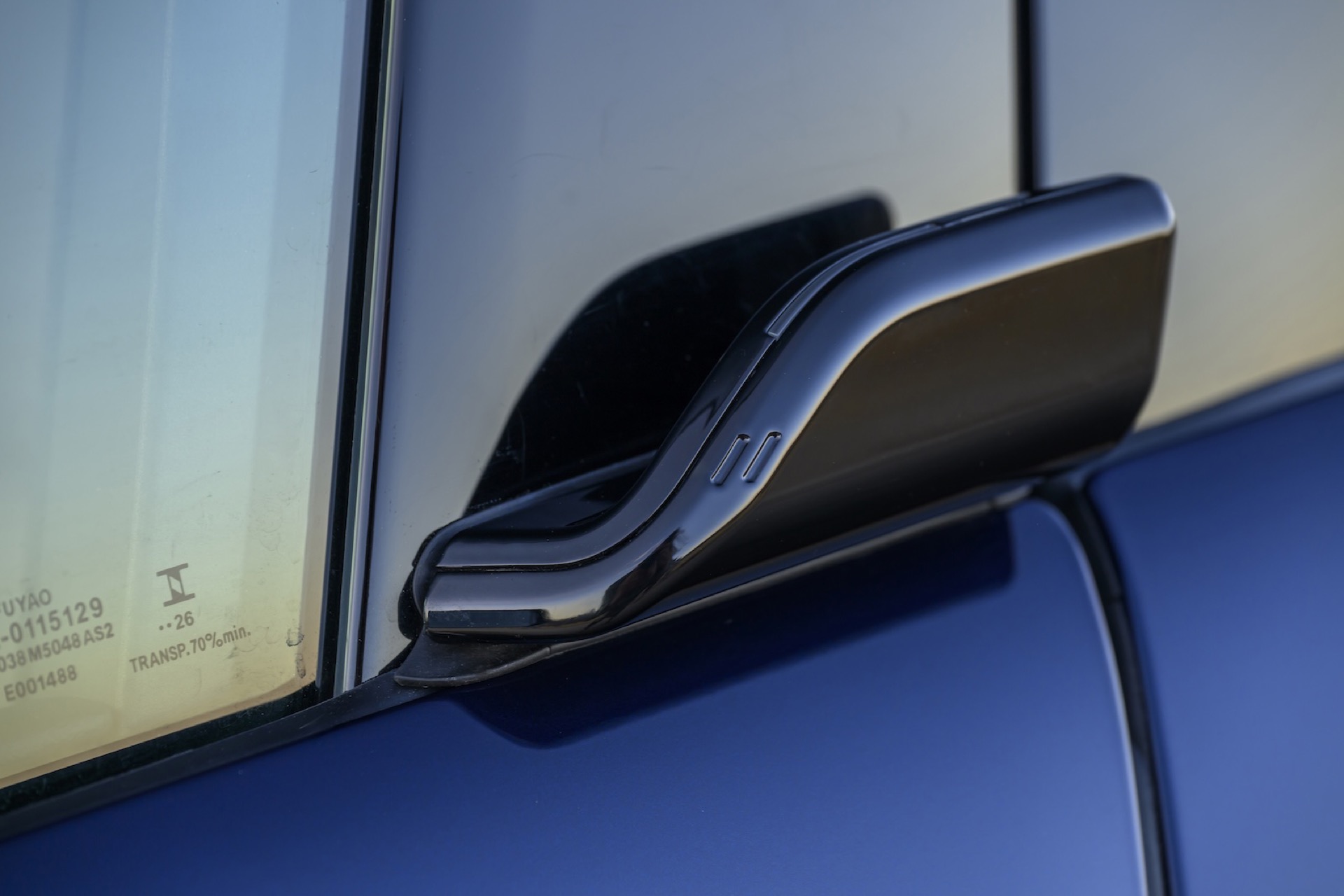
Even the doors can be specified with electric opening and closing functions. Alternatively, they can be operated manually using the small wing-shaped handles positioned along the upper edge of the doors.
Those unusual handles certainly won’t be to everyone’s taste. Unlike the rest of the package, which is remarkably difficult to criticise.
While BMW understandably wants its new electric iX5 to attract the headlines, the X5 40 xDrive makes a particularly convincing case for itself. Its combination of effortless straight-six performance, excellent refinement, impressive handling and long-distance usability delivers precisely what many buyers expect from a premium SUV.
And with significantly less weight to carry around than its electric sibling, the petrol-powered X5 might just be the most satisfying version of the range.