Anyone looking for a classic, lightweight, open sports car with a hard-hitting combustion engine needs something approaching a magnifying glass in today’s new-car market. It is precisely this shrinking niche that the young manufacturer led by Andreas and Florian Bovensiepen is targeting with the new Bovensiepen Spider.
Following the 05 GT and the Zagato interpretation, the new model is intended to rekindle the appeal of the purist roadster. Yet with production strictly limited to just 99 hand-built examples worldwide and a confident starting price of €115,500, the concept walks a particularly fine line between automotive passion and clever repurposing of familiar hardware.
Its origins are difficult to disguise. The seemingly endless bonnet, cabin positioned far towards the rear and short overhangs have long defined the proportions of the BMW Z4. To give the Spider the necessary Bovensiepen character, the company once again enlisted star designer Frank Stephenson.
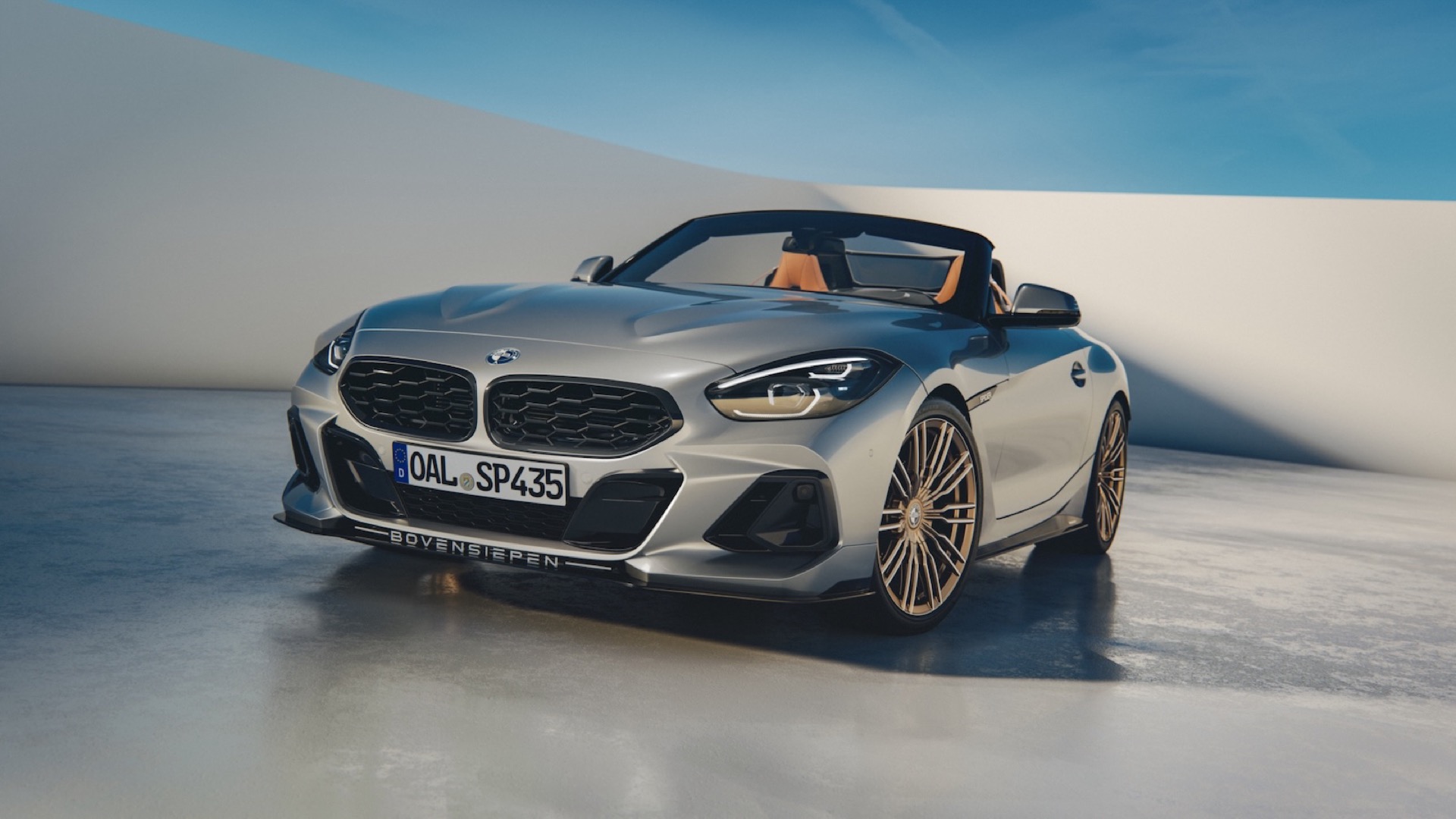
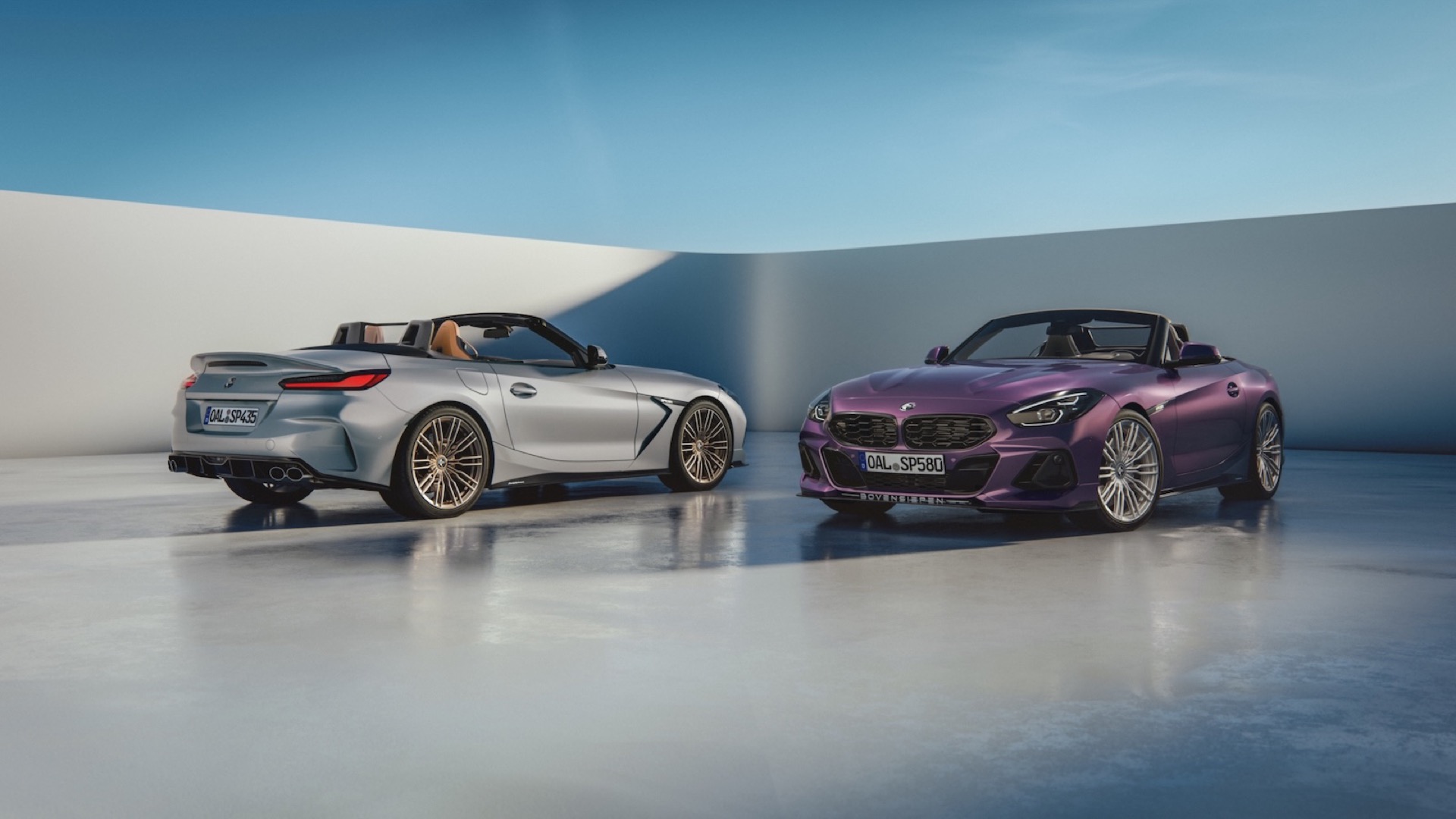
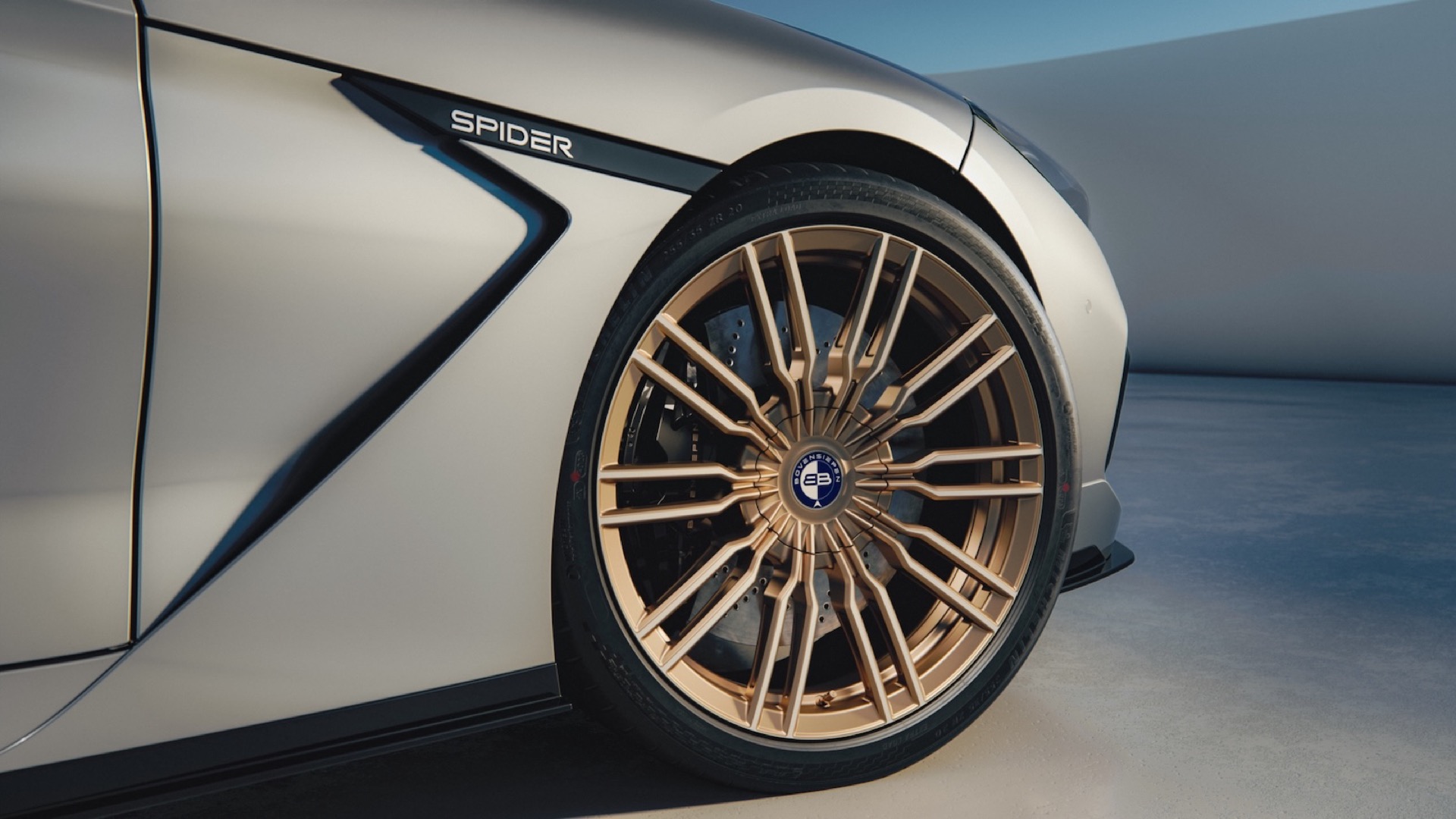
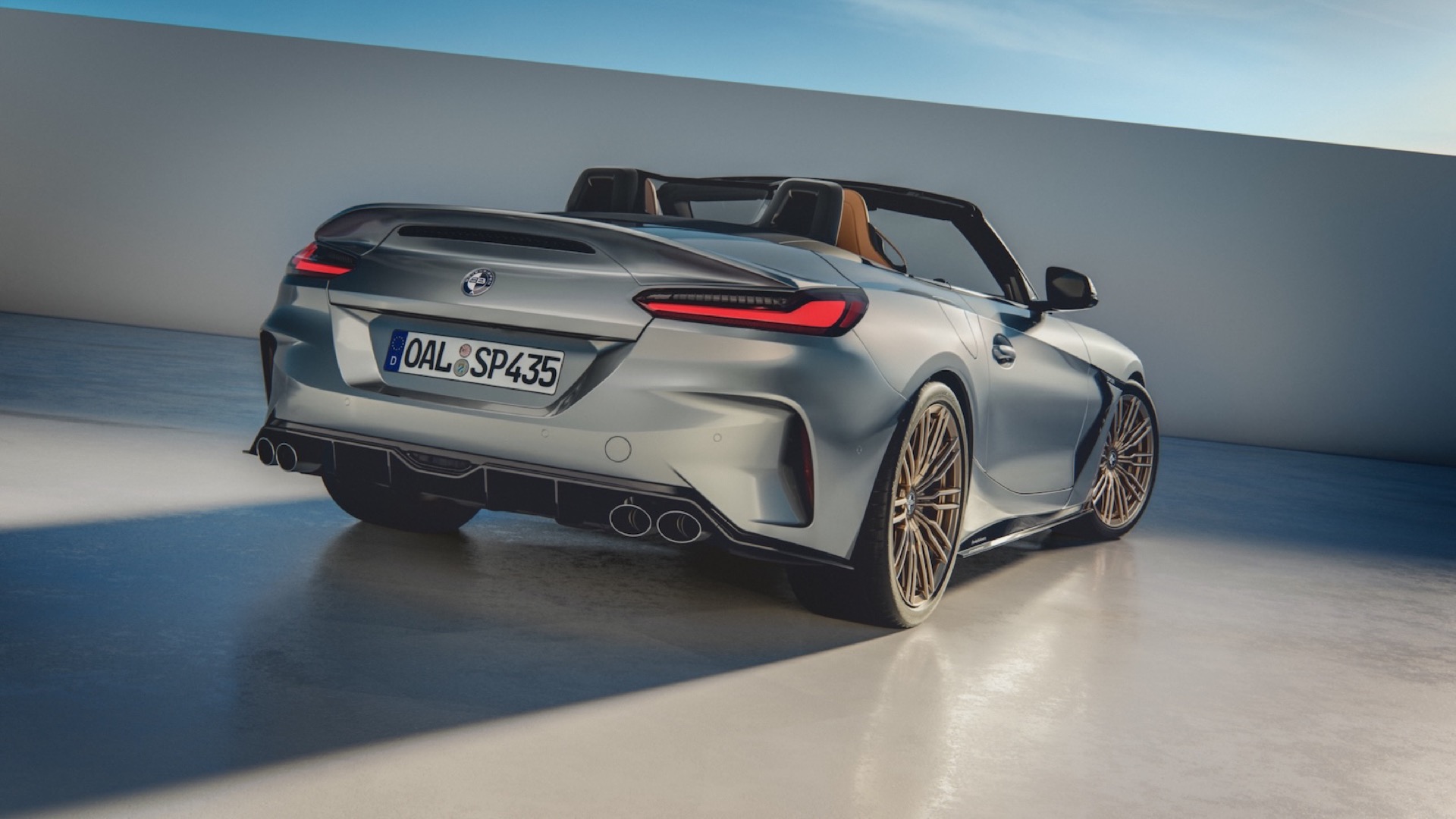
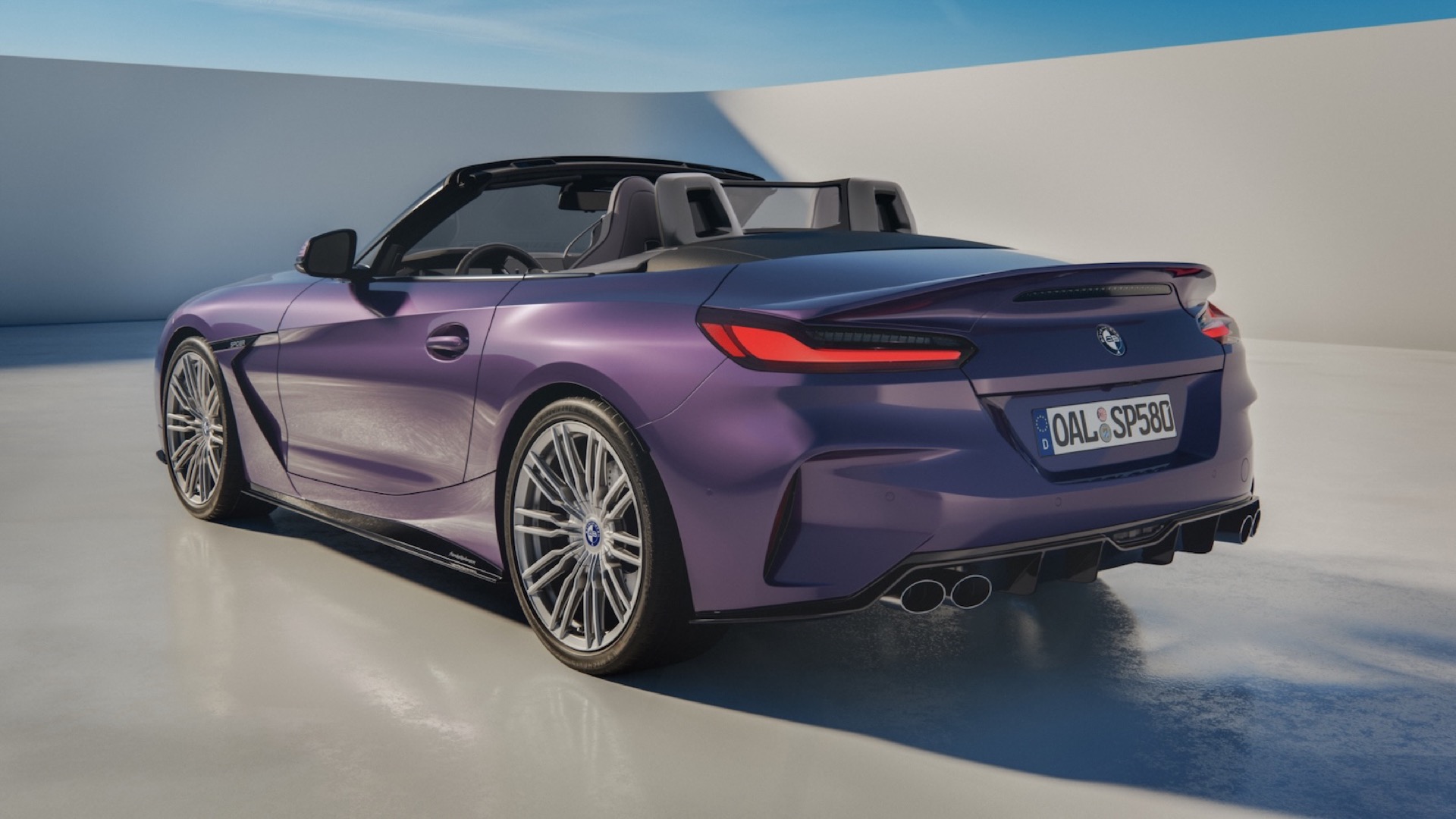
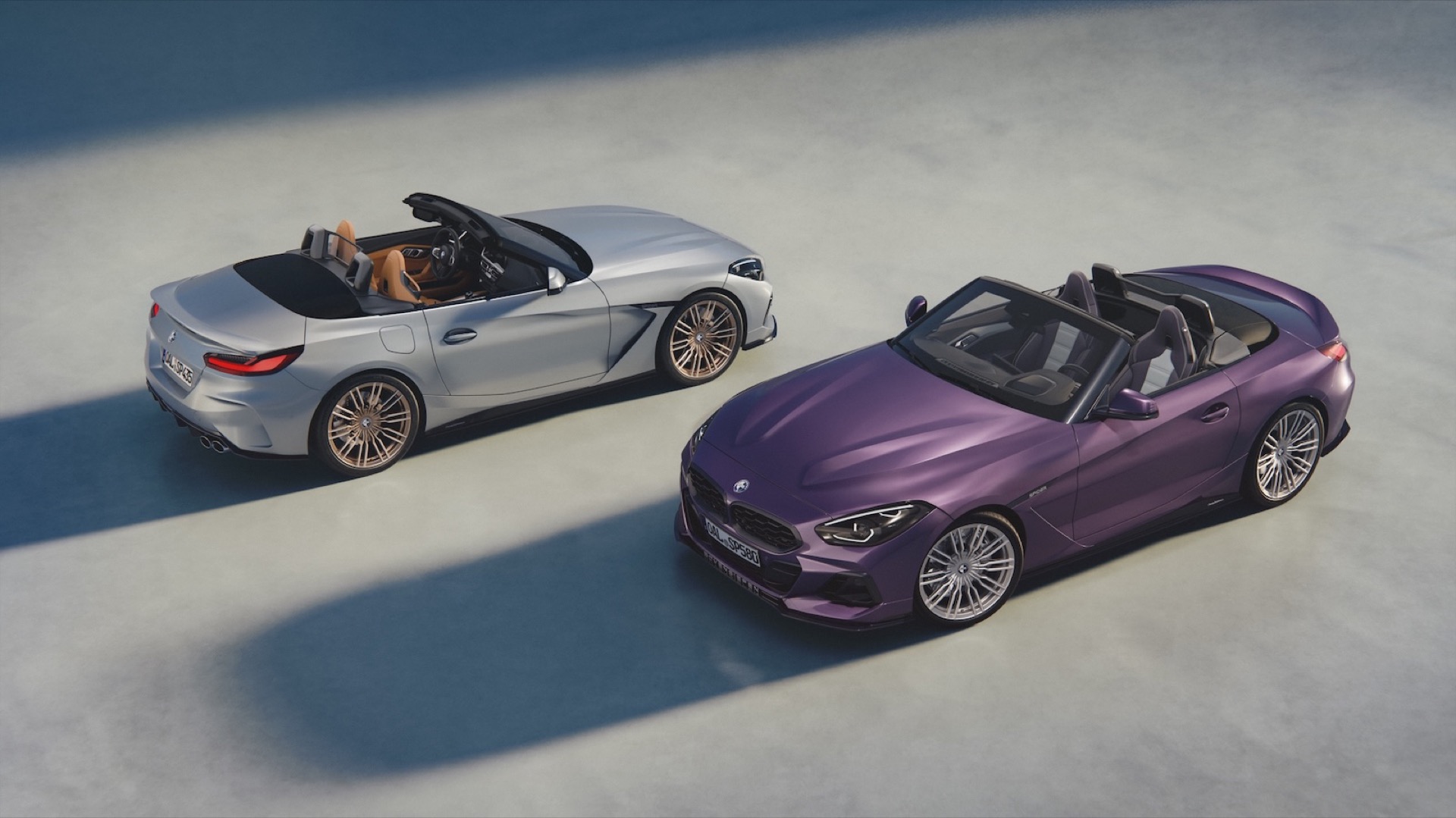
His influence brings a gloss-black front splitter with a distinctive double-point design, significantly enlarged vents in the front wings, bespoke exposed-carbon components, an extended rear spoiler and exclusive 20-inch forged wheels. The result is undoubtedly elegant and muscular. Nevertheless, the question remains whether the expensive carbon additions and exclusive footwear primarily serve to disguise the considerably cheaper mass-production platform underneath.
Beneath the long carbon bonnet sits BMW’s familiar 3.0-litre straight-six with a twin-scroll turbocharger. To extract more from the B58 engine, Bovensiepen’s engineers have fitted a less restrictive intake with a ram-air duct, together with a stainless-steel sports exhaust system featuring four tailpipes.
The result is 435 PS and 580 Nm of torque. Weighing 1,585 kilograms, the Spider accelerates from 0–100 km/h in 4.2 seconds and reaches an electronically limited 260 km/h. Specify the optional Performance Package and that rises to 295 km/h. Power is sent through the familiar ZF eight-speed automatic transmission, albeit with recalibrated shift times.
Taken in isolation, those are perfectly respectable figures for a compact sports car. But this is also where the debate begins.
The B58 is an excellent engine, yet even the standard BMW Z4 M40i produces 340 PS. Bovensiepen stopping at a relatively restrained 435 PS may benefit durability, but it feels surprisingly conservative given Buchloe’s history of creating cars capable of embarrassing BMW’s own M products on the autobahn. Anyone expecting brutal straight-line performance for more than €115,000 is therefore receiving a relatively modest power increase rather than a transformational one.
Inside, the company’s ‘Fine Driving’ philosophy promises a handcrafted atmosphere and an ideally low driving position. Everyday practicality is respectable too, with 281 litres of luggage capacity.
The standard specification is less convincing. The Spider comes with conventional Vernasca leather and Alcantara upholstery, while Bovensiepen’s celebrated Lavalina leather is initially reserved for the steering-wheel rim. Anyone wanting the full Buchloe treatment, including a leather-covered dashboard and extensive Lavalina upholstery, will have to venture further into the options list. At a starting price comfortably above €115,000, buyers could reasonably expect the brand’s signature leather craftsmanship to be standard rather than an expensive extra.
There is little doubt that the Bovensiepen Spider is an attractive and highly exclusive roadster. It possesses elegance, rarity and the increasingly unusual appeal of a powerful straight-six engine in a compact open sports car.
The other side of the argument is harder to ignore. Buyers are not getting a wild M-car hunter dressed in a finely tailored suit, but something much closer to a dramatically reworked Z4 wearing an expensive Frank Stephenson-designed body. Whether the combination of familiar production hardware, restrained performance gains and genuine exclusivity is enough to create another Buchloe legend will ultimately be decided by the wallets of those 99 collectors.
By Johannes Fleischer