The new BMW X5 is the bigger brother of the iX3, although beneath the skin it has relatively little in common with the Neue Klasse. Nevertheless, BMW’s latest luxury SUV raises the bar in several areas, particularly in its all-electric guise.
For the first time, BMW is offering the X5 with a fully electric powertrain, and in many markets, the new iX5 could quickly become one of the most popular versions of the German manufacturer’s luxury SUV. BMW is offering a broader range of powertrain options than any of its competitors, with petrol, diesel, plug-in hybrid and fully electric variants all available. A hydrogen fuel-cell version is also set to follow in 2028.
With relatively similar pricing across the range, it is becoming increasingly difficult to overlook the electric X5. That impression only grows stronger once you’ve settled behind the wheel and covered the first few kilometres. The newcomer delivers a genuinely impressive performance.
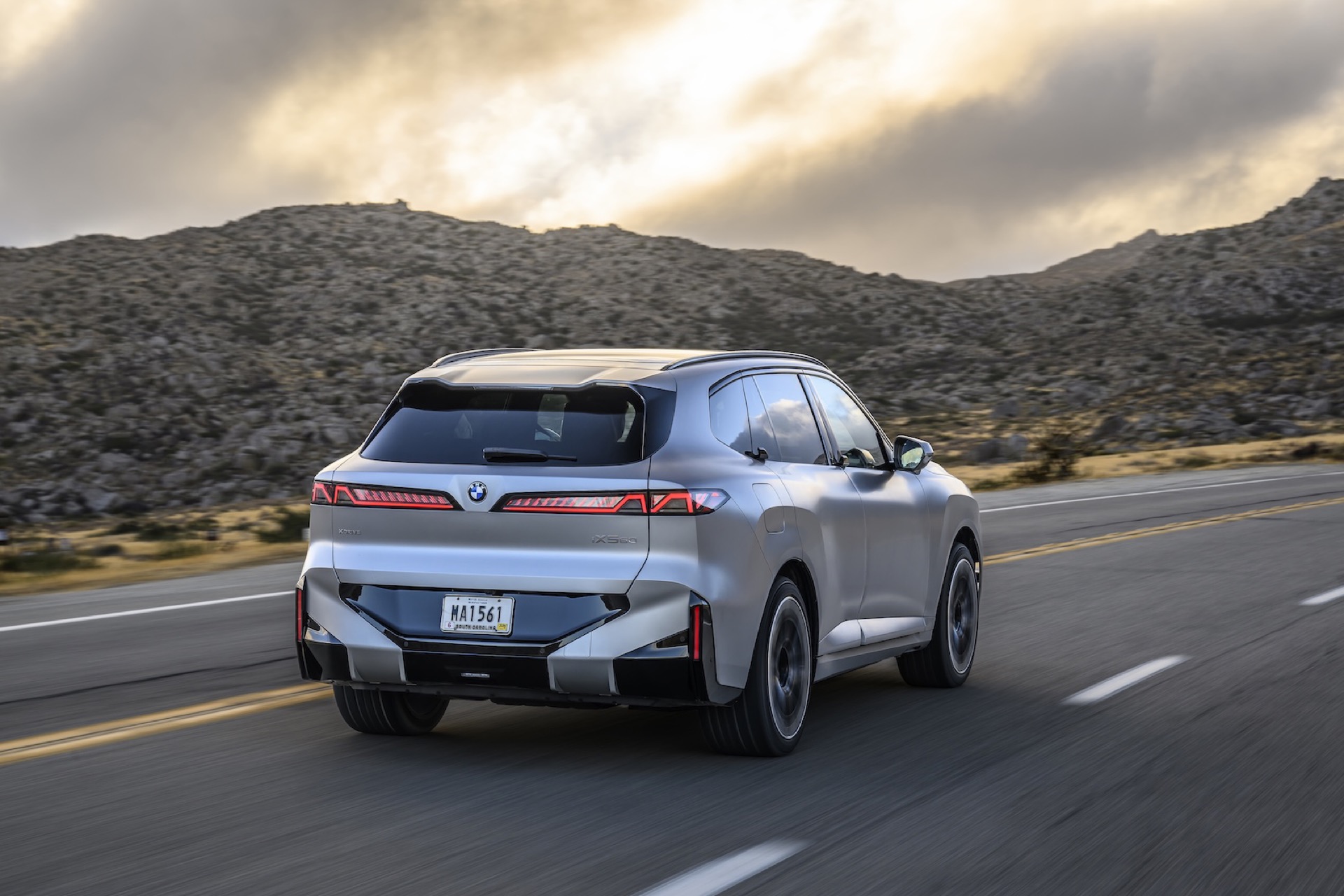
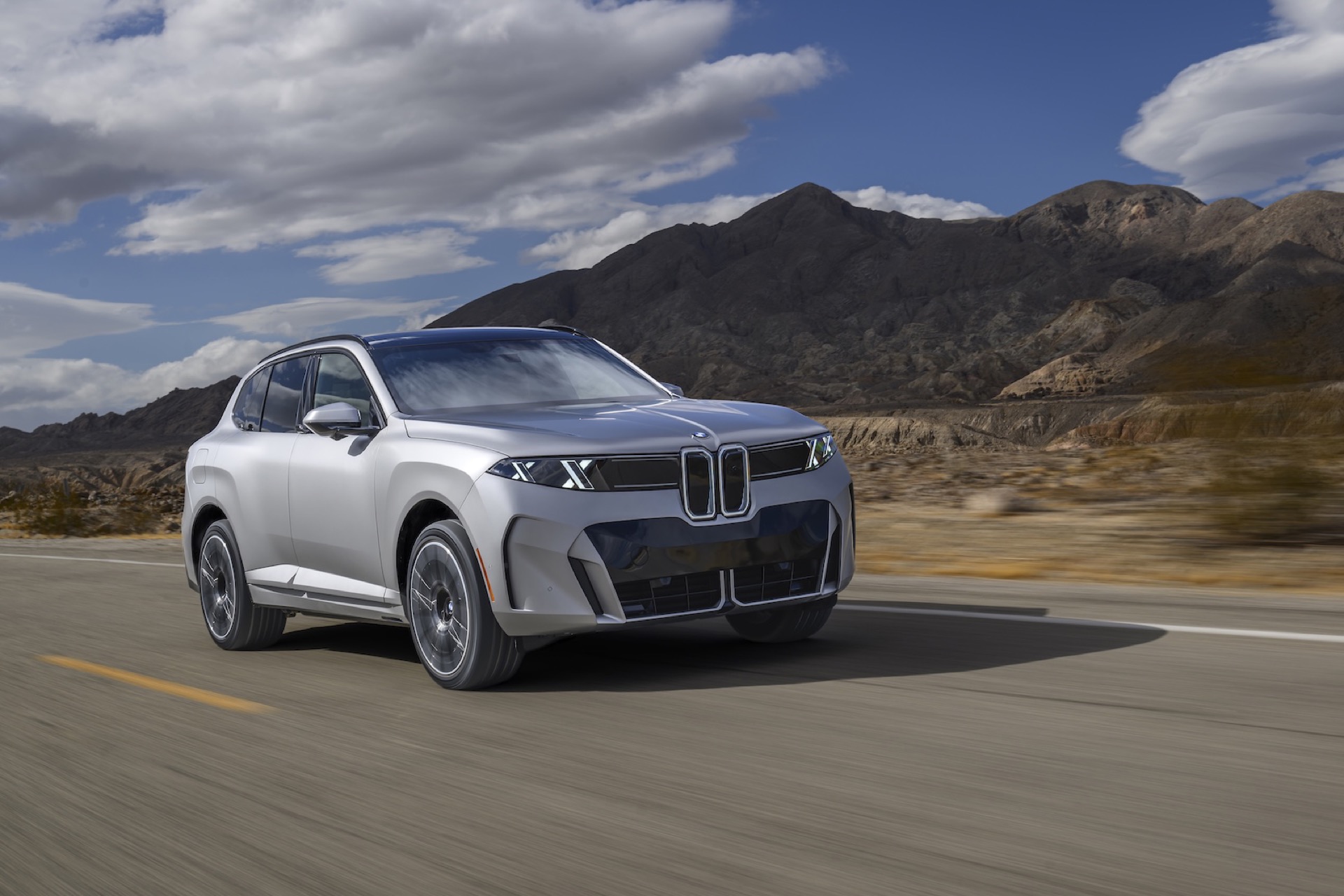
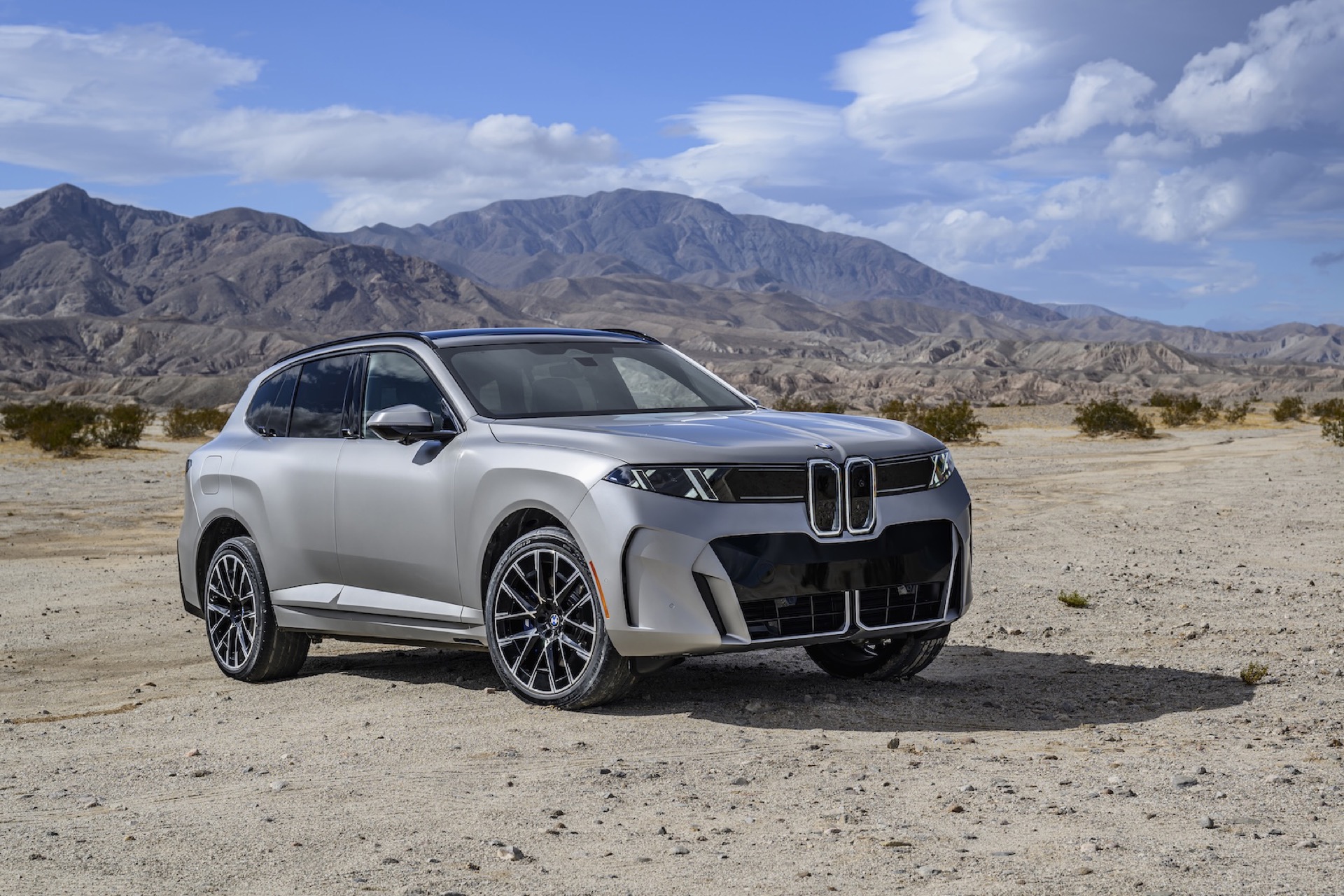
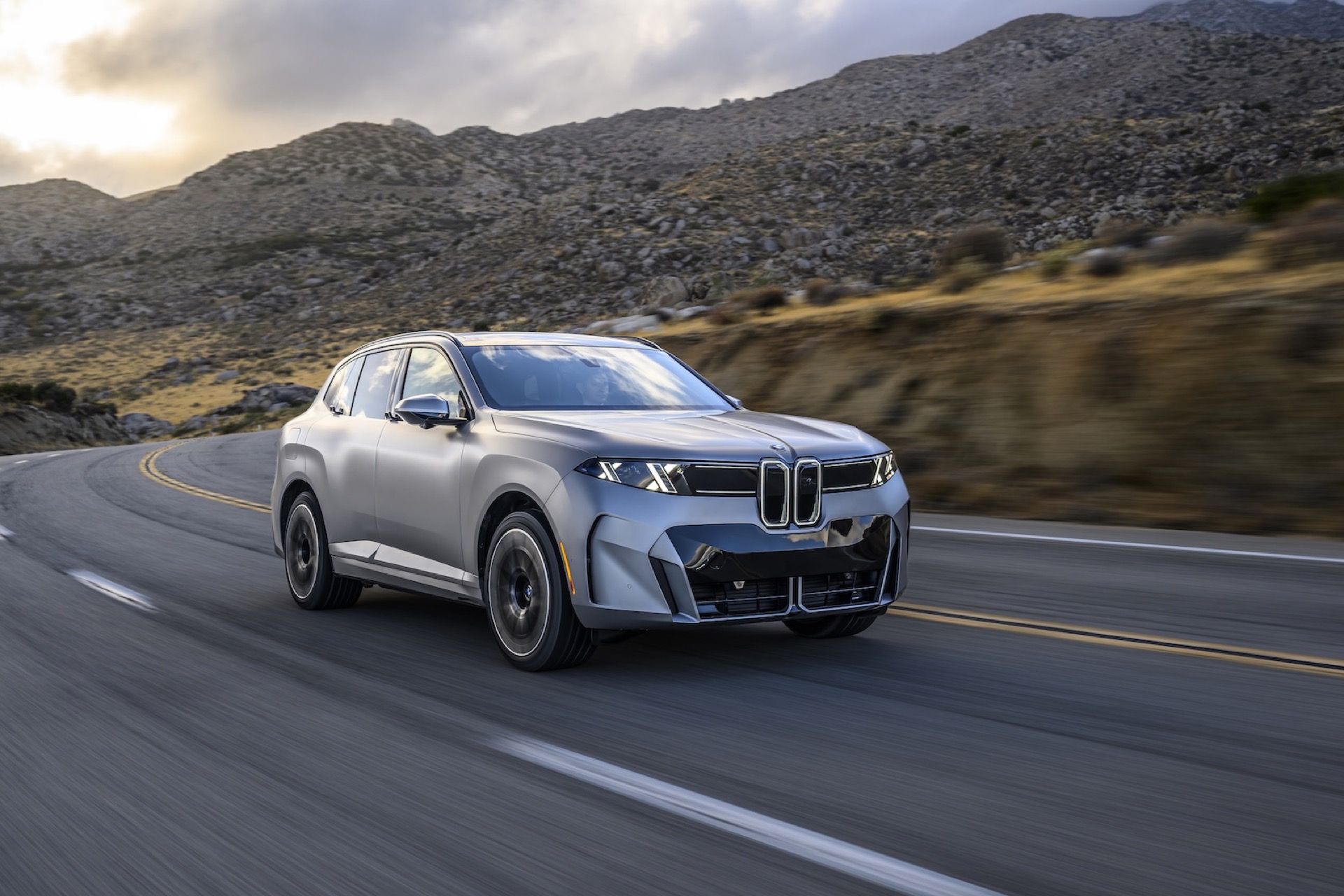
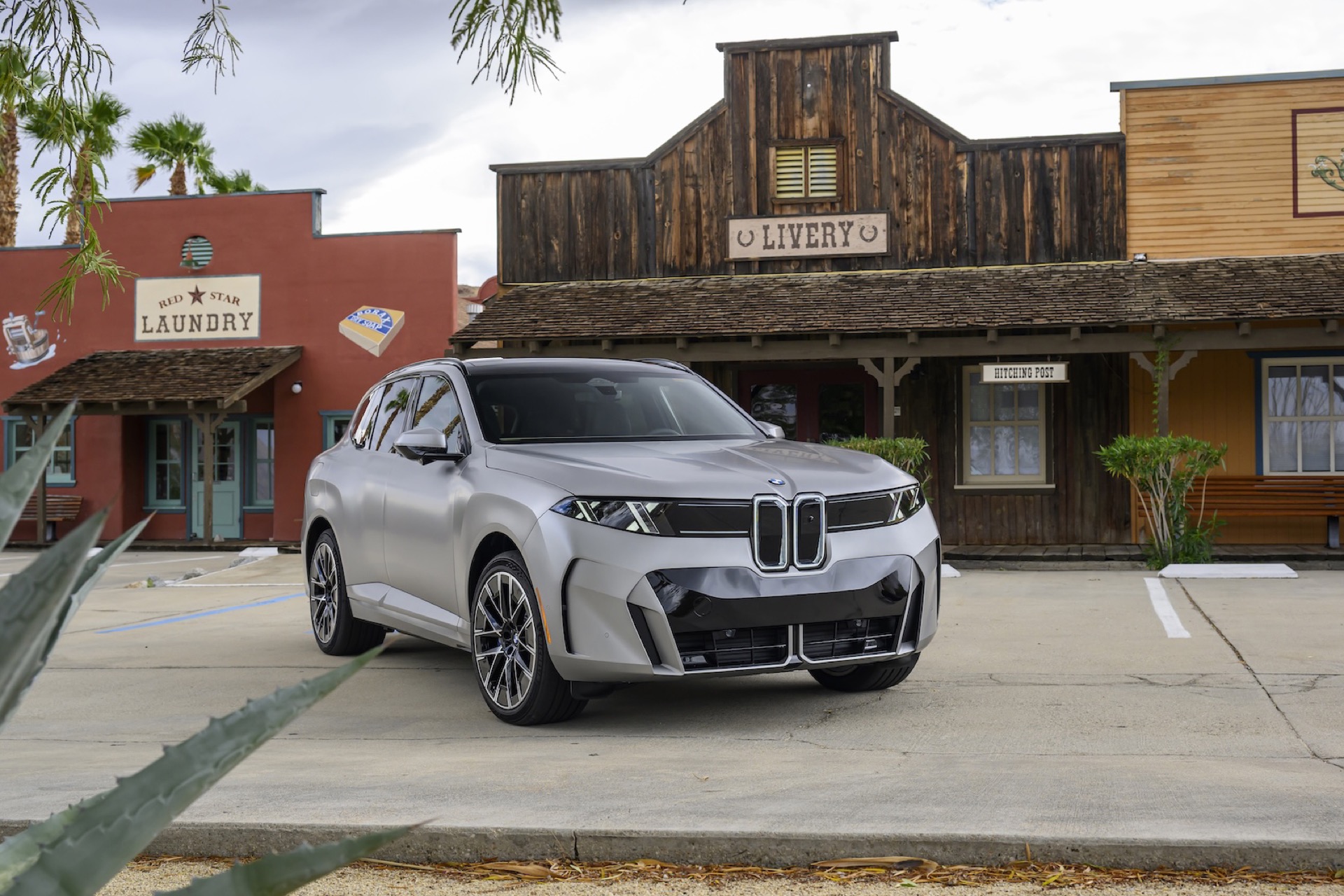
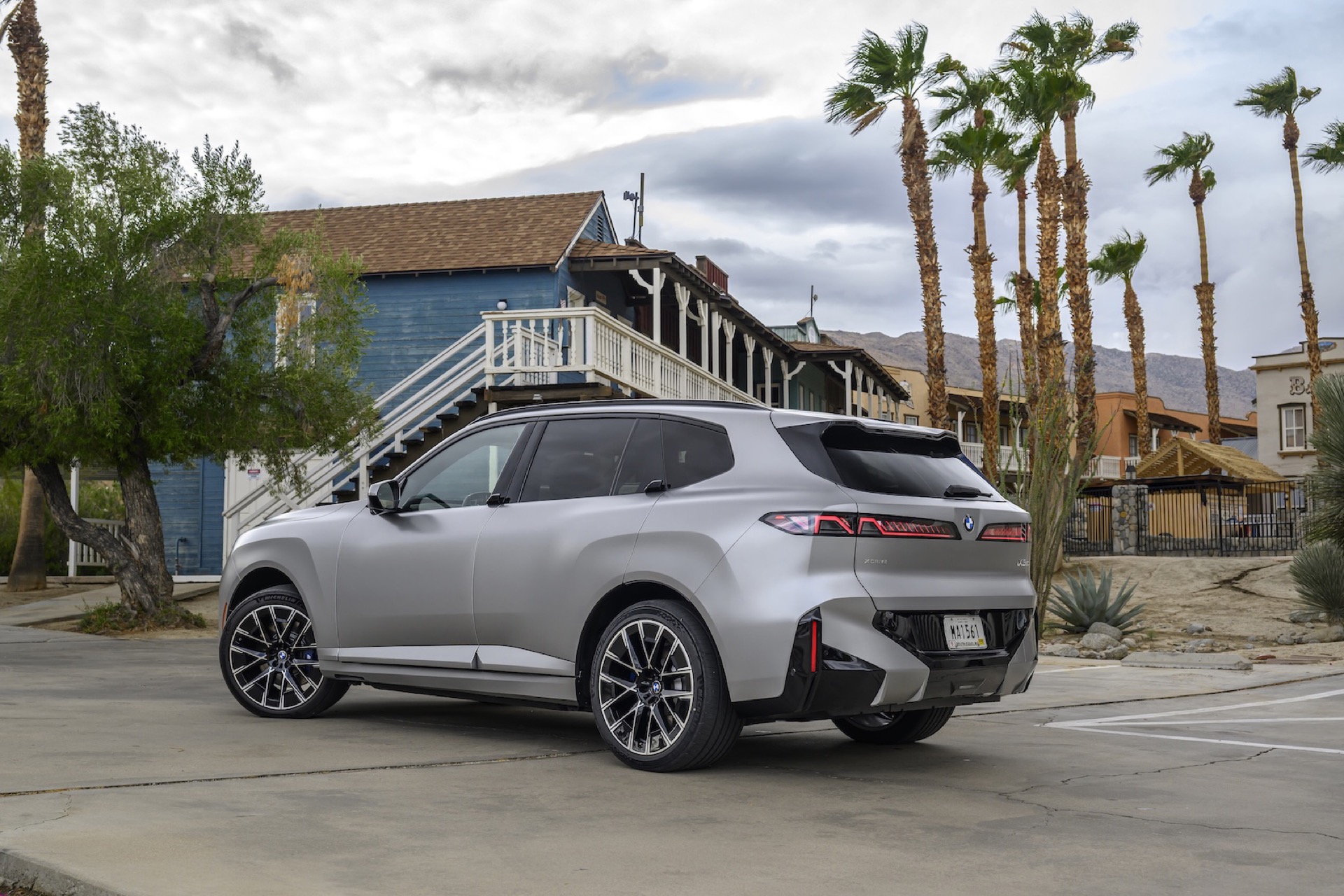
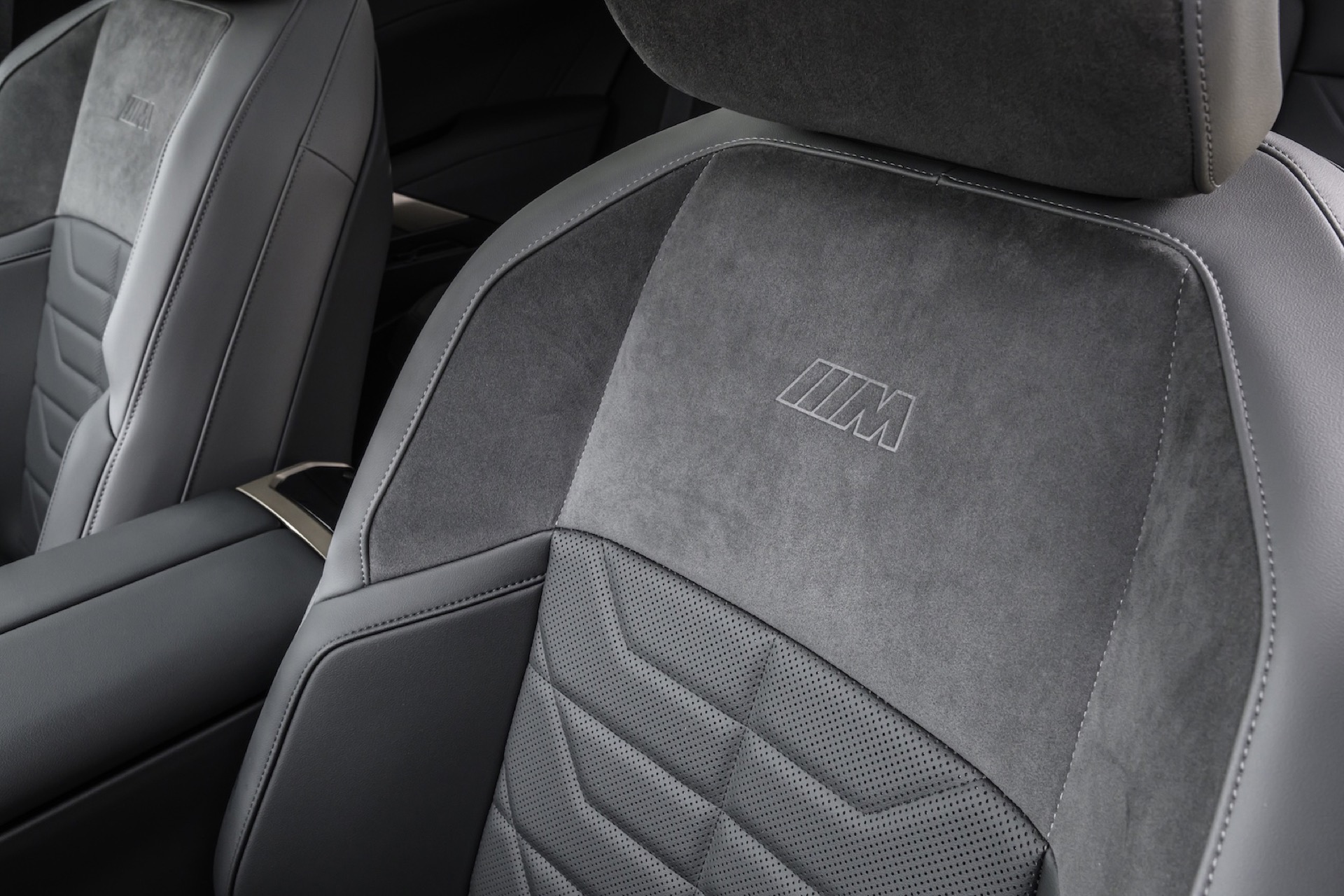
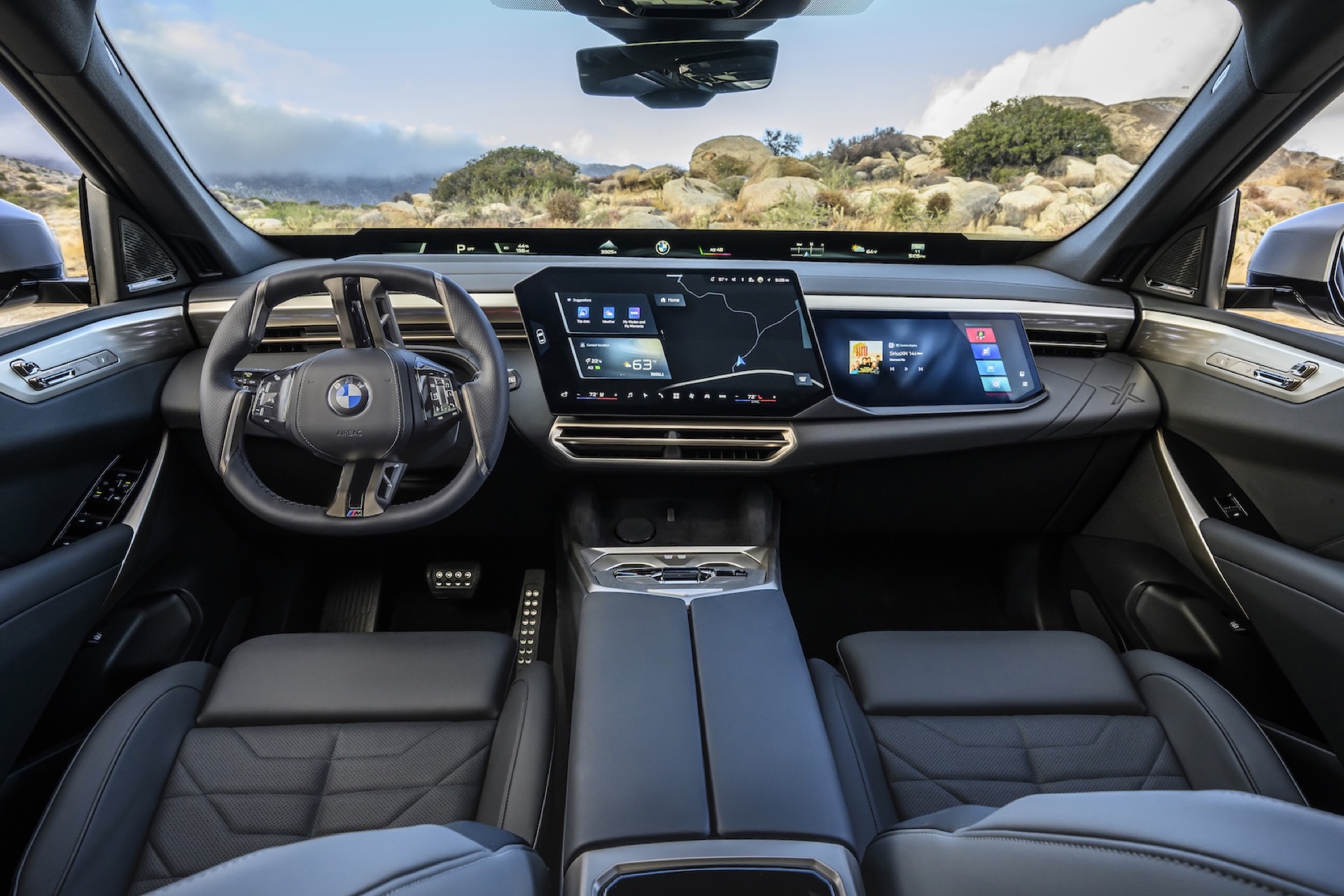
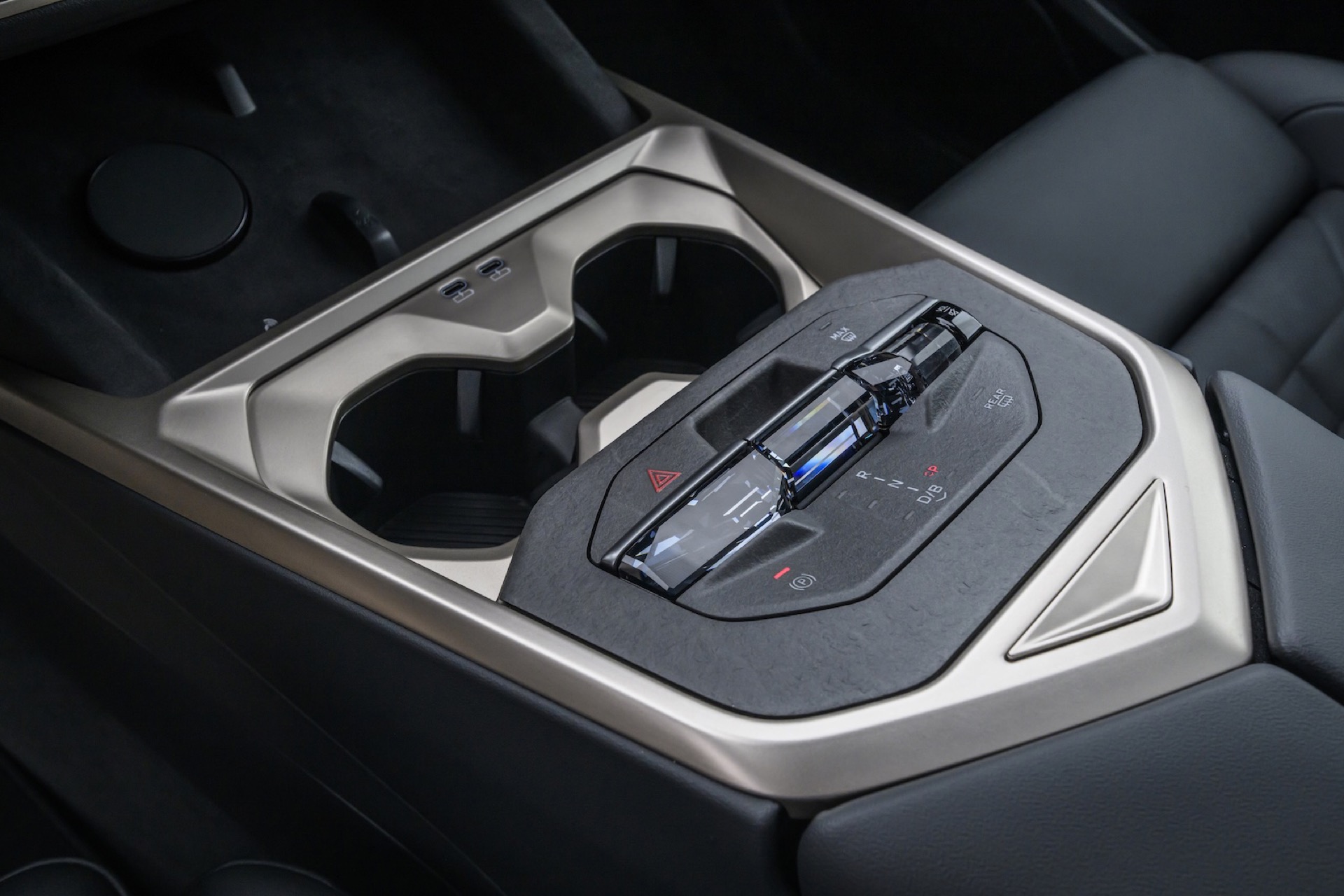
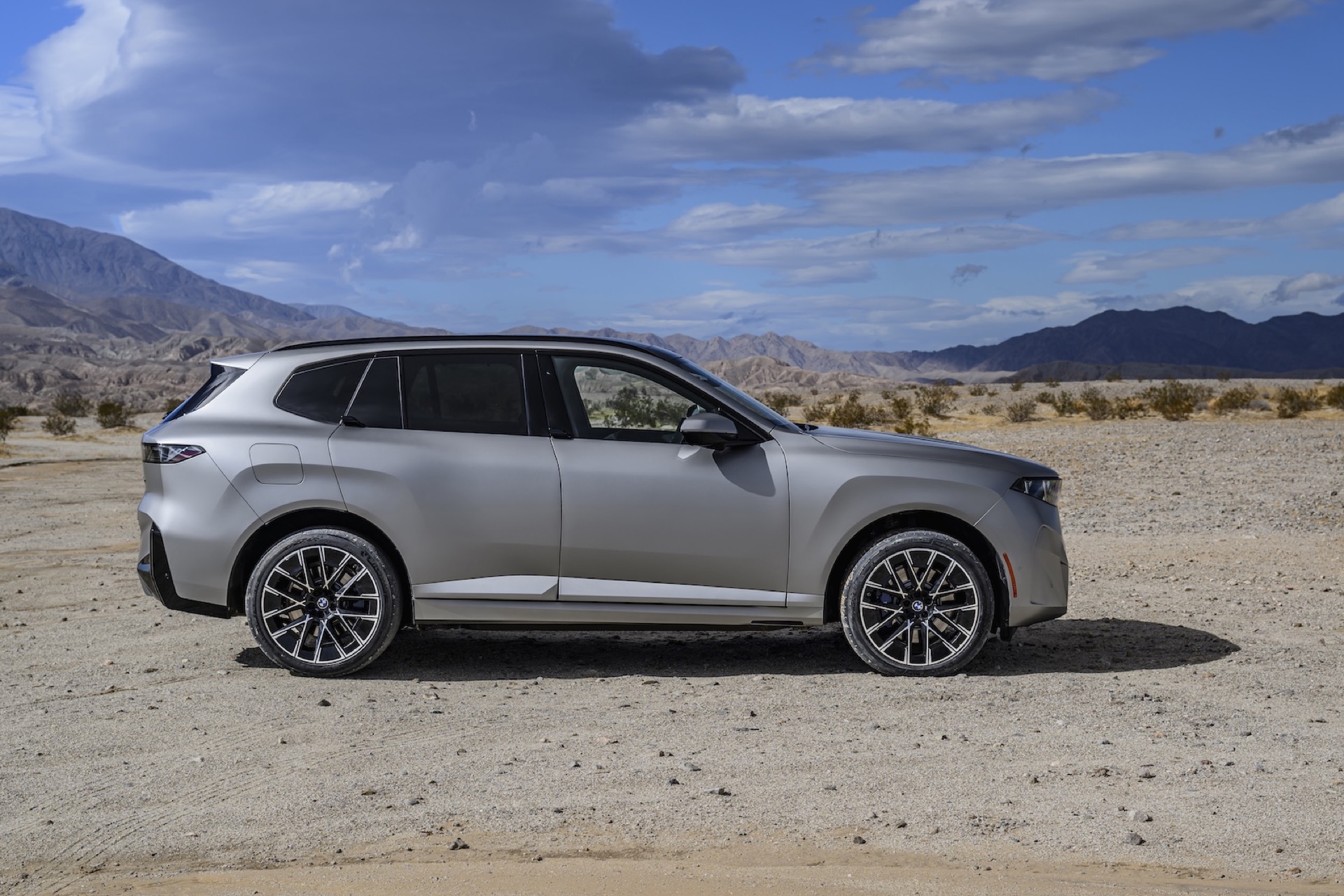
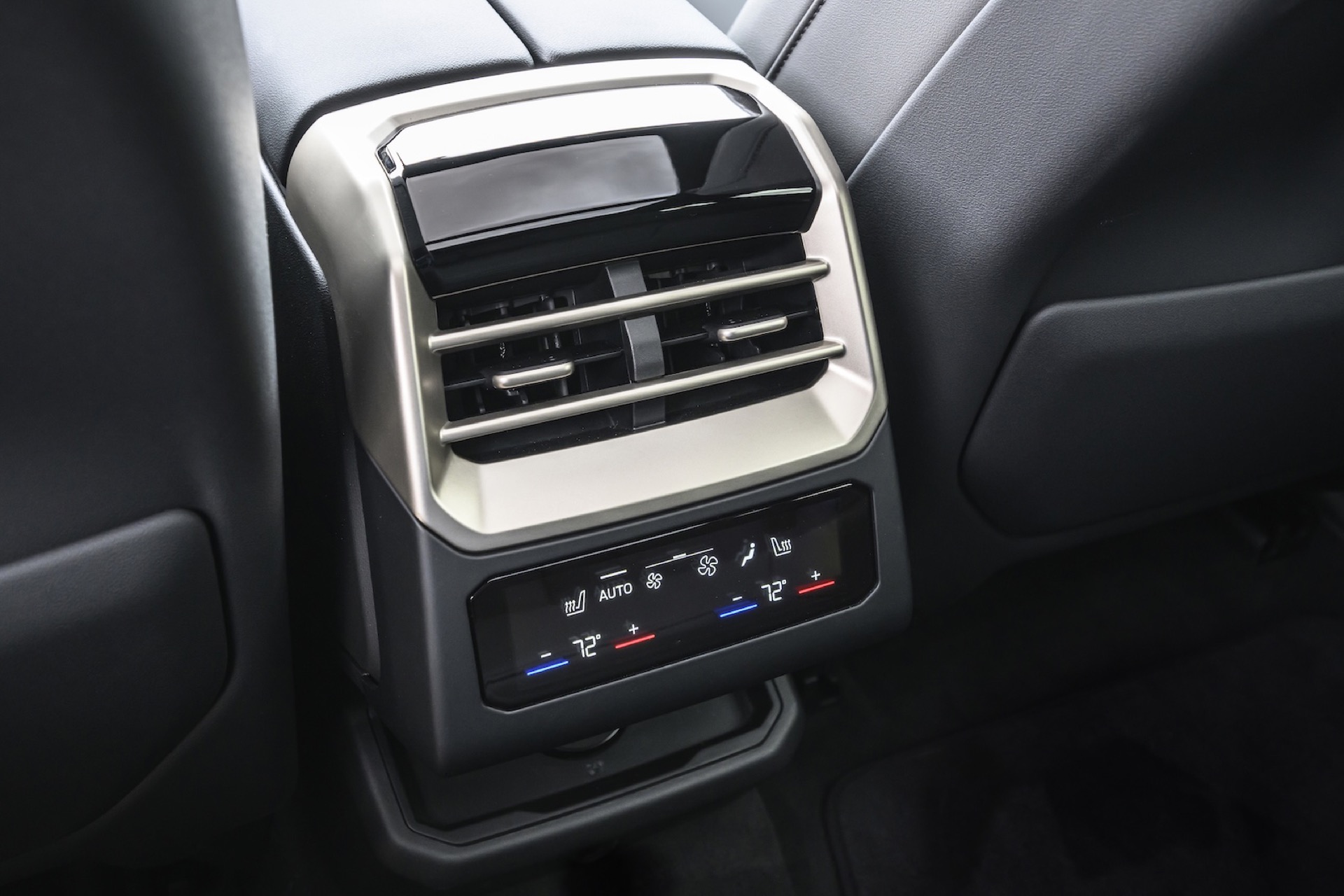
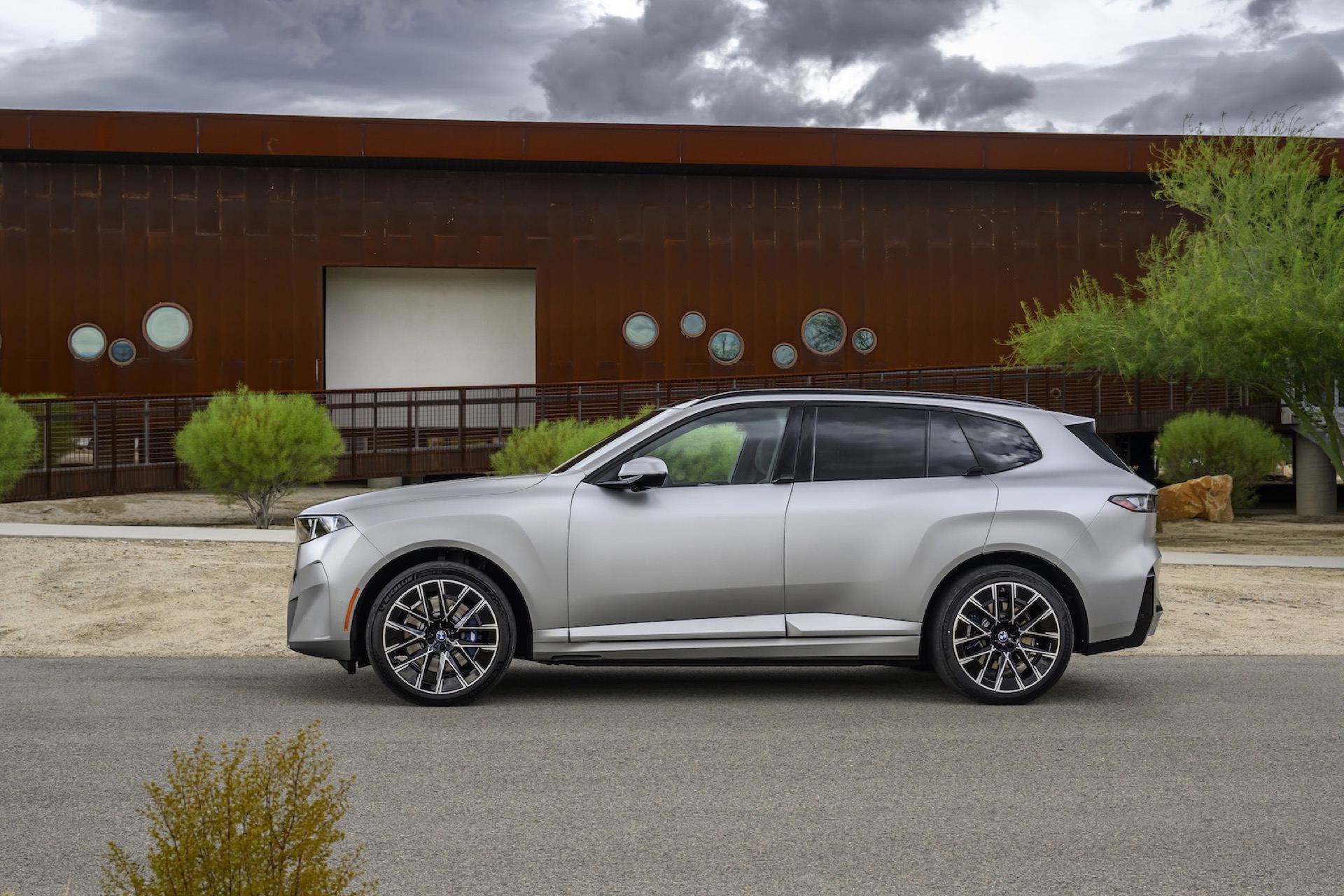
The BMW iX5 60 xDrive demands remarkably few compromises compared with its combustion-engined siblings. An enormous 141 kWh battery pack beneath the floor makes an official range of more than 800 kilometres a realistic prospect rather than wishful thinking. Even at higher motorway speeds or during cold winter journeys, the range displayed on the still rather unconventional panoramic display at the base of the windscreen should rarely fall below 500 kilometres with a fully charged battery.
That alone should go some way towards winning over even the most committed electric vehicle sceptics. Add the remarkable way this Spartanburg-built heavyweight disguises its considerable mass, along with exceptionally rapid charging when a suitable charger is available, and the argument becomes even more convincing.
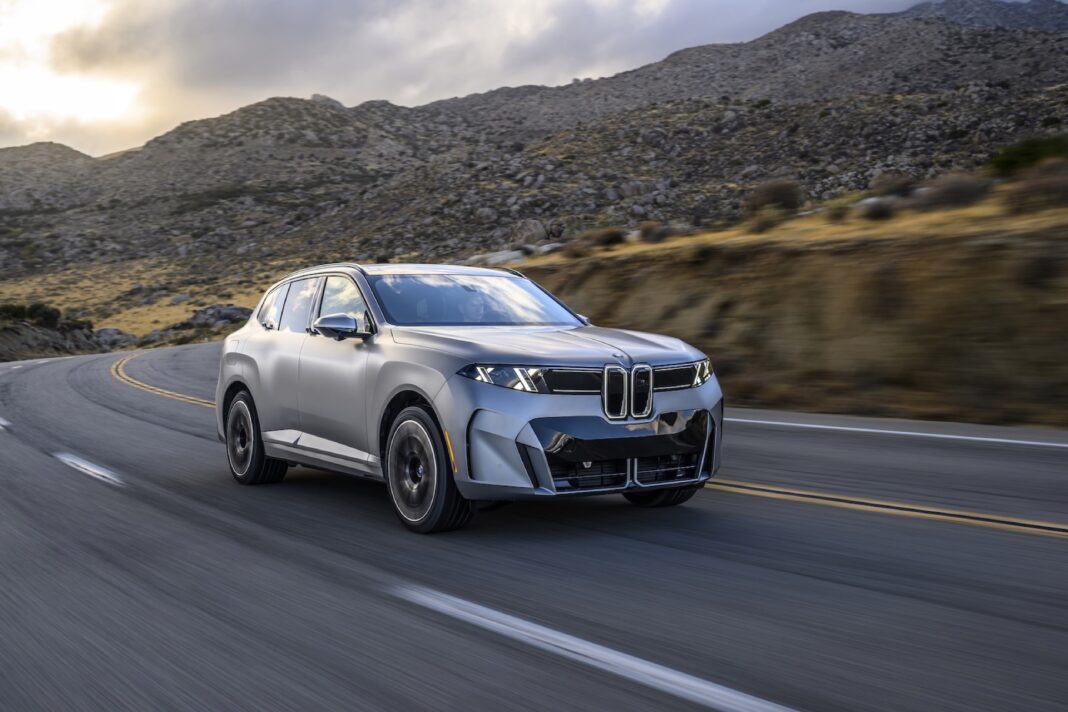
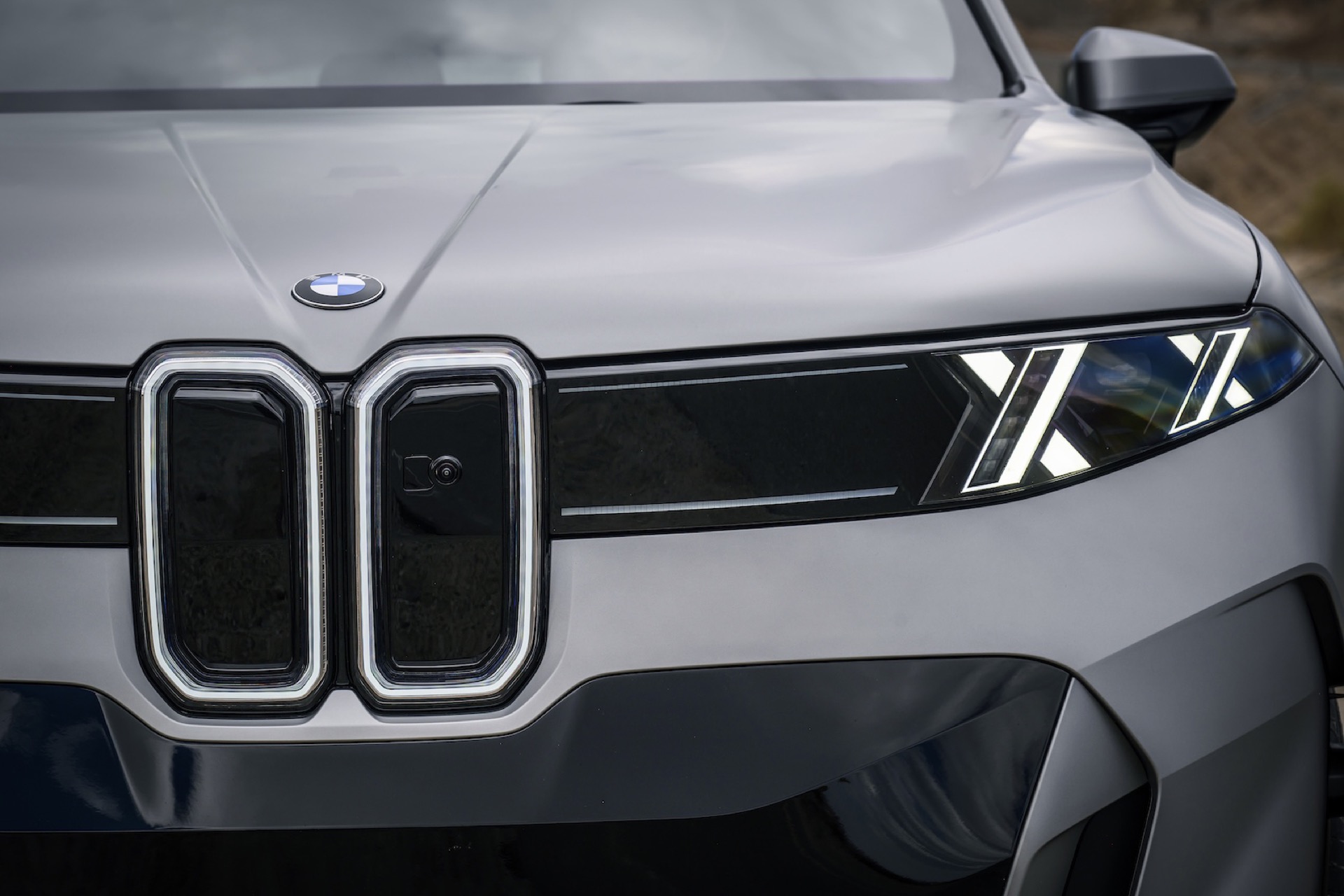
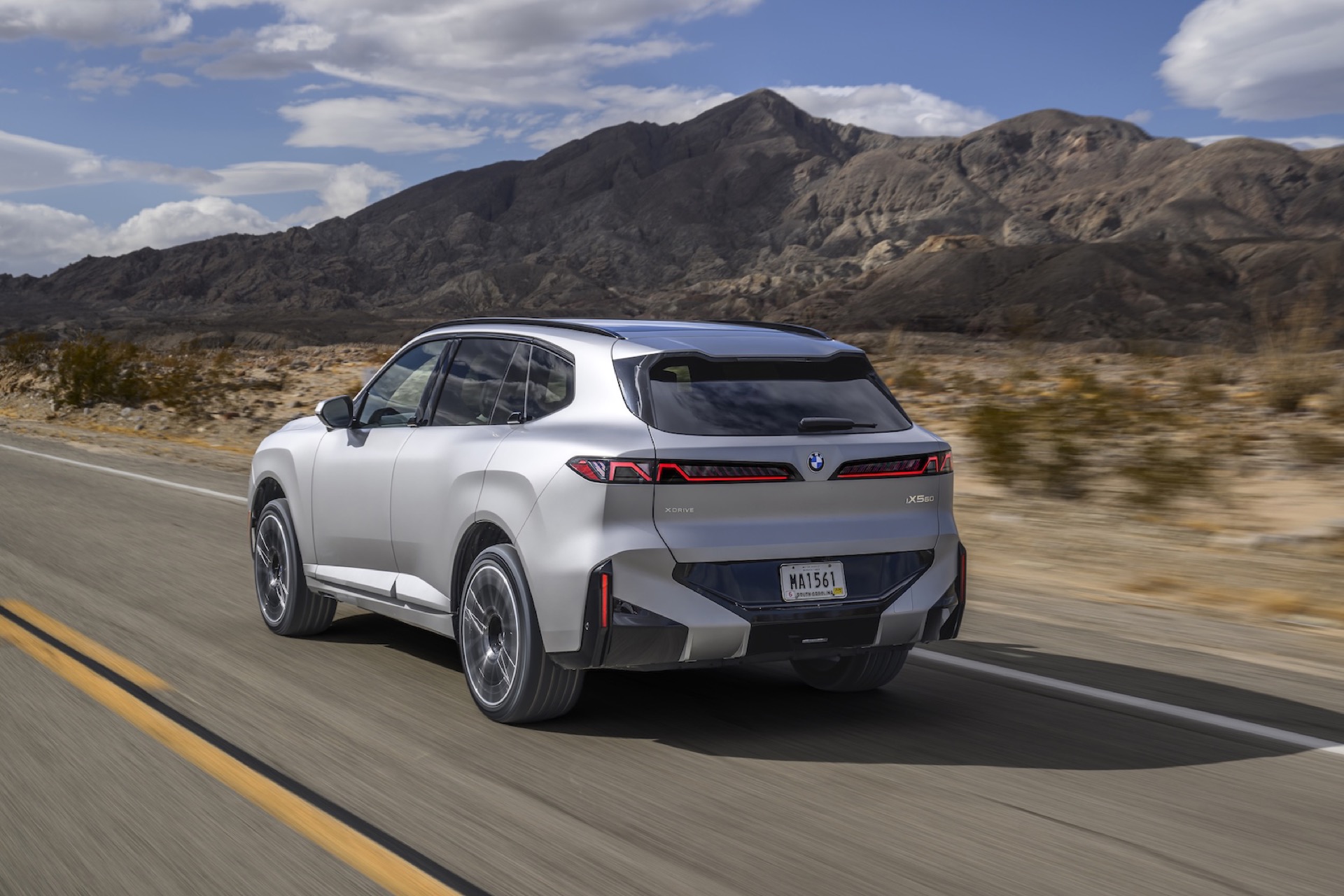
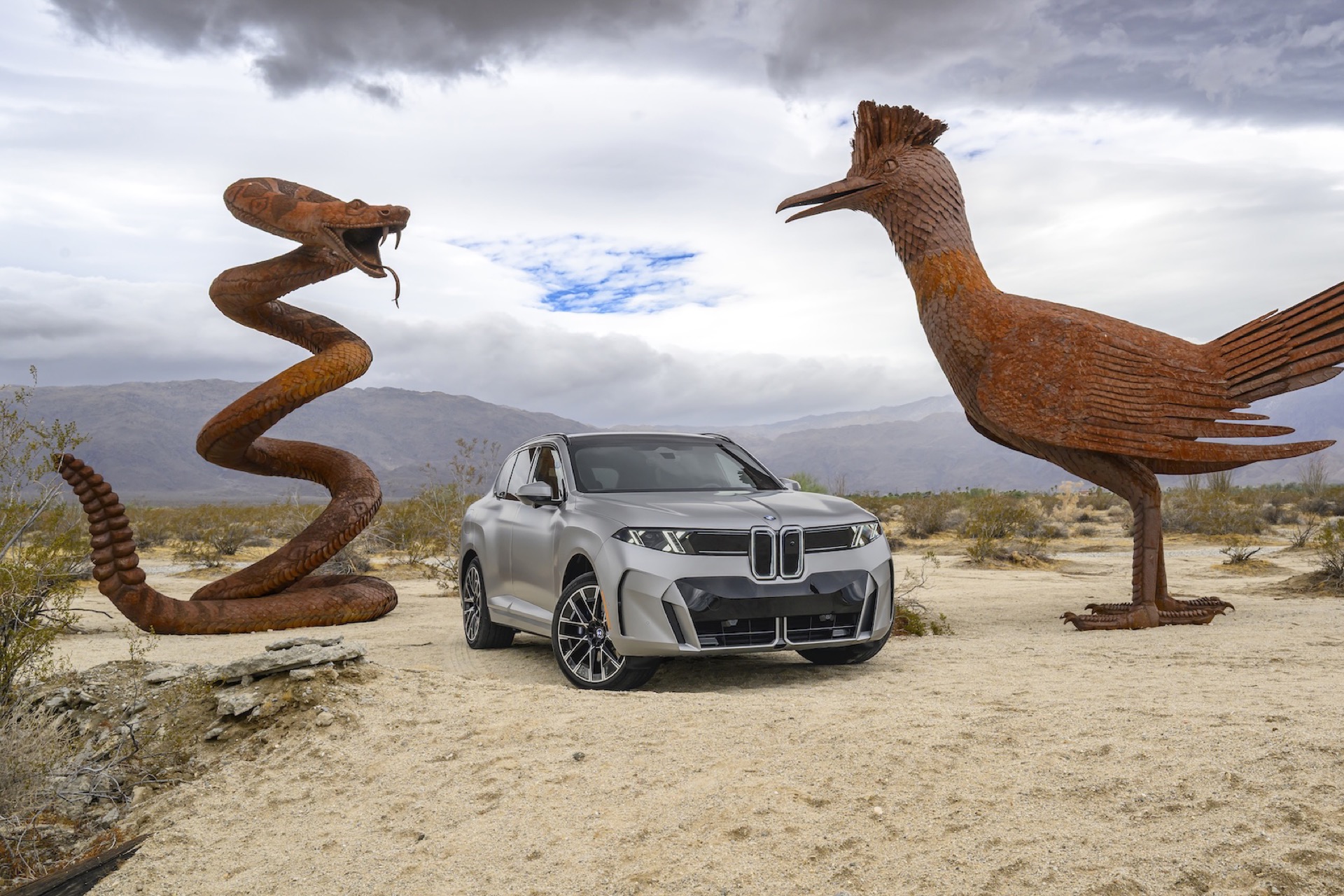
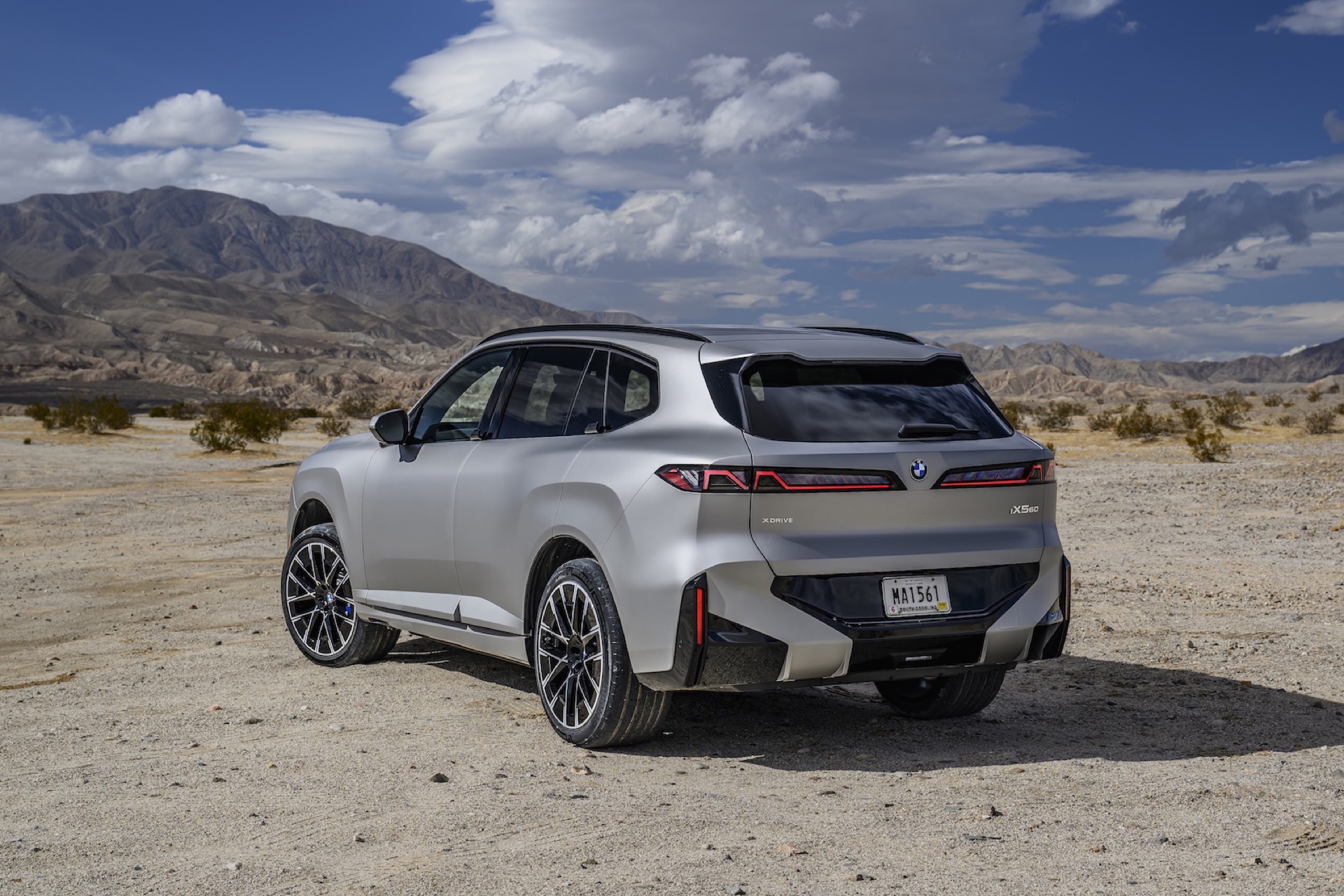
Visually, the new X5 takes considerable inspiration from the smaller Neue Klasse models, although the X-shaped LED headlights appear a little overdone. At 4.99 metres long, the SUV certainly has presence, with muscular proportions and pronounced wheel arches giving it an imposing appearance from both the front and rear.
Less convincing are the unusual wing-shaped door handles positioned along the window line. Similar solutions from Ford, Ferrari and Volvo have hardly been universally praised, and practicality certainly isn’t their strongest point. At least BMW offers electrically operated doors, capable of opening and closing automatically, although the privilege costs an additional €1,350.
When it comes to comfort, however, the X5 sets a formidable benchmark for rivals including the Audi Q7, Porsche Cayenne, Mercedes-Benz GLE and Range Rover Sport. The same can be said of its driving dynamics.
Until a full M version arrives, potentially in 2028, the iX5 60 xDrive sits at the top of the range. Its two electric motors produce a combined 425 kW (578 PS), distributing power between the front and rear axles according to the selected driving mode, speed and power demand.
A substantial 805 Nm of torque, combined with a finely tuned chassis and the low centre of gravity afforded by the heavy battery pack, makes it surprisingly easy to forget just how much the iX5 weighs. With so much performance on offer, however, the electronically limited top speed of 210 km/h feels rather modest.
The true scale of the electric SUV’s performance becomes apparent when approaching corners at speed. Weighing approximately 2.9 tonnes, the iX5 carries an enormous amount of mass, yet the way it tackles bends is genuinely impressive. It feels almost as though an invisible hand is guiding the car through corners, keeping its considerable weight under control.
Nevertheless, the difference compared with the combustion-engined X5, which weighs around 400 kilograms less, remains noticeable. The smaller iX3 also feels considerably lighter on its feet.
On the other hand, the iX5 operates in an entirely different league from its smaller electric sibling when it comes to comfort, refinement and the overall luxury experience.
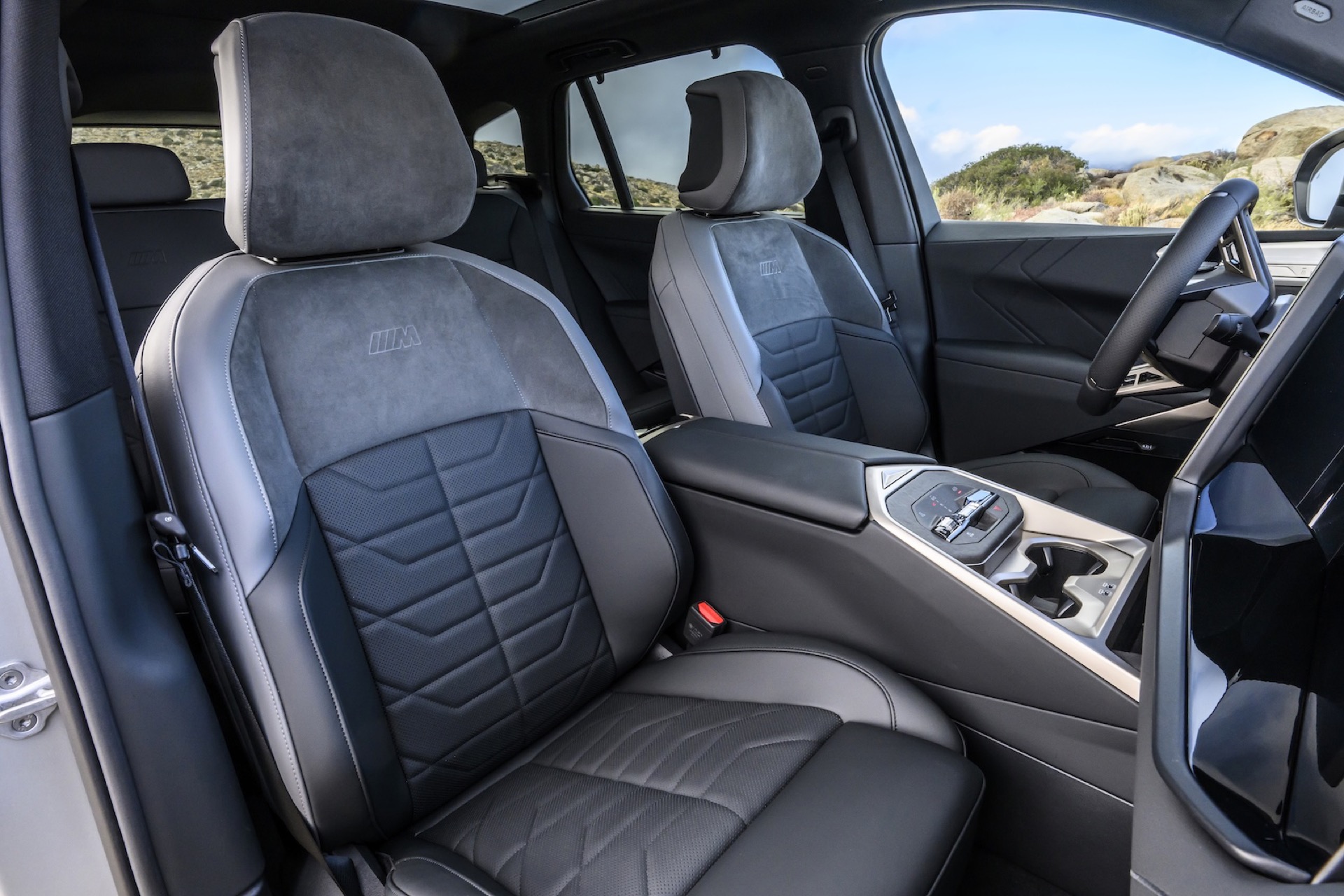
Admittedly, the unnecessarily complicated seat adjustment controls, split between the door panel and touchscreen, can be frustrating. Once everything is set up, however, the iX5 proves exceptionally comfortable over long distances. Road and wind noise are kept to a minimum, and despite its considerable performance, there is a reassuring sense of effortless progress.
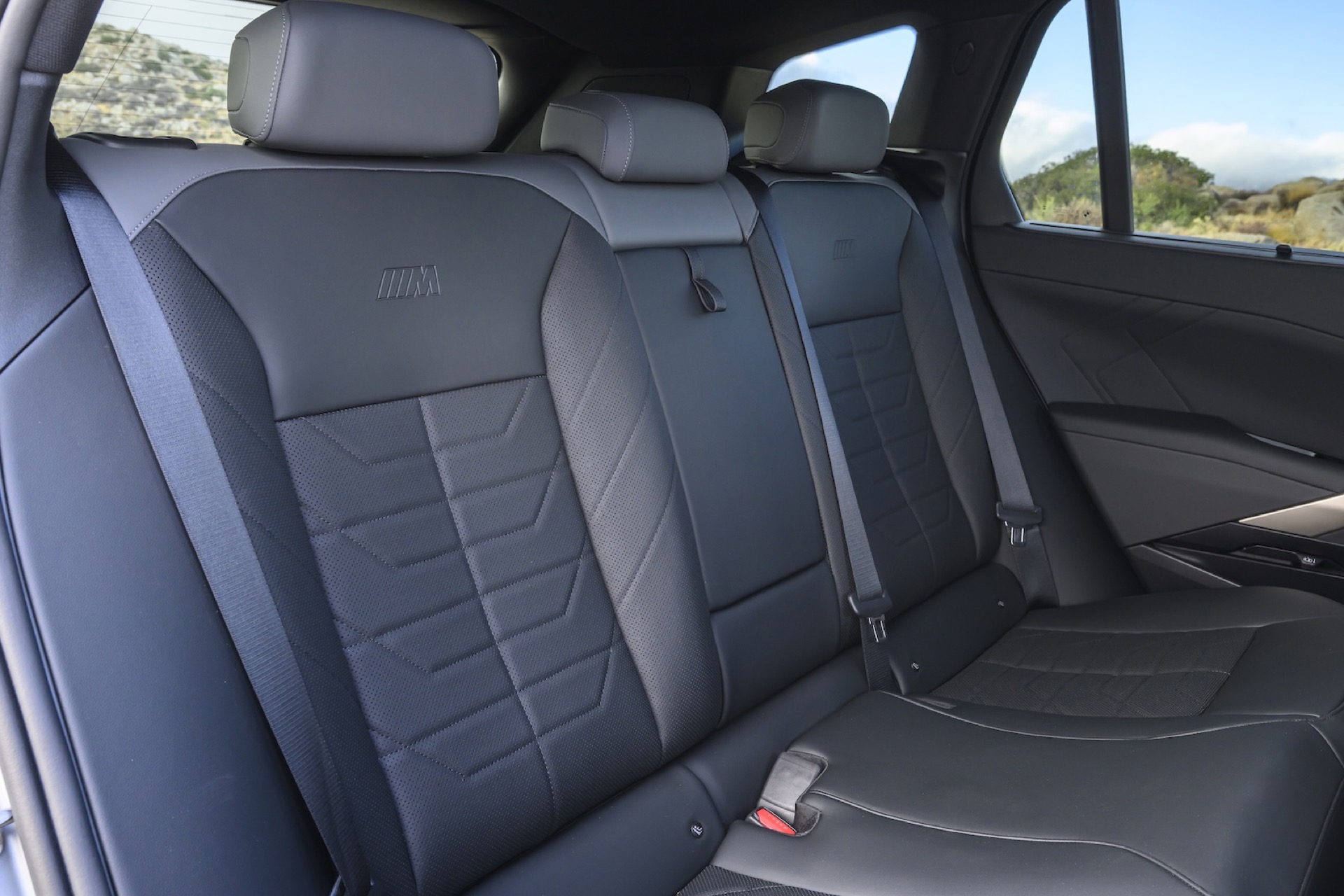
Passenger accommodation is excellent, both in the front and rear. Were it not for the learning curve associated with the central touchscreen, the narrow panoramic information display and a steering wheel that disappoints in both its controls and tactile quality, there would be very little to criticise.
There are, however, some questionable equipment decisions. Who thought it was acceptable for a €100,000 luxury SUV to feature manually operated rear window blinds? Rear-seat heating also costs extra, which seems particularly difficult to justify at this price point.
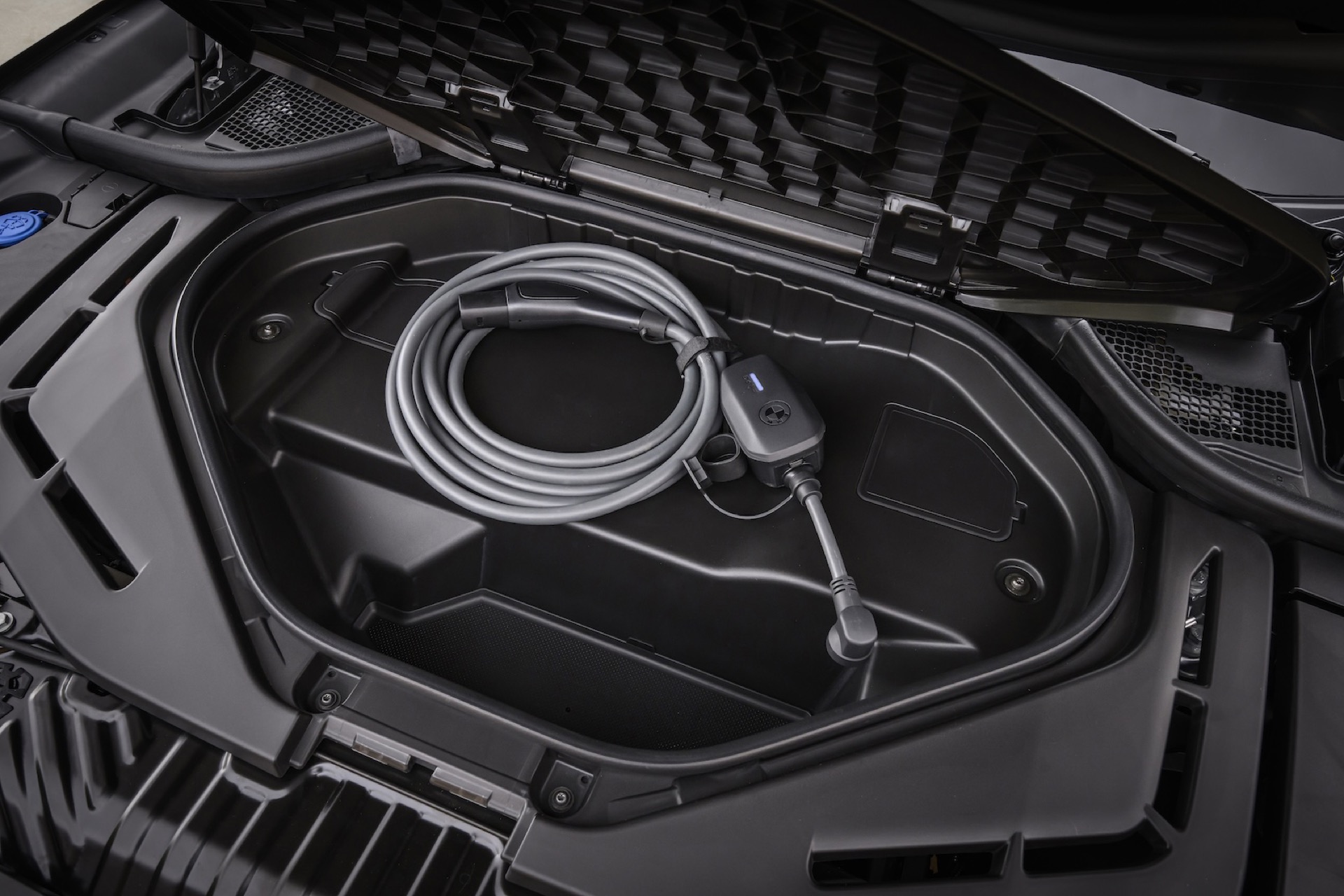
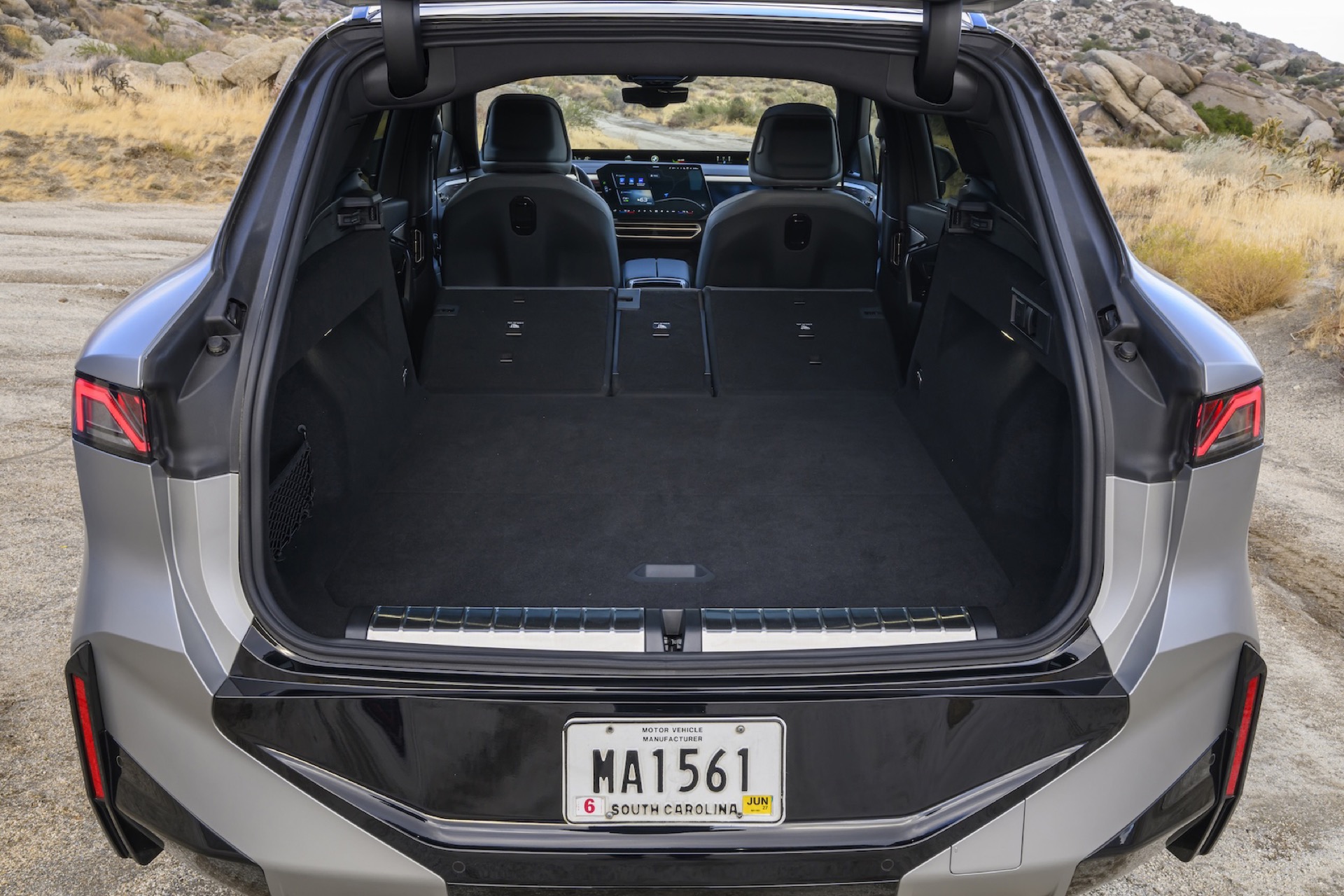
At least practicality is well catered for, with a generous 655-litre boot complemented by an additional 53-litre storage compartment beneath the bonnet.
The iX5’s impressive range is one thing, but its charging capabilities are equally noteworthy. With a maximum charging capacity of 460 kW, the BMW leaves many of its competitors trailing behind. It is another important advantage for a vehicle designed to make long-distance electric travel as effortless as possible.
Naturally, this combination of comfort, performance and technology comes at a considerable price. The BMW iX5 60 xDrive starts at €102,800, exactly the same as the plug-in hybrid version. However, with plenty of desirable equipment left on the options list, a suitably specified example is unlikely to cost much less than €120,000.
Early customer enquiries are already pointing towards monthly leasing payments exceeding €2,000. Even in the luxury SUV segment, that is a substantial amount of money.
Nevertheless, the BMW iX5 60 xDrive makes a convincing case for electric power in a large luxury SUV. Its combination of long-distance comfort, impressive range, rapid charging and unexpectedly capable handling gives it a strong position against established rivals. It may not be the lightest or most affordable X5, but it could well be one of the most appealing.