Shortly after Porsche unveiled its Vision S concept in New York, offering a glimpse of a future supercar, Elon Musk took things to an entirely different level. The world premiere of the Tesla Roadster in Texas demonstrates how aviation and automotive technology are beginning to converge. The flagship version can even take to the air.
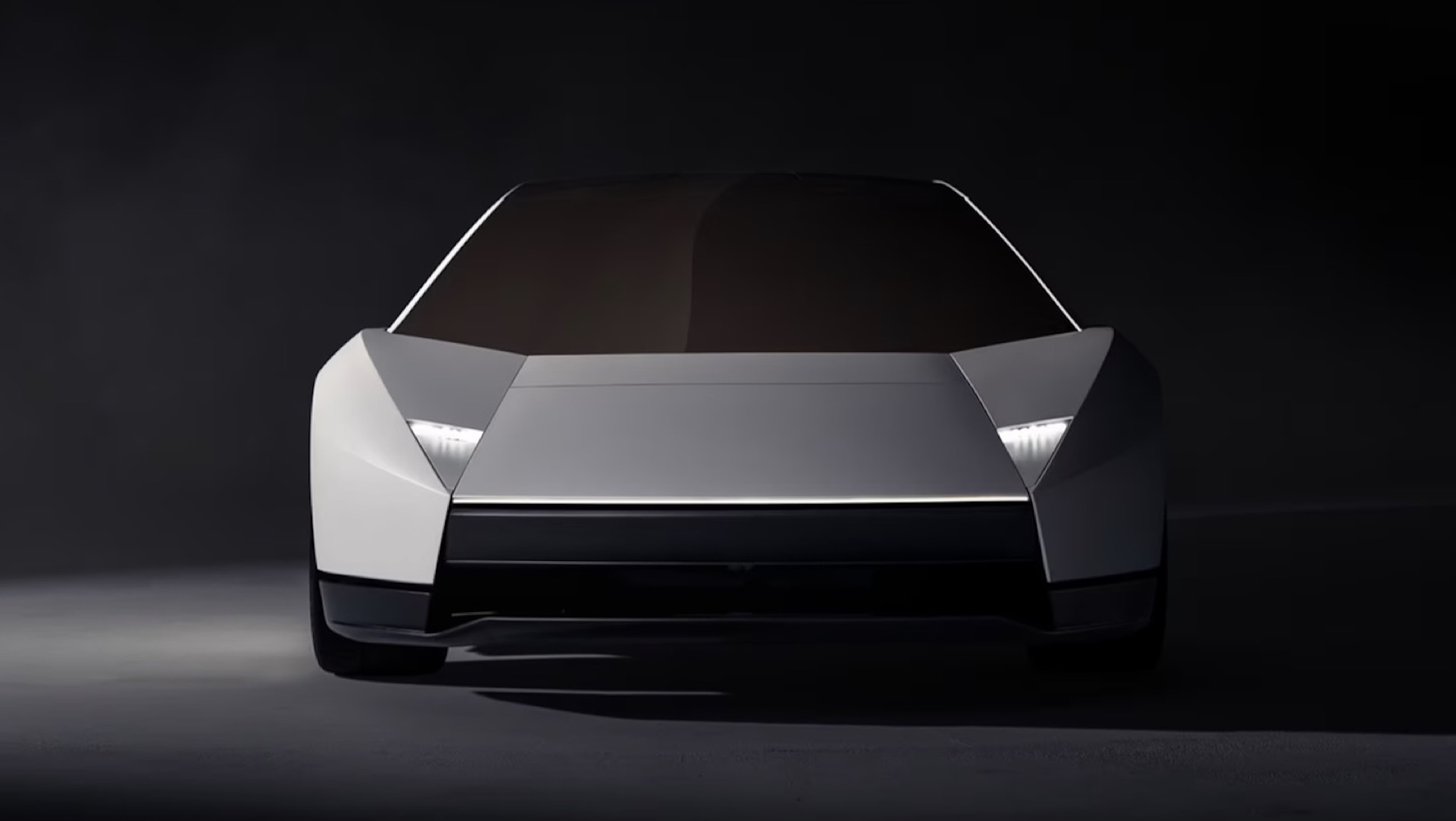
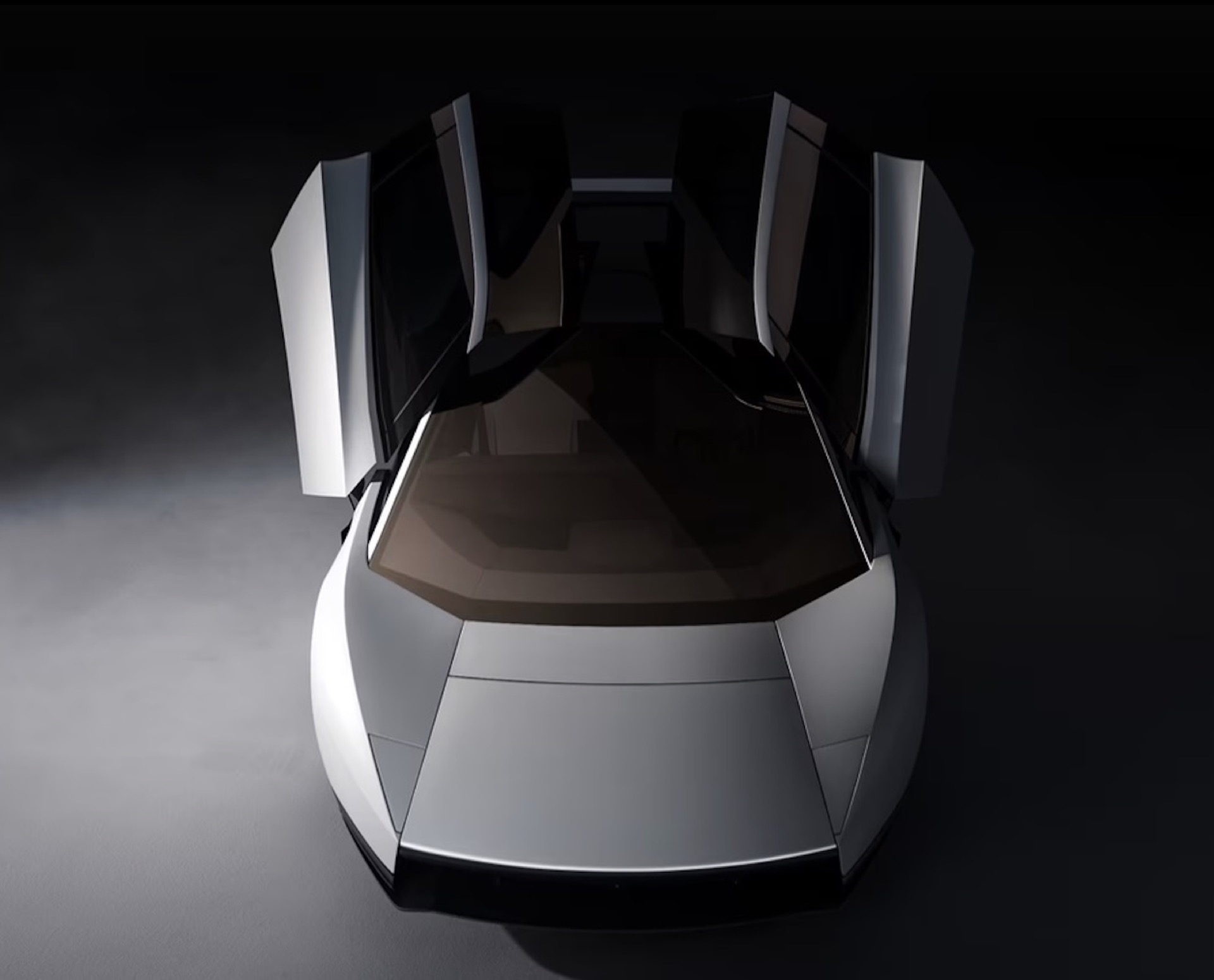
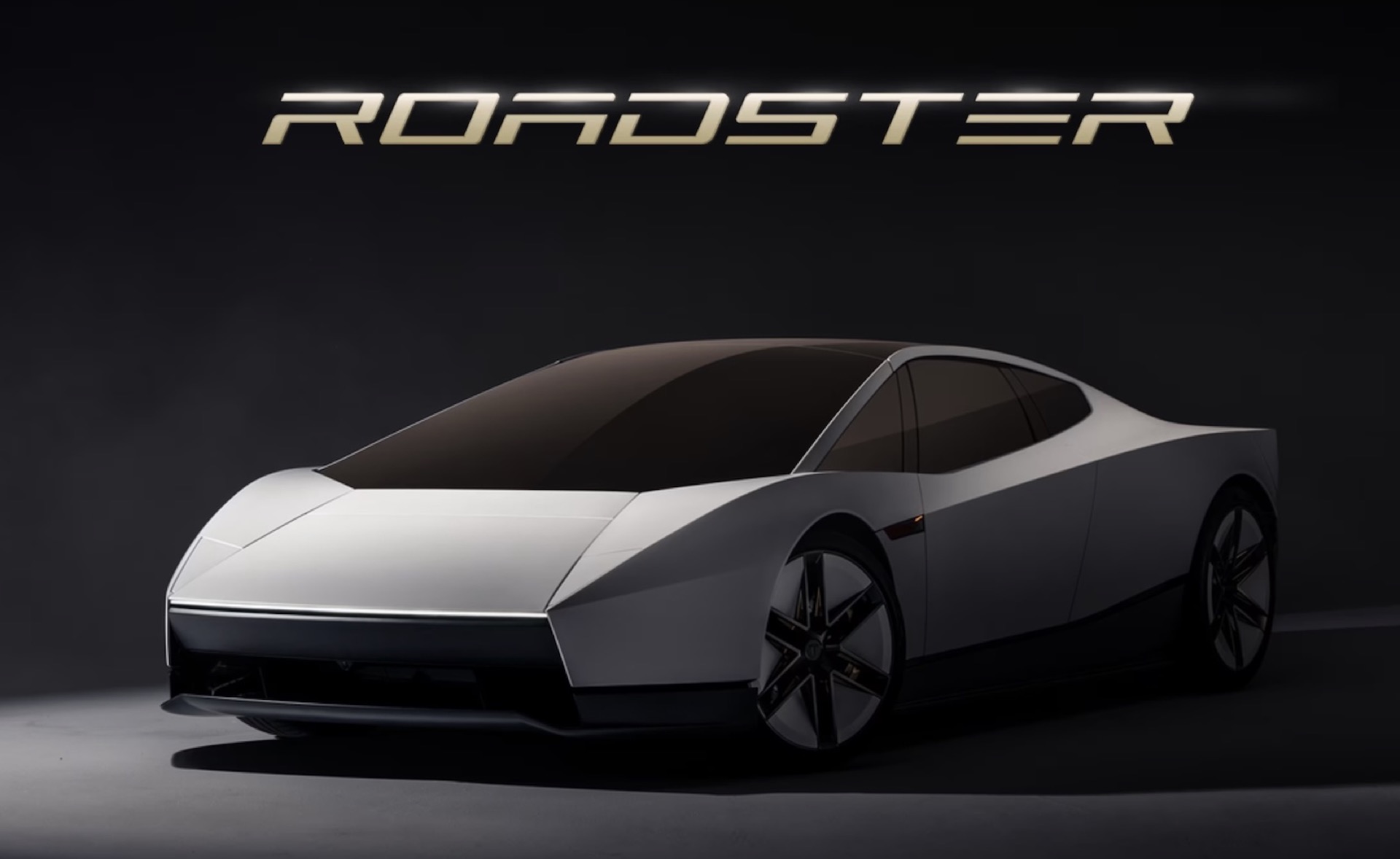
It has been almost a decade since Tesla CEO Elon Musk first announced a new generation of the Roadster. A successor to the electric sports car that turned the automotive world upside down almost 15 years ago with a drivetrain built around batteries originally developed for mobile phones. Now, the second-generation Roadster has finally arrived, and its design bears more than a passing resemblance to the Lamborghini Gallardo. There are also echoes of the Lotus Esprit S1, the famous James Bond car that Musk purchased at auction several years ago.
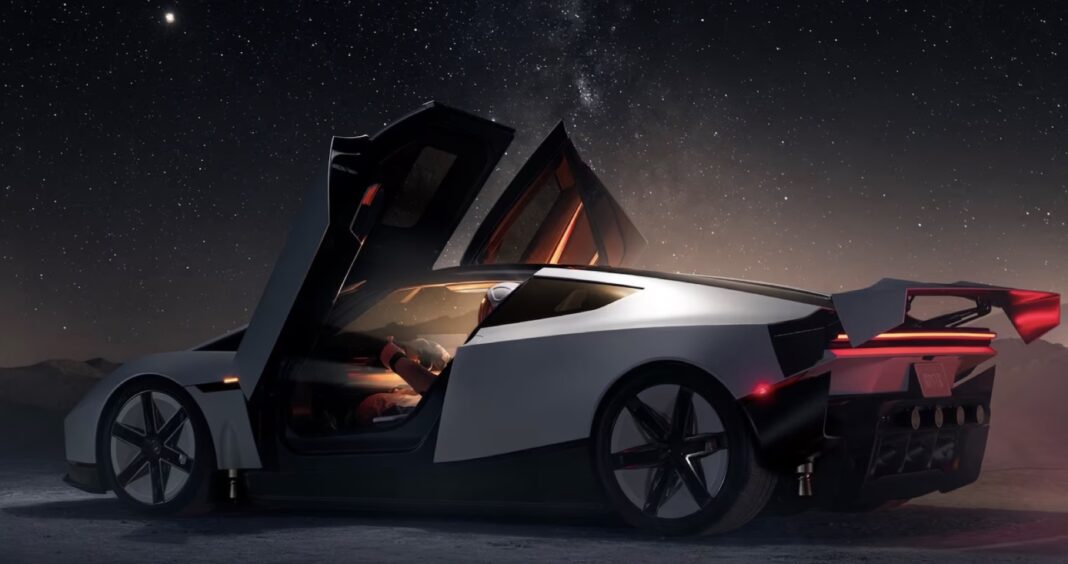
The new Tesla Roadster combines minimalist styling with advanced technology, drawing inspiration from the SpaceX space programme in both its colours and design details. Concealed LED headlights, a continuous rear light strip and flush-fitting aerodynamic elements give the Roadster a futuristic appearance. Yet even this striking design offers little indication of just how extraordinary the car’s capabilities are intended to be.
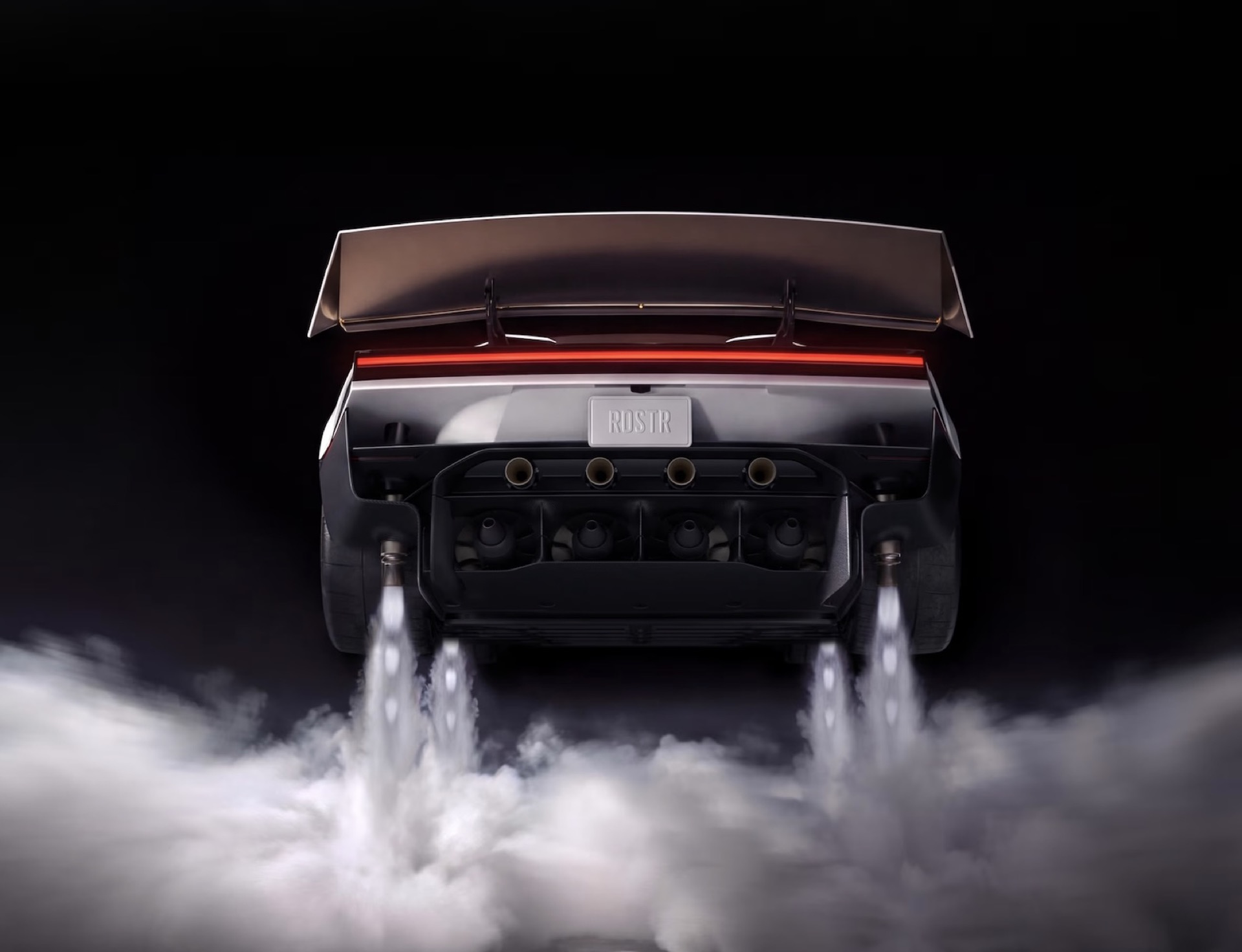
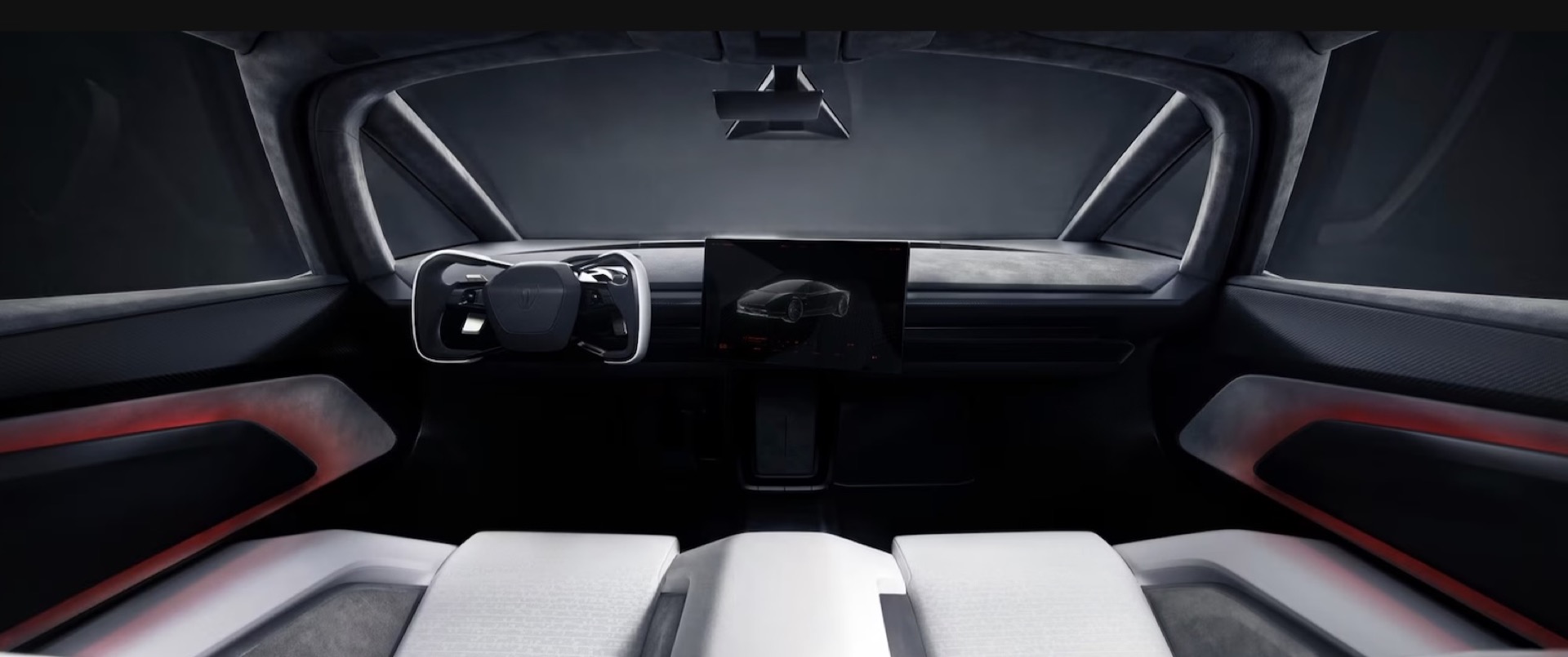
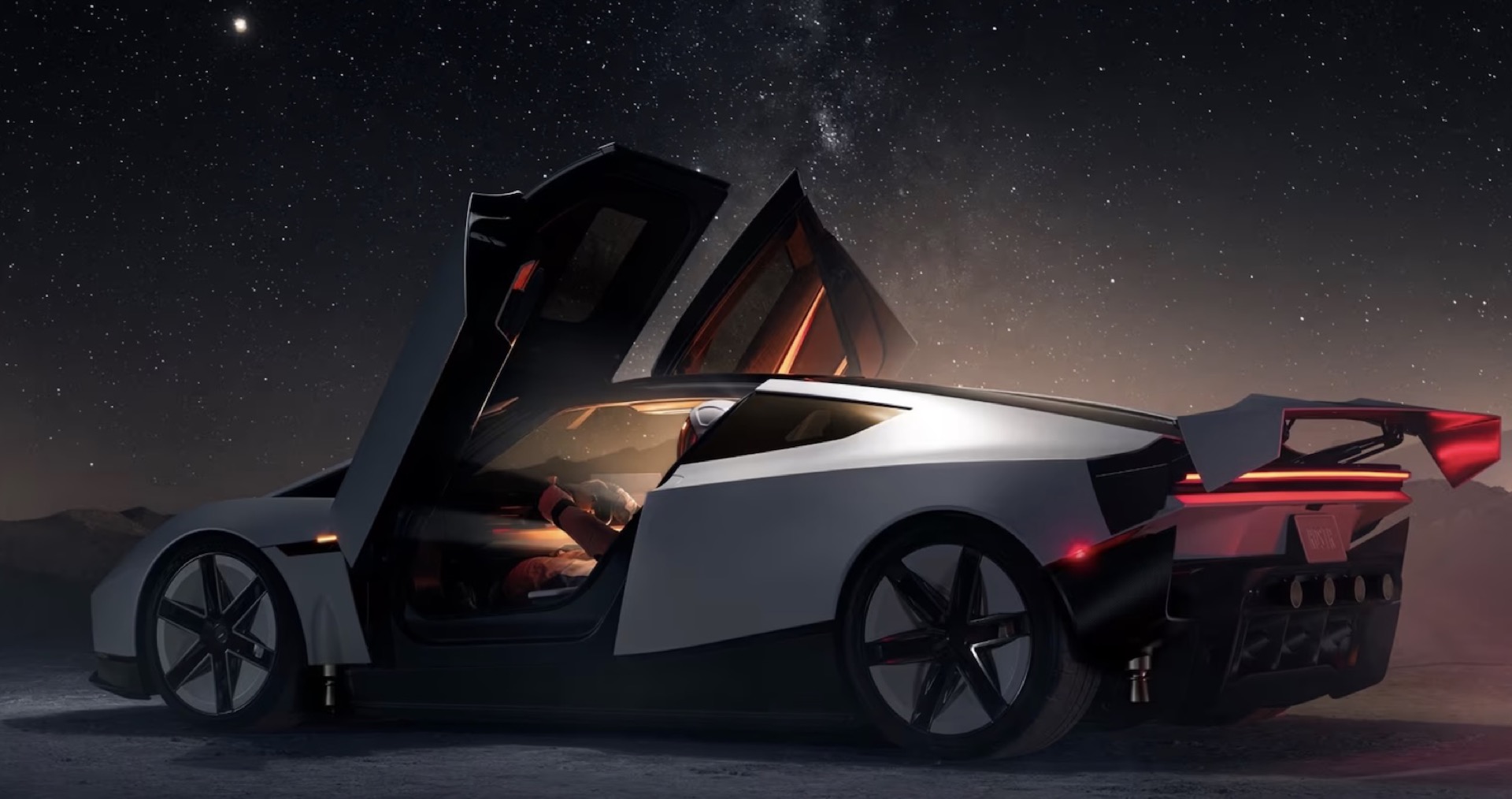
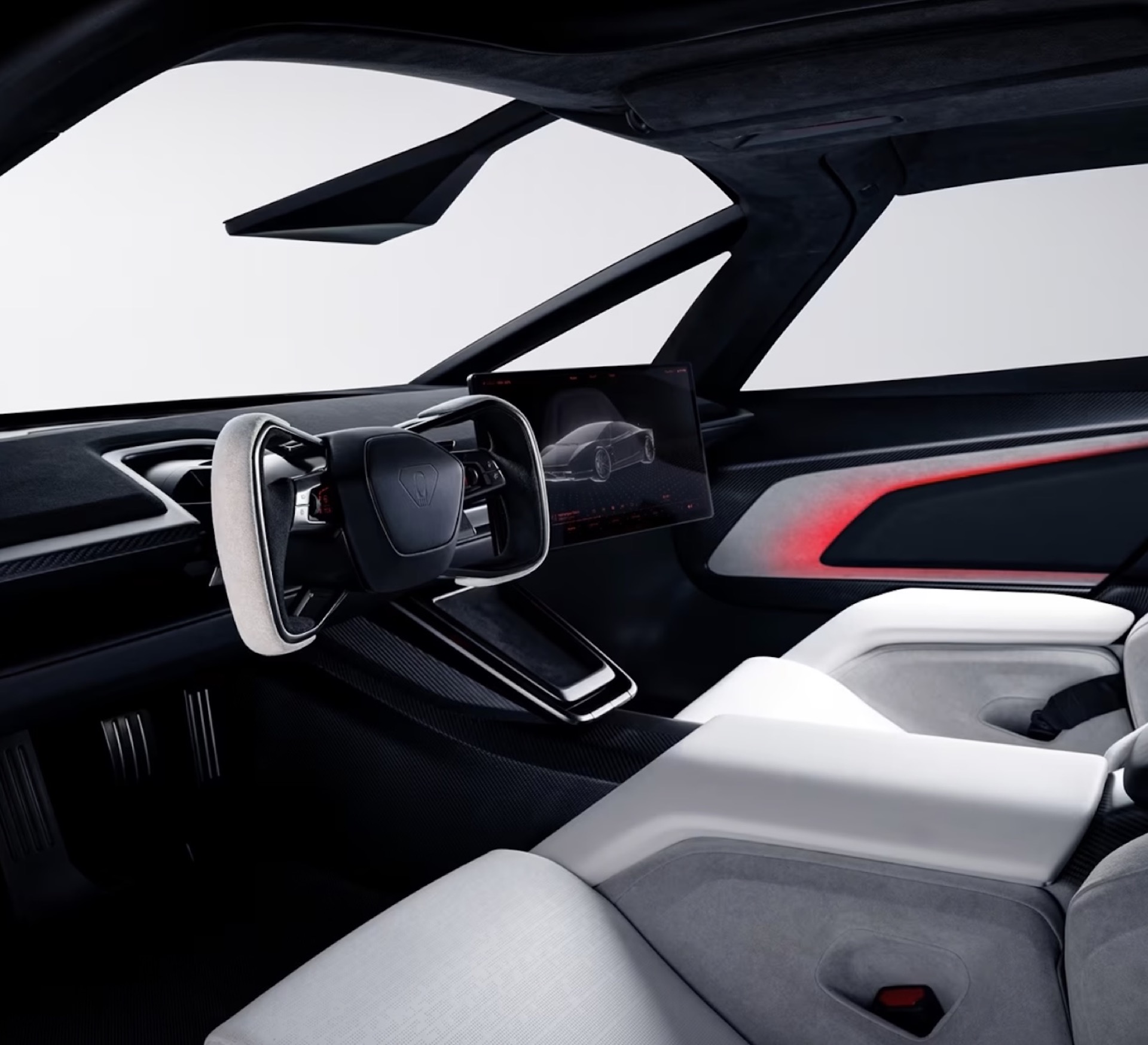
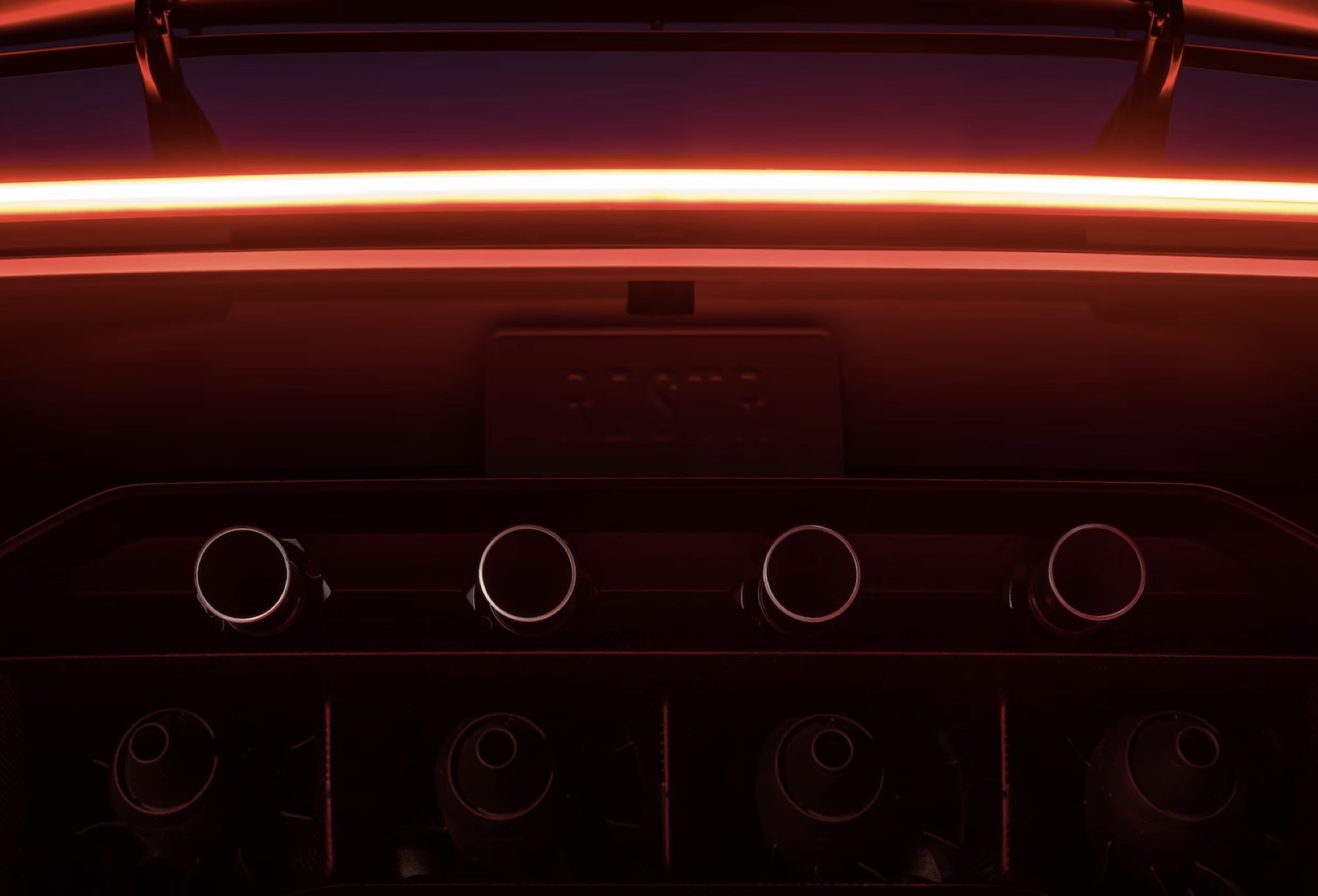
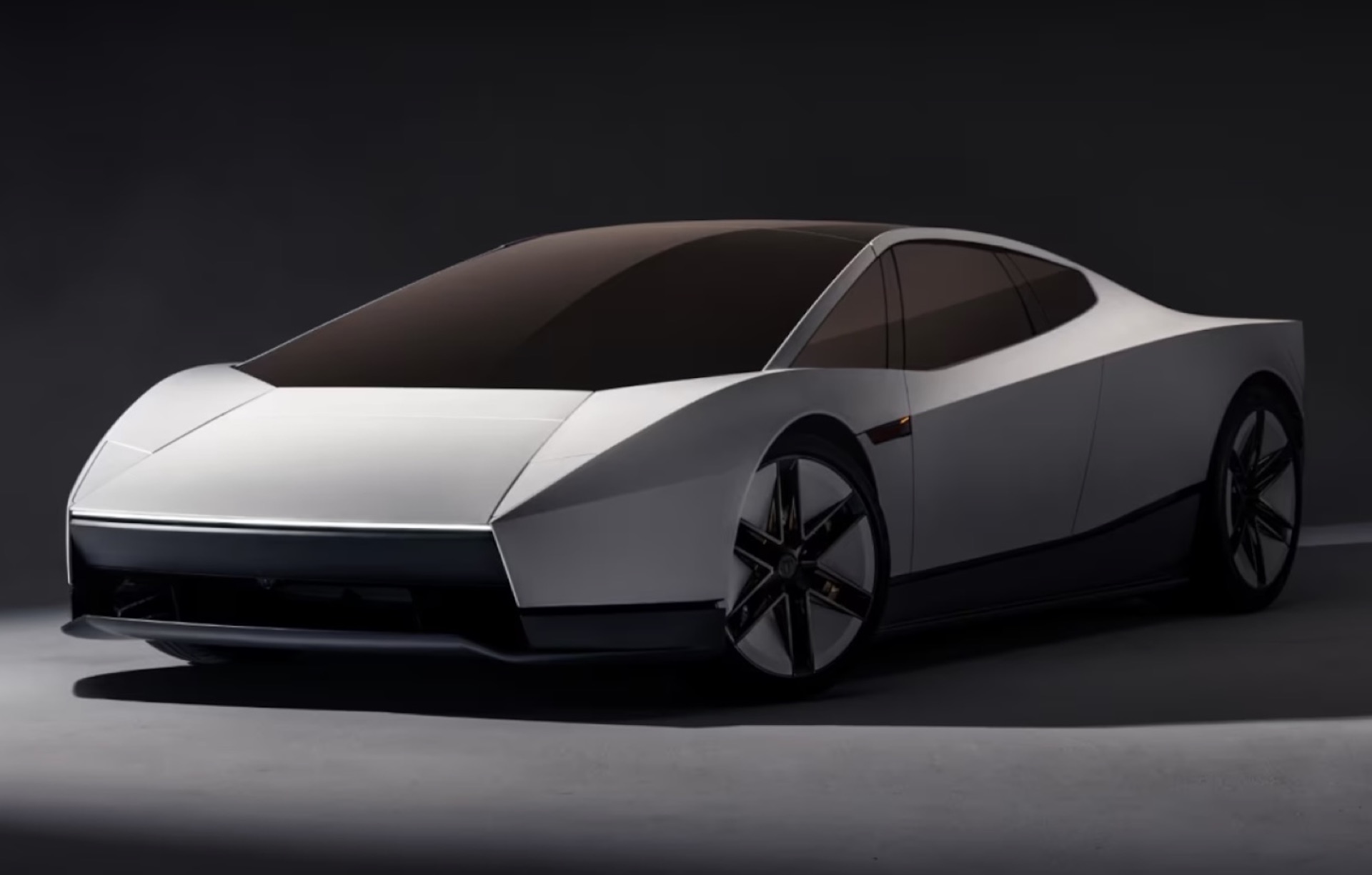
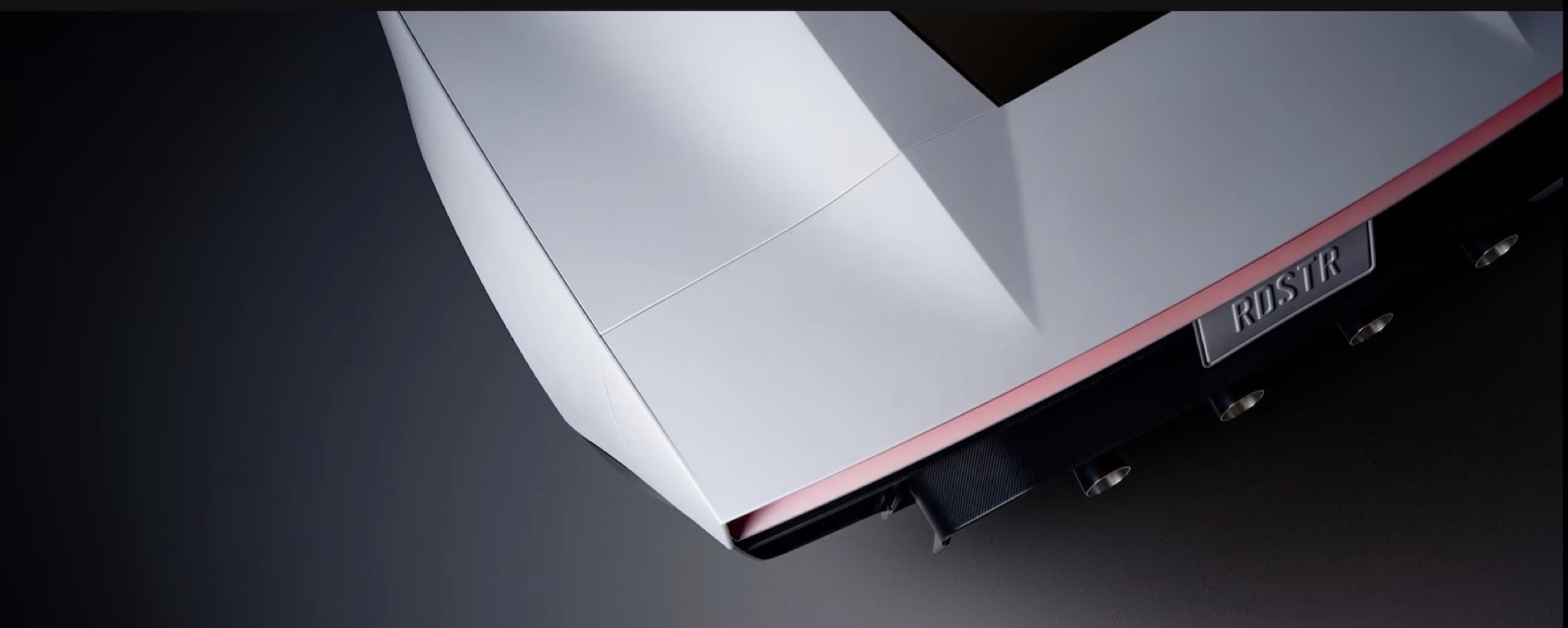
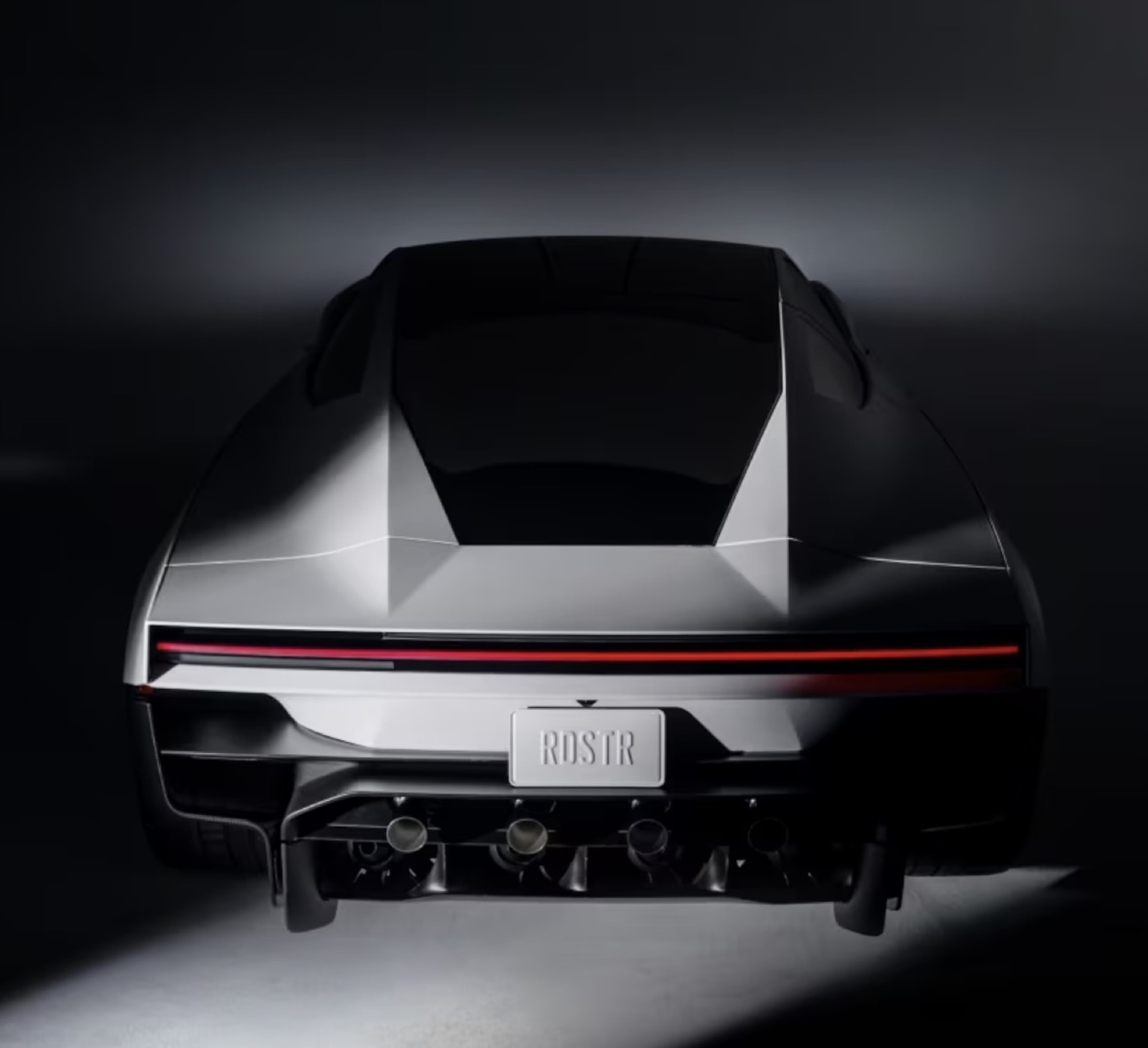
Depending on the version, the interior accommodates up to two occupants. The Performance variant for road use and the track-focused Thrust both feature two seats, while the ultimate Roadster Rocket is strictly a single-seater. Available only to specially invited customers, the Rocket features a multi-mode suction system and cold-gas thrusters designed to assist acceleration, upward propulsion and lateral rotation.
In other words, the Tesla Roadster can become a flying car.
At the unveiling in McGregor, Texas, the electric sports car’s suction system enabled a performance reminiscent of a Darda or Hot Wheels toy car. The demonstration even included a complete somersault followed by a controlled landing assisted by braking rockets.
“The car can fly like a rocket,” enthused Elon Musk. “It looks as though the car is breaking the laws of physics.”
Reservations are now being accepted, requiring an initial deposit of €5,000. A further €45,000 must be paid within ten days, otherwise the reservation expires. The new Tesla Roadster is not expected to reach the market before 2028.
Perhaps surprisingly, the technological highlight of the new Roadster is not its electric drivetrain, but a sophisticated fan and ground-sealing system. By extracting air from beneath the vehicle, it creates an enormous amount of suction and therefore downforce. As demonstrated during the premiere, the system can generate enough force to hold the car upside down, even when stationary.
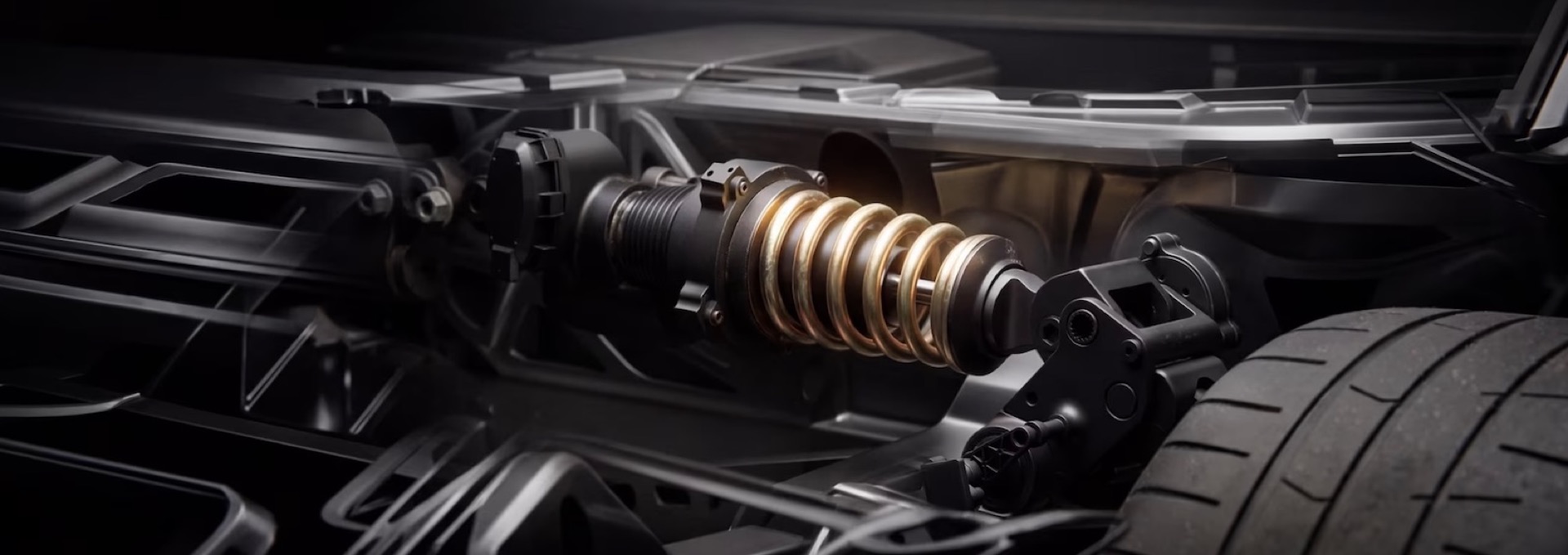
The fans work alongside active aerodynamic elements to maximise traction and cornering speeds. Meanwhile, a specially developed steer-by-wire system promises exceptionally direct steering responses, assuming the Roadster is ever used for something as mundane as ordinary road driving.
In Track mode, the car lowers itself towards the asphalt, adjusting its ride height with millimetre precision to suit the surface beneath it. On the circuit, drivers can select between configurations prioritising maximum downforce or reduced aerodynamic drag, depending on the demands of the track.
Particularly lightweight wheels with slender spokes help transfer the enormous power to the road. Tesla has yet to reveal the precise performance figures, although output is expected to exceed that of the existing Plaid models and therefore comfortably surpass 1,000 PS.
Even the Roadster Thrust is claimed to accelerate from zero to 100 km/h in less than one second, while top speed is expected to reach approximately 370 km/h.
Interestingly, the Roadster is also expected to remain the only Tesla model without autonomous driving capability for the foreseeable future. In a company increasingly focused on removing the driver from the equation, its most spectacular sports car will continue to put a human firmly in control.
Assuming, of course, the Roadster stays on the ground.