There has been no shortage of uncomfortable Porsche headlines lately. Sales are down, costs are being cut, thousands of jobs are going and the company is recalibrating a product strategy that, in hindsight, moved too confidently towards electrification.
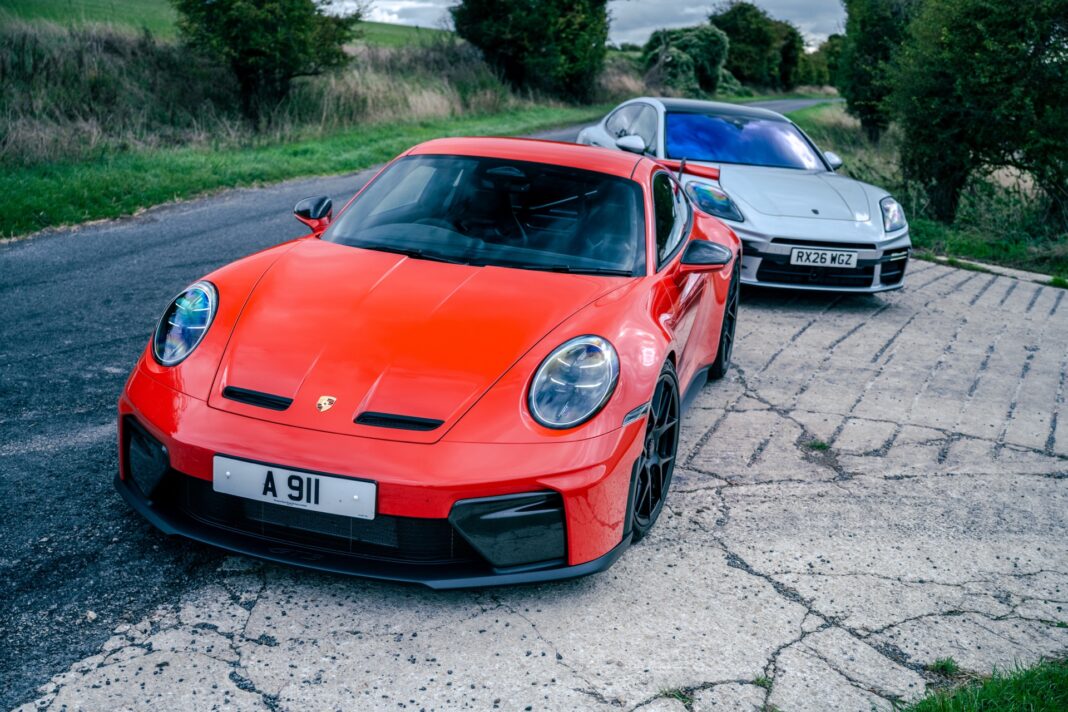
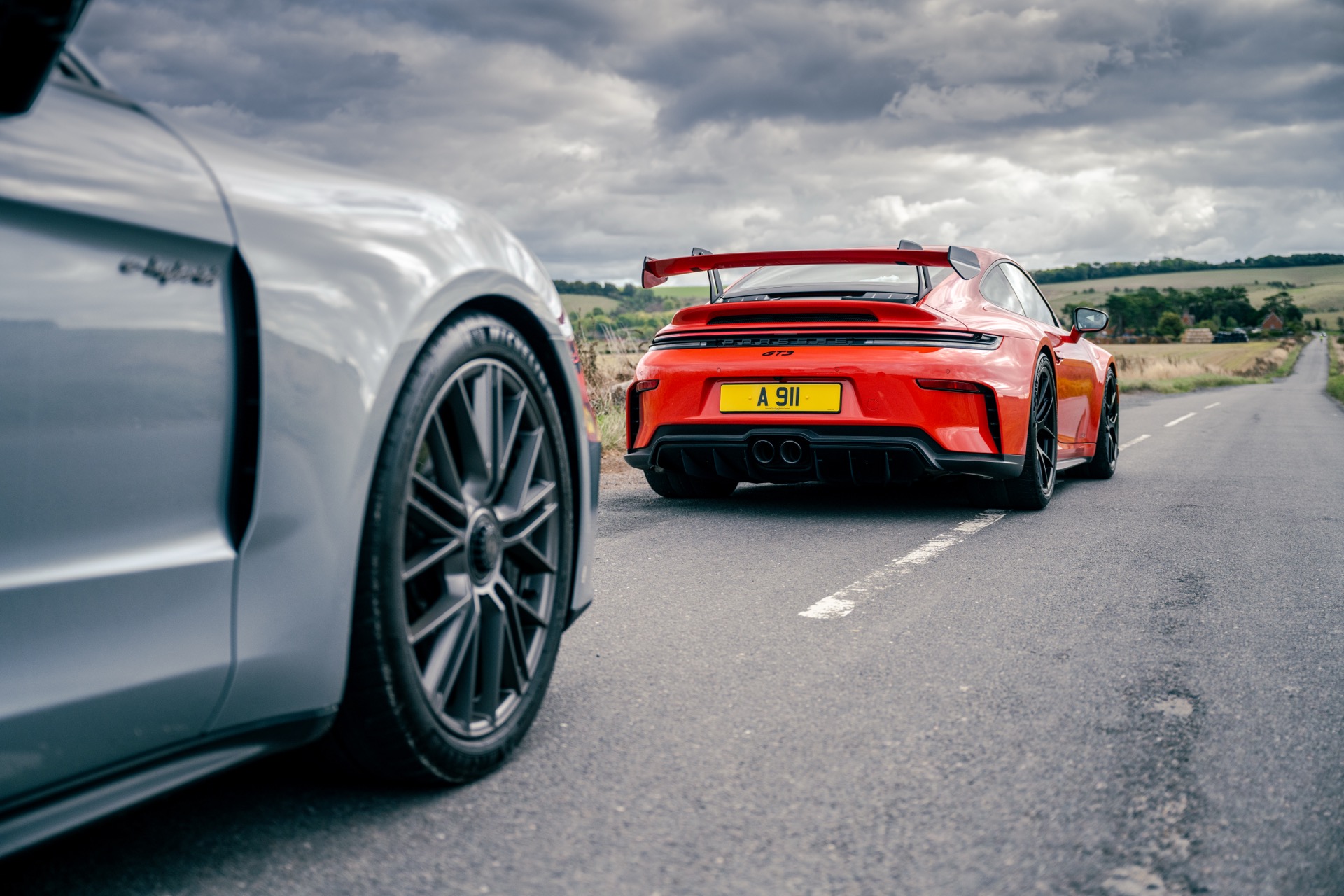
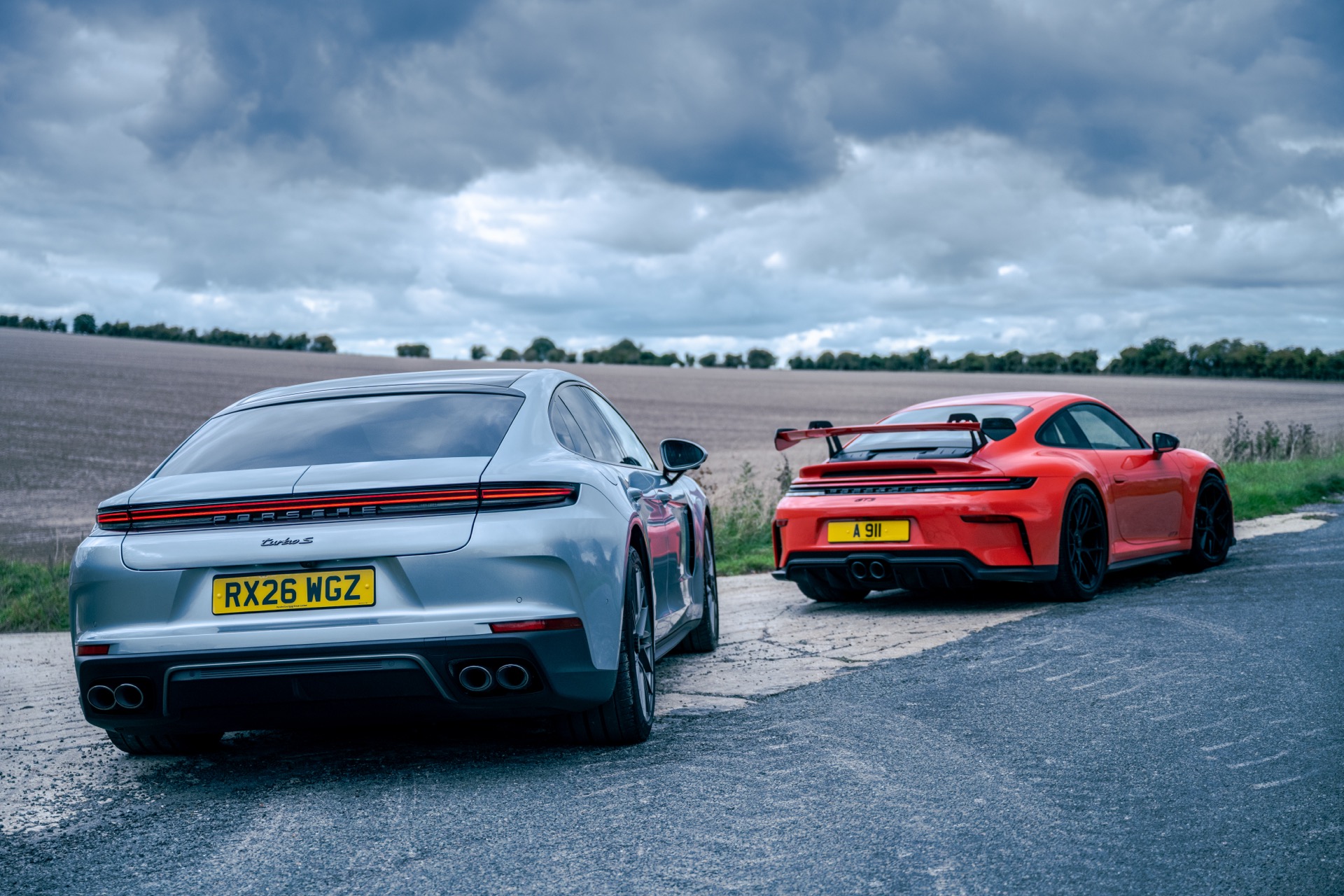
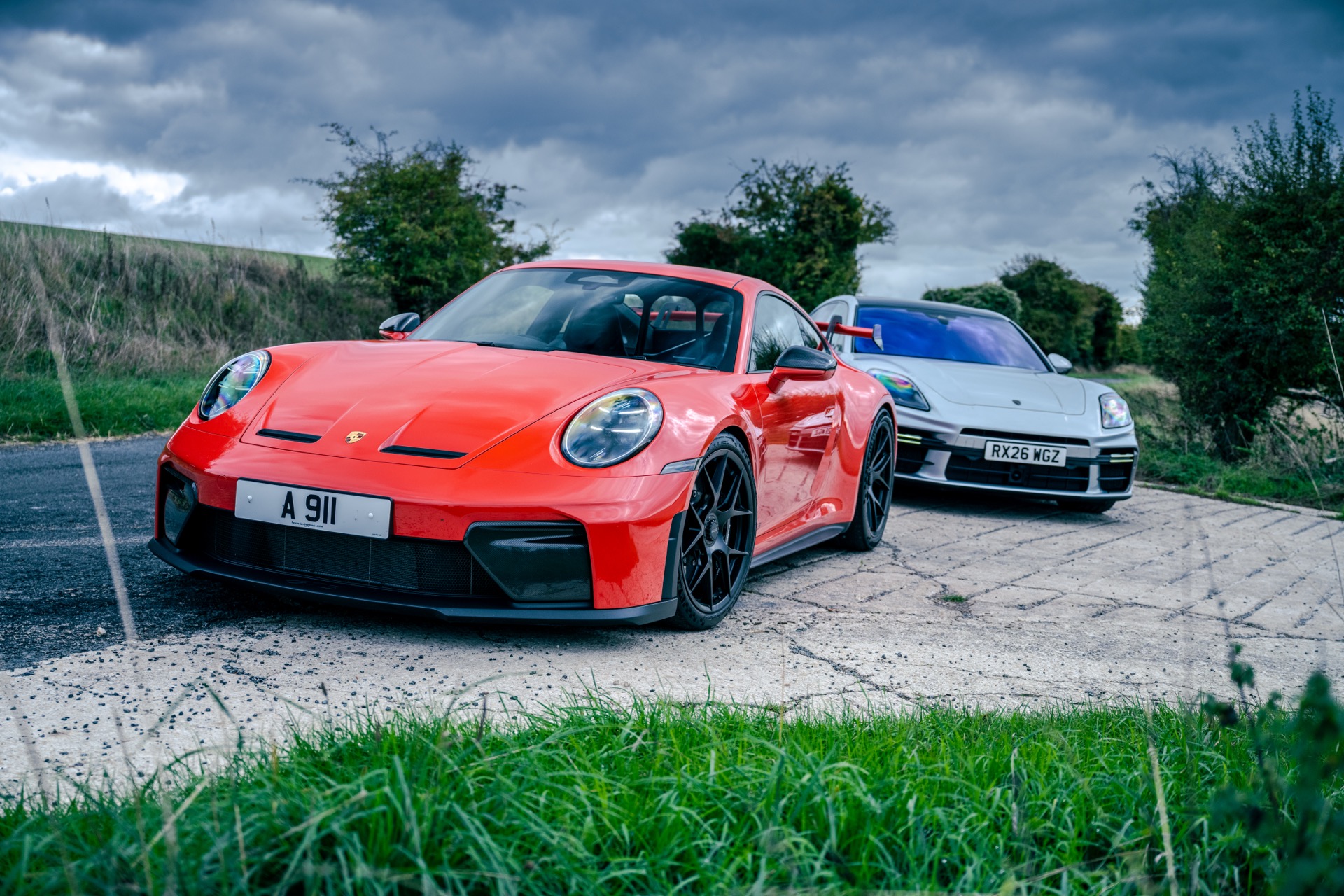
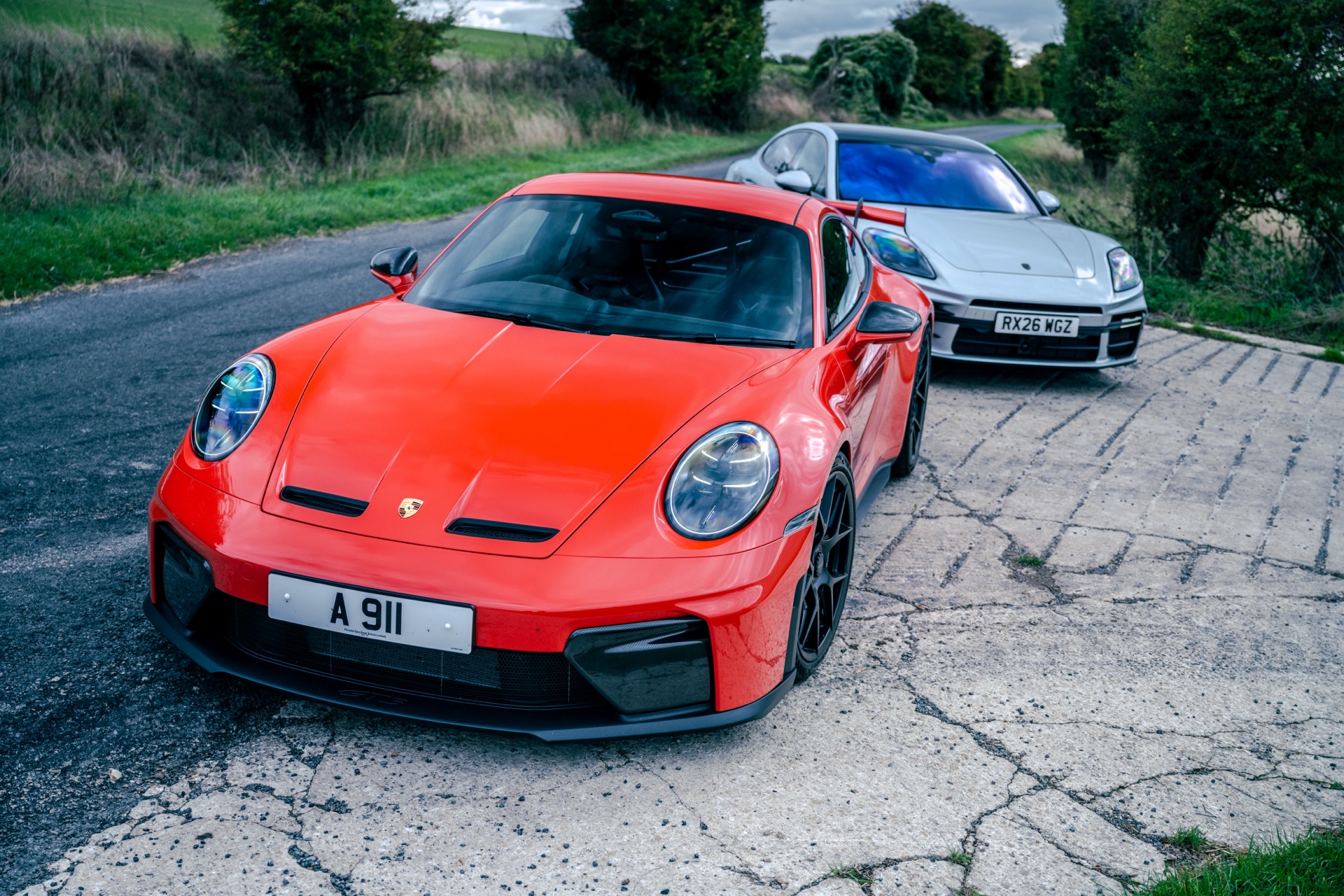
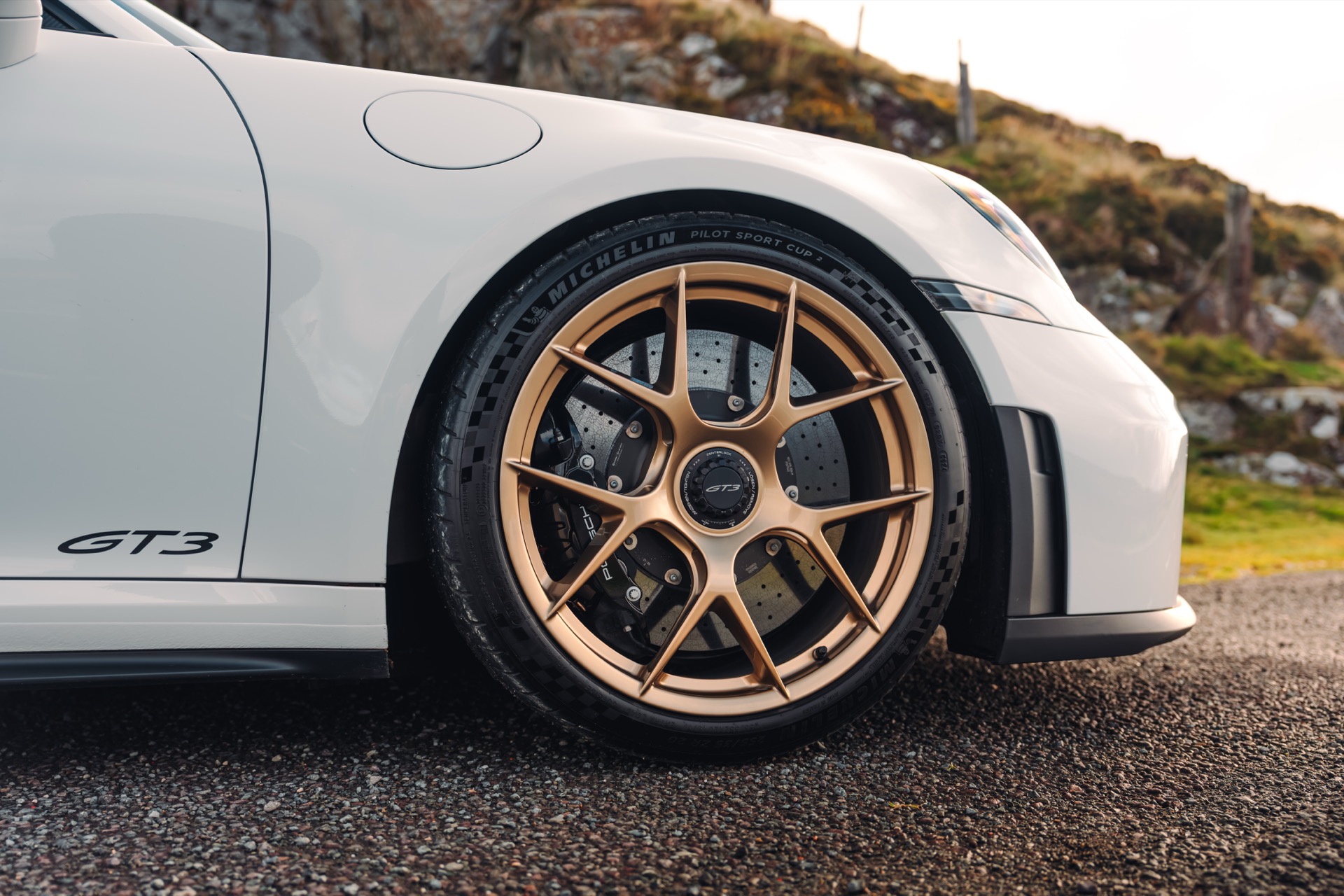
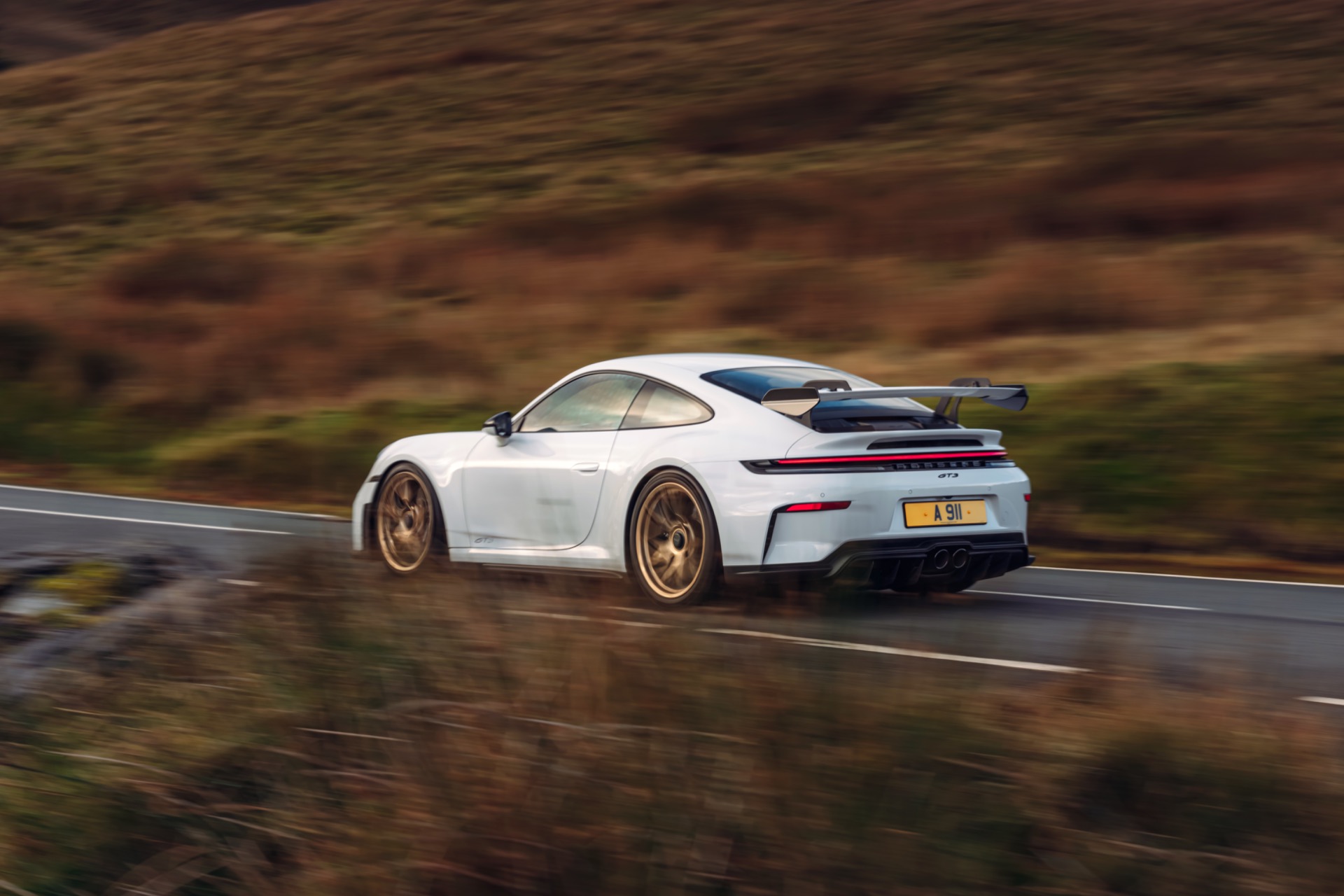
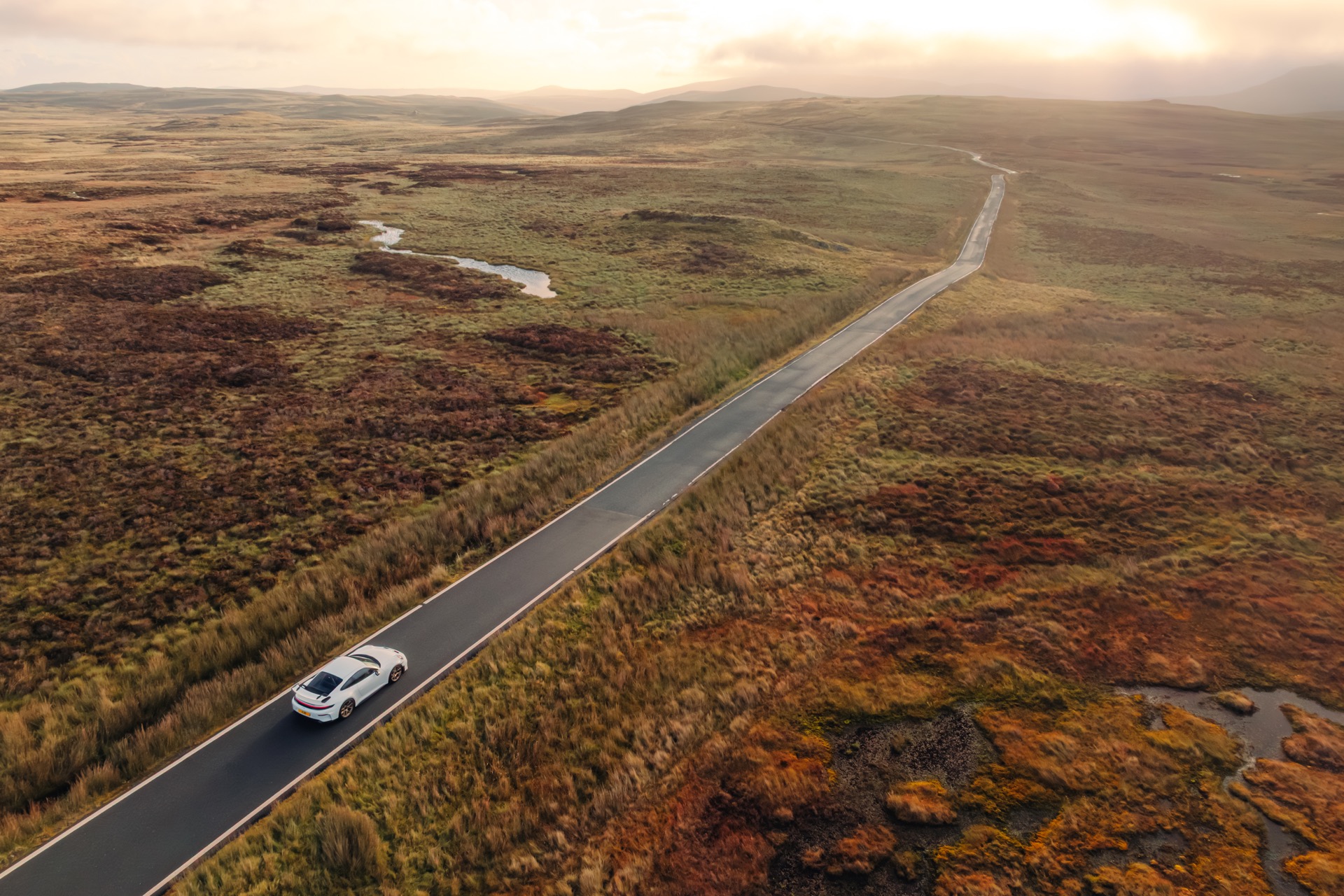
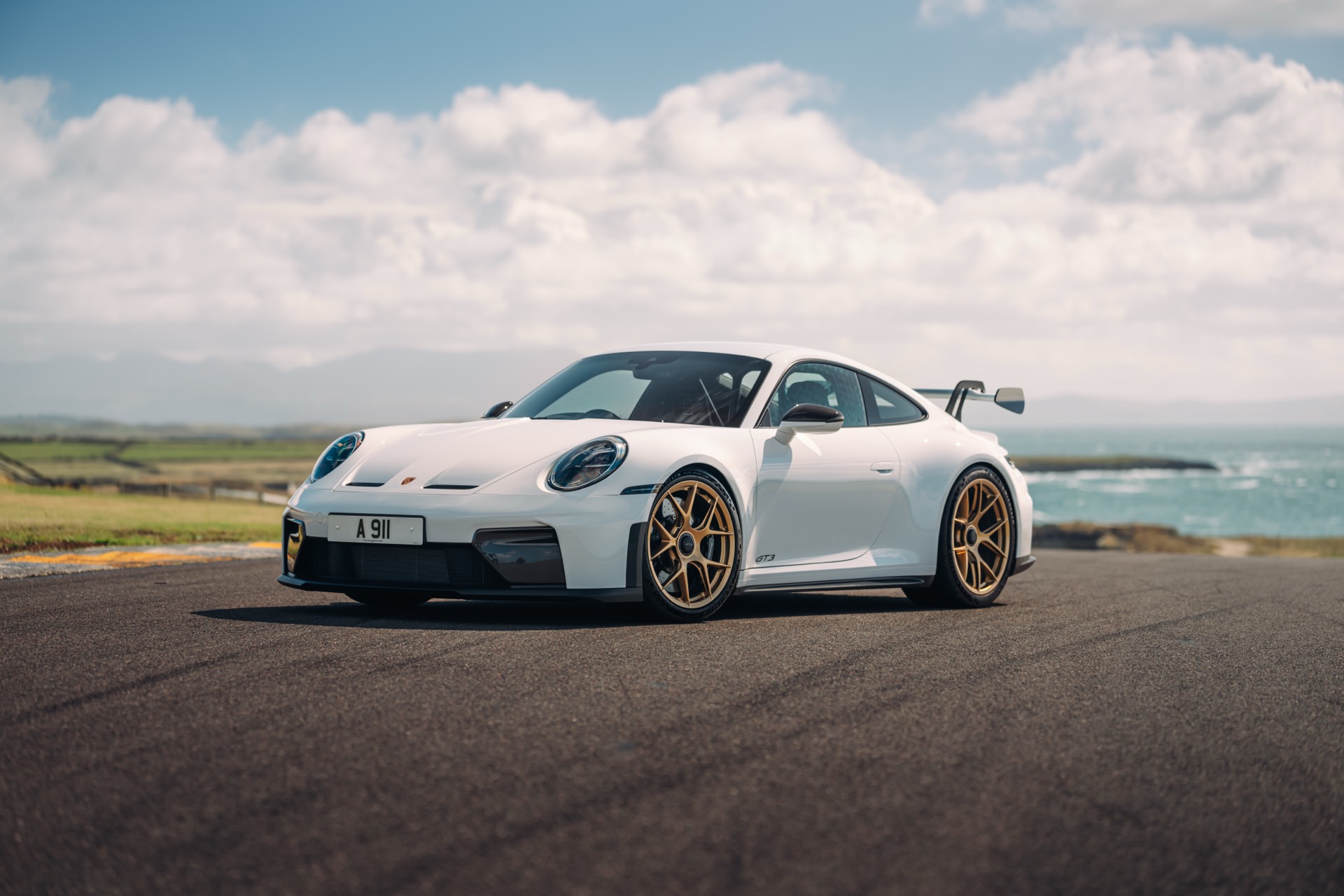
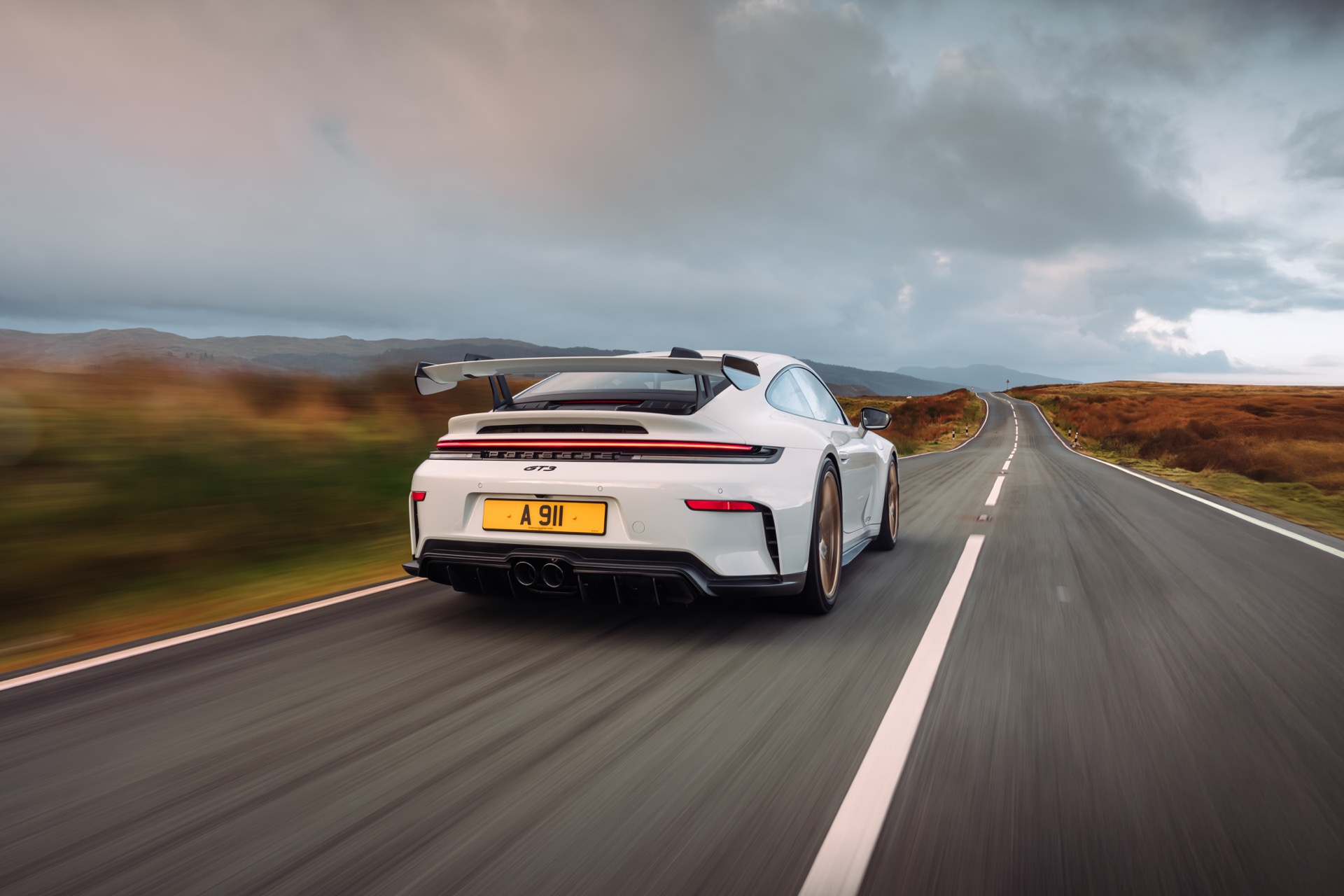
Then you drive a 911 GT3. I recently spent several days with manual and PDK versions of the latest 992.2 GT3, alongside a Panamera Turbo S E-Hybrid and the new Cayenne S Coupé Electric. It was a timely reminder that Porsche’s financial position and the quality of the cars emerging from Zuffenhausen can tell rather different stories.
The numbers explain why change is necessary. Porsche delivered 178,532 cars during the first nine months of 2026, 16% fewer than a year earlier. Panamera deliveries fell 35%, Taycan 31% and Macan 21%. Production of the combustion-engined Macan ended this summer, while the 718 disappeared last October. Two historically significant contributors to Porsche volume have effectively vanished at the same time.
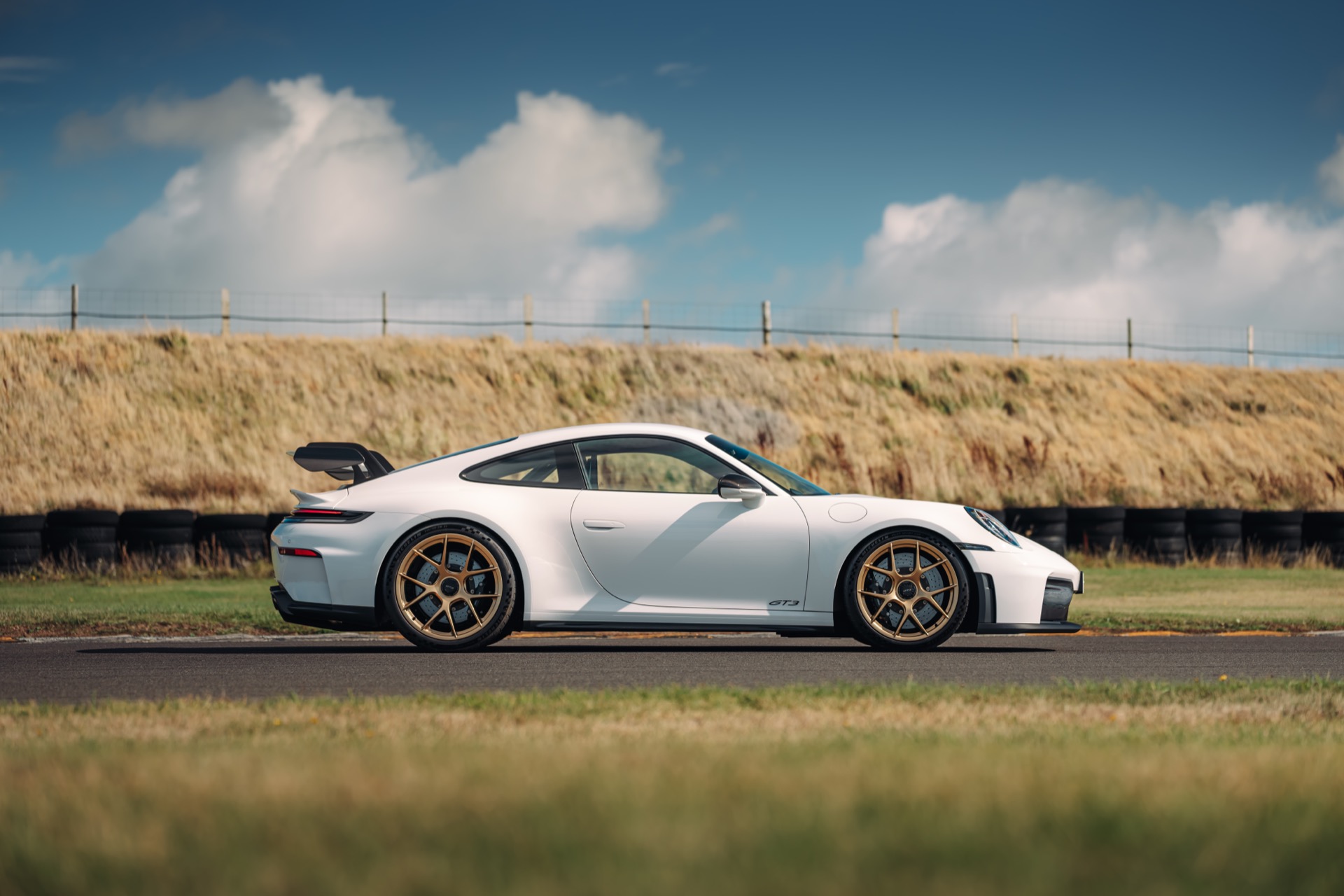
Yet 911 sales increased 12% to 42,217 cars, while demand remains particularly strong for GTS, Turbo and GT derivatives. Customers, it seems, are still prepared to spend when the product feels sufficiently special.
That thinking sits at the heart of Michael Leiters’ new “Sportwagenschmiede ’35” strategy. Porsche wants to depend less on outright volume, lower its break-even point to fewer than 200,000 cars and expand significantly into higher-margin models and individualisation. Sonderwunsch is targeted to grow dramatically, while the wealthiest Porsche customers are being encouraged further into one-offs, few-offs and increasingly expensive specifications.
Then there is the Porsche Mission S. On 15 October, we will get our first proper look at what Porsche thinks should sit above the 911. The concept previews a new mid-engined super-sports-car platform and, crucially, Porsche has yet to confirm what will power the eventual production version. At a time when the company is reassessing its approach to electrification, that makes Mission S considerably more interesting than another distant halo-car promise.
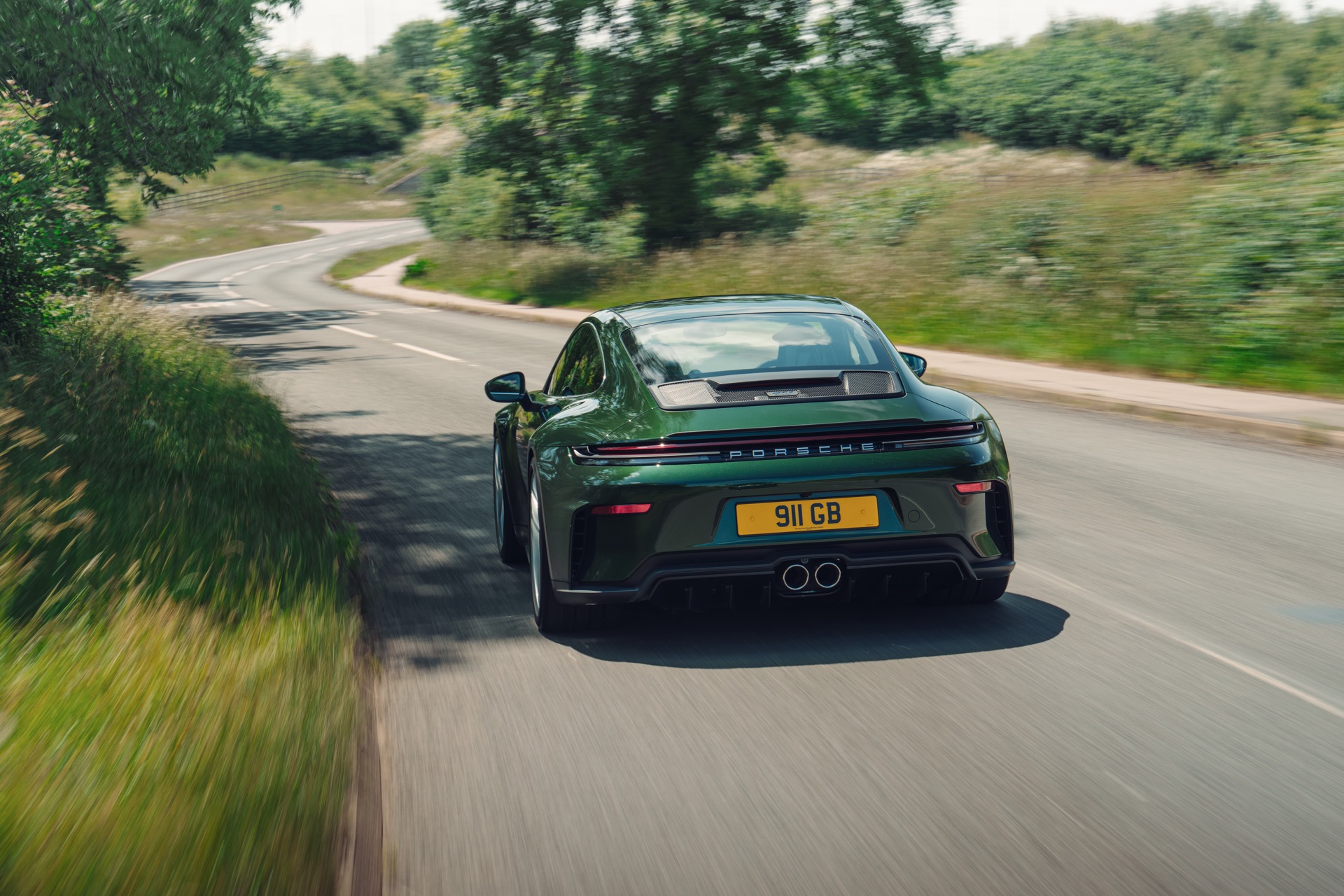
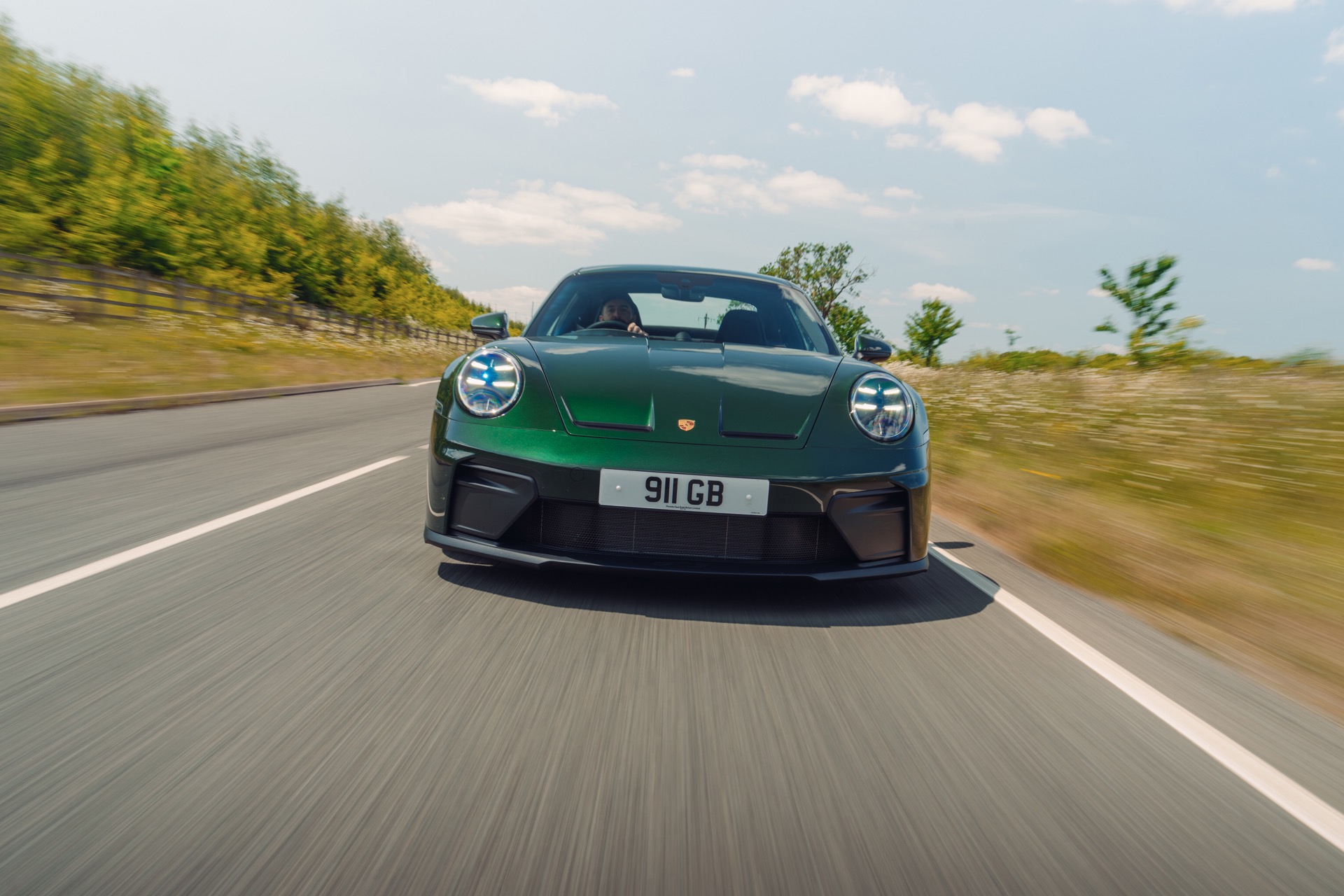
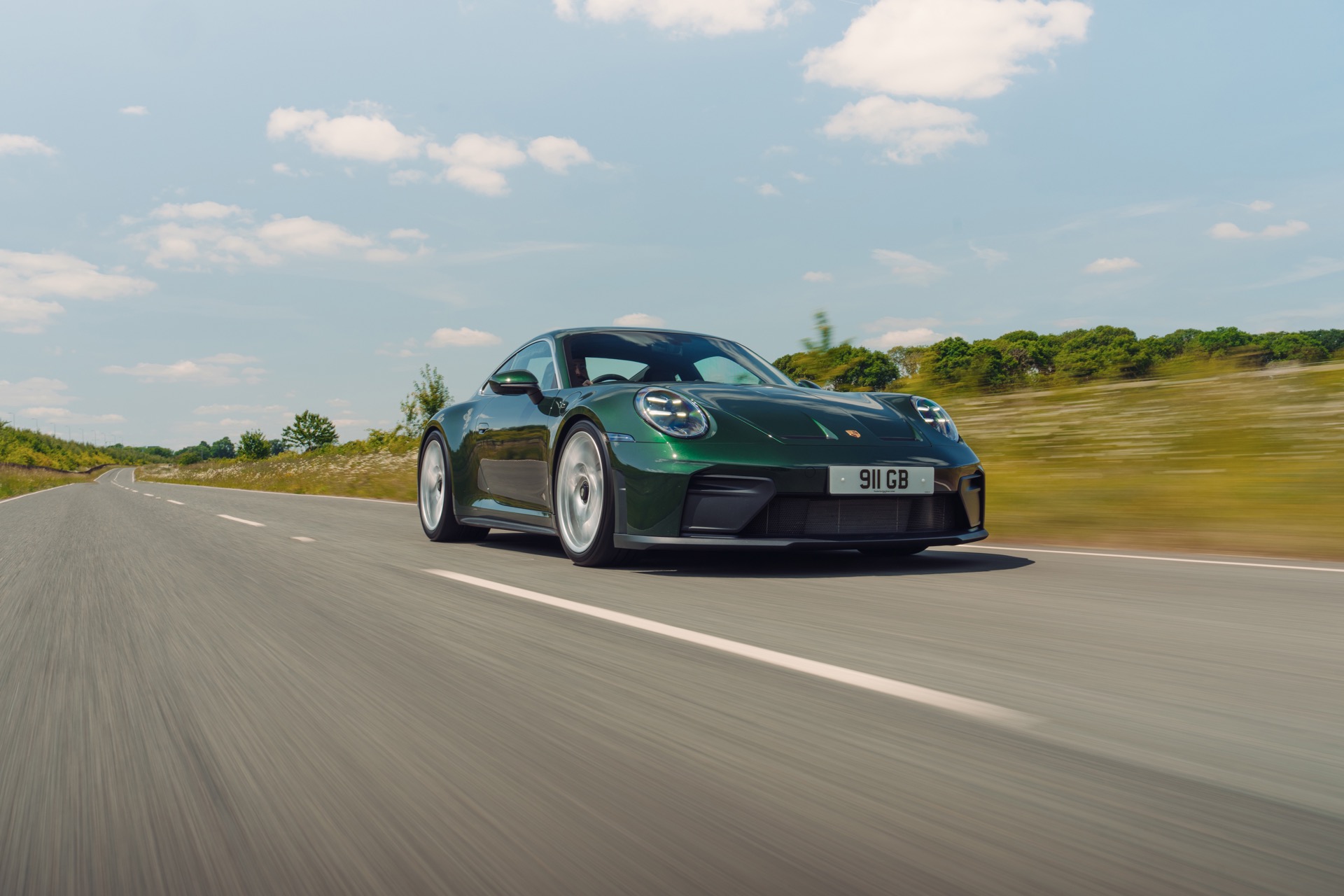
Under Leiters, Porsche is clearly pushing deeper into territory traditionally occupied by Ferrari, where lower volumes, extraordinary personalisation and enormous margins matter more than chasing sales records.
Some of that can sound suspiciously like a corporate strategy for making Porsches much more expensive.
Then you drive the 911 GT3… again.
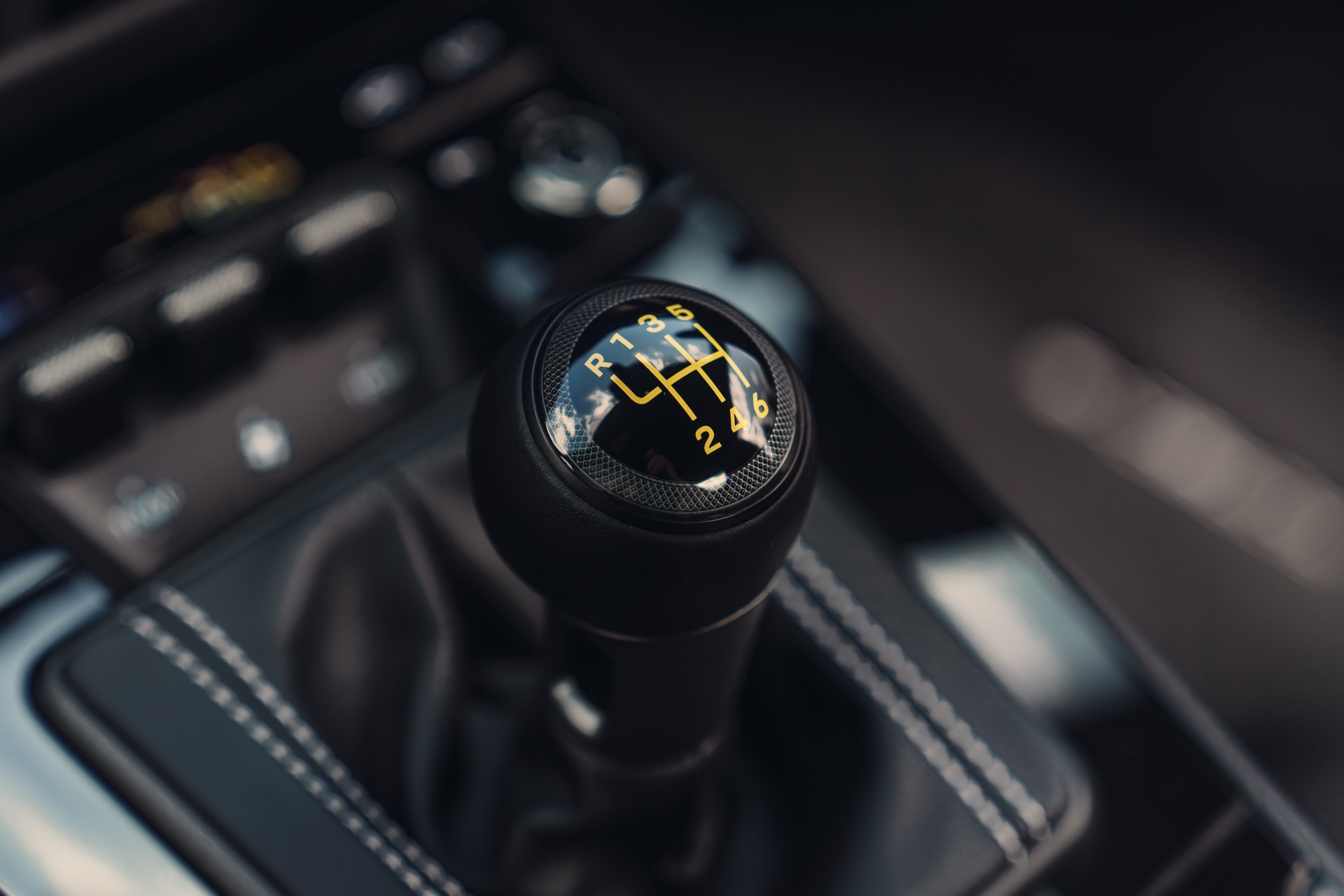
The manual gearbox is a significant improvement over every manual 911 I have driven since the 997, with the notable exception of the S/T. The control weighting is excellent, the shift quality positive and rewarding. So good, in fact, that it made the PDK car feel slightly less special.
That is not to diminish the PDK. On a tight, twisting road it is sensational. You simply dial yourself in and concentrate on choosing a line. The steering is quick and hyper-direct, yet there is genuine feedback behind that immediacy. The entire car feels devastatingly precise.
The engine has lost some of the banshee howl GT3s once had, courtesy of another pair of particulate filters, but the quality of the sound remains superb. More importantly, it still works brilliantly on a British country road full of cambers, crests and undulations. You remain very aware of keeping that ultra-direct front end in check, but the ride quality and body control are fantastic. A little over 500 hp sounds almost quaint today. The GT3 reminds you that it really is not. This remains a sports car in every sense of the term and arguably one of the finest driver’s cars on sale.
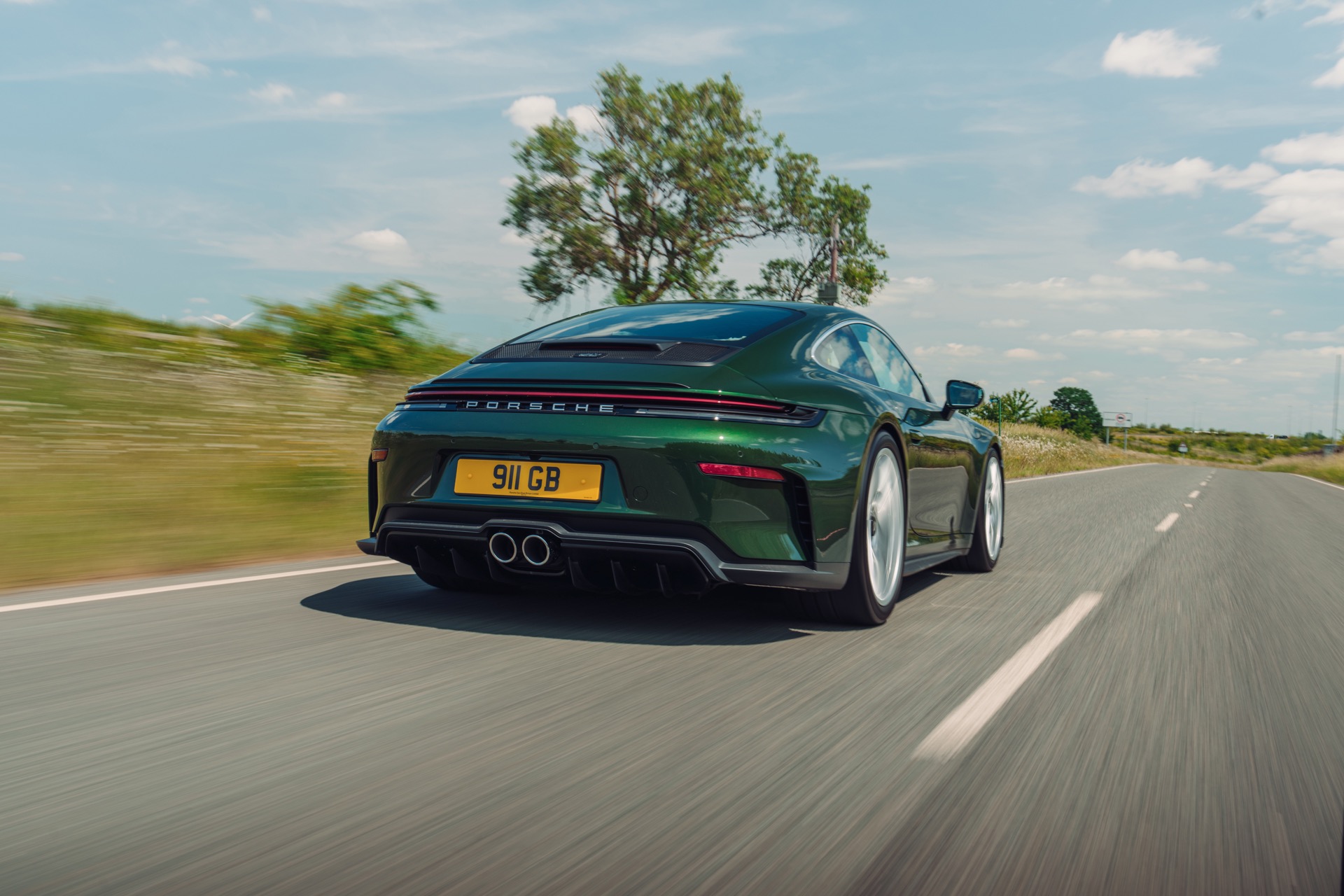
Then there is the Panamera Turbo S E-Hybrid, which fulfils the “executive saloon” brief extremely well, albeit with a Habanero pepper firmly lodged between its back seats. Its hybrid performance is outrageous. Where the GT3 makes slightly more than 500 hp feel abundant, the Panamera brings almost 800 hp to an executive saloon.
Yet it remains manageable. Porsche Active Ride is a major part of that, actively controlling the body and virtually eliminating the roll and pitch normally associated with a large luxury car. You can hustle it, but the Panamera is far more impressive when the road opens out. Show it some long sweepers, lean into the throttle and let it settle into its stride.
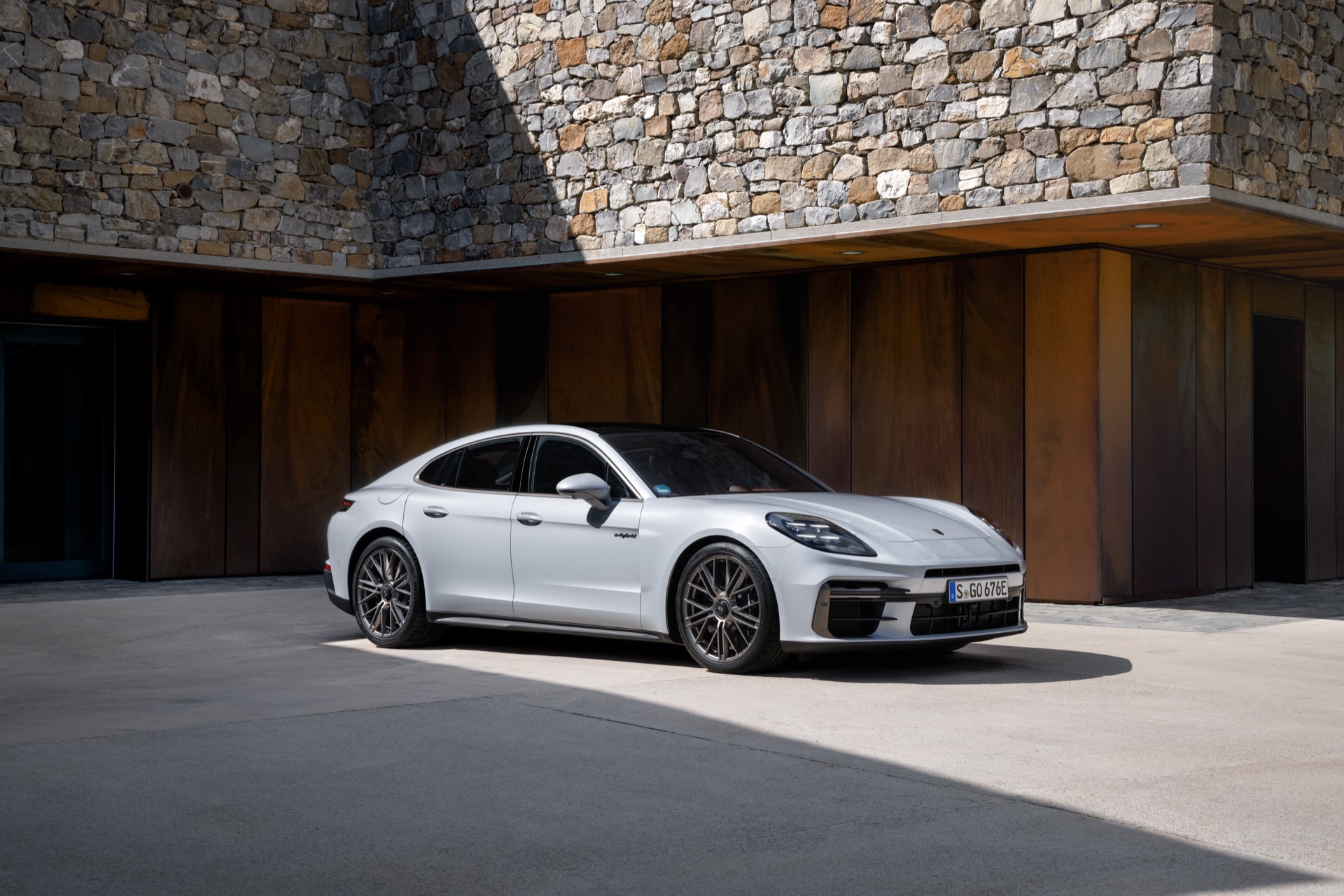
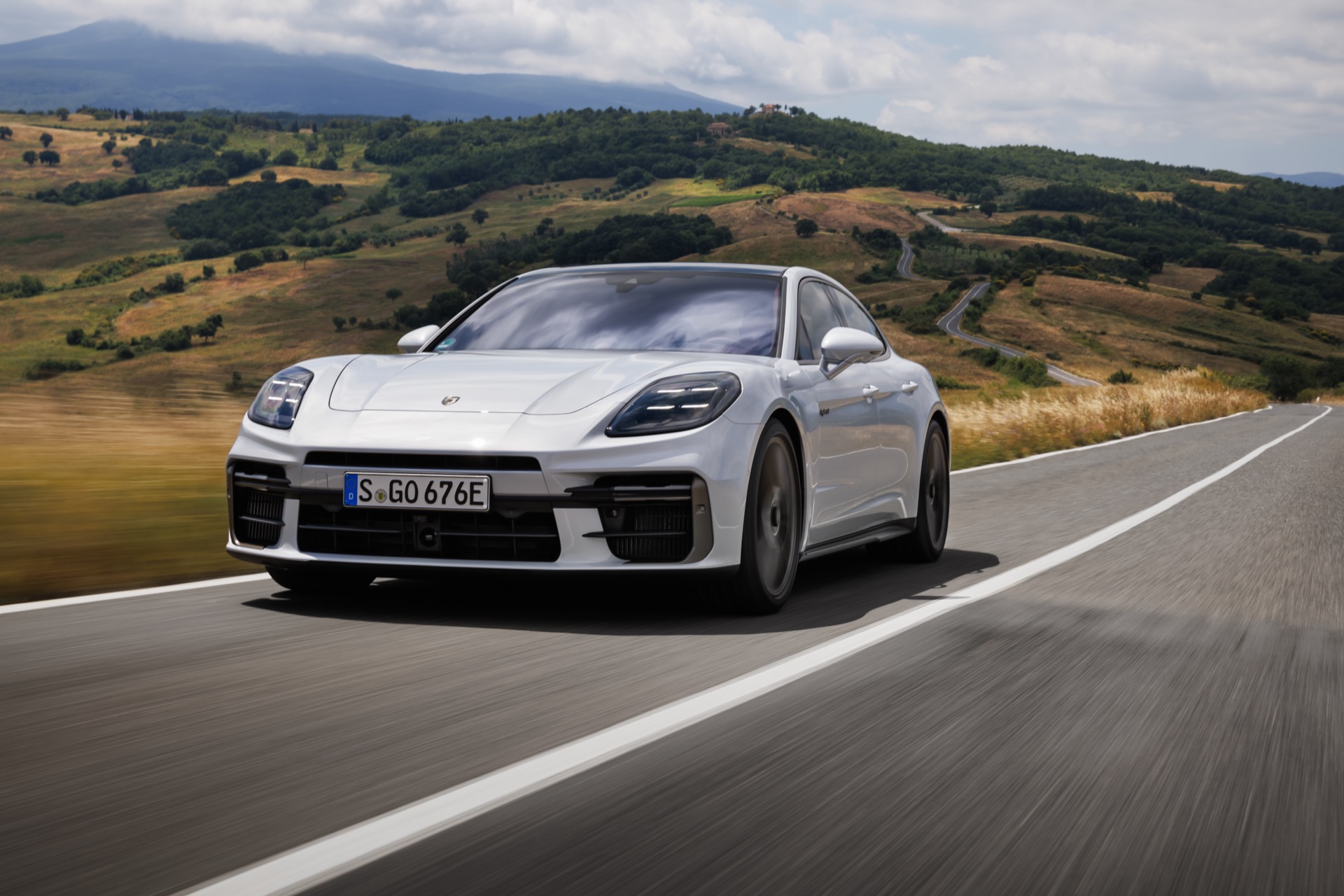
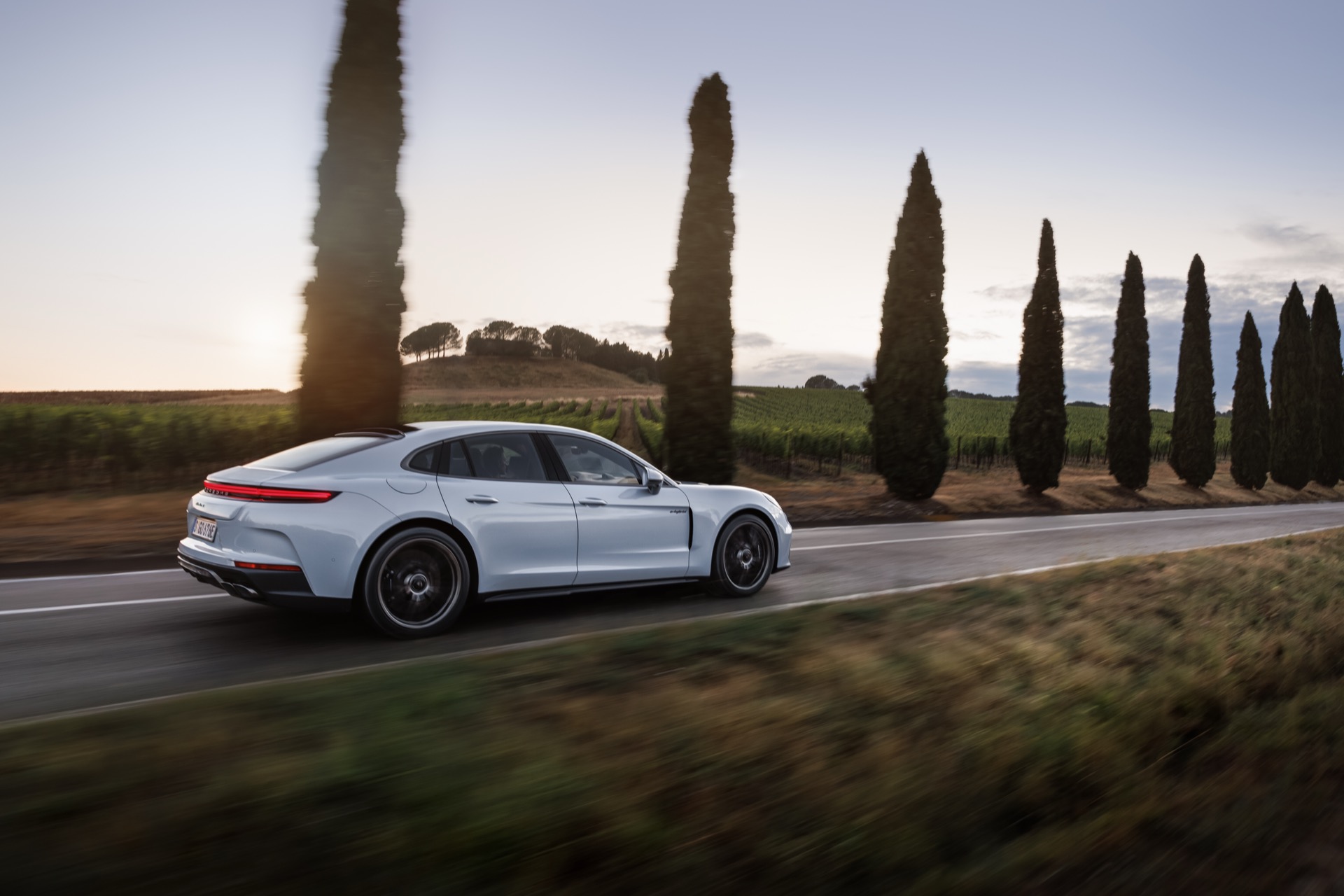
It is the 747 of automobiles: big, immensely powerful and at its best carrying huge speed with almost absurd composure. Somehow, it flies under the radar too.
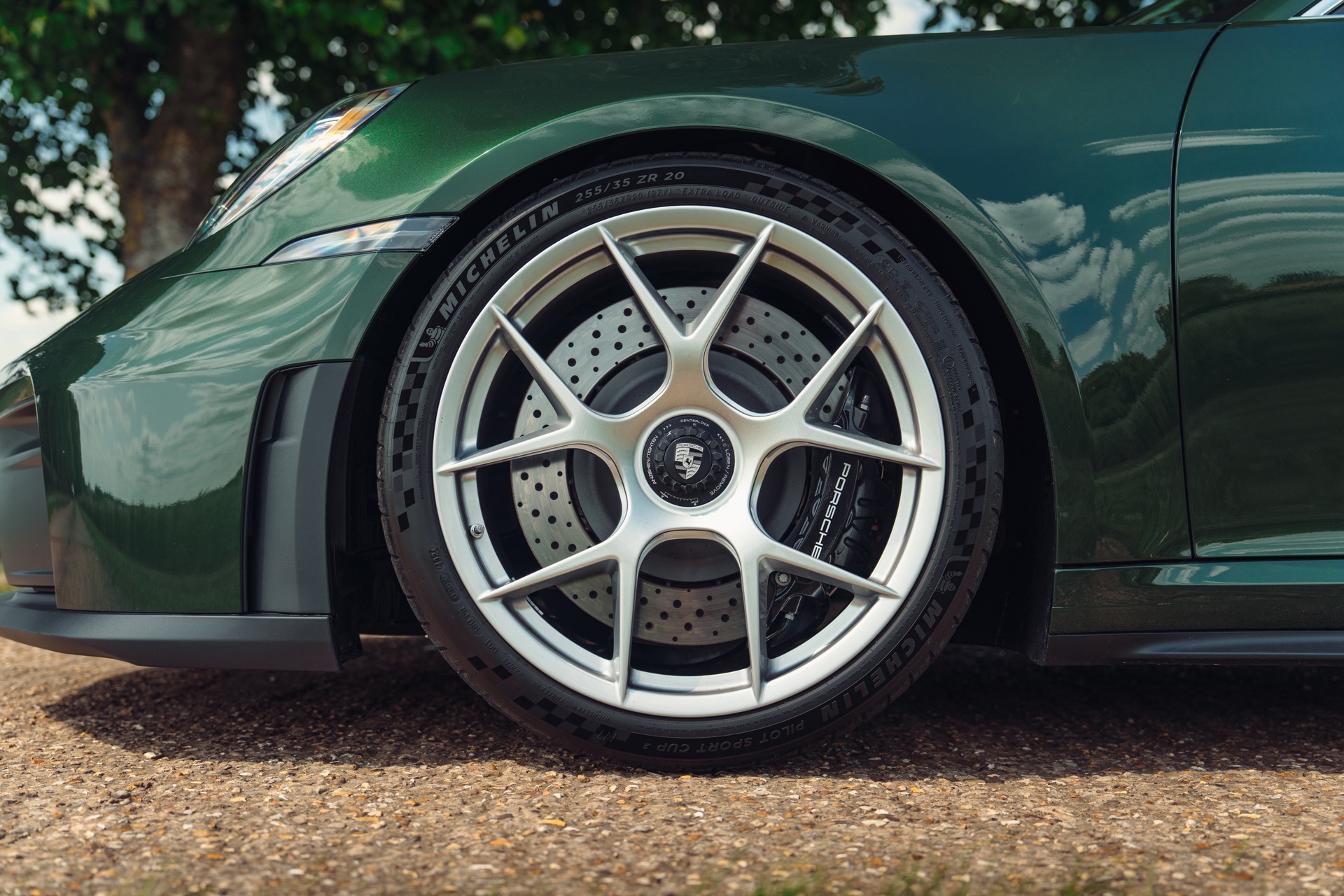
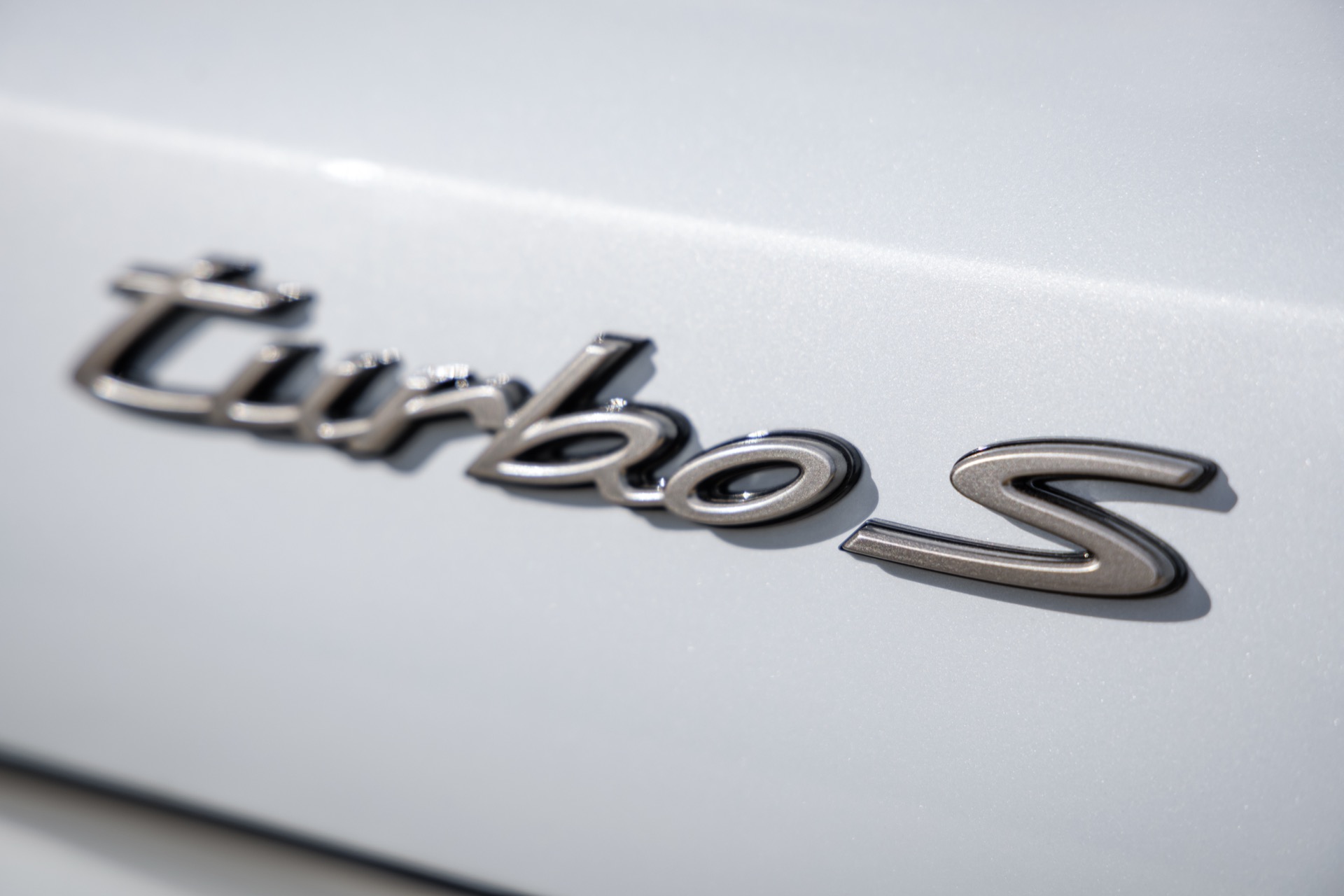
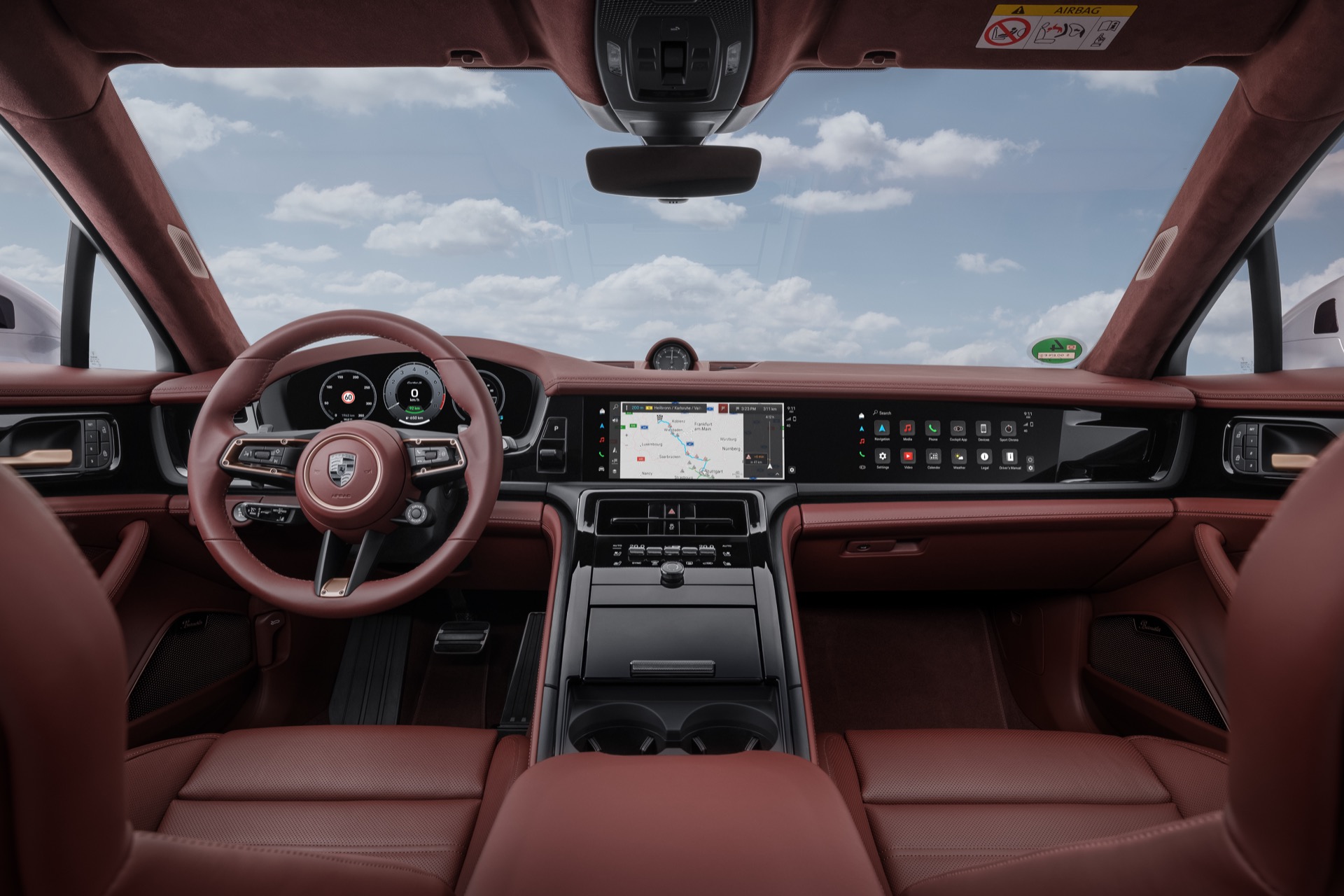
There are peculiarities. Turbonite badges will not suit everyone and centre-lock wheels on an executive saloon remain bizarre. More significantly, £178,500 before options, and £202,507 as tested, is serious money. Material quality is good, but cabins dominated by vast screens struggle to feel truly luxurious to me, particularly when the displays and digital architecture are so closely related to considerably cheaper Porsches such as the Macan.
The Cayenne S Coupé Electric presents a different challenge again. New technology inevitably brings teething problems, and my time with it was not entirely free of them. Yet when everything works as intended, the underlying product is impressive. More importantly, beneath the EV architecture are still recognisable Porsche traits. Considering the scale, weight and complexity involved, that is no small achievement.
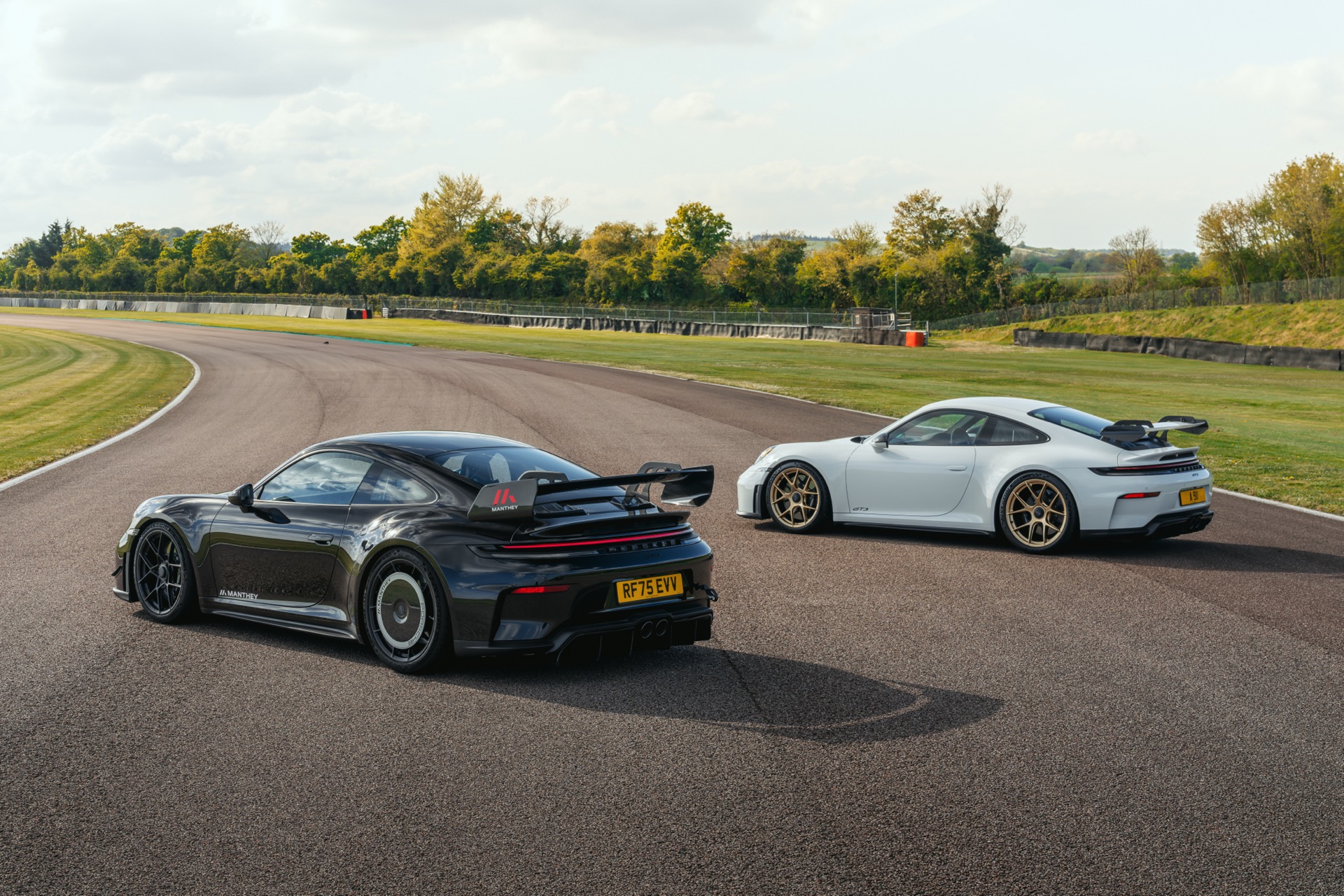
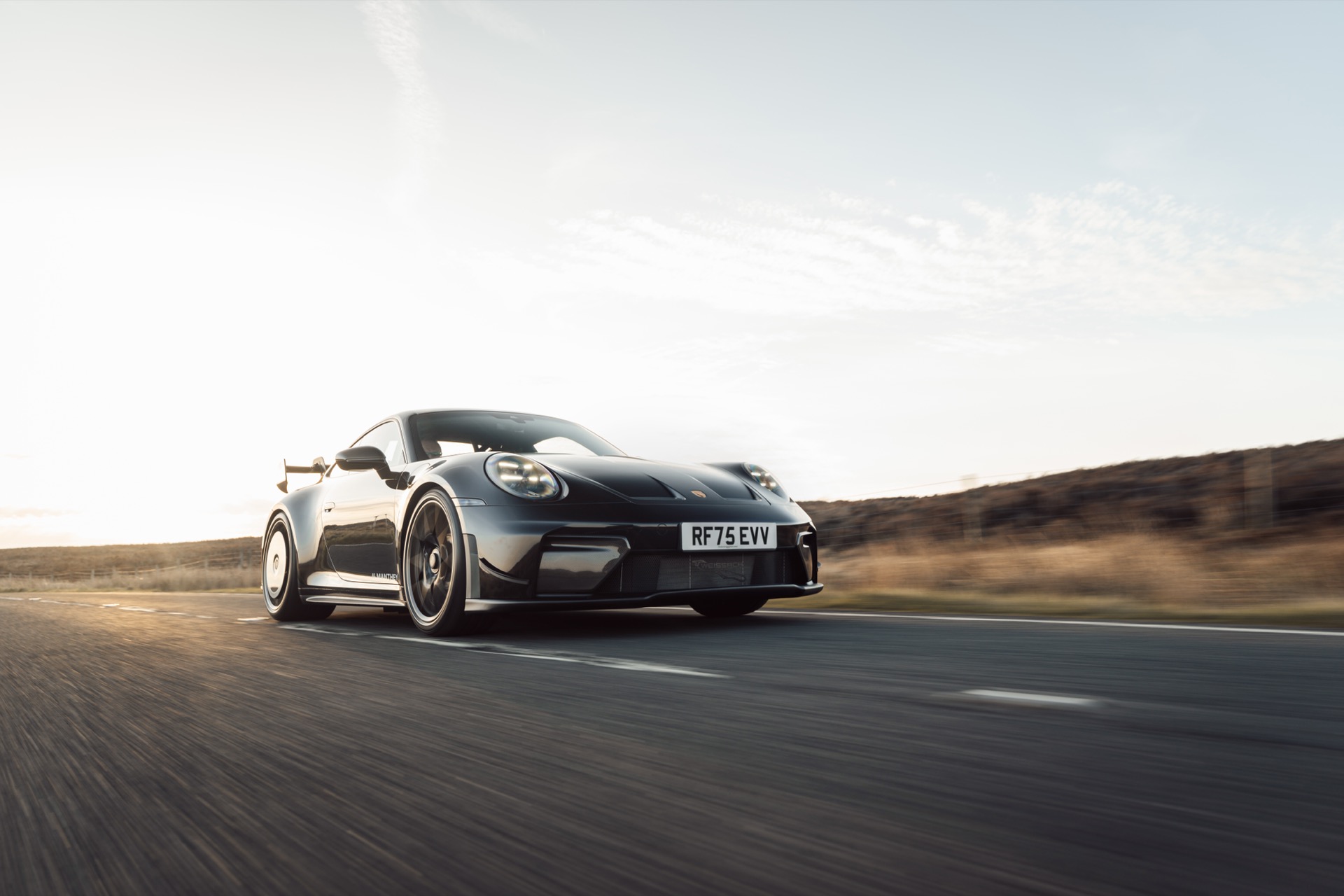
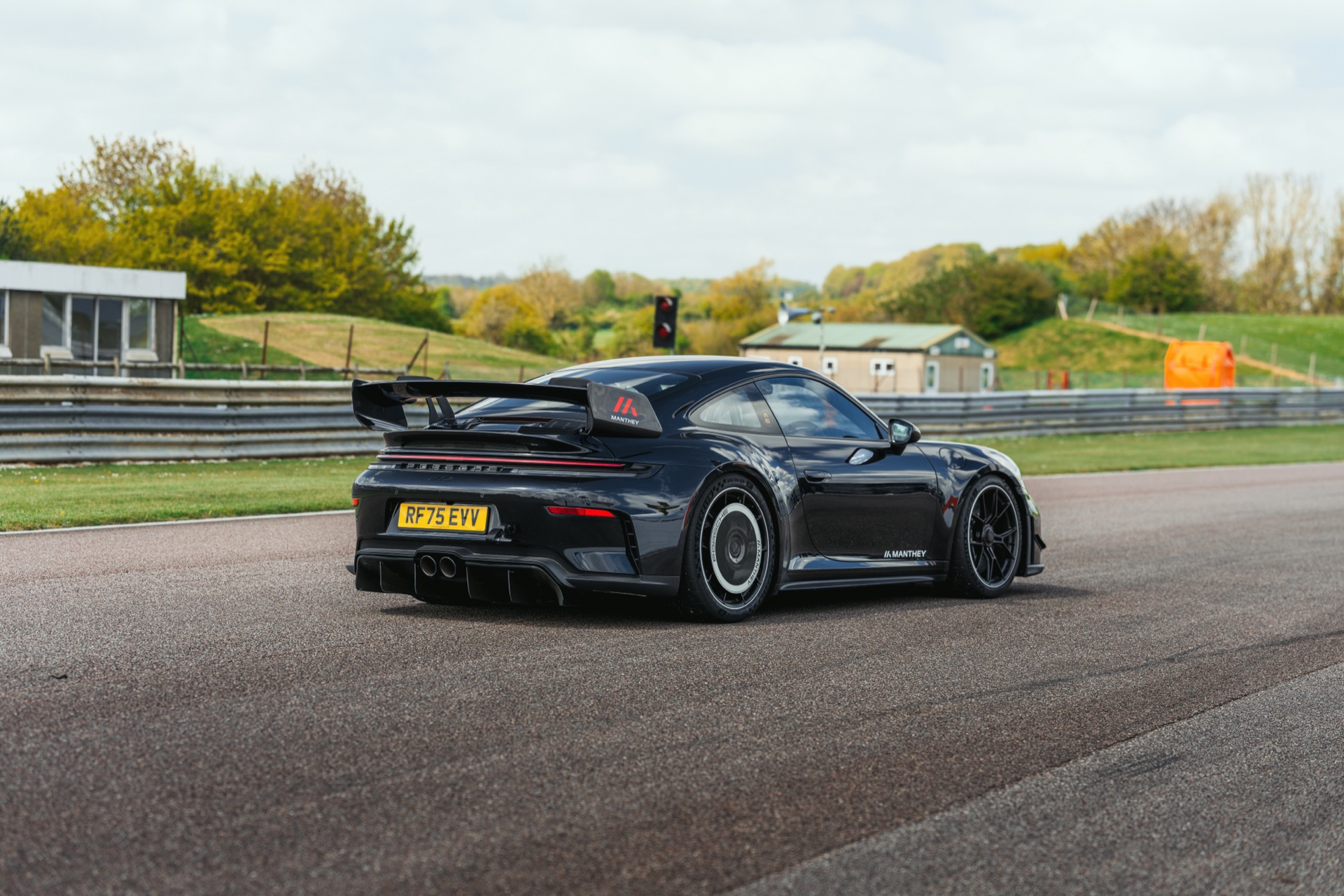
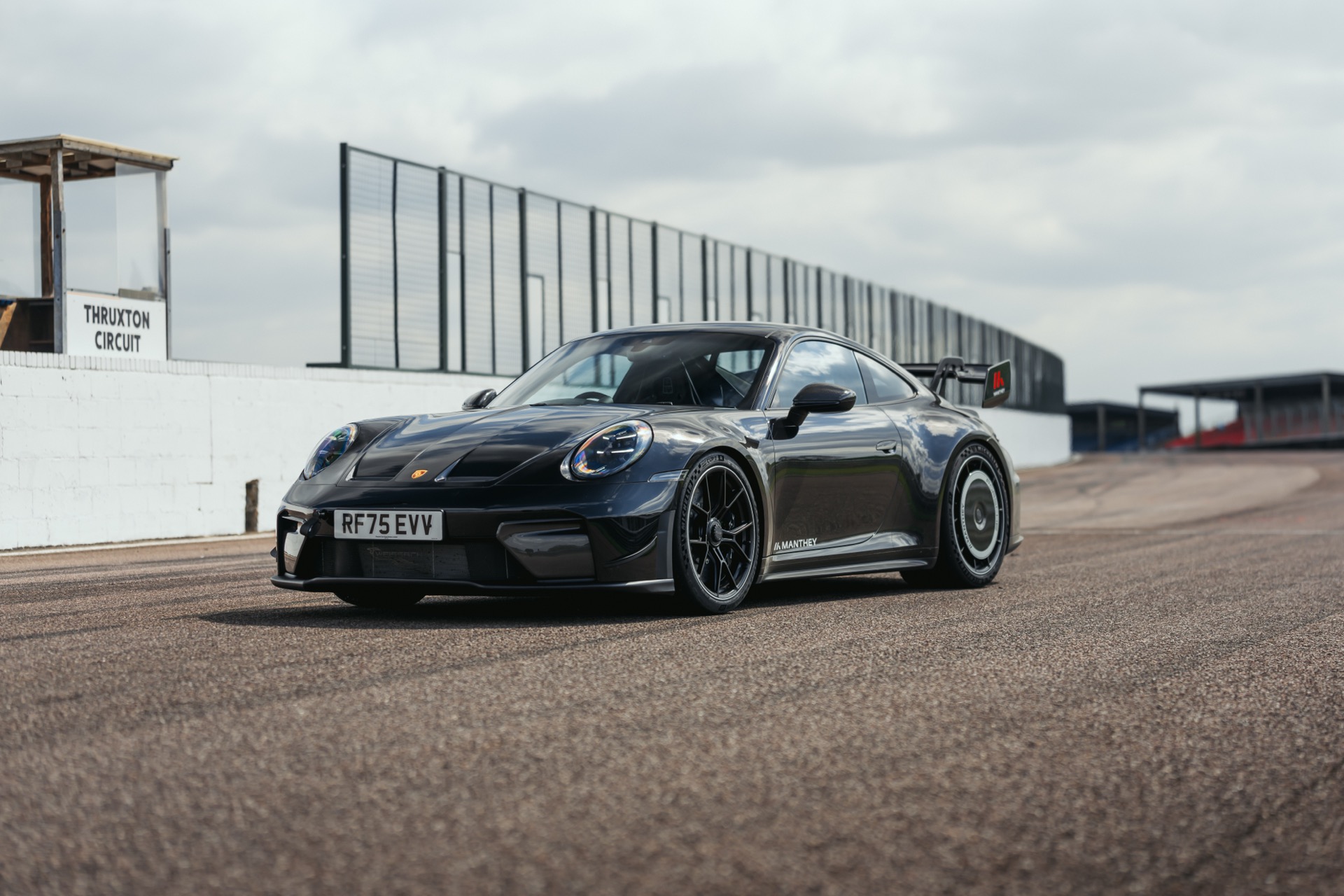
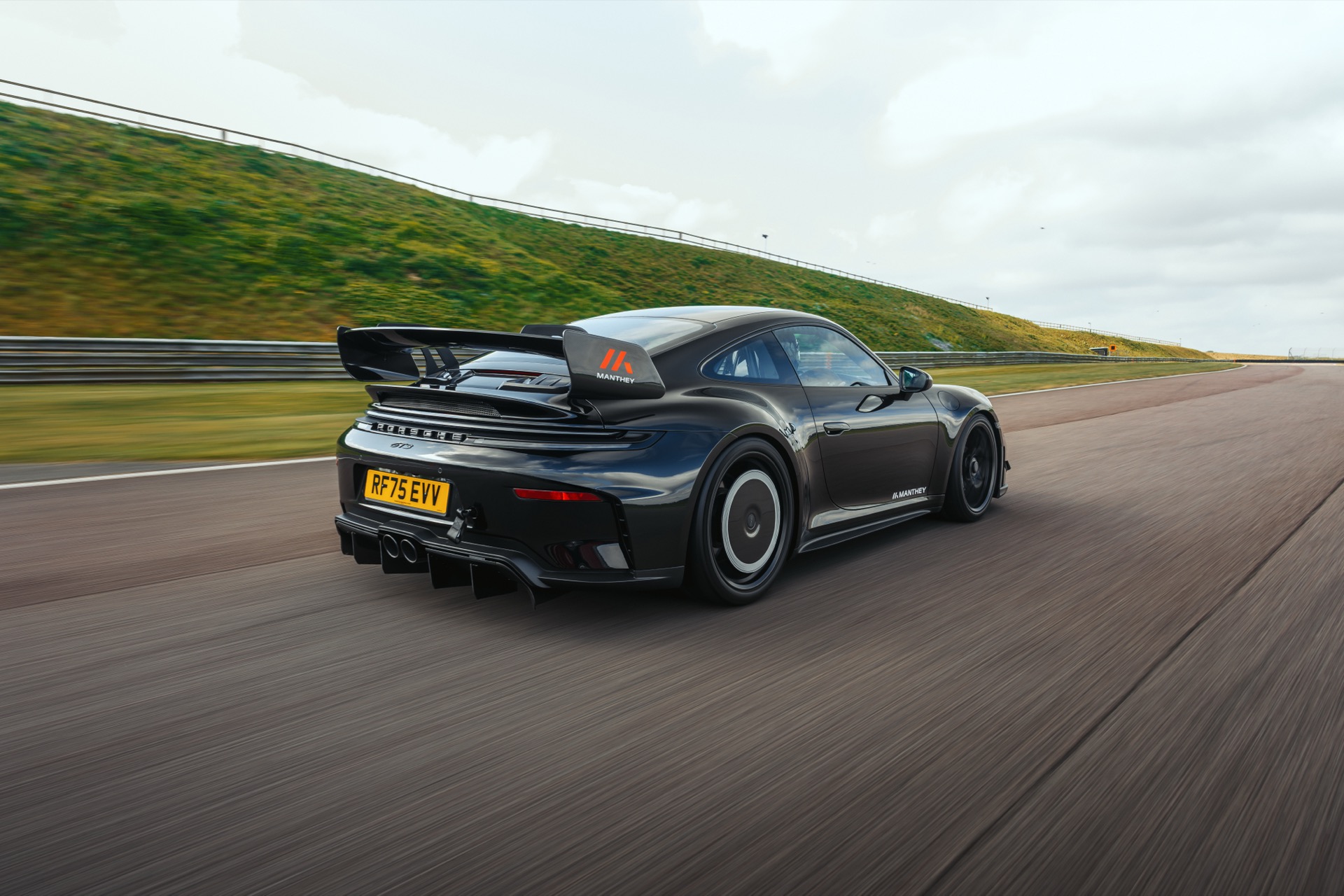
There is encouraging news for the more hardcore enthusiast too. Porsche has increased its stake in Manthey to 67%, bringing the Nürburgring specialists further into its new “Home of Sports Cars” structure. Future cooperation should extend beyond familiar performance kits into few-off models and exclusive track experiences. Given Manthey’s motorsport knowledge and strength with Porsche GT products, closer integration can only be good news for enthusiasts.
None of this makes Porsche’s problems disappear. The range has obvious holes. The 718 is gone, the combustion Macan has disappeared and electric replacements cannot simply be expected to recreate those sales overnight. Prices are rising, complexity is increasing and Porsche is attempting to reposition itself while simultaneously cutting costs.
But spending time with these cars makes the situation look rather different from behind the wheel.
The GT3 demonstrates that Porsche still understands the traditional sports car at an almost obsessive level. The Panamera shows that the same thinking can survive hybridisation, enormous performance and executive-saloon proportions. Even the Cayenne Electric suggests Porsche can translate some of that identity into an entirely new technological era.
The balance sheet may be causing headaches. The product, remarkably, still gives Porsche plenty to build its recovery around.