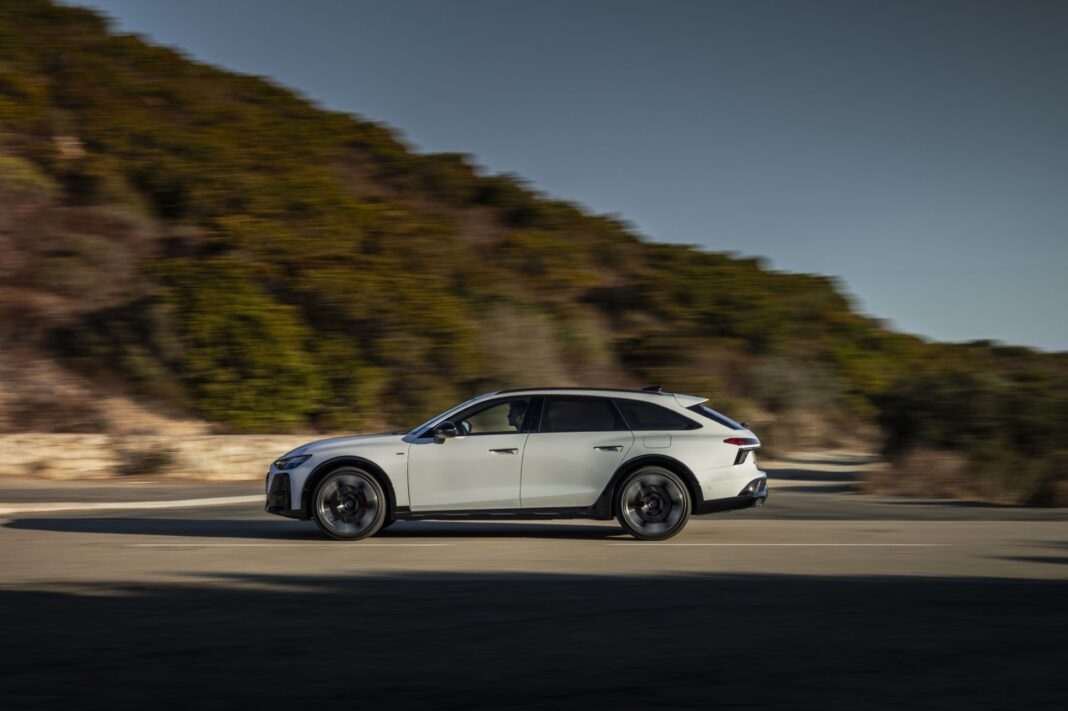
The Audi A6 allroad has considerably more presence than the Avant and plays its comfort trump card on long journeys. It makes a compelling alternative for high-mileage drivers, although the raised estate inherits some of the A6 Avant’s weaknesses.
Strictly speaking, the Audi A6 allroad is neither one thing nor the other. It is not an SUV, but neither is it a conventional estate. When the Ingolstadt carmaker launched the first allroad around the turn of the millennium, the automotive world looked very different. SUVs were only just beginning their rise to dominance and not everyone was convinced by the idea of a rugged off-roader. Audi did not yet have the Q7 in its line-up, but it had no intention of sitting on the sidelines as the trend gathered momentum.
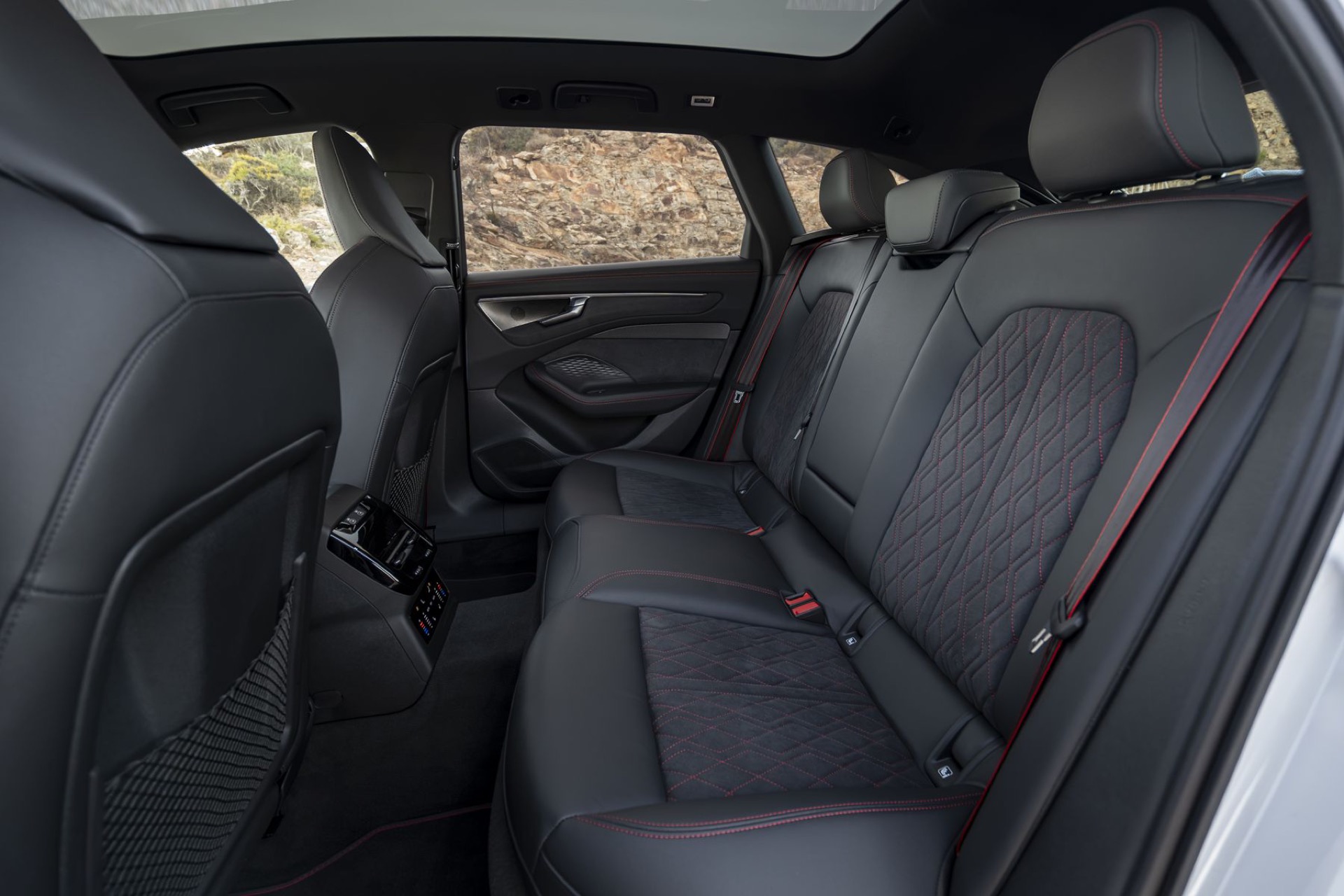
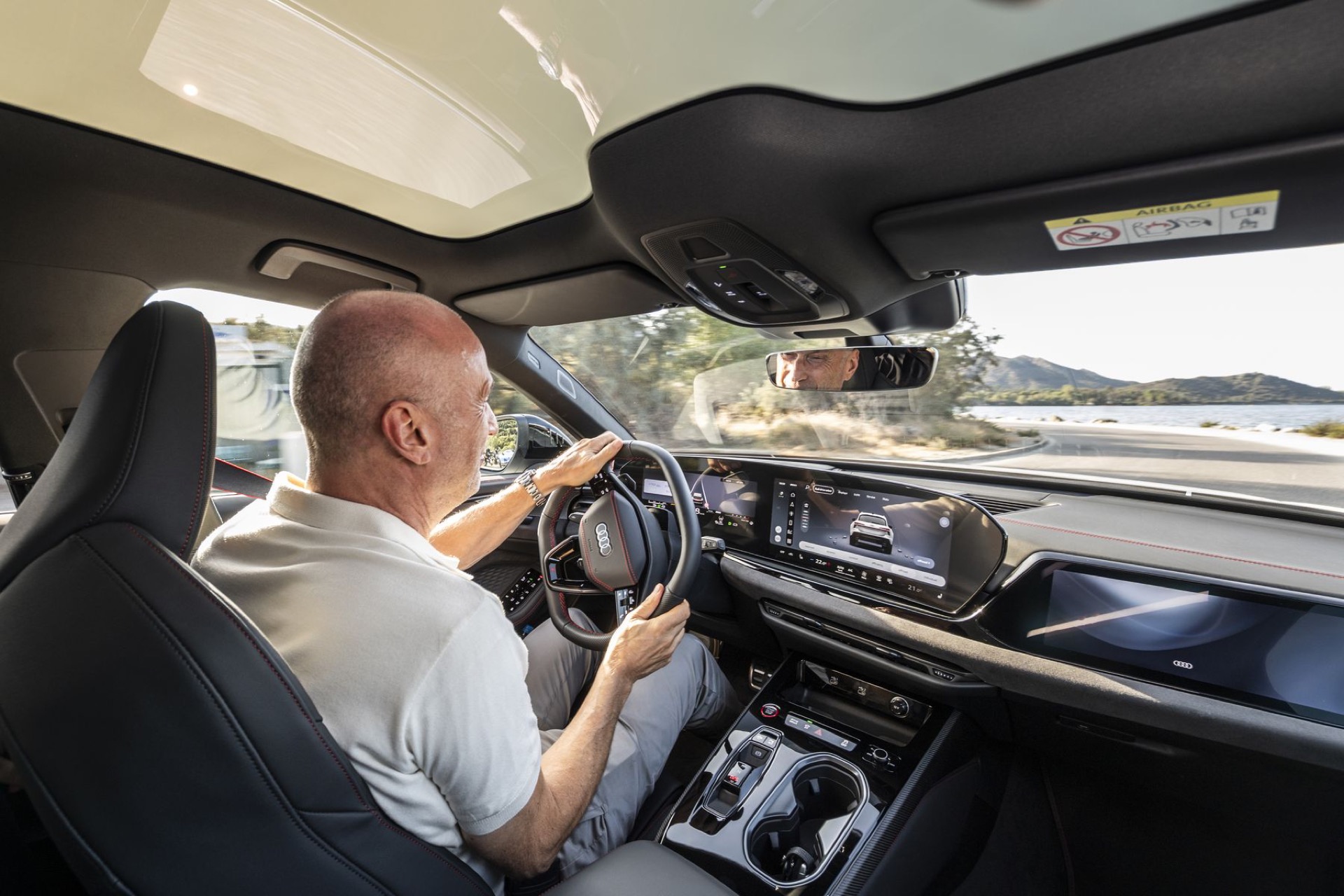
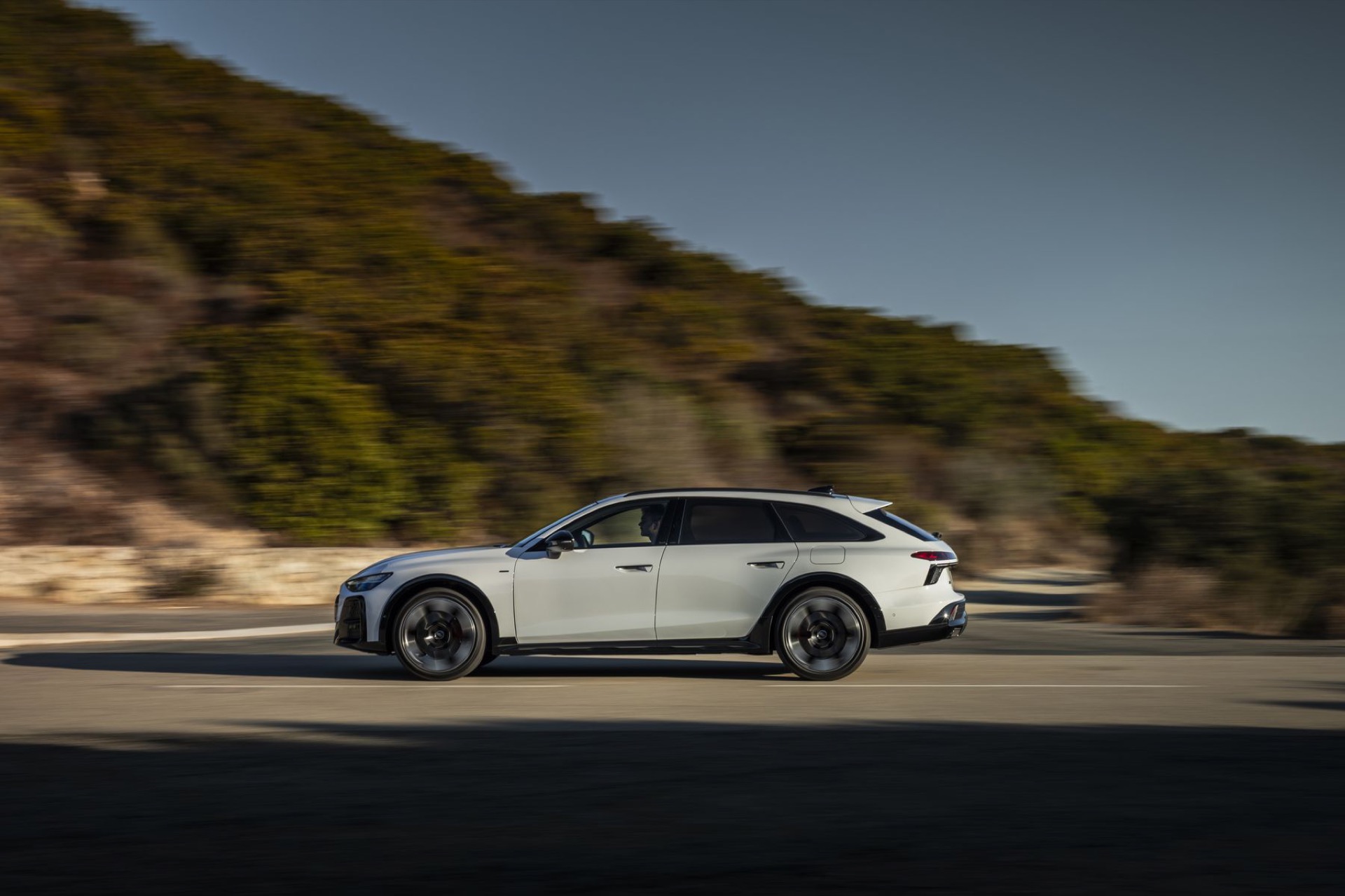
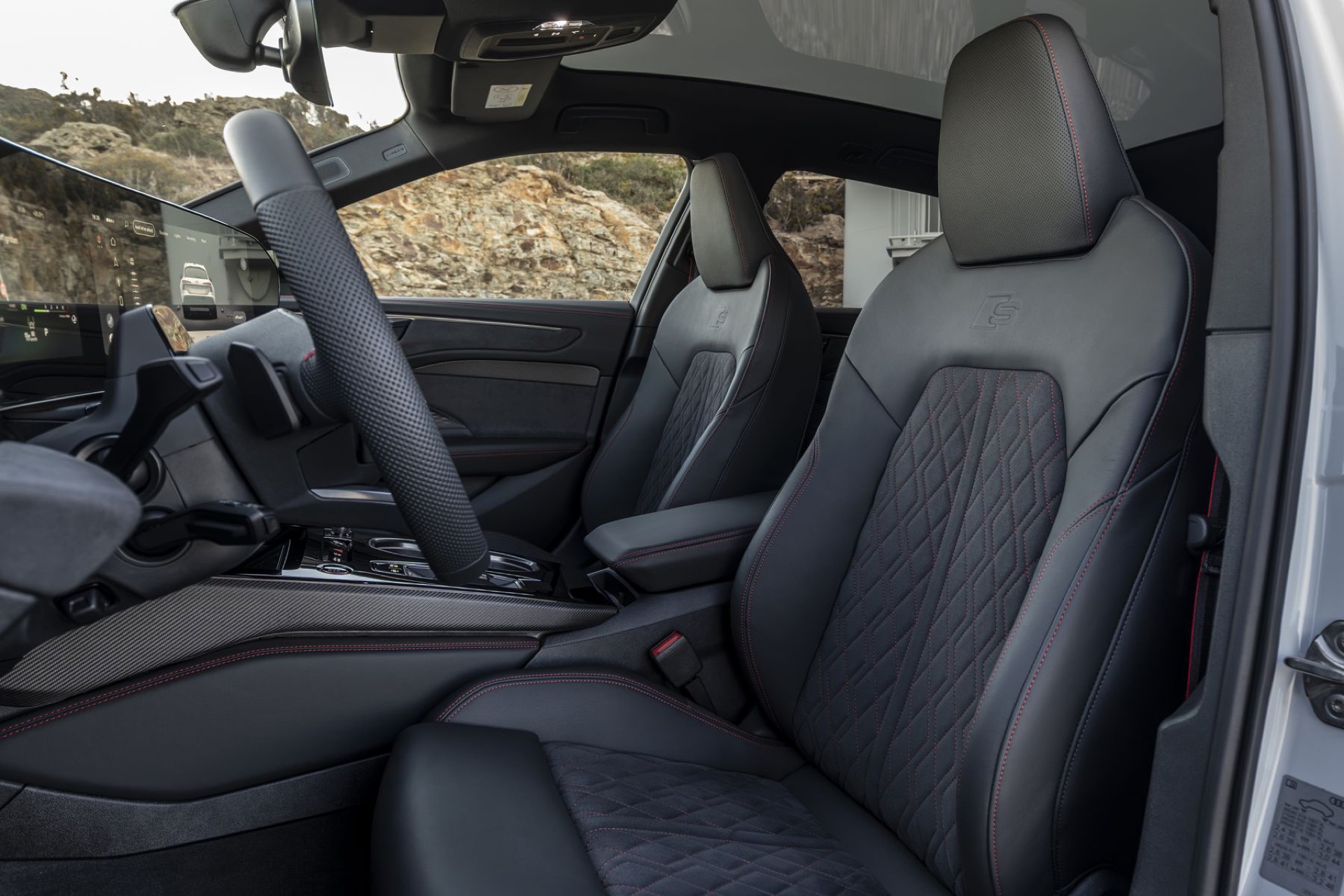
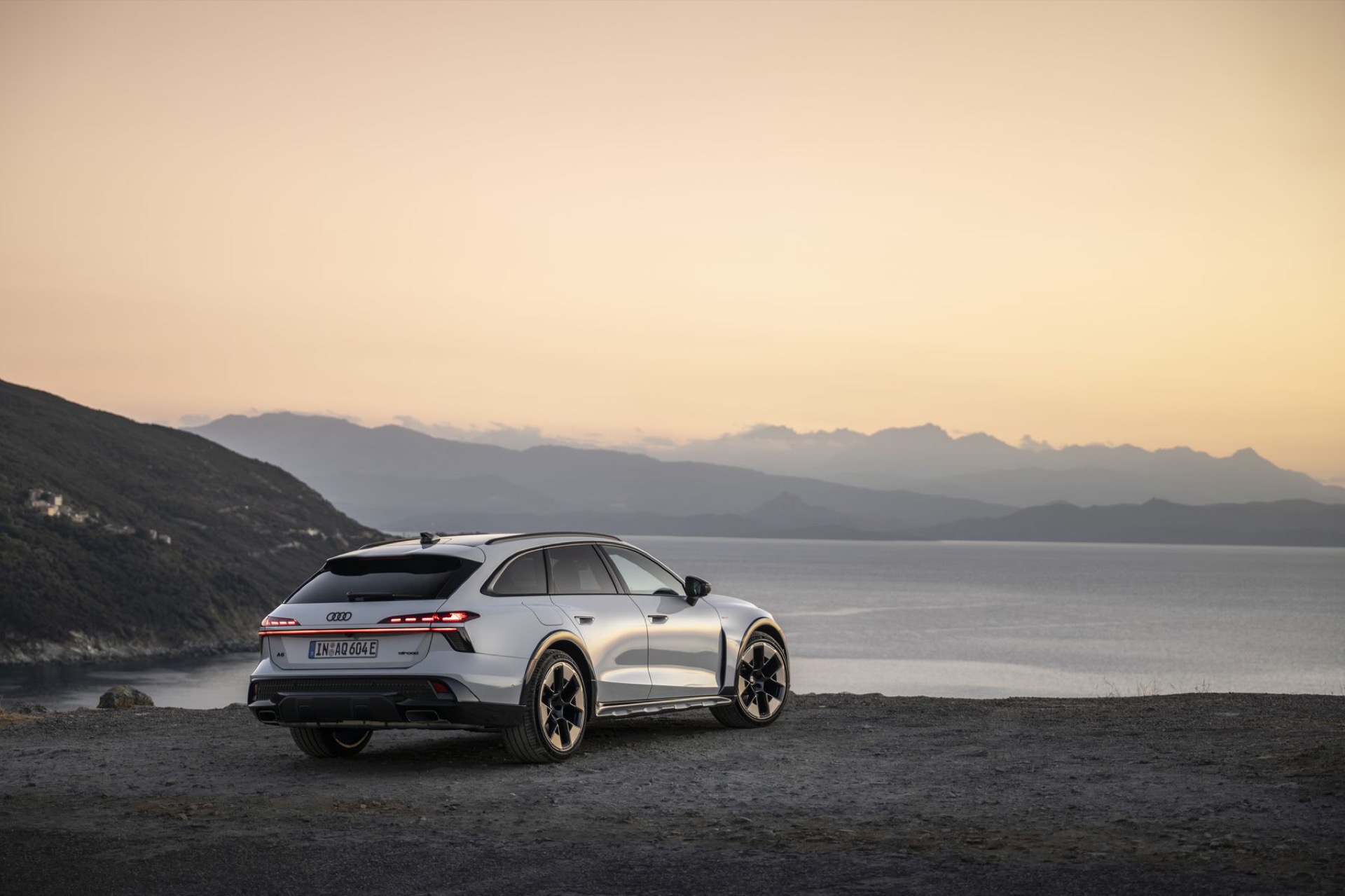
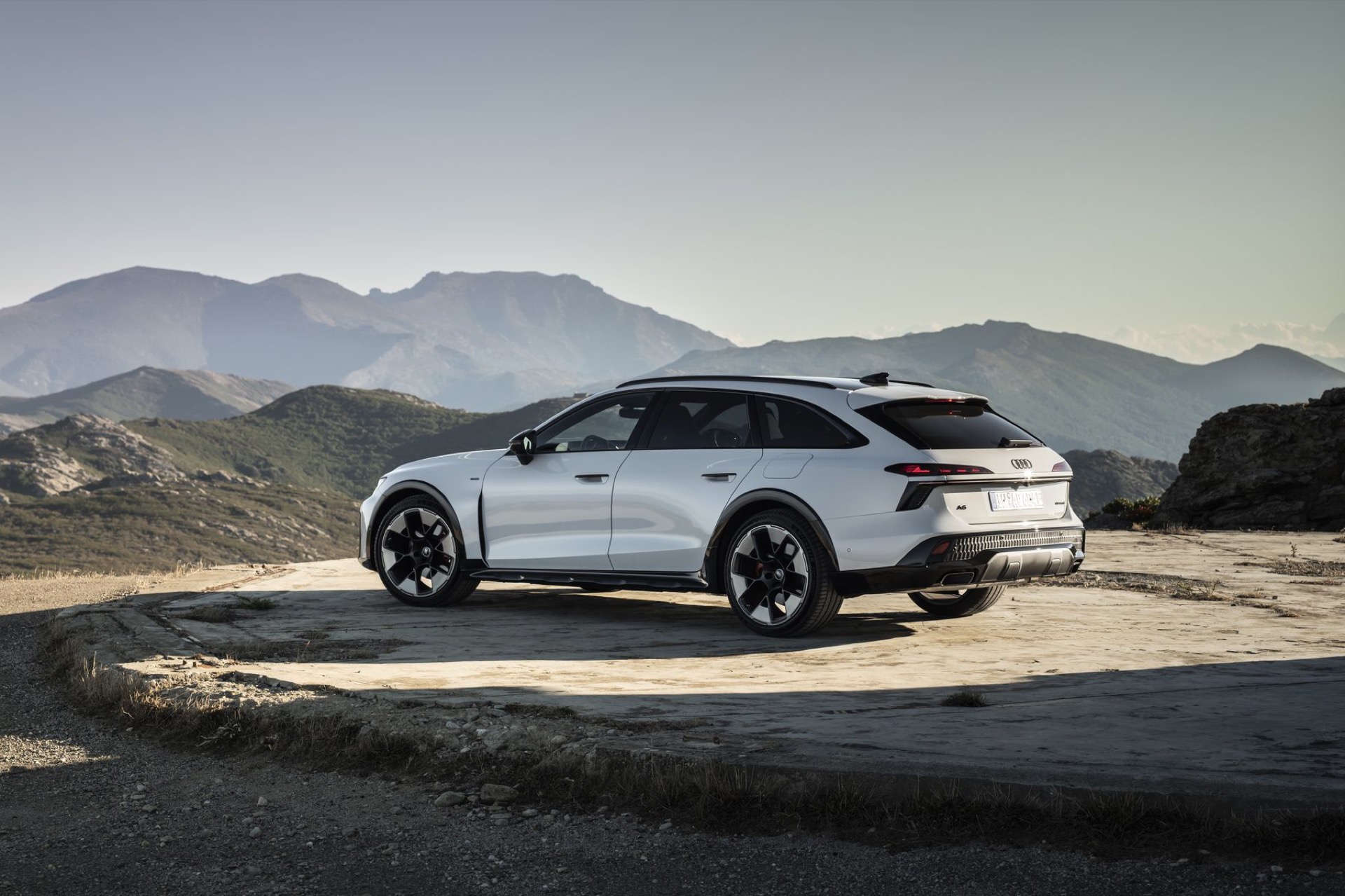
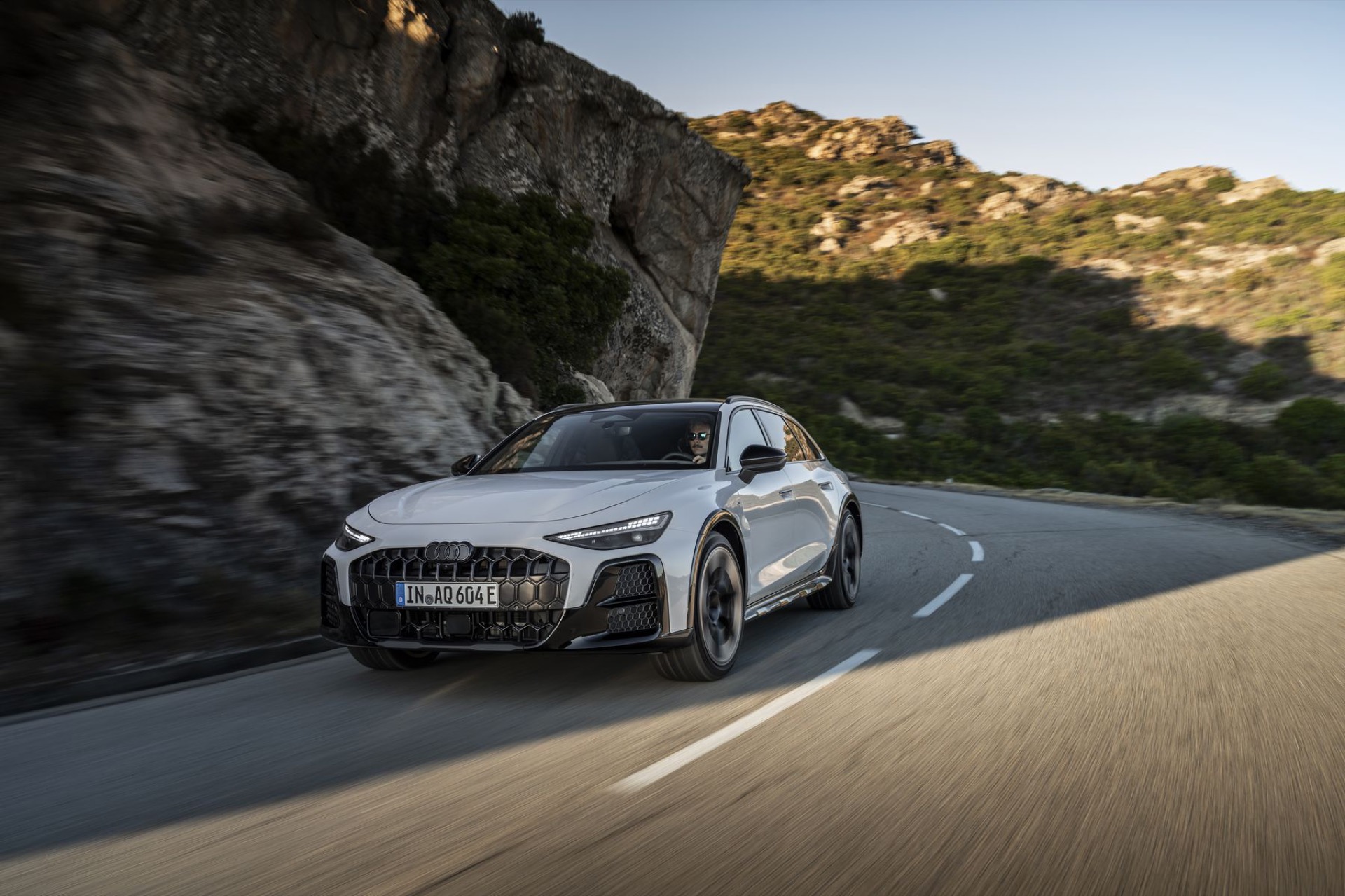
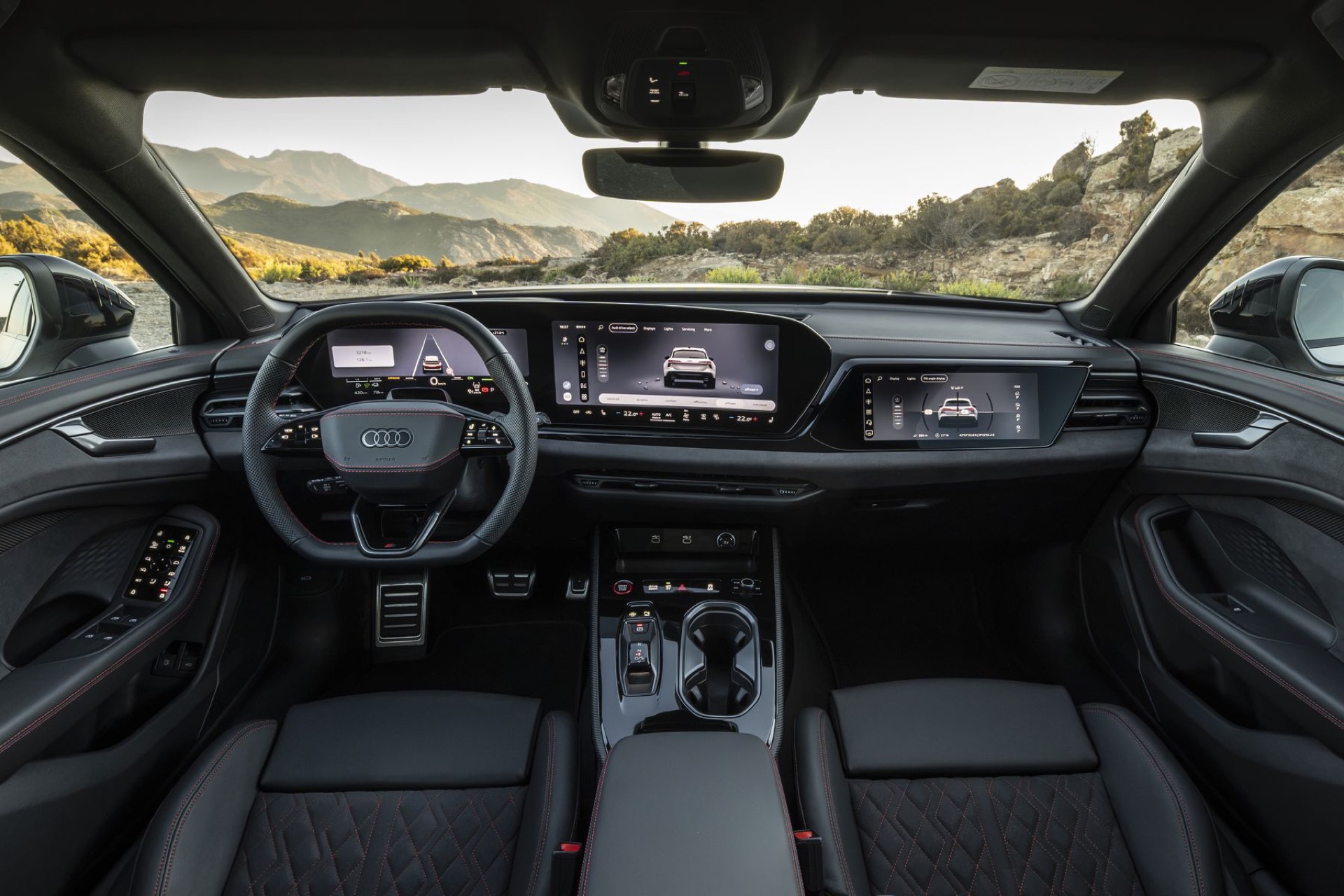
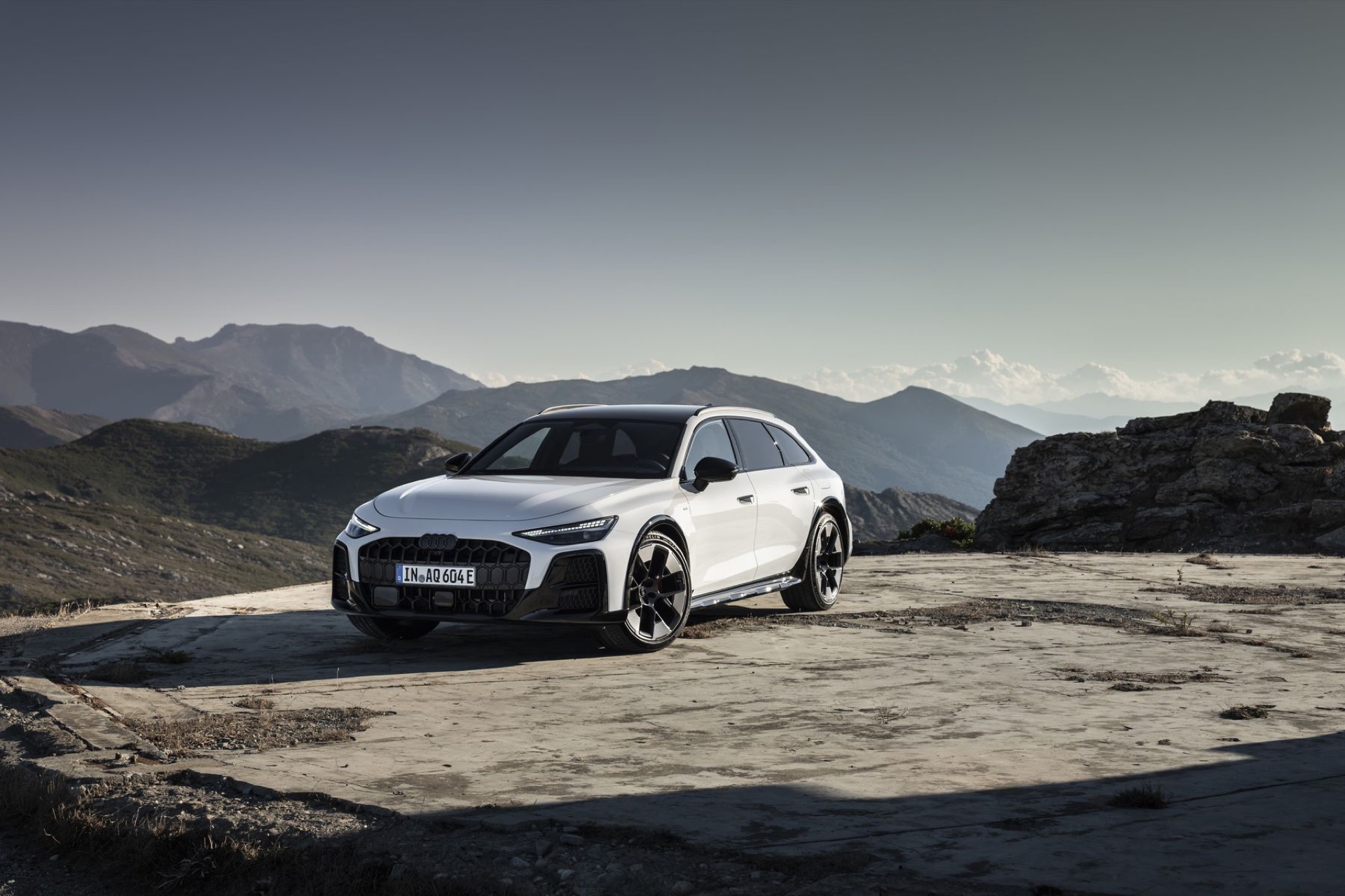
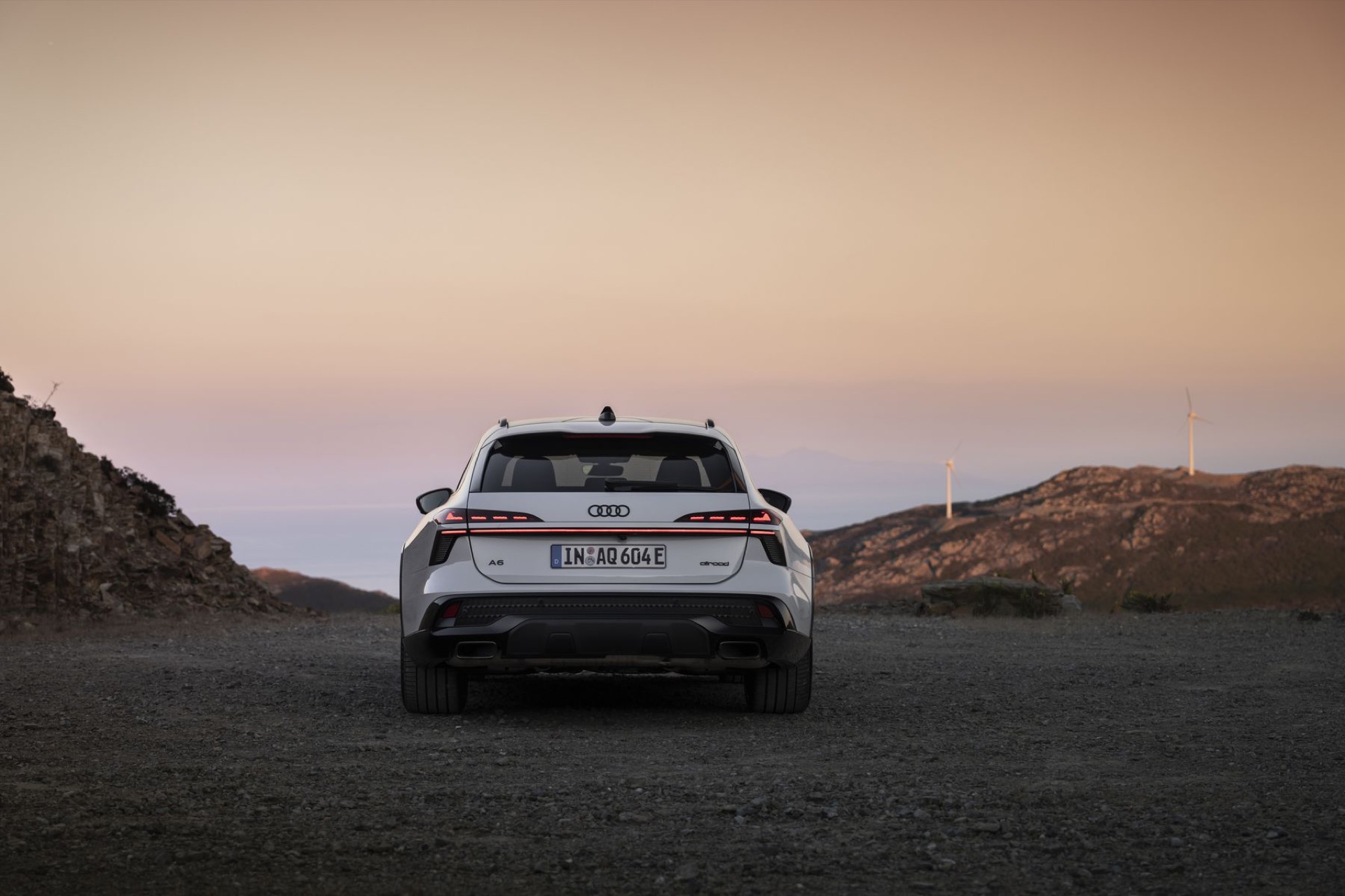
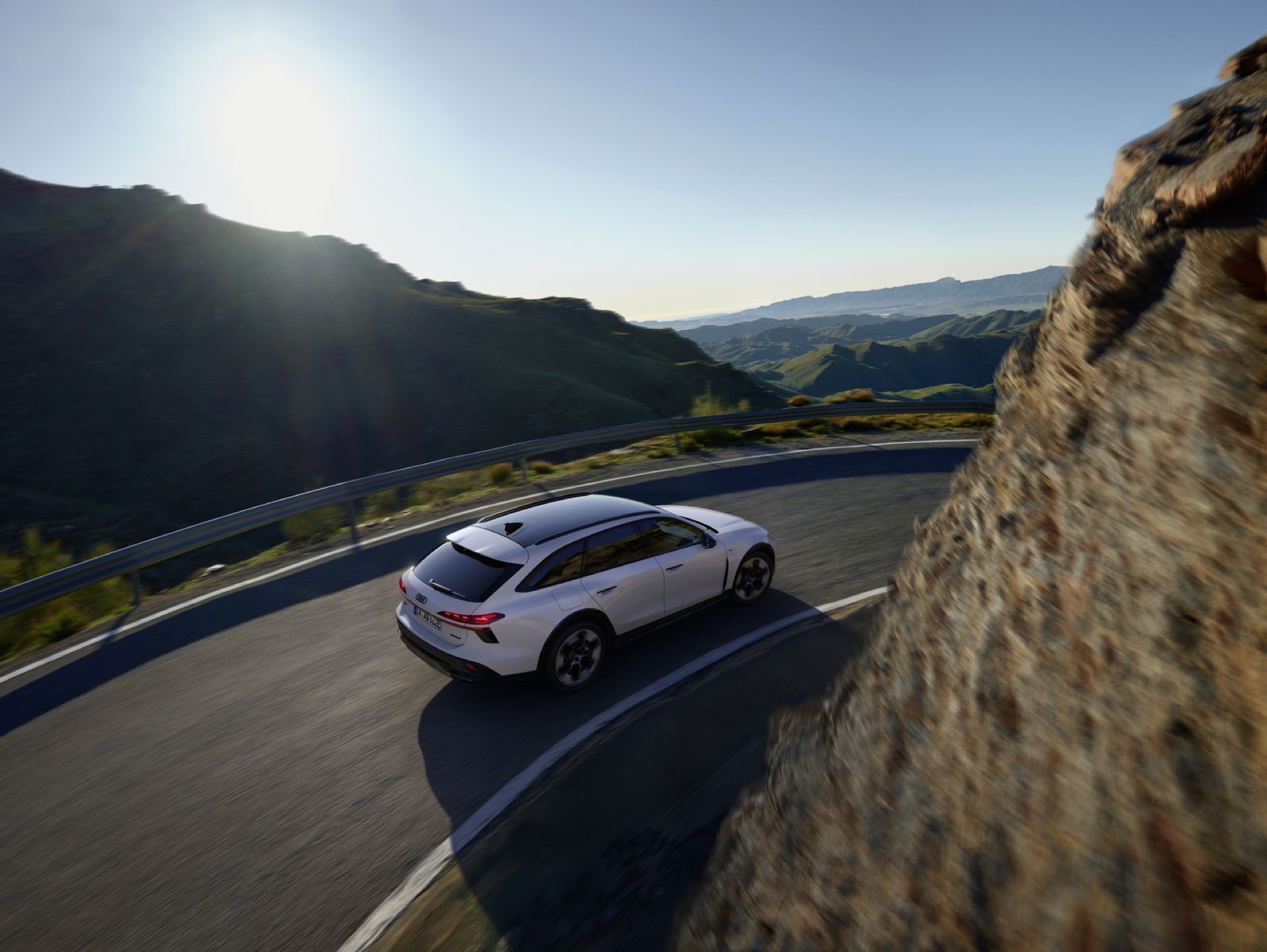
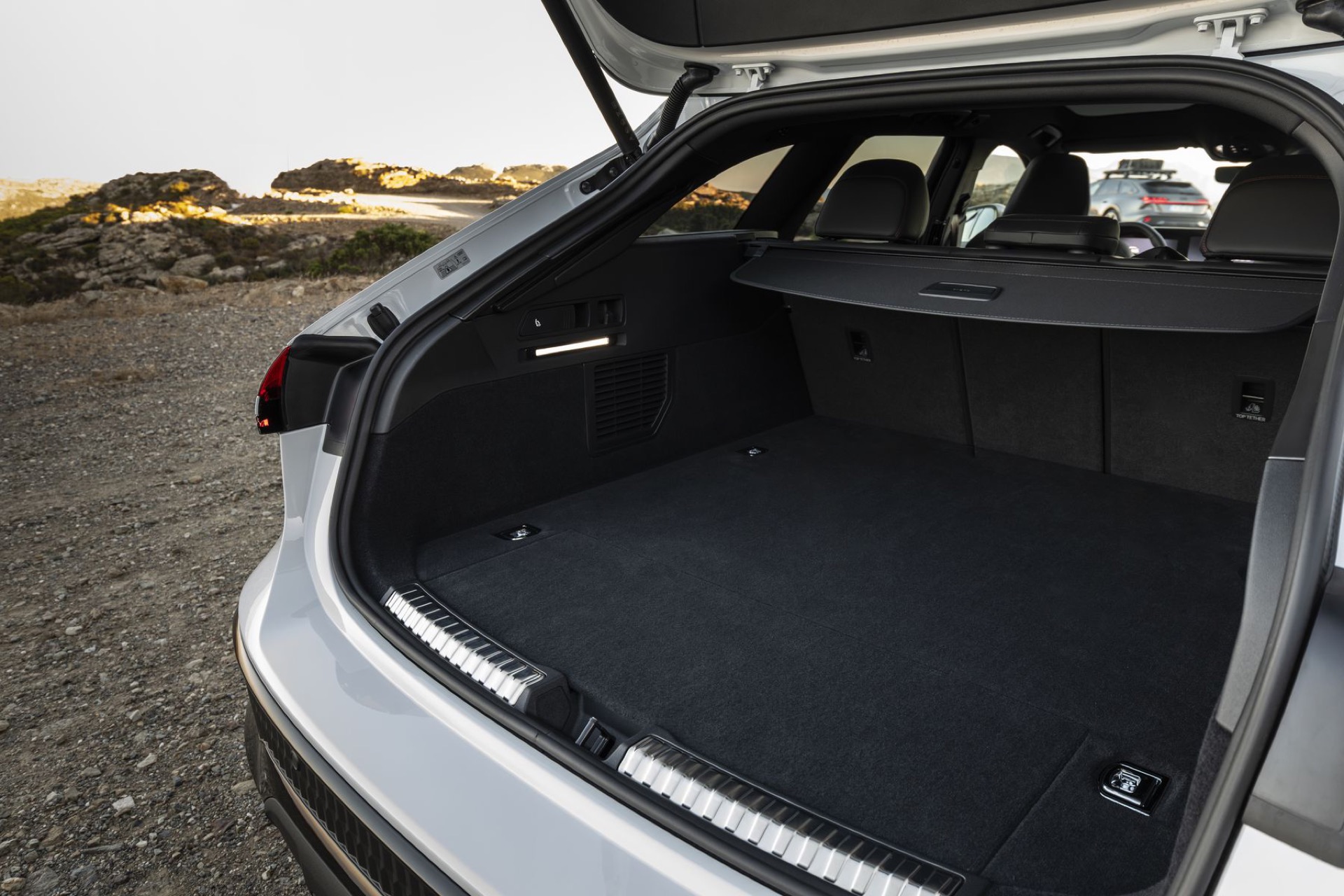
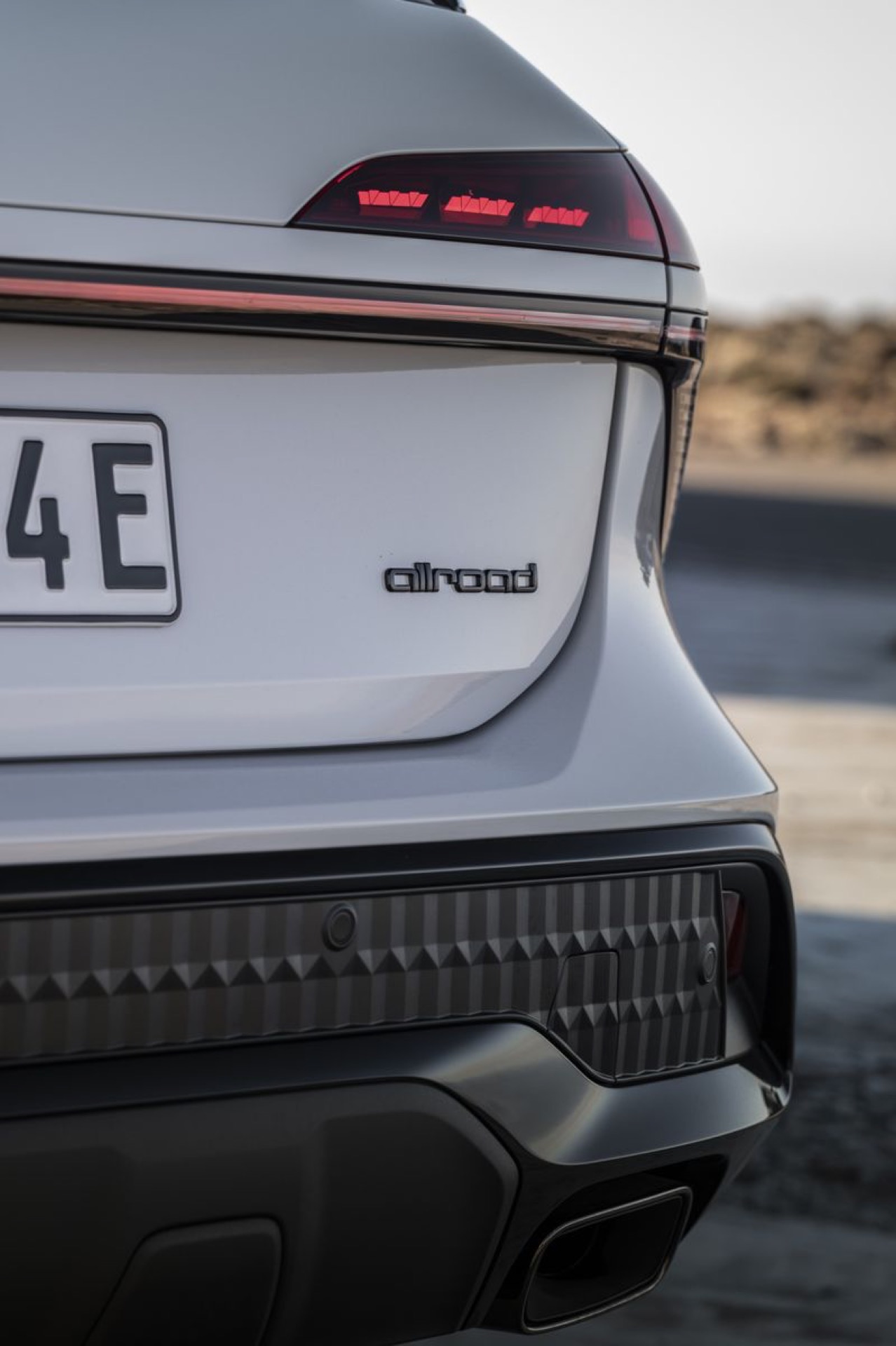
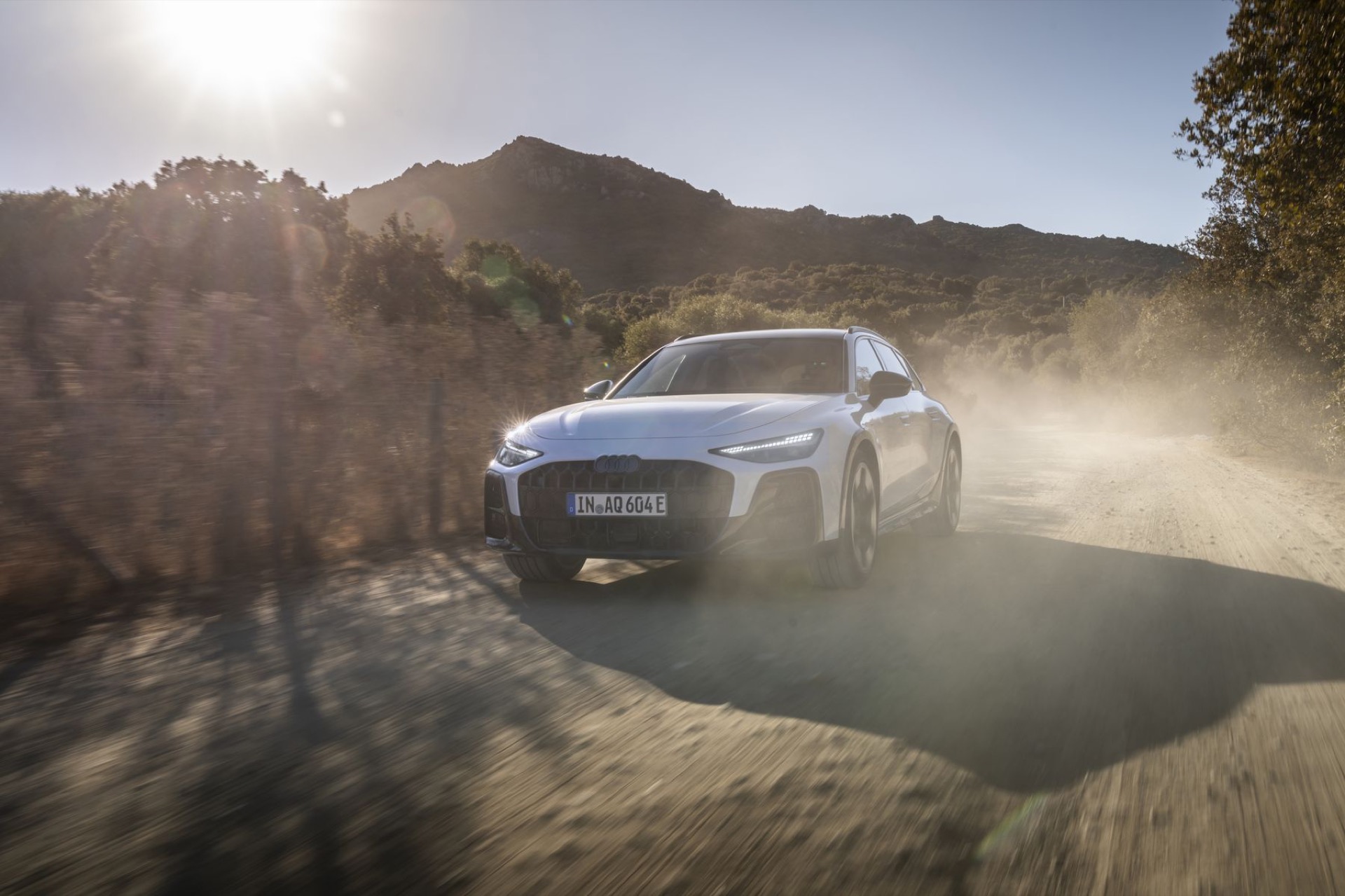
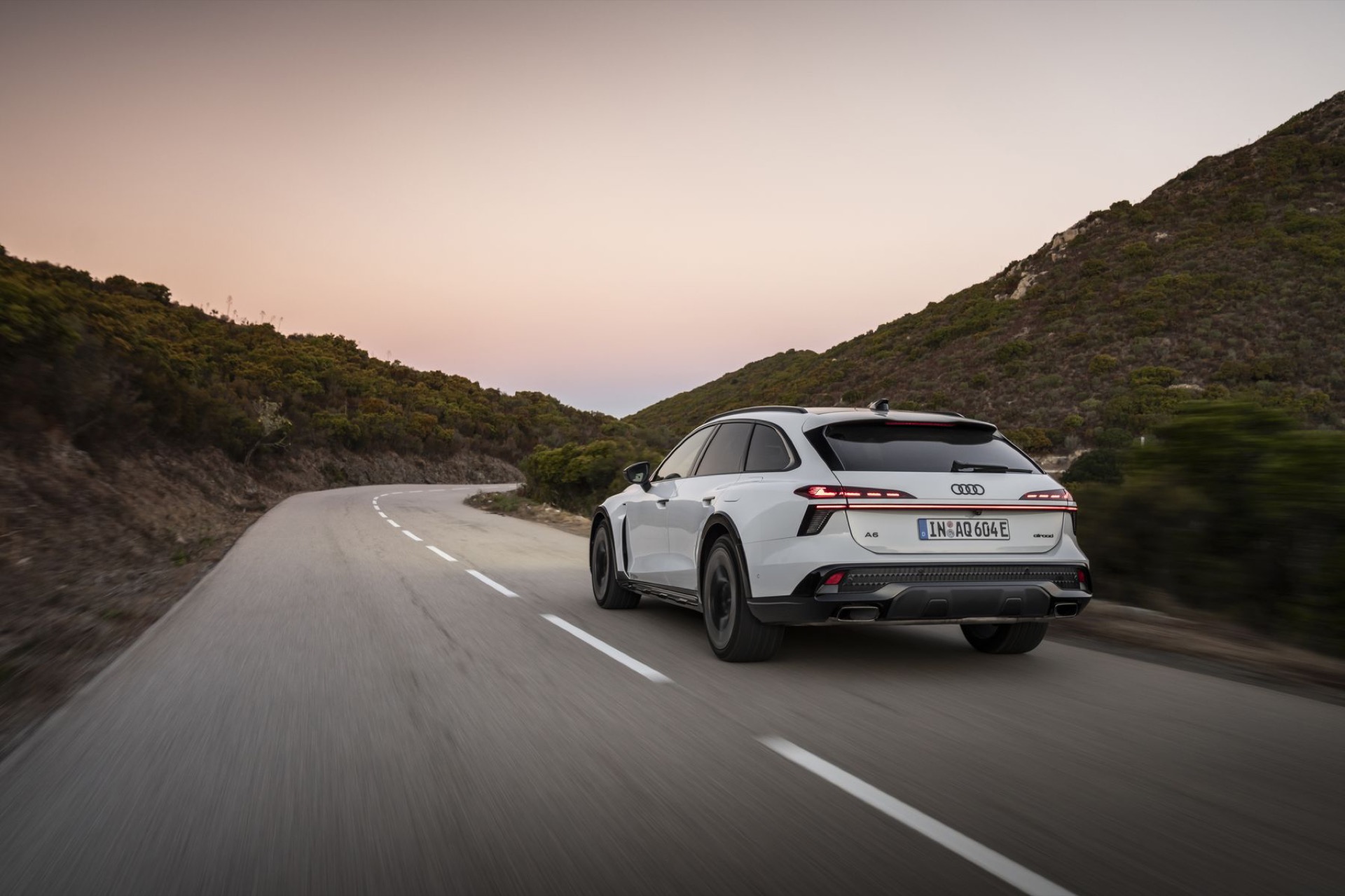
The answer was simple: take an A6 Avant, add permanent all-wheel drive, increased ground clearance and air suspension instead of building a high-riding SUV. The seriousness with which Audi approached the concept was demonstrated by the fact that the first generation could even be ordered with a low-range gearbox. It offered the space and comfort of a large estate without being defeated by snow or gravel tracks.
Times have changed. SUVs are now an integral part of Audi’s range, arguably making the estate/off-roader crossover somewhat redundant. Asked who exactly buys a car like this today, model line director Karl Meier has a straightforward answer: “It’s a car for individualists.” Or, in more contemporary terminology, a statement car. Even for the company car driver with a checked shirt and a coat hanger dangling from the roof grab handle.
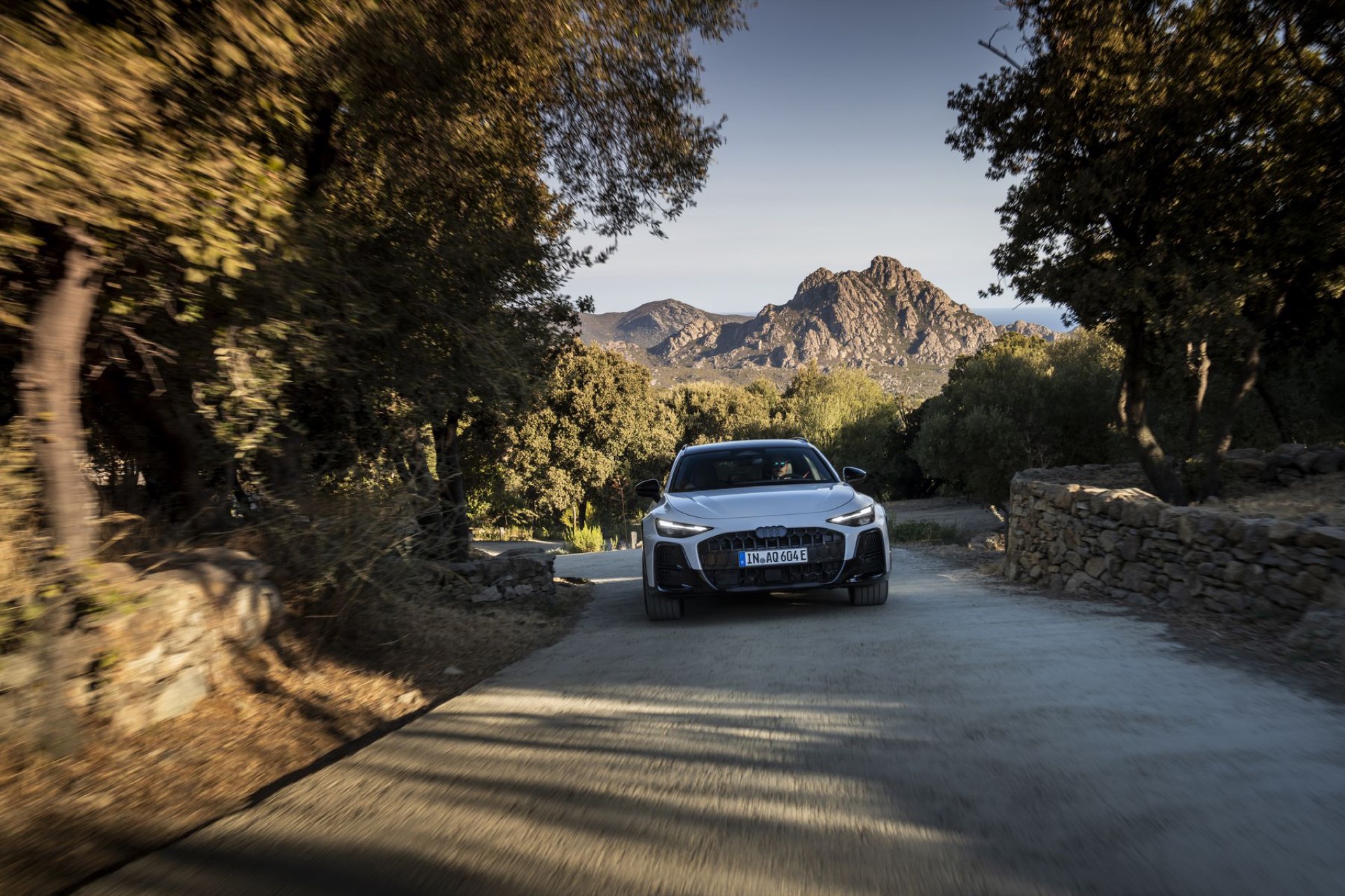
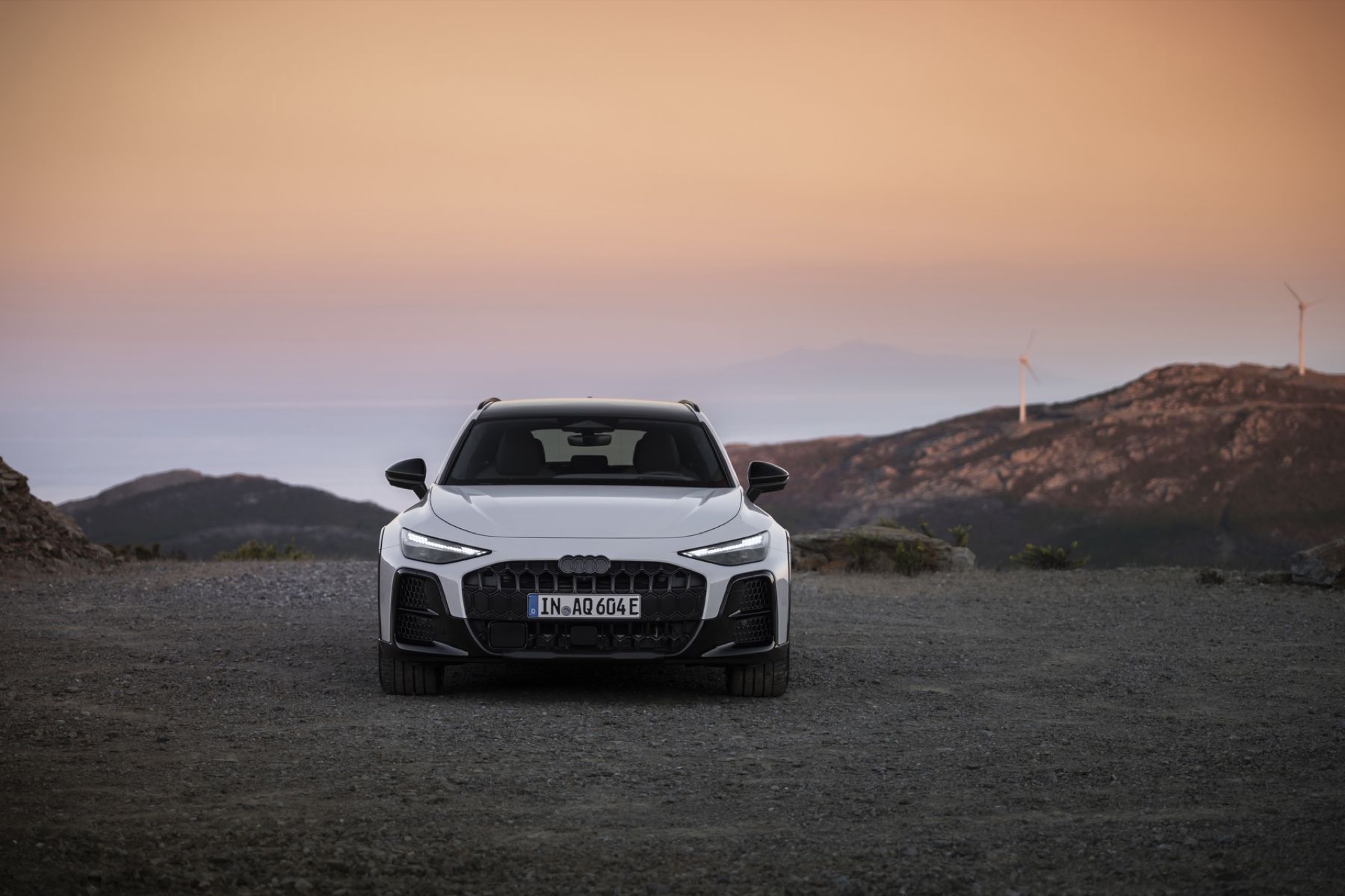
Visually, the new allroad certainly makes a statement. At 5.02 metres long and almost 1.99 metres wide without its mirrors, its body is around 11 centimetres wider than that of the regular A6 Avant. The track has grown substantially too, by 7.4 centimetres at the front and seven centimetres at the rear. Wider wheels complete the transformation. Our test car rode on 21-inch wheels with 285/35 tyres, while the standard setup consists of 19-inch rims wearing 265/45 rubber.
The result is an A6 allroad that looks considerably more planted and muscular than the Avant. Distinctive body cladding and a suggested underbody guard complete the look. Visually at least, this allroad comfortably fulfils its brief as an automotive exclamation mark.
But the raised estate needs to do more than look good parked outside an expensive Italian restaurant. This is where its air suspension and specially tuned adaptive dampers come into their own.
“The dampers are a completely new component,” explains chassis engineer Peter Knauer. The work has paid off. The differences between the driving modes are immediately noticeable, particularly in Comfort, where the allroad rides considerably more smoothly than the Avant.
“Floating,” is how Knauer describes the sensation. “We have consistently exploited the full potential of the chassis.”
The larger wheels also influenced the revised setup. This is intended to be a comfort-focused long-distance car rather than a jacked-up sports estate. On country roads, the wider track proves beneficial and, even at higher speeds, the allroad remains composed. The combination of air suspension and adaptive dampers takes much of the sting out of poor road surfaces.
Despite weighing 2,205 kilograms, the Audi can still be hustled along at a respectable pace. Throw it aggressively into a corner and its mass inevitably makes itself known, but the progressive steering remains impressive. It is precise and provides sufficient feedback.
Rear-wheel steering comes as standard on the e-hybrid, as perhaps it should on a car costing at least €80,250. The allroad suspension offers a total adjustment range of 55 millimetres, 25 millimetres more than the A6 Avant. In Balanced mode, ground clearance stands at 156 millimetres, rising to 191 millimetres when the Lift function is selected at speeds of up to 35 km/h. In Dynamic mode, or above 120 km/h, the body drops by 20 millimetres.
To ensure the allroad lives up to its name, its software also adapts the car’s systems for driving away from the tarmac. Traction control allows greater wheelspin, helping the tyres dig through loose surfaces such as gravel, sand or snow. At the same time, the electronic differential lock intervenes more assertively. If one wheel begins to spin, it is selectively braked, directing more torque towards the wheels with better traction.
The S tronic transmission also changes its strategy. It holds gears for longer and allows higher engine speeds, maintaining more consistent drive when travelling slowly off-road.
As with the A6 Avant, the powertrain has little difficulty dealing with the car’s considerable weight. The 2.0-litre TFSI petrol engine produces 252 PS, while an electric motor integrated into the seven-speed dual-clutch transmission contributes up to 143 PS. Combined output is 367 PS and 500 Nm of torque.
Performance is correspondingly strong. The A6 allroad e-hybrid accelerates from 0-100 km/h in 5.5 seconds and reaches a top speed of 250 km/h. In electric mode it can travel at up to 140 km/h.
The hybrid system suits the character of the allroad particularly well. The electric motor provides immediate response when pulling away and the four-cylinder combustion engine joins proceedings without fuss. Under hard acceleration, however, it lacks some of the drama one might expect from a car with this much power.
On the other hand, the cabin is noticeably quieter than in the electrified 3.0-litre diesel. The quattro ultra system also operates unobtrusively, engaging the rear axle only when required.
Following our relaxed test drive, the trip computer reported consumption of 6.1 l/100 km and 5.1 kWh/100 km. Audi quotes official figures of 2.8 l/100 km and 17.0 kWh/100 km. The battery has a gross capacity of 25.9 kWh, of which 22.0 kWh is usable, providing an electric range