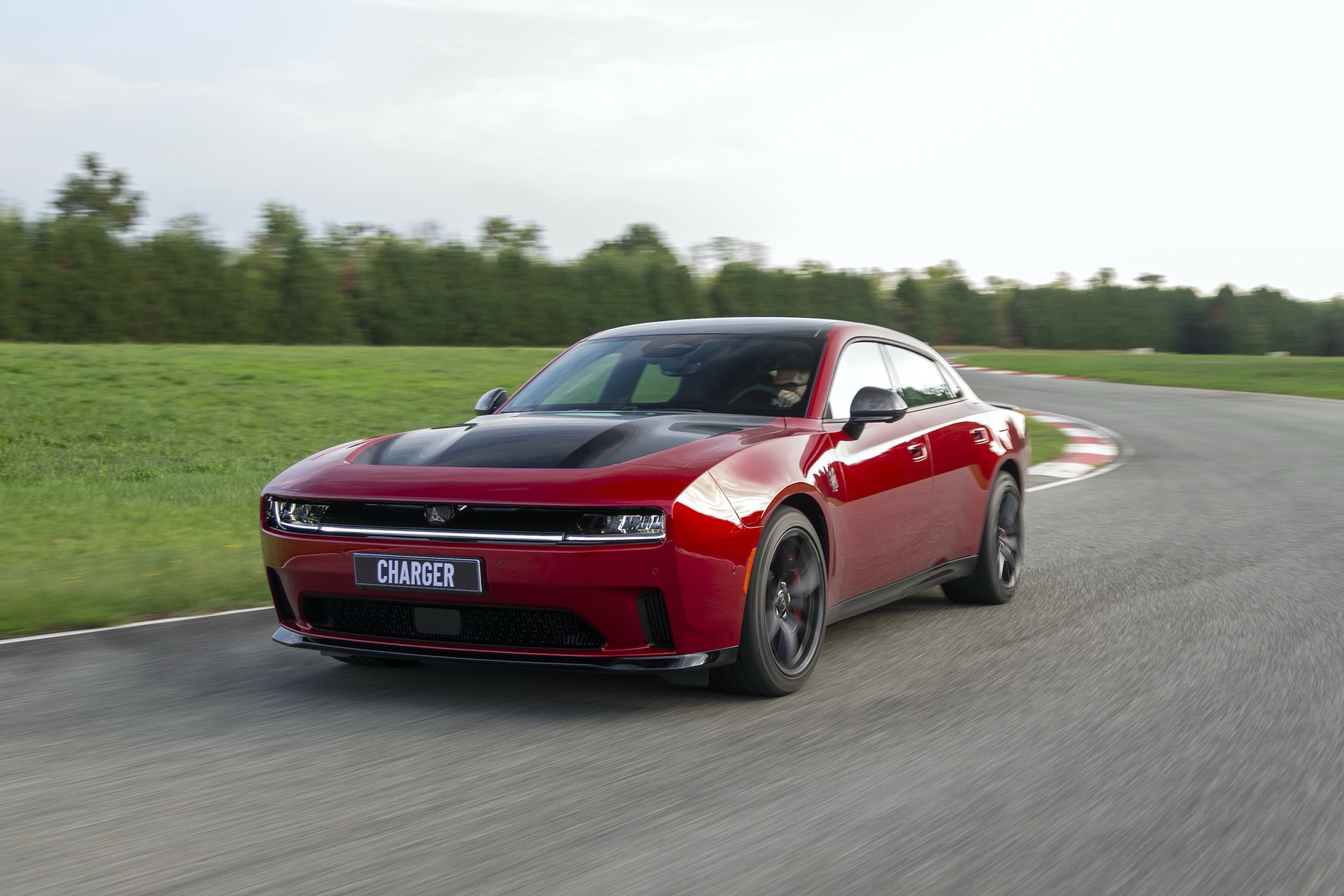
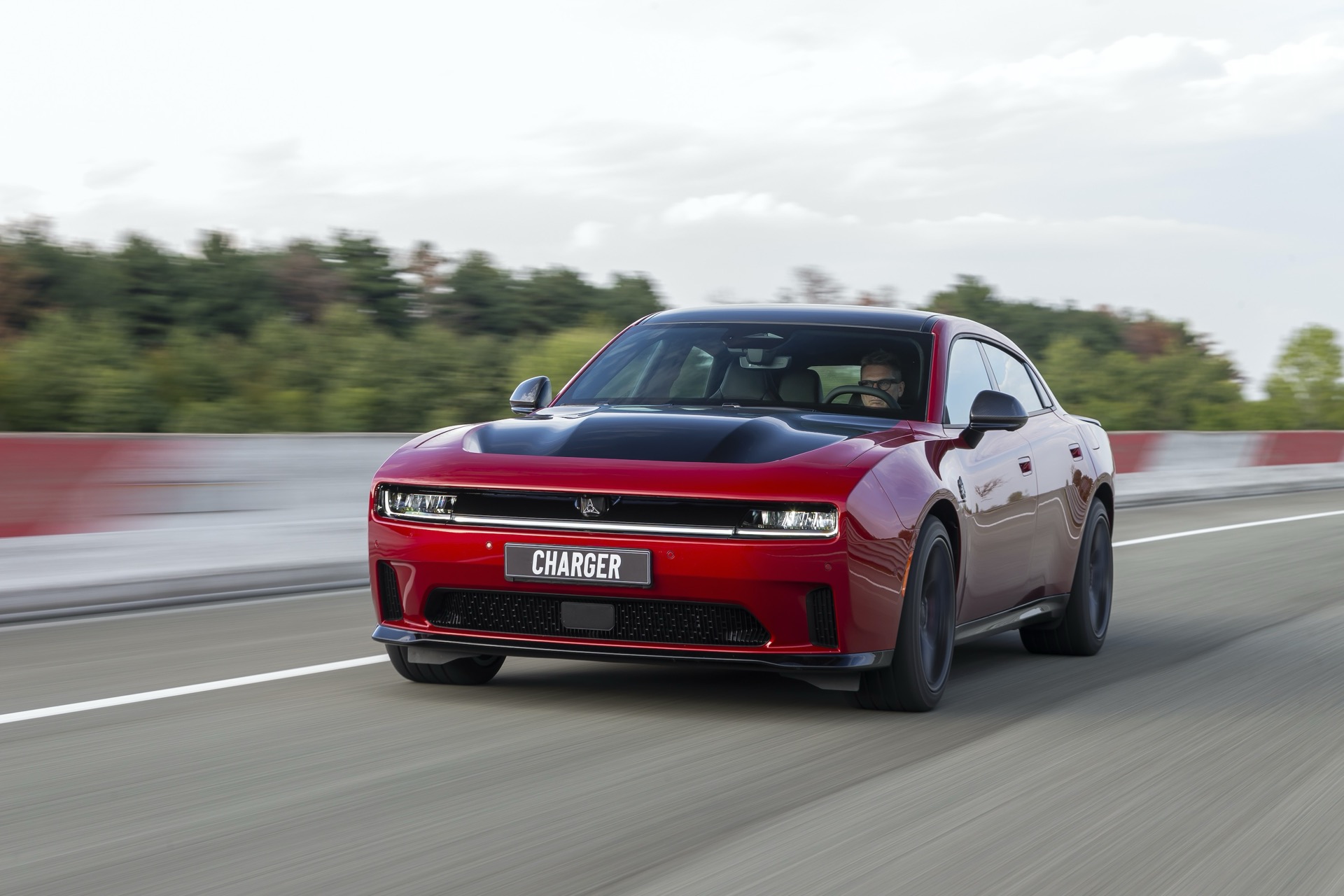
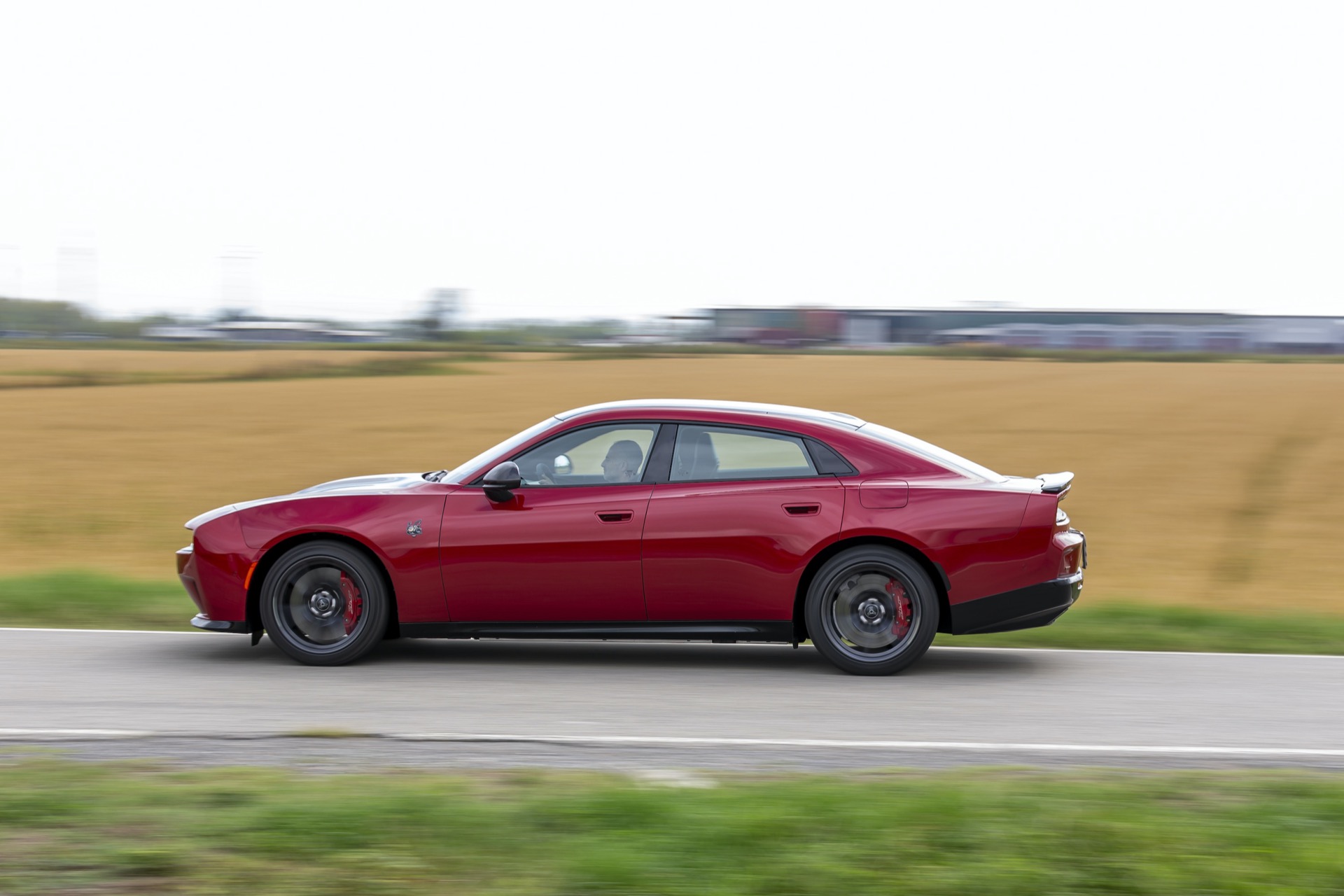
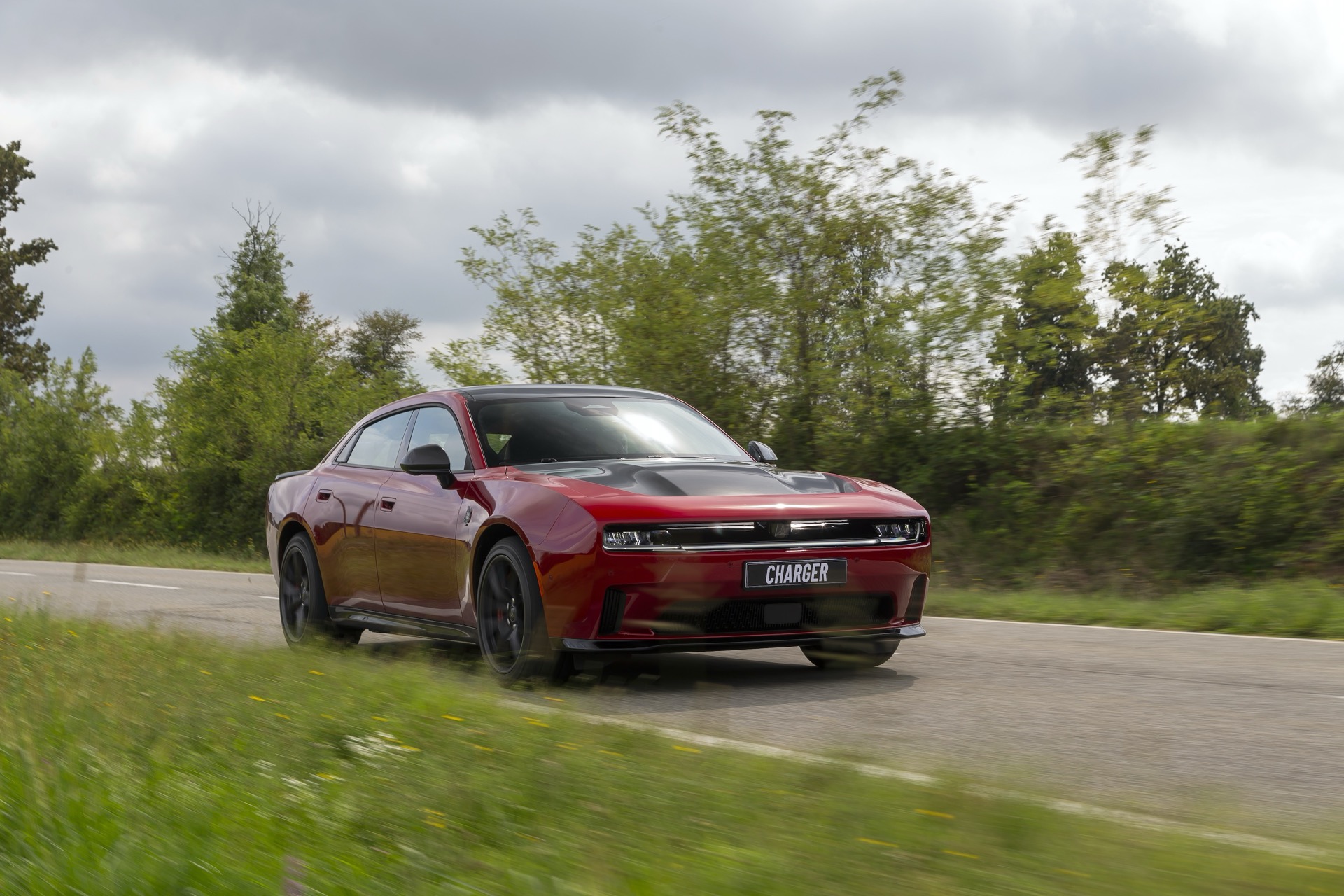
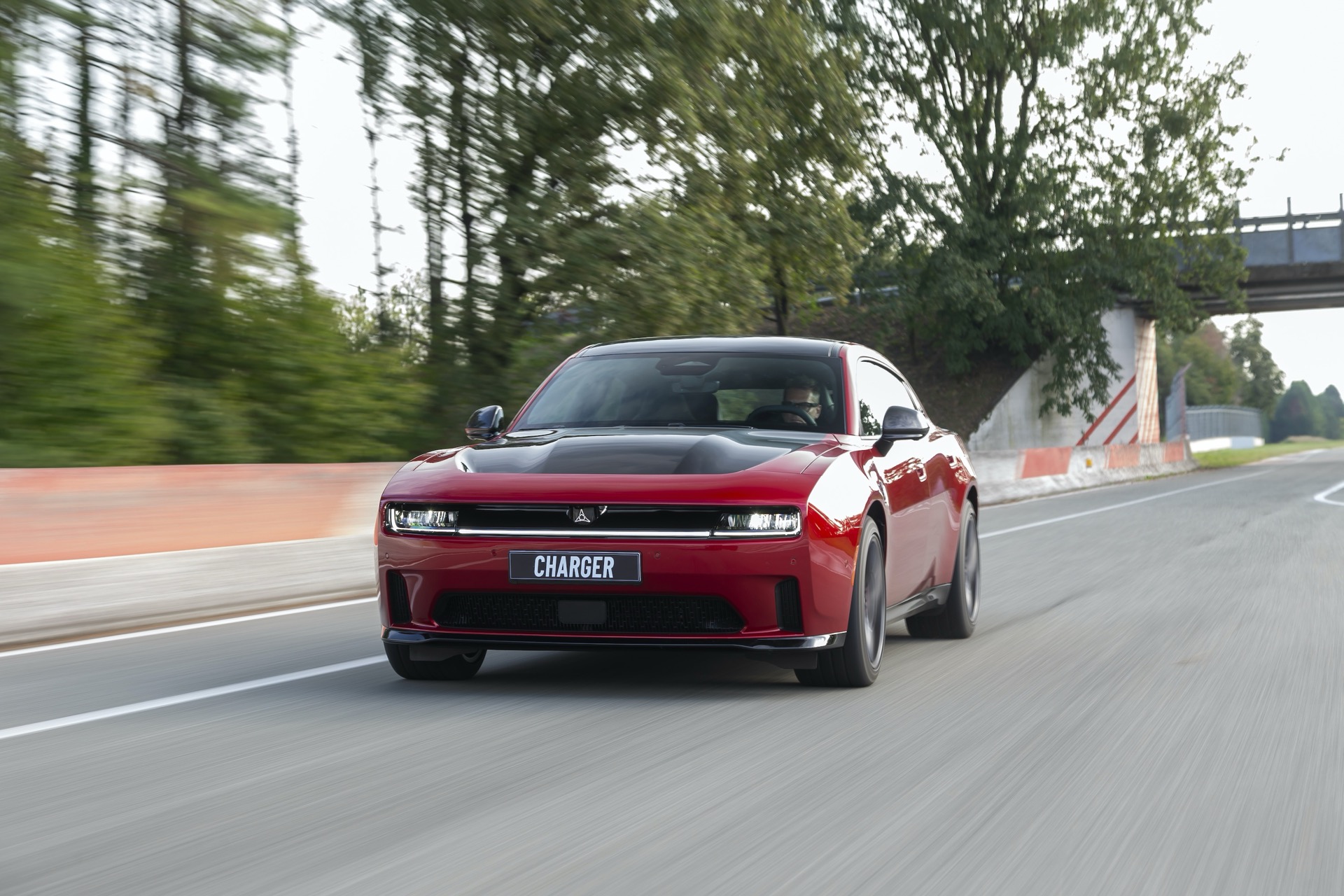
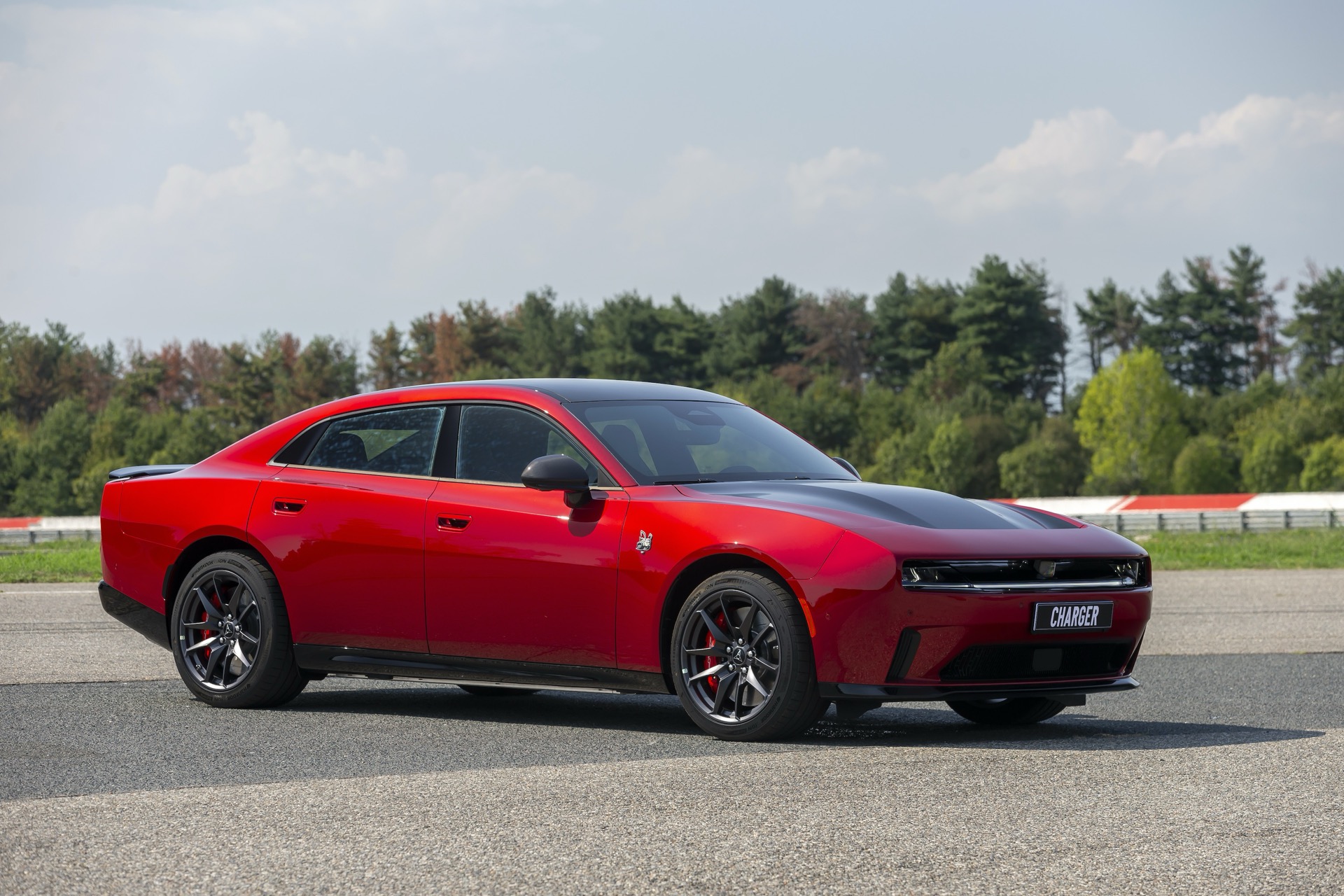
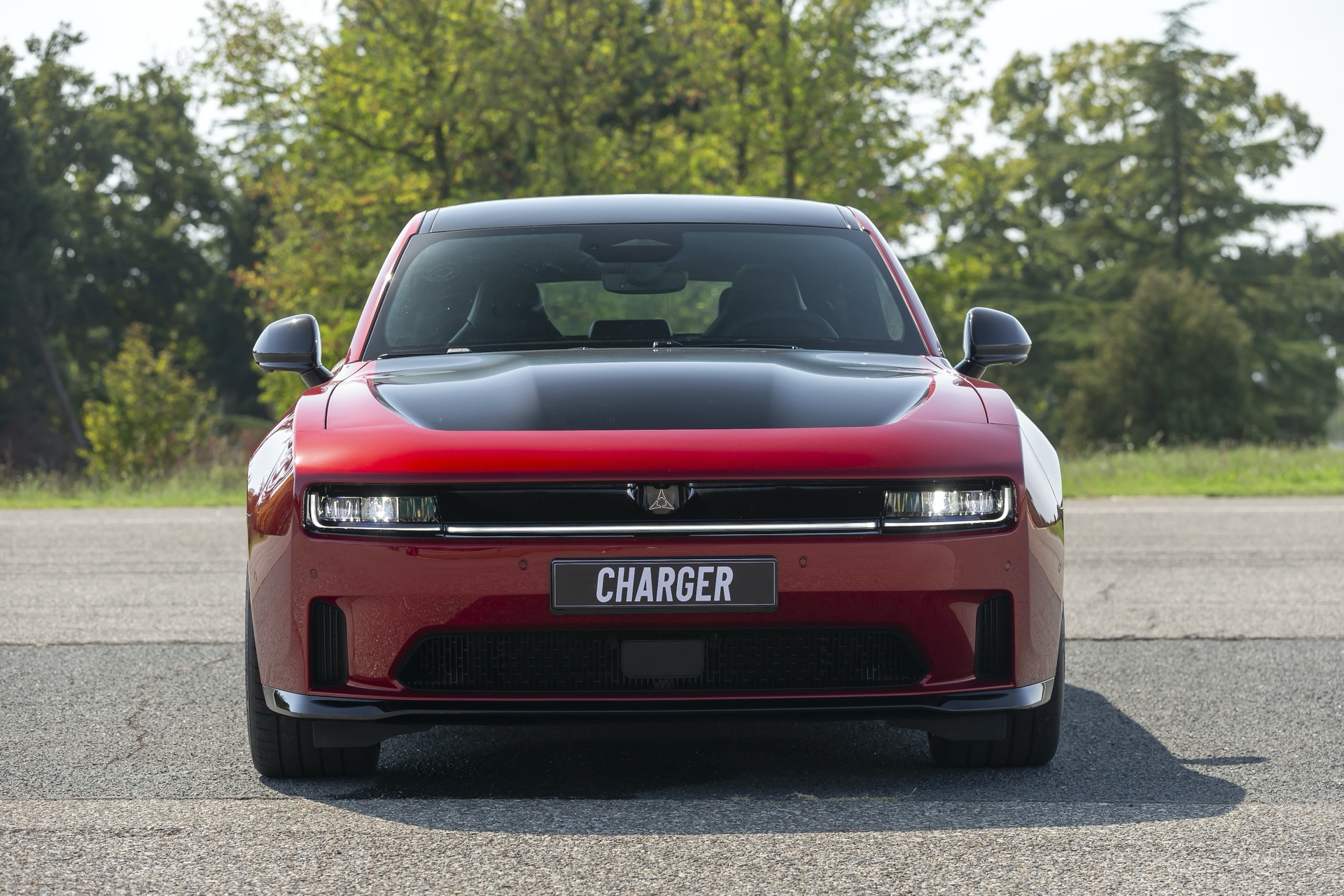
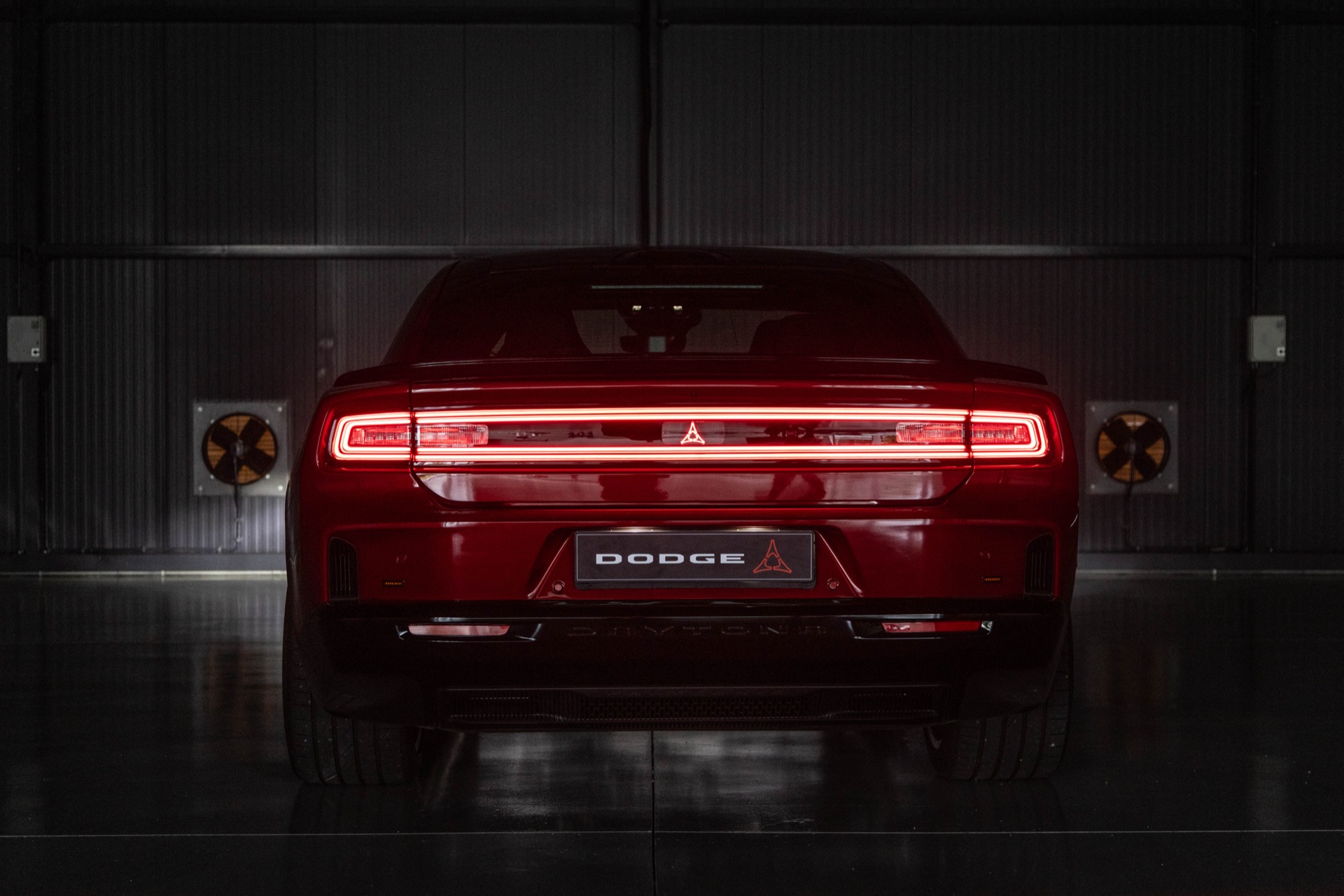
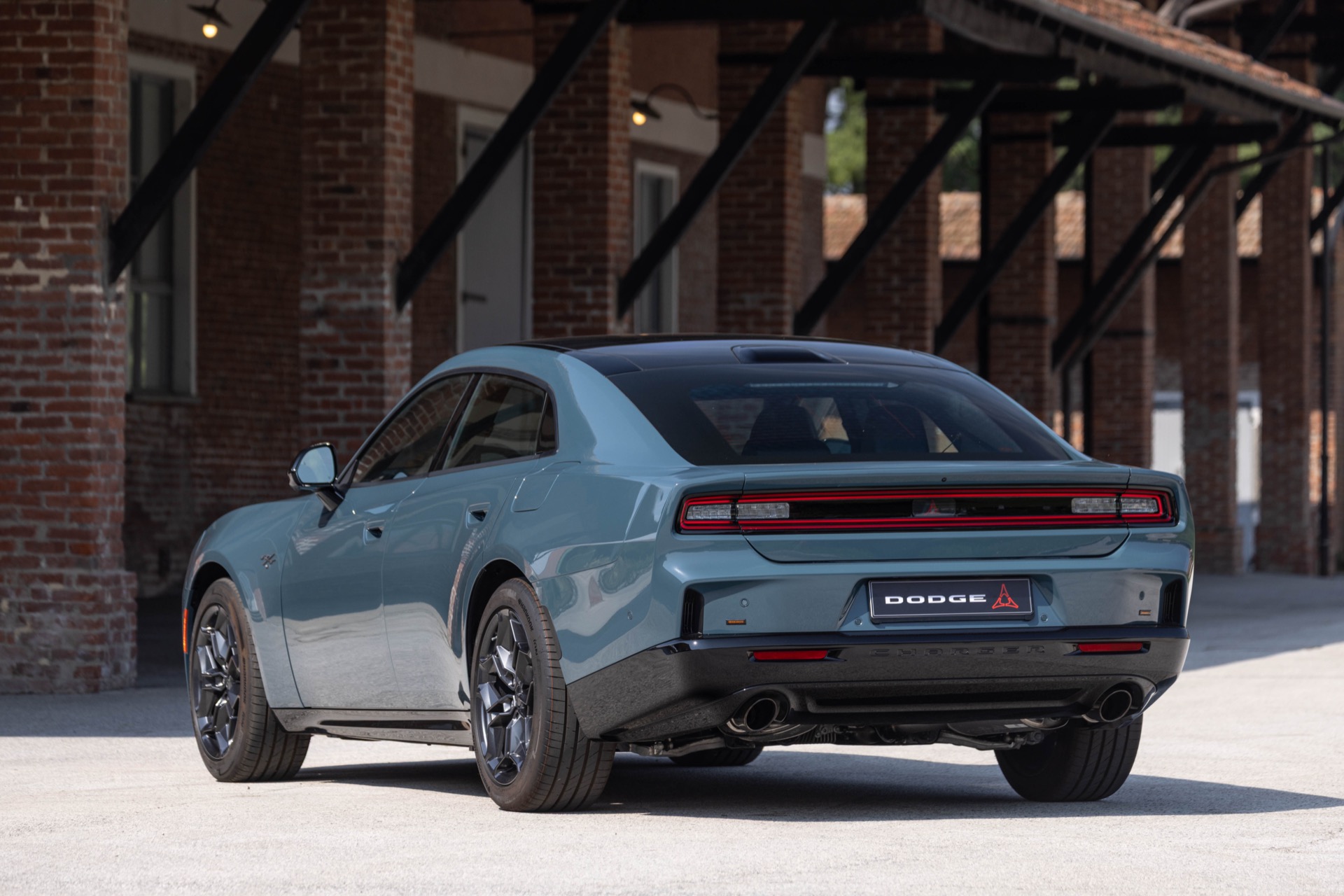
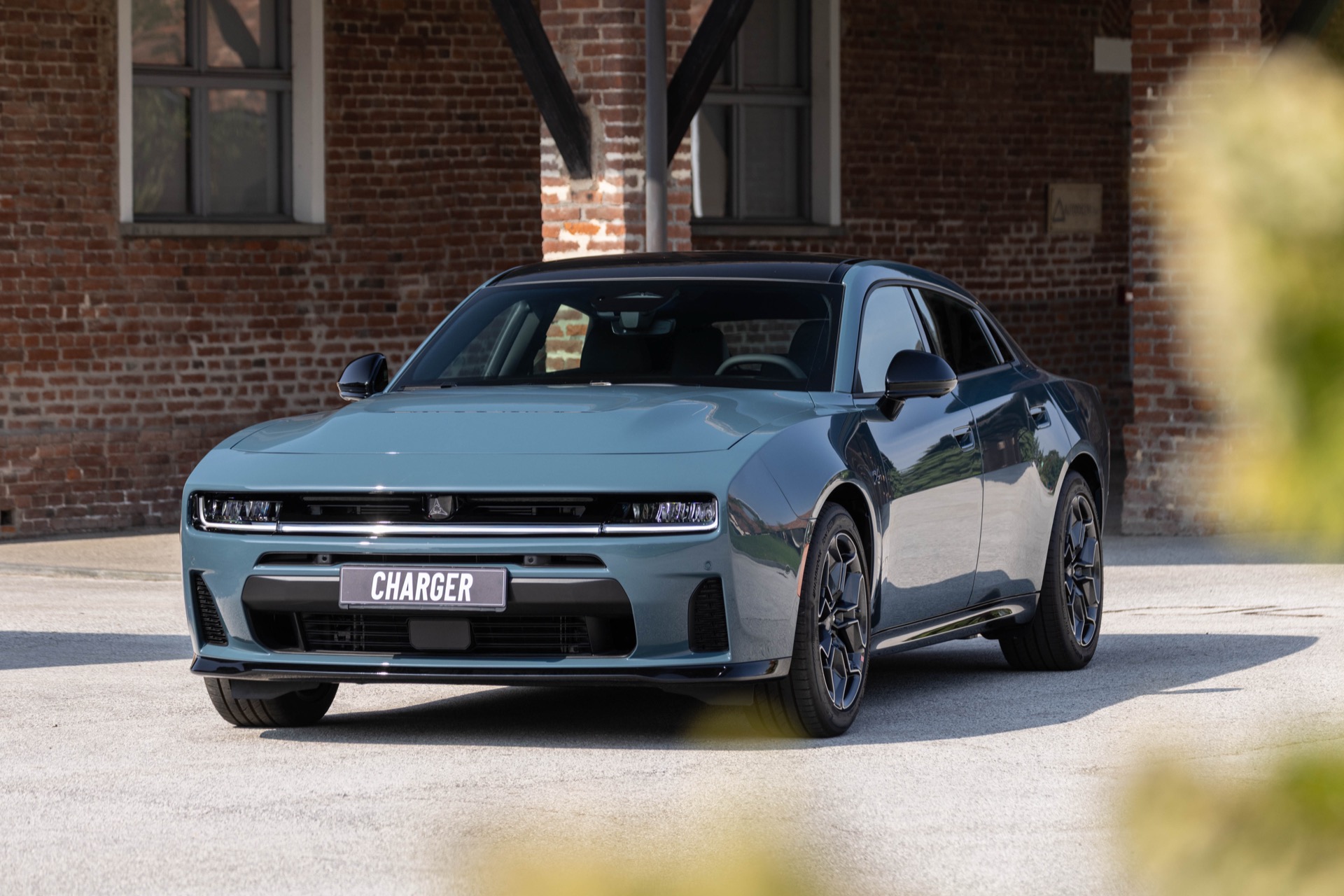
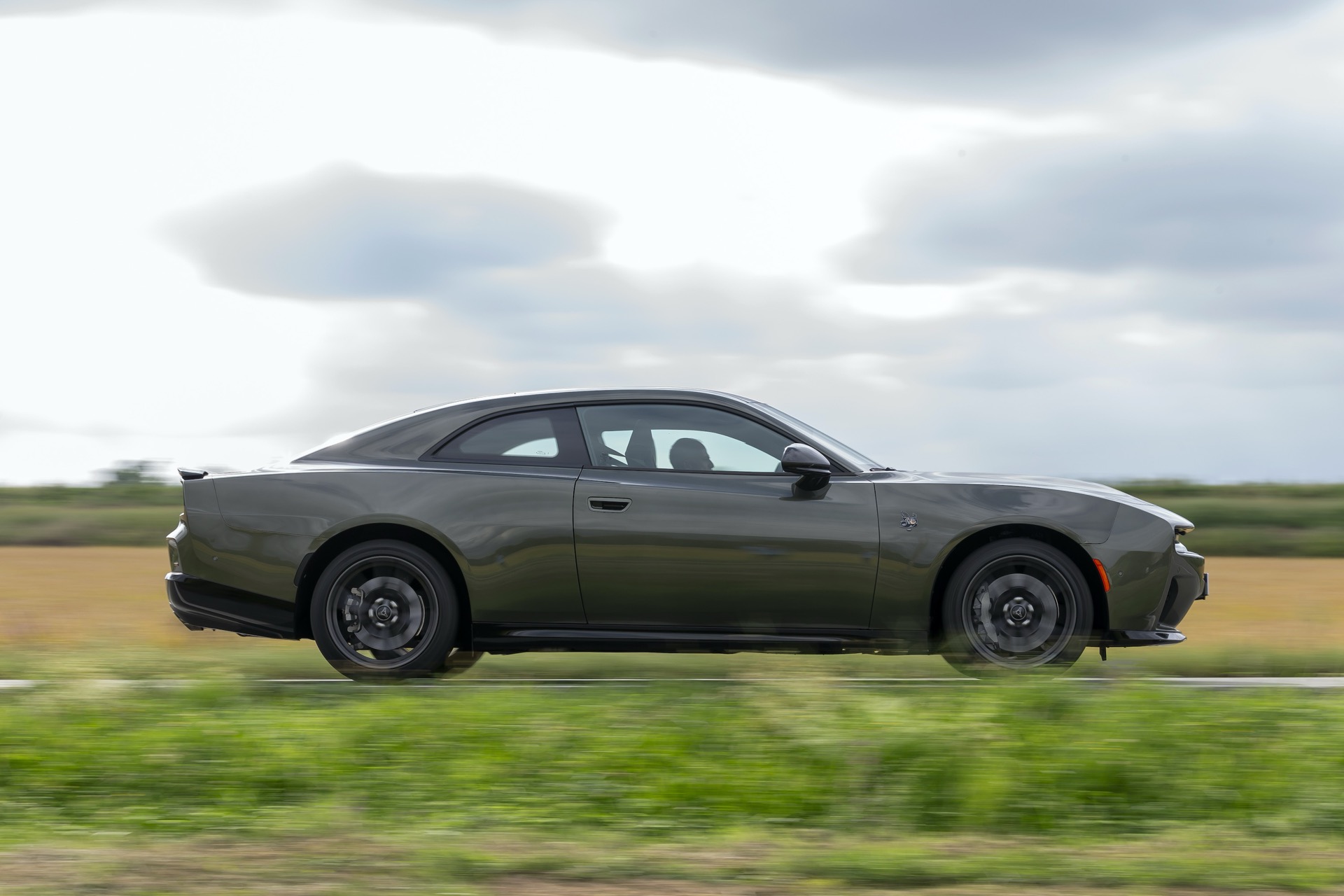
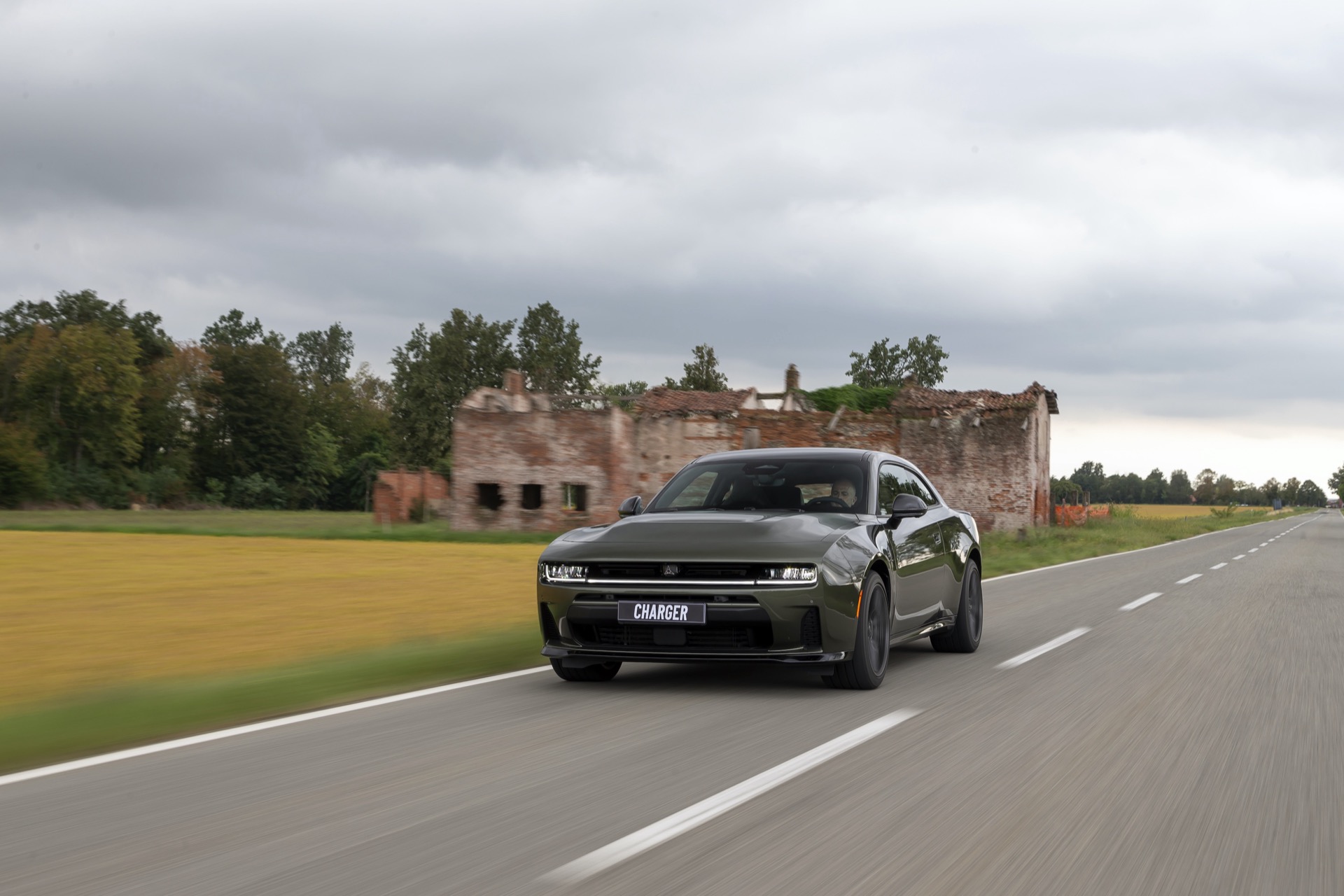
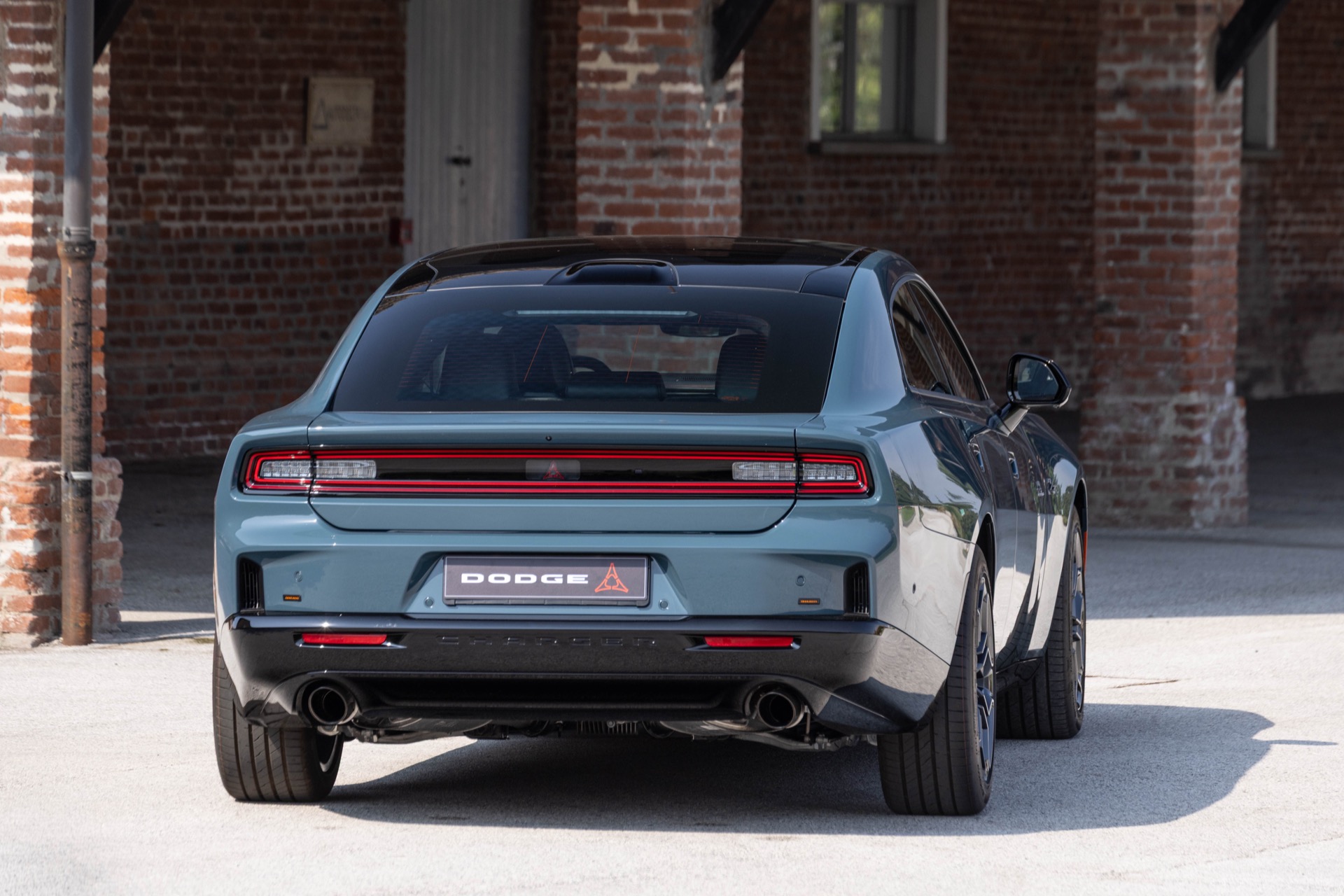
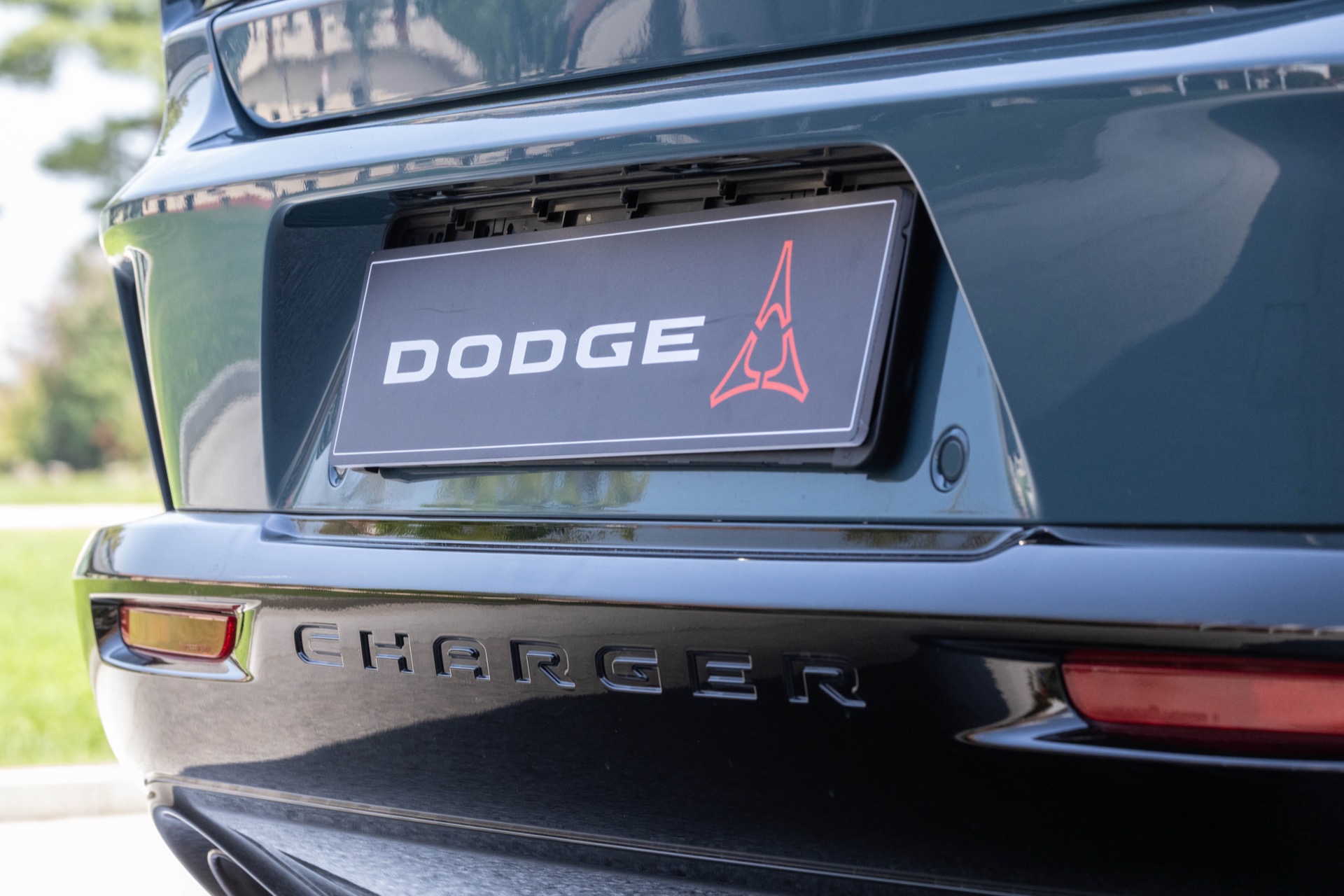
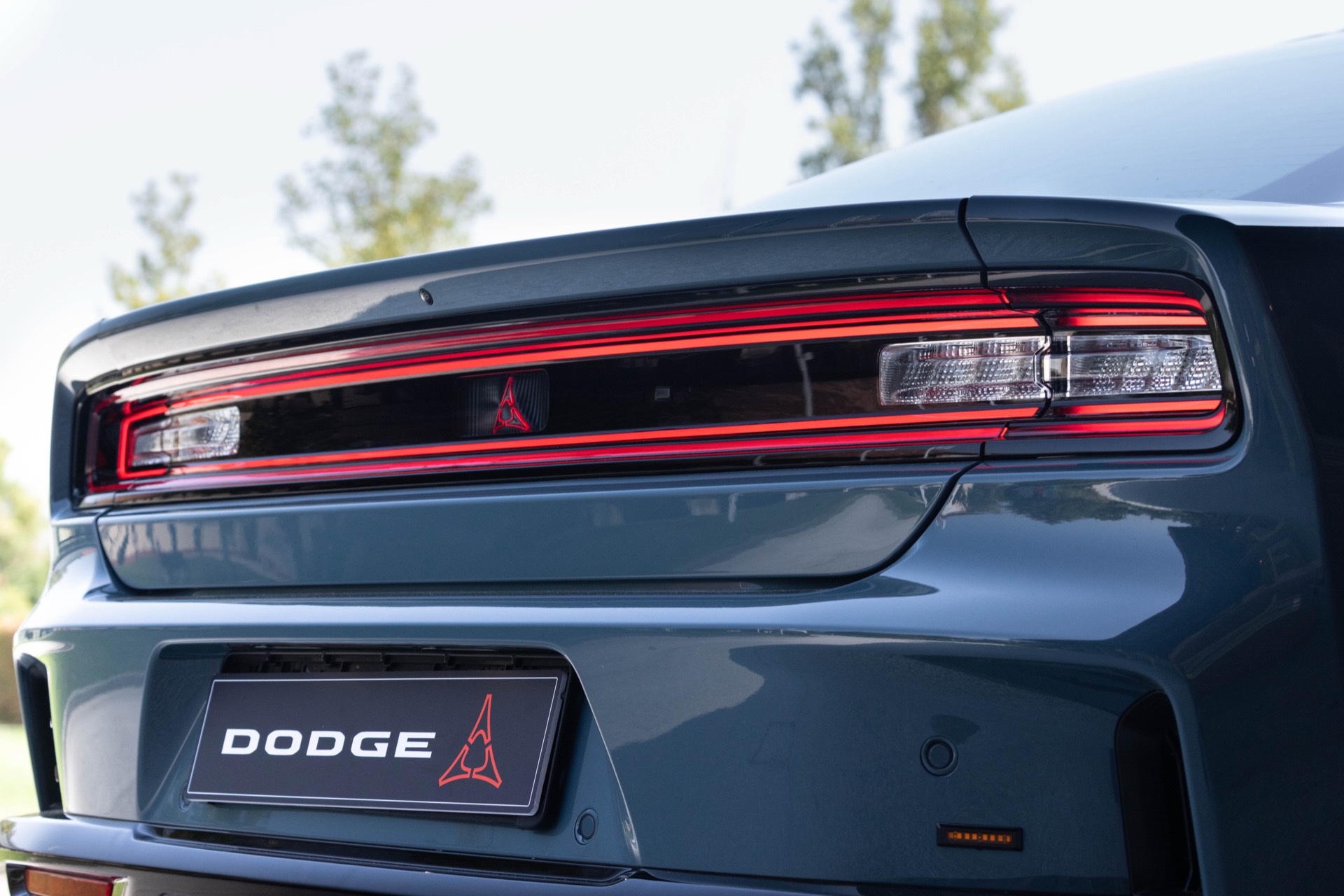
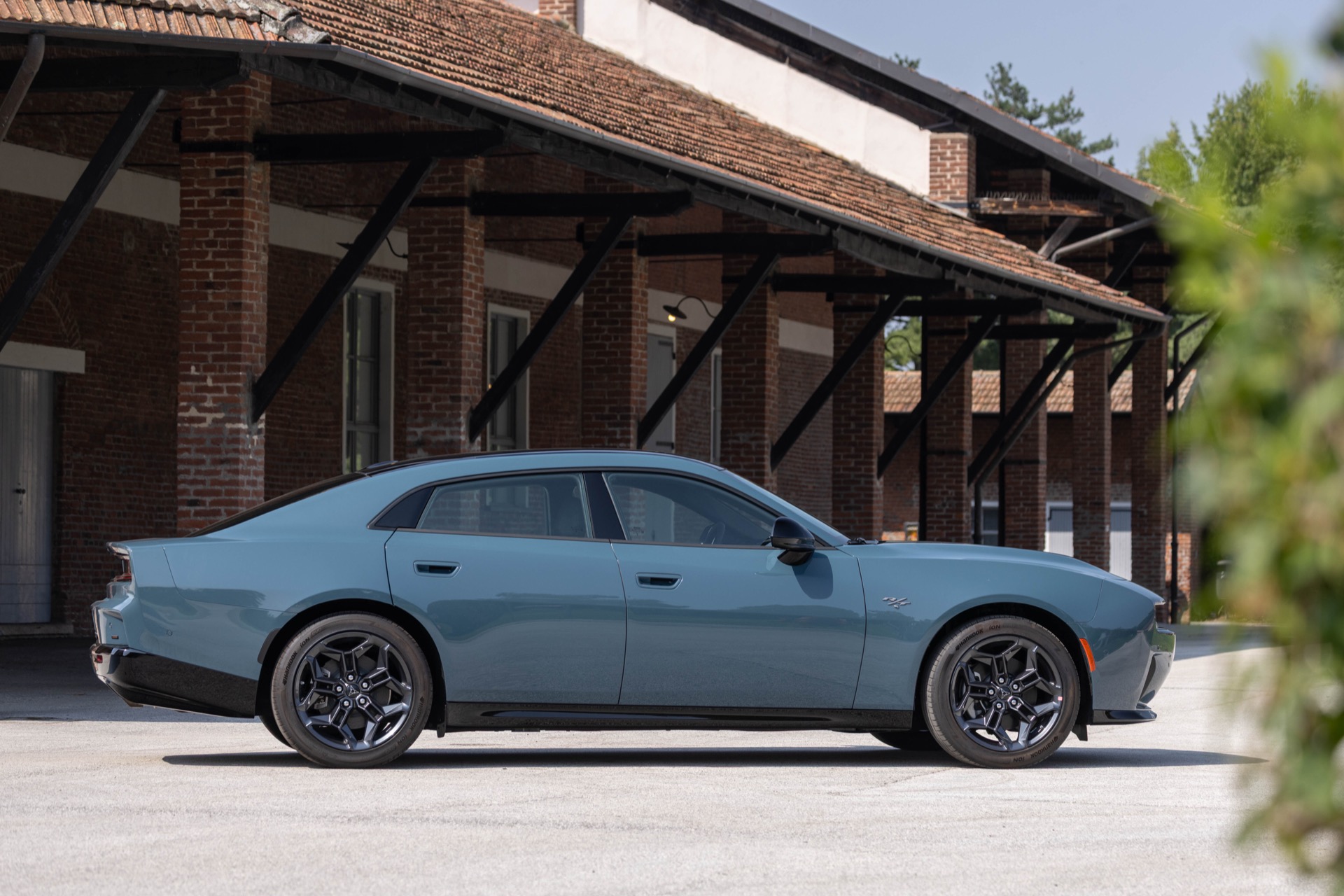
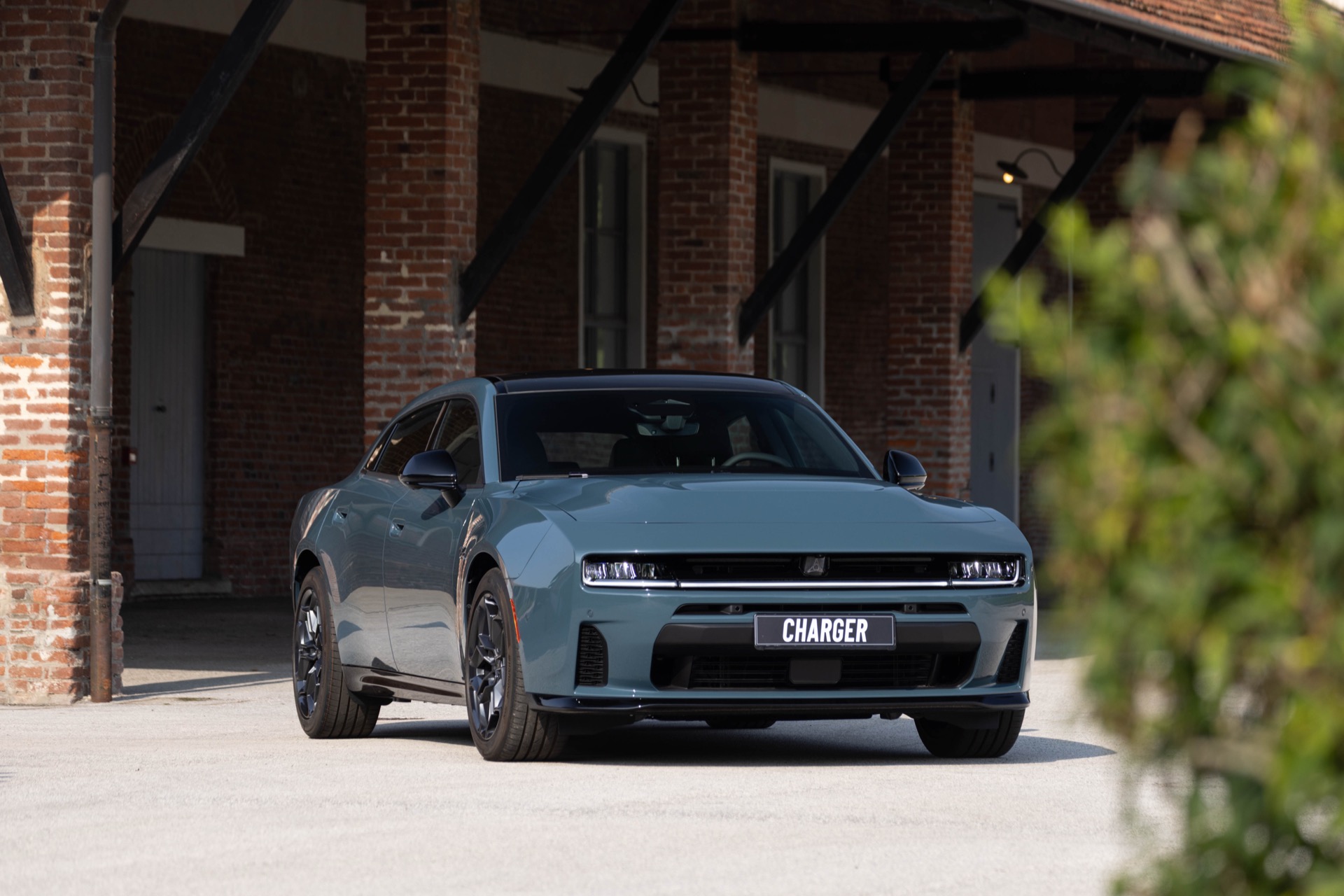
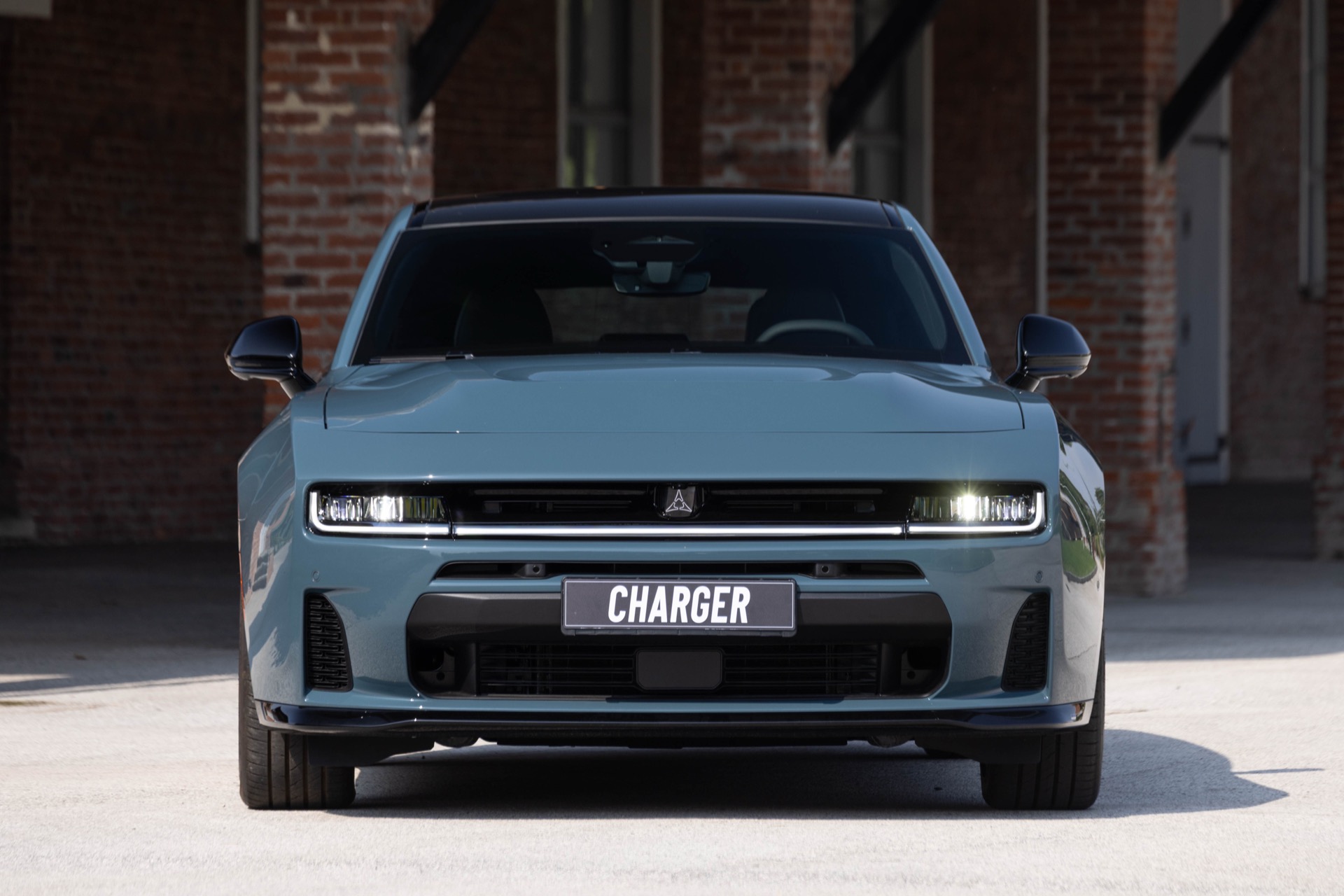
The new Dodge Charger is not quite the car muscle car nostalgia might lead you to expect. For one thing, it is no longer simply a V8 coupe with a bad attitude. This eighth-generation model is offered with two doors or four, petrol or electric power, standard all-wheel drive and enough digital performance systems to make the old formula feel almost quaint. It is still unmistakably Dodge, but it is also a very different interpretation of American muscle.
The range is broad. The petrol cars are called SIXPACK, powered by a 3.0-litre twin-turbo Hurricane straight-six. The R/T makes 420hp and 468lb ft, while the Scat Pack raises that to 550hp and 531lb ft. Dodge also offers the electric Daytona R/T with 536hp and the Daytona Scat Pack with 670hp, the latter capable of 0-60mph in 3.3 seconds. All versions are available as two-door coupes or four-door saloons, and all come with all-wheel drive, though the SIXPACK cars can send 100 per cent of torque to the rear wheels at the push of a button.
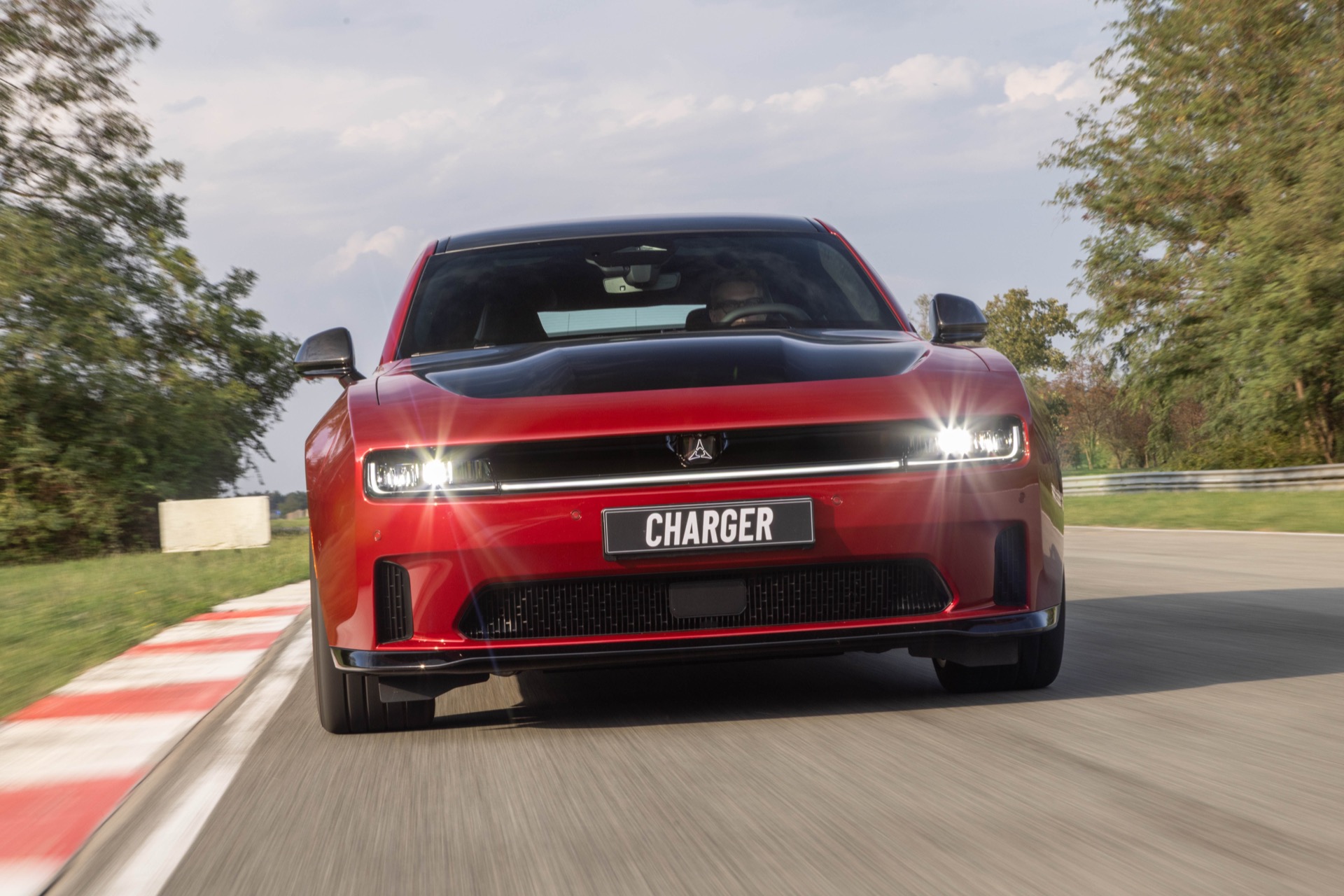
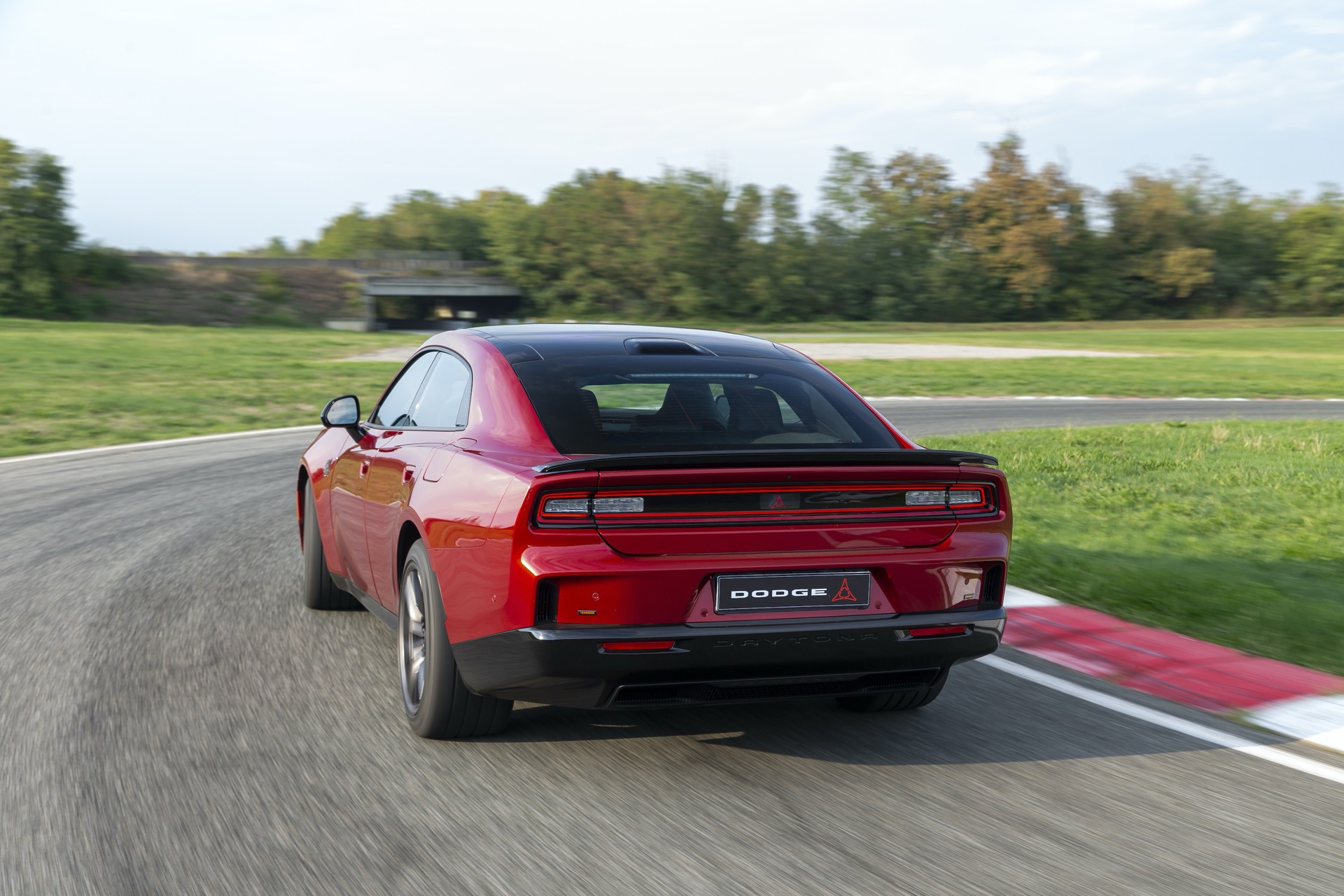
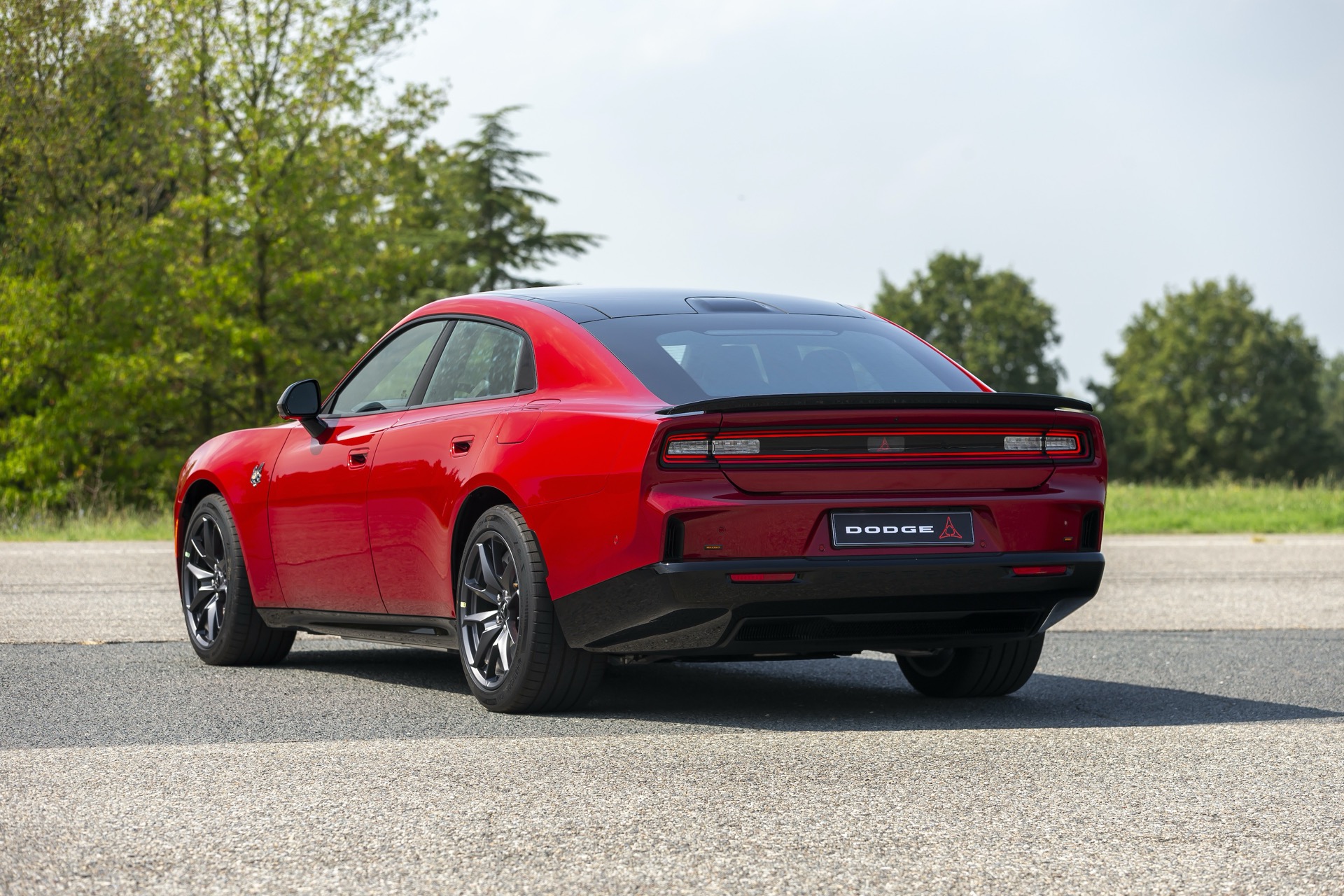
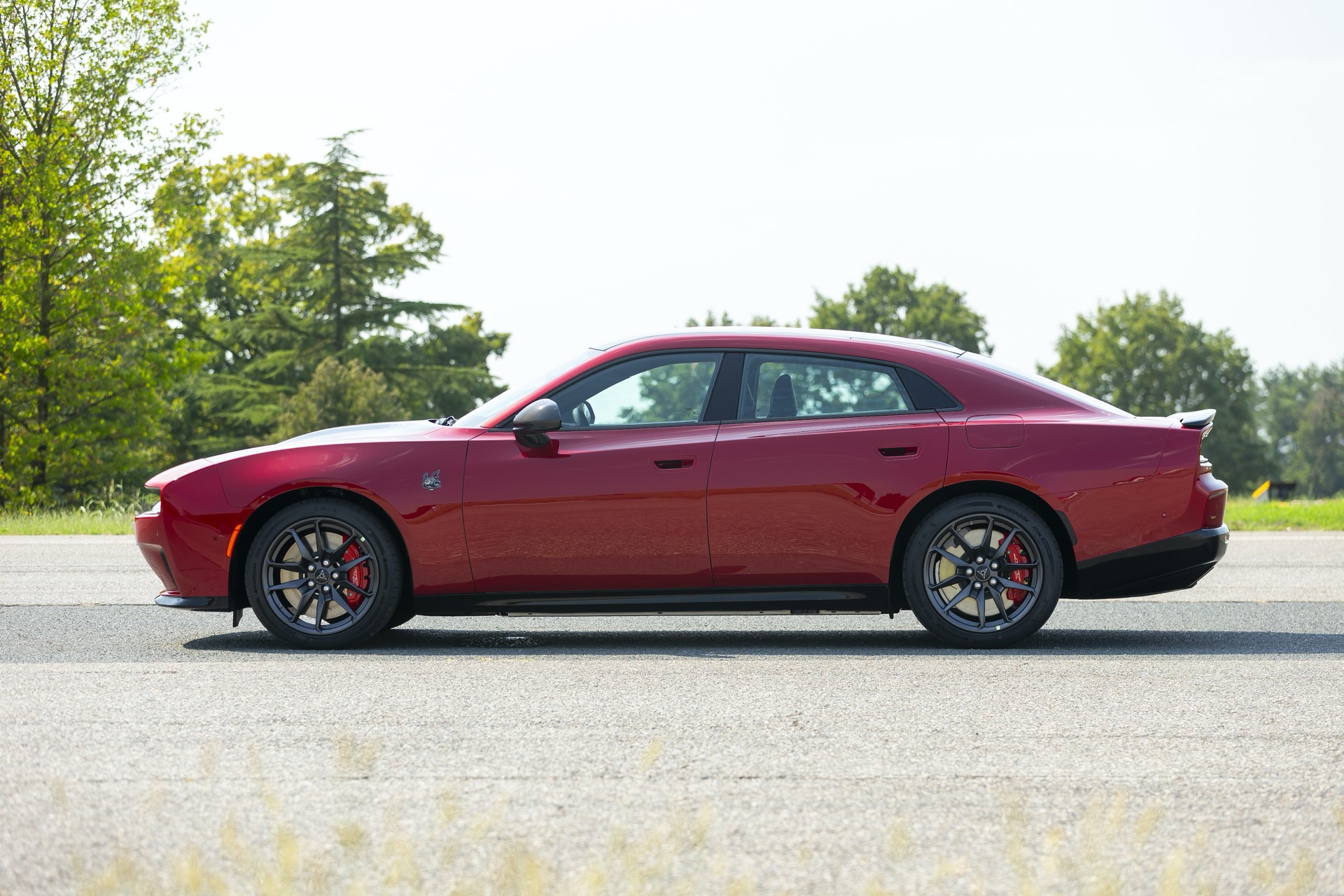
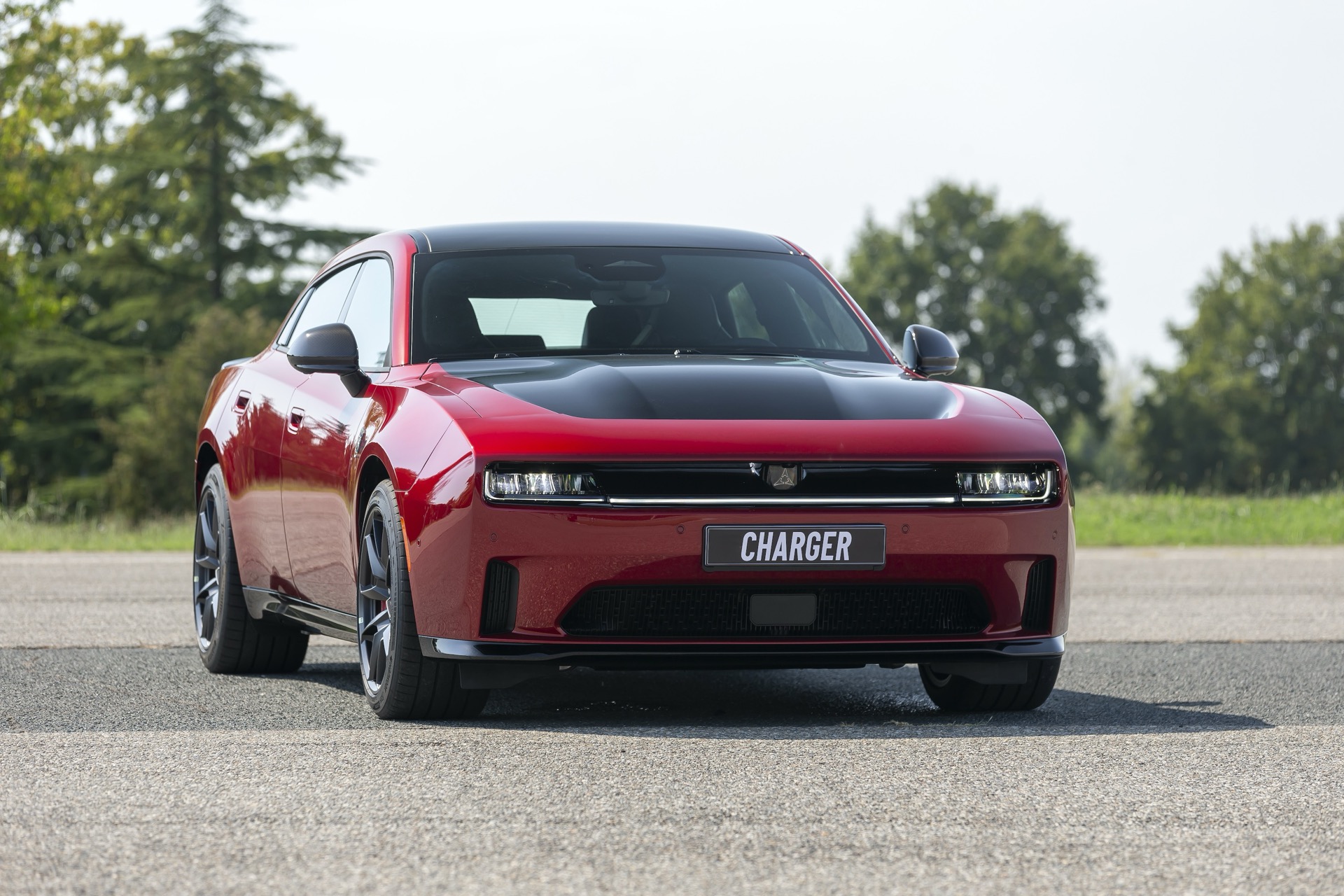
Roughly converted into euros from the European launch pricing, the two-door SIXPACK R/T sits at around €72,000, with the SIXPACK Scat Pack closer to €77,000. The electric Daytona R/T is nearer €89,000, while the Daytona Scat Pack rises to around €94,000. Four-door versions add a little more again, particularly in Daytona form, so this is not cheap Americana. It is a niche, officially imported European-market muscle car with a price tag that places it well beyond novelty purchase territory.
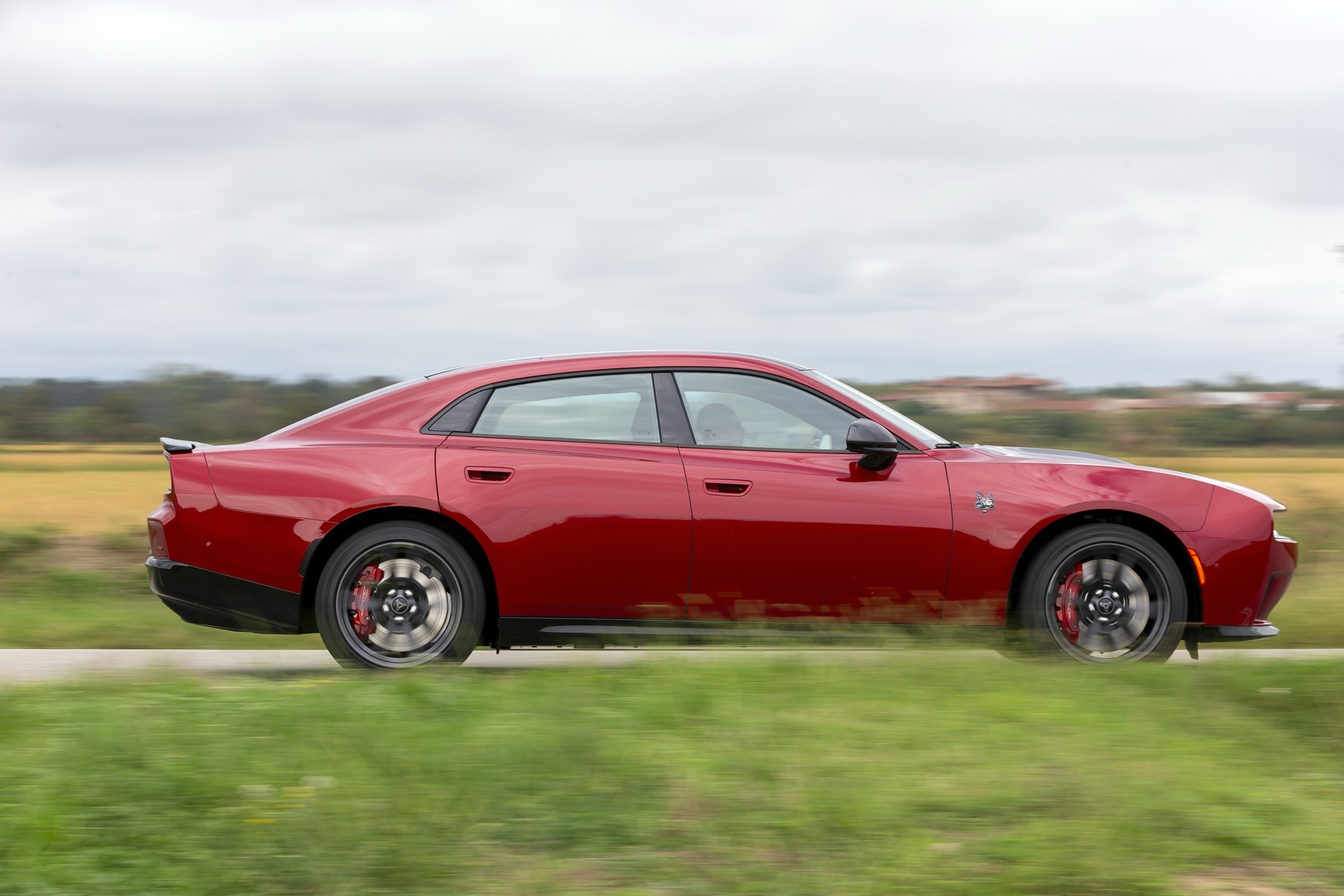
The car feels every bit as big as that positioning suggests. At more than five metres long and more than two metres wide, the Charger has proper road presence, but also proper mass. On the move, both petrol and electric versions feel heavy. Not clumsy exactly, but substantial in a way that defines the whole driving experience. Dodge has clearly engineered the car for street presence, straight-line performance and usable theatre rather than the precision you might expect from a European sports saloon.
That is not necessarily a criticism. The Charger has always been about attitude, and the new car still delivers plenty of that. The SIXPACK Scat Pack in particular is fast, muscular and entertaining in a way that feels true to the badge. The Hurricane straight-six may lack the romance of the old HEMI V8, but from outside the car it sounds surprisingly good. Inside, though, Dodge’s desire to preserve V8 character becomes more obvious. The active exhaust is supplemented by speaker-enhanced sound, and while it gives the car some of the drama buyers may expect, it also feels slightly unnecessary. The straight-six has its own voice. It does not need to spend quite so much time pretending to be something now retired.
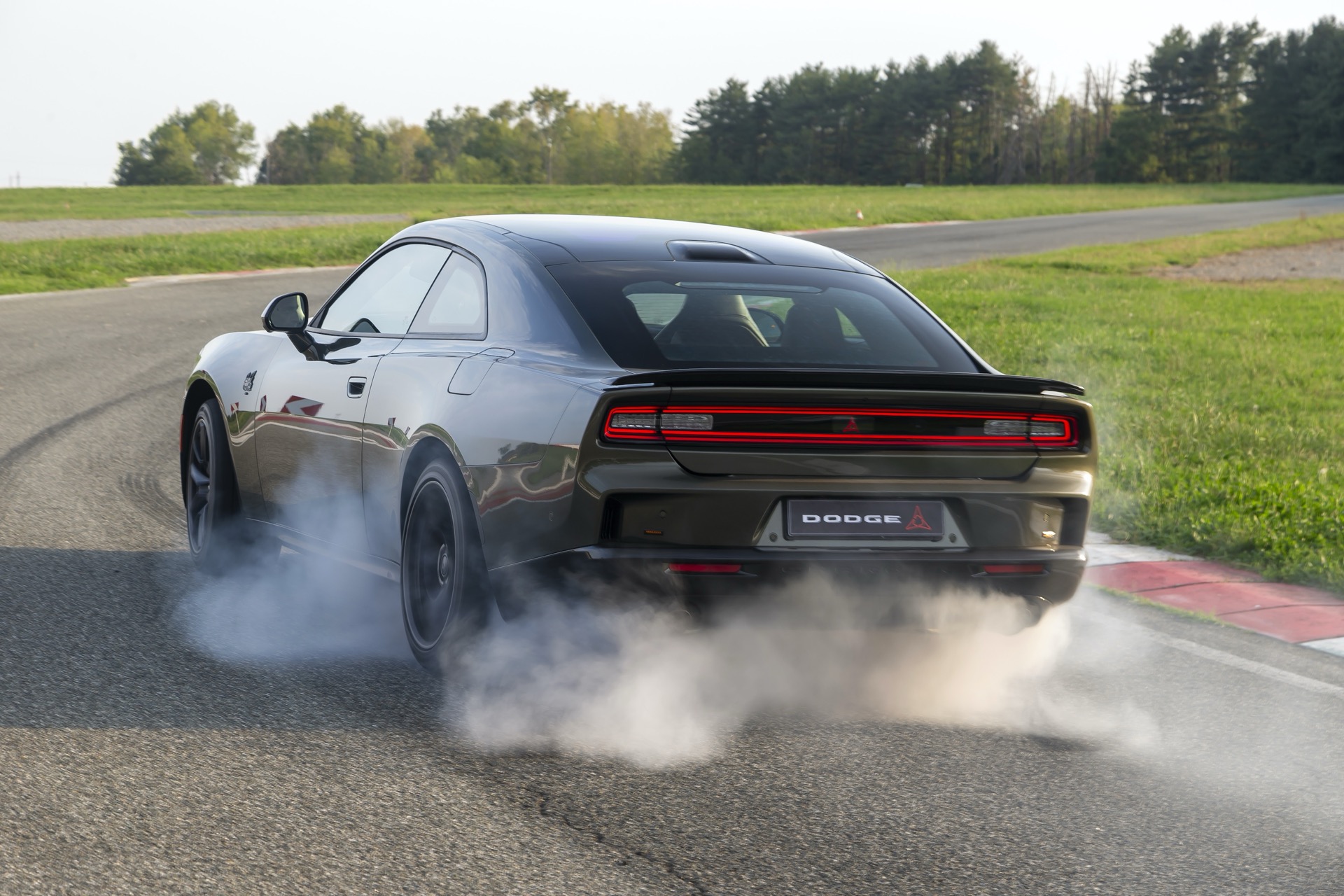
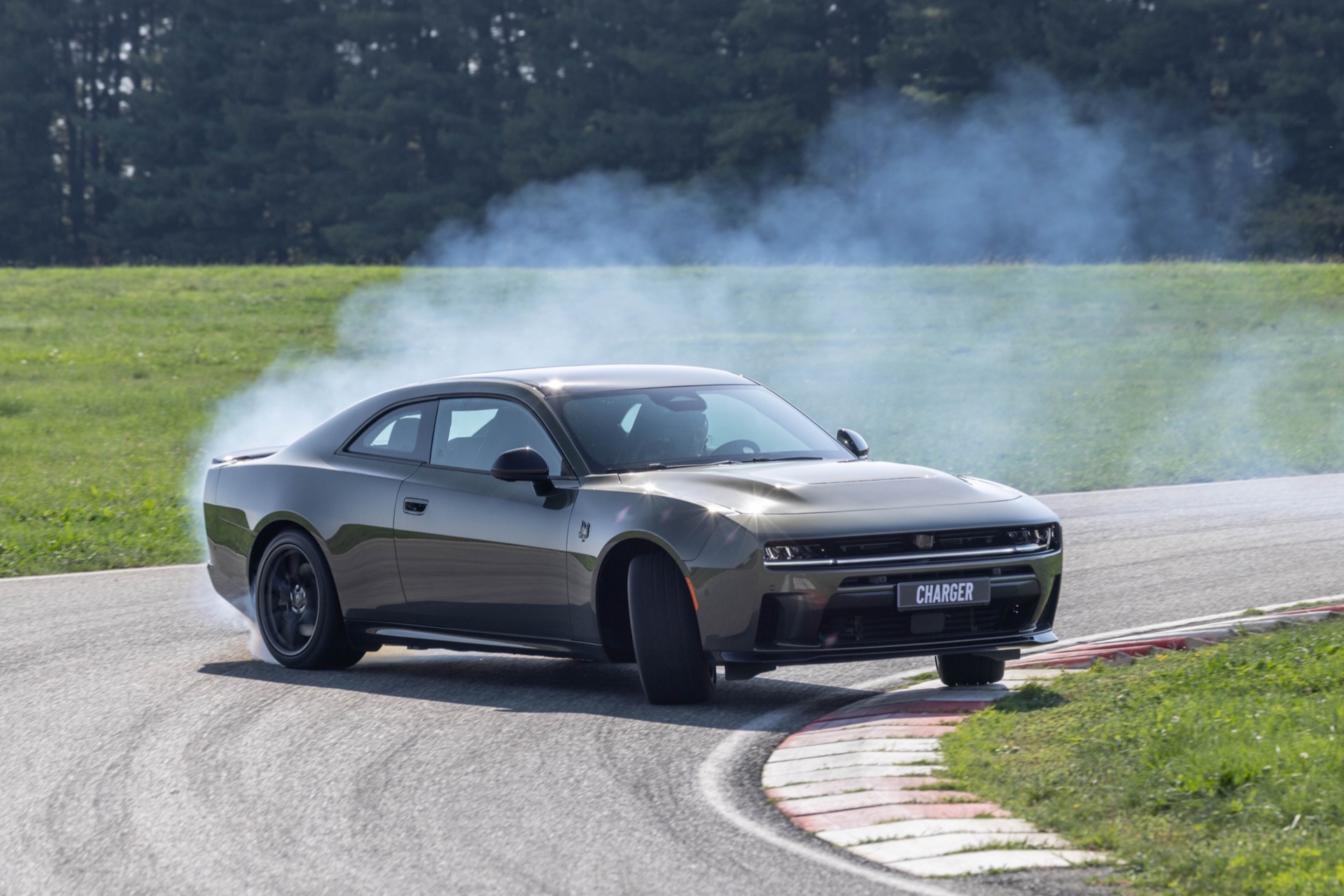
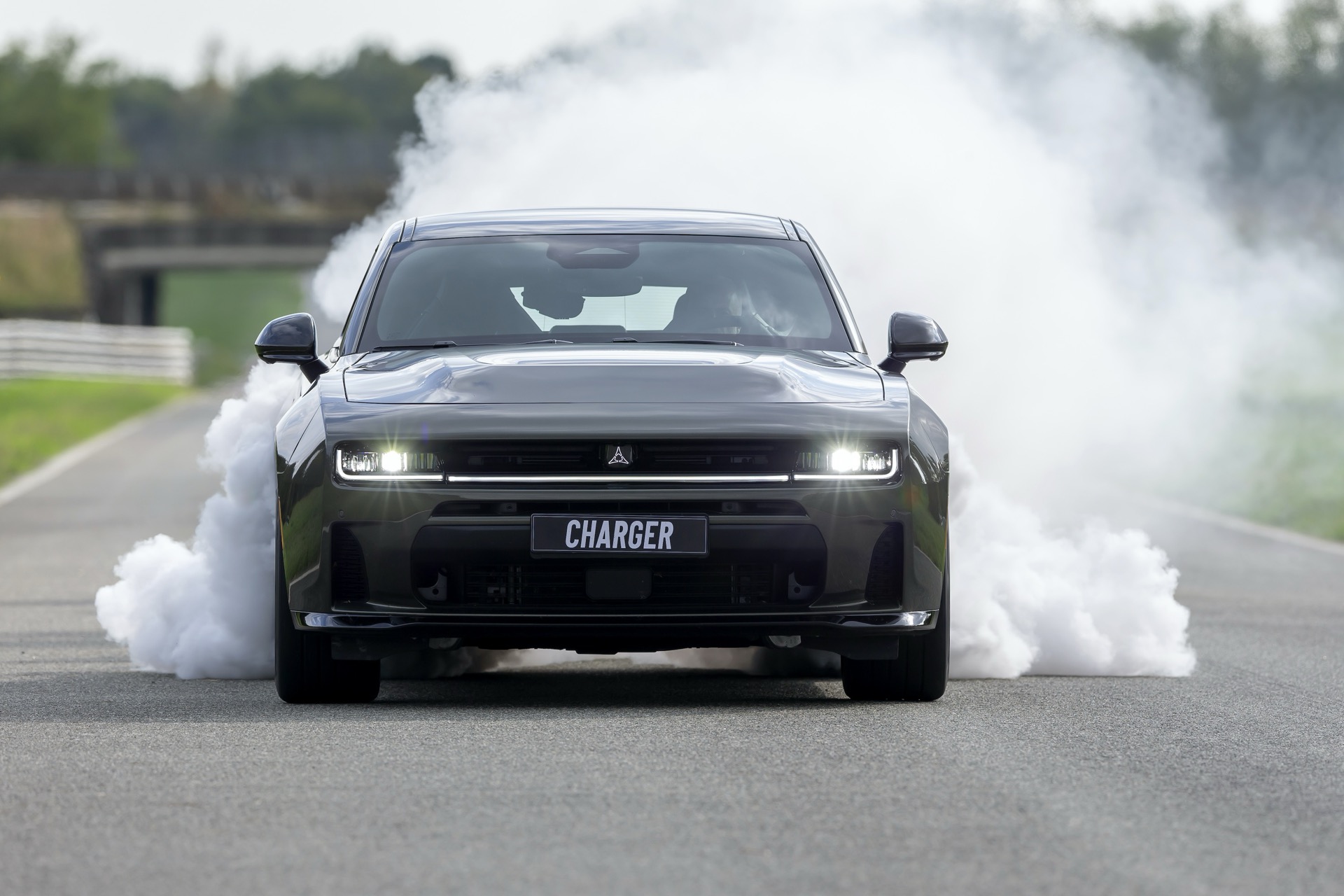
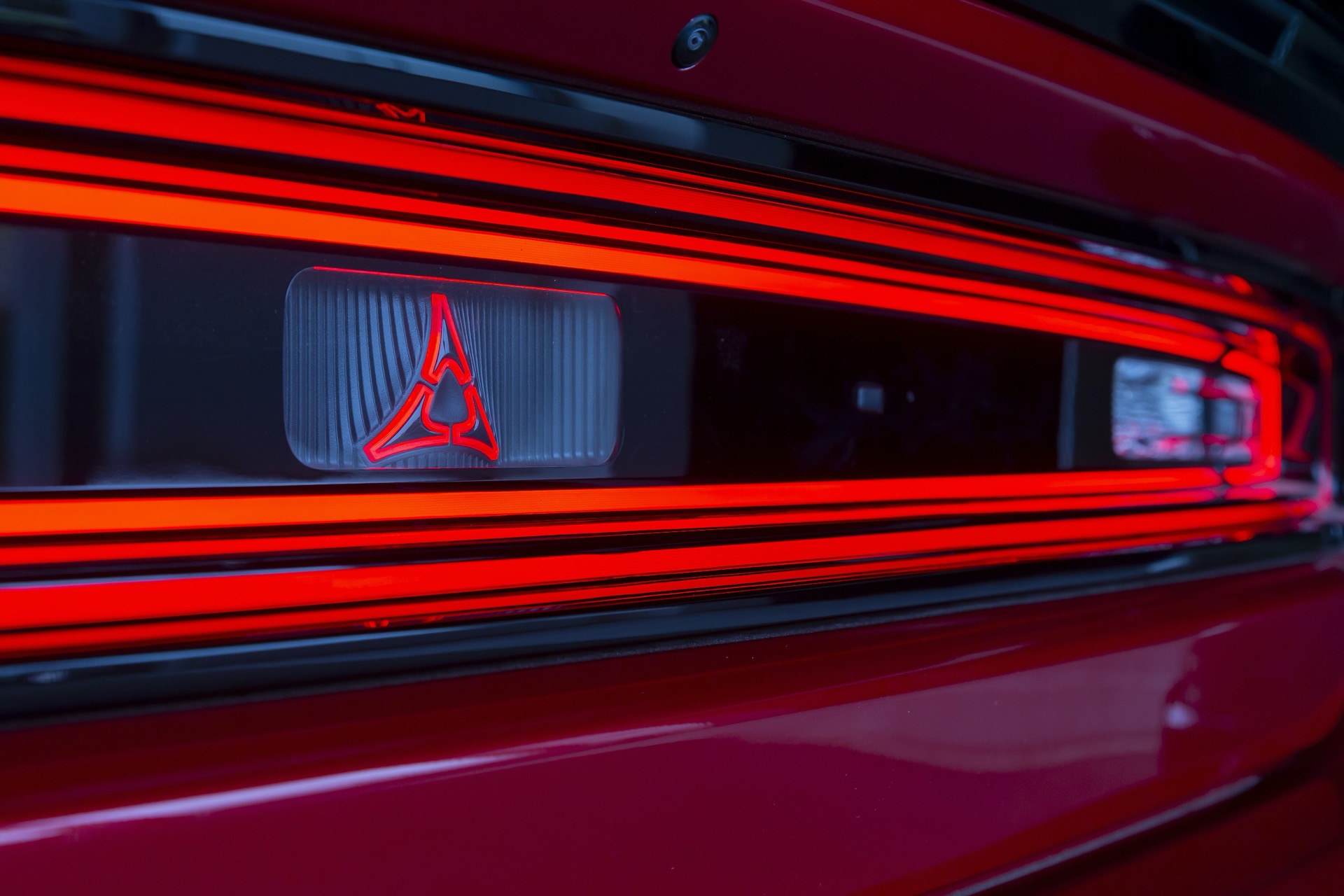
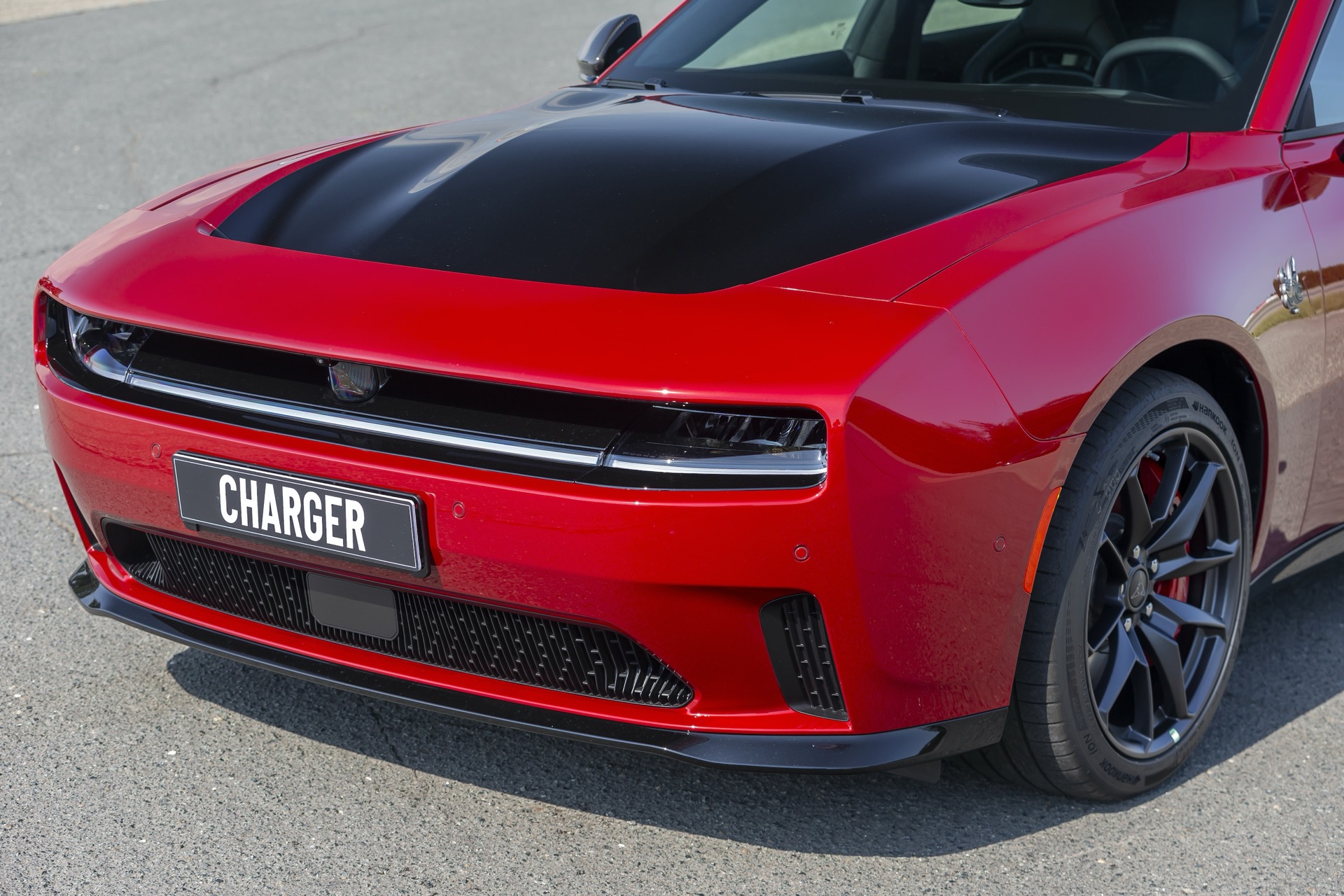
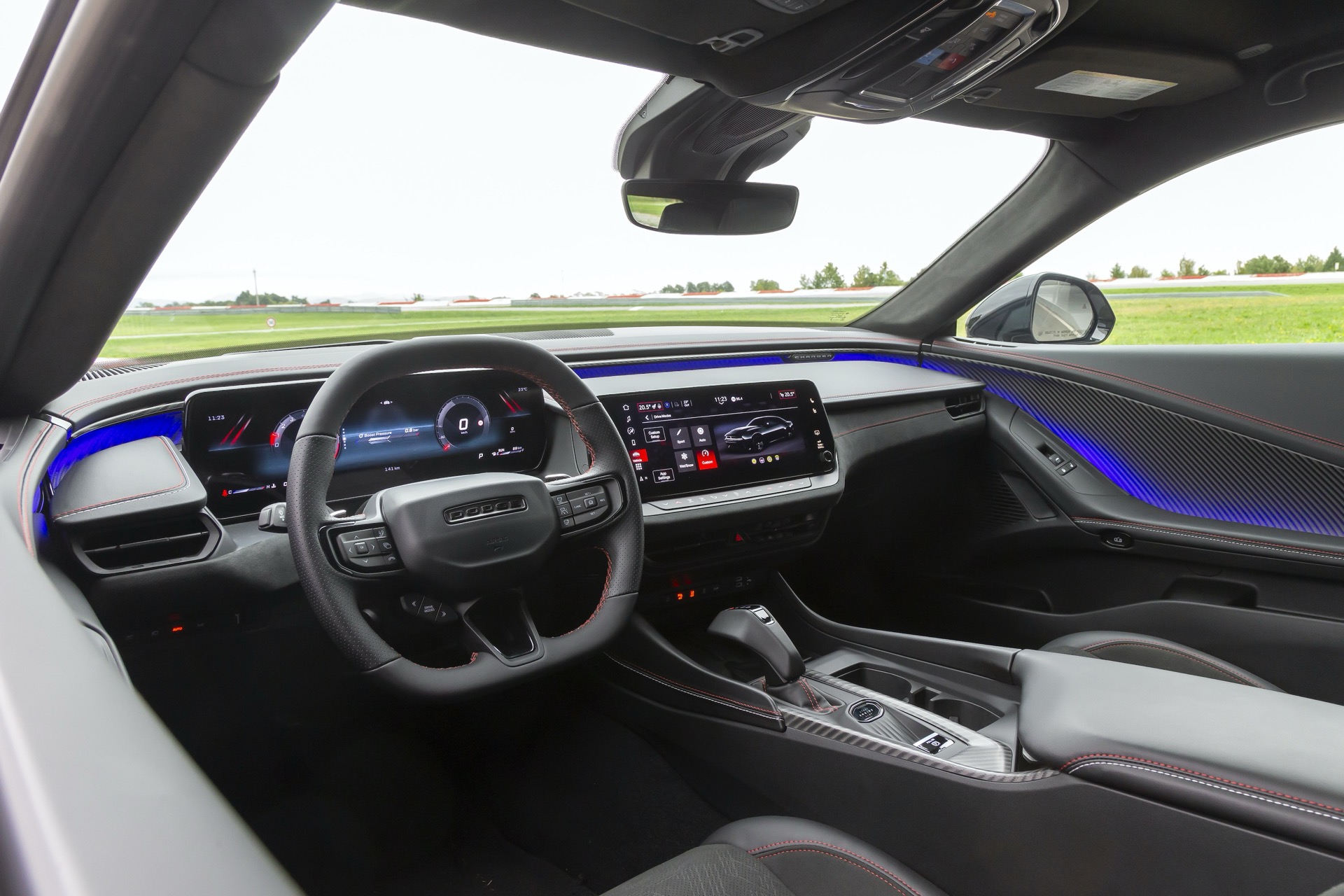
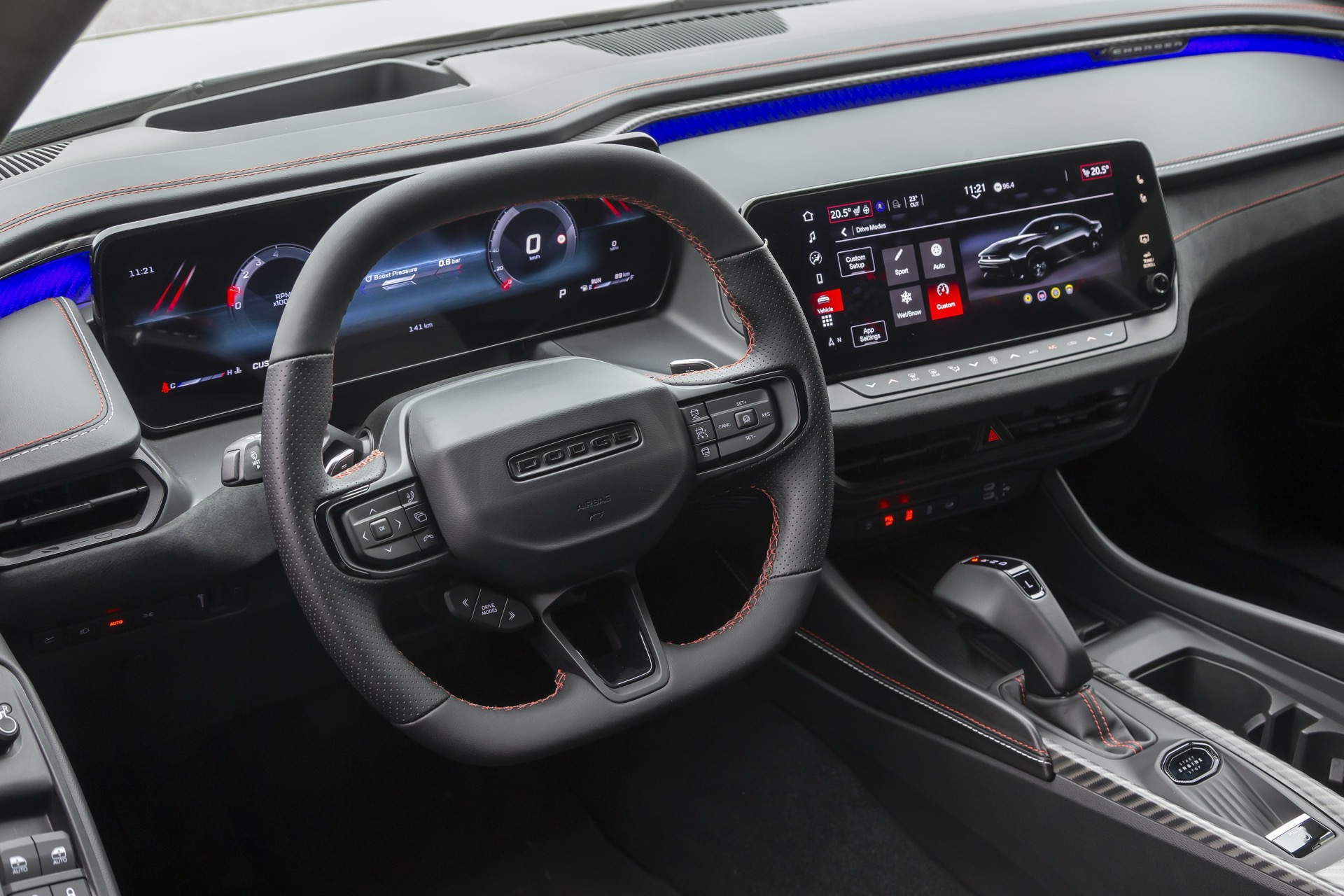
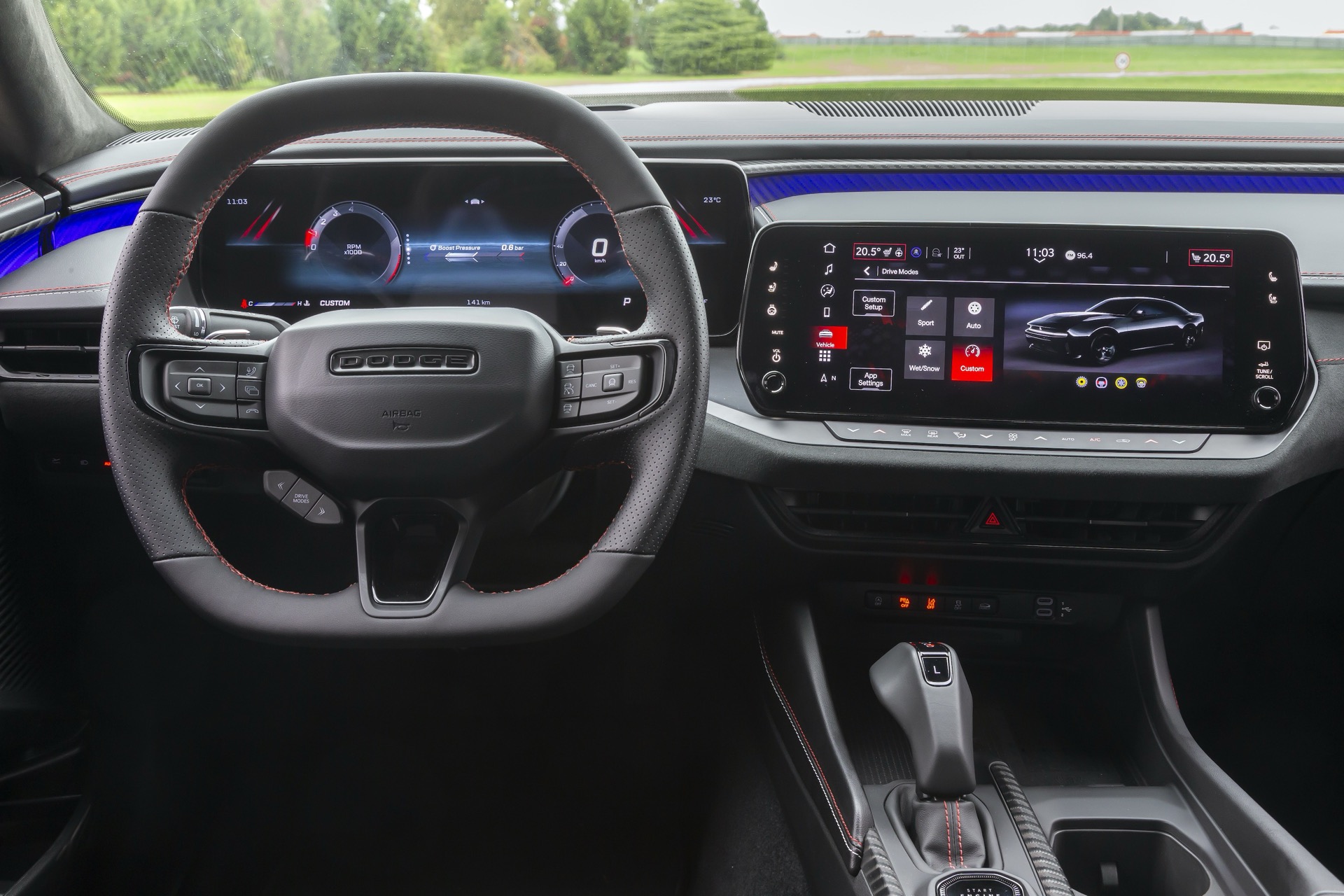
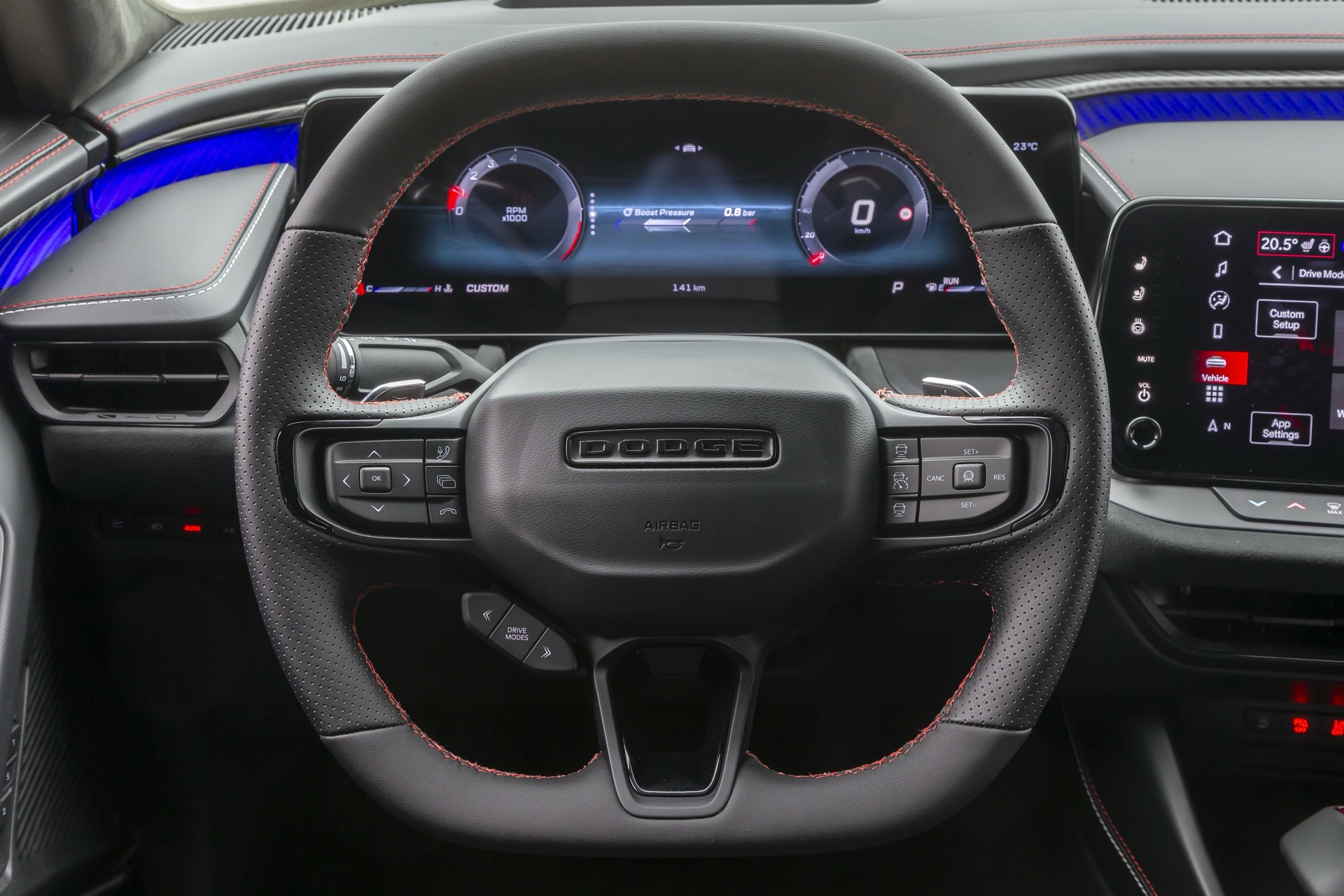
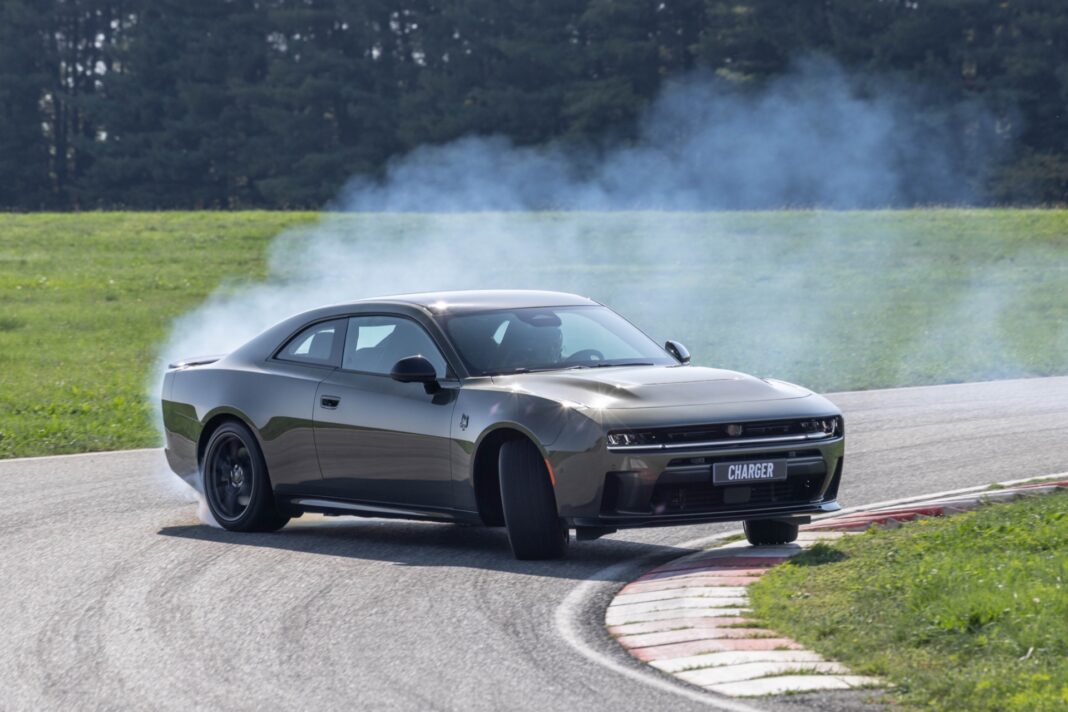
The same tension applies to the electric Daytona. Dodge has worked hard to give it personality, most notably through the Fratzonic Chambered Exhaust, which uses passive radiators to create an artificial sound profile. It is more interesting than a silent EV, and it does give useful speed context, but it can also feel contrived. PowerShot adds another 40hp for 10 seconds, while Drift/Donut Mode gives the Daytona Scat Pack a rear-biased setup for controlled oversteer. Dodge deserves credit for trying to make an electric muscle car feel distinctive, but the SIXPACK still feels like the more natural fit.
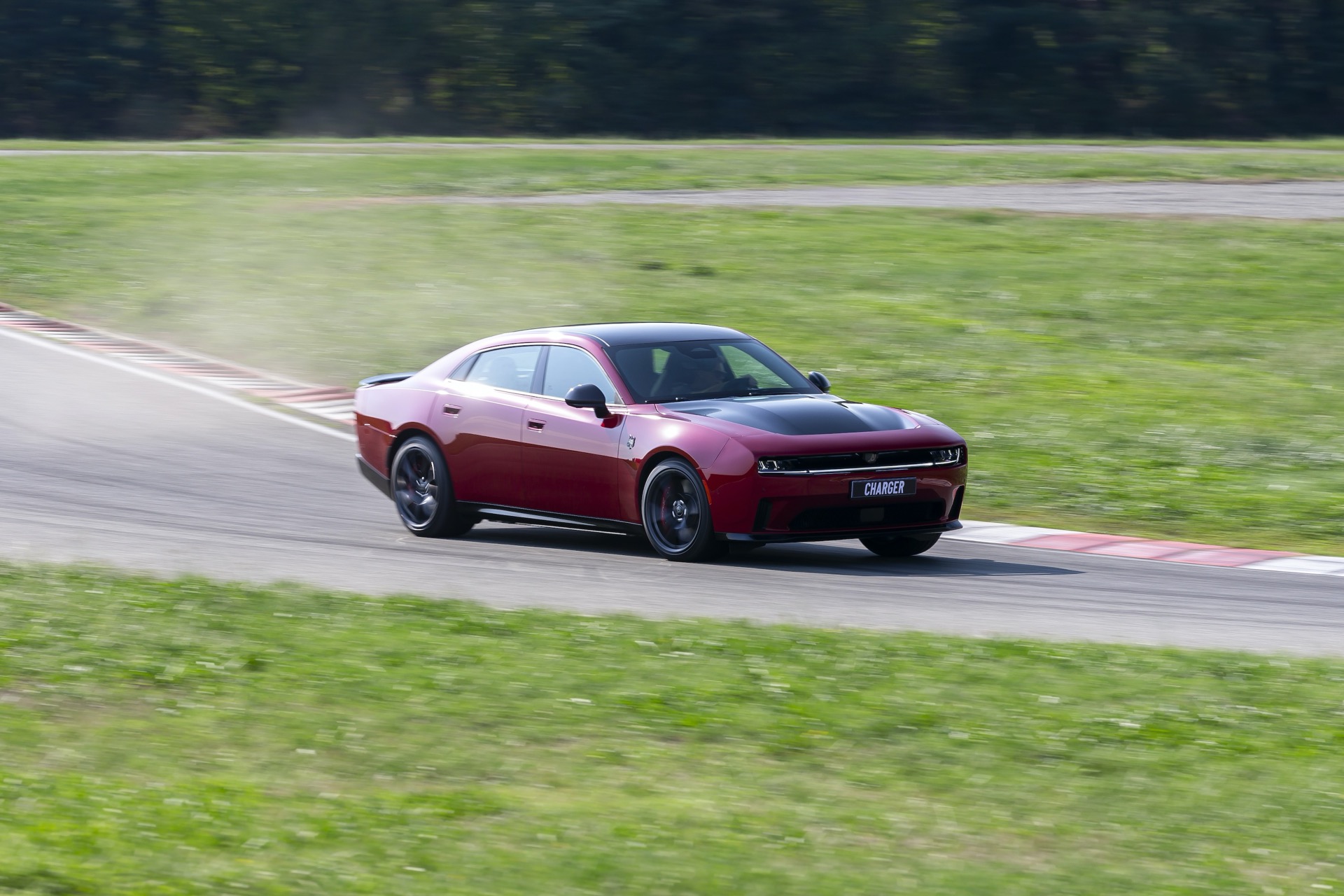
On a passenger ride in the petrol Scat Pack, the Charger felt soft and heavy. There was body movement, the weight was obvious, and the car seemed happier playing to its straight-line strengths than pretending to be a precision circuit tool. Line Lock, Launch Control and RWD functionality are all very much part of the appeal, and Dodge has engineered the car with multi-link front suspension, an independent rear setup, adaptive damping and serious Brembo braking hardware on higher-performance models. But the underlying character is still broad-shouldered and street-biased rather than genuinely track-focused.
The gearbox does little to disguise that. The eight-speed automatic is fine in normal driving, but in manual mode it can feel a little slow-witted, particularly in a world of razor-sharp dual-clutch gearboxes and expertly calibrated performance EVs. It suits the car’s more relaxed muscle character, but it also reminds you that the Charger is not chasing the same dynamic target as an M3, M4 or RS5.
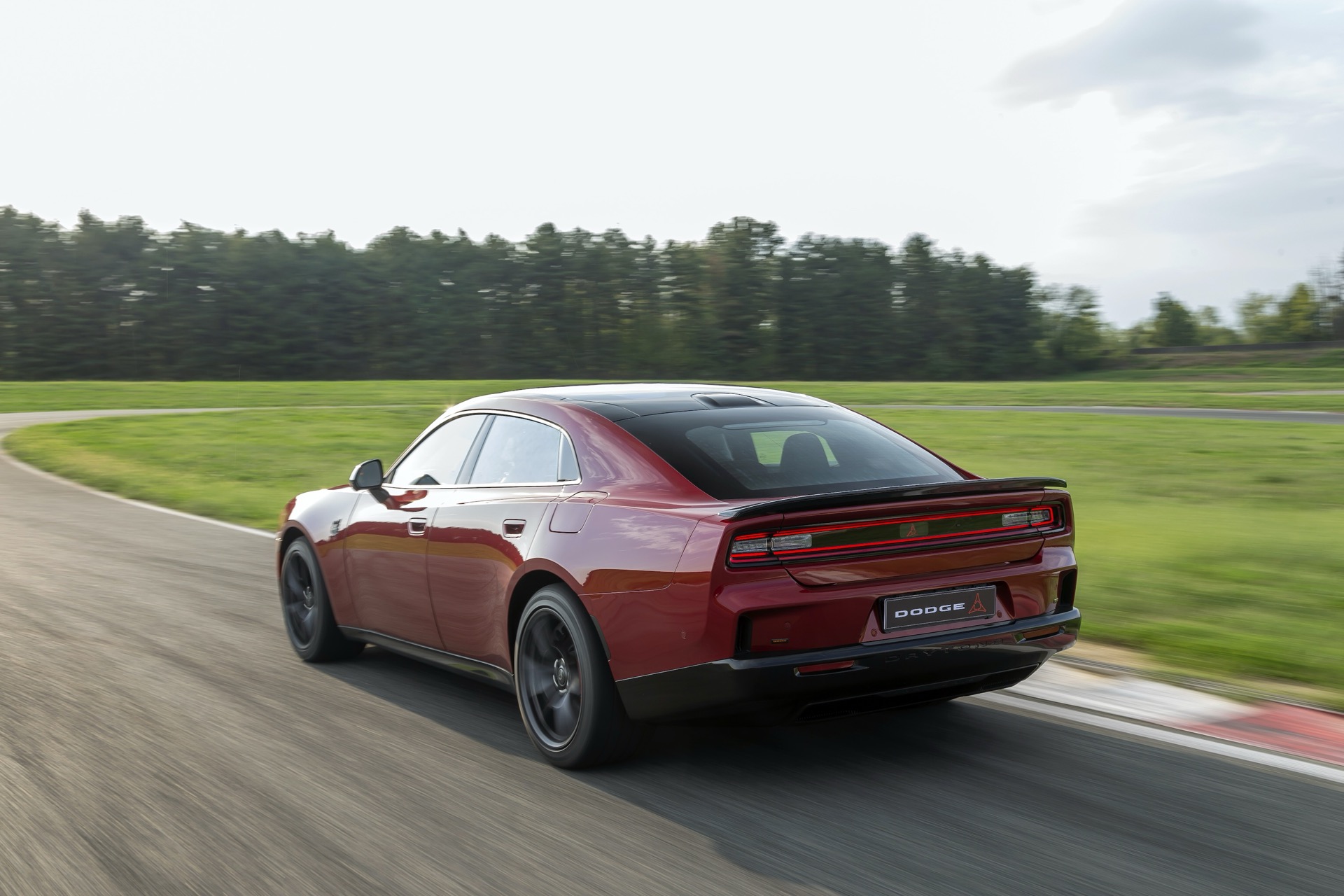
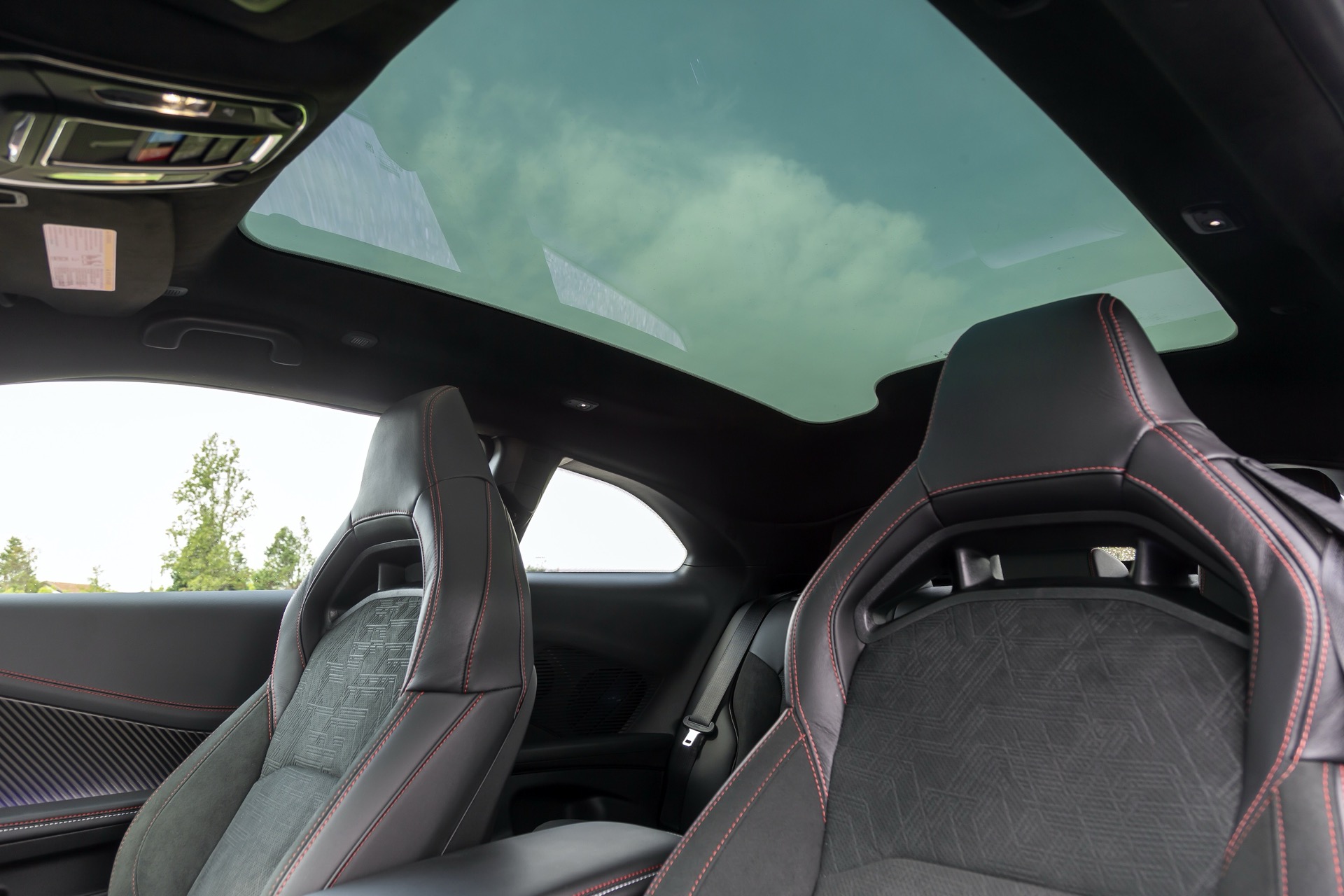
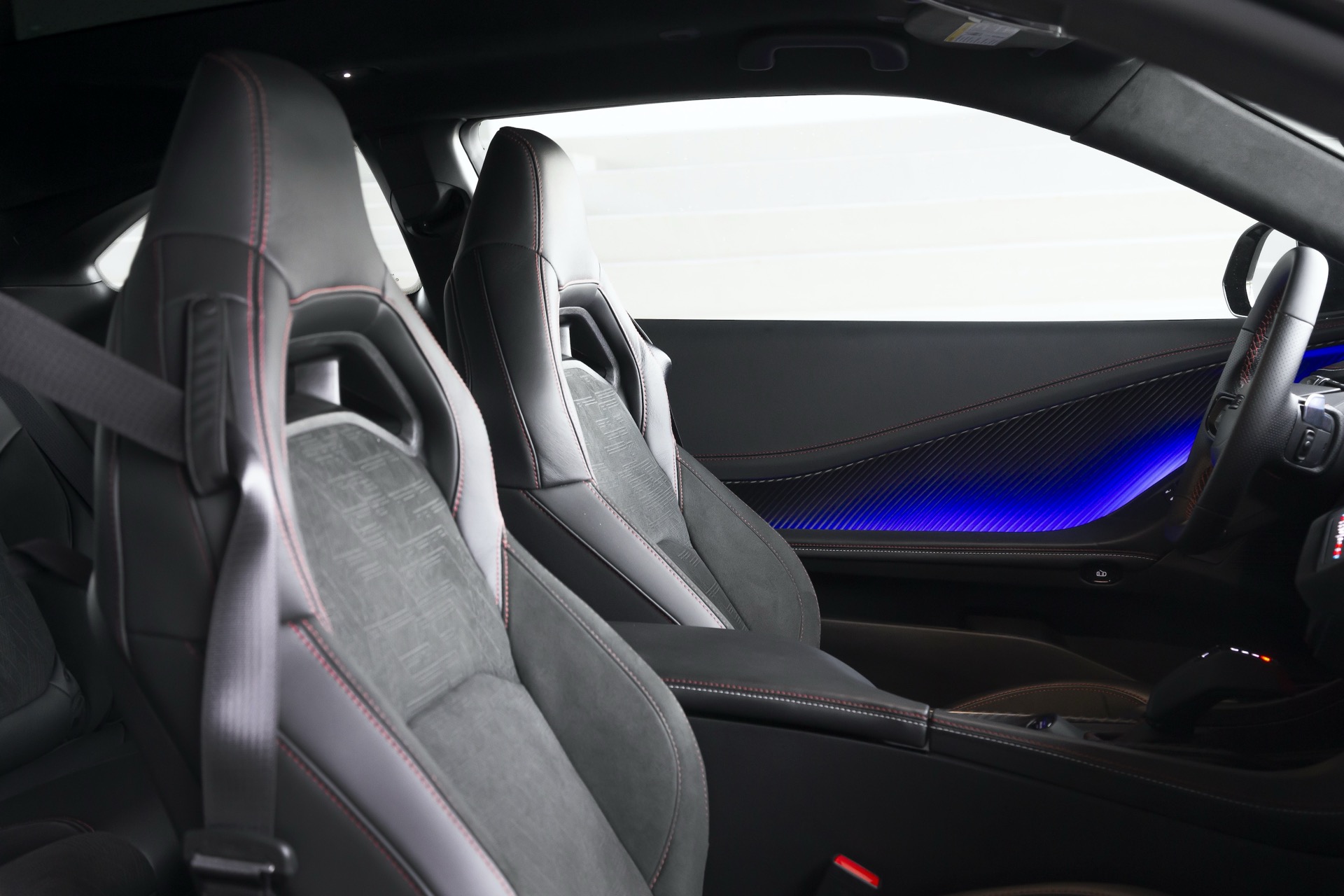
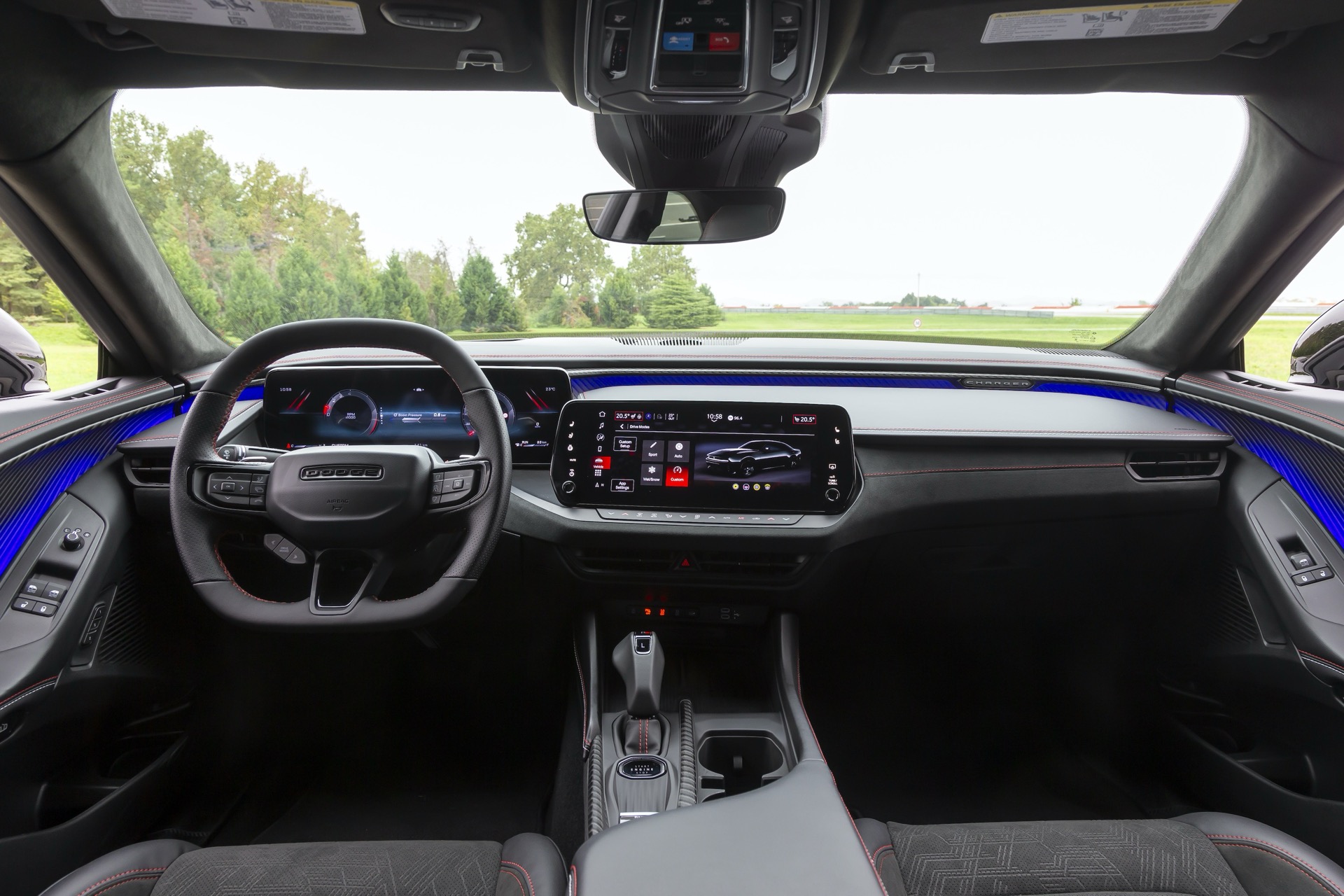
Where the Dodge really scores is space and usability. The cabin is vast, rear room is excellent, and the hidden hatchback tailgate gives it a level of practicality the old Challenger never had. Dodge claims seating for five and up to 1,064 litres of rear cargo capacity, making this much more useful than its muscle car silhouette suggests.
The result is a car that is flawed but fascinating. It is too large for many European roads, too heavy to feel agile and still working out how to replace the emotional pull of the V8. But it also has character, presence, space and a sense of fun that is increasingly rare. The new Charger is not a Mustang rival in the traditional sense. It is bigger, stranger and more compromised, but also more versatile. Built for the street more than the circuit, it remains unmistakably Dodge: loud in personality, even if not always in cylinder count.