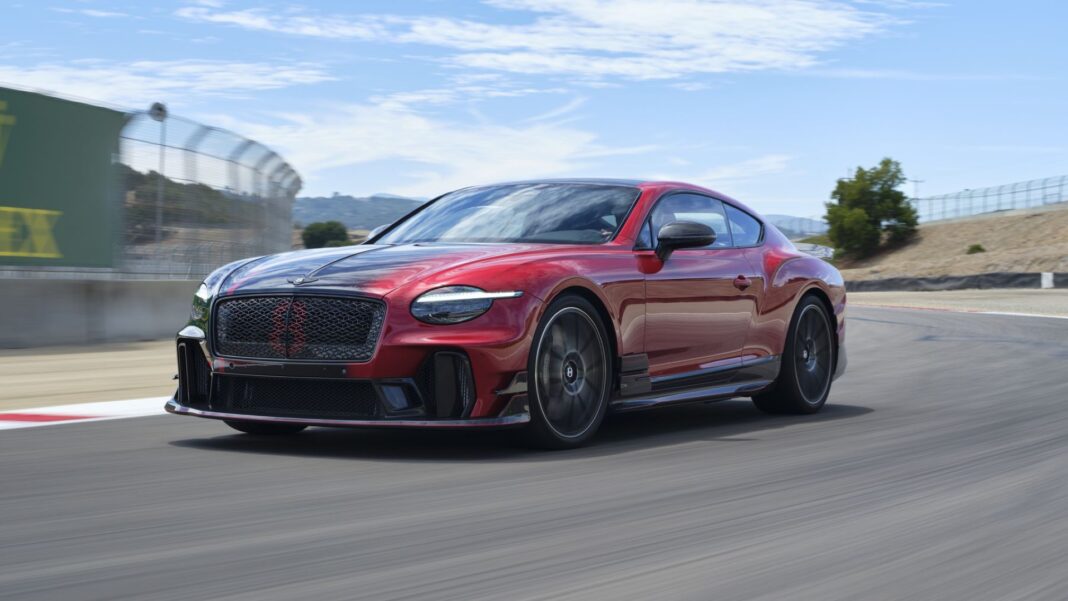
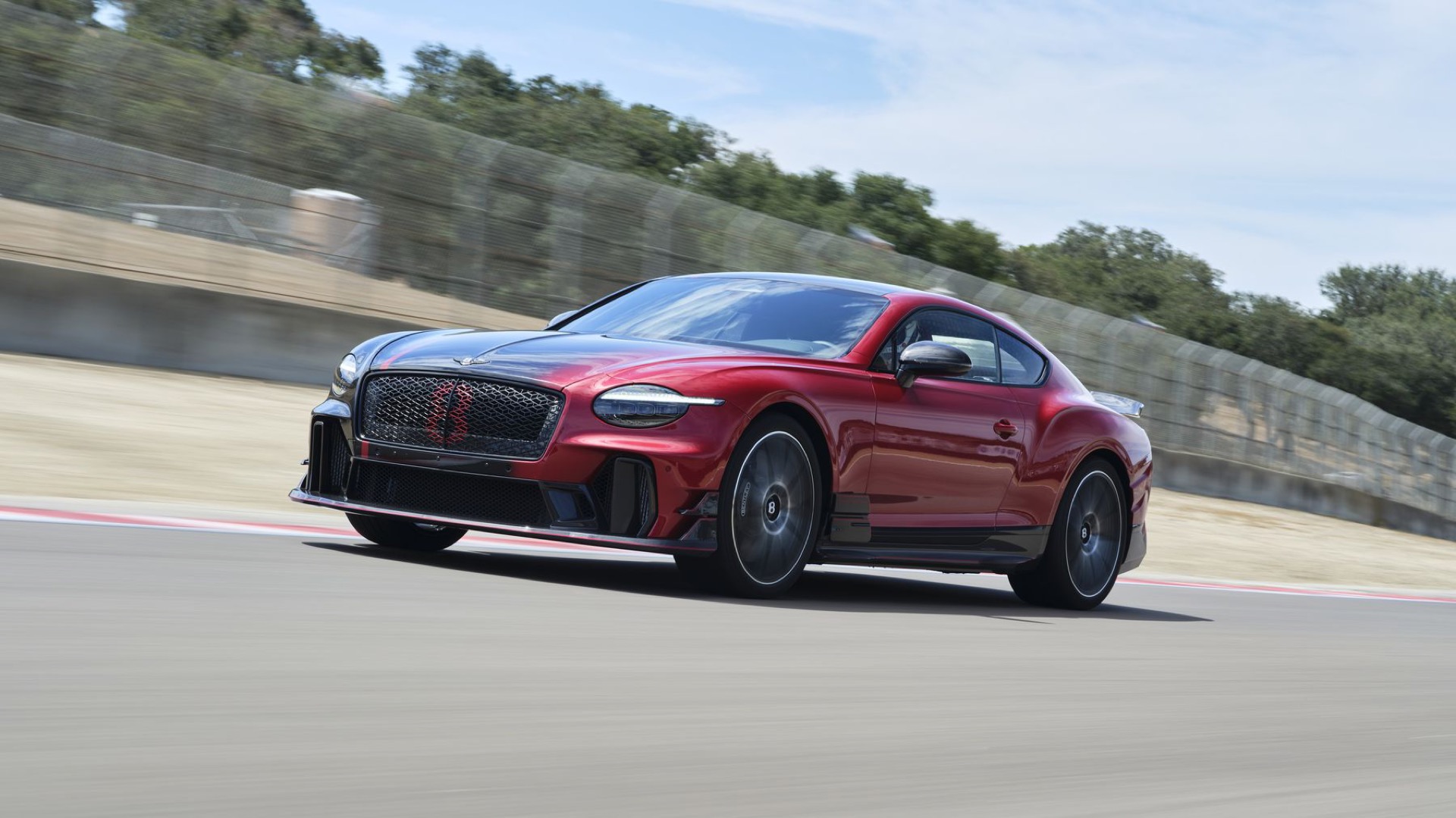
Bentley wants to attract a younger generation of drivers with the new Continental Supersports. To do it, the engineers in Crewe have put the Continental GT on a serious diet, removed its hybrid hardware and all-wheel drive, and added an aerodynamic package with more than a hint of Porsche influence. The rear seats have gone, too.
A small group of engineers gets together with an idea for a more sporting car. Volkswagen enthusiasts will know the story well; it is essentially how the original Golf GTI came about. History has repeated itself, although this time not in Wolfsburg but in similarly picturesque Crewe.
During the summer of 2024, a handful of Bentley engineers began wondering what a Continental GT weighing less than two tonnes and driven exclusively through its rear wheels might be like. In September, they presented the idea to new Bentley boss Frank-Steffen Walliser, who was immediately receptive. The Stuttgart-born engineer previously headed the Porsche 911 programme and has made no secret of his ambition to attract younger drivers to the British luxury marque.
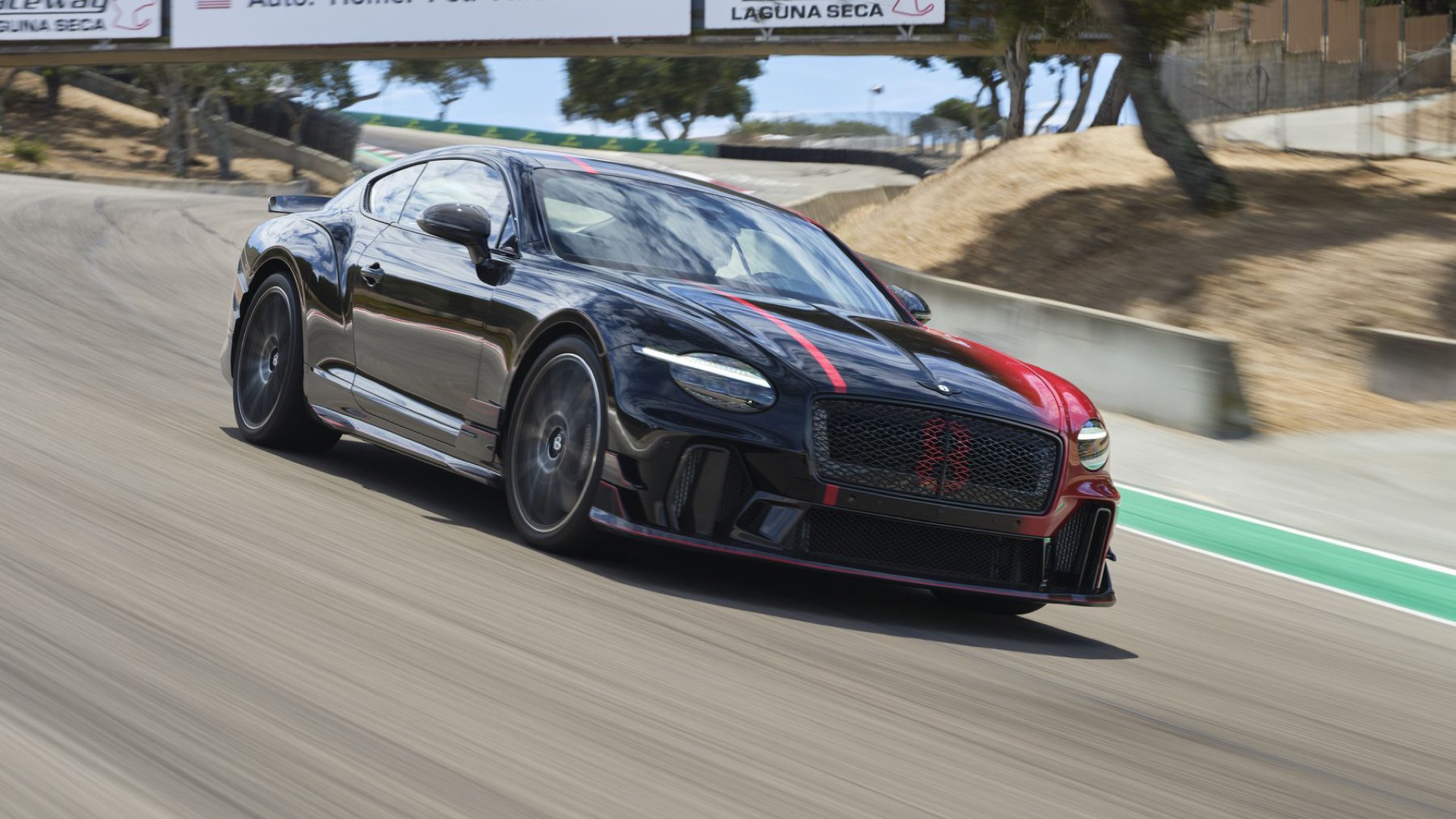
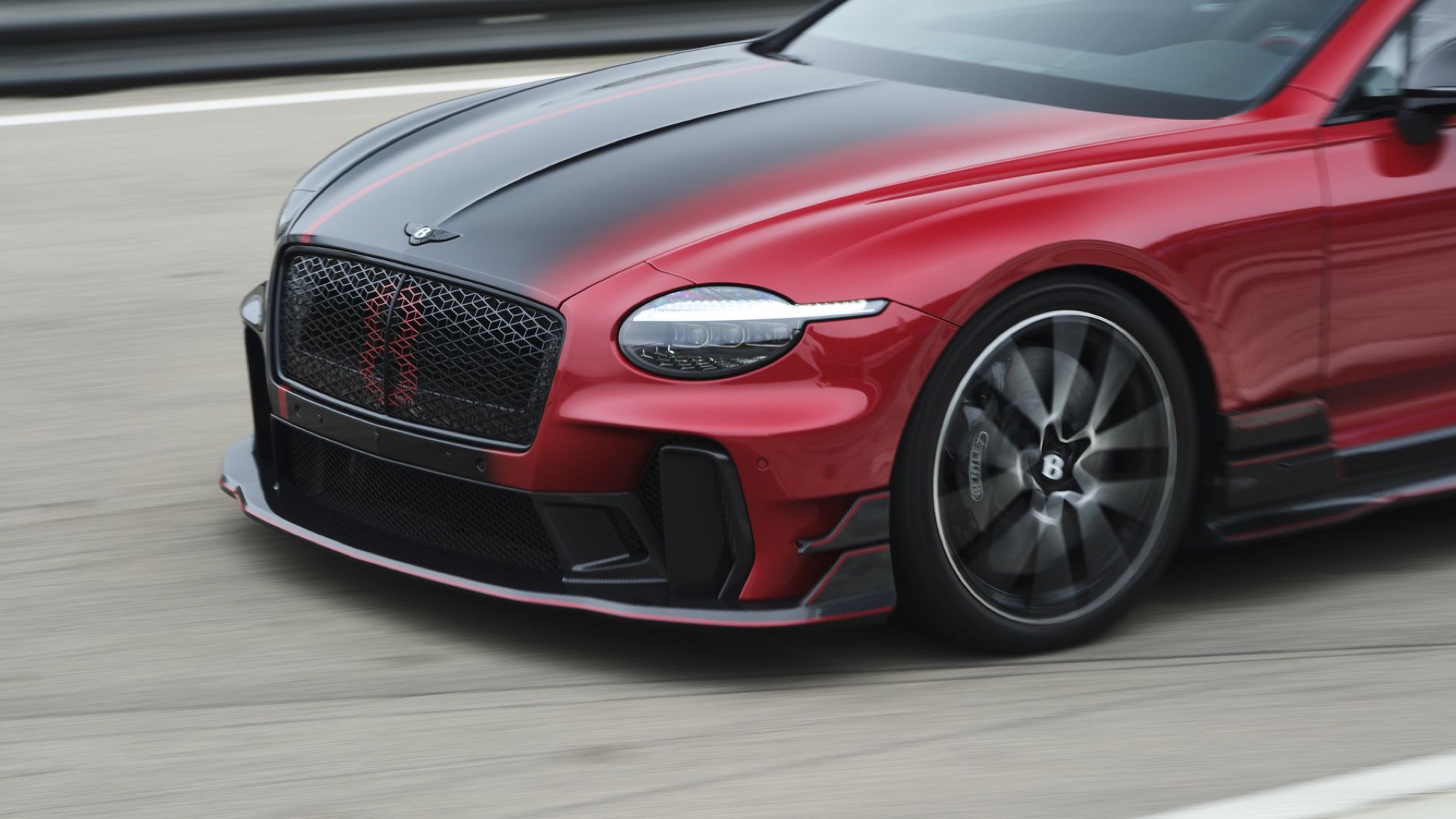
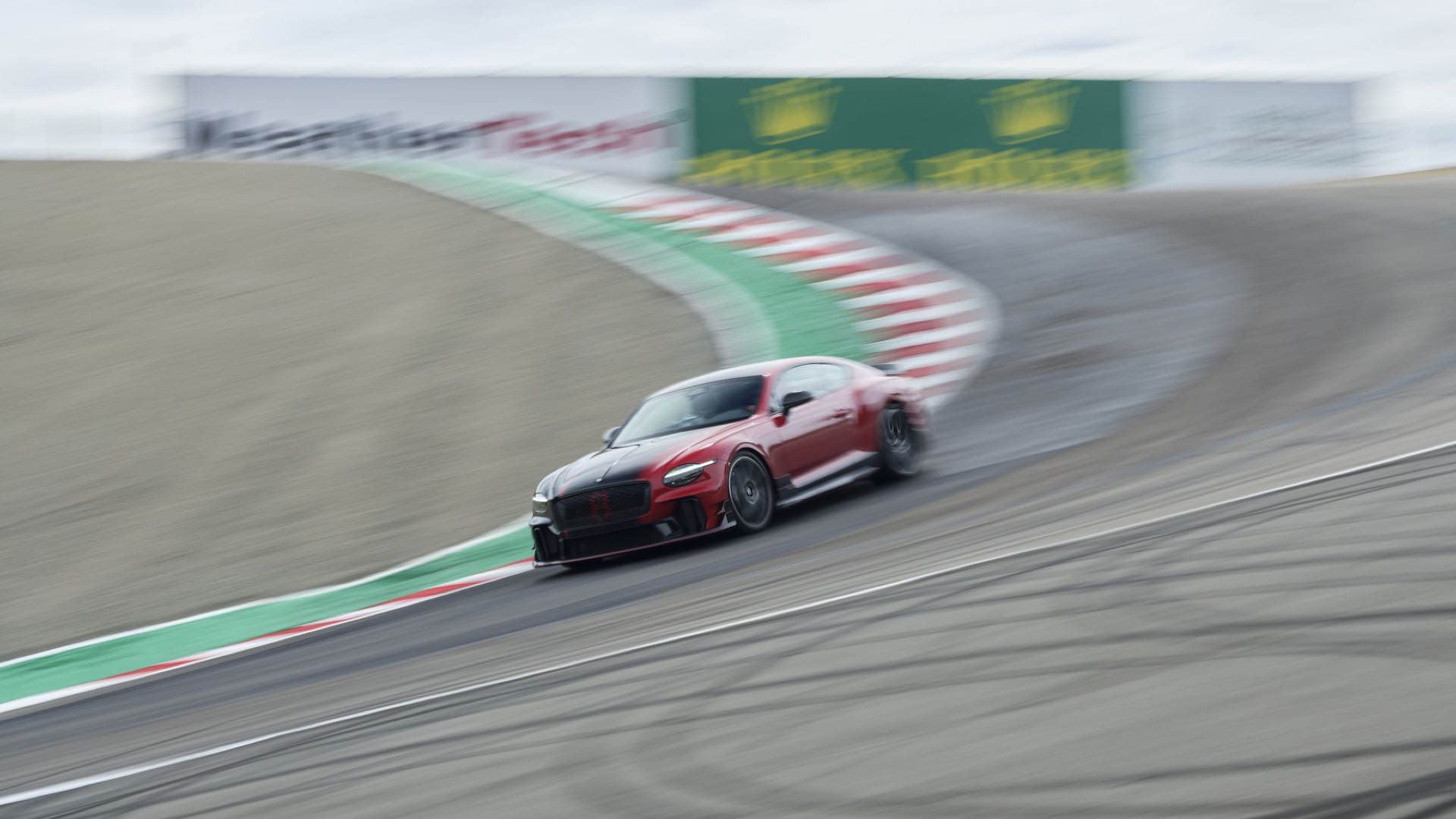
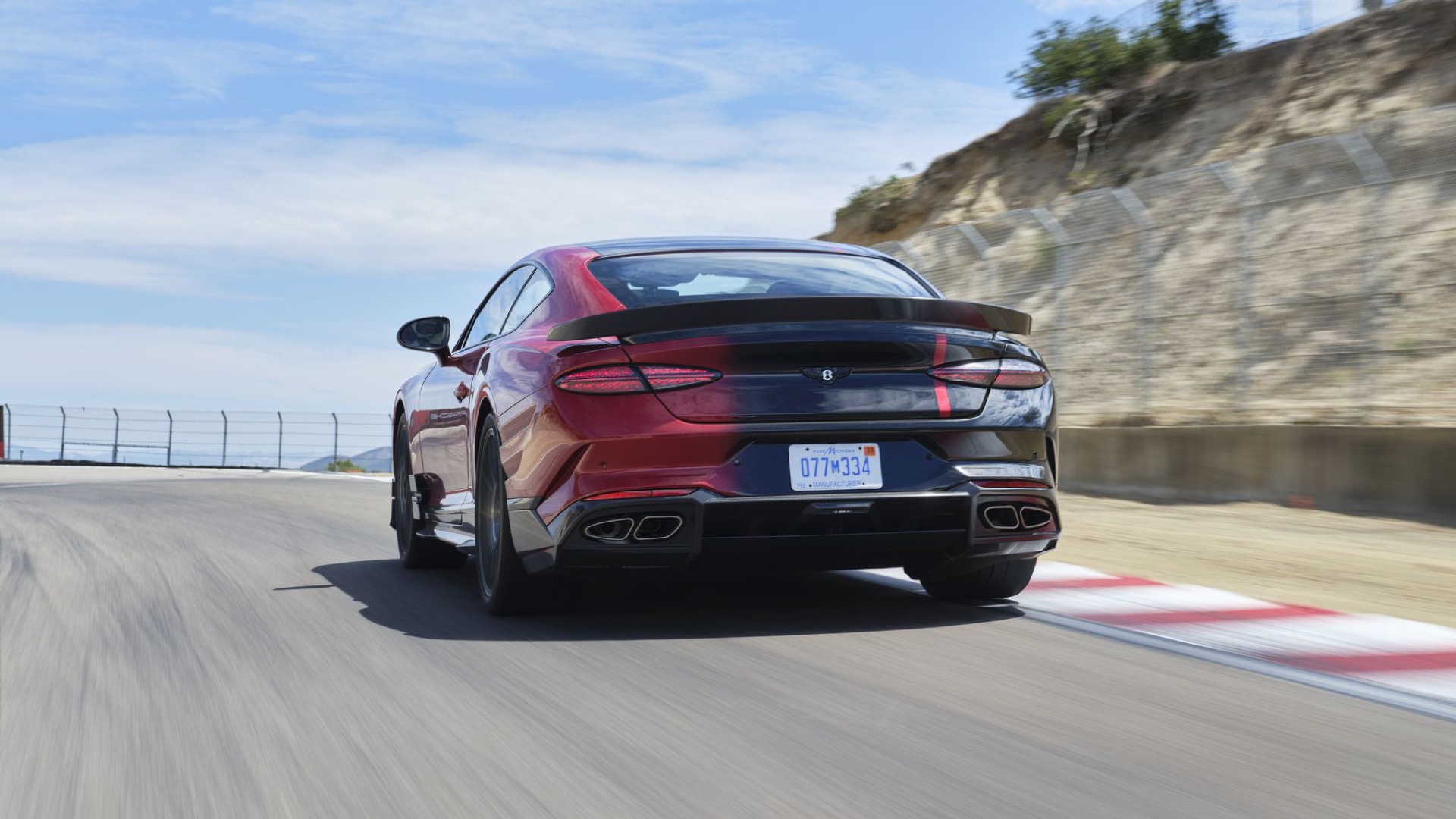
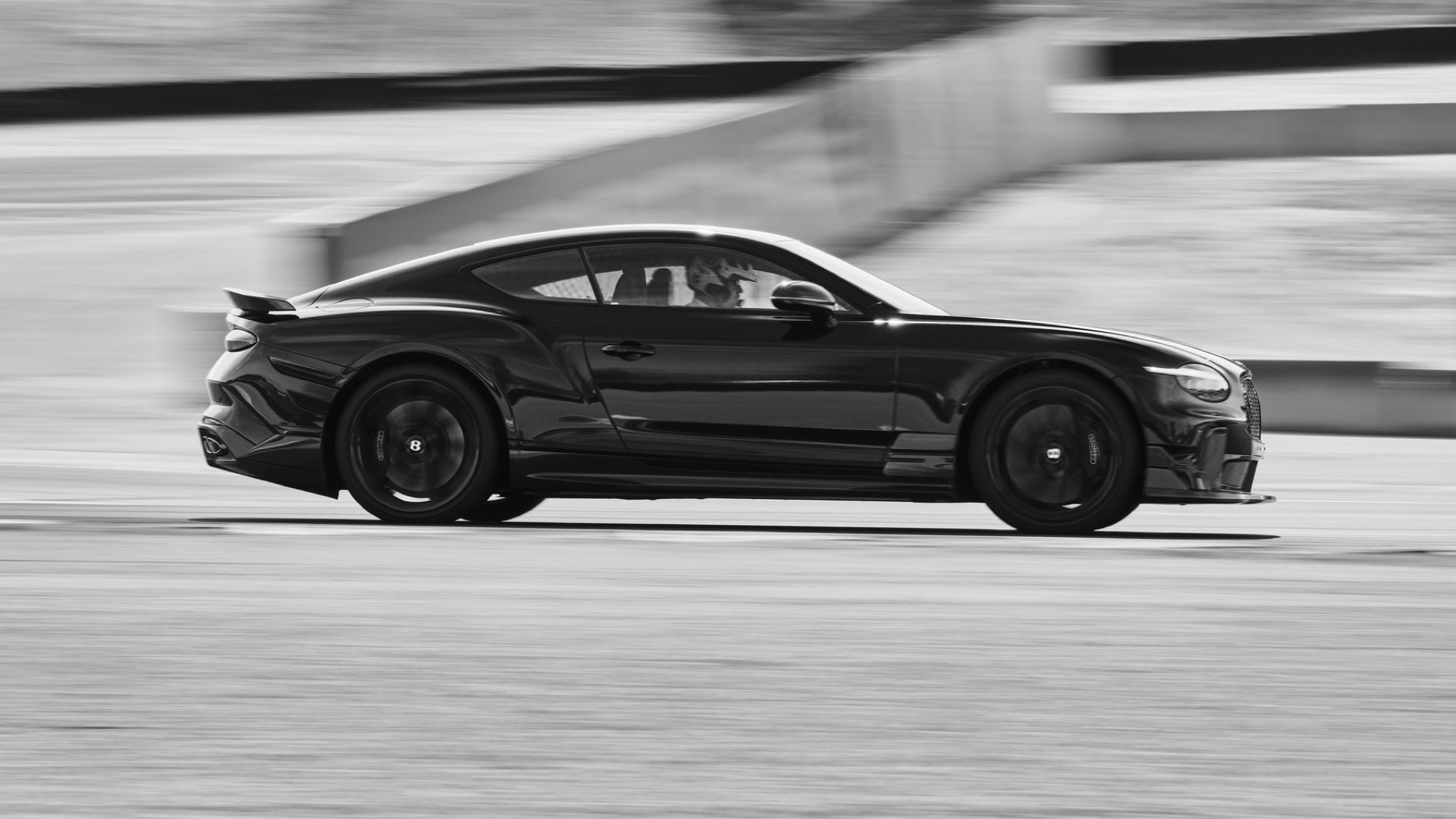
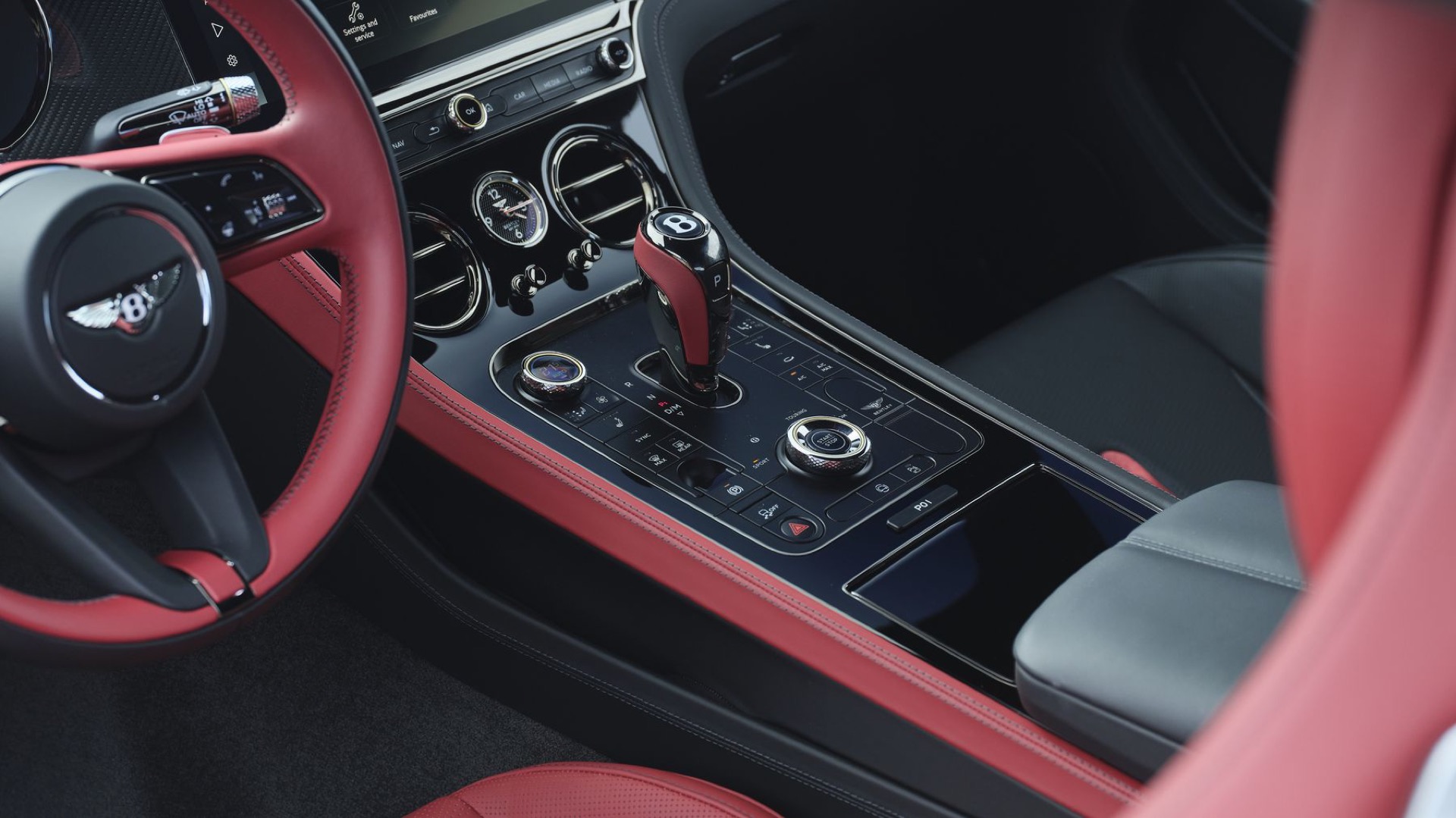
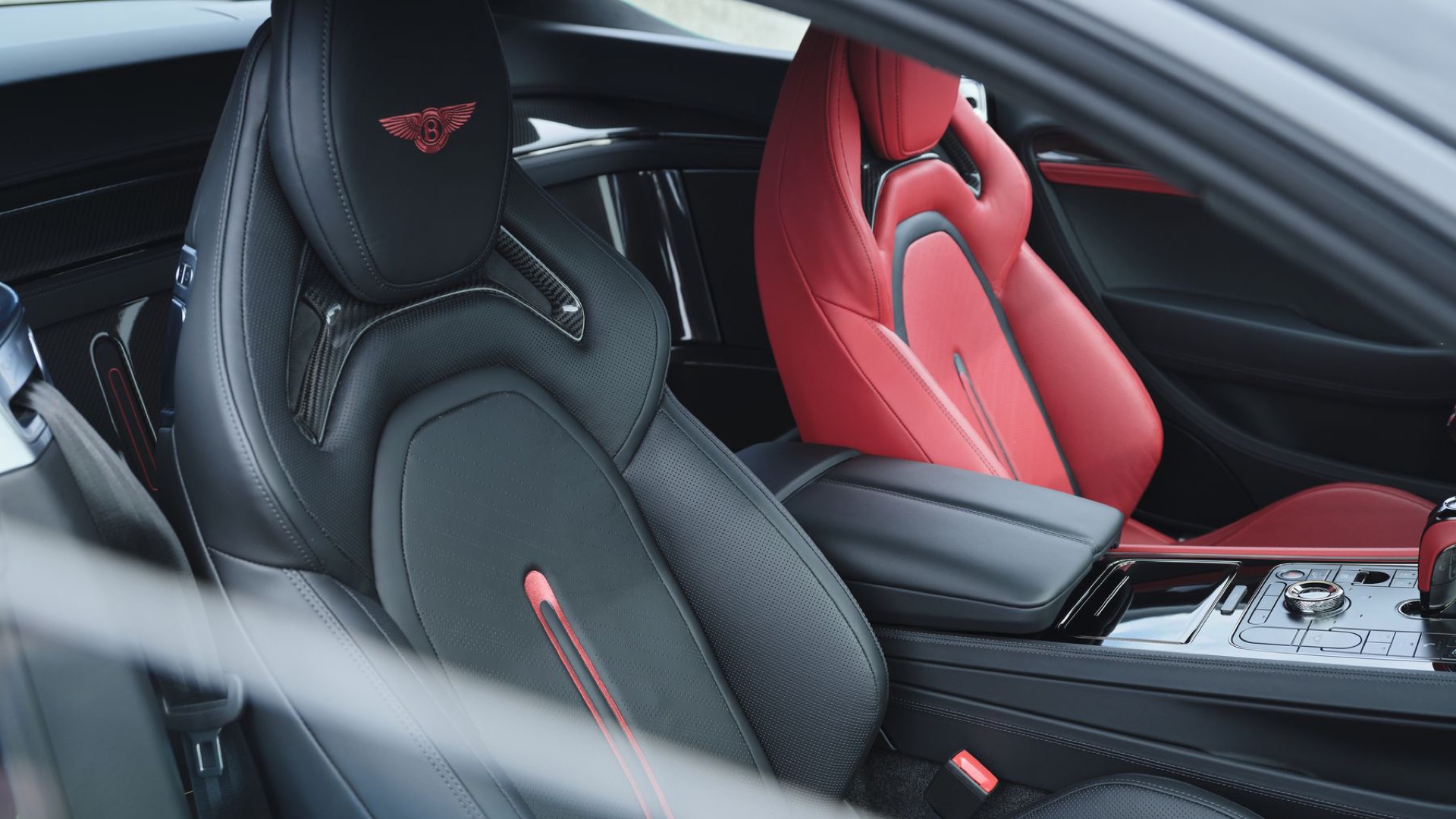
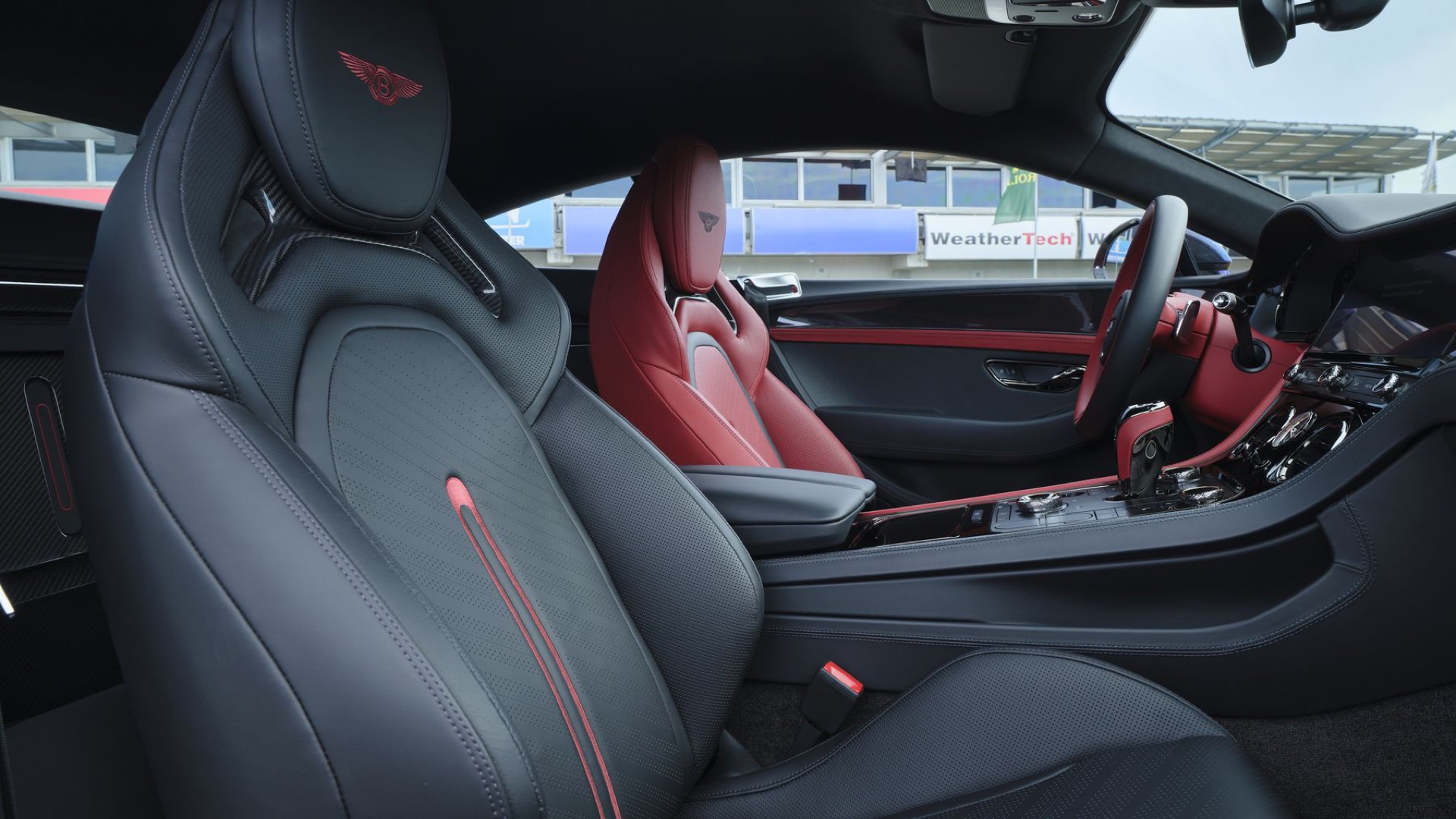
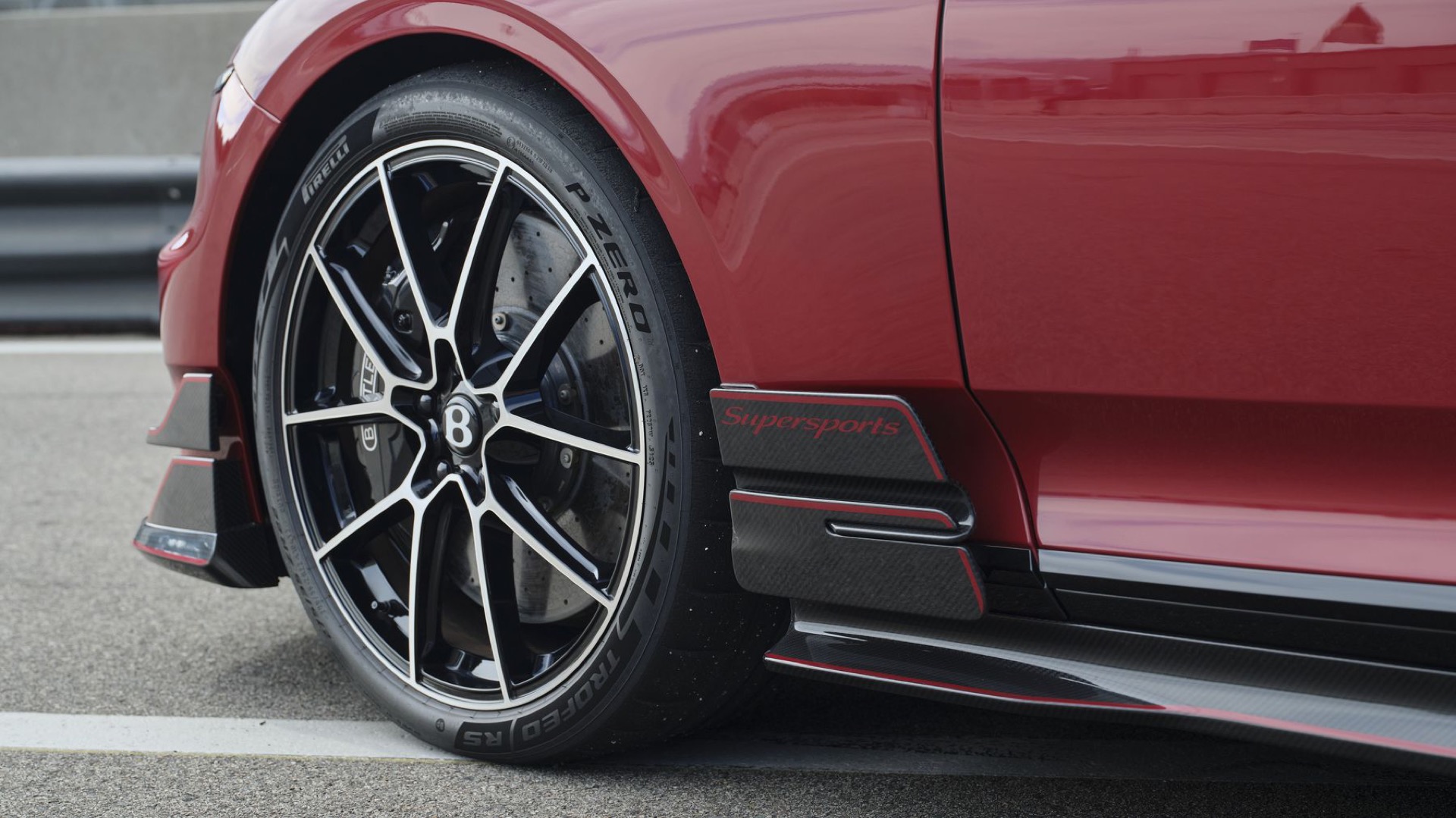
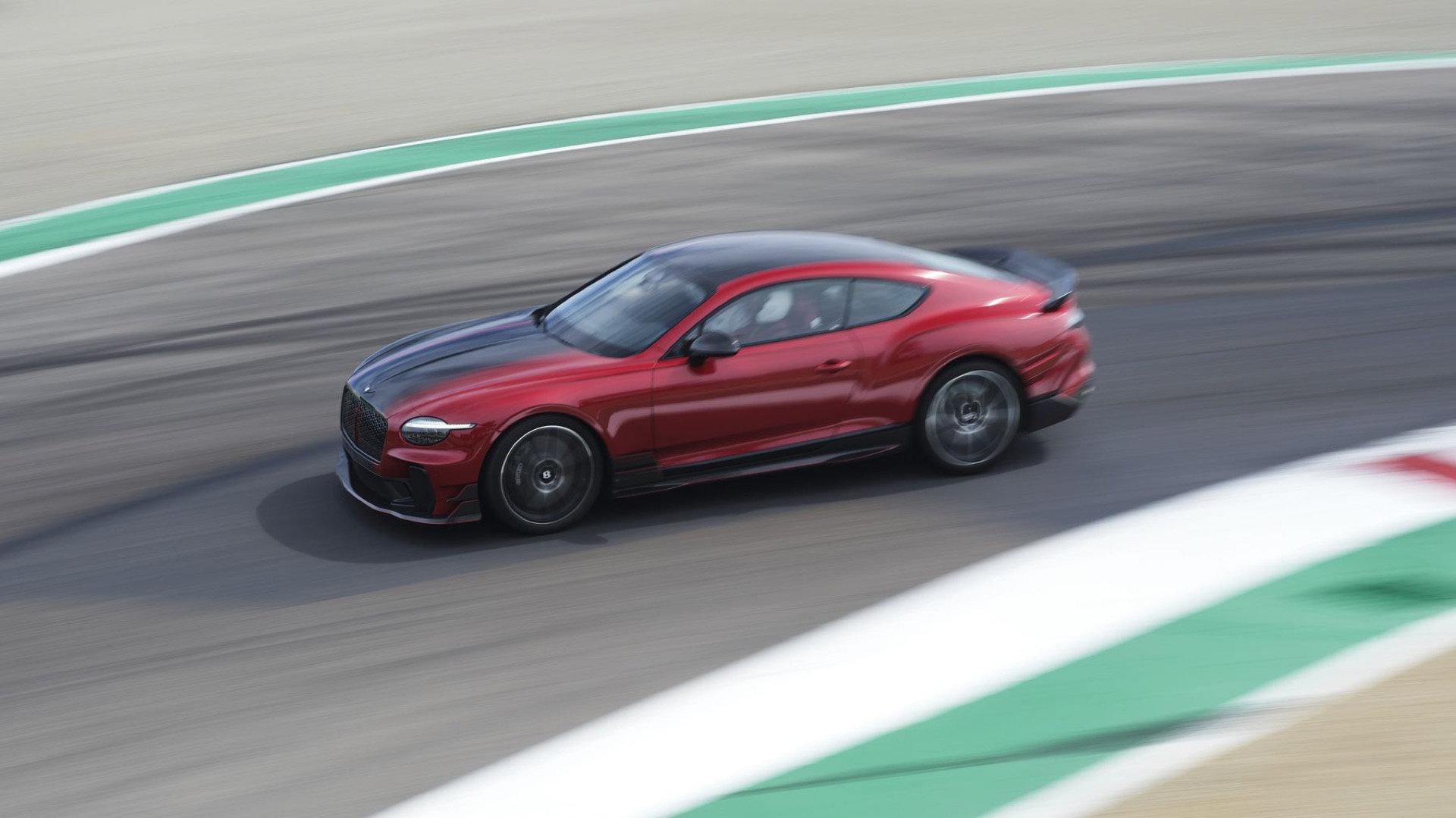
The engineers got to work and brought the car from concept to reality in just two years. Out went the rear seats. Out went the high-voltage battery and electric motor. Out went the front driveshafts.
The new Bentley Continental Supersports is therefore not simply a GT Speed with a bigger rear wing. It is almost the philosophical opposite. Where the 782 PS plug-in hybrid GT Speed uses instant electric torque, all-wheel drive and 1,000 Nm to deliver effortless performance, the Supersports returns to a much more traditional recipe.
There is a V8 without electrical assistance, rear-wheel drive and a kerb weight of 1,995 kilograms. That makes it precisely 464 kg lighter than the Continental GT Speed and, remarkably, the lightest Bentley produced in 85 years.
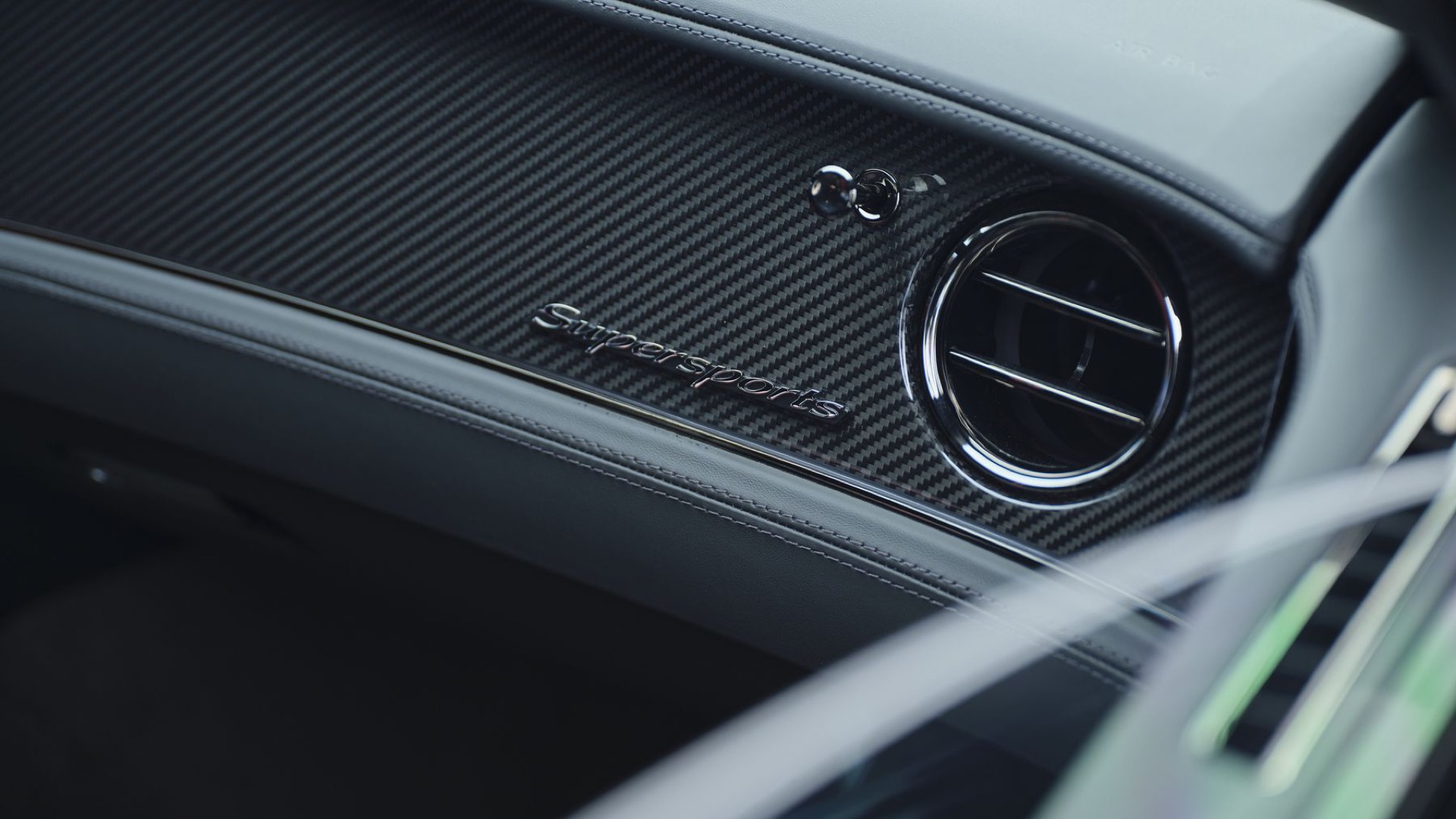
Most of that weight reduction comes from removing the hybrid system, its 25.9 kWh battery and the all-wheel-drive hardware. But Bentley did not stop there. The rear seats and seatbelts disappear, along with some sound insulation and several driver-assistance systems. Even the audio system has been reduced to serve only the front of the cabin, while the aluminium roof has been replaced by a carbon-fibre panel that also lowers the centre of gravity.
Everything, however, revolves around the engine.
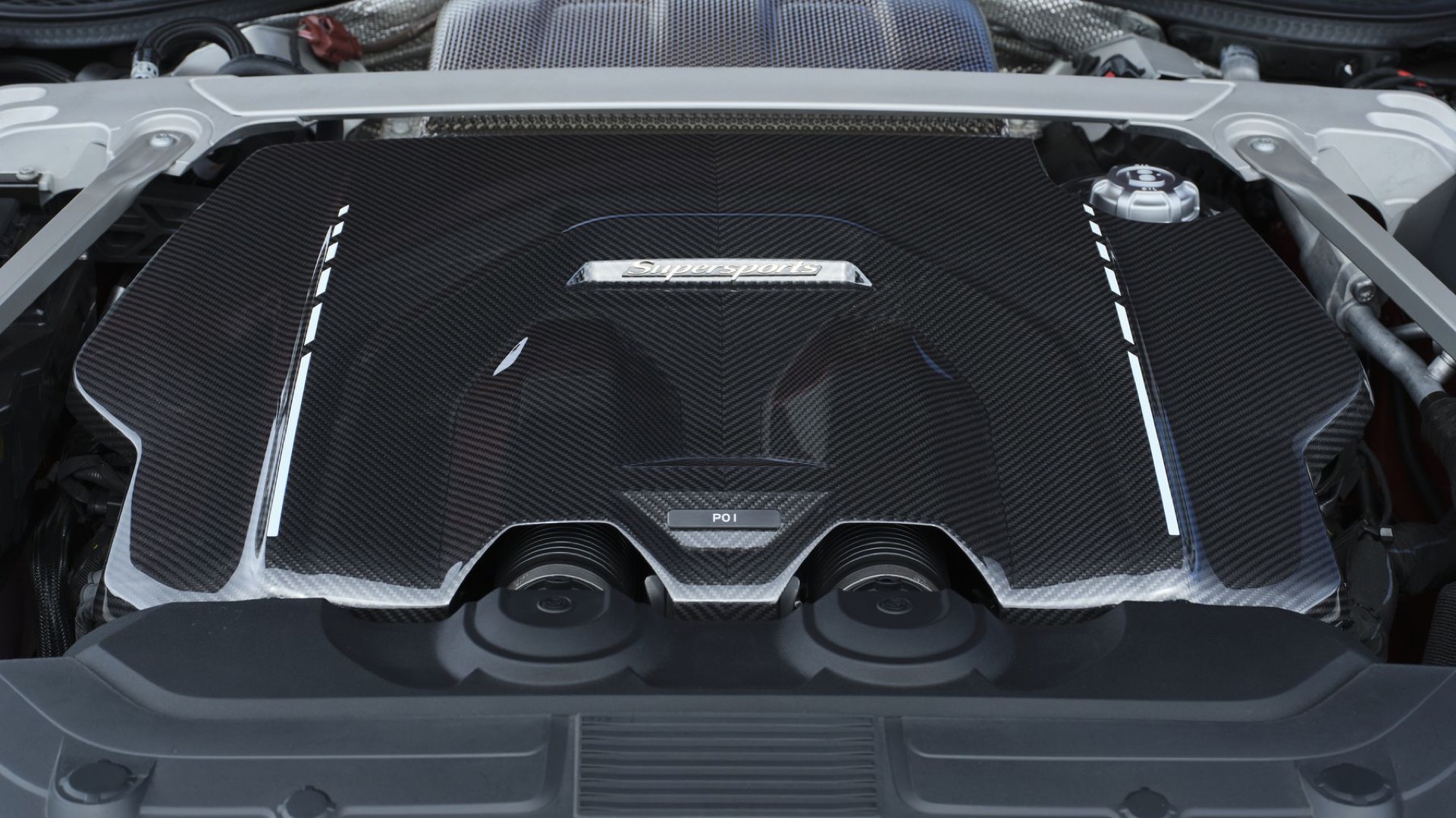
At its heart is the Volkswagen Group’s familiar 4.0-litre EA825 twin-turbo V8, albeit extensively reworked with some distinctly Porsche-flavoured ingredients. Larger single-scroll turbochargers are fitted alongside a reinforced crankcase, revised cylinder heads, improved variable valve timing and a dual-mass flywheel. Bentley retains a cross-plane crankshaft for smoother running and reduced vibration.
The result is 666 PS and 800 Nm, making the combustion engine alone 66 PS more powerful than the V8 in the GT Speed. At 166.5 PS per litre, it has the highest specific output of any production engine Bentley has yet produced.
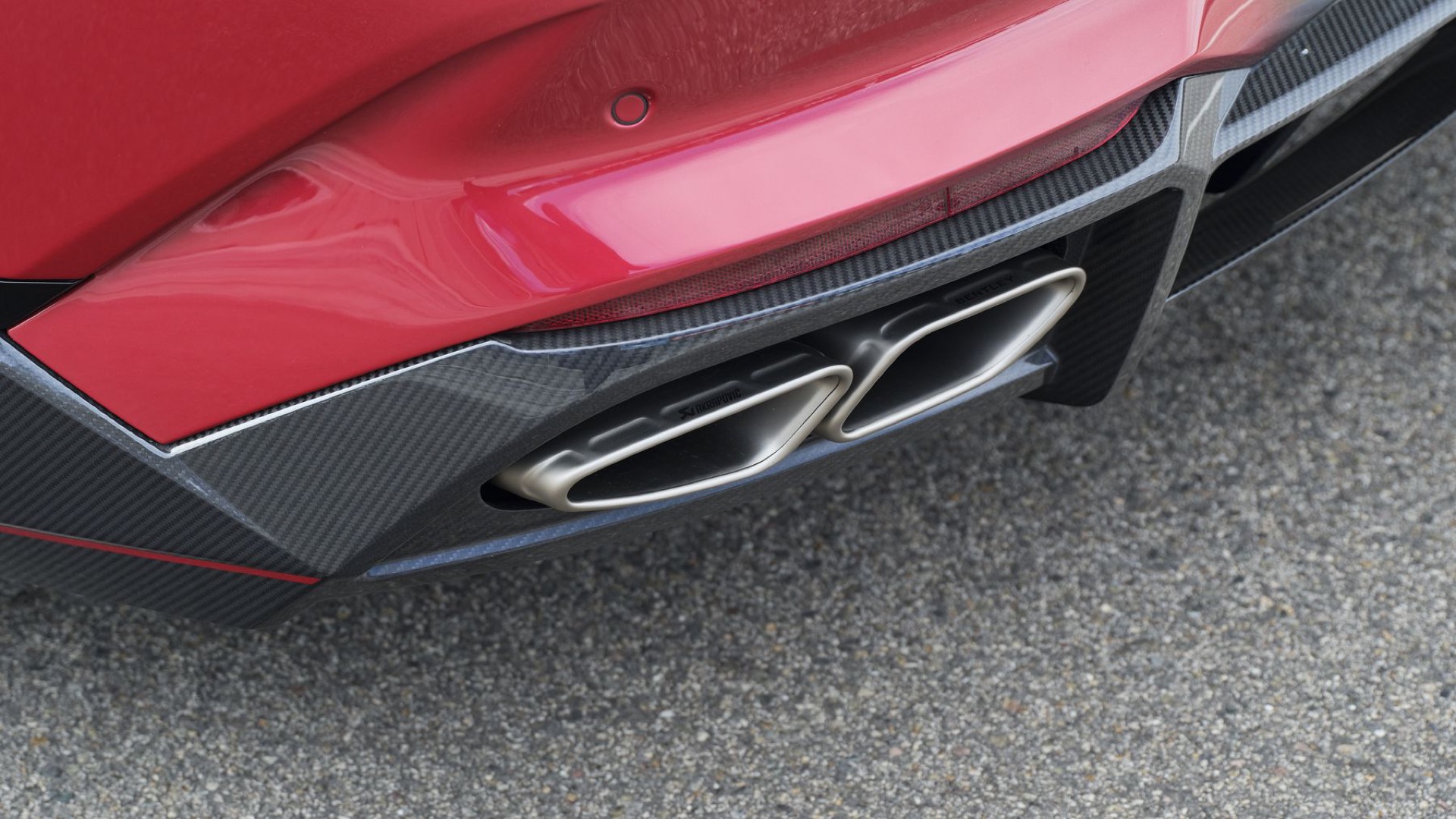
Performance is suitably serious. The Supersports reaches 100 km/h in 3.6 seconds and continues to 320 km/h. Better still, an Akrapovič titanium exhaust provides the soundtrack, with no electronically generated engine noise piped into the cabin.
The eight-speed dual-clutch transmission has also been reworked. Stronger clutches and a revised shift strategy speed up gear changes, while downshifts under heavy braking have been recalibrated to improve the stability of the rear-wheel-drive chassis.
The rear track is 16 mm wider, an electronically controlled limited-slip differential distributes power between the rear wheels and brake-based torque vectoring helps the nose rotate into corners. Rear-wheel steering remains, operating through an angle of up to 4.1 degrees.
The changes work.
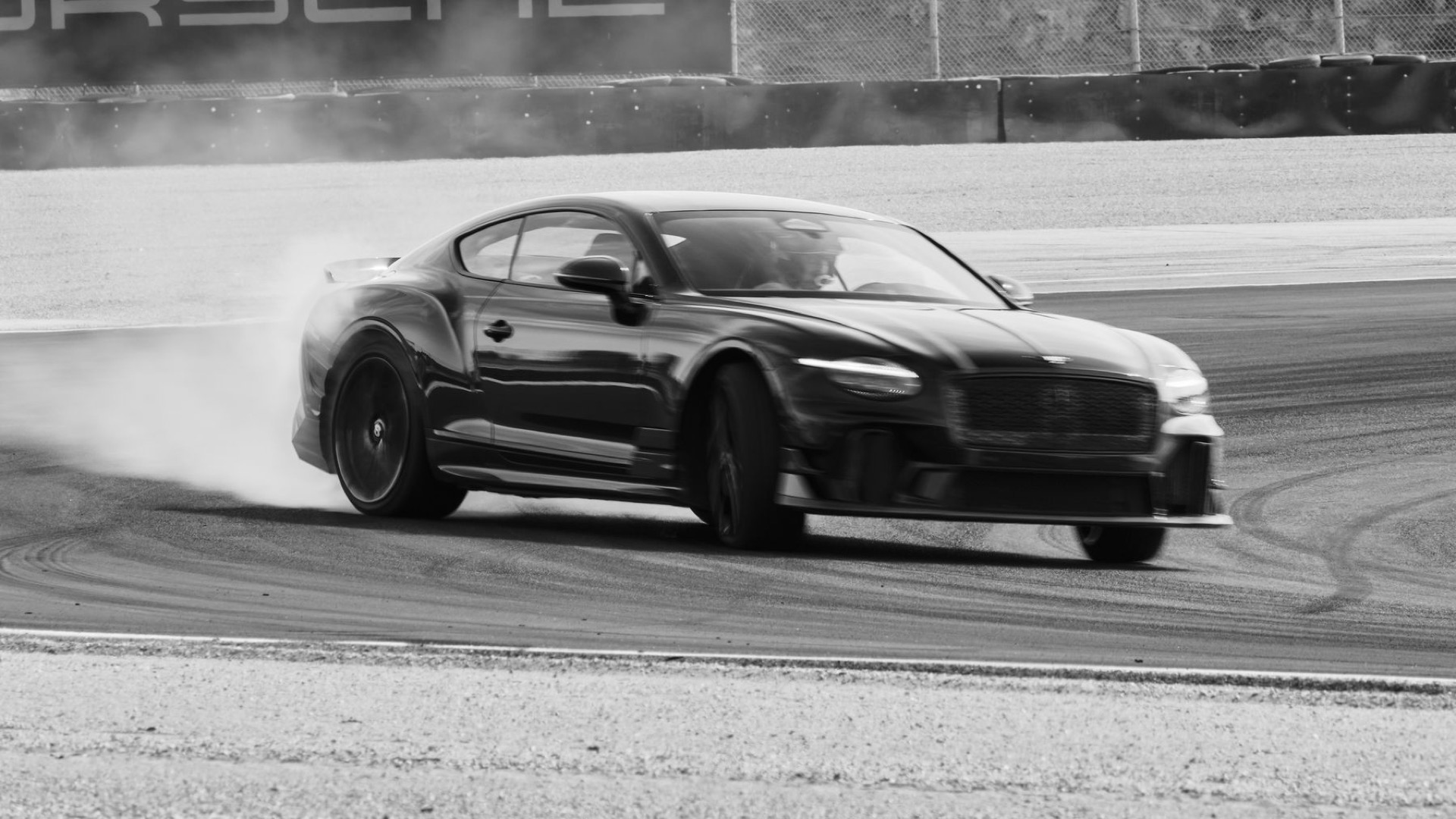
The Supersports inevitably lacks the GT Speed’s brutal electrically assisted launch, but through corners it is significantly more entertaining. The front axle feels more alive than one expects from a Bentley. It turns in willingly, responds immediately to steering inputs and can be placed accurately without becoming nervous.
This is no hyperactive lightweight pretending to be a racing car. It remains a Bentley: composed, predictable and reassuring. As Walliser puts it, this is a car in which you go “slowly into the corner and quickly out of it”. It is not designed to chase the final tenth of a second on a circuit, but rather to make a grand tourer unexpectedly entertaining when the road begins to twist.
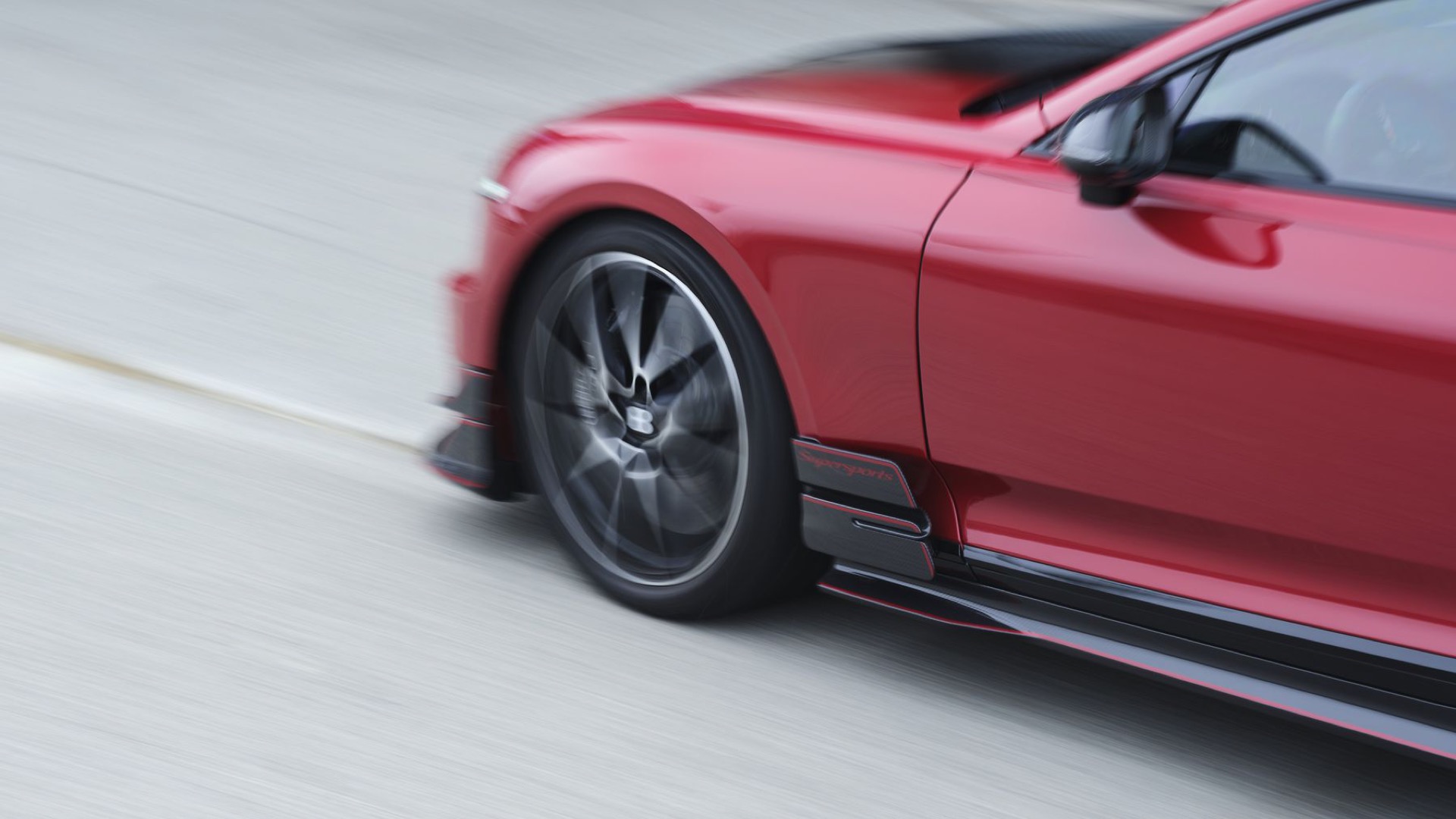
Stopping power comes from enormous carbon-ceramic brakes. Up front are 440 mm discs with ten-piston calipers, while the rear uses 410 mm discs and four-piston calipers. The lightweight 22-inch forged wheels, meanwhile, come from Manthey, bringing yet another connection with the Porsche world.
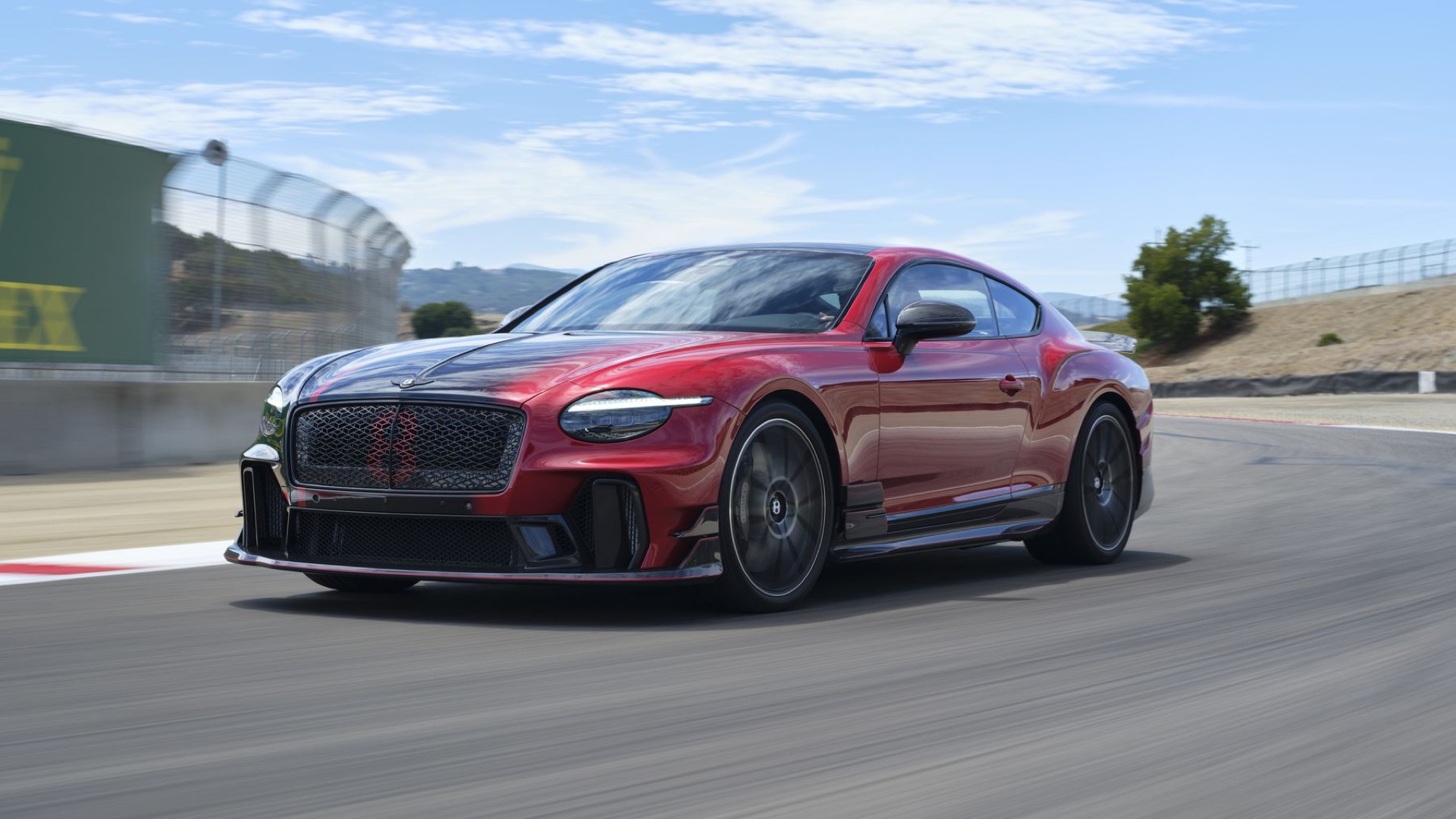
The bodywork is equally functional. Carbon is used for the roof and mirrors, while the nose features the largest splitter ever fitted to a road-going Bentley. Additional cooling ducts and stacked dive planes reduce front-axle lift, while B-shaped wing vents extract air from the front wheelarches. Revised side skirts clean up airflow along the flanks.
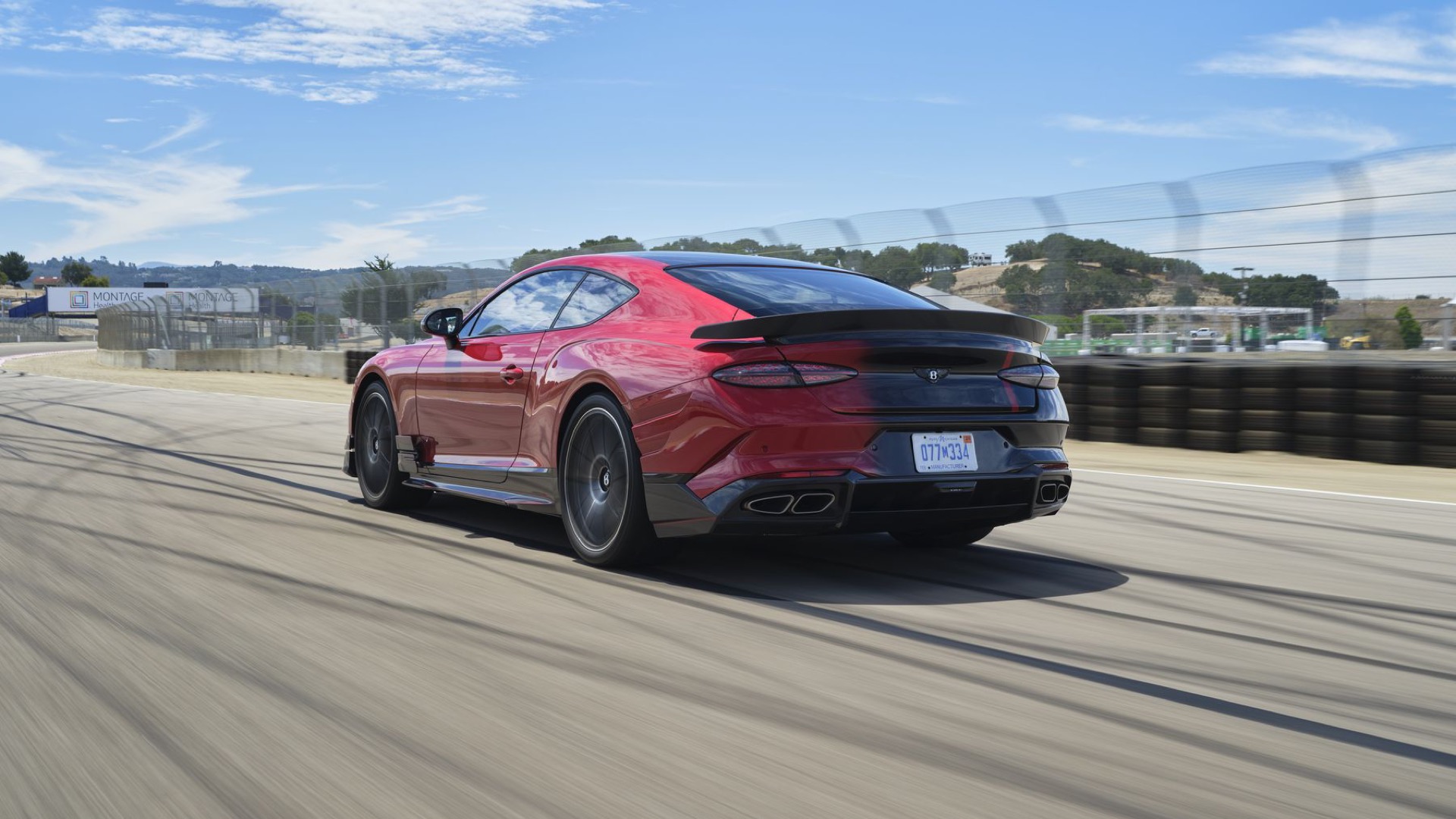
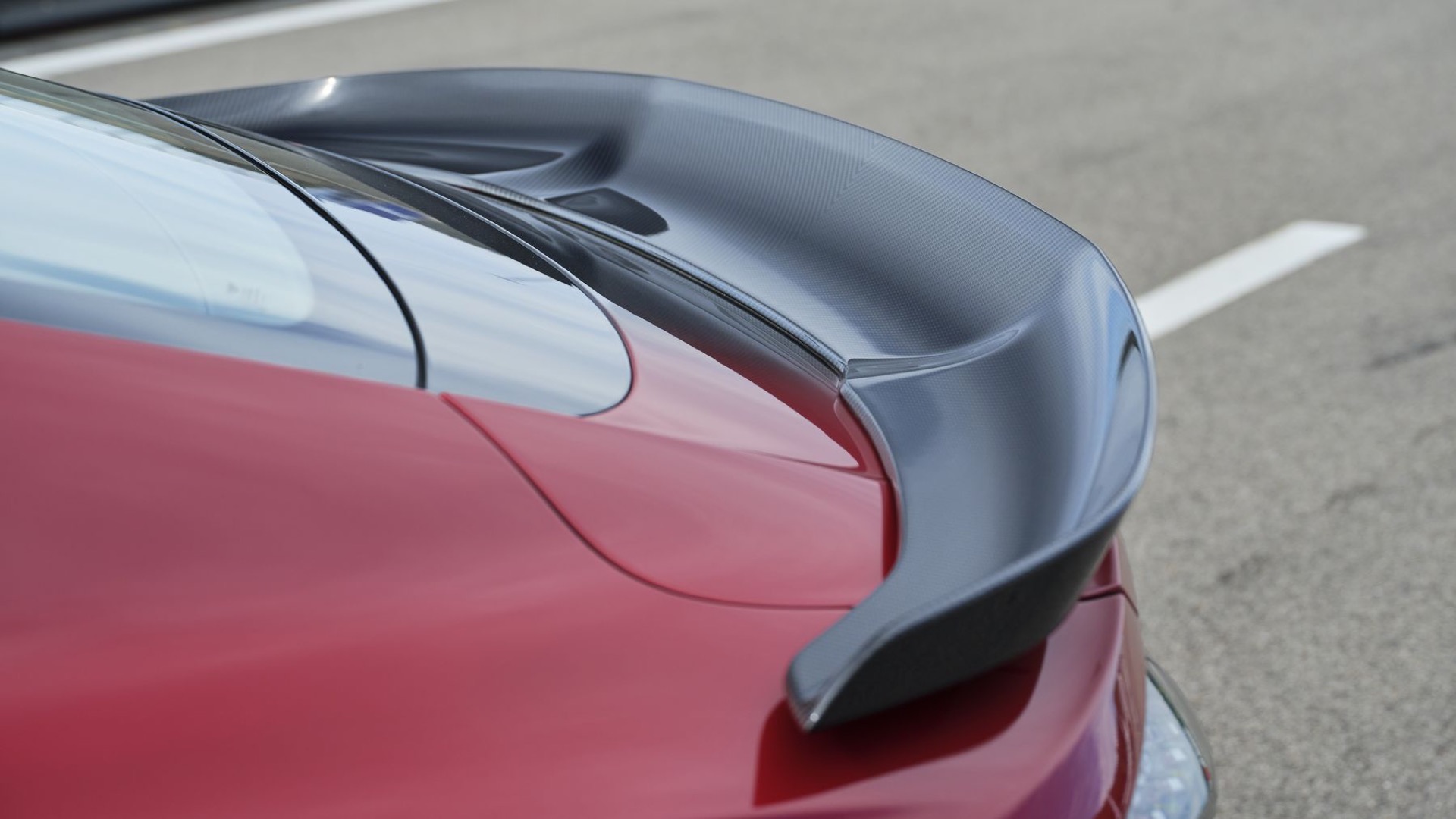
At the rear, new wheelarch outlets and a redesigned diffuser manage the airflow beneath the car, while a large fixed rear wing sits proudly above the bootlid. On a Continental GT it borders on sacrilege, but here it serves a genuine purpose.
Removing the hybrid hardware has altered the car’s weight distribution. The GT Speed benefits from its battery being mounted behind the rear axle and achieves a 49:51 balance. Without that mass, the Supersports sits at 54:46. The aerodynamic package progressively restores load to the rear axle as speed increases and generates more than 300 kg of additional downforce compared with the Continental GT Speed.
The price is €420,000, although that is now largely academic. Bentley is building just 500 examples and every one has already been sold.