Audi missed its R8, and badly. Since developing a conventional successor no longer made financial sense, Ingolstadt turned to its Lamborghini sister brand and transformed the Temerario into a limited-production sports car of its own: the Audi Nuvolari.
For decades, Audi had spectacular machinery in its portfolio for sports car enthusiasts. Those who wanted something more restrained could opt for elegant A4 or A5 coupés and cabriolets, while the TT and R8 offered considerably more performance and presence alongside the various RS models. Like several rivals, both sports cars eventually disappeared due to declining demand. Yet Audi feared that abandoning the sports car segment entirely would further damage a carefully cultivated image that had already lost some of its shine.
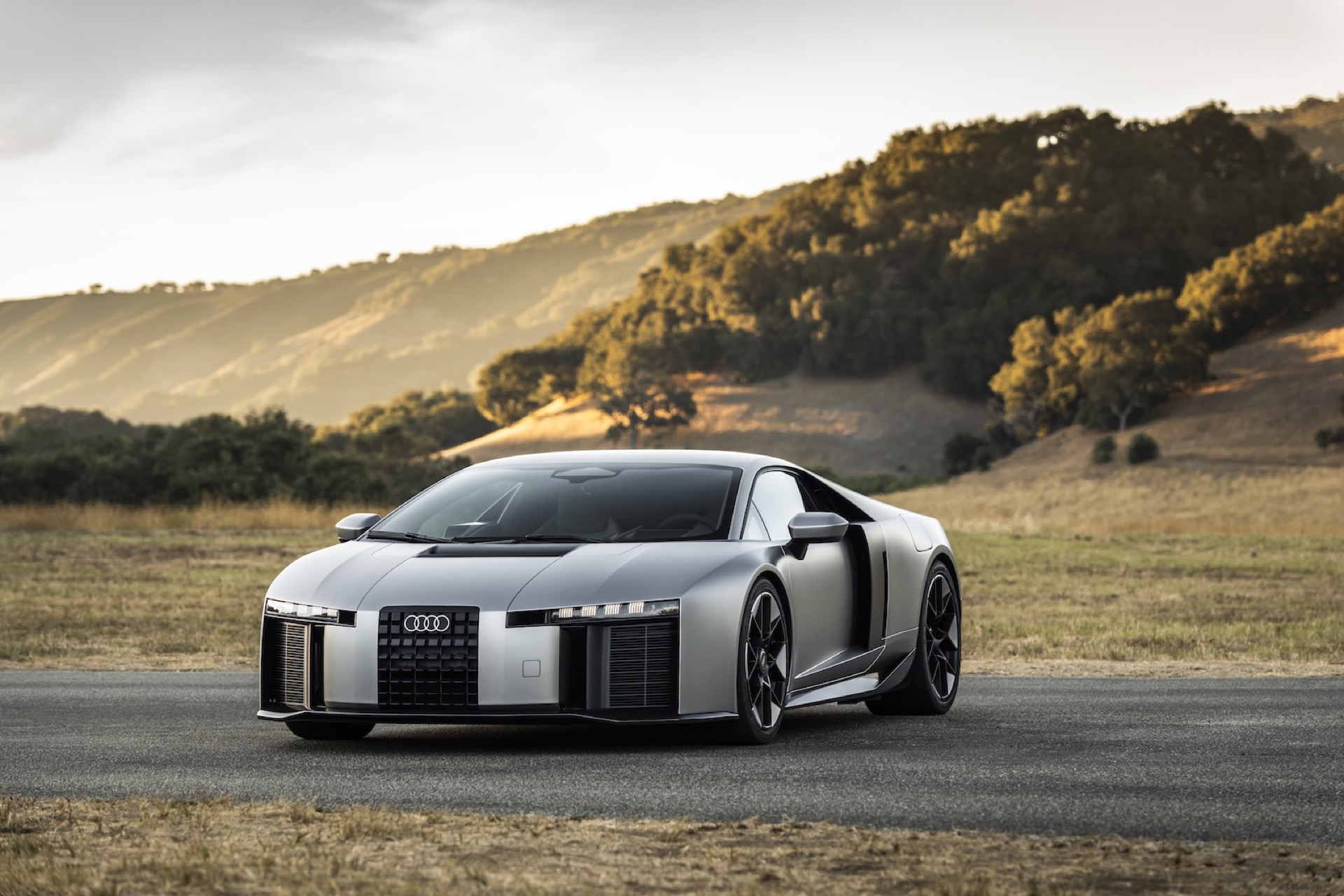
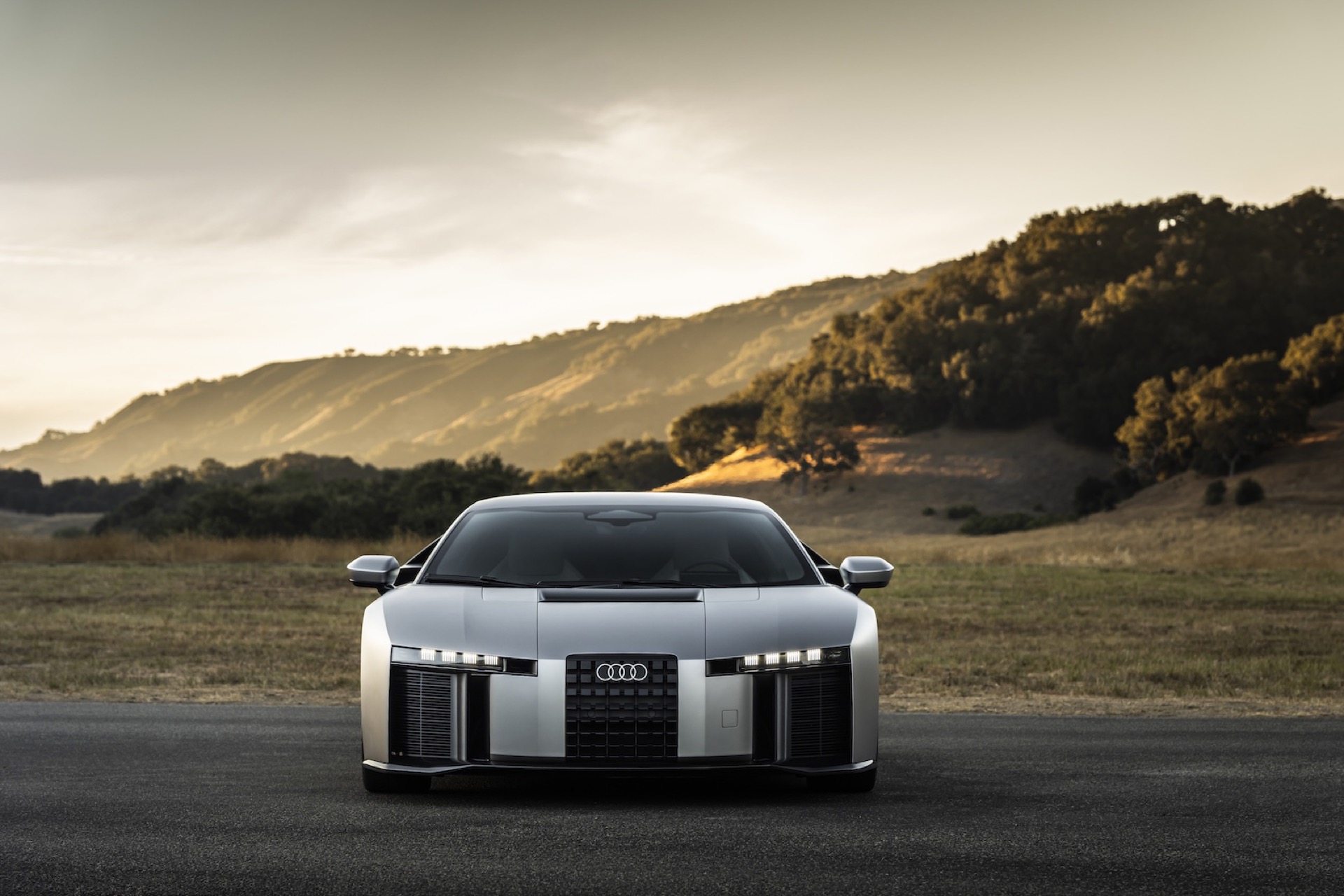
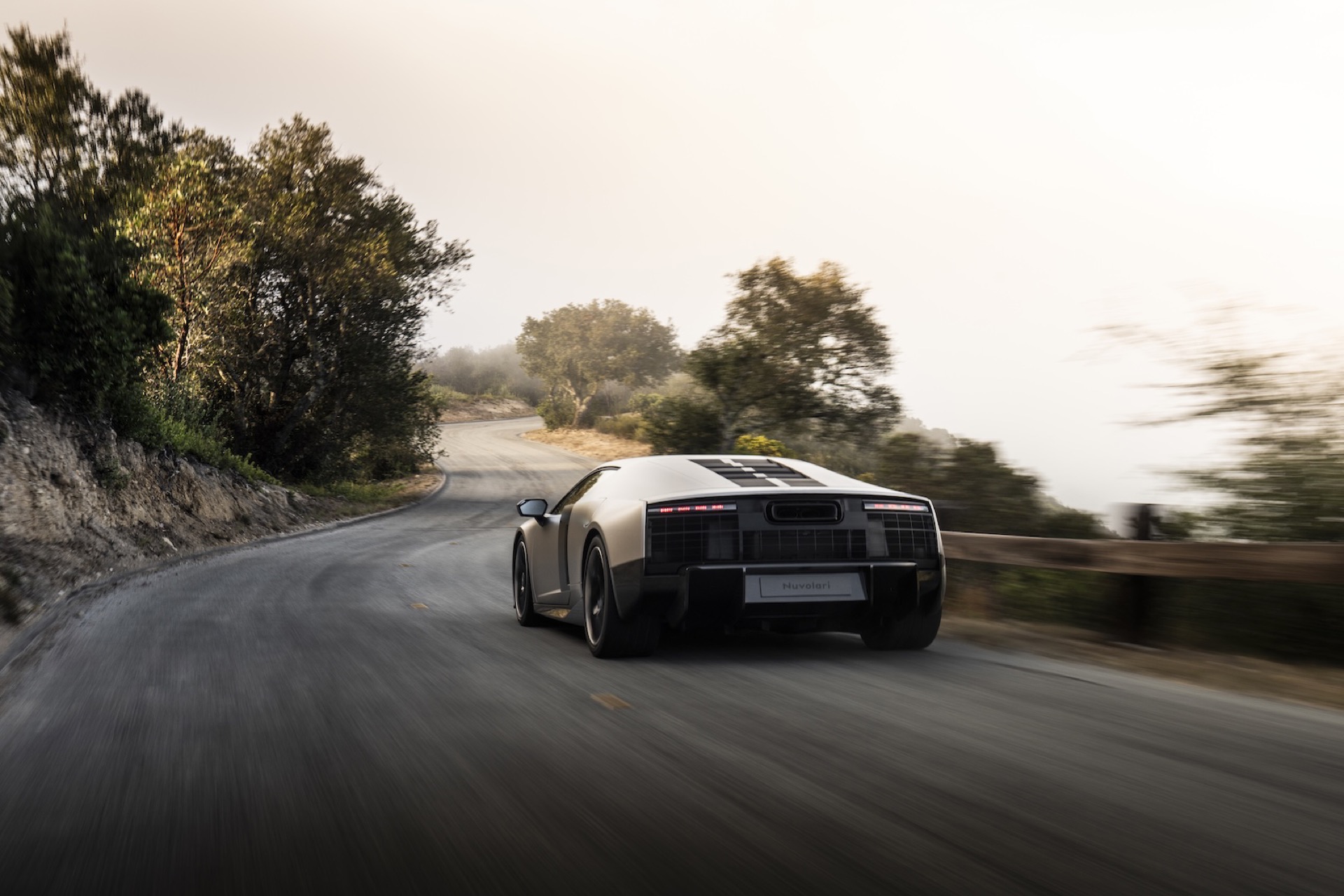
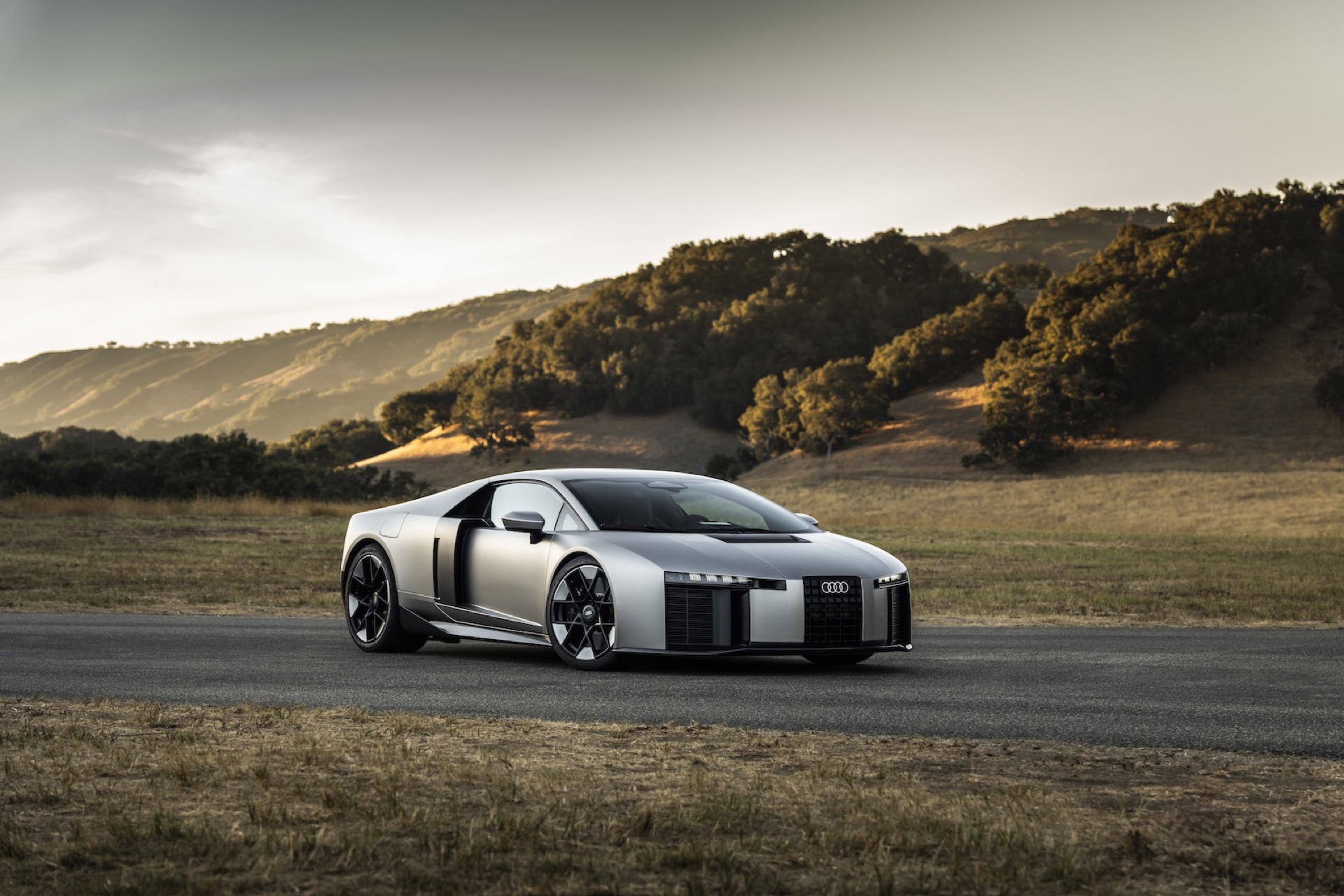
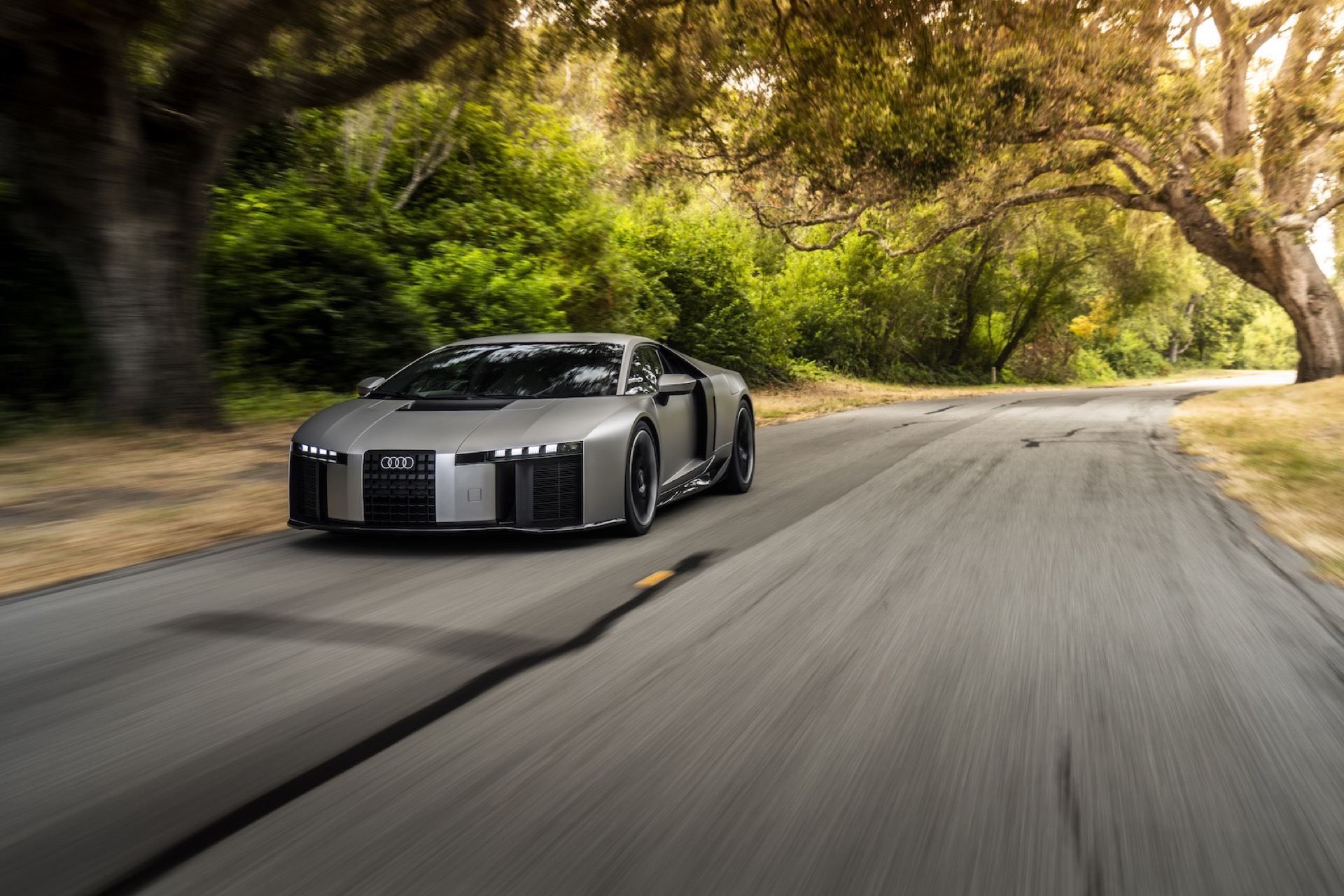
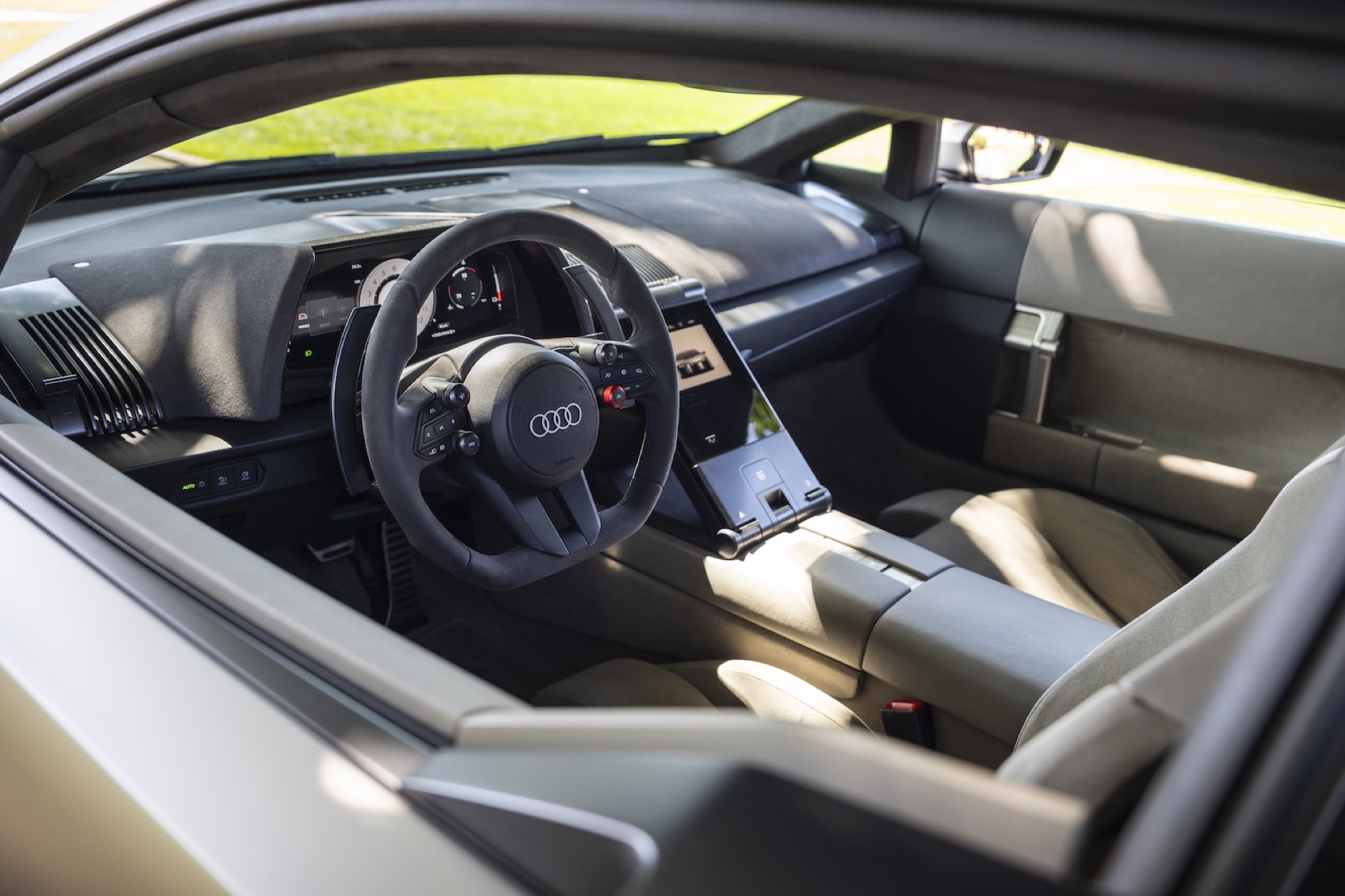
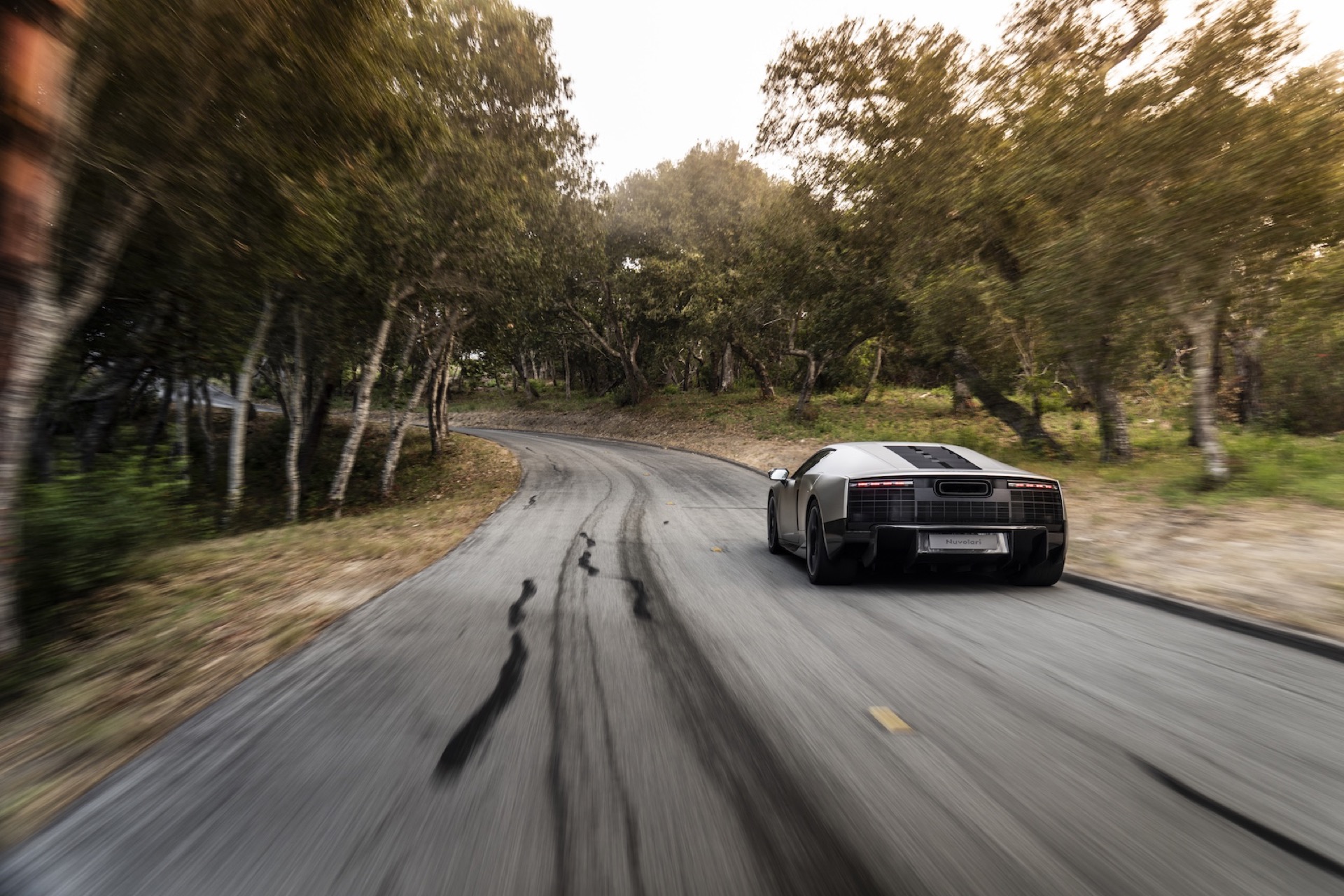
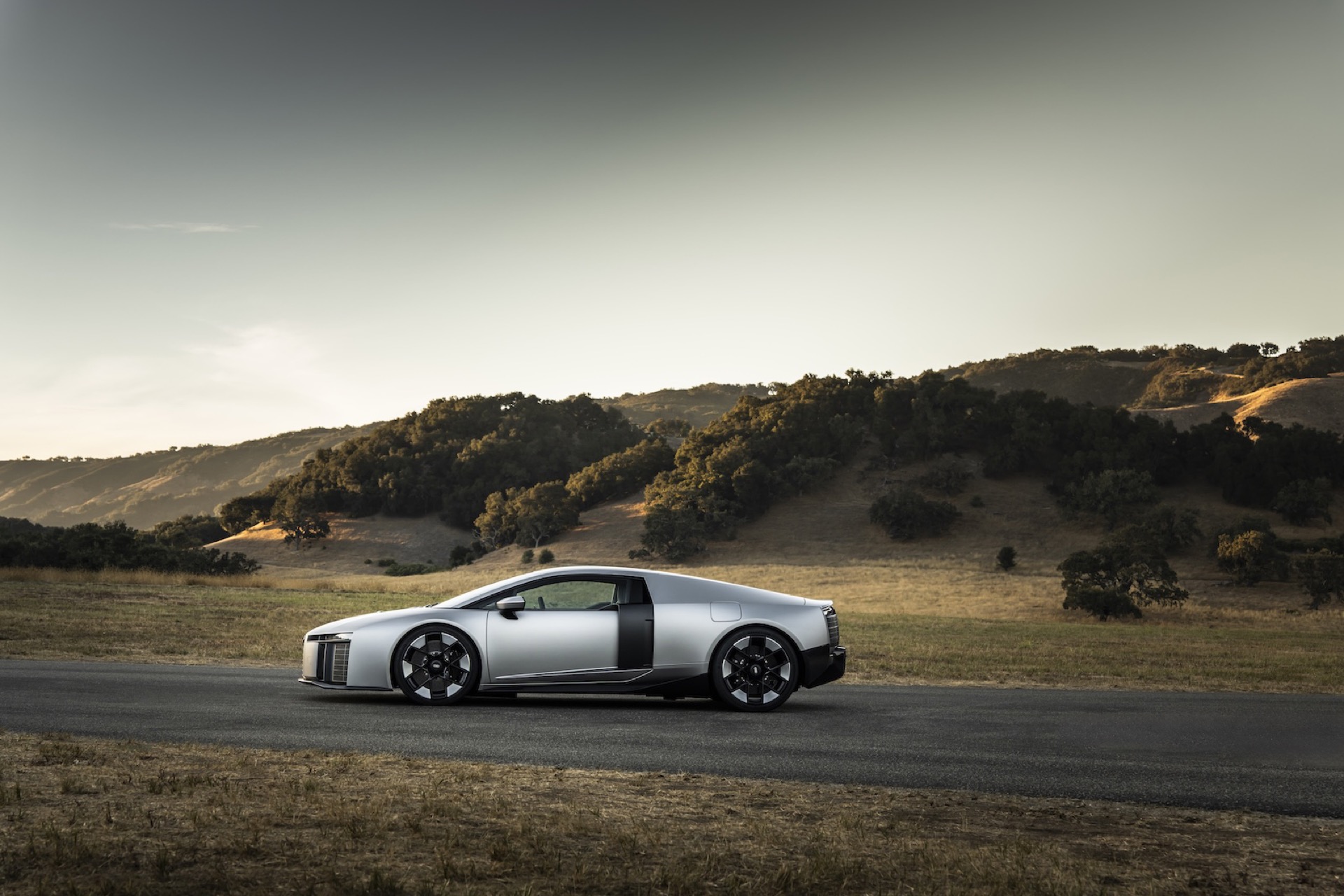
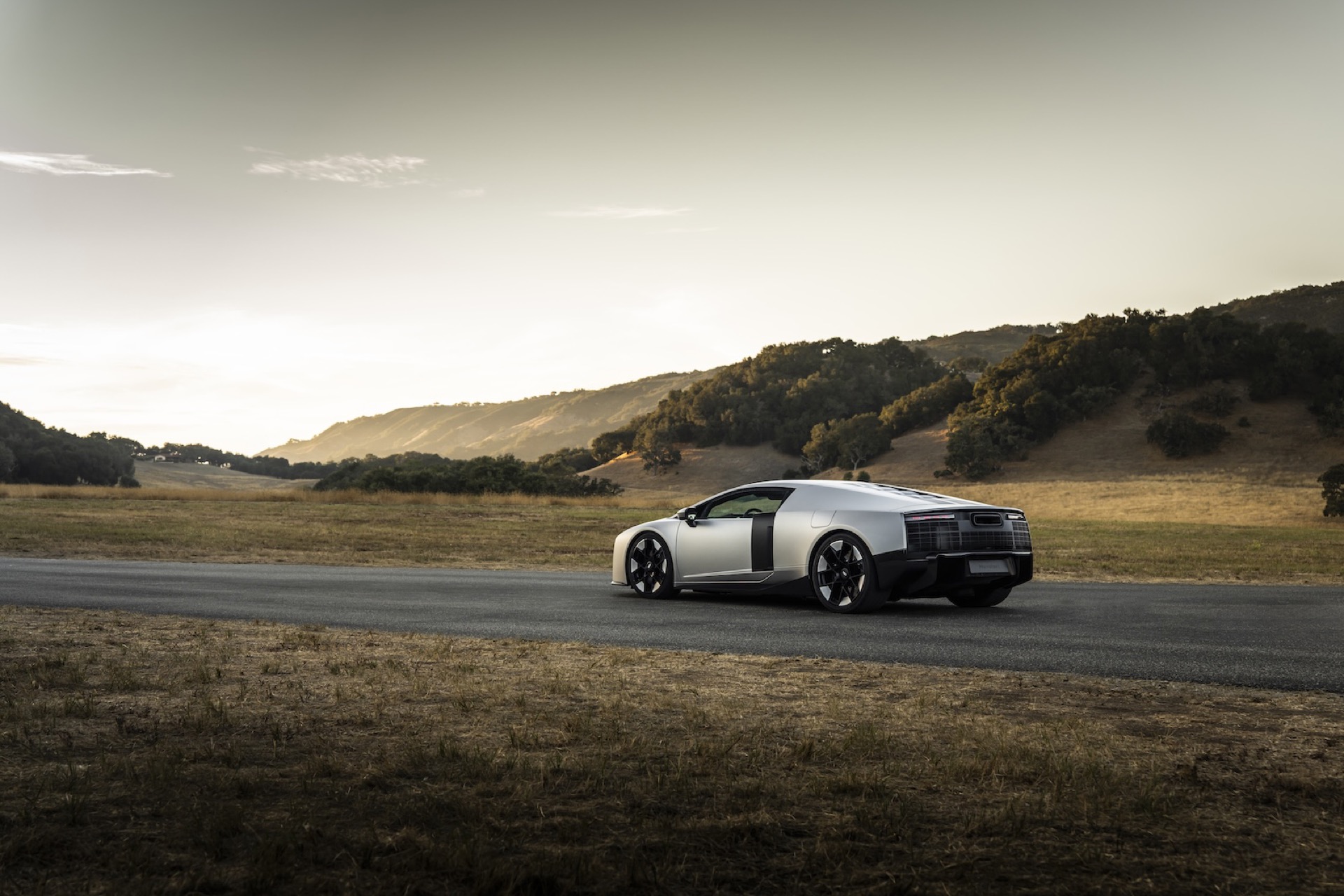
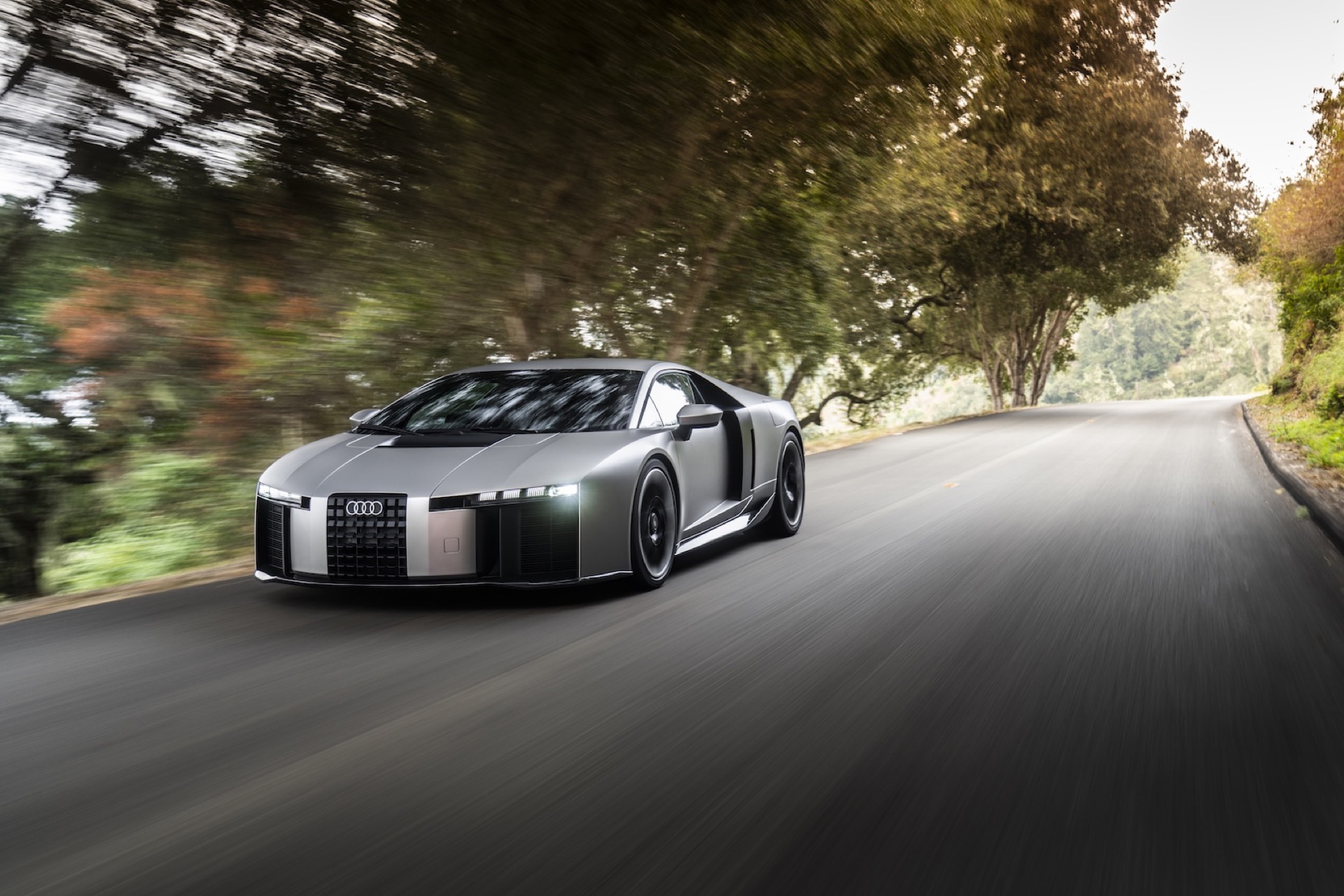
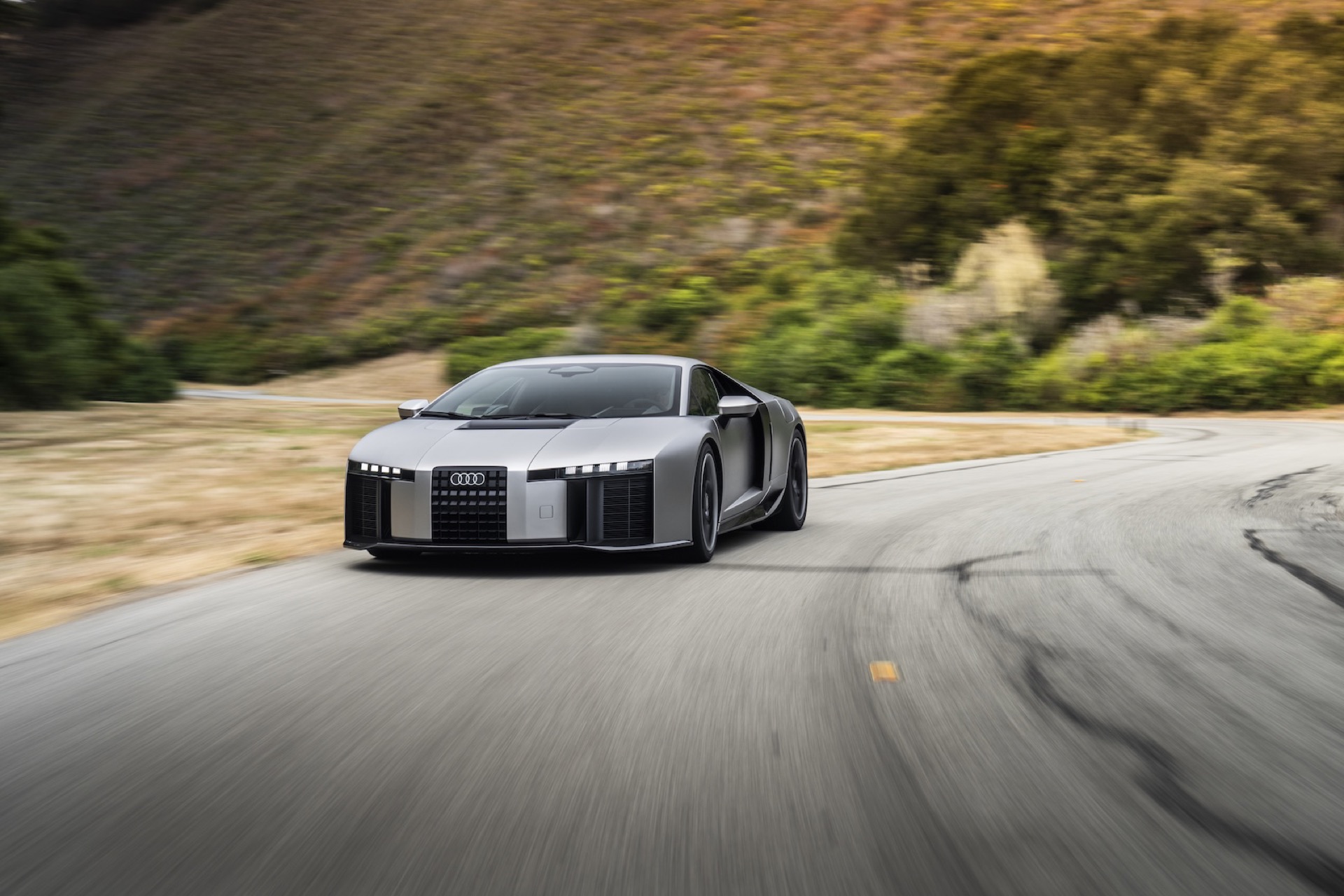
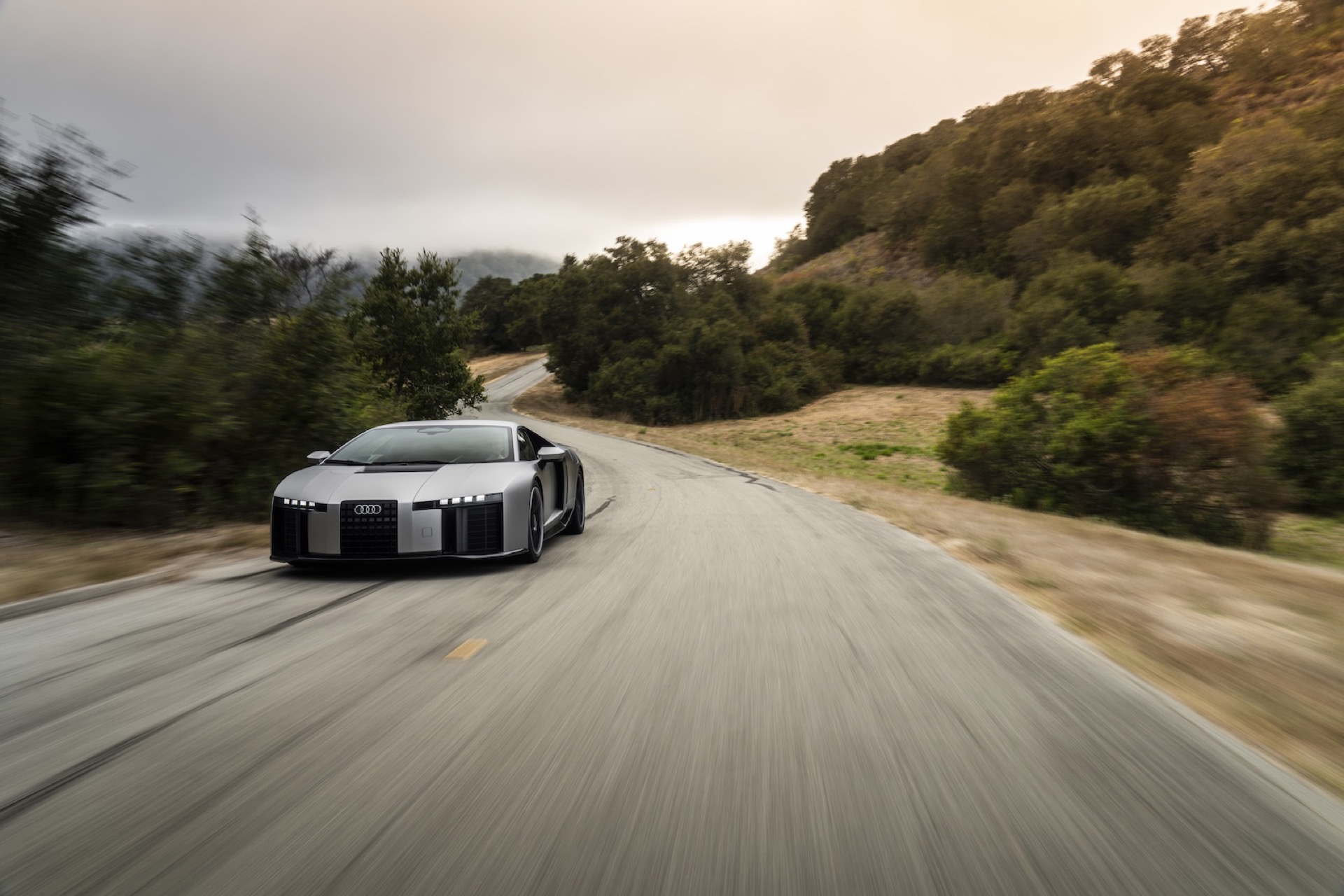
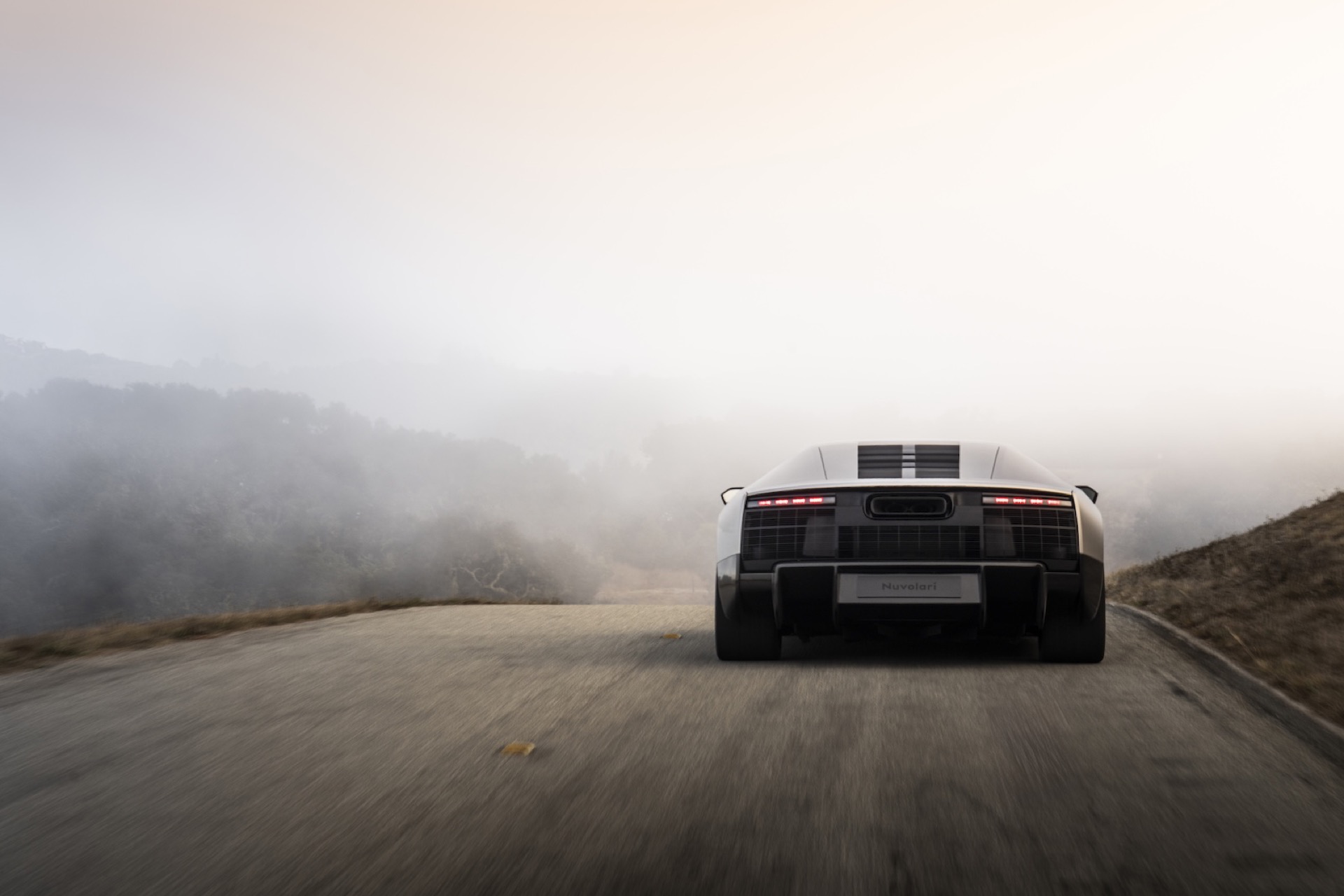
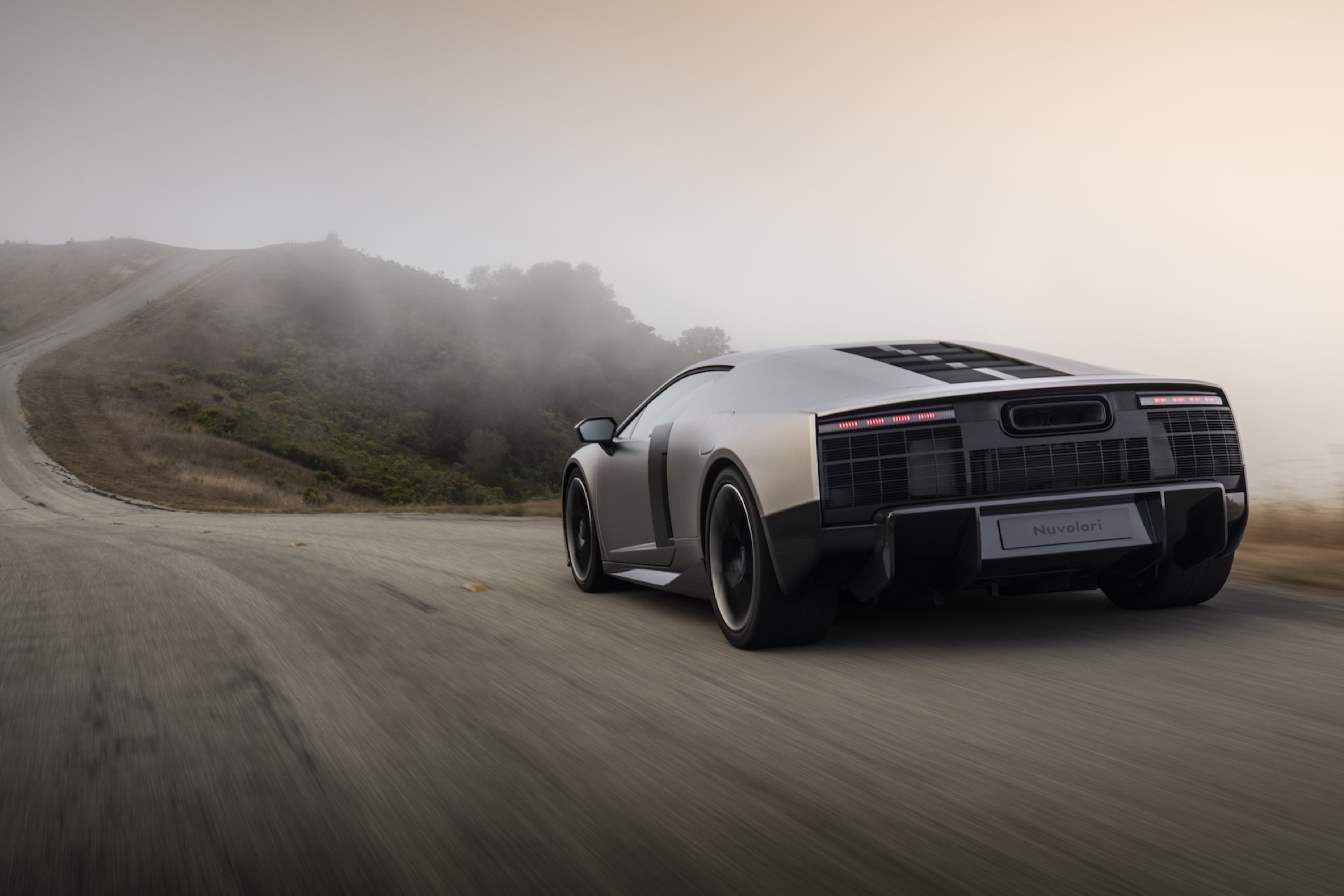
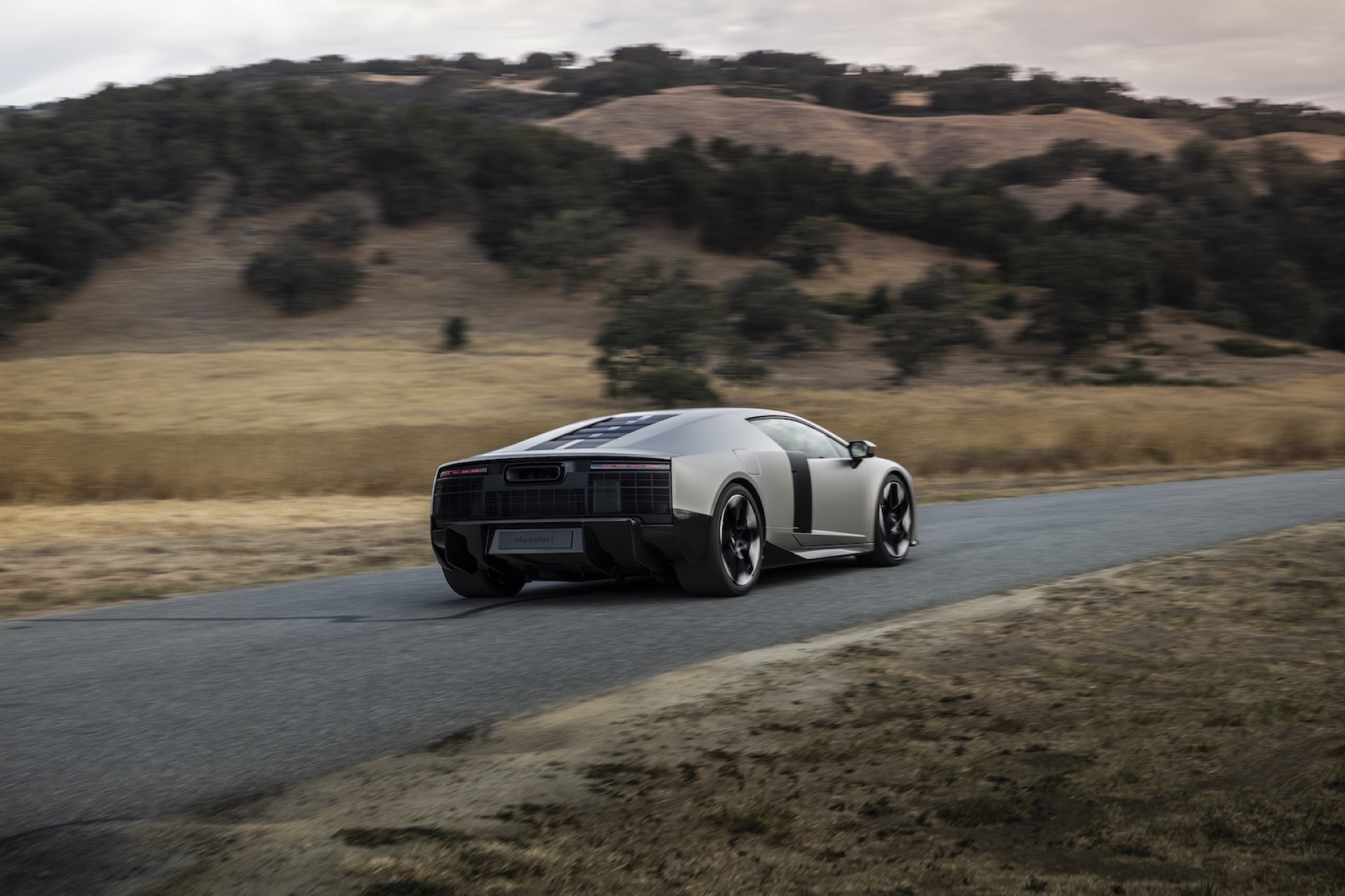
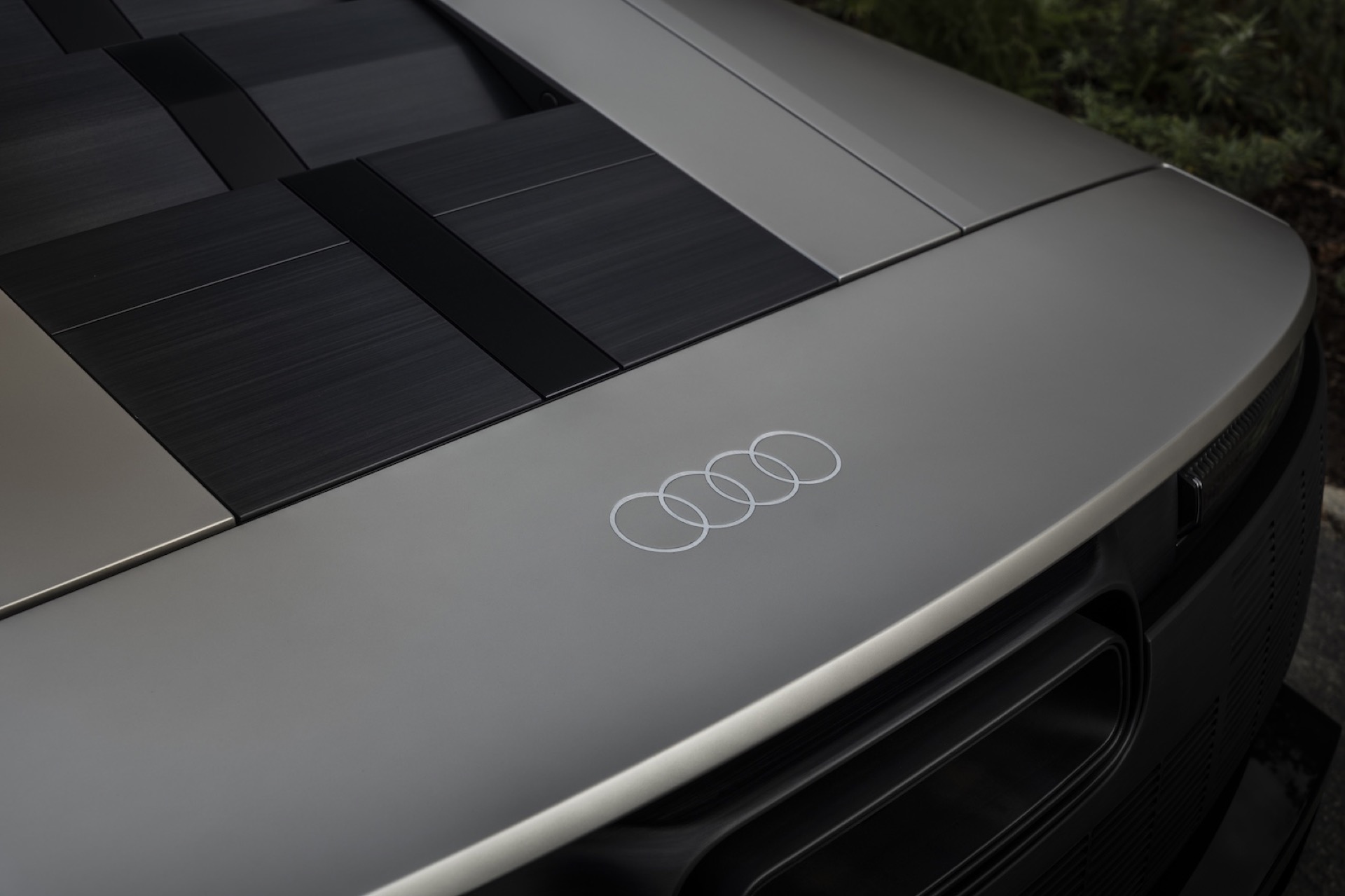
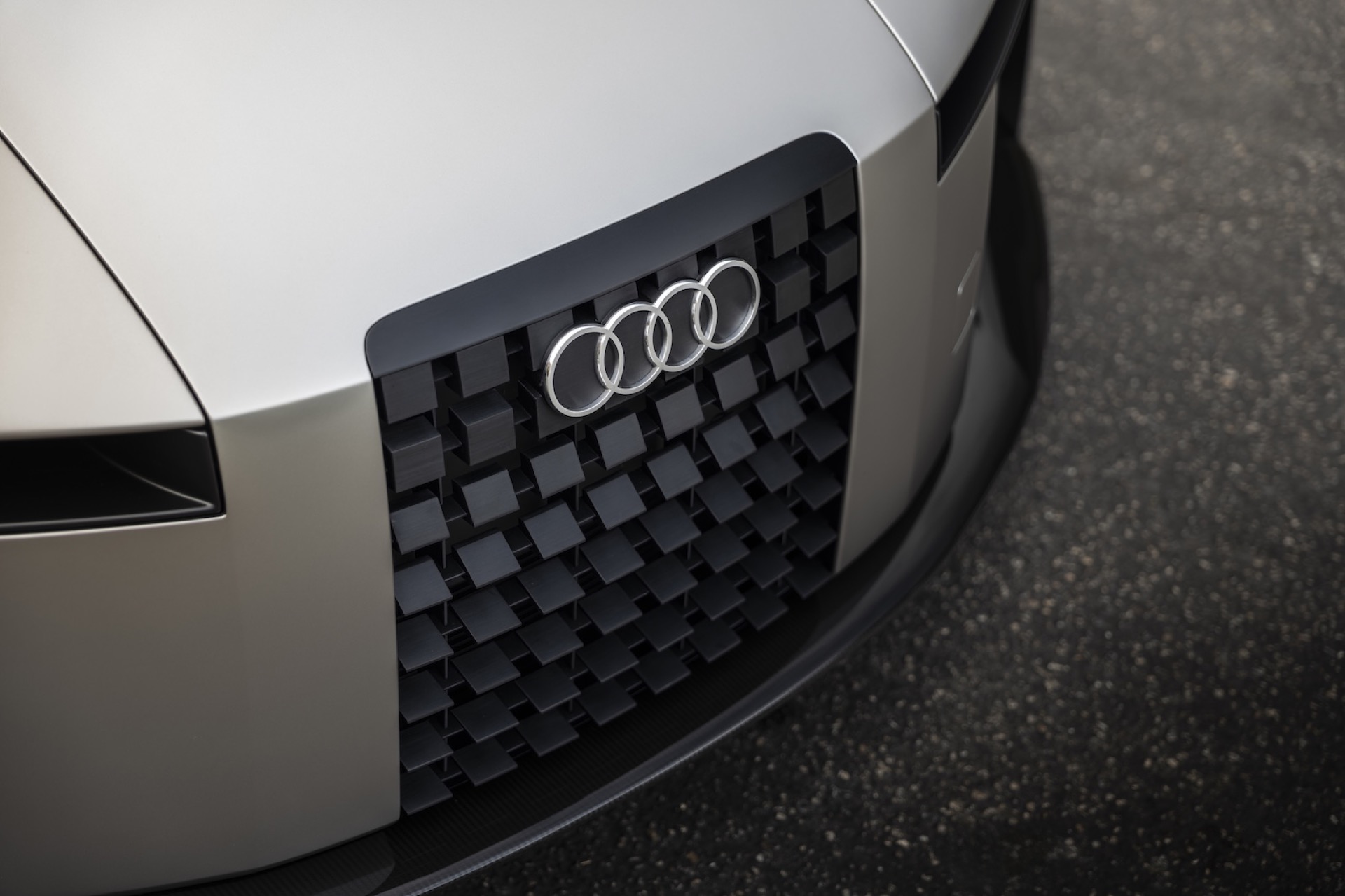
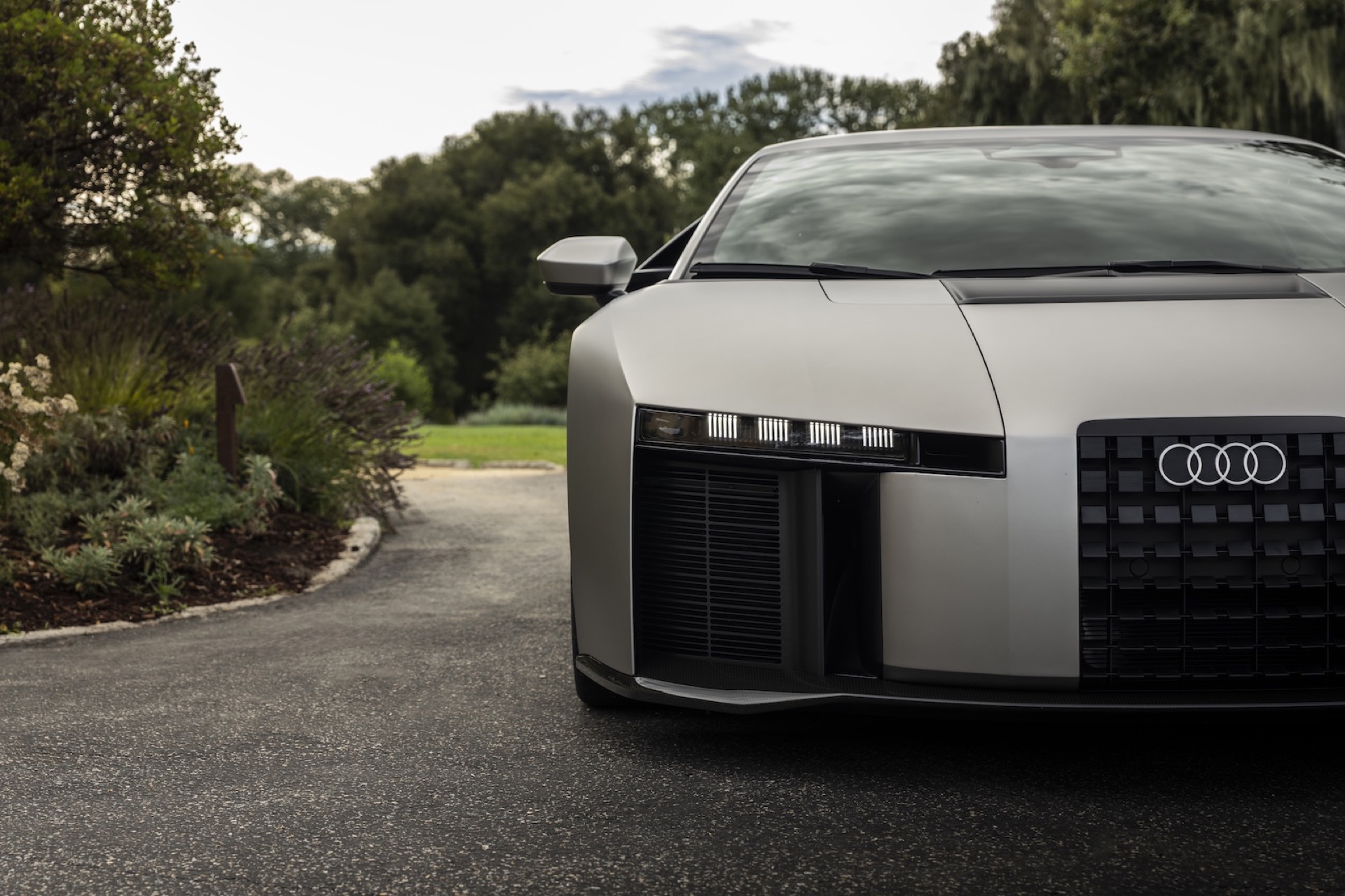
The solution was to take the Lamborghini Temerario and turn it into the dramatic Audi Nuvolari. The result is more powerful than the car on which it is based and arguably even more striking. There is only one drawback: production is limited to just 499 examples, while the €590,000 price makes it roughly twice as expensive as its sibling from Sant’Agata.
There is no question that the Nuvolari is a showstopper. Its S-shaped front air intake generates downforce, reduces lift at higher speeds and improves powertrain cooling. The centrepiece of the active aerodynamic package is the retractable rear wing, which manages downforce and drag in three configurations: closed, low load and high load.
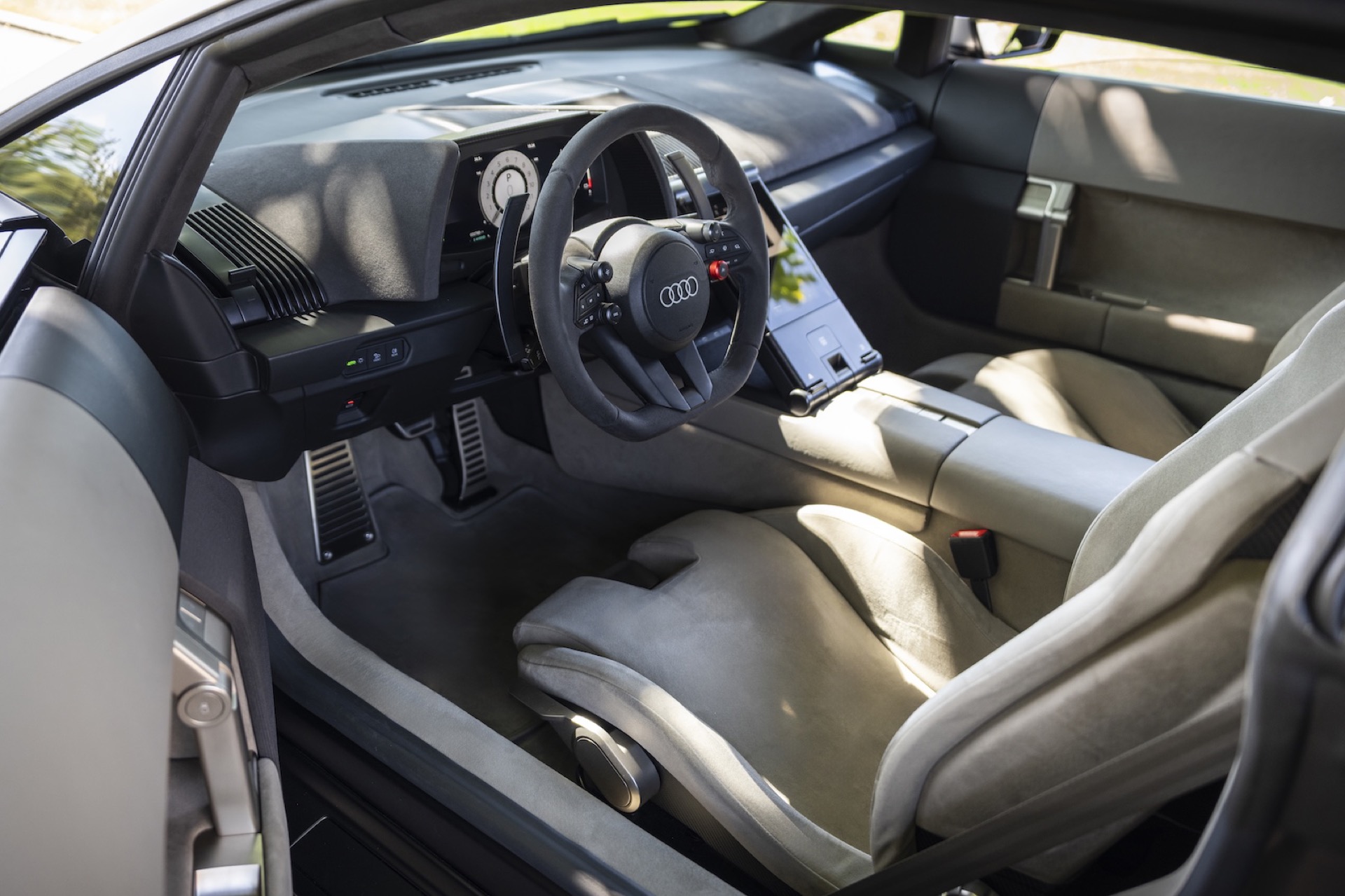
“Every exterior element serves a clearly defined aerodynamic function, from the front splitter to the rear diffuser. And everything is exactly what it appears to be, whether carbon fibre or aluminium, both outside and inside,” explains Gael Buzyn, Head of the Audi Advanced Design Center in Malibu.
The monolithic design is only part of the story. A supercar also needs a suitably dramatic powertrain. Audi’s engineers have taken the already formidable 920 PS Lamborghini and pushed it further. At the heart of the system is a 4.0-litre twin-turbo V8 producing 588 kW / 800 PS and 730 Nm, supported by three electric motors.
One electric motor is integrated into the dual-clutch transmission, while two more power the front axle and provide all-wheel drive. Each electric motor develops 110 kW / 150 PS. Combined, the 1.8-tonne two-seater produces 736 kW / 1,001 PS, delivering enormous performance both on road and track.
The hybrid system draws energy from a 7.3 kWh lithium-ion battery positioned in the central tunnel. Its electric-only range of around ten kilometres is hardly impressive, but that is not really the point. The battery is primarily there to supply the electric motors with energy quickly and recover it just as efficiently. Driven flat out, the €590,000 Nuvolari accelerates from zero to 100 km/h in 2.6 seconds.
But the 4.74-metre-long sports car is designed to do more than simply explode down a straight. Its predictive chassis control system processes data such as steering angle, acceleration, yaw rate and available grip within fractions of a second, using this information to calculate torque distribution, braking force and aerodynamic settings.
Power from the V8 and the three electric motors is distributed variably both between the axles and from side to side. The brakes help control slip, while the active aerodynamics continuously manage downforce. The high-performance braking system uses ten-piston calipers with 420 x 40 mm discs at the front and four-piston calipers with 410 x 32 mm discs at the rear, providing immense stopping power on a circuit such as Laguna Seca.
Yet however brutally the Nuvolari brakes at the limit, the acceleration is even more memorable. Around 1,000 PS from four motors launches the car down the road with astonishing force, accompanied by a deep, muscular soundtrack that could perhaps become even more dramatic towards the top of the rev range.
The slim Alcantara steering wheel feels excellent in the hands, while the driver faces relatively compact displays and quickly discovers how light the all-wheel-drive Nuvolari feels on the move. In Dynamic, Dynamic+ and Track modes, the rear wing rises automatically, then flattens on the straights to improve top speed and stability.
A Formula 1-style Drag Reduction System can also be activated using a button on the steering wheel. In fast corners, the wing automatically extends to increase downforce and sharpen handling. The result is active aerodynamics that do more than provide theatre. They actively help the Nuvolari deploy its extraordinary performance.