Bulging arches and electrons
The BMW M3 is synonymous with performance. A journey through the history of the blue-and-white sports saloon reveals the legendary cars that have worn those famous letter and number combinations – and just how high the bar has been set for the first electric M3.
The new BMW M3 is going to be a monster. That in itself is nothing new; something similar has been said ahead of almost every generation of Munich’s performance icon. This time, however, things really are different. There will not be an exhaust pipe in sight. As the M3 celebrates its 40th anniversary, BMW is preparing the most radical transformation in the model’s history. Where high-revving four, six and eight-cylinder engines once set the pace, the next-generation electric M3 will give each wheel its own electric motor. If the original E30 M3 distinguished itself with its famously swollen wheelarches, this time it will be electrons doing the heavy lifting.

Raw power alone is no longer a distinguishing feature in the electric era. Any number of highly tuned Chinese EVs can deliver brutally fast straight-line acceleration. That simply is not enough for a BMW M3. What matters is the combination of performance and controllable agility. BMW’s electric powerhouse is expected to respond faster, turn more precisely and distribute its power more intelligently than any M3 before it. That is a considerable promise for a car whose mythology, since the mid-1980s, has been built less around headline power figures than feel, balance and its close relationship with motorsport.
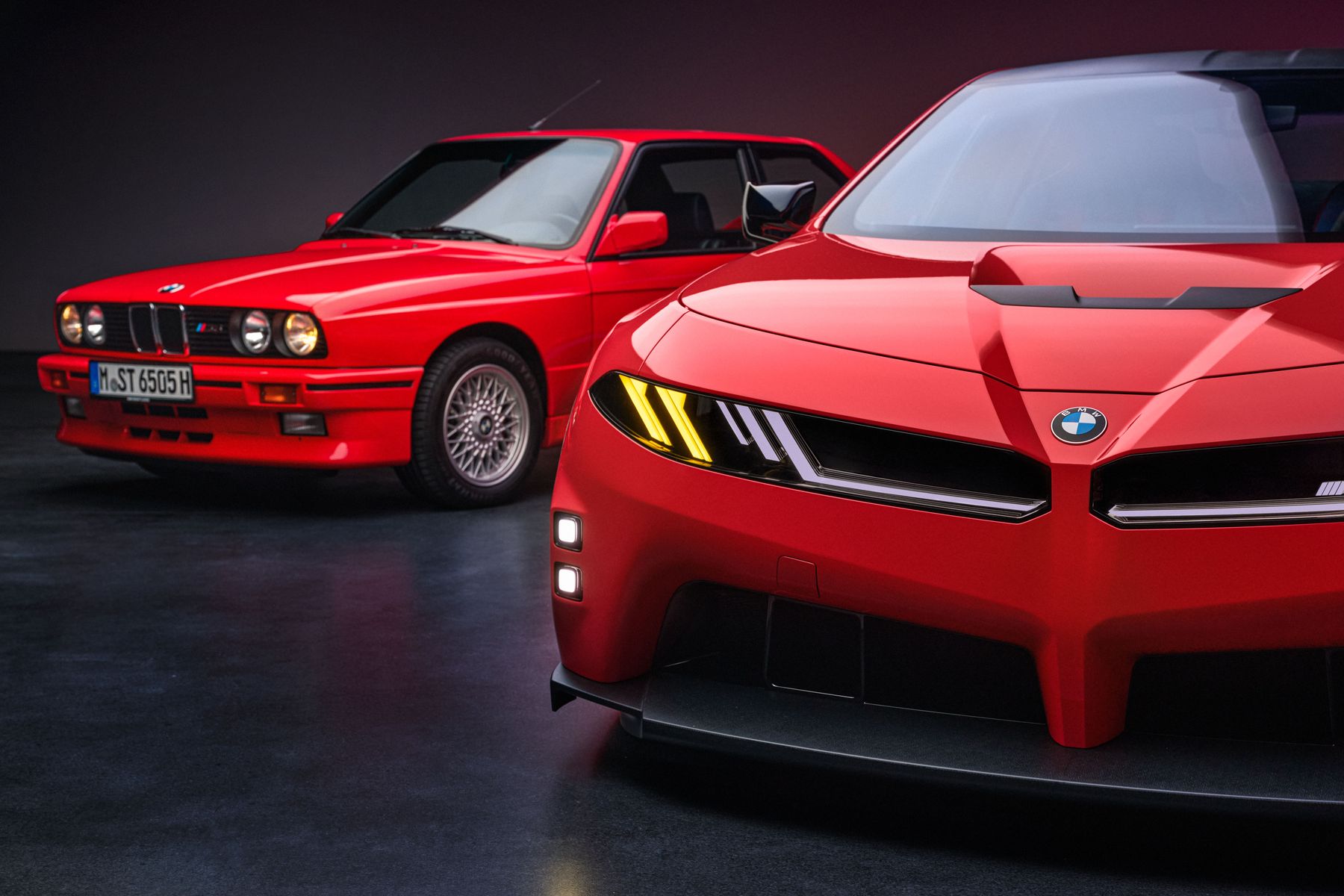
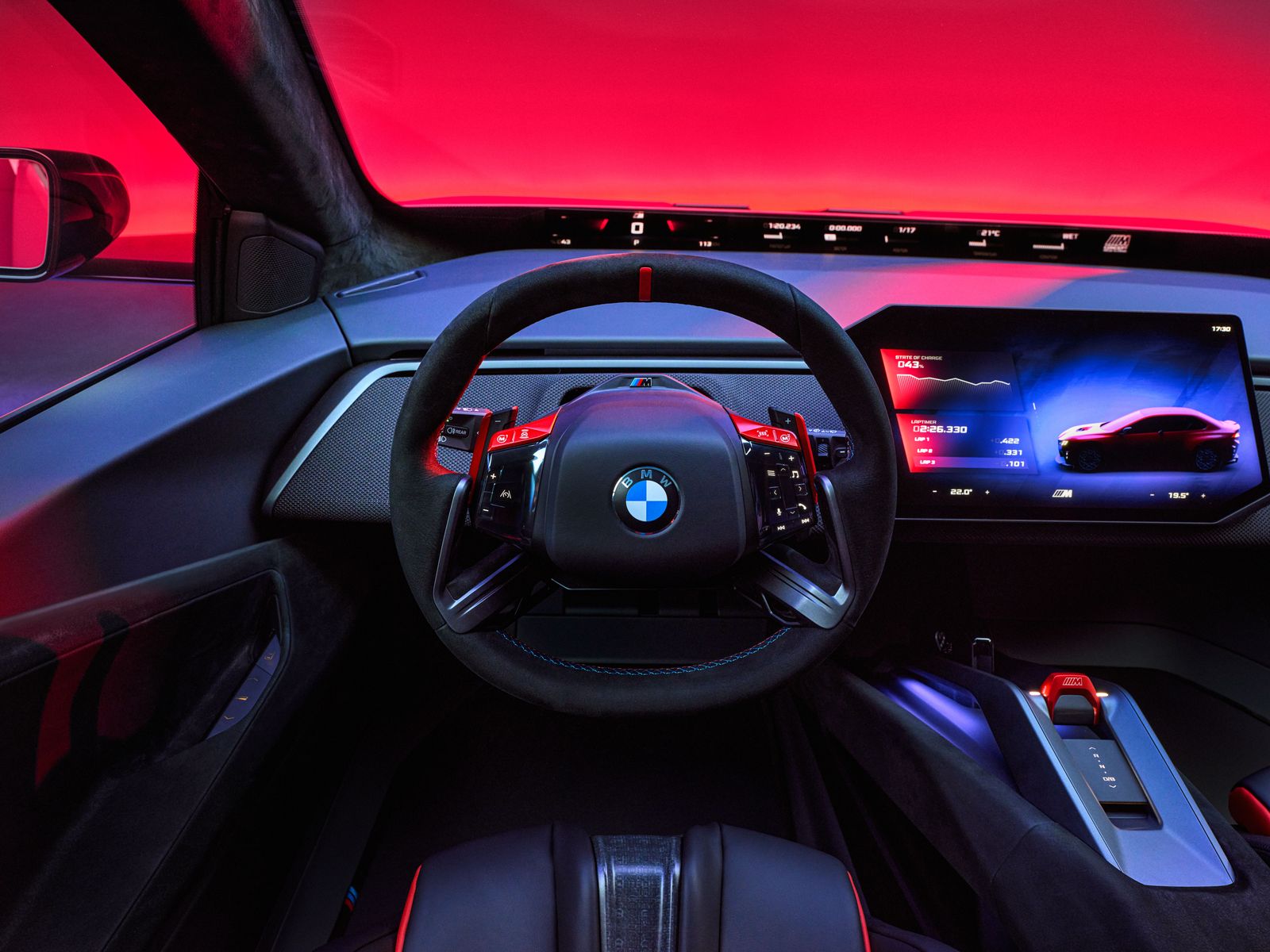
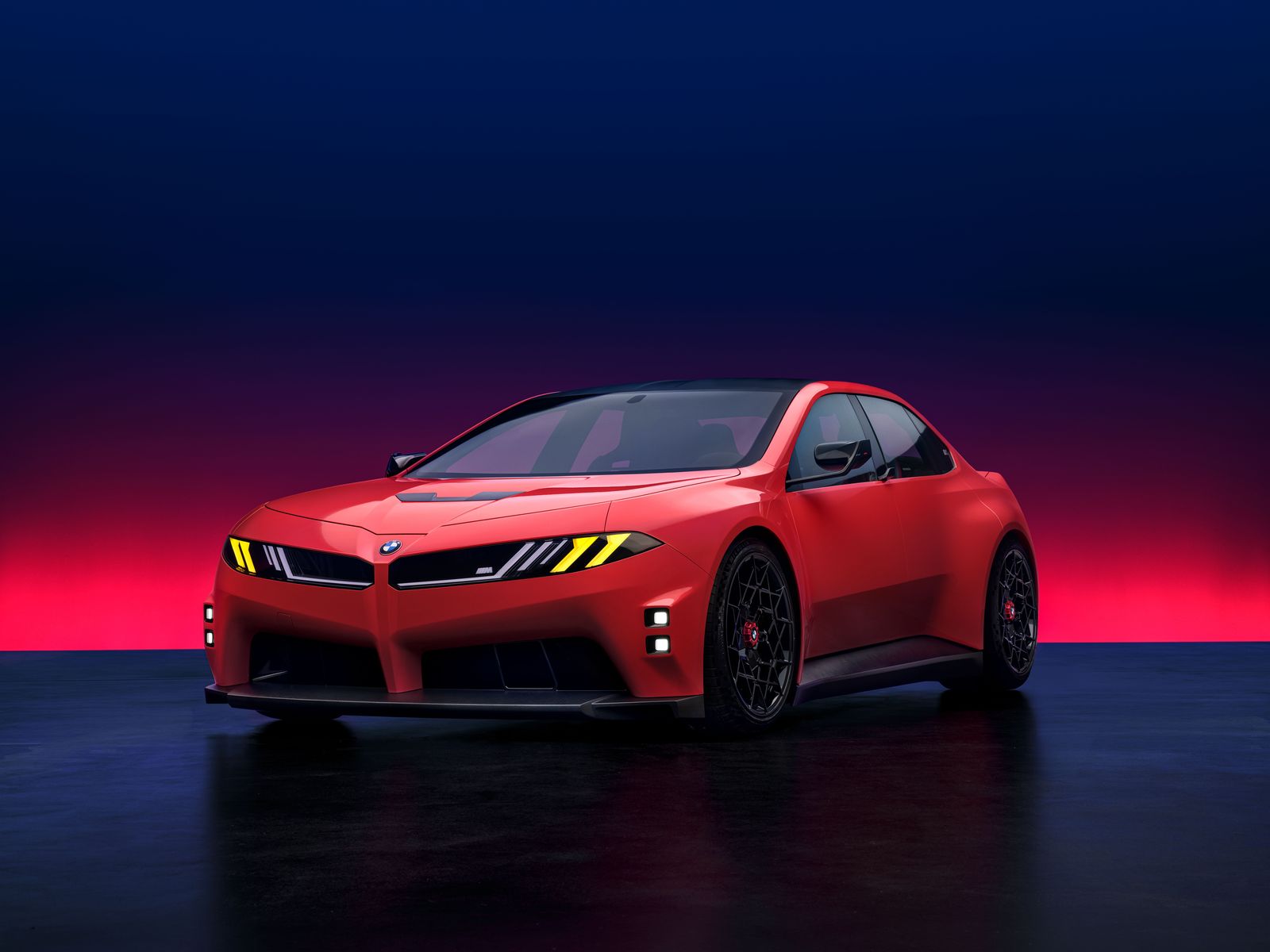
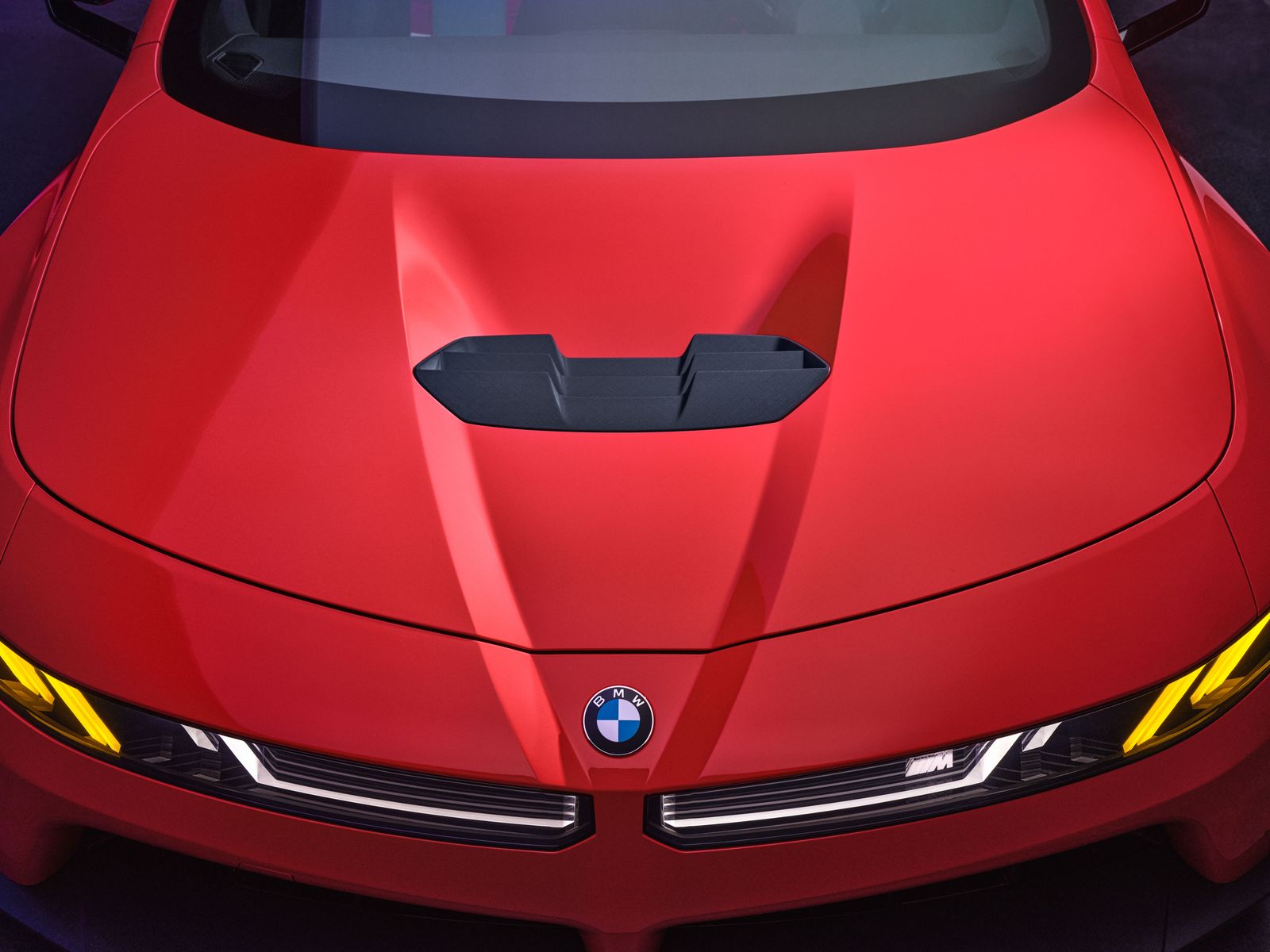
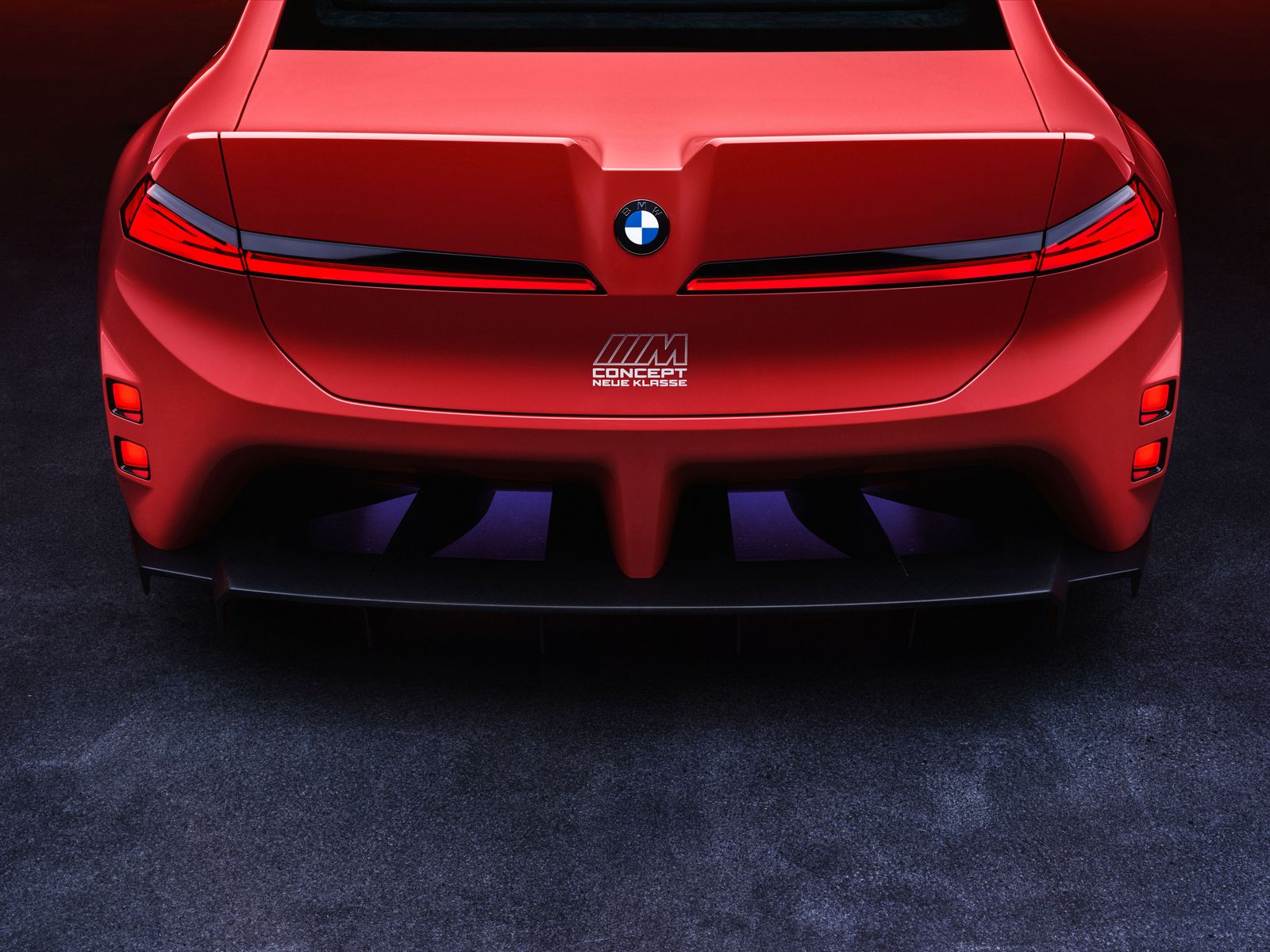
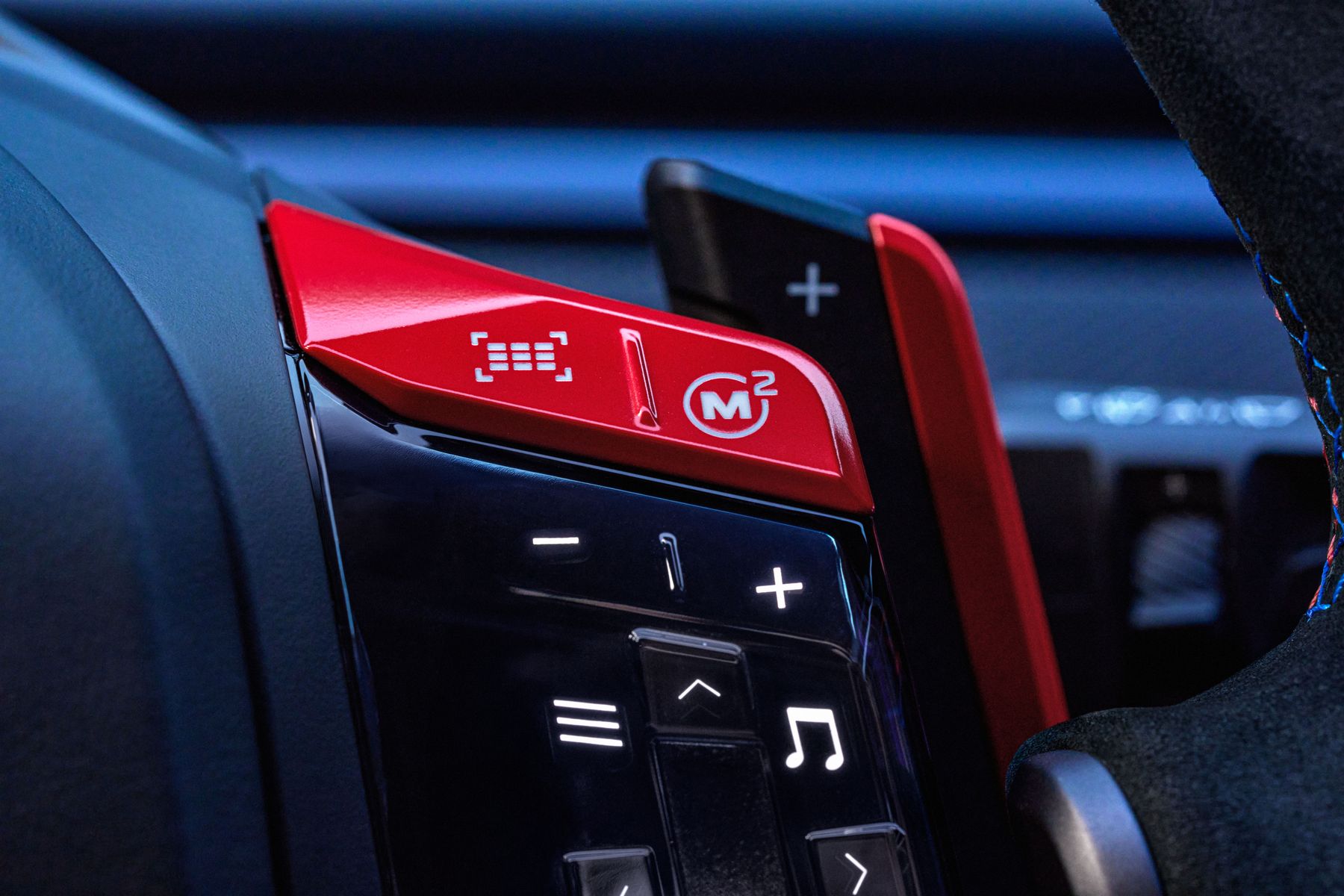
The BMW M Concept Neue Klasse demonstrates just how seriously Munich is taking the project. Visually, the concept bridges the gap to the M3’s illustrious past, with a low, broad-shouldered stance, dramatically flared wheelarches, a distinctive shark-nose front end, a large bonnet vent, yellow LED lighting, a ducktail spoiler and an enormous rear diffuser. Four bucket seats with harnesses establish the performance intent before the car even moves. The driver-focused cockpit borrows heavily from the Neue Klasse production models, although the familiar M1 and M2 shortcut buttons on the steering wheel remain the preserve of BMW’s performance cars, allowing drivers to switch instantly between predefined vehicle configurations.
BMW remains tight-lipped about outright performance. If the BMW iX3 50 xDrive already produces 345 kW / 469 PS, however, the electric M3 could deliver as much as 662 kW / 900 PS. To ensure that performance is more than a short-lived party trick, battery capacity should exceed 100 kWh. The central BMW M Dynamic Performance Control system will be responsible for putting that enormous output onto the road. Working through the high-performance ‘Heart of Joy’ computer, it coordinates propulsion and braking individually at each wheel. Torque can therefore be distributed not only between the front and rear axles, but effectively between all four wheels in real time. The front axle can also be completely disconnected, transforming the electric M3 into a potent rear-wheel-drive machine in the finest M tradition. M development chief Alexander Karajlovic has confirmed that the first fully electric BMW M3 will enter production in 2027.
Around a year later, the petrol-powered M3 will follow. It will use an evolved version of the current 3.0-litre twin-turbocharged straight-six, internally known as the S58. The engine is expected to comply with tougher Euro 7 emissions legislation while retaining the sharp response and appetite for revs that characterise BMW M engines. It is unlikely to match the electric model for outright power, with an anticipated 405 to 441 kW / 550 to 600 PS, all-wheel drive and the eight-speed automatic transmission familiar from today’s Competition models.
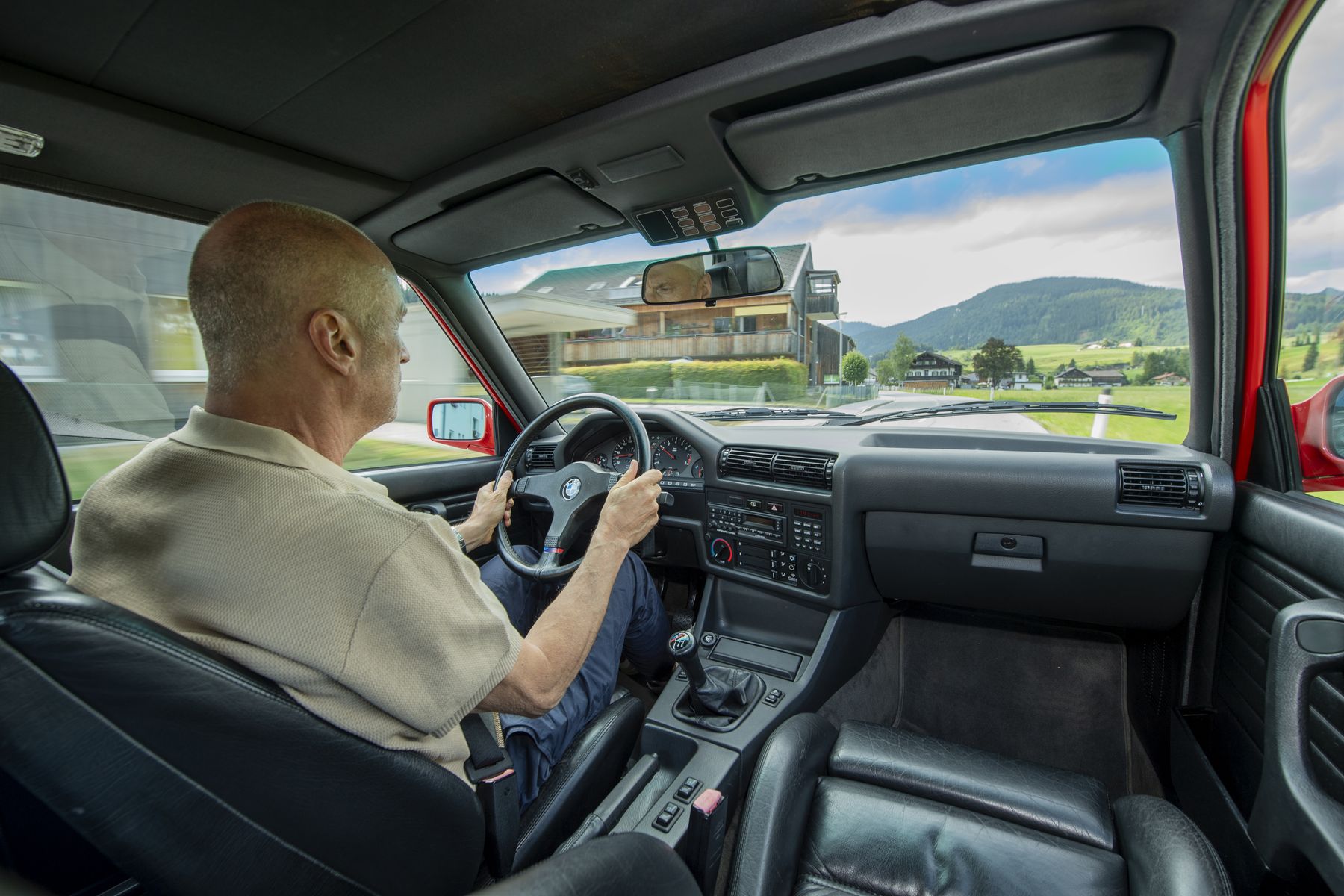
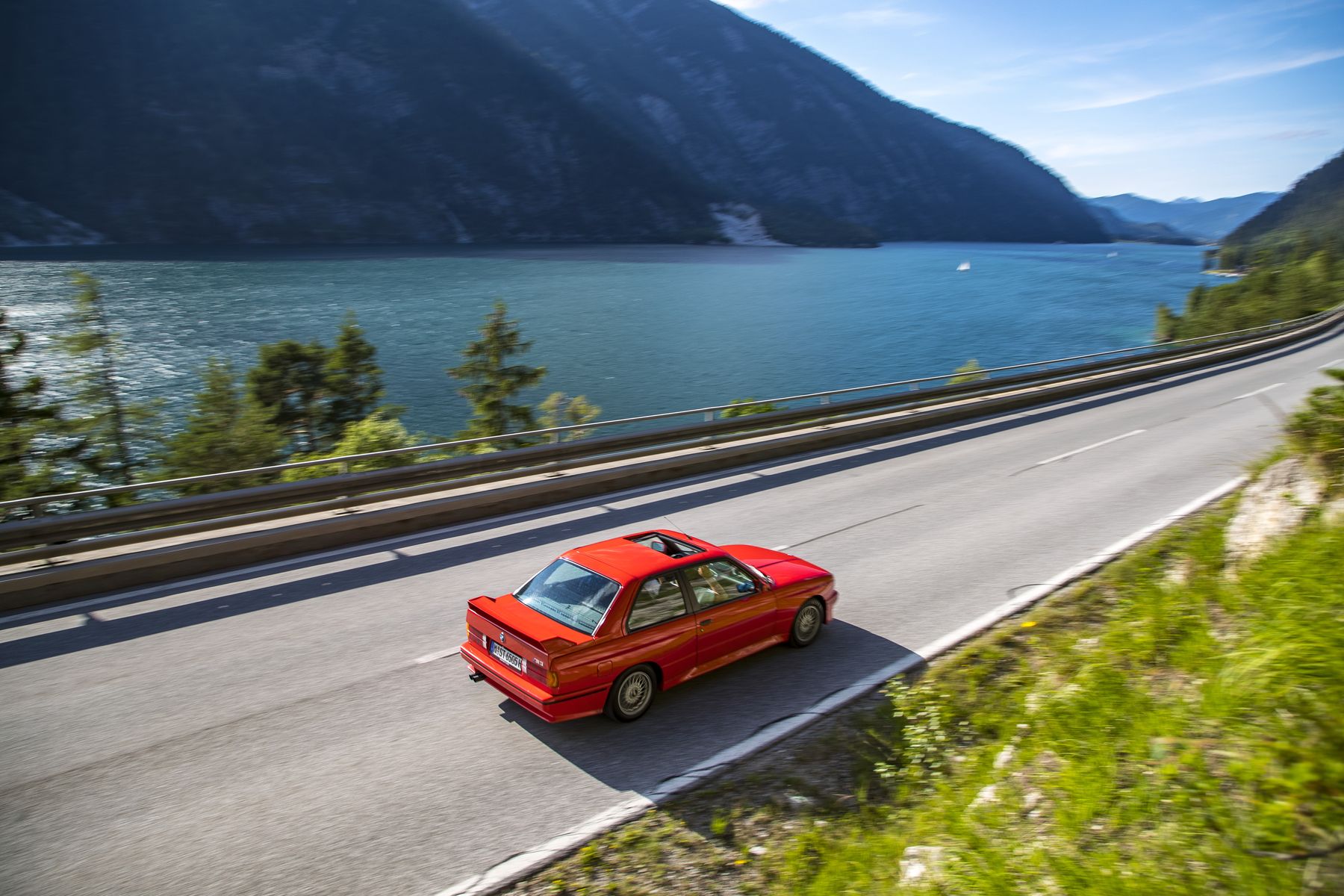
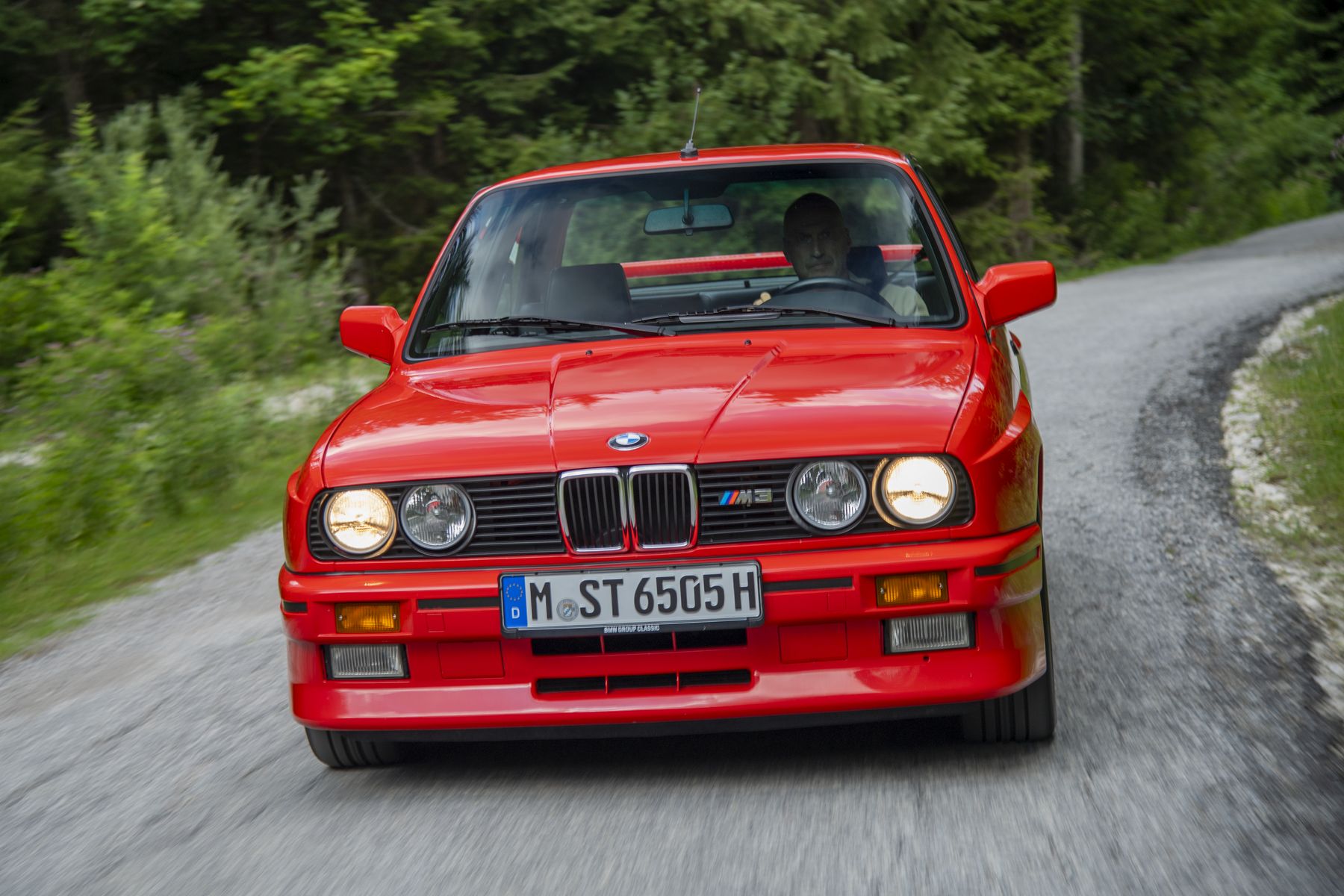
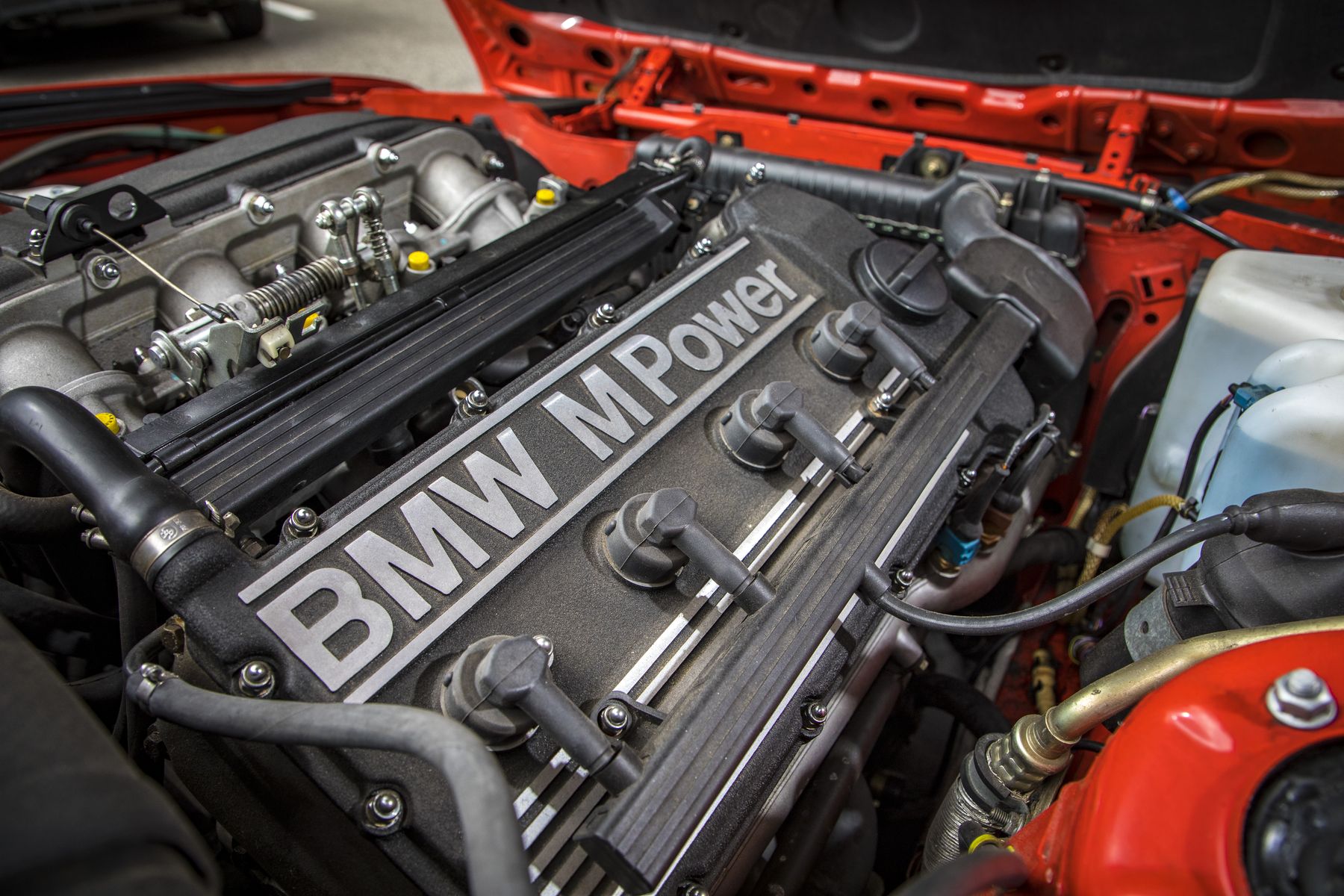
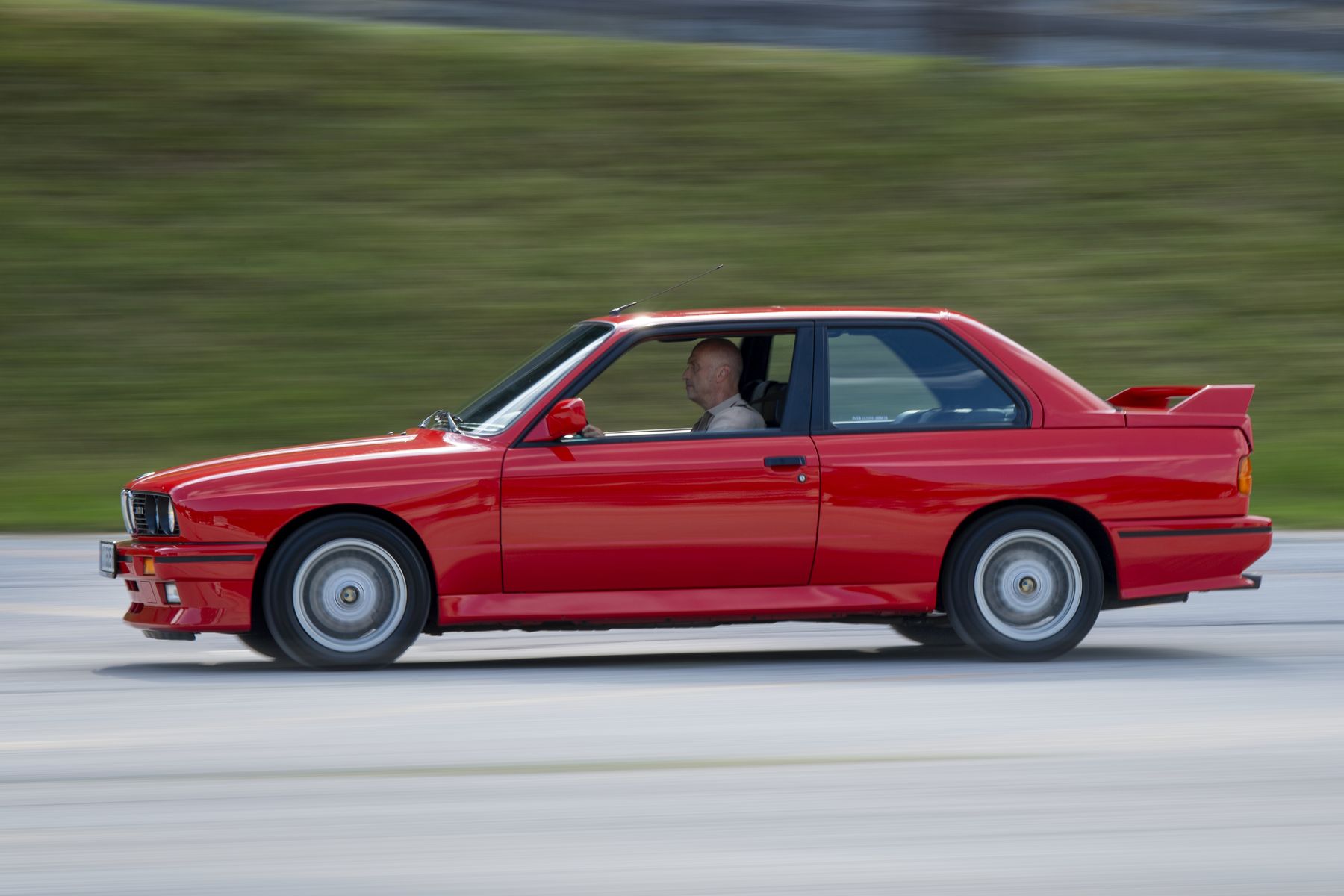
The shoes it has to fill are enormous. After all, the M3 family tree contains some genuinely legendary machinery. Above all there is the original E30 BMW M3. To understand the fascination of M, this is a car that really needs to be driven. Its 143 kW / 195 PS output sounds almost modest today, but that misses the point entirely. The precision with which the now 40-year-old sports saloon can still be driven remains remarkable, accompanied by the infectious metallic soundtrack of its four-cylinder engine.
The man behind the 2.3-litre naturally aspirated S14, the original M3 and BMW’s Formula 1 World Championship-winning turbo engine was legendary engineer Paul ‘Nocken-Paule’ Rosche. From the outset, the M3 was never simply another sporting derivative. BMW Motorsport developed the E30 specifically as a homologation model for touring-car racing. Its swollen wheelarches, more steeply angled rear window, distinctive bootlid and substantial rear wing were not decorative additions; they were essential elements of its aerodynamic package.
That was only the beginning. The era of high-revving straight-six engines followed with the E36 and E46. These later M3s may not have been quite as uncompromising as the original, but they became faster, more refined and no less compelling.
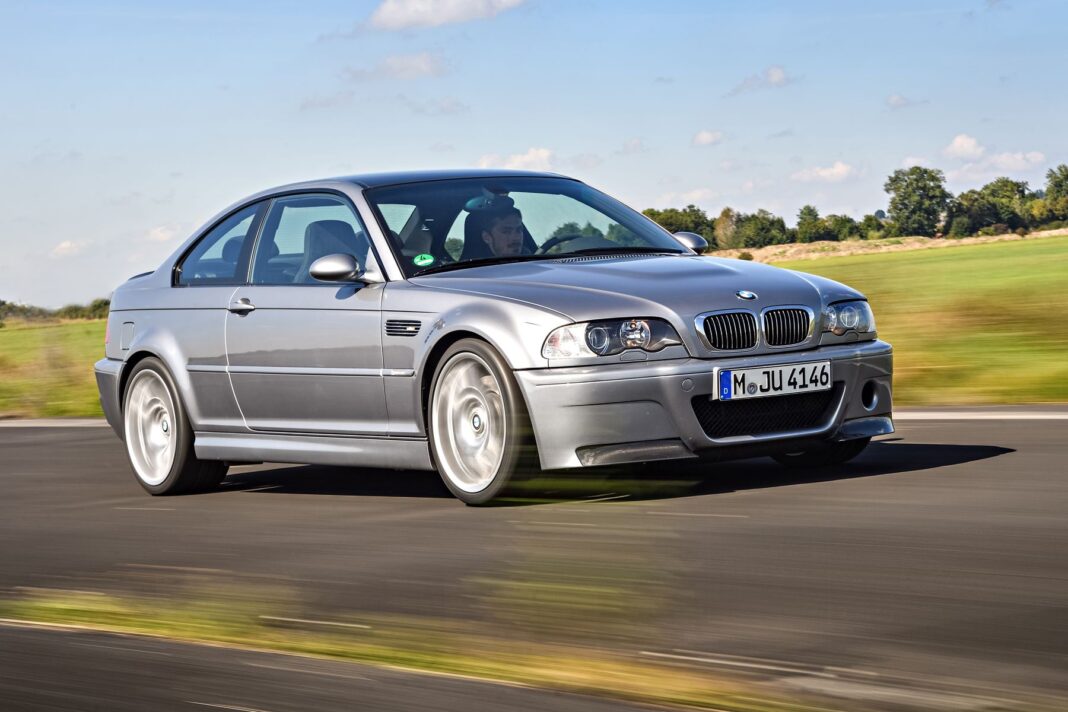
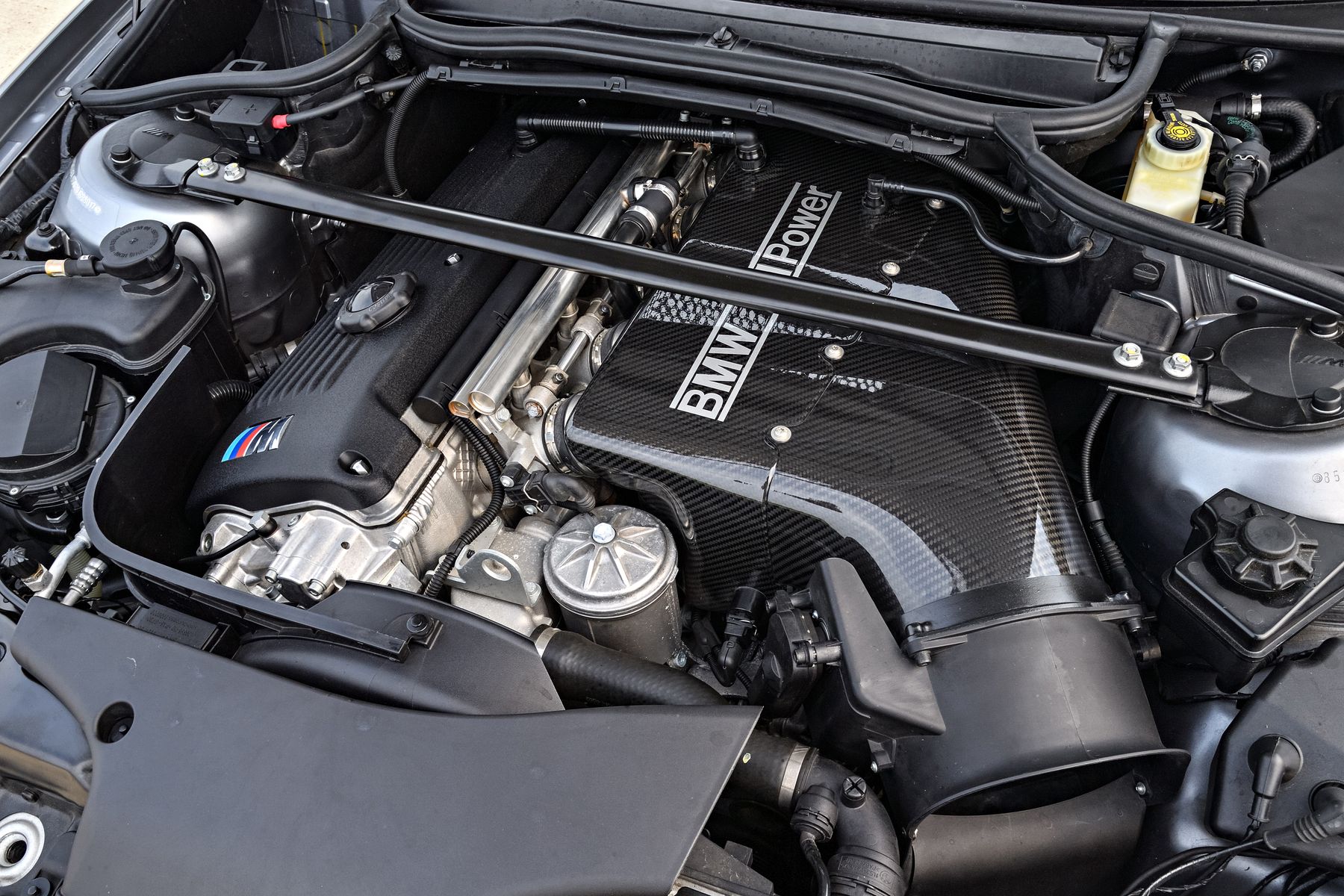
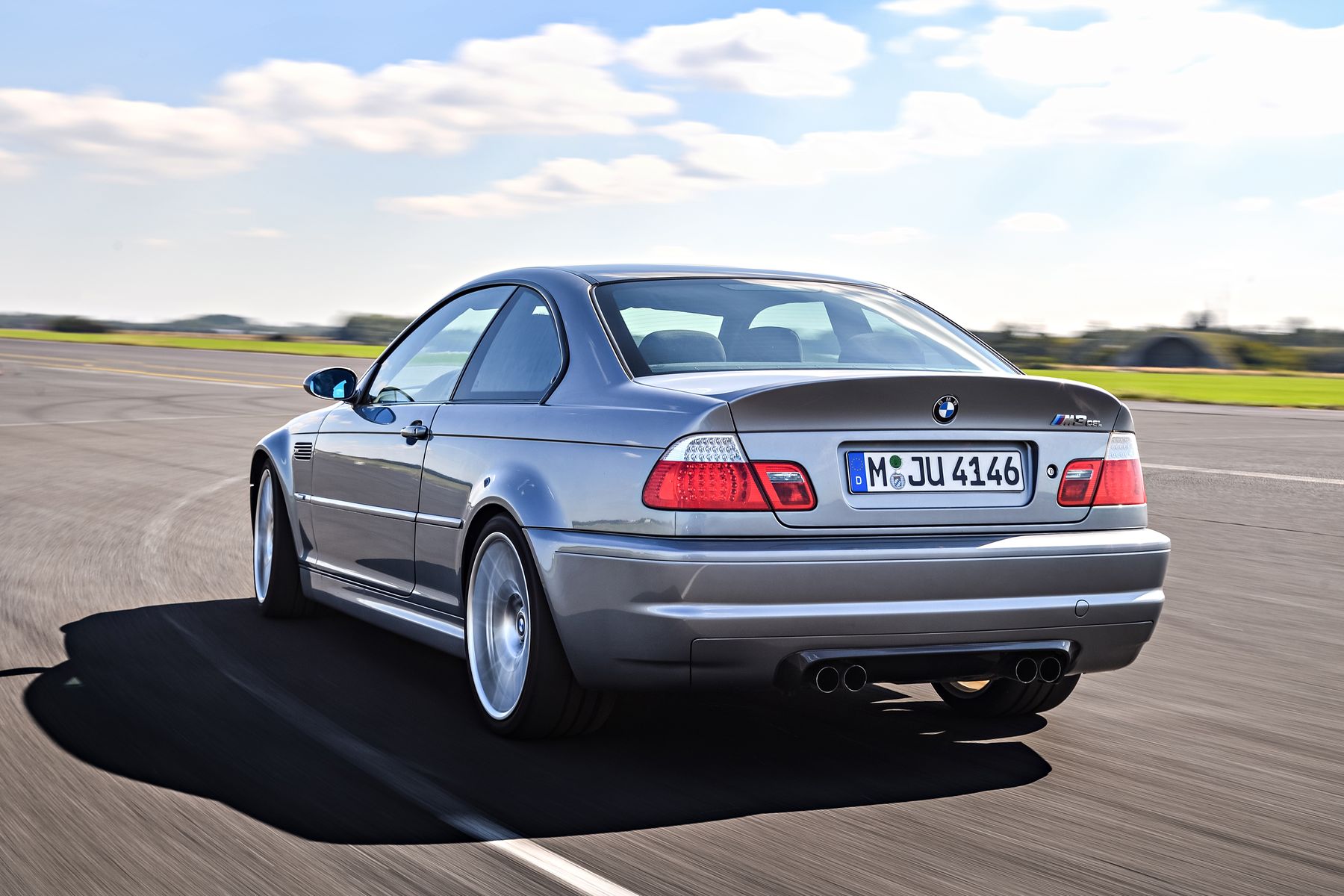
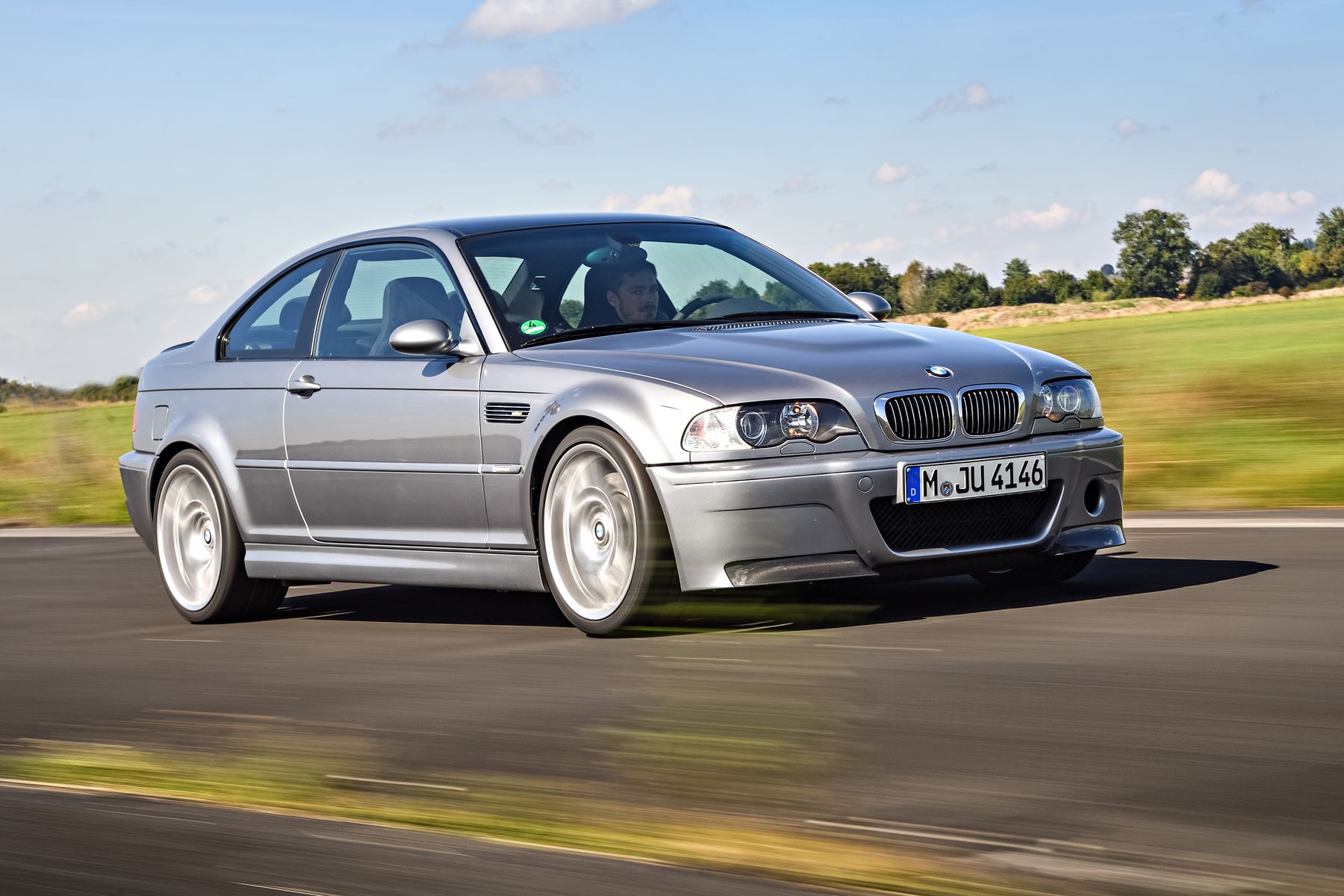
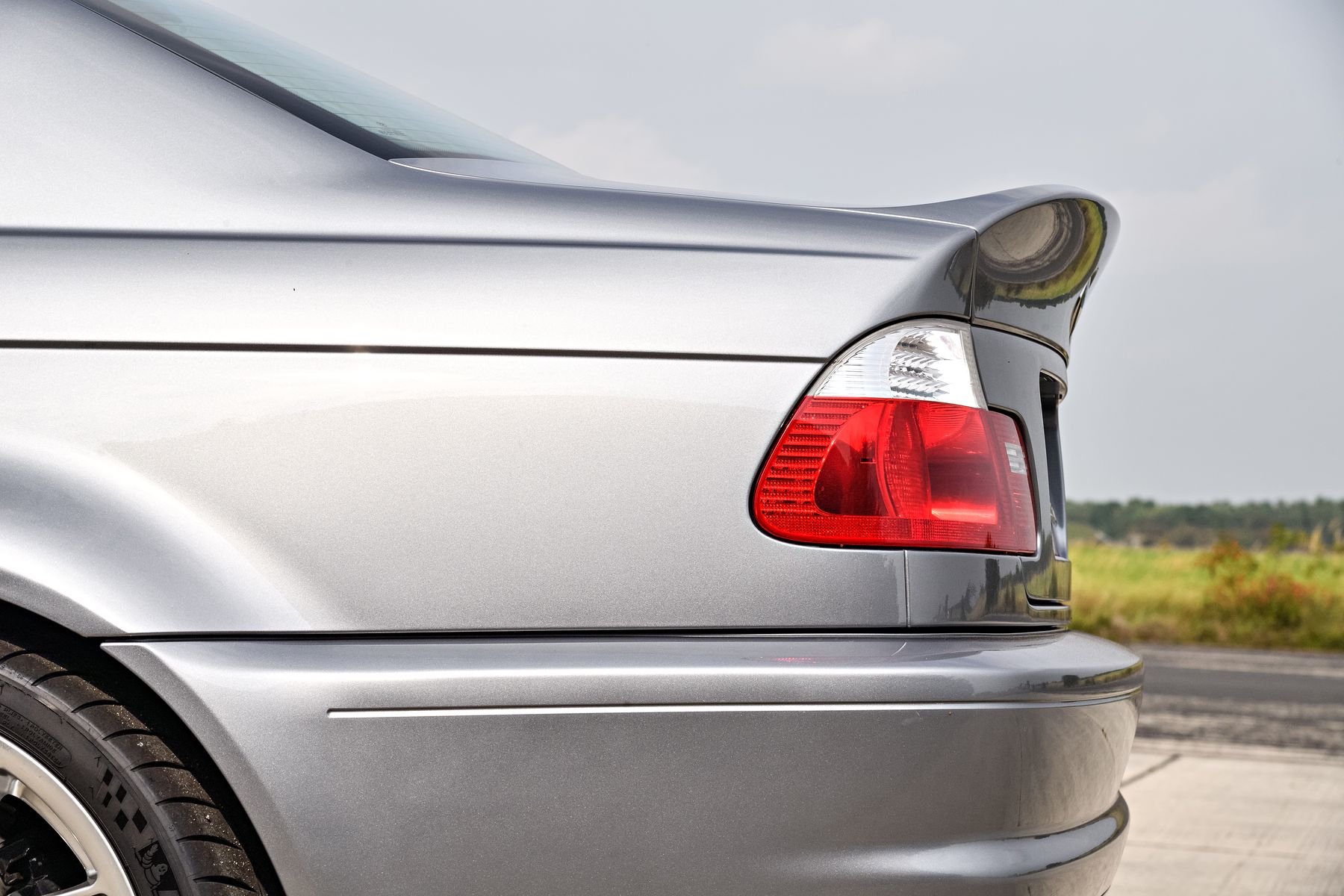
With the E46 M3 CSL in 2003, BMW’s engineers took the pursuit of weight reduction to another level. Its carbonfibre-reinforced plastic roof, thinner rear glass, special seats and numerous other lightweight measures reduced kerb weight to 1,385 kilograms, some 110 kg less than the standard M3. The 3.2-litre straight-six also produced 265 kW / 360 PS, 13 kW / 17 PS more than the regular engine. The combination of reduced mass, additional performance, an unforgettable engine note and wonderfully delicate agility made the CSL one of the ultimate expressions of the M3 formula.
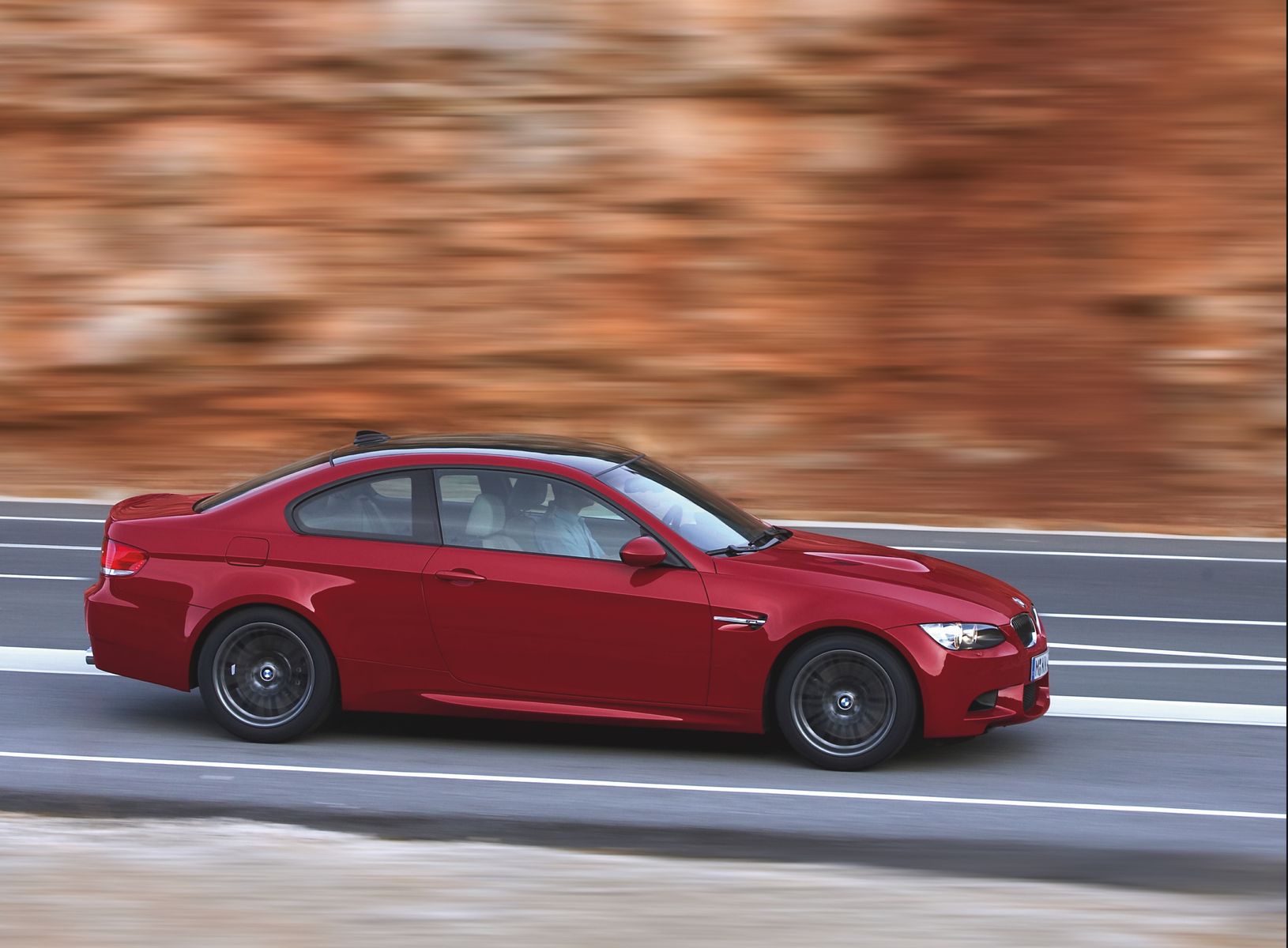
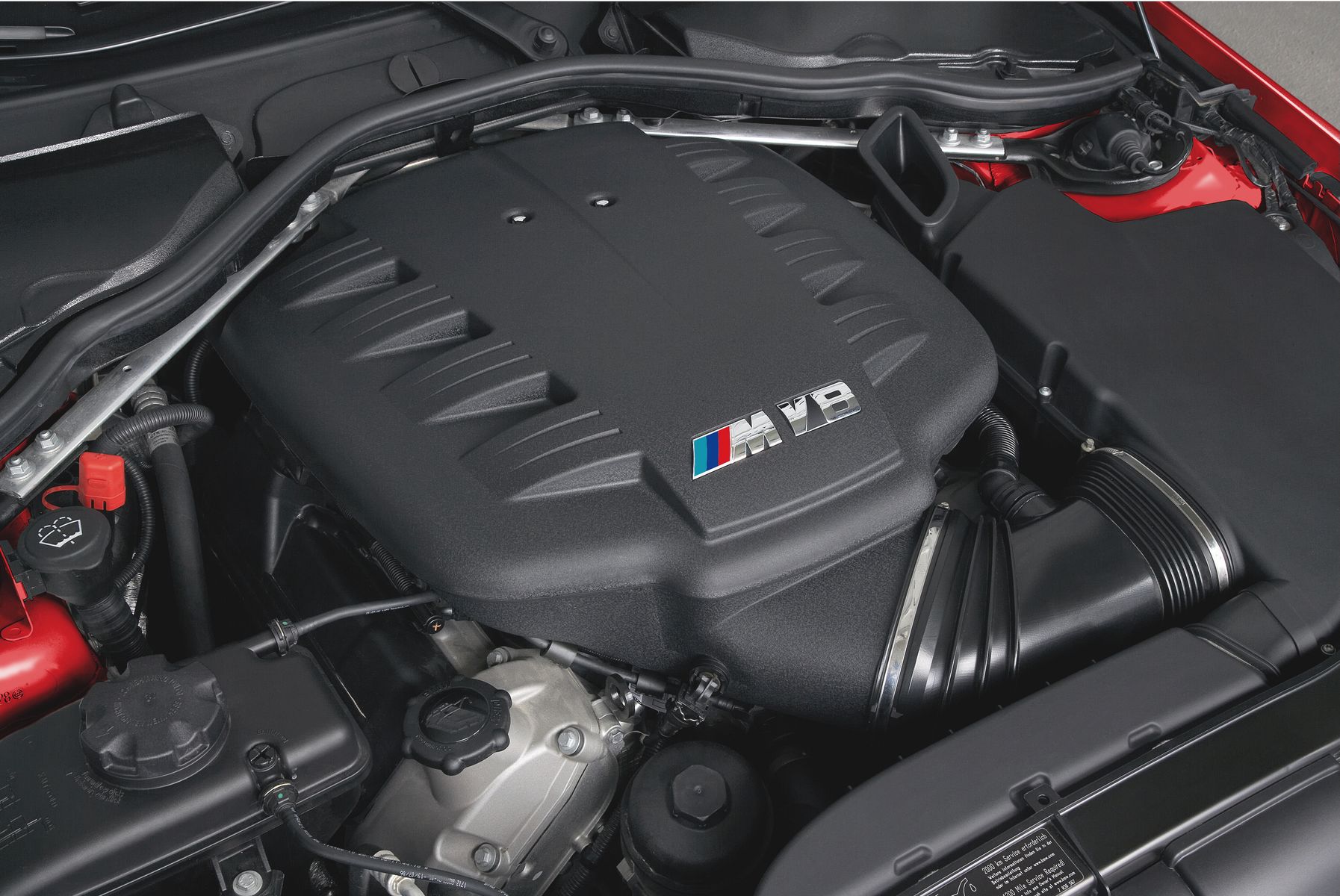
In 2007, BMW M GmbH began another remarkable chapter. The E9x-generation M3 adopted a high-revving 4.0-litre V8 producing 309 kW / 420 PS. Capable of spinning to 8,400 rpm, its soundtrack ranged from a metallic howl to something approaching a competition engine at full attack. It remains the only production M3 powered by eight cylinders and, with hindsight, stands as an automotive exclamation mark from an era when emissions, weight and fleet consumption did not yet dictate almost every engineering decision.
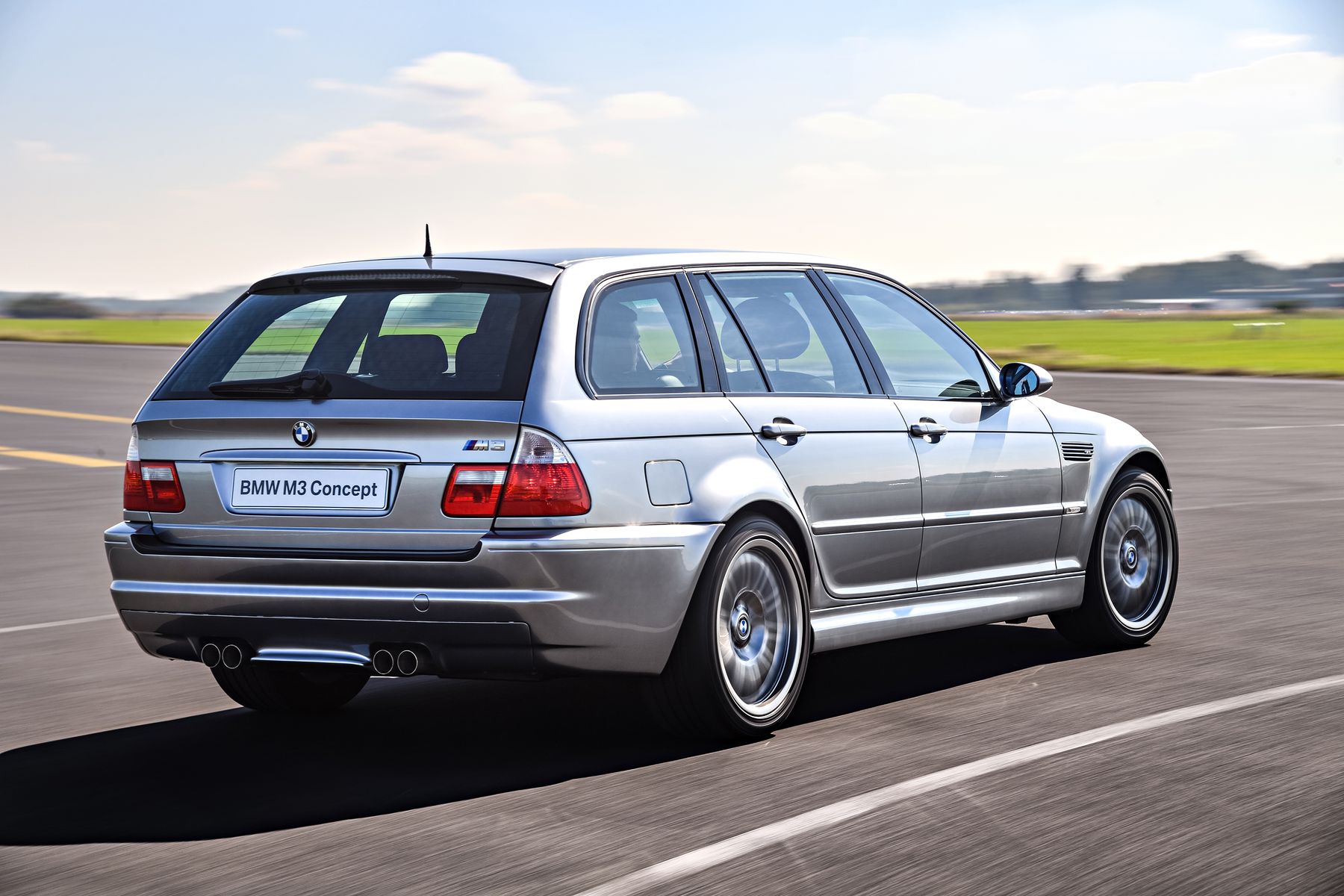
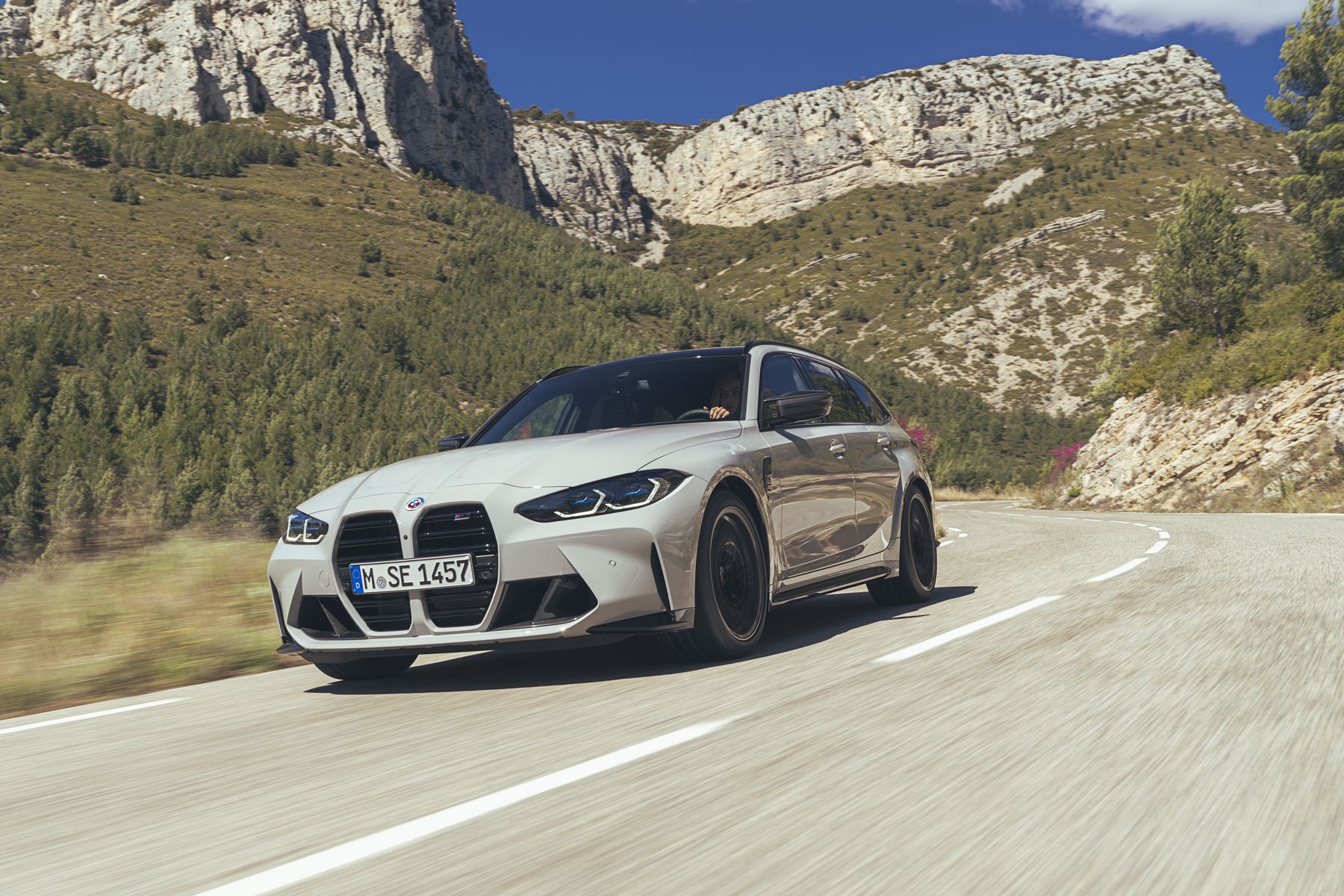
With the latest G80 generation, BMW expanded the M3’s repertoire once again. For the first time, the saloon became available with all-wheel drive and was eventually joined by the G81 M3 Touring. In doing so, Munich finally granted a wish M3 enthusiasts had held since the E46 Touring prototype was shown in 2000. In 2022, it became reality: five doors, a versatile luggage compartment, a straight-six engine and chassis tuning developed with the racetrack firmly in mind. The M3 had completed its evolution from homologation special into a high-
performance machine capable of handling almost every aspect of everyday life.
And so the M3 enters its fifth decade not with a straightforward choice between past and future, but with two very different answers to the same question. One continues to rely on cylinders, combustion and mechanical rhythm. The other embraces four electric motors, software and lightning-fast torque distribution.
Ultimately, the important question will not be which M3 produces the bigger number. It will be whether the electric version can generate, within its first few metres, that difficult-to-define sensation shared by every truly great M3: the feeling that it is not simply the engine, but the entire car that has been built around its driver.