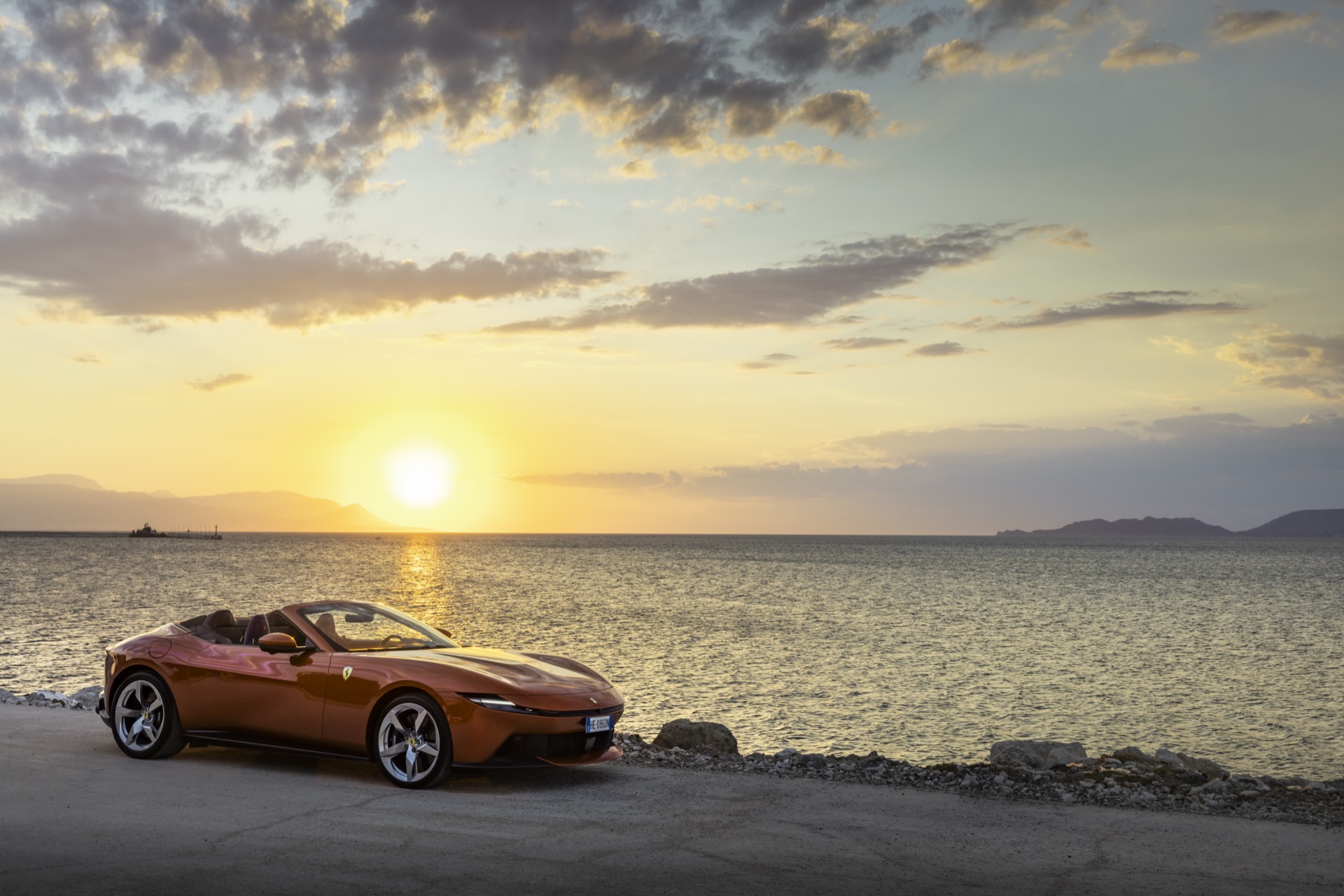
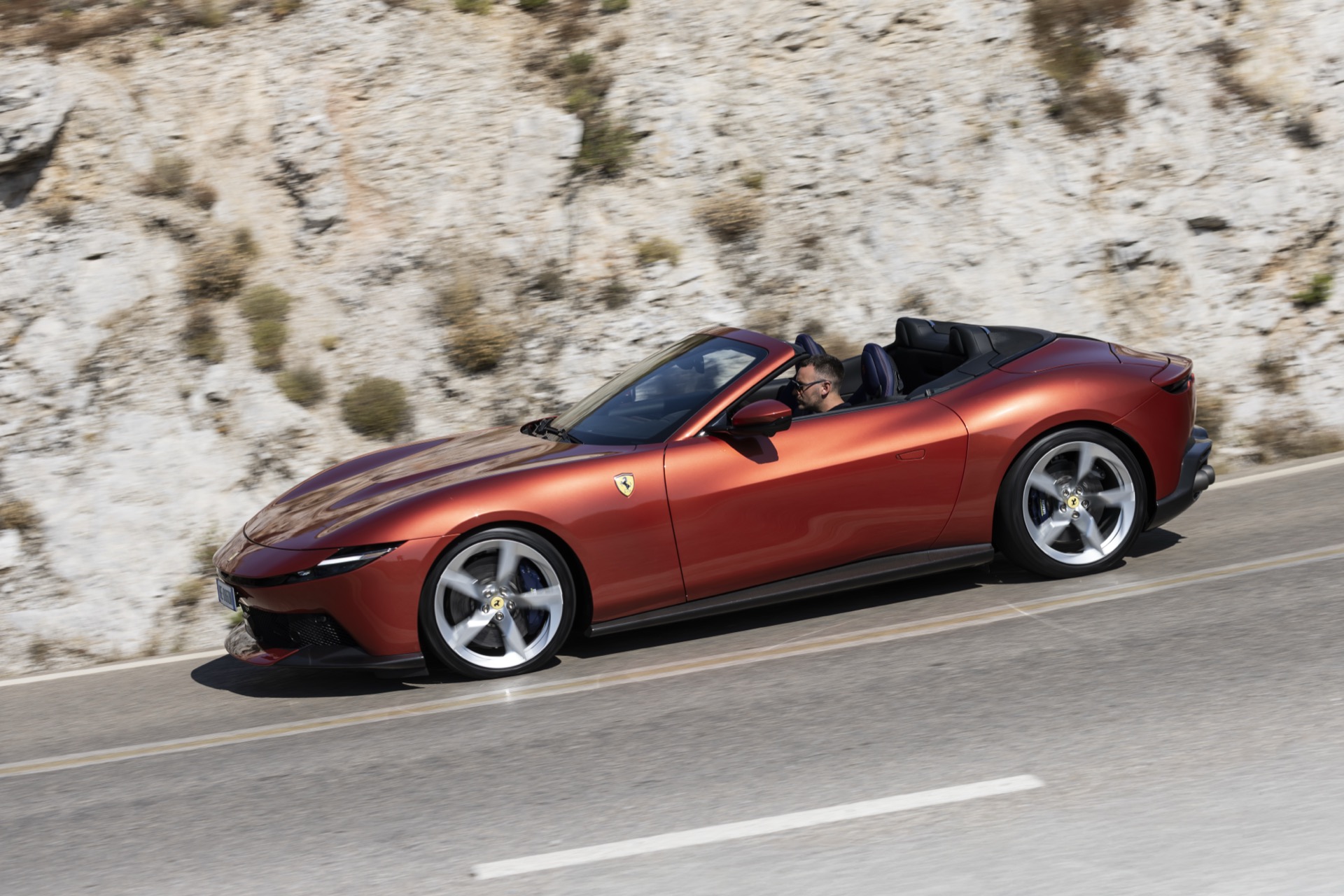
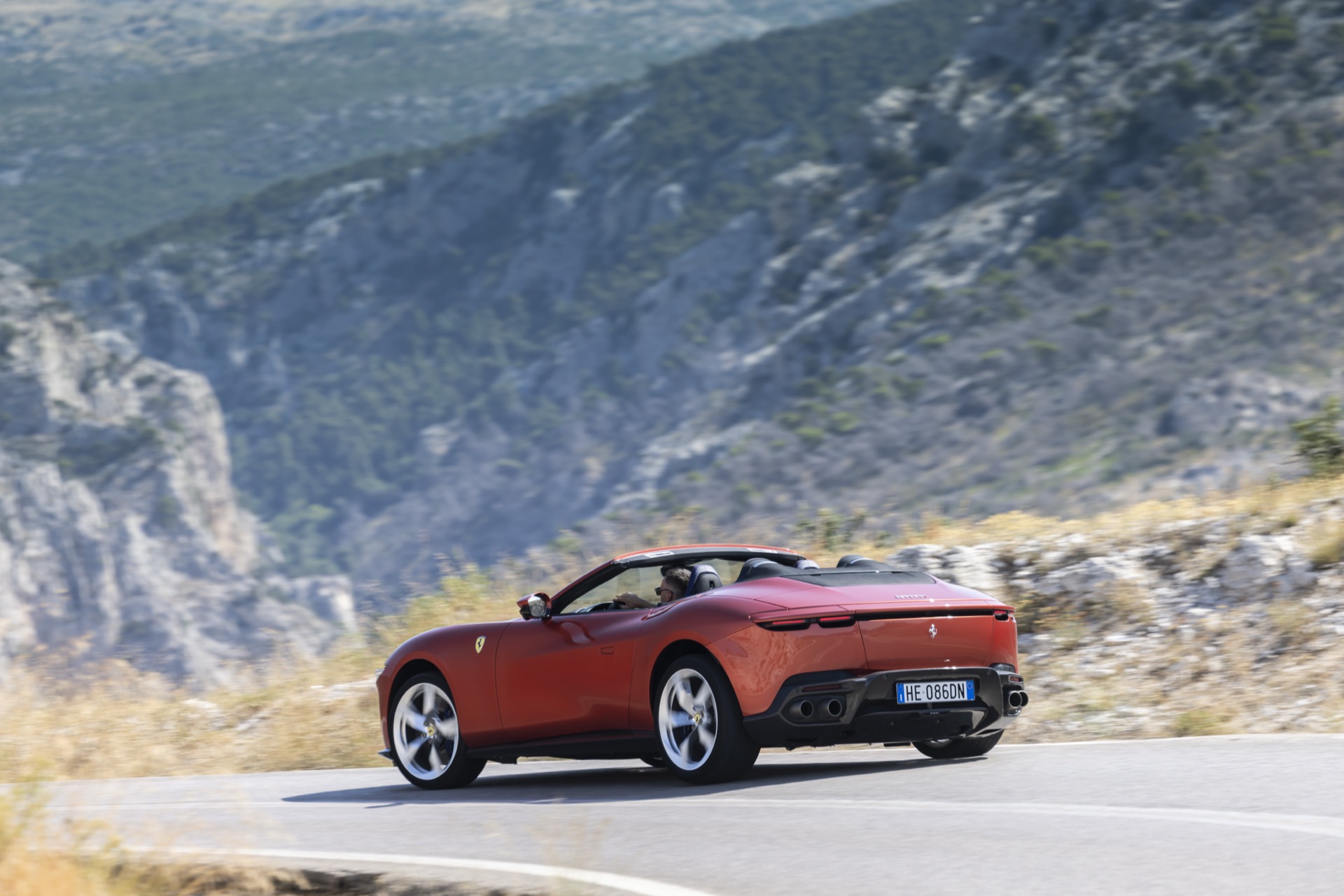
Athens in peak summer is not a gentle environment for any car, let alone a front-engined V8 spider. The heat radiates from the road, the air shimmers above the tarmac and the temptation to escape beneath a closed roof and climate-controlled cabin is understandable. Yet if any setting is made for a car like the Ferrari Amalfi Spider, surely it is this: bright light, coastal roads, warm air and the expectation of hearing a Maranello V8 with nothing between you and the sky.
The coupé version of the Amalfi had already made a very strong impression. I drove it a few months ago in Portugal and came away convinced that “entry-level” was merely its place in the Ferrari hierarchy, not a reflection of the way it drove. It felt light, direct, immediate and deeply satisfying, with the twin-turbo V8, eight-speed dual-clutch gearbox and control philosophy working together rather than fighting for attention. The obvious question, then, was whether the Spider could keep that magic intact while adding the open-air theatre.
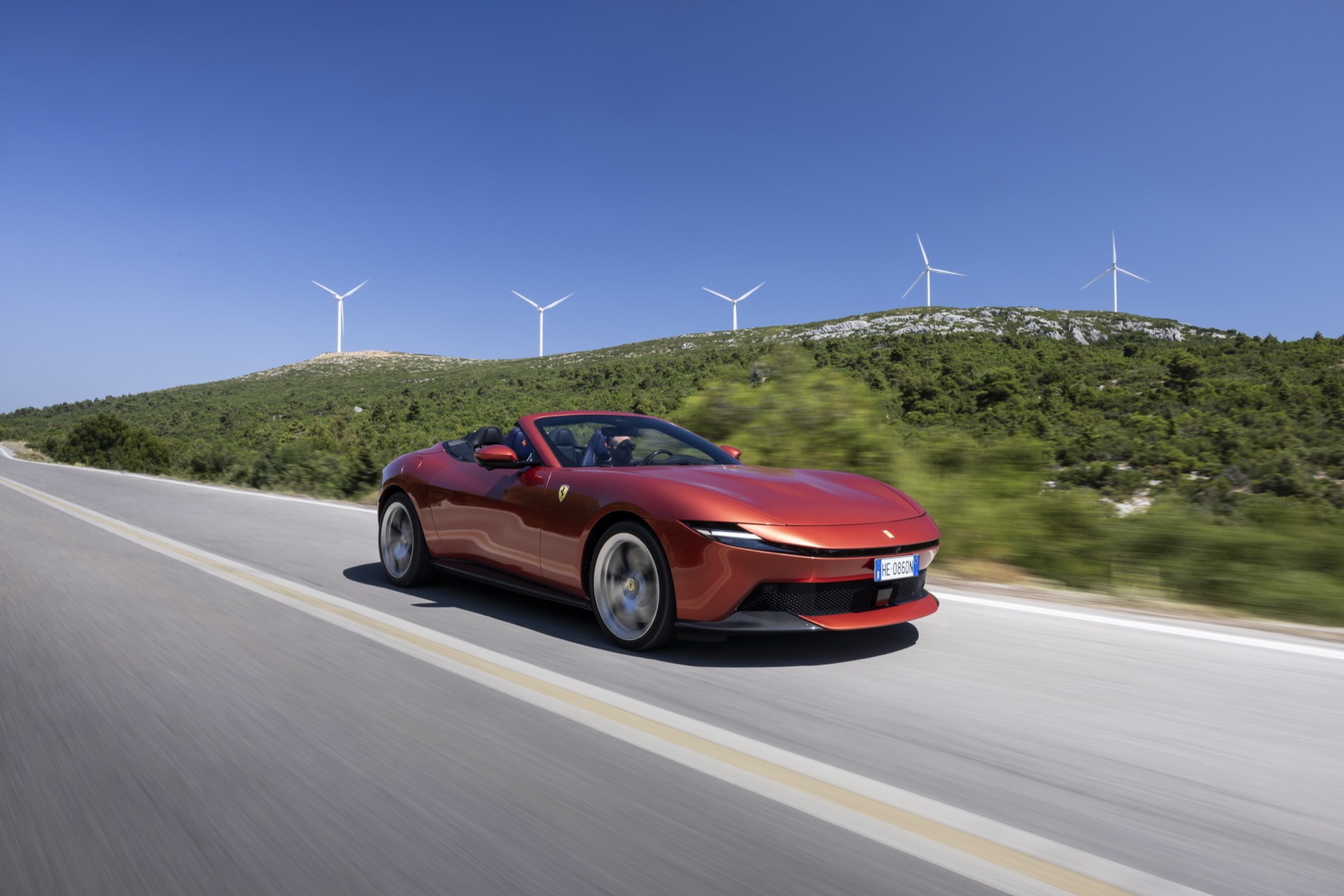
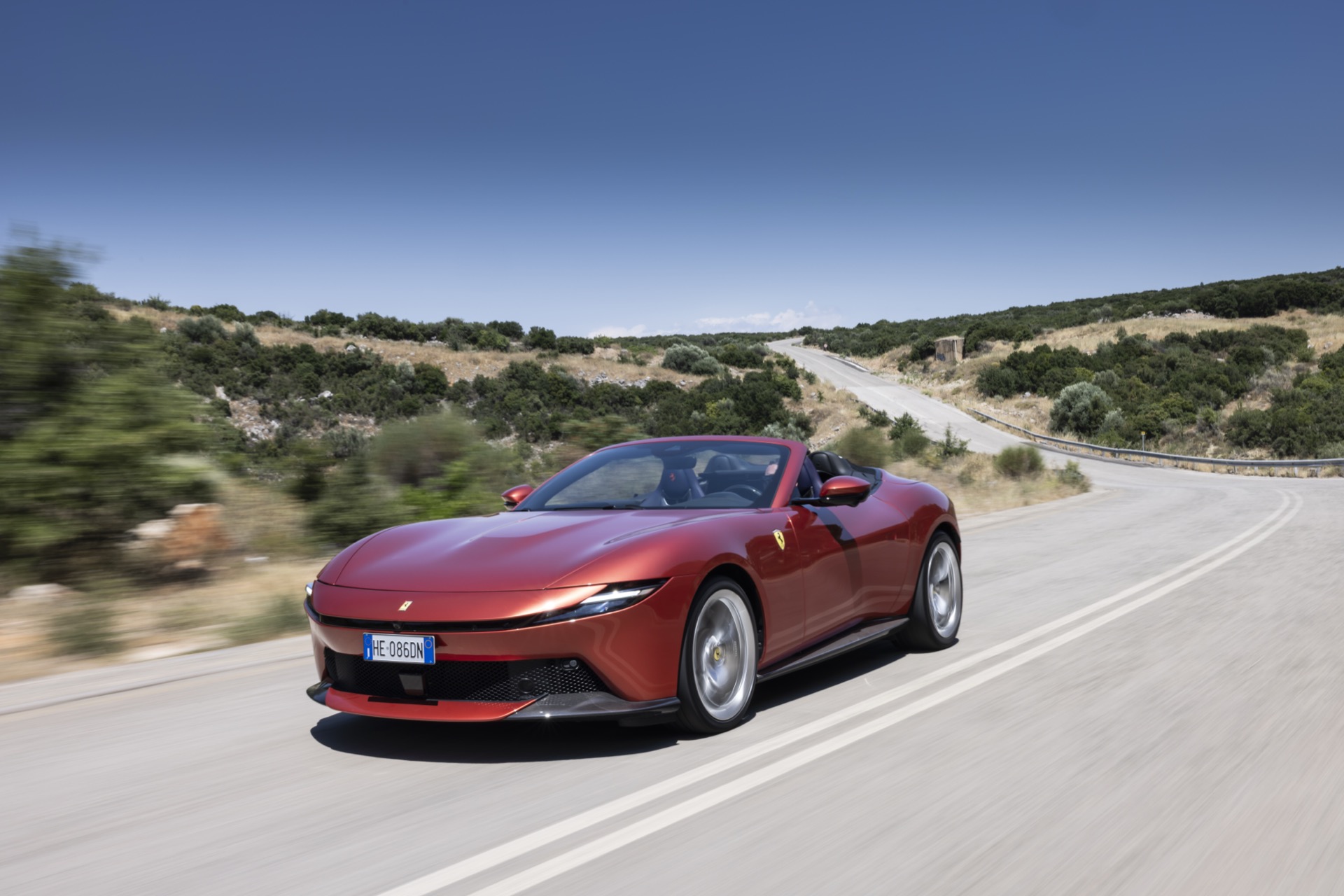
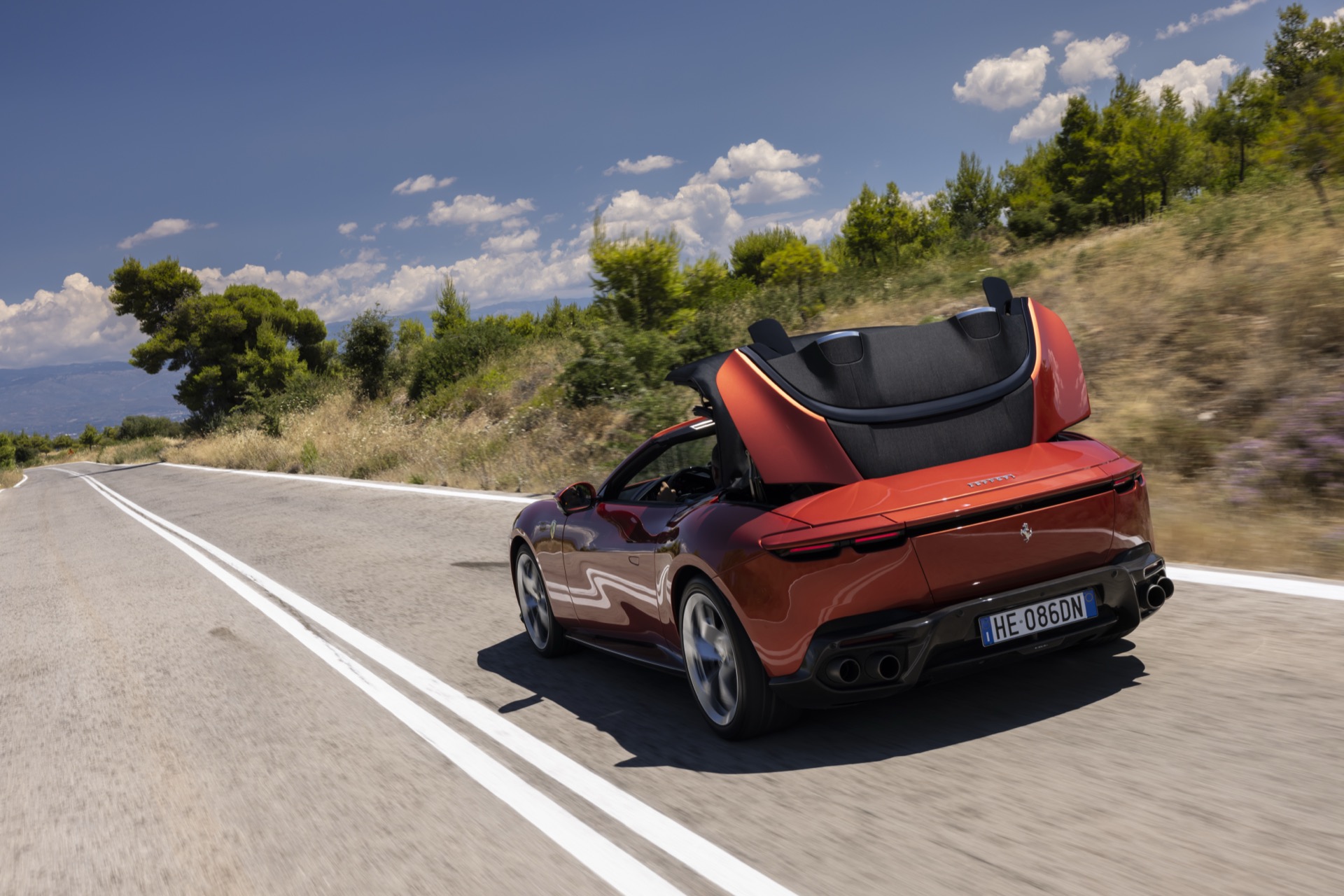
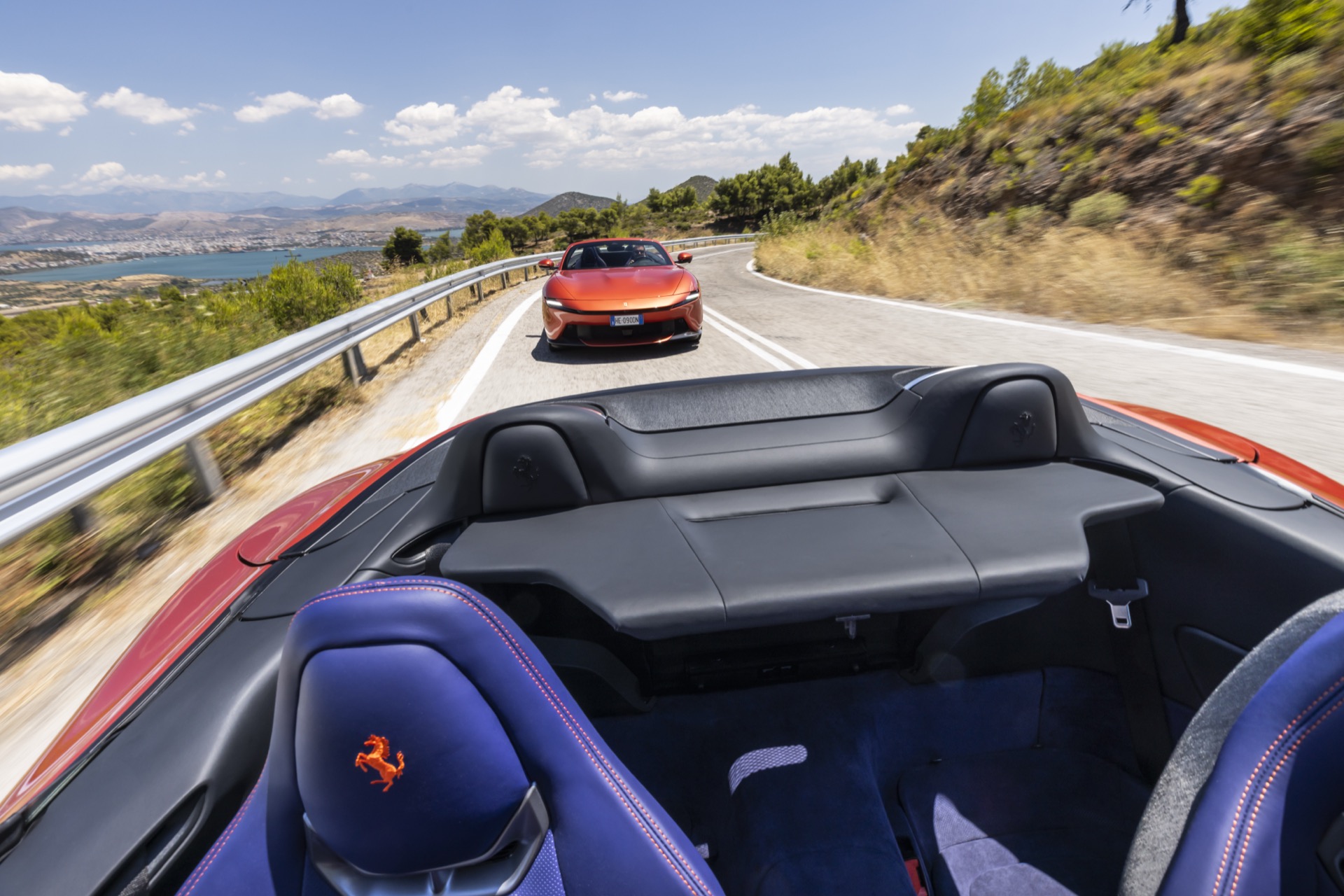
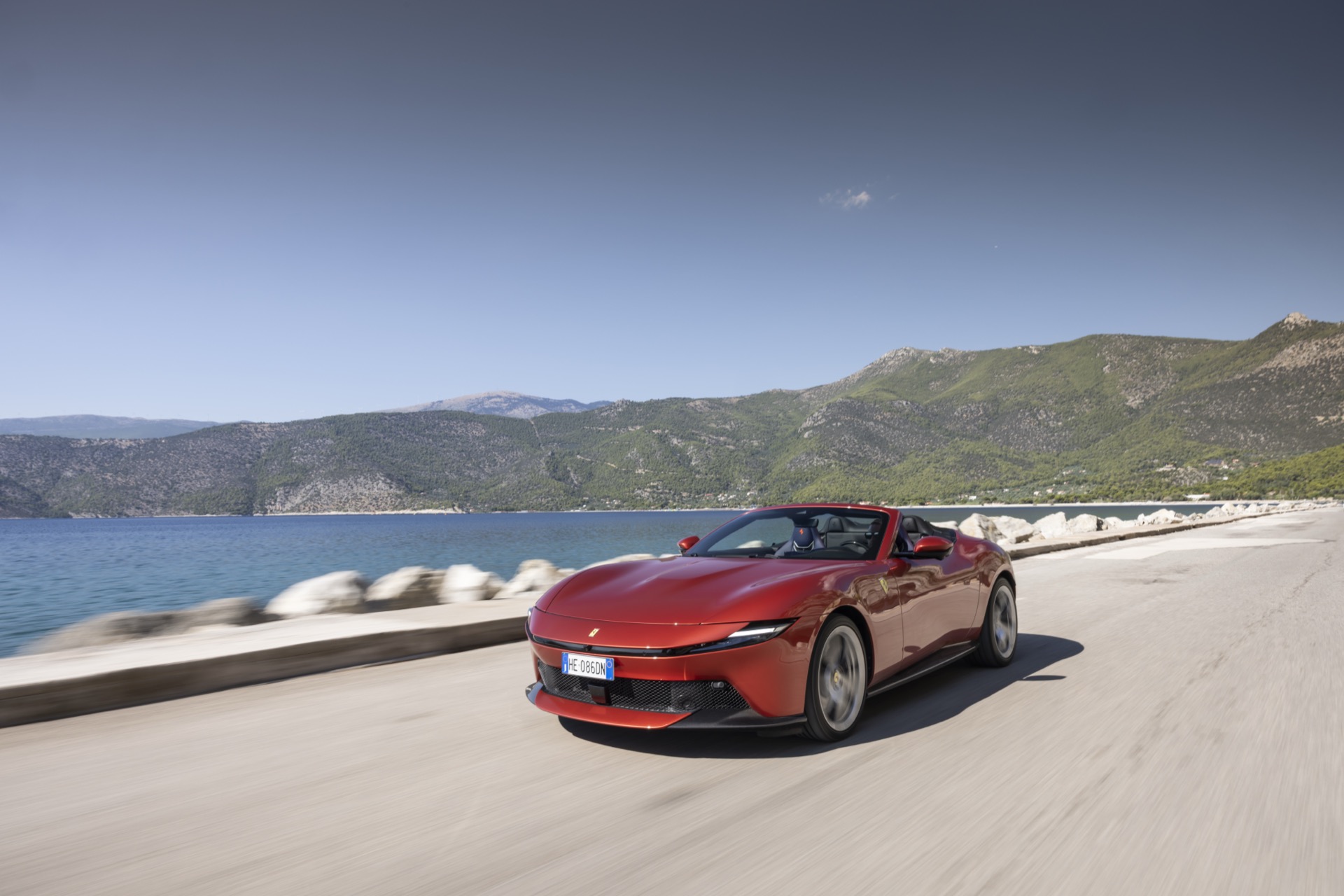
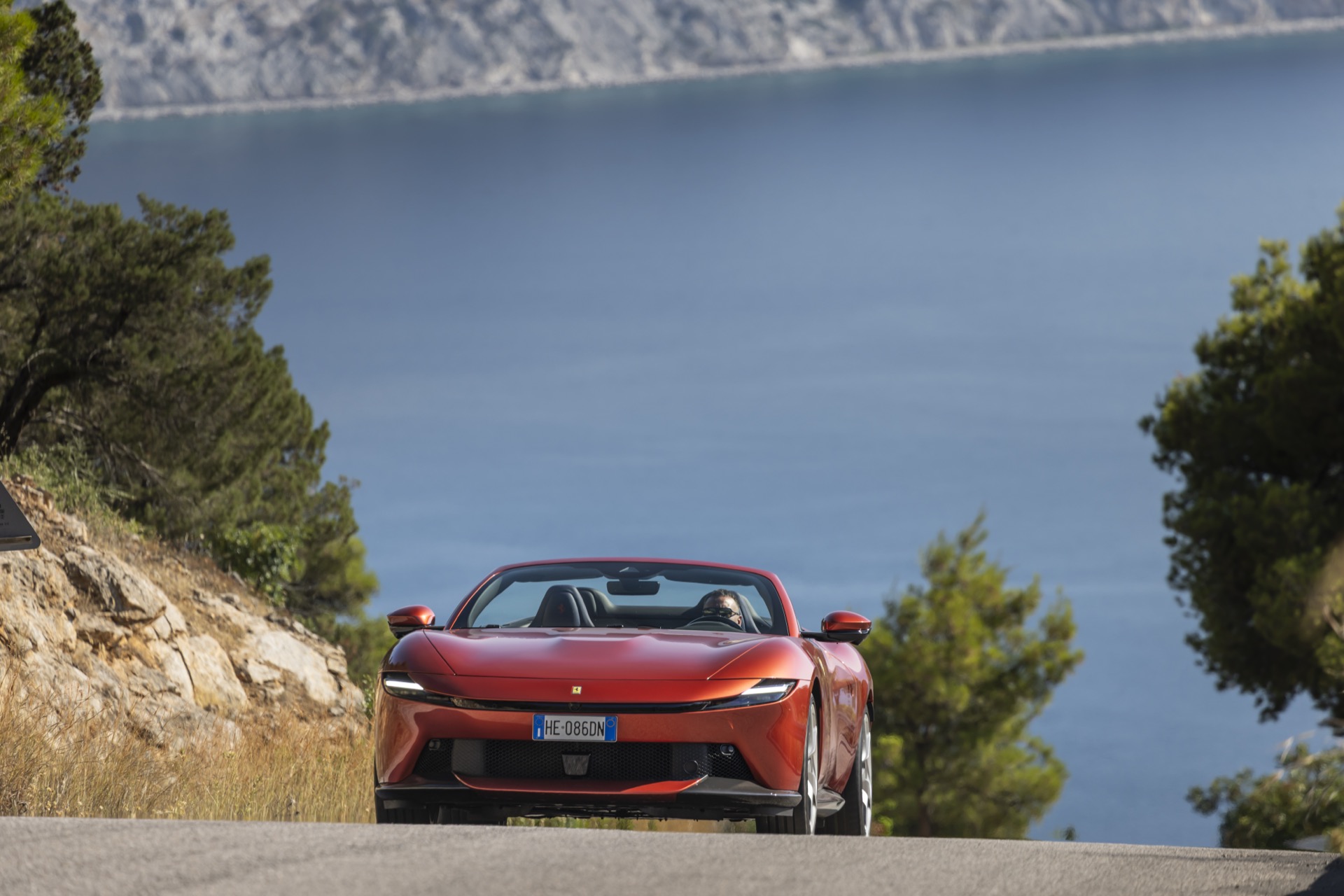
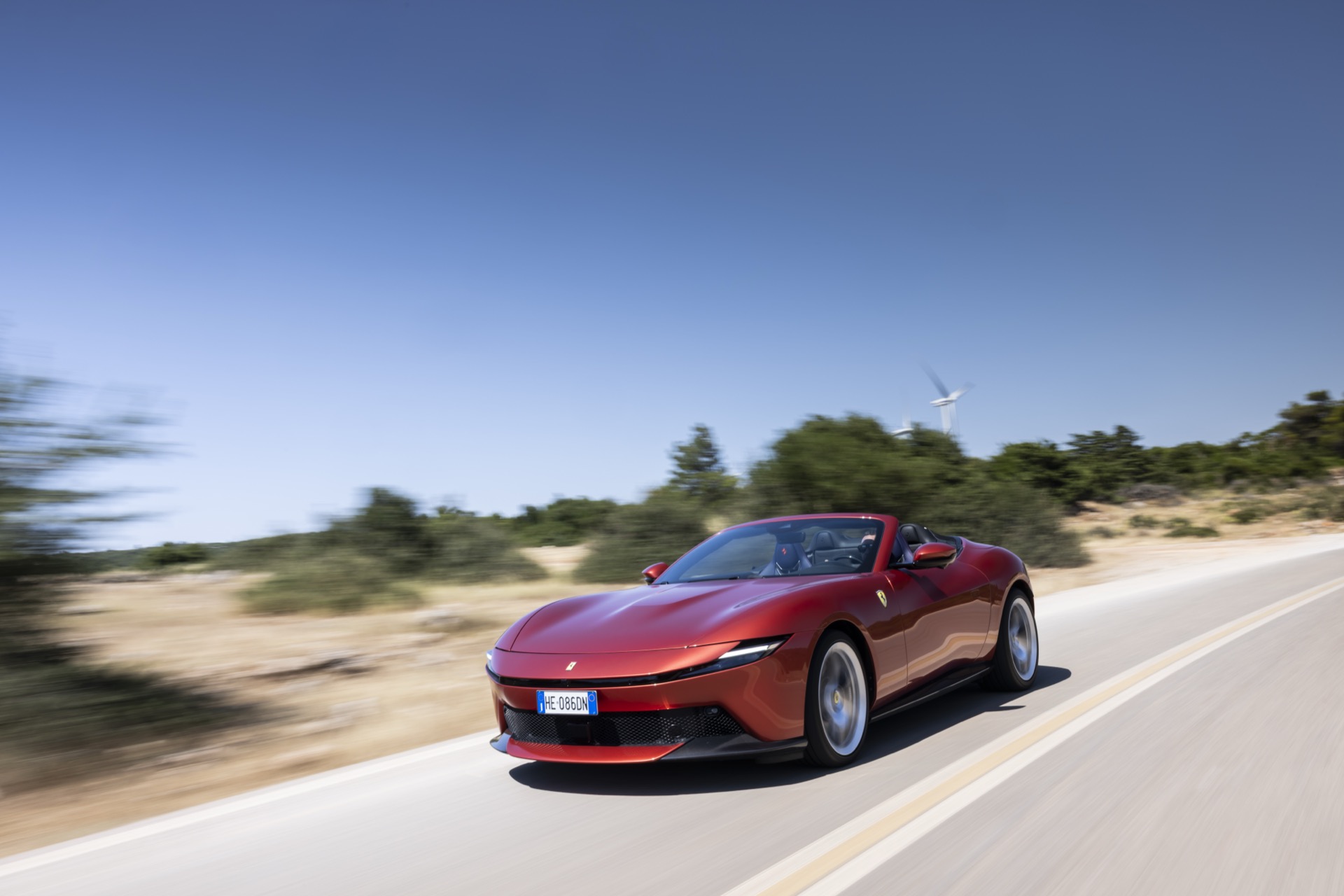
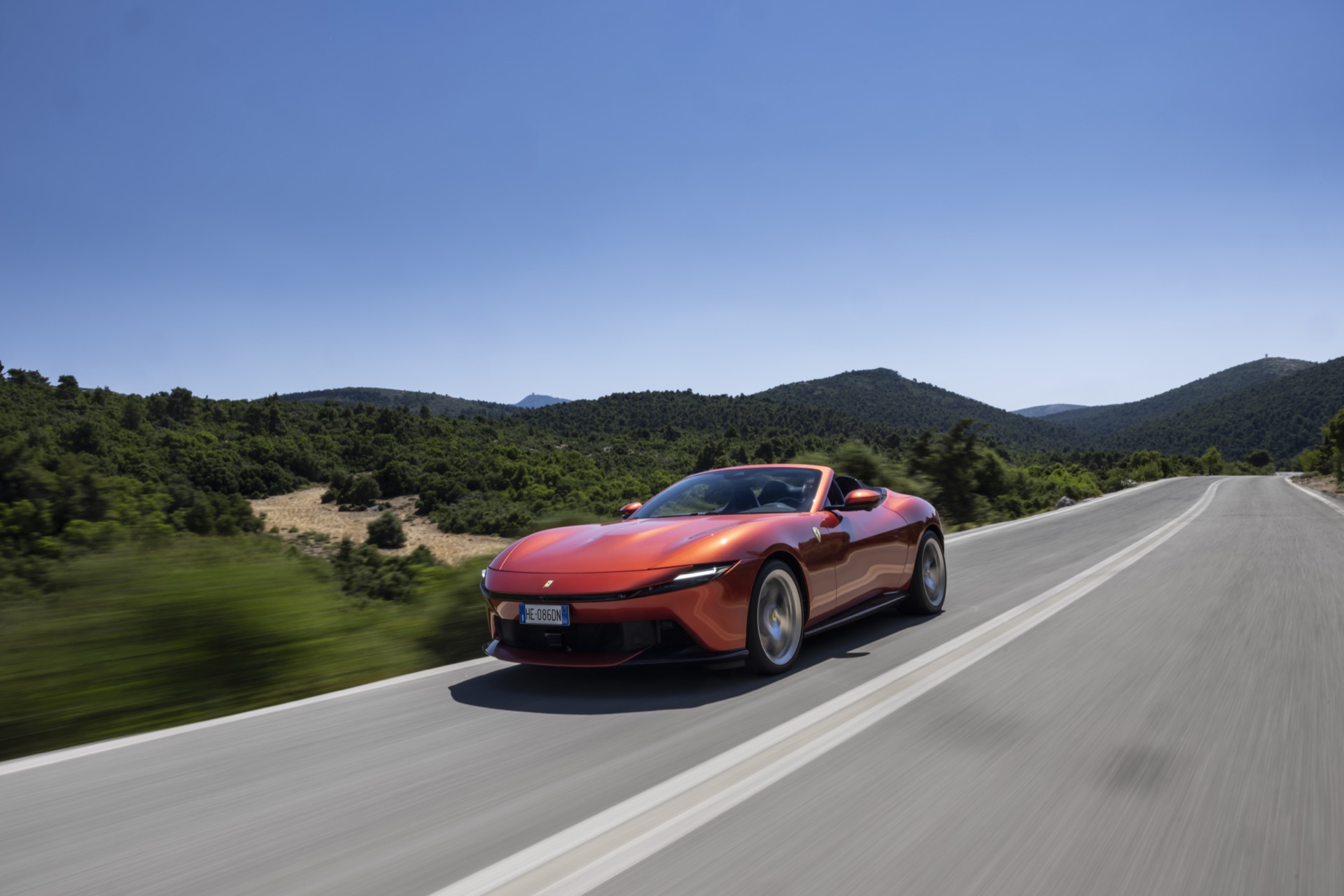
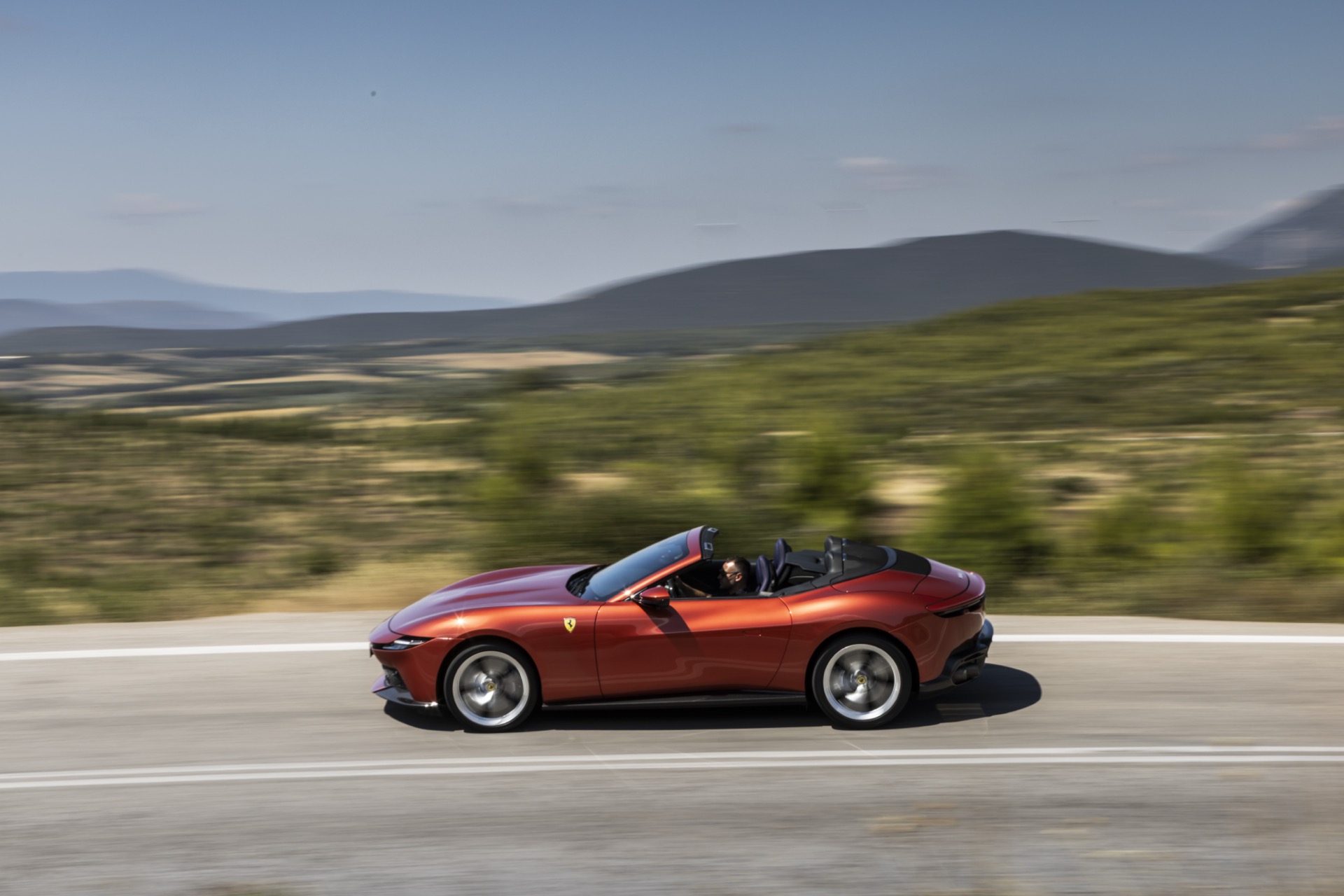
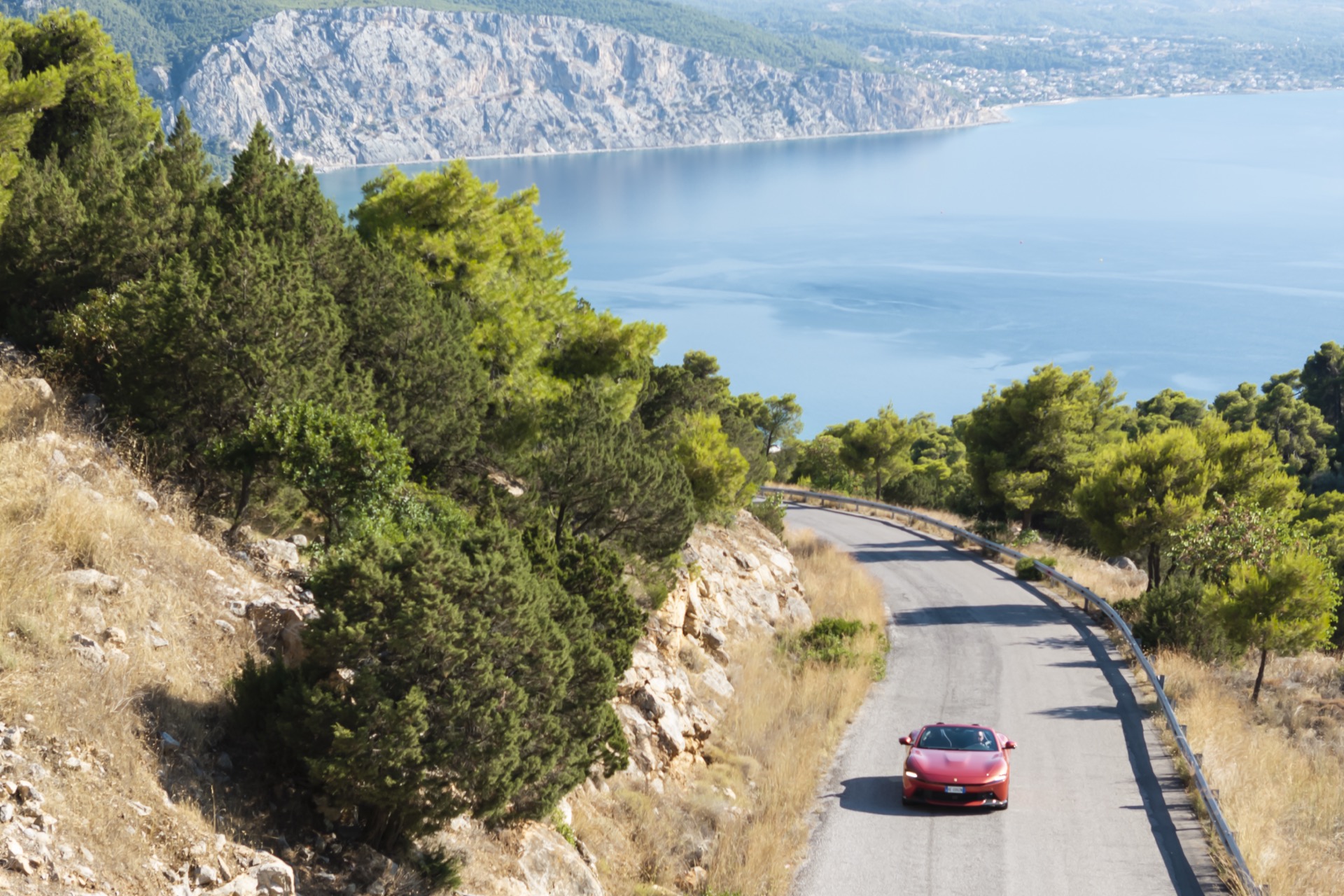
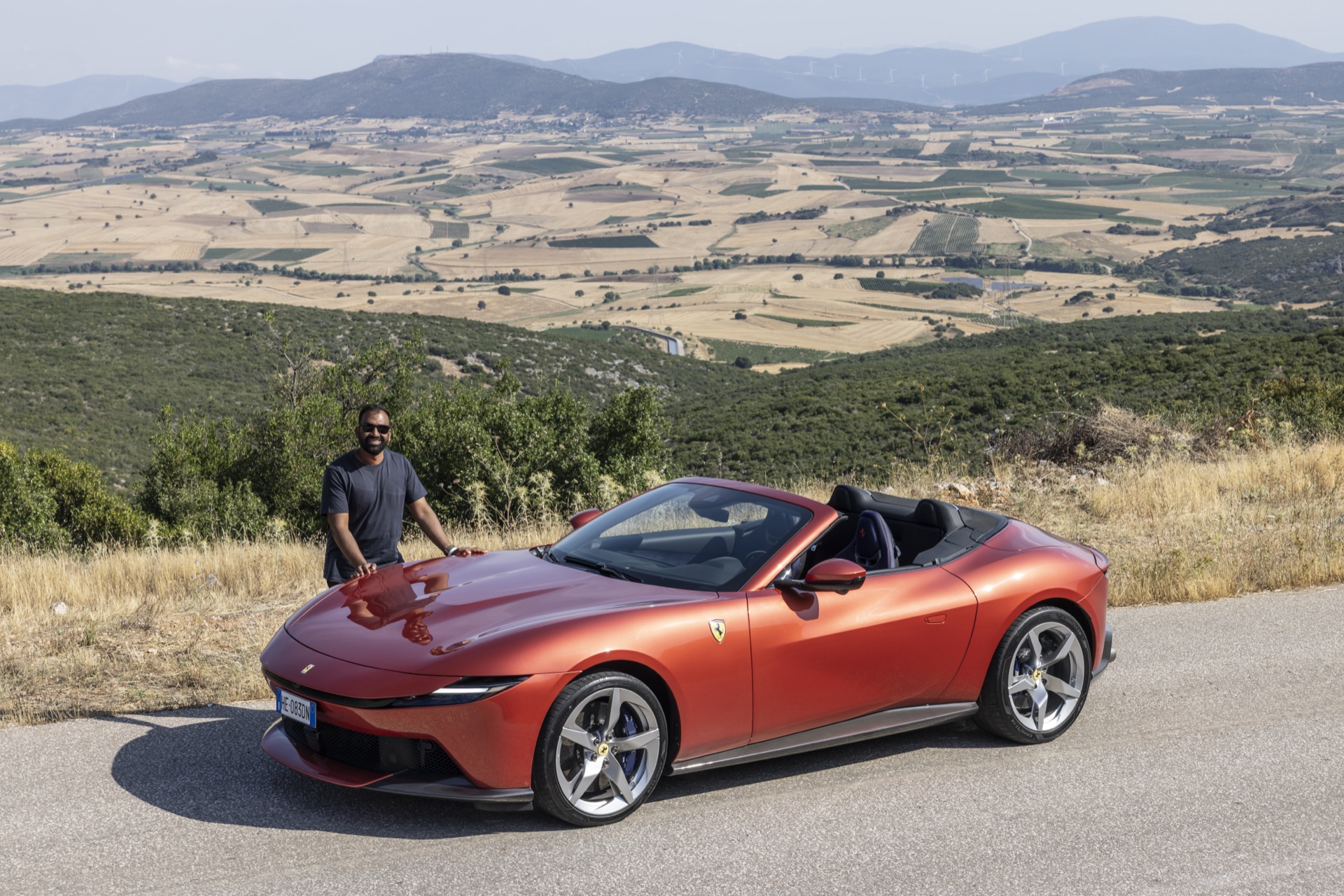
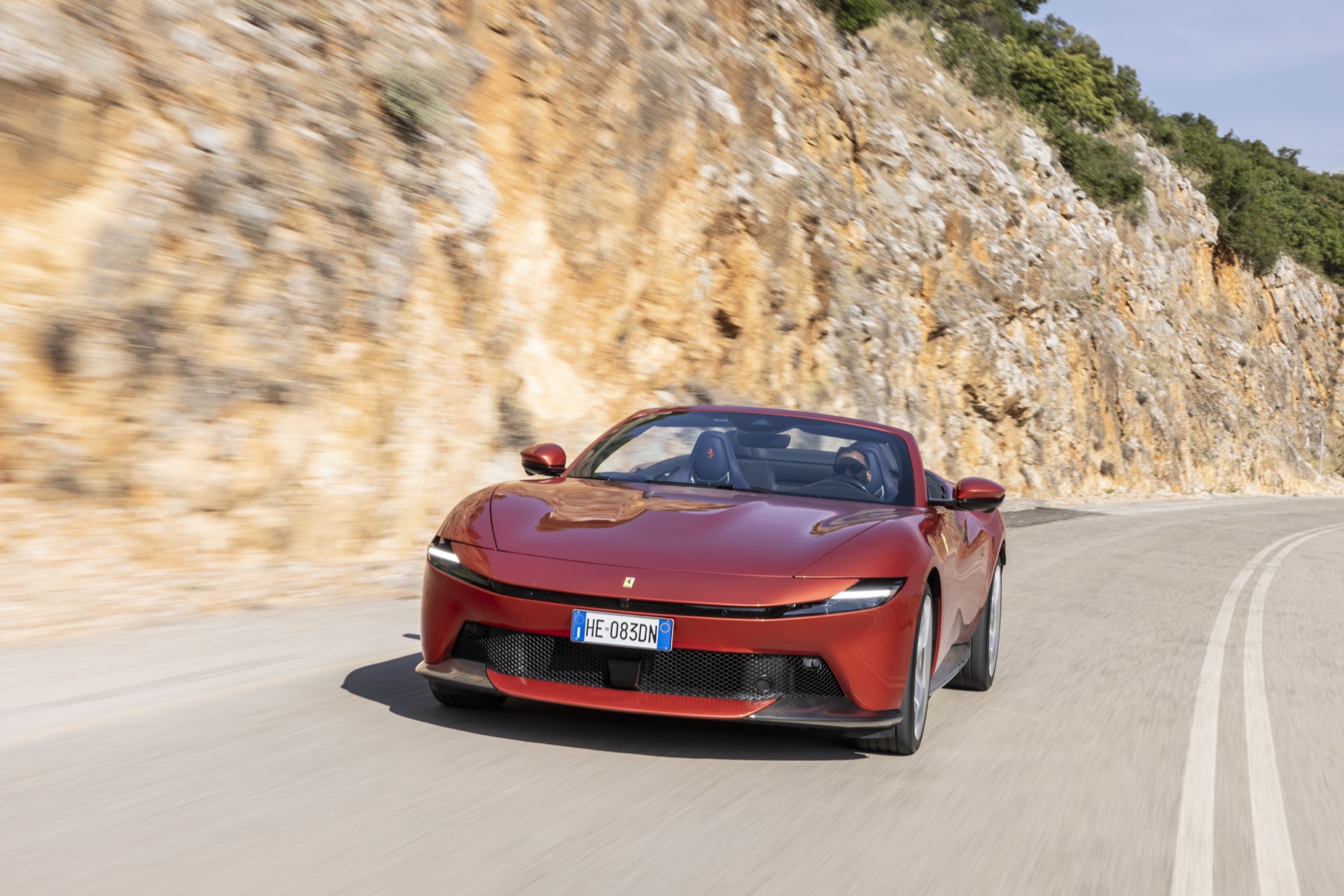
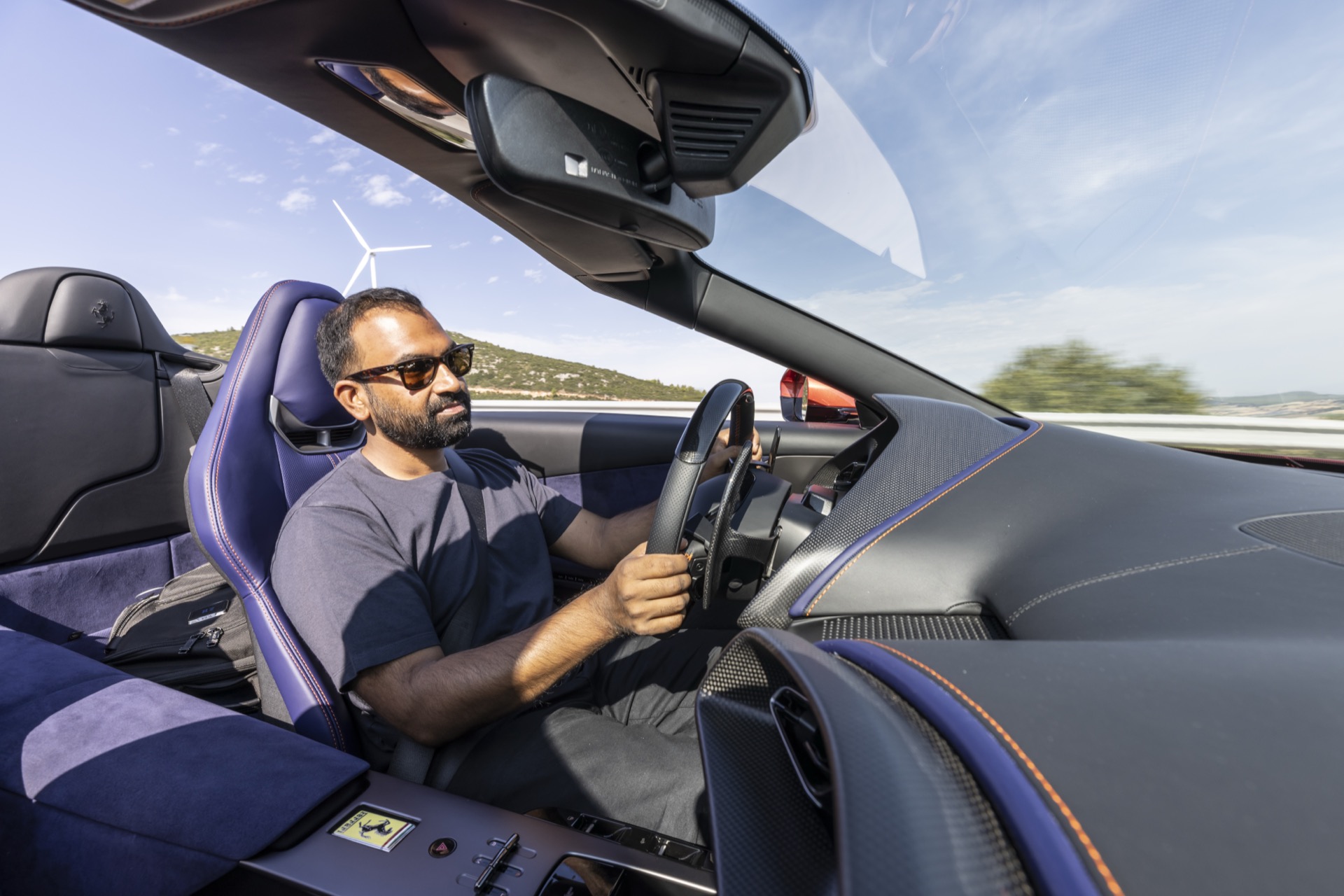
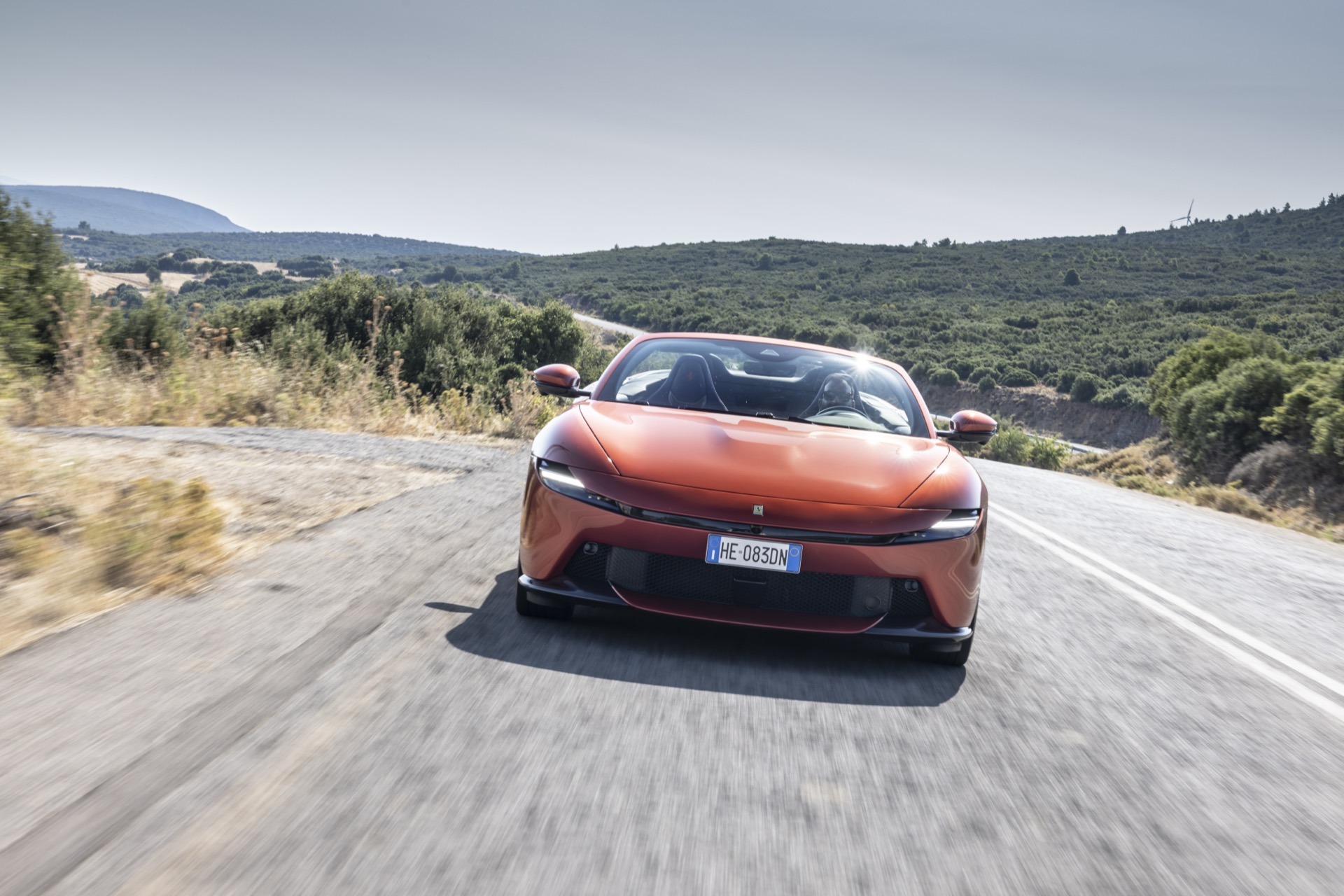
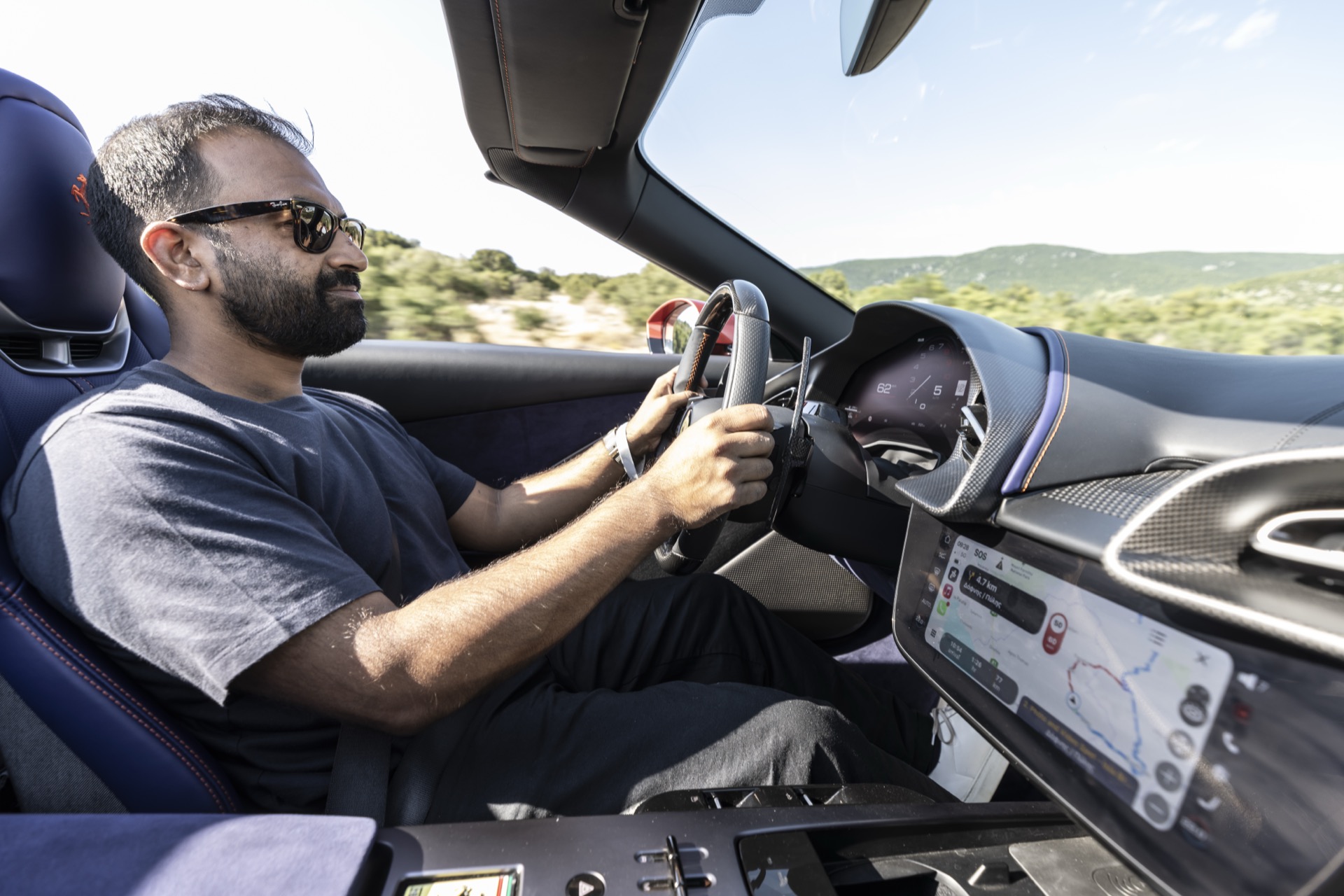
Since then, Ferrari has hardly been absent from the headlines. The internet, newspapers and even television news channels have all had their say on the polarising Luce, Ferrari’s first EV, while the 12Cilindri Manuale has triggered far more unanimous opinions around what modern Ferrari should be, albeit a complex gearbox to explain. Against that background, the Amalfi Spider feels almost calming. It is far less controversial, far easier to understand and, crucially, no less special for being so.
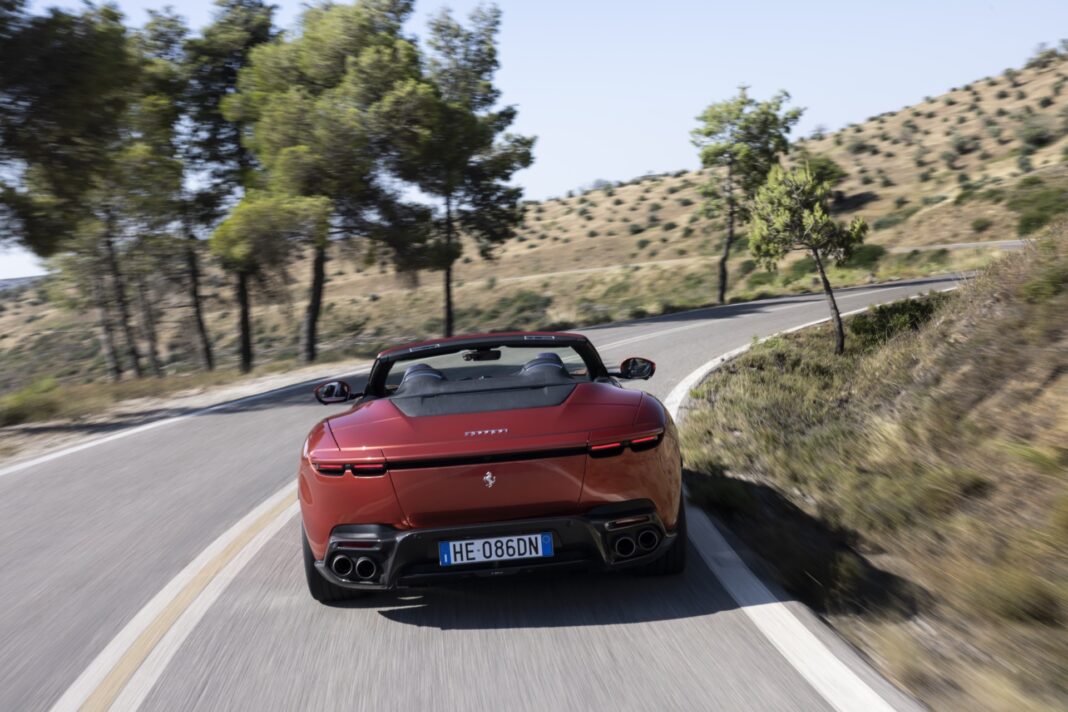
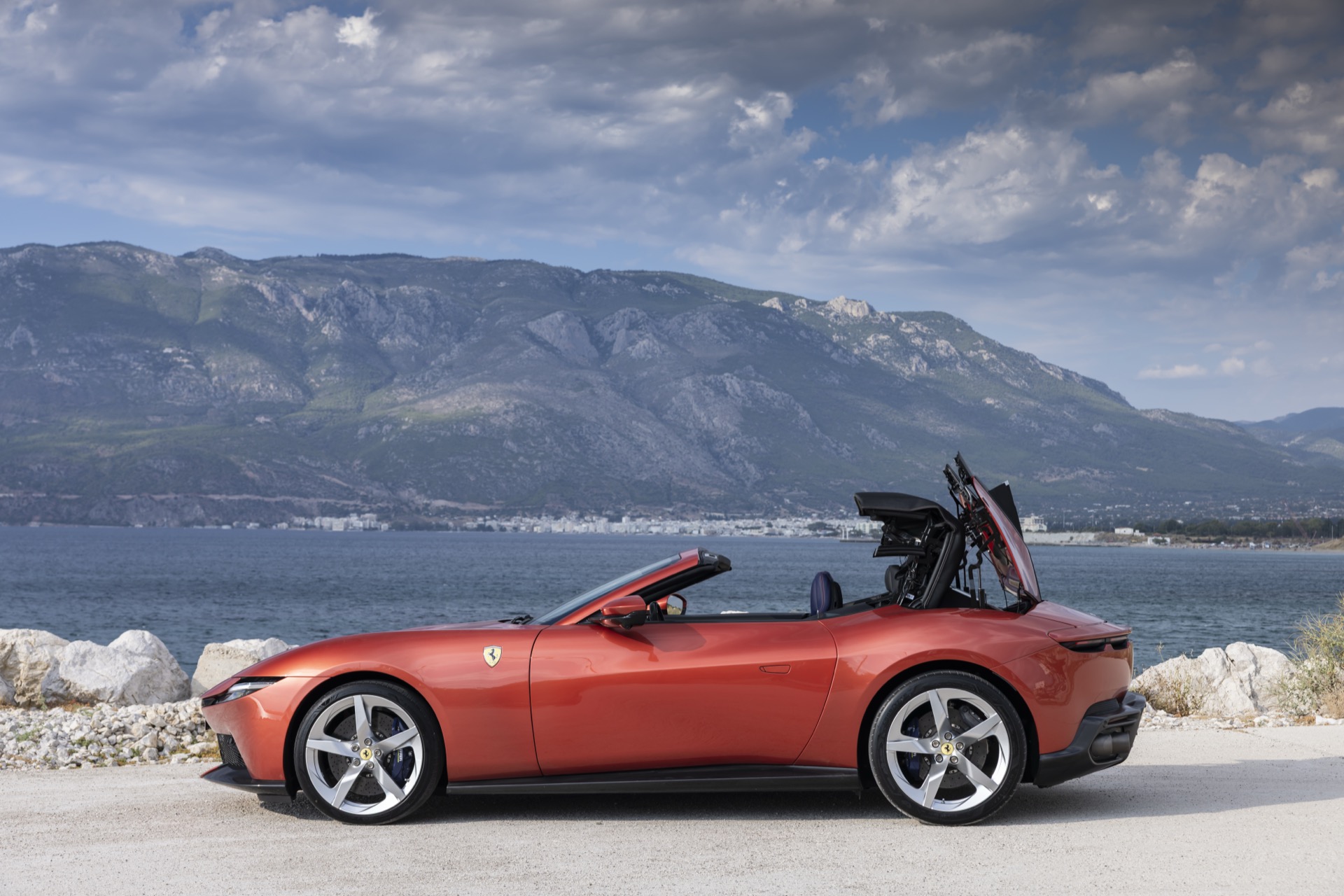
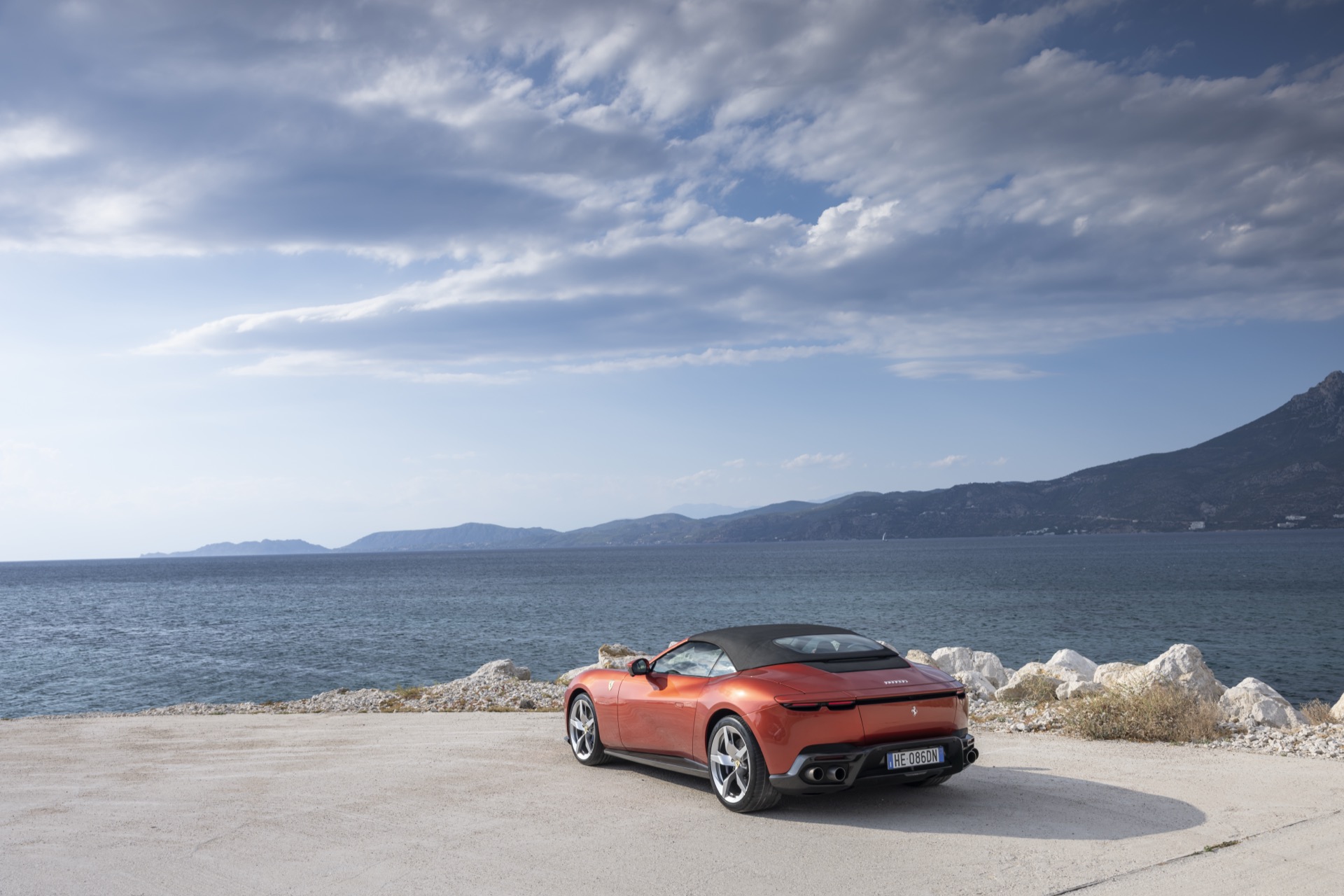
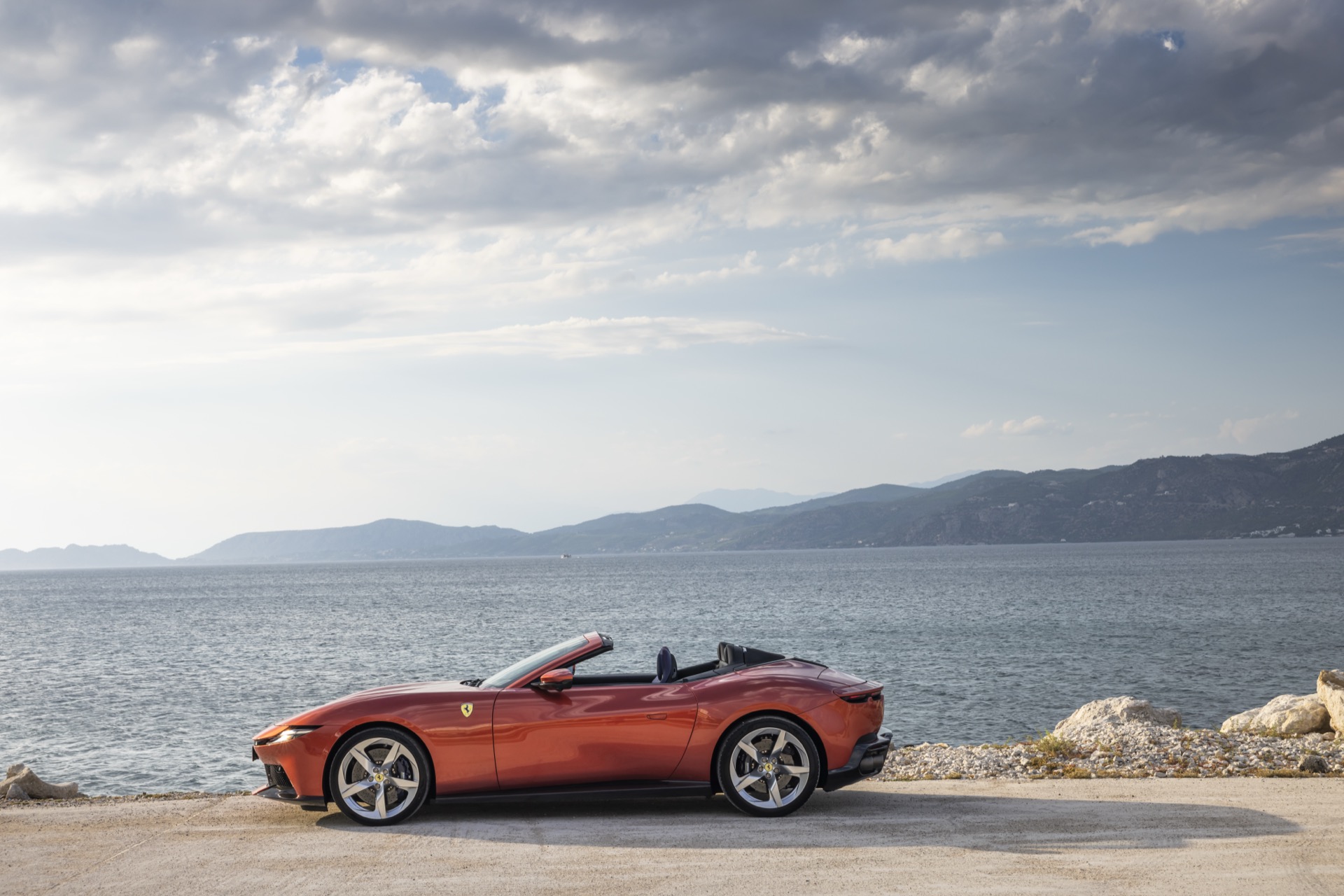
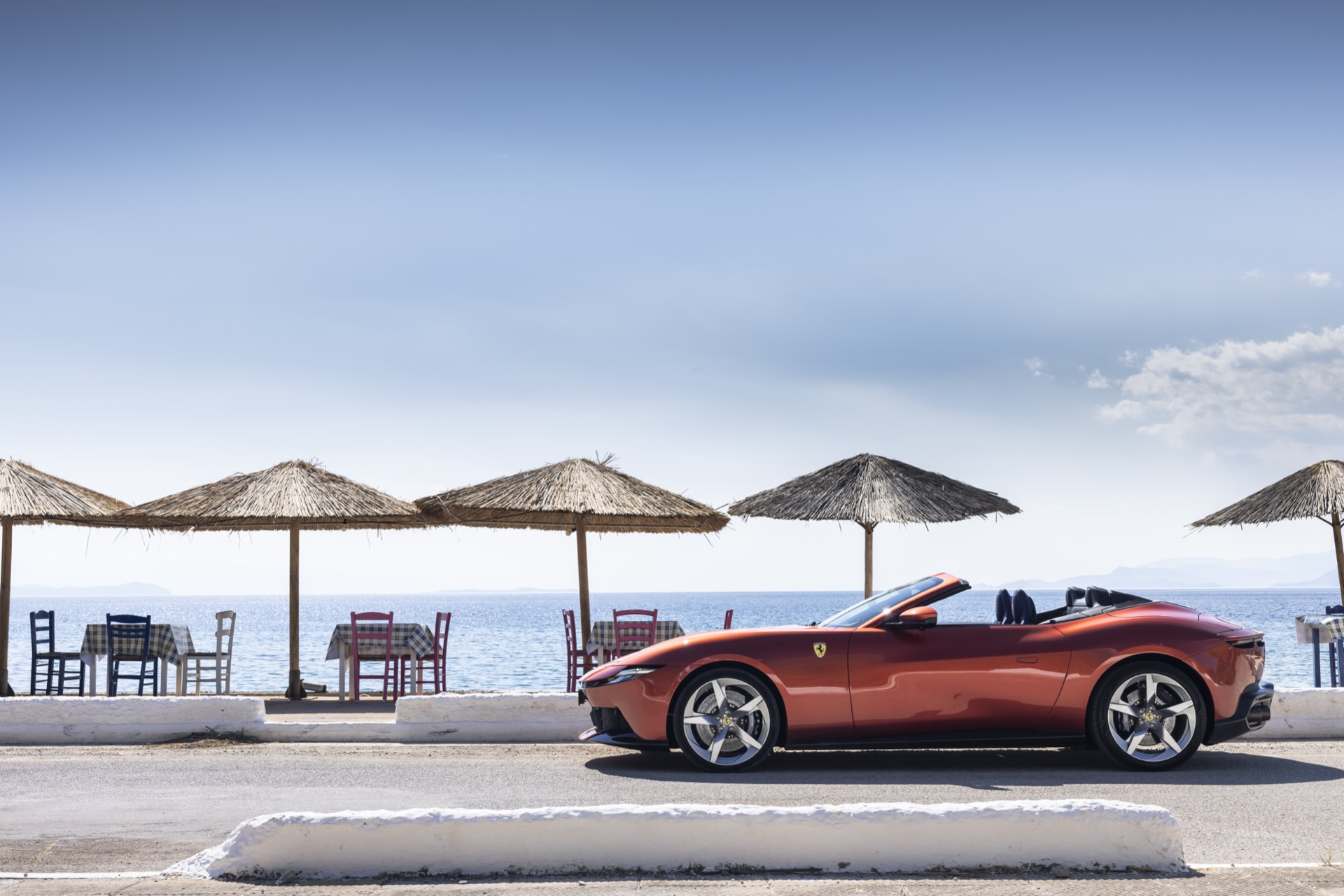
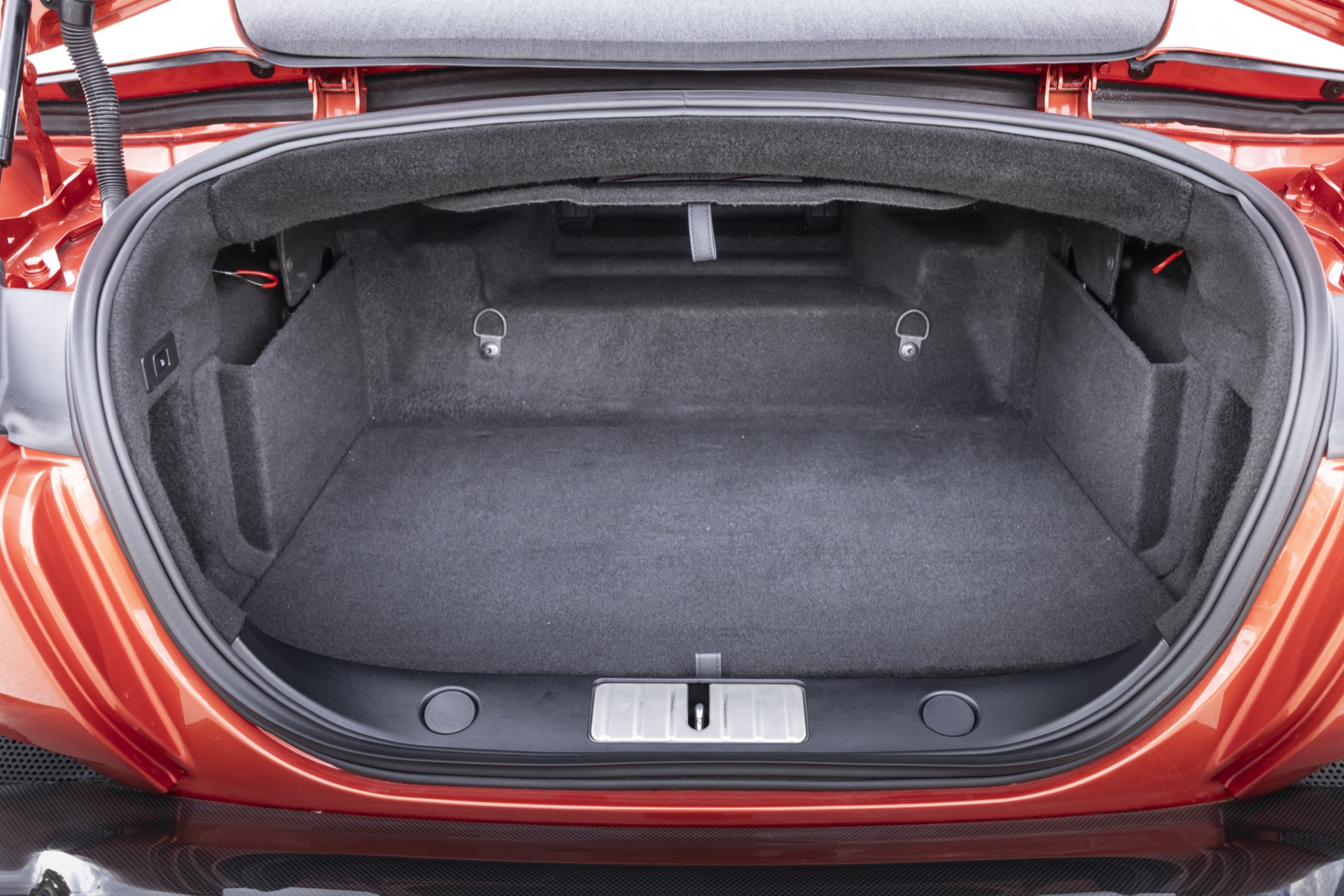
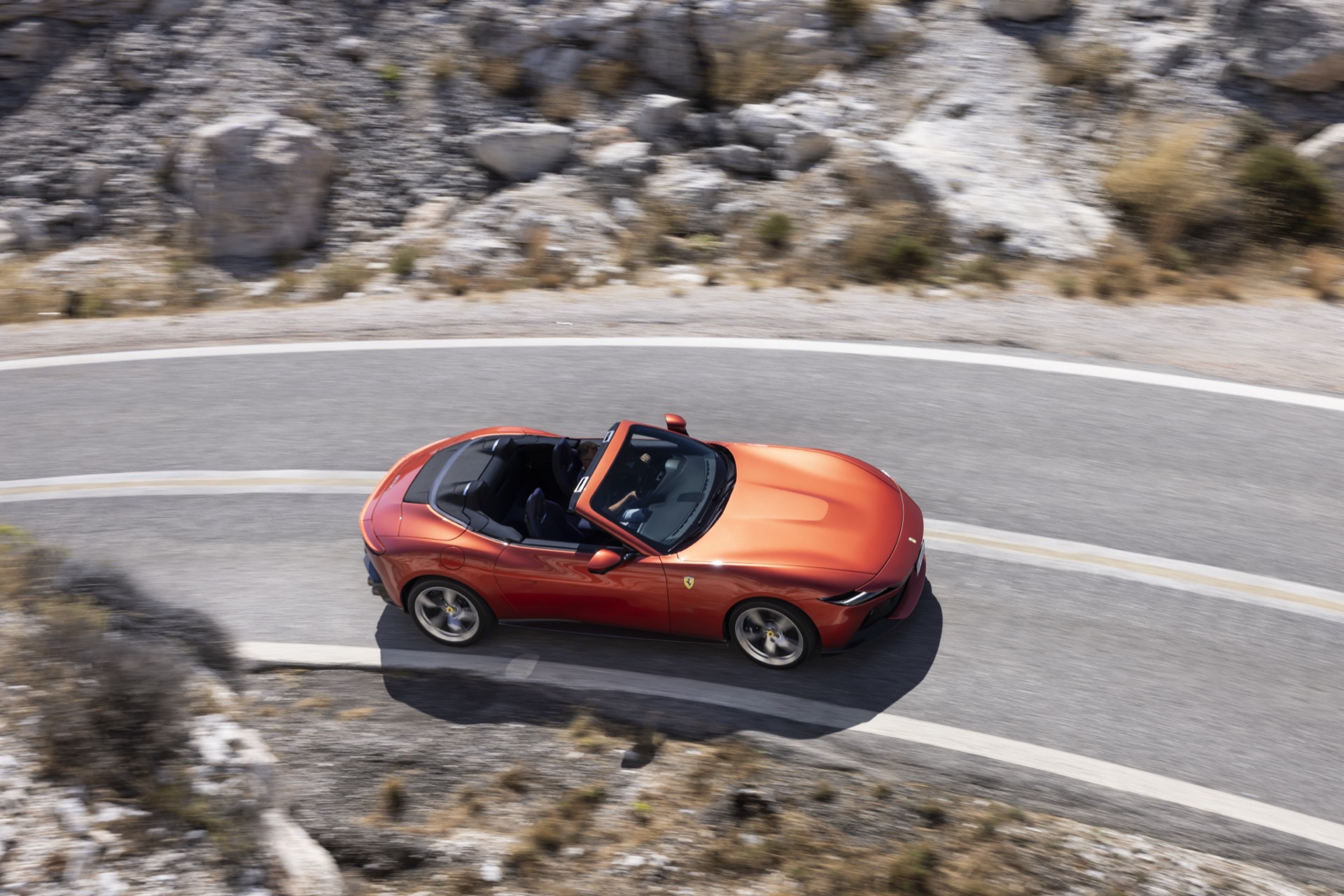
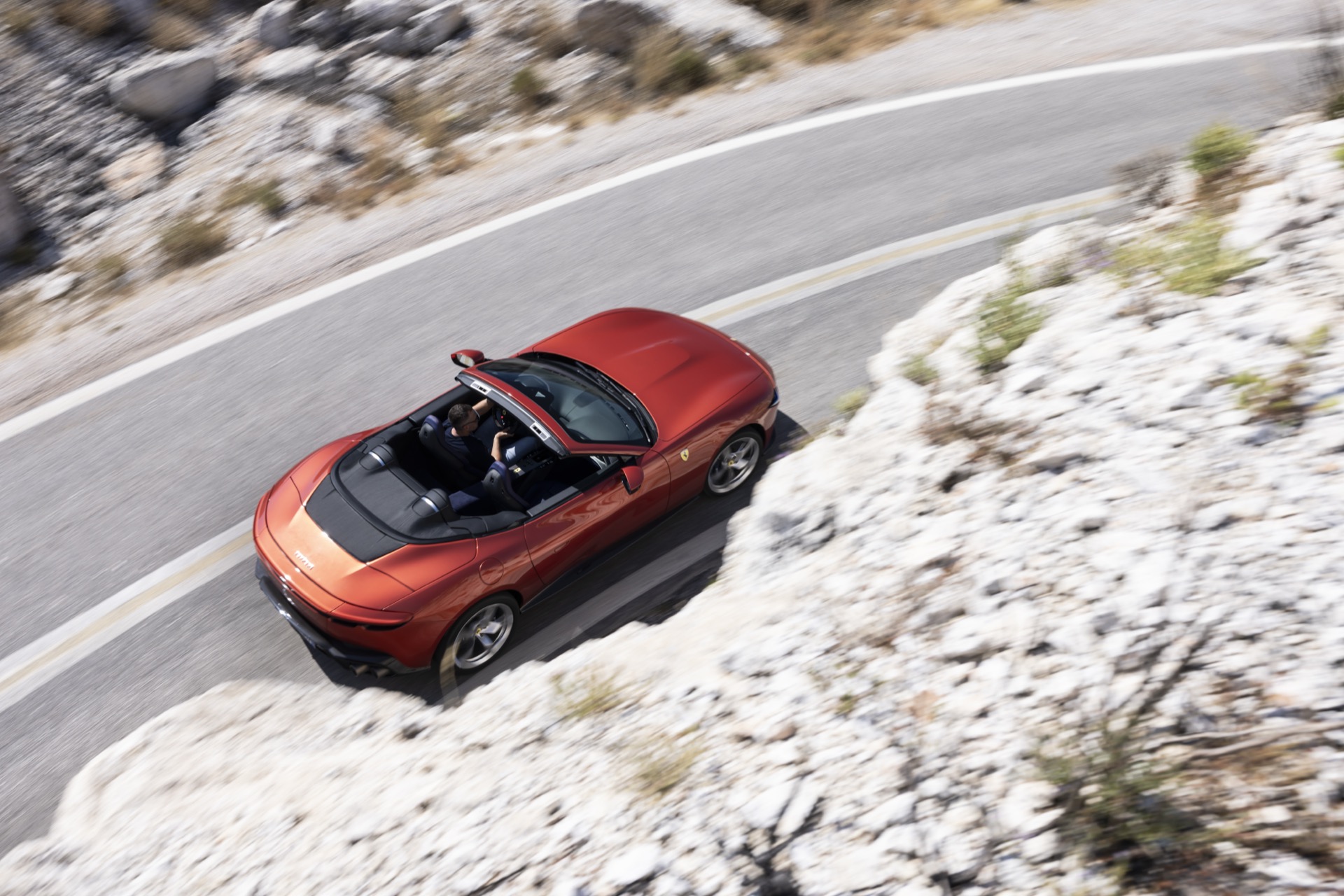
When assessing a spider, roadster or cabriolet, the fundamental expectation is simple: it should feel as close to the coupé as possible. Extra joy is welcome, but extra wobble, weight or softness is not. In speaking with Ferrari’s spokespeople and engineers, it is clear just how much work goes into achieving that. Calibration and fine-tuning are everything. The Amalfi Spider uses a fabric soft-top engineered to preserve the coupé’s proportions, opening in 13.5 seconds and operating at speeds of up to 60 km/h. When folded, it measures just 220mm thick, helping preserve luggage space, while its five-layer construction is designed to offer acoustic and thermal insulation comparable to a retractable hard top.
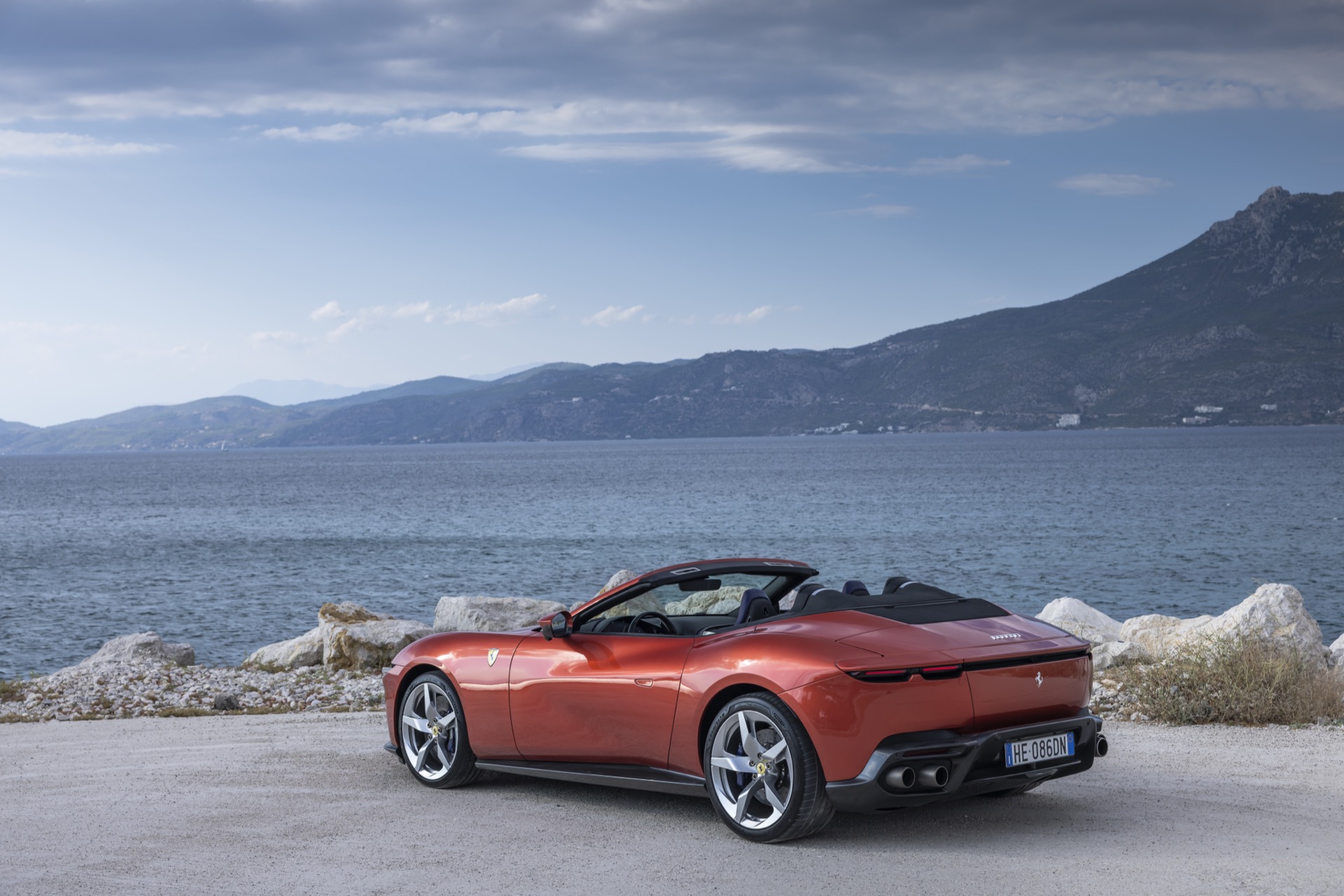
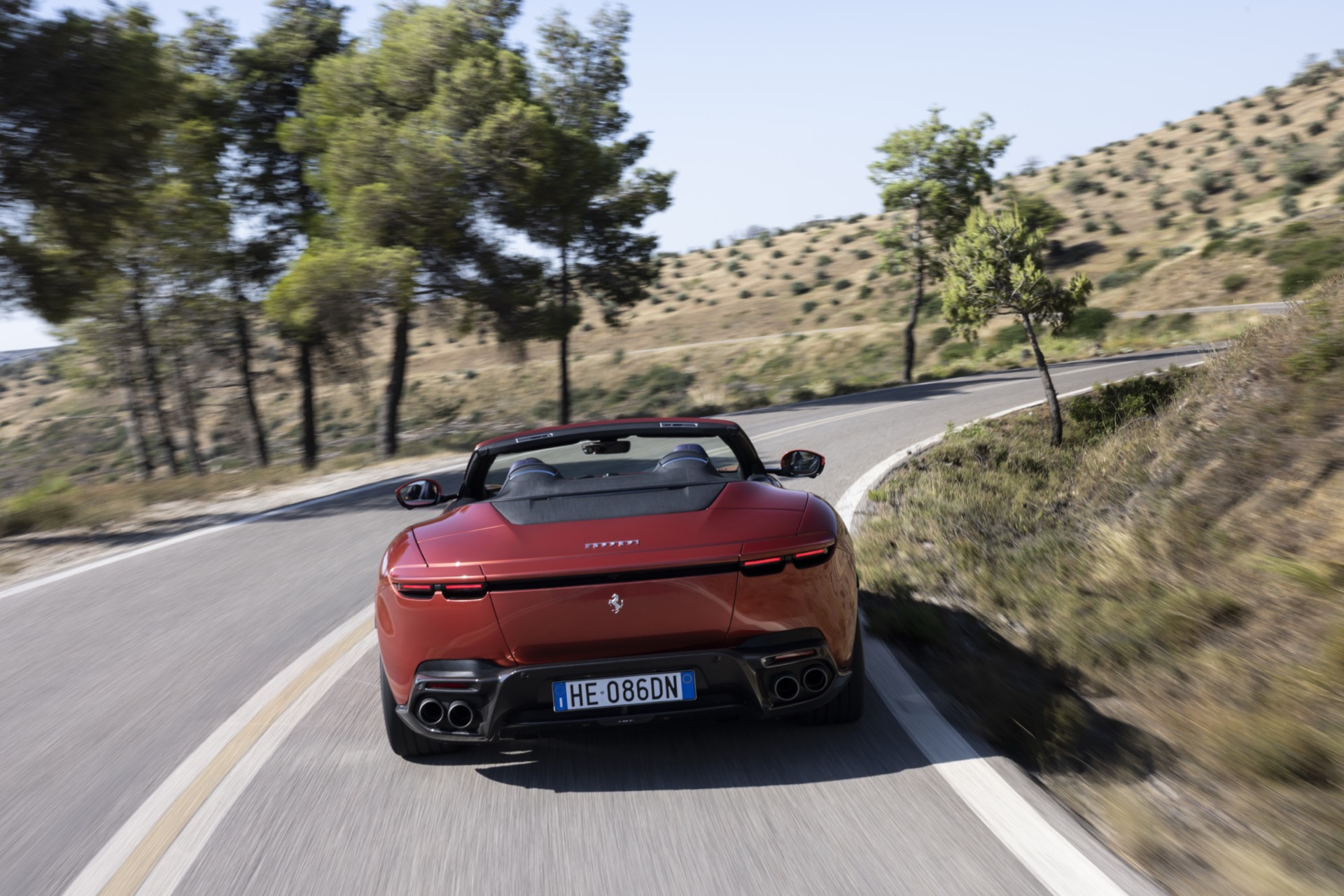
The cleverness does not stop there. Ferrari has integrated a wind deflector into the rear bench backrest, operated at the touch of a button, to reduce turbulence during open-top driving. It can be opened at speeds of up to 170 km/h and, once deployed, remains usable right up to maximum speed. The Spider has a mildly redesigned active rear wing, with Low Drag, Medium Downforce and High Downforce configurations, the latter generating up to 110kg of additional load at 250 km/h with less than a four per cent drag increase.
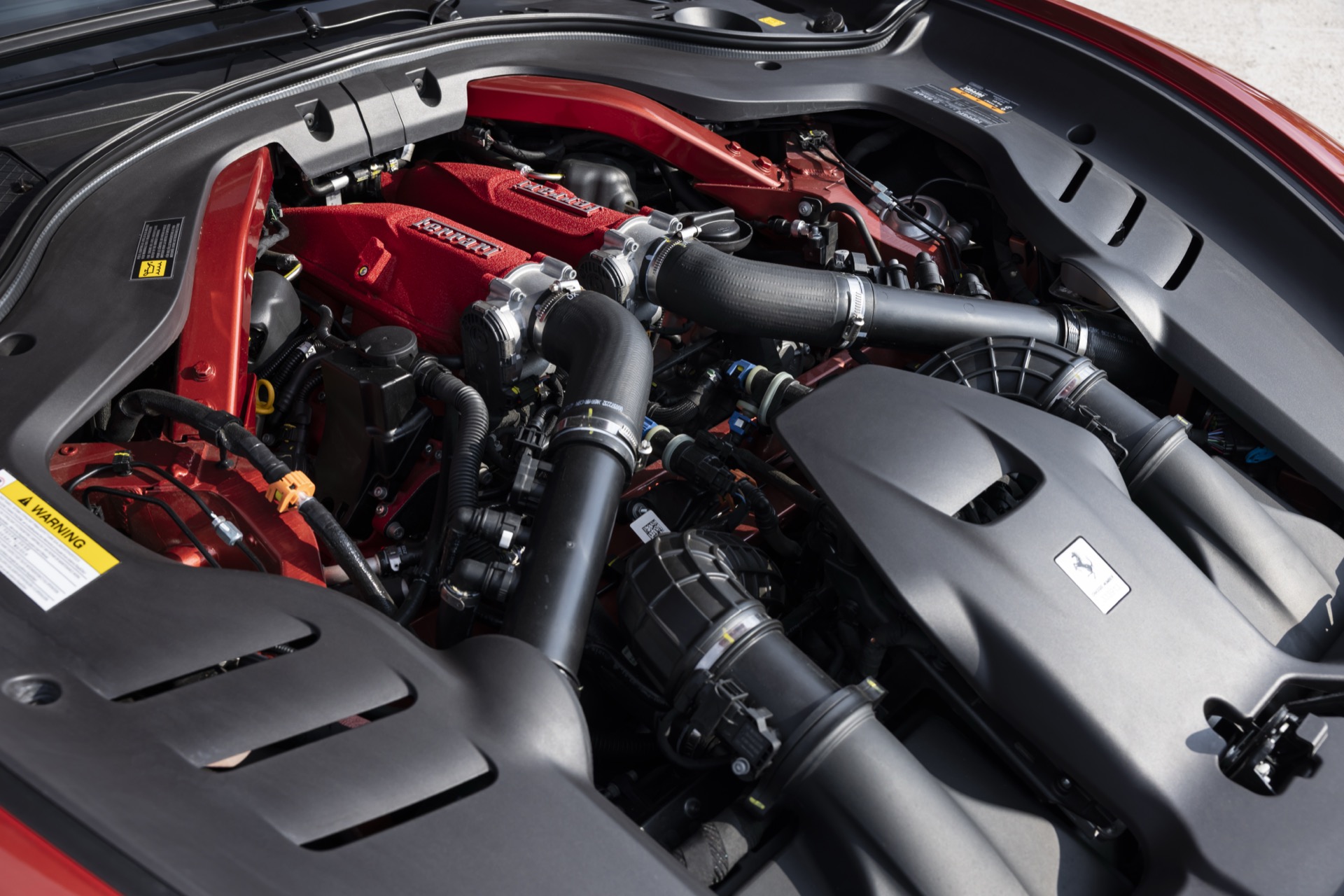
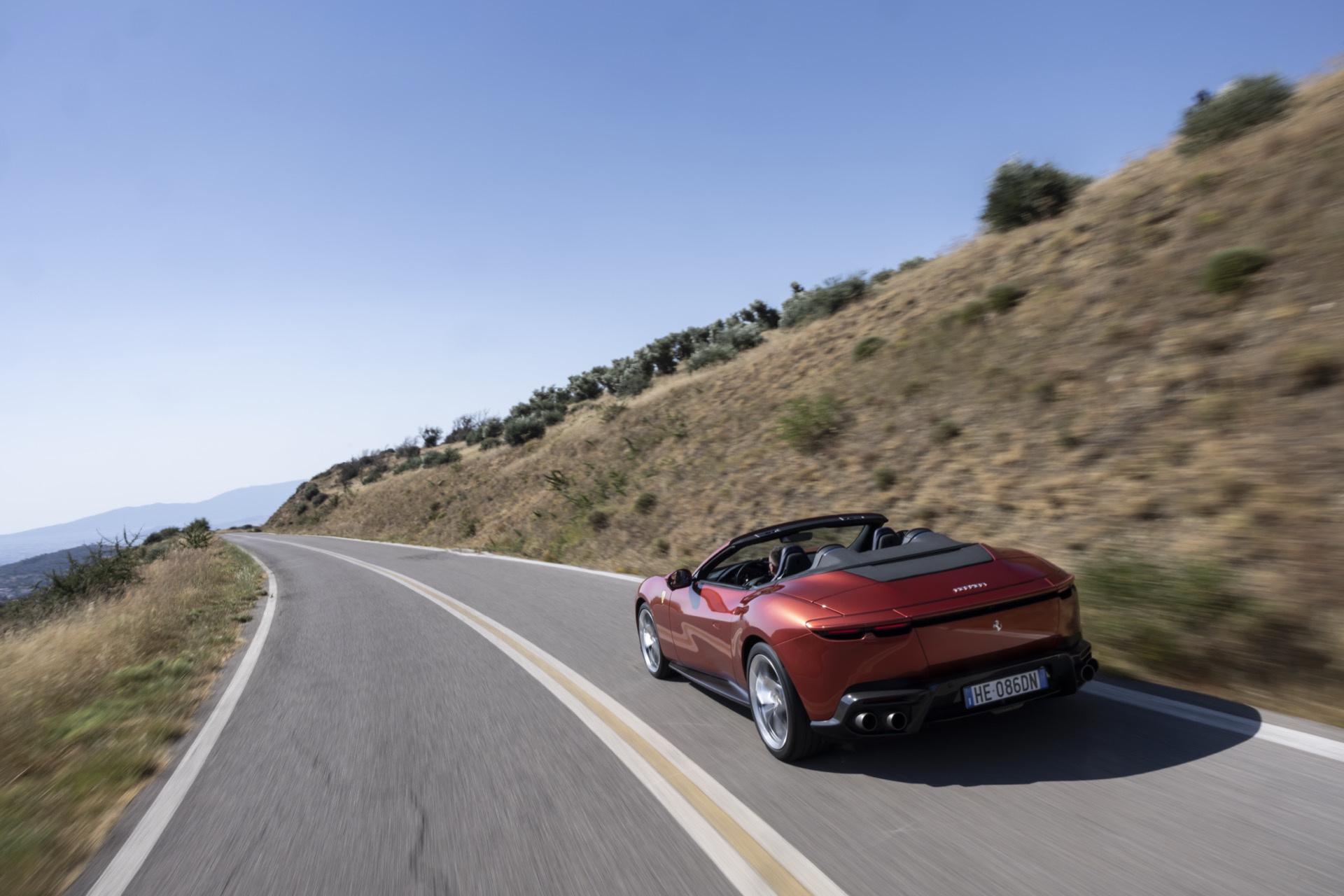
On the road, the important news is that I could feel no meaningful dynamic penalty. The Amalfi Spider feels phenomenal, urgent and, most importantly, still light on its feet. That sense of directness in the primary controls is central to the way modern Ferraris communicate. The steering, brake pedal, throttle response and gearbox all need to feel as though they are speaking the same language, and here they do. Ferrari’s 3,855cc twin-turbo V8 delivers 640hp at 7,500rpm and 760Nm between 3,000 and 5,750rpm, driving through an eight-speed dual-clutch transmission. Ferrari quotes 0-100 km/h in 3.3 seconds, 0-200 km/h in 9.4 seconds and a top speed of 320 km/h.
More than the numbers, it is the response that defines the car. The engine is sharp without being nervous, muscular without feeling blunt. Ferrari’s work on independent turbo-speed control, dedicated pressure sensors, low-inertia turbines, twin-scroll technology and equal-length runners all feeds into an engine that feels alive from low revs but becomes increasingly vivid as it approaches the top end. The dual-clutch gearbox is exactly as it should be: quick, crisp and intelligent enough to fade into the background until you ask it to be part of the fun.
The chassis is just as convincing. The Amalfi Spider, like the coupé uses brake-by-wire, ABS Evo, Side Slip Control 6.1, the e-diff and Ferrari’s latest grip estimation logic to create a car that feels approachable without feeling sanitised. That matters, because the joy of the Amalfi is not that it intimidates. It is that it invites. In Sport, it has the sharpness and energy you expect from a Ferrari, but it never feels brittle. In Race, it gives you more freedom without abandoning that underlying sense of security. Even roof down, in the heat and light of Athens, there is no sense that the Spider has become a softer, less serious version of the coupé.
Instead, it feels like the same car with an added layer of pleasure. The new wind deflector works especially well, reducing buffeting without introducing the visual awkwardness of more conventional mesh solutions. It feels robust, cleverly integrated and engineered to stand the test of time. That sounds like a small detail, but in a car intended to be used as a performance-led lifestyle Ferrari, it matters. The best convertible solutions are the ones you barely think about. And with the roof up the noise levels would have to be tested back-to-back with the coupé to confirm any palpable difference in noise levels.
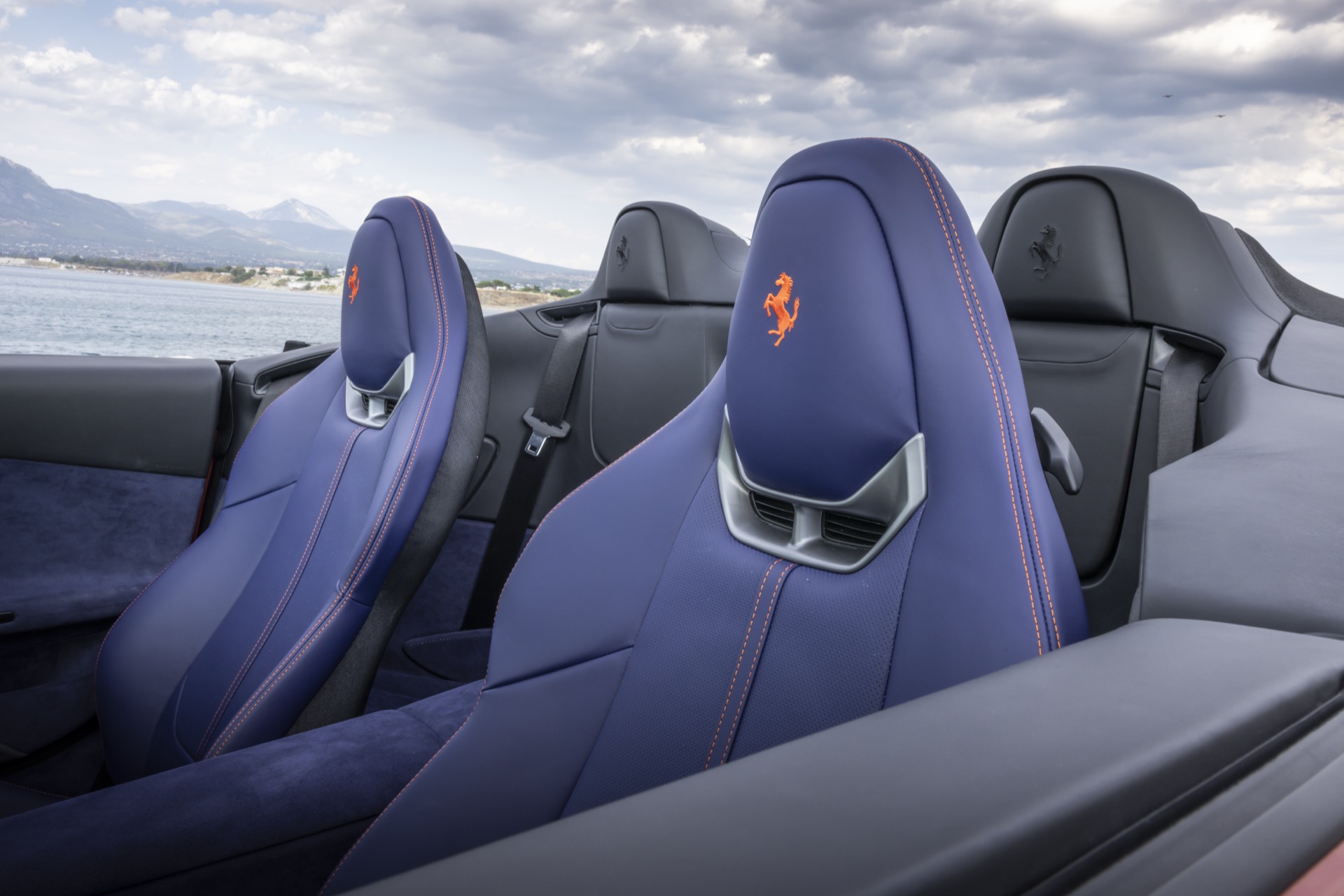
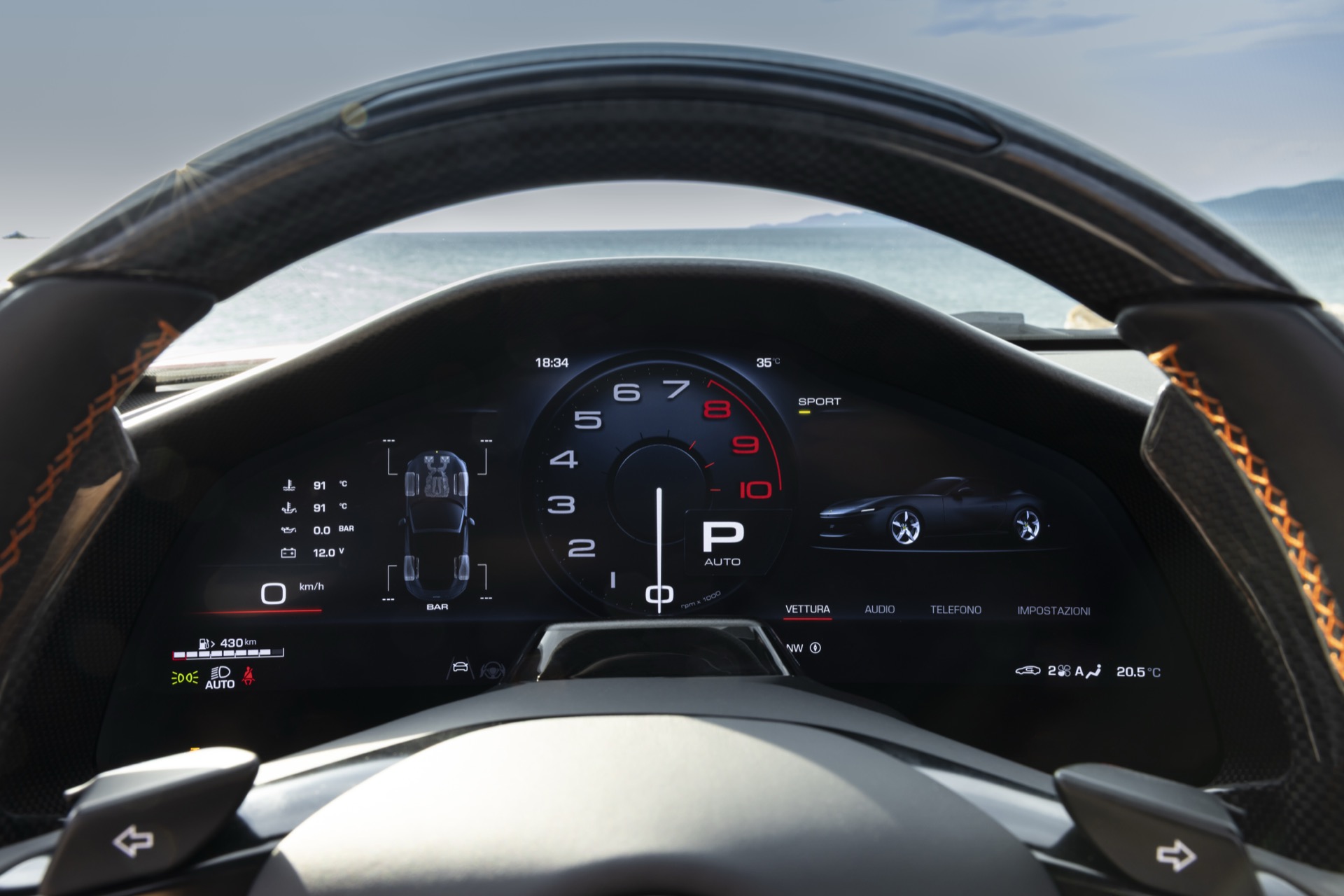
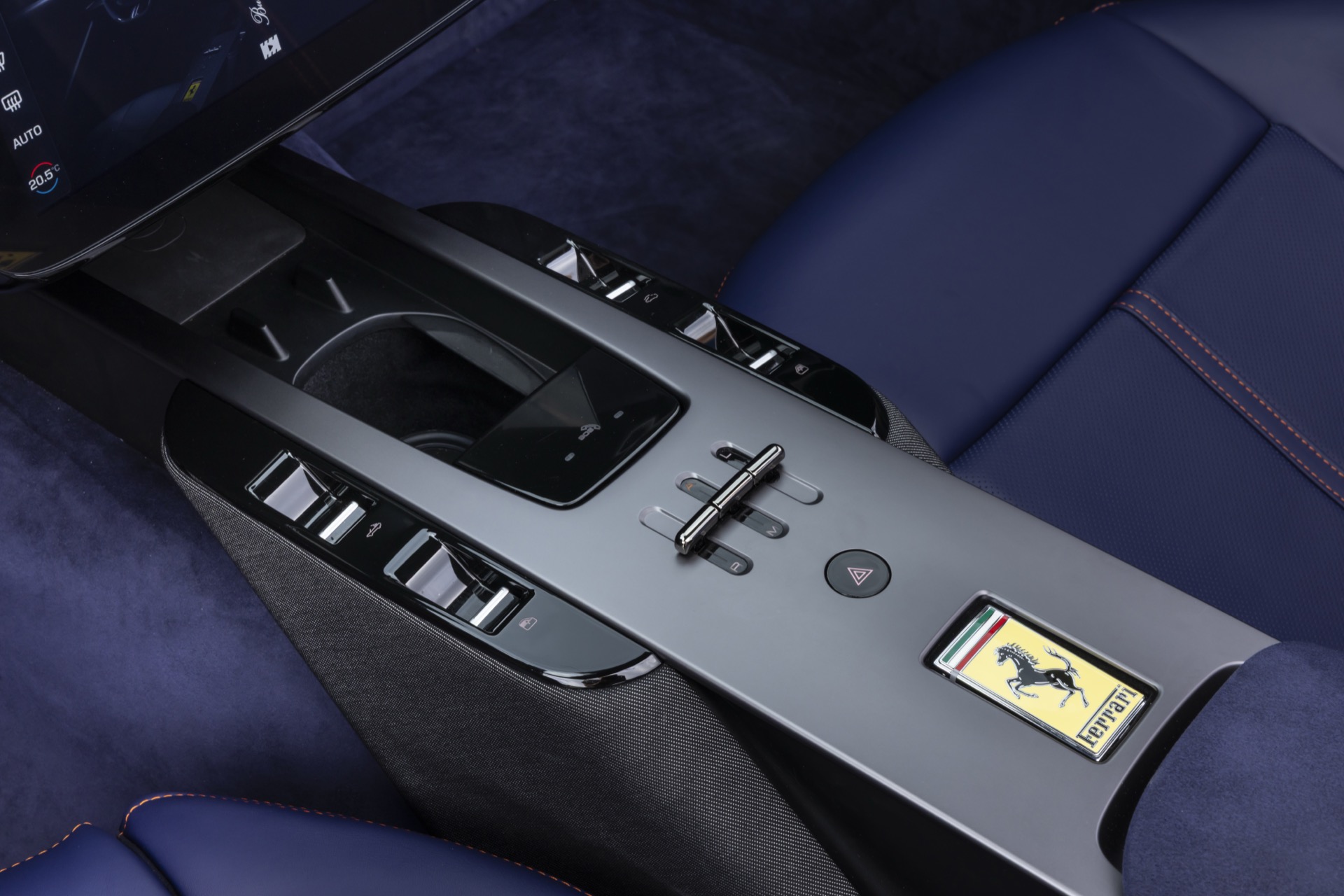
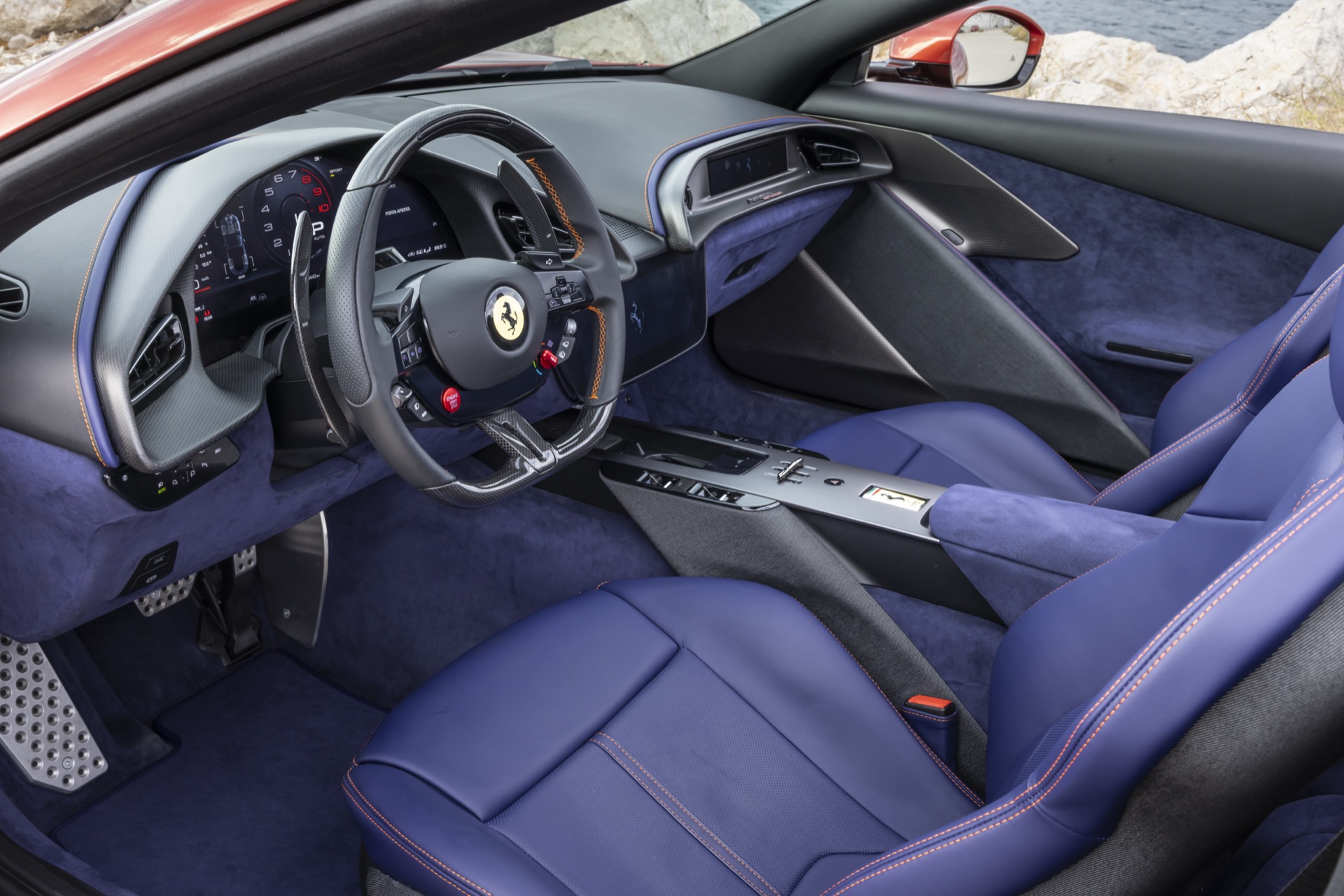
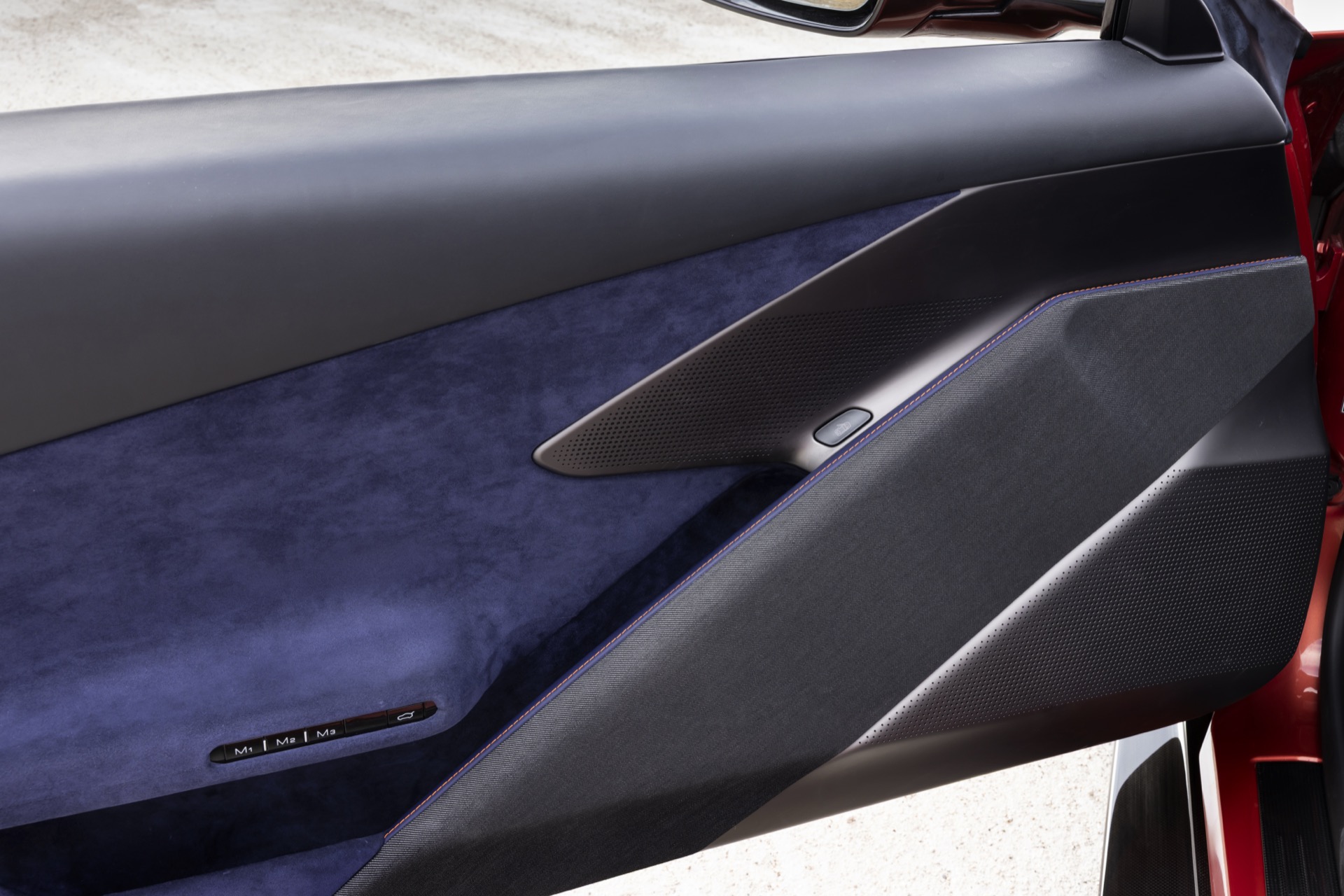
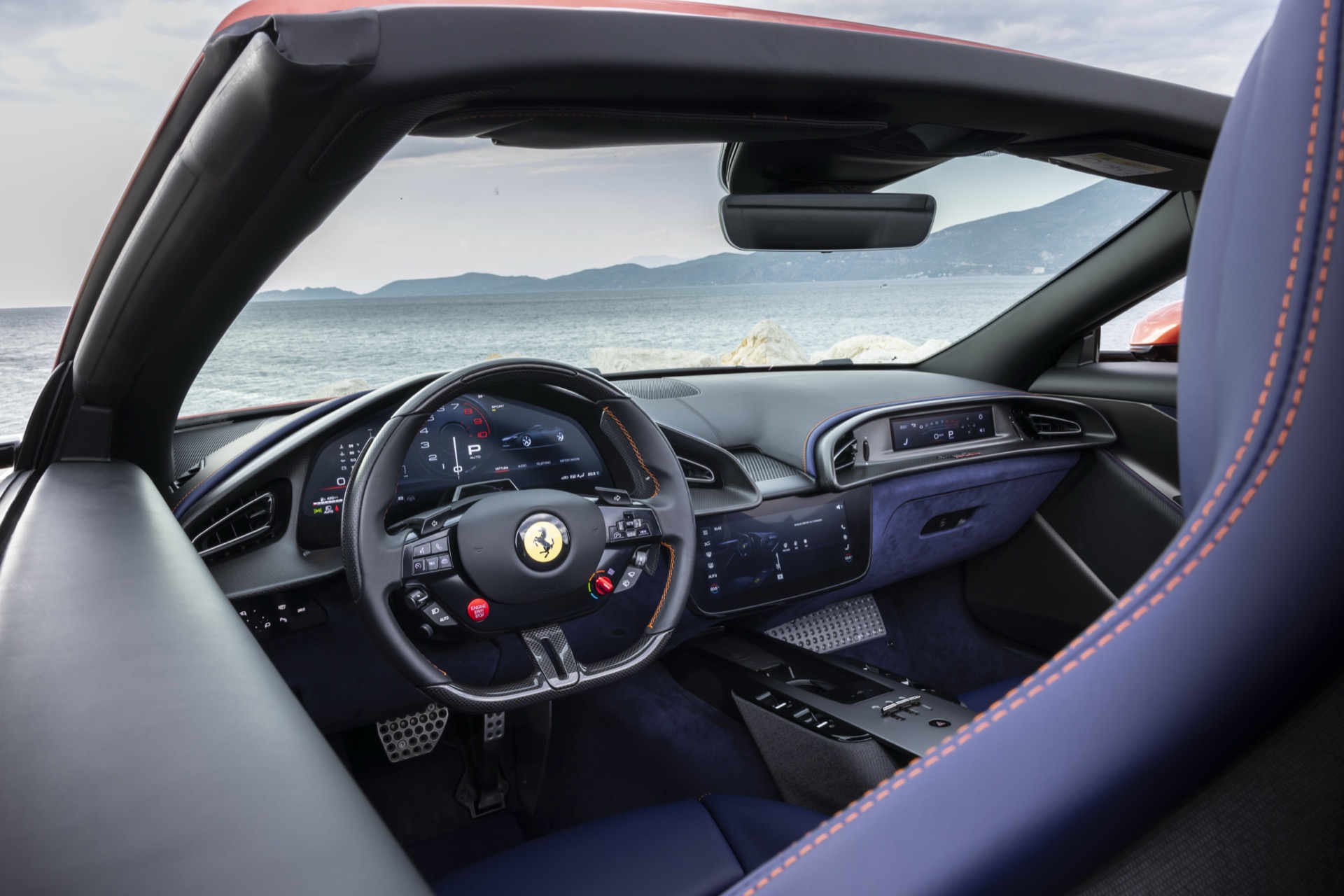
The interior remains one of the Amalfi’s strongest qualities. Like the coupé, it uses a dual-cockpit layout, physical steering wheel buttons, the return of the aluminium start button, a 15.6-inch digital instrument cluster, a 10.25-inch central display and an 8.8-inch passenger display. It feels modern without abandoning Ferrari’s sense of occasion, and the return of tactile controls remains an important step in the right direction. The 2+ layout also brings a degree of usability, with rear seats that are best thought of as space for children, bags or additional luggage rather than adults… unless they were to remove their legs prior to attempting to take a seat. Another drawback of the Amalfi Spider is the redesign of the rear deck, it sits very high meaning rear visibility is a touch limited, but nothing I suspect owners would not become accustomed to.
What impresses most, though, is the absence of compromise. The Amalfi Spider does not ask you to accept a diluted driving experience in exchange for top-down motoring. It feels every bit as capable, competent and scintillating as the coupé, but with more exposure, more sound and more emotional bandwidth. In a period when Ferrari’s future is being debated loudly from every angle, the Amalfi Spider is refreshingly easy to understand.
It is a front-engined V8 Ferrari with beautiful proportions, a genuinely usable roof, serious dynamic ability and that rare quality of feeling special without needing to shout about it. No compromise, just more joy.