Brabus founder Bodo Buschmann spent decades dreaming of creating a supercar of his own, free from convention and the constraints of an established model range. After years of painstaking development, his son Constantin has now brought that ambition to life using the Aston Martin Vanquish as a foundation. We take the extravagant V12 grand tourer on a journey through the industrial heartland of the Ruhr, experiencing a breed of car that may soon disappear altogether.
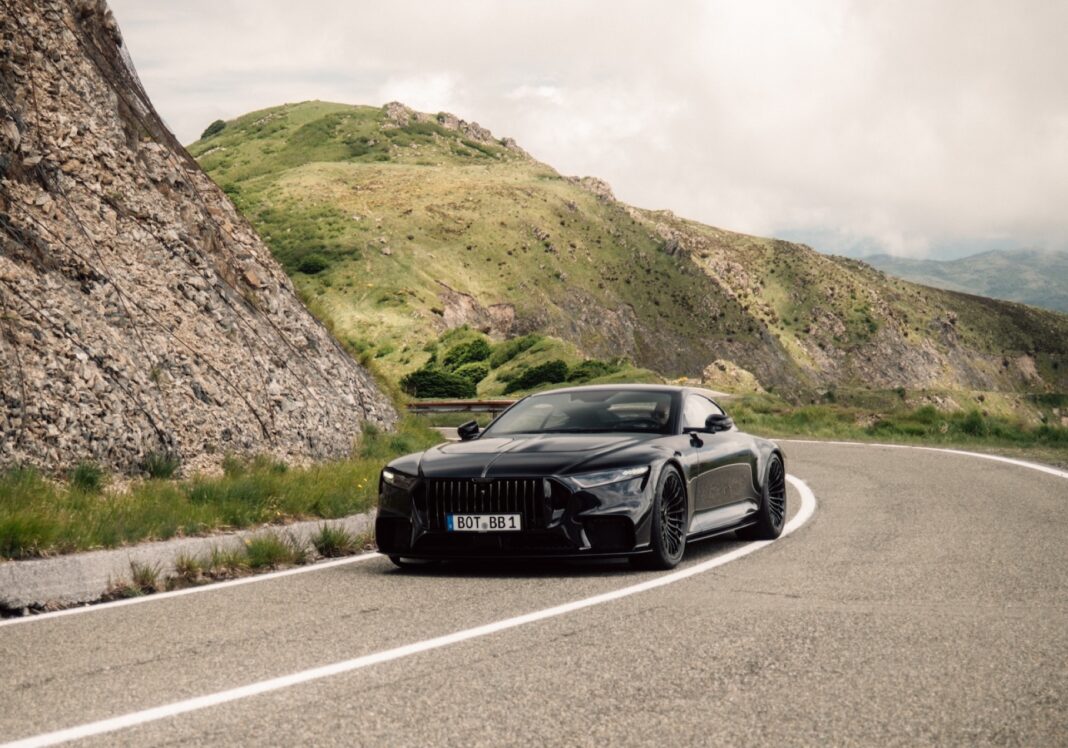
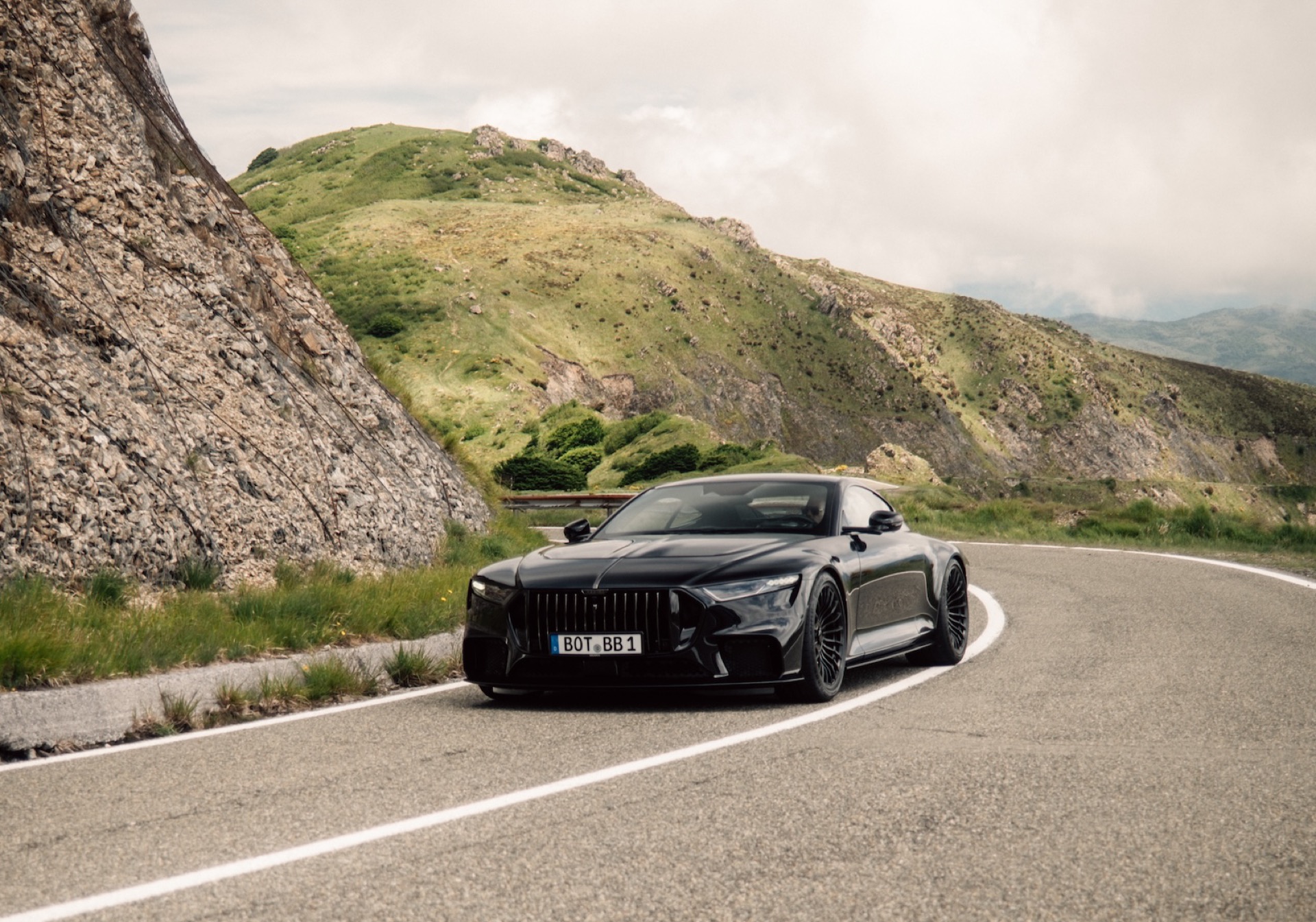
For a long time, Brabus managed to keep Project Bodo largely hidden within its headquarters in Bottrop. Now revealed, the 5.06-metre super coupé is difficult to conceal. Its tightly tailored carbon-fibre bodywork creates a shape dramatic enough to captivate far more than the company’s established fanbase.
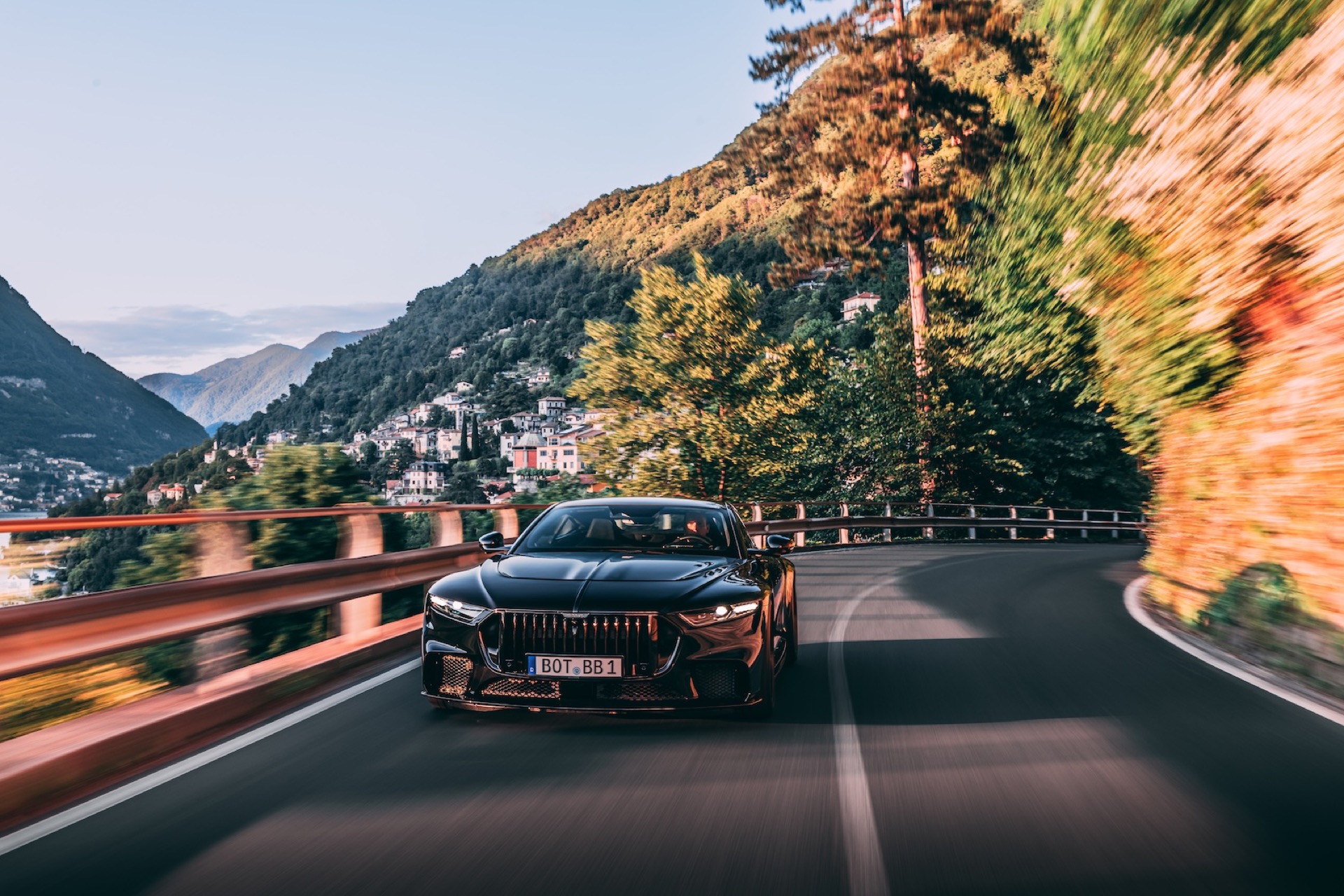
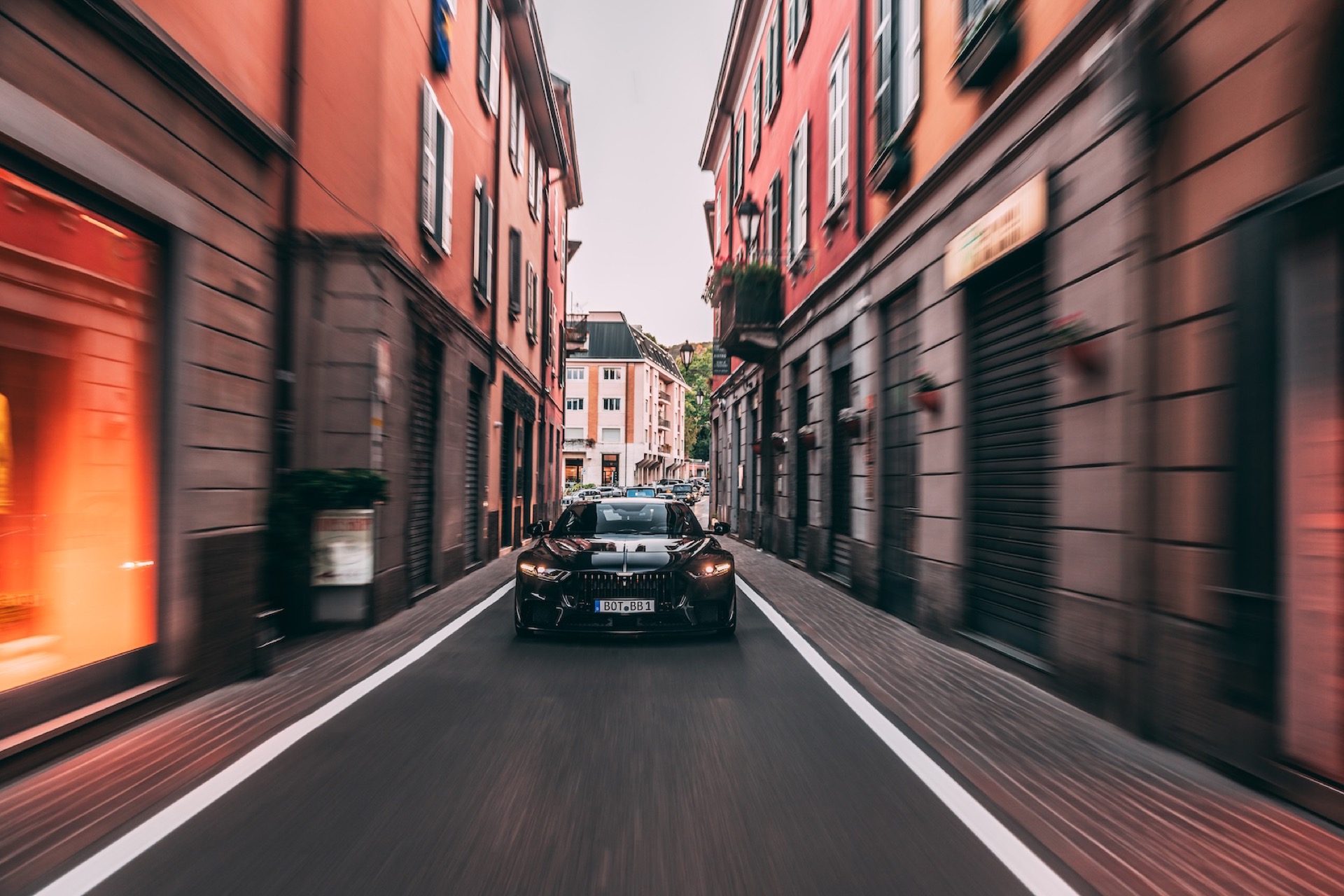
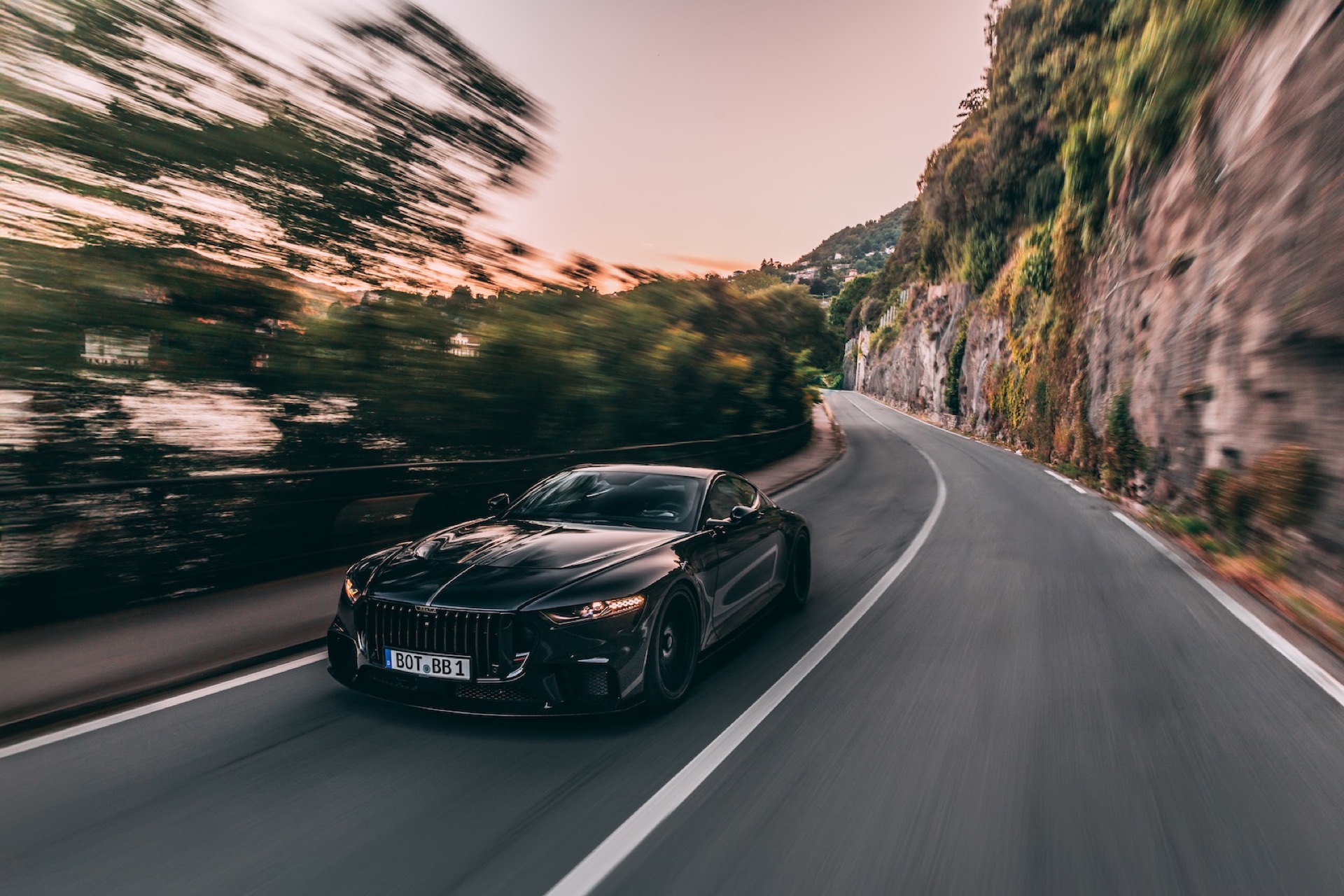

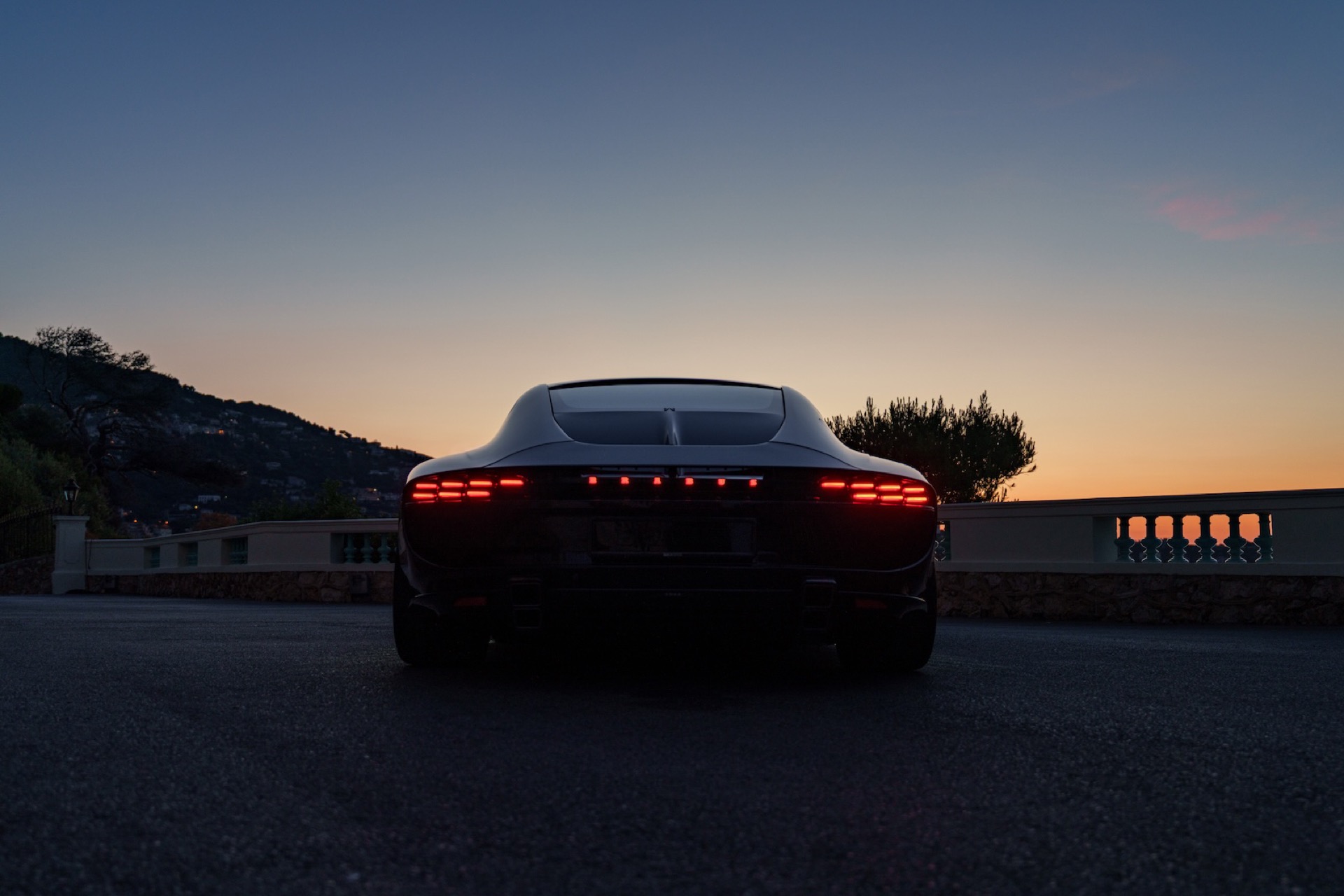
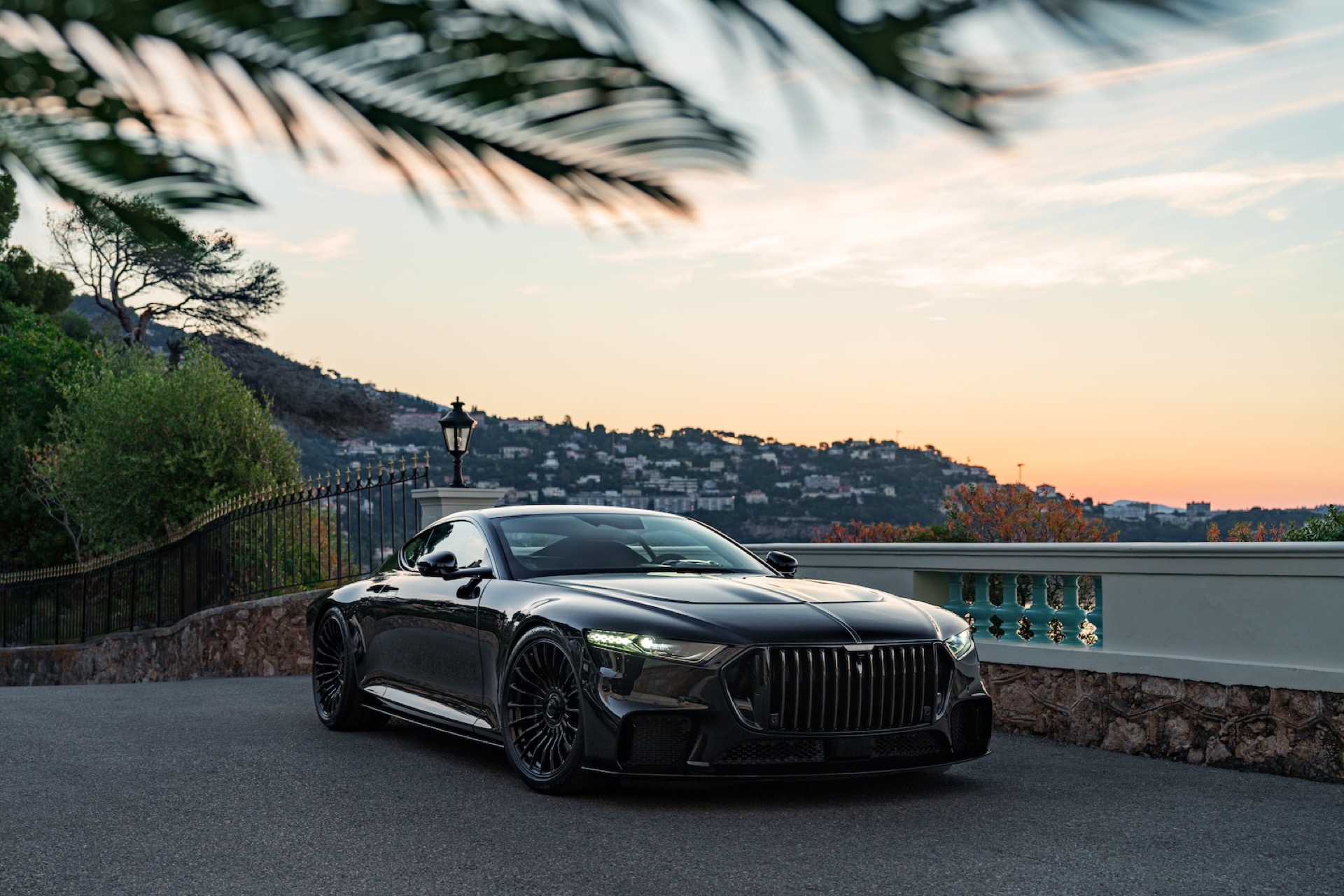
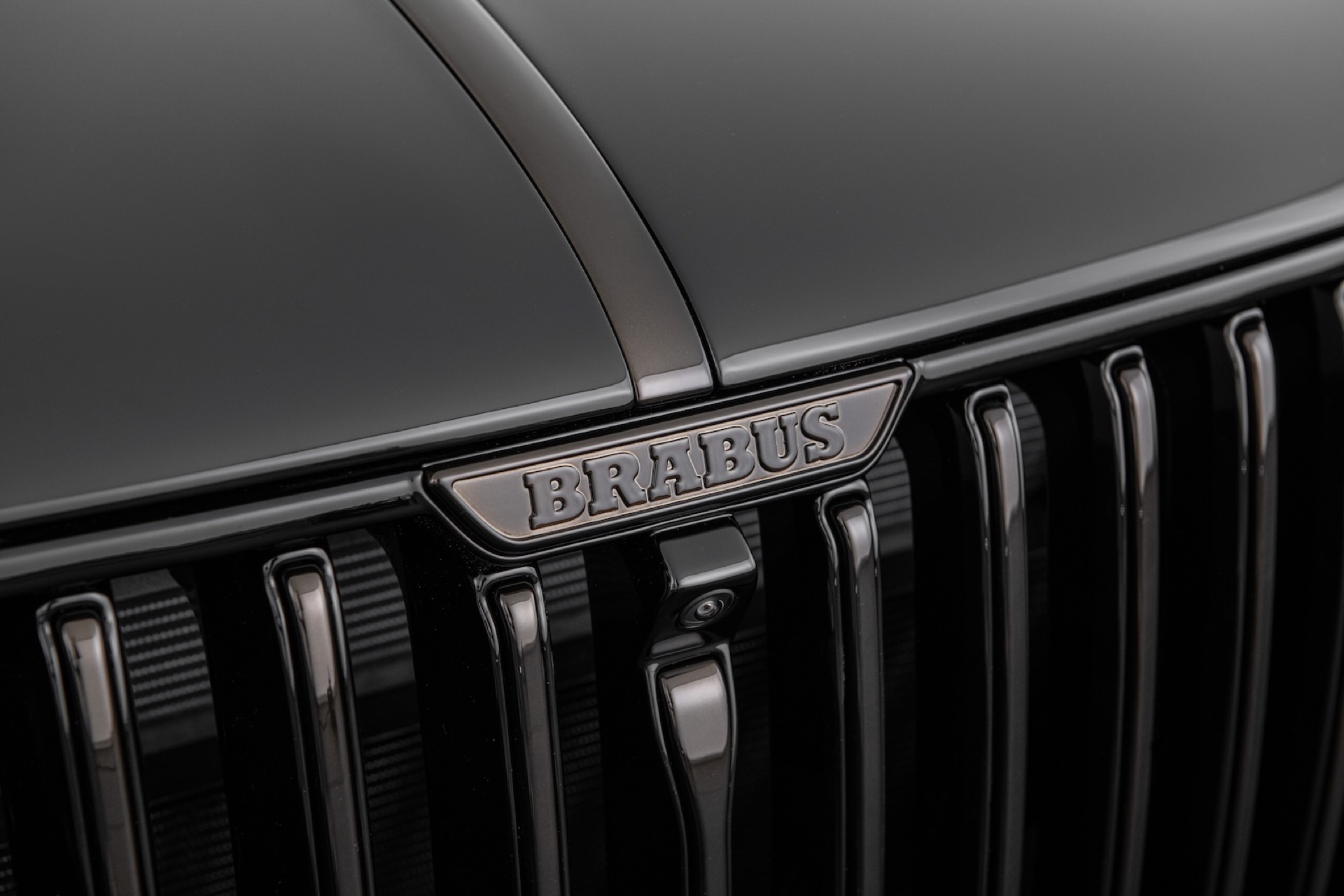



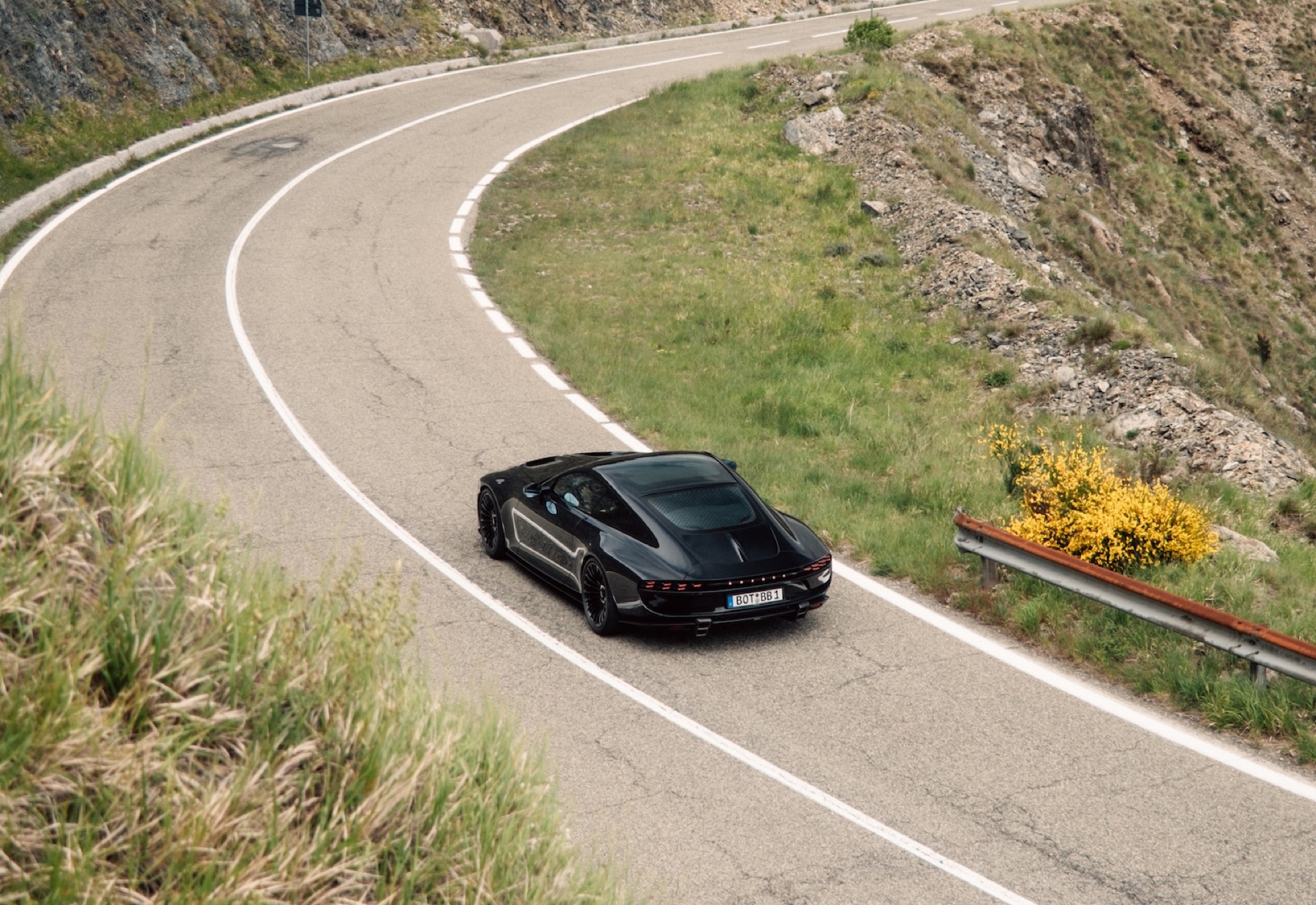
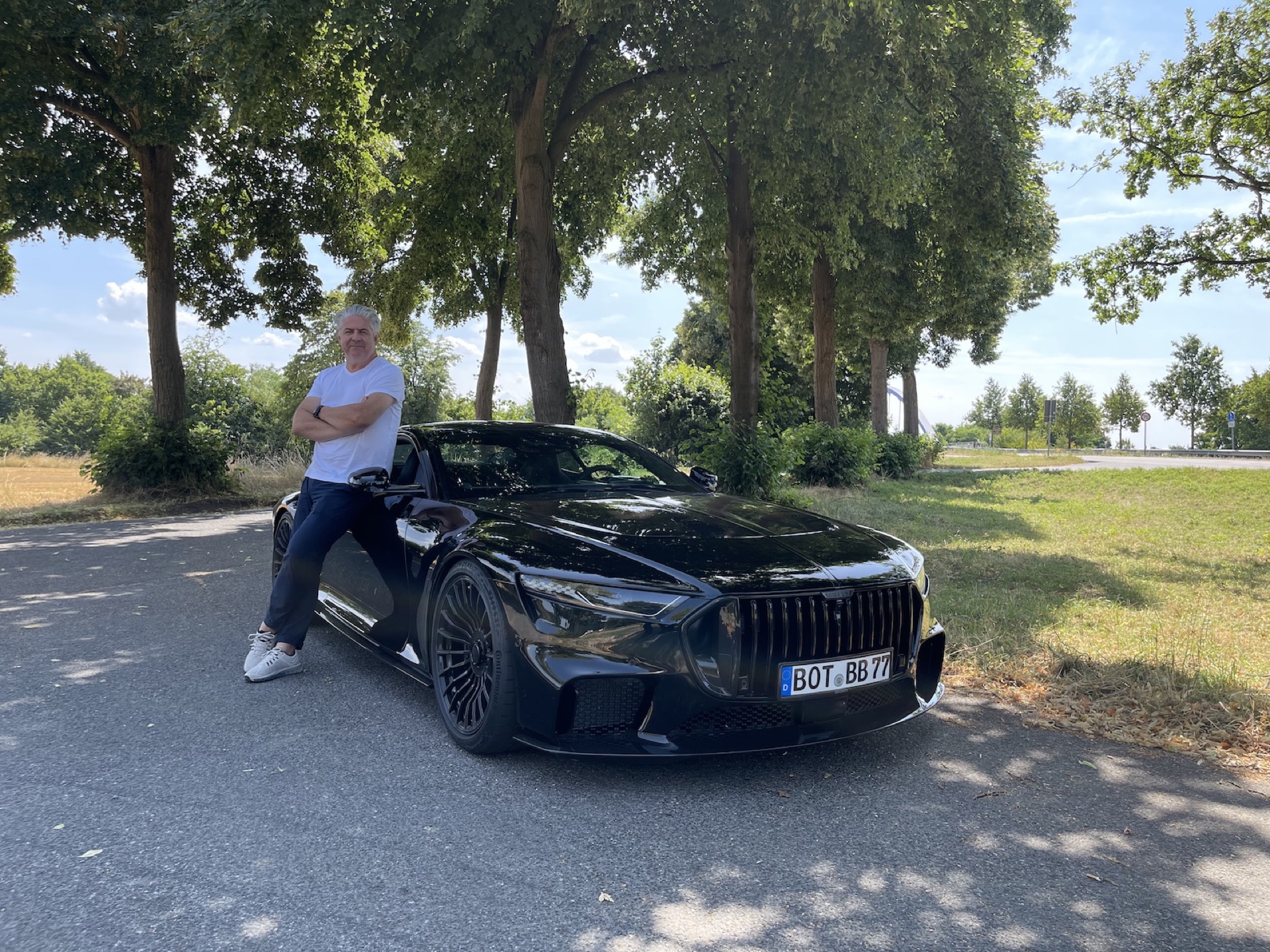
The Brabus Bodo made its public debut beside Lake Como earlier this year. It produces 1,000 horsepower, costs at least €1 million and will be limited to just 77 examples. That scarcity alone will make it highly desirable among collectors, even before its elegant proportions and extraordinary details are taken into account.
There is no electric assistance, no hybrid system and, perhaps most surprisingly, no Mercedes platform beneath it. For almost five decades, models from Stuttgart have provided the technical foundation for the majority of Brabus creations. The Bodo instead begins life as an Aston Martin Vanquish before receiving its own carbon body, extensively reworked powertrain and lavishly appointed interior in Bottrop.
Anyone hoping to secure one should act quickly. More than half of the planned production run has already been sold. After spending time behind the wheel, it is not difficult to understand why.
An Aston Martin in Name Only: There is little about the Bodo’s appearance that immediately reveals its British origins. With its impossibly long bonnet, low roofline and sweeping rear haunches, the dark carbon coupé has an identity entirely of its own. It is elegant and imposing, but certainly not a car for those hoping to travel unnoticed.
Surprisingly, the 5.2-litre twin-turbocharged V12 remains relatively subdued at lower speeds. Leaving the city behind and heading towards the open roads, the Bodo behaves with the calm authority expected of a true luxury grand tourer.
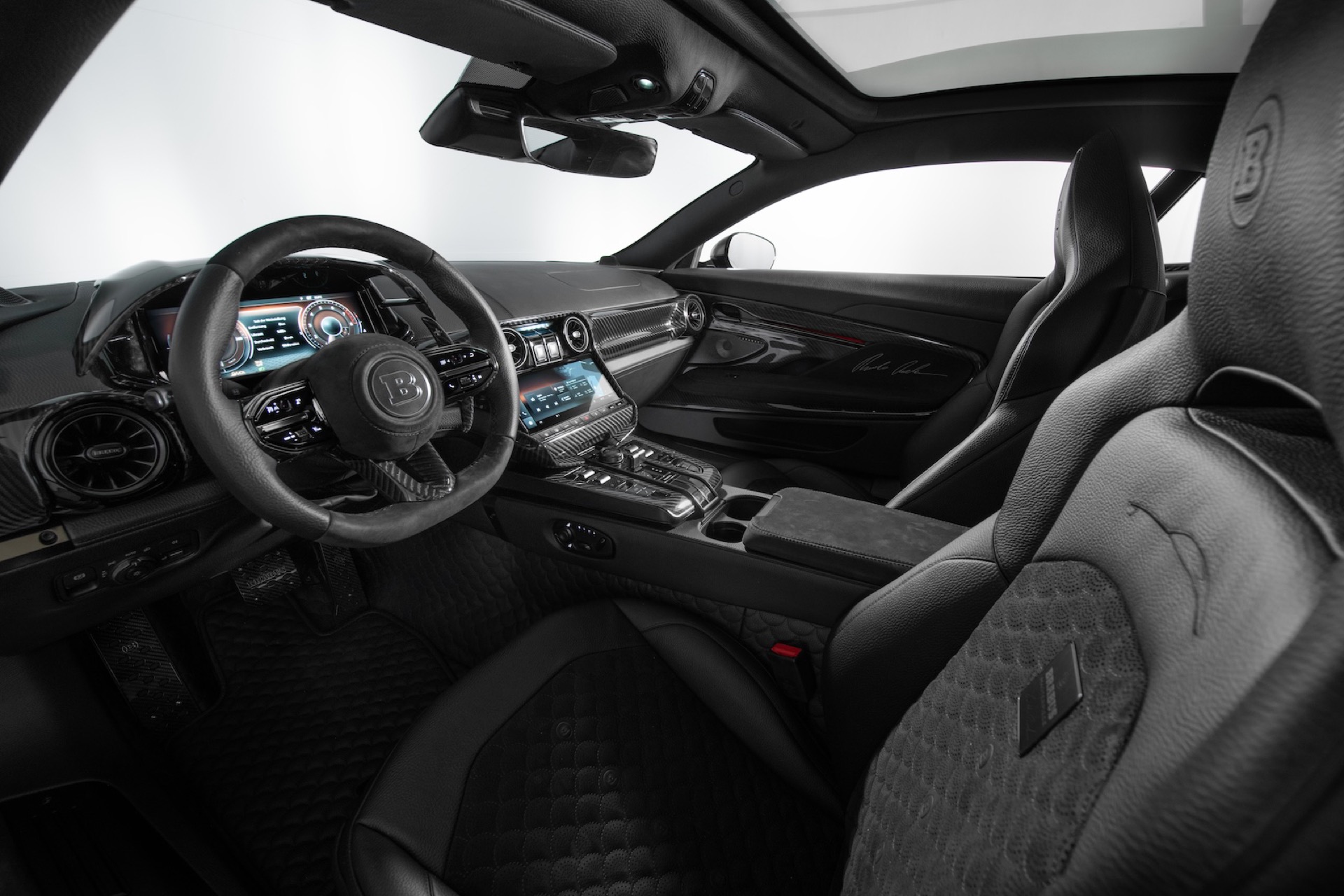
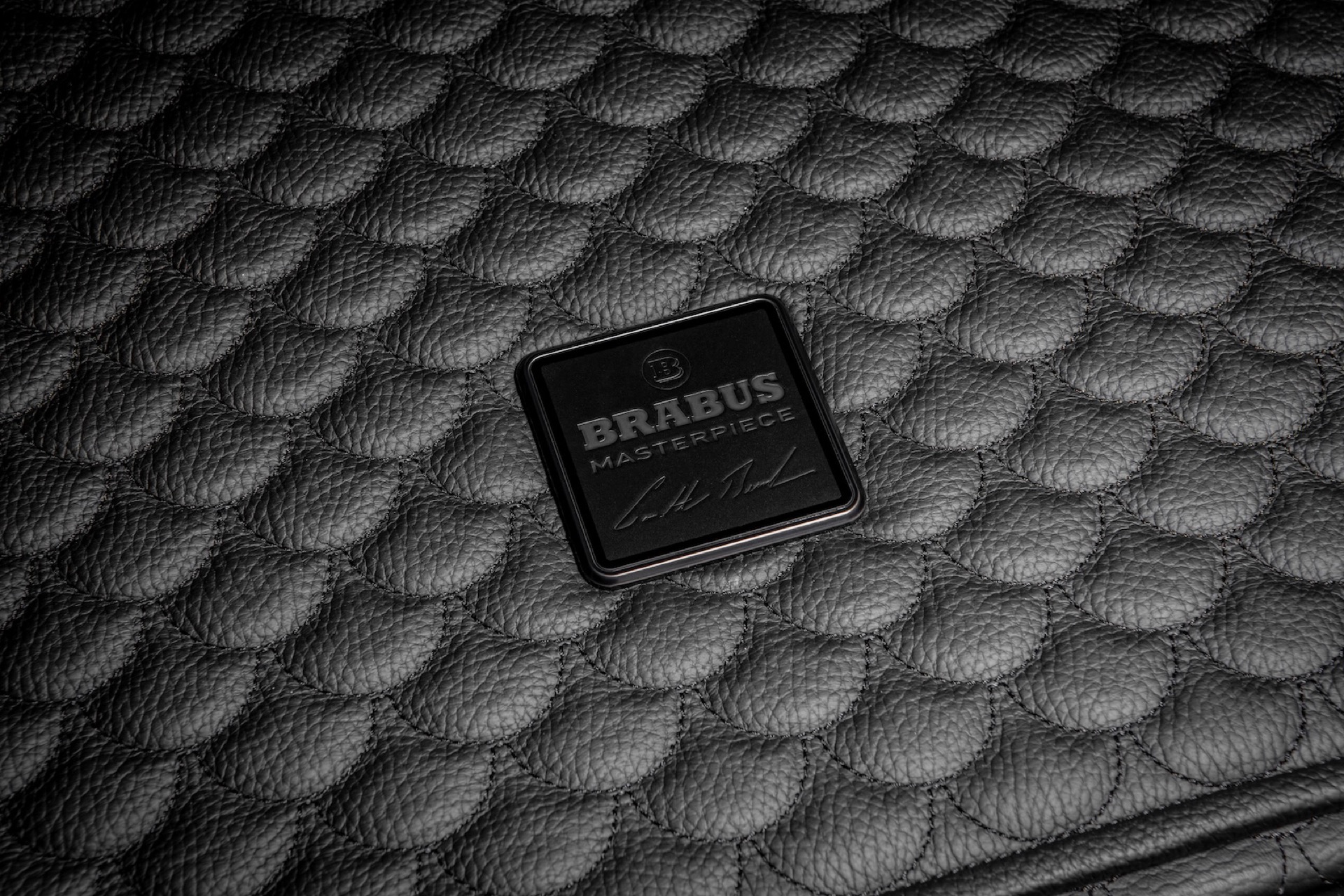
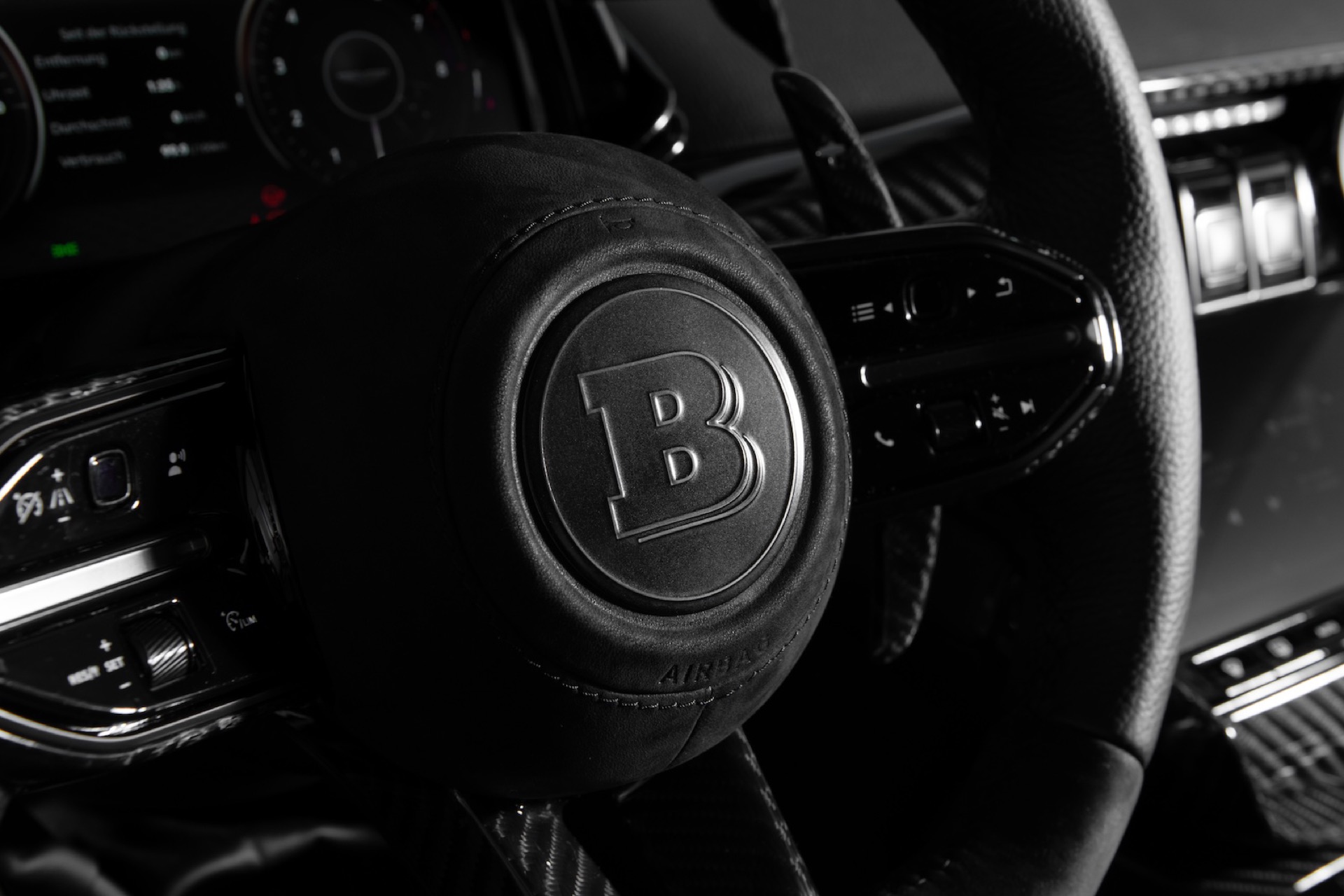
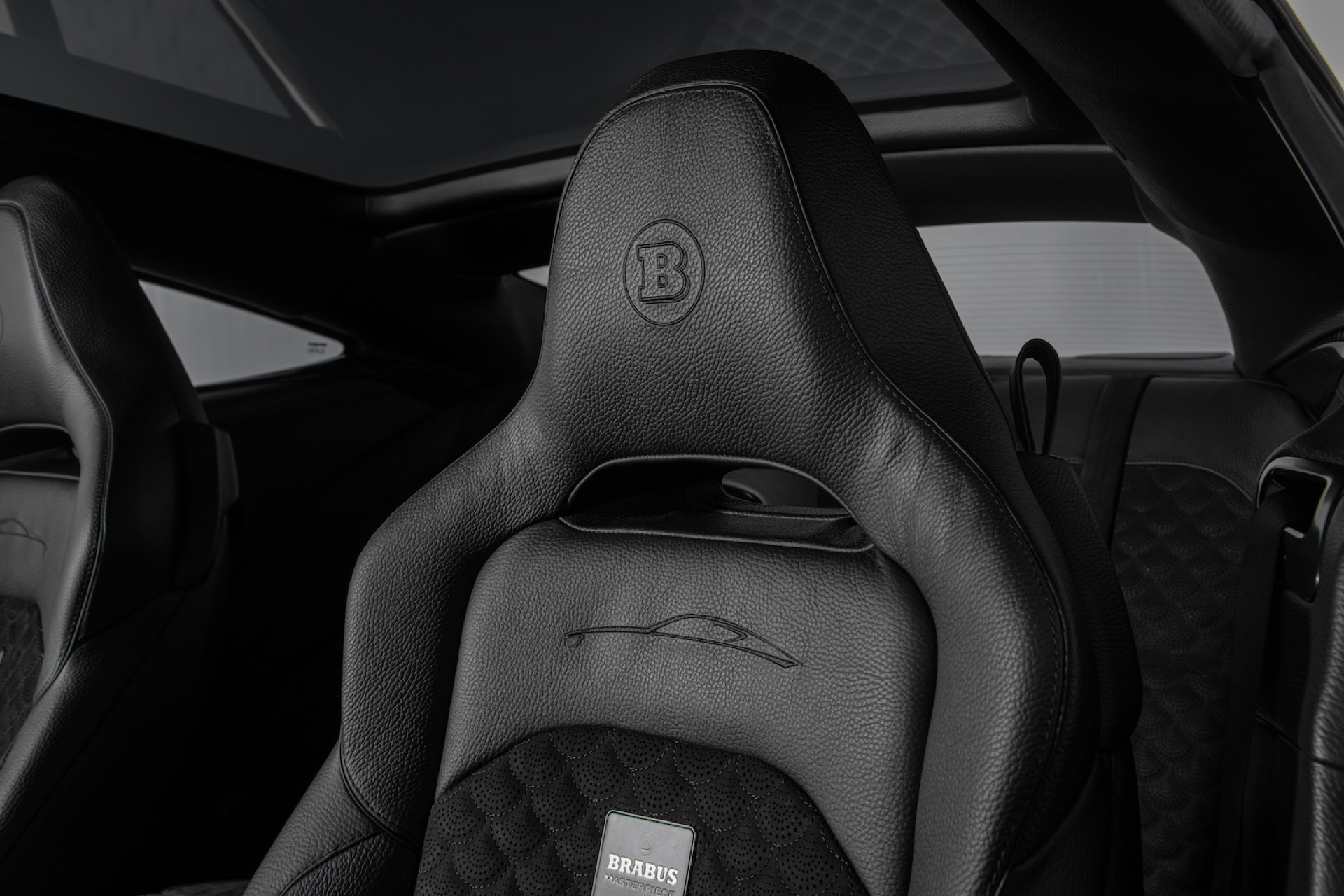
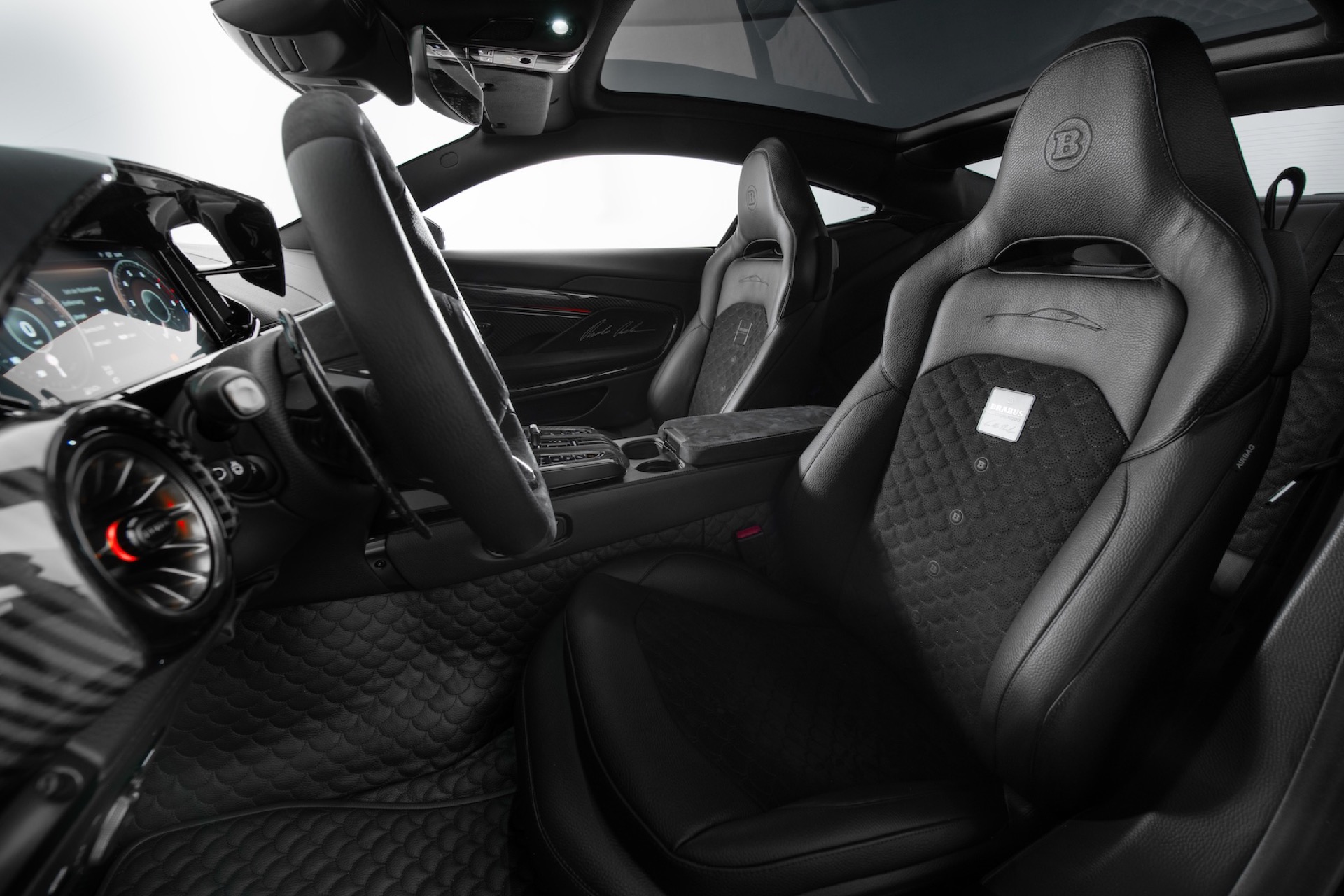
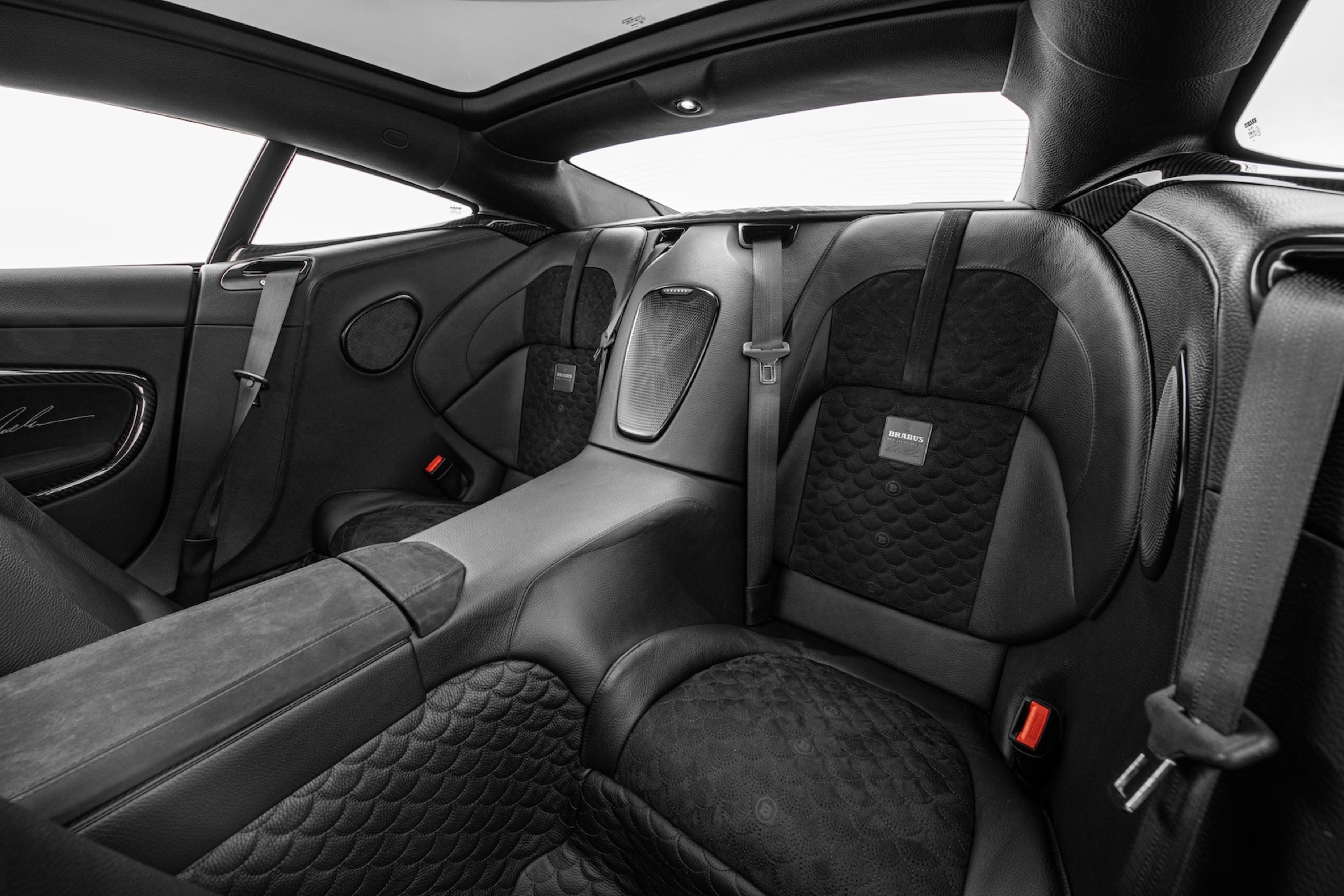
The black leather seats are comfortable and supportive, although their Aston Martin-style adjustment controls, mounted along the sides of the centre console, remain needlessly awkward. The rest of the interior is far more impressive. Nubuck leather covers vast areas of the cabin, while almost every colour, stitch and surface can be tailored to the customer’s wishes. Carbon fibre appears throughout, but it is integrated with enough restraint to complement rather than overwhelm the luxury materials.
There are few limits to the personalisation available, and equally few limits to how far the €1 million starting price can climb. Buyers are encouraged to treat each car as an individual commission rather than simply choosing from a conventional options list.
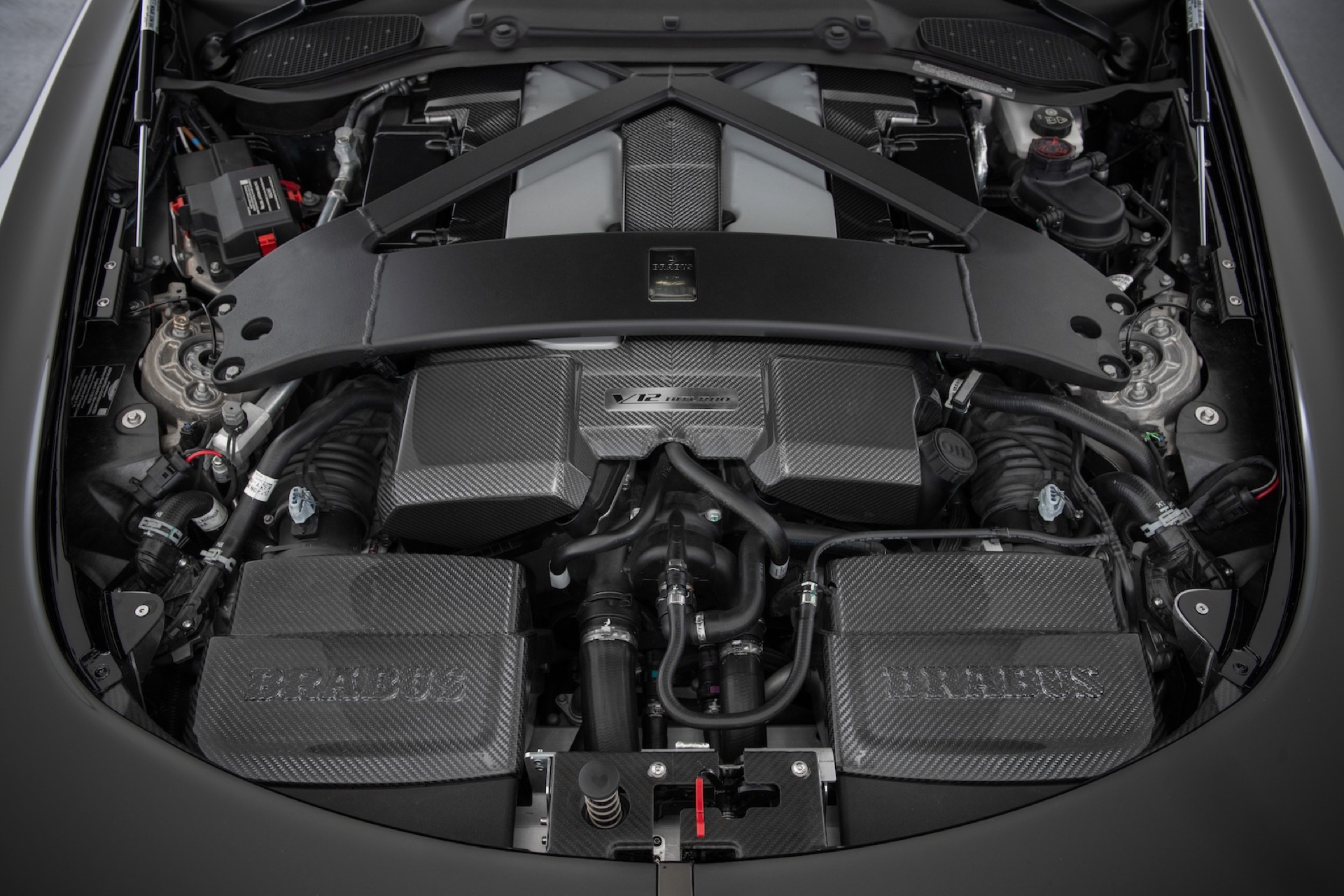
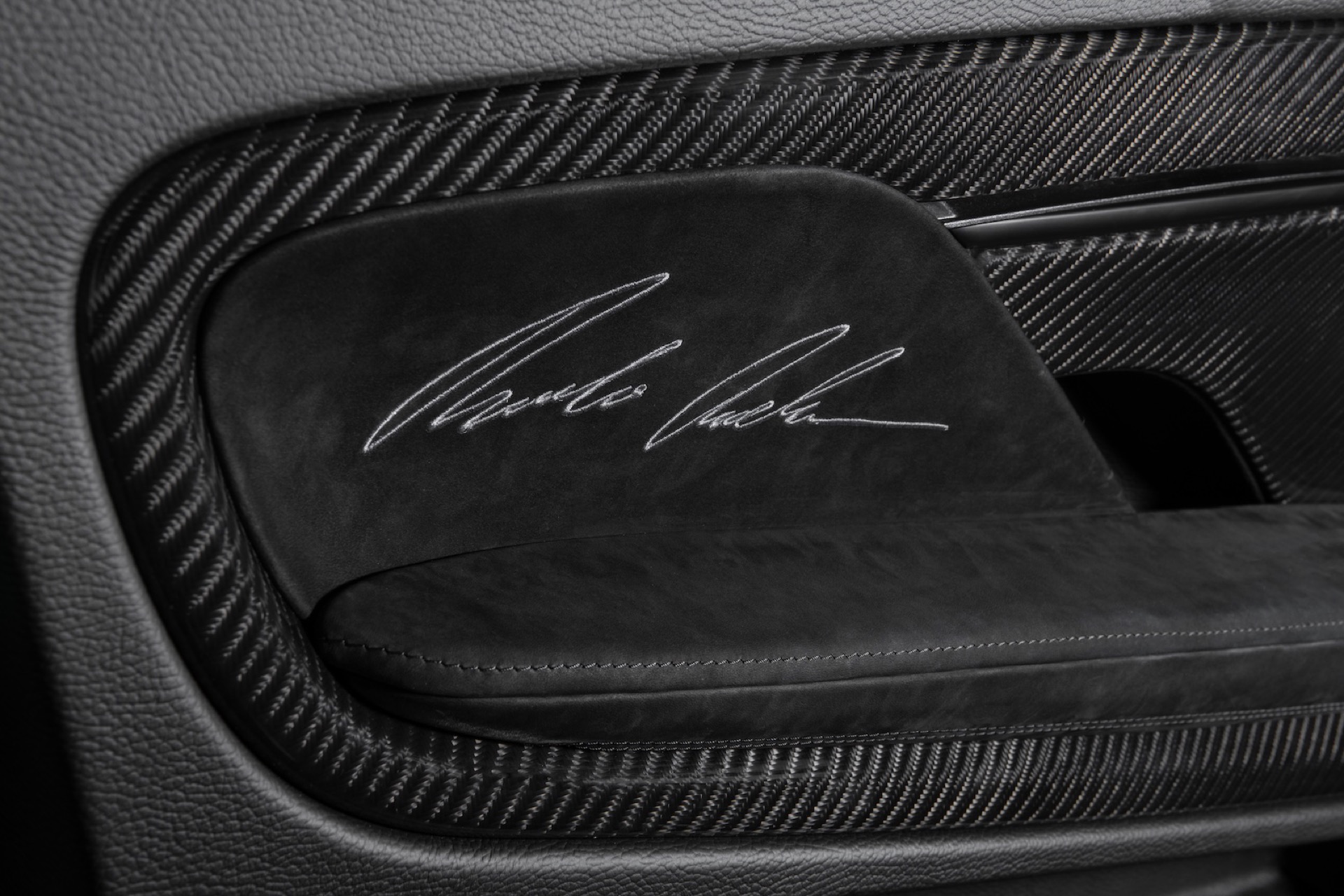
Yet the sumptuous interior, tactile leather and Bodo Buschmann’s embroidered signature on the door panels are merely the setting for the car’s main performance. Beneath the carbon bonnet sits Aston Martin’s V12, strengthened and reworked by Brabus to increase output from 835 hp to a formidable 1,000 hp.
More relevant in everyday driving is the colossal 1,200 Nm of torque.
Effortless V12 Performance: There is no need to approach the Bodo’s claimed 360 km/h top speed to appreciate what it can do. Its appeal lies just as much in the effortless way it gathers speed on a country road.
The Anglo-German coupé surges forward with a relaxed but relentless intensity, drawing attention wherever it goes. Even at higher engine speeds, the exhaust note remains more restrained than expected. That suits the Bodo’s character. This is a luxury coupé first and a supercar second, even if its power output suggests otherwise.
It also occupies a part of the market that has become surprisingly empty. Mercedes-Benz discontinued the S-Class Coupé after the C217 generation. Bentley has replaced the Continental GT’s celebrated W12 with a hybridised V8, a decision that has not pleased every traditional customer. Ferrari’s current combustion-engined grand tourers are unlikely to appeal to everyone, either.
That leaves little beyond Aston Martin’s own DB12 and Vanquish, the latter providing the basis for the Bodo.
In purely technical terms, the Brabus is not at the forefront of the segment. The underlying Aston Martin architecture is beginning to show its age in areas such as driver assistance, chassis technology and the overall electronic package. Both the Vanquish and the Bodo trail the latest rivals in several measurable respects.
But perhaps that is part of the attraction.
The Bodo is an exclusive, million-euro two-door that would enhance even the most remarkable collection. In terms of presence and rarity, it could easily overshadow cars costing considerably more.
Most owners are unlikely to miss the absence of all-wheel drive, rear-wheel steering or a sophisticated active anti-roll system during relaxed journeys in favourable weather. The car is not intended to chase lap records or produce the most clinical possible driving experience.
Instead, it offers theatre.
Accelerate out of a long, flowing bend and the V12 initially pauses as the turbochargers gather themselves. That moment of hesitation is quickly forgotten when the full force arrives through the eight-speed automatic transmission and is sent exclusively to the rear axle.
The acceleration feels almost without limit. The Bodo does not simply gain speed; it seems to compress the road ahead.
A Grand Tourer, Not a Track Weapon: The steering lacks the razor-sharp response of a dedicated supercar, but few Bodo customers are likely to regard that as a serious failing. Despite the immense performance, the dream car created by two generations of the Buschmann family remains a luxury cruiser at heart.
It has no desire to be a nervous, uncompromising track machine. Its potential is instead concealed beneath its brooding bodywork, quietly understood by those who recognise what they are looking at.
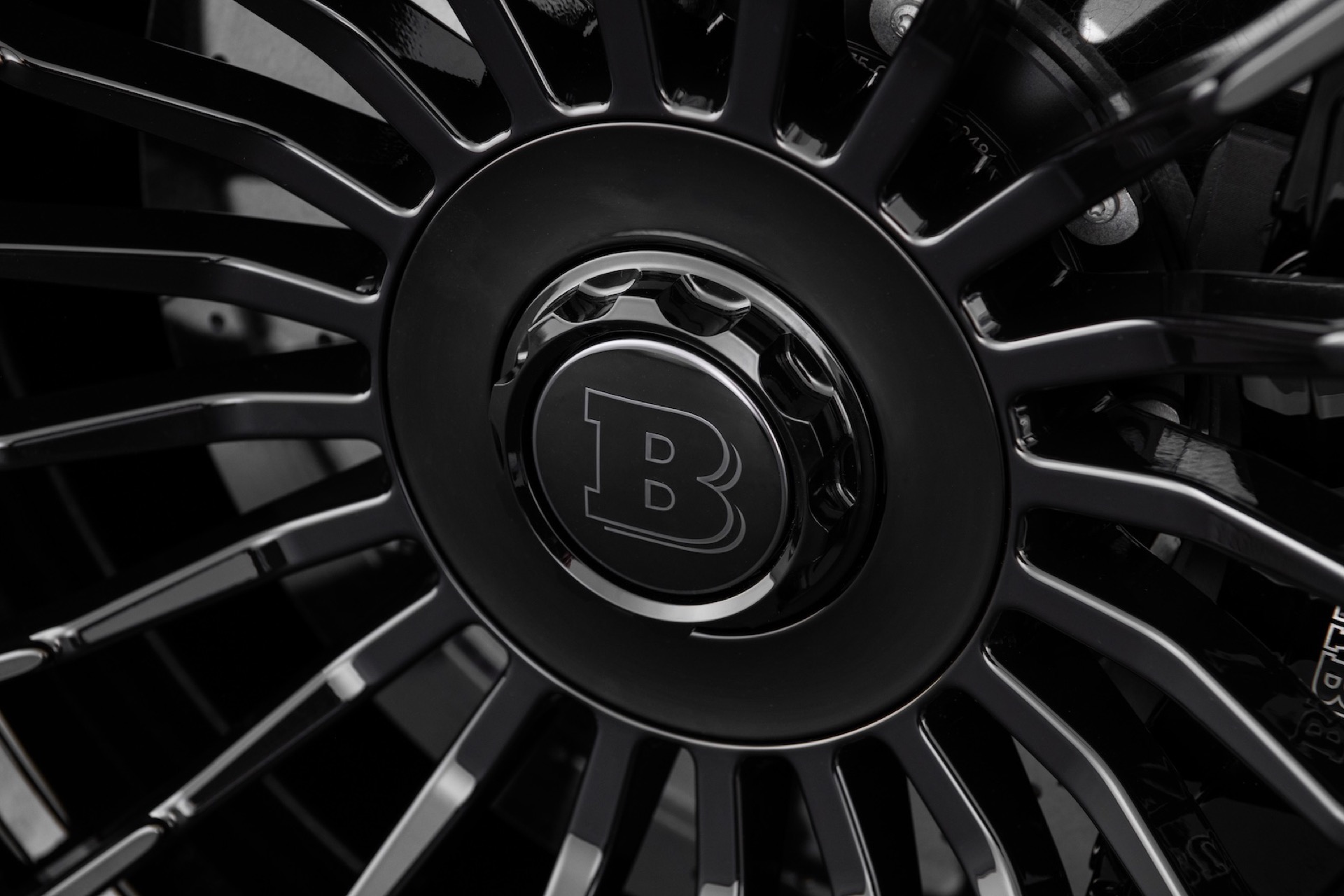
The exposed carbon finish and 21-inch Brabus Monoblock wheels give the car an unmistakable presence. Even so, the ride retains more compliance over uneven surfaces than its appearance might suggest. It is firm, but never punishing, allowing the Bodo to cover ground with the composure expected of a flagship grand tourer.
Measured against the latest technical standards, there are undoubtedly areas in which rivals are more advanced. Others offer faster responses, more sophisticated chassis systems and a broader range of electronic assistance.
But assessing the Bodo solely according to conventional criteria almost misses the point.
This is the realisation of a deeply personal ambition, shaped by a son in tribute to his father. It is a limited-production, carbon-bodied V12 coupé created at a time when cars of this kind are becoming increasingly rare.
Perhaps it is enough simply to enjoy the fact that someone has once again created a genuine dream car.