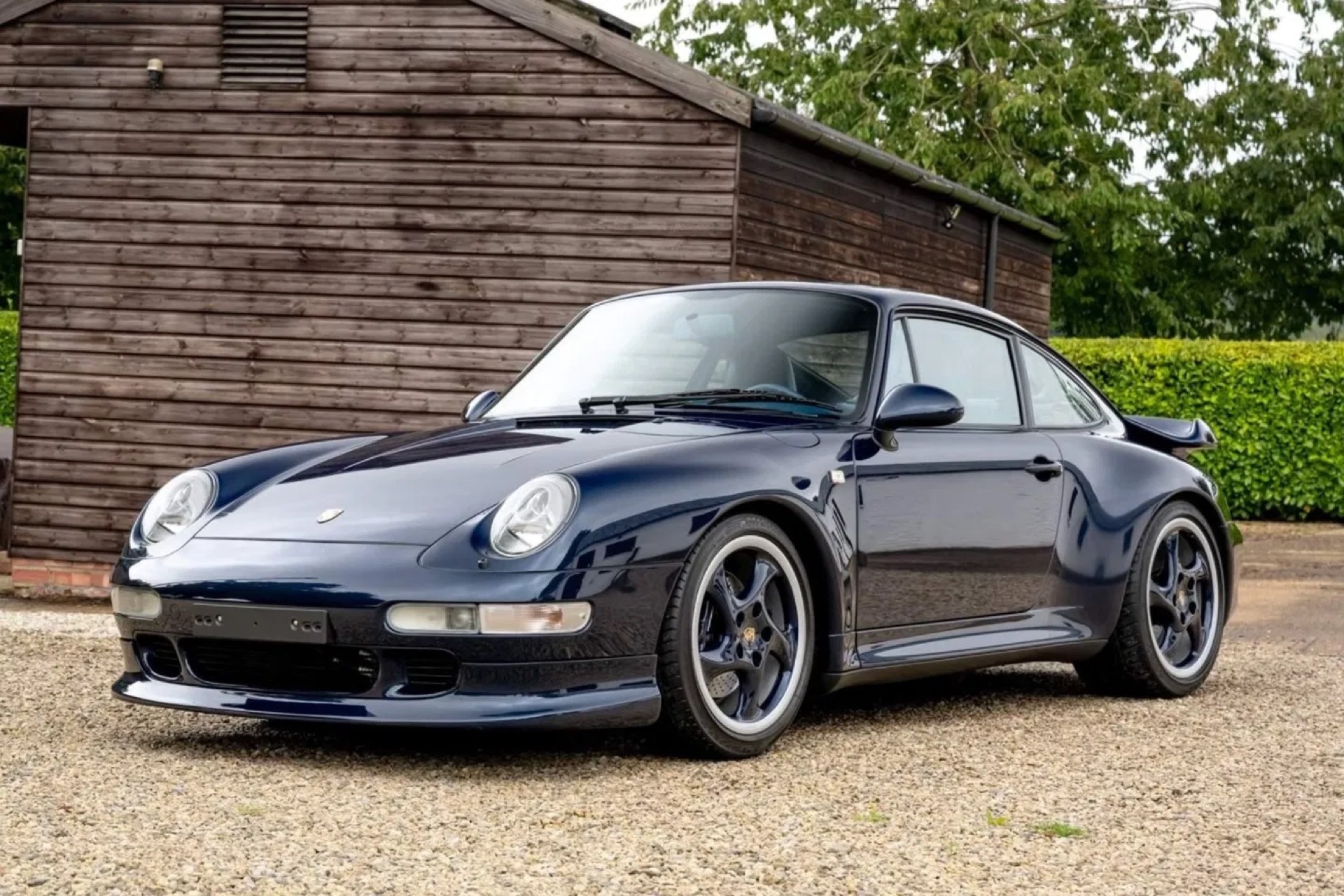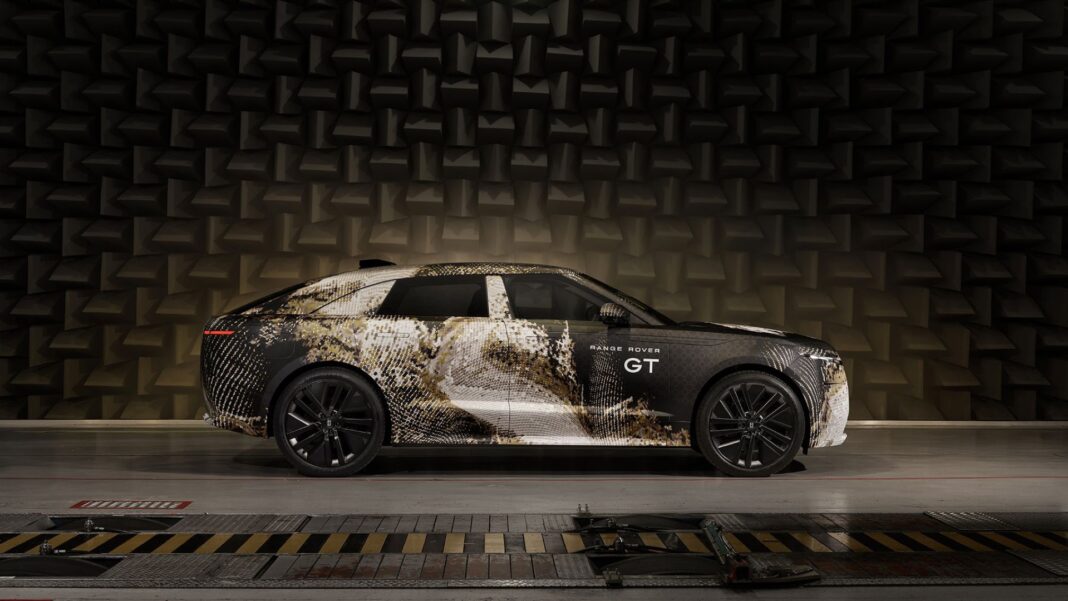
Range Rover is expanding its line-up with a new GT. The interior impresses with clean lines and minimalist design, while a first look inside reveals the generous rear space buyers expect from a flagship Range Rover. Interestingly, the cabin also borrows several design cues from the Jaguar Type 00.
Five models appear to be the magic number for Range Rover. The upcoming GT is expected to become the newest addition to the range, although the company has yet to confirm it officially. Its arrival is widely expected to spell the end of the underperforming Velar, a logical move given how closely the current model sits alongside the flagship Range Rover. “The Range Rover GT does not replace any existing model,” company executives insist. Technically, that may be true, but it does not rule out a future reshuffle. A clearer separation between the various models has become increasingly important.
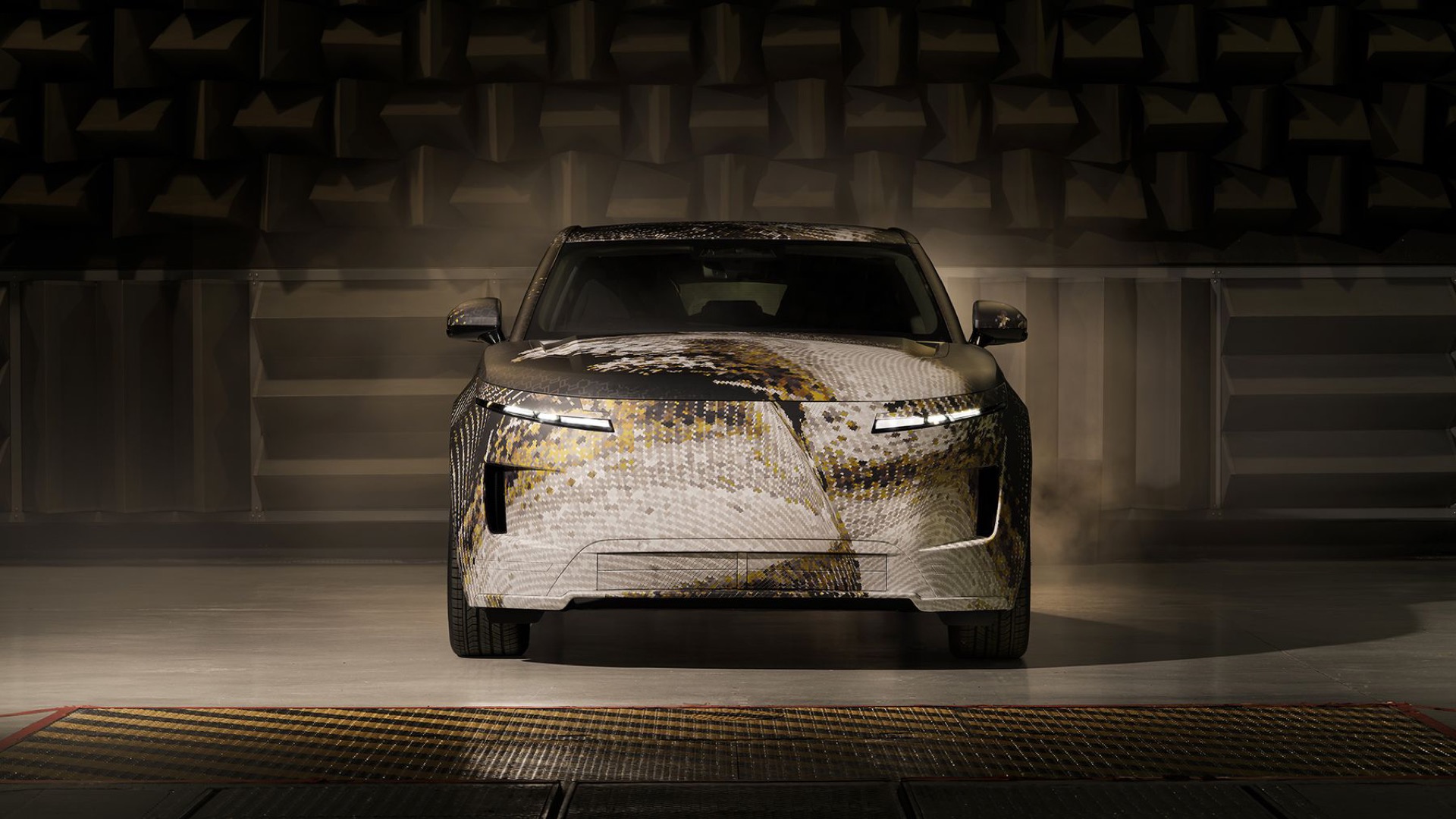
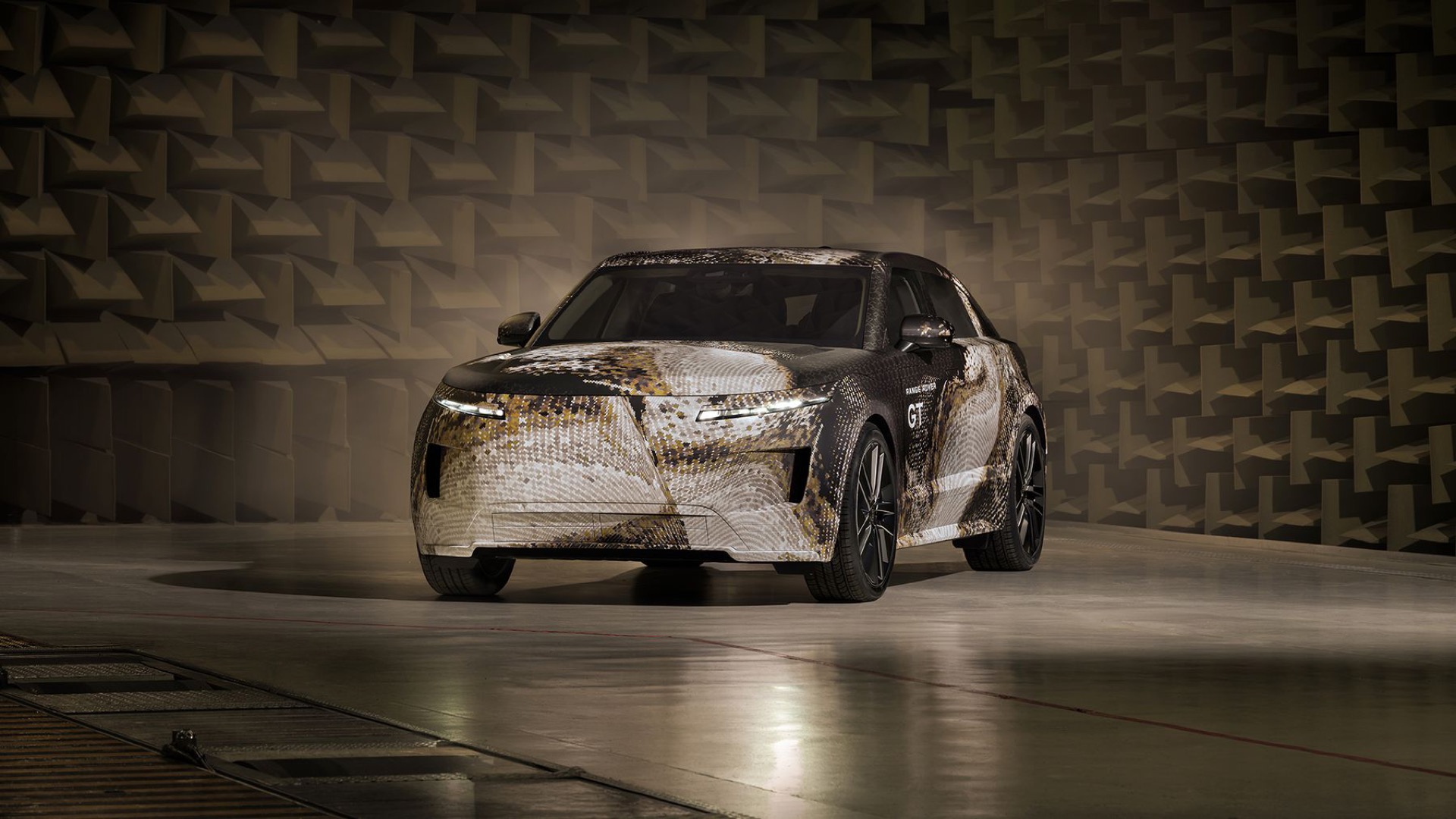
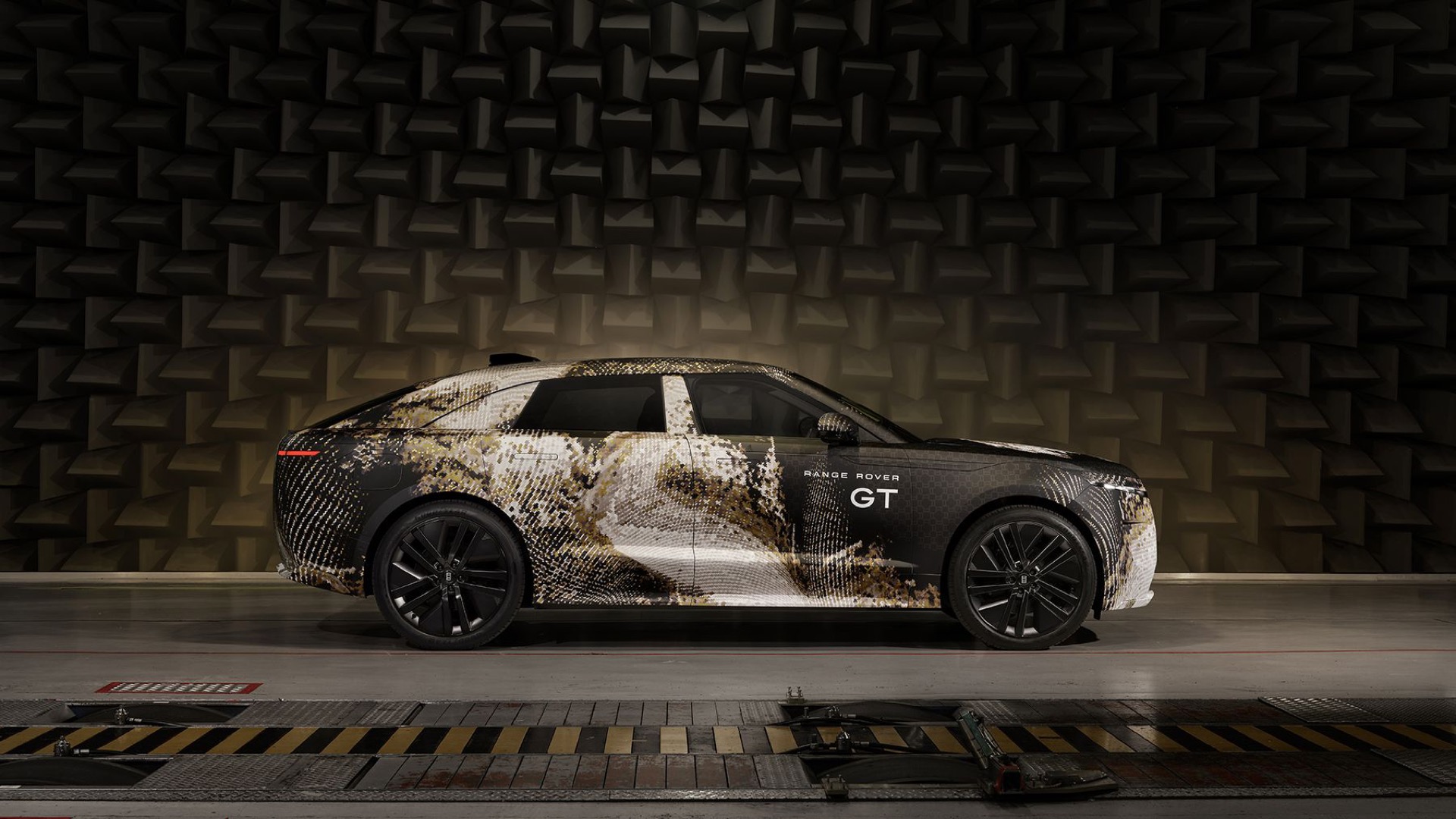
Expectations inside the company are correspondingly high. “The Range Rover GT will redefine the grand touring segment,” says Range Rover managing director Martin Limpert. “The result is the most car-like, yet unmistakably the most capable Range Rover we have ever created, made possible by our electrified EMA architecture.”
Initially, the GT will launch as a fully electric model before hybrid powertrains are added later. Land Rover is no longer prepared to rely solely on battery-electric vehicles. Although technical details remain under wraps, a WLTP range of at least 600 kilometres appears highly likely. After all, a genuine grand tourer should be designed for long journeys, not frequent charging stops.
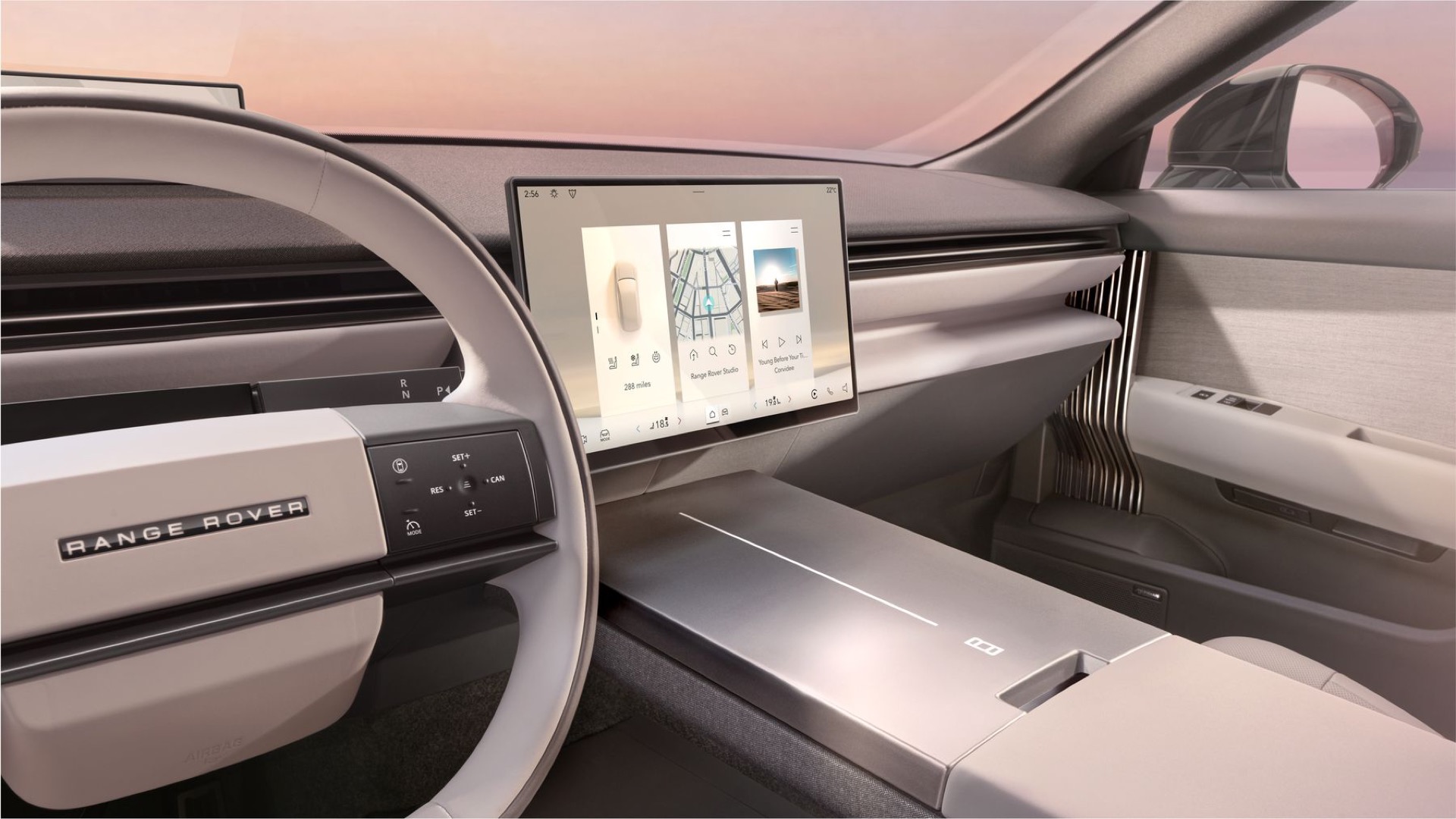
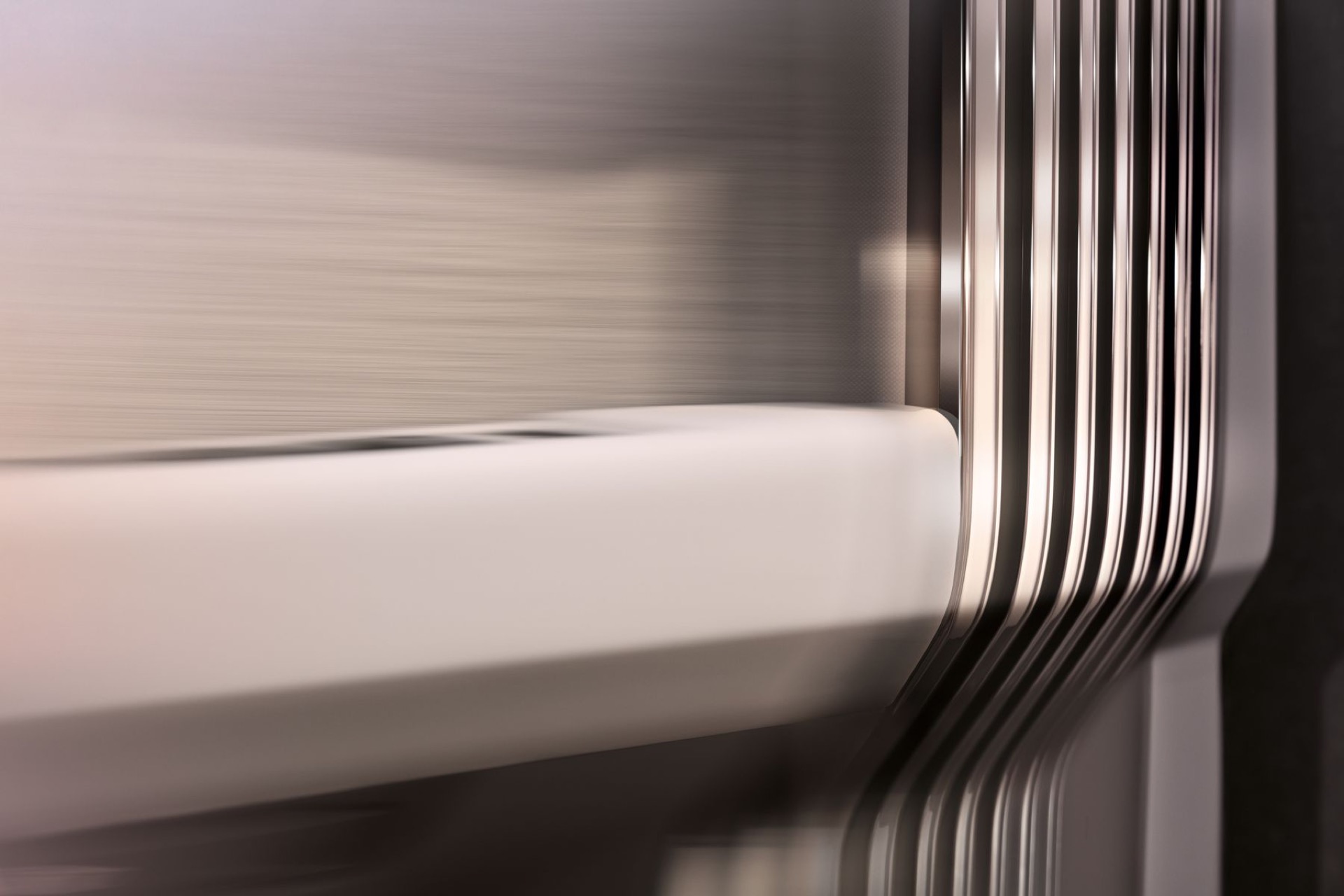
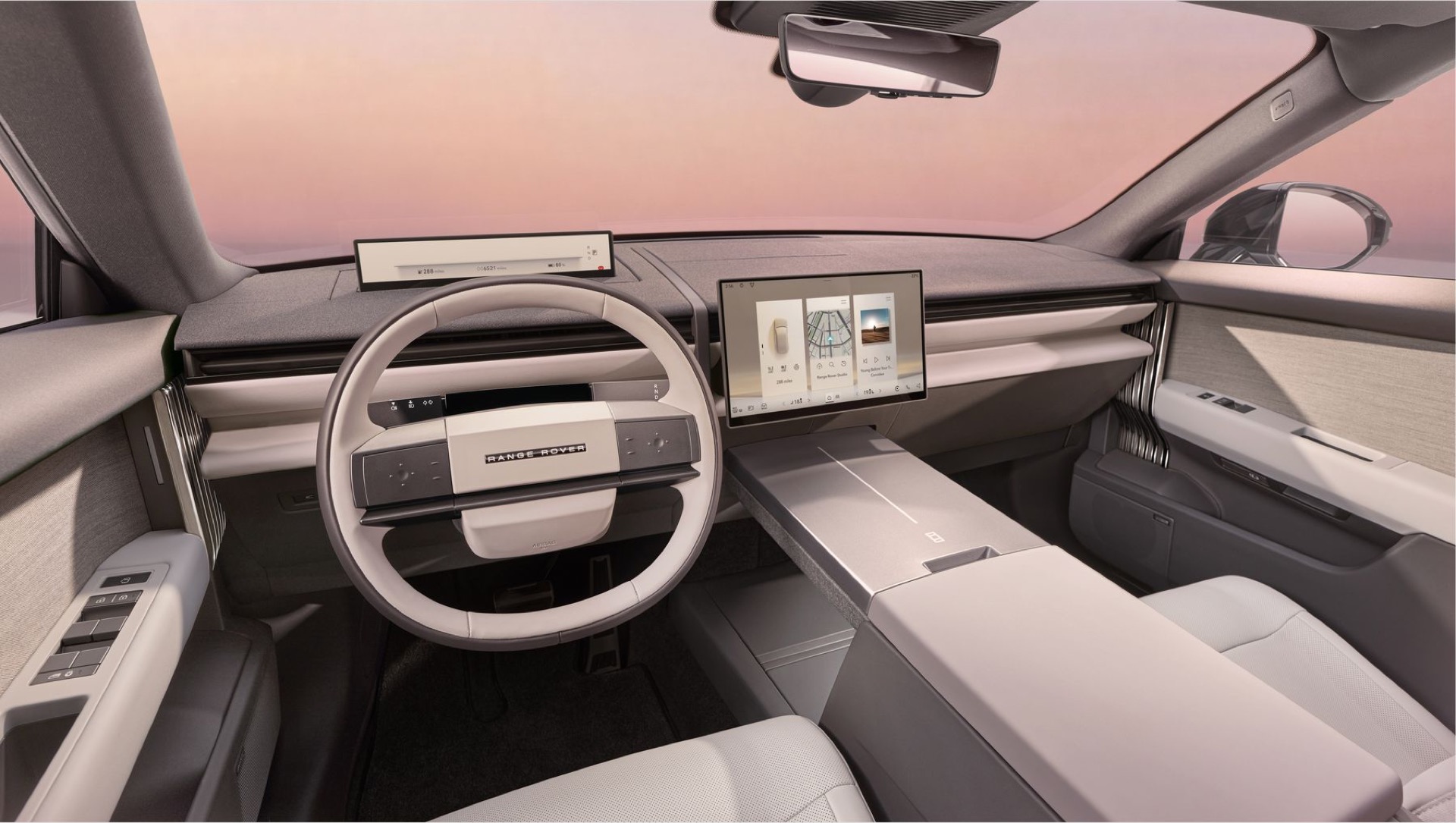
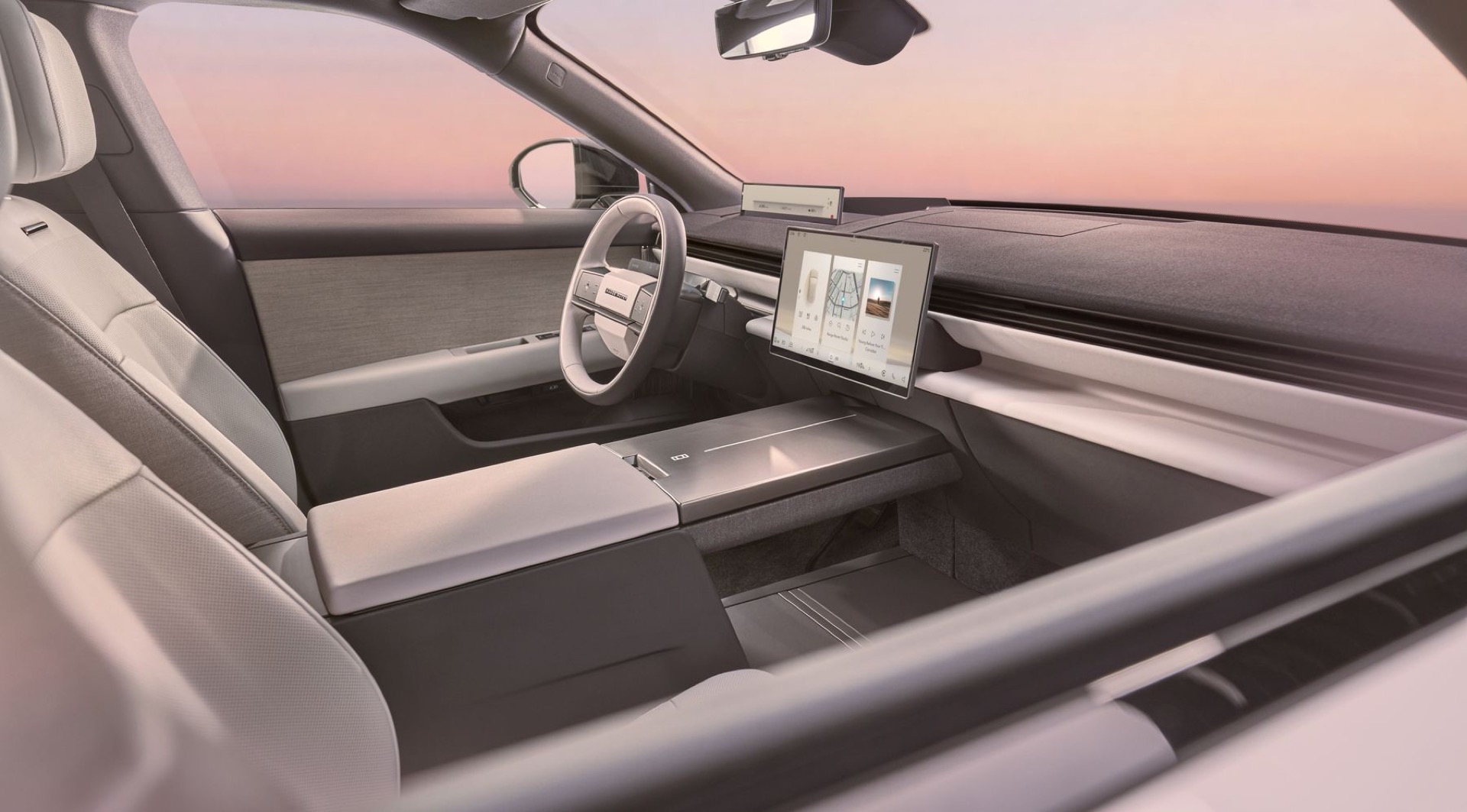
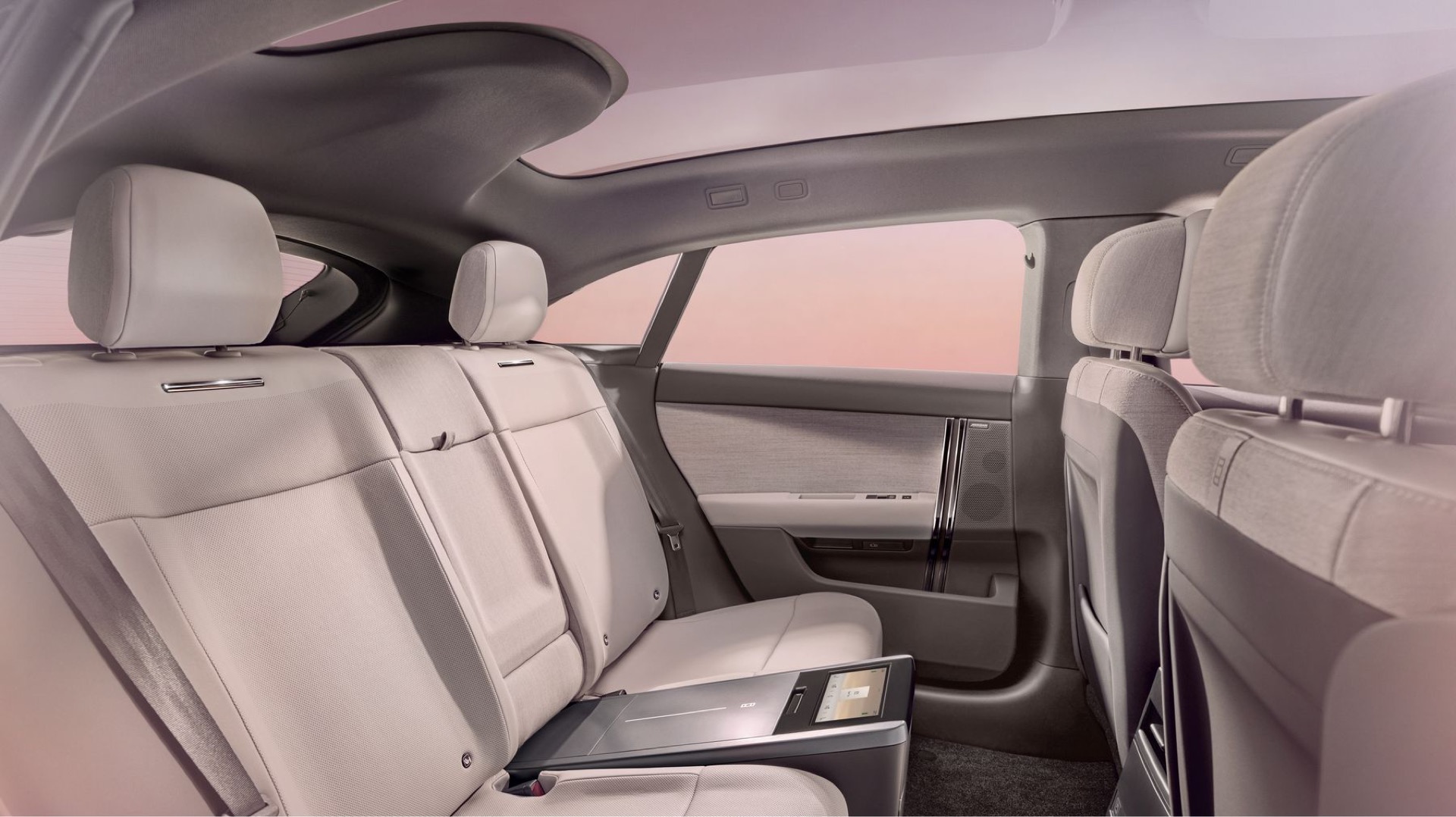
The cabin immediately stands out with its restrained design language. Straight lines, clean surfaces and an uncluttered layout create an atmosphere that would not look out of place in a modern Volvo. Range Rover deliberately avoids the multiple-screen approach adopted by many competitors. Neither rear passengers nor the front passenger face their own display. The designers describe the philosophy as “digital detox”, and they have followed it consistently.
The steering wheel clearly takes inspiration from the Jaguar Type 00 concept. Its compact proportions feel closer to a Peugeot than to the larger steering wheel found in BMW’s latest Neue Klasse models. The gear selector stalk and configurable touch controls have also been carried over almost unchanged. Behind the wheel sits a slim digital display, supported by a standard head-up display.
That head-up display itself is relatively compact, but still incorporates augmented reality functionality. Traditional controls are limited to the steering wheel, column stalks and window switches. Everything else is handled through the large central touchscreen. Given Range Rover’s focus on reducing digital overload, however, it seems unlikely that the interface will simply replicate Tesla’s touchscreen-first philosophy. Voice control supported by artificial intelligence appears the more logical solution.
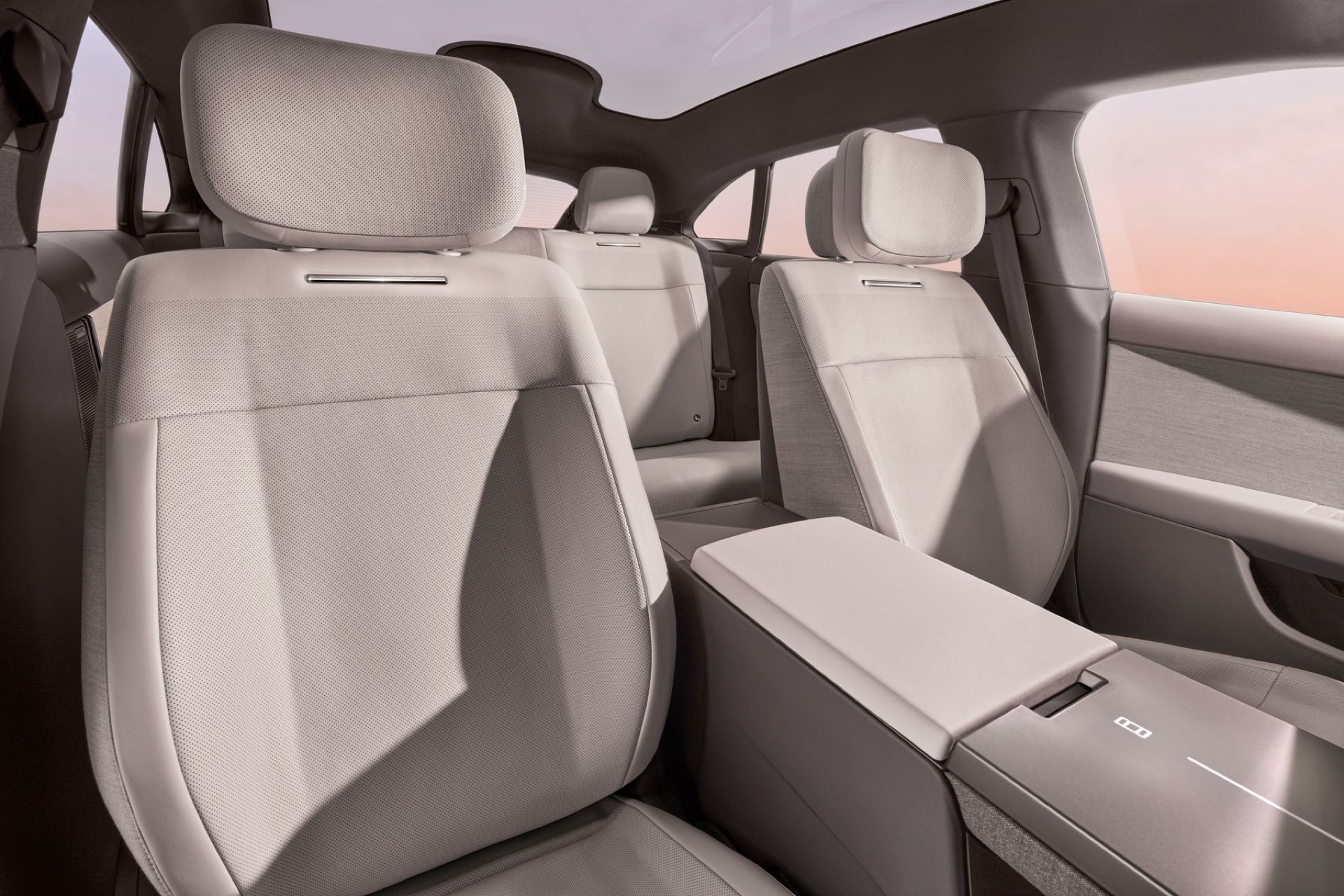
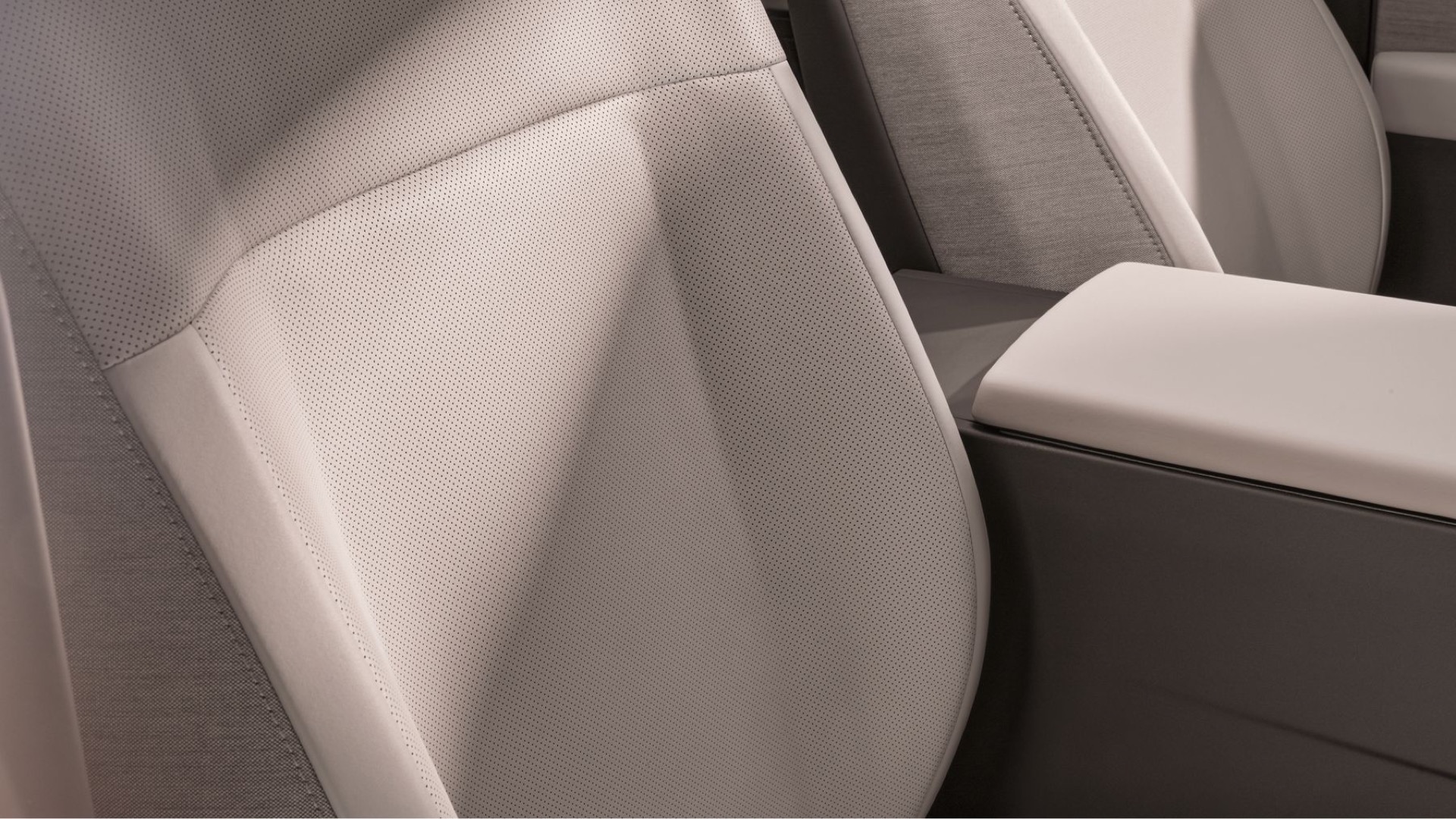
The generously padded front seats prioritise comfort over aggressive side bolsters. Upholstery comes in the form of Ultrafabrics, a vegan leather alternative that closely resembles the real thing while remaining cooler in direct sunlight beneath the expansive panoramic glass roof. When asked about conventional leather, materials specialist Hannah Custance simply smiles and shakes her head. “Not for the moment.” The reason is surprisingly practical: current leather hides are simply not large enough for seats of this size. That may yet change, as many traditional Range Rover customers still expect genuine leather.
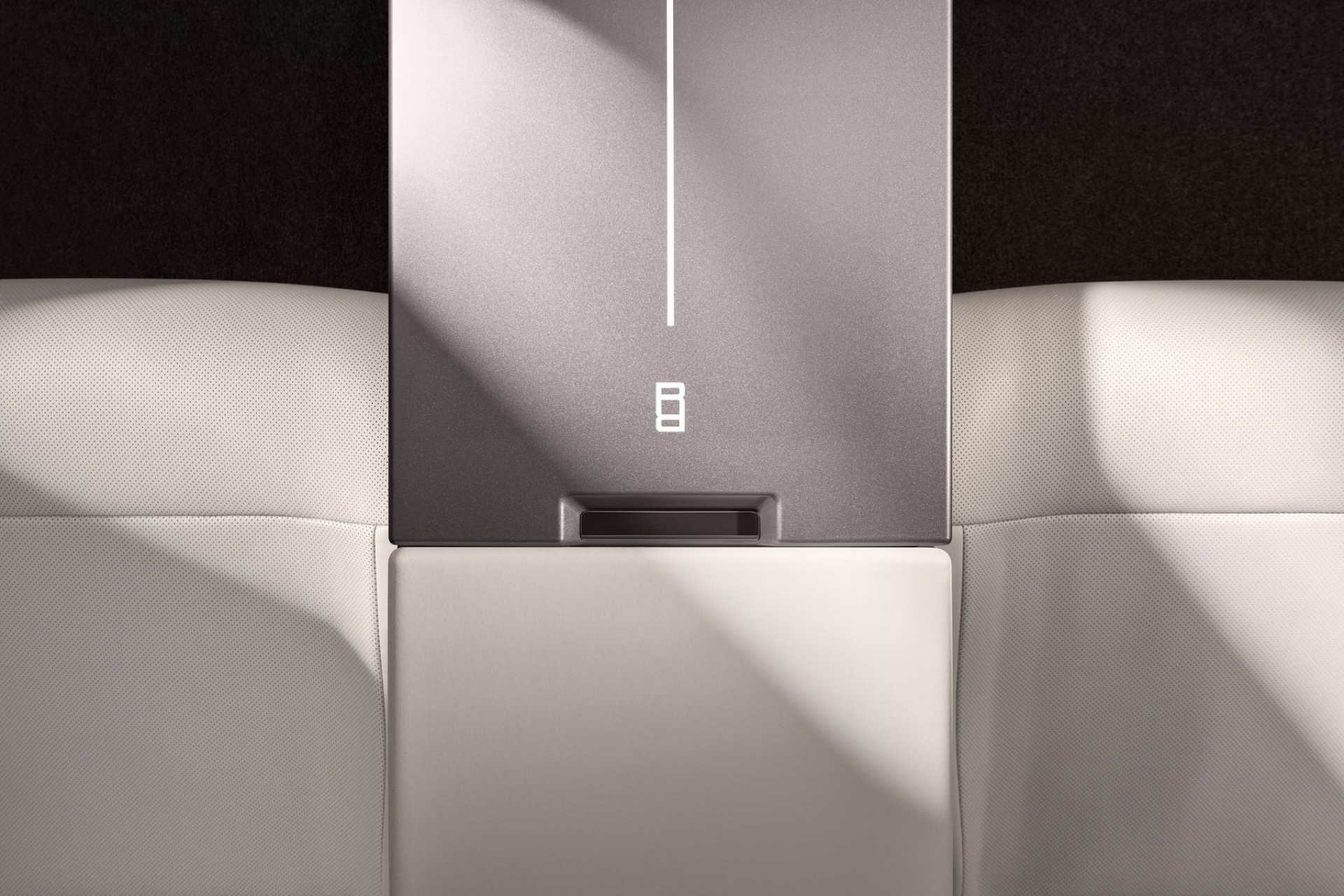
Moving into the rear reveals what may be the GT’s greatest strength. Buyers will be able to choose between a conventional rear bench or two individual rear seats. The latter is likely to prove more popular with traditional Range Rover customers. Space is exceptional in every direction. Legroom and headroom are generous, making long-distance travel genuinely comfortable regardless of where you are sitting.
That, ultimately, is exactly what a modern grand tourer should deliver.