Two friends of mine recently bought the new BMW M5. One is very happy with it. The other, not so much.
That caught my attention. Not because I wanted to find out which one of them was right, but because the difference in their experiences seemed unusually large for two people driving essentially the same car. The M5 has always been defined by its ability to do almost everything. It is supposed to be a comfortable daily driver and practical family car when you need it, and a seriously fast performance car when the opportunity presents itself. Few cars have historically combined those roles quite as successfully.
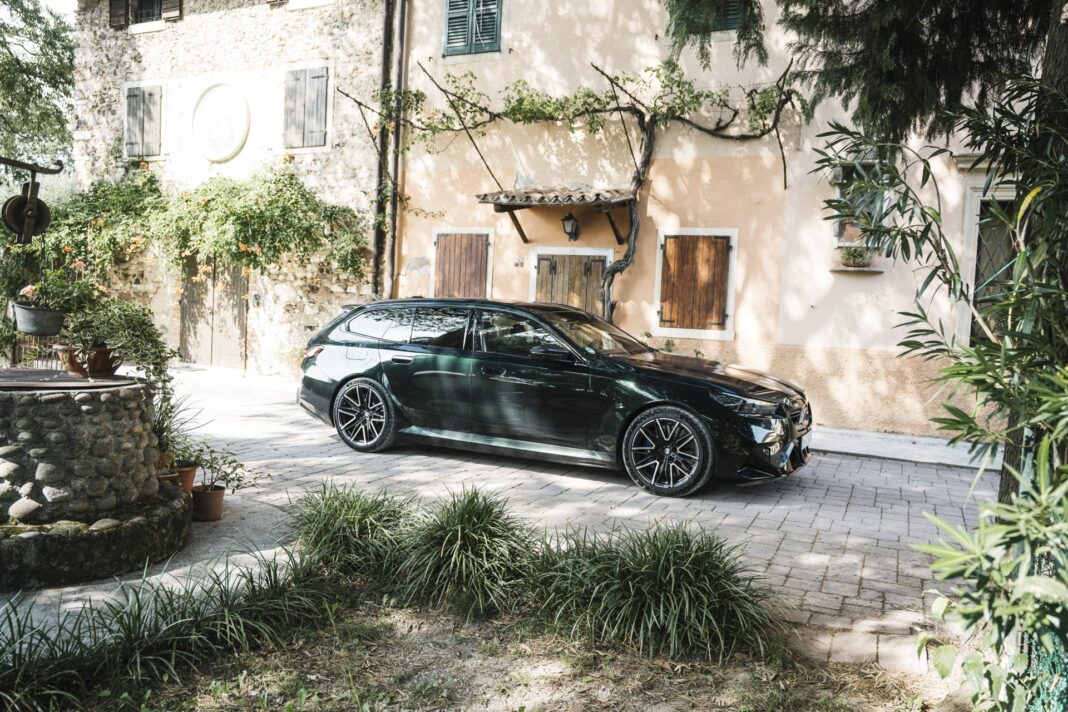
The new M5 Touring should take that idea further than ever. It has 727 hp, a V8 plug-in hybrid powertrain, all-wheel drive, rear-wheel steering and enough space for the family and their luggage. It also weighs more than 2.4 tonnes.
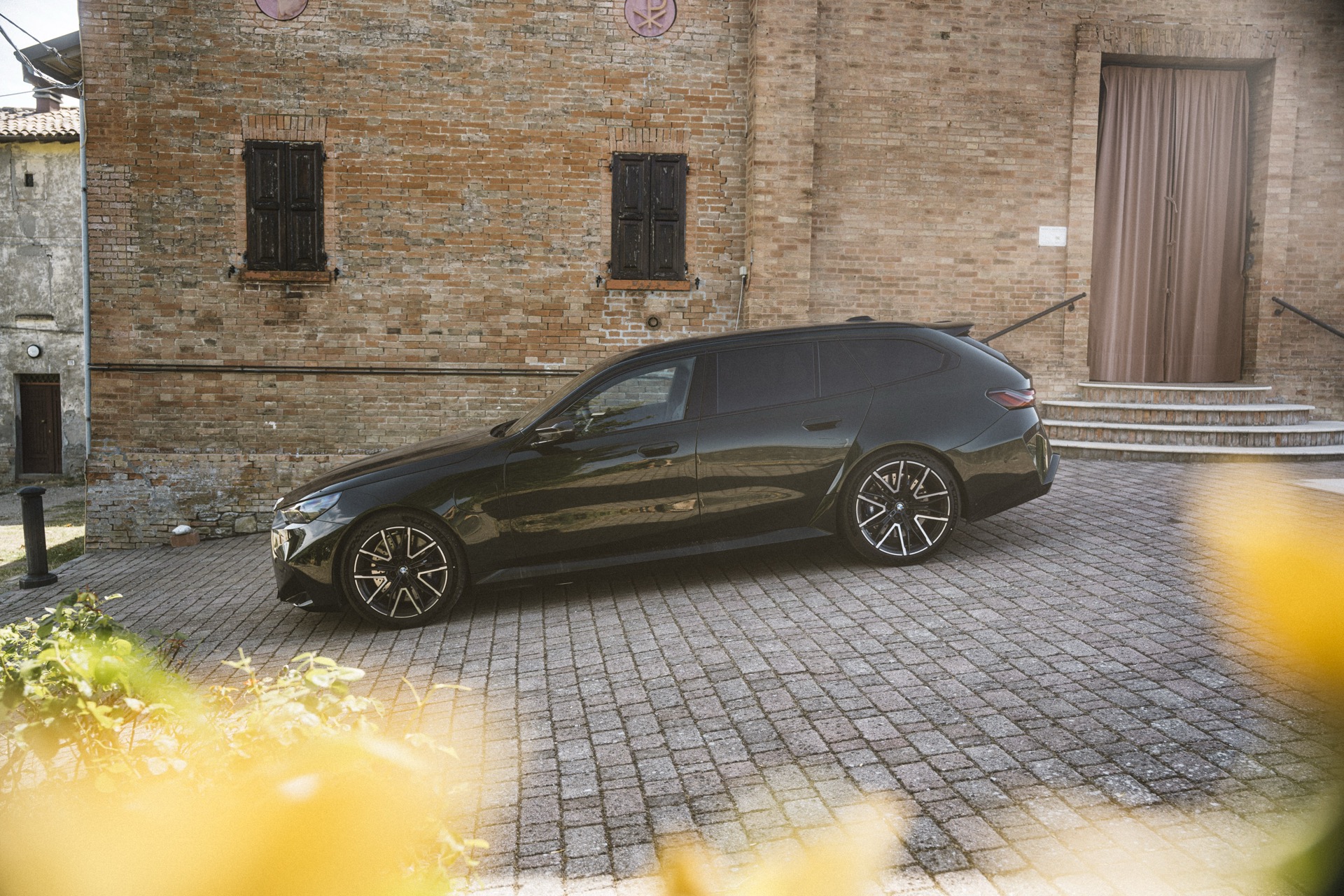
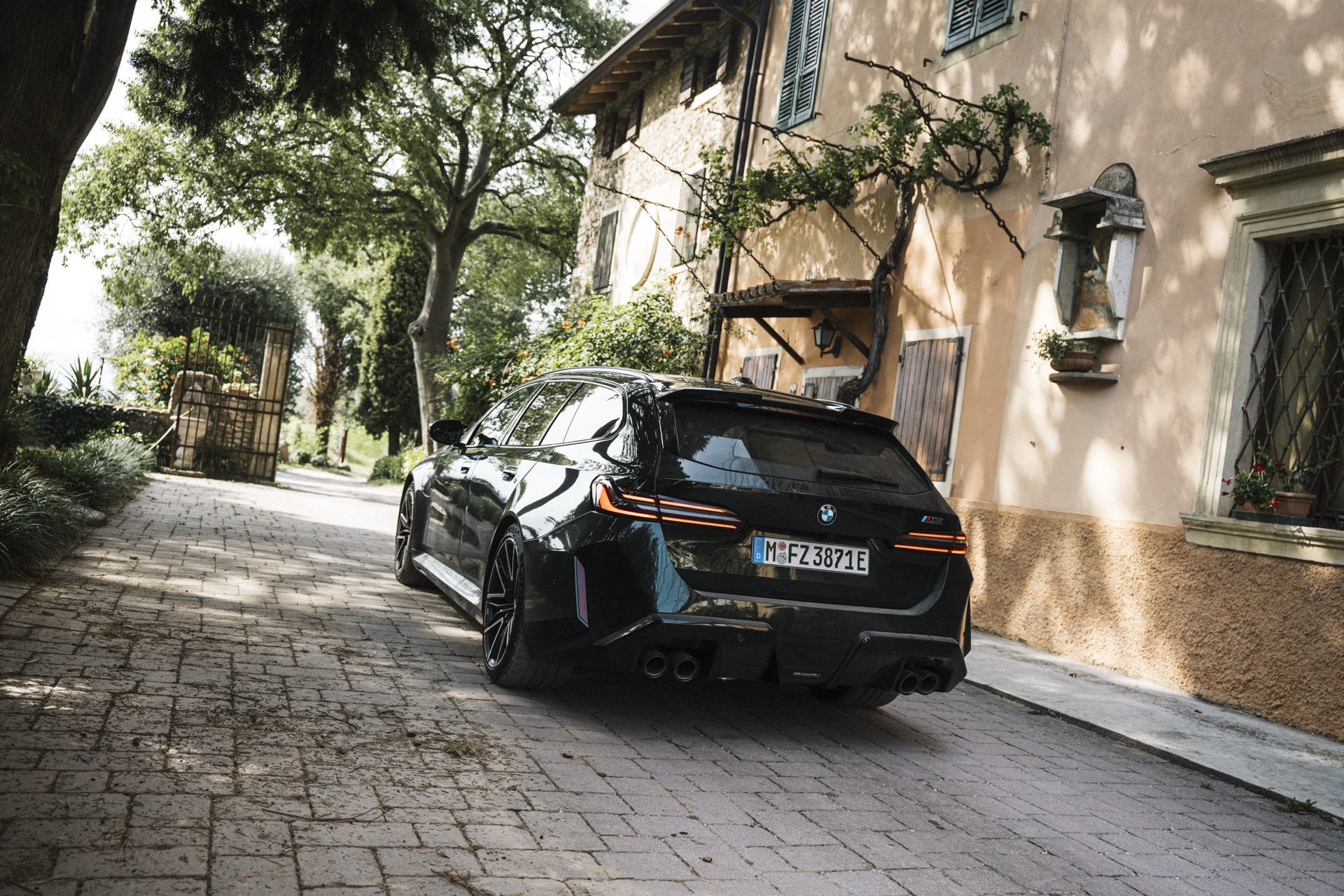
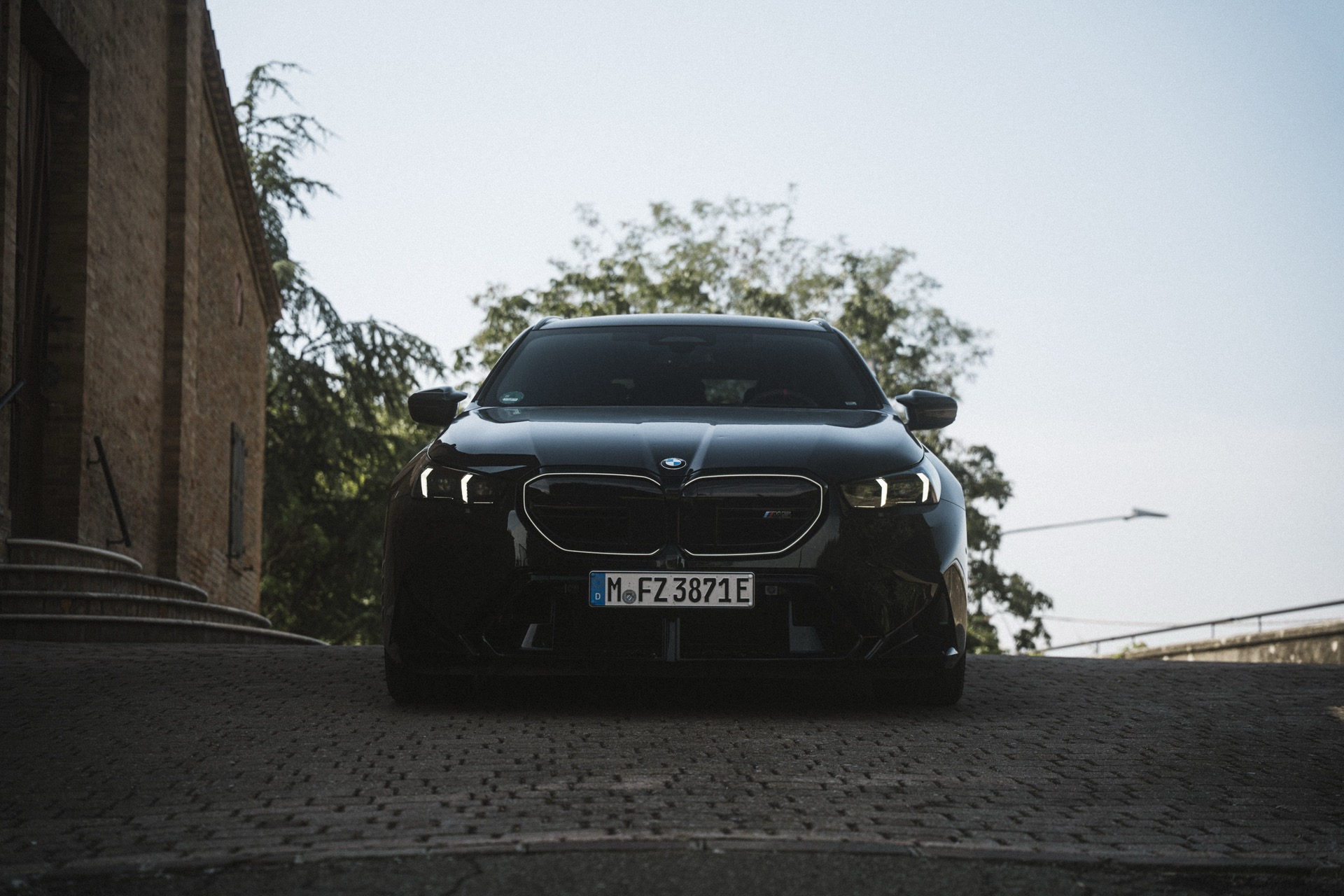
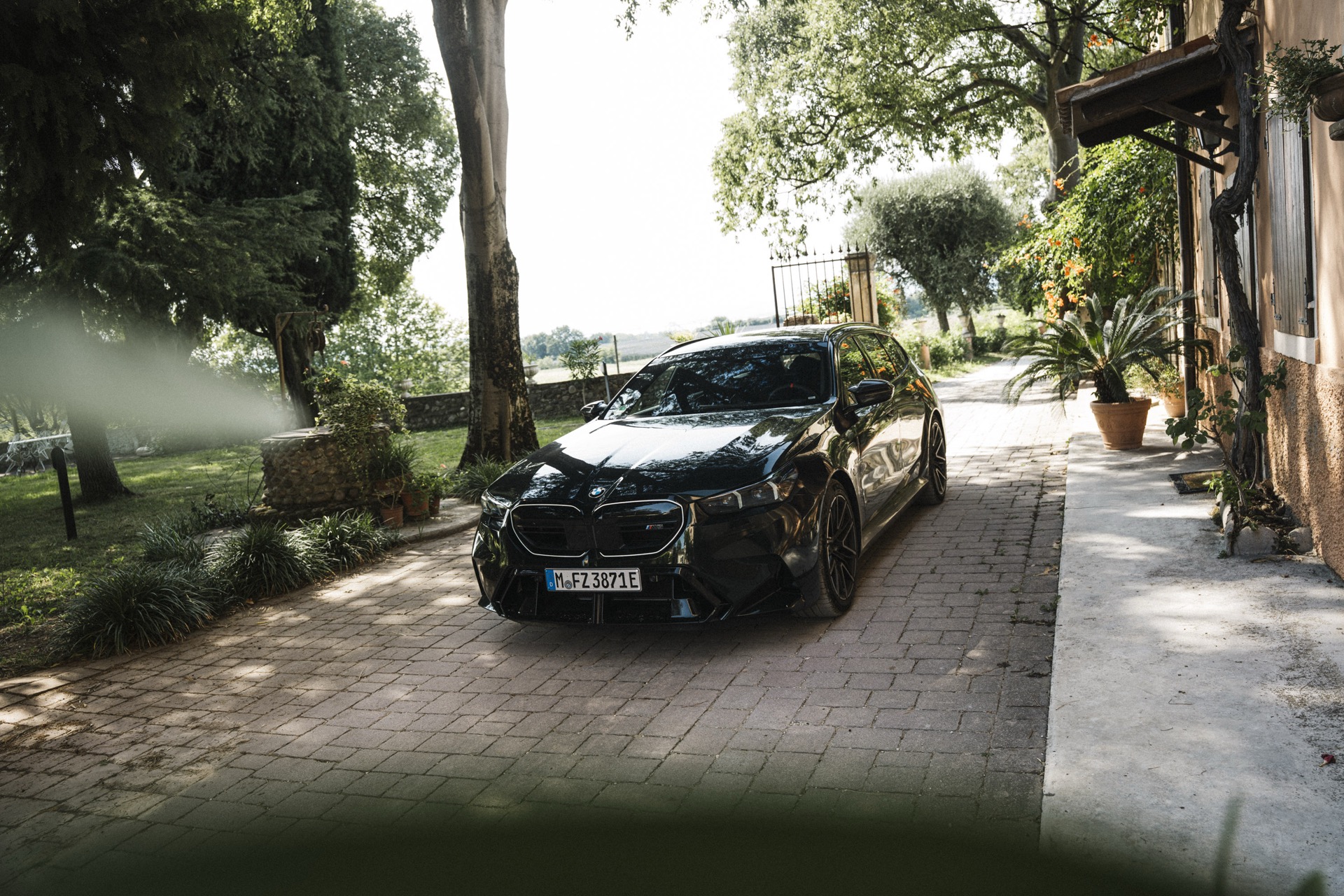
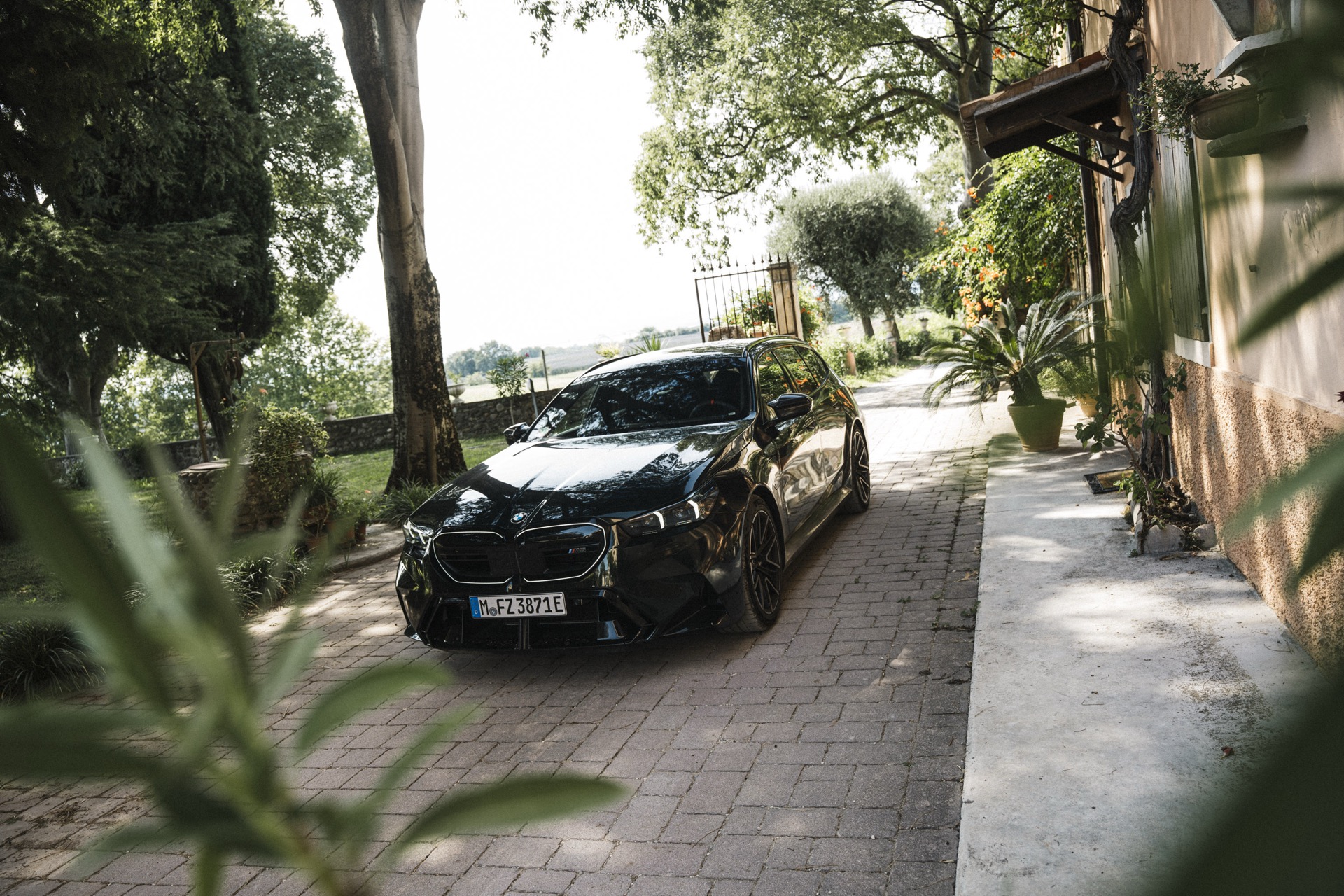
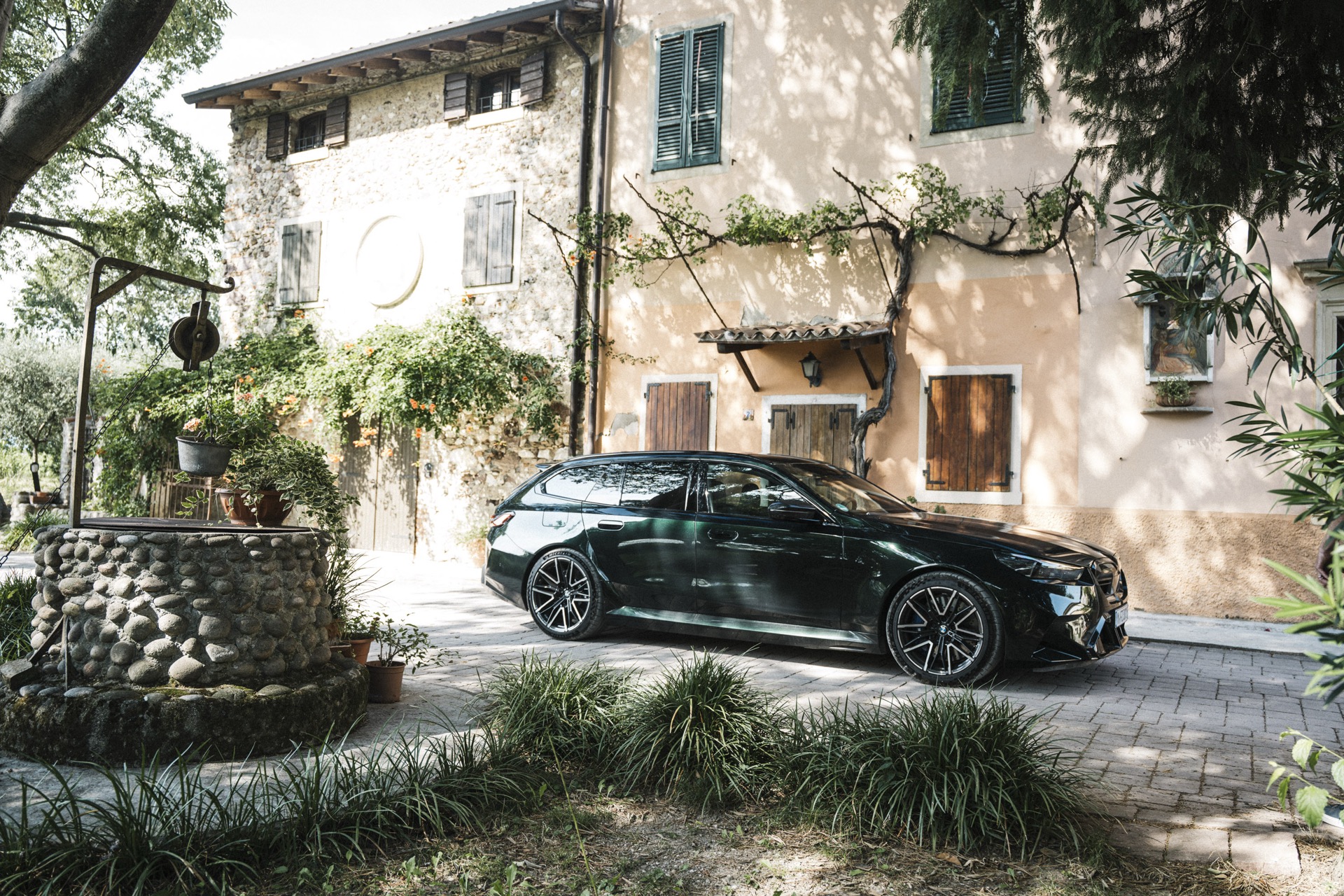
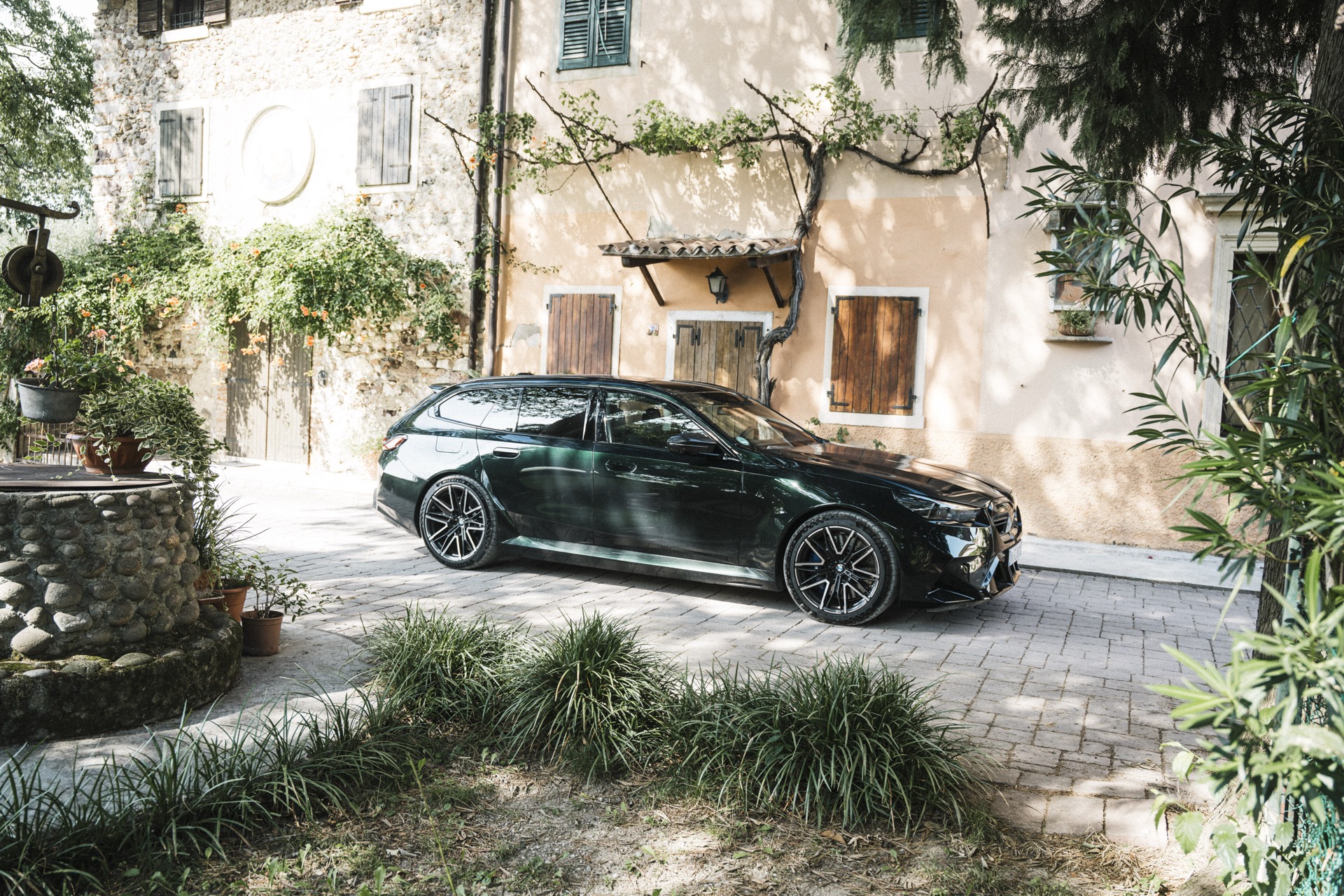
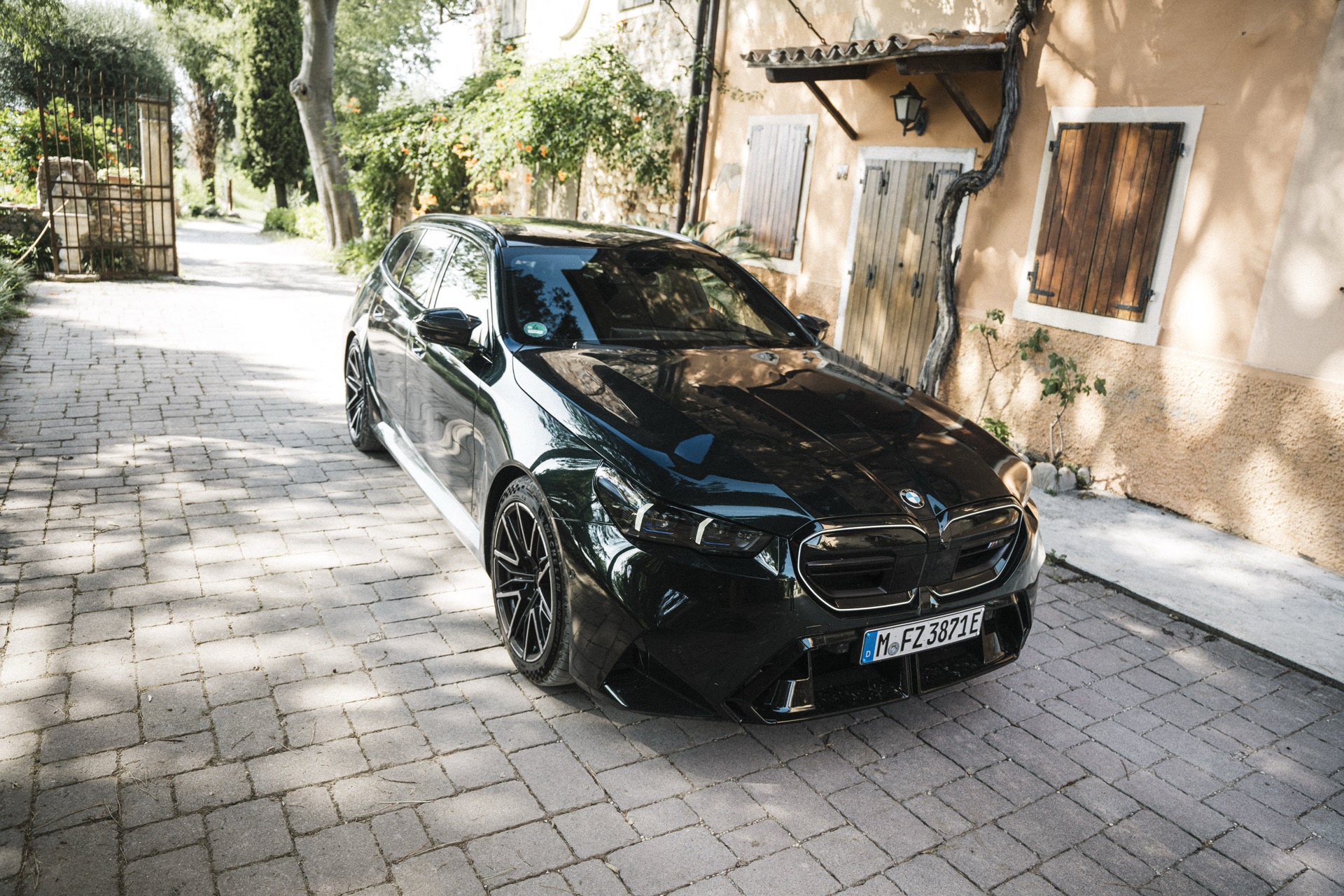
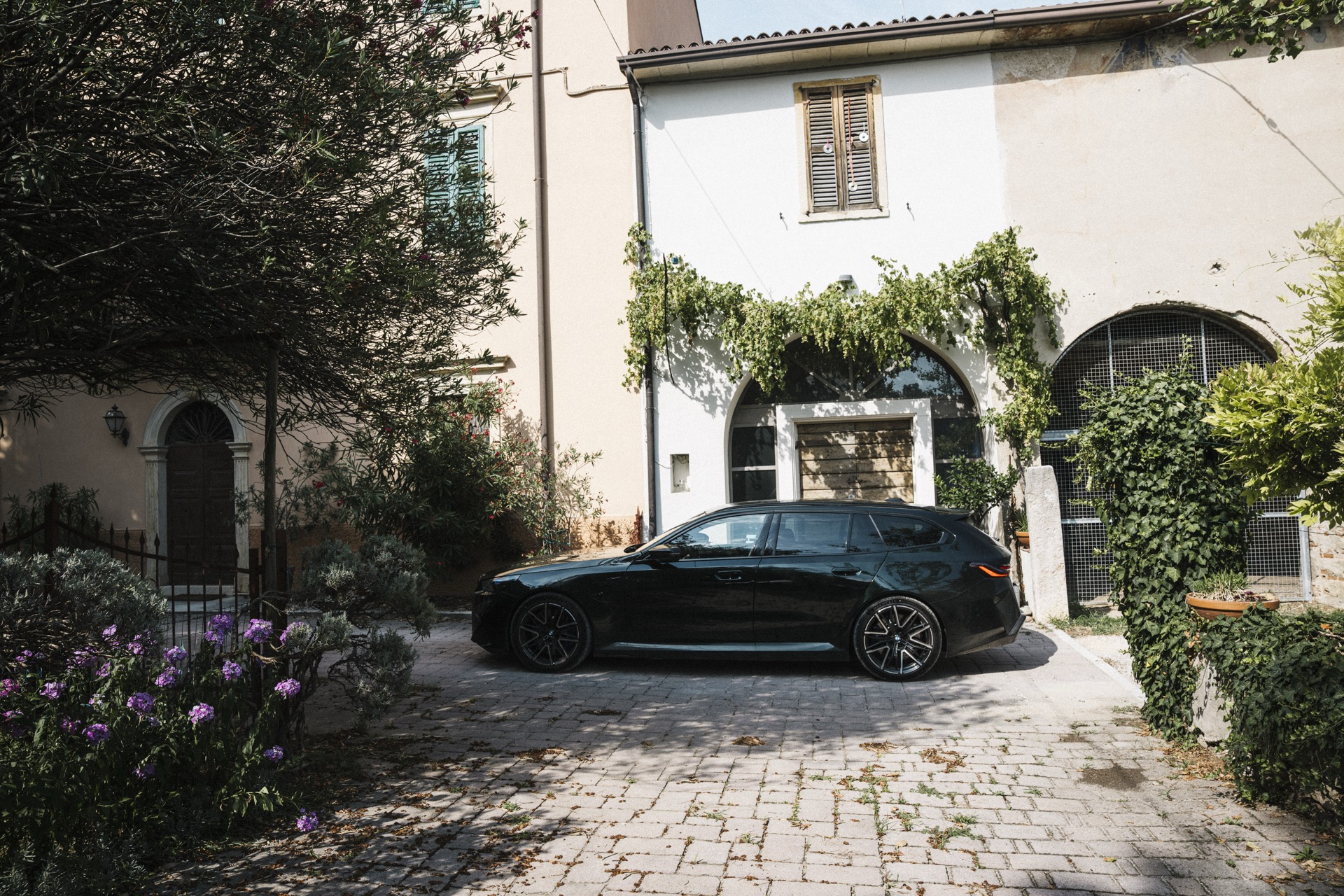
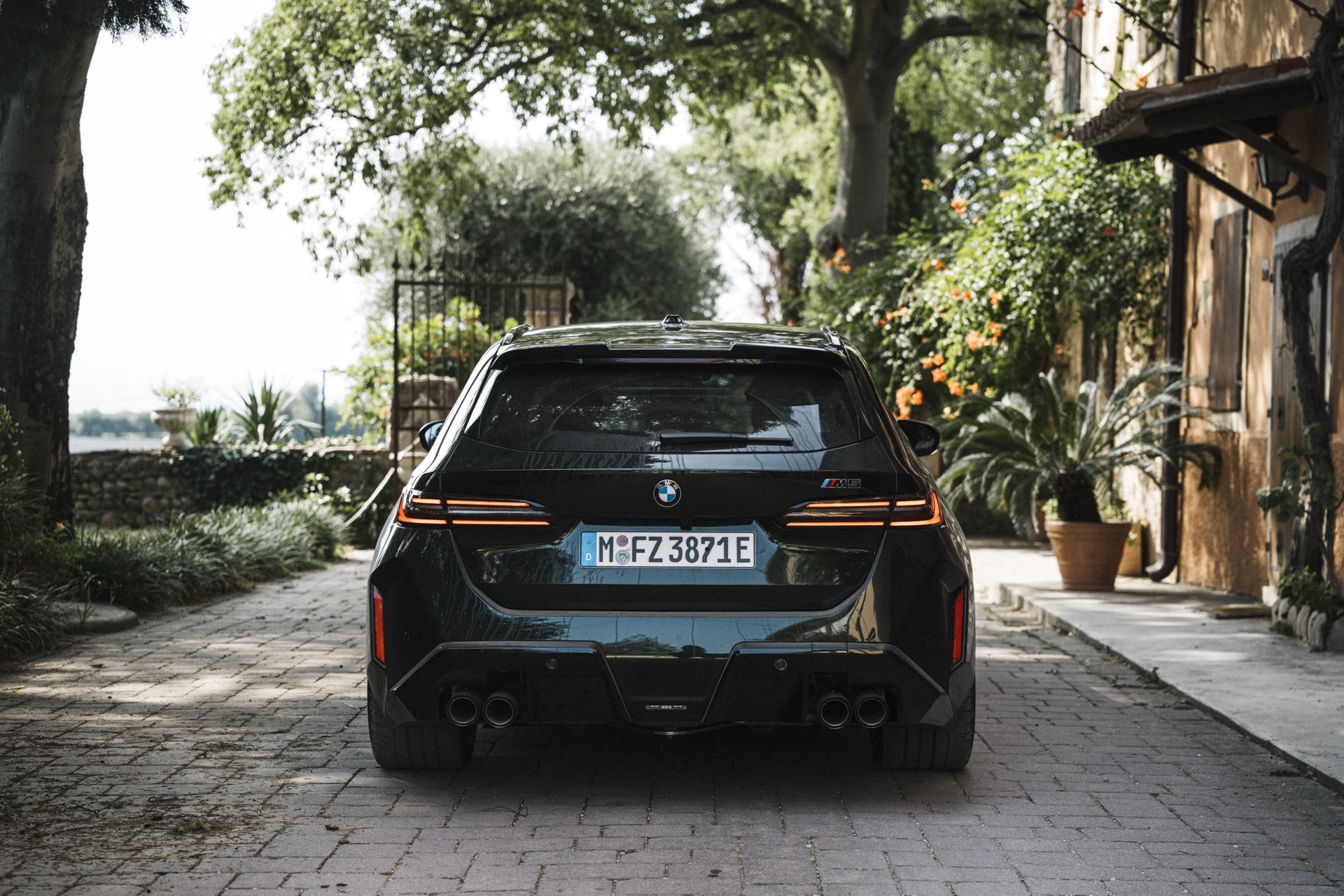
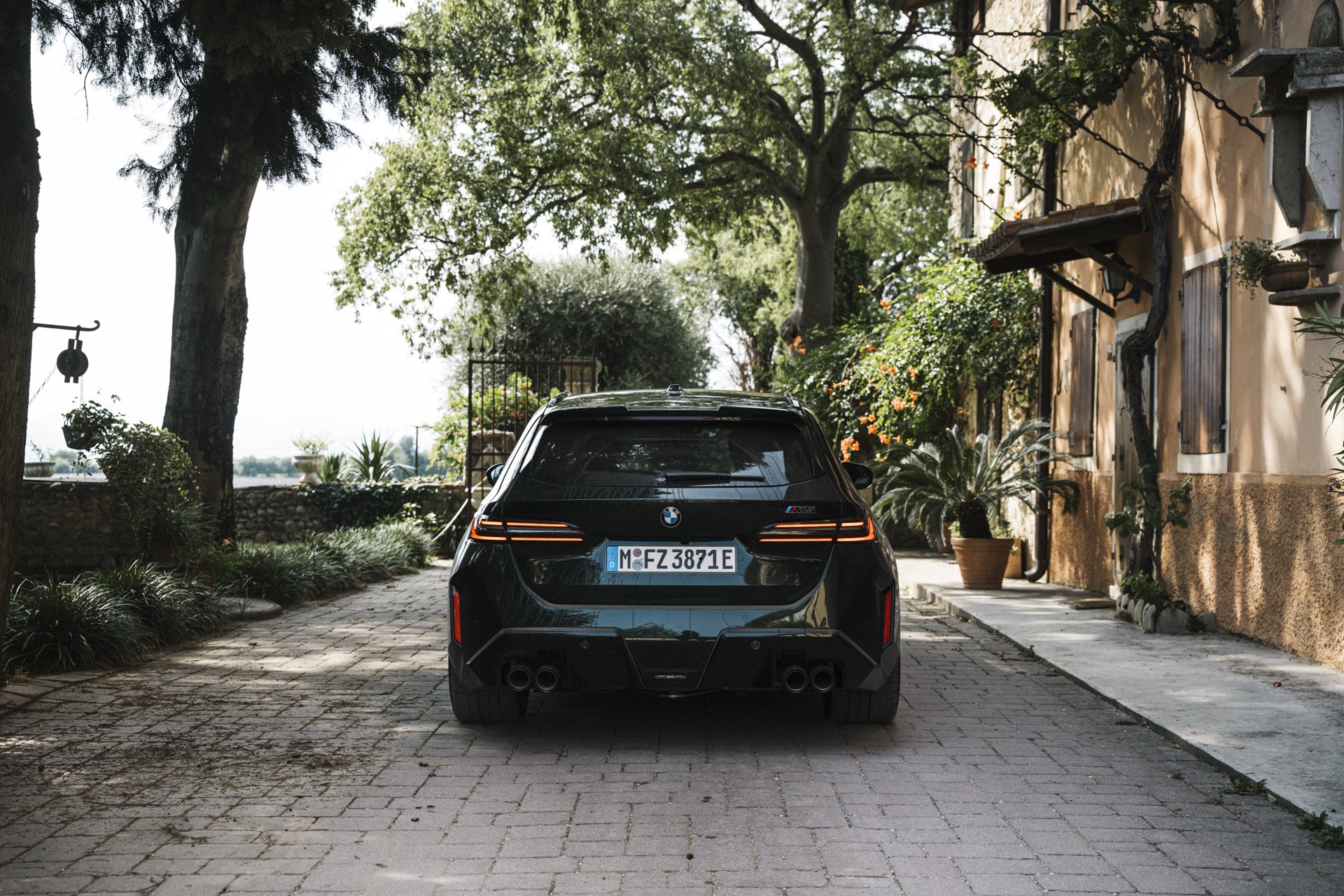
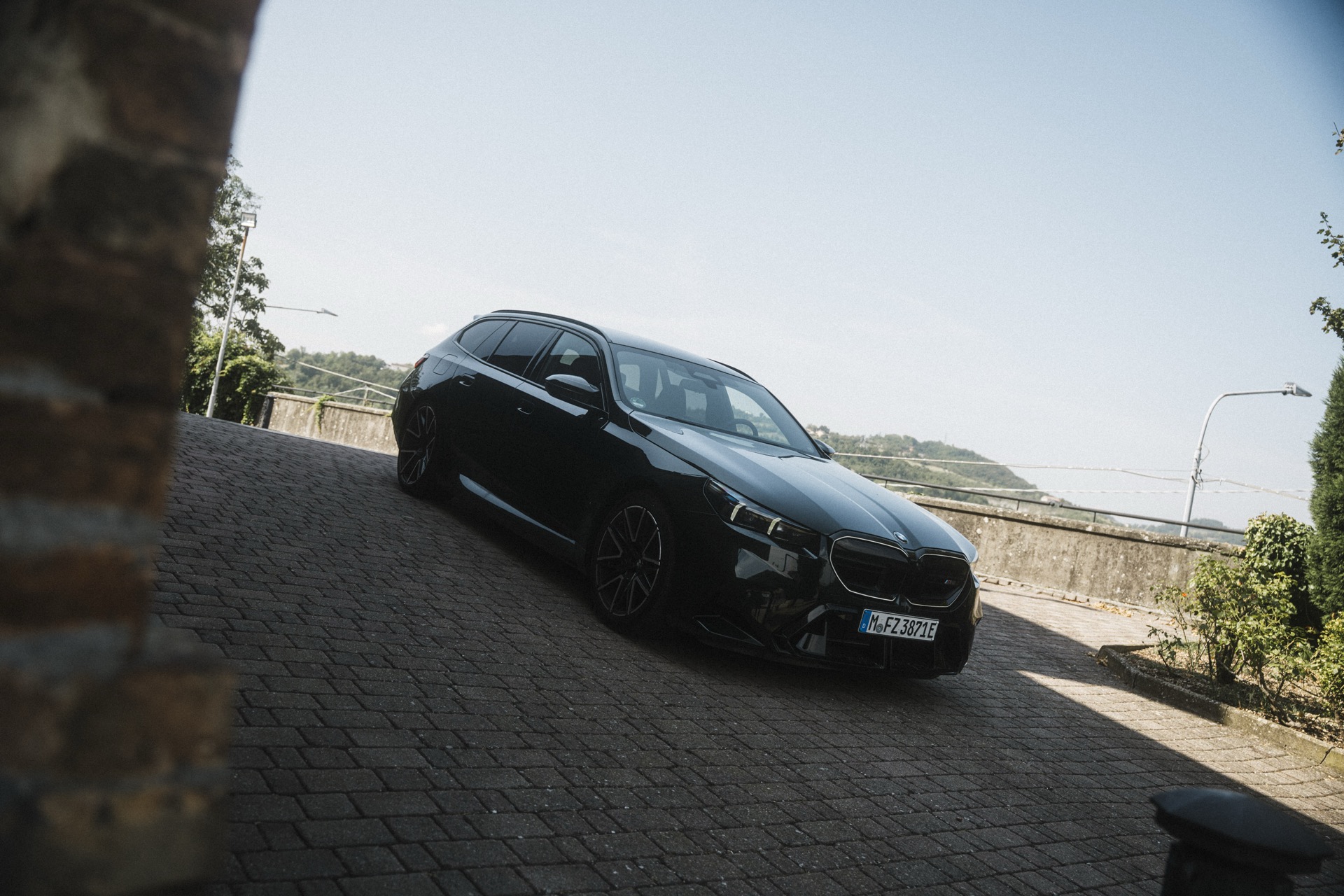
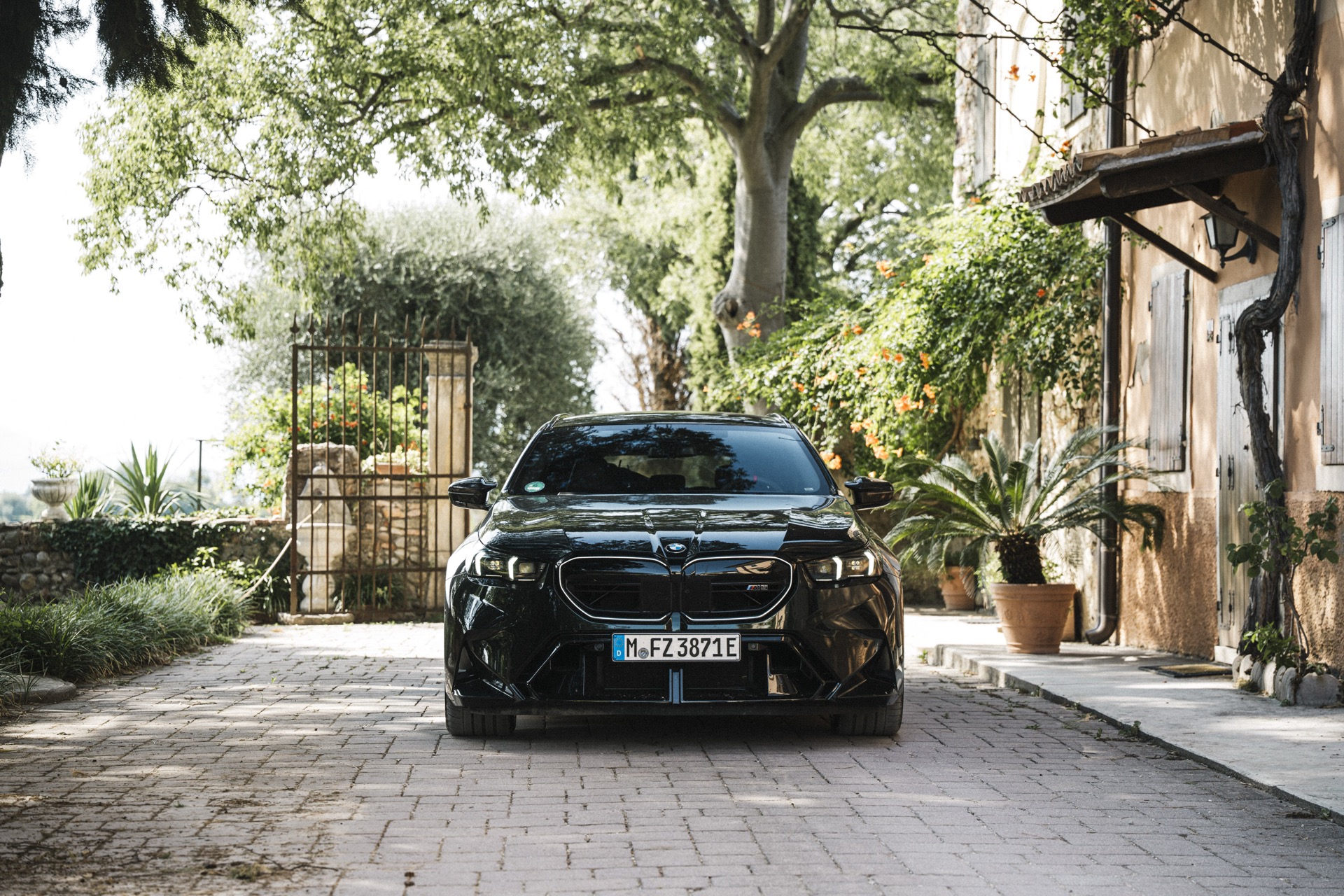
After spending time with it, I discovered a car with two remarkably different sides. In one environment, the new M5 Touring is genuinely impressive. In another, it can be surprisingly frustrating.
The latest M5 represents one of the biggest changes to the formula in the model’s history. The 4.4-litre twin-turbocharged V8 remains, but it is now combined with a plug-in hybrid system. Together, the combustion engine and electric motor produce 727 hp and 1,000 Nm of torque.
Power goes through an eight-speed automatic transmission and BMW’s M xDrive all-wheel-drive system. The M5 Touring accelerates from 0 to 100 km/h in 3.6 seconds and has a top speed of 250 km/h, or 305 km/h with the optional M Driver’s Package. The chassis is equally sophisticated, with adaptive M suspension, an active M differential and rear-wheel steering.
But the number that has generated most discussion is the weight. The M5 Touring weighs well over 2.4 tonnes, significantly more than its predecessors. Much of that comes from the battery, electric motor and associated hybrid hardware. In return, you get electric driving for shorter journeys and an enormous amount of combined performance. On paper, it is the most capable and technologically advanced M5 to date.
My first impressions weren’t particularly positive.
At low speeds, the M5 Touring feels big and heavy. You notice it when manoeuvring, navigating narrow streets and driving over poor road surfaces.
The rear-wheel steering should help disguise its size, but I barely noticed it. On patched roads and sharper bumps, the suspension also struggles to hide the car’s mass. On a few occasions, relatively modest throttle inputs at low speed even resulted in an individual wheel spinning, something I didn’t expect from a car with such a sophisticated drivetrain.
Below around 80 km/h, I simply didn’t enjoy driving it very much. Then I reached the Autobahn.
Here the M5 Touring transforms. The weight seems to disappear, the chassis settles down and the faster you go, the better it gets. At 200 km/h and beyond it feels incredibly stable. The combination of the V8 and electric motor provides enormous performance at virtually any speed, while fast Autobahn curves are dispatched without drama.
Here it becomes apparent where the M engineers focussed their attention. It is fast and stable, with enough comfort and space to take the family and their luggage along for the ride. The plug-in hybrid system is less convincing. In real-world driving I struggled to achieve 50 kilometres of electric range, while total range was around 500 kilometres. For a car so well suited to long-distance travel, that feels surprisingly limited.
Then there is the sound. Switch into the sportier M modes and the enhanced sound inside the cabin feels artificial. With a 4.4-litre twin-turbo V8 under the bonnet, I would love to hear more of the real thing, but the EU is preventing that.
One other detail deserves mentioning: the hazard warning button. For some reason BMW has made it touch sensitive. Twice during my time with the M5 I needed the hazard lights and my first attempt to activate them didn’t register.
There are plenty of controls that can be made touch sensitive without causing much trouble. The hazard warning lights aren’t one of them. When you need them, you should be able to hit a physical button without looking and know immediately that you have activated them.
So why did my two friends have such different experiences with the same car?
One regularly covers long distances on the German Autobahn. The other primarily uses his M5 as a daily family car around town, with the occasional long-distance holiday trip. That explains a lot.
On a smooth Autobahn at high speed, the M5 Touring is what you would expect from an M5. It is incredibly fast, stable and comfortable. Around town, the opposite is true. Its size and weight are constantly apparent and much of its extraordinary capability remains unused. Having driven the M3 Touring Competition recently, the contrast is even more striking. The M3 was one of my favourite cars I drove this year. It felt agile, engaging and fun almost everywhere. The M5 is considerably more powerful and technically more impressive, but I enjoyed driving it considerably less.
The new M5 Touring is exceptionally good at high-speed, long-distance driving and surprisingly poor at everyday city driving.
And that, ultimately, explains how two people can buy the same car and come away with such different experiences.