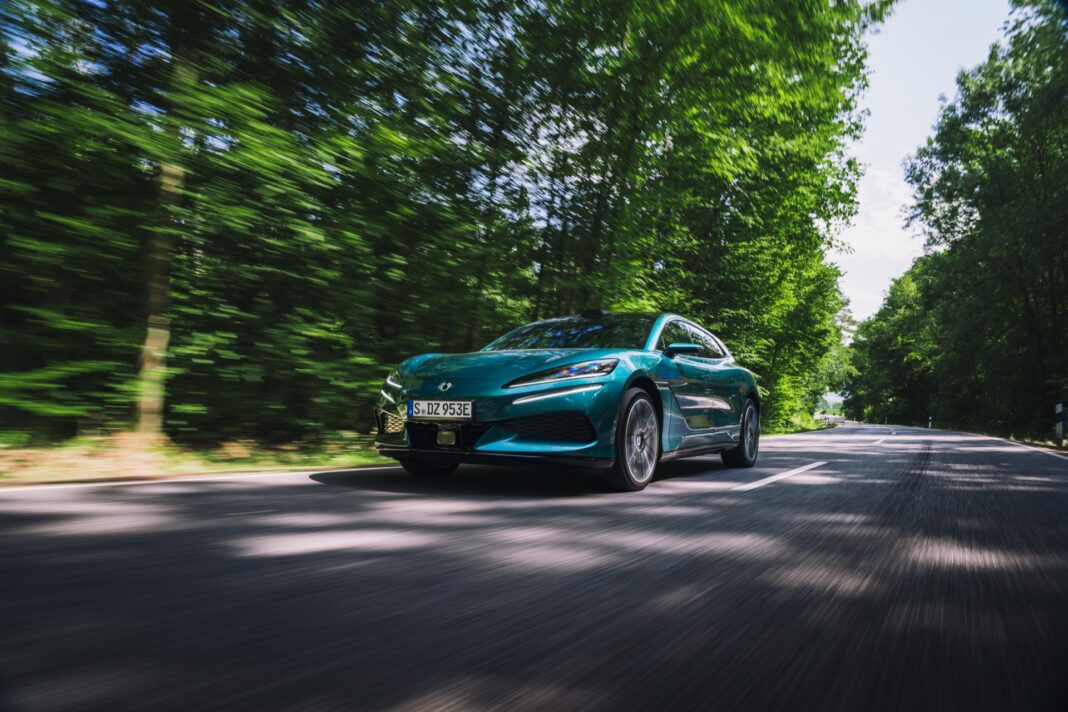
The Denza Z9 GT arrives in Europe with the sort of headline numbers designed to stop people scrolling. Up to 1,156PS, 1,210Nm, three electric motors, 0-100 km/h in 2.7 seconds and a claimed top speed of 270 km/h. There is a 122.8kWh battery, immense charging claims, a body shape that aims somewhere between Porsche Taycan Sport Turismo and Panamera Sport Turismo, and a technology list full of party tricks. In Germany, pricing is expected to sit around €140,000.
That is the Denza’s first problem. It wants to be judged against the best of Europe, and at this price and performance level, that means Porsche, Mercedes-AMG and BMW M. The Z9 GT looks like it has studied that world carefully. The proportions are familiar, the intent is obvious, and the performance figures are spectacular. It is not just trying to join the established players. It is trying to shock them.
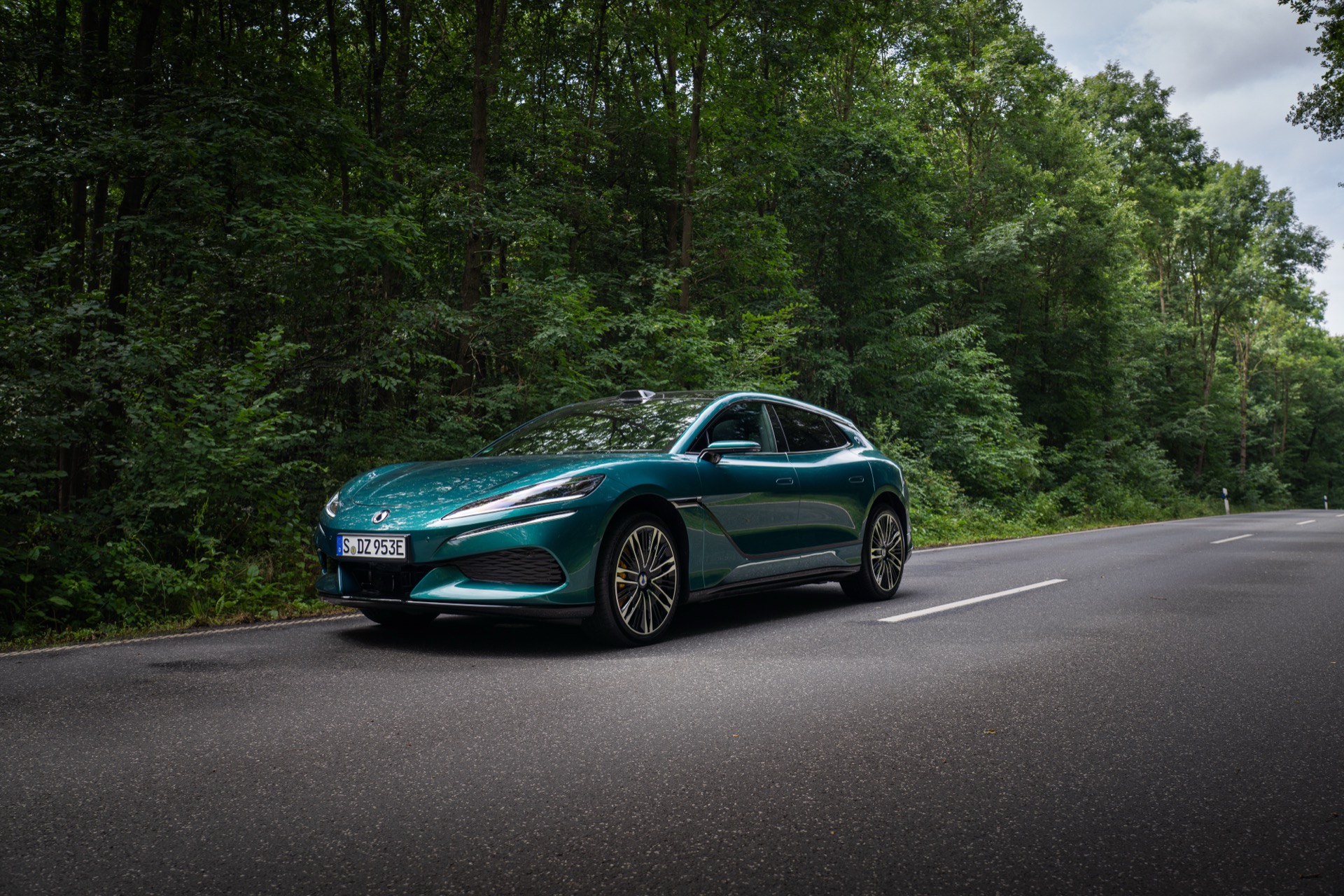
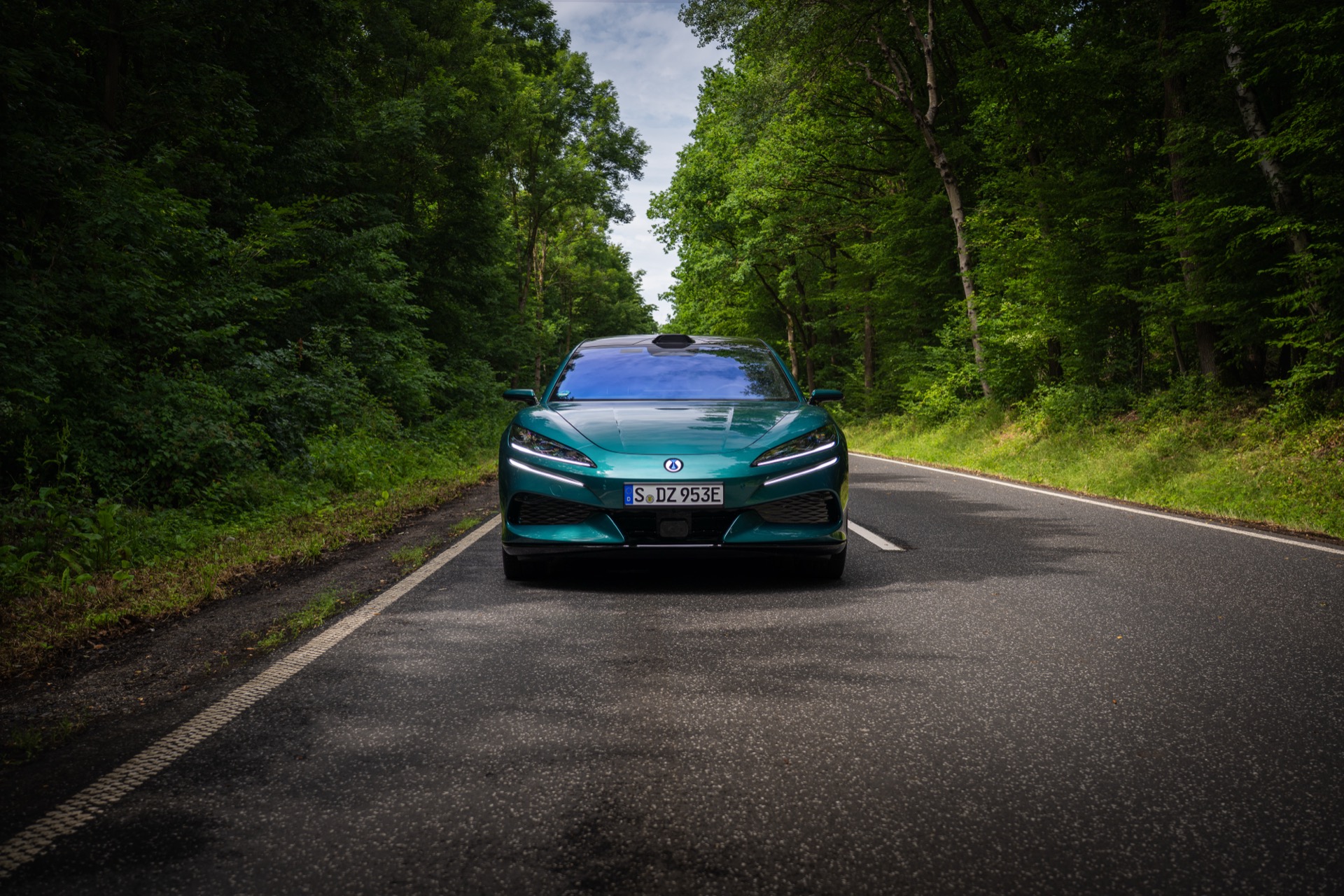
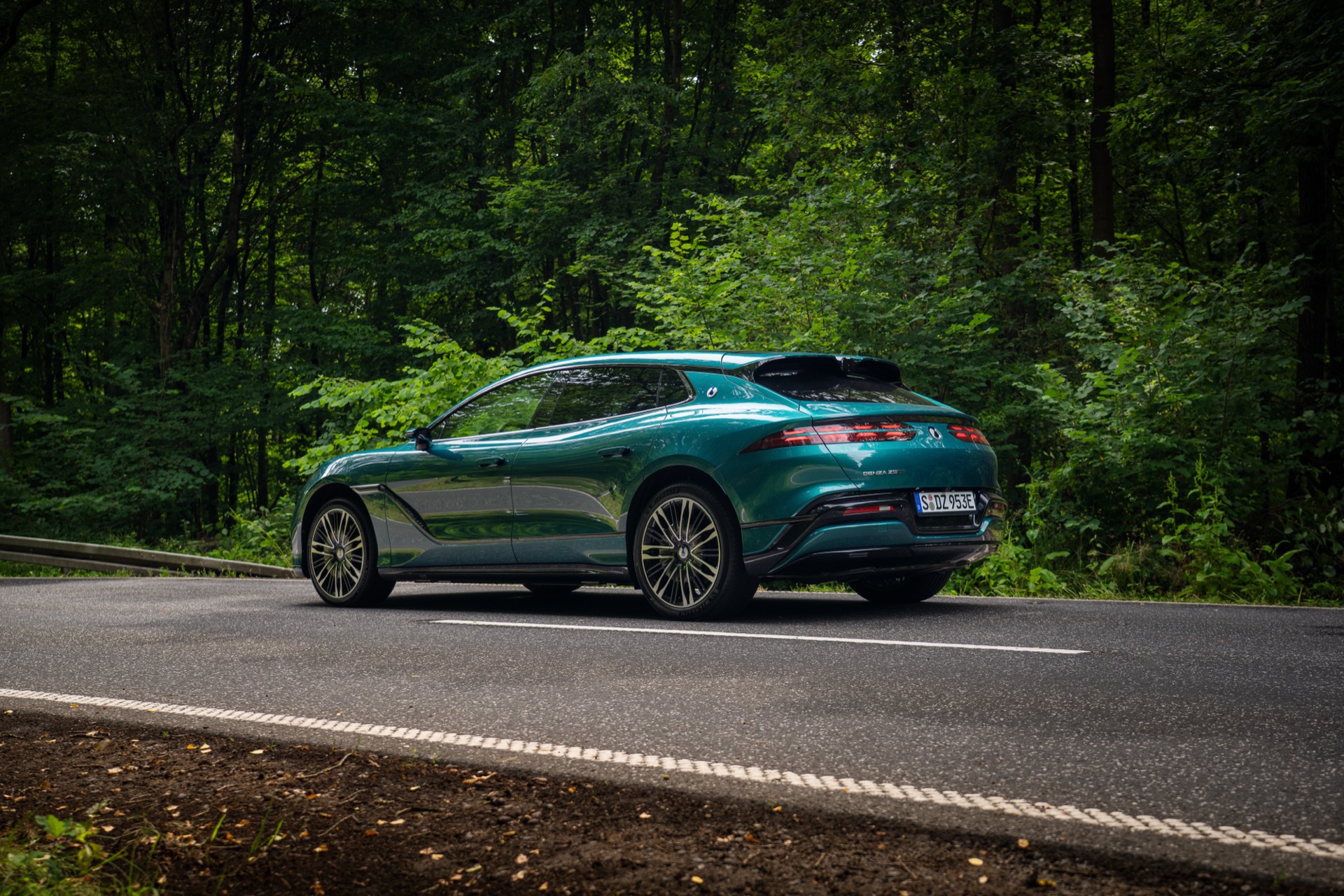
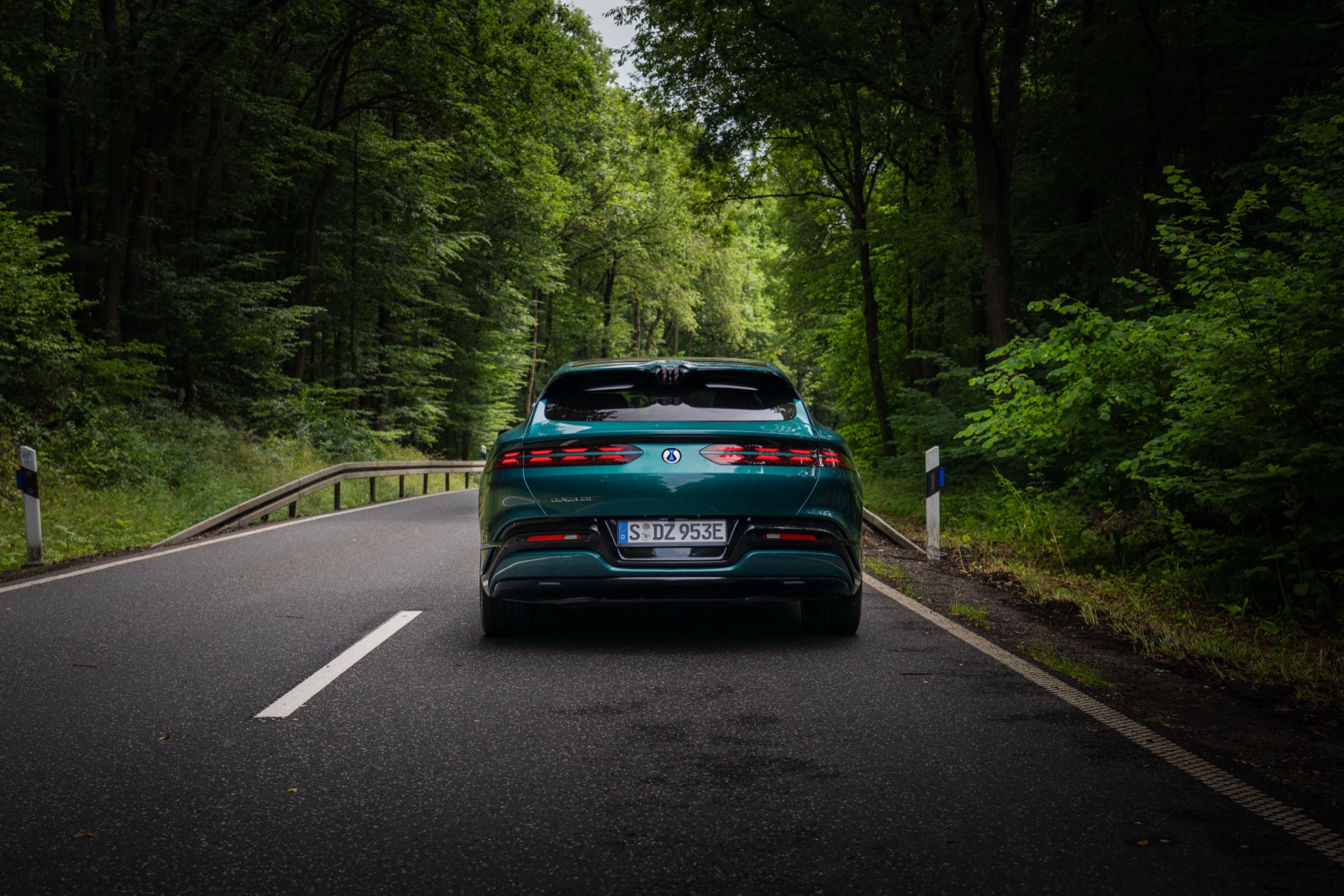
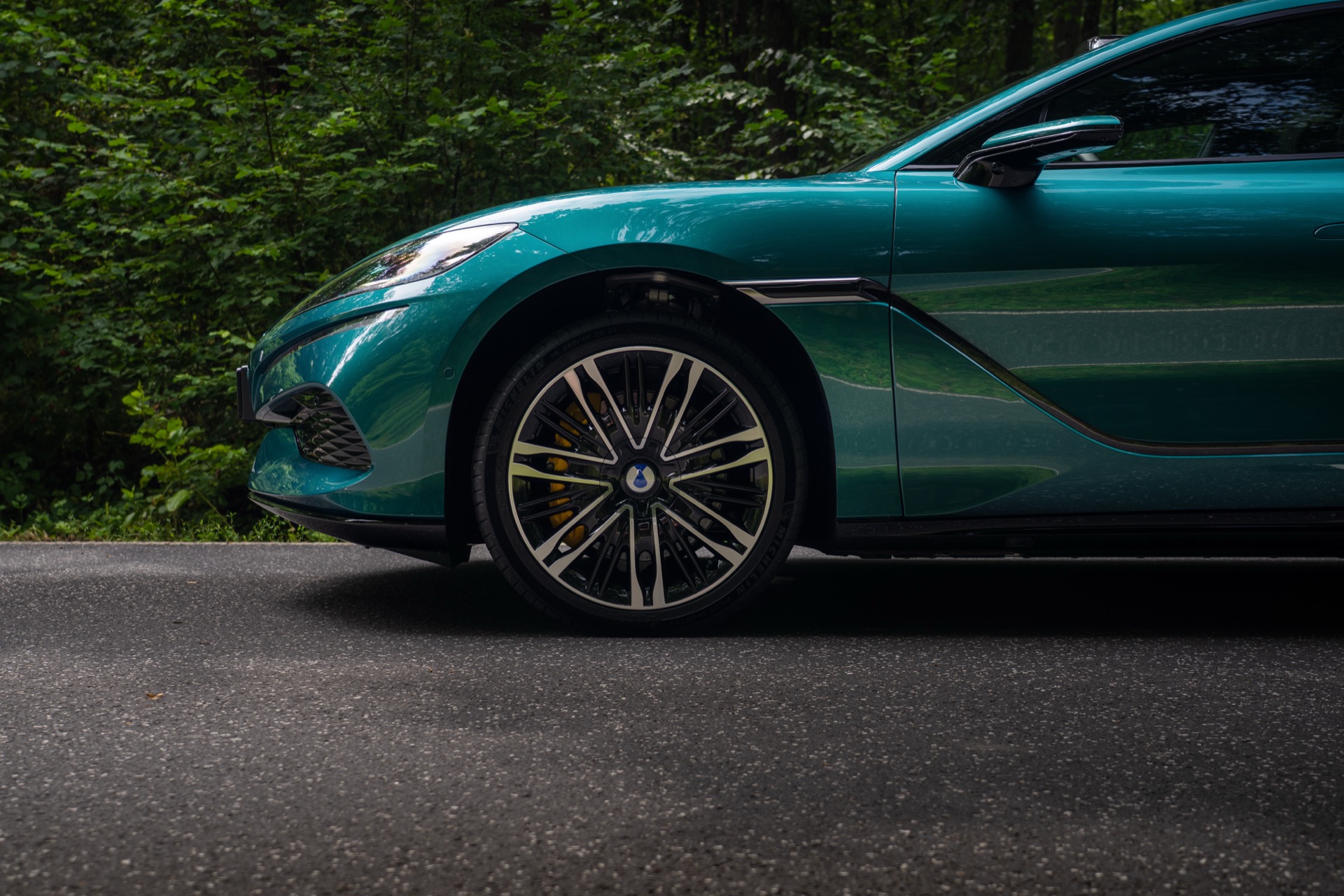
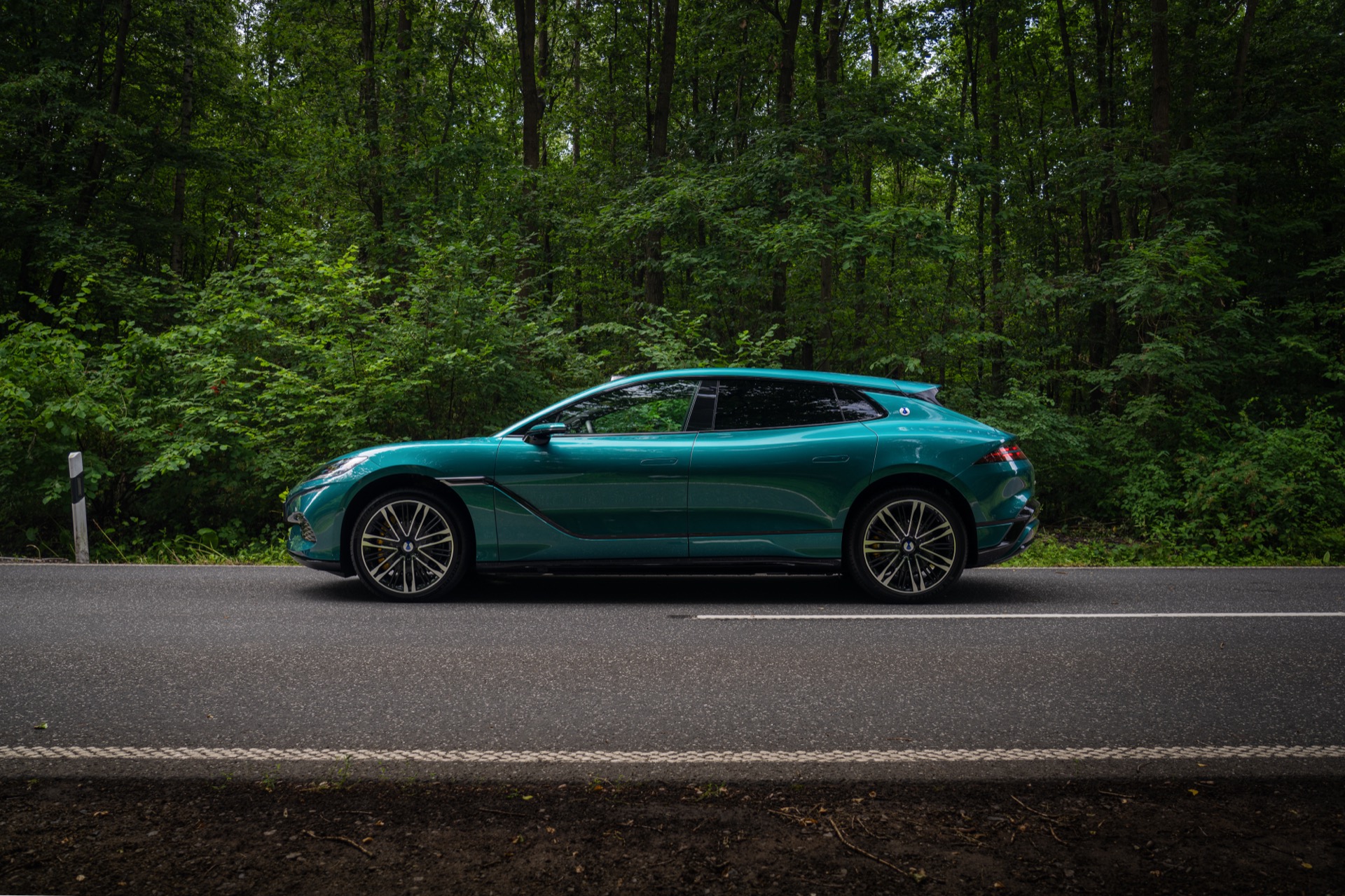
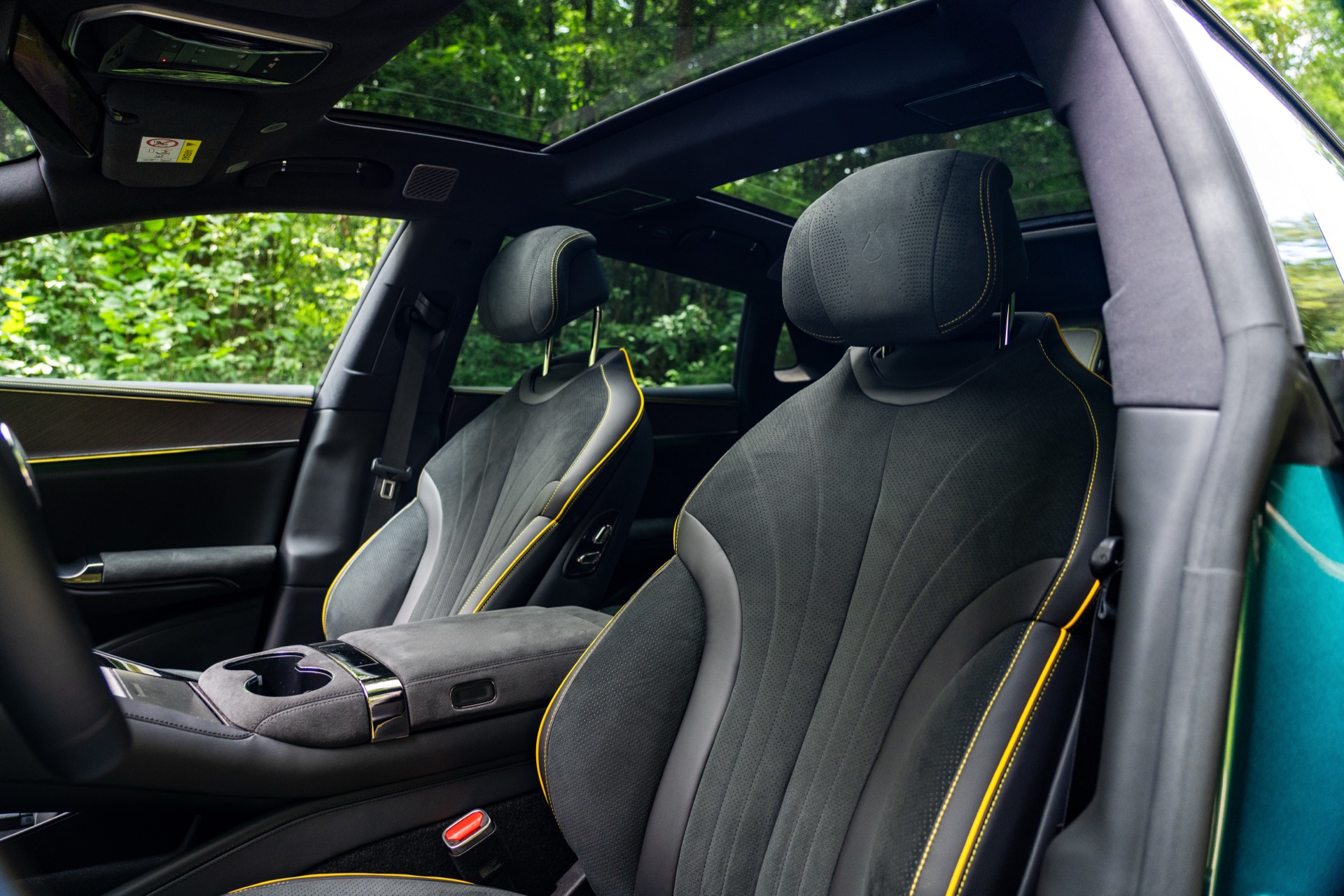
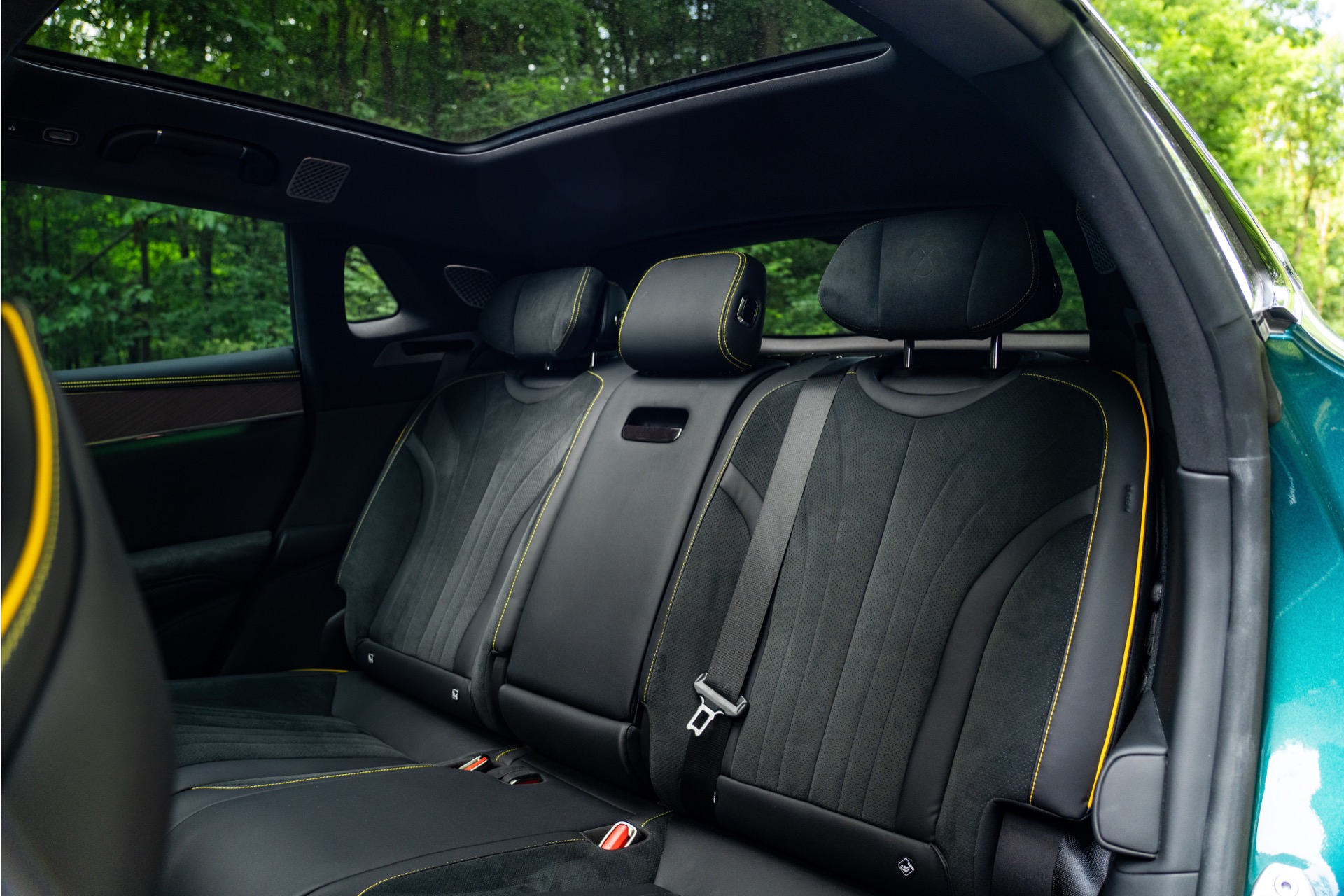
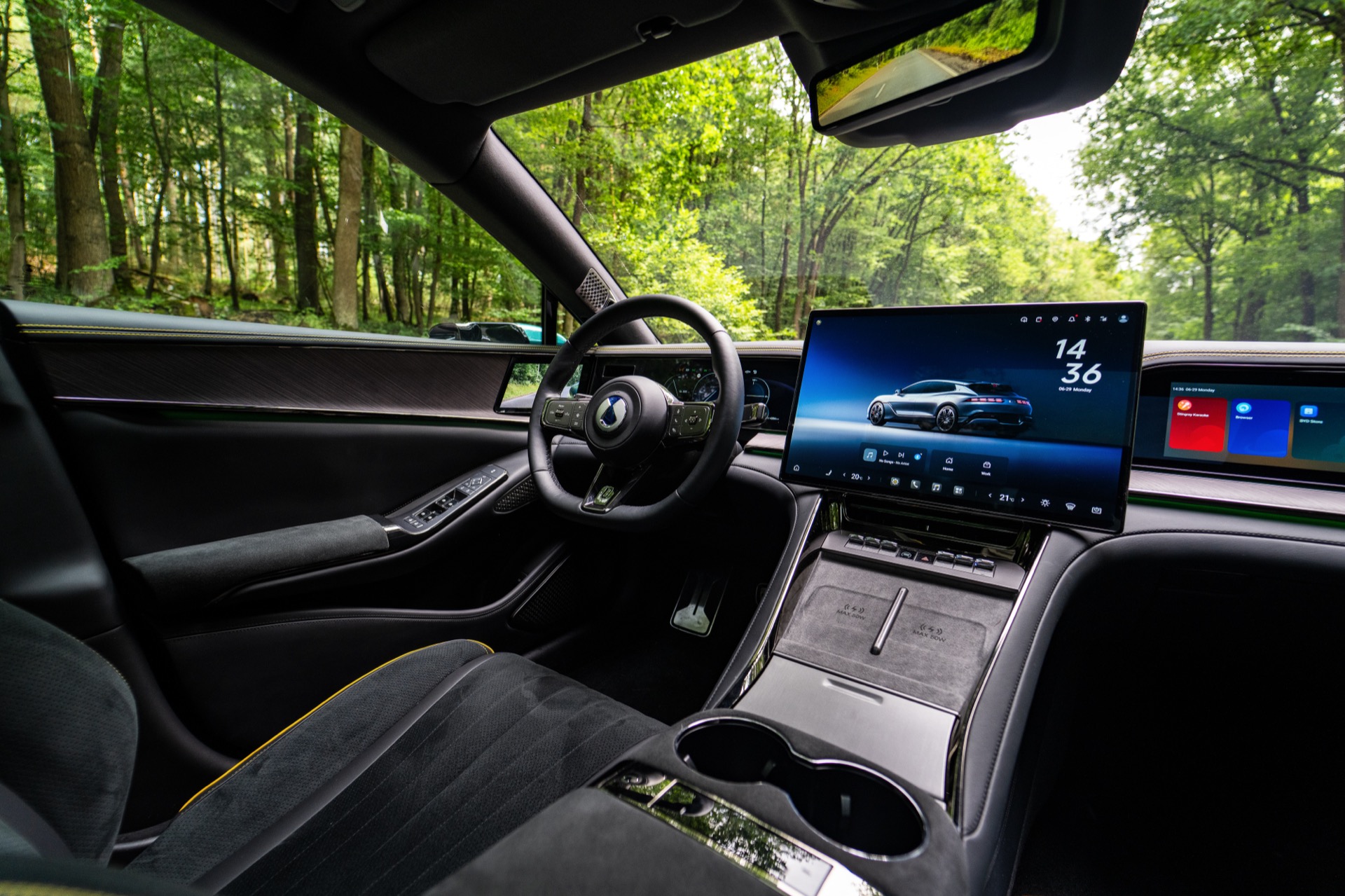
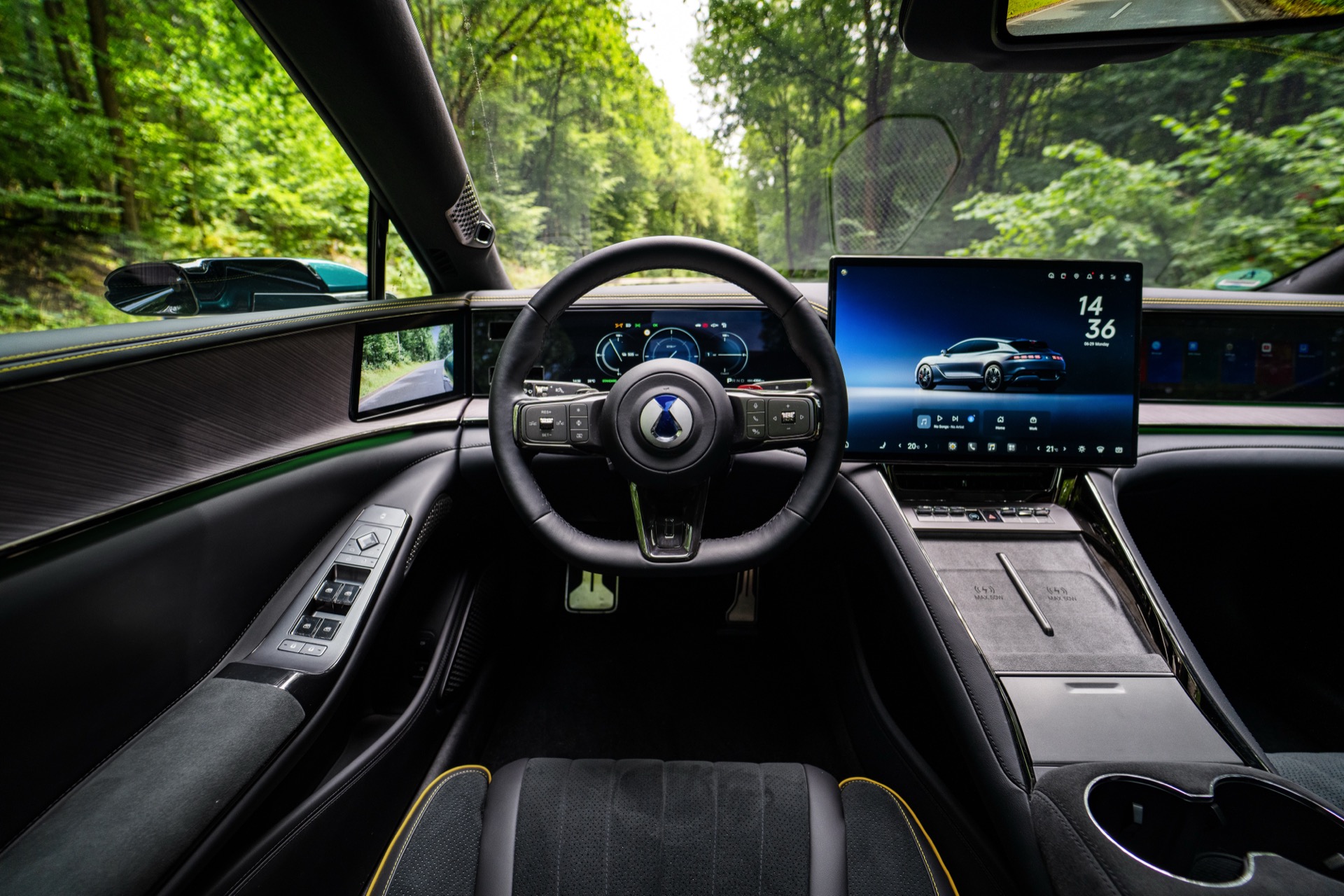
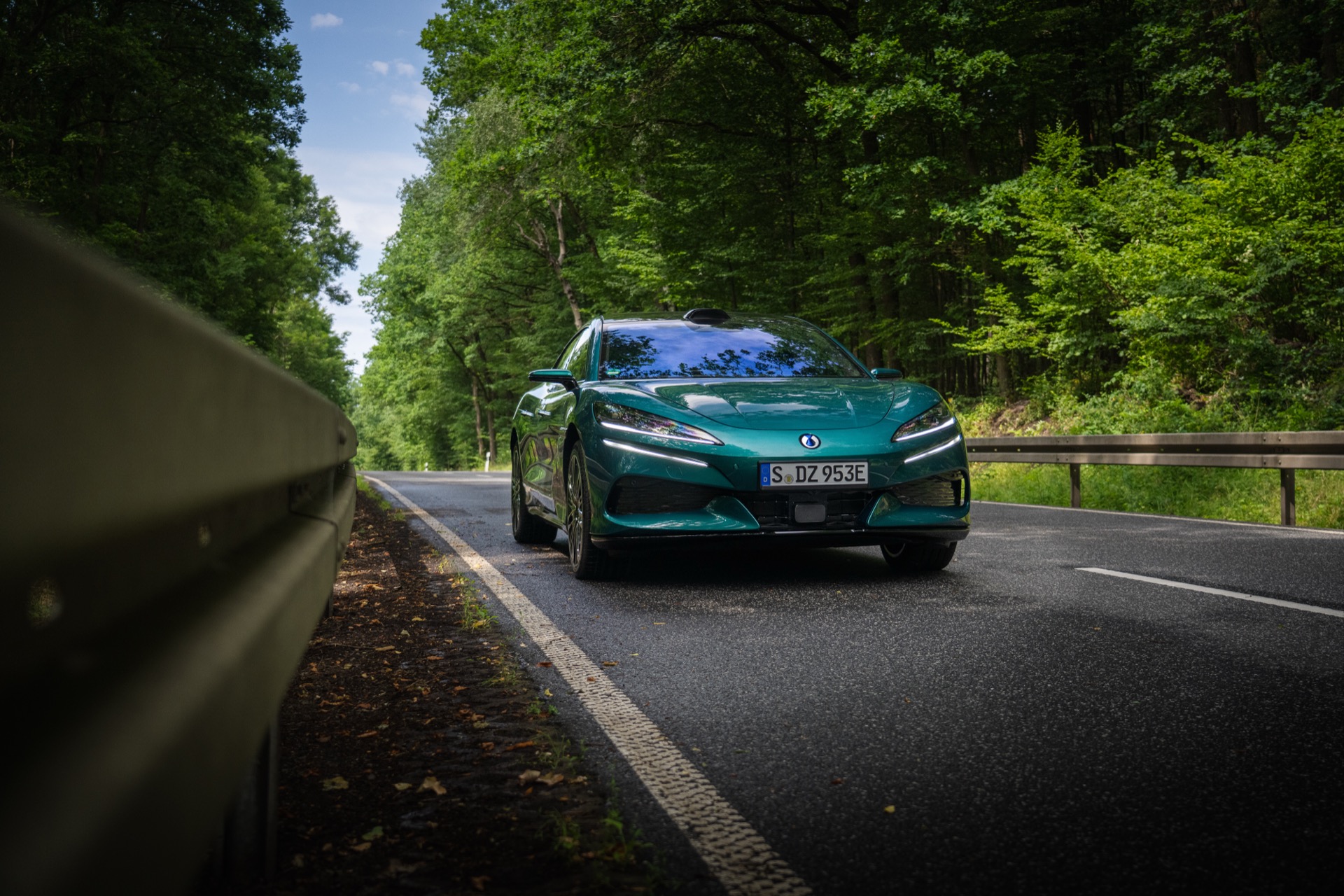
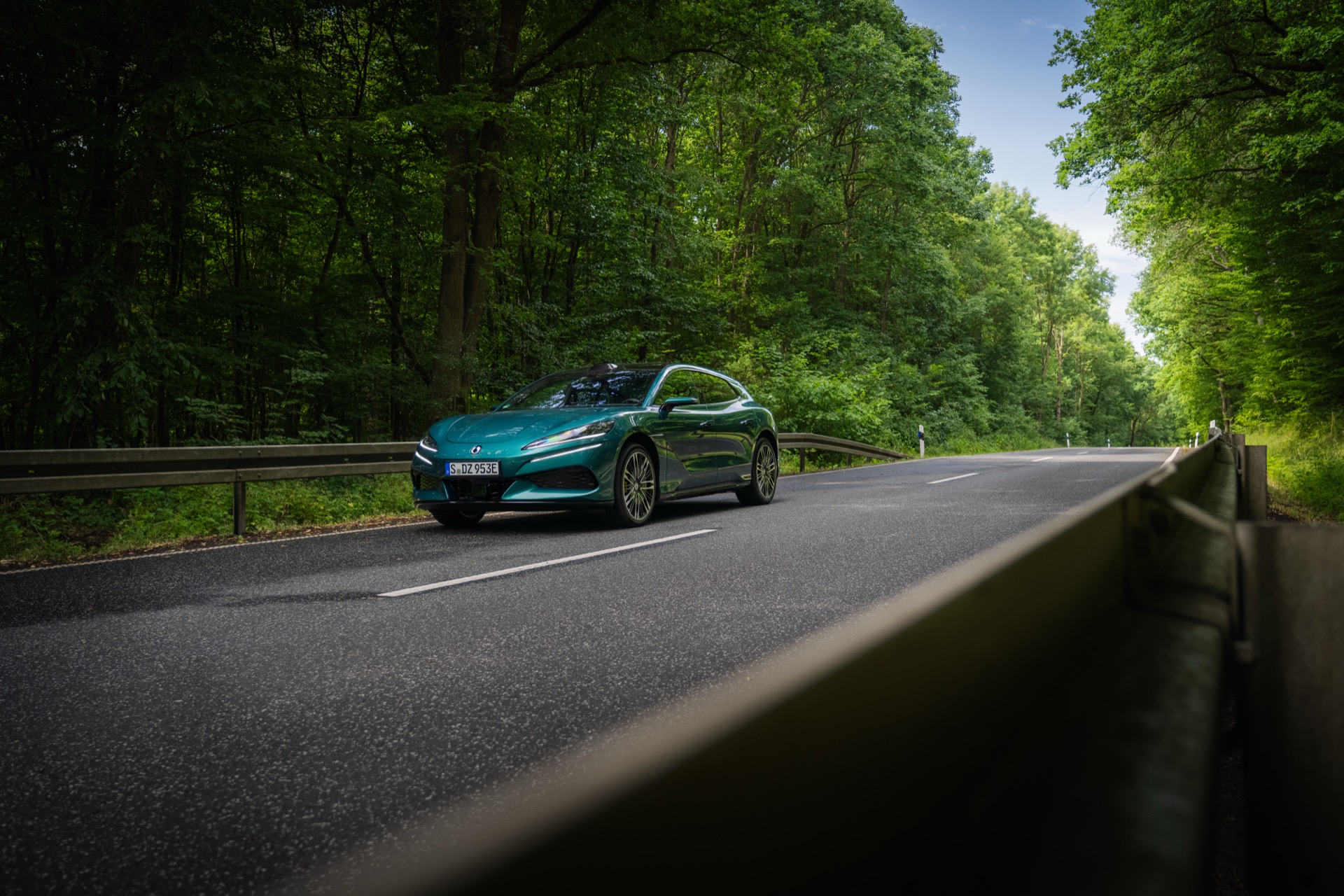
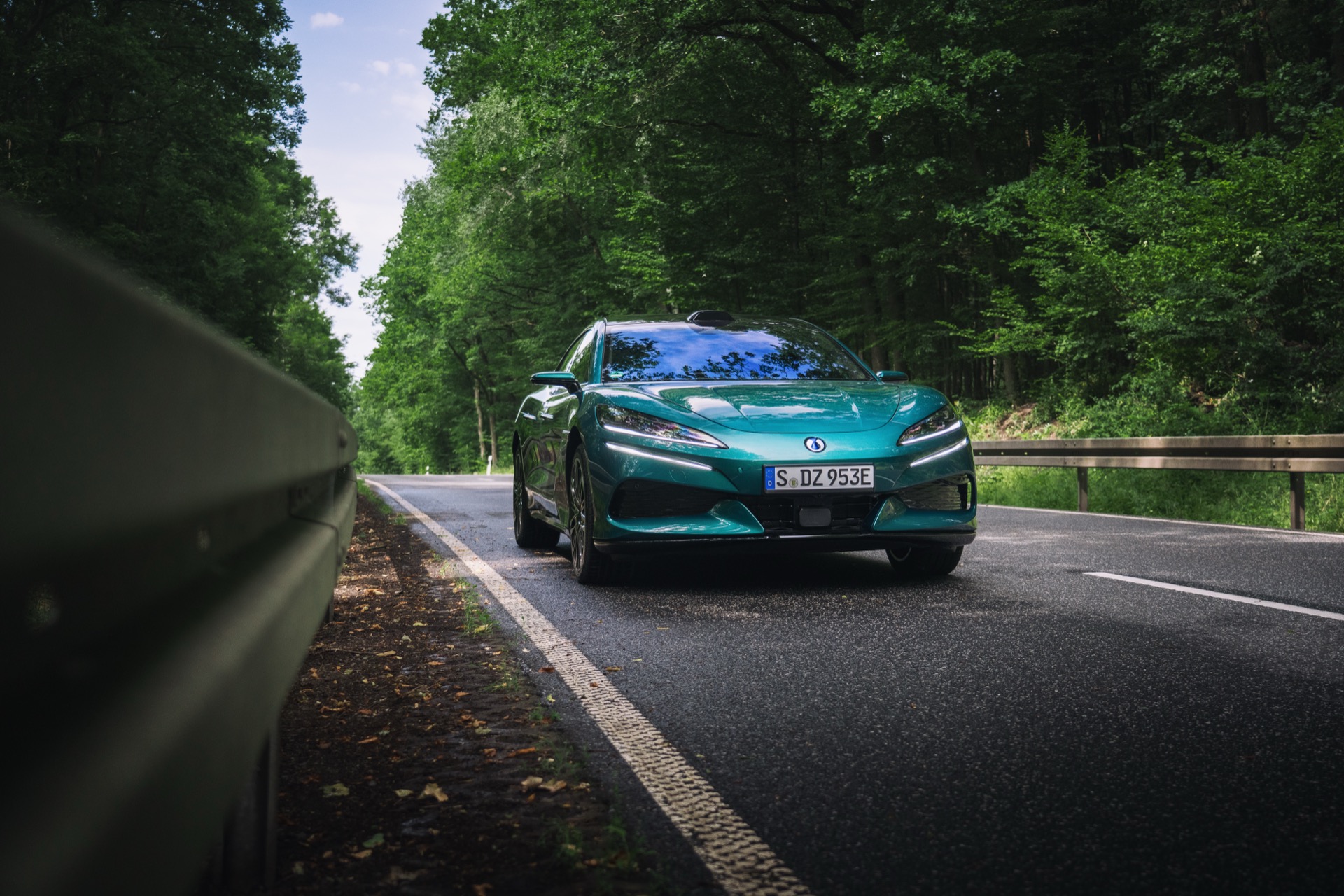
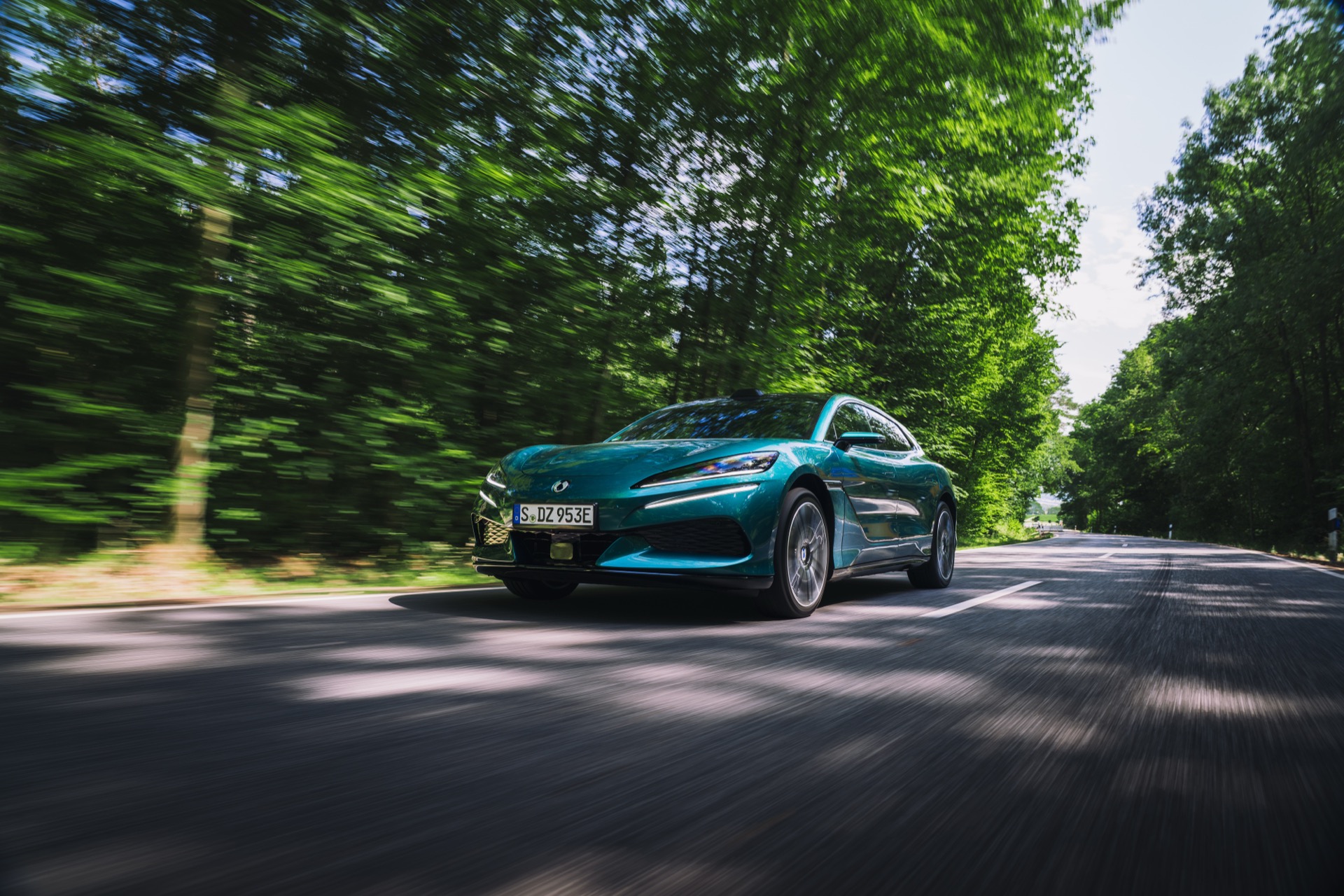
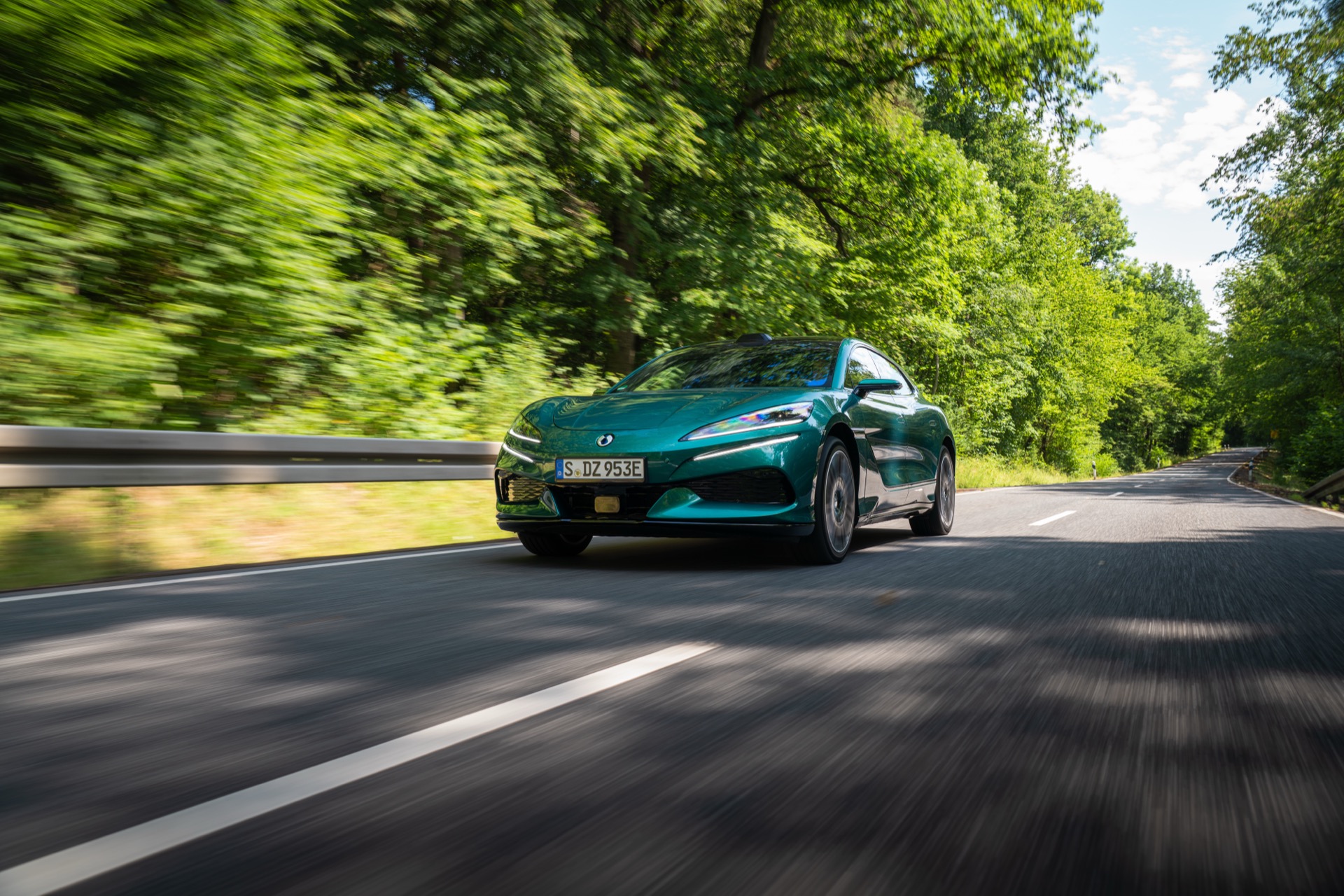
Then come the gimmicks. The Denza can crab walk. It can pivot itself into a parking space by using its rear wheels in a way that looks dramatic in a demonstration video and, I suspect, far less essential in real life. It is the kind of technology that generates attention quickly, which is useful when a new brand is trying to build awareness in Europe. But attention is not the same as credibility.
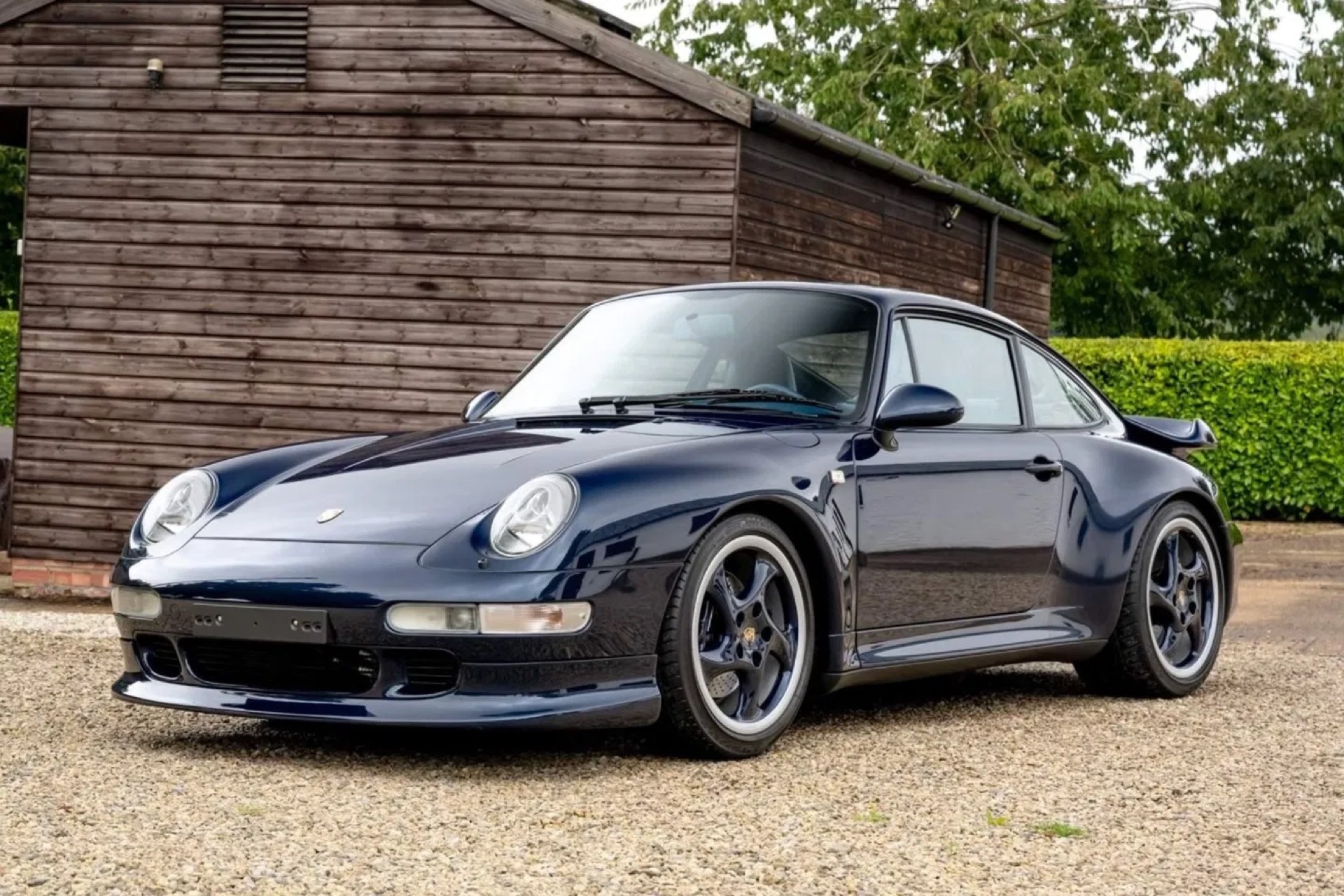
Porsche understands this. The Taycan Turbo GT can also play the enormous-power game, but Porsche does not rely on acceleration alone. The conversation around that car is just as much about chassis control, braking stability, repeatability and how the car deploys its torque. With the Manthey Kit, the Taycan Turbo GT recorded a 6:55.533 lap of the Nürburgring Nordschleife, over nine seconds faster than the previous record holder in its class. That matters, because the Nordschleife does not reward headlines. It rewards a car that works as a complete system.
As part of the German Car of the Year GTEST event, I drove the Denza Z9 GT not at the Nürburgring, but on the roads around Alsfeld. That should have been enough to reveal whether this new Chinese performance GT had the polish and predictability expected at this level. The first impressions were not encouraging. The build quality lacked the solidity and finesse you would expect from a car aiming so directly at the European elite, and once on the move, things did not improve.
The control weights felt numb and synthetic. The steering offered little confidence, and the rear-wheel steering immediately made the car feel more nervous rather than more agile. Good rear-wheel steering should almost disappear beneath you, helping a large car feel smaller without making the driver constantly aware of the system working. In the Denza, it felt obvious, and not in a reassuring way.
Then I discovered the Boost paddle behind the steering wheel. Pull it, and there is no denying the Z9 GT’s performance. The acceleration is immense, the deployment of power instant and forceful. For a brief moment, the numbers make sense. This is a brutally fast car. But speed is the easy part now. The hard part is making a heavy, extremely powerful electric GT feel settled, predictable and trustworthy when the next corner arrives.
To be clear, I drove the Denza enthusiastically, but not at the limit. I was not comfortable doing so. The car had already given me little reason to trust its control weights, its rear-wheel steering or its overall chassis behaviour, so there was no appetite to start probing its outer limits on public roads.
That made what happened next all the more surprising. After a long downhill section, I pulled up at traffic lights and noticed smoke billowing from ahead of me. The brakes appeared to have overheated dramatically, with enough smoke to suggest something had gone badly wrong. After allowing them to cool, the surprise only increased when I was reminded that the Denza Z9 GT is fitted with ceramic brakes. In a car with this much mass, torque and straight-line performance, braking capability is not a supporting detail. It is fundamental.
At that point, I stopped using Boost mode entirely. That is not a good sign in a car whose pitch is built so heavily around extreme performance. Even travelling with any real gusto, the Z9 GT did not provide the reassurance a car this powerful absolutely must deliver. The concern is not simply that it lacks the delicacy of a Porsche or the sophistication of a Panamera. It is that the Denza feels underdeveloped in the areas that matter most once the novelty has worn off.
In the best European rivals, there is a sense of cohesion. A Taycan, even an absurdly powerful one, feels hunkered down beneath you. The steering, body control, torque deployment and braking response all feel as though they are part of the same conversation. In the Z9 GT, those elements never quite seem to speak the same language. The power arrives, the road bends, the gradient changes, and suddenly you are left wondering whether the rest of the car has the composure to match its acceleration.
There are positives. The Denza is spacious, undeniably fast and technically ambitious. Its charging claims are remarkable, with BYD’s high-power charging strategy forming a major part of the car’s appeal, at least where the infrastructure exists to support it. The rear space is generous, the specification is extensive, and as a technology statement, the Z9 GT is certainly interesting.
But a luxury performance GT cannot survive on numbers, screens and party tricks alone. Once the crab-walking has been demonstrated and the Boost paddle has delivered its first shock, what remains has to feel resolved. It has to make the driver trust it. It has to feel expensive not only in specification, but in calibration.
The Denza Z9 GT does not yet do that. It is fast enough to grab attention and ambitious enough to deserve scrutiny, but it feels unfinished in a way that is difficult to ignore. For a car with more than 1,100PS and a price tag deep into premium European territory, that is not merely disappointing. It is troubling.
The headlines make you look. The driving experience makes you question them.