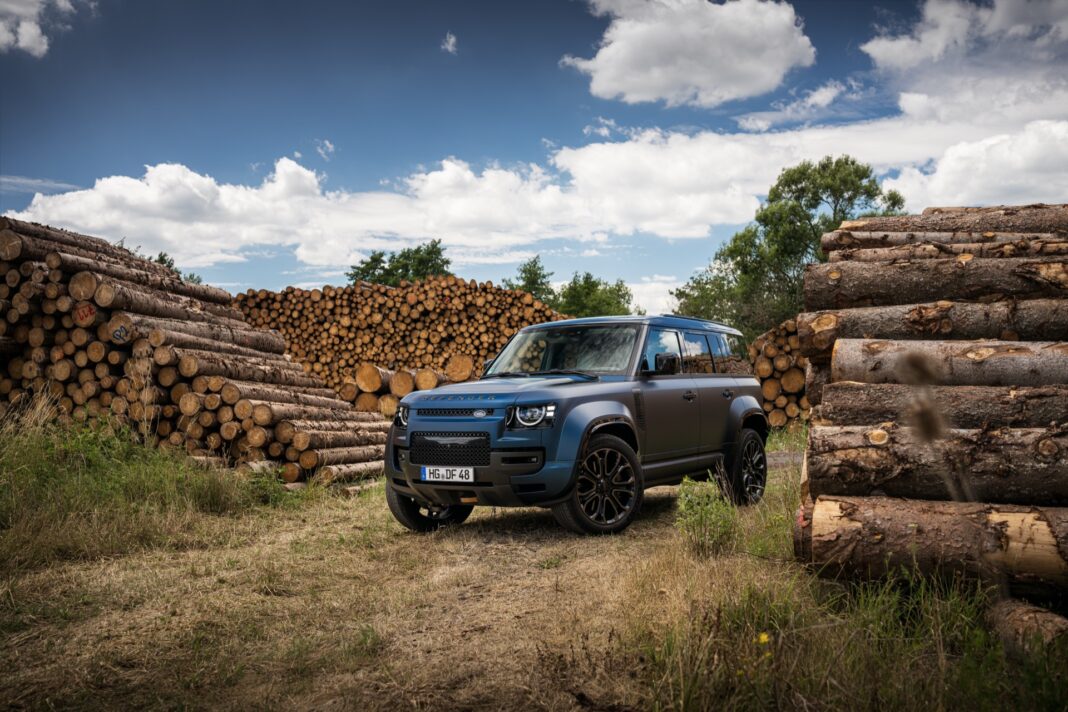
At GTEST, part of the German Car of the Year programme, the Defender OCTA looked like a dinosaur in the car park. Around it sat an increasingly familiar mix of EVs, plug-in hybrids and polished new-market entrants, many of them Chinese, all promising a more efficient and software-led future. Then there was the Land Rover: towering, wide-arched, defiantly petrol-powered and fitted with a 4.4-litre twin-turbo V8. It should have been the antidote.
On paper, it is exactly that. The OCTA is the wildest Defender yet, with 635PS and 750Nm from BMW’s mild-hybrid S68 V8, enough for 0-100 km/h in 4.0 seconds and a 250 km/h top speed. It is also substantially re-engineered beneath the skin, riding 28mm higher and measuring 68mm wider than a standard Defender. Land Rover has added tougher driveline components, larger cooling capacity and its elaborate 6D Dynamics suspension, which uses hydraulically interconnected semi-active dampers rather than conventional anti-roll bars.
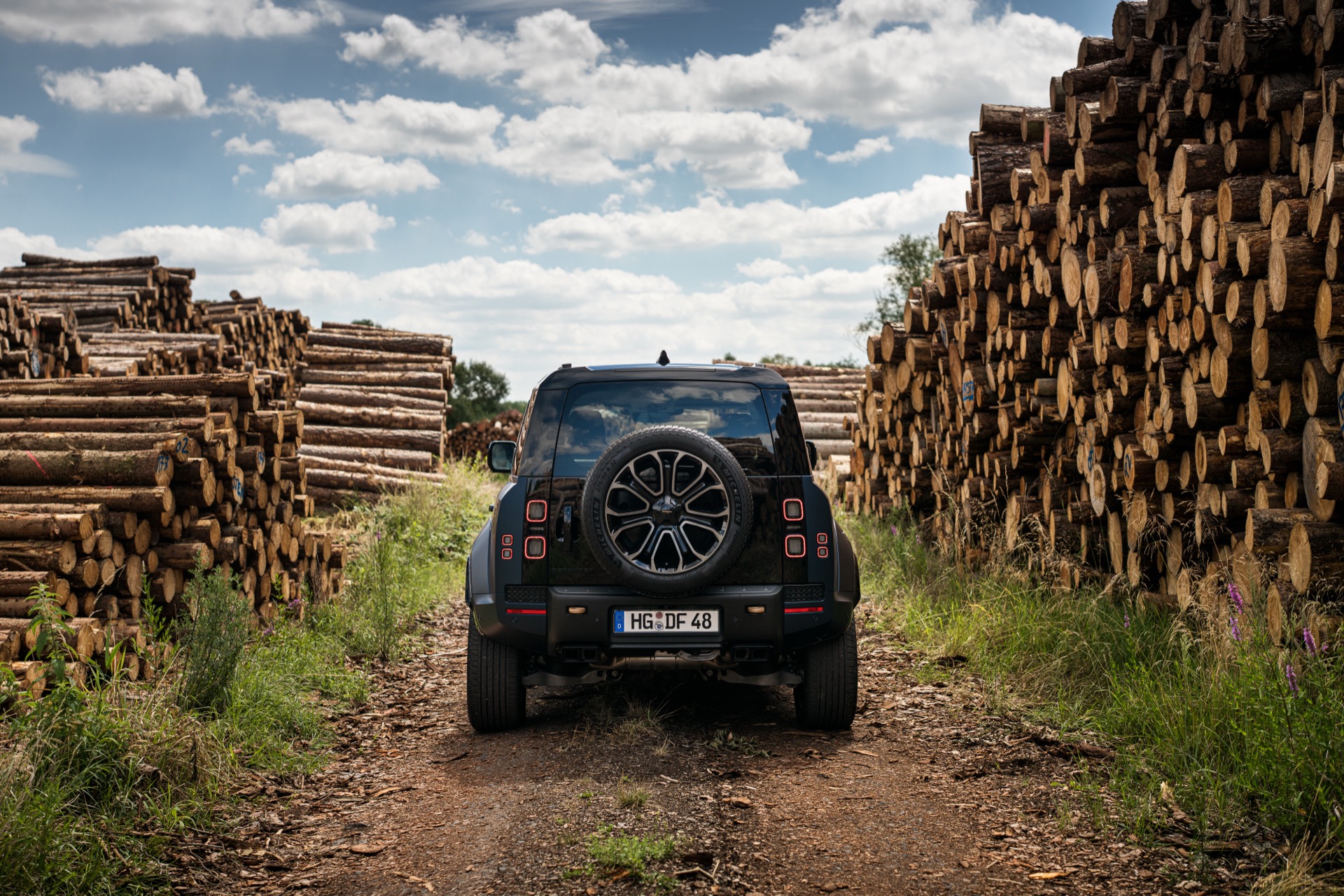
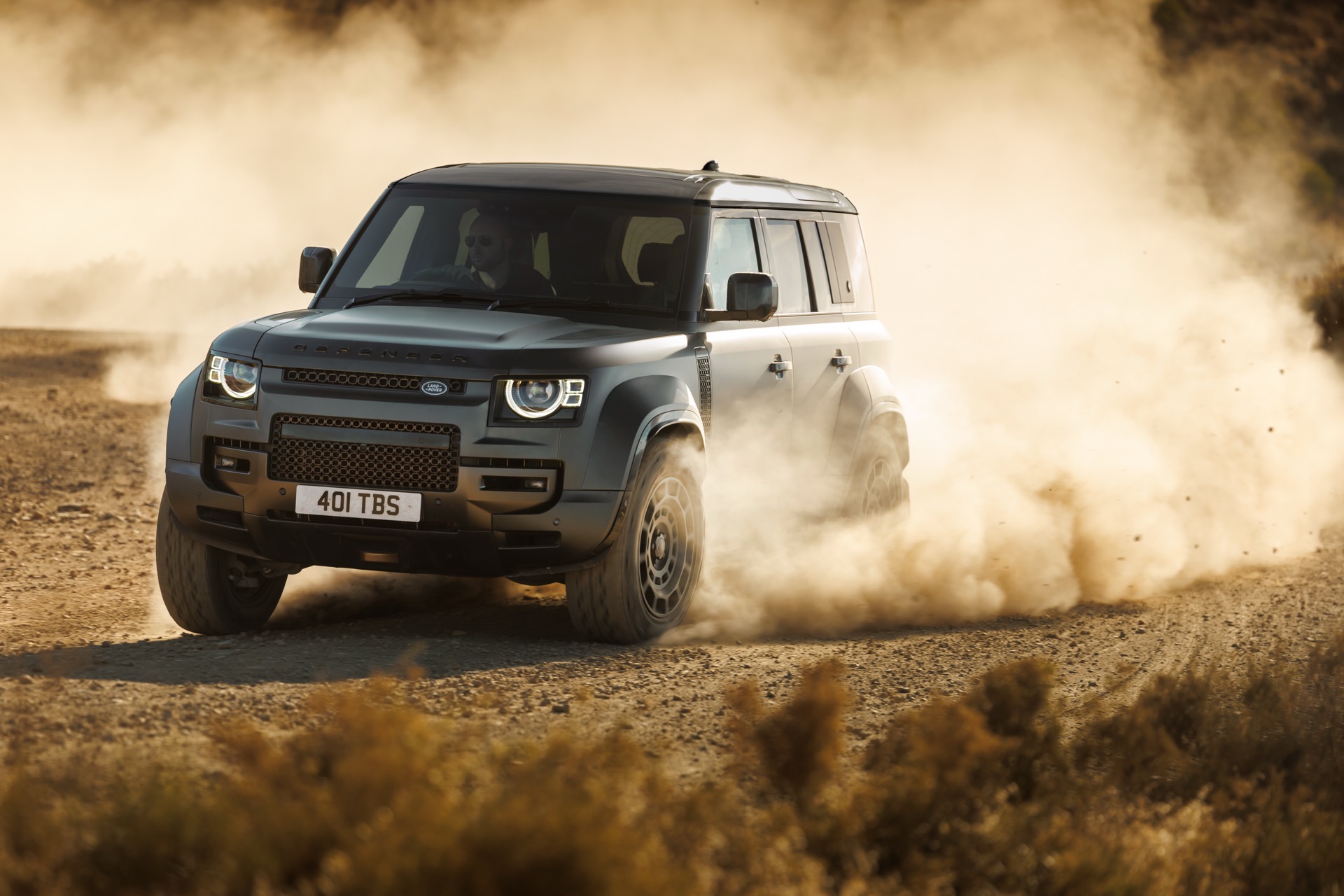
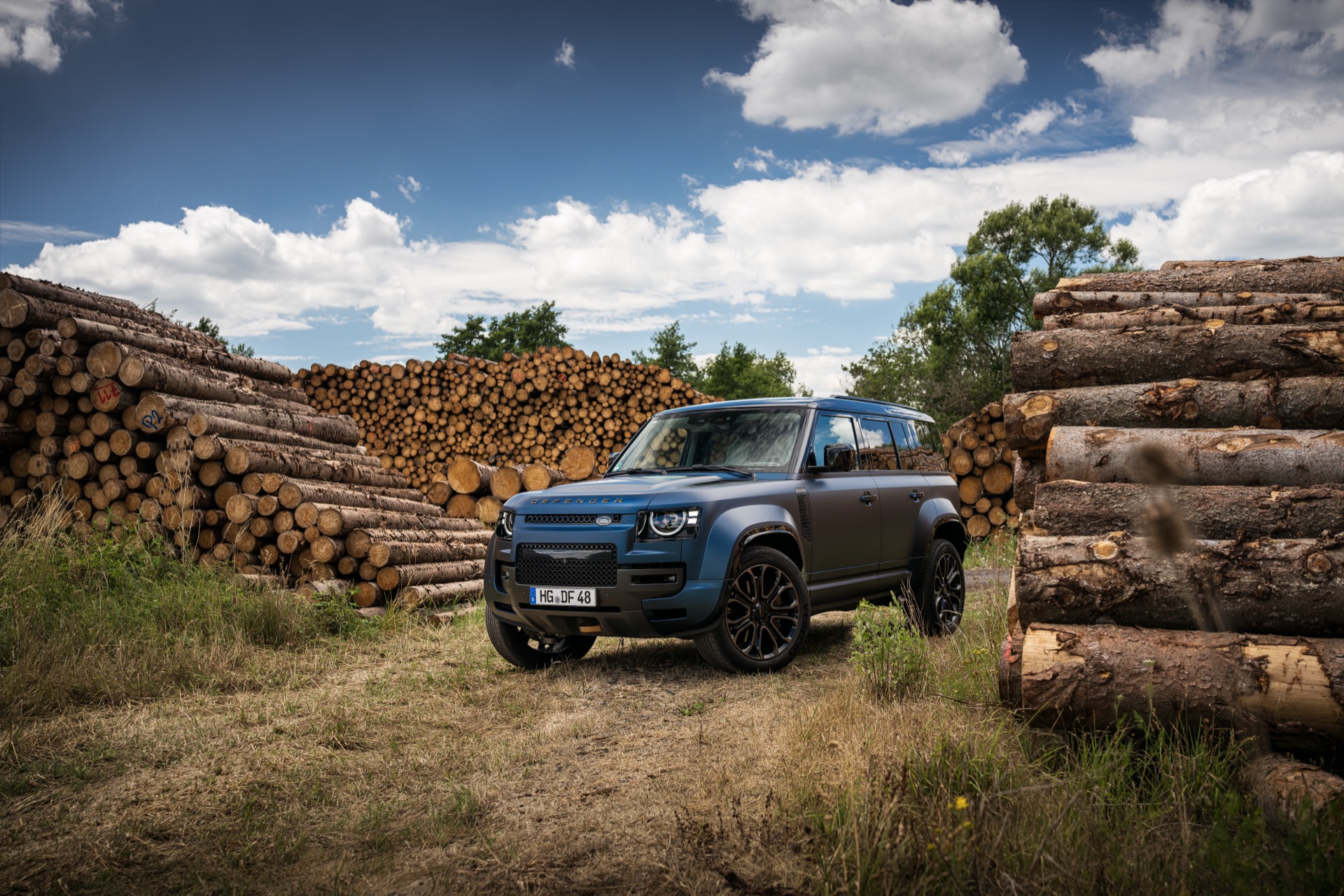
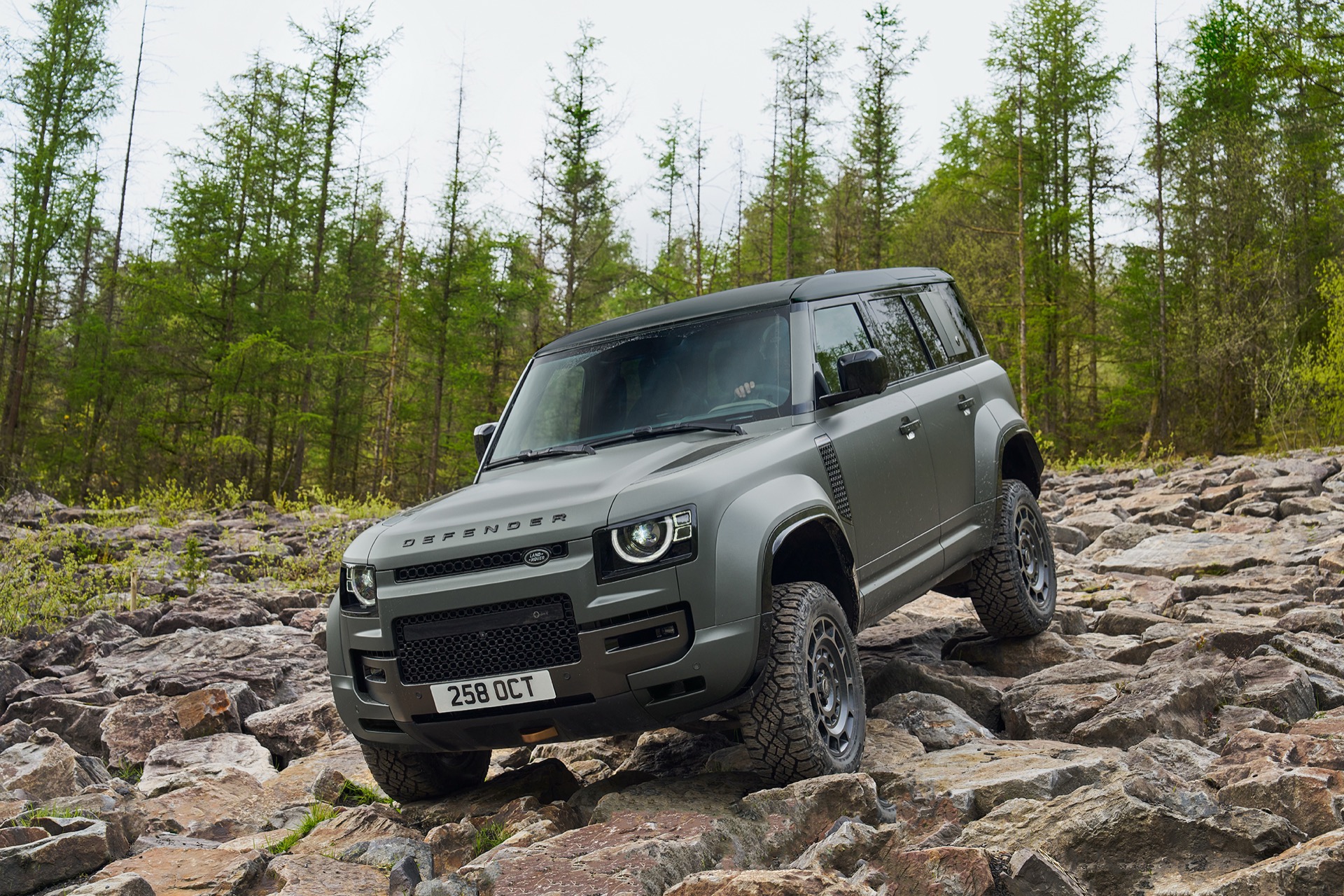
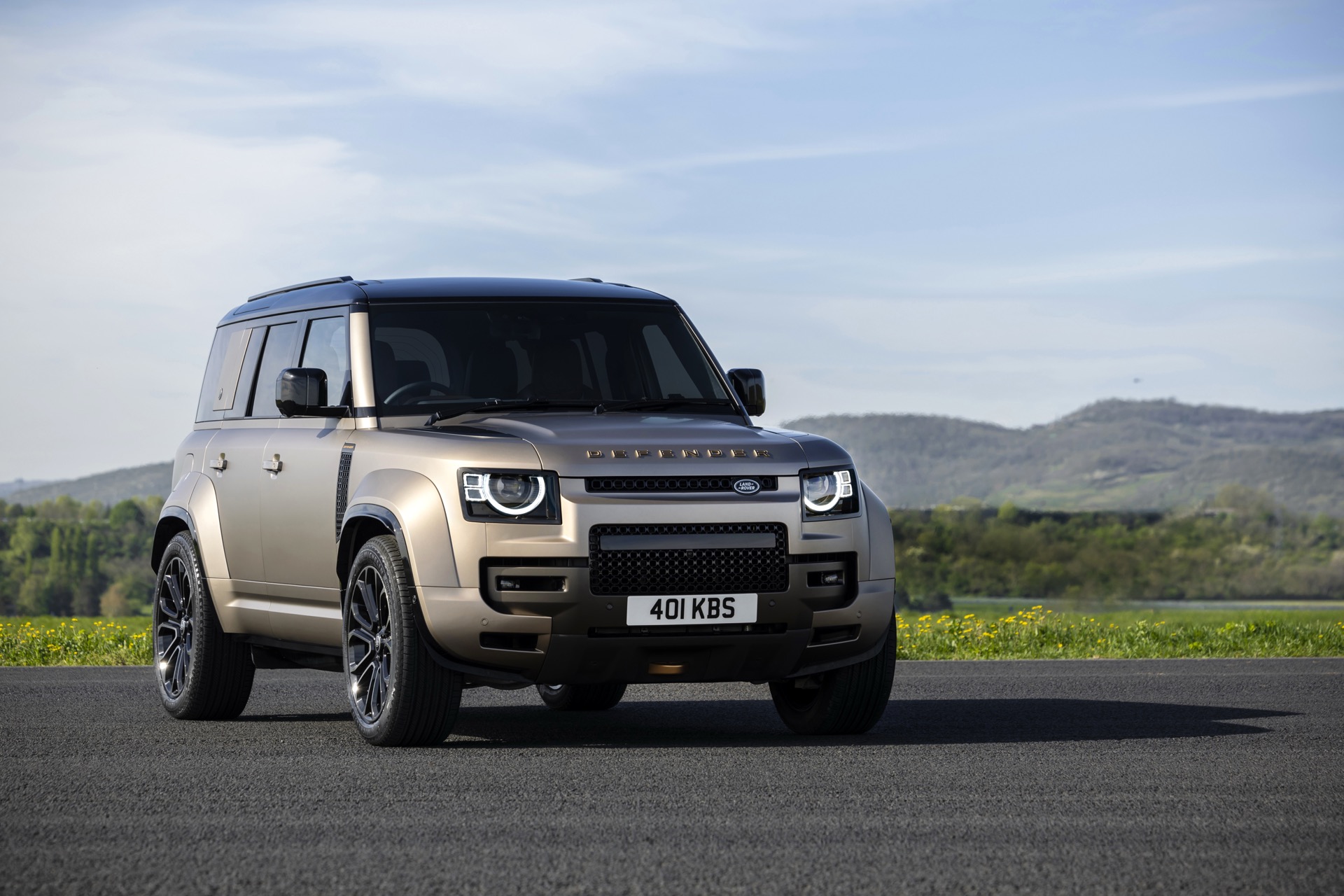
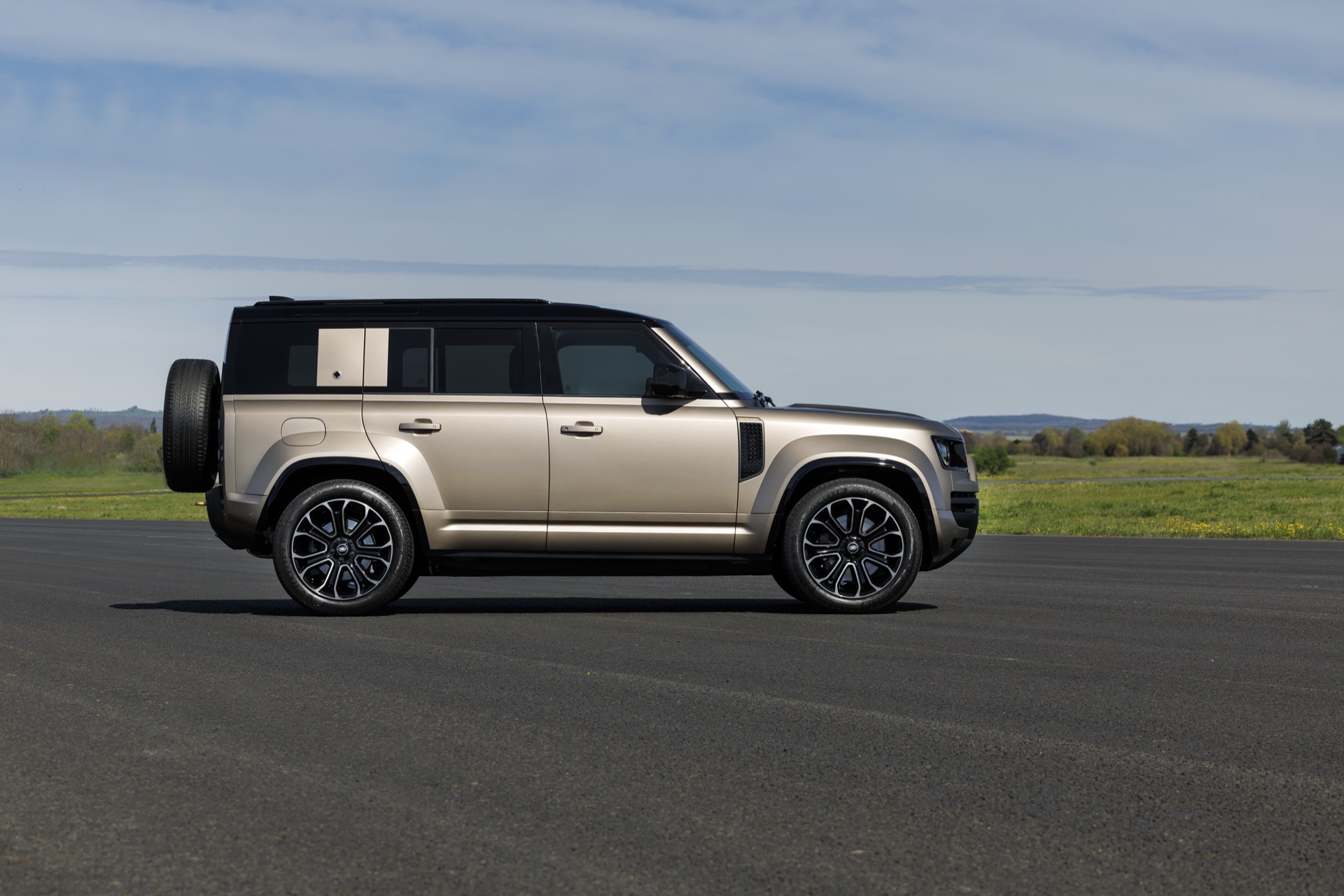
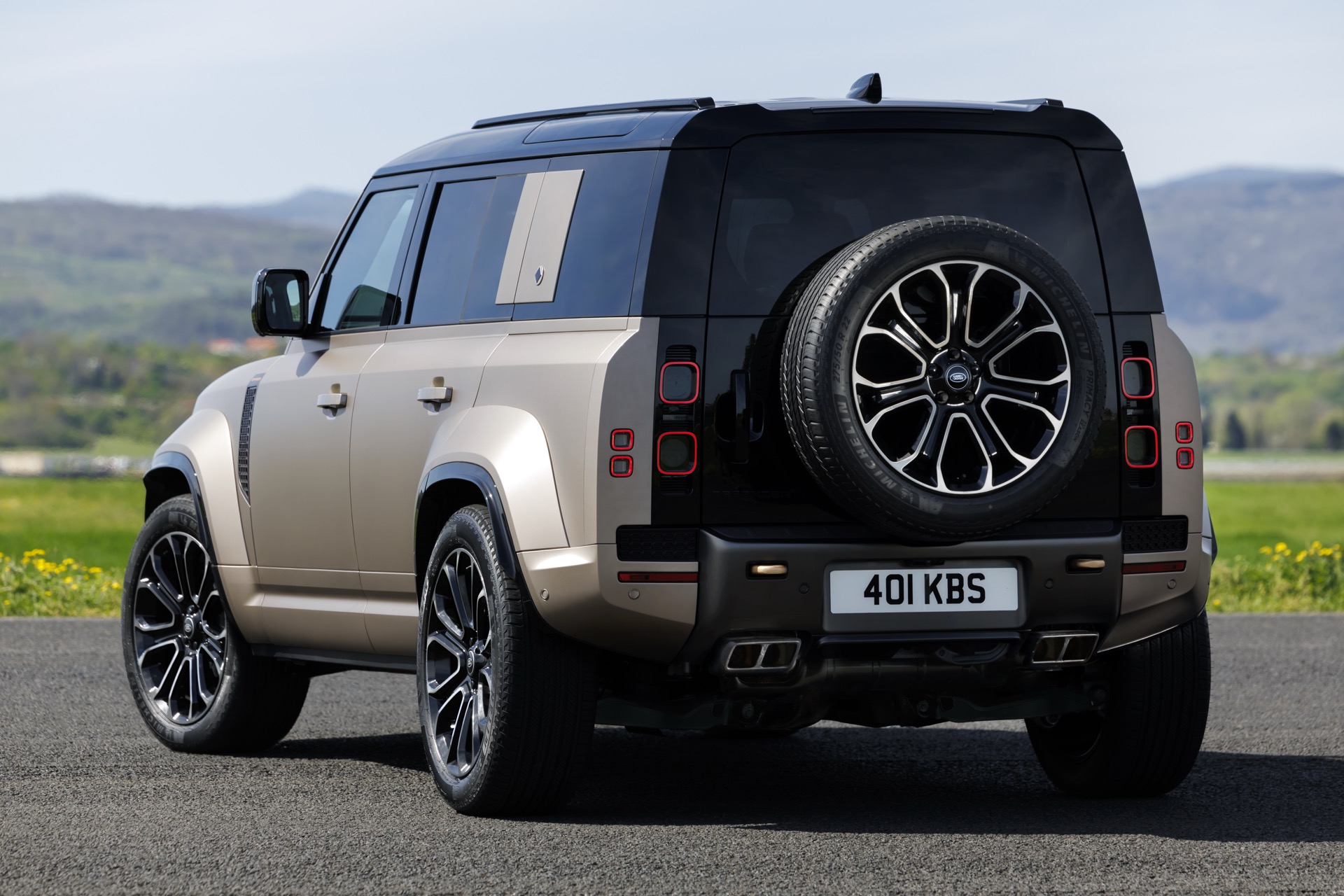
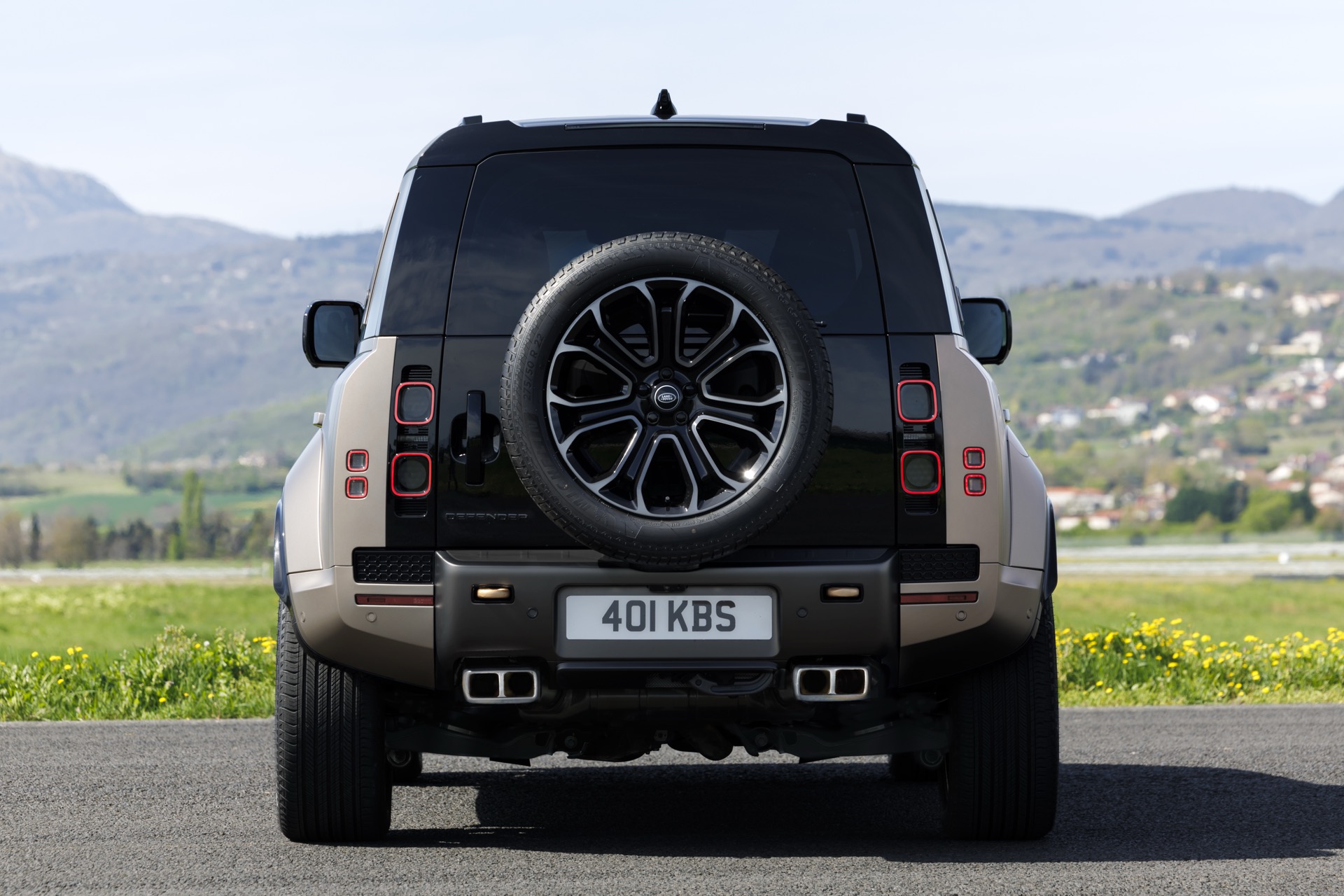
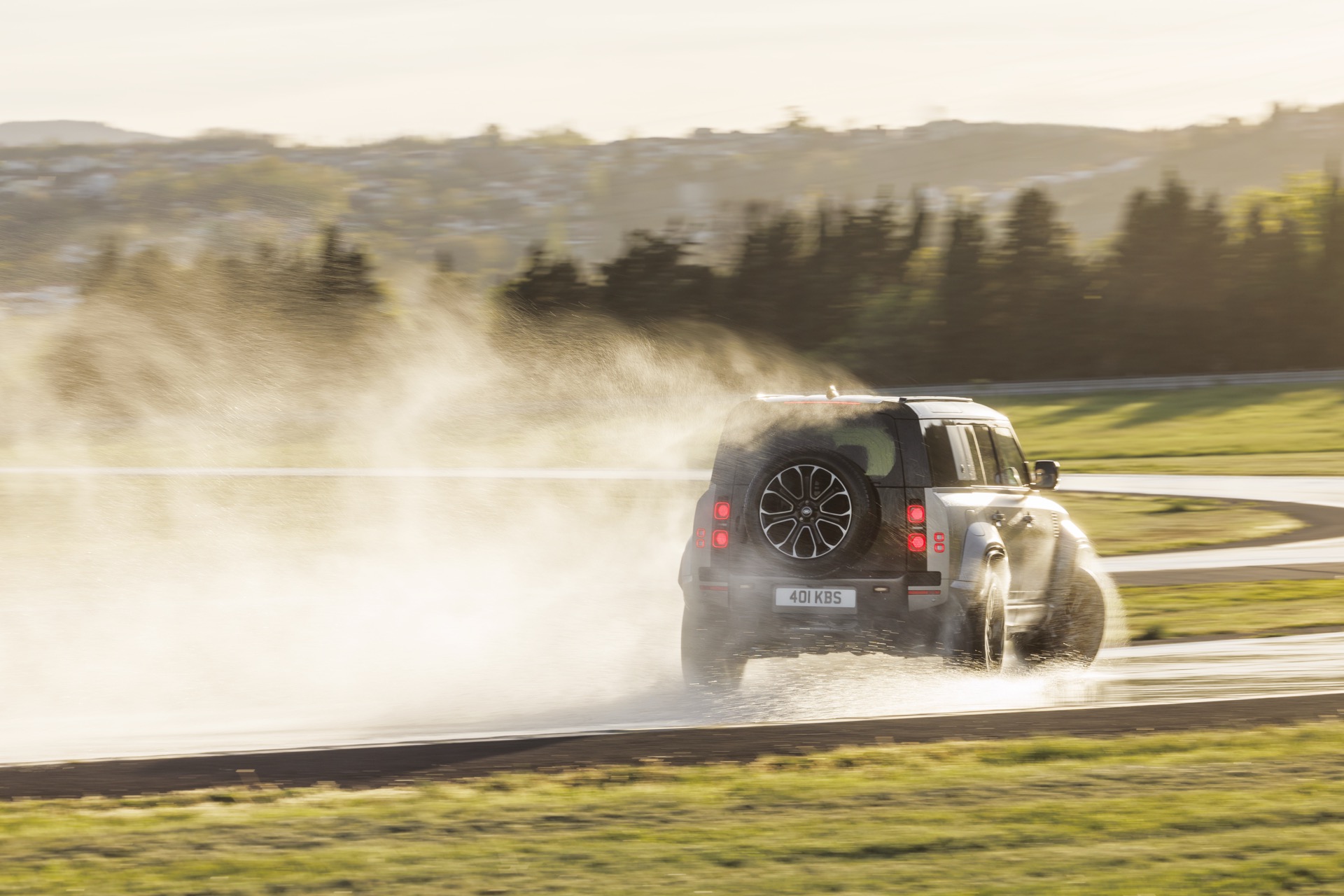
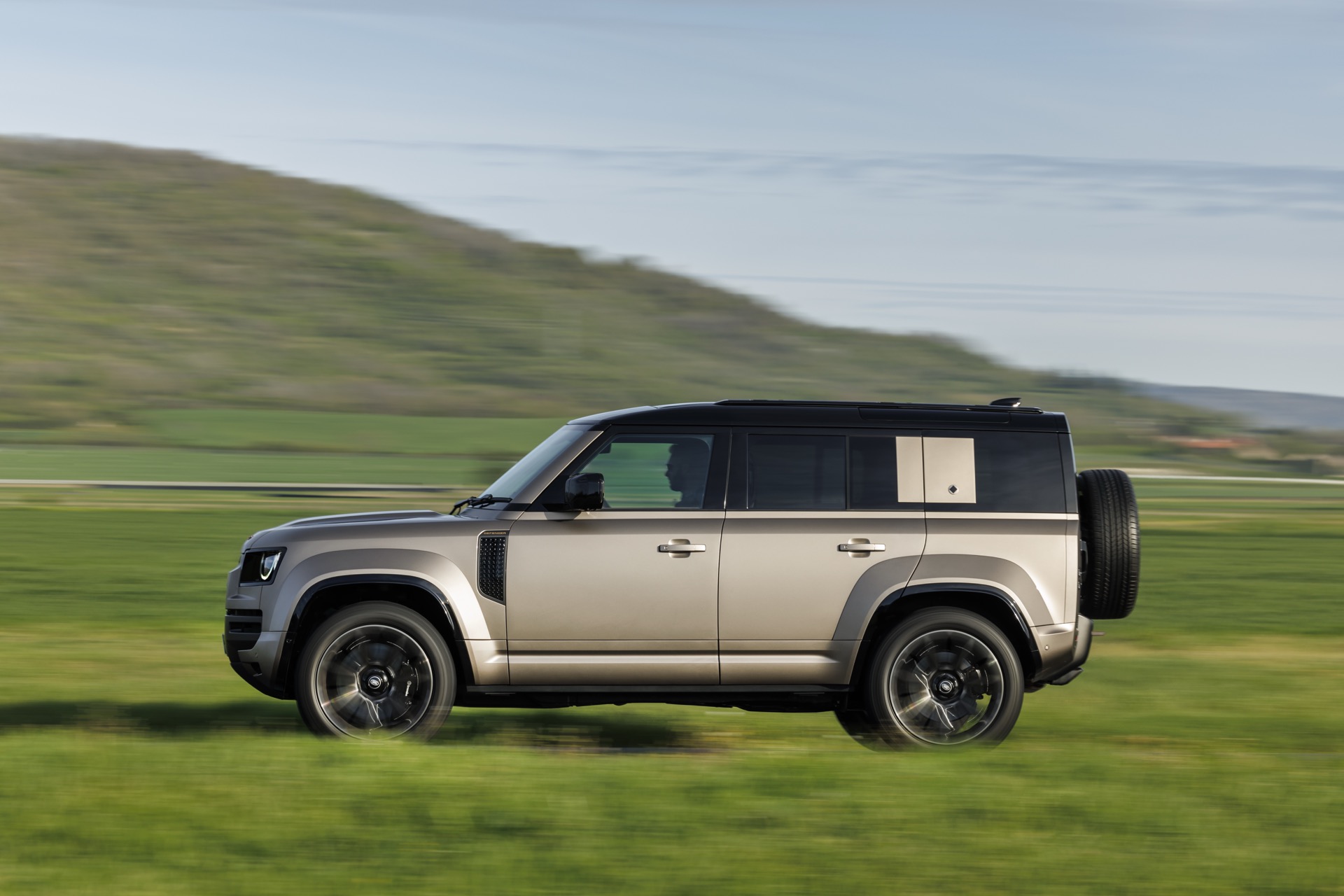
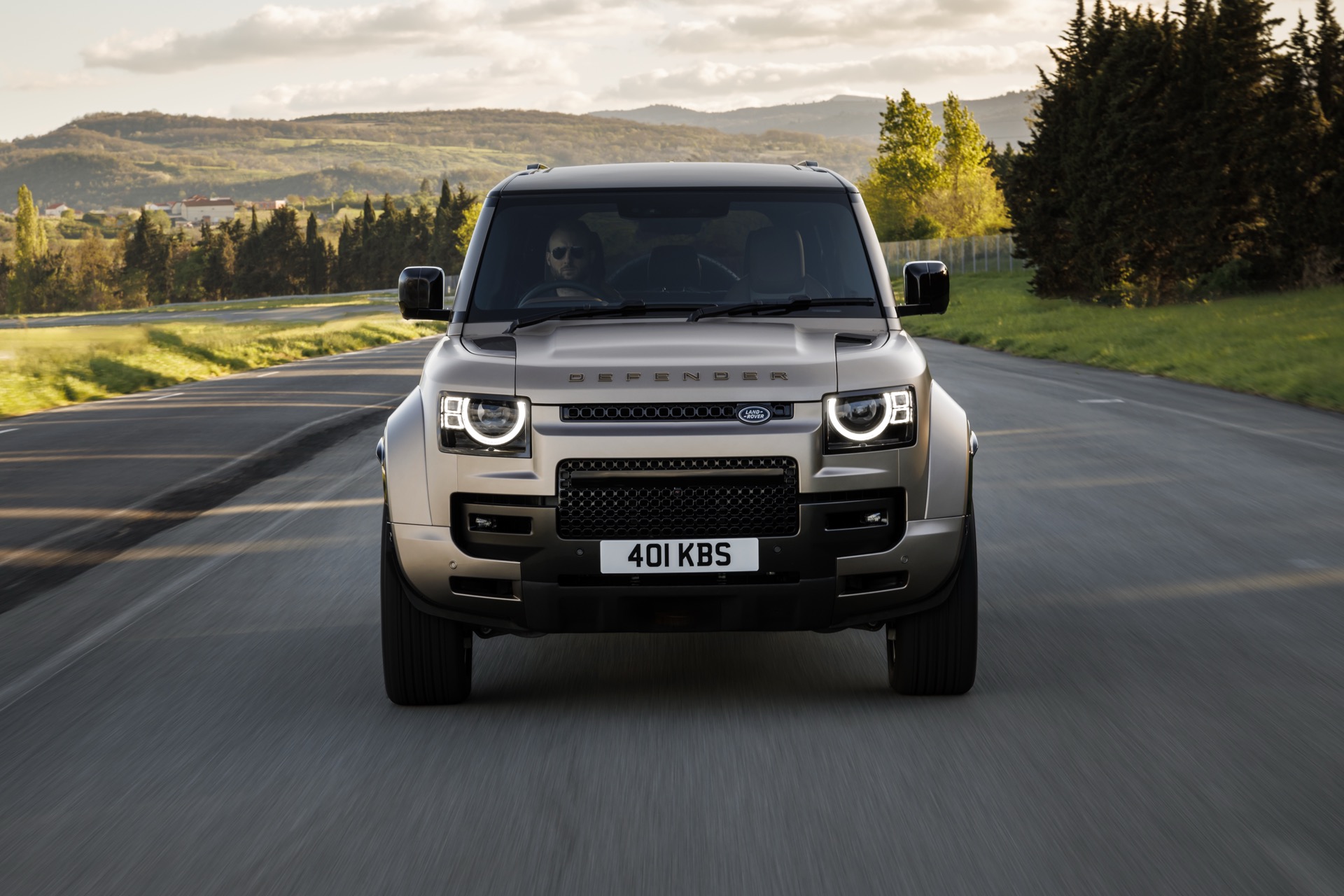
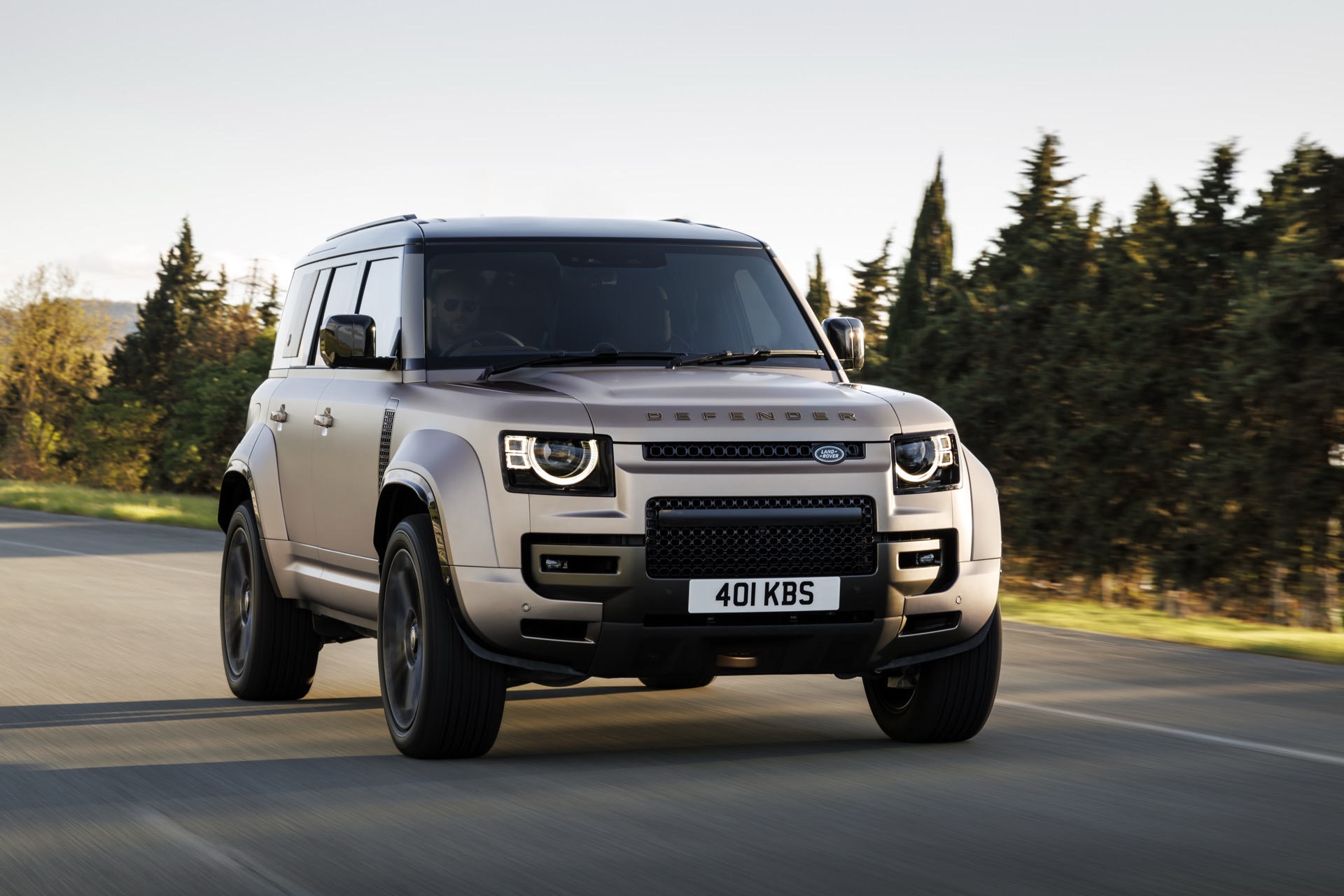
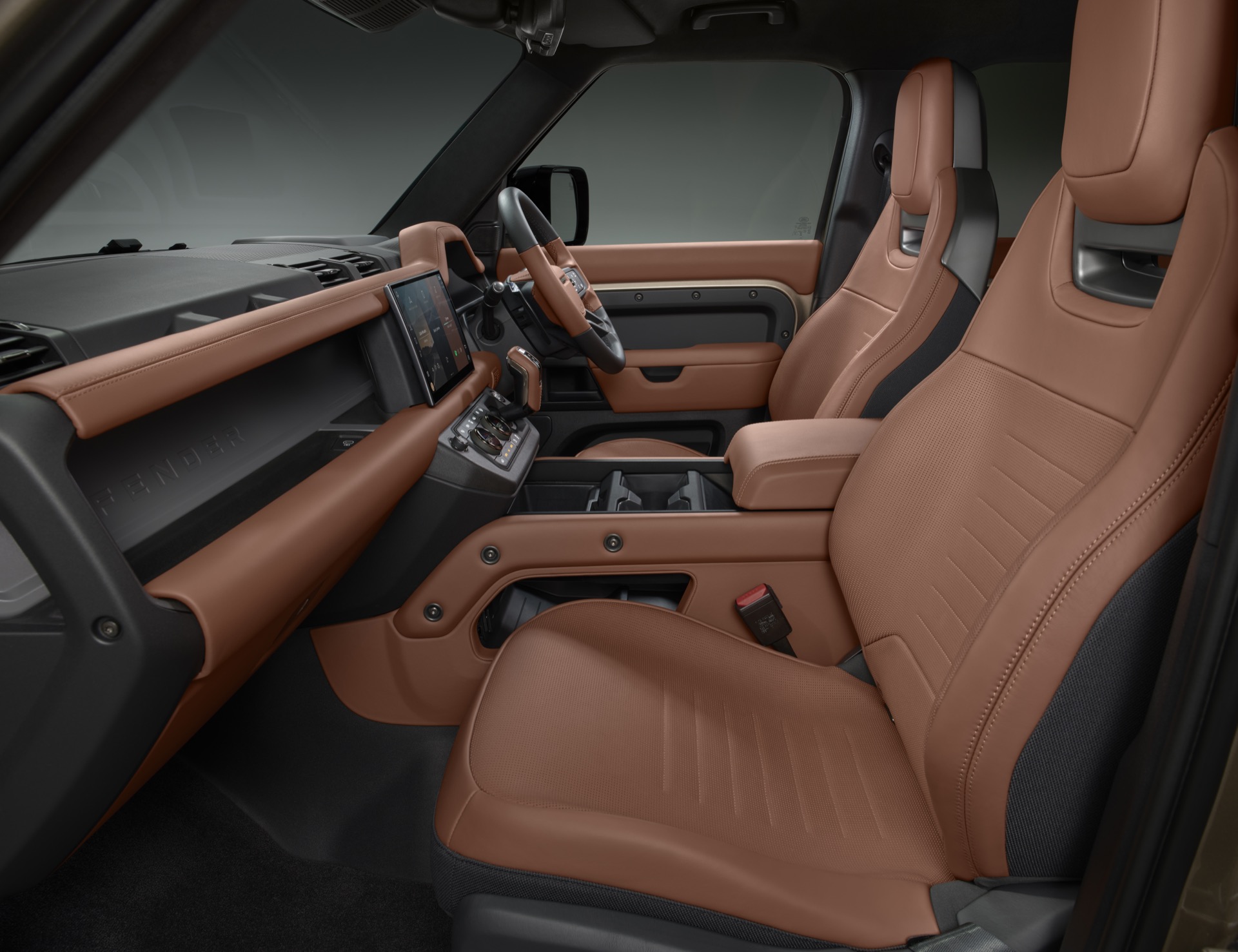
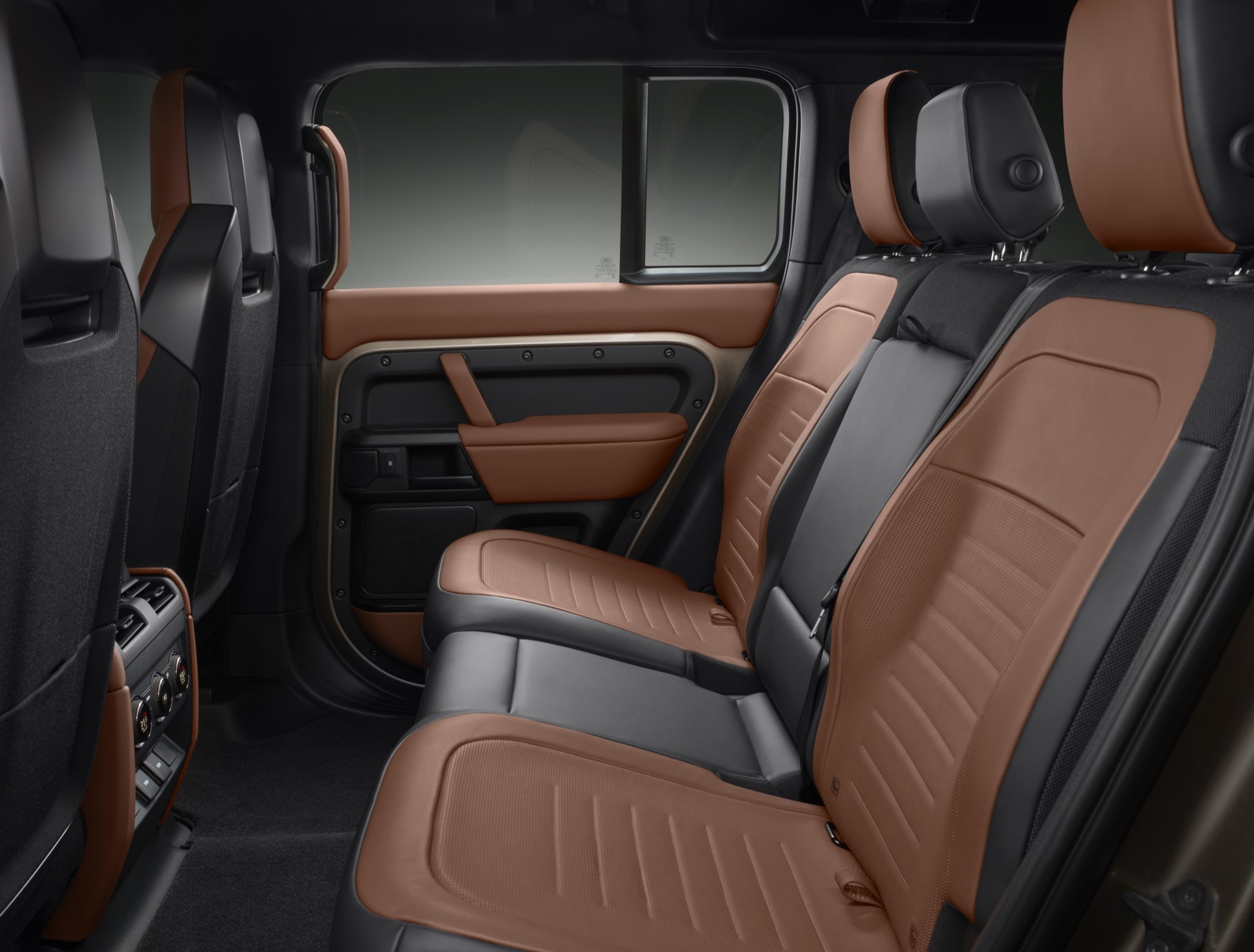
It is a serious machine, then, developed to be as comfortable scrambling over rocks and desert tracks as it is travelling long distances with a family and their luggage. Land Rover talks of a faster, more capable Defender in every environment, and the OCTA’s off-road credentials are hard to dispute. It has up to 500mm of wheel articulation, improved approach, departure and breakover angles, and was engineered to tolerate a degree of punishment that almost none of its buyers will ever remotely approach.
But the trouble is that, on the road at least, it does not feel as special as it ought to.
The 4.4-litre V8 should be the star of the show. Instead, it feels like a very competent supporting act. It is strong, undeniably, and the Defender accelerates with an ease that is properly impressive in something that weighs around 2.6 tonnes. But there is little sense of theatre in the delivery. The old supercharged 5.0-litre V8 had a slightly unruly, old-school character that suited the Defender’s visual swagger. The BMW engine is cleaner, more efficient and doubtless better aligned with future emissions legislation, but it is also far too muted.
For a €187,600/£160,000-plus performance flagship with four exhaust exits, the OCTA is surprisingly quiet. Even in its more aggressive settings, there is not enough noise, texture or bad behaviour from the engine to make the car feel truly memorable. It does not need to sound like a G 63, but it should at least make you feel as though you are driving something a little outrageous. Instead, the V8 is barely audible much of the time, which makes the car feel strangely disconnected from the image it projects.
The gearbox does not help. The ZF eight-speed automatic is perfectly adequate in normal driving, but in a market increasingly populated by razor-sharp dual-clutch transmissions, it feels slow-witted when you are asking more of the car. There is a slight pause between request and response, and a layer of deliberation where you want the drivetrain to feel instinctive. In something intended to be the fastest and most focused Defender ever made, it is a noticeable weakness.
The same goes for the controls. The steering is heavily weighted, but not especially informative. There is no real sense of what the front tyres are doing beneath you, and the brakes, though unquestionably powerful, do not offer the confidence or feedback you want when leaning on a 635PS SUV. The whole car feels engineered to keep a lid on its mass rather than encourage you to engage with it.
That is where the OCTA’s limits become frustrating. It corners tidily enough and the 6D Dynamics suspension works hard to contain roll, pitch and head toss. Land Rover claims a 67 per cent increase in roll resistance over the standard Defender, and the body control is undoubtedly impressive for something so tall and heavy. Yet the experience is more controlled than enjoyable. It does not have the absurd, playful confidence of a G 63, nor the sharper road manners of a Cayenne Turbo or Range Rover Sport SV. The OCTA feels like it reaches the point where it would rather you admired its competence than continued to probe its limits.
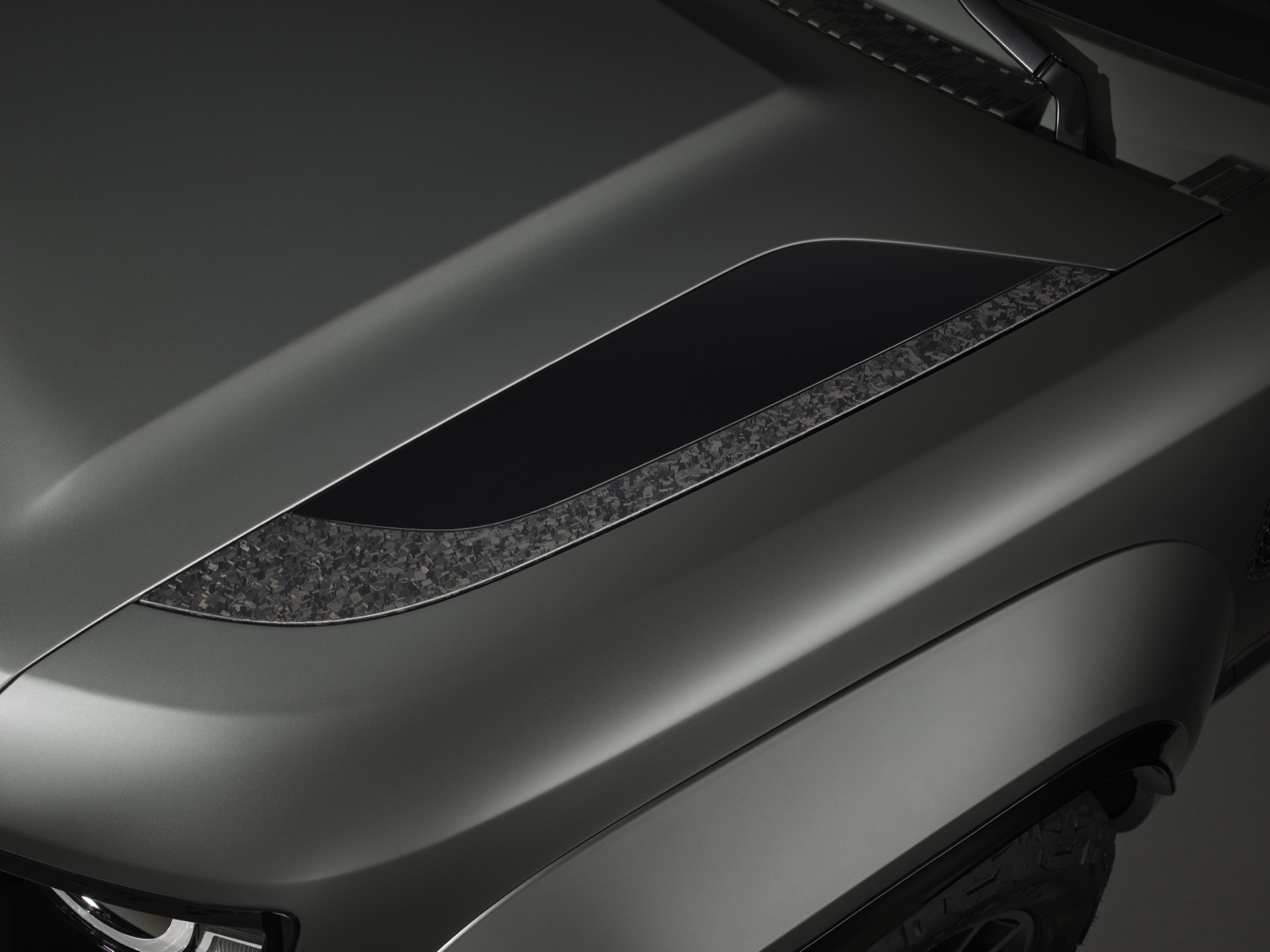
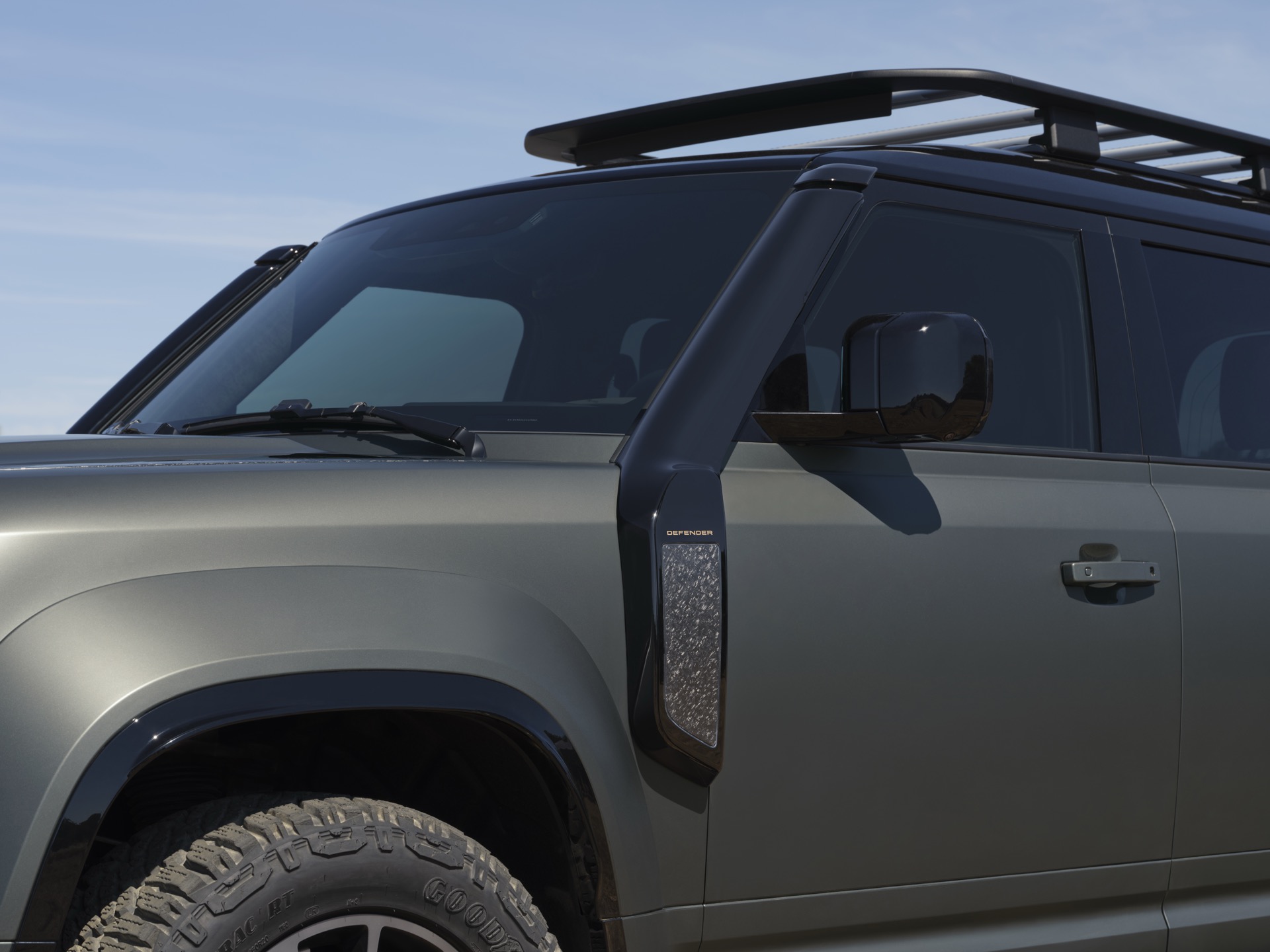
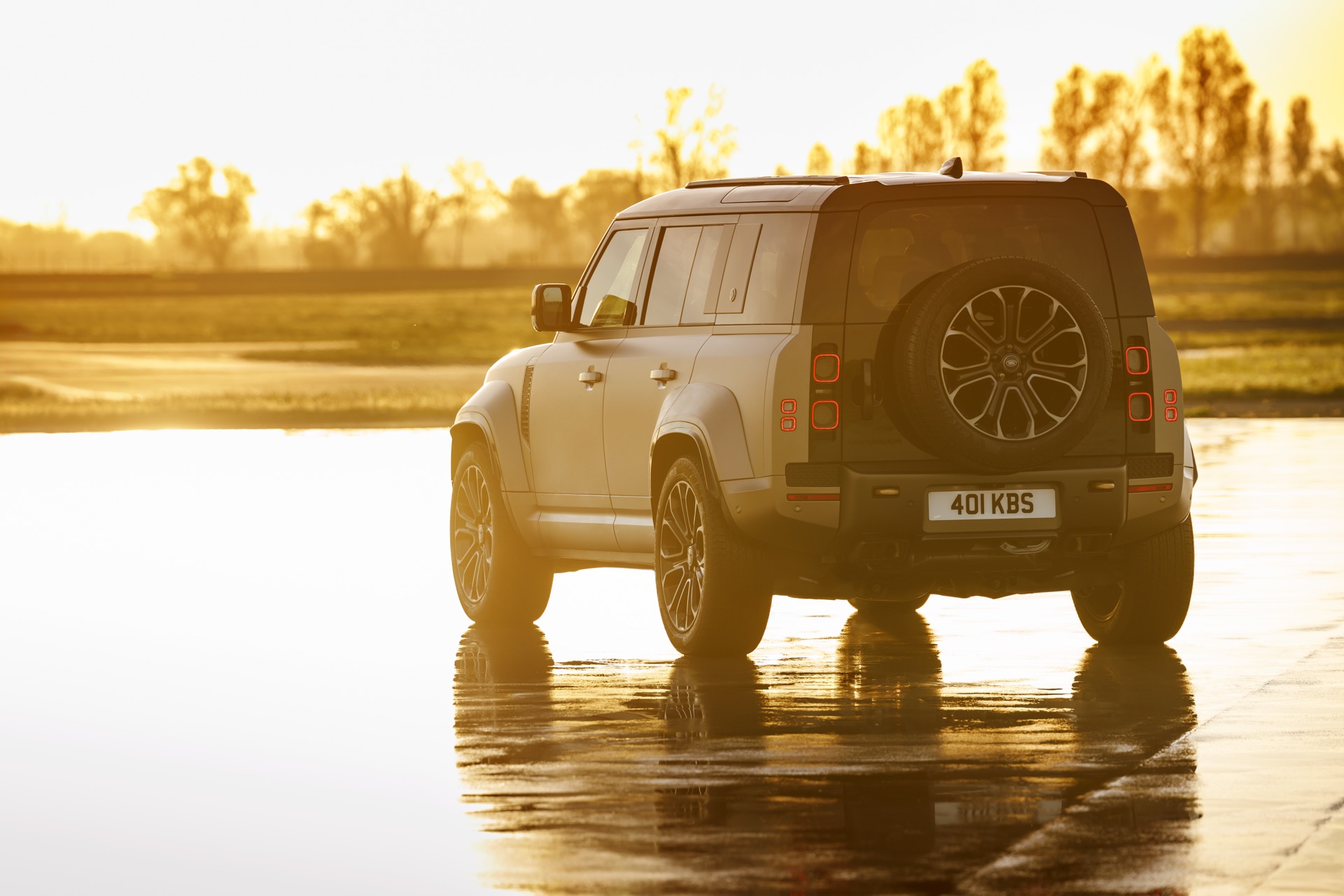
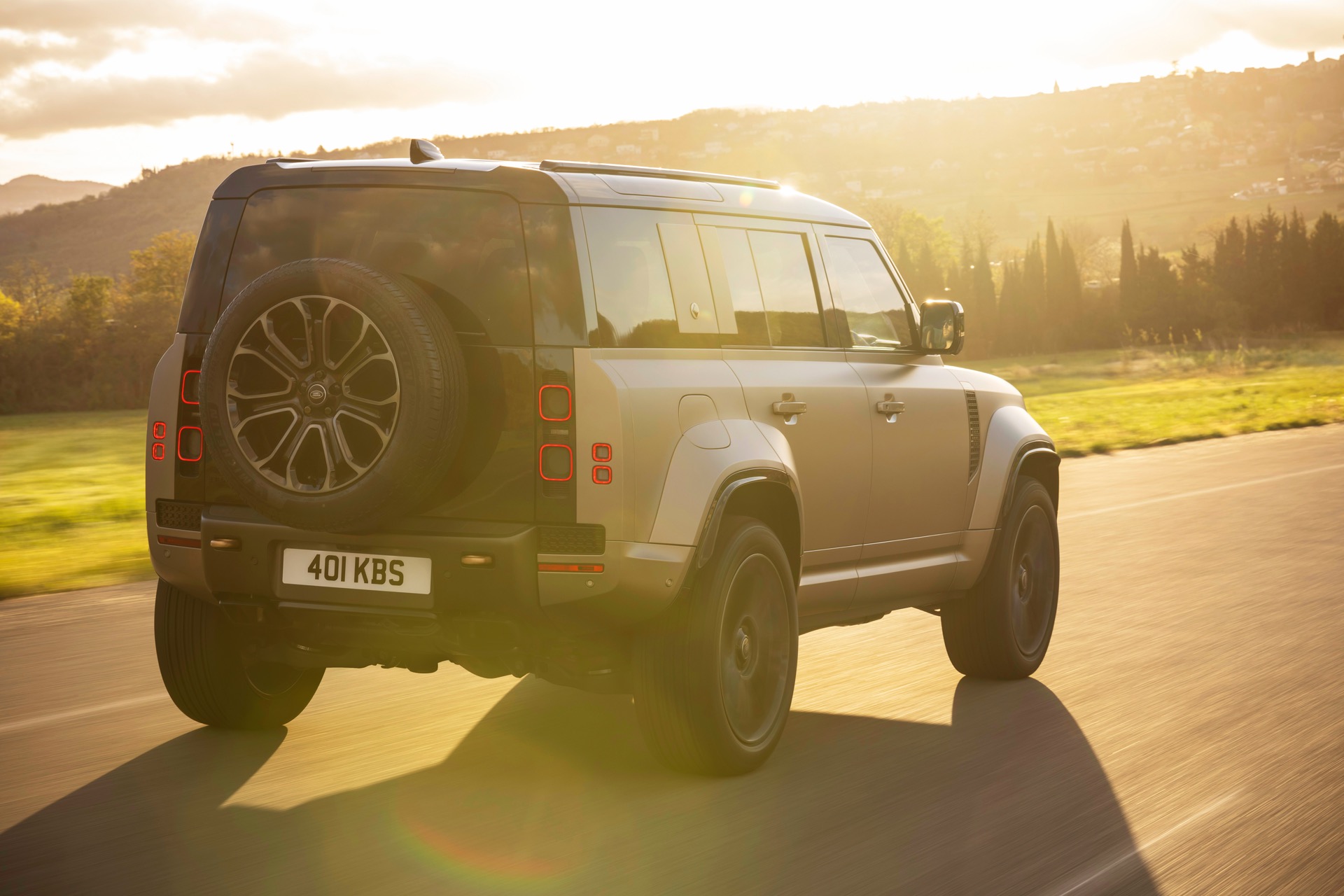
Perhaps that is the point. The Defender OCTA is not a road-focused super-SUV wearing off-road clothes. It is, in many ways, a genuinely serious all-terrain vehicle that happens to have 635PS. The suspension is supple, the cabin remains immensely practical, the seating position is commanding, and the overall sense of robustness is difficult not to admire. It looks fantastic too. The wider stance, raised ride height, purposeful wheels (not fitted to the car pictured here) and quietly menacing details make it one of the most convincing-looking high-performance SUVs on sale.
But this is also where expectations matter. The OCTA is supposed to be the Defender with more personality, more attitude and more fire in its belly. At GTEST, surrounded by cars that were often extremely fast but emotionally remote, I wanted it to be a loud, unruly reminder that the internal-combustion performance car still has something unique to offer. Instead, it felt surprisingly filtered.
The Defender OCTA is hugely capable, very expensive and genuinely distinctive. It will cross terrain that its closest rivals would rather avoid, while carrying five people in real comfort and looking suitably formidable outside a smart hotel. But as the ultimate V8 Defender, it needs more noise, more feedback and a little more mischief. In a car park full of quiet new-world machinery, this was supposed to be the dinosaur roaring loudest. Instead, it mostly kept its voice down.