For years, the mere sight of a Porsche 911 GT3 has been enough to quicken the pulse of even the most seasoned performance car enthusiast. Whether fitted with its towering rear wing or disguised as the more understated Touring, the GT3 has long occupied a place on countless dream-car lists. In challenging times for Porsche, the GT3 has remained an emotional anchor within the range – a reminder of everything the brand does best.
Now Porsche has gone one step further.
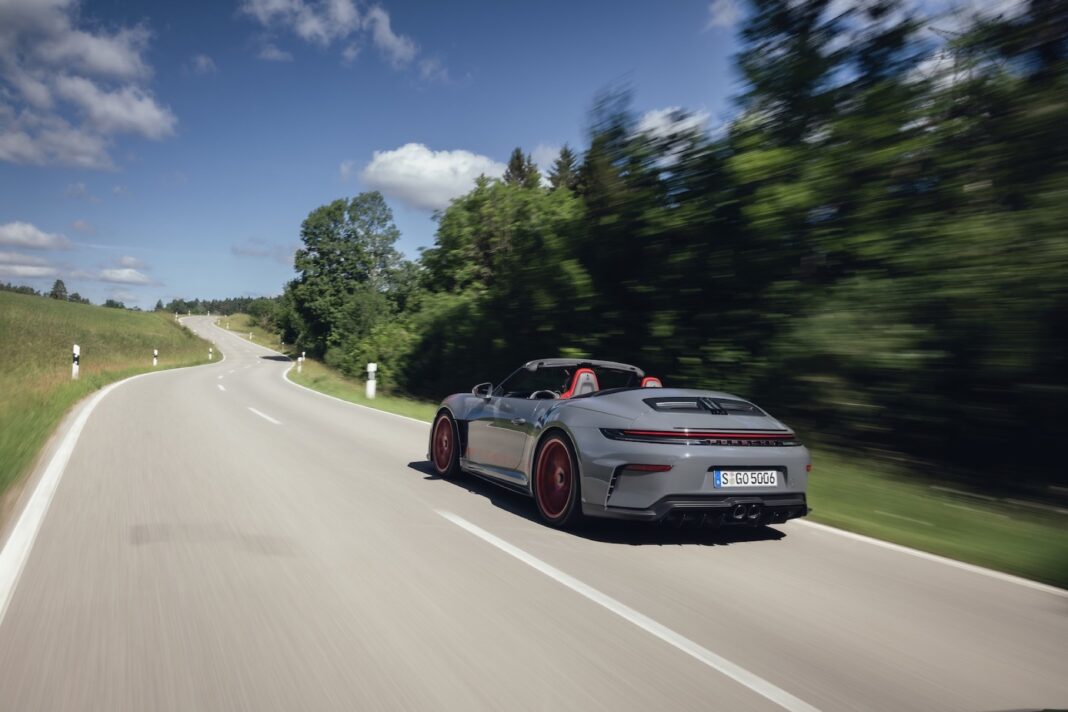
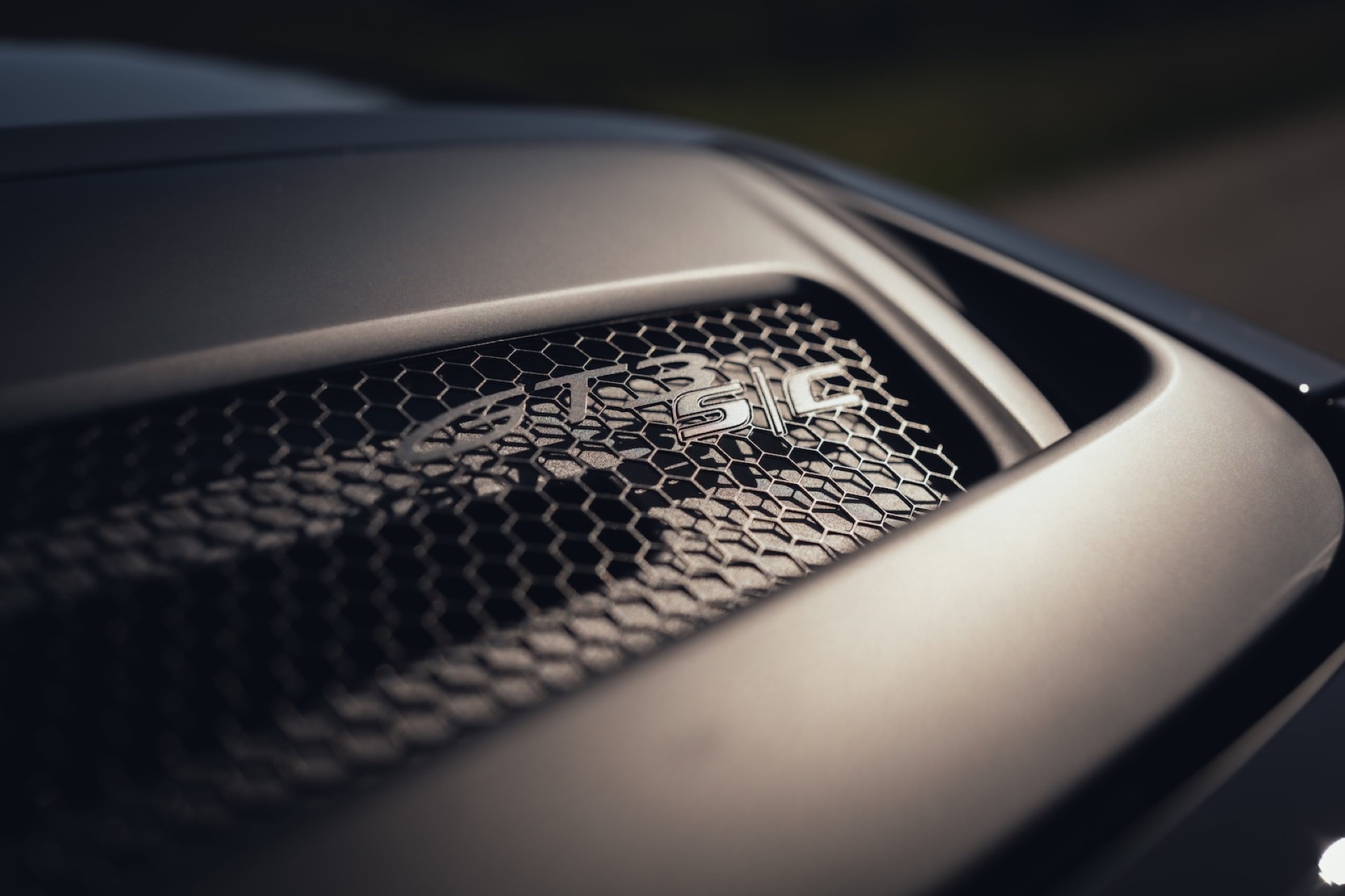
Few people ever asked for a convertible GT3. Fewer still would have claimed it was missing from the line-up. Yet Porsche’s seemingly endless ability to create new 911 derivatives continues to prove remarkably effective. Buyers could already choose between rear- or all-wheel drive, Carrera, GTS or the mighty Turbo S. Now comes perhaps the most indulgent interpretation yet: the first open-top GT3, known as the 911 GT3 S/C.
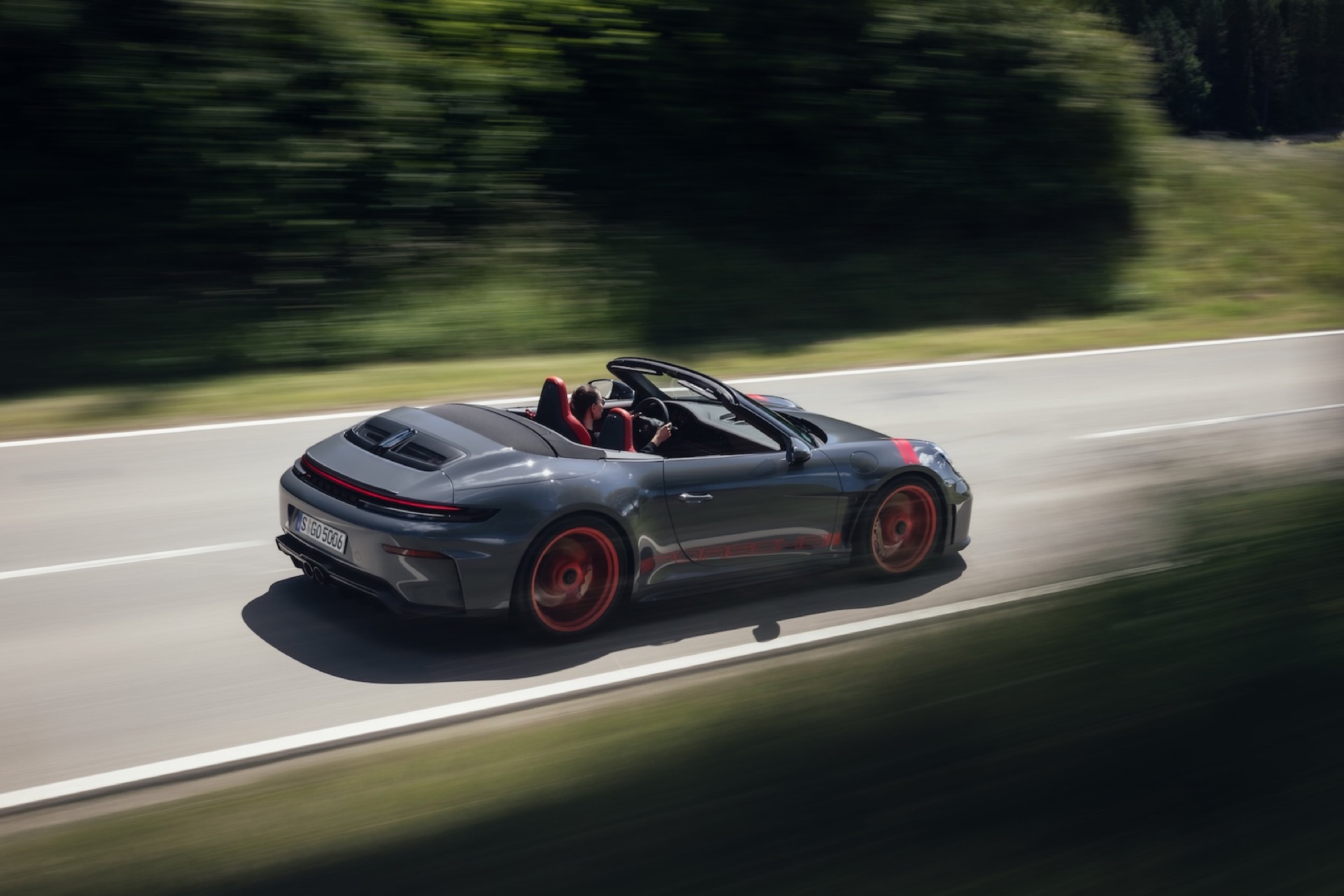
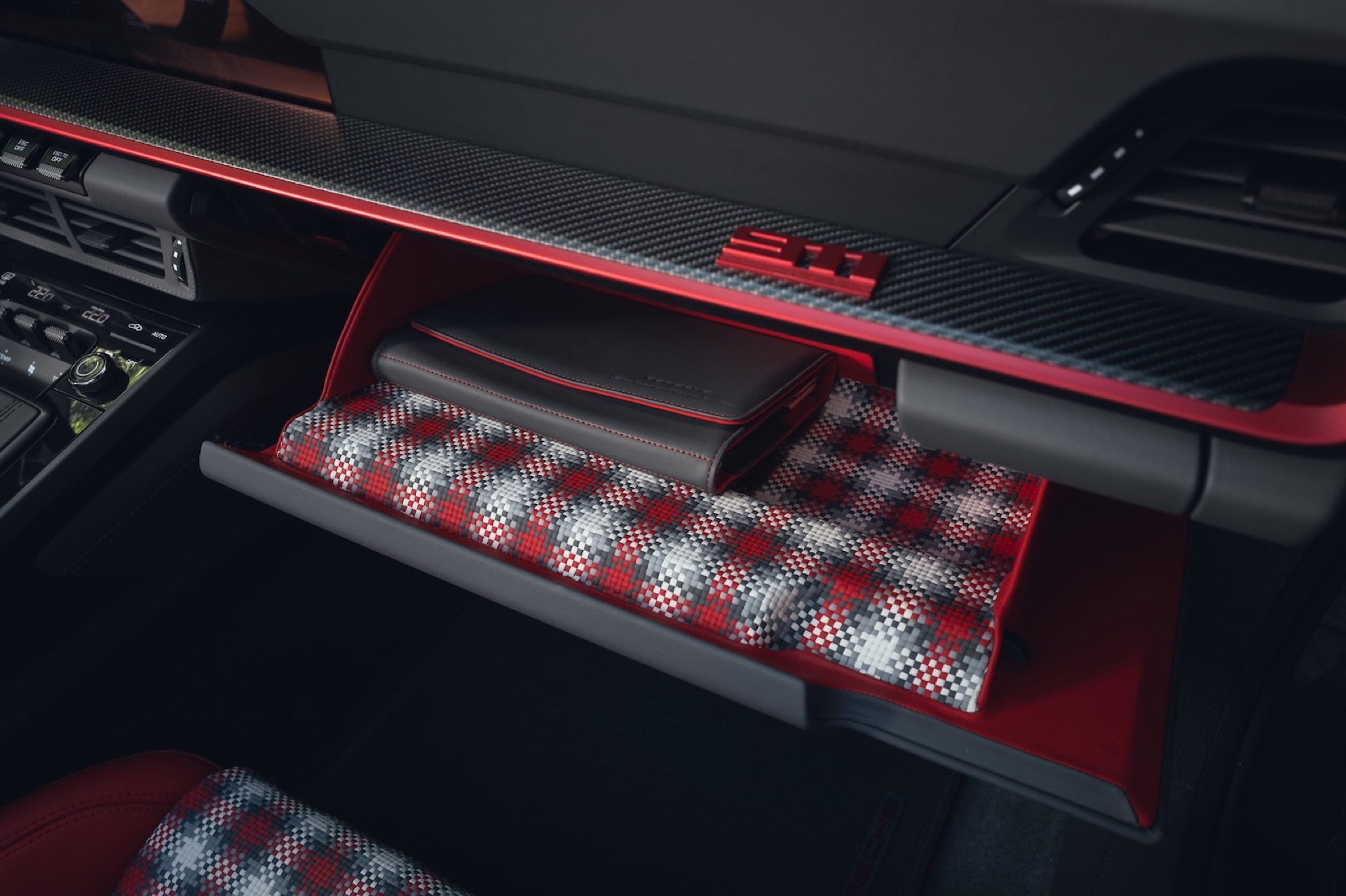
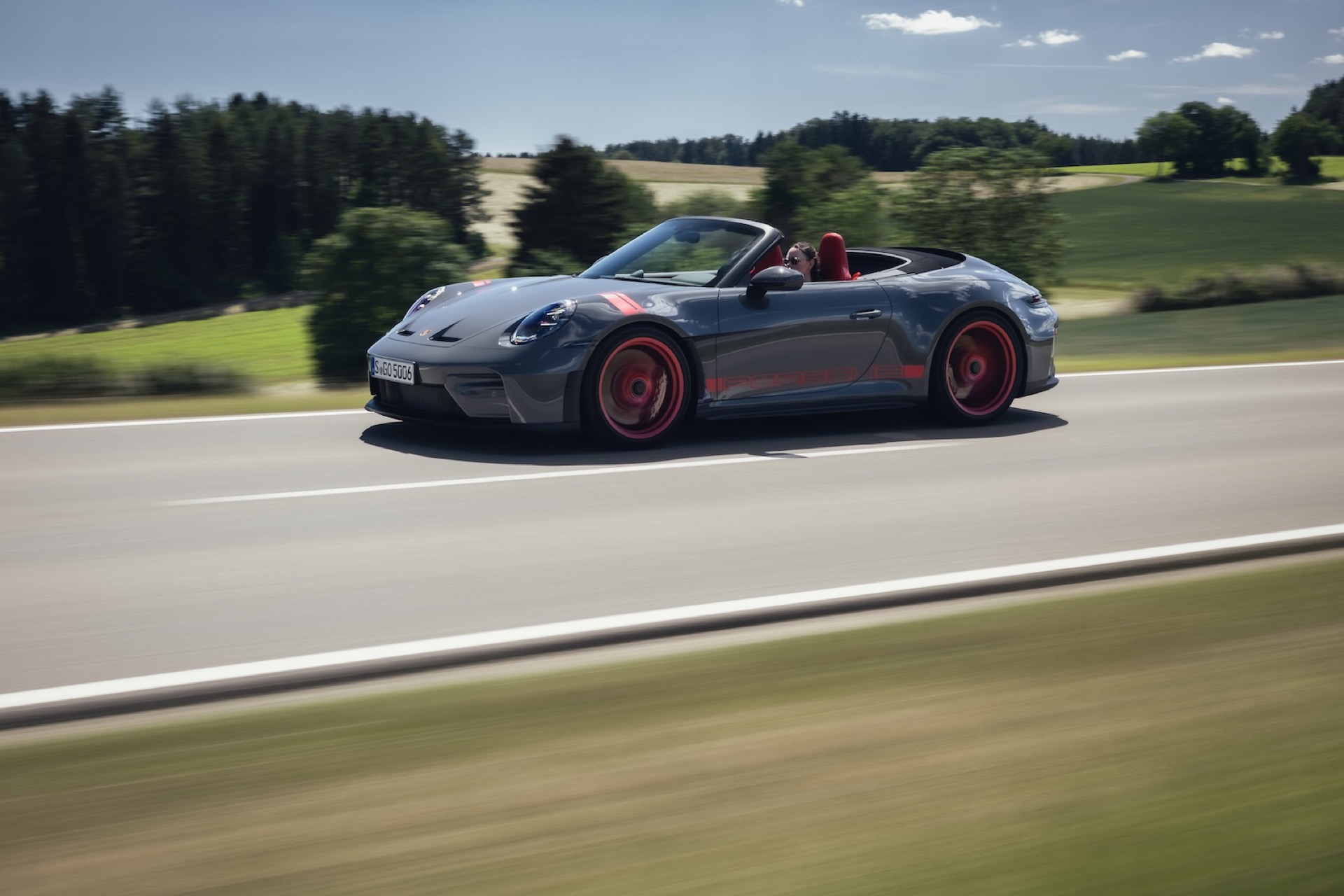
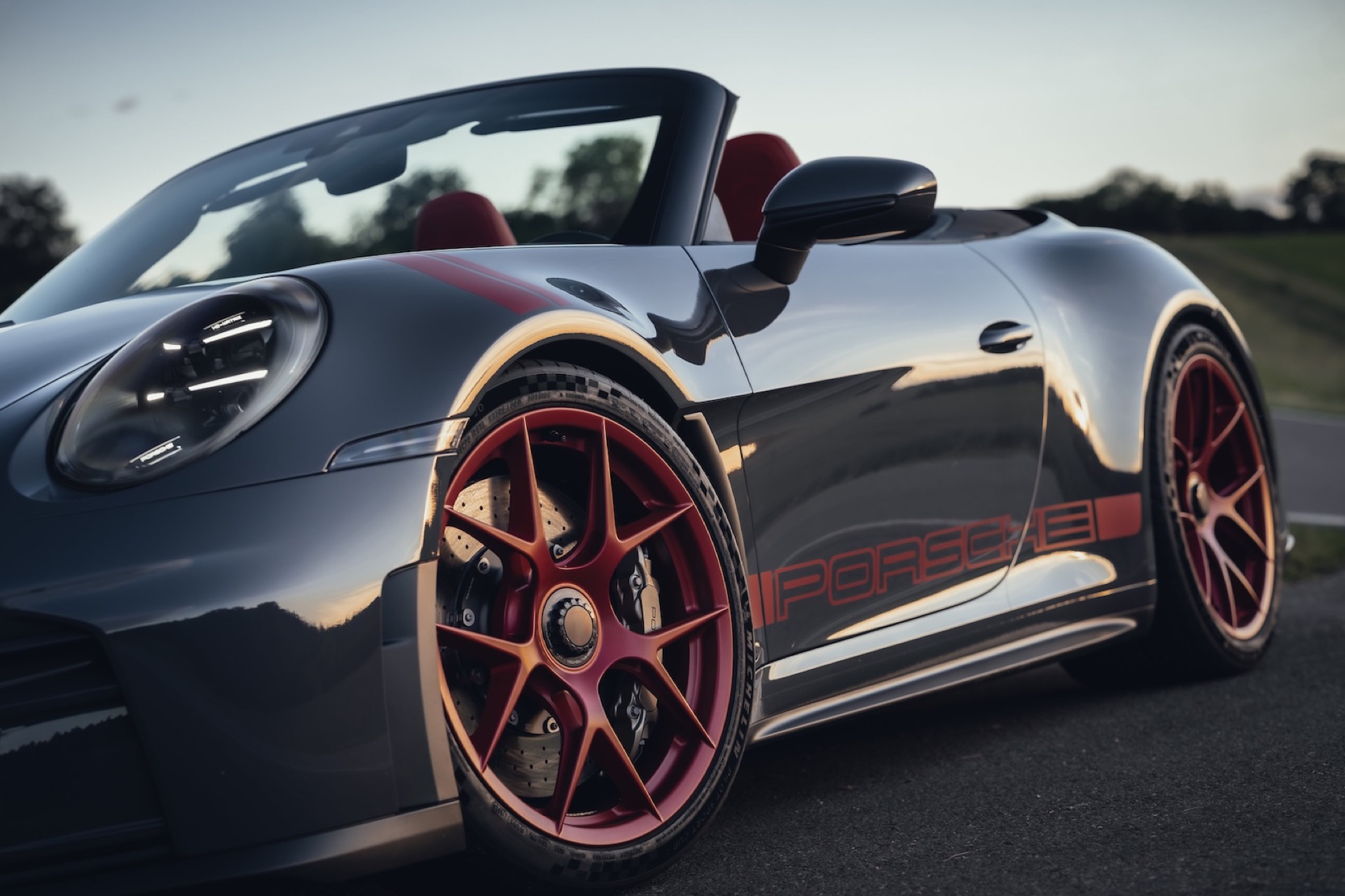
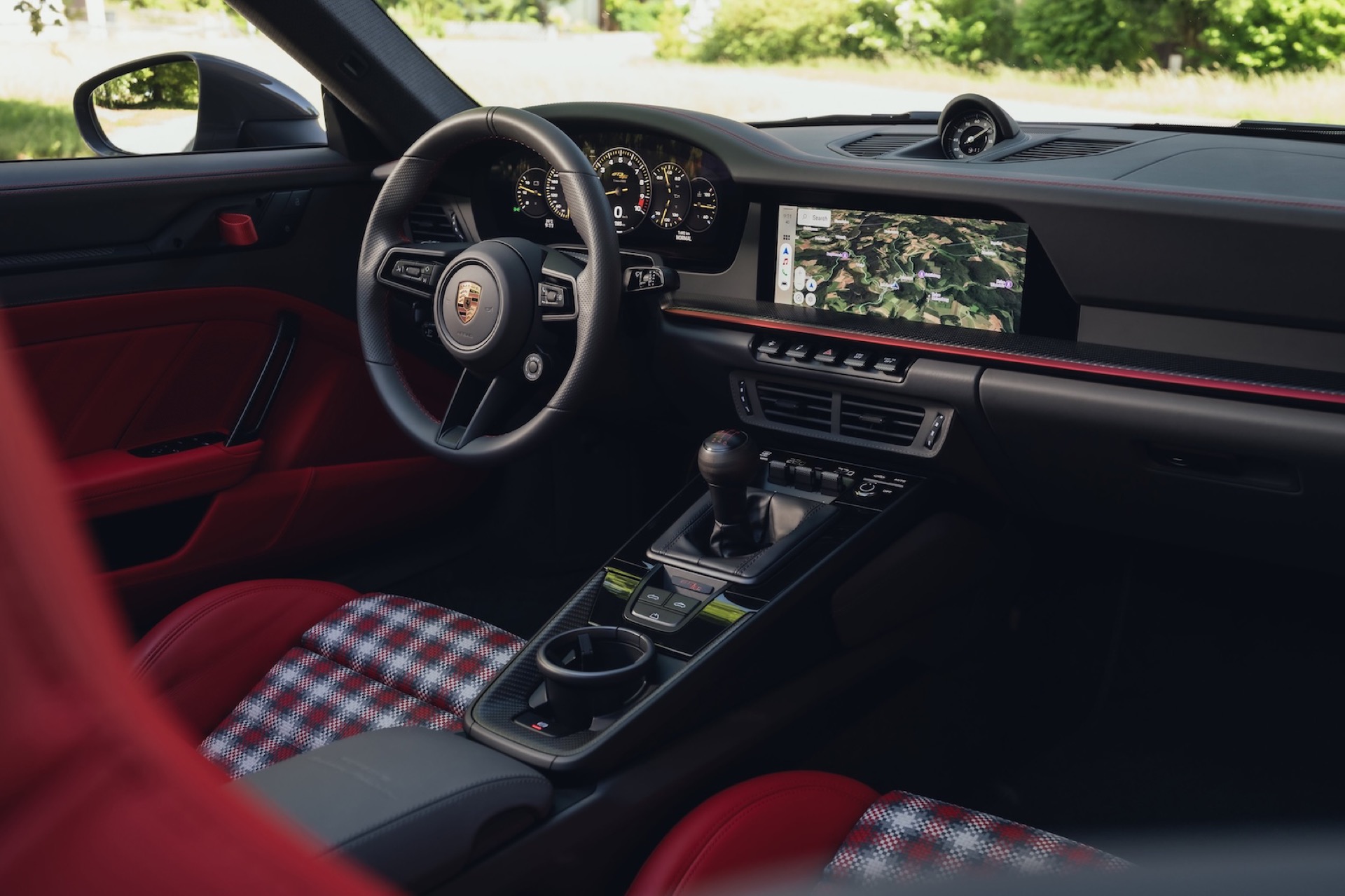
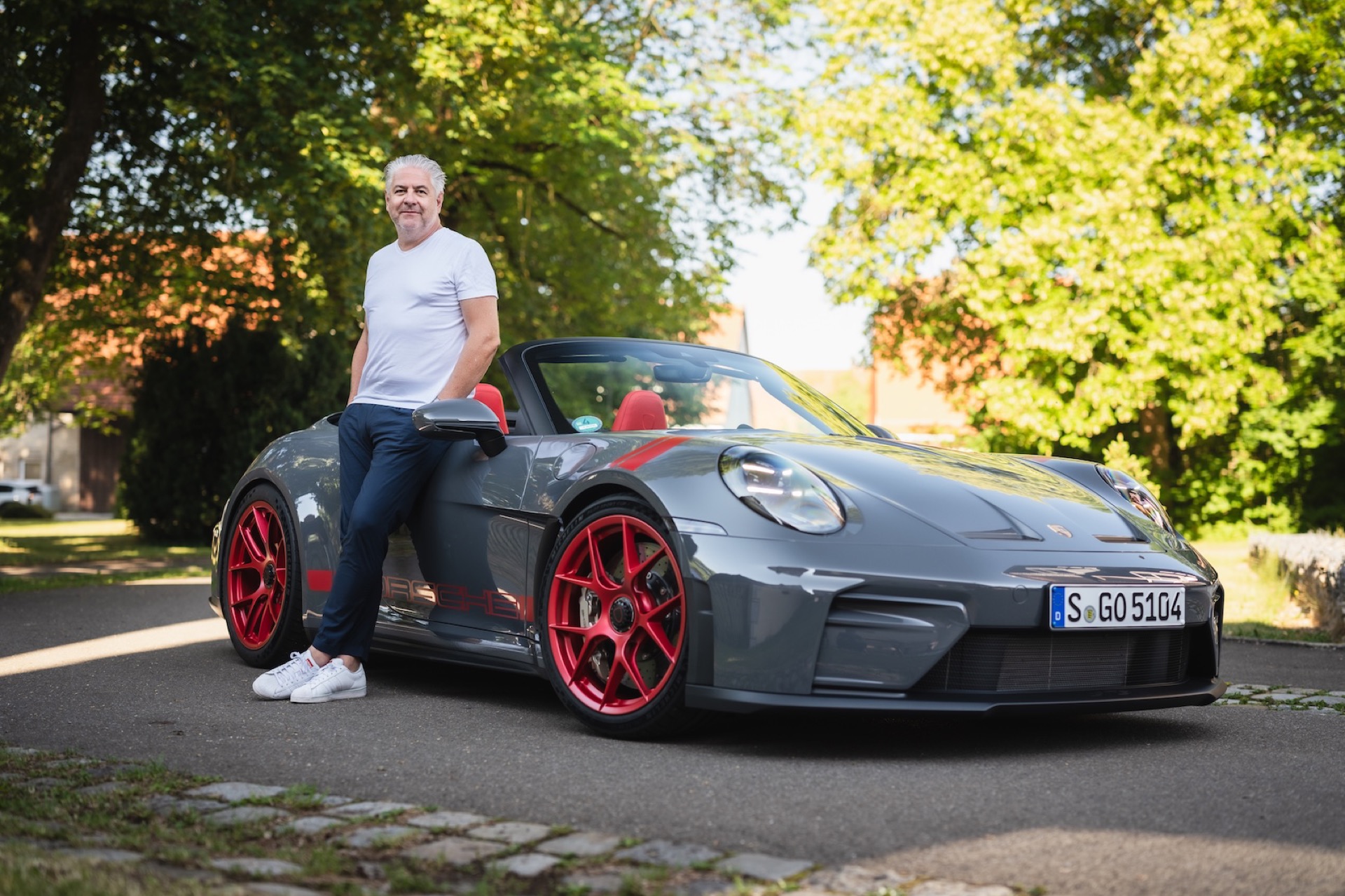
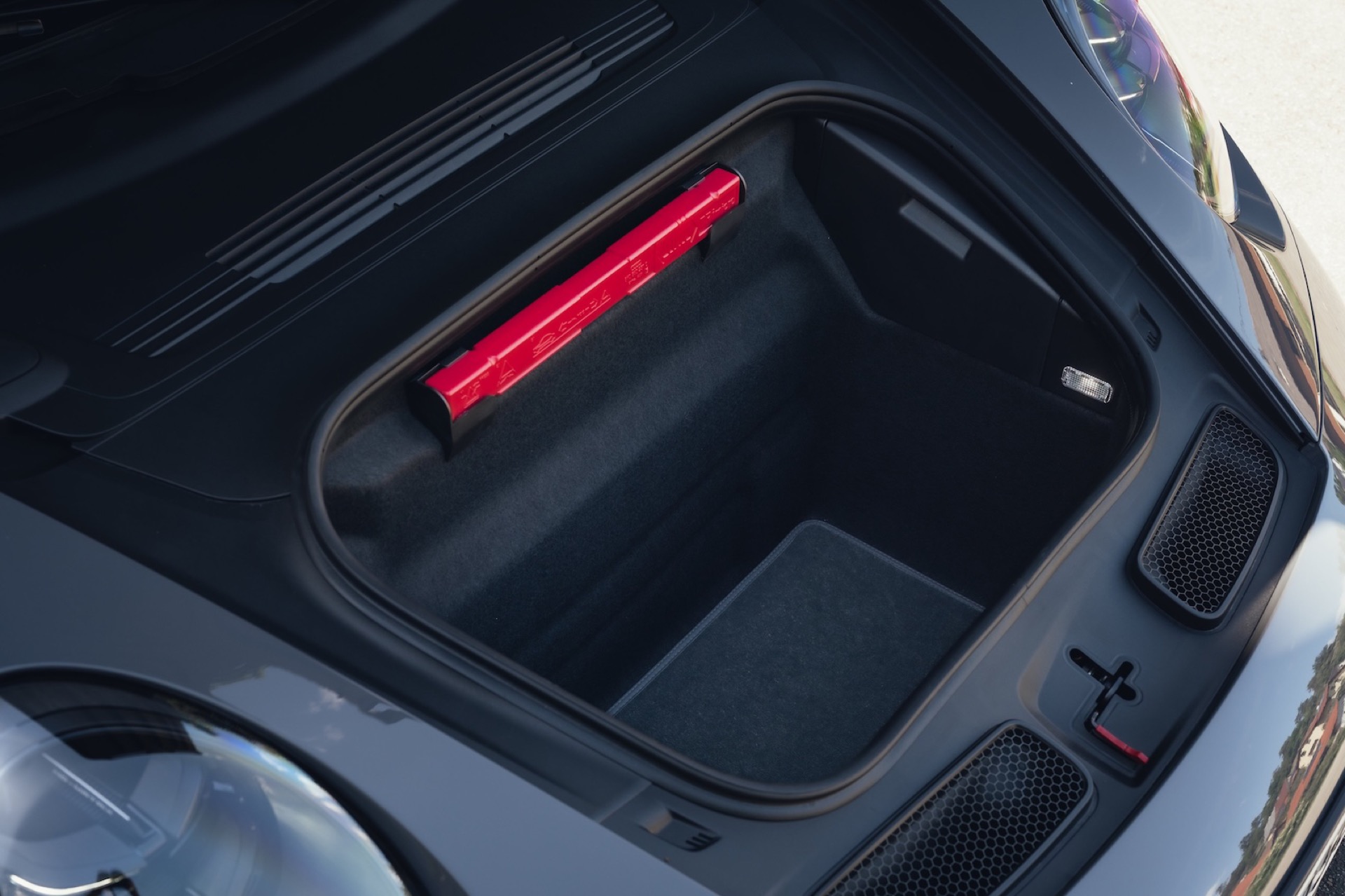
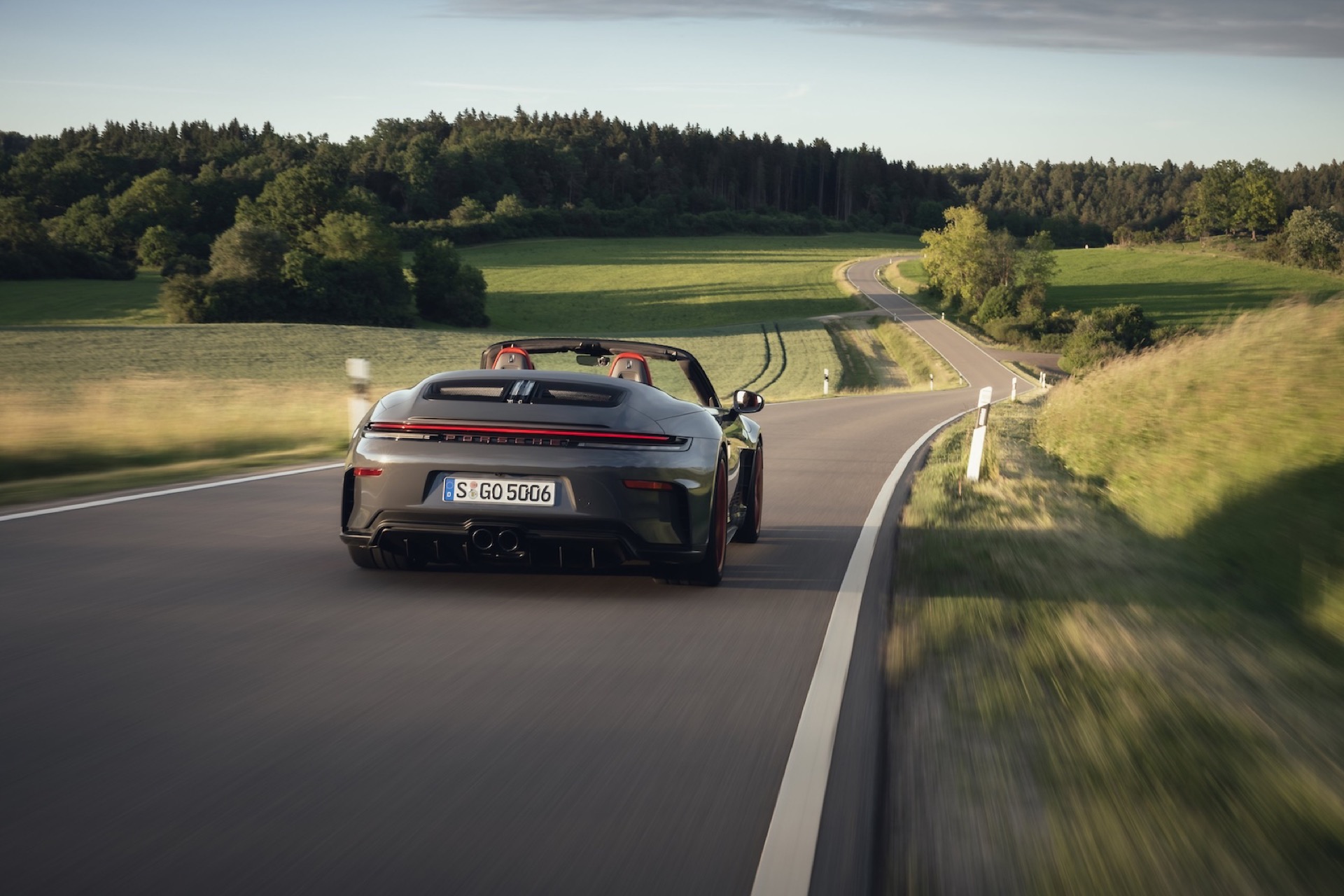
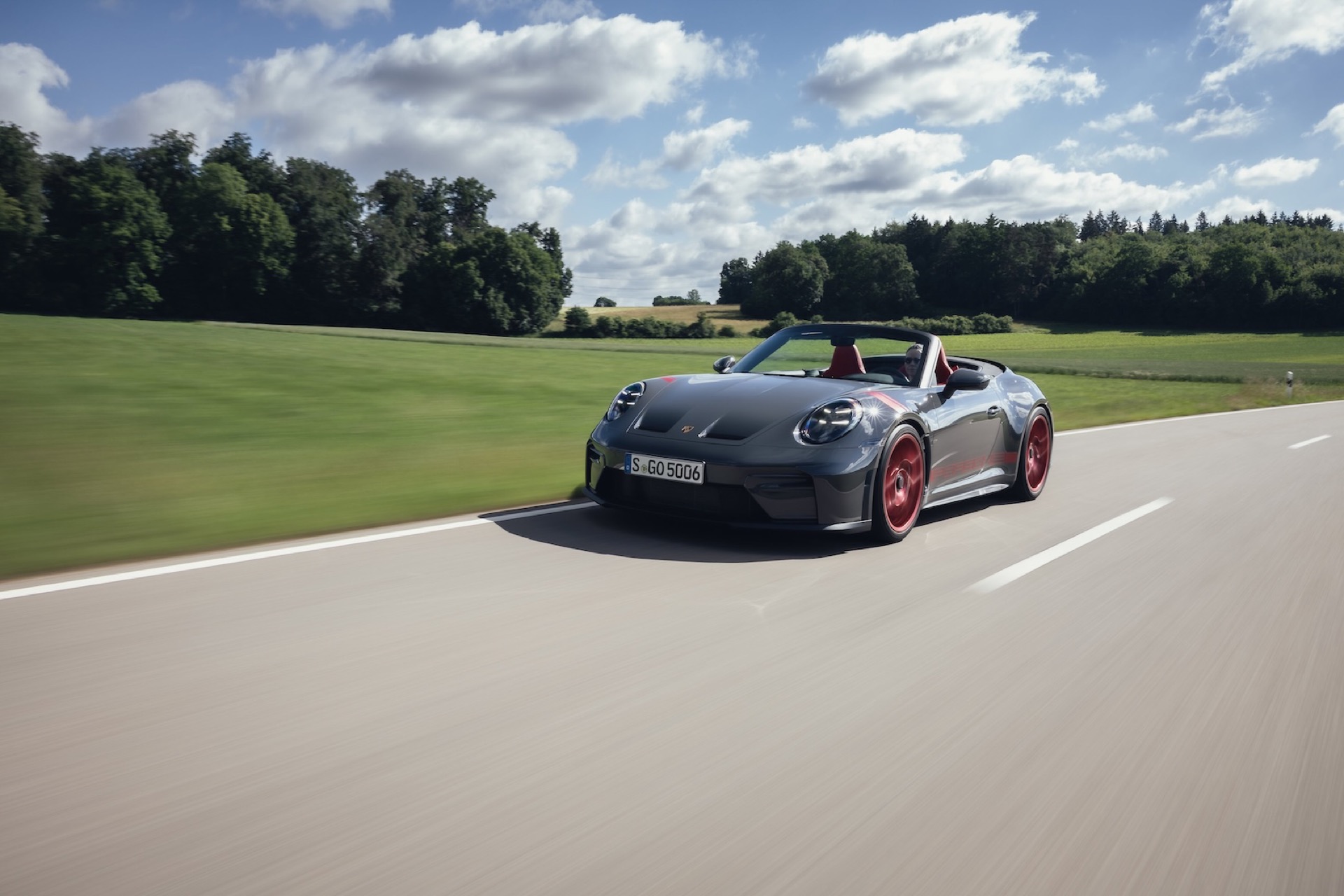
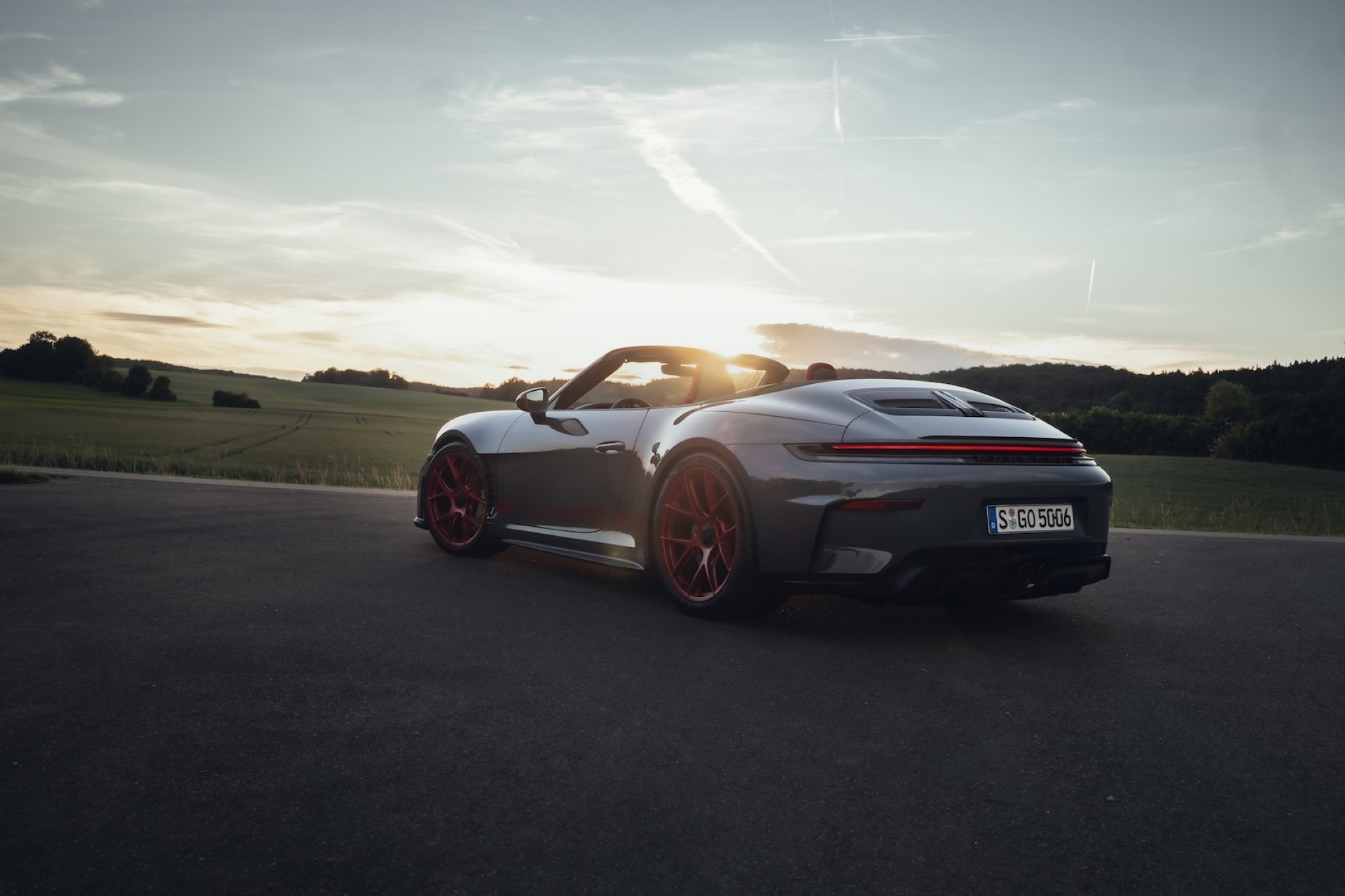
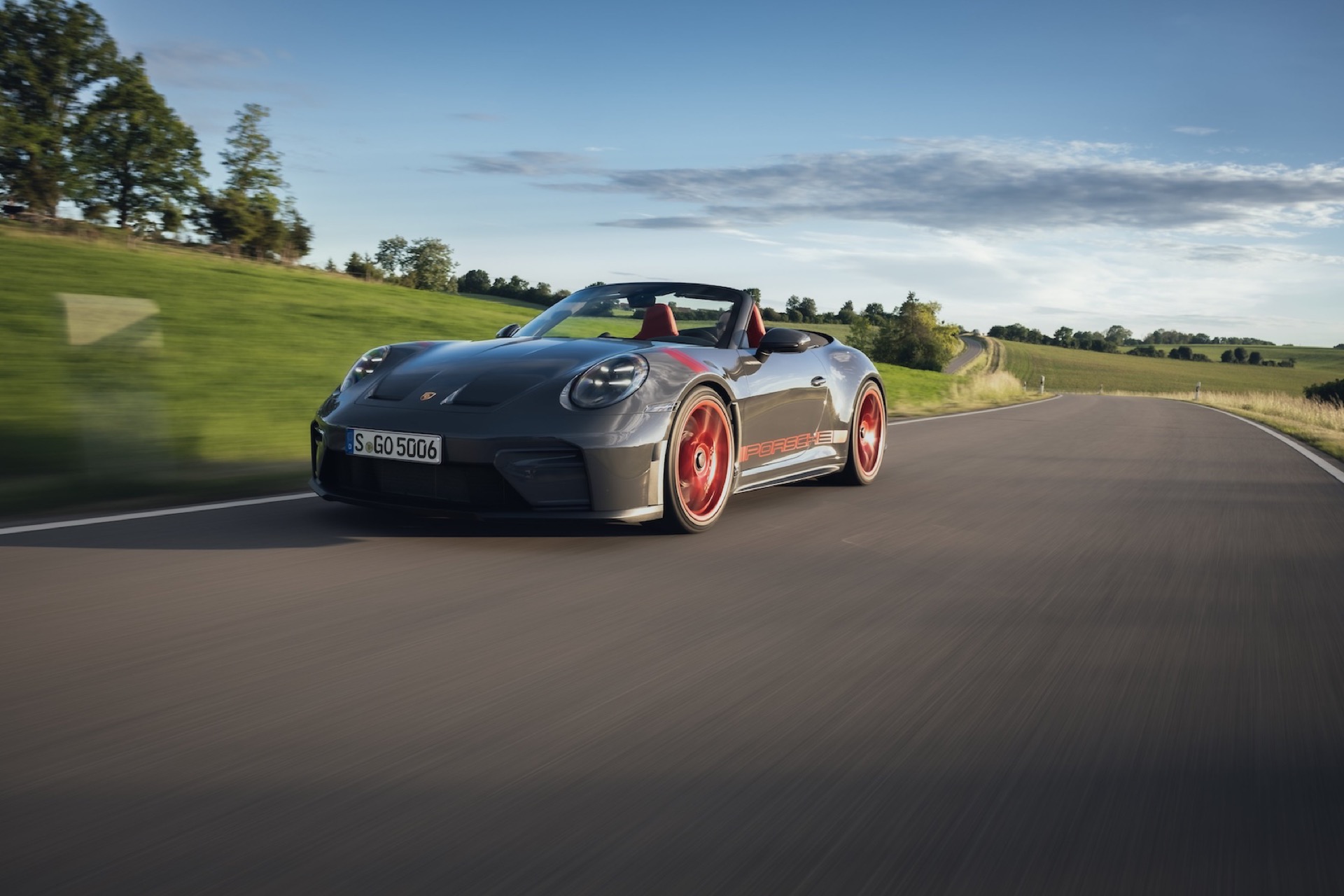
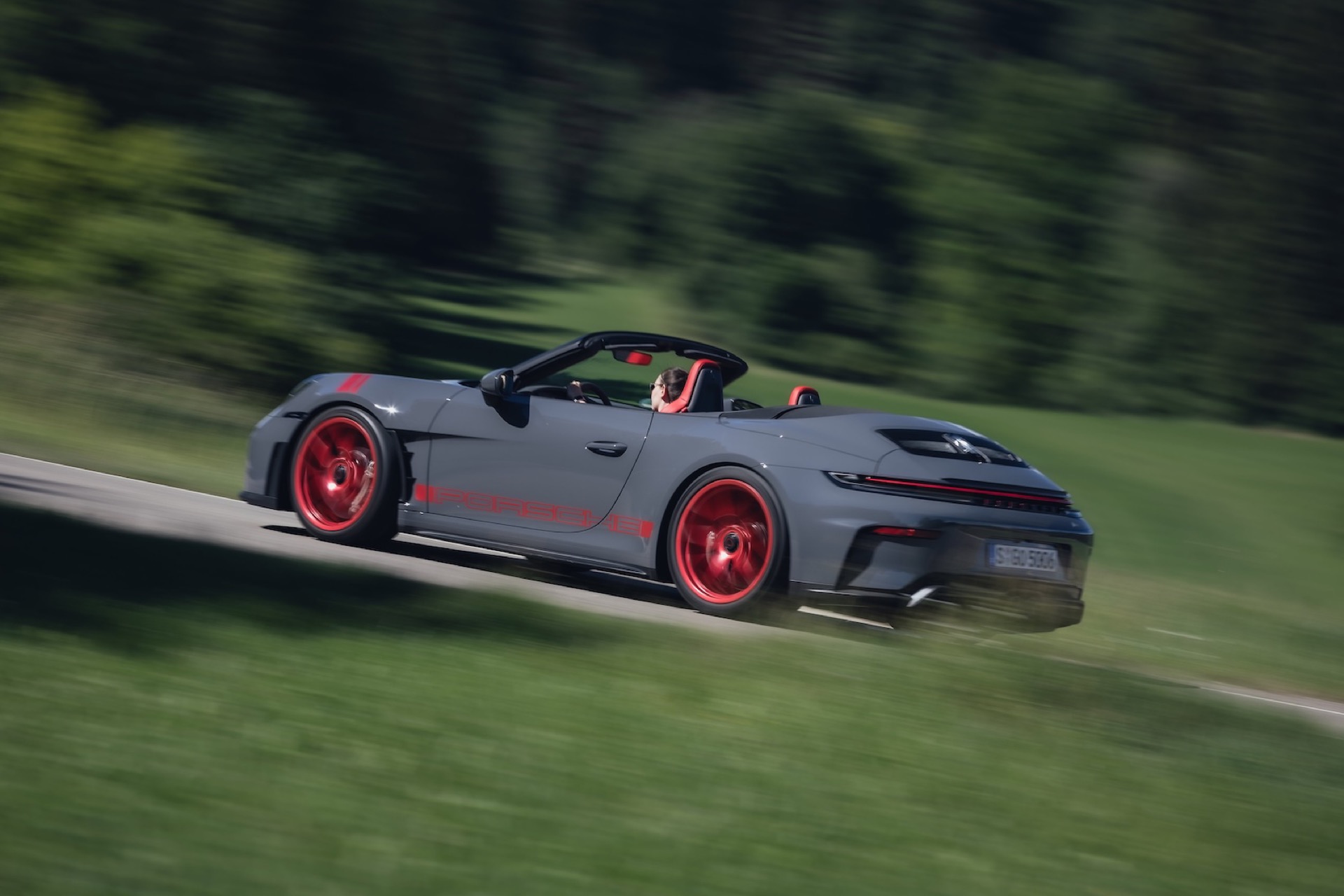
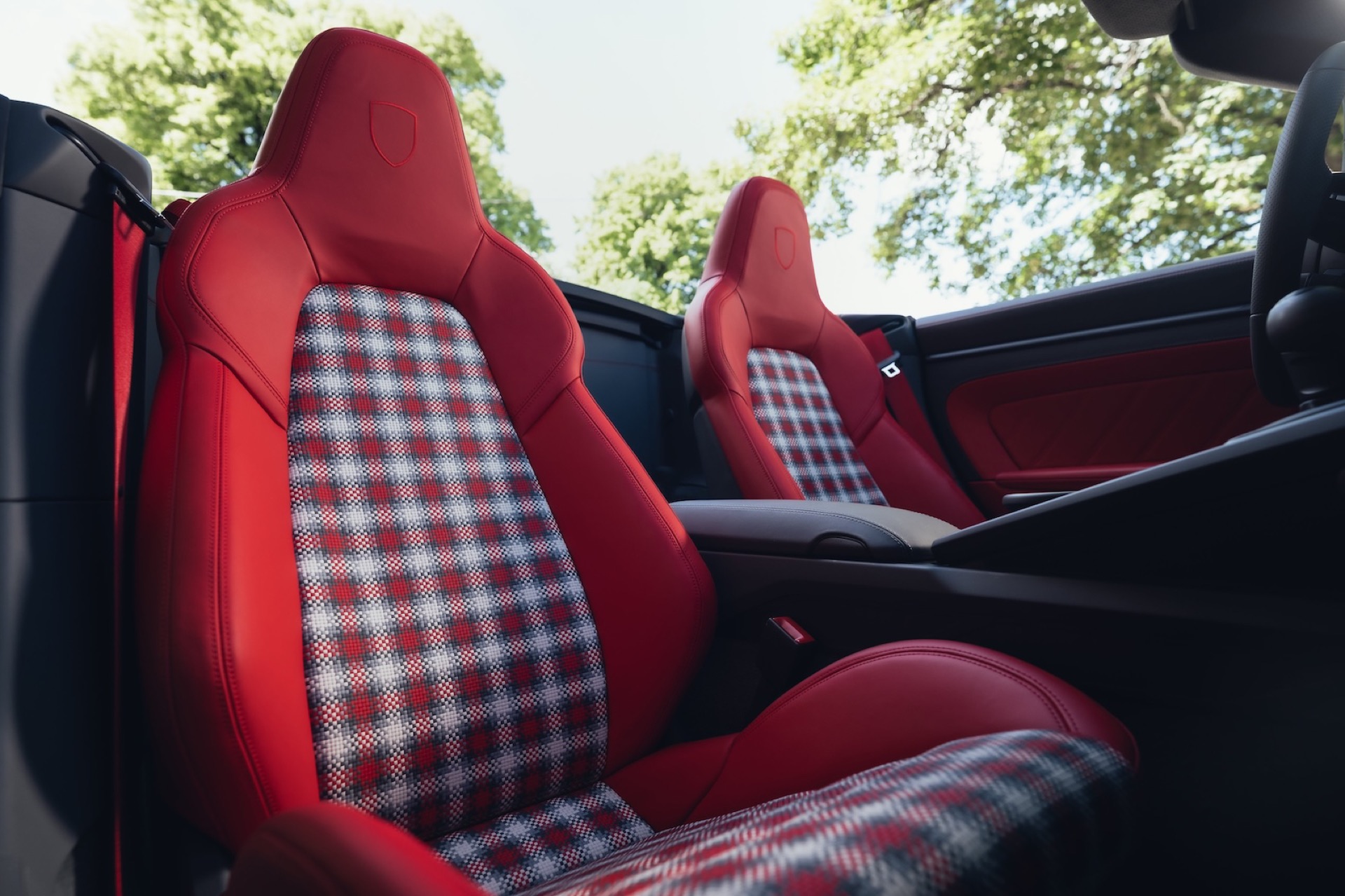
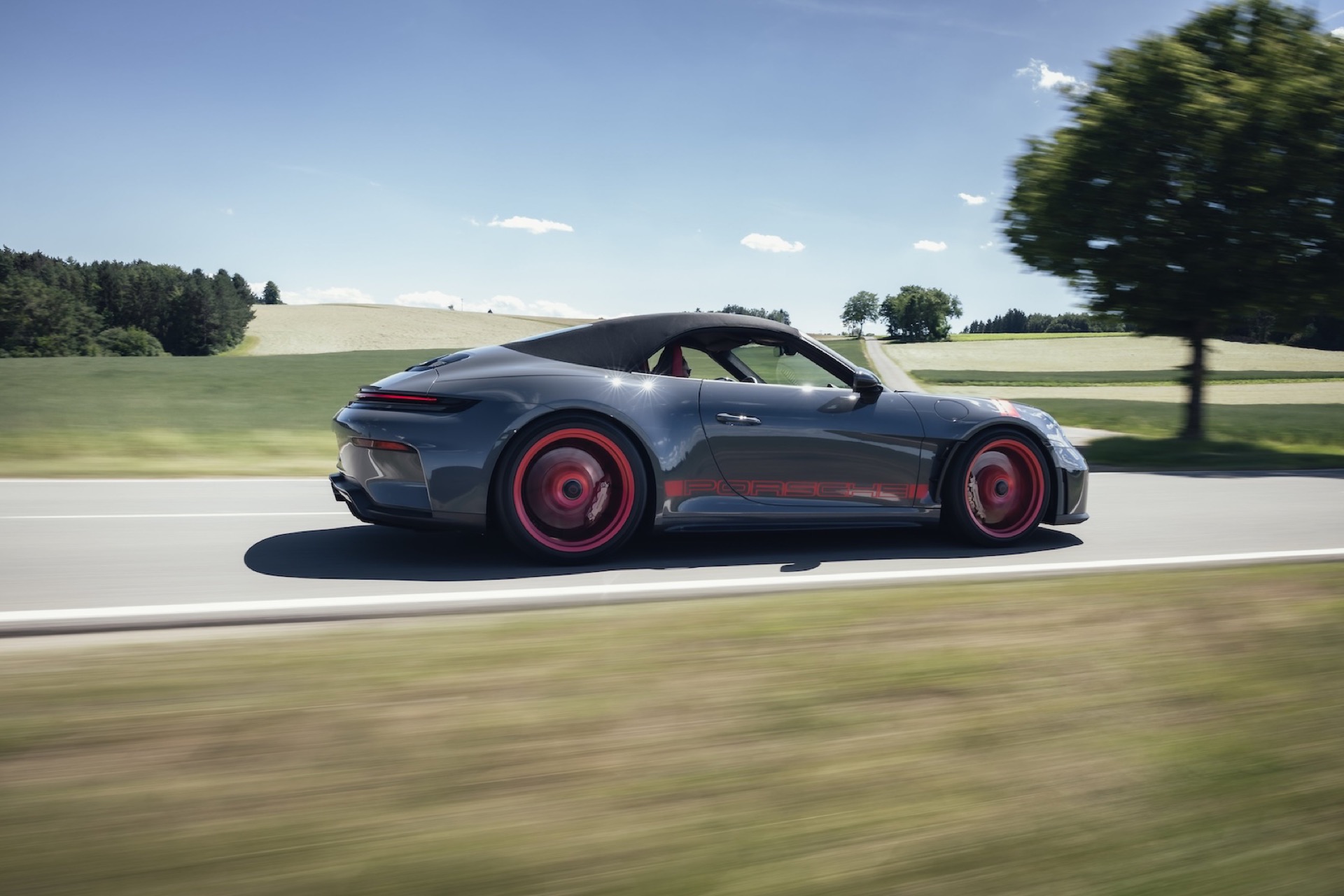
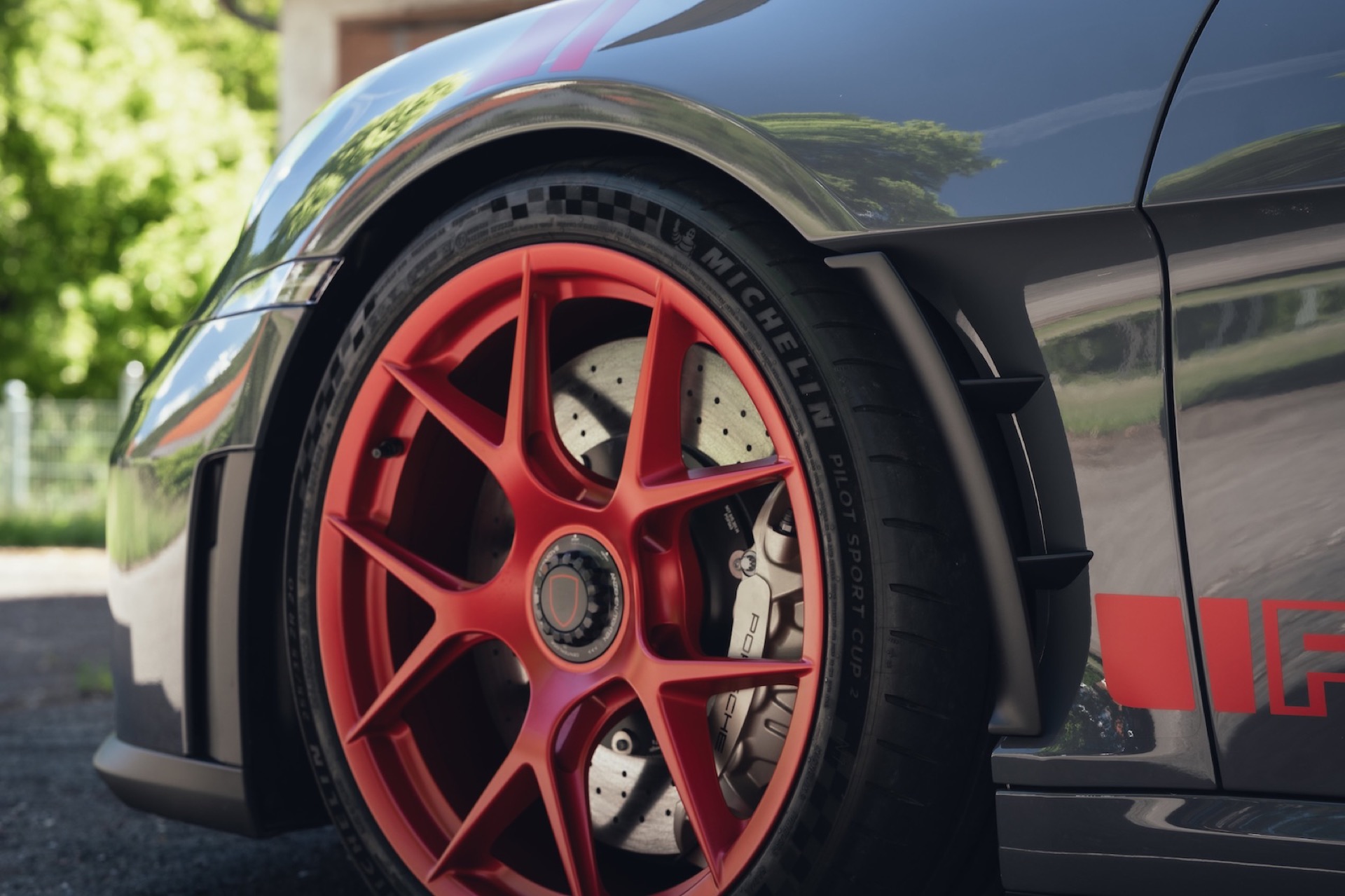
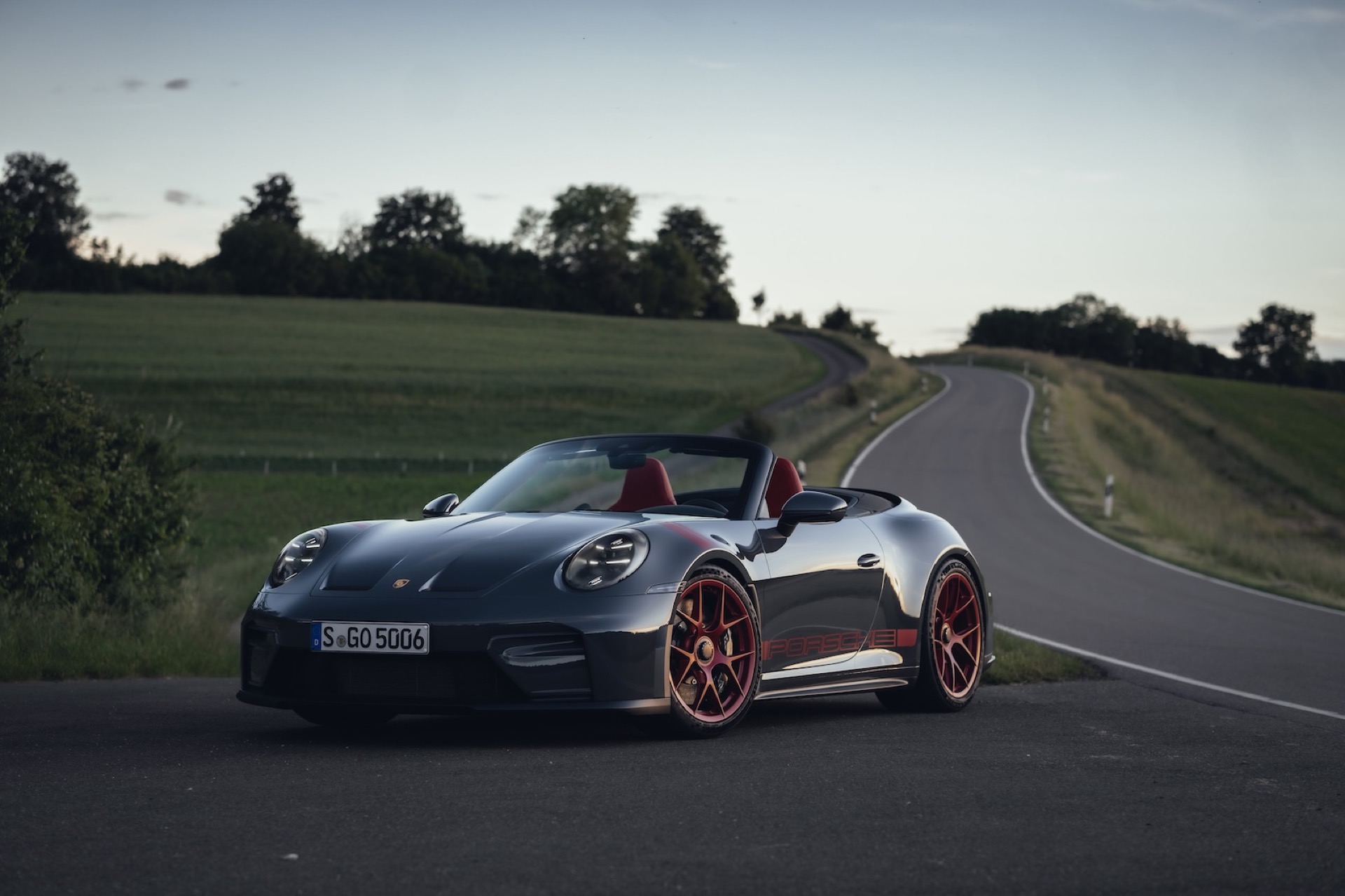
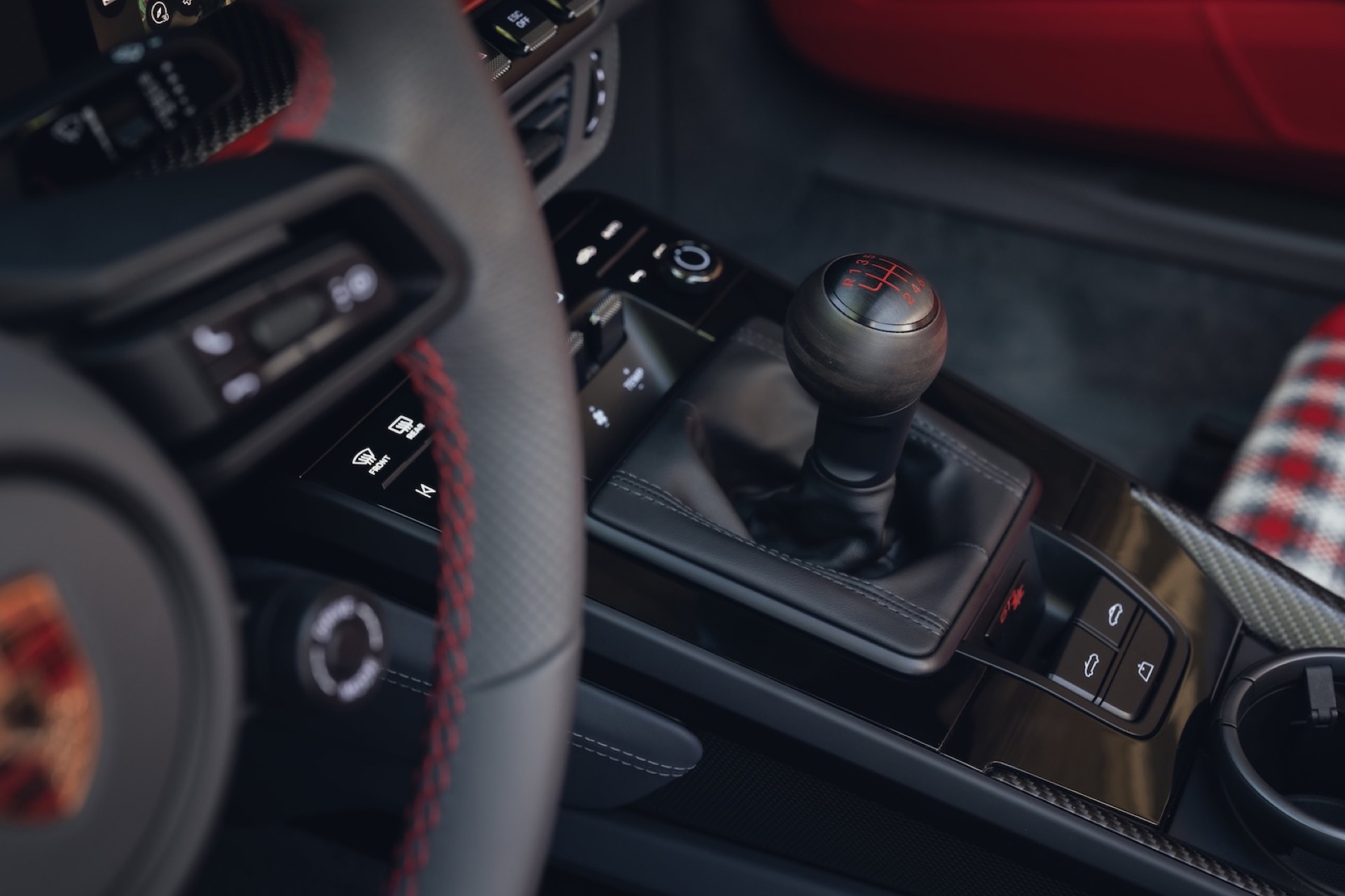
At €269,000 before options, it immediately raises eyebrows. The fixed-roof GT3 costs around €60,000 less, and while the S/C gains a fully electric fabric roof instead of the Speedster’s manually operated arrangement, it doesn’t even include heated seats as standard. Spend a little time with Porsche’s options list and exceeding €300,000 becomes remarkably easy. The optional Street Style Package alone, with its tartan sports seats and numerous bespoke details, adds almost €28,000.
Mechanically, however, nothing essential has changed.
Power still comes from Porsche’s glorious naturally aspirated 4.0-litre flat-six producing 510 PS, driving the rear wheels through a wonderfully mechanical six-speed manual gearbox. Officially, the engine begs to be taken to its 9,000 rpm red line. In reality, that isn’t where the magic necessarily lies.
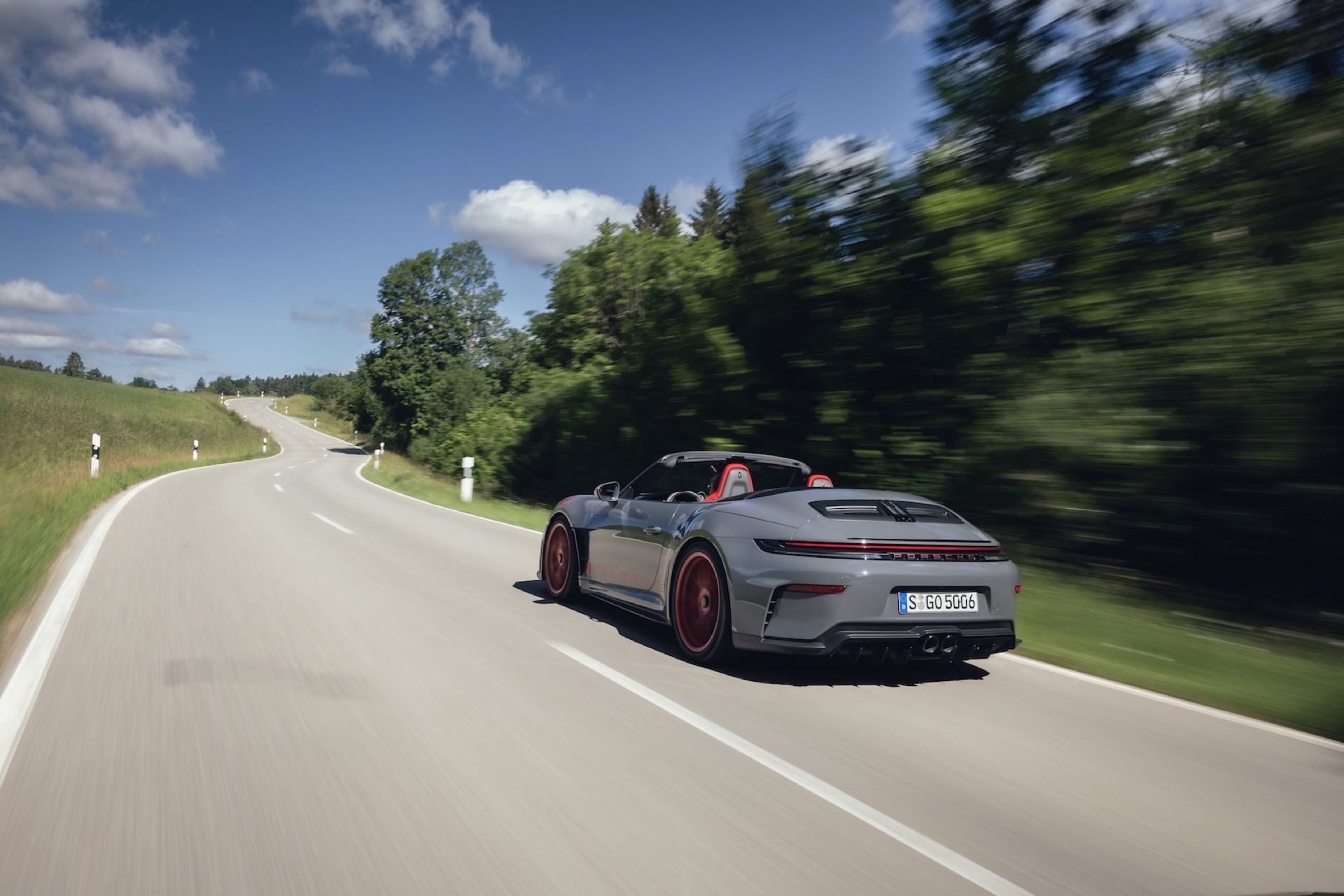
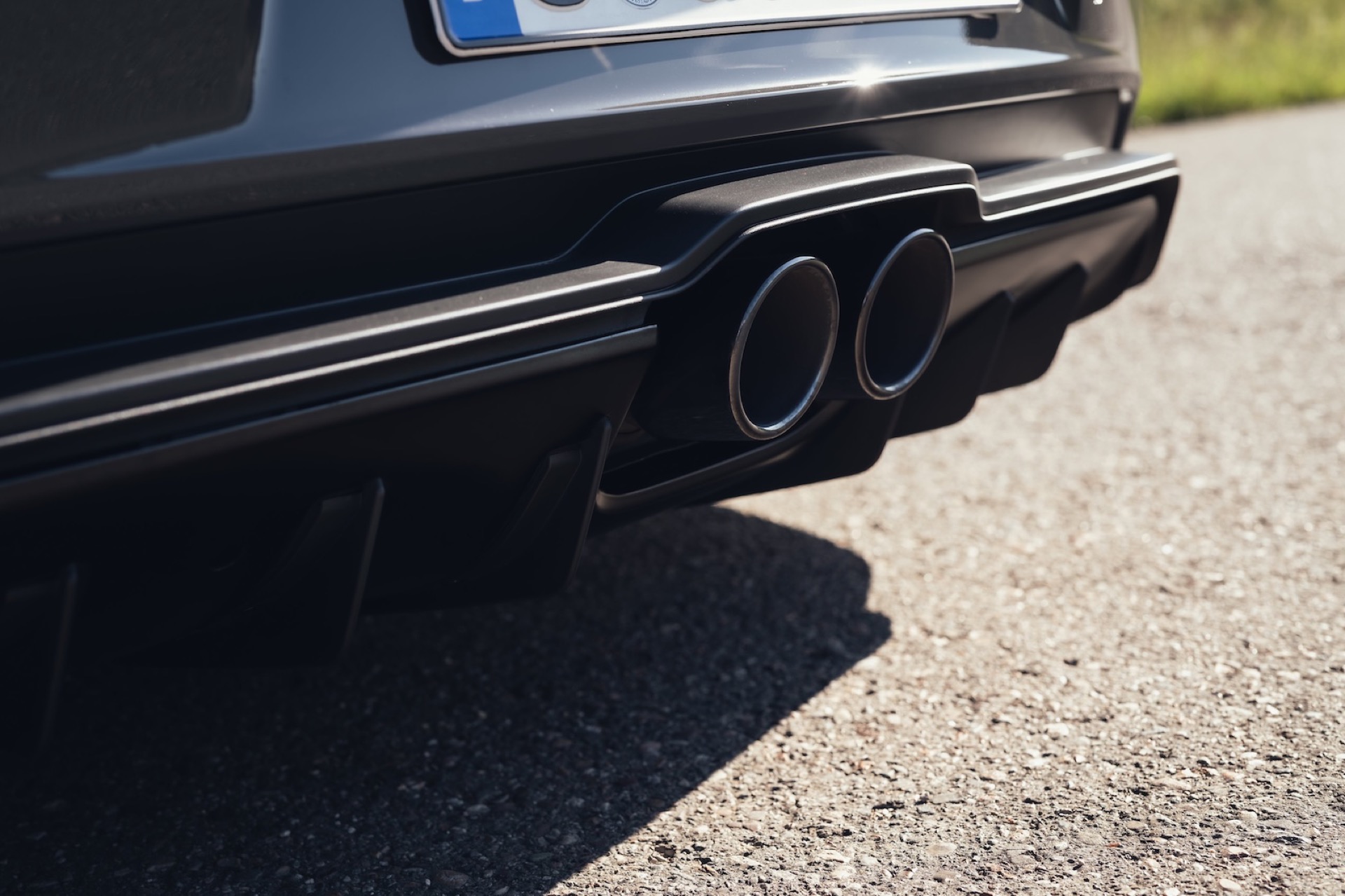
With the roof folded away, even moderate engine speeds become addictive. The soundtrack fills the cabin naturally, accompanied by the wonderfully mechanical induction and exhaust note that modern turbocharged performance cars simply cannot replicate. Whether carving through the Swabian Jura or heading into the Alpine foothills, the GT3 S/C delivers a driving experience that feels refreshingly analogue.
The steering remains astonishingly direct, the engine pulls increasingly hard as revs build and the manual gearbox encourages constant interaction. Every corner becomes an excuse to brake late, turn in cleanly and get back on the throttle as early as possible.
As Porsche 911 model line boss Frank Moser explains, keeping weight under control was a key objective.
Despite the fully electric roof mechanism, the GT3 S/C weighs just 1,497 kilograms. That restraint is immediately noticeable. The rear-mounted engine pushes eagerly out of corners, while the relatively modest 450 Nm of torque never feels lacking thanks to the engine’s razor-sharp throttle response and relentless willingness to rev.
In today’s world of turbocharged engines and electric performance cars delivering enormous torque figures, those numbers almost appear conservative. Behind the wheel, they are anything but.
Part of the justification for the eye-watering price lies beneath the skin. The S/C borrows extensively from the exceptional Porsche 911 S/T, including its carbon-fibre reinforced plastic bonnet, front wings and doors. Lightweight forged magnesium wheels measure 20 inches at the front and 21 inches at the rear, while Porsche Carbon Ceramic Brakes (PCCB) are fitted as standard, saving around 20 kilograms compared with the conventional steel setup and providing immense stopping power under sustained hard driving.
The GT3 S/C is not the perfect 911 for every journey. There are more comfortable Cabriolets for motorway cruising and faster models for effortless cross-country pace. Yet place it on a twisting B-road, lower the roof and grab the beautifully weighted manual gear lever, and few cars at any price deliver such an intoxicating combination of precision, theatre and involvement.
Ultimately, nobody buys this car because it reaches 100 km/h in under four seconds or because it can exceed 313 km/h. Nor does anyone particularly care that Porsche has replaced the conventional starter button with a rotary switch.
What matters is how it makes you feel.
The roof folds away in 12 seconds, the wind deflector deploys in barely three, and within minutes you’re reminded why naturally aspirated sports cars remain so captivating. Nobody needed an open GT3.
After driving one, however, it’s very difficult not to want one.