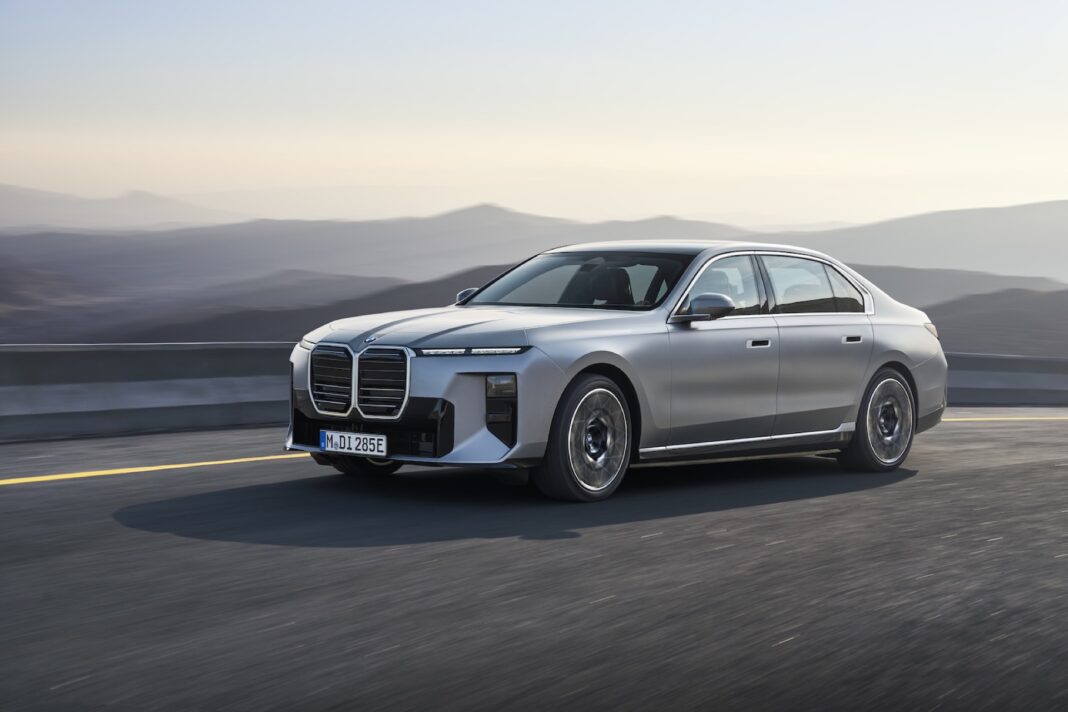
Following the lead set by Mercedes-Benz with the S-Class and Mercedes-Benz EQS, BMW has updated its own flagship pairing. The revised 7 Series and fully electric i7 arrive with a more assertive design and a sharpened focus on global luxury tastes.
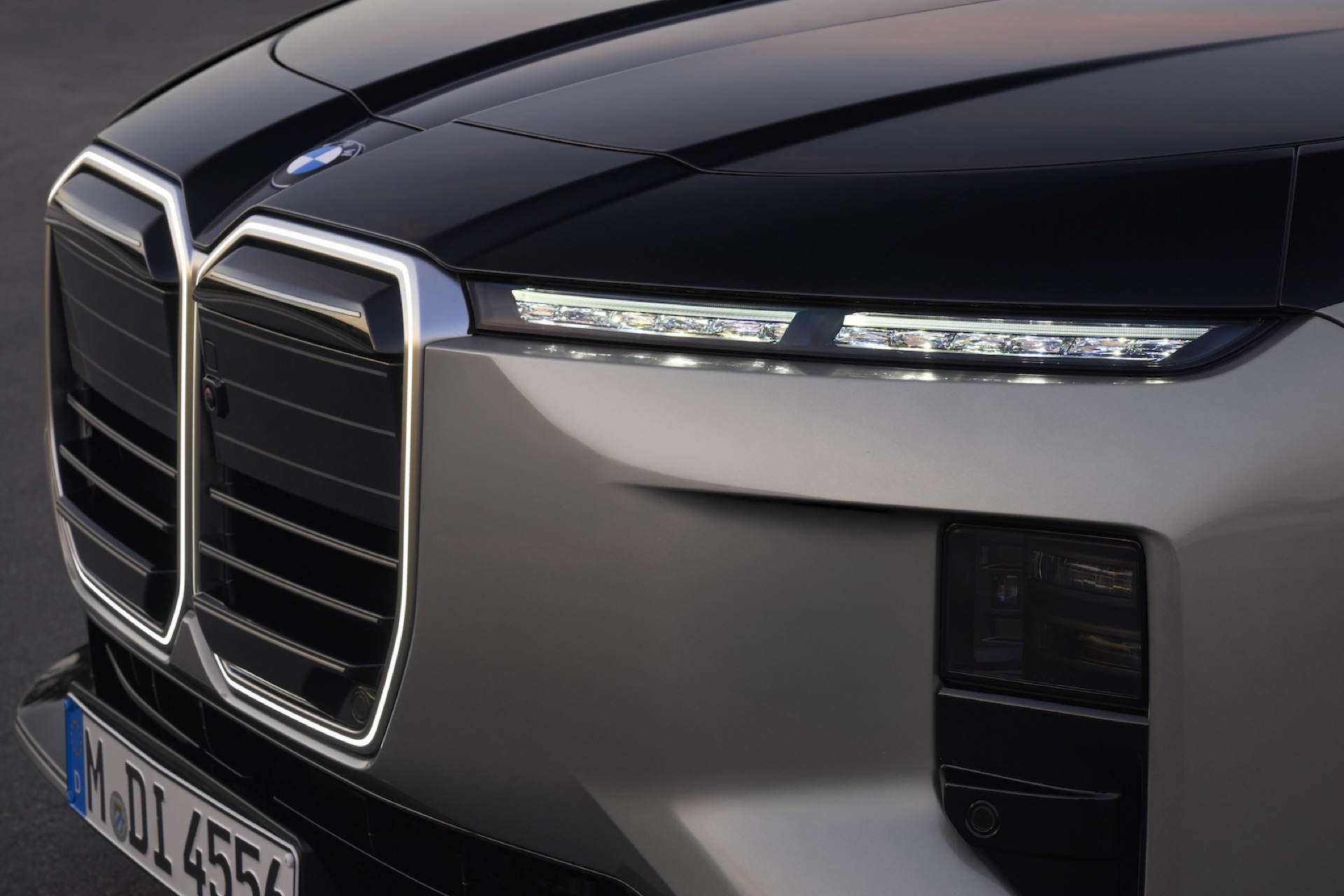
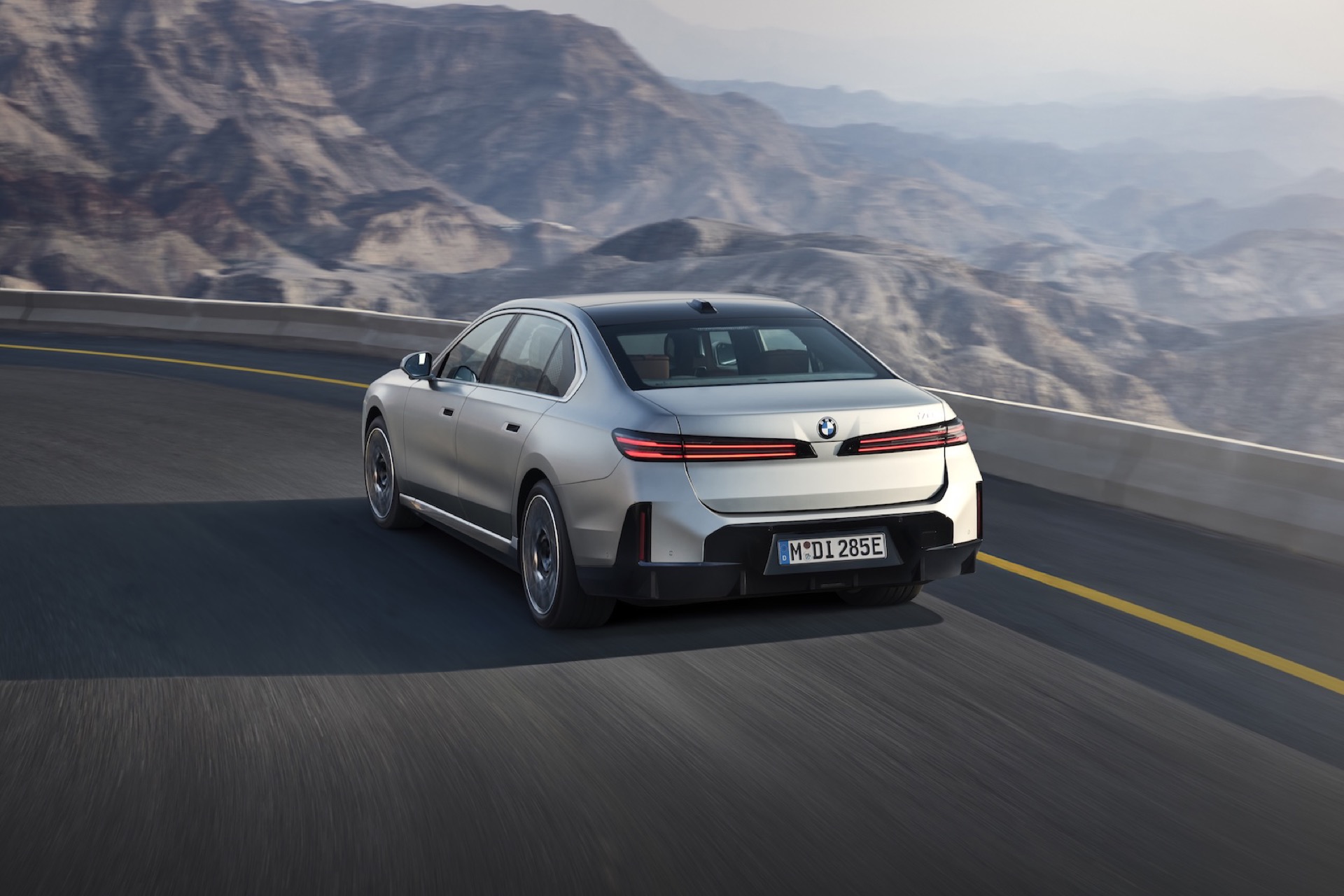
Subtlety is no longer the priority in this segment. Demand from the United States and Asia has reshaped expectations, and it shows. While the side profile and rear have only been lightly revised, the front end is unmistakably bolder. A larger grille and more distinctly separated lighting elements create a strong visual presence. It may divide opinion, but it leaves no doubt about status.
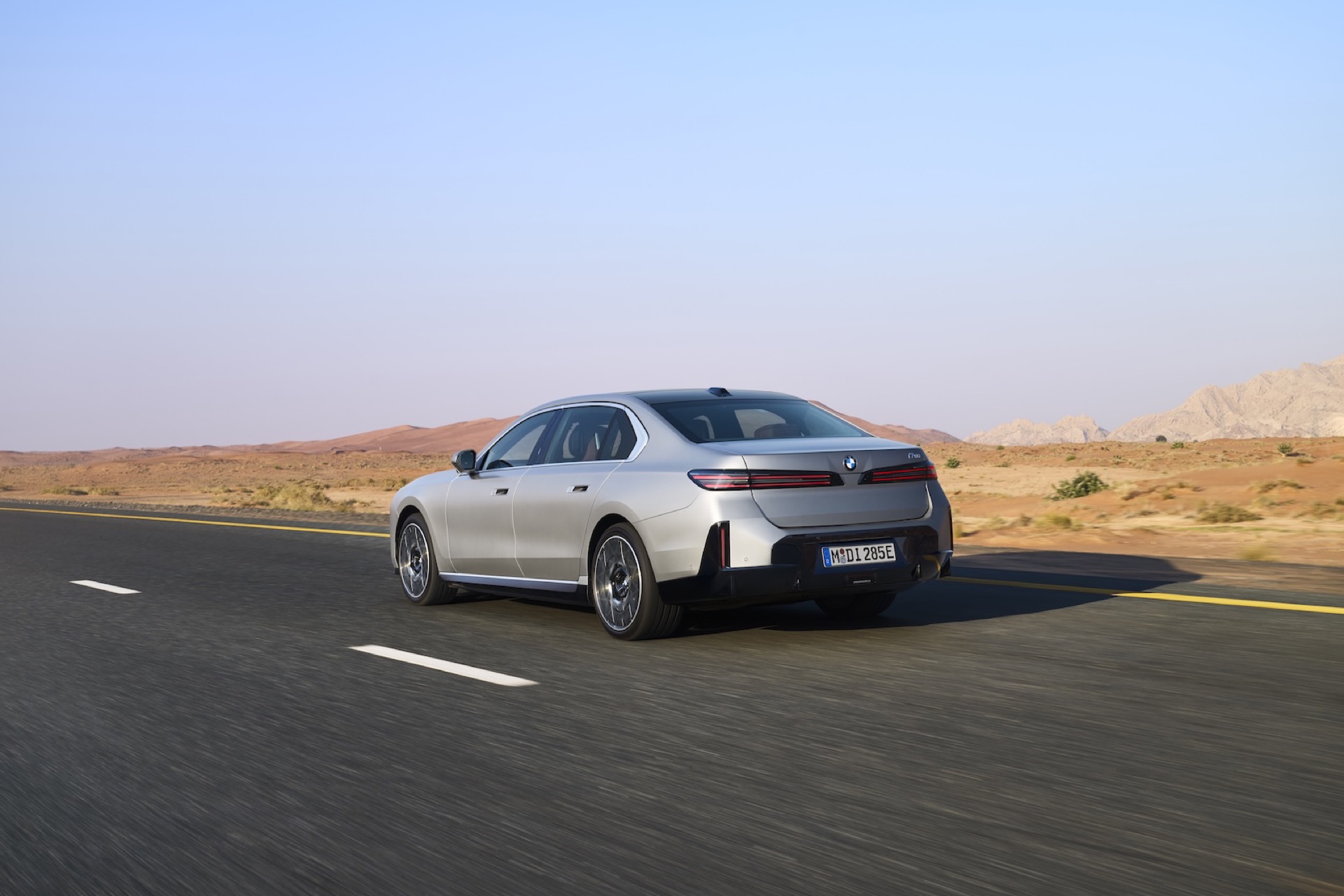
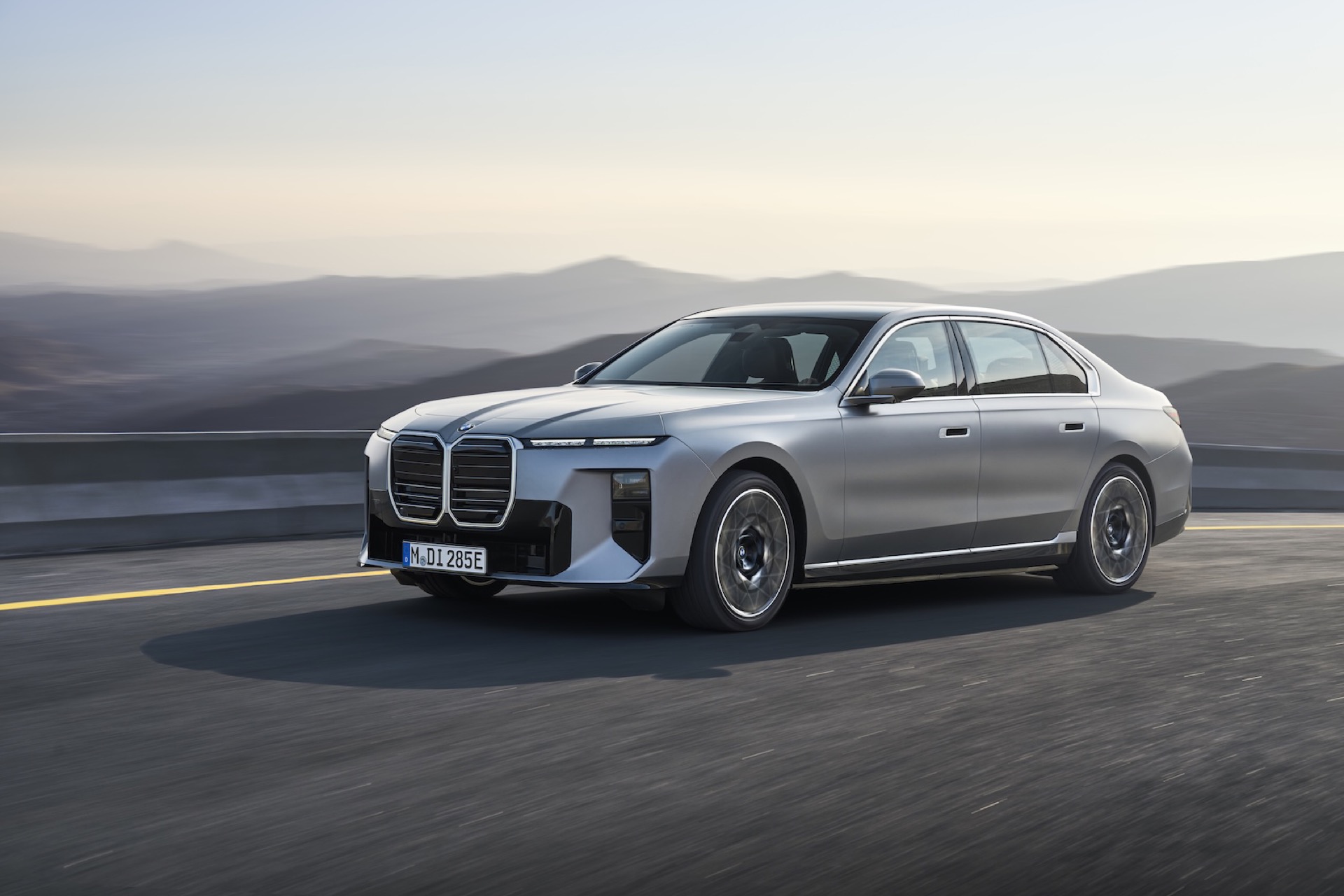
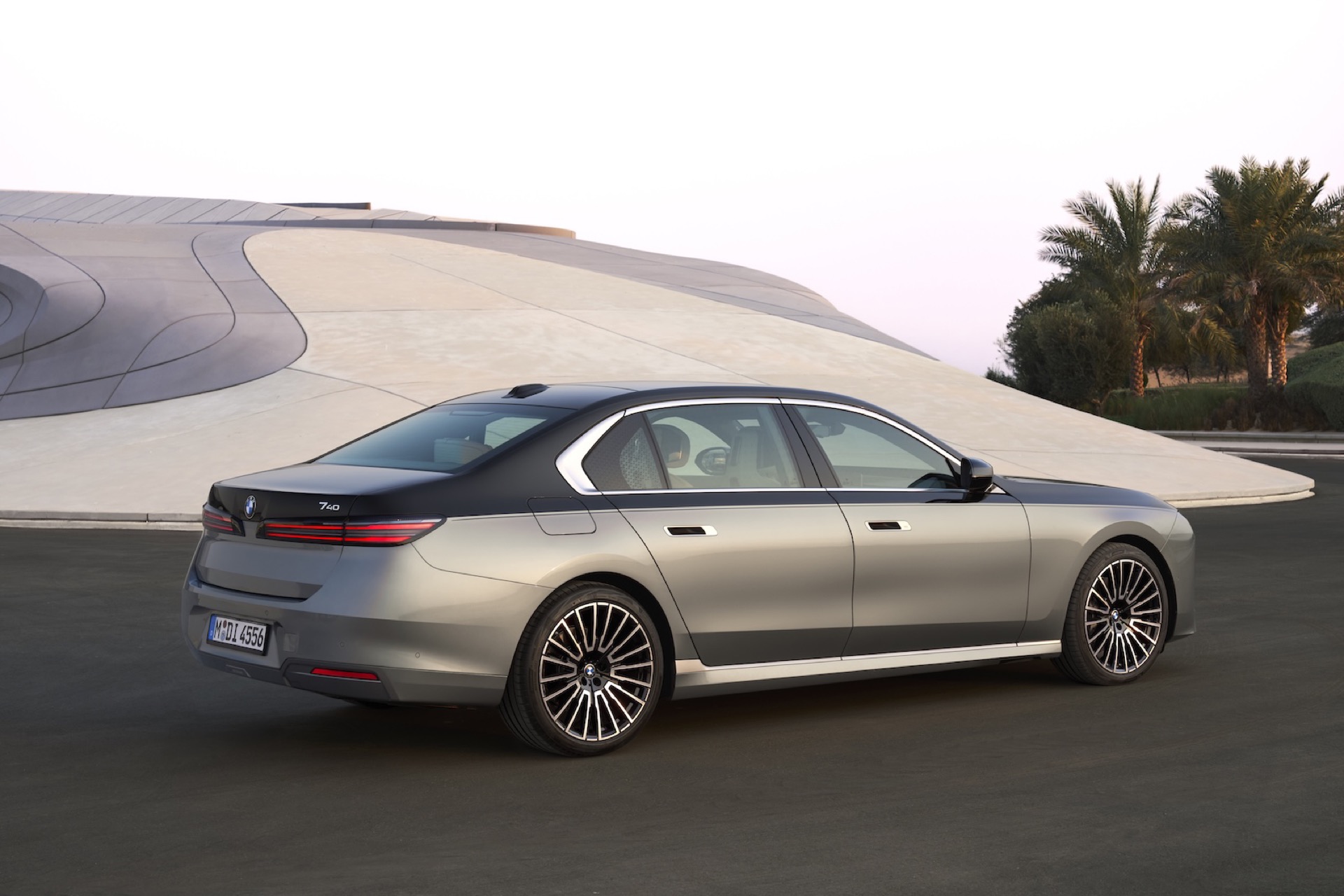
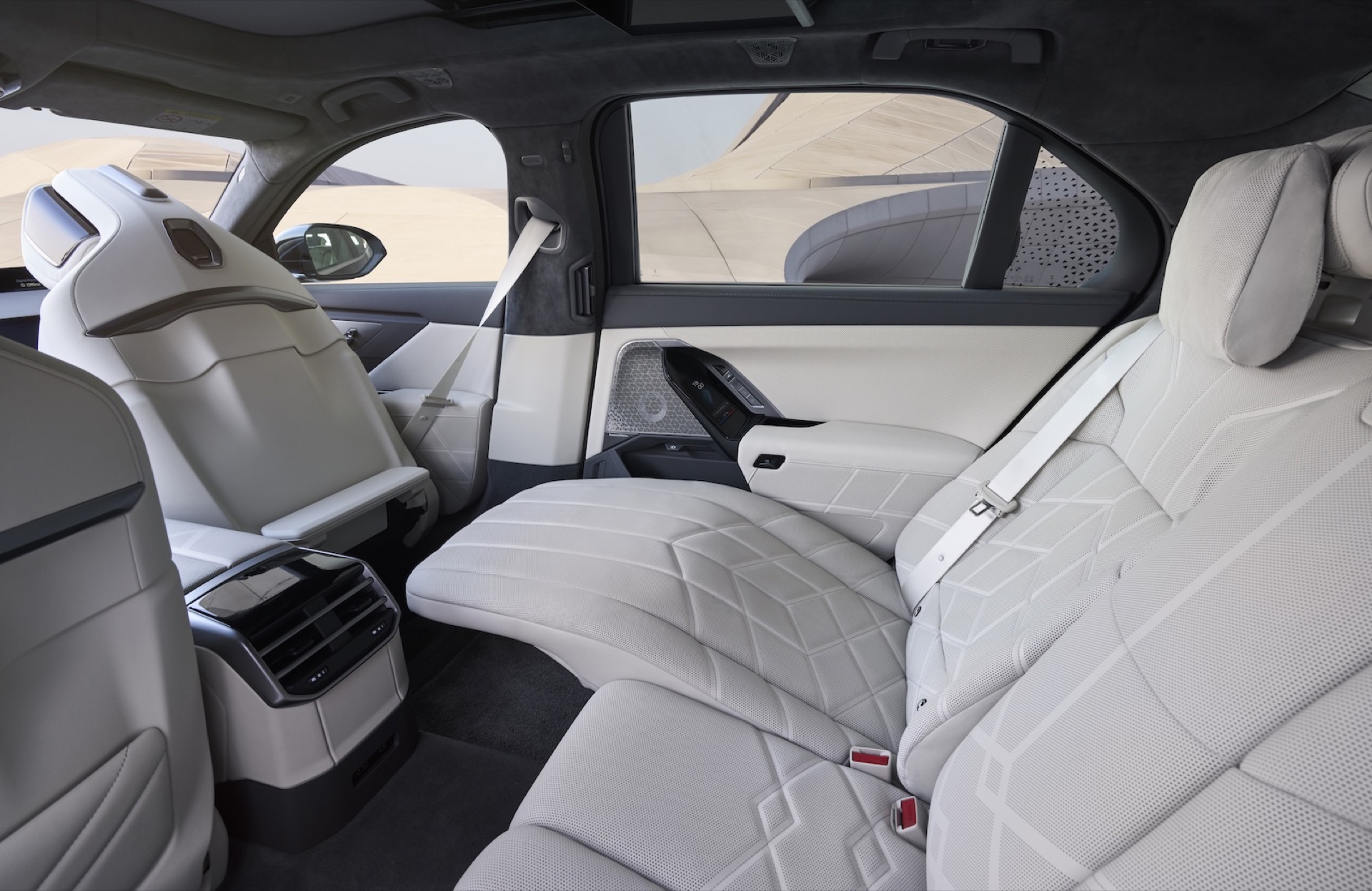
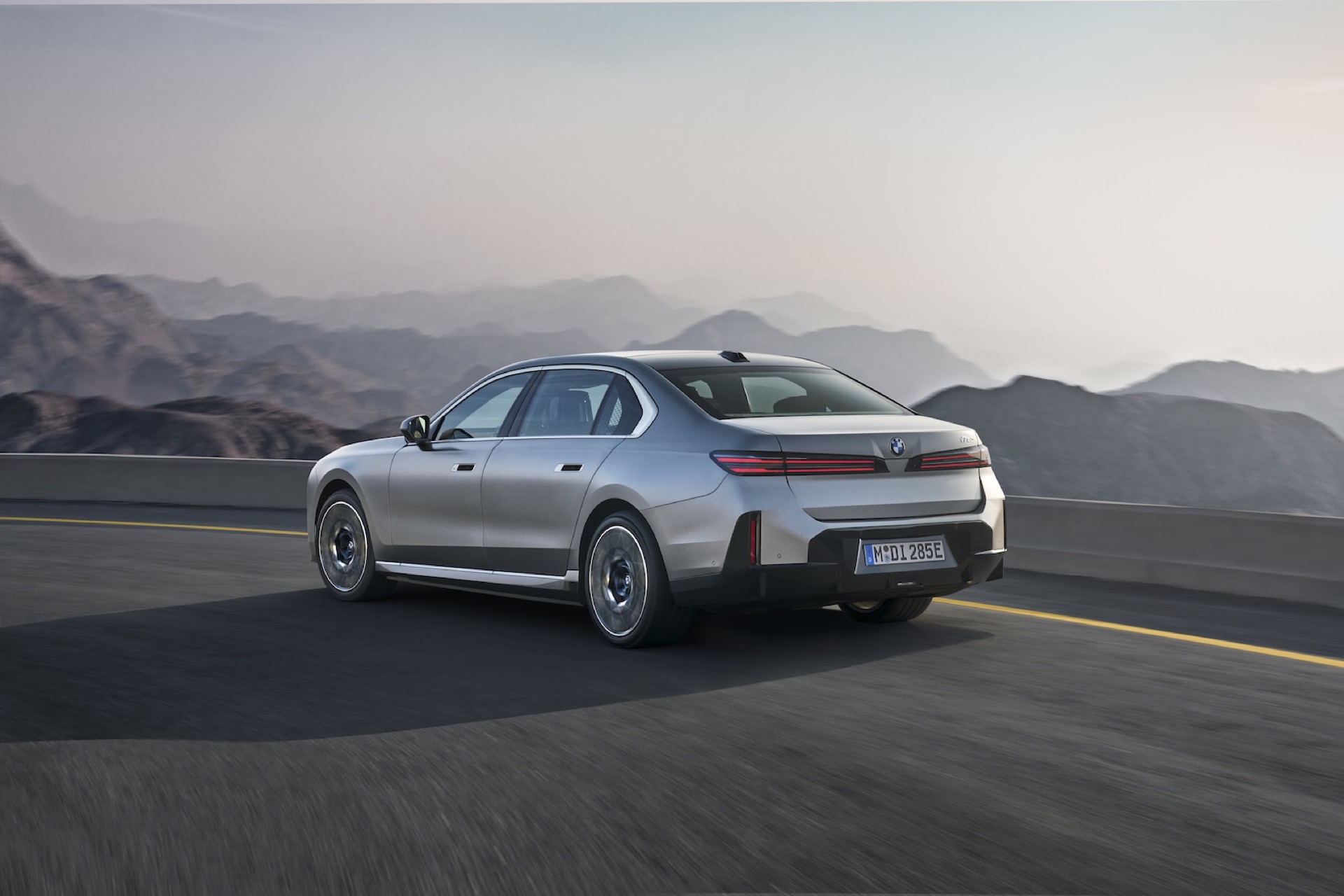
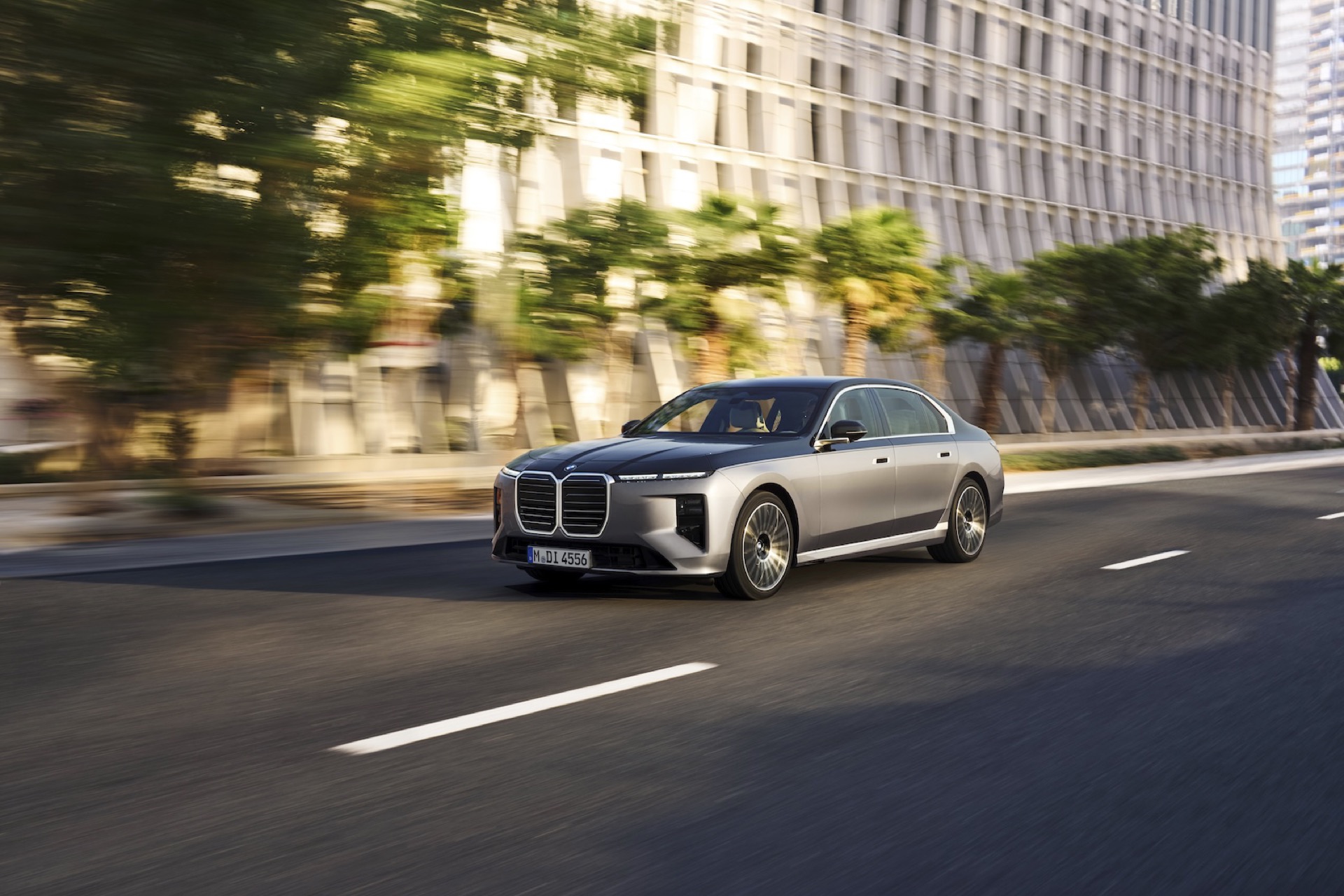
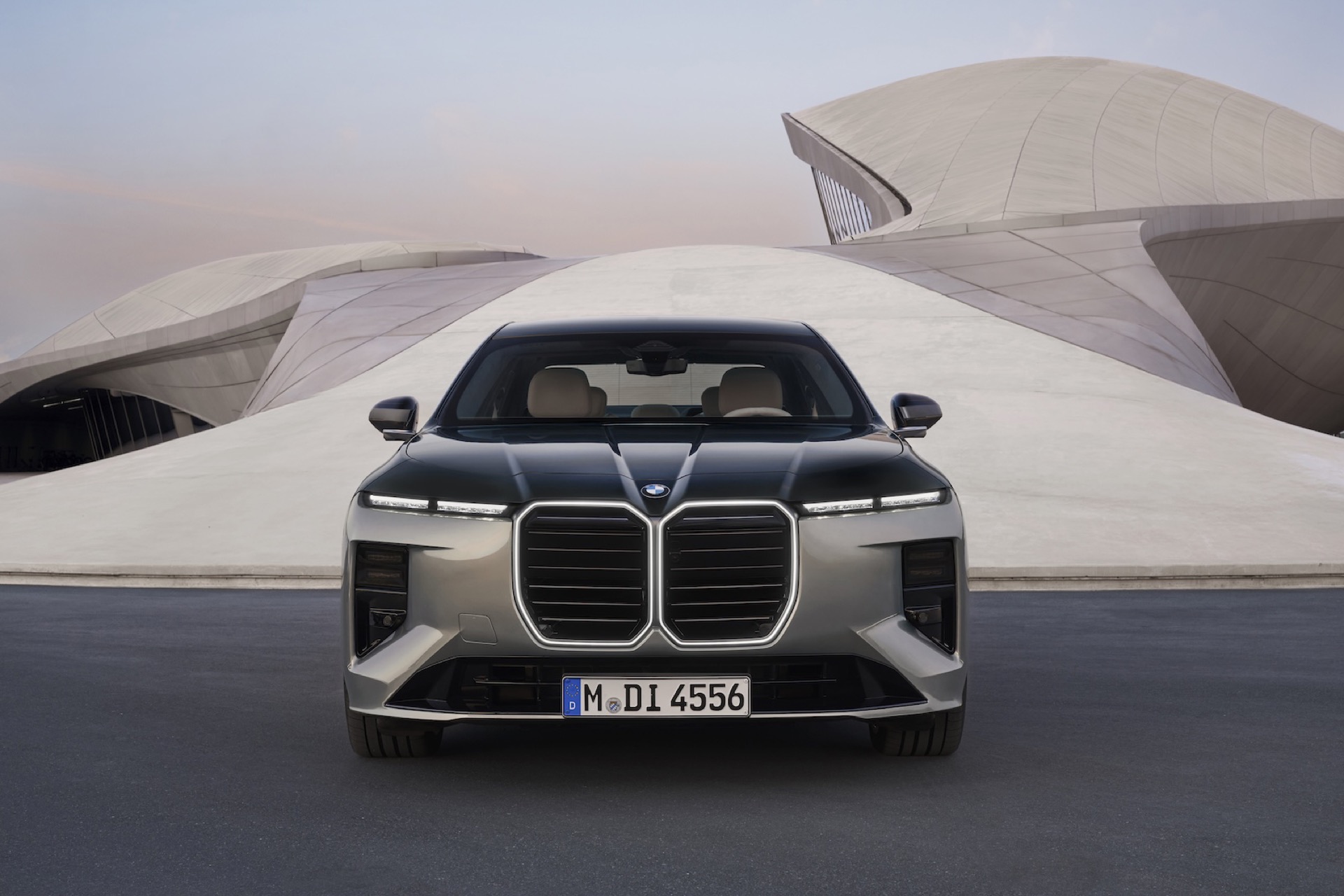
The competitive landscape has also shifted. Audi has effectively stepped back with the Audi A8, leaving BMW to face primarily the Mercedes-Benz S-Class and its electric counterpart. BMW’s response is to maintain flexibility. Customers can choose between combustion engines, plug-in hybrids and fully electric drivetrains within the same design framework.
The range begins with the 740 xDrive, producing 400 PS. Above it sit multiple i7 variants, all with all-wheel drive and a battery capacity of around 112 kWh. Power outputs range from 455 PS to 680 PS in the M70. Pricing spans from roughly €121,400 to €182,400. Diesel remains relevant in Europe, with the 740d xDrive delivering 313 PS. Plug-in hybrids such as the 750e and 760e combine strong system outputs of up to 612 PS with electric ranges of up to 82 kilometres.
Unlike Mercedes, BMW continues to rely on a 400-volt architecture rather than moving to 800 volts. Charging performance has nevertheless improved, with peak DC rates reaching 250 kW and a maximum range of around 720 kilometres for the electric models.
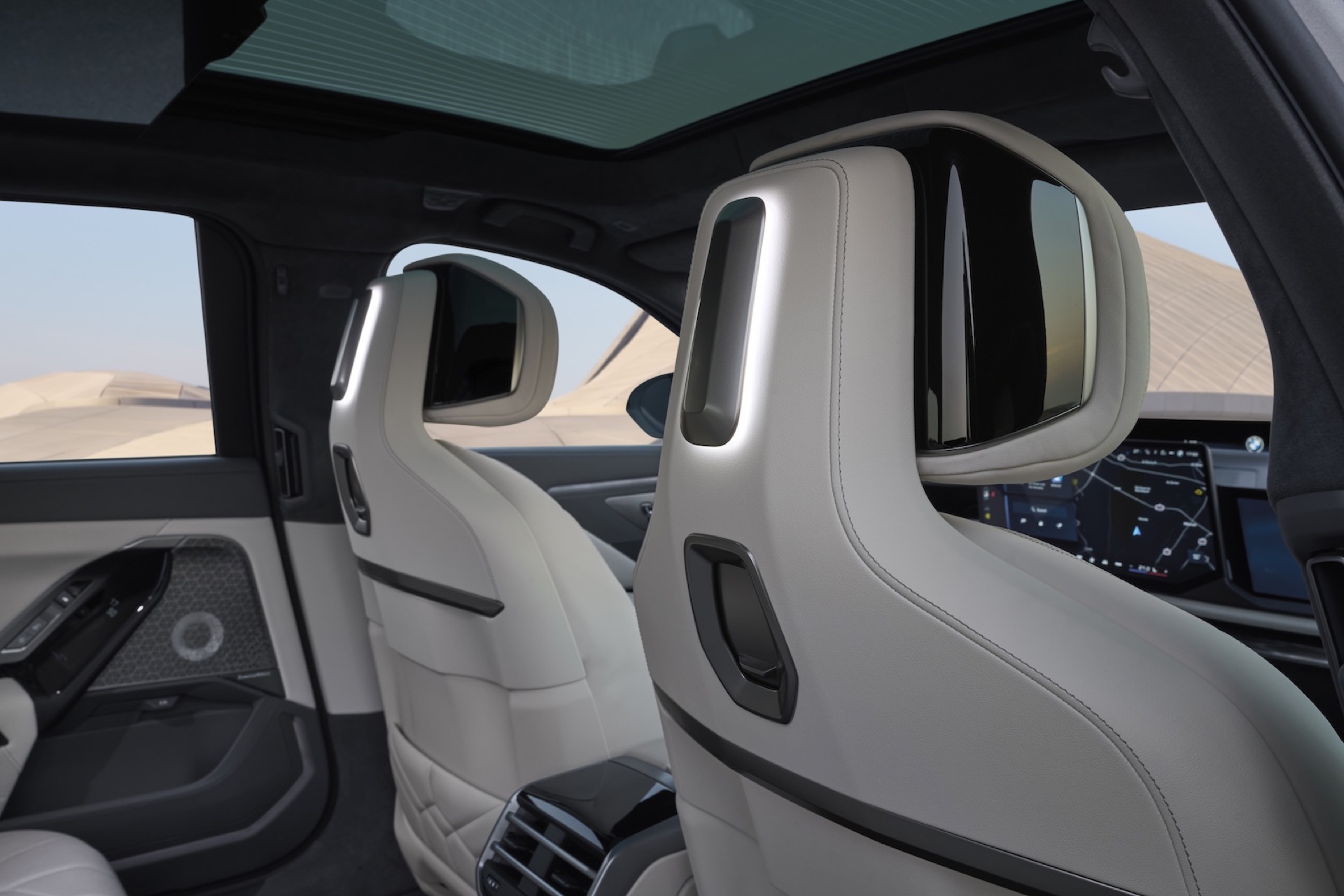
Inside, the most significant change is the new Panoramic Display, first seen in the BMW iX3. It replaces the traditional instrument cluster with a wide, integrated display spanning the driver’s field of vision. The interface is controlled primarily via voice commands or a central 17.9-inch touchscreen. A new passenger display has also been added, addressing a previous omission.
Not all updates move forward. The Level 3 autonomous driving system, previously available in limited form, has been removed. Instead, BMW adopts a Level 2+ system similar to that used in the 5 Series and BMW i5. Mercedes has made a similar decision with its latest updates, reflecting the complexity of deploying higher levels of autonomy in real-world conditions.
Production begins in July at BMW’s Dingolfing plant, with market introduction following shortly after. The updated 7 Series and i7 underline BMW’s commitment to offering multiple drivetrain strategies within a single flagship model. It is a pragmatic approach, balancing tradition with the ongoing shift towards electrification.