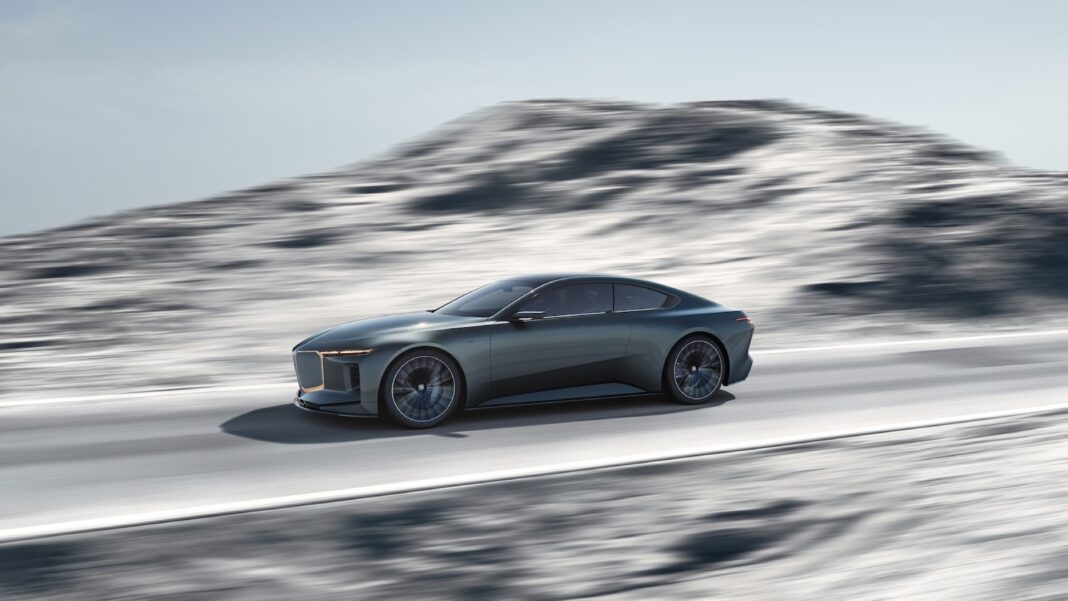
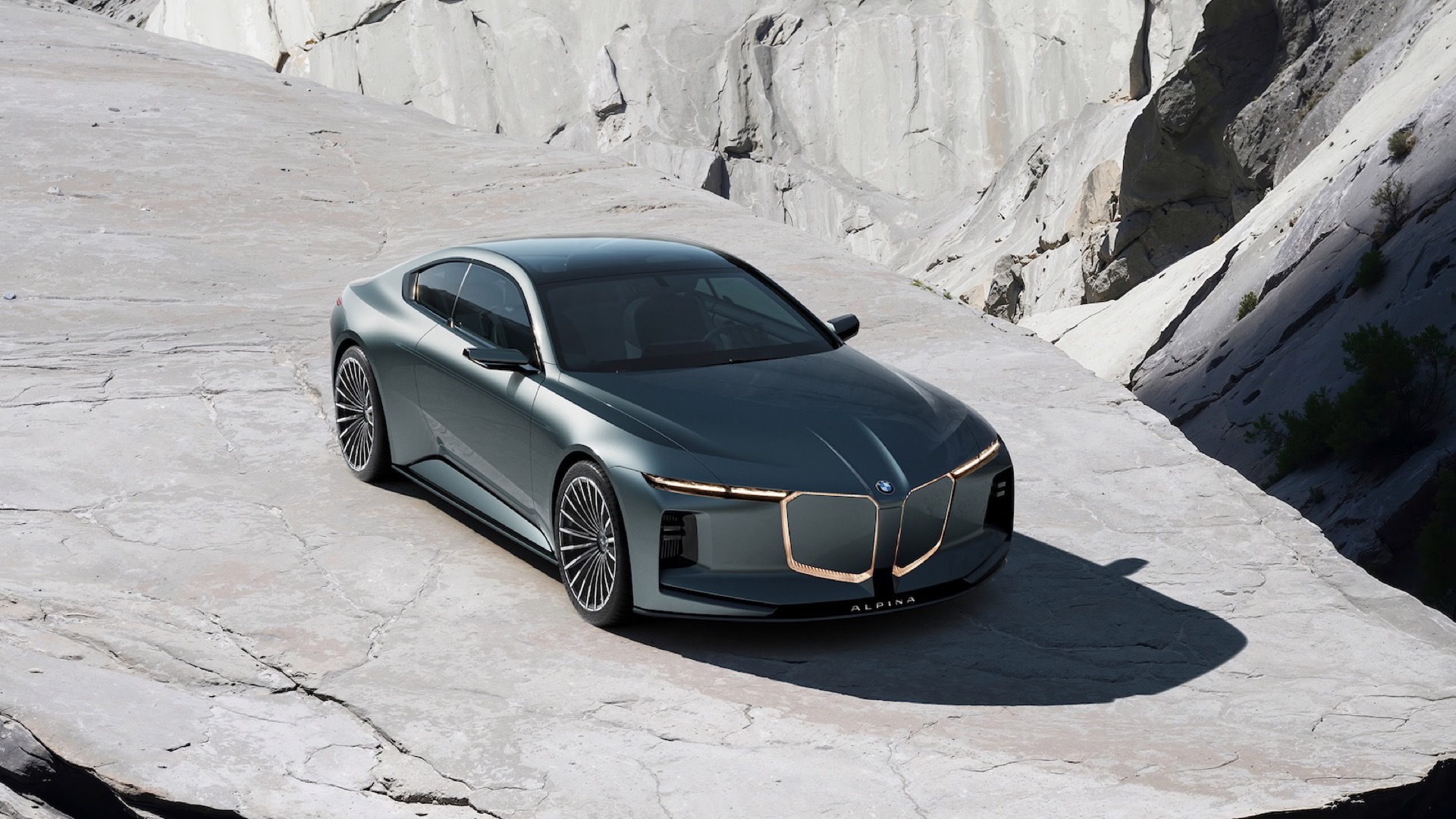
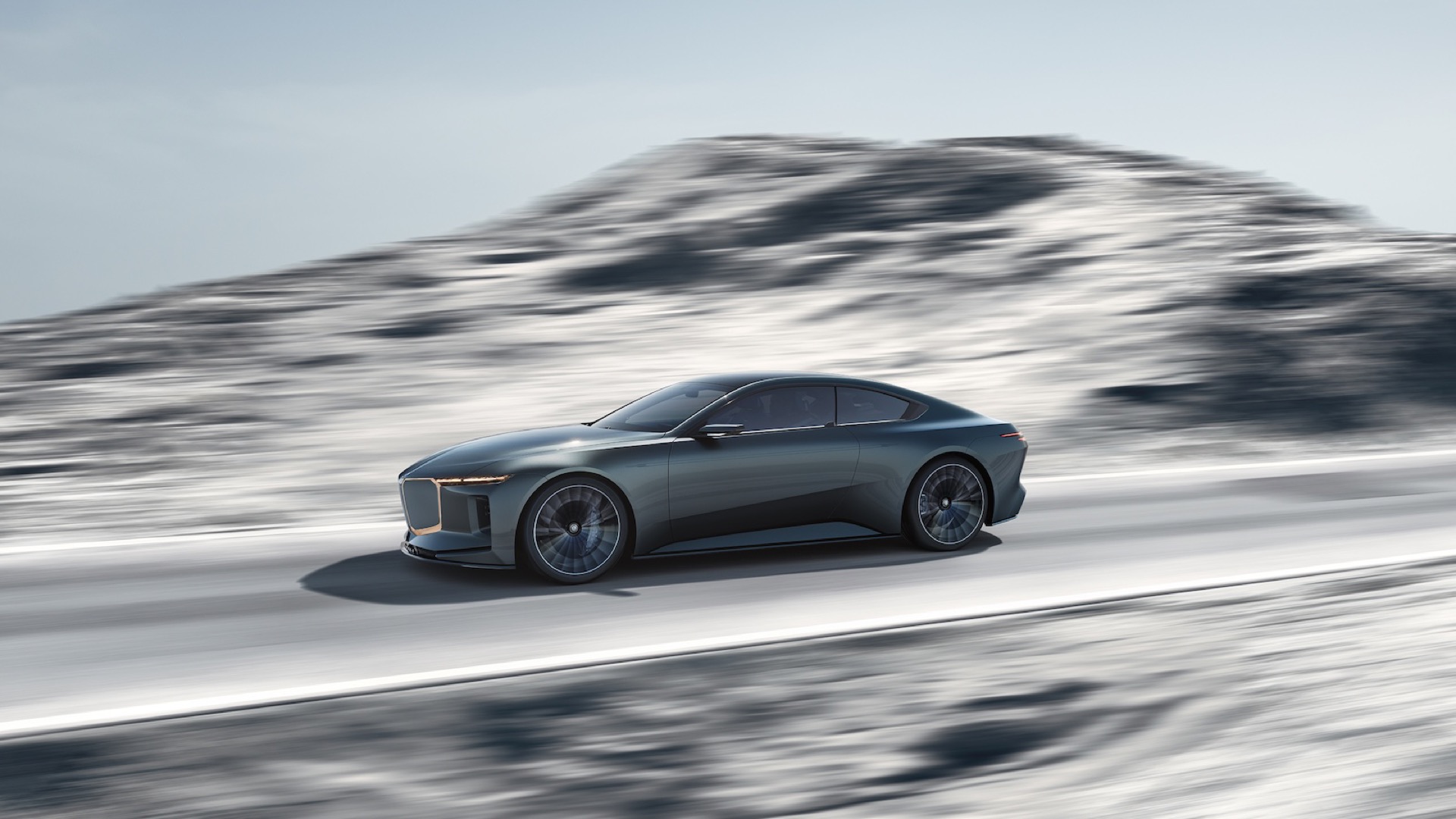
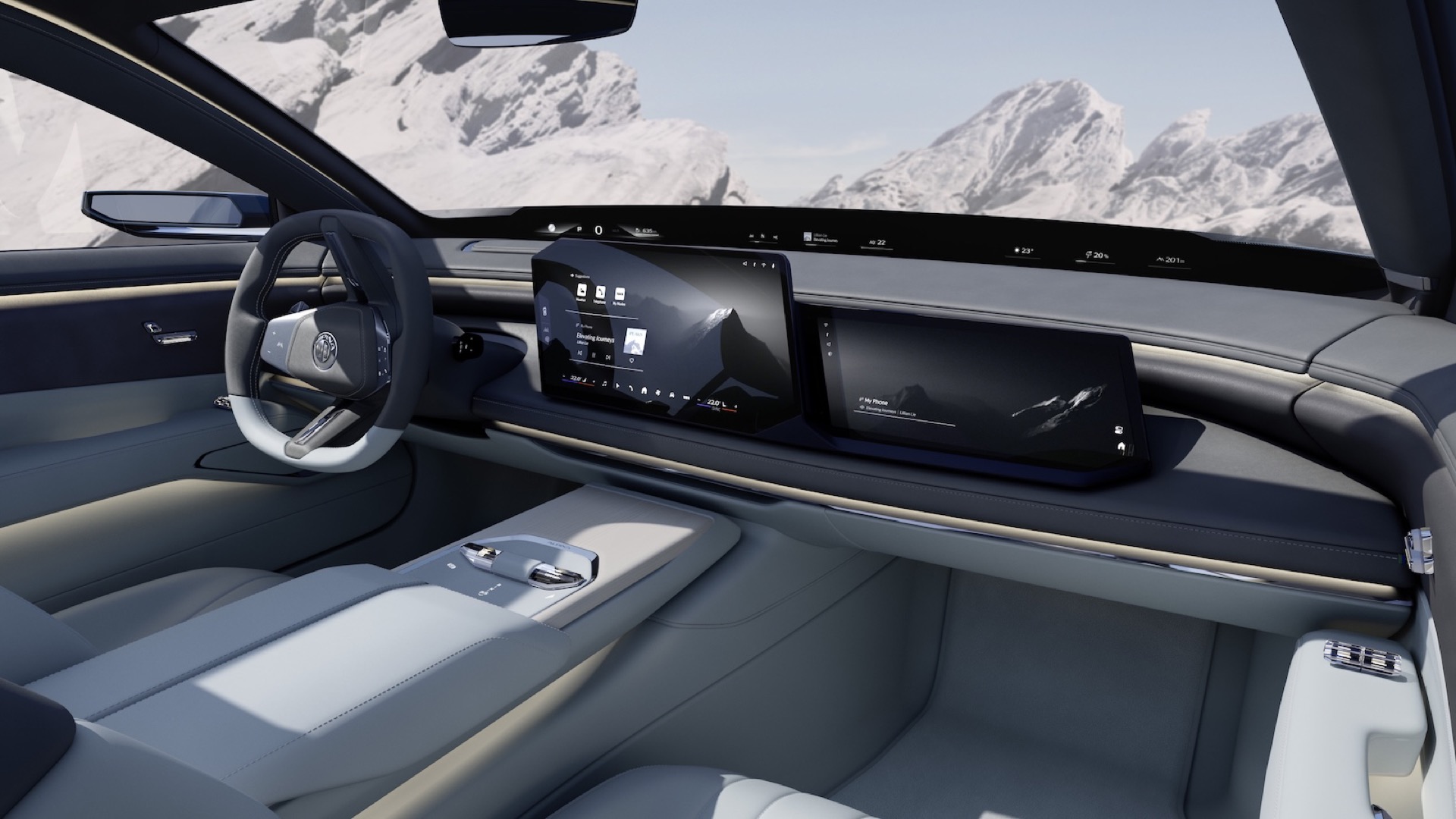
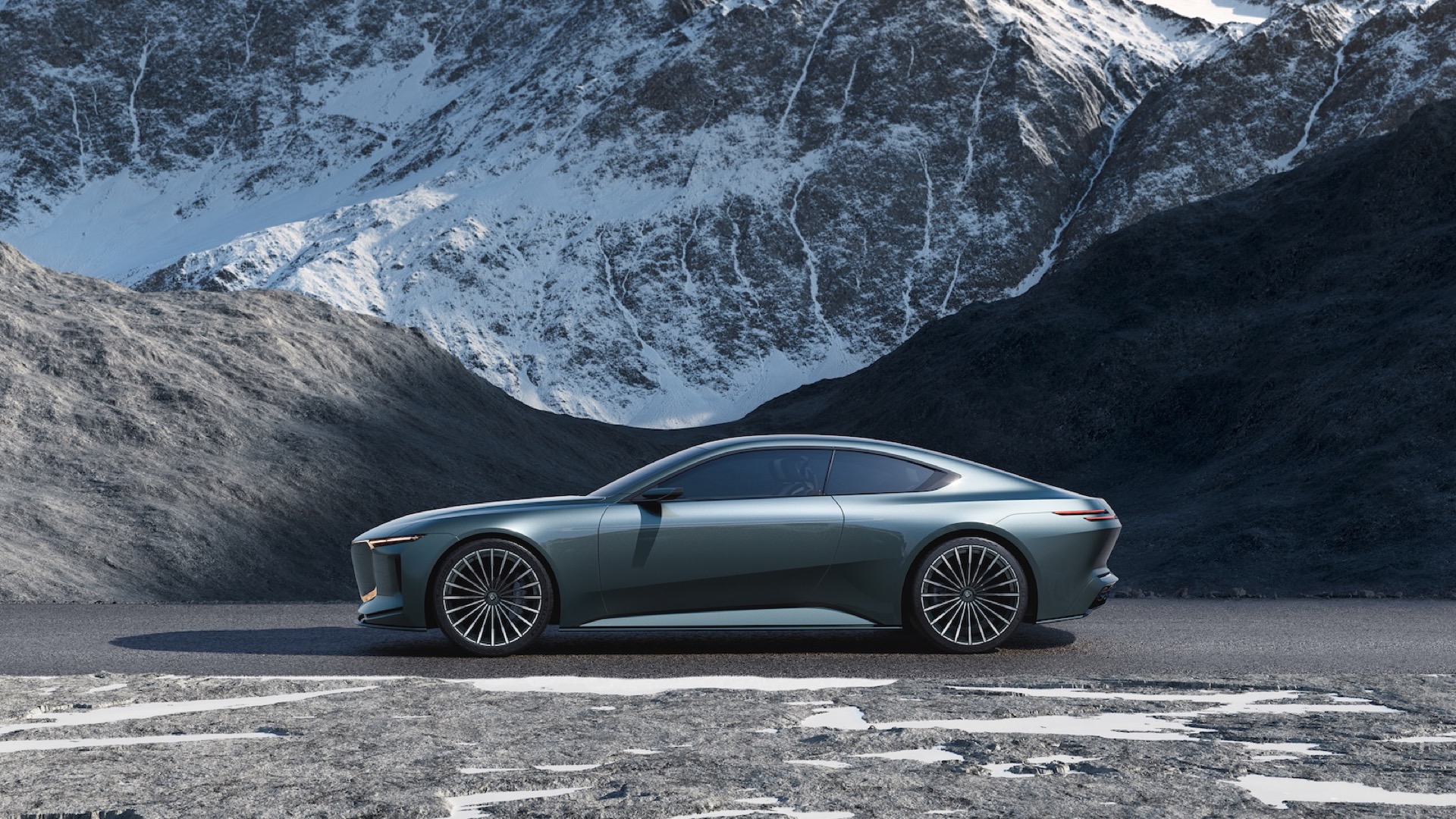
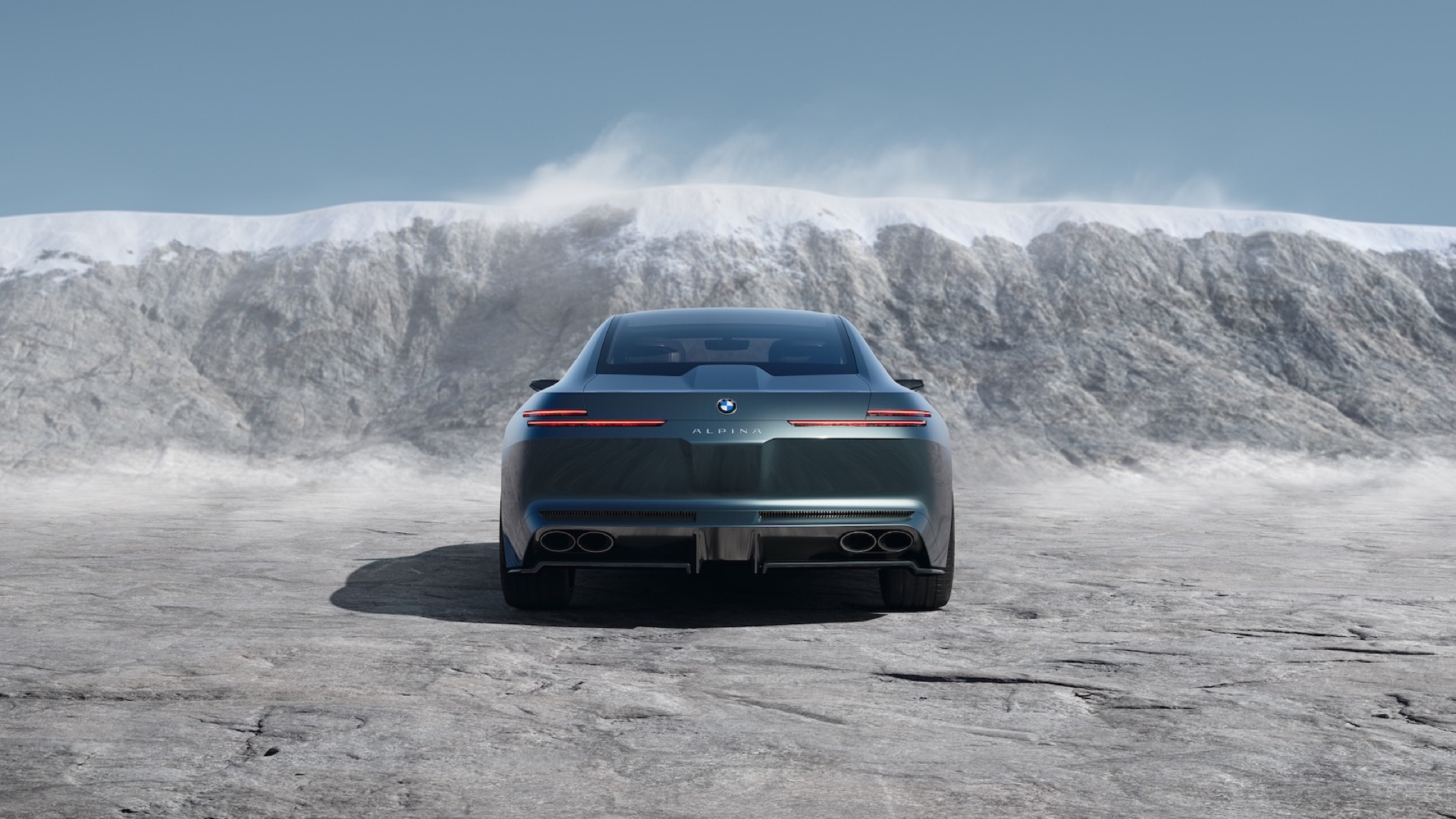
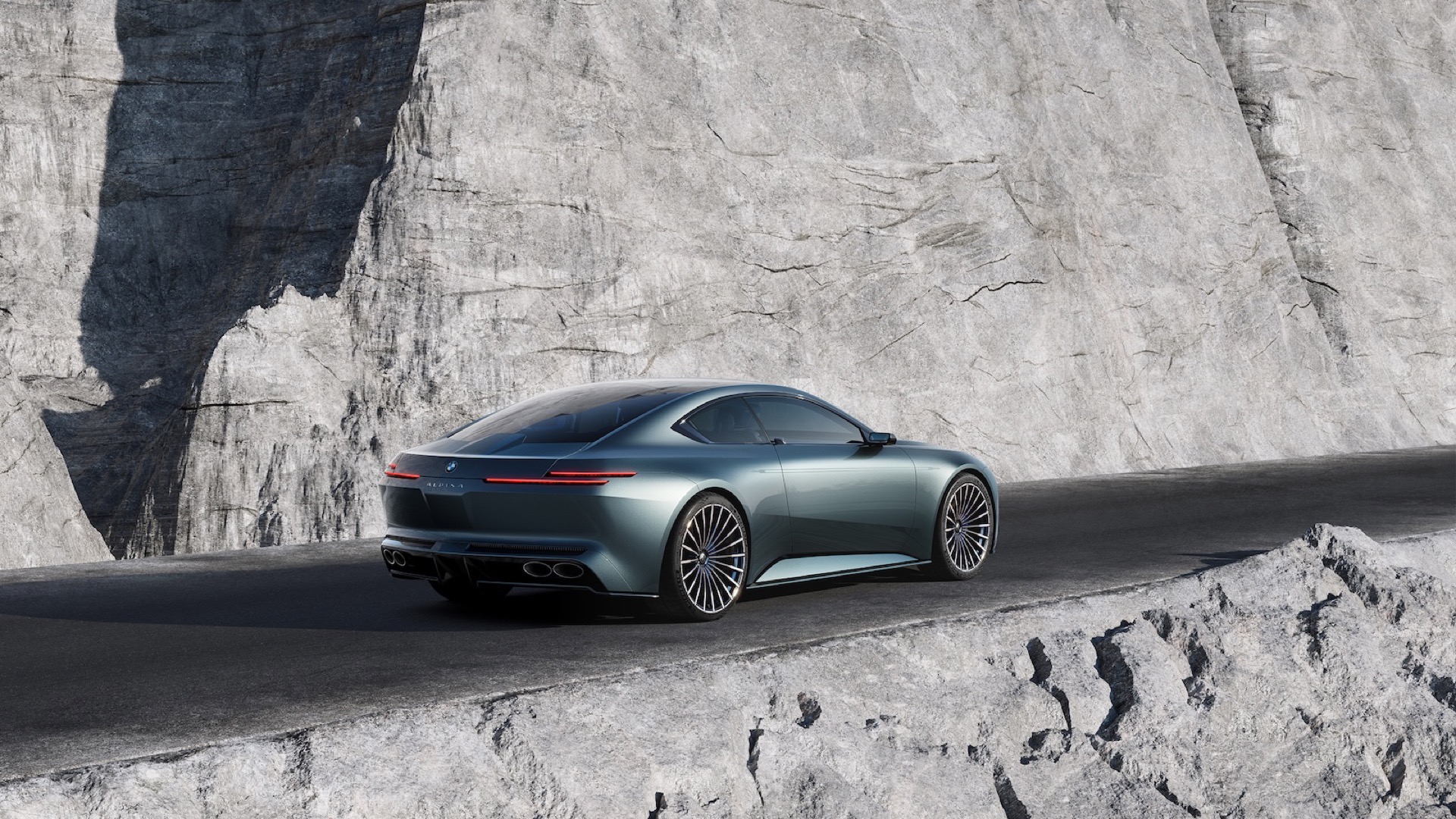
This spring marks the rebirth of BMW Alpina — more luxurious, more exclusive and more ambitious than ever before. At the prestigious Concorso d’Eleganza Villa d’Este on Lake Como, BMW unveiled the Vision BMW Alpina, the first clear statement of intent for its newly repositioned luxury sub-brand.
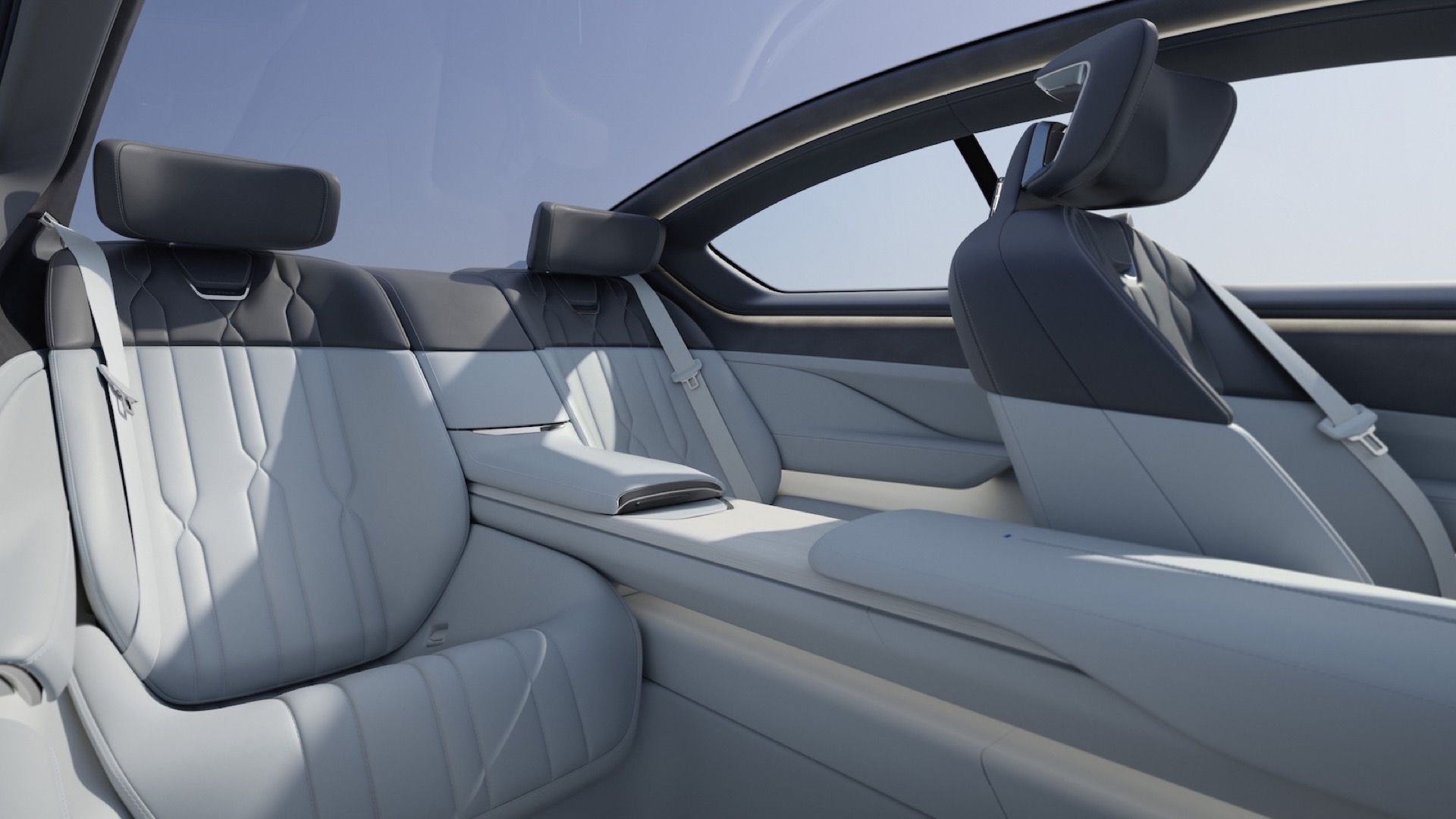
There is no question the concept is striking. The 5.20-metre grand tourer previews not only a future production model, but an entirely new role for Alpina within the BMW Group hierarchy alongside BMW M, BMW Individual and Rolls-Royce. Elegant proportions, lavish luxury and, perhaps most importantly, a clear commitment to combustion power rather than full electrification. Beneath the long bonnet sits a twin-turbocharged V8. Unsurprisingly, the reaction at Lake Como was overwhelmingly positive.
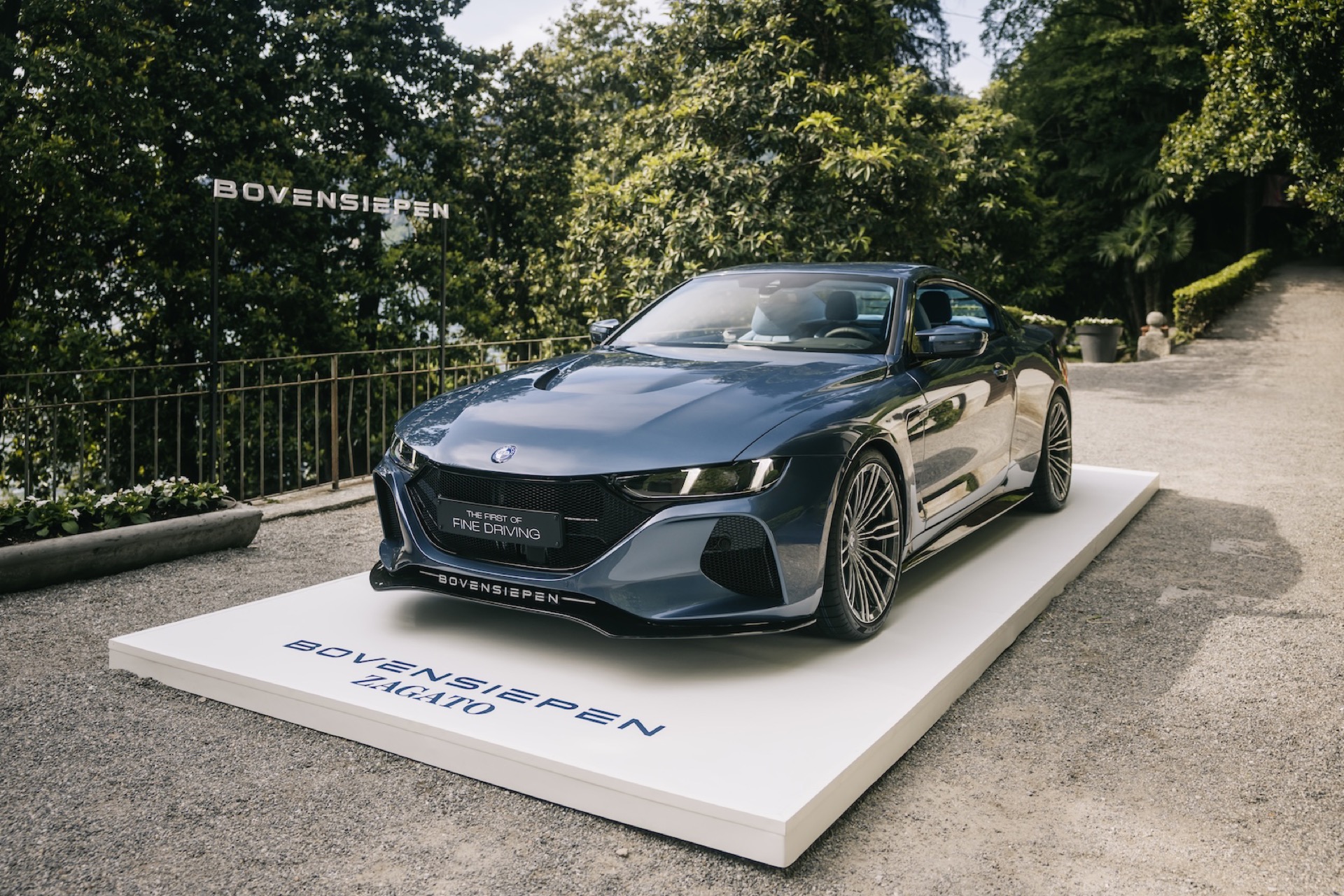
Twelve months earlier, however, the atmosphere surrounding Alpina’s future looked rather different. Just before the opening of Villa d’Este, BMW learned that a few kilometres further down Lake Como, Bovensiepen Automotive would unveil the Bovensiepen Zagato. The 611 PS grand tourer, based on the BMW 4 Series Convertible, represented the first major project from the Bovensiepen family following BMW’s acquisition of the Alpina brand rights in 2022.
The timing was awkward. Bovensiepen Automotive arrived with confidence, presenting its “Fine Driving” philosophy before BMW itself had revealed anything substantial regarding the future of Alpina. A similar situation unfolded again during Monterey Car Week, where CEO Andreas Bovensiepen presented the Bovensiepen Zagato at The Quail.
Now BMW is responding decisively with Alpina’s official relaunch.
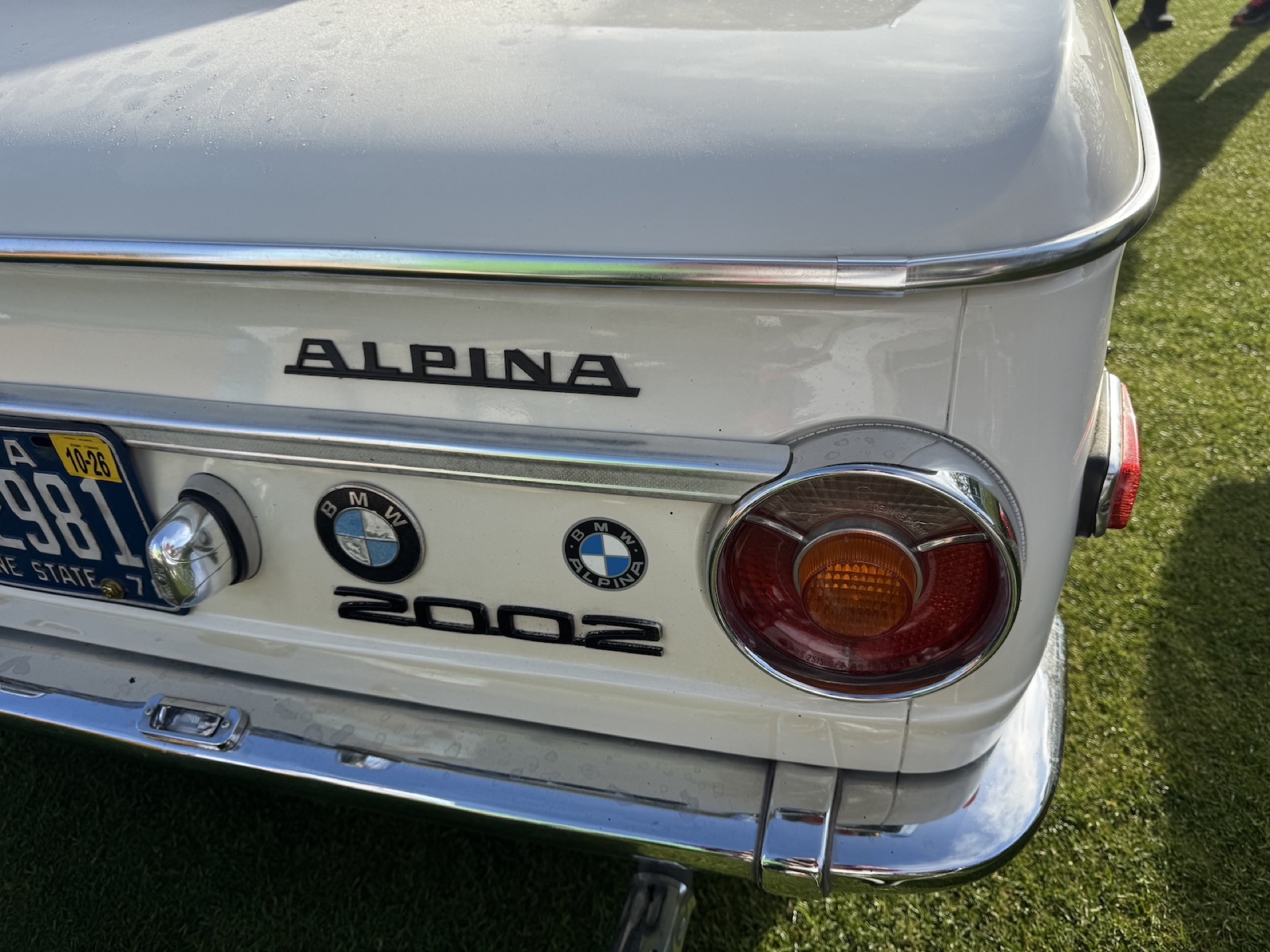
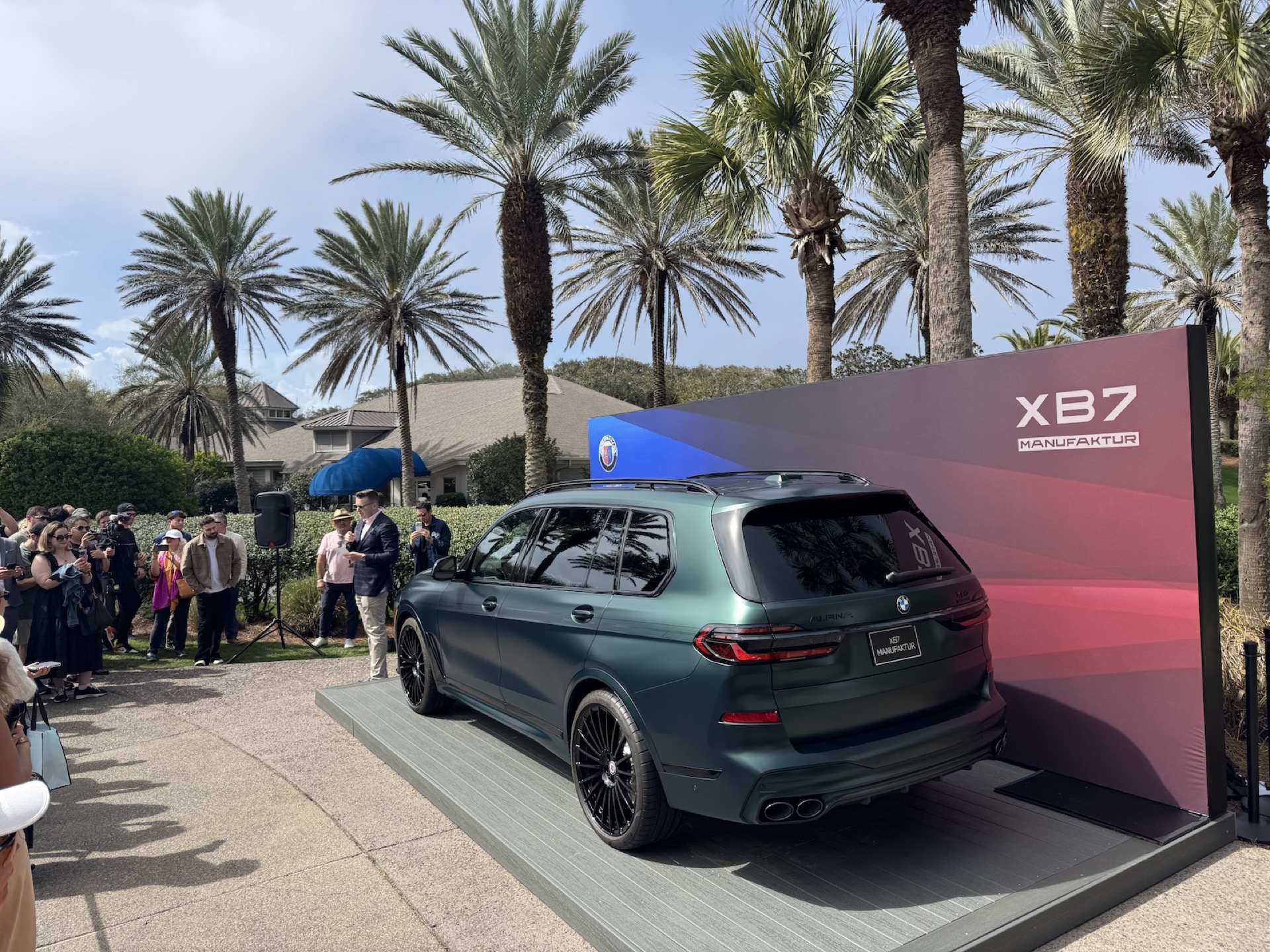
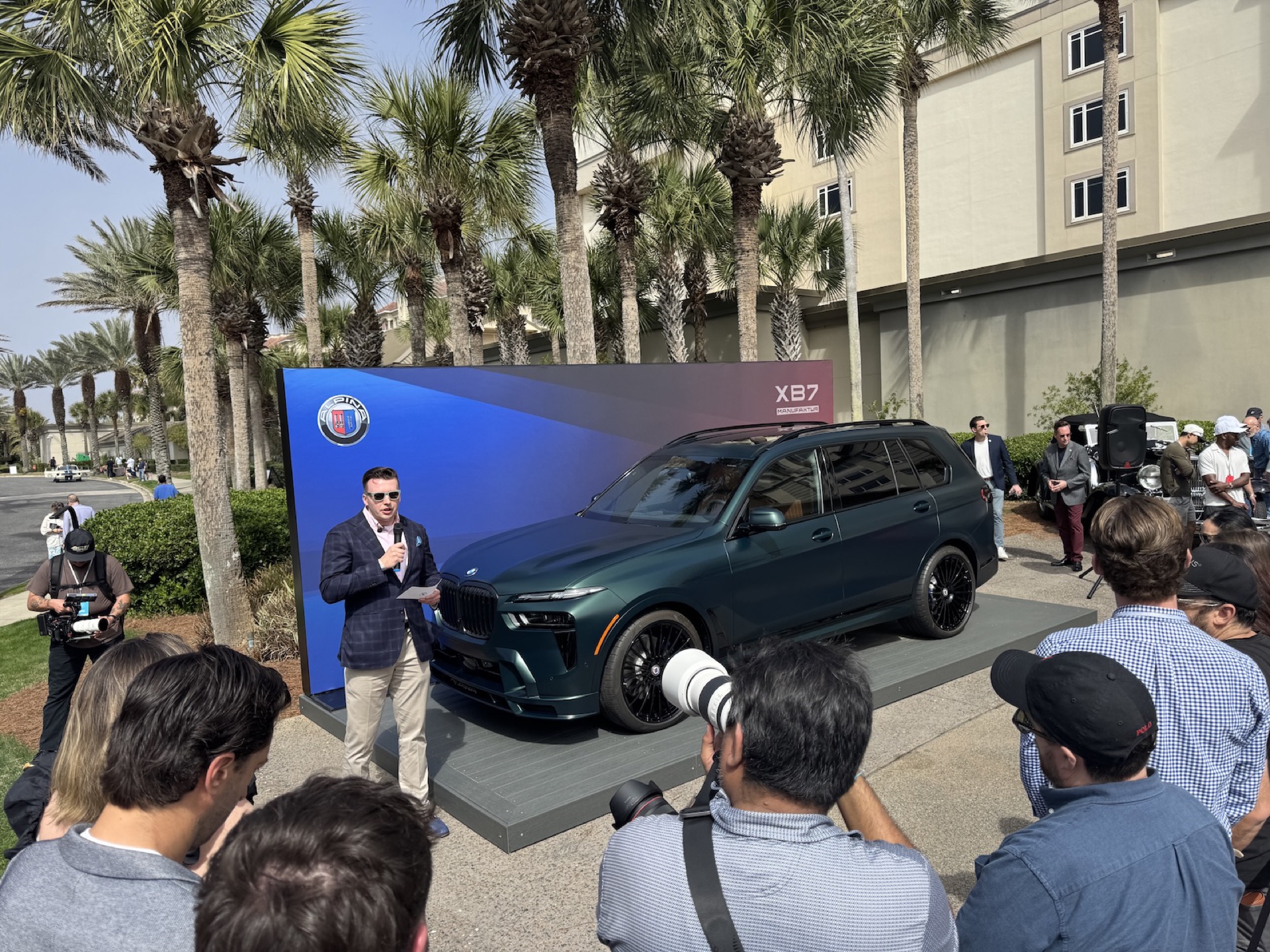
Historically, models such as the B3, D5, B7 and XB7 occupied a unique position within the performance luxury market. Developed by BMW and extensively refined in Buchloe, around 70 kilometres west of Munich, Alpina models were faster, more comfortable and more exclusive than their BMW equivalents. Importantly, they were also officially recognised as separate manufacturers with their own VIN classifications and homologation.
That changes now.
Alpina becomes a fully integrated BMW Group sub-brand alongside Mini, Rolls-Royce and BMW Motorrad. Interestingly, the United States had already operated under this structure for years, with Alpina models sold directly through BMW dealerships as official flagship variants. BMW is now extending that approach globally.
The Vision BMW Alpina serves as the opening chapter of this new era. The elegant grand tourer fills a gap left by the discontinued 8 Series and follows the recent success of limited-run projects such as the BMW Concept Skytop and Speedtop shooting brake, both of which sold out rapidly despite prices approaching €500,000.
The challenge now is positioning.
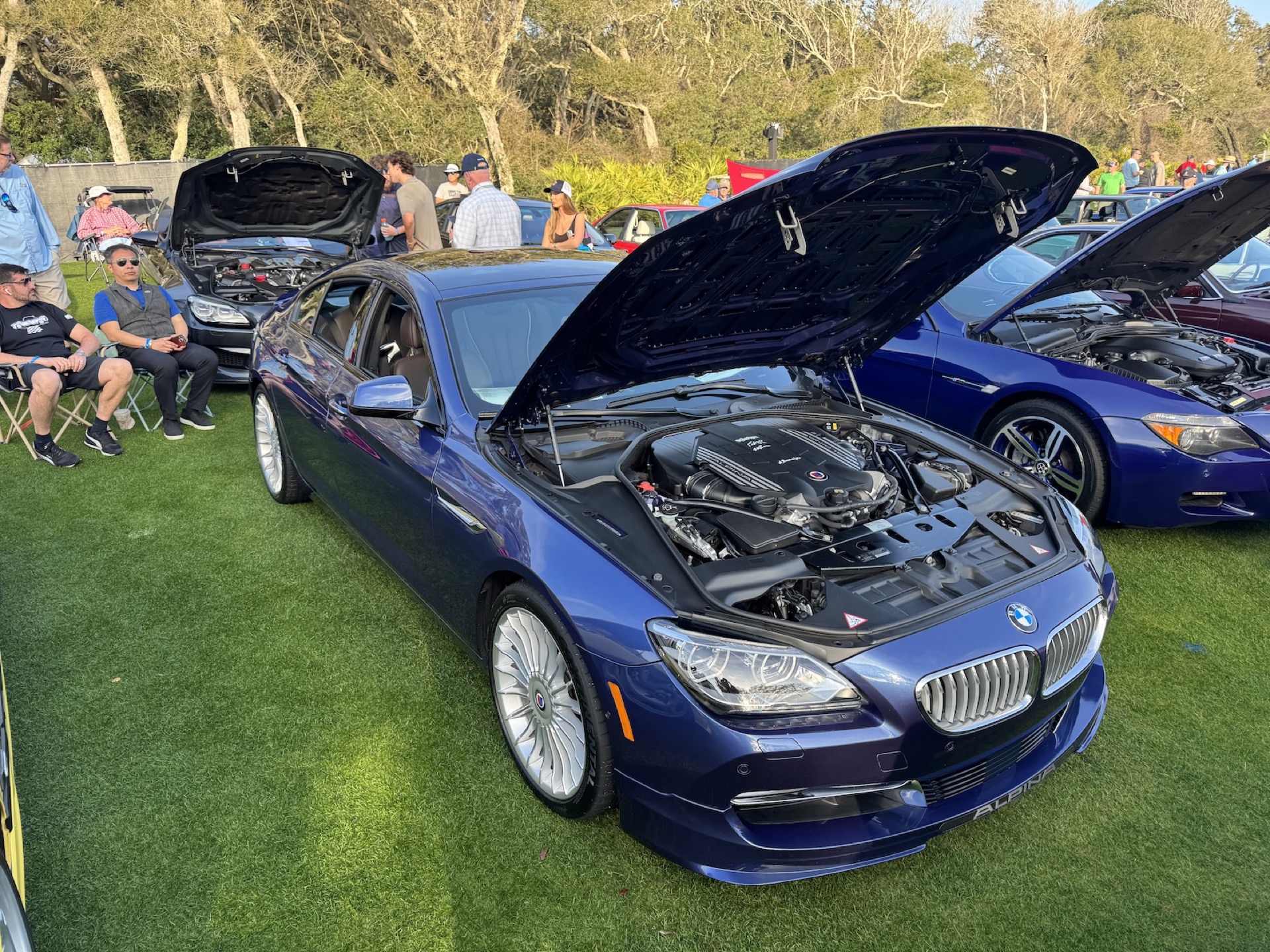
Historically, Alpina occupied a niche distinct from both traditional BMW luxury models and outright M cars. Cars such as the BMW Alpina B5 prioritised effortless long-distance performance rather than aggressive track-focused dynamics. They appealed to buyers seeking speed, refinement and subtlety rather than outright sporting intent.
That distinction may become harder to maintain.
With price targets expected to begin around €250,000, the new Alpina line-up will likely focus initially on ultra-exclusive interpretations of the BMW 7 Series and BMW X7. Yet BMW’s own upper-tier models already overlap heavily with that territory, particularly vehicles such as the BMW i7 M70, M760i xDrive and heavily customised BMW Individual variants.
Electrification also remains a delicate topic. For now, Alpina appears reluctant to embrace fully electric models. The brand’s identity has long centred around effortless combustion performance, turbine-like straight-six and V8 engines, and refined autobahn capability. Whether that philosophy can survive in an increasingly electrified luxury market remains one of the biggest unanswered questions surrounding the relaunch.
One thing, however, is clear: BMW has no intention of allowing the Alpina name to fade quietly into history.