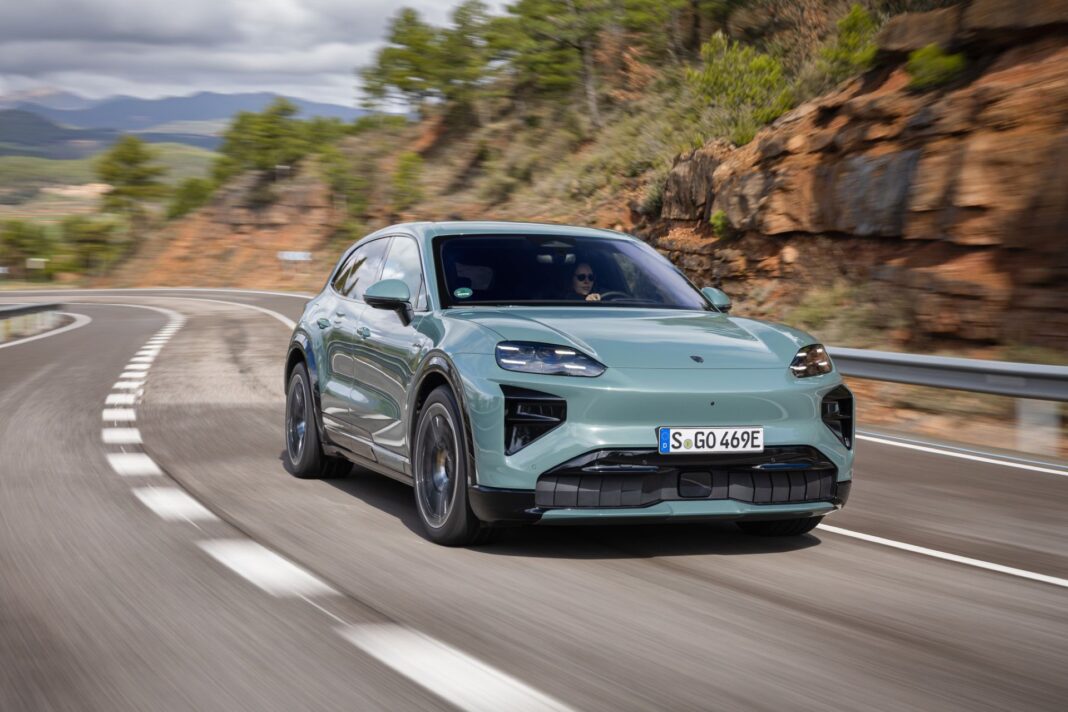
Not every Porsche enthusiast will welcome the electric Cayenne with open arms. Yet the Turbo version, delivering up to 850 kW (1,156 PS), is designed to shift sentiment. It succeeds, at least in part.
Launching a new product at a lower price than an established one is a classic market penetration strategy. Porsche is applying exactly that approach here. The Cayenne Turbo Electric starts at €165,500, undercutting the Cayenne Turbo E-Hybrid by more than €22,000. For a brand that typically scrutinises every euro, such pricing suggests urgency. Porsche has invested heavily in electrification. The Cayenne Electric cannot afford to fail.
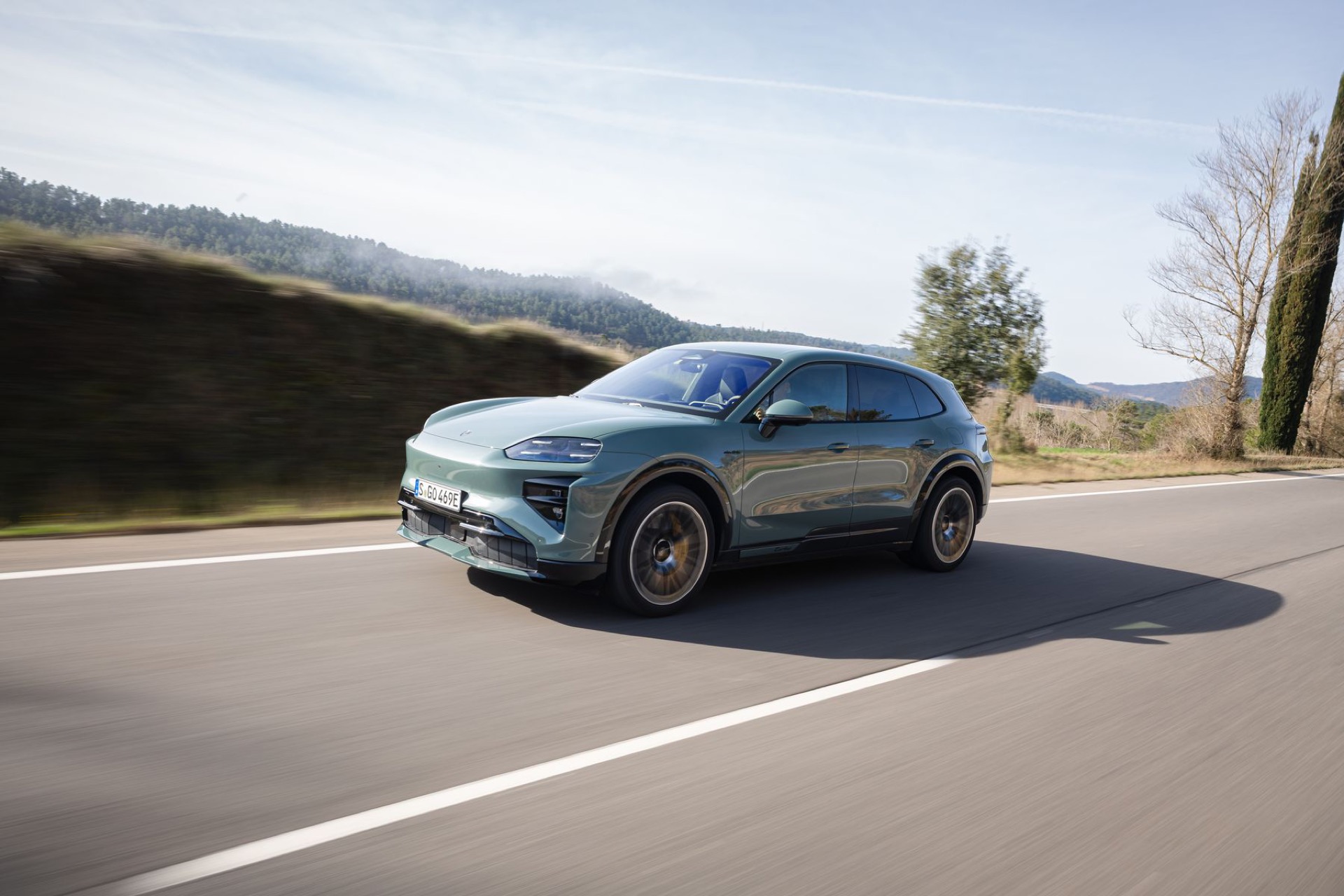
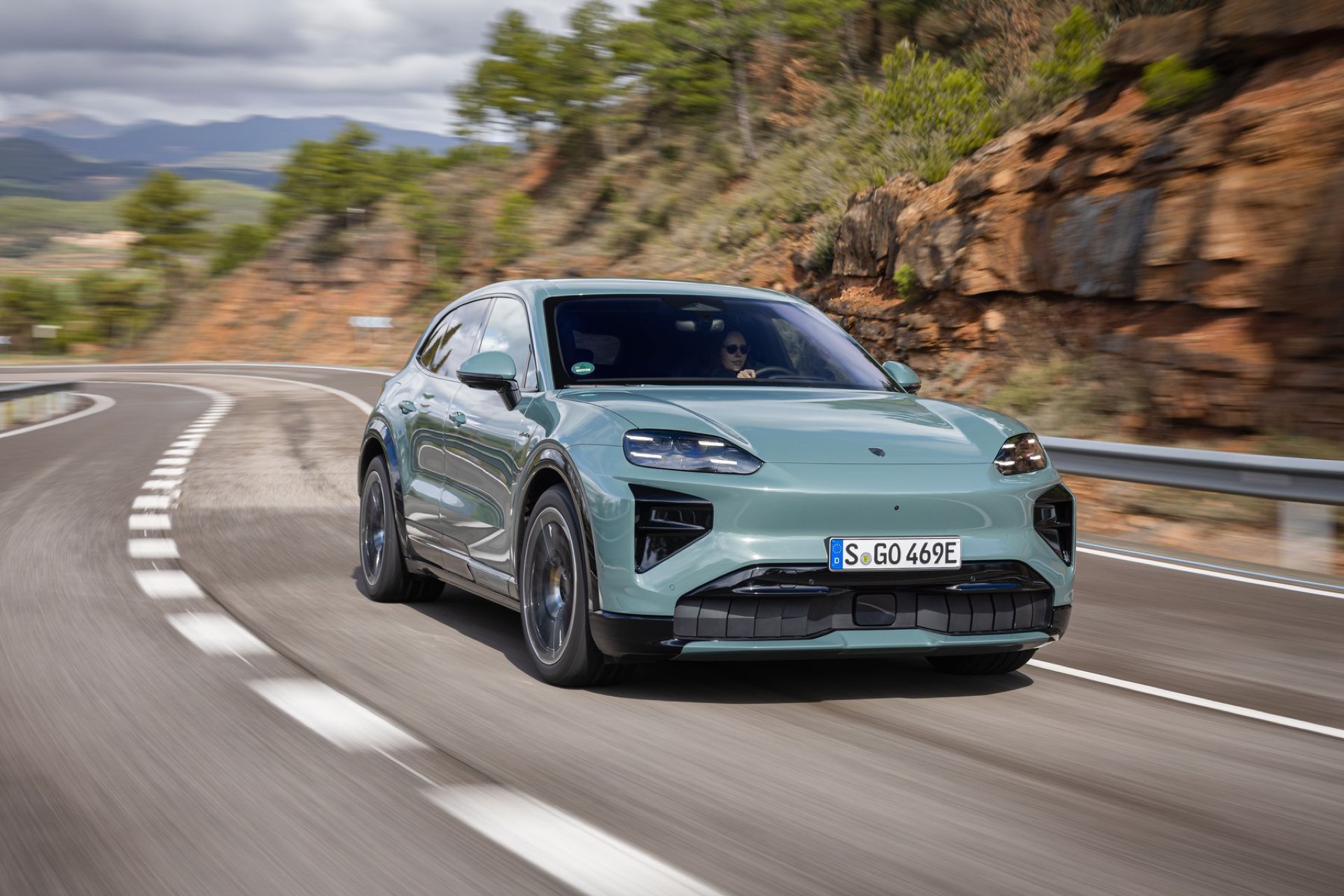
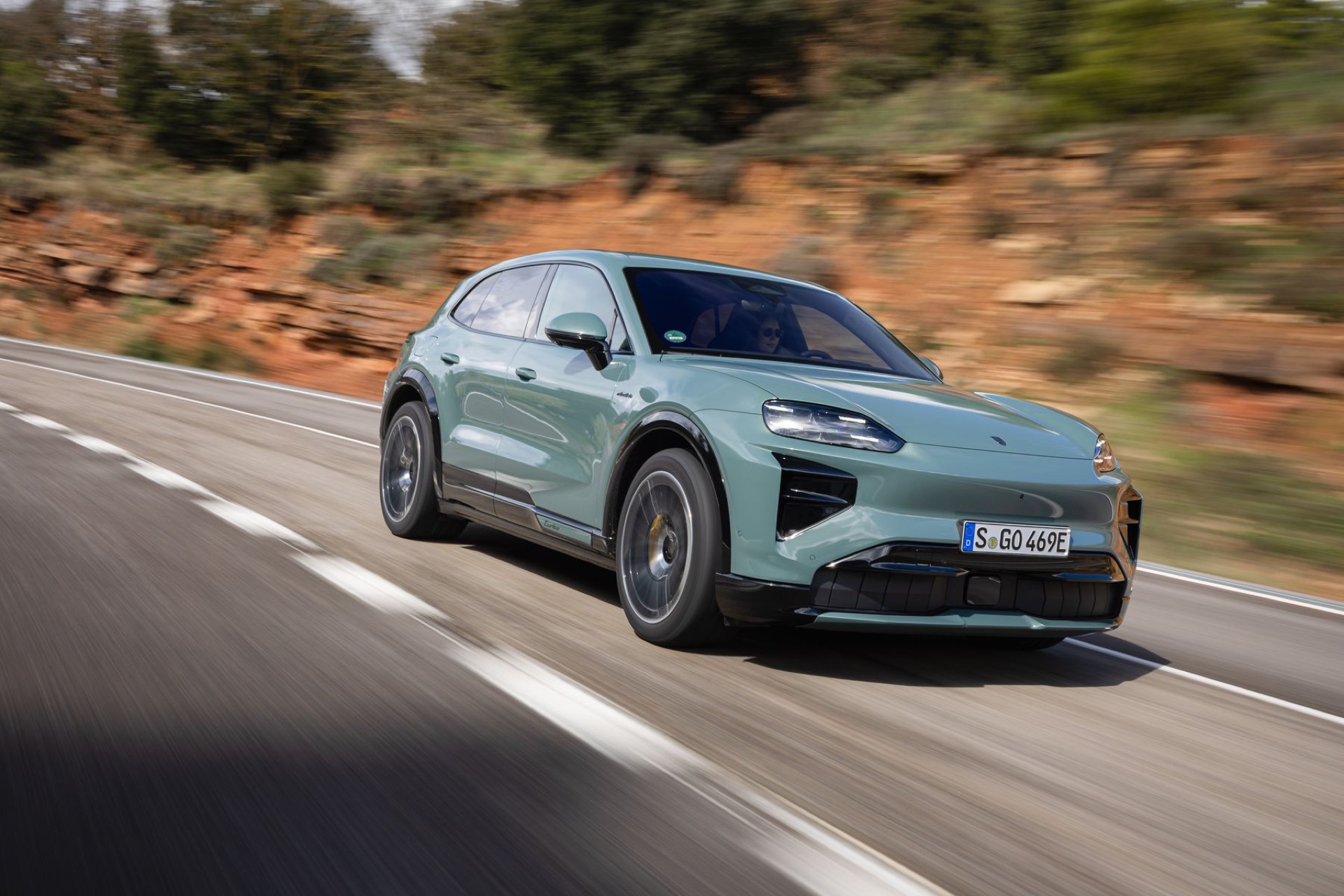
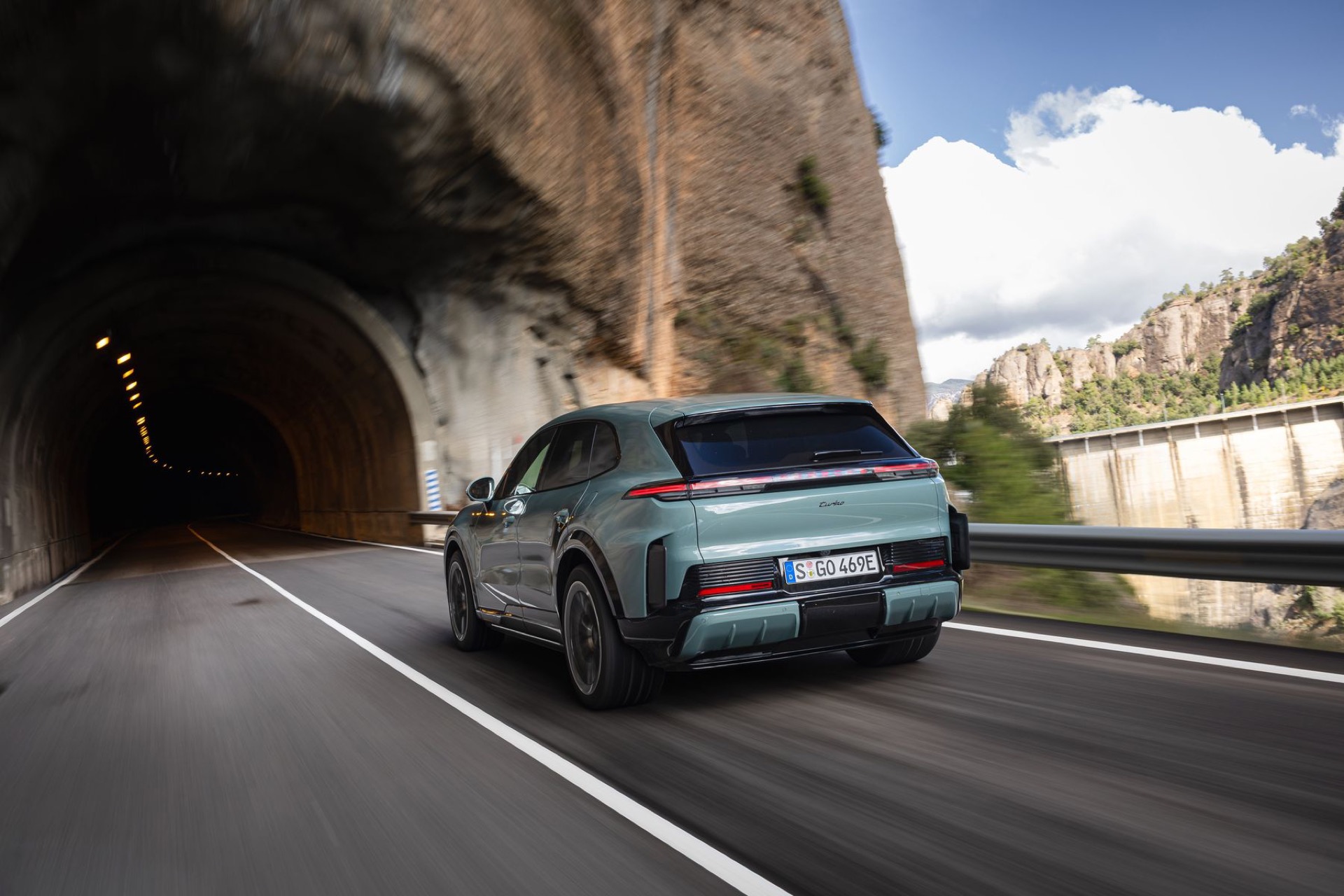
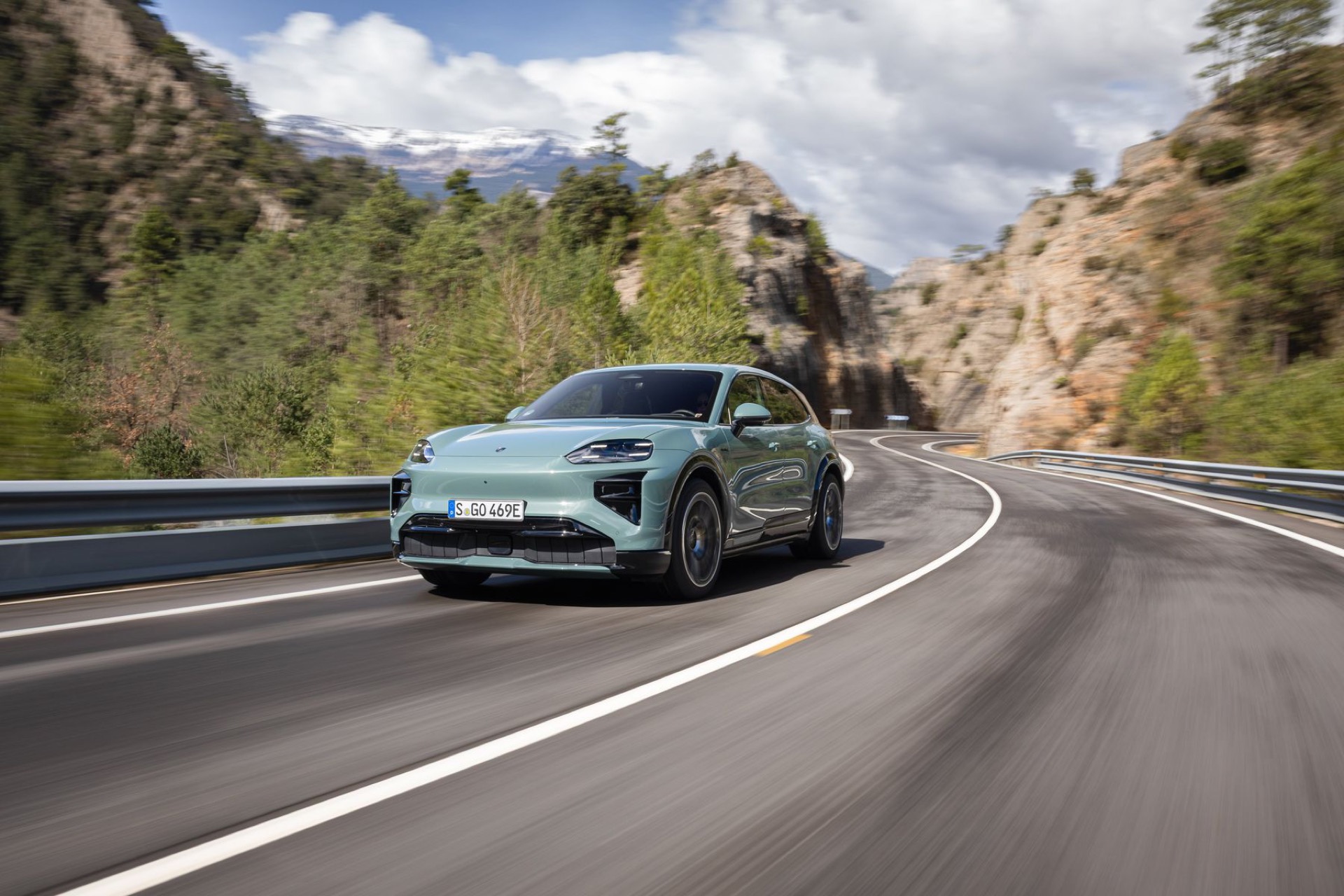
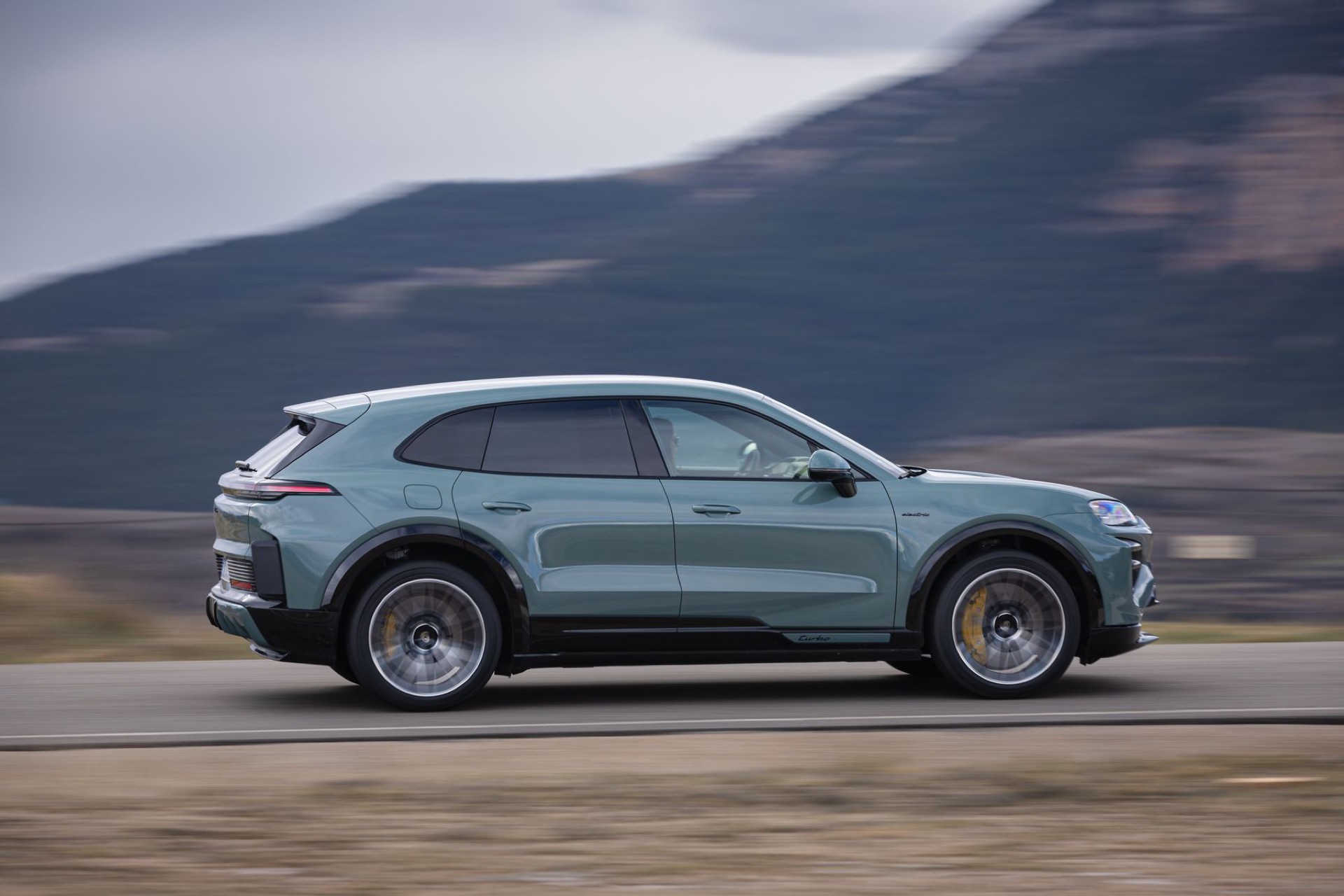
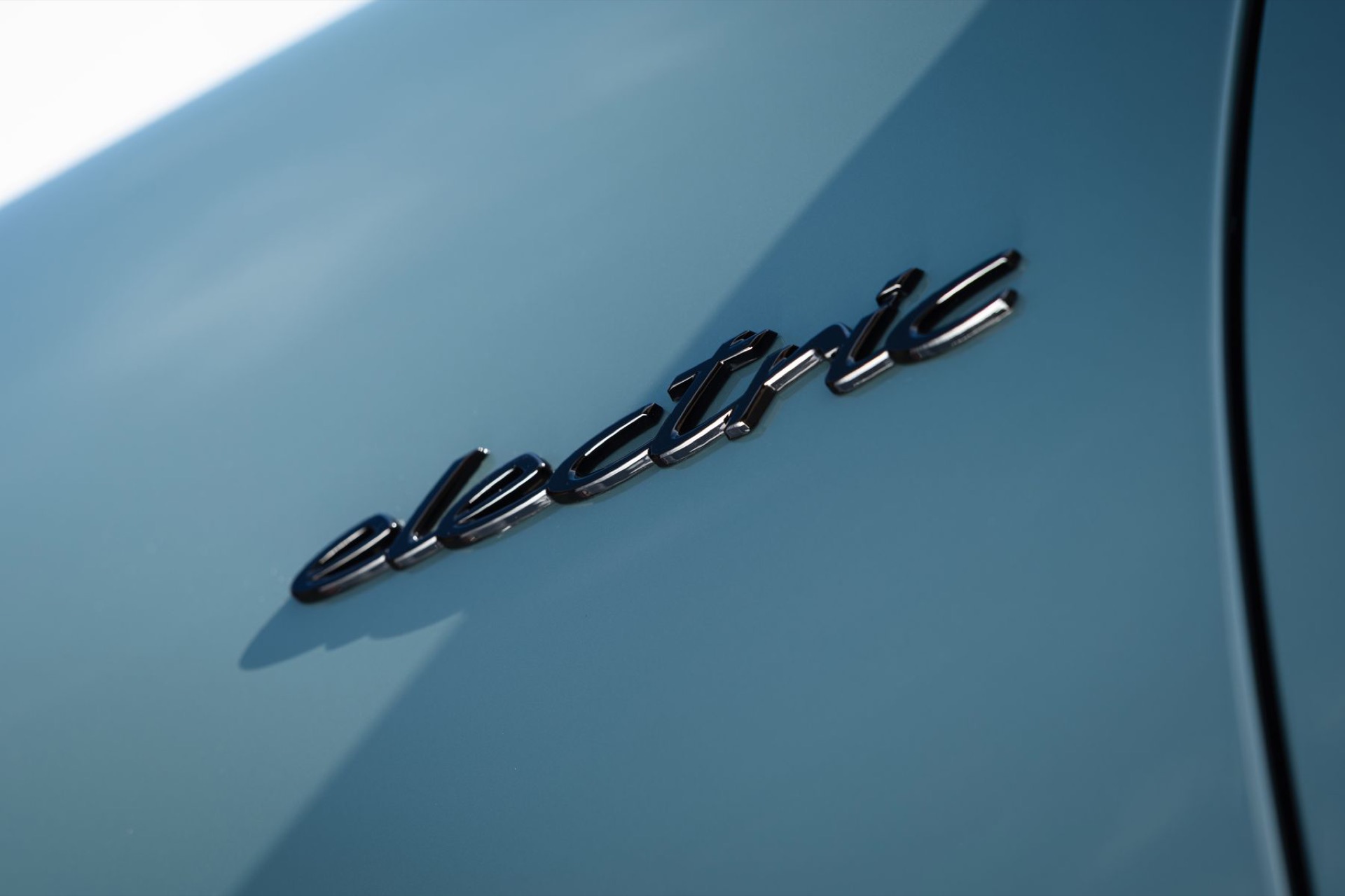
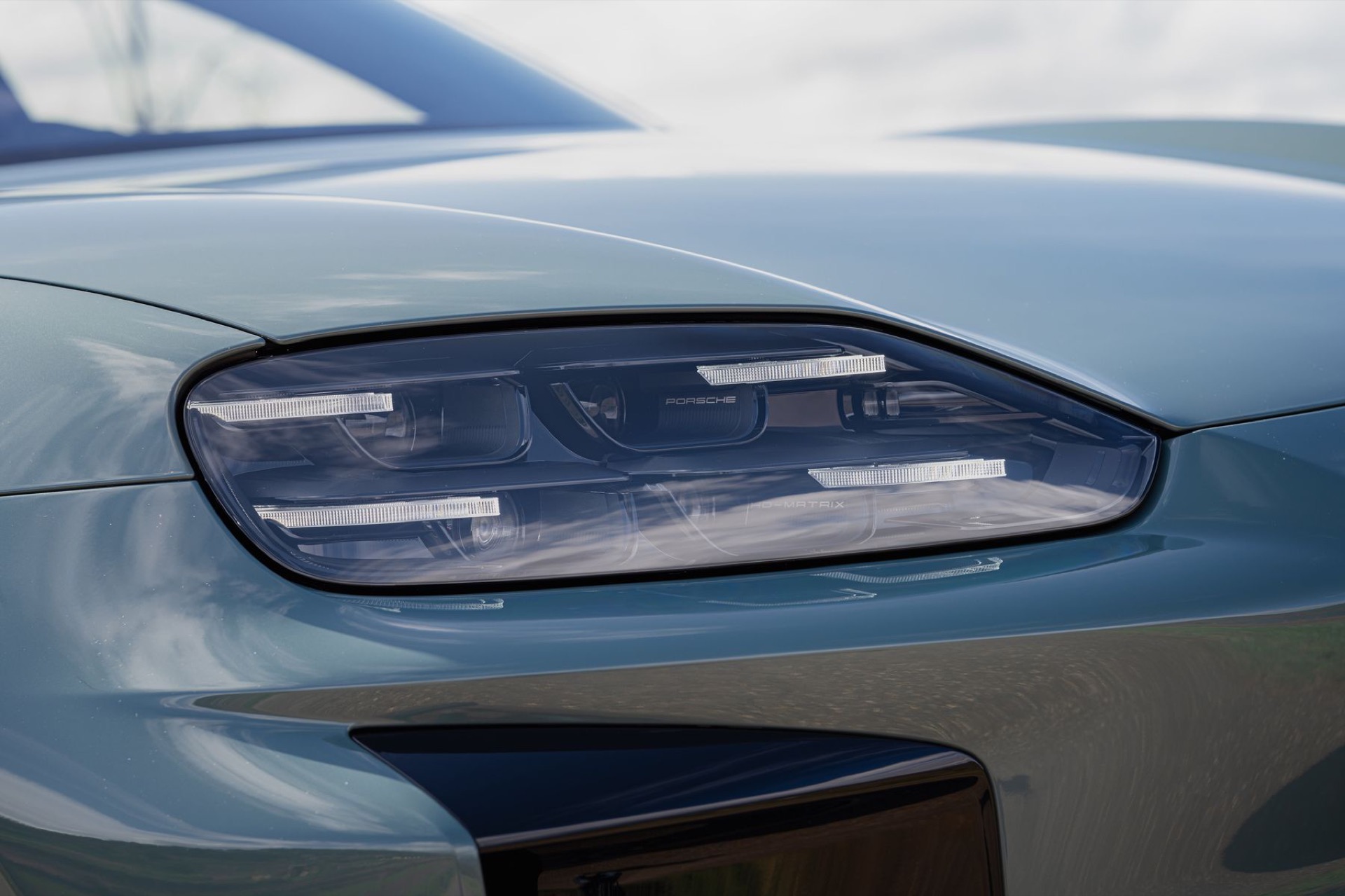
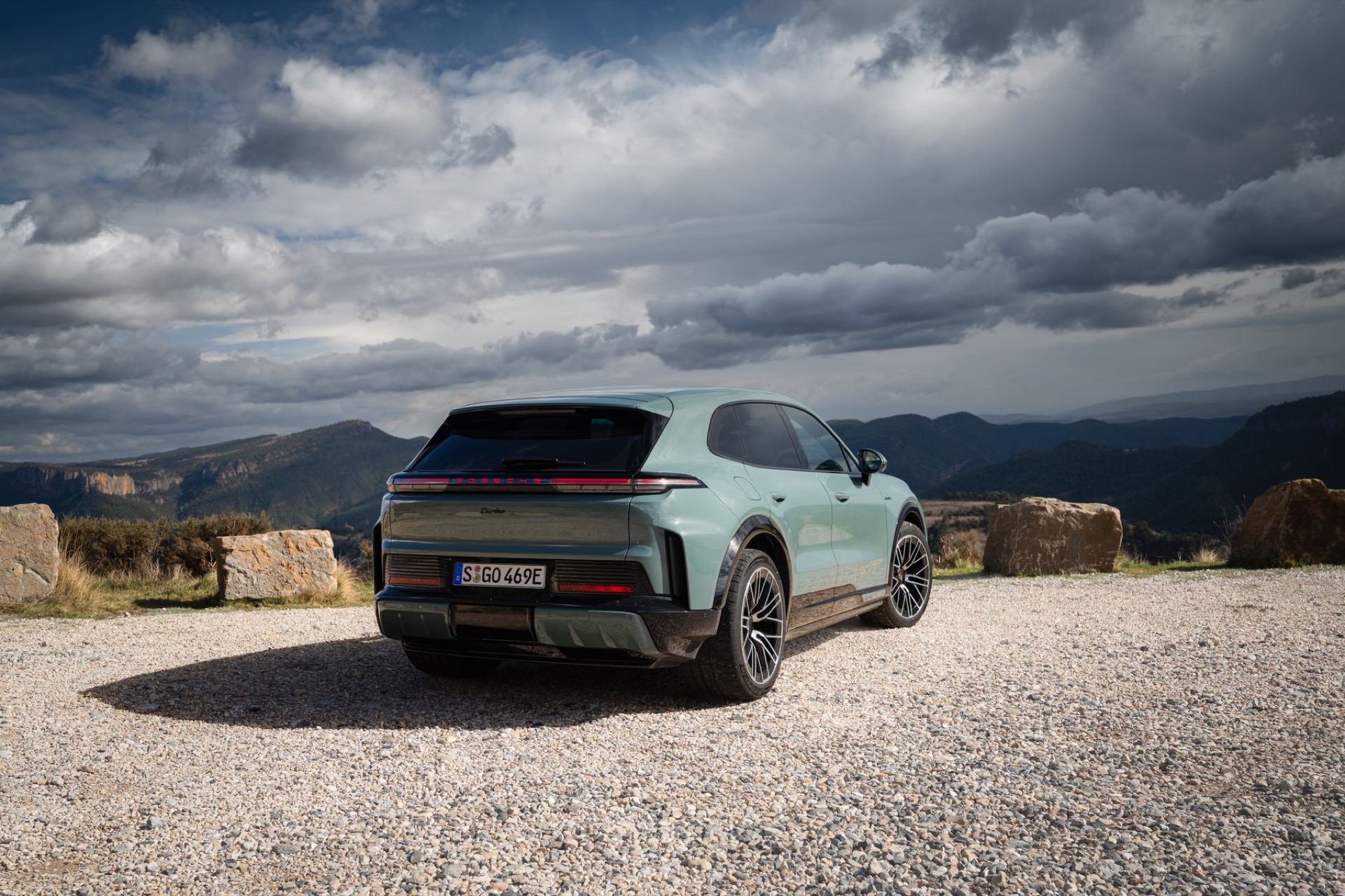
The challenge is considerable. The Cayenne is no longer an automatic success, especially as a fully electric model. To compete with rivals such as the Lotus Eletre R, BMW iX M70 xDrive and Tesla Model X Plaid, Porsche equips the flagship version with extreme performance. In launch mode, the dual-motor system produces up to 850 kW, propelling the SUV from zero to 100 km/h in 2.5 seconds. The sprint to 200 km/h takes just 7.4 seconds, while top speed is limited to 260 km/h. Even in sustained operation, the system delivers 630 kW (857 PS). A push-to-pass function temporarily adds 130 kW for ten seconds.
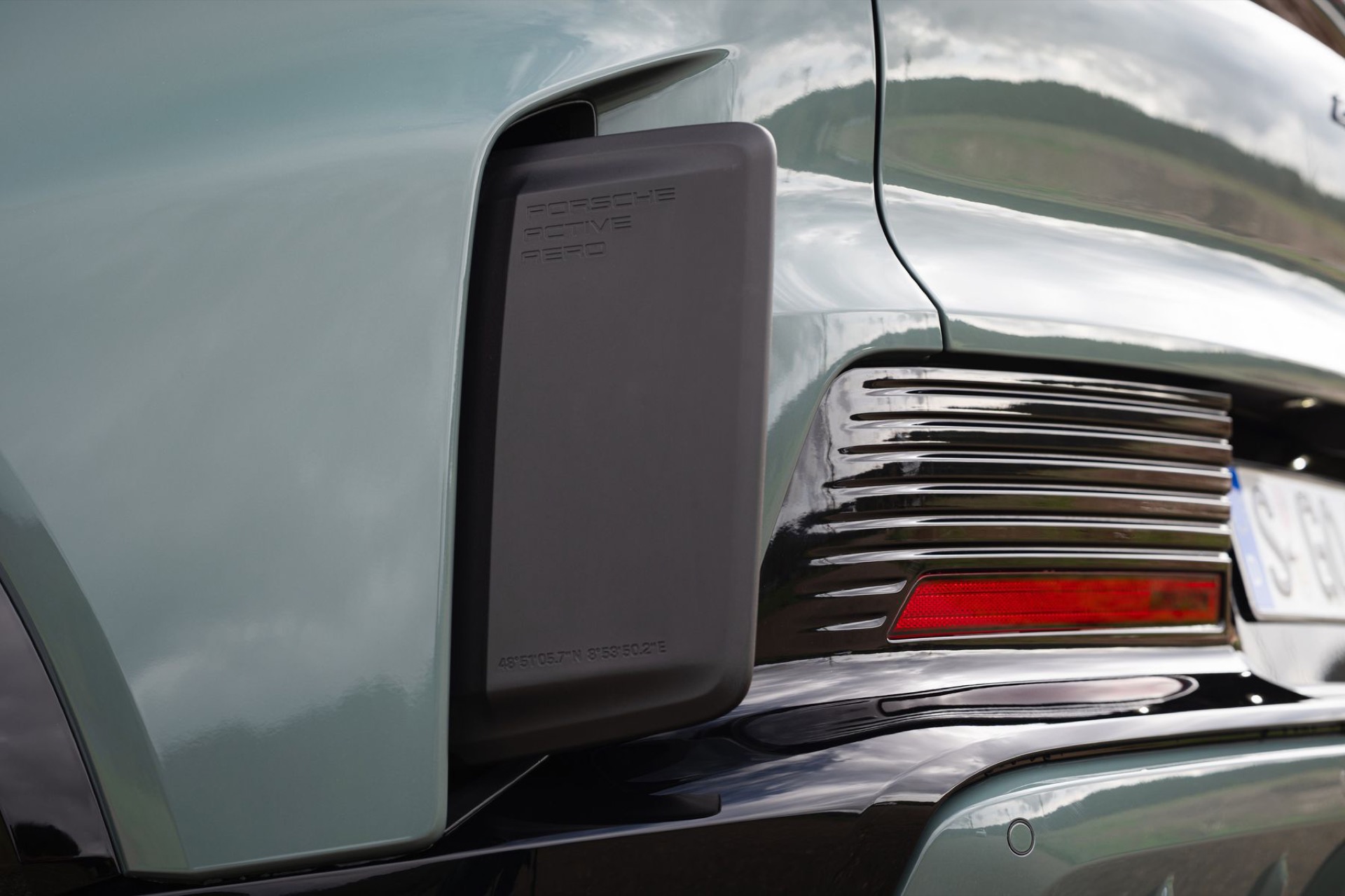
Power alone is no longer enough. Porsche focuses on driving dynamics, its traditional strength. The optional hydraulic suspension system aims to inject agility into a vehicle weighing 2,645 kilograms. The Cayenne Turbo Electric becomes the first Porsche SUV with an active chassis system combining air suspension and hydraulically controlled dampers. Body movements are minimised, and responses are exceptionally fast. The electronic Porsche Traction Management system reacts within five milliseconds.
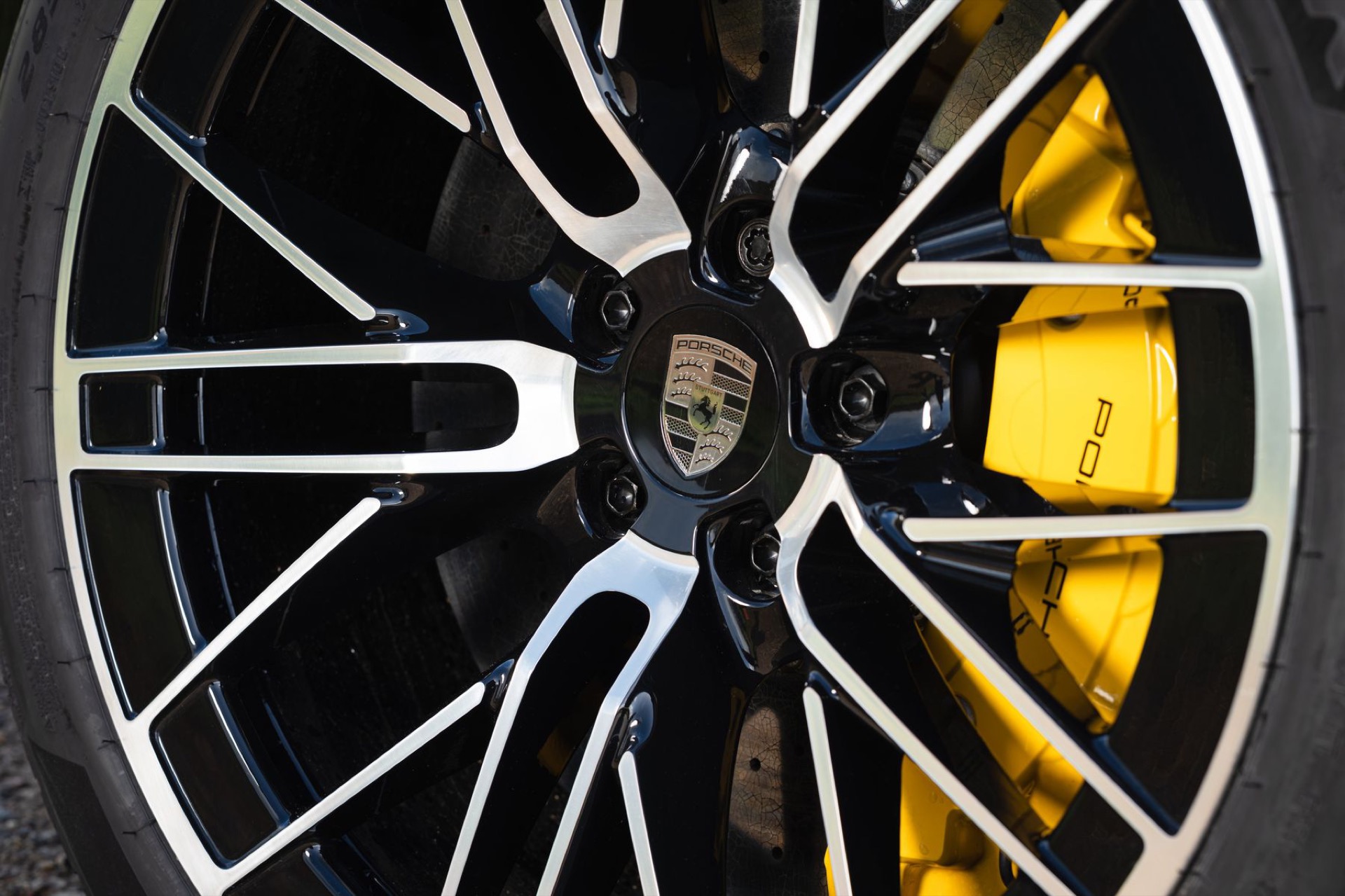
The result is a broad spread between comfort and performance. The Cayenne remains composed in everyday driving yet becomes surprisingly agile when pushed. Rear-axle steering reduces the turning circle to 11.1 metres, while torque vectoring and optional ceramic brakes enhance control. With the off-road package, towing capacity rises to 3.5 tonnes.
On the road, the technology delivers. Even in Sport Plus mode, the suspension remains firm but not harsh. The Cayenne feels remarkably composed for its size, turning eagerly into corners and maintaining stability through fast bends. Physics still applies. At the limit, the front axle begins to push wide, but the stability systems intervene smoothly without killing momentum.
The rear electric motor takes priority, delivering up to 750 kW (1,020 PS), while the front motor contributes when required. Under acceleration, the system can send up to half the torque to the front axle, with the rear receiving full output. In dynamic driving, the rear can even step out slightly, adding a playful element that is rare in an electric SUV.
Energy consumption rises quickly under spirited driving. Even at a more relaxed pace, figures around 34.8 kWh per 100 kilometres are realistic, compared with Porsche’s official 22.4 kWh. The WLTP range is up to 623 kilometres, supported by a 113 kWh battery. Fast charging is a strength. At DC stations, the battery can charge from 10 to 80 per cent in under 16 minutes, with peak charging rates of up to 390 kW. Optional AC charging at 22 kW is available, though at extra cost.
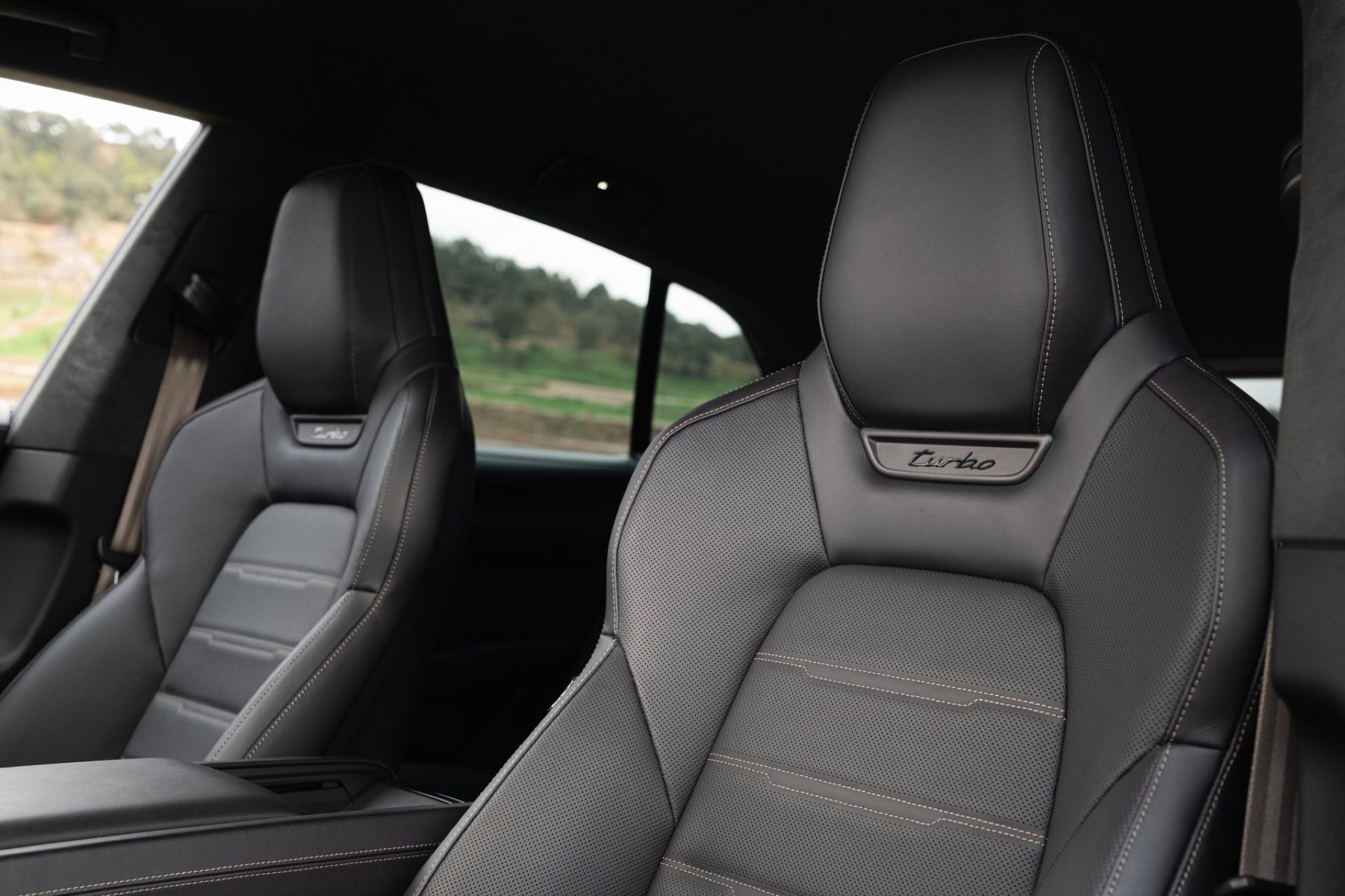
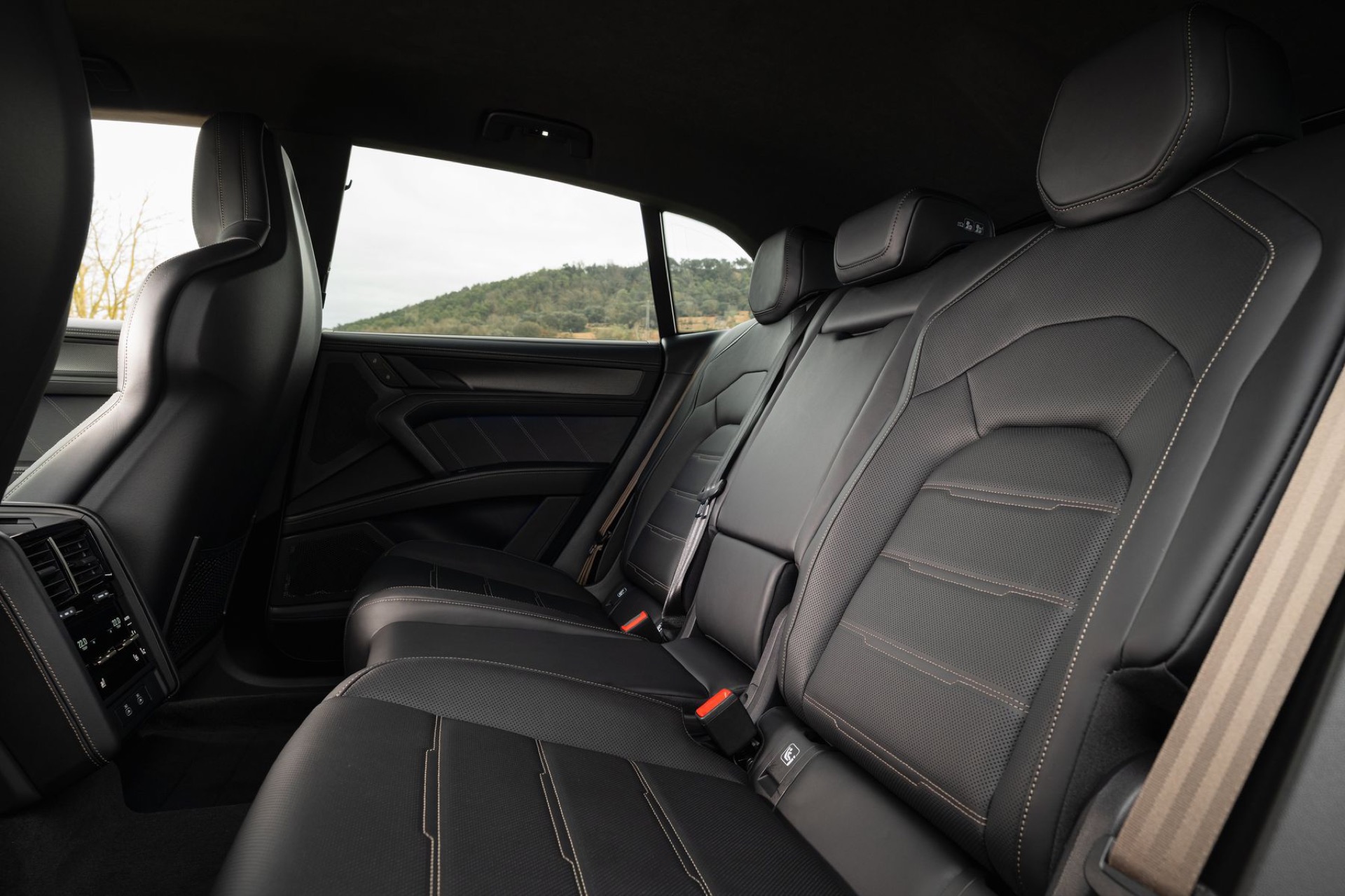
The interior reveals some compromises. Hard plastics are noticeable in several areas, and overall material quality does not quite match previous Porsche standards. The focus has clearly shifted towards cost control.
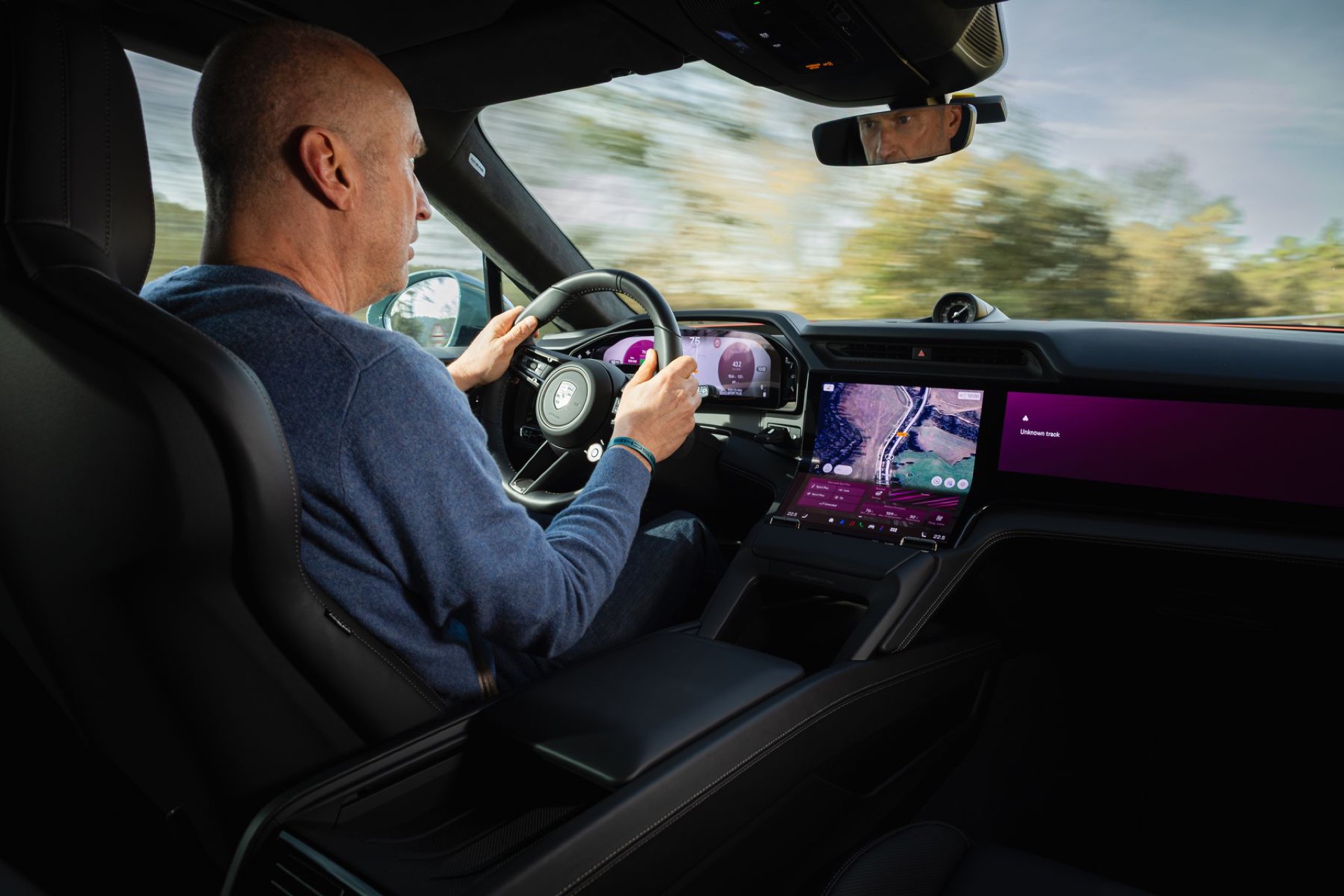
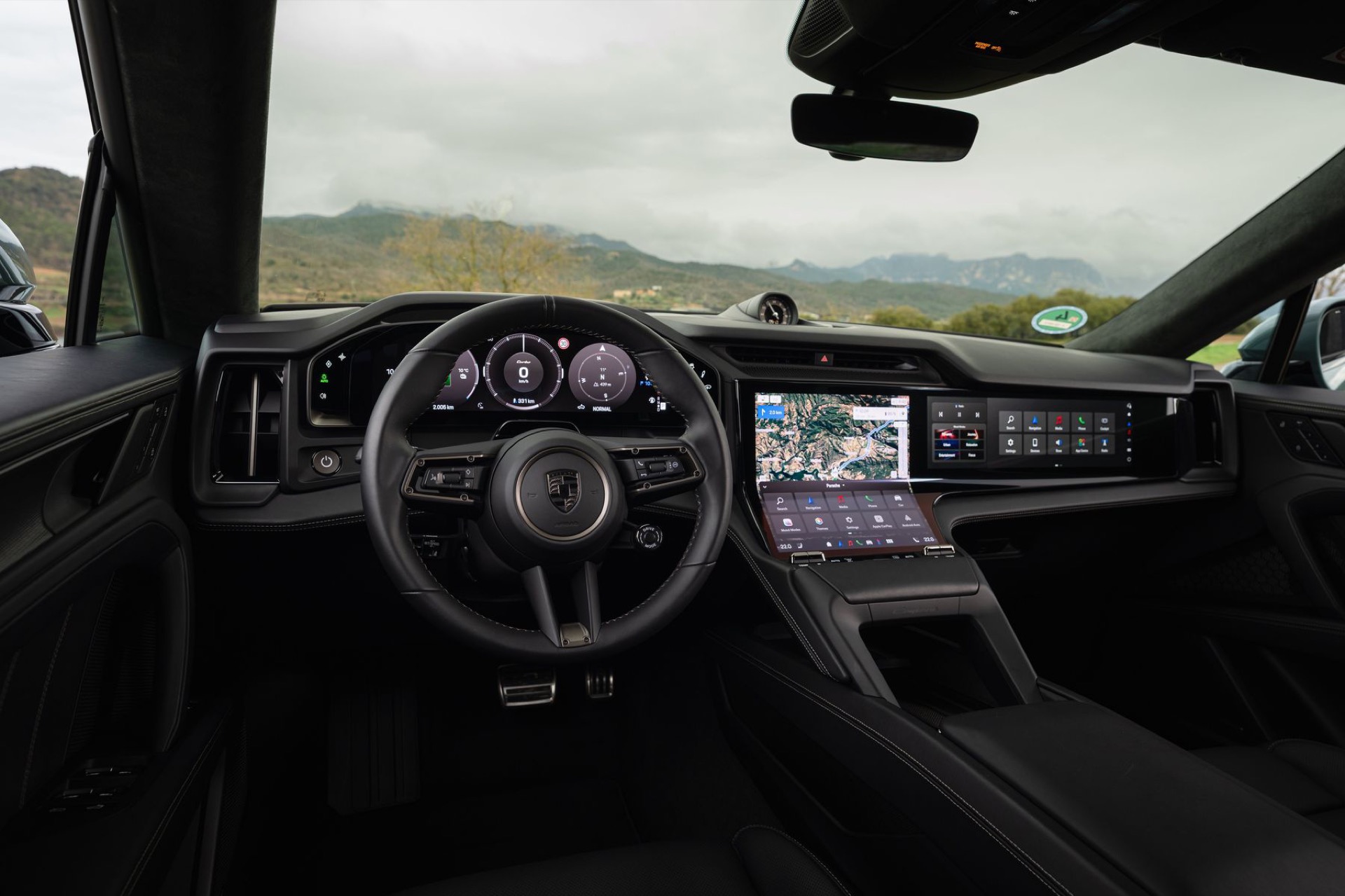
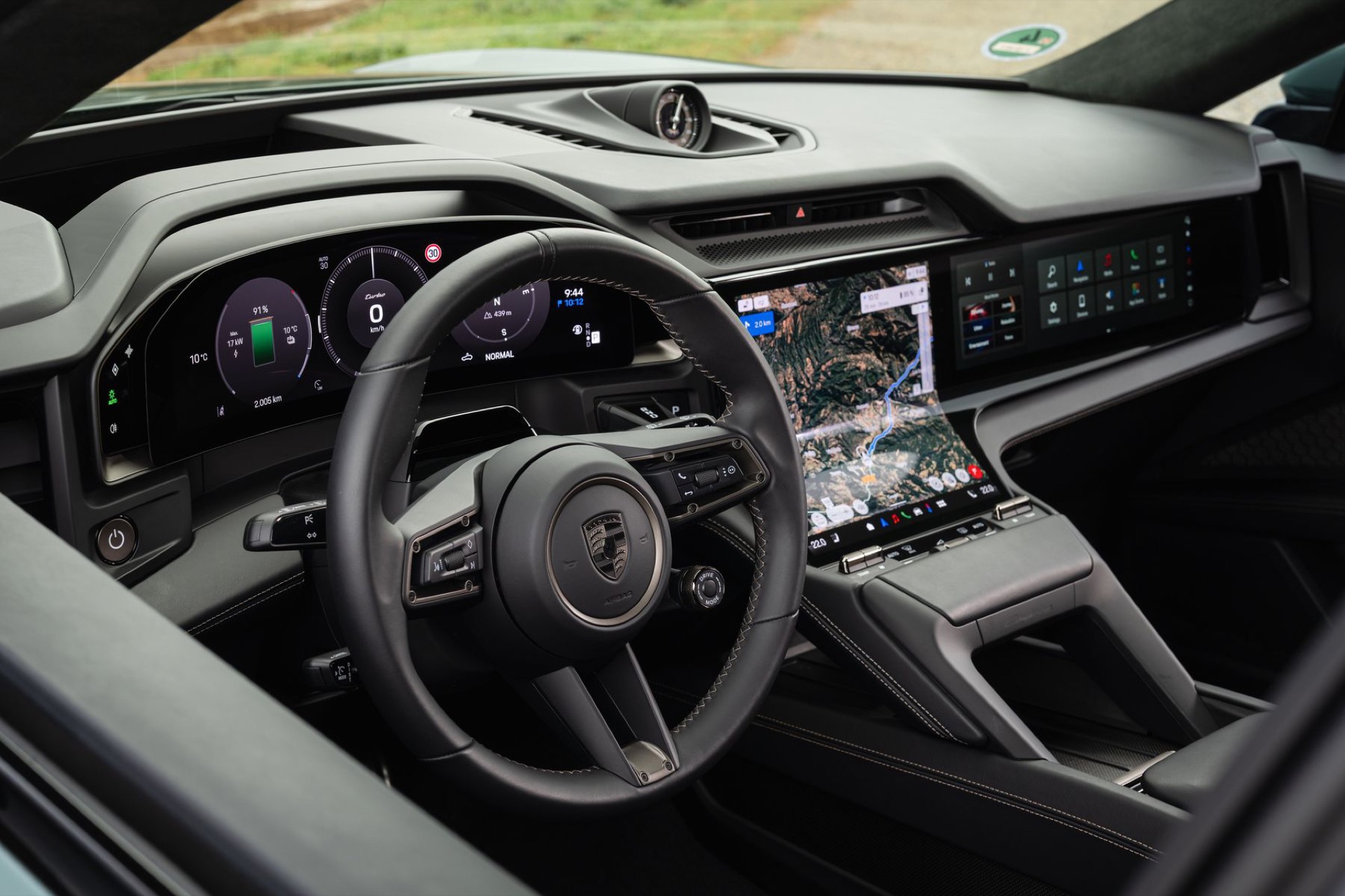
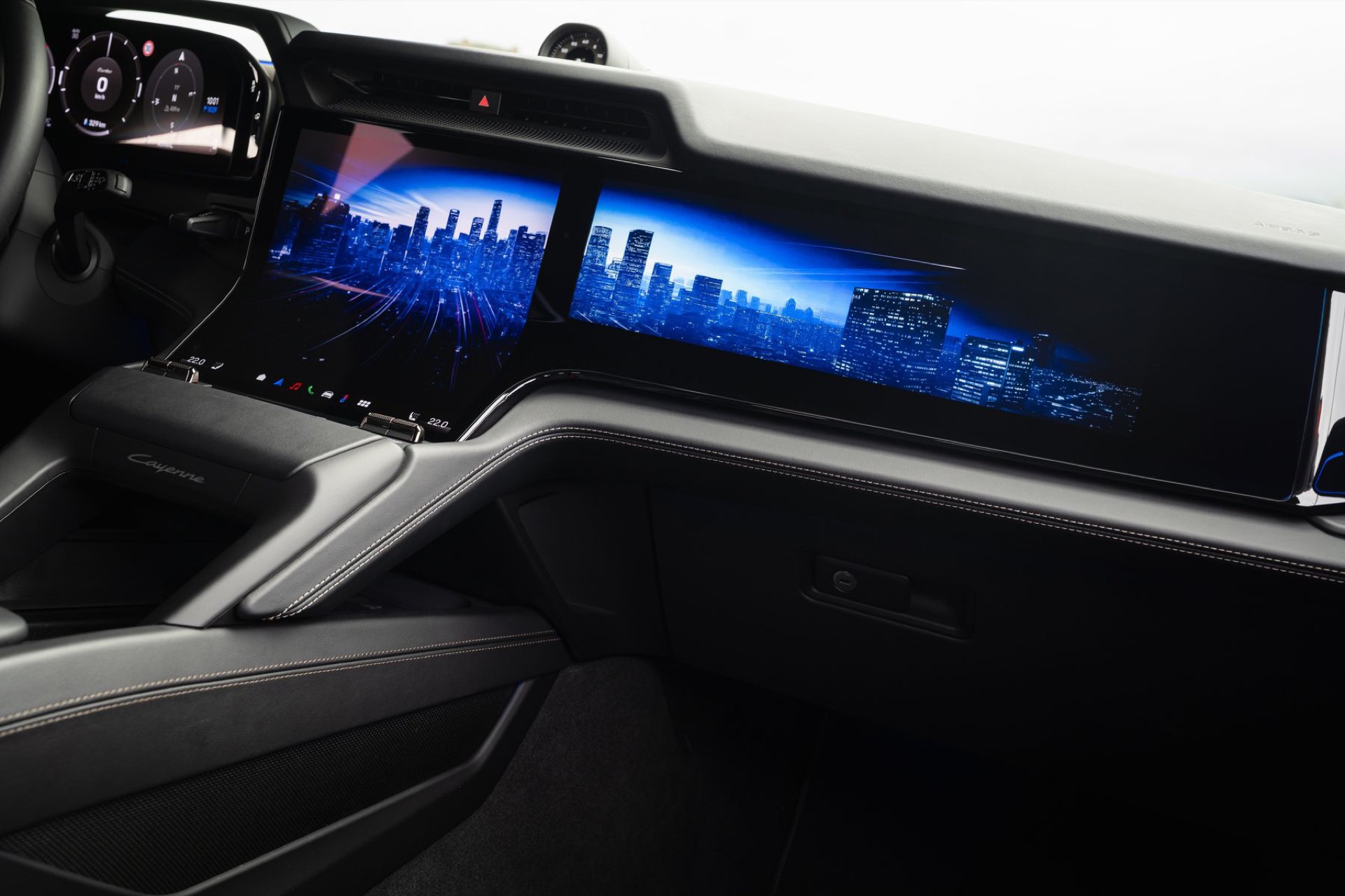
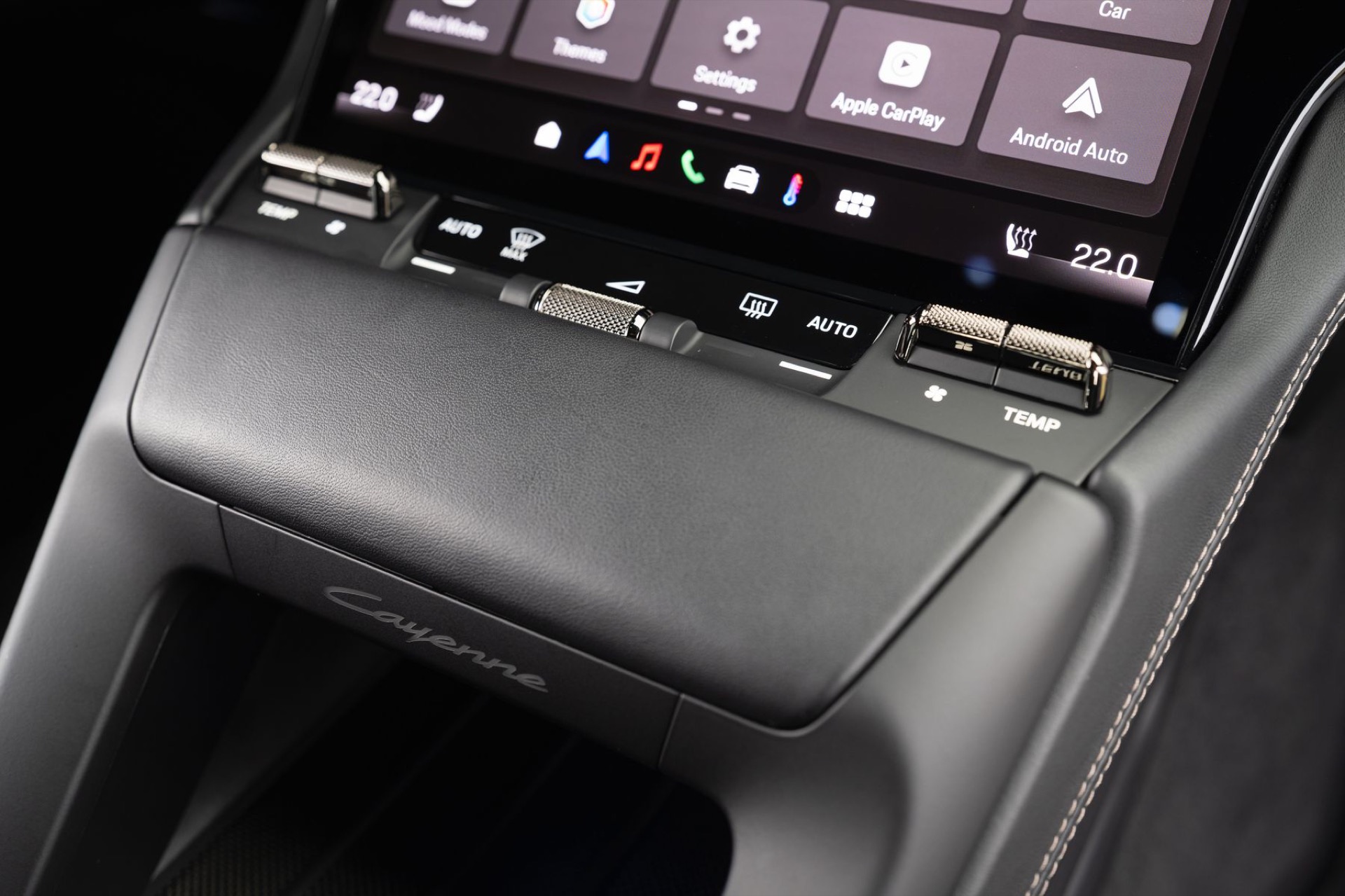
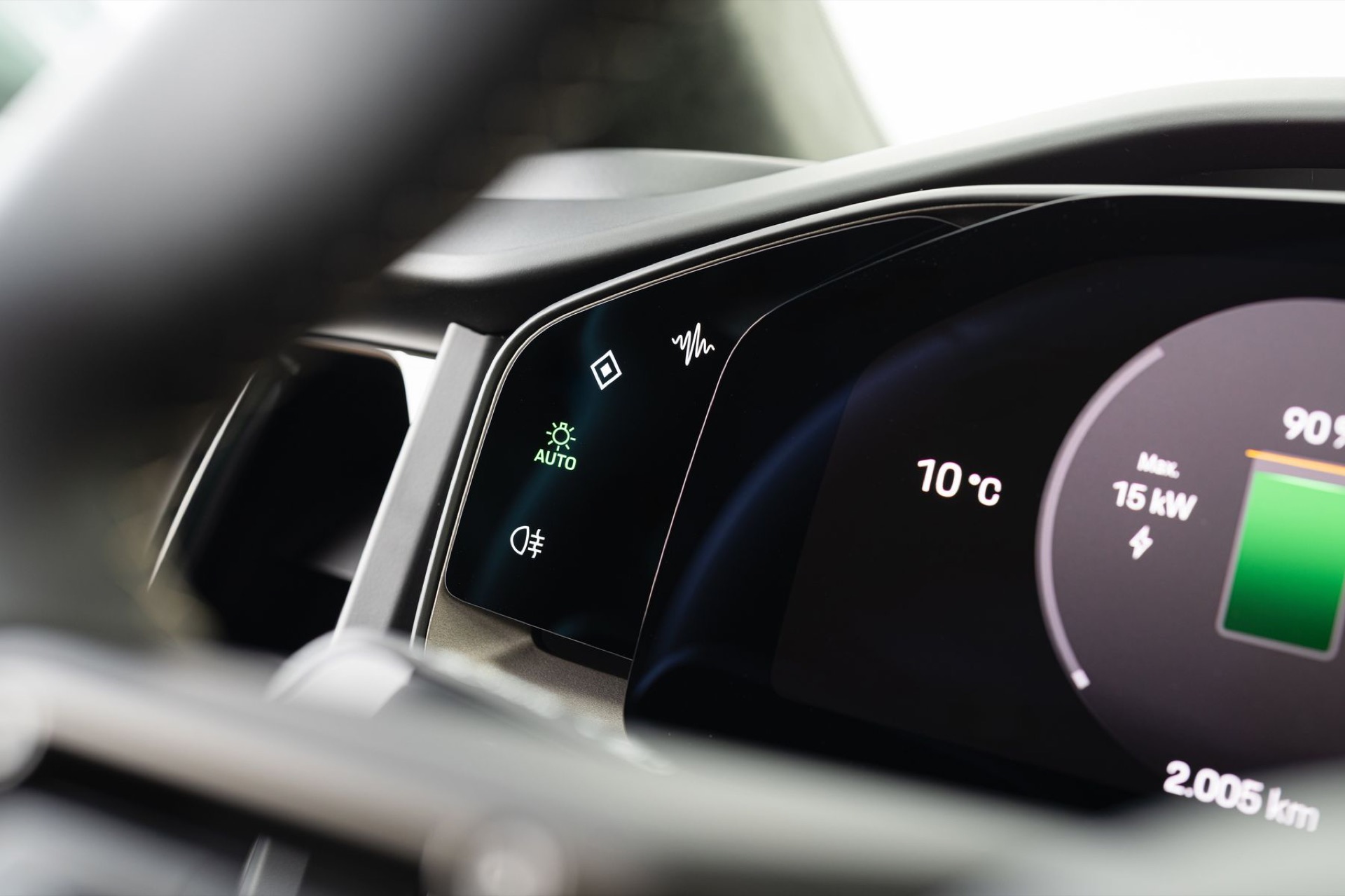
In contrast, the infotainment system points to Porsche’s future direction. The new curved central display, combined with a 14.25-inch instrument cluster, optional passenger screen and an augmented reality head-up display, creates a digital environment aimed at global markets. While the layout initially appears complex, it proves intuitive in use.
The Cayenne Turbo Electric will arrive at dealerships this summer. Whether it becomes the success Porsche needs remains to be seen, but from a technical standpoint, it makes a compelling case.