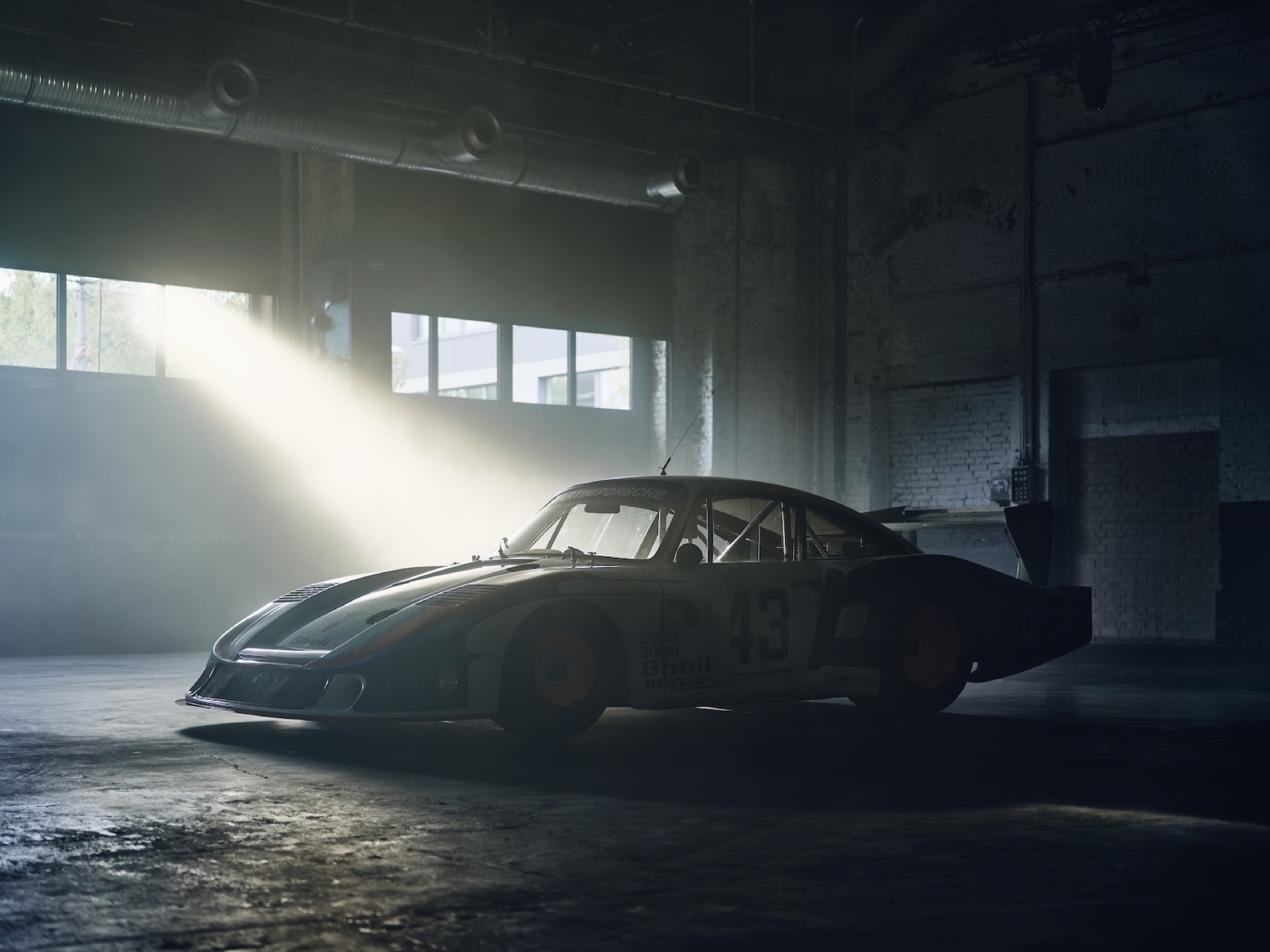
There is no question that the Porsche 935 is a genuine racing legend, although relatively few people know it by its official name. To most, it is simply Moby Dick, a nickname inspired by its extravagant proportions and enormous rear wing. Now the concept has been revived in spectacular fashion, this time as a one-off road car.
Admittedly, the idea of a modern slantnose Porsche is not entirely new.
Back in the 1980s, customers could order their 930-generation Porsche 911 Turbo in the factory-built Flachbau specification. Its distinctive nose, loved by some 911 enthusiasts and mocked by almost as many, drew inspiration from the Porsche 935 racing car that dominated circuits around the world during the late 1970s. Today, road-going examples are rare, with just 948 Flachbau conversions originally produced.
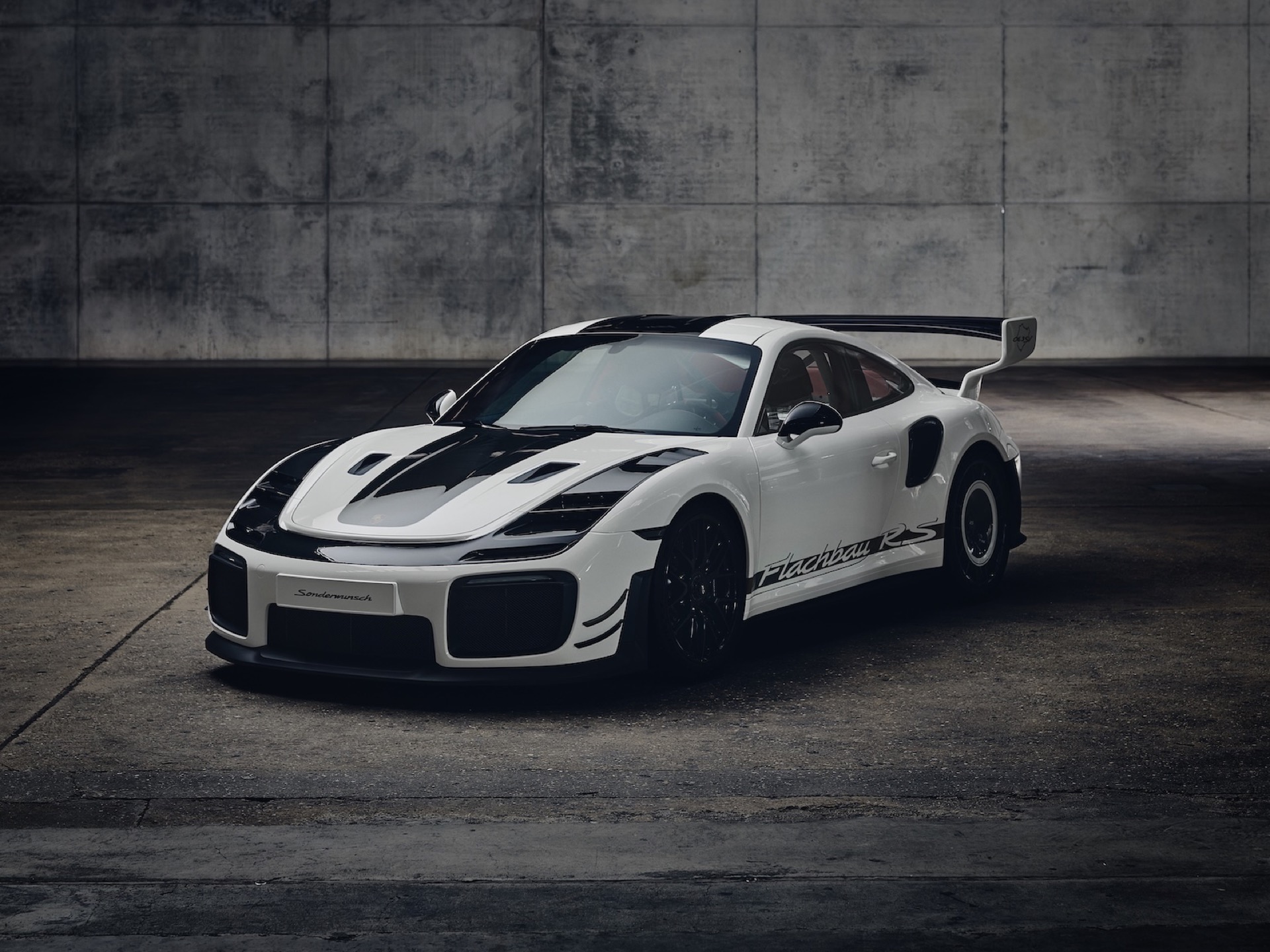
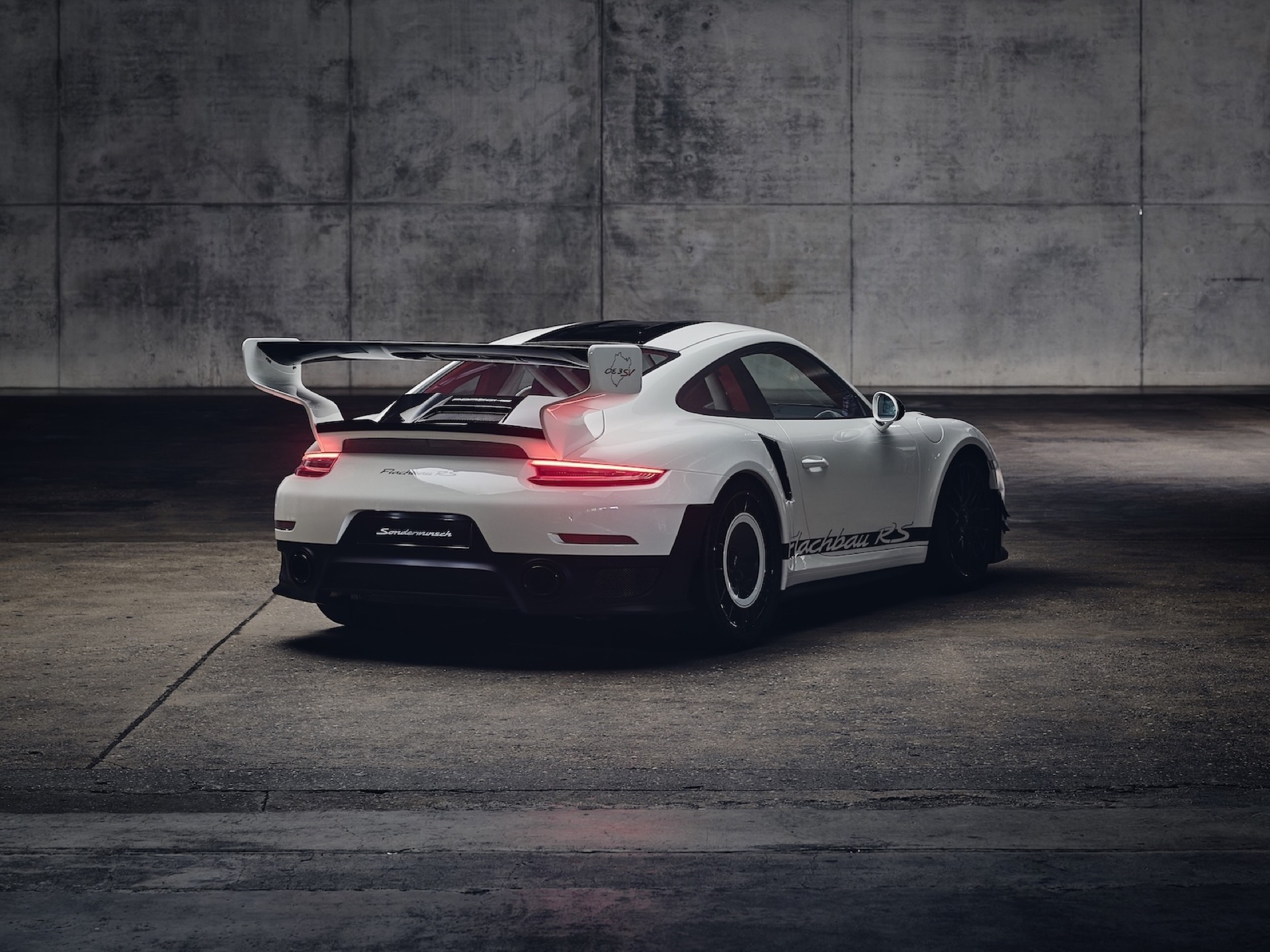
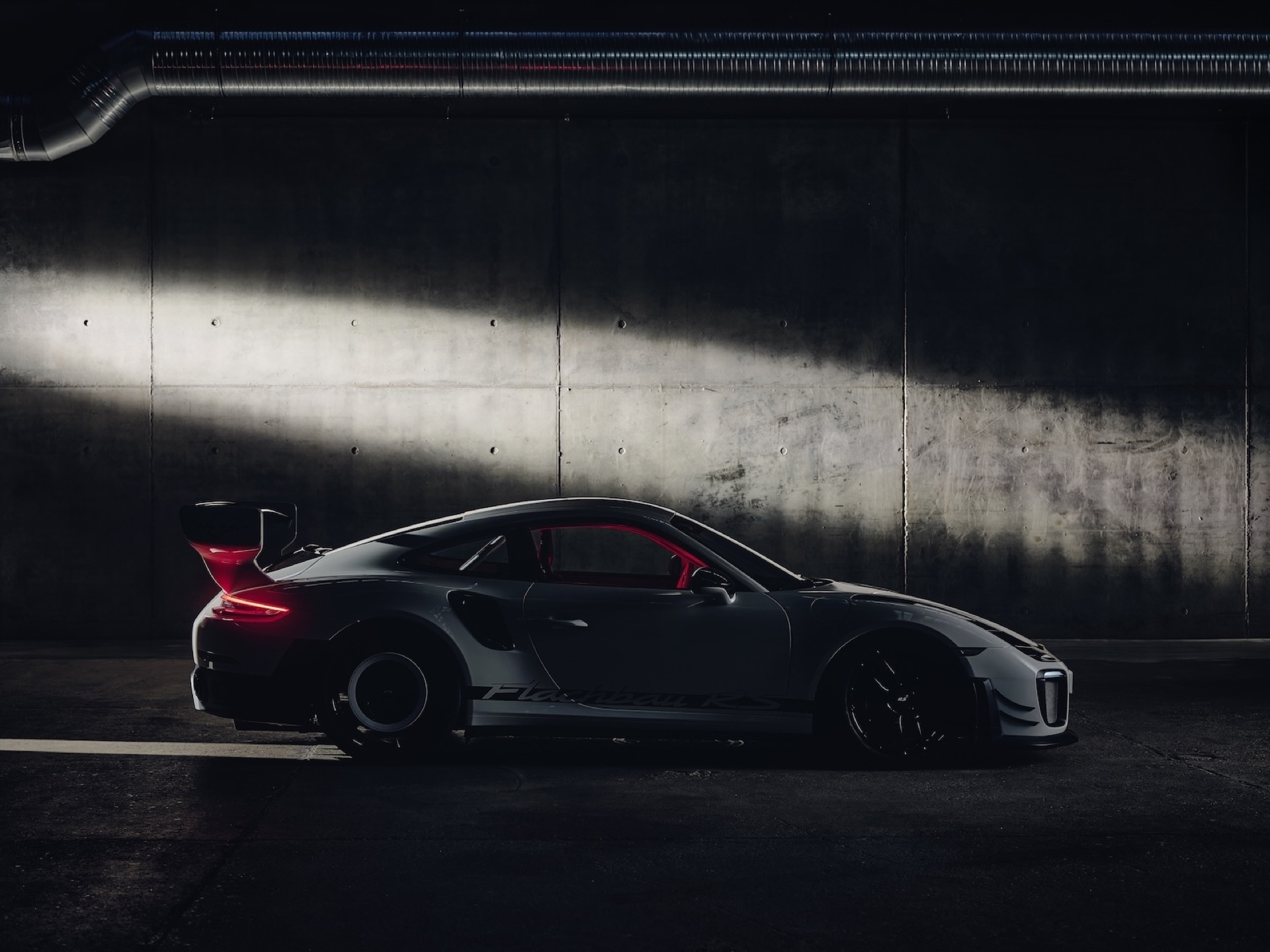
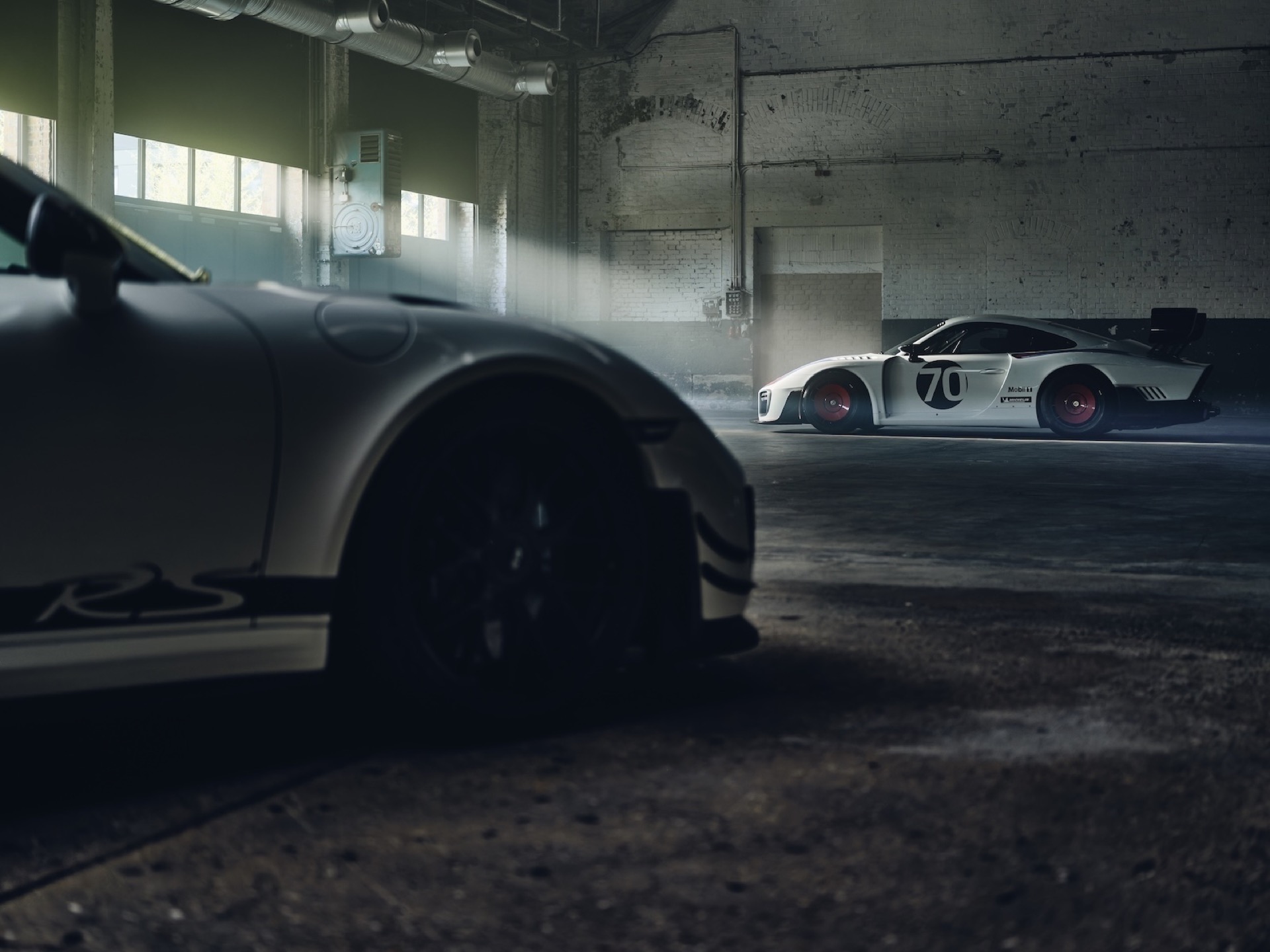
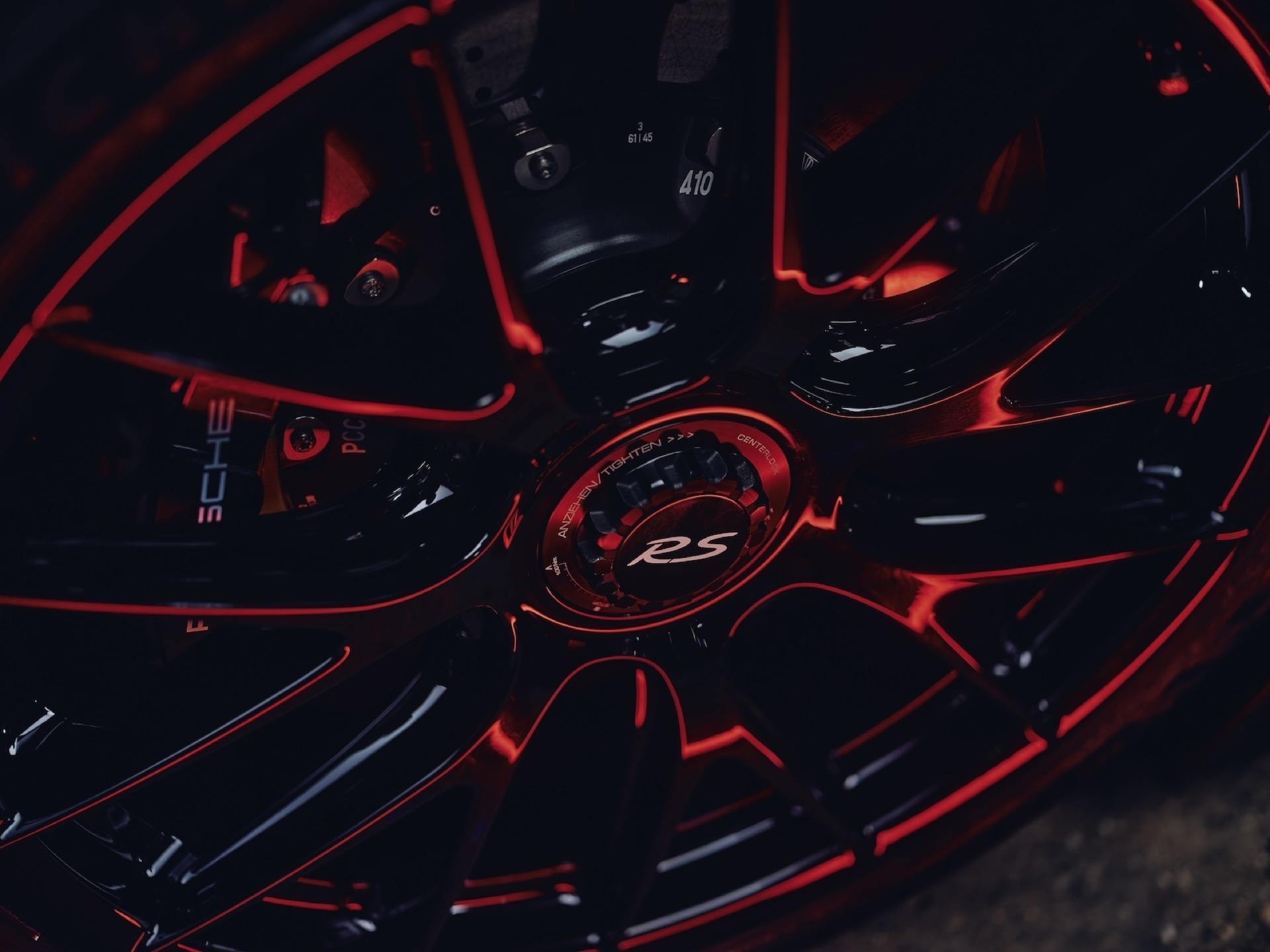

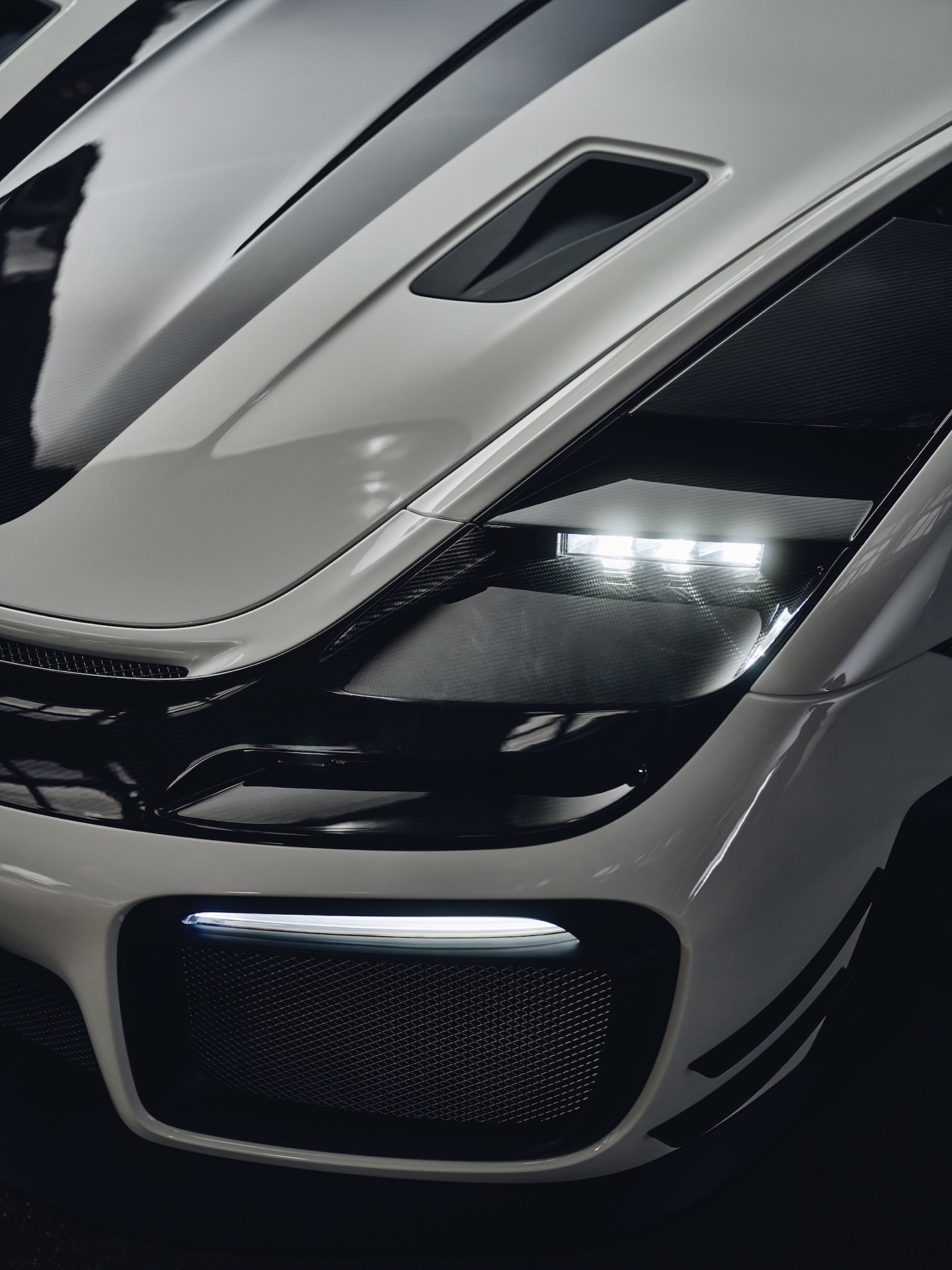
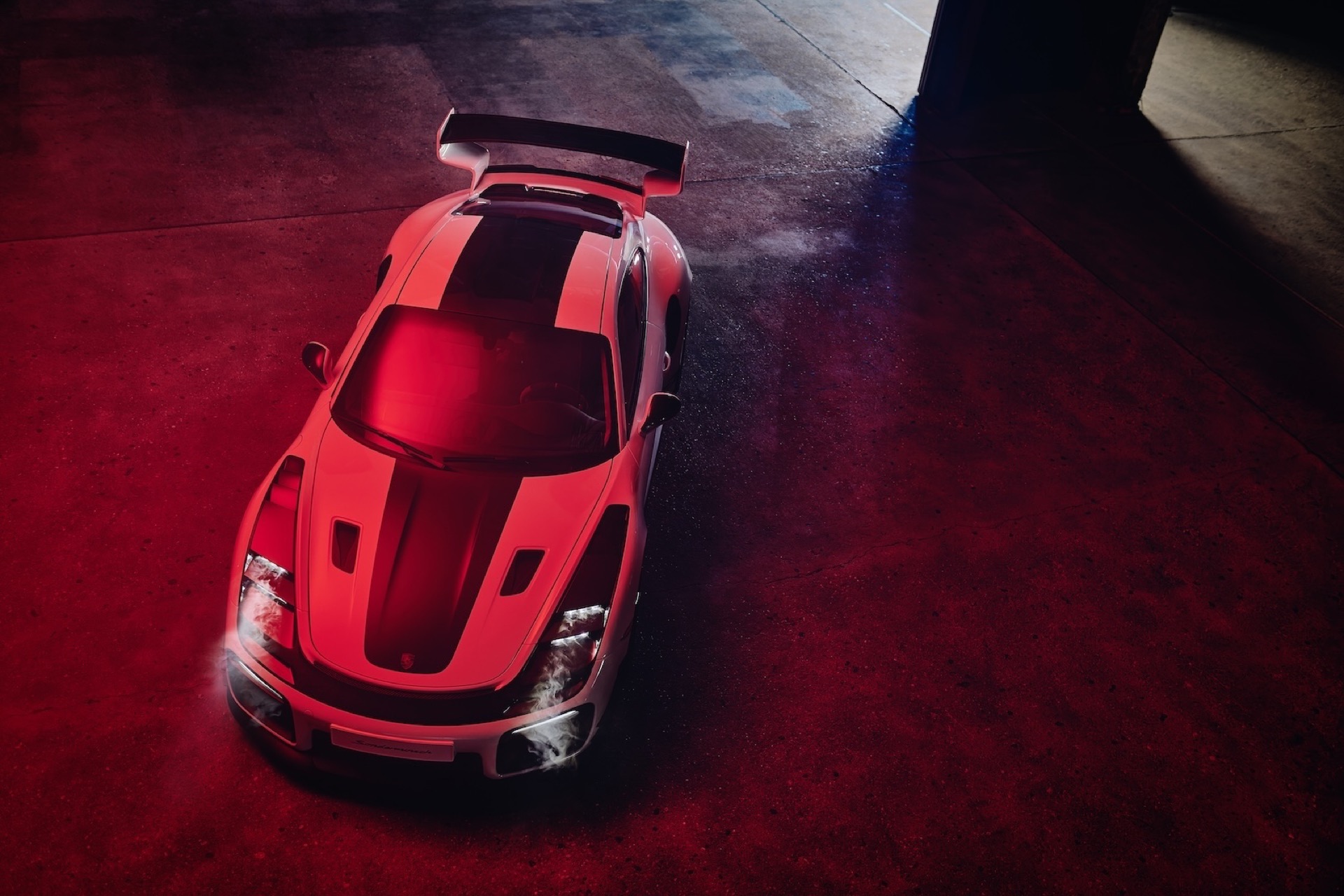
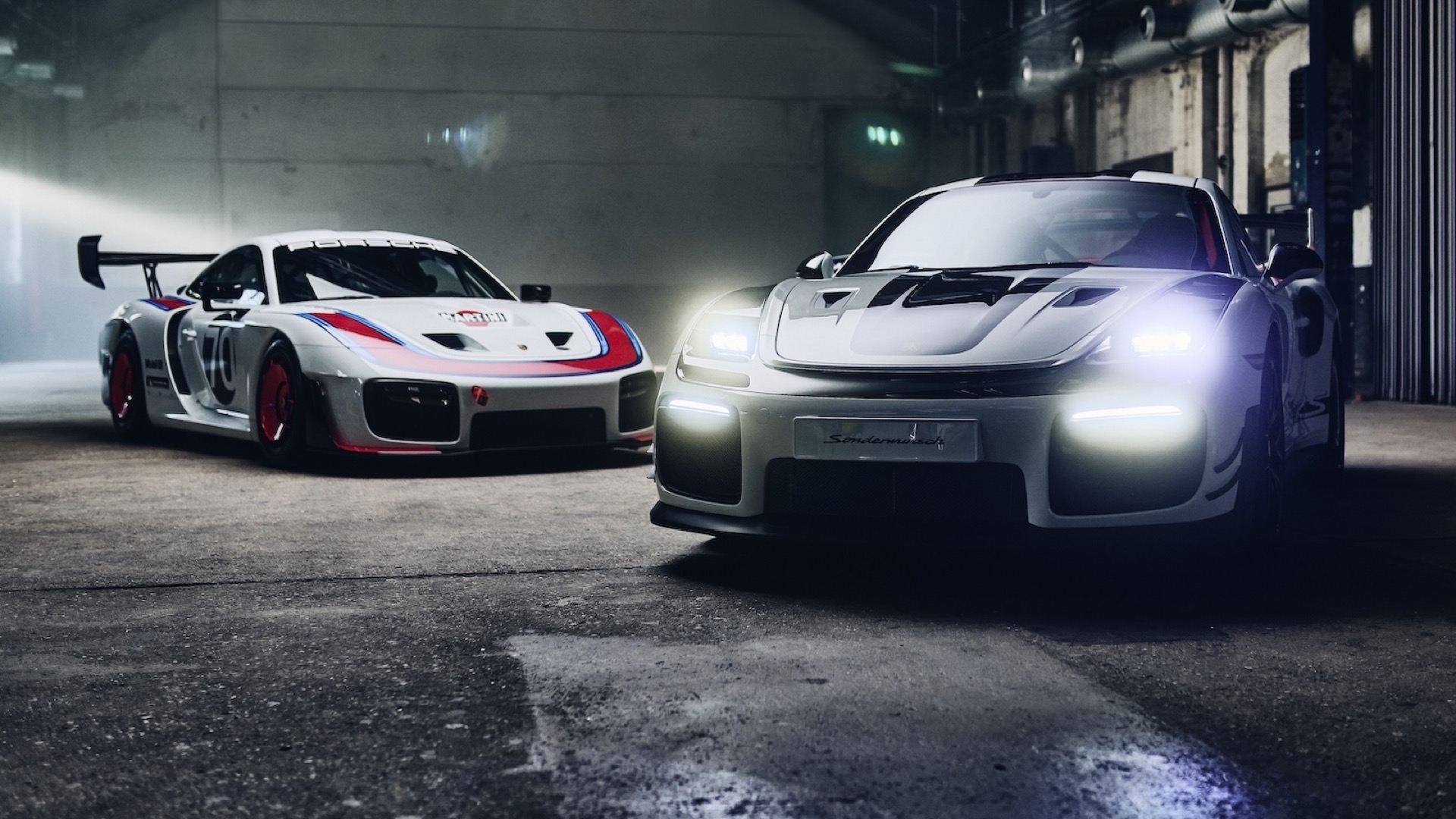
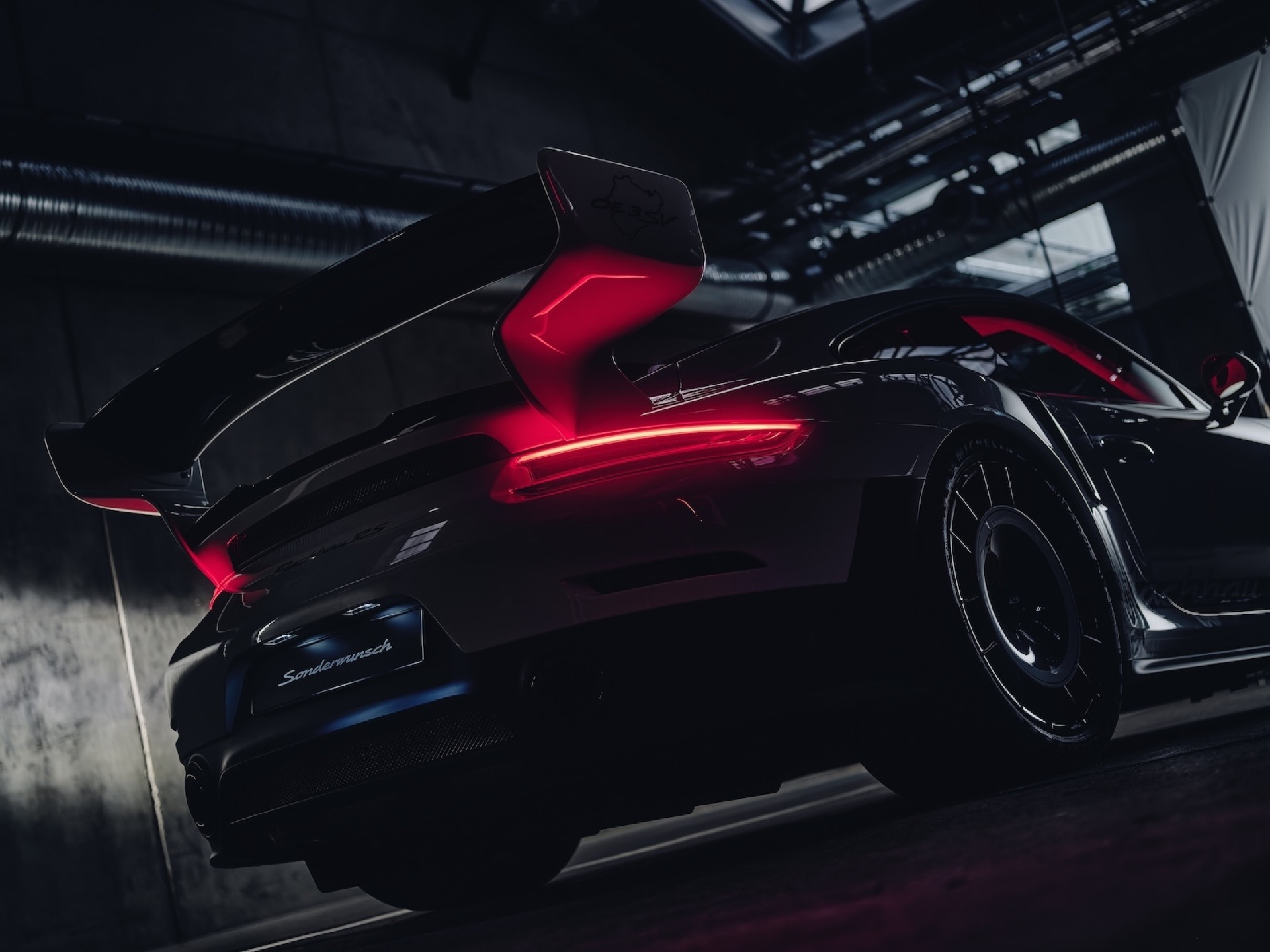
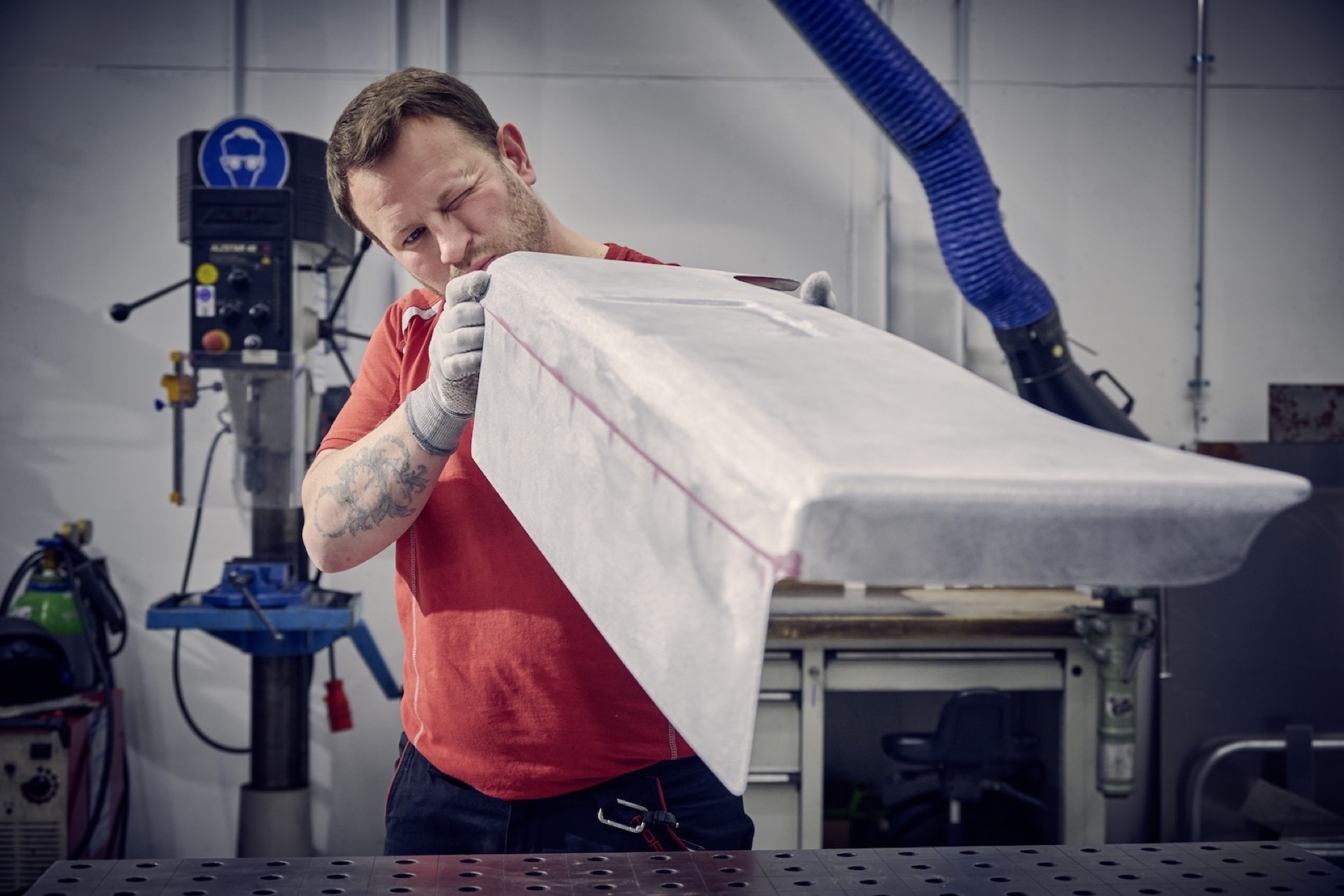
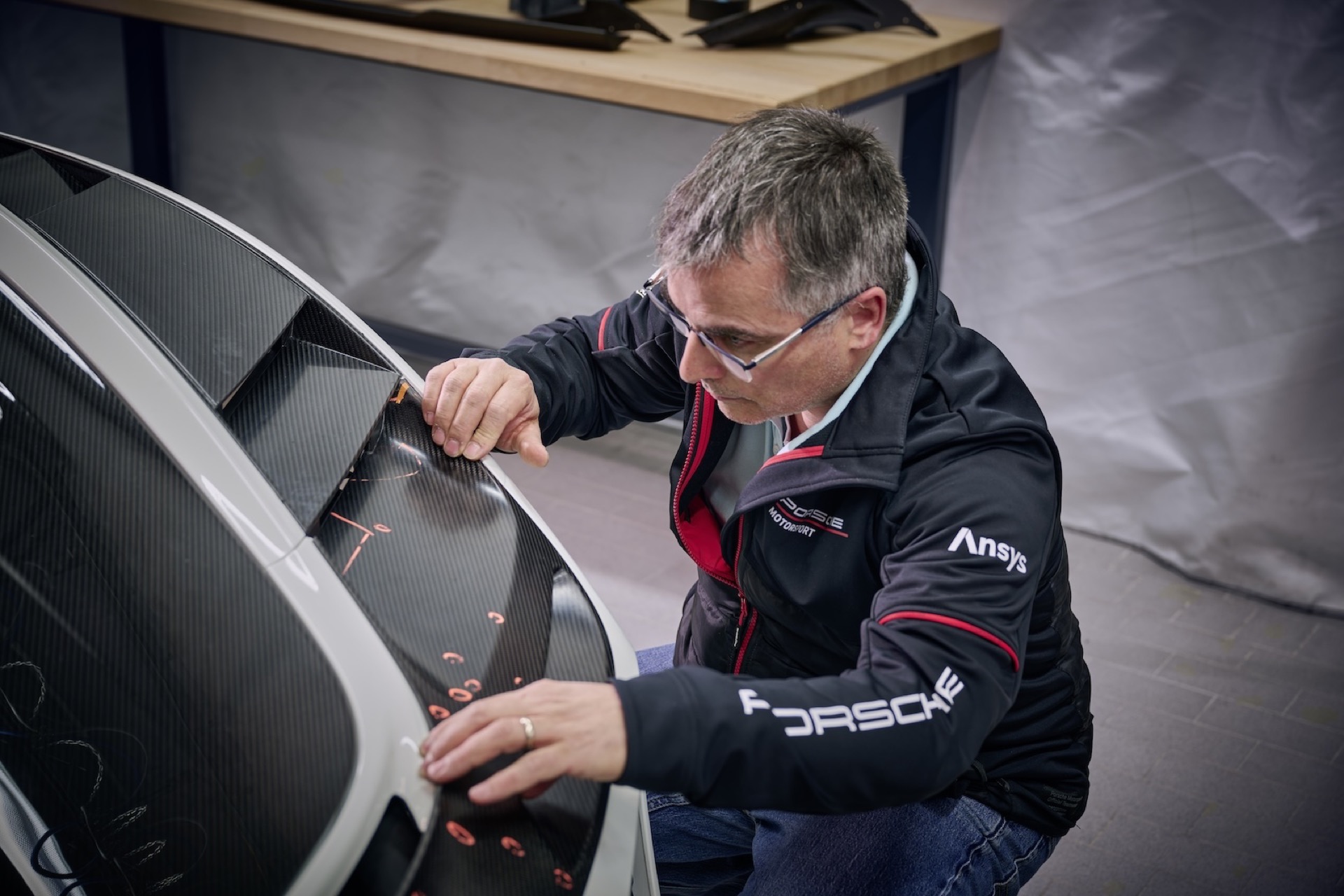
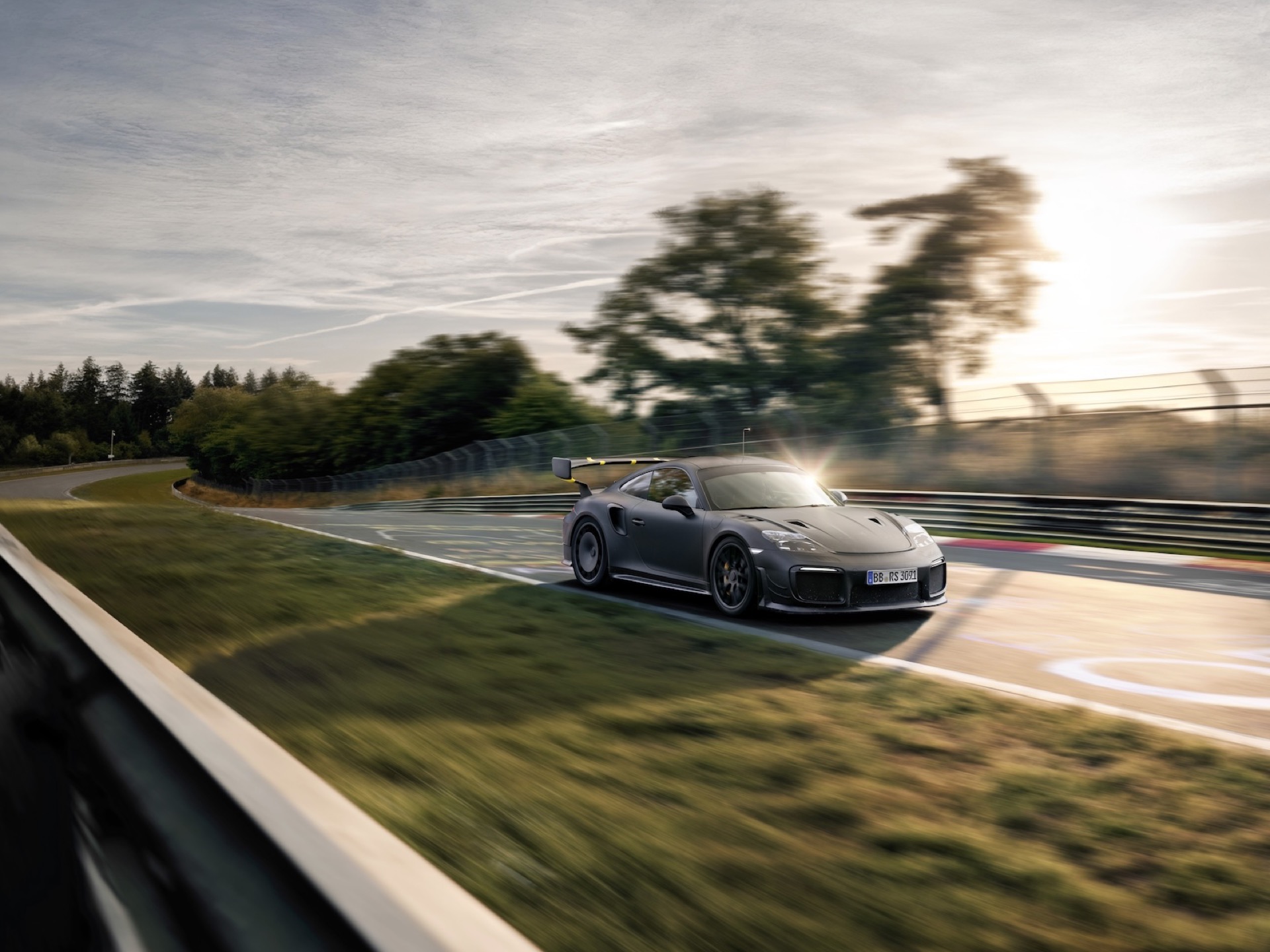
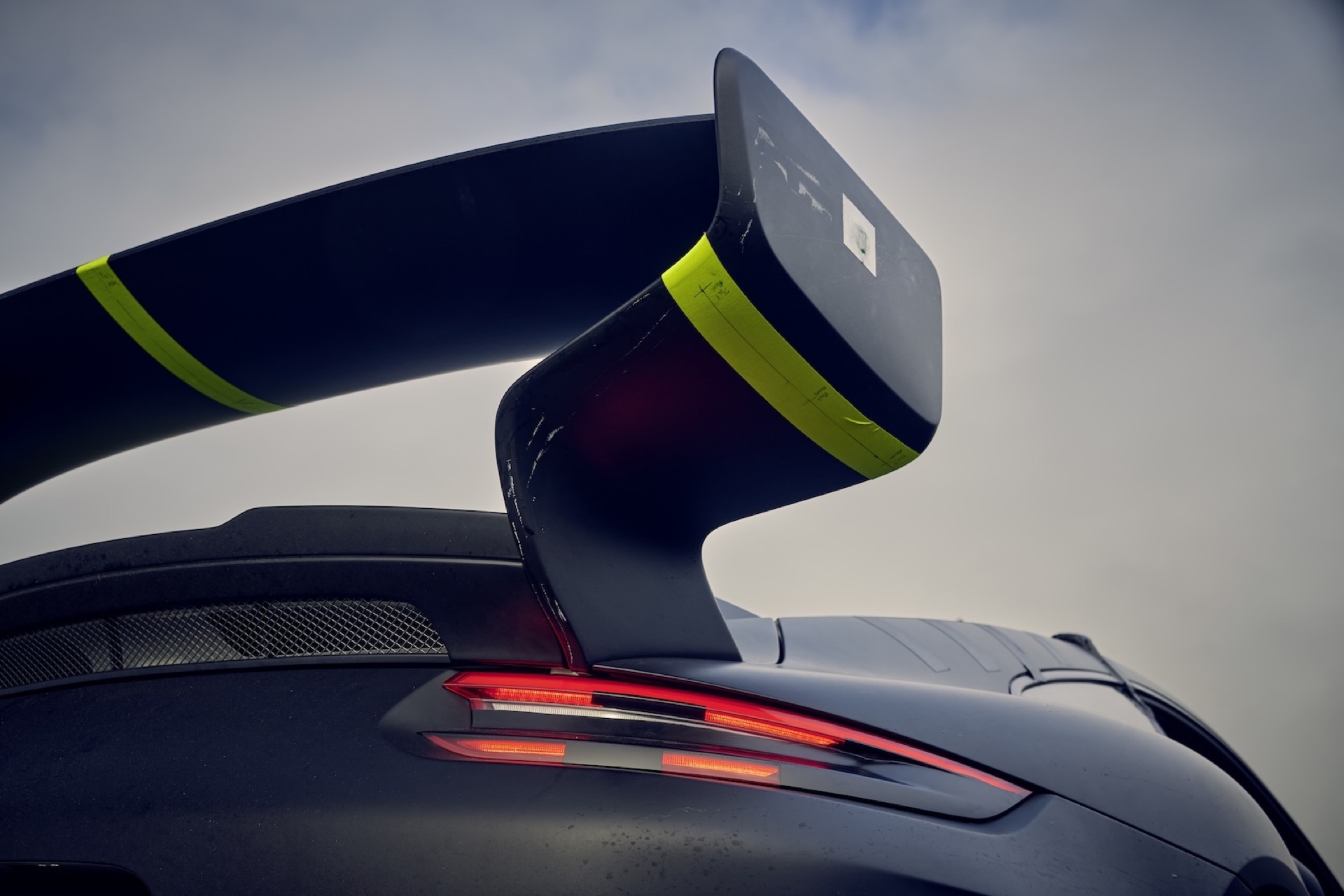
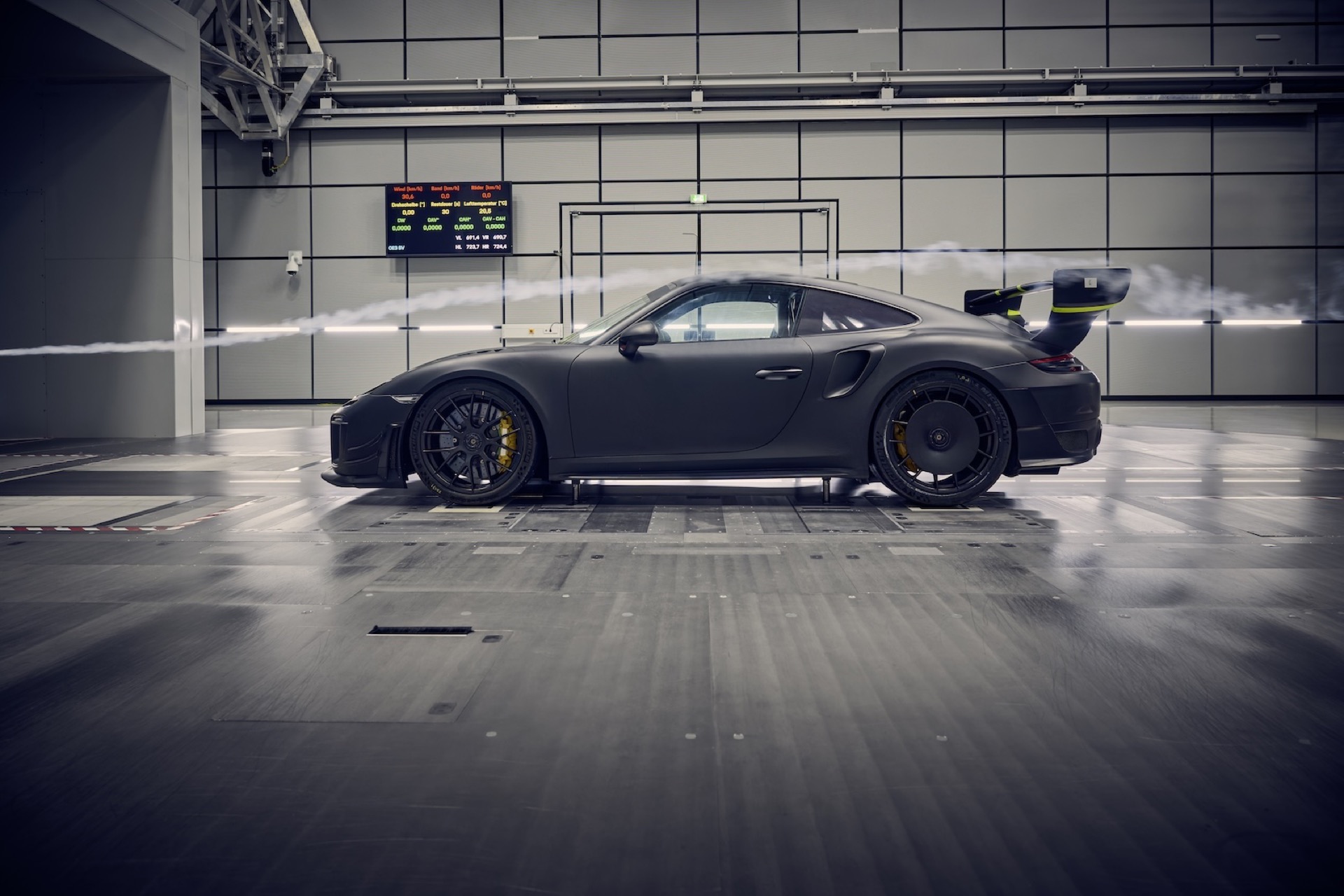
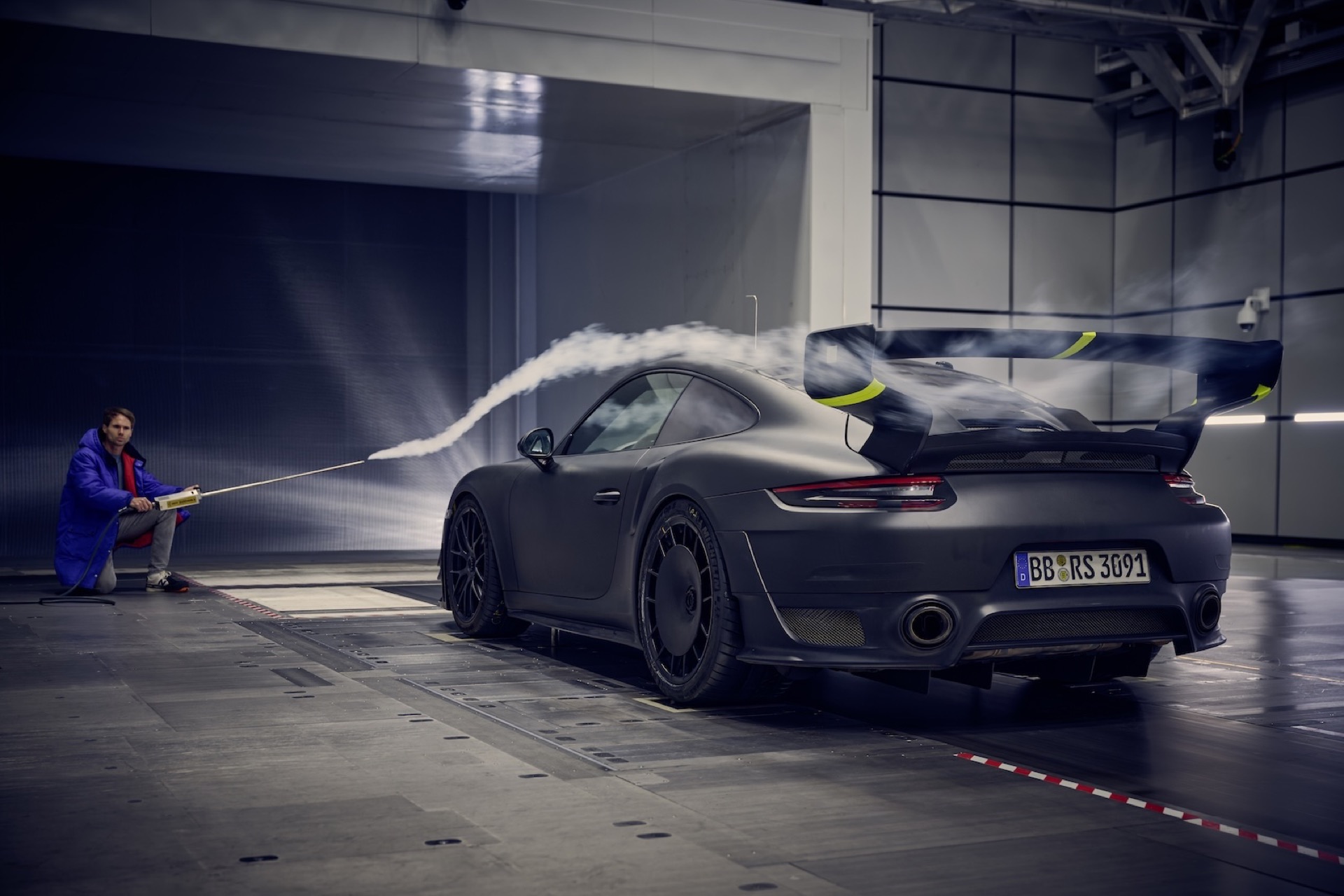
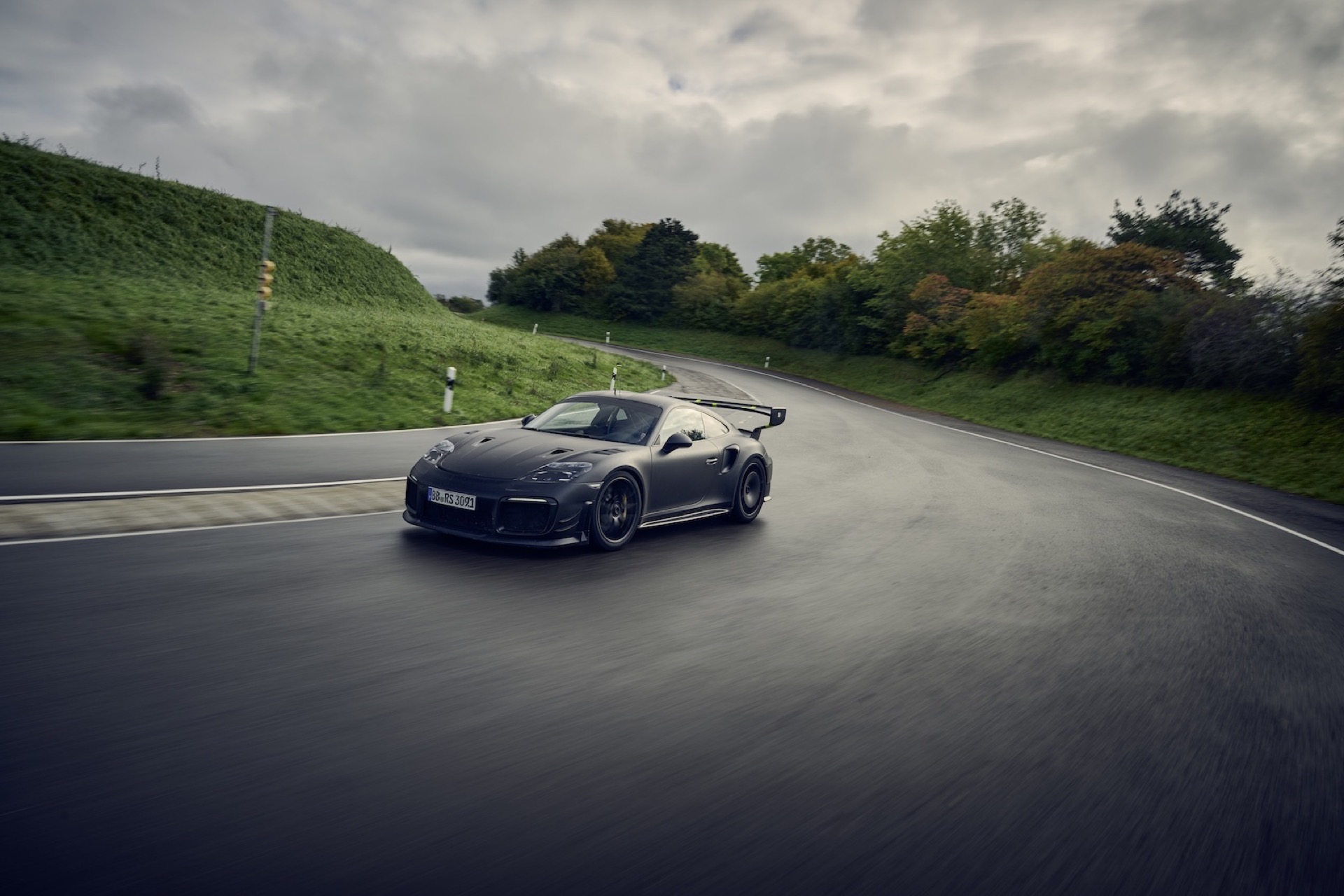
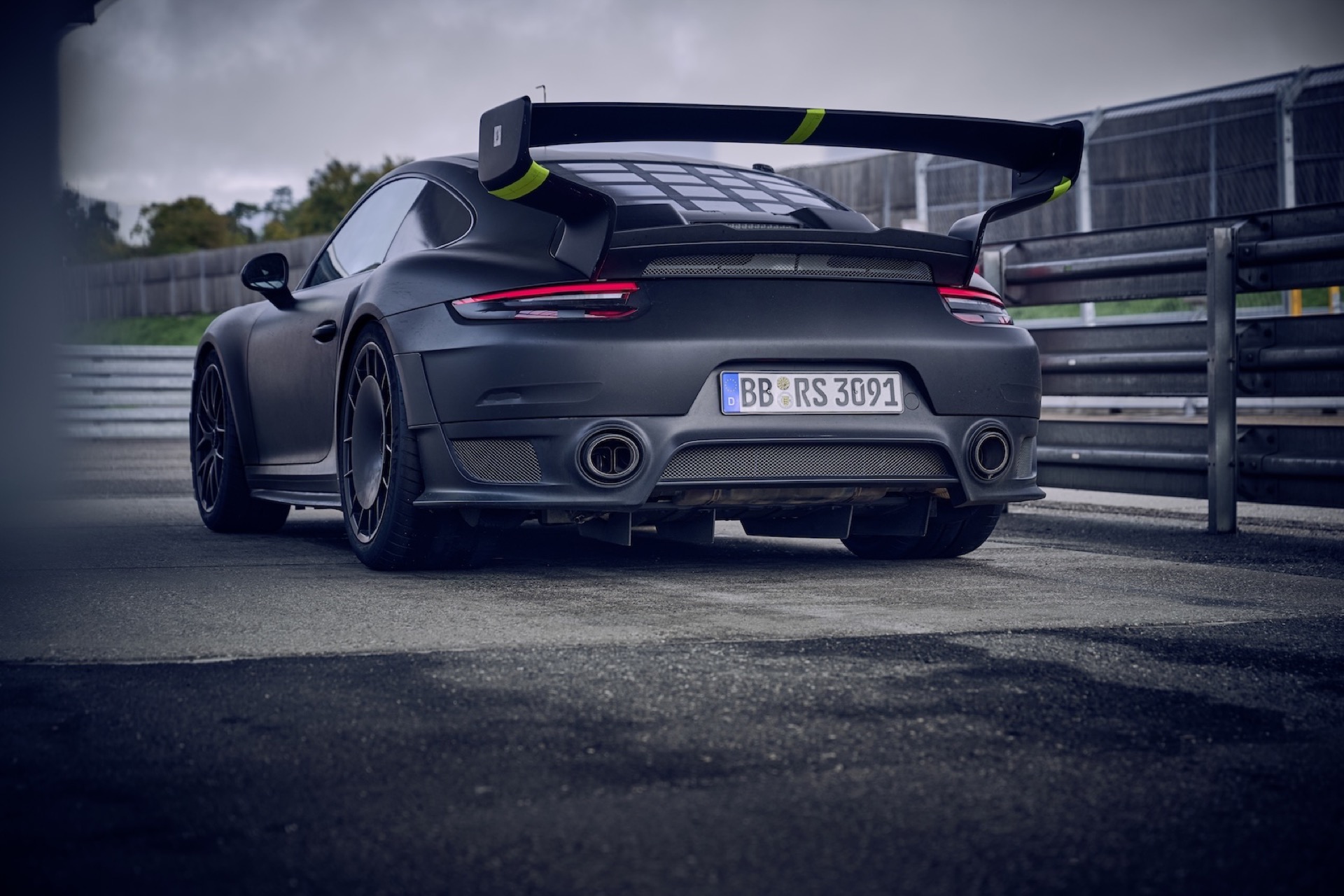
Now the concept is back, making its appropriately glamorous debut during Monterey Car Week on California’s Pacific coast. This is no limited production run, however, but a unique commission created for a Porsche collector who had his 2018 Porsche 911 GT2 RS completely transformed into what is now known as the Flachbau RS.
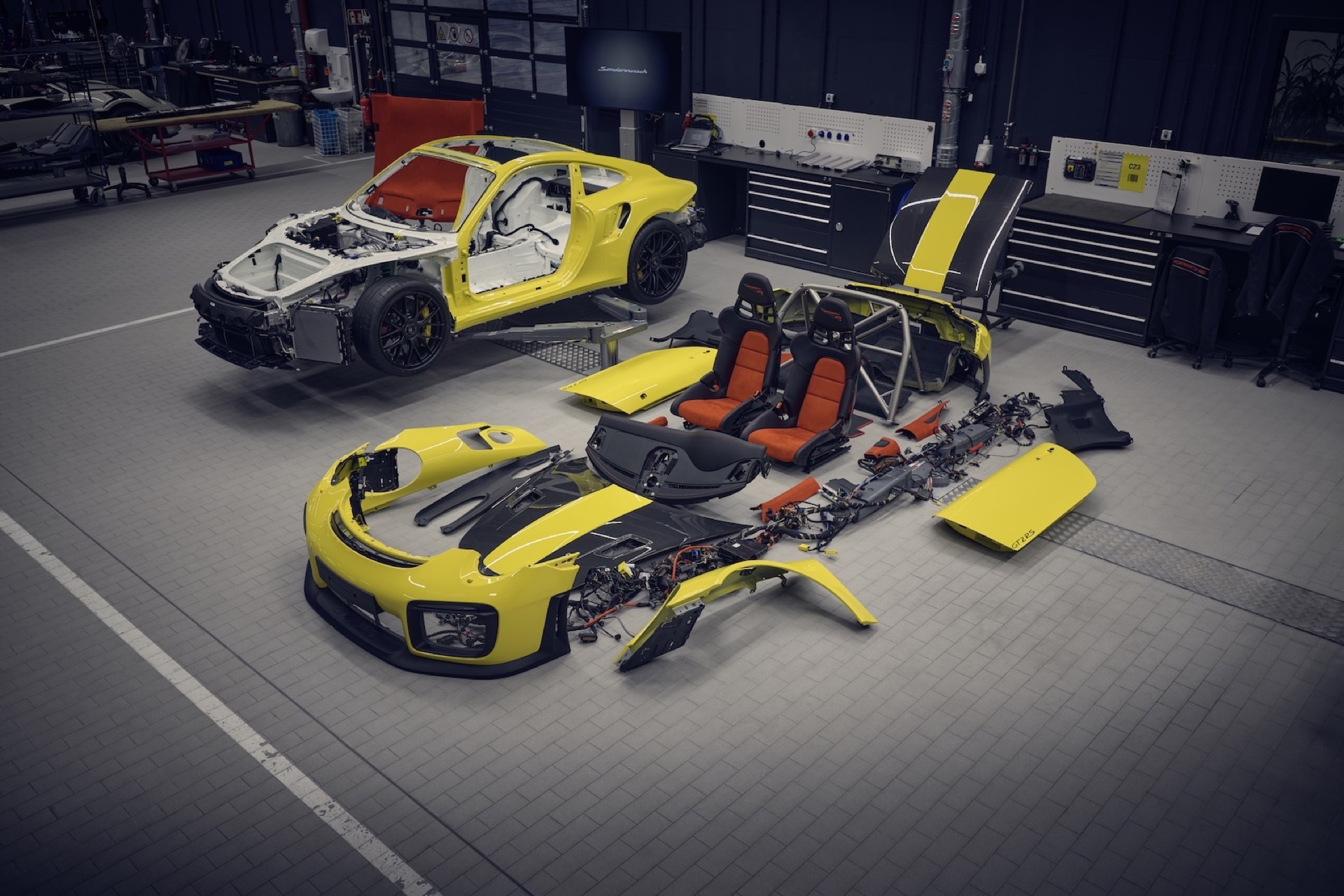
After more than three years of development and construction, the original 991.2-generation GT2 RS with Weissach Package is almost unrecognisable. The project brought together Porsche’s design department, Sonderwunsch Manufaktur, development engineers, its motorsport team and Manthey.
“Our aim was to reinterpret the iconic appearance of the 935 without compromising safety, technology or road legality,” explains Alexander Fabig, Vice President Individualisation & Classic at Porsche. “Through consistent lightweight construction, the one-off now weighs 31.6 kilograms less. That may not sound spectacular at first, but the starting point was already the uncompromisingly lightweight 911 GT2 RS with Weissach Package.”
Although only one finished car has been produced, the scale of the aerodynamic and structural changes meant Porsche had to build three prototypes for testing and validation. Development included testing at circuits such as the Nürburgring Nordschleife as well as Porsche’s own test facility at Weissach.
Porsche even brought designer Grant Larson out of retirement specifically for the project. Larson had previously designed the modern interpretation of the 935 unveiled by Porsche in 2018 to celebrate the company’s 70th anniversary, of which 77 track-only examples were subsequently produced.
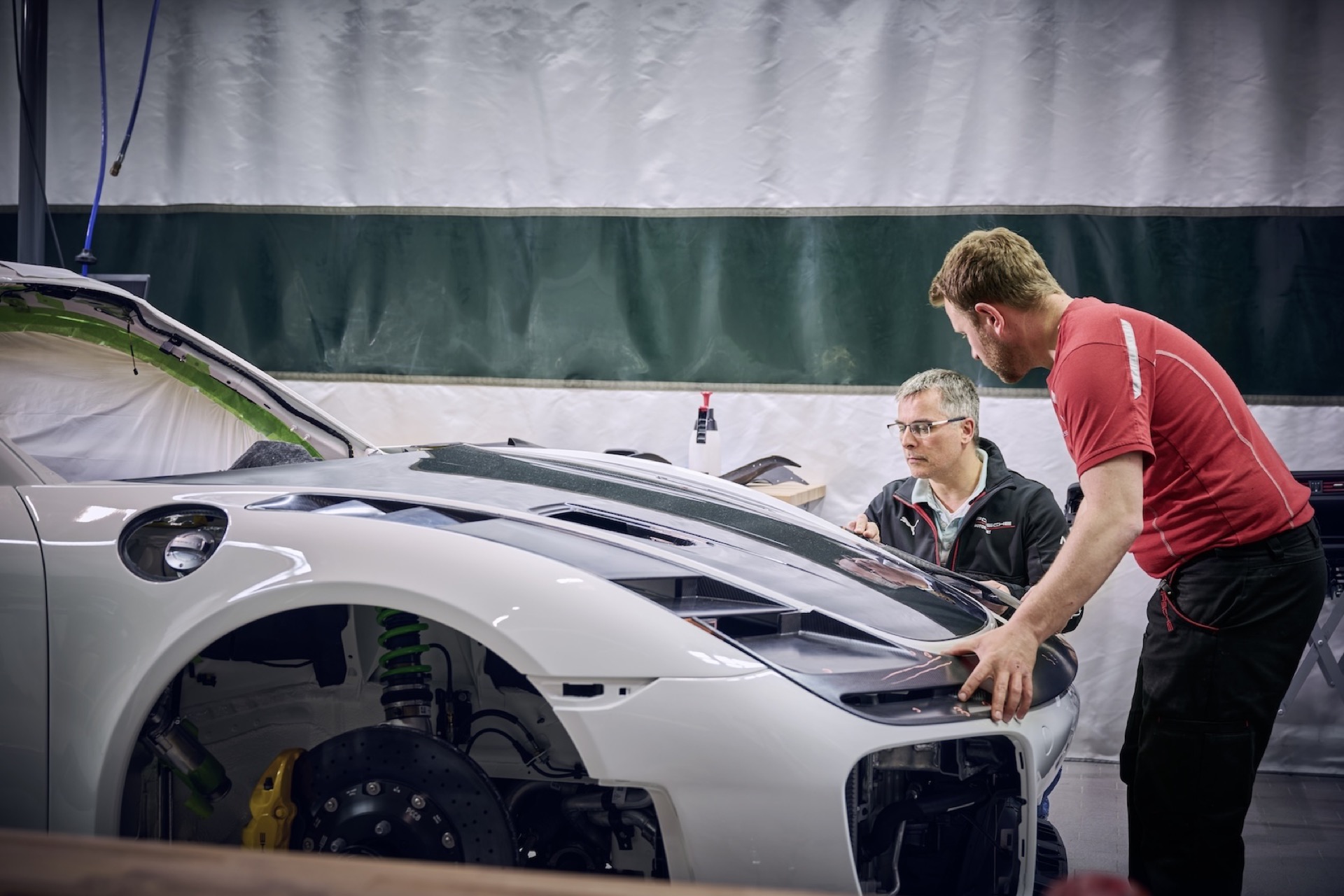
“The new Flachbau RS is a modern, coherent reinterpretation of the iconic 935 Moby Dick design,” says Larson. “Alongside the flatter wings, a central element is the headlight cascade with its terraced arrangement of extremely slim LED units.”
The transformation means the familiar 911 GT2 RS beneath is now difficult to recognise. The front wings adopt the characteristic flattened profile, incorporating narrow air outlets and a completely redesigned bumper. The conventional round 911 headlights have disappeared, replaced by an intricate three-element LED lighting system providing high beam, dipped beam and daytime running lights.
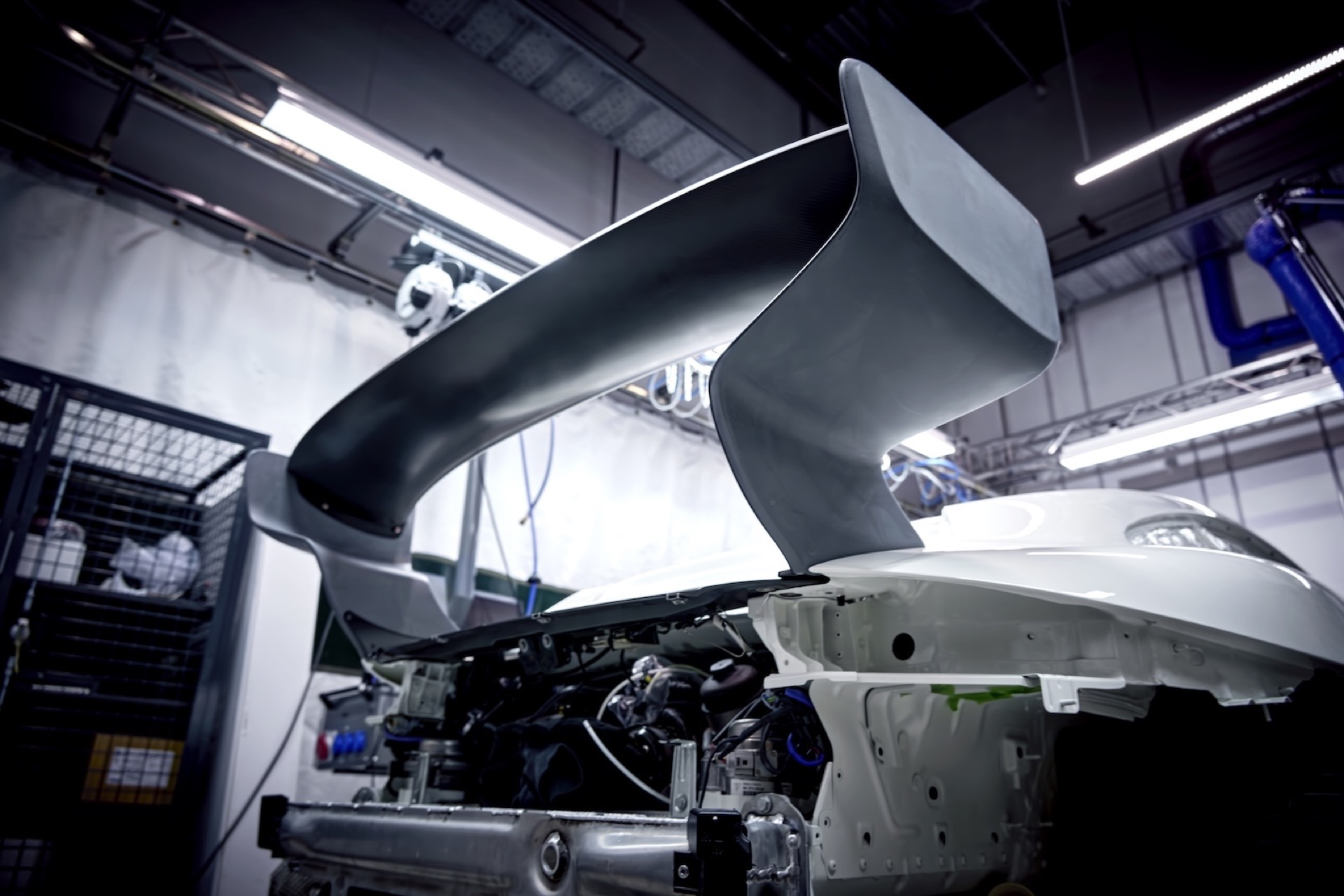
The modifications are about considerably more than visual theatre. A new front splitter works together with the underbody structure from the Manthey kit, a rear diffuser and a vast rear wing inspired by the 911 GT3 R to generate serious aerodynamic performance.
Specially developed aero discs fitted to the rear wheels reduce drag at higher speeds, while the S-shaped rear wing can be manually adjusted between three positions to alter downforce according to the circuit. At its 340 km/h top speed, the Flachbau RS generates up to an extraordinary 554 kilograms of downforce over the rear axle.
Despite being fully road legal, the new Moby Dick adopts an appropriately minimalist racing aesthetic inside. Red Alcantara, black leather and exposed carbon fibre dominate the cabin, while much of the usual leather and Alcantara trim on the doors and consoles has been removed. The storage areas behind the sports seats have disappeared too.
In their place are deliberately sparse surfaces finished in white-painted metal. Selected details, including an extension of the armrest, are trimmed in carbon fibre, while even the rerouted wiring harness and its protective covering remain visible. It is a cabin that makes little attempt to disguise the competition influence behind the project.
Exactly how much this extraordinary transformation cost remains secret, as does the identity of the collector who commissioned it. At least for now.