McLaren has used Monterey Car Week 2026 to reveal the McL 6GT, a concept that reaches deep into the company’s history while also previewing a new, highly exclusive production model due in 2028. More than just another show car, the McL 6GT is intended as a modern interpretation of the M6GT, the road-going supercar Bruce McLaren dreamed of creating but never lived to see fully realised.
That makes this more than a styling exercise. For McLaren, the M6GT is foundational mythology. It was the beginning of the idea that McLaren could be more than a racing team; it could build road cars with the same purity, lightness and purpose as its competition machinery. The original never became the full production reality Bruce McLaren imagined, but its influence has always lingered in the background. With the McL 6GT, McLaren is finally giving that idea a modern form.

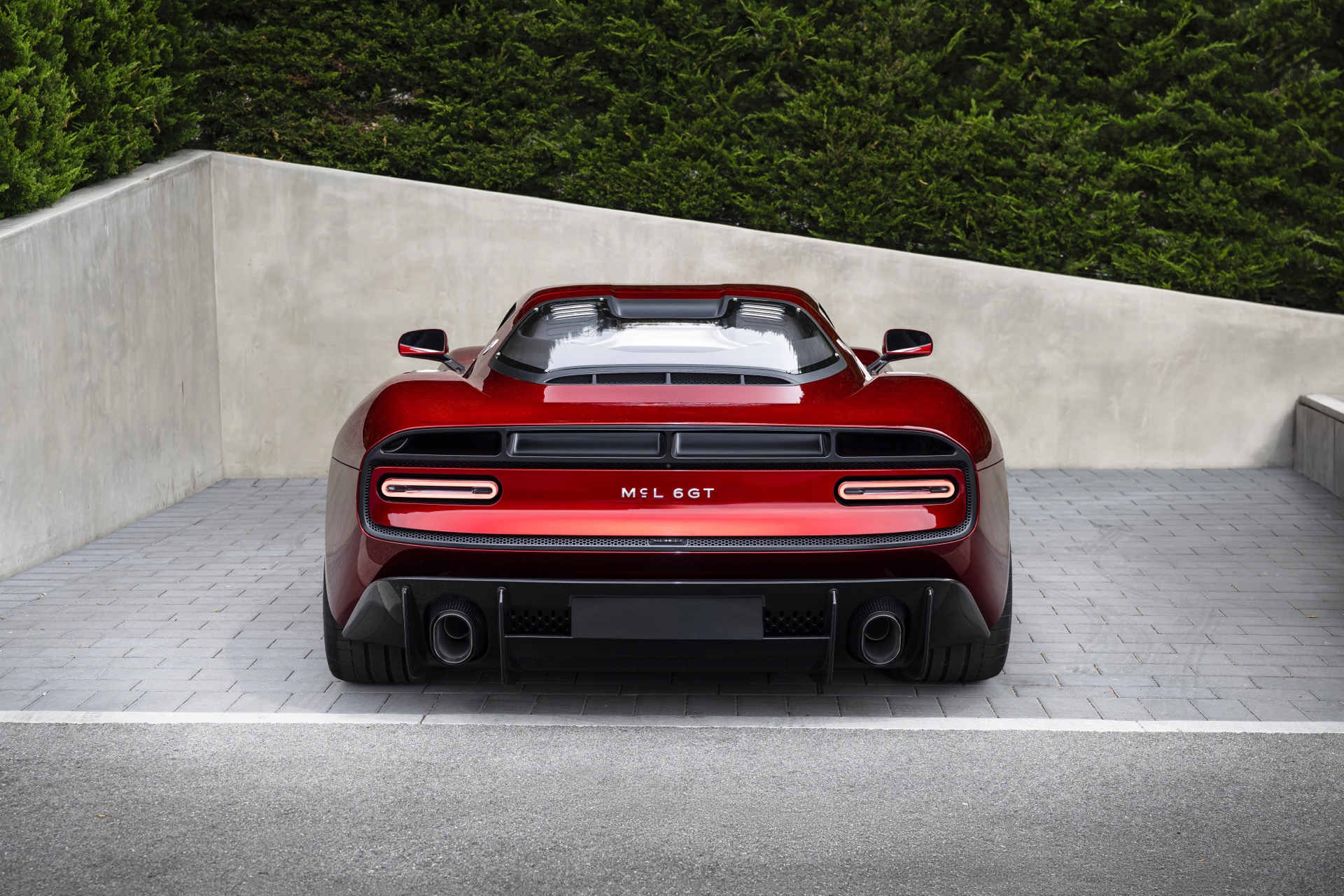
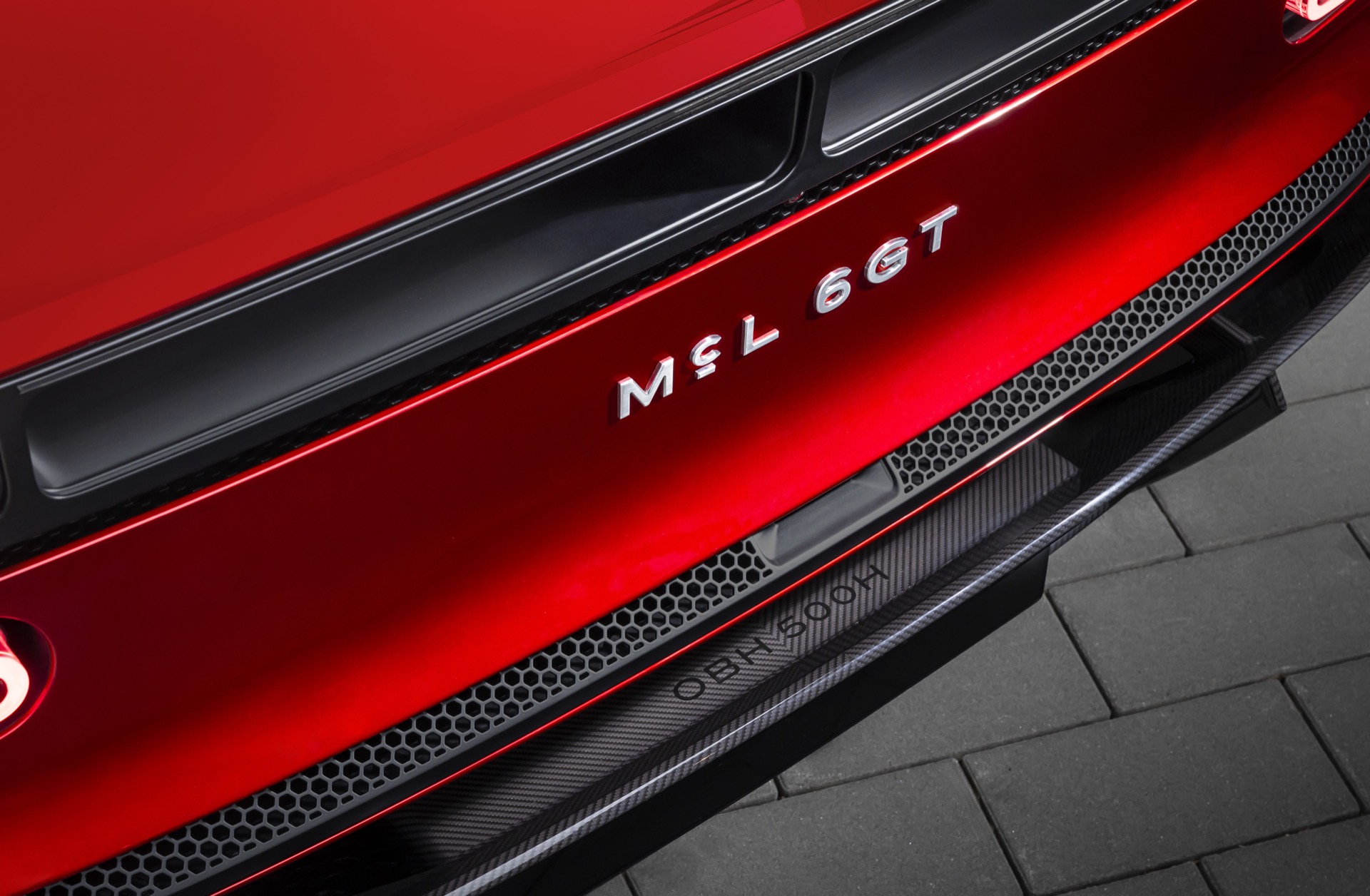
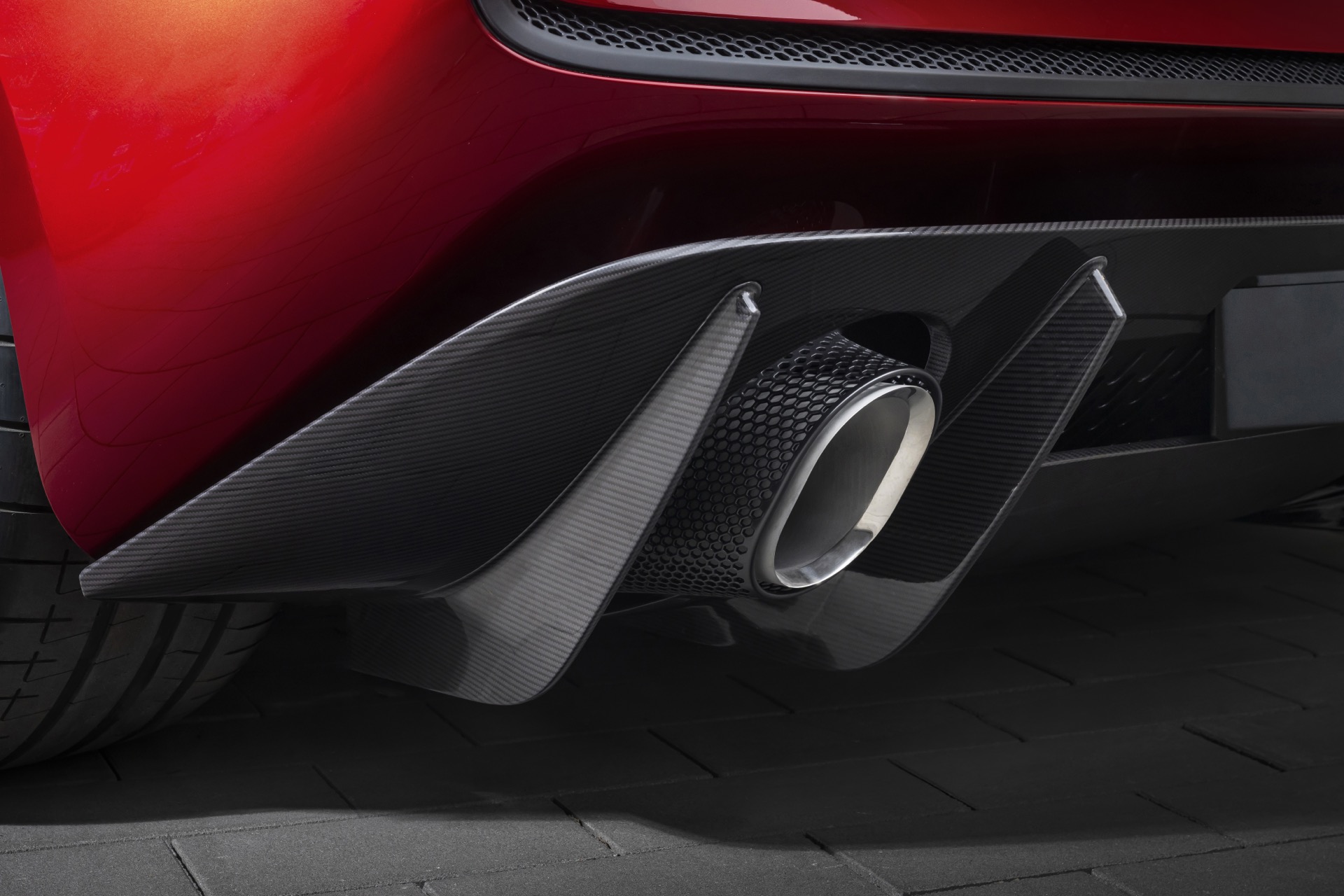
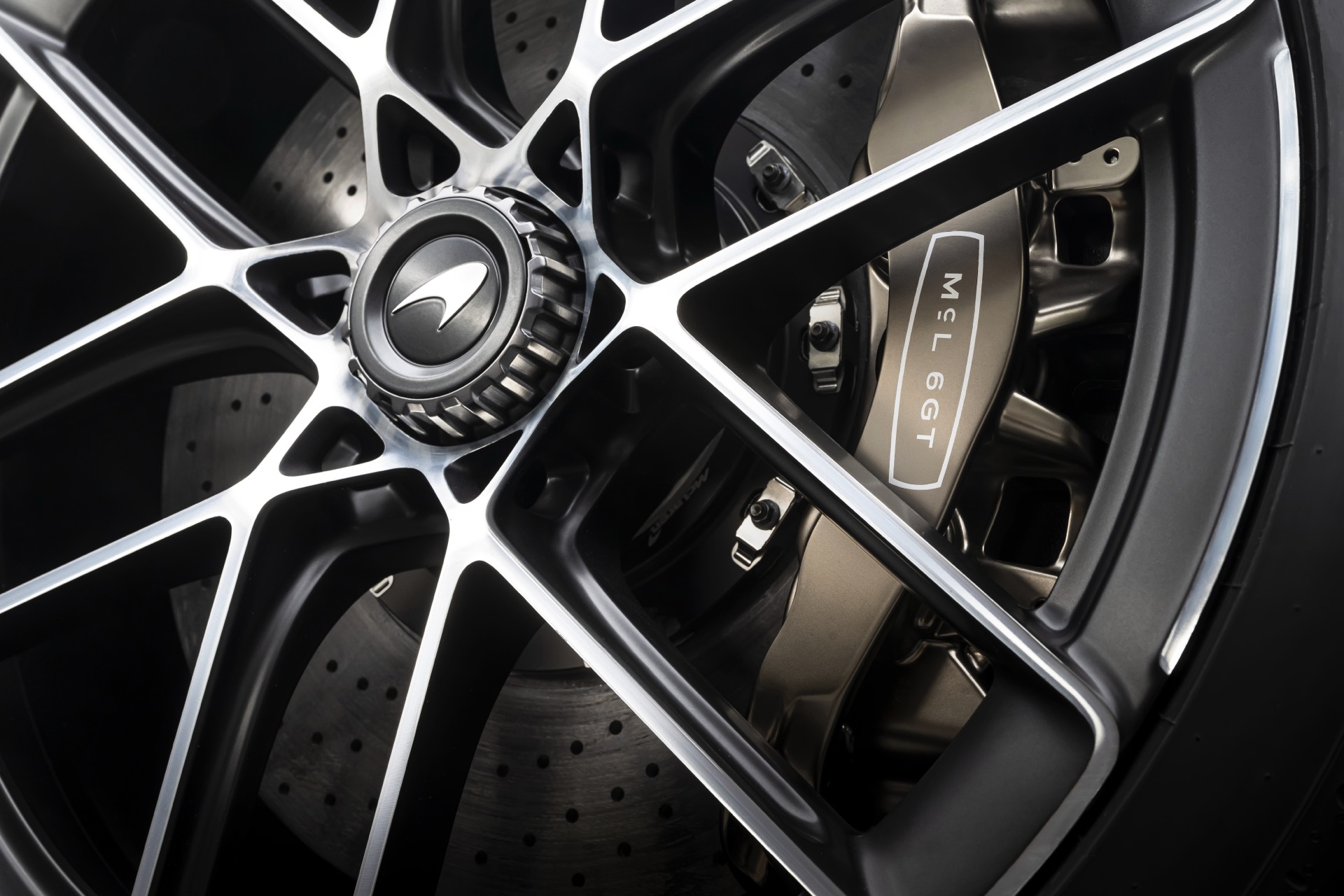
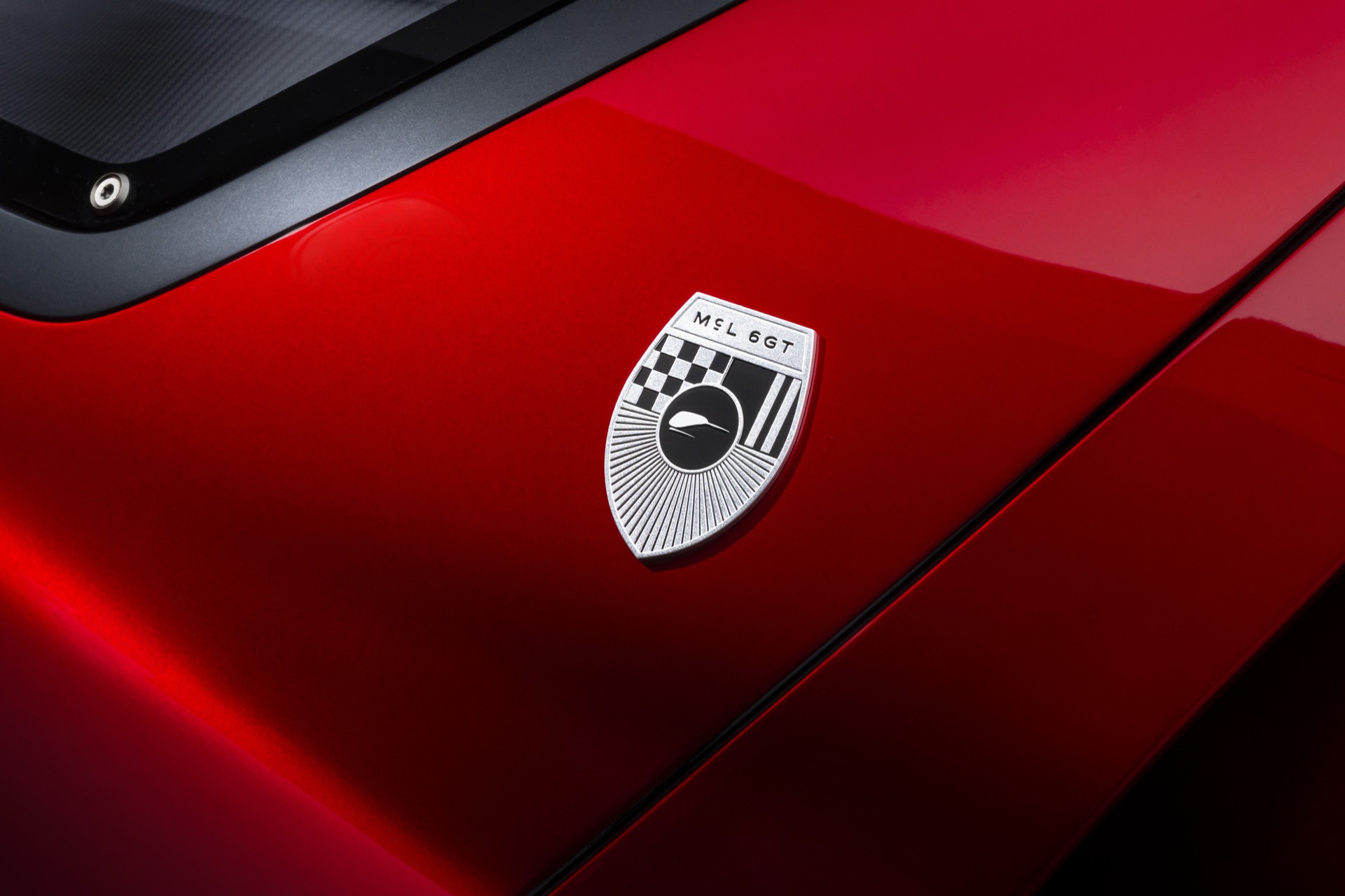
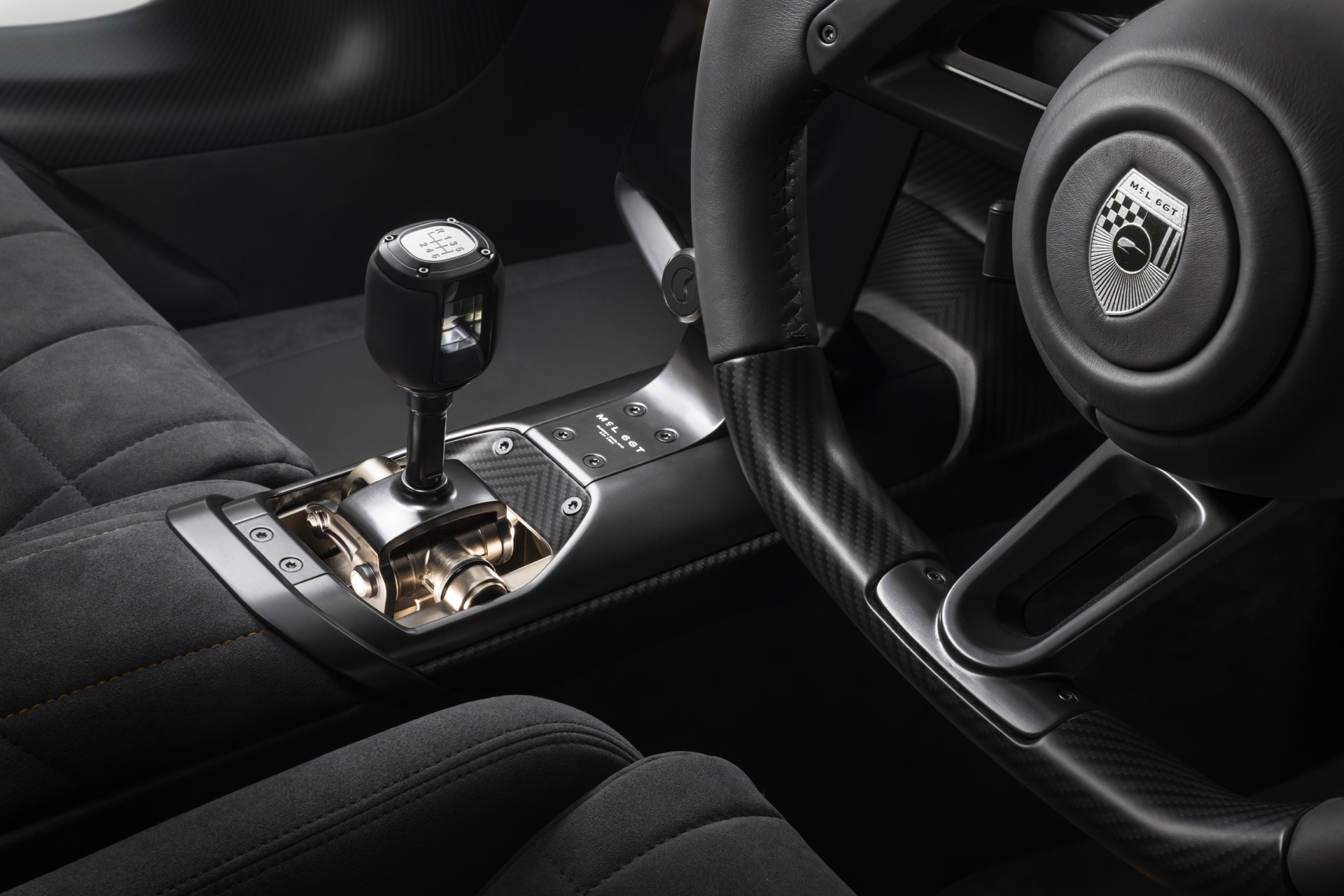
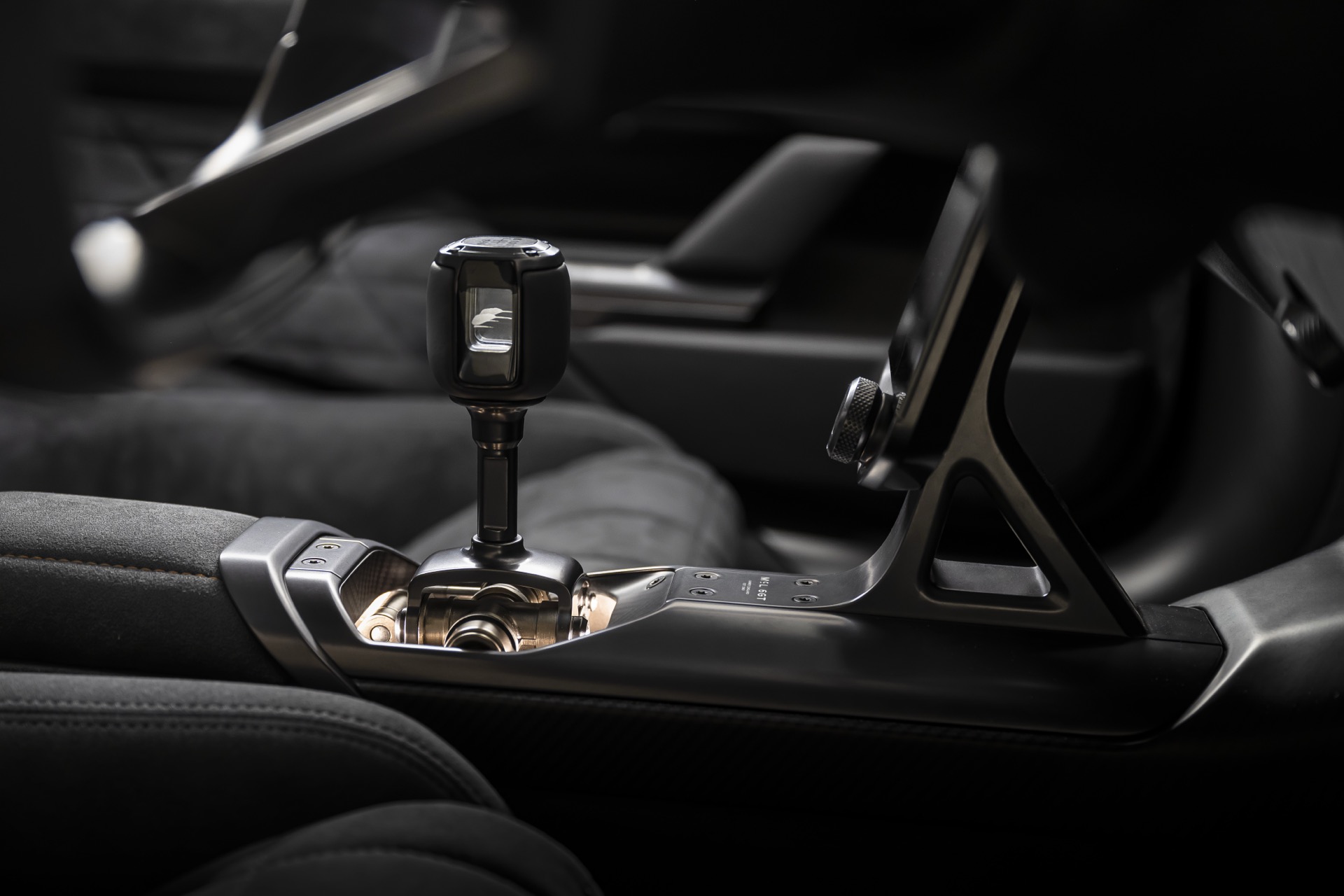
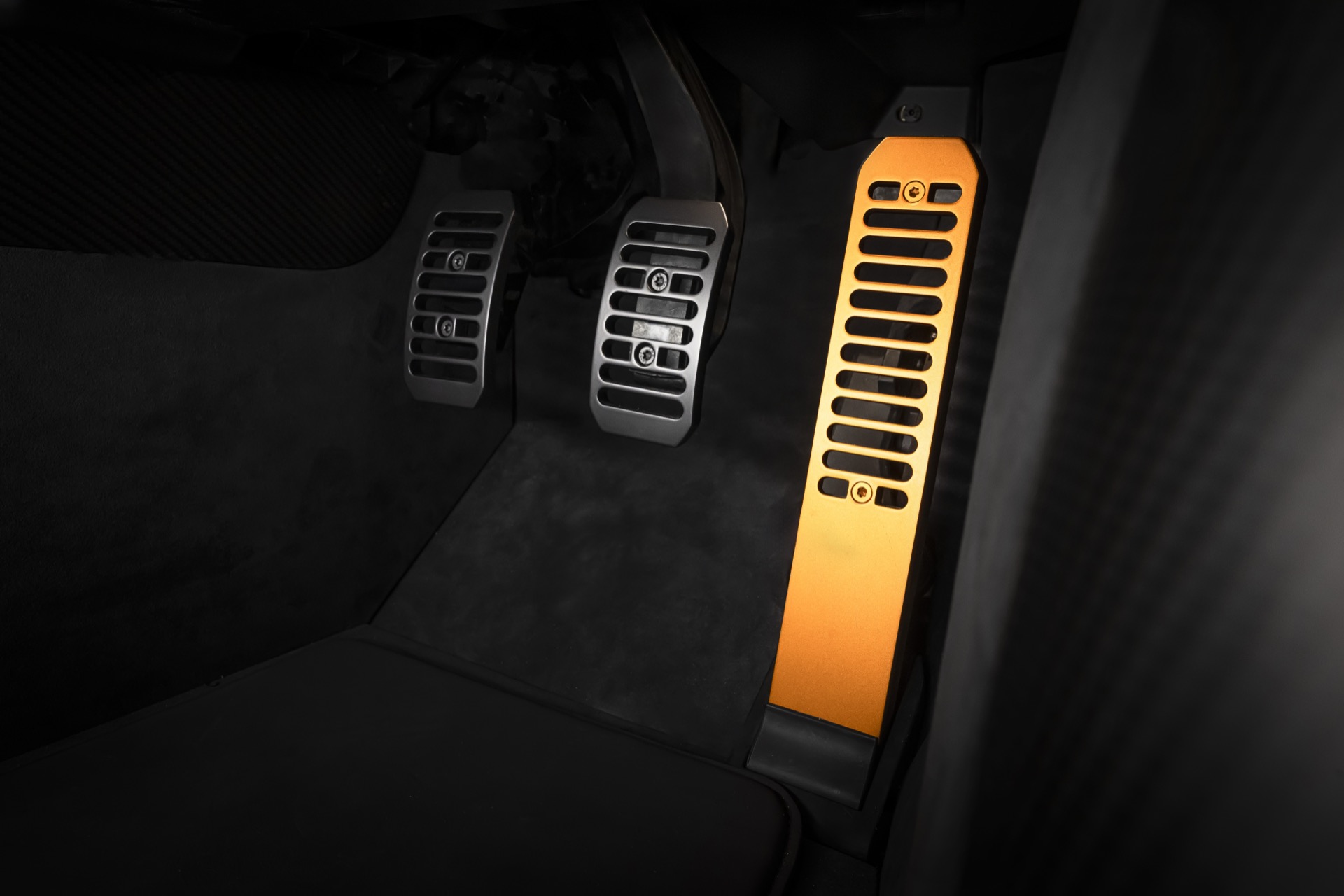
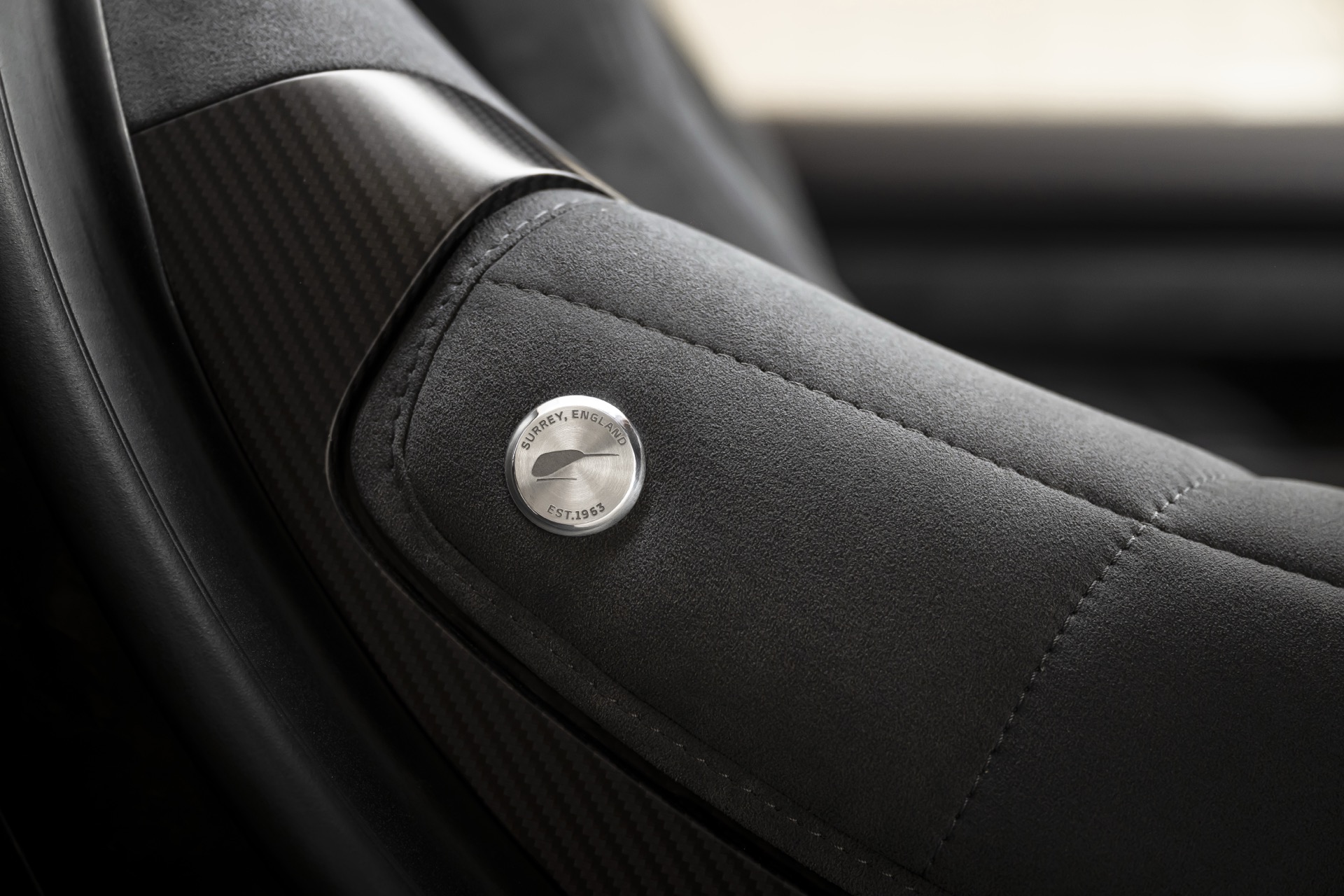
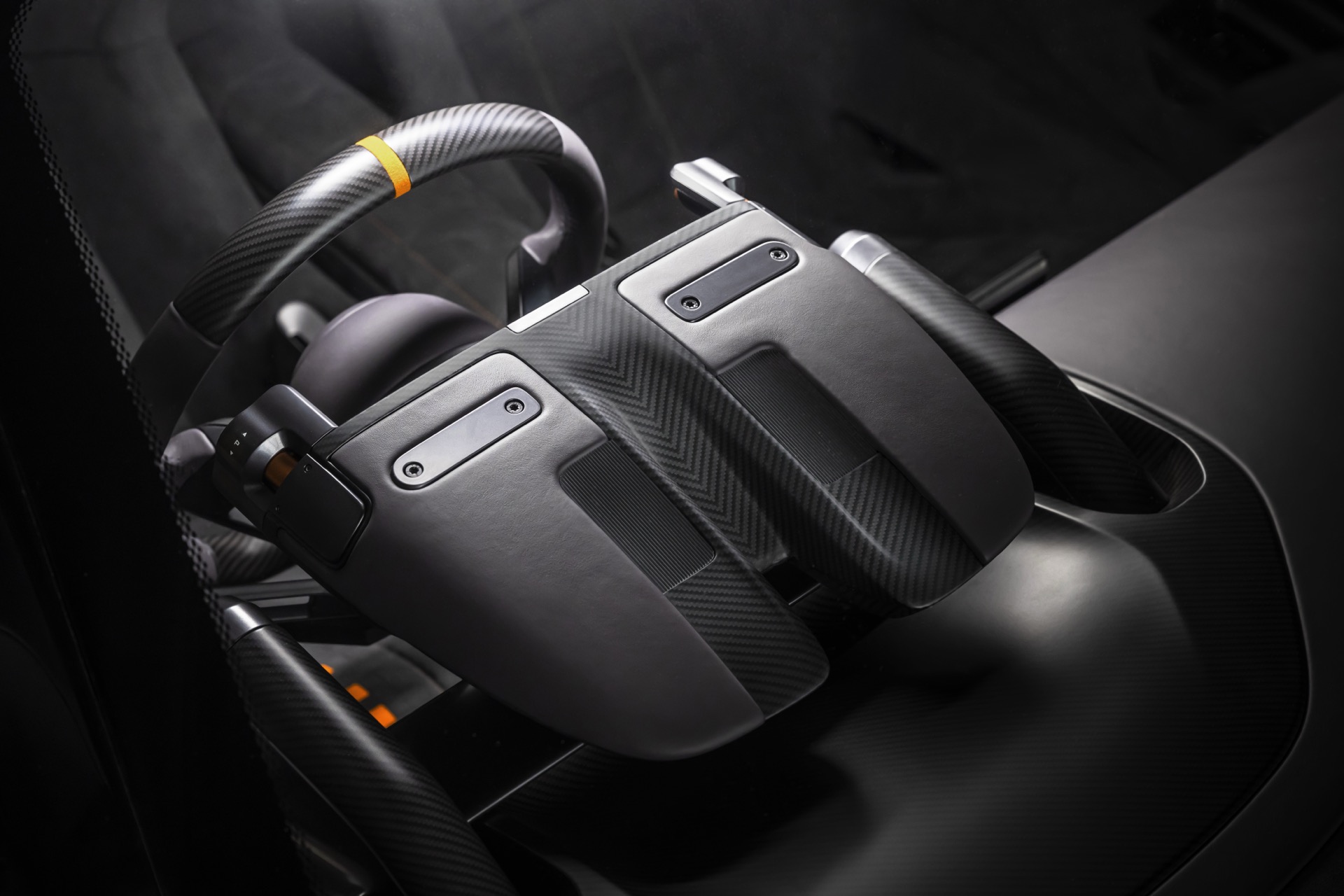
The headline detail is not power, lap time or hybrid assistance. In fact, McLaren has not yet released performance figures. Instead, the McL 6GT is defined by something far rarer in today’s supercar world: an authentic manual gearbox. It is the first McLaren to return to a true manual transmission since the legendary F1 of 1992, sending power from a V8 combustion engine to the rear wheels.
That alone makes the car feel significant. In an era when supercars increasingly chase electrified acceleration, McLaren is deliberately talking about connection, feel and mechanical engagement. The press release describes a car built around immediacy and analogue interaction, with each gearshift, throttle input and steering movement intended to feel physical and deliberate. Hydraulic steering, carefully finished controls and visible technical components all form part of the brief.
The gearlever itself is treated as more than a functional component. McLaren says it has been developed with particular focus on shift feel and throw, while its upright gearknob incorporates a three-dimensional Speedy Kiwi emblem, a nod to the earliest symbol in McLaren history. It is the kind of detail that tells you exactly what this car is trying to be: not merely fast, but tactile.
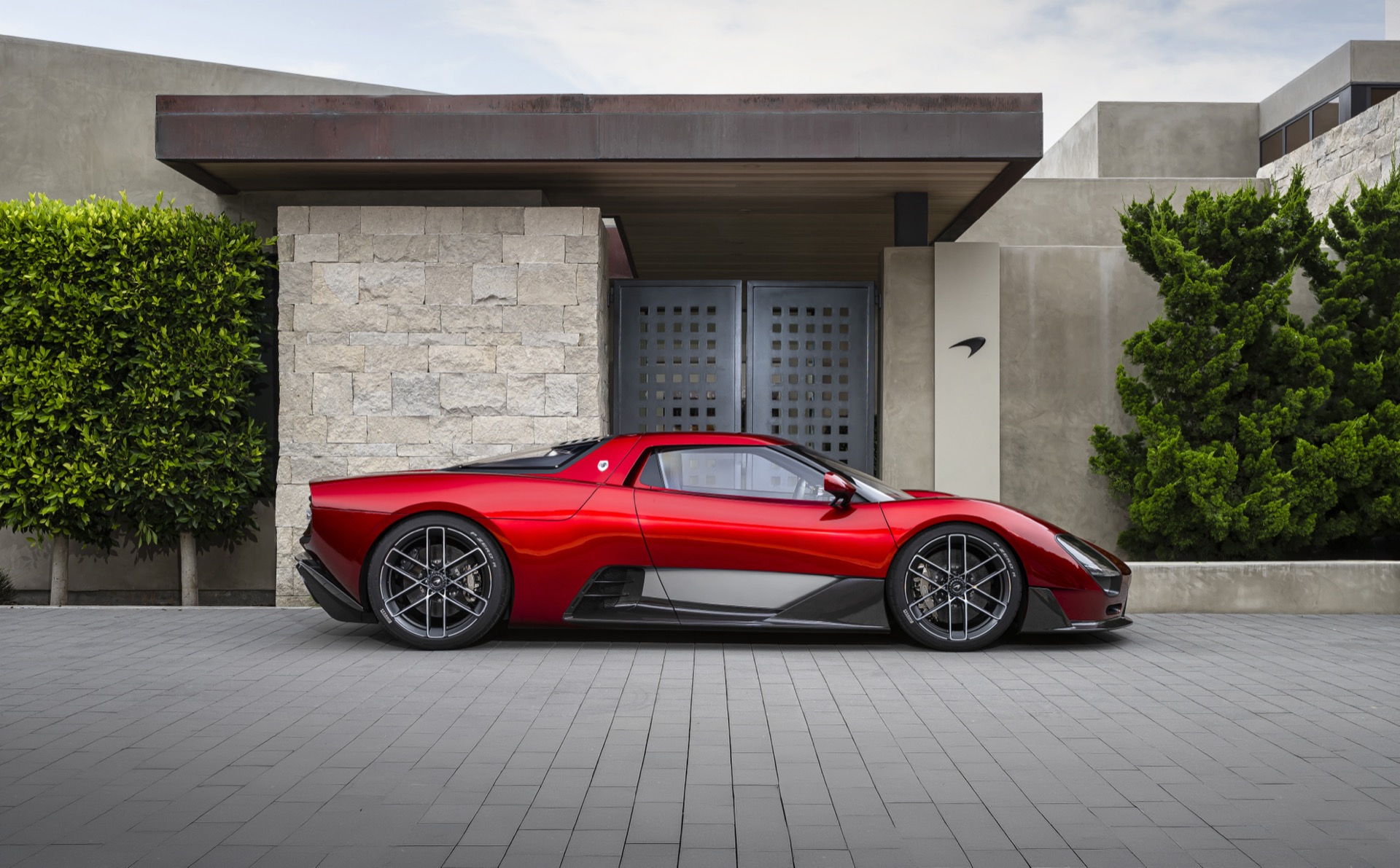
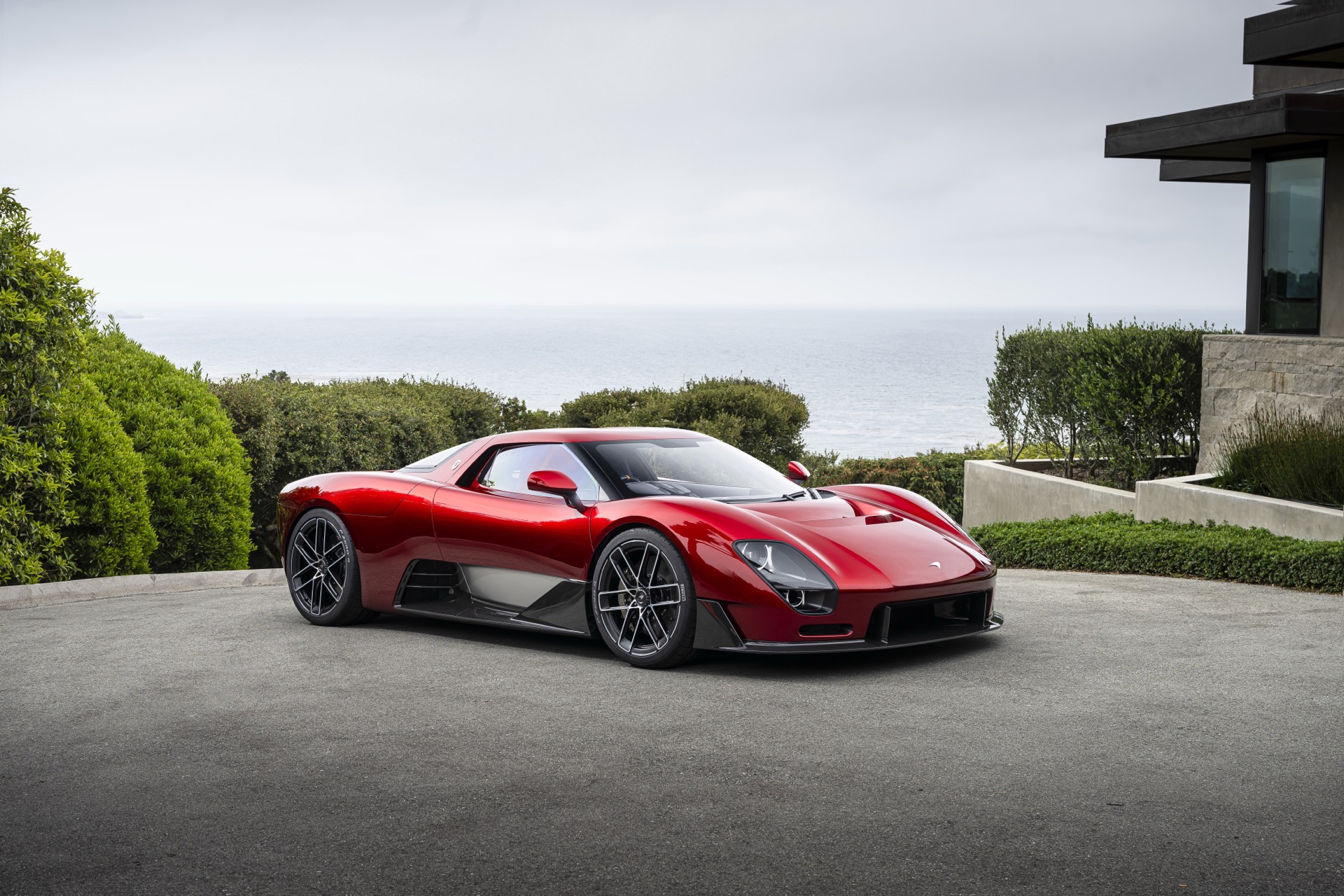
Visually, the McL 6GT draws heavily from the 1960s motorsport prototypes that shaped the original M6GT. Its low, wide silhouette and distinctive nose reference the McLaren M6A Can-Am racer on which Bruce McLaren’s road car project was based. Clean surfacing, flowing volumes and a Kamm-style rear give the car a form that feels consciously less complex than some modern supercar design.
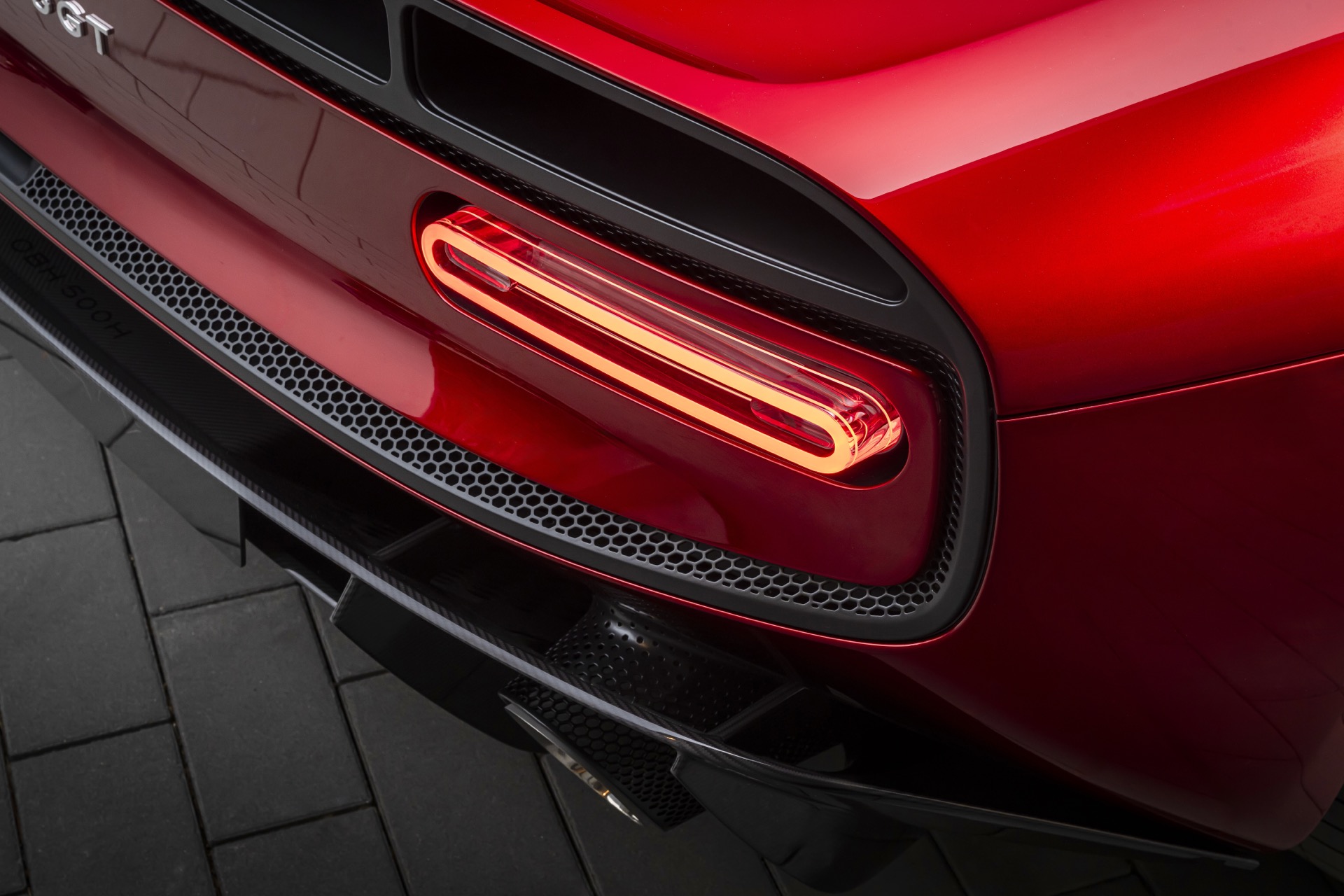
There are subtler historical touches too. The rear incorporates a “Racing Loop” motif inspired by the original M6GT tail-lights, while Bruce McLaren’s historic M6GT registration appears as a tone-on-tone graphic. His signature is placed in the engine bay, and the Speedy Kiwi symbol is engraved into the fuel filler cap. Inside, the classic box-quilt pattern has been reinterpreted, while the digital instrument cluster is intended to preserve the clarity and emotional simplicity of the original.
But this is still a modern McLaren, and carbonfibre sits at its core. The McL 6GT uses a carbonfibre monocoque and a body made entirely from carbonfibre, continuing the lightweight philosophy that has defined McLaren road cars for decades. The company describes the material as central not just to the car’s performance, but to its character. Visible gloss carbon in the cabin reinforces the link between the original M6GT, McLaren’s motorsport past and the lightweight discipline that continues to shape the brand.
What makes the McL 6GT interesting is that it appears to sit outside the usual McLaren template. It is not just a replacement for an existing model, nor just another derivative within the familiar GTS, Supercar, Motorsport or Ultimate Series structure. Instead, McLaren says the concept previews a new type of exclusive supercar that will complement the brand’s expanded model portfolio.
That positioning could be crucial. McLaren has spent years building cars of extraordinary speed and technical ability, but the McL 6GT suggests a renewed focus on emotional character and historical depth. A V8, a manual gearbox, rear-wheel drive, hydraulic steering and Bruce McLaren’s unfinished supercar dream make for a compelling combination.
The production car is still two years away, and many of the numbers remain unknown. But as a statement of intent, the McL 6GT is already one of the most intriguing McLarens in years. It looks backwards without feeling nostalgic, and forwards without relying on electrification or digital theatre to make its point. If the final road car preserves the purity of this concept, McLaren may be about to deliver something increasingly rare: a modern supercar built as much for feel as for speed.