The new BMW X5 marks one of the most important launches in BMW’s recent history. Built at the company’s flagship Spartanburg plant in South Carolina, the fifth-generation X5 will sit alongside the new iX3 as a cornerstone of BMW’s SUV portfolio. Unlike its smaller sibling, however, the X5 will become the first production model to offer five distinct powertrain options, giving buyers more choice than ever before.
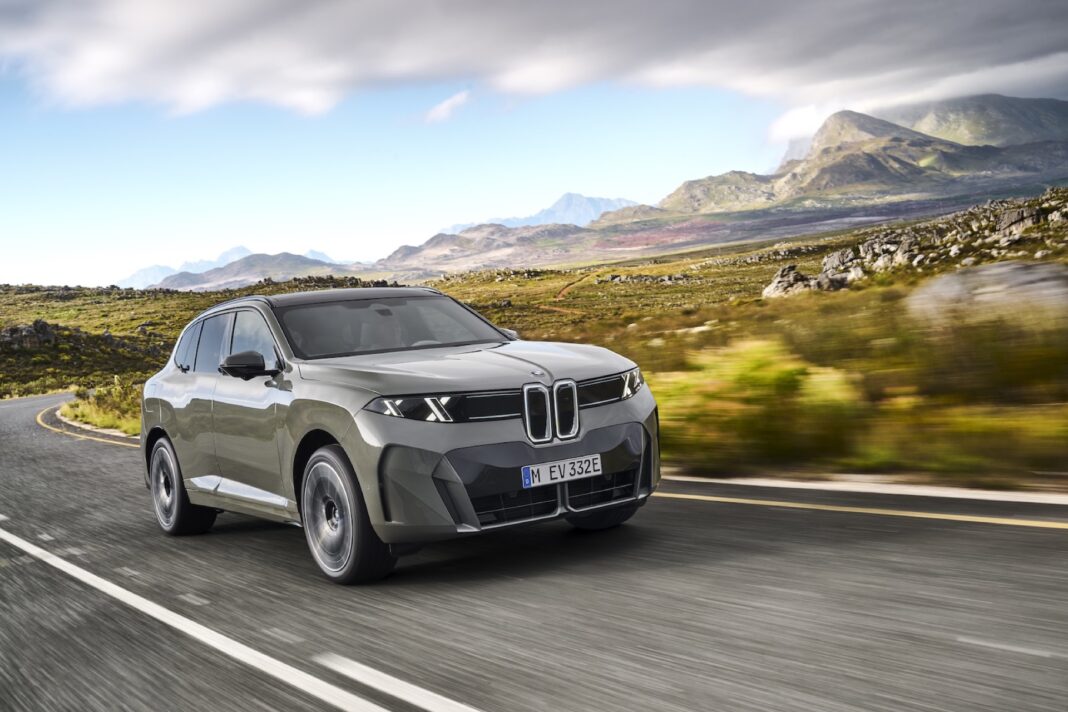
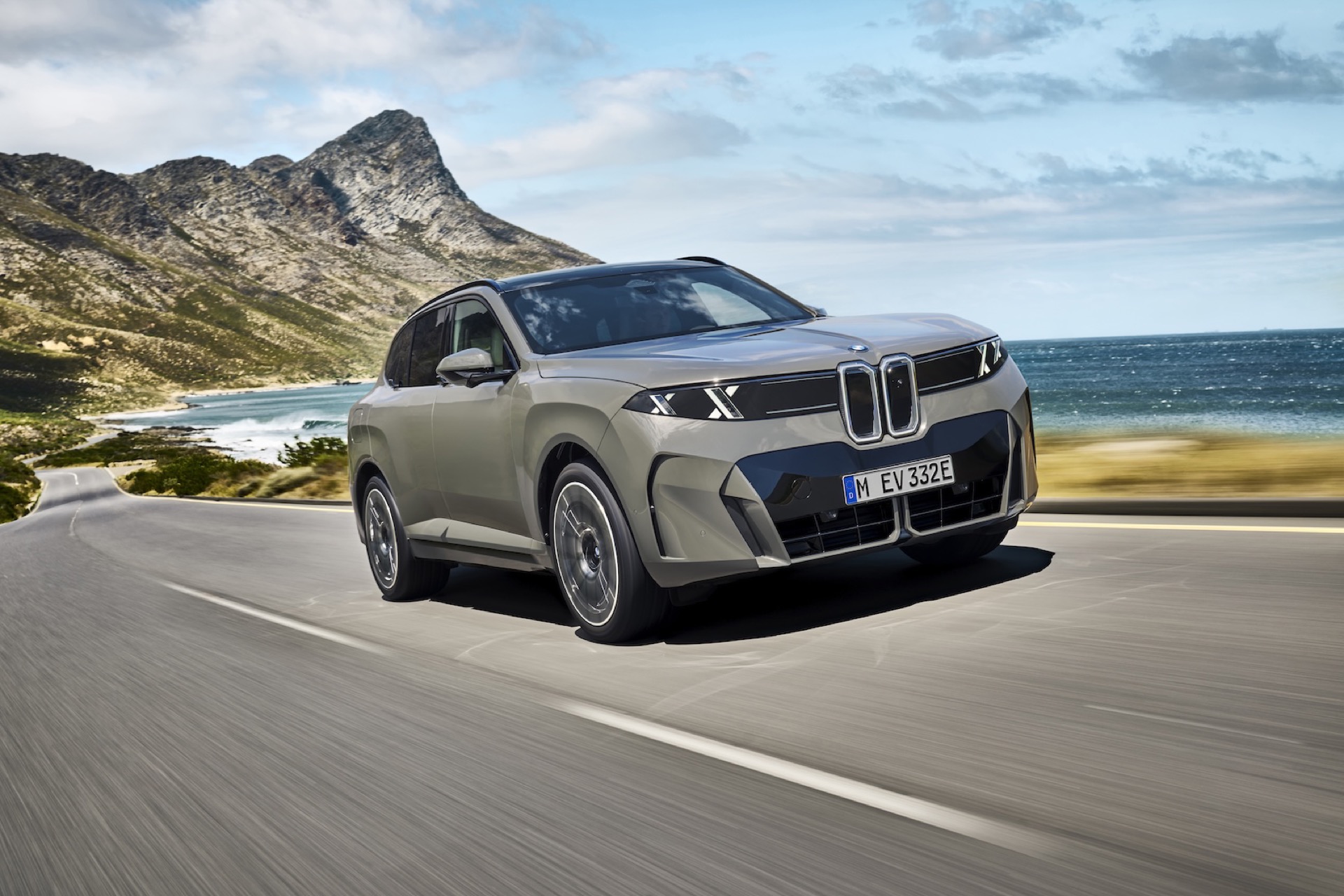
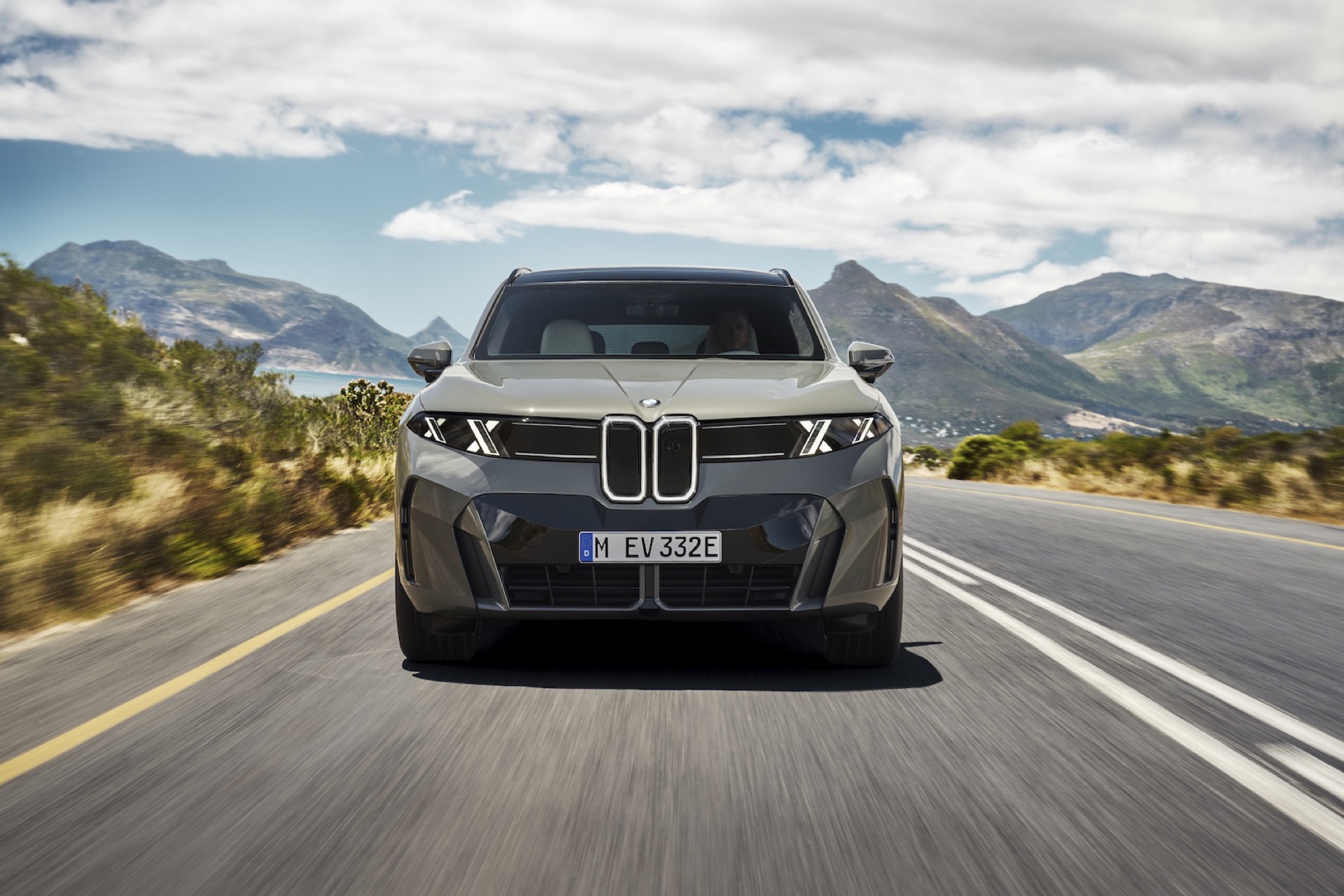
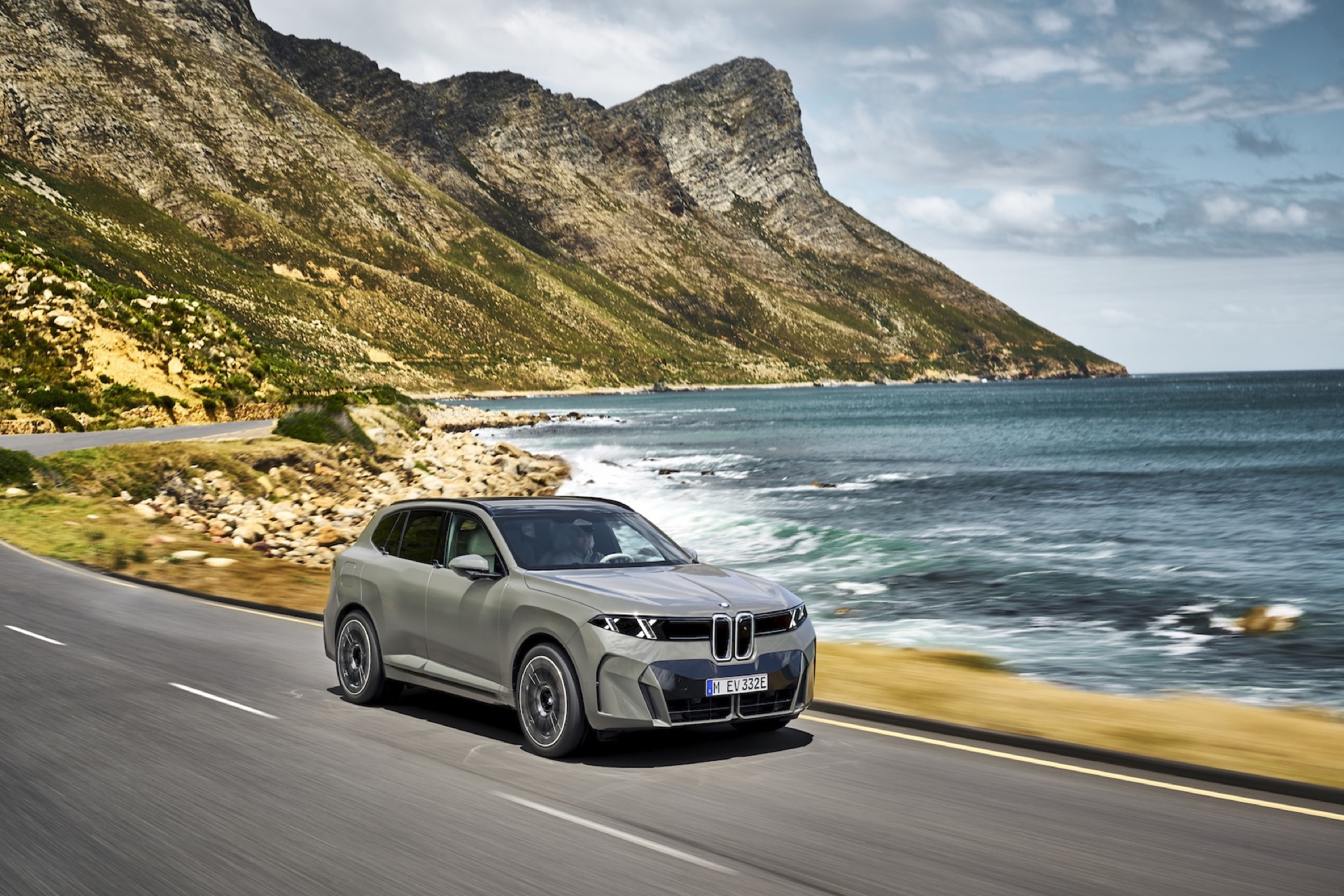
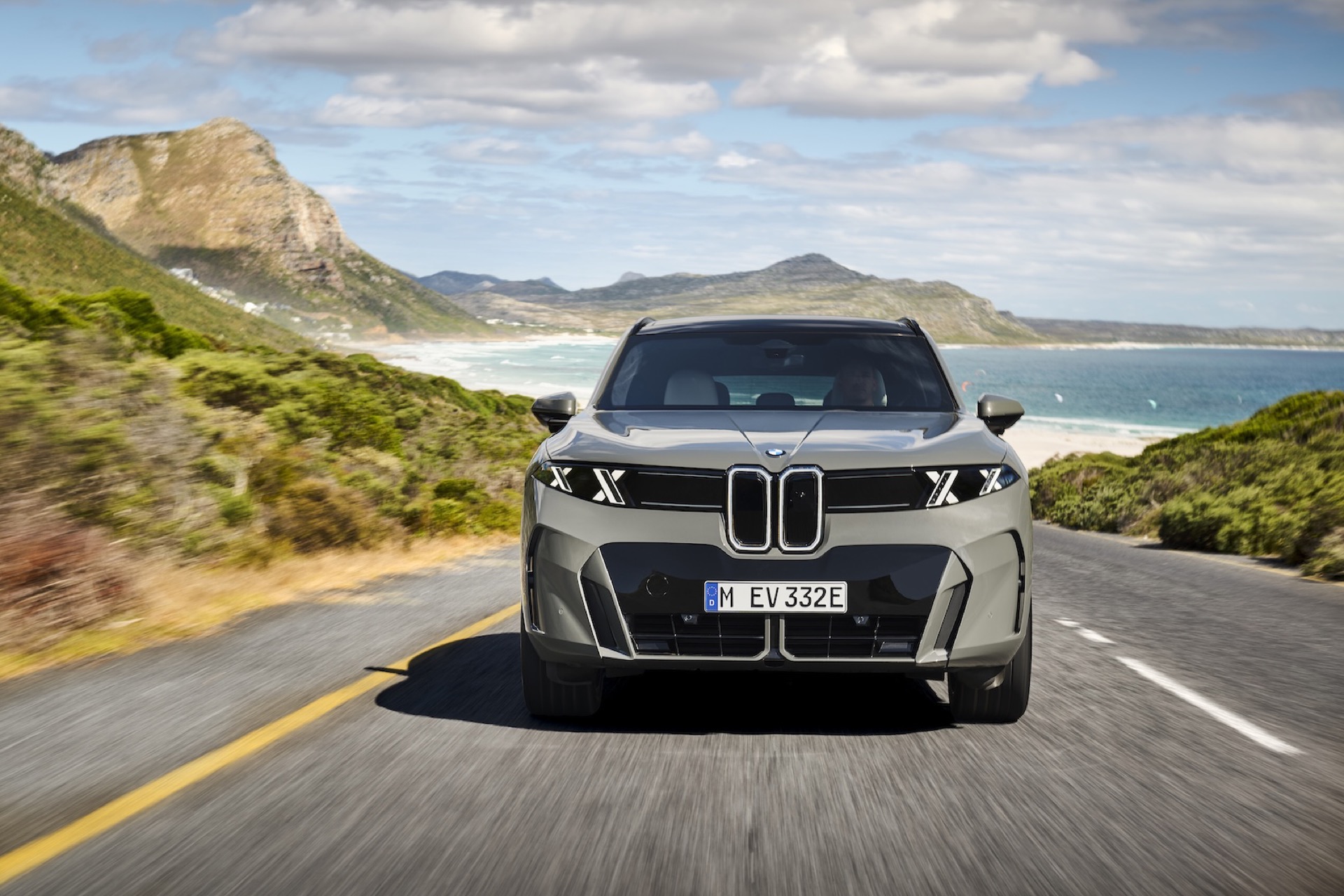
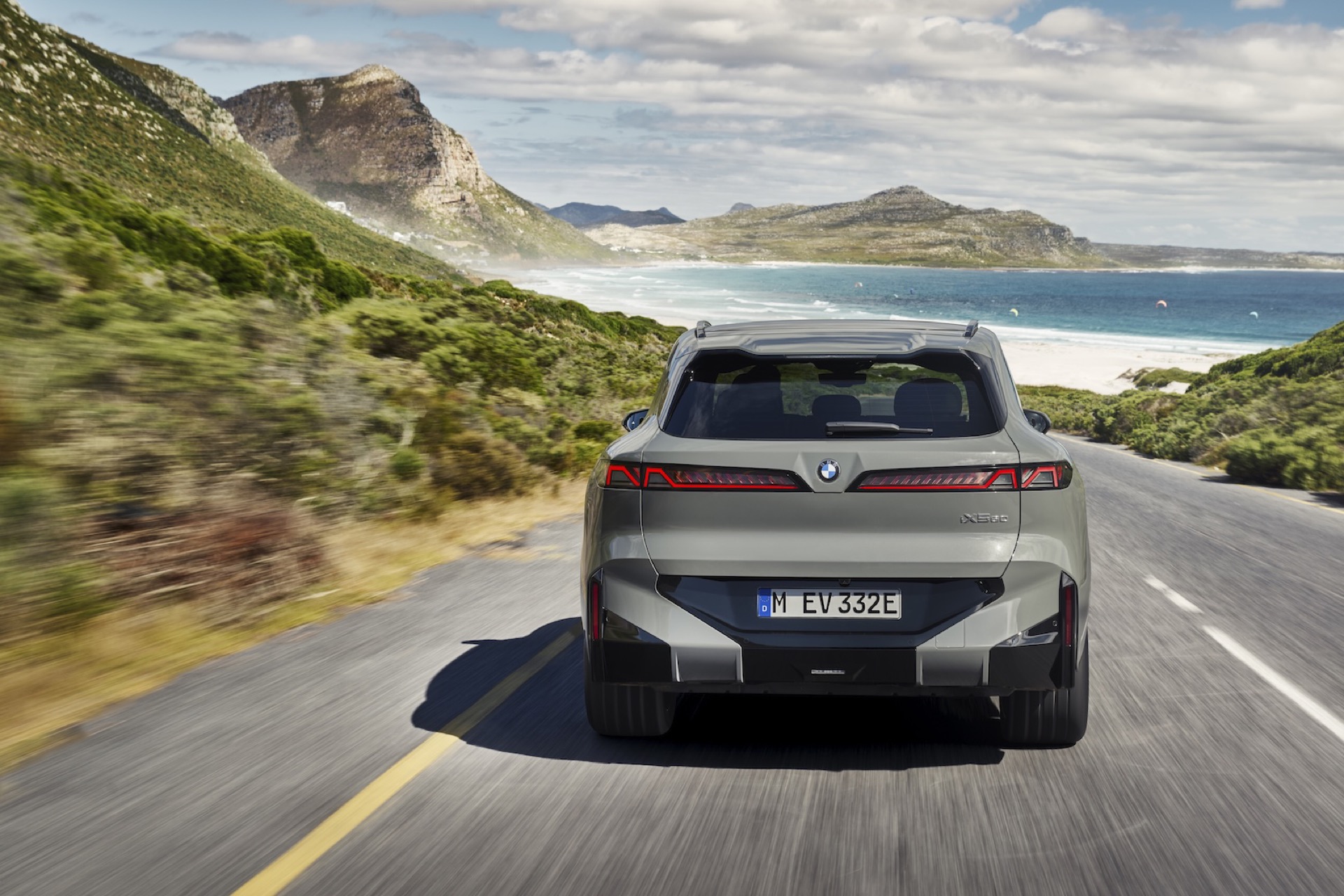
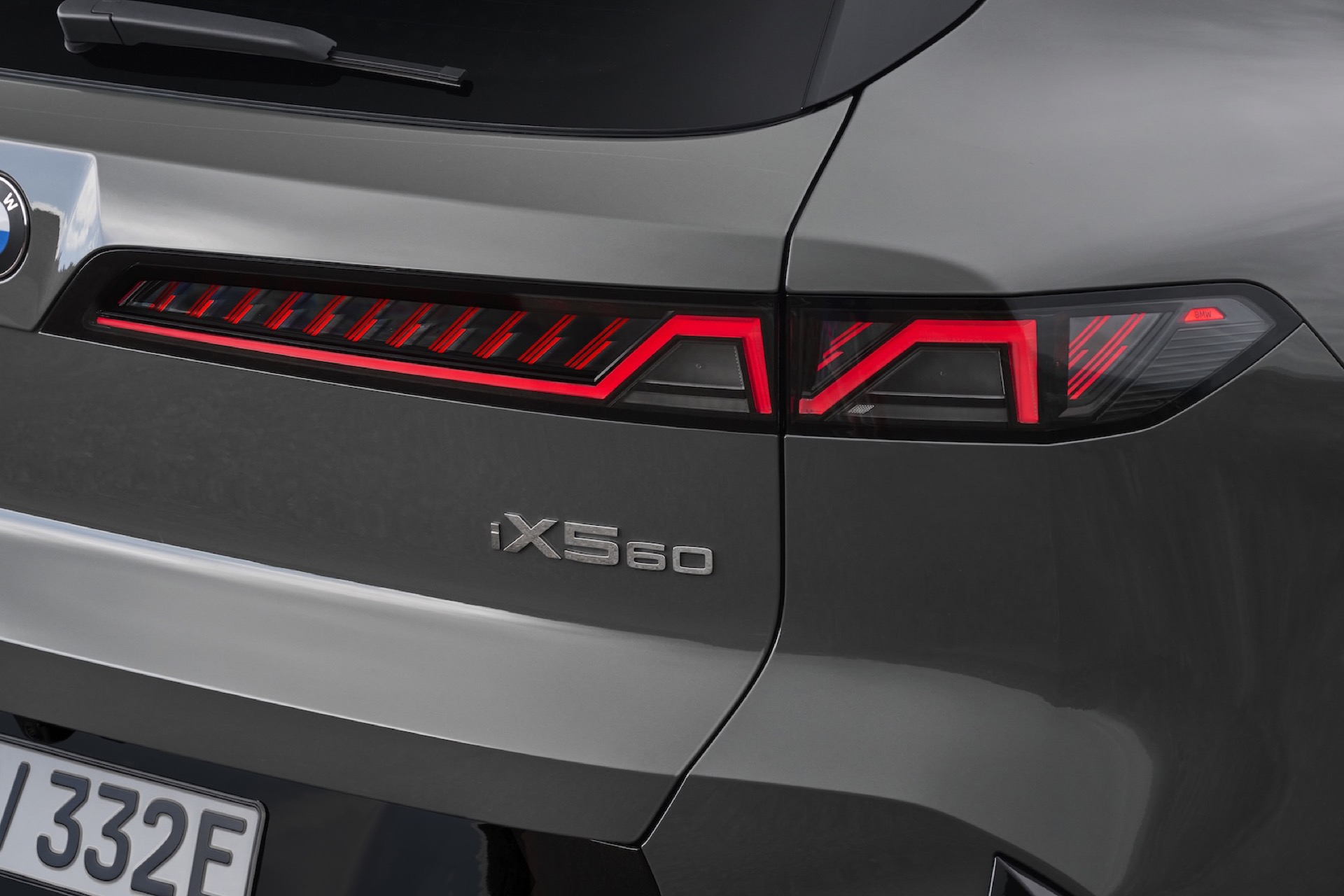
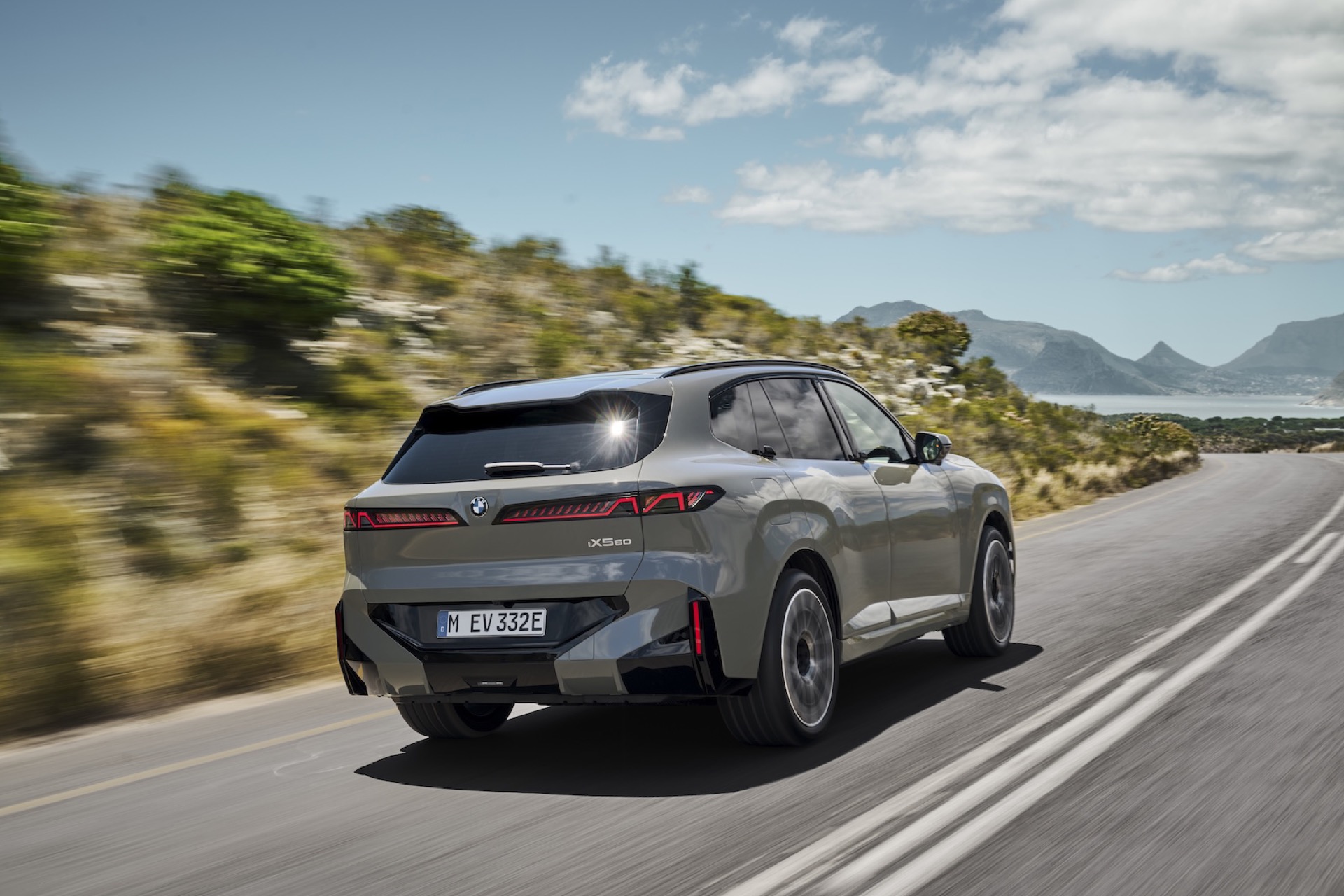
Visually, there is no mistaking the new X5 for anything other than a BMW. Its proportions remain familiar, but the styling clearly draws inspiration from the Neue Klasse design language introduced by the iX3. The upright kidney grille, muscular wheel arches and slim full-width rear light bar give the SUV considerable road presence, while the oversized front air intakes and X-shaped LED headlight signature are likely to divide opinion.
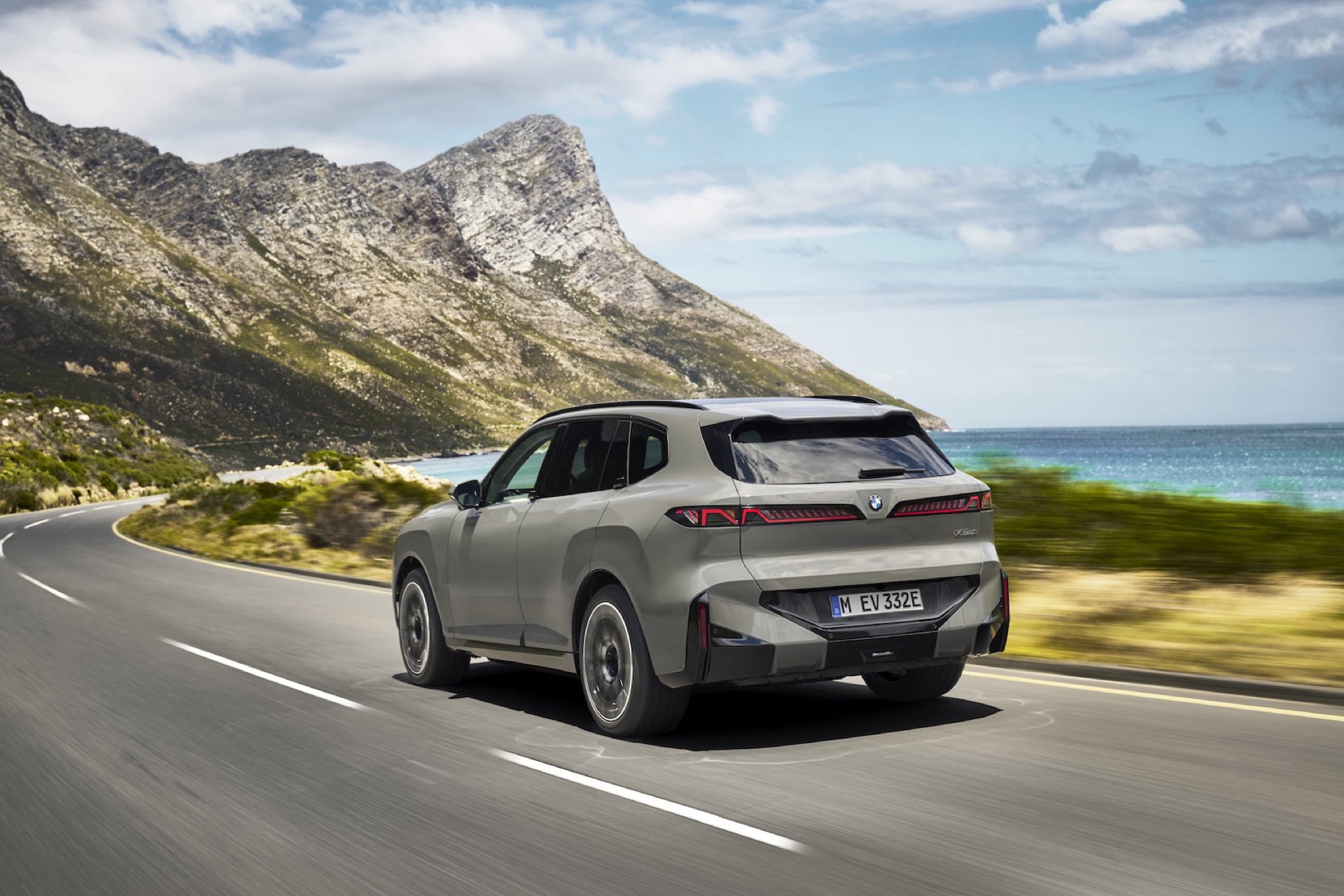
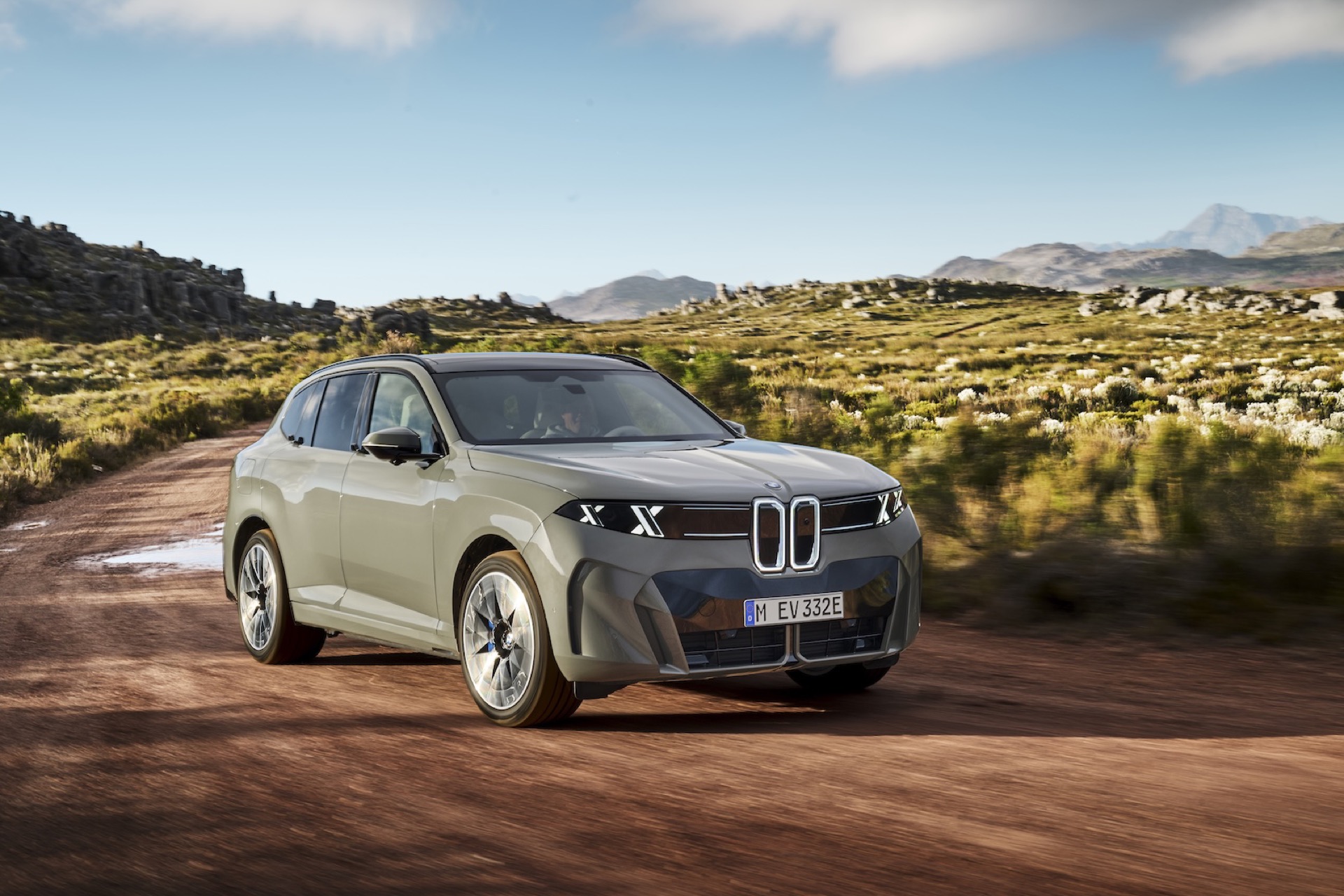
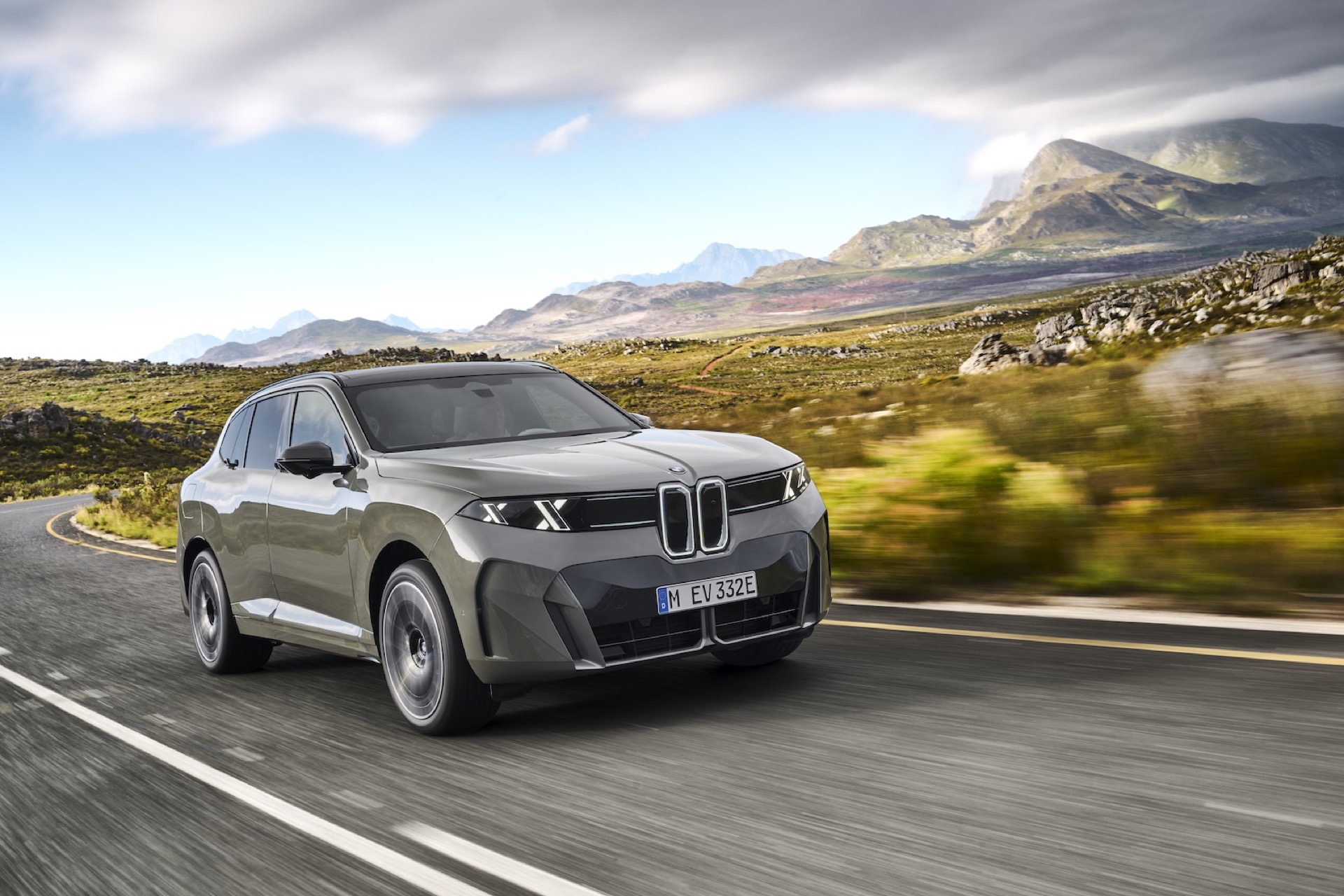
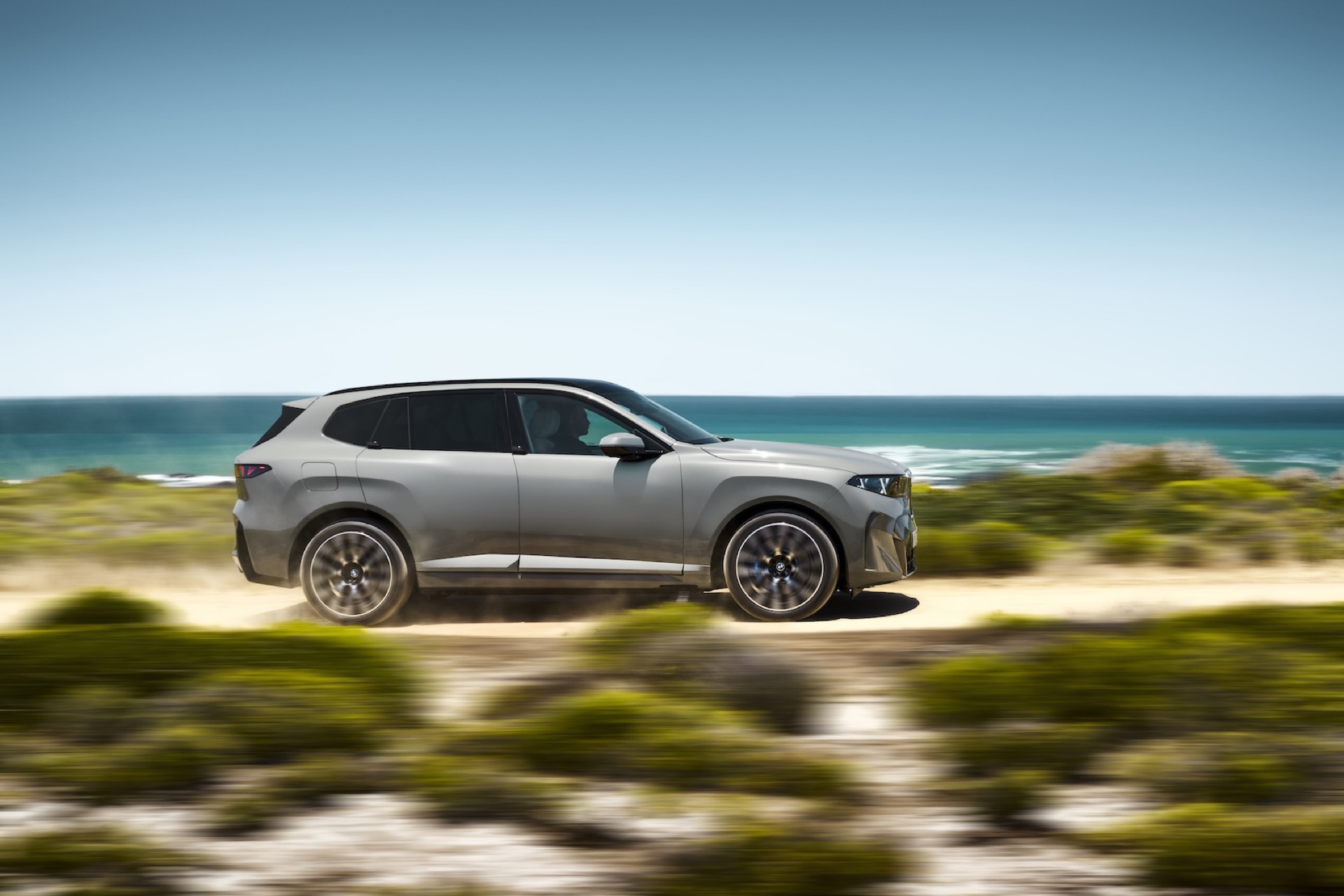
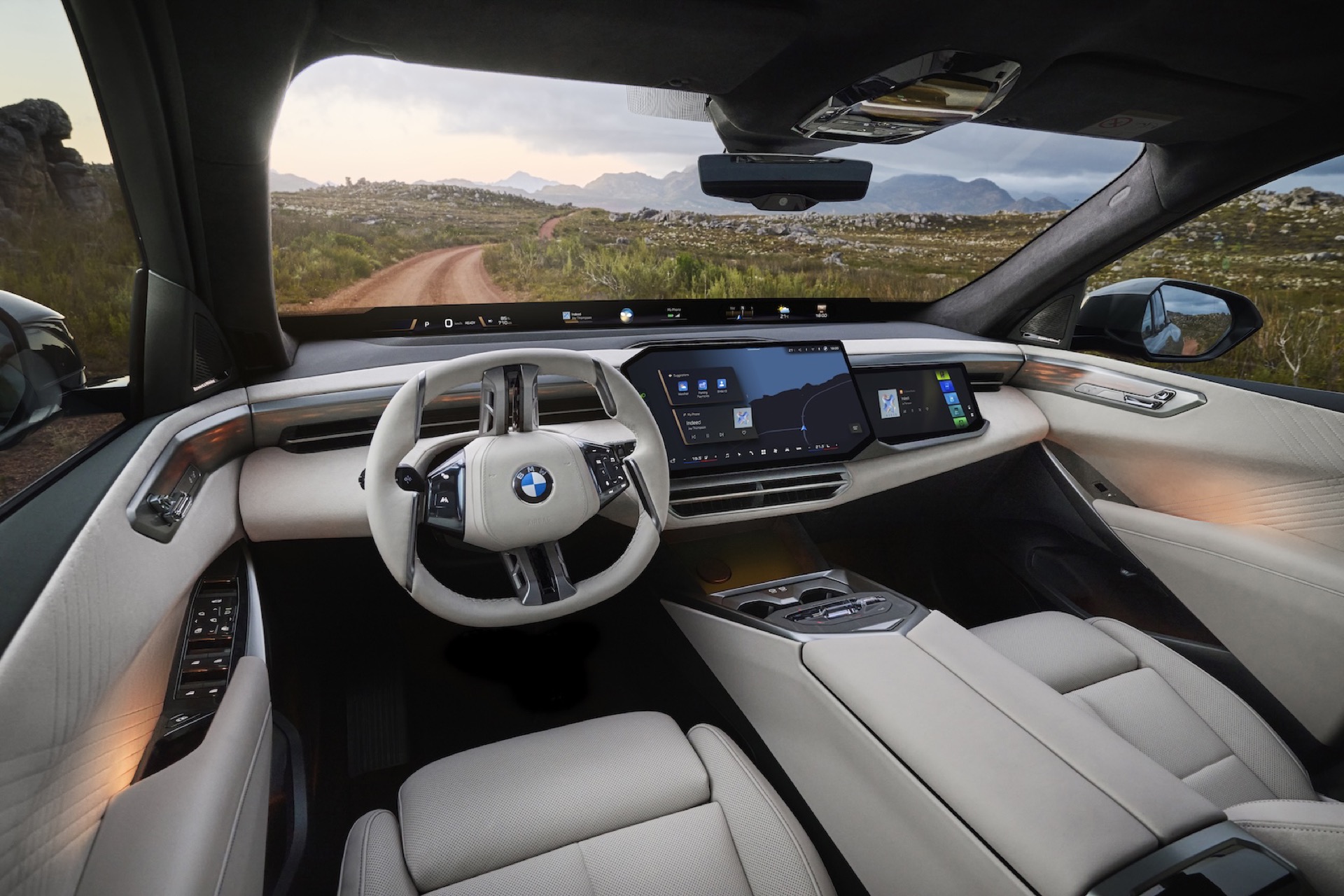
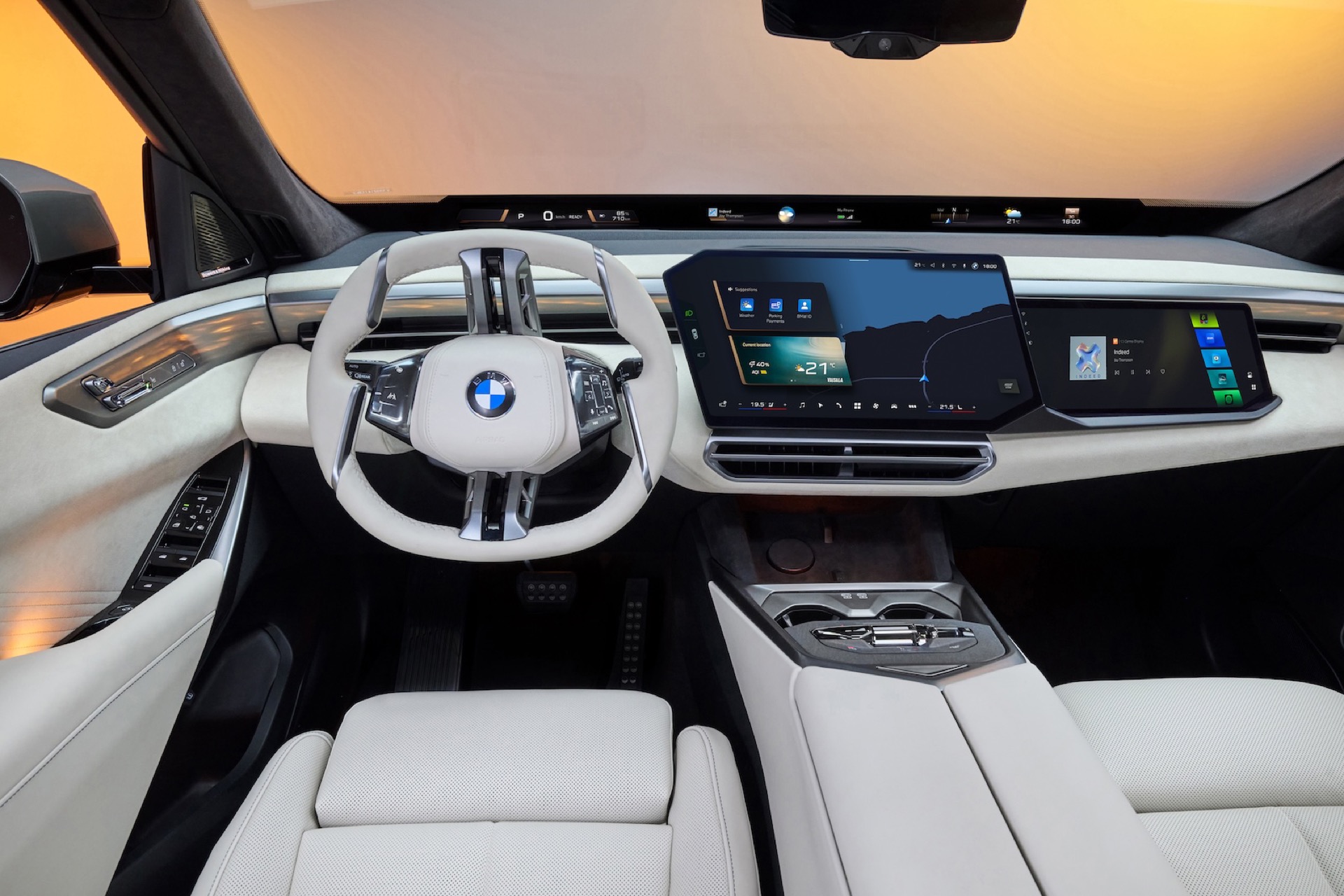
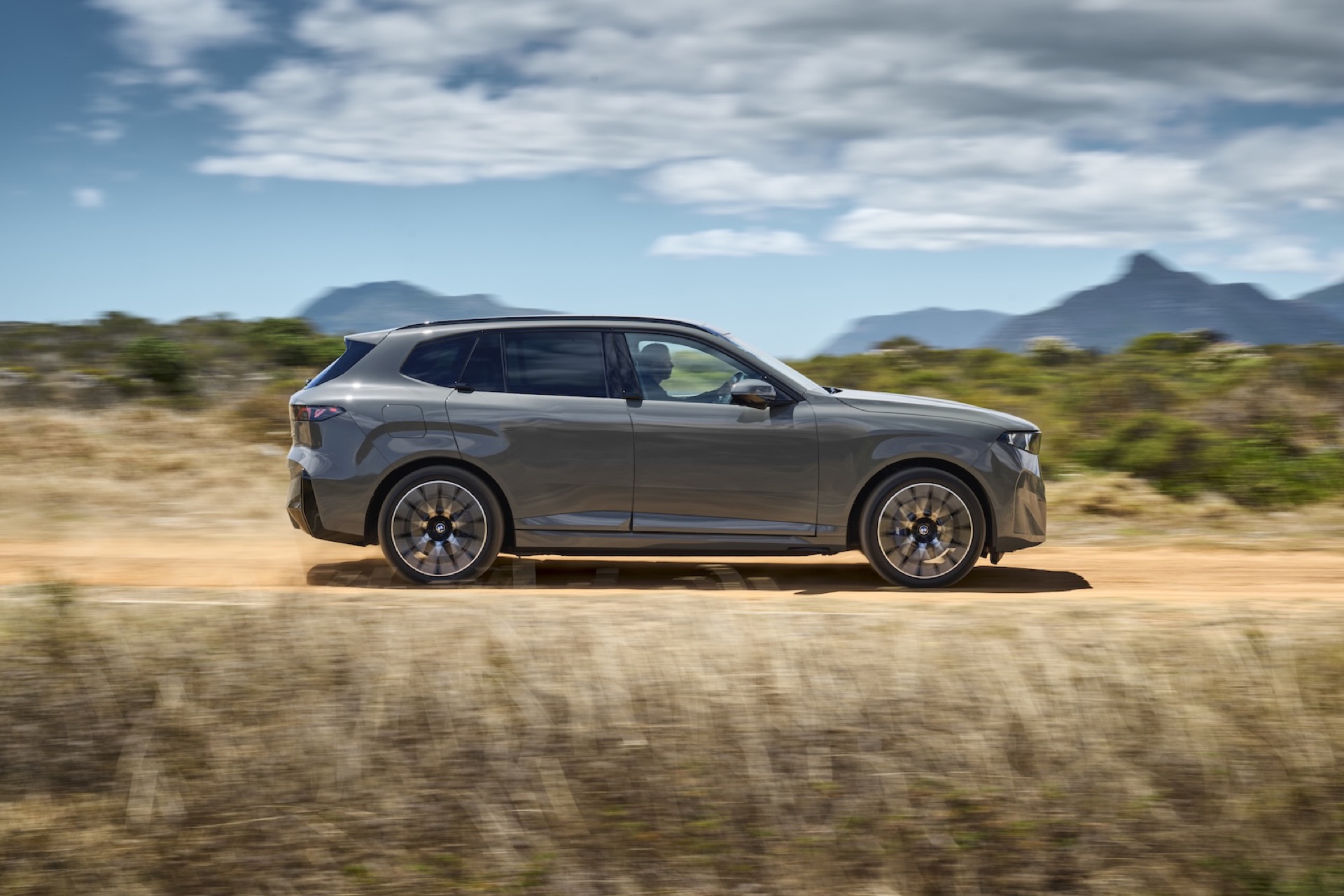
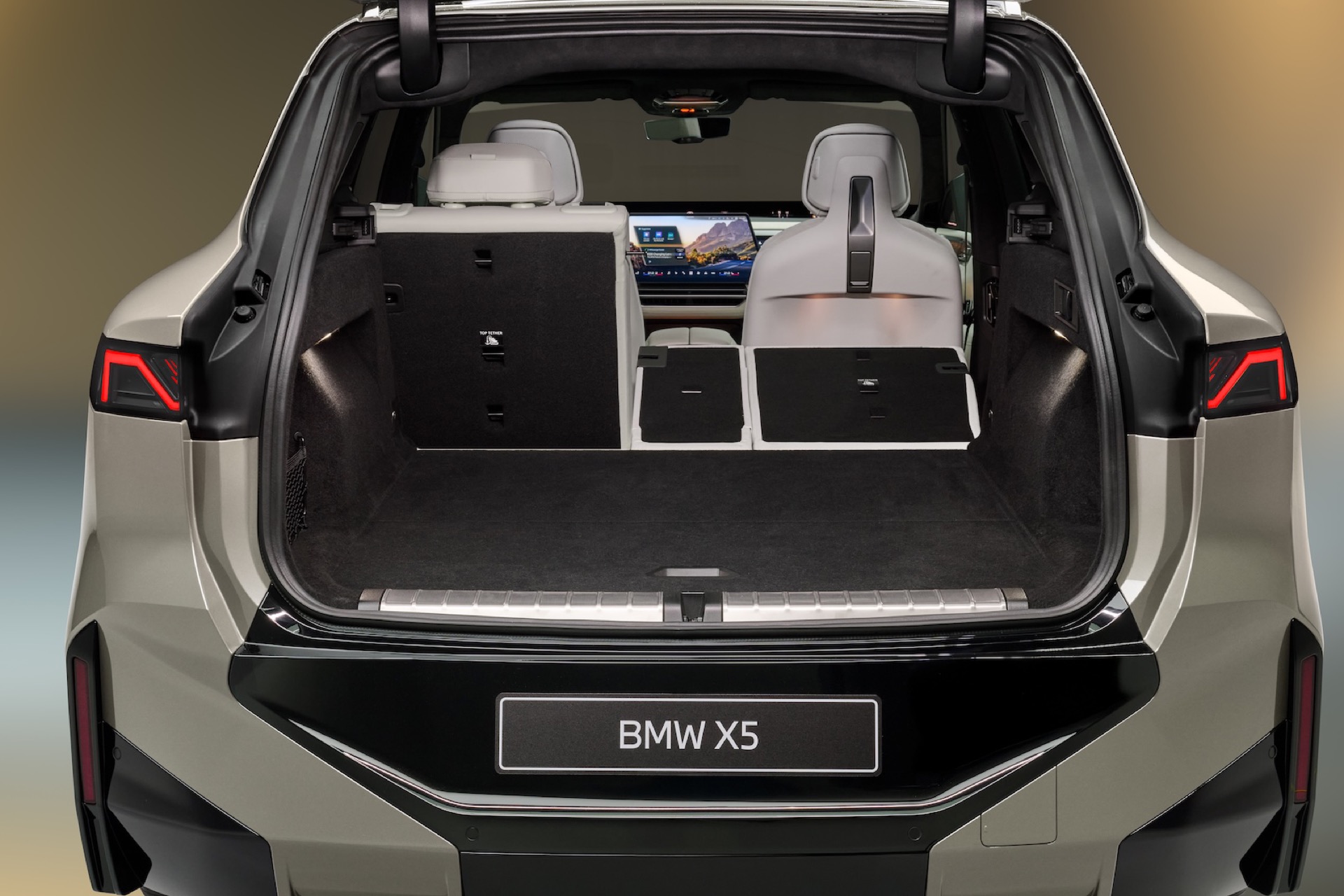
Measuring 4.99 metres in length, the X5 also adopts BMW’s latest cabin architecture. A panoramic display stretches across the dashboard, complemented by a head-up display, a central touchscreen and a compact passenger display. The familiar digital instrument binnacle disappears, a significant change for long-standing BMW owners who appreciated the brand’s traditionally clear driver-focused layout.
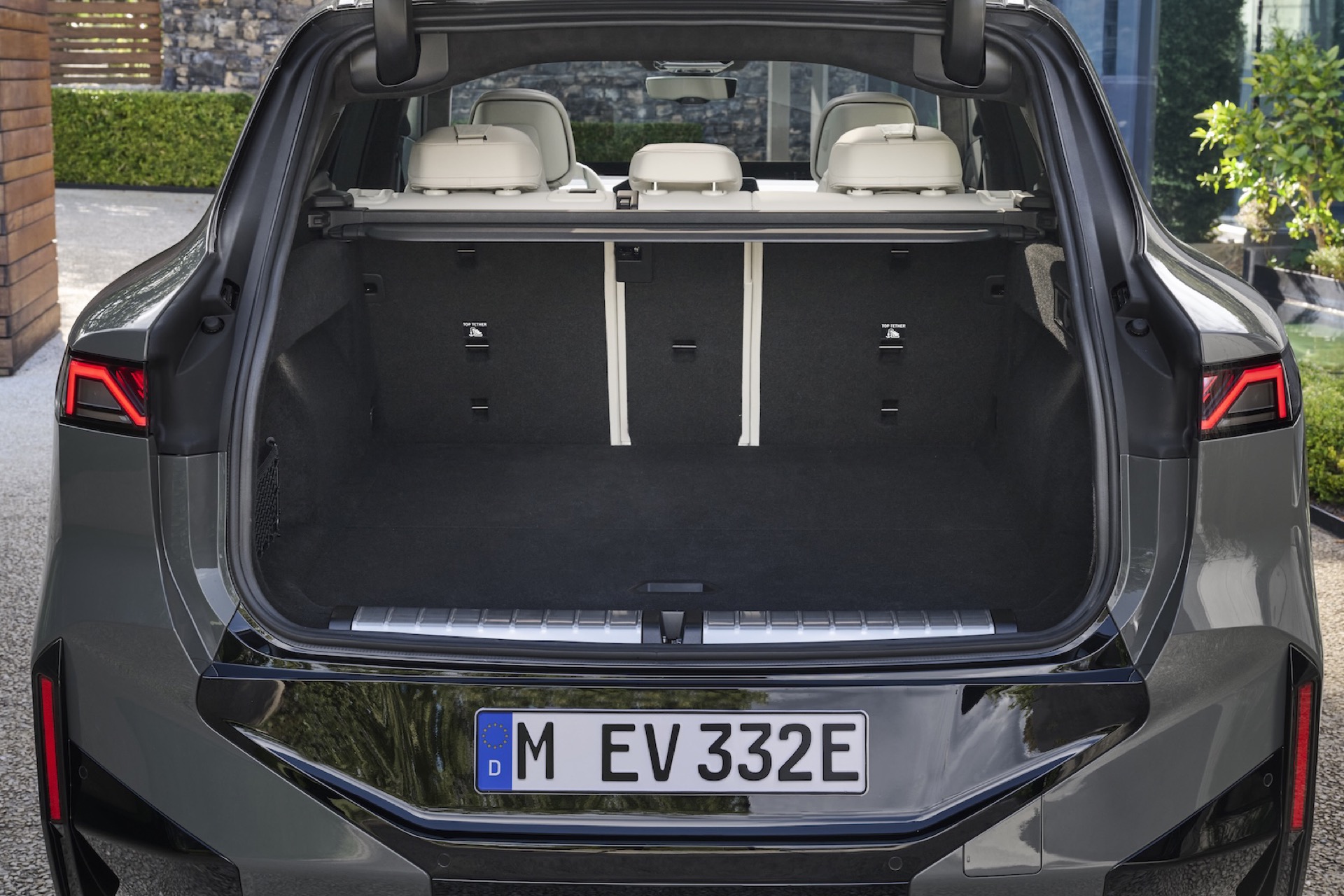
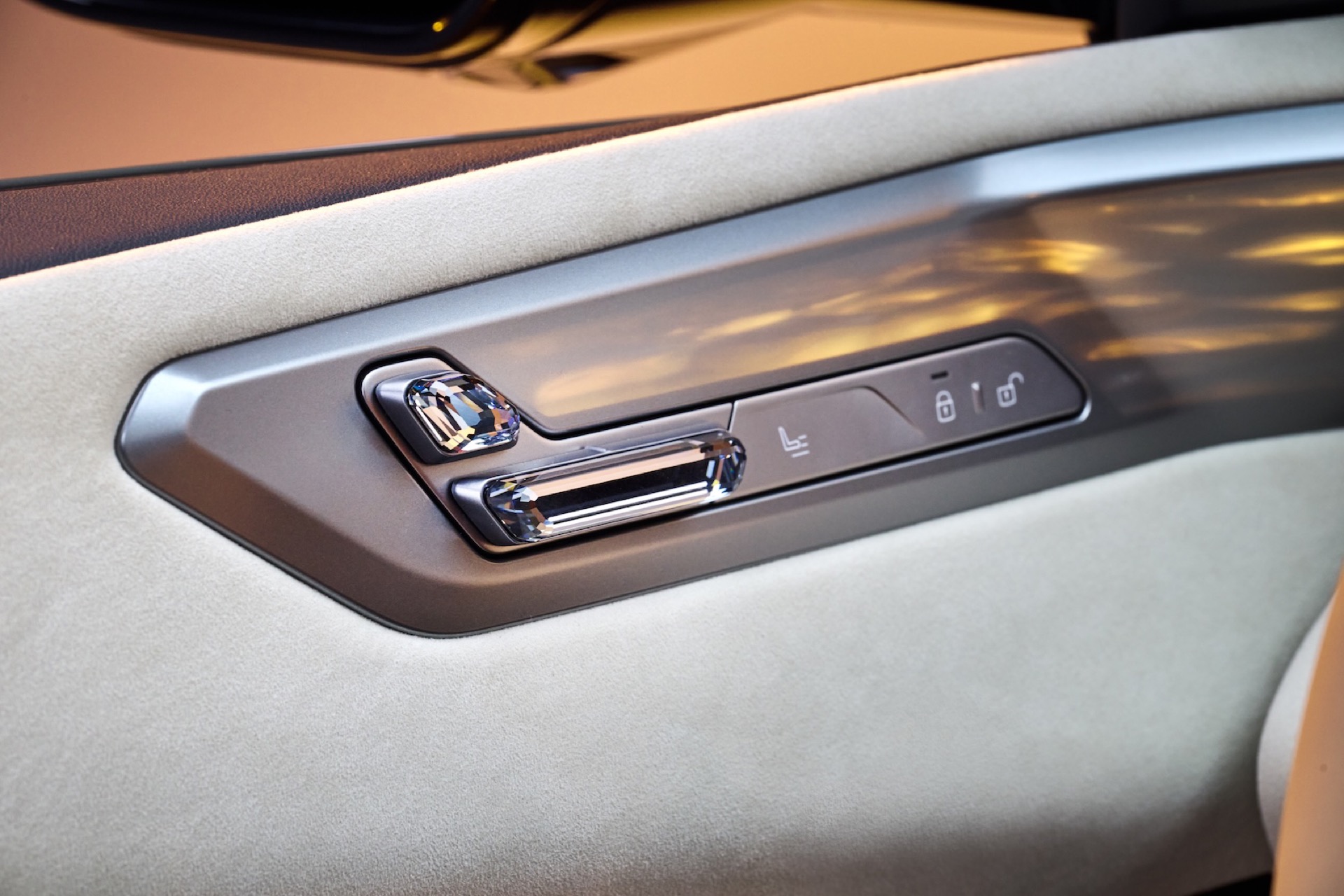
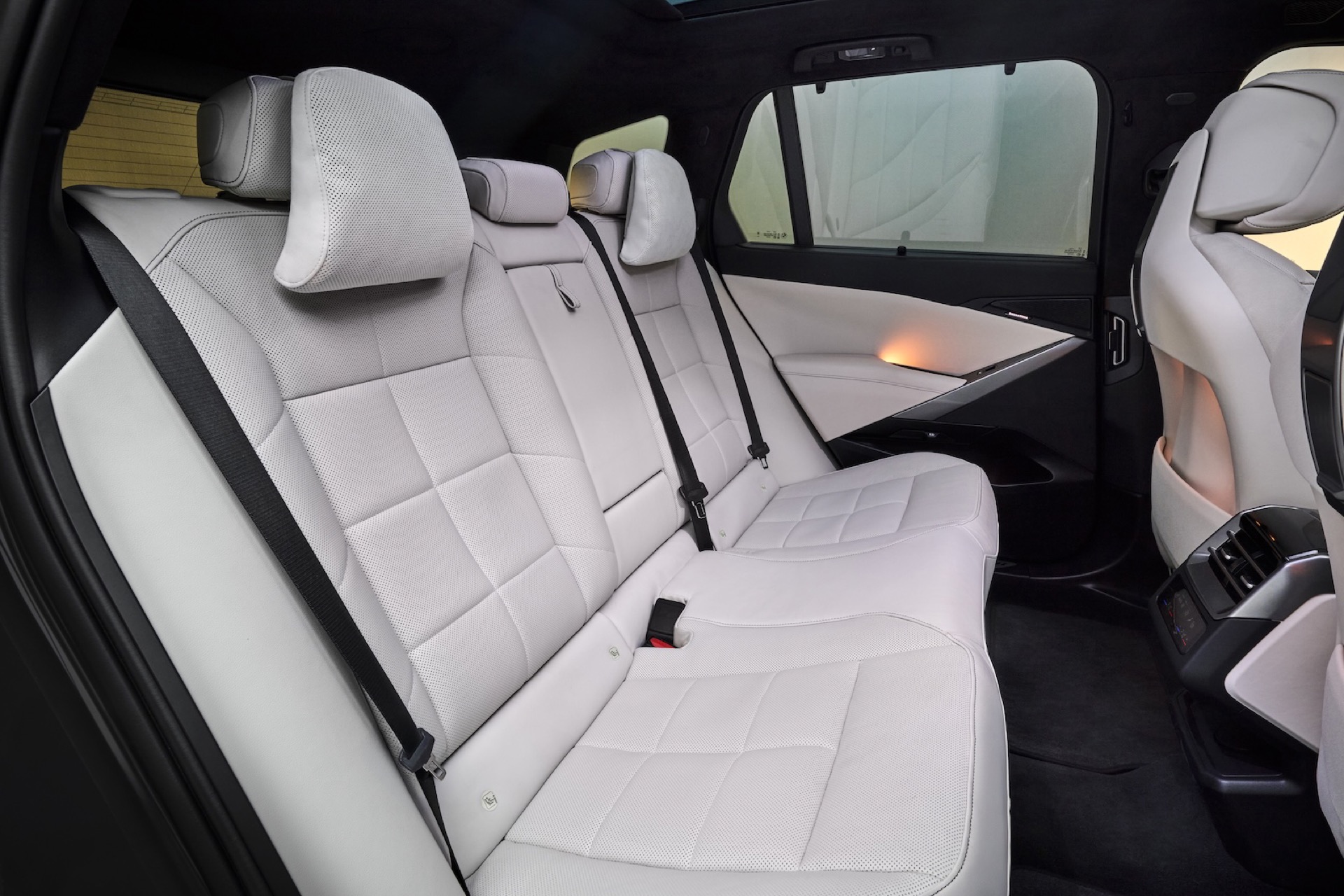
Elsewhere, usability remains strong. The door-mounted seat controls, angled window switches and wide centre console with climate-controlled cupholders all continue. Front-seat comfort was already among the segment’s best, and the latest model improves further with new seats offering massage and ventilation. Rear-seat accommodation has also been enhanced, while buyers seeking even greater luxury can look forward to the next-generation BMW X7, which is expected to share many of the X5’s interior innovations.
The headline story, however, is the drivetrain range.
Never before has BMW offered a single production model with five fundamentally different propulsion systems. Conventional buyers can choose between a 400 PS turbocharged 3.0-litre straight-six petrol engine or a 313 PS six-cylinder diesel, both paired with 48-volt mild-hybrid assistance.
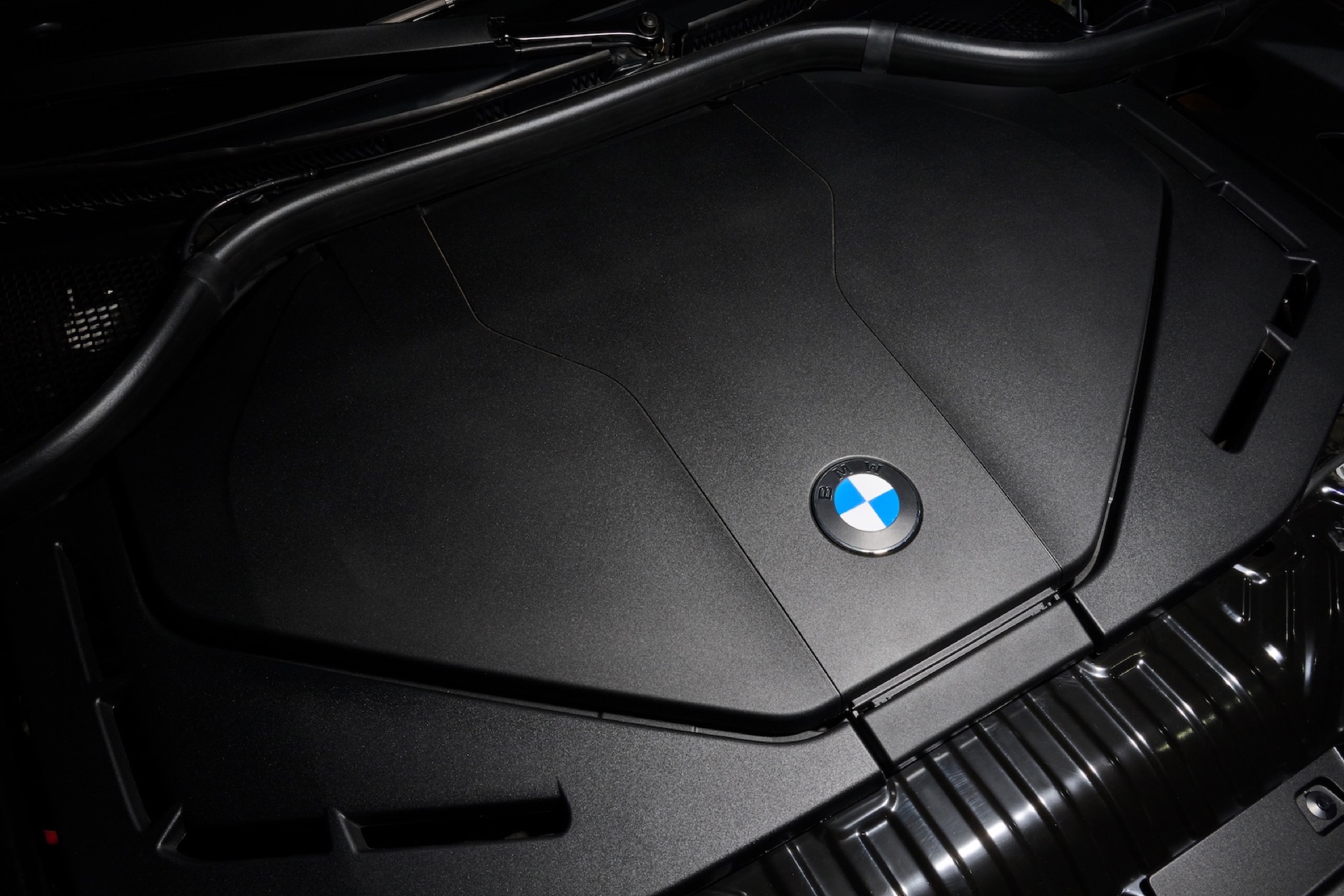
Above them sits the X5 50e xDrive plug-in hybrid. Combining the 313 PS six-cylinder petrol engine with an electric motor integrated into the transmission, total output reaches 489 PS and 700 Nm of torque. It accelerates to a top speed of 242 km/h while offering more than 80 kilometres of electric-only driving and an official fuel consumption of 5.2 l/100 km.
Performance-focused customers can step up to the X5 M60e xDrive, where the same six-cylinder engine and hybrid system deliver a combined 612 PS. BMW hopes this electrified flagship will satisfy buyers who previously demanded a V8.
For the first time, the X5 also gains a fully electric derivative. The iX5 60 xDrive employs dual electric motors producing 578 PS and 805 Nm of torque. Power comes from a substantial 141 kWh battery, enabling a claimed WLTP range of between 645 and 845 kilometres. DC charging peaks at an impressive 460 kW, although maximum speed is electronically limited to 210 km/h. At almost 2.9 tonnes, the iX5 is by far the heaviest member of the family, but its long-distance credentials appear highly competitive.
BMW also plans to introduce a hydrogen fuel-cell version from 2028 onwards. Whether there will be meaningful customer demand remains questionable, particularly as battery technology continues to improve rapidly while hydrogen passenger cars remain a niche proposition.
Pricing begins at €94,800 for the X5 40d xDrive, while the six-cylinder petrol starts from €98,800. The X5 50e xDrive plug-in hybrid and range-topping M60e xDrive cost €102,800 and €125,000 respectively, while the fully electric iX5 60 xDrive also starts at €102,800.
Production of the petrol and diesel models begins in August, with plug-in hybrid and electric variants following in December. Customer deliveries are expected to commence progressively from late November.
BMW’s strategy is clear. Rather than forcing customers towards a single technology, the new X5 offers virtually every drivetrain currently available, allowing buyers to choose the solution that best suits their lifestyle. In today’s rapidly evolving market, that flexibility may prove to be its greatest strength.