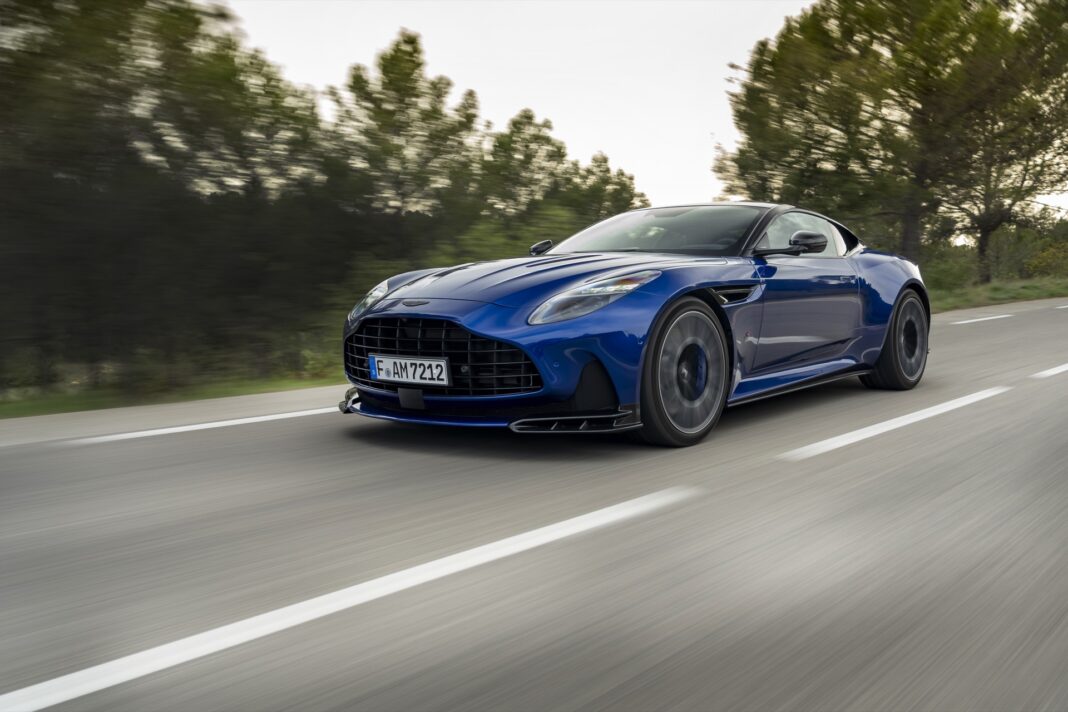
Aston Martin clearly knows what it is doing with the DB12 S. Speaking to the team behind the car, the intention is obvious: this is the model that pushes the DB12 further towards the sharper, more focused end of the spectrum without abandoning the grand touring brief that defines the bloodline. In other words, Aston wants the DB12 S to sit neatly between a Bentley Continental GT and a Ferrari Amalfi. Having recently driven both, that feels about right.
That middle ground is a difficult one to own. The Bentley Continental GT is immensely capable and its hybrid V8 powertrain is seriously potent, but it still feels like a luxury car first and foremost. Push it hard on a country road and you remain conscious of the weight and mass beneath you, even if the engineering does a remarkable job of disguising it. The Ferrari Amalfi, by contrast, is a real athlete. It is eager, alert and naturally more intense, even if it sits at the entry point of Ferrari’s front-engined range. The DB12 S lands somewhere between those two cars, and that is precisely what makes it interesting. It has plenty of pace, enough to avoid feeling outgunned by the Ferrari, but it also retains the longer-legged refinement you would want from an Aston Martin GT. At around €250,000, it also positions itself exactly where such an in-between proposition needs to.
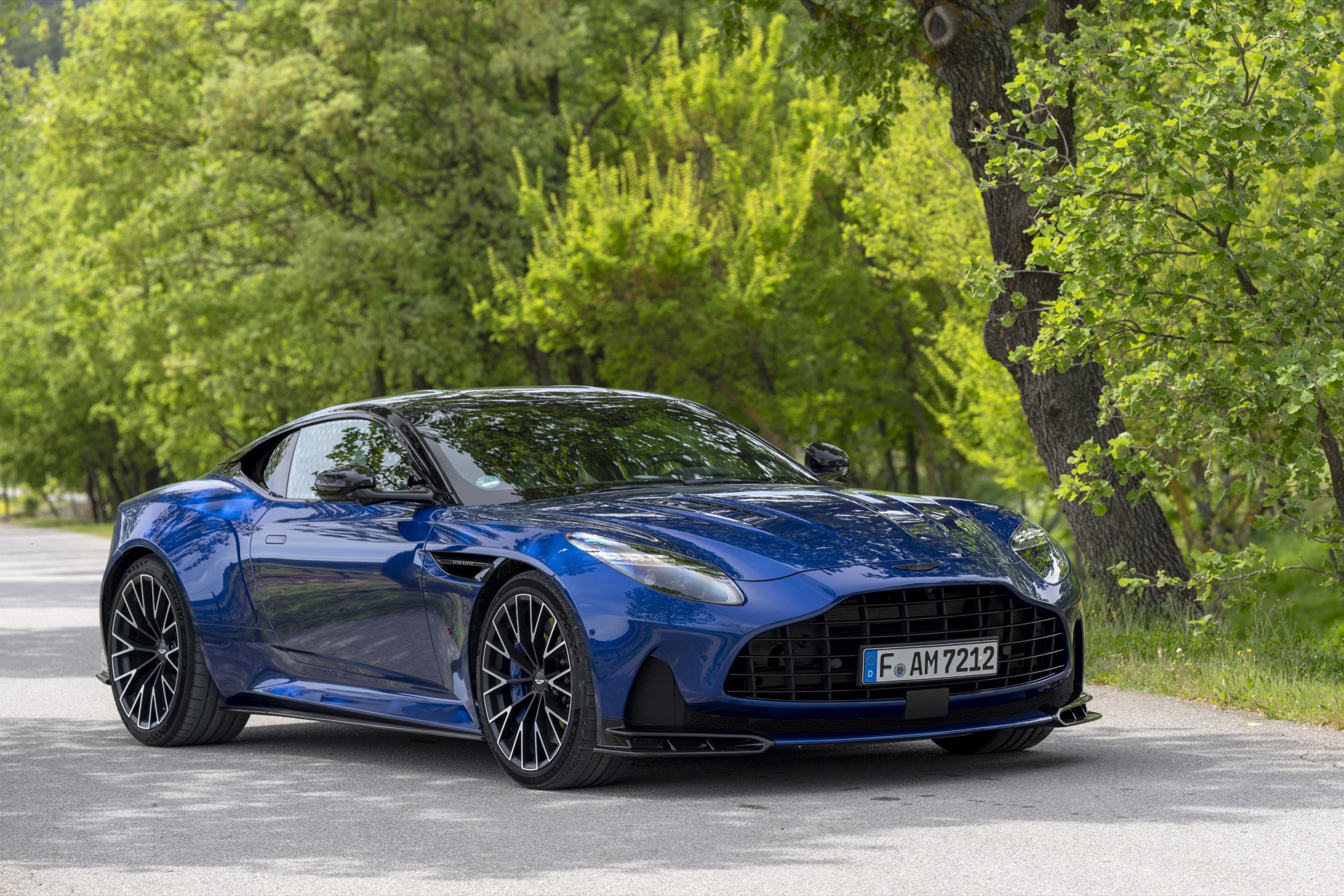
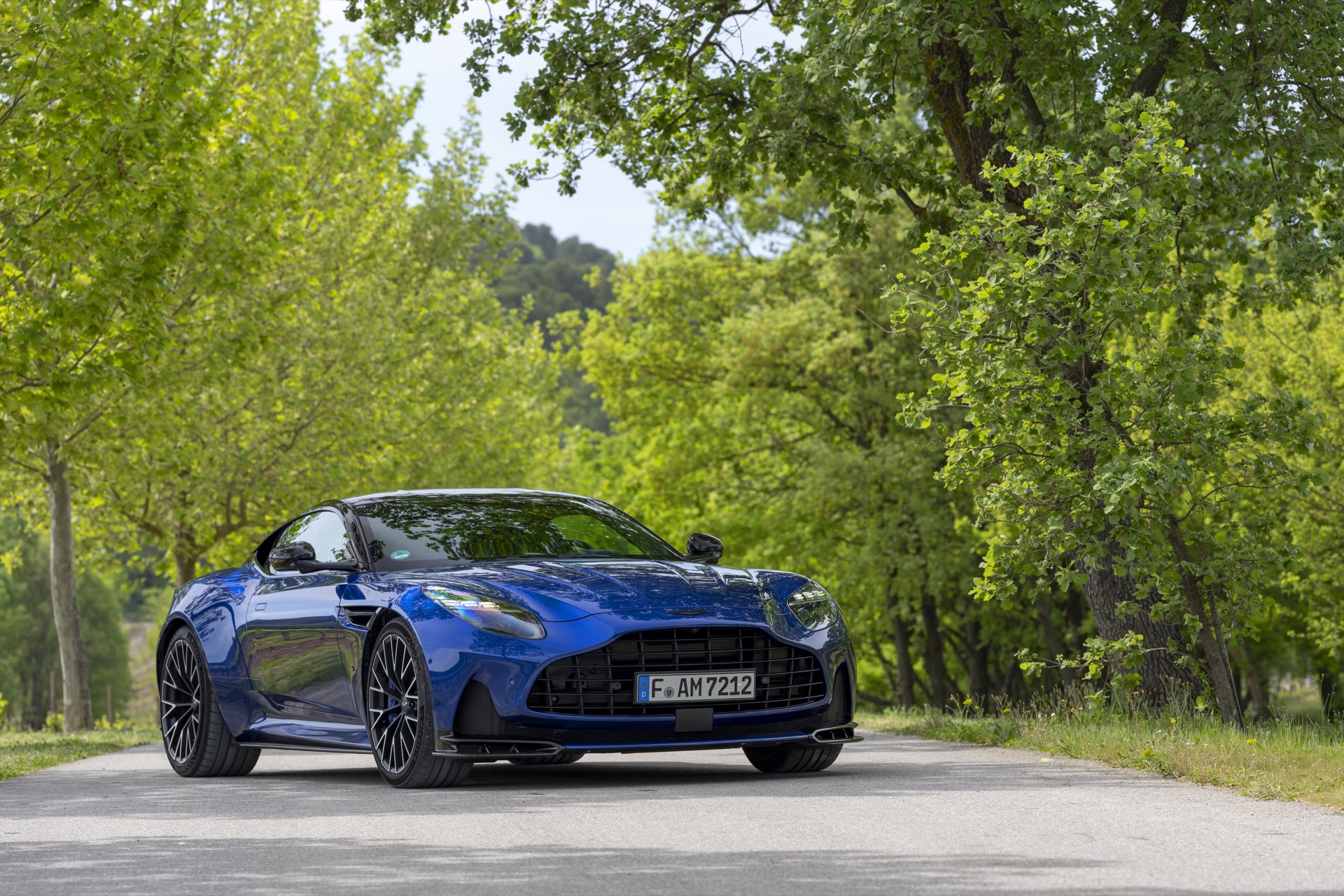
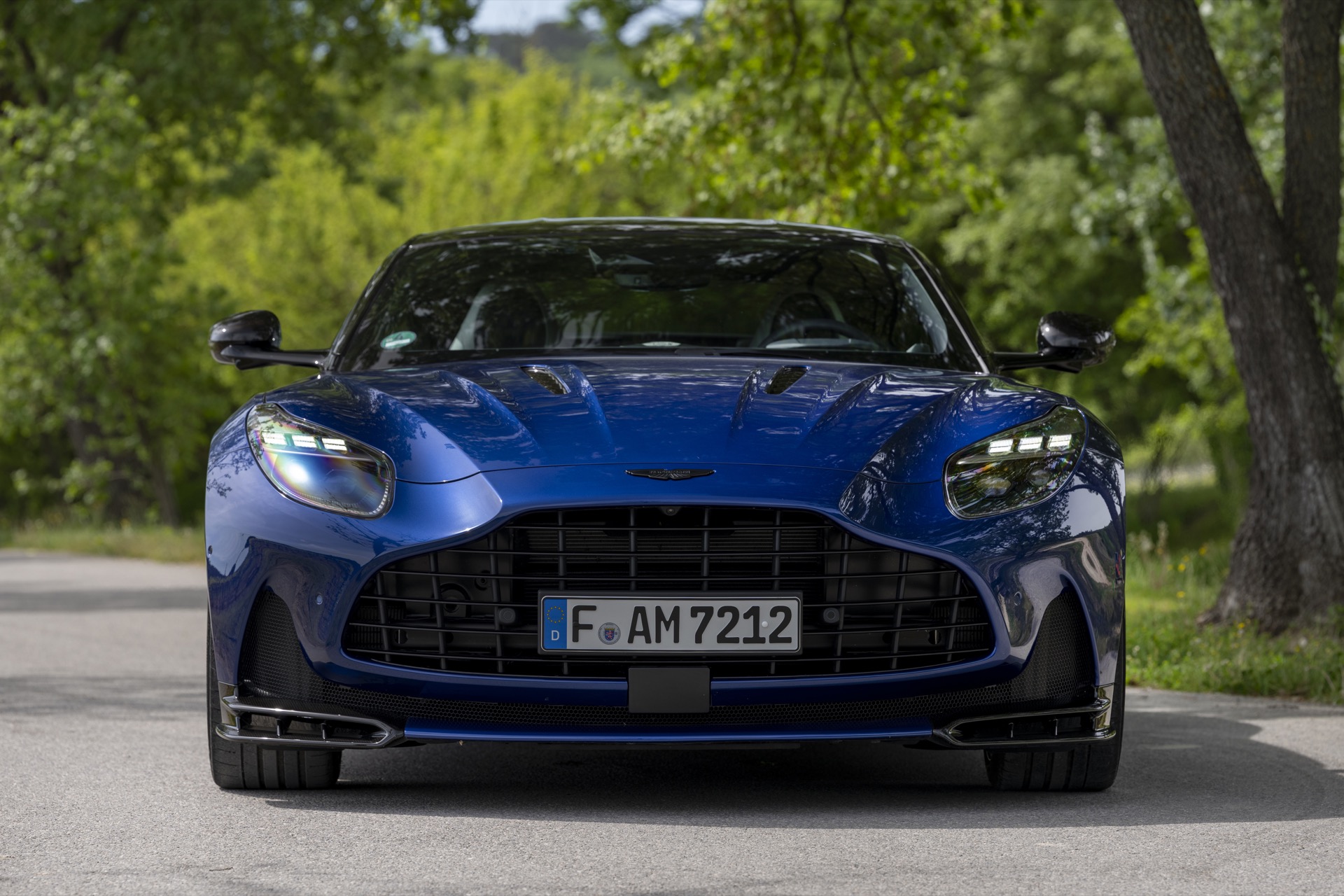
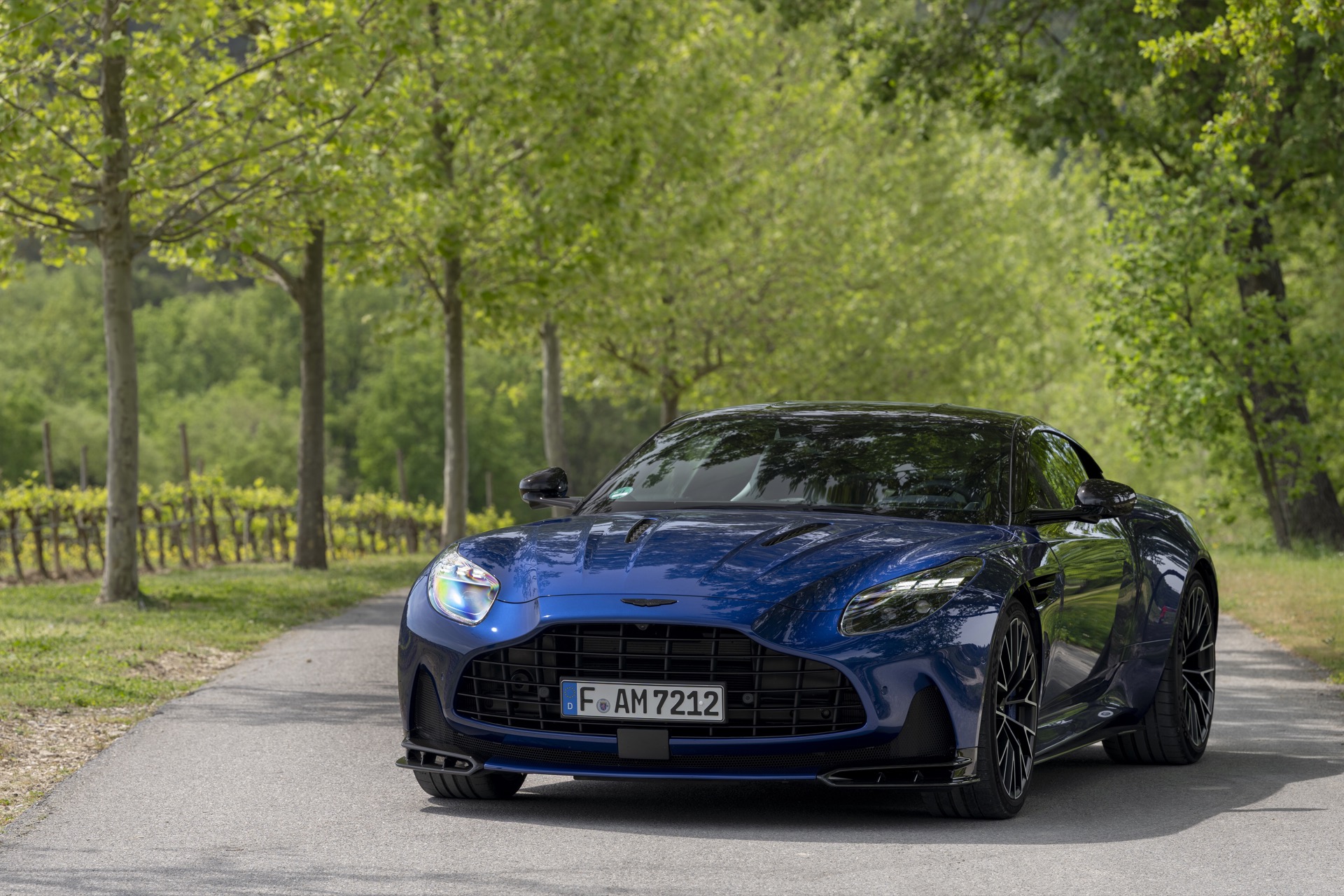
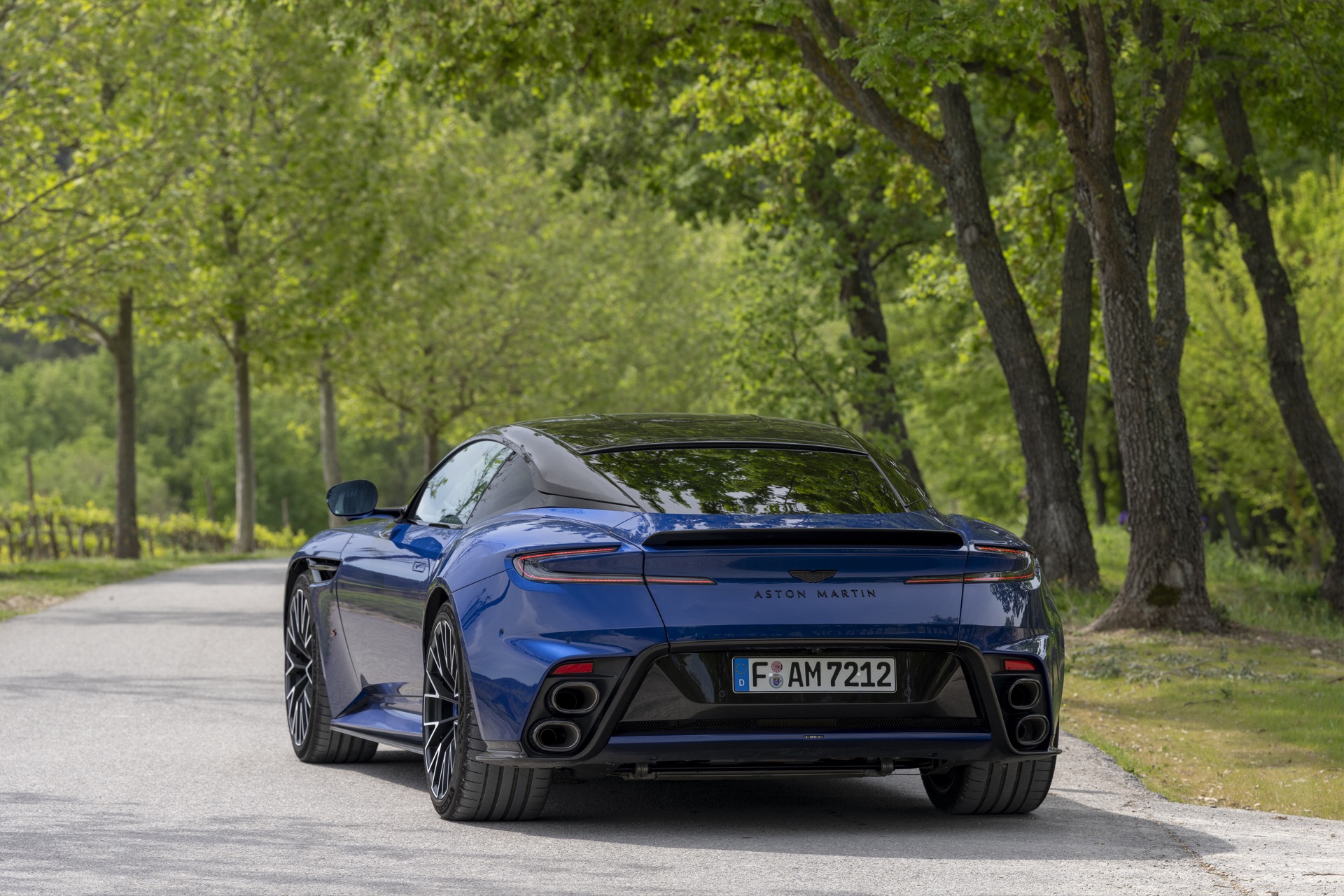
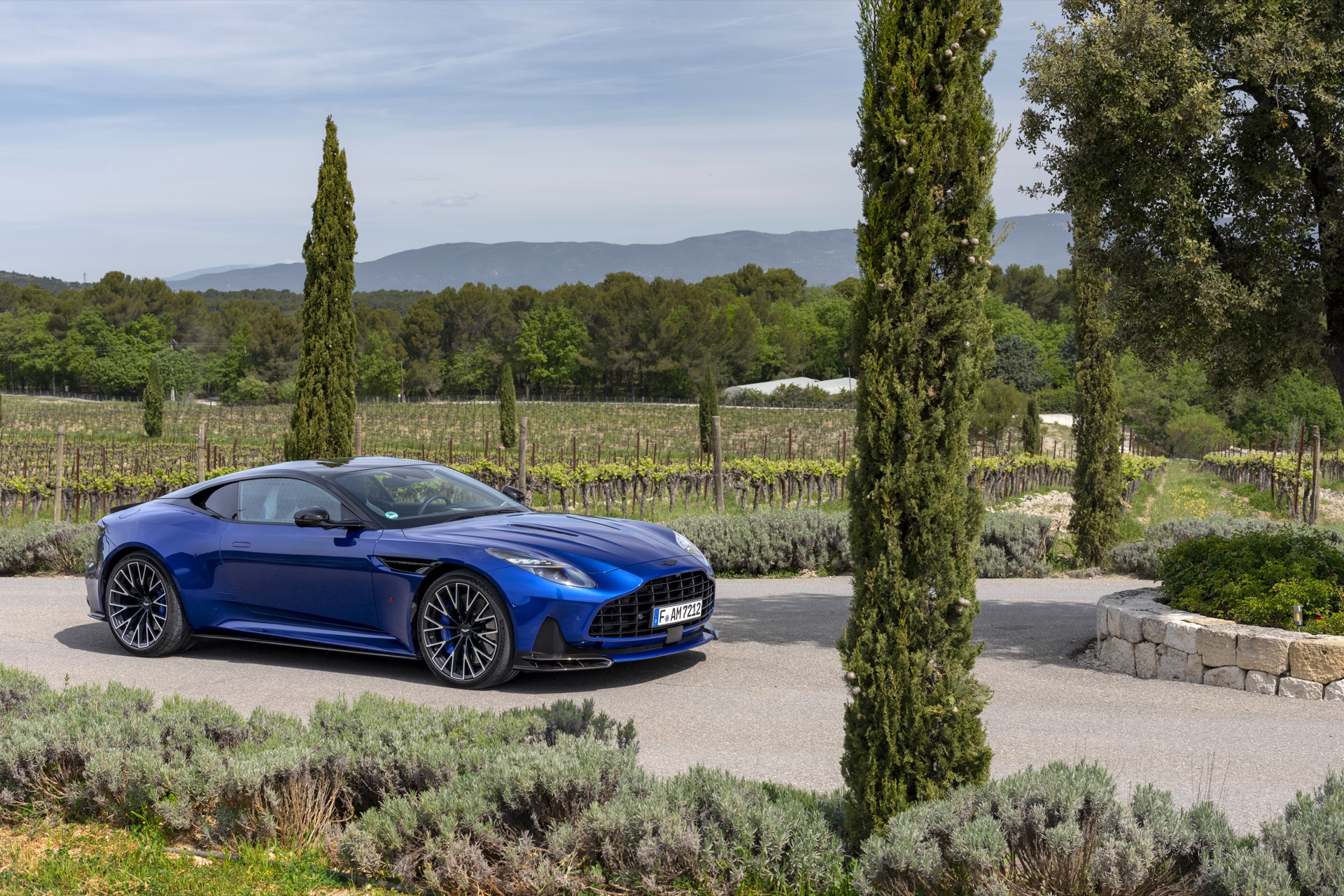
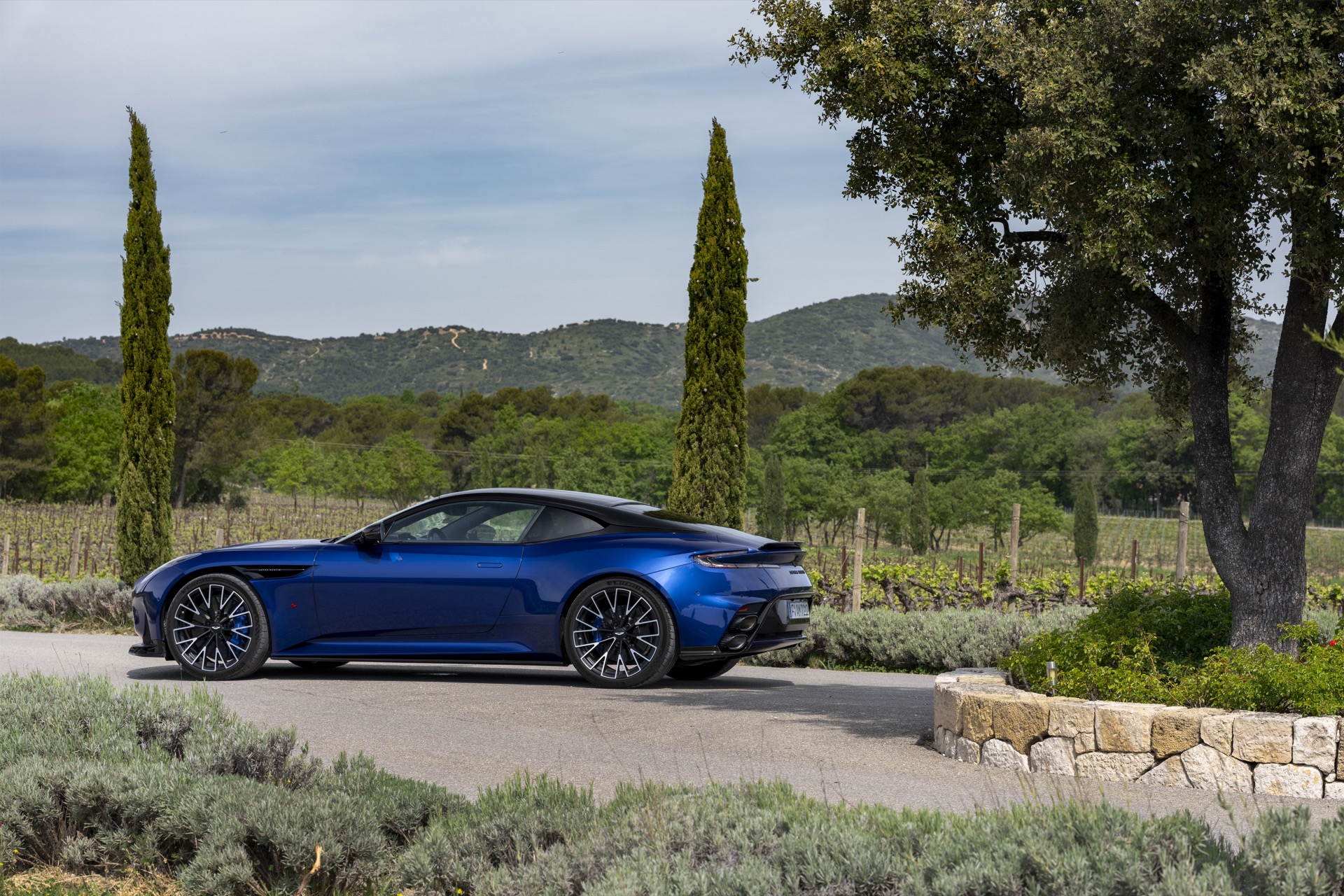
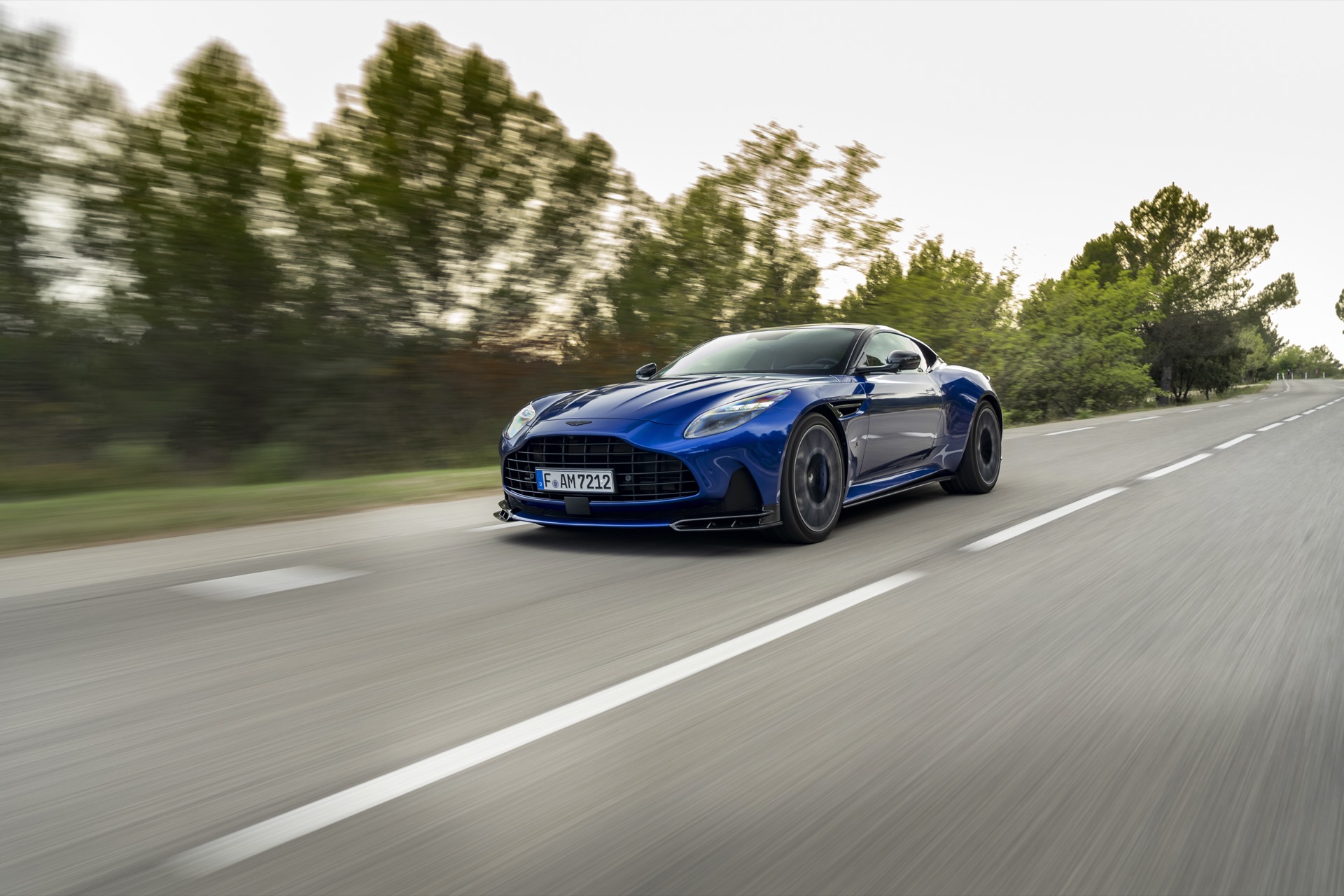
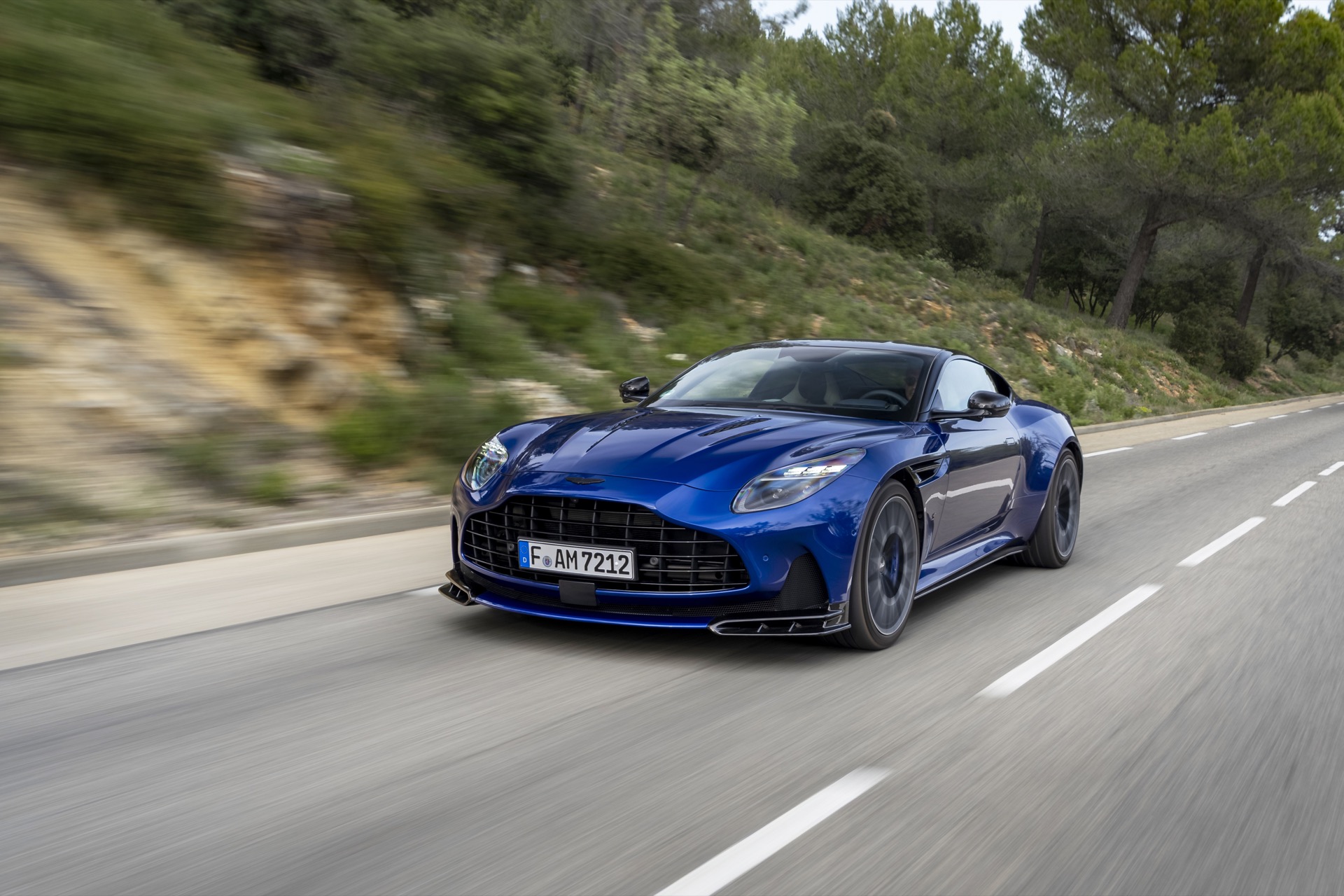
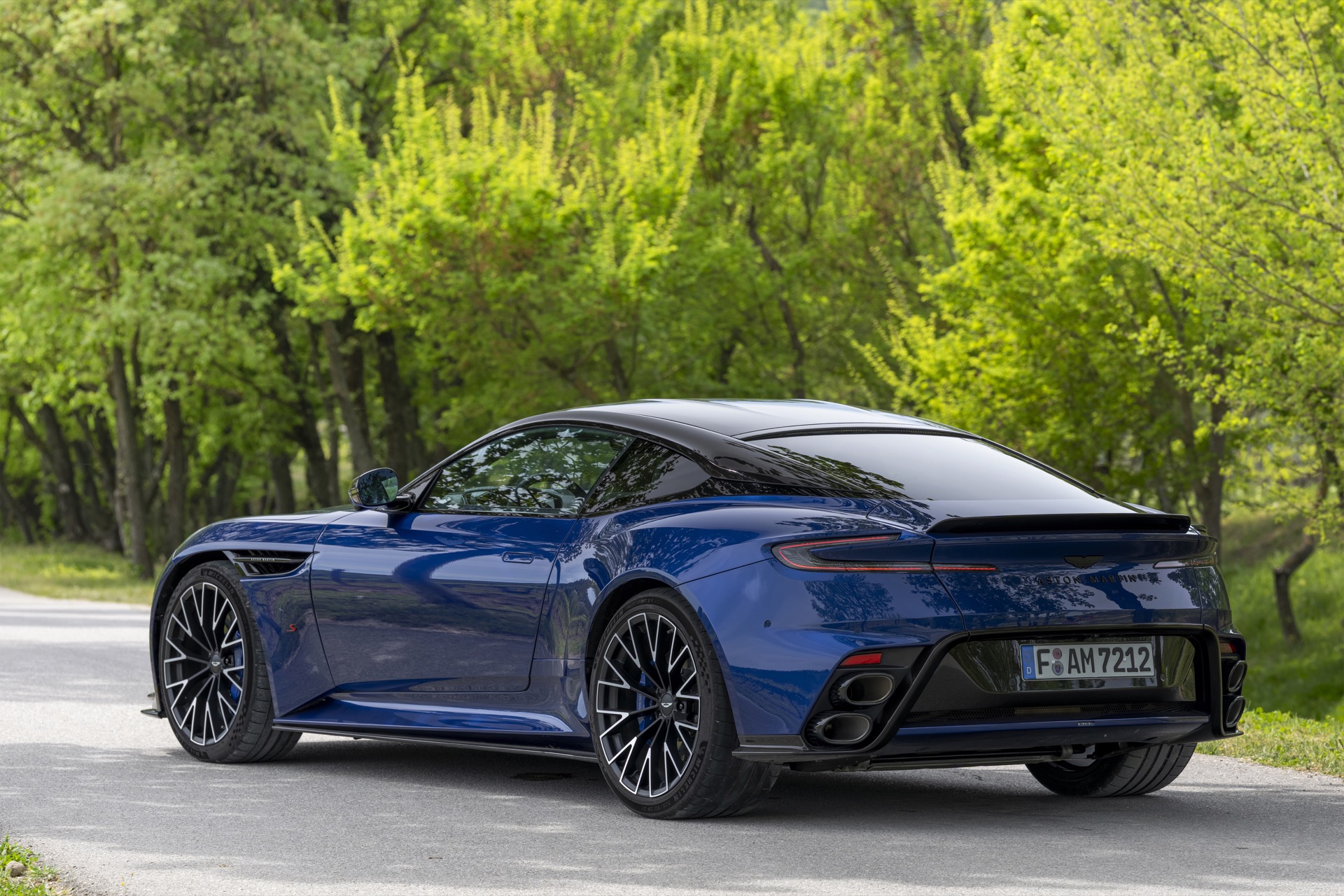
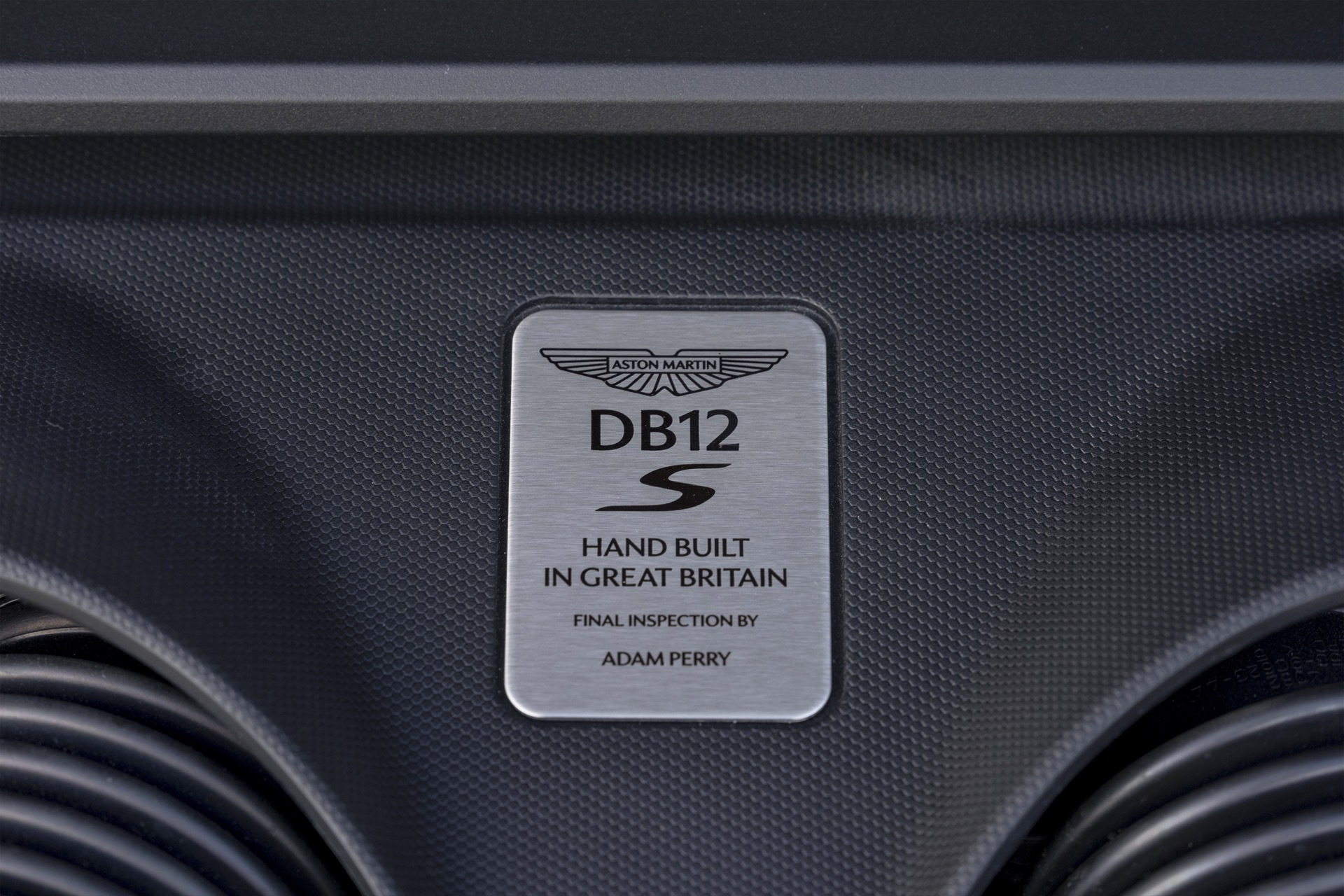
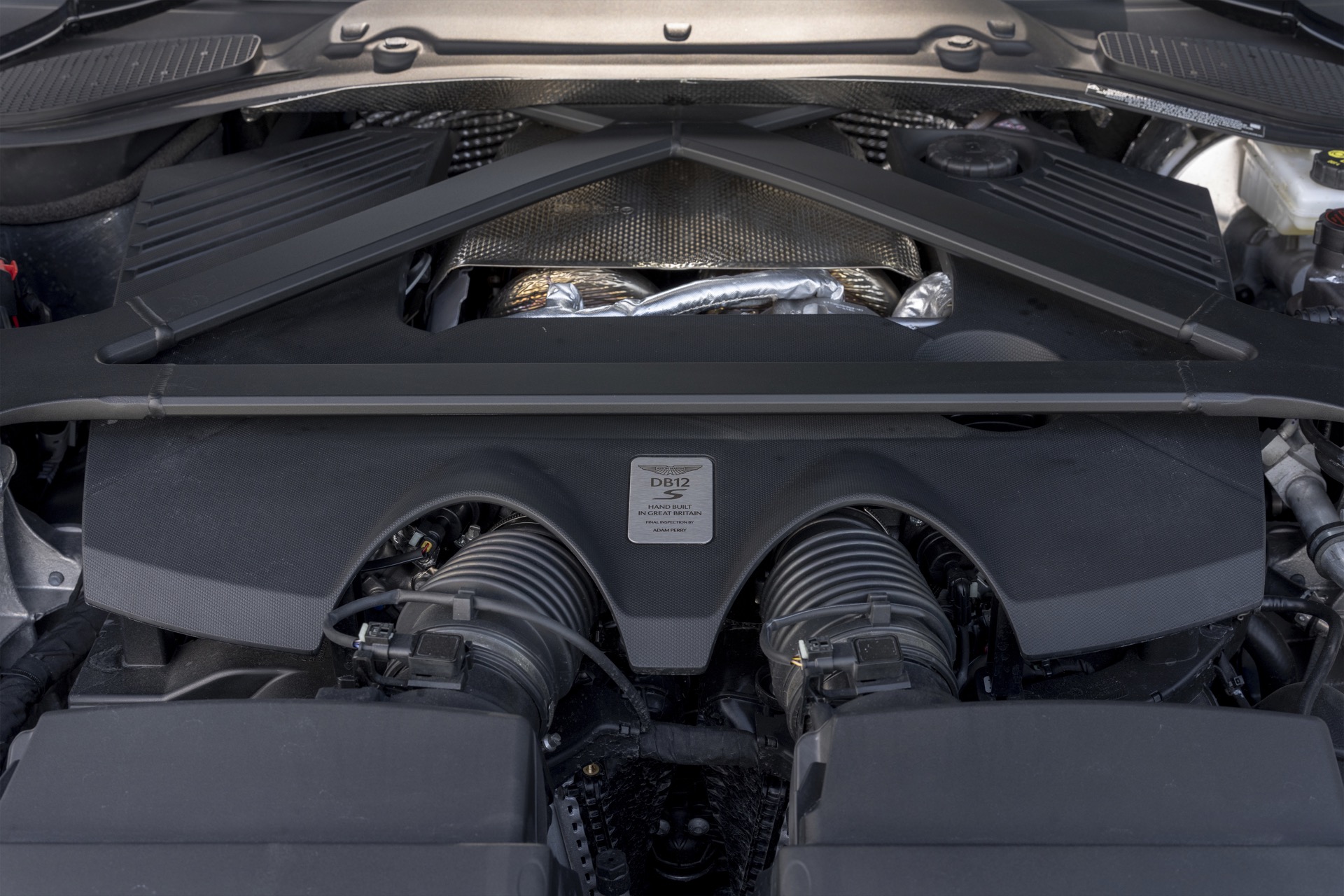
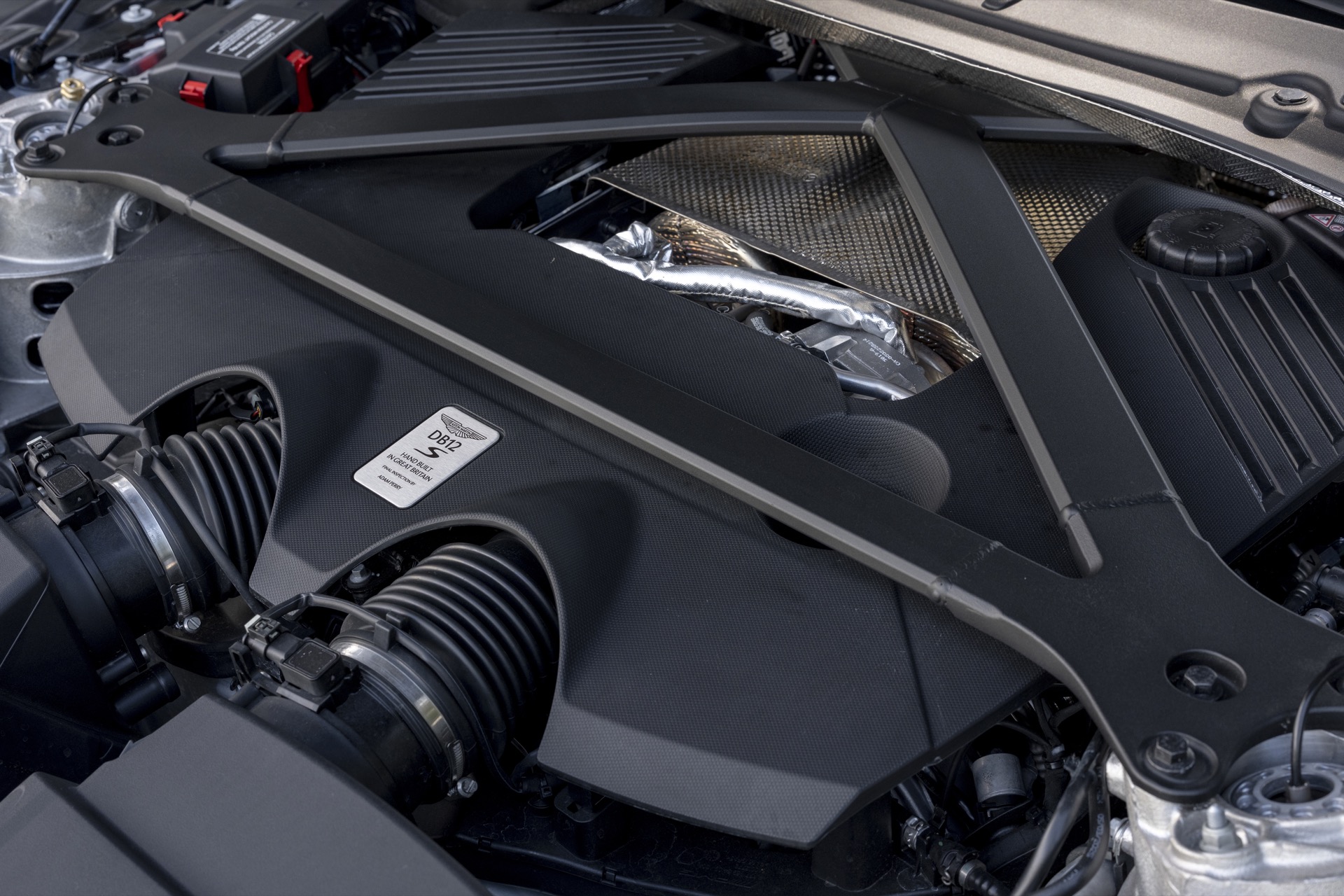
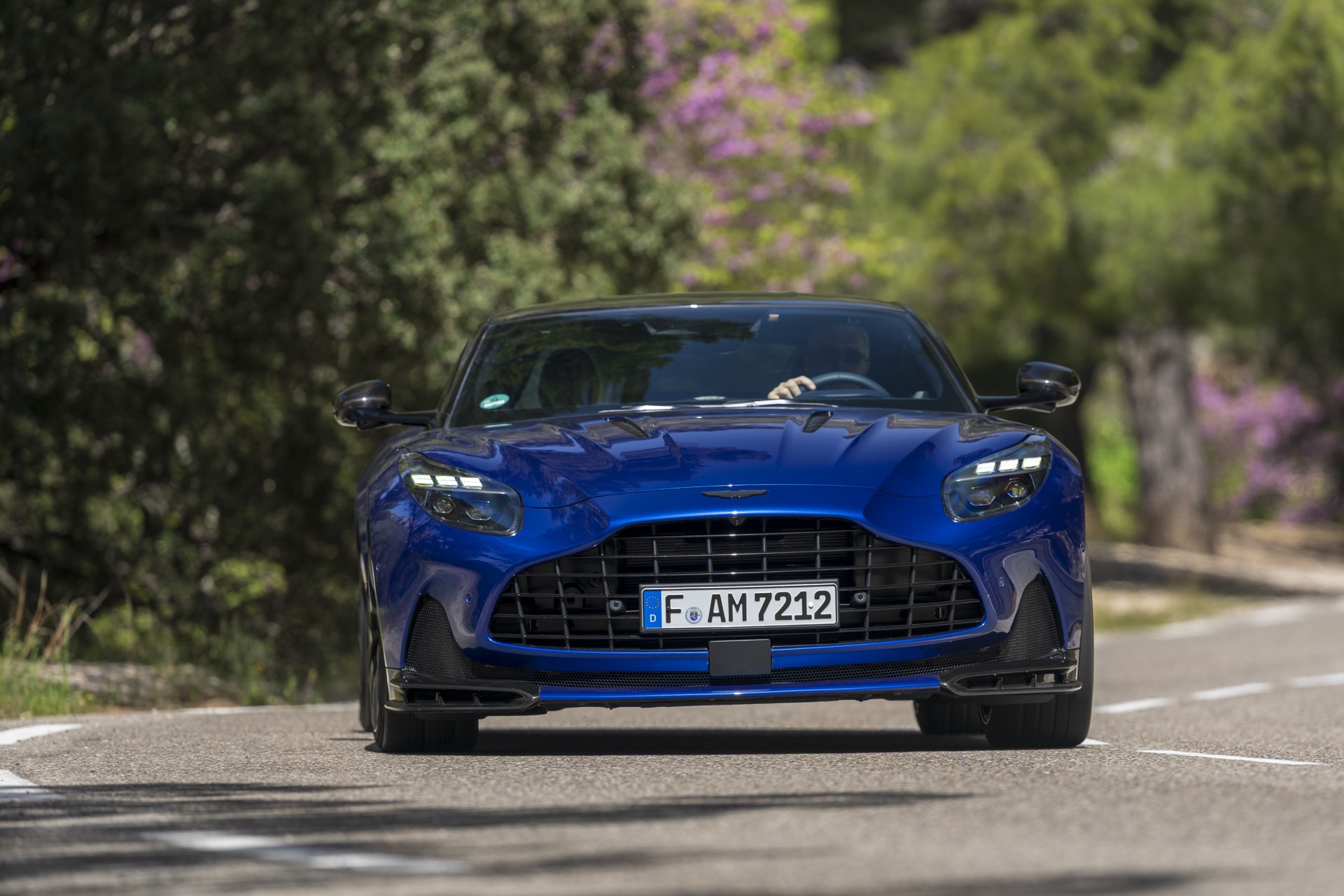
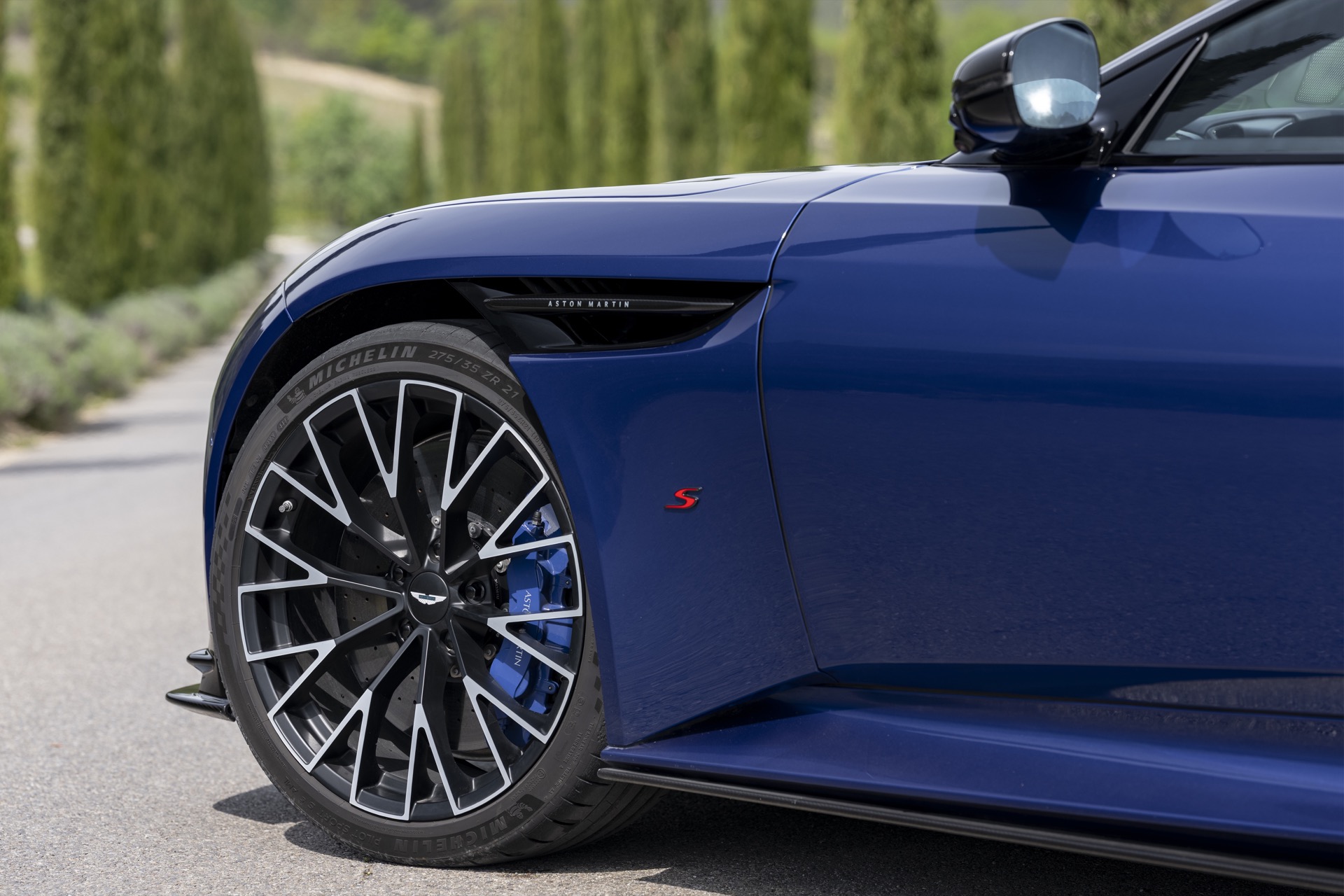
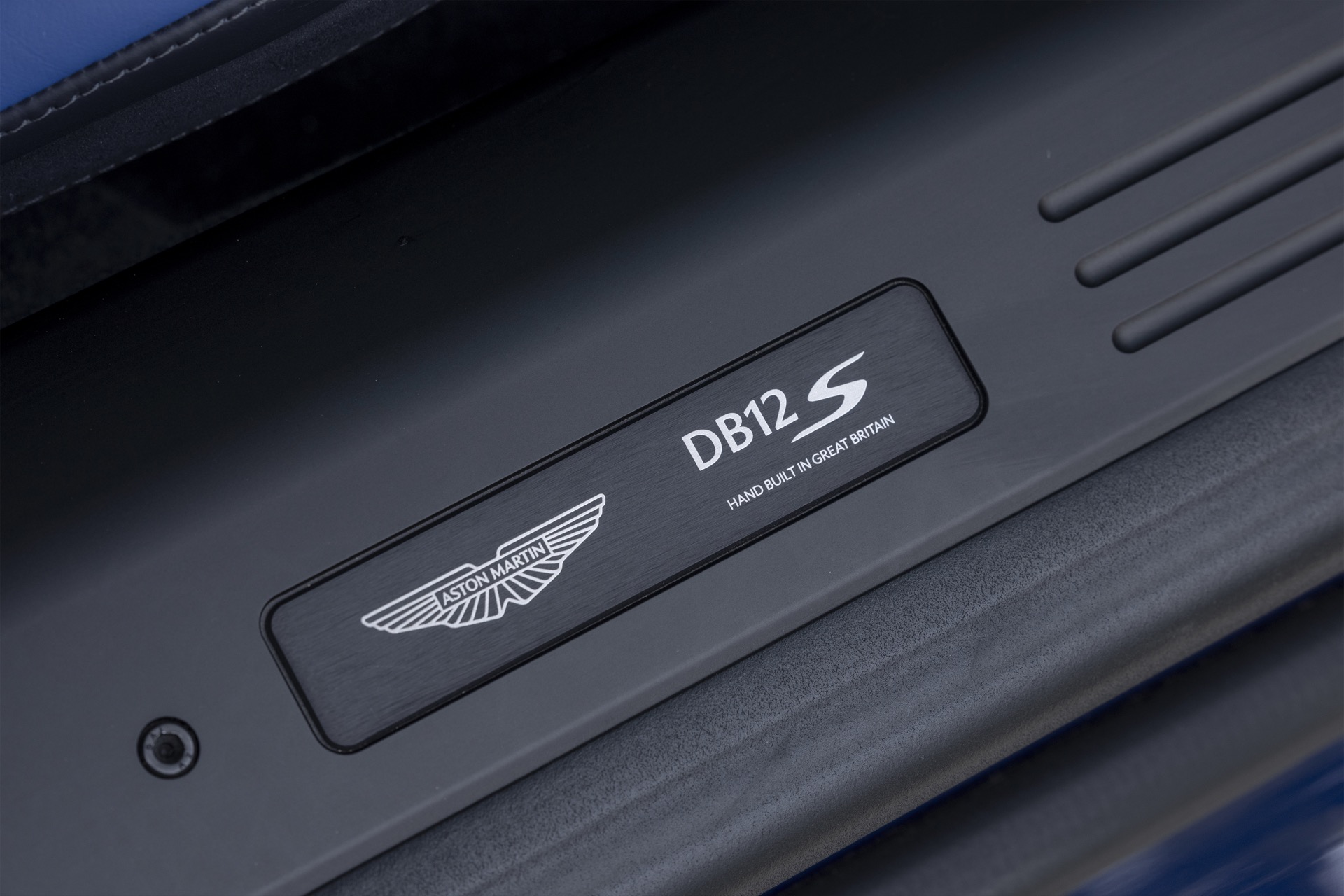
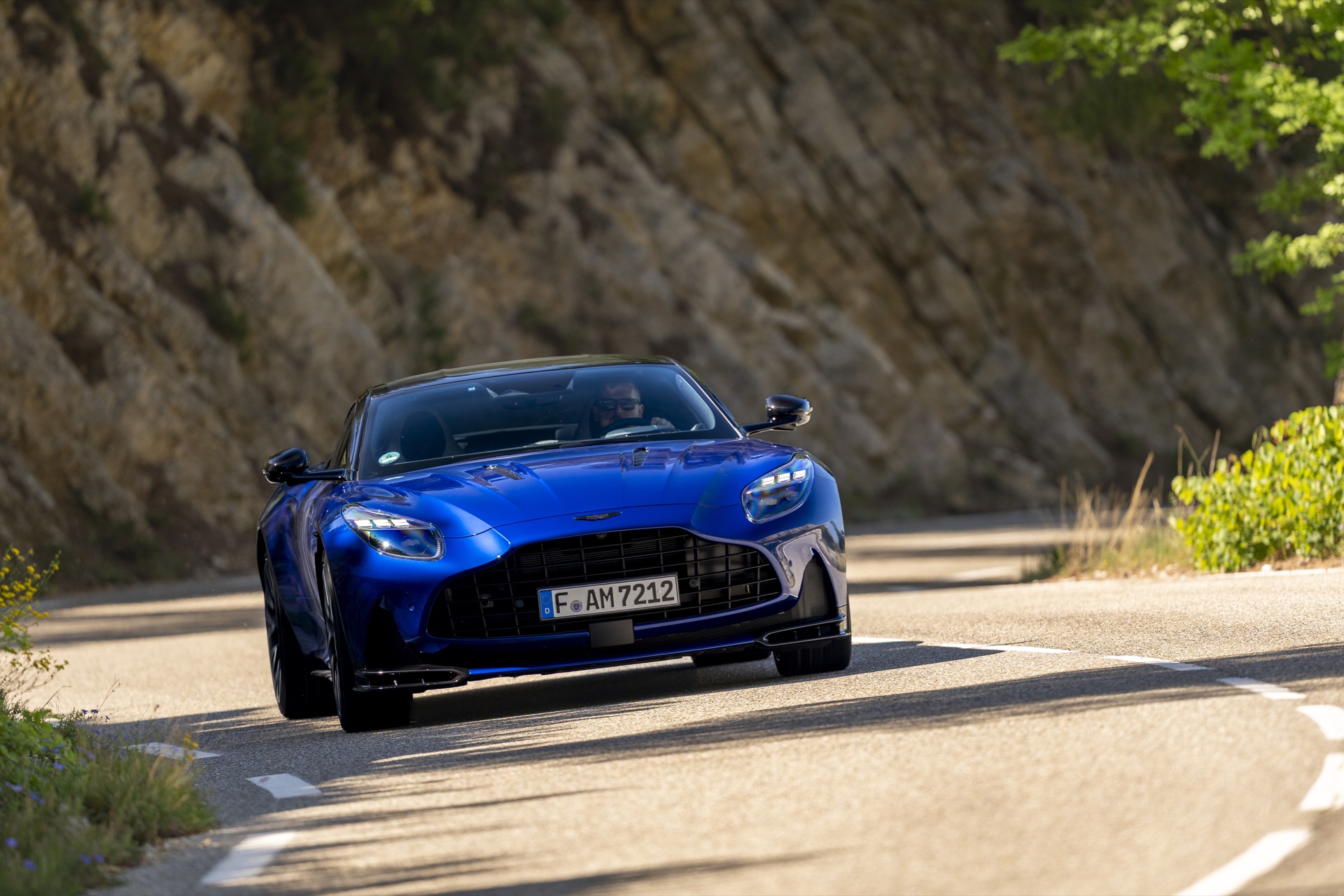
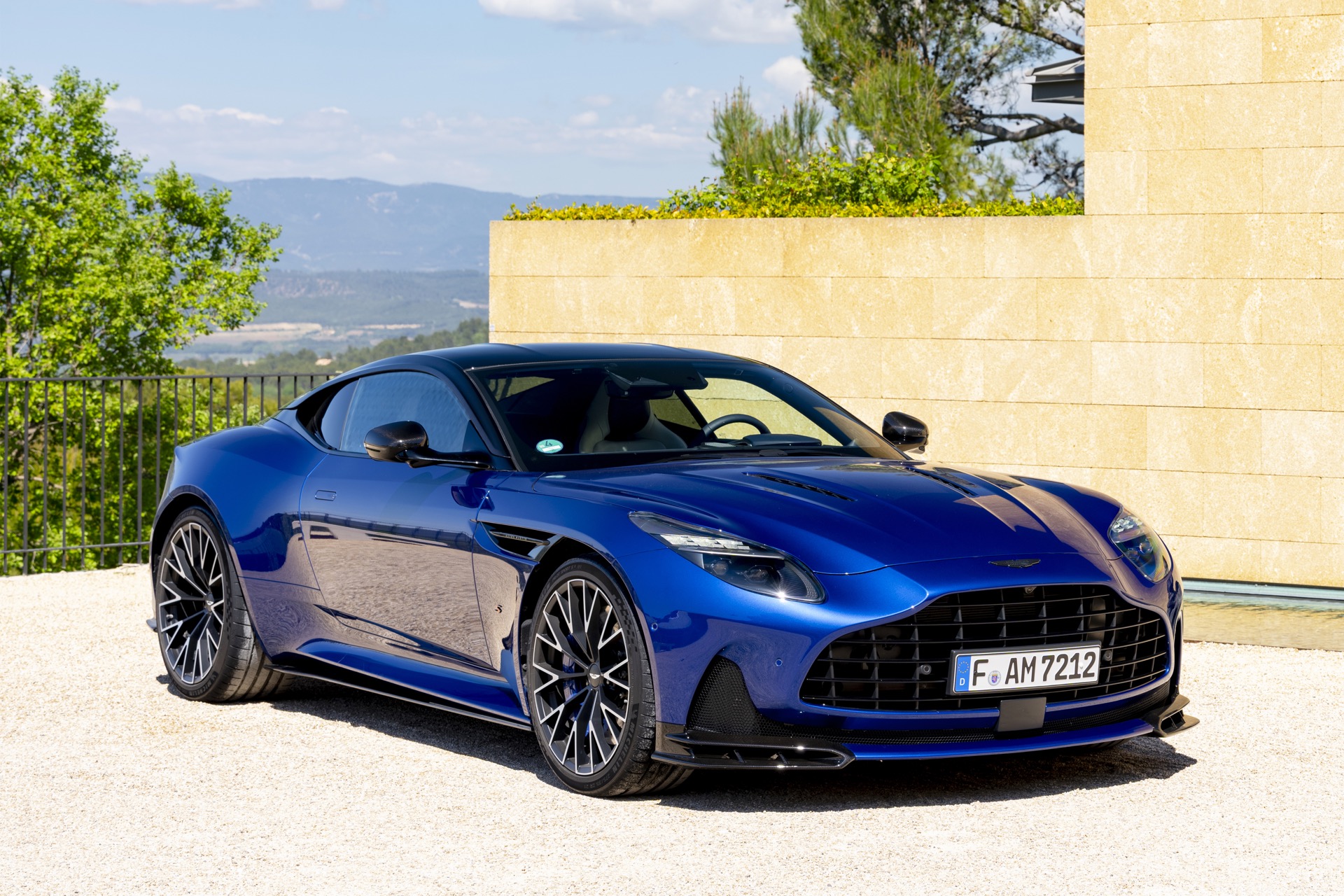
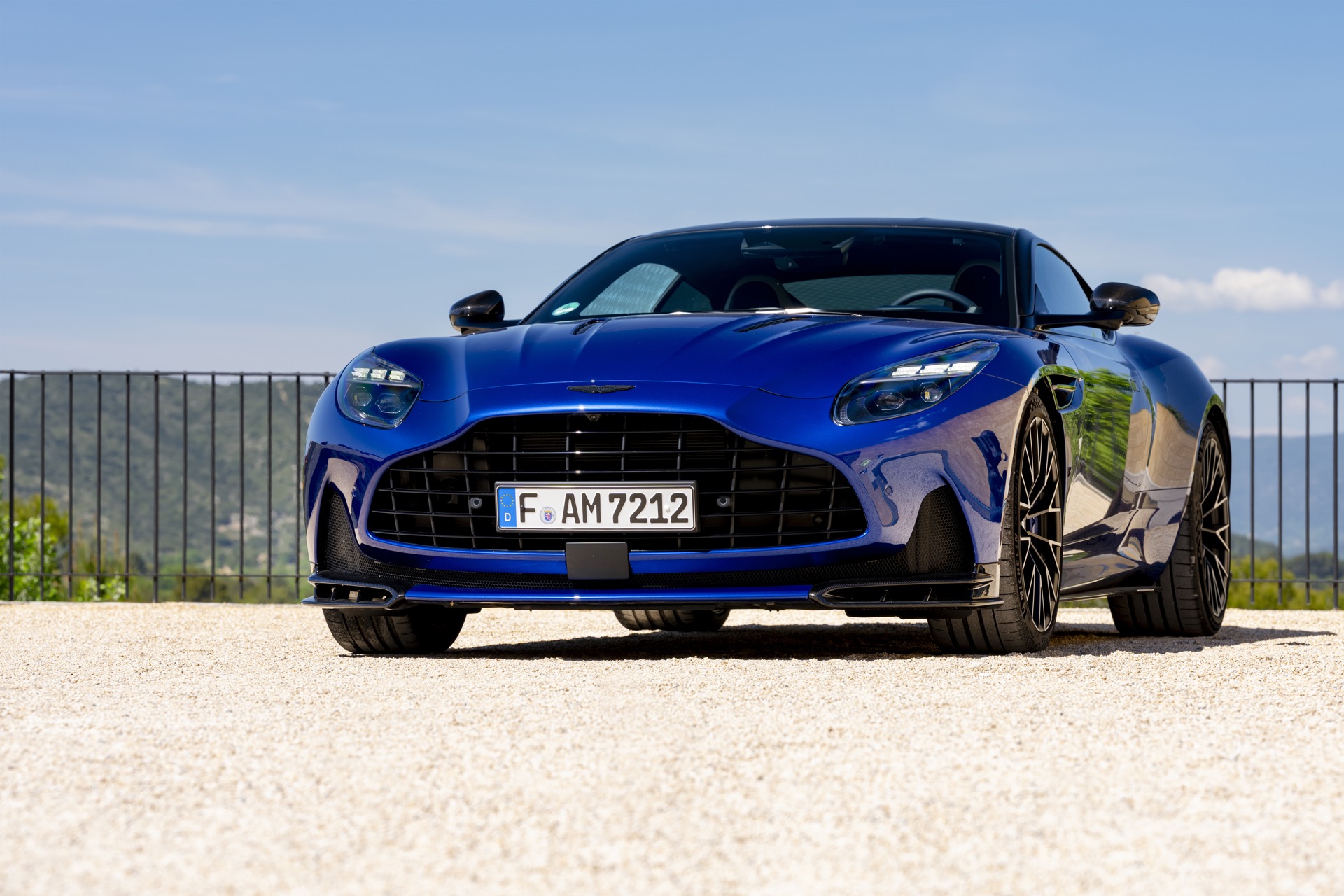
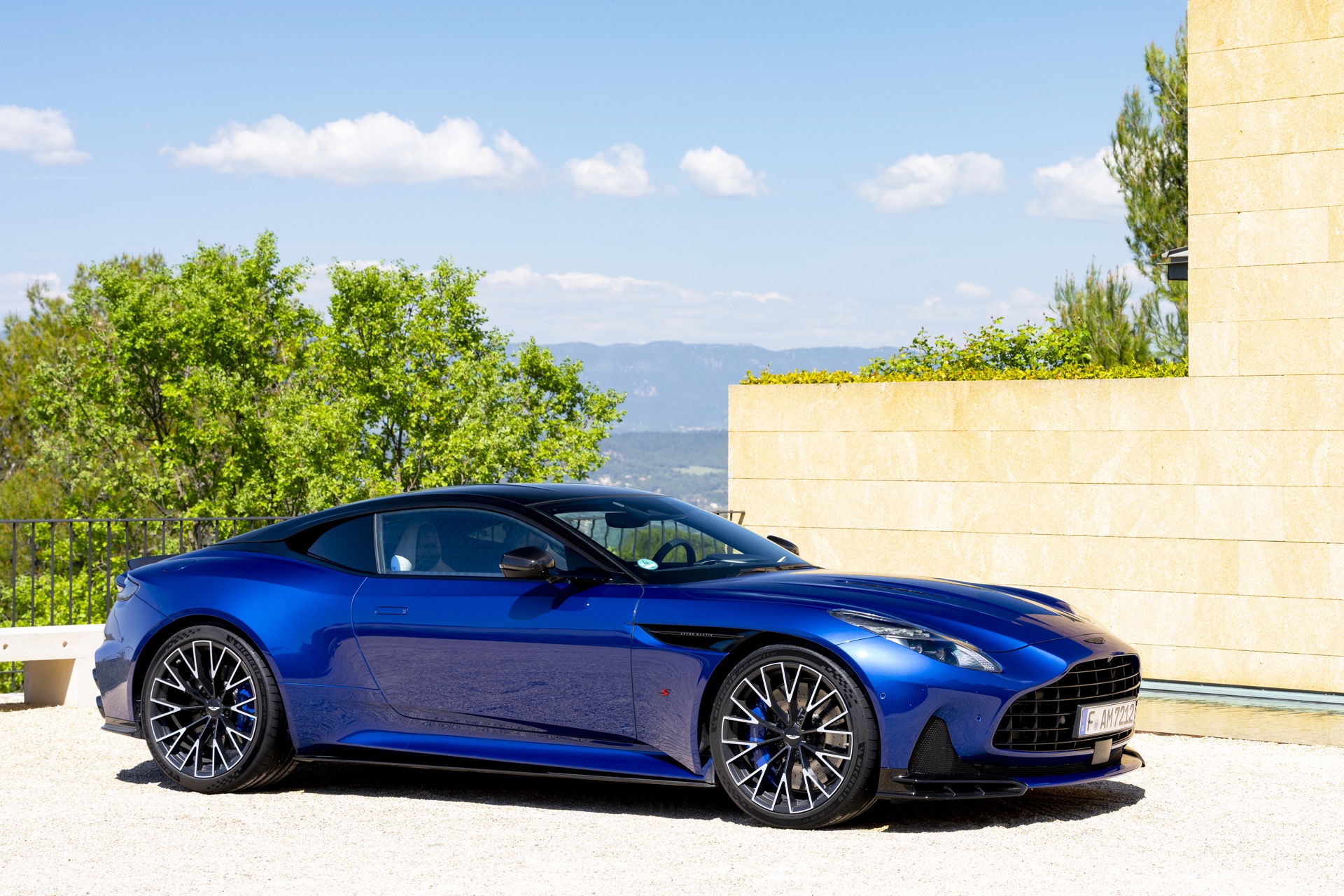
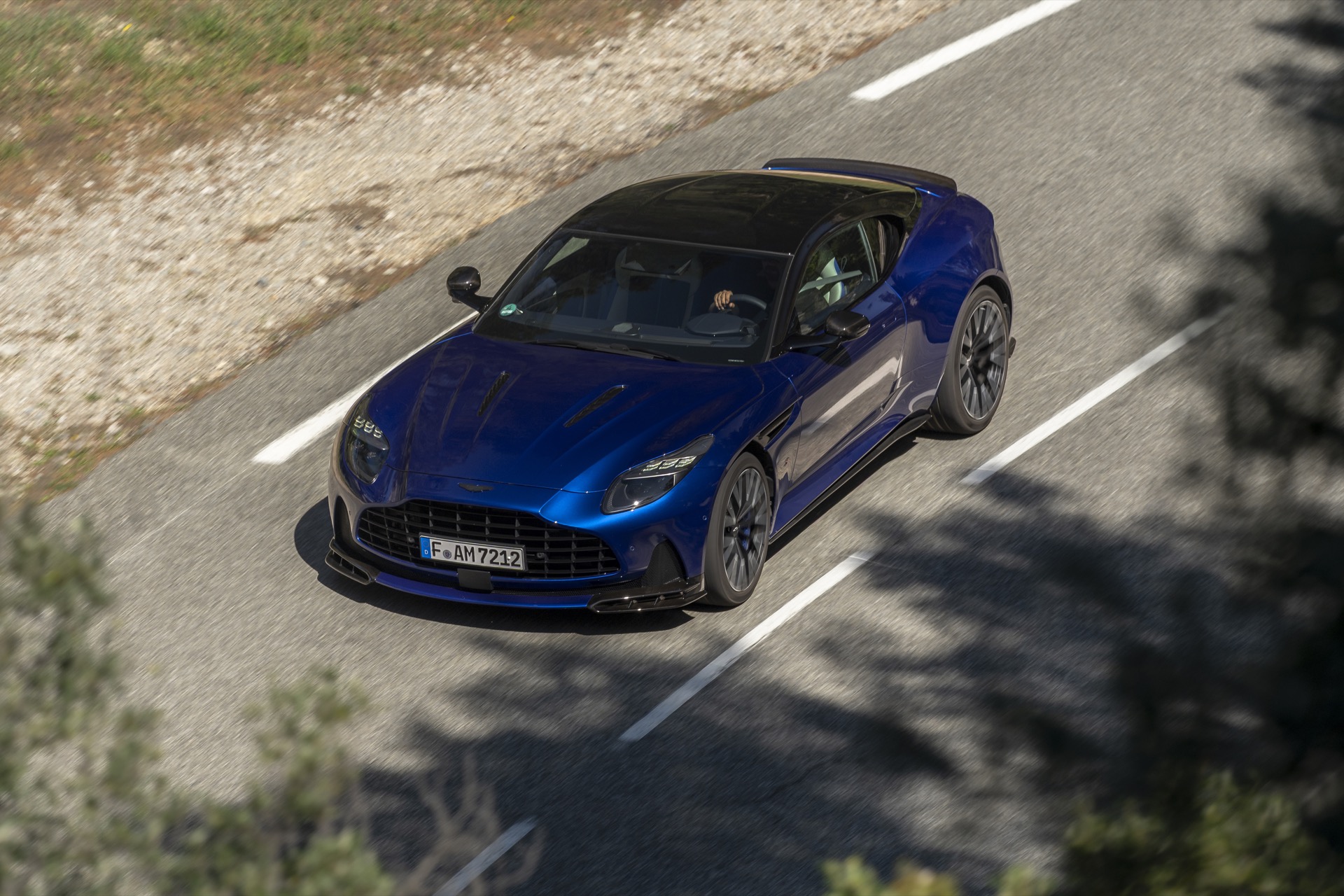
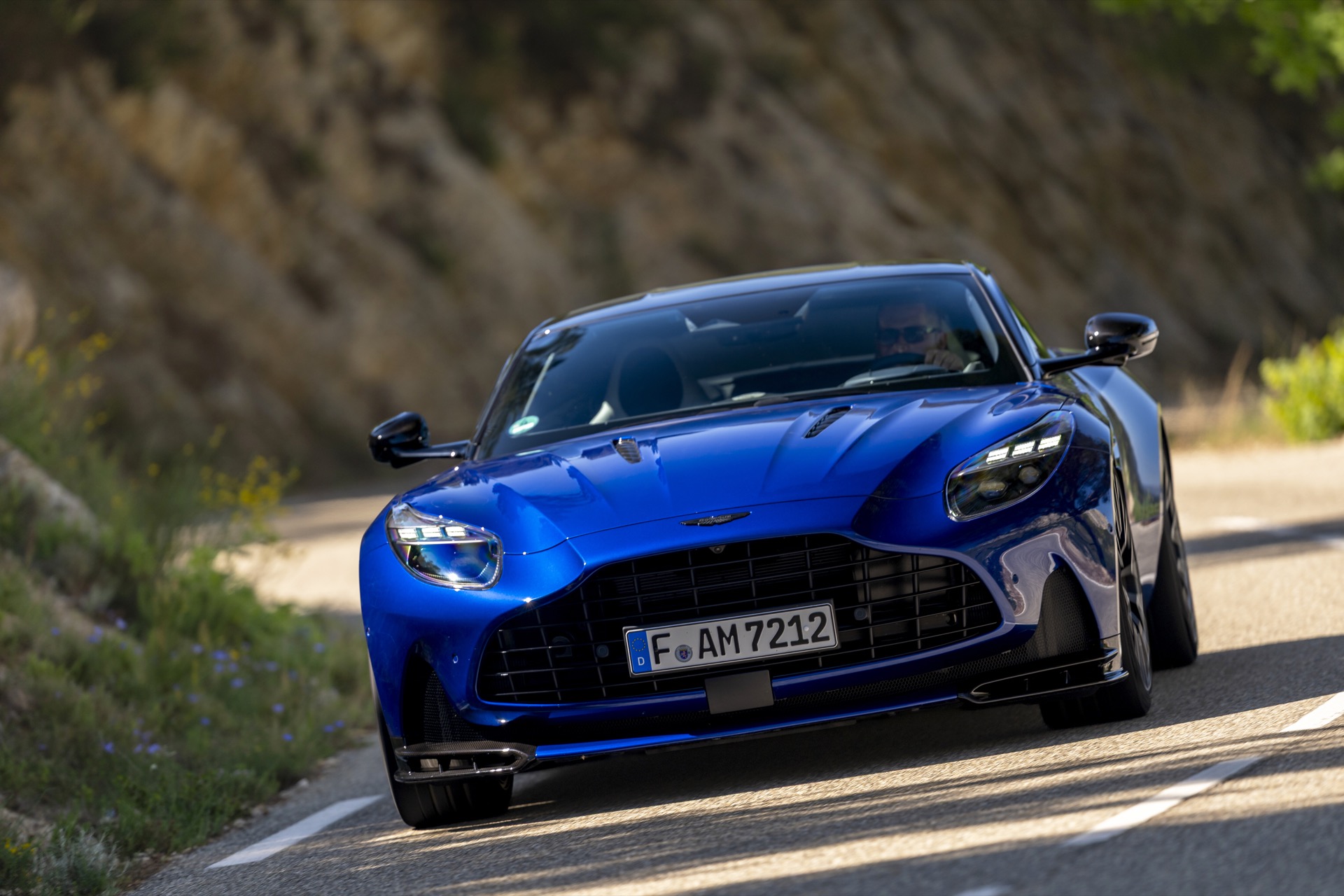
The numbers back that up. Power from Aston’s 4.0-litre twin-turbocharged V8 rises to 700PS (690bhp), up by 20PS, while torque remains a stout 800Nm. The 0-100 km/h time drops to 3.4 seconds (0.1 seconds quicker) and top speed stands at 325 km/h. On paper, those are not transformative gains, but the changes beneath the surface are more important than the headline figures suggest. Aston has recalibrated the throttle pedal for a more progressive response, cut gearshift times by more than 50 per cent, reworked the steering and electronic rear differential, retuned the Bilstein DTX dampers, fitted a stiffer rear anti-roll bar and revised the camber, toe and castor settings. Carbon ceramic brakes are now standard too, trimming 27kg of unsprung mass while improving stopping power and pedal consistency.
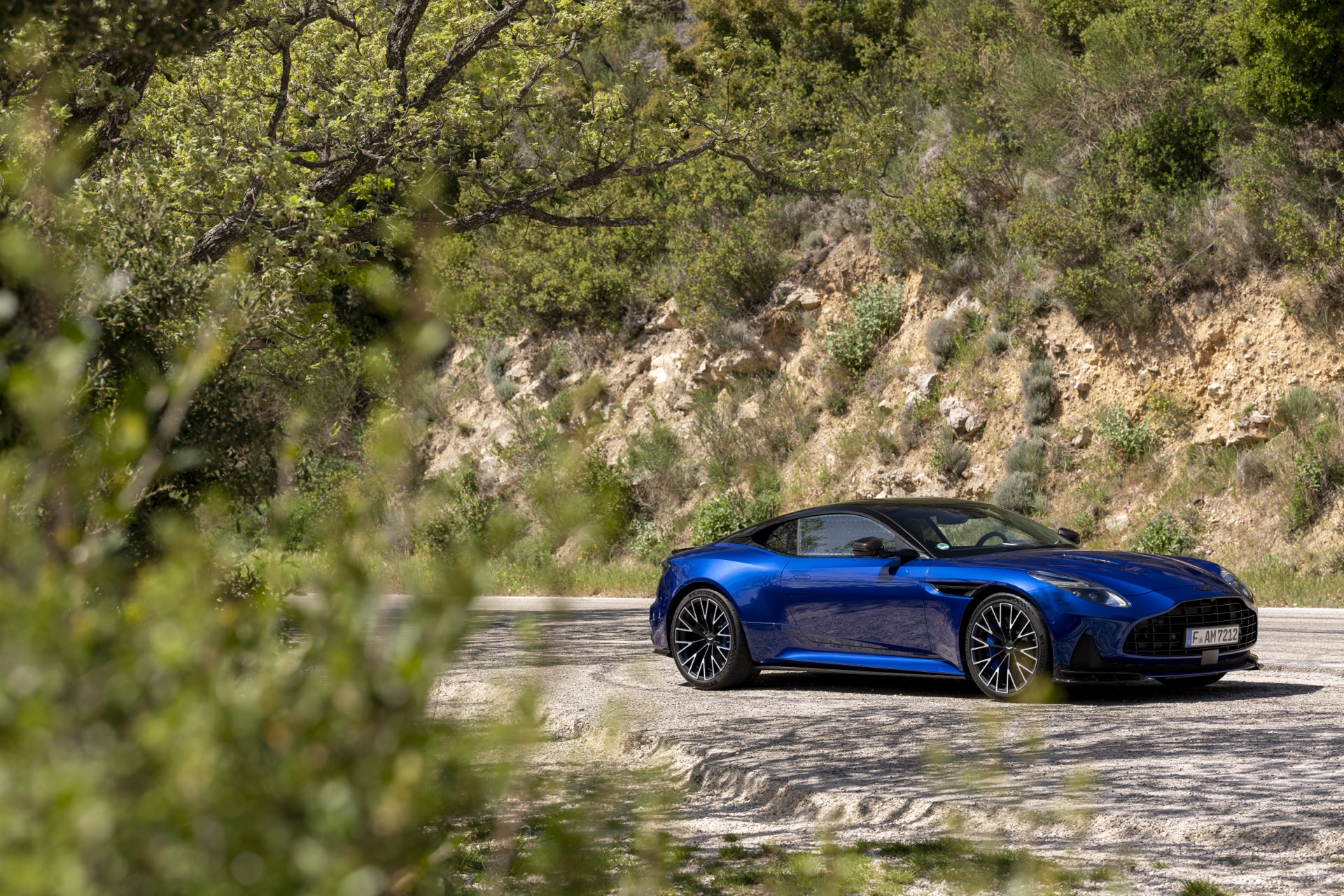
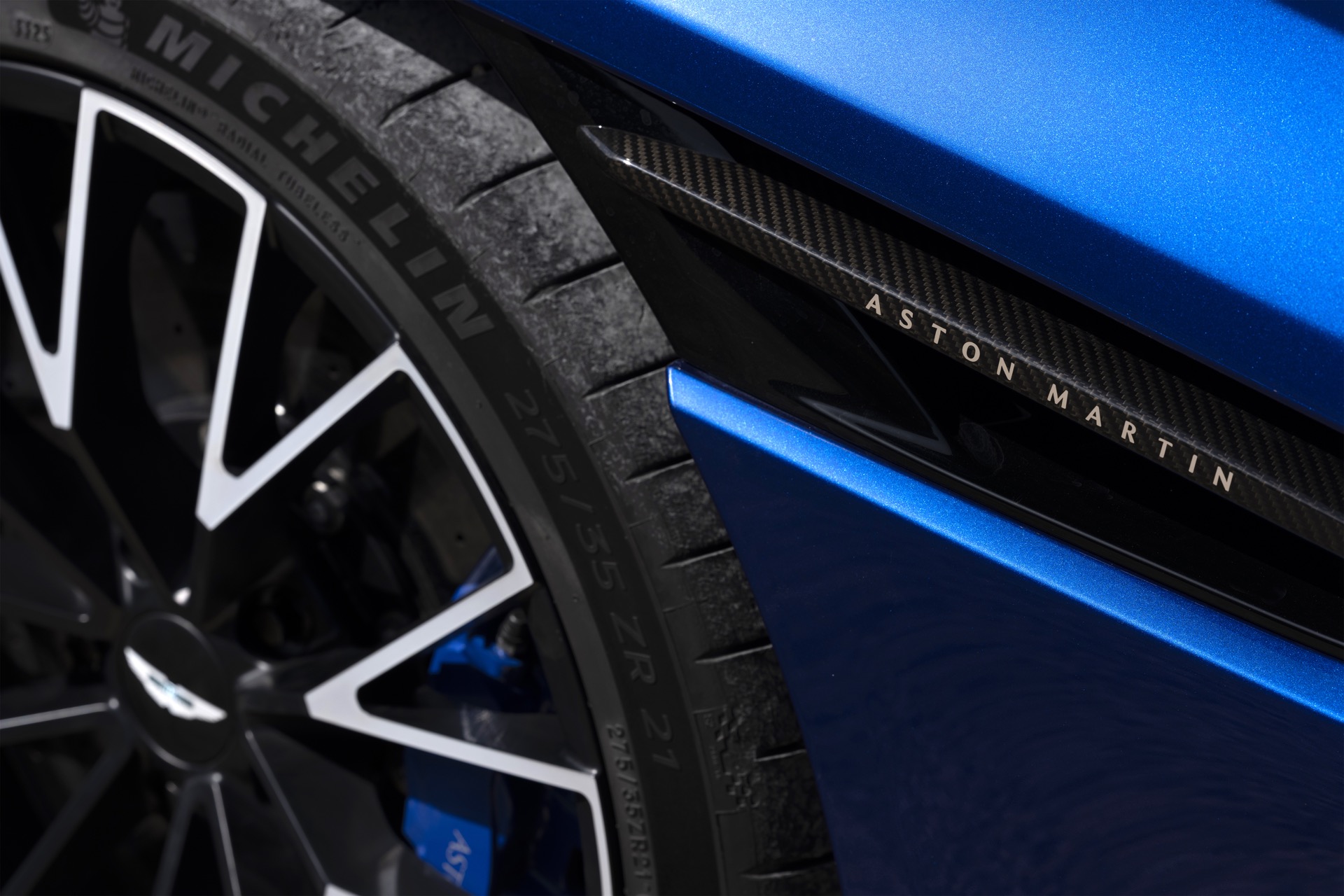
You can feel a lot of that from behind the wheel. The steering itself still does not fizz with feedback, but the DB12 S is keener at the nose than before and the front end turns in with real intent. There is a greater sense of precision to the chassis, and the changes to the differential and rear axle behaviour are particularly noticeable when you begin to trust the car and lean on it harder. Wrapped in Michelin Pilot Sport S 5 rubber, the DB12 S finds traction impressively well, allowing you to get on the power earlier and earlier. There is proper composure here, and crucially, it never feels like the car has been sharpened at the expense of its natural character.
The eight-speed automatic suits that character well. It is smooth, intelligent and entirely appropriate for a car of this kind, but there are moments when you do miss the snappier drama of a dual-clutch gearbox. That is one of the Amalfi’s more memorable traits, and the Ferrari still feels a touch more vivid in the way it fires through ratios when you are really pressing on. The Aston is never disappointing, but it is a little more measured.
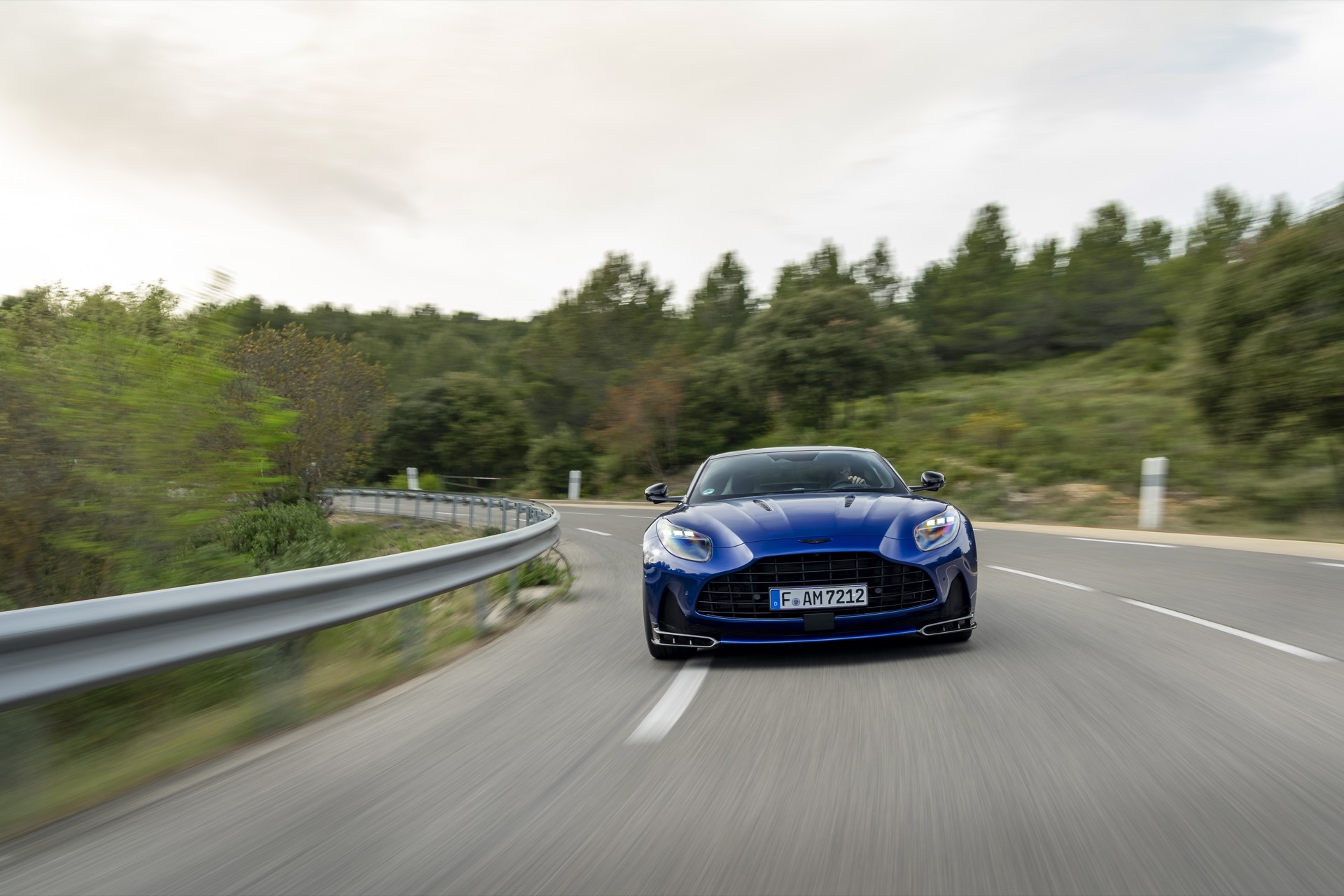
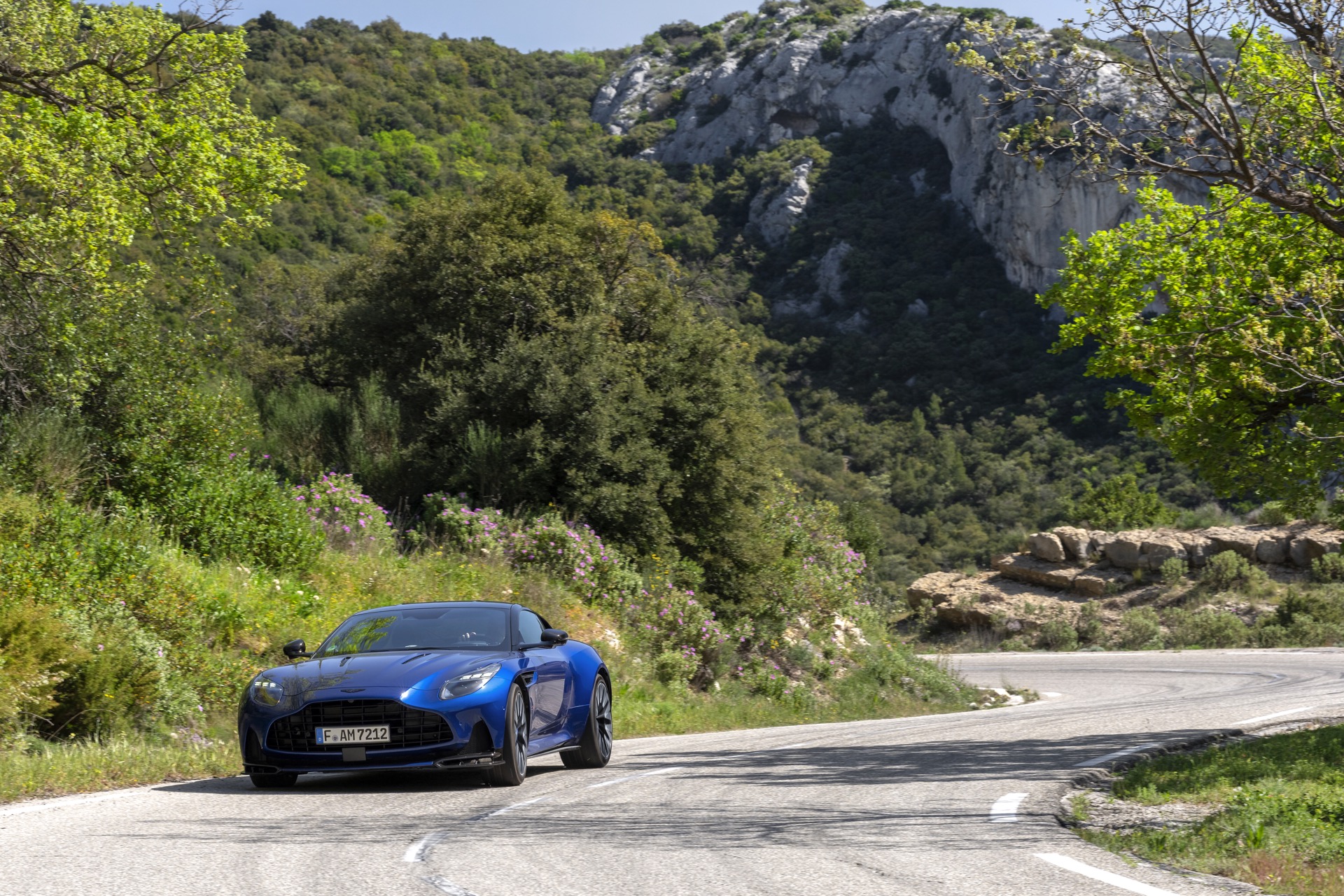
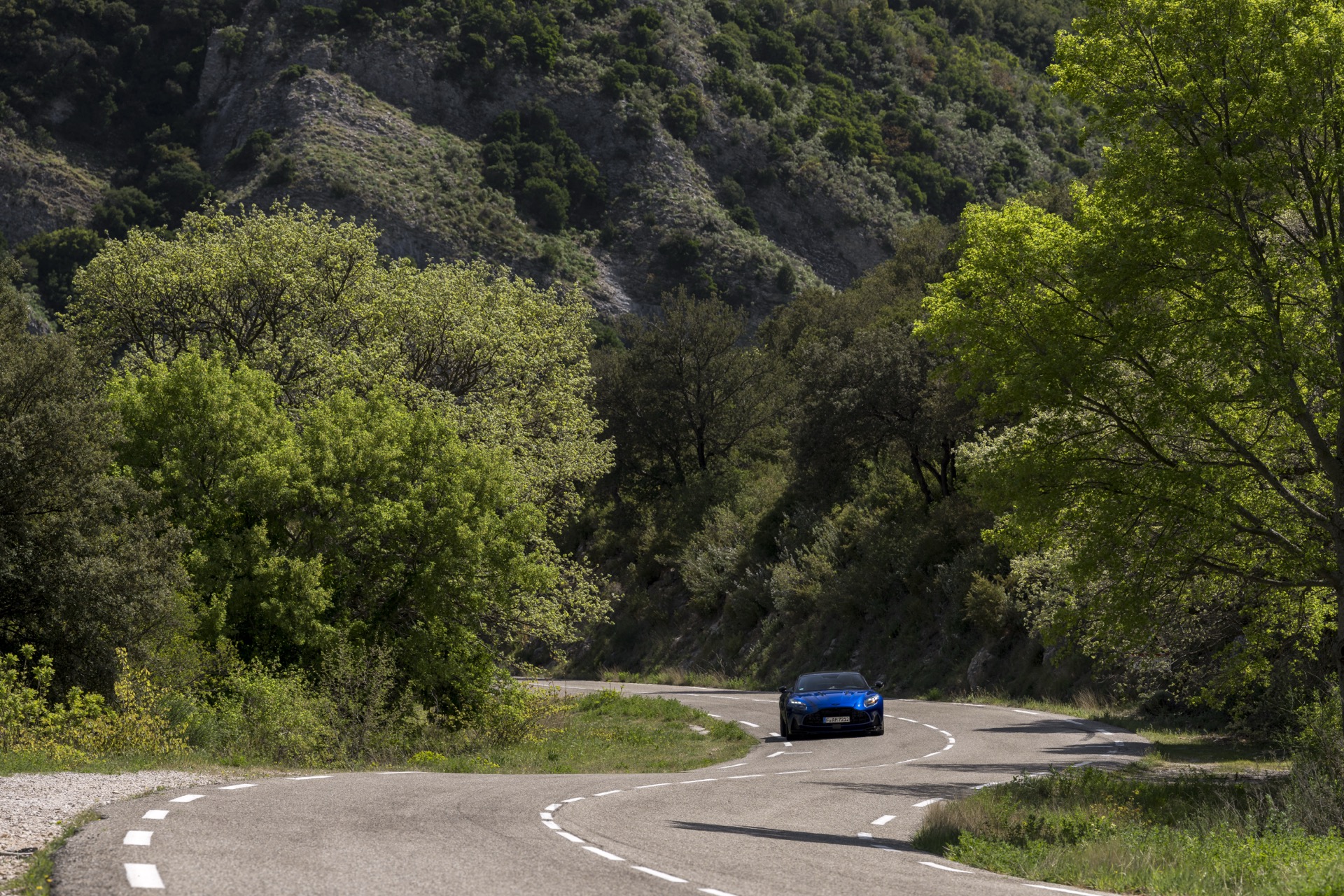
That balance is the real achievement. The ride is near perfectly judged, supple enough to feel expensive and composed, yet controlled enough to support the extra agility Aston has worked into the S. On narrow French back roads, the biggest challenge is not the chassis but the car’s size. The DB12 S still feels like a substantial machine, and getting comfortable with its width on tighter roads takes a little time. Even so, once you settle into its rhythm, it makes a convincing case for itself as a fast road car rather than an outright sports GT trying too hard to be something it is not.
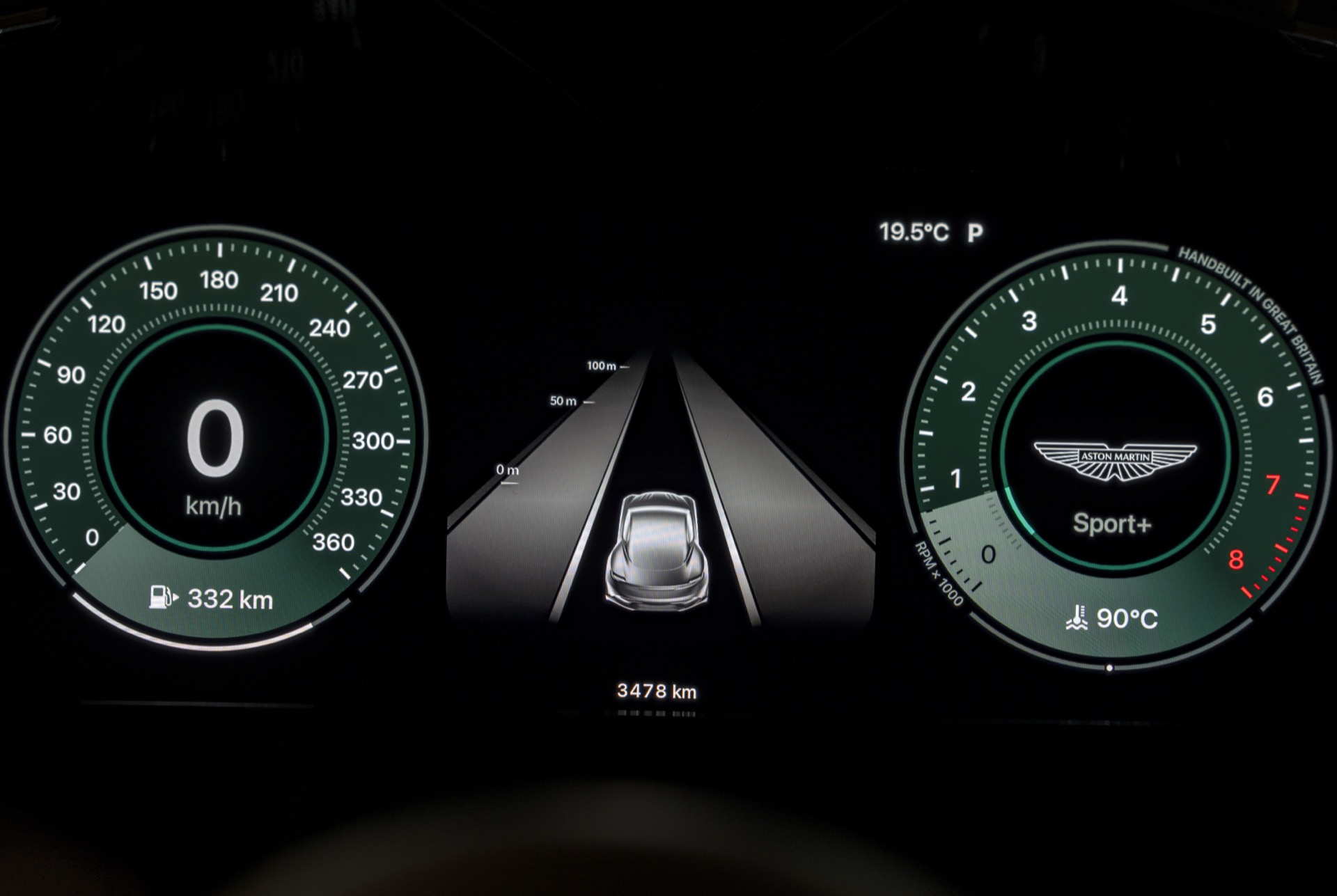
The soundtrack plays its part too. On cold start, especially with the optional titanium exhaust, the DB12 S has real theatre. There is a deep, throaty bass and plenty of presence, though it does not quite escape the faint AMG GT undertone that inevitably comes with this V8 architecture. That means the old Aston V12 burble is still missed, and if that is the noise you crave, the Vanquish remains waiting further up the range. Still, the DB12 S sounds properly exciting in its own way. Leave it in a calmer mode and it remains refined and restrained, but switch into Sport+ and it wakes up, rewarding committed driving with cracks and bangs on downshifts that add just enough amusement without tipping into pantomime.
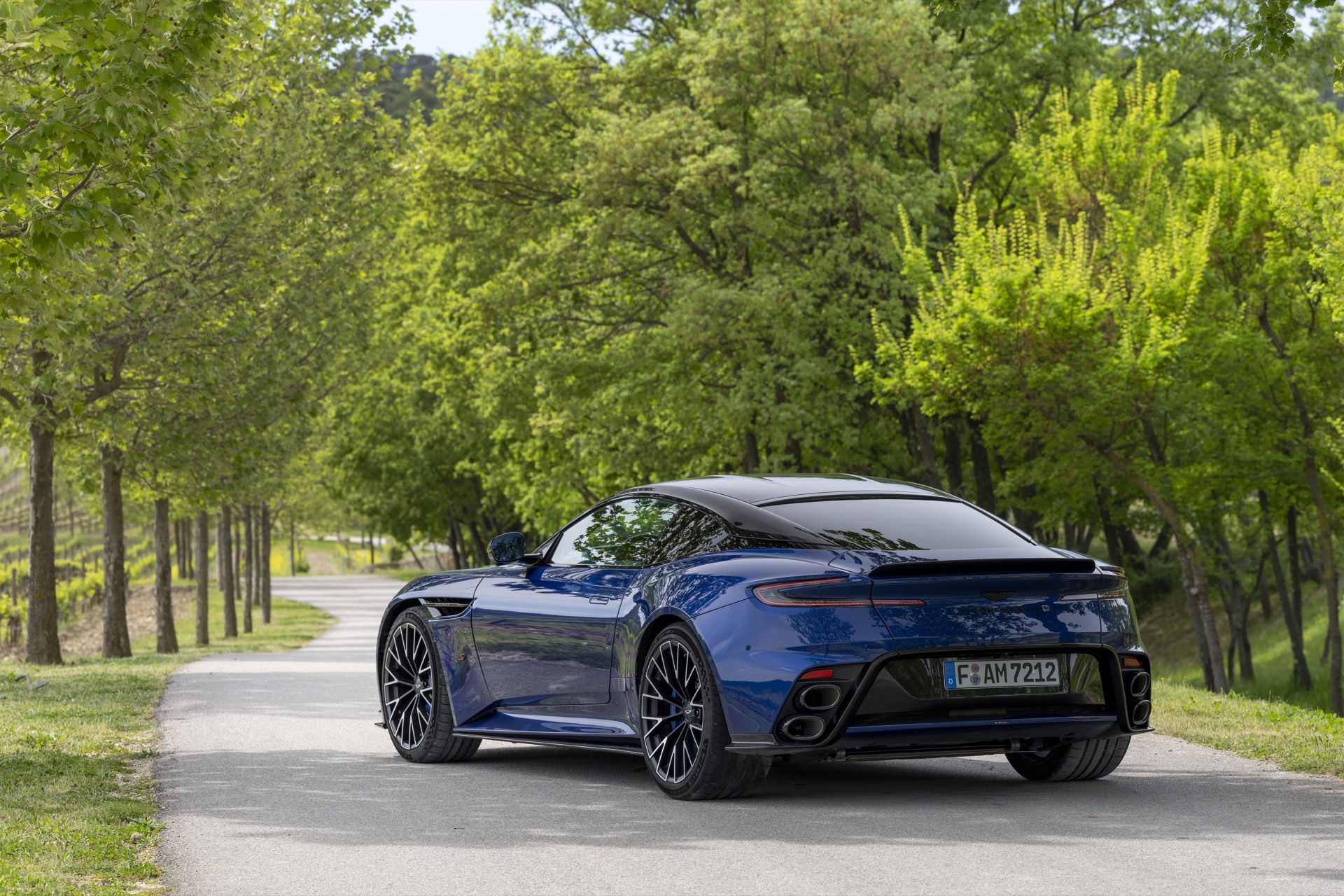
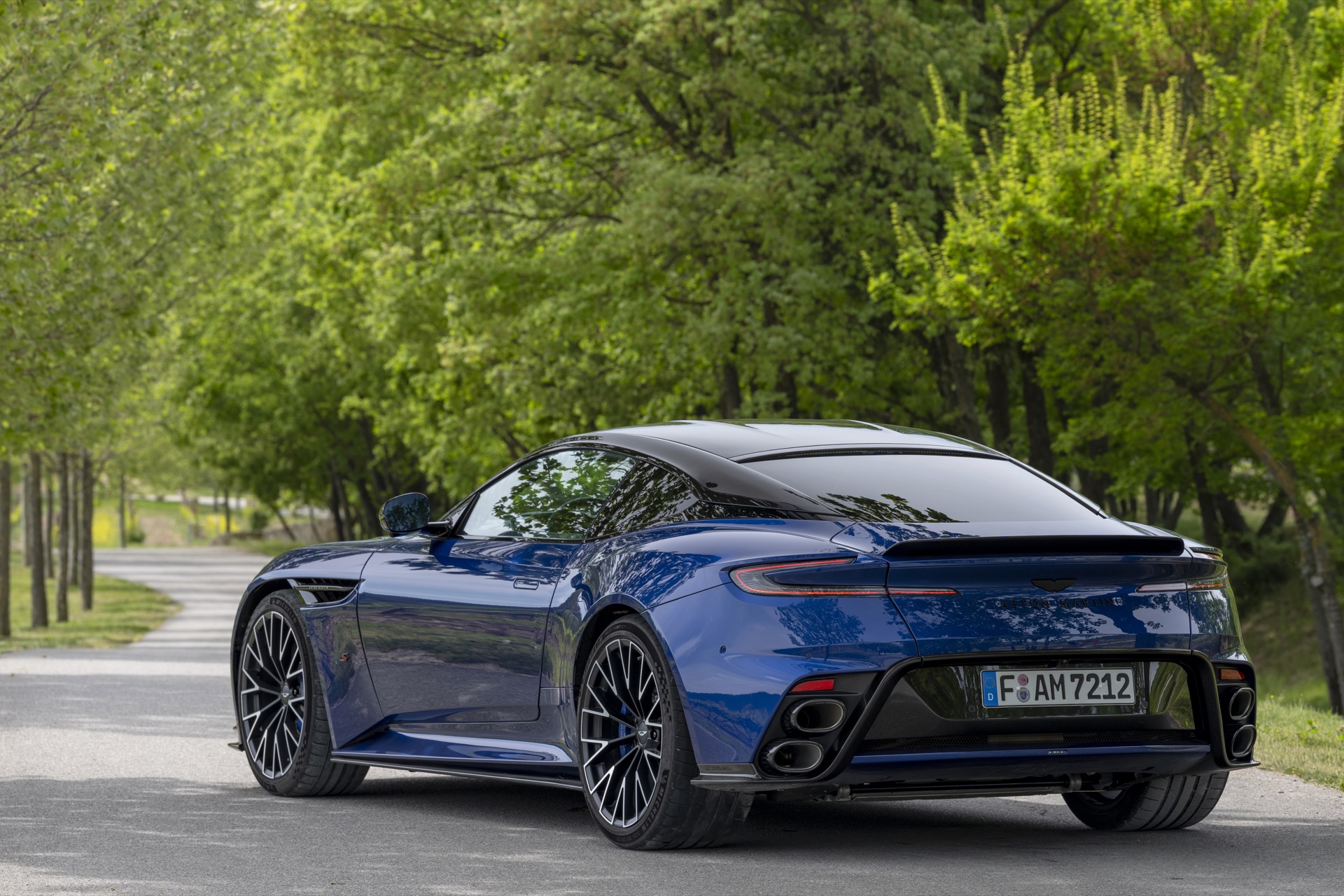
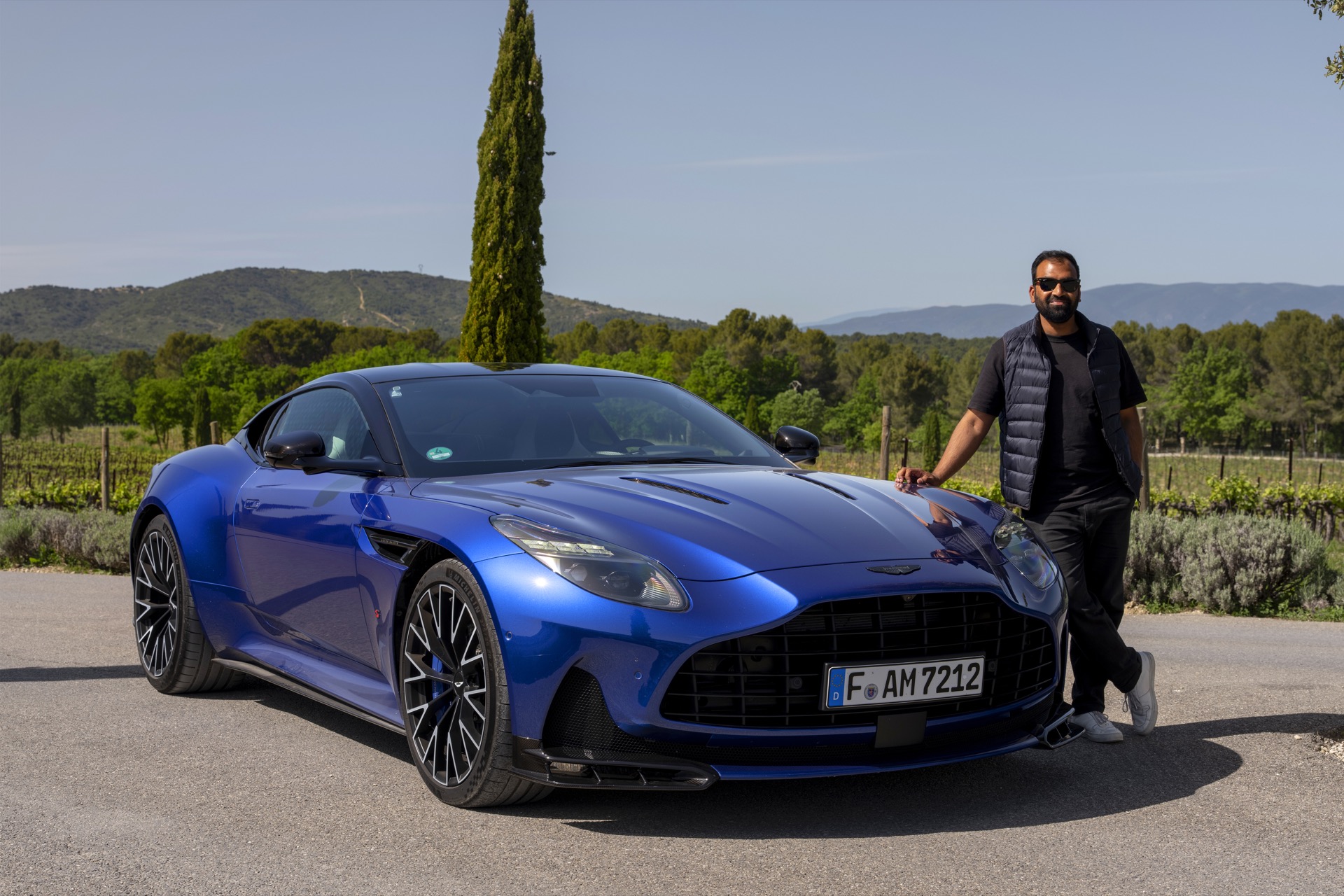
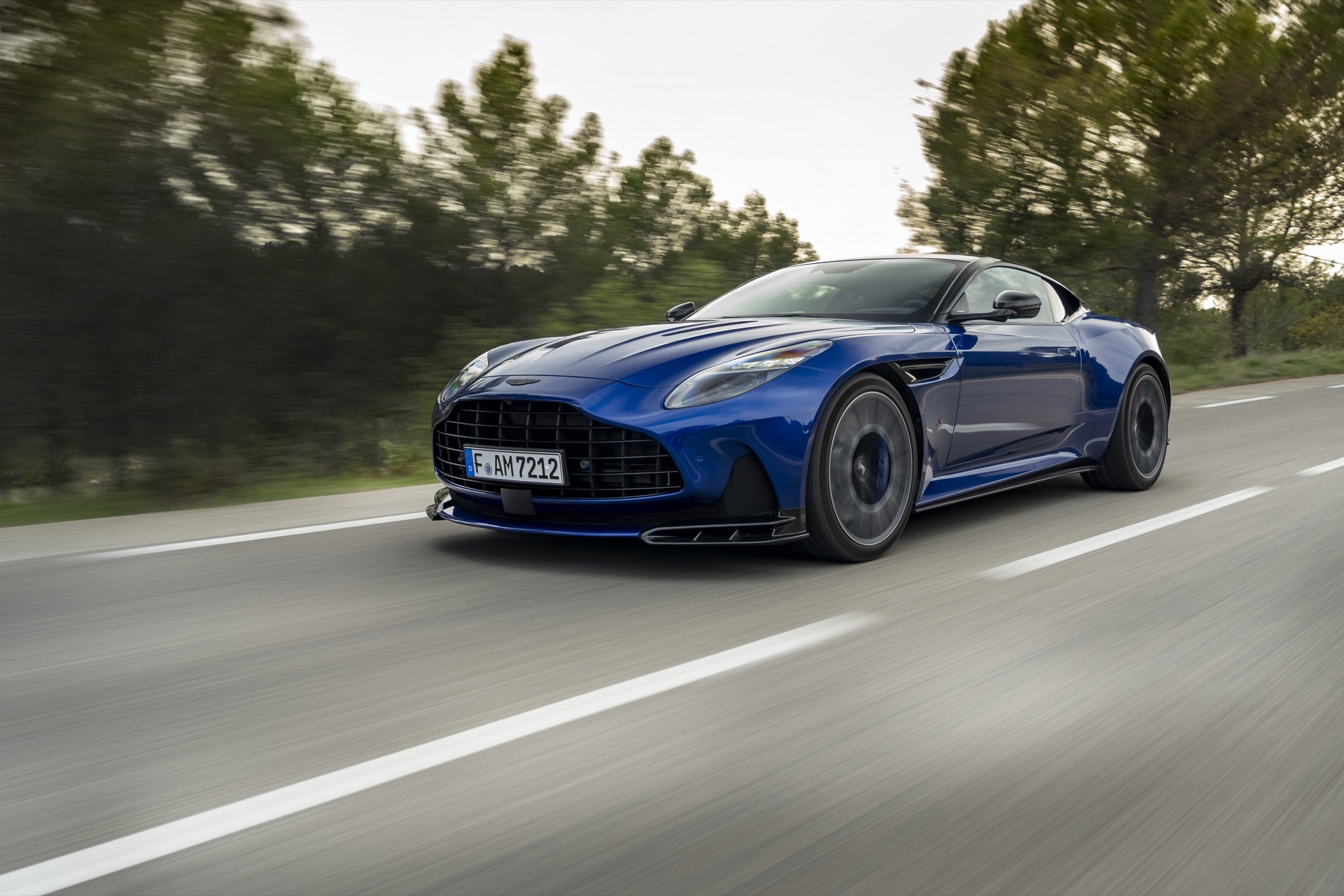
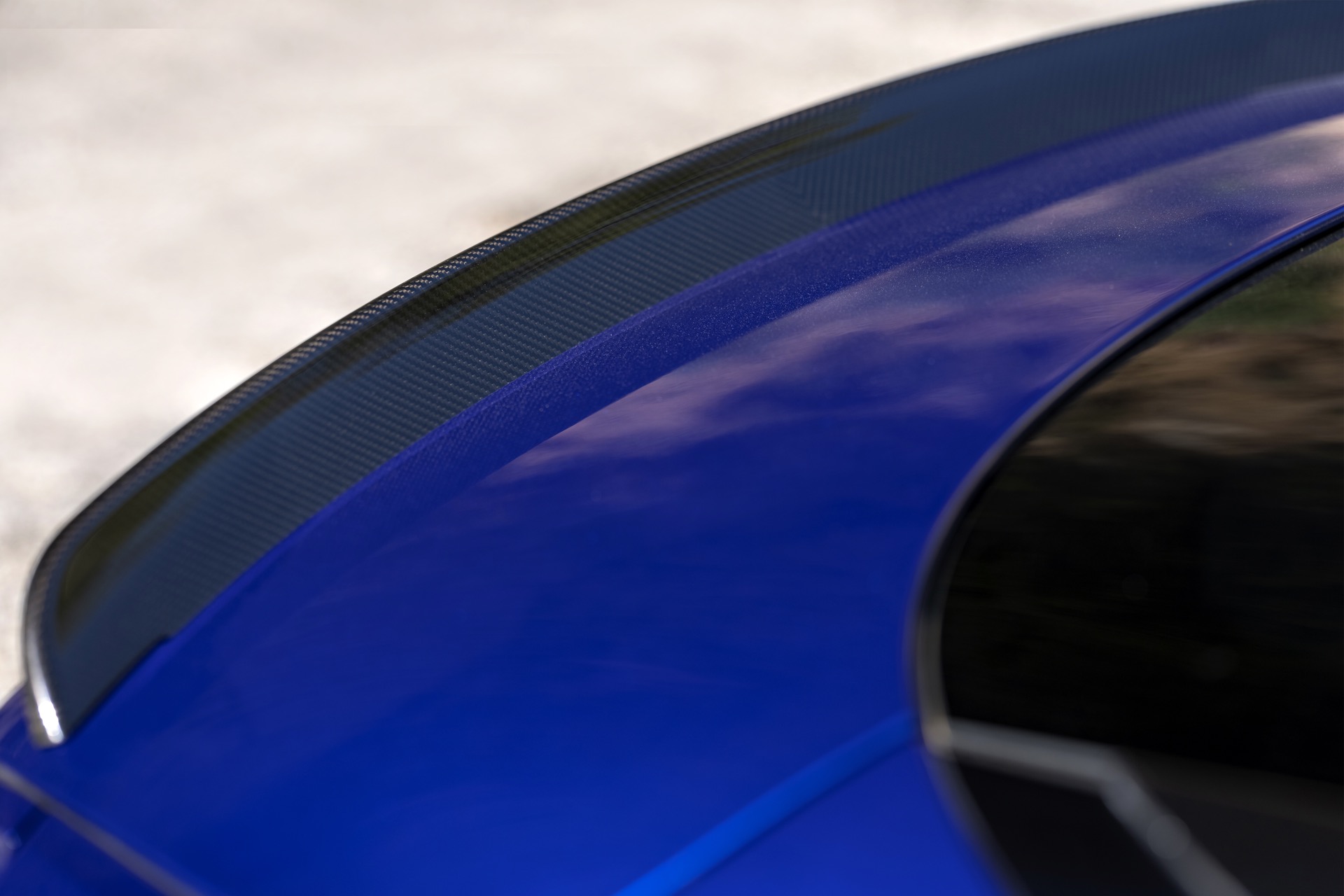
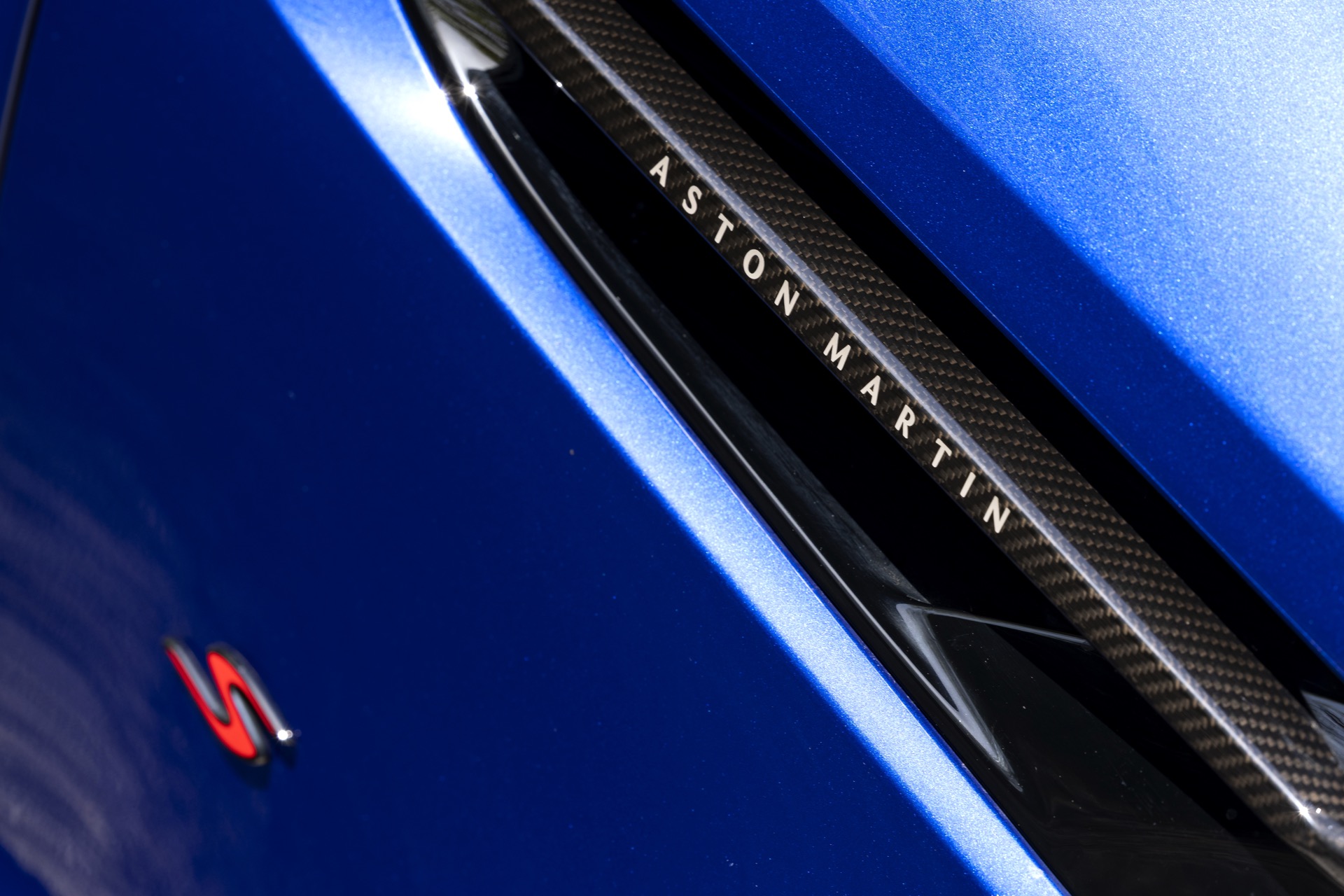
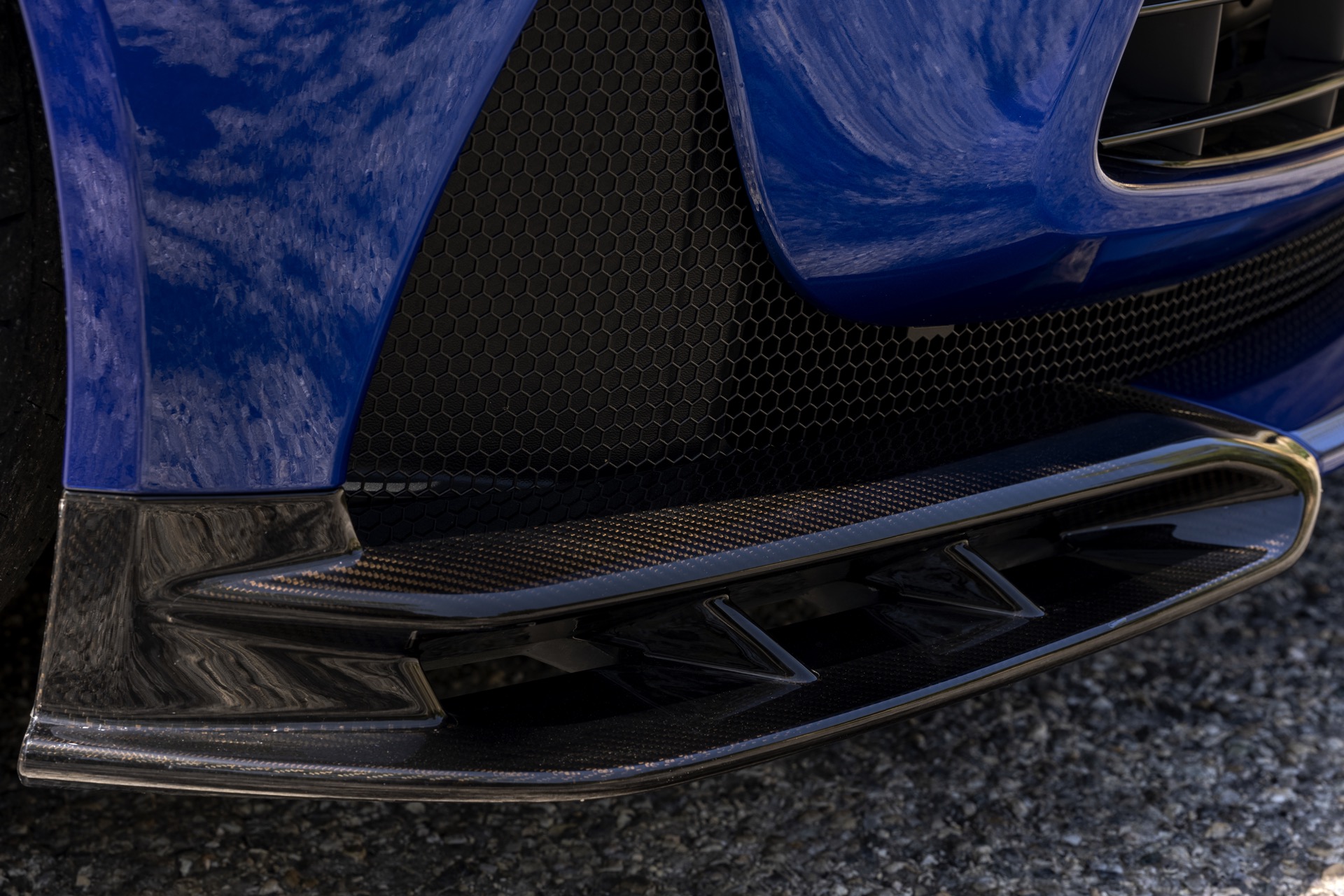
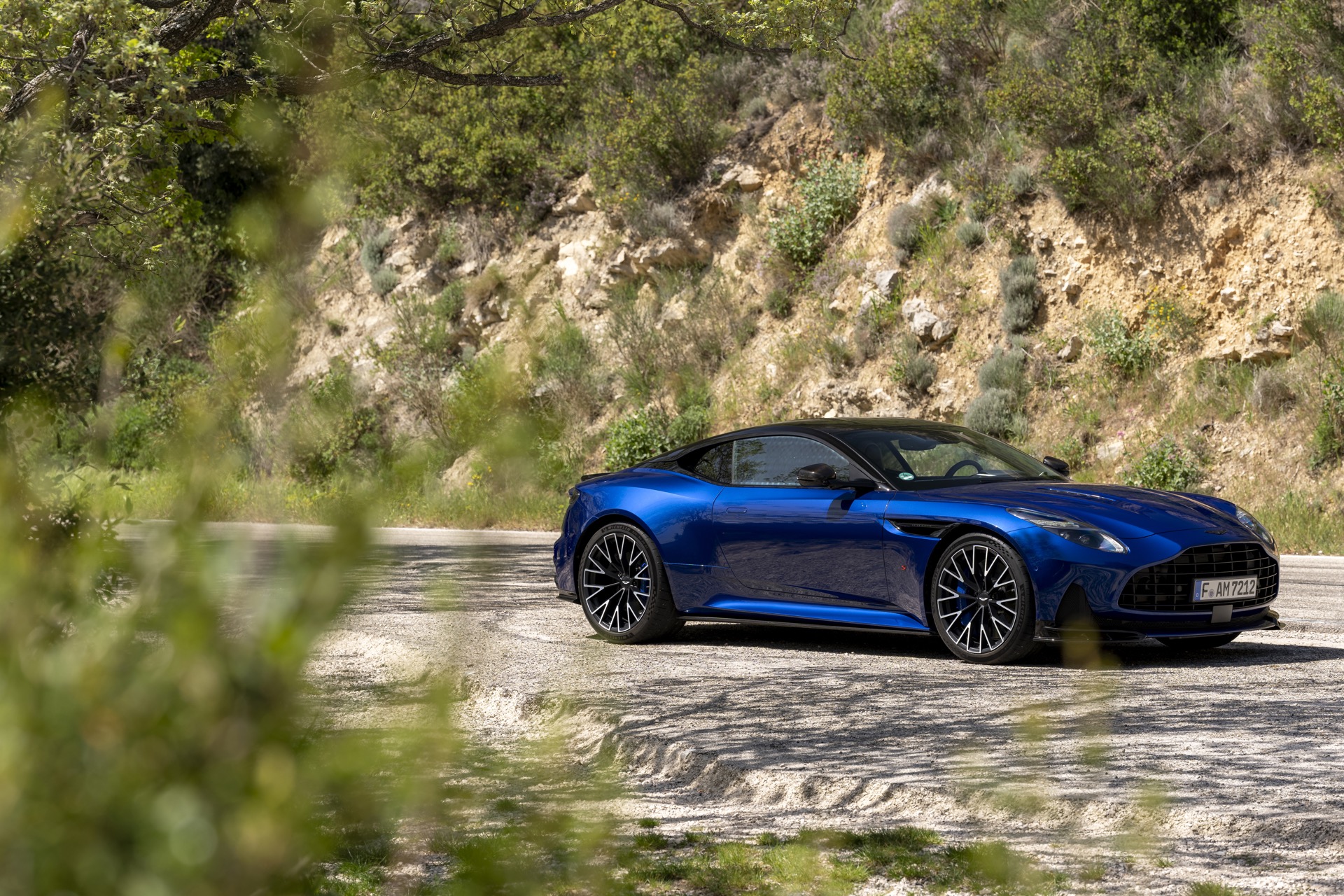
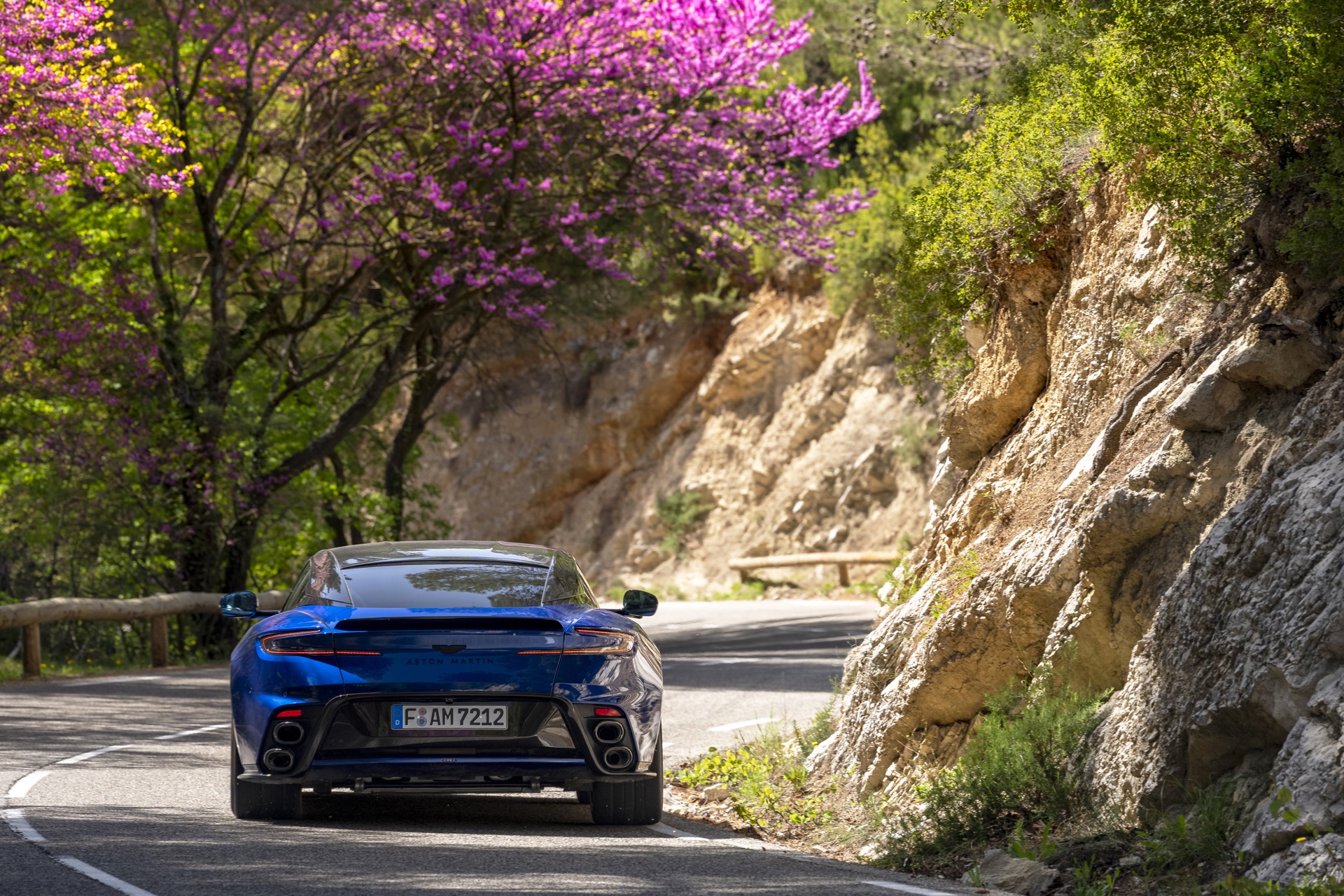
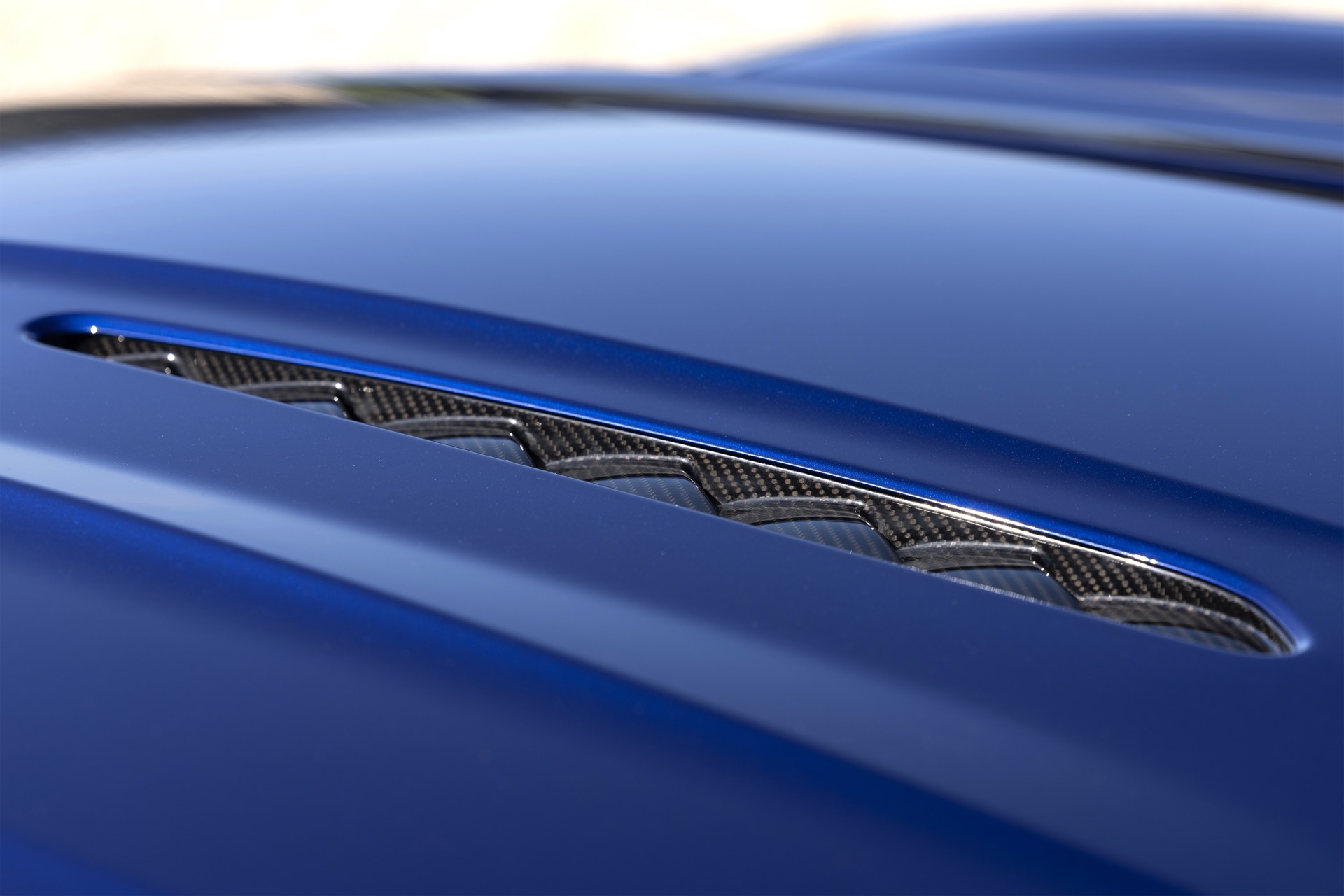
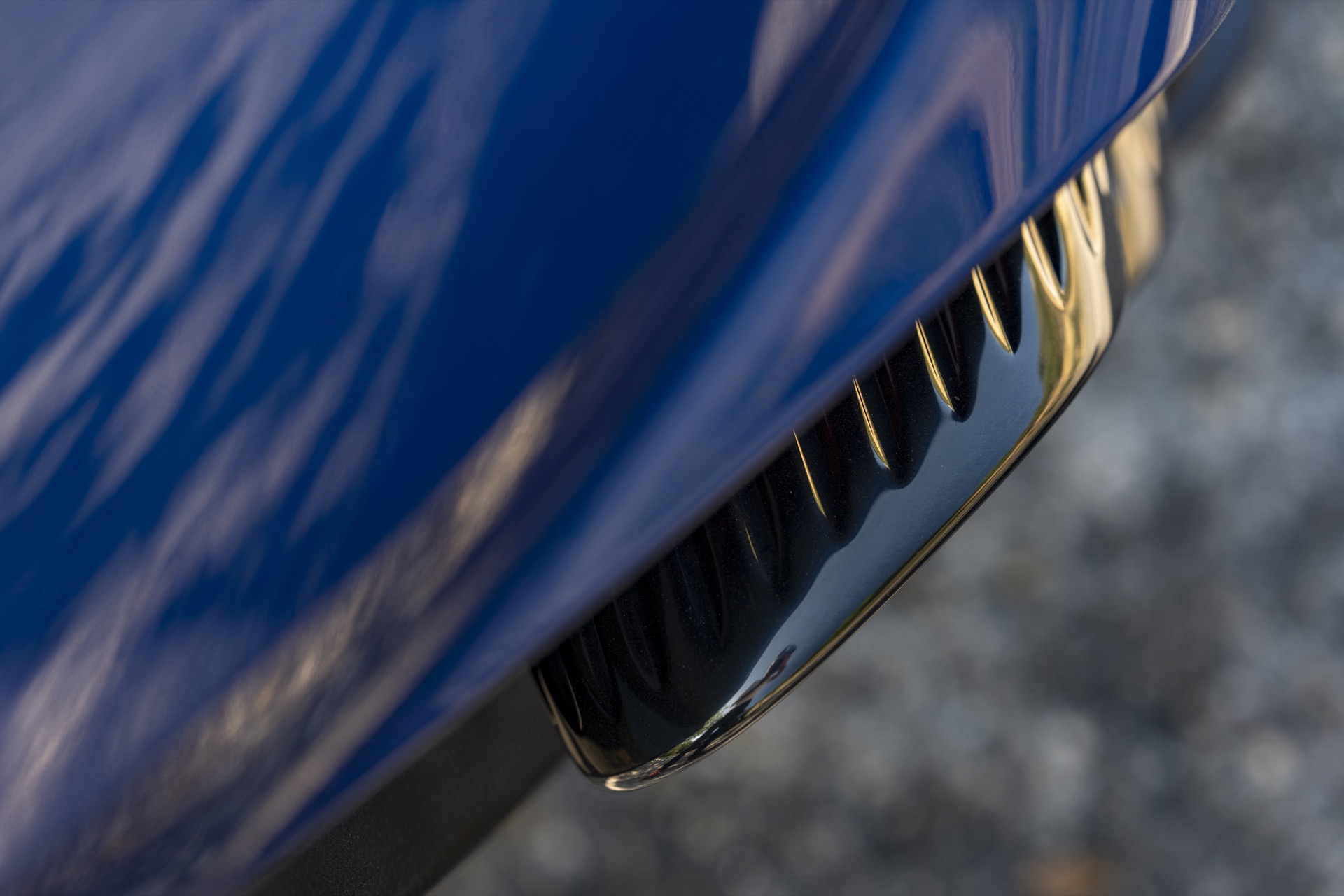
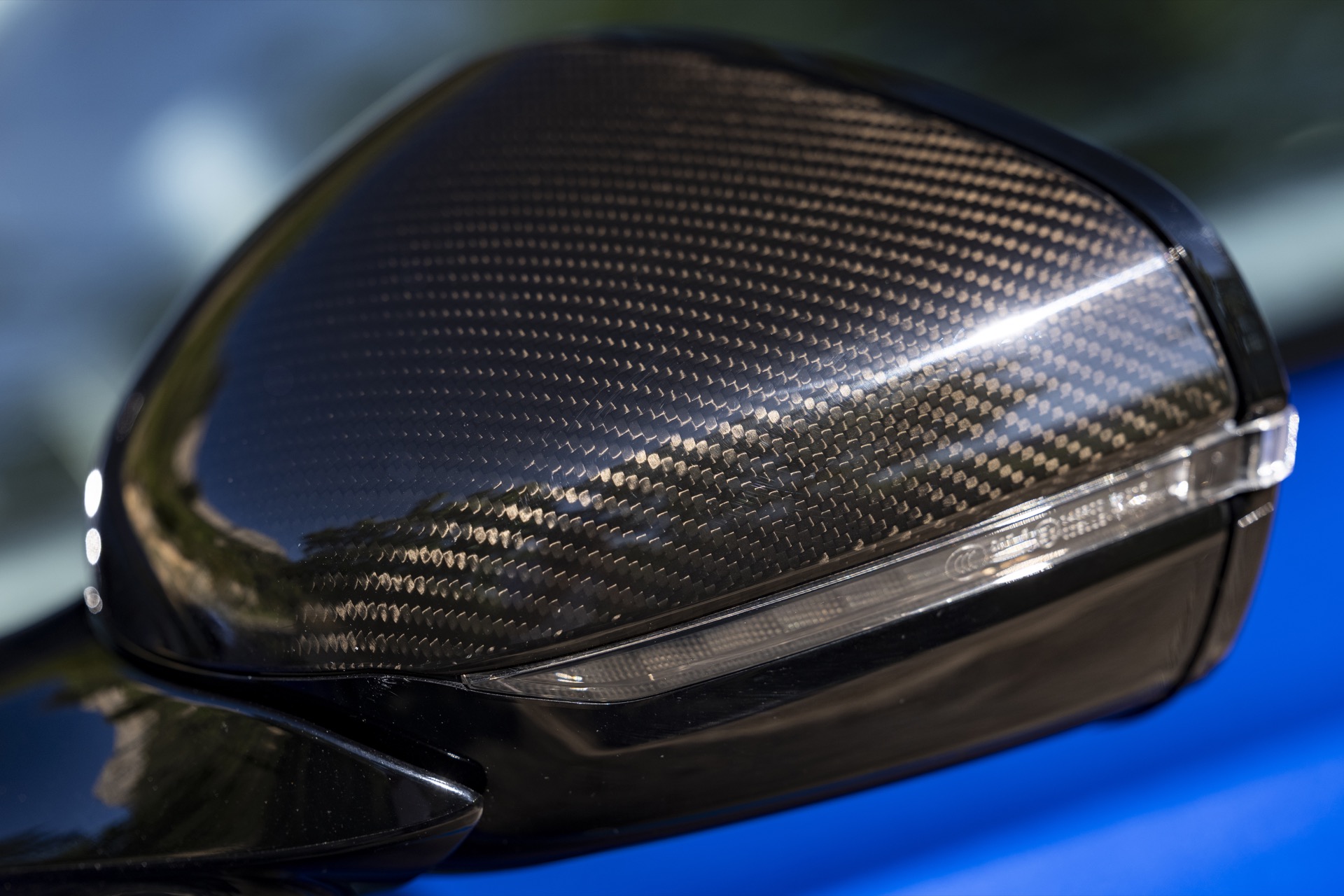
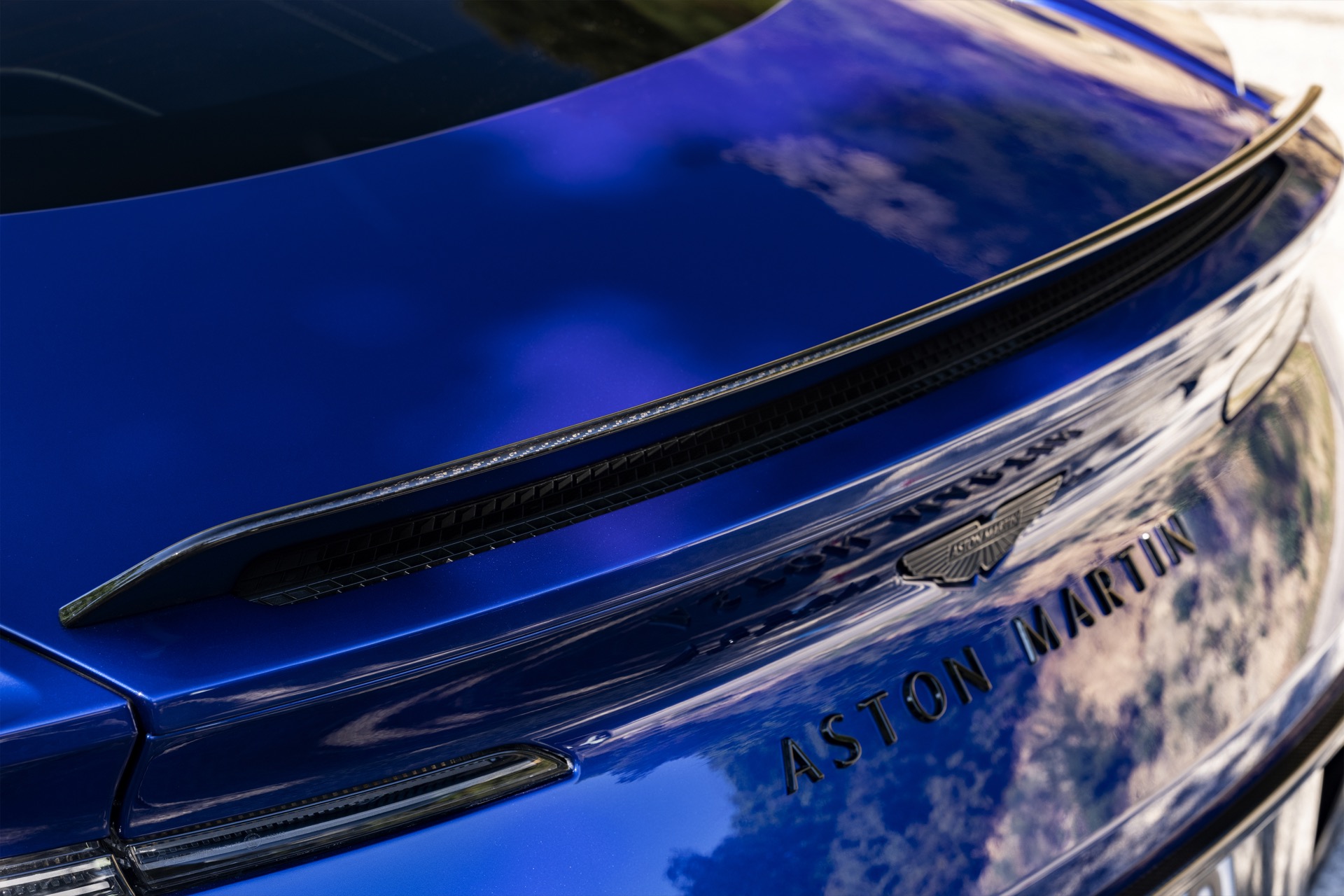
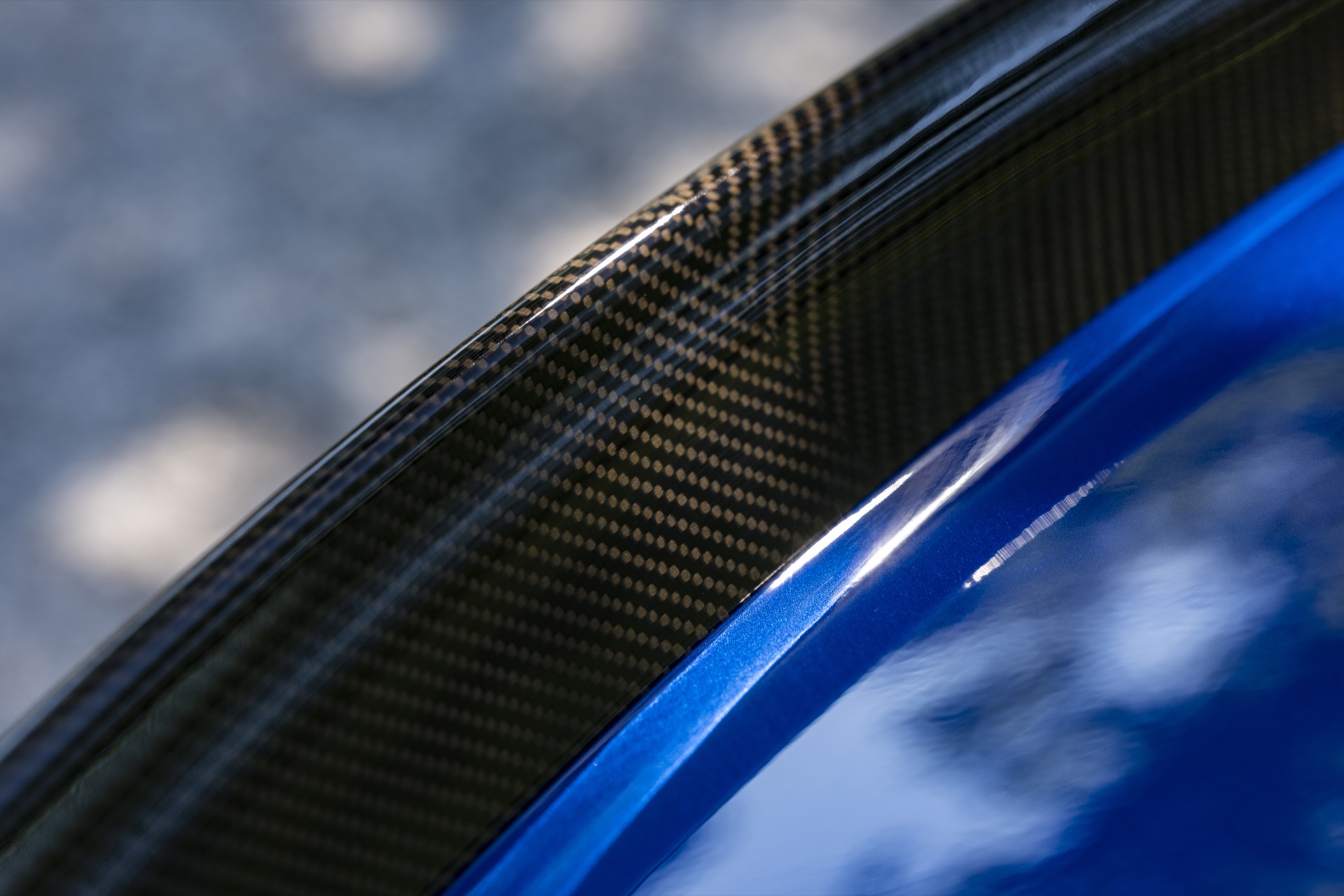
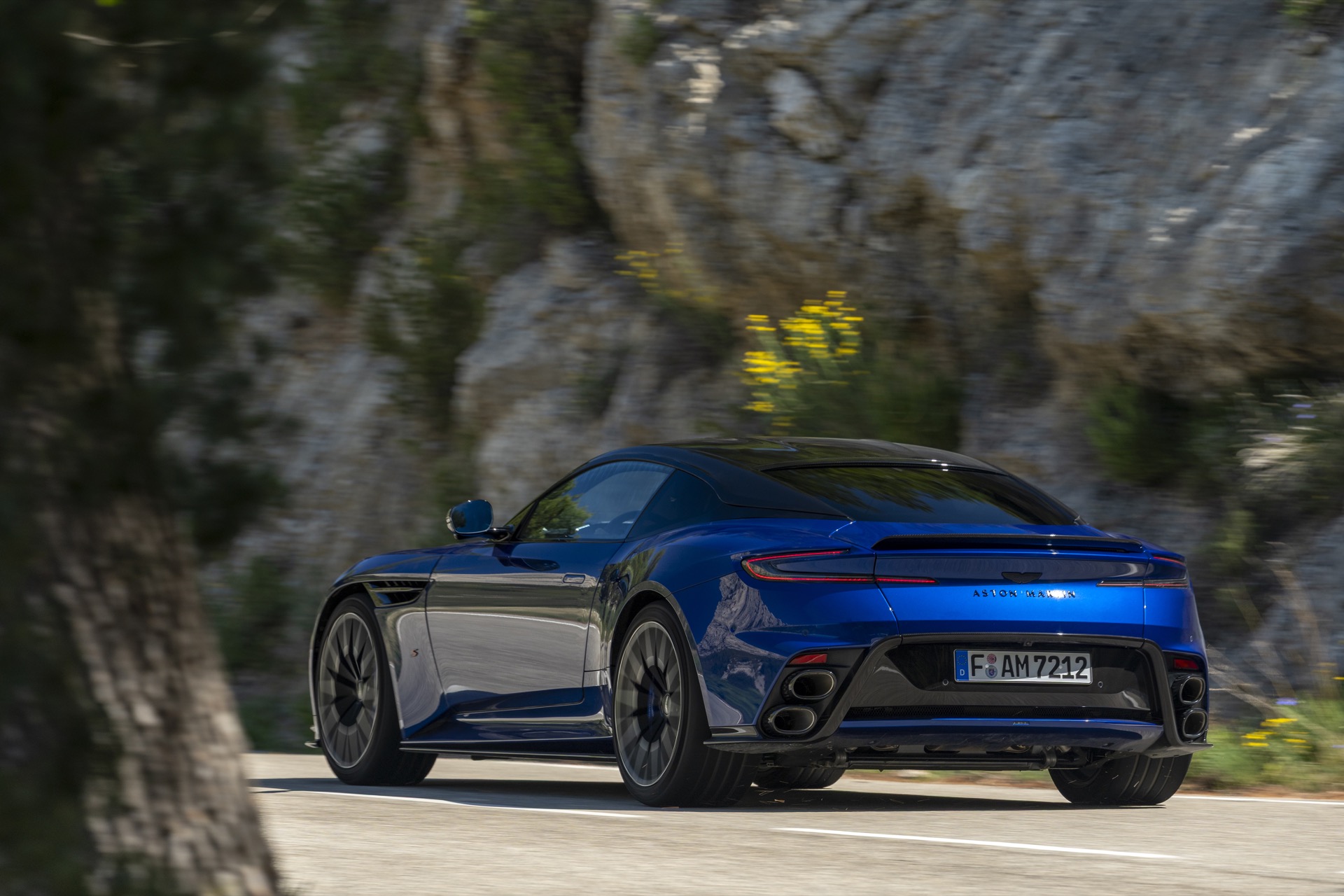
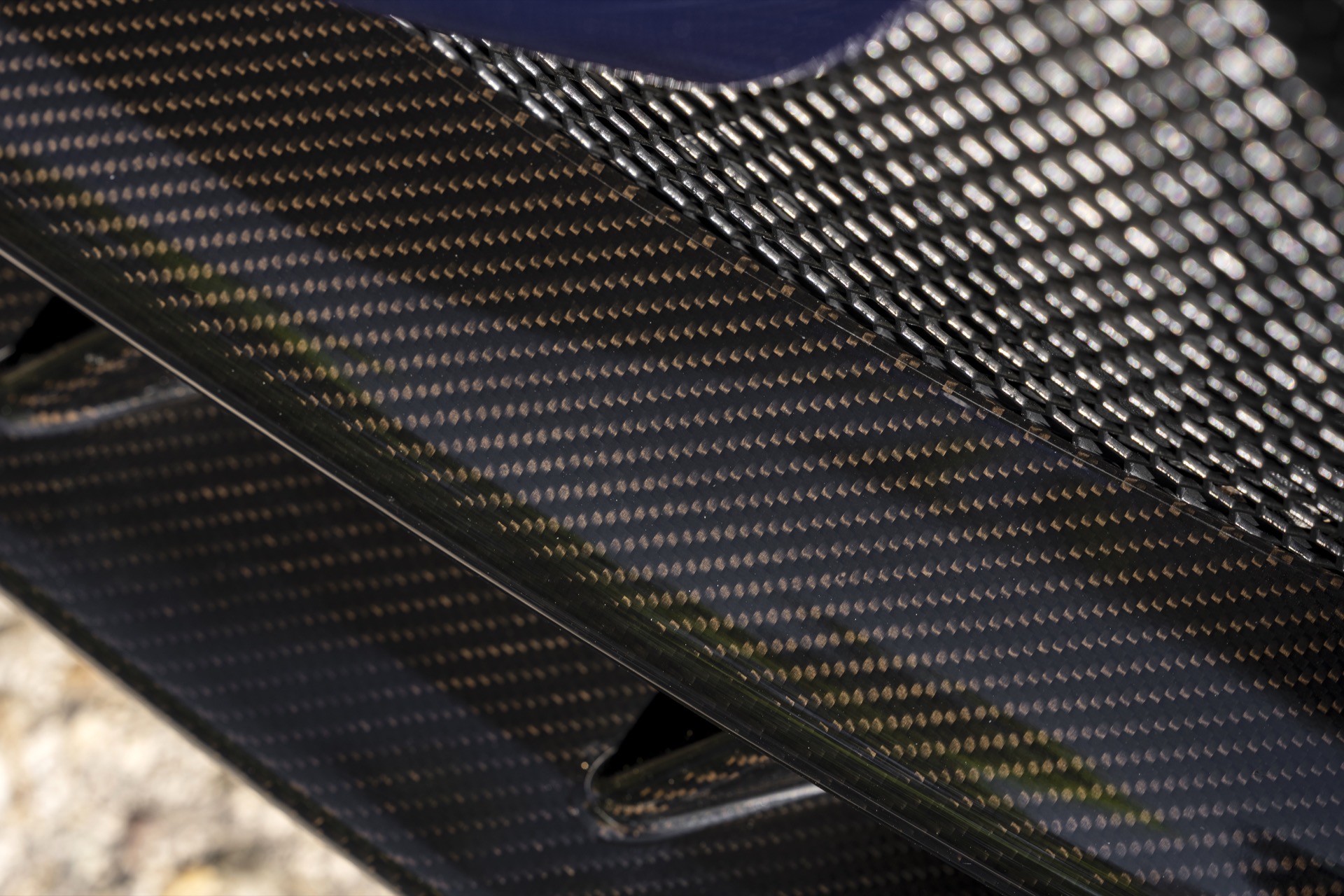
Visually, Aston has judged the S treatment well. The DB12 was already a handsome car, and the changes here feel like a measured evolution rather than an overstyled attempt to manufacture aggression. The new wheels are especially successful, while the aerodynamic additions, including the revised front splitter, bonnet louvres, side sill extensions, fixed rear spoiler and diffuser, look purposeful but restrained. From the rear, the quad exhaust tailpipes are the clearest giveaway, joined by the darker rear light treatment and the subtle gurney-style spoiler that lends the car a sportier stance without compromising its elegance.
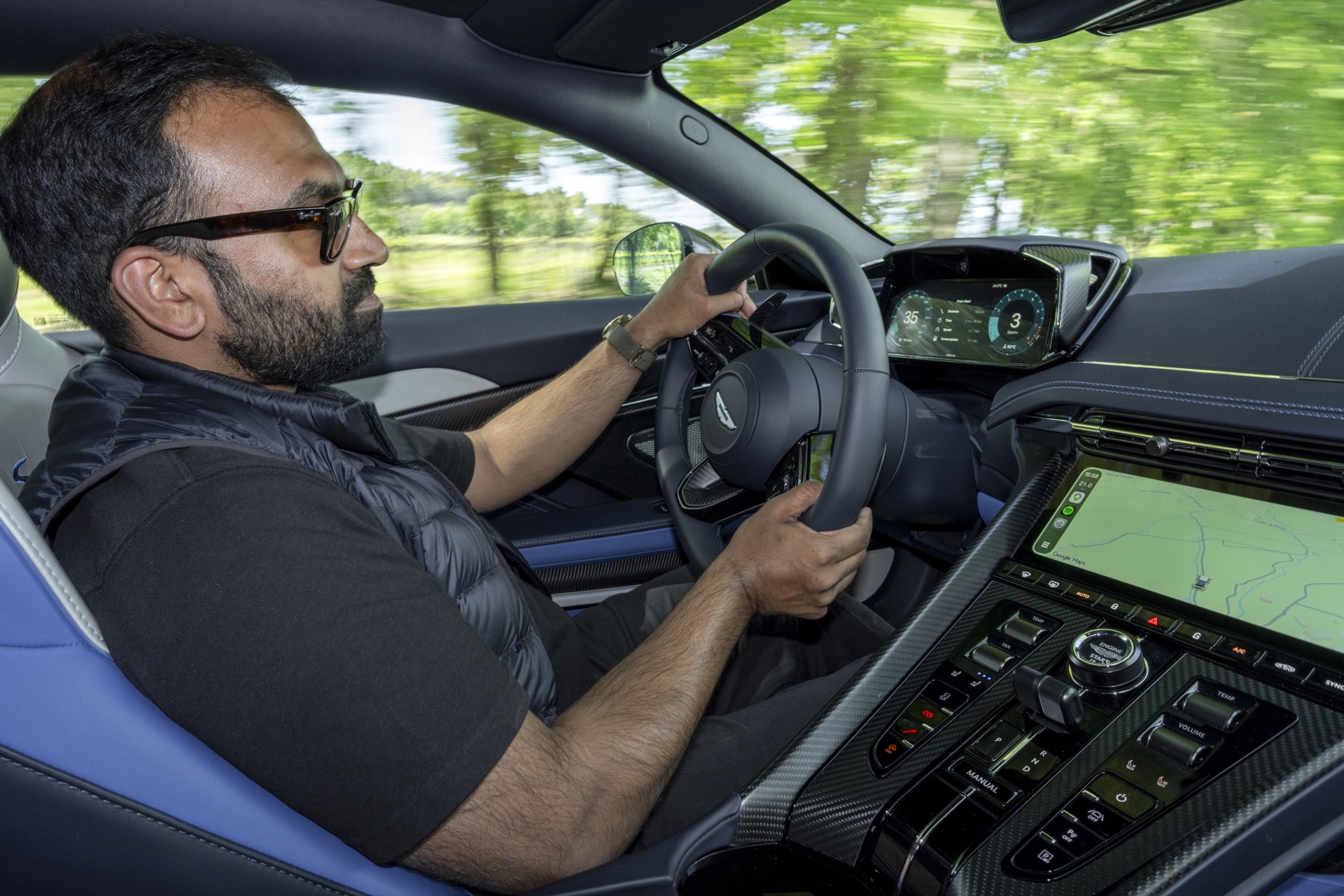
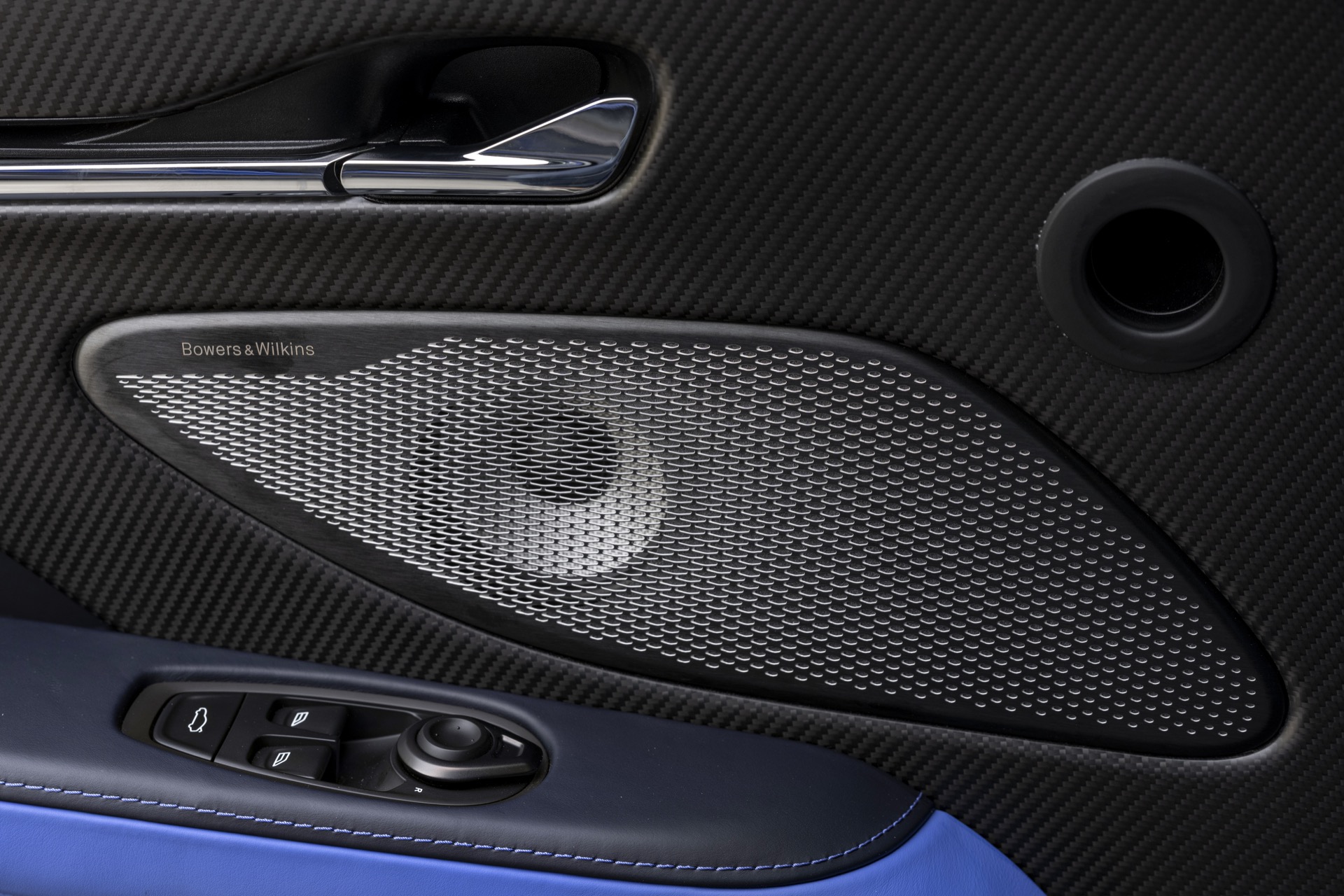
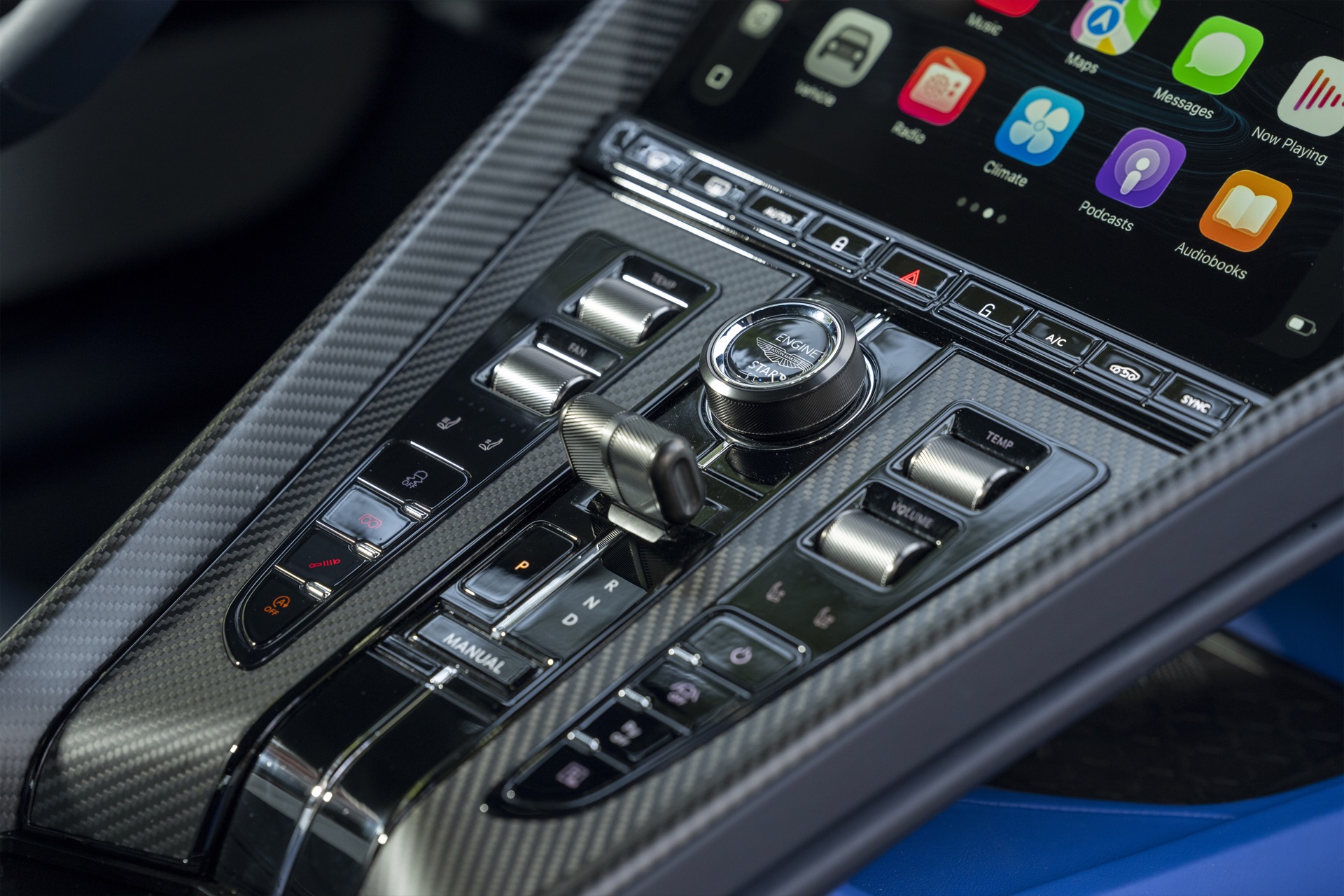
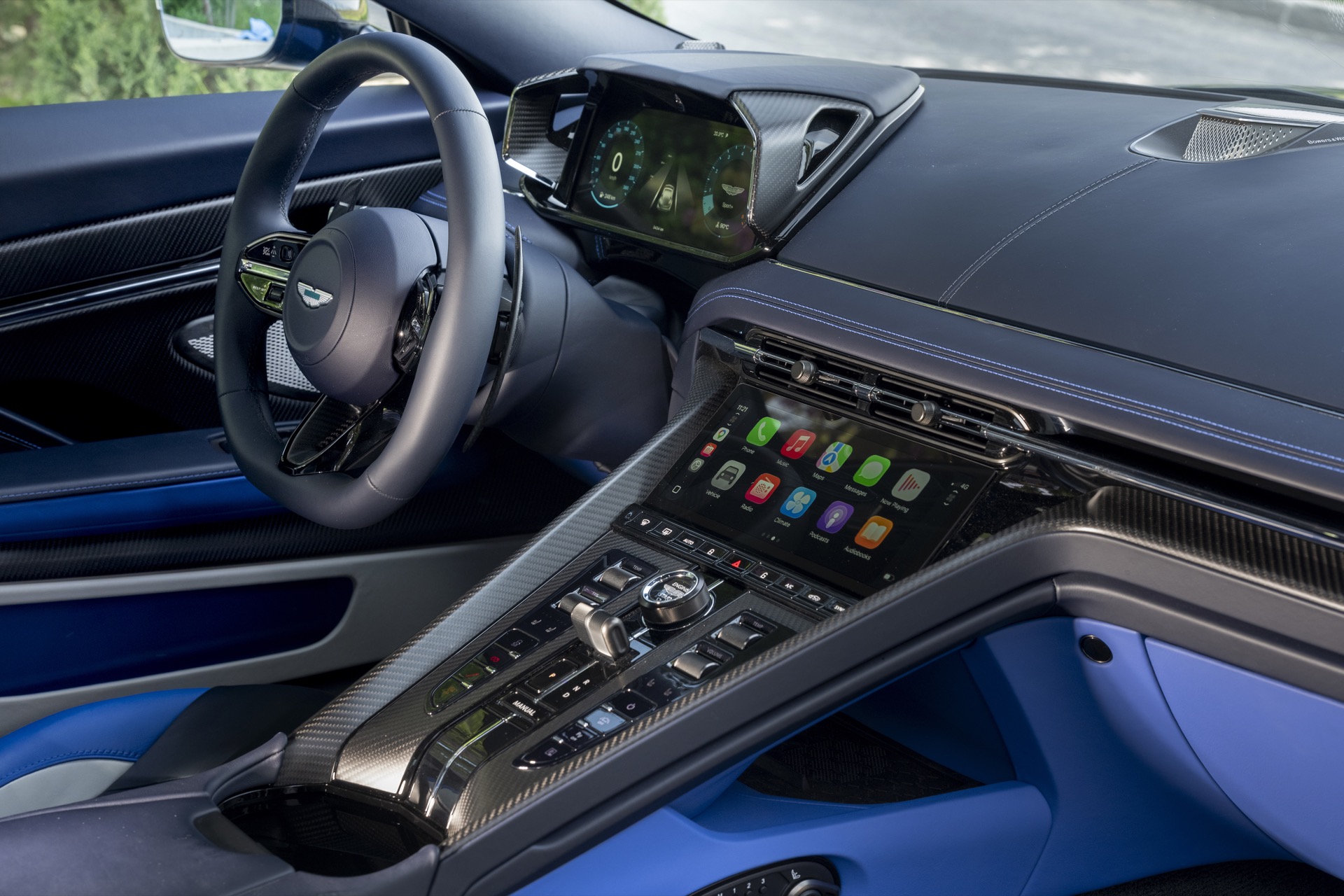
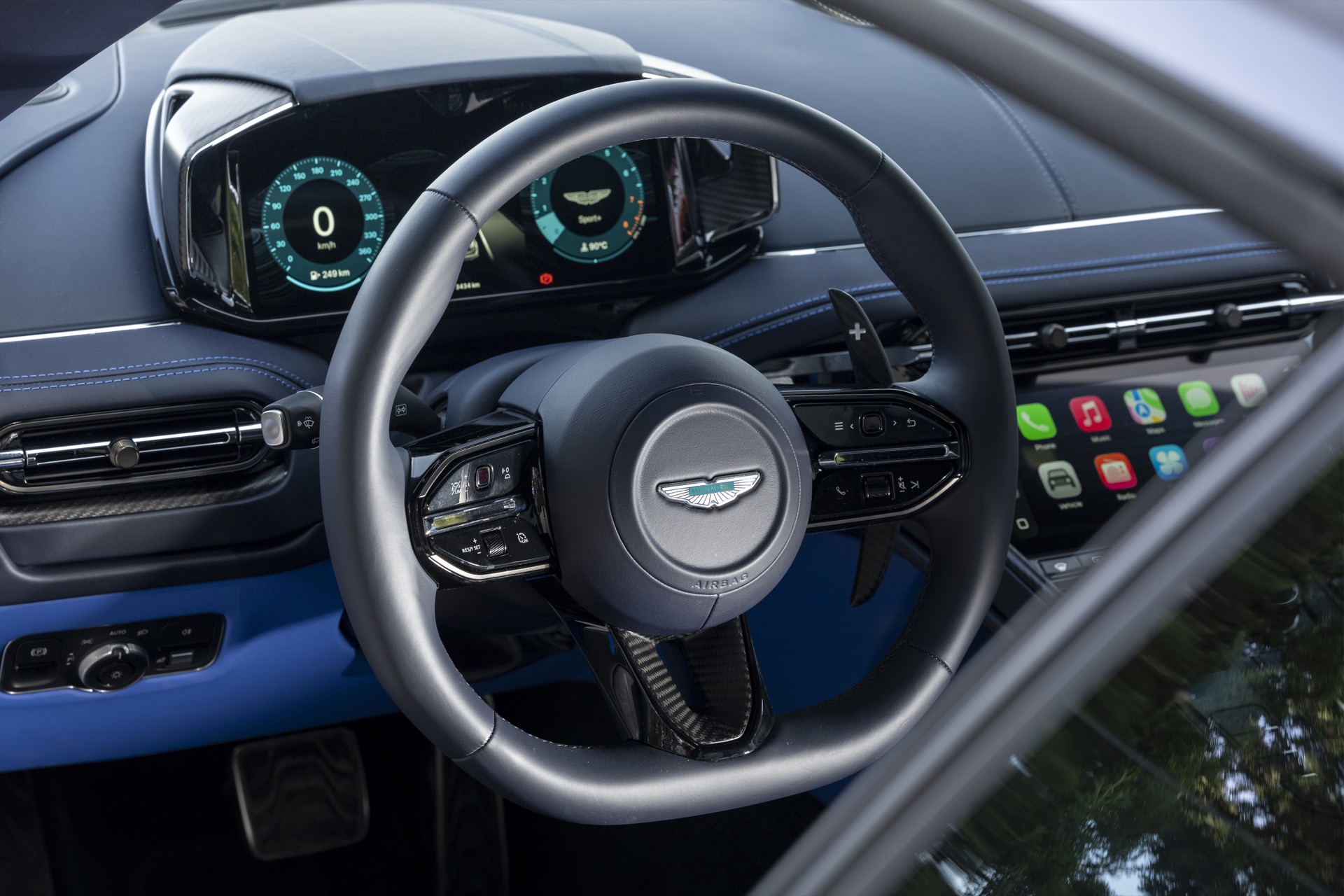
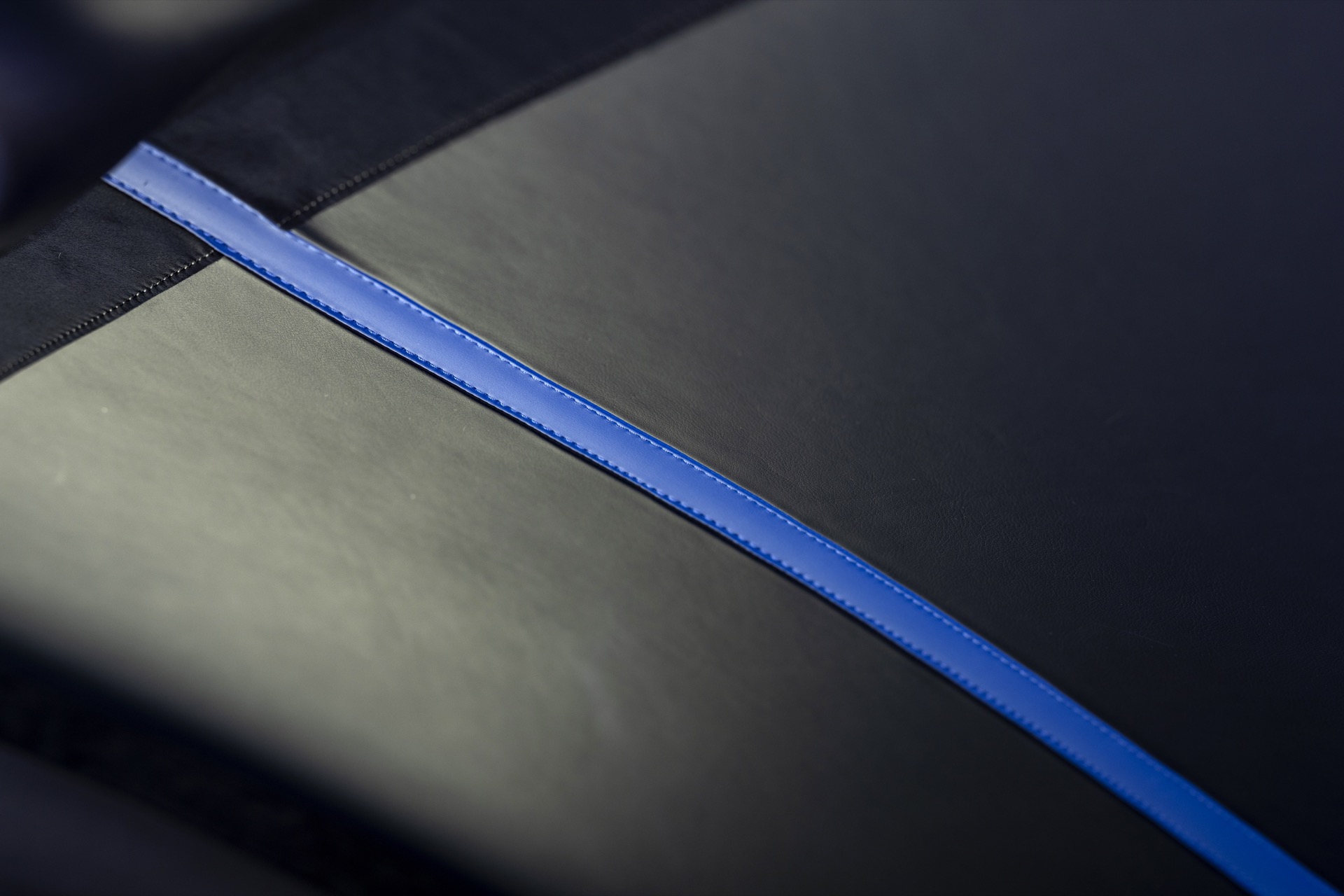
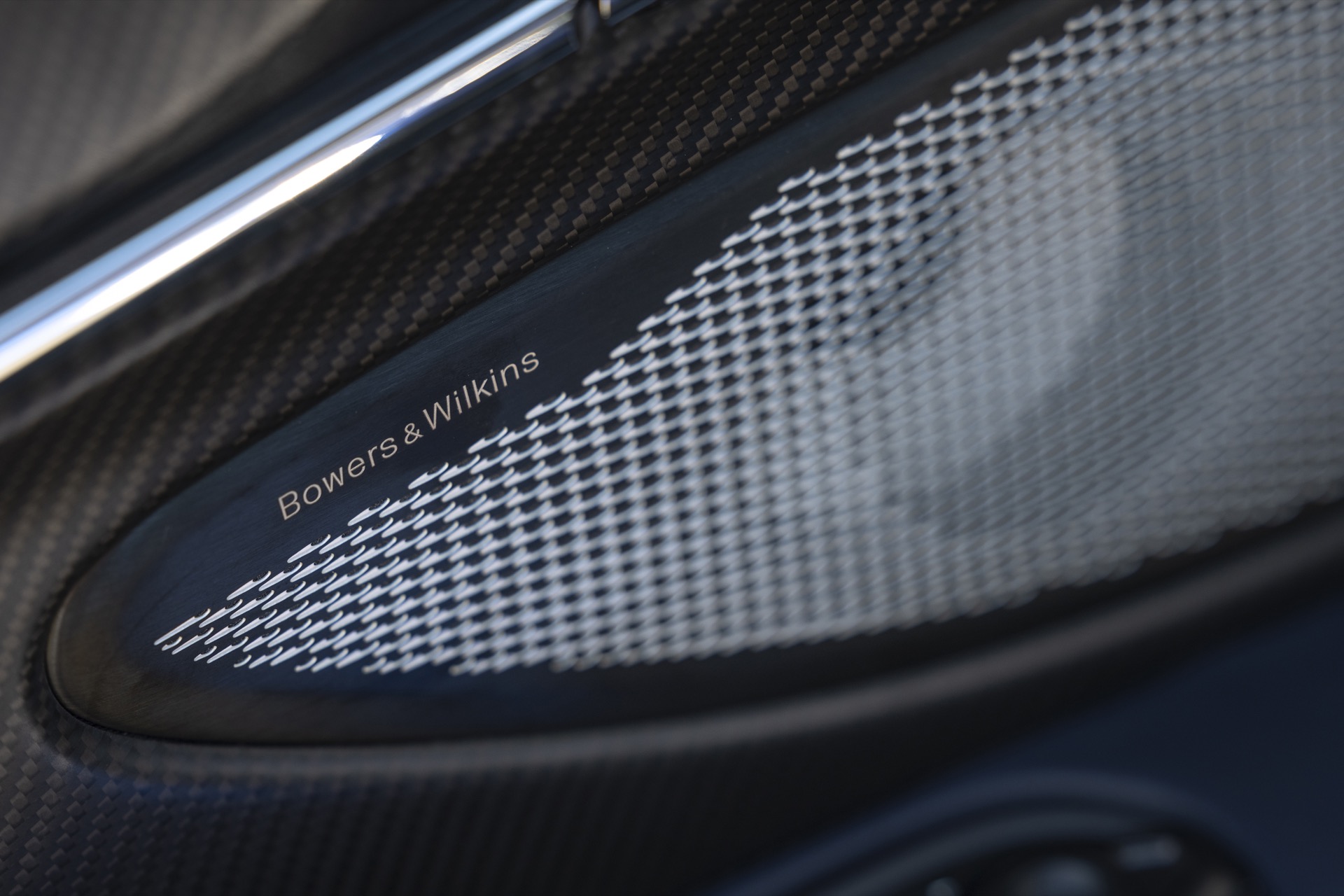
Inside, the DB12 S still feels like a properly premium place to sit, and more importantly, it feels special in a way that many rivals do not. There is real occasion to the cabin, helped by the sense that Aston Martin has not surrendered everything to the touchscreen. There are still proper physical controls for the functions you actually want to access quickly, and they have a tactile, expensive feel that suits the car perfectly. It makes the cabin easier to live with and gives it a richness that is increasingly rare.
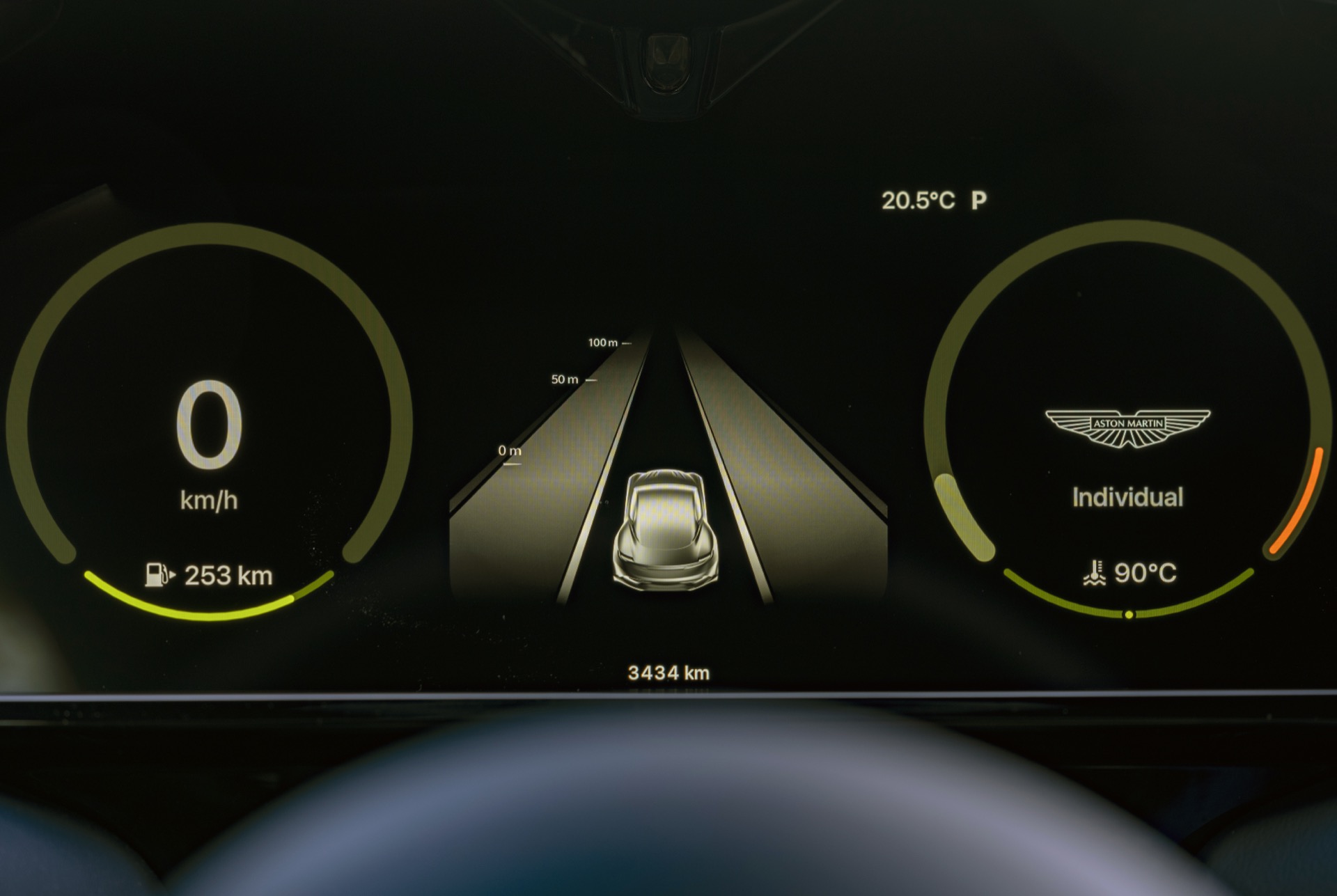
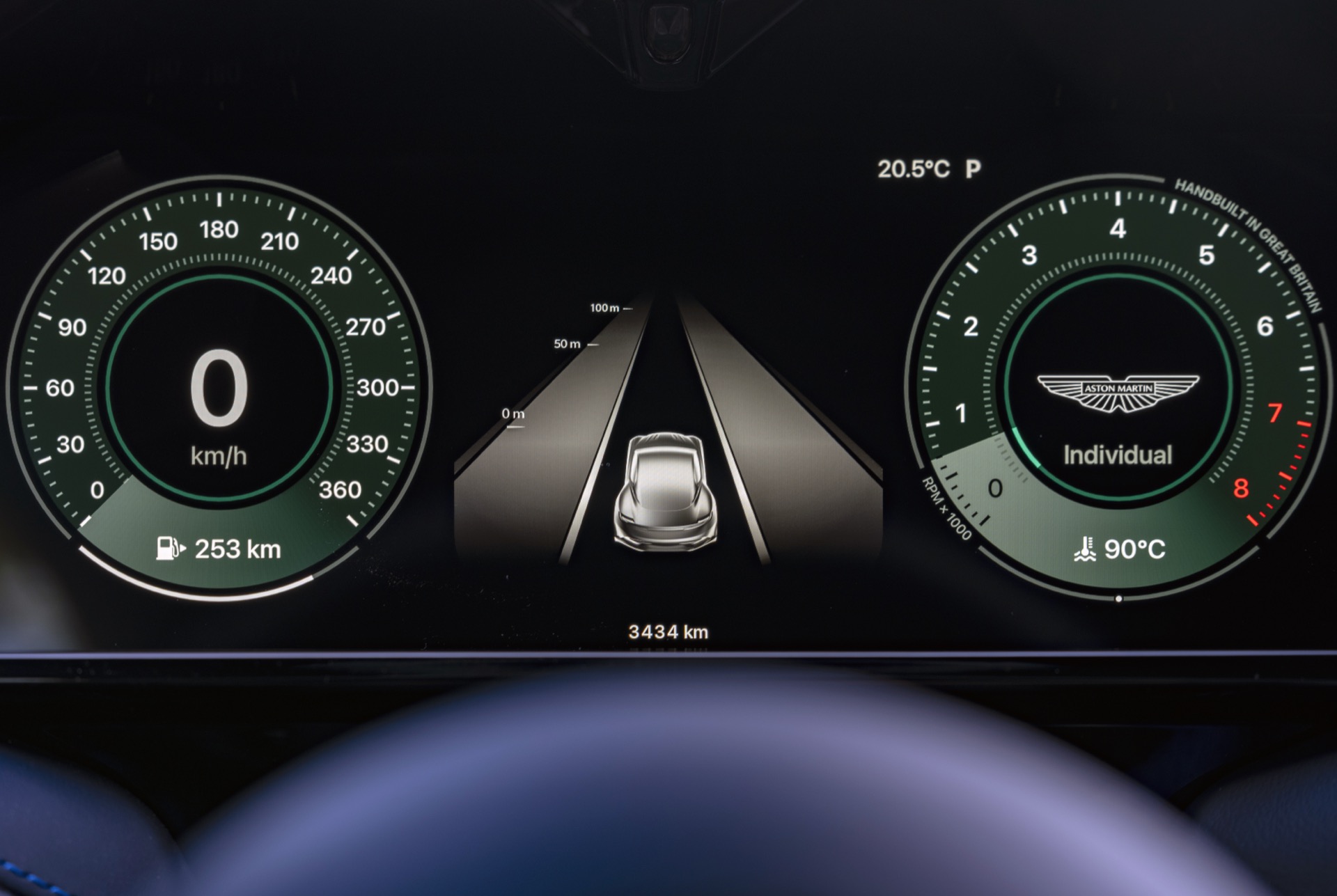
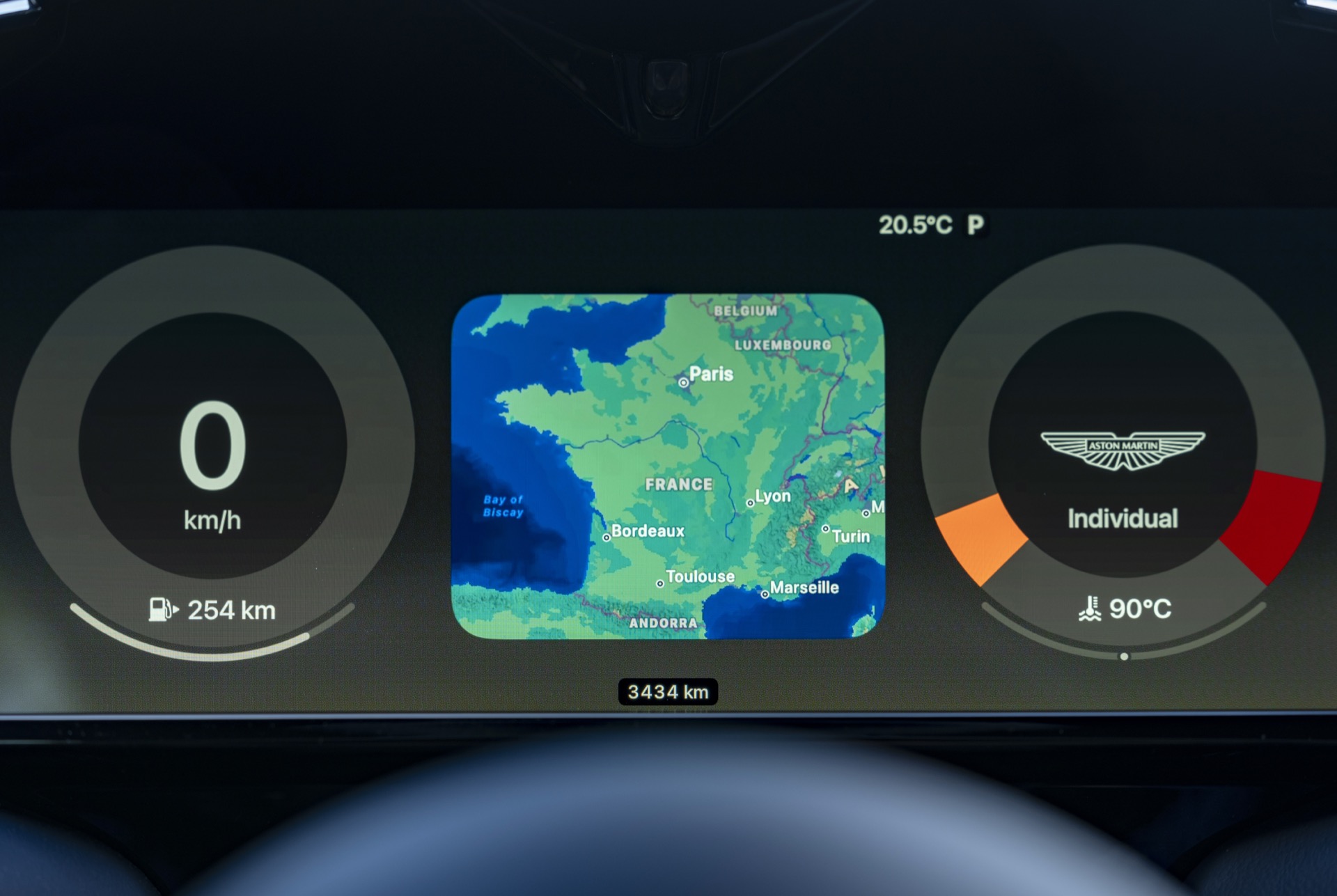
Apple CarPlay Ultra is part of the story too, though in truth it does not yet add a huge amount of value beyond bringing climate controls into the CarPlay environment. There is clearly scope for Aston Martin to improve the experience, because as it stands those climate controls can end up obstructing the speedometer in the infotainment display when running Google Maps. It is not a dealbreaker, but it does feel like a system still finding its feet rather than a transformative step forward.
And while the DB12 S remains a practical proposition only by exotic GT standards, it does at least avoid the packaging compromises that come with electrification. The boot is not as generous as you might hope for a big grand tourer, but there is no hybrid battery eating into luggage space as there is in the Bentley, and the rear seats offer some useful additional room.
What Aston Martin has done with the DB12 S is not to turn the DB12 into a Ferrari rival, nor to challenge the Bentley on outright opulence. Instead, it has honed the car into something that may well sit in the most appealing part of the segment. Faster, sharper and more engaging than the standard DB12, yet still refined enough to feel like a proper Aston Martin, the DB12 S is a convincing reminder that the best GT cars are not about extremes. They are about breadth of ability, and this one has plenty of it.