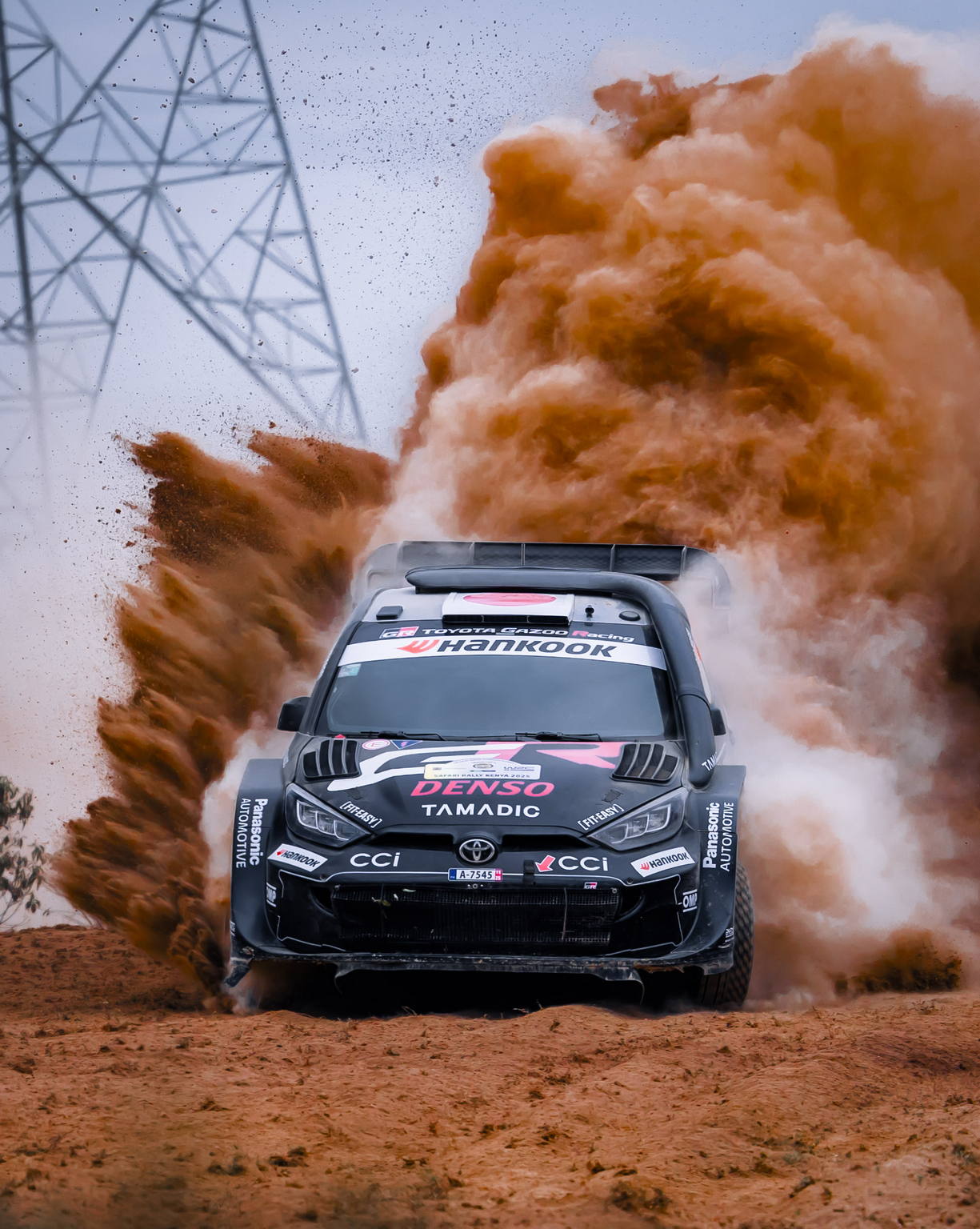
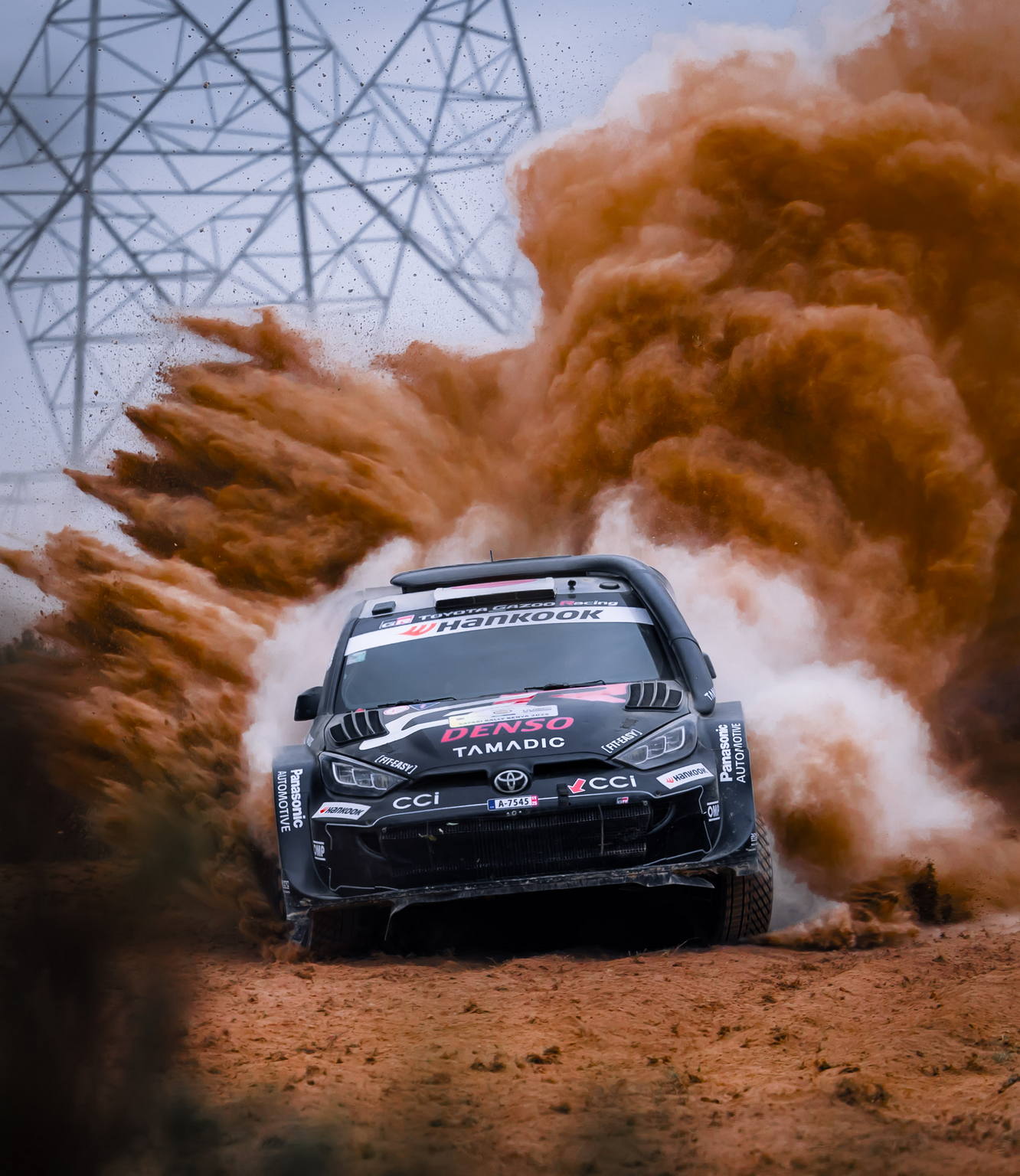
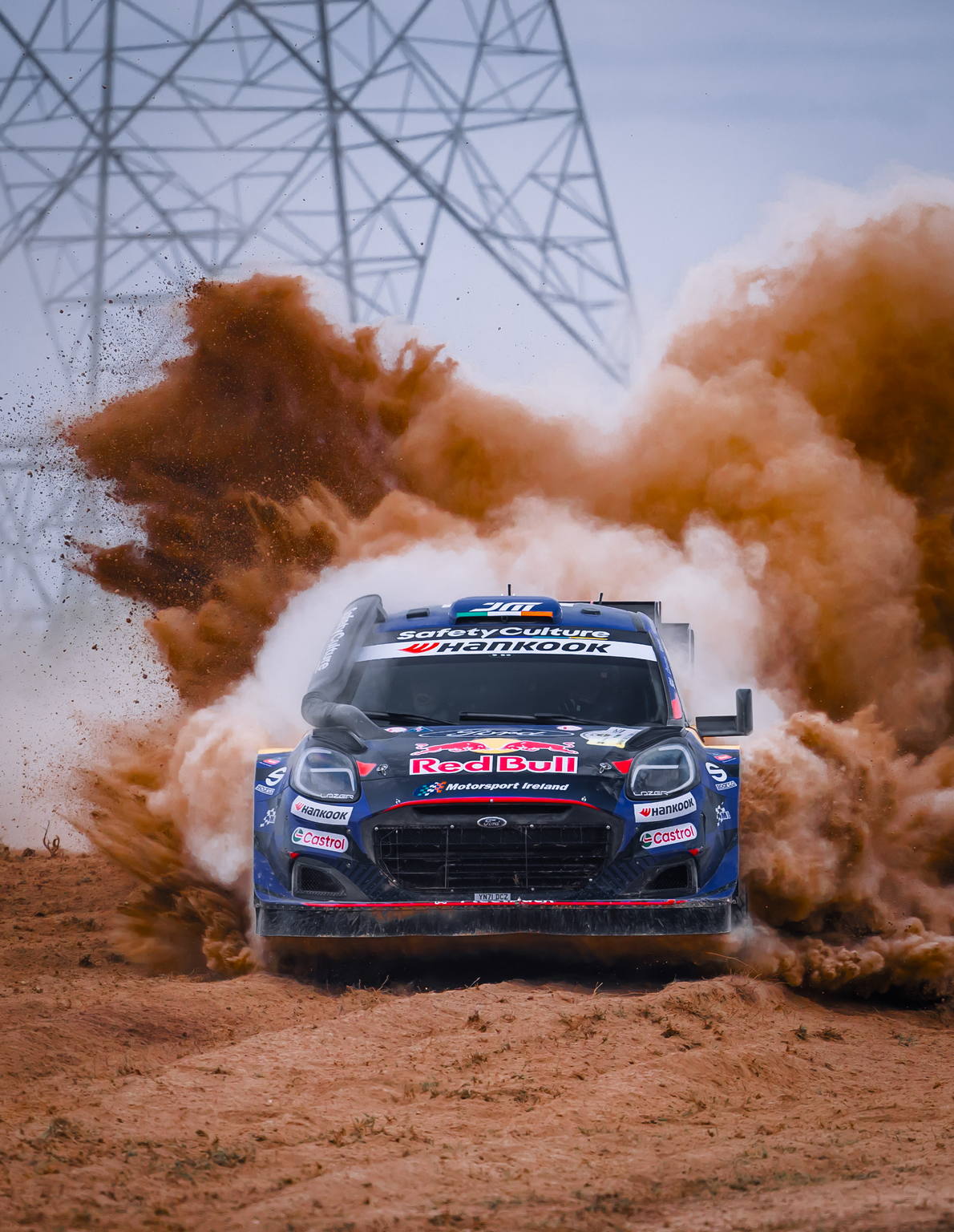
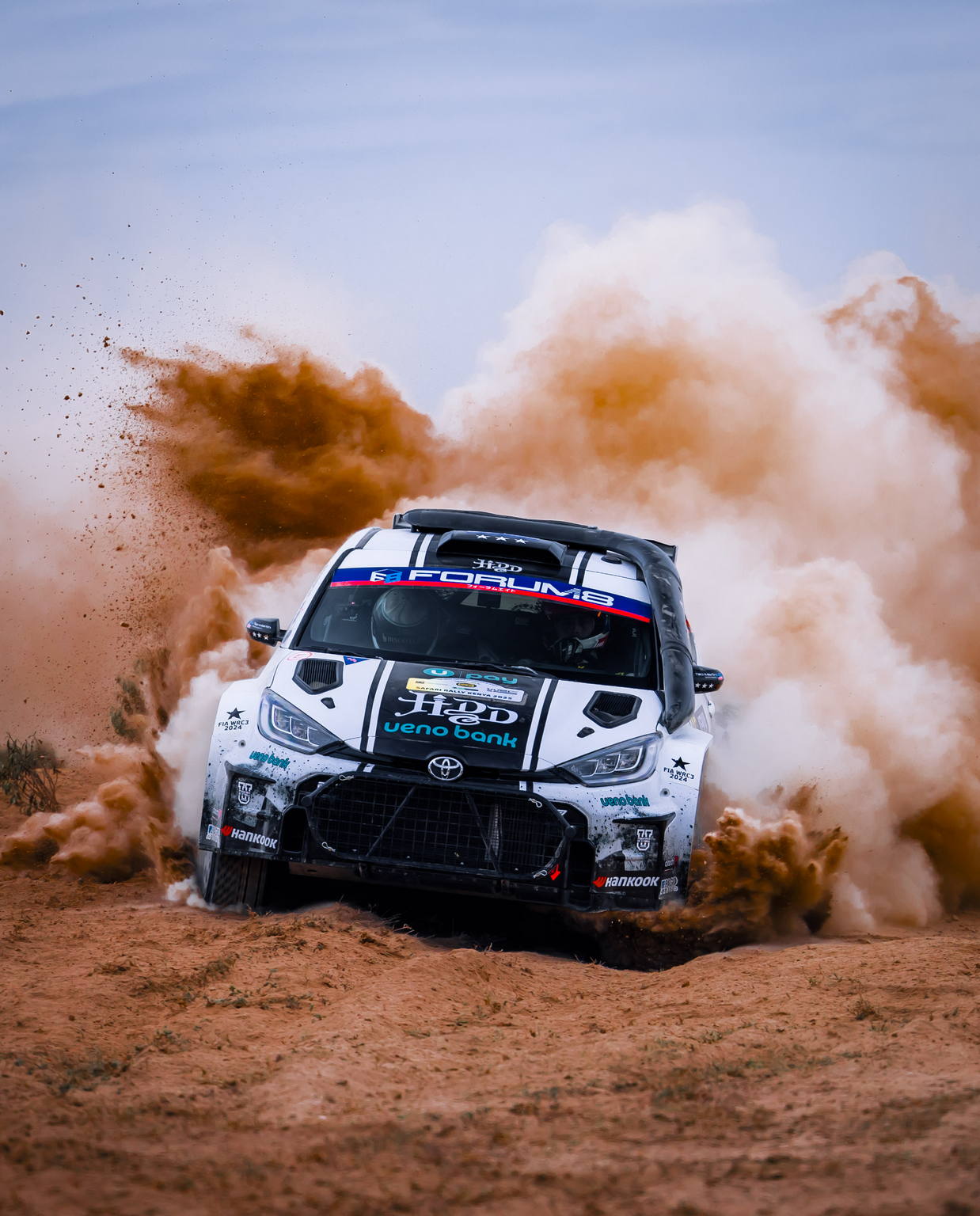
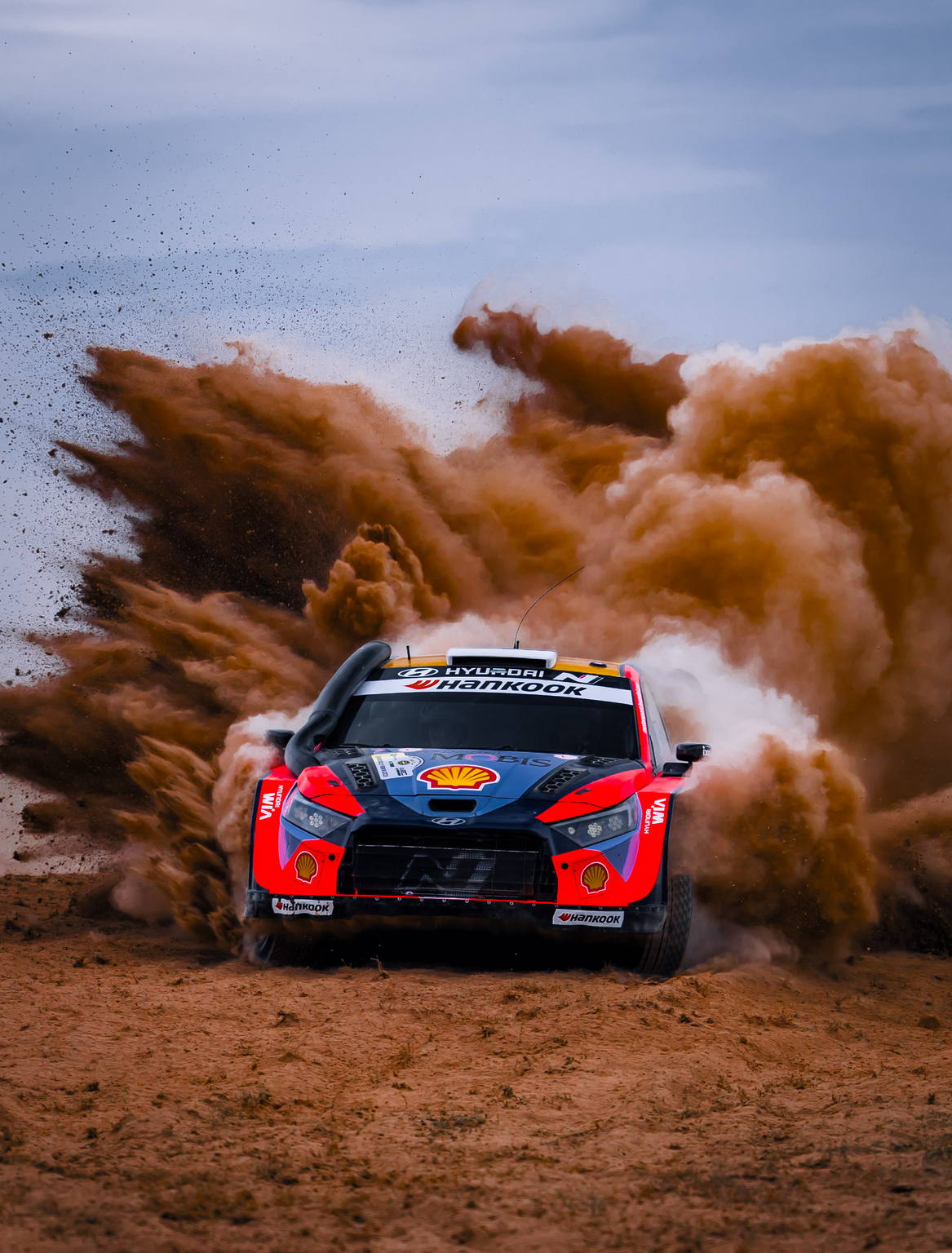
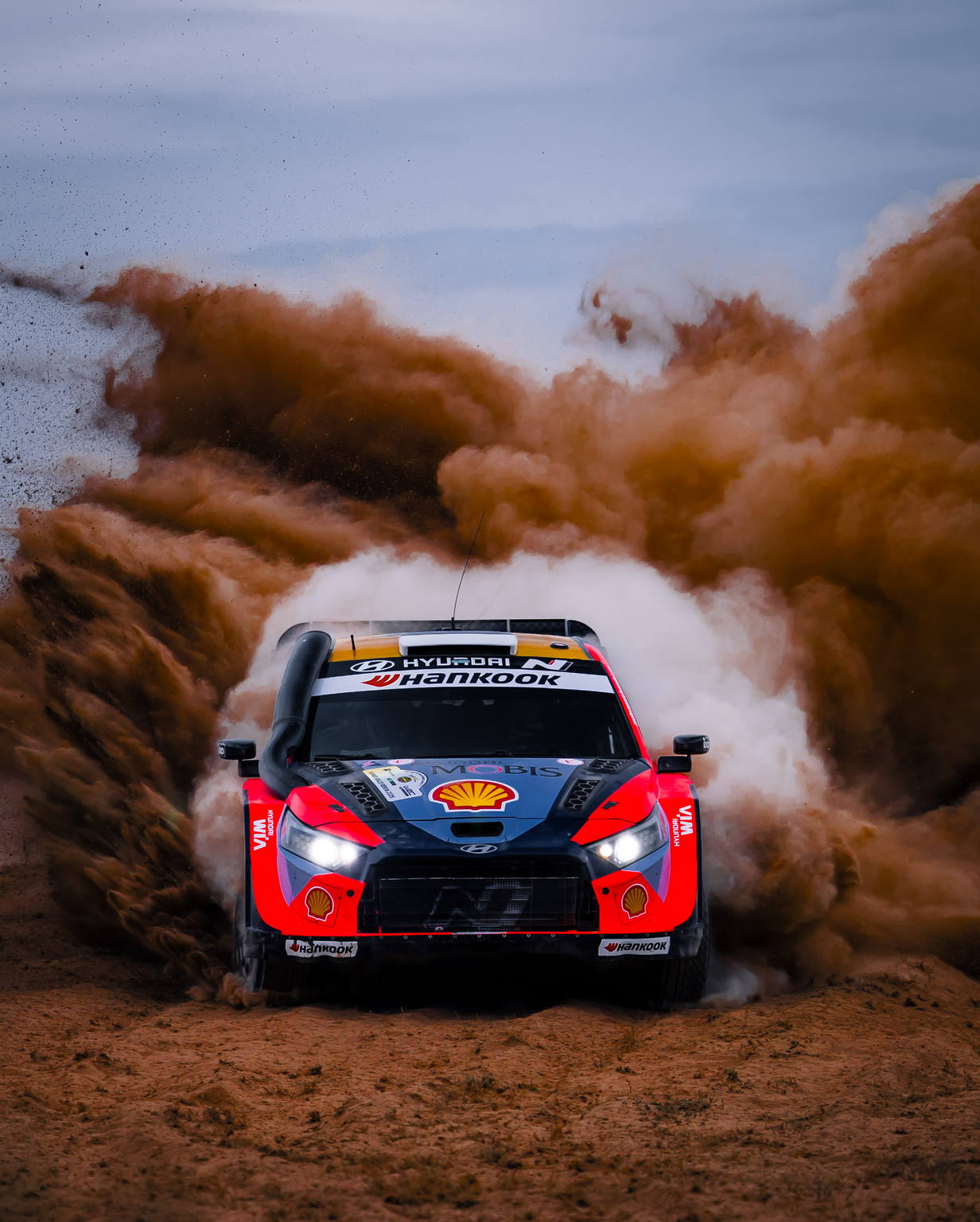
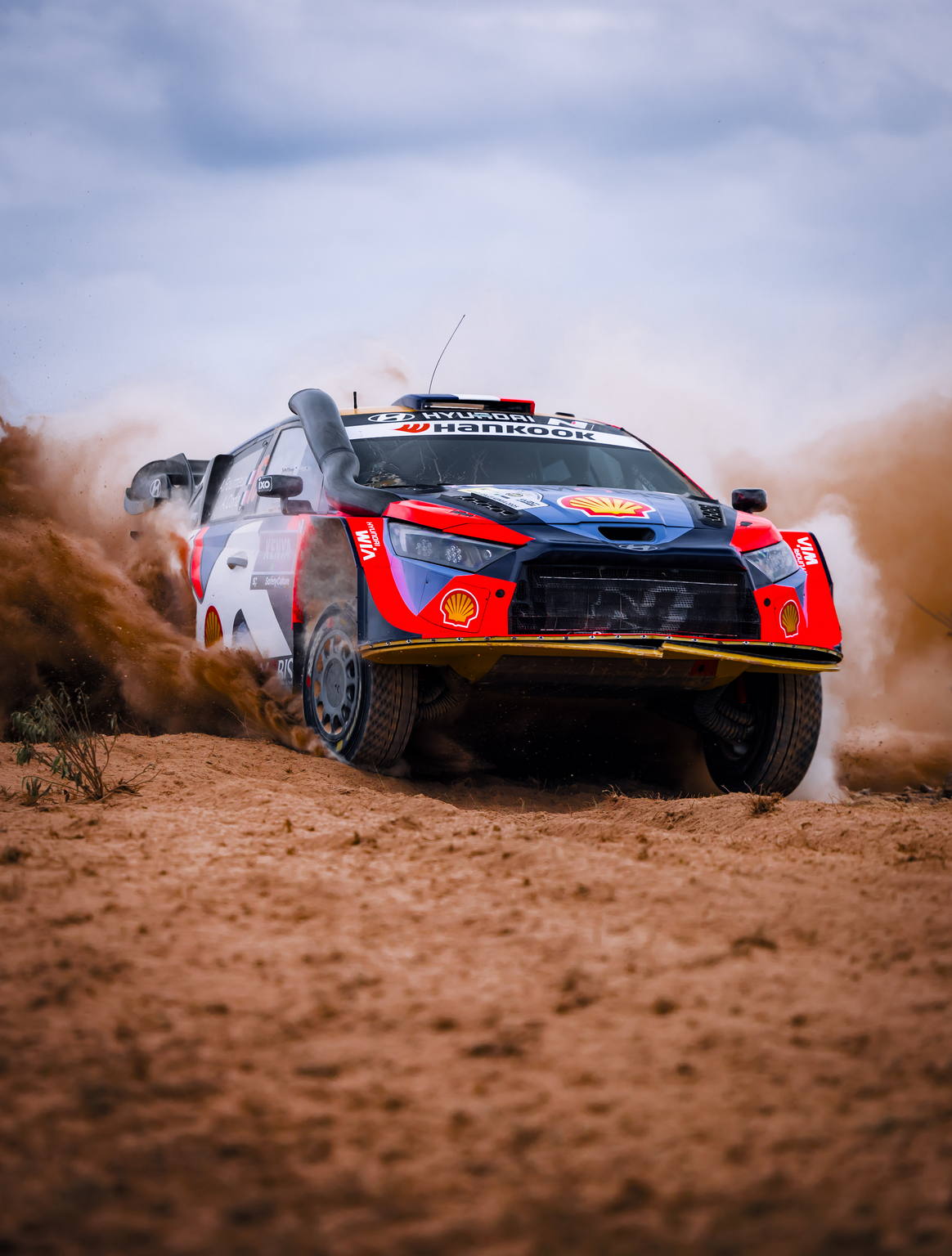
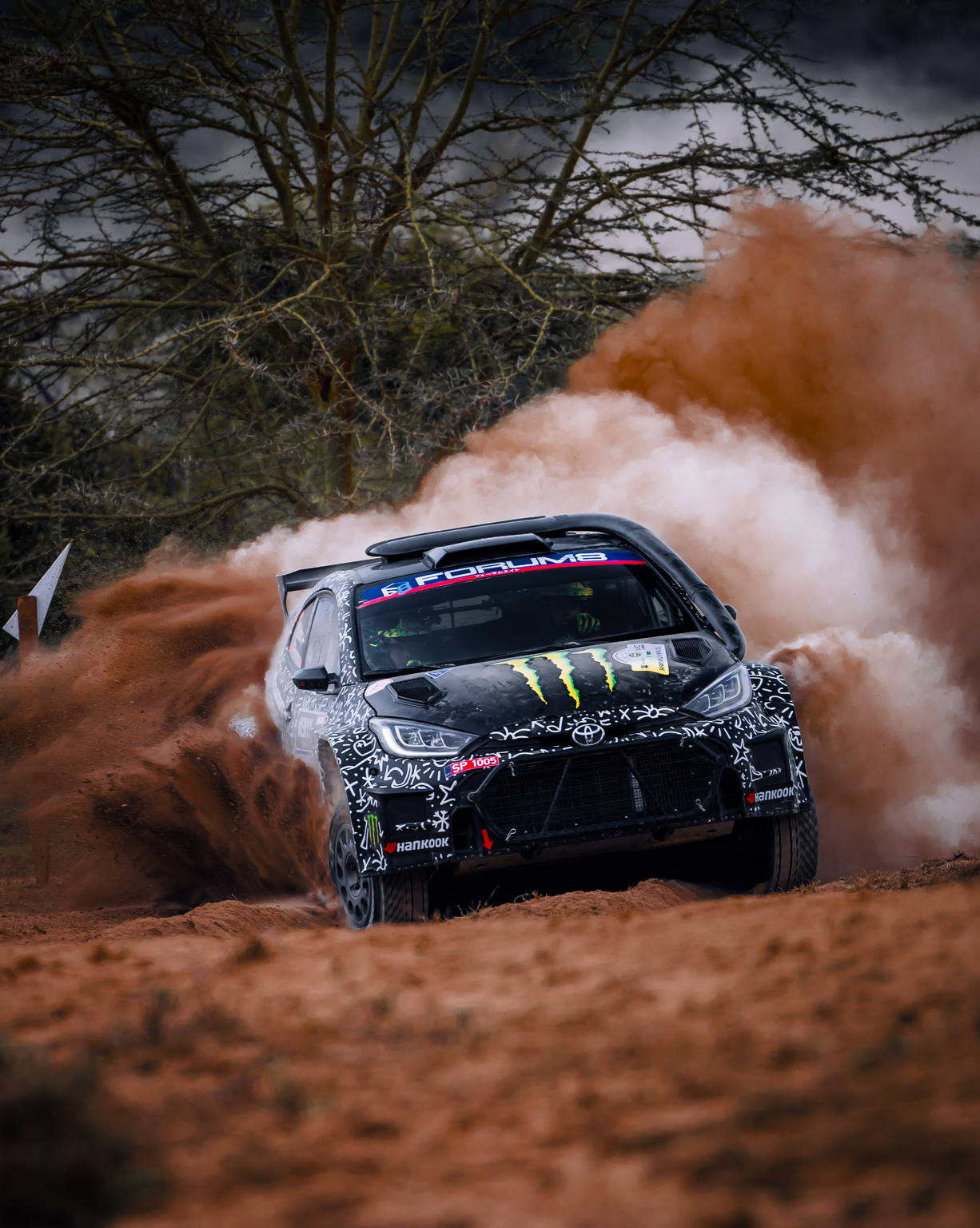
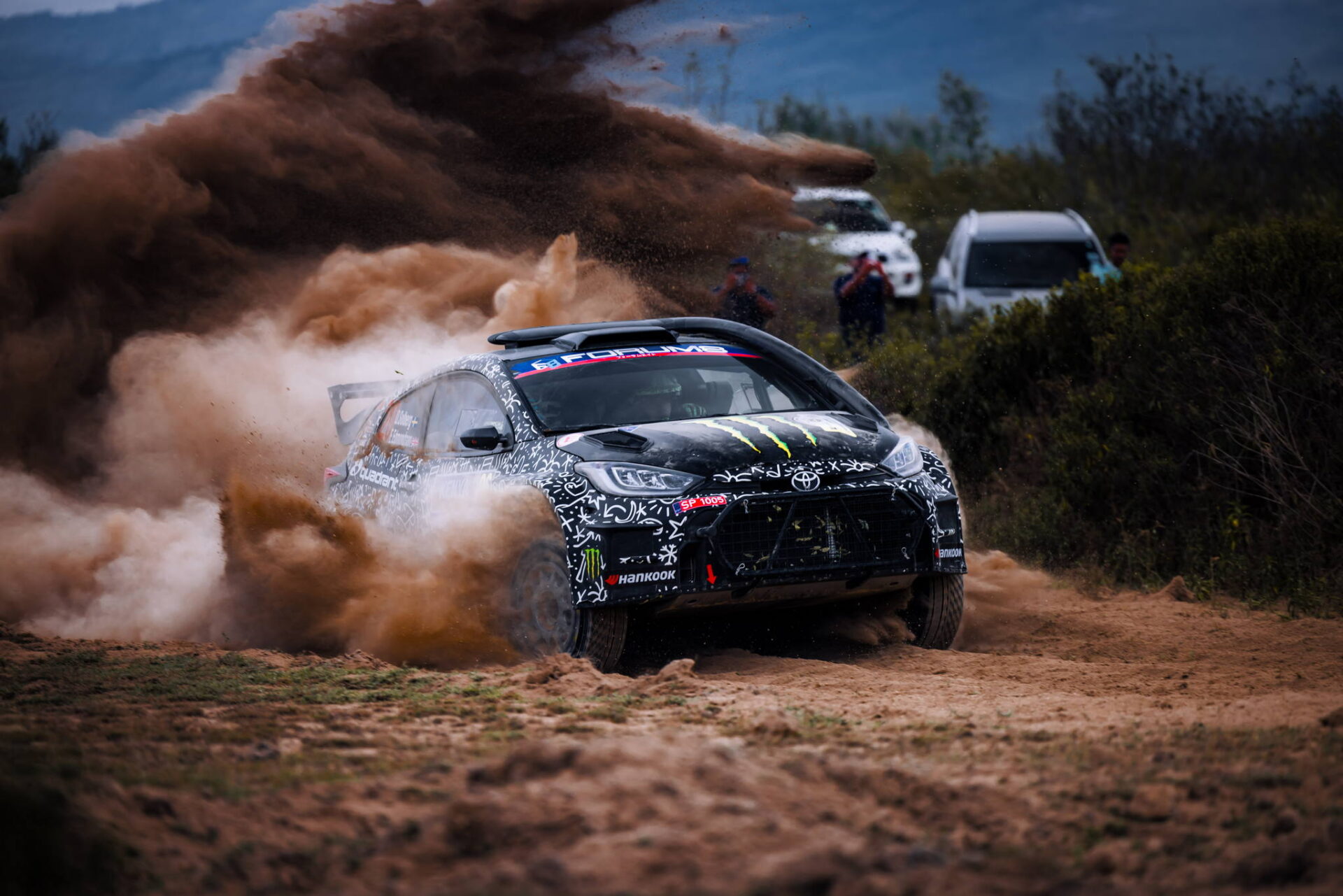
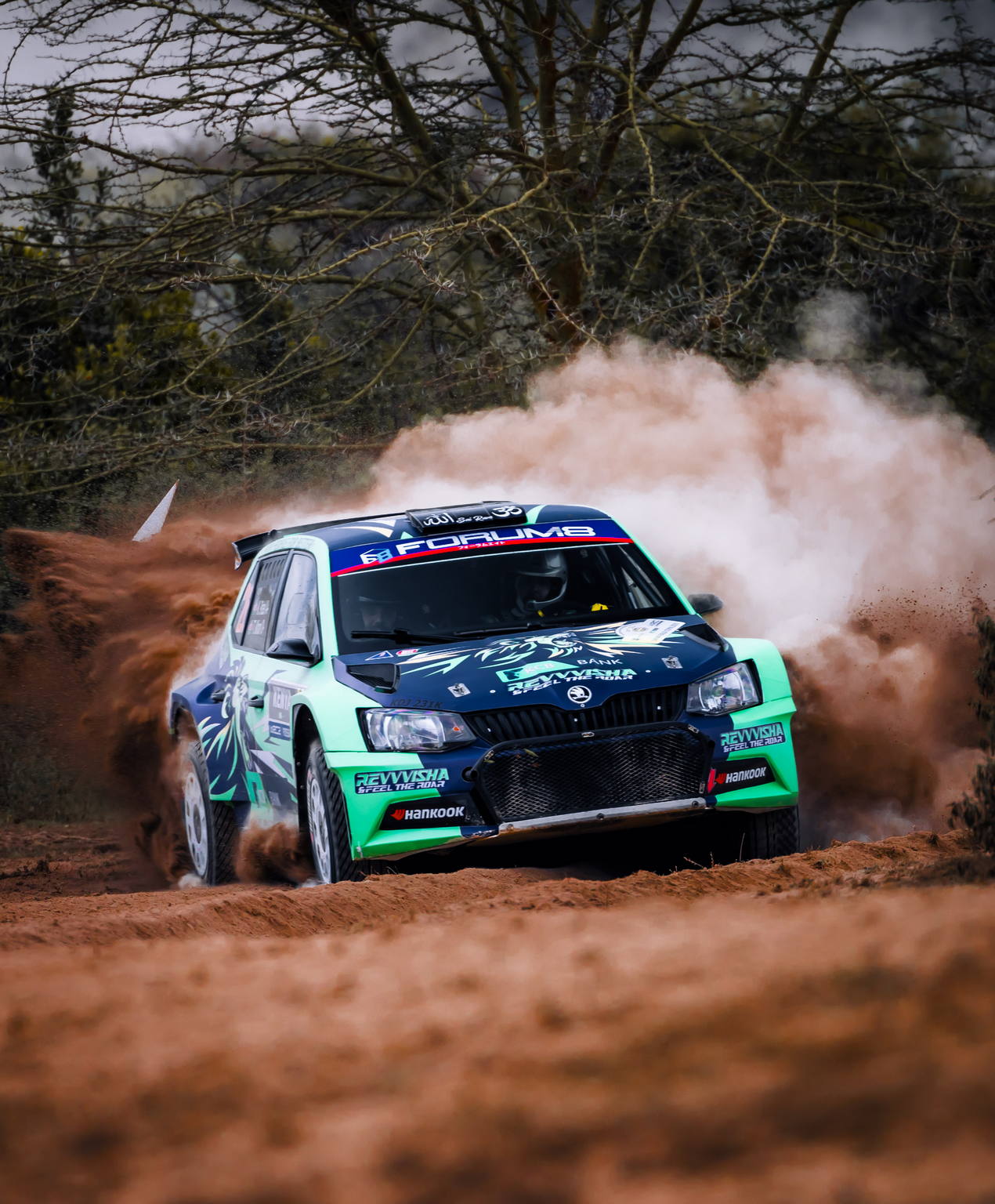
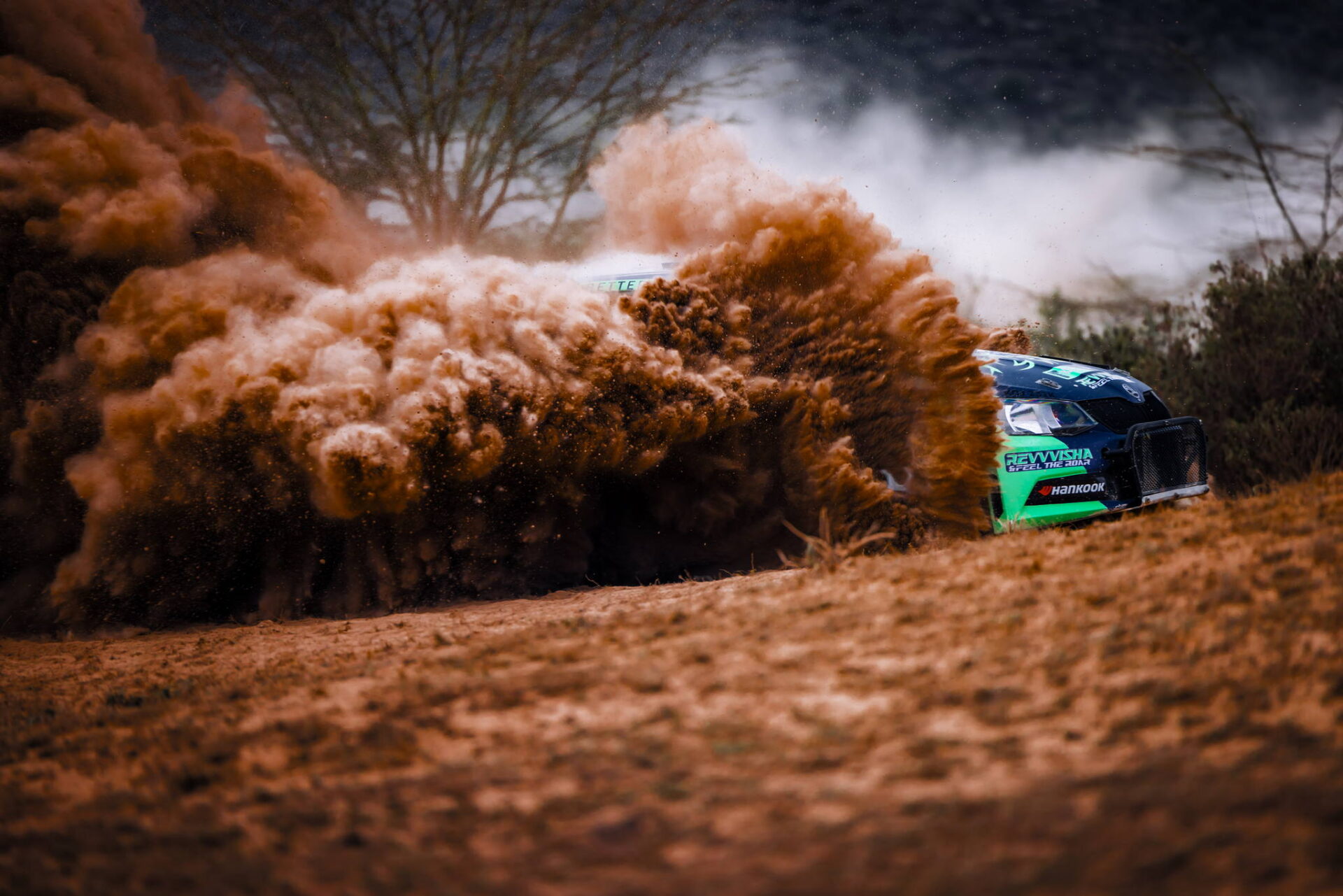
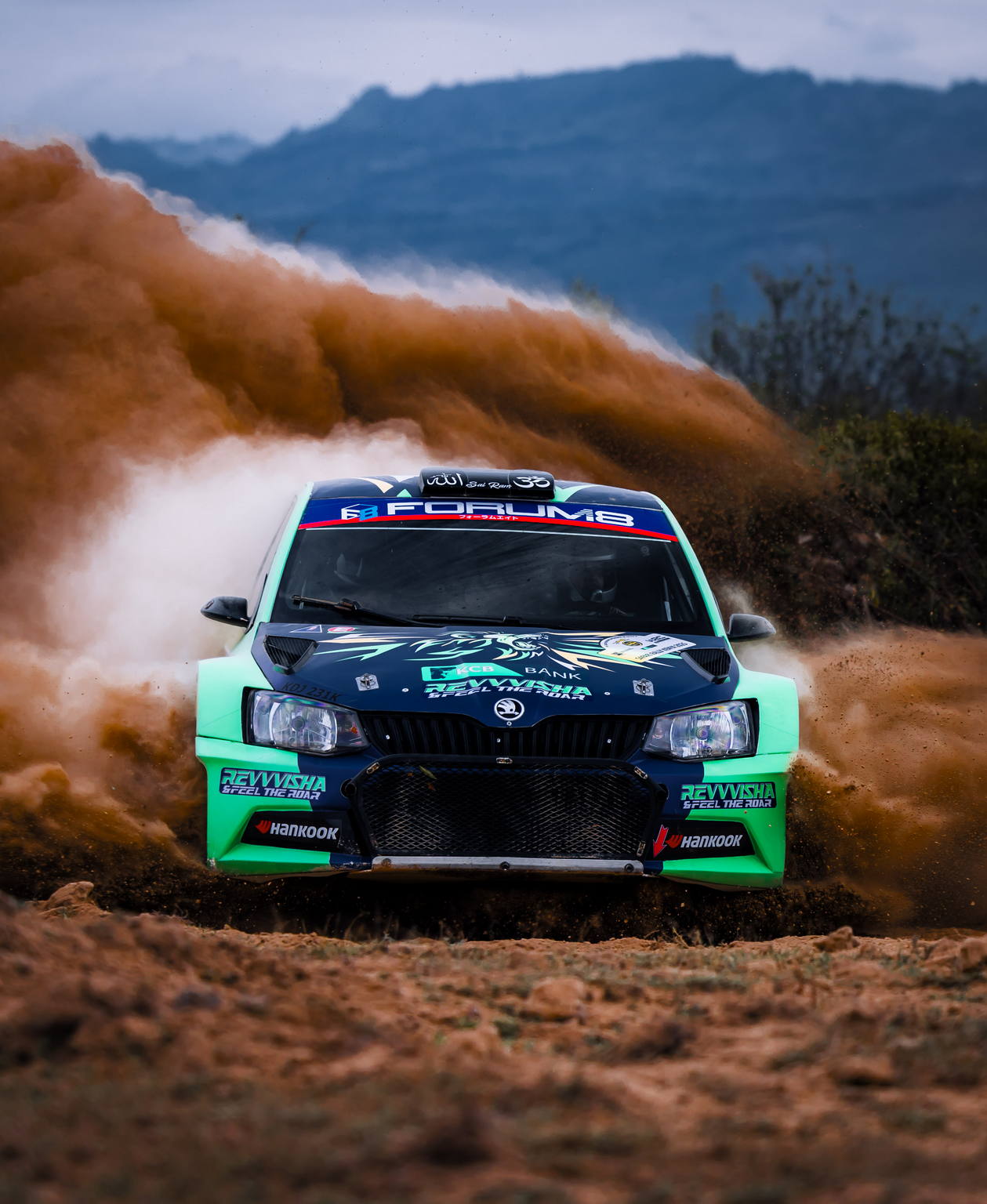
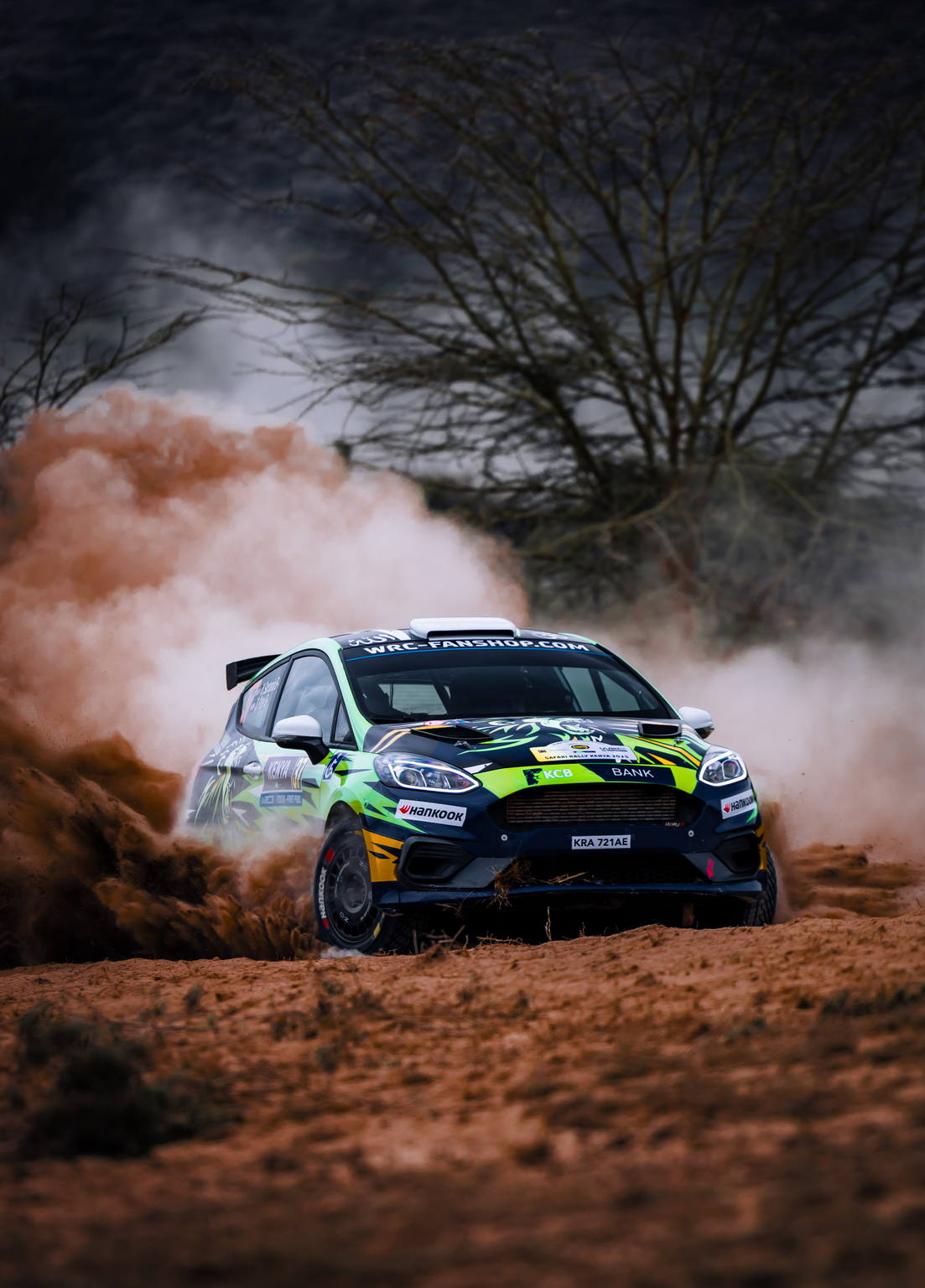
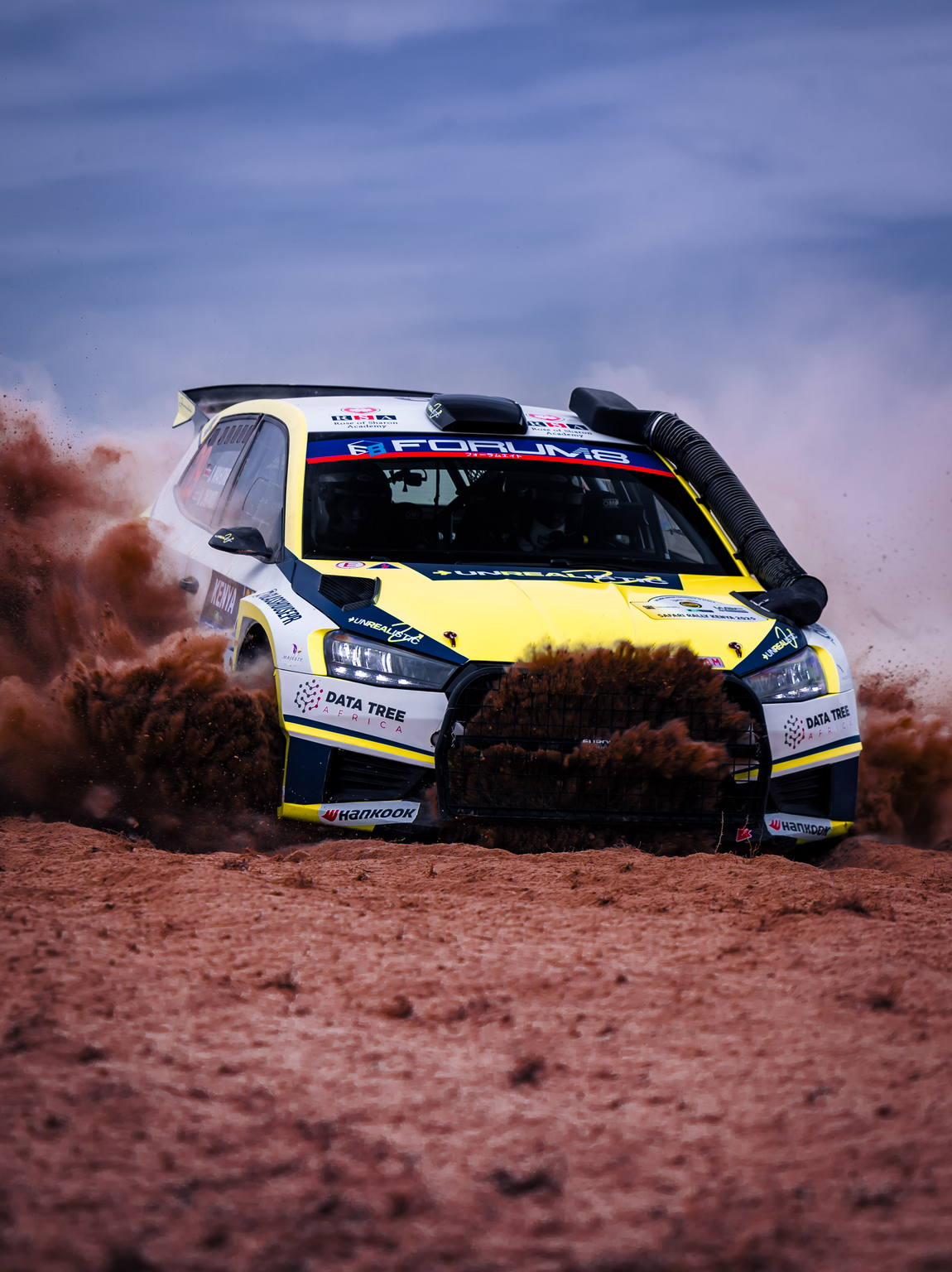
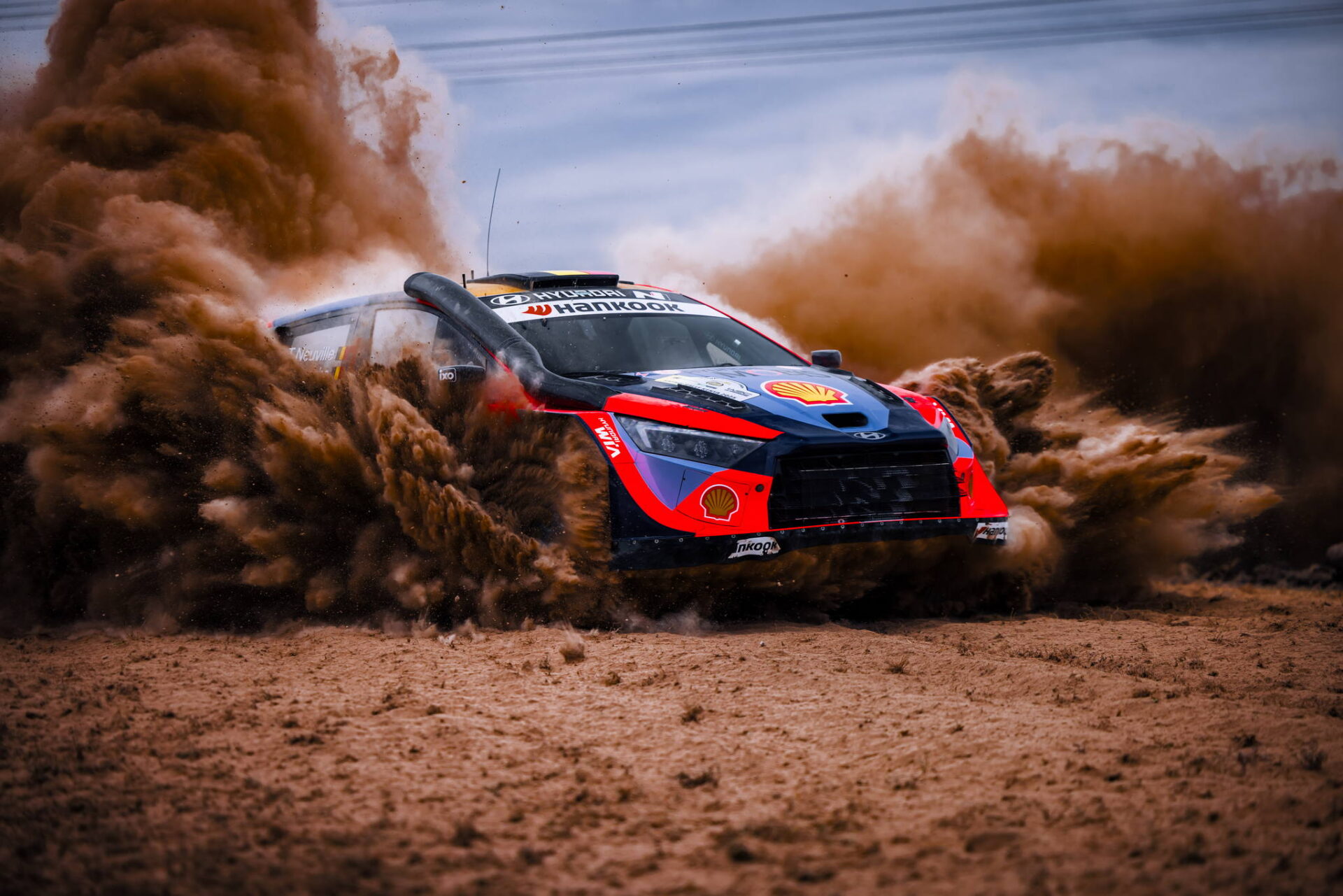
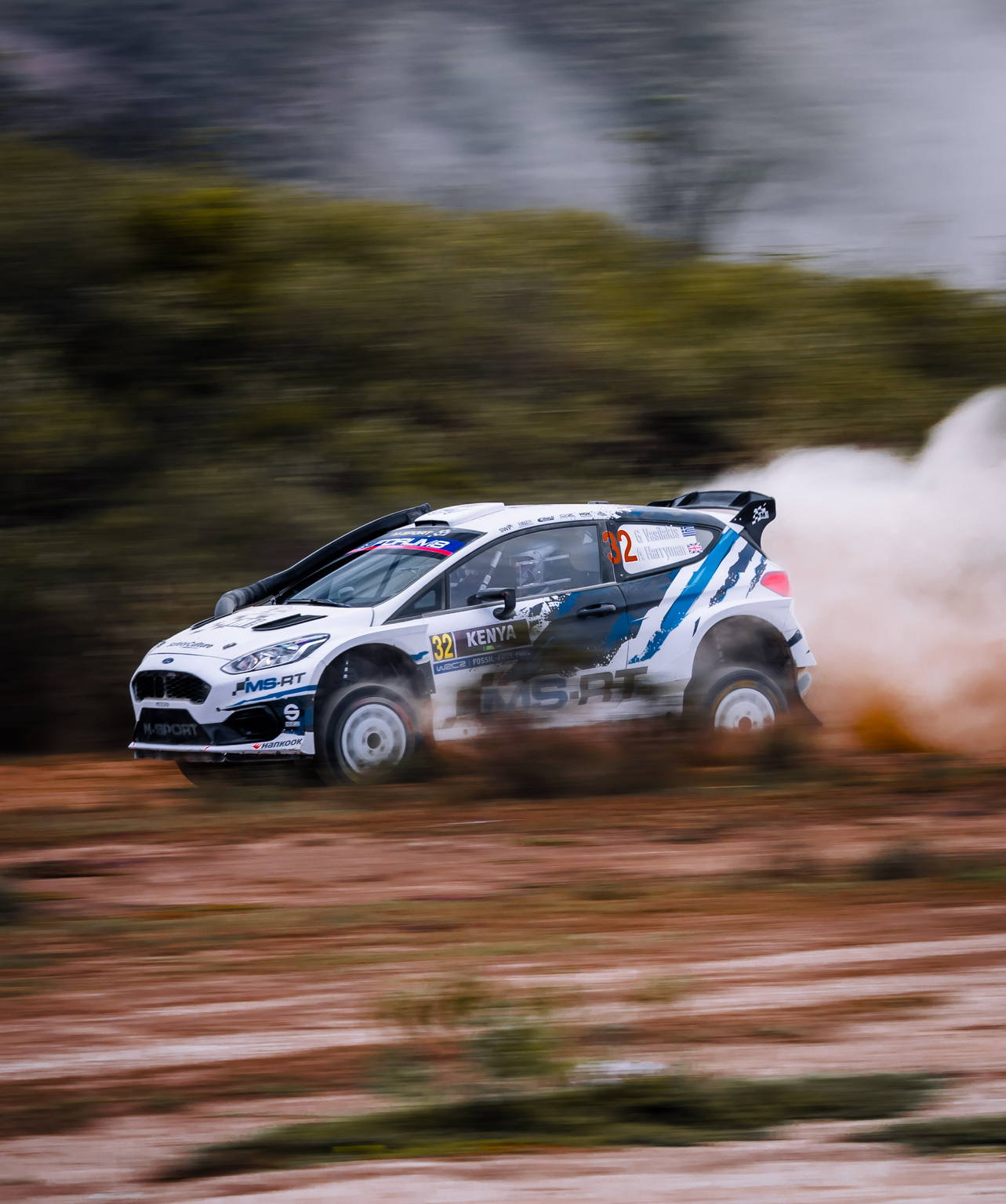
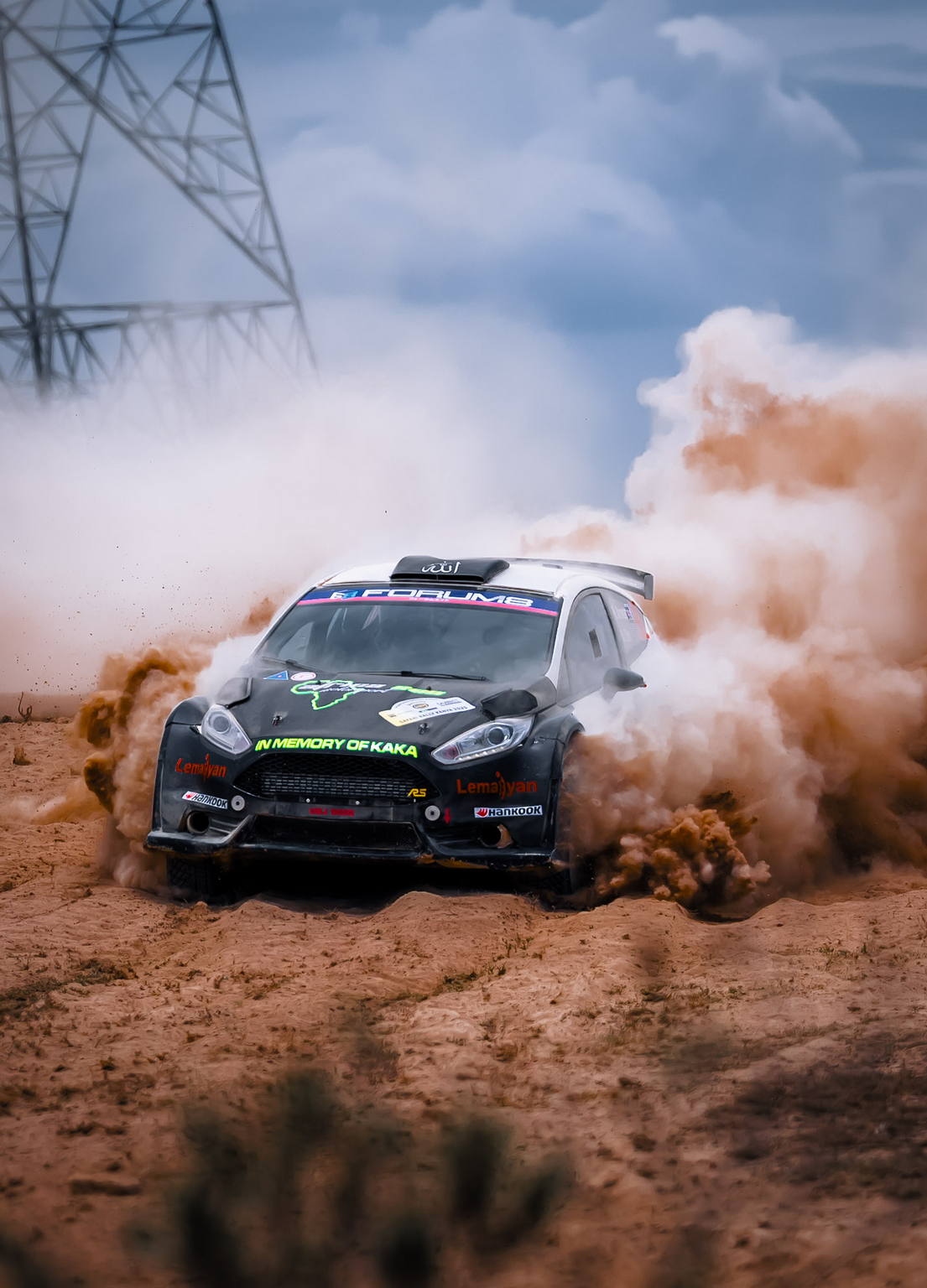
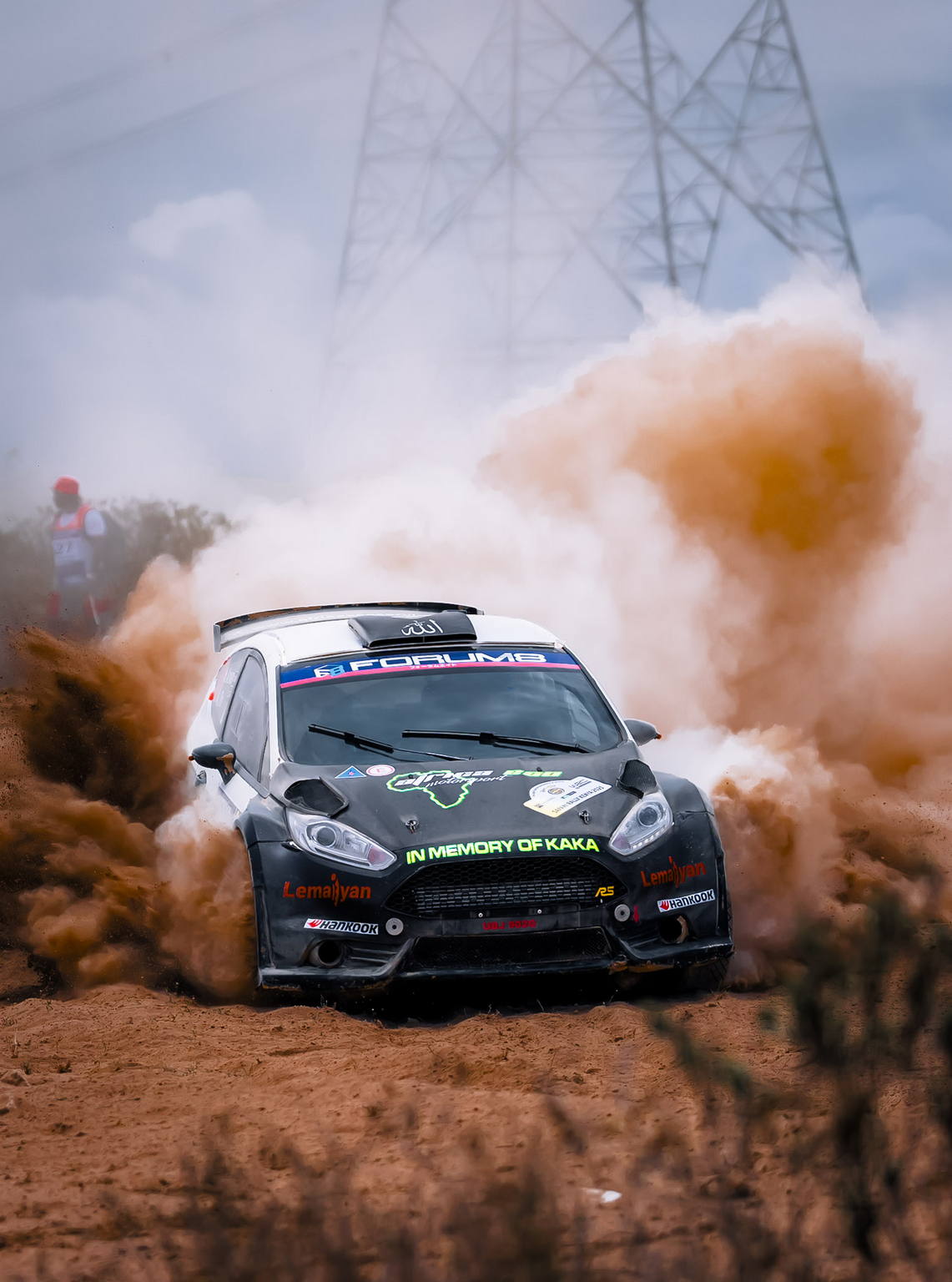
The 2025 Safari Rally Kenya is the 3rd Round of the 2025 FIA World Rally Championship. It returned to its traditional place at the heart of the calendar from March 20–23, 2025, based out of Naivasha in Nakuru County, Kenya. This iconic event, renowned for its punishing gravel terrain, unpredictable weather, and epic endurance tests, once again challenged the world’s best rally crews over more than 380 kilometers of timed special stages.
The rally began with its ceremonial start in Nairobi’s Kenyatta International Convention Centre, where drivers and crews officially kicked off the event with local fanfare before heading toward Naivasha for competition.
Wednesday was dedicated to shakedown duties. Competitors used the Sleeping Warrior to dial in suspension, power delivery, and suspension settings over gravel terrain representative of what they’d face deeper into the rally. The short 5 km test was crucial for spotting suspension wear and tyre choices before the real competition began.
Thursday featured a spectator-friendly Super Special Stage at Kasarani Stadium, which set the initial pecking order in tricky conditions, followed by the first full-length rally stage in the vineyards of Mzabibu Farm, giving an early taste of the sweeping gravel that defines Safari Rally Kenya.

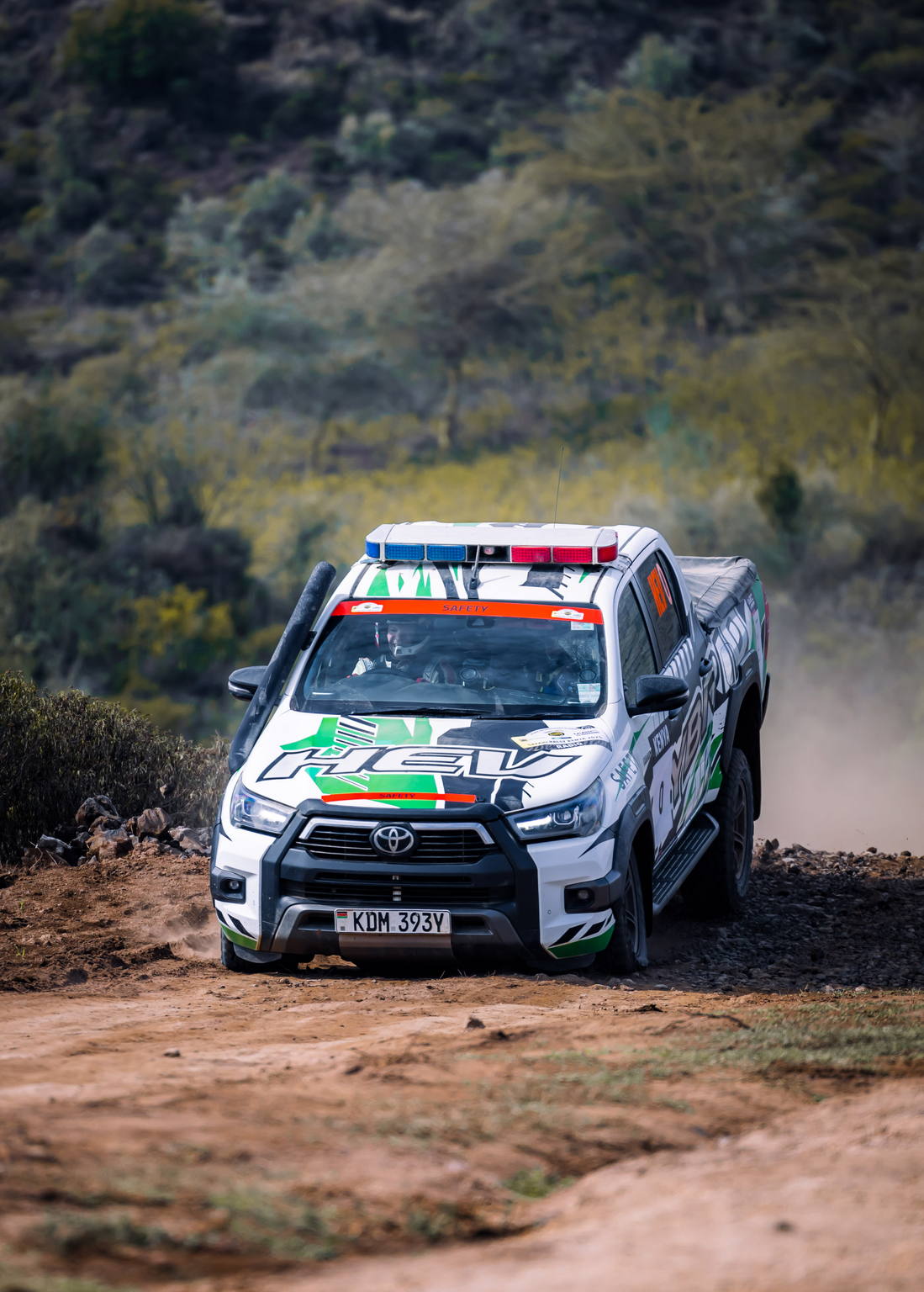


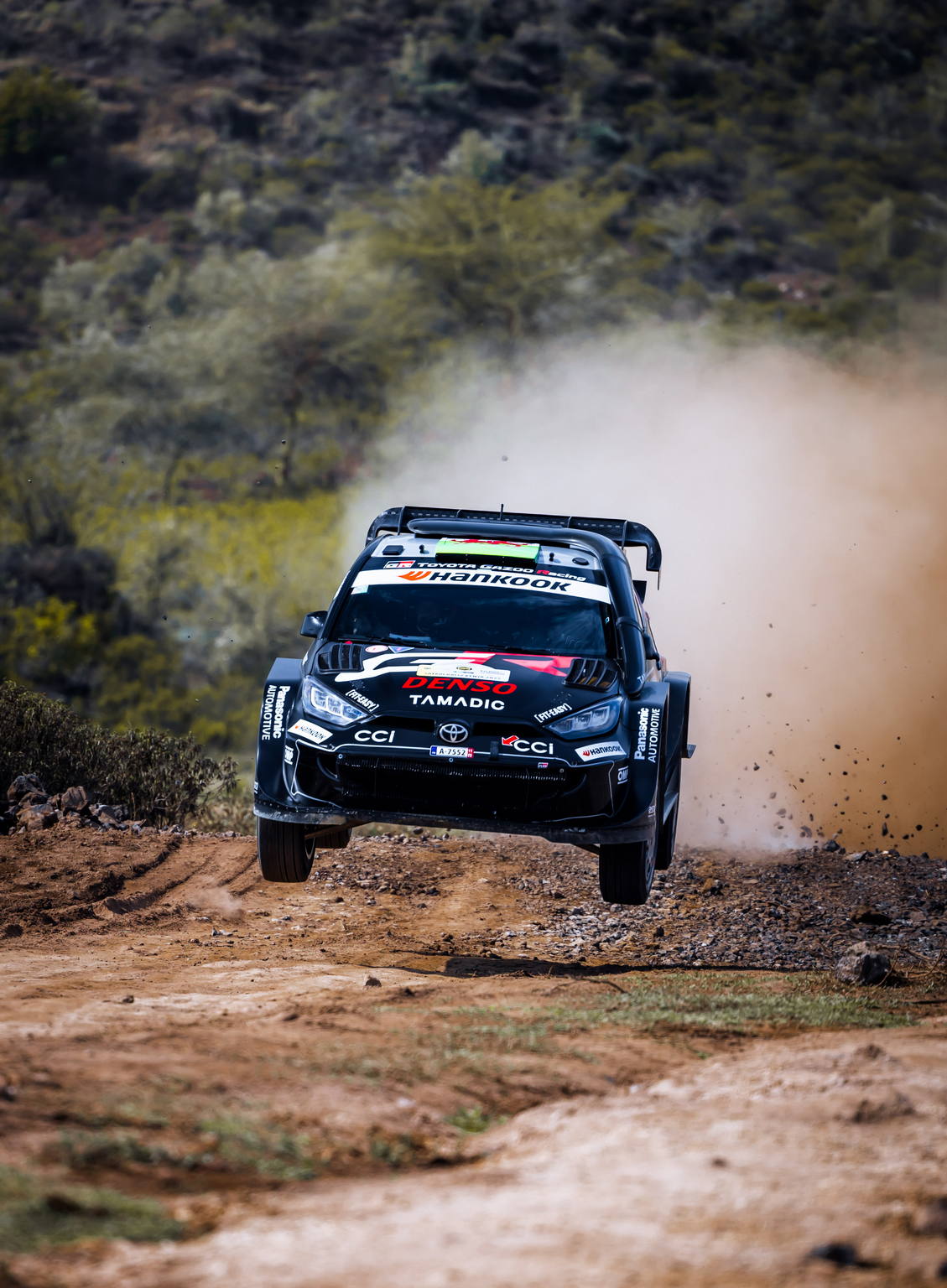


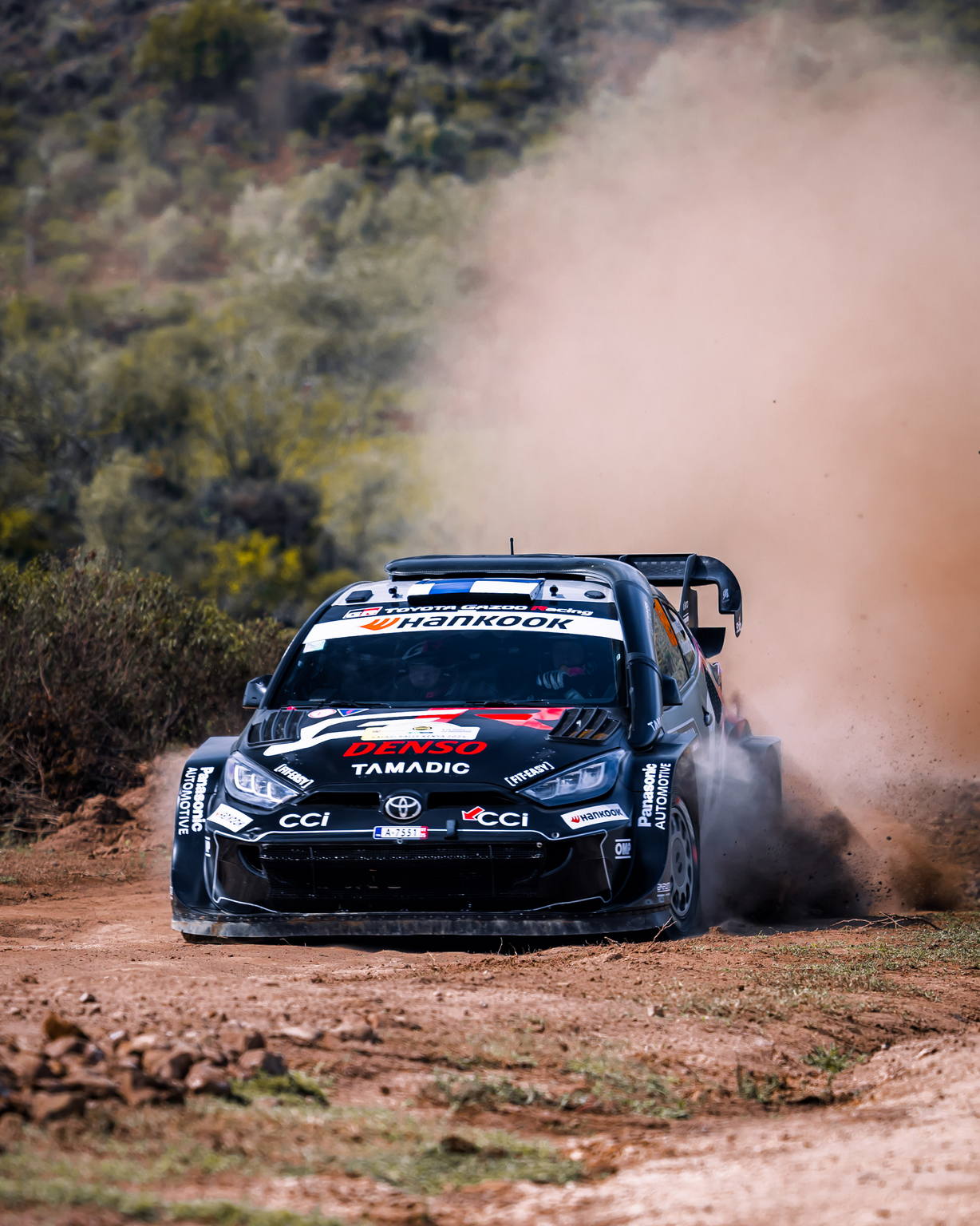
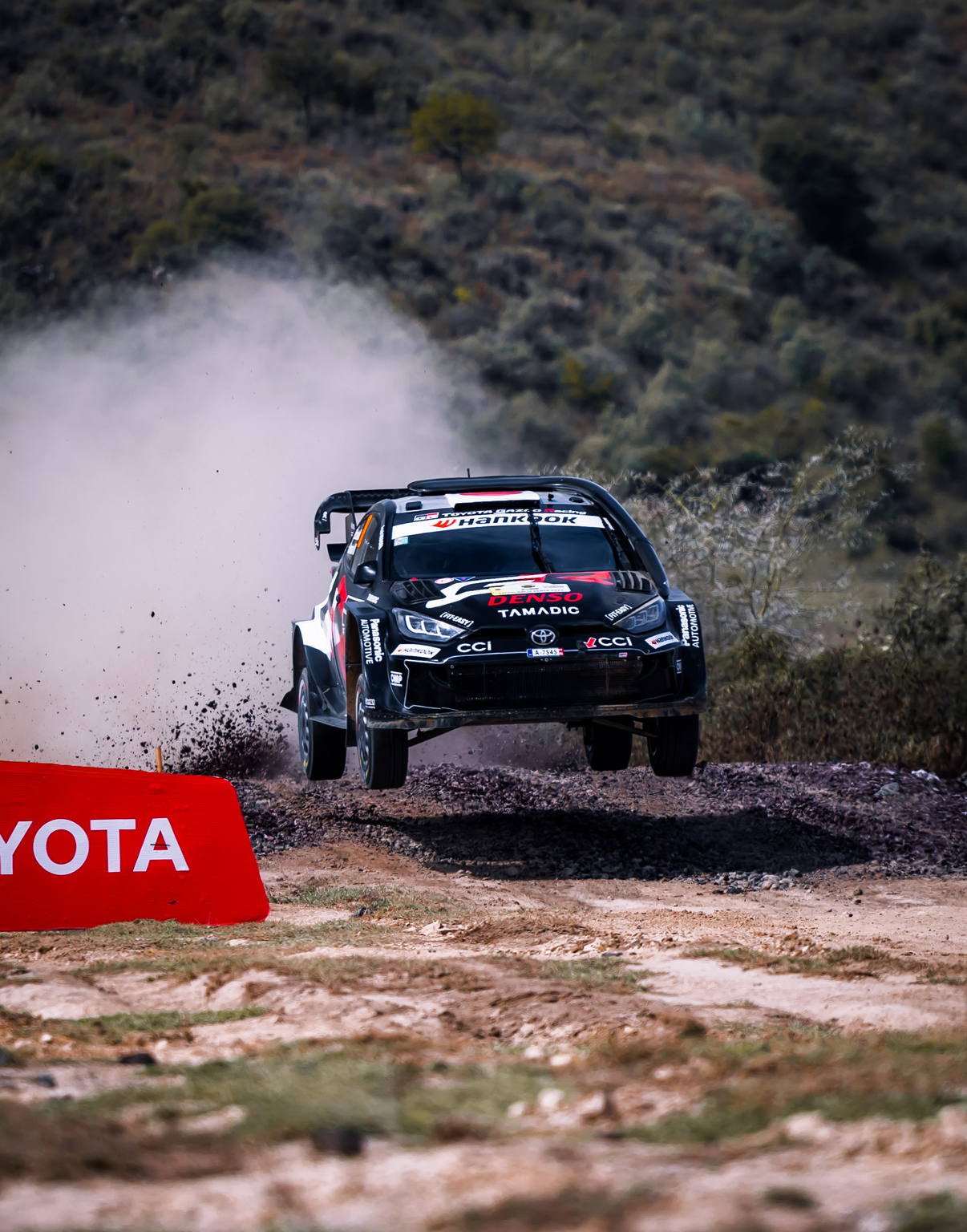
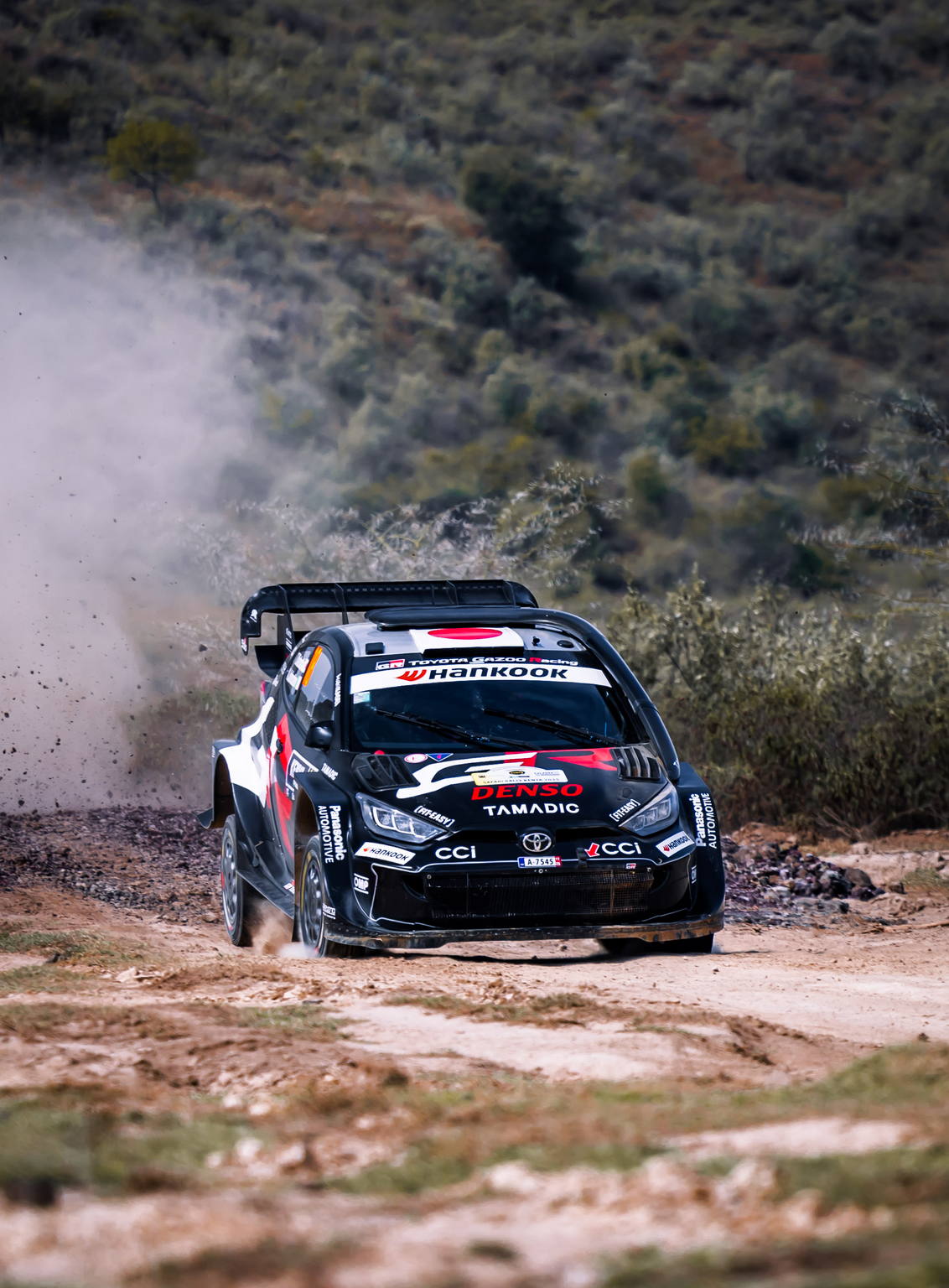

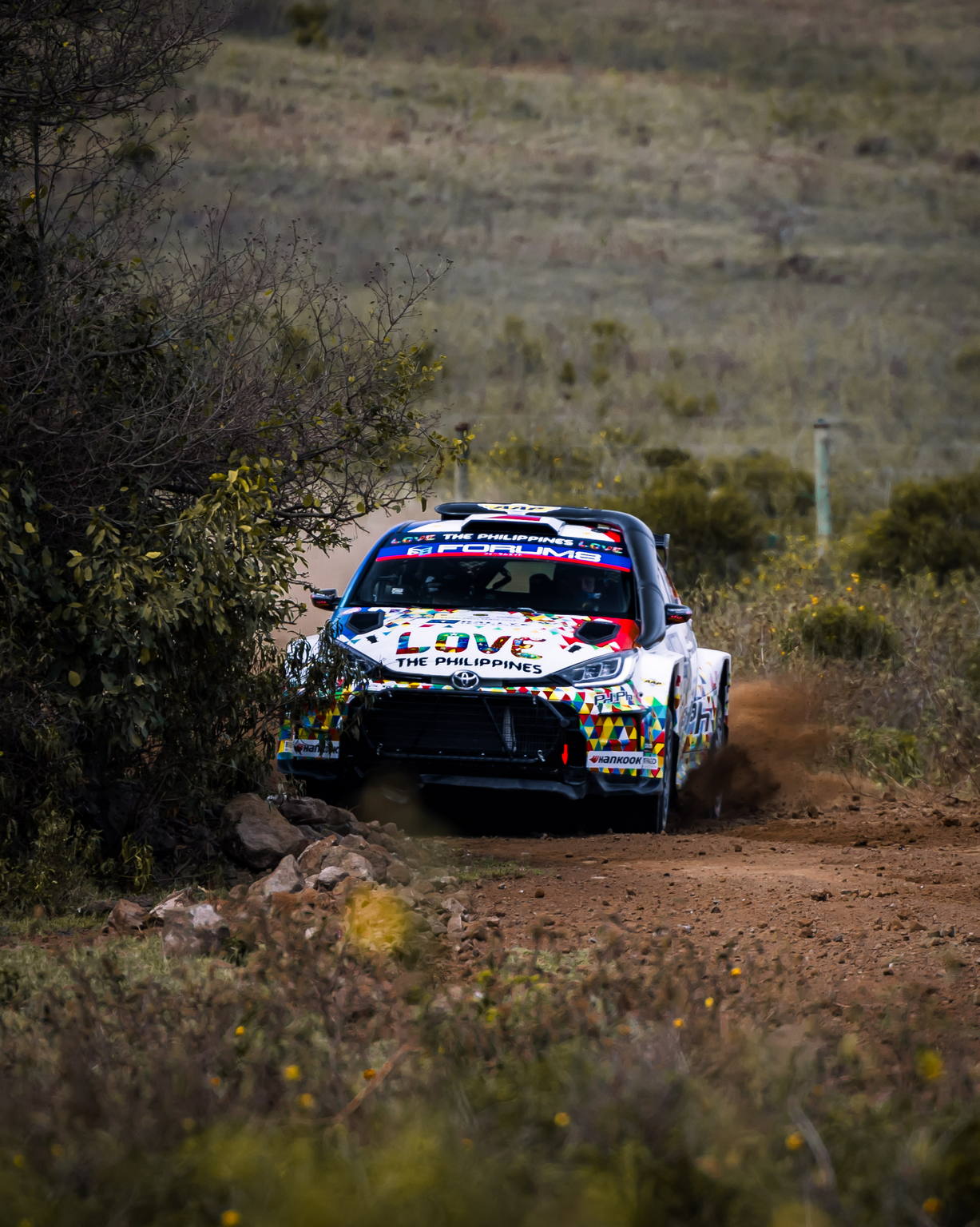
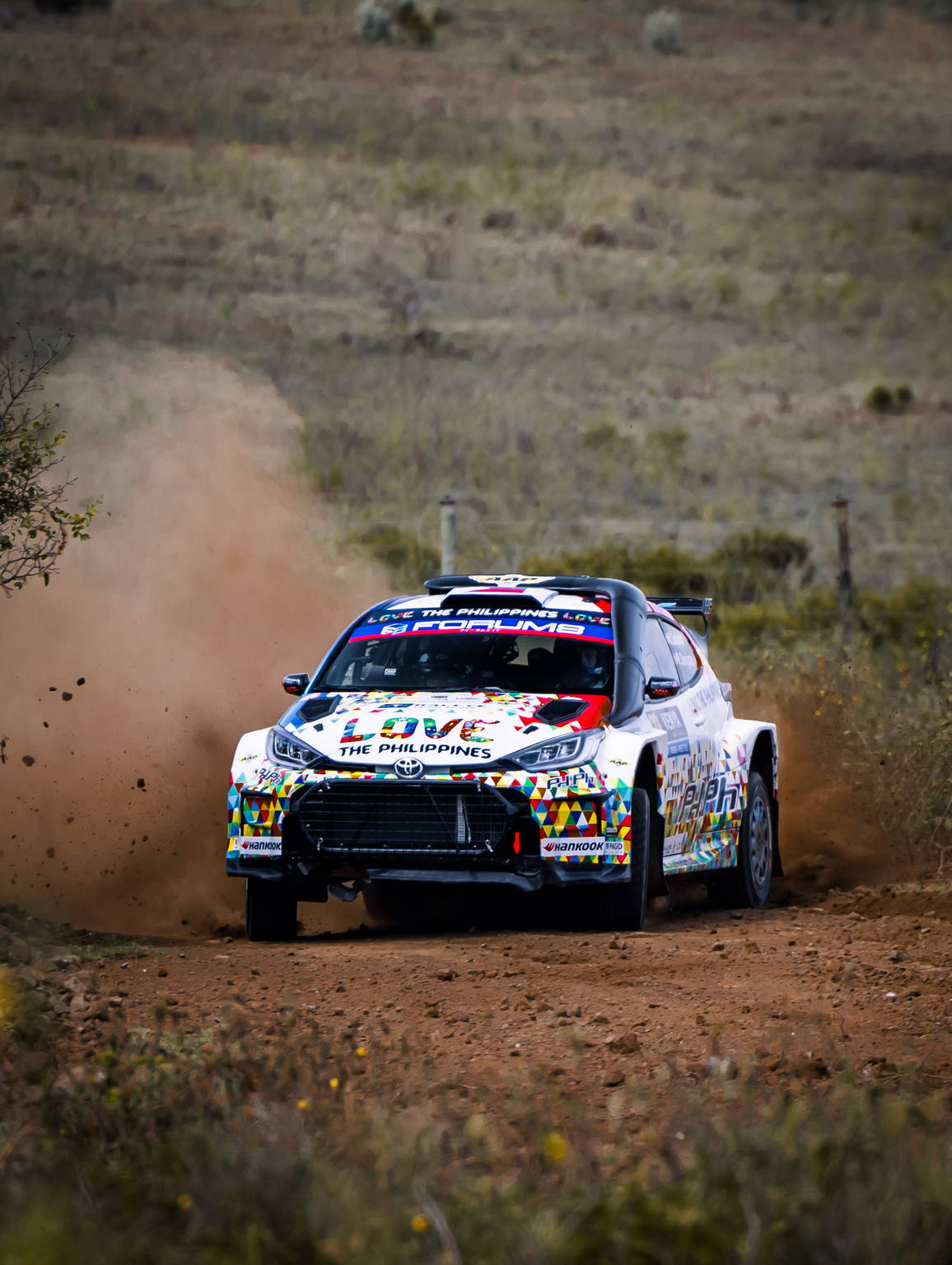
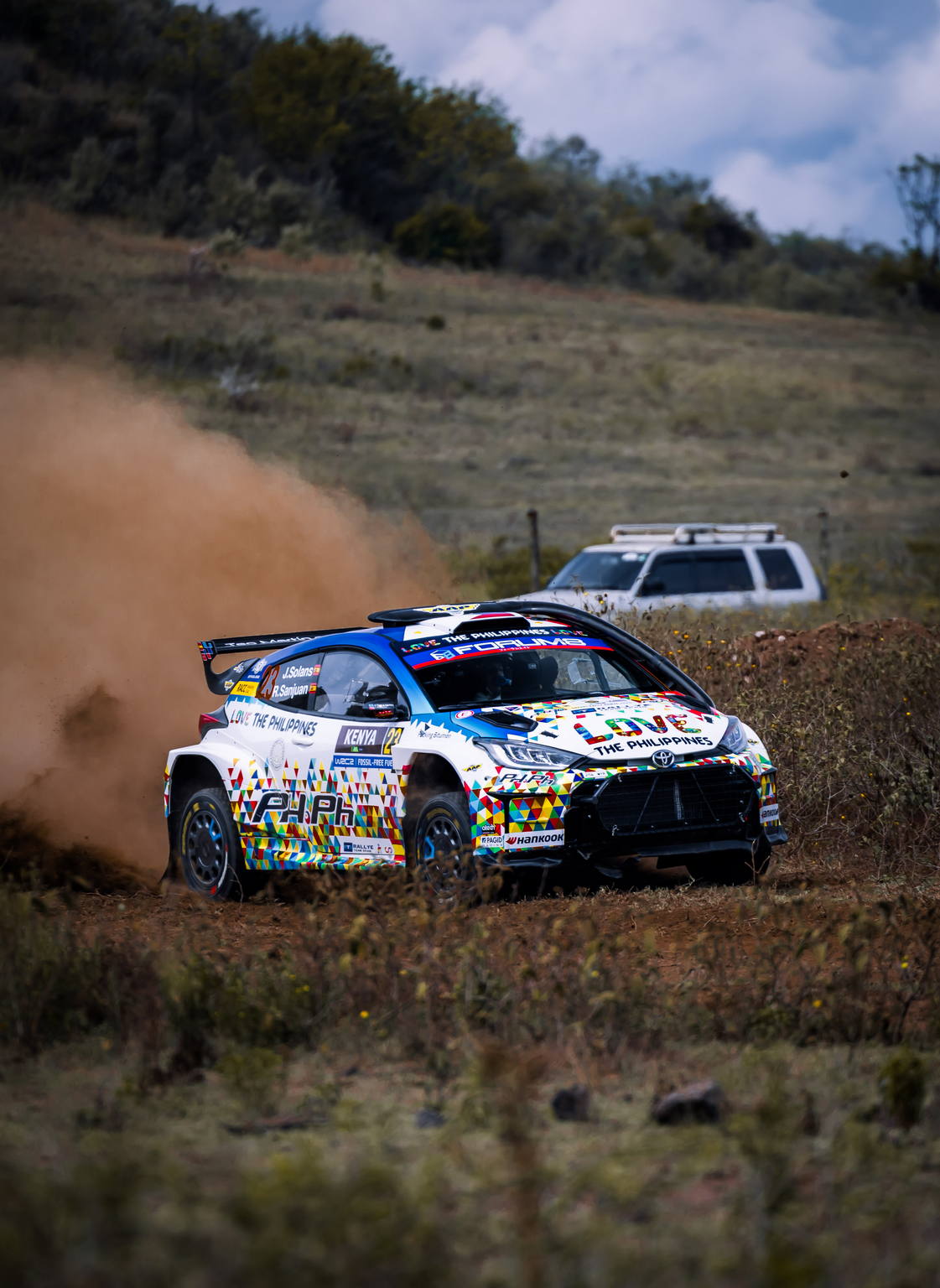
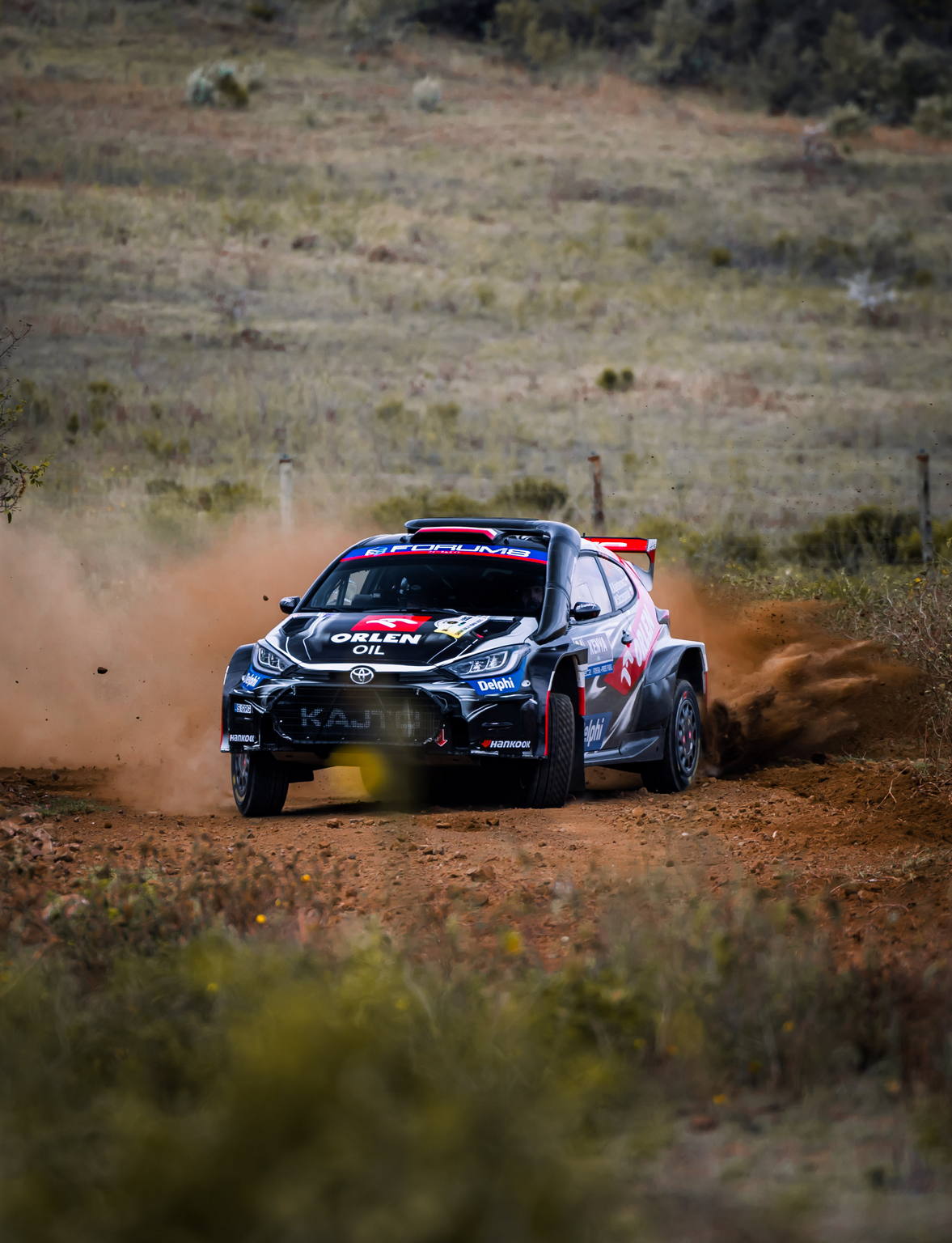

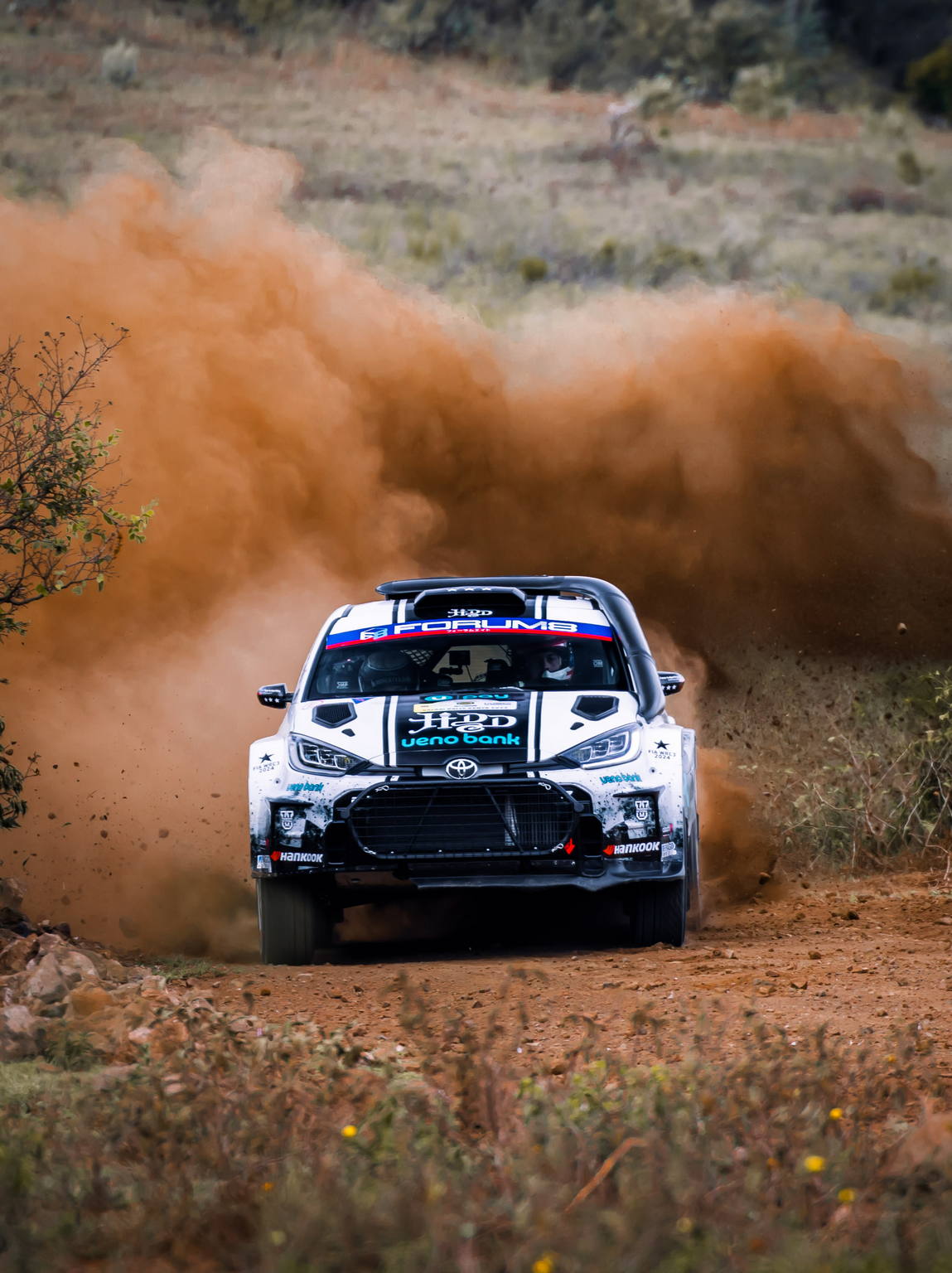

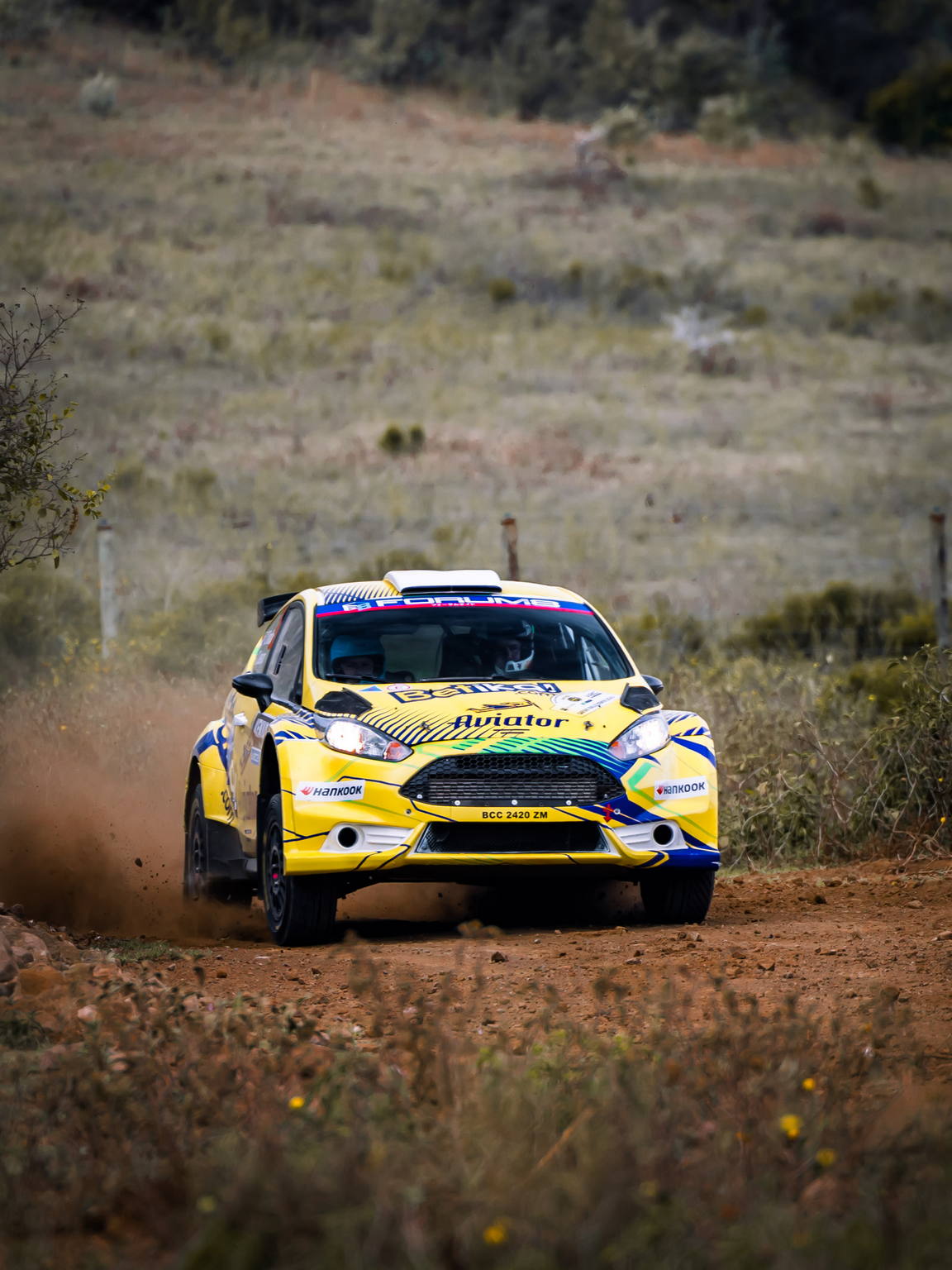

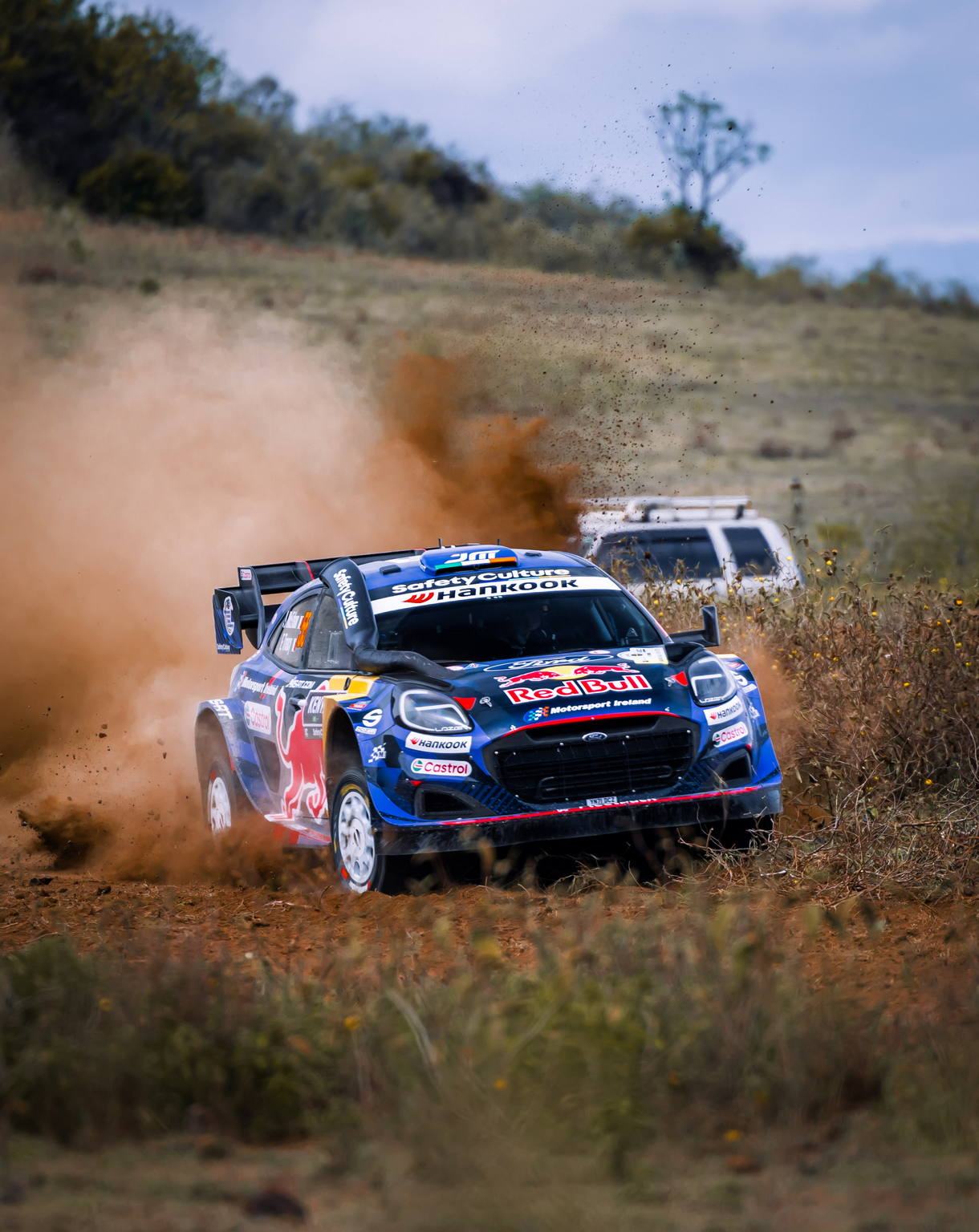
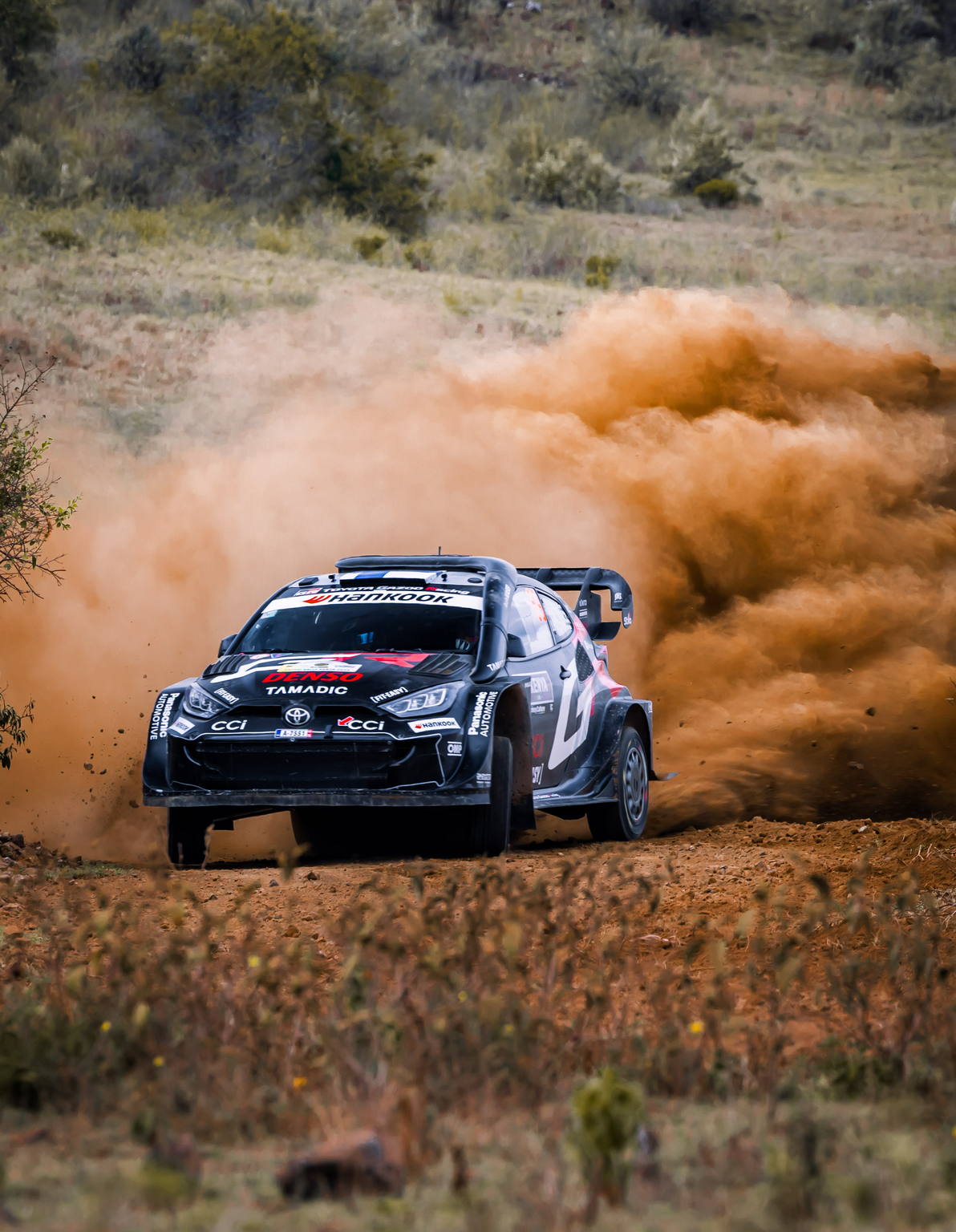
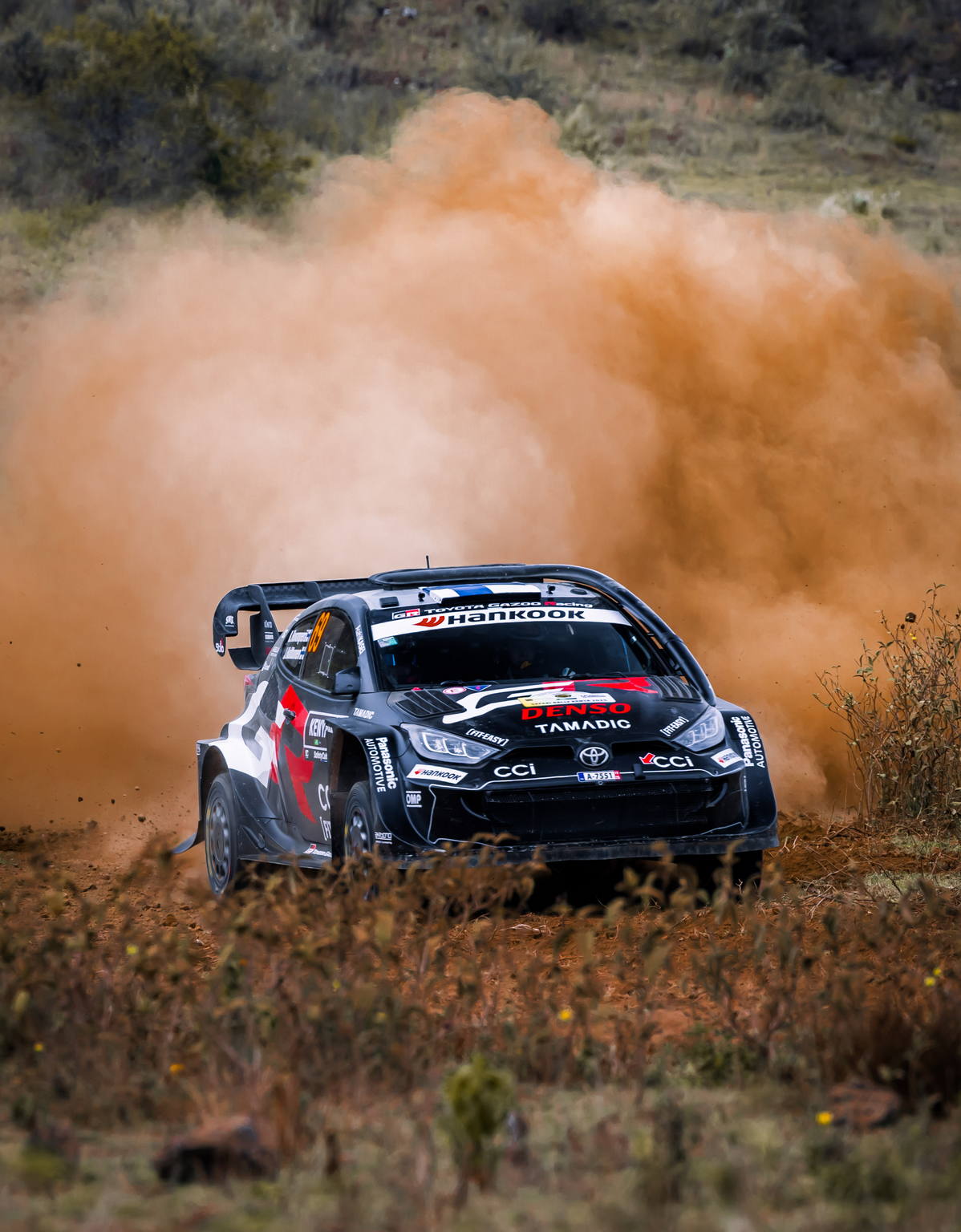
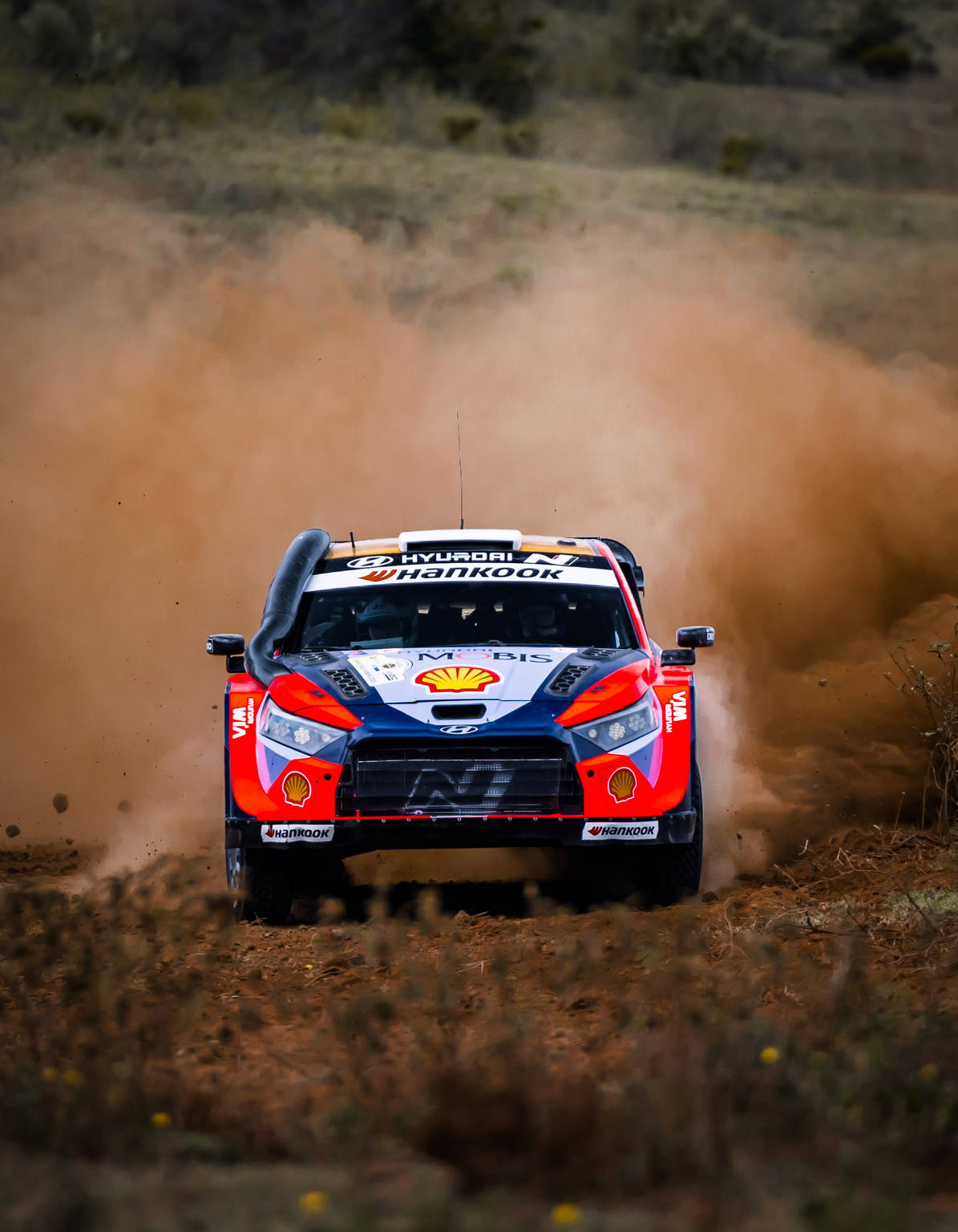
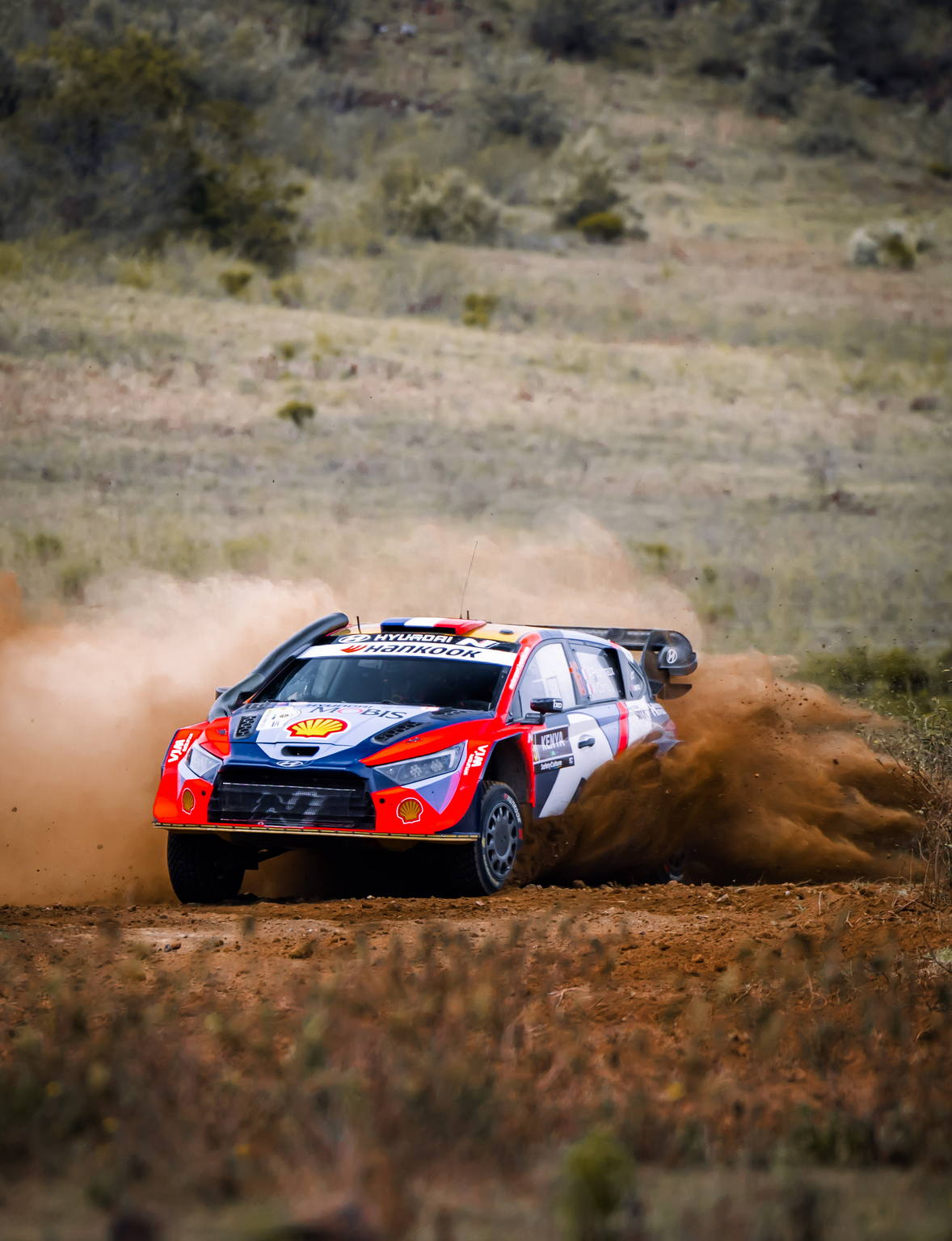
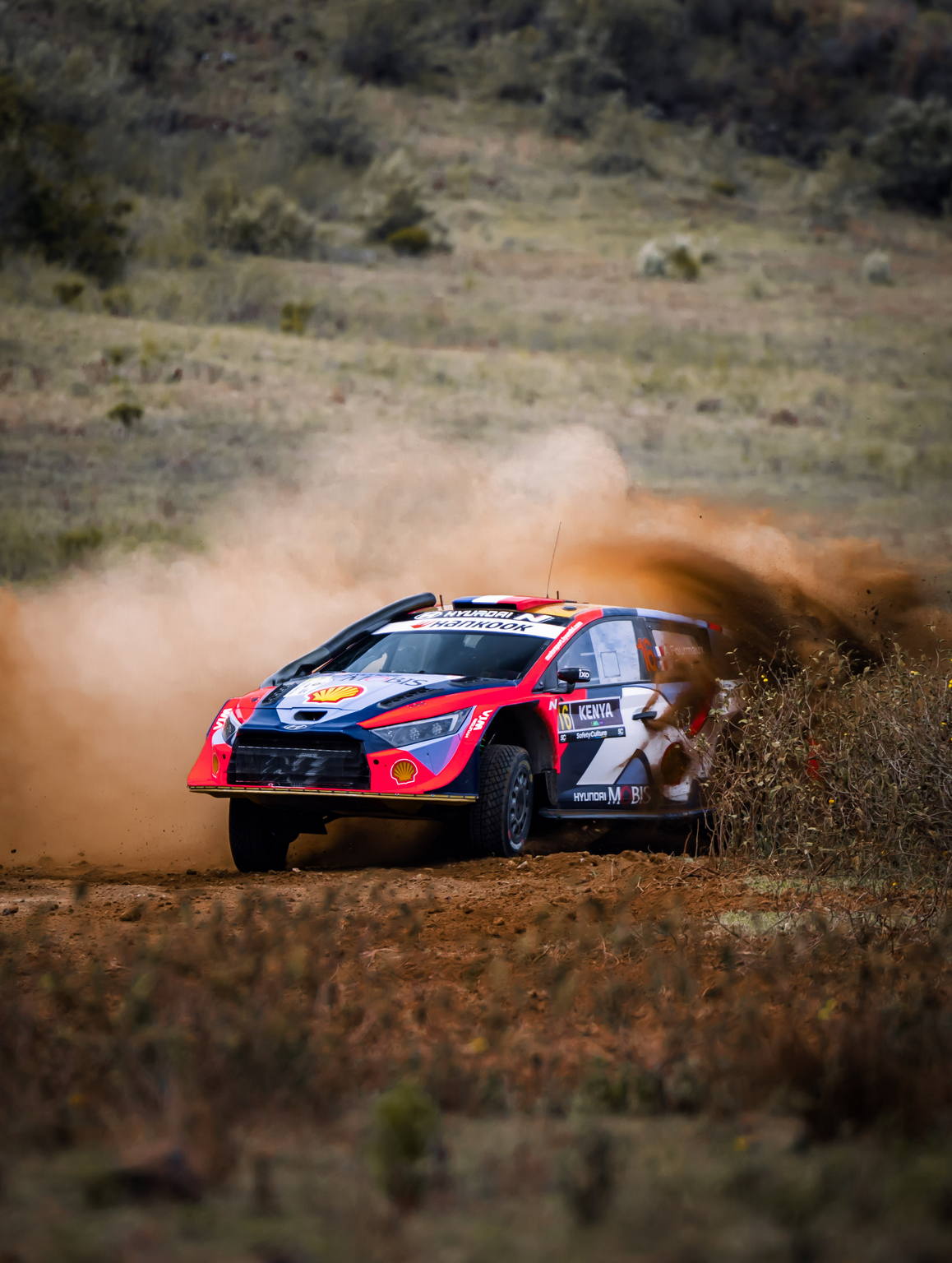
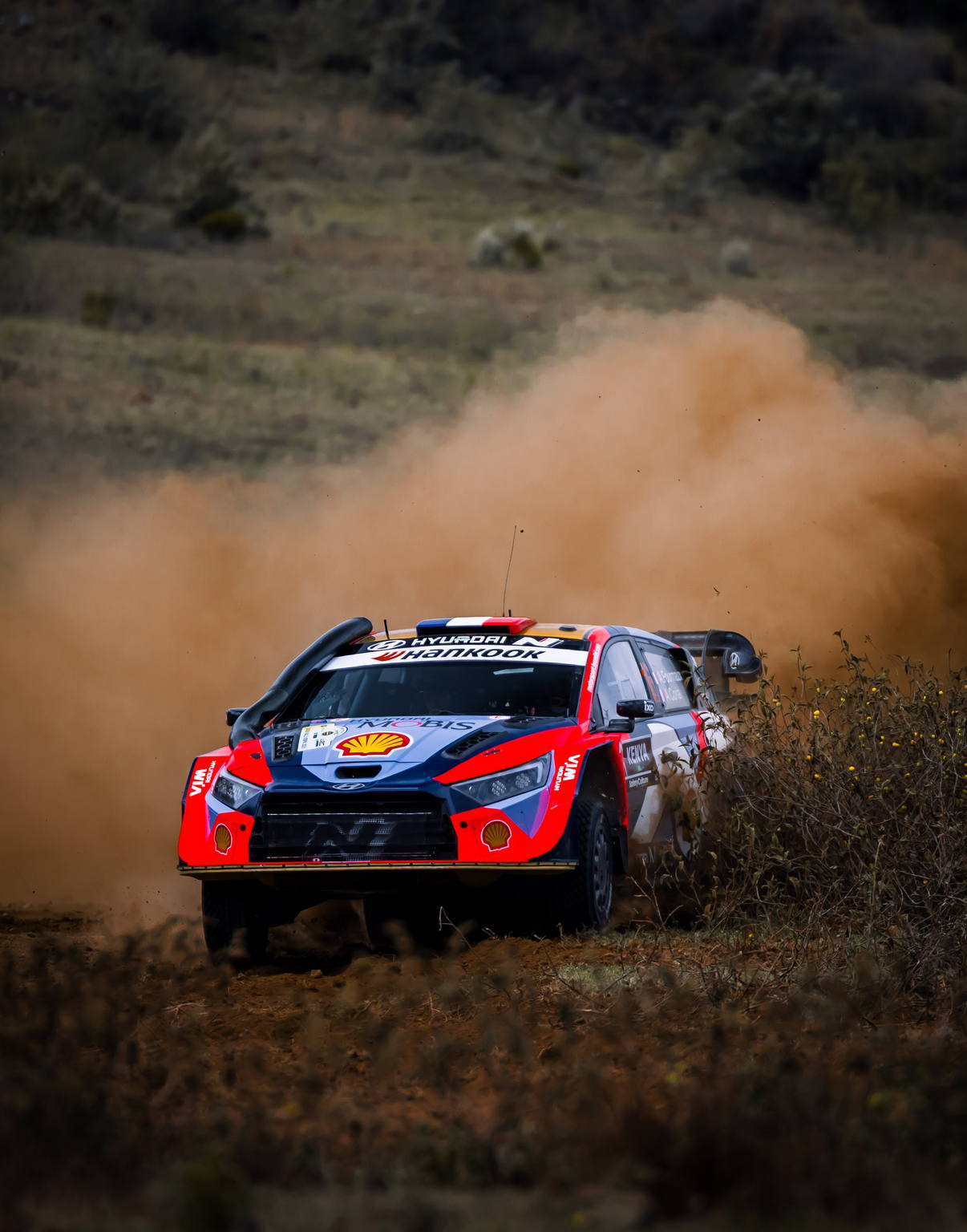
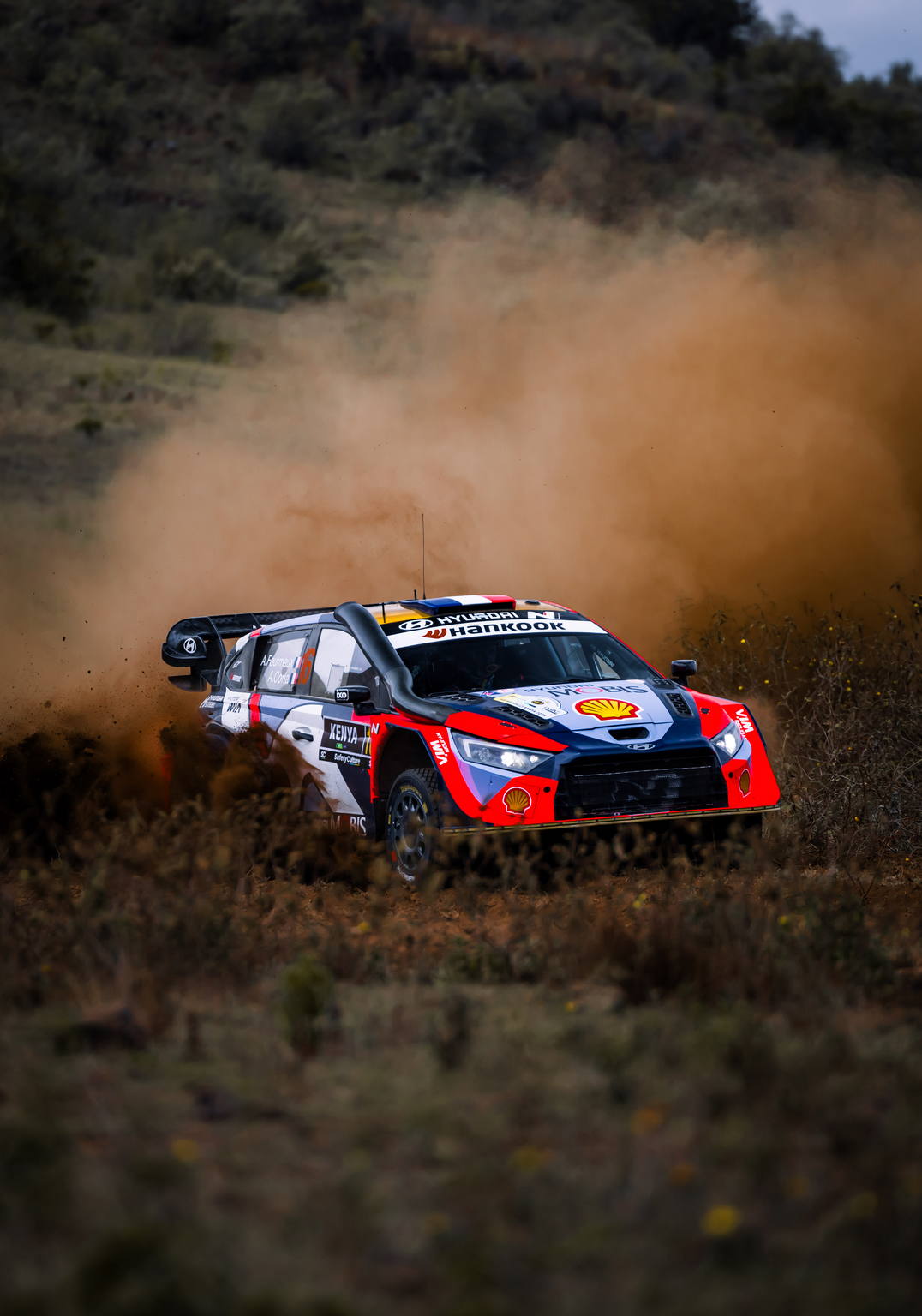
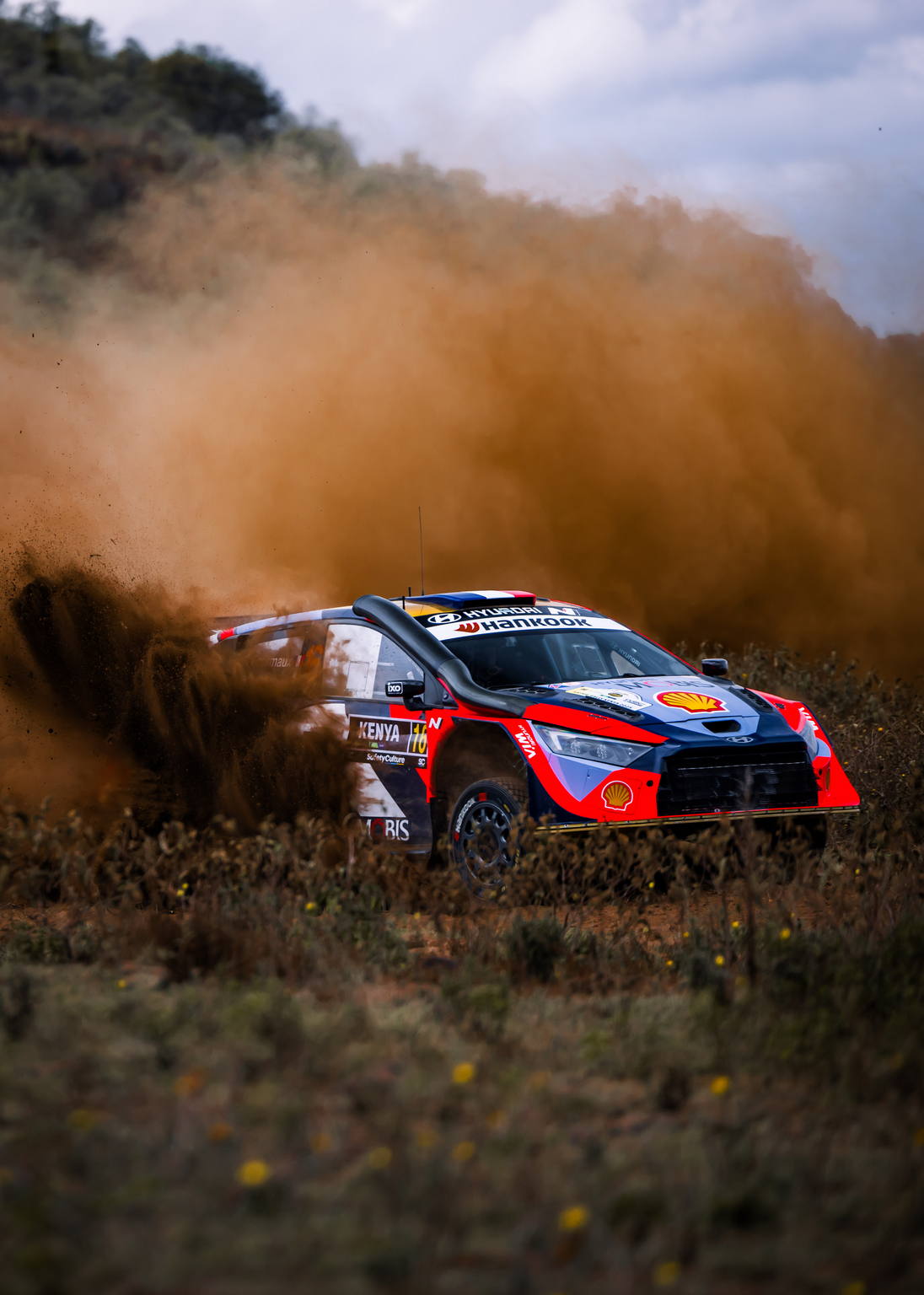
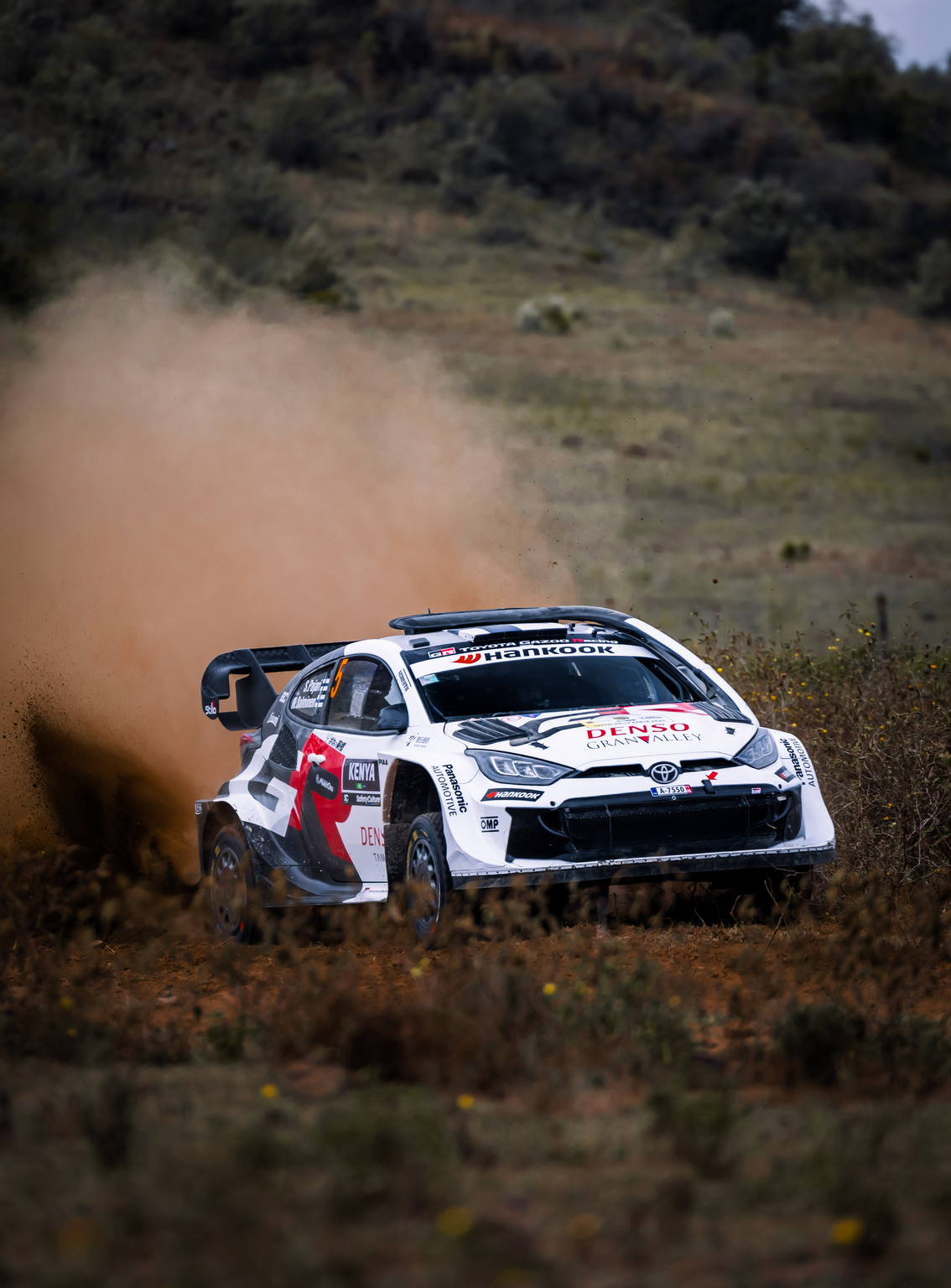

But Friday loomed as the meat of the event — the longest, toughest, and most consequential day on the 2025 itinerary.
Before the rally began in earnest, teams and drivers spoke of the unique challenges awaiting them. The addition of new and revised stages — most notably the brand-new Camp Moran stage with its mix of narrow technical sections and open high-speed segments — meant that crews couldn’t rely solely on past Safari Rally experience.
Engineers worked tirelessly during the Wednesday shakedown and Thursday evening service breaks to optimize suspension travel, tyre pressures, and drivetrain mapping. Crews knew that the rough gravel and potential dust clouds — especially on fast straights — would punish any weaknesses in setup. Despite a relatively dry forecast for Friday morning, afternoon showers were possible and threatened to turn hard gravel into slippery mud in places where rain had saturated the earth in recent days.
When Friday dawned, the rally left the relative comfort of Naivasha’s service park and launched directly into eight special stages spread over nearly 160 km of competition distance — the longest day of the 2025 WRC season.
The Camp Moran stage opened the day just after 07:00 local time. This brand-new test quickly proved why it was one of the most anticipated pieces of the itinerary. Rough cambers, rapid elevation changes, and loose gravel pushed drivers — and their machines — to the limit. Some crews found pace early, while others fought to keep their cars intact through the stage’s unforgiving sections.
Next up came the revamped Loldia stage, familiar from previous editions but now driven in reverse. Its rocky beds and high-speed rhythm sections demanded precision from drivers who knew that even a small mistake could cost precious seconds.
In the Geothermal stage, cars accelerated along wide, sweeping bends and tackled a new tarmac-start section before plunging back into hard-packed dirt. Competitive times here began to shape the leaderboard precisely because the surface offered fewer surprises — at least until hidden ruts and stones struck unwary tyres.
Finally, the morning loop ended with Kedong, a stage famed for the “Miti Mbili jump” and deep dust clouds that made visibility a real challenge. Crews who had kept their cars healthy through the first three stages could push here, but cautioned against over-enthusiasm — the costs of a puncture or mechanical damage in the Kenya dust could be enormous.
After a brief midday service to address structural wear and change tyres, the rally restarted with the same sequence of four stages in the afternoon, giving teams a second shot at setting fast times and compensating for earlier setbacks. These repeated loops were a test of both consistency and endurance — a hallmark of Safari Rally Kenya that often tips the balance in favour of seasoned gravel crews.
By day’s end, the rally had lived up to its harsh reputation. Leading crews showed both pace and prudence, while others paid the price for pushing too hard too soon. The unforgiving gravel chewed through tyres, and those who misjudged a jump or dusty corner found themselves dropping time or nursing cars back to service. Despite this, the essence of Safari Rally — resilience, strategy, and sheer driving skill — shone through, setting the stage for a thrilling weekend showdown.
Looking ahead, Saturday promised more classic Safari stages further north into the Kenyan wilderness, while Sunday would close out the rally with a traditional mix of power stages and final battles for championship points.