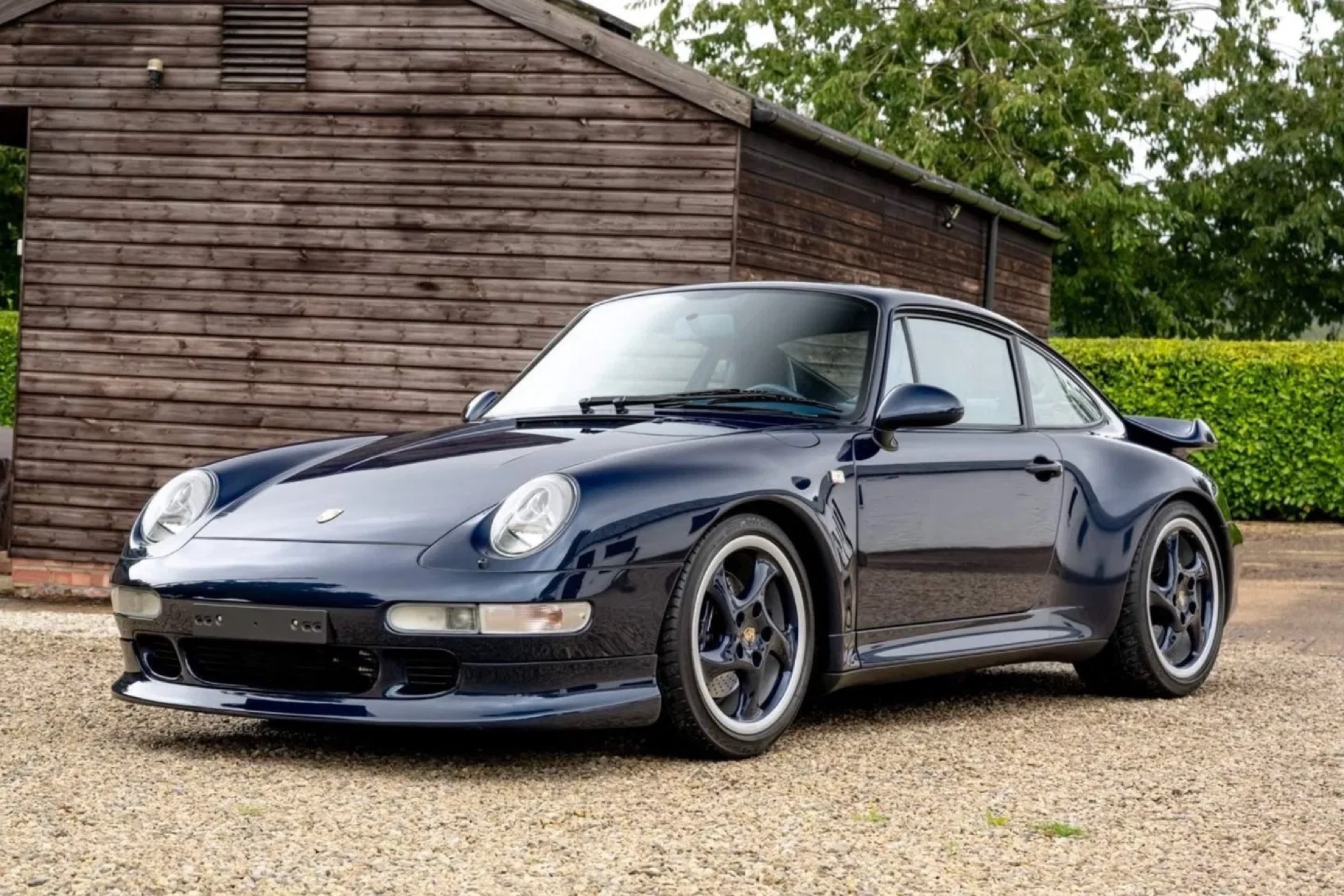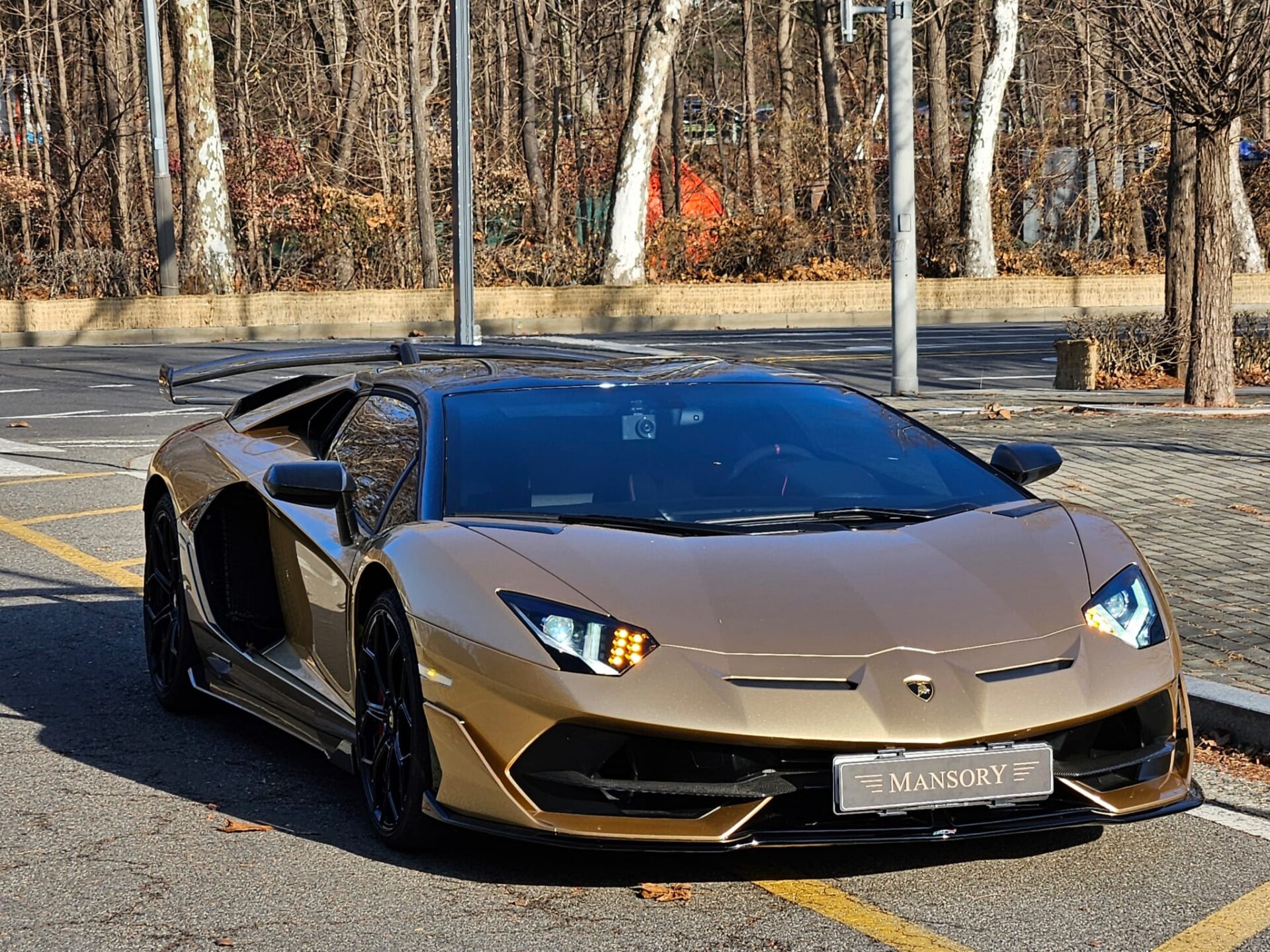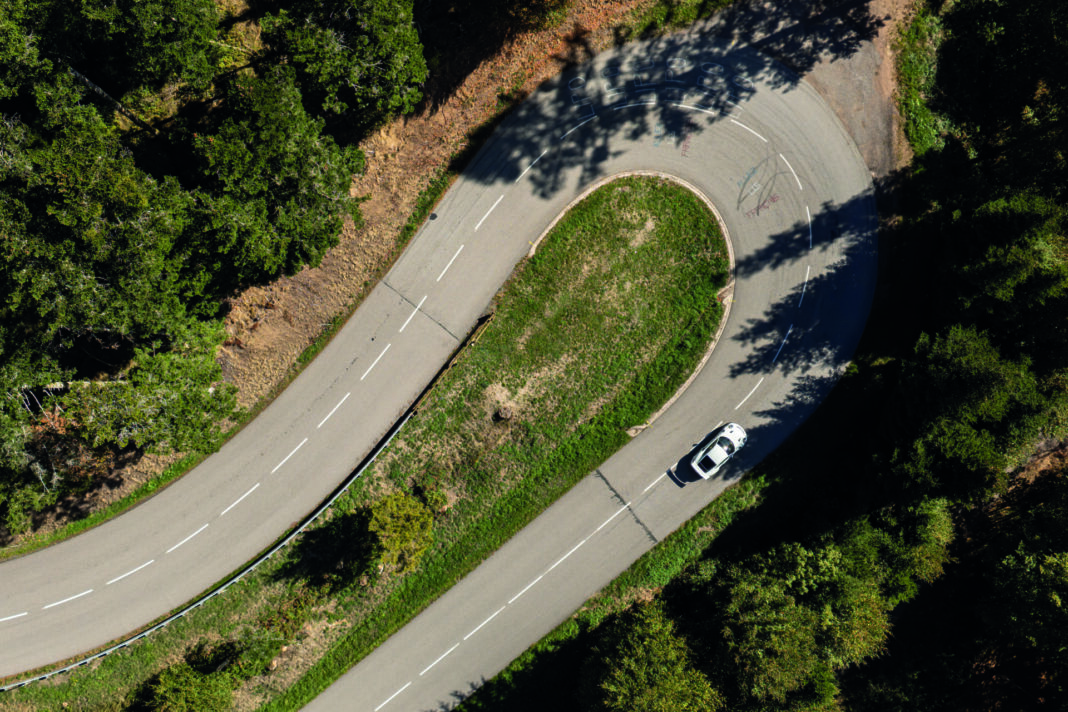
We have probably never been more exposed to the idea of the perfect road trip.
Open Instagram and it will not take long to find a Porsche disappearing over an Alpine pass (flexing at the Belvedere), a supercar parked beside a Norwegian fjord or a beautifully empty road somewhere in the Dolomites. The inspiration is everywhere. The difficult bit is working out how to recreate it.
For experienced road-trippers, much of that knowledge becomes second nature. You know which mountain passes are worth linking together, how far you realistically want to drive in a day, where fuel becomes scarce and why the most spectacular-looking road on a map might be a terrible idea in a particularly wide or low car. For somebody attempting their first serious European driving trip, however, the barrier to entry can be surprisingly high.
That is where artificial intelligence starts to become interesting.
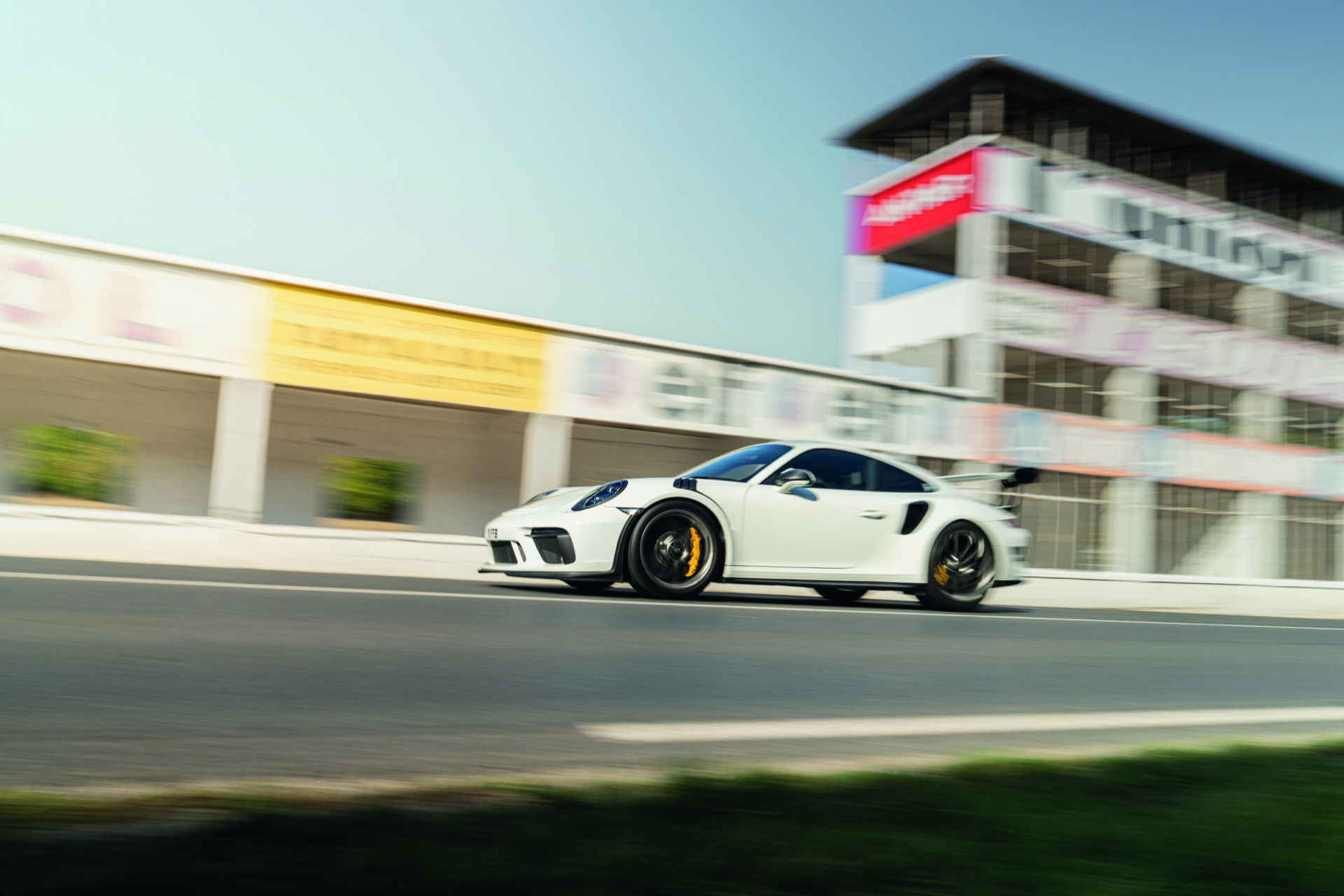


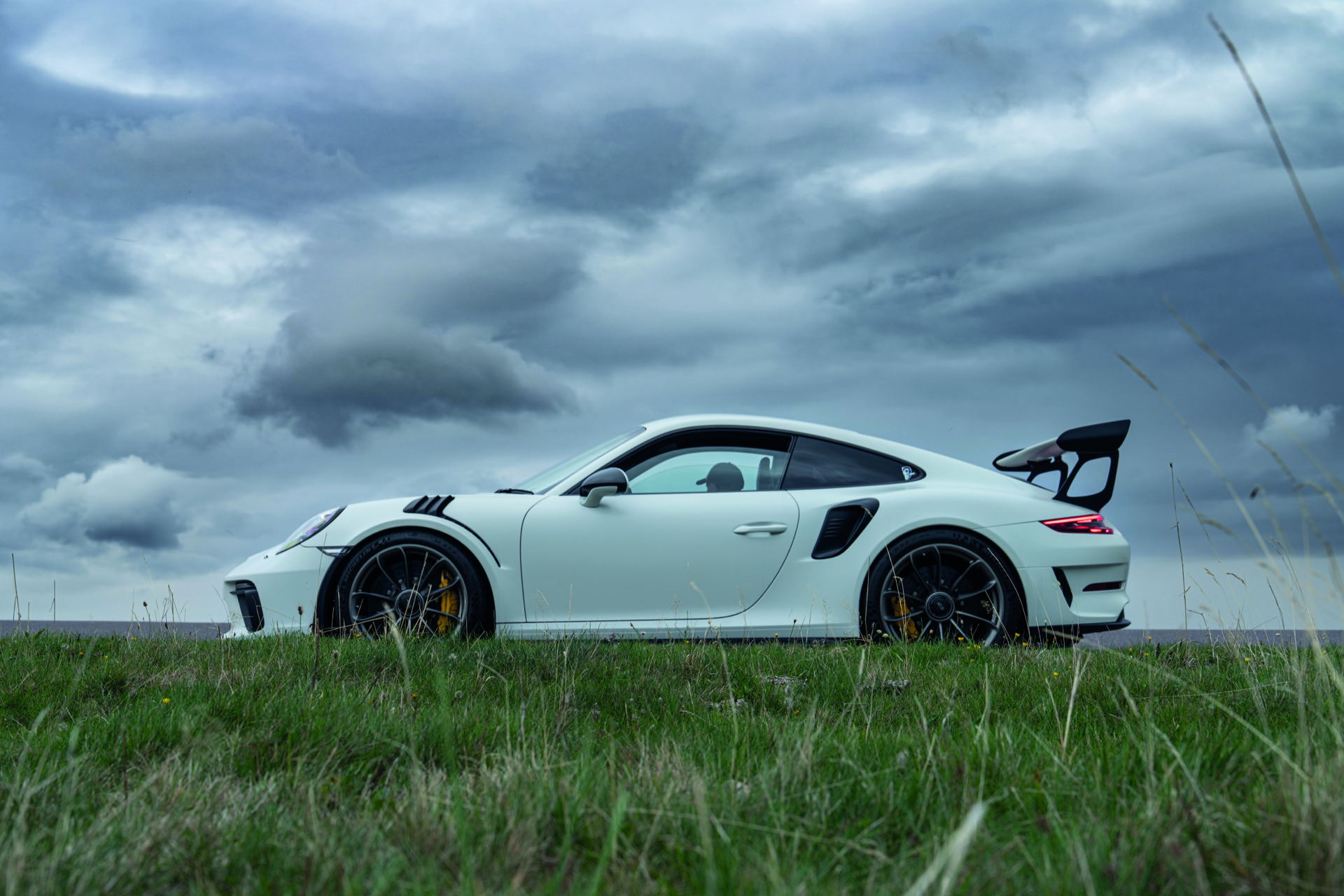
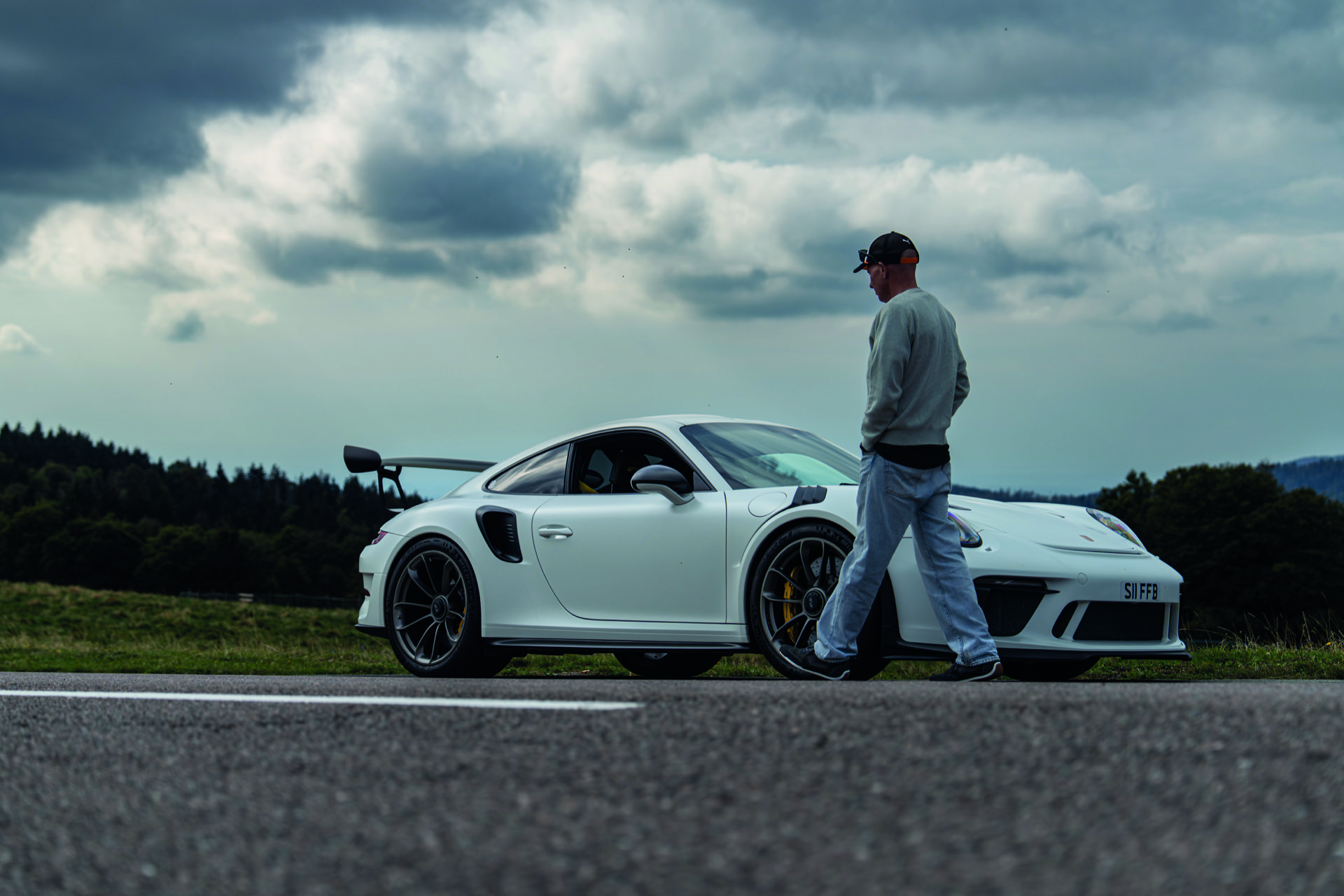
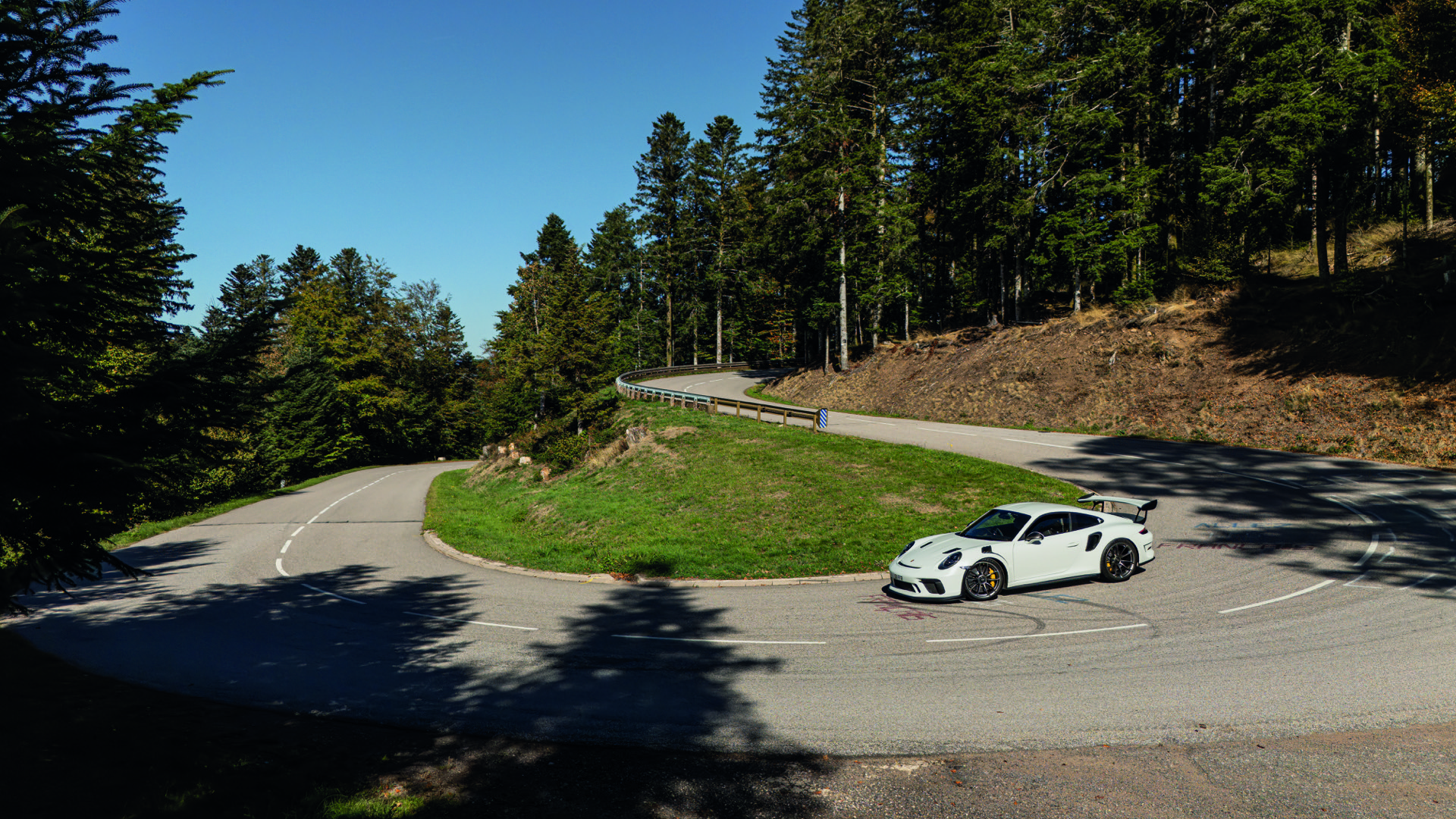
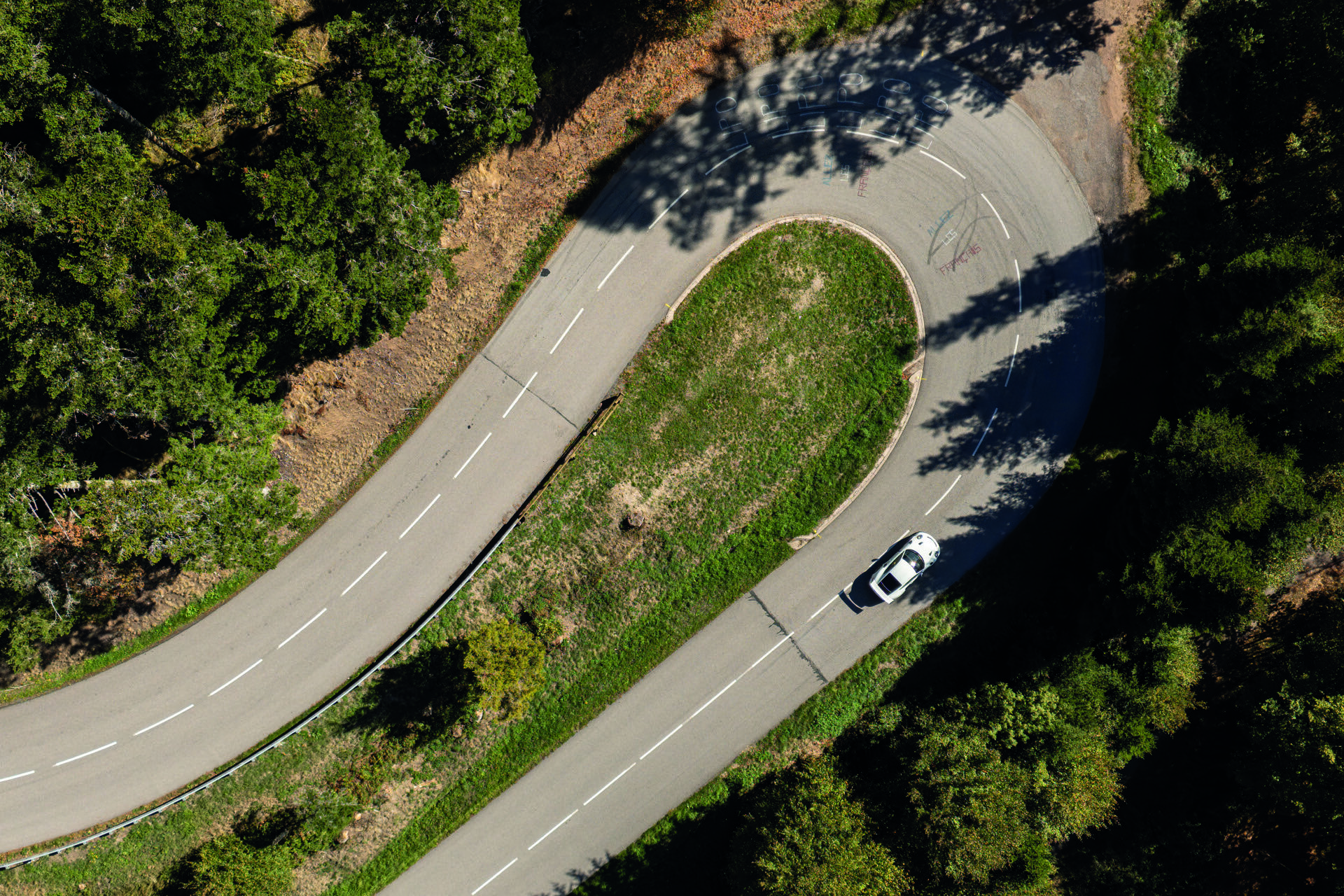
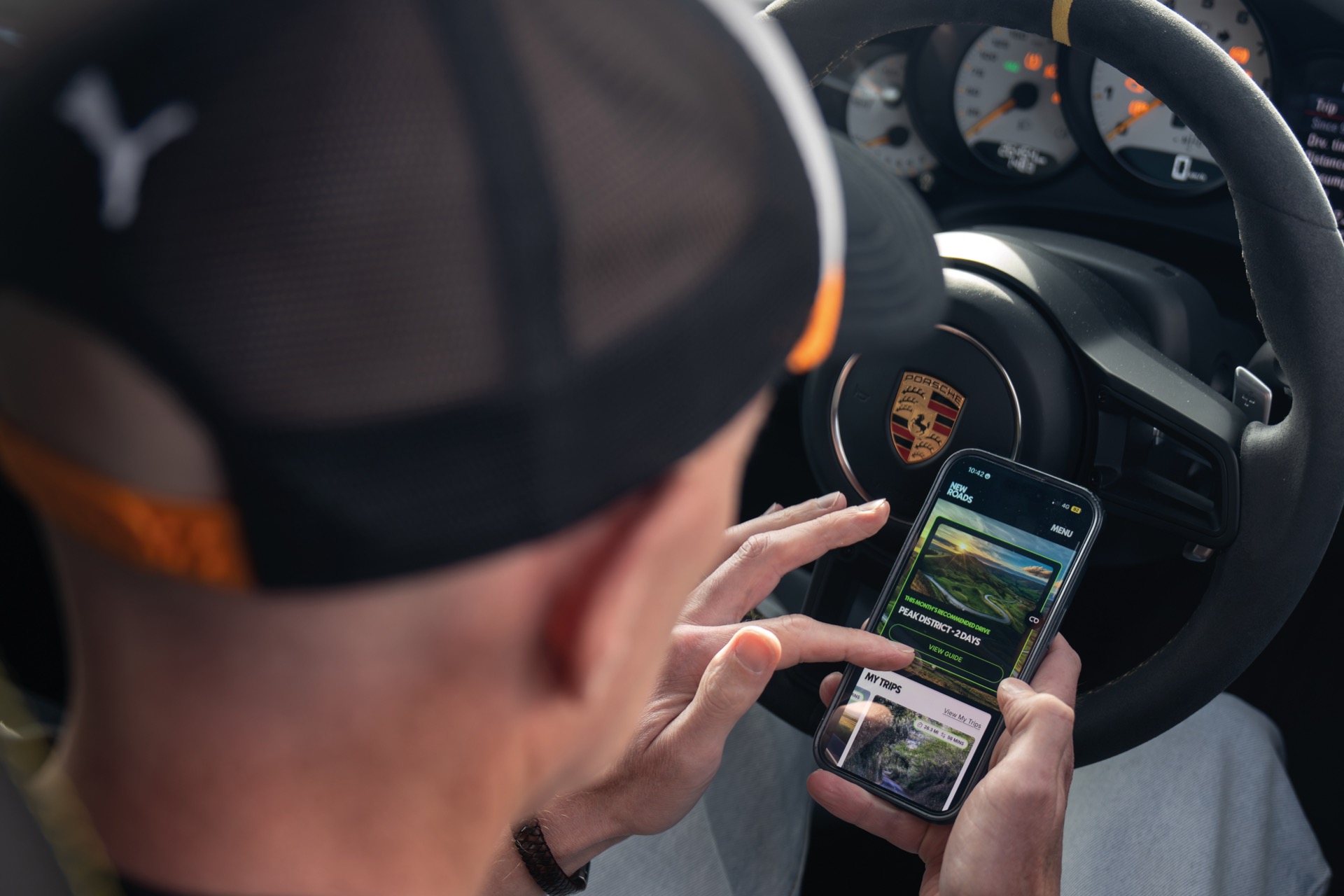
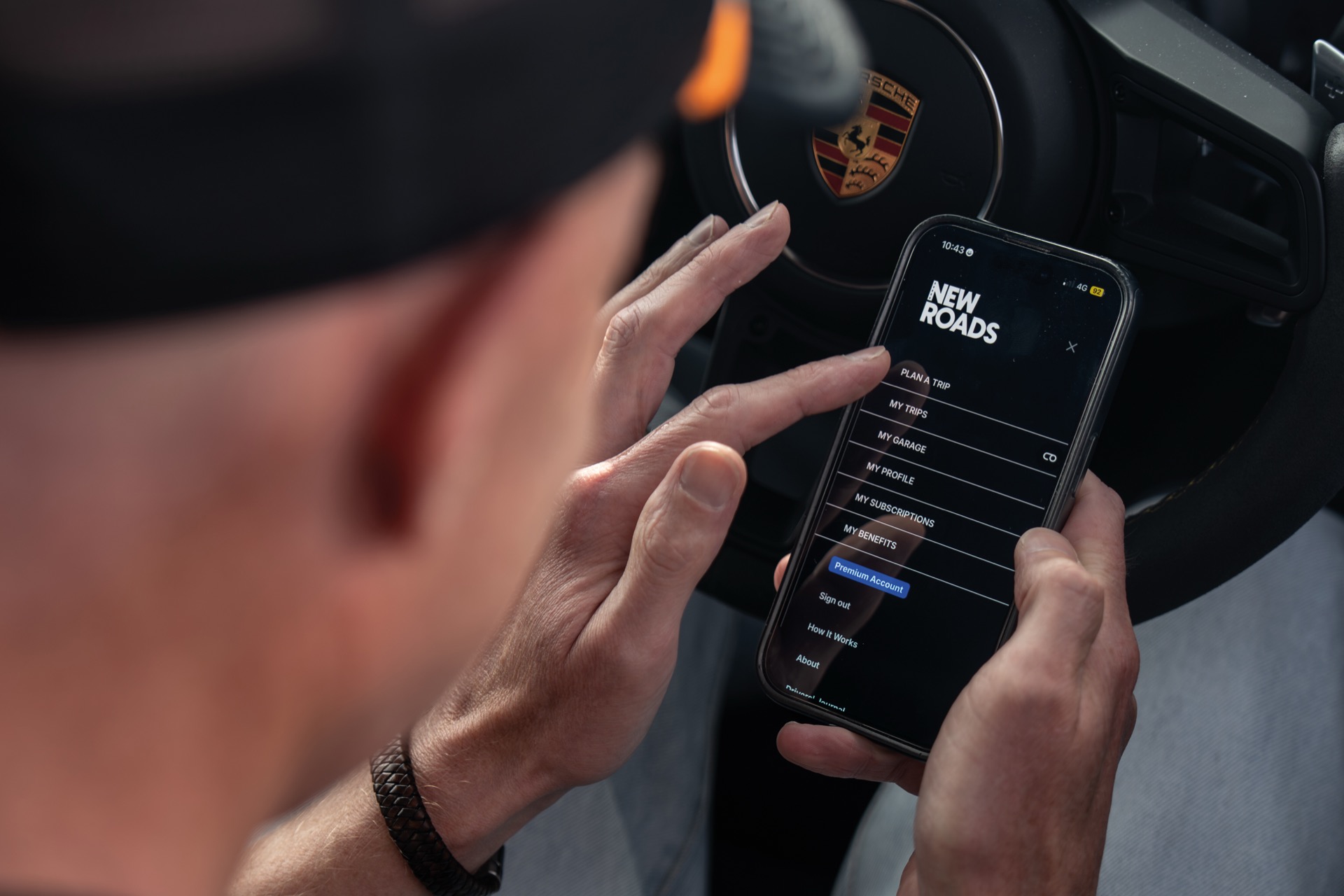
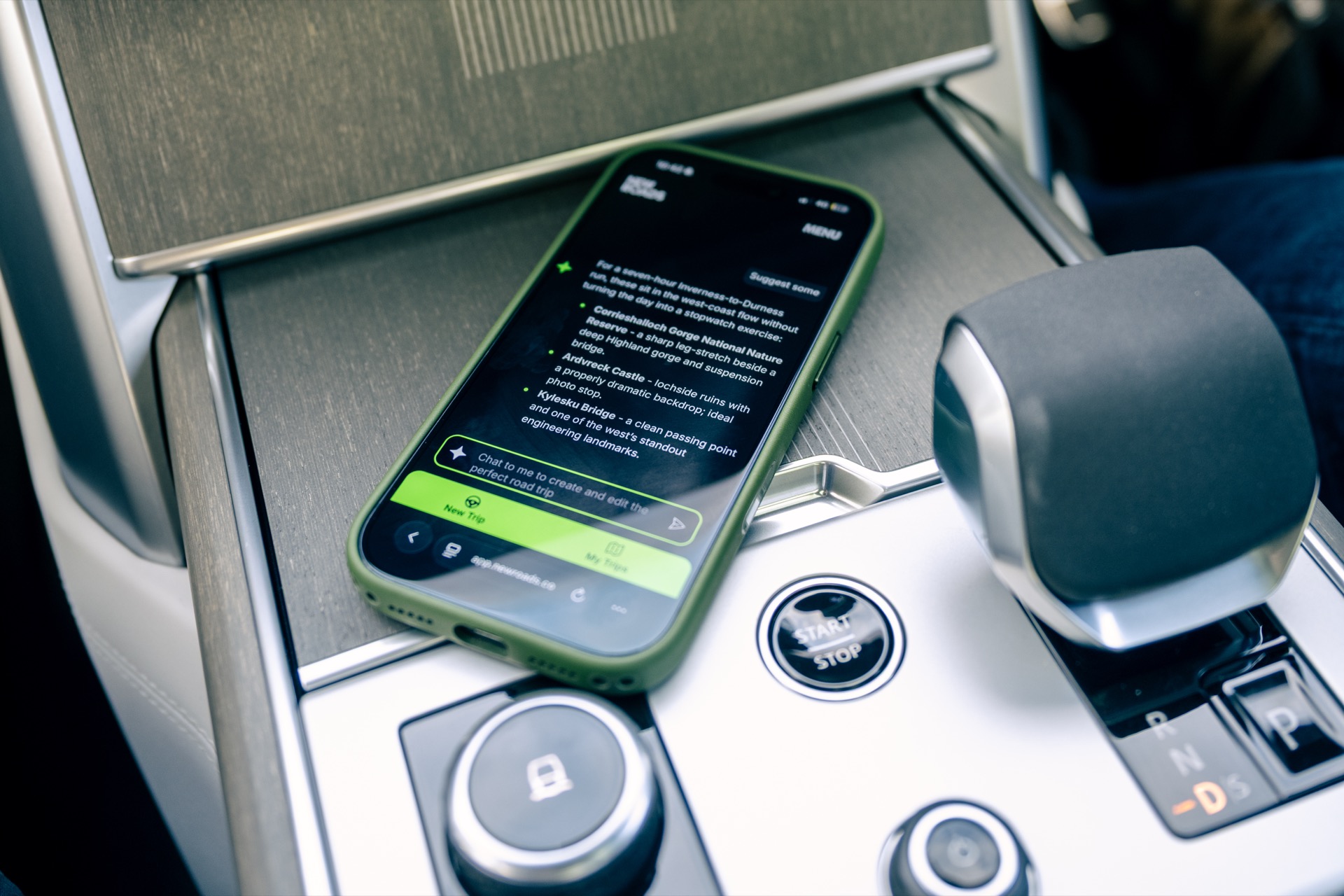
Not because it replaces the pleasure of discovering somewhere new, but because it can dramatically shorten the distance between having an idea and knowing where to begin. Recently I experienced a demonstration of this, New Roads. The platform uses AI to build road trips around considerably more than a start point and destination. You can tell it what you are driving, how long you have, what sort of roads you enjoy, what you want to spend and the type of places you would like to stop along the way.
From there, the itinerary can become increasingly specific: Hotel budgets can be factored in. Fuel type and EV charging can be considered. Restaurants can be built around the route. The dimensions and characteristics of the car can influence where you are sent, while road width, surface, elevation and curvature can all play a part in deciding what constitutes the right road for that particular trip.
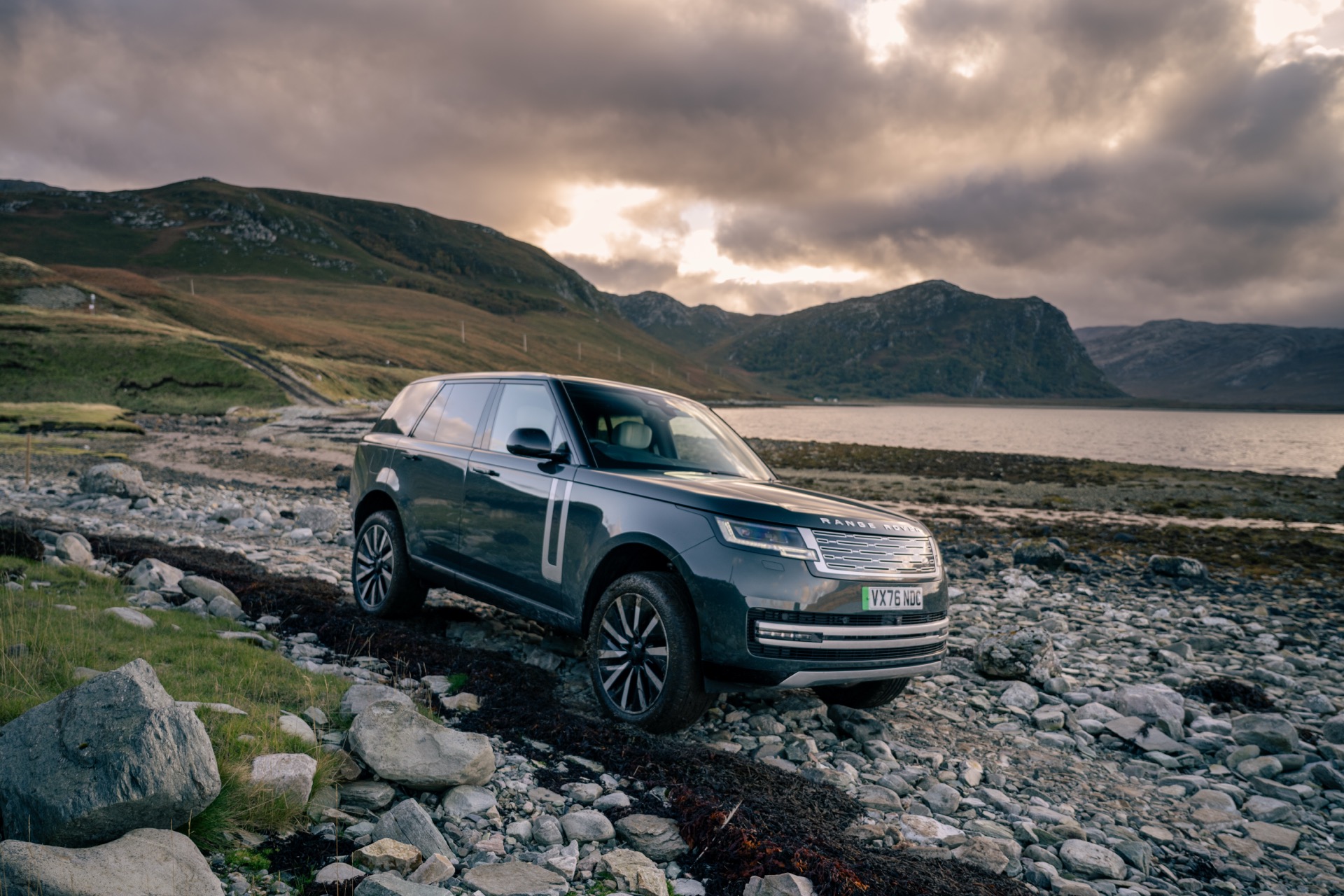
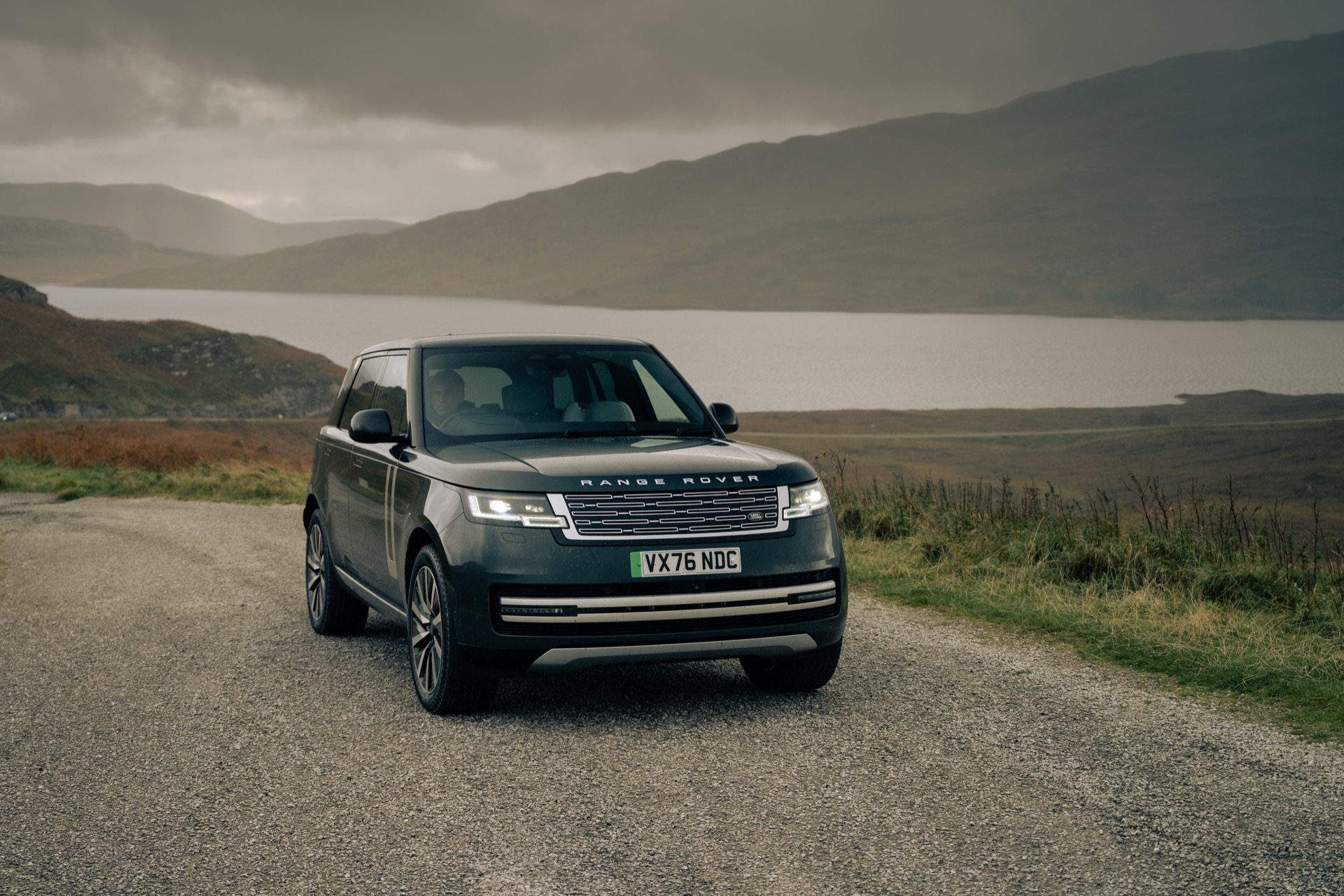
That matters because the perfect route for a 911 GT3 is not necessarily the perfect route for a Range Rover, just as an electric car introduces a completely different set of considerations to a petrol-powered sports car.
A low supercar may need a different approach to poor surfaces, steep ramps or narrow roads. An EV needs charging to sit naturally within the day rather than becoming an interruption. Even hotel parking can suddenly matter considerably more when you are several hundred miles from home in a car you care about.
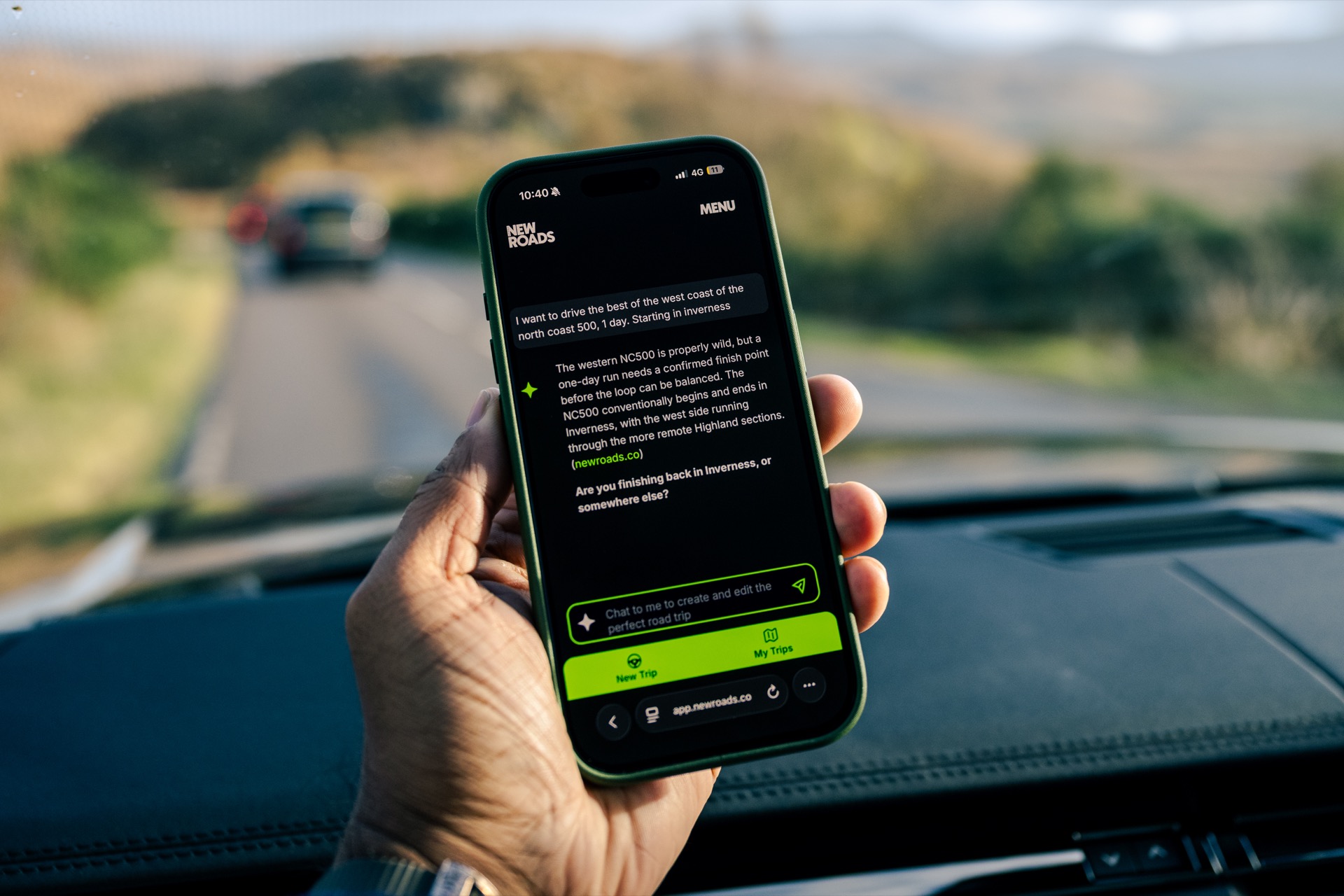
Traditionally, solving all of that meant hours spent moving between maps, forums, hotel websites, magazine features and recommendations from people who had already made the journey.
For many enthusiasts, that research is part of the fun. But it also relies on experience, time and a reasonable understanding of where to start.
That is the more interesting change AI could bring. Planning a great road trip has traditionally relied on accumulated knowledge: knowing which passes link together, what roads suit a particular car, how many miles make sense in a day and how to turn a collection of destinations into an enjoyable journey rather than simply an efficient one.
AI makes much of that knowledge accessible to somebody starting with little more than an idea. A request can begin broadly, three days in the Alps, perhaps, and then be refined again and again. Shorter days. Better hotels. More mountain roads. Fewer motorways. EV charging every few hours. A good restaurant for lunch. Roads suitable for the width of the car.
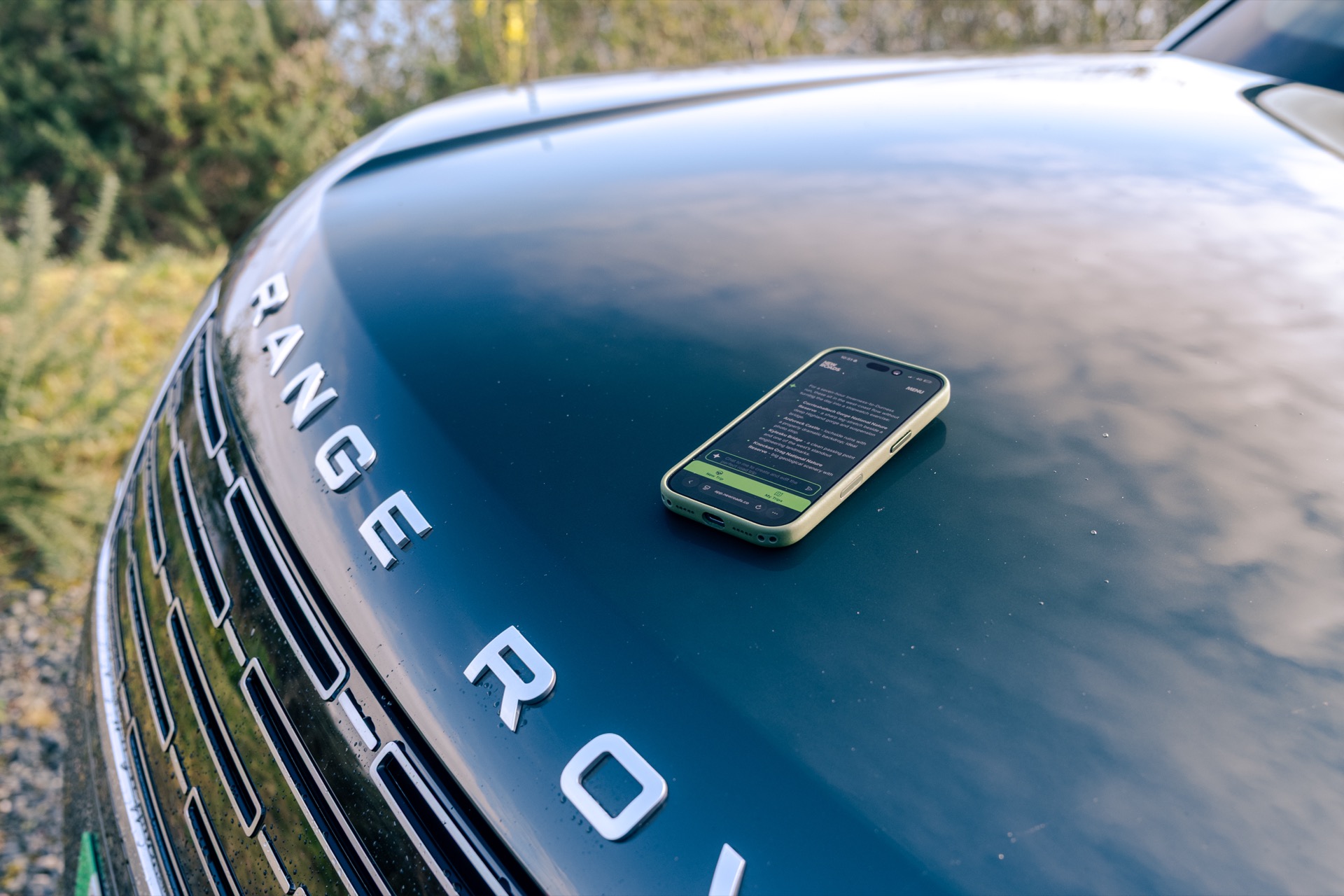
Newroads.co is simply one example of what that can look like in practice. The bigger point is that AI can lower the barrier to entry without taking away the sense of adventure. It does not need to replace the research, spontaneity or discovery that makes a road trip memorable. It simply gives more people the confidence and information to start.
For years, the great European road trip has been something many enthusiasts have watched other people doing on Instagram, YouTube or in magazines.
AI could help make it feel considerably less like somebody else’s adventure.